Yard Work – June 2025

This time of year, all the grasses are growing well. I have reduced the amount of yard with grass…but mowing is still the most time consuming form of yard work for me over the whole season.

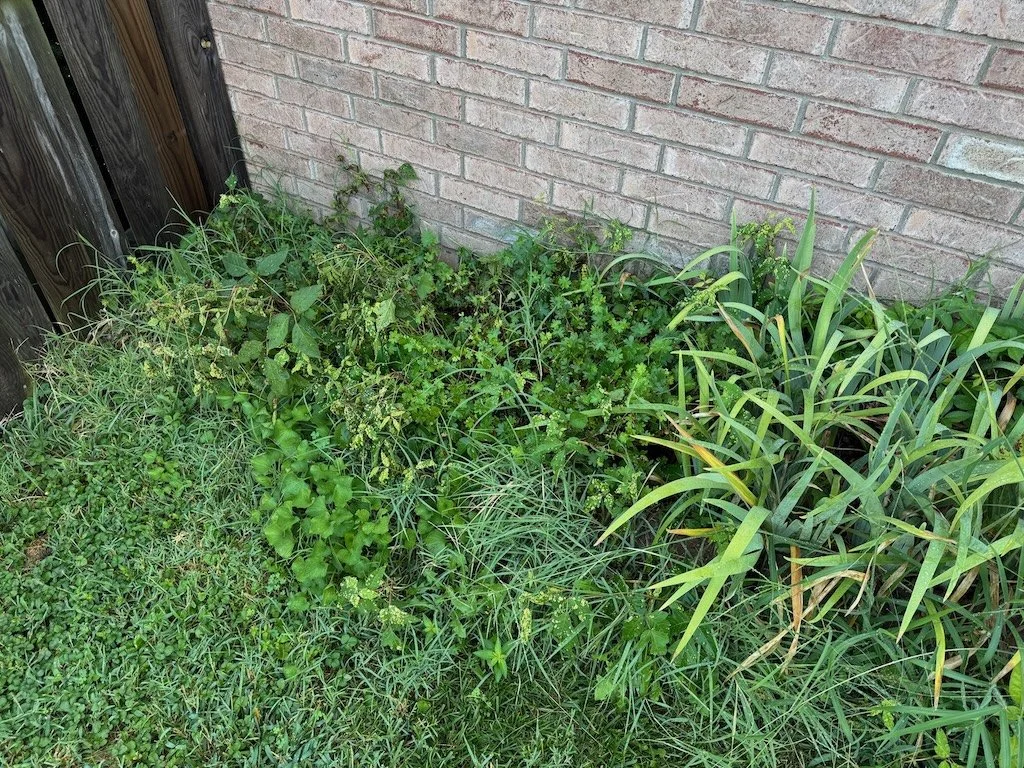
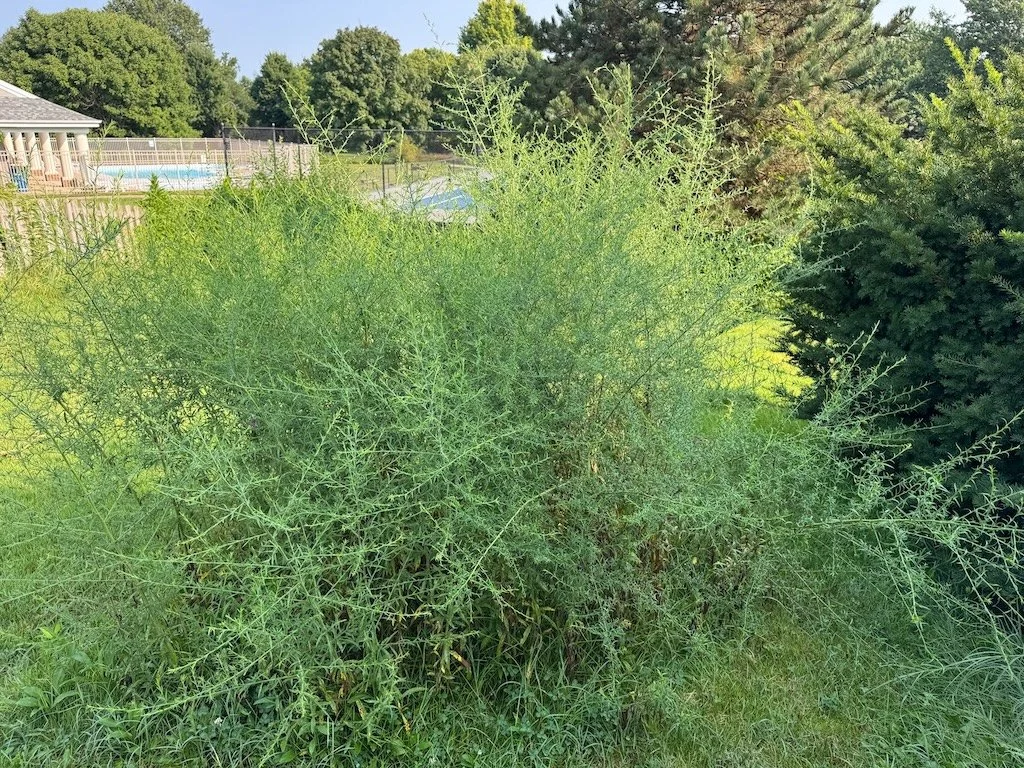
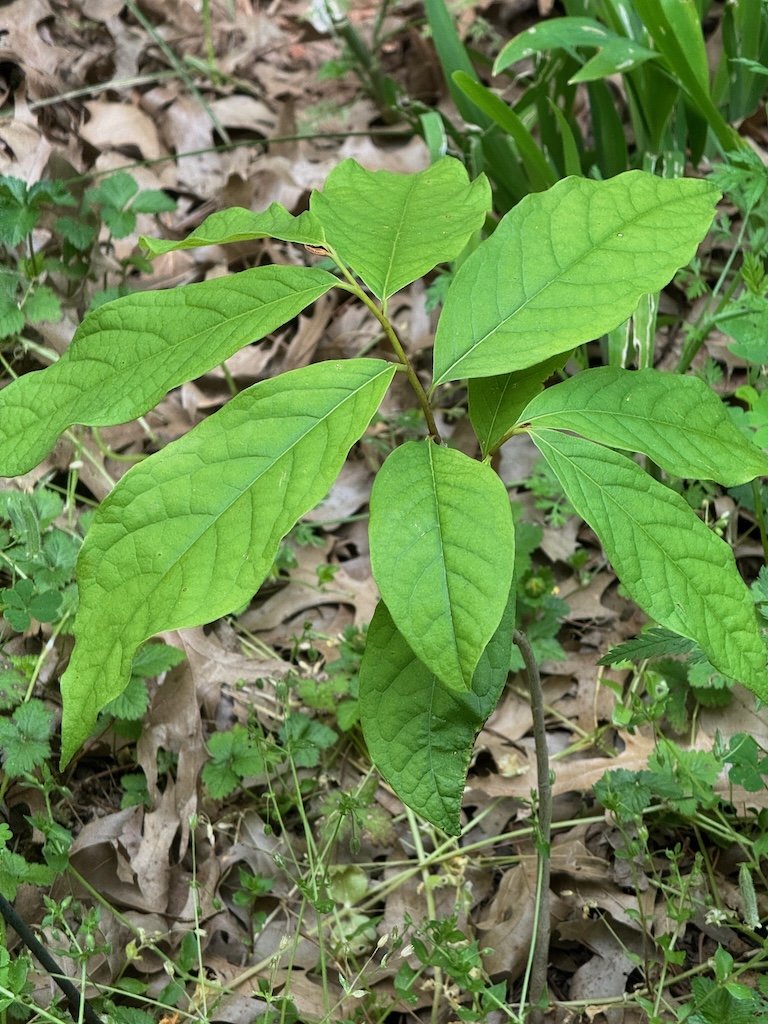
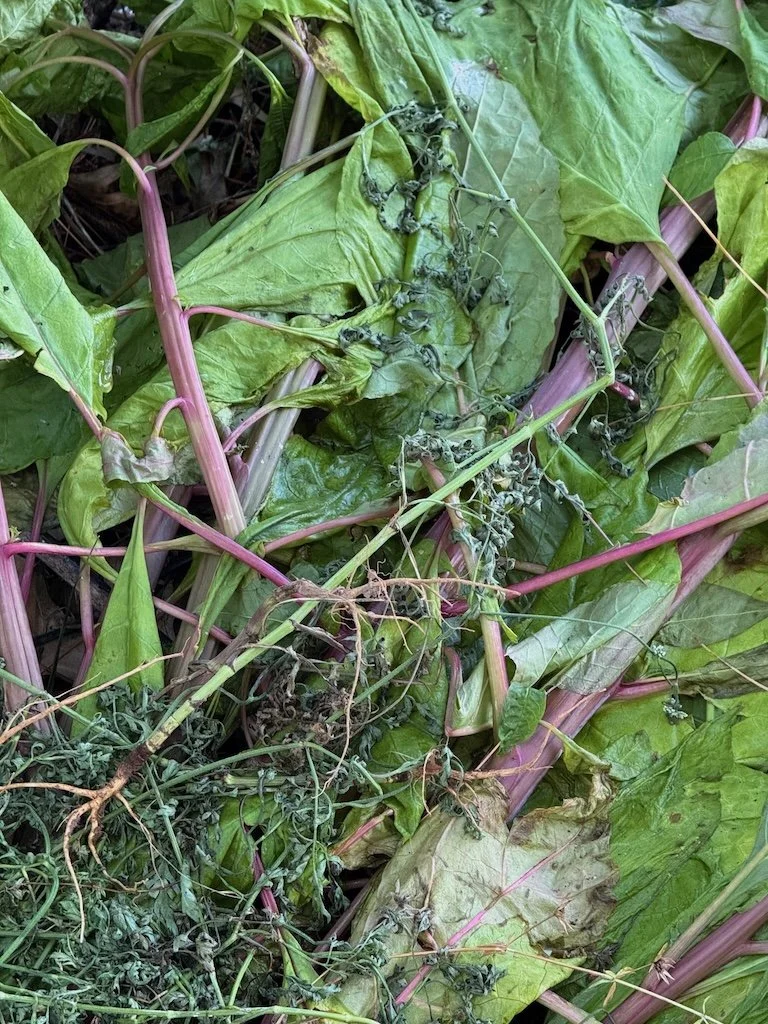
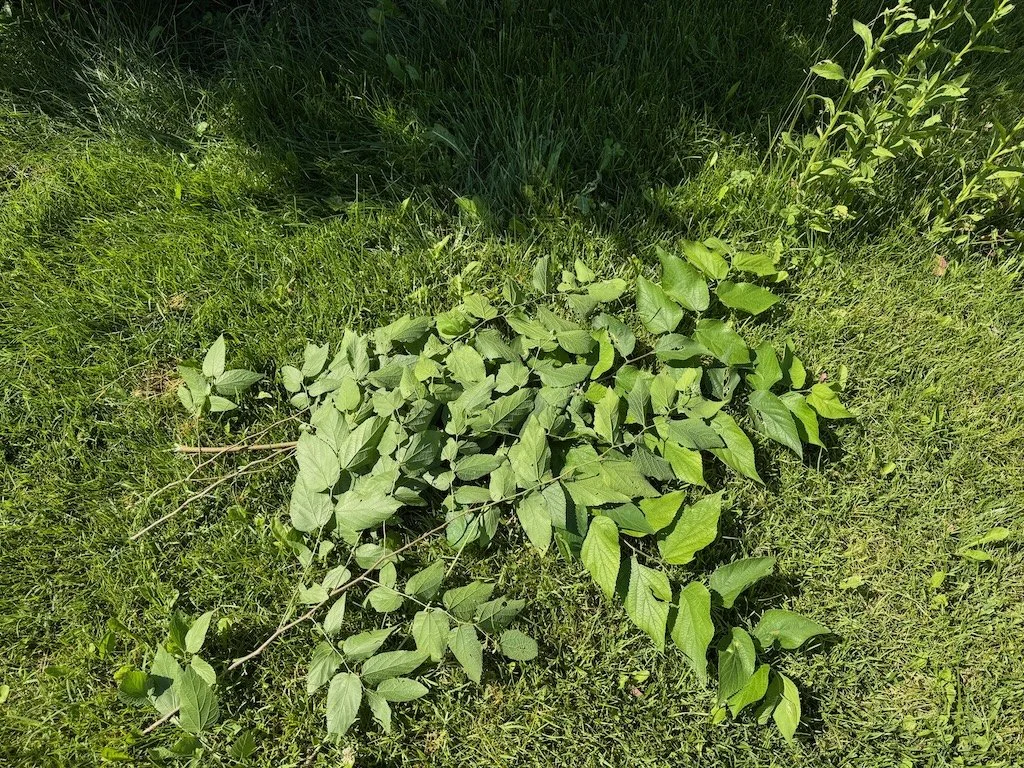
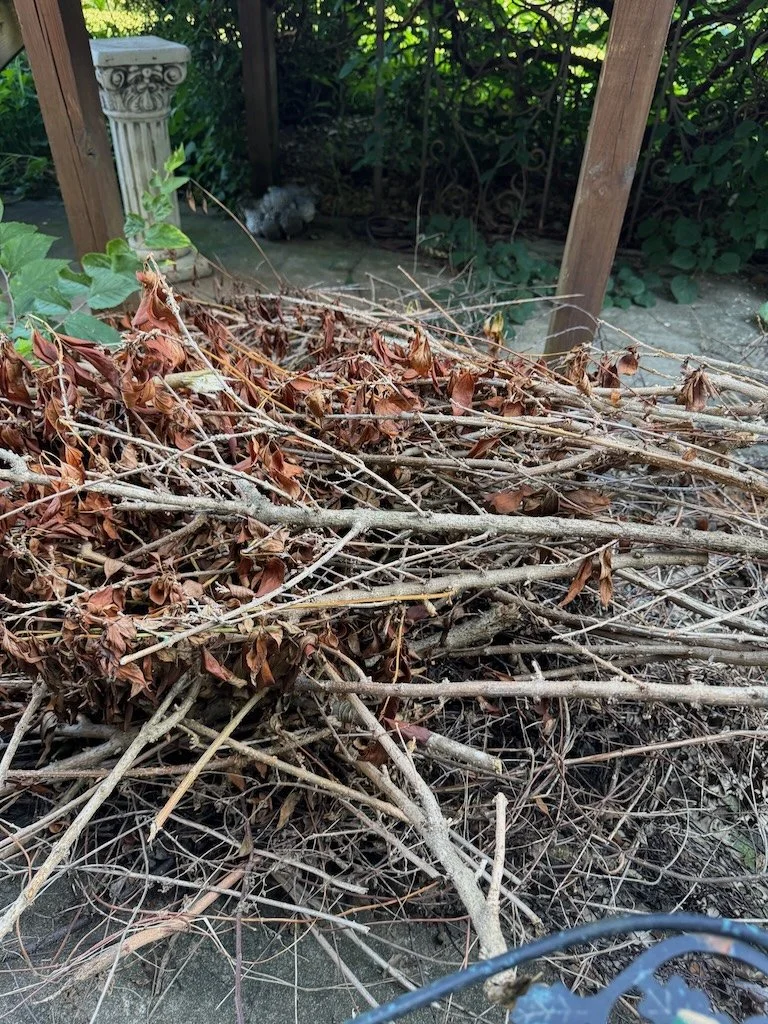
My goal is to cut back on the area I mow and skew the ‘yard work’ toward establishing my native plant gardens. My shade garden is close to being the way I want it. Recently I’ve cut down pokeweed and pulled poison hemlock that was growing in the area near the young pawpaw trees. I took a picture of the compost pile the day after I added the debris from that effort. The stems of the pokeweed are still identifiable by color. The more delicate curls of vegetation are the poison hemlock.

In the new native plant garden in the front yard, I am digging out dandelions that are growing through the mulch….keeping the area clear for the native plants to spread and fill the space.

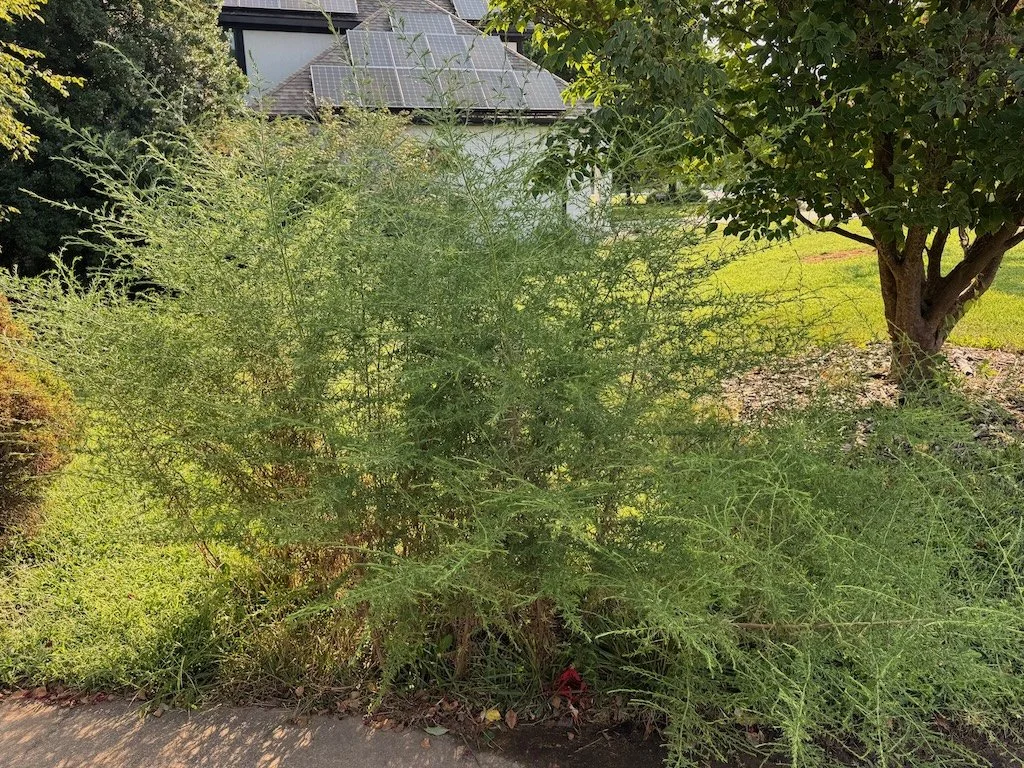
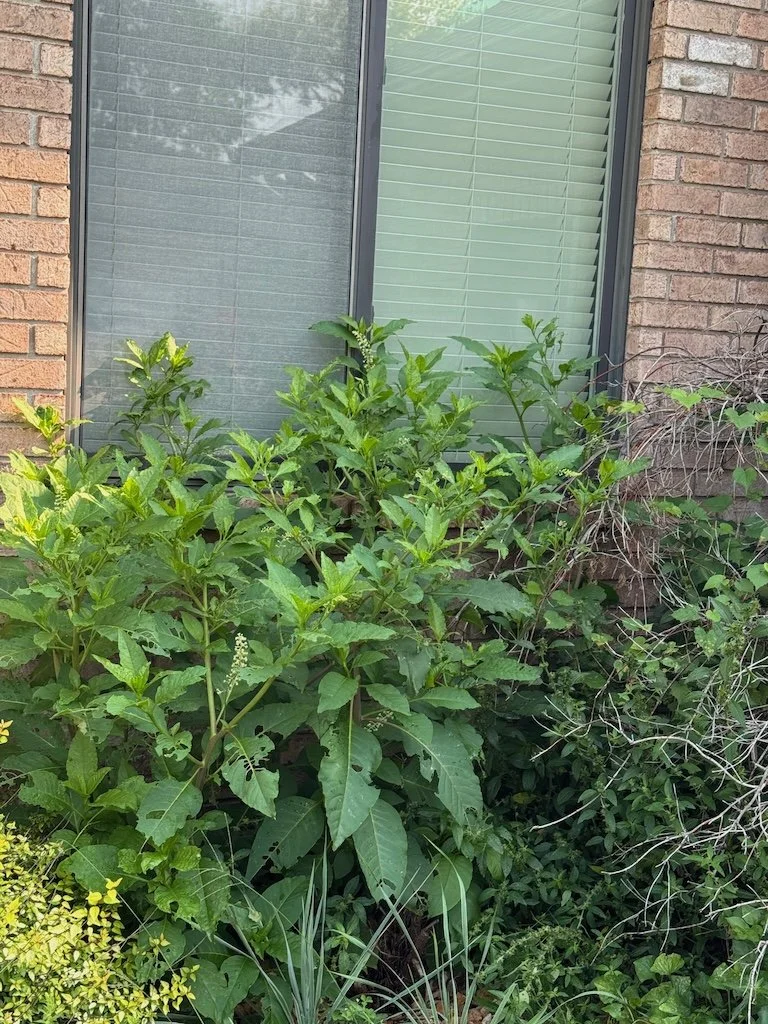
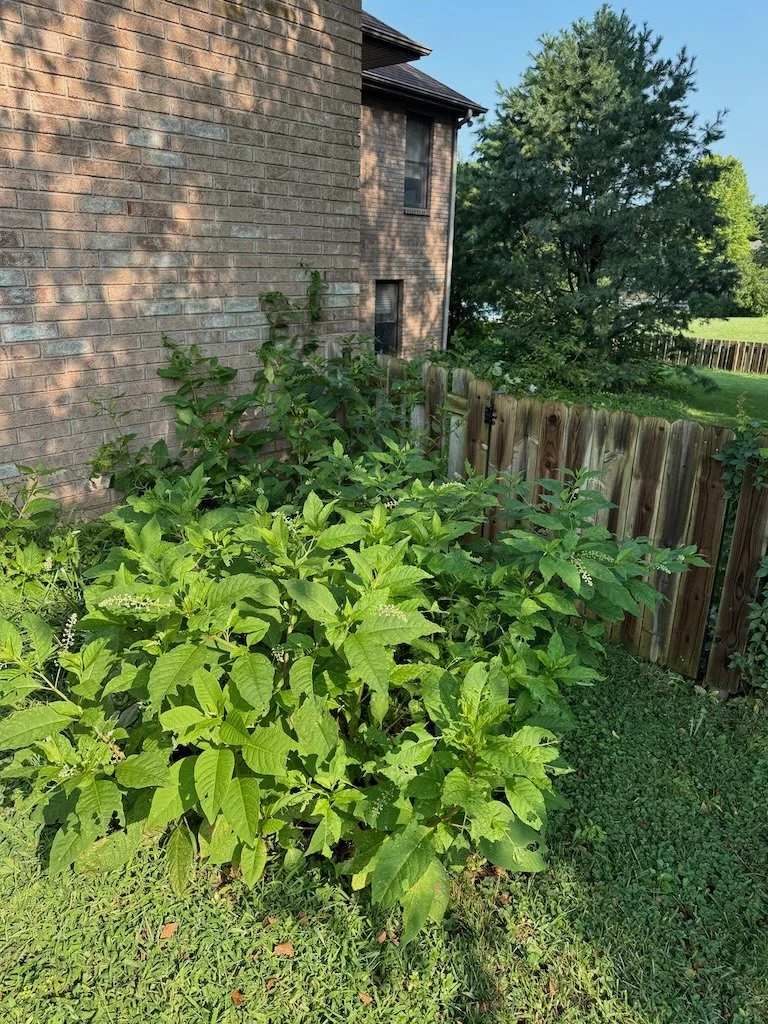
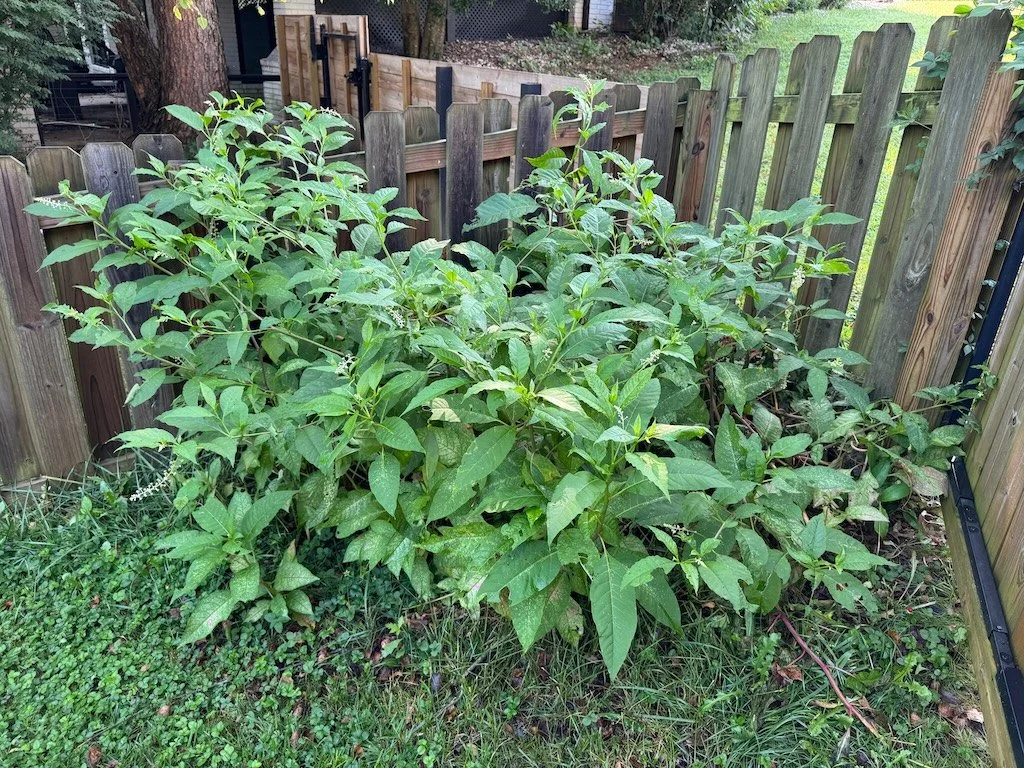
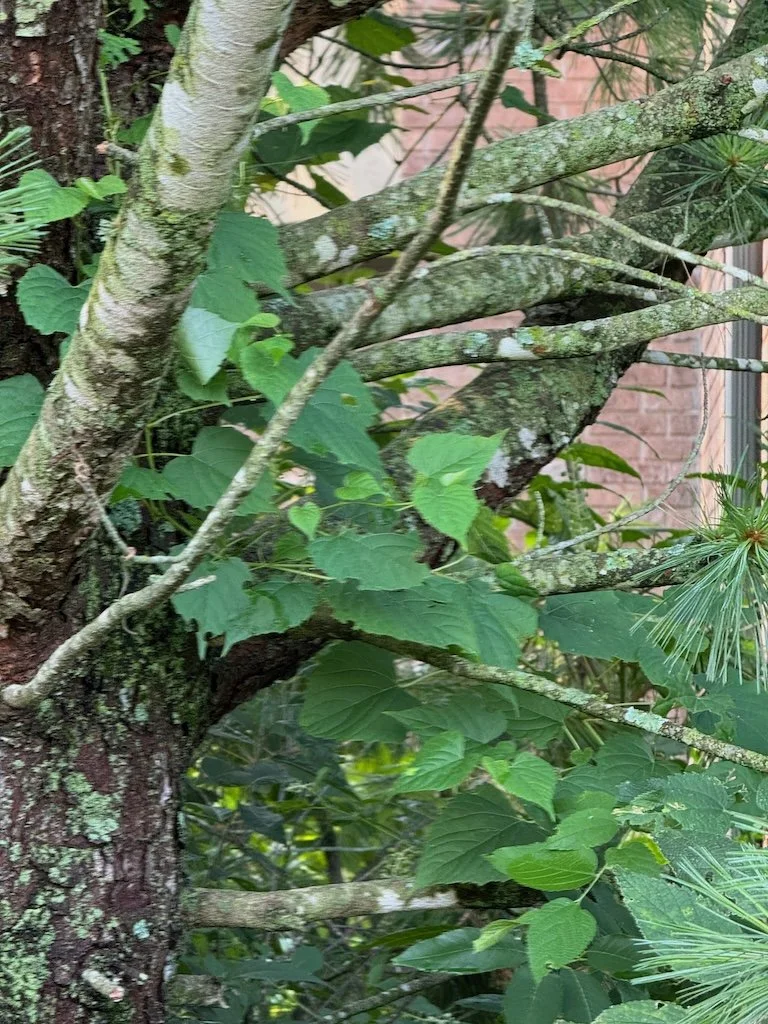
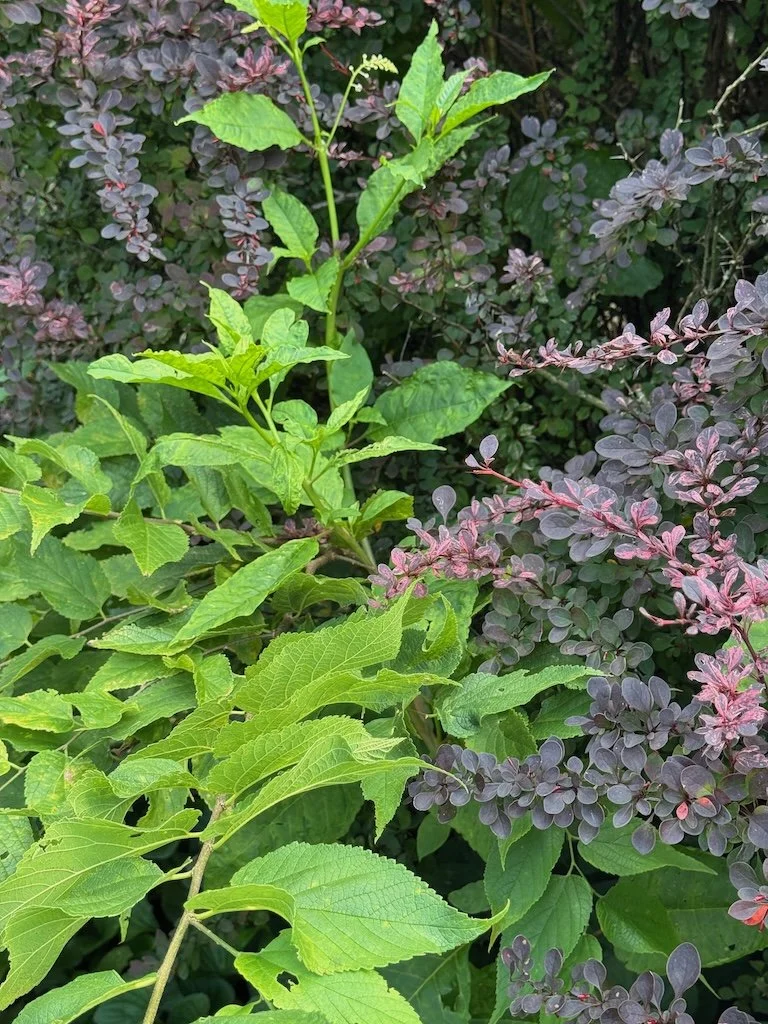
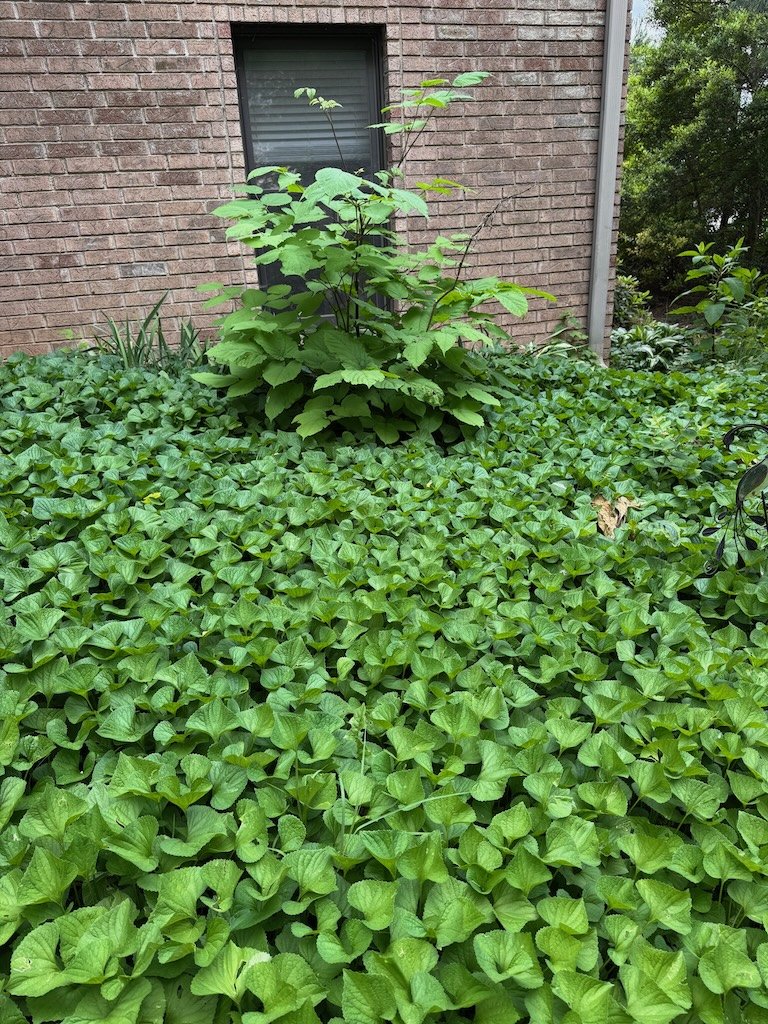
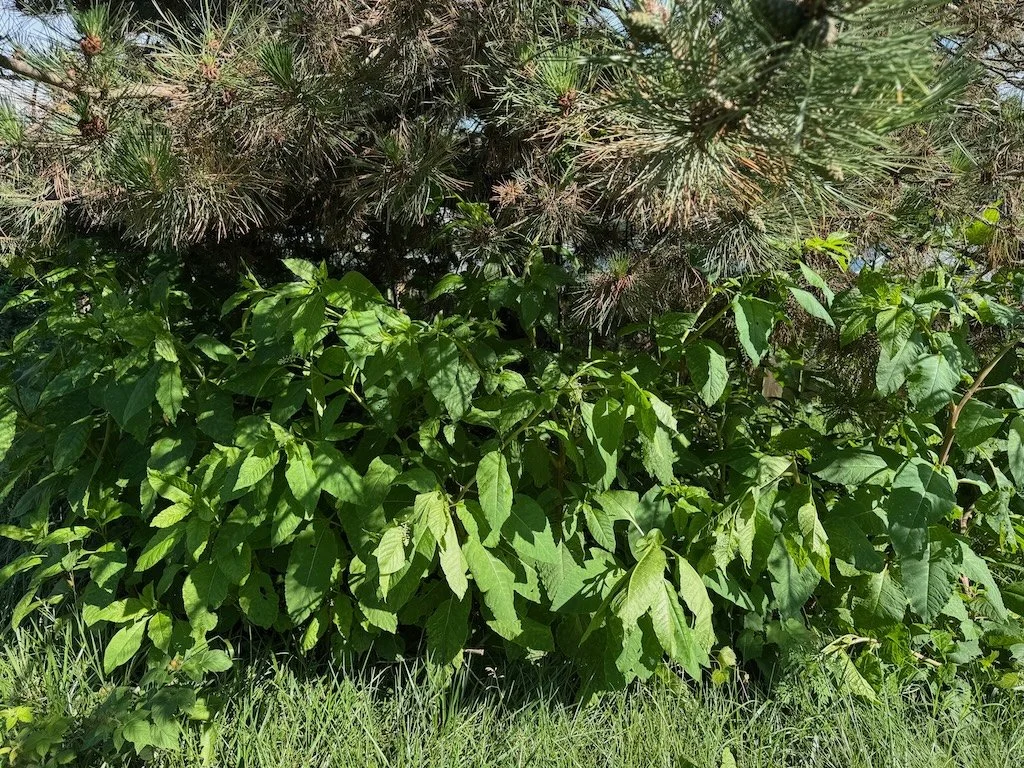
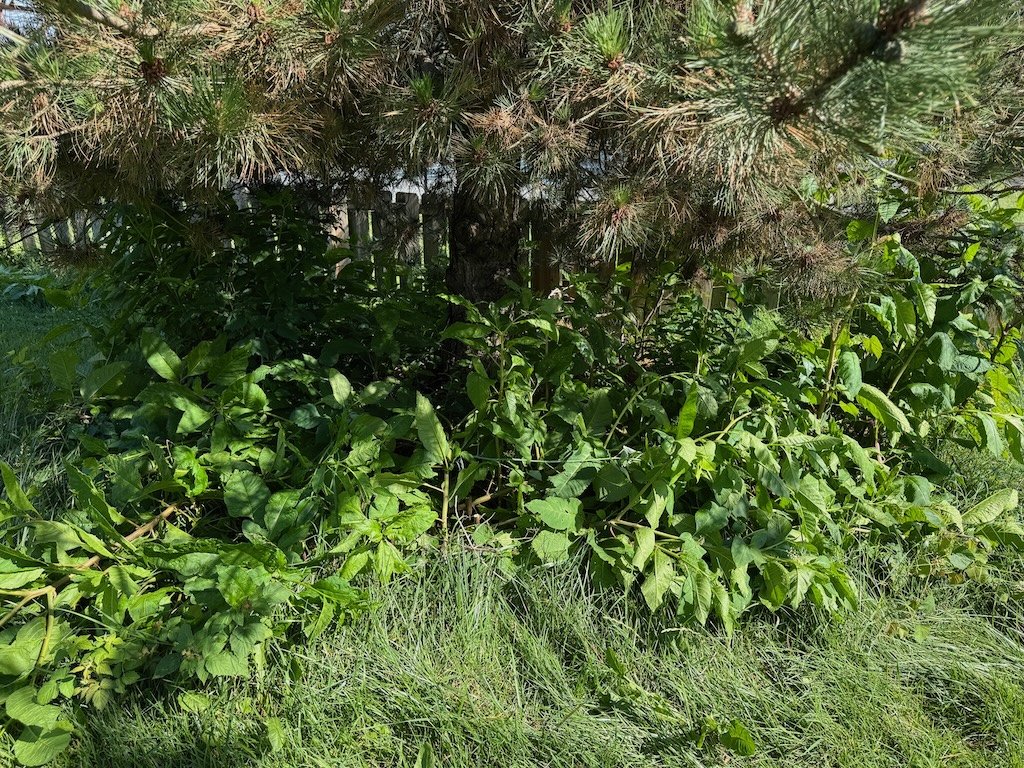
The area under the shortleaf pine was crowded with pokeweed up to the lower branches. I cut quite a few down and will let them rot where they fell!

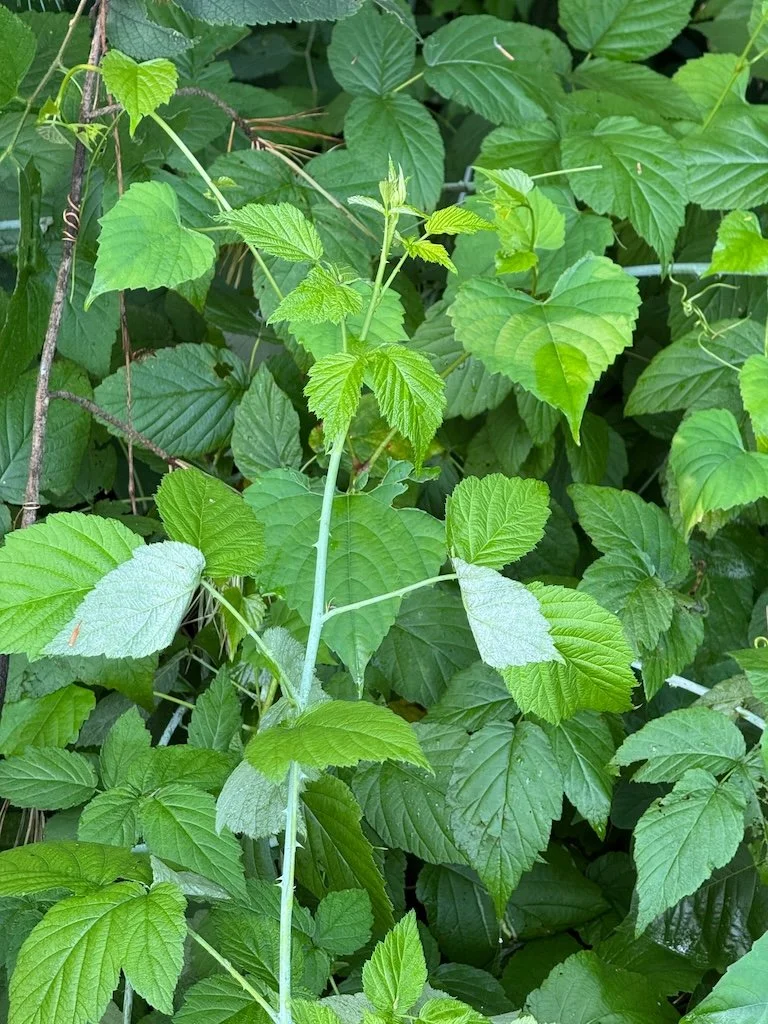
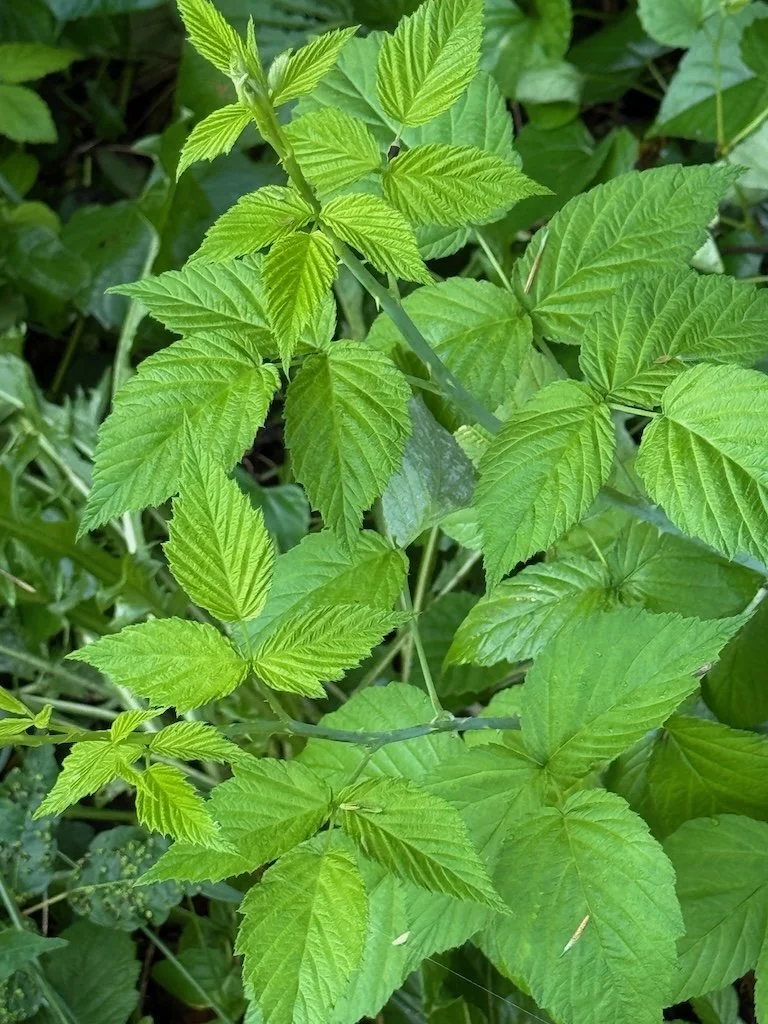
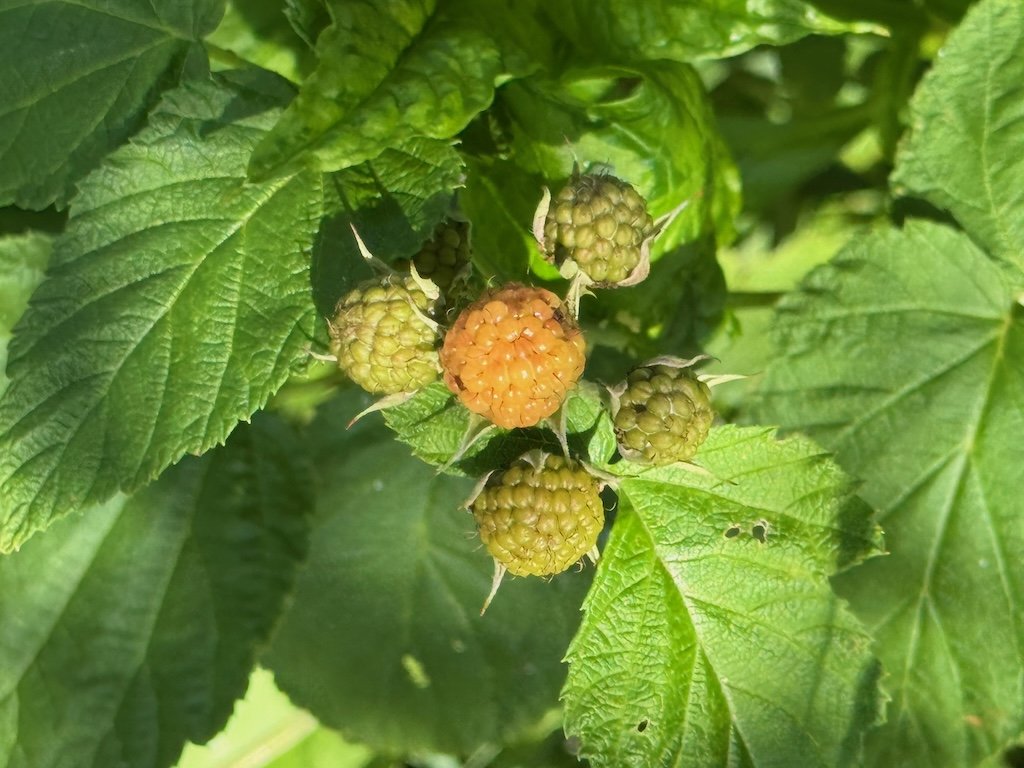
On the plus side, I discovered some blackberries growing under the pokeweed!

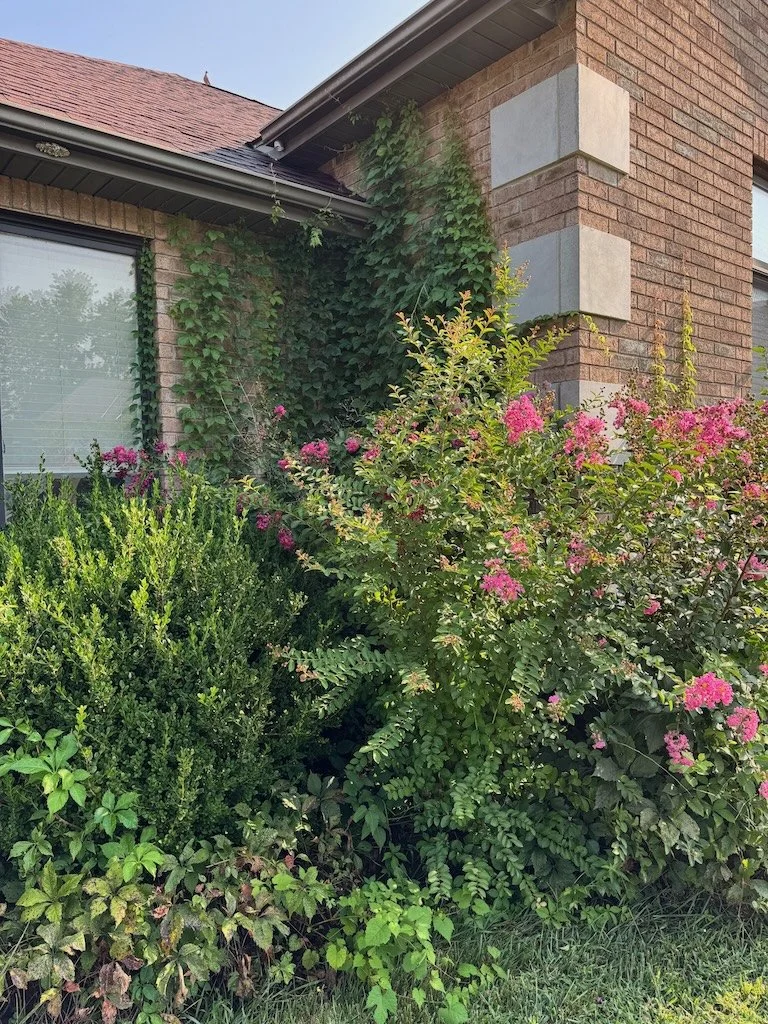
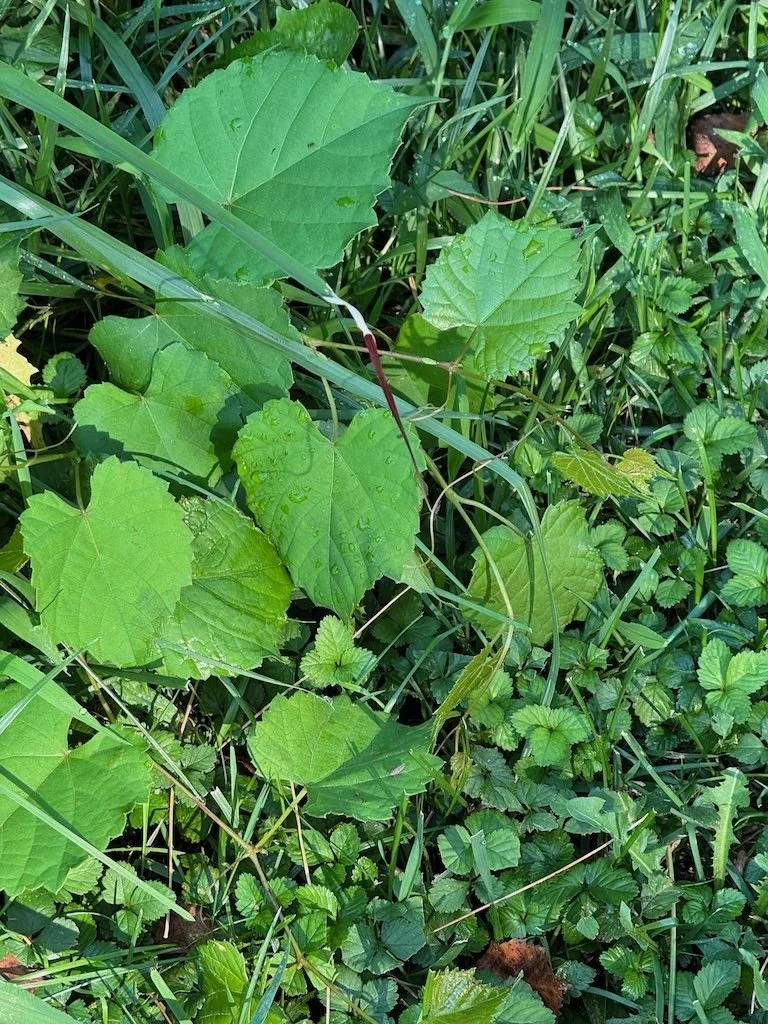
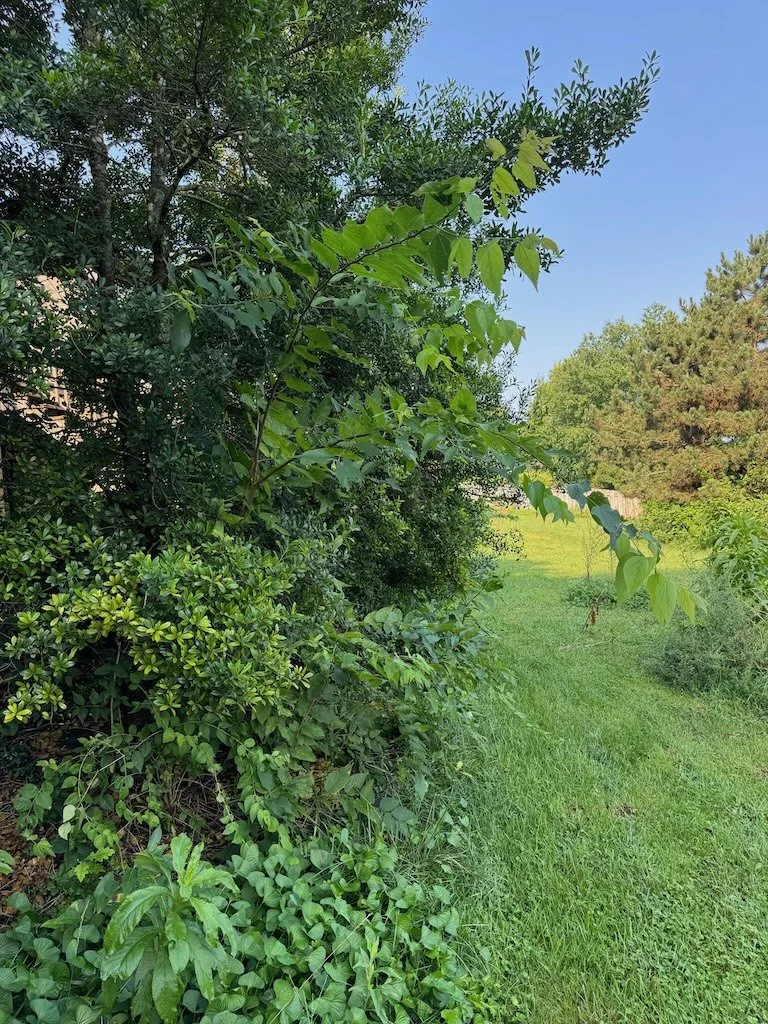
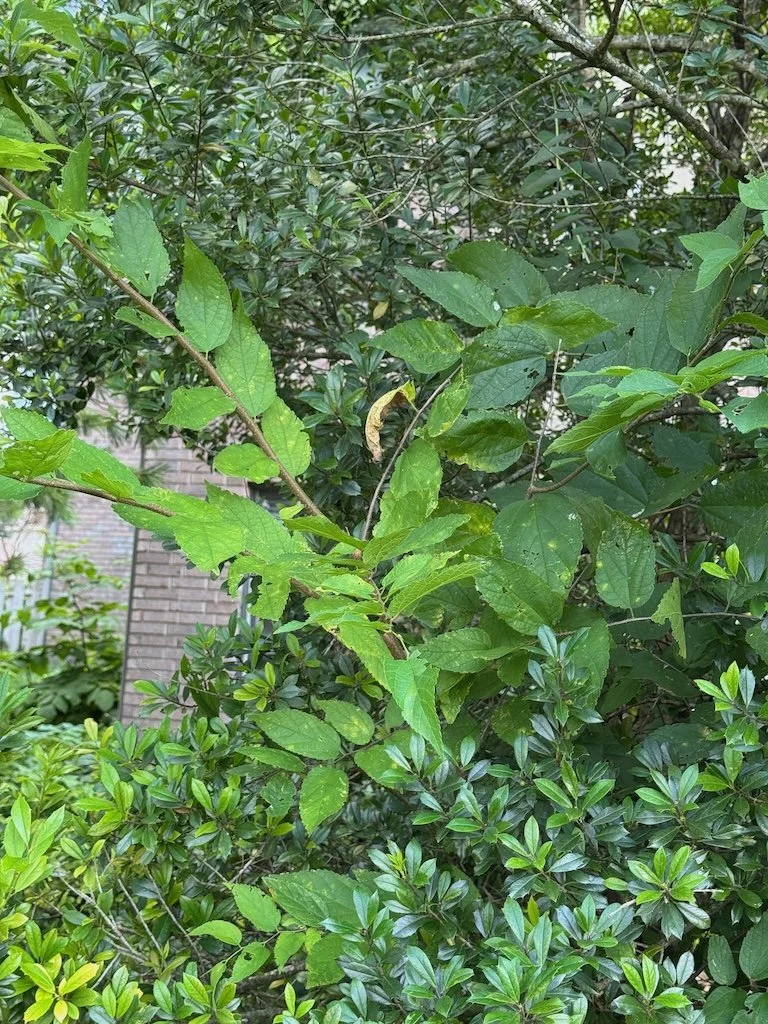
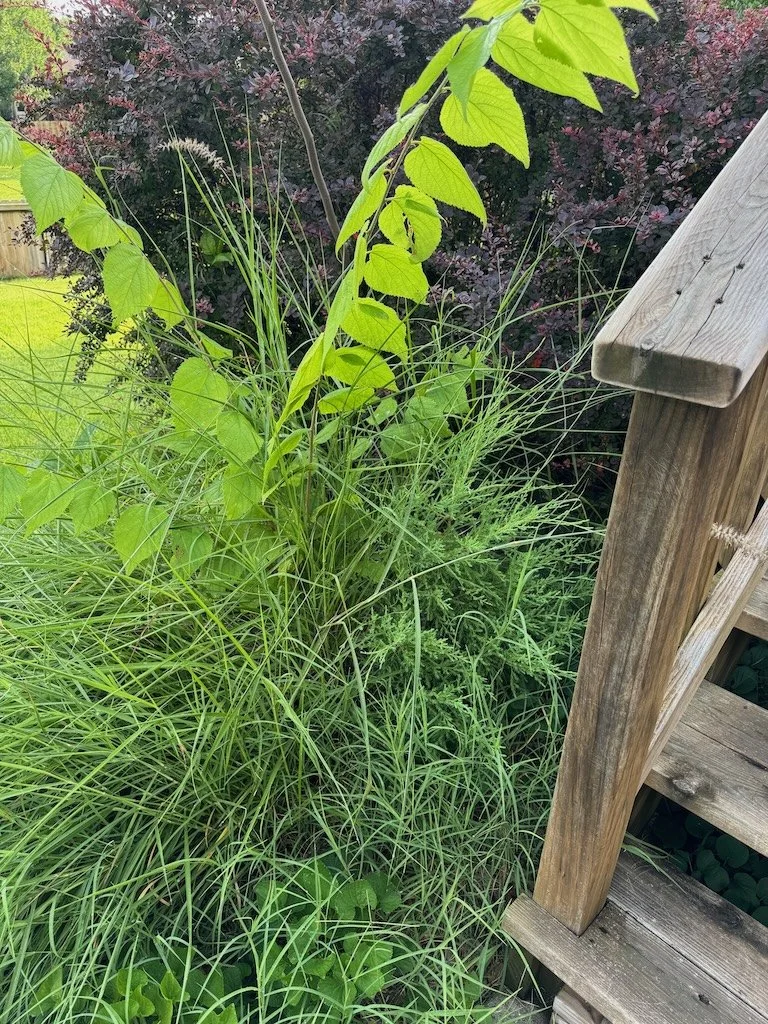
The hackberry that was growing in the yew hedge was cut back – I don’t want a tree growing there. I couldn’t get to the root so it will likely return.

My goal in June is to do as much as I can to get the yard in great shape so there won’t be much aside from mowing in the hotter part of the summer.

Butterfly House Trees

I decided to document the trees in the Roston Native Butterfly House during one of my recent shifts. All of them are there to provide food for certain caterpillars. So here is a tree tour of the house…starting on the right side as you enter the trees are

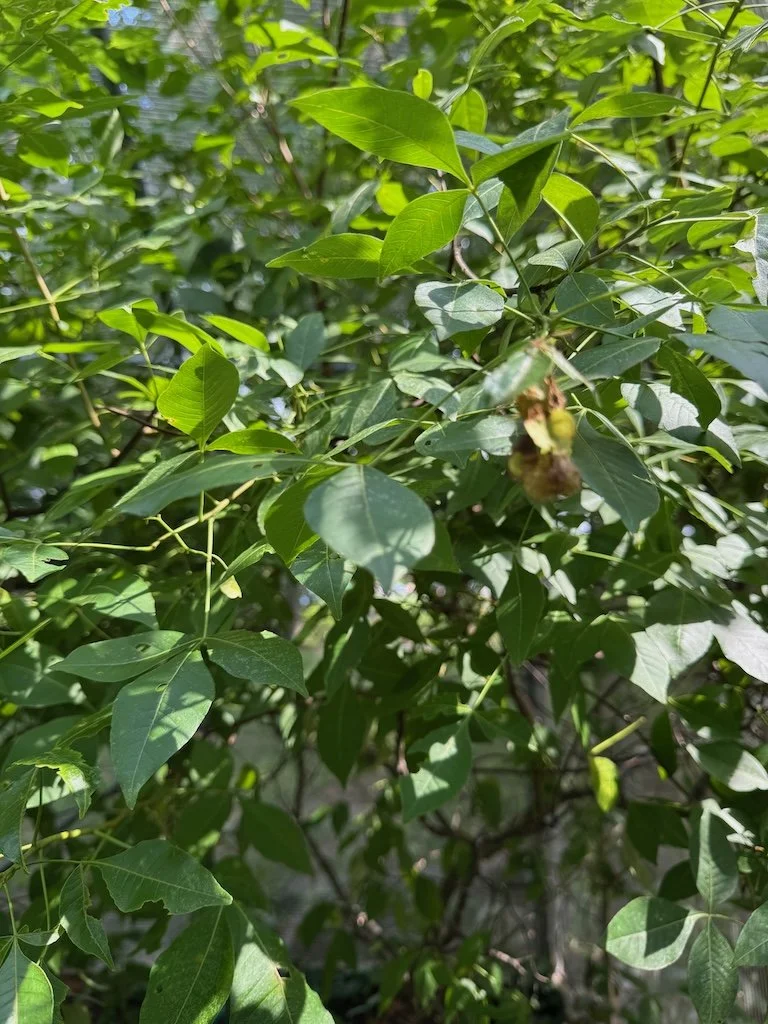
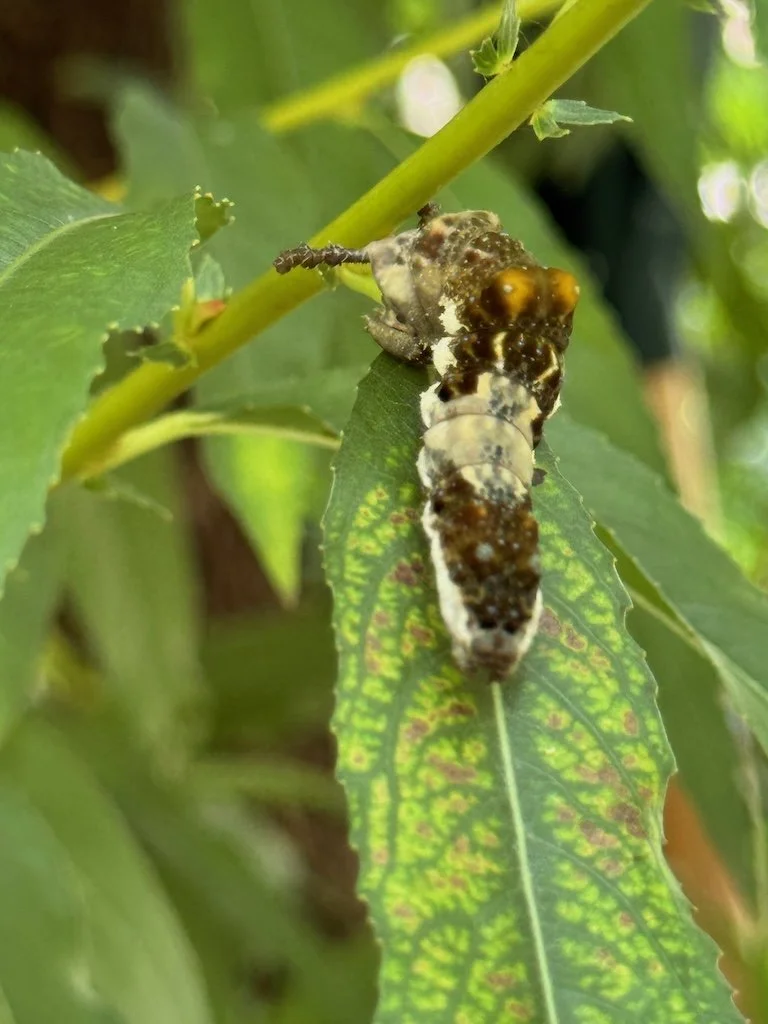
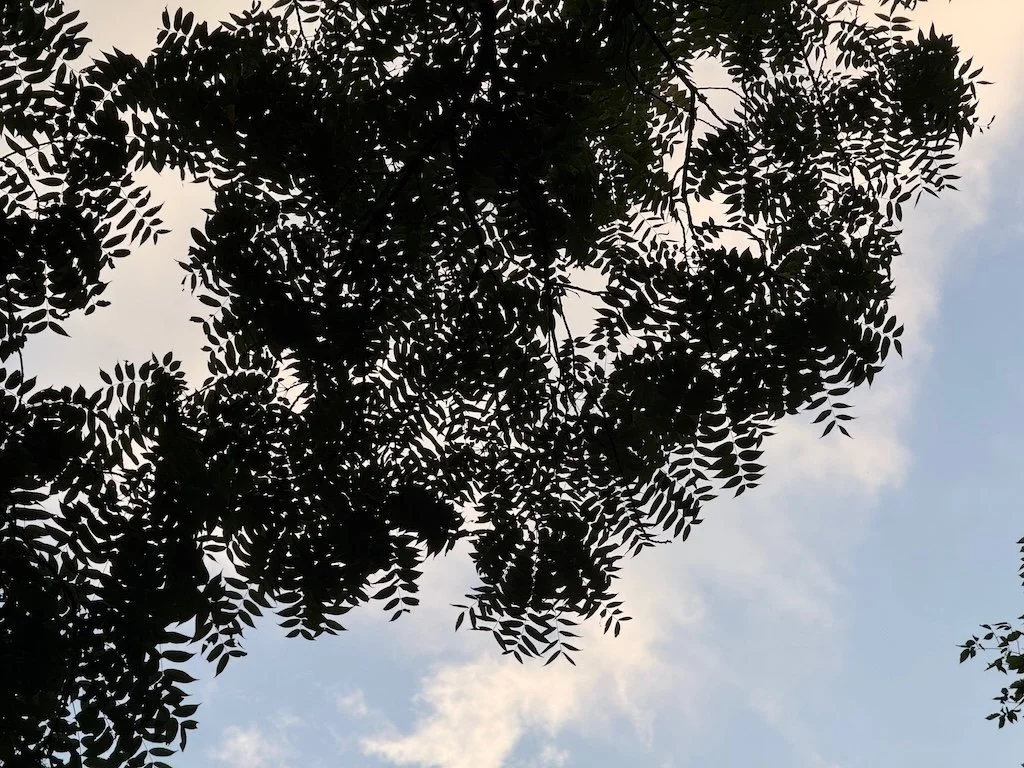
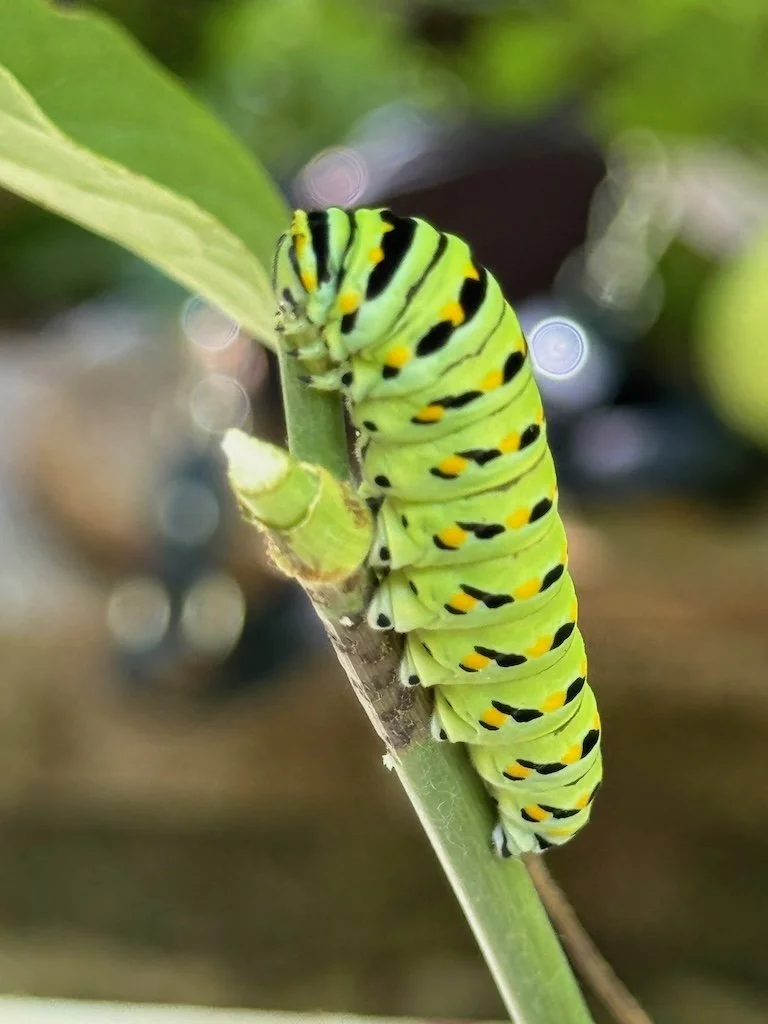
Wafer ash for Giant Swallowtail caterpillars

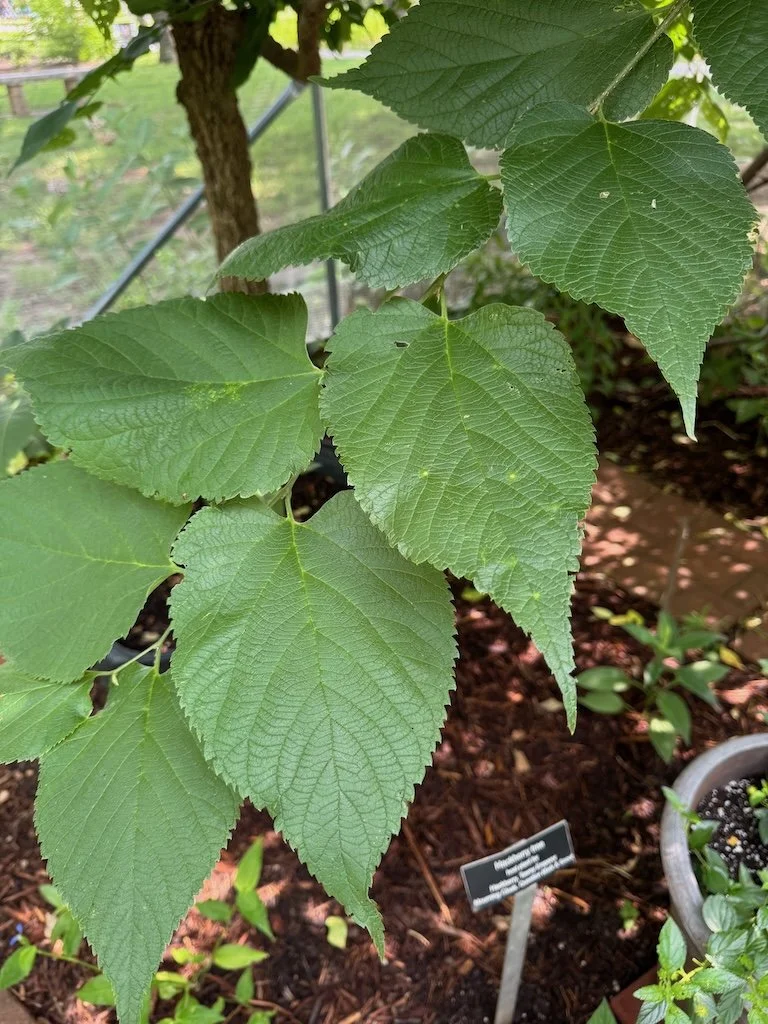
Hackberry for Hackberry Emperor caterpillars

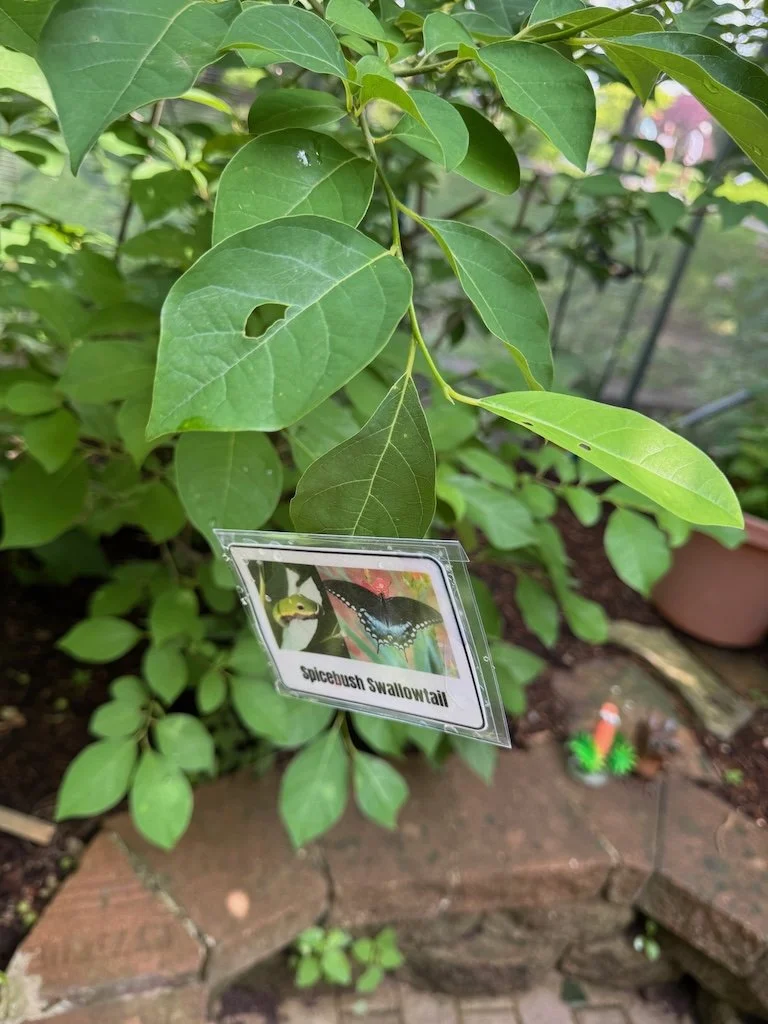
Spicebush for Spicebush Swallowtail caterpillars

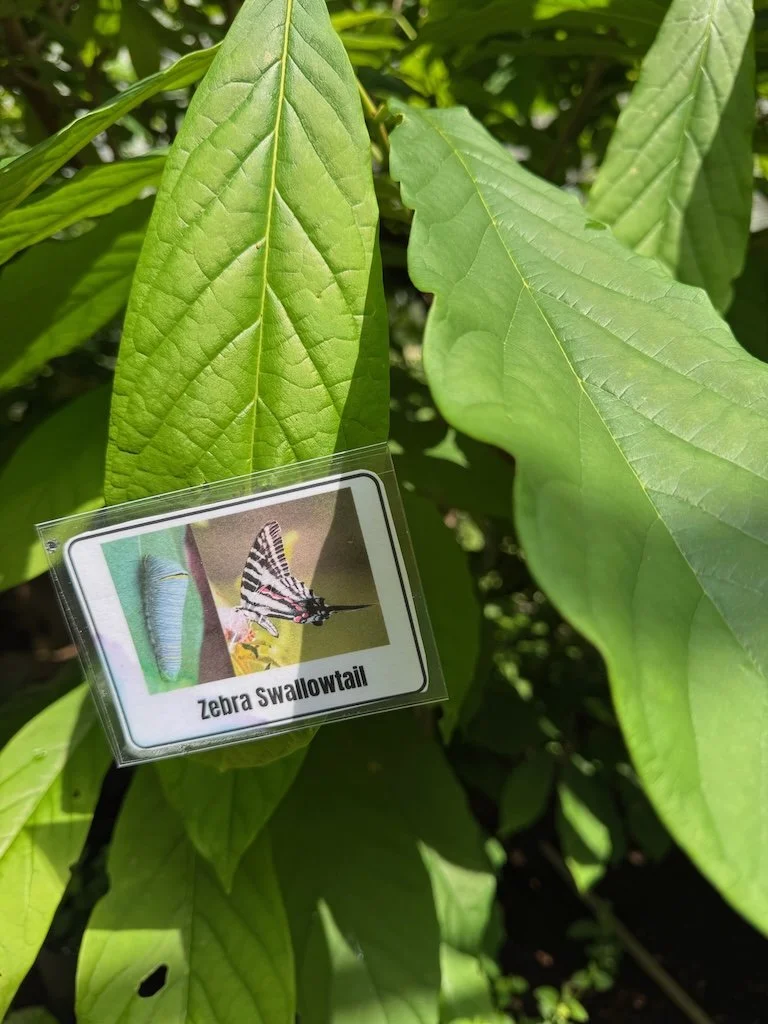
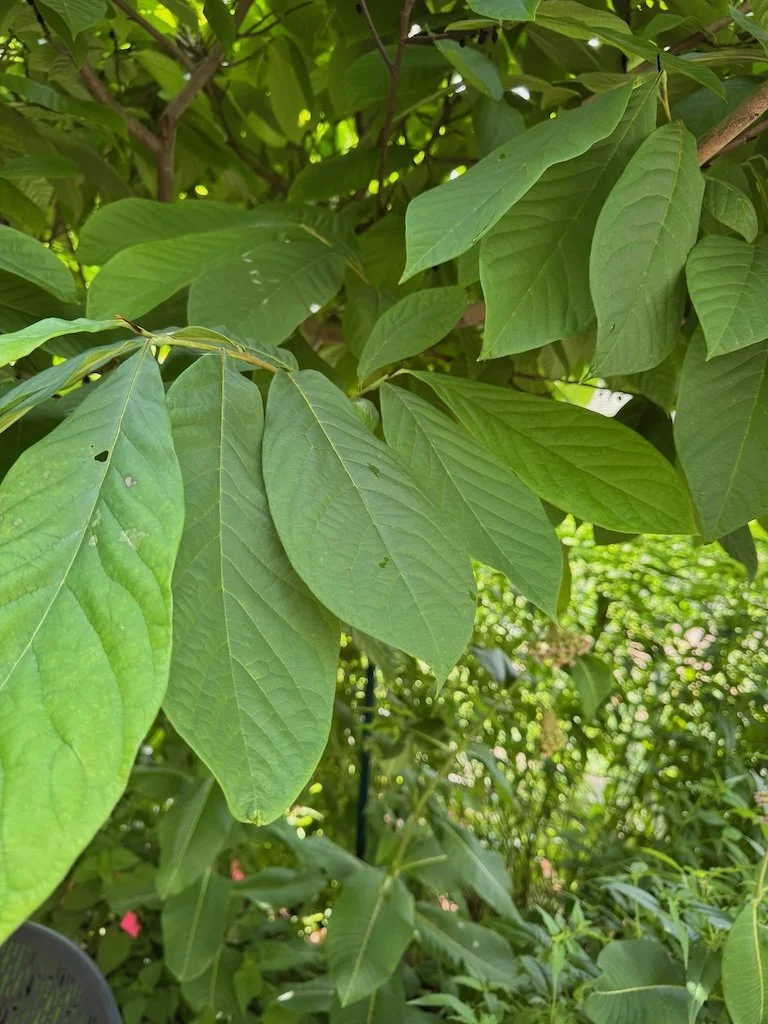
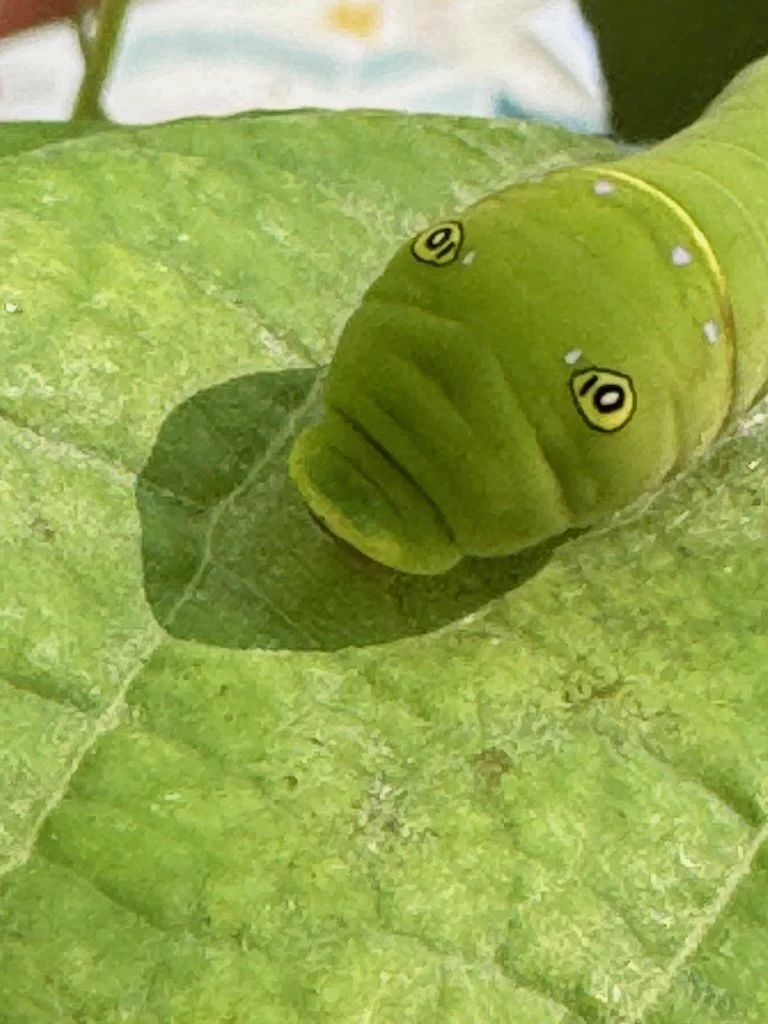
Pawpaw for Zebra Swallowtail caterpillars

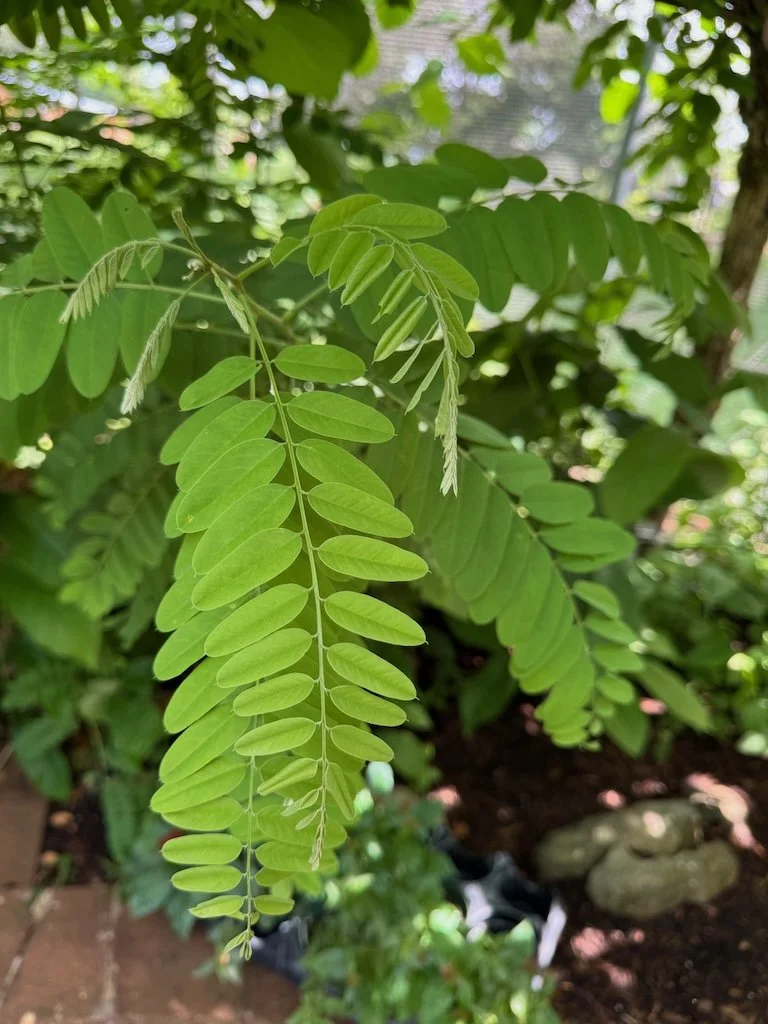
False Indigo for Silver Spotted Skipper caterpillars

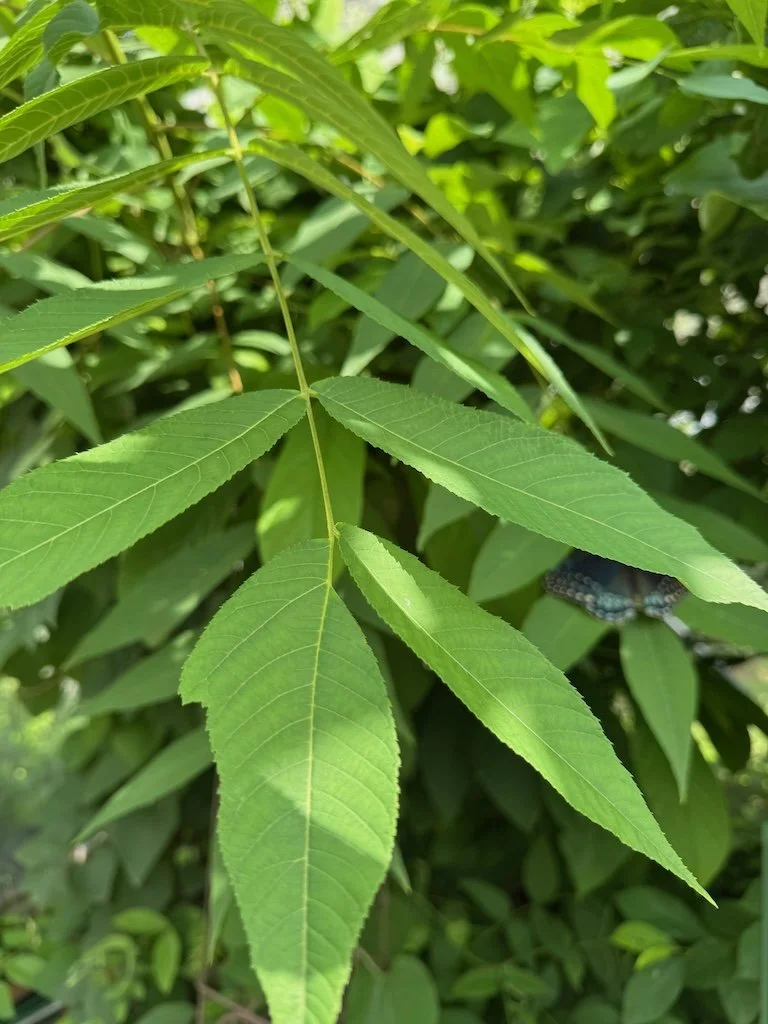
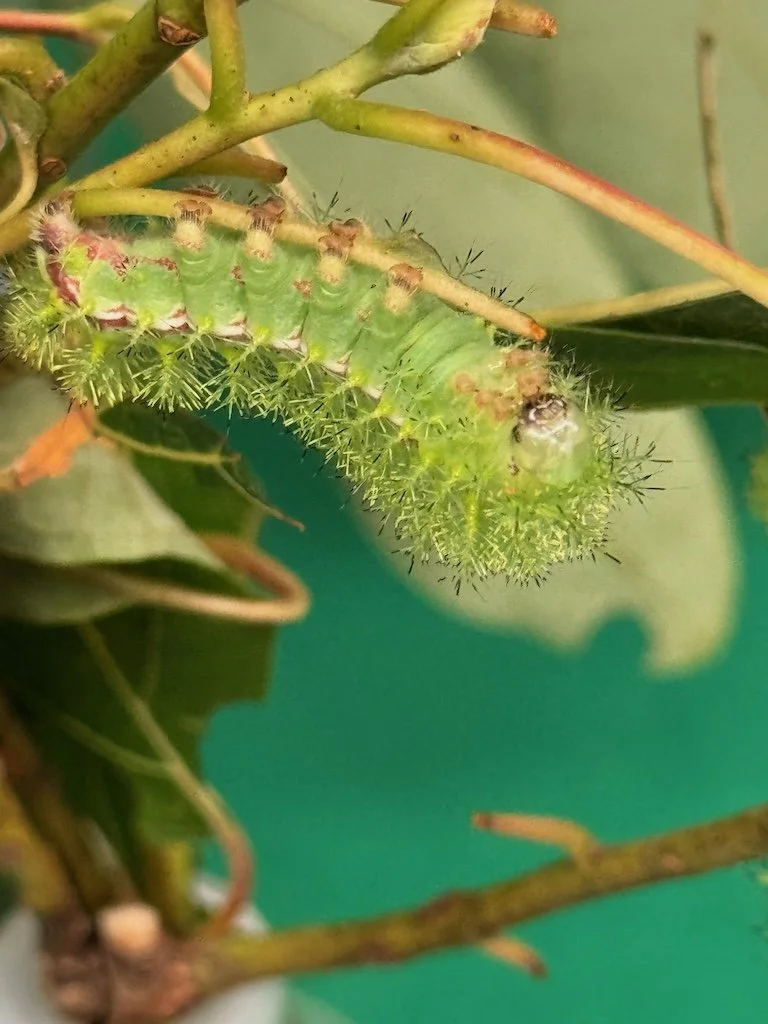
Black Walnut for Luna Moth, Polyphemus Moth, and Red Banded Hairstreak caterpillars

(turning back toward the front of the house…looking at the trees on your right)

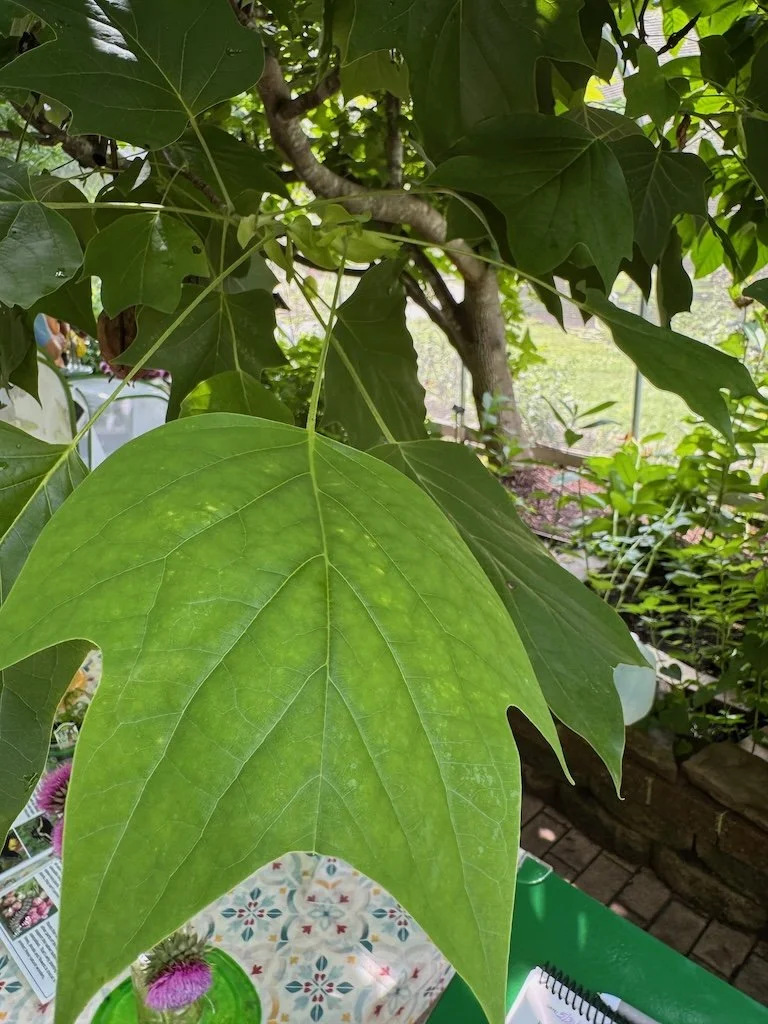
Tulip poplar for Tiger Swallowtail caterpillars

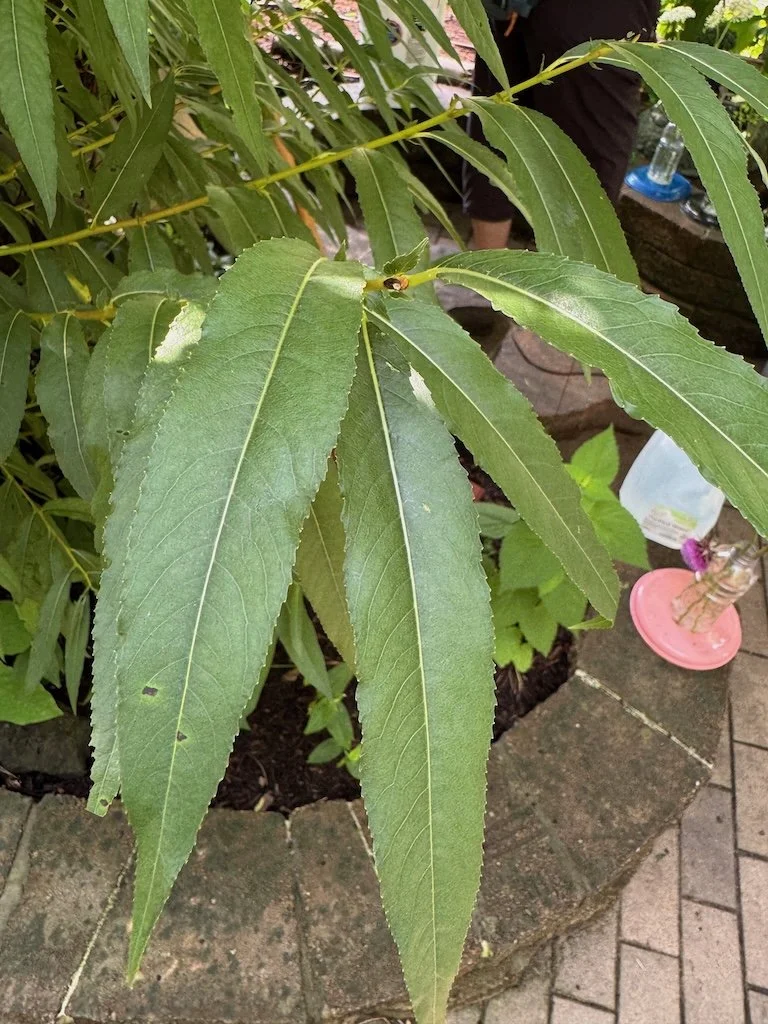
Black Willow for Red Spotted Purple caterpillars

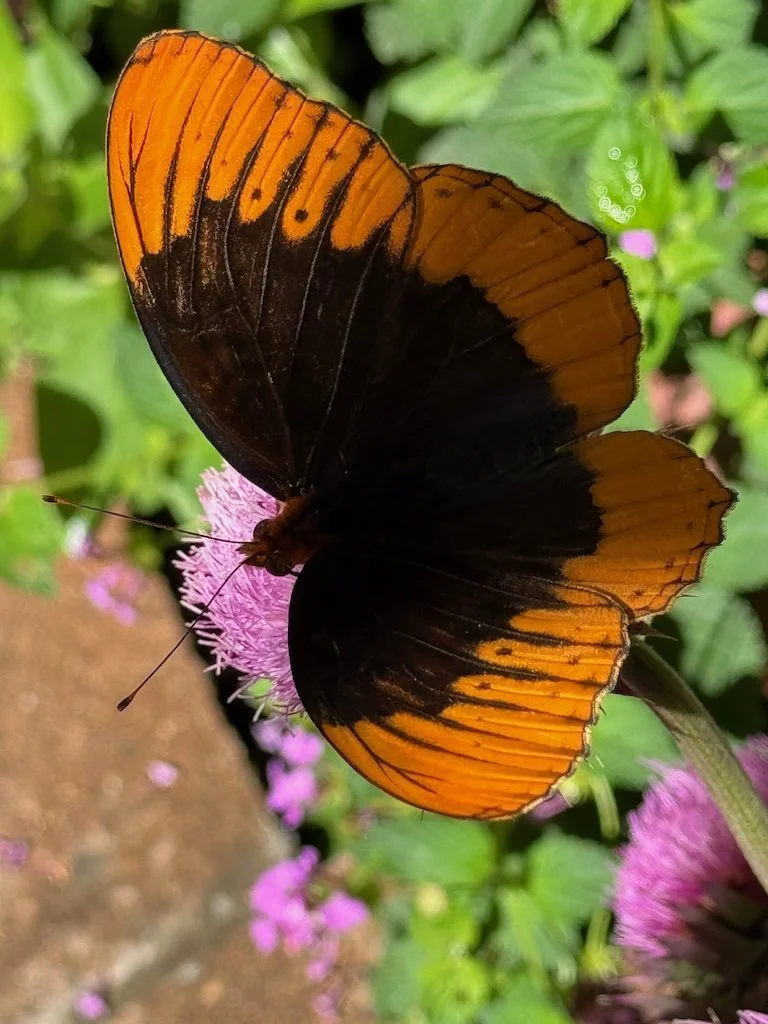
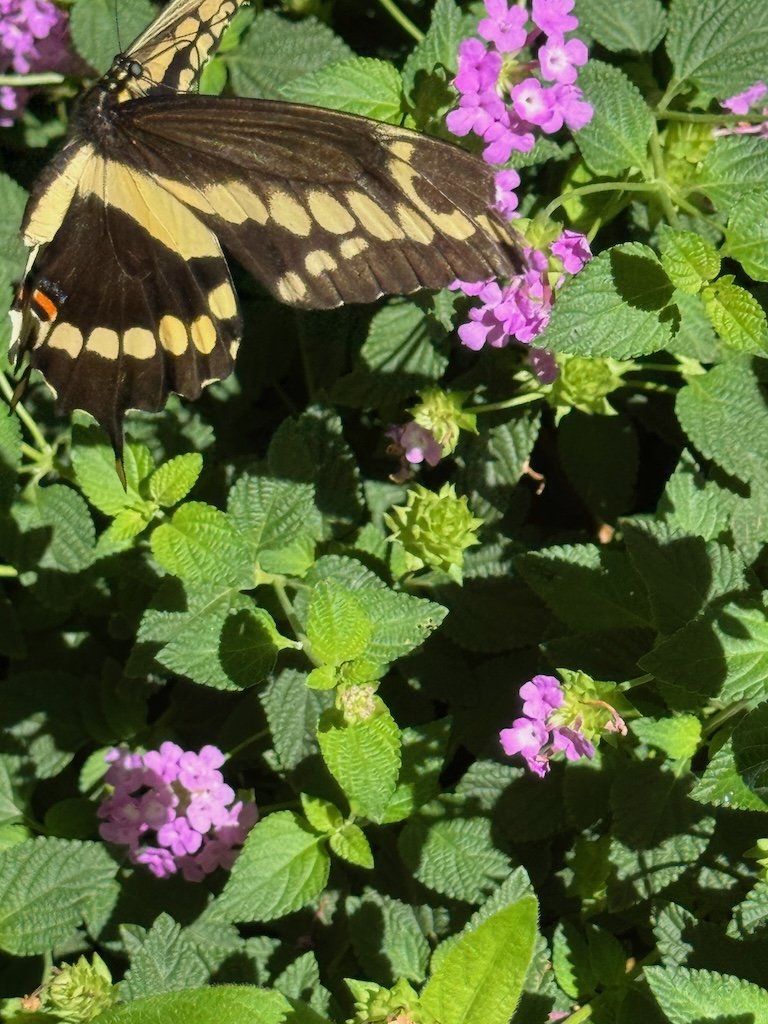
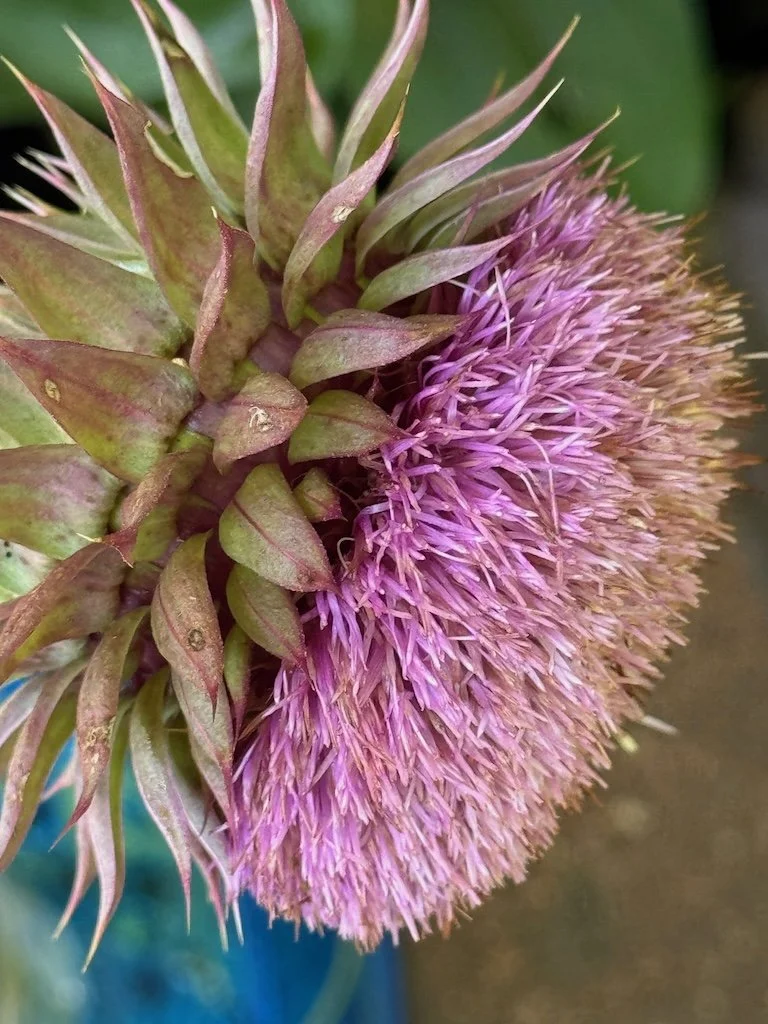
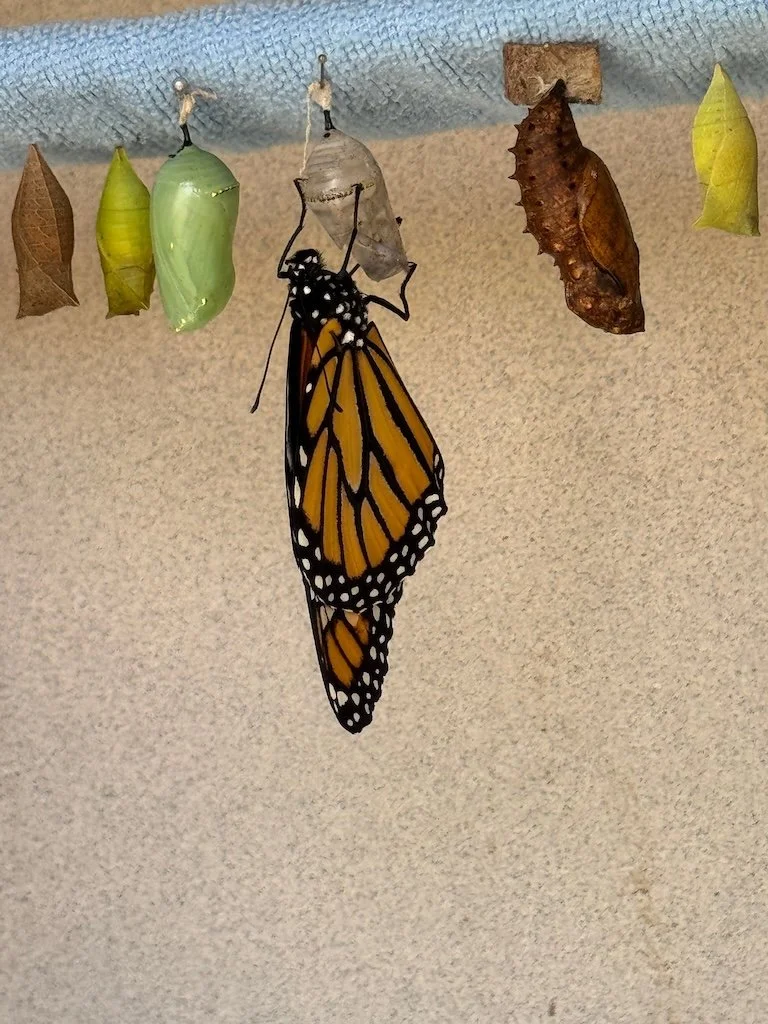
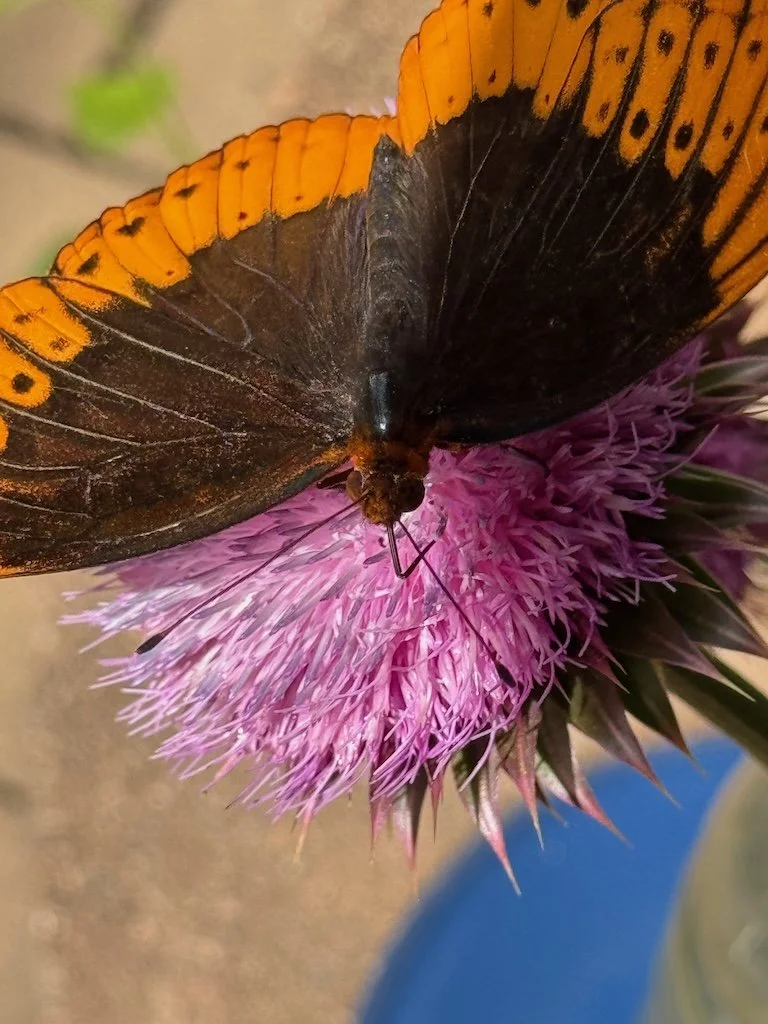
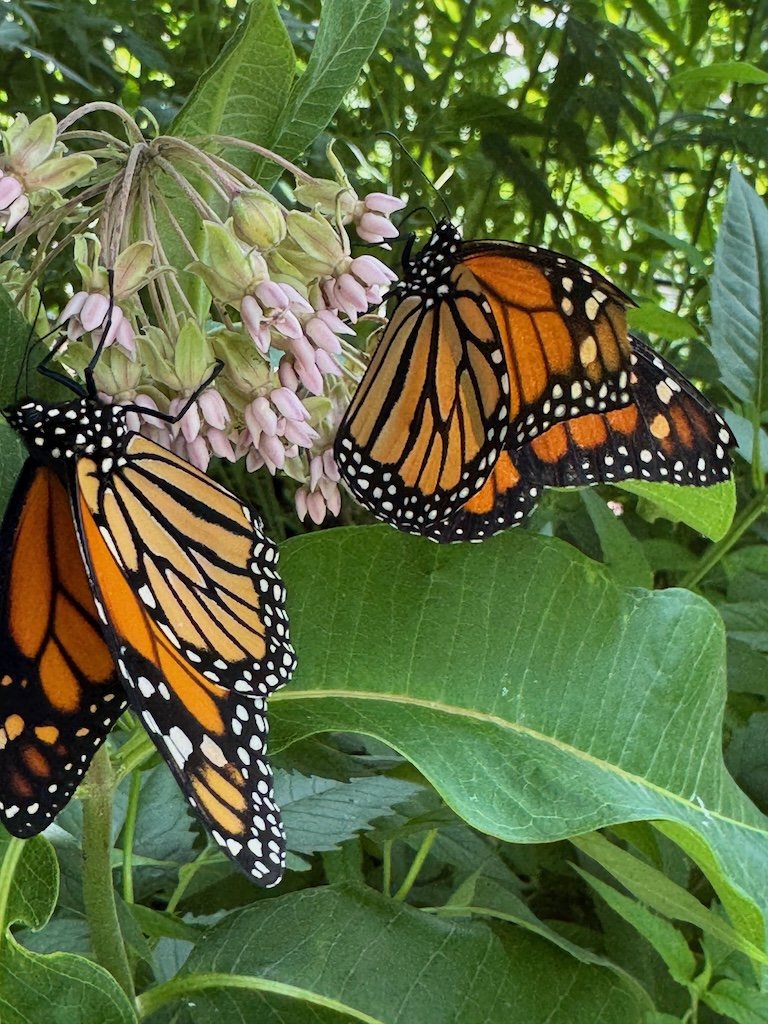
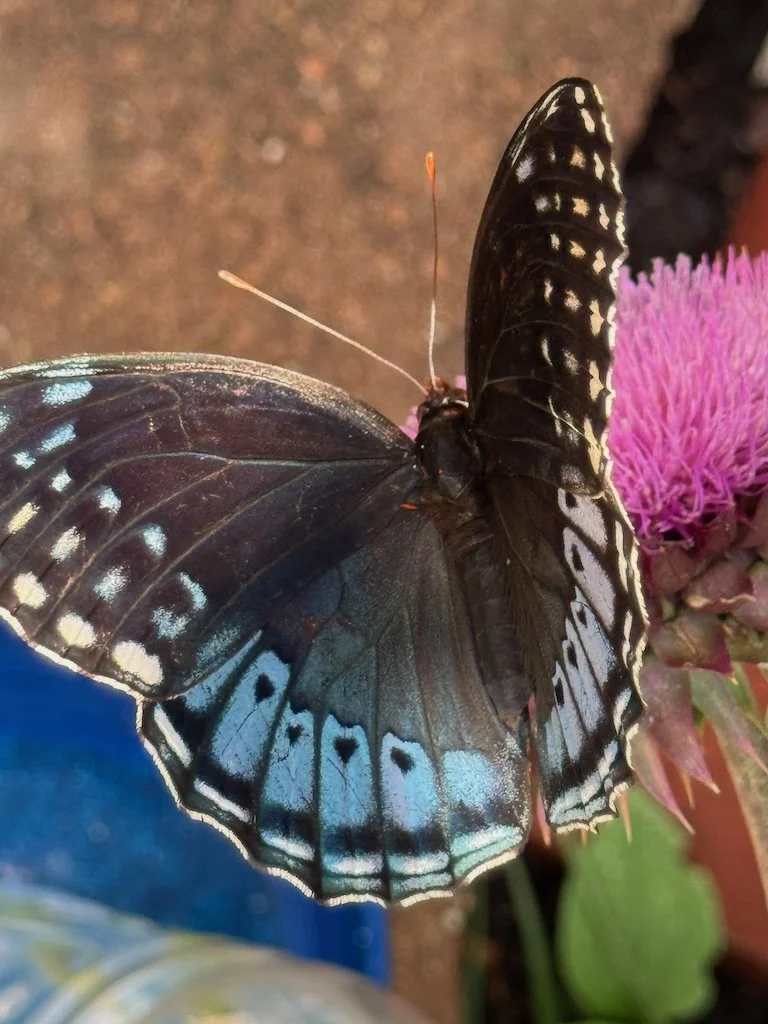
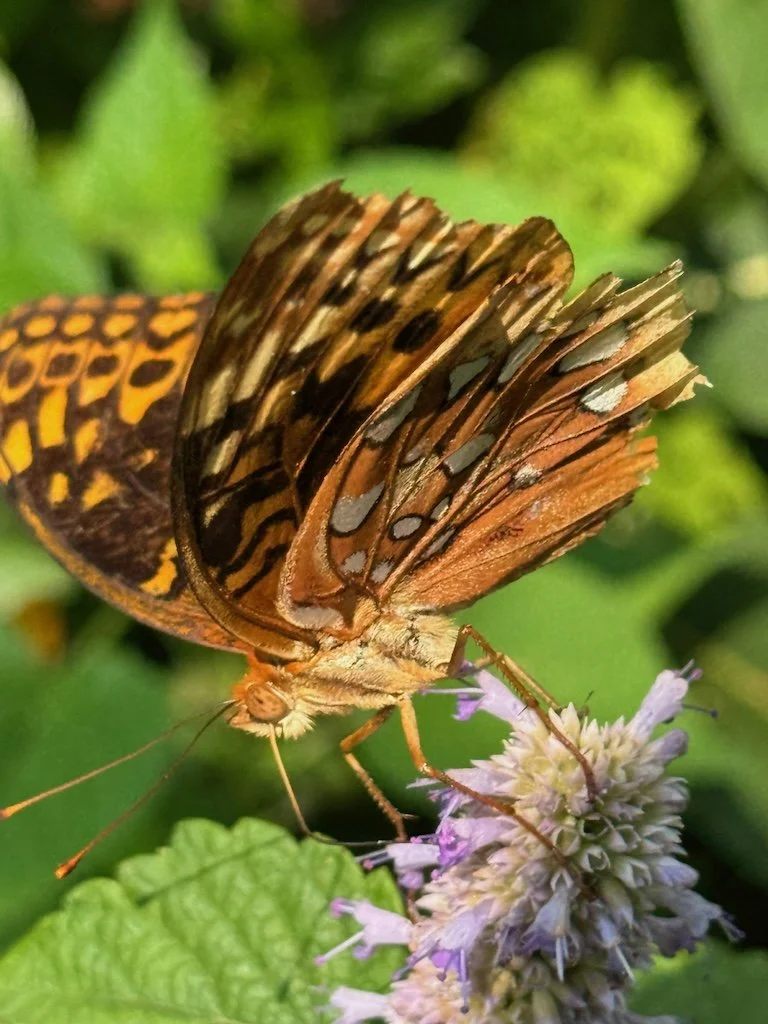
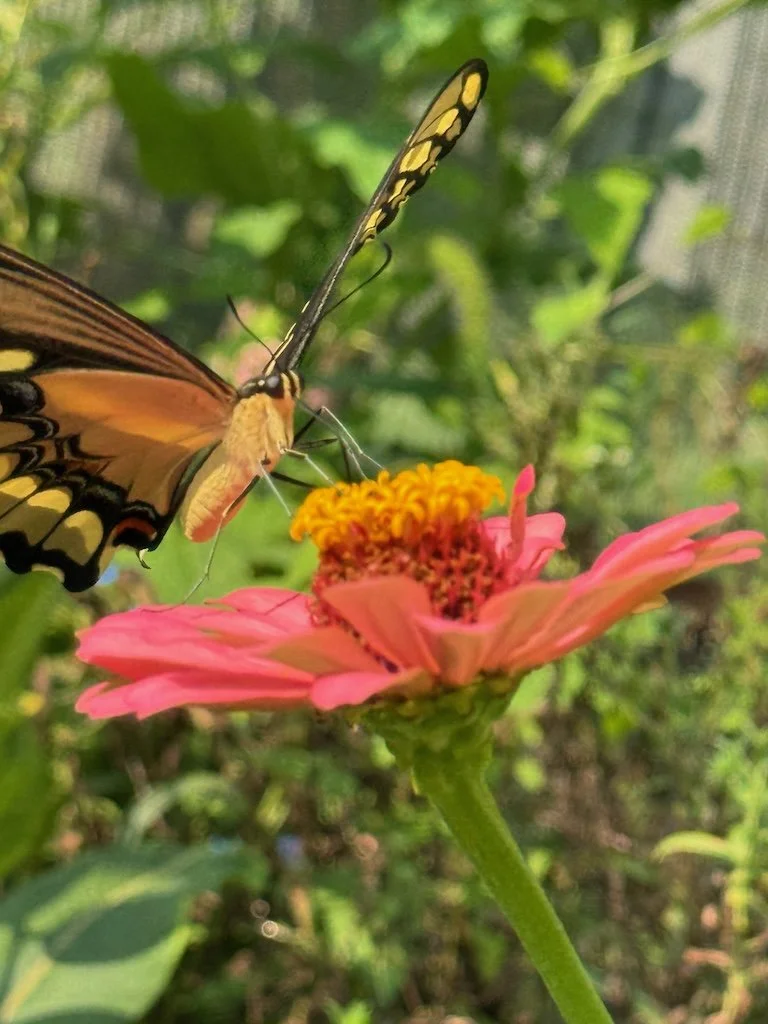
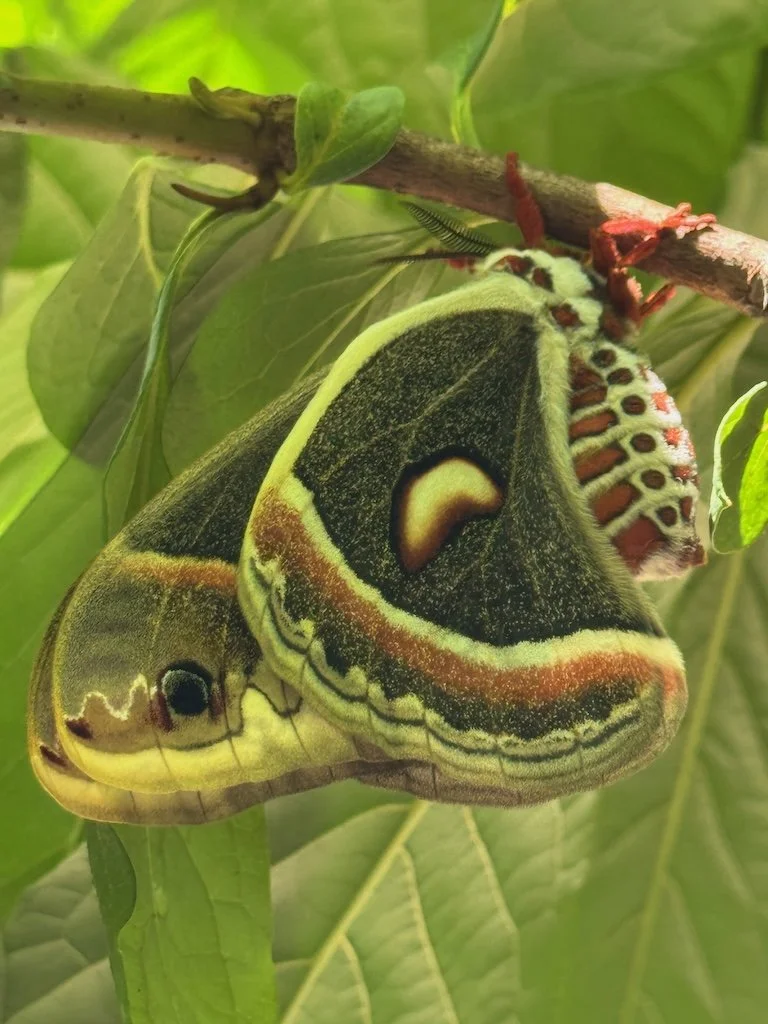
Of course, there were lots of butterflies and a just-emerged Cecropia Moth that I couldn’t resist photographing too!

To and From Chicago

My husband and I signed up for an Urban Birding Festival in Chicago earlier this month. I’ll be doing a series of posts about it over the next week. This post is about our drive to and from the city; as usual my husband did all the driving.

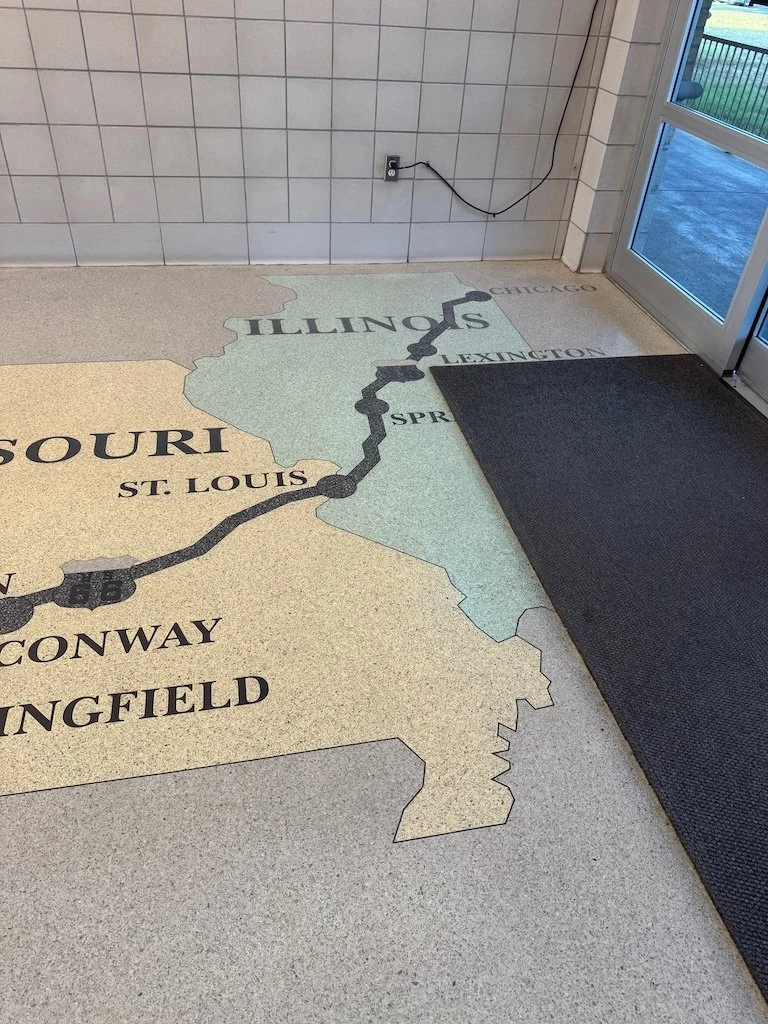
We made frequent rest stops along the way. At our first one I realized that the route from Springfield MO to Chicago via Route 66 was depicted on floor! The Interstate route of today is likely a bit straighter that the old route…and the speed we traveled was probably higher too.

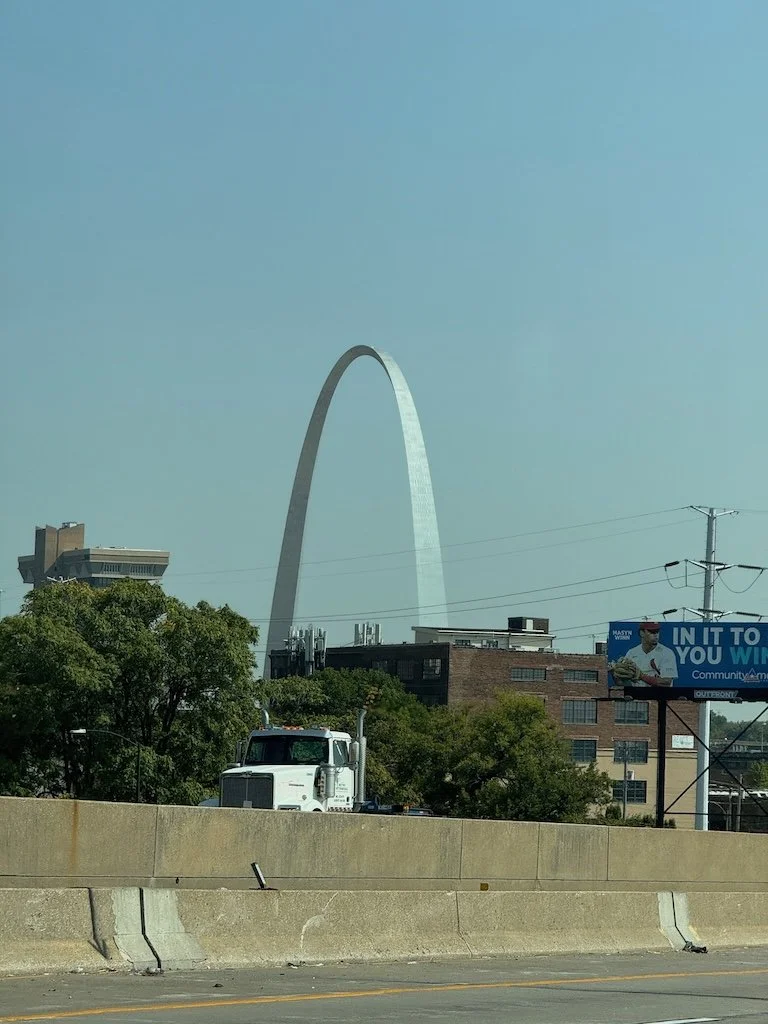
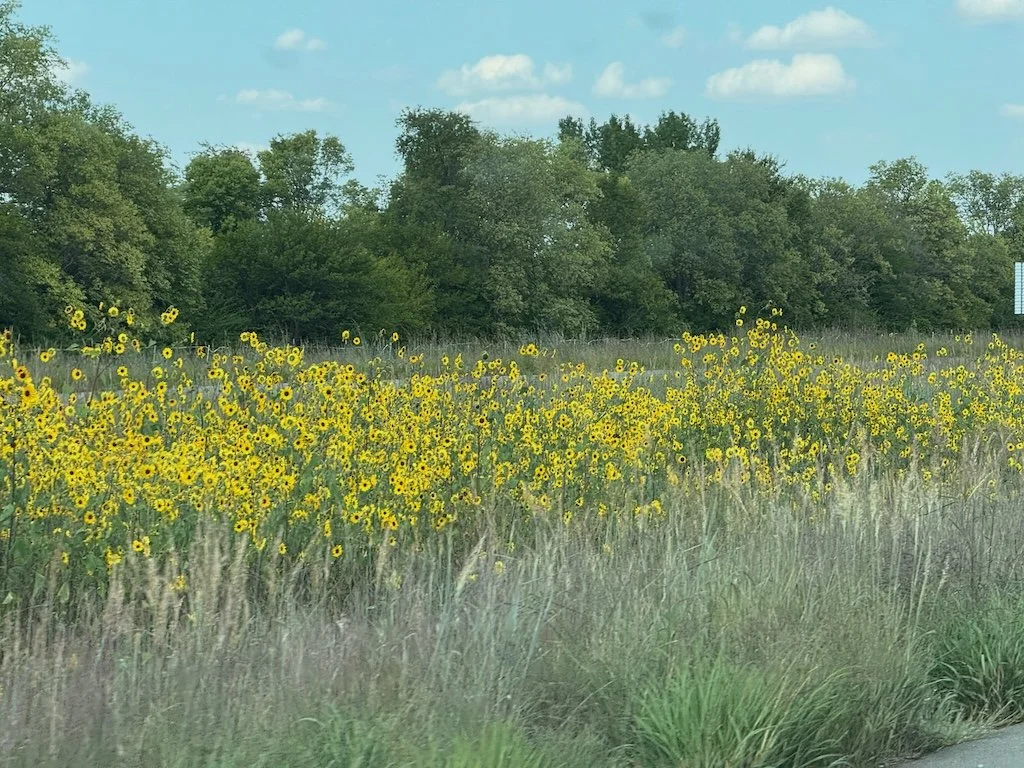
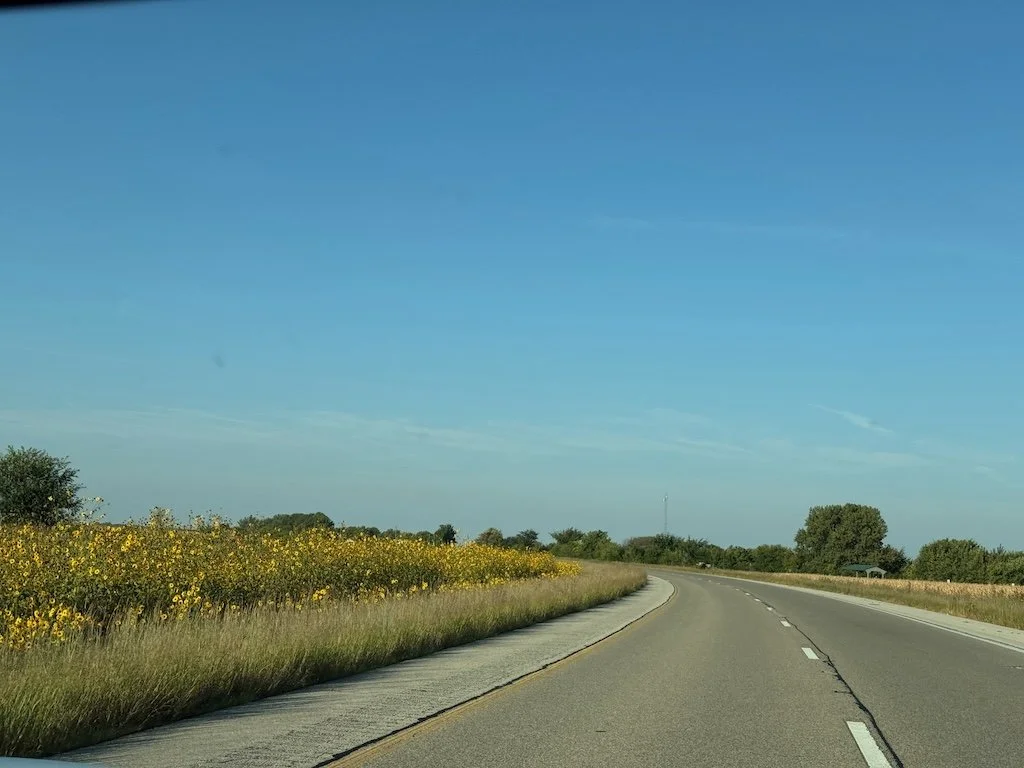
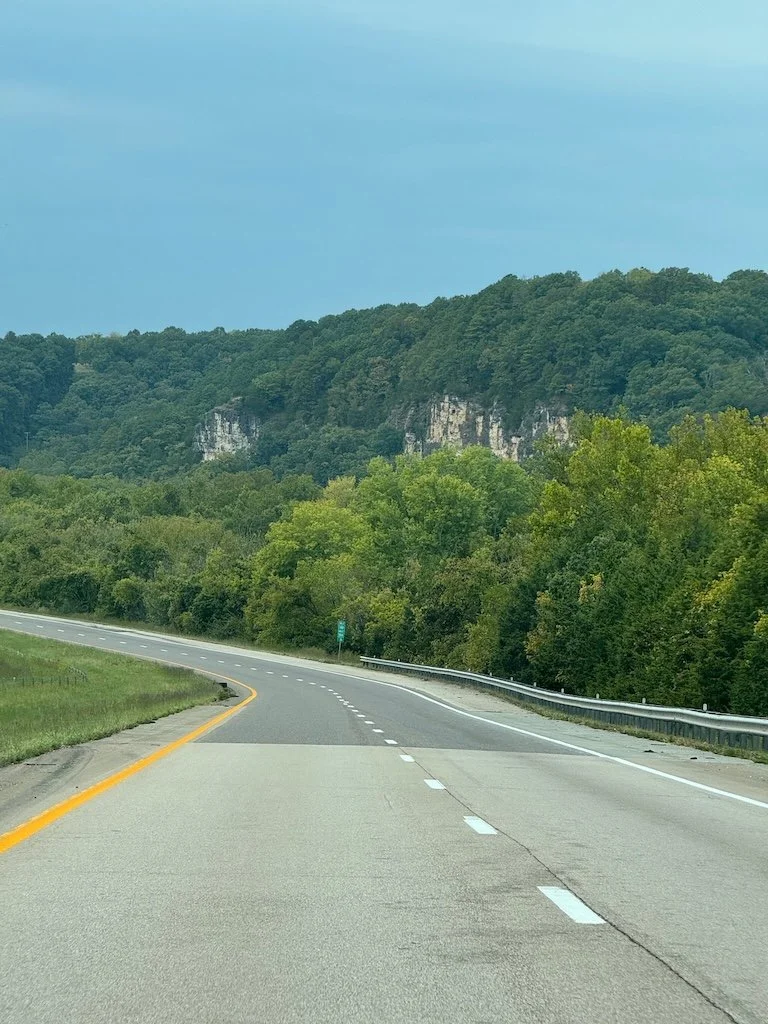
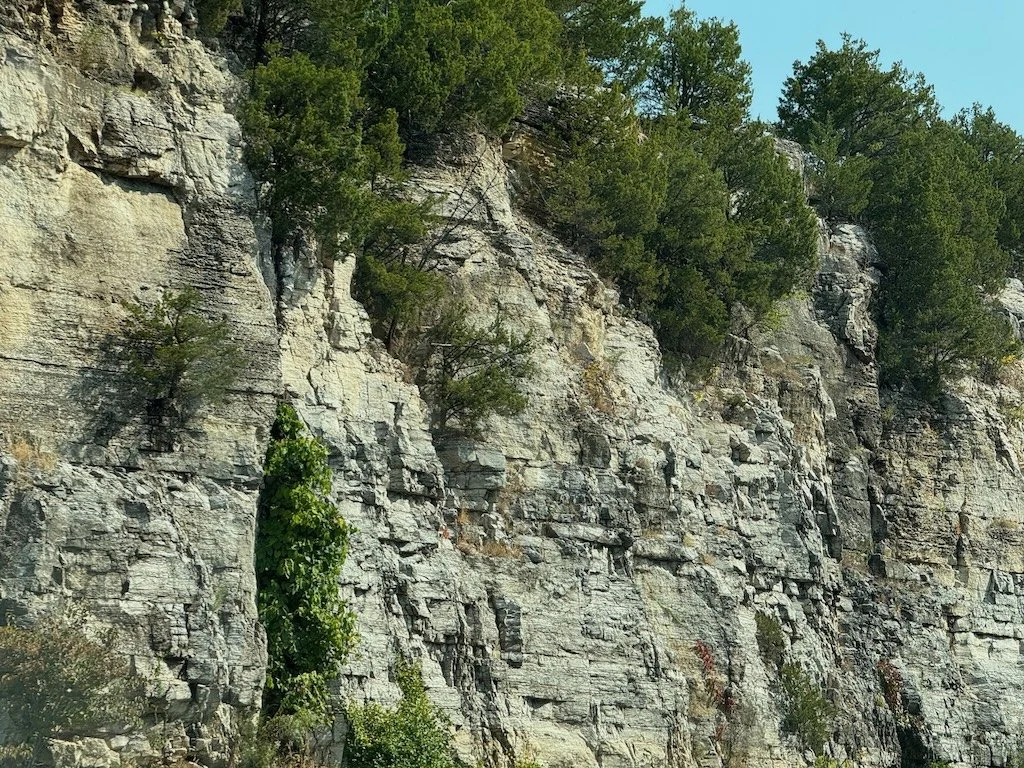
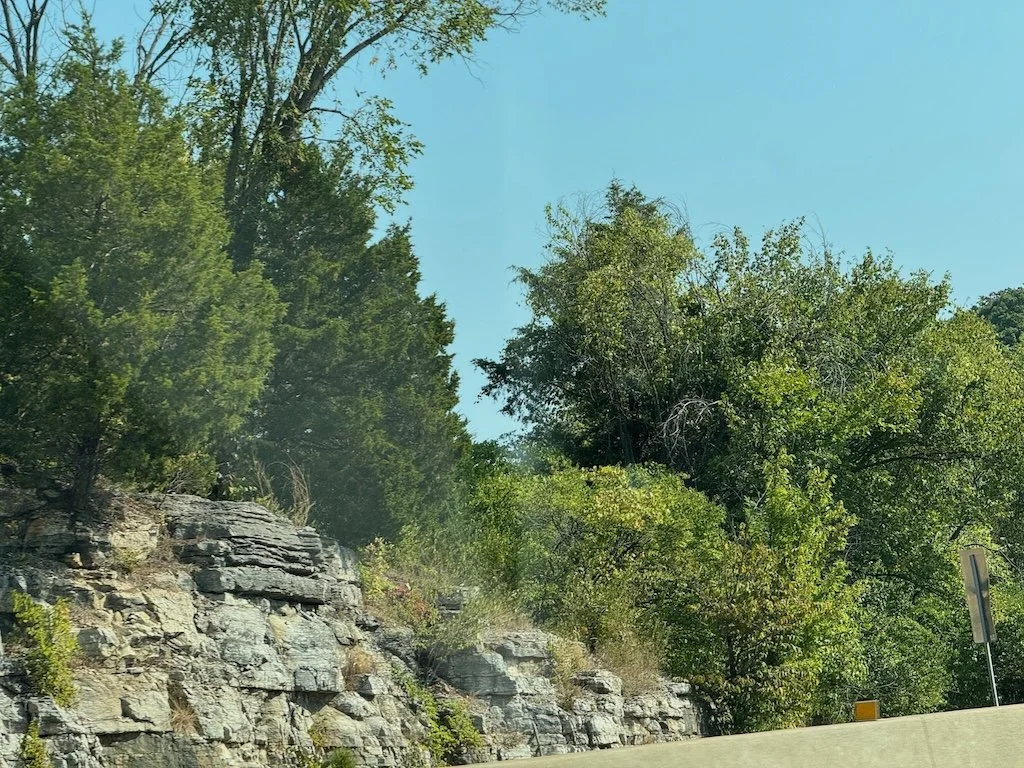
I took pictures as we drove – road cuts in Missouri, the arch in St. Louis just before we crossed the Mississippi River, and sunflowers in Illinois.

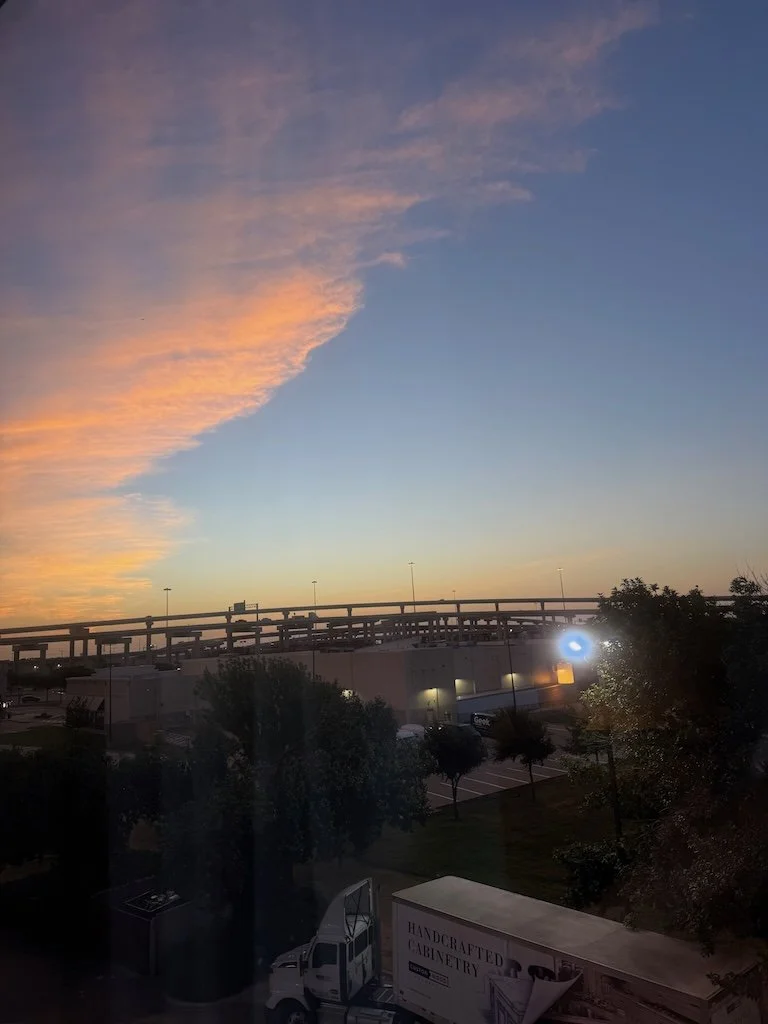
At the end of our trip, I took a few pictures as we left the city…and of sunflowers along the roadside. I like that Illinois encourages sunflowers in the medians by only mowing the edges (and not mowing too frequently even at the edge). The farmland appeared to be mostly planted in soybeans and corn.

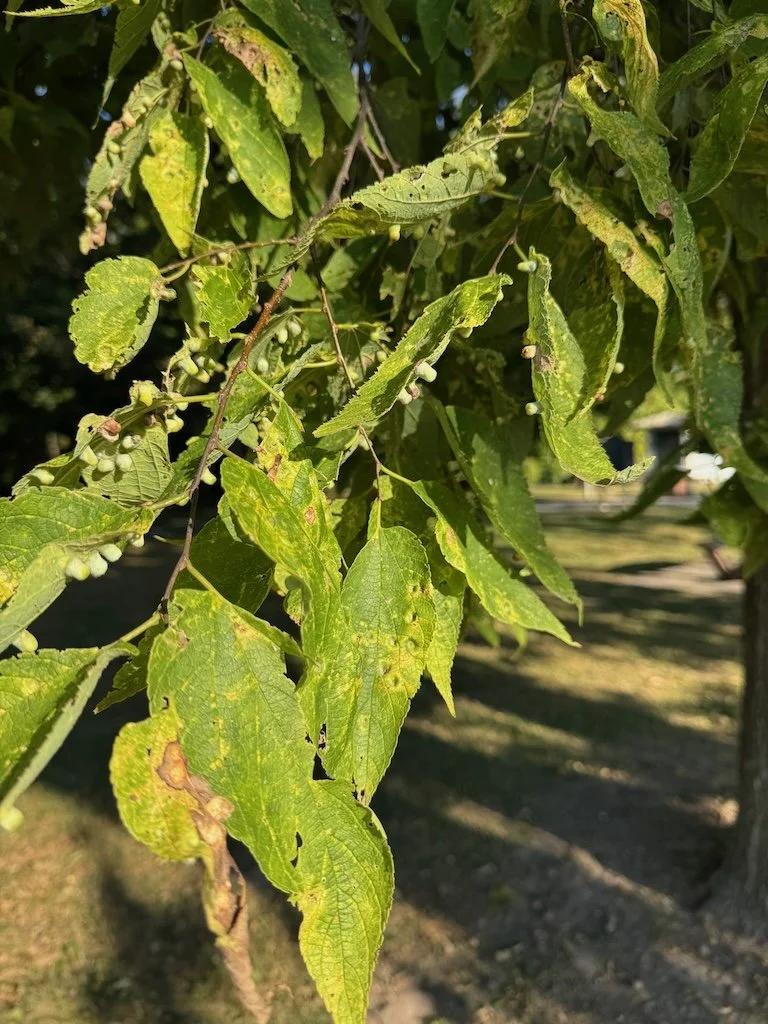
At the last rest stop in Illinois, I recognized a hackberry – it was full of galls produced by insects as most hackberries are.

And then I photographed the arch and bridges as we crossed the Mississippi River into St. Louis.

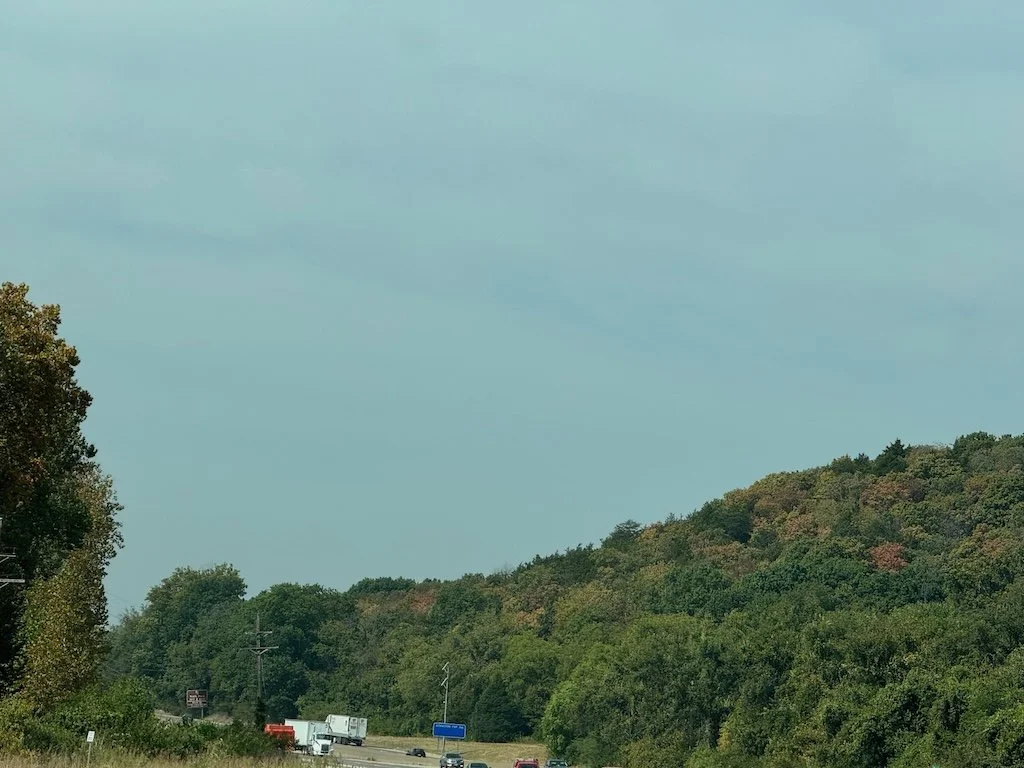
There was a little fall color in the forests west of St. Louis…and the bluffs always make for added interest.

We got home easily; our three cats were a great welcoming committee.

Yard Work – June 2025

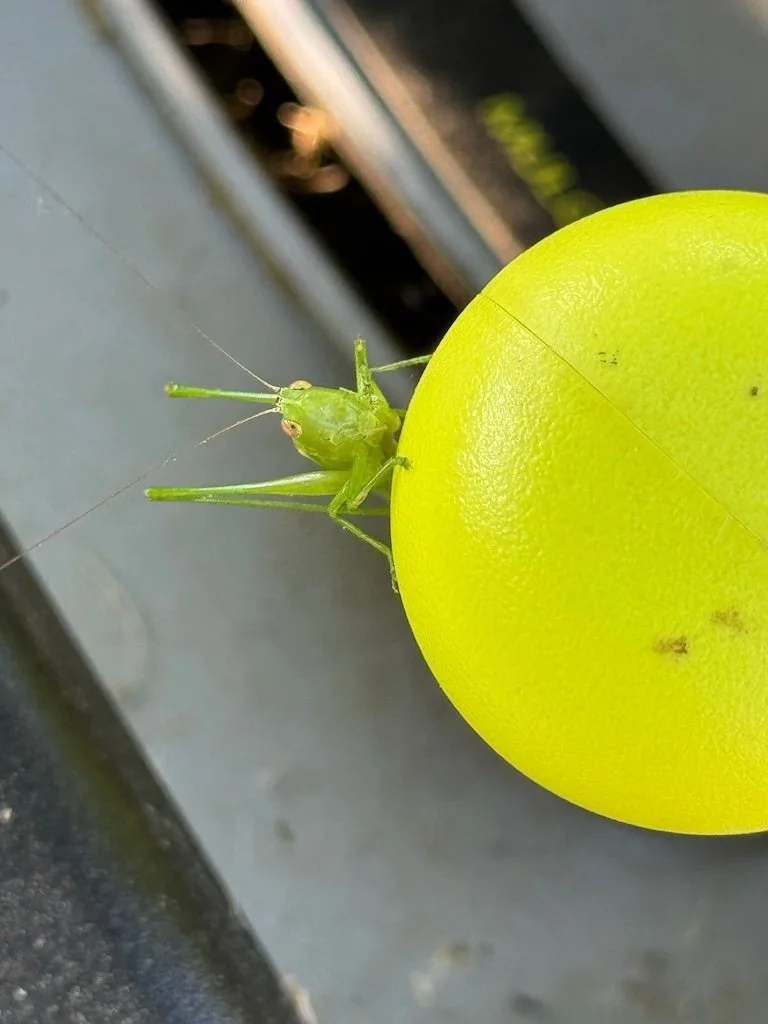
It’s the time of year when there is a lot to do in the yard. There is always something to see along the way….like an insect on one of lawn mower knobs. I am appreciating the new blades my husband installed on the mower.  It does not clog as easily when the grass is a little wet and the batteries seem to last longer too.

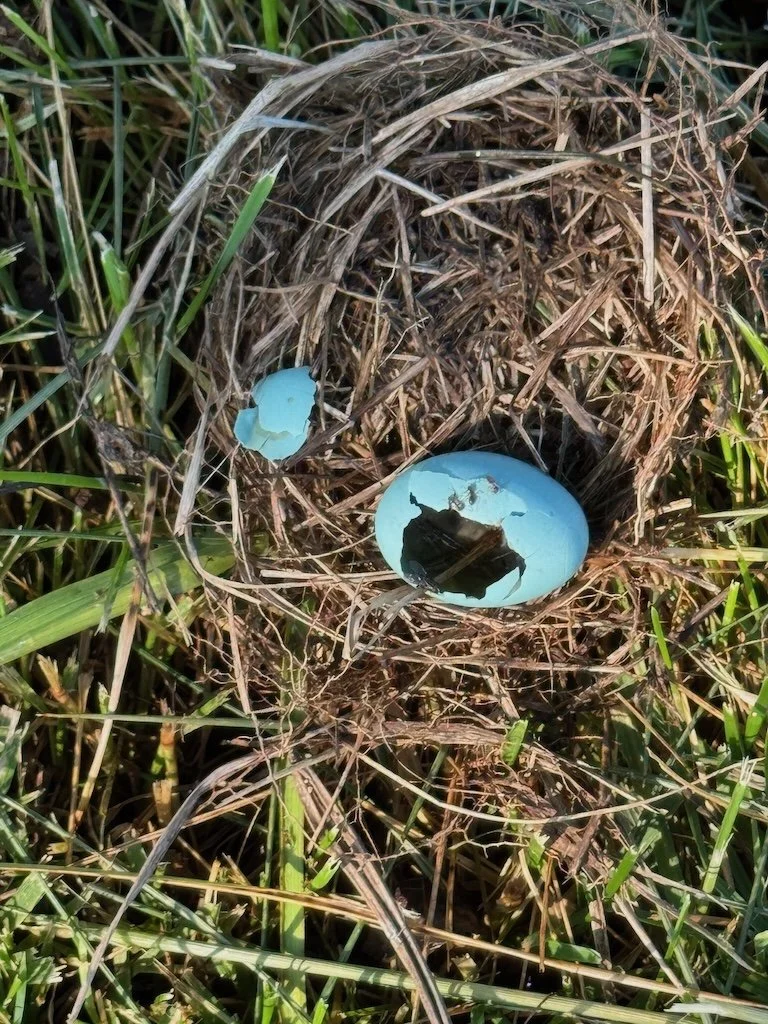
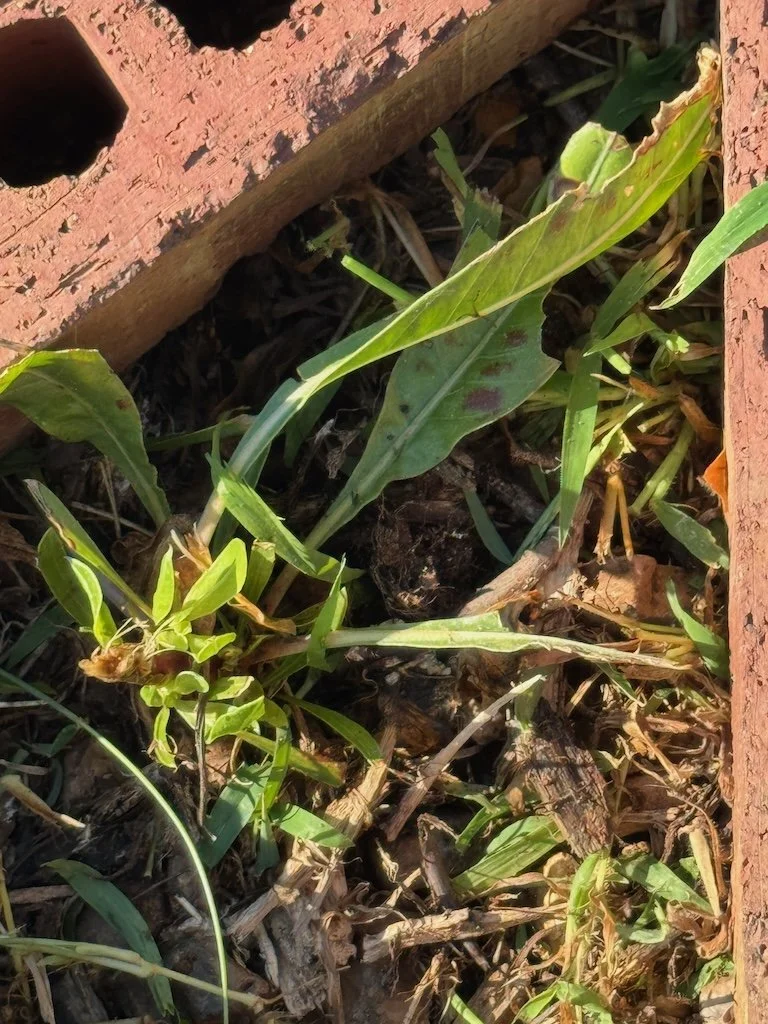
With my husband’s surgery in May, we got a little behind on edging and weed eating. When he was recovered enough to do the edging, he went out to check the situation and someone in the neighborhood had already done it! They also did some weed eating which was not as appreciated since they cut some daylilies and my Missouri evening primrose too. There was a smashed bird nest/egg nearby as well (although that could have been from another cause). I put some bricks around the cut primrose and later pulled most of the grass growing around it. I posted a thank you with a proviso about the evening primrose and day lilies on the neighborhood’s Facebook page since I have no idea who did it.
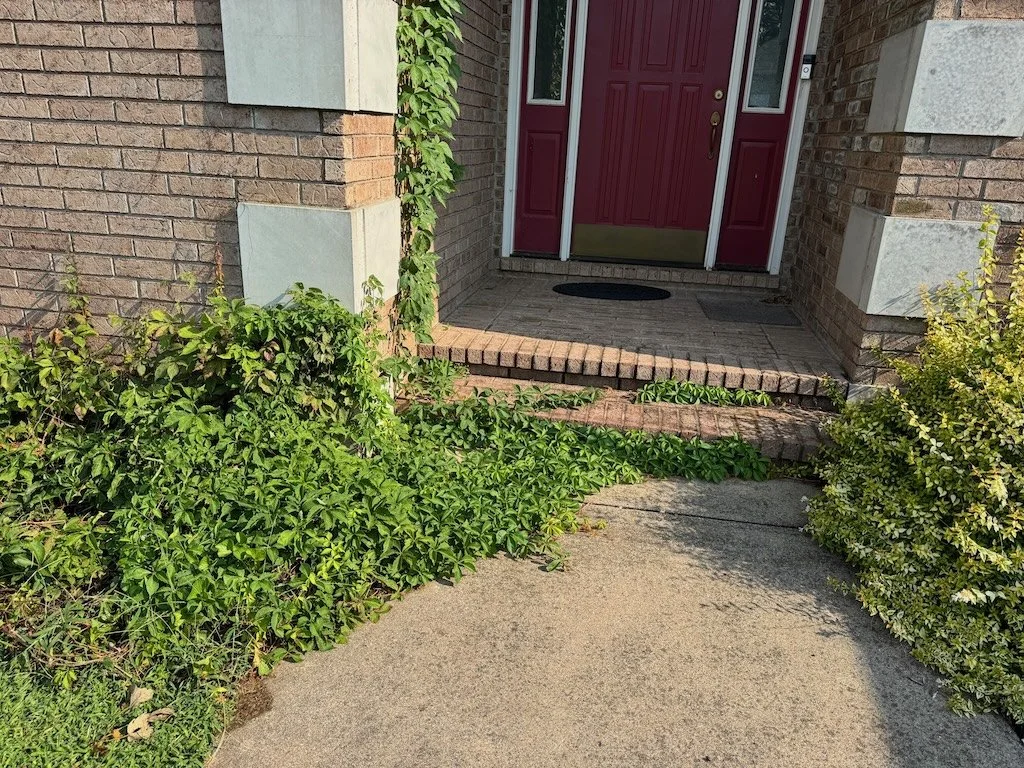
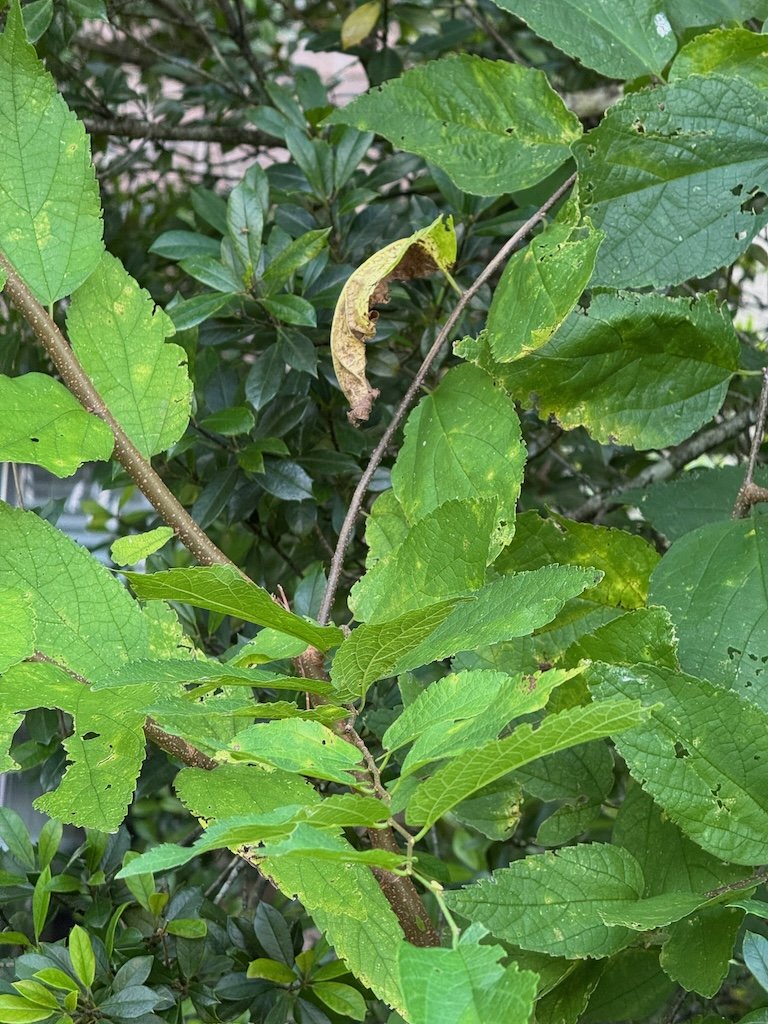
We have hackberries coming up everywhere….planted by birds. There is a large hackberry near the neighborhood pond – probably the parent. I am cutting them at this point but might leave one if it comes up in a place that it could grow to be a tree. Poke weed and Virginia Creeper are other natives that are prolific in the yard…..sometimes a little overwhelming and I usually leave them – particularly in the back yard. Poison ivy is something I always try to pull as soon as I find.


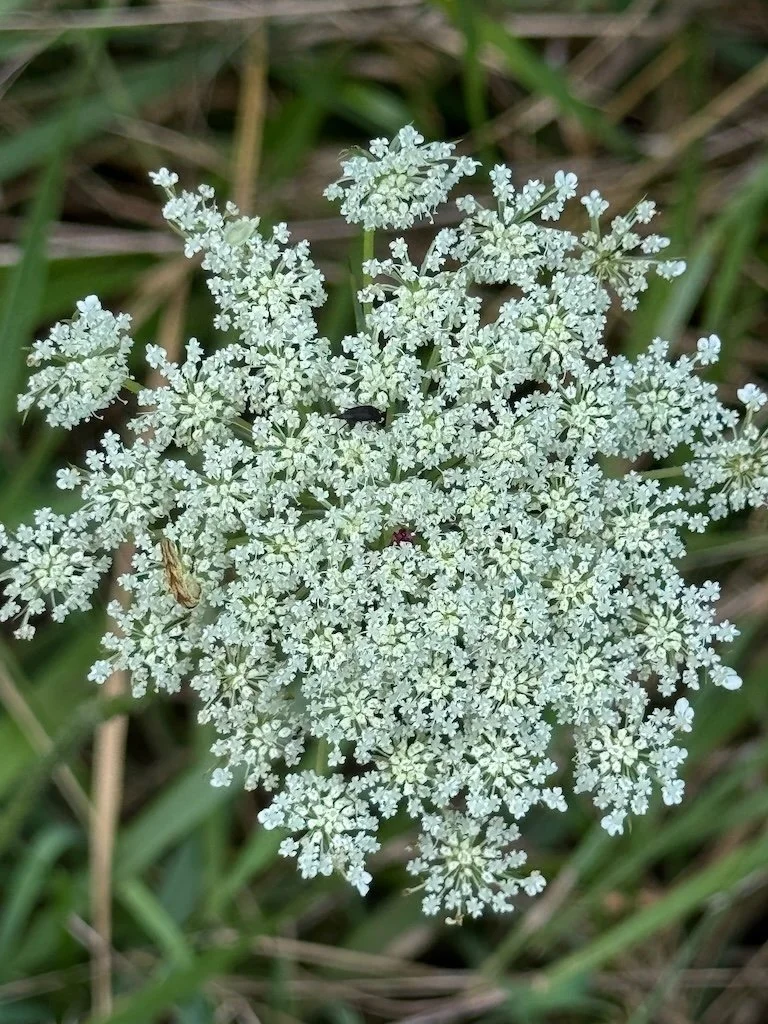
A hedge parsley came up in one of my flower beds…and it was pulled since it is not native to North America and tends to spread. I do the same with tree and Asian honeysuckle. A forsythia (also non-native) has been an ongoing project in my back yard. I am gradually cutting it down and will eventually paint the cut stubs with herbicide to kill it. I would rather have a native bush there. In the meantime, the results of my pruning are making a higher pile on my deck….drying out now and will be burned in the fall in my chimenea.

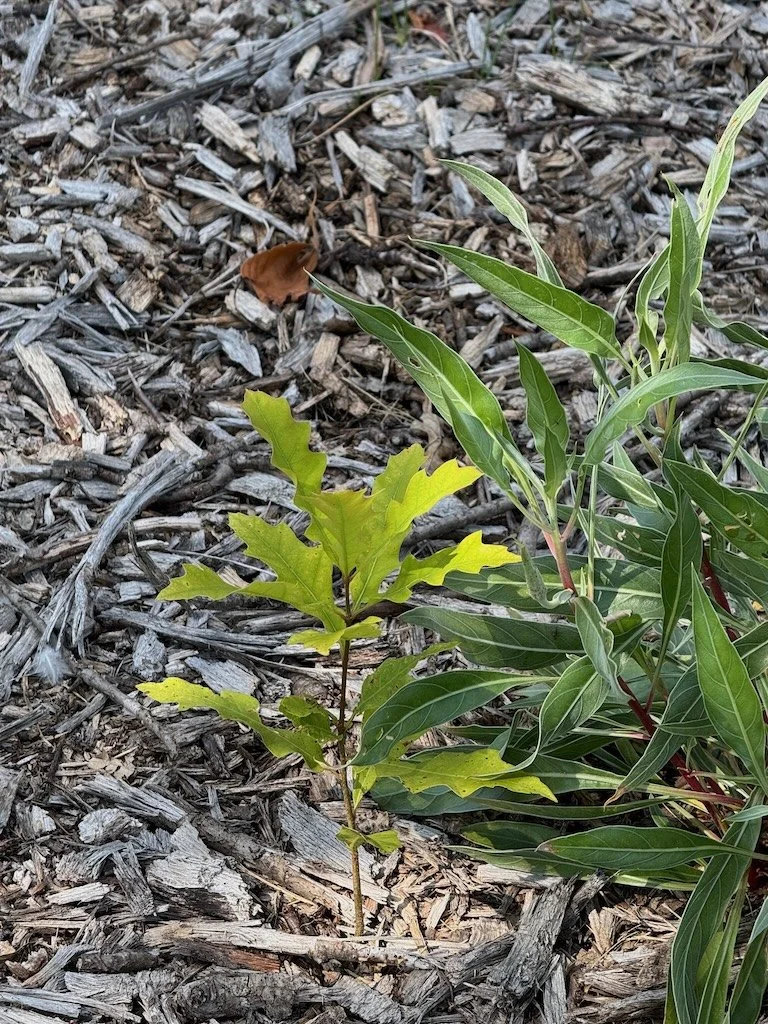
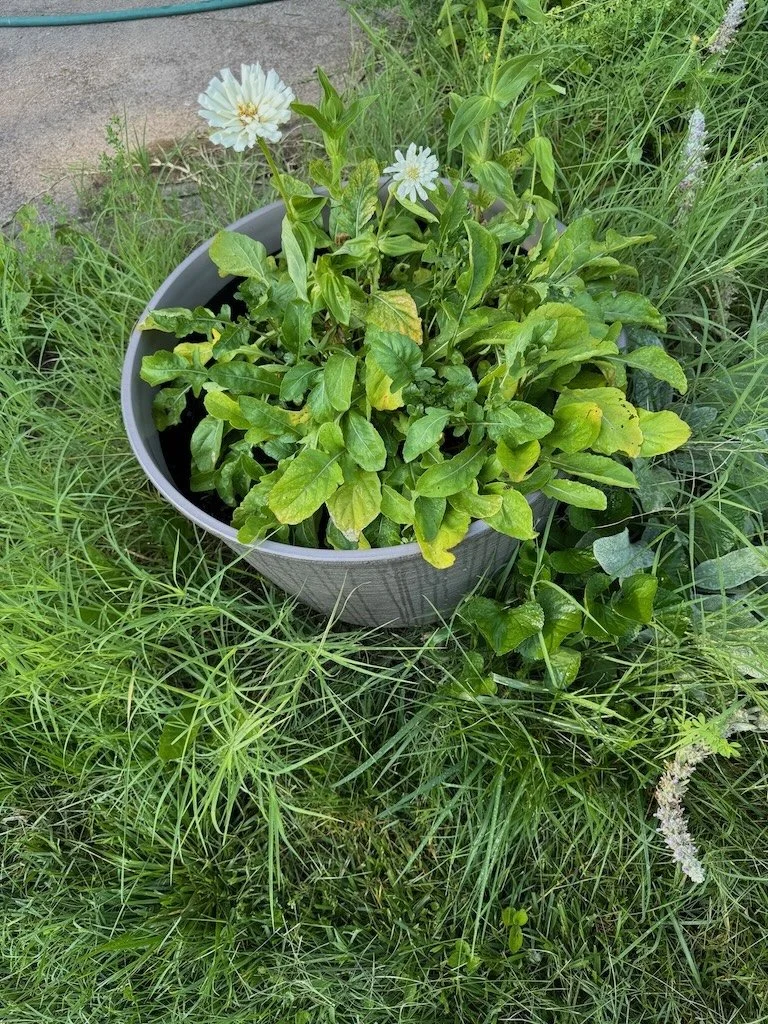
I planted a pot of flowers and veggies and a white oak seedling in late May. The zinnias are beginning to bloom! I won’t do it long term since it must be watered frequently….not something I want to do! I’ll have to decide where to put the white oak.

Other than my mower - my pruners, water bottle and gauntlet gloves are my primary tools. I’ve purchased some summer weight sunblock shirts and wear a hat, so I don’t need sunscreen except on my face!
Our Missouri Yard – November 2024

We haven’t had any extremely cold weather yet. Some trees have lost their leaves but not the oaks. We already are well above the monthly average for rainfall so are recovering somewhat from the drought through the summer and fall…just as we are bracing for winter.

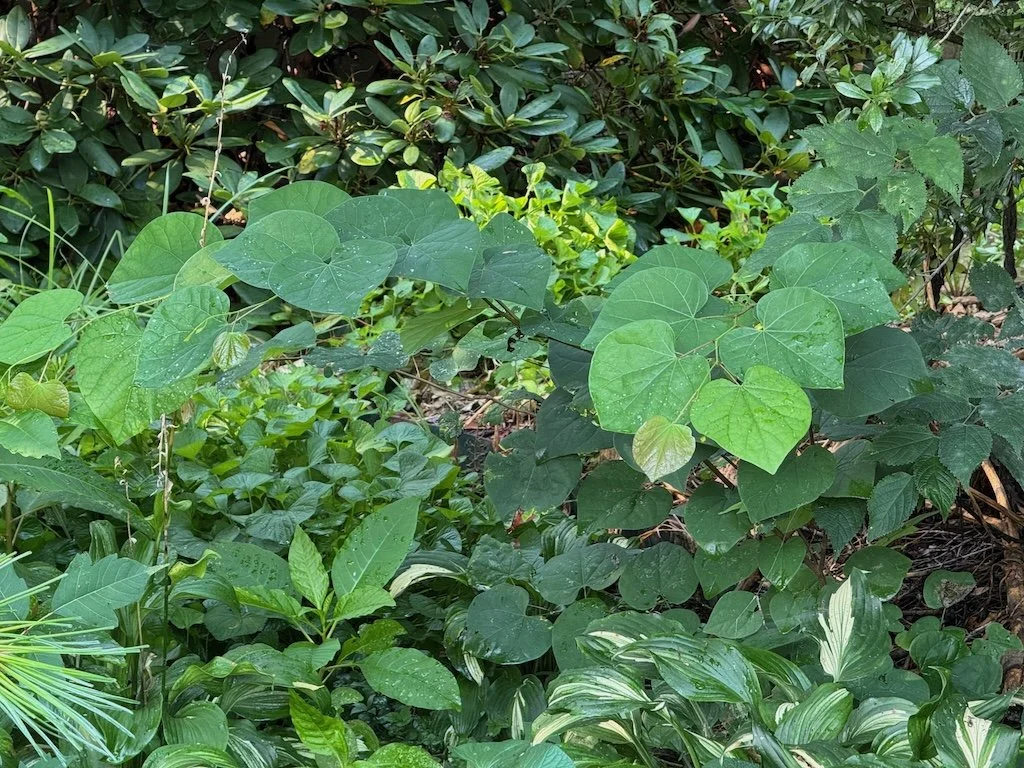
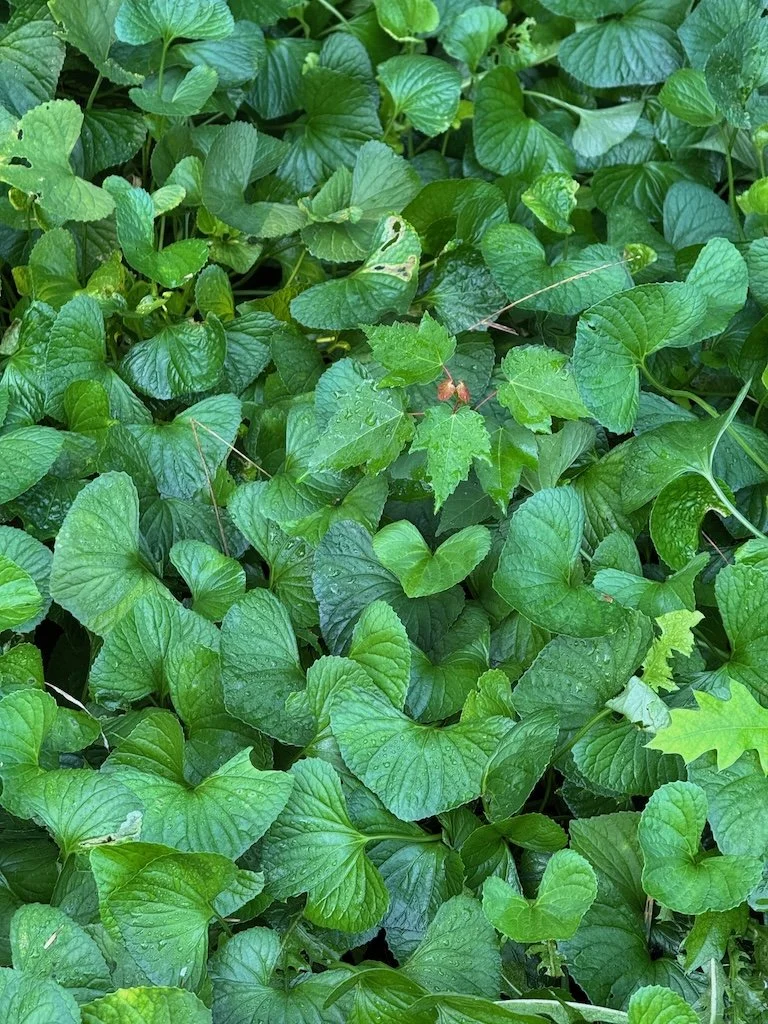
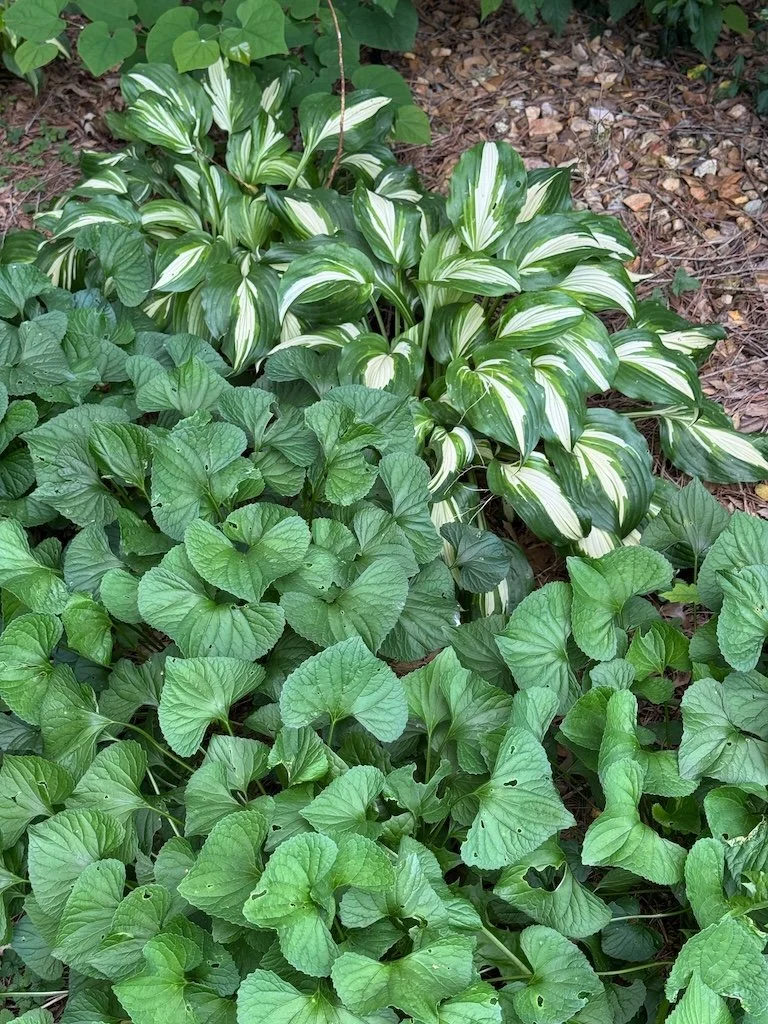
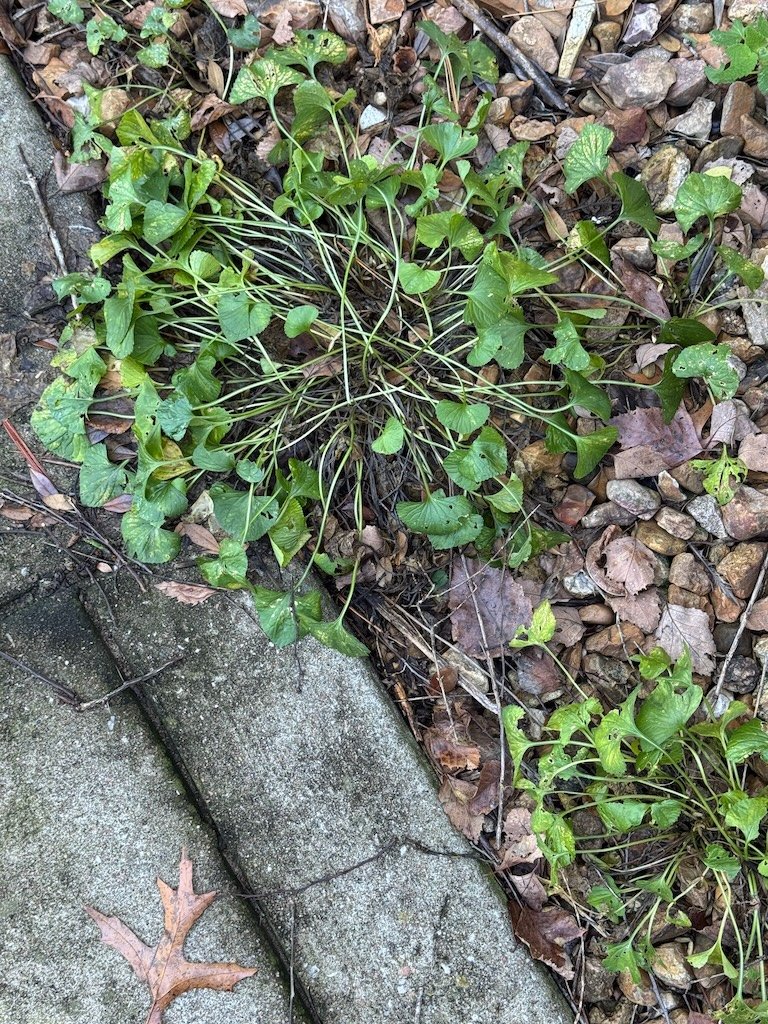
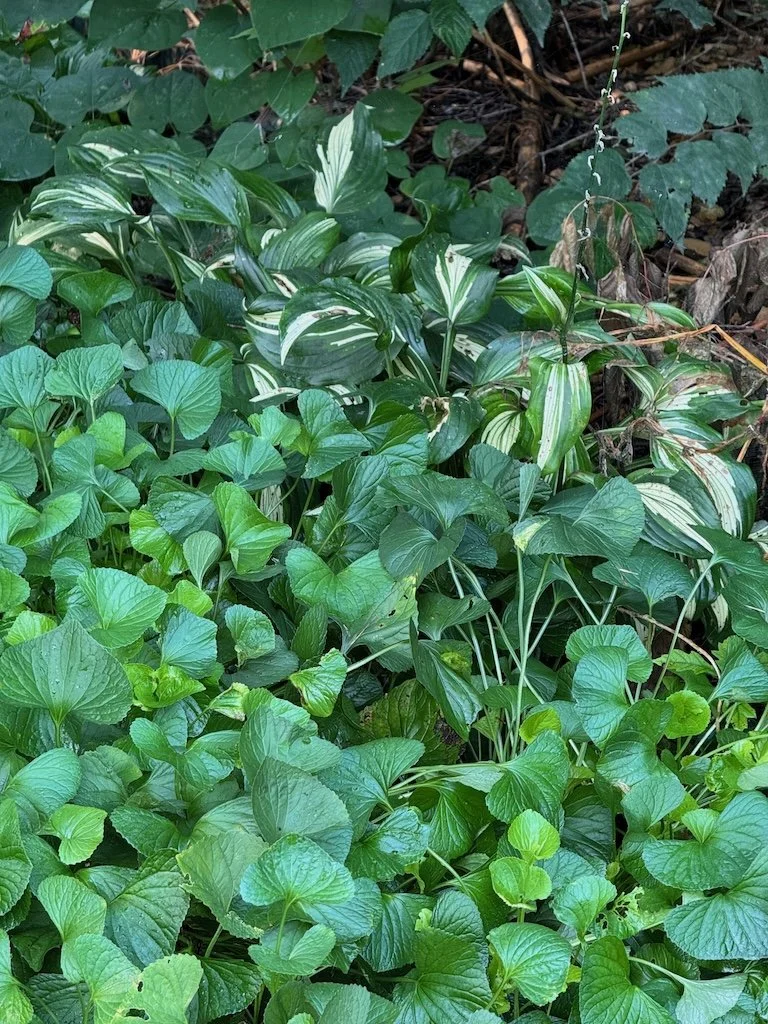
The violets are reduced in volume but still mostly green. They have been a great plant for extending the flower beds on the east side of our house into the yard (I have several feet of ‘grass’ that is so thick with violets that I haven’t mowed it for at least two months!).

I have an area that is full of pine needles and clippings (grass, boxwood, yew) that I will plant with hostas next spring – as soon as my established clumps of hostas begin to sprout and can be easily divided. The rhododendron looks great…lots of buds for next spring’s blooms. The grapevine that I’ve draped over the stubble of a crape myrtle is turning yellow. I’m not sure what I will do with it next year. I don’t want it growing into the rhododendron but there is not a lot of space where it can go otherwise.

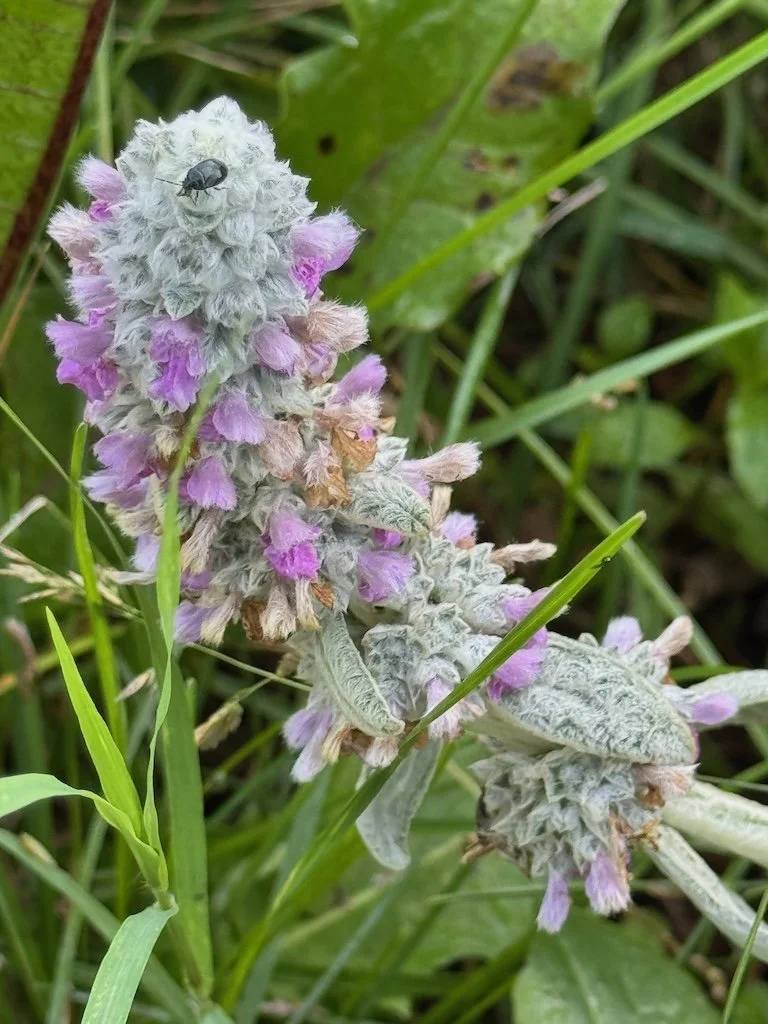
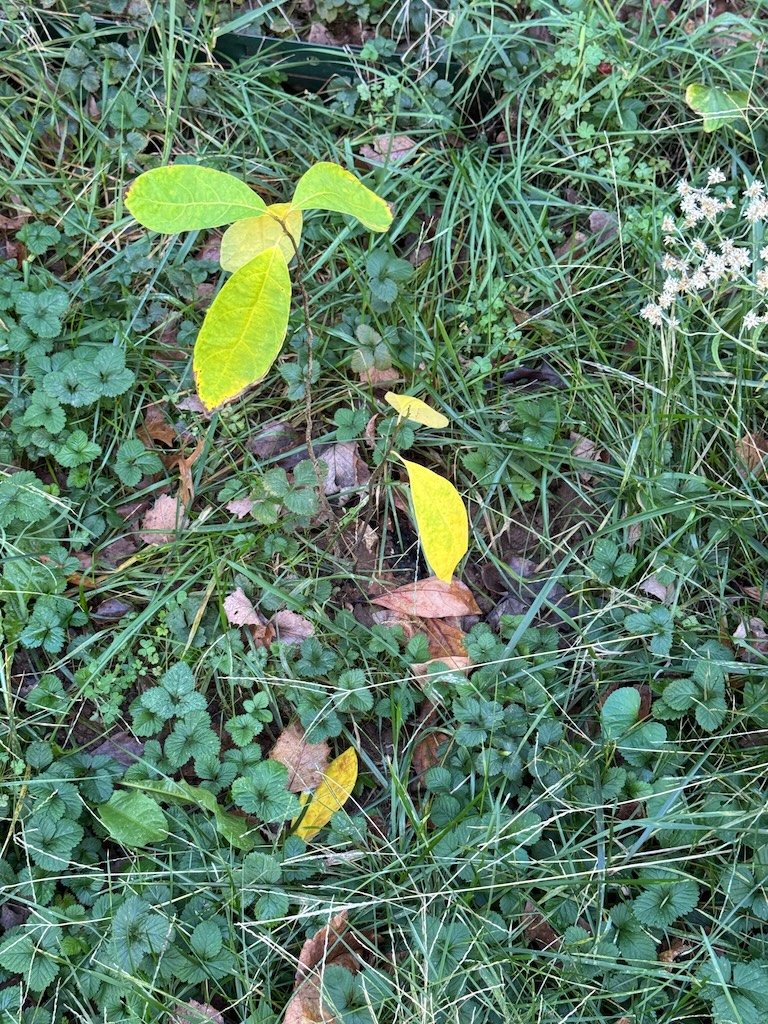
The seeds are falling out of the chives. These plants were started a few years ago from seeds I got from my mother’s garden. There is an oak seedling growing in the lambs ear. The closest oak tree is a pin oak, but the squirrels might plant acorns from further afield. The parent of a maple seedling might be one of the maples in our front yard…although it is on the other side of the house from where this seedling is growing.

The spicebush that I bought and planted about a month ago is showing some fall color…hope it comes back in the spring.

It is obvious we haven’t had a hard freeze yet this year. There are ‘intimate landscapes’ with fall colors everywhere.

I am trying to ‘leave the leaves’ this year rather than mow them. There were two piles that had been created by the wind in my front yard so I gathered them up into the wheelbarrow to move to my compost spot where the hostas will go. Otherwise I am leaving the scattering of leaves on the yard. I might have to move some oak leaves that fall into our yard once our neighbor’s tree drops its leaves. Overall, the wind had done most of the ‘raking’ of leaves either away from my yard or into areas where they can stay.

The Virginia creeper on the west side of the house has already lost its leaves but the plants near our front door are spectacularly red.

The aromatic sumac has lots of buds. I hope it makes seed clusters next season.

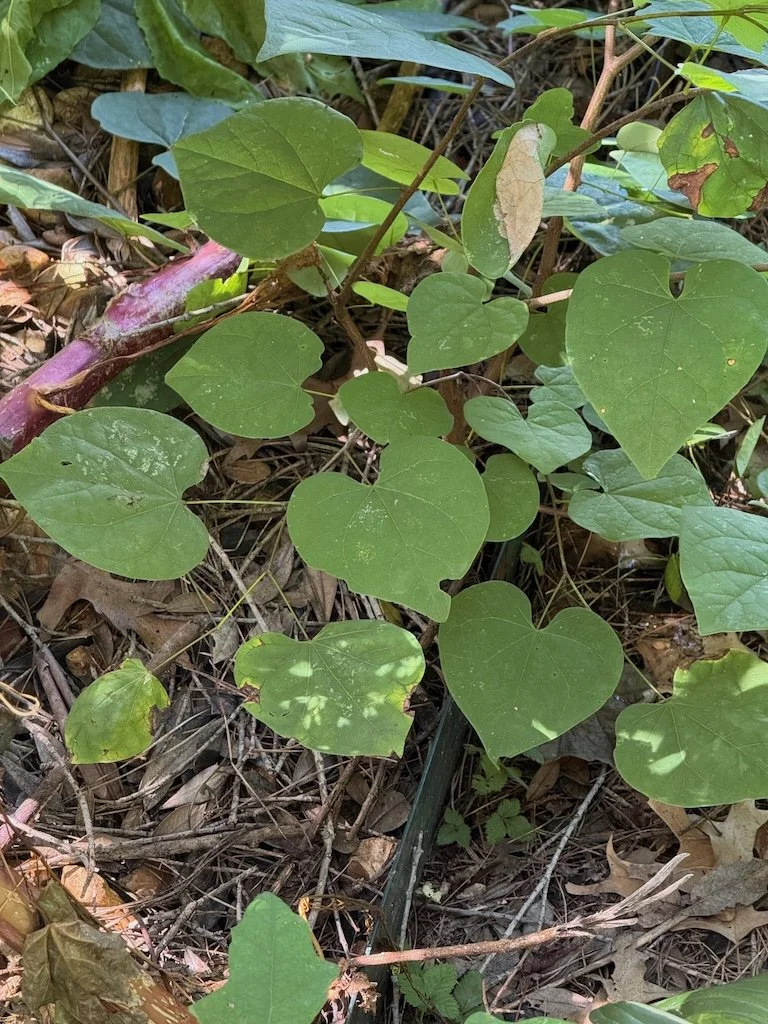
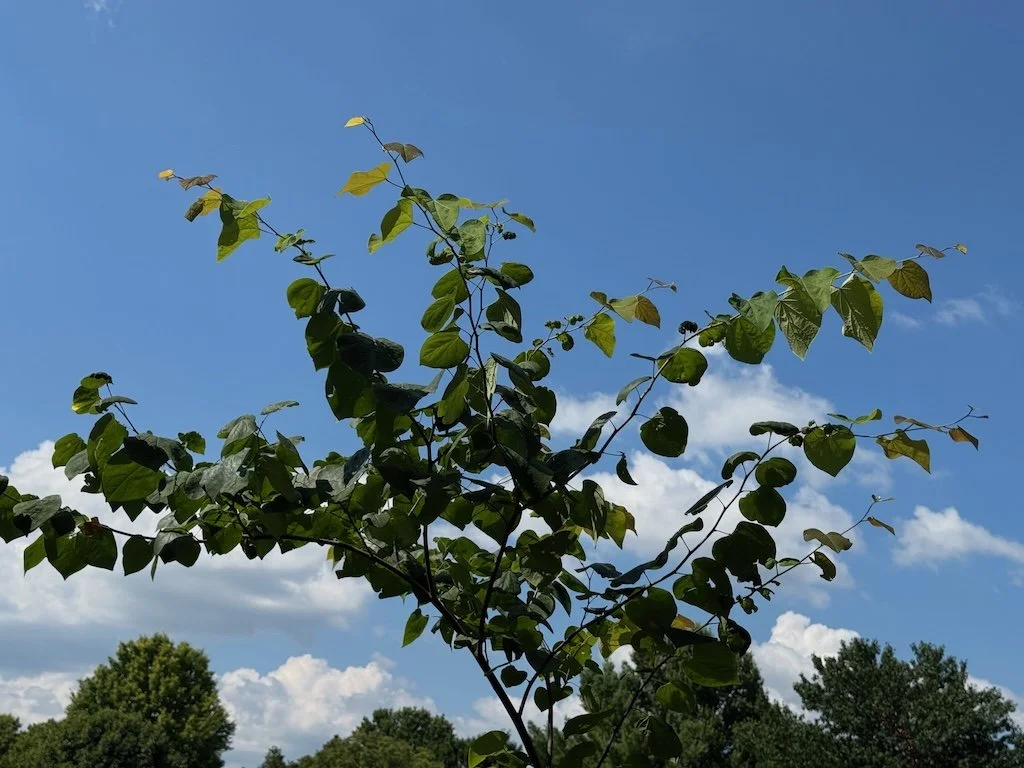
The Ozark witch hazel is probably too small to bloom in January but hopefully it will in a few years. I found a small tree growing under the holly trees. The leaves are rough…maybe a hackberry? I am going to leave it be for now…just as I am all the redbud seedlings!

I still have work to do before it gets too cold: pulling/digging out Japanese honeysuckle primarily.

Phelps Grove Park

Last week the Identifying Woody Plants class walked to Phelps Grove Park to add more trees to our list. I used my point-and-shoot (Canon Powershot SX730 HS) to capture some features of the additional trees (plus some trees already on our list). The temperaature was in the 70s…perfect for the hike…but the leaves are beginning to fall on many of the trees. Identification will get harder.

Serviceberry – Amelanchier arborea – Rosaceae: stripped bark, multiple trunks, small trees, two toned pointy buds, leaves simple and alternate

Crabapple – Malus – Rosaceae: pome without grit, twigs hairy, leaves (lobed, simple, entire)

Hawthorne – Crataegus – Rosaceae: thorns, pome, leaves round, bark pealing and patchy, the one we saw was infested with apple cedar rust (i.e. not a healthy tree)

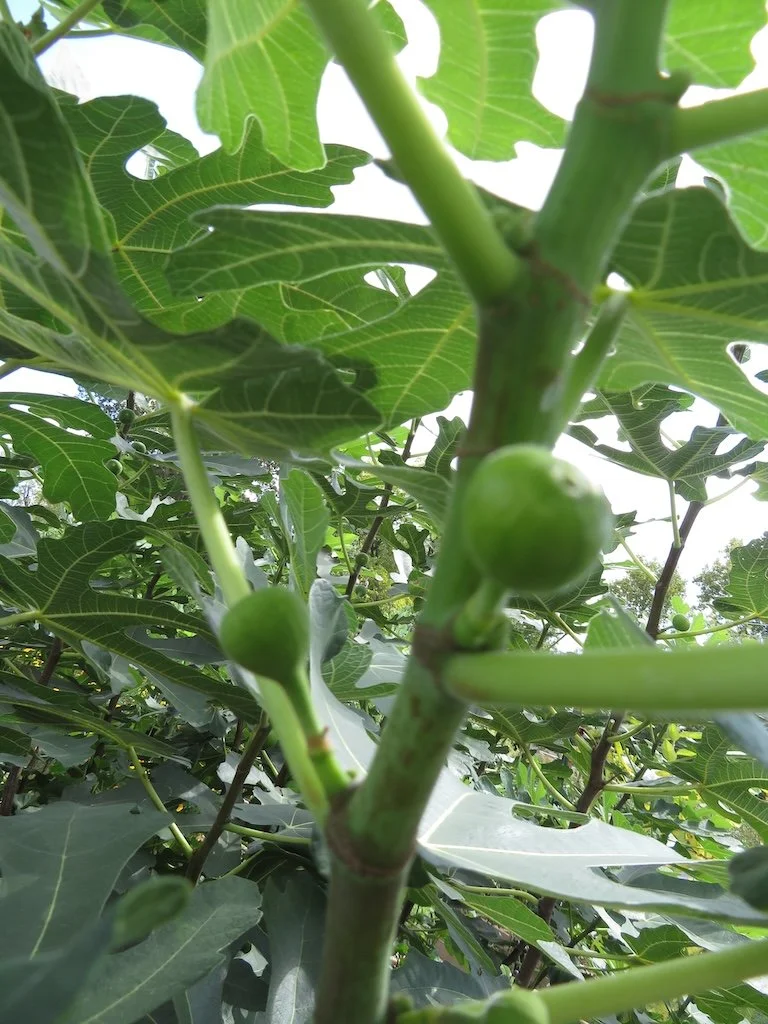
Fig (just for interest…not added to list)

Flowering dogwood (not new) – Cornus florida - Cornaceae

White oak – Quercus alba – Fagaceae: leaves (rounded lobes, smooth, lighter underneath), acorns dark with bumpy cups and often sprout in fall

Hemlock (not new) – Tsuga canadensis - Pinaceae

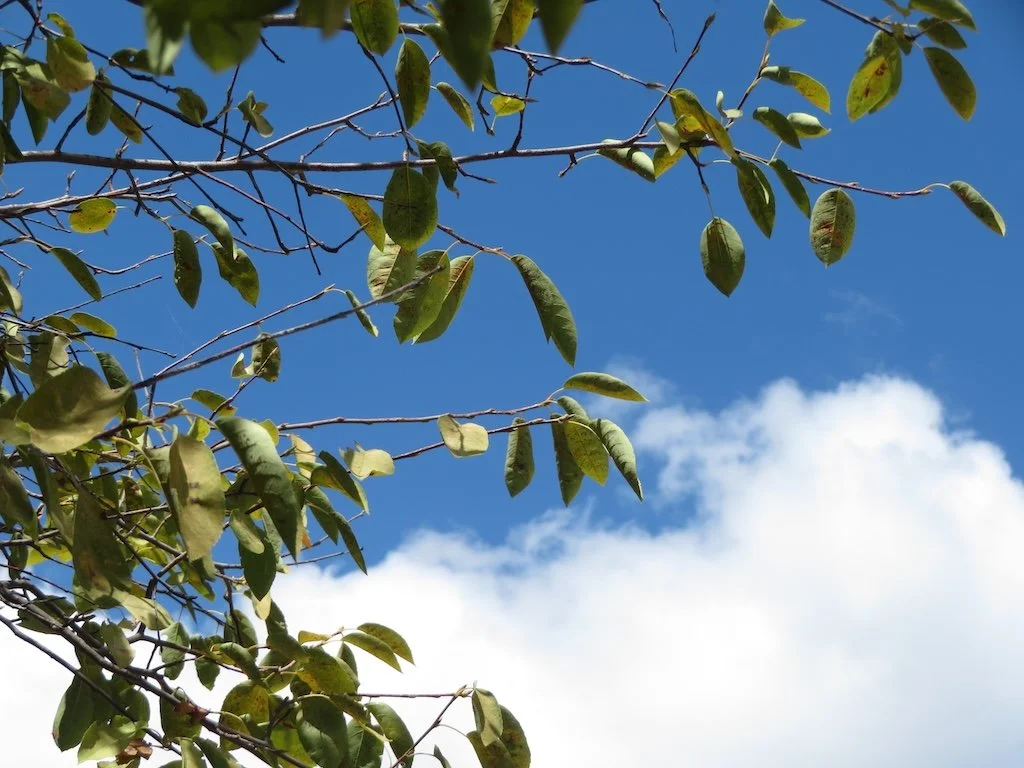
Black cherry – Prunus serotina – Rosaceae: observed bark…branches too high to see more

Osage orange – Maclura pomifera – Moraceae: bark shaggy and orange in parts, leaves (tapering tip, entire, alternate, simple, size varies), the one we saw was male so no fruit

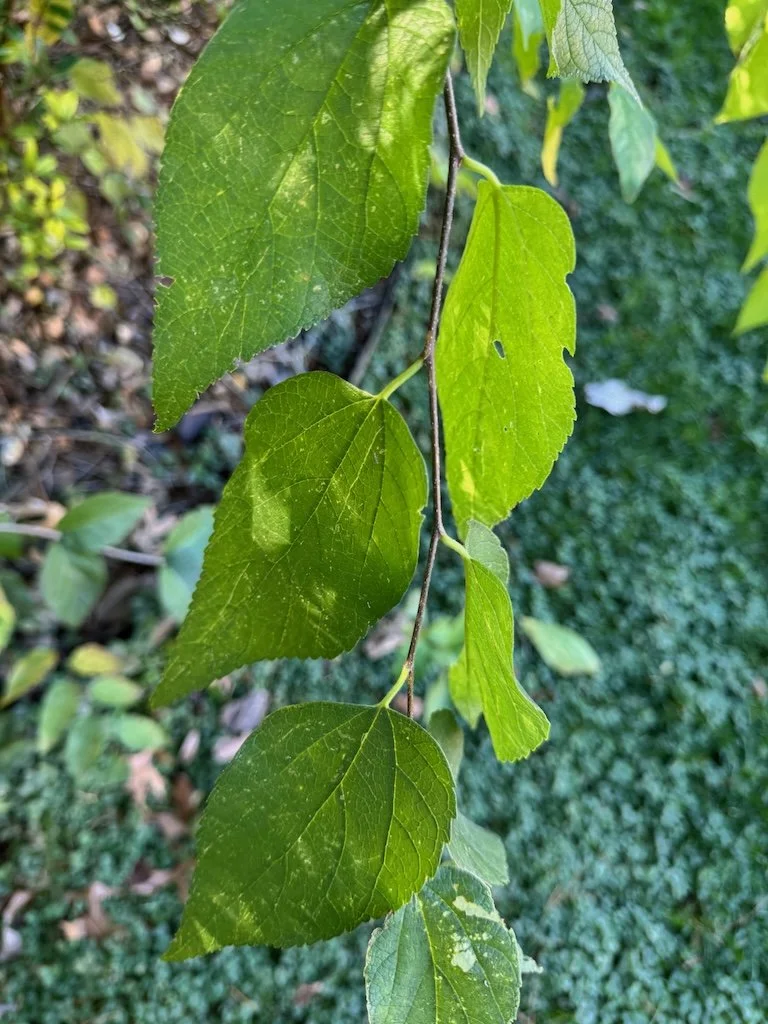
Red mulberry  - Morus rubra – Moraceae: milky sap, leaves (toothed, shiny, falling)


Shortleaf pine (note new) – Pinus echinate – Pinaceae

Hackberry – Celtis occidentalis – Cannabaceae: drupe that can taste like a dry raisin, leaves (3 veins, asymmetric, rough), the one we saw had galls, bark rough and gray, large tree

Shingle oak – Quercus imbricaria – Fagaceae: acorn small, leaves (no lobes, long and narrow, soft hair underneath), multiple buds at tend of twigs, bark grayish

Previous posts about my experiences in the Identifying Woody Plants class at Missouri State University