Zentangle® – May 2026

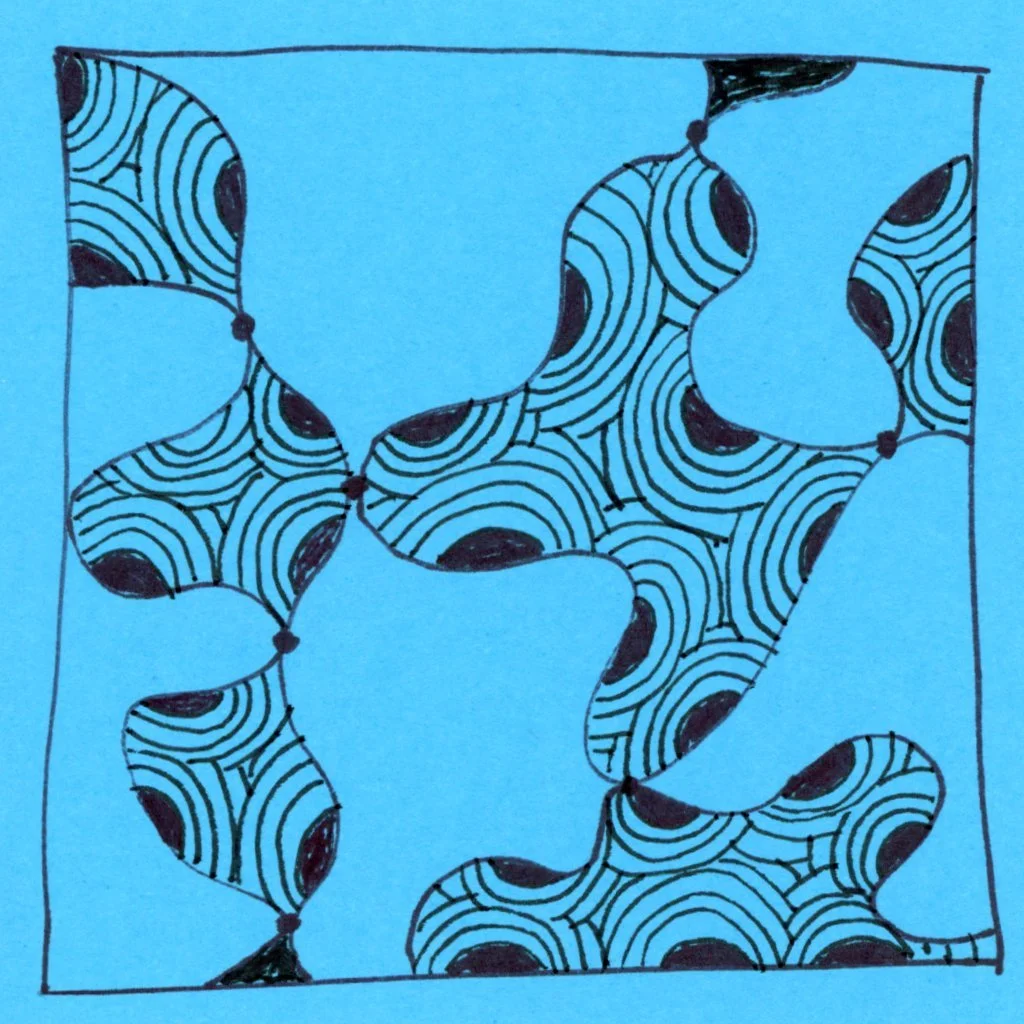
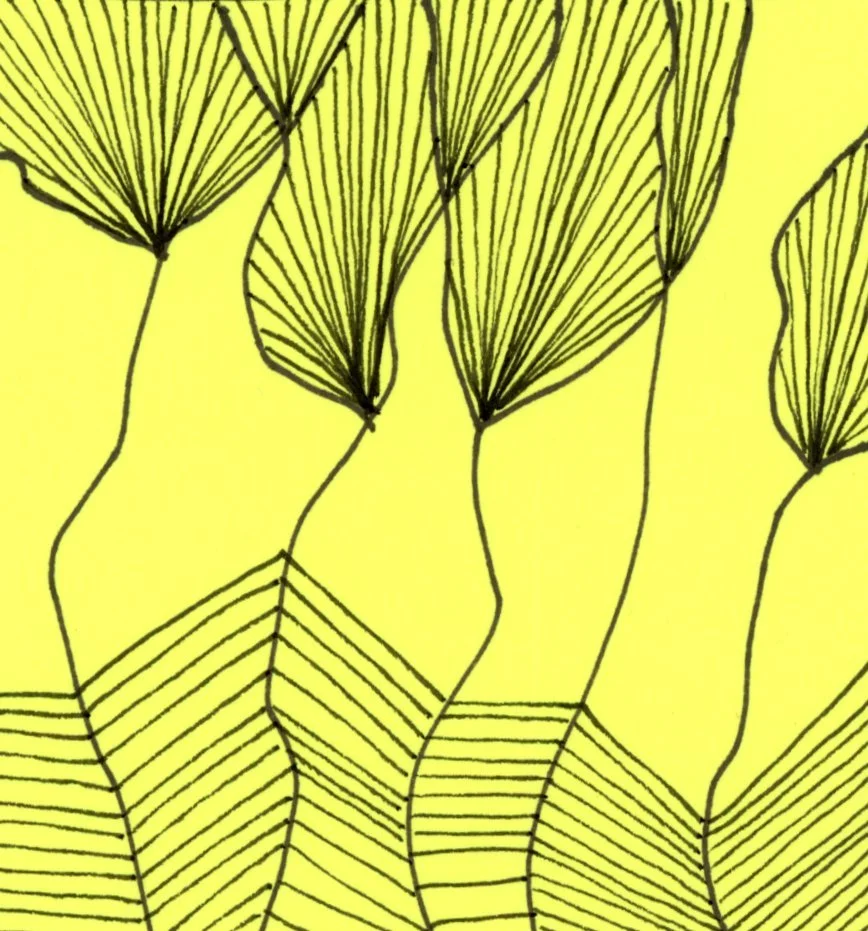
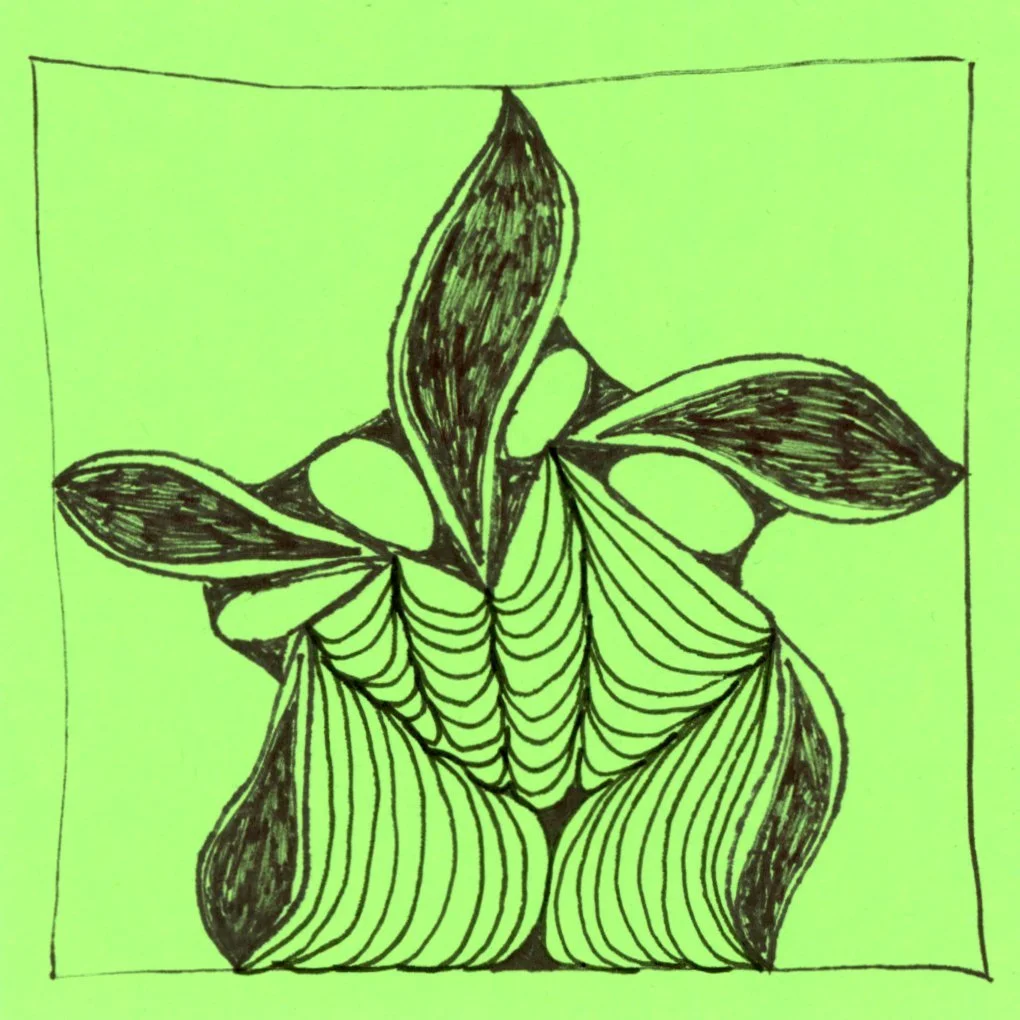
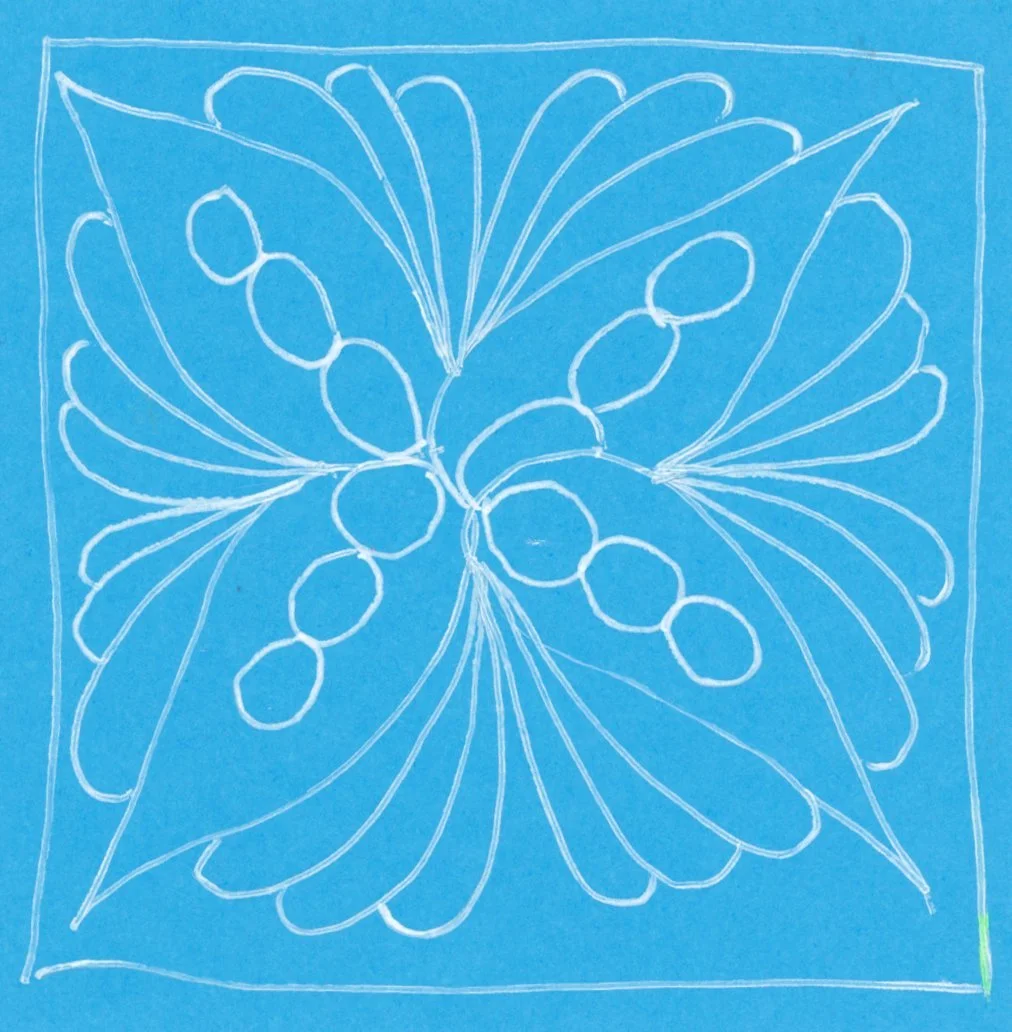
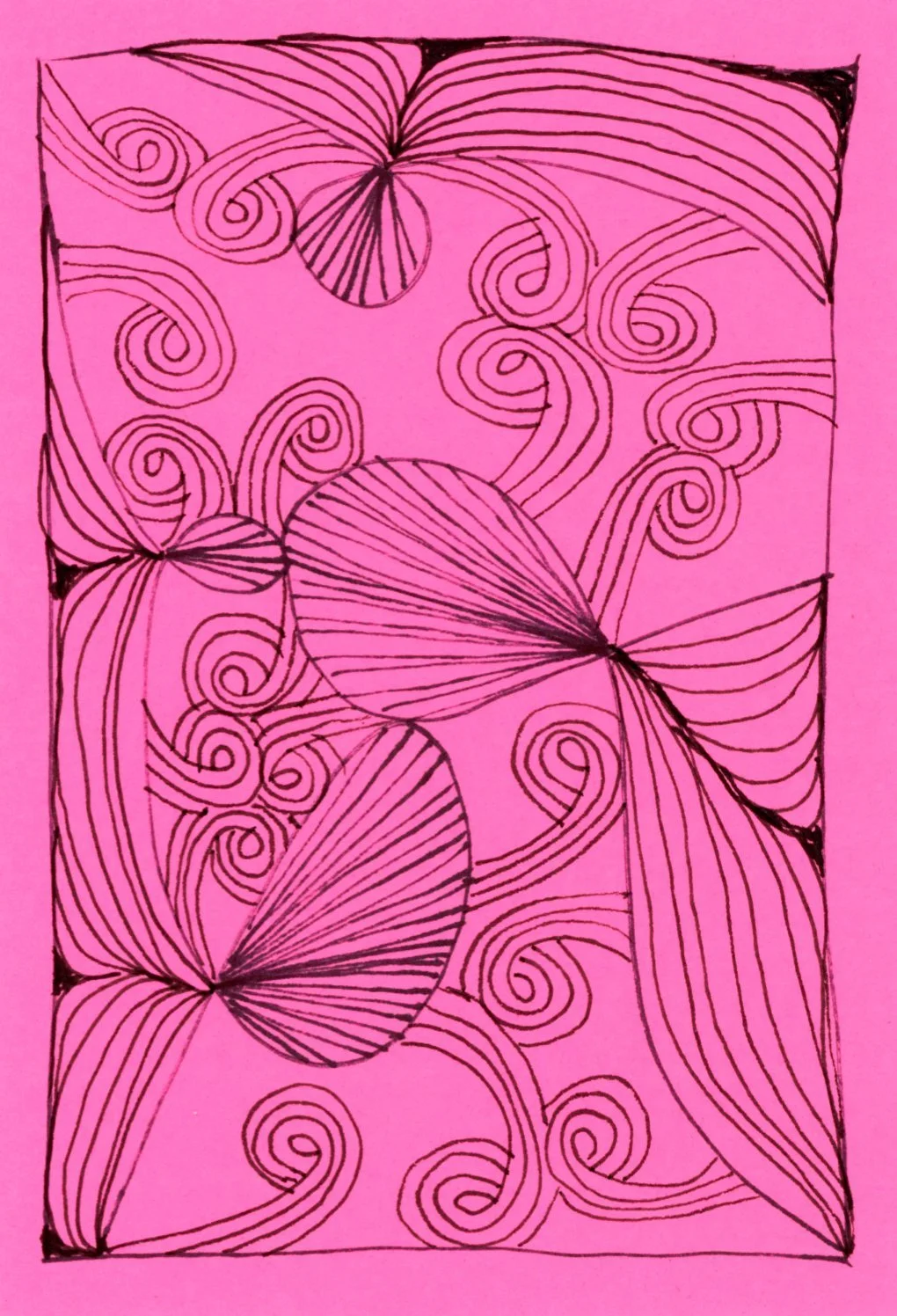
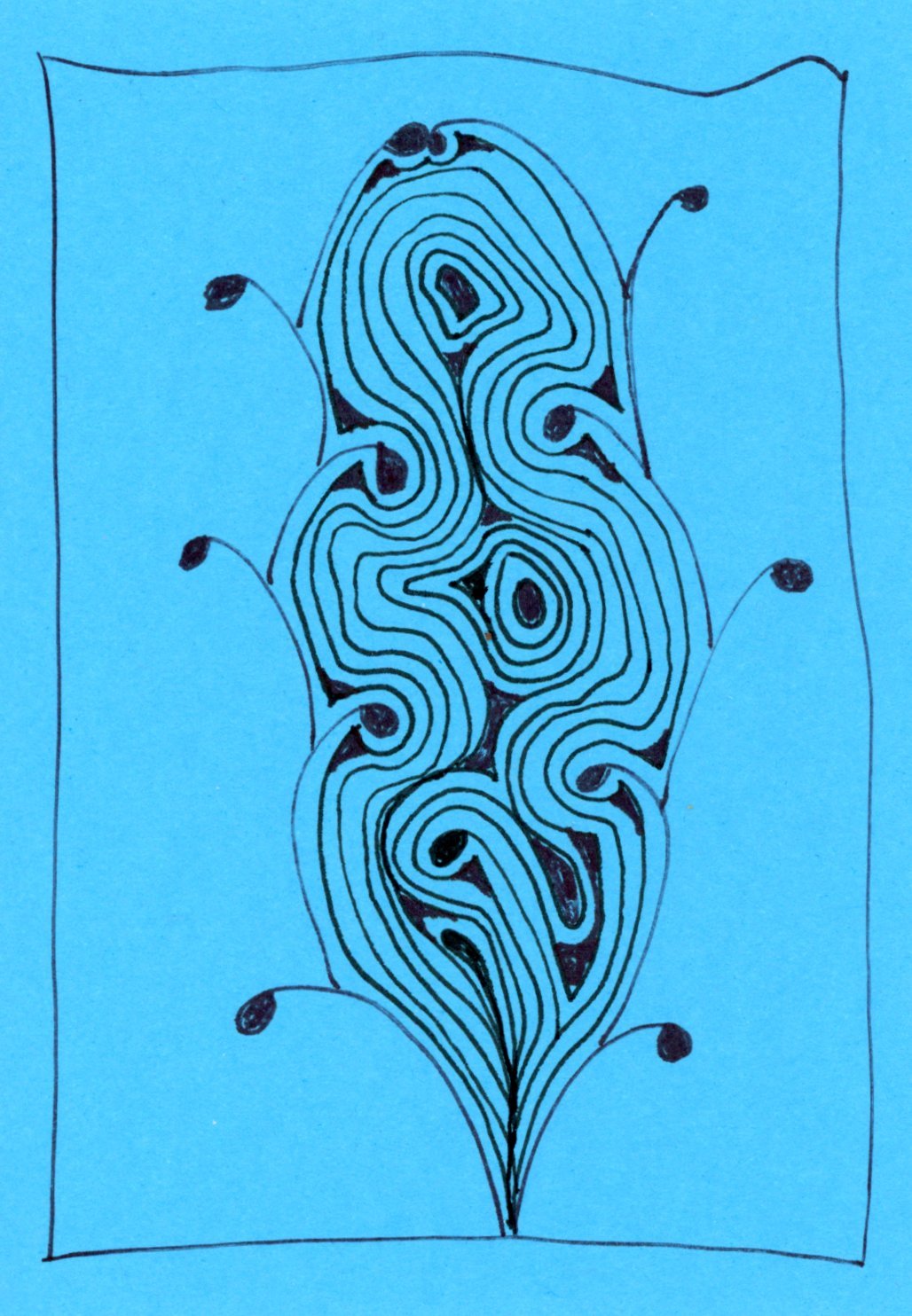
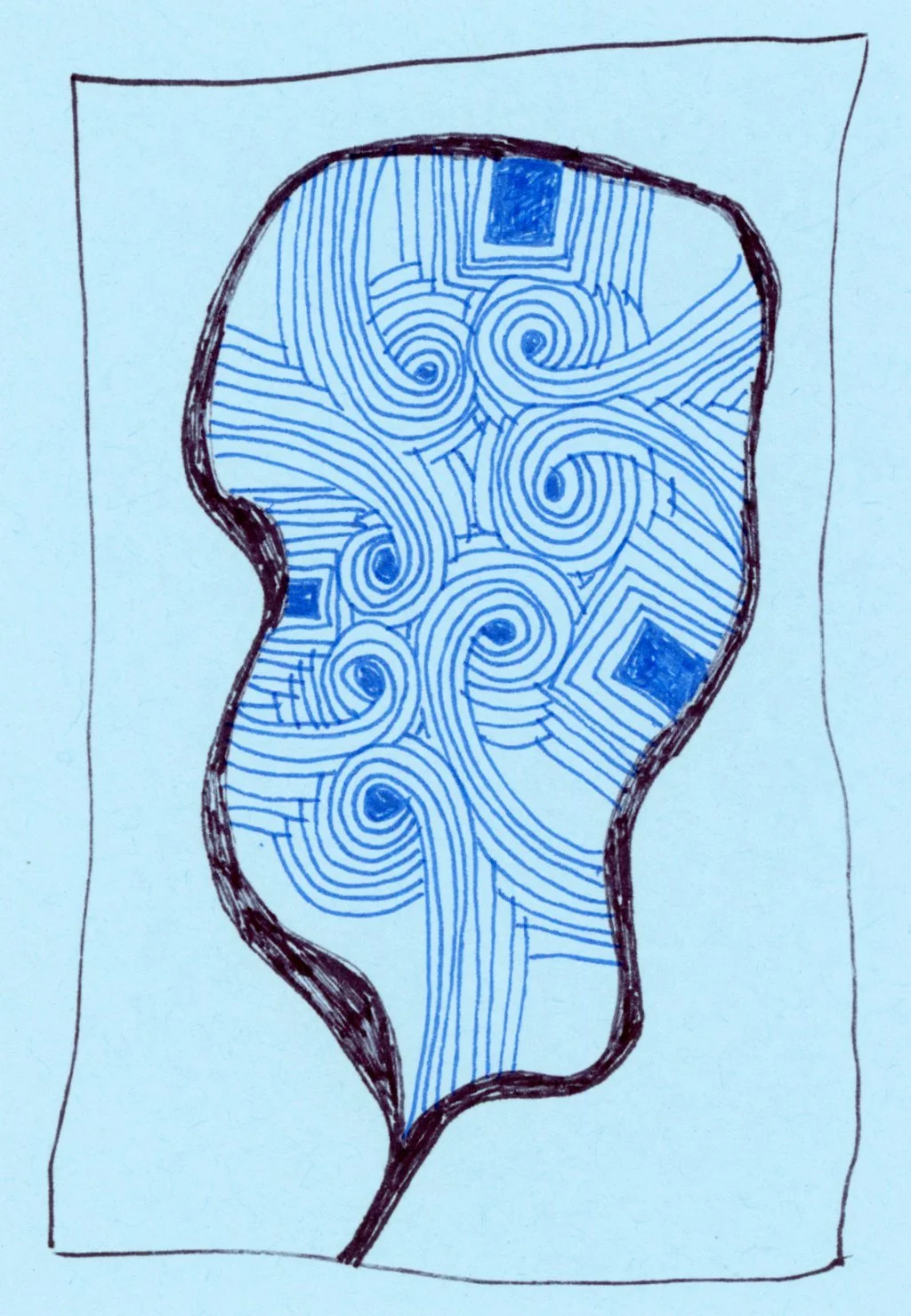
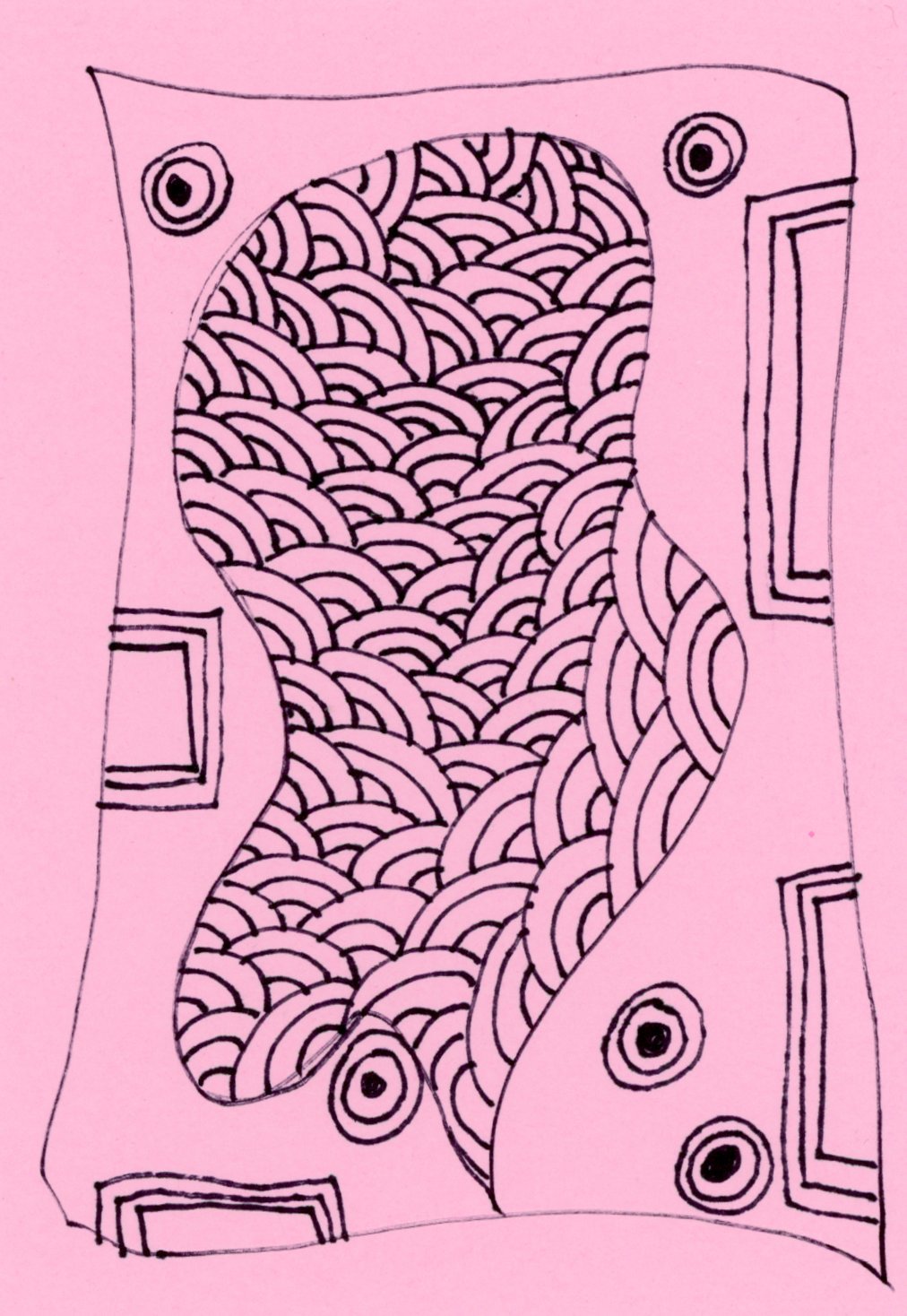
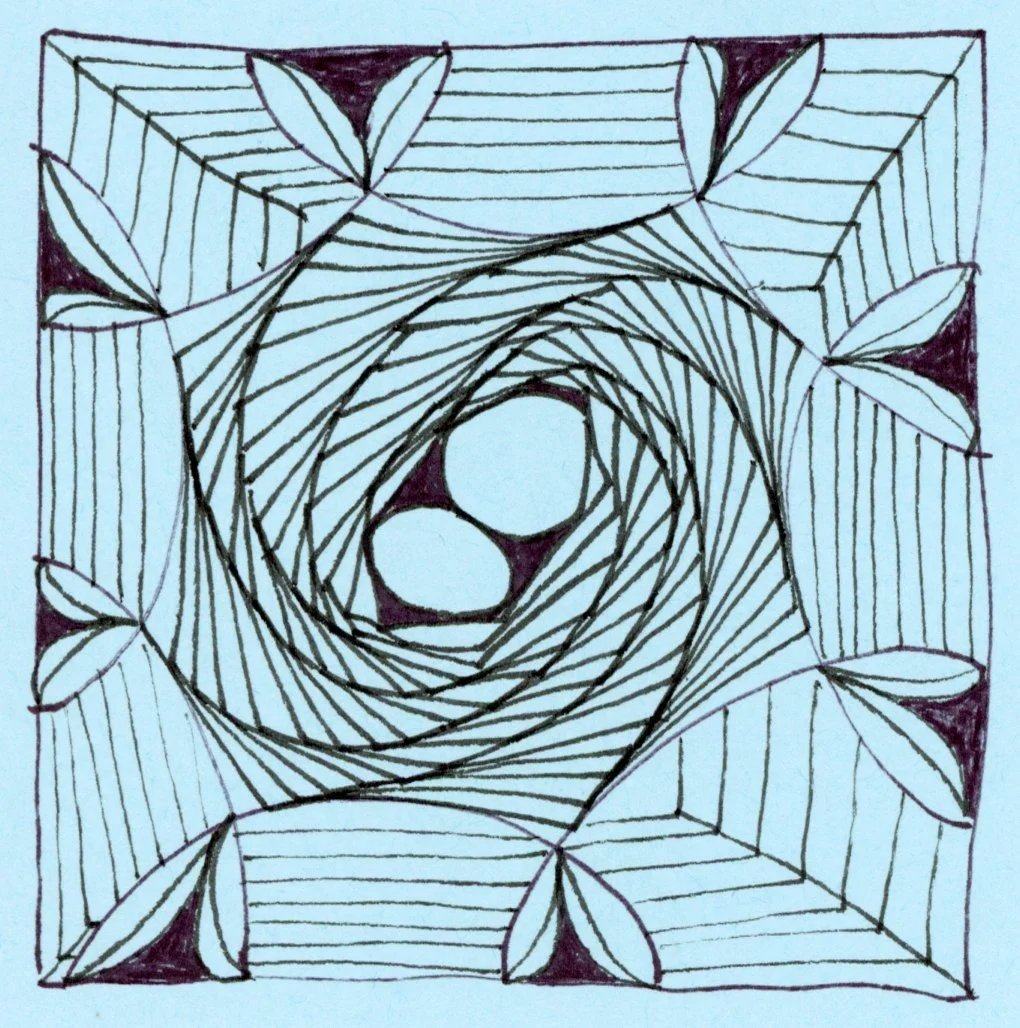
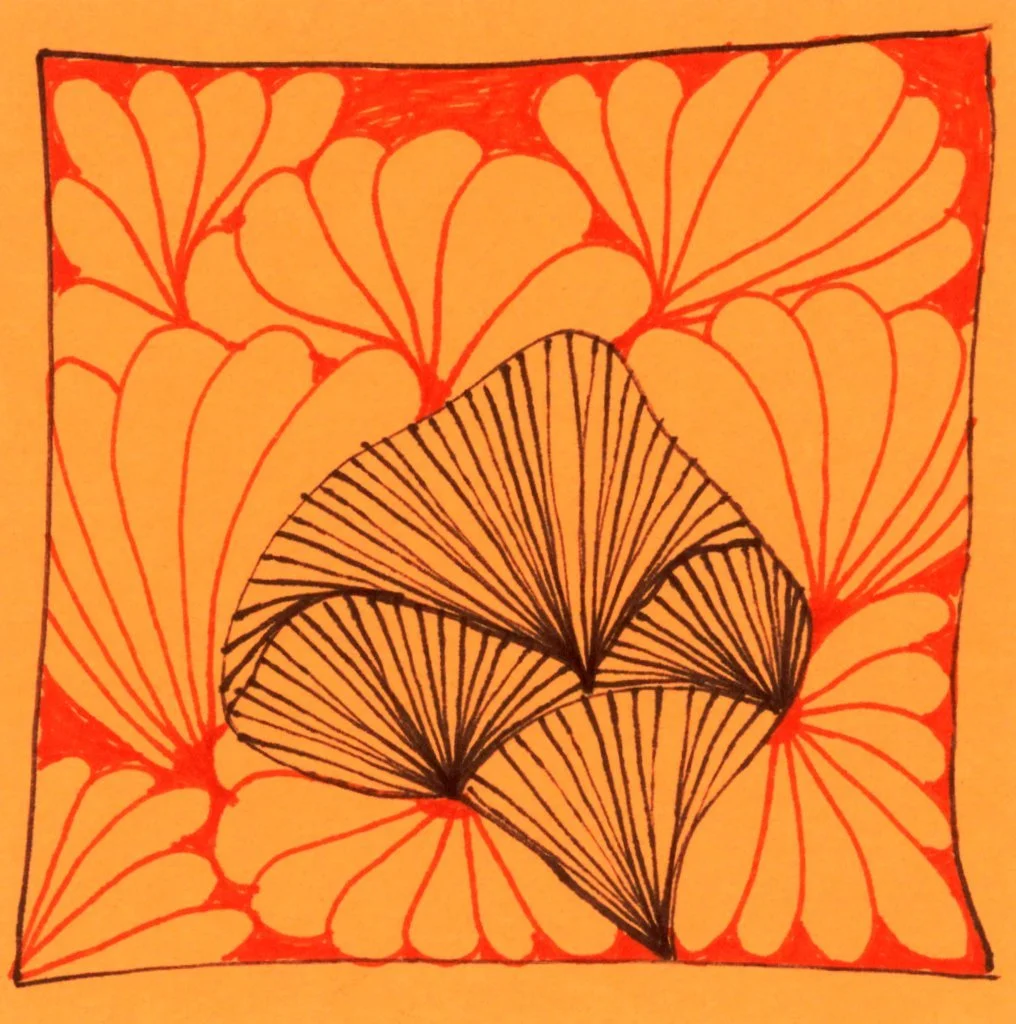
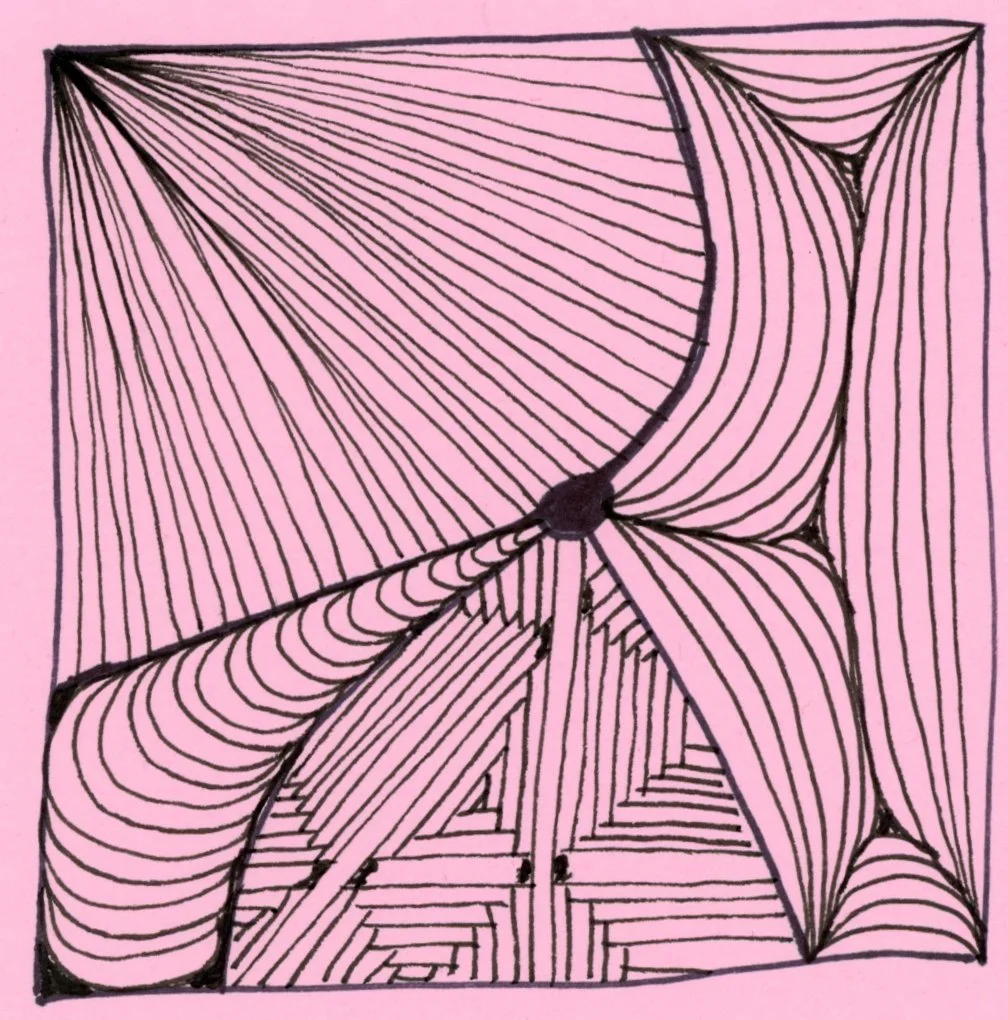
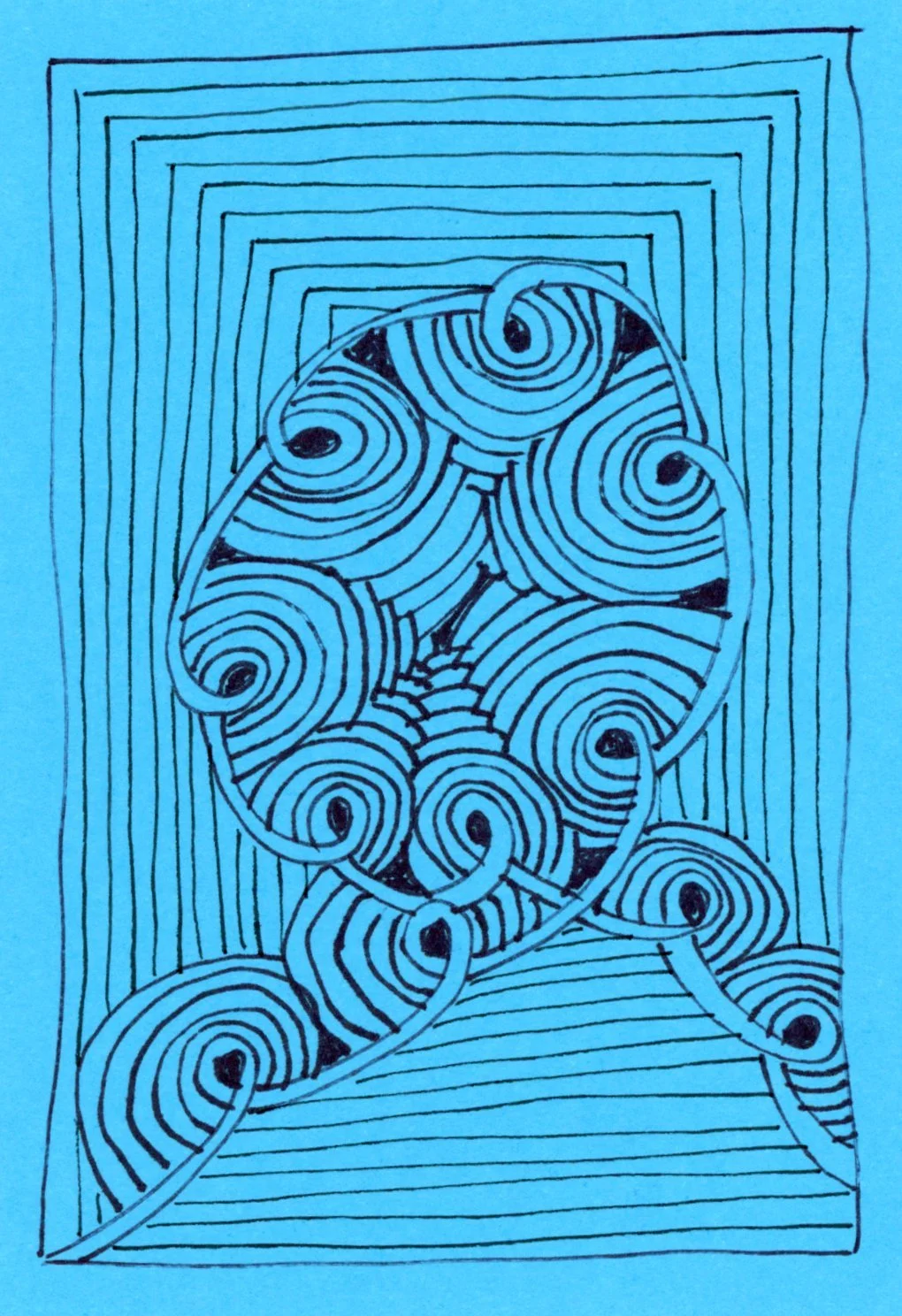
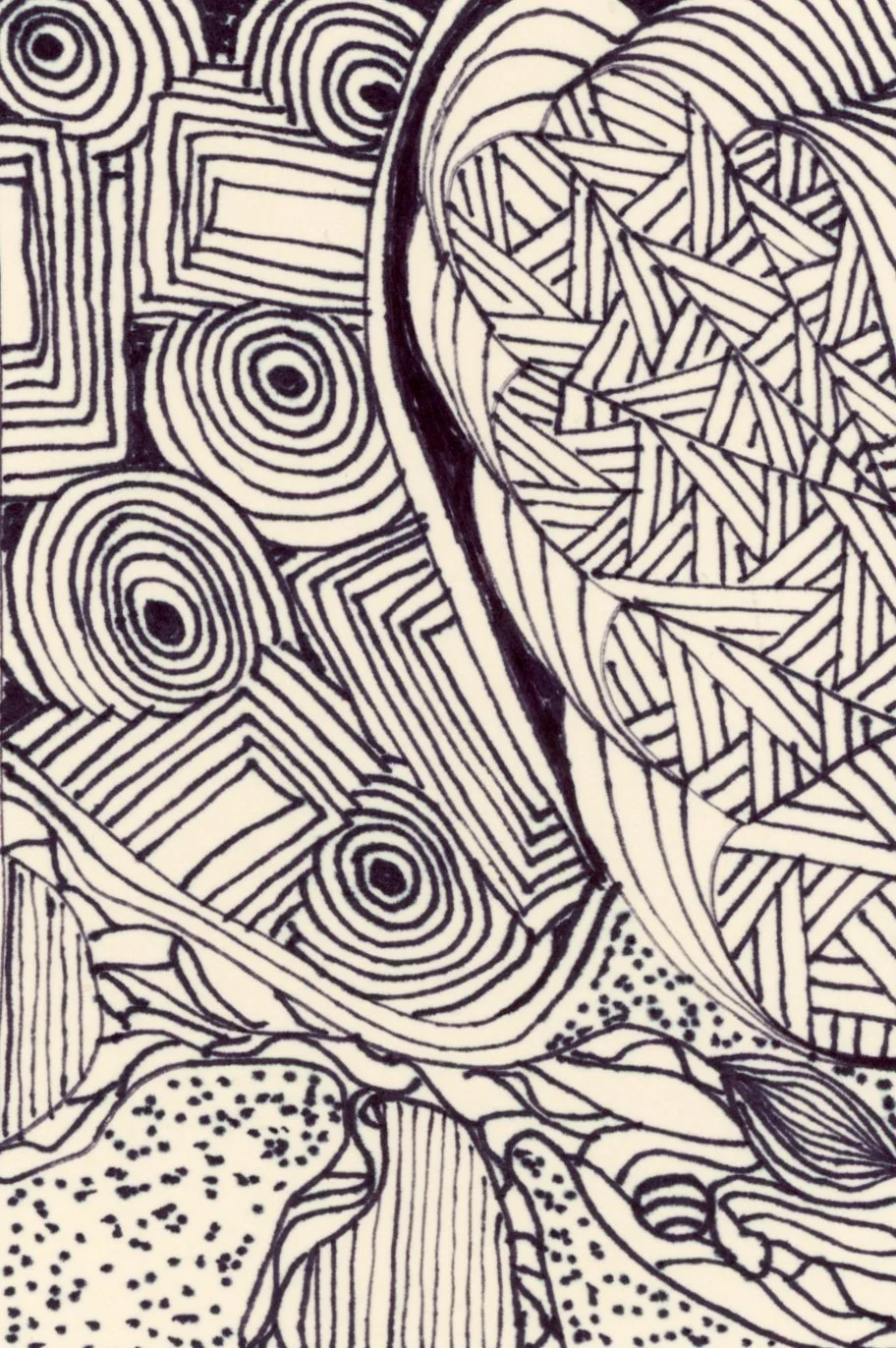
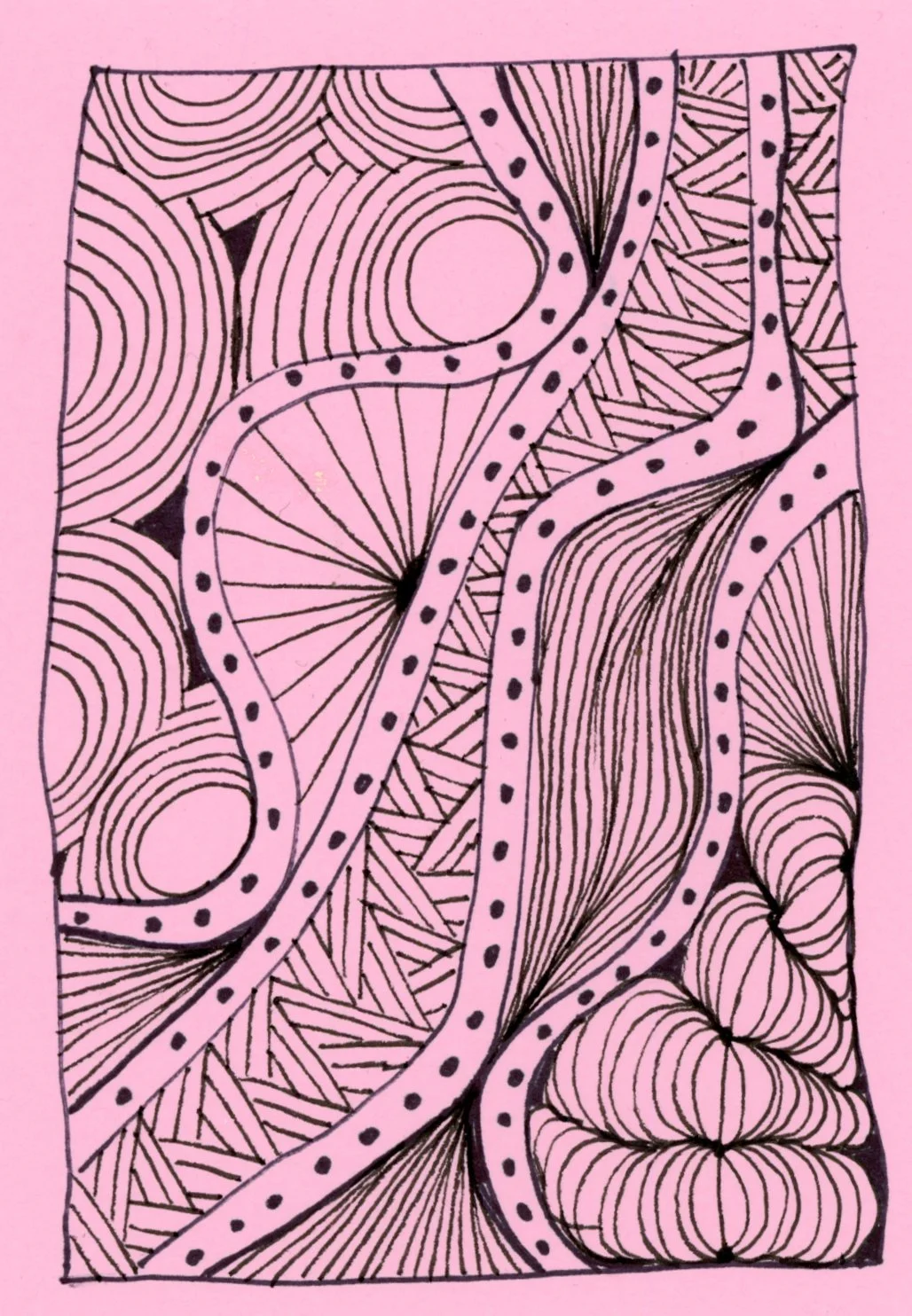
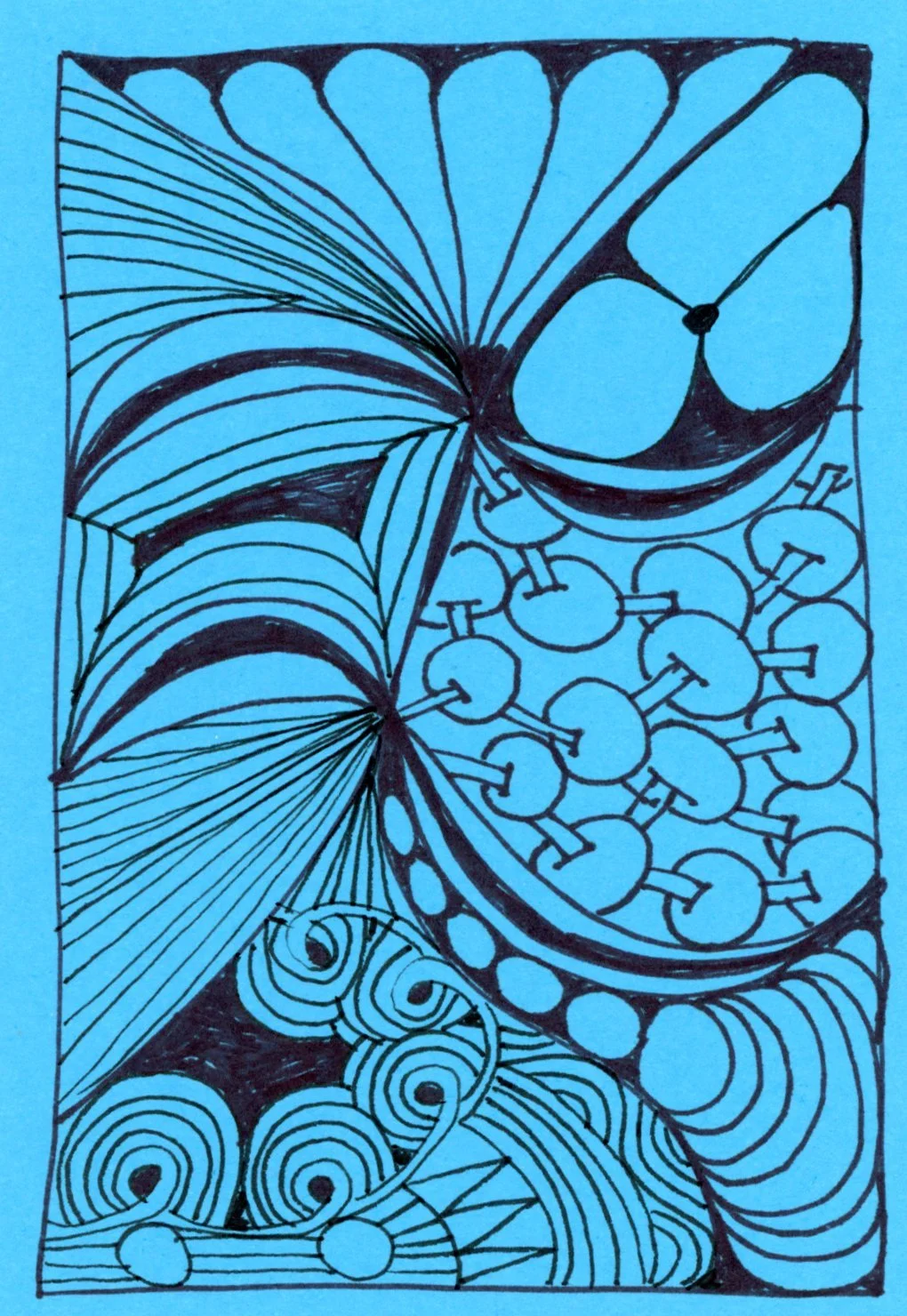
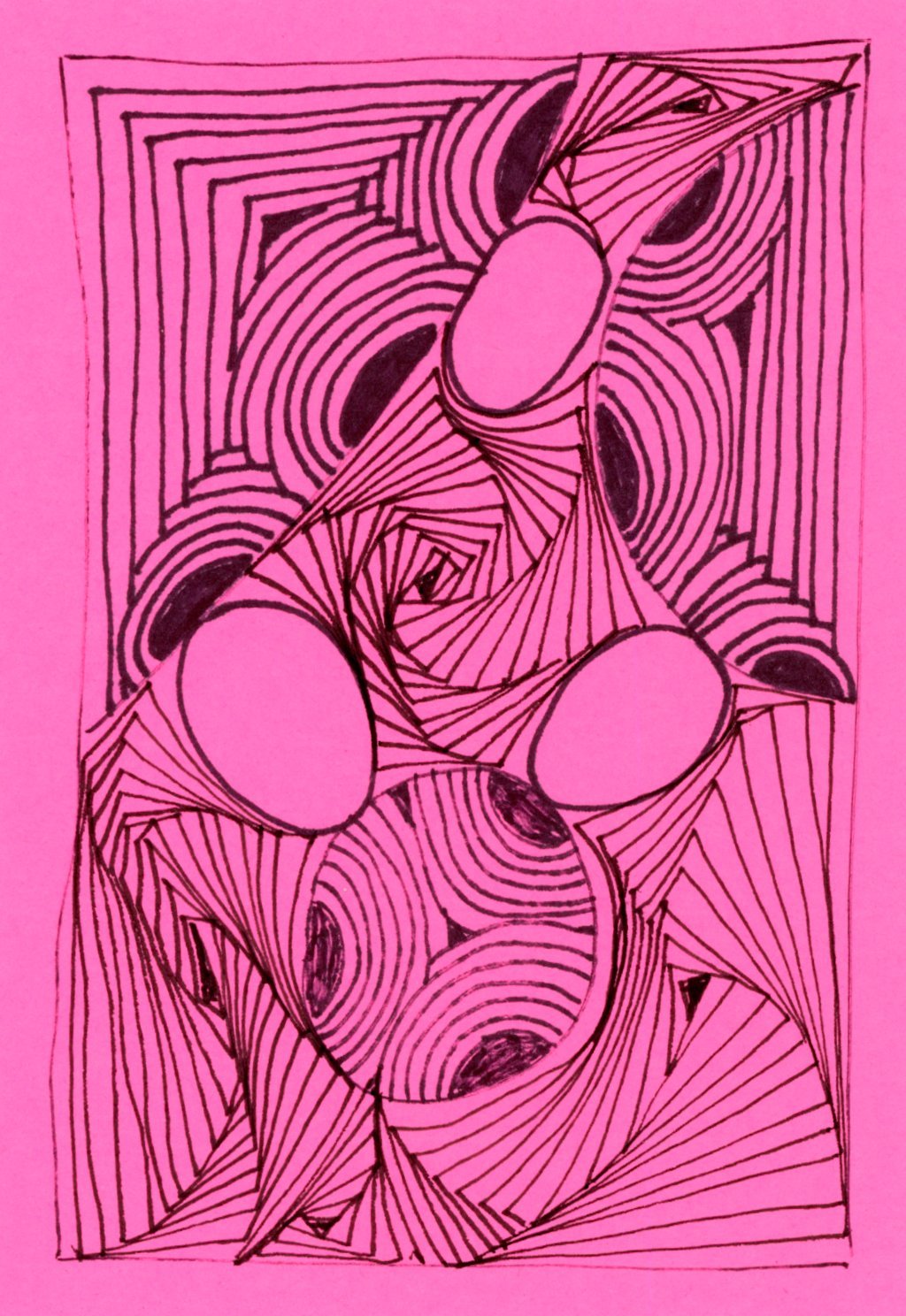
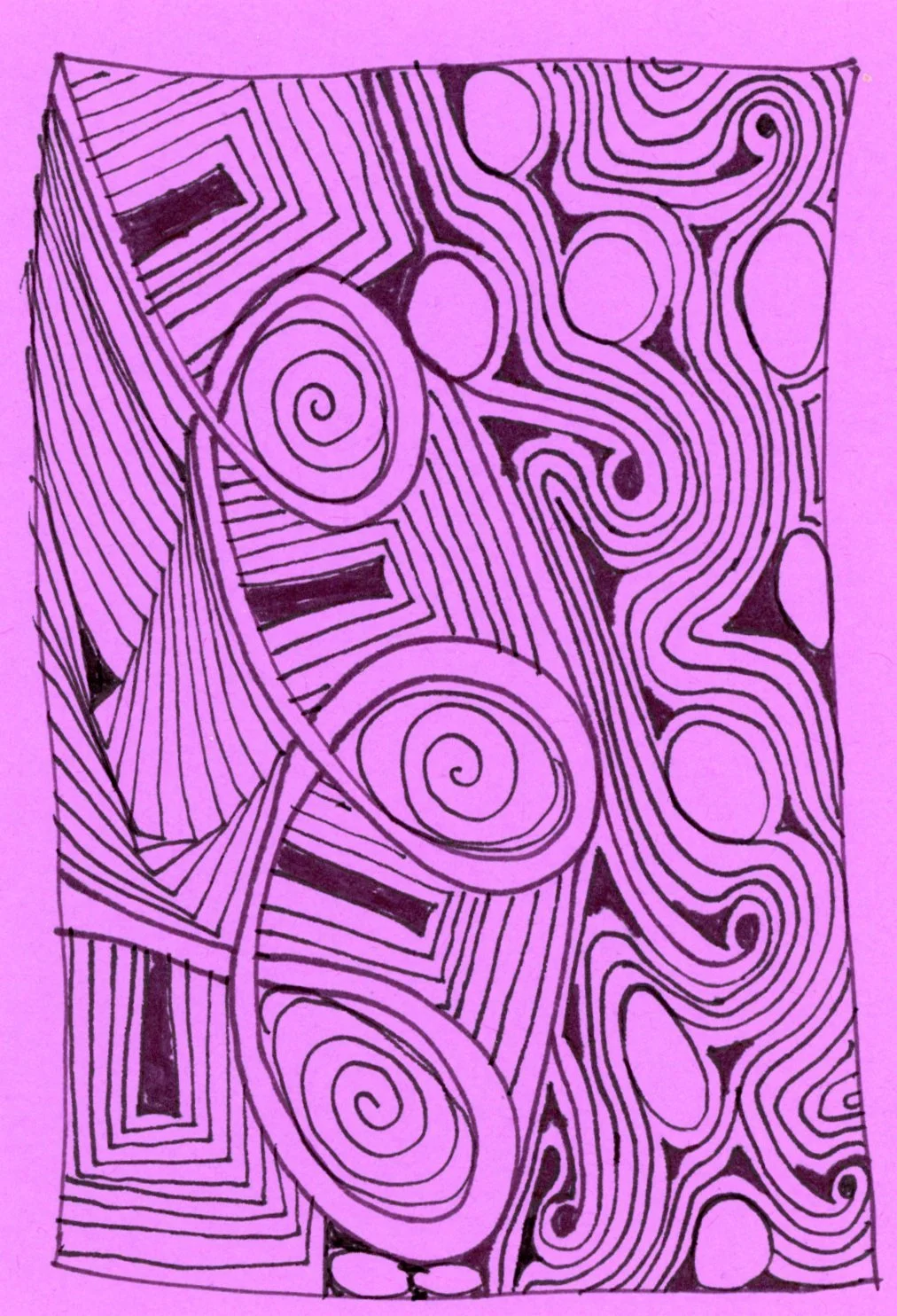
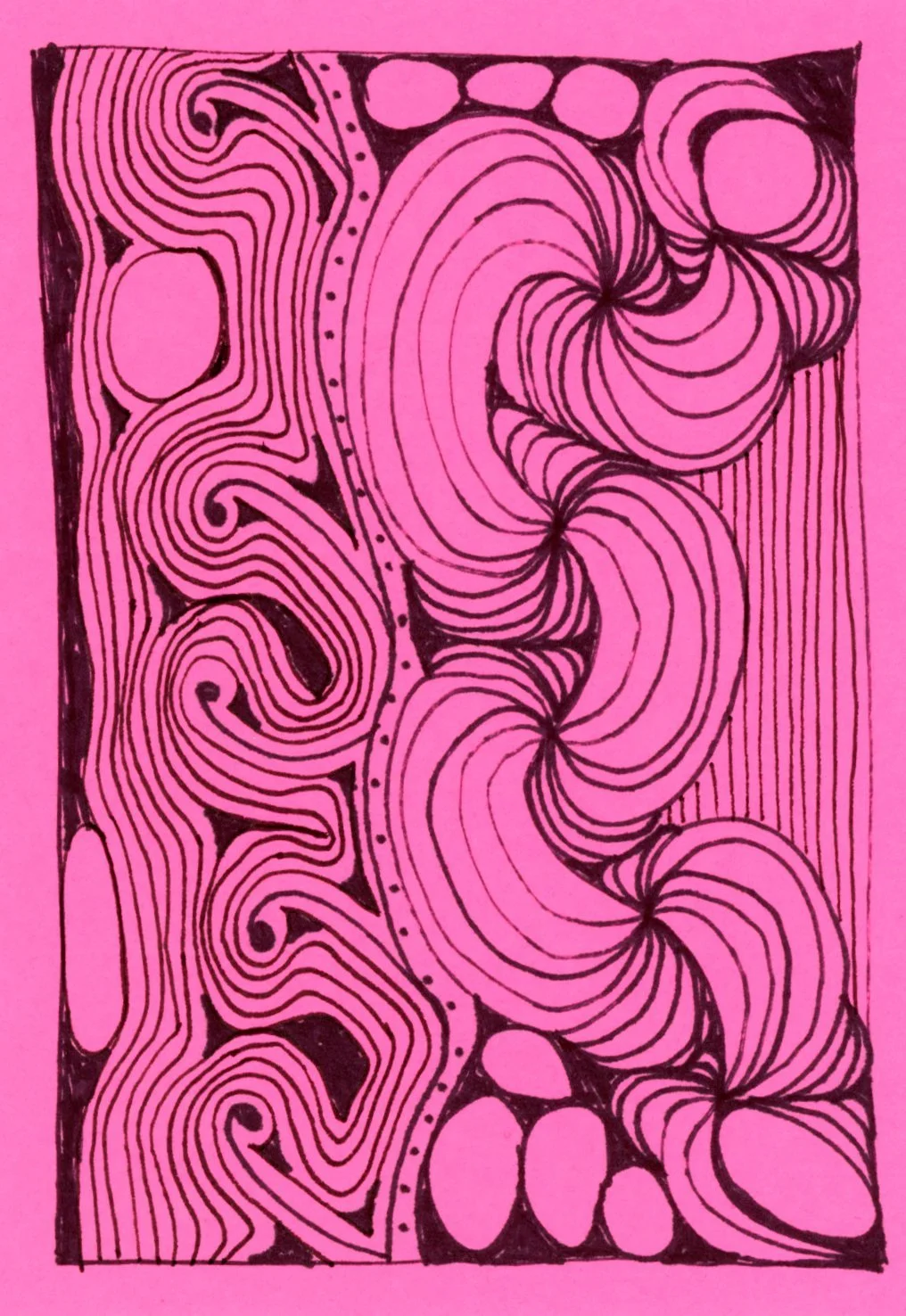
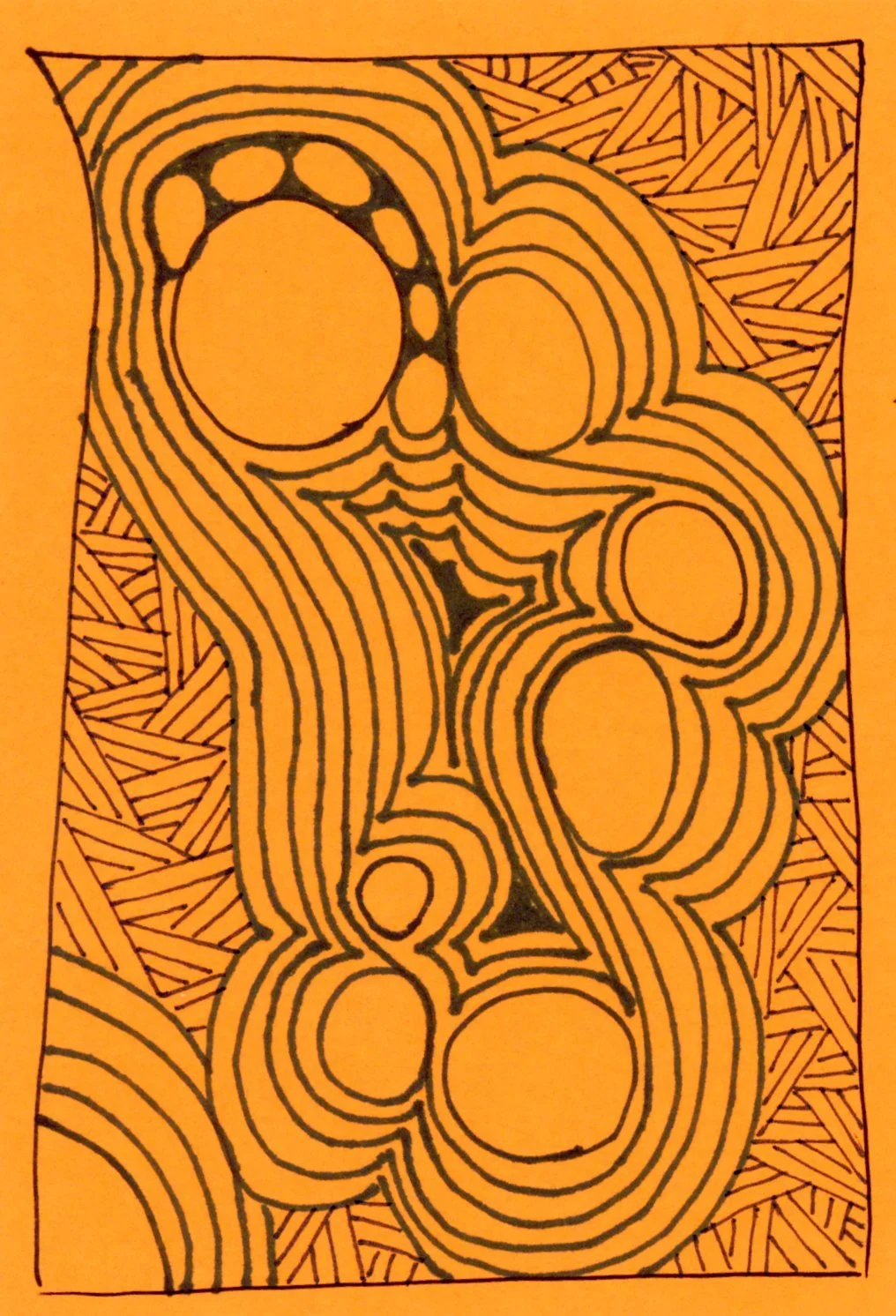
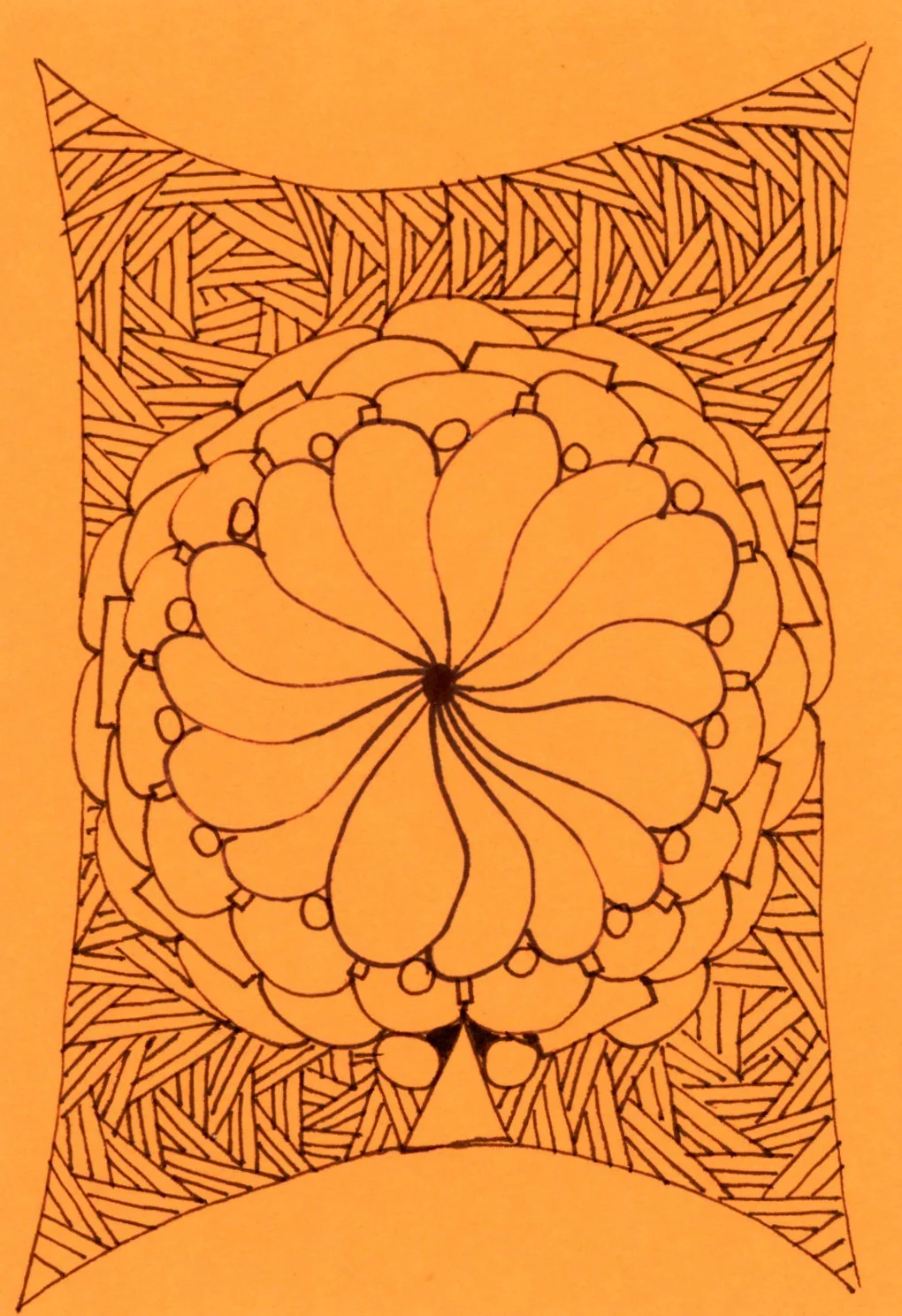
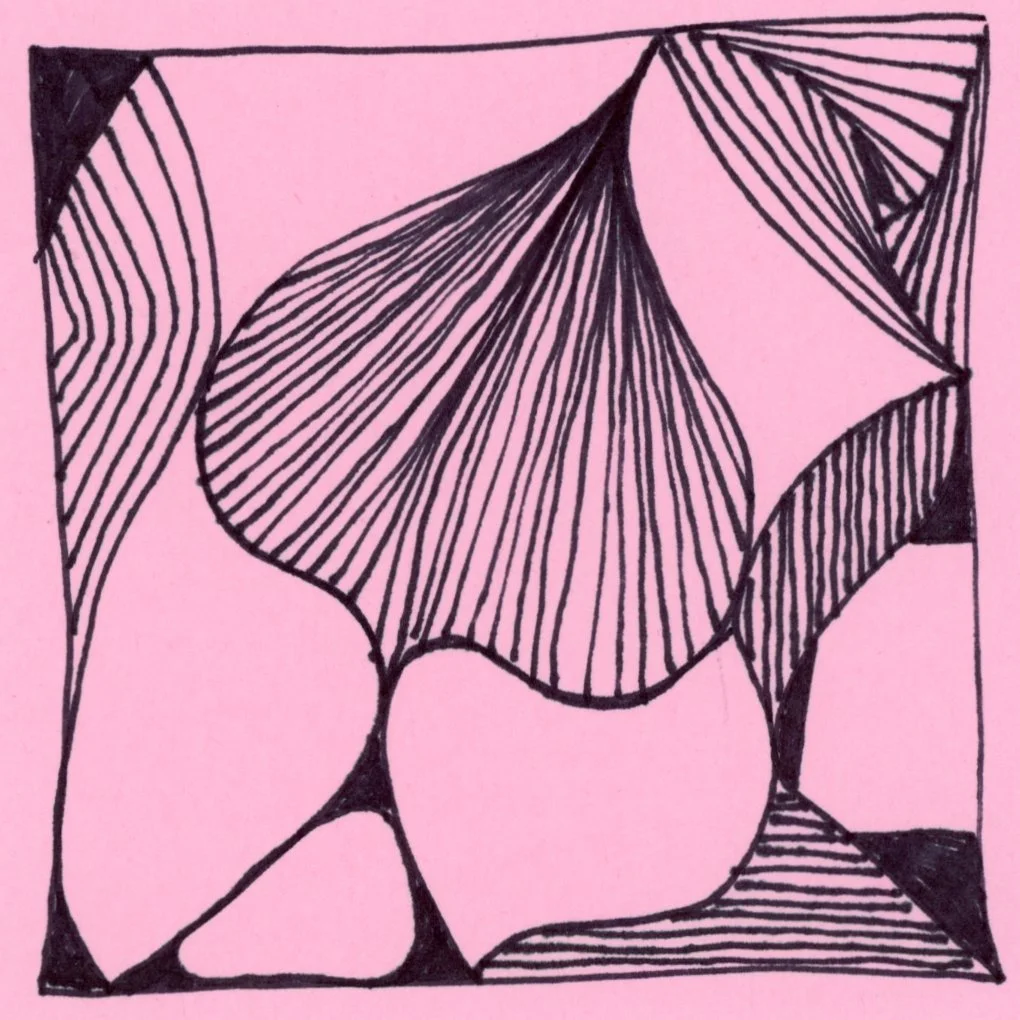
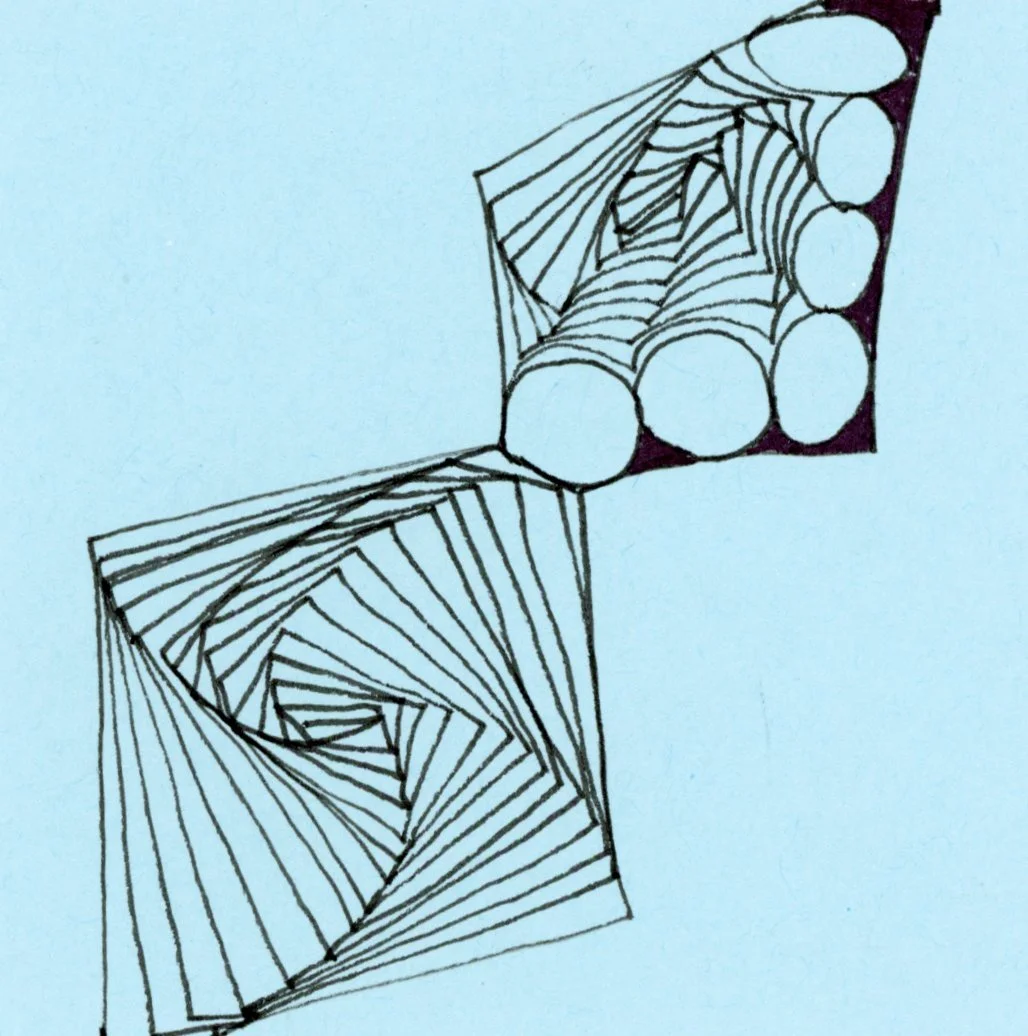
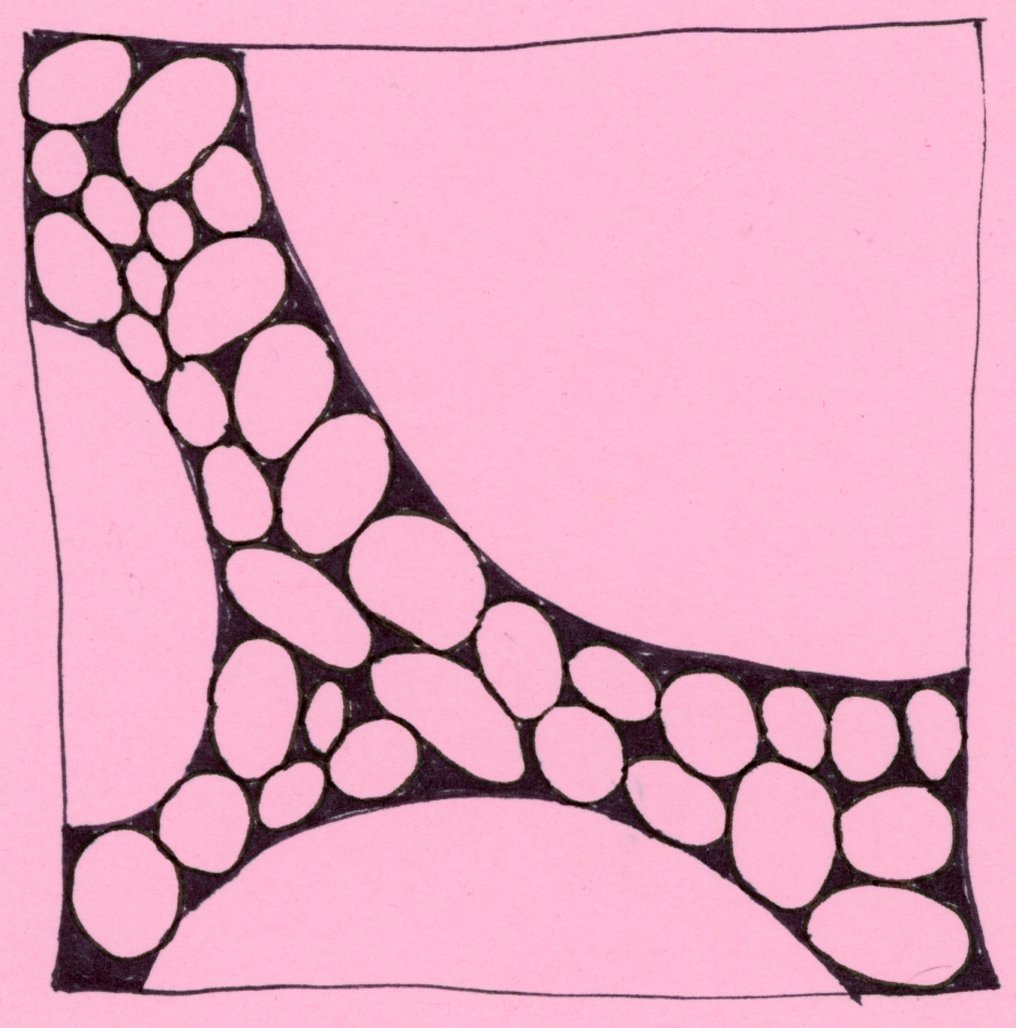
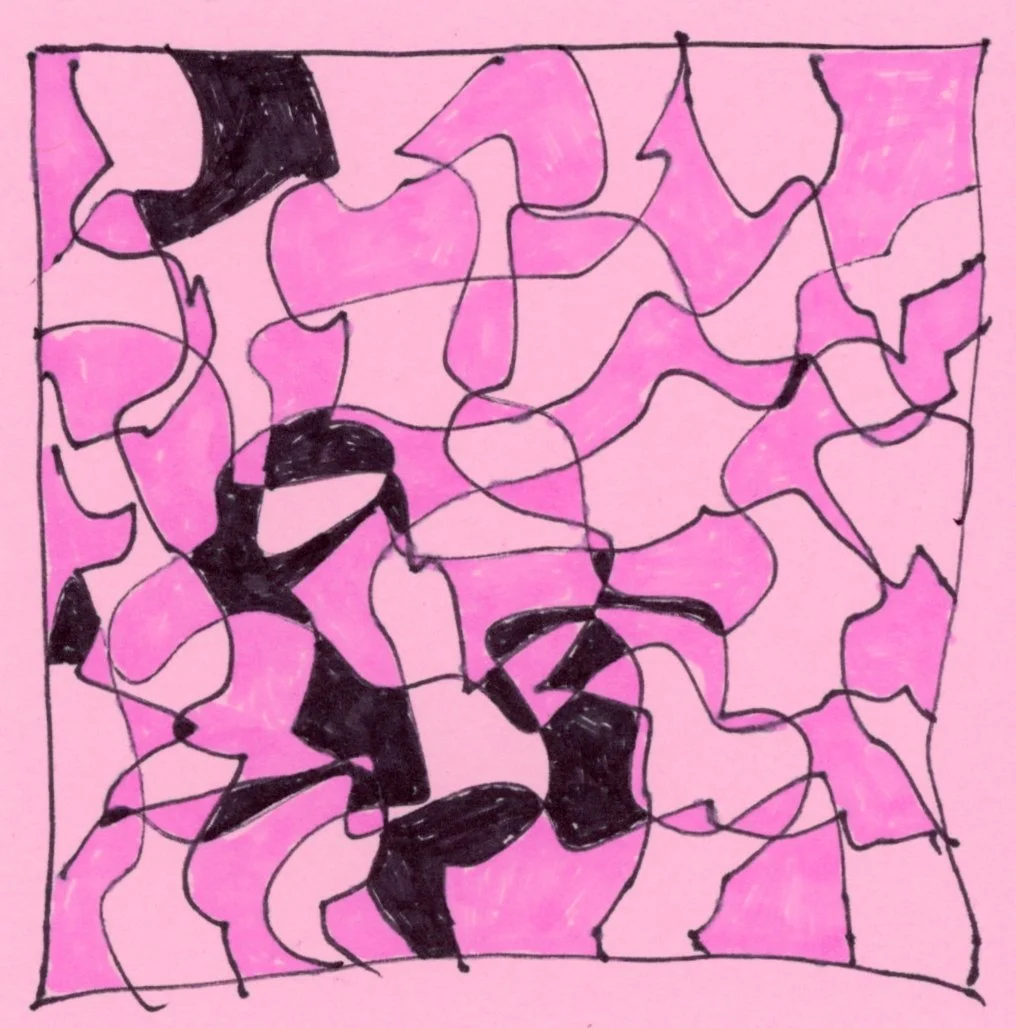
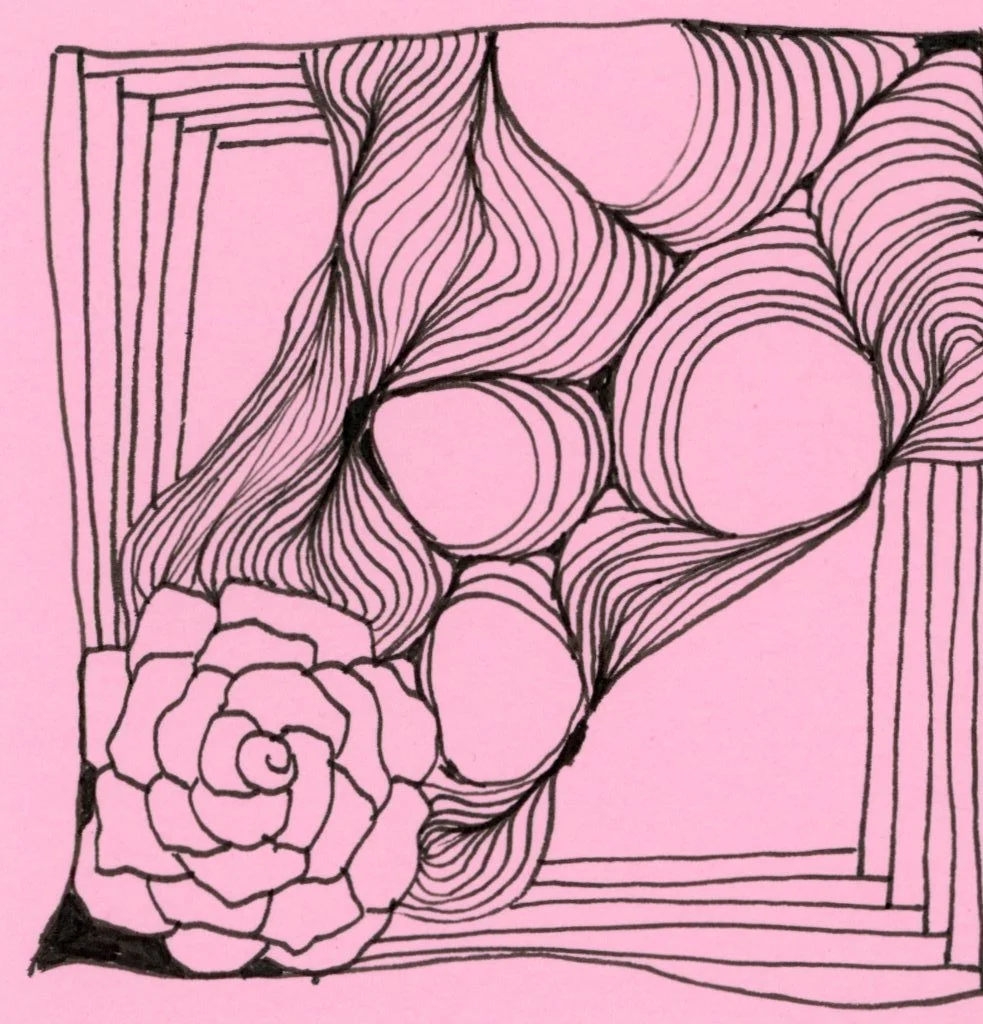
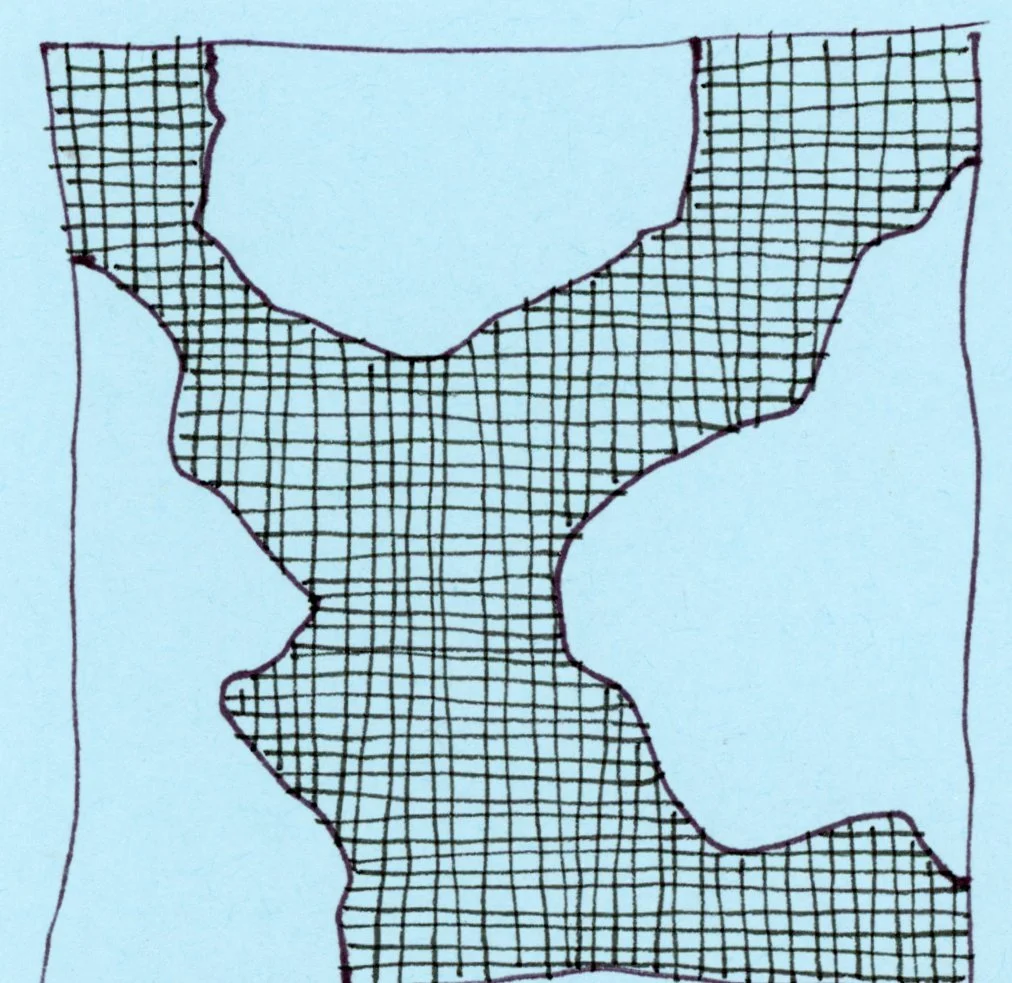
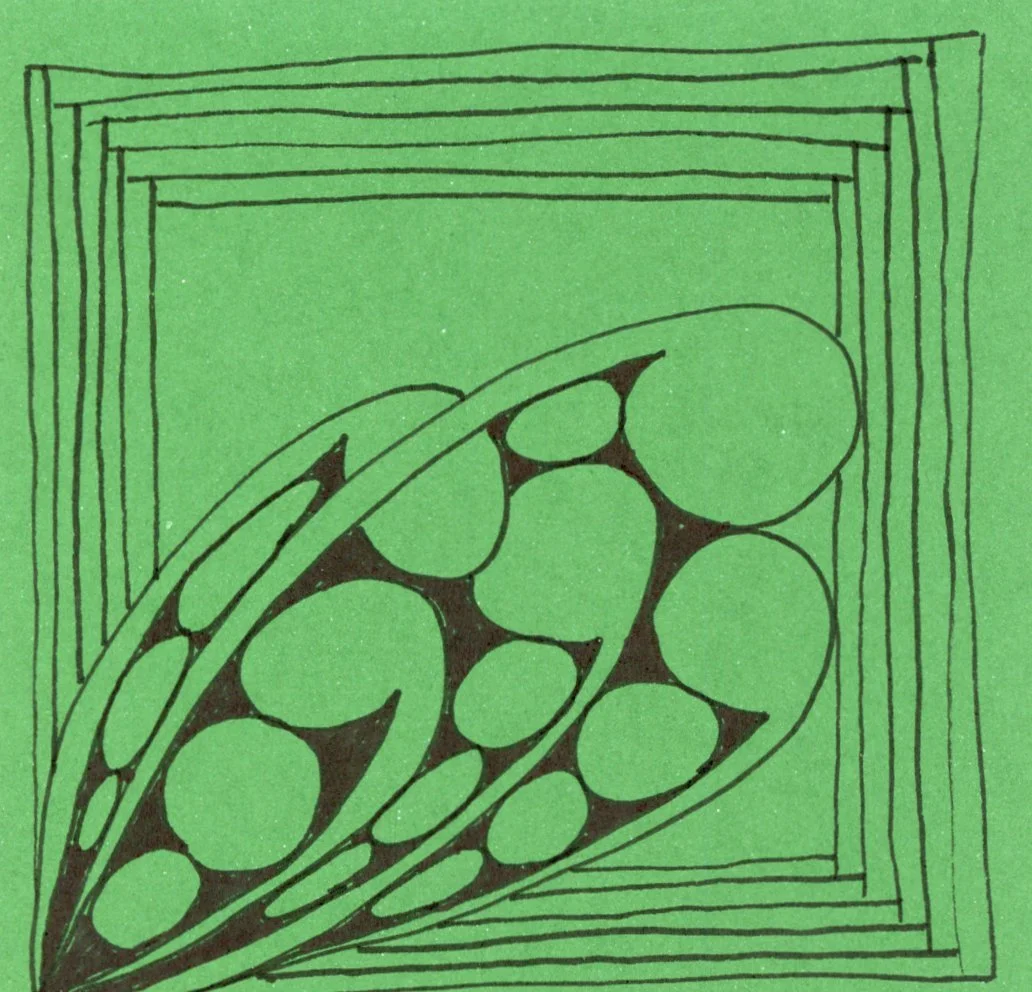
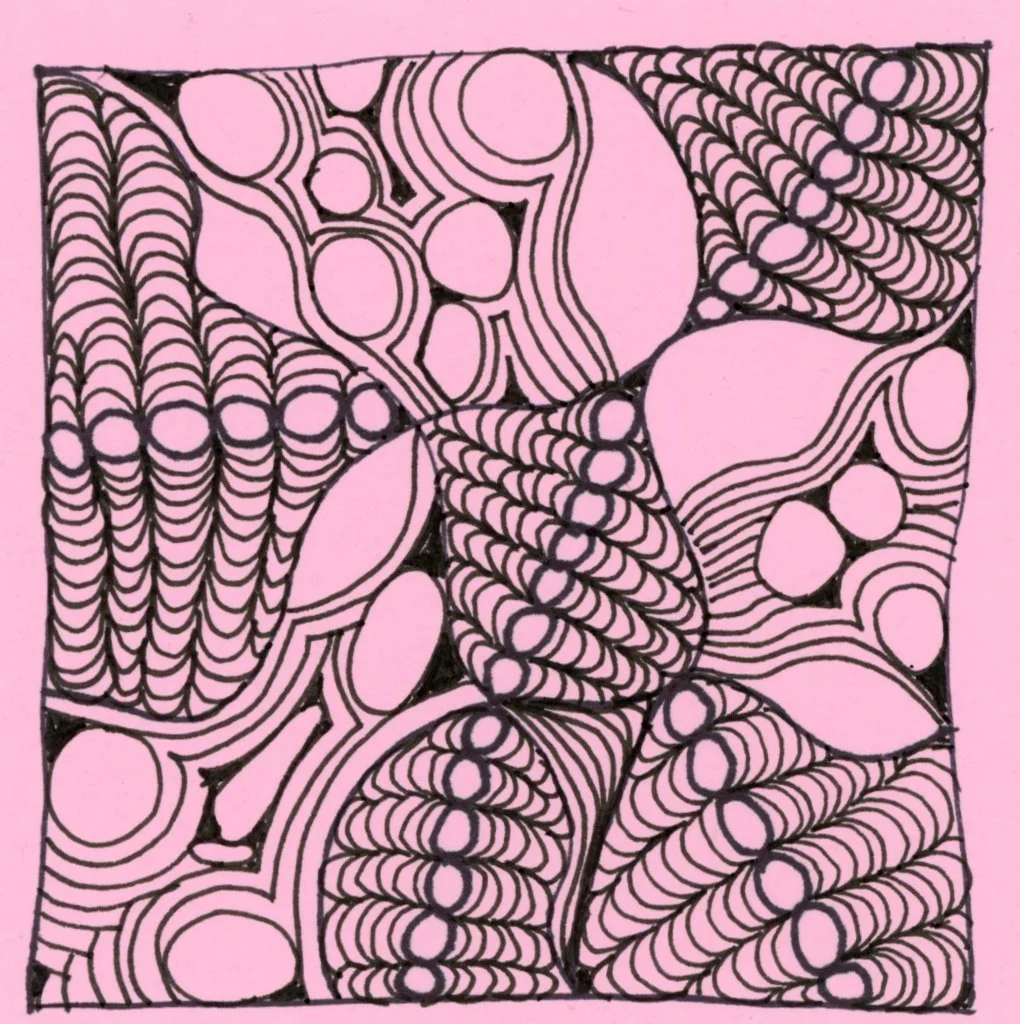
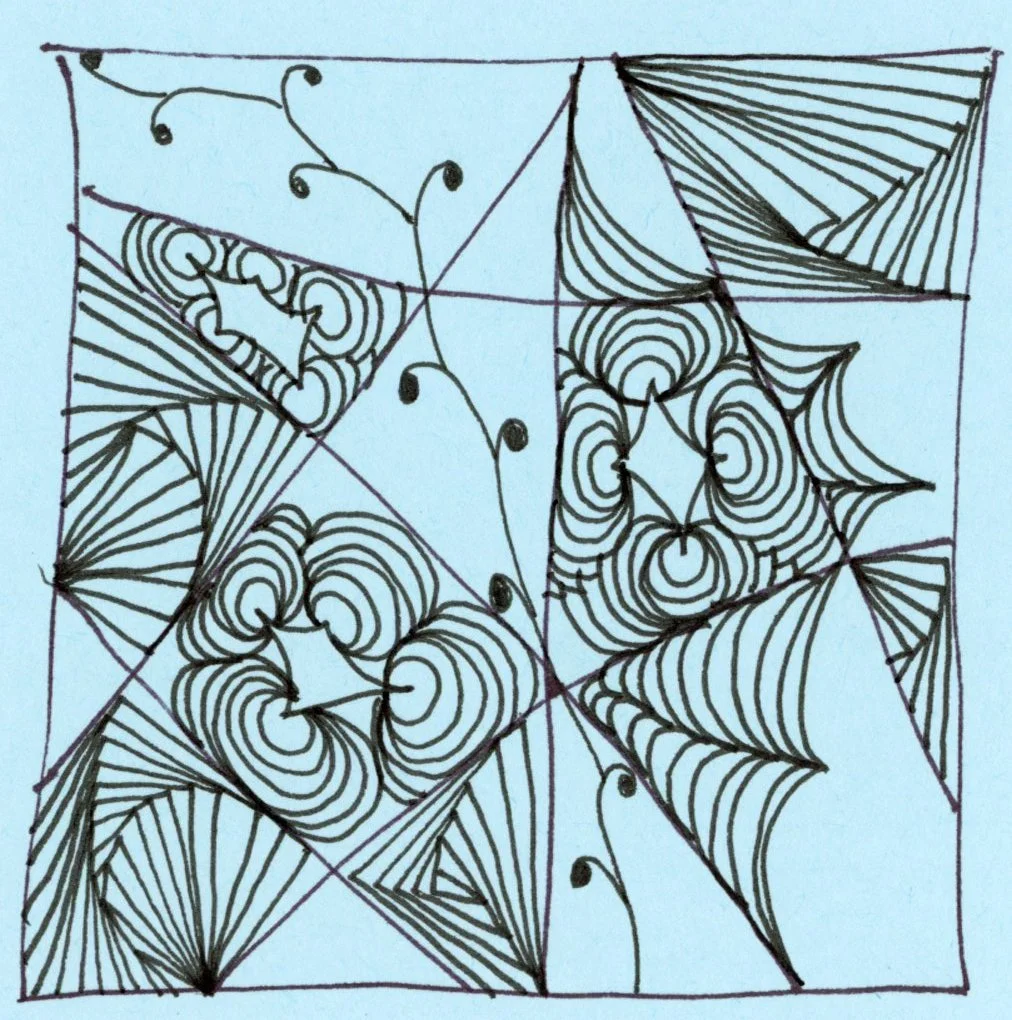
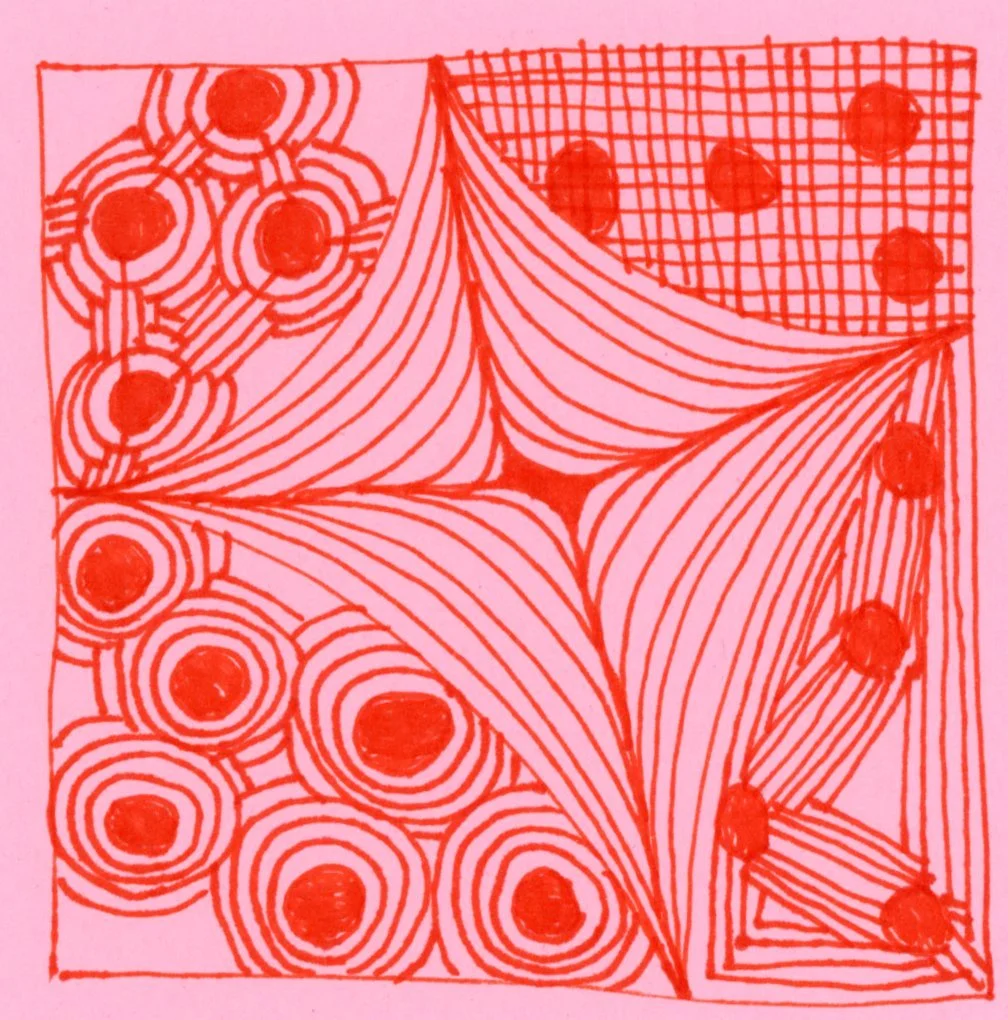
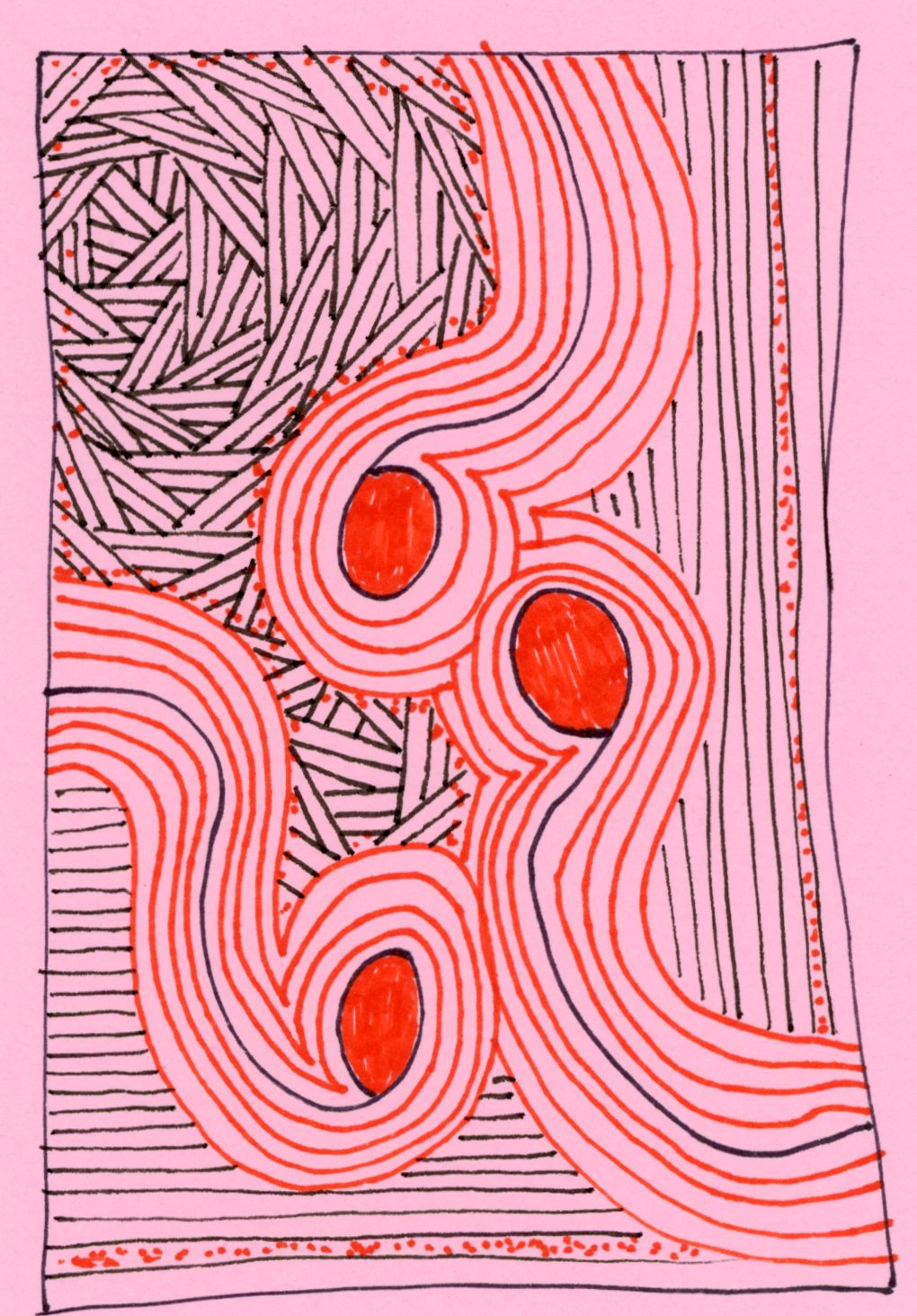
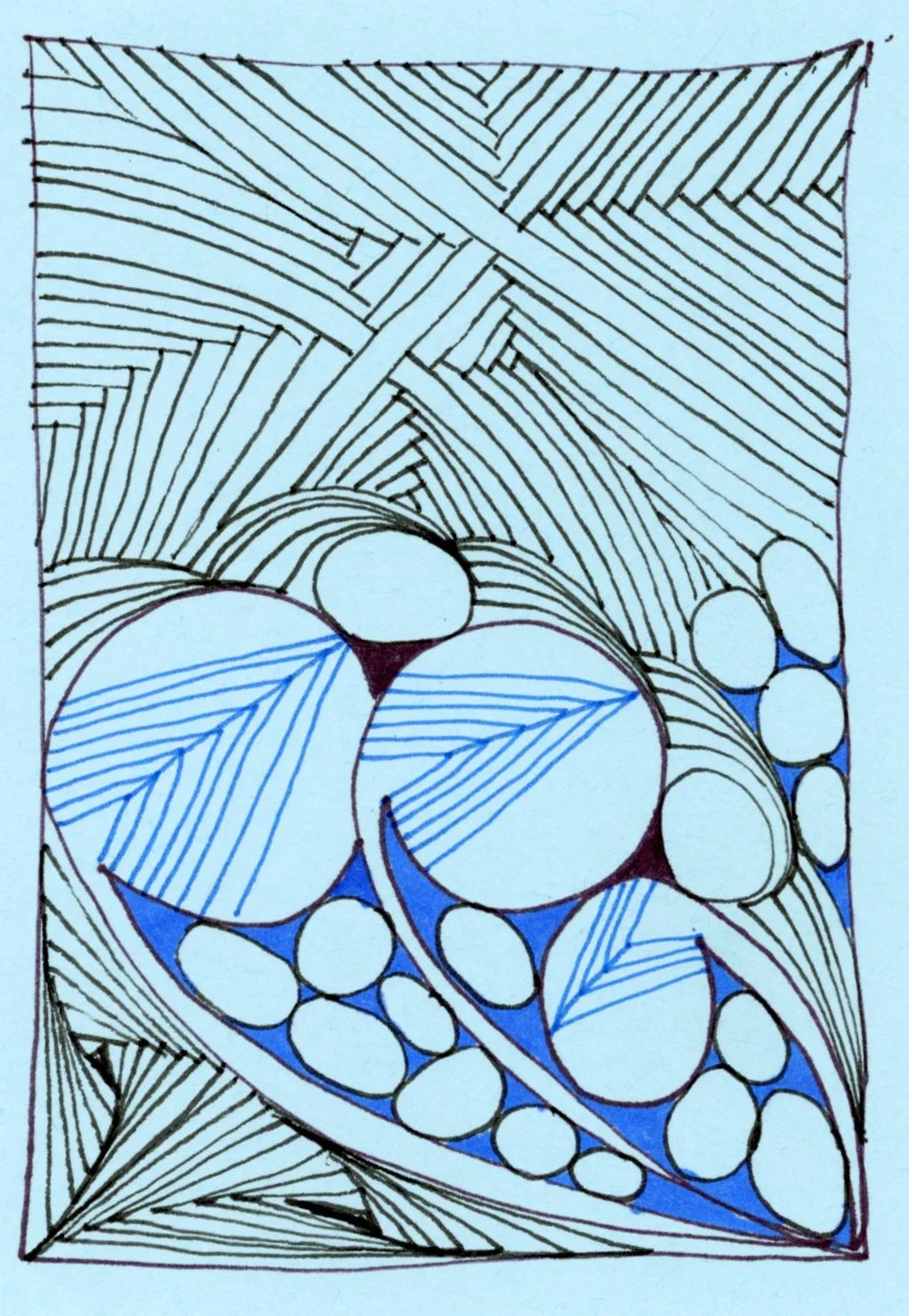
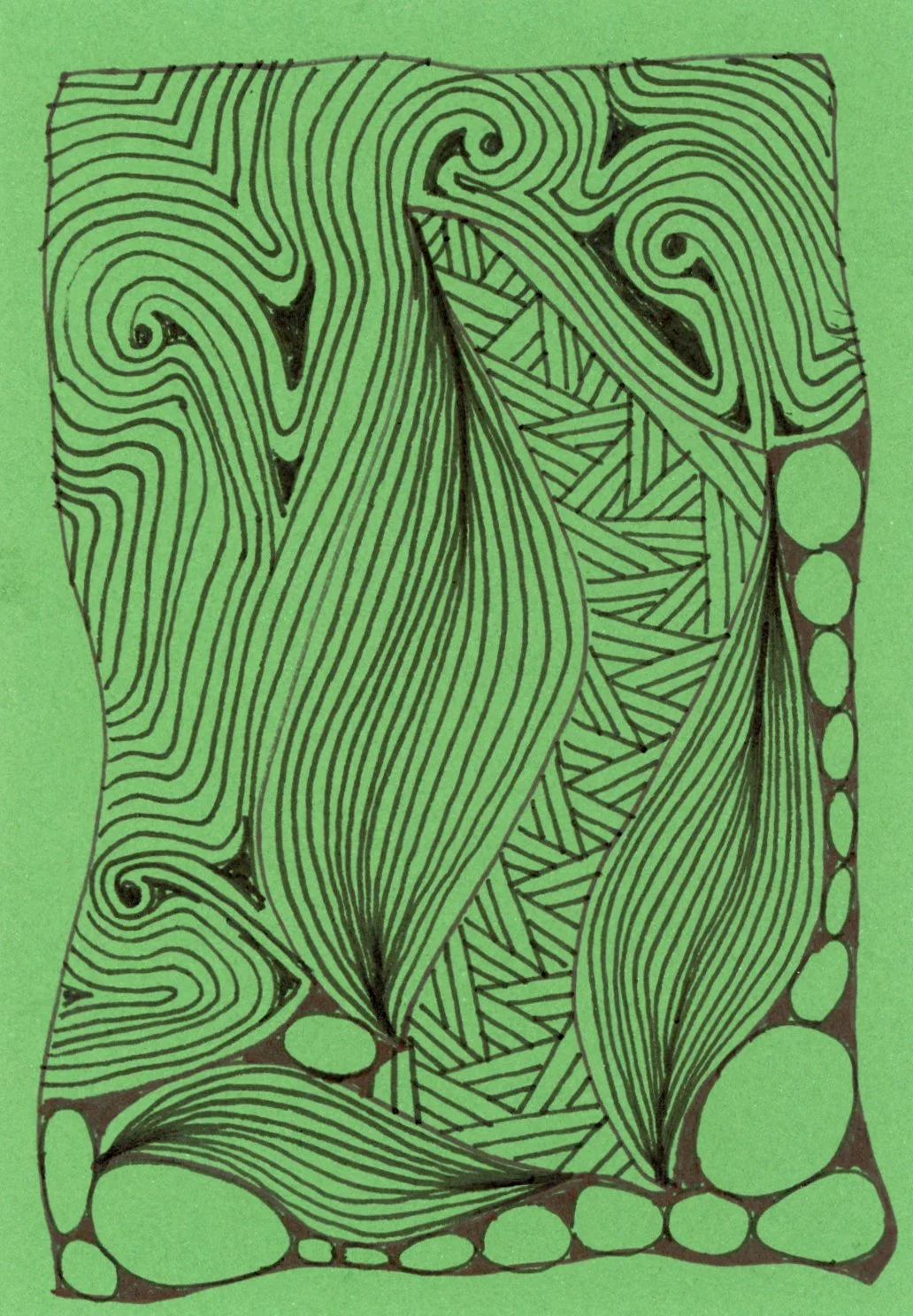
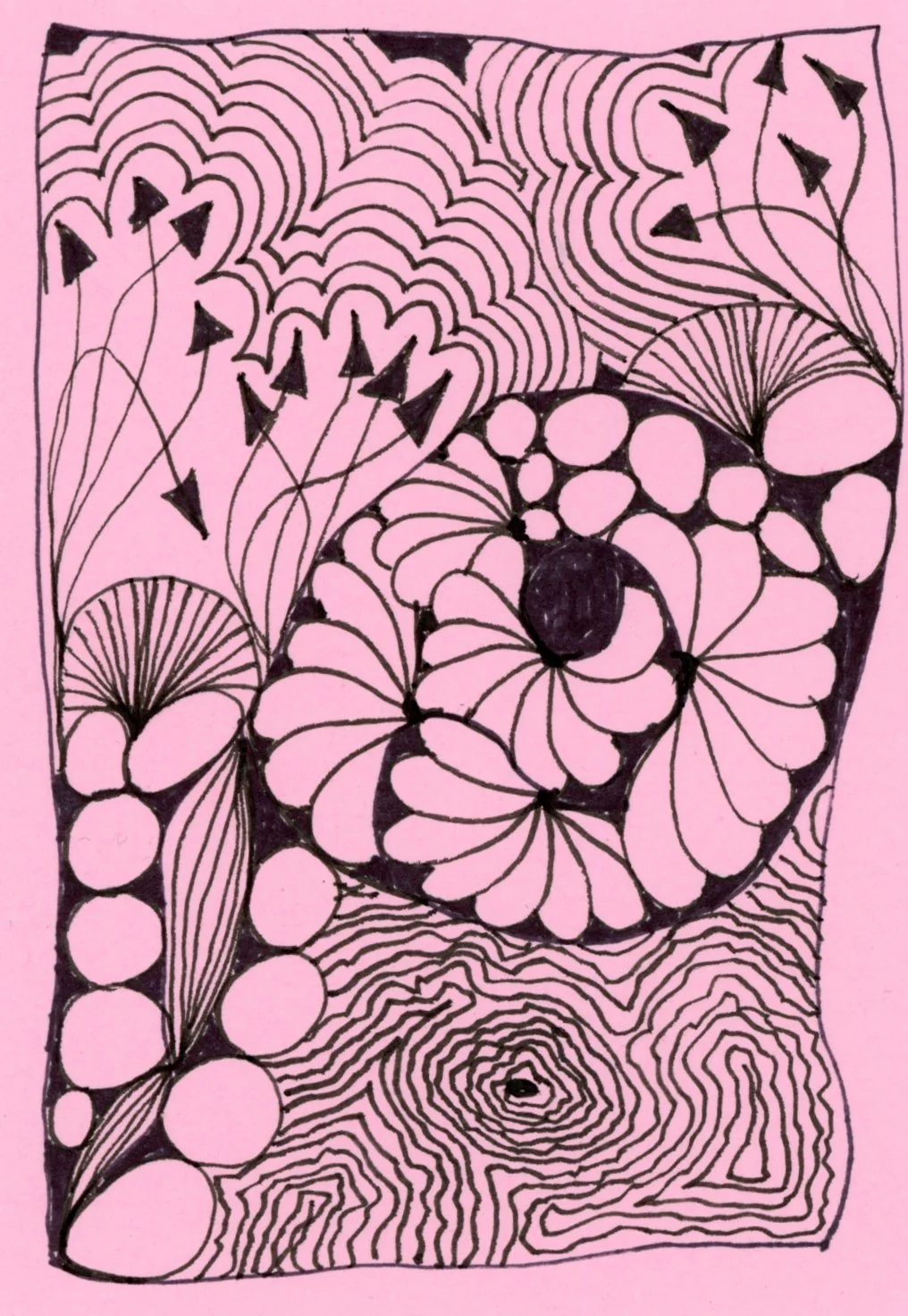
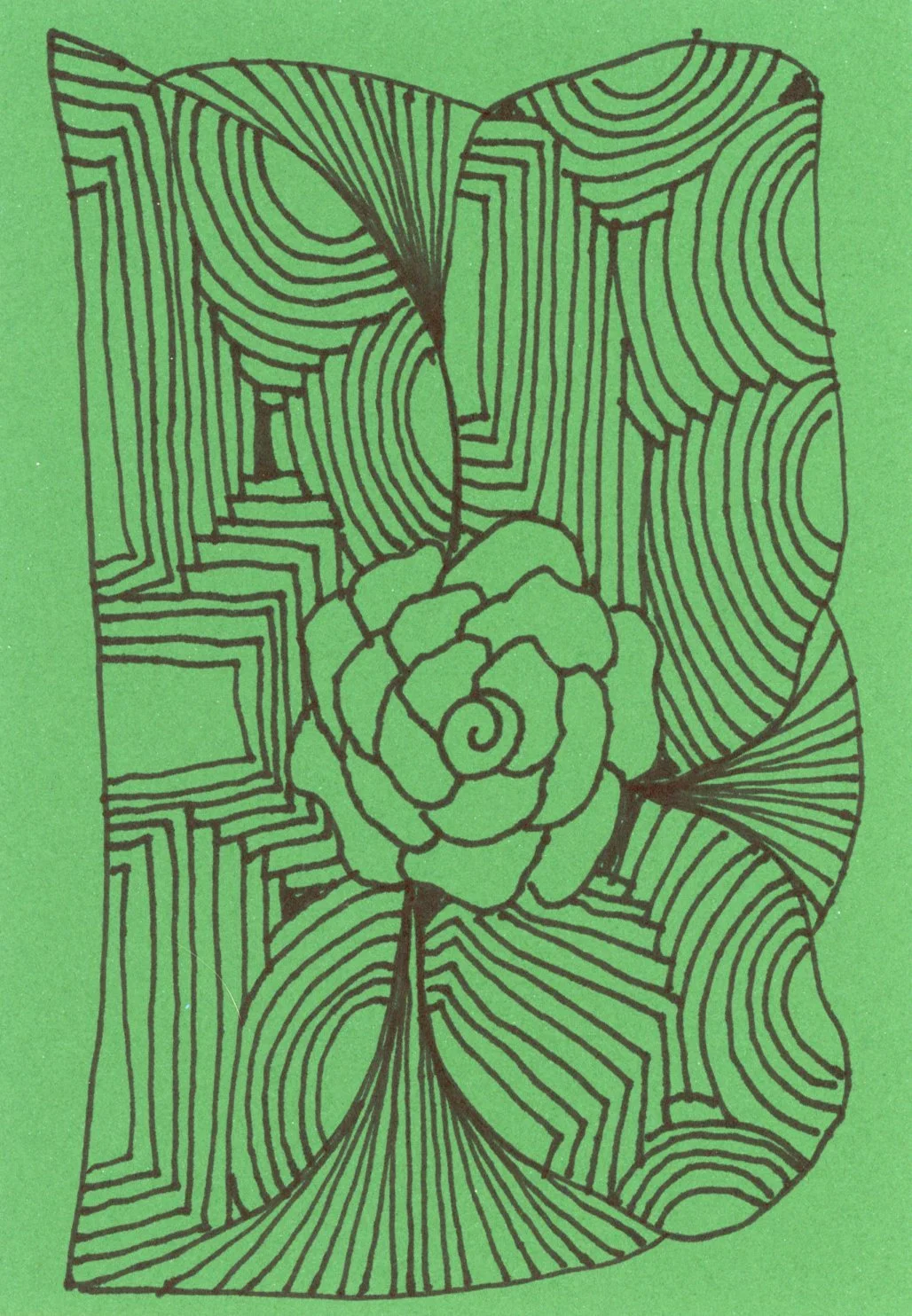
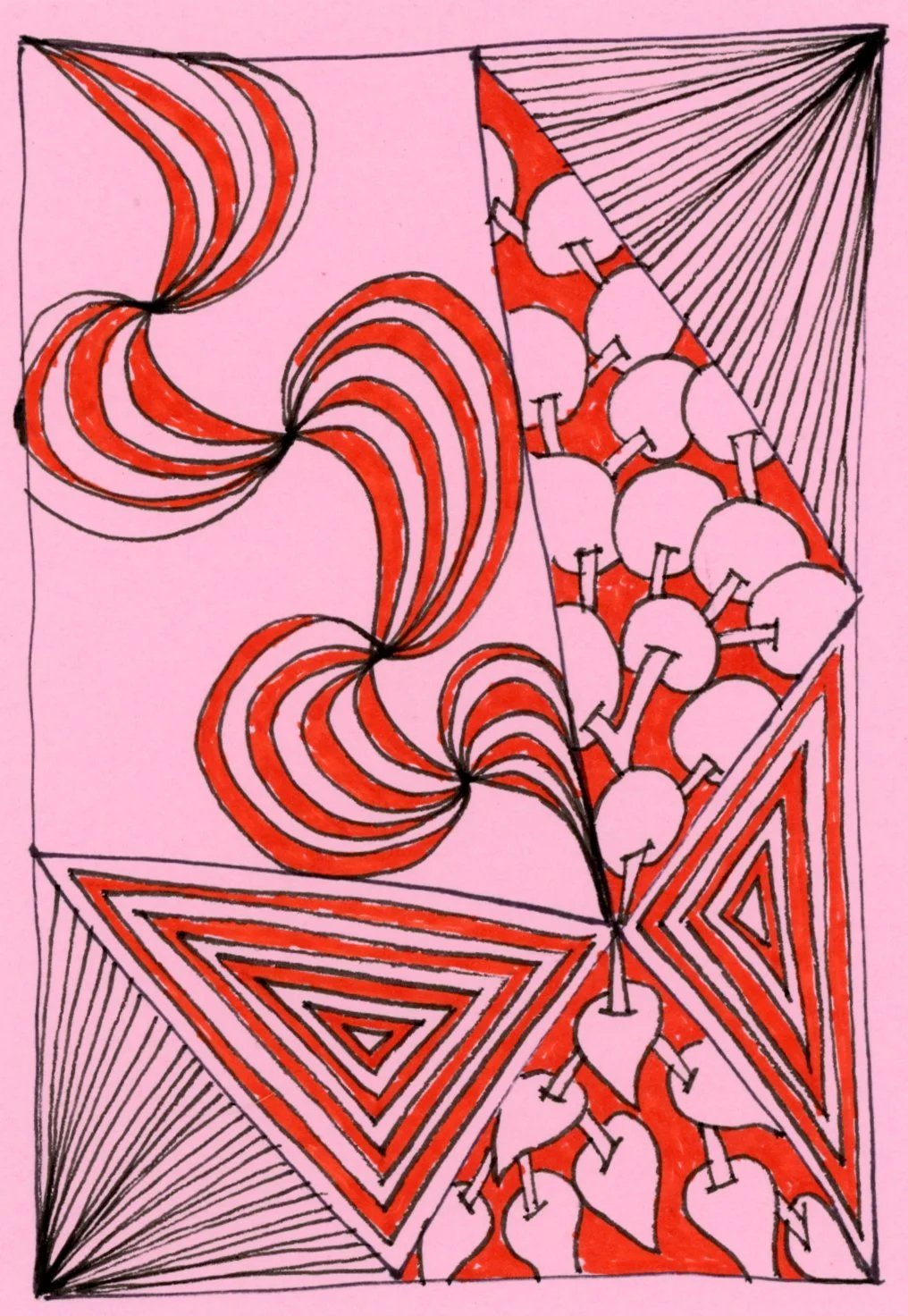
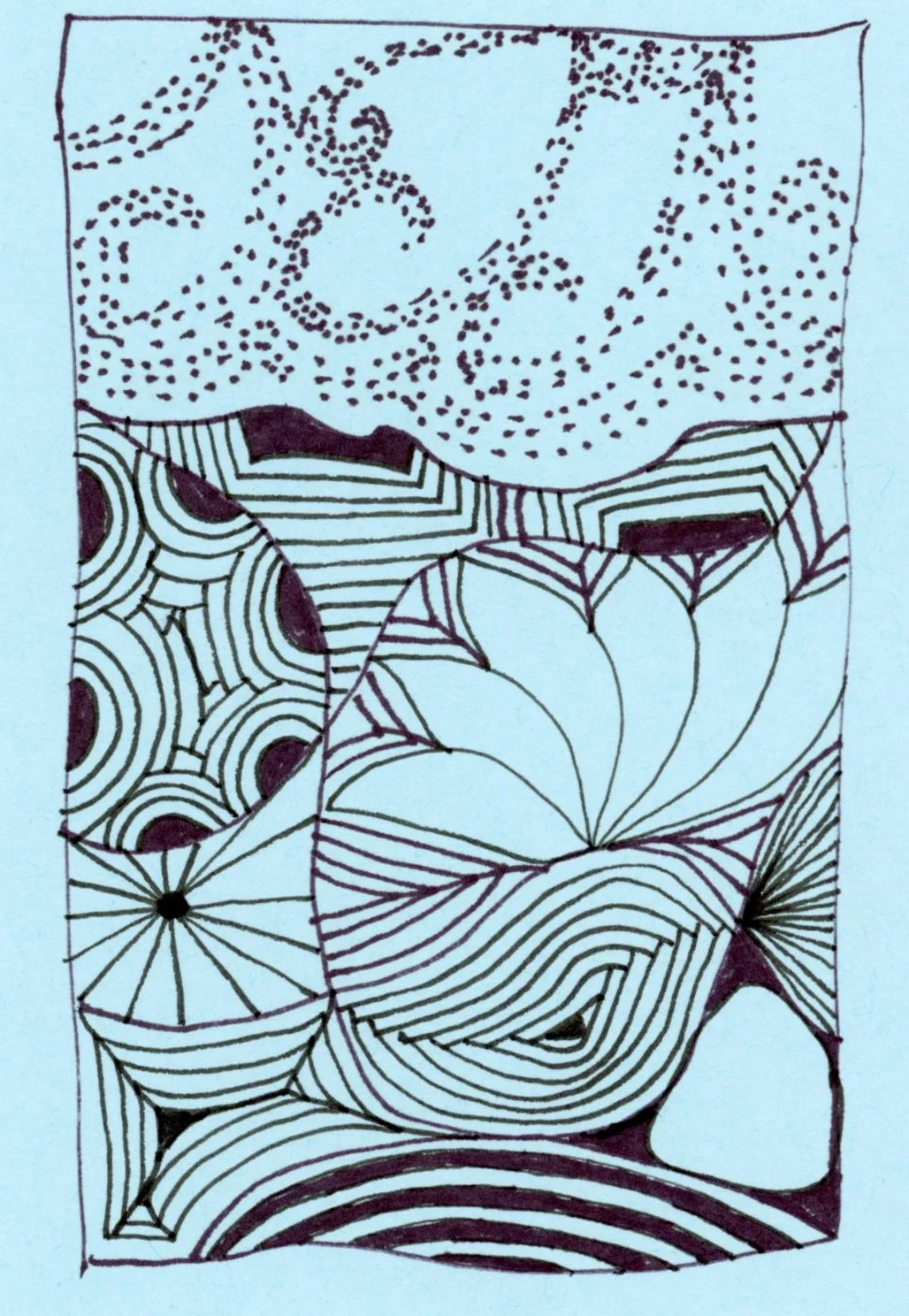
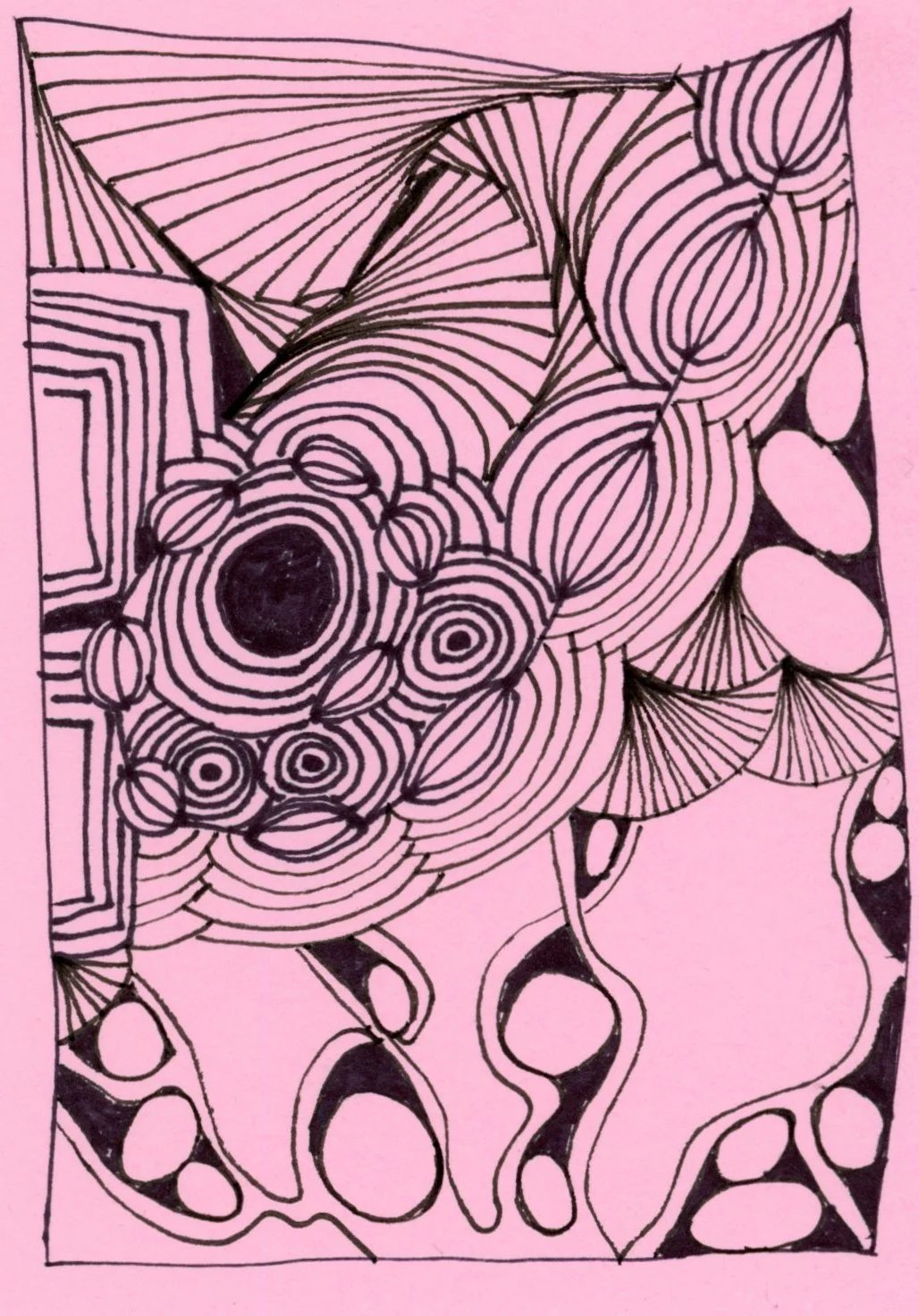
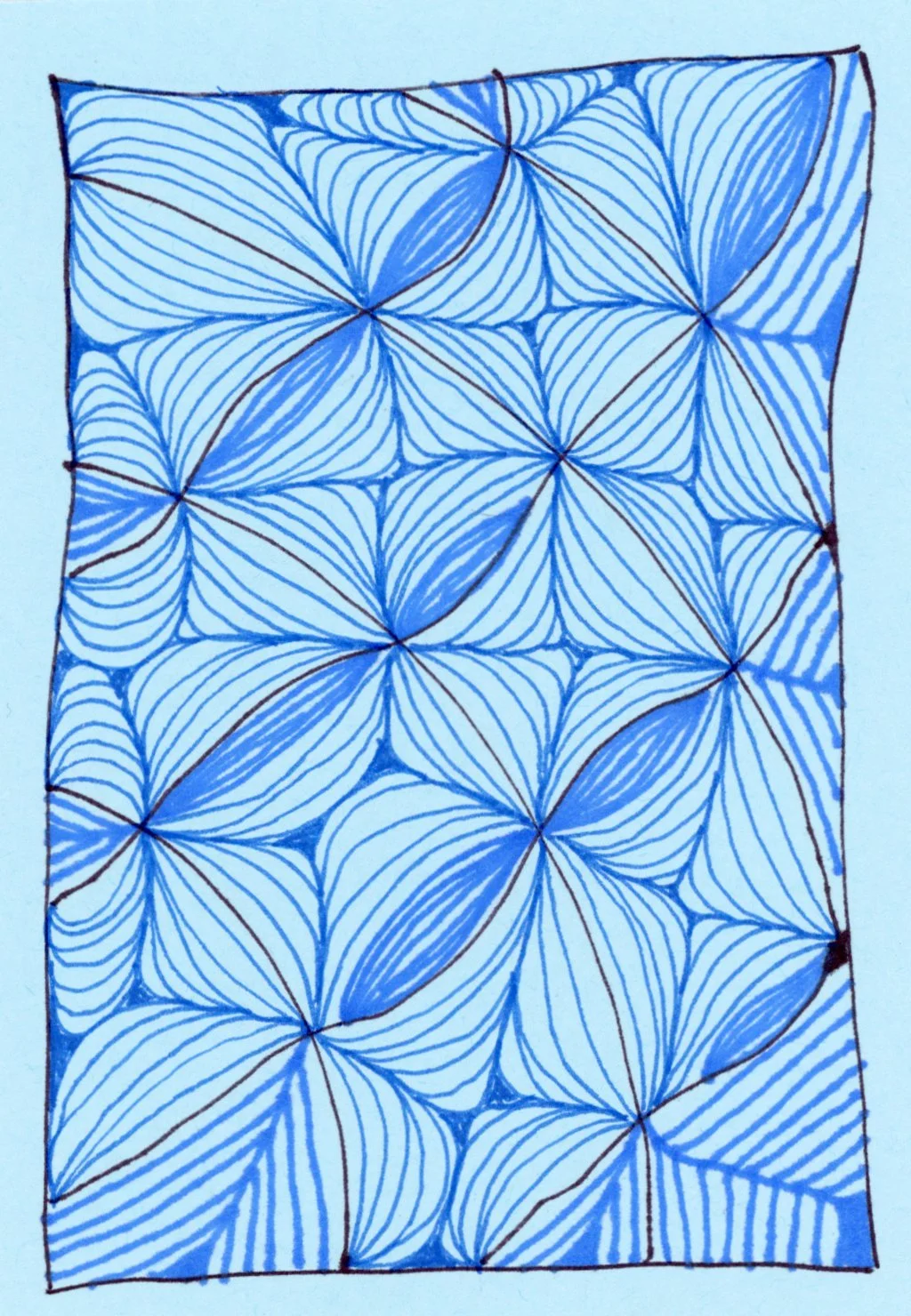
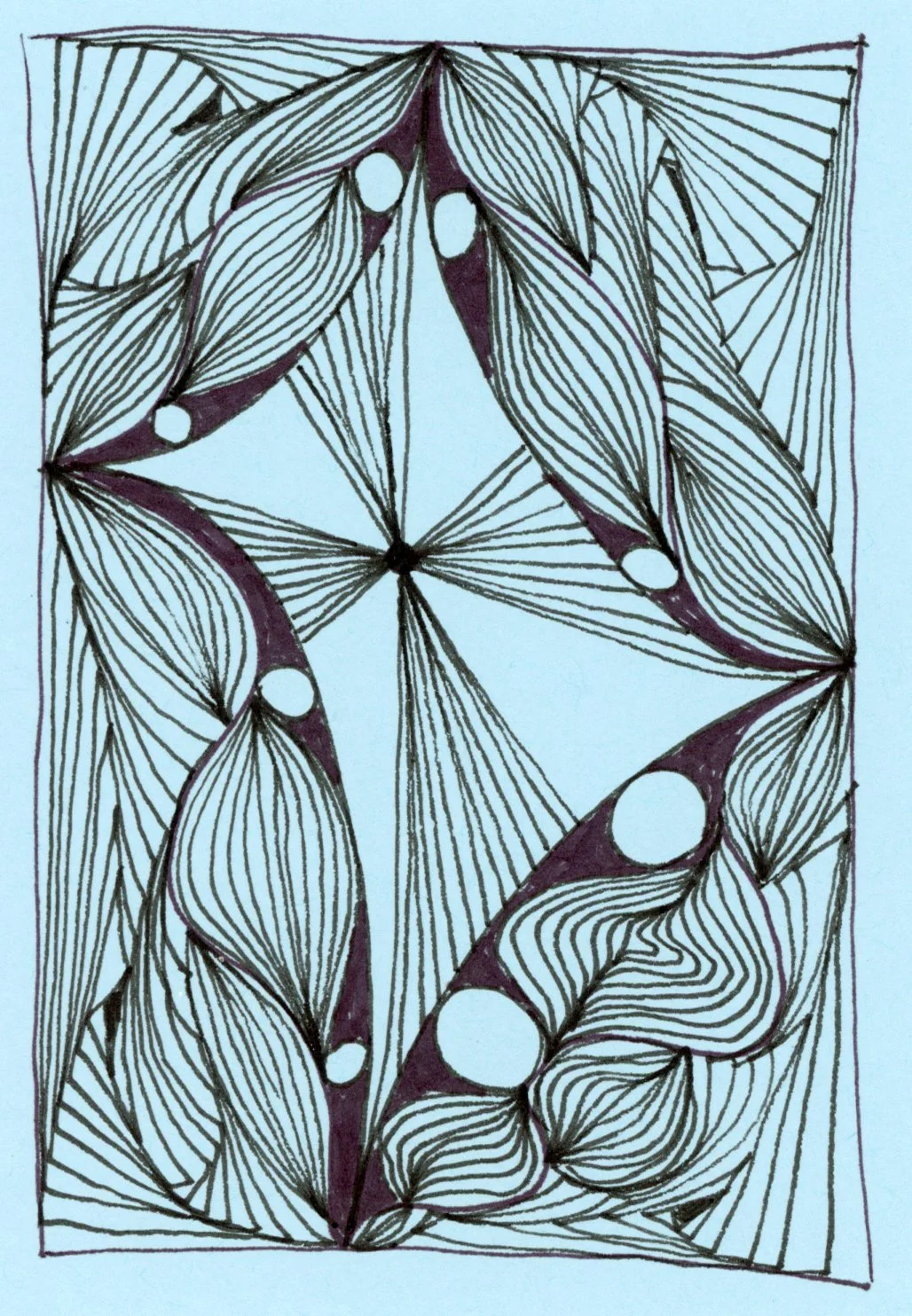
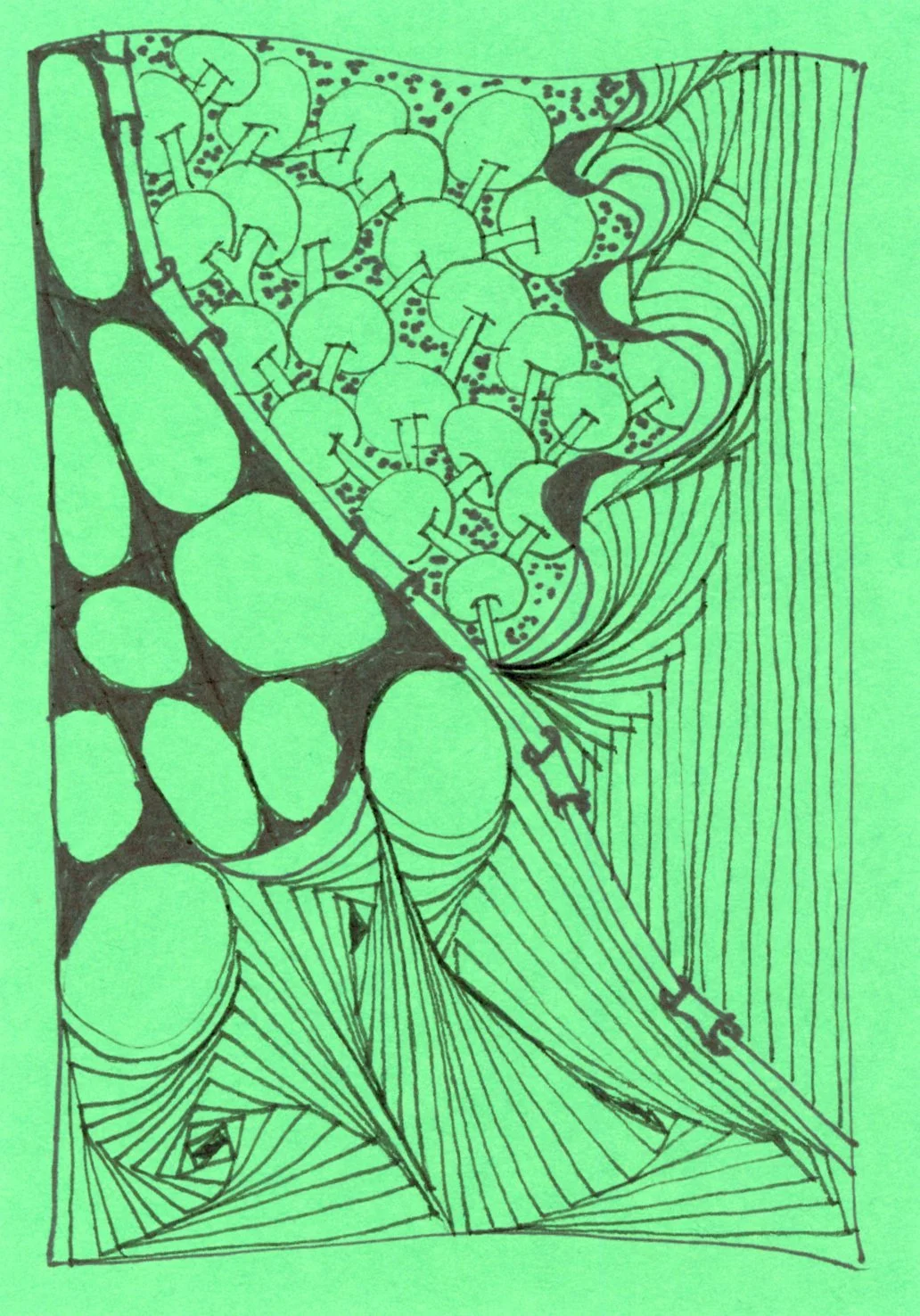
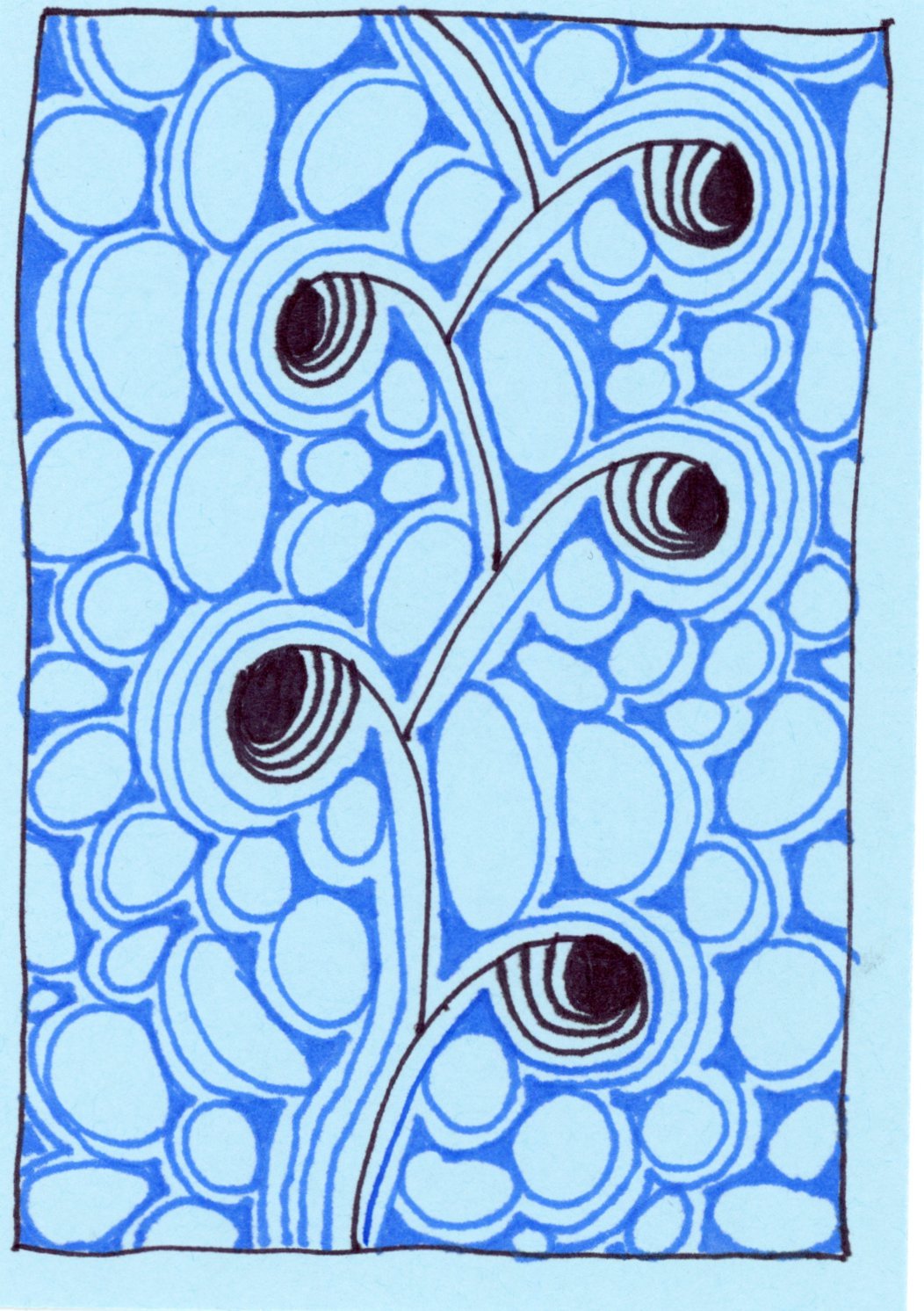
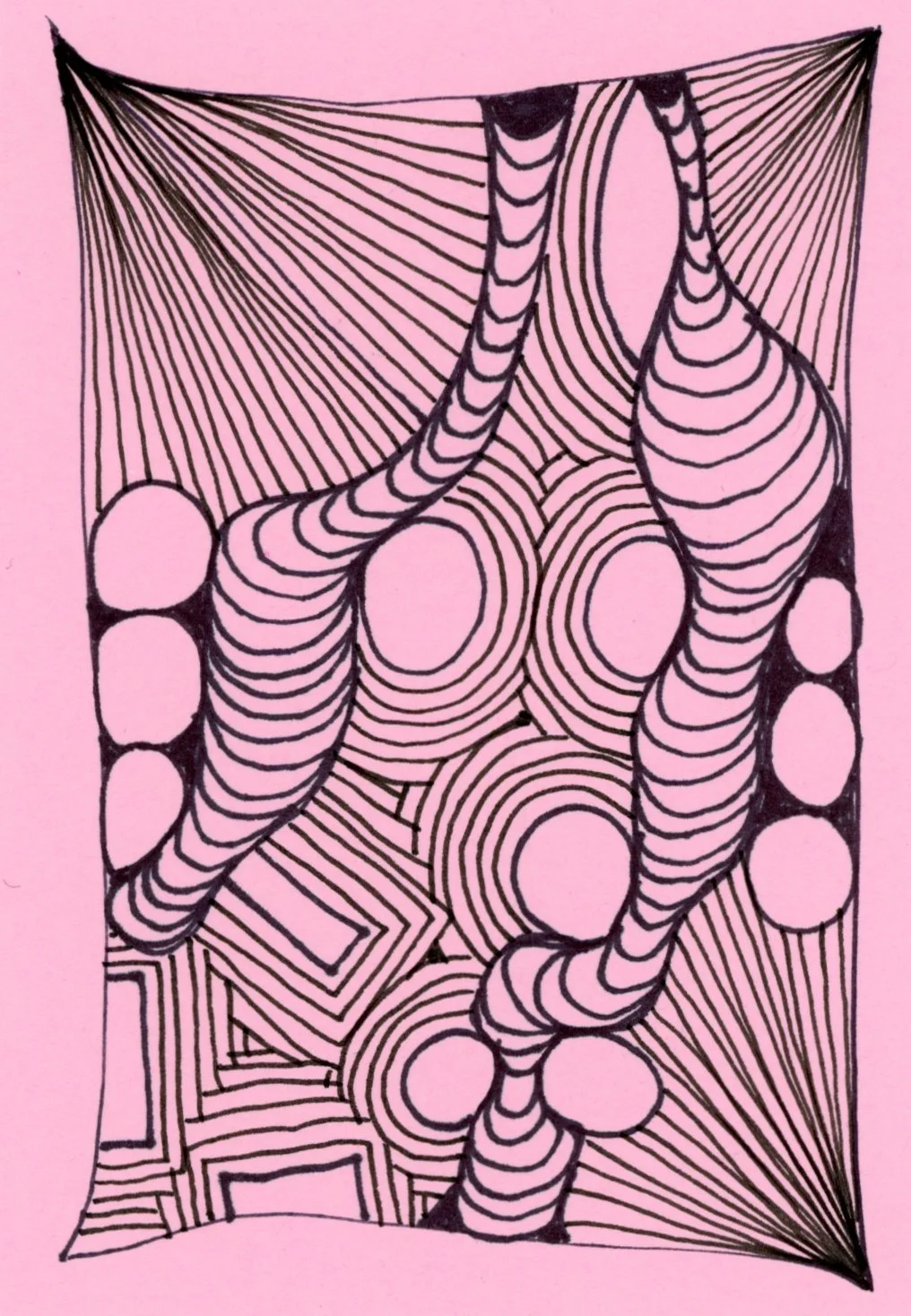
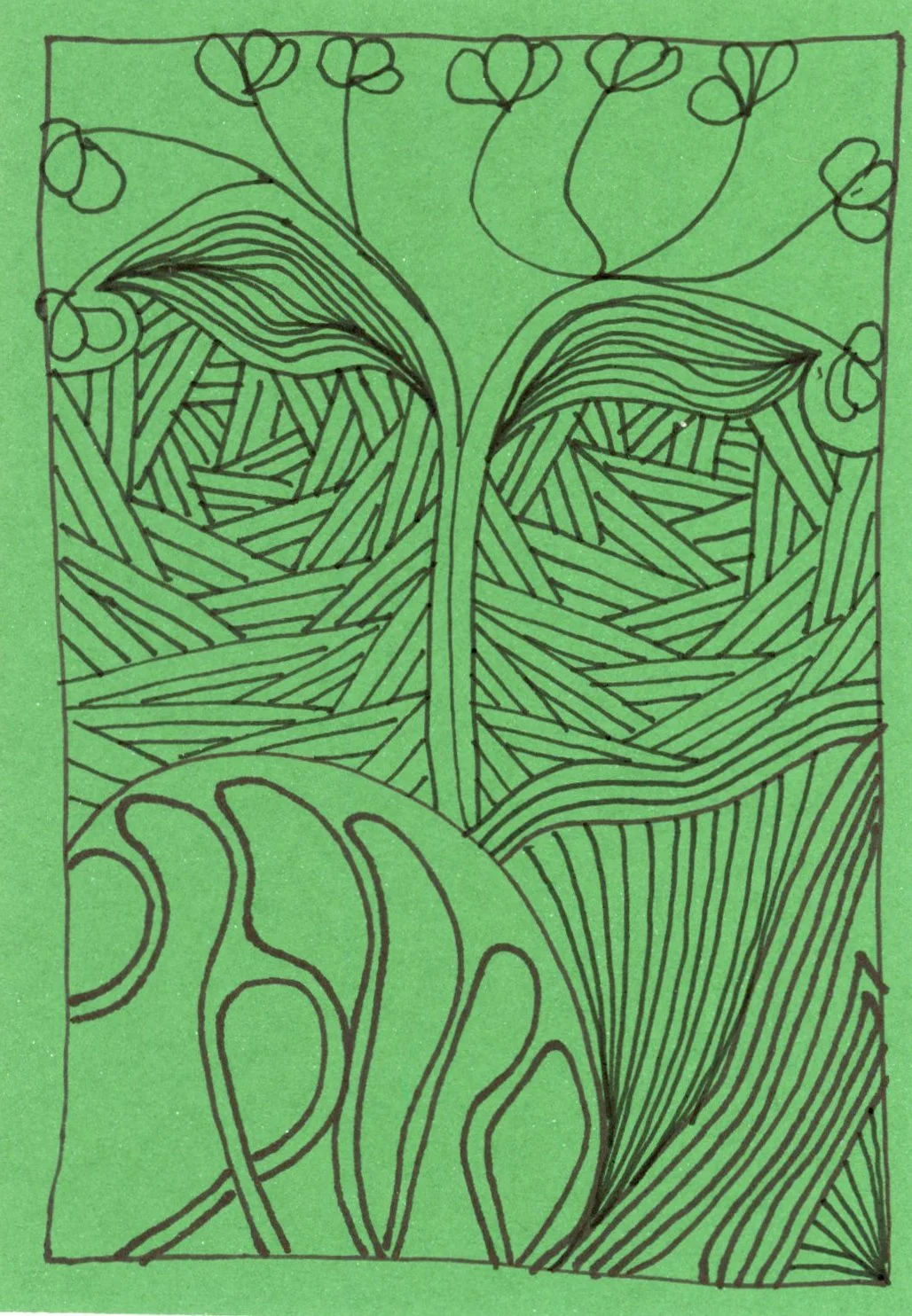
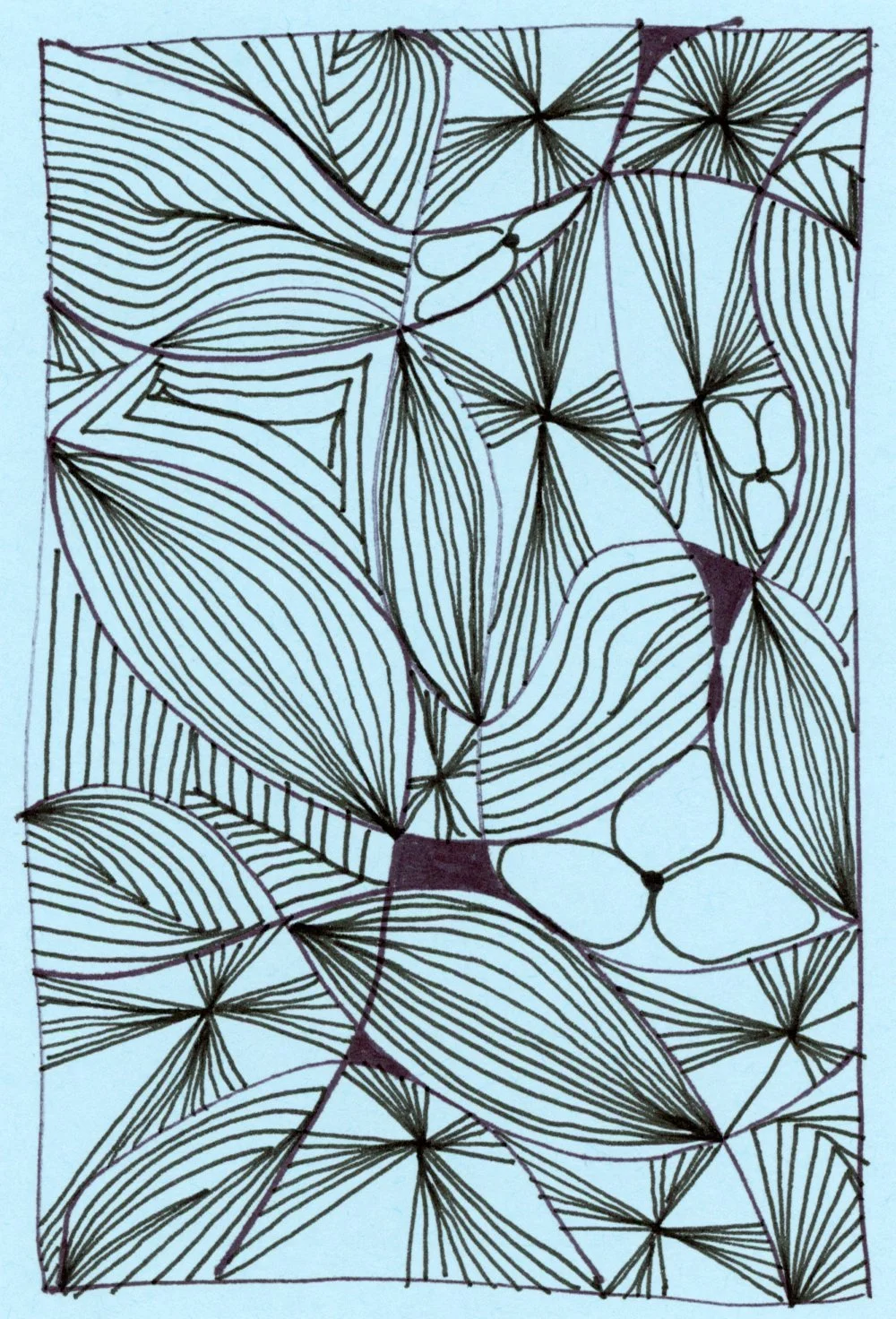
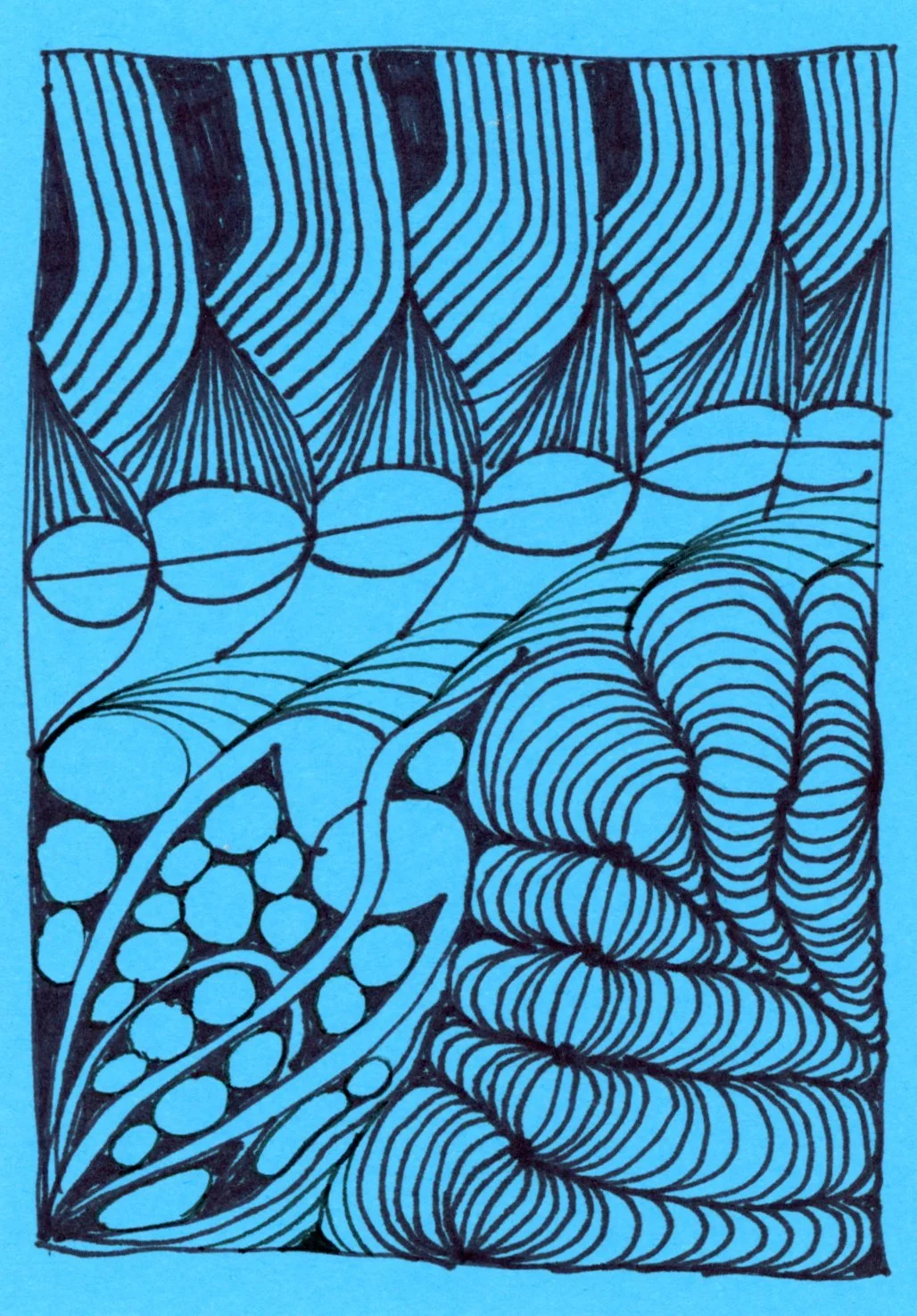
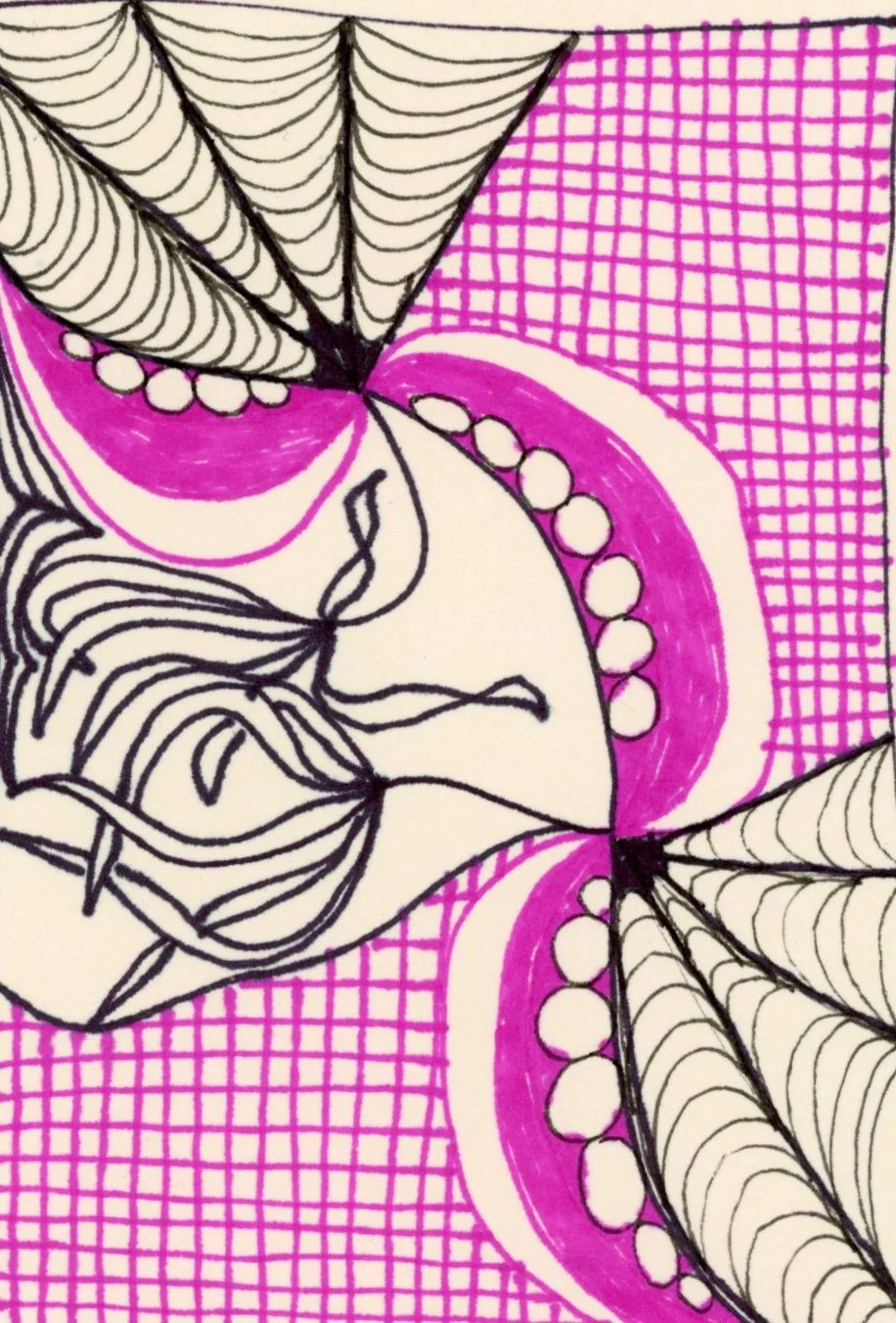
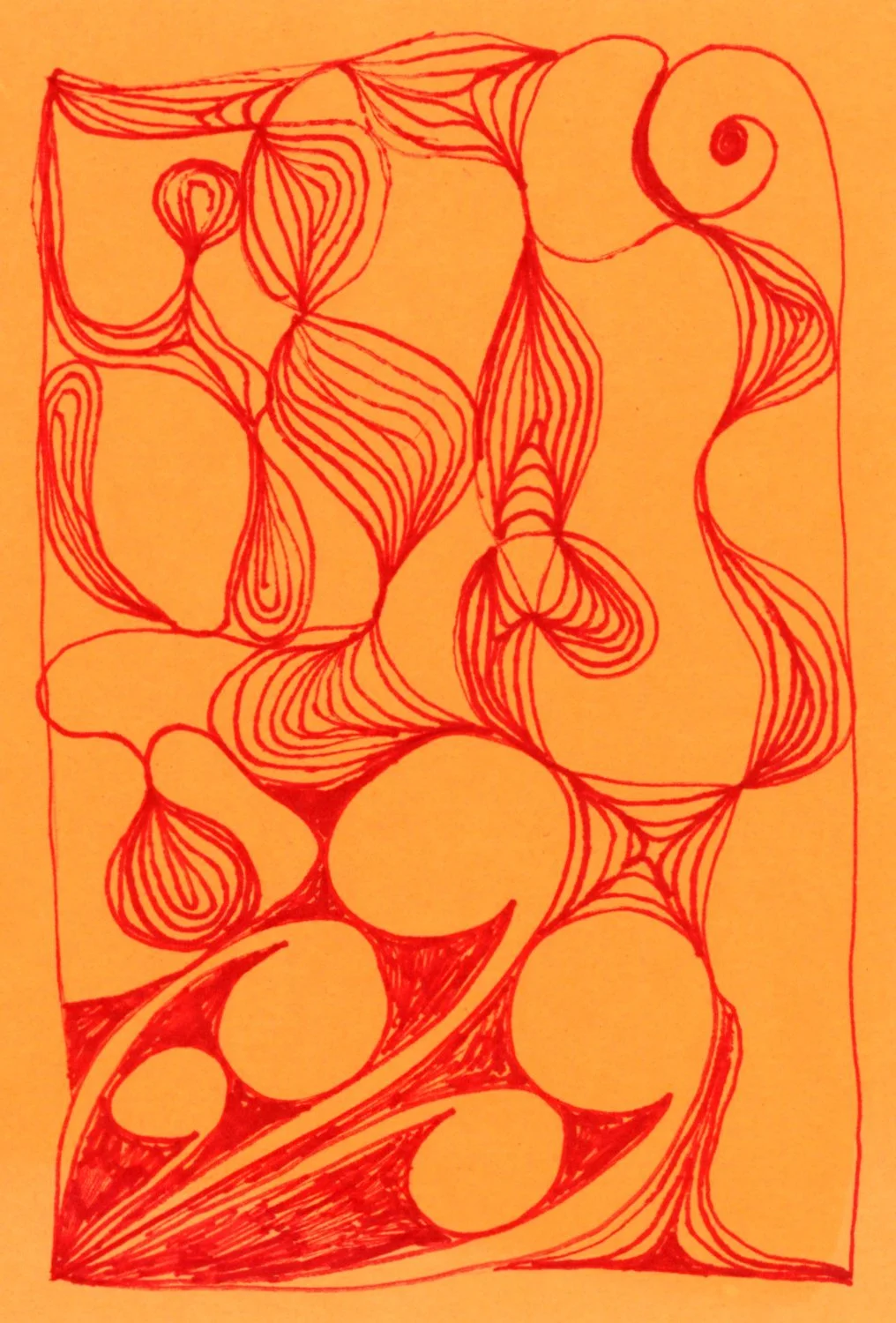
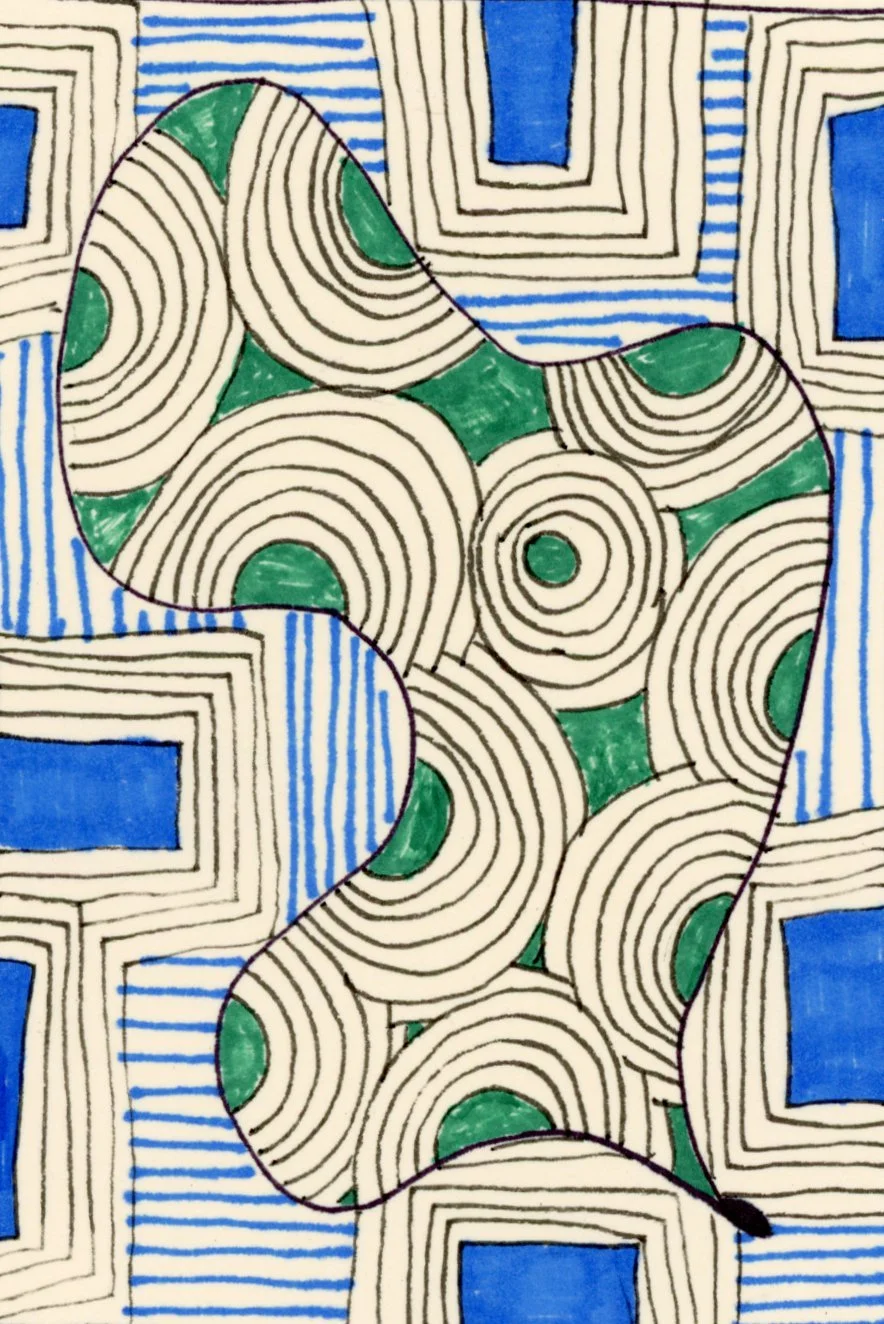
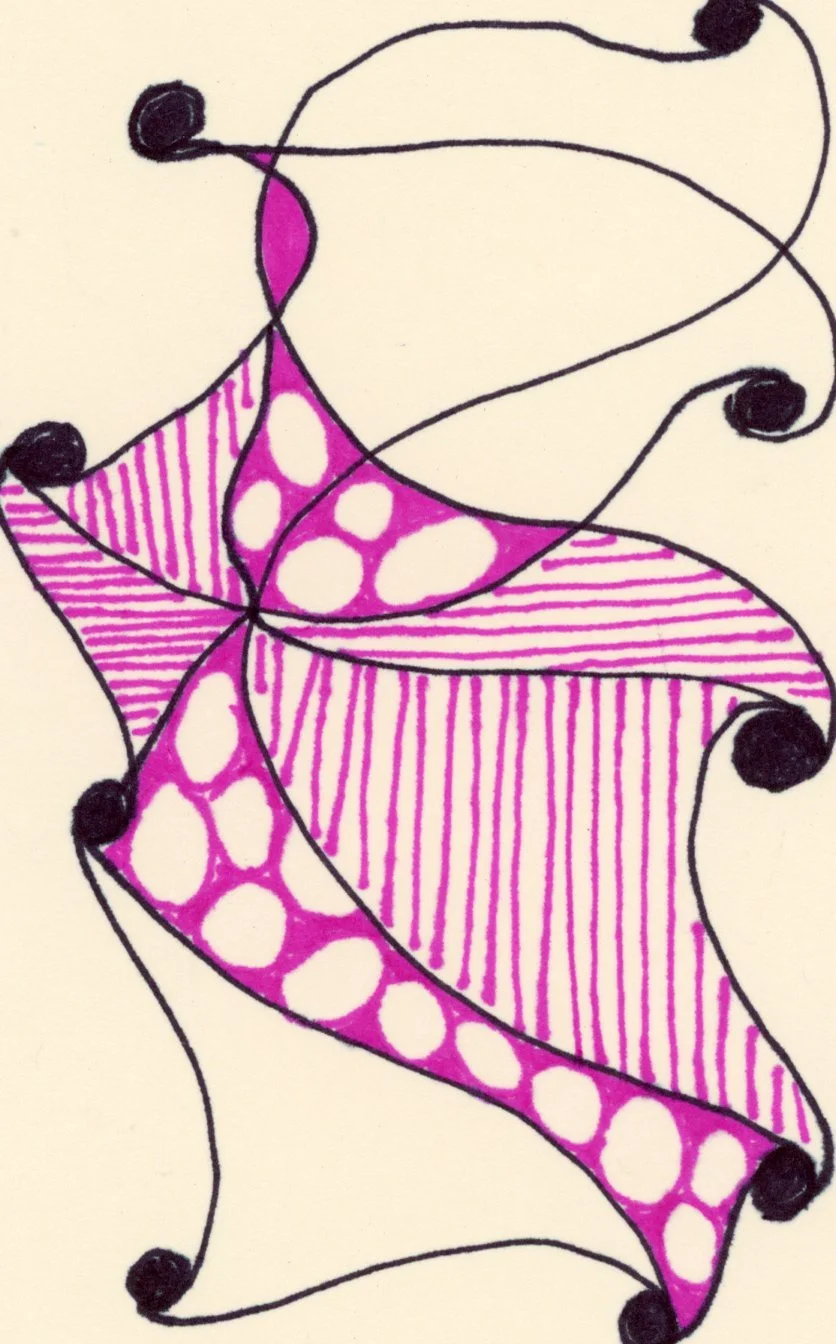
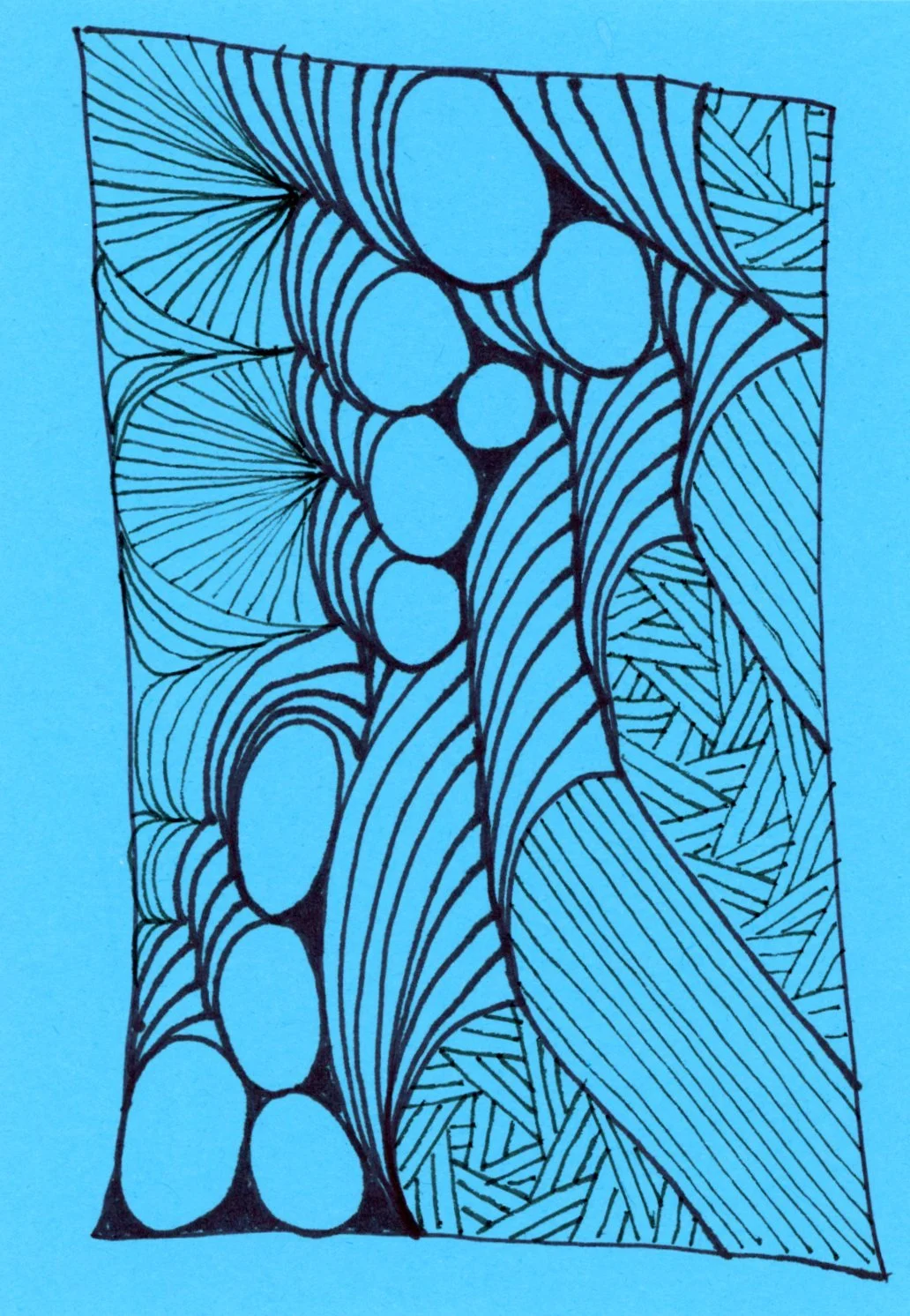
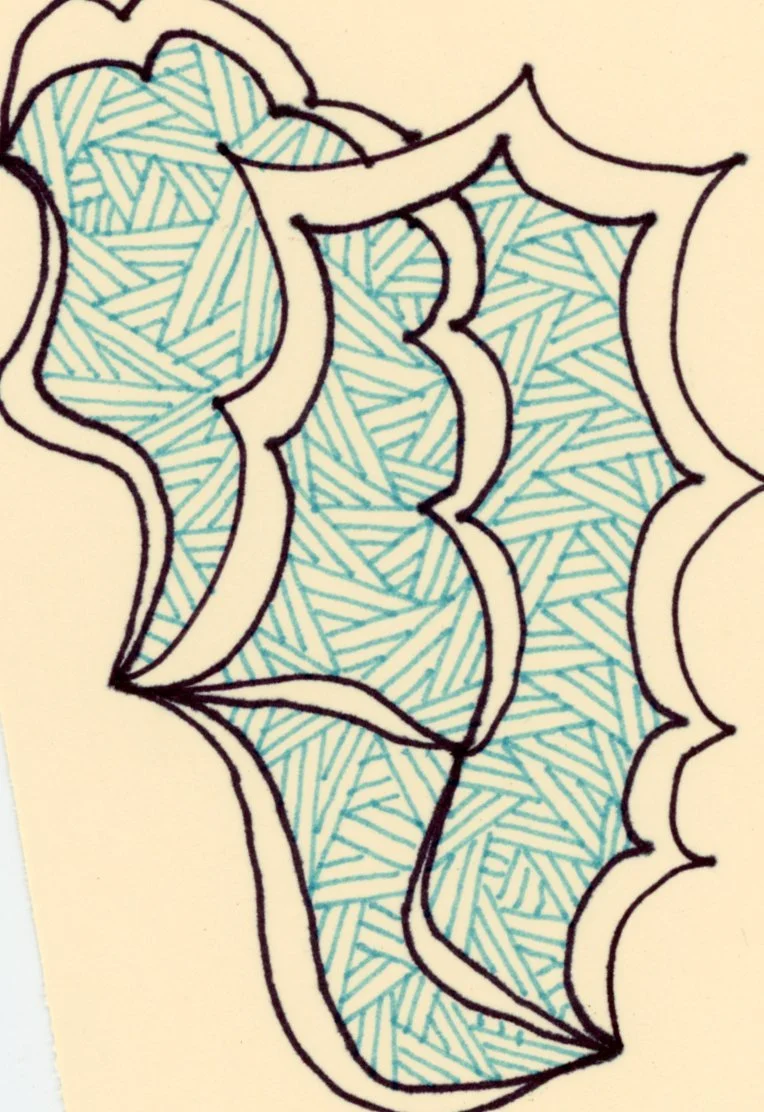
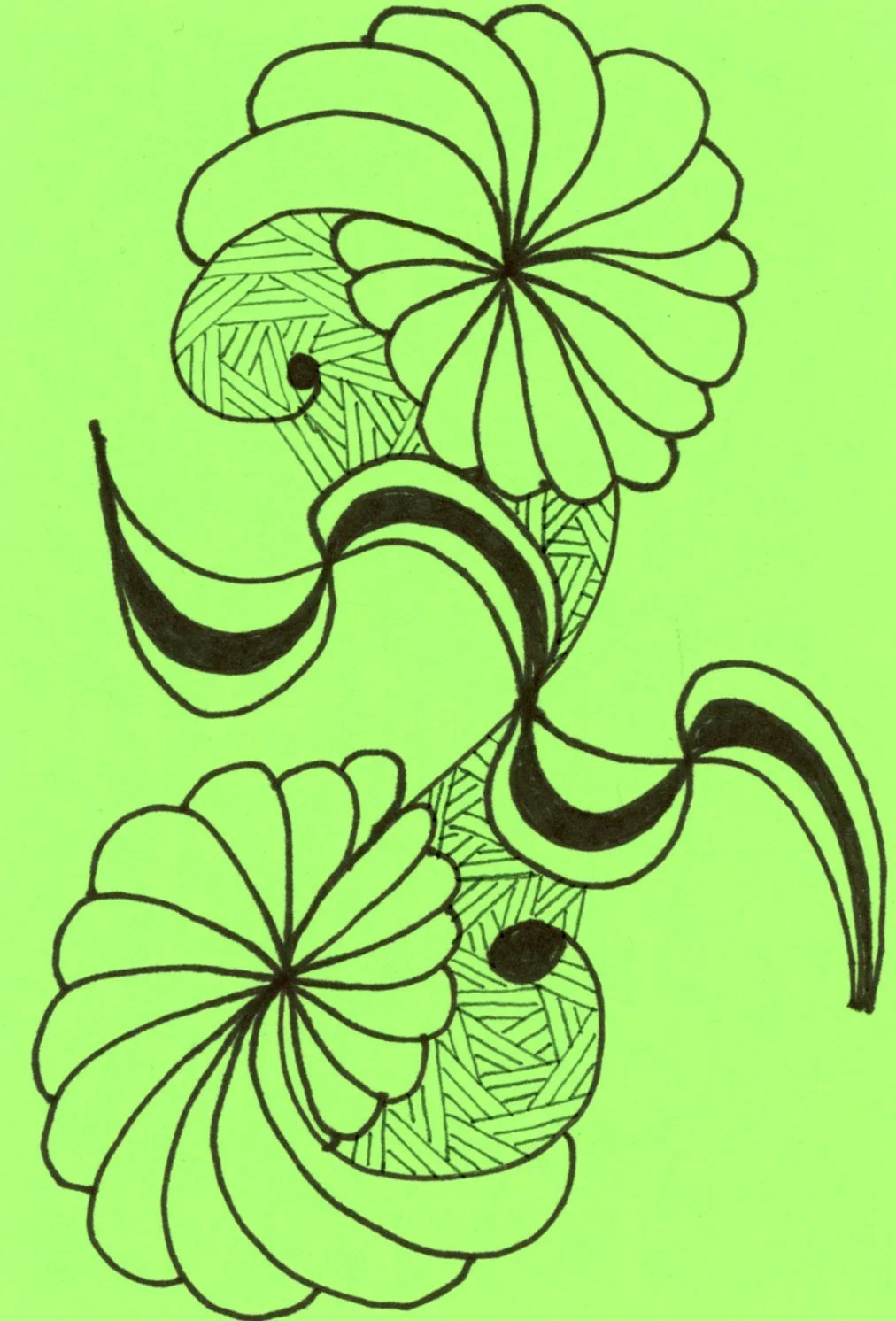
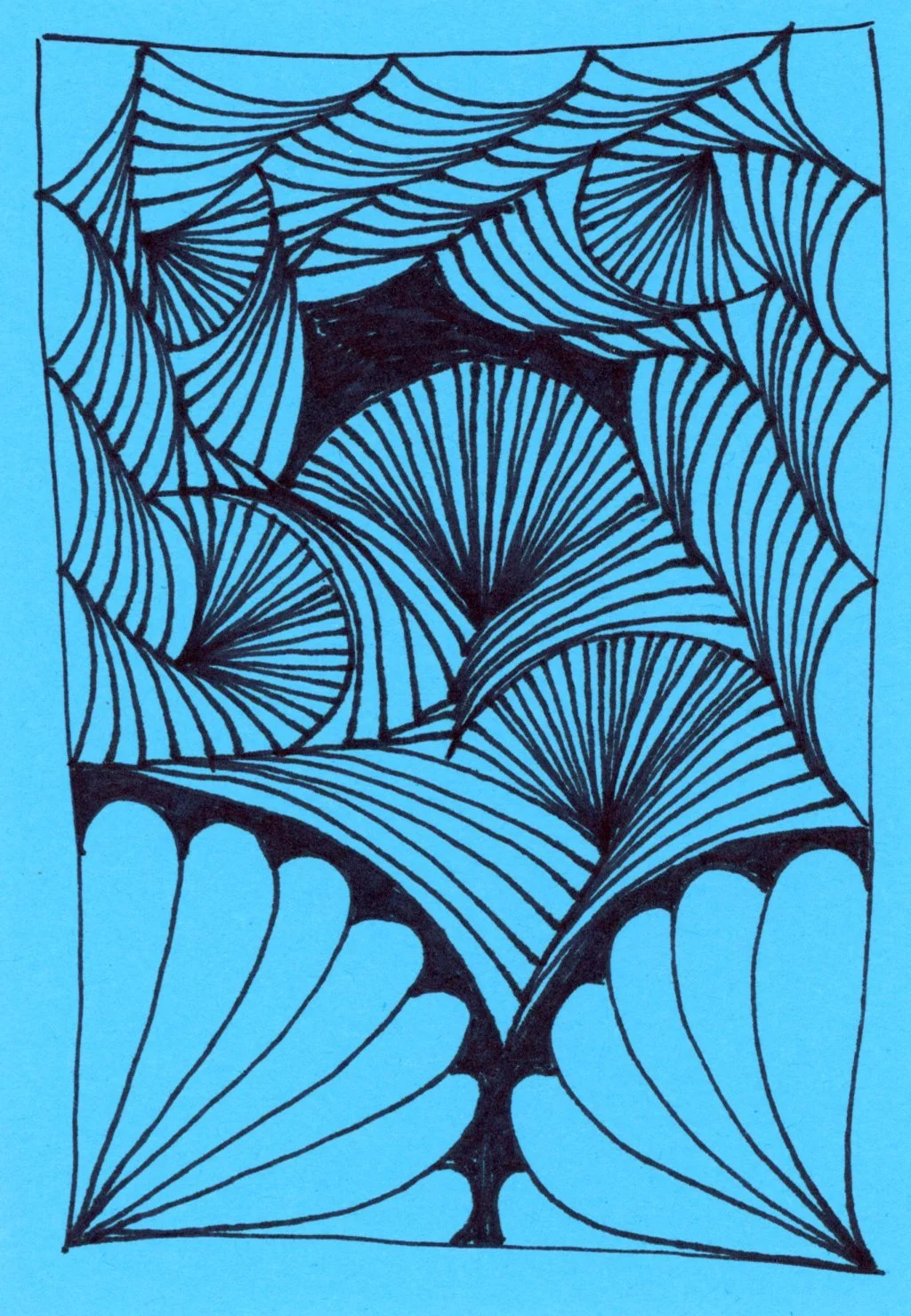
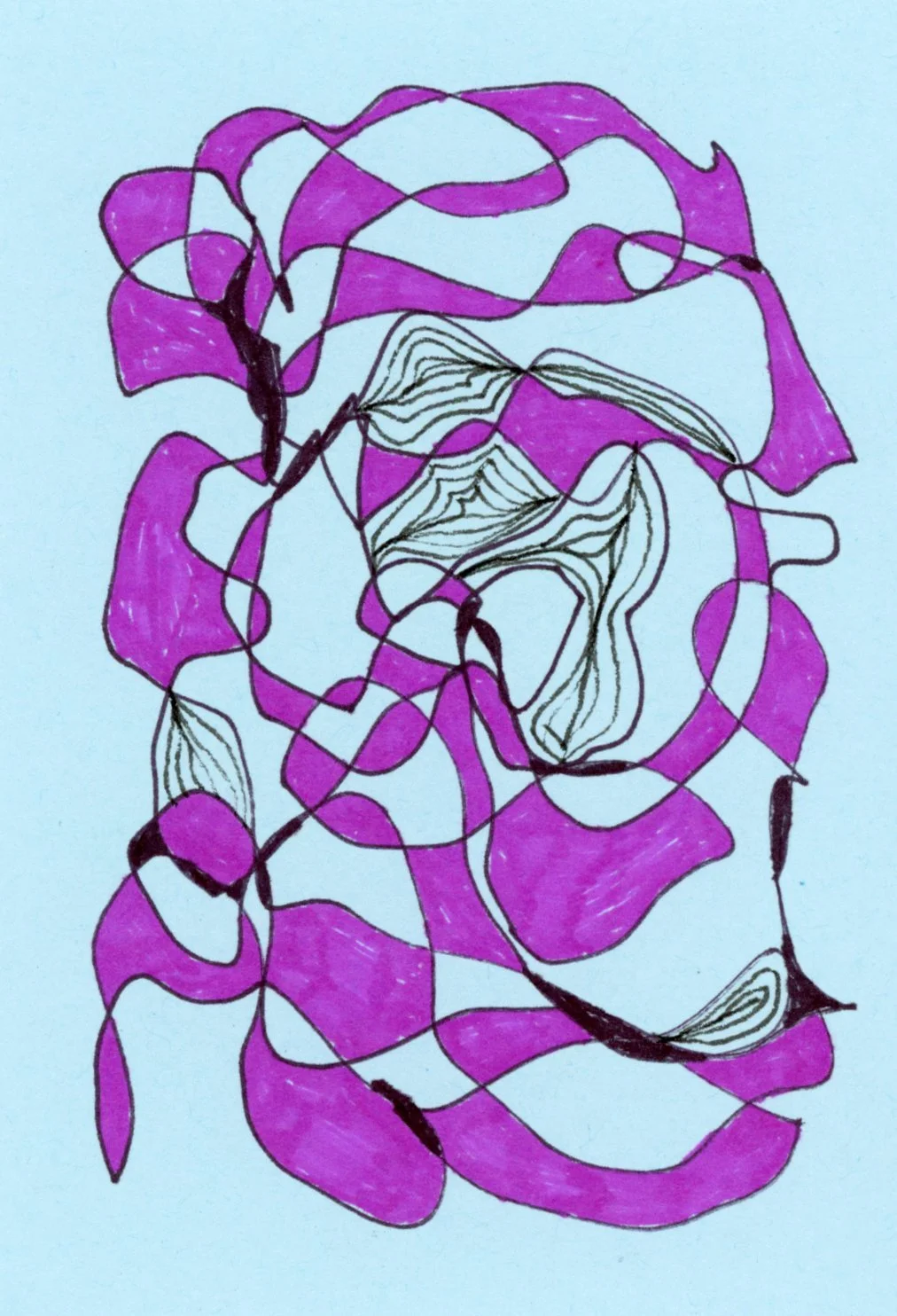
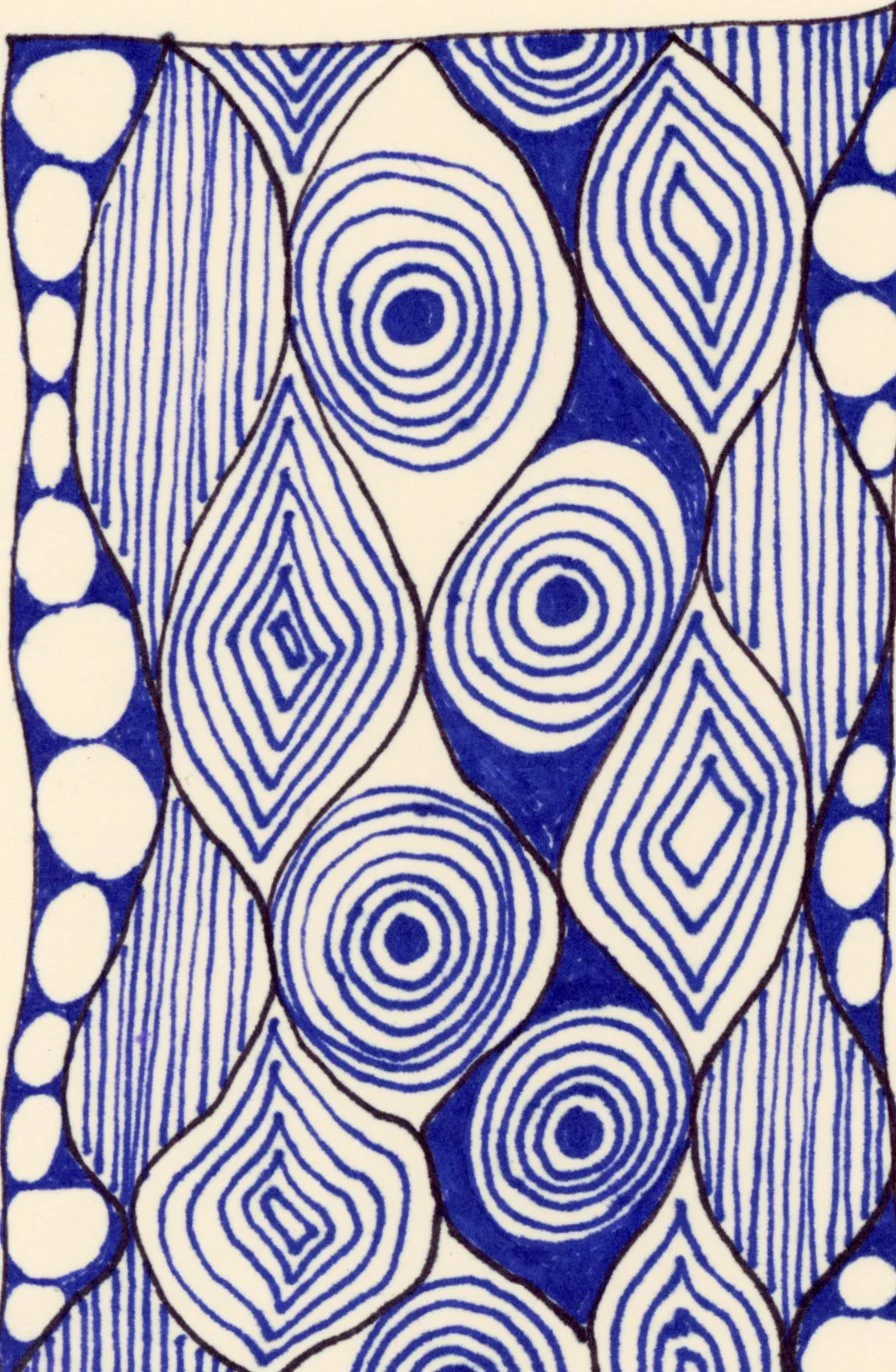
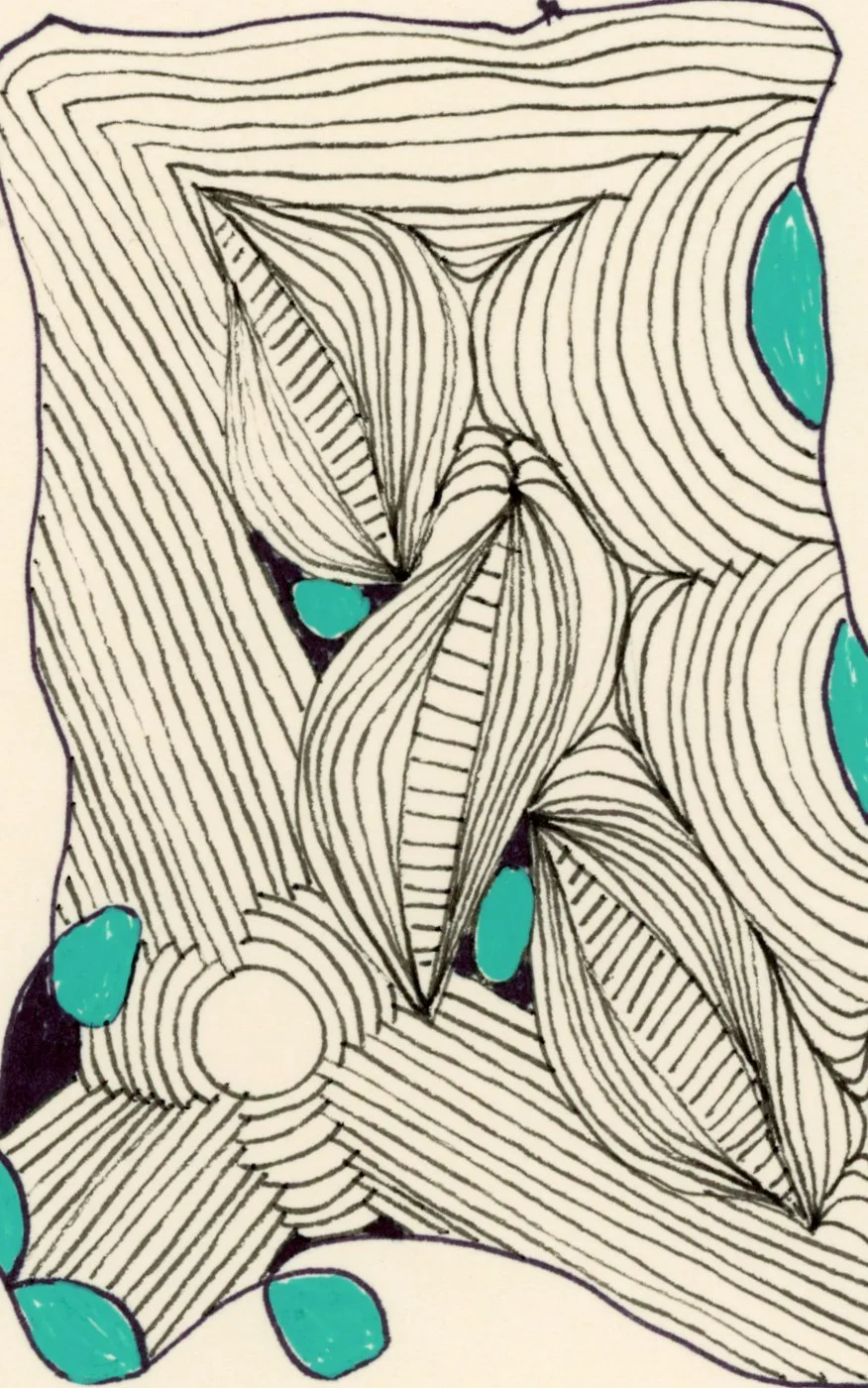
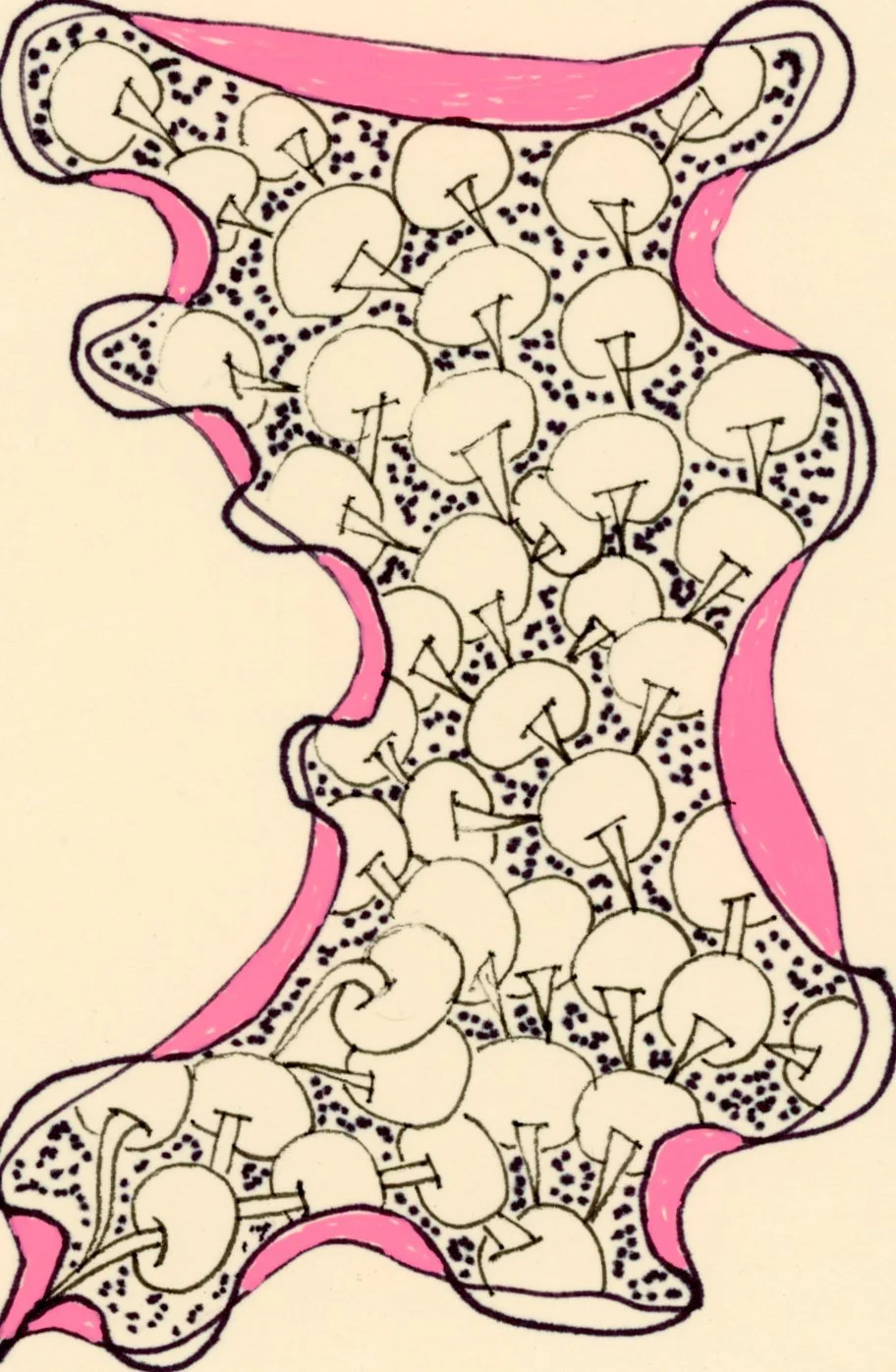
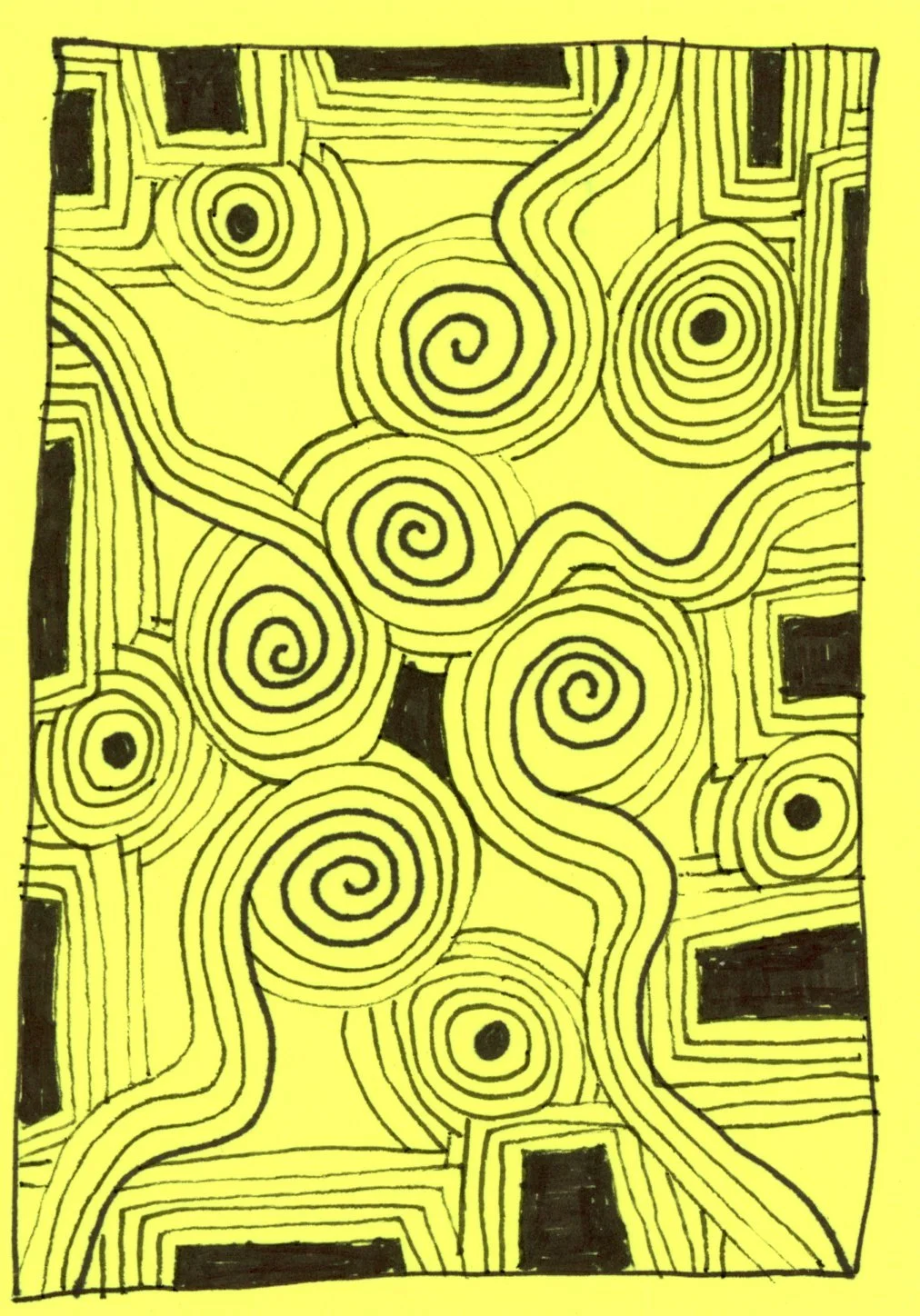
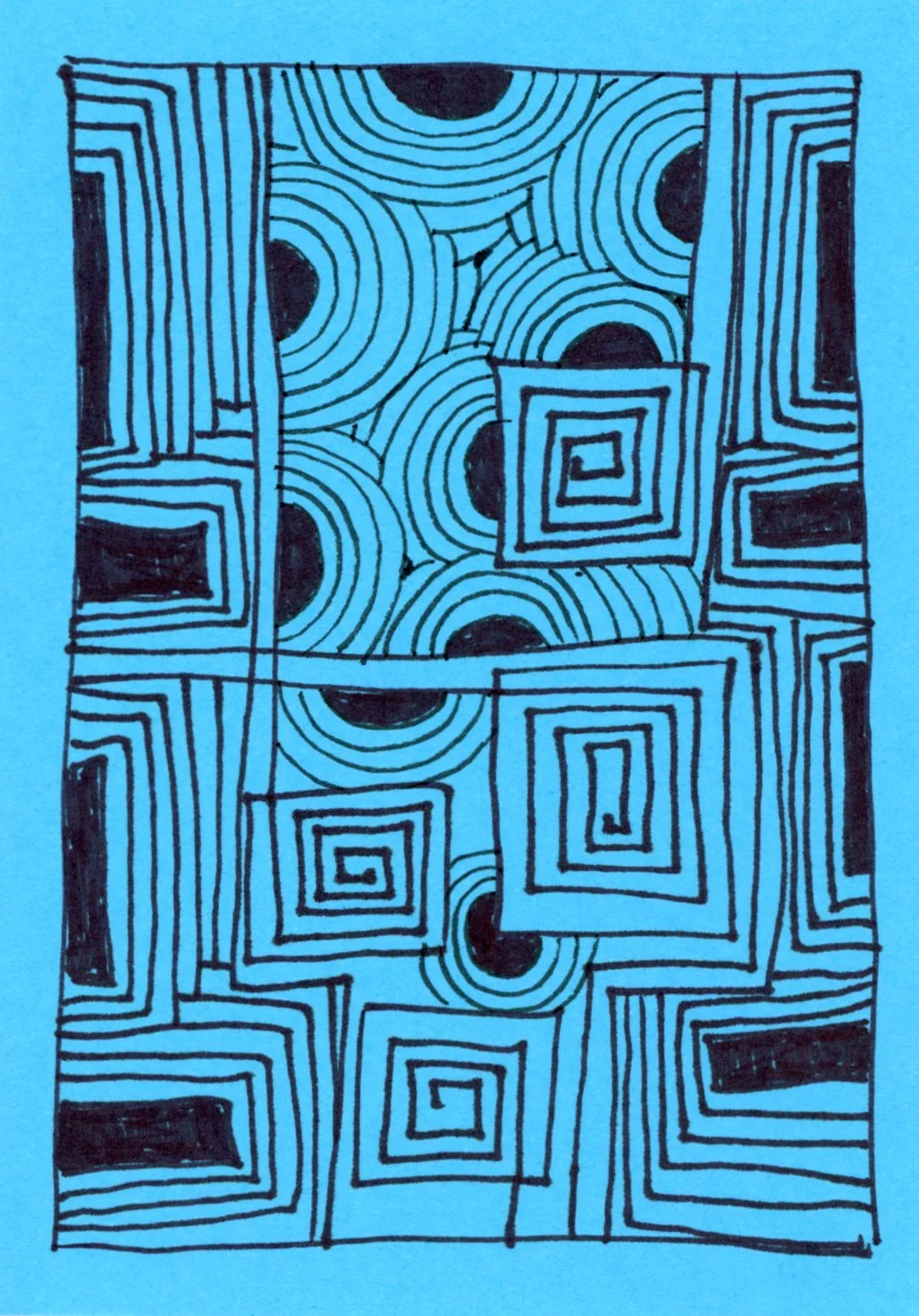
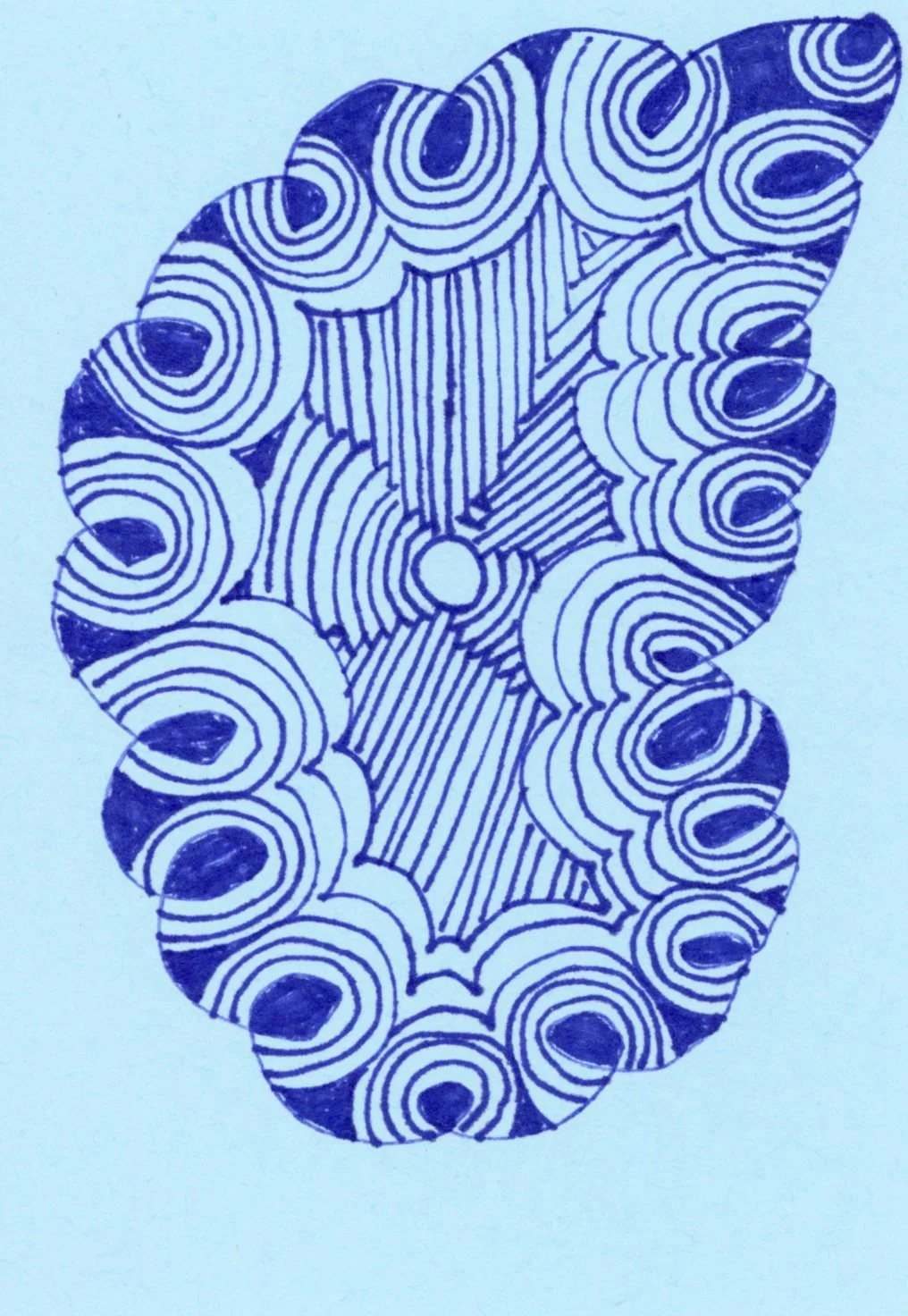
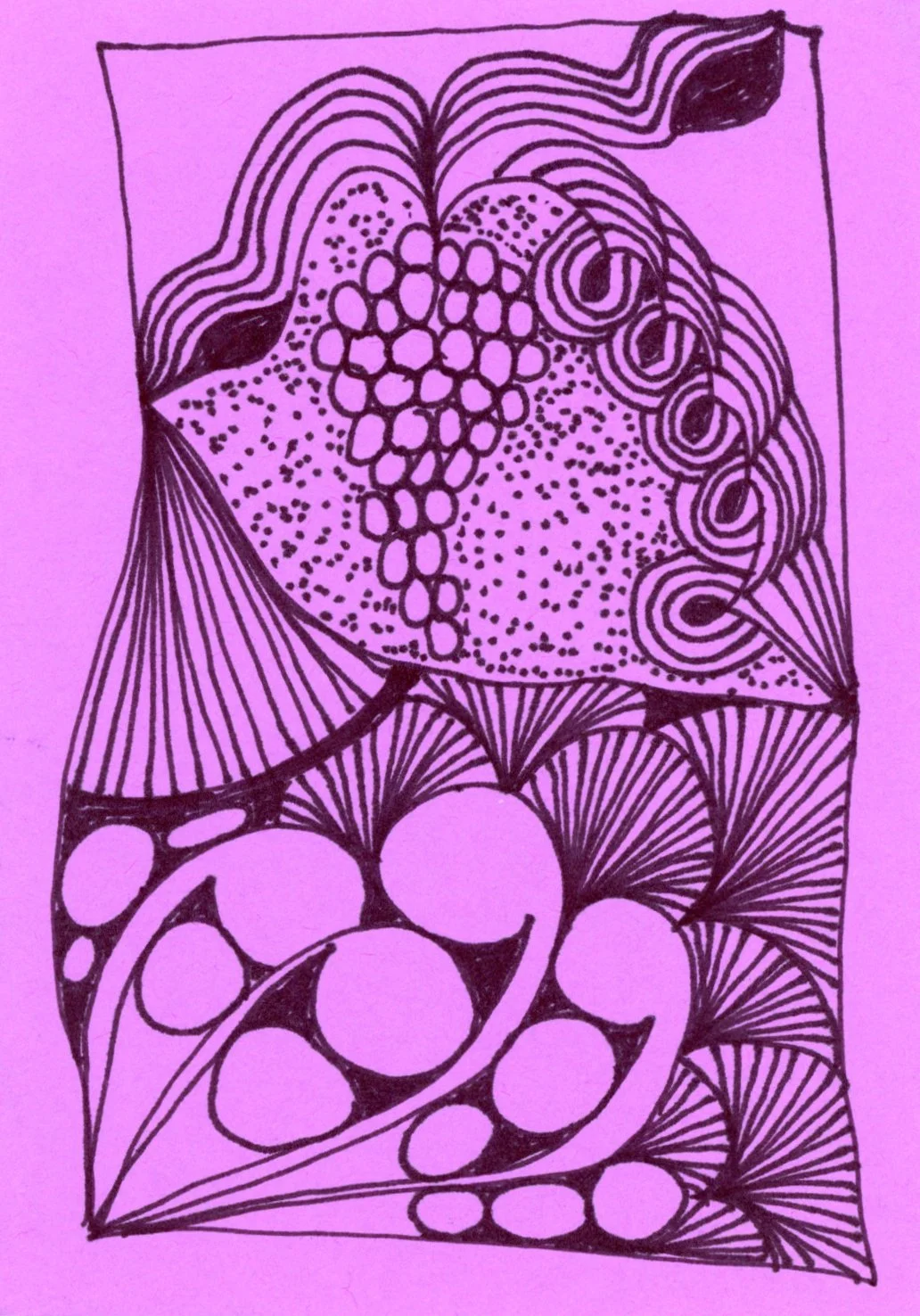
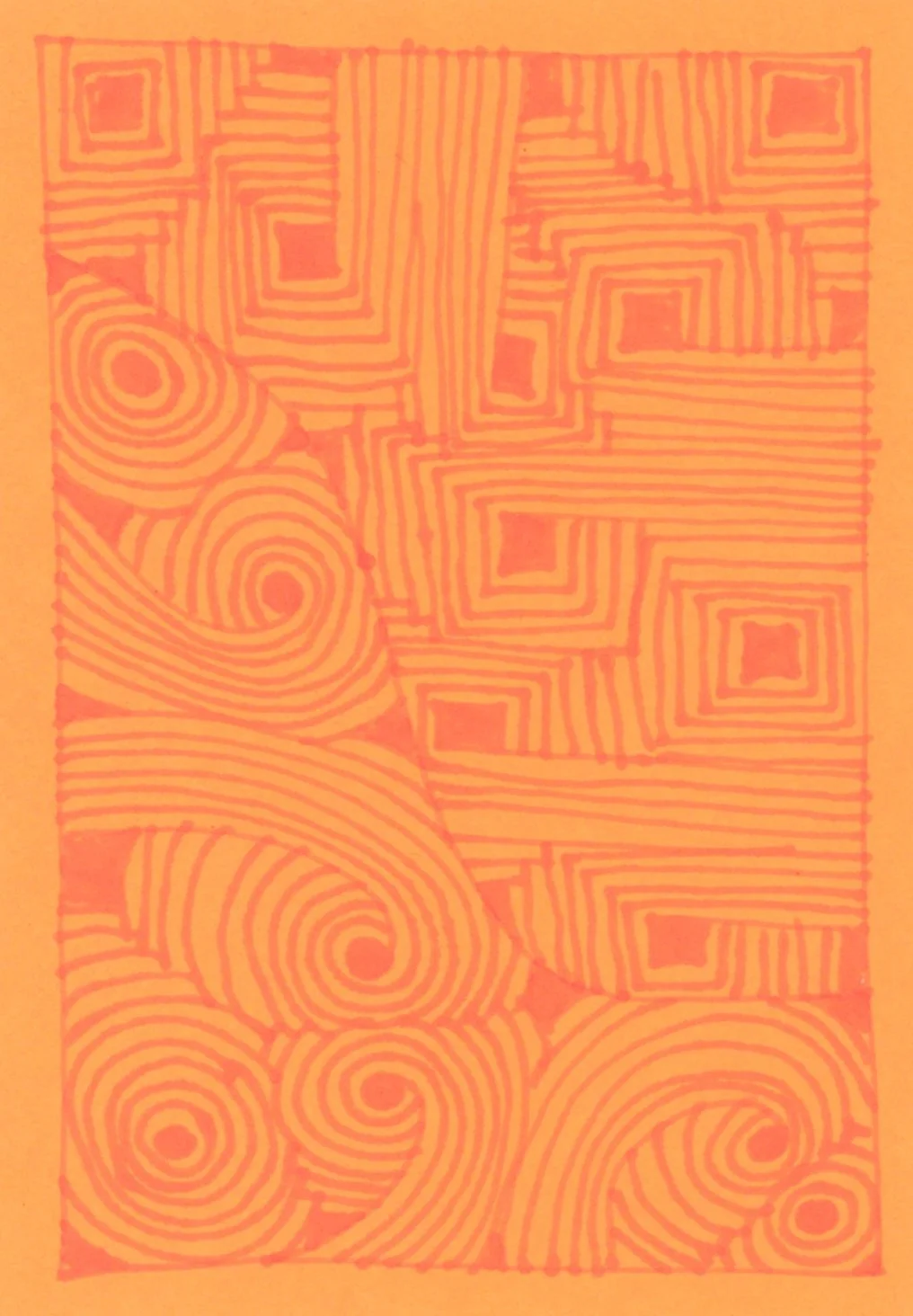
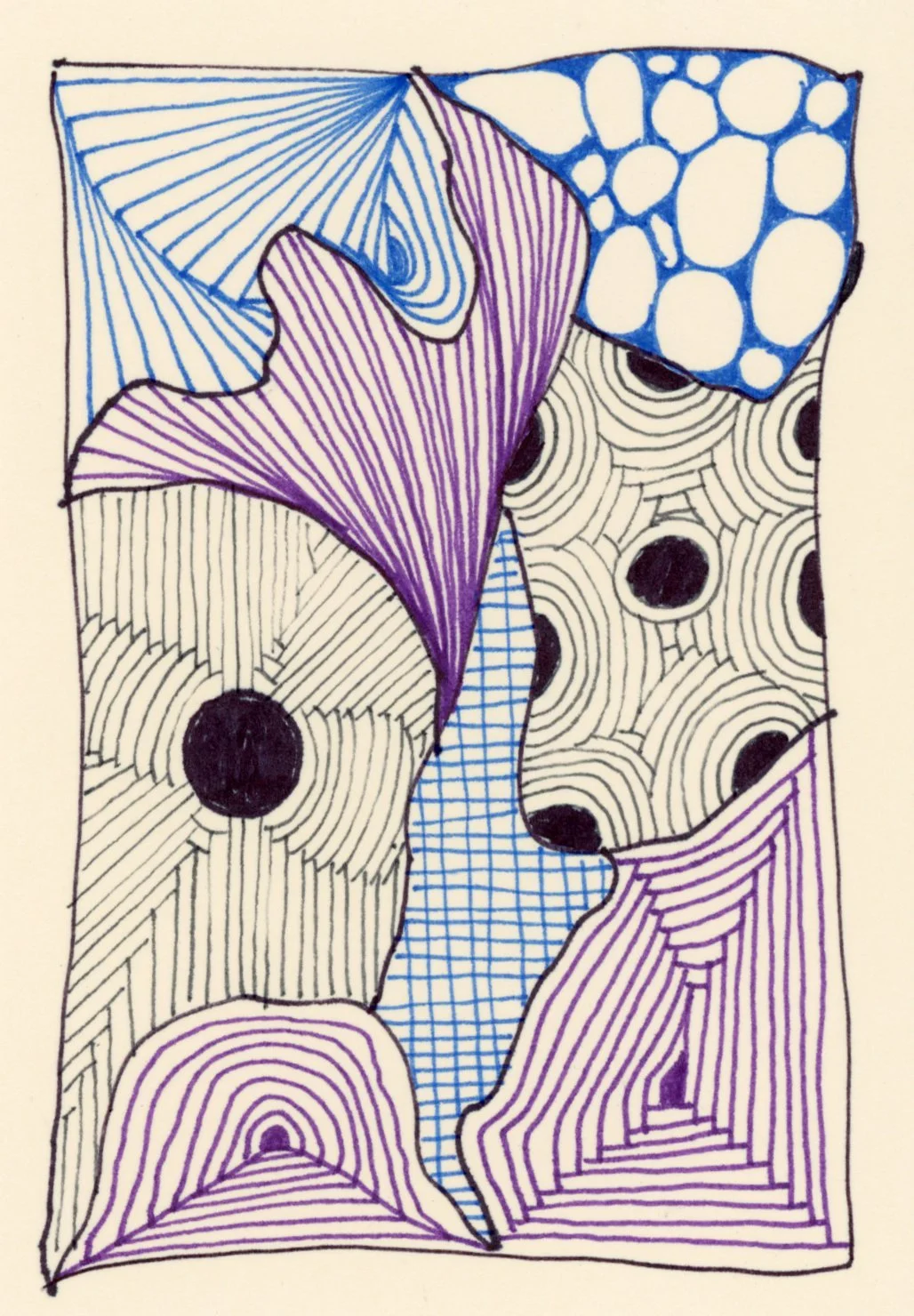
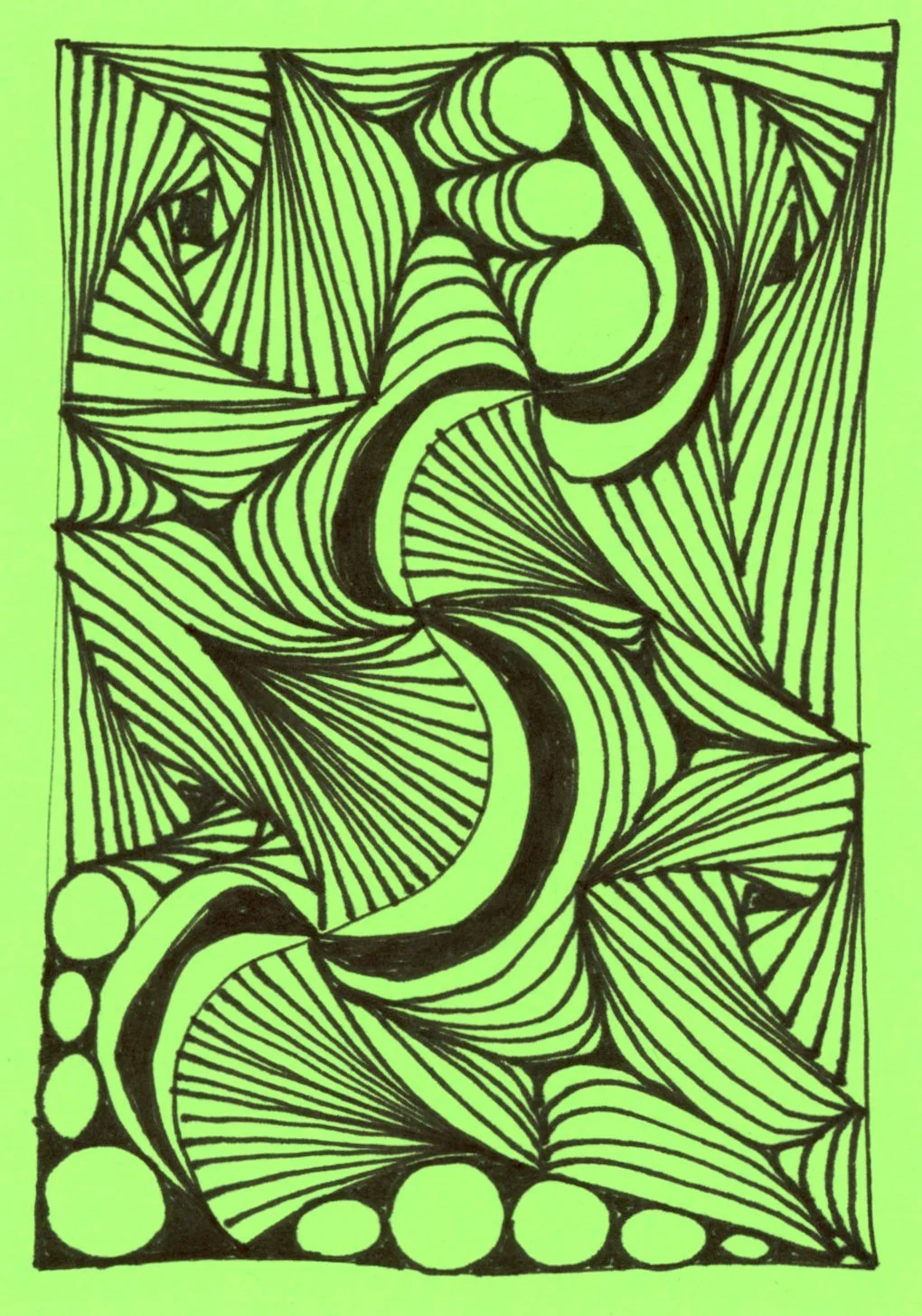
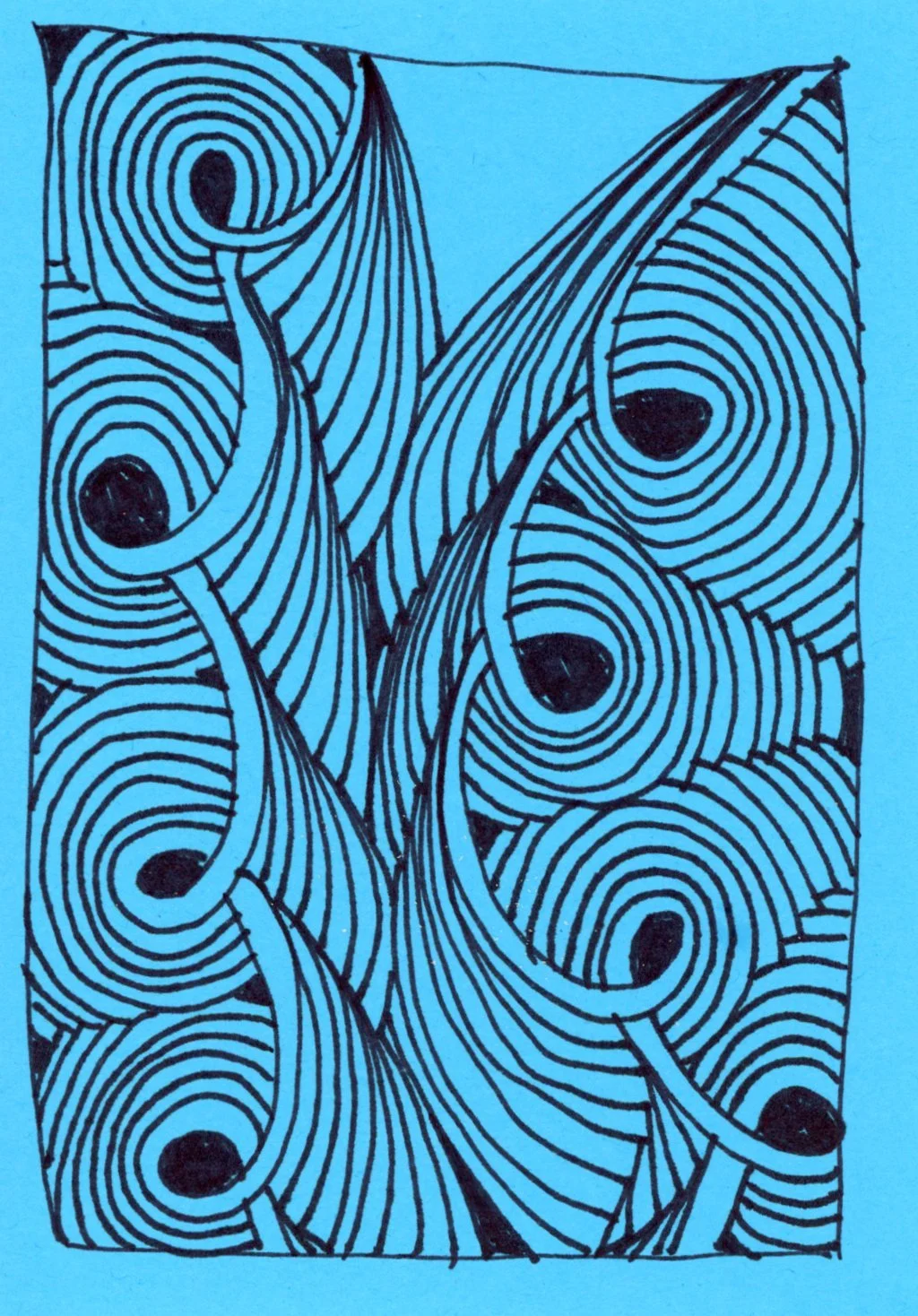
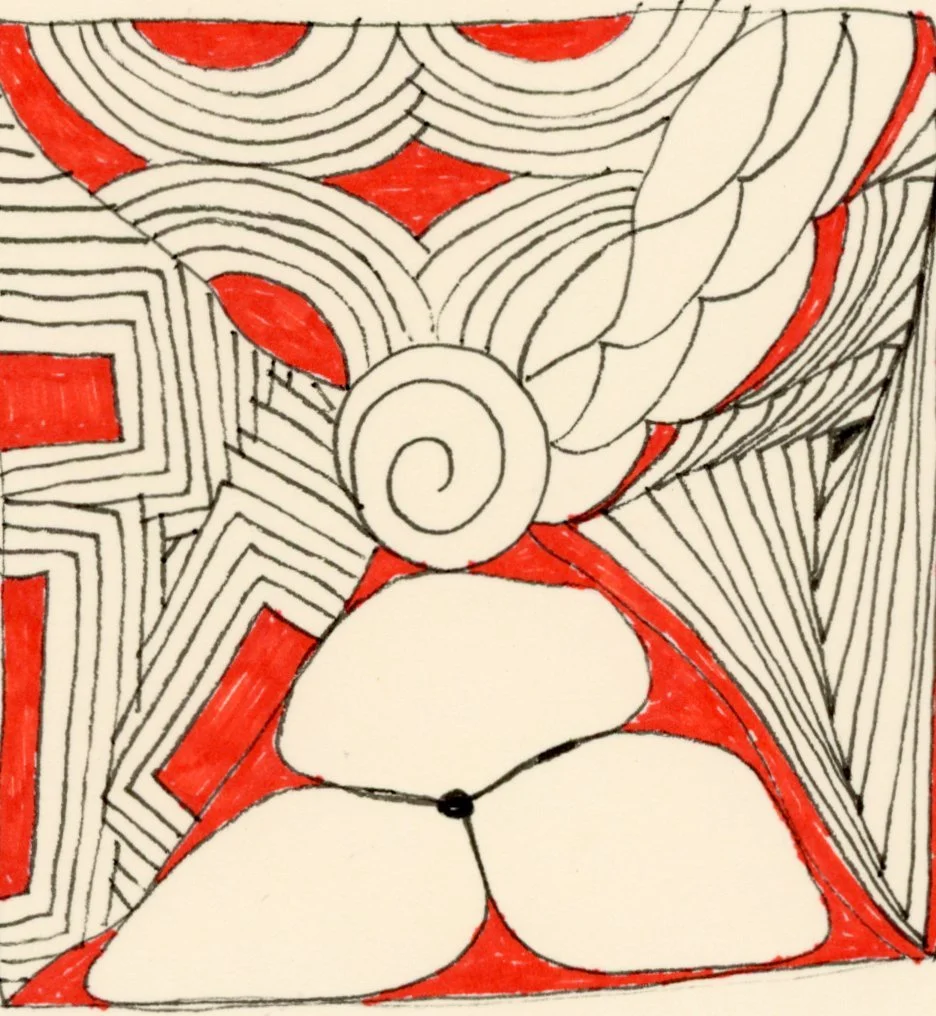
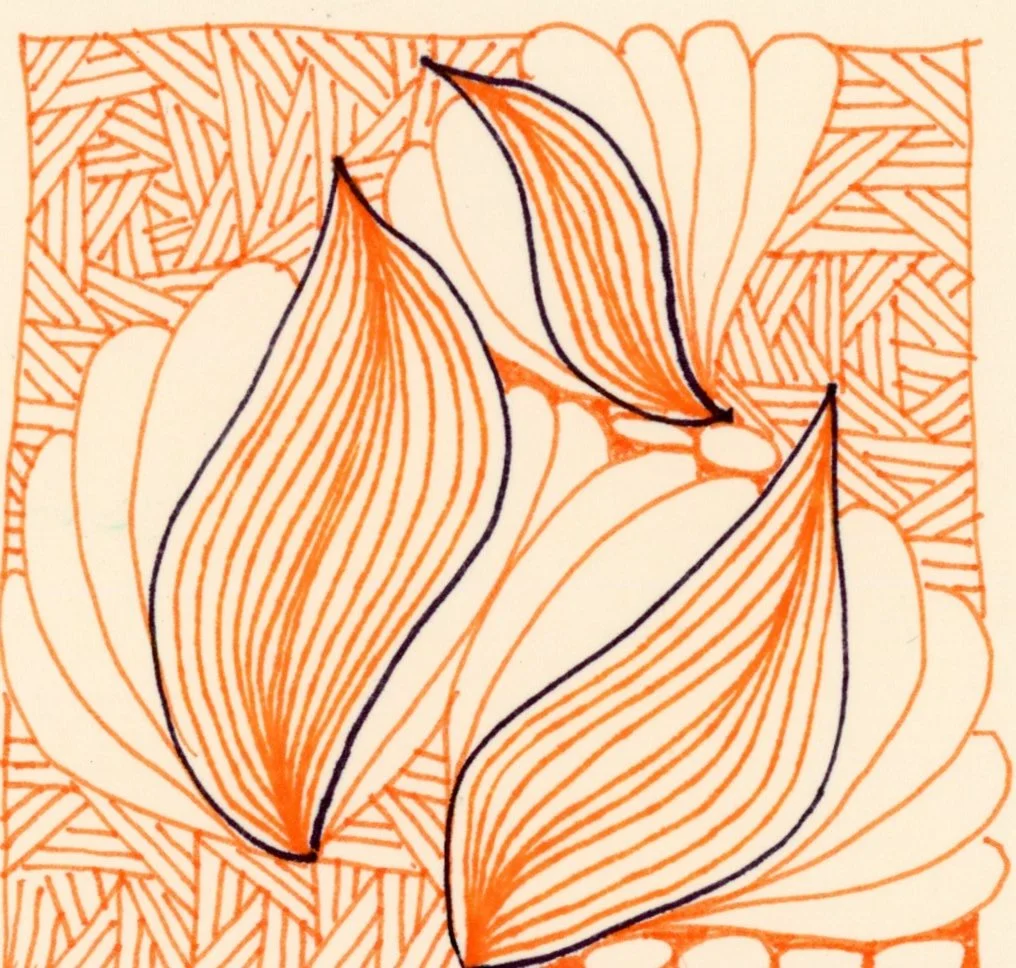
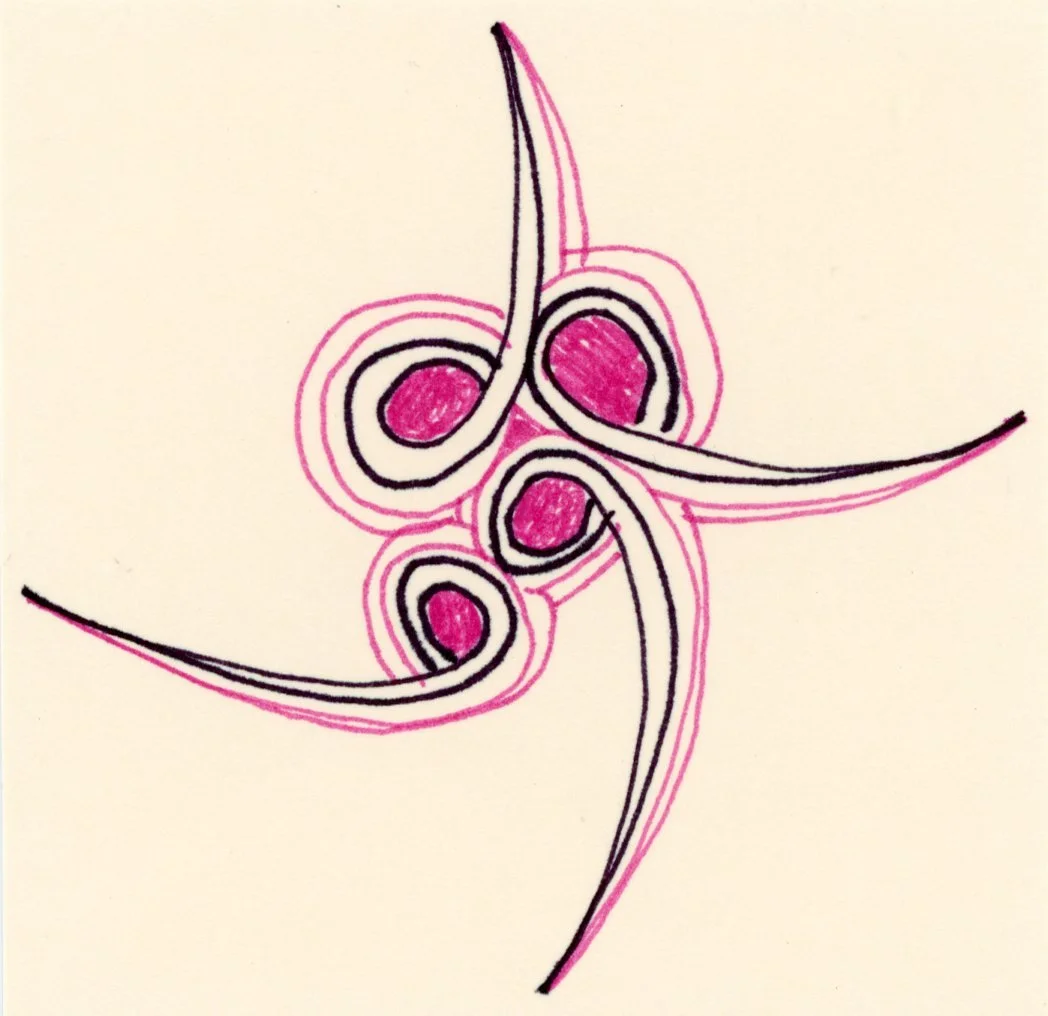
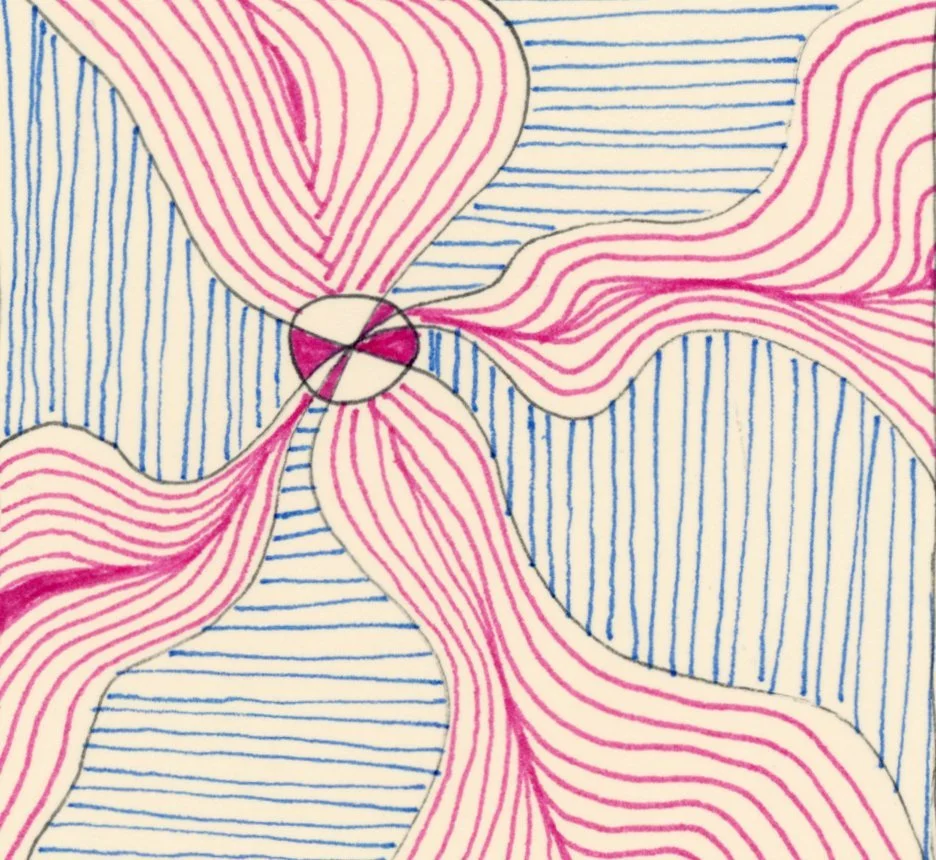
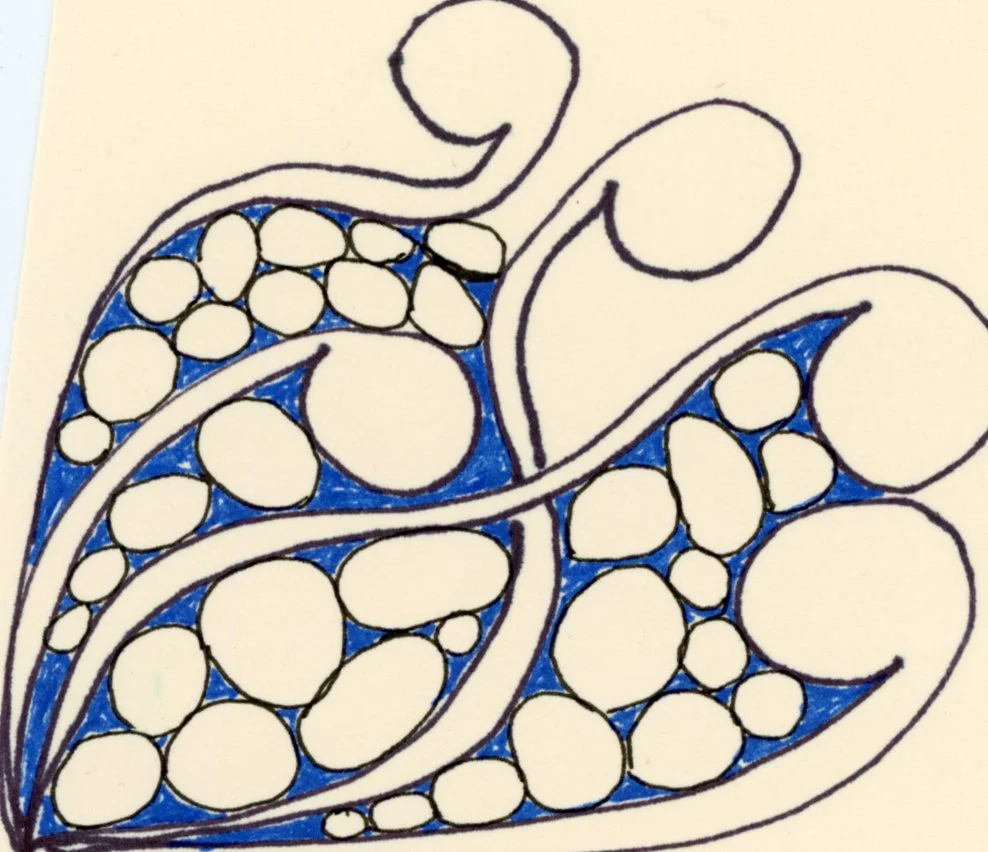
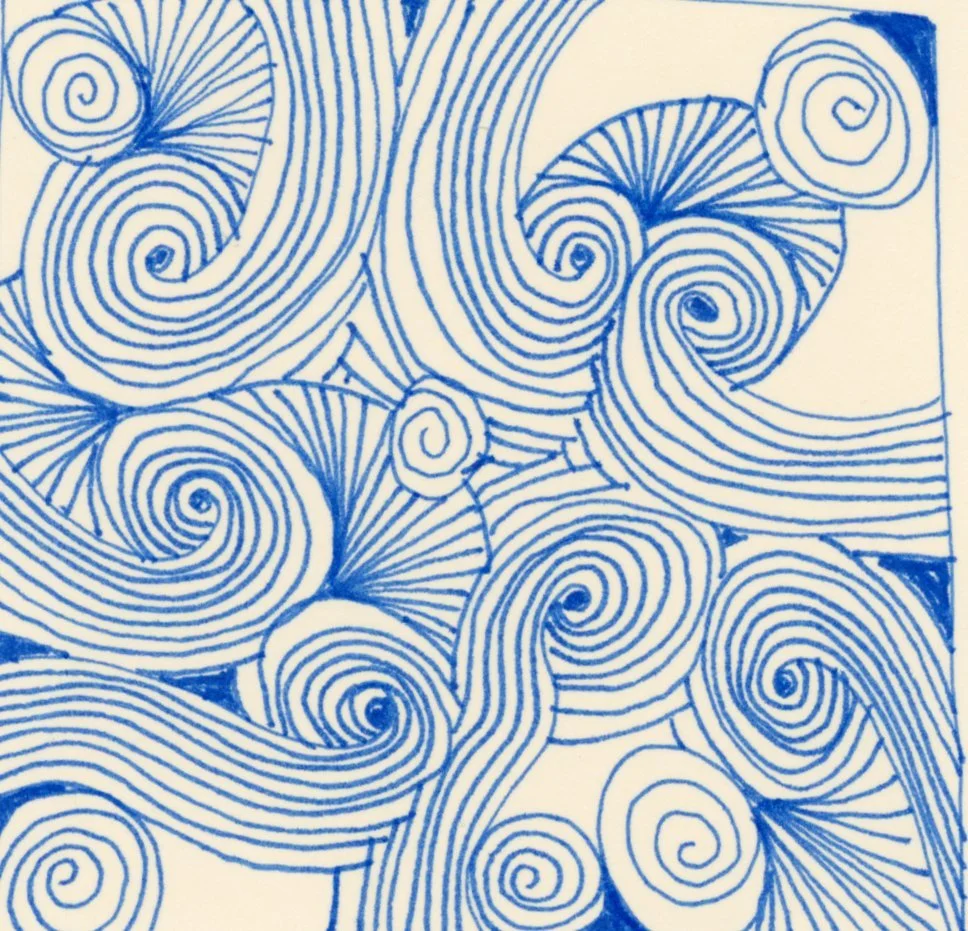
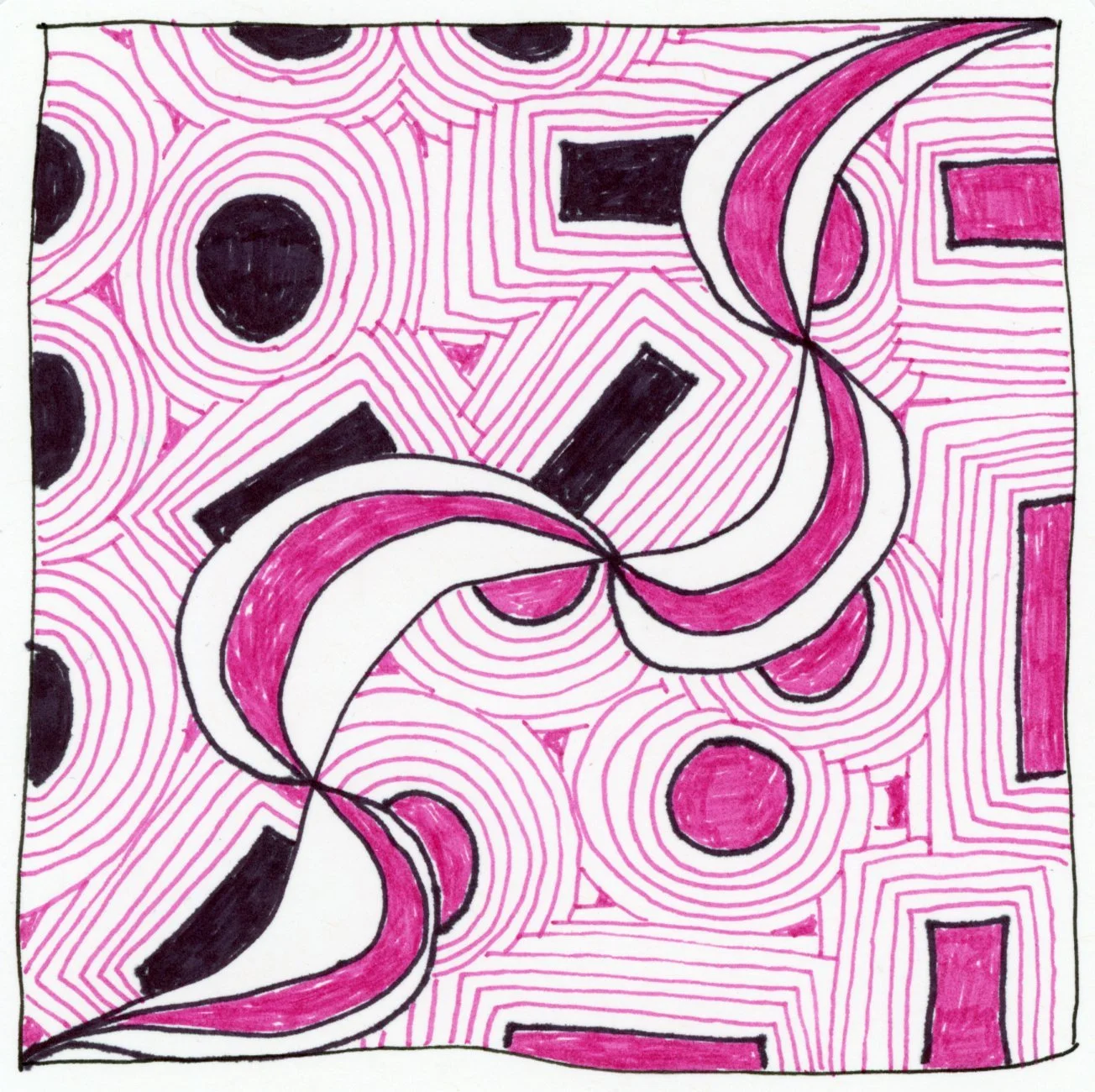
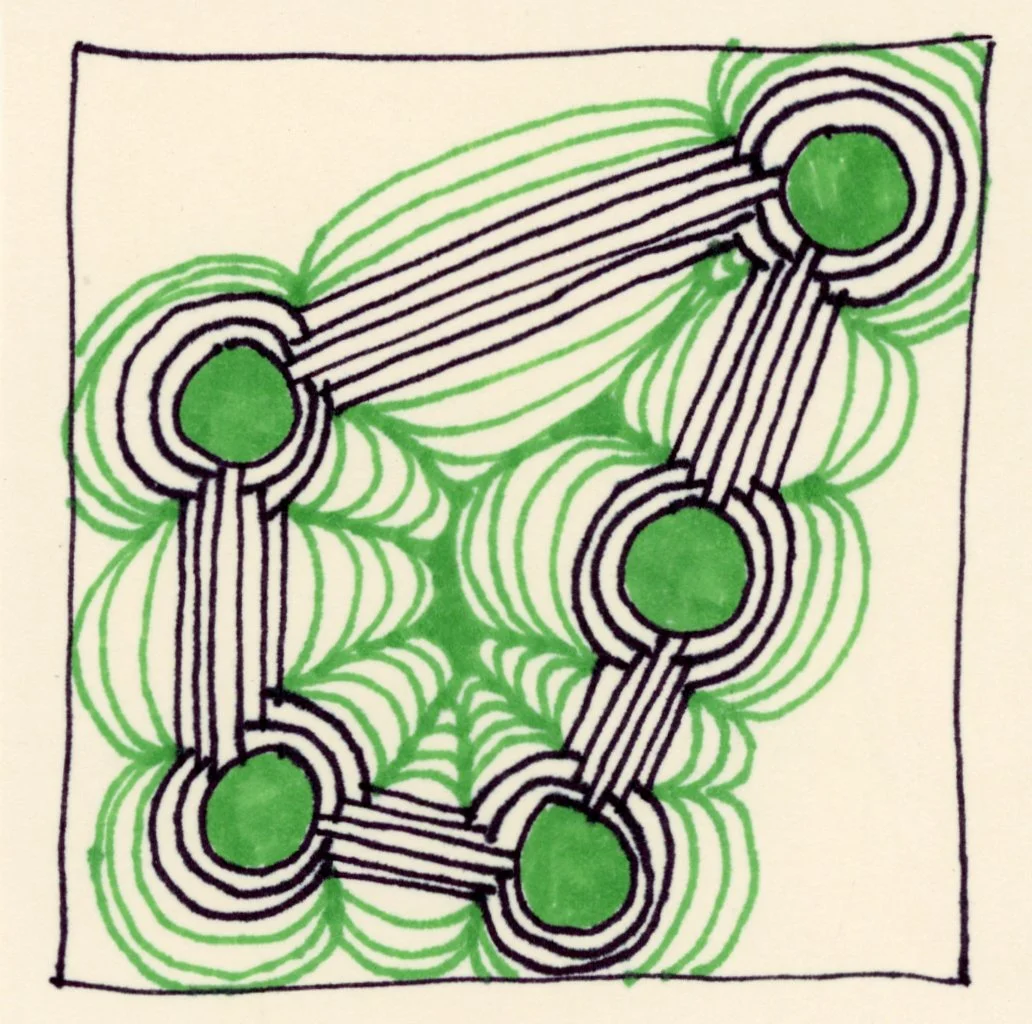
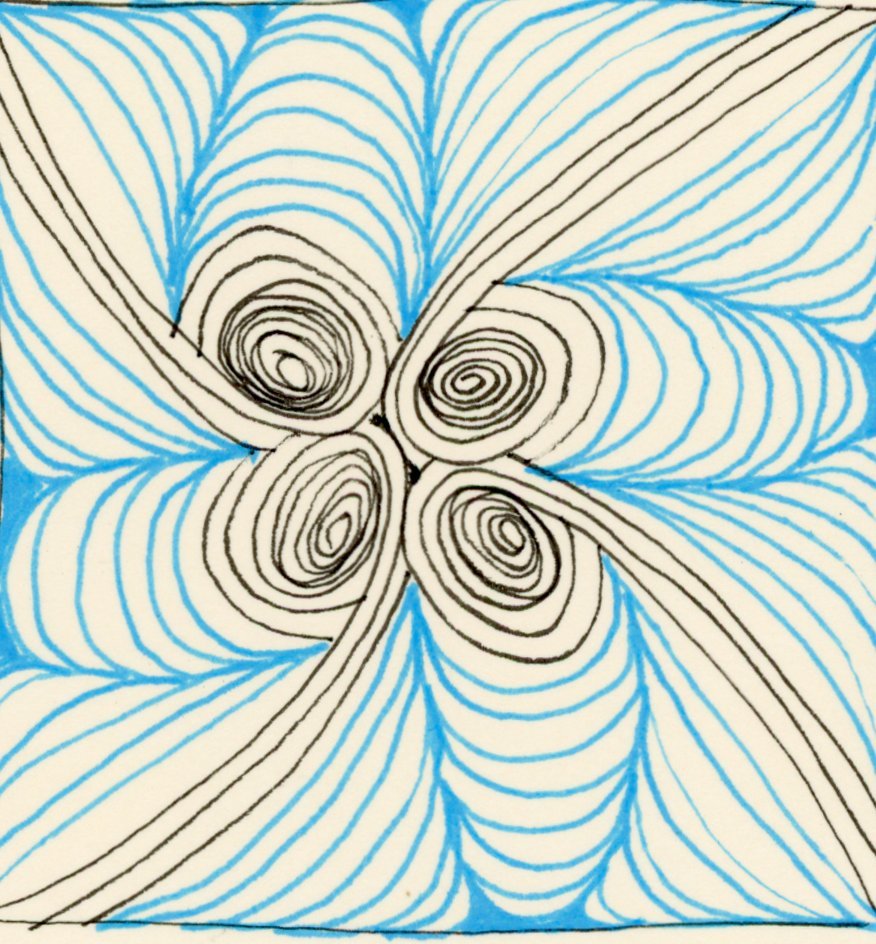
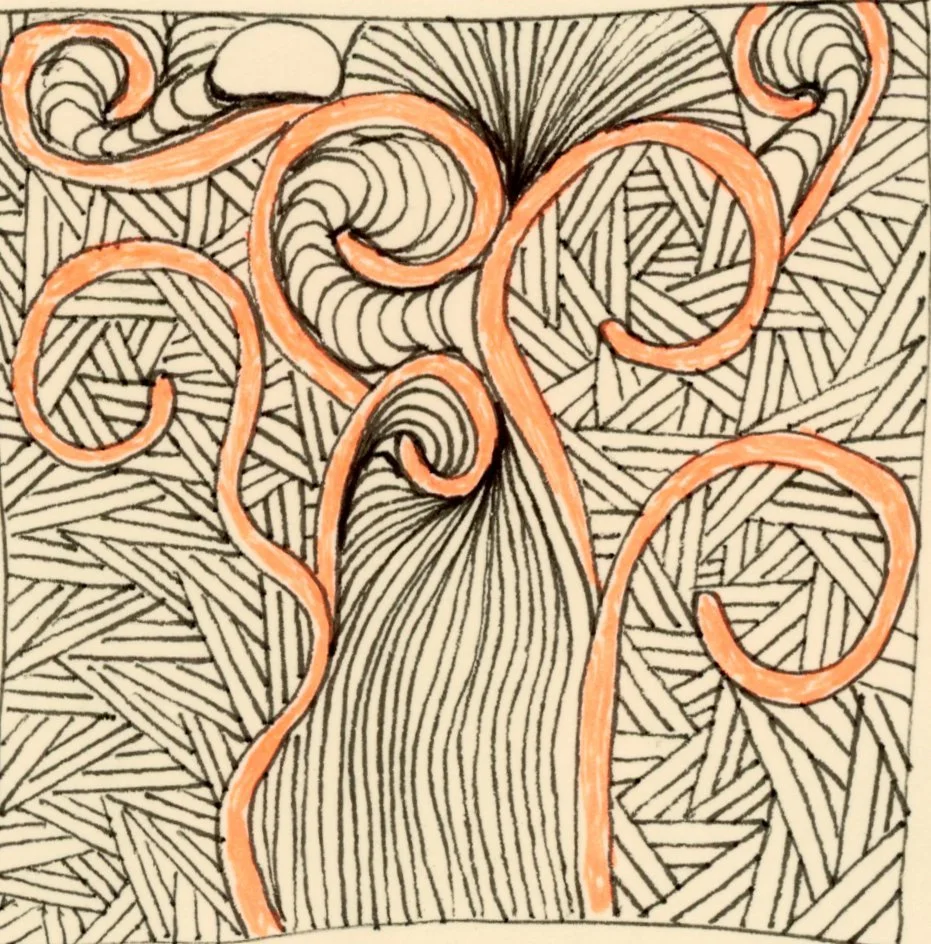
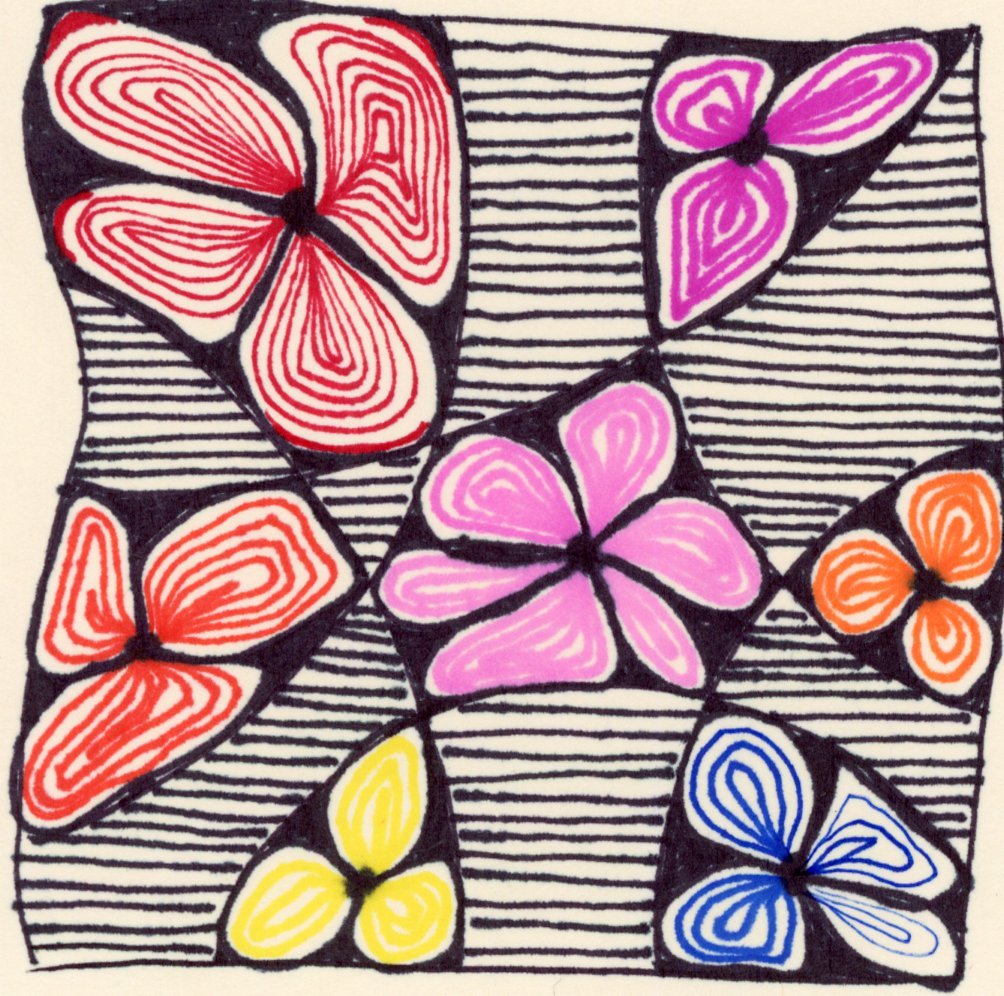
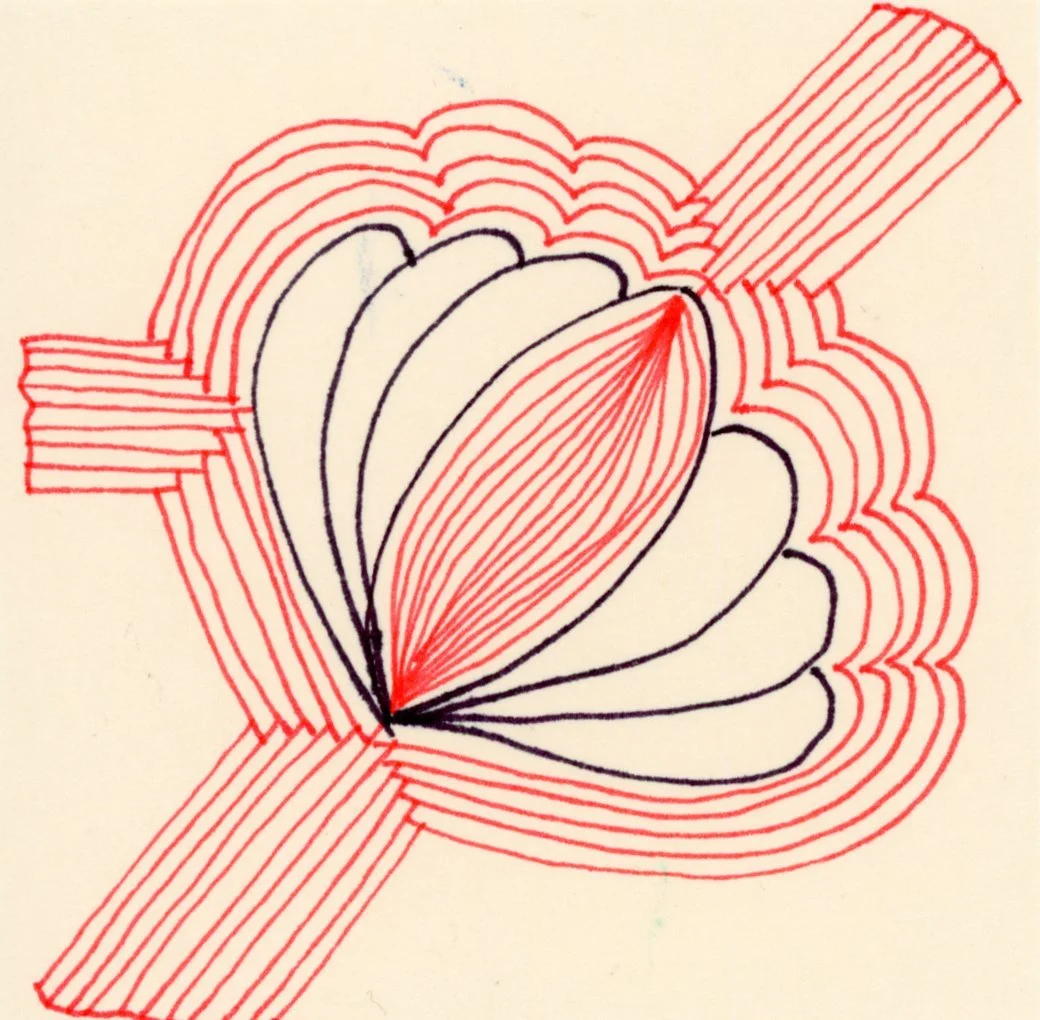
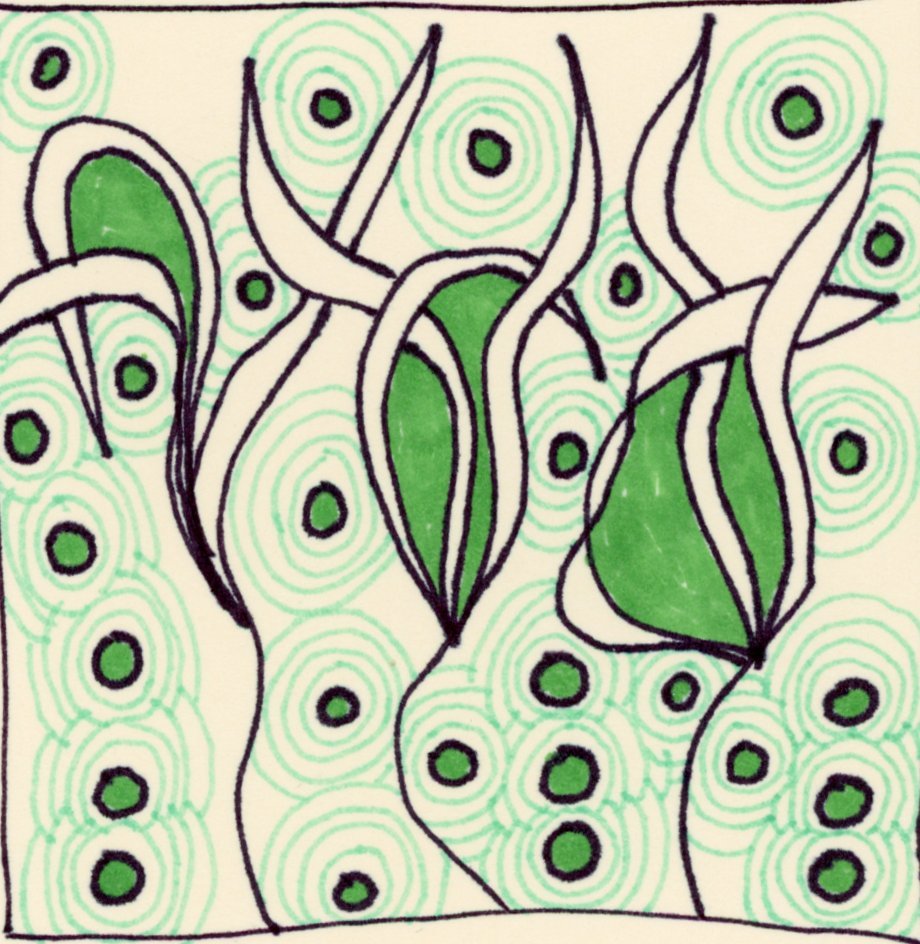
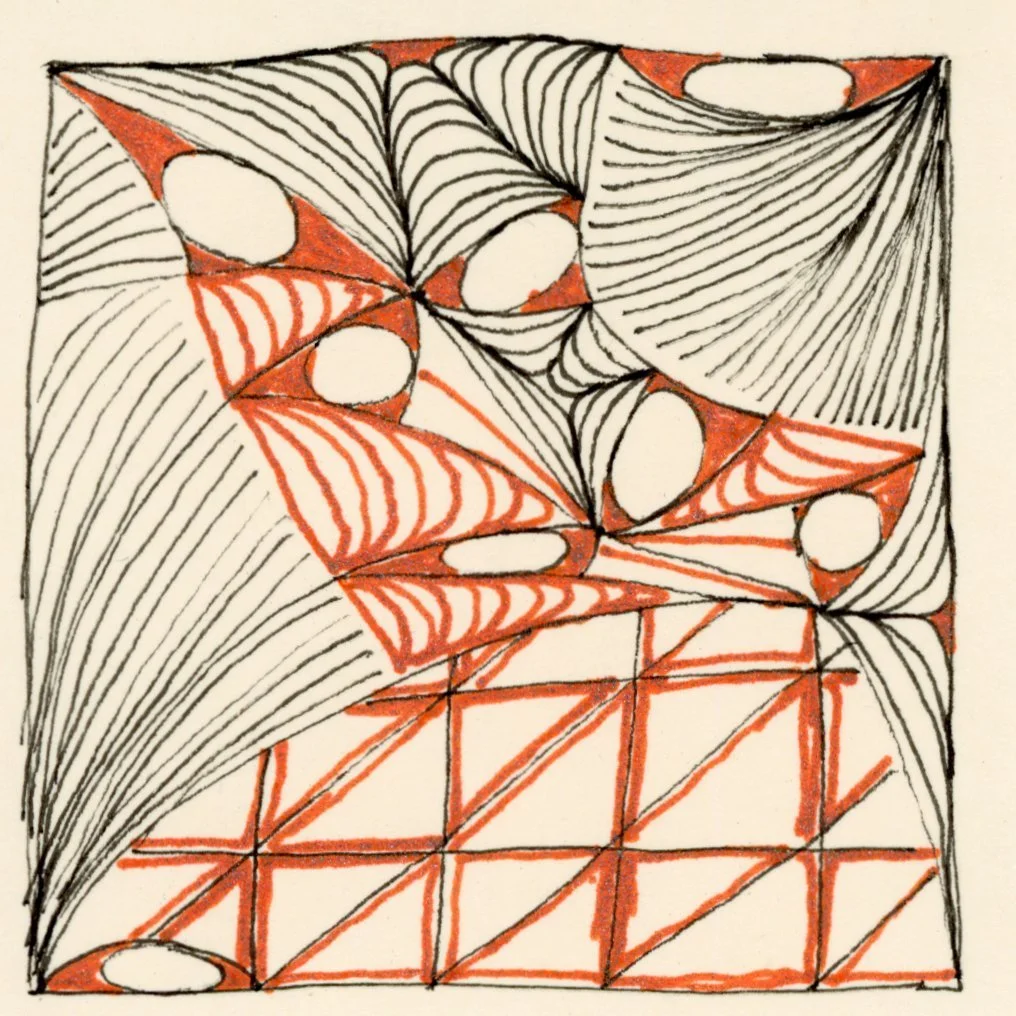
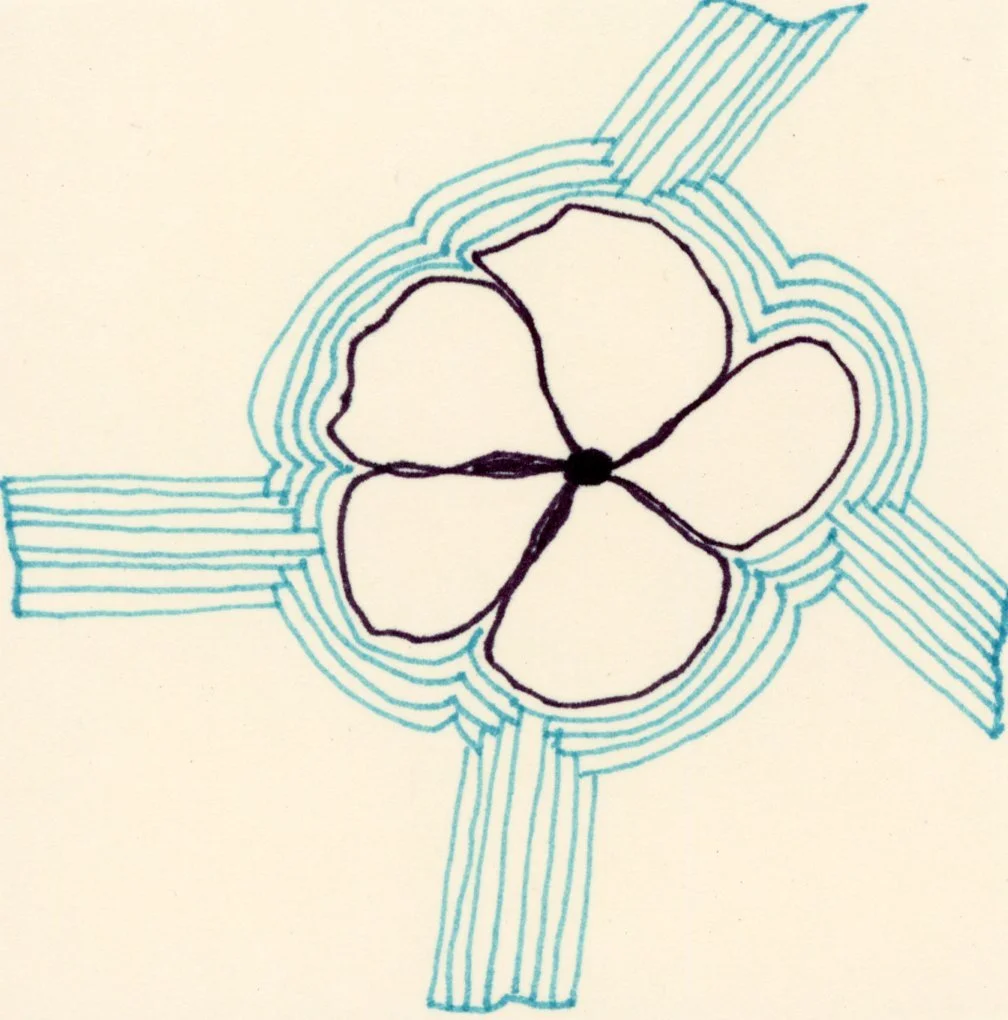
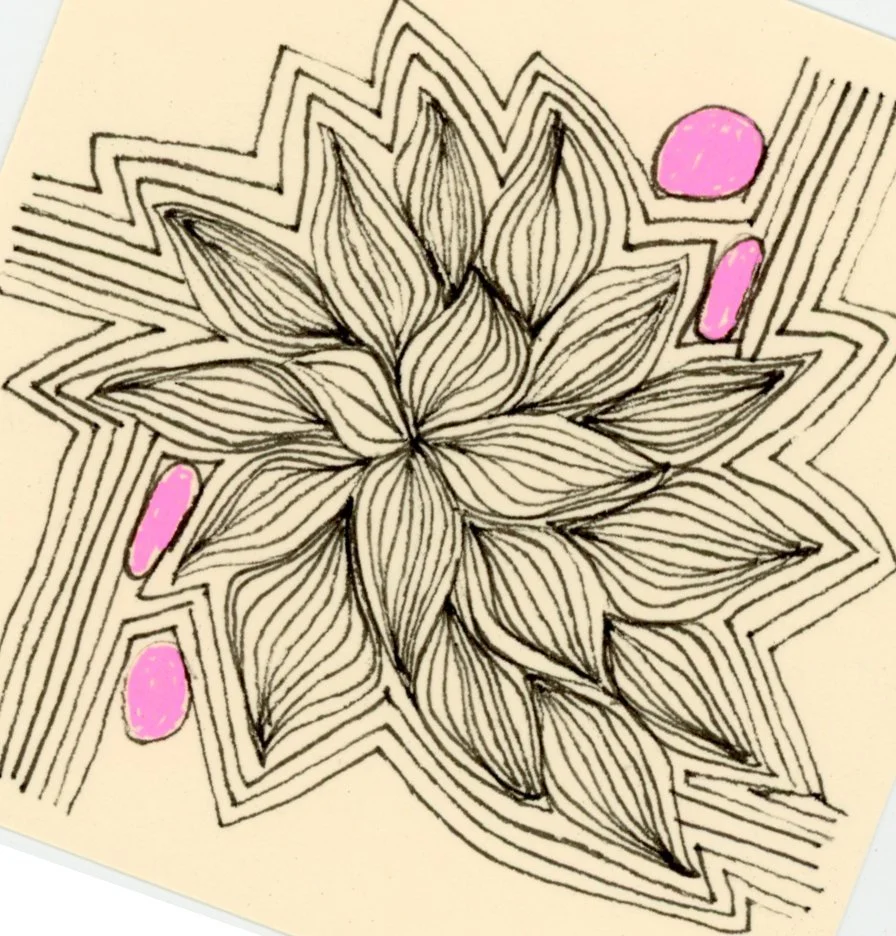
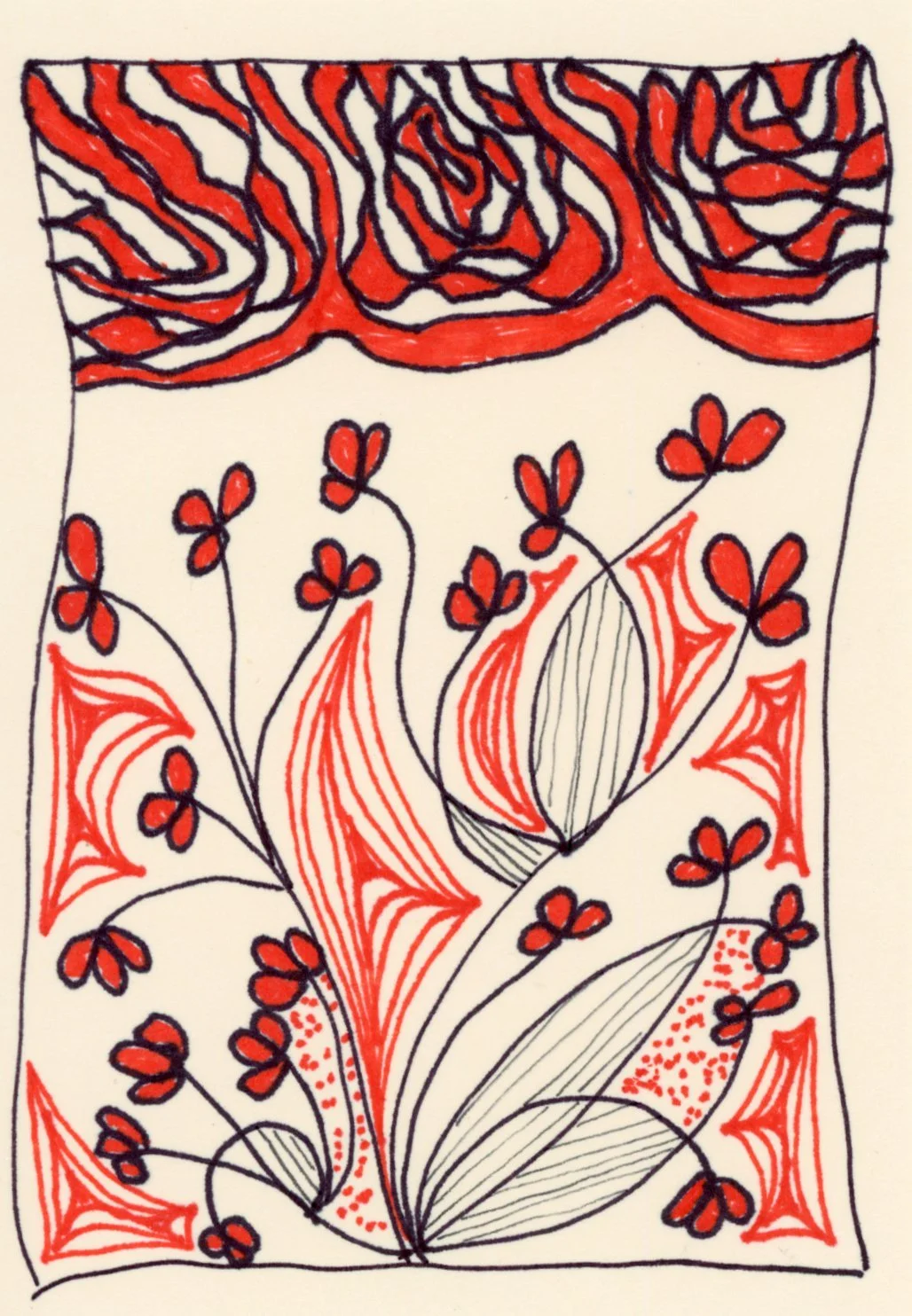
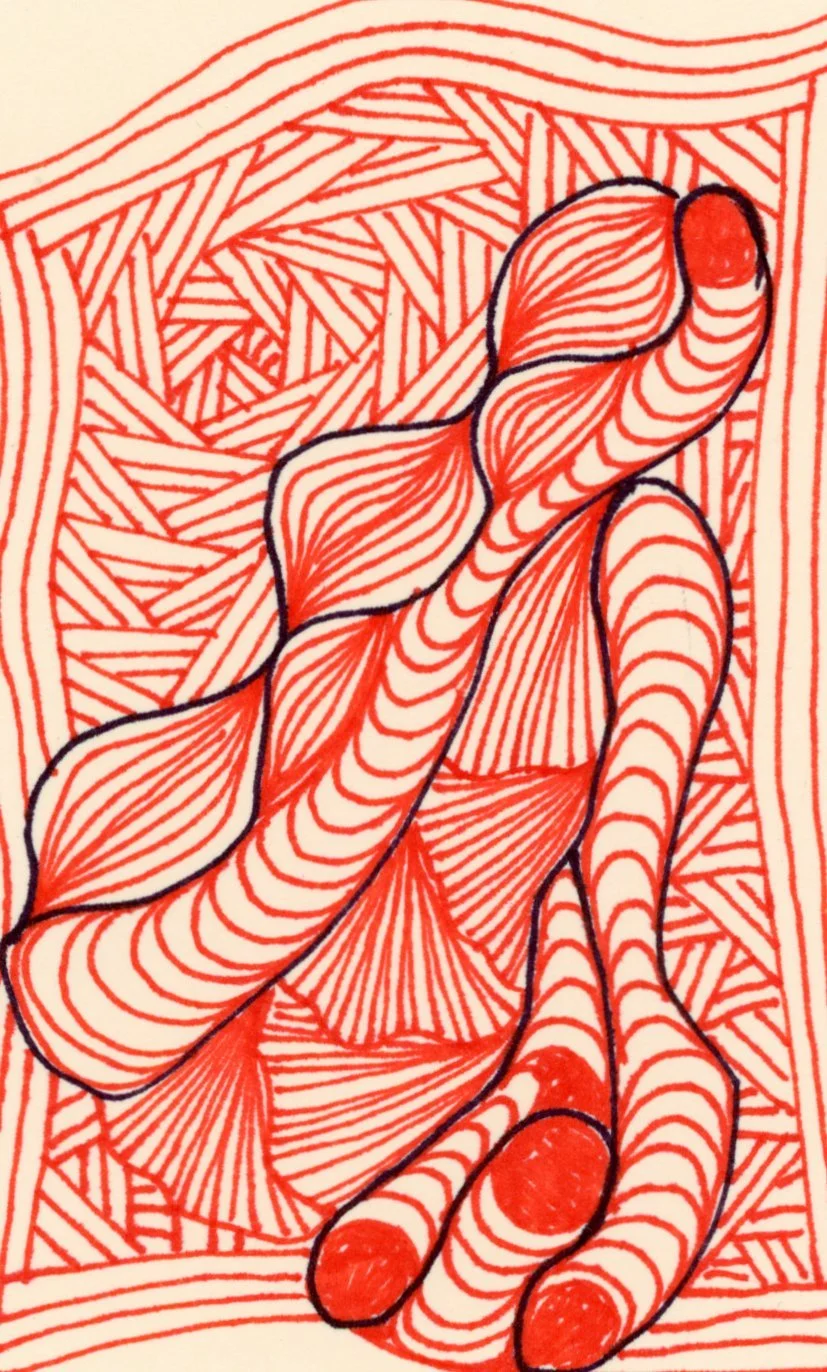
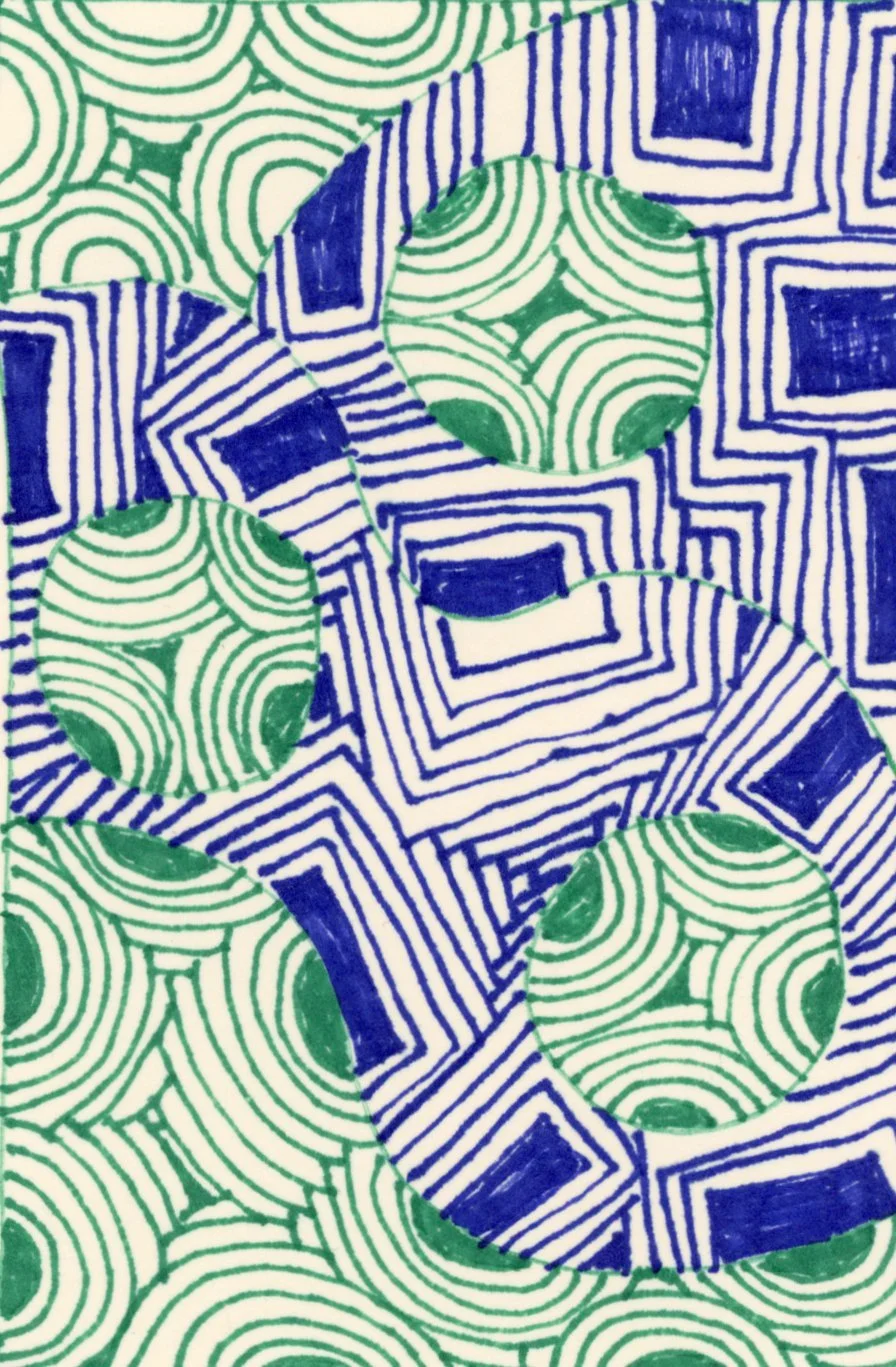
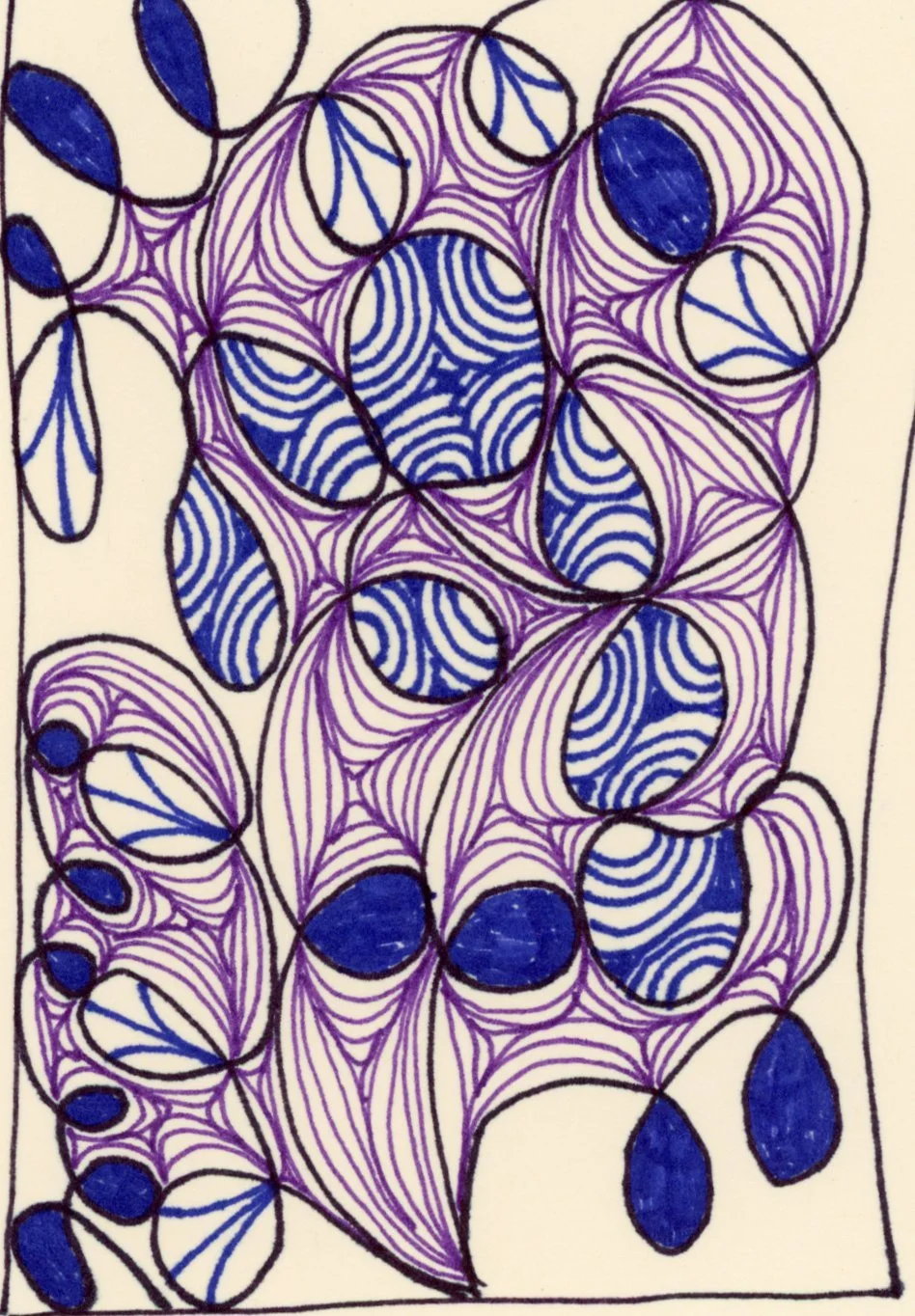
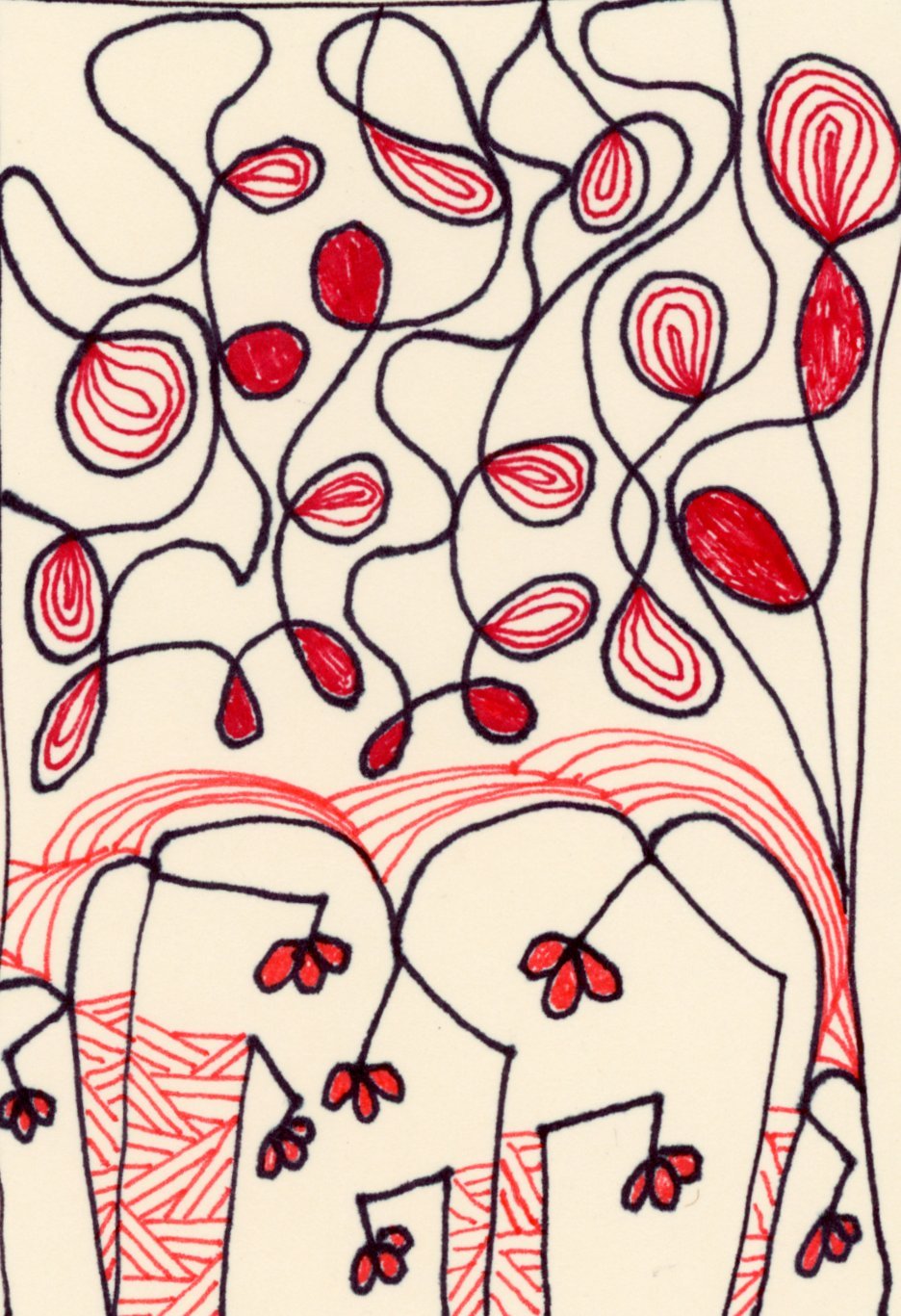
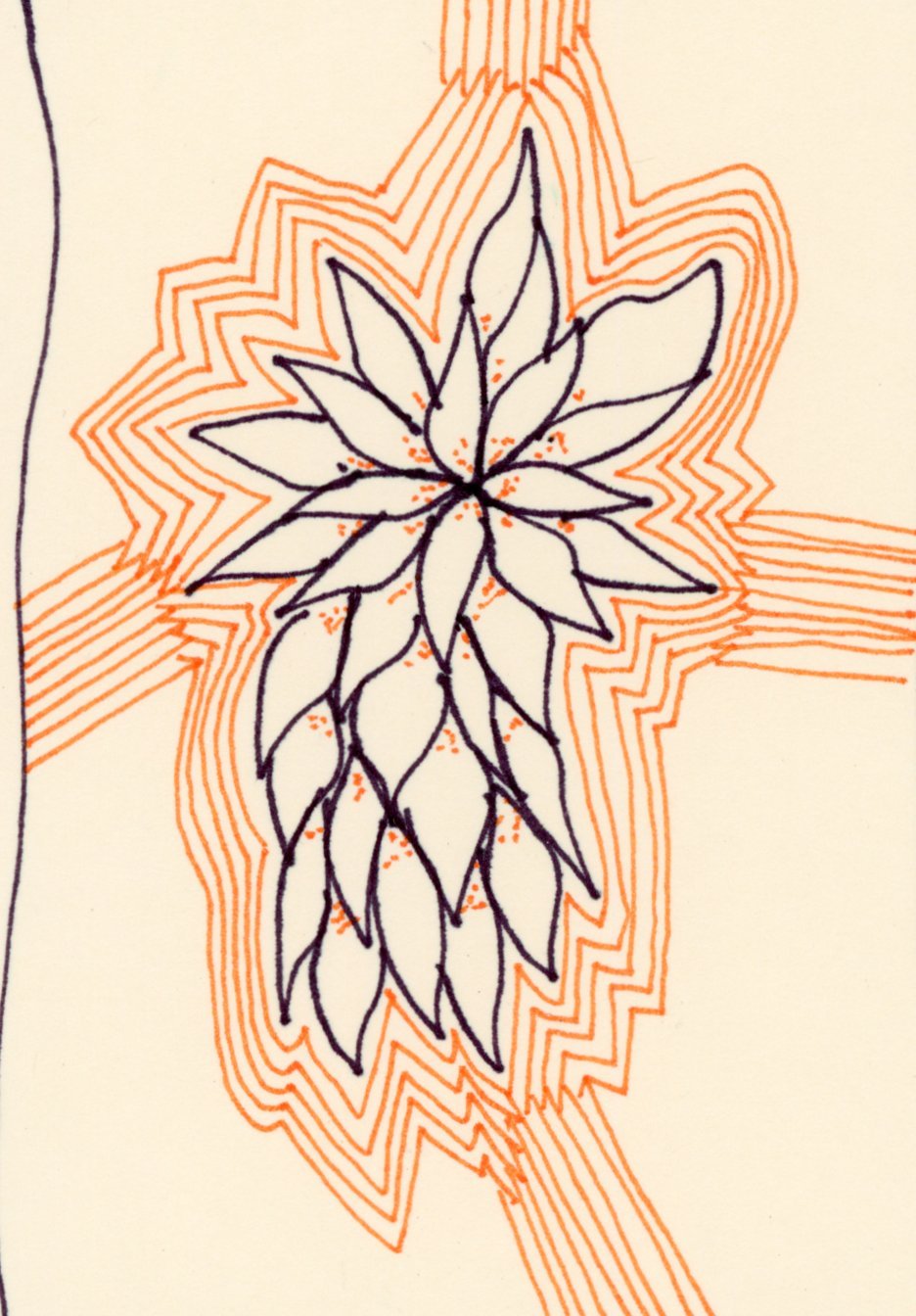
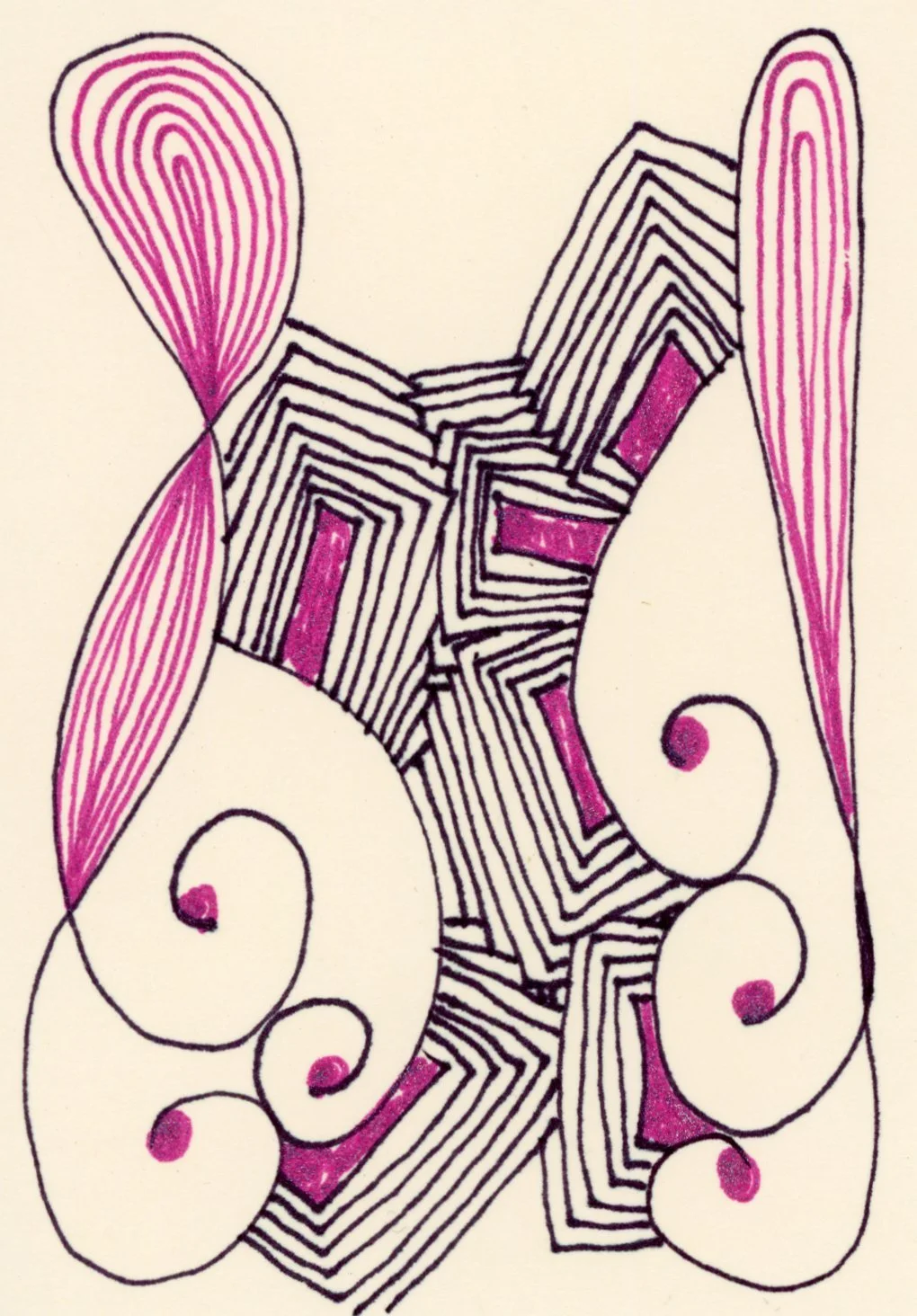
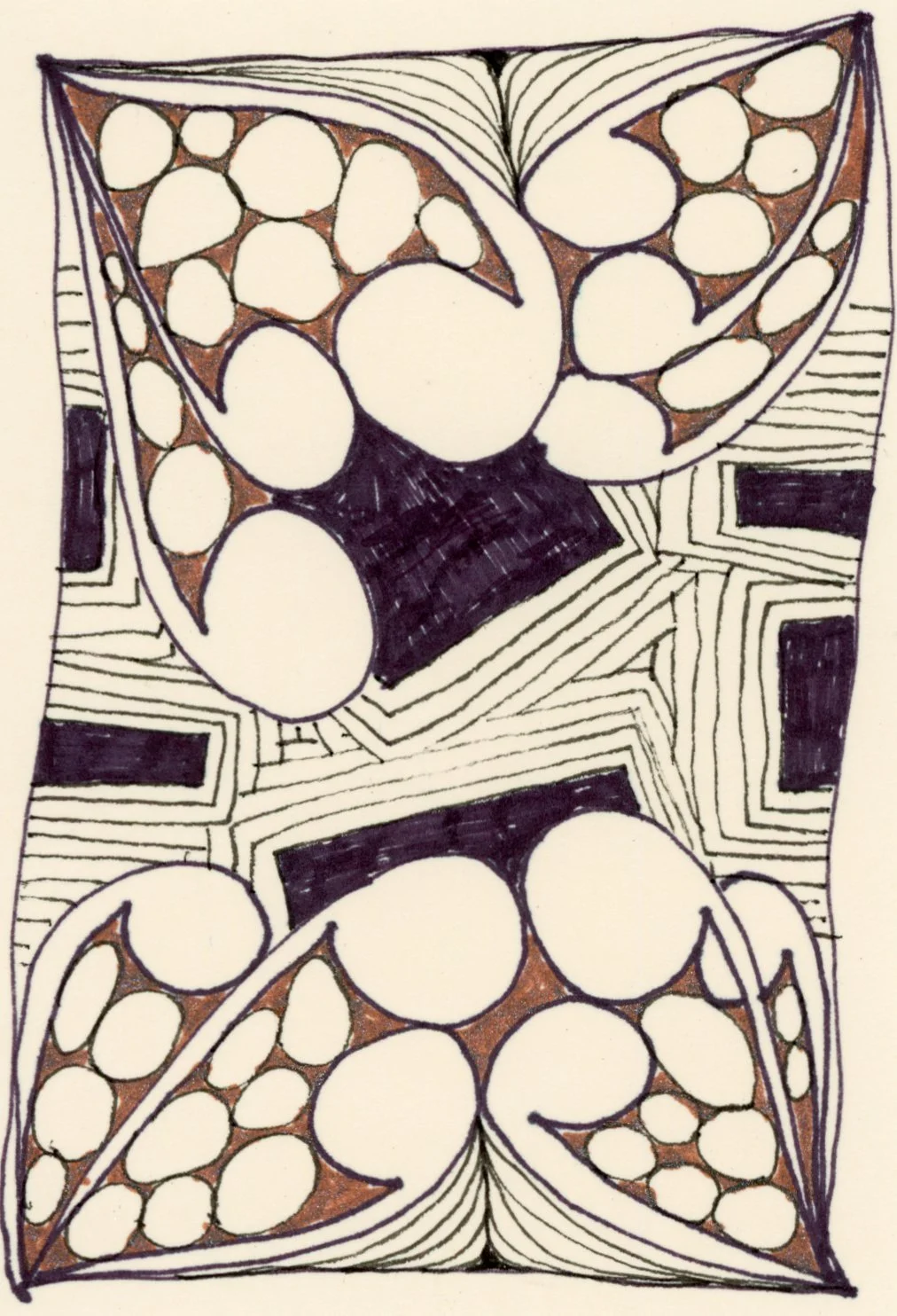
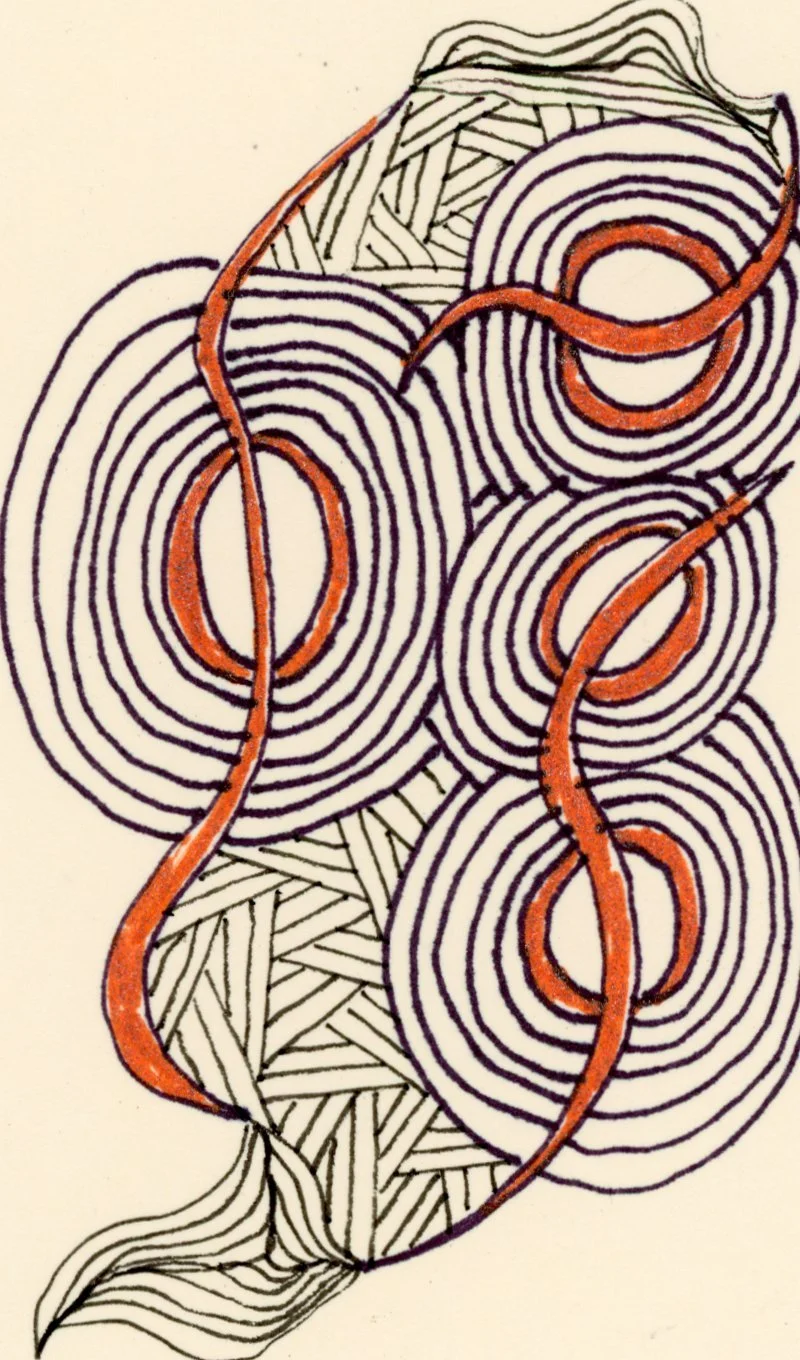
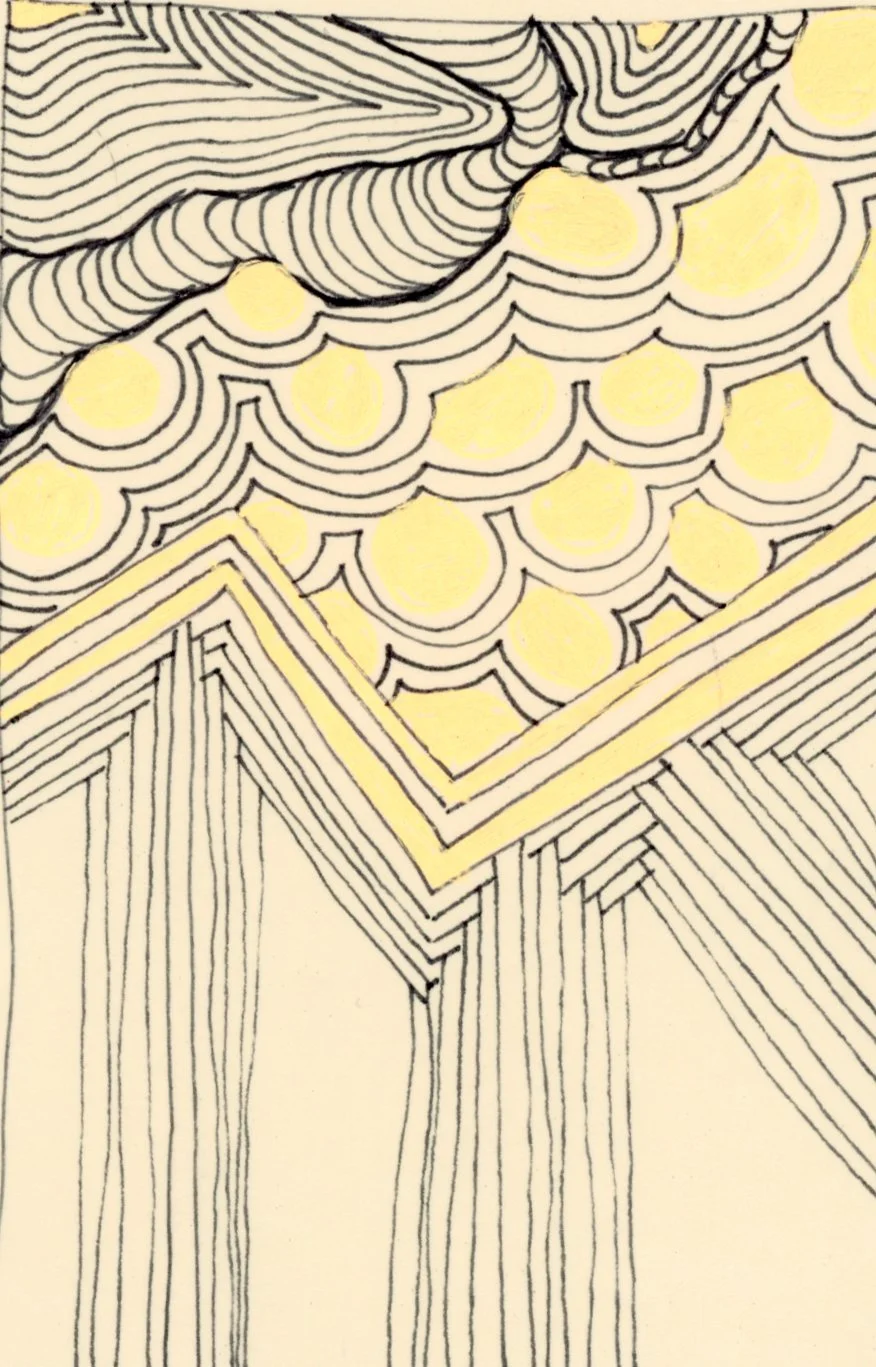
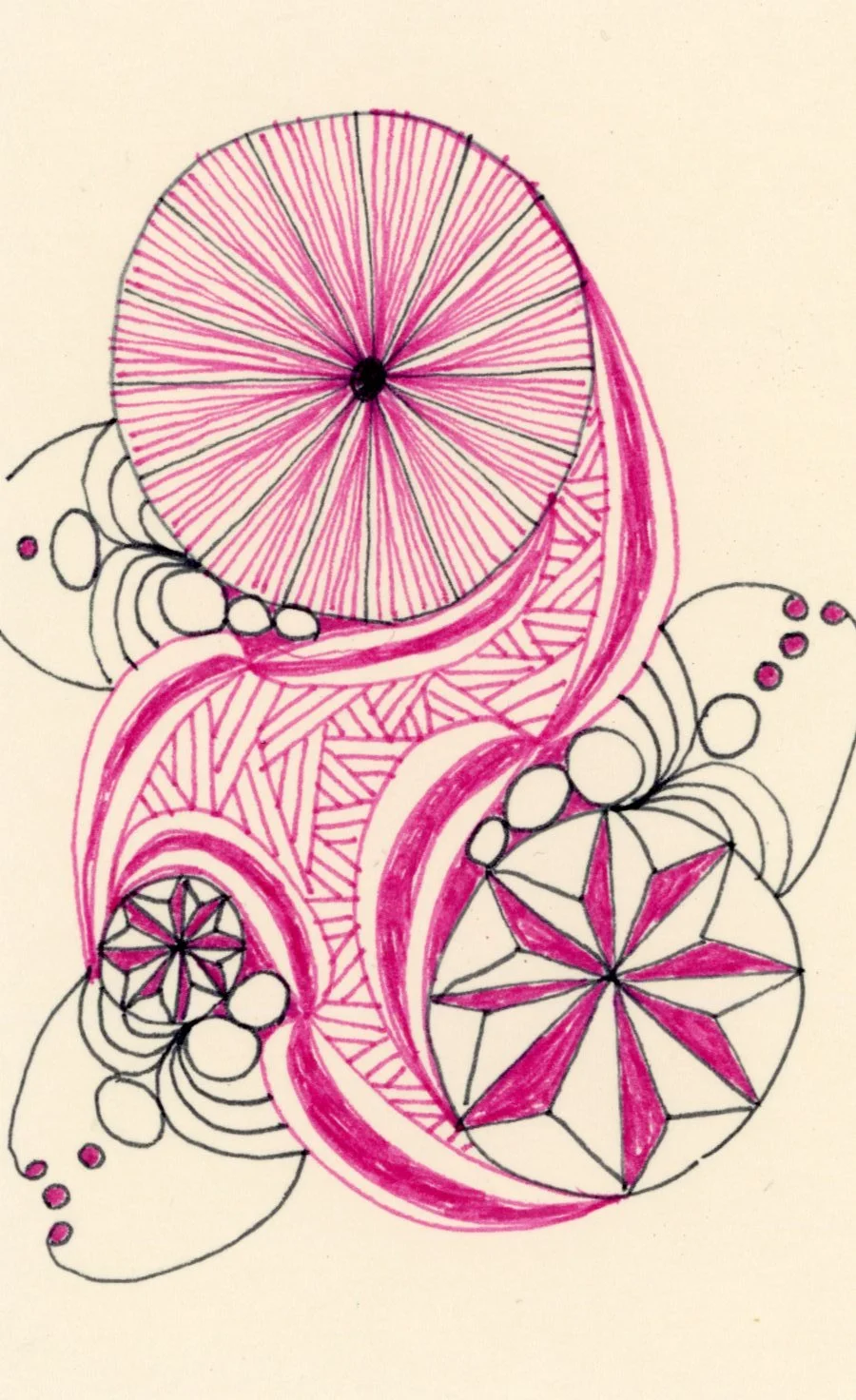
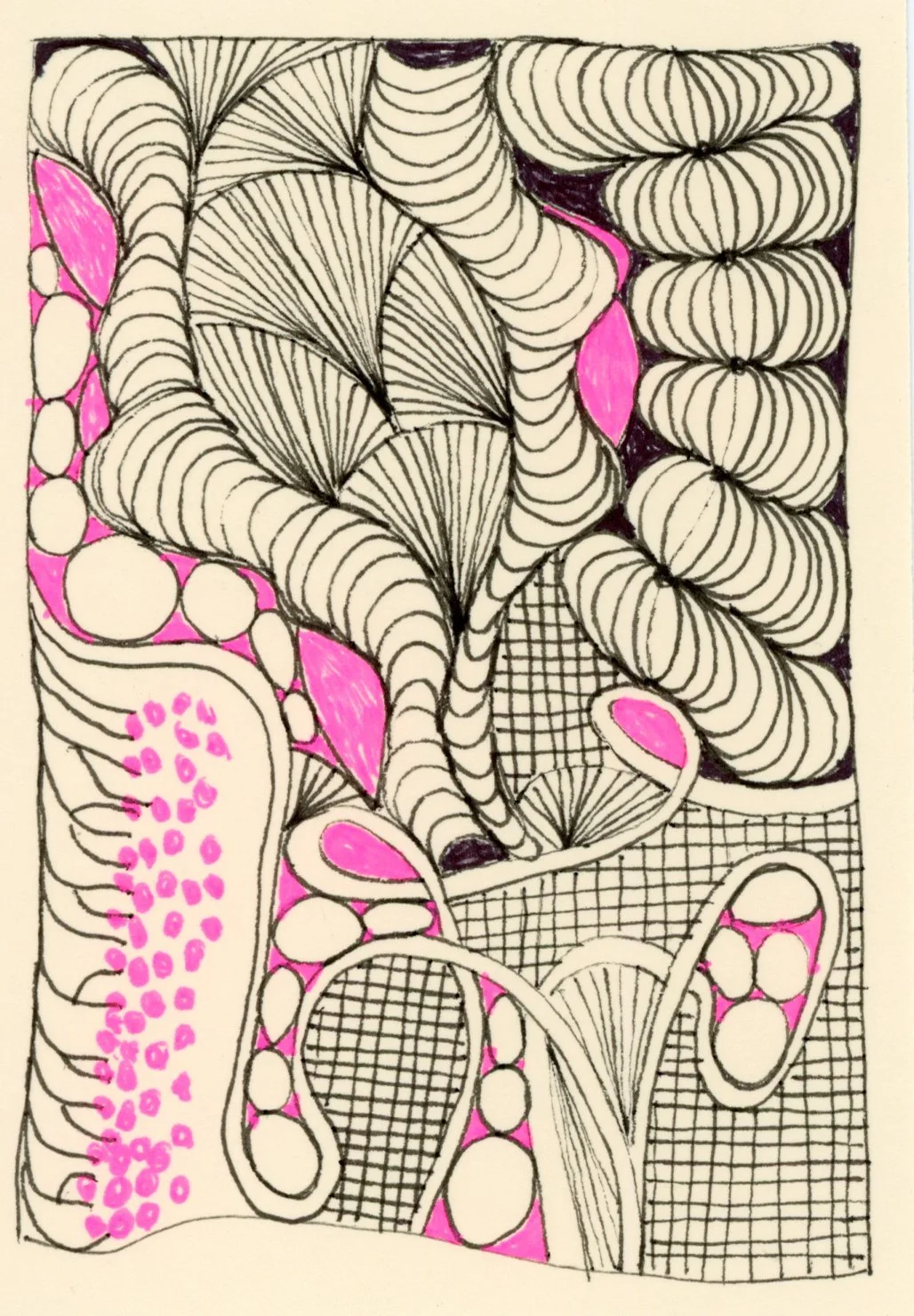
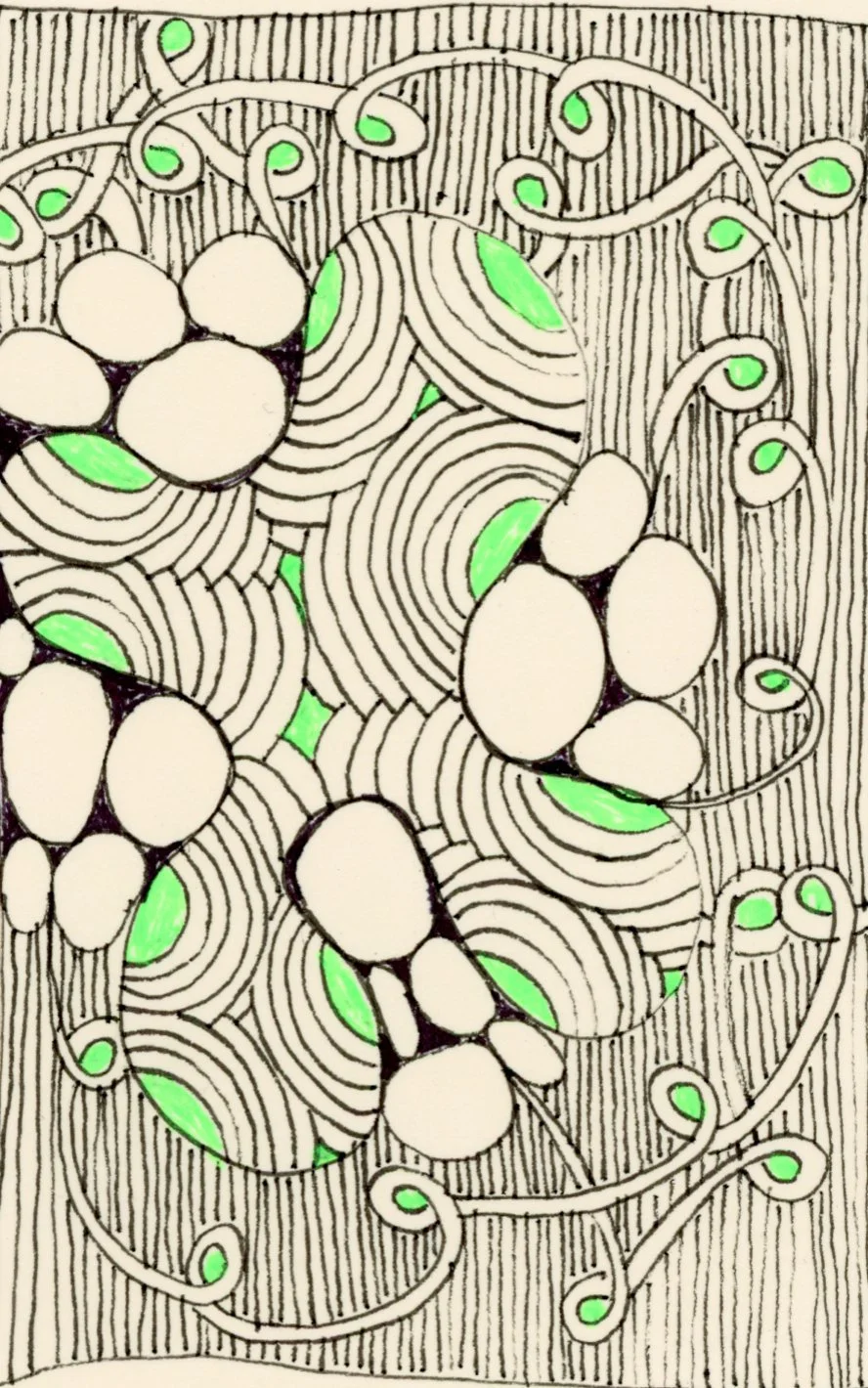
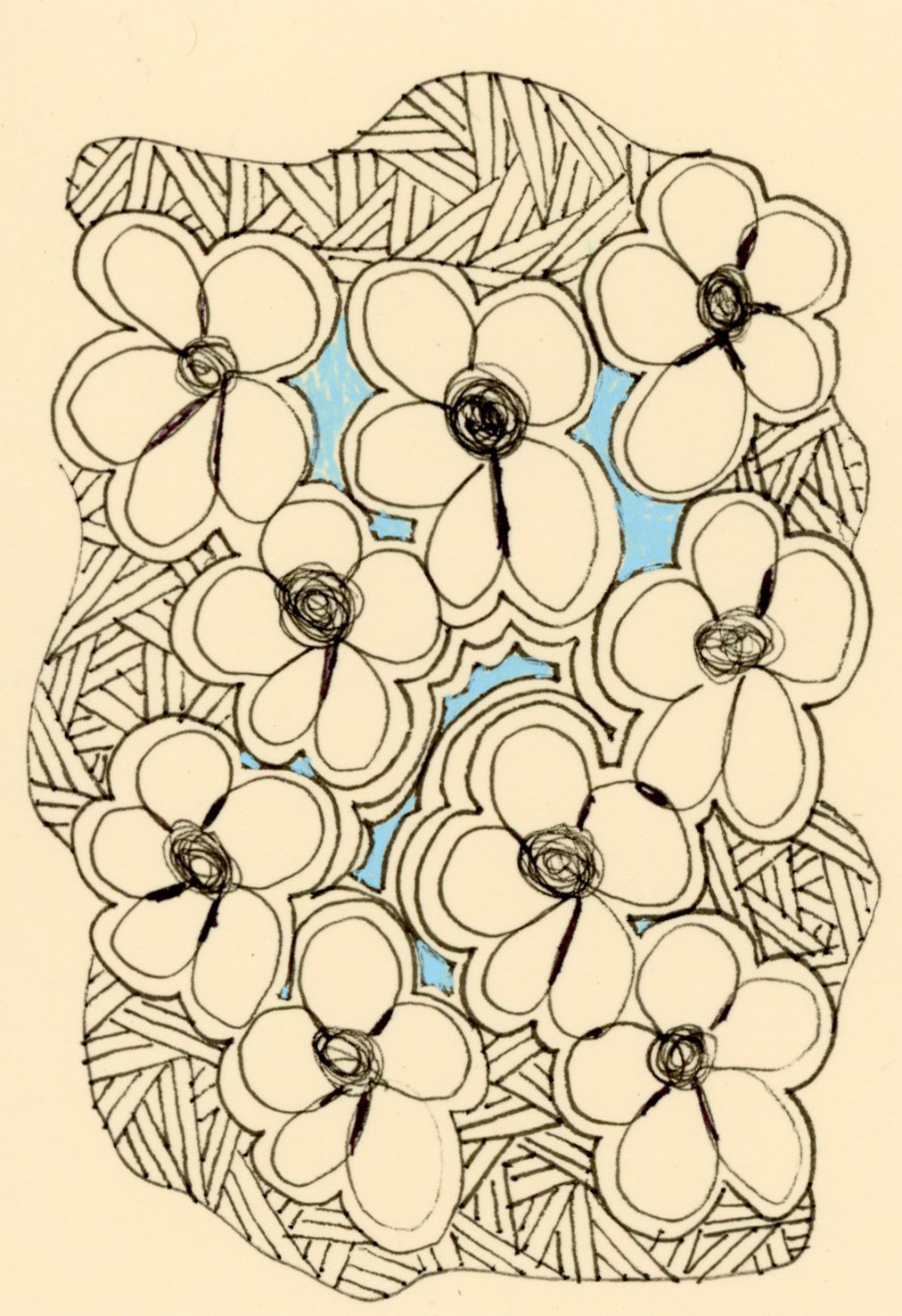
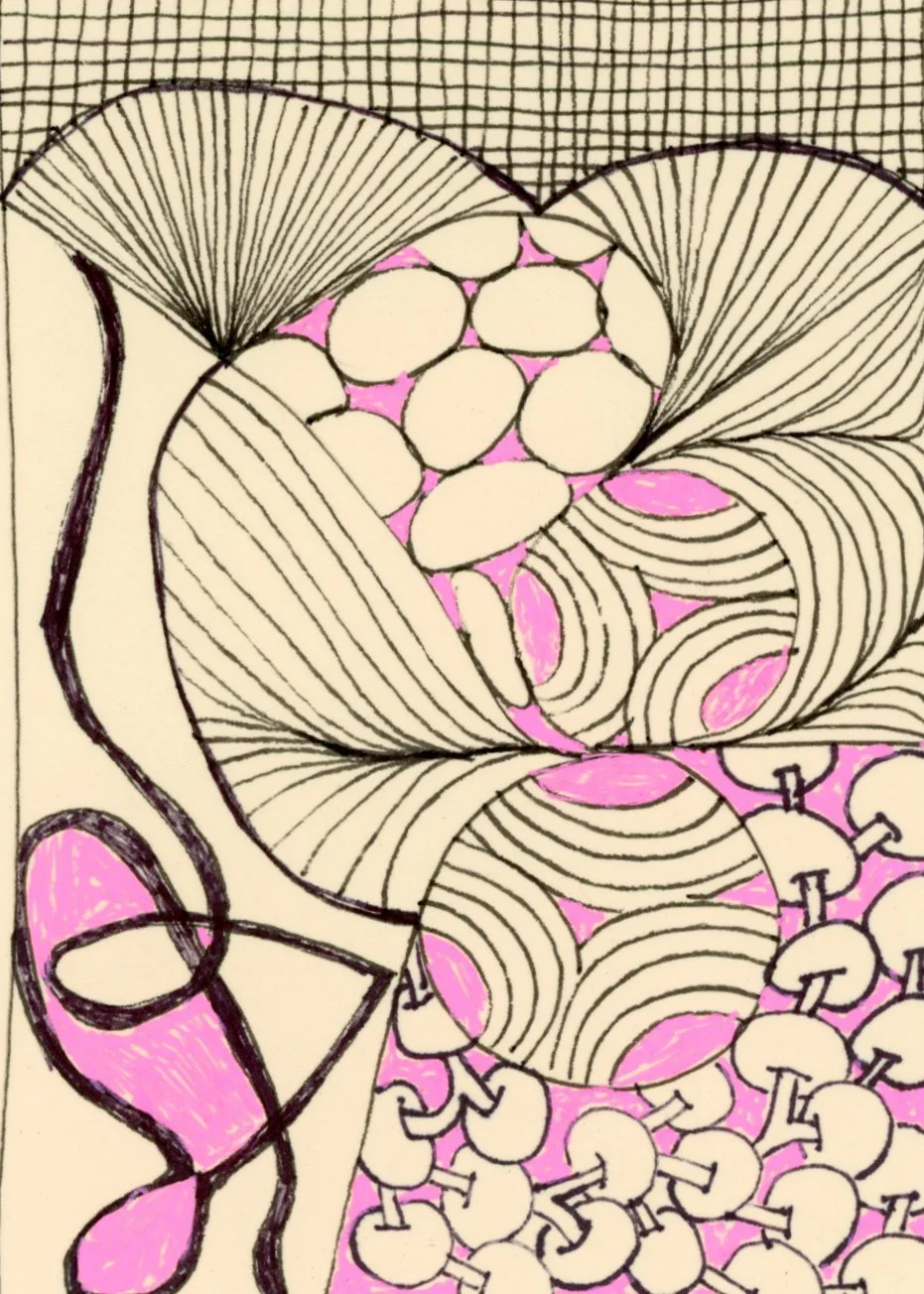
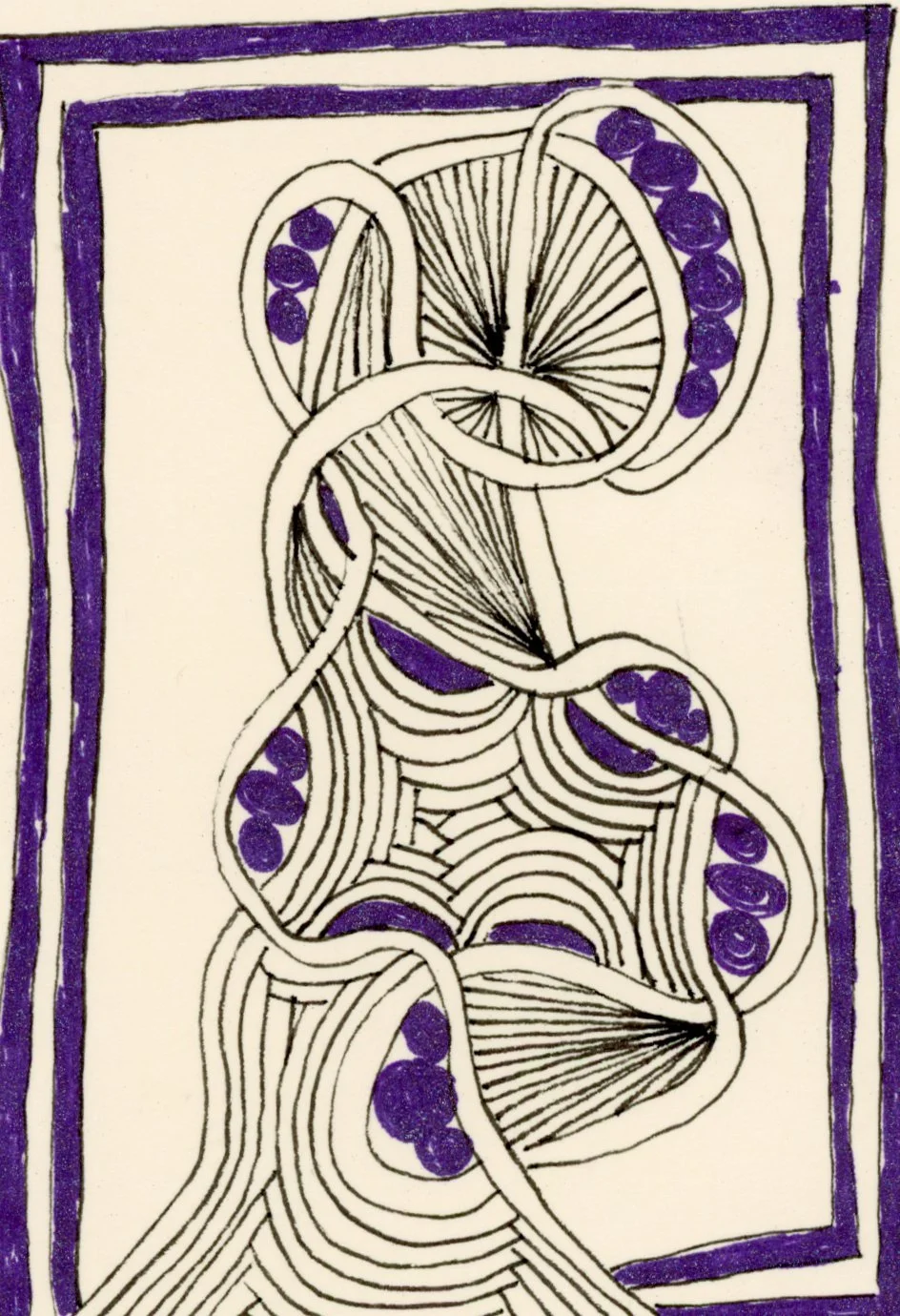
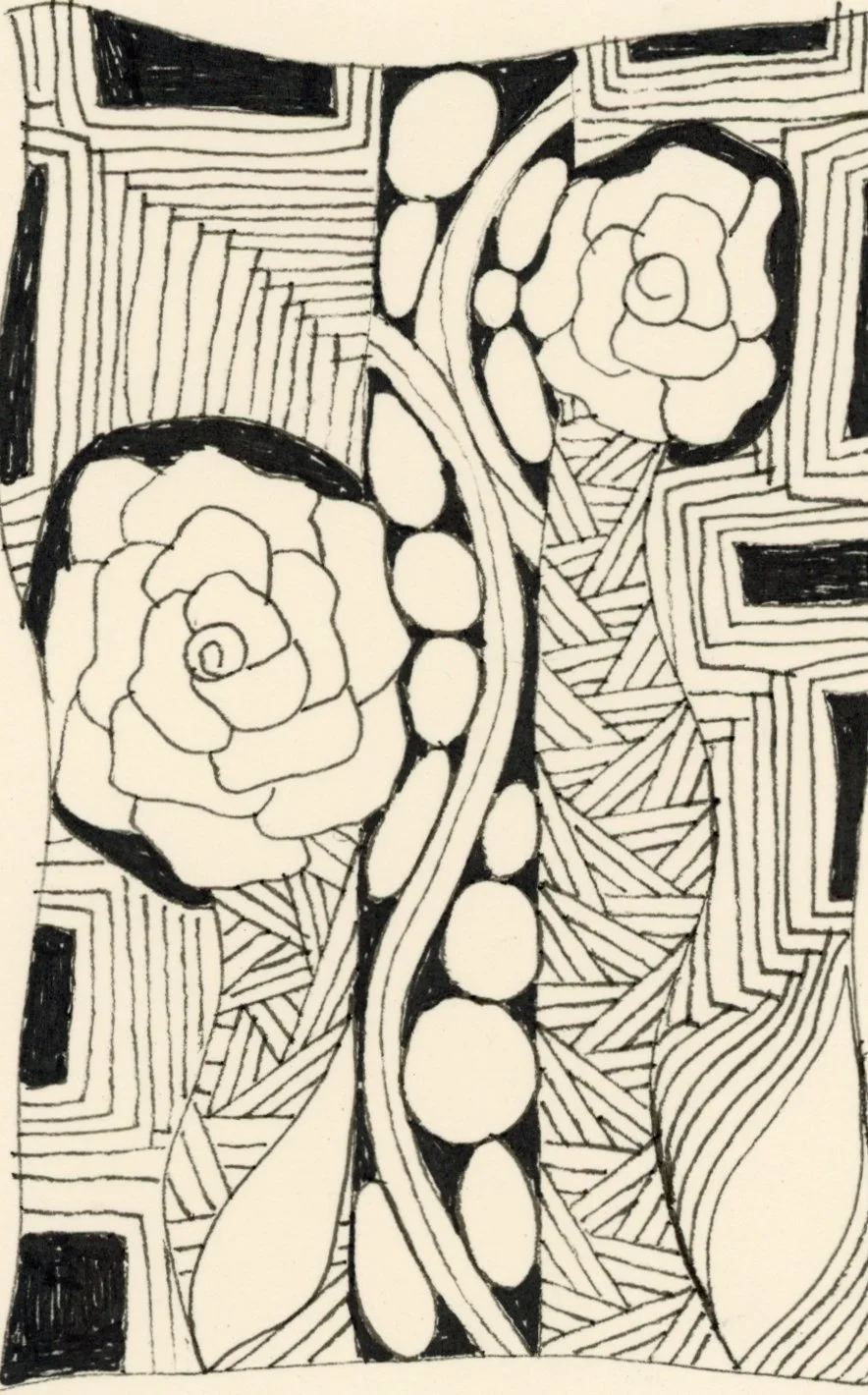
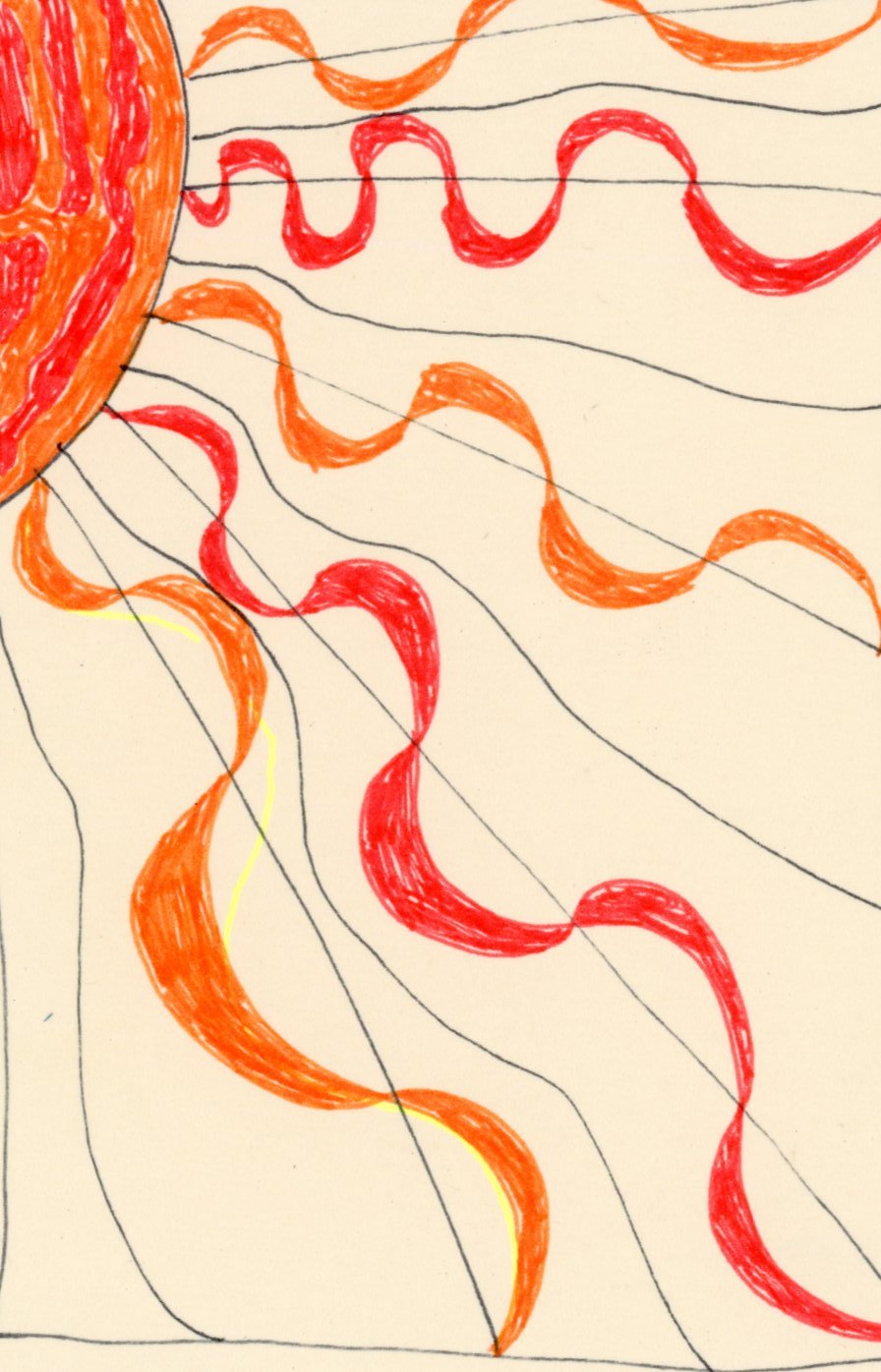
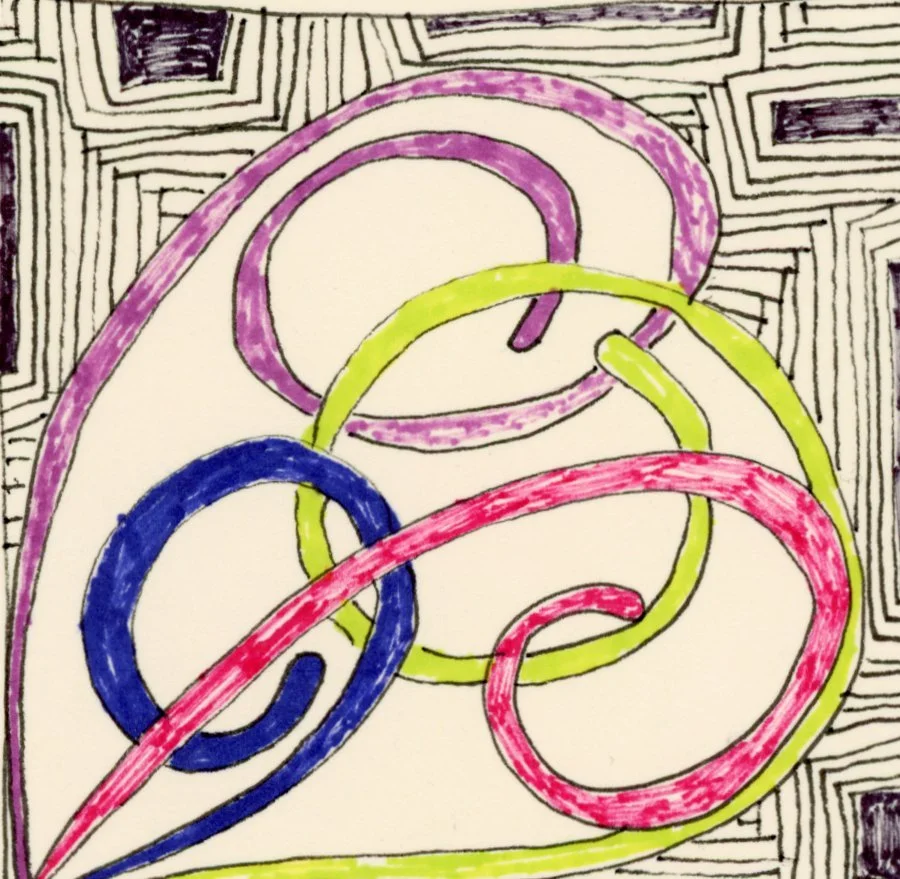
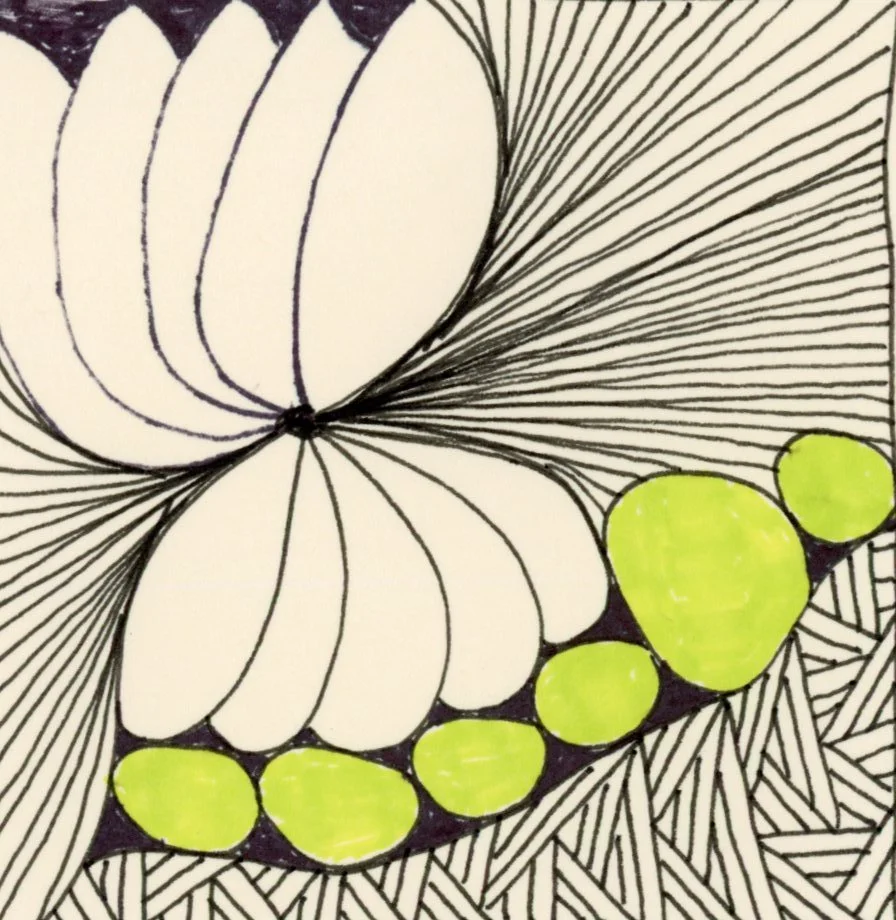
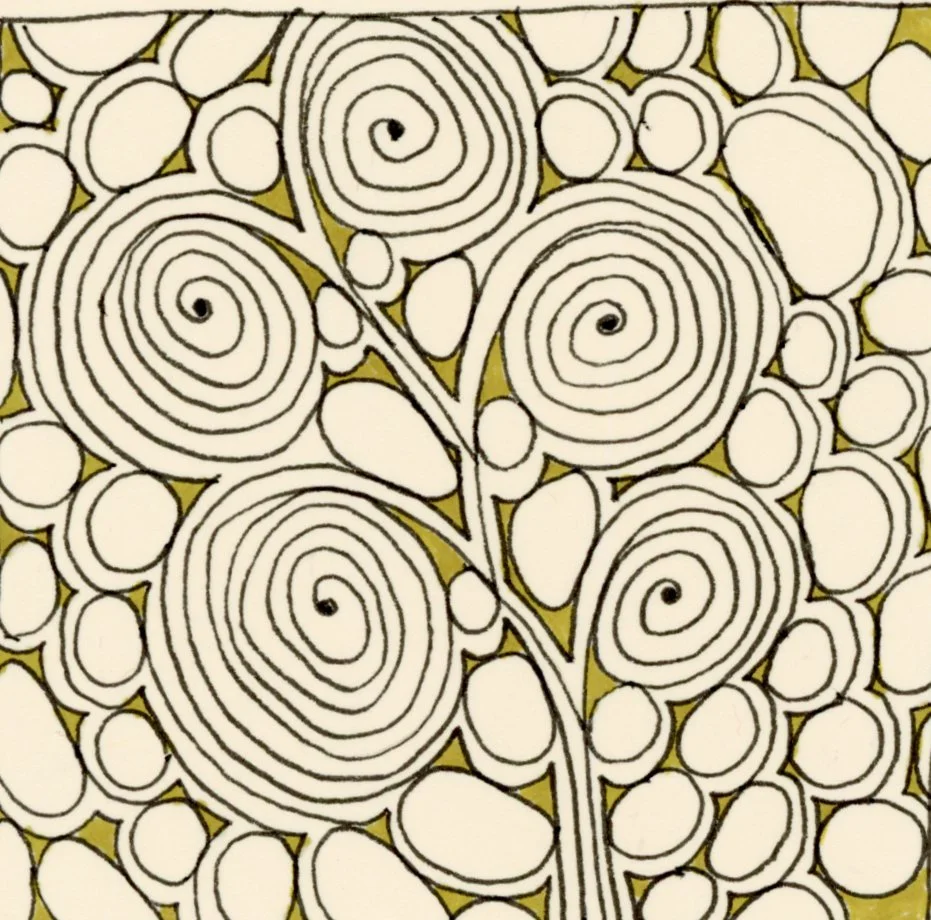
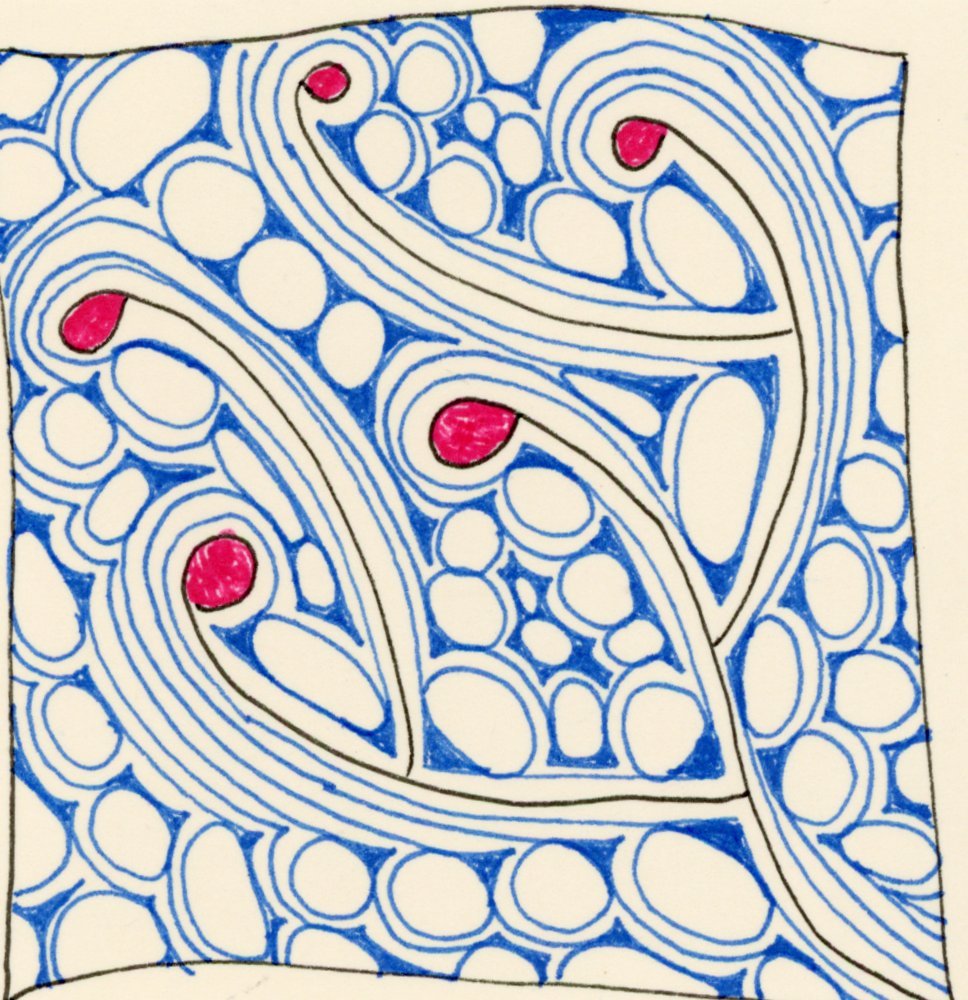
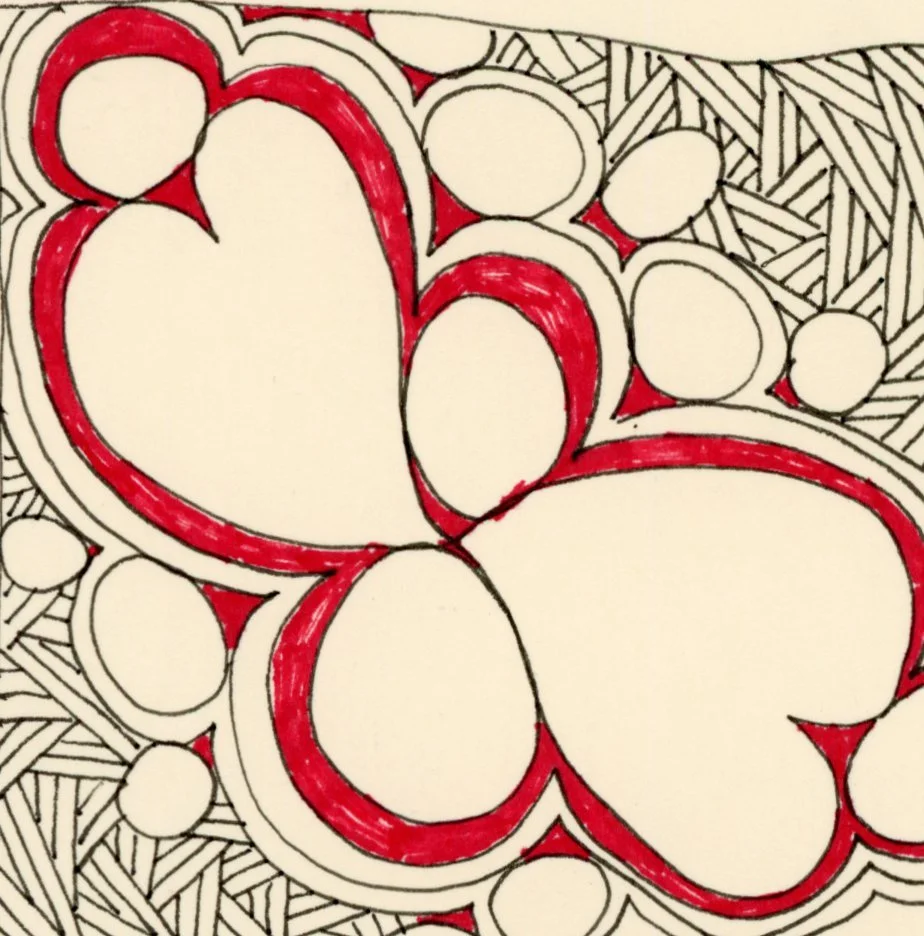
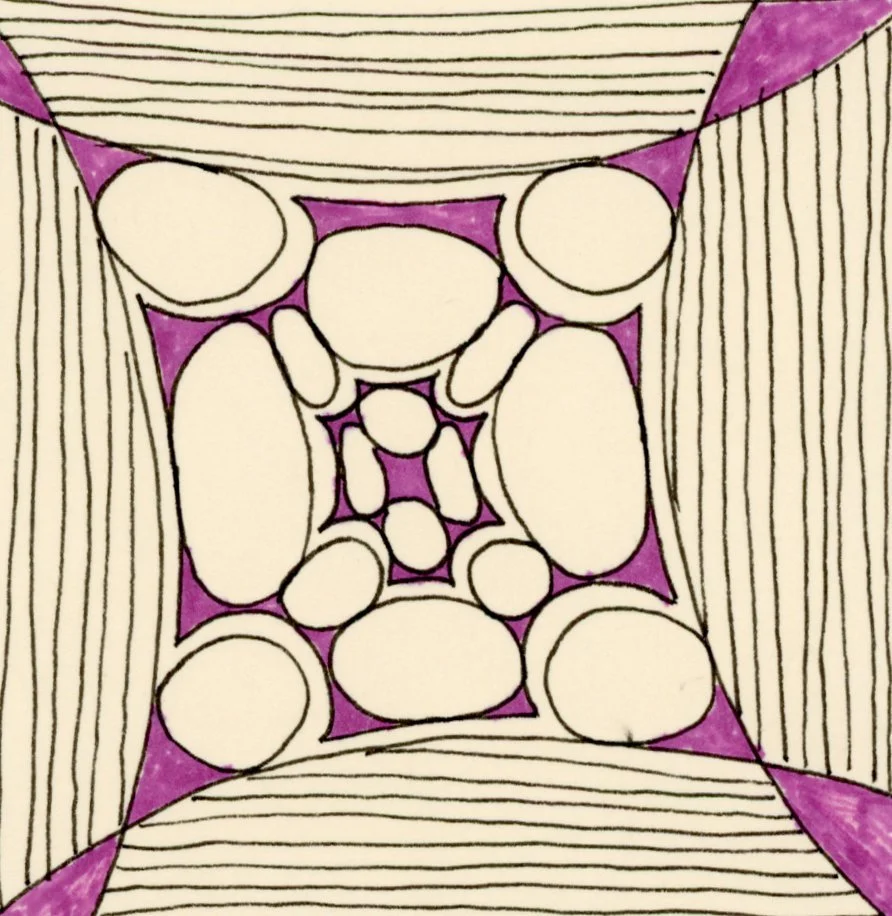
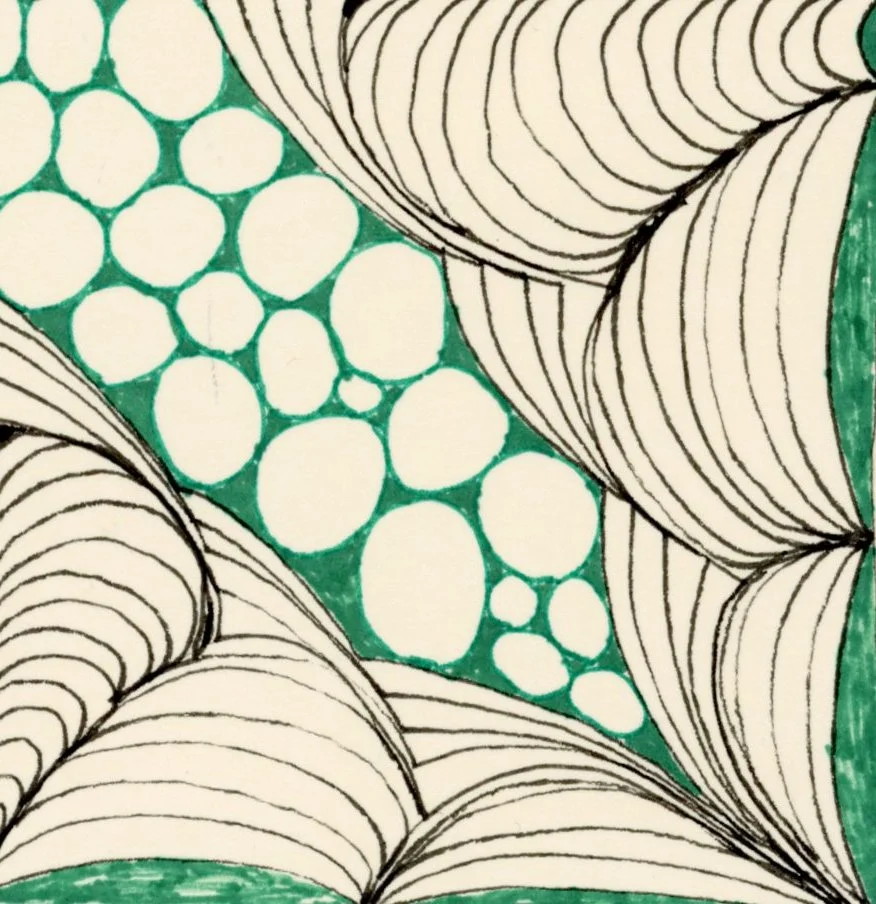
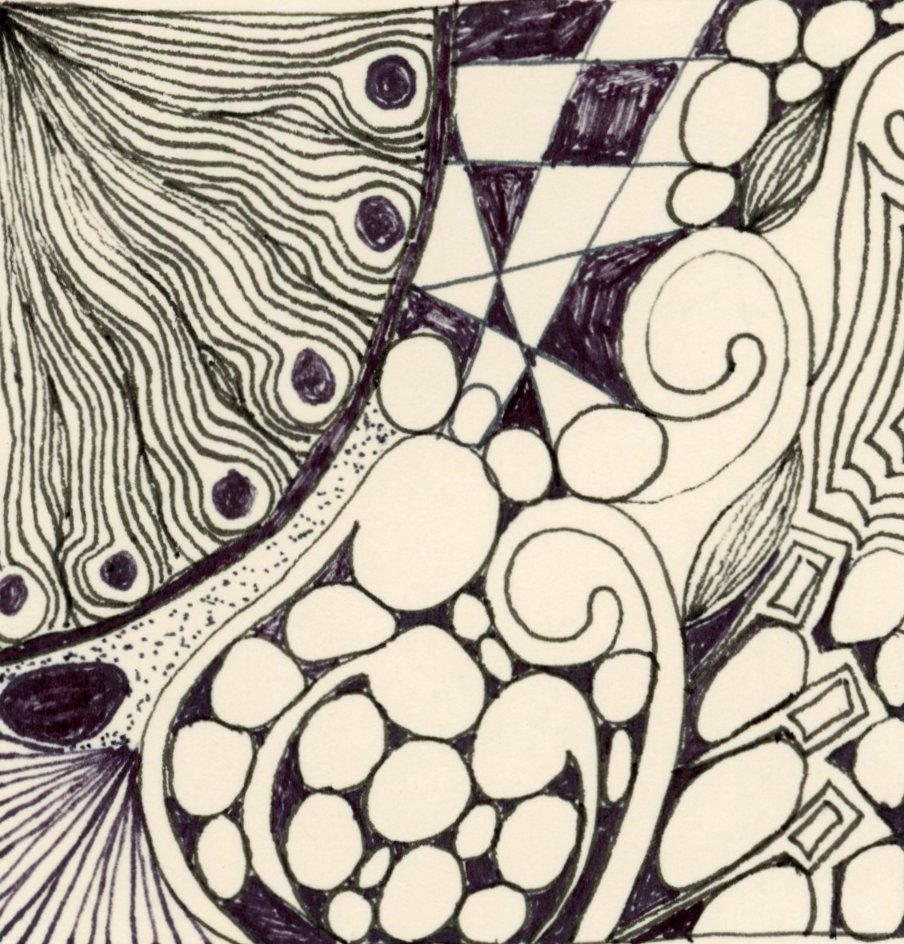
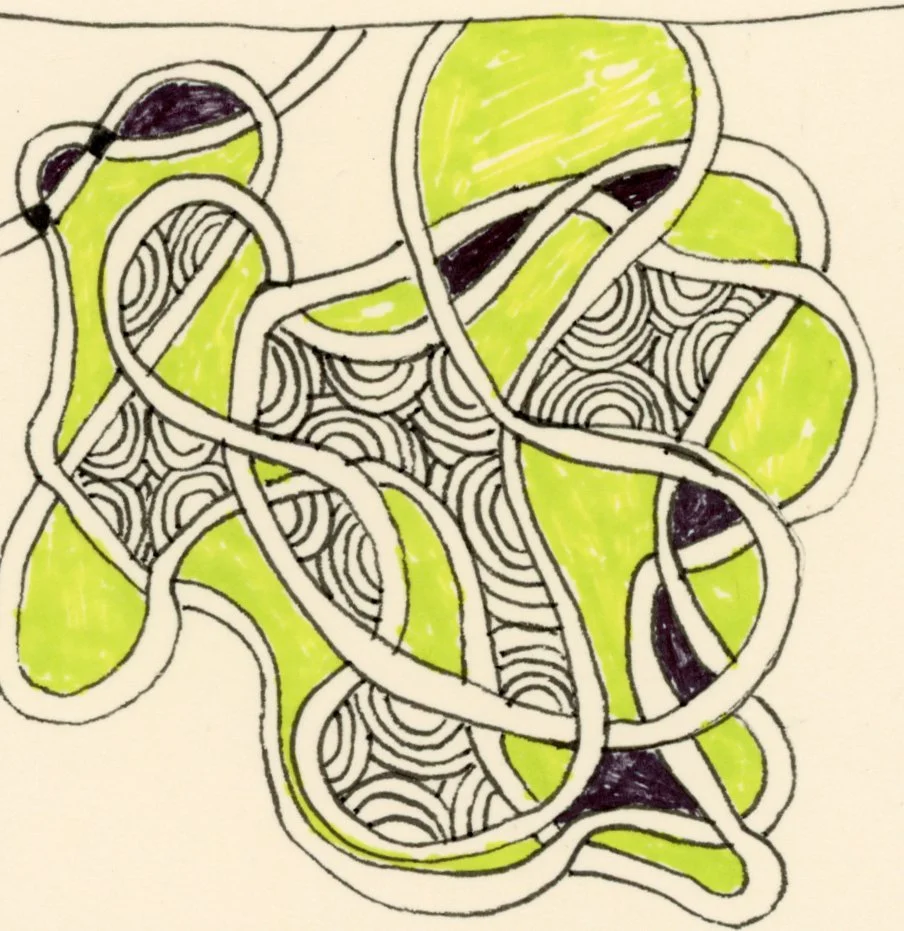
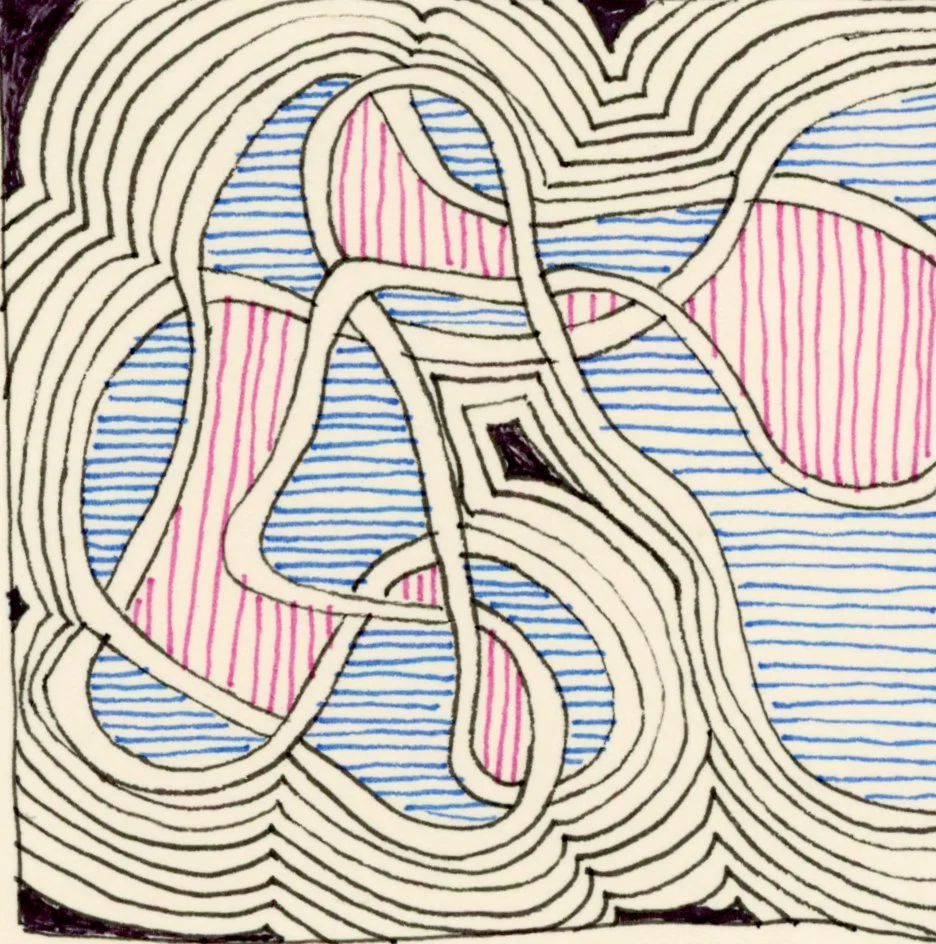
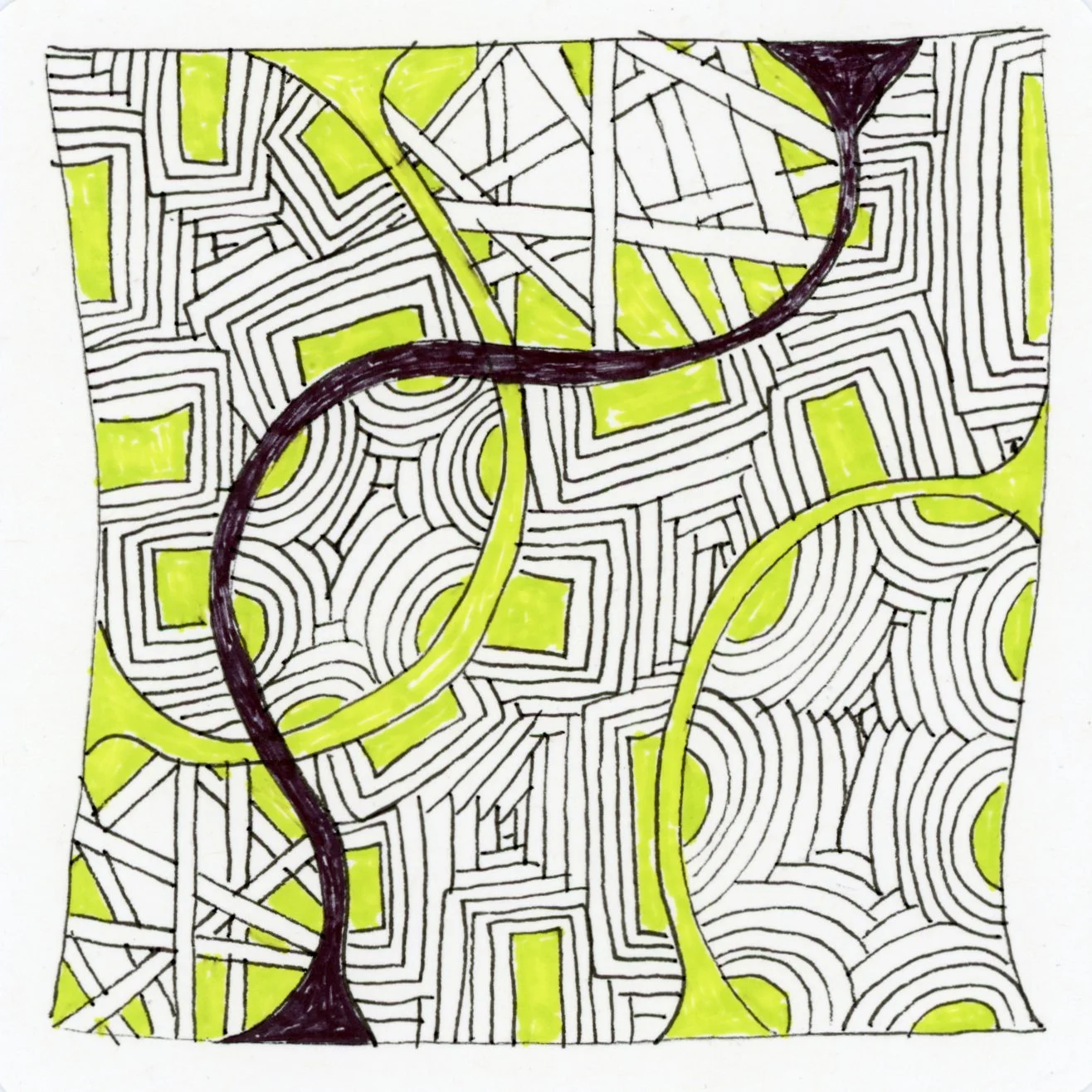
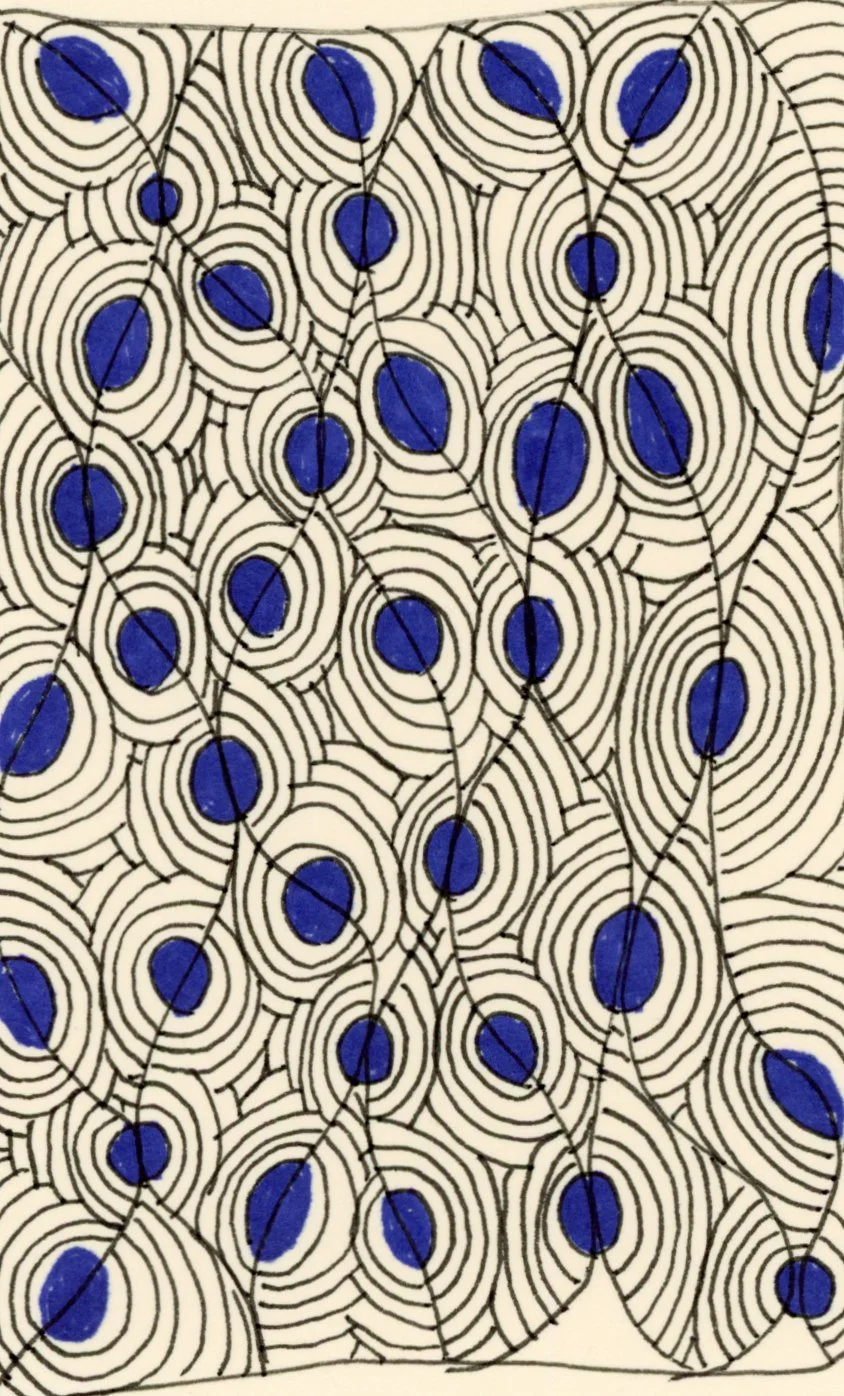
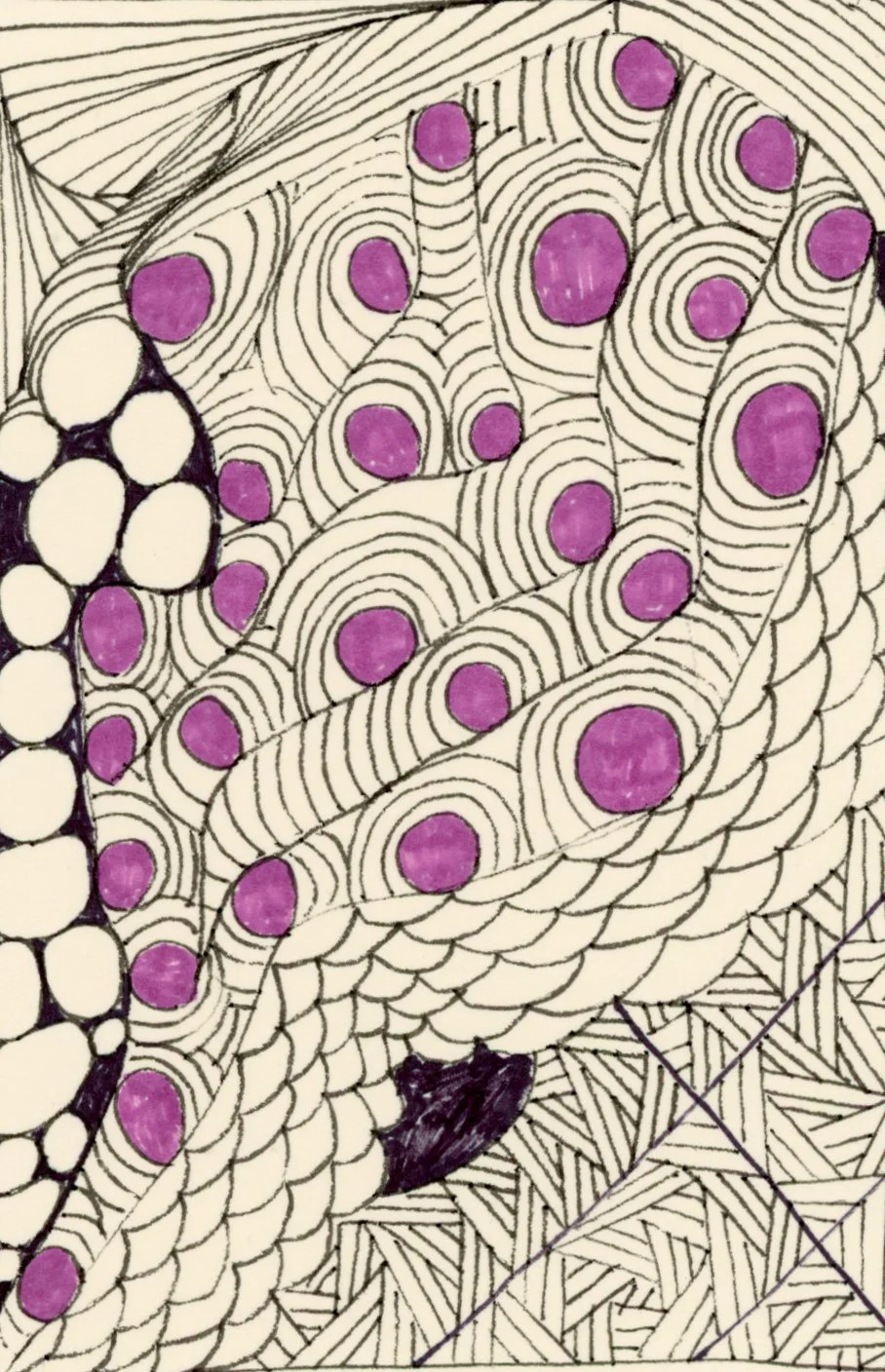
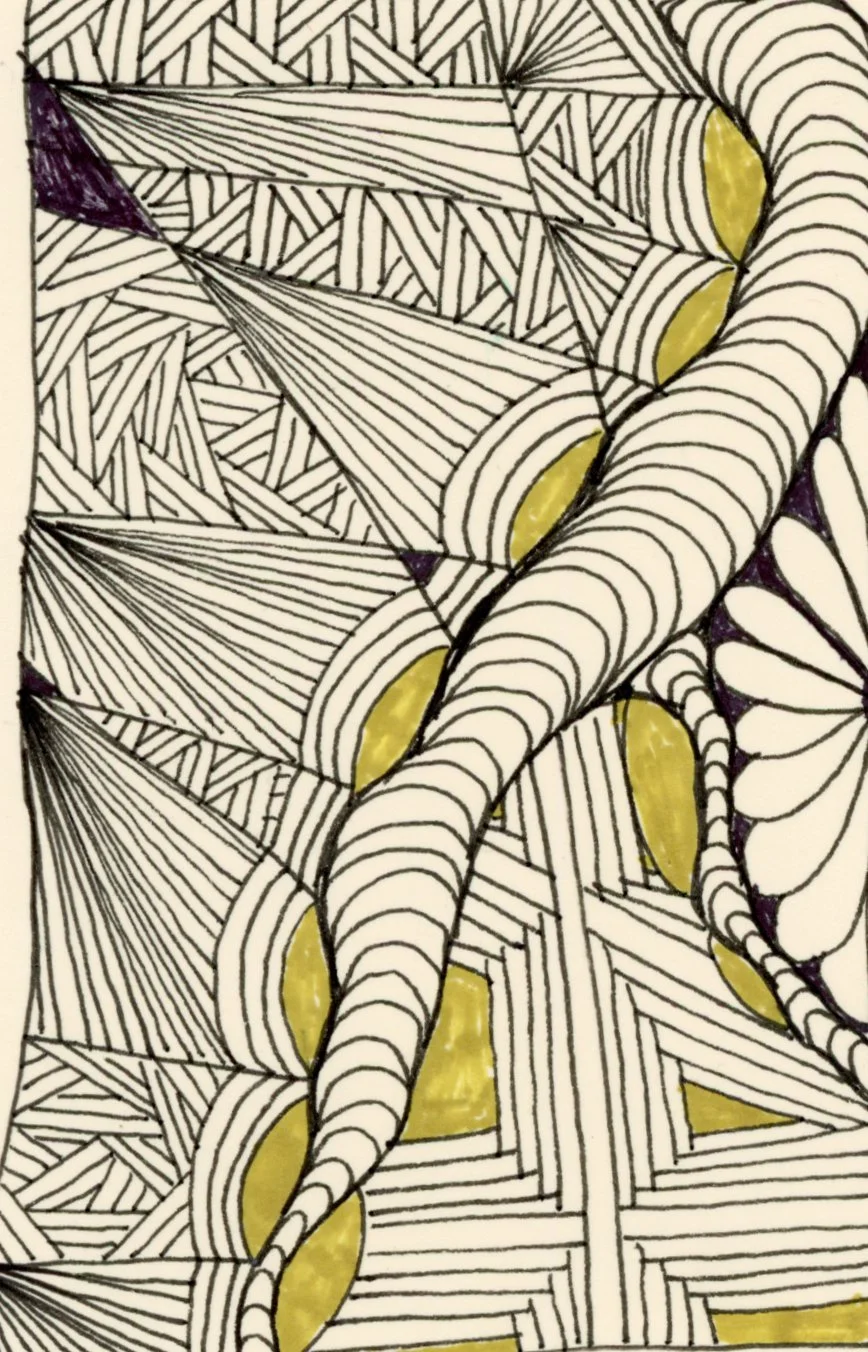
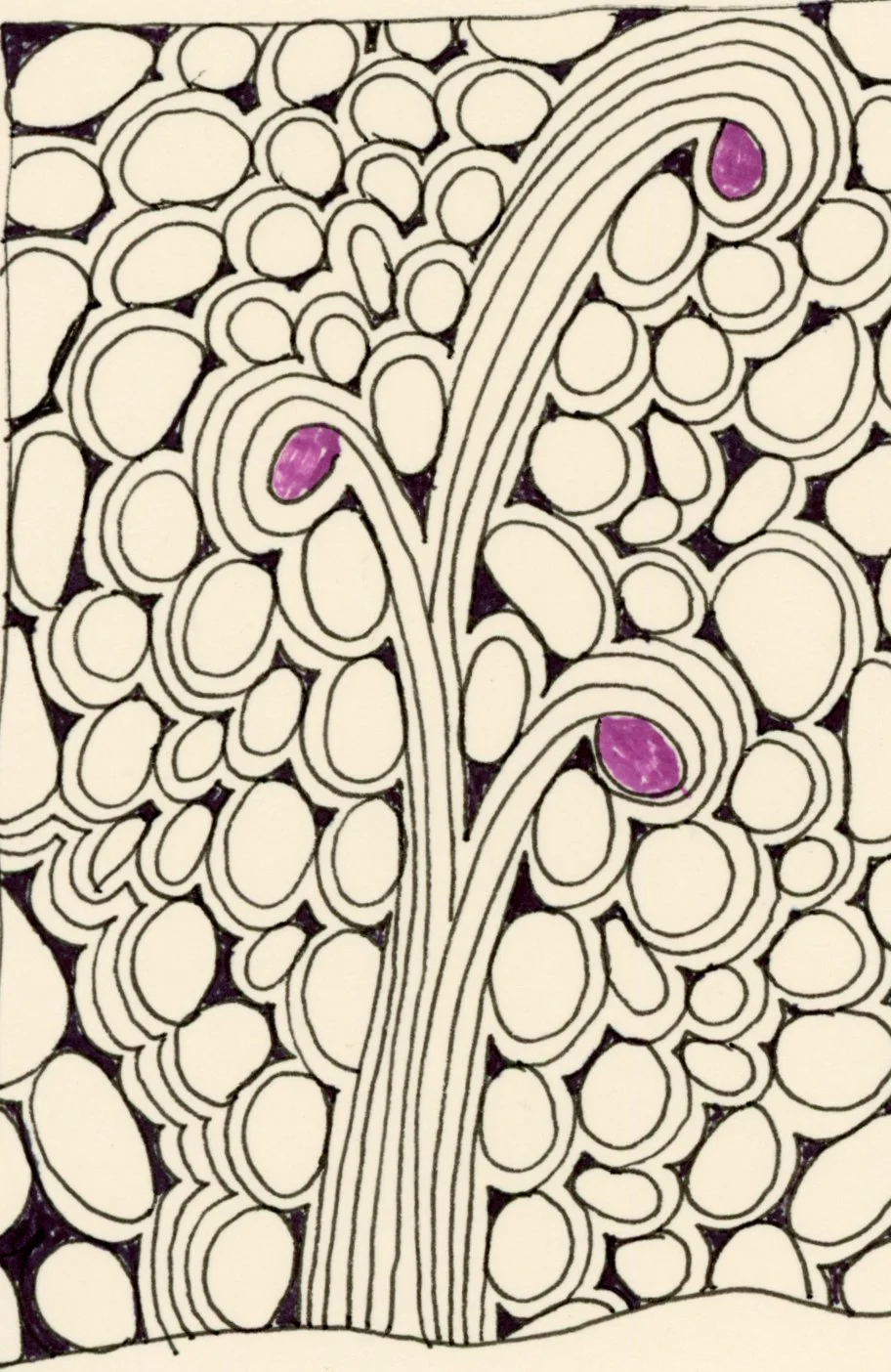
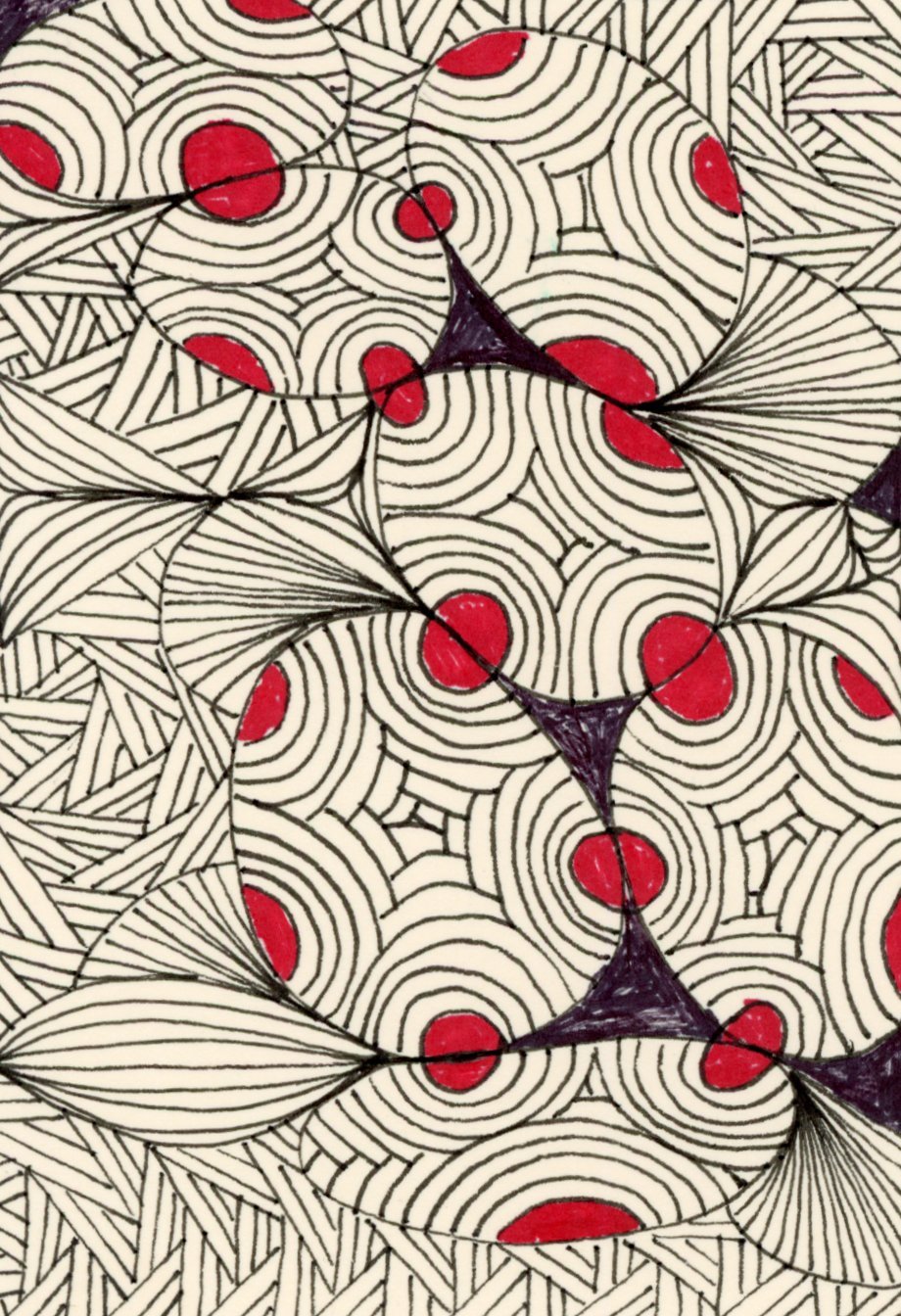
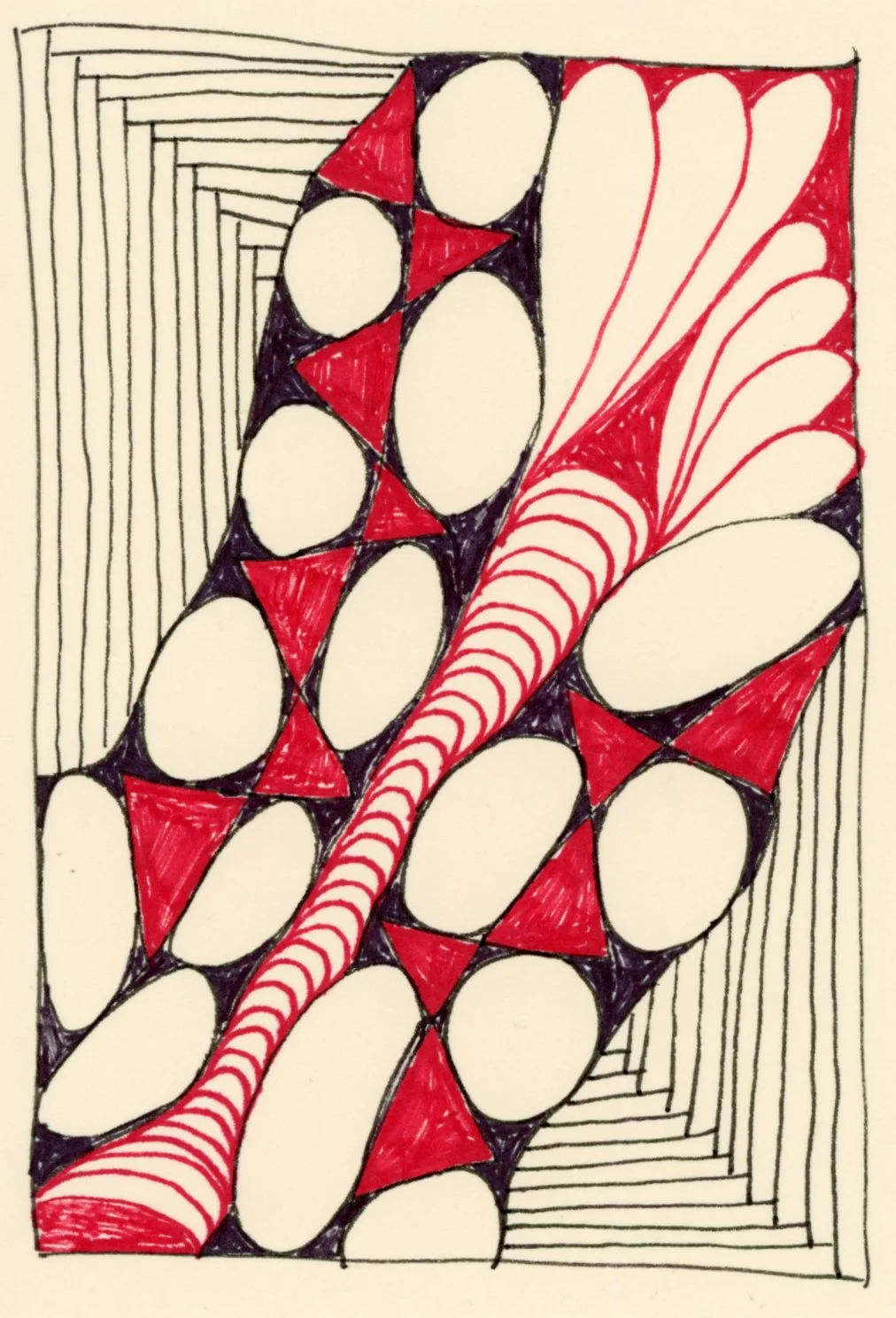
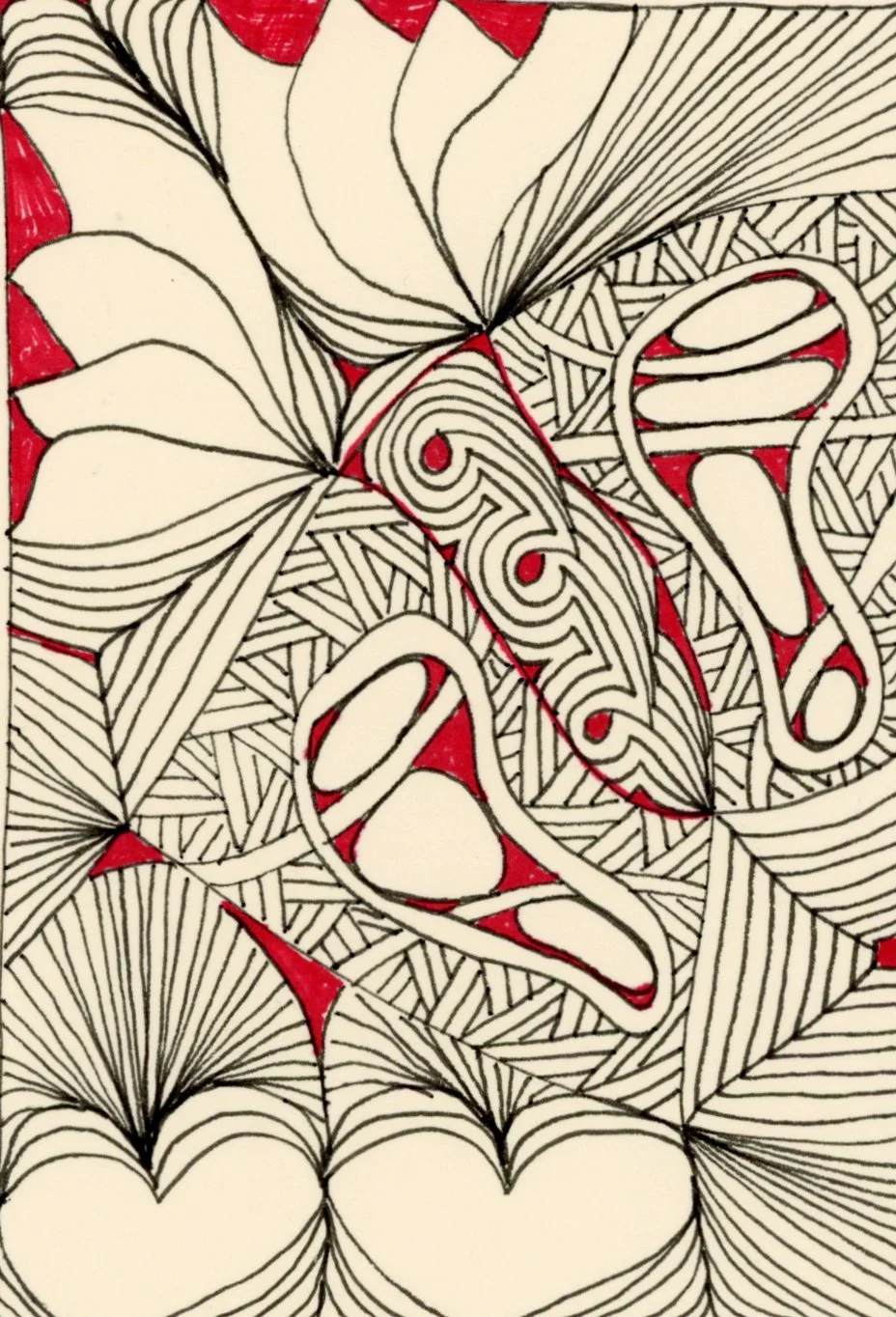
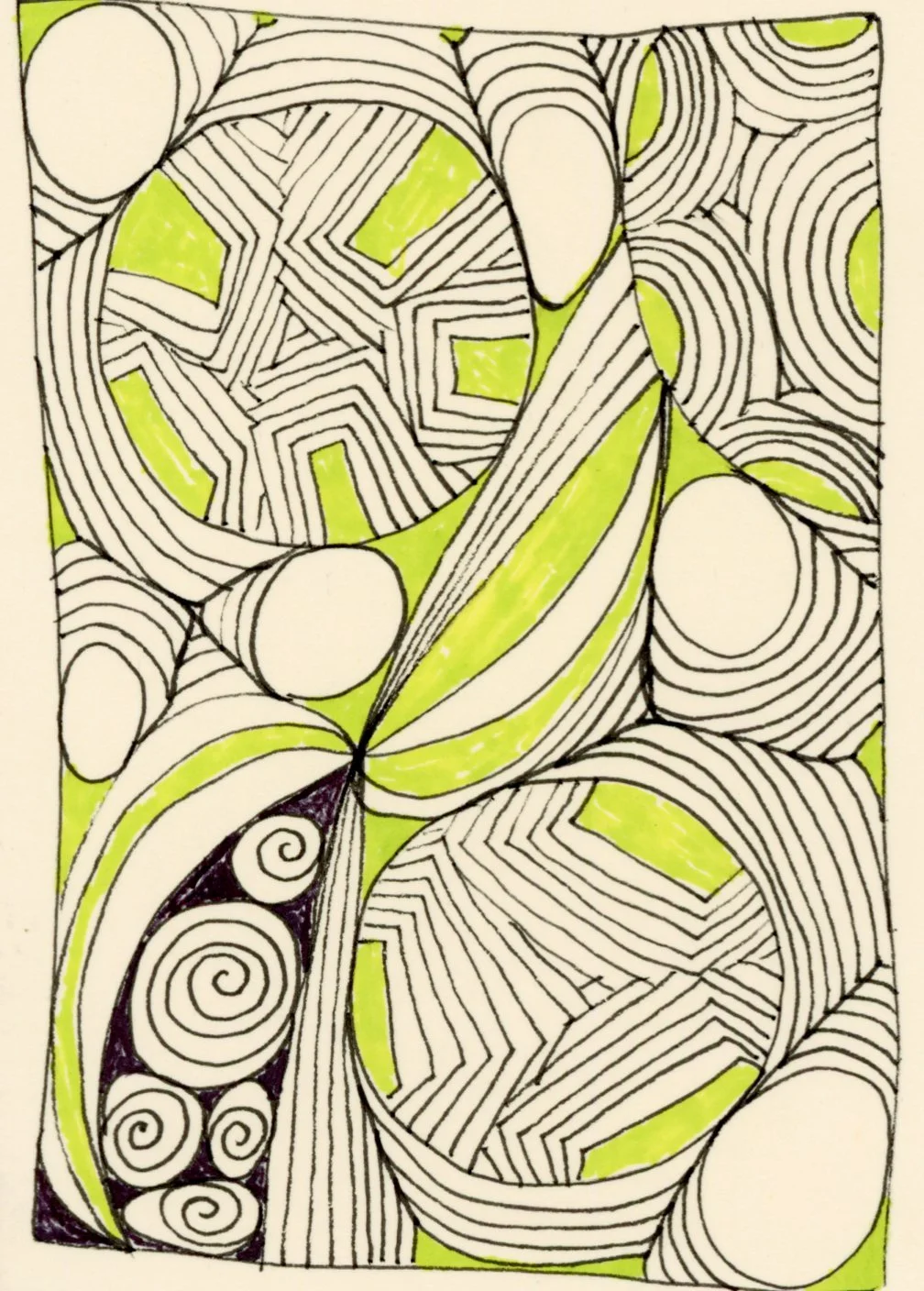
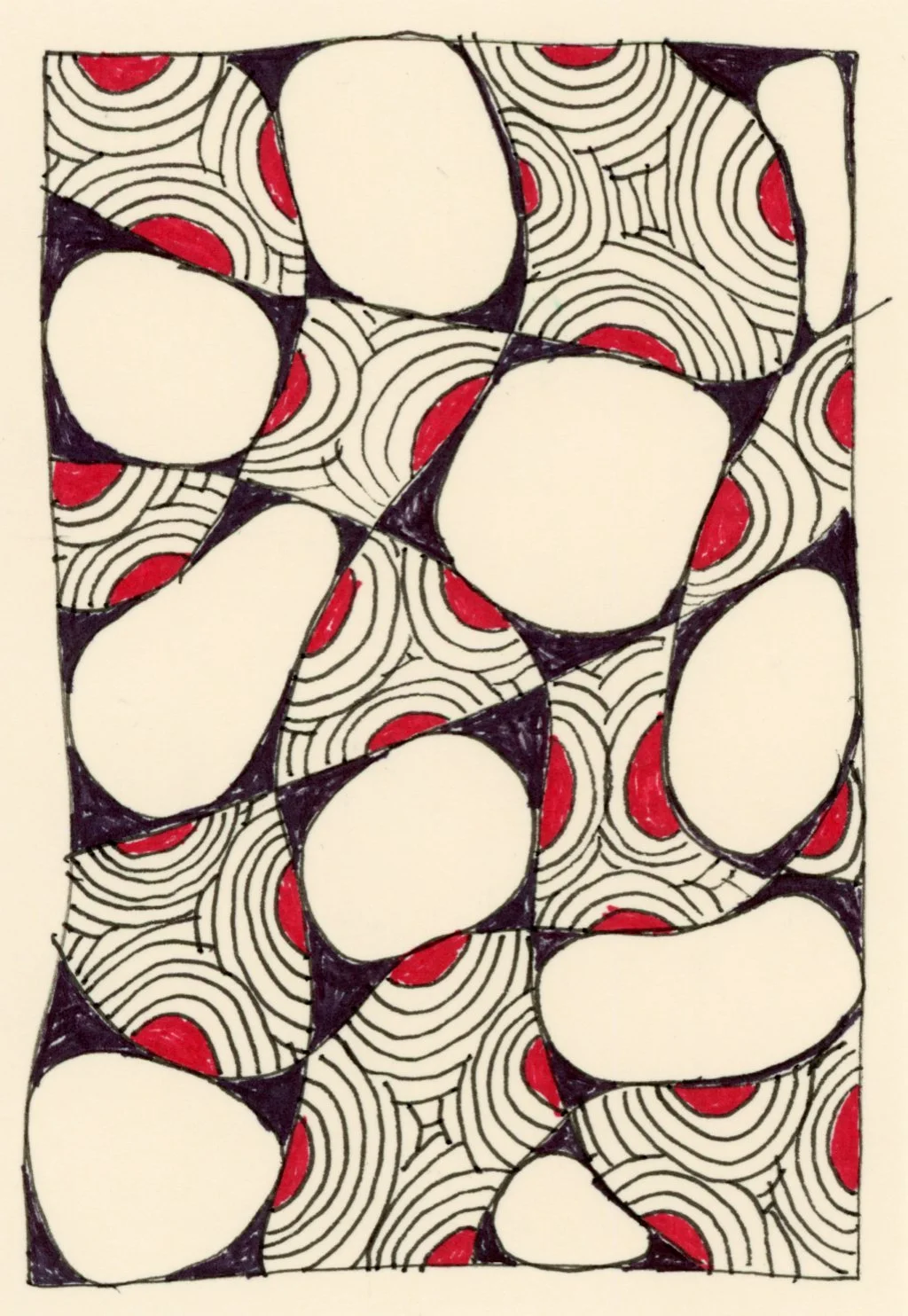
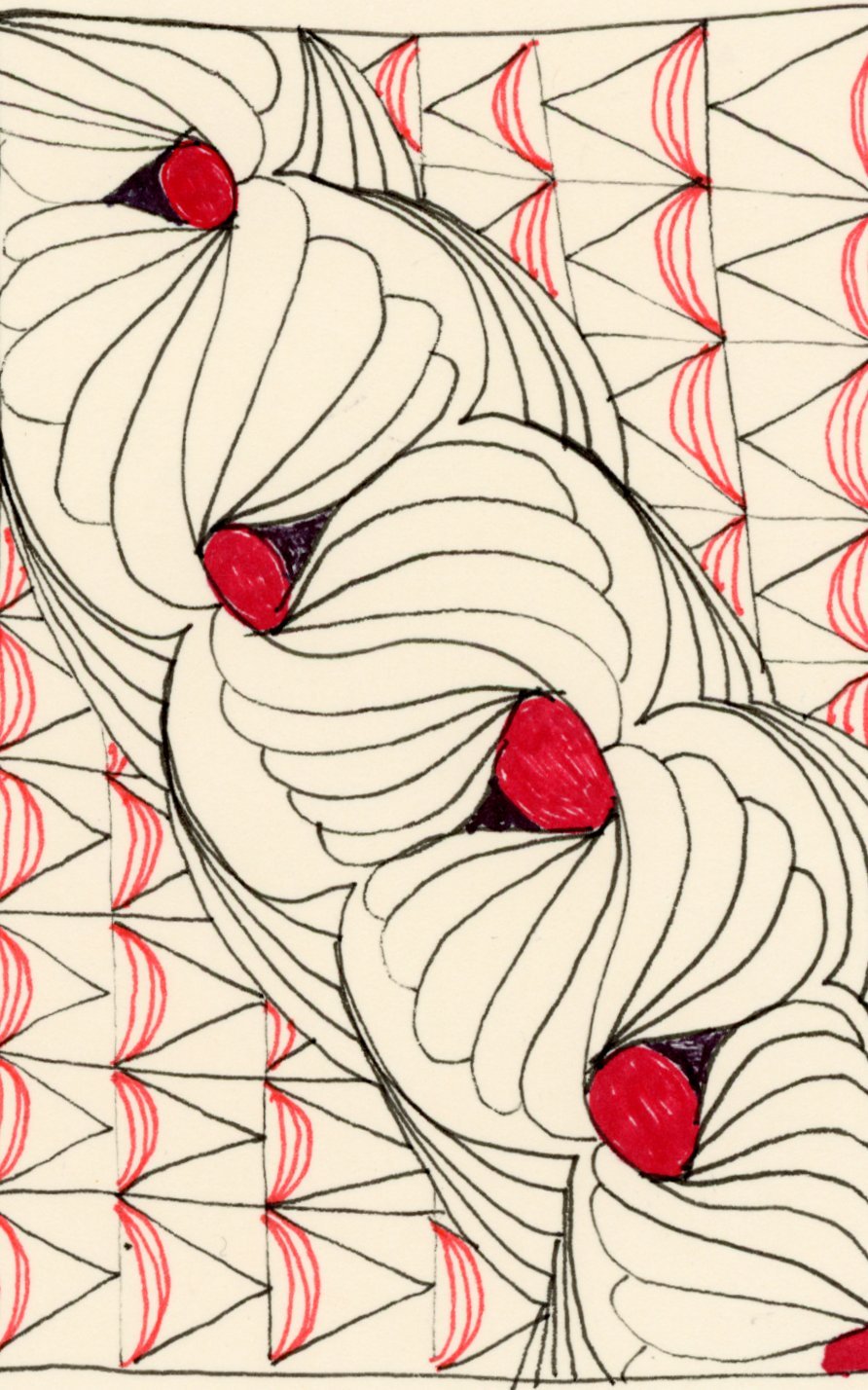
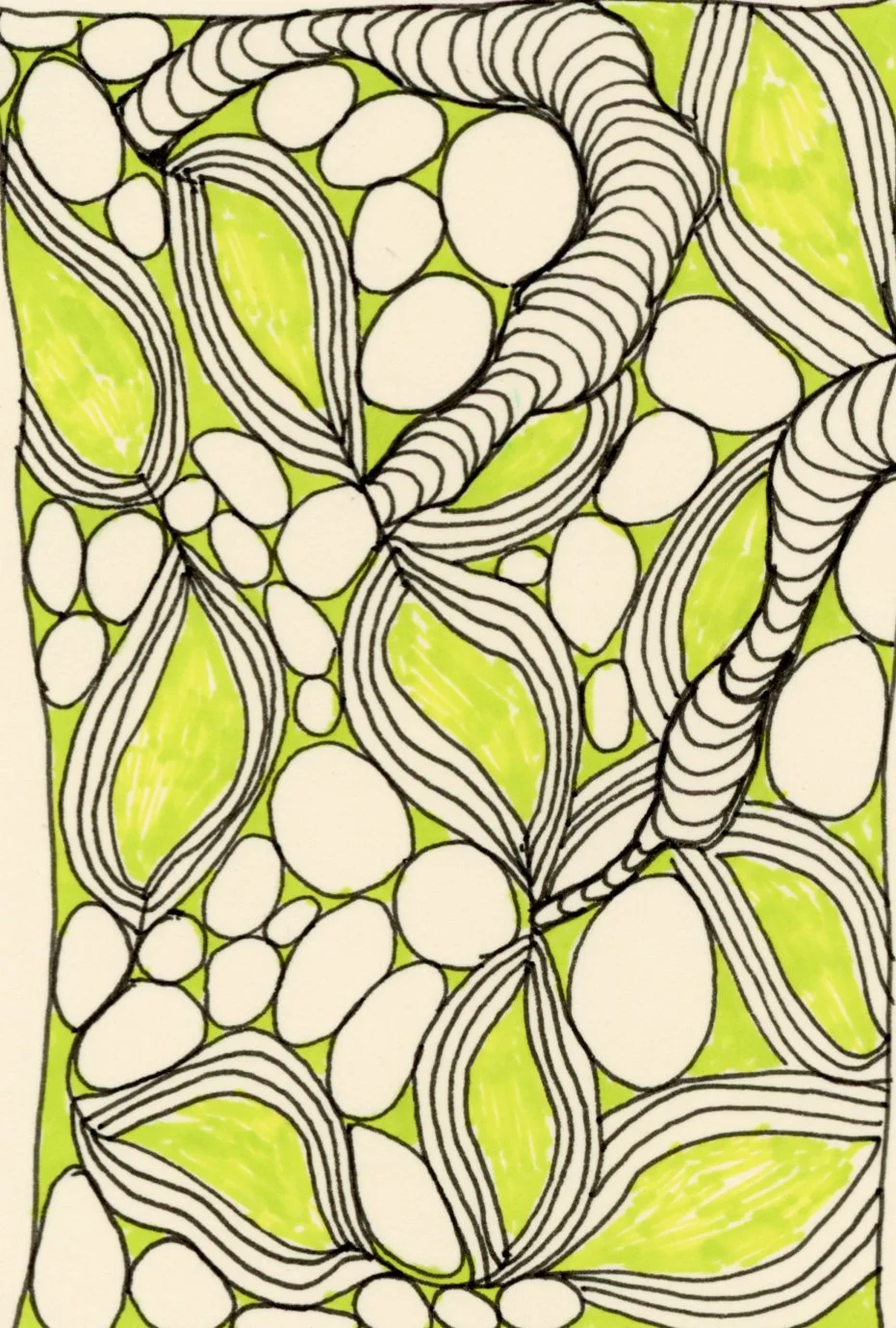
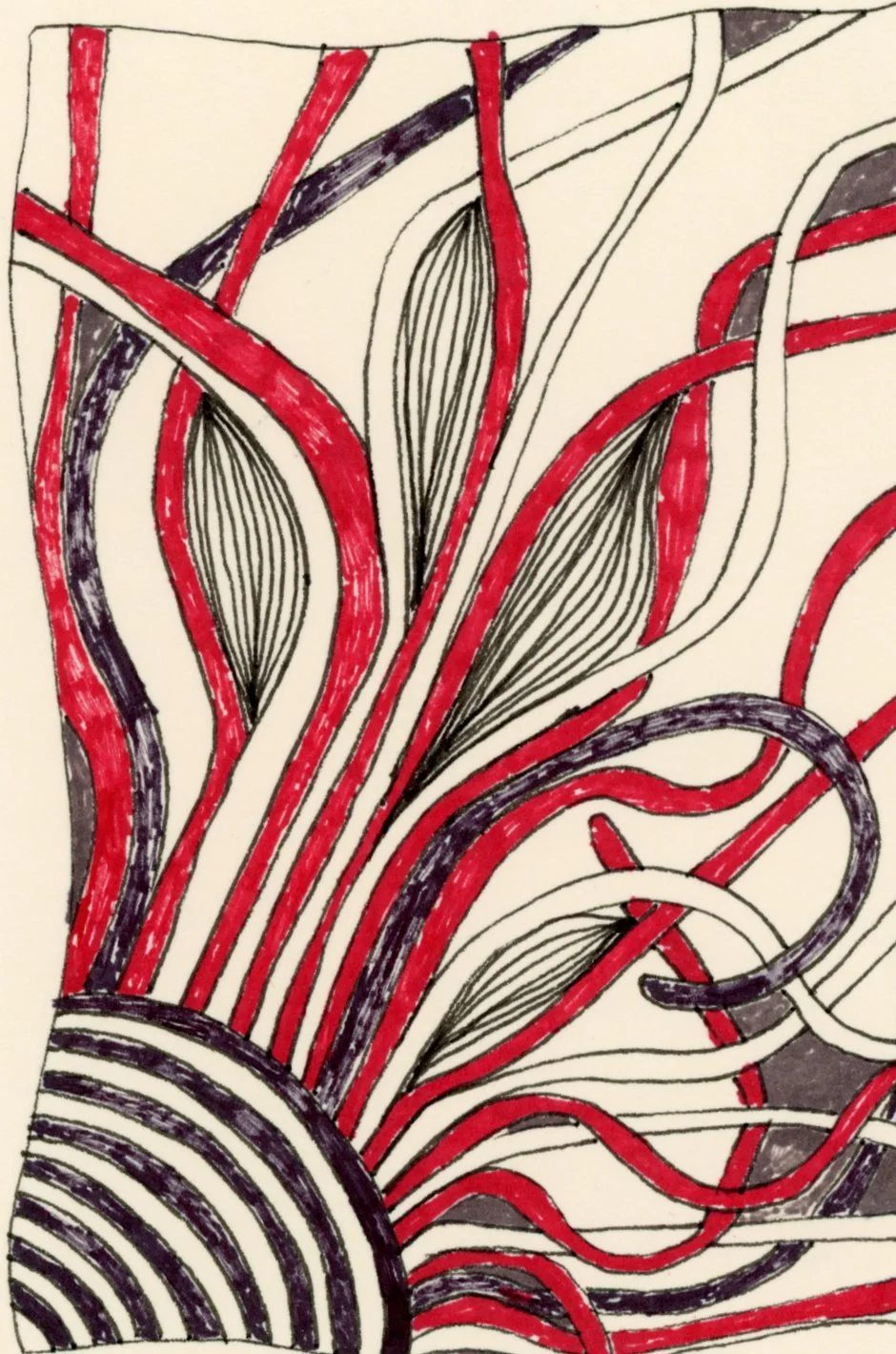
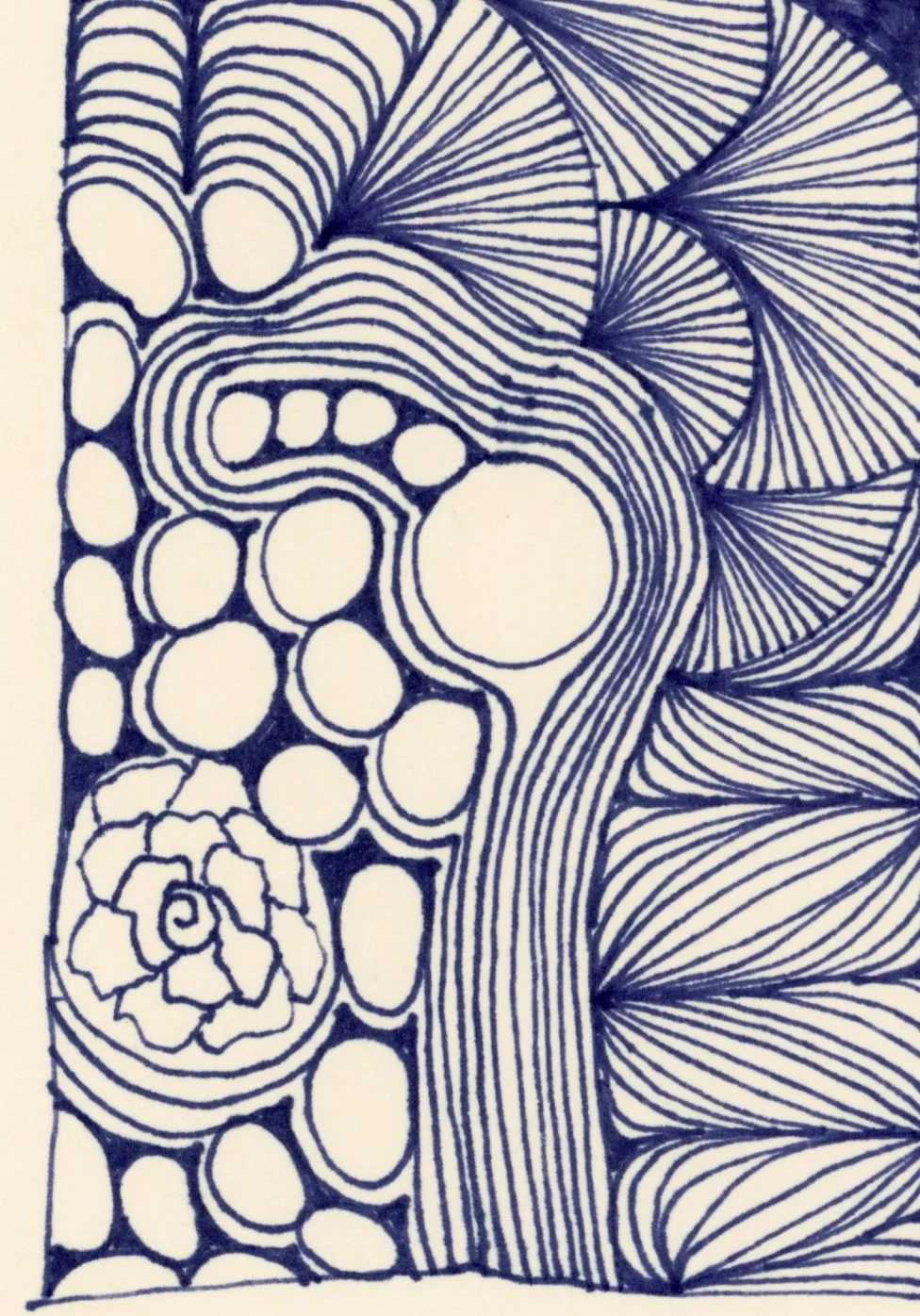
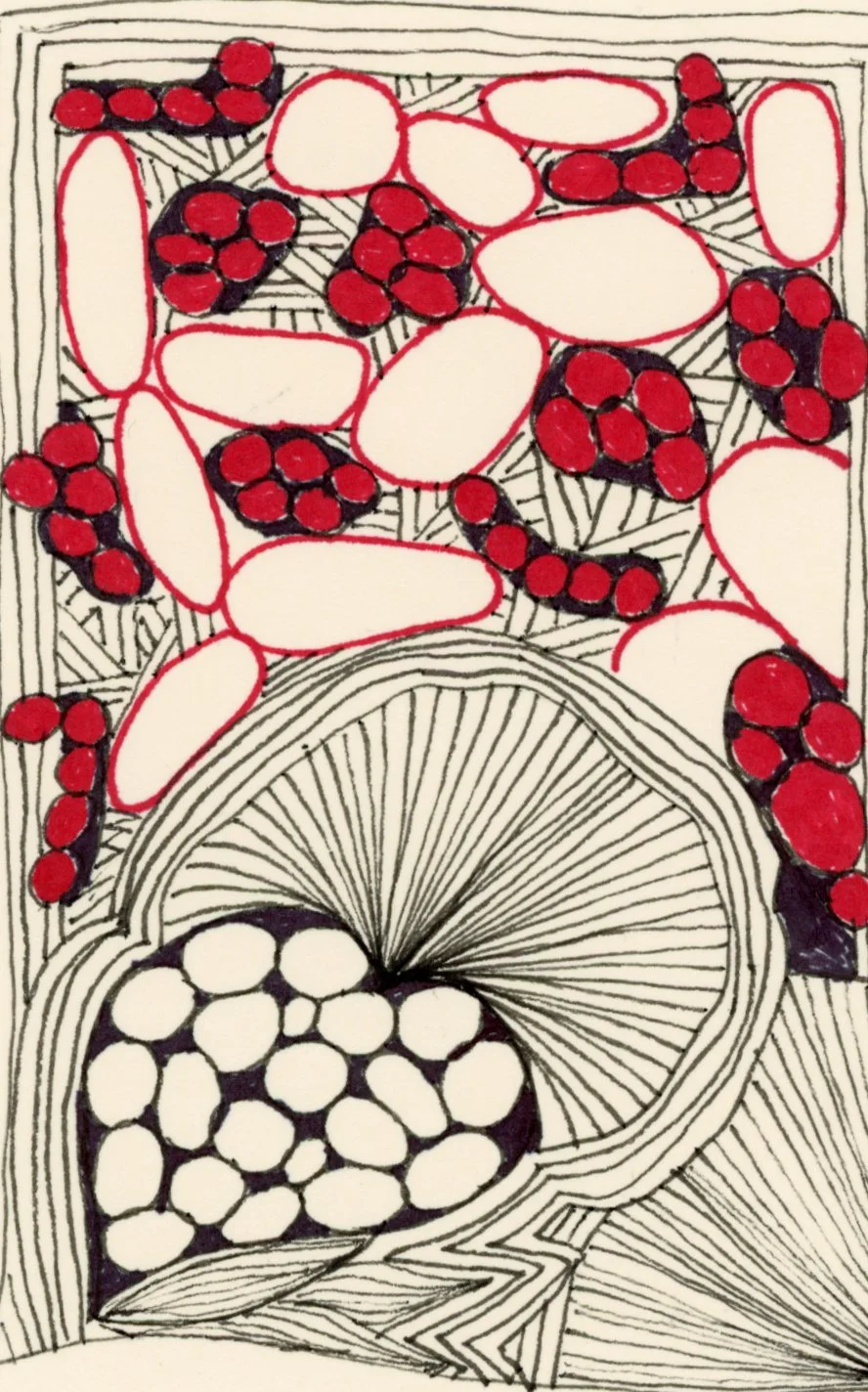
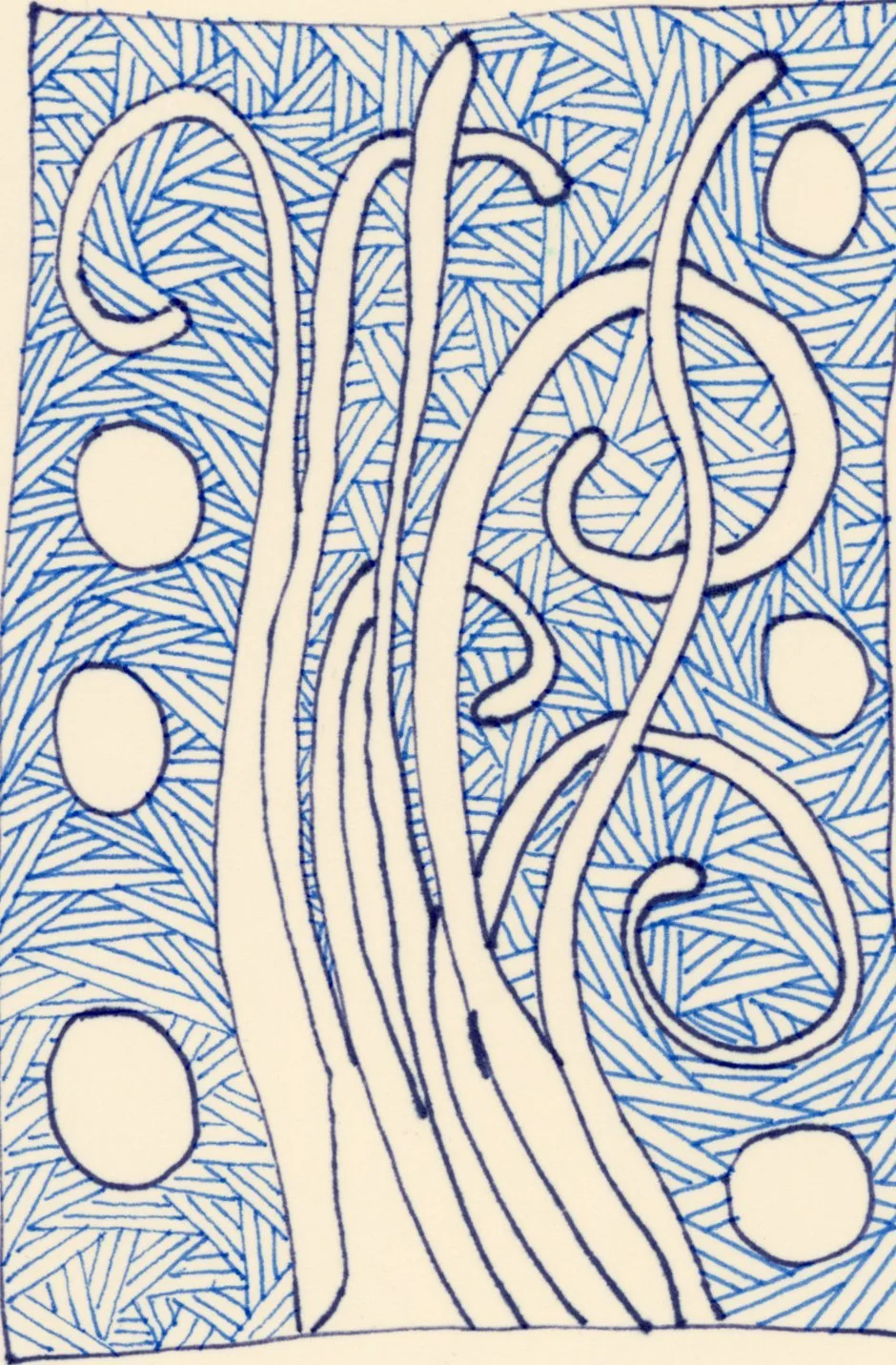
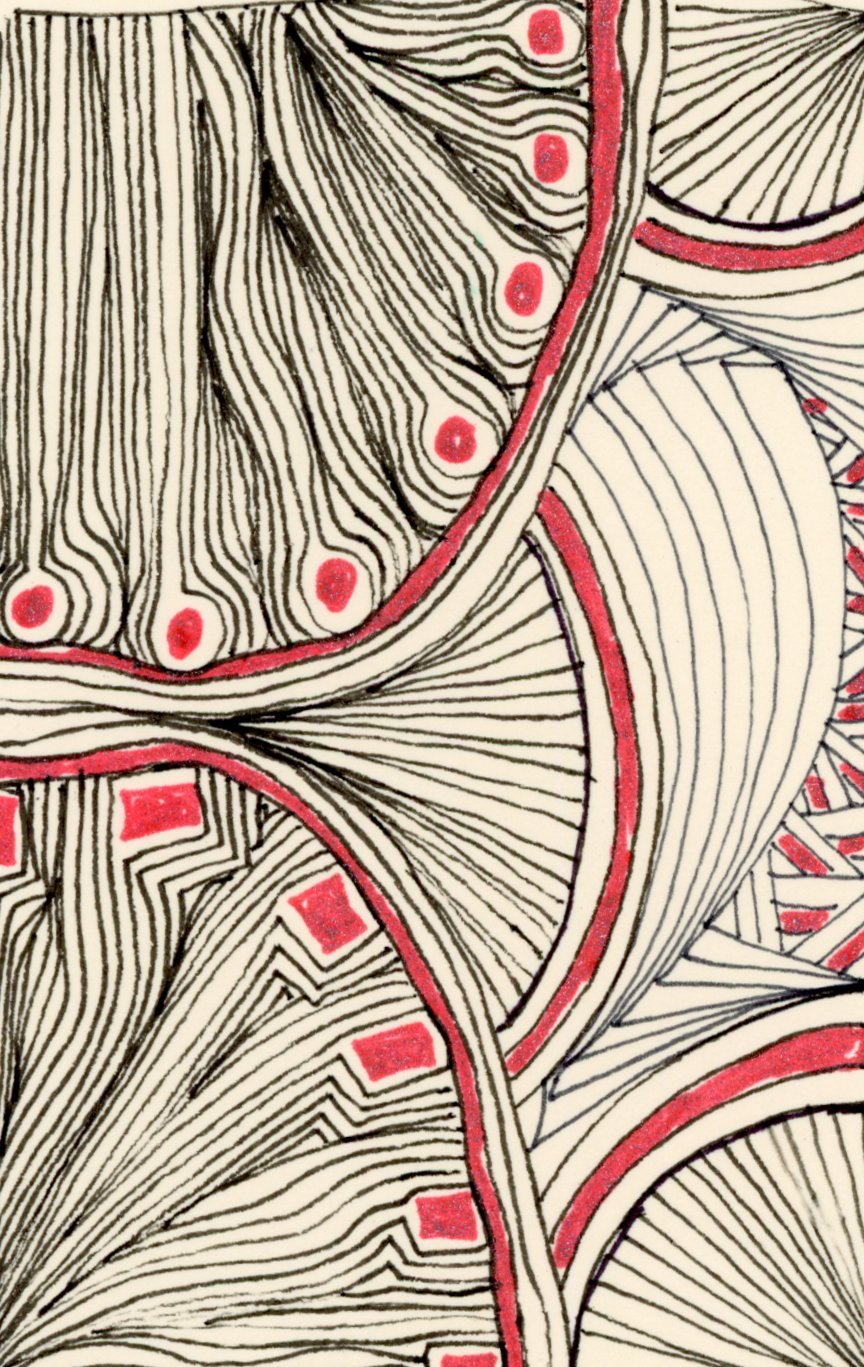
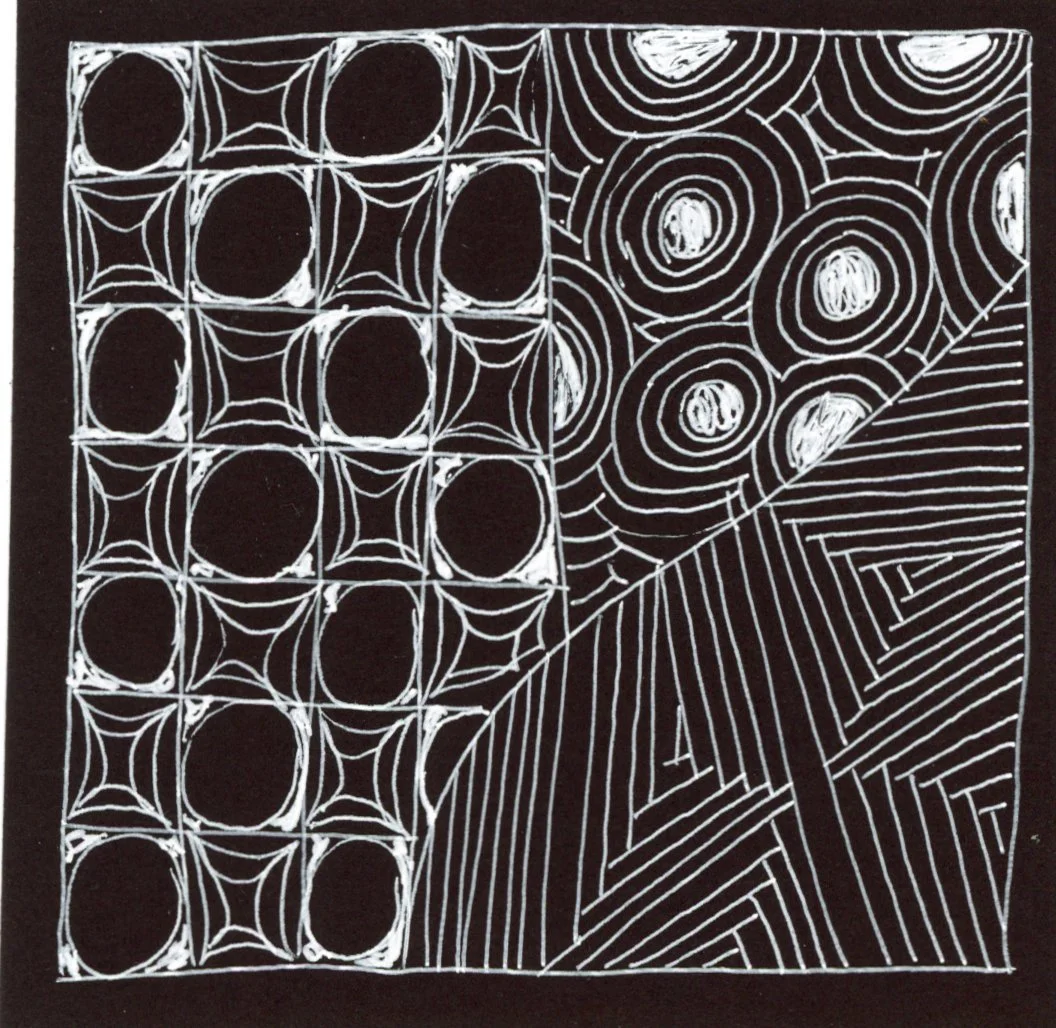
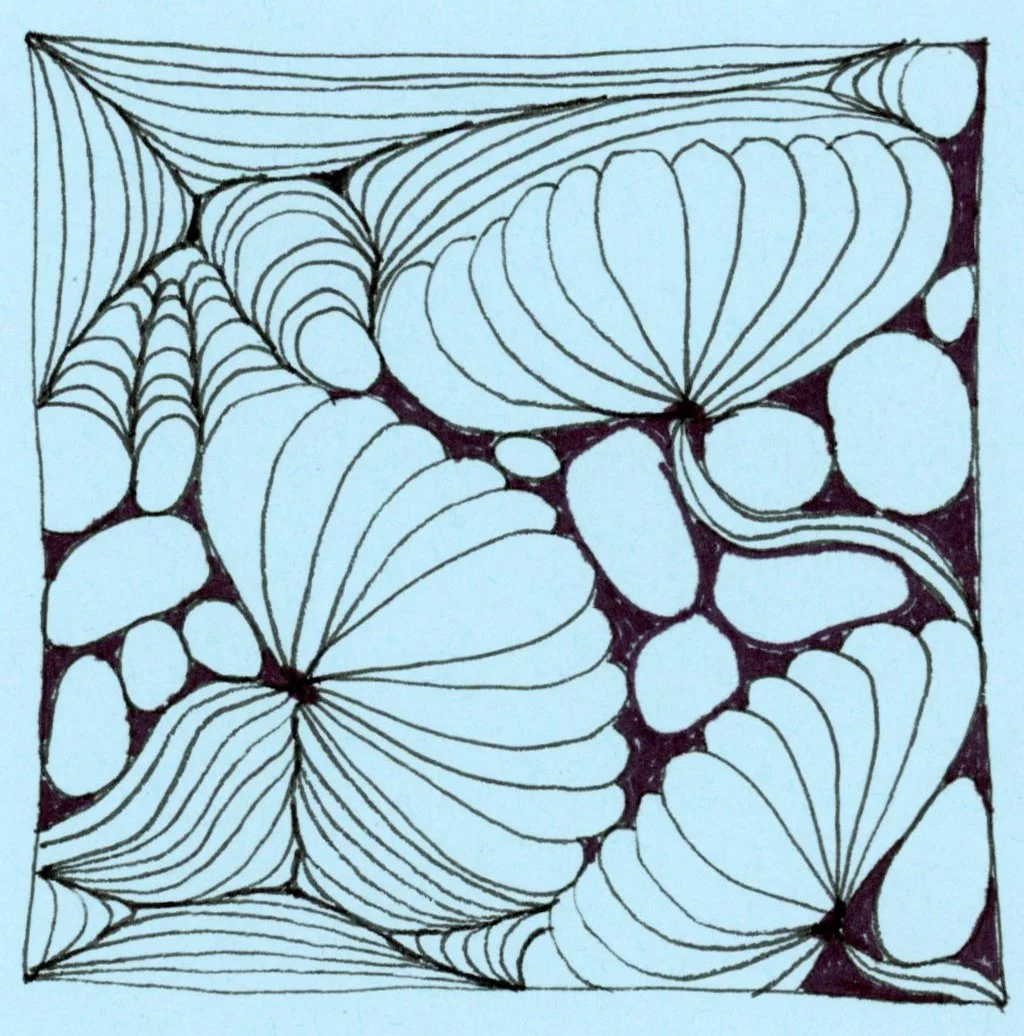
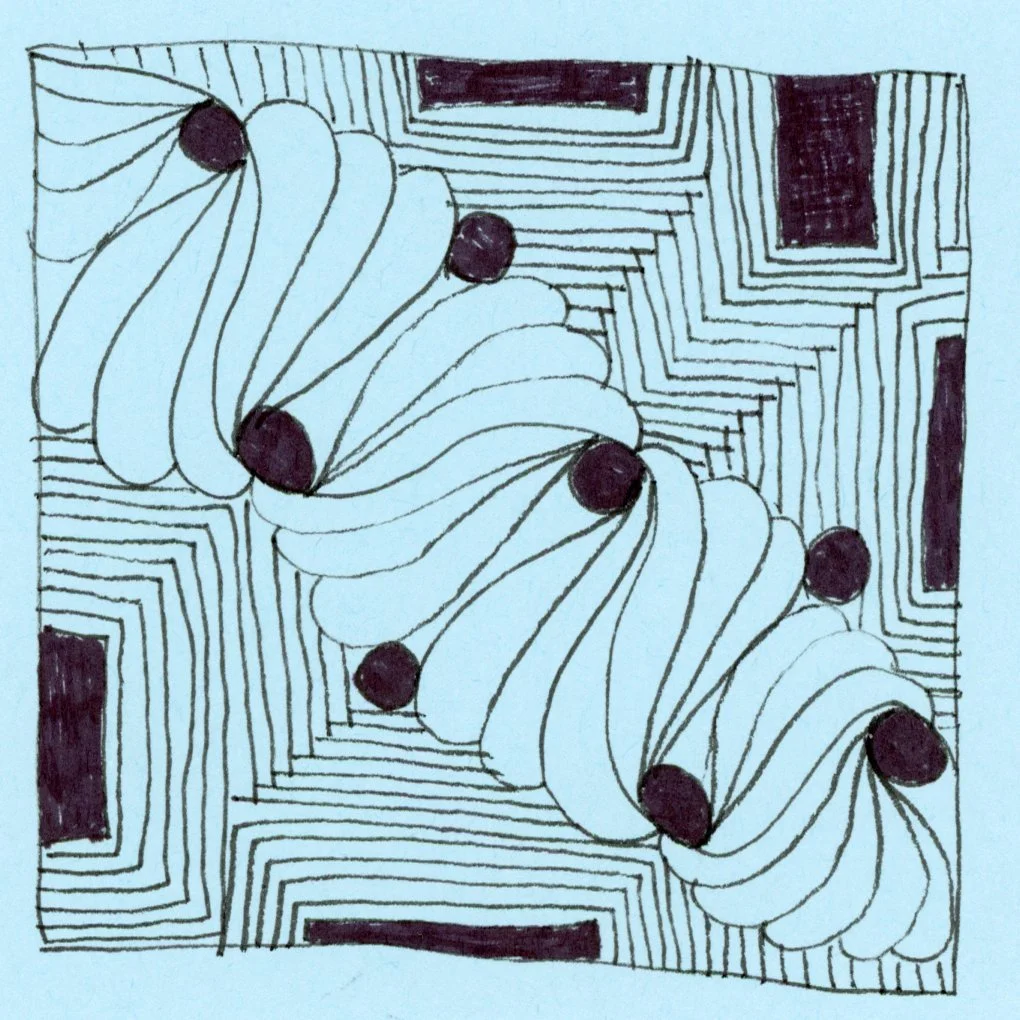
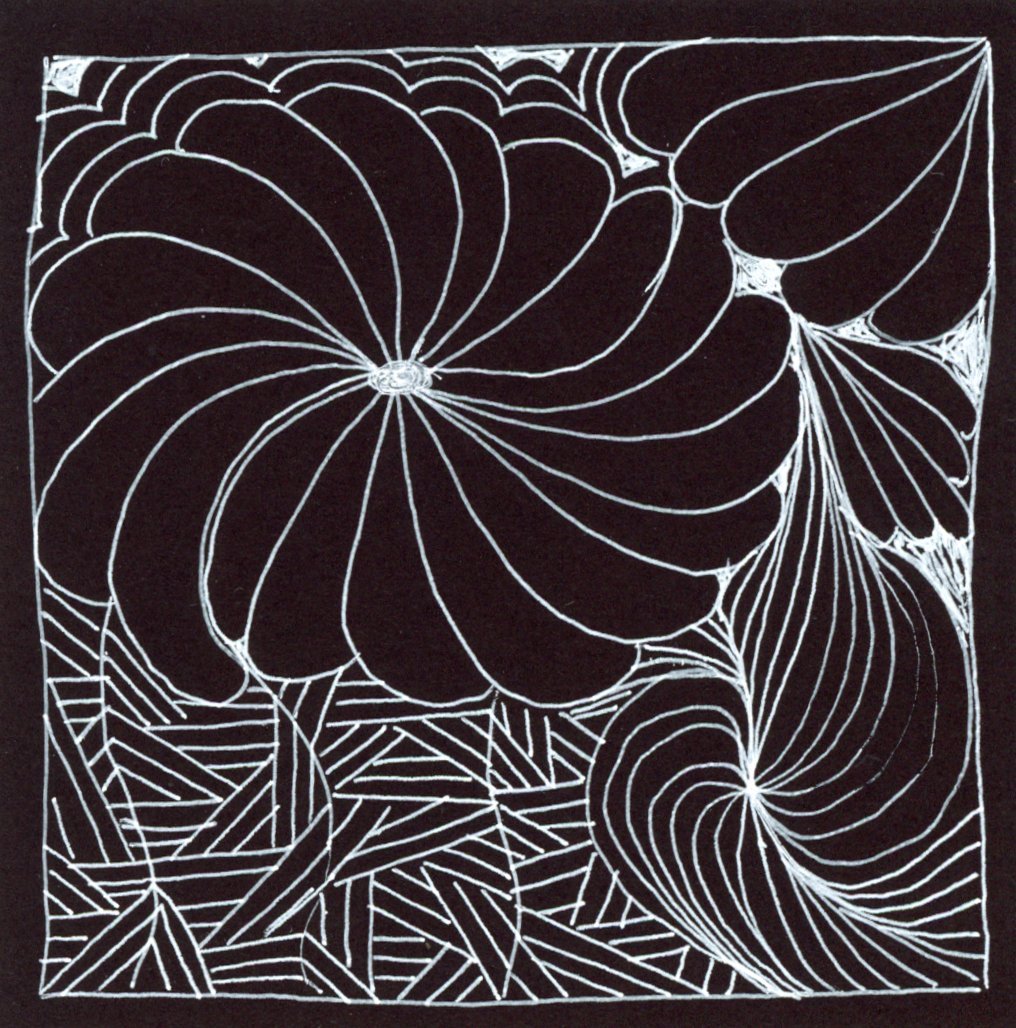
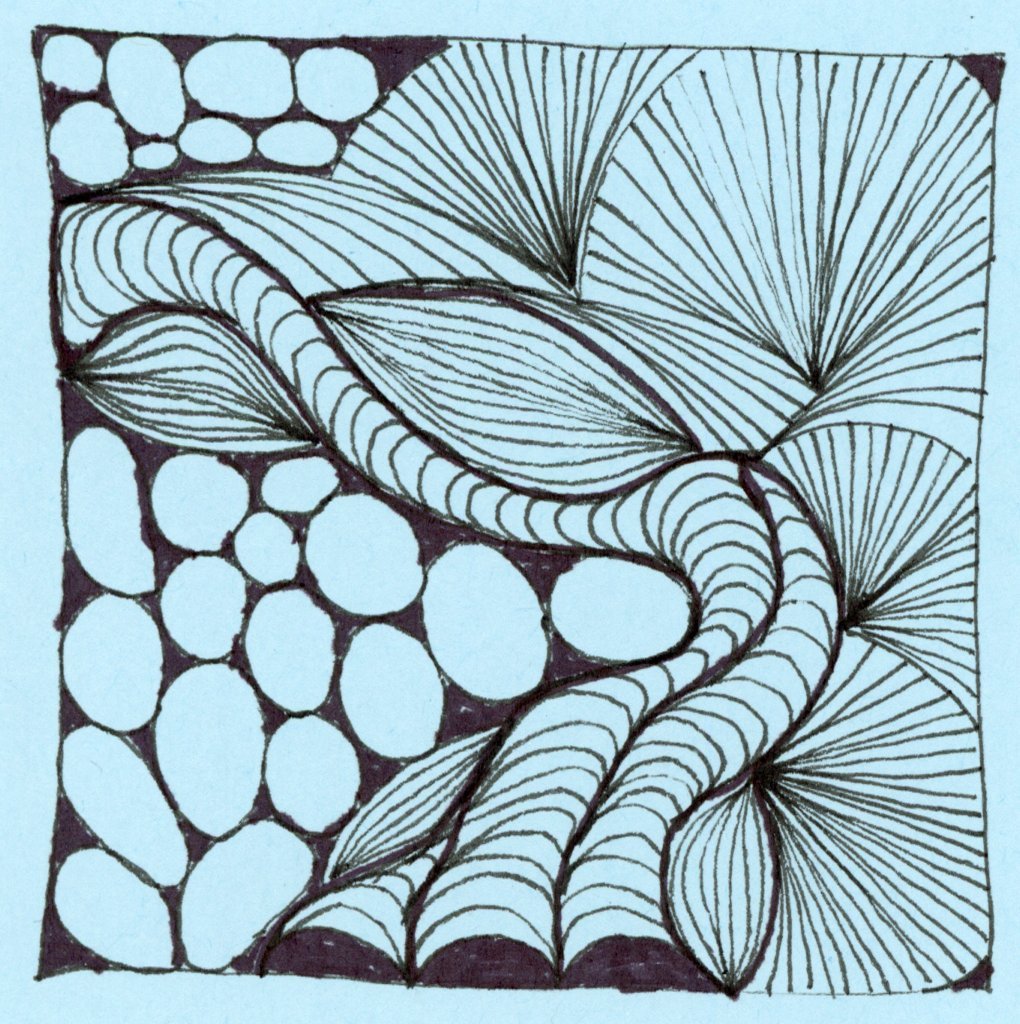
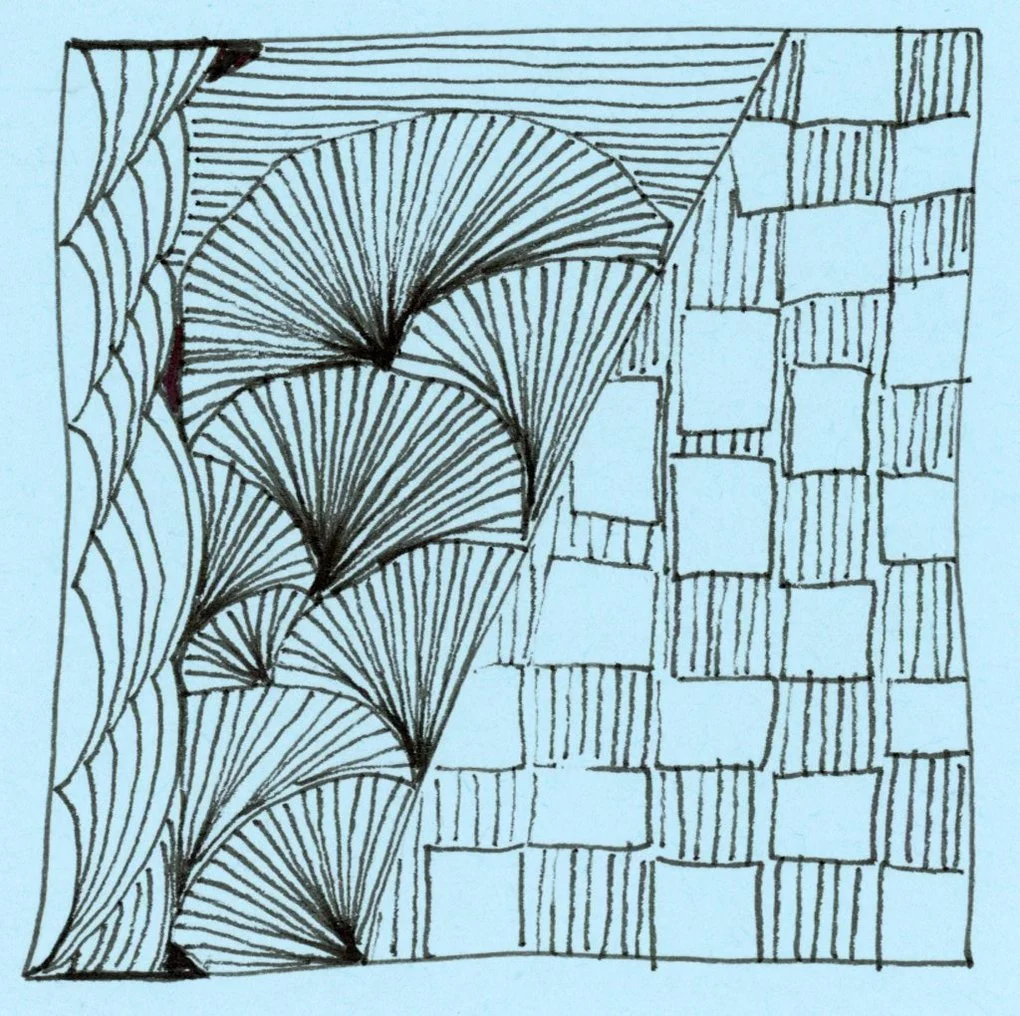
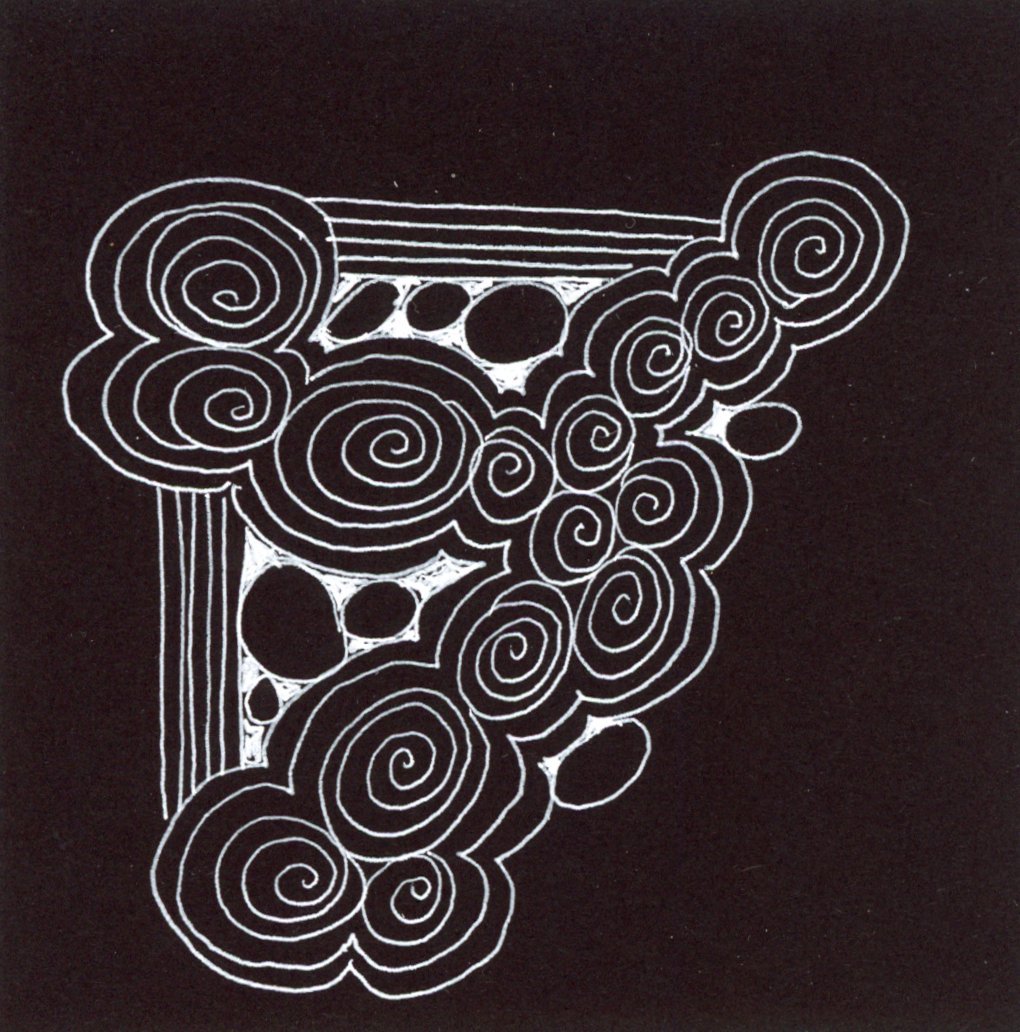
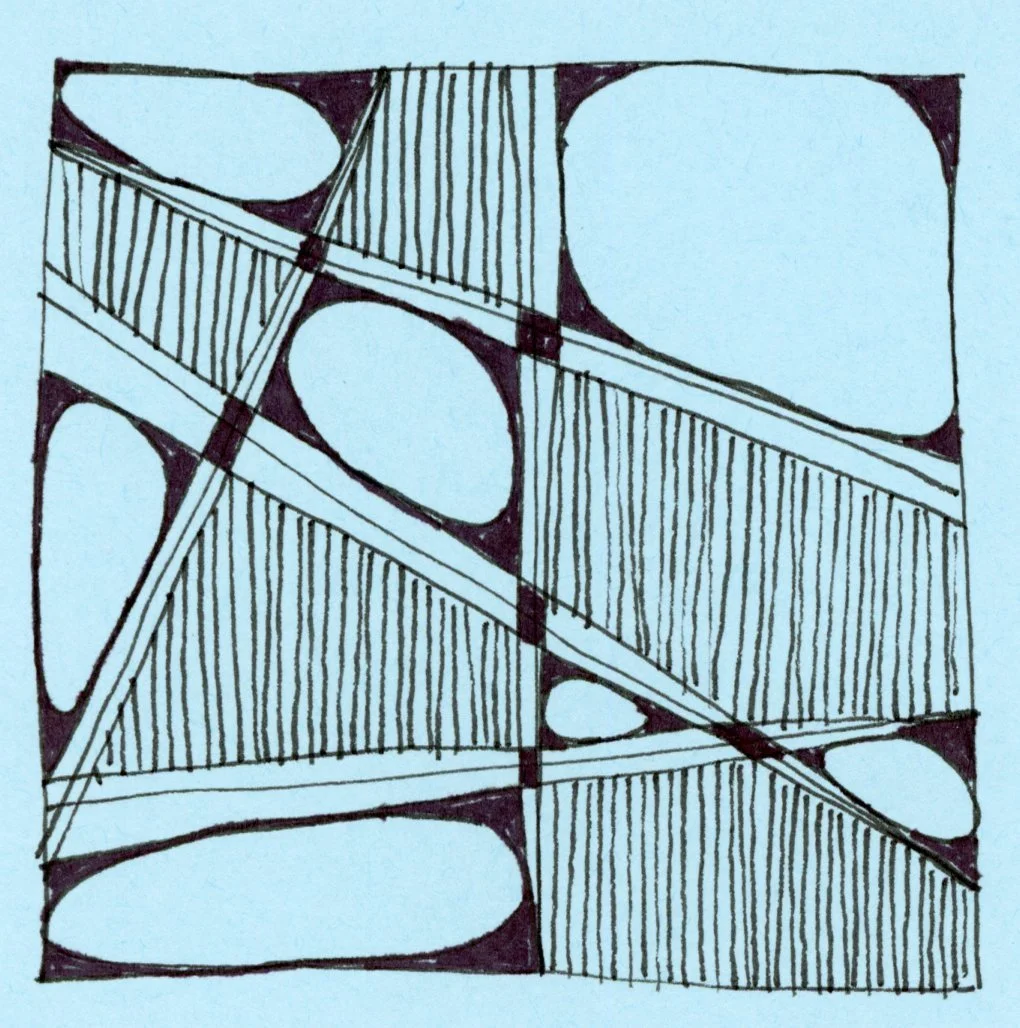
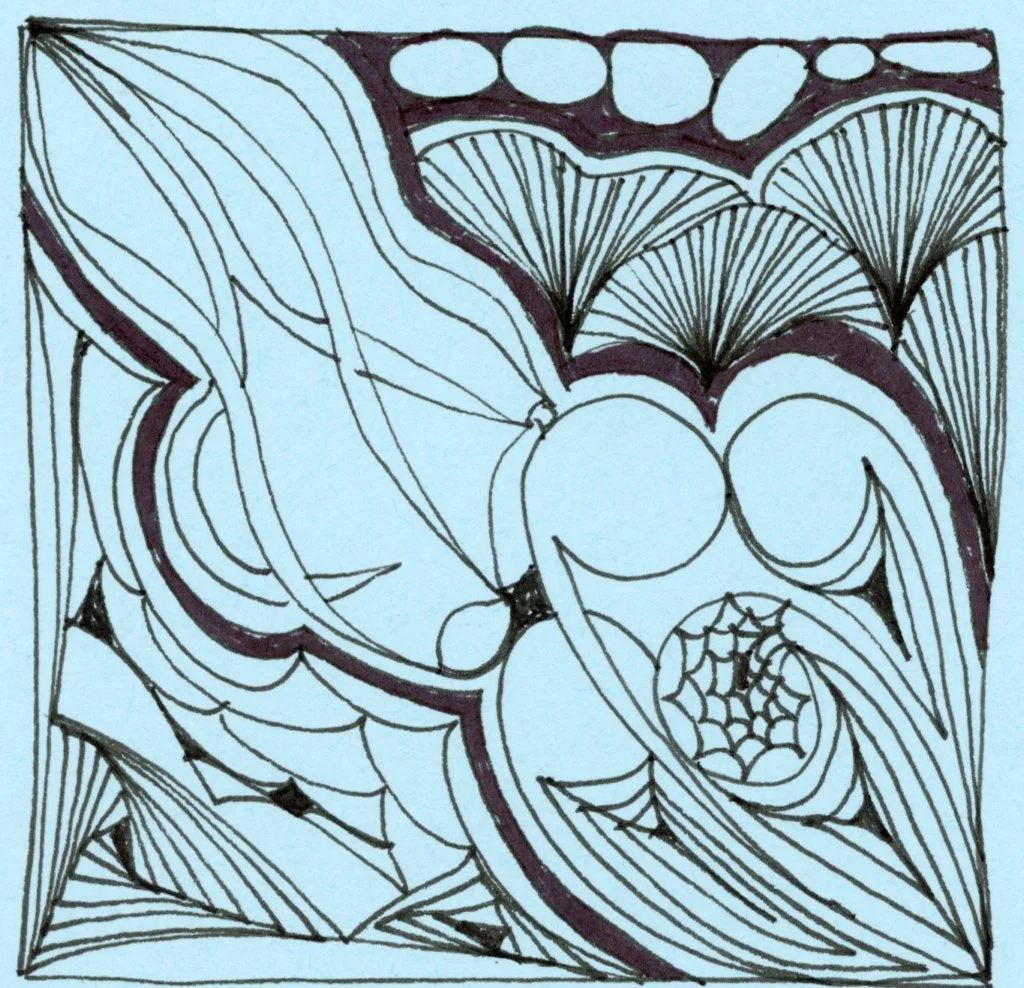
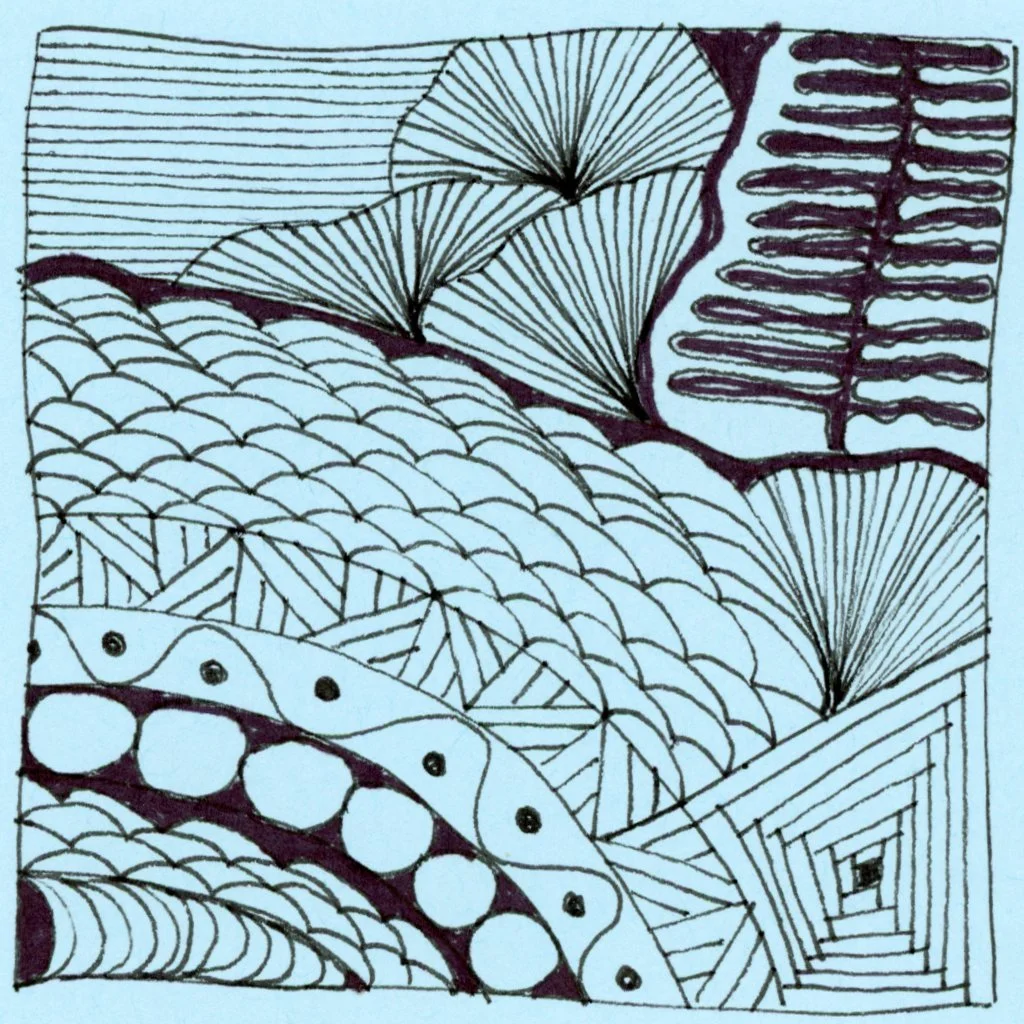
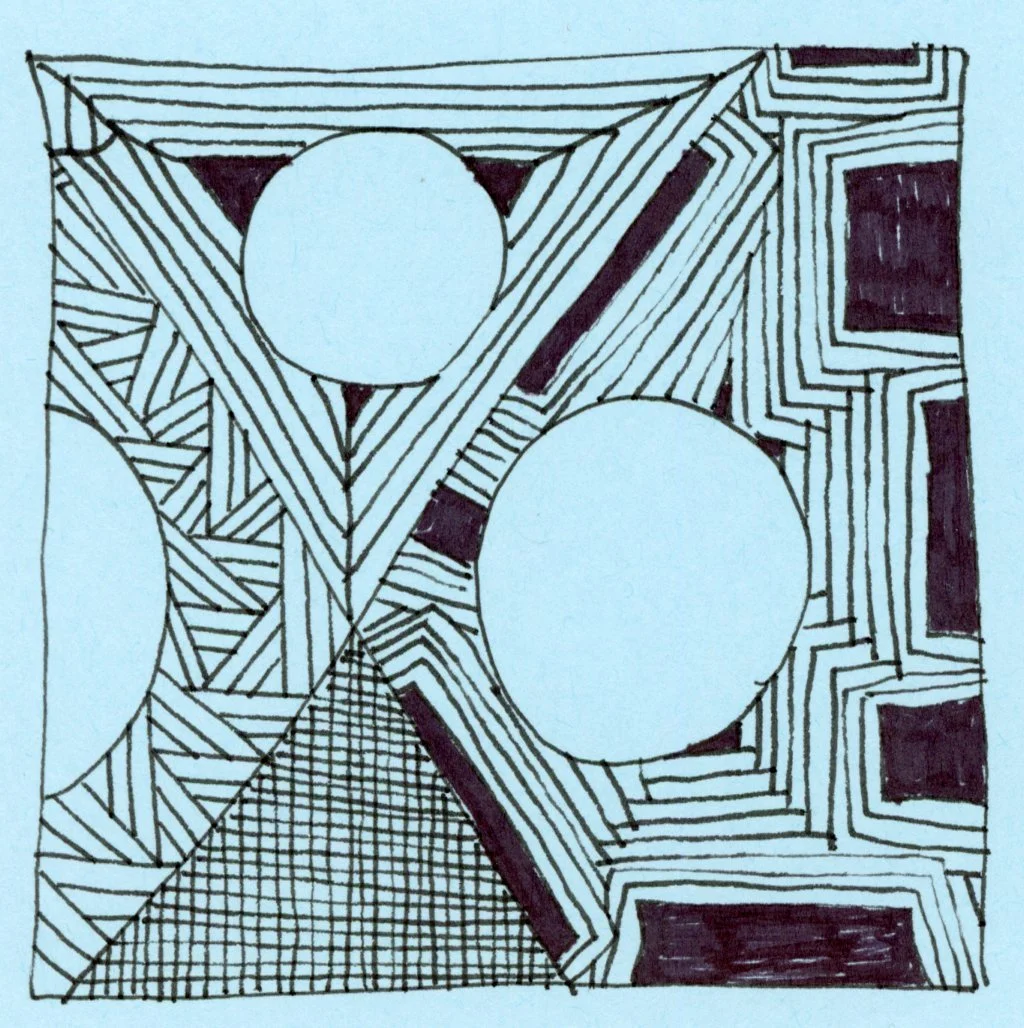
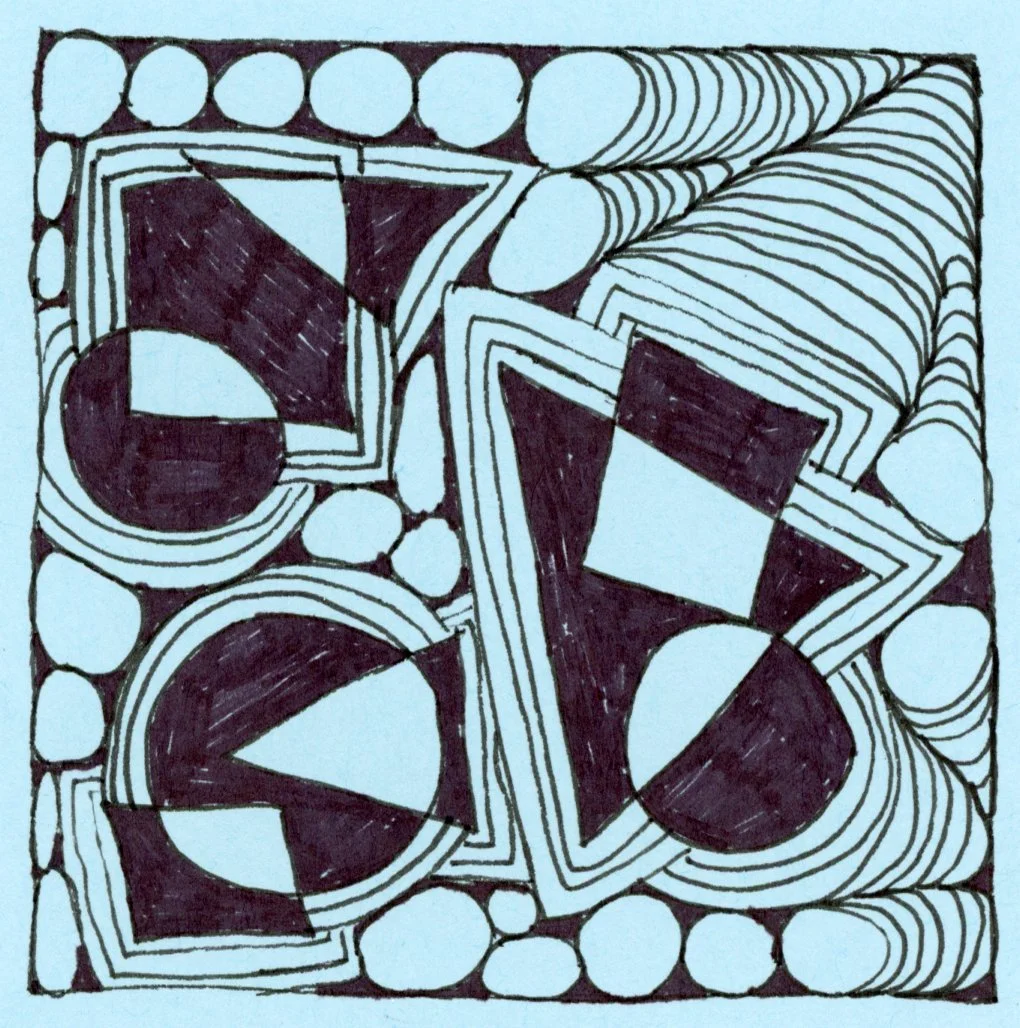
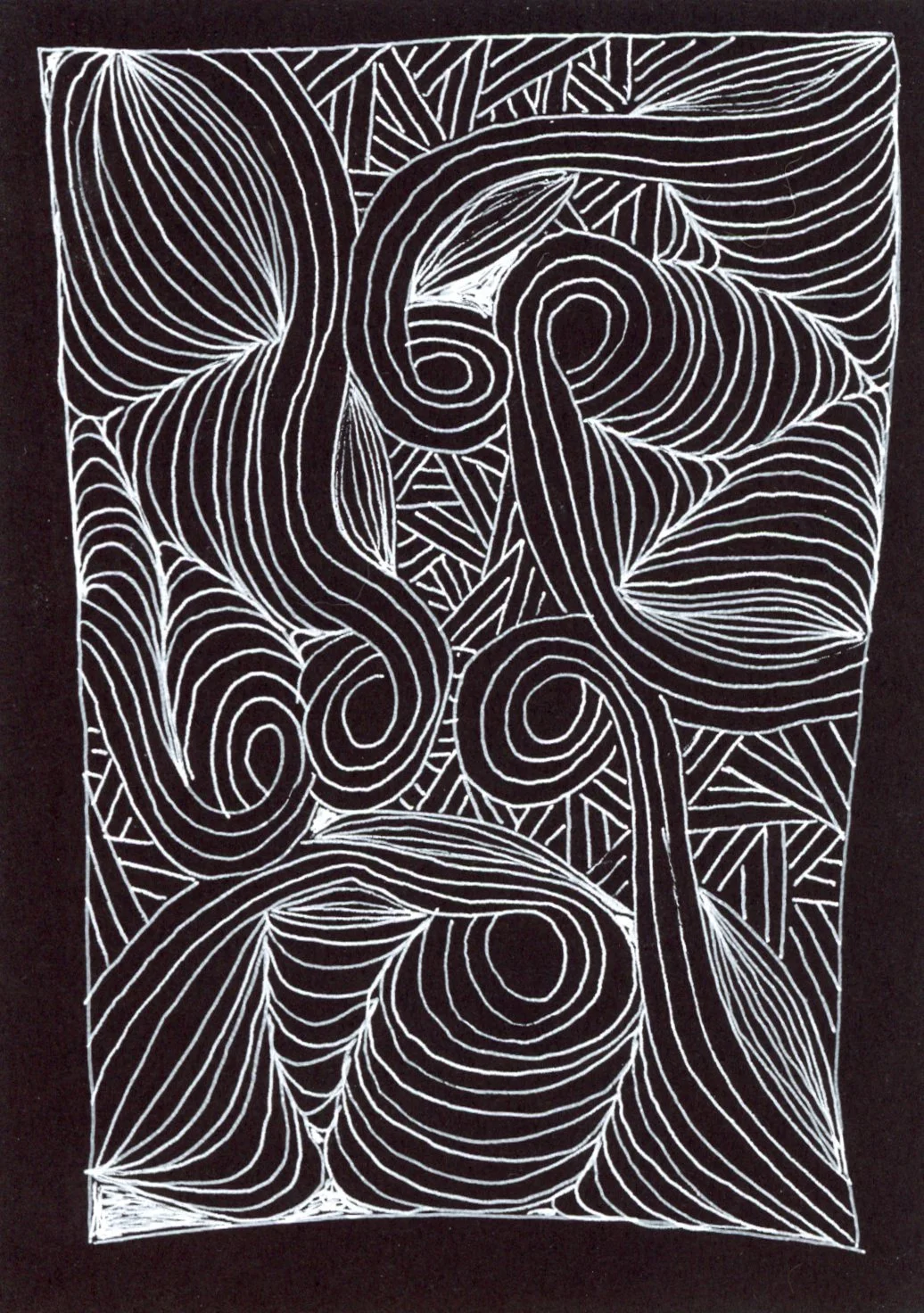
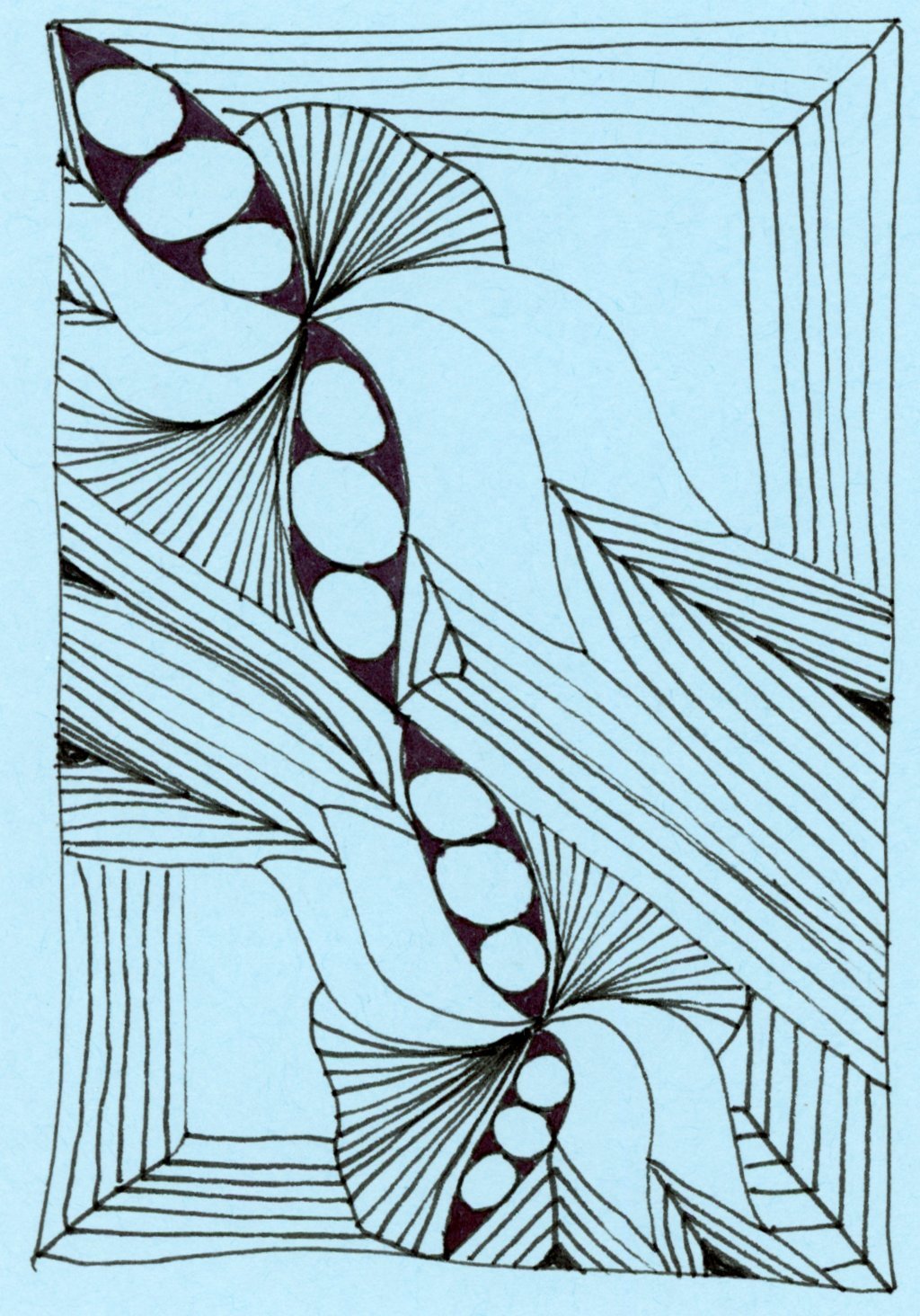
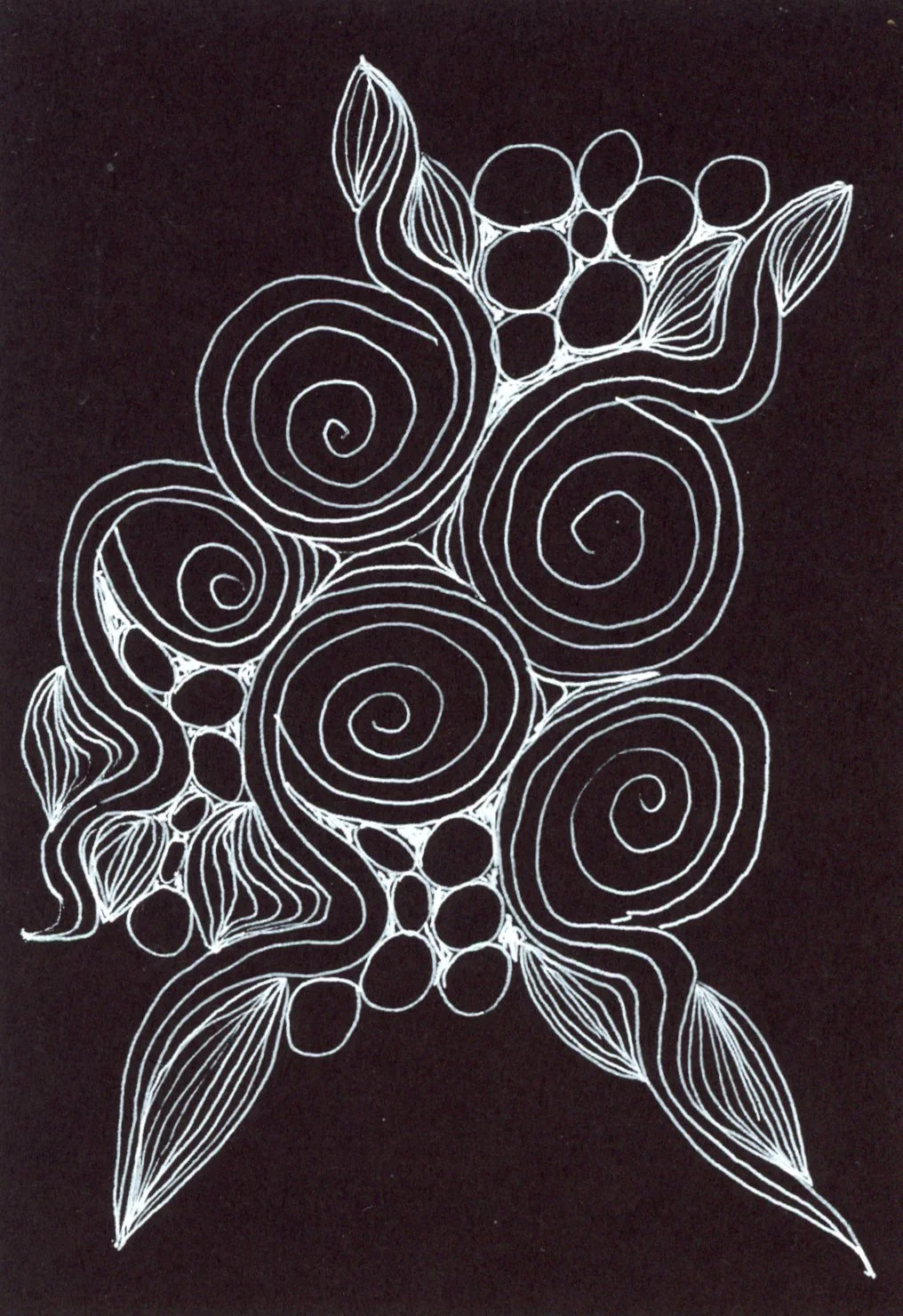
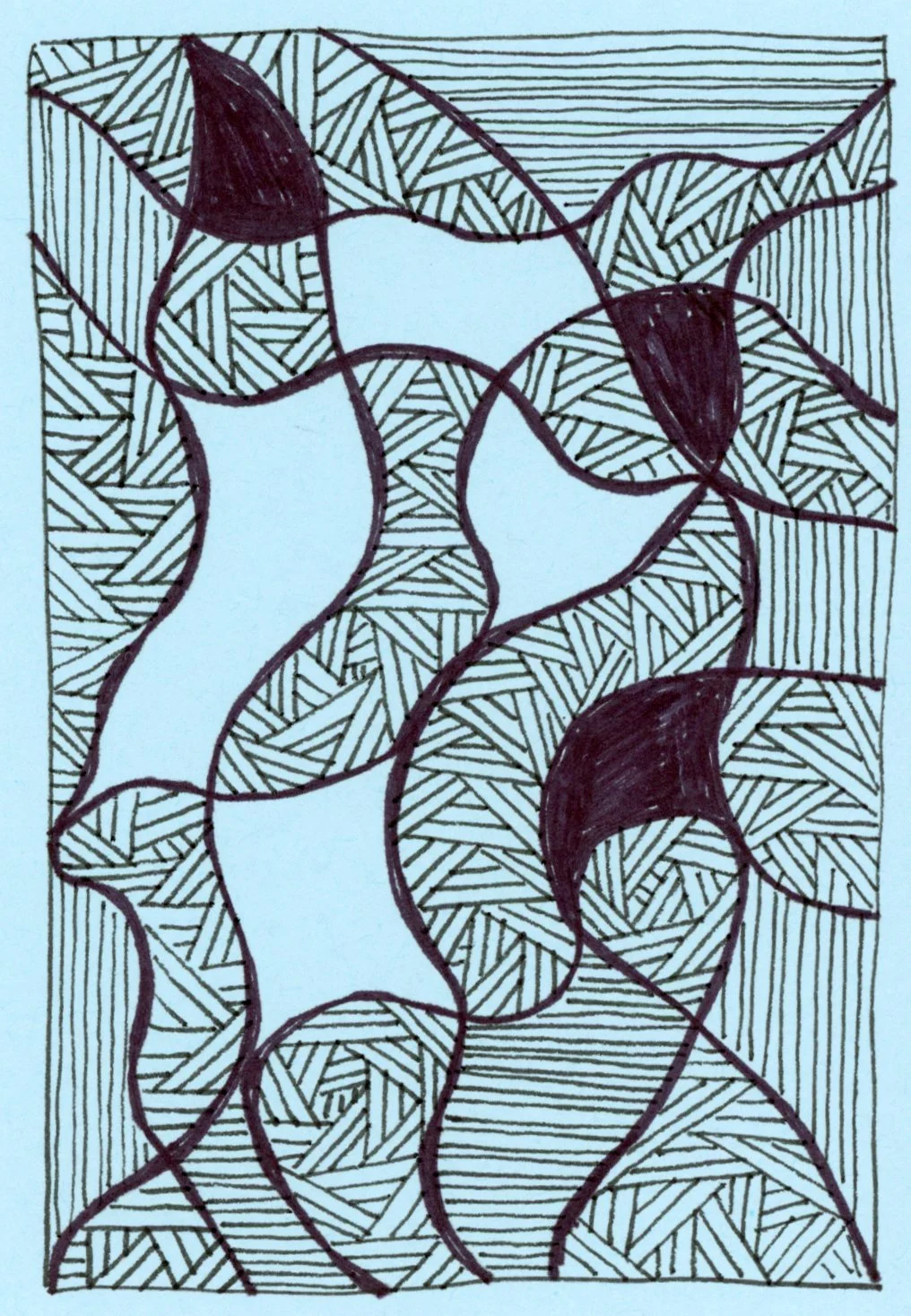
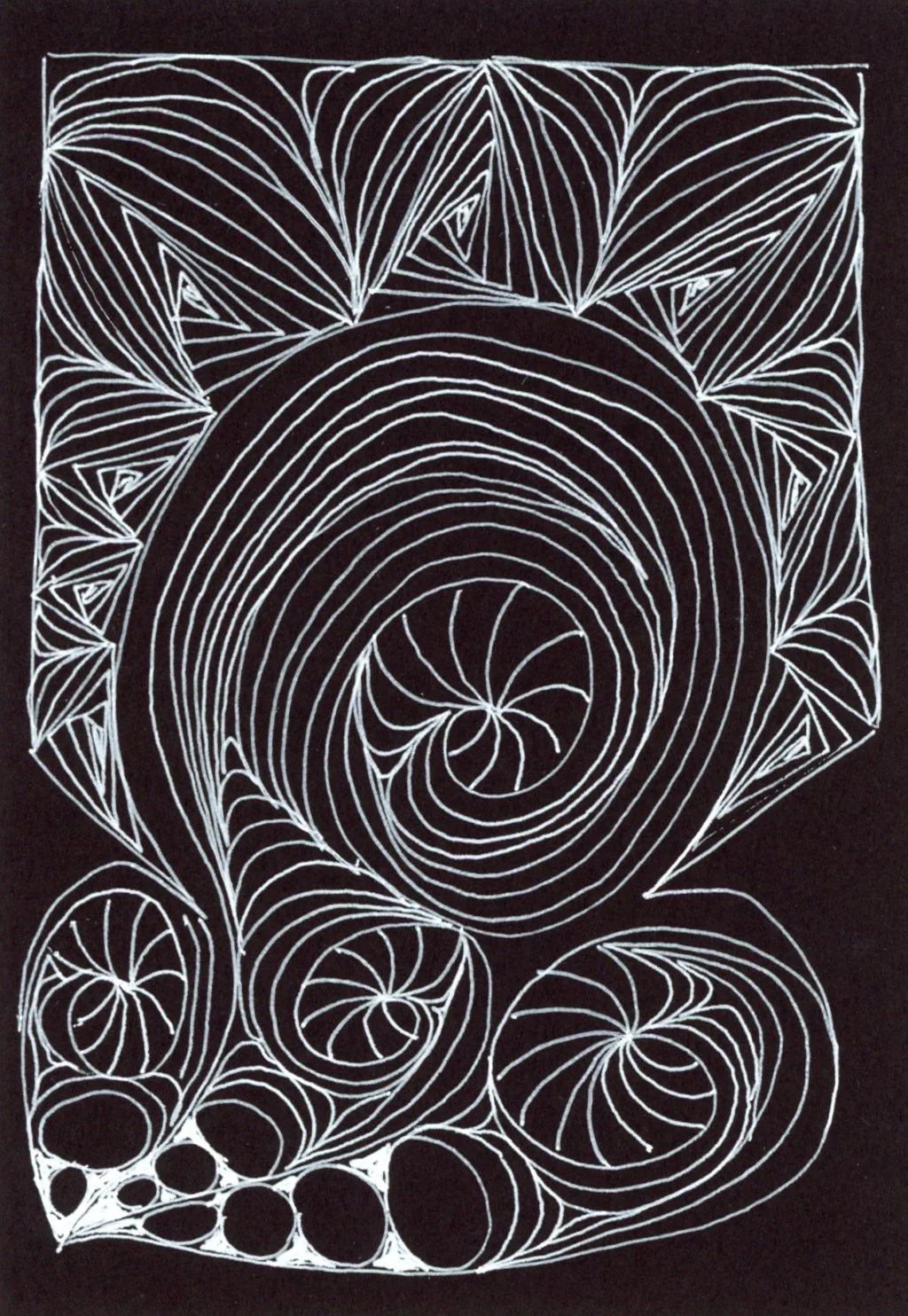
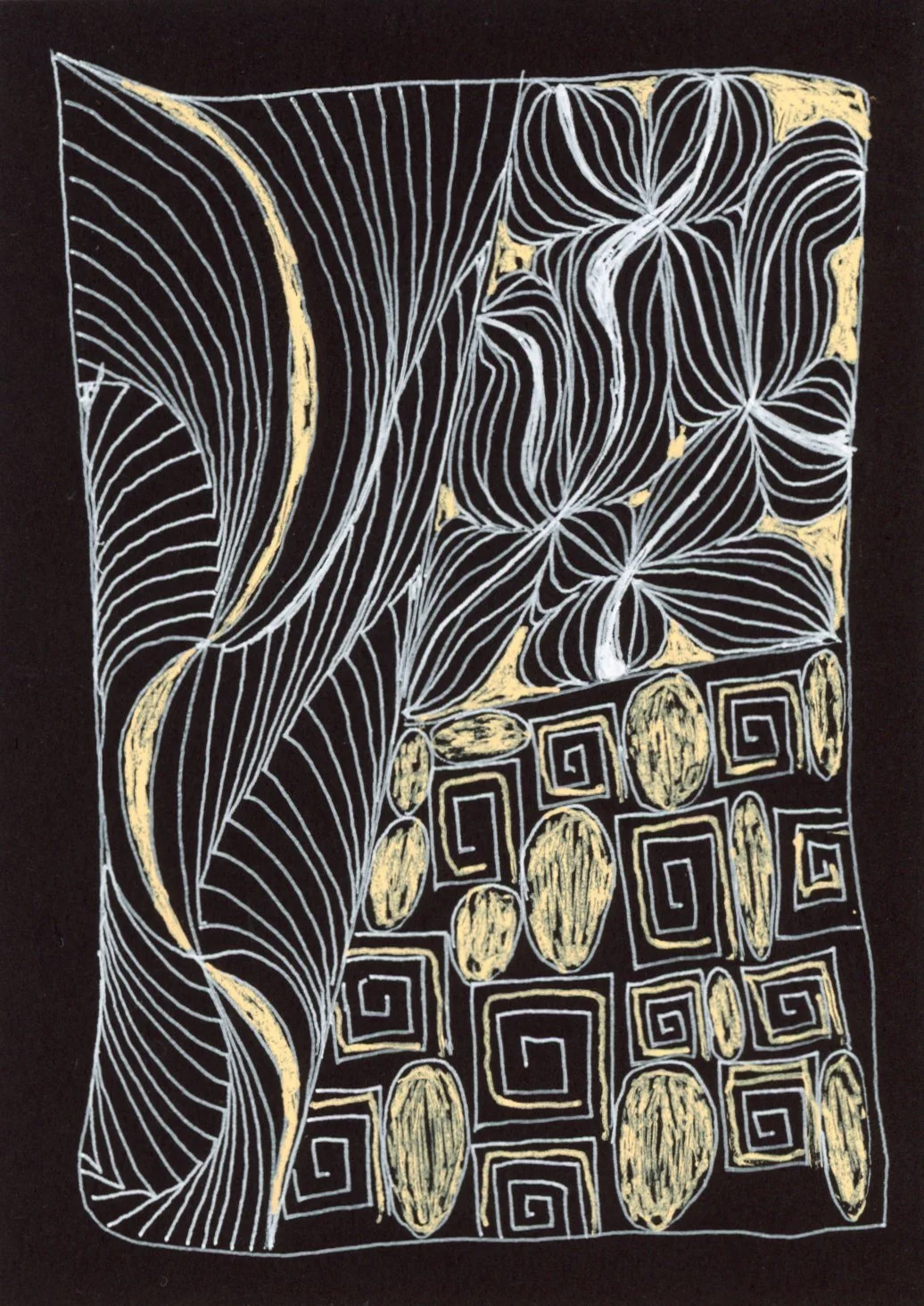
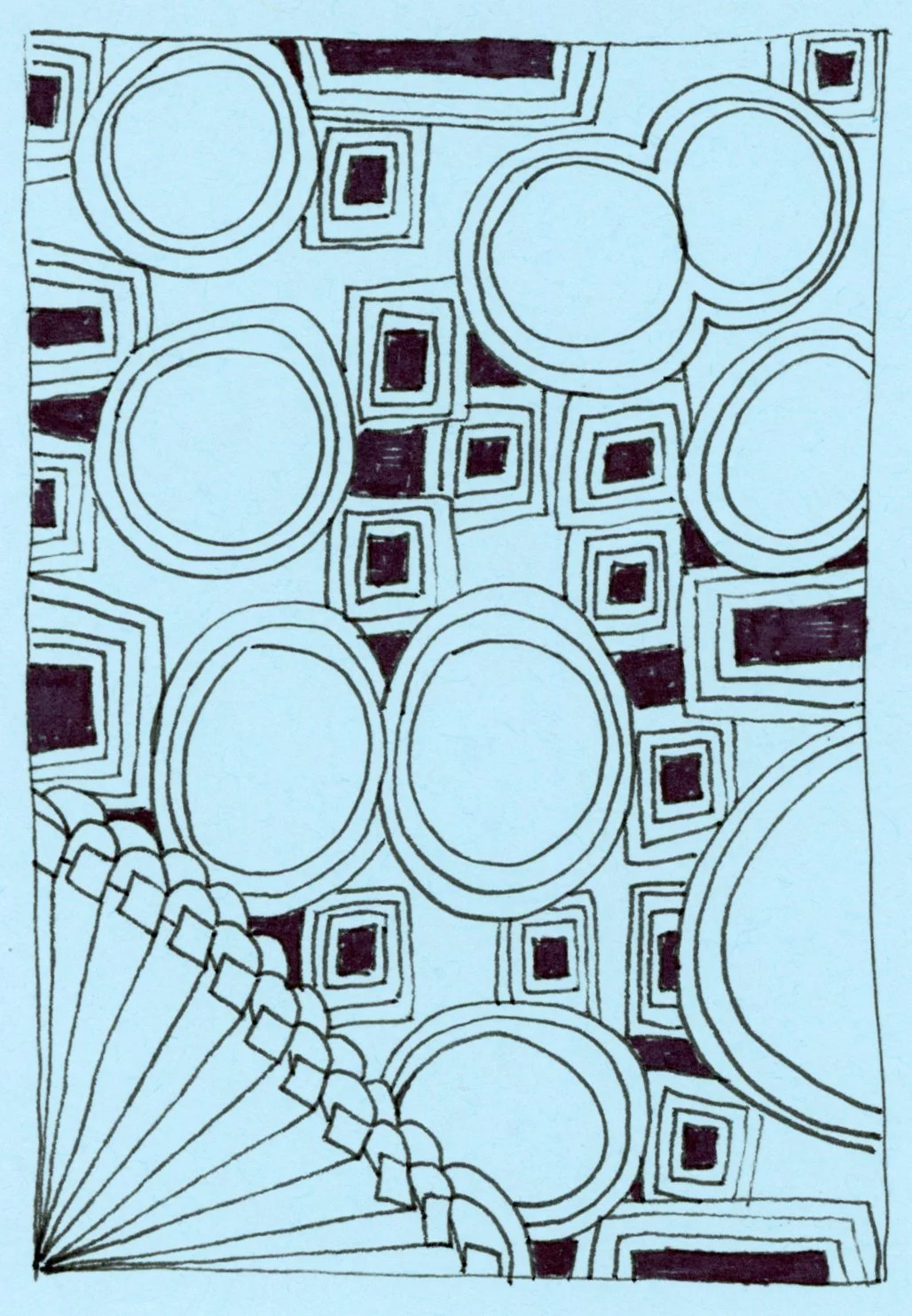
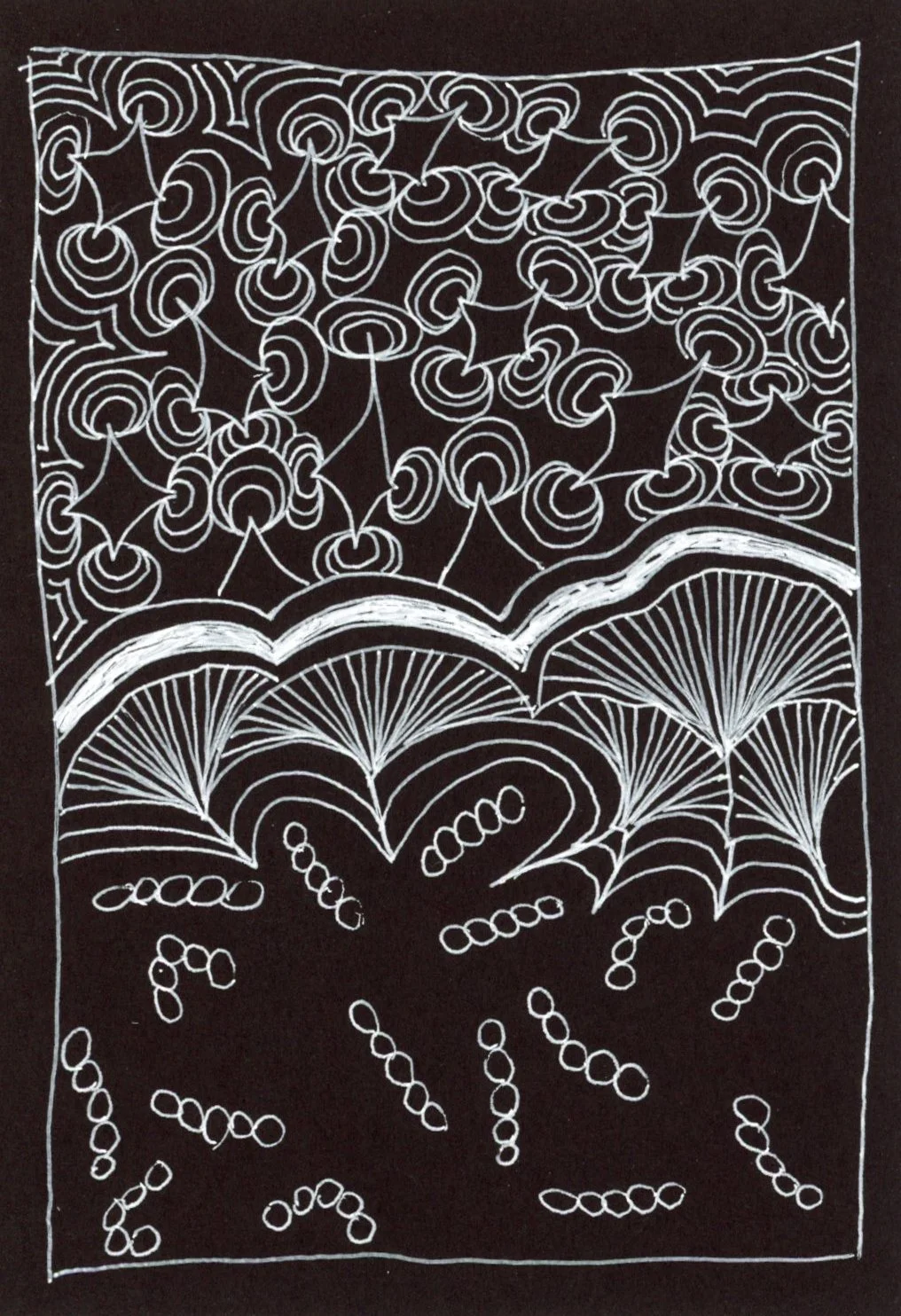
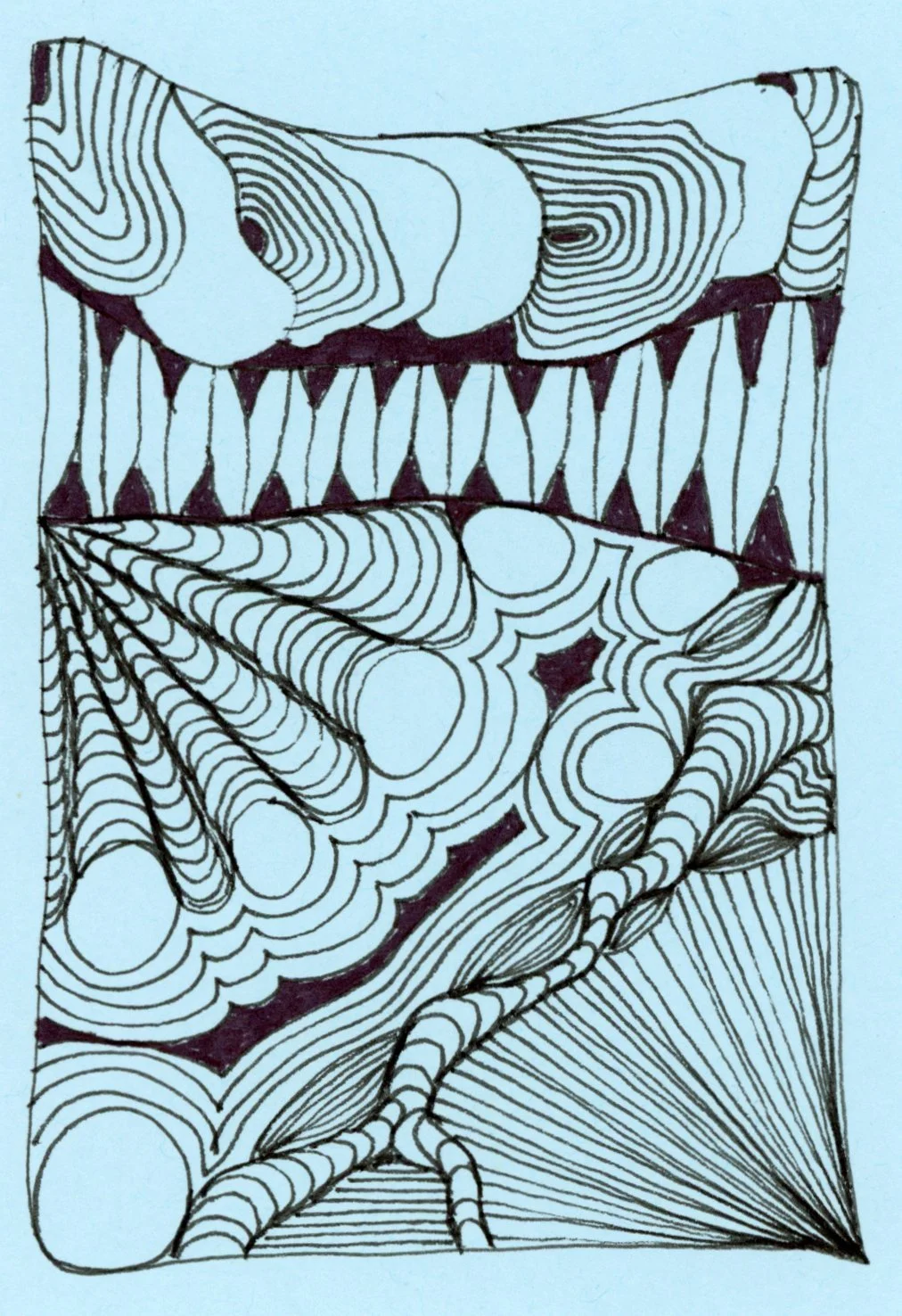
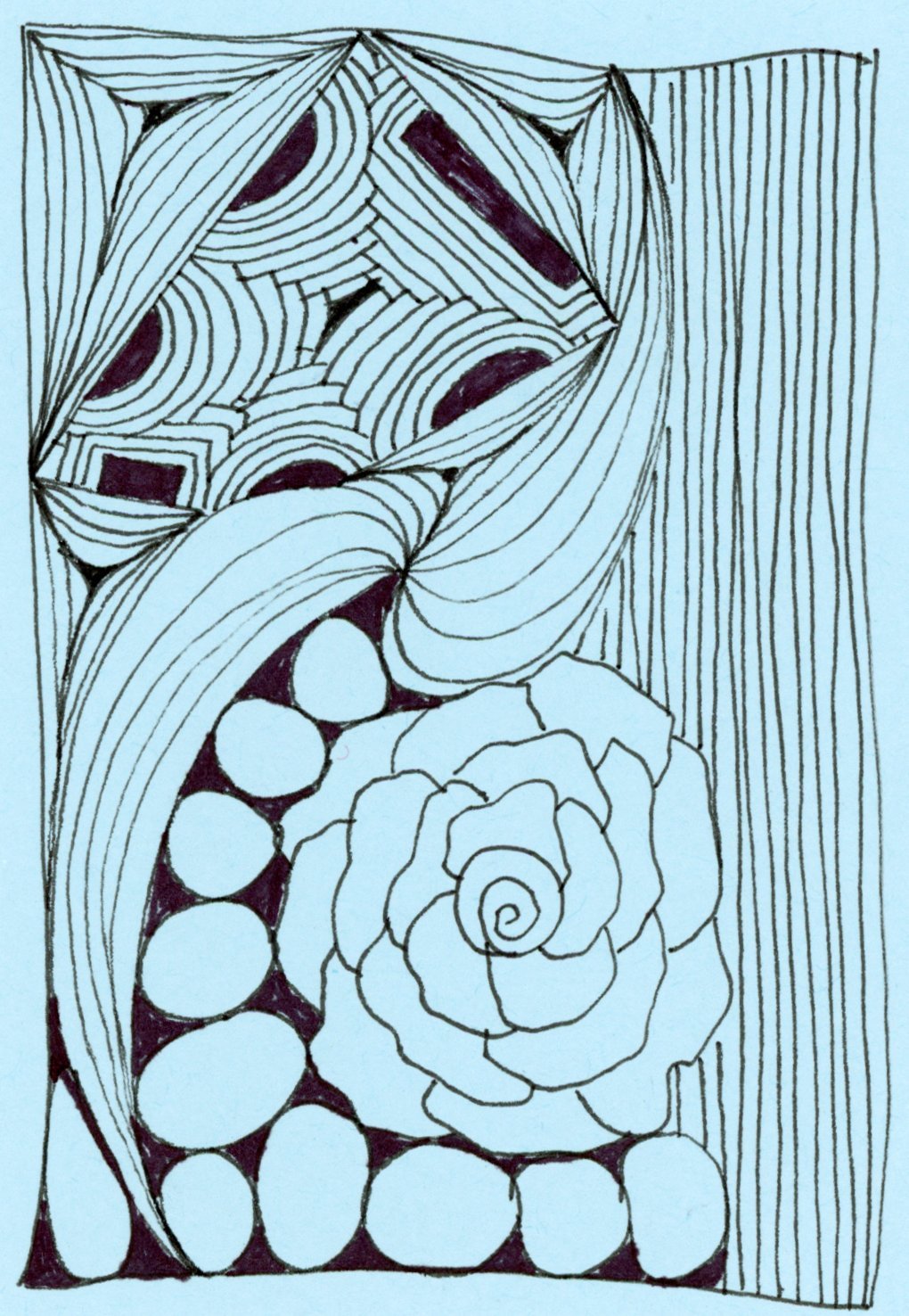
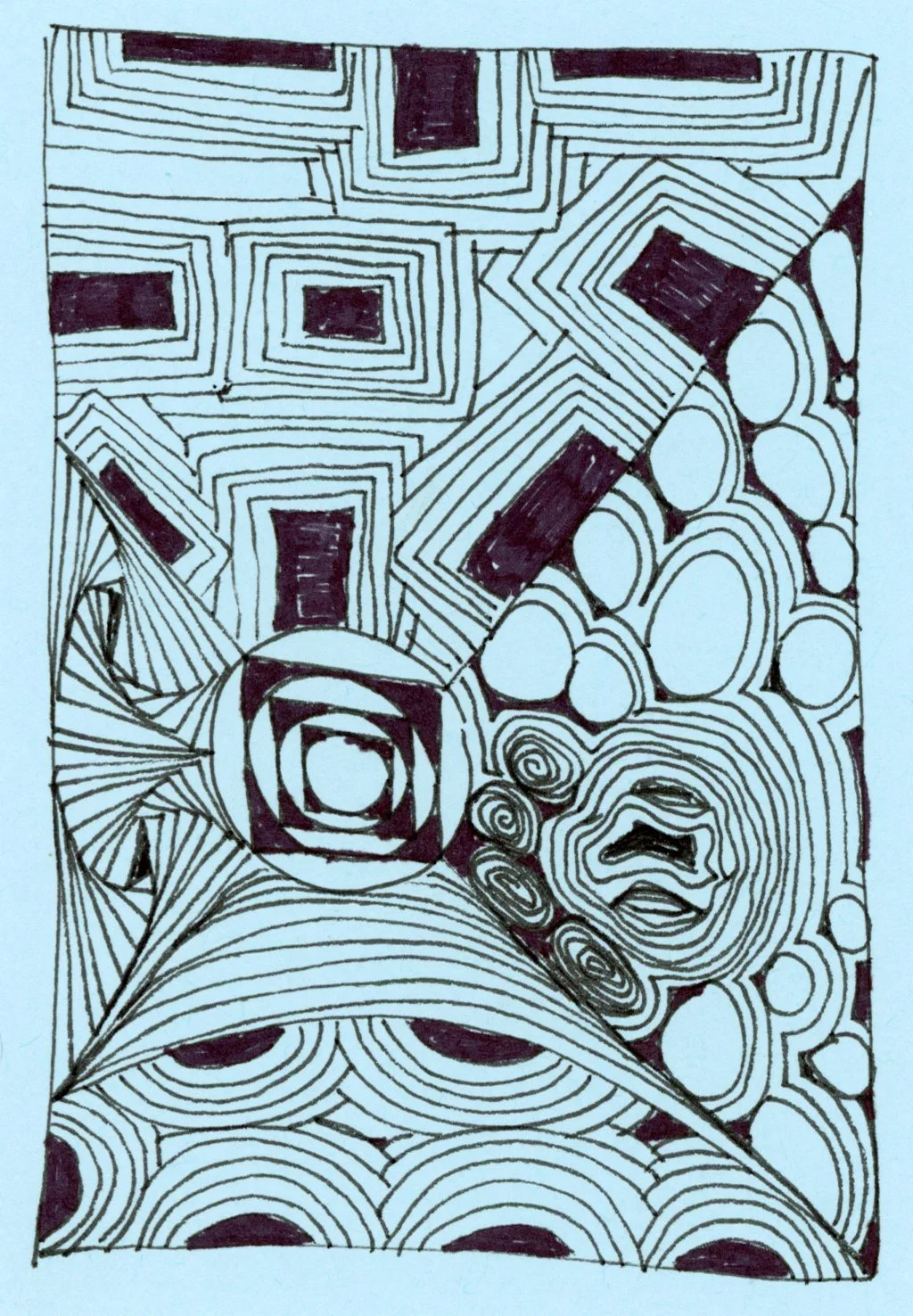
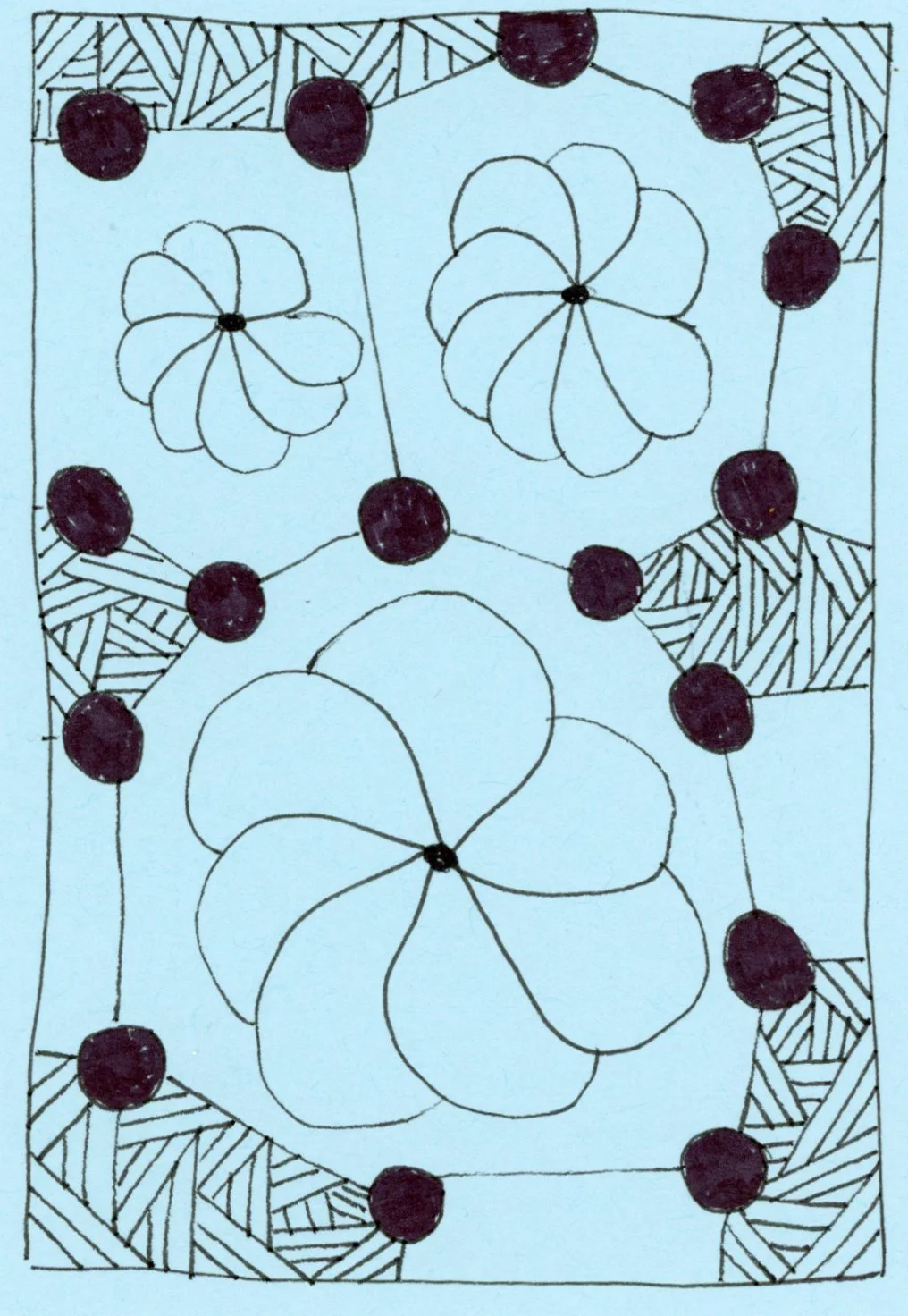
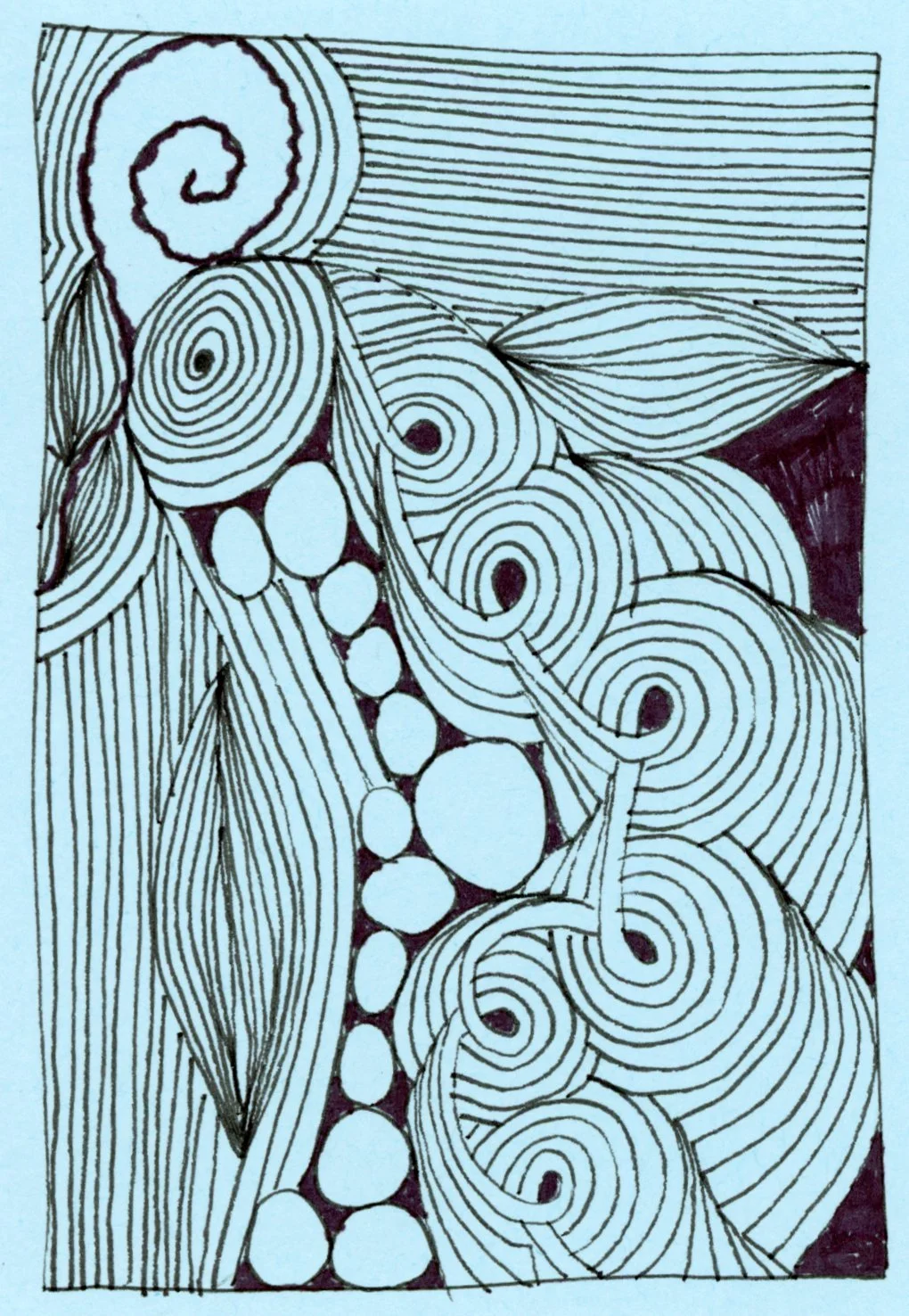
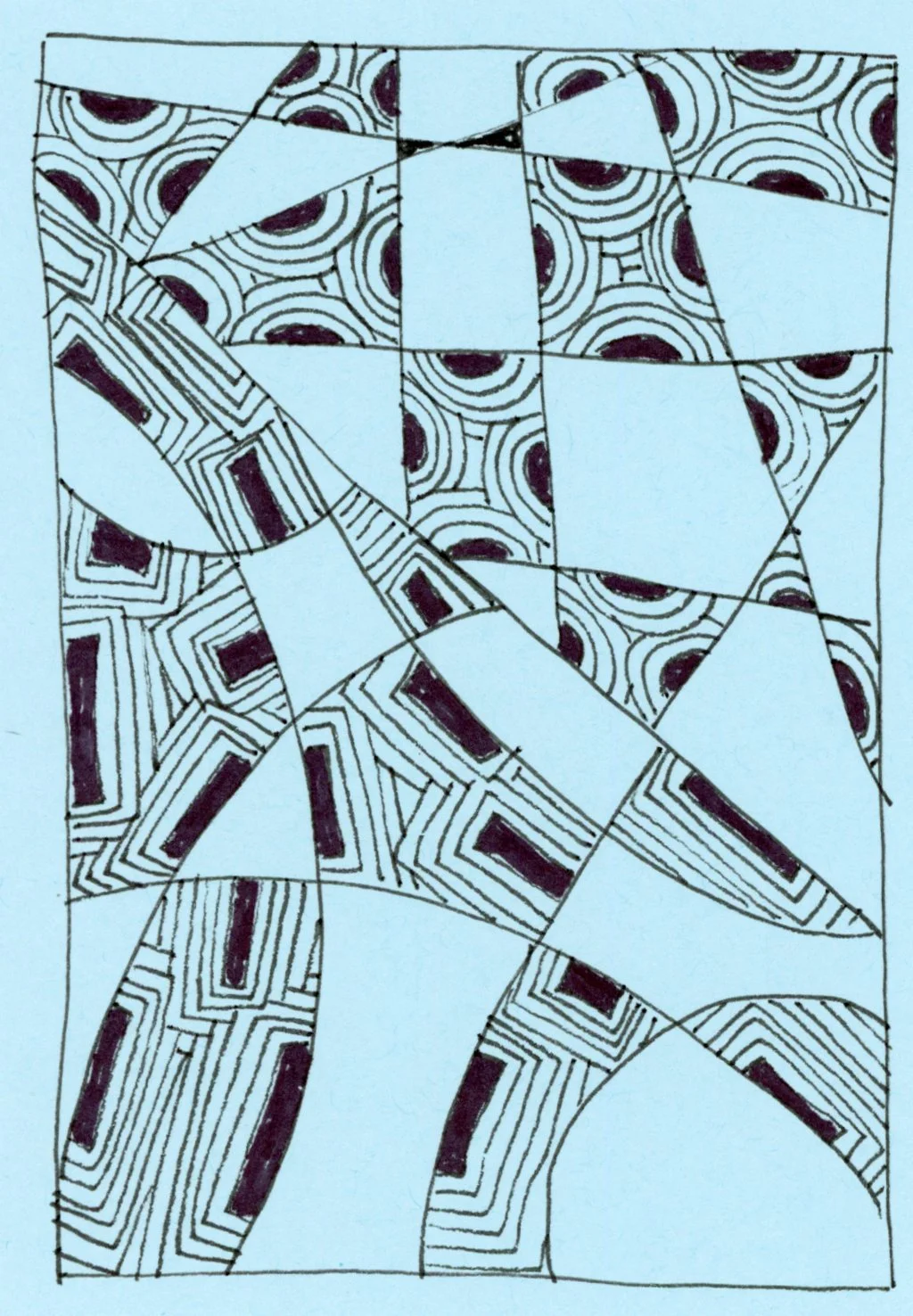
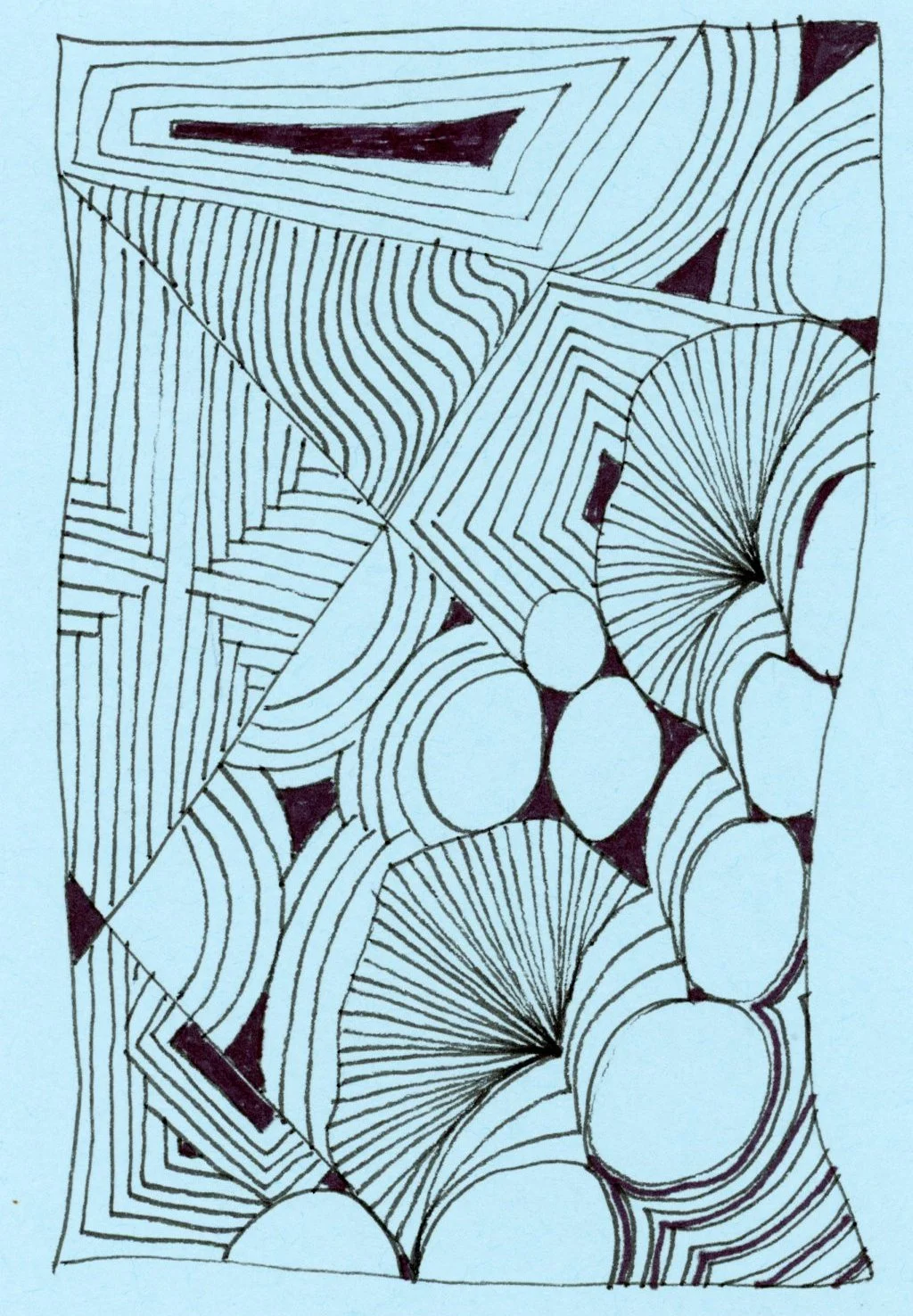
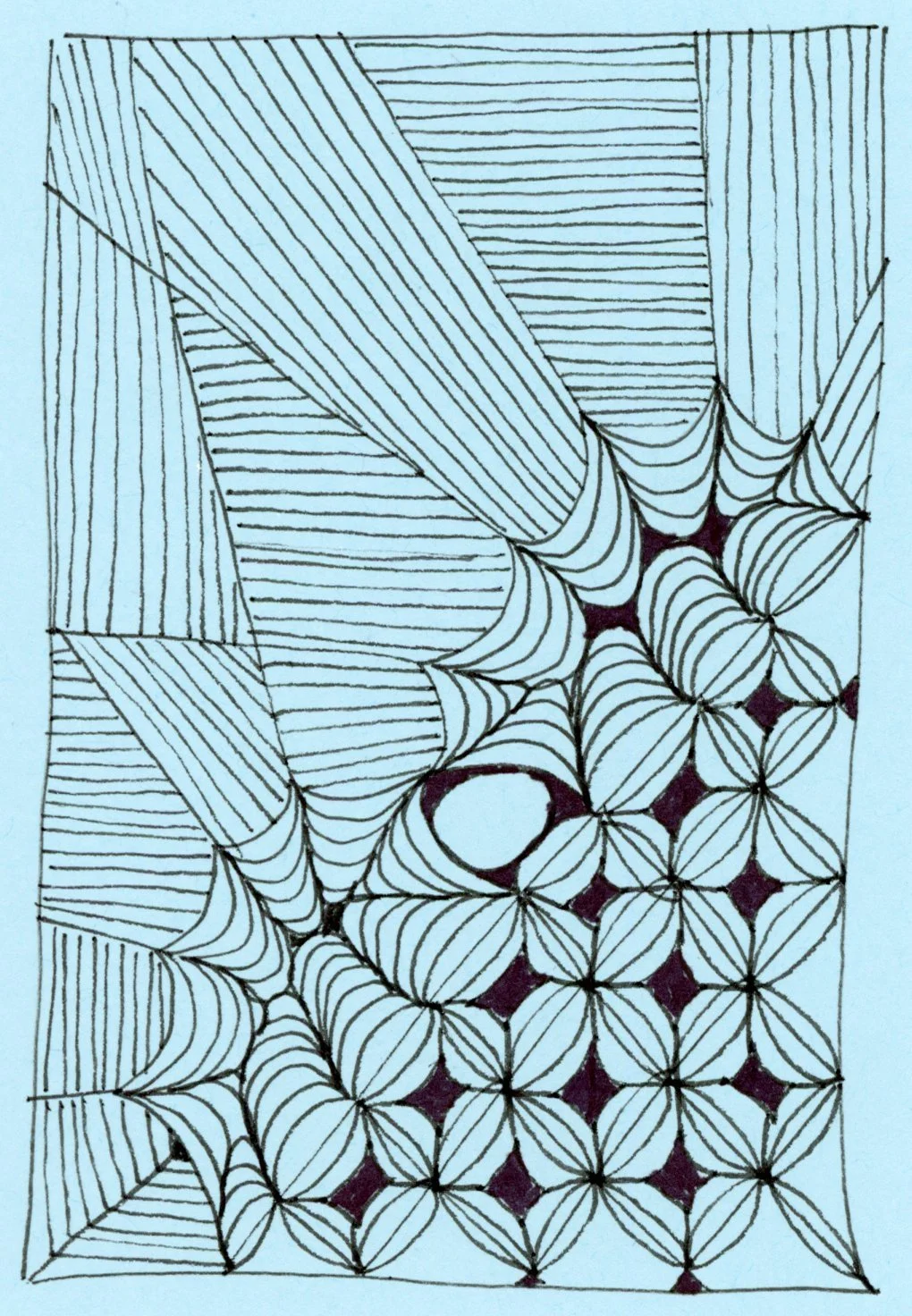
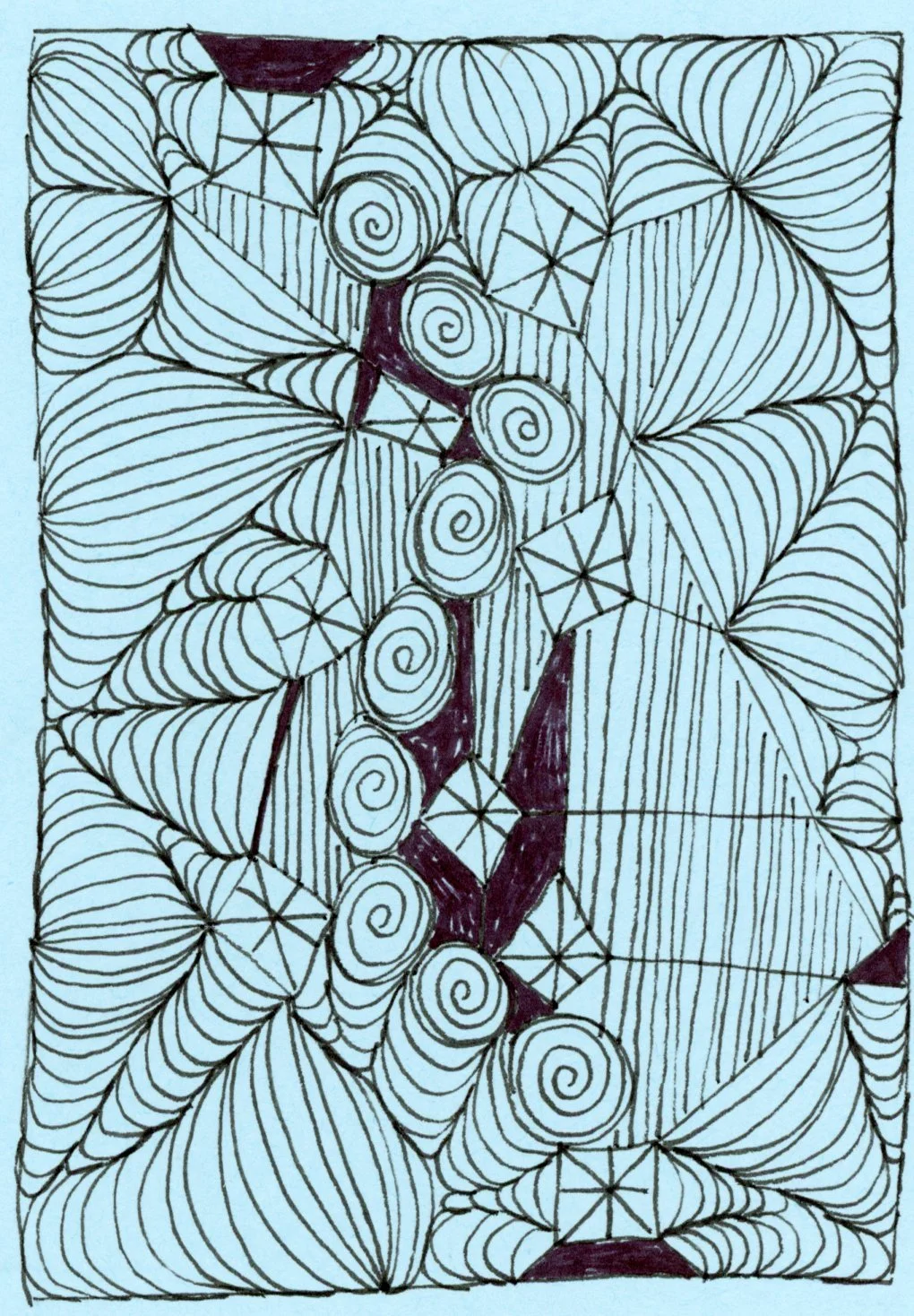
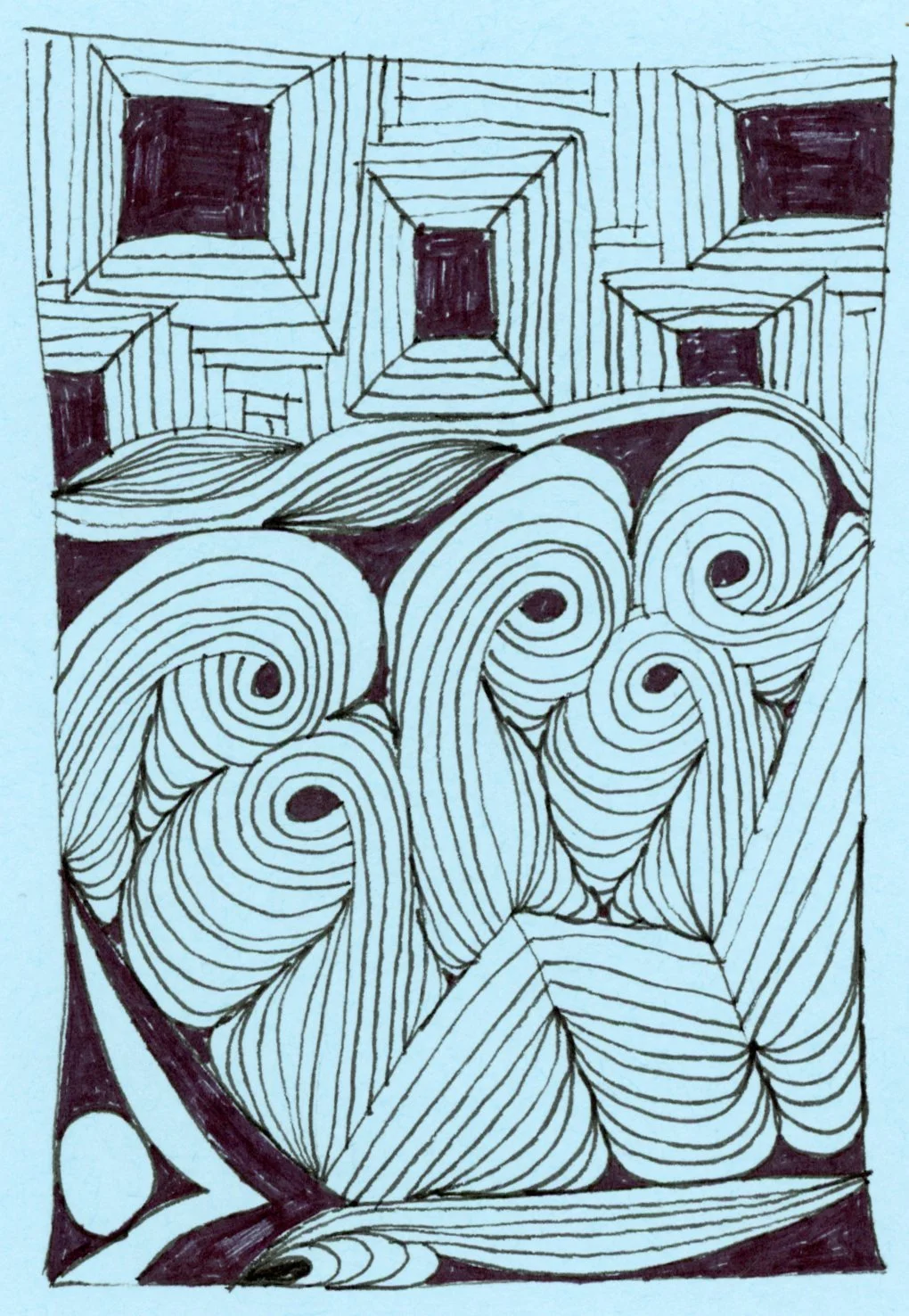
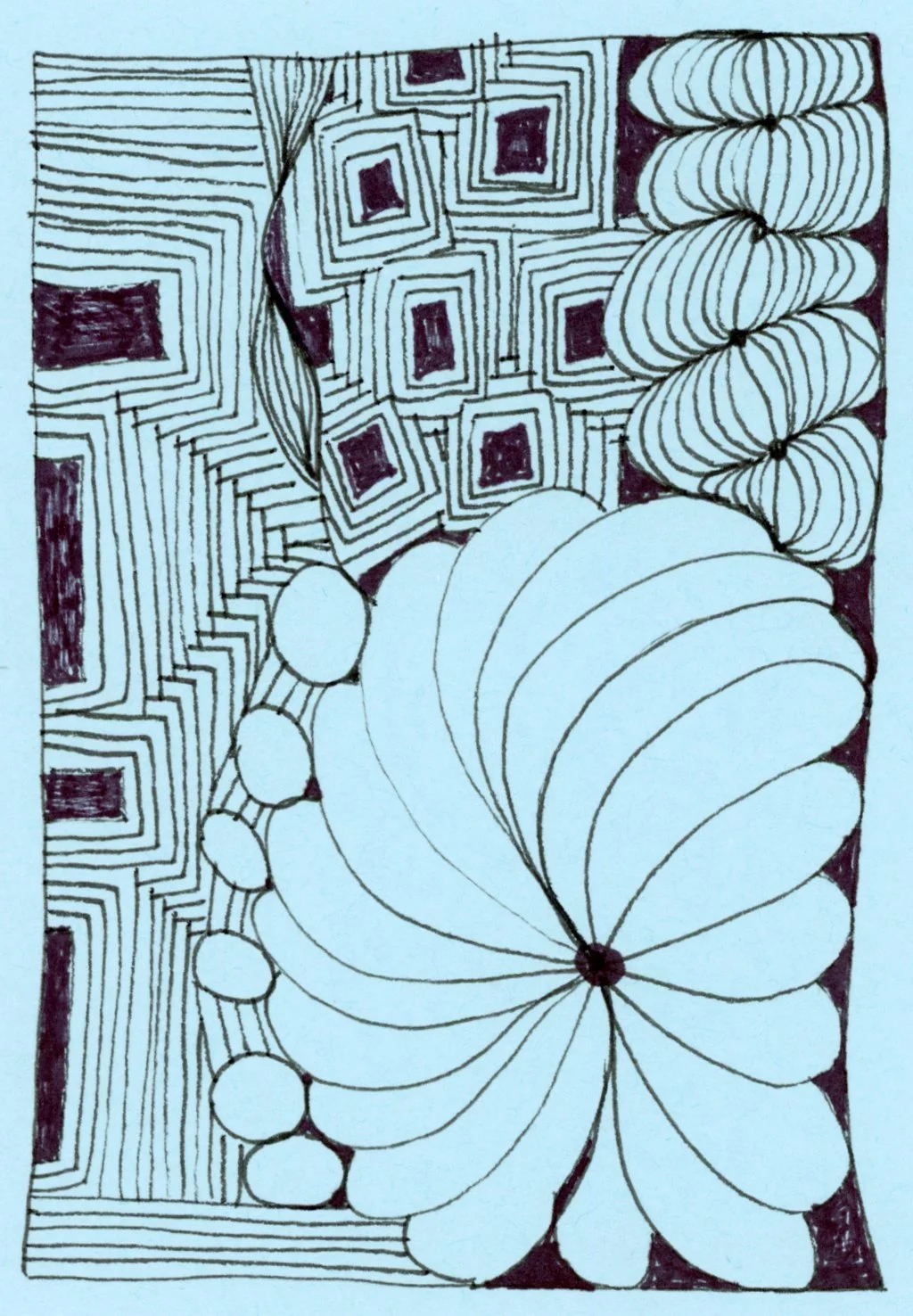
31 days in May….31 Zentangle tiles featured in this post. The tile colors in May were dominated by light blue, pink, and dark green…just cleaning out some older card stock. The one turquoise blue tile stands out!

The Zentangle® Method is an easy-to-learn, relaxing, and fun way to create beautiful images by drawing structured patterns. It was created by Rick Roberts and Maria Thomas. “Zentangle” is a registered trademark of Zentangle, Inc. Learn more at zentangle.com.

Photography from 1901

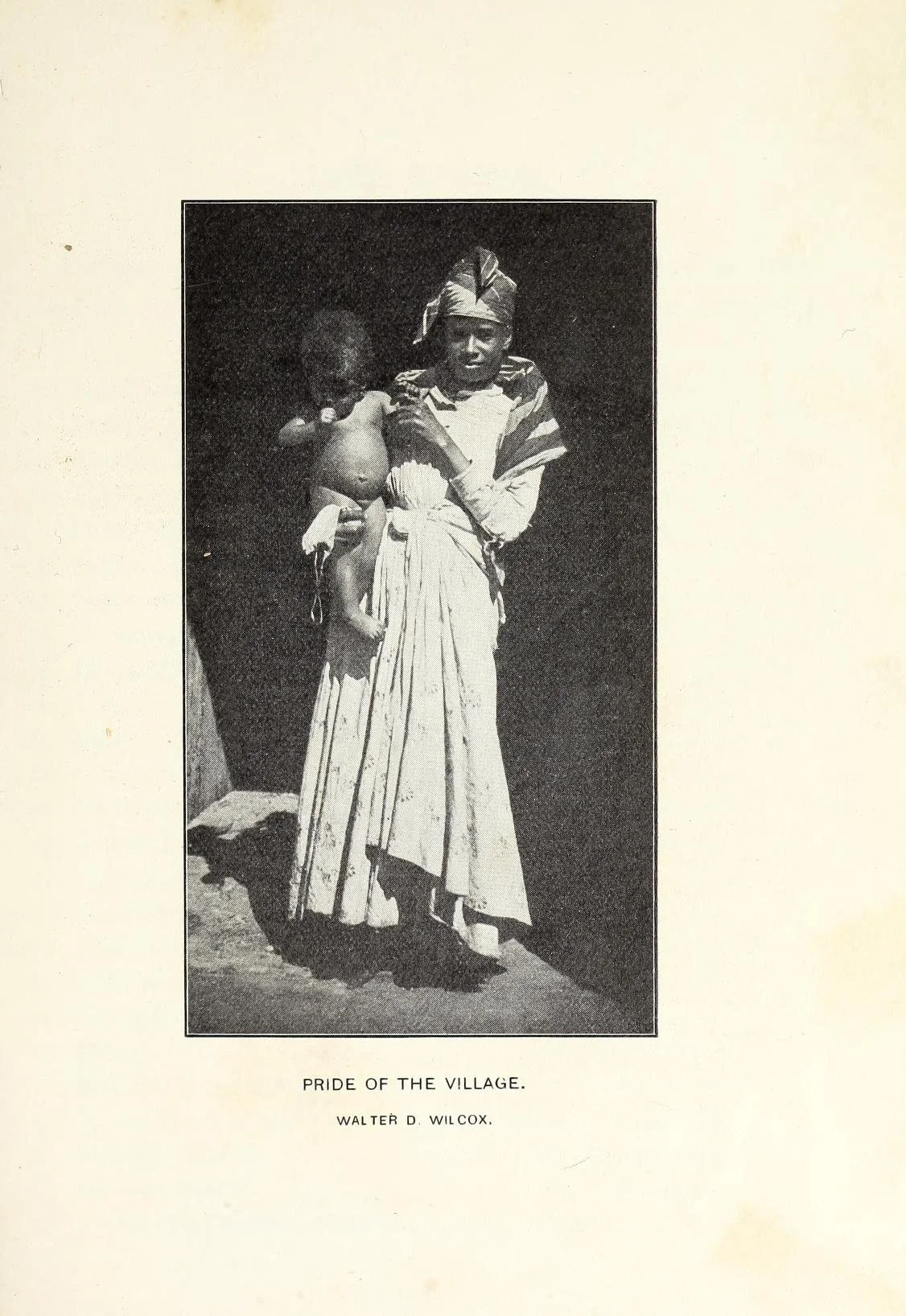
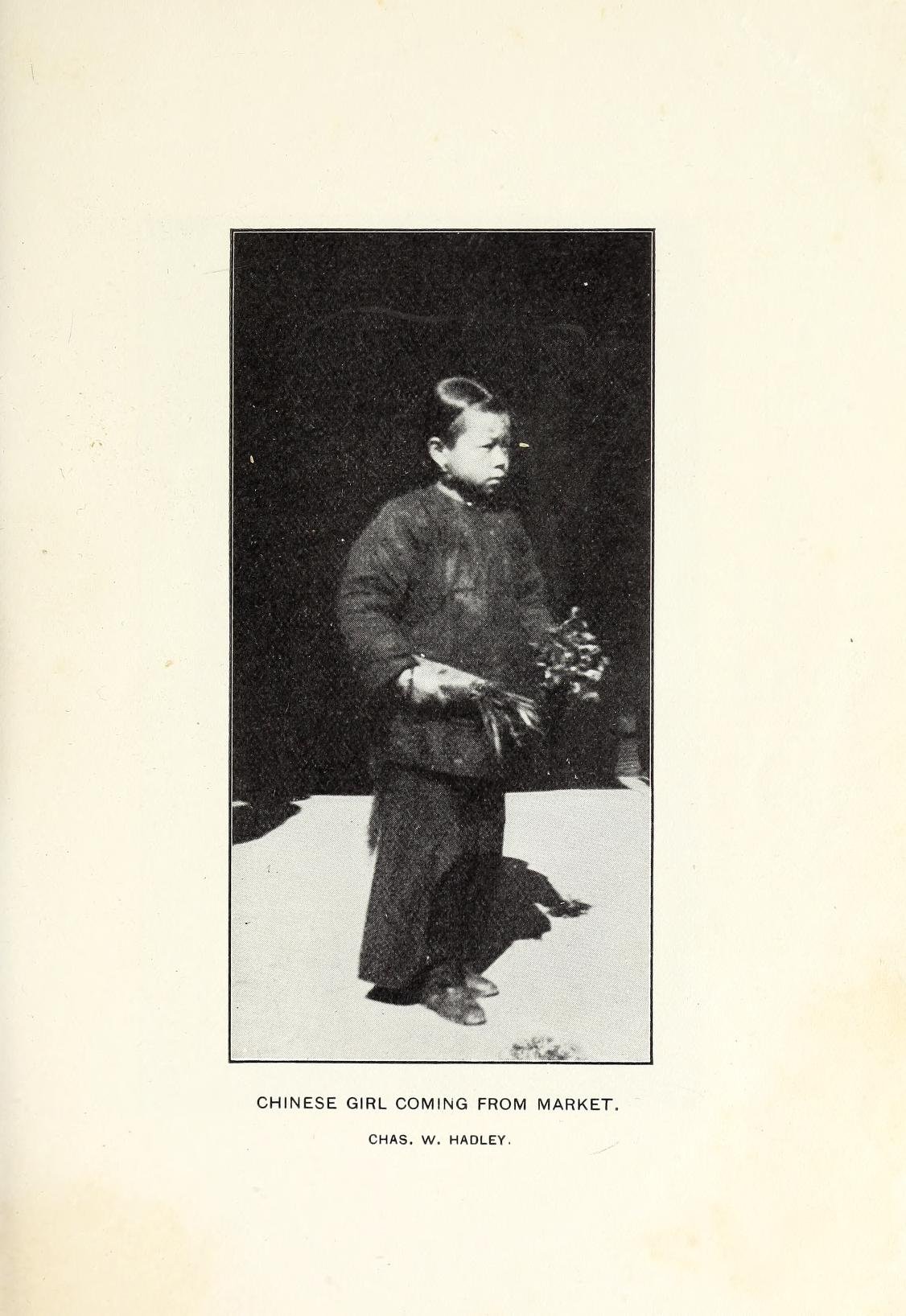
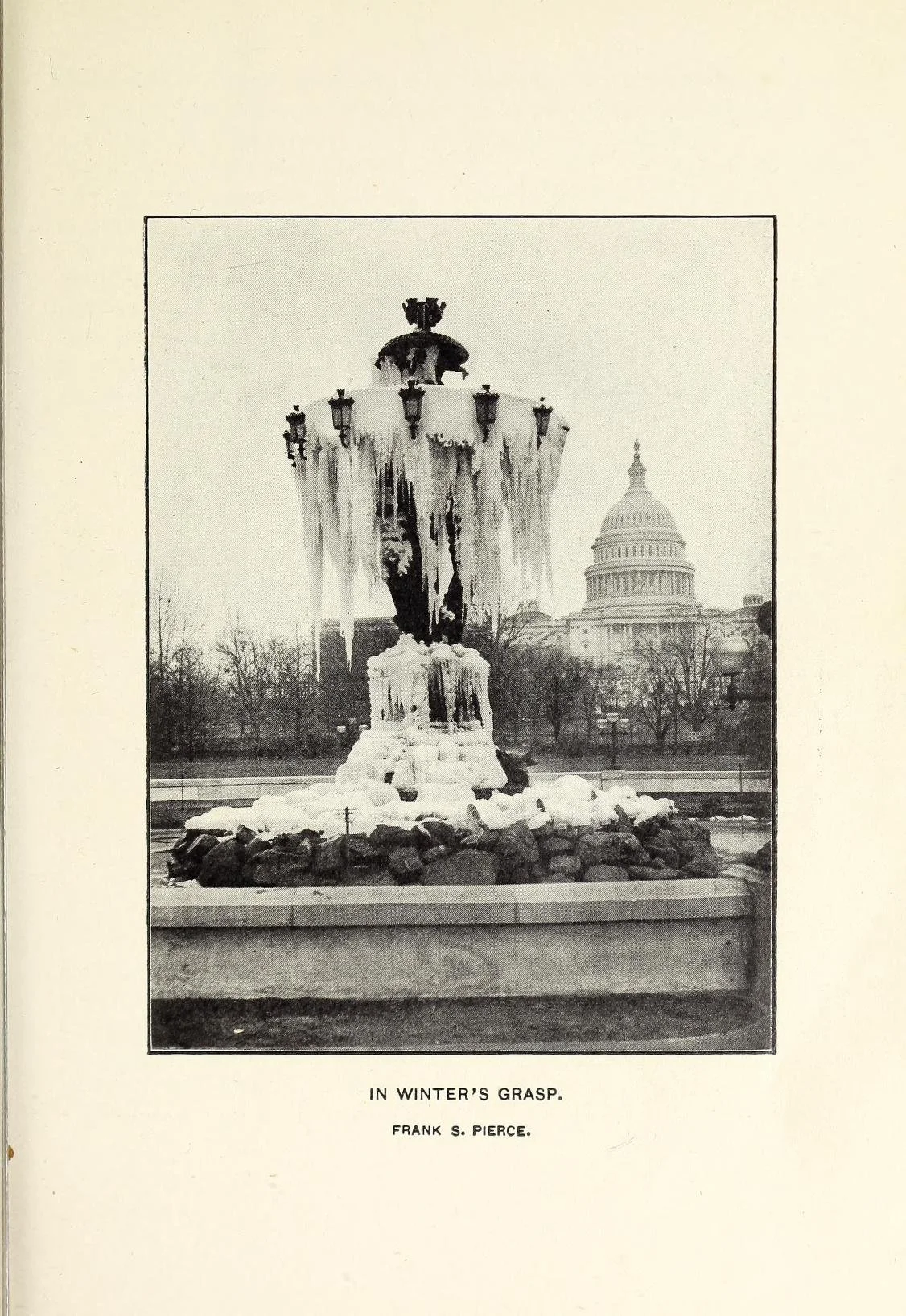
The Corcoran Gallery of Art hosted an exhibit of photography from the local camera club in April 1901…and the exhibition book is my pick for Book of the Week. The book is available on Internet Archive.

The year caught my attention since one of my grandfathers was born in 1901; he would have been 3 months old when this exhibition happened!

My favorite of the sample images is the icy fountain…with the US Capitol in the background.  

 Tenth annual exhibition of the Capital Camera Club: April 22d to 30th, 1901

Missouri Botanical Garden – Part 1

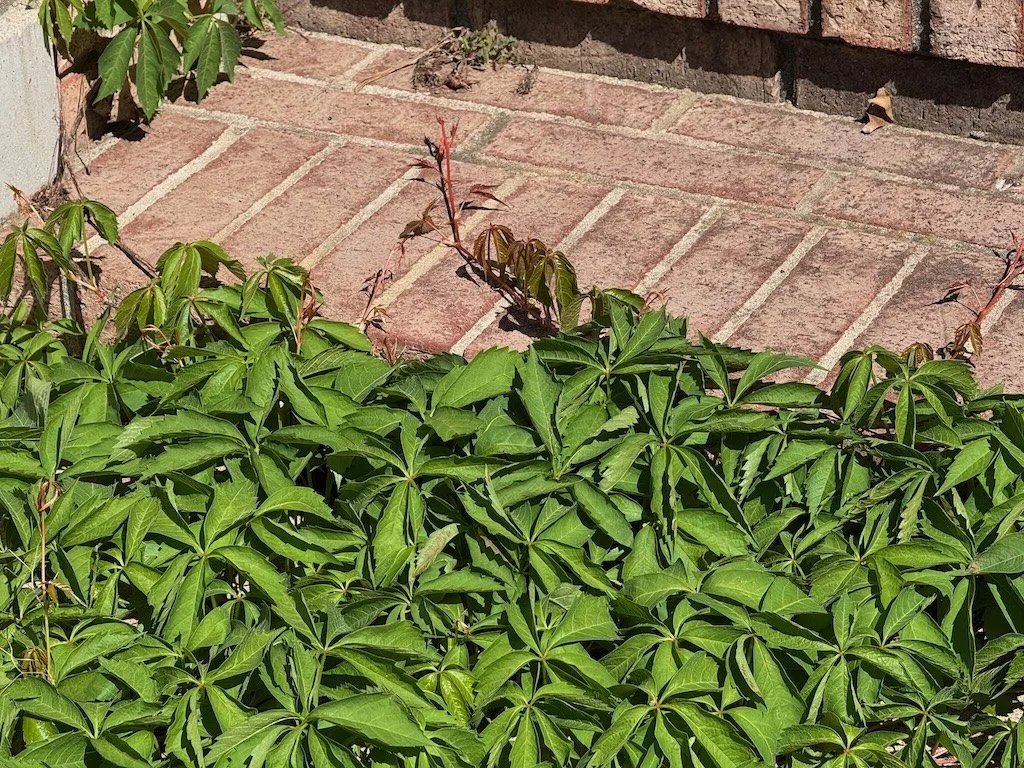
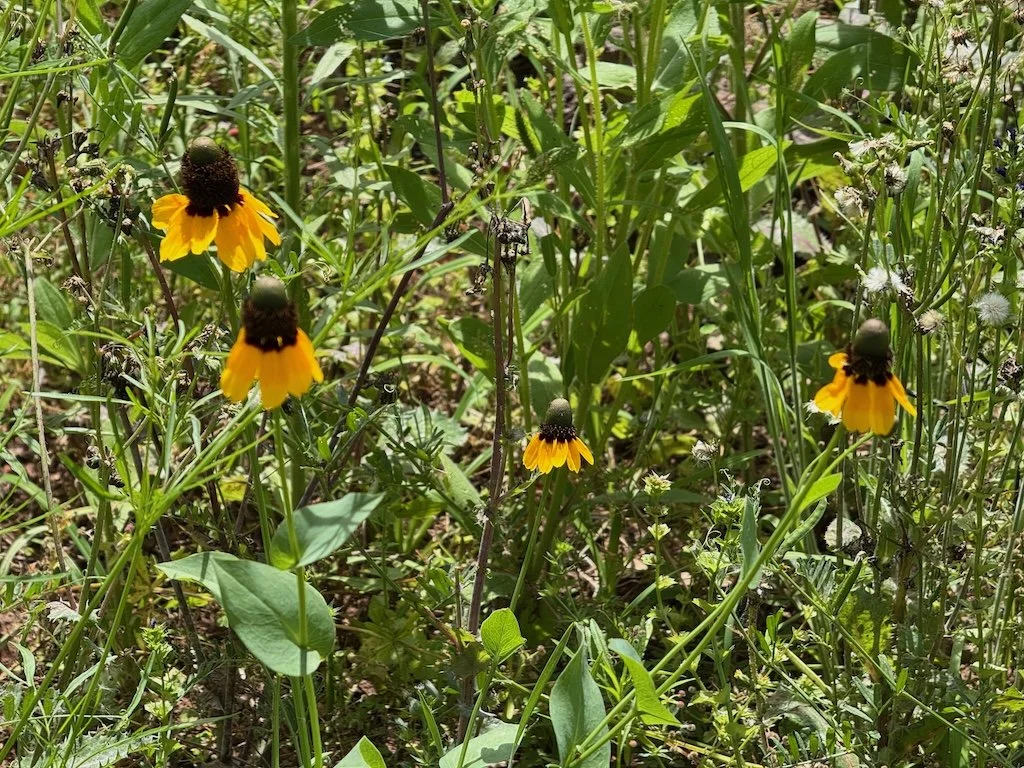
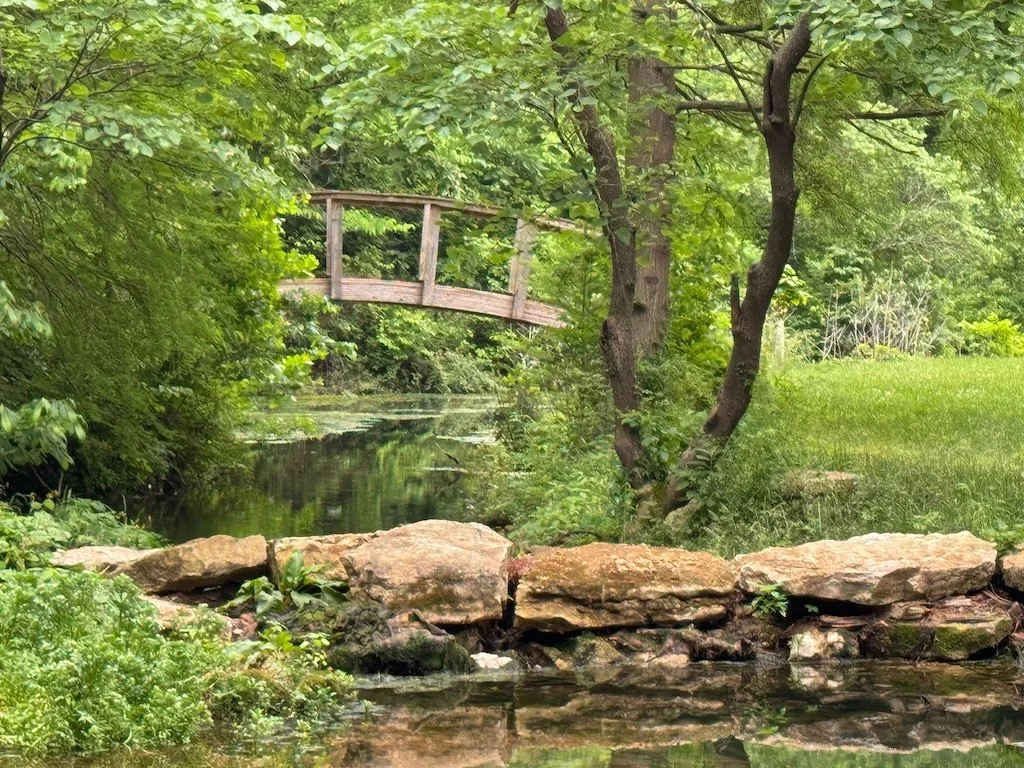
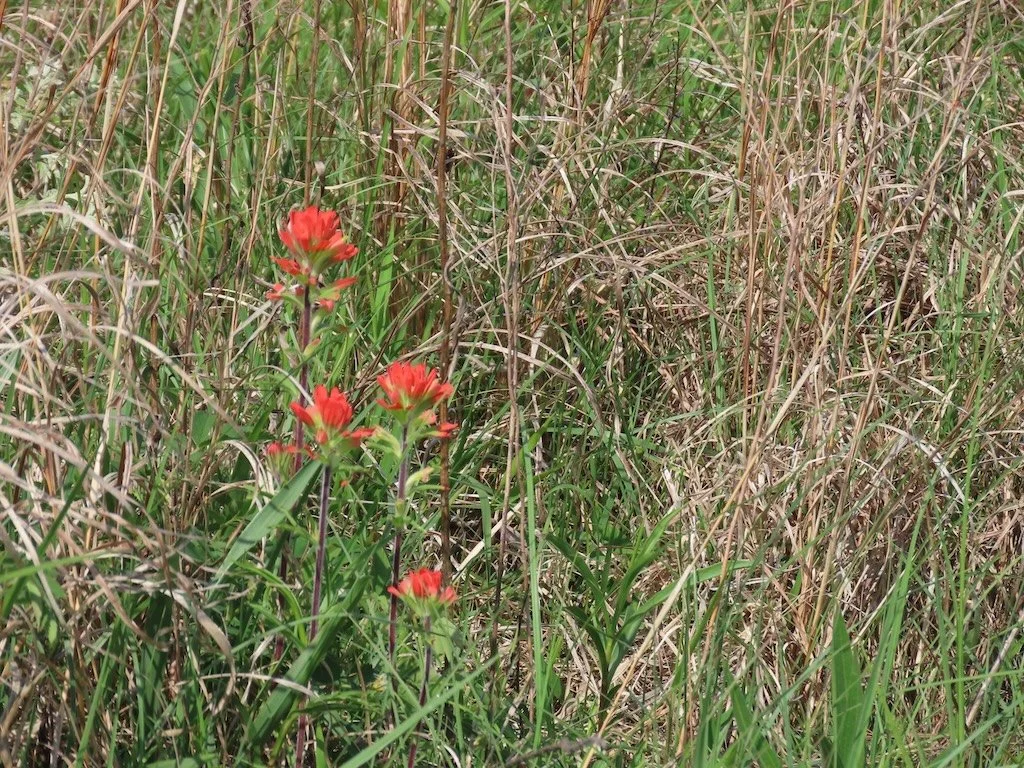
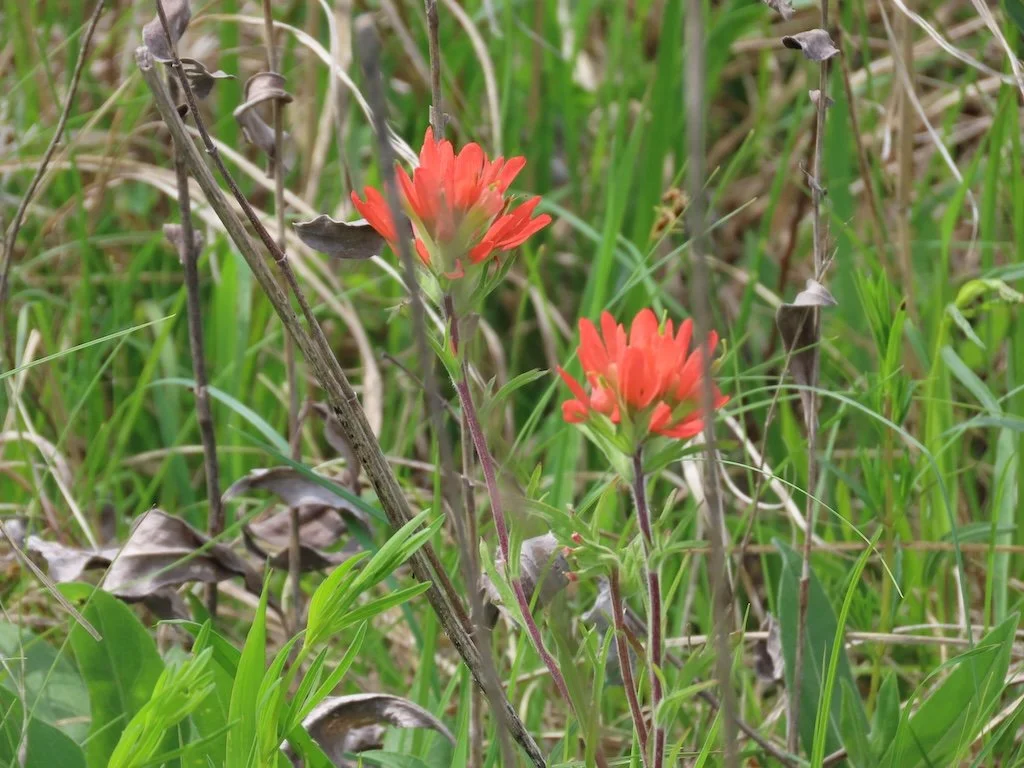
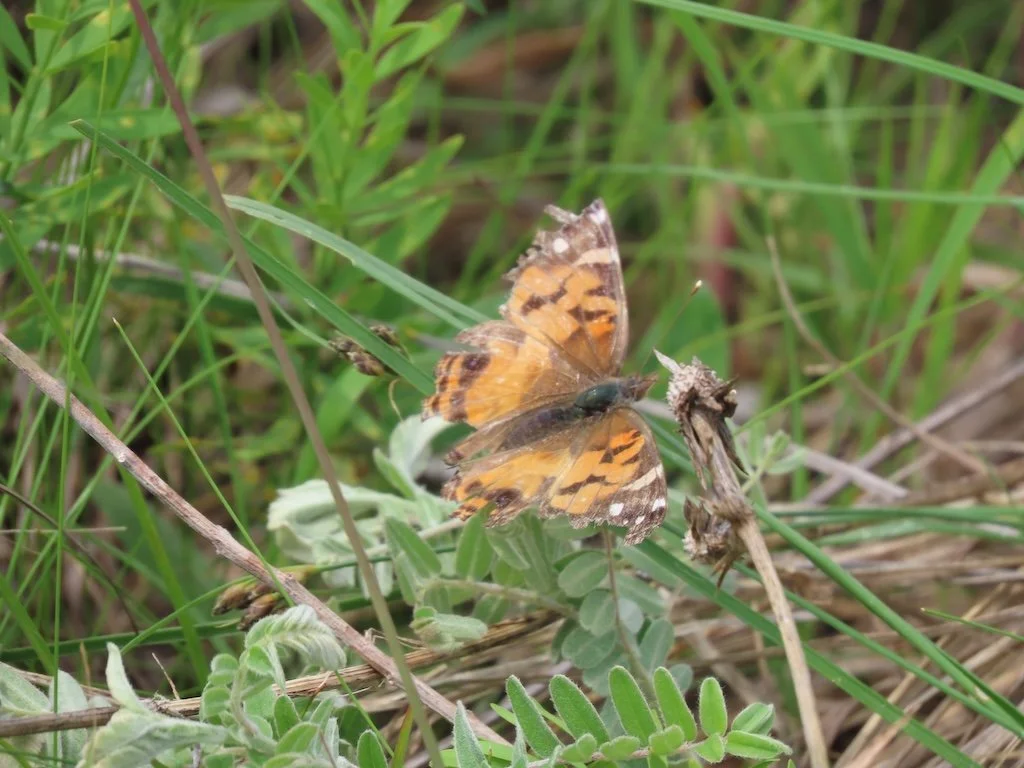
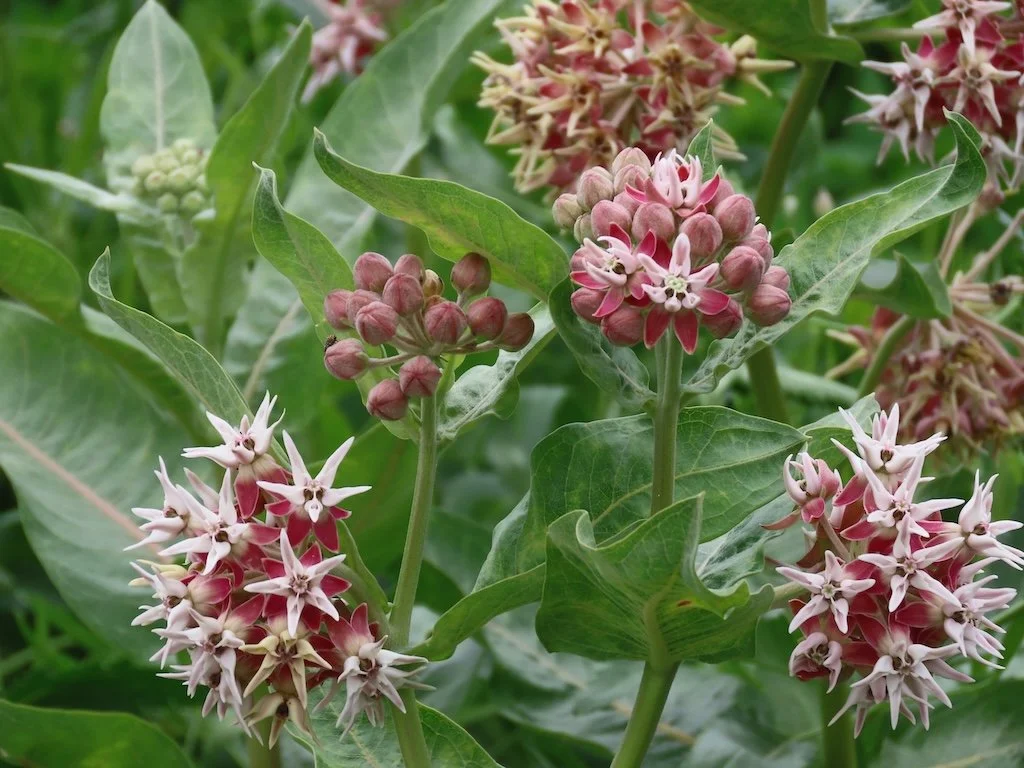
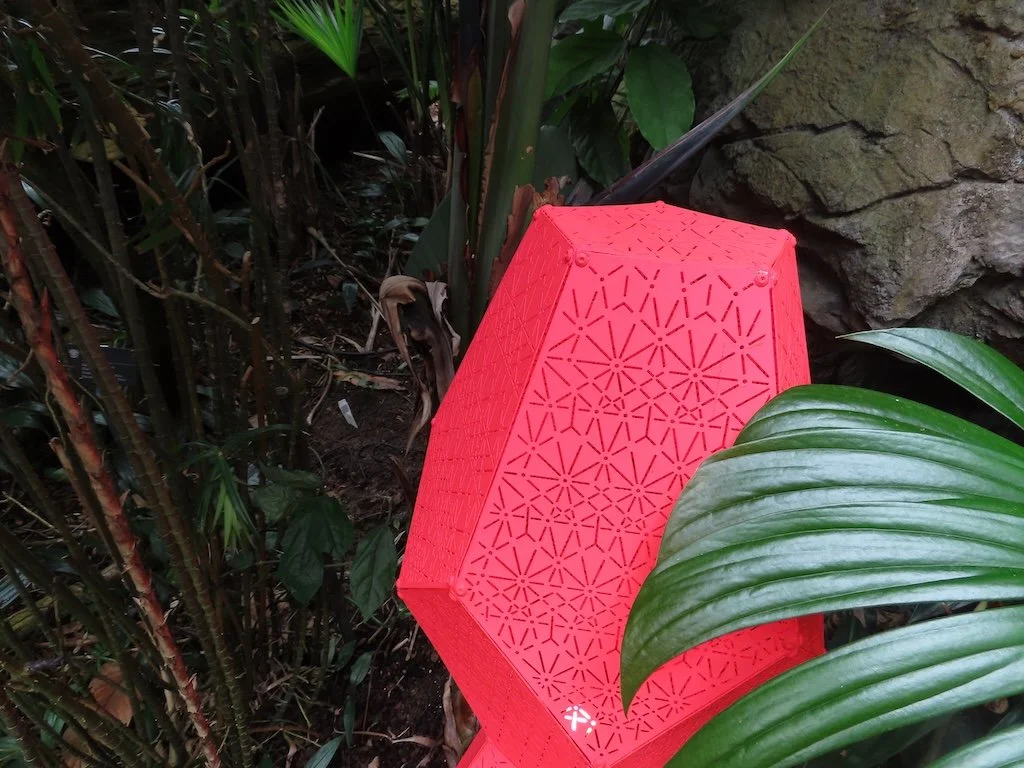
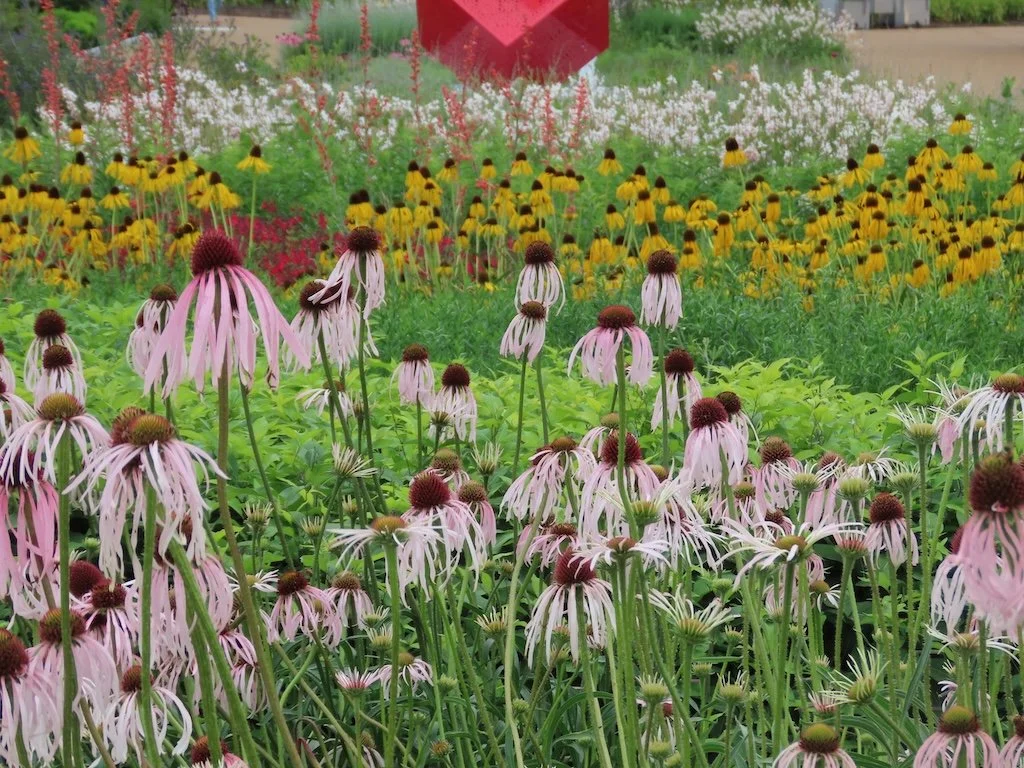
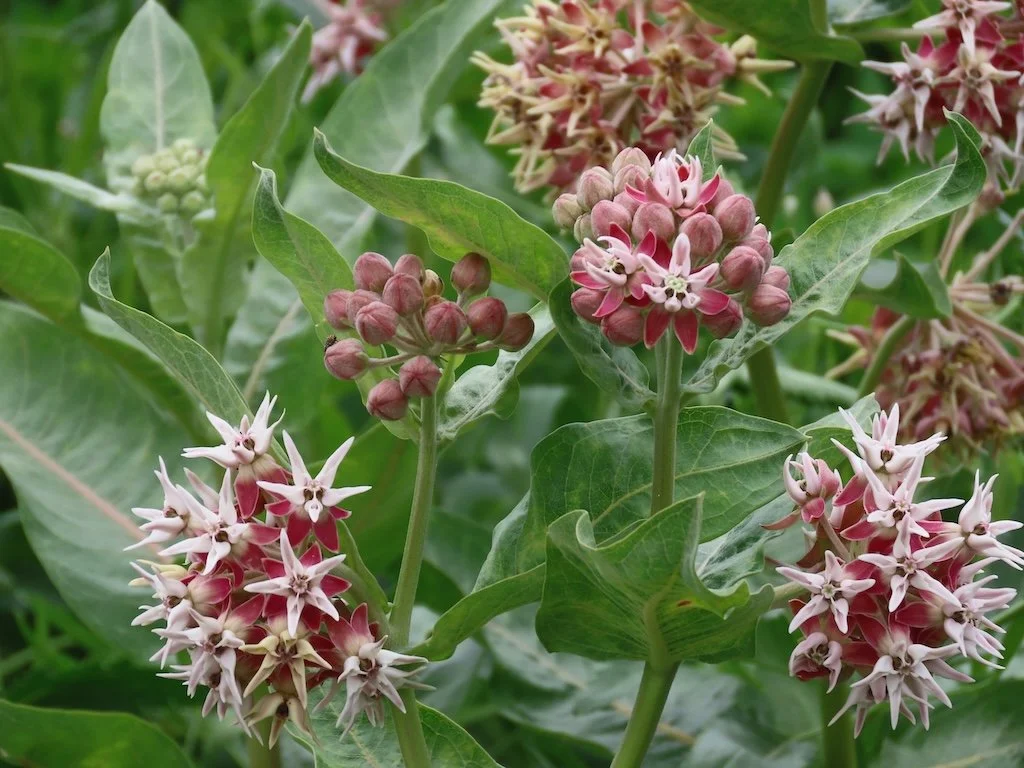
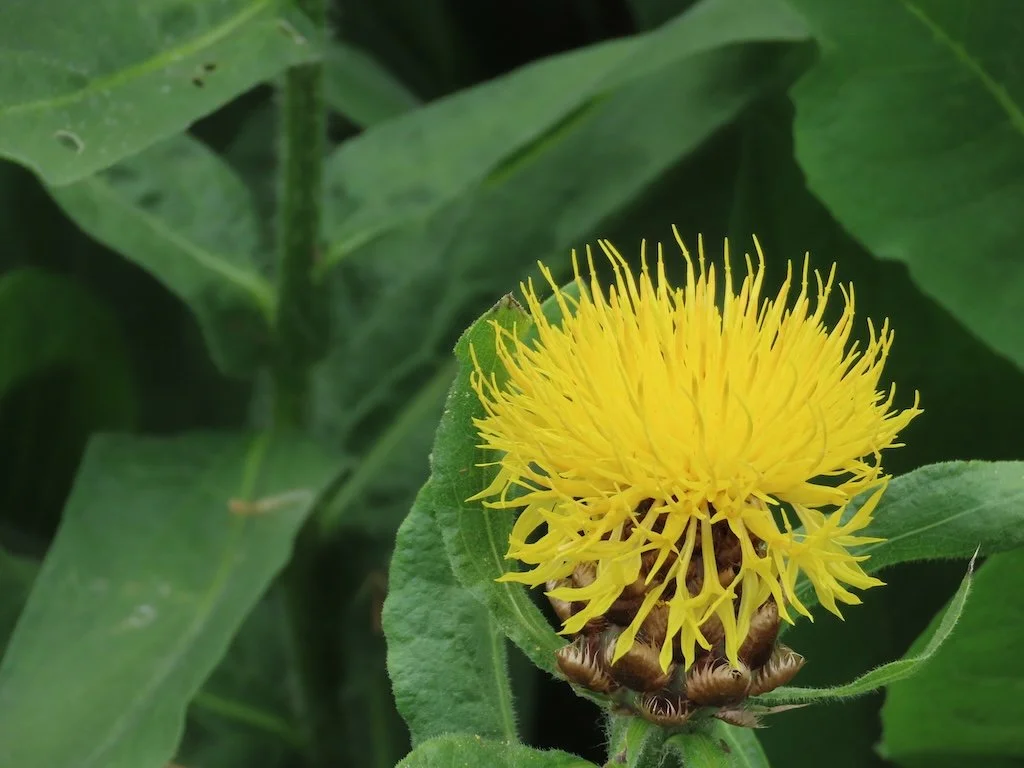
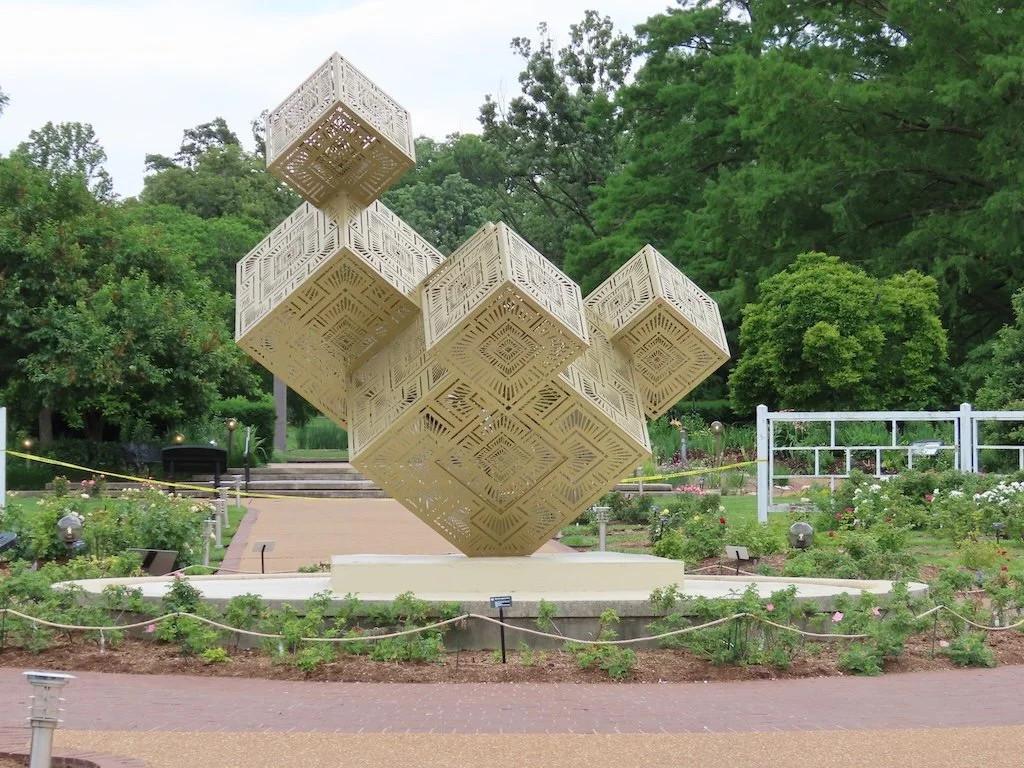
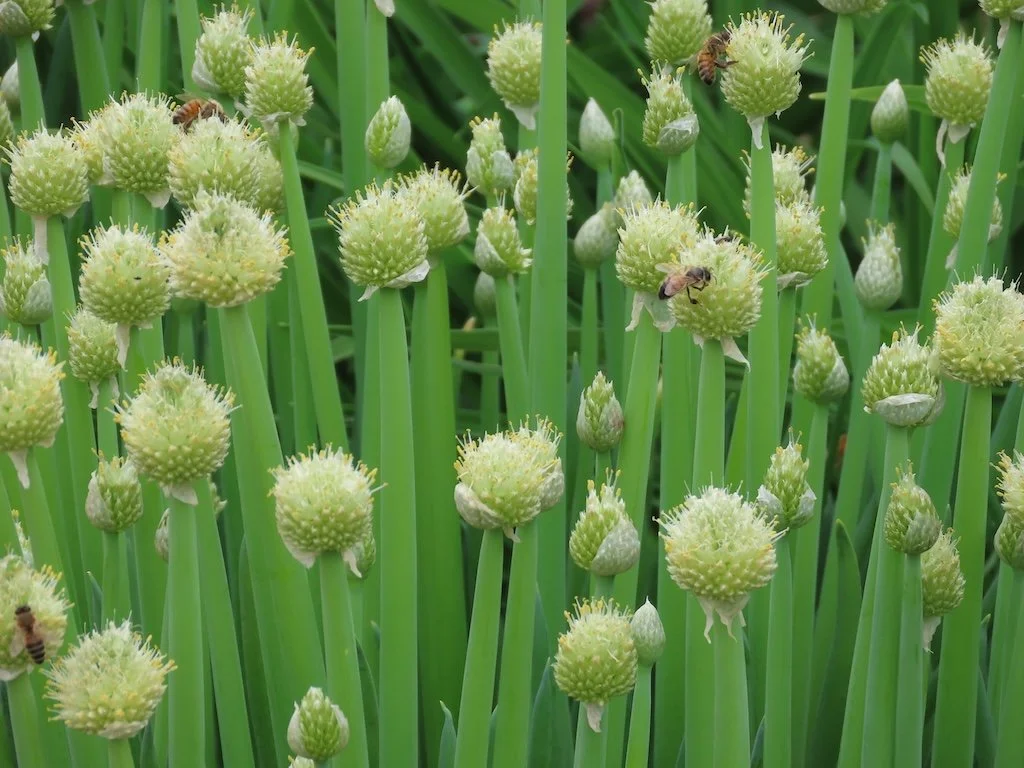
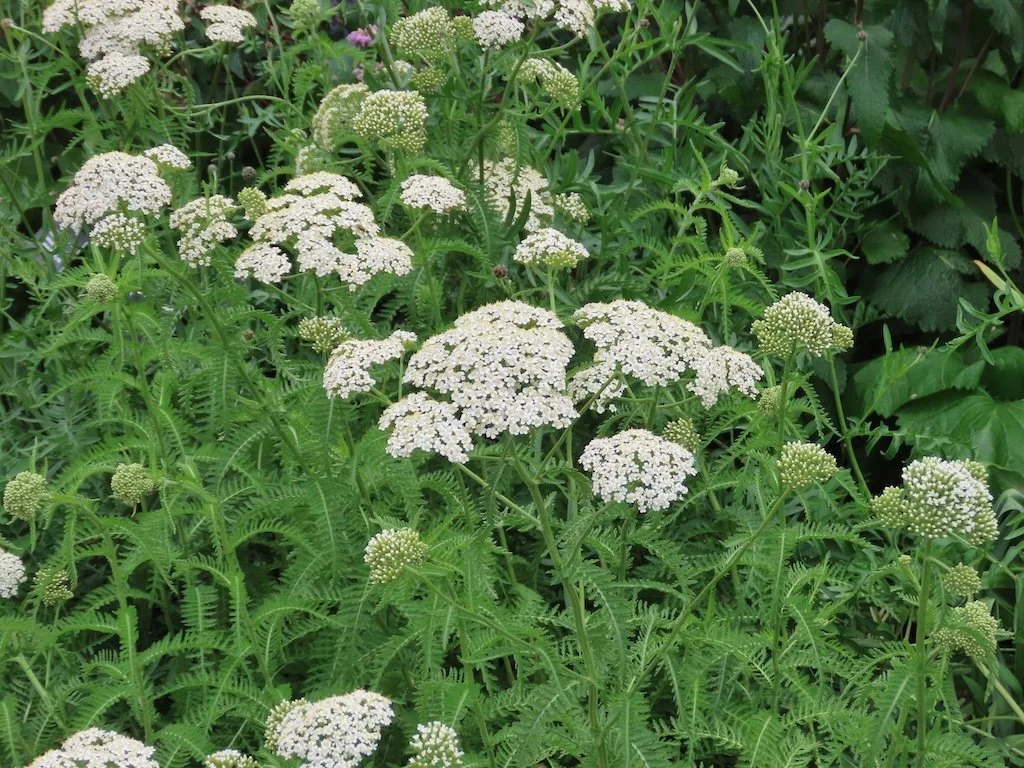
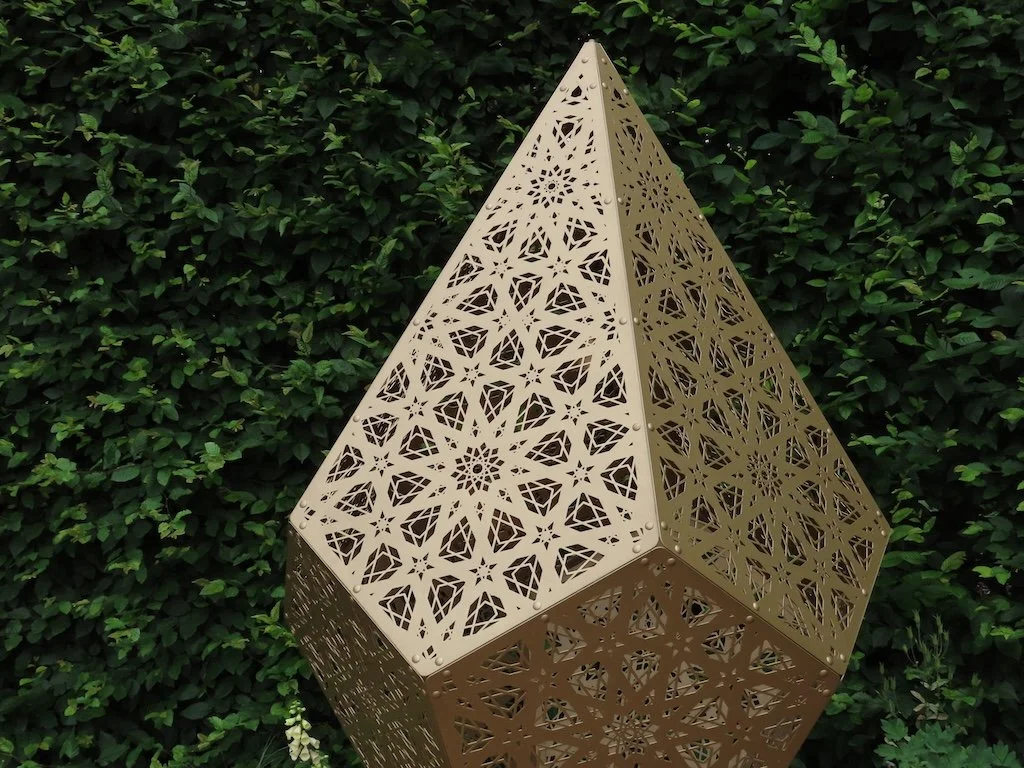
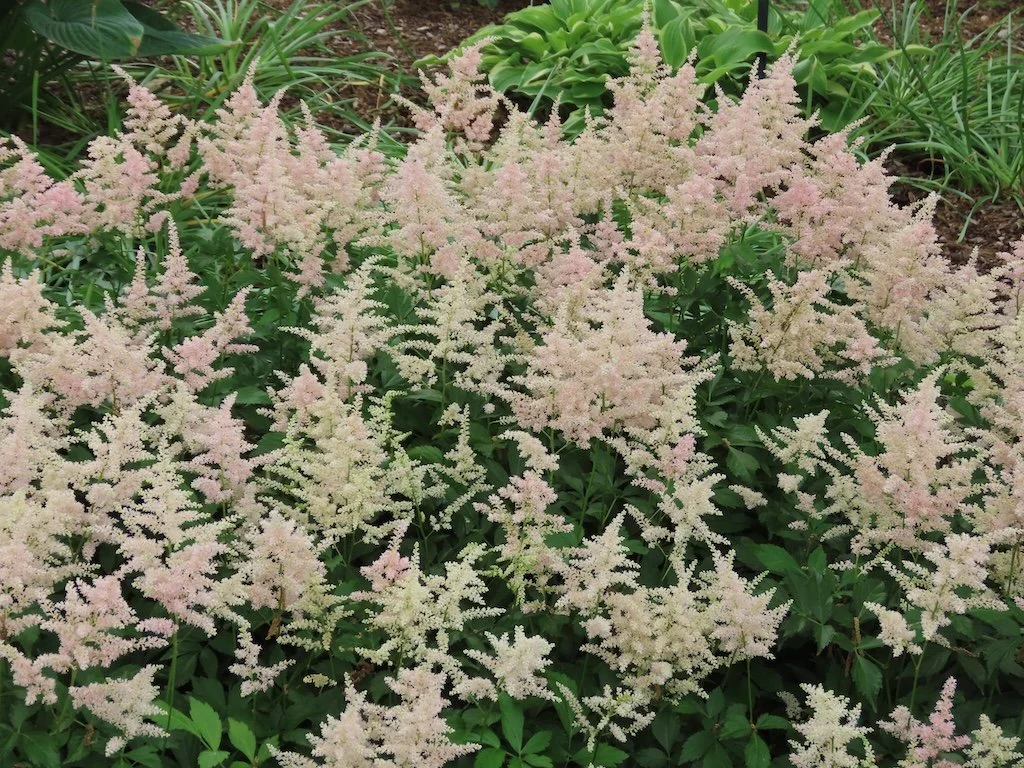
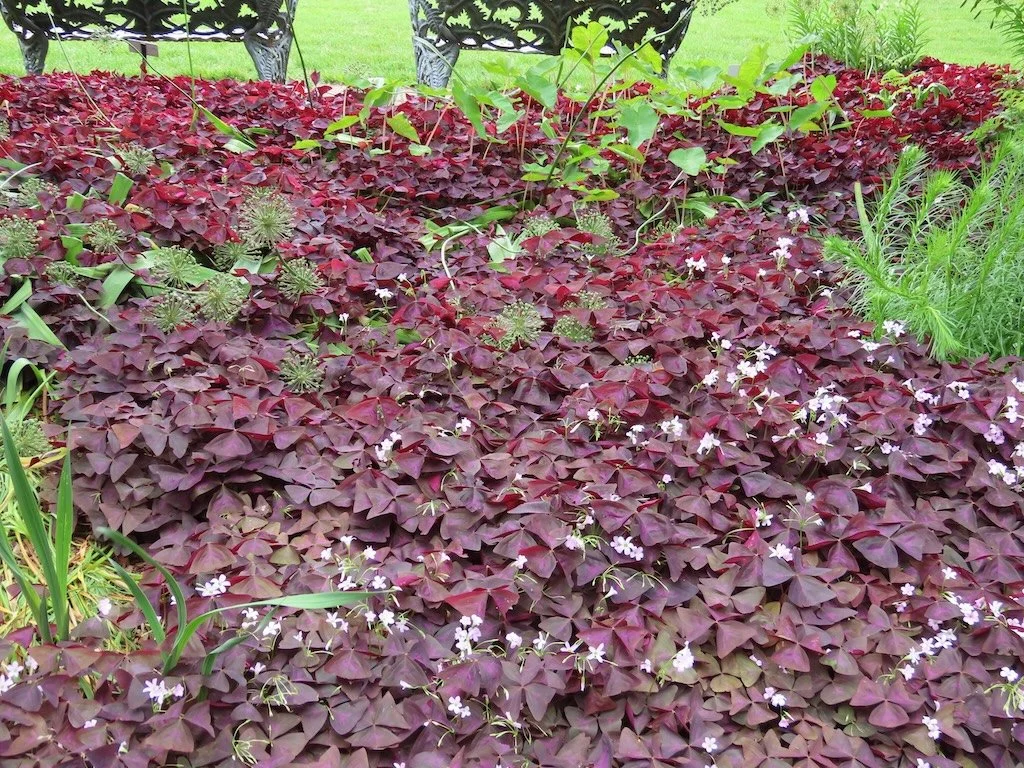
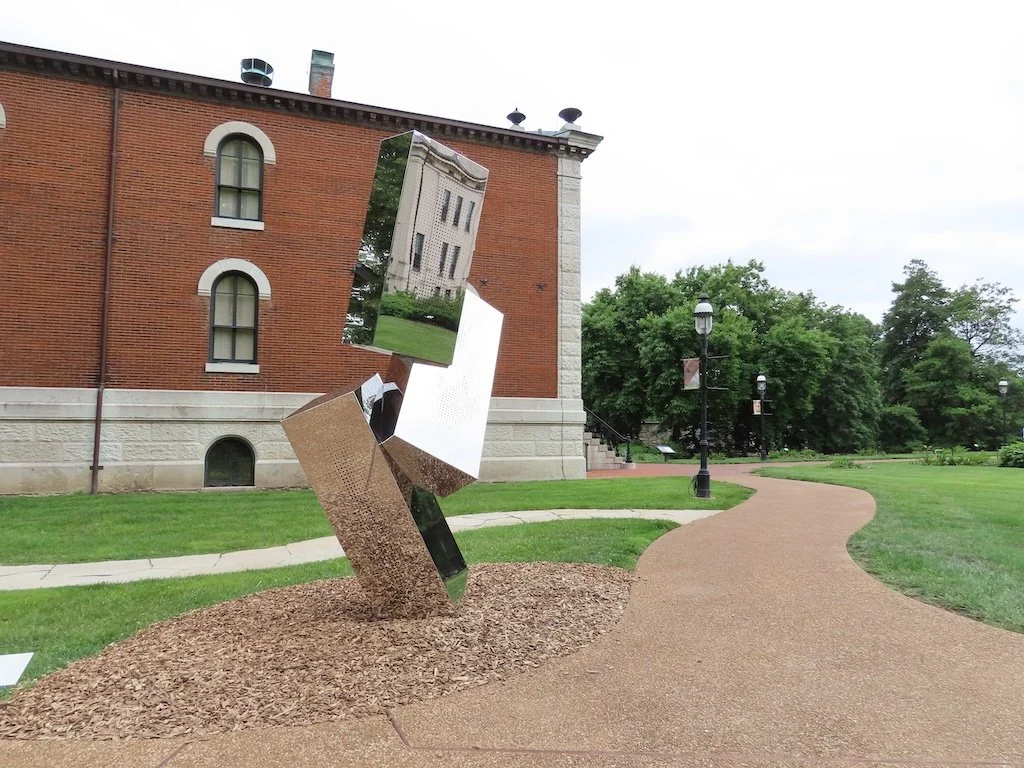
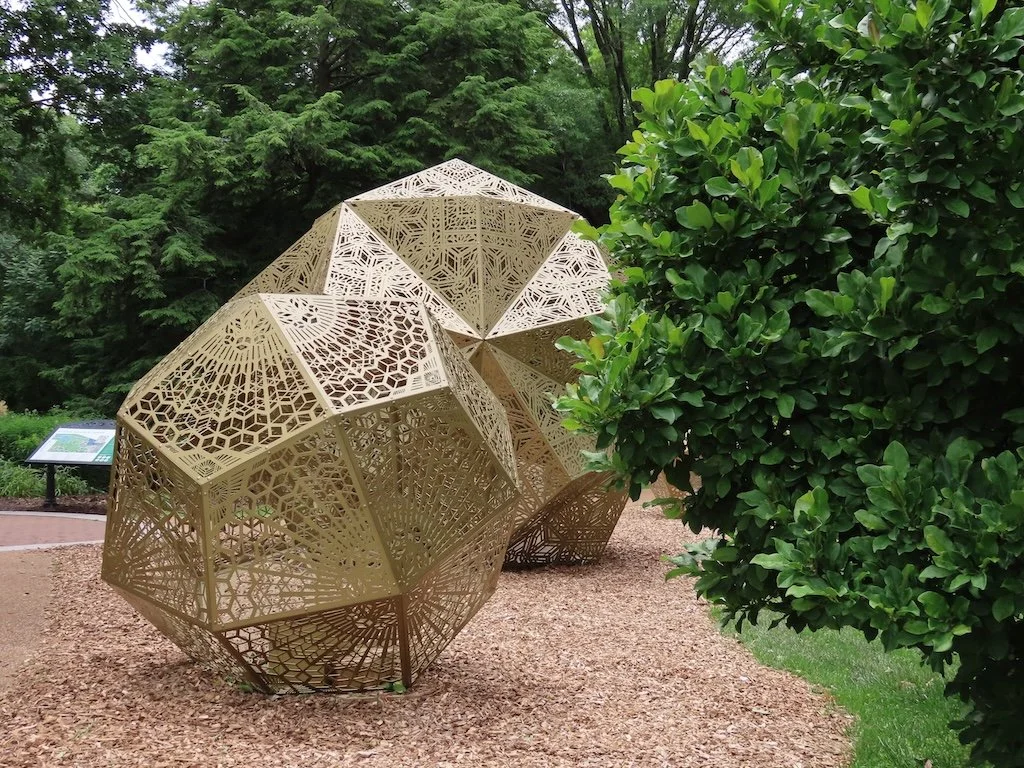
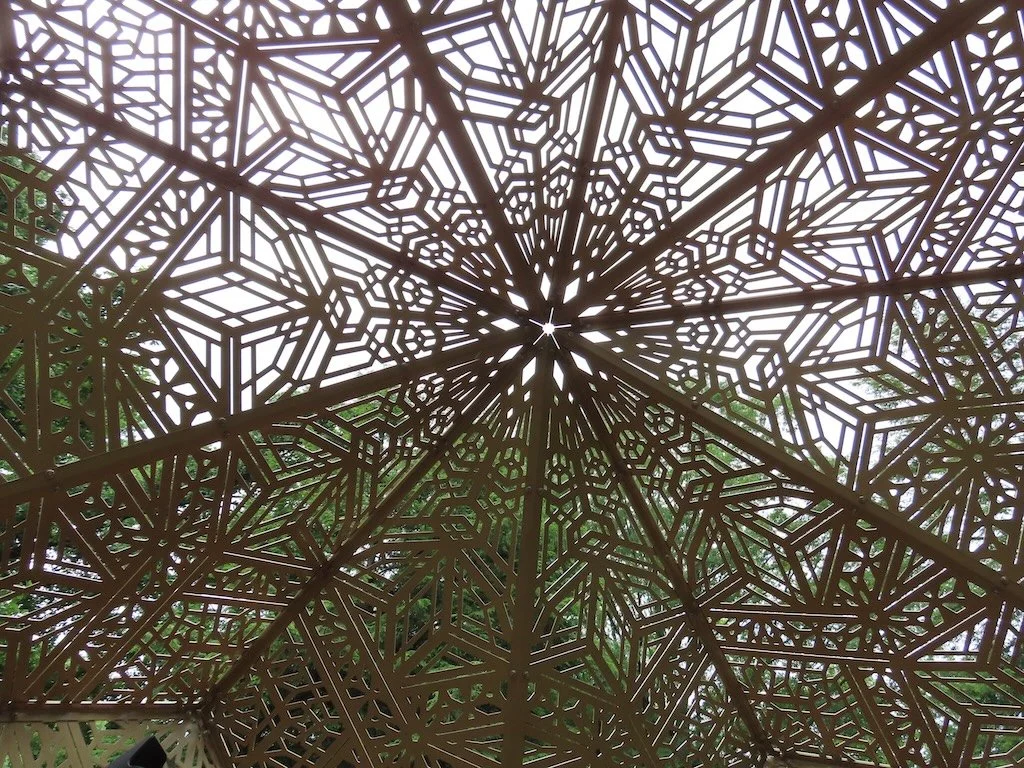
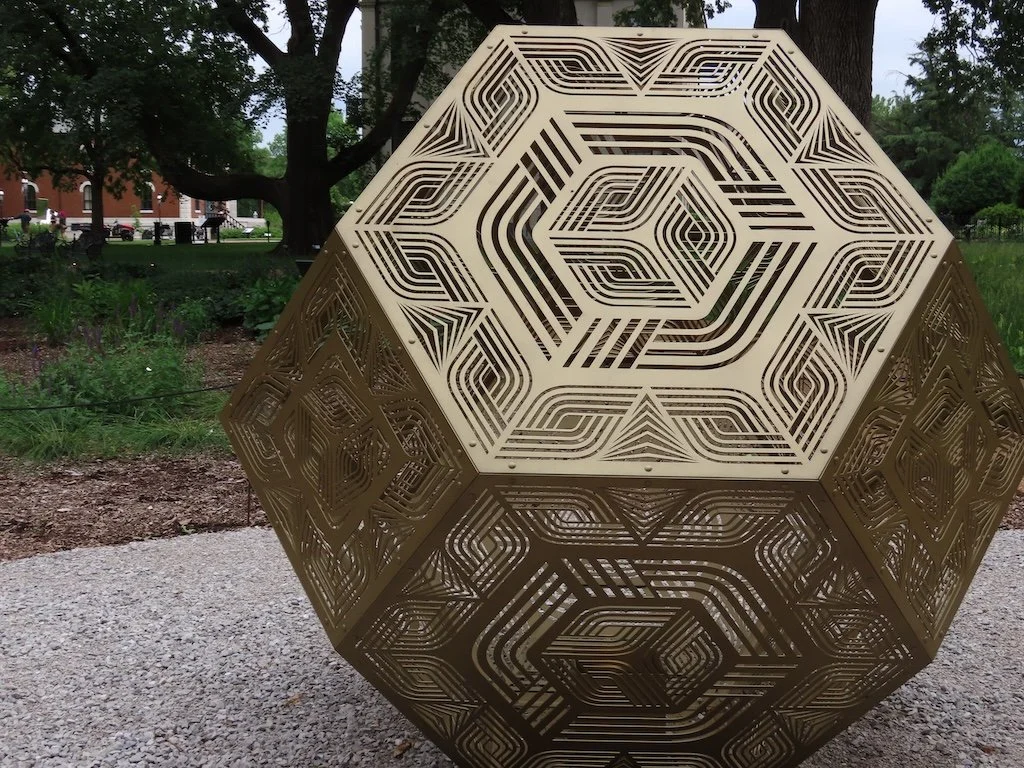
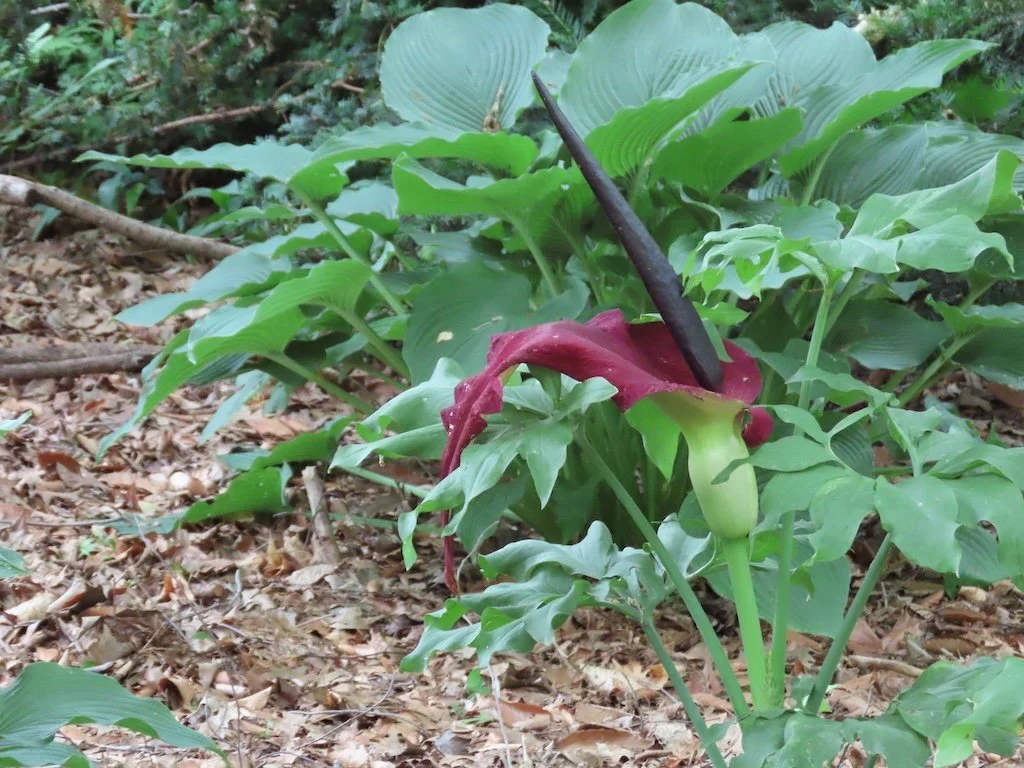
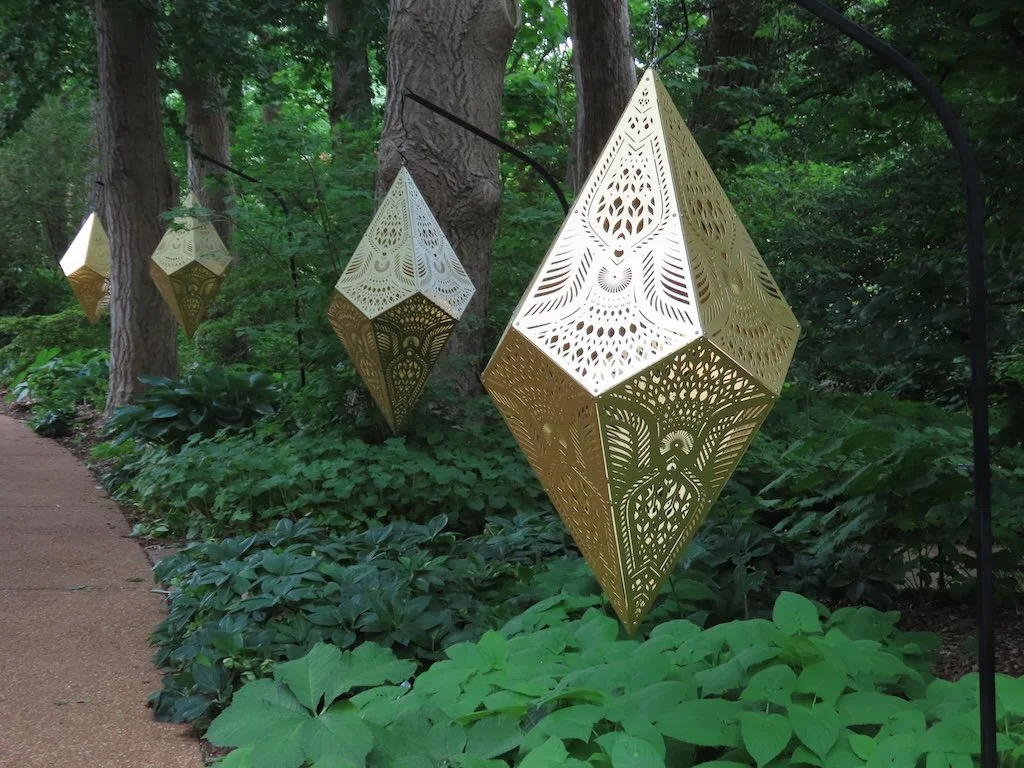
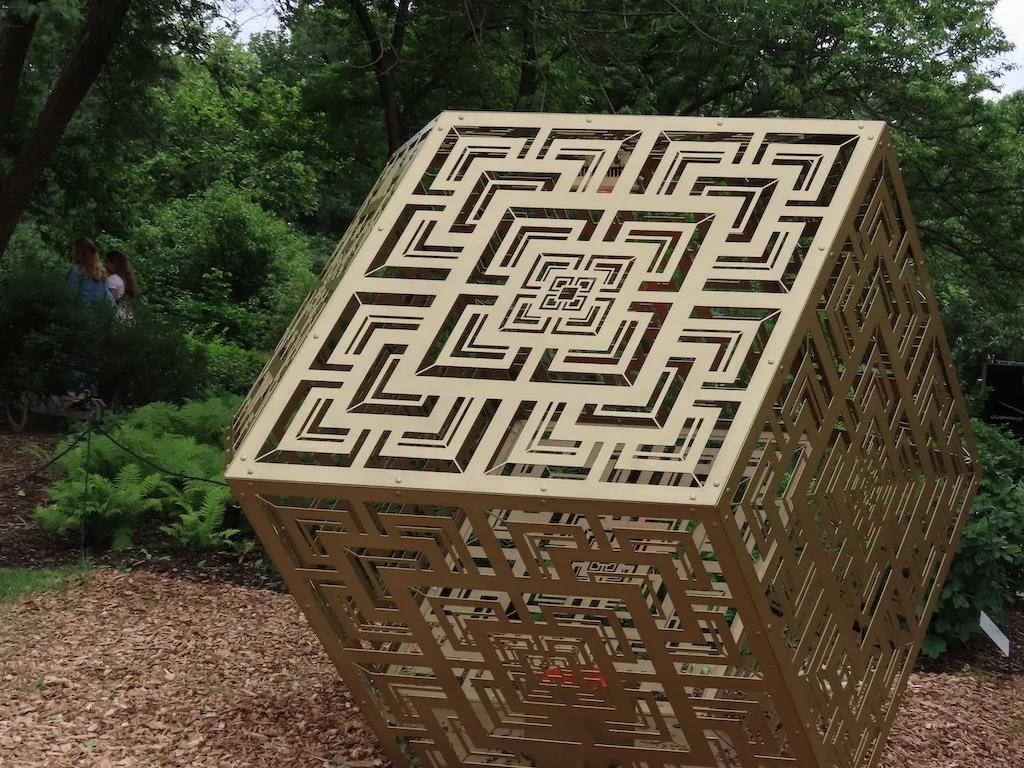
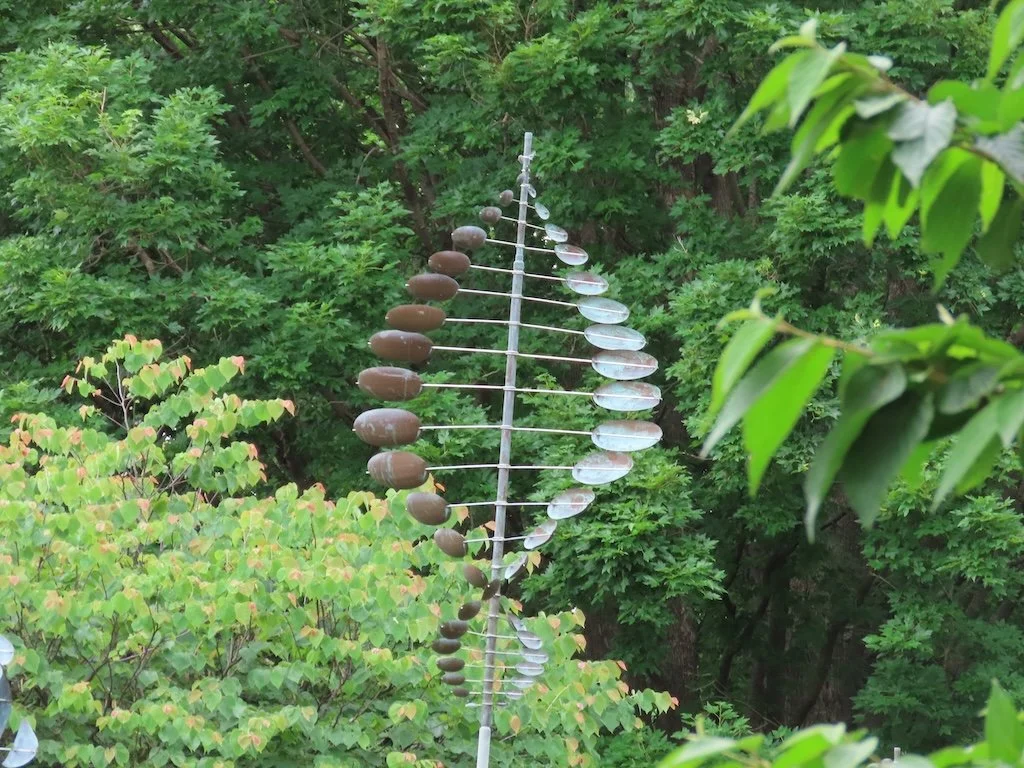
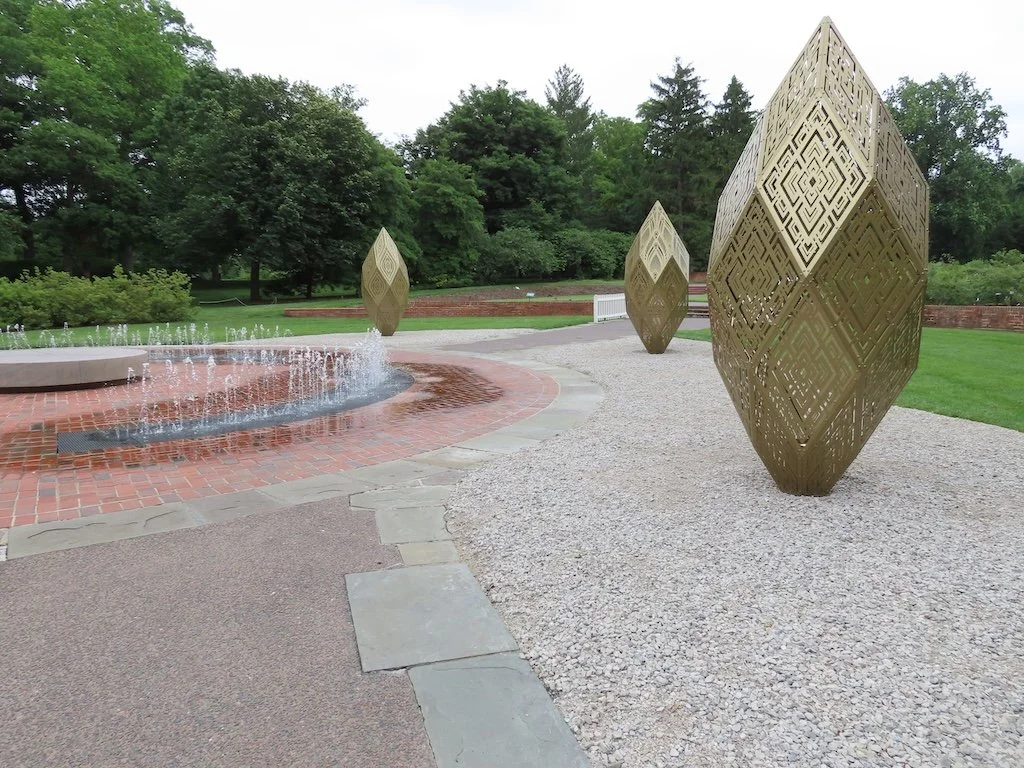
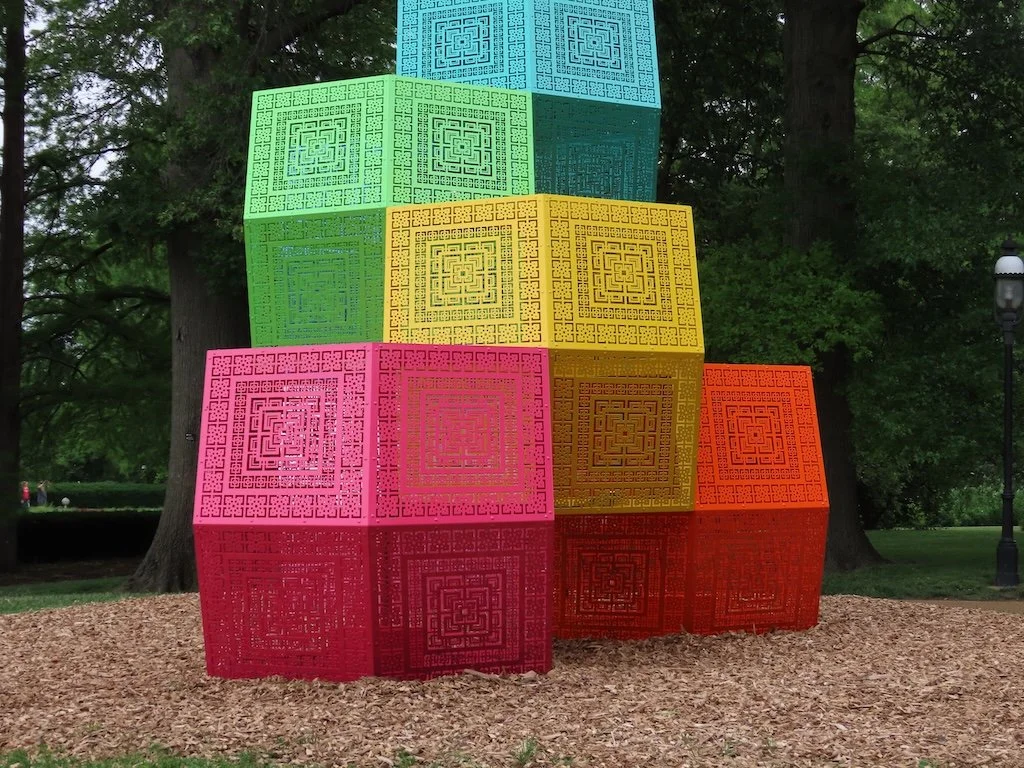
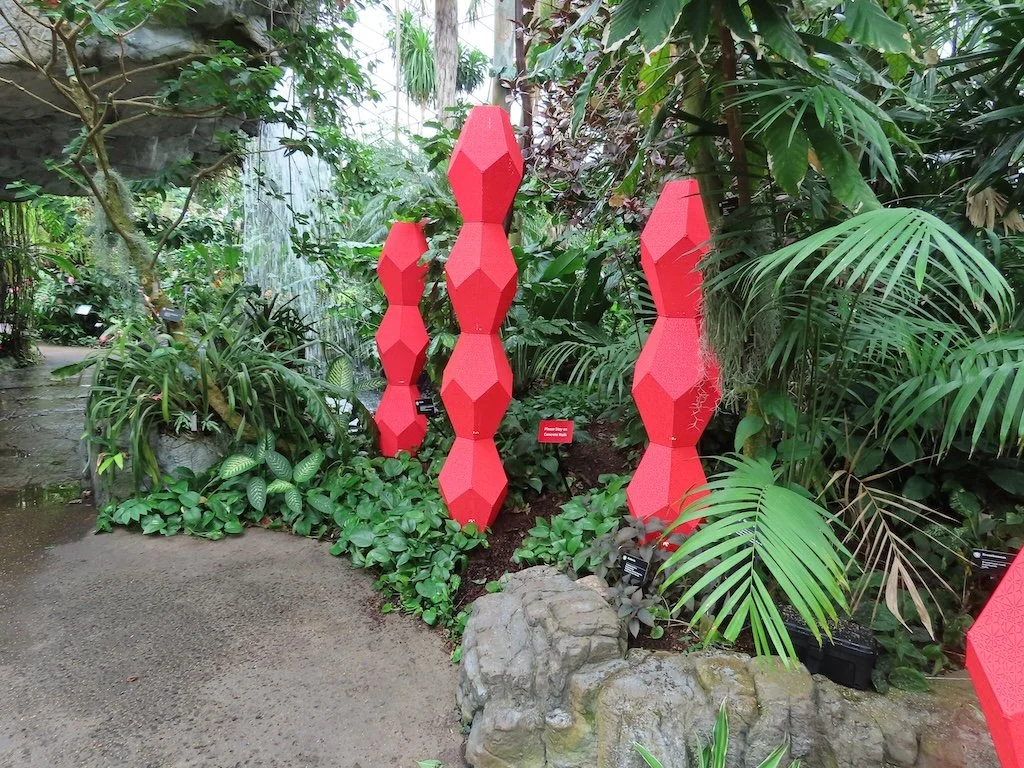
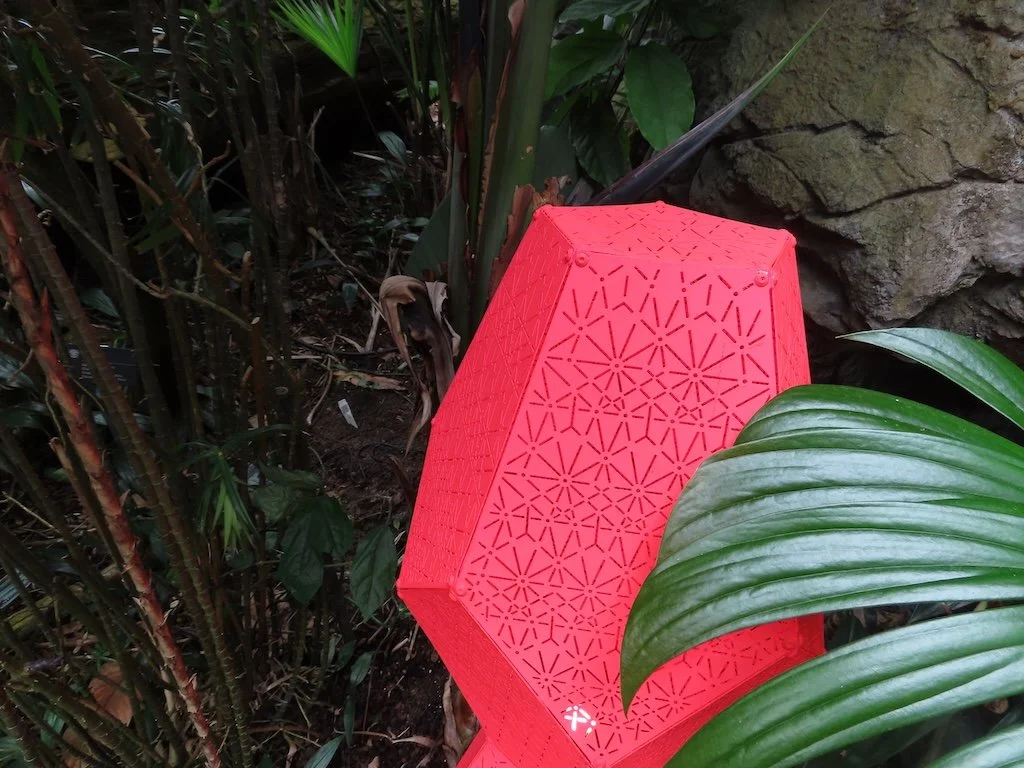
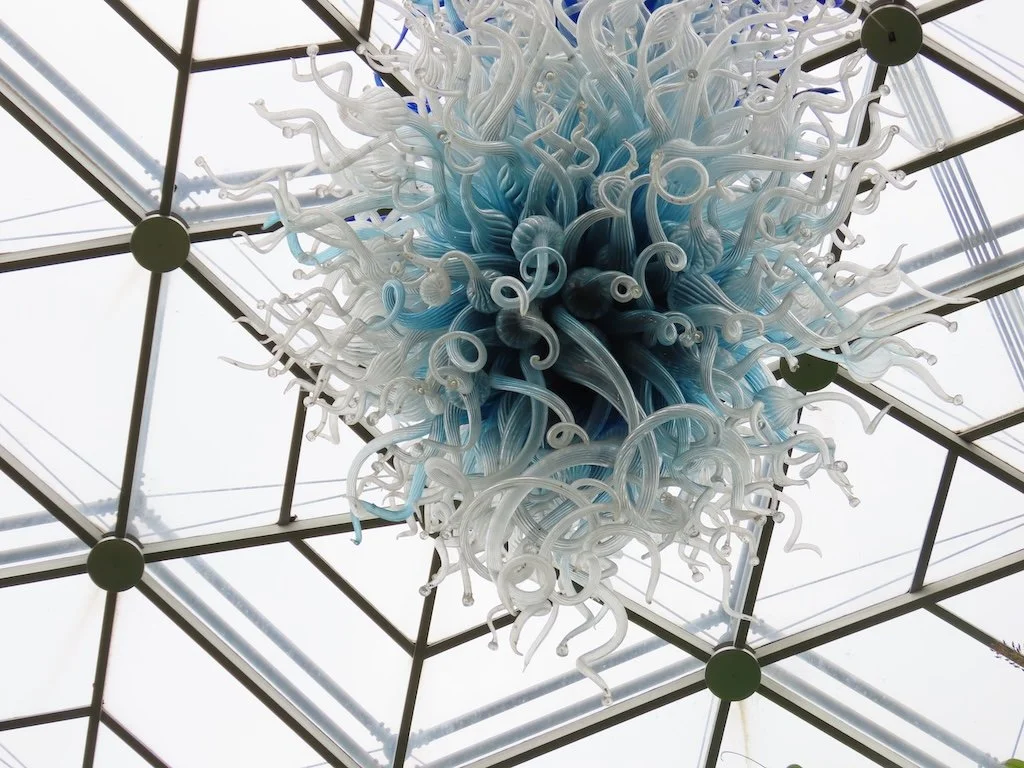
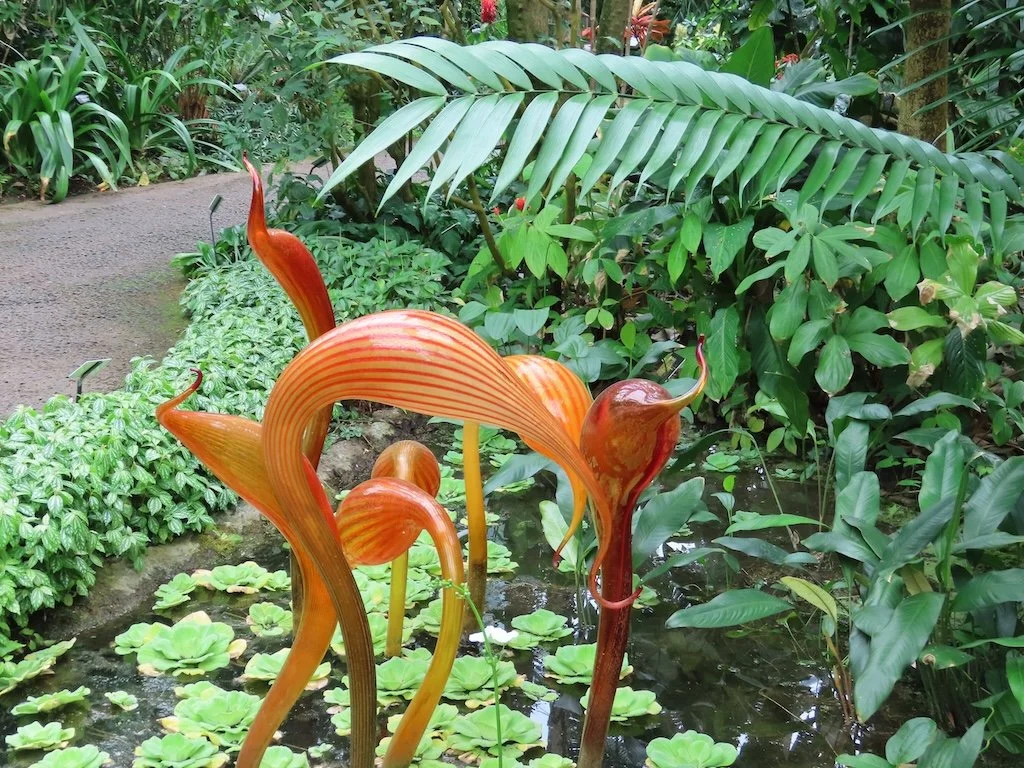
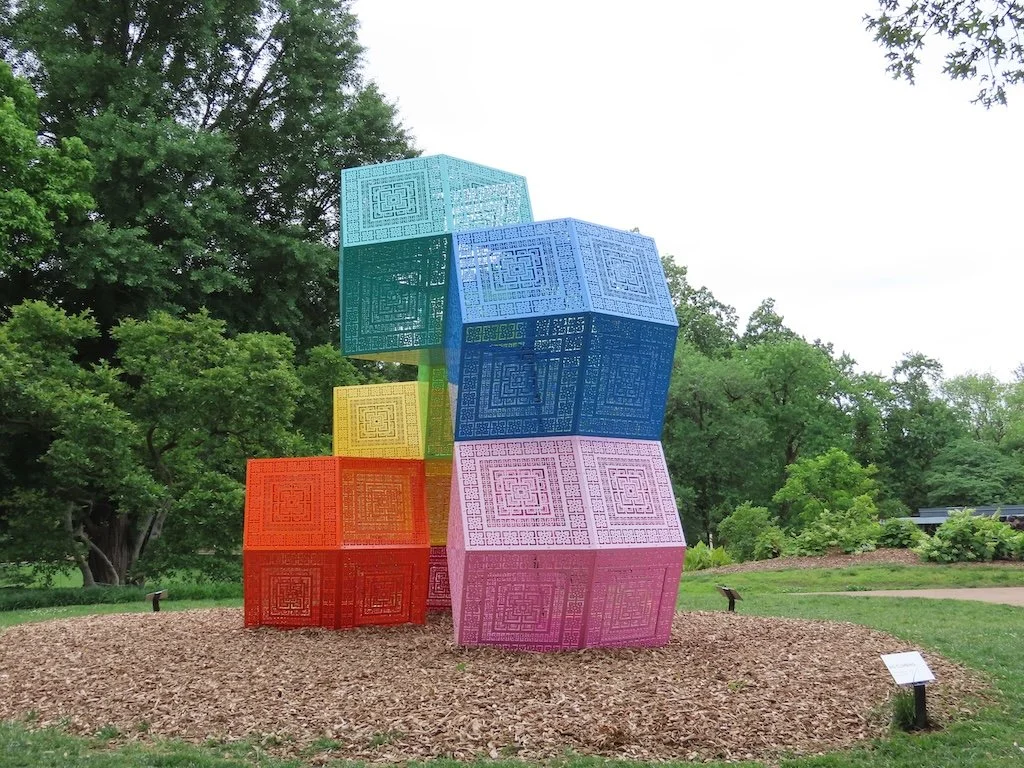
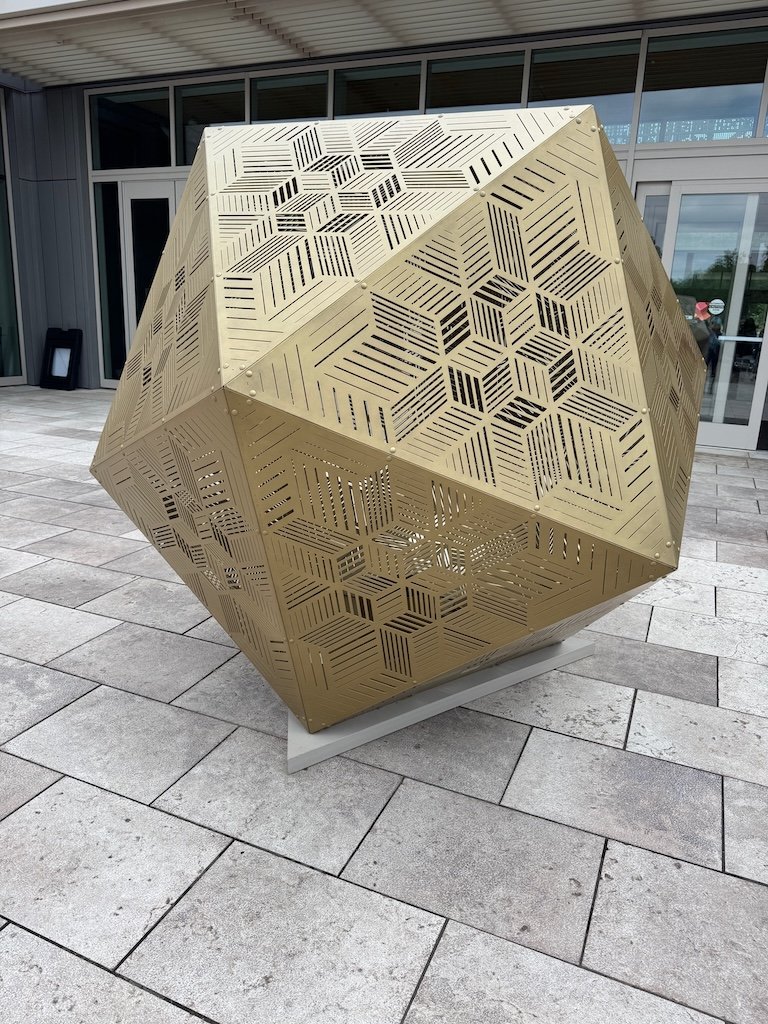
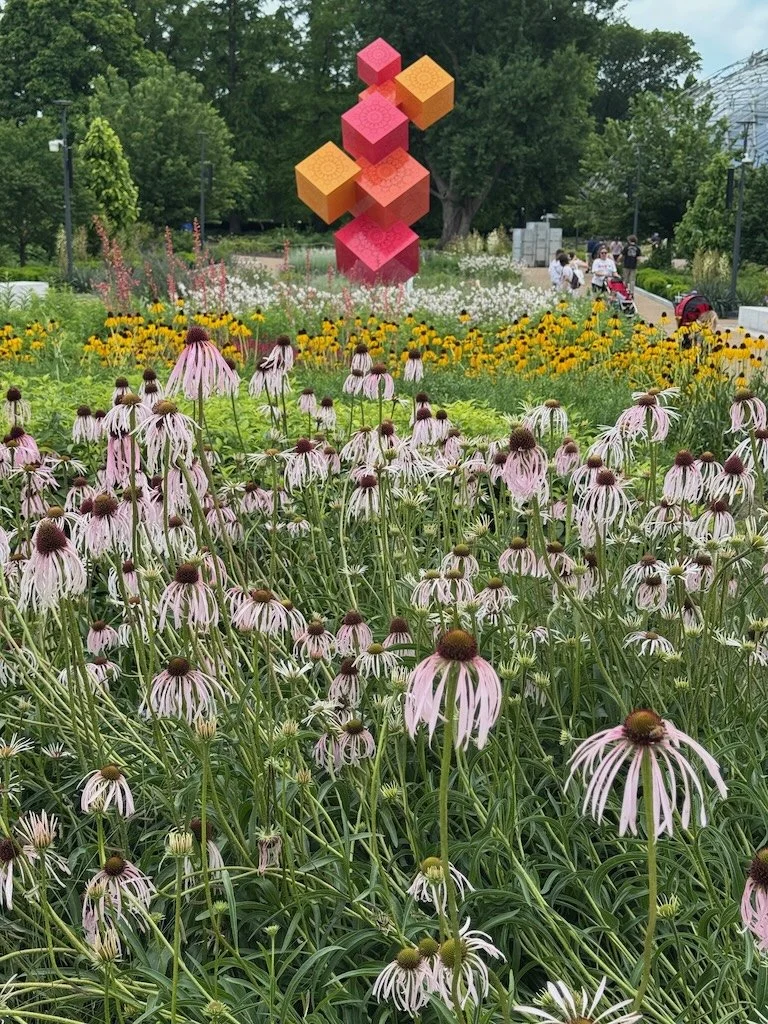
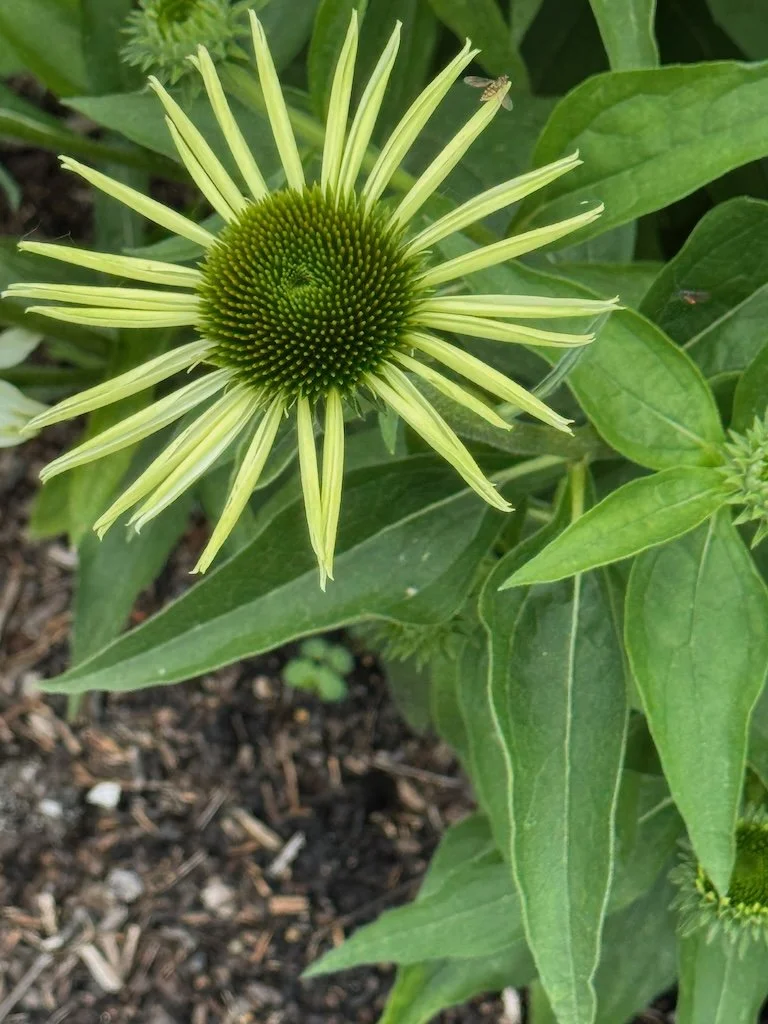
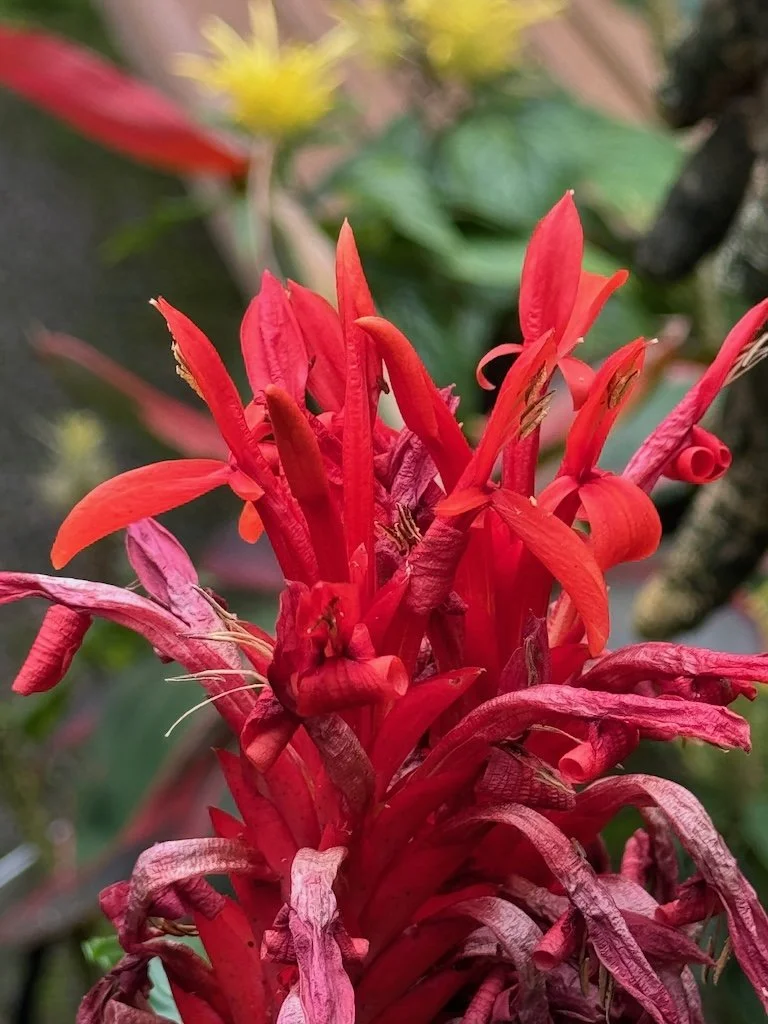
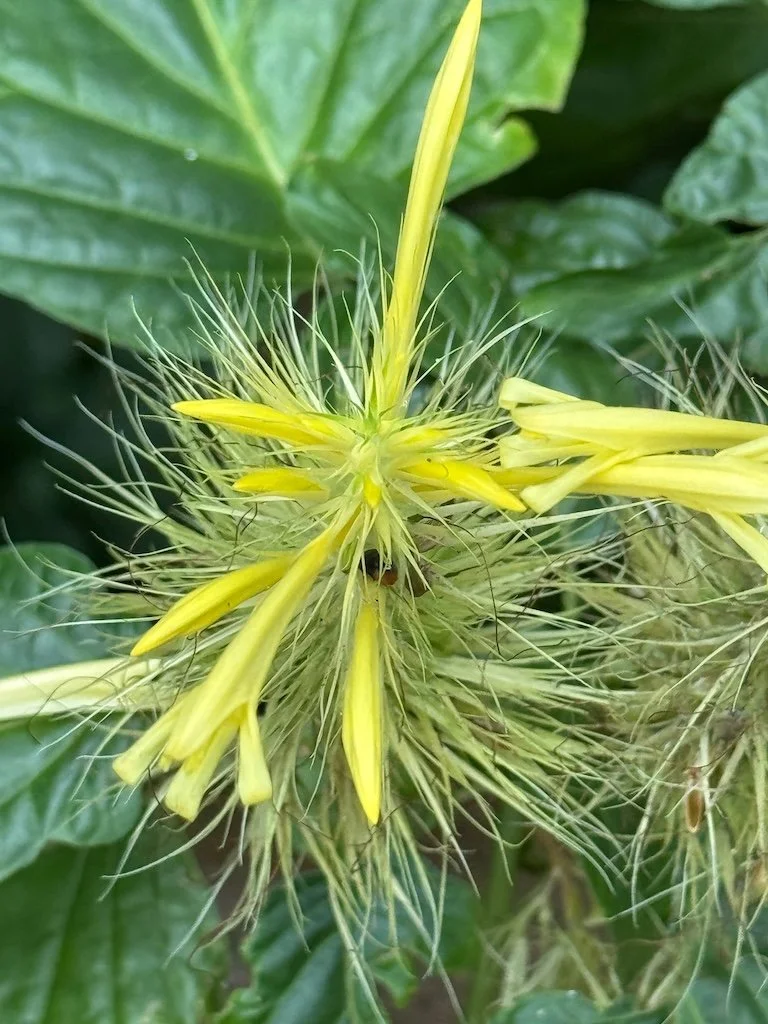
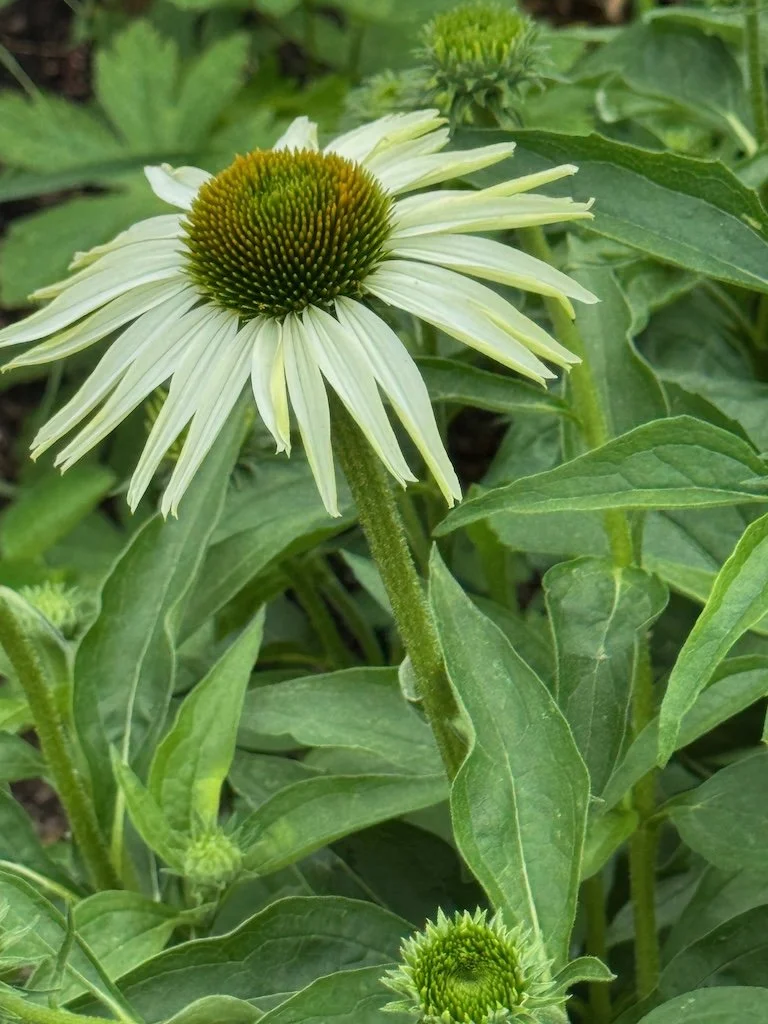
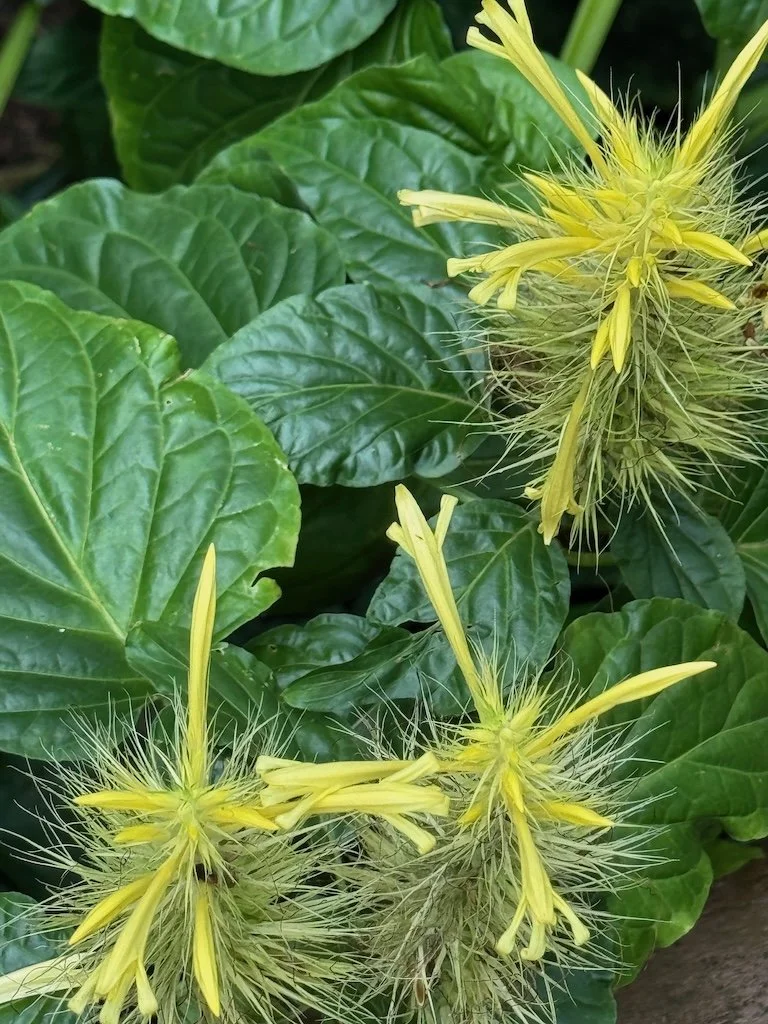
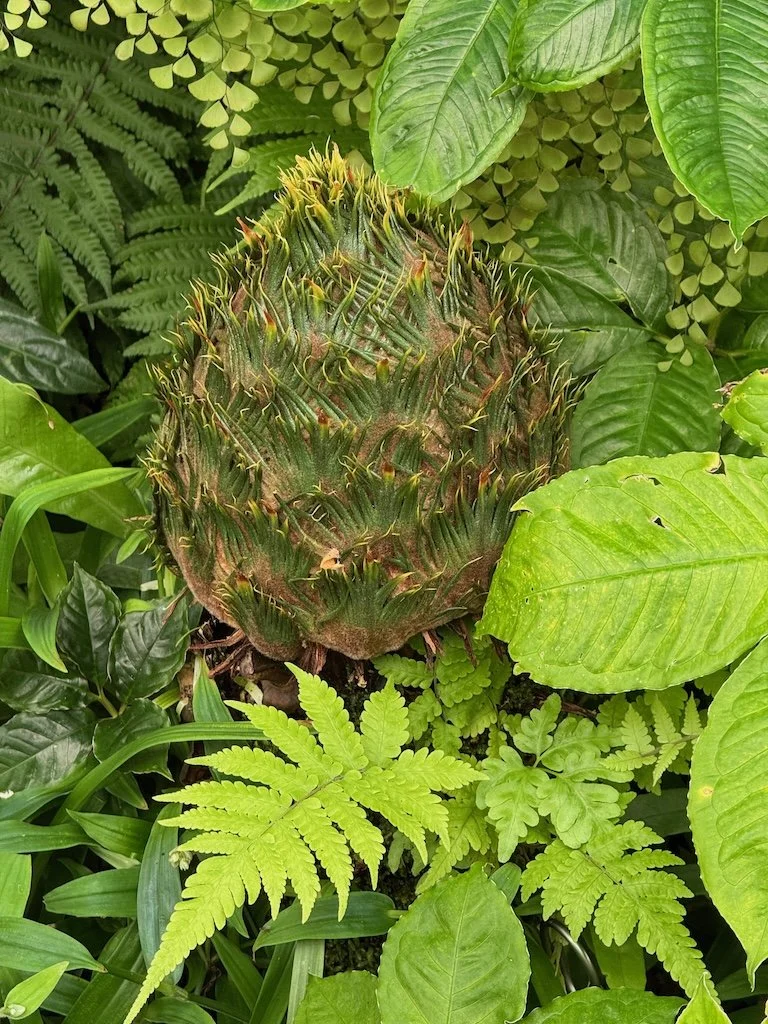
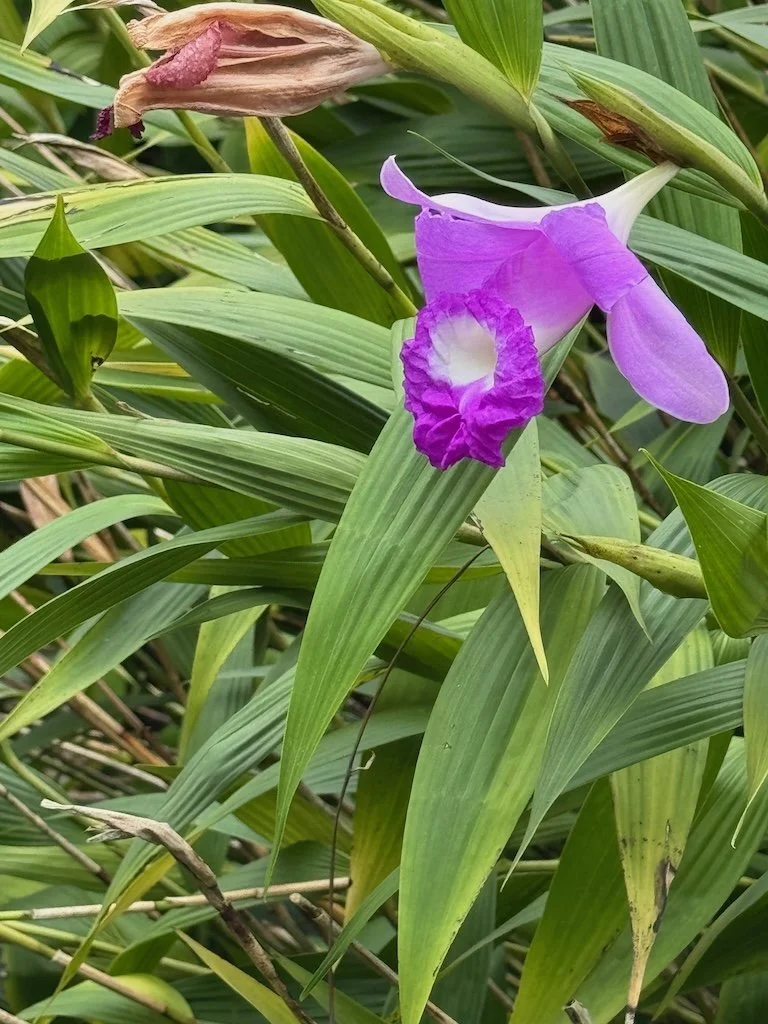
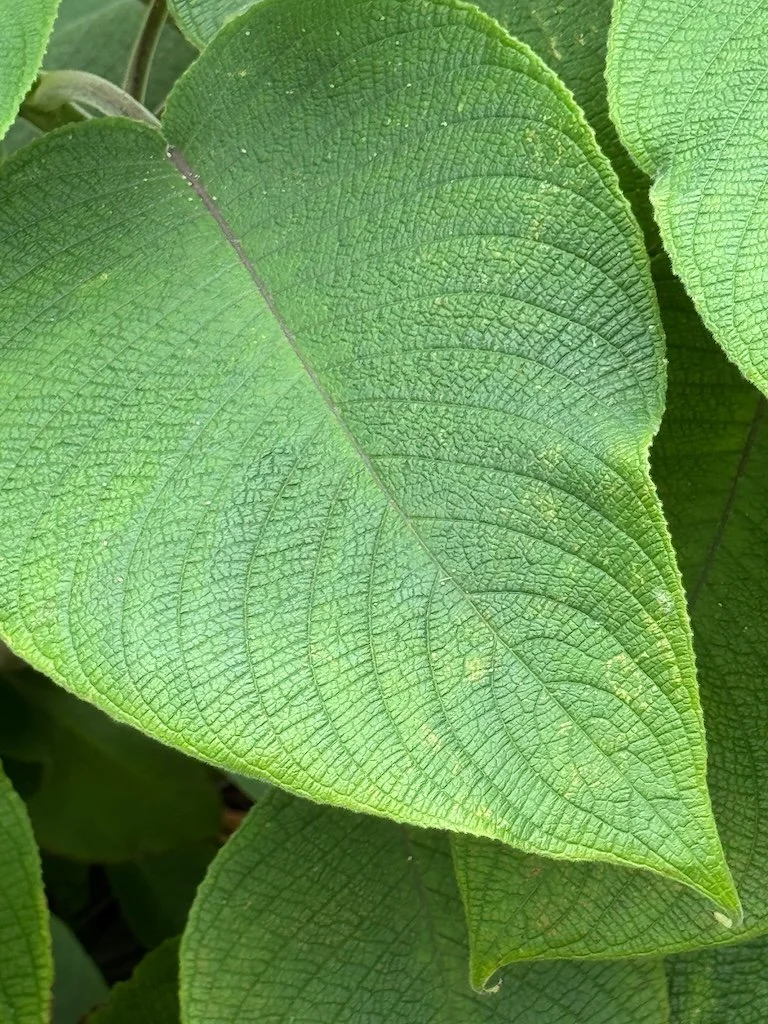
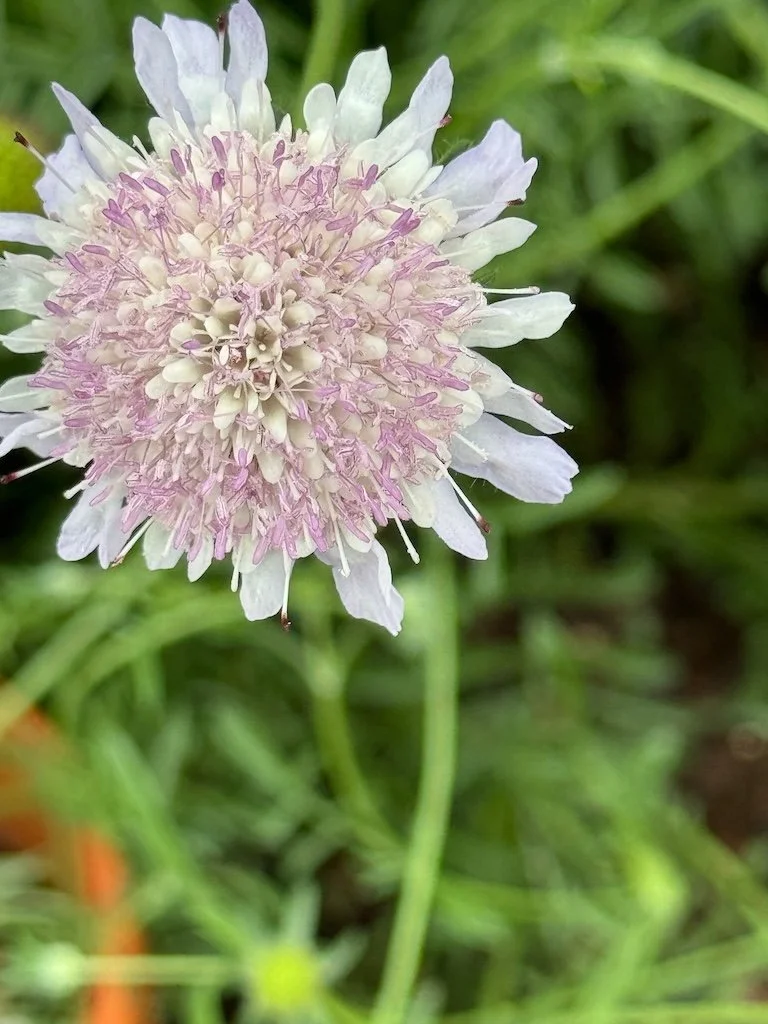
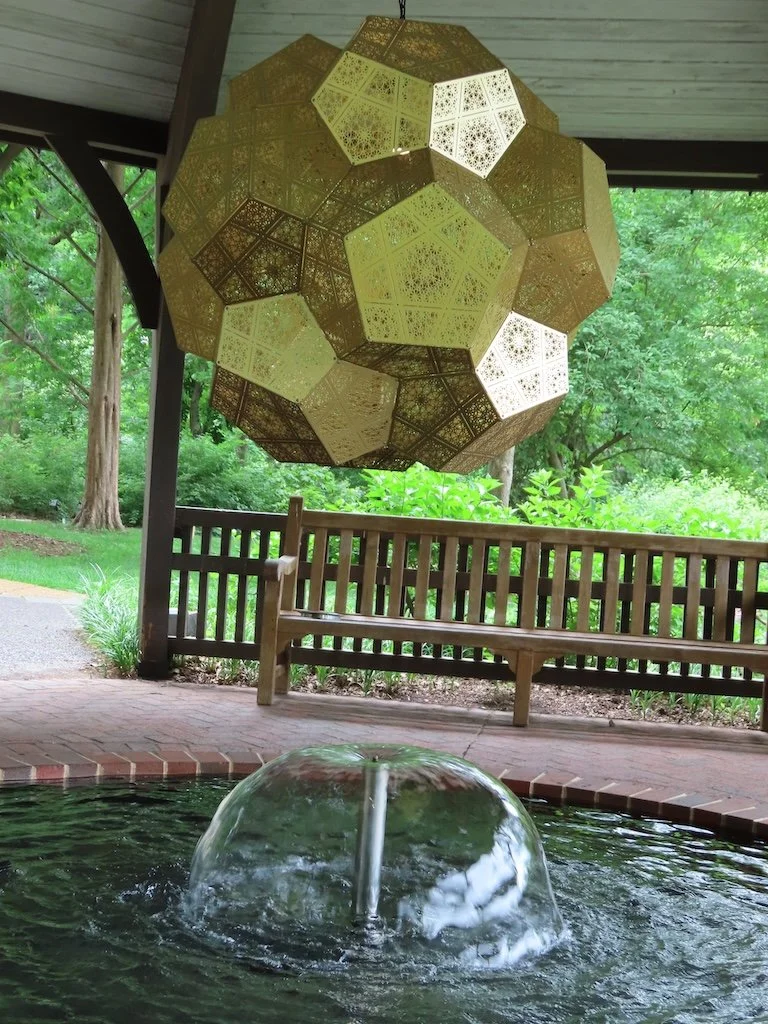
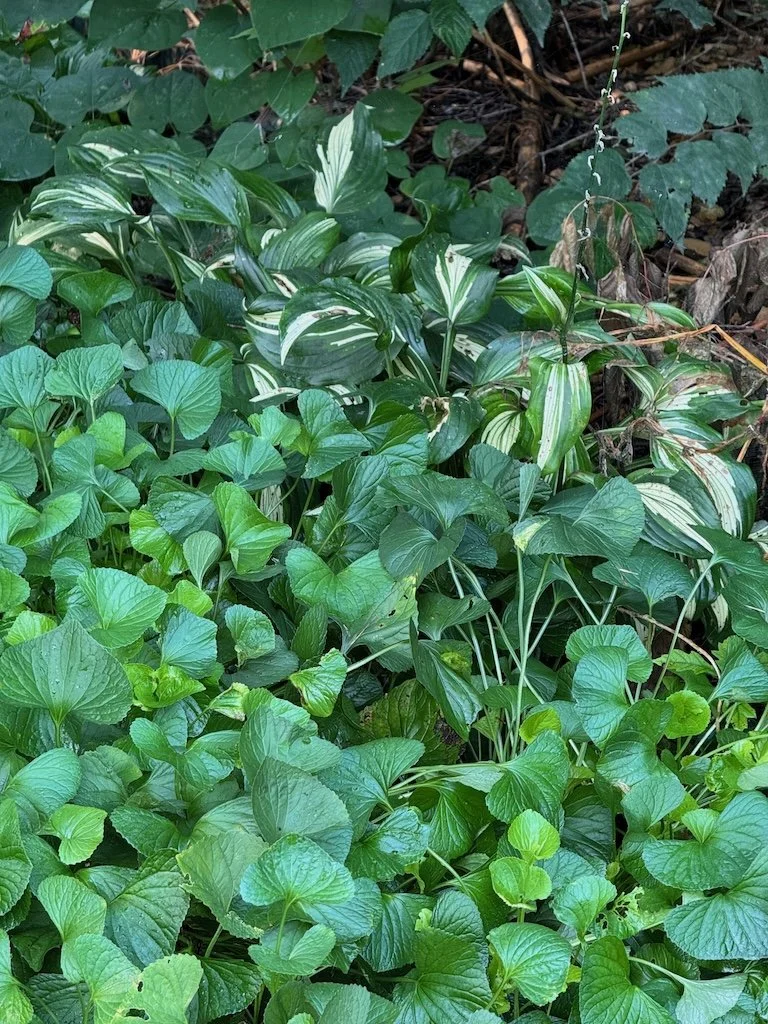
We made a road trip to the Missouri Botanical Garden in St. Louis to see the Patterns of Nature: Lightform exhibit….during an afternoon and then returned to see the forms at night. This post is about the daytime portion of our visit. The day was cloudy and stayed in the 60s. It was still bright enough for good photography. The first area we saw included a colorful sculpture and some native plants. We made our way around to see as many of the geometric shapes of the special exhibit as we could….even though I frequently was sidetracked by plants! I used my bridge camera (Canon Powershot SX70 HS) for the landscape pictures.

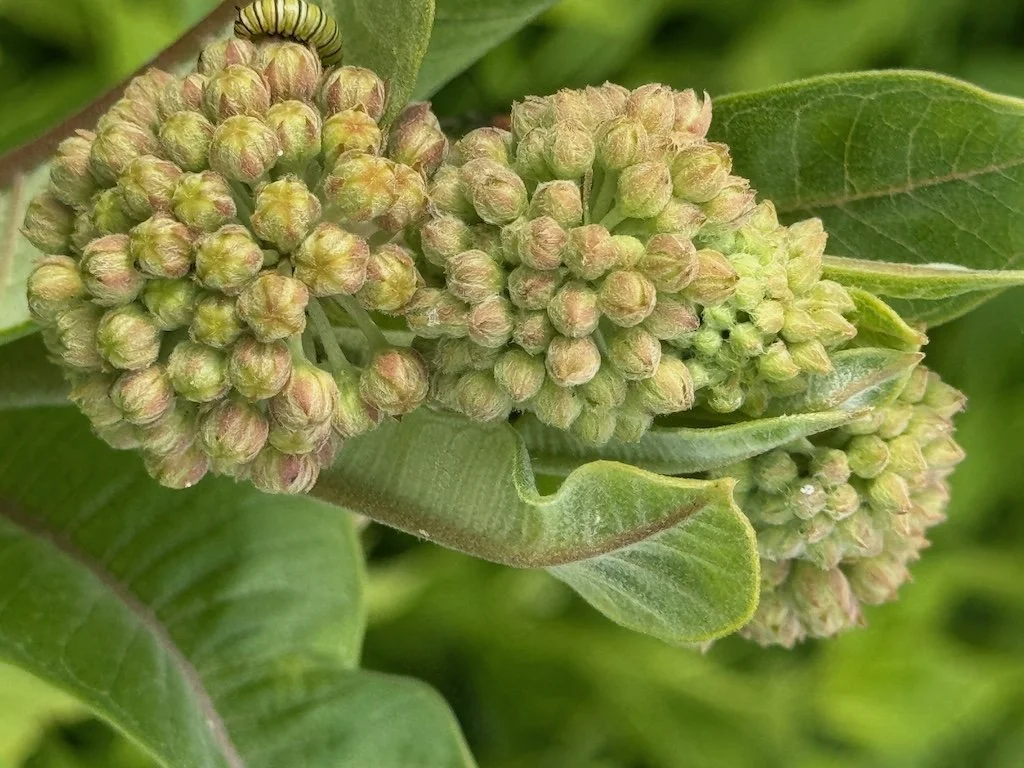
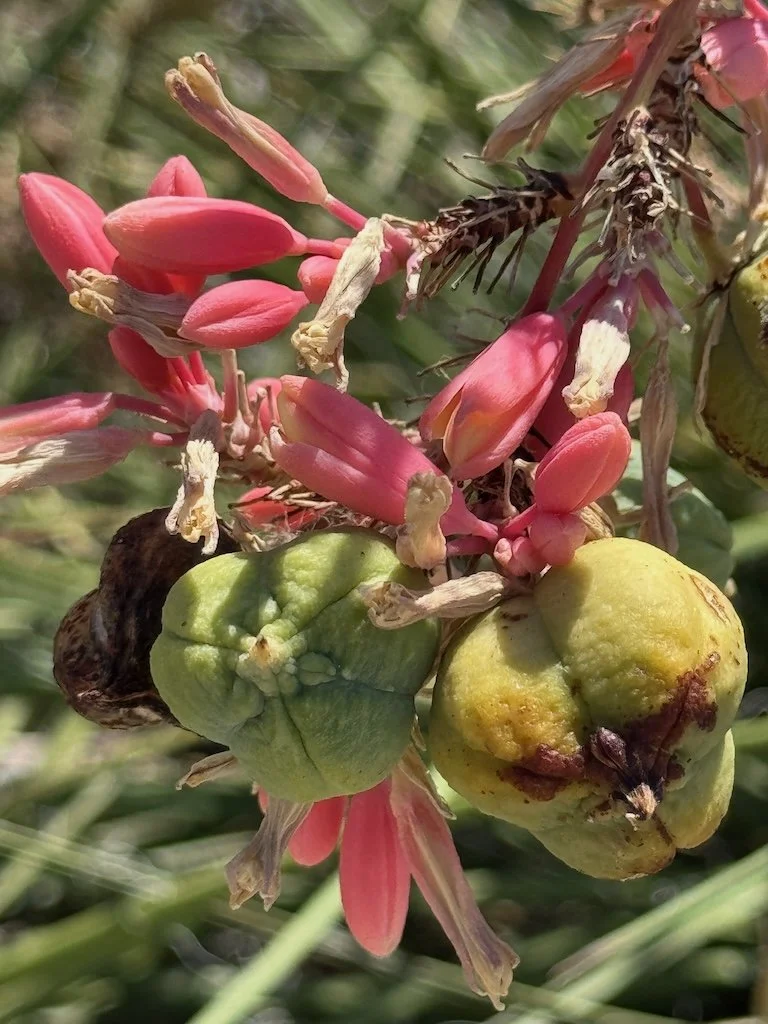
My phone (iPHone 15 Pro Max) does better with the close-up shots! I realized by the time we left to check into hotel that I would lighten my load for the evening and just bring my phone. It was good in the close confines of the conservatory for sure!

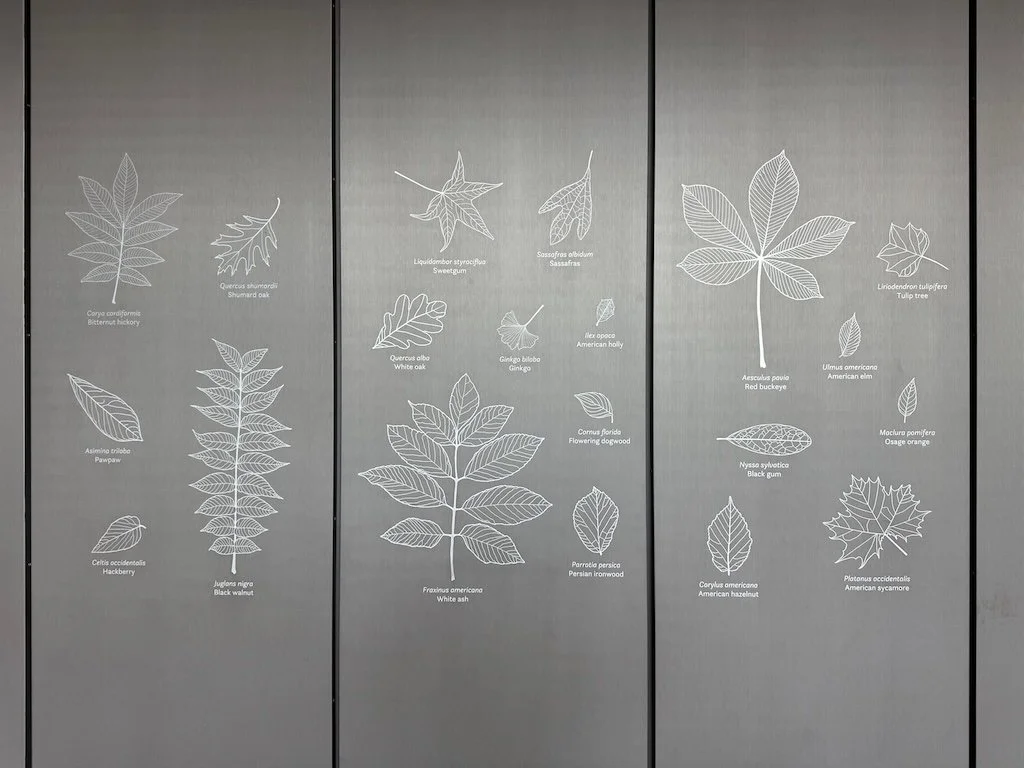
I took a picture of the wall in the visitor center that is a key for the leaf patterns in the flower of building. Most of them are natives!

Art of the Hellenistic Kingdoms

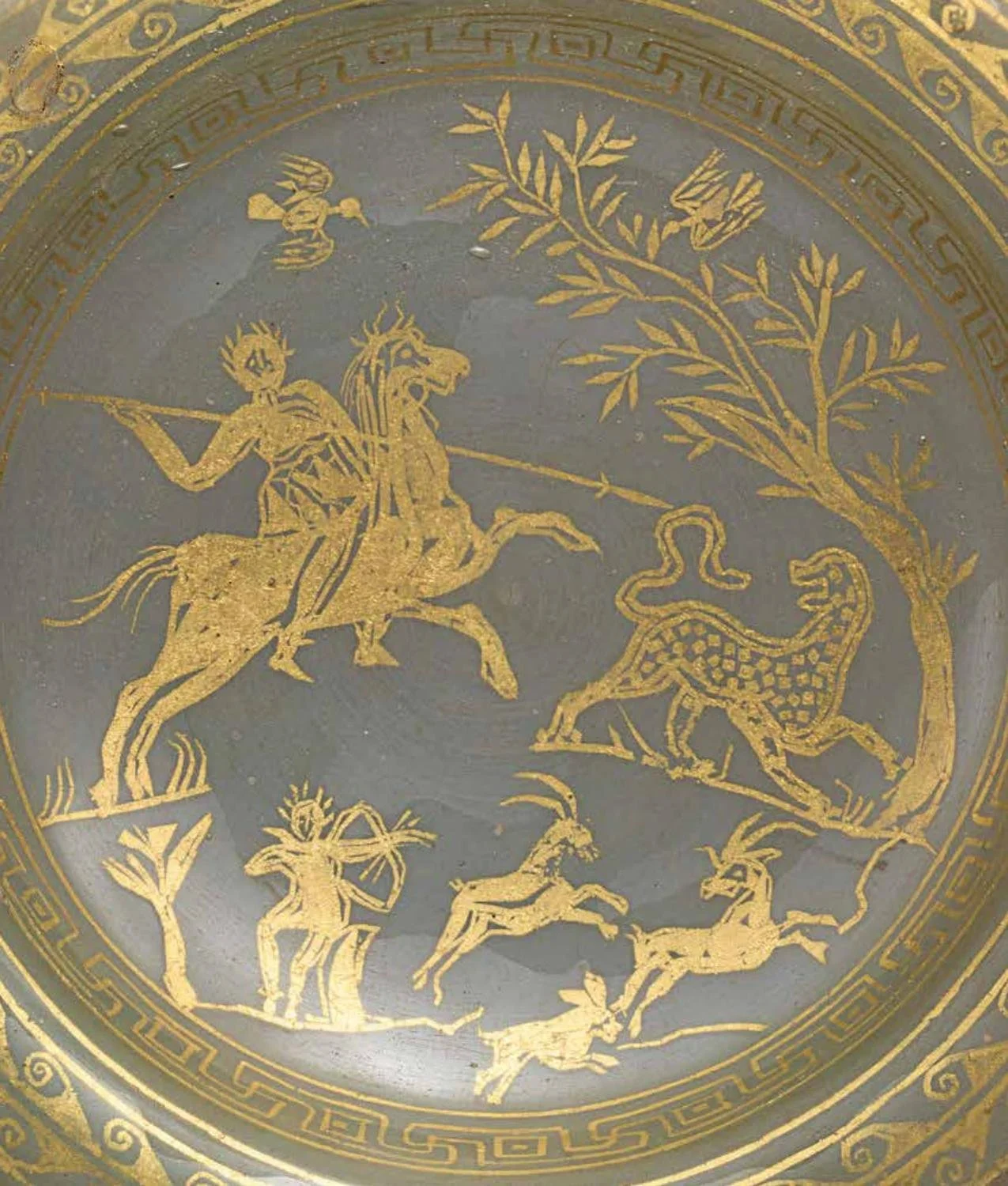
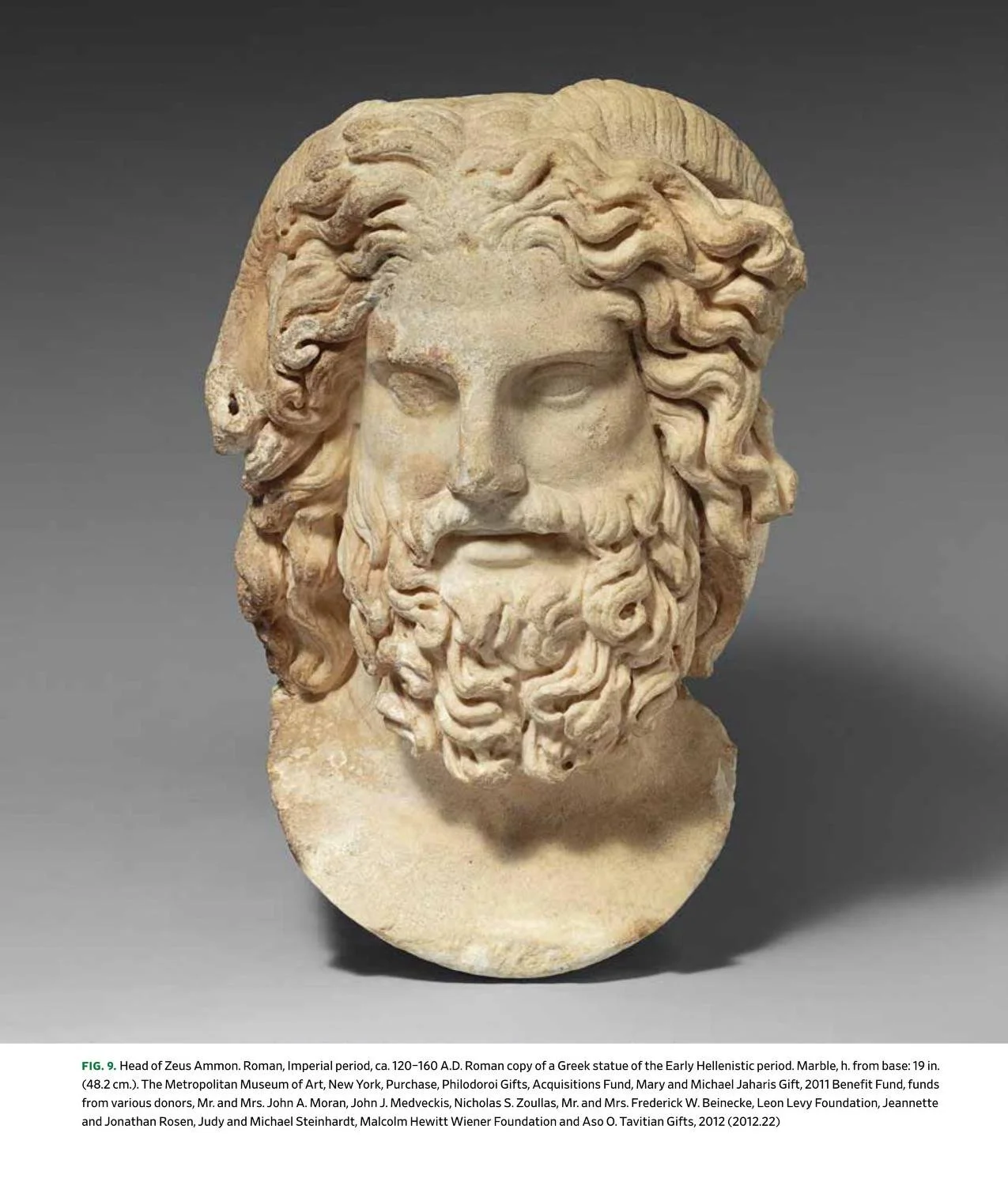
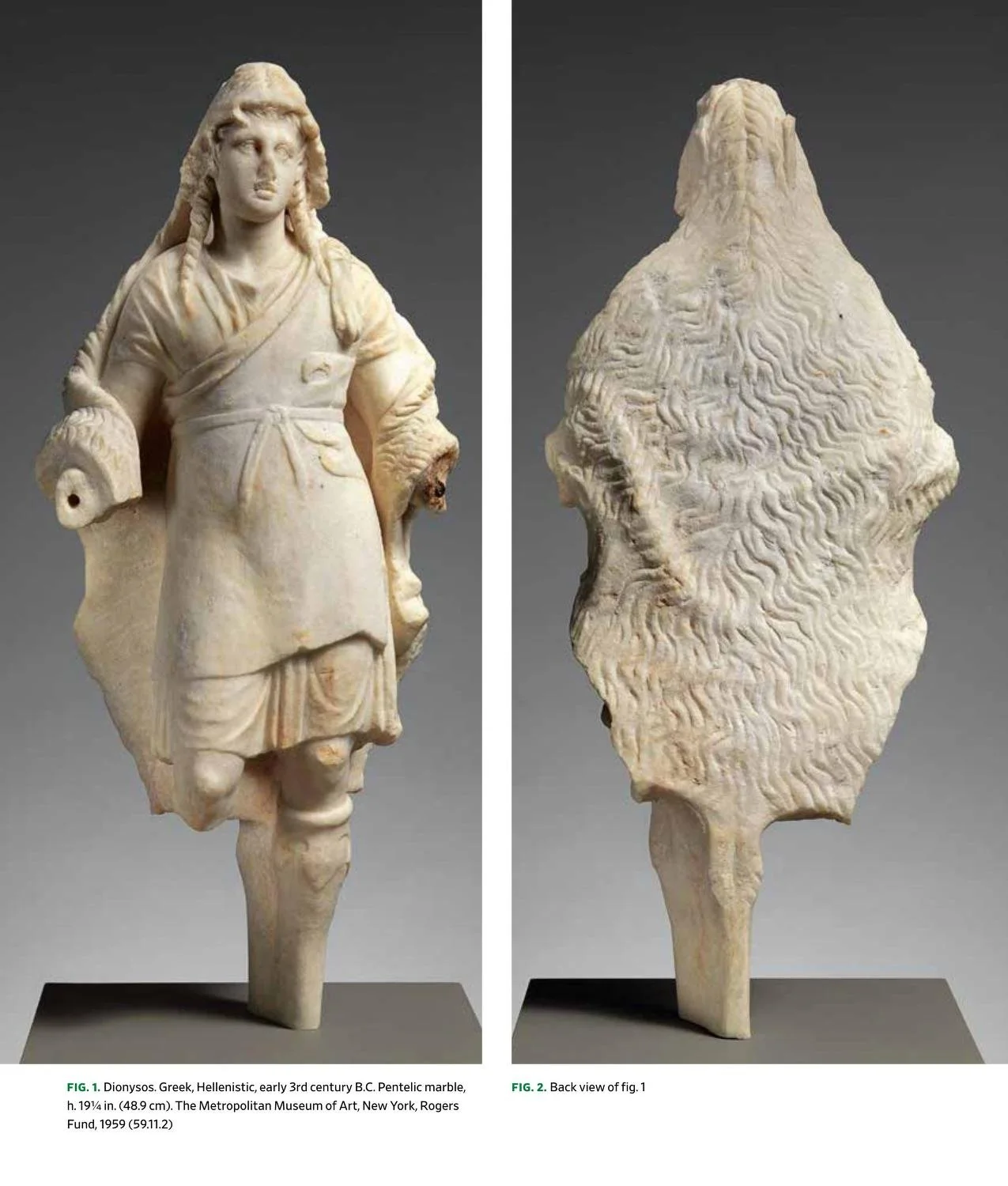
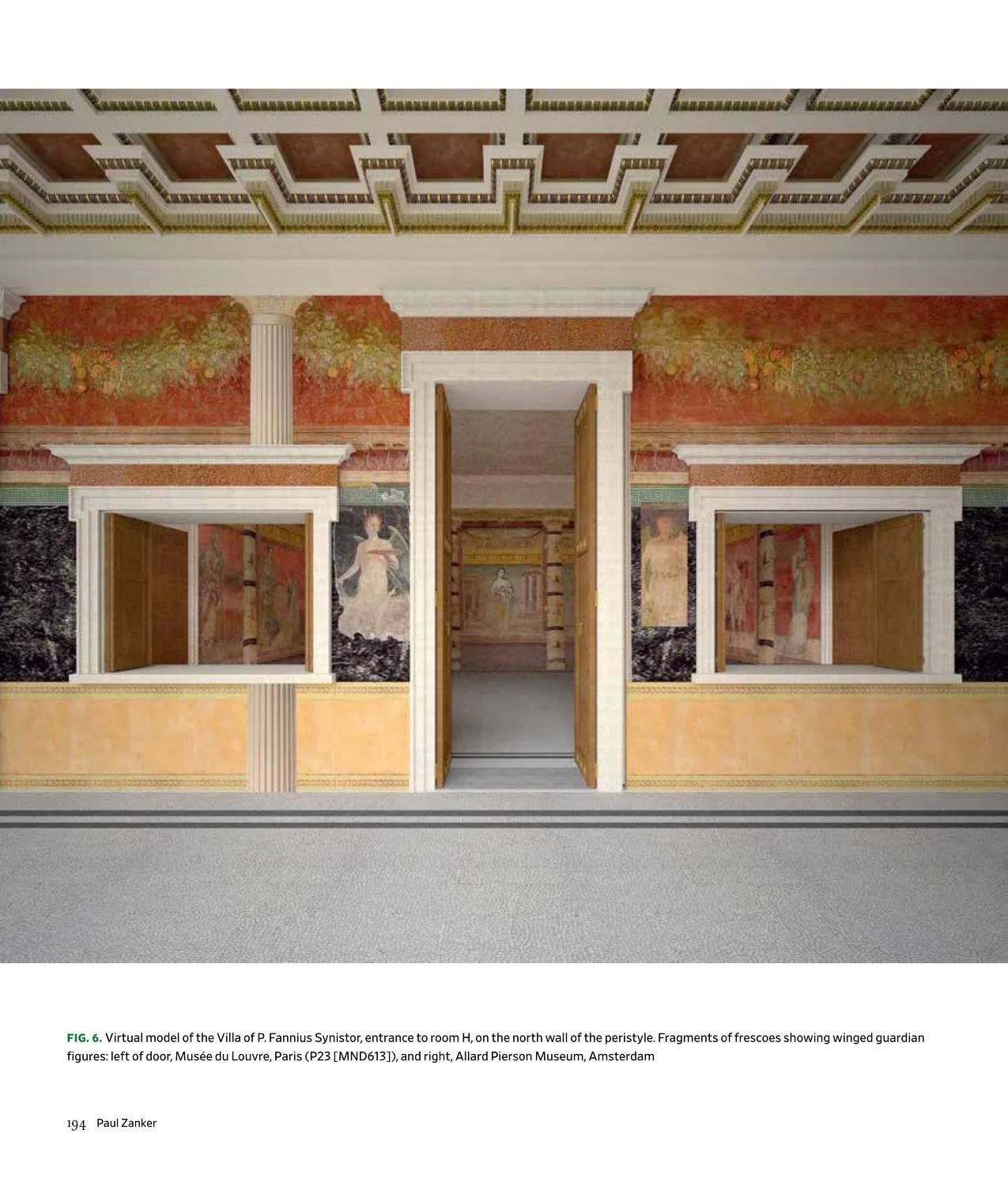
In 2016, “Pergamon and the Hellenistic Kingdoms of the Ancient World” was an exhibition at the Metropolitan Museum of Art. The art book from the exhibition is available on Internet Archive. Browsing the pictures is a good way to get the gist of exhibition!

 Art Of the Hellenistic Kingdoms. From Pergamon to Rome

1930 Exhibit of Paintings by Canadian Artists

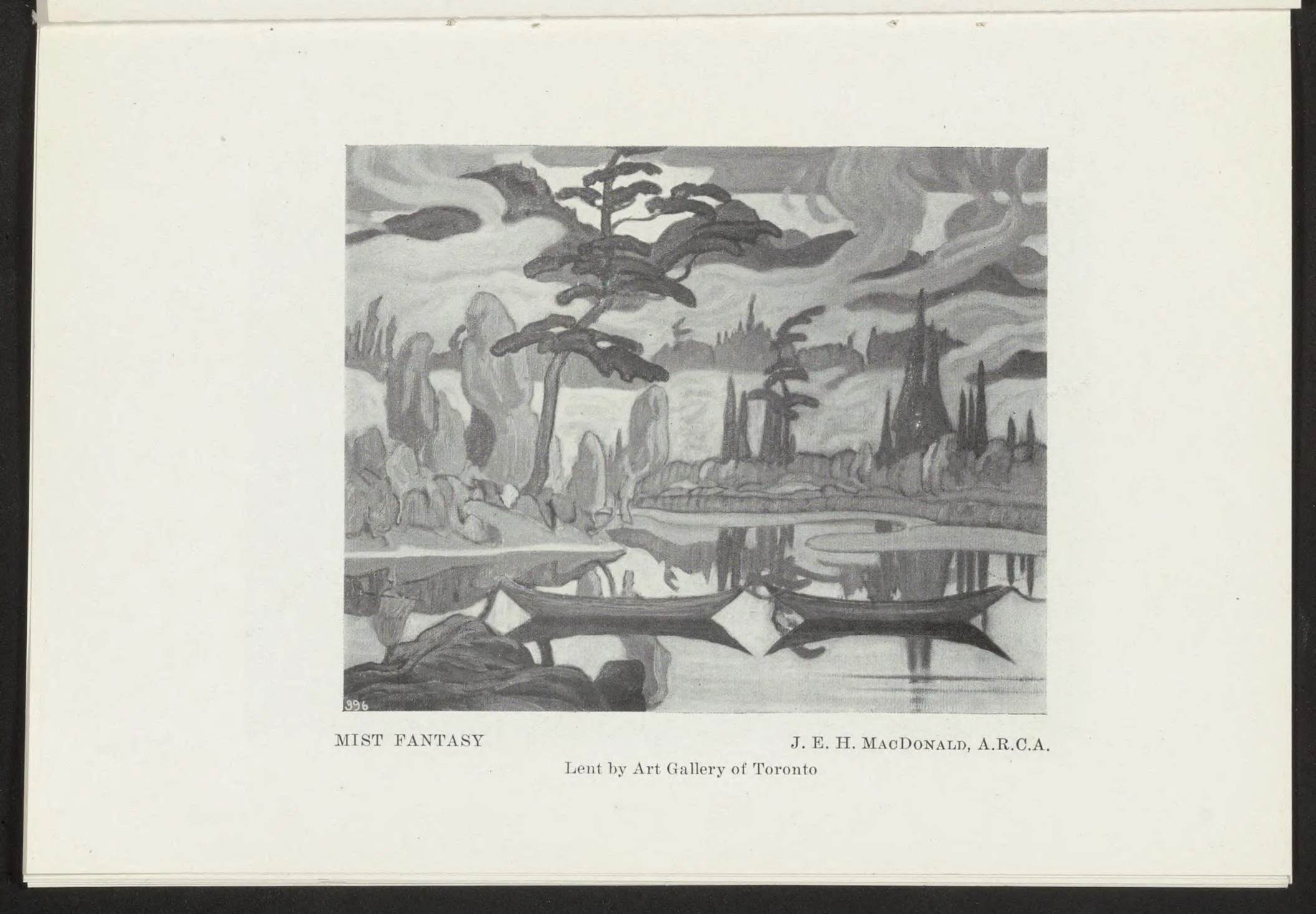
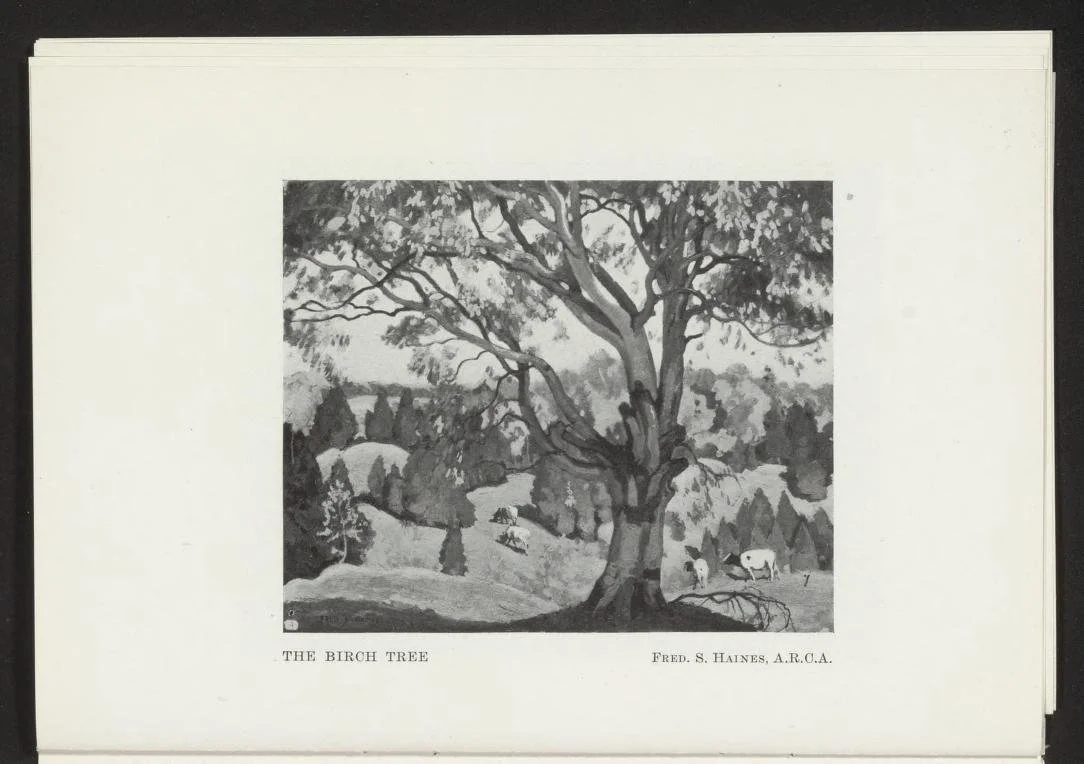
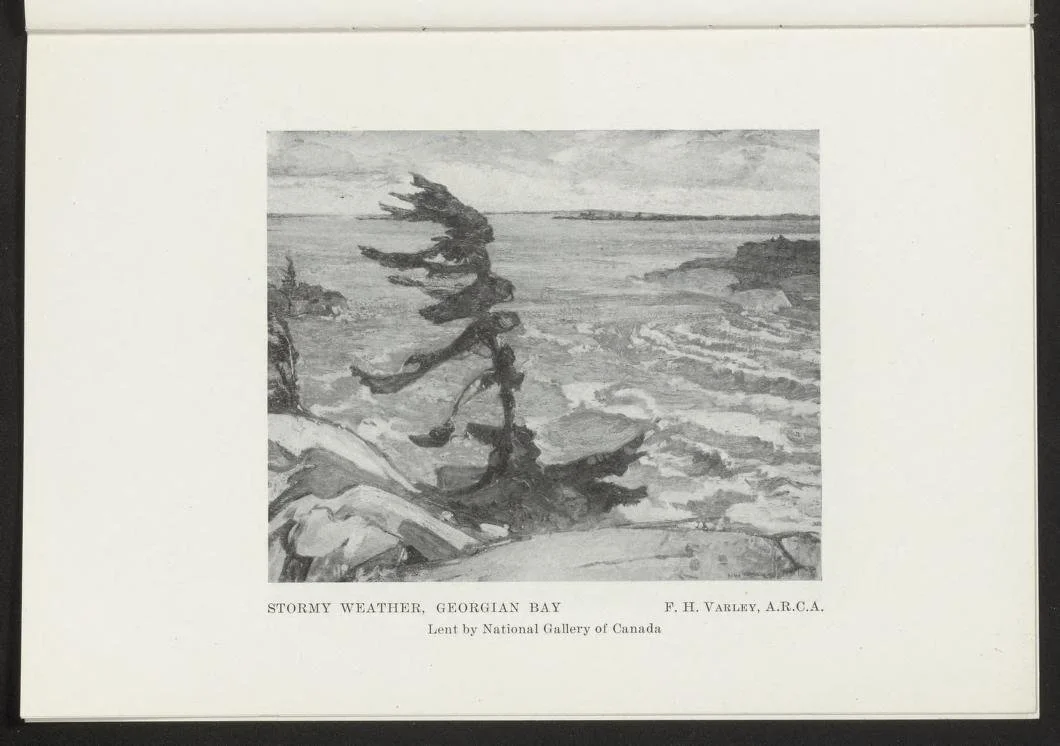
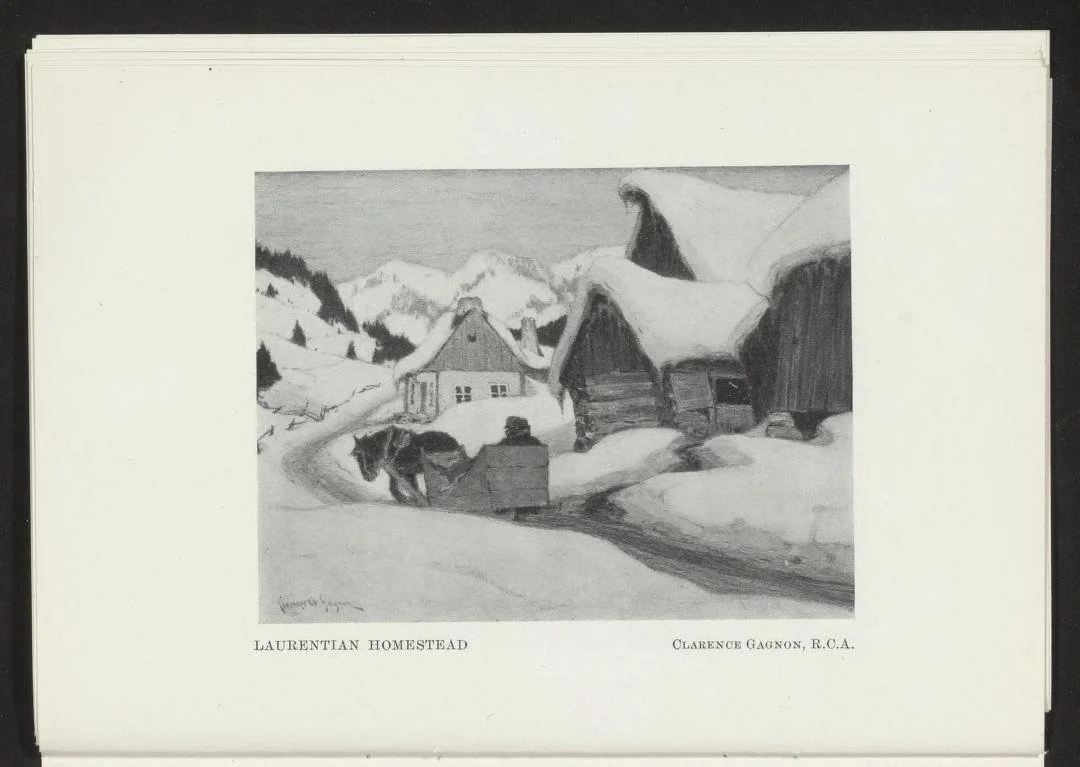
The book of the week is an exhibit catalog available on Internet Archive. It was published in 1930, and the Foreword says that all the artists except for one were alive at the time of the exhibit. The works were lent for six months and were shown in 5-6 cities – organized by the American Federation of Arts. This is Canadian art from before World War II and reflects the development of Canadian expression that began in 1910…in many cases going back to nature for inspiration.

Exhibition of Paintings by Contemporary Canadian Artists under the Auspices of the American Federation of Arts

Zentangle® – April 2026

The month of April has 30 days….so there are 30 Zentangle tiles in in the mosaics below. The mix of colorful cardstock along with the plain off-what helped me used up some blank tiles that have been in my box for months. Next month I will probably jettison the off-white and go with lots of colorful tiles…with mostly black or white ink.

The Zentangle® Method is an easy-to-learn, relaxing, and fun way to create beautiful images by drawing structured patterns. It was created by Rick Roberts and Maria Thomas. “Zentangle” is a registered trademark of Zentangle, Inc. Learn more at zentangle.com.

Swedish Art Exhibit from 1830s

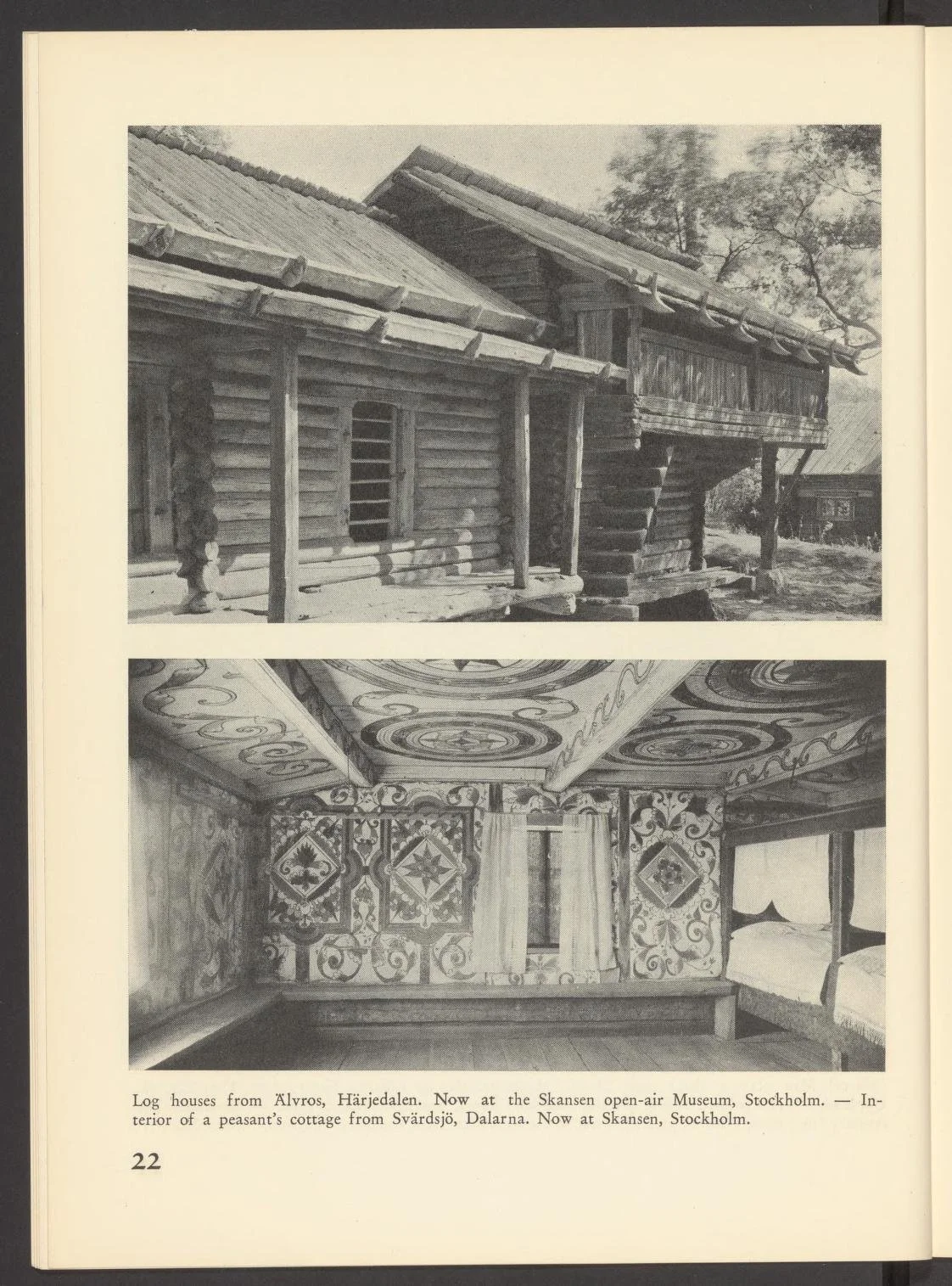
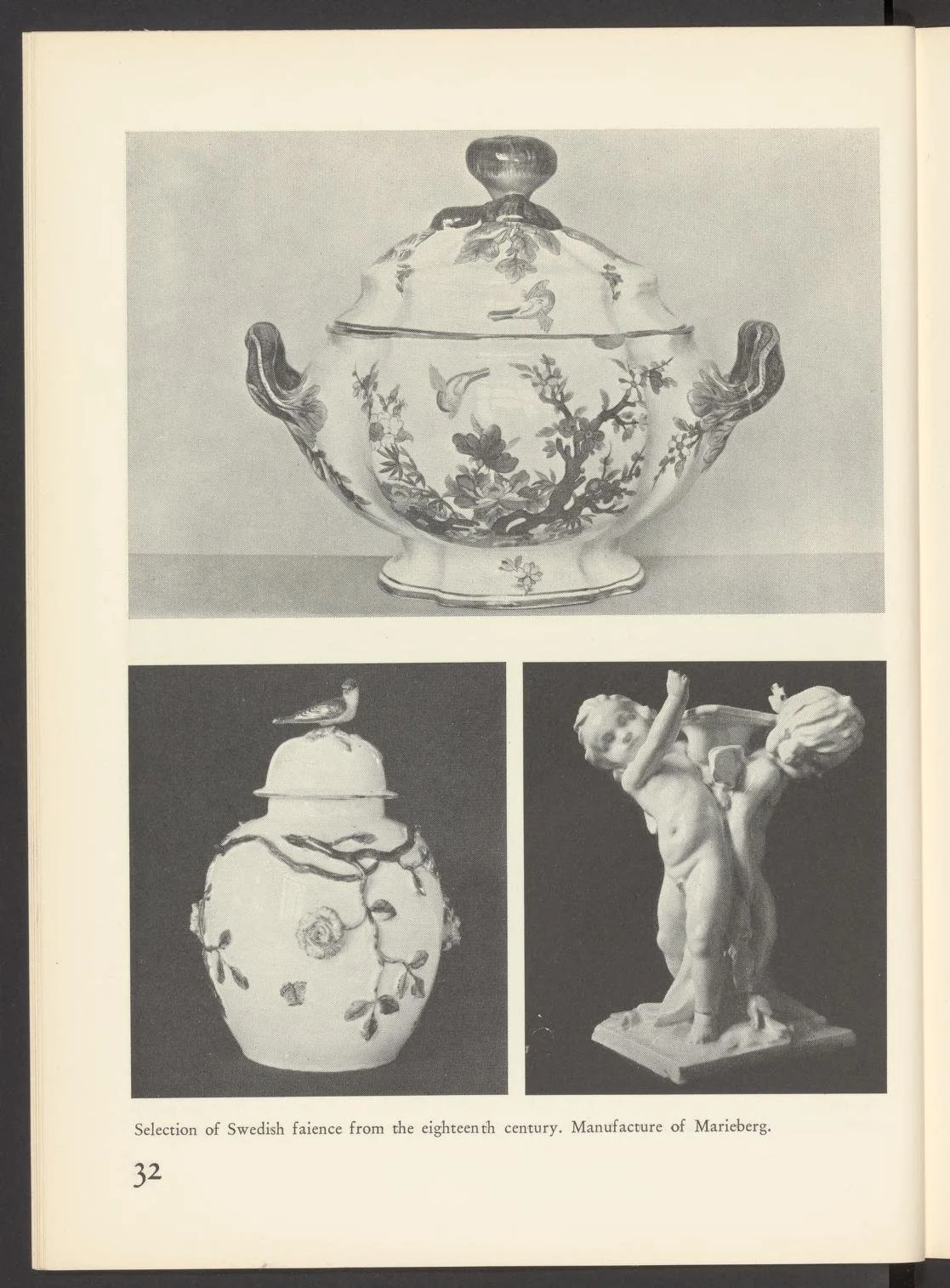
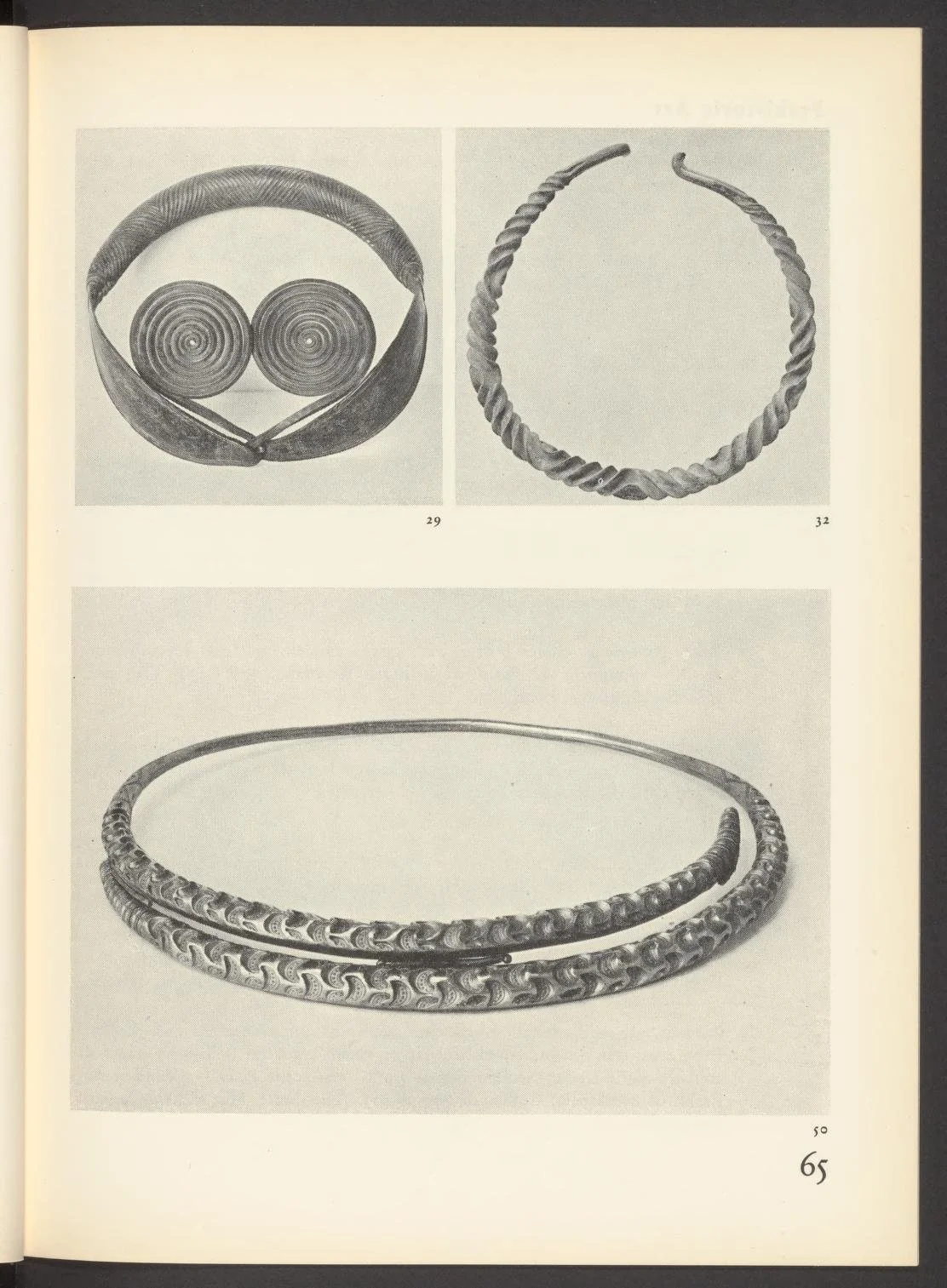
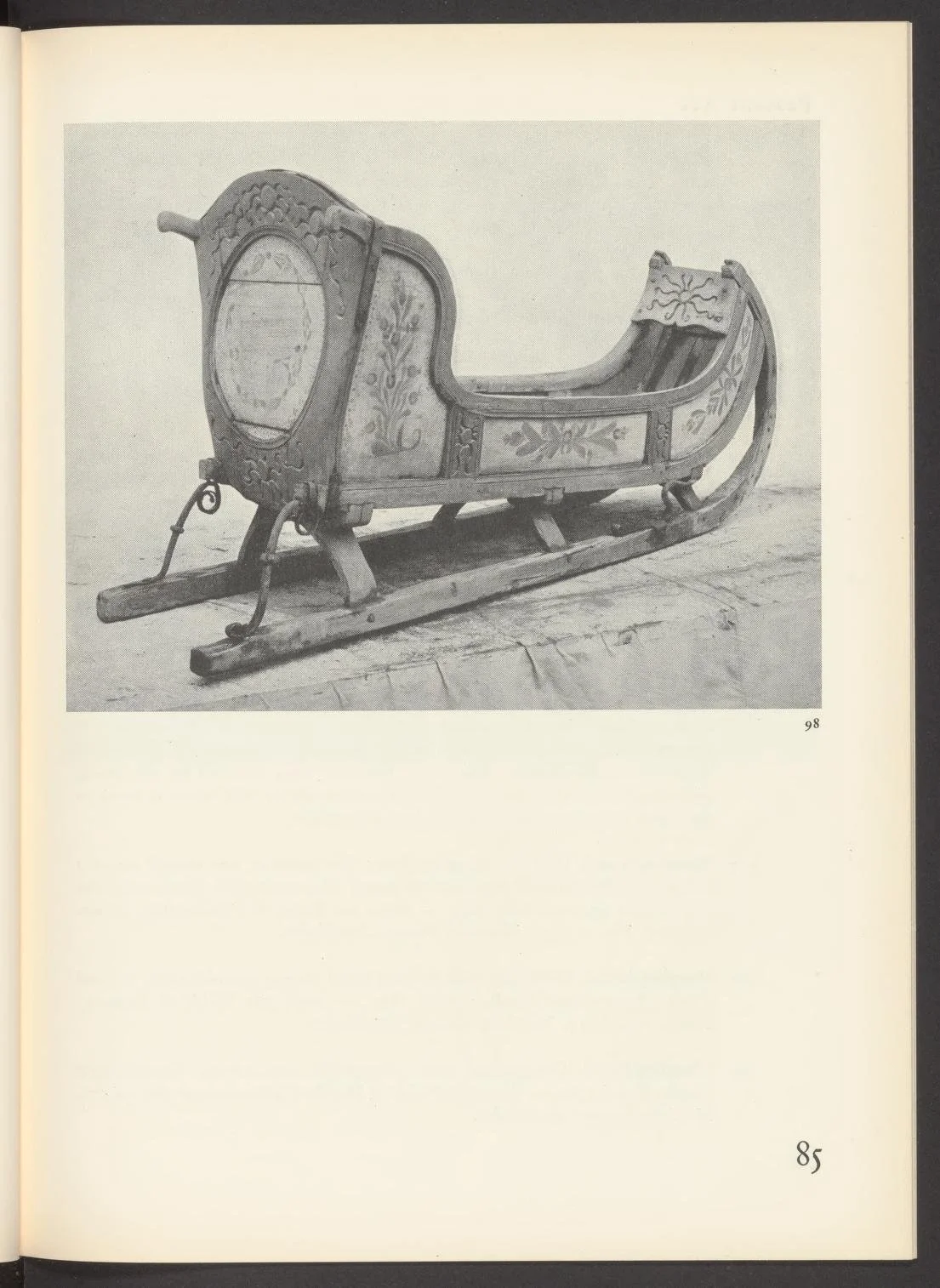
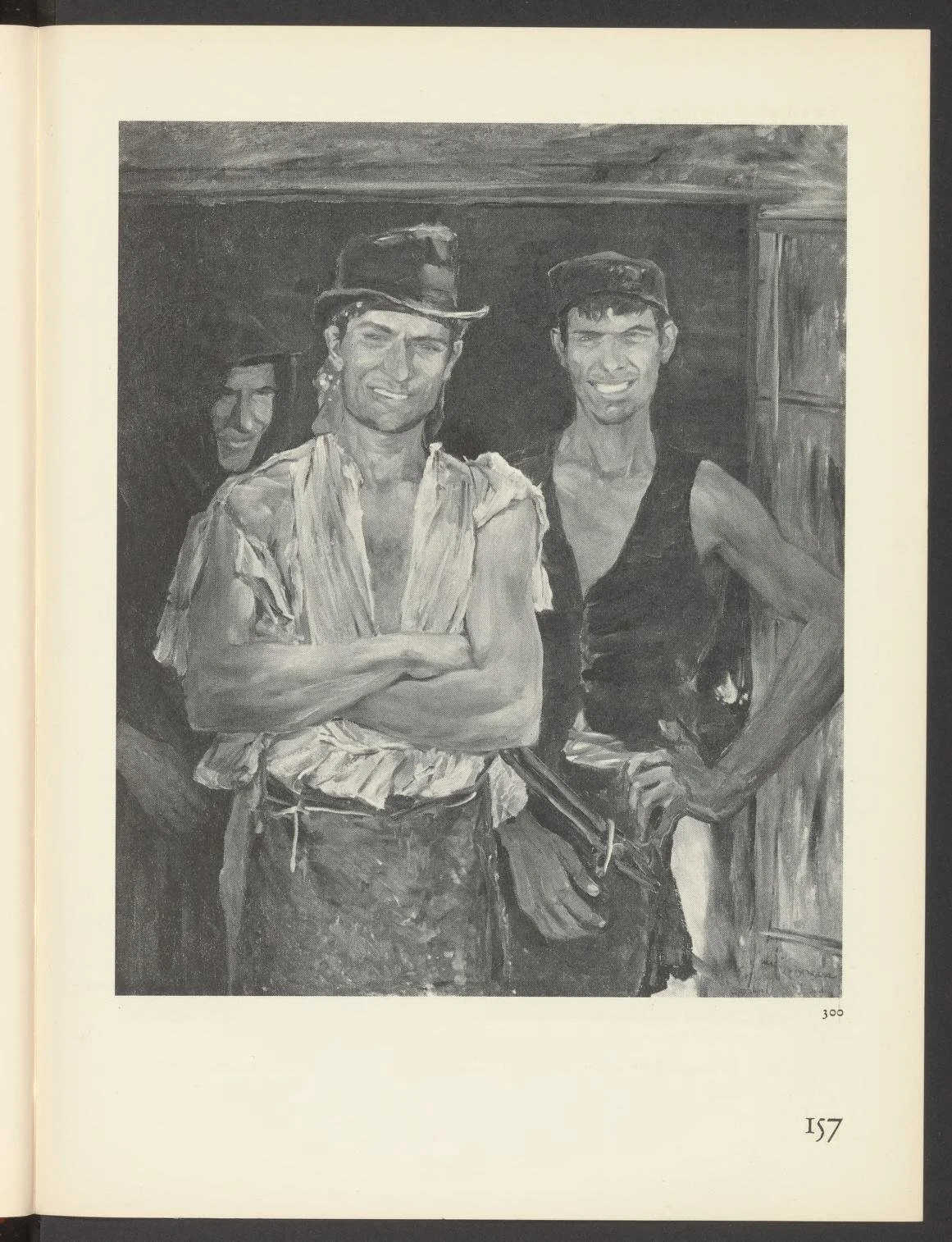
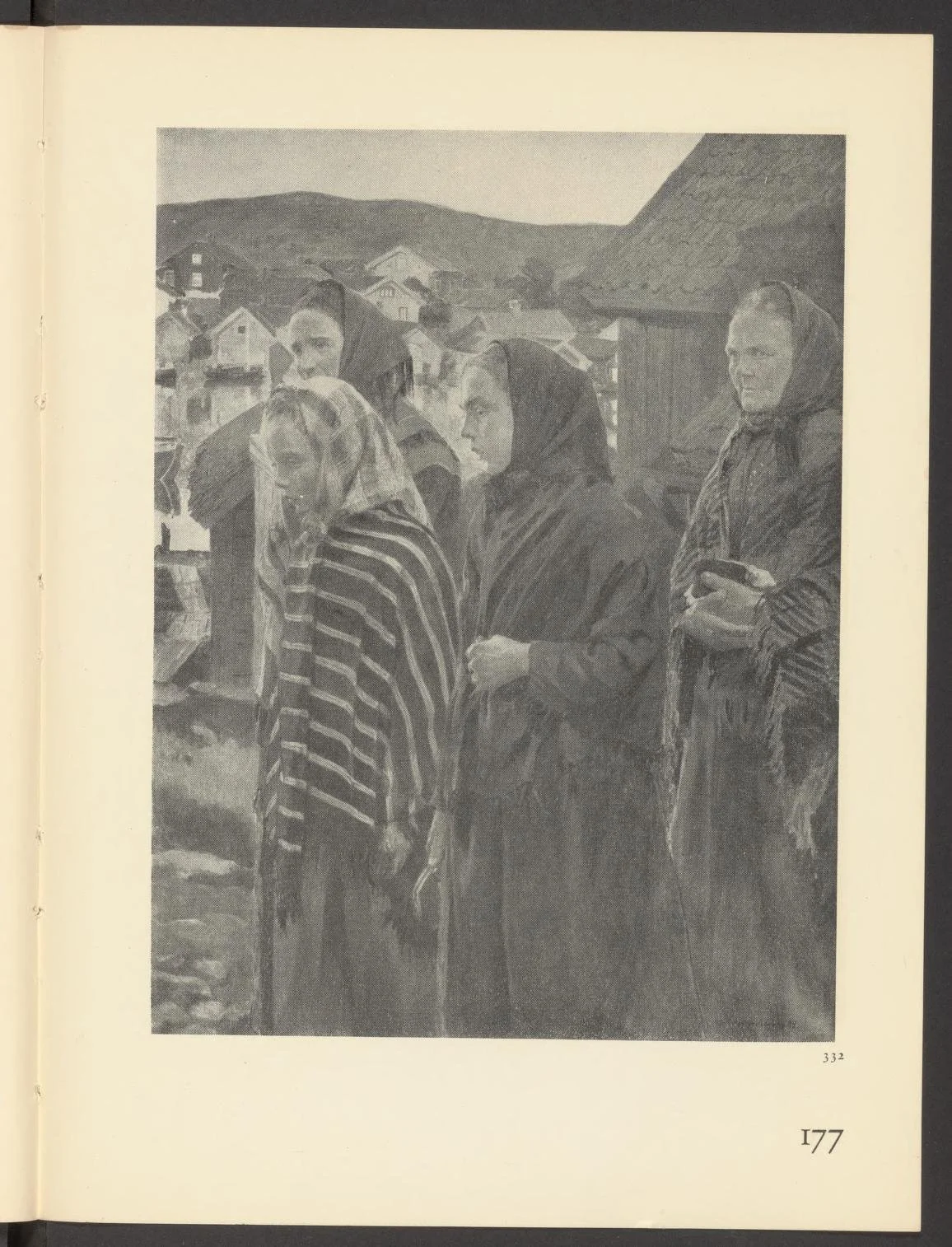
The ‘book of the week’ is a catalog from a 1937-1938 art exhibit of Swedish art. It is available on Internet Archive.

The preface of the volume provides some context: The exhibit was “of Swedish decorative art for the United States of America in connection with the 300 years’ celebration of the first settlement of Delaware.” It “spans an extensive period of at least 8,000 years, from the Bone Age through the course of the ages to our present century.” “What we would wish to show is firstly and lastly the artistic evidence of a very long national history, to serve as a salutation on the occasion of the 300 years’ jubilee of our forefathers’ settlement in Delaware. We hope that the great American public will apprehend this exhibition as it is intended, namely, in the light of an invitation to step over the bridge of art into a closer contact with the Swedish nation, its history and spiritual atmosphere.”

Swedish Tercentenary Art Exhibit: Official Catalogue

Family of Man eBook

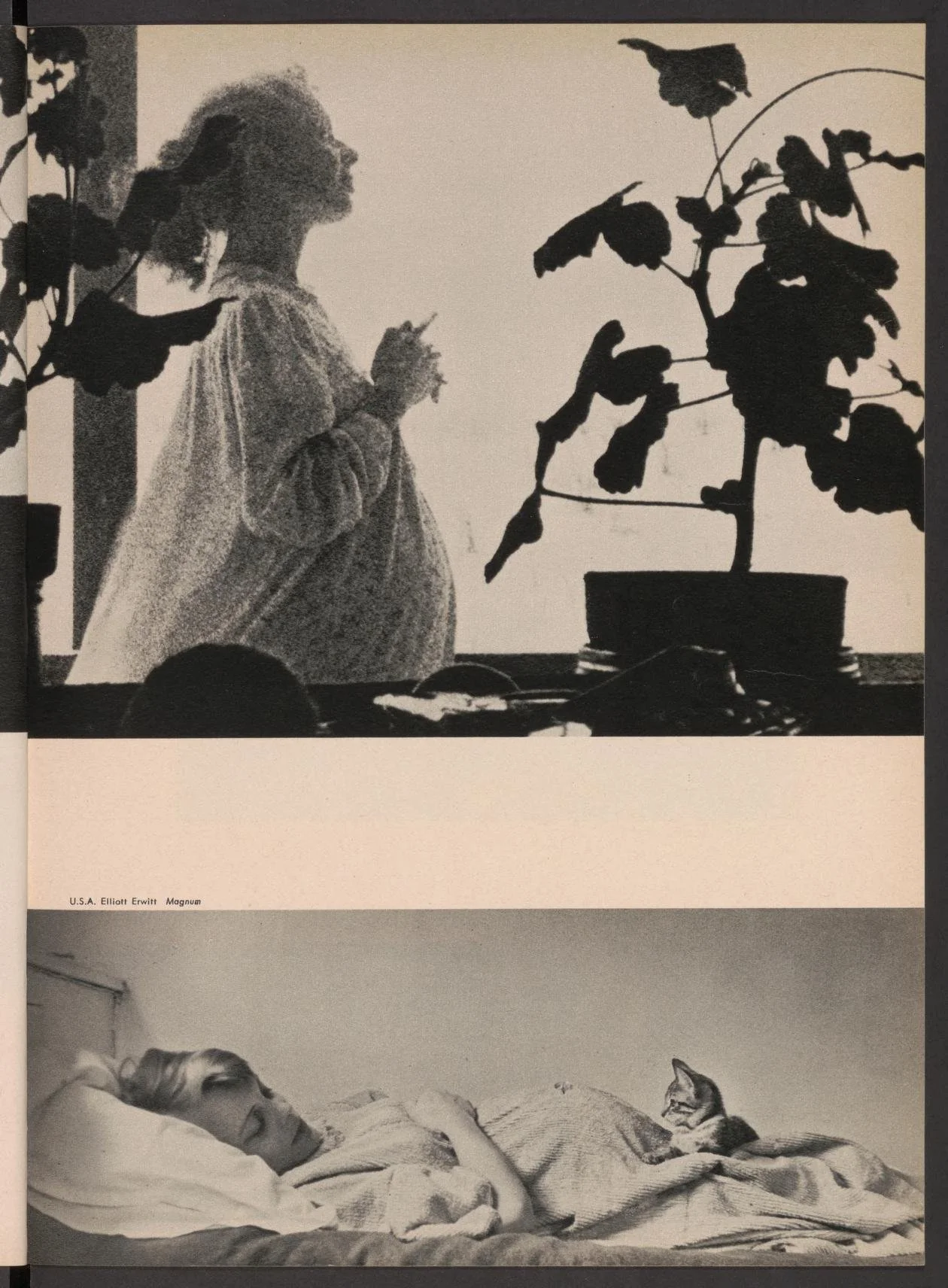
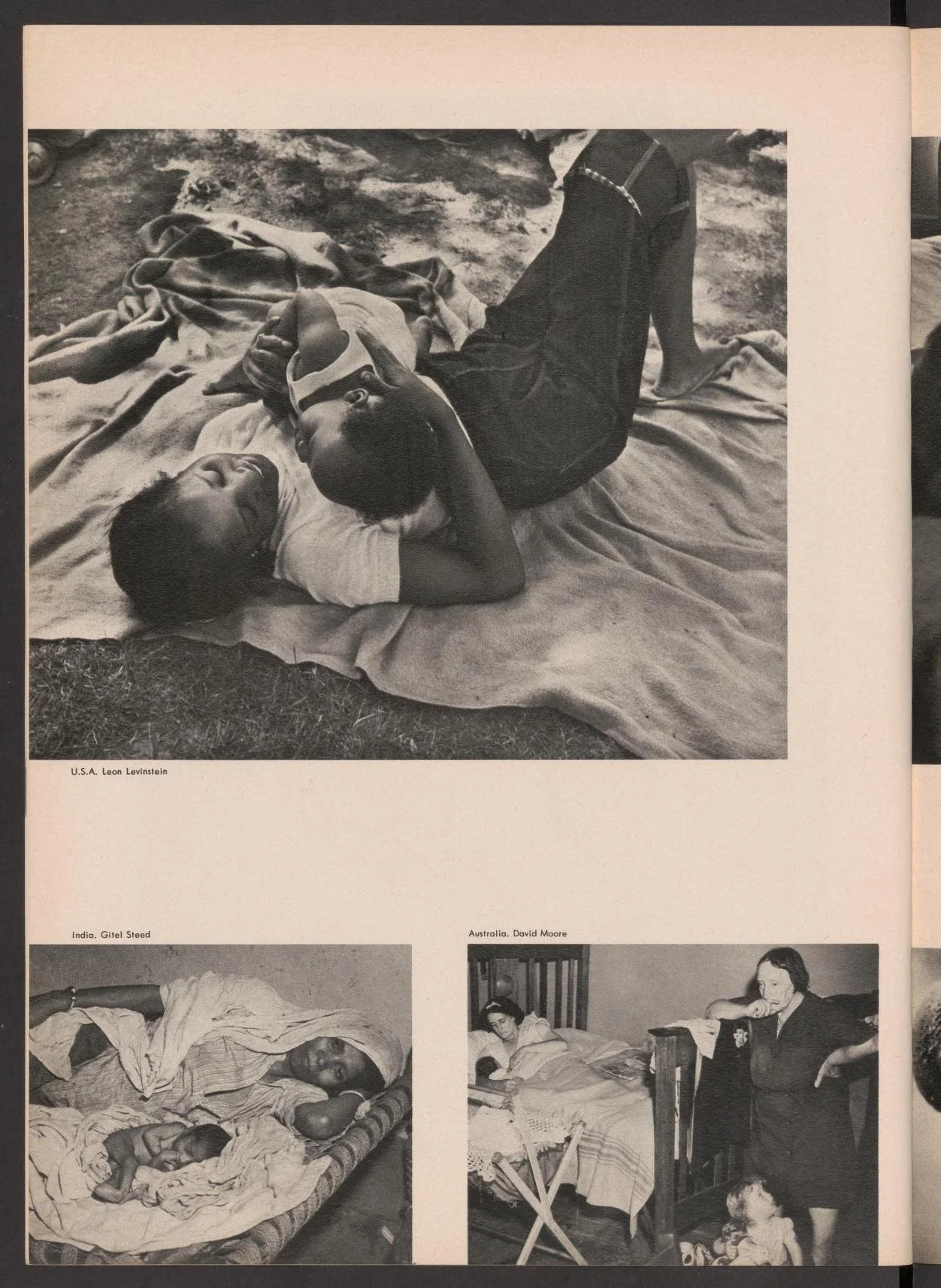
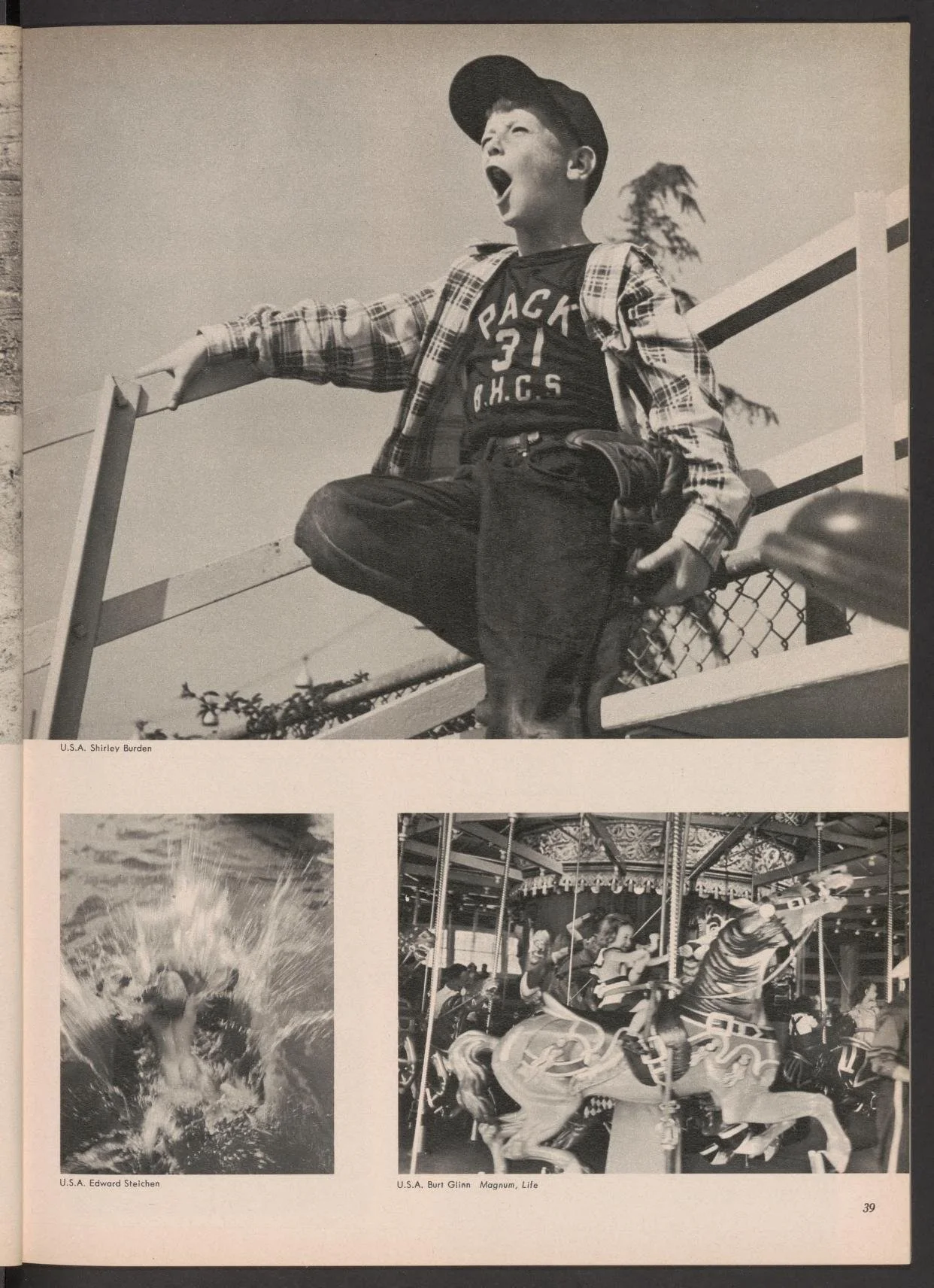
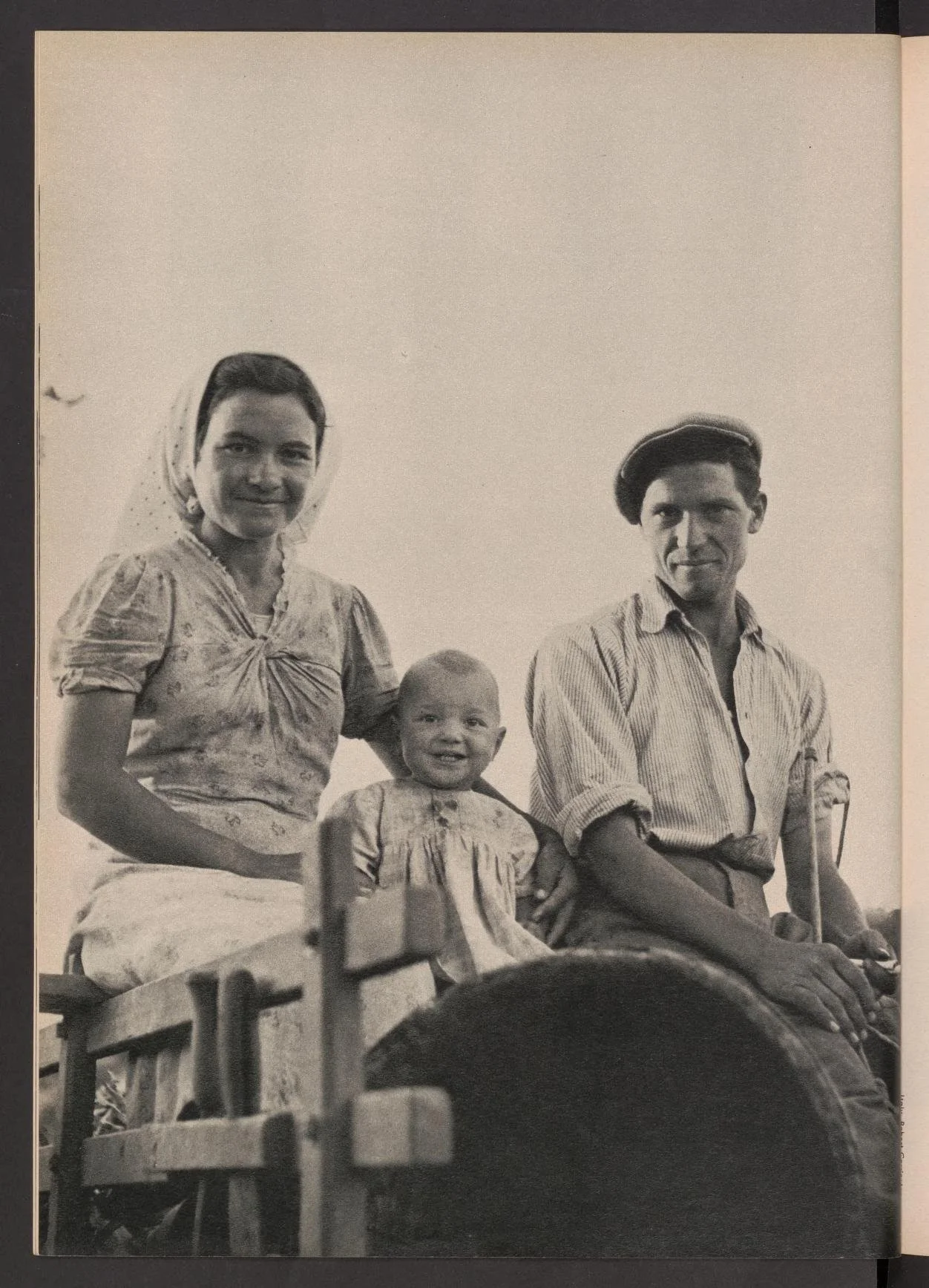
Family of Man: the Greatest Photographic Exhibition of All Time - 503 Pictures from 68 Countries - Created by Edward Steichen for the Museum of Modern Art was published in 1955. The prologue is by Carl Sandburg. In the introduction Eward Steichen says they worked on the exhibit for almost 3 years and reviewed over 2 million photographs. The collection is interesting to look at now for the original reason the exhibit was created and from a historical perspective. What would be different if such an exhibit were produced today? The most obvious is that the photographs would be in color…but so much has changed in the world in the past 70 year. For example, I wonder if we have become less ‘ethnic’ less ‘religious’ – are we more likely to be obese – are some human faces so modified by treatment that they look artificial). The book is available on Internet Archive.

Family of Man

Gleanings of the Week Ending April 4, 2026

The items below were ‘the cream’ of the articles and websites I found this past week. Click on the light green text to look at the article.

3/23/2026 Smithsonian Magazine These Mesmerizing Waterfalls Flow Only Every Few Years. See the Rare Marvel Now in Southwest Utah - A rare red rock waterfall is flowing once again in southwest Utah, leaving visitors in awe of its cinematic beauty.

3/23/2026 Science Daily Scientists discover hormone that may stop chronic back pain at its source - A hormone-based treatment could help ease chronic back pain by reducing abnormal nerve growth within damaged spinal tissue. During spinal degeneration, pain-sensing nerves grow into regions where they normally do not exist. Our findings show that parathyroid hormone can reverse this process by activating natural signals that push these nerves away.

3/14/2026 NPR Reframing Georgia O'Keeffe's legacy and protecting the land she loved - A historic new conservation plan will protect that landscape, with its colorful cliffs and buttes, forevermore.

3/12/2026 Clean Technica Extreme Heat Limits Outdoor Activities for One Third of Human Population -Scientists from the Nature Conservancy have published a study in the journal Environmental Research — Health that finds nearly a third of people alive today are unable to work outdoors safely in the higher temperatures prevalent in much of the world. On average, people over 65 now experience about 900 hours each year when heat severely restricts safe outdoor activity, compared with 600 hours in 1950. The most severe challenges are found in southwest Asia — Bahrain, Qatar, Kuwait, the United Arab Emirates, Iraq, and Oman,; south Asia — Pakistan, Bangladesh, and India; and parts of west Africa — Mauritania, Mali, Burkina Faso, Senegal, Djibouti, and Niger.

3/16/2026 National Wildlife Federation Toxins of the Past and Present: Why We Need the EPA - Environmental protections are critical for the health of our ecosystems and communities, and the science and regulatory capacity of the EPA exists to prevent the dire adverse health outcomes caused by environmental pollution–for people and wildlife. Without efforts to protect us, we risk exposure to toxins of the past and present–a fight that has been going on in the United States for decades.

3/26/2026 Yale Environment 360 As It Boosts Renewables, China Still Can’t Break Its Coal Addiction - China is the biggest installer of renewable energy, the biggest emitter of greenhouse gases, and the biggest user of coal.

3/26/2026 BBC An unstoppable mushroom is tearing through North American forests. Fungi enthusiasts are doing damage control - A rogue mushroom native to Asia is ripping through North American forests, after escaping from cultivation. As it runs riot, mushroom enthusiasts are rescuing the native fungi in its path. Native to Asia, the fungus was brought over to the US to be cultivated for food sometime around the early 2000s. Because it fruits so heavily, it proved to be popular with both professional and home growers. It has a high yield, meaning more profit for growers. t's now been found in 25 US states and one Canadian province.

3/24/2026 ArtNet More Than 300 Yayoi Kusama Works Take Over a German Museum – The artist is now 97 years old….lots of polka dots and pumpkins!

3/24/2026 New York Times Wicked Stepmother No Longer, a Female Pharaoh Gets a Reputational Makeover - In the 1920s, while excavating for tombs at Deir el-Bahri in Luxor, archaeologists were confronted with a baffling crime scene: thousands of smashed statues and desecrated reliefs of Hatshepsut, one of ancient Egypt’s few, and most successful, female pharaohs. New scholarship shows that a good portion of the harm was incidental, caused by the physical removal of her statuary from her temples.

3/27/2026 The Conversation A flesh‑eating fly is advancing towards the US border – can it be stopped? - The New World screwworm (Cochliomyia hominivorax) lays its eggs in open wounds and in the orifices of live, warm-blooded animals – including, occasionally, humans. The maggots then devour the animal’s flesh, causing devastating lesions that can quickly kill the infested host. Before the 1950s, it was found in the southern states of the US, where cattle infestations caused heavy financial losses for beef producers. But, during the second half of the 20th century, eradication efforts pushed it out of North and Central America. In the past few years, however, screwworm control has unraveled, with cases spiking across Central America. The fly has now spread north through Mexico, reaching two Mexican states – Tamaulipas and Nuevo Leon – that share a border with Texas. International cooperation is required for management at a geographically relevant scale.

Blog for next day: Zentangle® – March 2026

31 Zentangle tiles selected for March.

I did not have as many tiles to choose the 31 from this month because I made very few tiles the week I was with my dad in the hospital. Still - I managed to do enough to stay relatively calm during the stressful time.

When I was scanning the tiles to use in this post, I discovered that some of the colors do not scan well and it got me thinking about how old my scanner is. It evidently came out in 2009 but I’m not sure when I bought it - it seems like I’ve had it for at least a decade. I probably won’t replace it until it fails totally.

The Zentangle® Method is an easy-to-learn, relaxing, and fun way to create beautiful images by drawing structured patterns. It was created by Rick Roberts and Maria Thomas. “Zentangle” is a registered trademark of Zentangle, Inc. Learn more at zentangle.com.

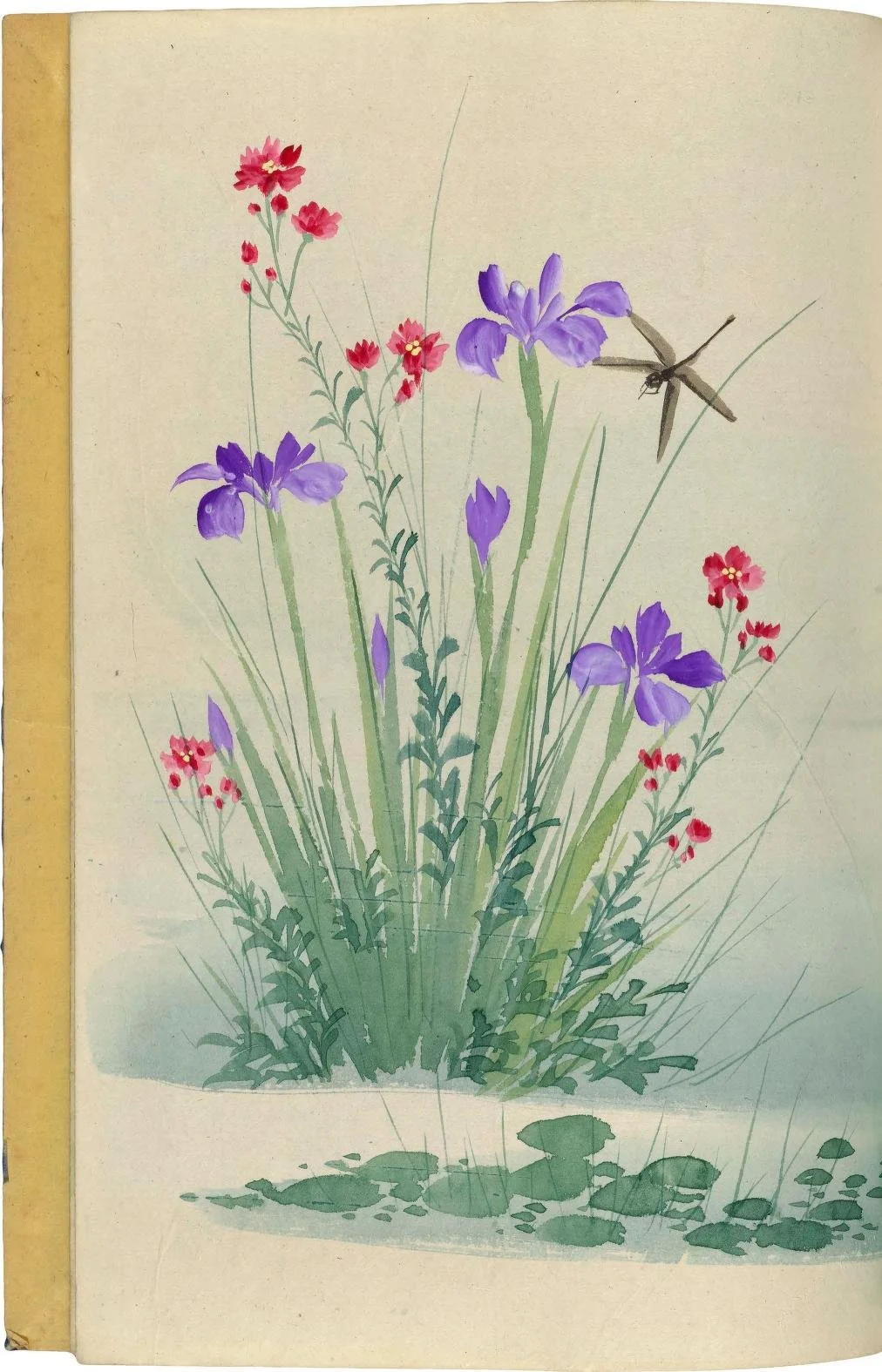
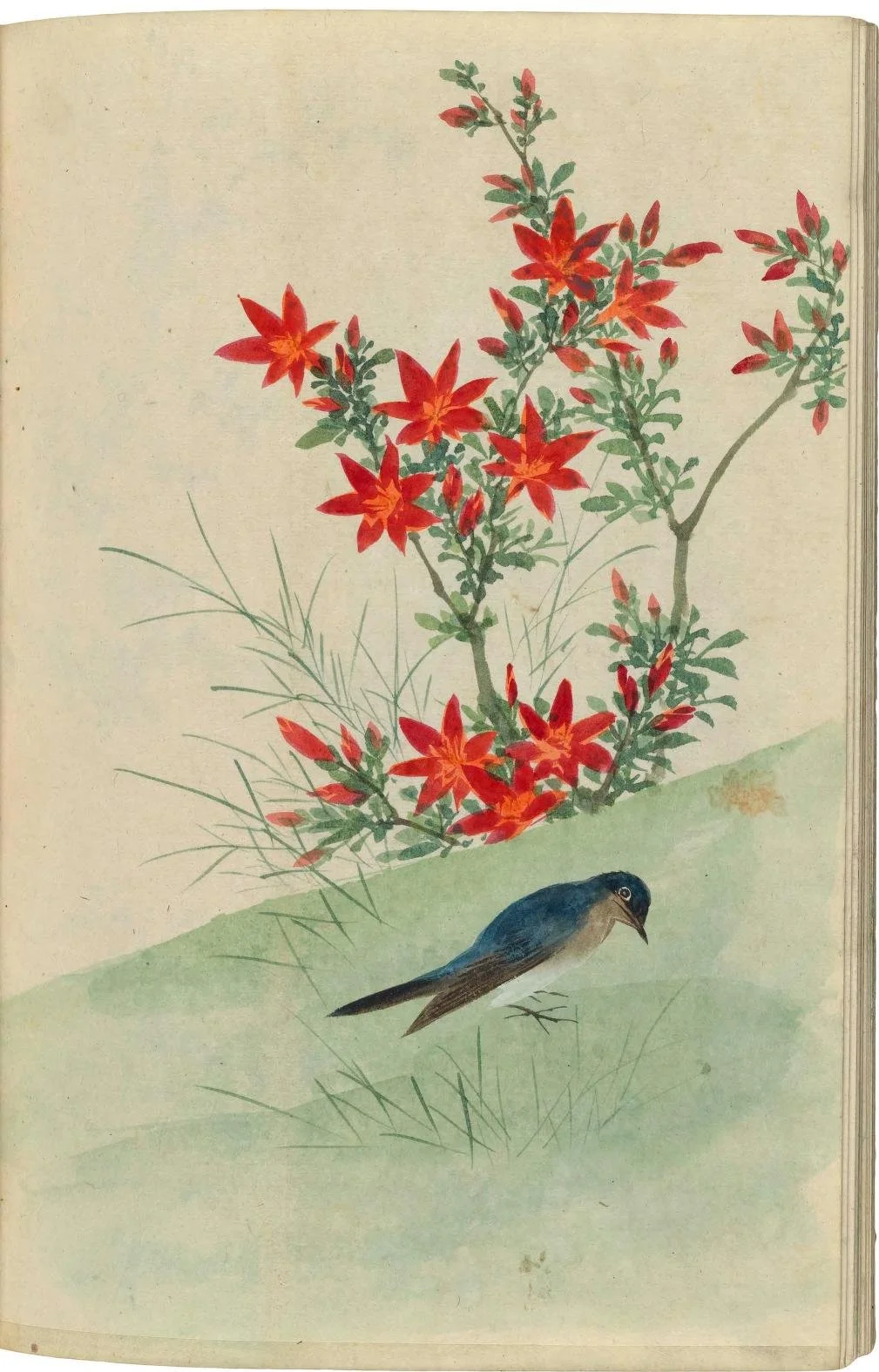
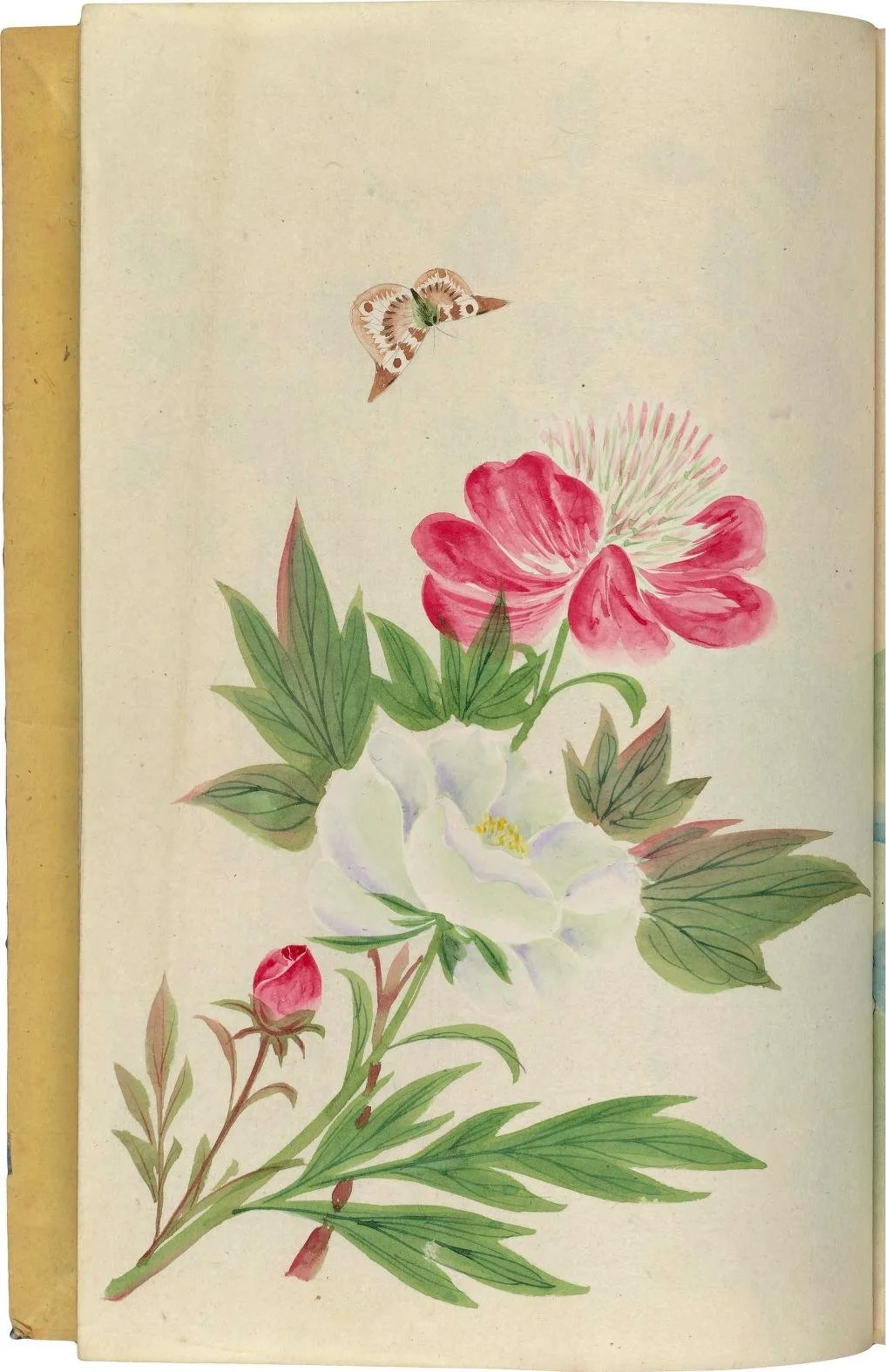
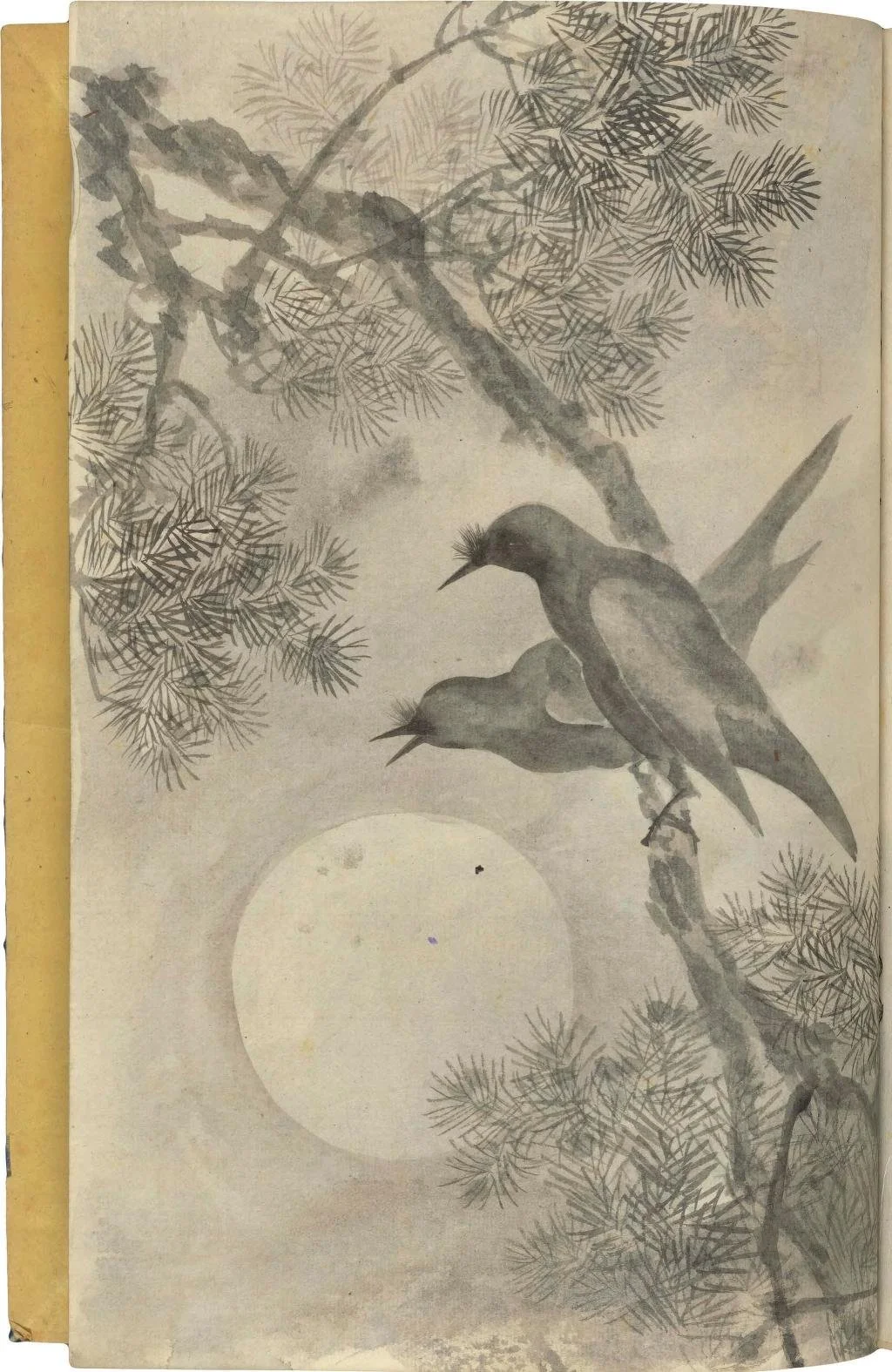
Album of flowers and birds

My ‘book of the week’ selection is a manuscript of 50 tempera, water- and bodycolor drawings. The original is held by the Oak Spring Garden Foundation, Upperville, Virginia and is available online at Internet Archive; the foundation is evidently working to digitize the collection accumulated by Rachel (“Bunny”) Lambert Mellon in the Oak Spring Garden Library.  This manuscript is not dated and the authors are unknown but it has Chinese circular red stamps on the first drawing and the back endpaper so is attributed generically to ‘Chinese School.’

 Images of plants and wildlife (insects, birds) always appeals to me. I like the artistic techniques of the collection as well. Enjoy browsing the book online!

 Album of flowers and birds

Zentangle® – February 2026

28 Zentangle tiles for February (not counting the 8 extra ones I posted just after Valentines).

I used plain cardstock – mostly black ink with a few bits of color using up some older Sharpie Ultra Fine pens. Now I am moving on to new set of gel pens for the color pops in March!

The Zentangle® Method is an easy-to-learn, relaxing, and fun way to create beautiful images by drawing structured patterns. It was created by Rick Roberts and Maria Thomas. “Zentangle” is a registered trademark of Zentangle, Inc. Learn more at zentangle.com.

Gleanings of the Week Ending February 14, 2026

The items below were ‘the cream’ of the articles and websites I found this past week. Click on the light green text to look at the article.

12/18/2025 Ozark Public Television Wild Ozarks: A Legacy of Conservation – Very well done. I am recommending it to be part of the core training for the next group of Springfield Plateau Missouri Master Naturalists!

2026 Million Marker Test Kit – I’m going to do as much as I can to reduce microplastics…then do this test….probably next summer. It is advertised as the only mail-in test for BPA, BPS, BPF, phthalates, parabens, and oxybenzone.

2/3/2026 Yale 360 China to See Solar Capacity Outstrip Coal Capacity This Year - By the end of 2026, wind and solar will account for nearly half of China’s power capacity. Including hydro and nuclear power, clean energy will amount to nearly two-thirds of total power capacity, while coal will amount to a third. Competing with cheap solar and wind, a large share of coal plants are now operating at a loss.

2/1/2026 Cool Green Science Catching Sharks for Science - On Long Beach Island, volunteer anglers help researchers uncover the hidden journeys of sharks in threatened salt marsh ecosystems.

2/3/2026 Science Daily Even remote Pacific fish are full of microplastics - Even in some of the most isolated corners of the Pacific, plastic pollution has quietly worked its way into the food web. A large analysis of fish caught around Fiji, Tonga, Tuvalu, and Vanuatu found that roughly one in three contained microplastics, with Fiji standing out for especially high contamination. Reef and bottom-dwelling fish were most affected, linking exposure to where fish live and how they feed.

2/1/2026 National Parks Traveler New York Art Teacher Earns 30 National Park Resident Artist Spots In 10 Years – Artist-in-residence at National Park Service sites. Many of the programs are funded by nonprofits, grants, or donations made directly to the Park Service. Categories are broad and include writers, painters, photographers, musicians, dancers, sculptors, and animators. 

1/30/2026 My Modern Met Society of Photographers 2025 Contest Announces Its Astounding Winners – Chosen from over 6,000 photographs submitted!

1/29/2026 BBC From bad omen to national treasure: The rare bone-swallower stork saved by a female army - Known locally as the hargila (or "bone-swallower") for its scavenging ways, greater adjutant storks are unique birds. Roughly 5ft (1.5m) tall, they aren't only imposing but also play a vital role in maintaining the health of a wetland ecosystem. As scavengers that consume and clean up carcasses, they prevent the spread of disease and break down decaying organic matter, recycling essential nutrients back into the soil. They were feared, reviled and in some communities, hunted for their meat which was once widely used in folk medicine as a cure for leprosy or antidote to poison.

1/28/2026 Archaeology Magazine Study tracks wild potato across the Southwest - People carried a small, wild potato known as the Four Corners potato (Solanum jamesii), across the southwestern United States some 10,000 years ago.

1/27/2026 Super Age Wellness Is Finally Admitting It Got the Last Decade Wrong – The article lists 10 trends from the 2026 Global Wellness Report. One of the 10 is “Microplastics are at threat to healthspan.”

Gleanings of the Week Ending February 7, 2026

The items below were ‘the cream’ of the articles and websites I found this past week. Click on the light green text to look at the article.

1/22/2026 I’m Plastic Free How Geography Impacts Plastic-Free Living - Many people want to reduce plastic, but simply don’t have the tools nearby. In larger cities, it’s often easier to find refill stores, farmers’ markets, and shops that sell loose produce, but the access varies widely between wealthier and lower-income city areas. Living in a city doesn’t guarantee sustainable options. here are a variety of factors that determine the amount of plastic used by consumers. These usually include their location, the system of commerce, and the accessibility of plastic products. Understanding how an area shapes shopping decisions will lead to people advocating for a change where it matters the most.

1/22/2026 Yale Environment 360 In Europe, Wind and Solar Power Overtakes Fossil Fuels - Last year, for the first time, wind and solar supplied more power than fossil fuels to the E.U. In parts of Europe, there are signs that increasingly cheap batteries are beginning to displace natural gas in the early evening, when power demand is high, but solar output is waning.

1/23/2025 Smithsonian Magazine United Nations Declares That the World Has Entered an Era of ‘Global Water Bankruptcy’ - Life around the world has been feeling the effects of climate change, land degradation, deforestation, pollution and the overuse of water. Ultimately, most regions are using too much of their renewable “income” of water from rivers and snowmelt and have emptied their “savings” in groundwater and other reservoirs, ushering in an era of “global water bankruptcy.” We cannot rebuild vanished glaciers or reinflate acutely compacted aquifers. But we can prevent further losses and redesign institutions to live within new hydrological limits.

1/21/2026 BBC Future How the nutritional benefits of foods change as you age - The two main nutrients we should focus on in old age are calcium and vitamin D. Eating enough quality protein is also really important as we age.

1/20/2026 ScienceDaily Stanford scientists found a way to regrow cartilage and stop arthritis - Scientists at Stanford Medicine have discovered a treatment that can reverse cartilage loss in aging joints and even prevent arthritis after knee injuries. By blocking a protein linked to aging, the therapy restored healthy, shock-absorbing cartilage in old mice and injured joints, dramatically improving movement and joint function. Human cartilage samples from knee replacement surgeries also began regenerating when exposed to the treatment. Human trials will be launched soon.

1/12/2026 The Daily Show Vitamin Plastic Water: Don’t Just Consume Microplastics, Enjoy Them! – Humor in a plastic world.

1/20/2026 NASA Explore North America’s Greenhouse Hub - In the Leamington (Ontario) area, growers cultivate vegetables and other crops within millions of square feet of greenhouse space. Commercial greenhouse operations began to gain a foothold in this area in the 1960s and 1970s as technology advanced and regional demand for fresh vegetables increased. Since then, the industry has continued to grow, securing Leamington’s reputation as the “greenhouse capital of North America.”

1/20/2026 NPR Polyester clothing has been causing a stir online. But how valid are the concerns? - Though polyester has been around for a while, in many cases, manufacturers have begun using polyester for items that natural fibers would be better suited for. For example, polyester is often found in summer clothes, even though the material traps heat. And people eventually dump clothes that are uncomfortable. Mounds of abandoned clothing are showing up on coastlines in countries like Ghana, India and Chile, Palladino said. Ghana, for example, has a large market for upcycling clothes. But many of the clothes it receives from the U.S. are of increasingly lower quality, so some purchasers dump them in lagoons and landfills, which end up in the oceans. Natural fibers clothing have cost you a little more, but you're going to have it longer.

1/19/2026 ArtNet The Forgotten Designer Who Created America’s First National Parks Posters - Dorothy Waugh was a pioneering Modernist designer who created the U.S. government’s first in-house National Parks poster campaign during the Great Depression, is the subject of her first-ever solo exhibition. After leaving the NPS, Waugh got a job at Knopf, founding and leading the publishing house’s Books for Young Adults Division. She also worked for 25 years as the head of public relations at the Montclair Public Library in New Jersey. In addition, Waugh was an educator, offering the first-ever course in typography at the New York School of Fine and Applied Art, now the Parsons School of Design. On top of all that, she moonlighted as journalist and poet, and even as a radio personality, with her own regional radio program. She also wrote and illustrated many books for children, as well as two scholarly tomes on the poet Emily Dickinson. The last of those was published when Waugh, who lived to be 99, was 94.

1/18/2026 Our World in Data How have crime rates in the United States changed over the last 50 years? - Several crimes fall within the category of violent crimes. In US statistics, this includes homicide (murder and non-negligent manslaughter), rape, robbery, and aggravated assault. Violent crime rates increased during the 1980s, reaching a peak in the early 1990s at around 750 offenses per 100,000. Since then, rates have more than halved. Over the past three decades, rates have fluctuated slightly from year to year, but the overall trend has been downward.

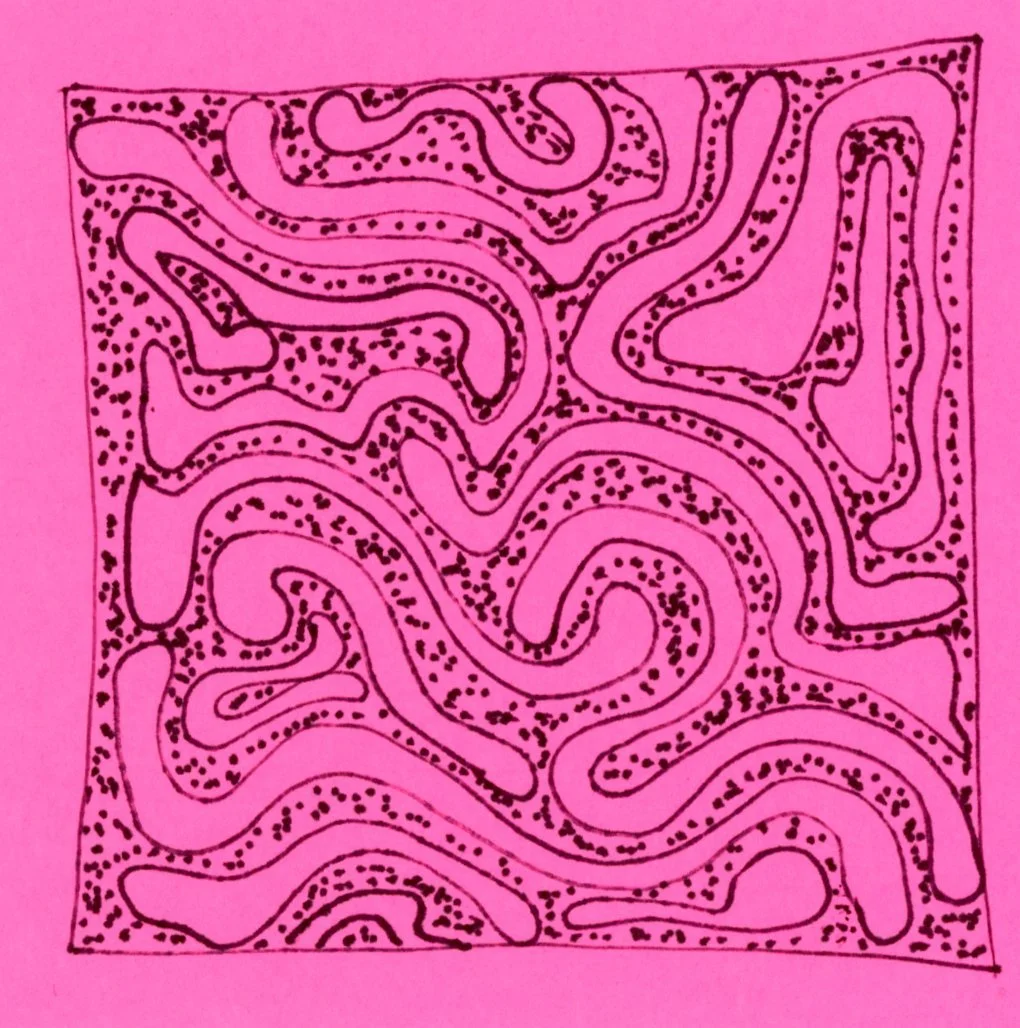
Zentangle® – January 2026

31 Zentangle tiles – one for each of the 31 days in January.

I chose to cut black and light blue cardstock for the month and skewed a bit toward the light blue as the month progressed. Most of the tiles I make are during the wind down of the day – the hour before bedtime. Many times my Garmin registers ‘rest’ during the time I am making them!
The Zentangle® Method is an easy-to-learn, relaxing, and fun way to create beautiful images by drawing structured patterns. It was created by Rick Roberts and Maria Thomas. “Zentangle” is a registered trademark of Zentangle, Inc. Learn more at zentangle.com.

America 1976

The ‘book of the week’ is a catalog from an exhibition of art that started at the Corcoran Gallery of Art in second quarter of 1976 and then to other museums around the country until May 1978. It is available from Internet Archive.

This year will be the 250th anniversary of the US Declaration of Independence being adopted…and there will probably be similar exhibits celebrating the nation through art this year. I remember 1976 from the perspective of living in the Dallas area, working full time and taking classed toward my biology degree at night; I was so busy during the week most of the time at home was spent asleep; my husband and I had a weekly out-to-eat between my work and evening classes as a time to talk/catch up with each other. I was a little aware of special construction projects and celebrations that happened with the bicentennial and probably went to see some fireworks….but don’t remember seeing any associated art exhibits! Maybe this year will be different. I’d rather see a drone show than fireworks (better air quality) and being in an air-conditioned museum in July sounds good to me!

America 1976: a Bicentennial Exhibition Sponsored by the United States Department of the Interior

Gleanings of the Week Ending December 20, 2025

The items below were ‘the cream’ of the articles and websites I found this past week. Click on the light green text to look at the article. (Note: I have changed the format to include the date and source of the article.)

11/30/2025 NPR  More cities are seeing PFAS pollution in drinking water. Here's what Louisville found - What we do is manage risk, and we start that at the river. It sounds weird, but source water protection – keeping the stuff out of the river – is a big deal.

11/25/2025 Artnet Radiant Tiffany Landscape Window Leads Major Auction of the Studio’s Masterpieces – Beautiful glass…there are some coming to auction in December. I enjoyed the pictures in the article.

12/2/2025 Washington Post ‘Everywhere chemicals’ are in our food, decades after scientists recognized dangers - A large body of science has linked phthalates to a variety of serious health conditions, including premature birth and infertility. The costs to society are huge. A 2024 NYU-led study that catalogued health effects from phthalates exposure in the United States — including contributions to diabetes levels and infertility — estimated that dealing with phthalate-related diseases cost $66.7 billion in a single year. Previous Washington Post article on phthalates from last September: The health risks from plastics almost nobody knows about.

12/2/2025 Science Daily Is your gut being poisoned? Scientists reveal the hidden impact of everyday chemicals - Many chemicals designed to act only on one type of target, say insects or fungi, also affect gut bacteria. Some of these chemicals had strong effects. For example, many industrial chemicals like flame retardants and plasticizers -- that we are regularly in contact with -- weren't thought to affect living organisms at all, but they do.

12/7/2025 Clean Technica Your Single-Use Plastic Bottles Are Killing Endangered Sea Turtles - A recent study published in Proceedings of the National Academy of Sciences concludes that plastic ingestion has been documented in nearly 1,300 marine species, including every seabird family, marine mammal family, and sea turtle species. Researchers analyzed data from more than 10,000 autopsies from marine creatures killed by ingesting plastic; they calculated amounts consistent with a 90% likelihood of death:

  • 23 pieces (0.098 cm3/cm) in seabirds;

  • 29 pieces (39.89 cm3/cm) in marine mammals: and,

  • 405 pieces (5.52 cm3/cm) in sea turtles (377 for juveniles).

12/2025 Greenpeace Plastic Merchants of Myth: Circular Claims Fall - After decades of meager investments accompanied by misleading claims and a very well-funded industry public relations campaign aimed at persuading people that recycling can make plastic use sustainable, plastic recycling remains a failed enterprise that is economically and technically unviable and environmentally unjustifiable. (Press release for the document)

12/8/2025 The Conversation PFAS in pregnant women’s drinking water puts their babies at higher risk – Data on all births in New Hampshire from 2010-2019 were analyzed. The 11.5 thousand births that occurred within 3.1 miles of a site known to be contaminated with PFAS and where mothers were served by public water system (well based) were selected for further analysis. PFAS was greater in the water system wells downstream from the site. Births in the area served by wells downstream were 43% more likely to be low-weigh (under 5.5 pounds), 20% greater chance of preterm birth, and 191% greater chance of the infant not surviving its first year. Research was done at University of Arizona.
12/8/2025 Science Daily Humans are built for nature not modern life - Human biology evolved for a world of movement, nature, and short bursts of stress—not the constant pressure of modern life. Industrial environments overstimulate our stress systems and erode both health and reproduction. Evidence ranging from global fertility declines to chronic inflammatory diseases shows the toll of this mismatch.

12/7/2025 Clean Technica The Floating Solar Revolution - Despite this year’s sharp U-turn in federal energy policy, the renewable energy transition continues to branch out in new directions. One emerging factor is the relatively new area of floating solar. The field has already begun to scale up in some regions around the world, and innovative solar firms are carving out new opportunities here in the US as well.

12/7/2025 Science Daily New moonquake discovery could change NASA’s Moon plan - Scientists have discovered that moonquakes, not meteoroids, are responsible for shifting terrain near the Apollo 17 landing site. Their analysis points to a still-active fault that has been generating quakes for millions of years. While the danger to short missions is low, long-term lunar bases could face increasing risk. The findings urge future planners to avoid building near scarps and to prioritize new seismic instruments.

Zentangle® – November 2025

Thirty days in November…so I selected 30 tiles from the 101 that were produced in November.

They are all ivory cardstock with black ink patterns…color highlights. There are patterns I repeat frequently and others that seem to emerge for a few tiles only. I am using color pens that are several years old; I remember that I bought some of them at the Walmart in Carrollton TX in the year I started traveling to Texas again after COVID. It takes discipline to not buy new pens until old ones are depleted!

I was traveling for 11 days out of the month and kept two pockets (one for tiles and one for pens) of my laptop bag packed with supplies! My Zentangle time is part of my winding down routine toward the end of the day whether I am at home or in a hotel; almost all the tiles were produced between 8 and 9 PM!

I’ve already cut red, green and white tiles for December – and plan to use black and white inks.

The Zentangle® Method is an easy-to-learn, relaxing, and fun way to create beautiful images by drawing structured patterns. It was created by Rick Roberts and Maria Thomas. “Zentangle” is a registered trademark of Zentangle, Inc. Learn more at zentangle.com.

Zentangle® – October 2025

October was a busy month with 8 days away from home (Jefferson City and Dallas)….and getting my damaged car repaired and our hot water heater replaced. Making Zentangle tiles is my tried-and-true activity for calming down at the end of the day – even when I am traveling!

I have discovered that if I make two sizes of tiles (3.5 square and 5 x 3.5), there is not a much leftover after cutting the 8.5 x 11 card stock …..so each month will probably have some of both sizes from now on! I have been using bright colors during October….might change to off white tiles in November and more colored inks.

The Zentangle® Method is an easy-to-learn, relaxing, and fun way to create beautiful images by drawing structured patterns. It was created by Rick Roberts and Maria Thomas. “Zentangle” is a registered trademark of Zentangle, Inc. Learn more at zentangle.com.