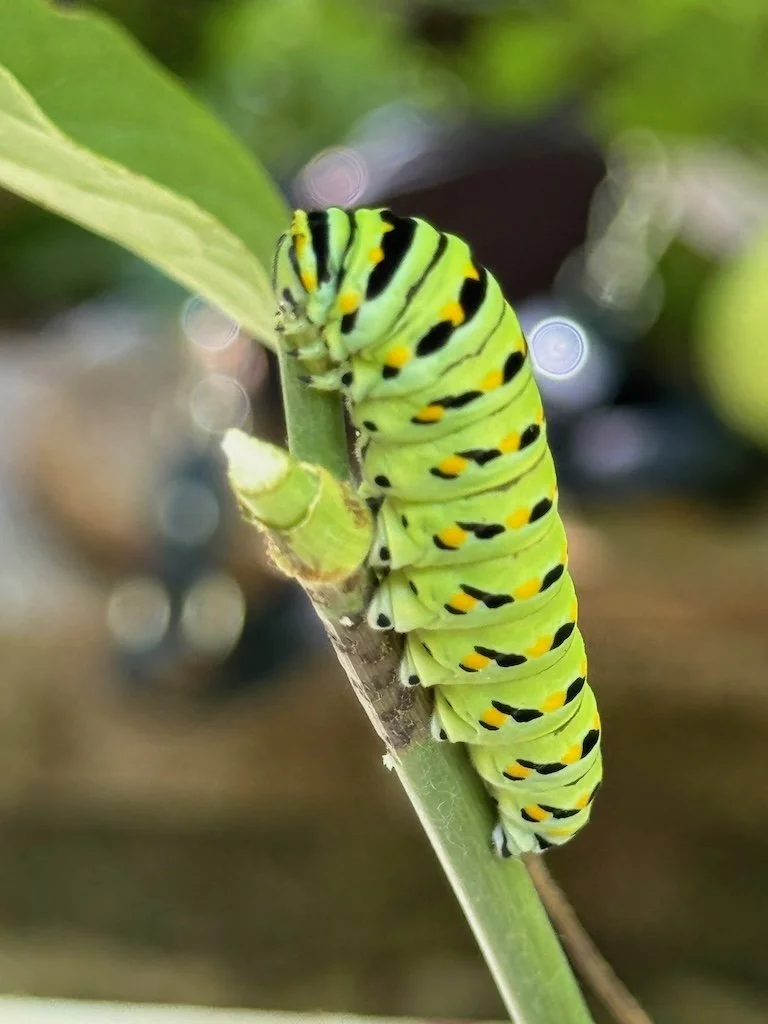
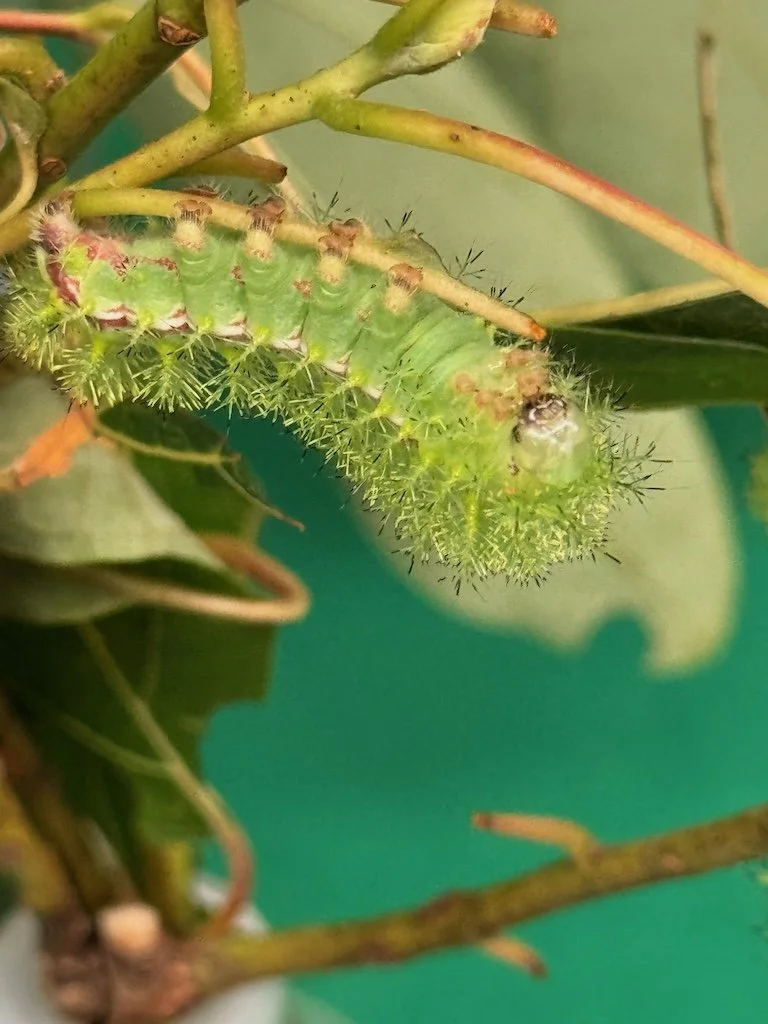
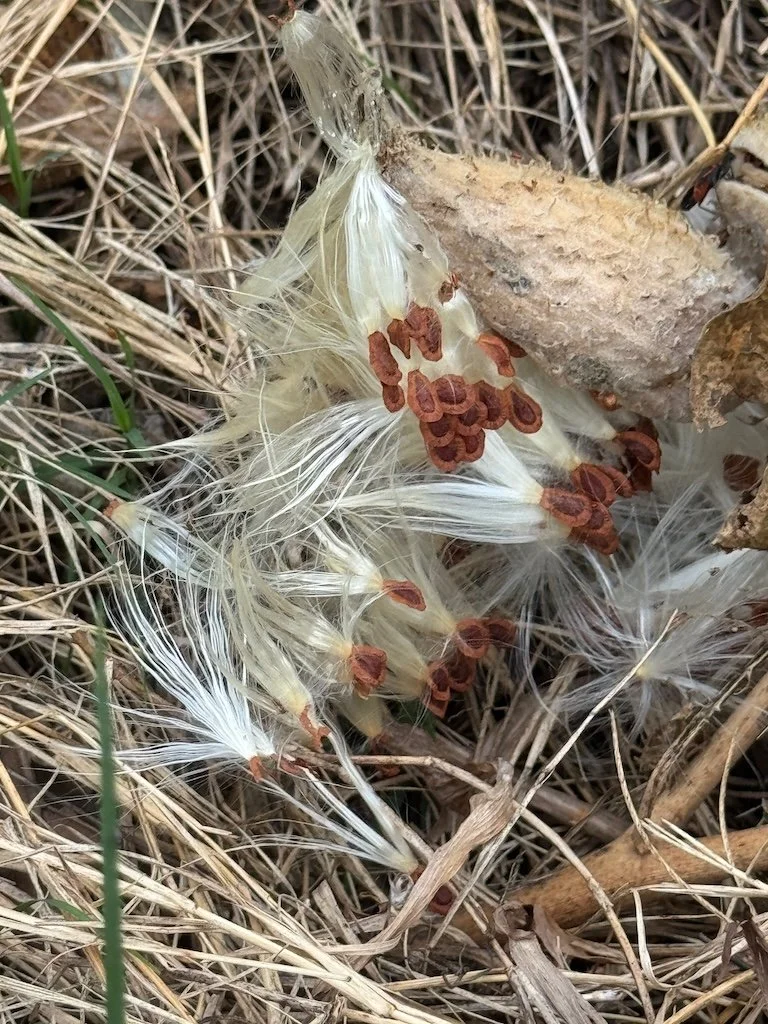
Butterfly House Trees

I decided to document the trees in the Roston Native Butterfly House during one of my recent shifts. All of them are there to provide food for certain caterpillars. So here is a tree tour of the house…starting on the right side as you enter the trees are
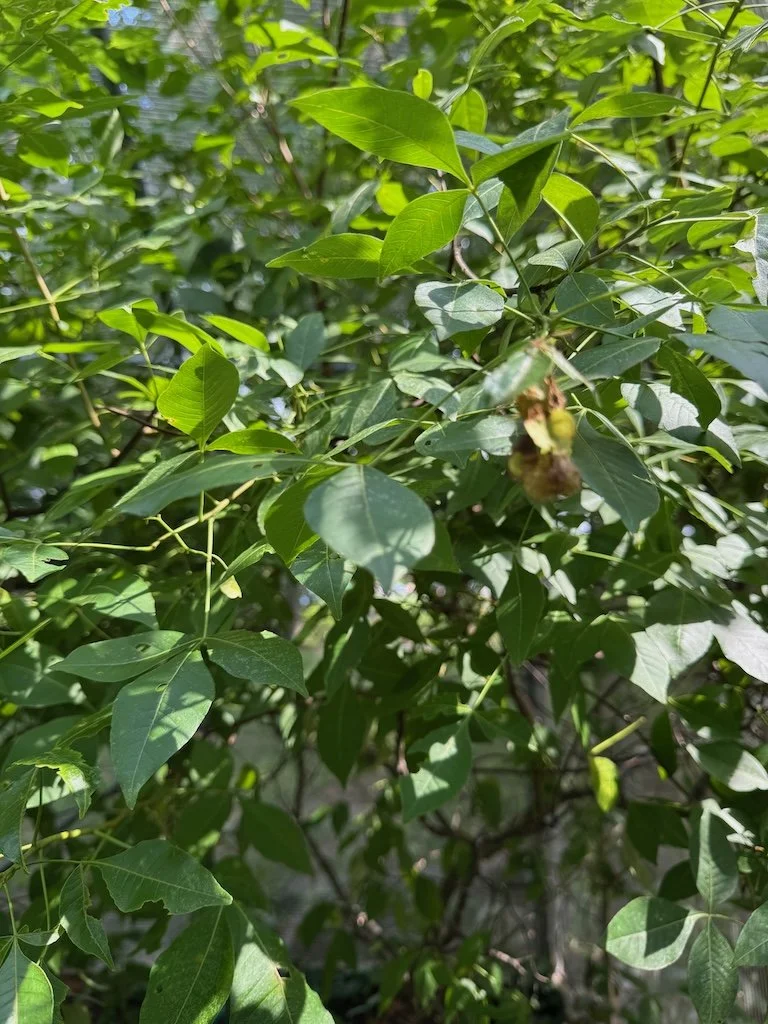
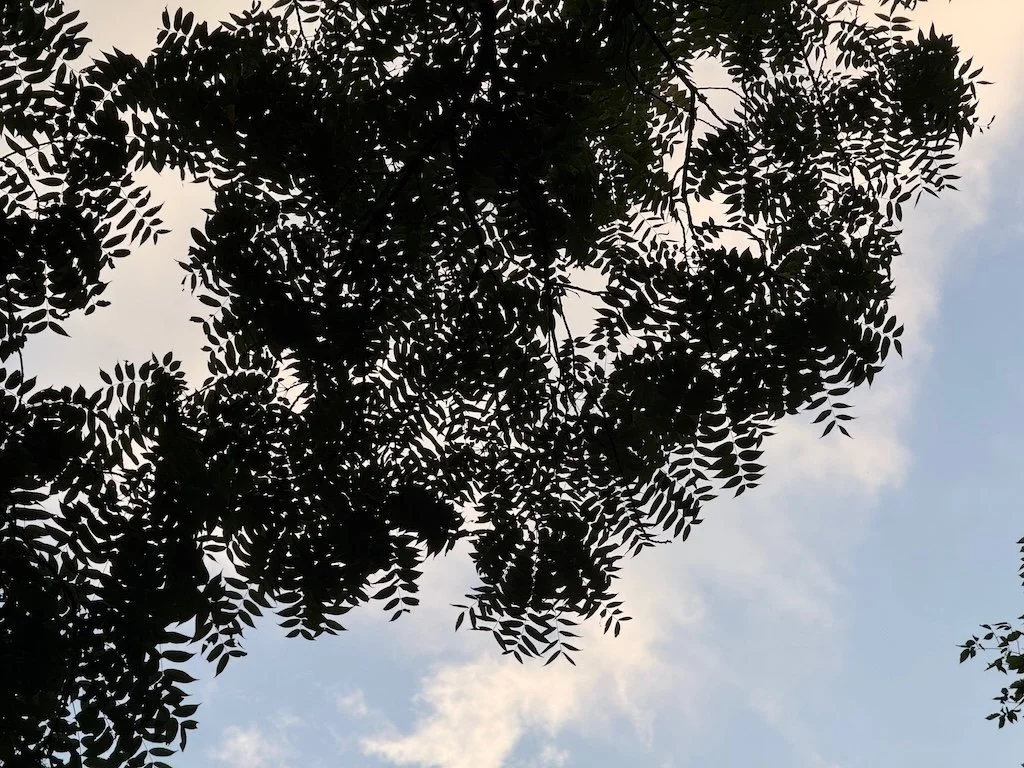
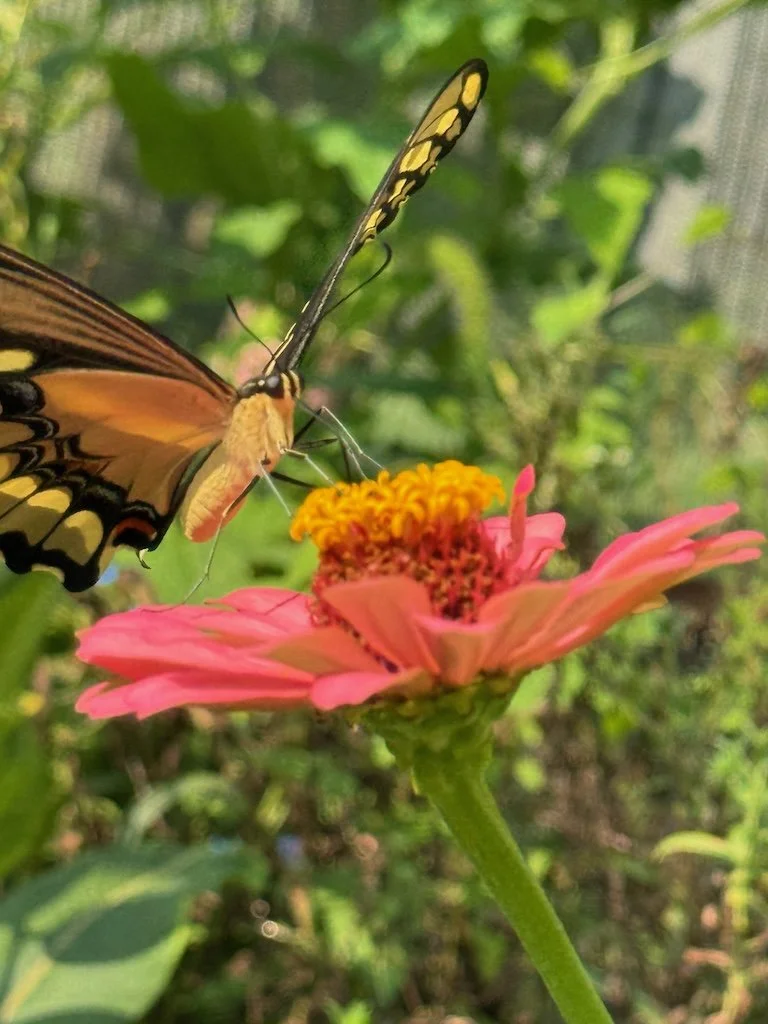
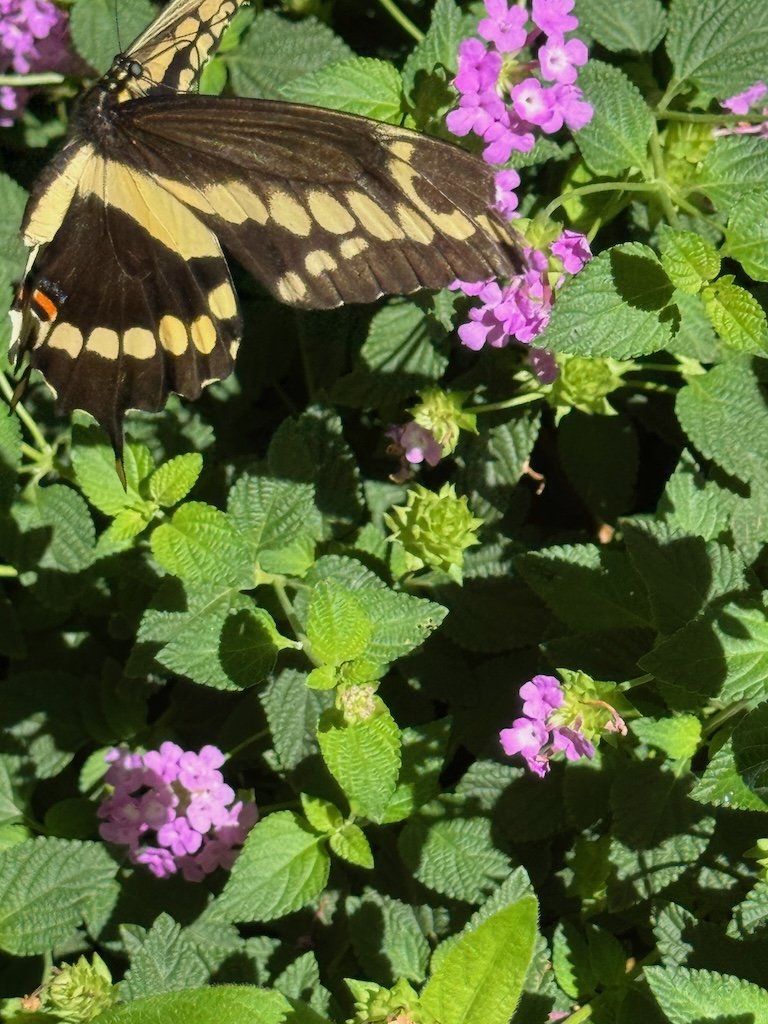
Wafer ash for Giant Swallowtail caterpillars
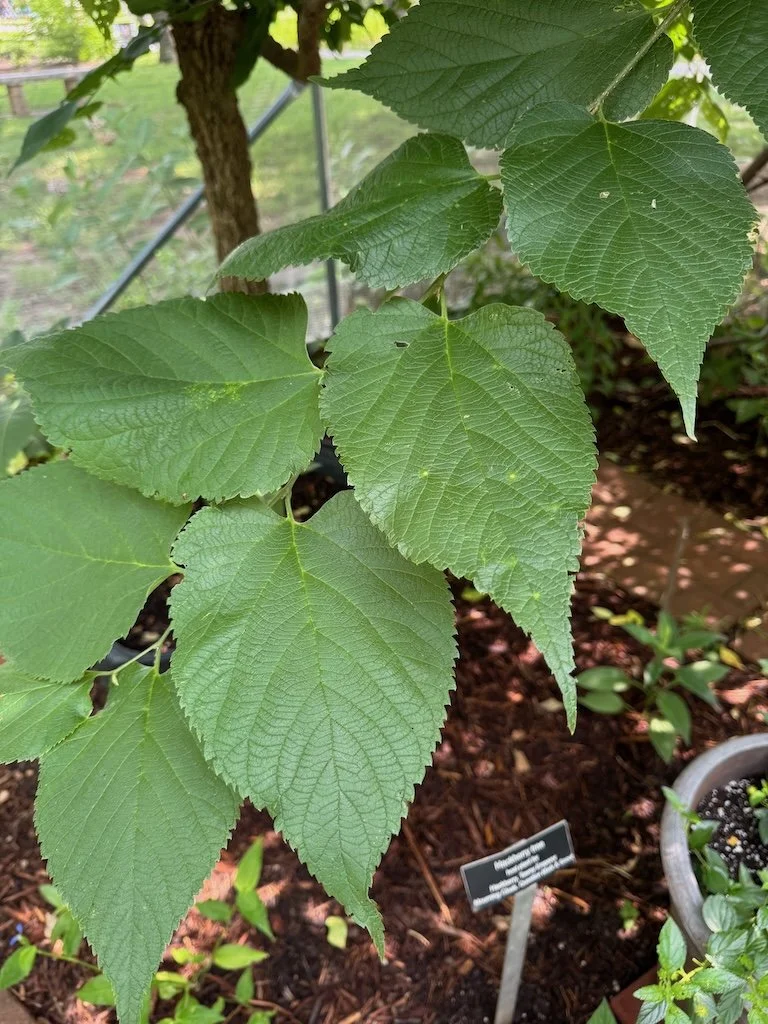
Hackberry for Hackberry Emperor caterpillars
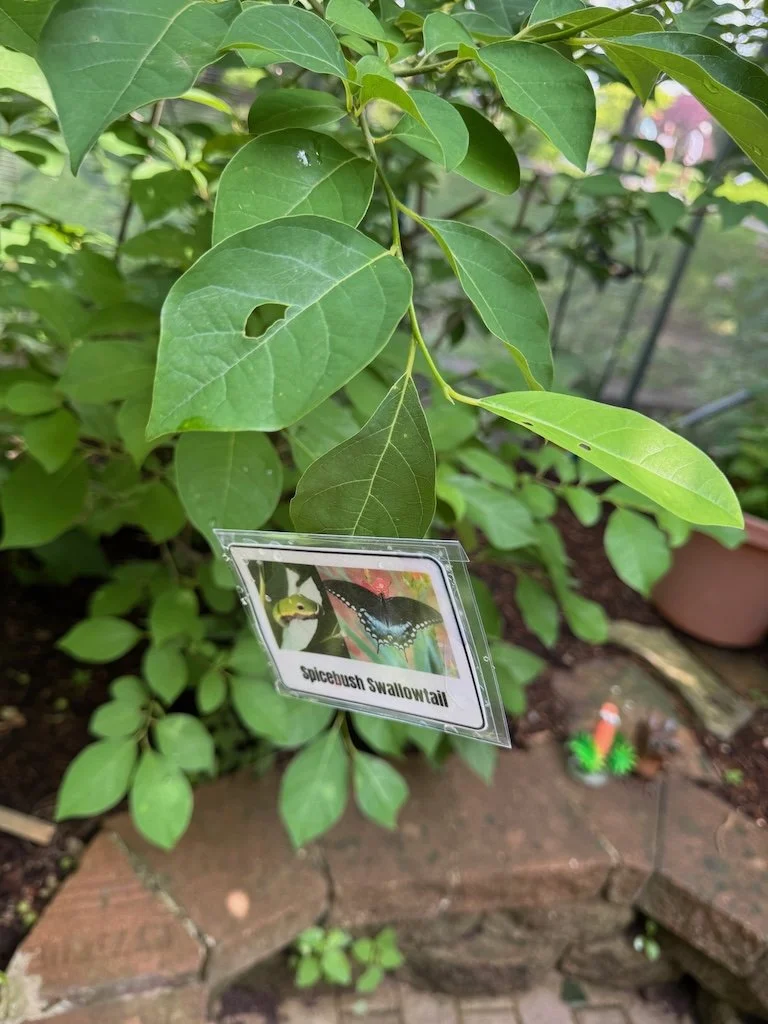
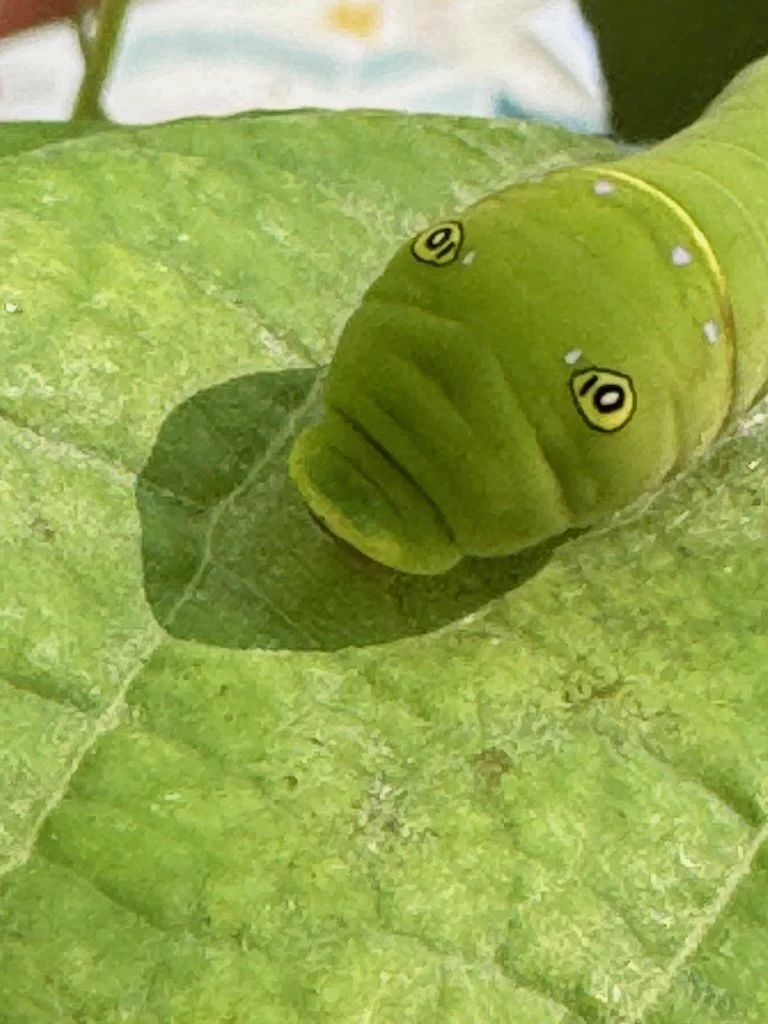
Spicebush for Spicebush Swallowtail caterpillars

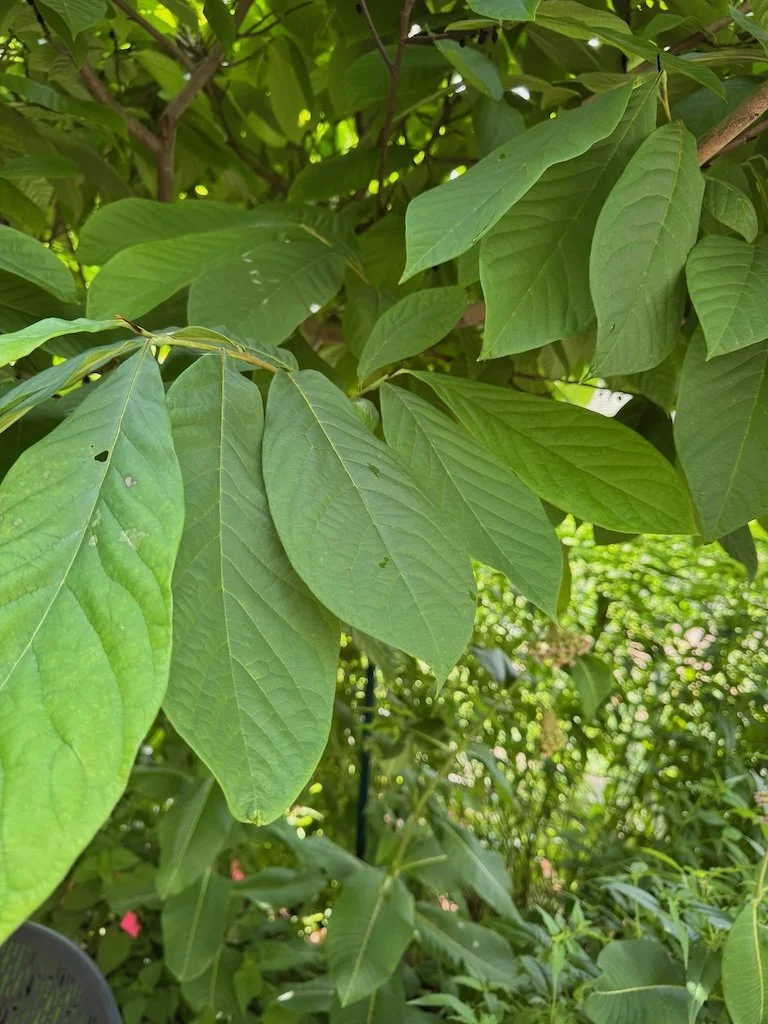
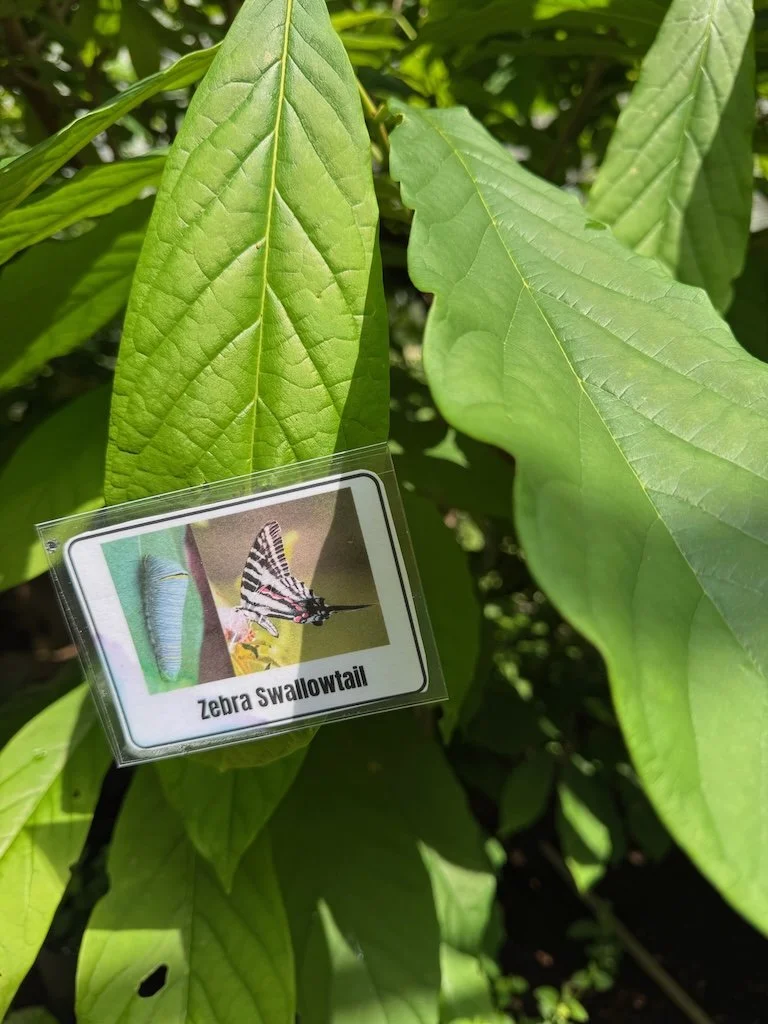
Pawpaw for Zebra Swallowtail caterpillars
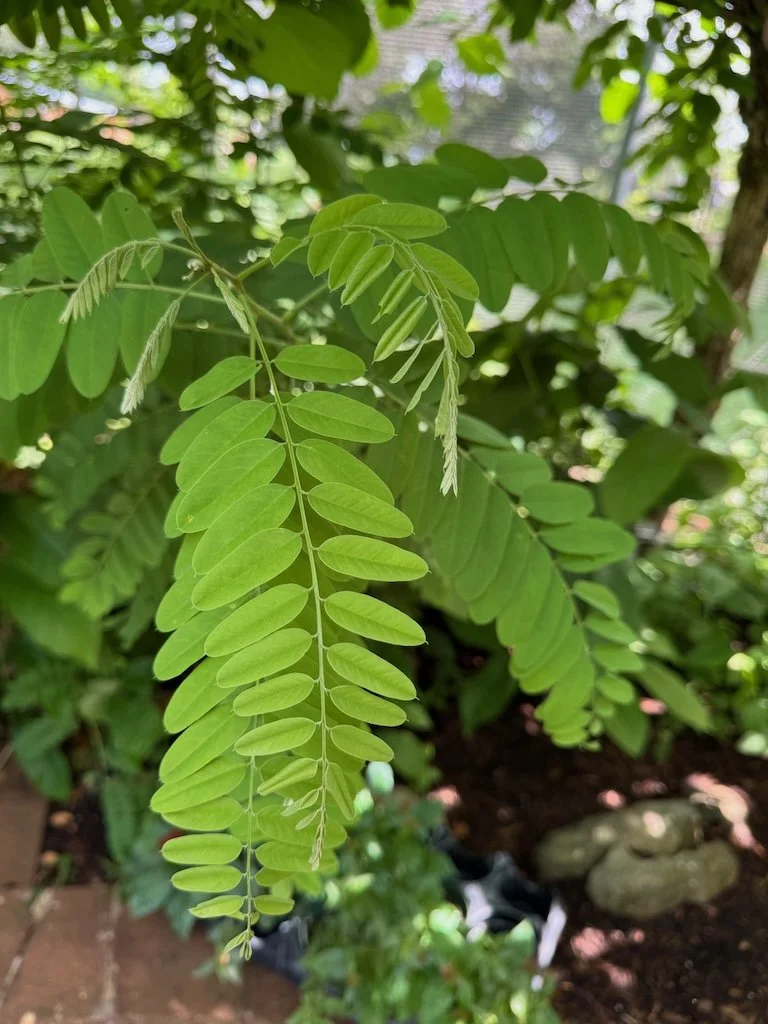
False Indigo for Silver Spotted Skipper caterpillars
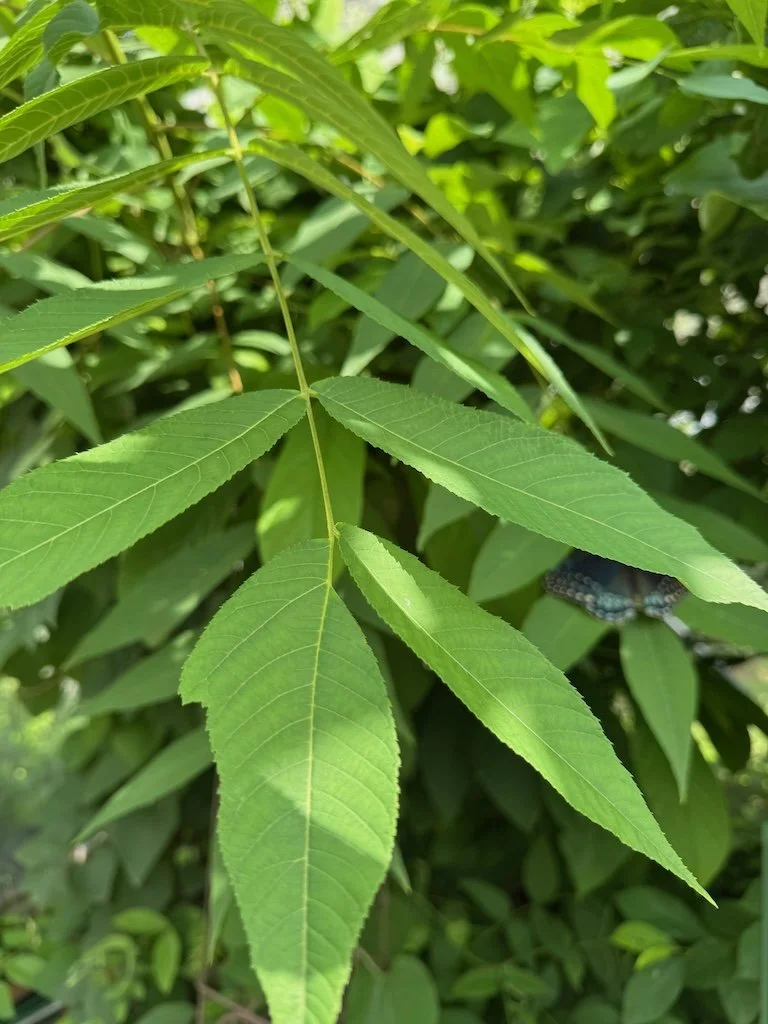
Black Walnut for Luna Moth, Polyphemus Moth, and Red Banded Hairstreak caterpillars

(turning back toward the front of the house…looking at the trees on your right)
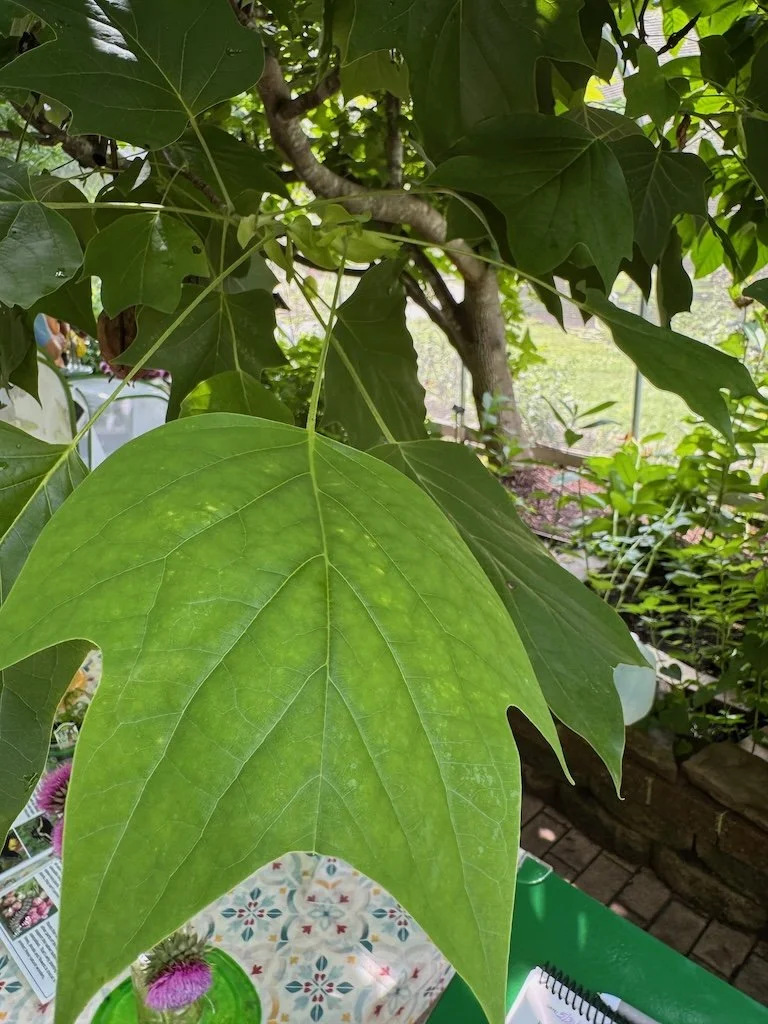
Tulip poplar for Tiger Swallowtail caterpillars

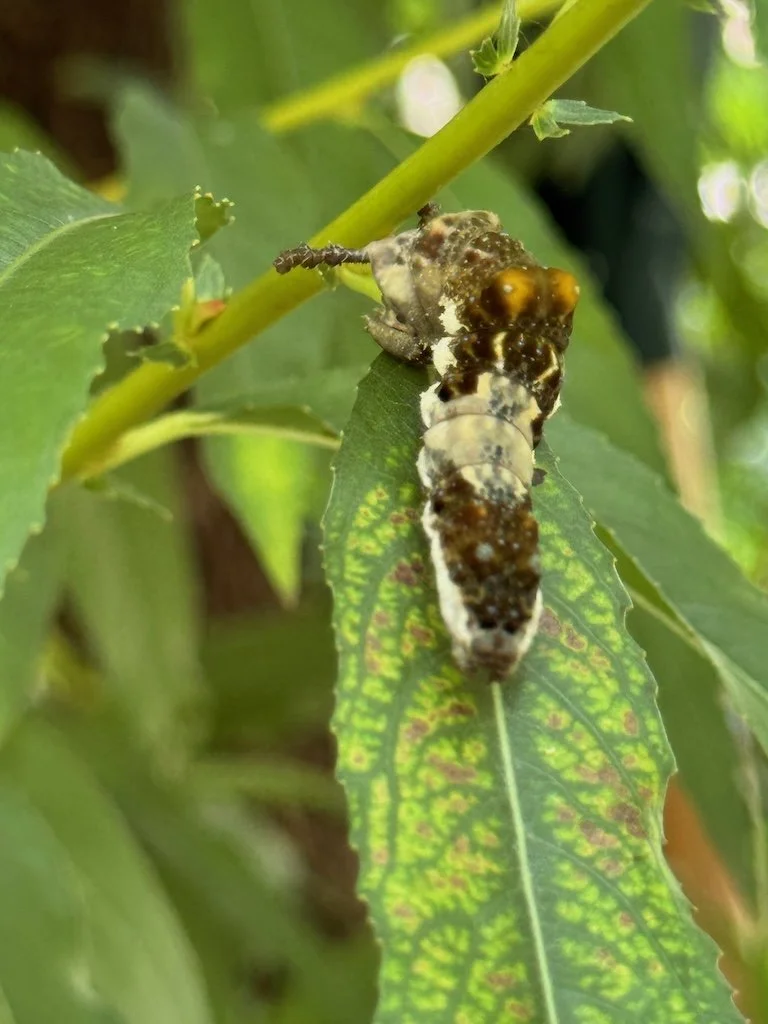
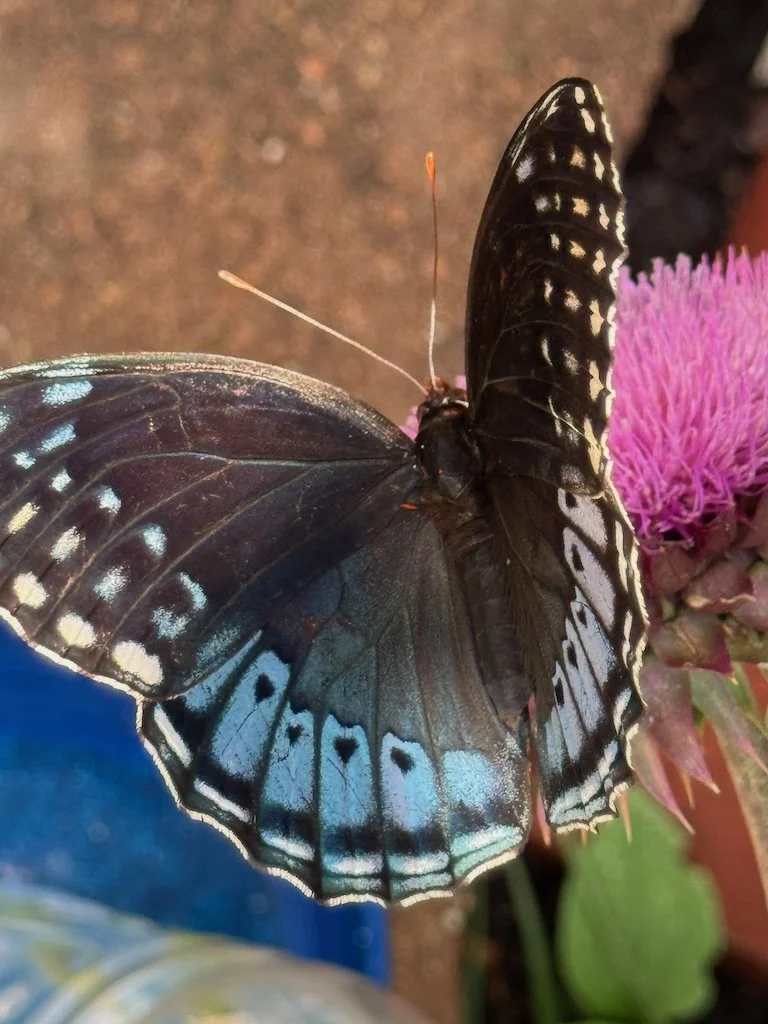
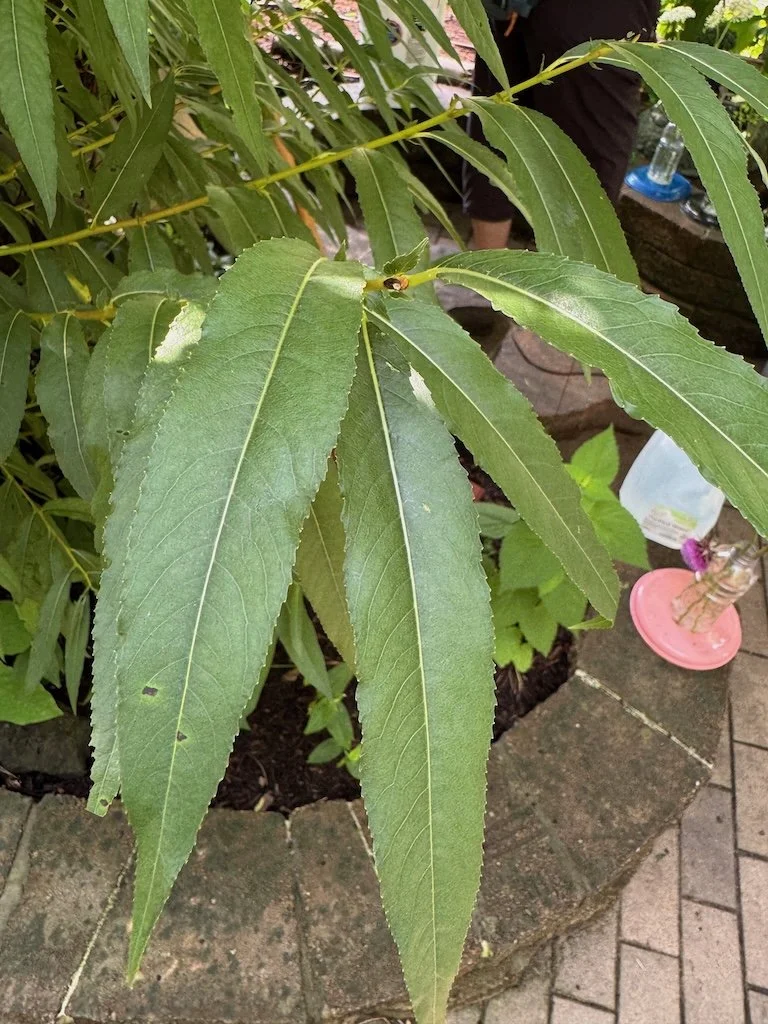
Black Willow for Red Spotted Purple caterpillars
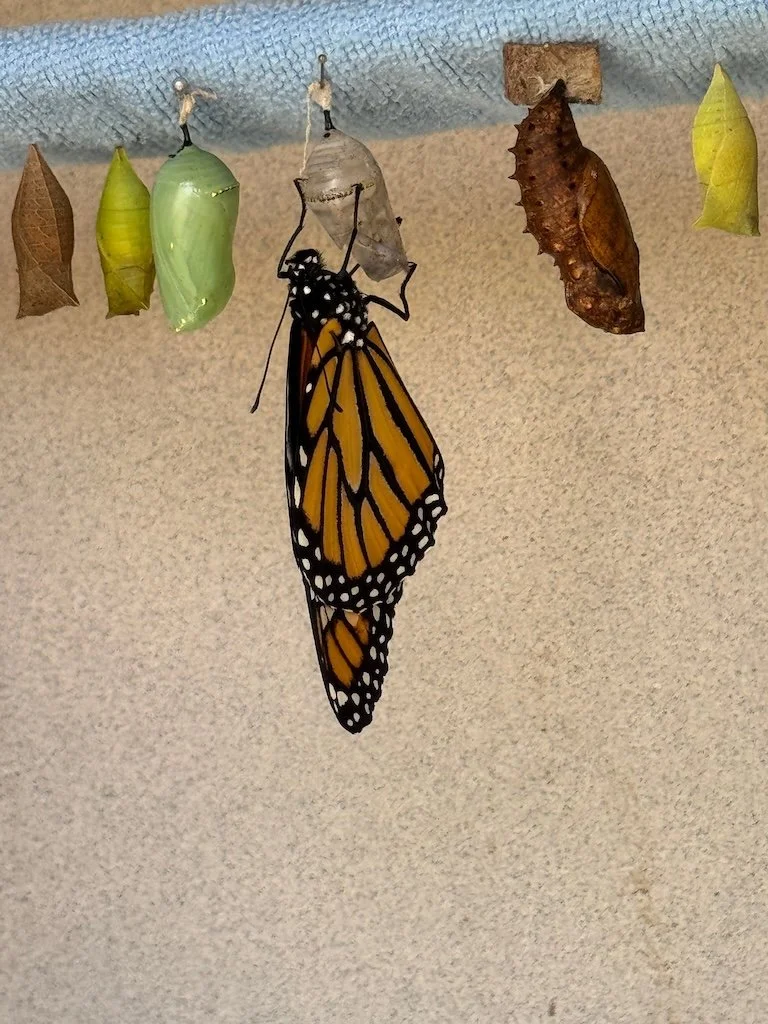
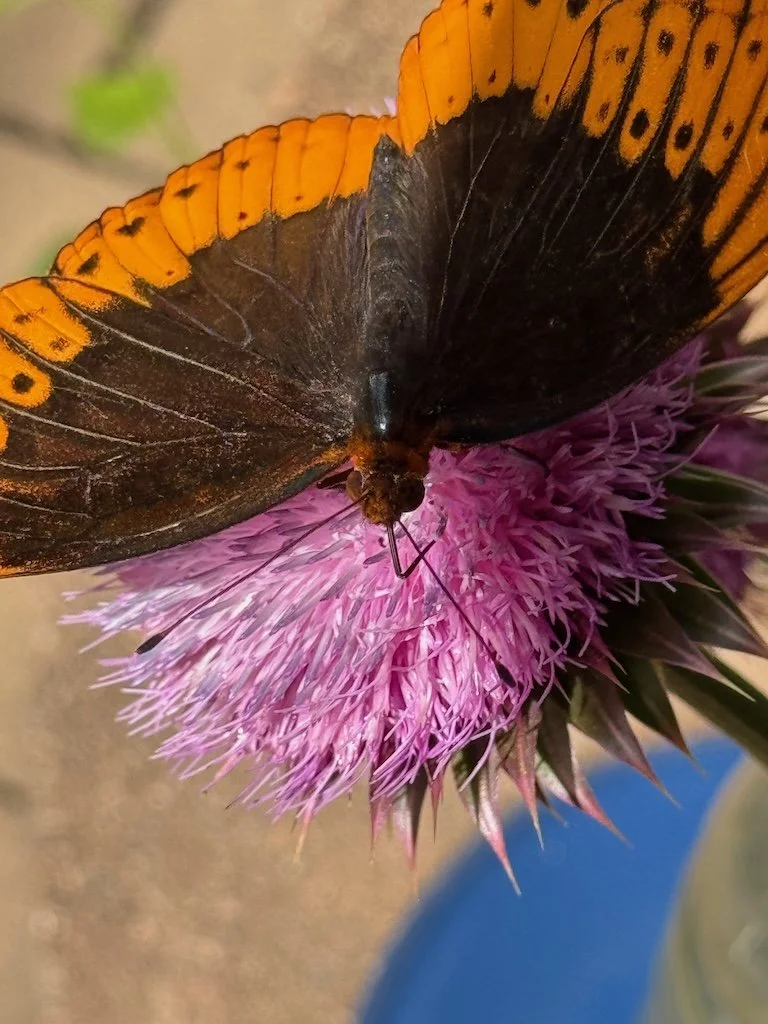
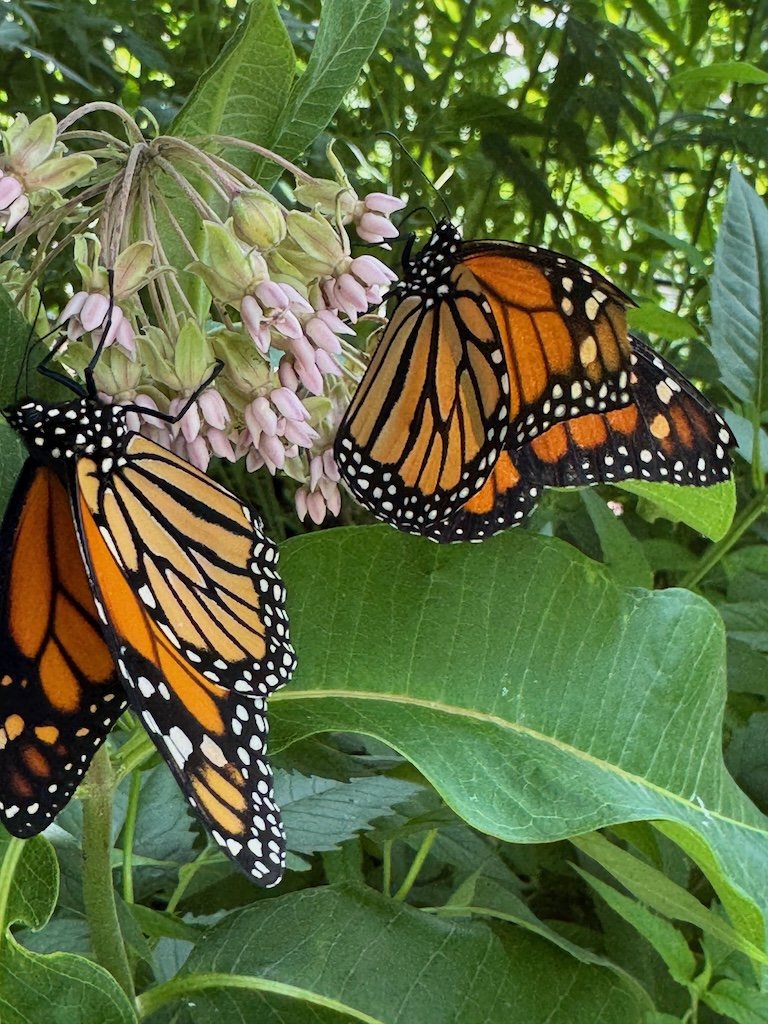
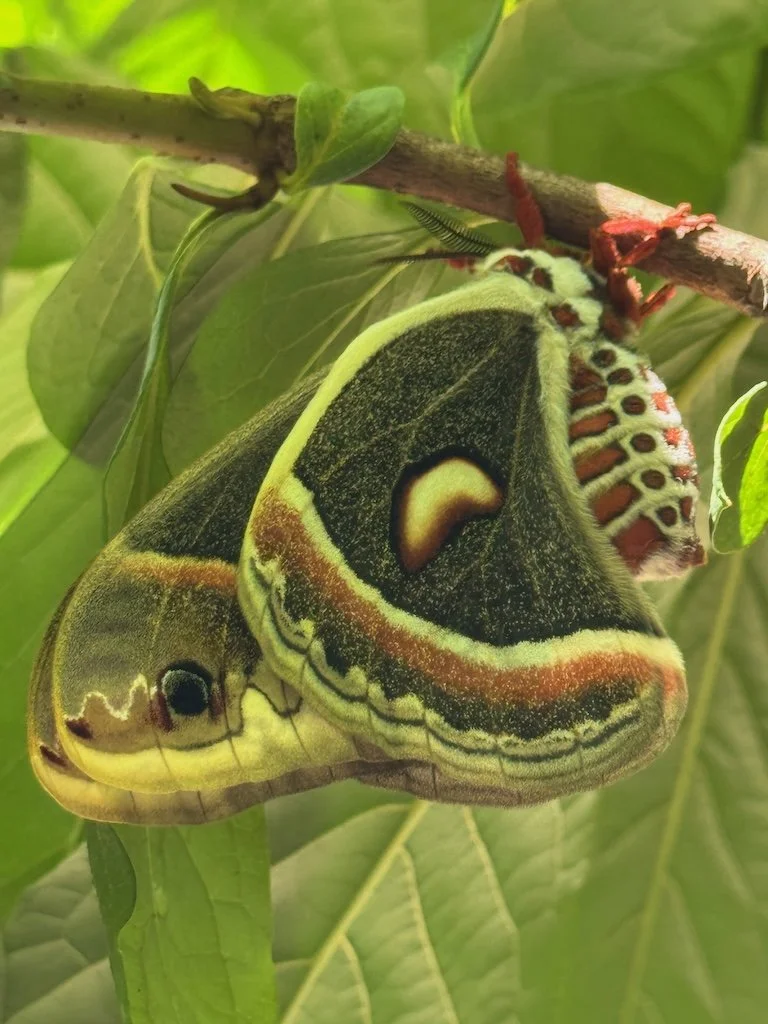
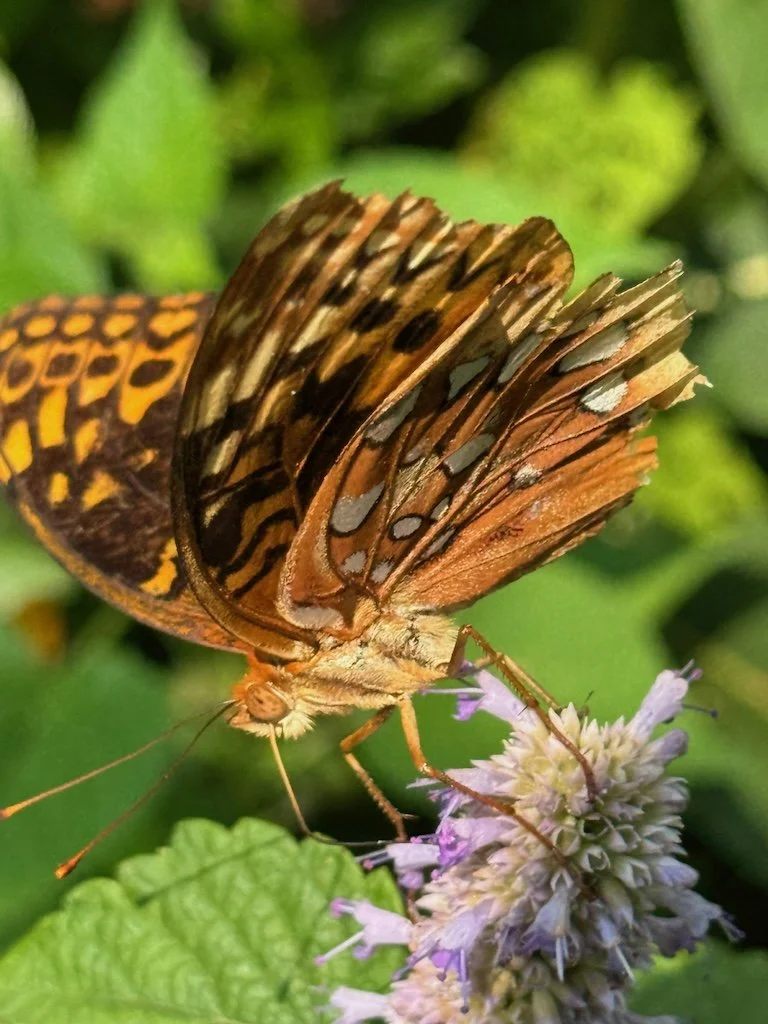
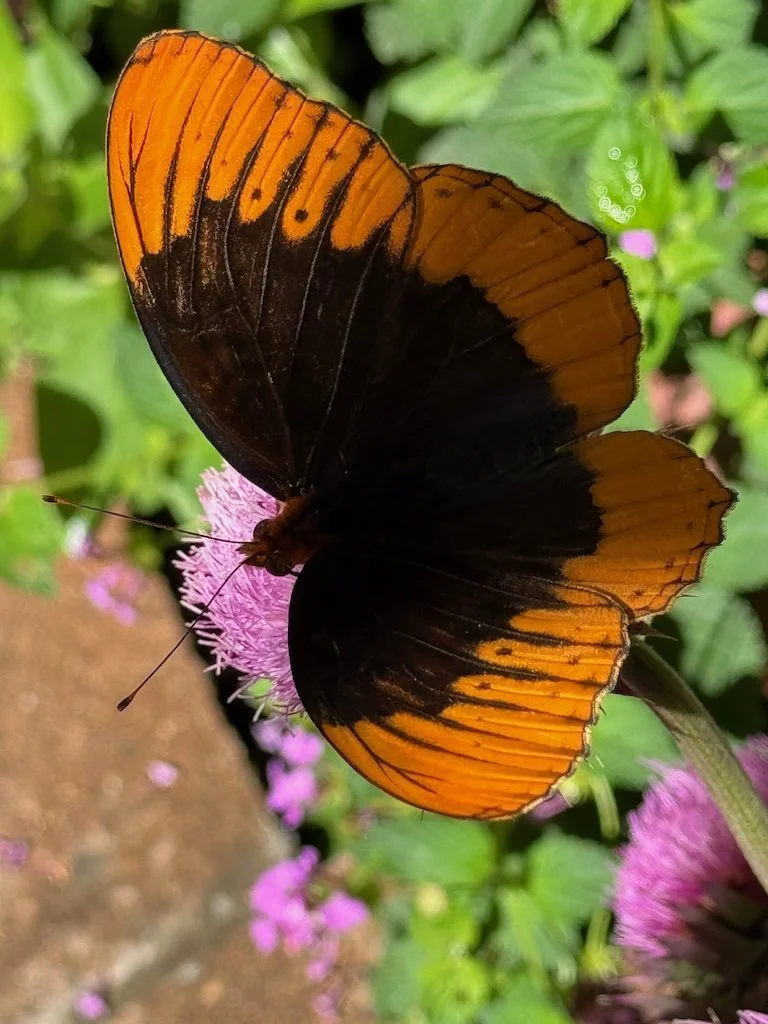
Of course, there were lots of butterflies and a just-emerged Cecropia Moth that I couldn’t resist photographing too!
Lake Springfield with Identifying Woody Plants Class

This past week the field class I am taking through Missouri State University added new woody plants to our list from a walk near the  Lake Springfield boathouse. I tried to take pictures of most of the new woody plants for this week…and a few from previous weeks:

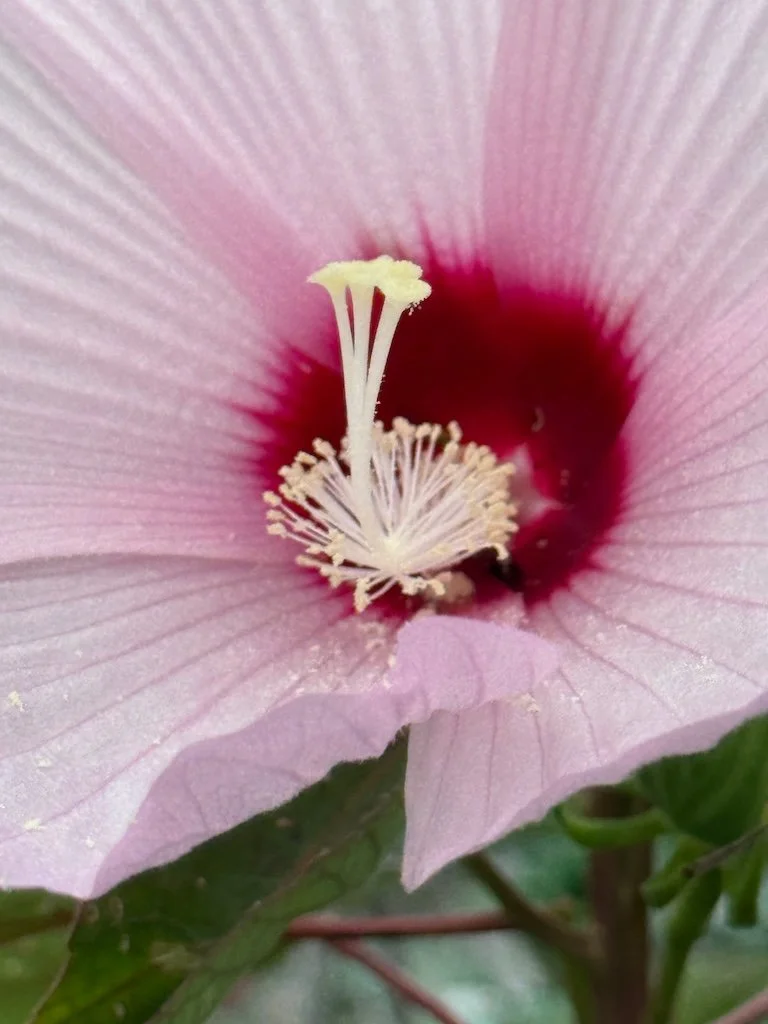
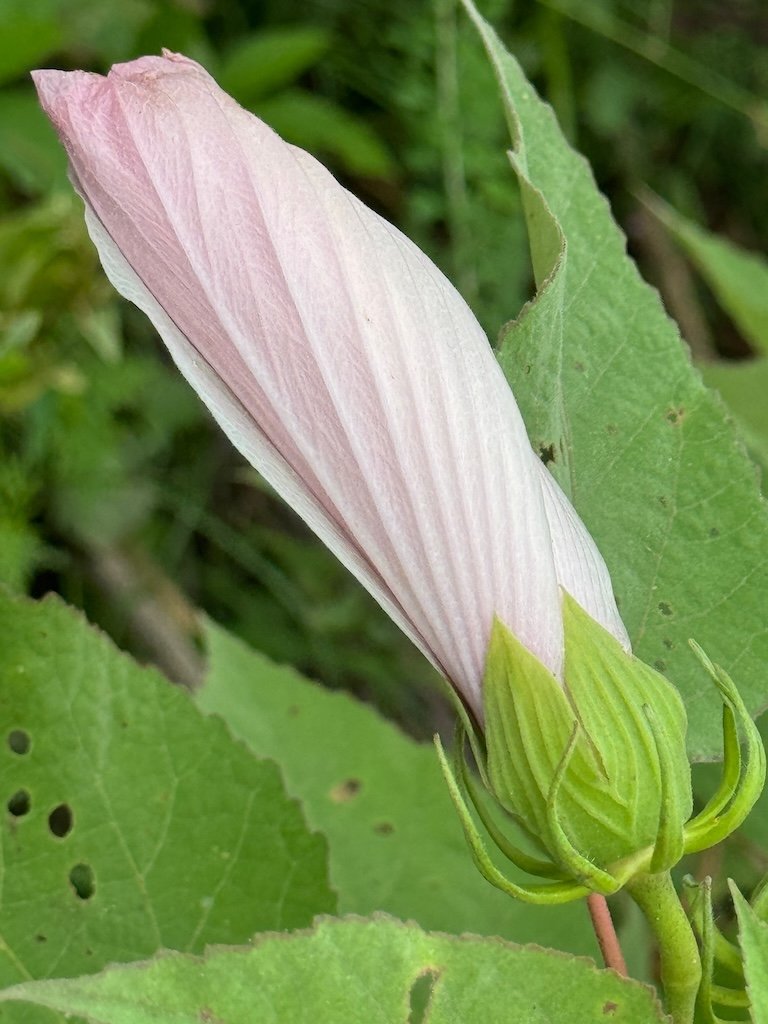
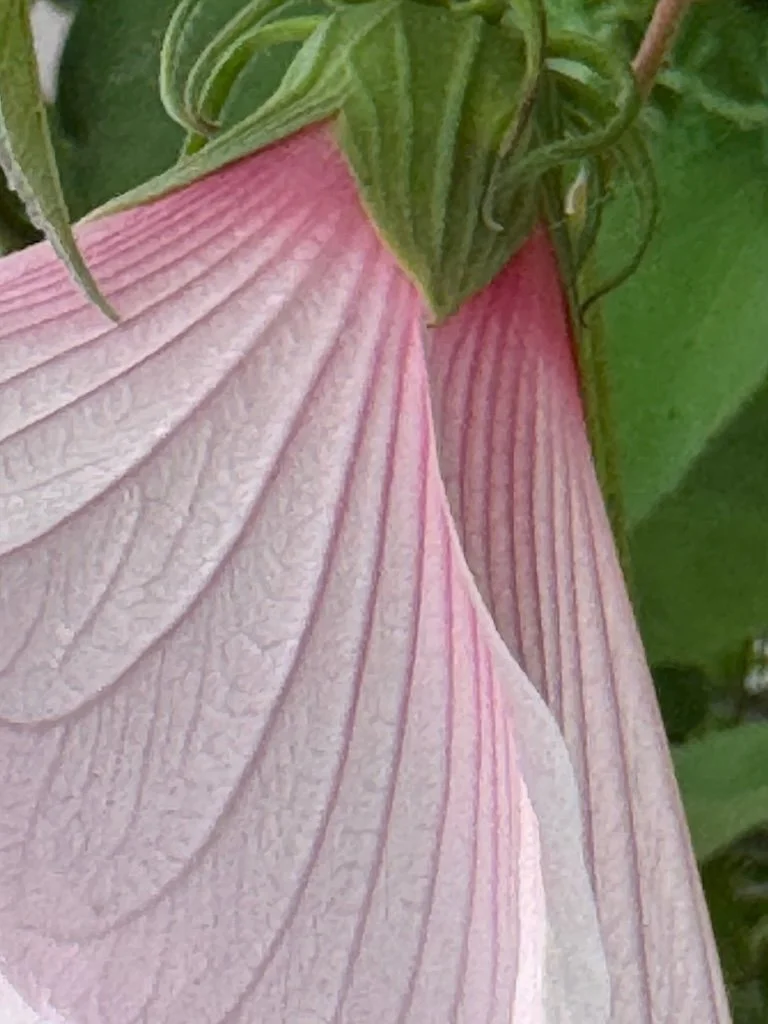
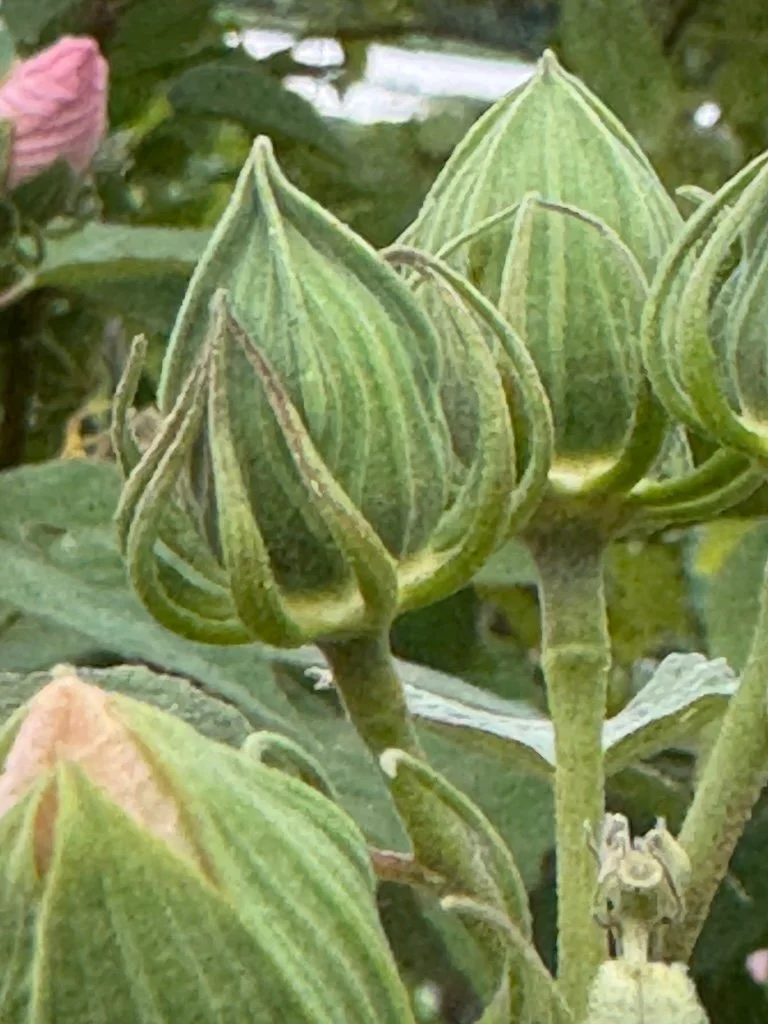
Marshmallow – Hibiscus – Malvaceae (seed pods)

Green ash – Fraxinus pennsylvanica – Oleaceae (leaves and diamond shapes in the bark)

Black willow – Salix nigra – Salicaceae (leaves/twig)

Osage orange - Maclura pomifera – Moraceae (fruit…and I now have a fruit I am attempting to dry)

Honey locust - Gledistia tricanthos – Fabaceae (tree with drying seed pods)

Privet (non-native) - Ligustrum – Oleaceae (leave with blue fruit)

American hophornbeam – Ostrya virginiana – Betulaceae (leaves with thin, strong twigs)

Post oak – Quercus stellata – Fagaceae (rounded lobed leaves)

Bur oak - Quercus macrocarpa – Fagaceae (leaves…in the red oak group…I also picked up an acorn!)

It was an interesting afternoon…but I was tired afterward.