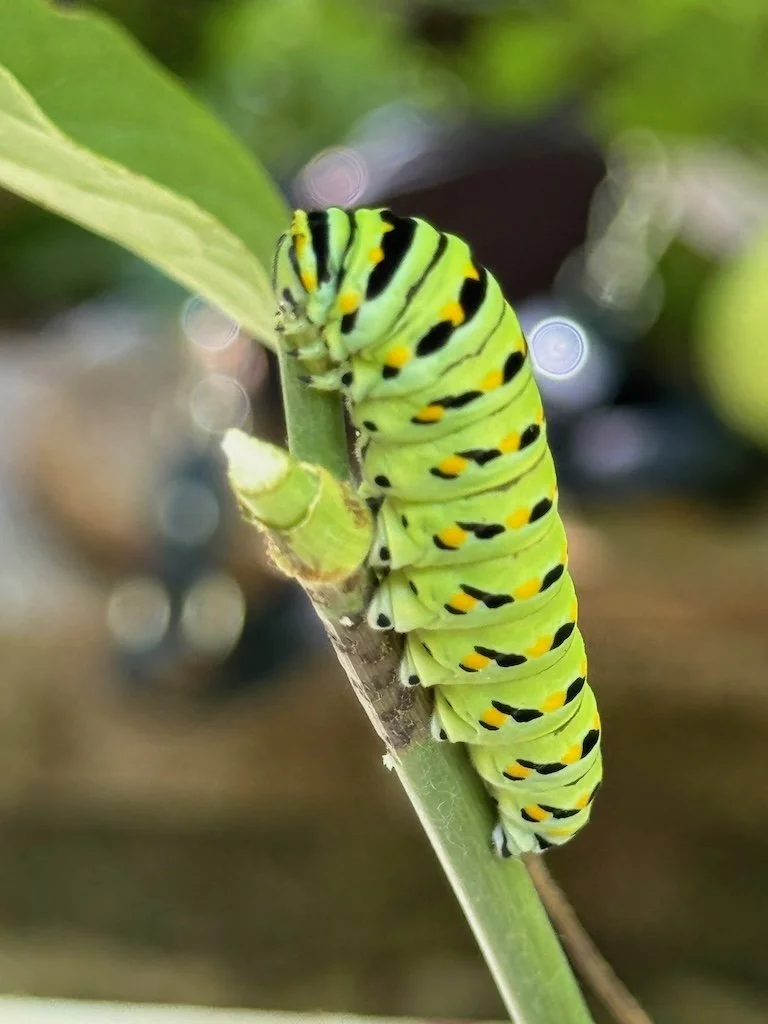
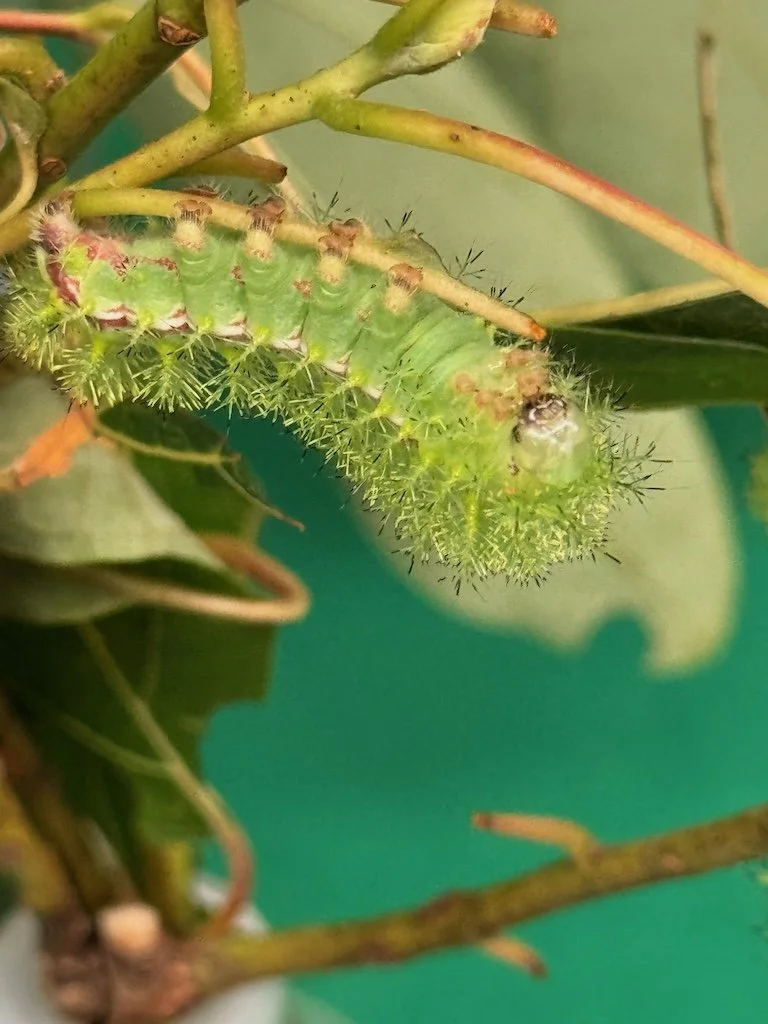
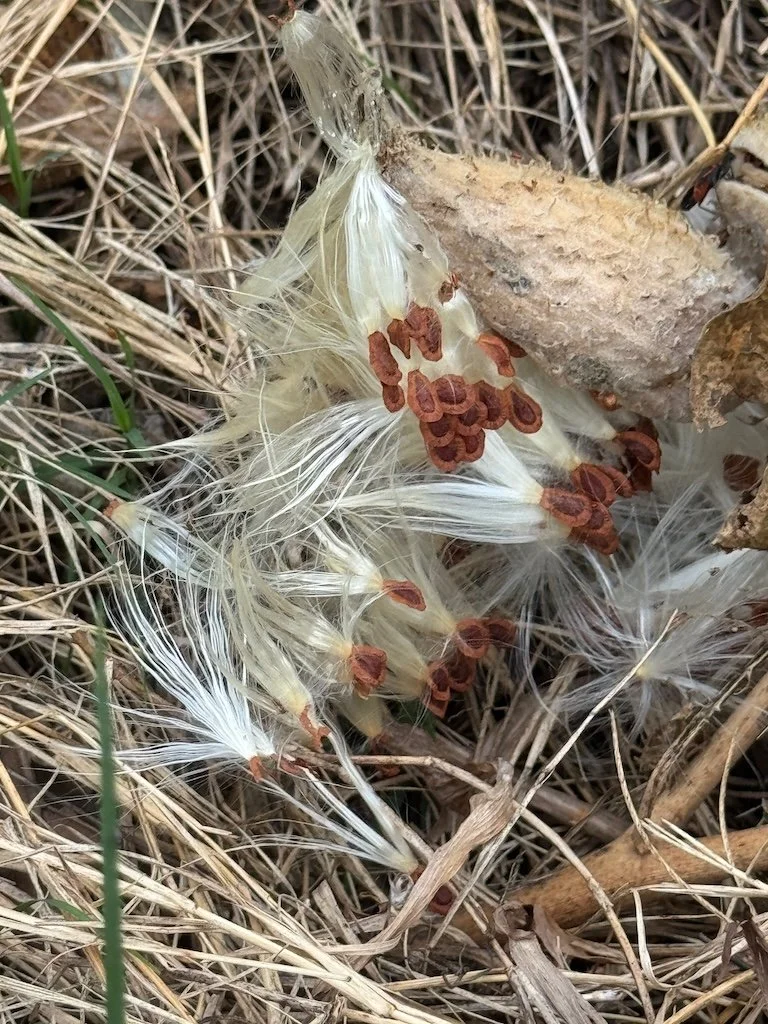
Zooming – February 2026

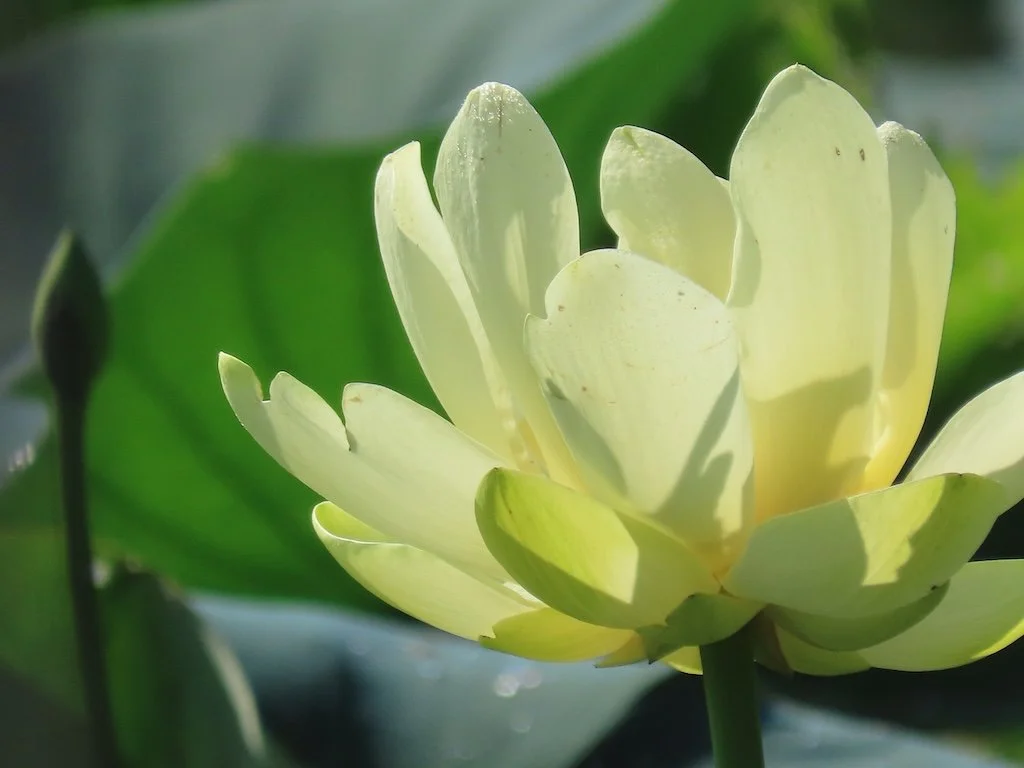
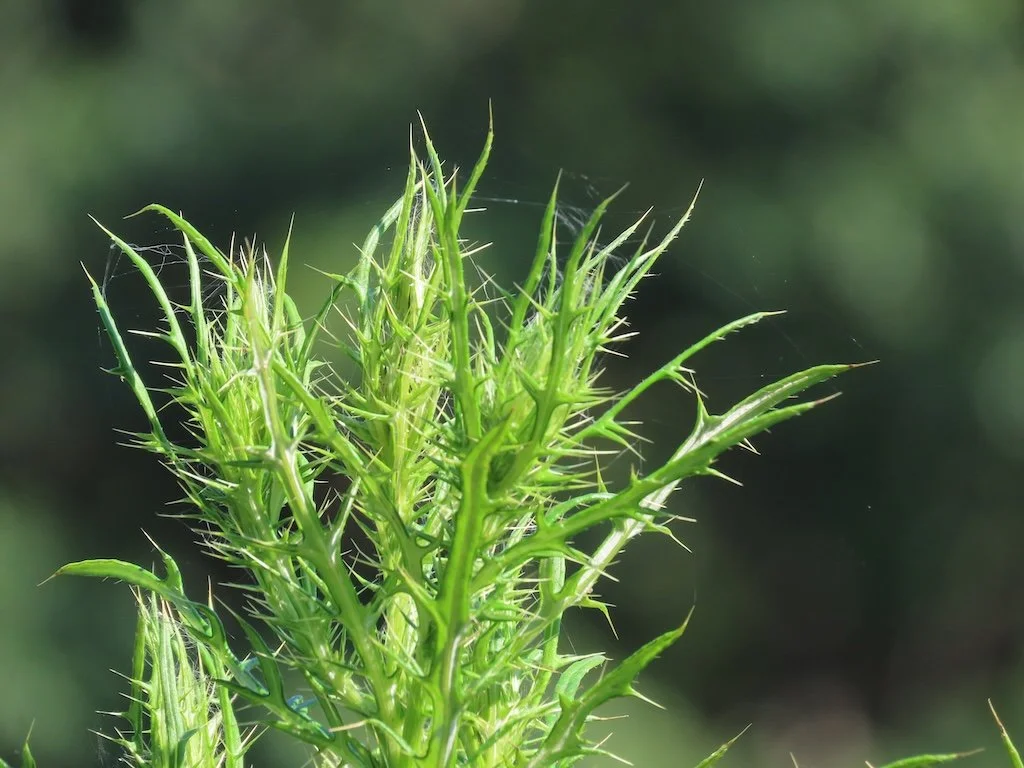
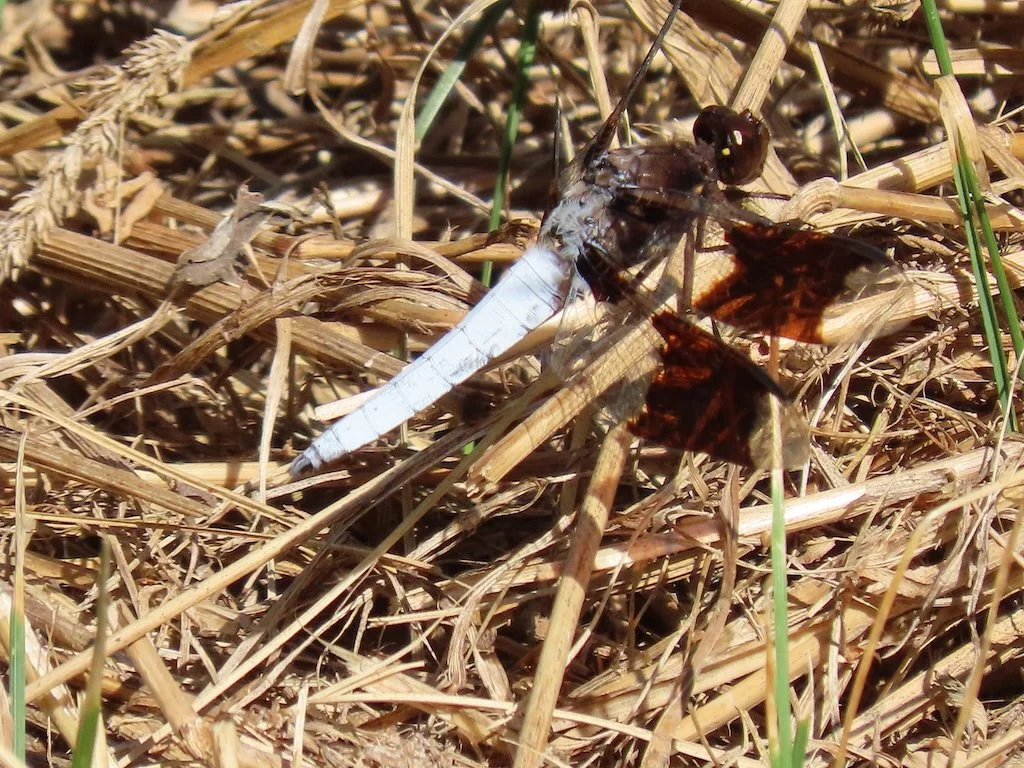
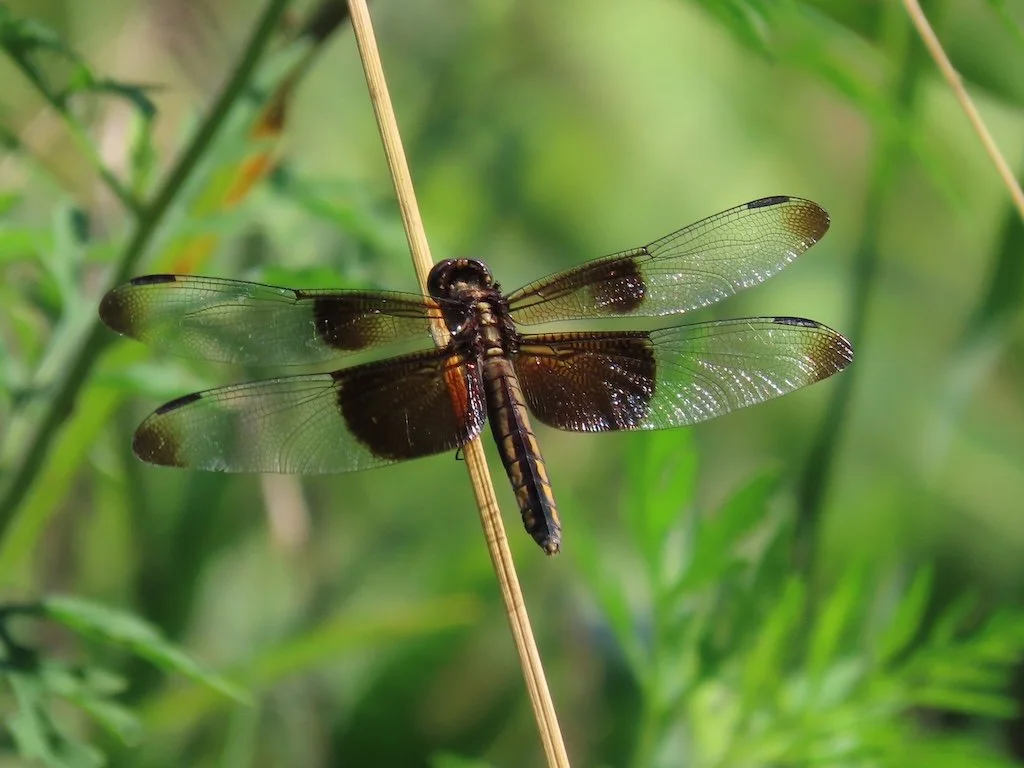
The images from this month were all close to home: my yard, my neighborhood, Wilson’s Creek National Battlefield, and Lake Springfield Greater Ozarks Audubon Trail. There was a mix of snow and winter images….the beginnings of spring. There would have been more places if the big snow had not cancelled two hikes that had originally been planned for February! Enjoy the zoomed images of my times outdoors during this month!

Our Neighborhood – February 2026

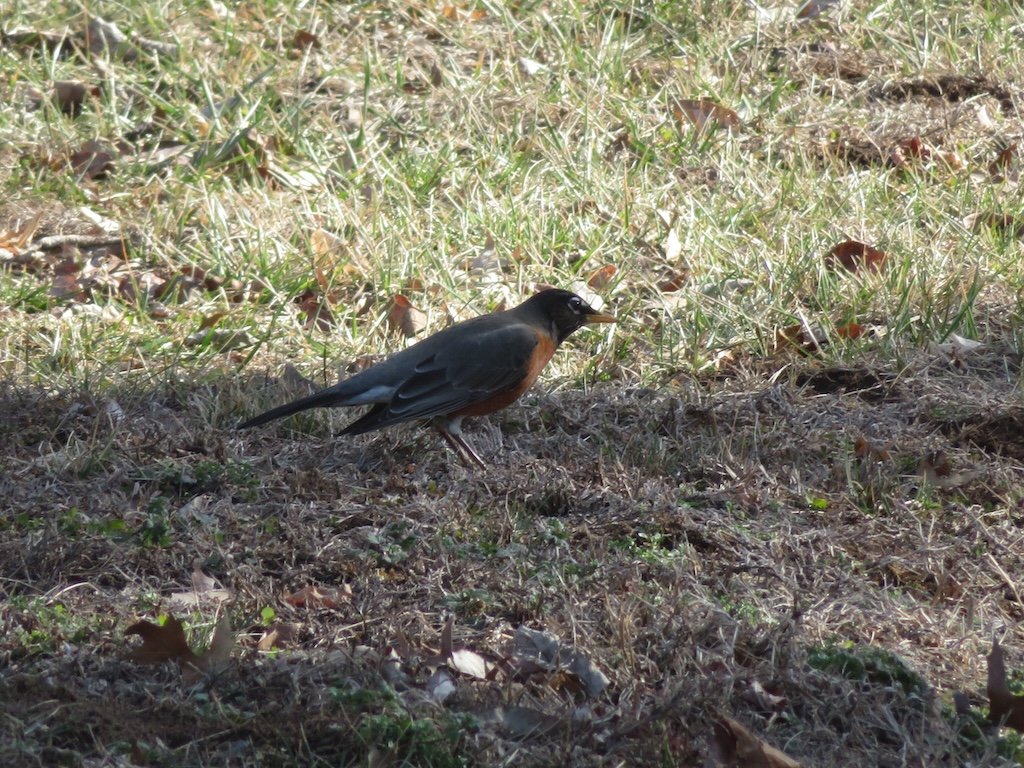
It was a sunny day in the mid-60s in our neighborhood. As I started my walk around our storm water ponds, I saw two robins – the first ones I’ve seen since last fall!

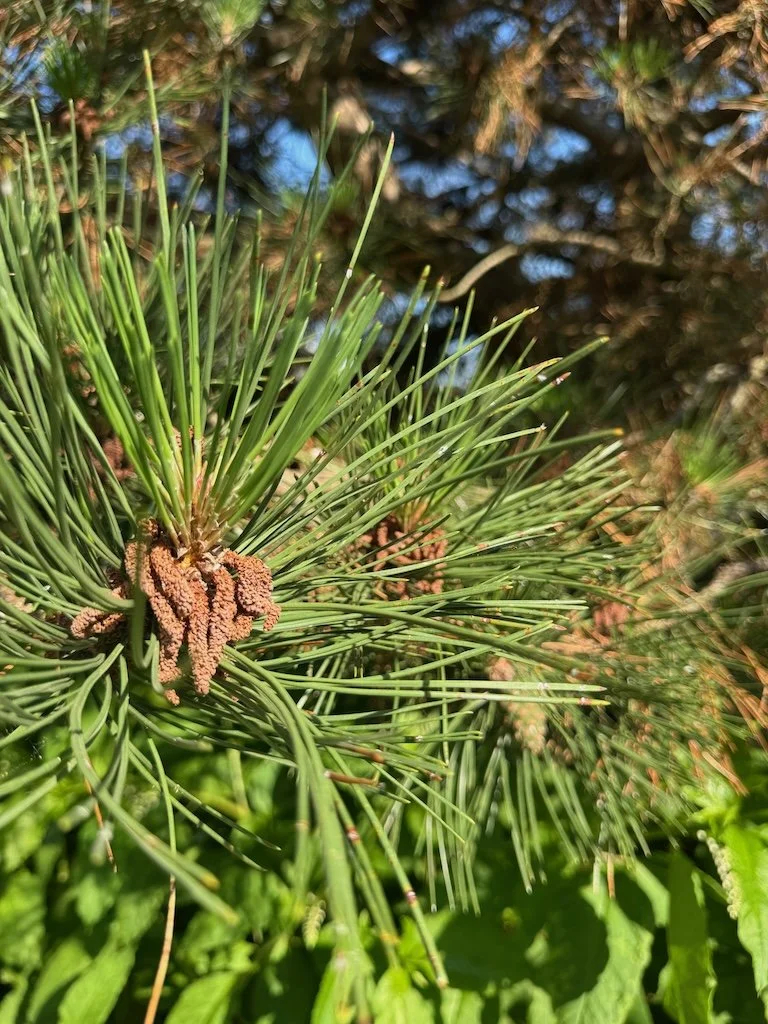
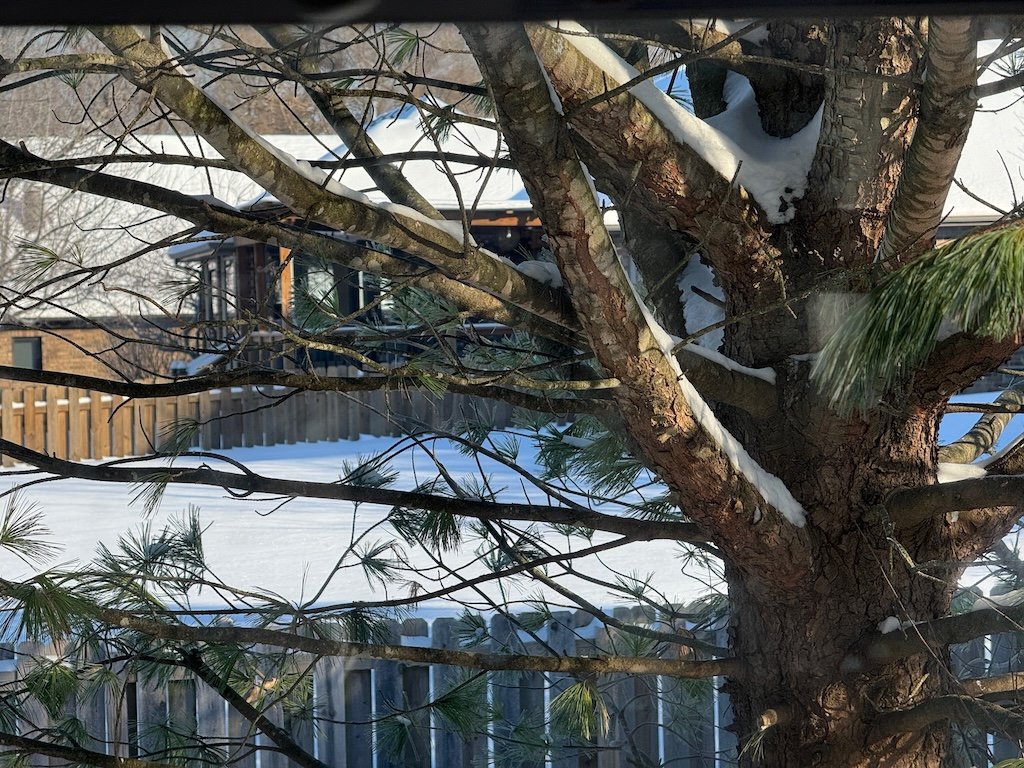
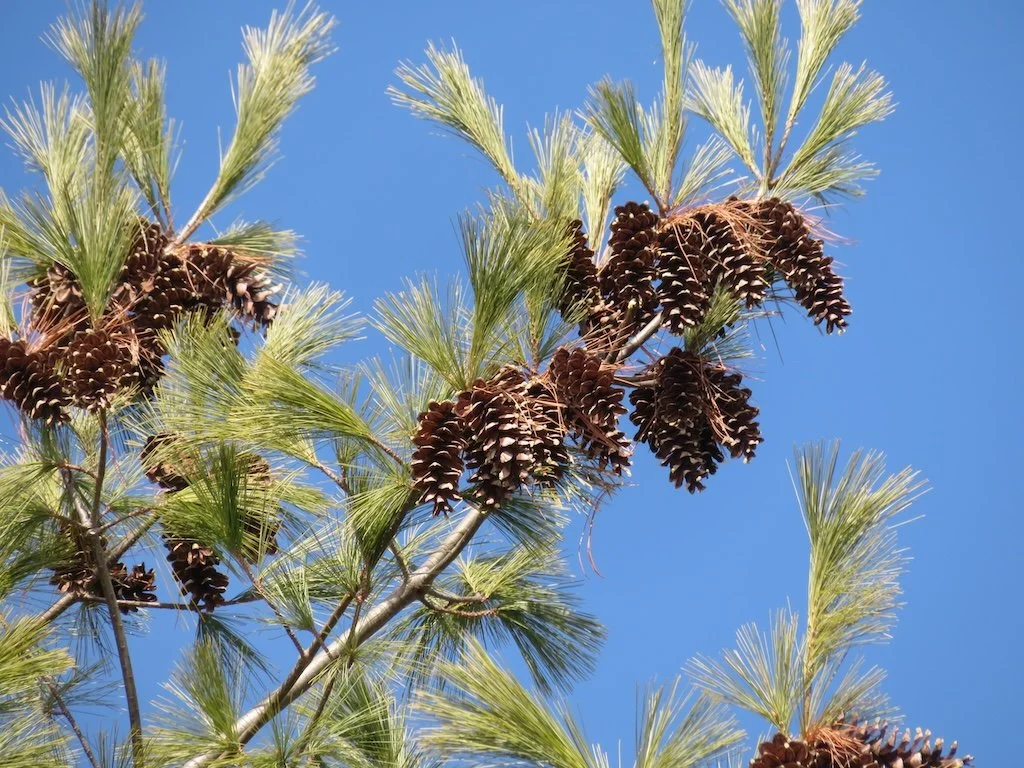
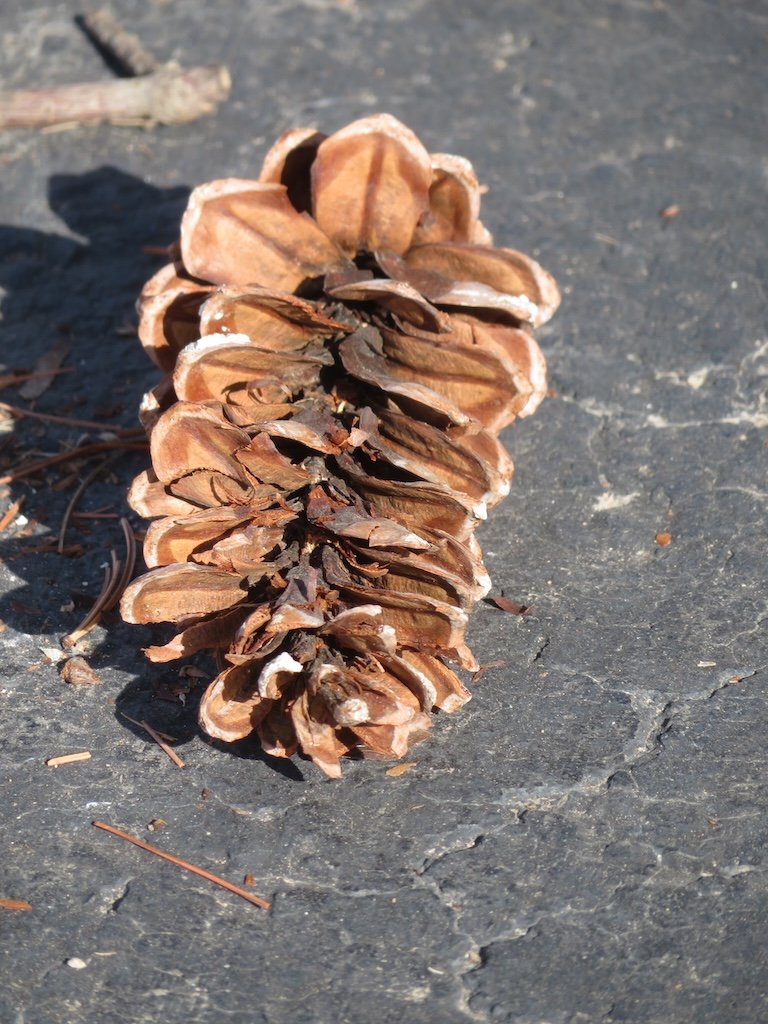
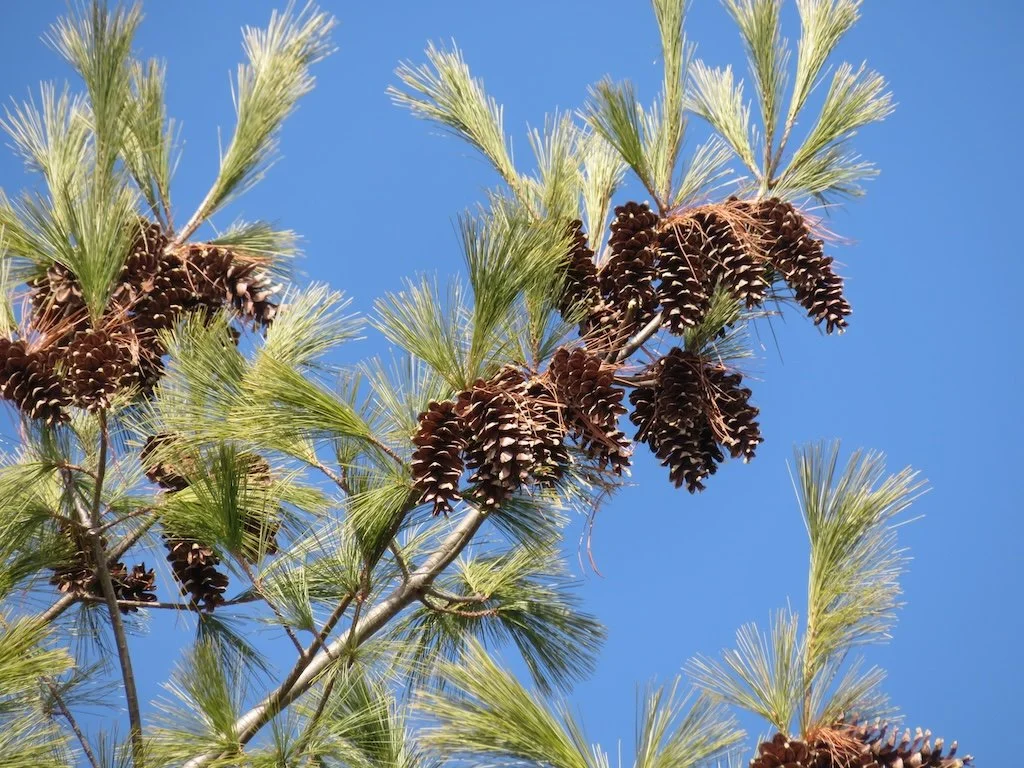
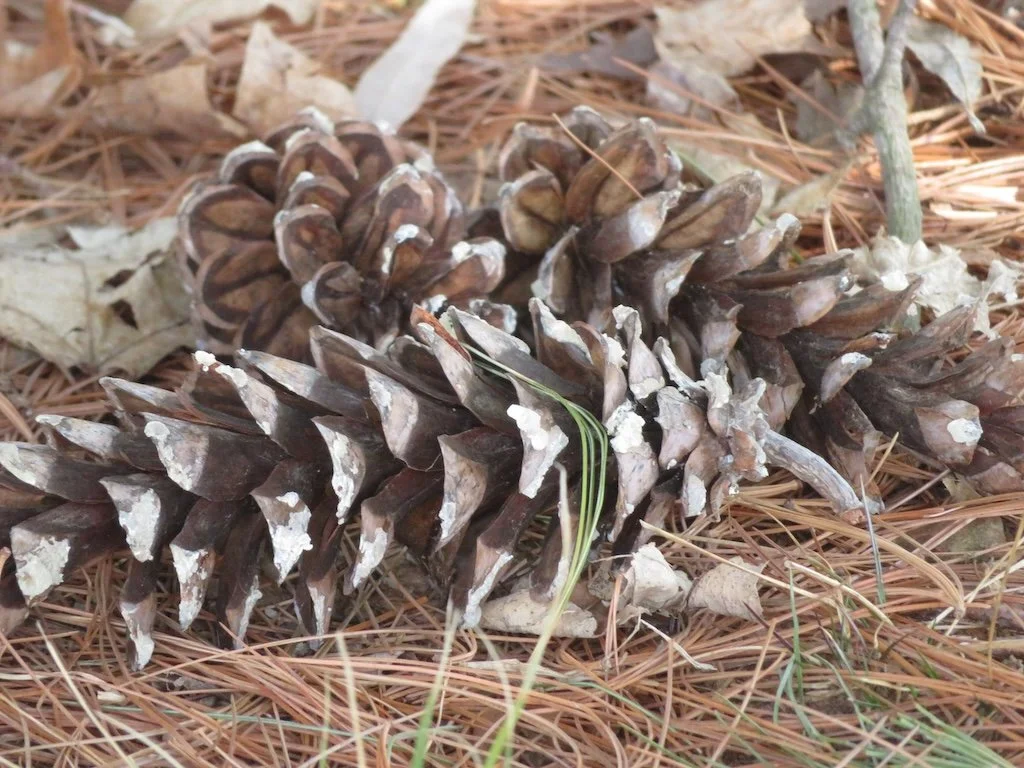
There seemed to be quite a few eastern white pine cones on the ground and in the trees. The tree in my yard is not old enough to produce cones yet.

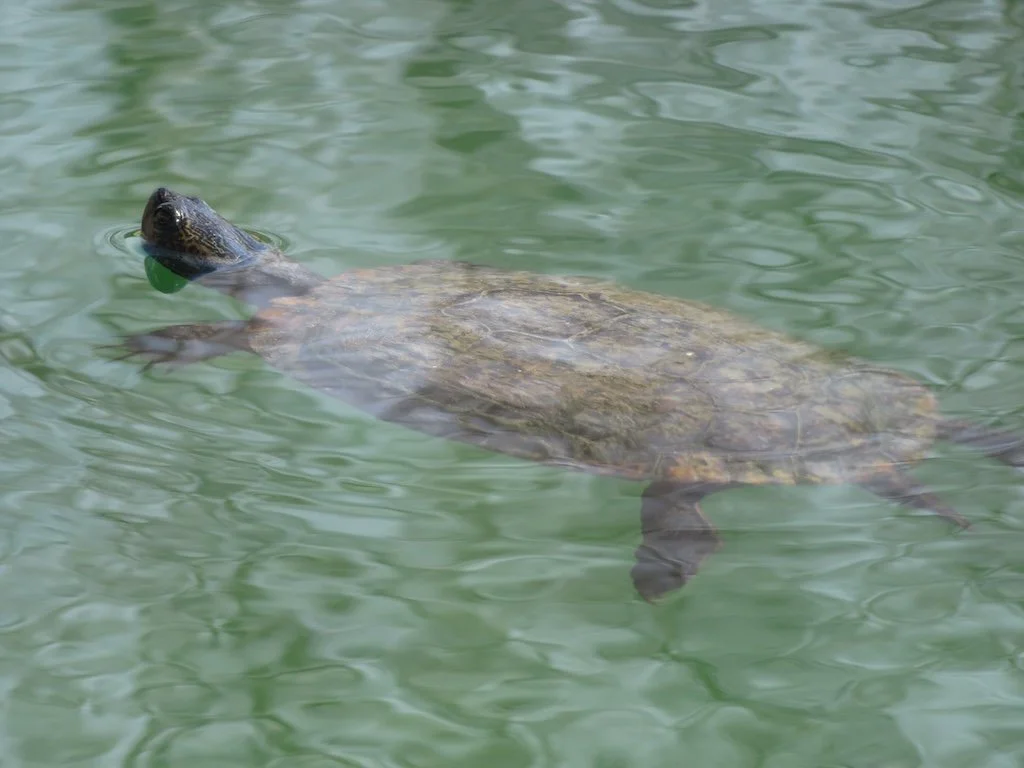
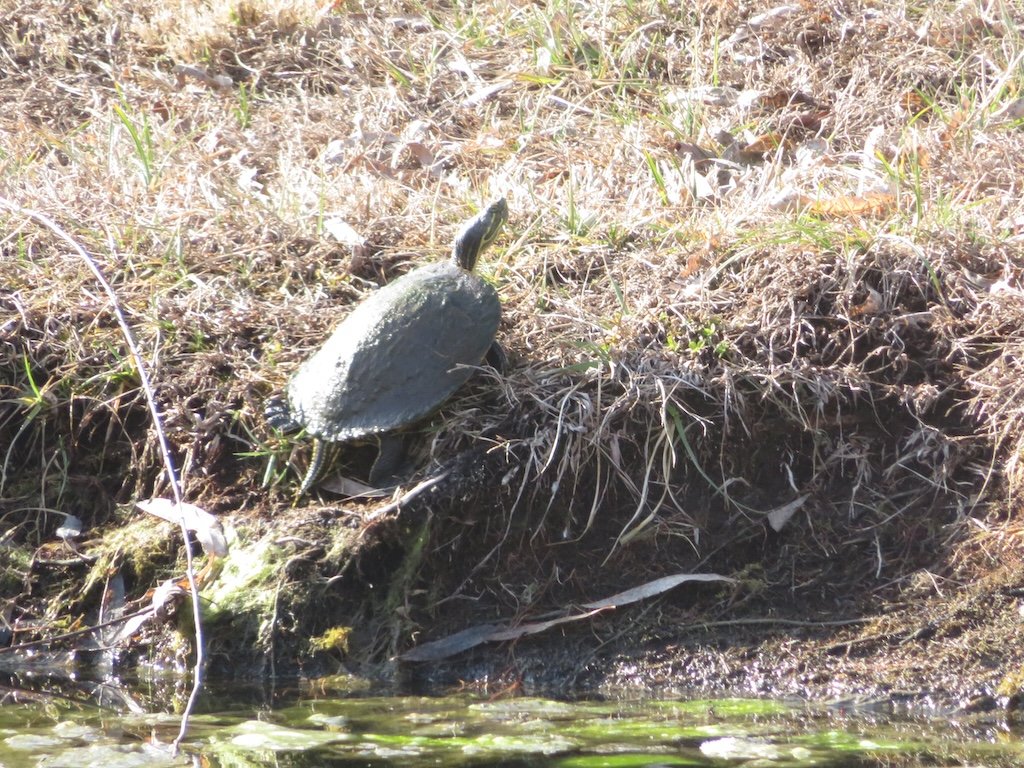
There were turtles on the bank and in the water at the place I seem them most frequently.

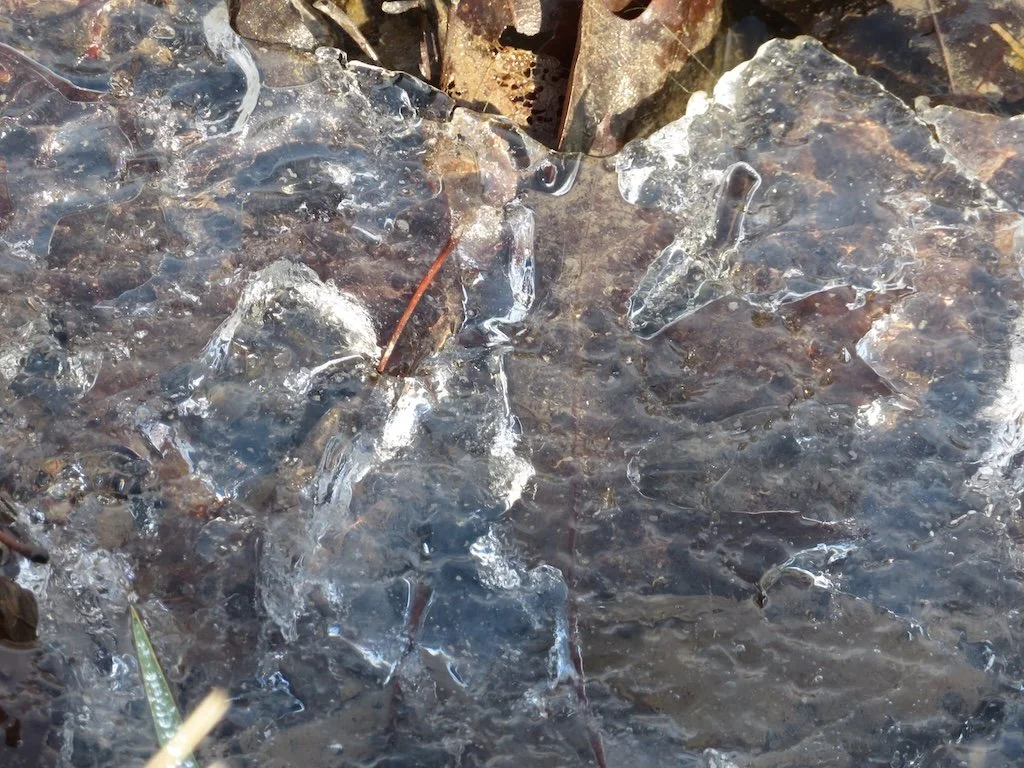
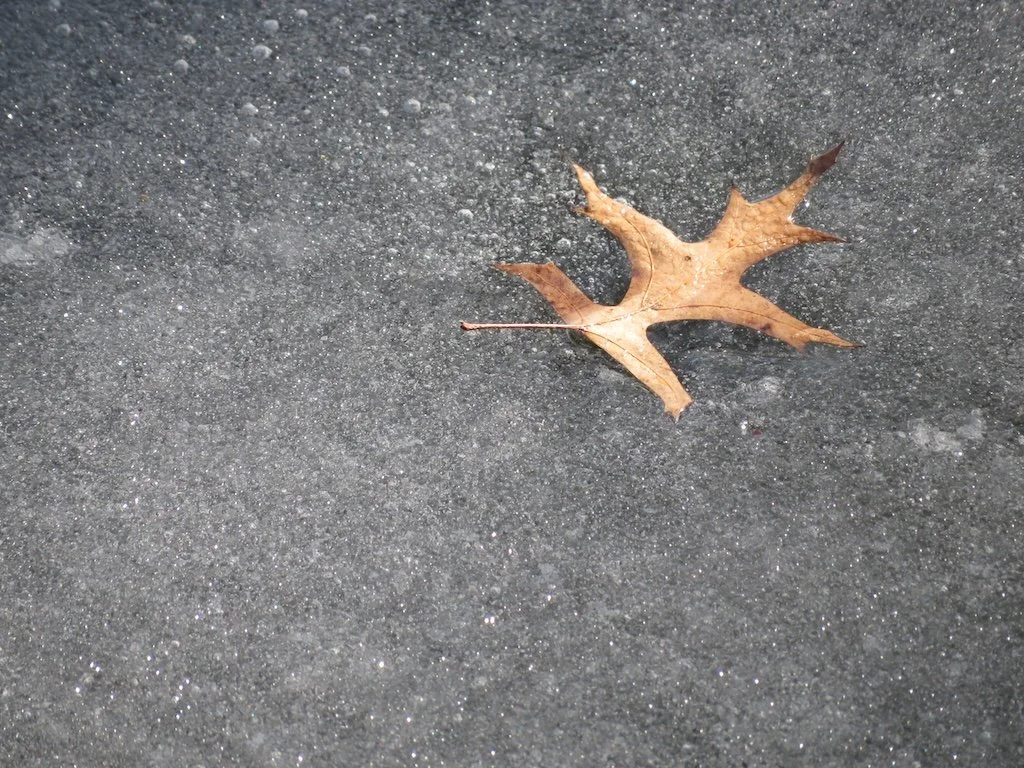
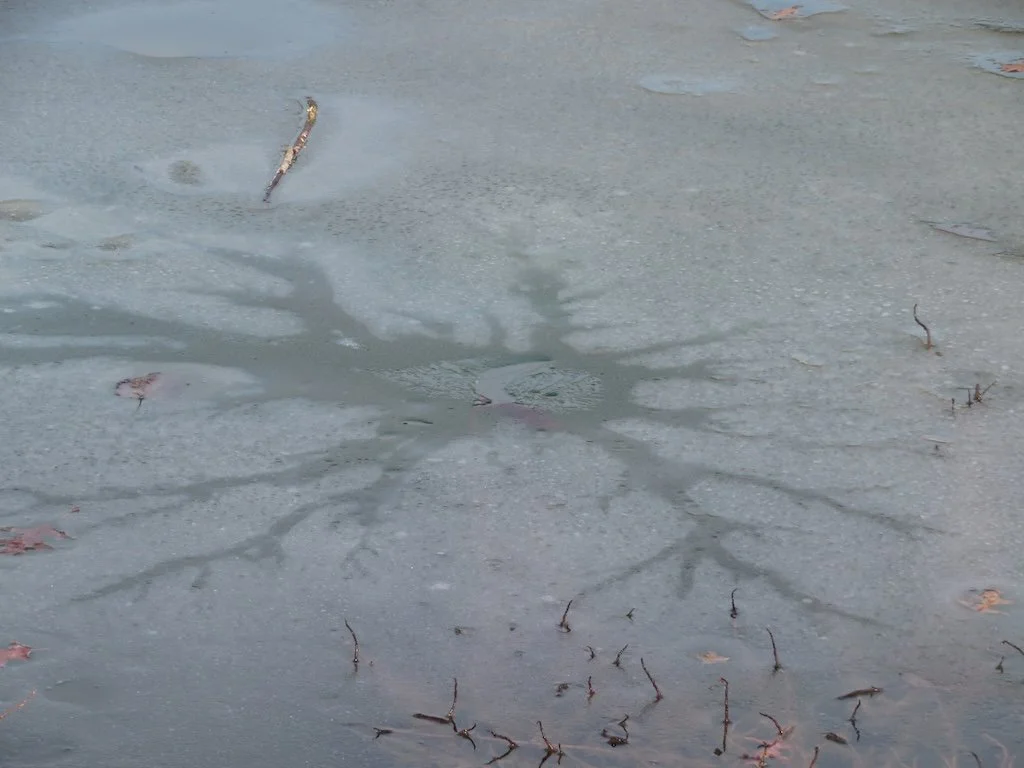
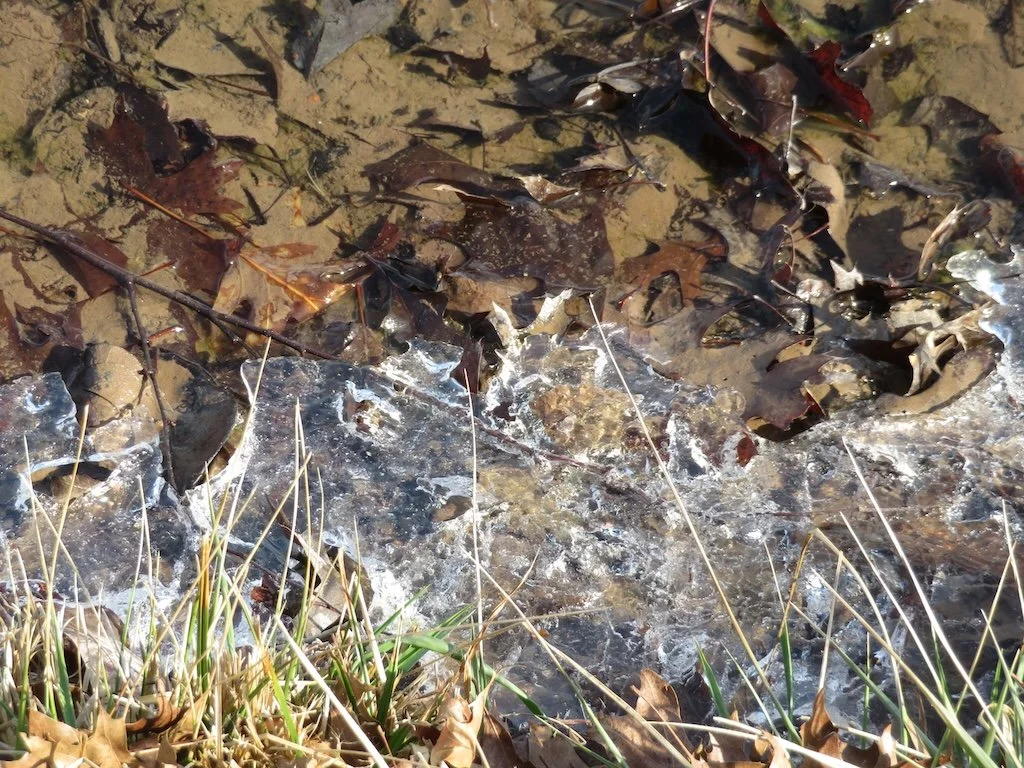
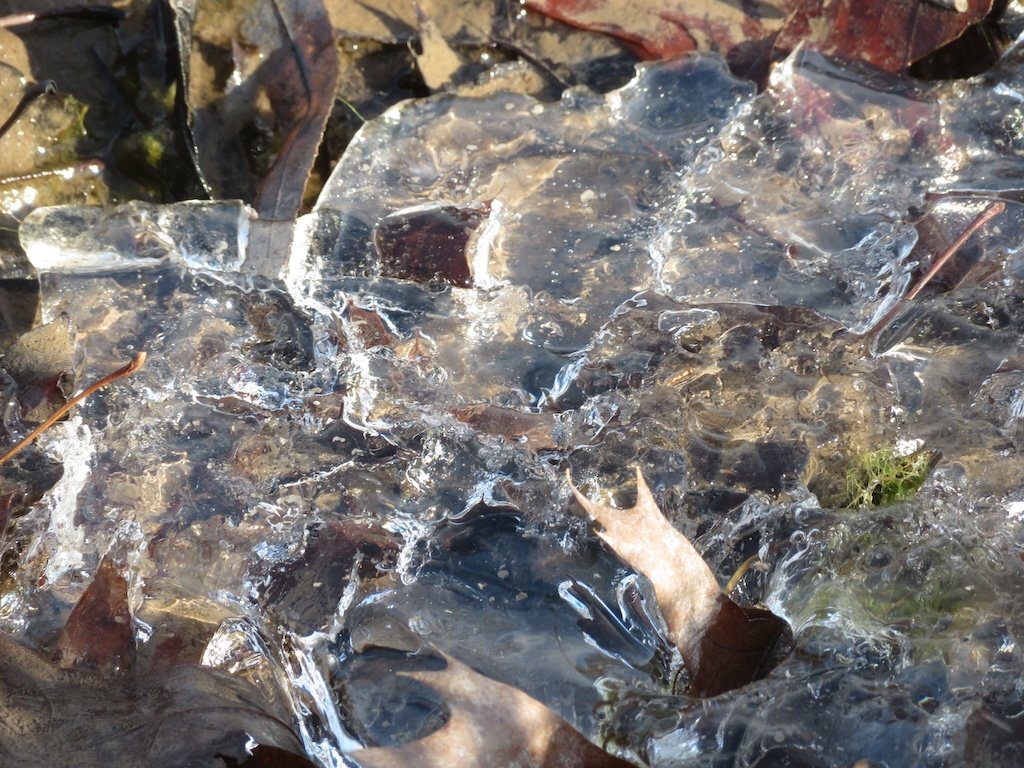
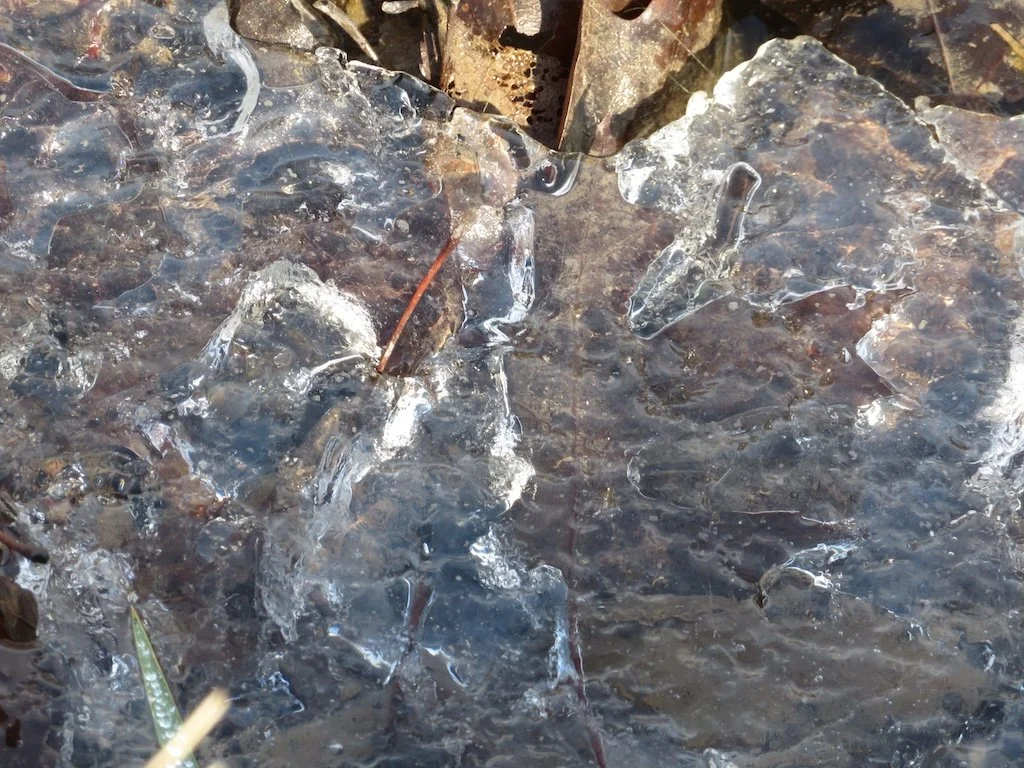
There was ice on the second (smaller) pond. There were leaves stuck in the ice. One area has a circular center and then branches off that center. The ice would likely be gone by the end of the day.

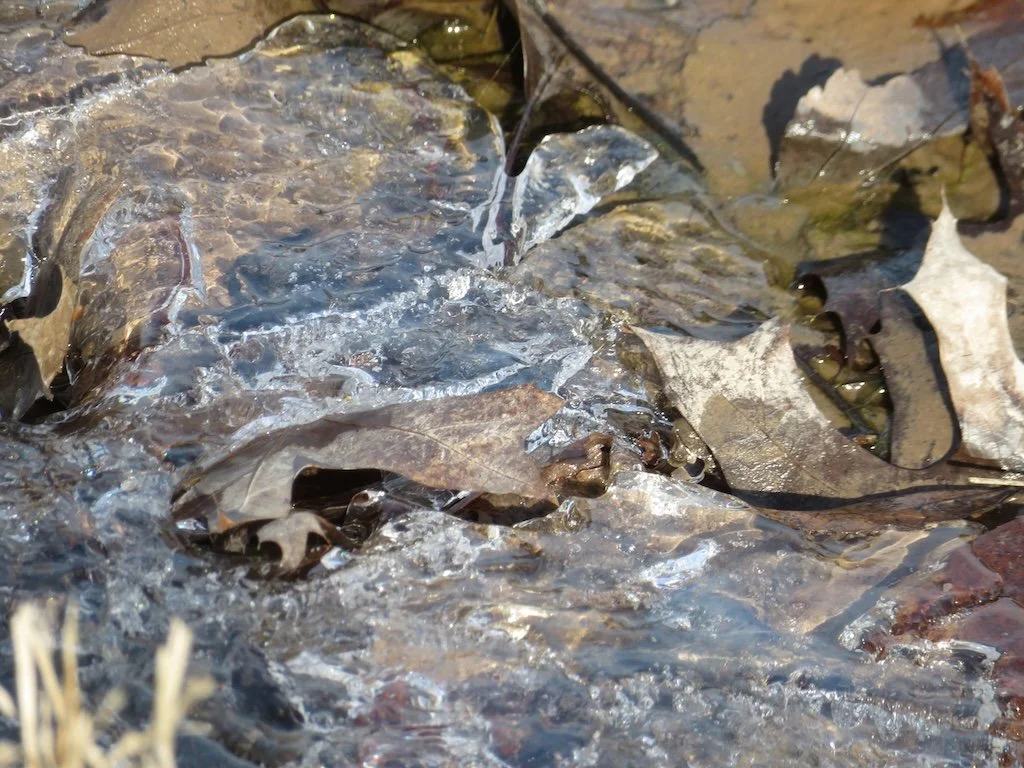
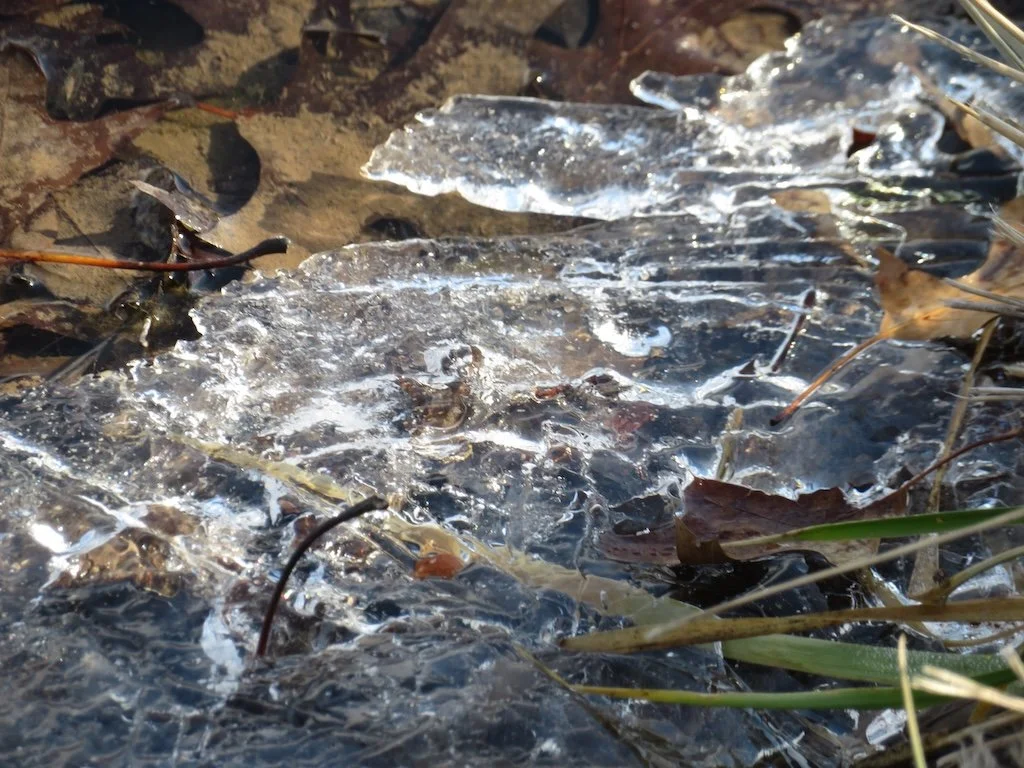
Further around I noticed ice along the edge of the larger pond. The patterns there were changing…visible melting.

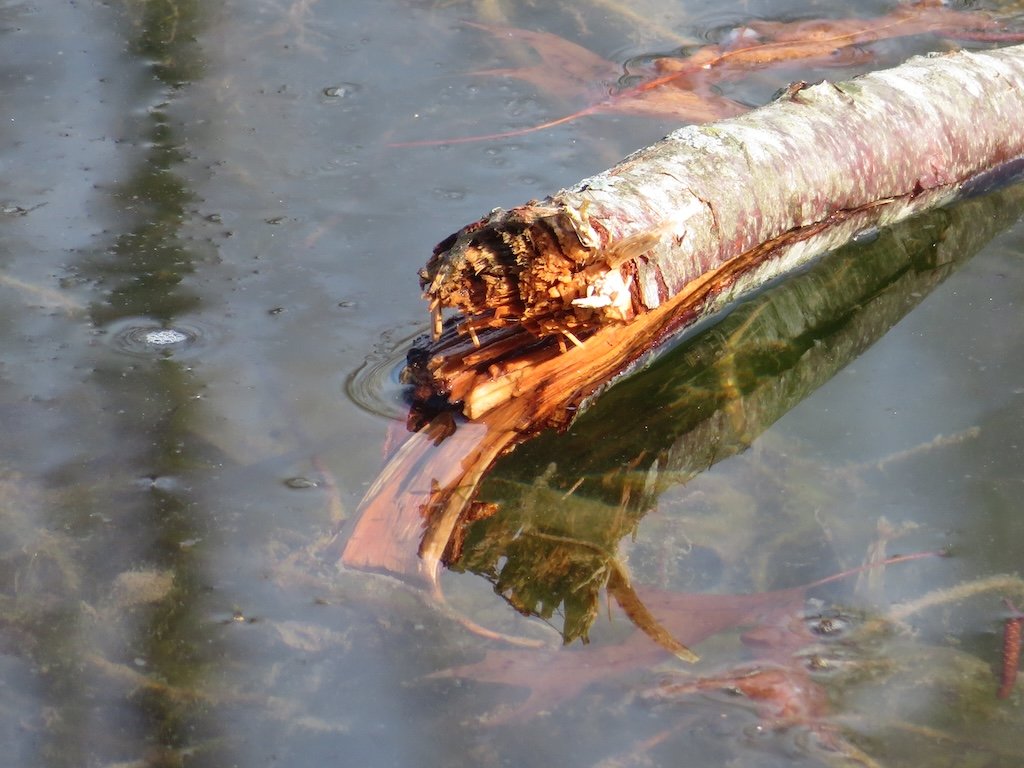
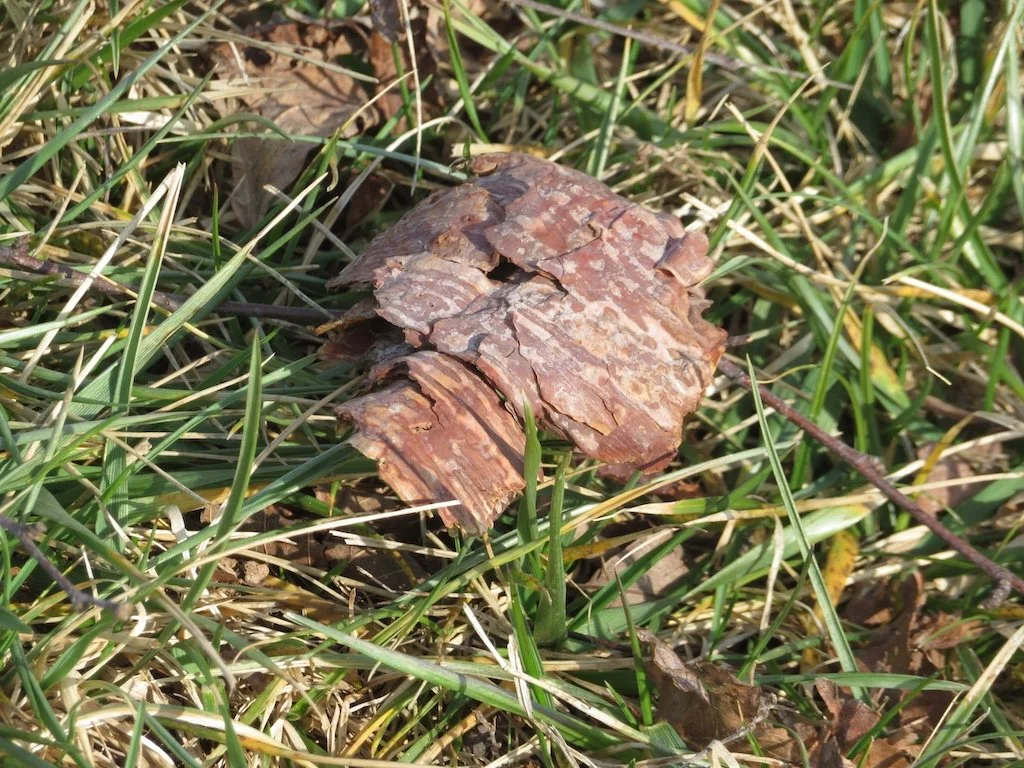
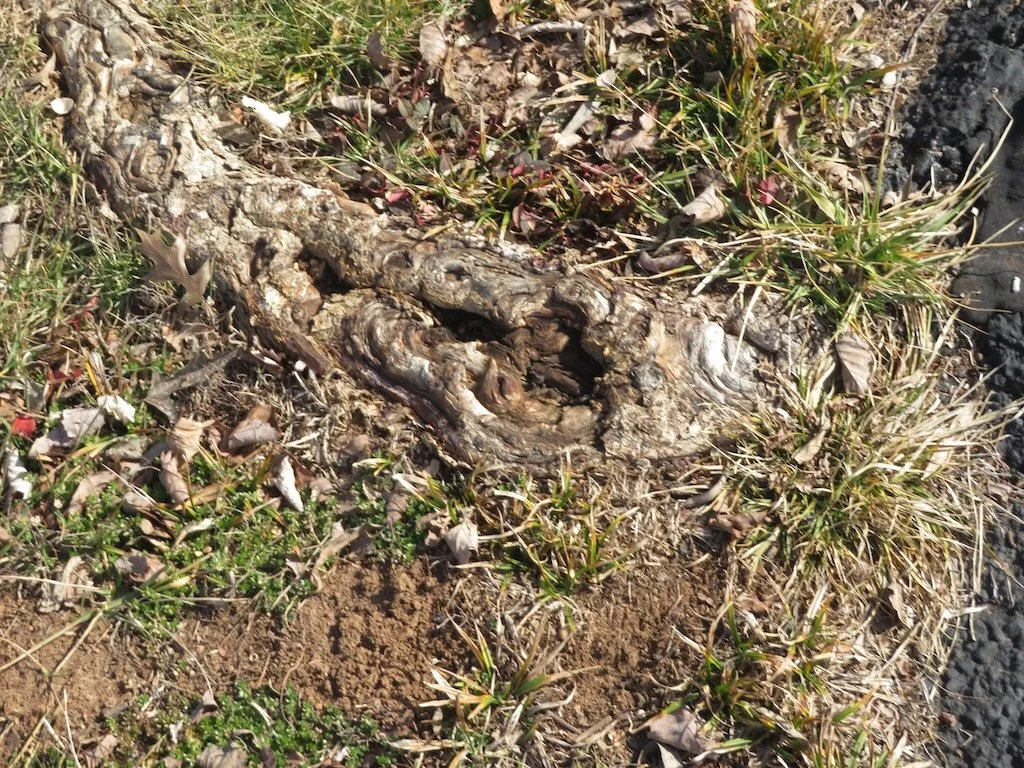
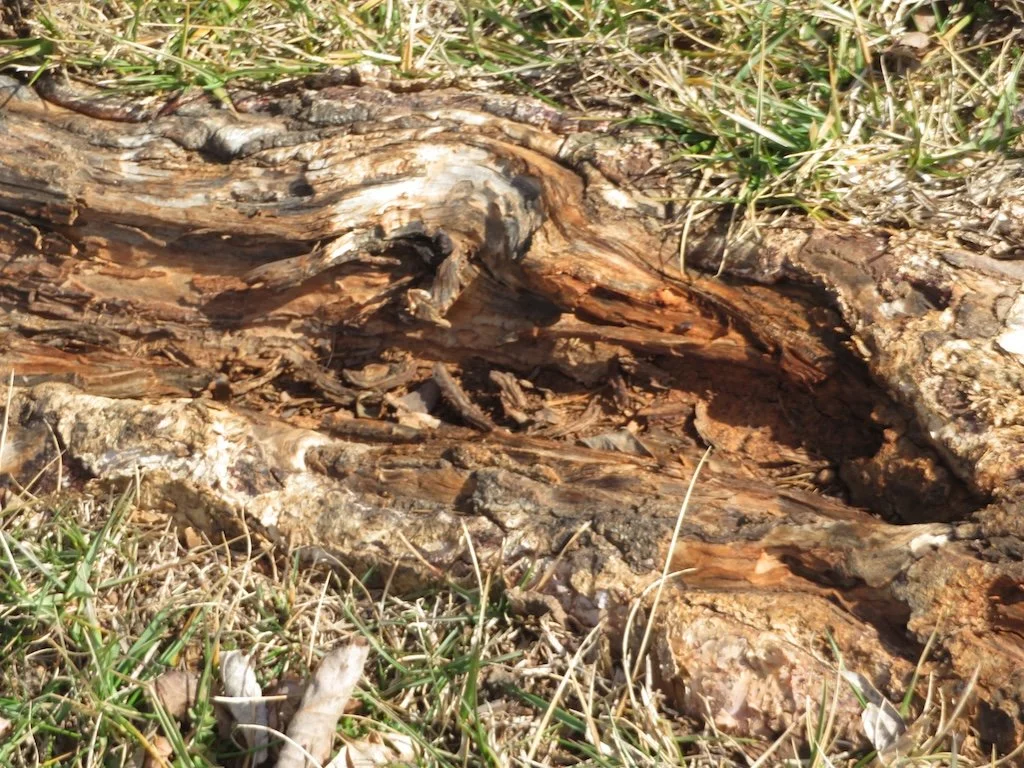
A recently ripped branch of a river birch was in the water, and some curly bark from the same kind of tree was on the shore nearby….both detached from the tree during the recent storm probably. One of the trees has exposed roots damaged by mowers.

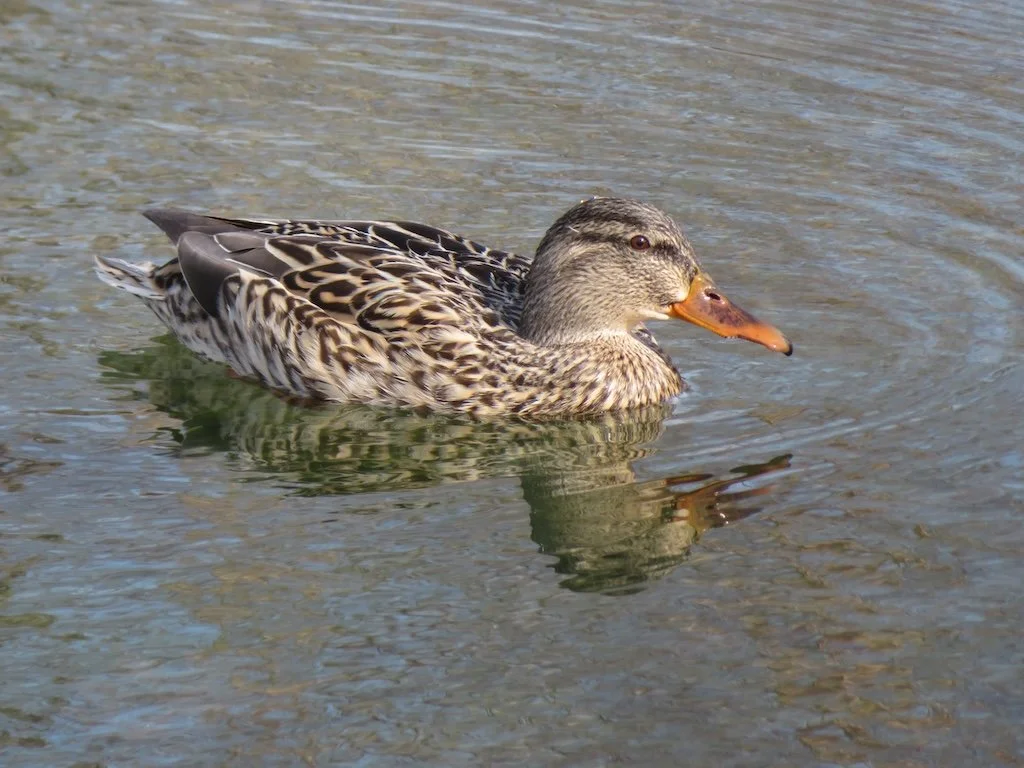
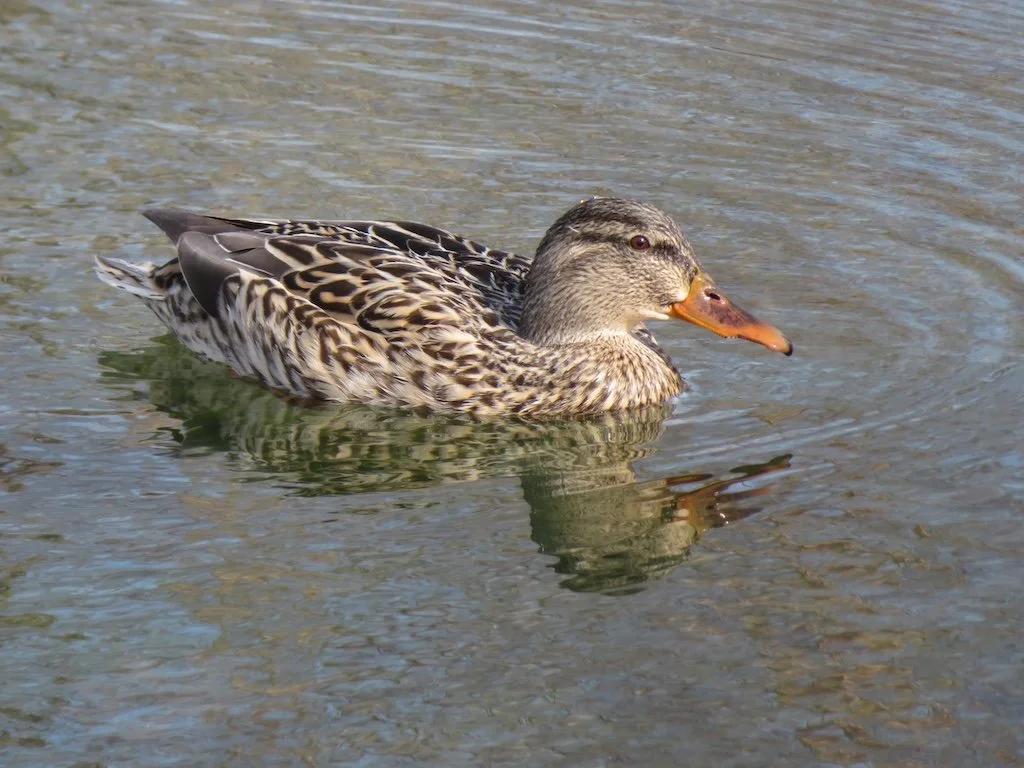
A male and female mallard swam out into the pond. The female was eating and posed for a better picture that the male. I wondered if they were the same pair that has been at our pond for the last couple of years…hatching ducklings…and then losing them to the turtles.

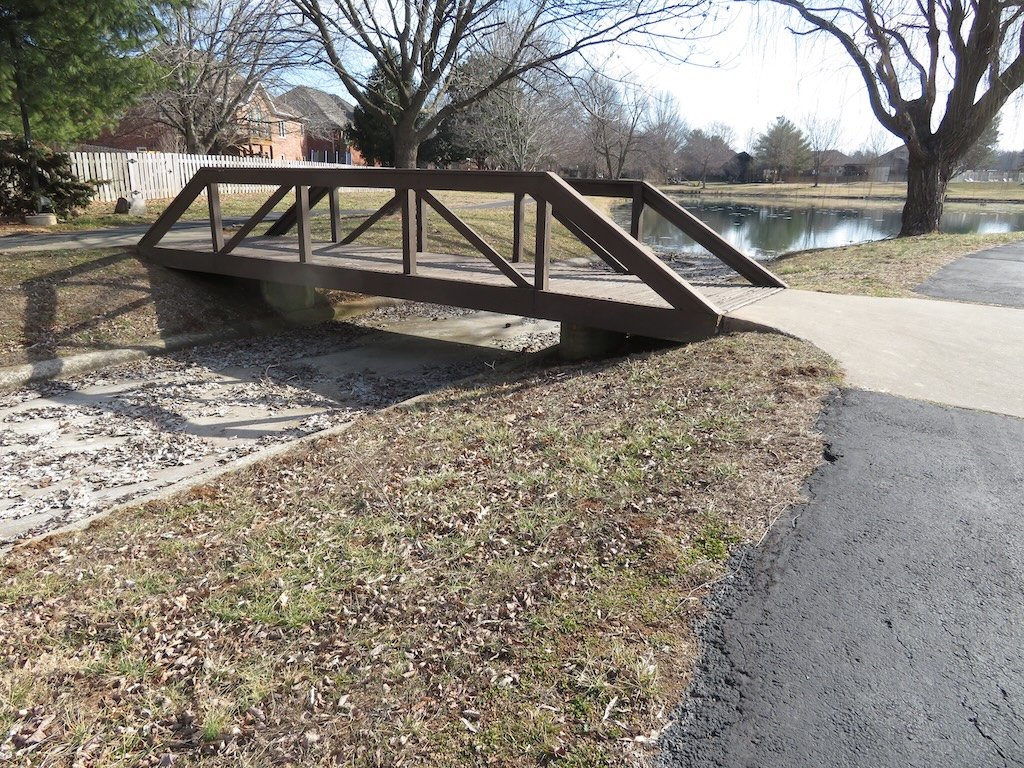
Our area has been very dry since a very wet spring in 2025…and the snow earlier last month must have soaked in very close to where it melted. My yard is a little wet (would be muddy if there was vegetation everywhere). The intake channels for our stormwater ponds were dry and the water level in both ponds was low as well. Maybe we’ll have spring rains again soon.

Air quality

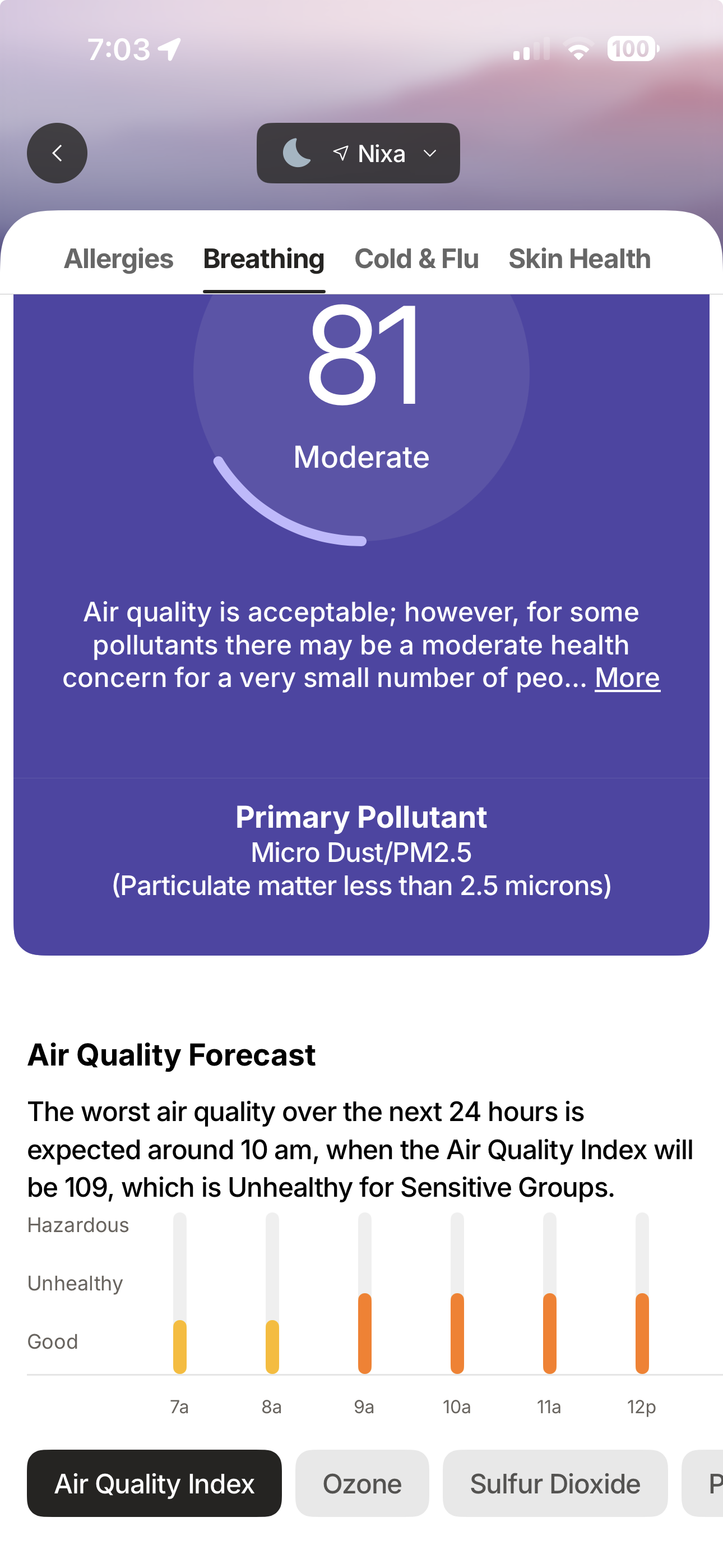
I’ve been noticing that the air quality where I live (as reported in The Weather Channel app) has not been good during the recent cold weather. The primary pollutant is always Micro Dust/PM2.5. Since transportation sources of pollution (cars, trucks) are, if anything, a little lower during cold and snowy weather – I am assuming that the uptick is from the electricity generating coal plant or wood burning stoves/fireplaces.

I notice that my eyes are the first to register air quality issues. They start to itch or feel gritty – not as bad as a floating eyelash but not comfortable. Saline drops help but time consuming to do frequently. I find myself just forging ahead with my eyes itching and trying not to rub them. Recently I have been wondering if some of my ‘allergies’ (runny nose and sneezing that comes and goes over the course of the day) are PM2.5 related rather than pollen since there isn’t pollen in the air in winter.

If the day is orange – like shown in the screen shot – I try to stay indoors with the filters of my HVAC and some room air purifiers between me and the ‘bad air.’ That is possible for me most of the time since I am a post-career person. I do sometimes have things I do away from home, but they are mostly indoors this time of year and presumably well filtered/ventilated. I am a little anxious about some ‘winter wellness’ hikes I have planned…hoping that the air quality will be ‘green’ when those occur.

I enjoy being outdoors and realize that air quality will impact when I will be comfortable as time goes on (i.e. air quality will deteriorate since there is less being done right not to reverse the trend). Working in my yard won’t be impacted too much since I can simply check the air quality and only go out when it is ‘green.’ I hope I can get through a few more years of volunteering in the Butterfly House at the Springfield Botanical Garden during the summer months; signing up for shifts is done well in advance and the air quality could be problematic when the day arrives…I want to be a dependable volunteer but do I go even if the air quality is poor?

The air quality in Lewisville TX (where I go monthly to visit my dad) is considerably worse than in Springfield MO. This winter it has been orange or red most of the times I’ve been in the area. It’s been too cold to take Dad for a walk outside – and I will always check the air quality before taking him for an outdoor walk even when the weather is pleasant again. There are times that Oklahoma smells smokey (grass fires or power plants?) as I drive through. I am adding a small air purifier to the inside of the car and not doing a lot outdoors when I am there unless I check and the air quality happens to be ‘green.’

I find myself wondering what contributes to the air quality being ‘not green,’ but it is hard to tease out that information. The measurement just reports how much PM2.5 there is. I hope that some organization begins to make the contributors more visible to the public (and it would be great if The Weather Channel added that info in their app). Would it spur more people to push for changes to utilities….to retire coal burning plants a quickly as possible?

Note: To find the hourly air quality forecast on The Weather Channel App, scroll down on the Home screen to find the Allergies – Breathing – Cold & Flu block and select ‘Breathing.’ Scroll down to see the Air Quality Forecast.

Our Missouri Yard – February 2026

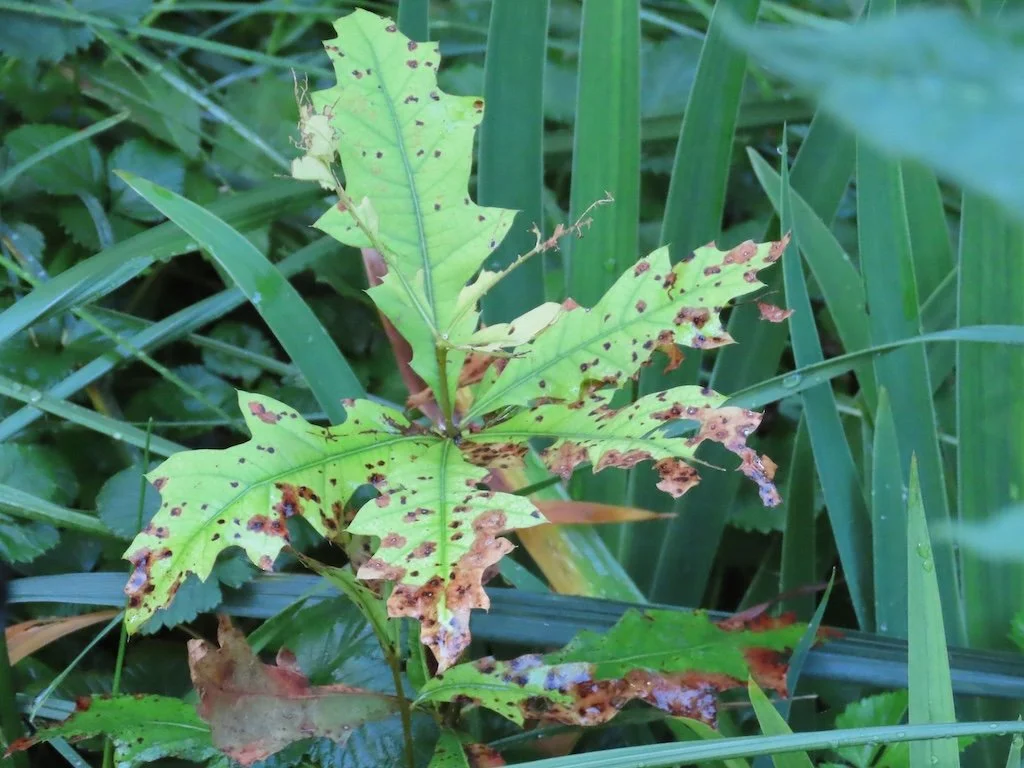
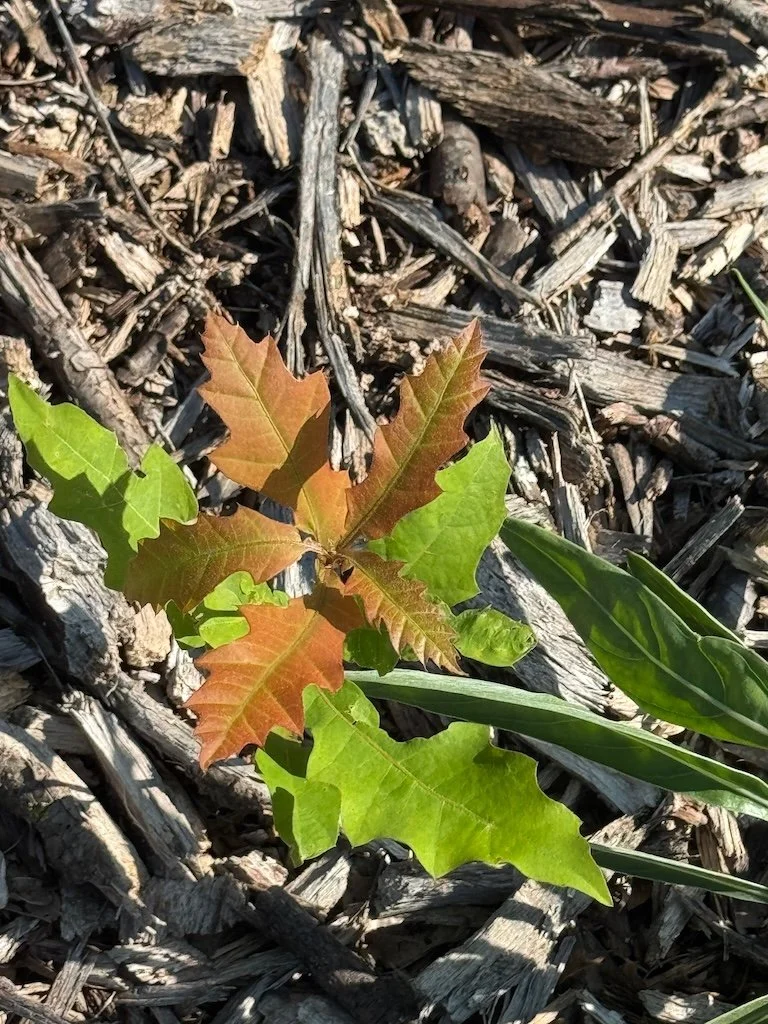
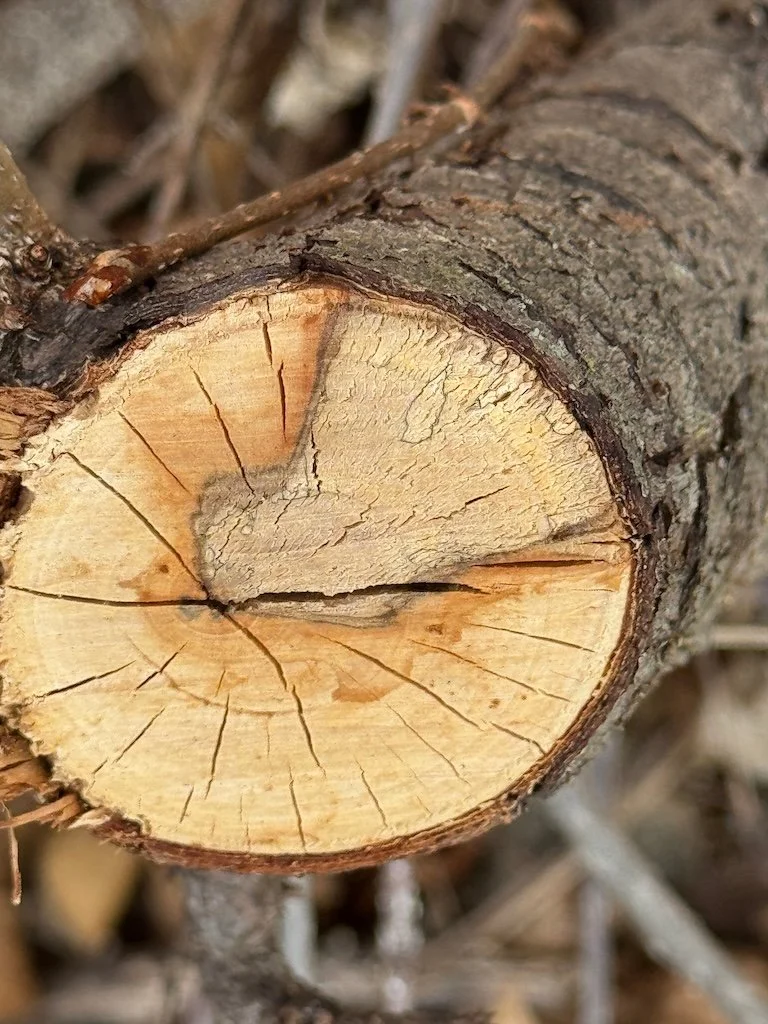
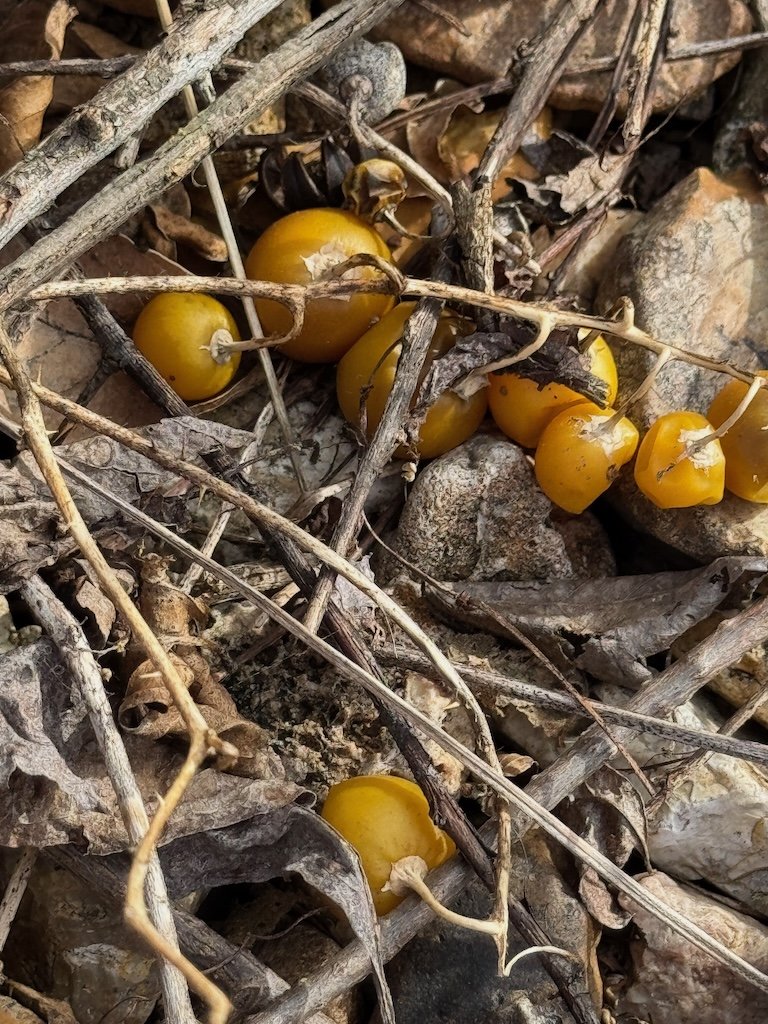
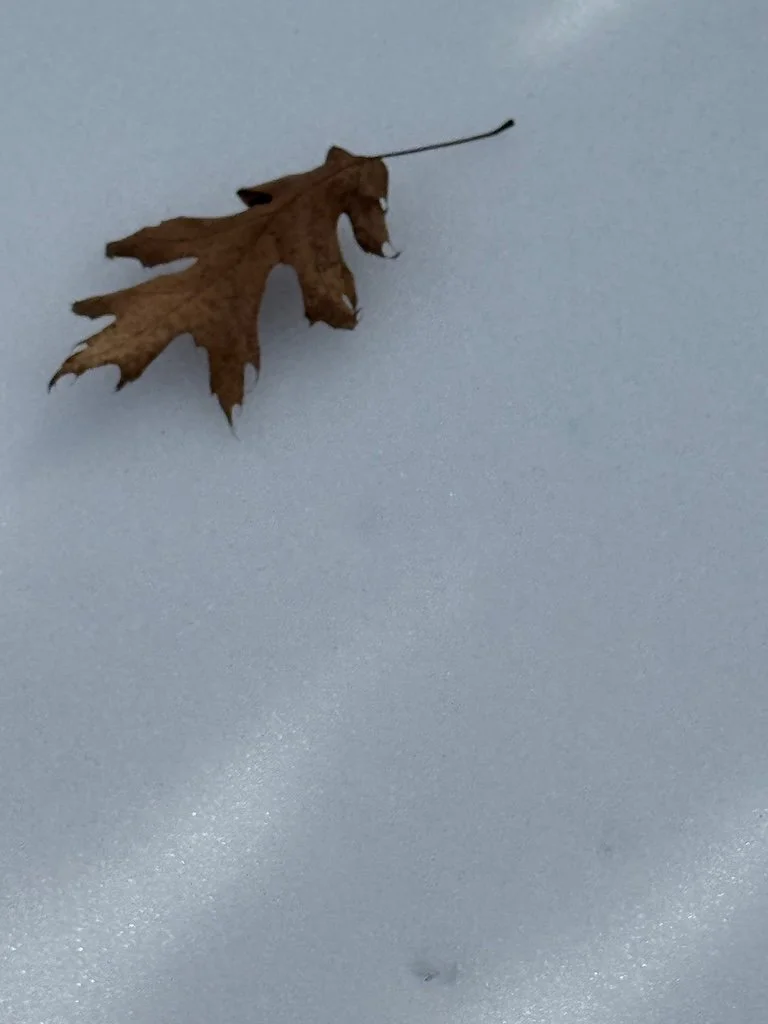
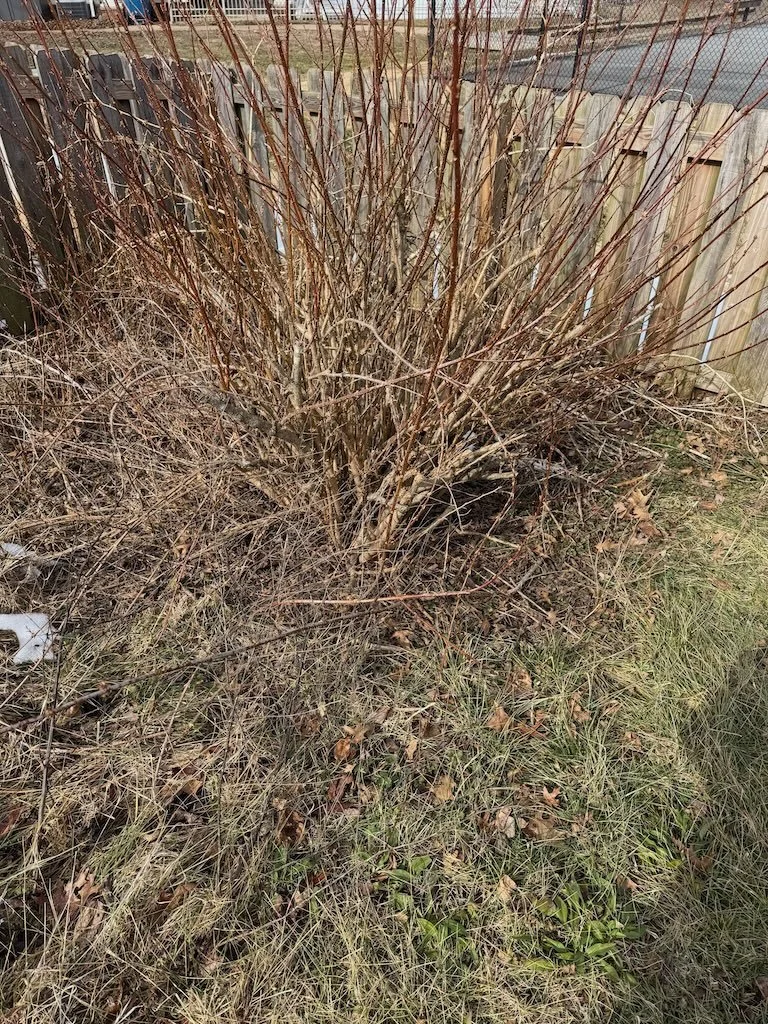
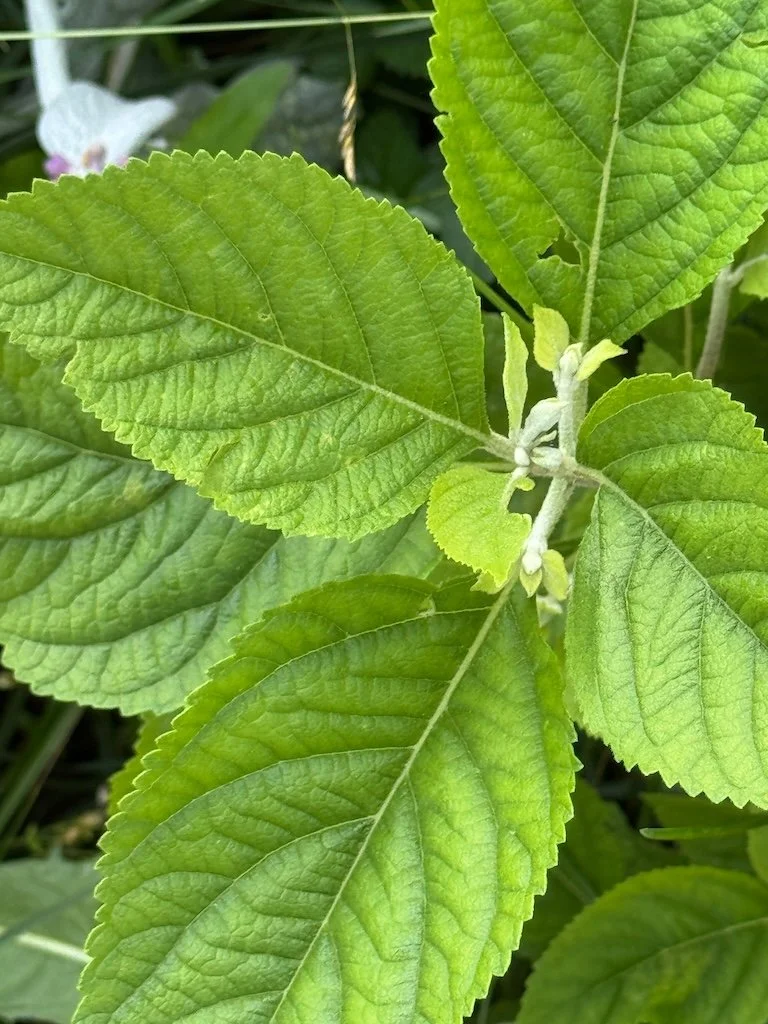
I put on my river boots to walk around the yard as the snow melted last week. I was glad to see the recently cut stump of the Callery Pear looked like it was rotting; I’ll be continuing to cut it until it is dead; the stems have thorns! The horse nettle fruits from last fall are a bit of color in the flower bed. An oat leaf blown from our neighbor’s tree was a point of interest in a snowbank on the far side of our yard. The forsythia in the northwest corner of our yard is another project where the pruning chainsaw will be used.
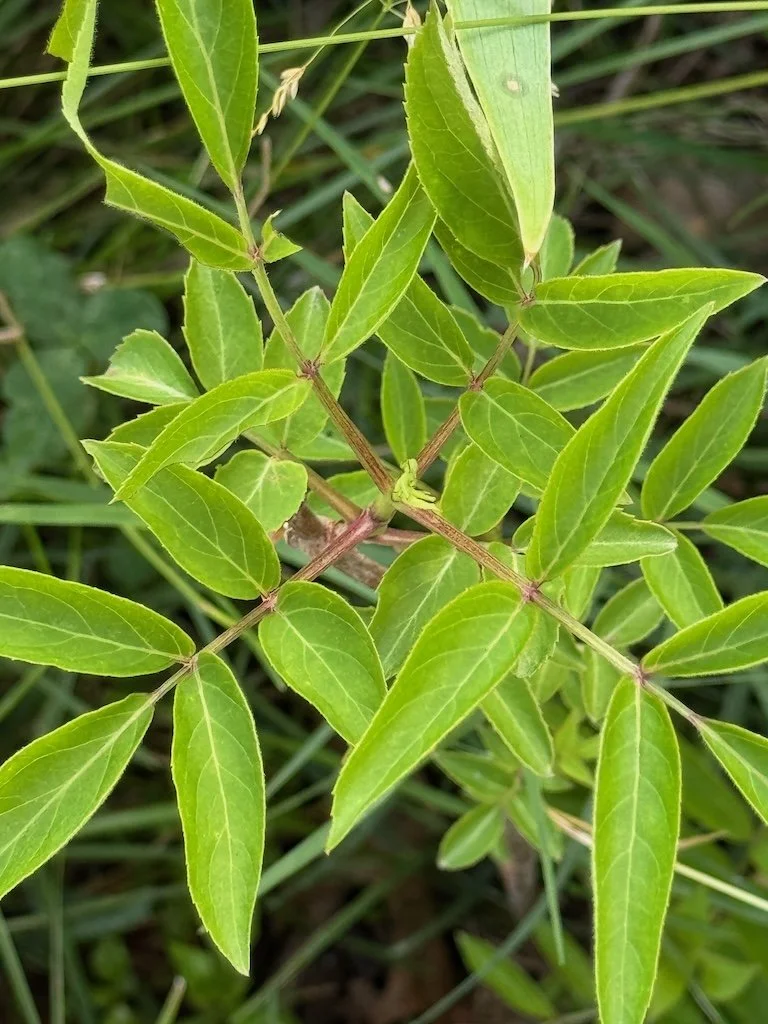
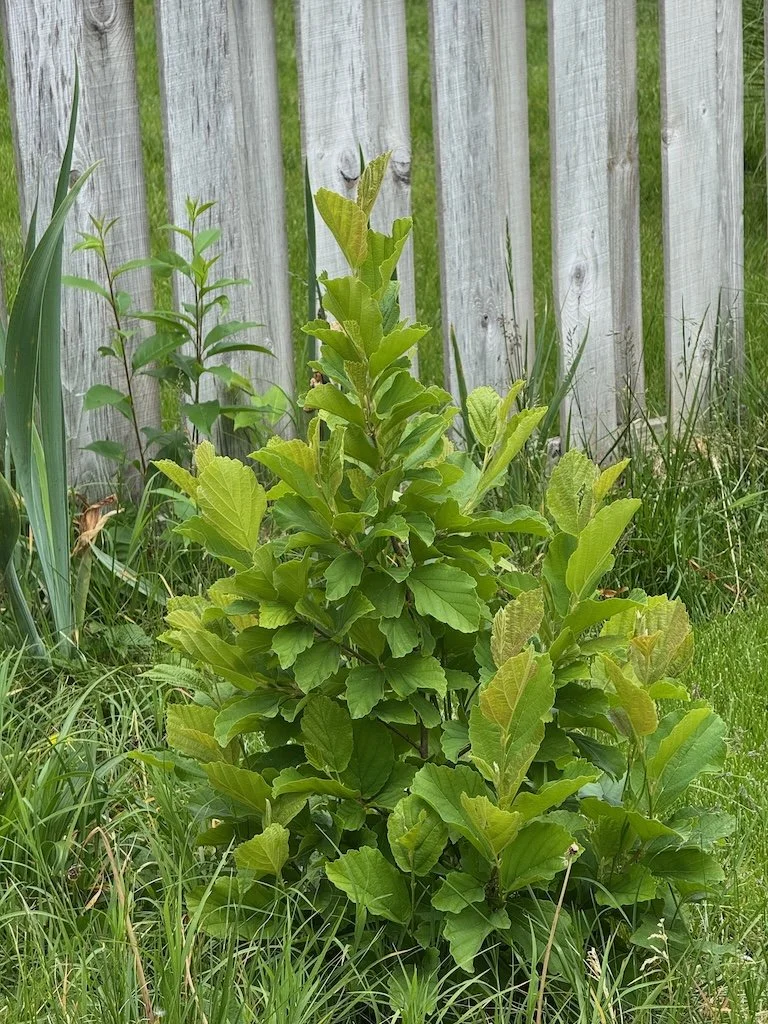
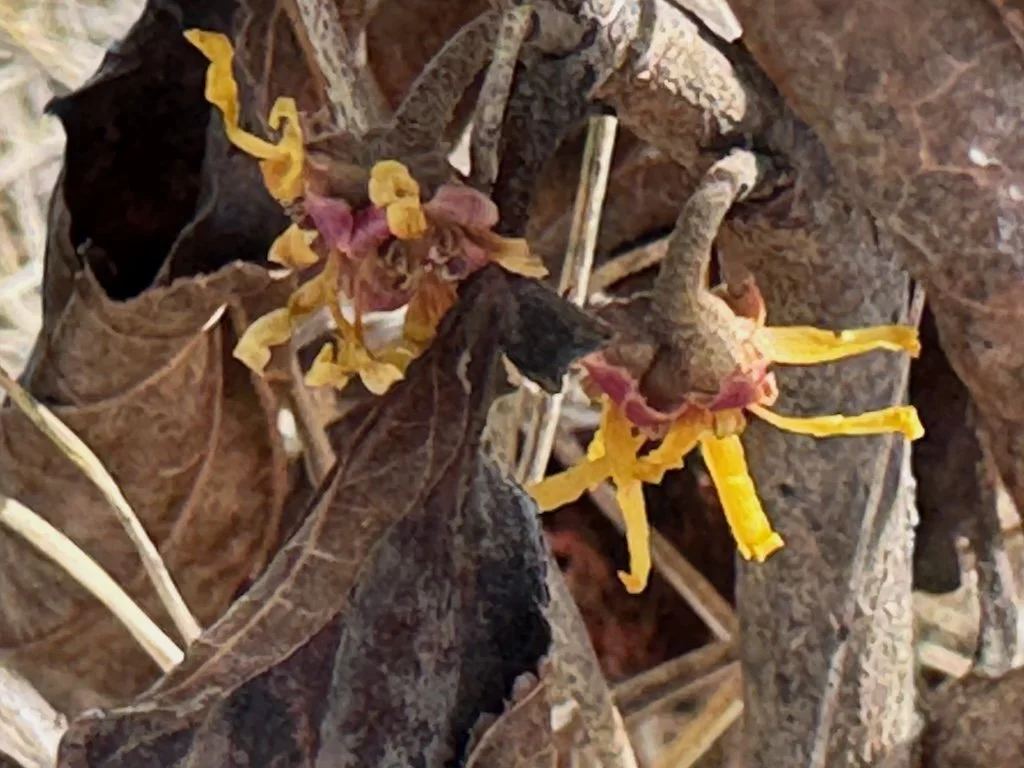
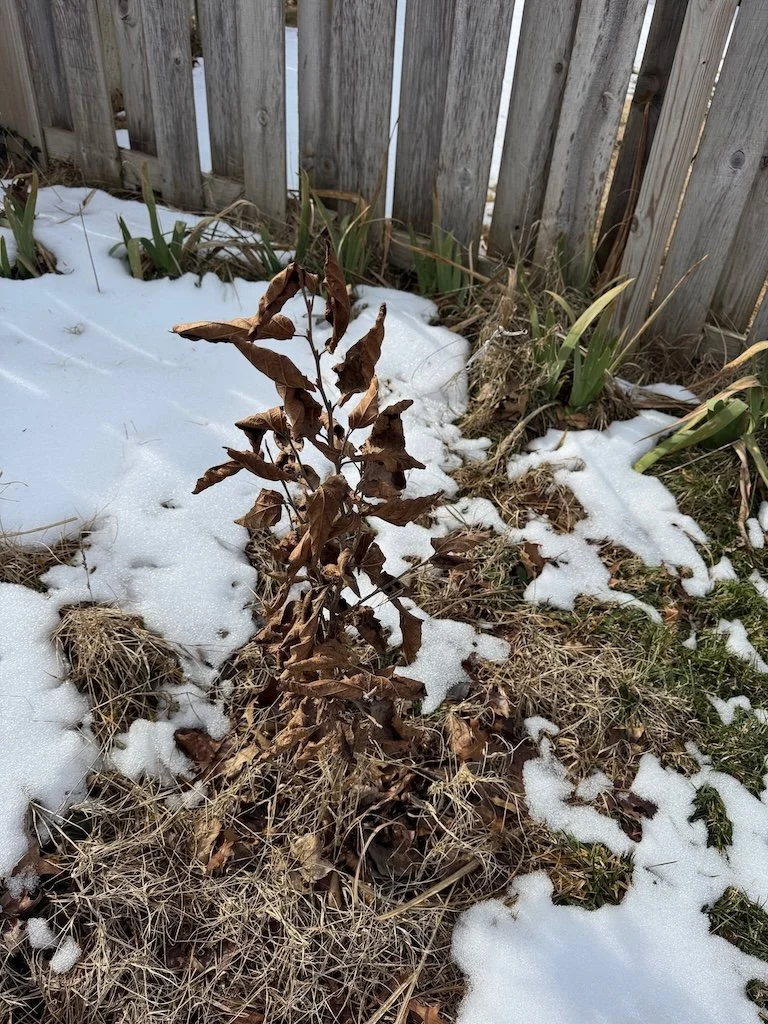
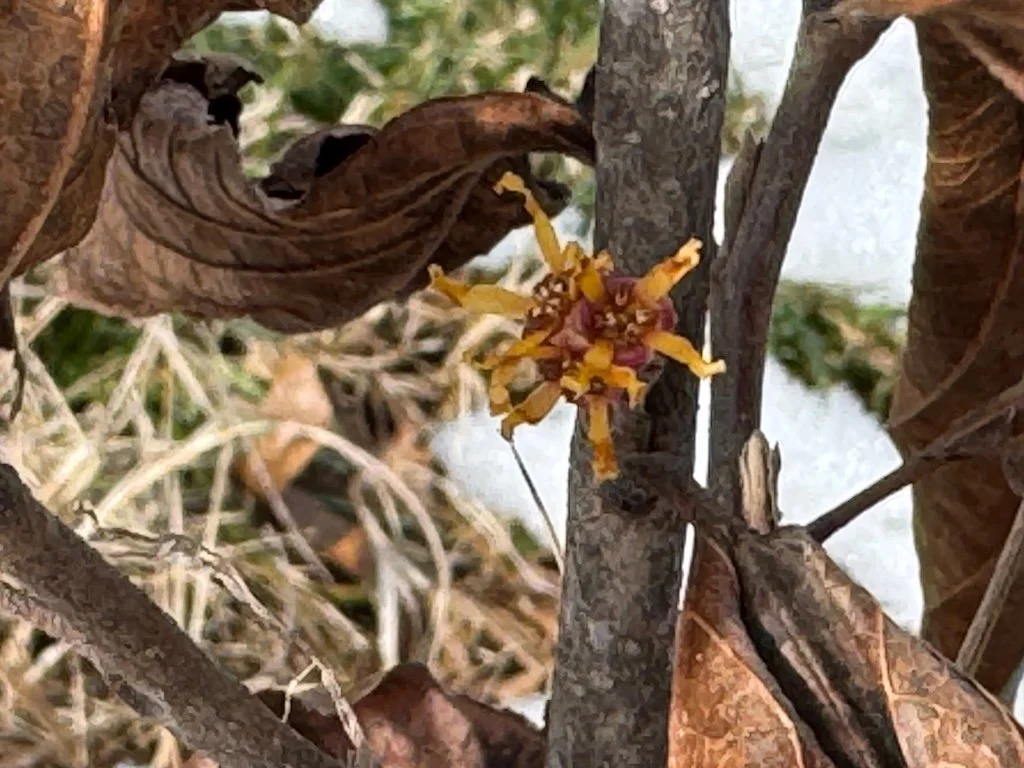
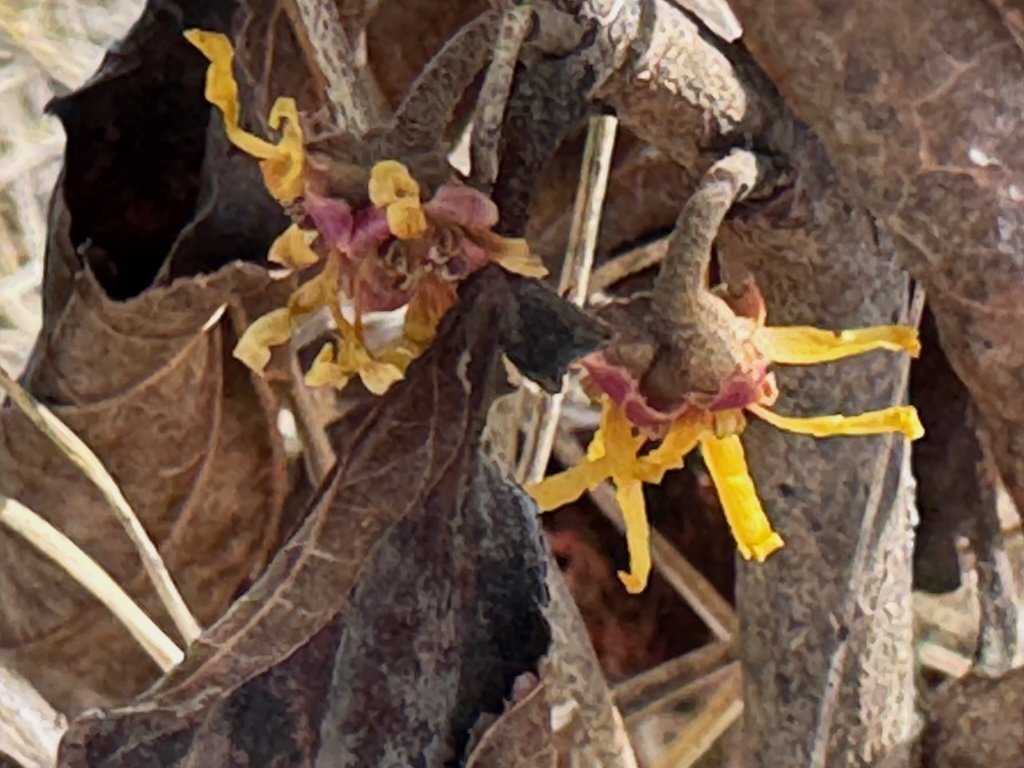
The high point of my walk was seeing that my small Ozark Witch Hazel is blooming! This is the time of year for it to bloom, but I hadn’t noticed the blooms before since the young tree kept most of its leaves. I am hopeful that it will take over the southwest corner of my back yard but that might take a few years.
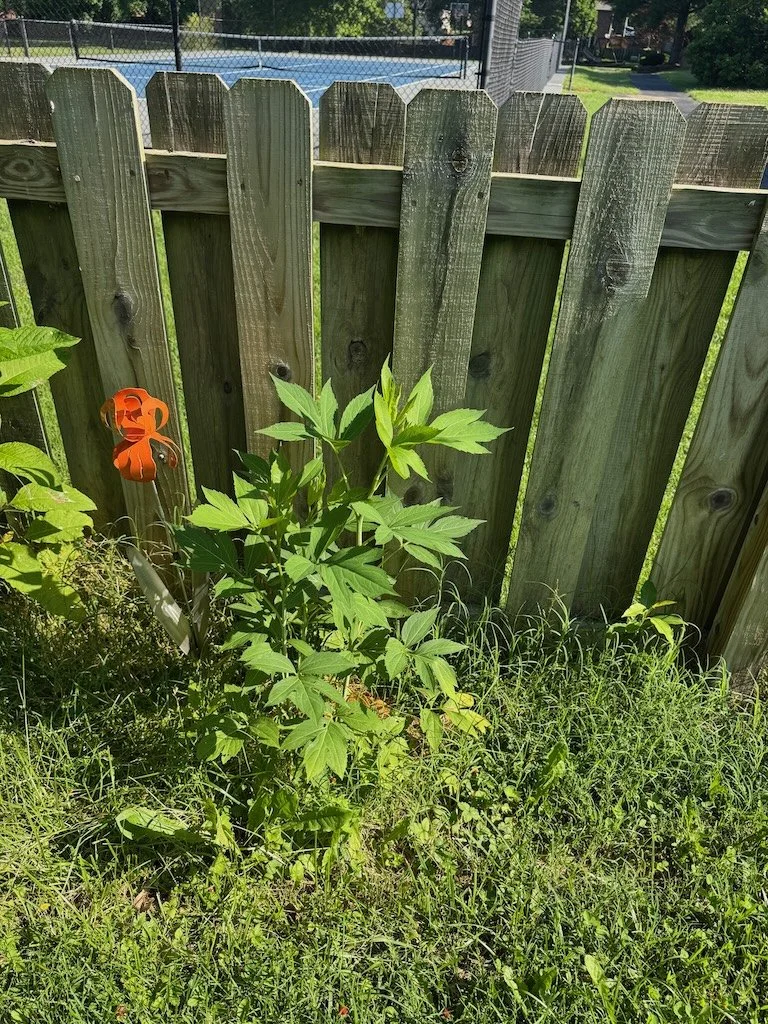
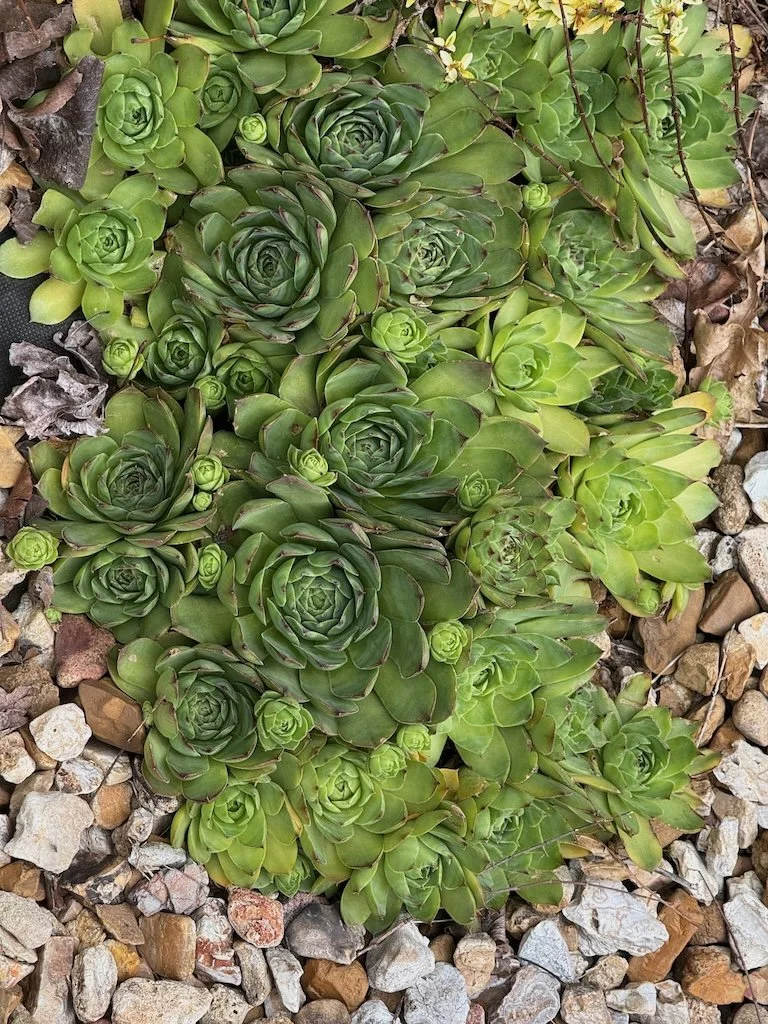
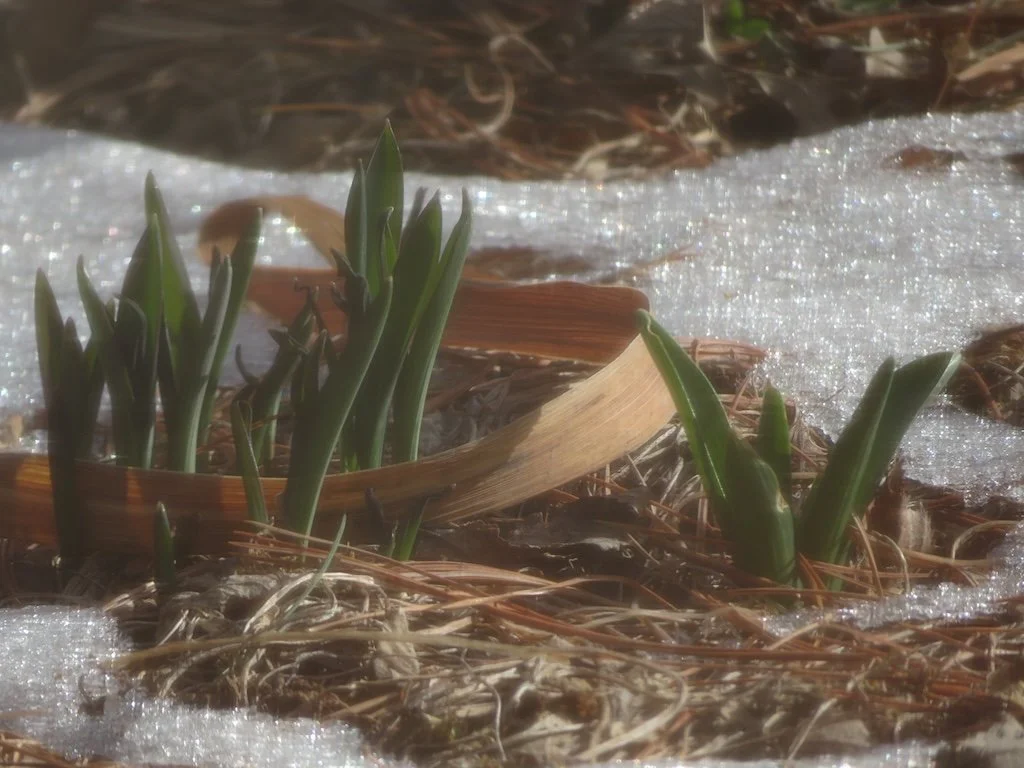
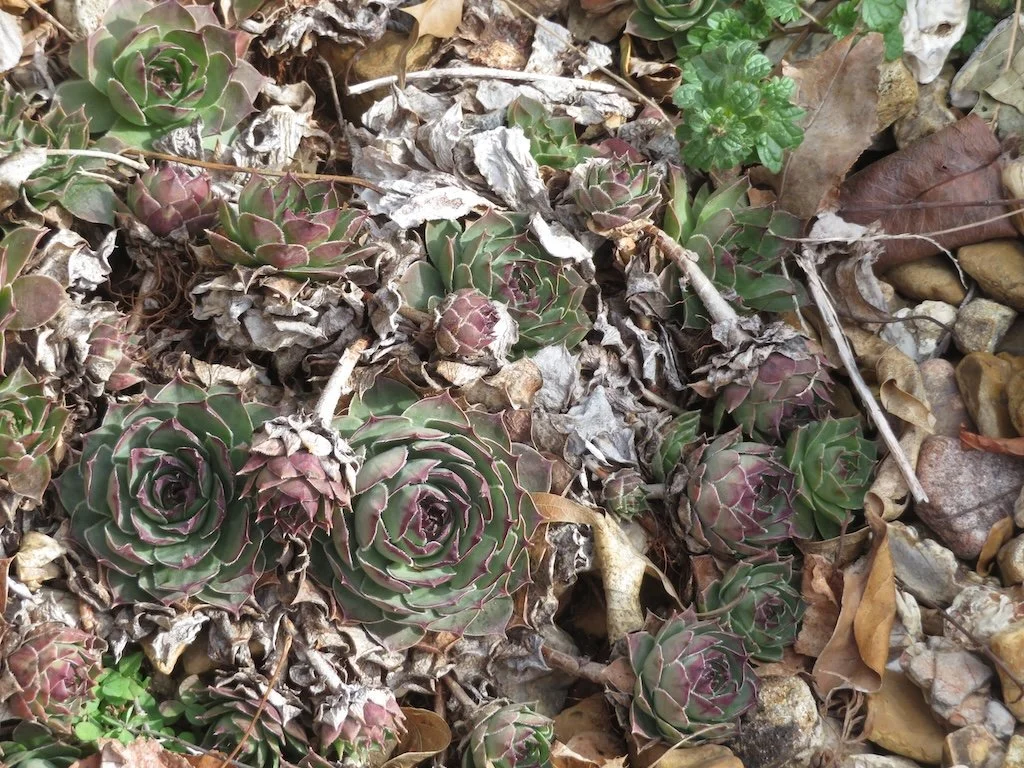
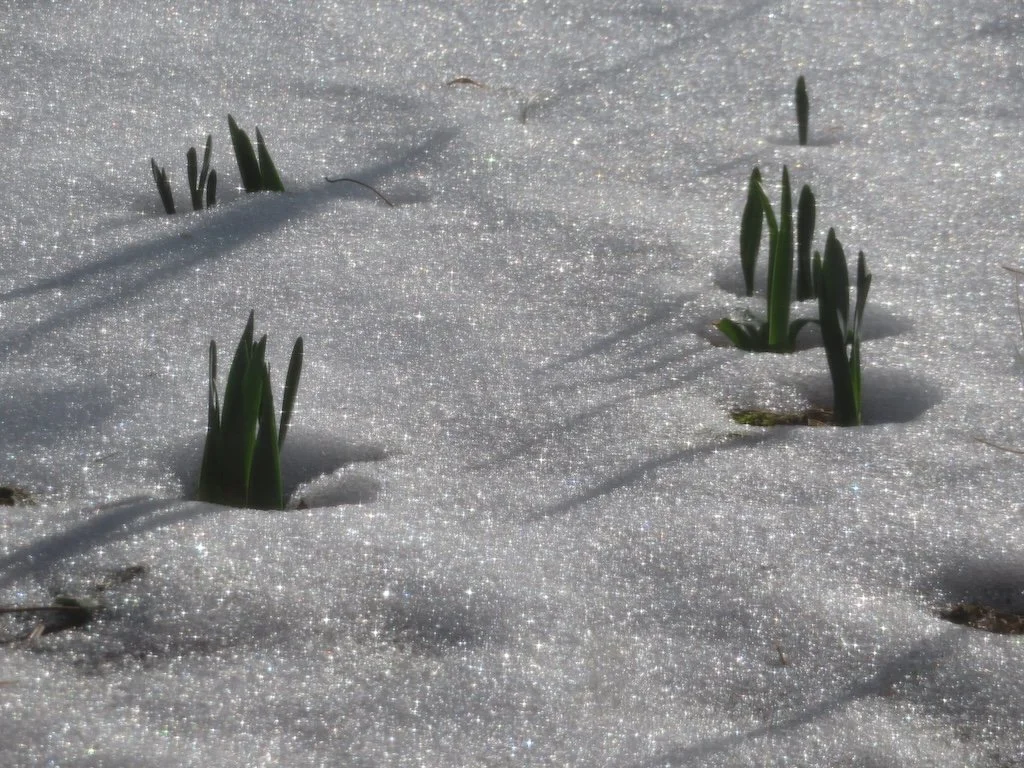
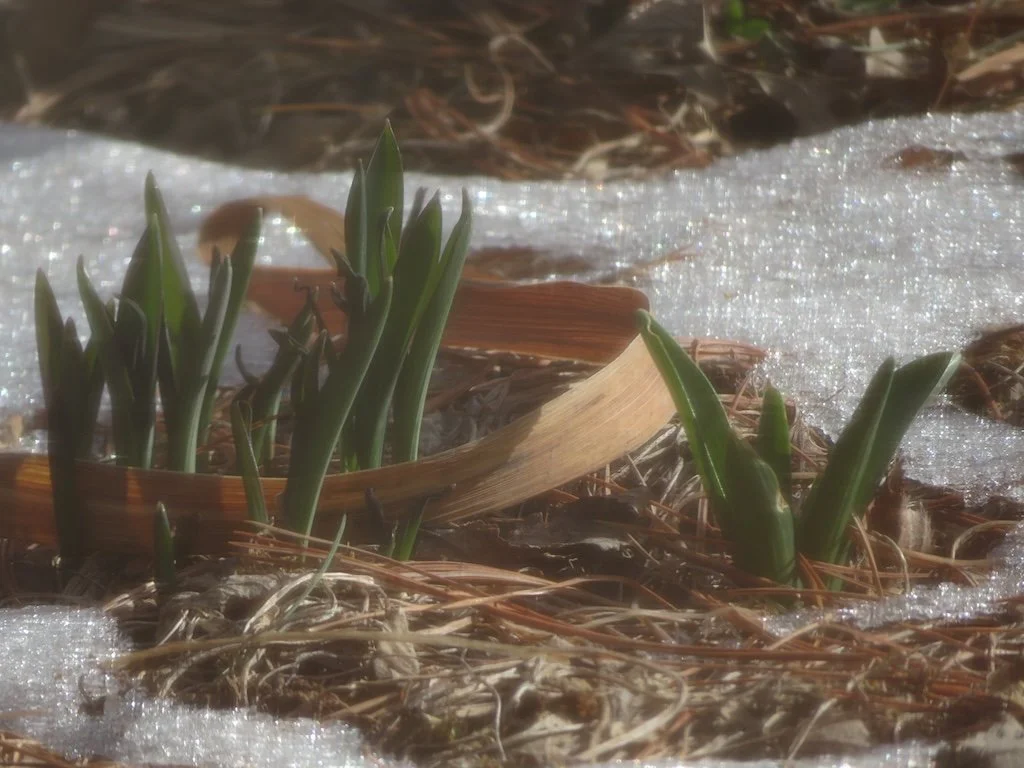
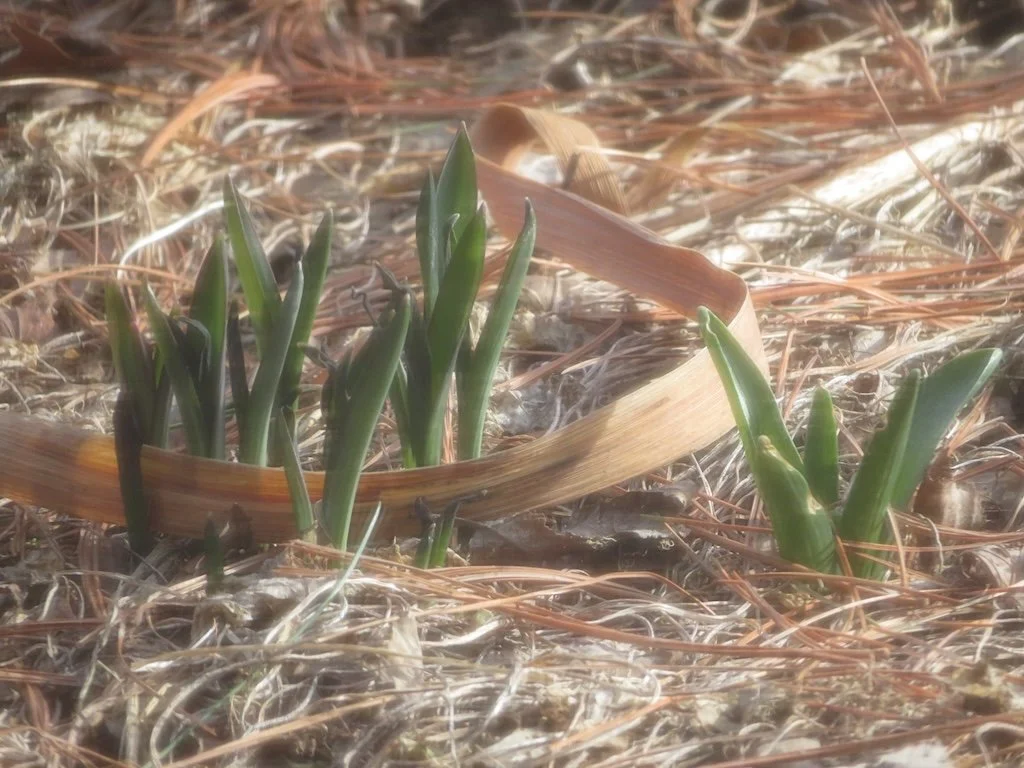
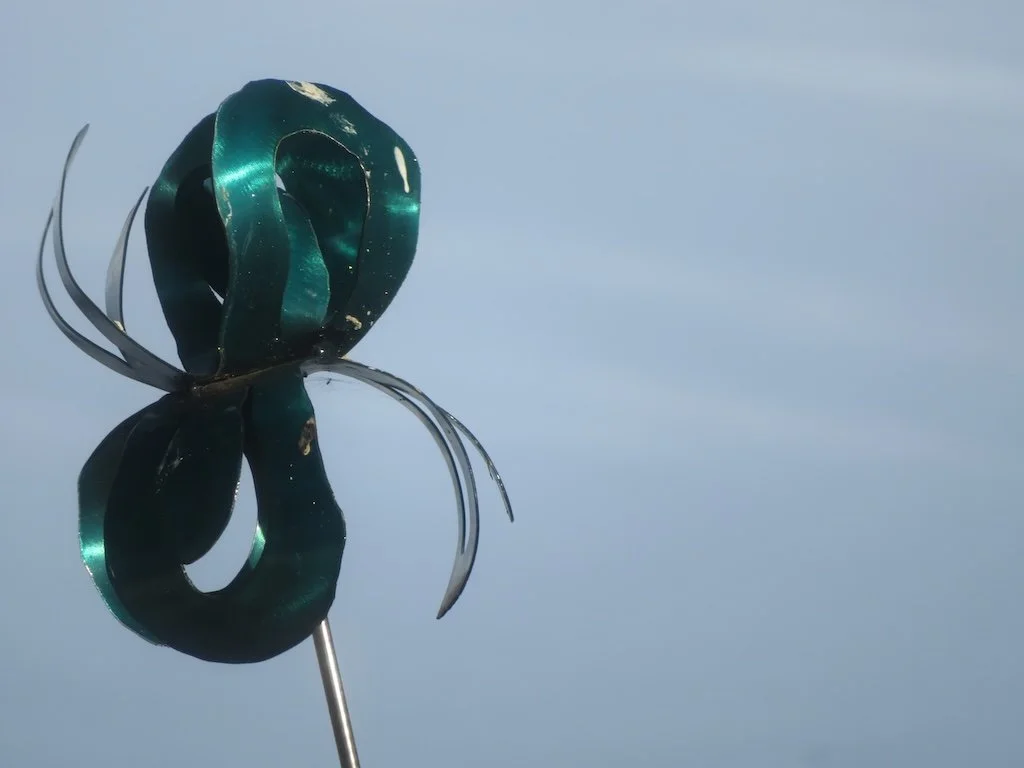
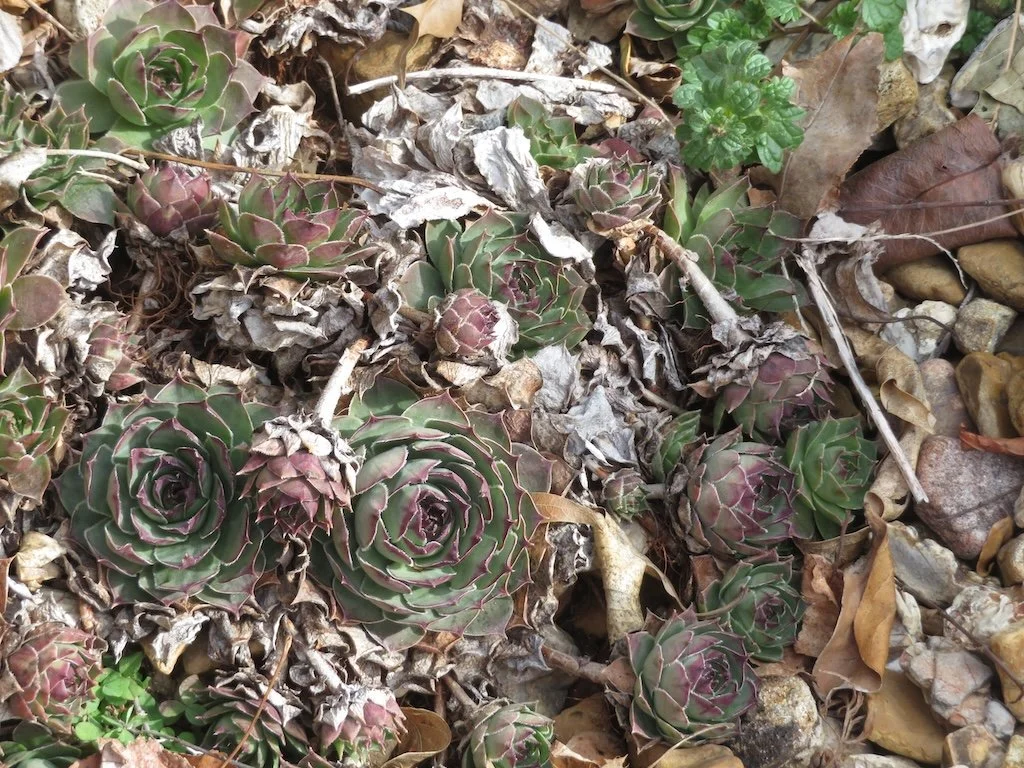
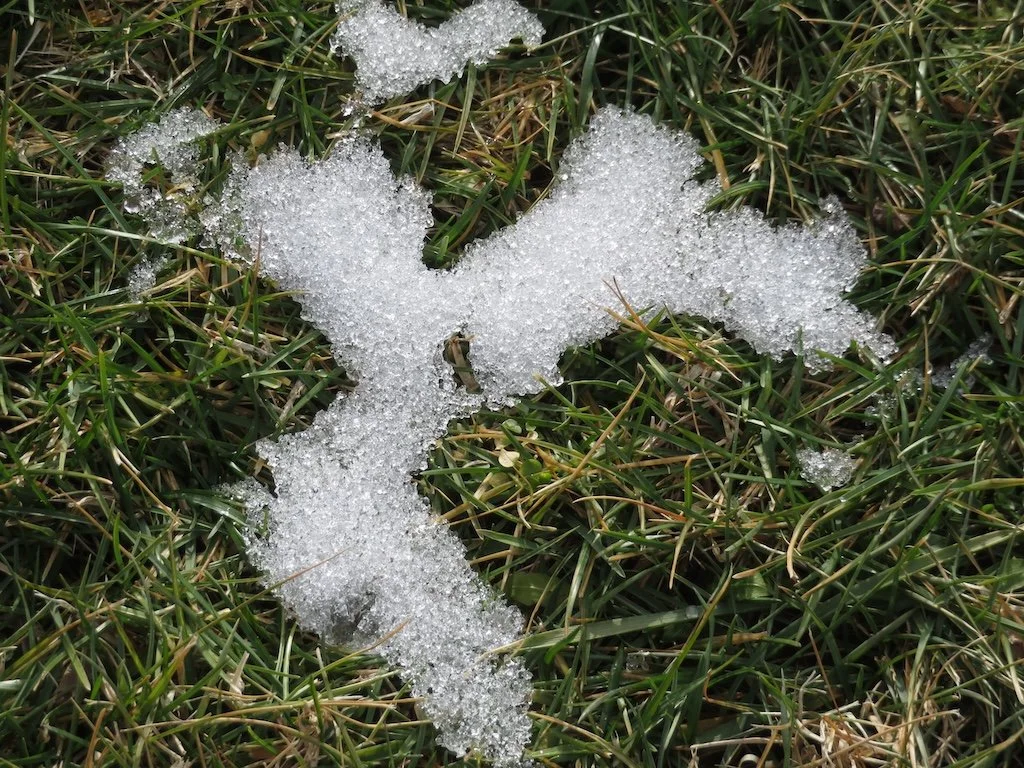
Bulbs are up on the east side of my house, and the metal sculpture is marking something I planted last year (and adding some color). The Hens and Chicks are still doing well in our rock garden. The snow formed hieroglyph type shapes as it melted.

The forecast is for temperatures warm enough this weekend that I might get out to do some winter yard work!

Project Feeder Watch – January 2026

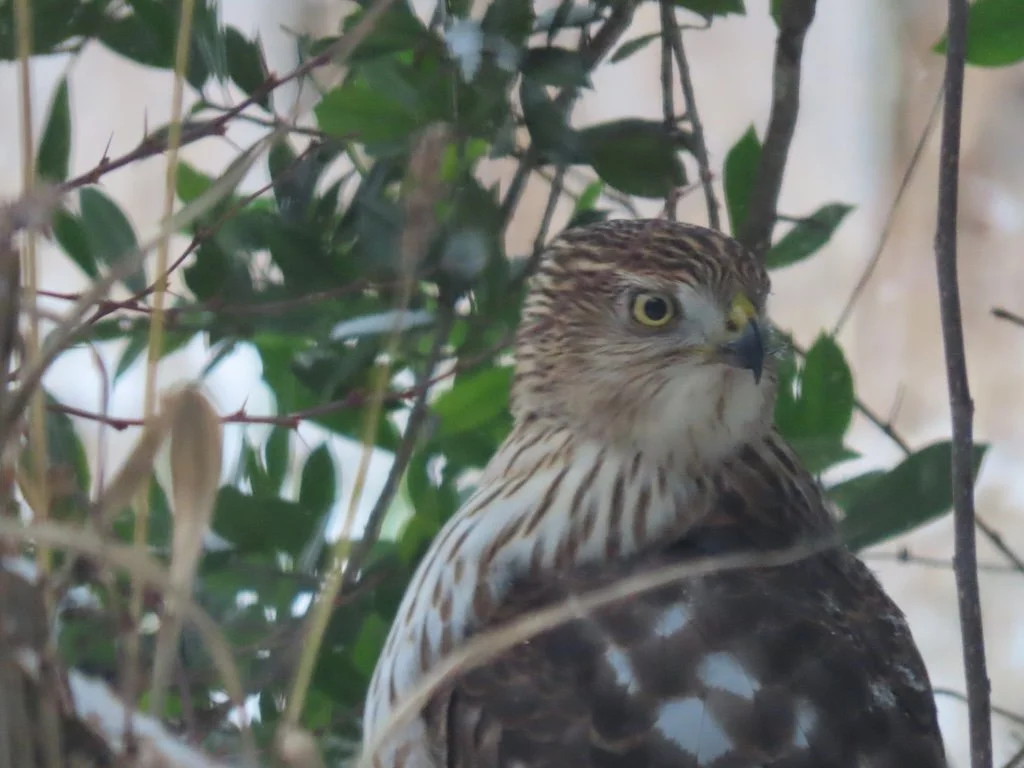
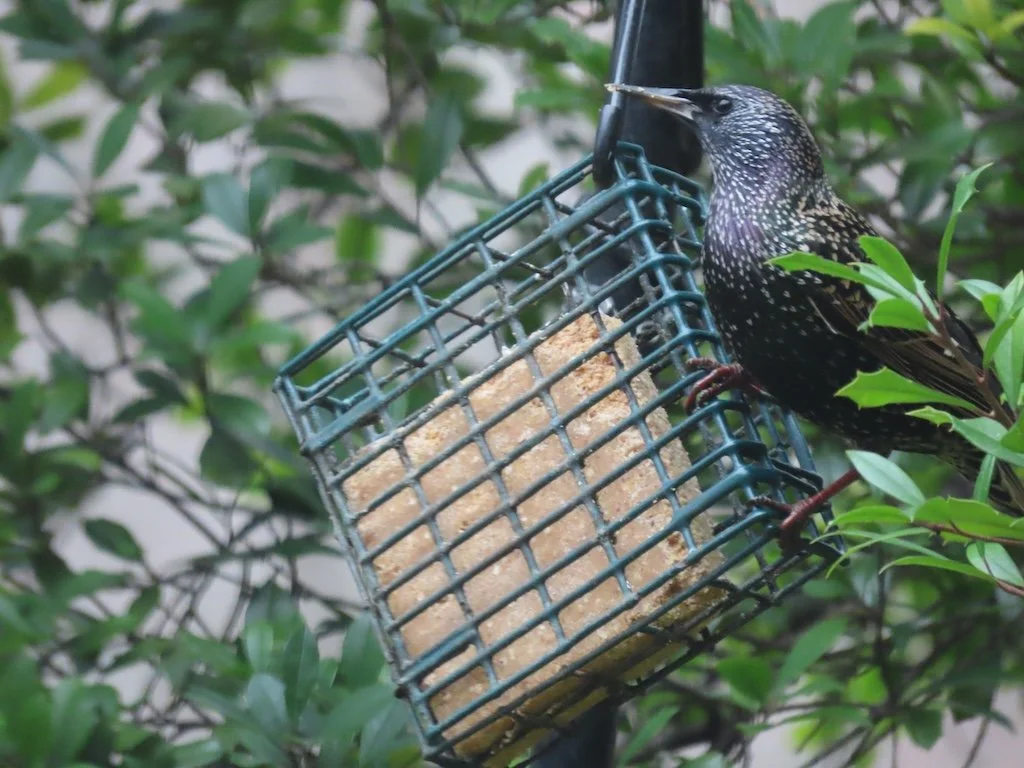
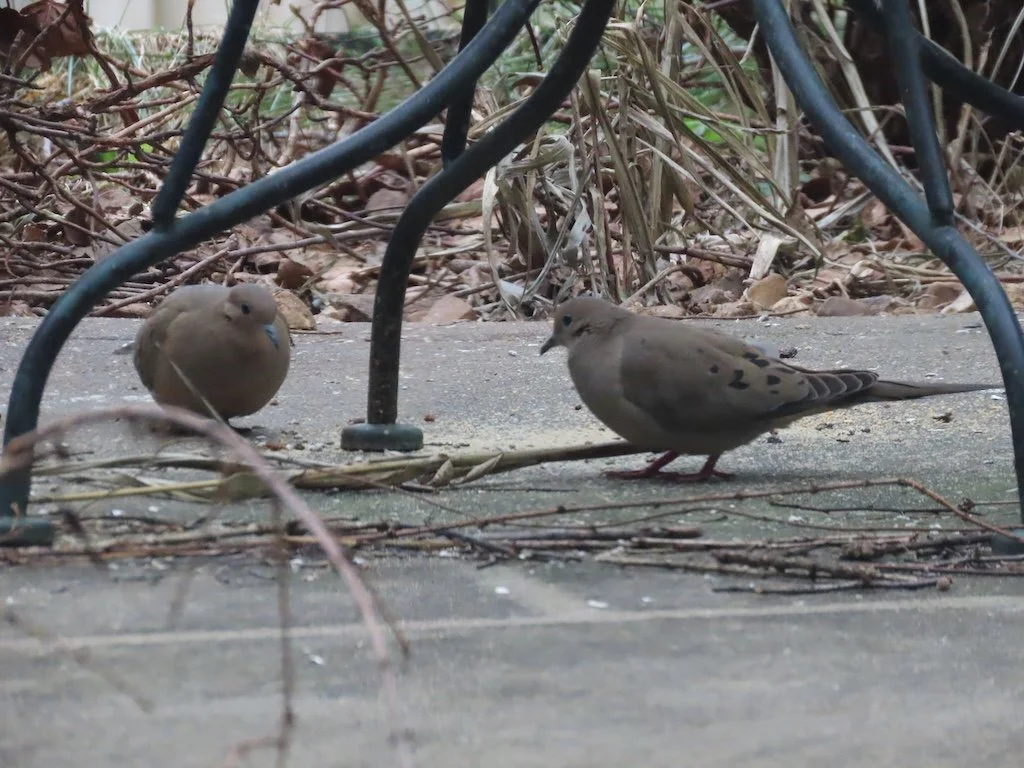
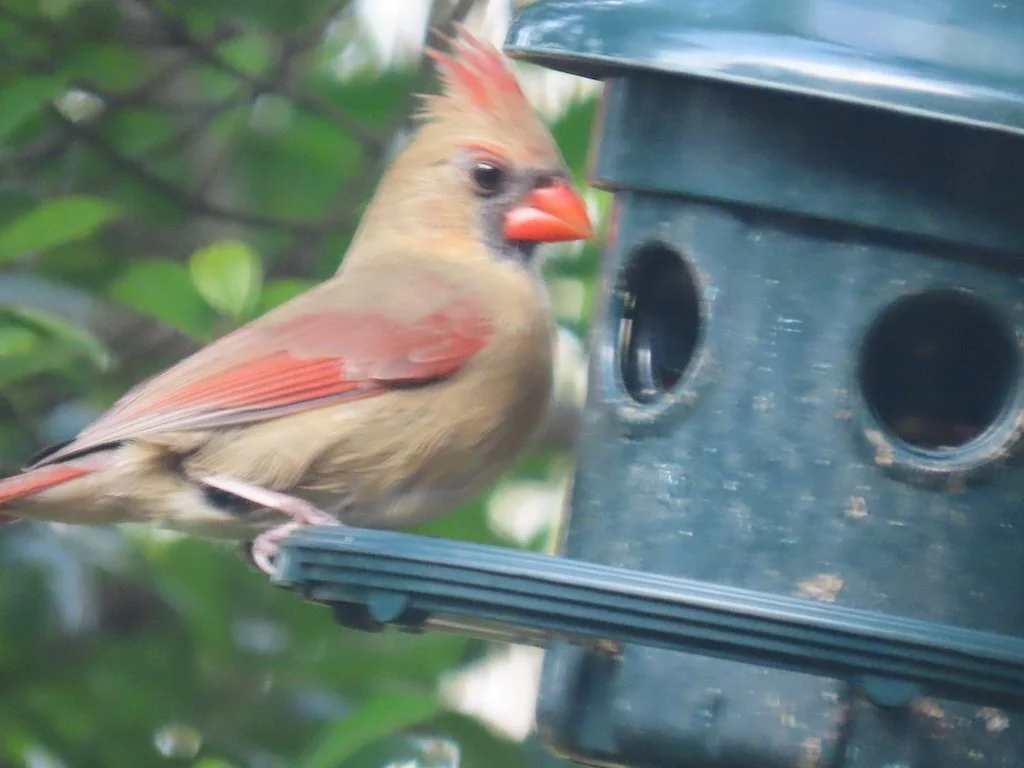
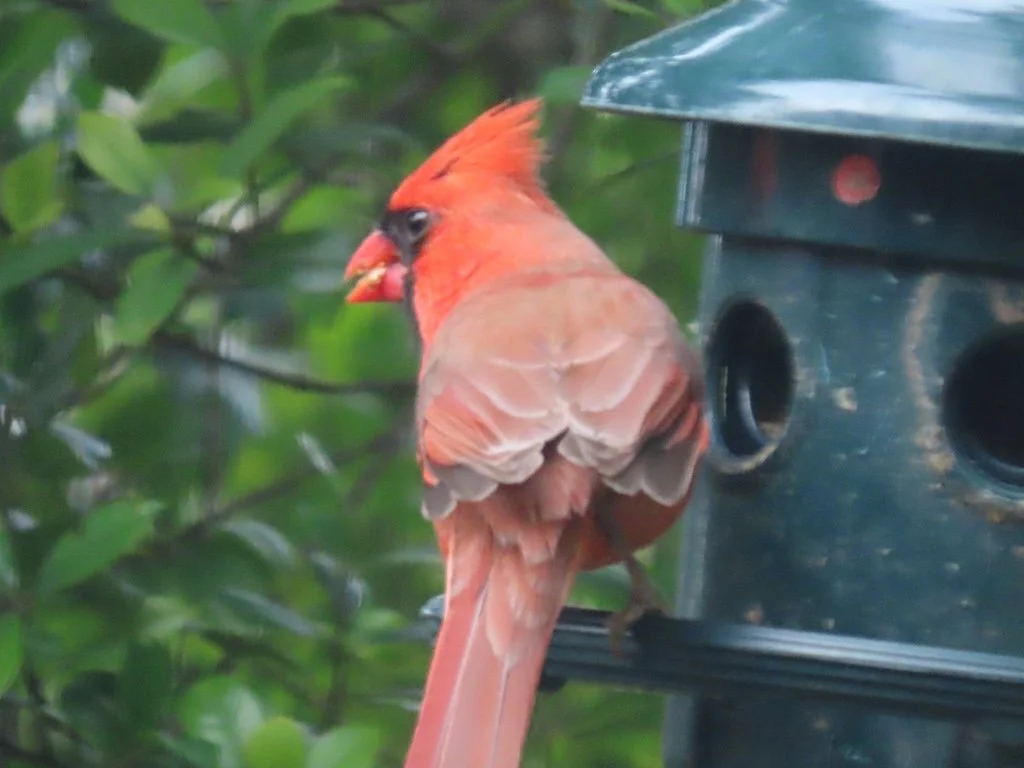
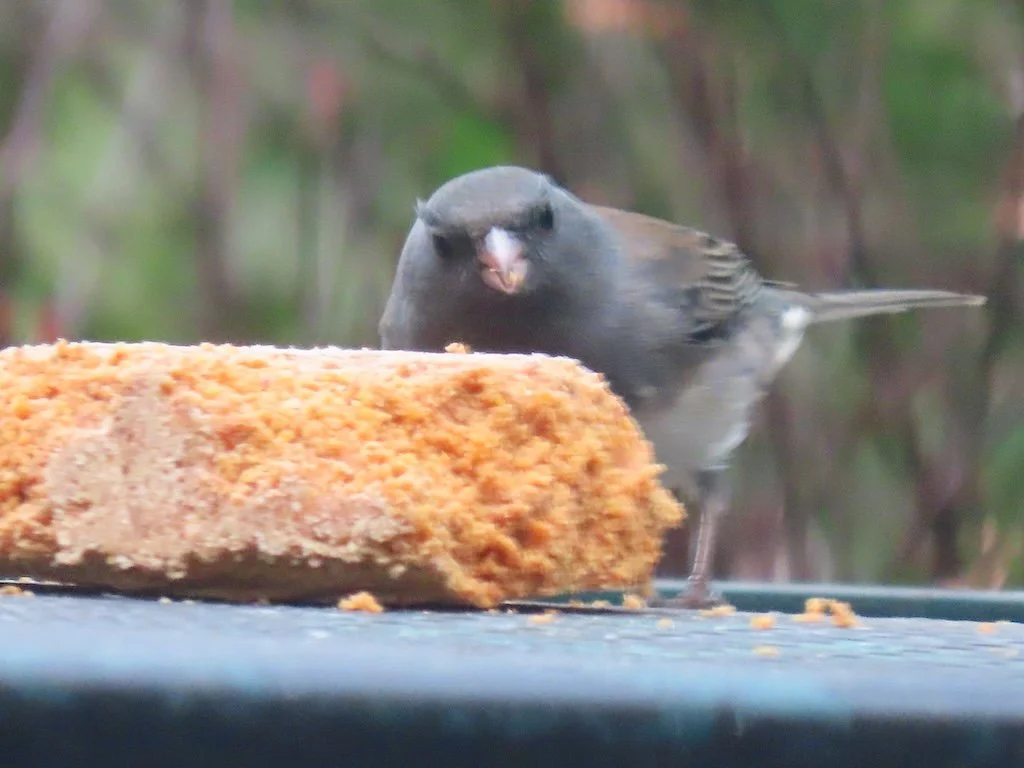
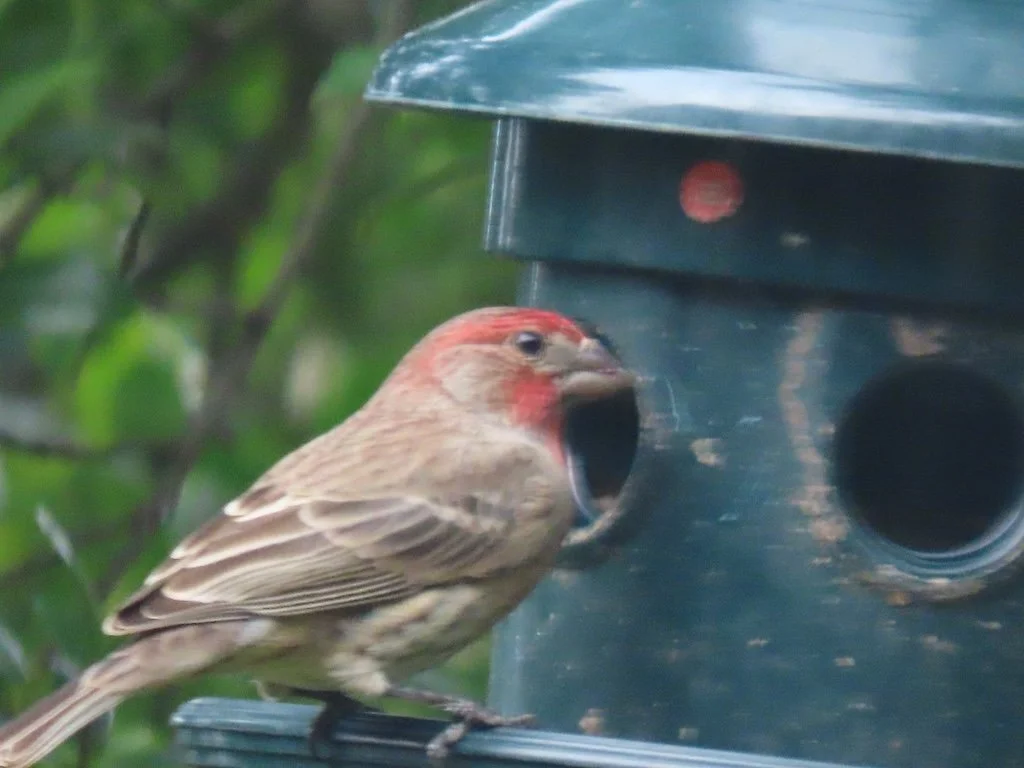
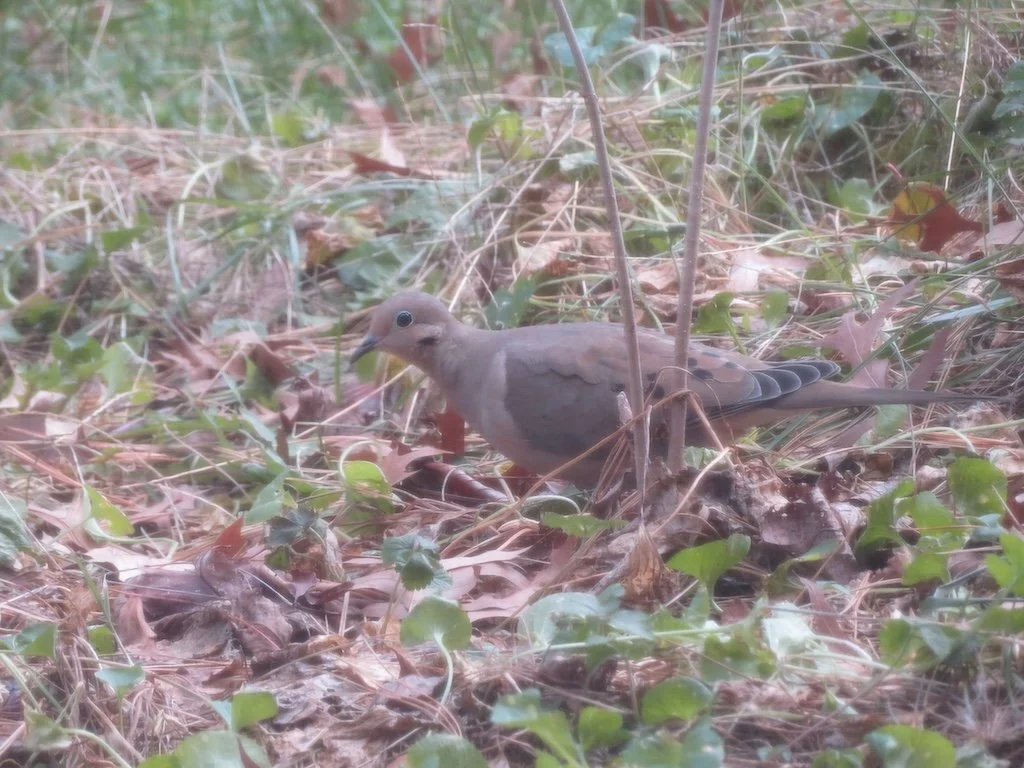
My husband and I enjoy our time watching birds at our home feeders for 4 30-minute segments each week as part of Project FeederWatch. Something interesting always seems to happen – varying numbers and kinds of birds, relaxed feeding and then a round of bird frenzy,  the regulars and then silent/empty feeders (our theory when this happens is that our neighborhood Cooper’s Hawk is somewhere nearby). Our feeders are not situated for optimal photography…but I still take a few pictures.

We often develop profiles of the different birds; for example, the Carolina chickadee and Titmouse are the quick grab and go experts….the starlings come in mobs and bully everyone else!

Plastics Crisis – Action at the Community Level

Over the past month or so, I have begun working with a small group of people to create a Beyond Plastics local group. We chose to call ourselves Beyond Plastics Ozarks to reflect that we are going to be working across a larger area than Springfield MO. We are thrilled to see our pin on the Beyond Plastics map – filling in the southwest Missouri space.

We have met twice and are working on our website; the part of the website that might be worth looking at now is our collection of recent plastics related articles. We are fortunate that we can leverage the efforts of the Show we less plastics project at the state level since they are offering a Plastics learning series (webinars) in the first quarter next year….allowing us to get that message out while we focus on honing our action plans. We have also benefited from the Beyond Plastics guide for setting up a new local group and that they provide a Zoom account for us too. The logo below was created for us by Beyond Plastics. Both state (Show me less plastics) and national (Beyond Plastics) organizations have materials we can use as well. Now for the hard work of picking campaigns that will be effective for our area of Southwest Missouri.

Concurrently we have identified three campaigns and have started exploration/planning for two of them. 2026 is going to be a busy year and I am hopefully that we will find additional people to help…and lots of people that are interested in learning more about the plastics issue.

Project FeederWatch – Another Season

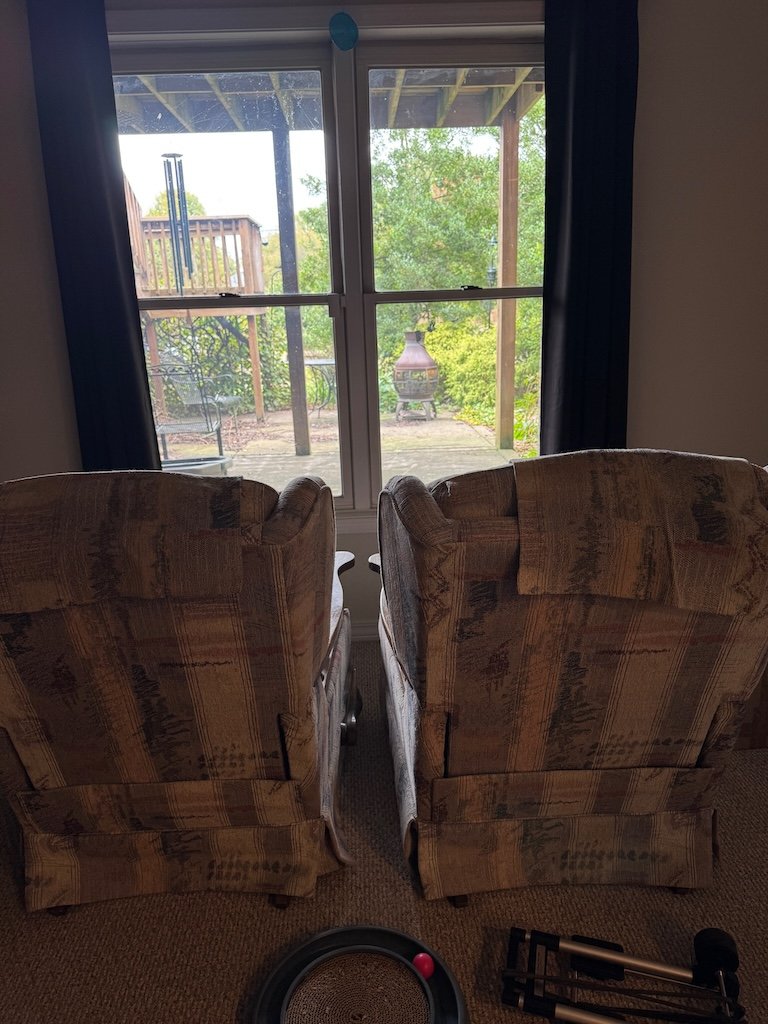
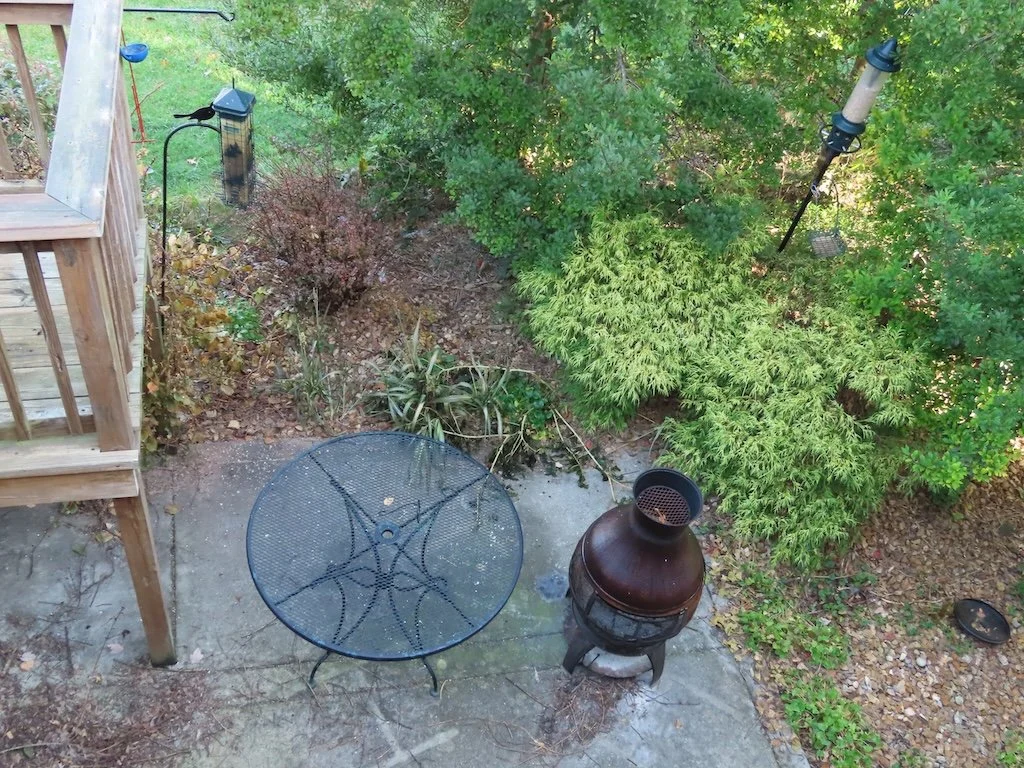
We started our second season recording observations of birds at our home feeders with Project FeederWatch. Our set up is the same as last year. We have two old rocker recliners in our basement that have a clear view of our feeders on the other side of the patio from our window that is under the deck.

The Project FeederWatch season started on November 1 and there was still a lot of greenery. I cut back the Japanese Barberry (really want to take it out completely) but otherwise there is more vegetation than last year with the cedars, holly, and violets growing over the past year. The feeder nestled in the holly and cedars is a bit harder to reach. There is a brush pile in another part of the patio (in the lower left of the picture) that is my holding area for twigs I will burn in the chimenea eventually. The birds like that area too.

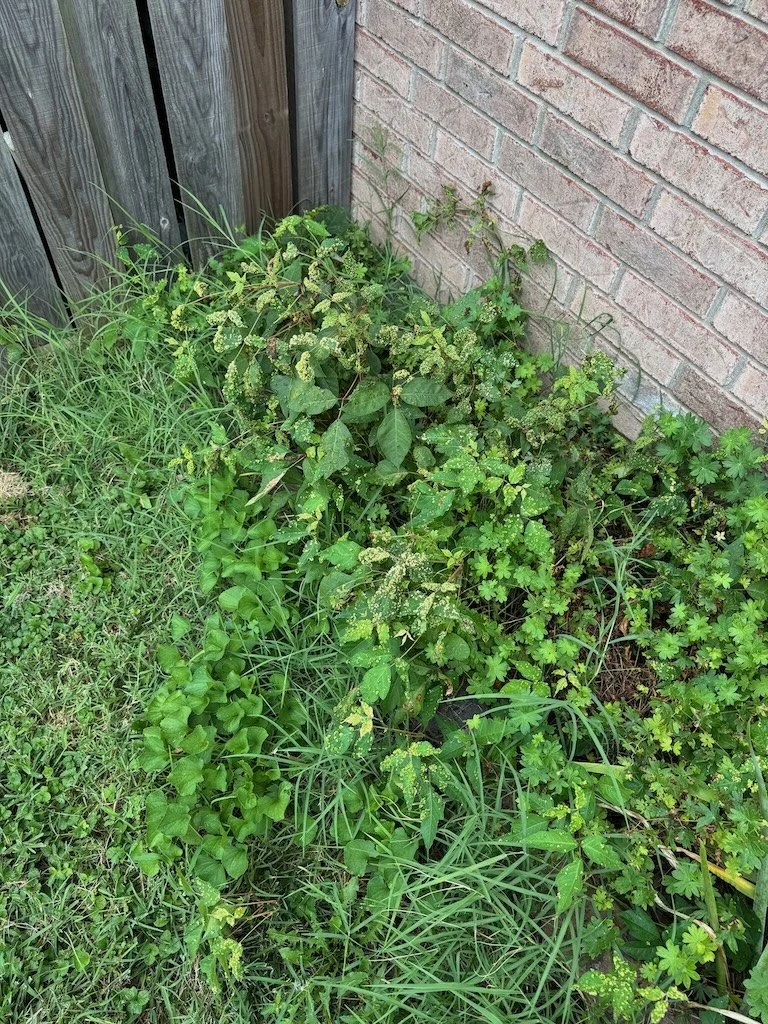
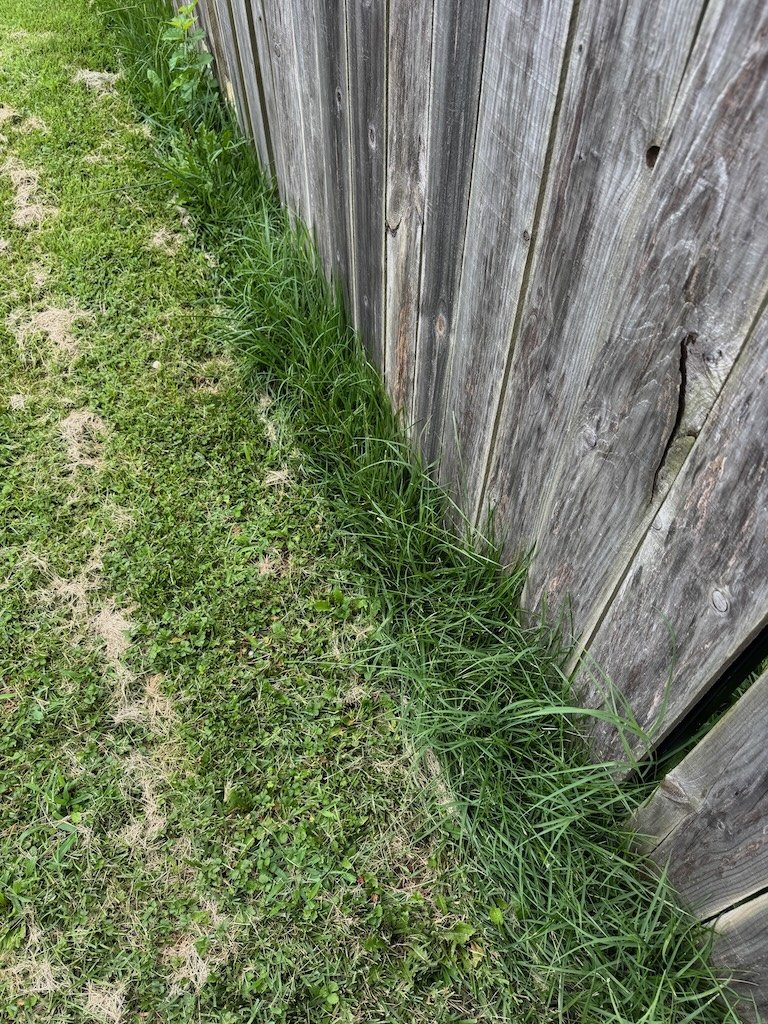
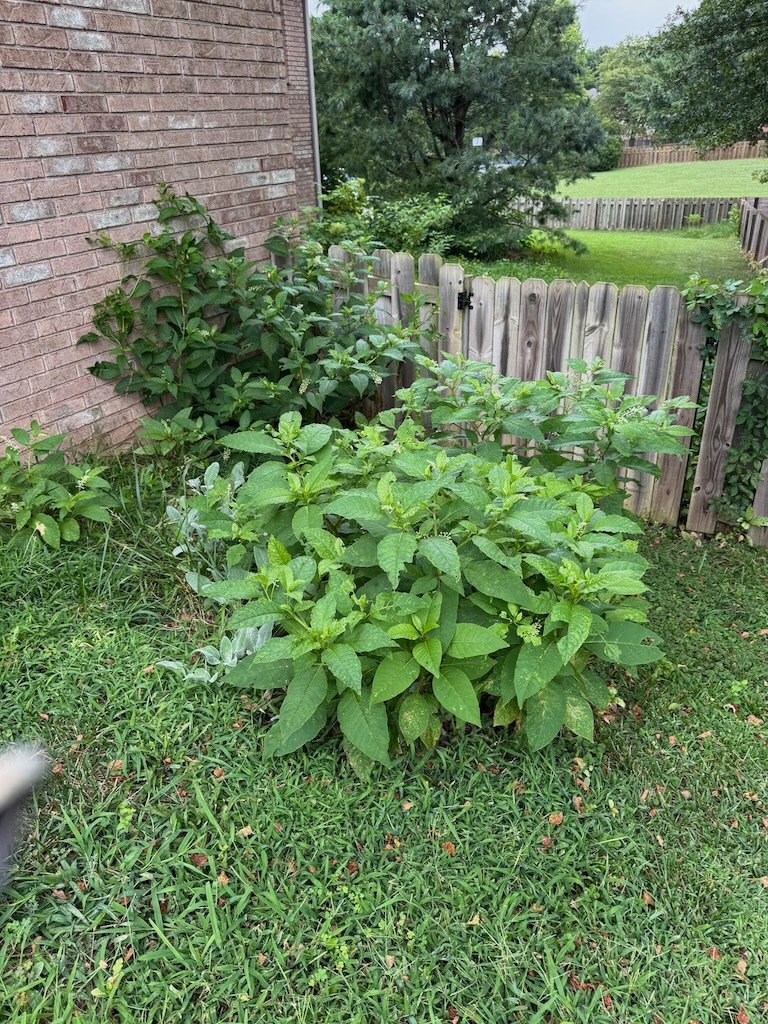
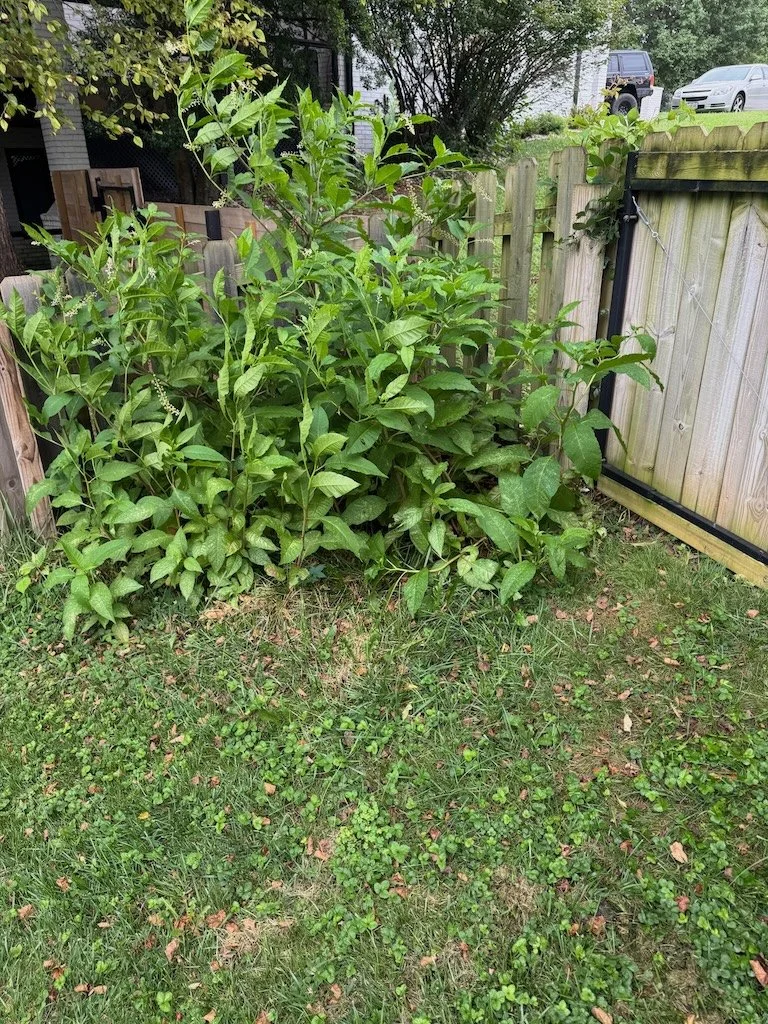
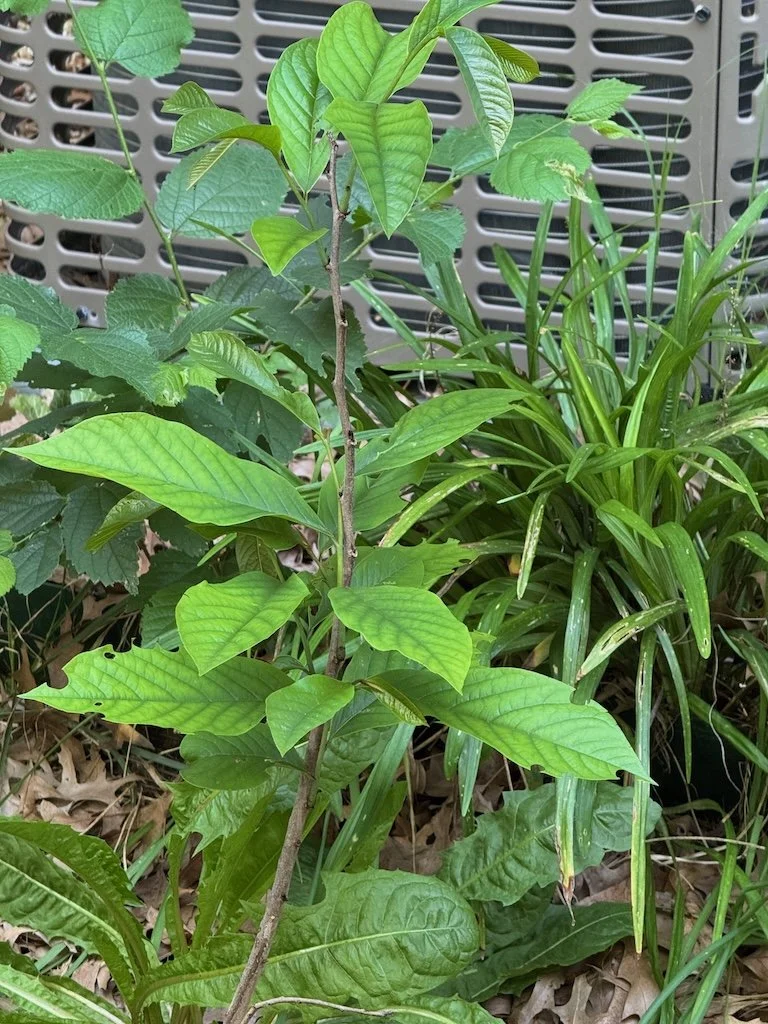
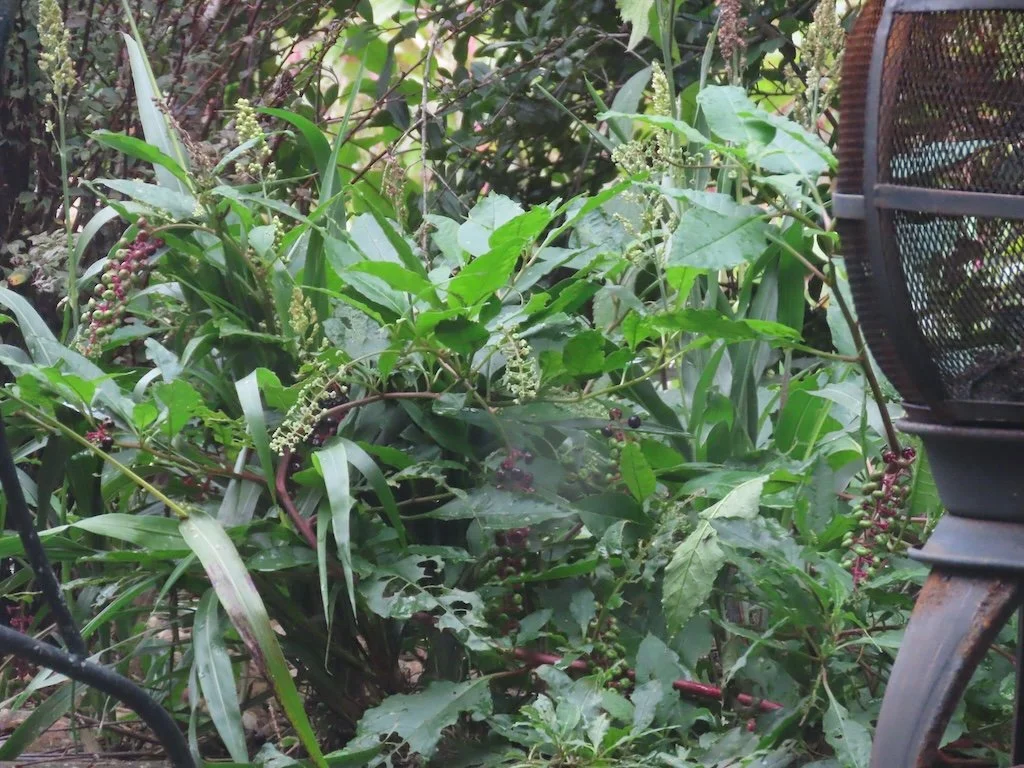
New this year is clump of vegetation at the edge of the patio between the two feeders: Pokeweed that seems to come up everywhere in our yard and grasses that had sprouted from birdseed from the feeders above. In general, the birds seem to like the extra vegetation and they eat the seeds from both plants occasionally.

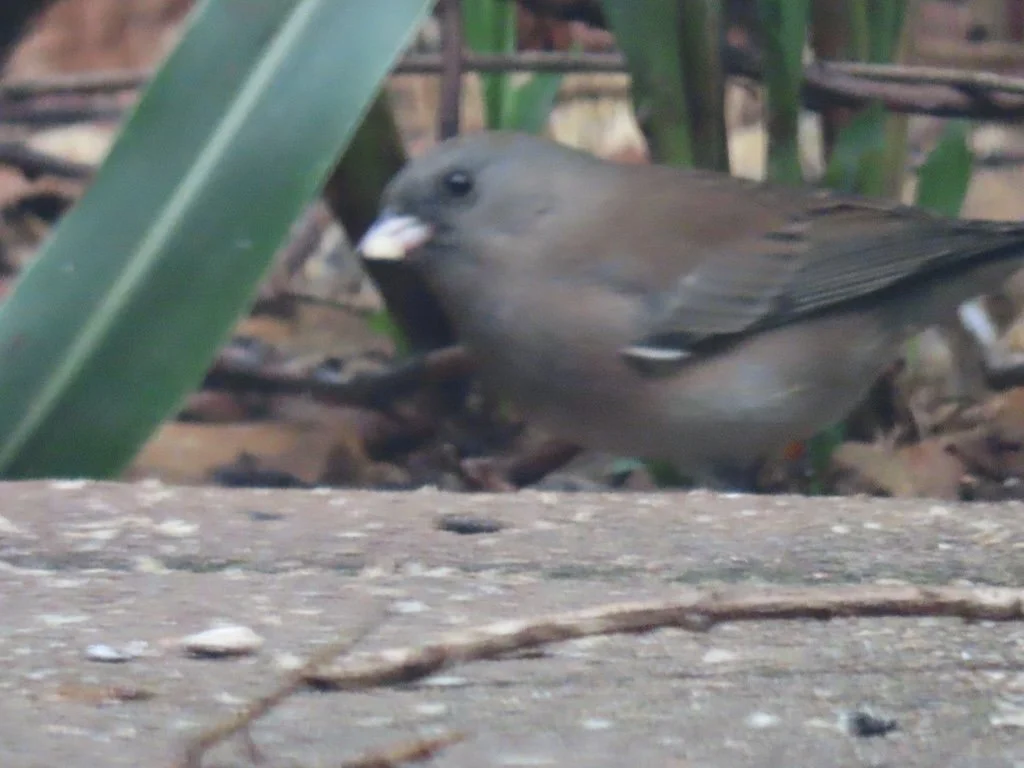
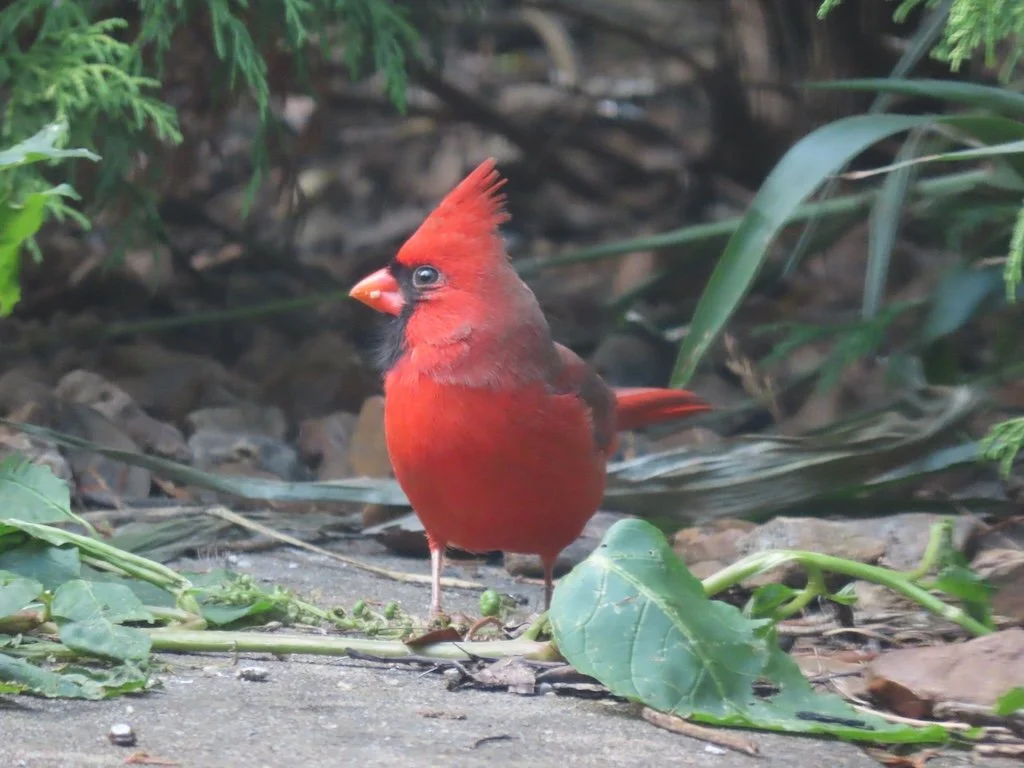
The window and the low light make photography more for id than art. Even at the being of the season we had dark-eyed junco (a winter bird for us), downy woodpeckers, and northern cardinals, tufted titmice, and at least 3 kinds of sparrows…to name few.

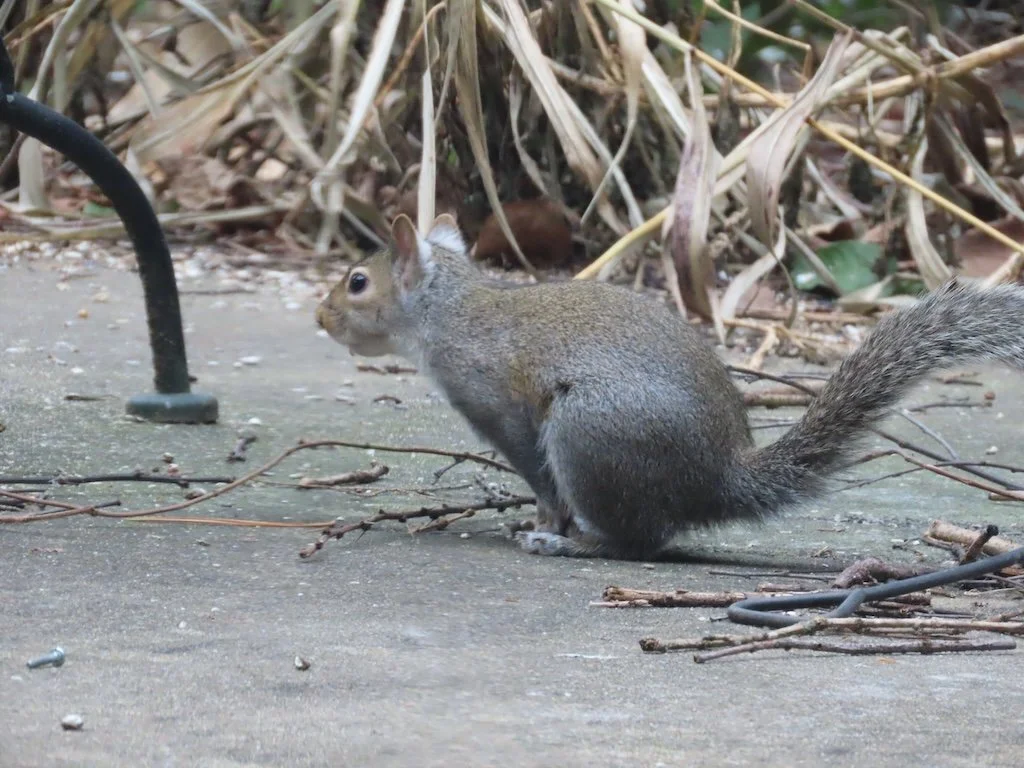
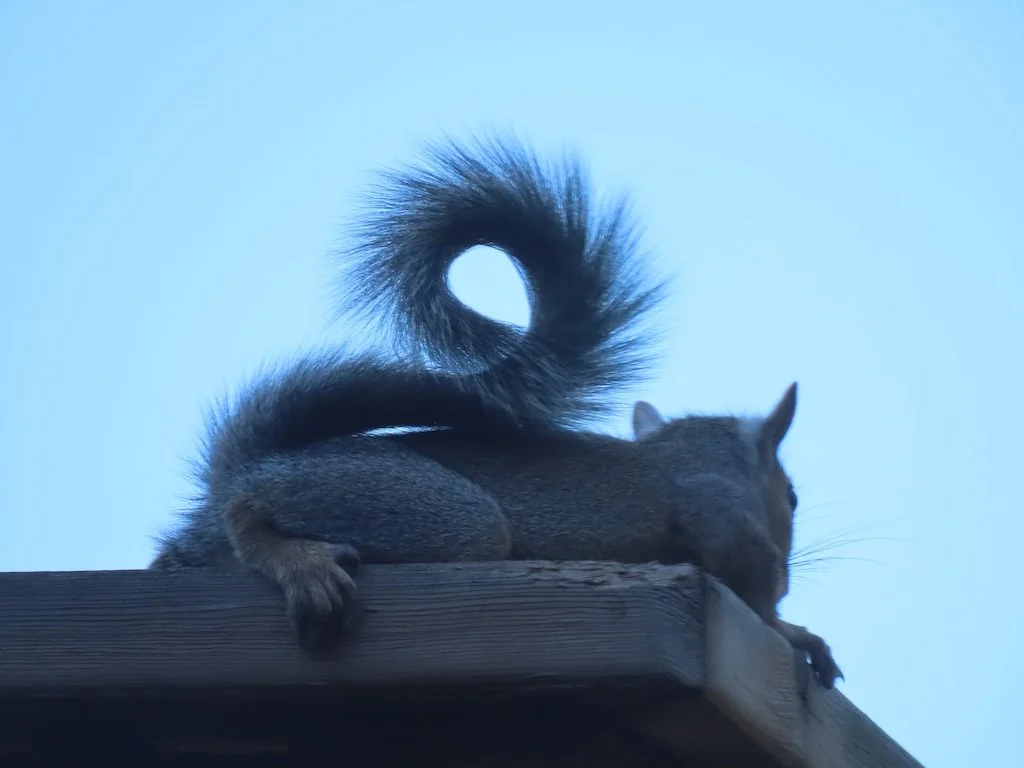
Of course we have squirrels that come through too. They sit on the deck railing and gaze longingly at the feeders – which have proved to be mostly squirrel-proof!

Aurora in Missouri

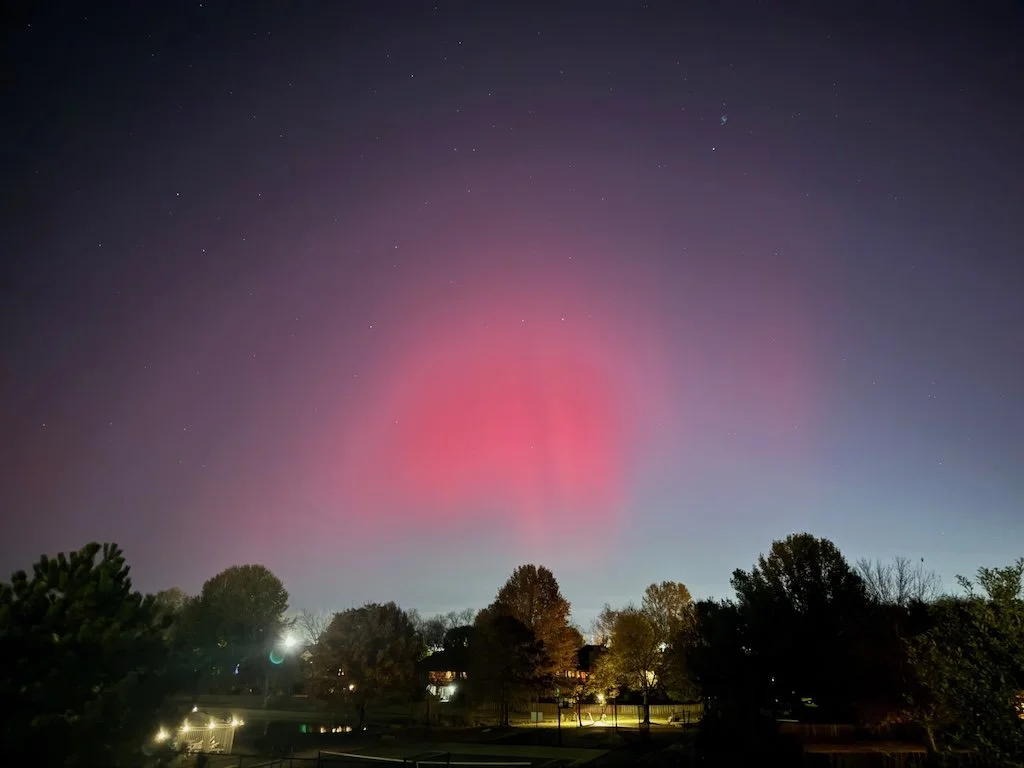
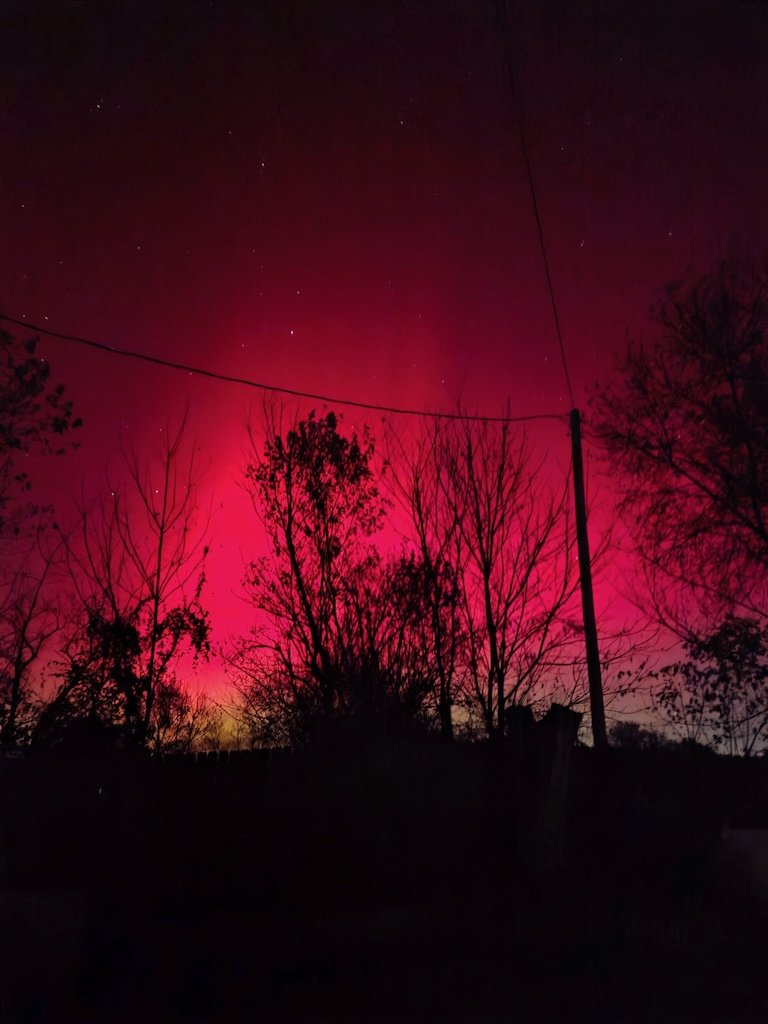
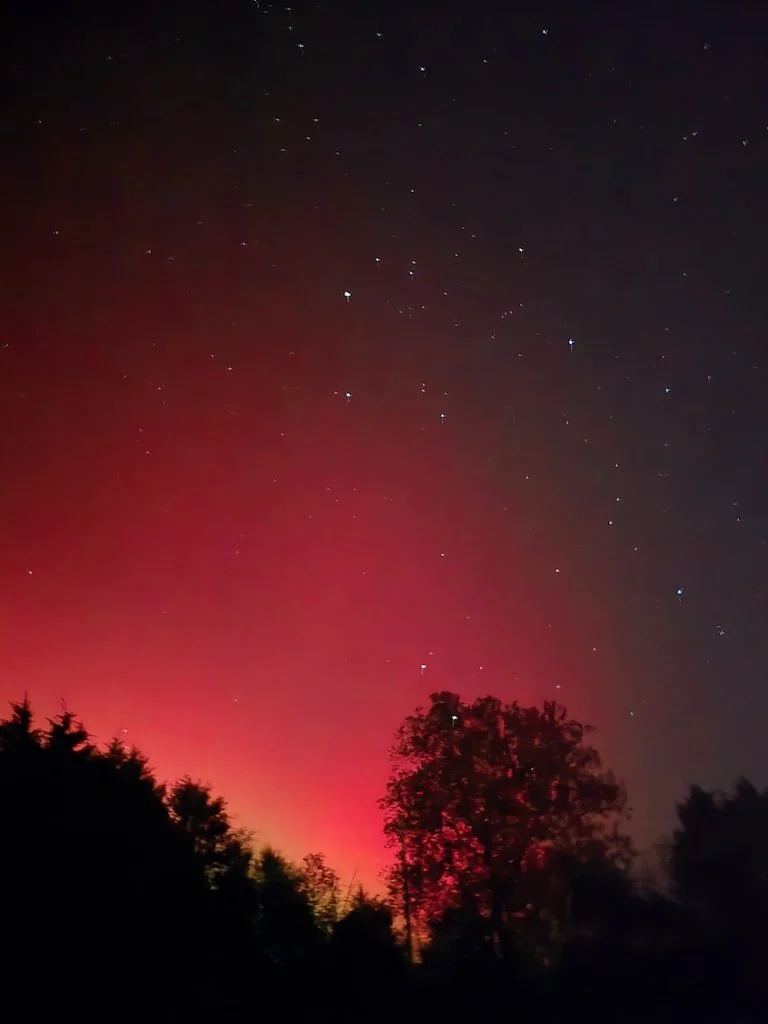
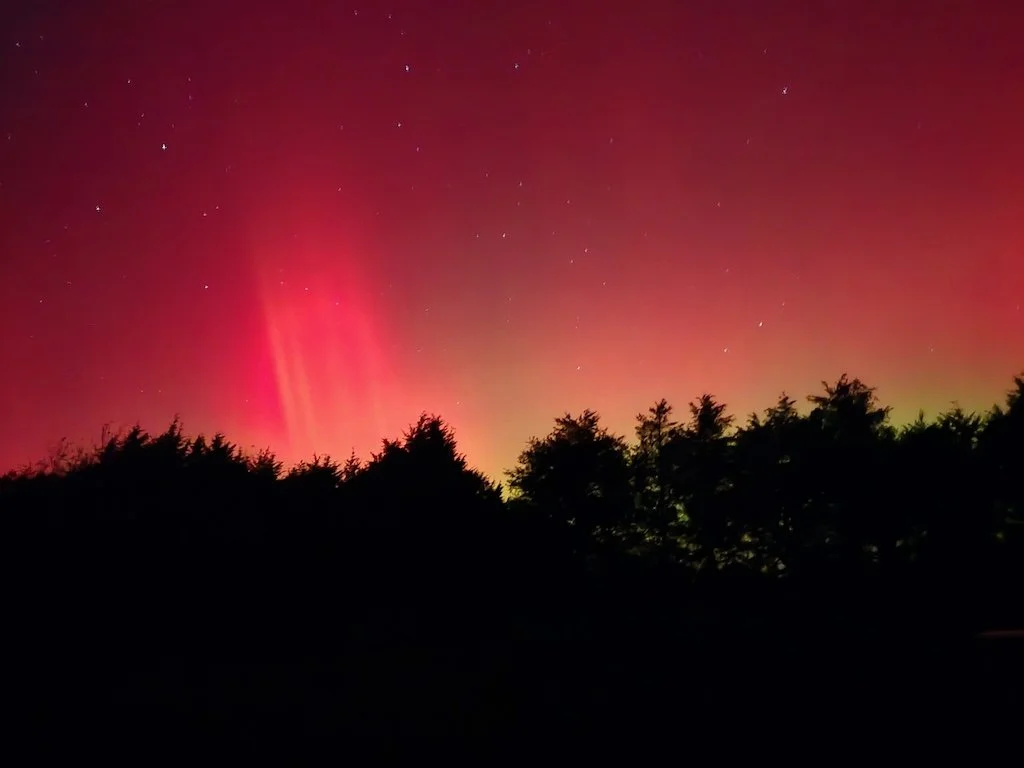
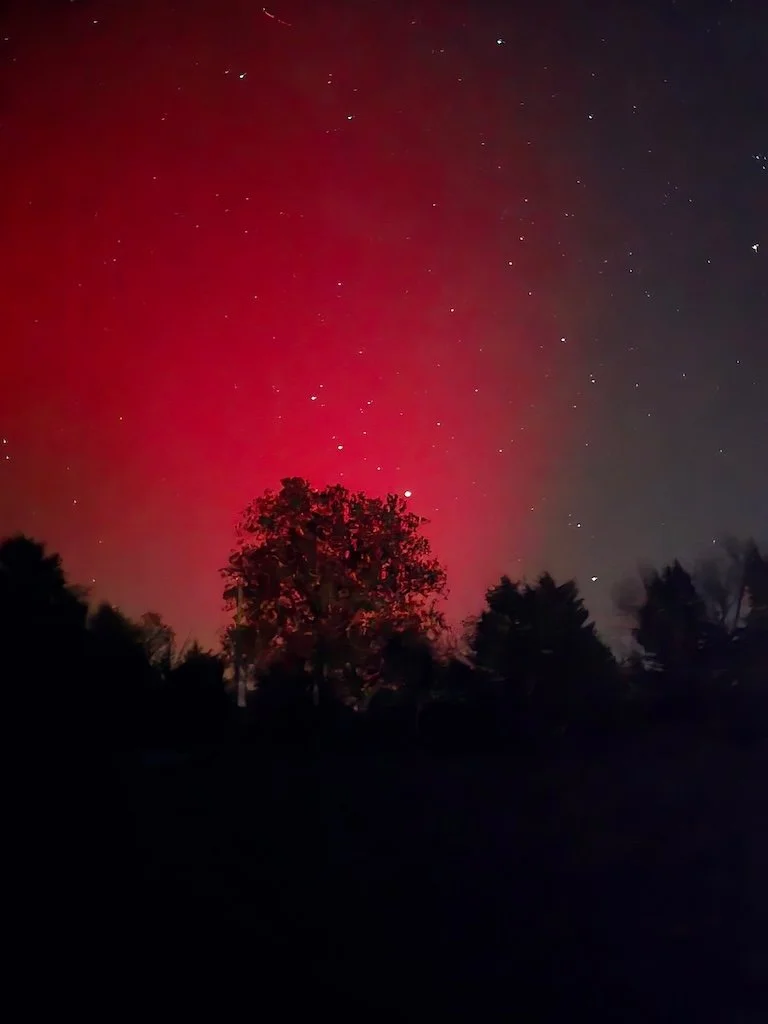
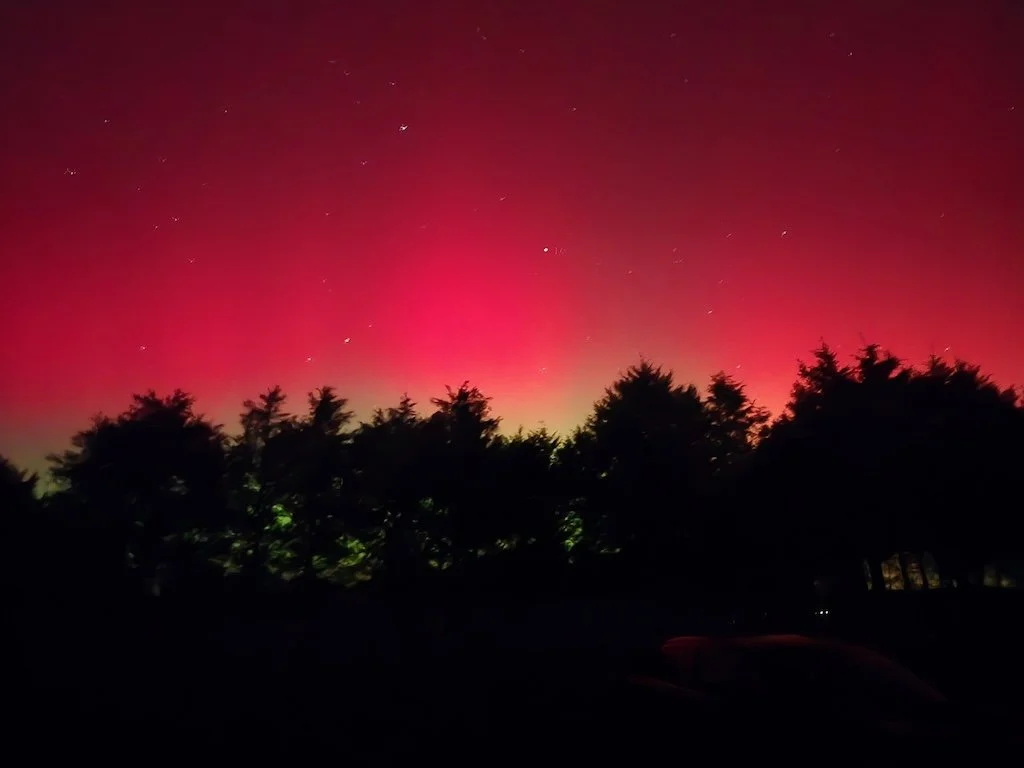
The aurora was visible from the Springfield MO area this past Tuesday! My husband said that he couldn’t see it when he walked outside at our house in Nixa – but his phone certainly did! The picture was taken at 8:20 PM.

Dr. Mike Reed (a colleague of my daughter’s at Missouri State) saw it too – at 9:20 PM.

One of my daughter’s students (Bishwash Devkota, MSU astrophysics senior and president of Ozark Amateur Astronomy Club) went out to Missouri State University’s Baker Observatory and provided 5 photographs taken after 10 PM.

The sky is not particularly dark at our house; seeing the aurora and a few stars demonstrates how good the phone camera is!
First Frost

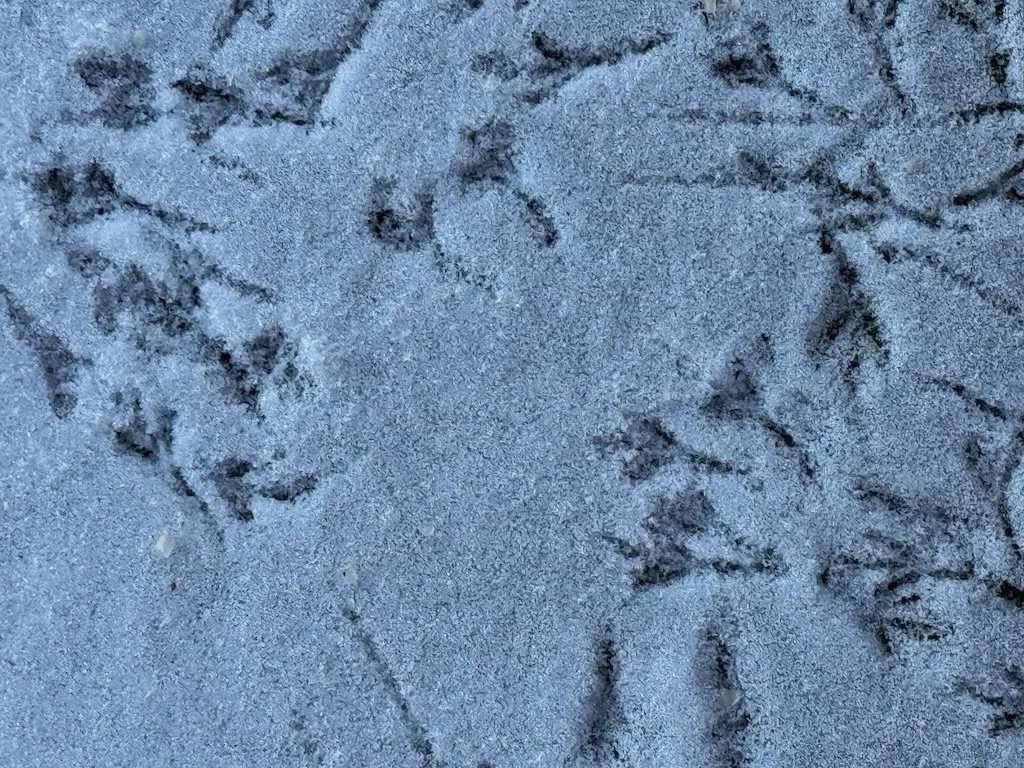
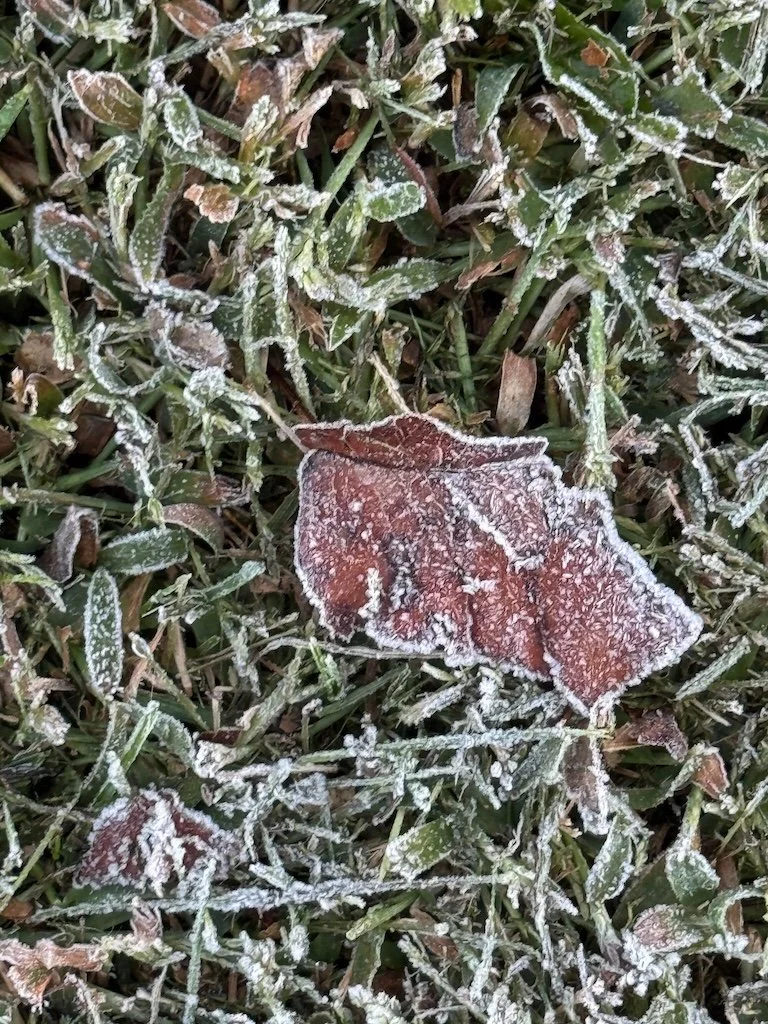
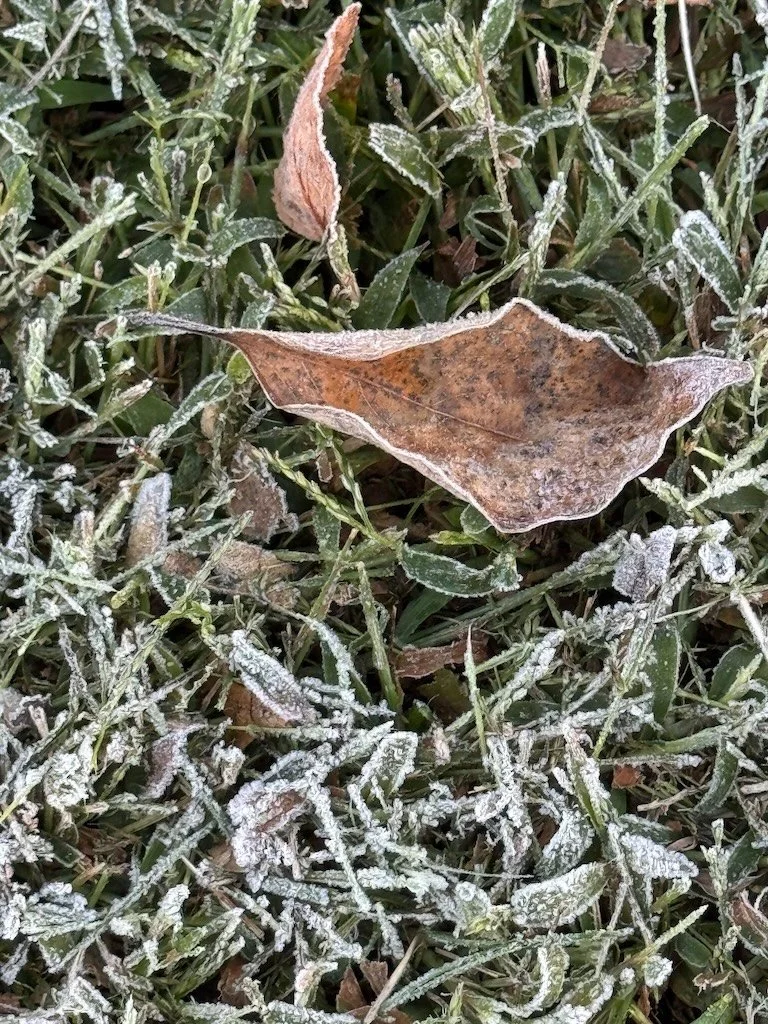
The first frost at our house happened on Halloween! It was not universal…just on the most exposed parts of the front yard. It was the microclimates made visible! I took some pictures of the grassy areas impacted; I had mowed them the previous day. I took a few images of the grass…interested in the patterns ice crystals make on different surfaces. The ice seemed to outline the leaves. On the grass, the ice tended to enlarge any texture.
There is still a lot of green. The low temperature did not last long enough to be the killing frost for many plants. That will probably happen in the next few weeks.

Our Missouri Yard – September 2025

There are parts of my yard that I am enjoying even with the prospect of the big landscaping change that is coming (which hopefully will not impact any of the plants in this post):

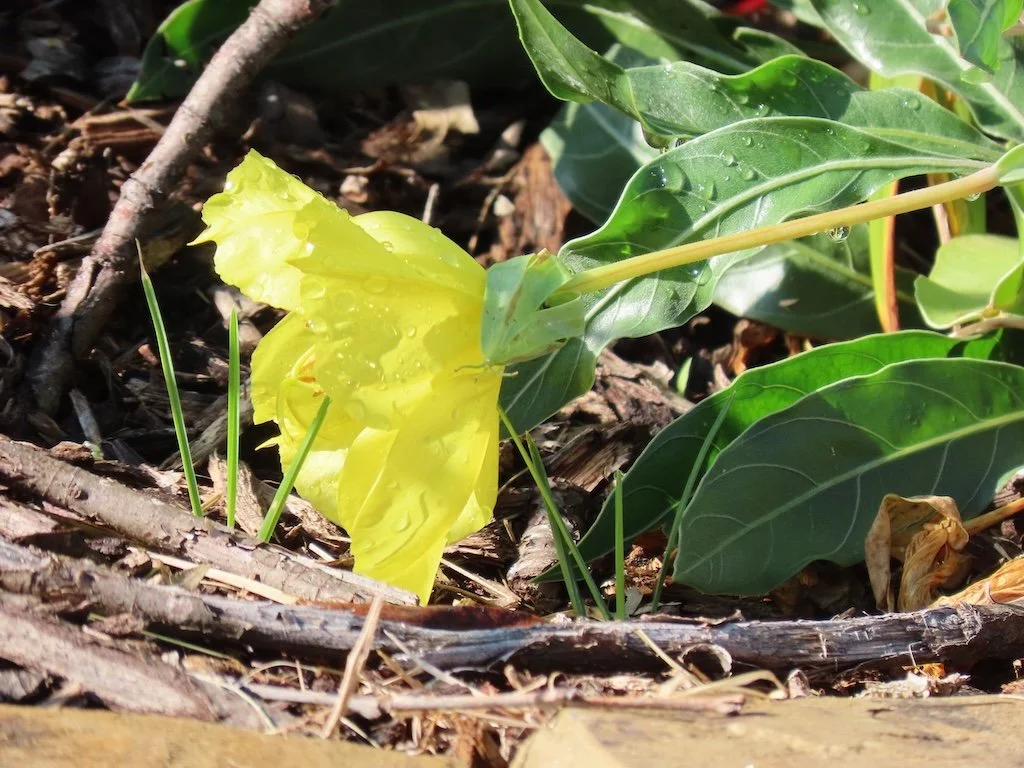
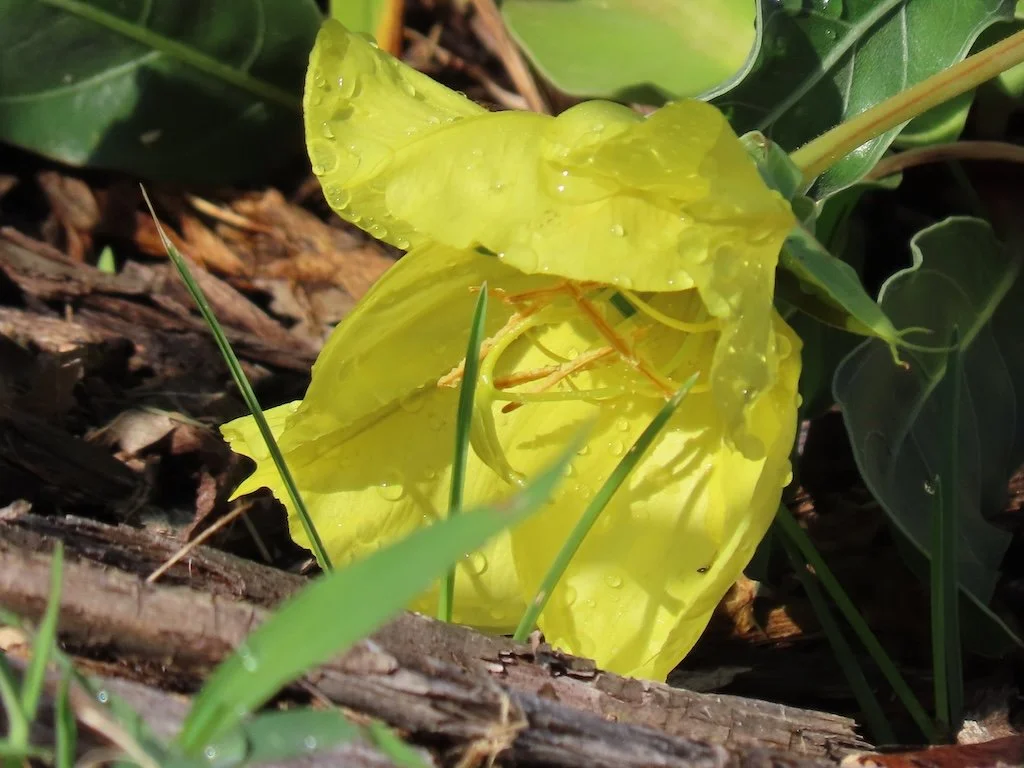
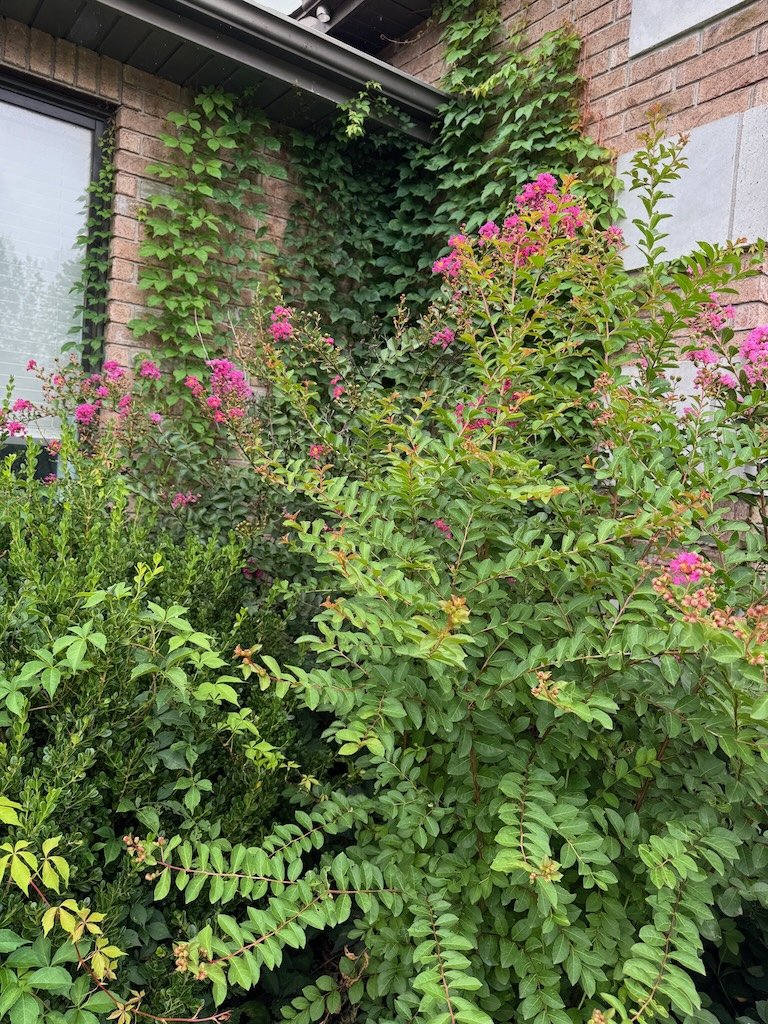
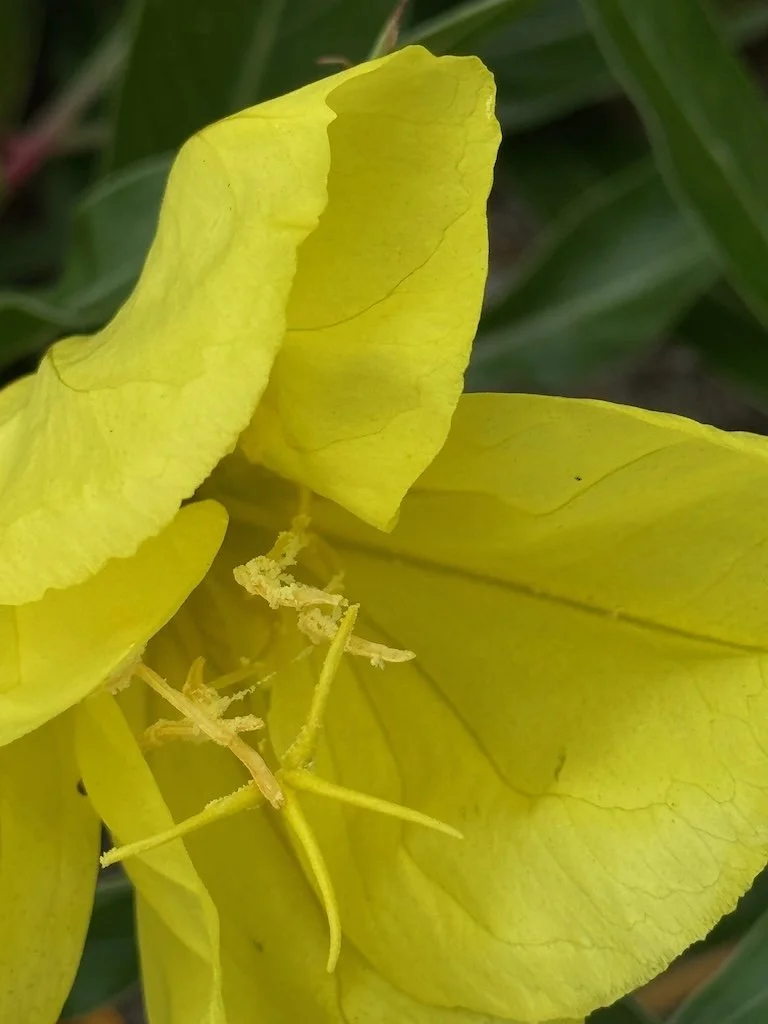
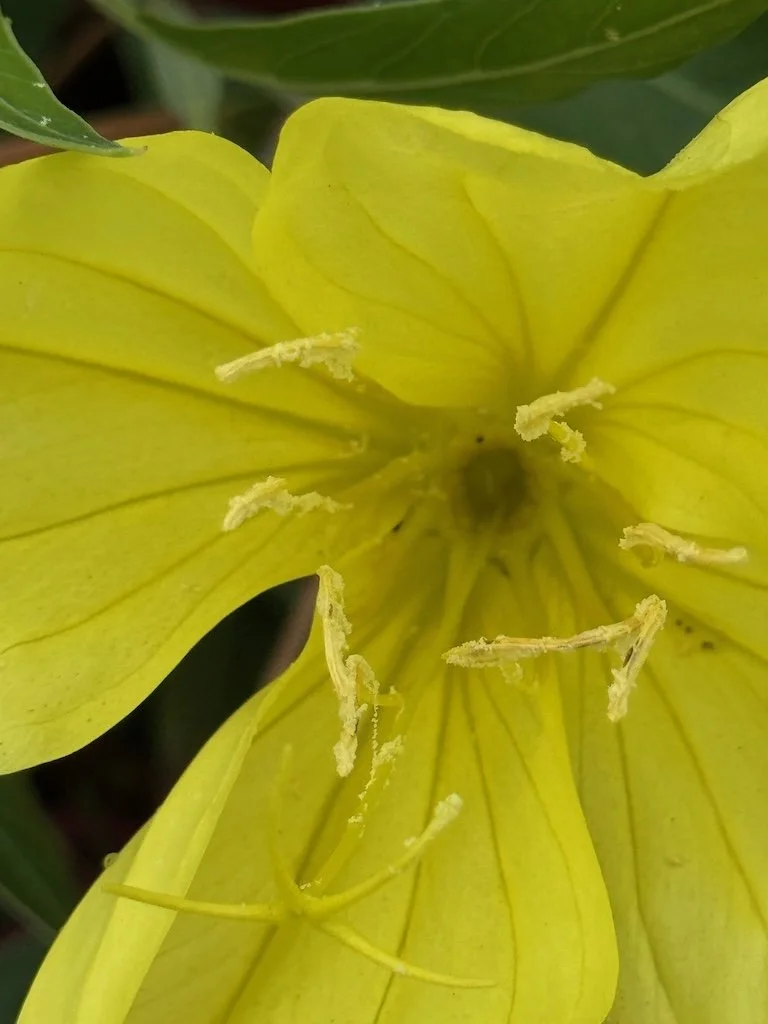
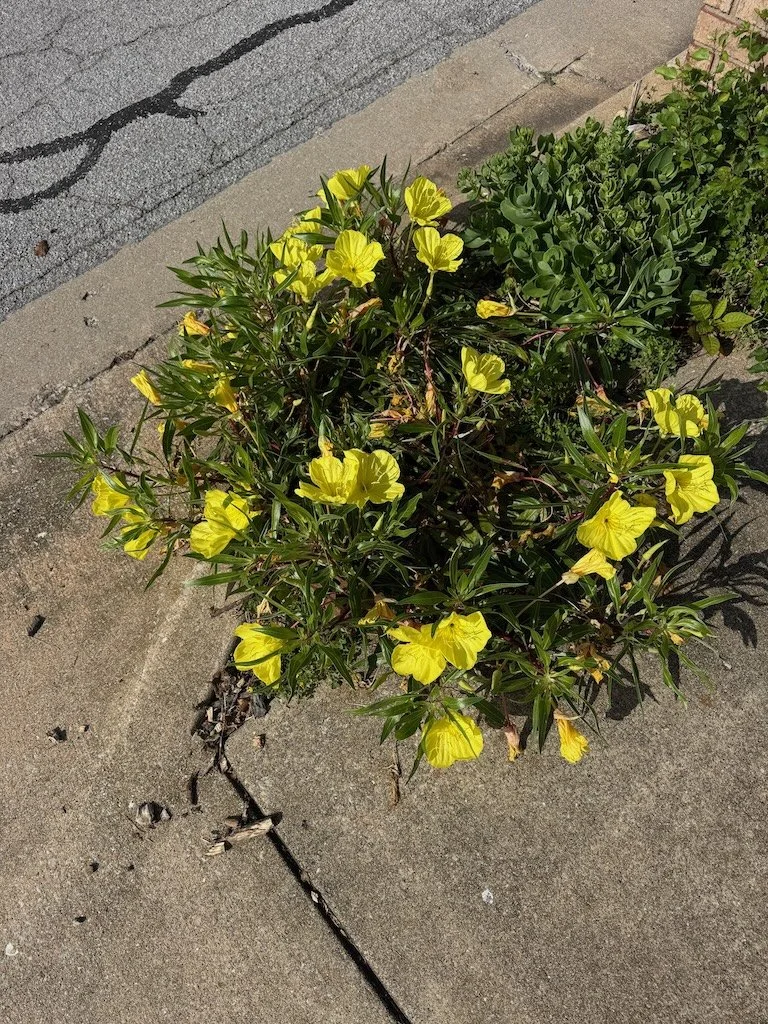
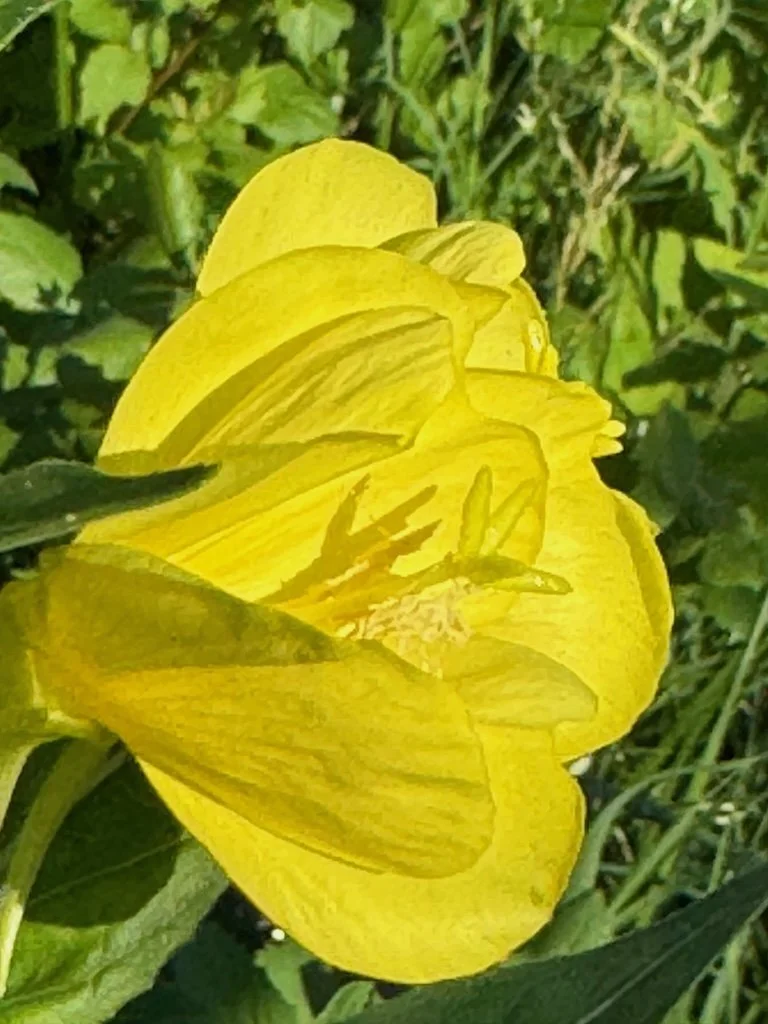
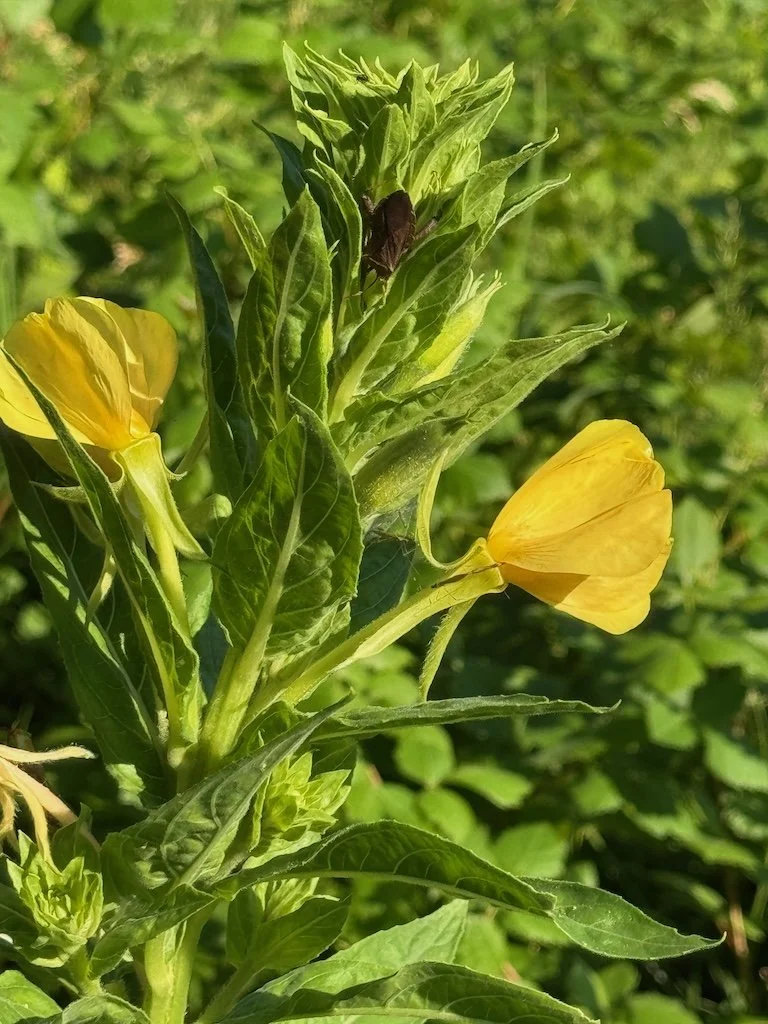
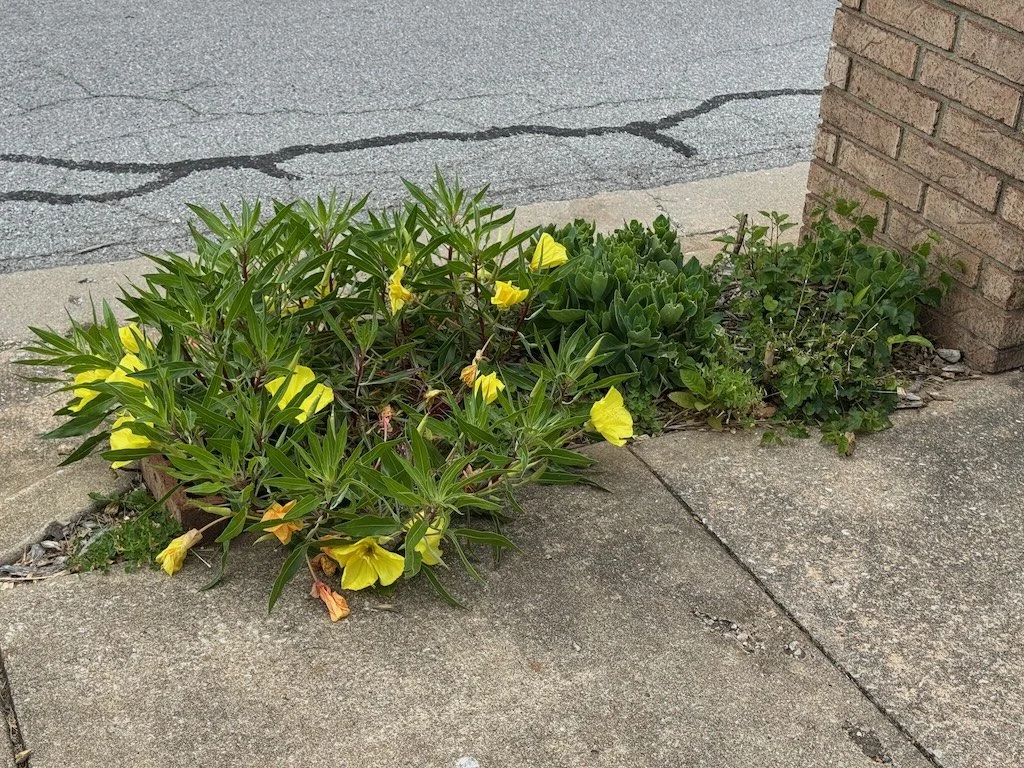
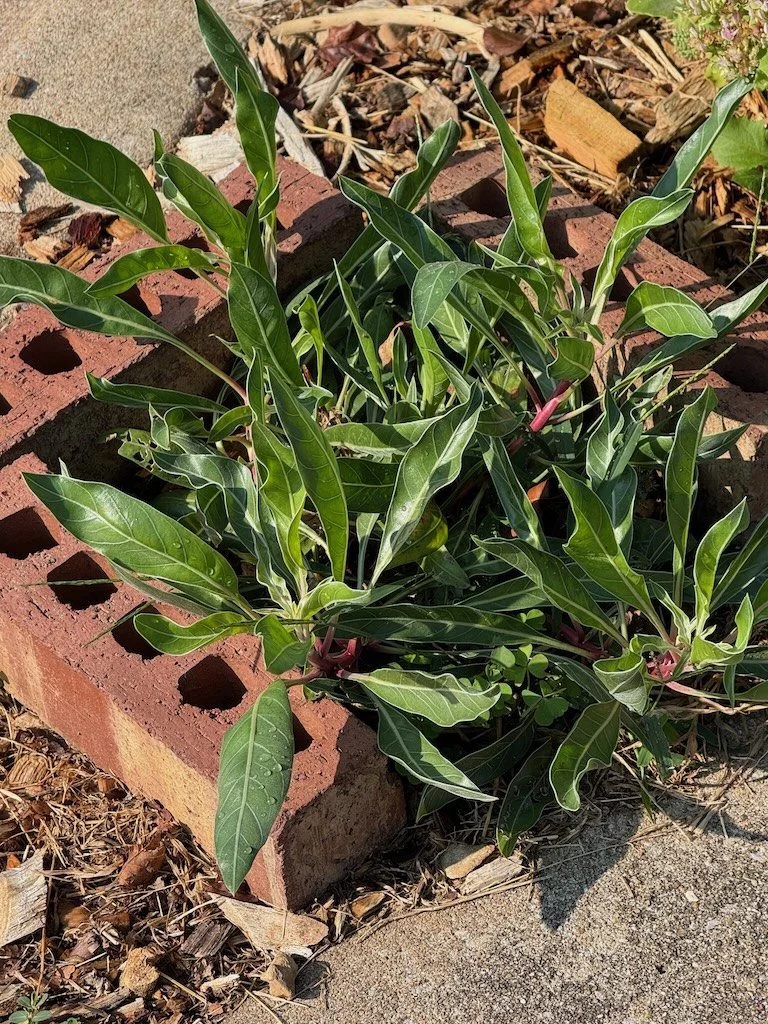
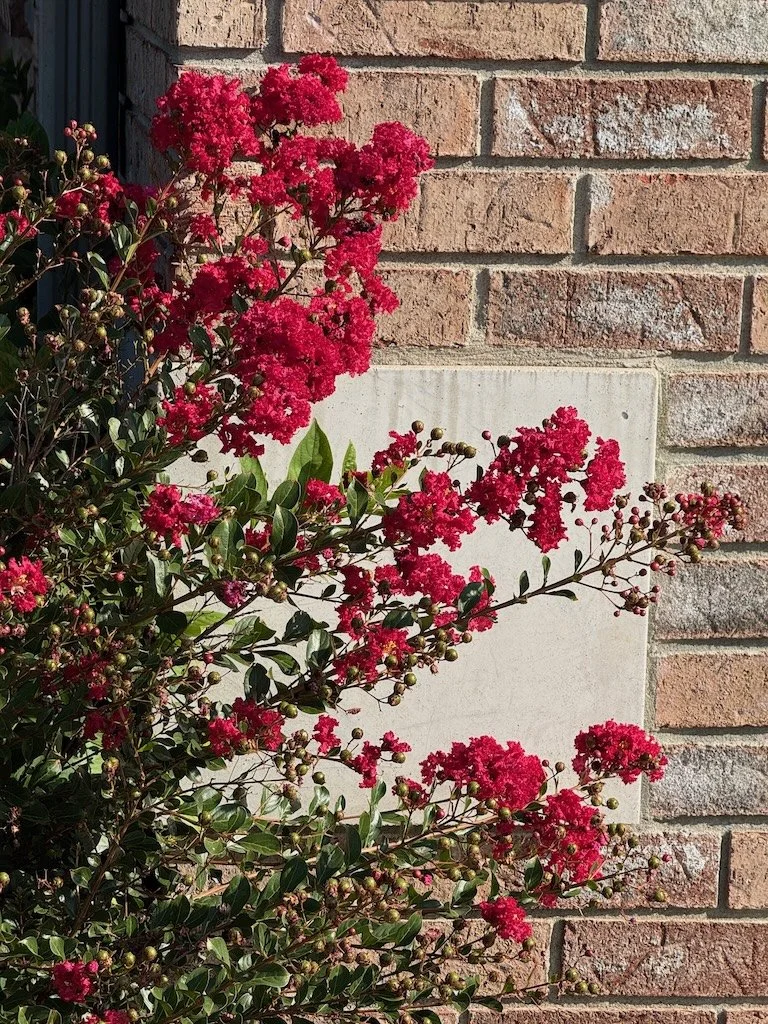
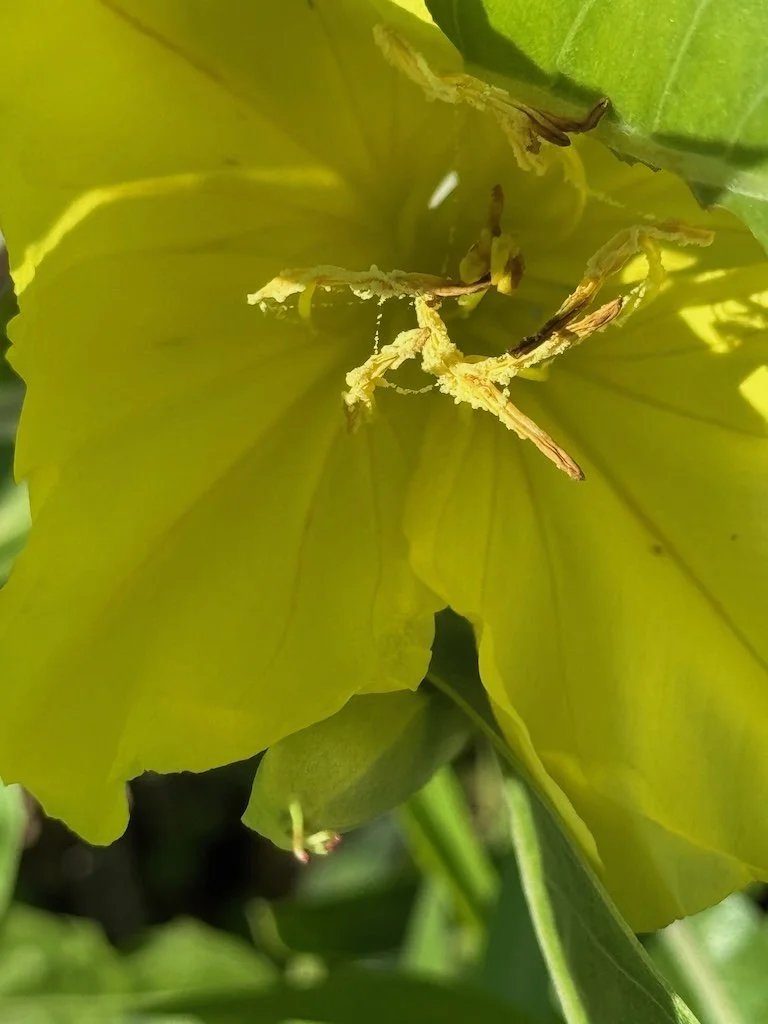
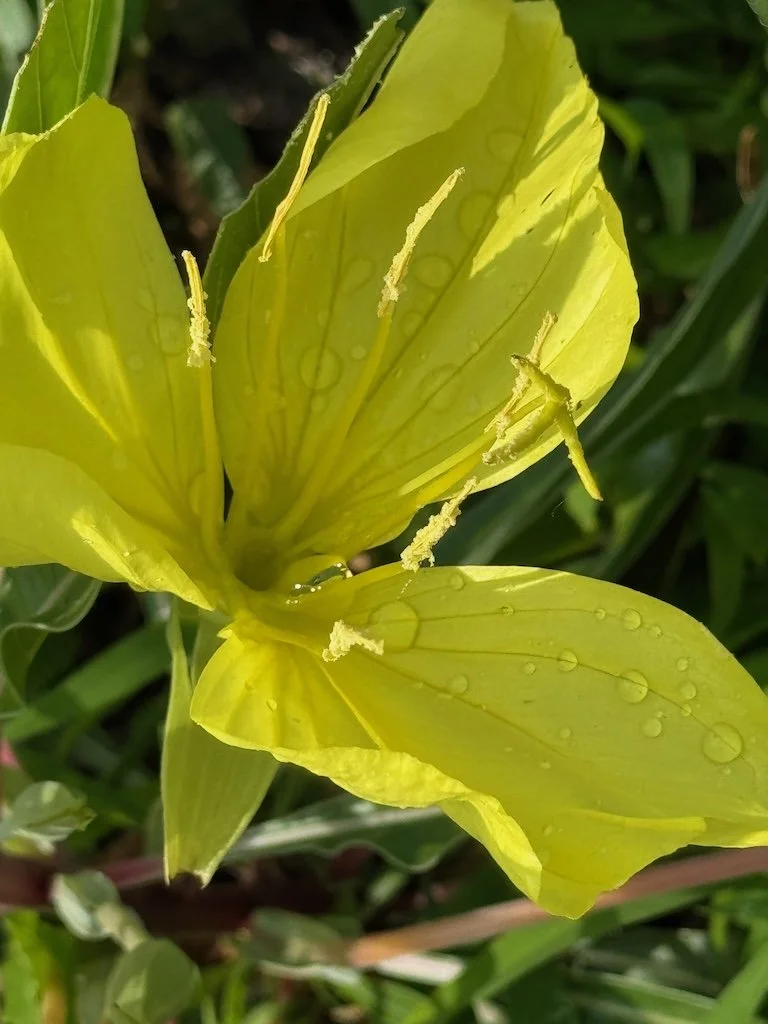
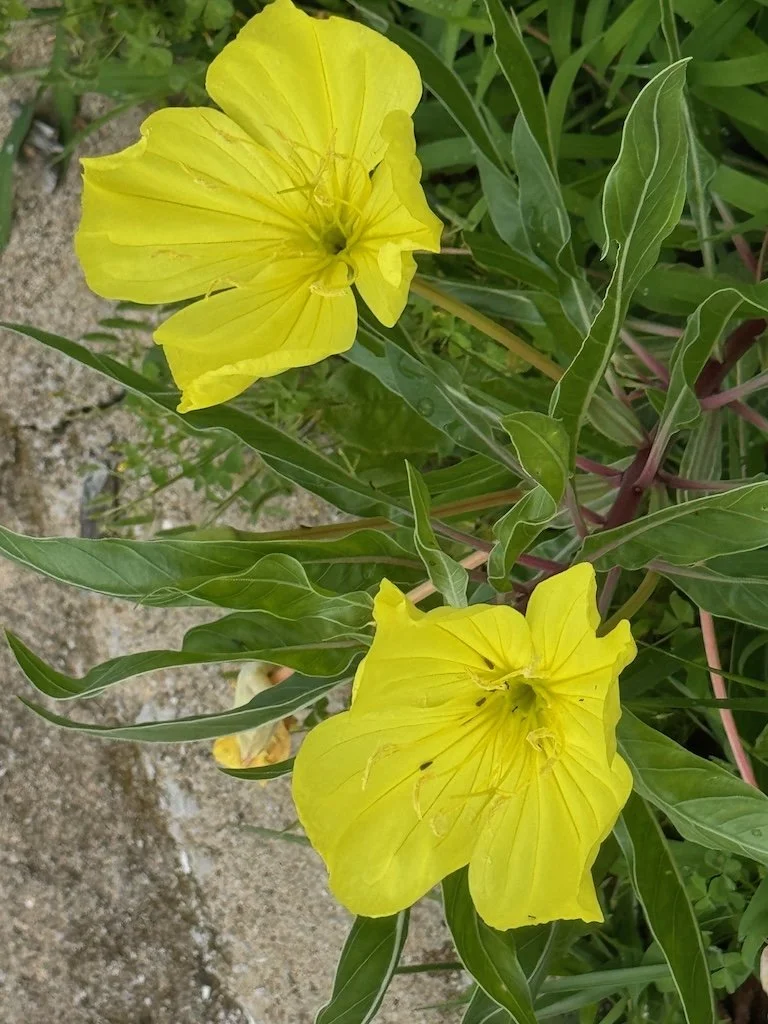
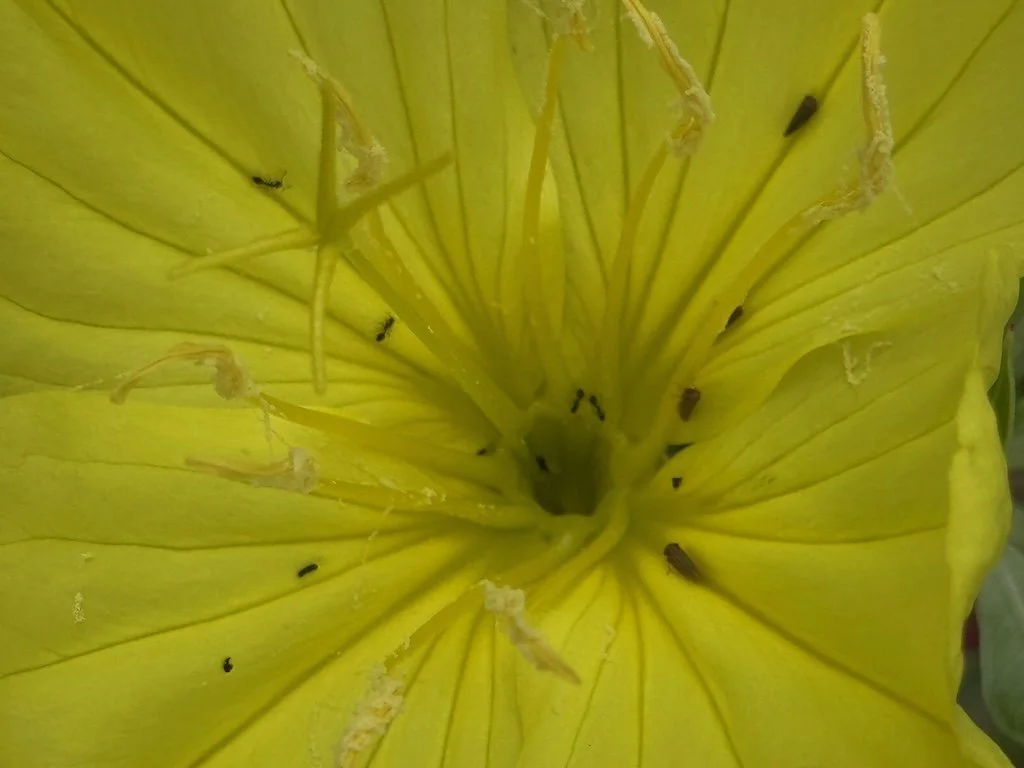
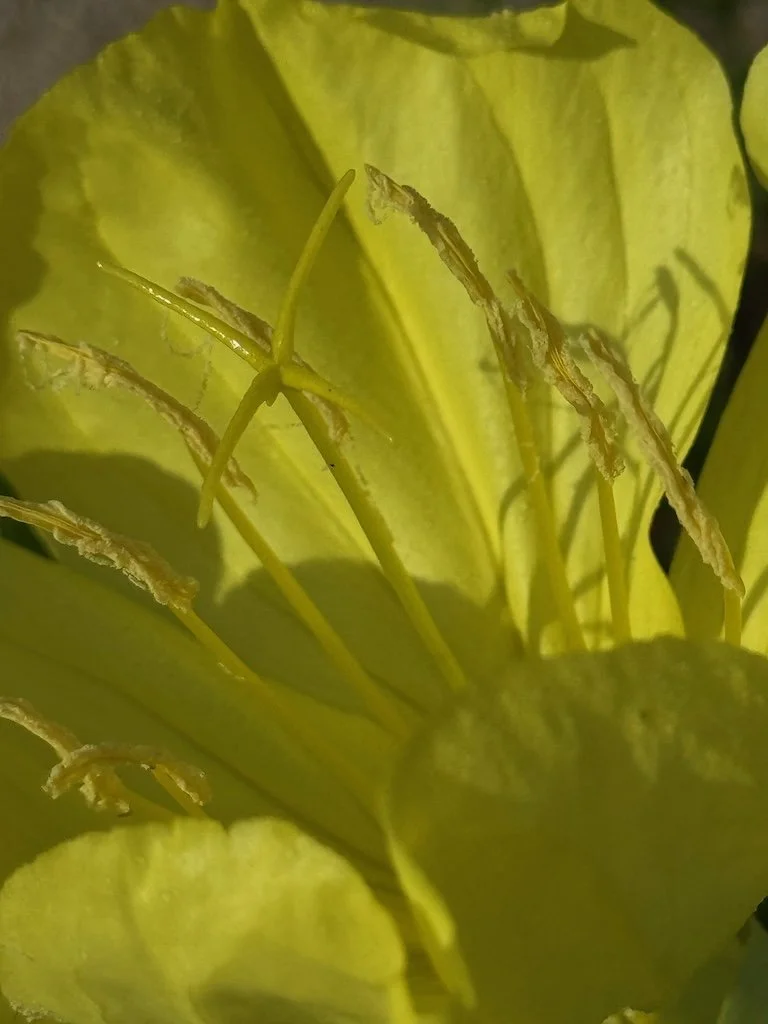
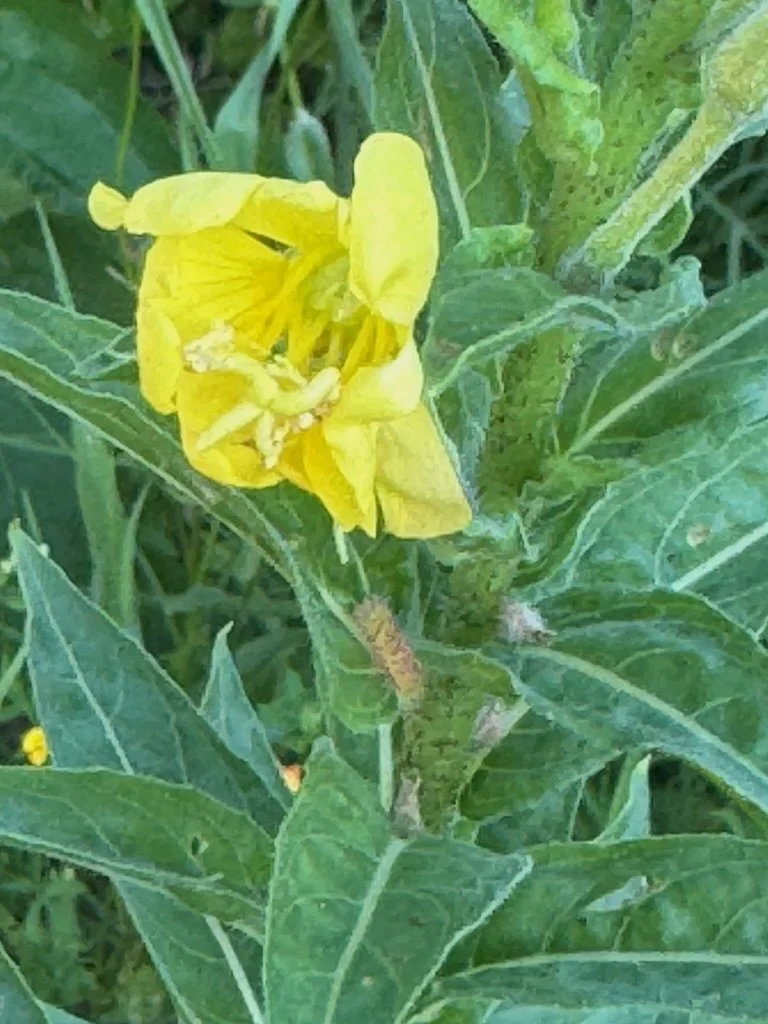
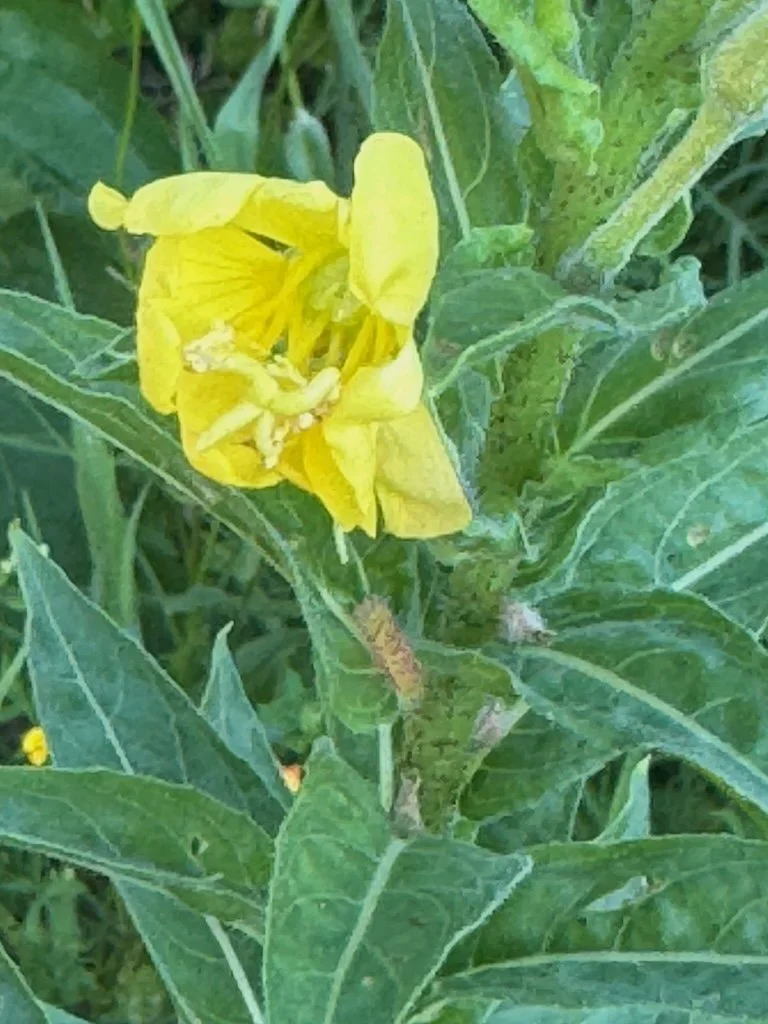
The Missouri Evening Primrose is thriving by my mailbox (there is a tiny remnant of a prickly pear cactus underneath it that I discovered when I cleaned out the weeds earlier this summer…its growing too!) and a crape myrtle that seems healthier than in previous years.

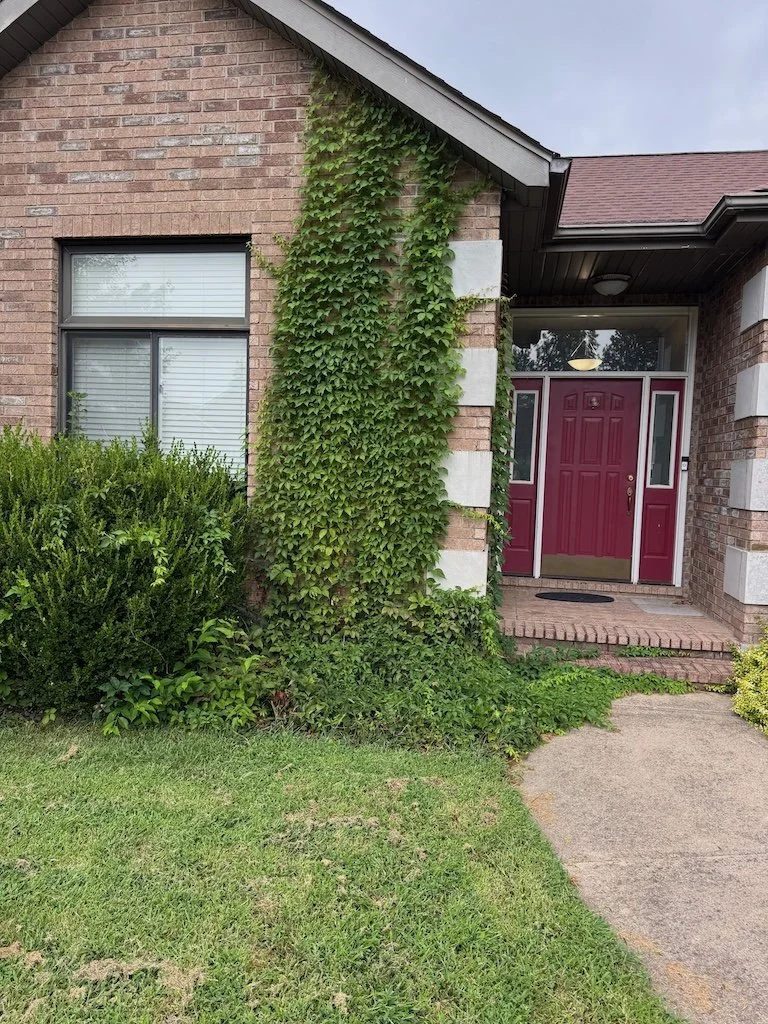
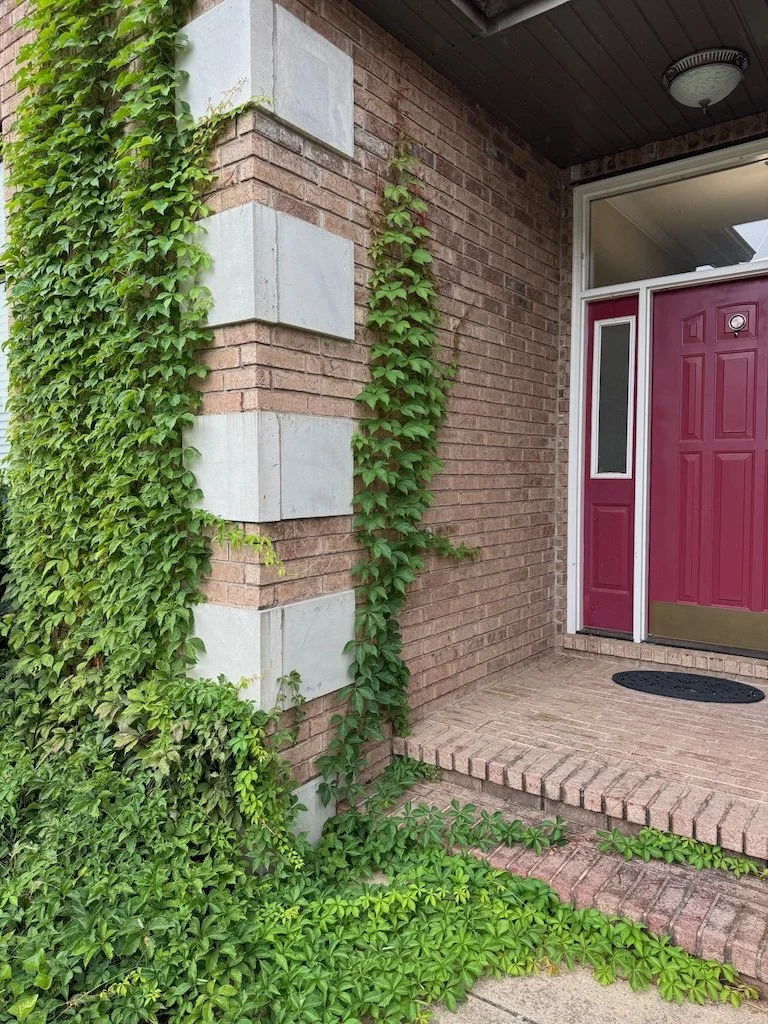
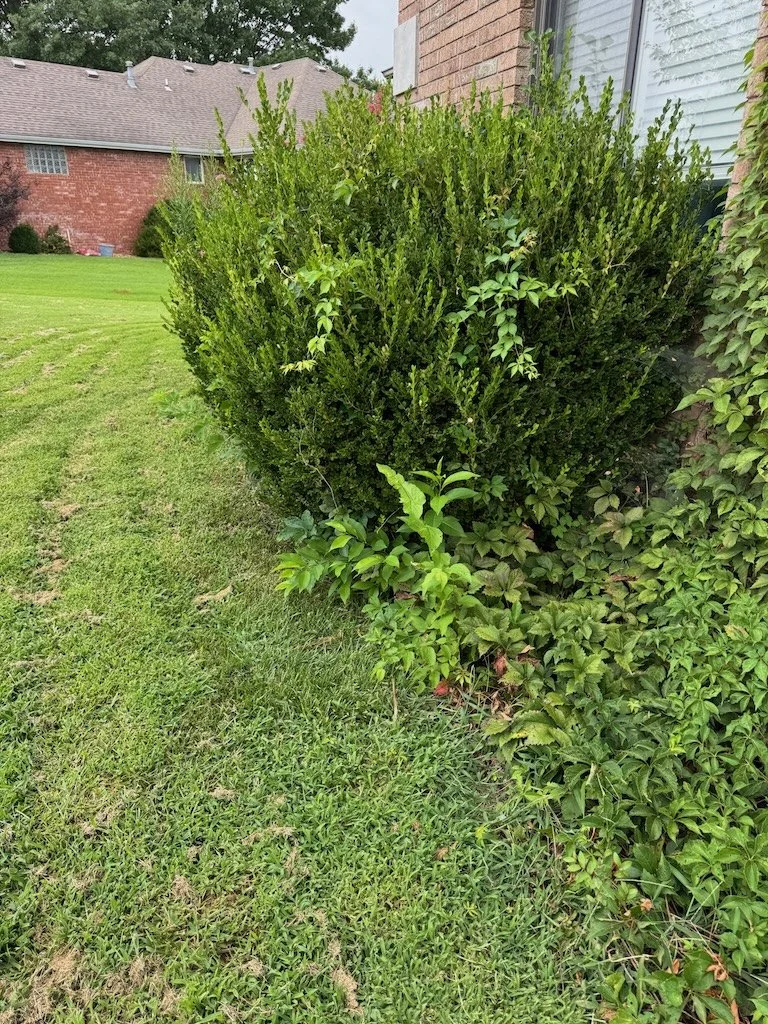
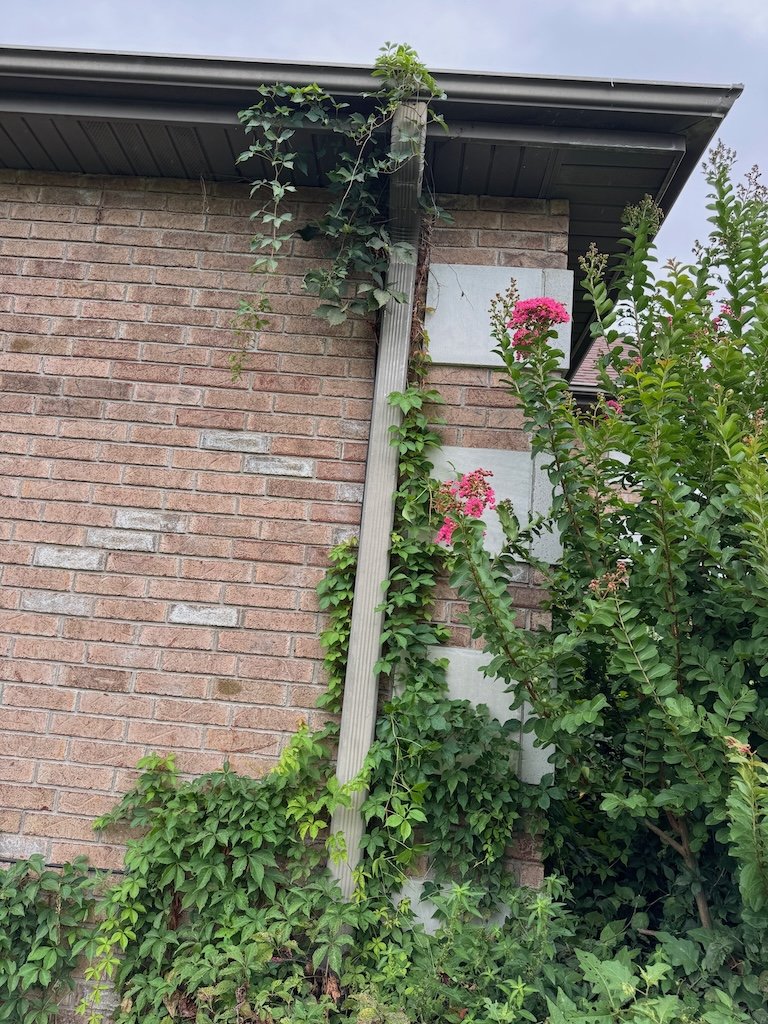
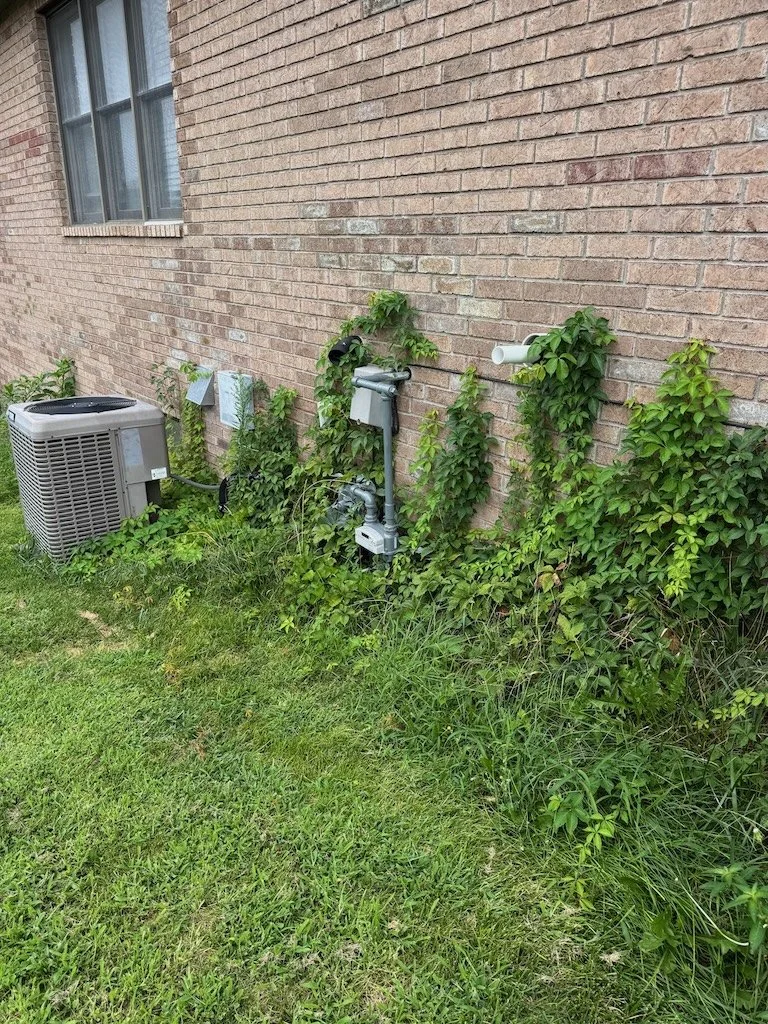
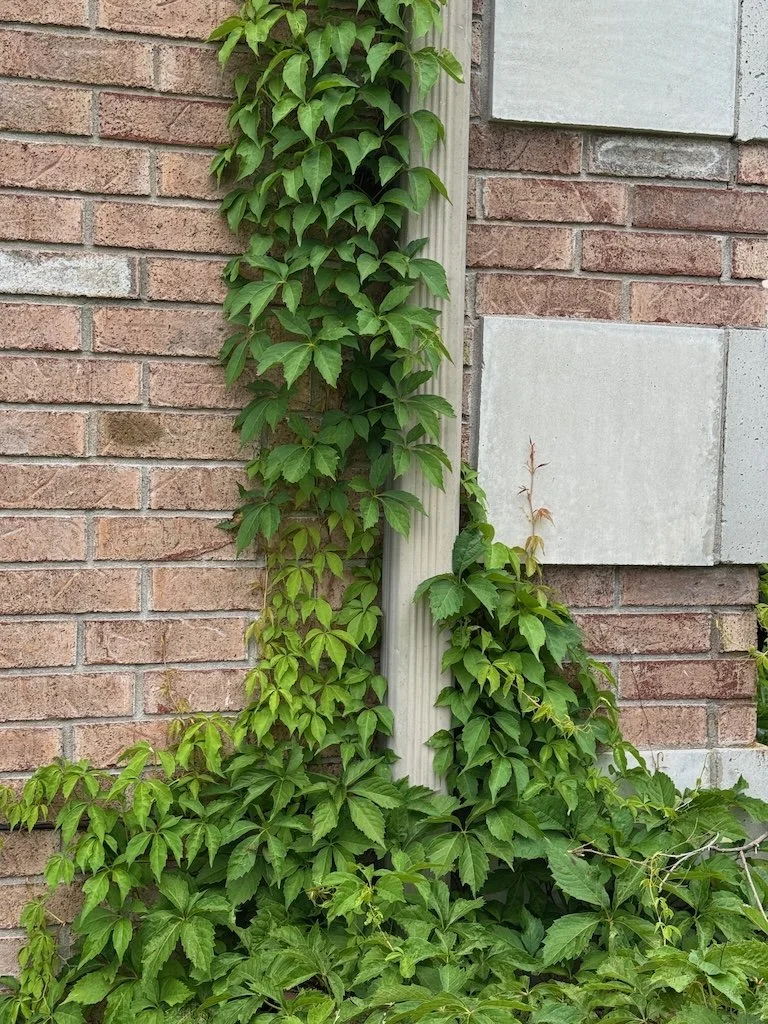
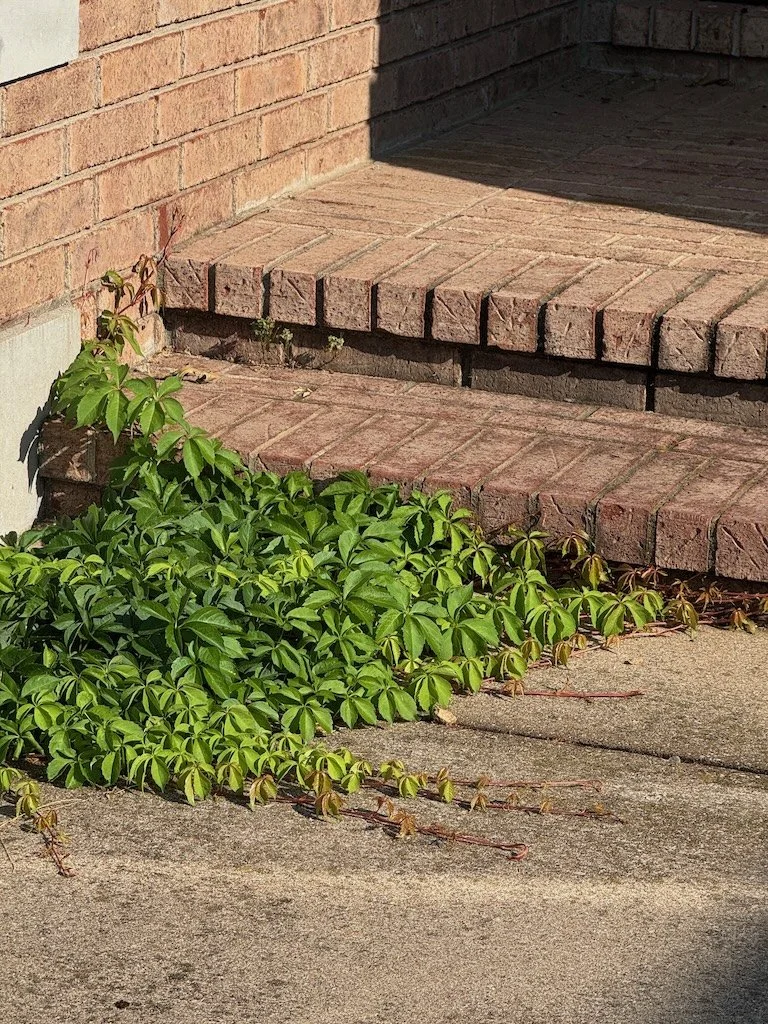
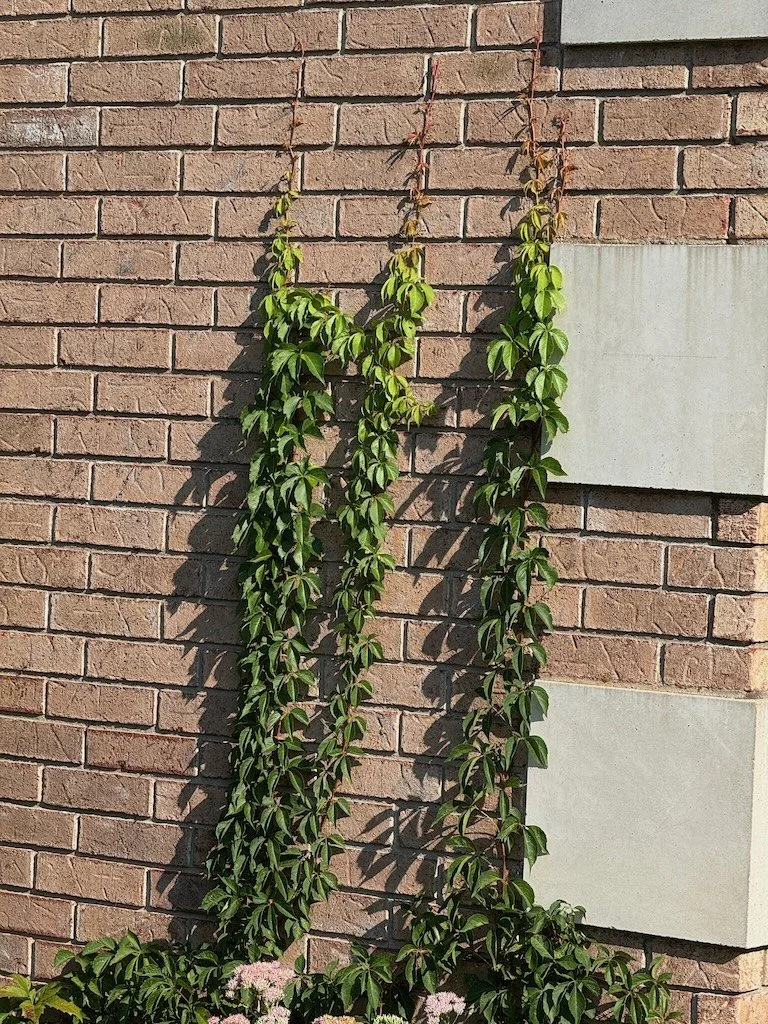
The Virginia Creeper is crowing on the front steps and onto the bricks. I’ll enjoy it a bit longer than pull it down – relegate it to the horizontal surface of the front flower bed.

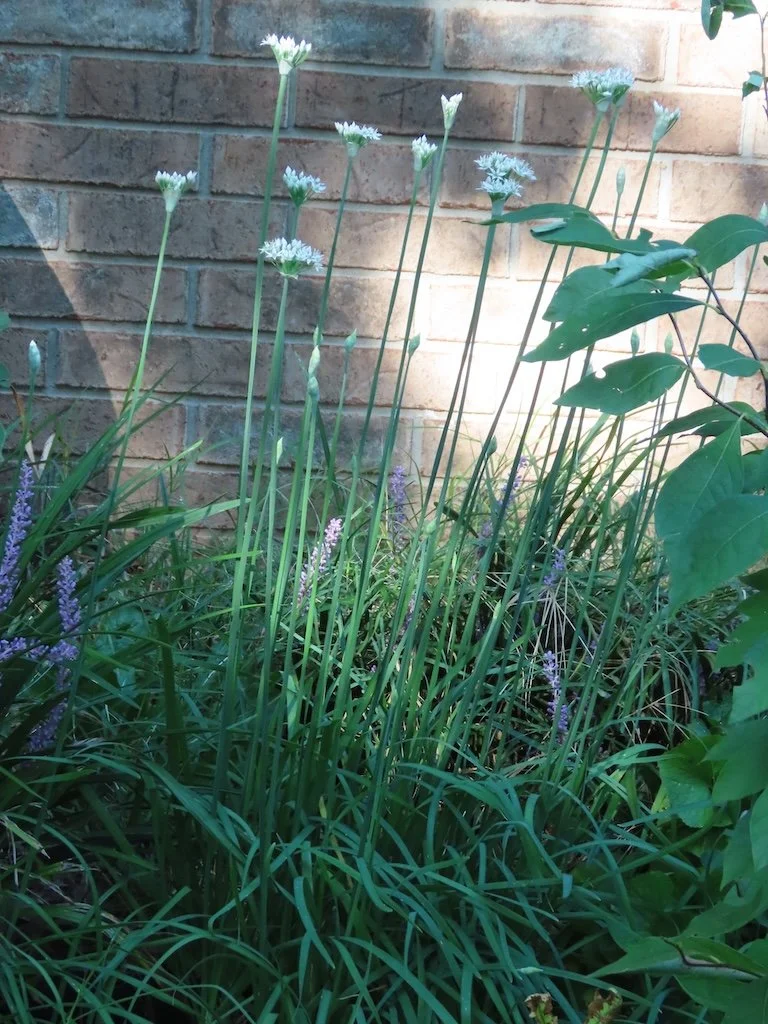
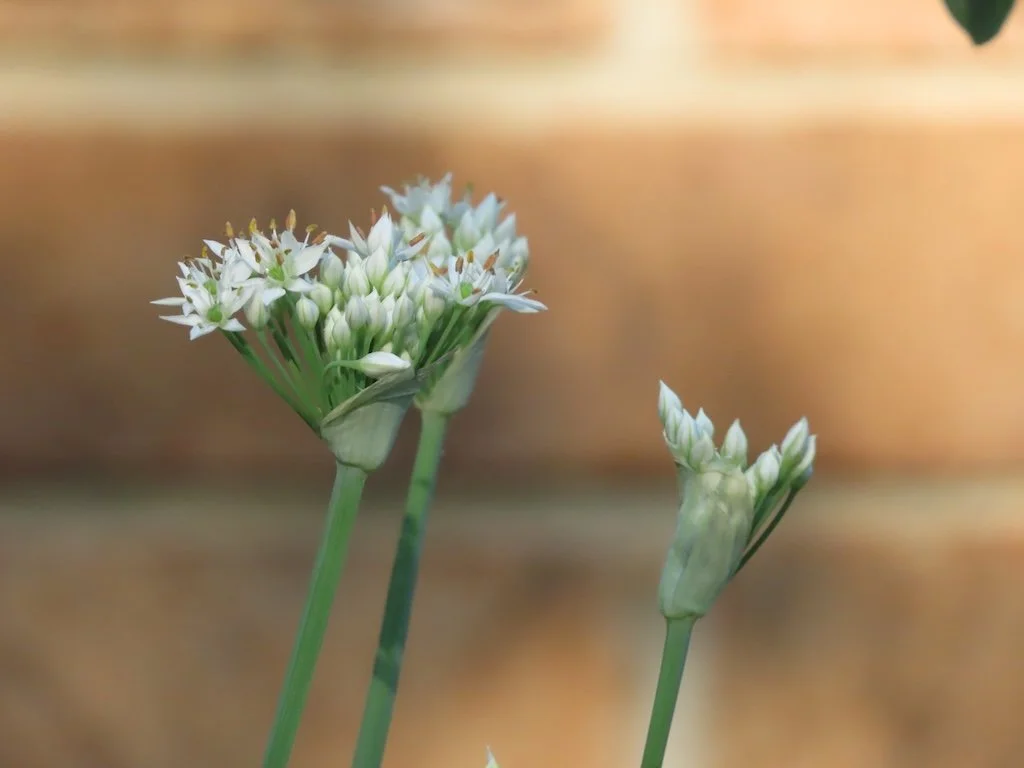
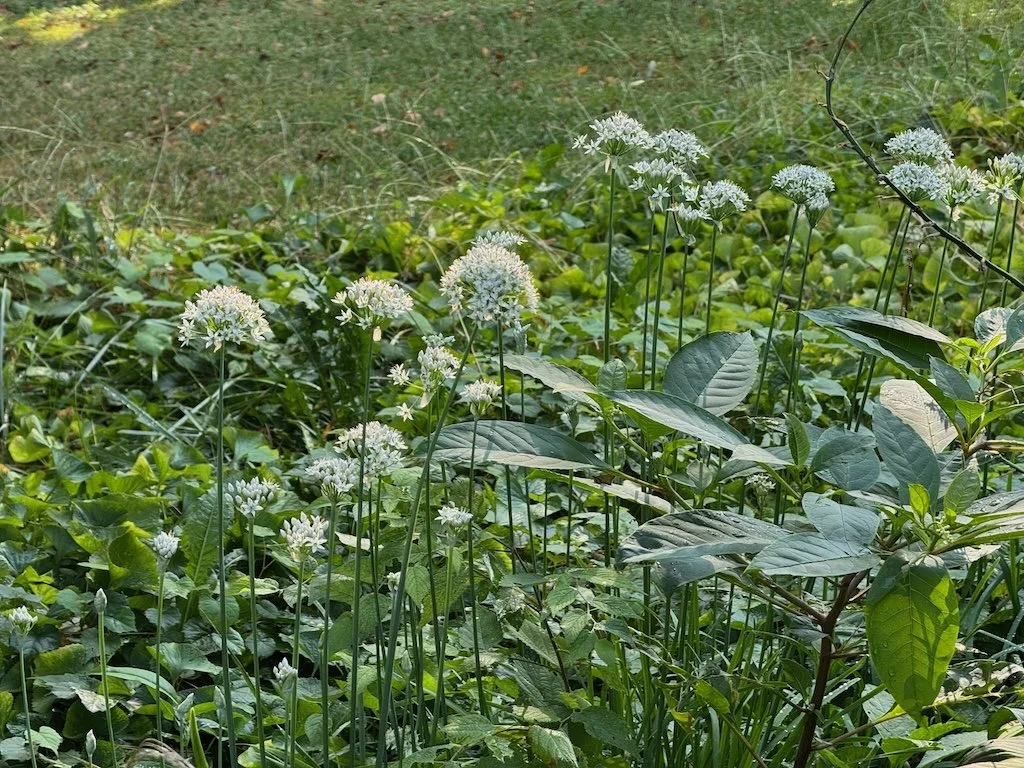
The chives are thriving in several places in the back yard. They were started from seeds harvested from my mother’s garden. They don’t seem to care if they are in the sun or shade!

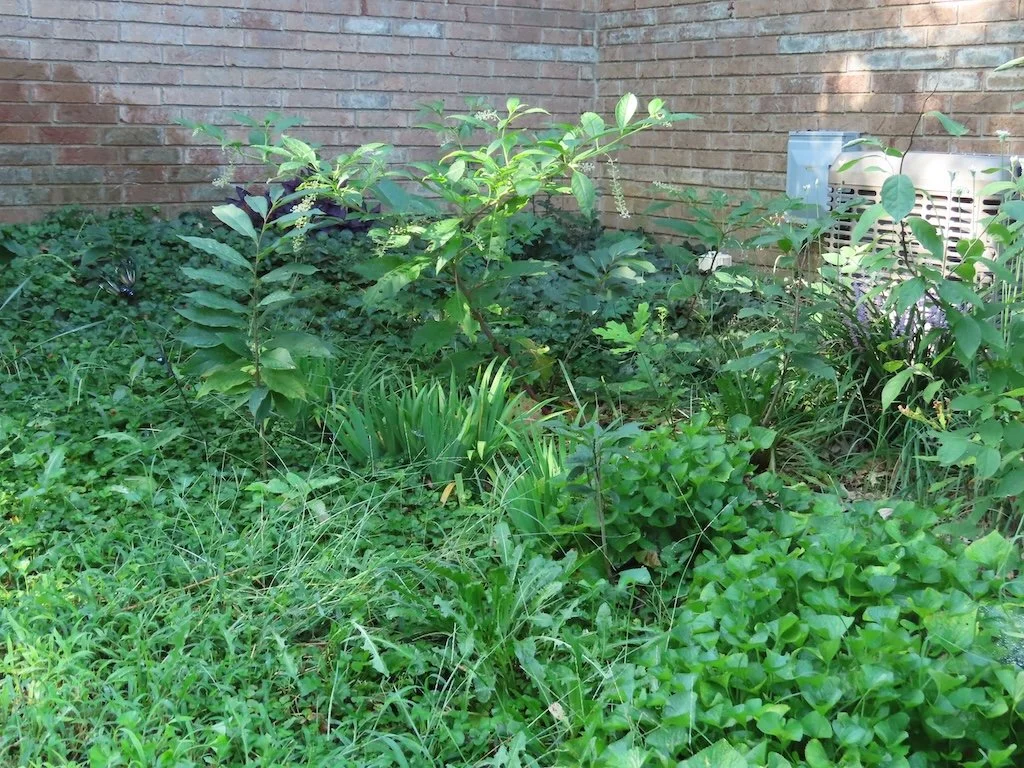
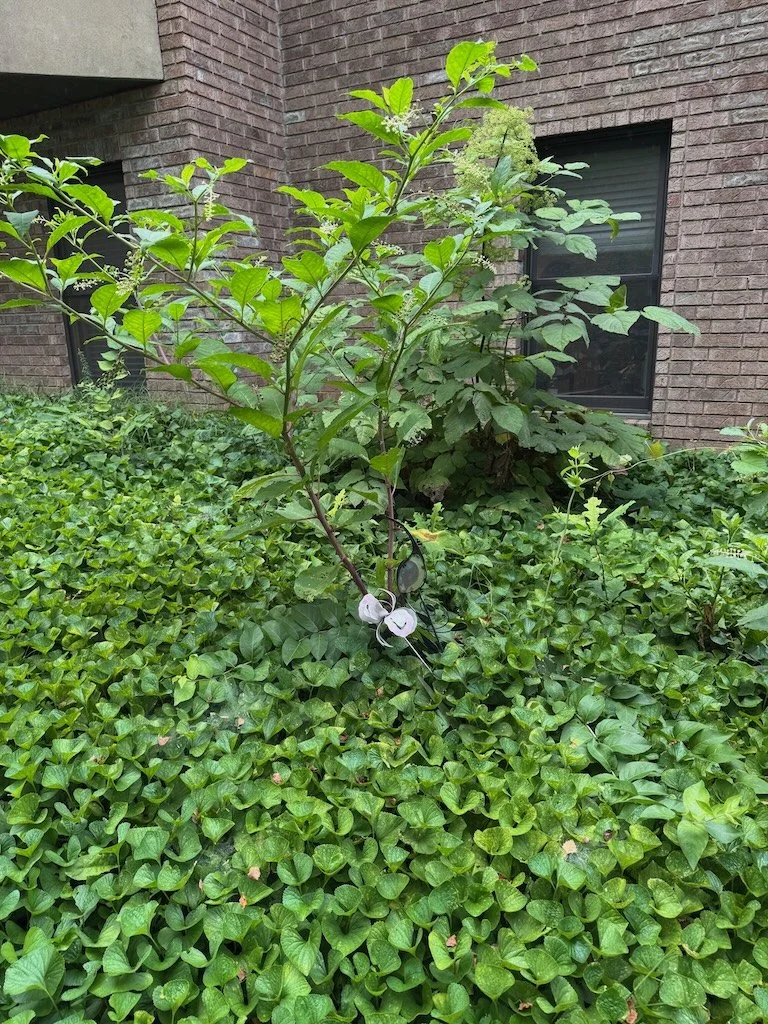
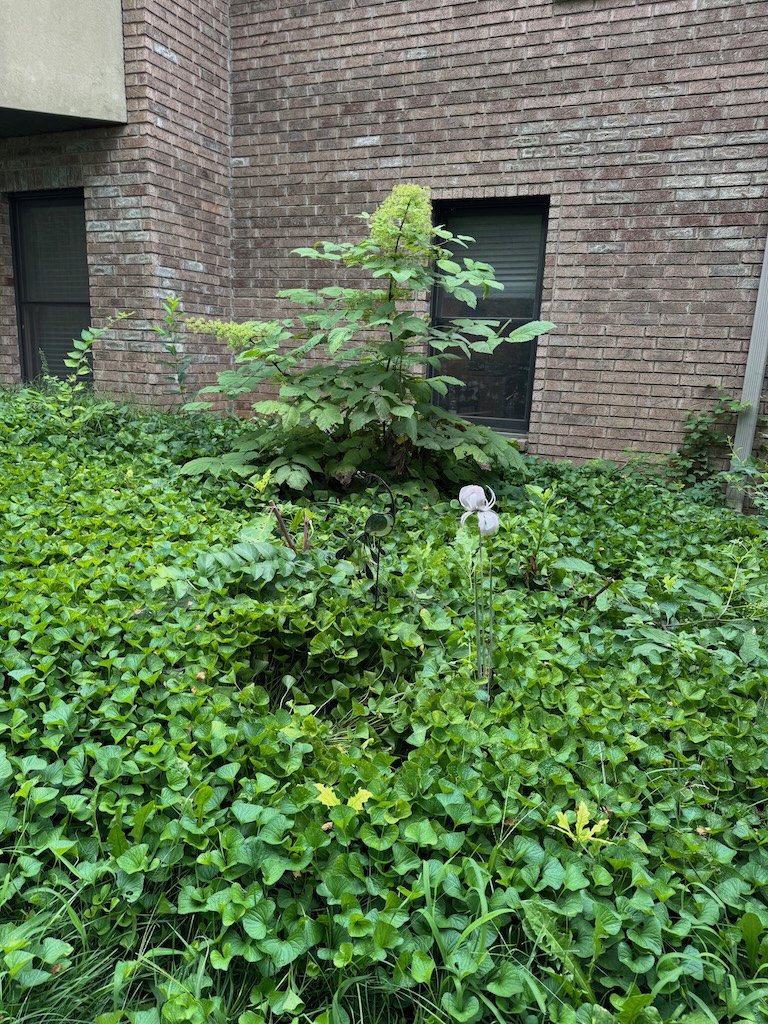
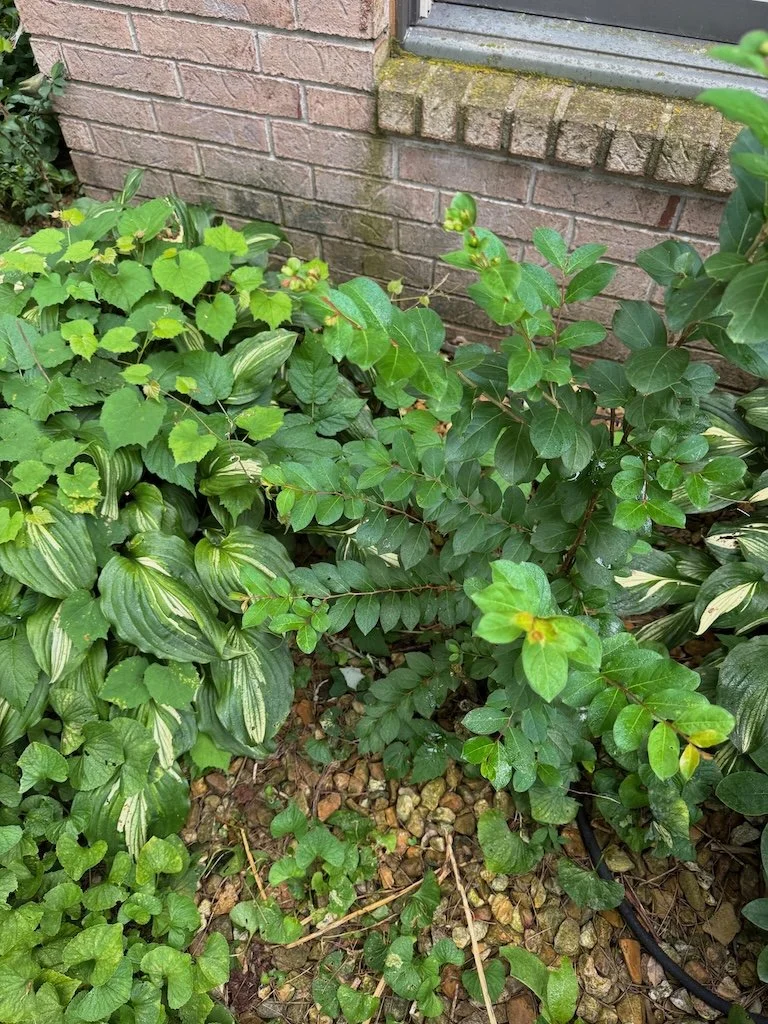
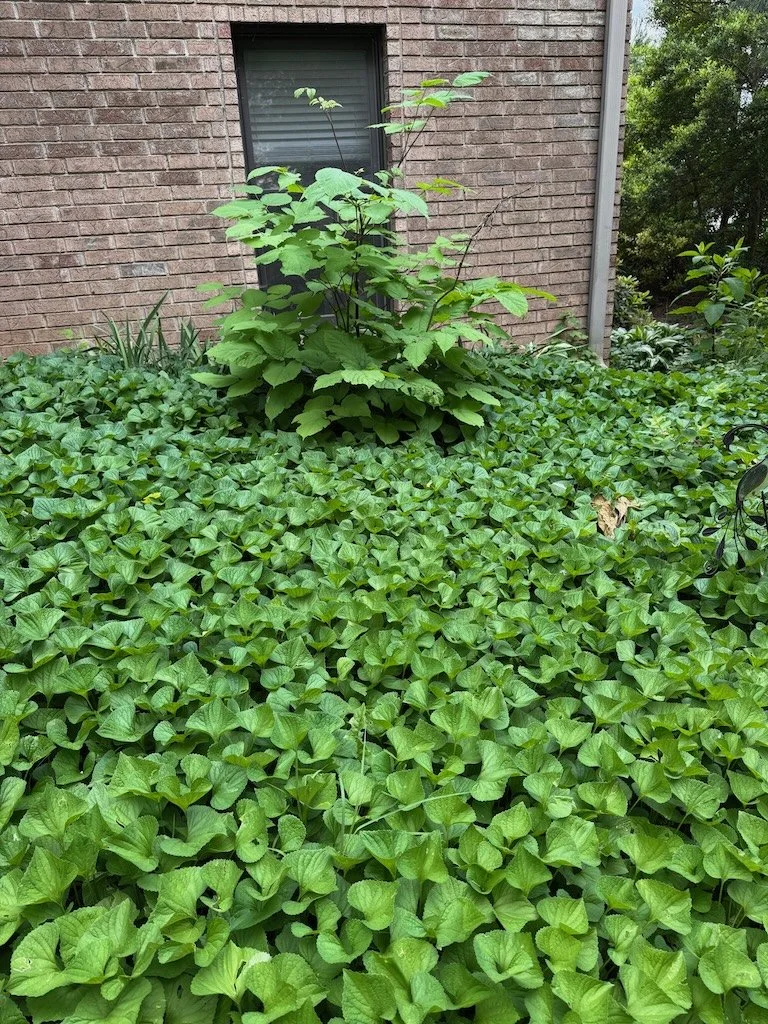
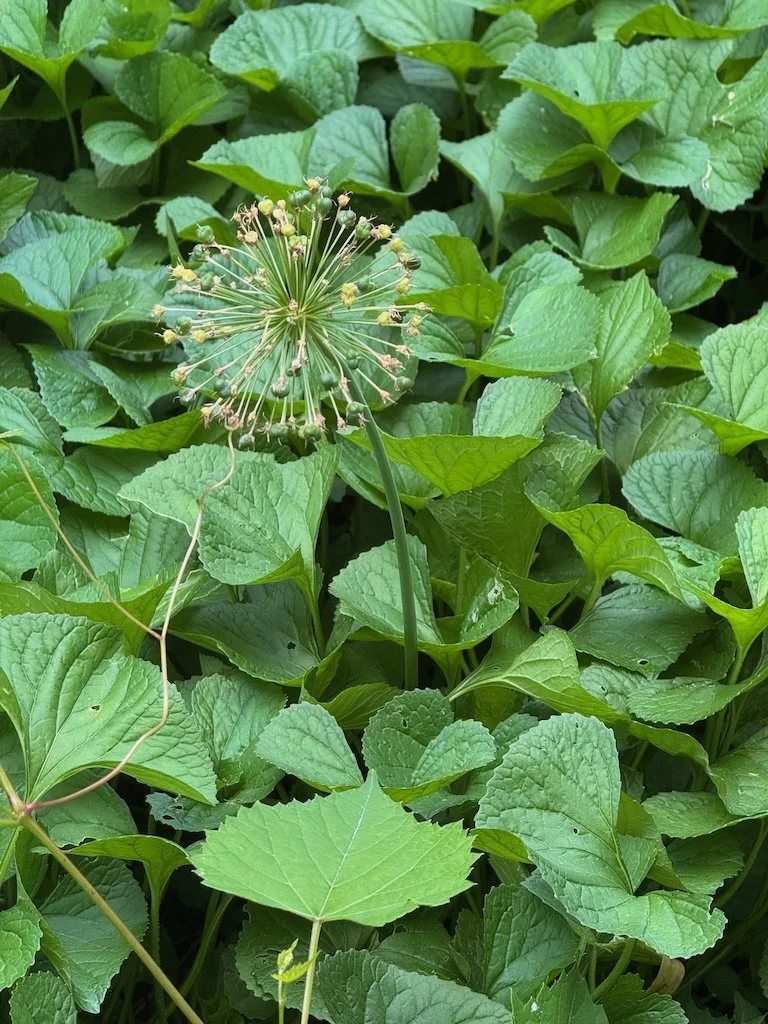
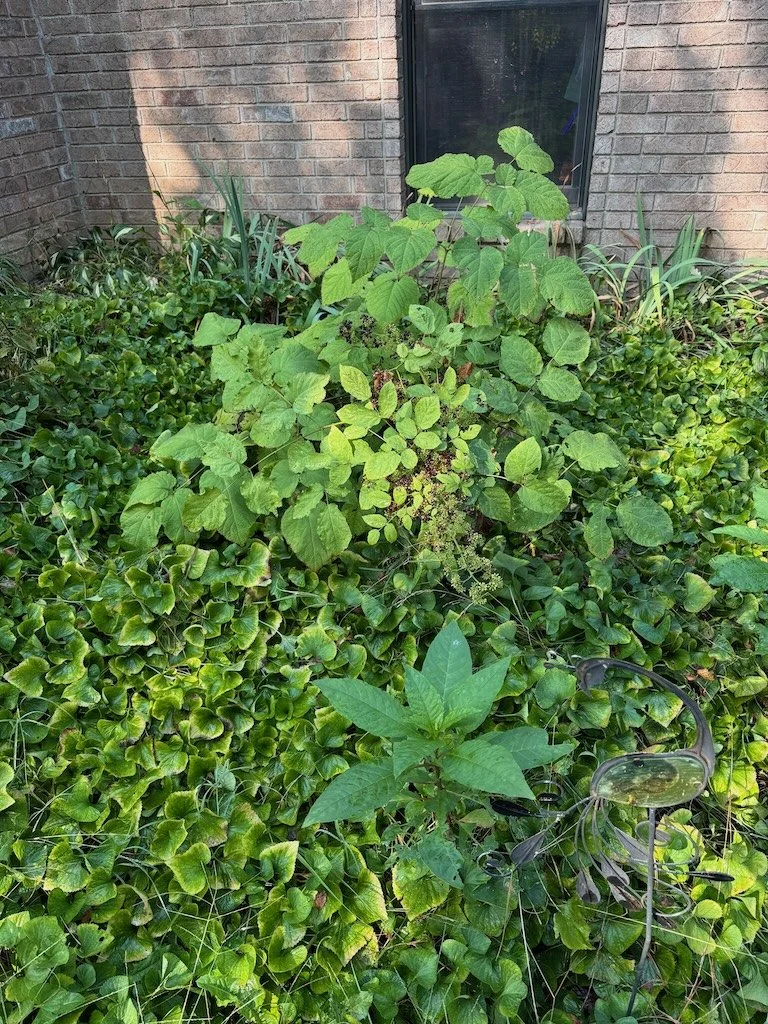
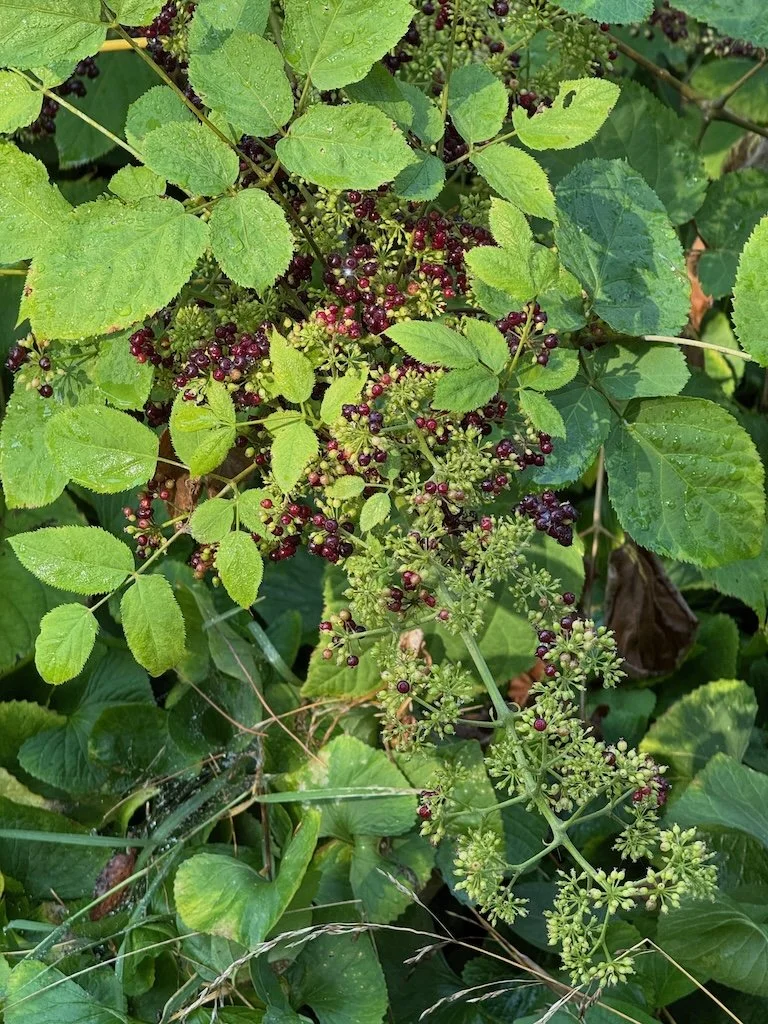
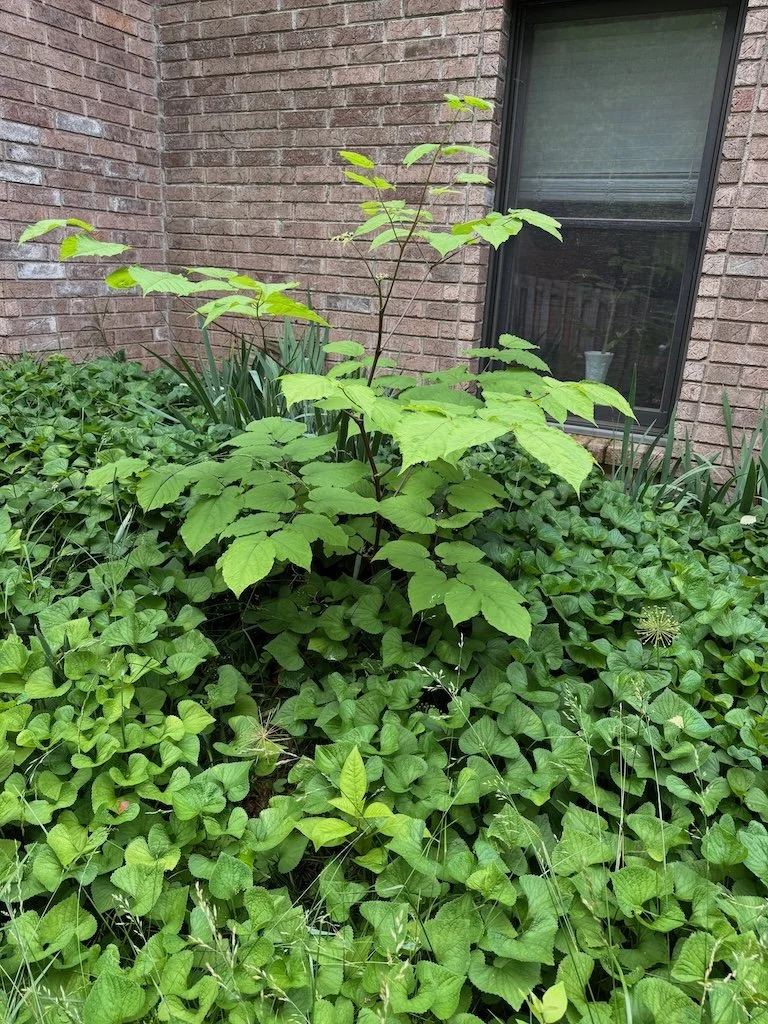
The American spikenard – one of my first native plant purchases – is larger each year. There are violets under it (and a small pokeweed in the foreground). The fruit is beginning to turn purple. I’ll harvest some and try to sprout them indoors to plant outdoors next year.

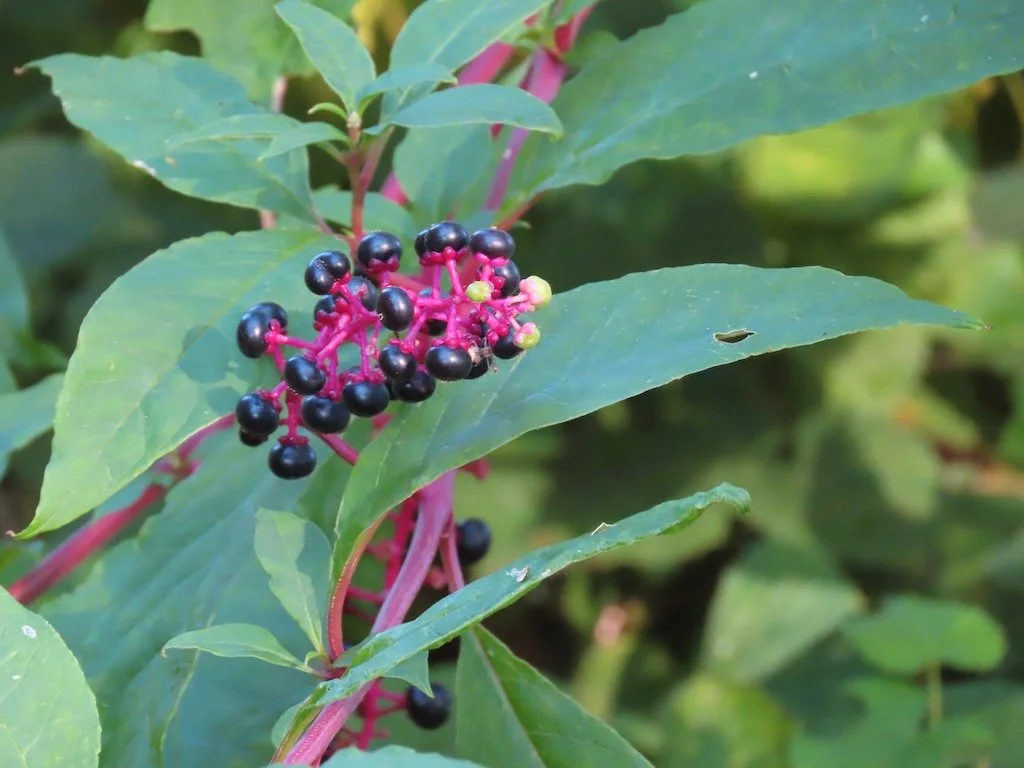
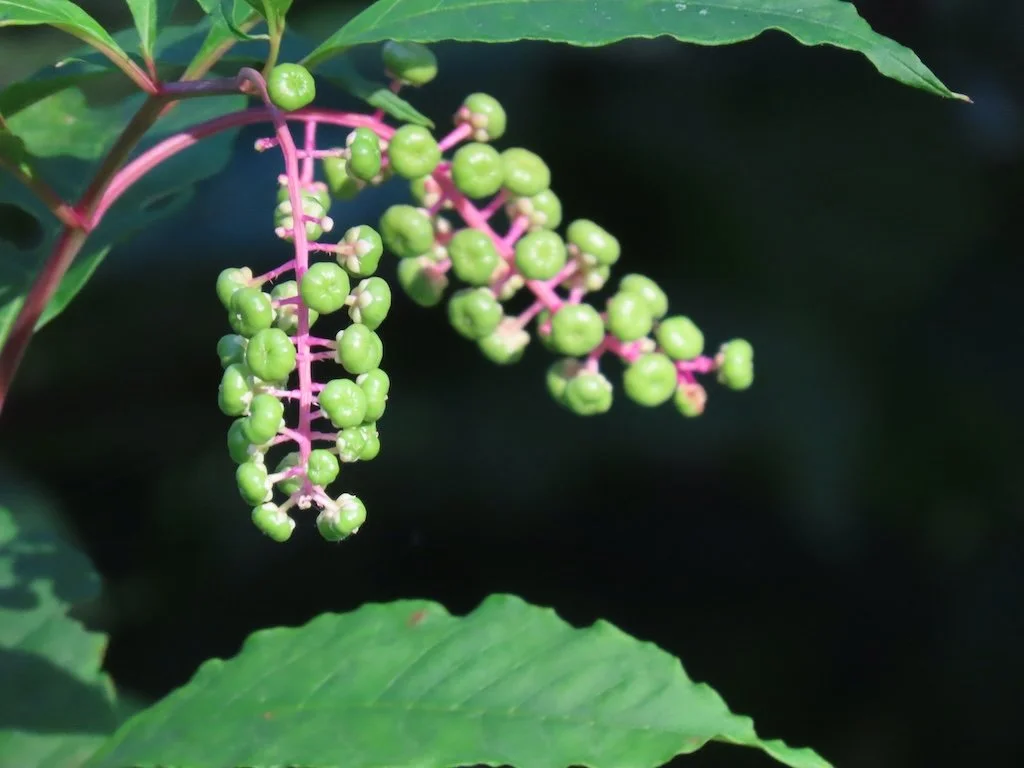
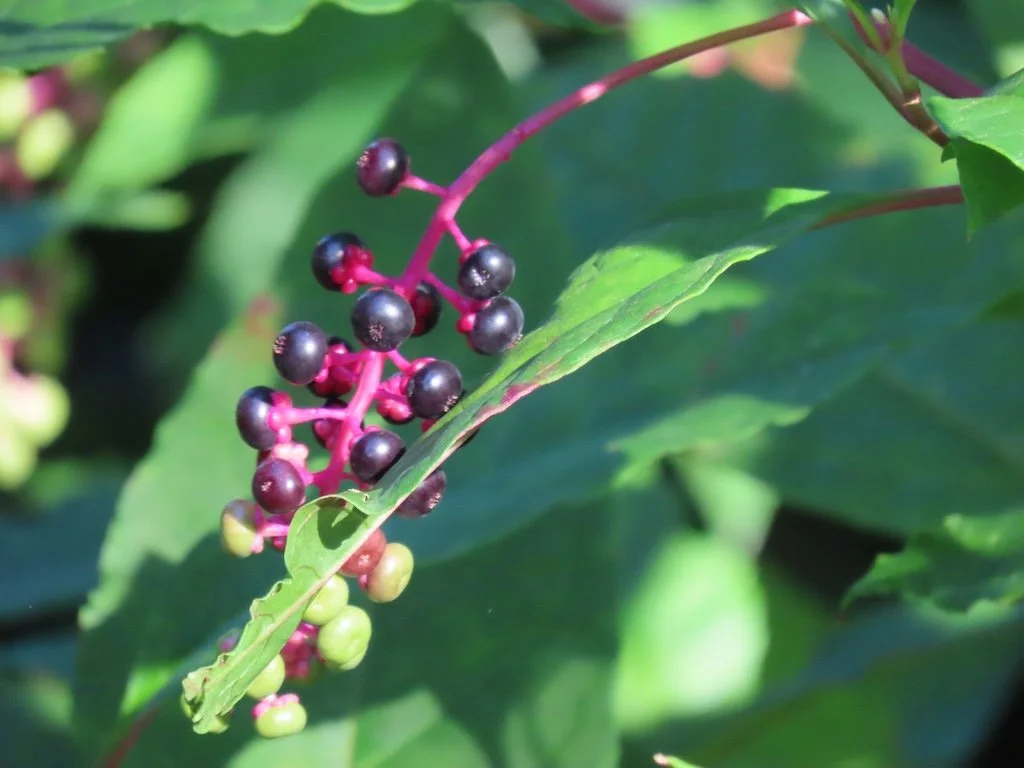
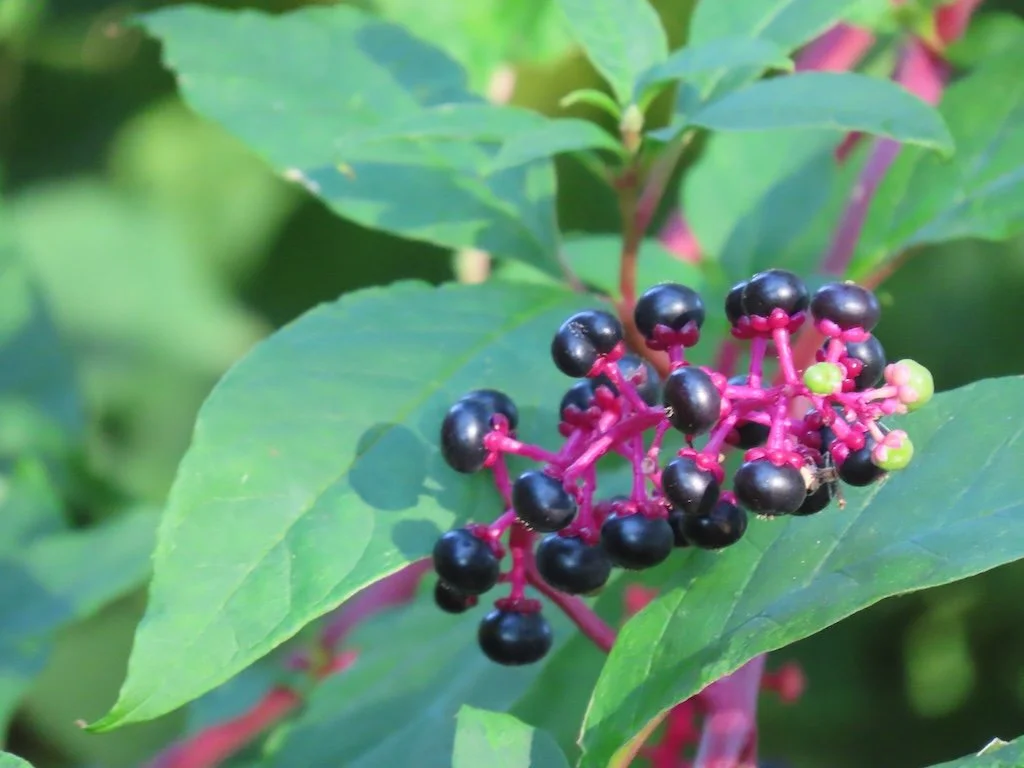
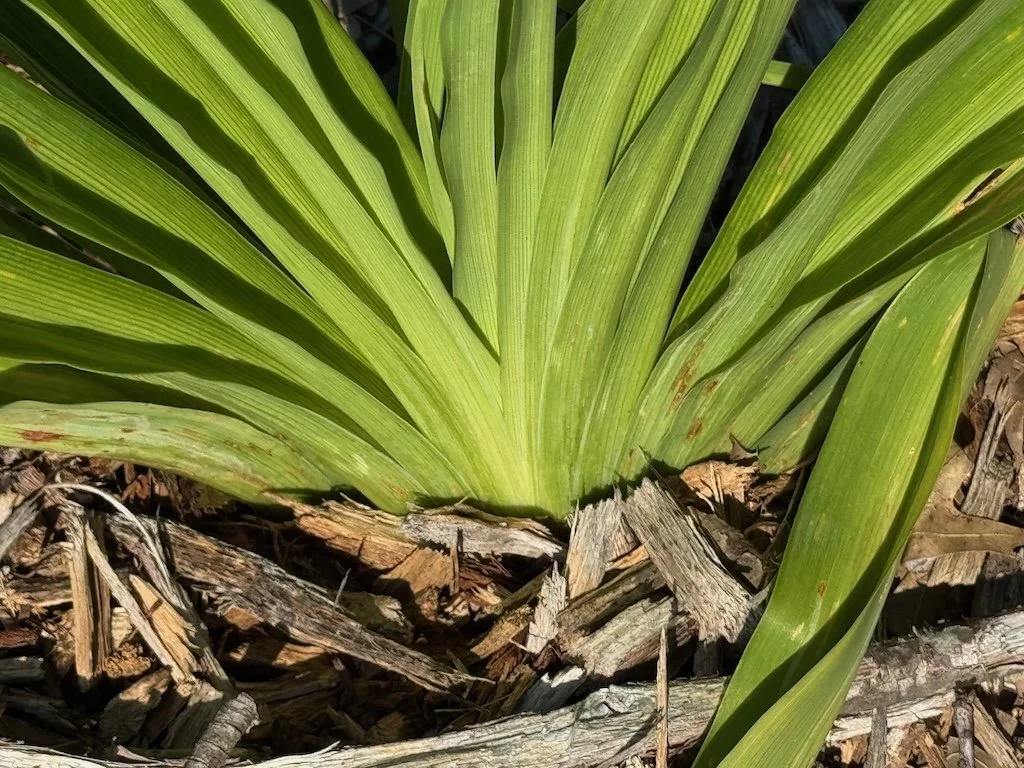
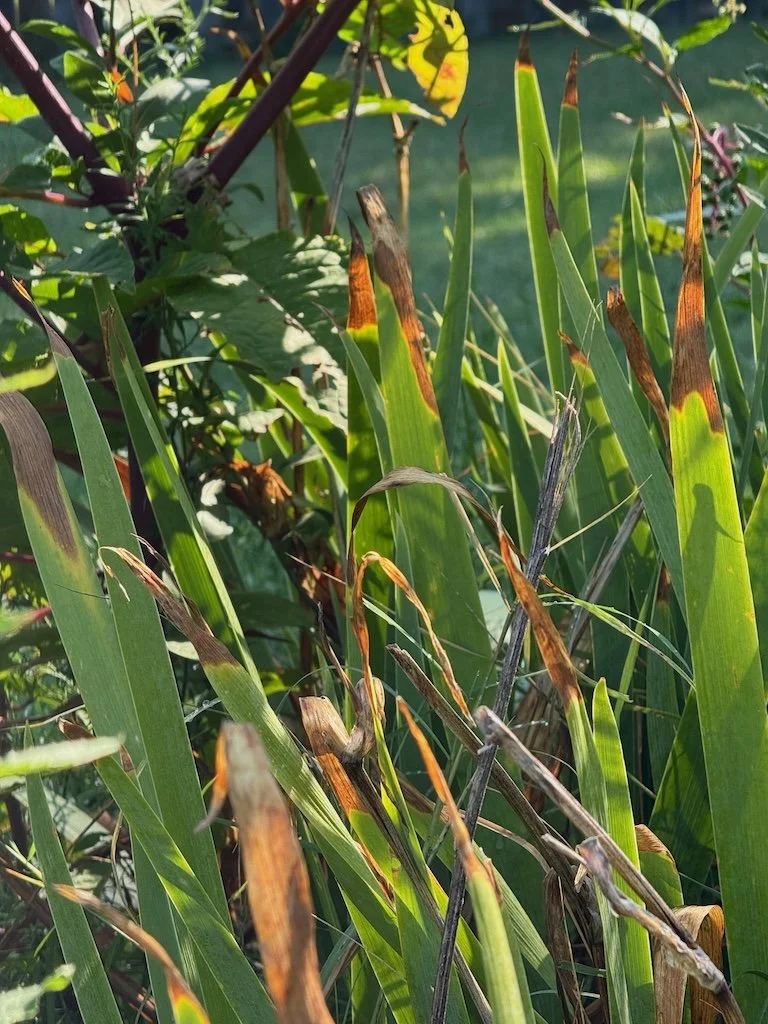
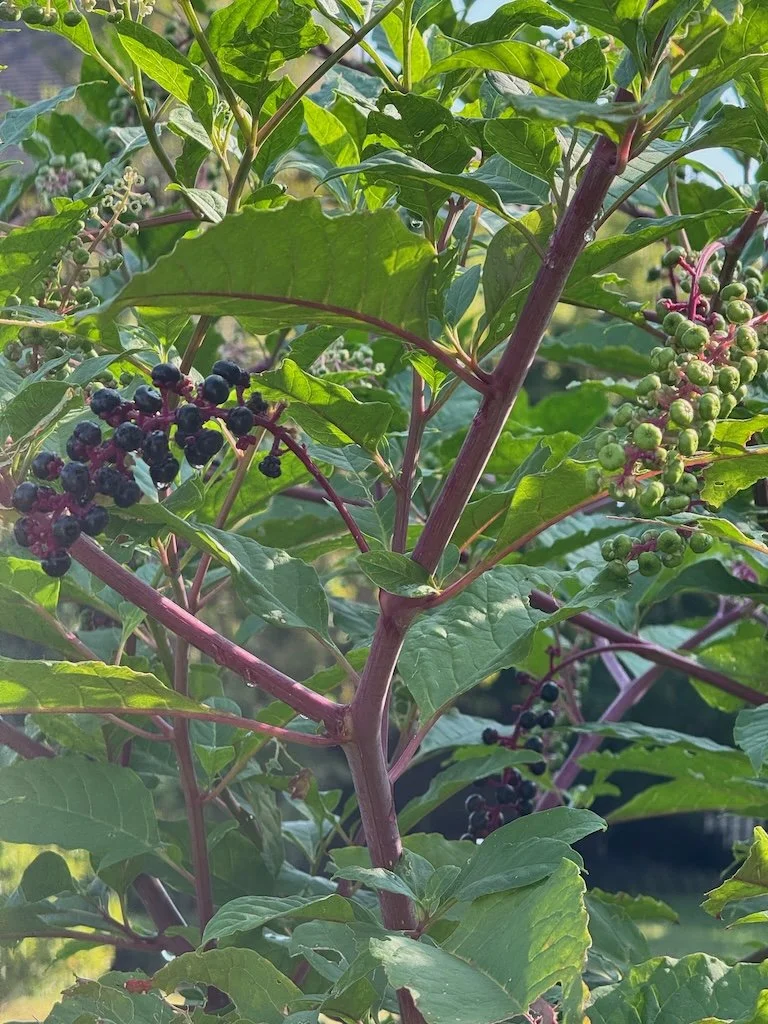
There are a variety of things in the garden where a pine tree once grew. The iris leaves look a little burnt on the ends, but the pokeweed is full of berries that the birds will eat as they ripen. I am still watching developments…not sure of everything there although I like the surprises discovering the naked lady lilies blooming in August and the beautyberry that I planted…glad that has survived.

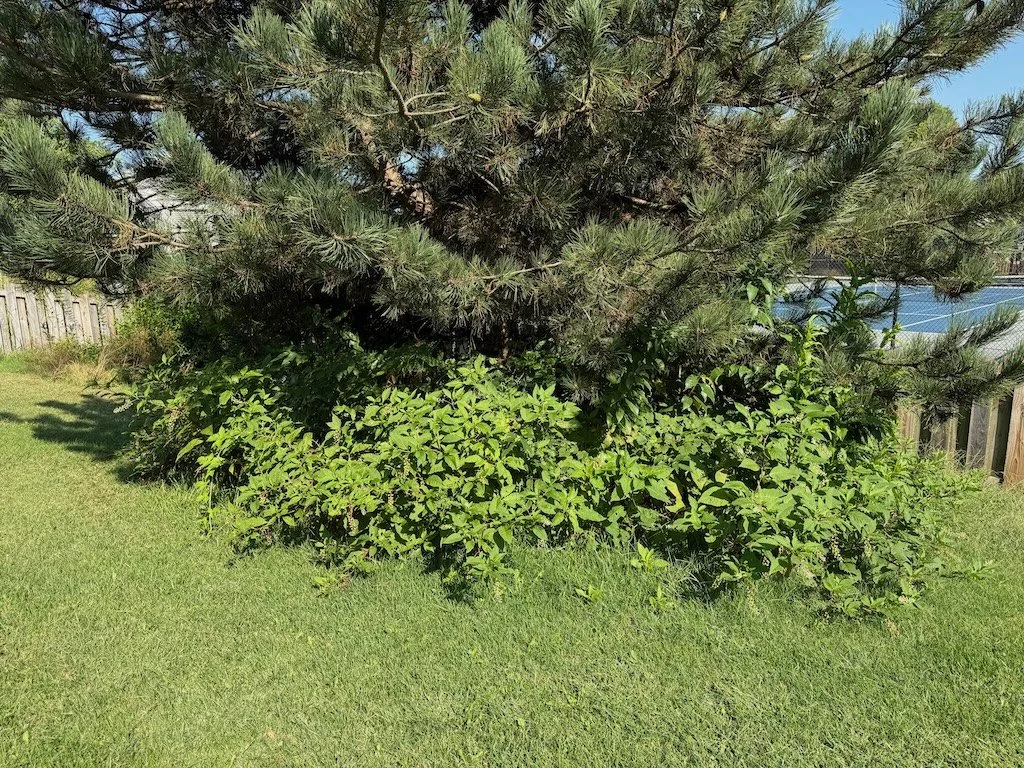
The area under the short leaf pine is full of pokeweed – mostly. As the season changes, I will enjoy its red foliage…then cut it down and clear out anything else growing under the tree….except the redbud (perhaps).

Juvenile Cardinal

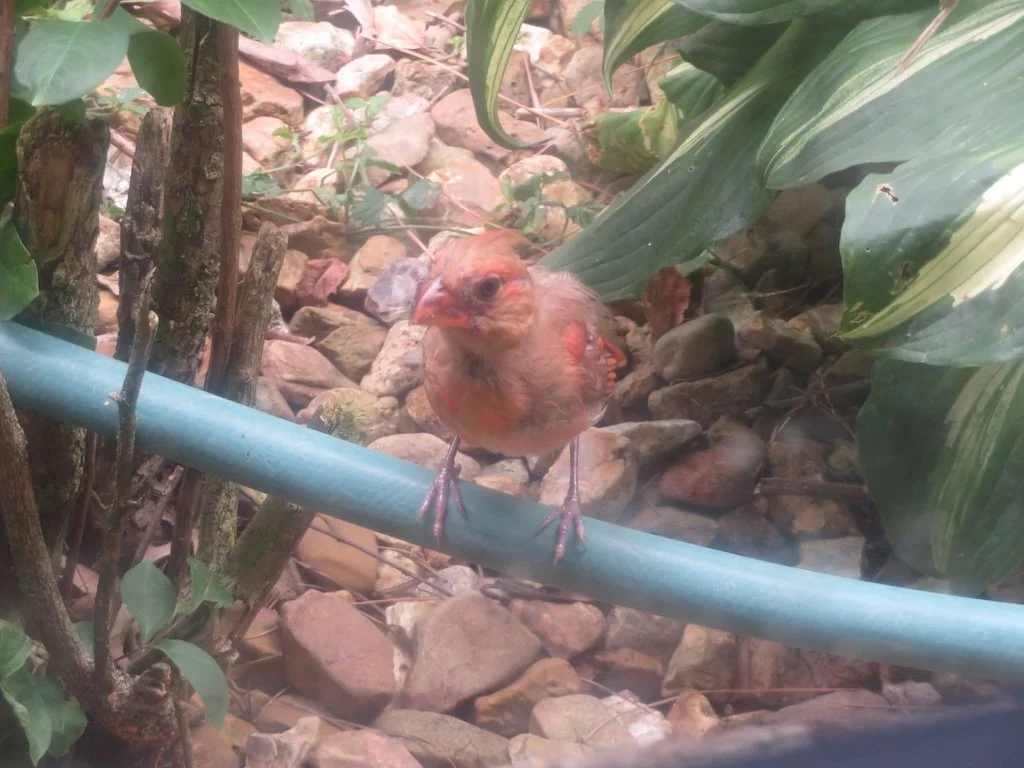
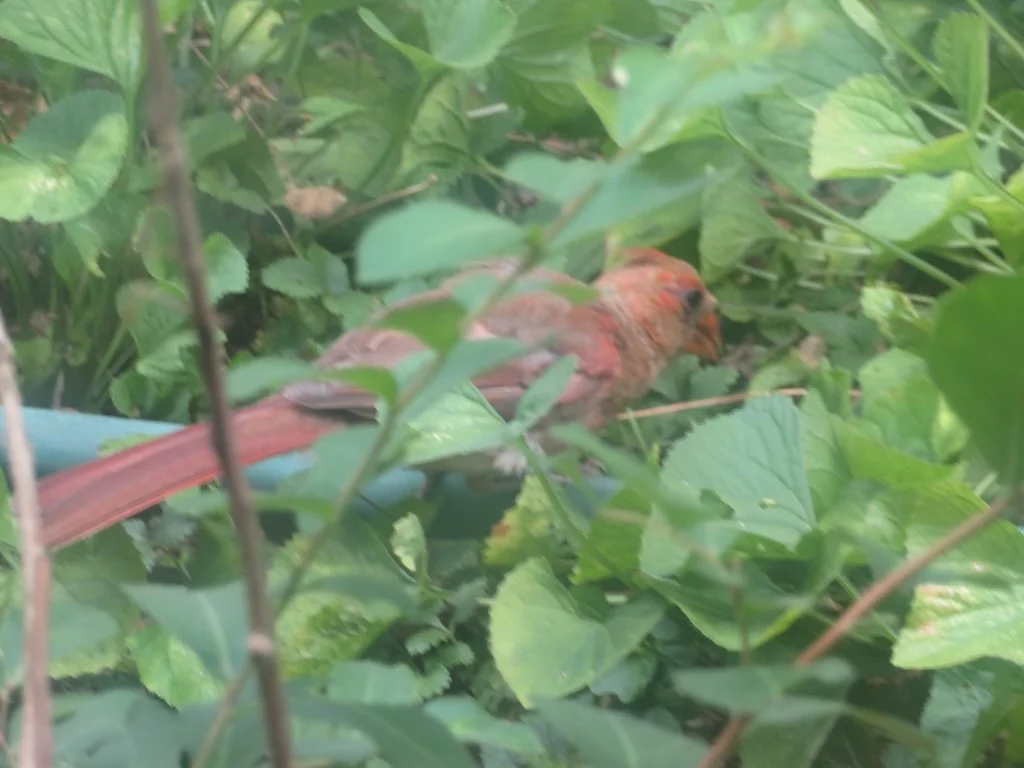
I’ve seen several rounds of juvenile robins in my shade garden so maybe I shouldn’t have been surprised when a juvenile cardinal was there recently. The bird perched on a hose I had used to water the area after some of the vegetation looked like it was not getting enough water to offset the high heat. I saw the bird from my office chair and took the pictures through the window!

The adult feathers were just beginning to come in. At first, I assumed that the bird was a female but the area around the eye is red already --- so probably a male.  

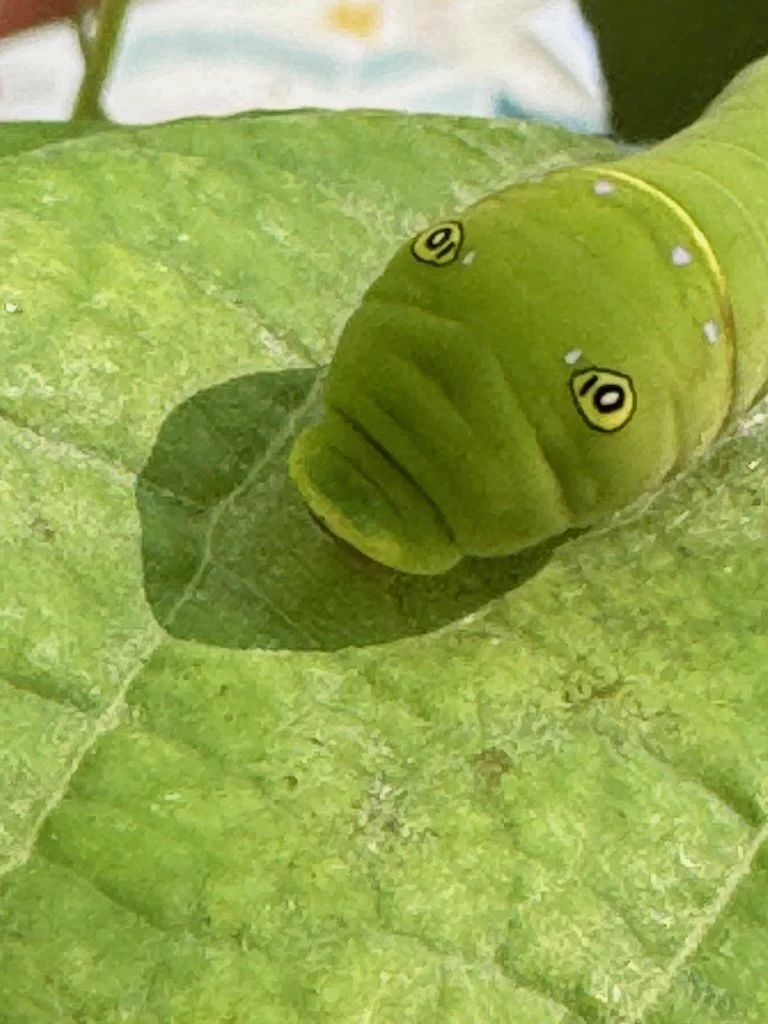
Spicebush Caterpillar Update

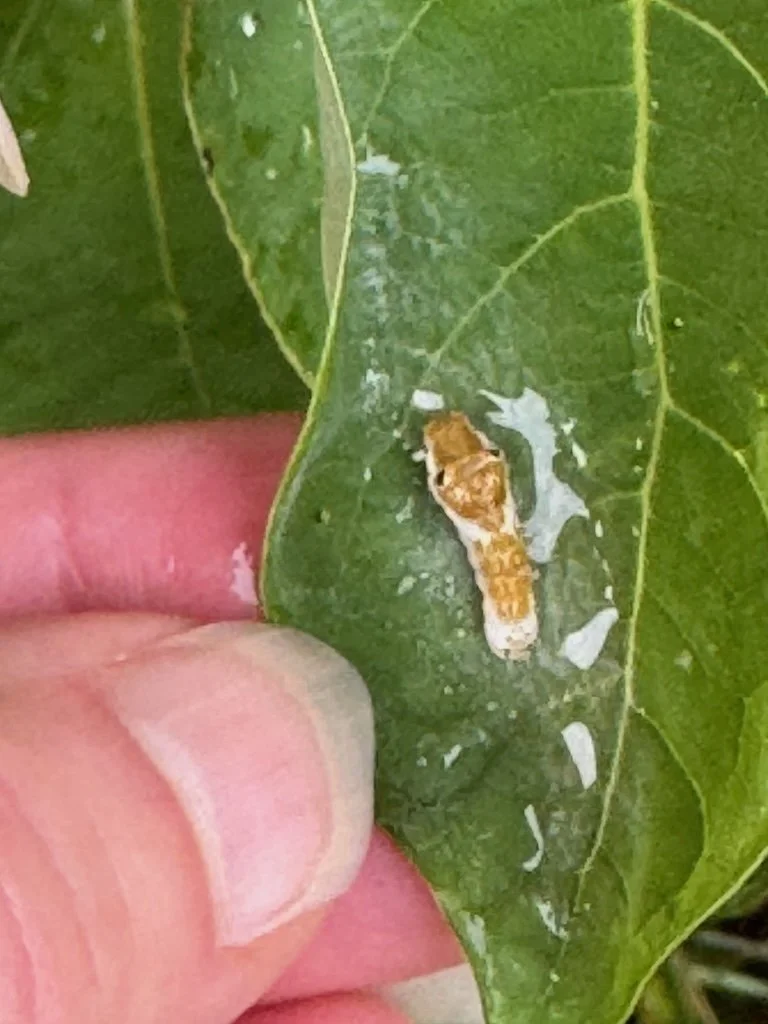
After a hard rain – I checked to see if the caterpillars were surviving on the spicebush. I had seen 4 very tiny ones when I checked a week ago. I found a very tiny one right way and then two that were probably from the group I saw last week. One was completely enfolded in a leaf and was probably waiting to dry out a bit before venturing out. The other was partially in a leaf…looked like it had eaten part of its hiding place!

Hopefully I will have some that will survive to become Spicebush Swallowtail butterflies.

I didn’t look over the entire plant…it could be that there were other caterpillars although birds could have eaten some of them. Caterpillars are – after all – high quality bird food.

Yards in June

There was a lot going on in yards in June.  I enjoyed documenting my own yard and that of my daughter’s too.

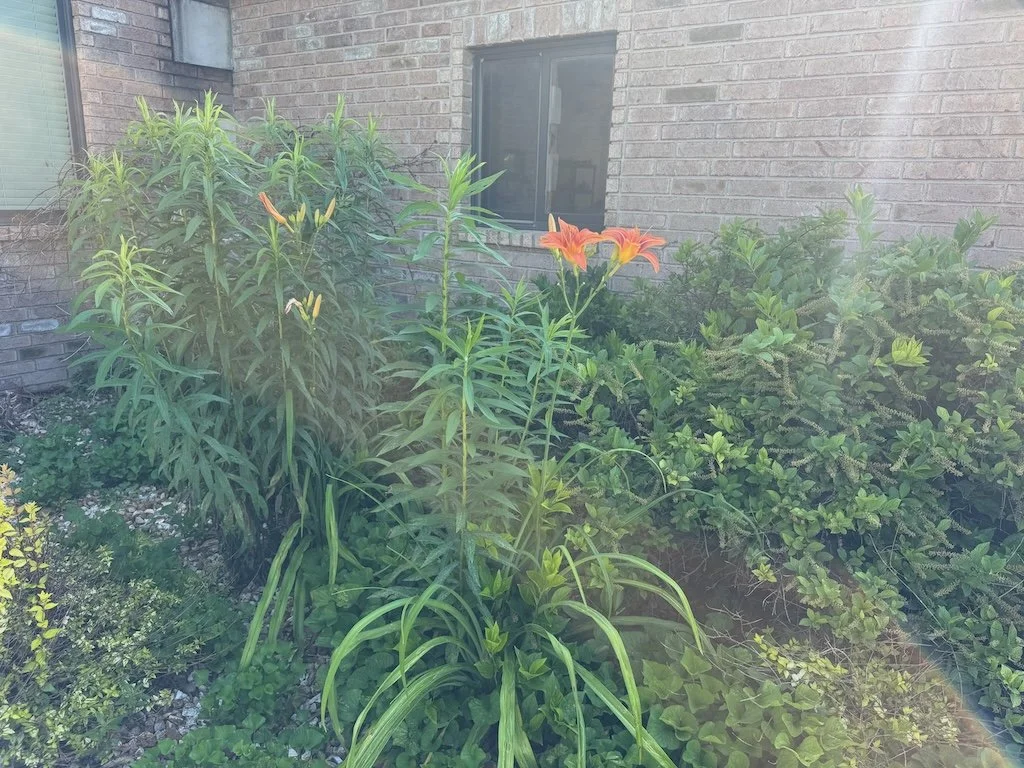
The native plants in my yard are doing quite well: fragrant sumac (the first one I planted),

American spikenard (one that is a few years old and another than I planted this year),

Missouri evening primrose with its big yellow flowers,

Common Primrose that is becoming well established in my wildflower garden, and

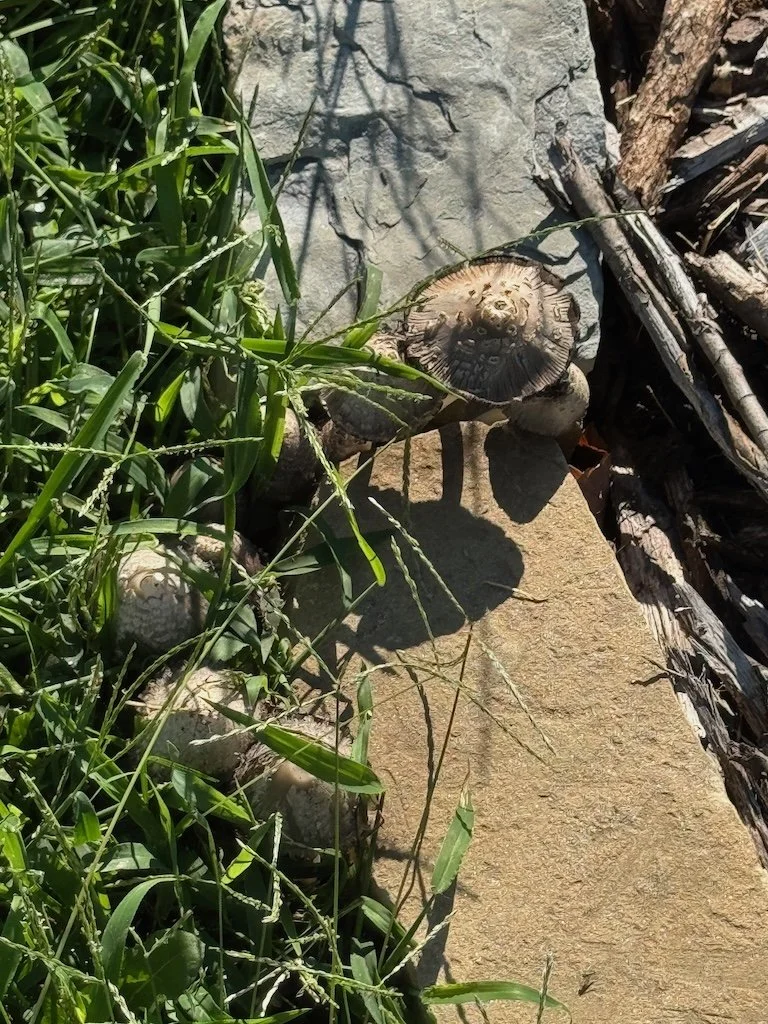
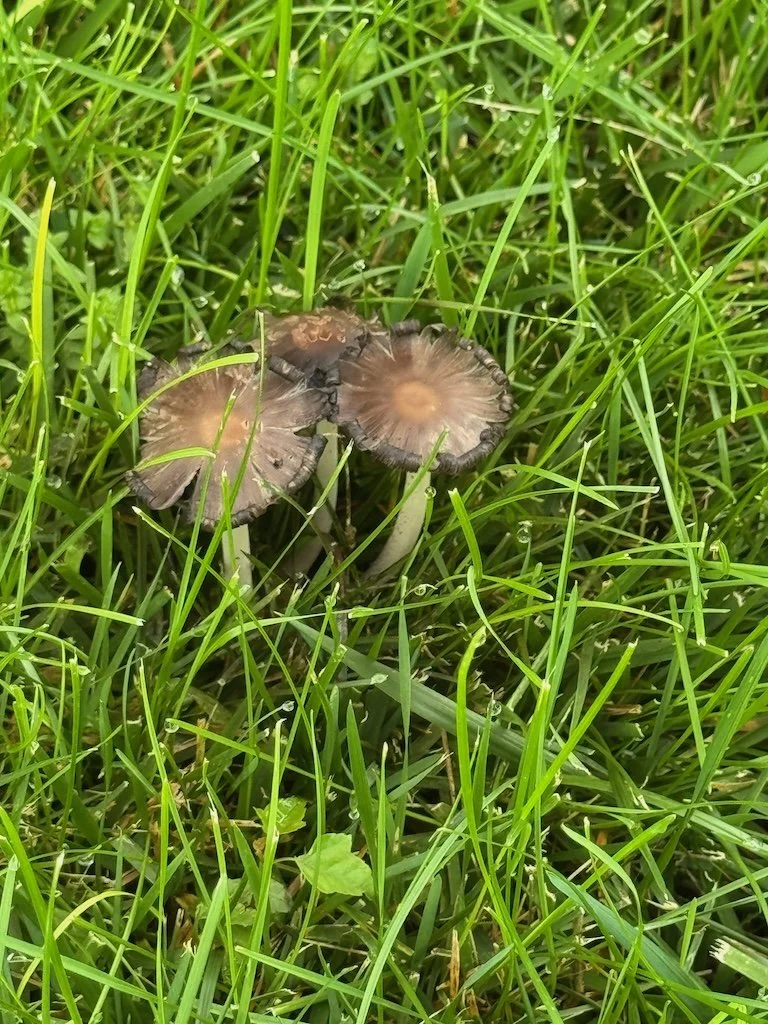
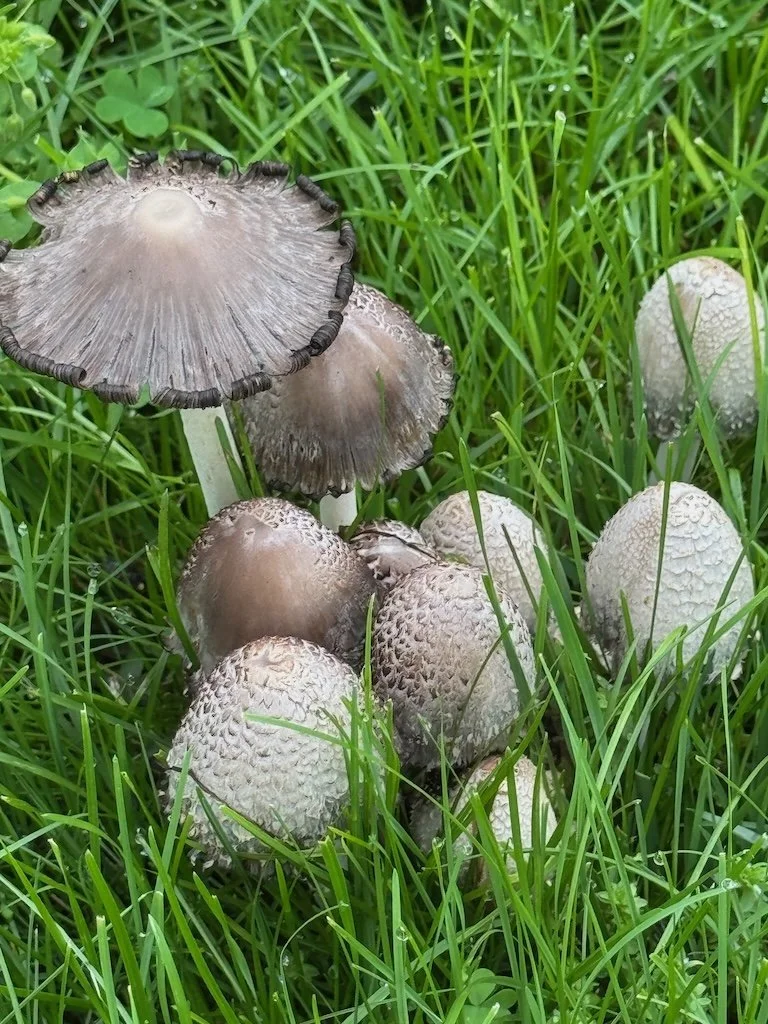
Mushrooms keep coming up in the area where a tree was cut down several years before we bought the house.

My daughter and son-in-law planted some native plants in an area near their driveway and the street recently; they are thriving along with the yucca that has been there for a long time.  

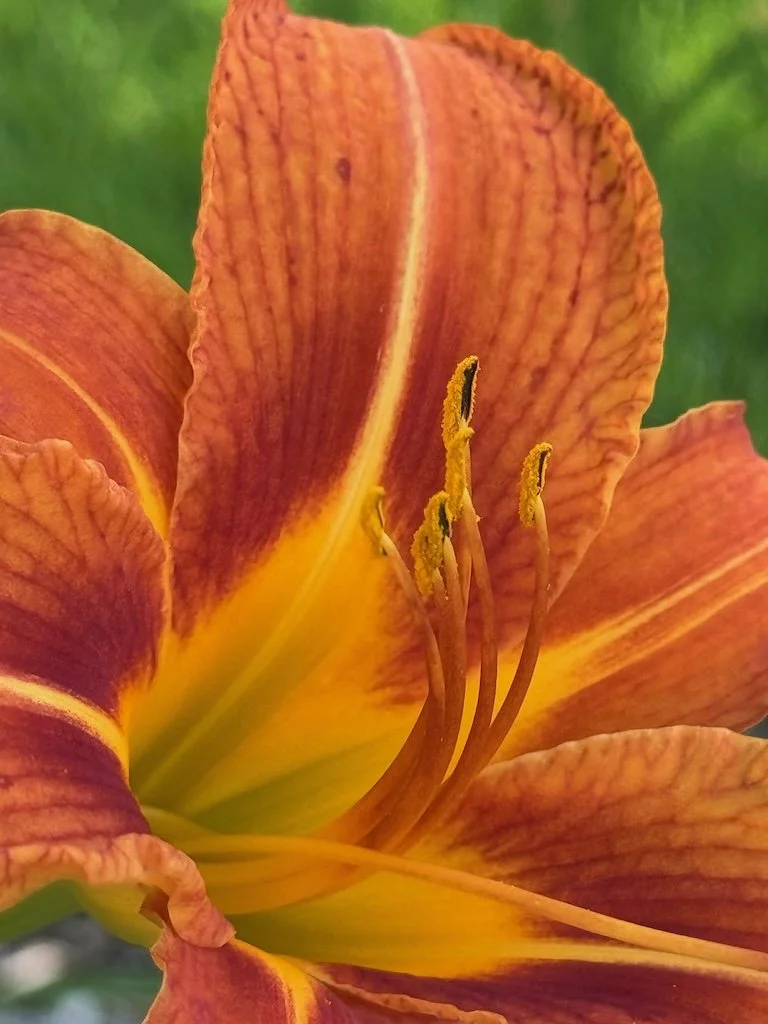
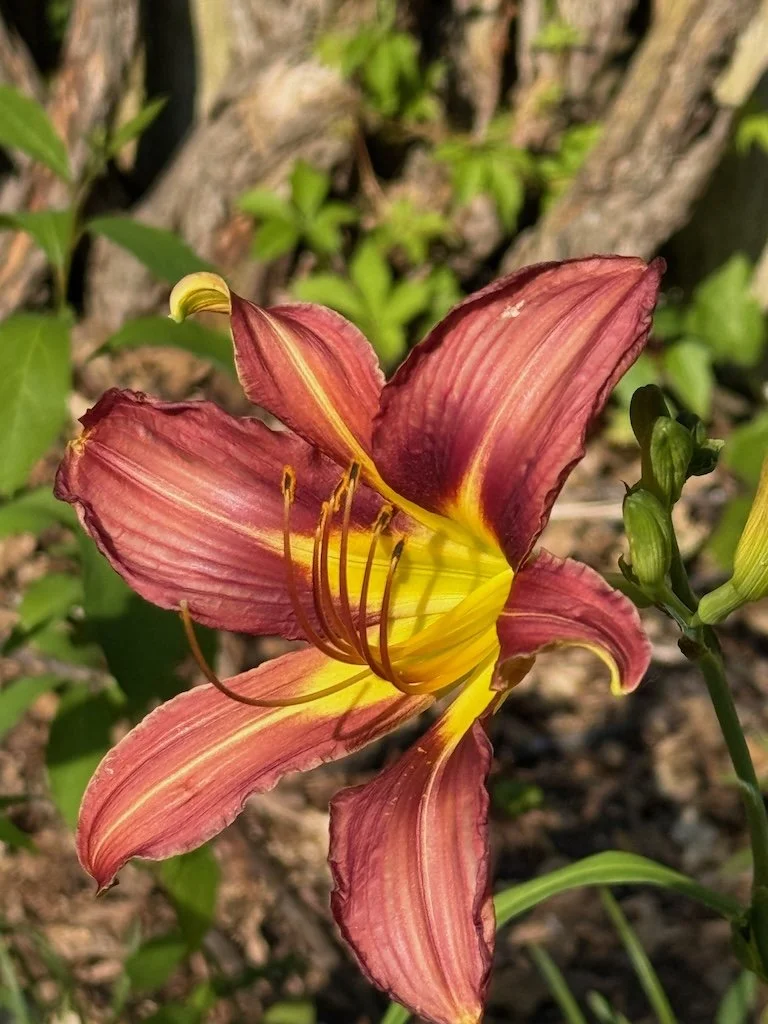
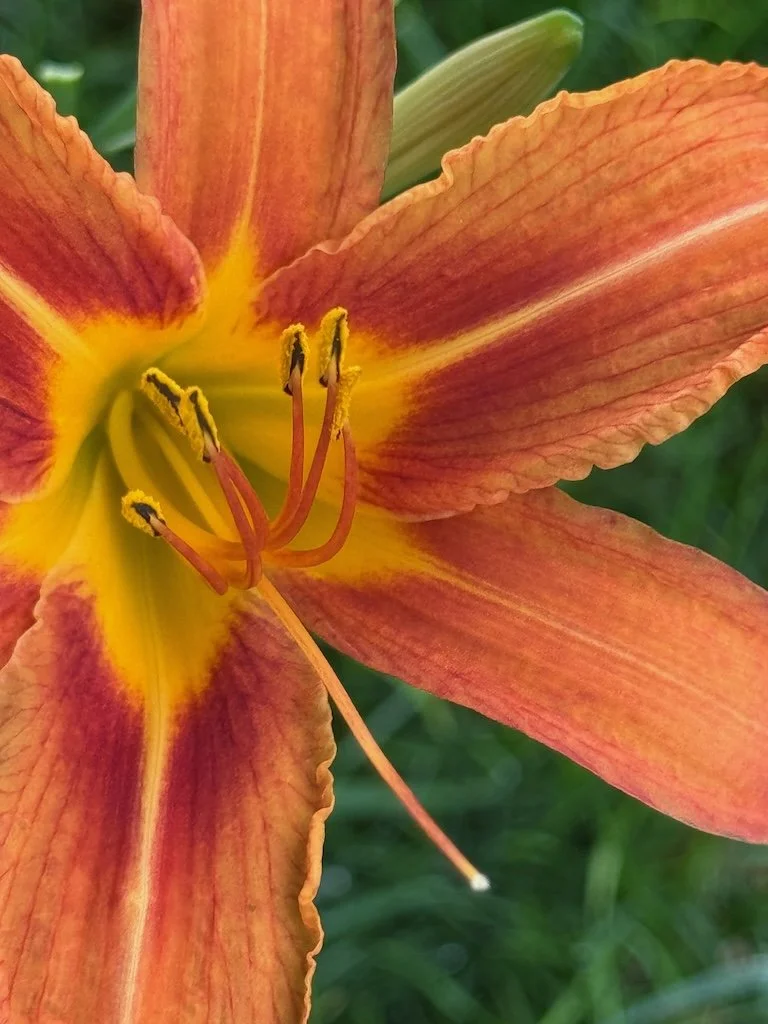
There are non-natives: daylilies in both yards,

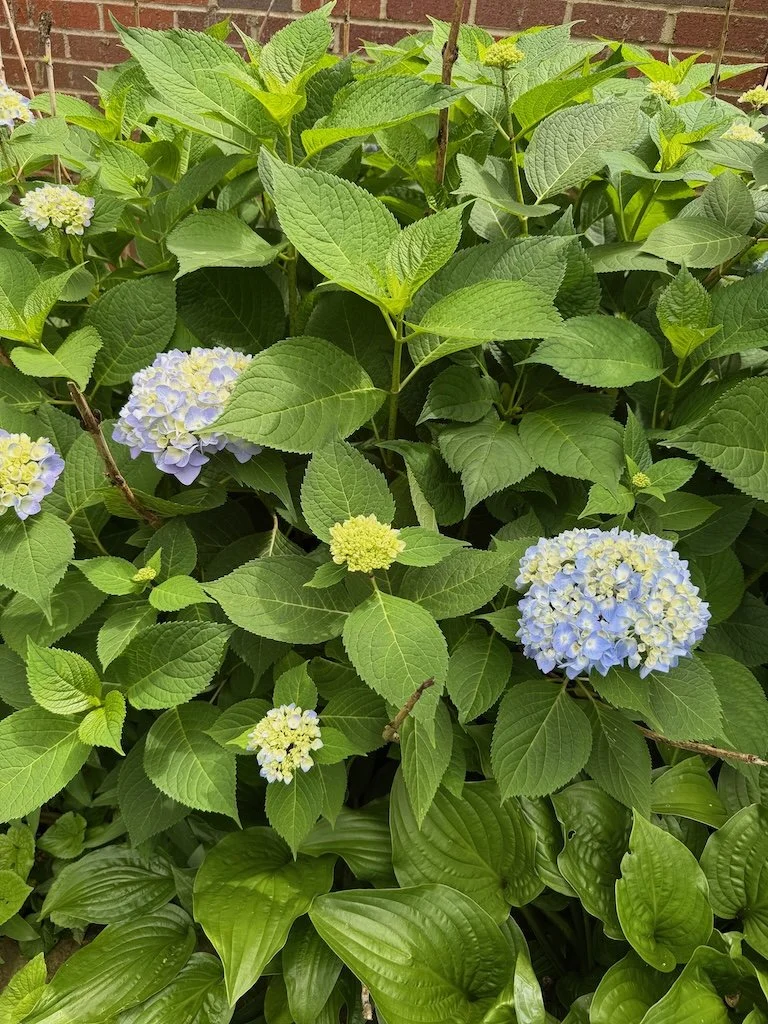
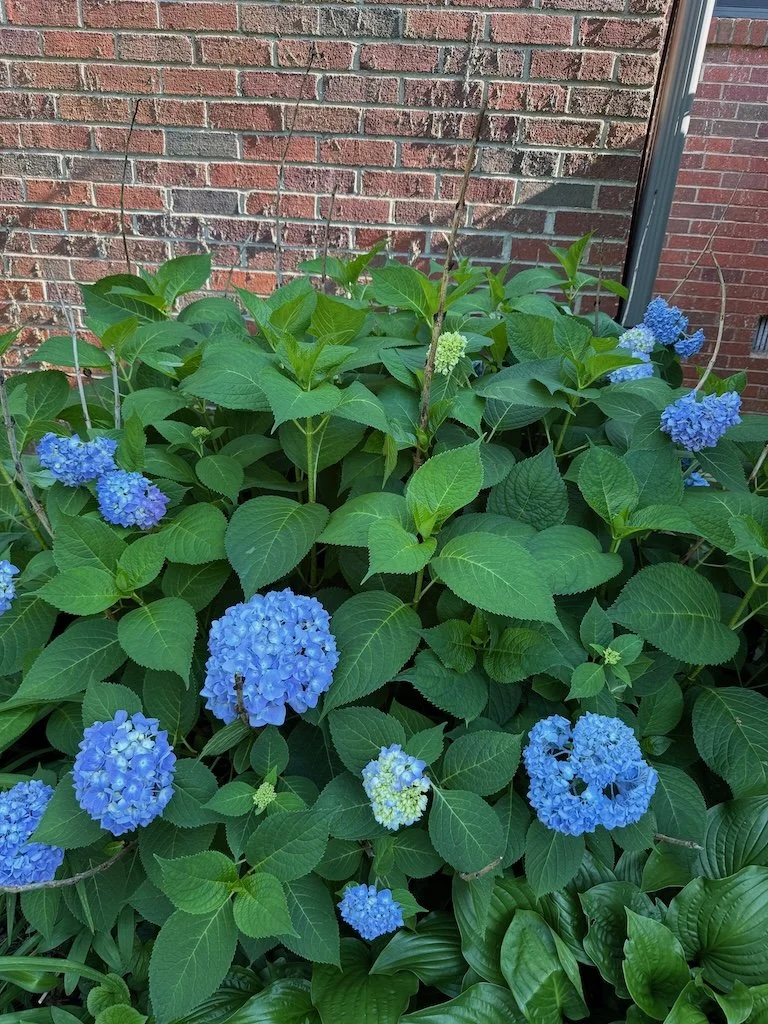
Asian hydrangeas in her yard (that she generously cut for a bouquet now in my office window),

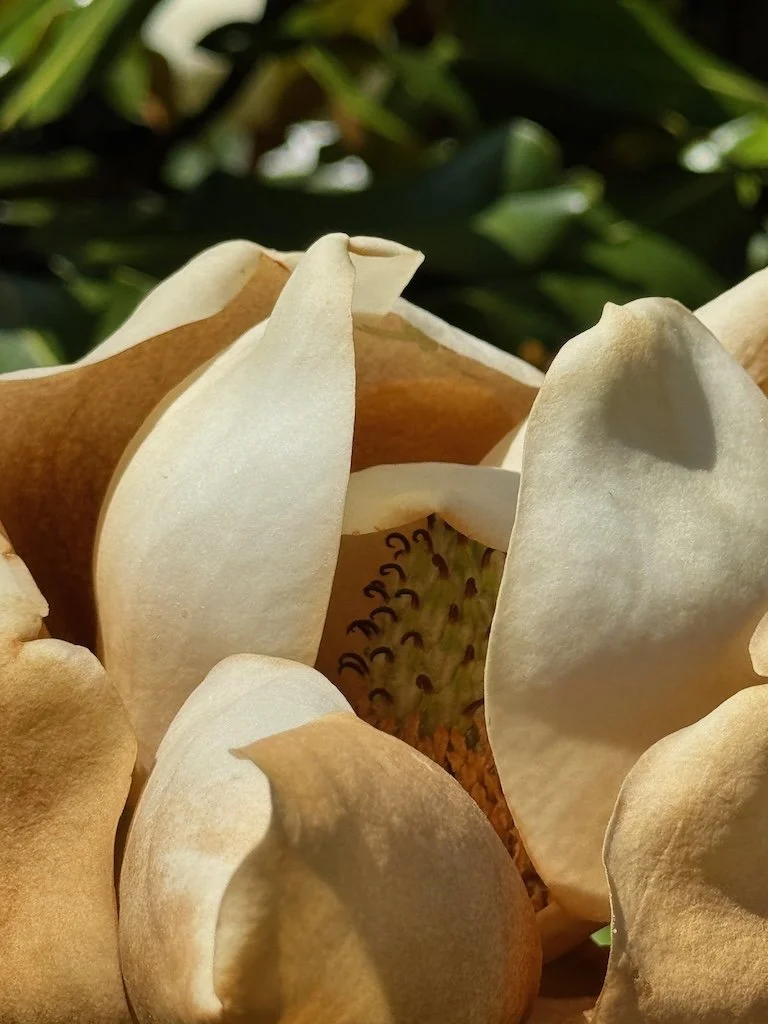
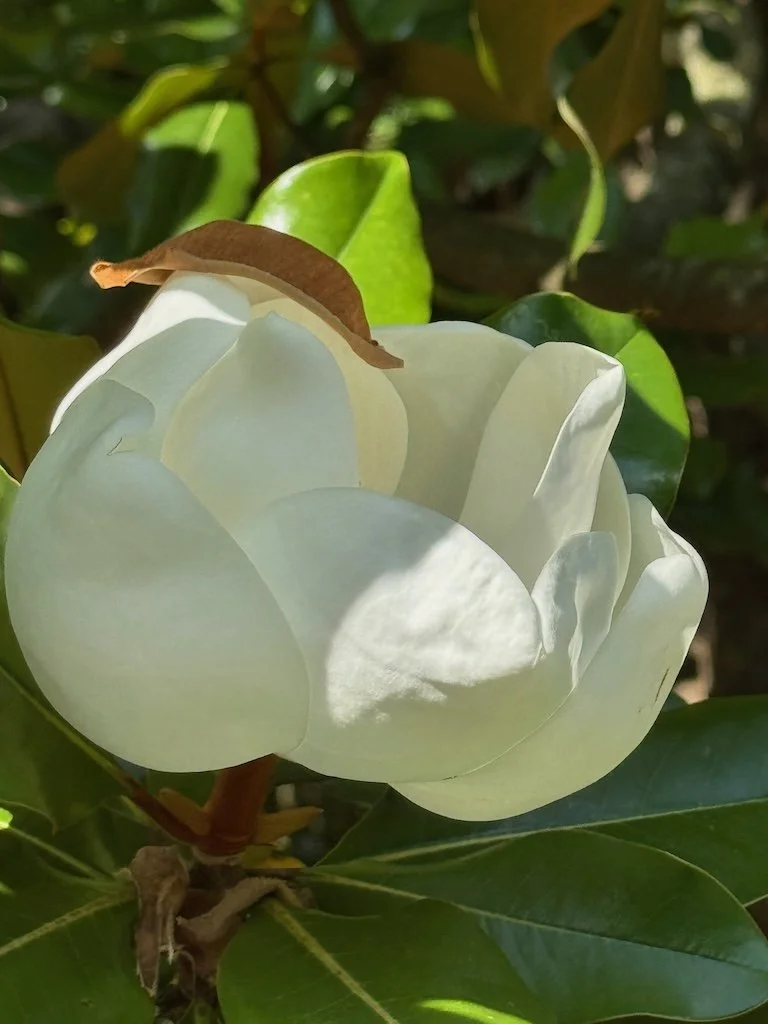
A very large Southern Magnolia in my daughter’s house,

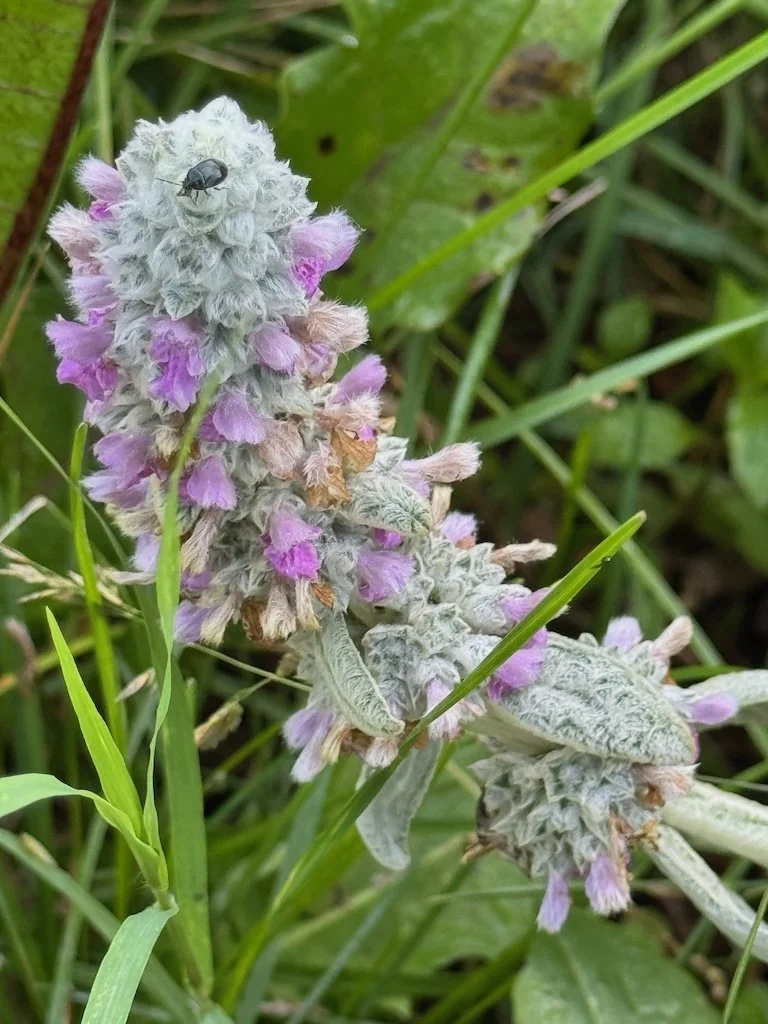
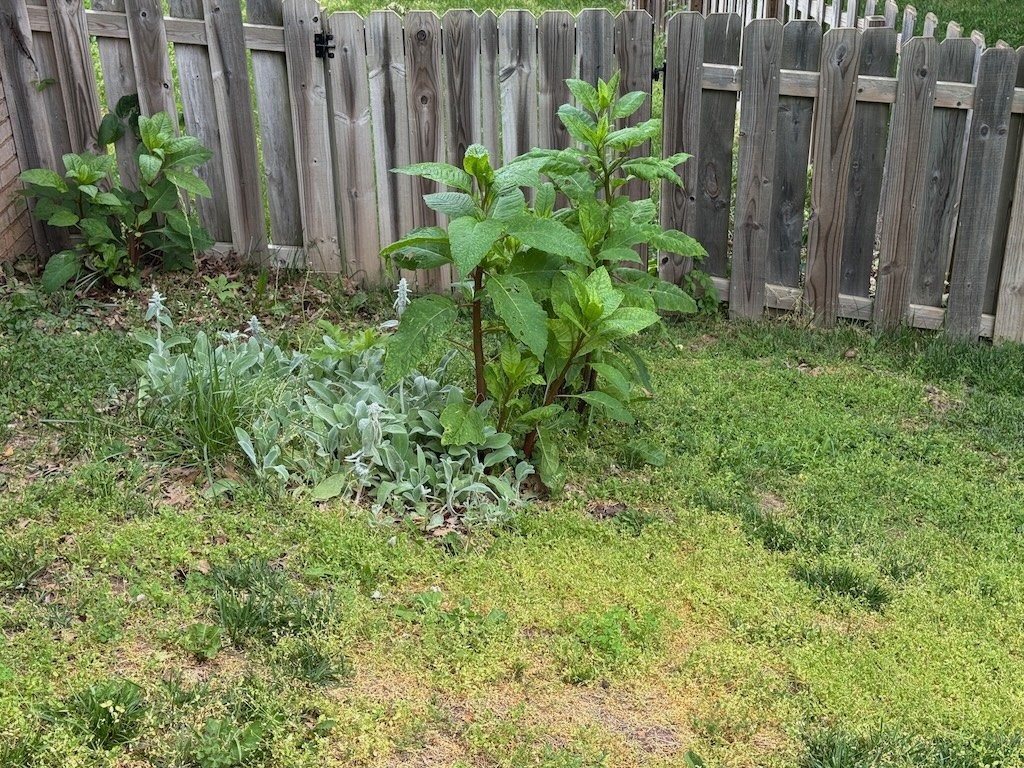
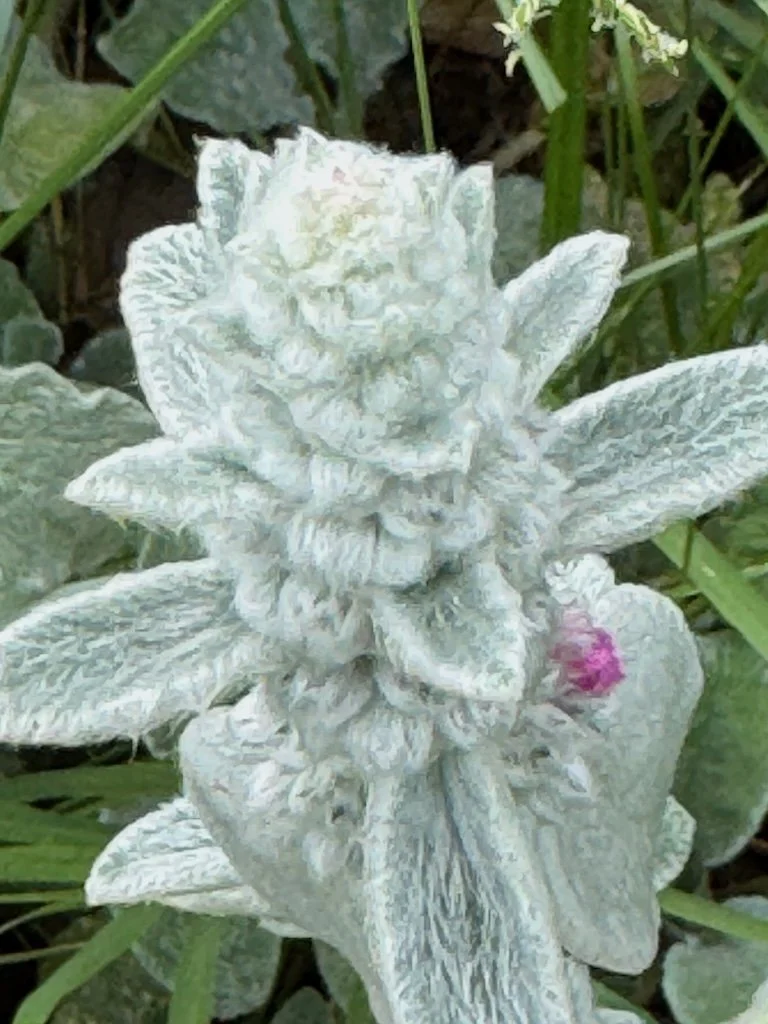
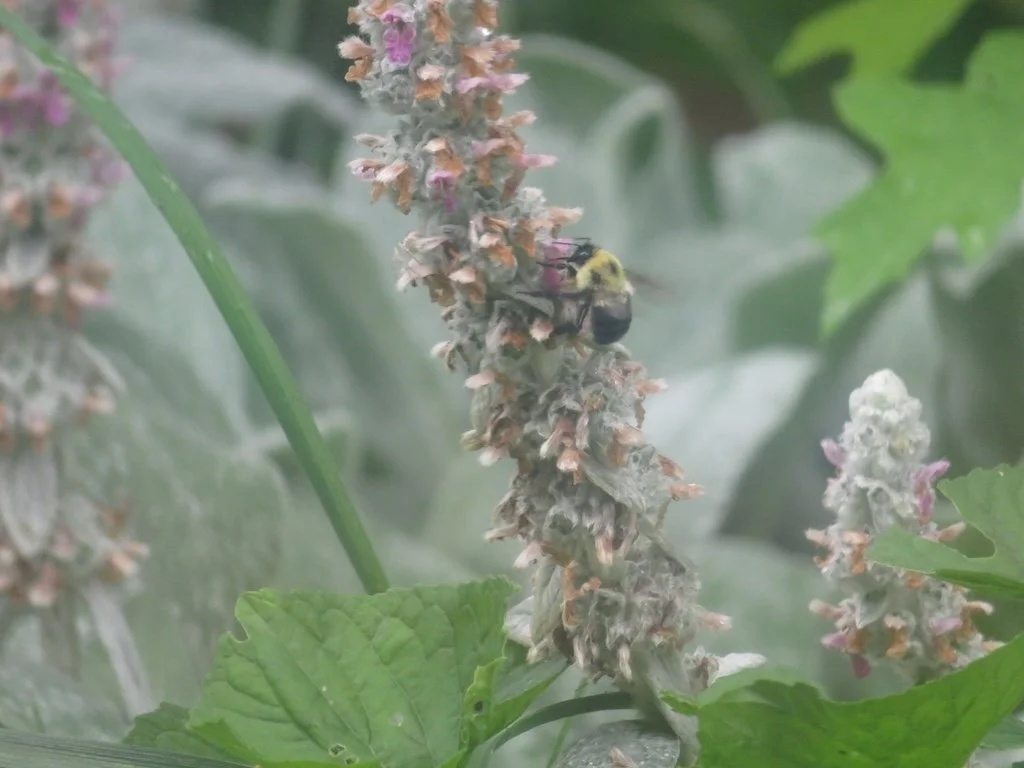
Lambs ear – that bumblebees like when it is blooming at my house,

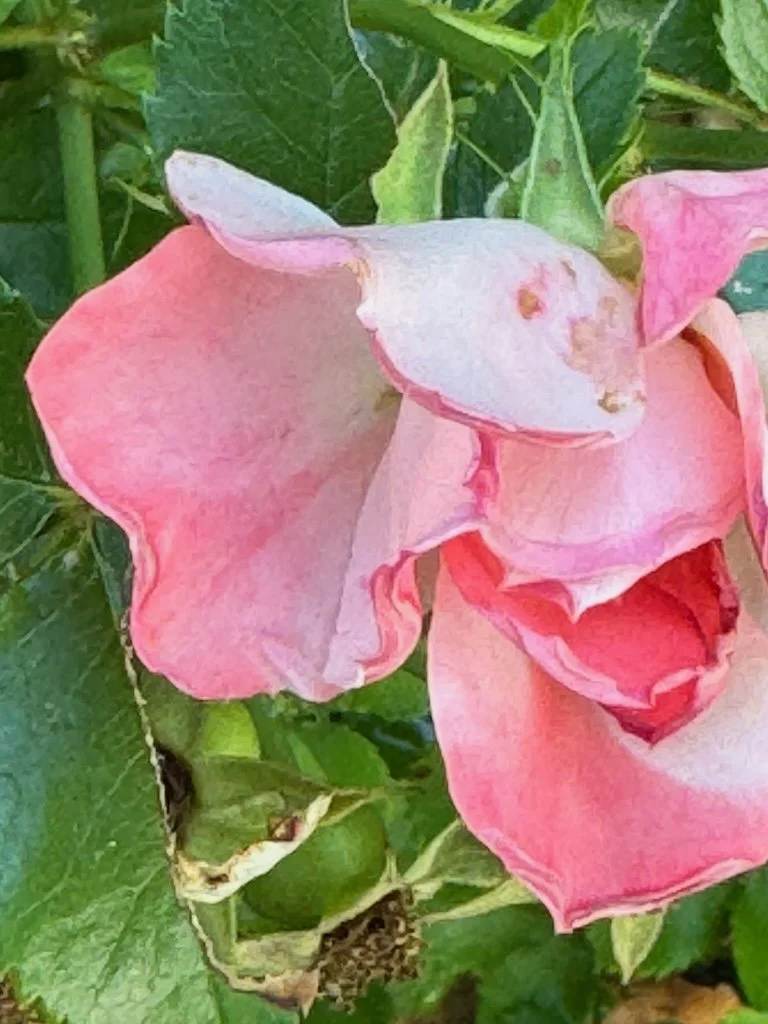
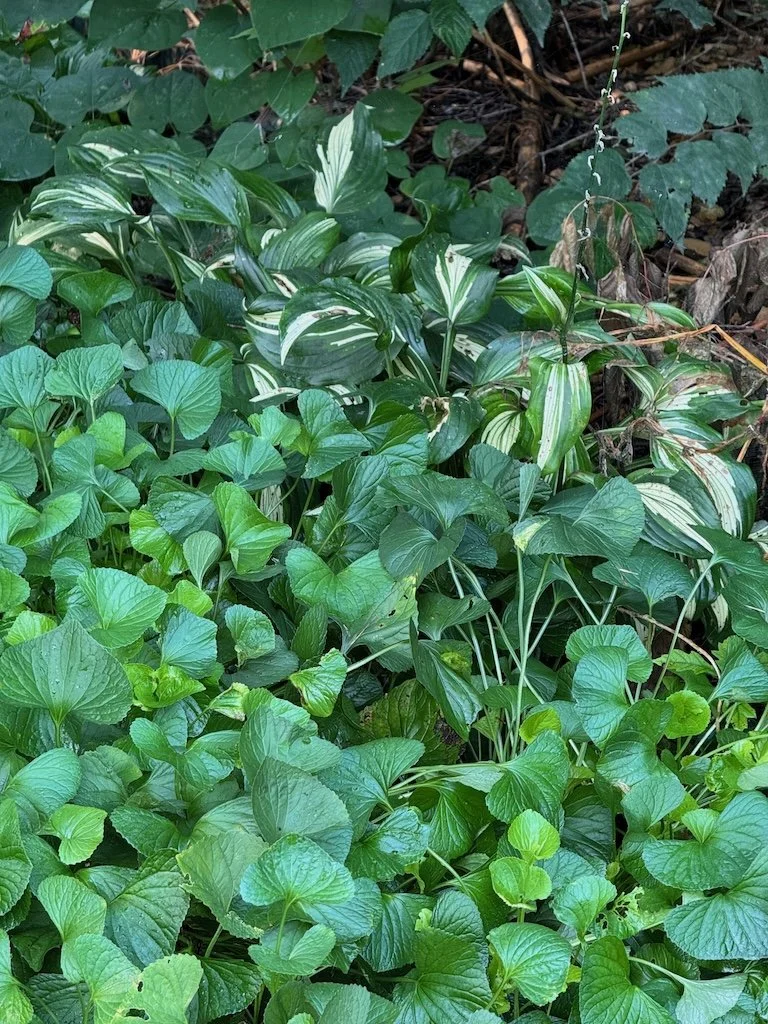
Roses and hostas at both houses!

I have arugula flowers since I didn’t start eating the leaves soon enough. Oh well – they attact some small pollinators. There are zinnia flowers nearby too.

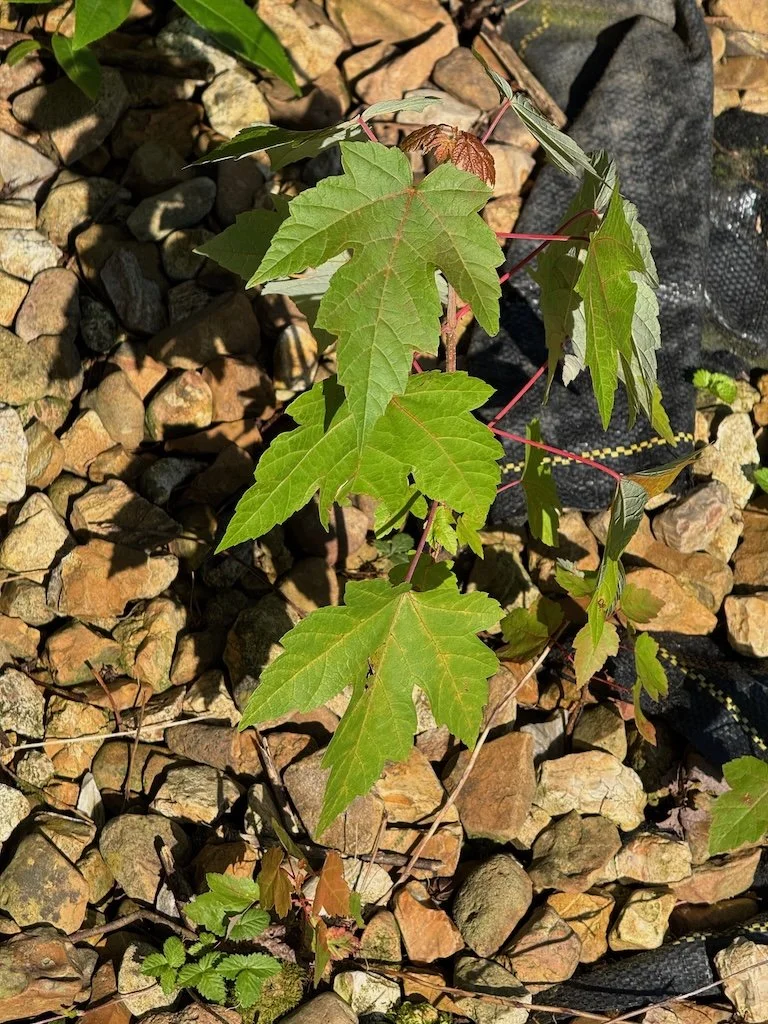
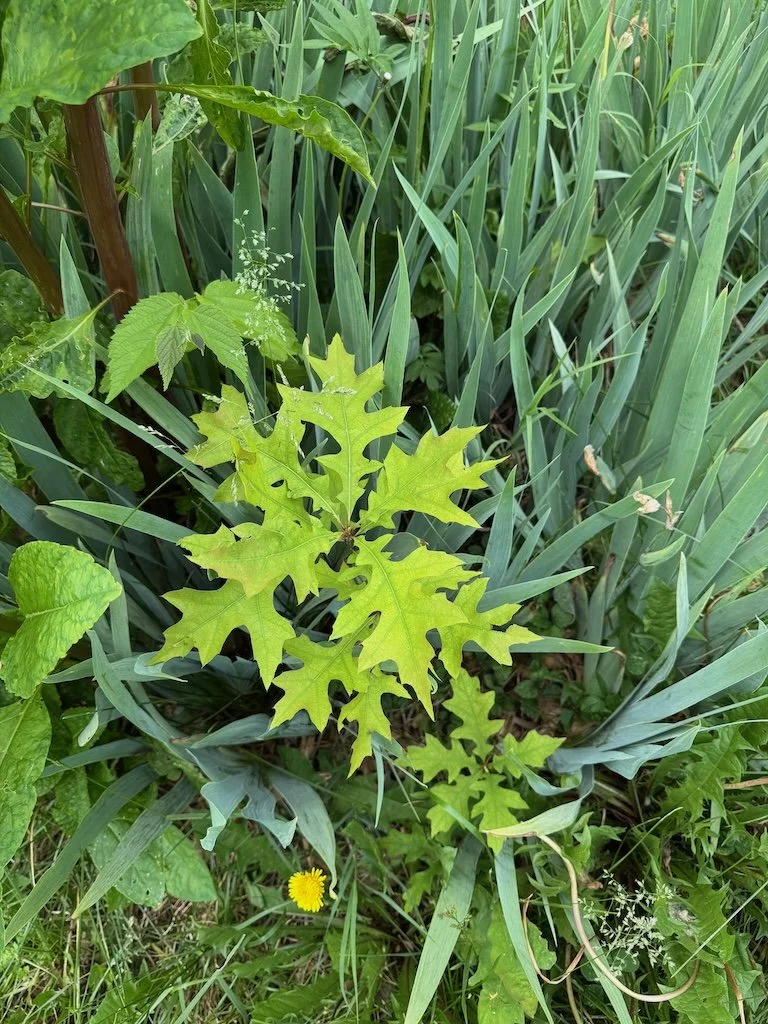
We are both challenged with grass growing where we don’t want it…and some invasives like Asian bush and vine honeysuckles. I have a lot of tree seedlings to control too – particularly hackberry, mulberry, redbud, oak, and maple.

Clover Cushions

One of the experiments in my backyard is not mowing areas that seem to have more clover growing in them. They look like ‘cushions’ in the otherwise mowed yard….an artsy look that doesn’t challenge the neighborhood yard police (as long as it is in the backyard…I’m not trying it in the front).

The idea is to let the plants grow, bloom, and produce seed…only mowing them infrequently…or maybe not at all.

Clover is a nitrogen fixing plant and its roots are generally deeper than grasses in the lawn – both positives from my perspective. It is a good way to improve the soil and stabilize the slope. Maybe eventually the whole west side of the backyard will be clover with some prairie plants mixed in.

Our Missouri Neighborhood – June 2025

I walked around our neighborhood in early June and noticed juvenile robins and territorial male red-winged blackbirds. The grackles were making the most noise; there seem to be more of them around this year.

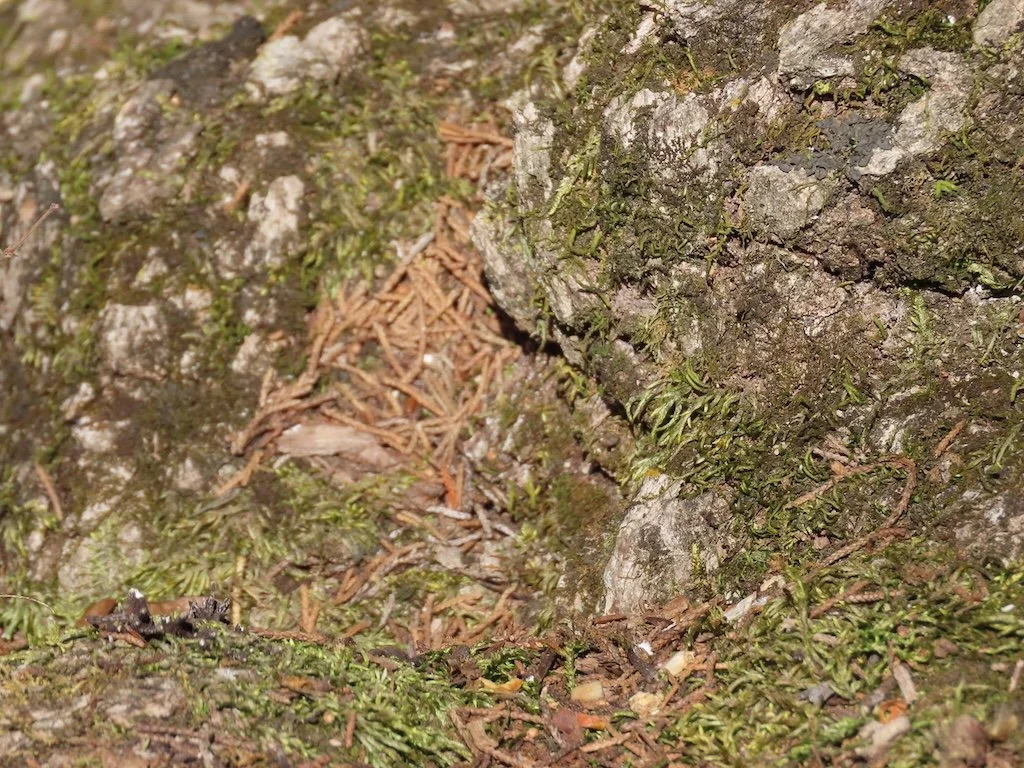
The moss on the side of the channel down to our storm water ponds is thicker than I remembered; May was much wetter than average this year and the moss is probably responding to that increase in moisture.

The turtles were sunning on the edge of the pond. I photographed them from across the water. By the time I was on the same side, there was only one left on the shore. They are very quick to slip into the water at the slightest disturbance.

I didn’t see any ducks or geese or herons. There were quite a few people out already, so perhaps they had left for more remote ponds if they had been around earlier.  

Moving to Missouri Anniversary

We moved to Missouri in June of 2022, so this is our third anniversary of being in the state and our house. I’m thinking about how much I have settled in.

There are boxes that were not unpacked in the first 6 months after we moved that are still unpacked. They are obviously things we shouldn’t have moved from Maryland. It’s not a lot but I am now thinking more seriously about how to convince my husband that we can get rid of them!

The yard is trending toward more native vegetation and less grass. It is slow going but I enjoy the process. It seems like the changes are beginning to snowball in terms of more birds visiting out yard in recent months. ‘Leaving the leaves,’ ‘no mow’ areas, and no fertilizers/herbicides/insecticides in combination is better than each one alone! I let Virginia creeper become the ground cover in my front flowerbeds, and they look very lush; the vines extend toward the front porch and have covered a bit of the steps up to our front porch making the entry look inviting rather than sterile concrete/brick.

Over the past year I have taken classes at the local university – something I hadn’t done in Maryland – and become a Missouri Master Naturalist so that I could do the type of volunteering that I did in Maryland. I am on track to volunteer at about the same level as pre-Covid this year. I am not as confident yet that I know as much about Missouri as I did Maryland – but I know enough to be comfortable with the naturalist activities I am choosing.

I’ve seen quite a bit more of the state with either my husband or daughter over the past year as well but am realizing there is a lot more to see. It easier to learn the physical aspects of the state than the social nuances, but maybe that was true occasionally in Maryland too. Over the course of this past year, the classes and volunteer gigs have provided opportunities for me to interact with more people…and that’s a good thing.

Our motivation for moving to Missouri was to be closer to where our daughter lives…and it is a nice bonus that we like our house and Missouri too!

My Missouri Yard – May 2025

There is always something happening in my yard this time of year. I often notice the mushrooms when I mow. There are several different kinds…most often near the place in our front yard where a tree was cut down sometime before we bought the house. There is still a lot underground that the fungi are decomposing.

I noticed a crane fly in the white pine as I was mowing….right at eye level.

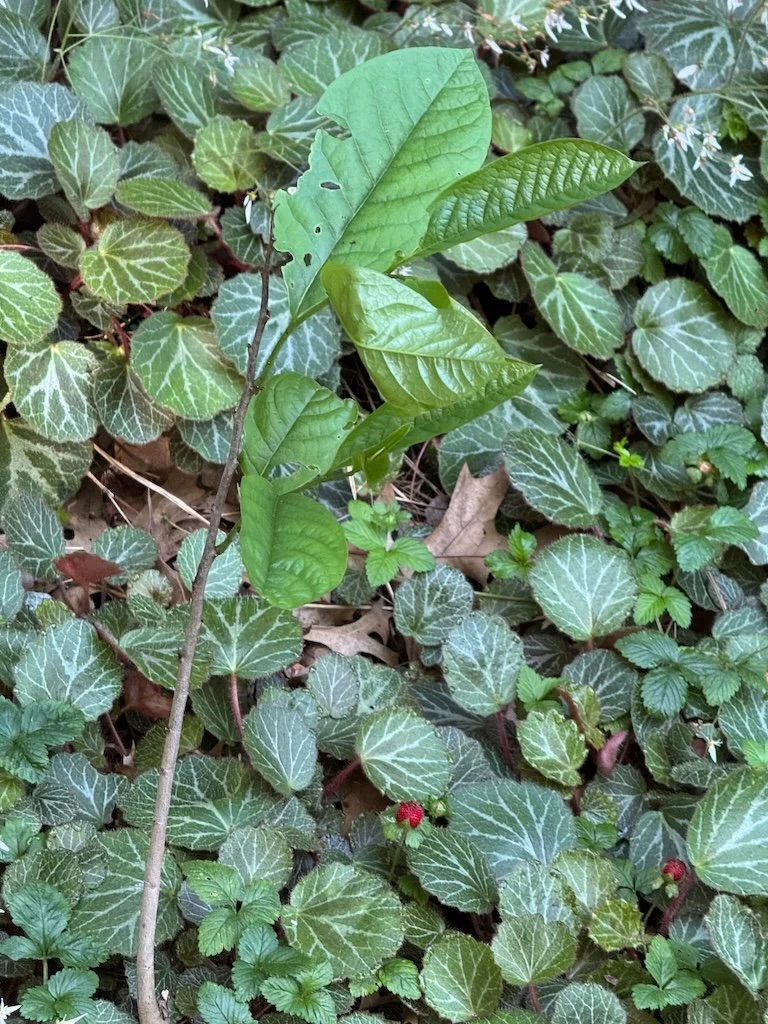
The common saxifrage (Saxifraga stolonifera) was growing in a protected corner flowerbed on the east side of our house when we bought it. The plant has overflowed the bed and bloomed profusely this spring….a benefit of not mowing an area that is very shady and was beginning to be mossy. It is not a native plant, but it has deeper roots….will hold the soil on the slope better than moss…and better than grass too!

The rose bushes are blooming…recovered again from dying back during the winter. The wildflower patch I planted the first year is doing well…although I am realizing that not all the flowers are natives. I am letting it continue this year but will have to begin taking out the non-natives next year.

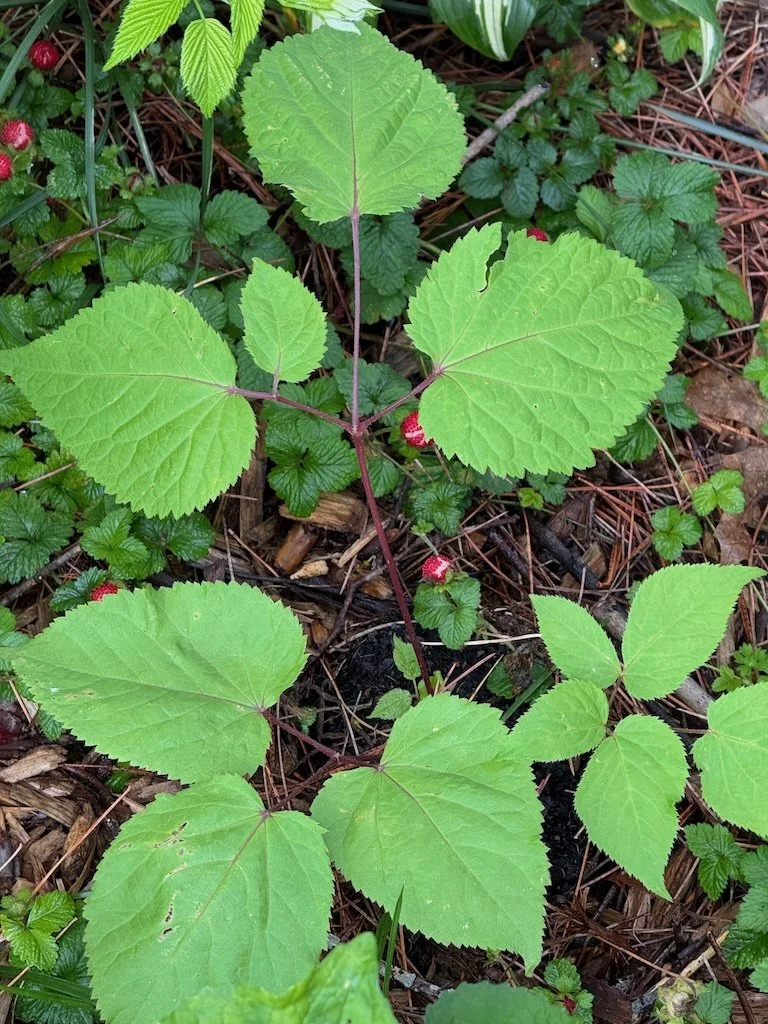
The mock strawberry (Potentilla indica) seems to be in several places in my yard. It is invasive but I am not doing anything to get rid of it at this point.

I have a hummingbird feeder on my office window for the first time this year….we don’t have a lot of ruby throated hummingbirds, but enough of them come by to make it worthwhile to keep it clean and full of sugar water!

New Plants (in my yard)

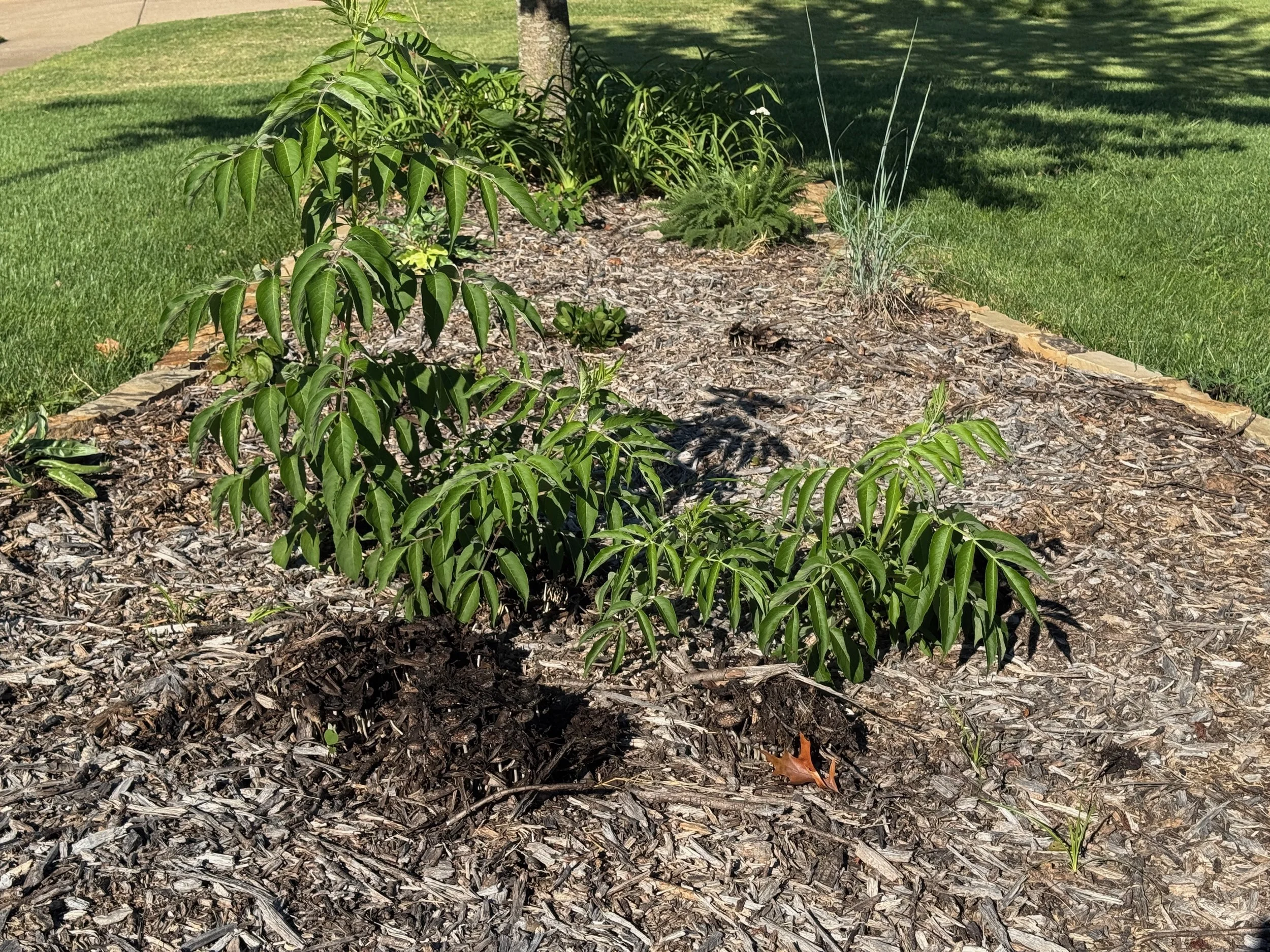
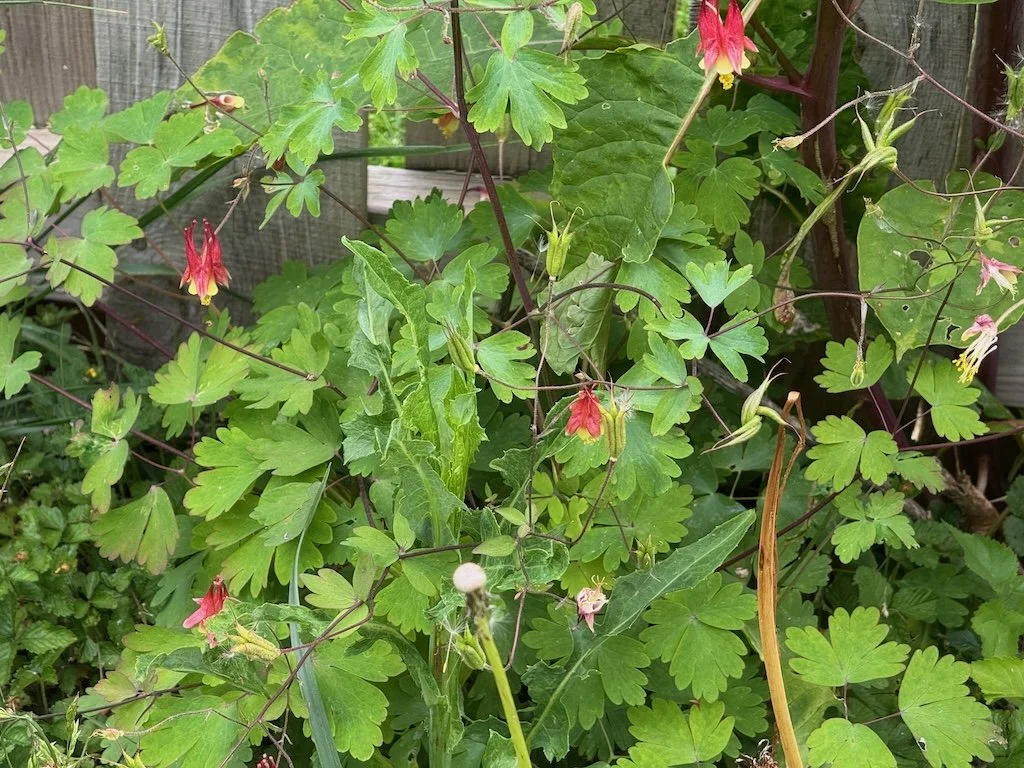
I added 4 new native plants to my yard recently: a red buckeye, another American Spikenard (the first is almost 2 years old and is doing so well that I wanted a second plant for another shady place), and two (eastern red) columbines.

The red buckeye was in the largest pot and I planted it first – on the east side of my house with violets growing almost all around it. I put some wood ships from mt daughter’s tree trimmers around the base. Right now the American Spikenard that is nearby is taller than the buckeye but that won’t be for too long. I hope it gets a good start this year and will – in years to come – attract hummingbirds when it blooms and shade the violets and spikenard through the hottest part of the summers.

I took a break from planting and trimmed the small branches that were at too narrow angles from the main trunk on the two young redbuds that came up in my yard…and that I am letting  grow.

I had the two columbines and the American spikenard still to go.

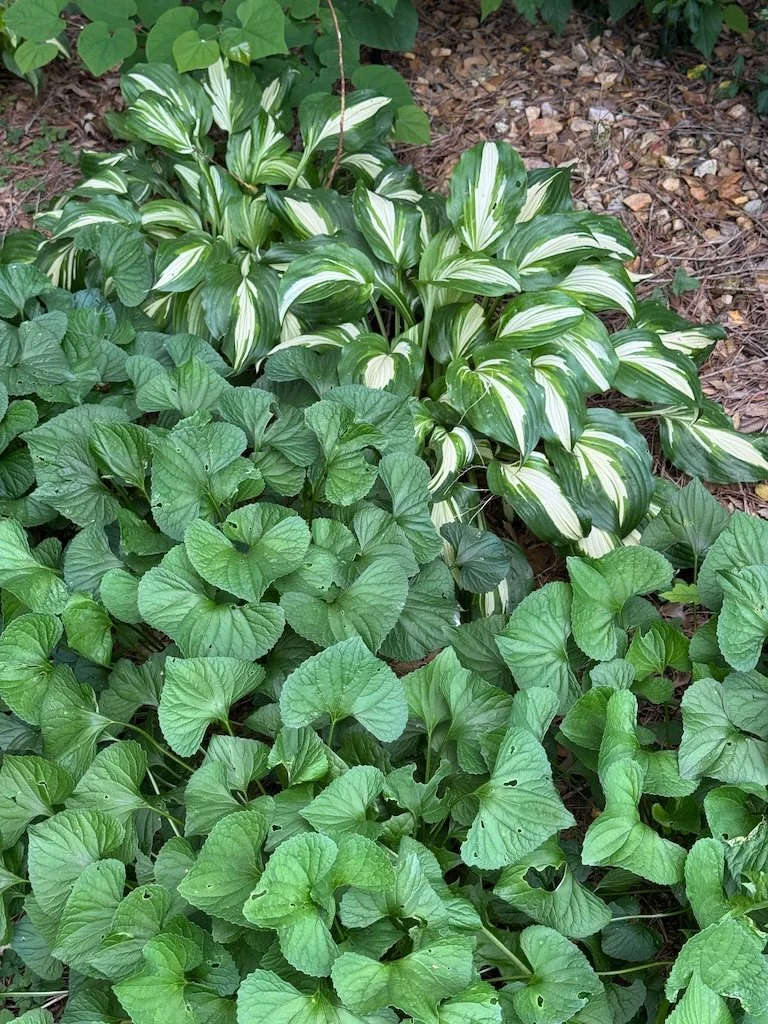
The spikenard’s new home is on one end of the hosta garden. The area is between hollies and a eastern white pine….shady all the time. I propagated the hostas from dense beds that were planted before we bought the house and now there will be an American Spikenard there too. It will be towering over the hostas by next year!

I planted the two columbines in an area I had planted some milkweed last fall…but it didn’t come up. So now there are two columbine plants there…with mulch around them. The area is sunny for most of the afternoon.

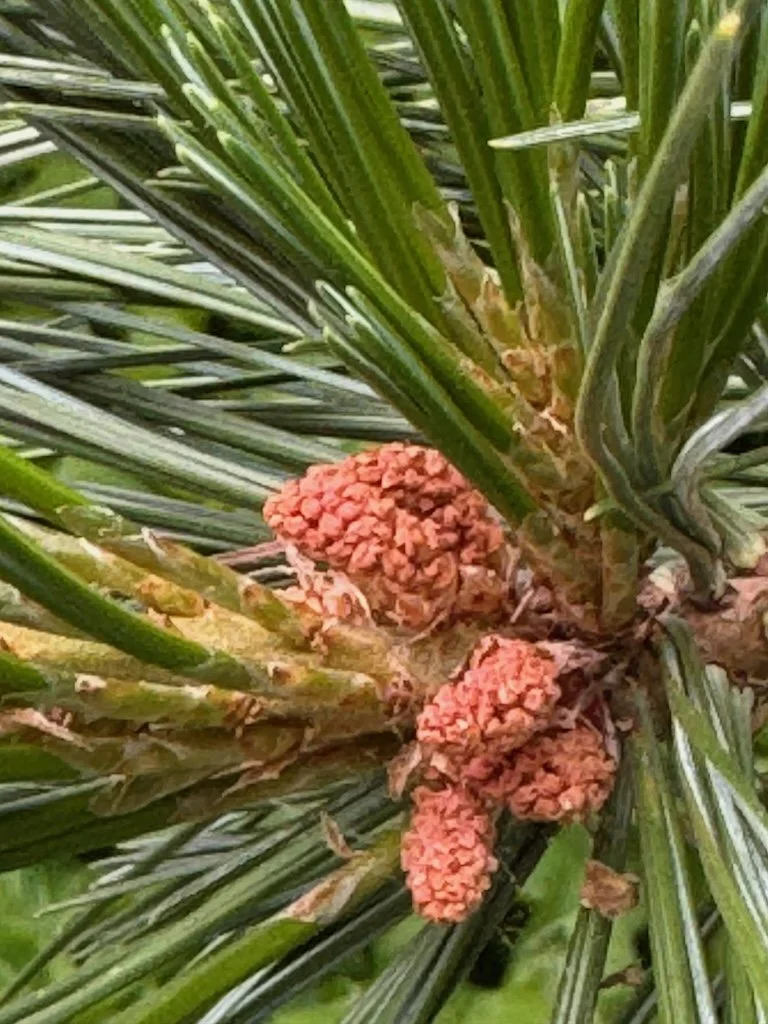
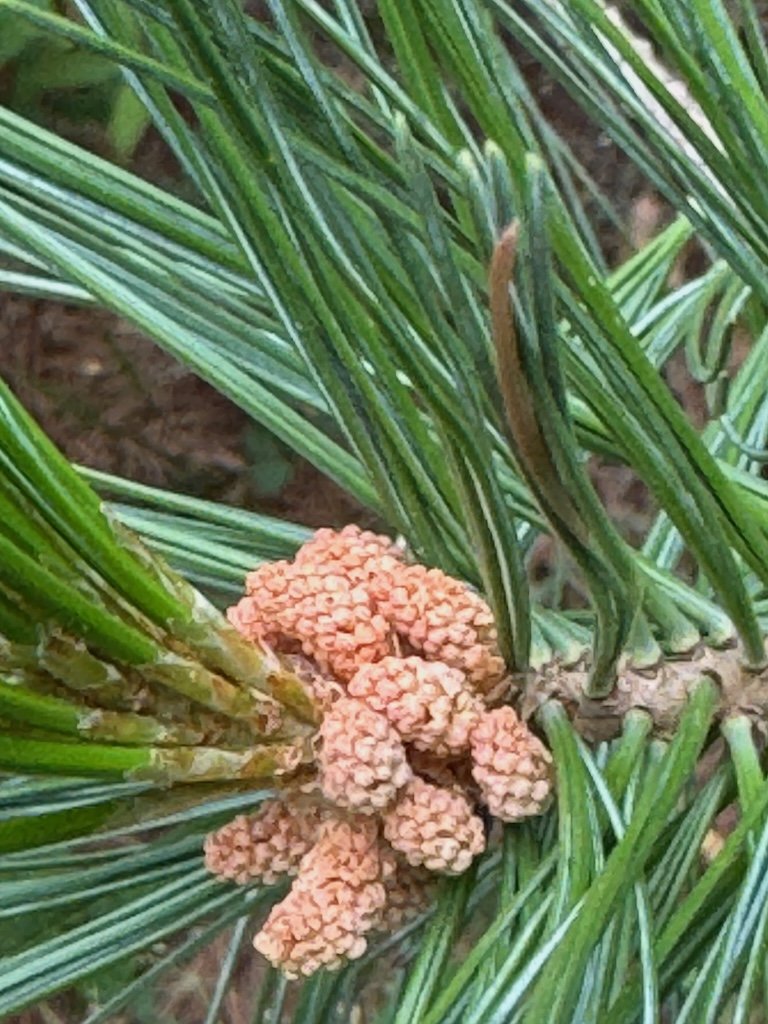
There is a shortleaf pine nearby and I noticed some spring developments on that tree as I gather up my tools and the emptied bin from the wood chip mulch.

The yard is changing – little by little – into the yard I want…less grass and more variety of plants and animals!

Zooming – April 2025

Springtime photography….is April the best month? It seems like that might be true this year. The photographs were taken at the Springfield Botanical Gardens, my yard, the Missouri State University Campus, my daughter’s yard, Onondaga Cave, and 2 volunteer activities. There were so many images to choose from; I selected 23. I used three different cameras – iPhone 15 Pro Max, Canon Powershot SX730 HS, and Nikon Coolpix P950. Enjoy the slideshow!

Our Missouri Yard Before the Killing Frost

I walked around our yard before the killing frost last week…to capture the colors of late fall. There is not much to do in the yard right now. I am following the ‘leave the leaves’ strategy. The winds swept away most of the leaves in the front yard but there are two drift areas in the back which may thin the grass. I don’t mind at all if that happens. I’ll plant black-eyed susans, cone flowers, golden rod, asters, bee balm, golden alexander, etc. I am inclined to let the pokeweed grow at will since I have seen mockingbirds eat the berries this fall.

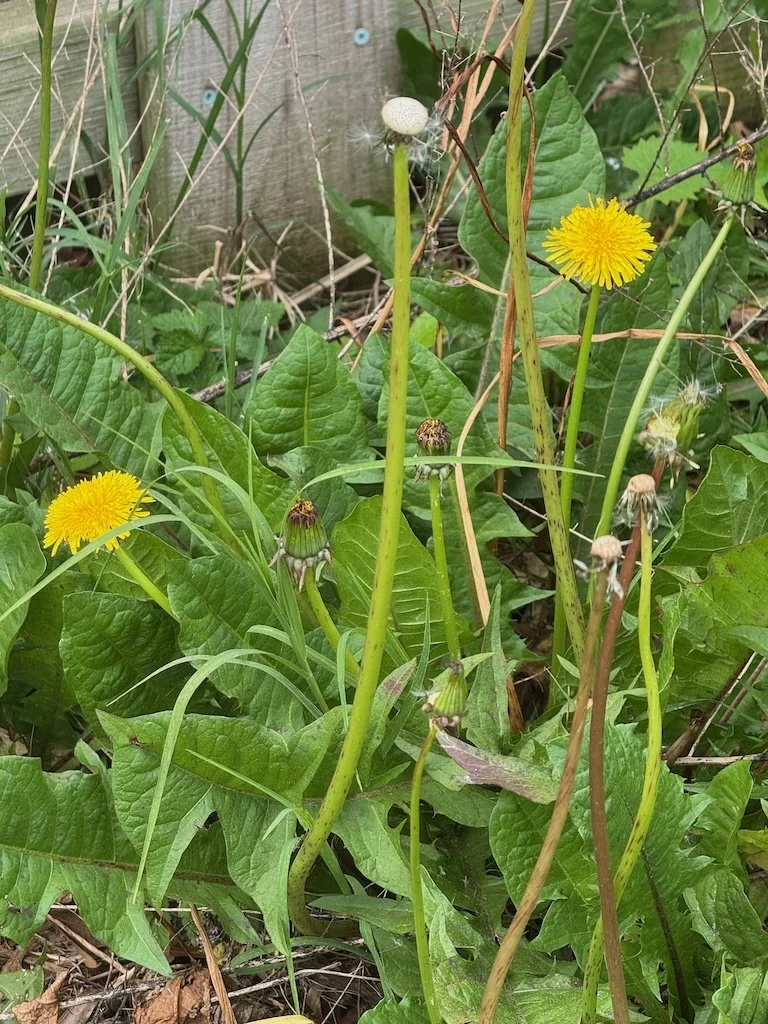
There were still a few dandelions in bloom….and insects. The morning I walked around was in the 40s so the insects were not moving very fast.

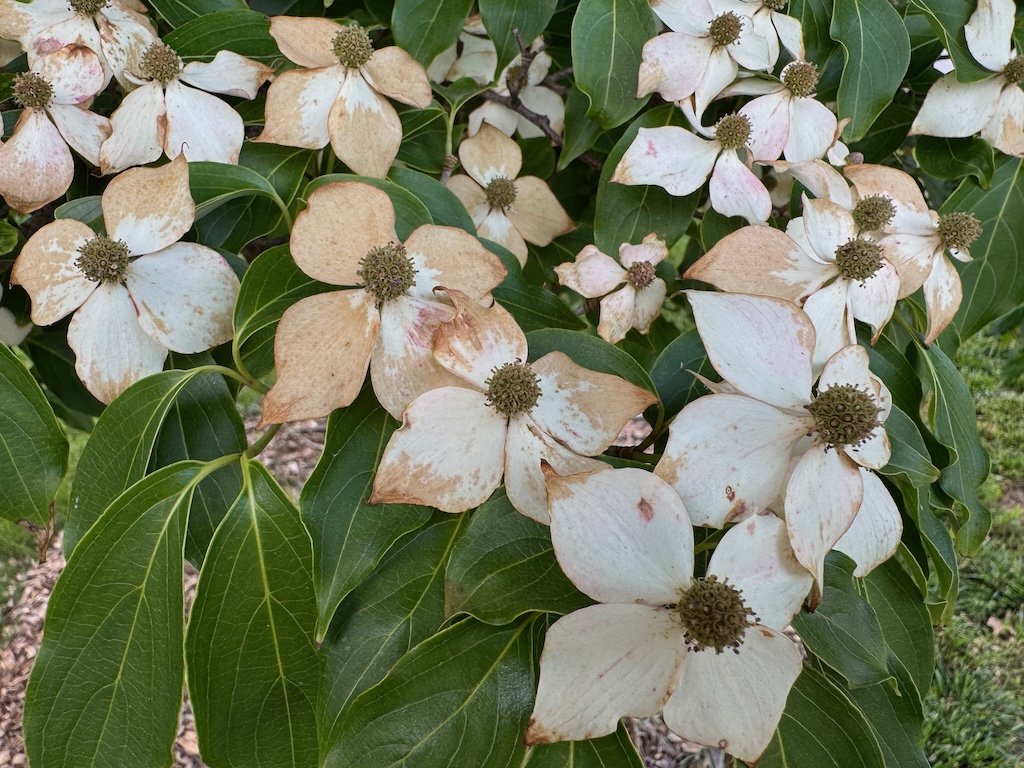
Of course there was lots of color…including aromatic sumac, a young maple, our Kousa dogwood…as well as other plants that are probably not native.

The seeds of the chives are easily falling out of their husk. The pods on the crape myrtle will probably freeze before the can mature; the plants have died back to the ground every year we have lived in Missouri so far. The big buds on the rhododendron look great and will likely make it through the winter to bloom next spring.

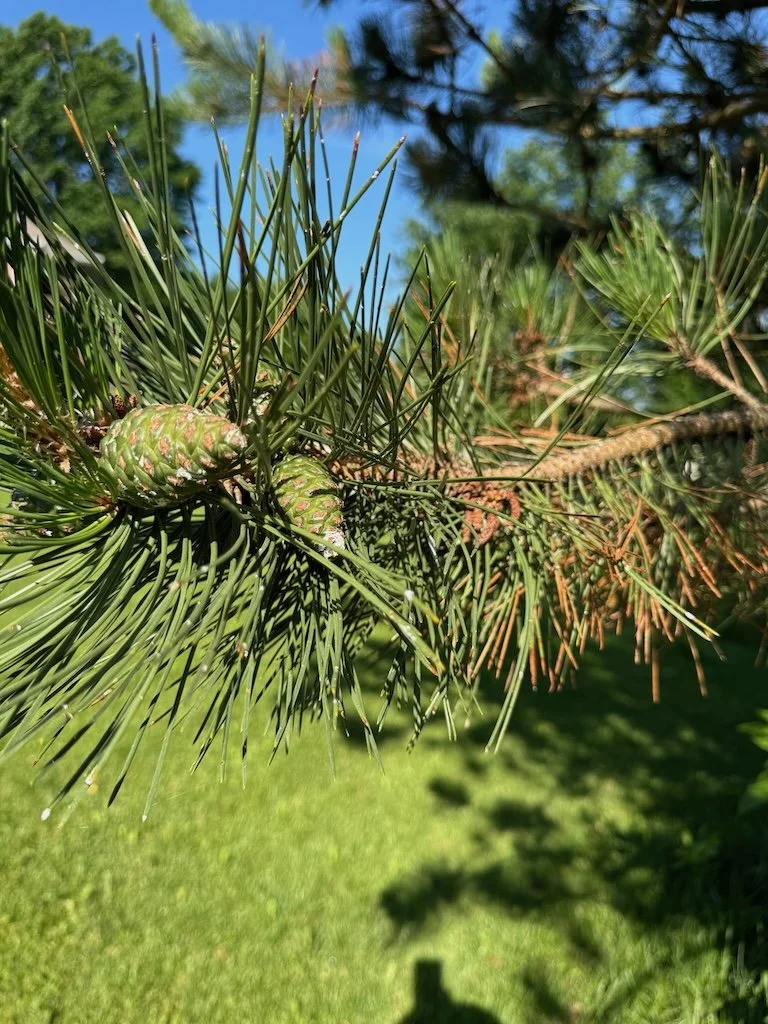
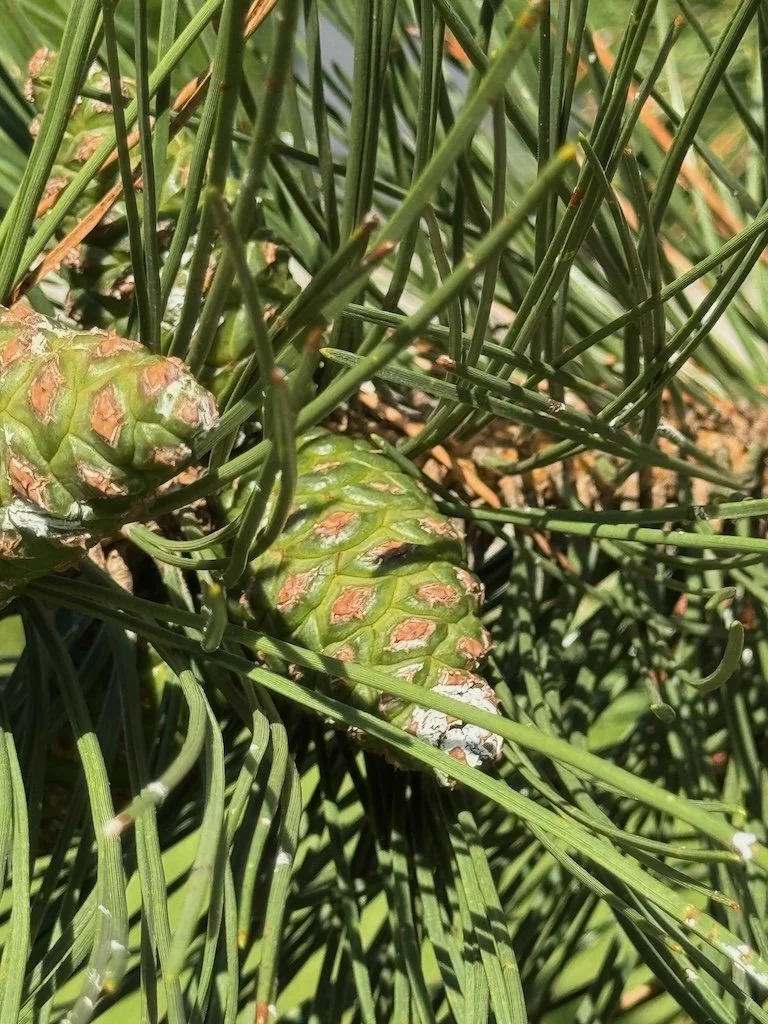
Both the Eastern White Pine and Short Leaf Pines are doing well in our back yard – pokeweed growing underneath them. There is also a small Eastern Redcedar that has come up in my wildflower bed; I’m thinking about where to move it next spring…maybe to the area where I planted a button bush…which a squirrel promptly clipped to the ground.

My husband got the barn swallow nests removed from under our deck. We succeeded in not letting them build a nest on the brick of our house last summer…but they found a place on the deck supports and we didn’t notice soon enough.

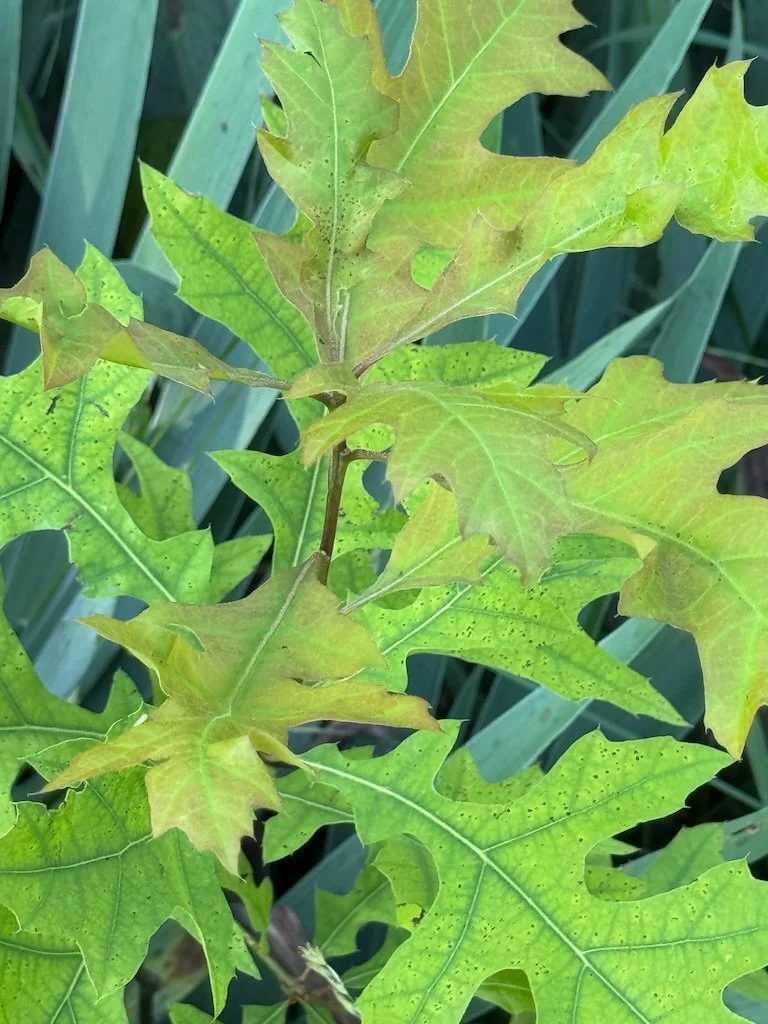
Our maples in the front yard have lost their leaves. Our neighbor’s river birch has also lost its leaves and it looks like there is a squirrels nest in the tree. The oak in our neighbor’s yard (a pin oak) still has a lot of leaves but seemingly has dropped a lot as well; most of the leaves in our back yard are from that tree.

Even though the drought of the summer made the fall not as brilliantly colored, fall lingered lingered…and the transition to winter was worth noticing.