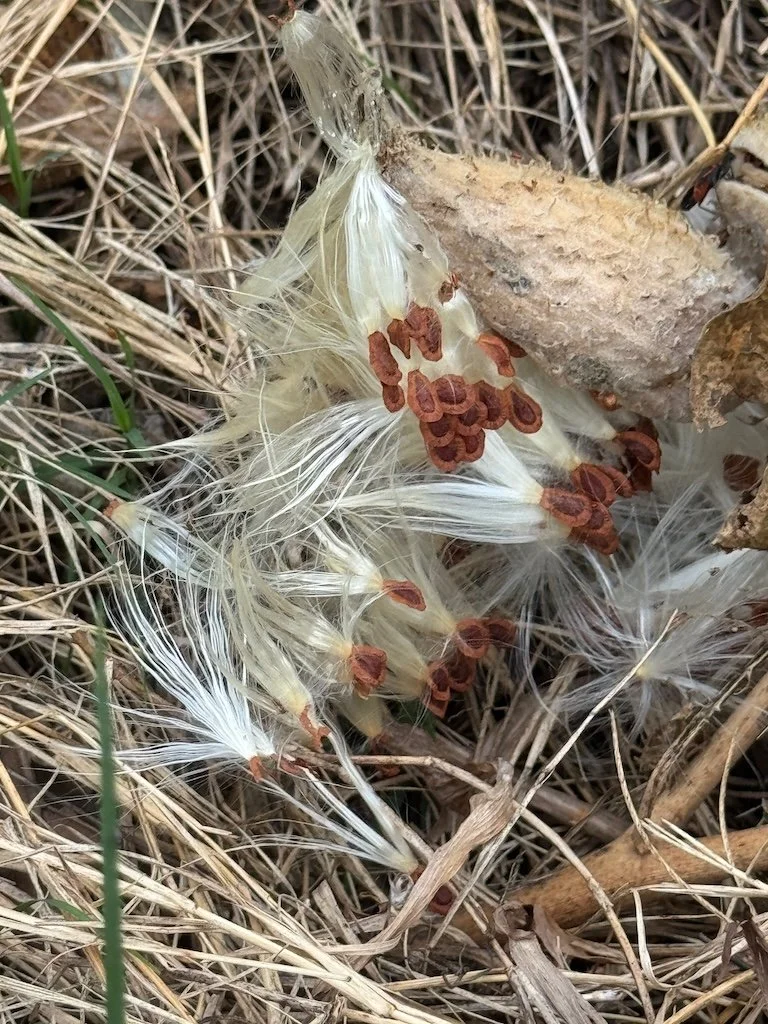
Butterfly House Trees

I decided to document the trees in the Roston Native Butterfly House during one of my recent shifts. All of them are there to provide food for certain caterpillars. So here is a tree tour of the house…starting on the right side as you enter the trees are
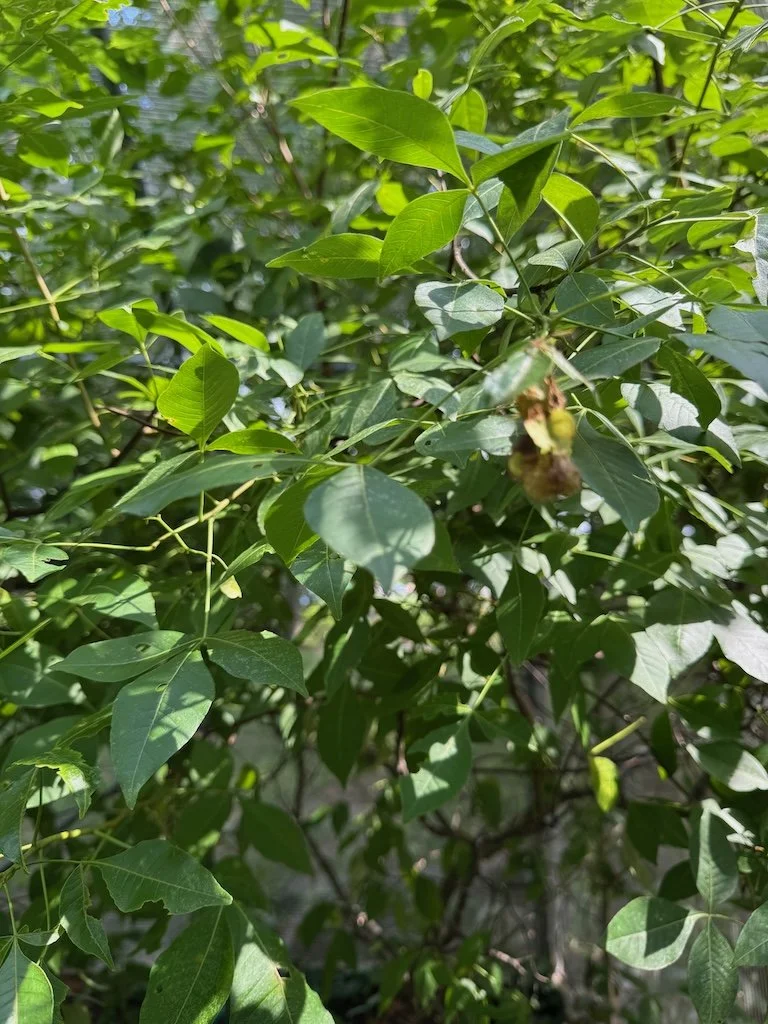
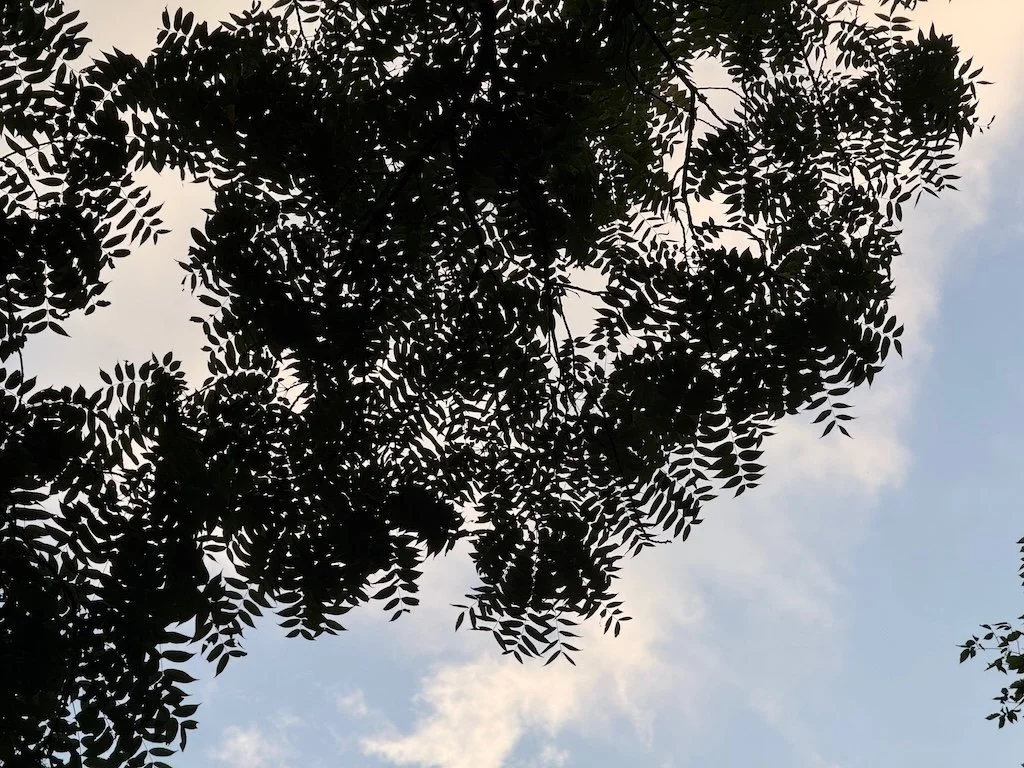
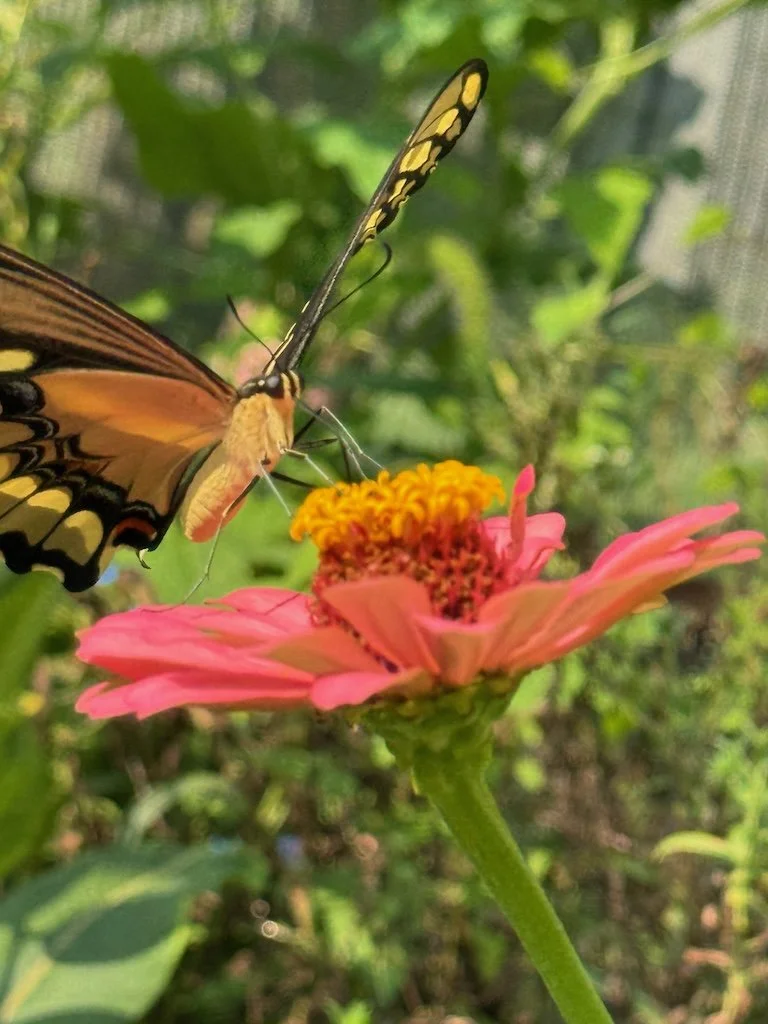
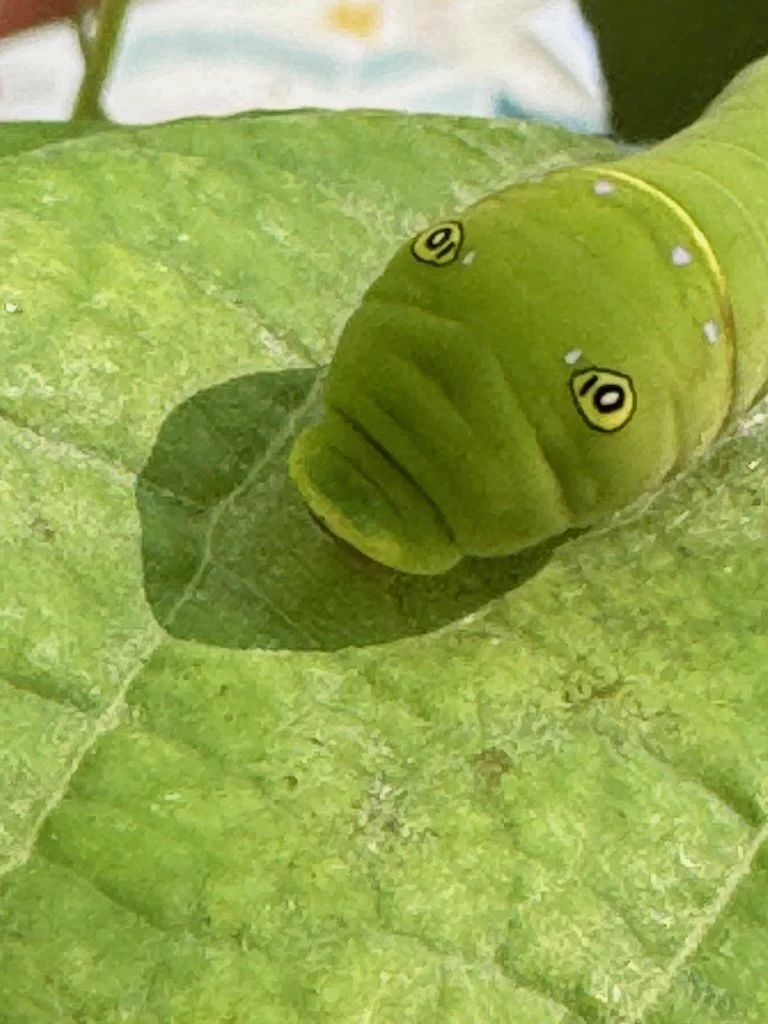
Wafer ash for Giant Swallowtail caterpillars
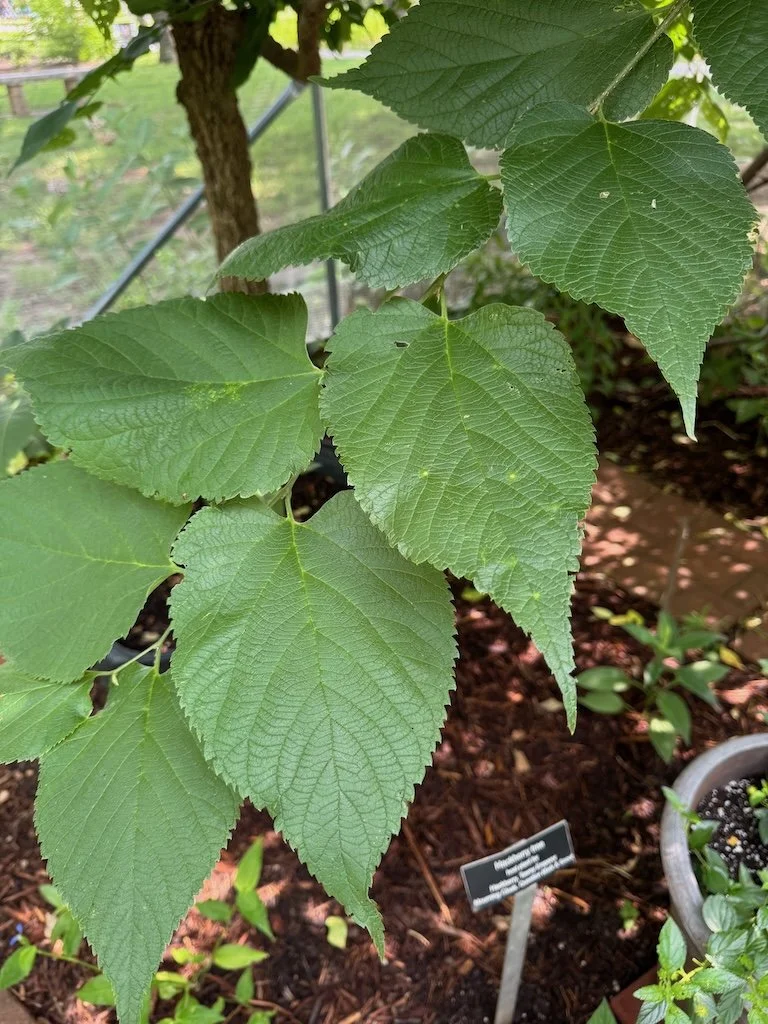
Hackberry for Hackberry Emperor caterpillars
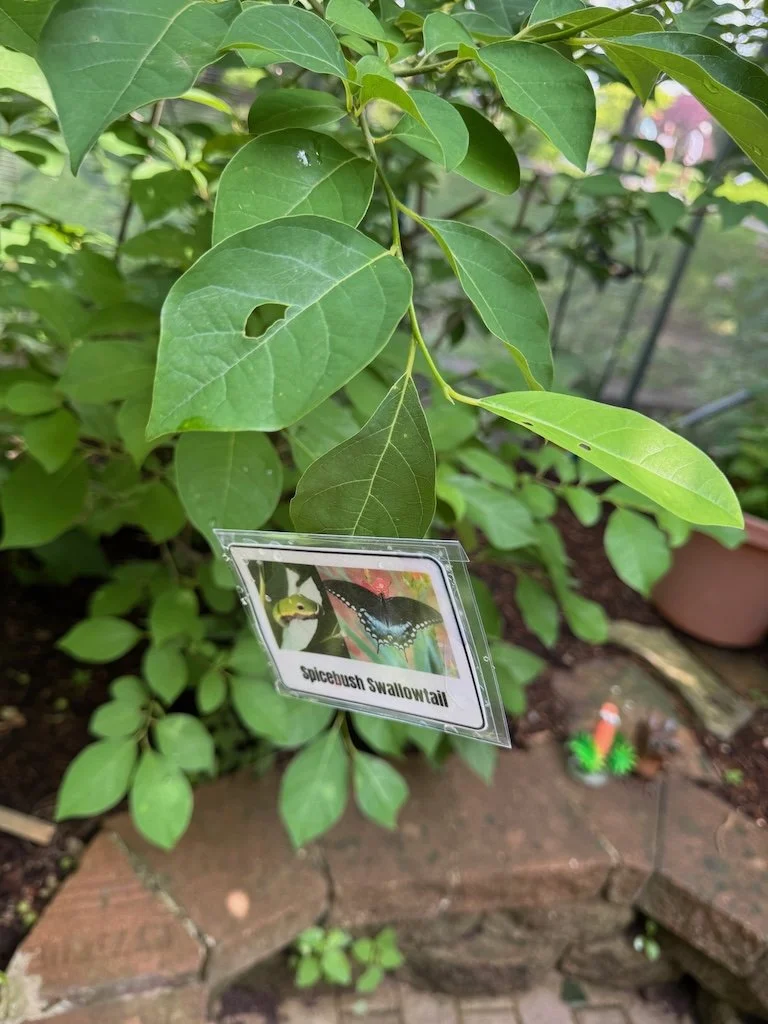
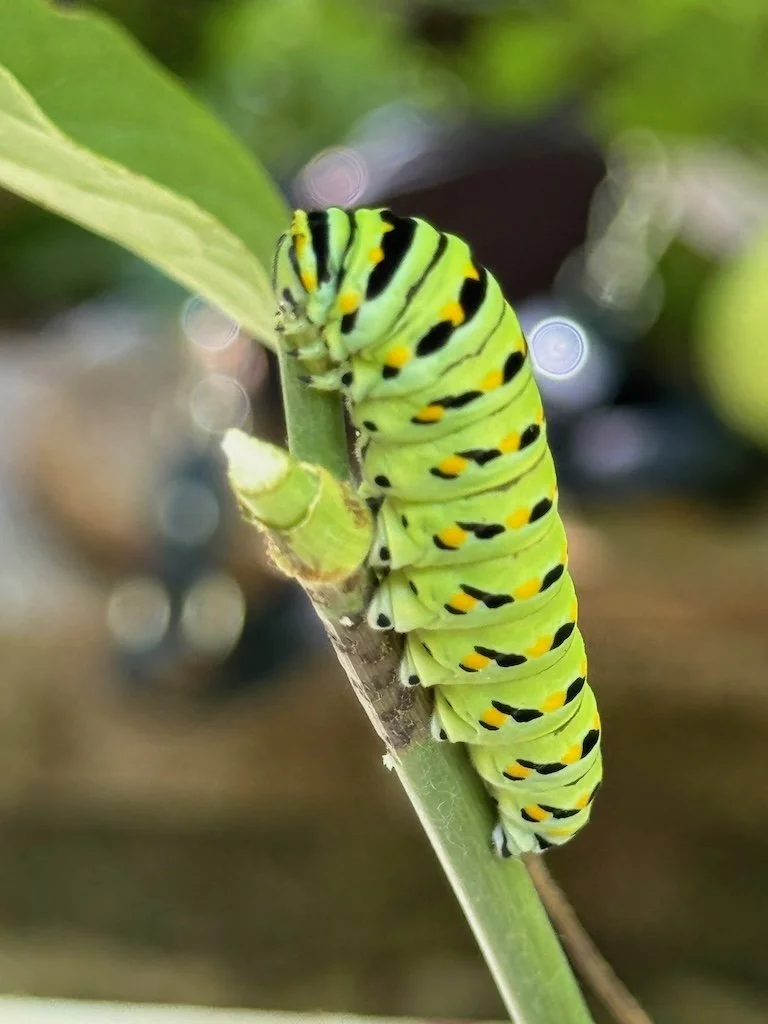
Spicebush for Spicebush Swallowtail caterpillars

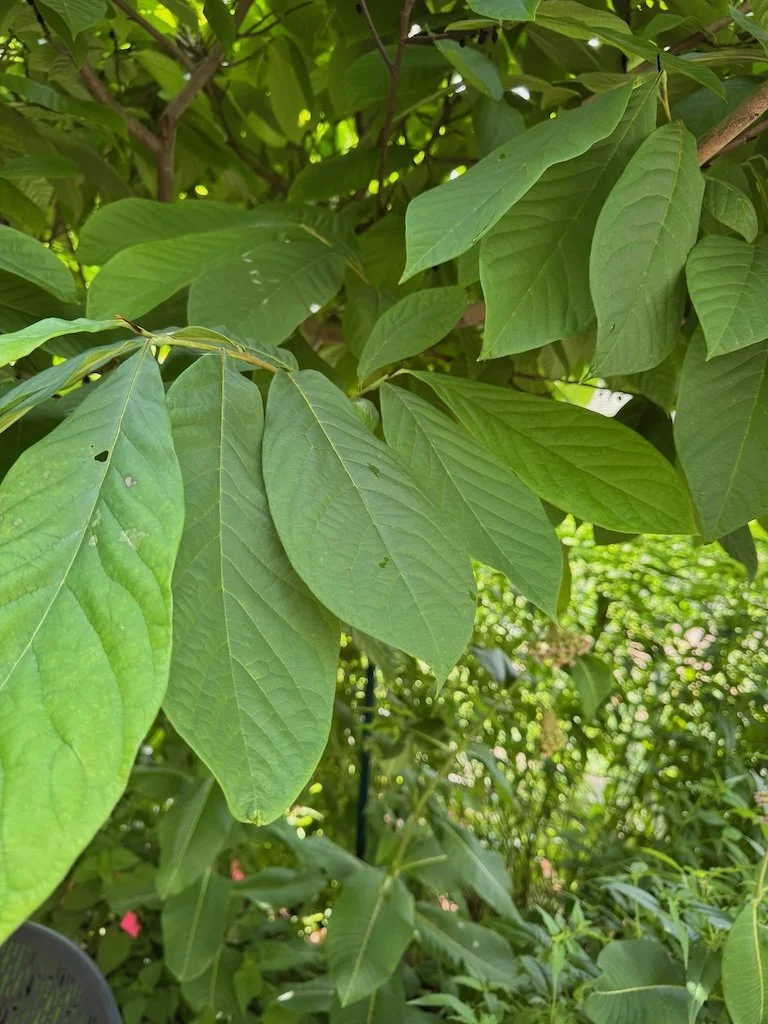
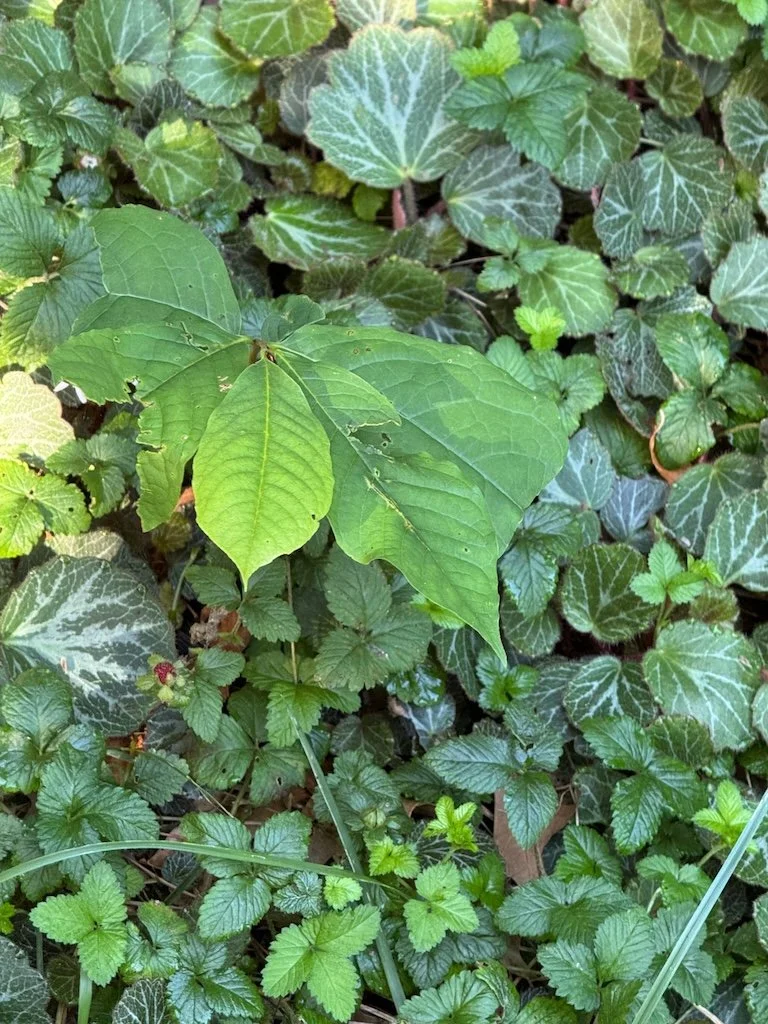
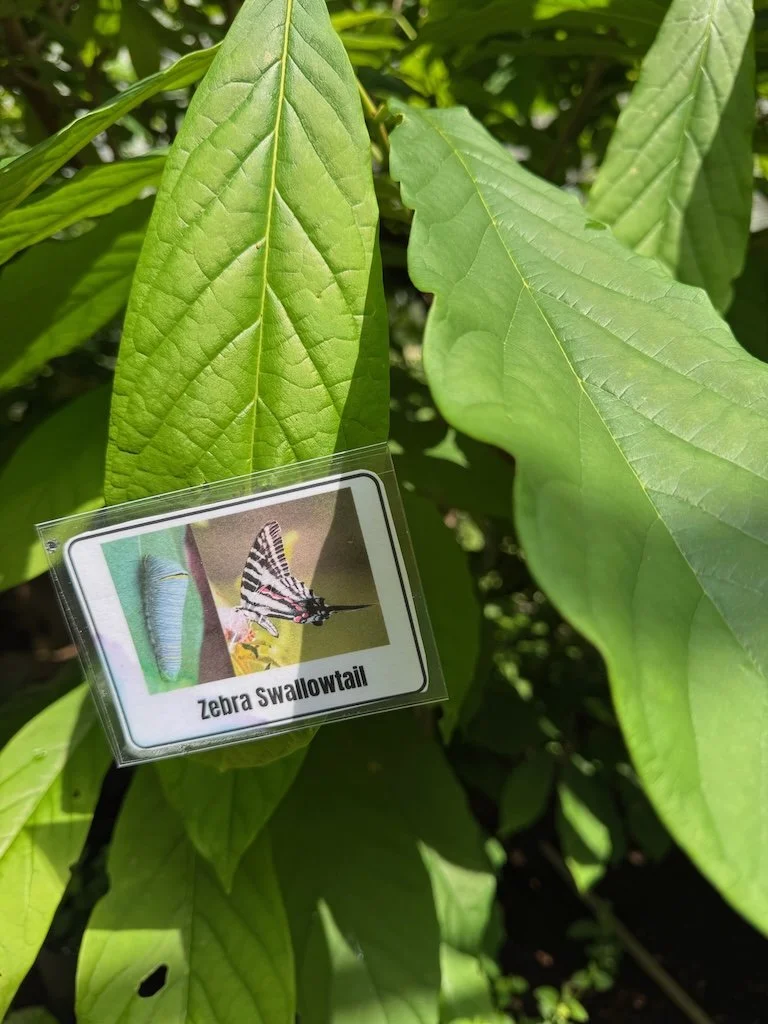
Pawpaw for Zebra Swallowtail caterpillars
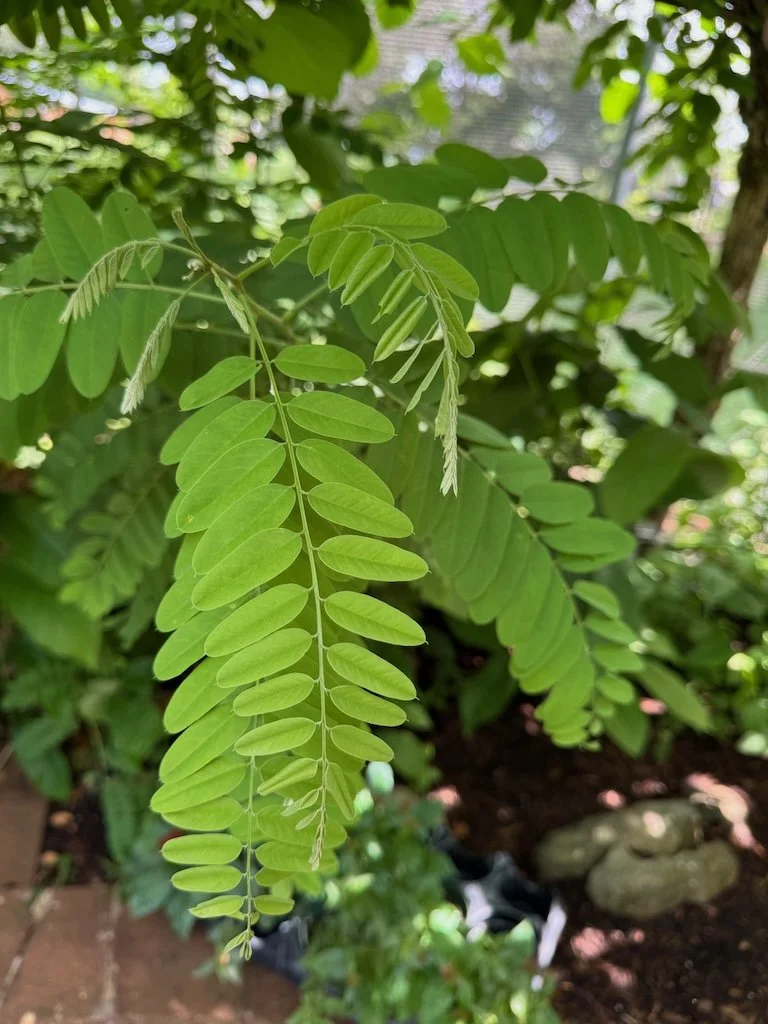
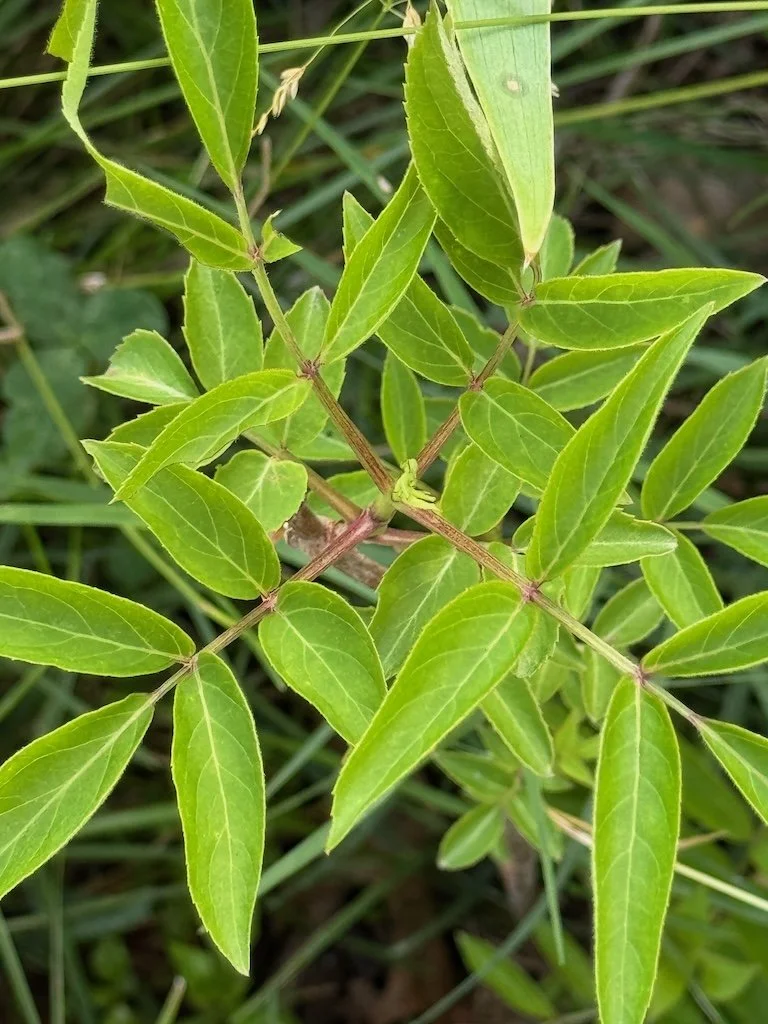
False Indigo for Silver Spotted Skipper caterpillars
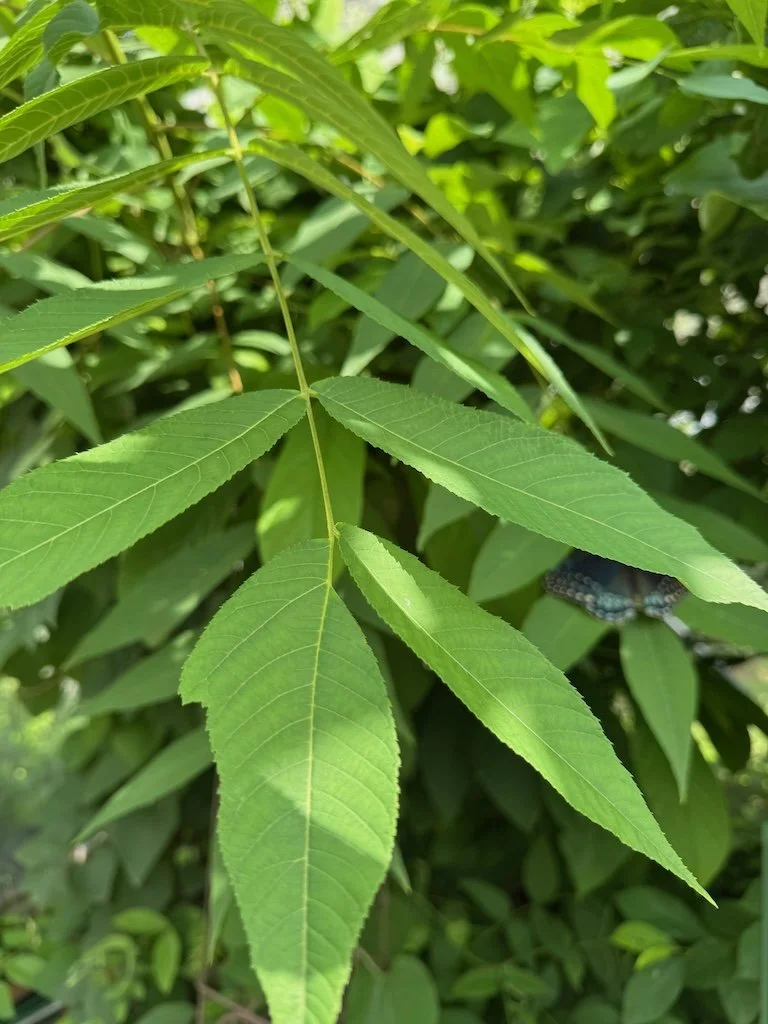
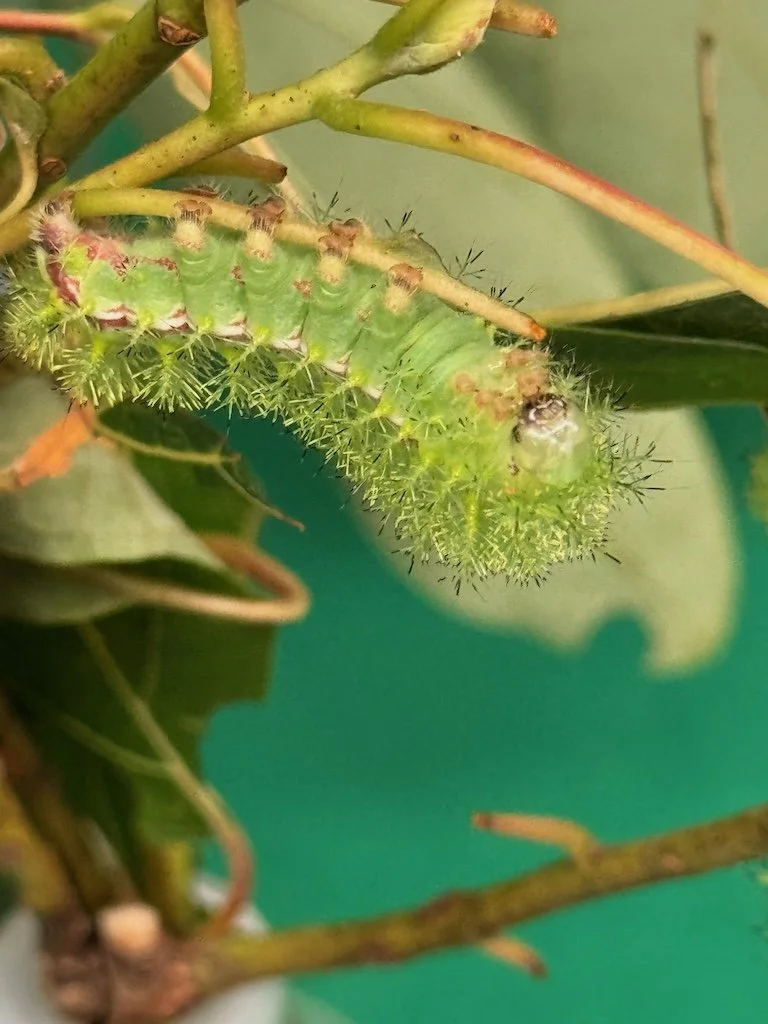
Black Walnut for Luna Moth, Polyphemus Moth, and Red Banded Hairstreak caterpillars

(turning back toward the front of the house…looking at the trees on your right)
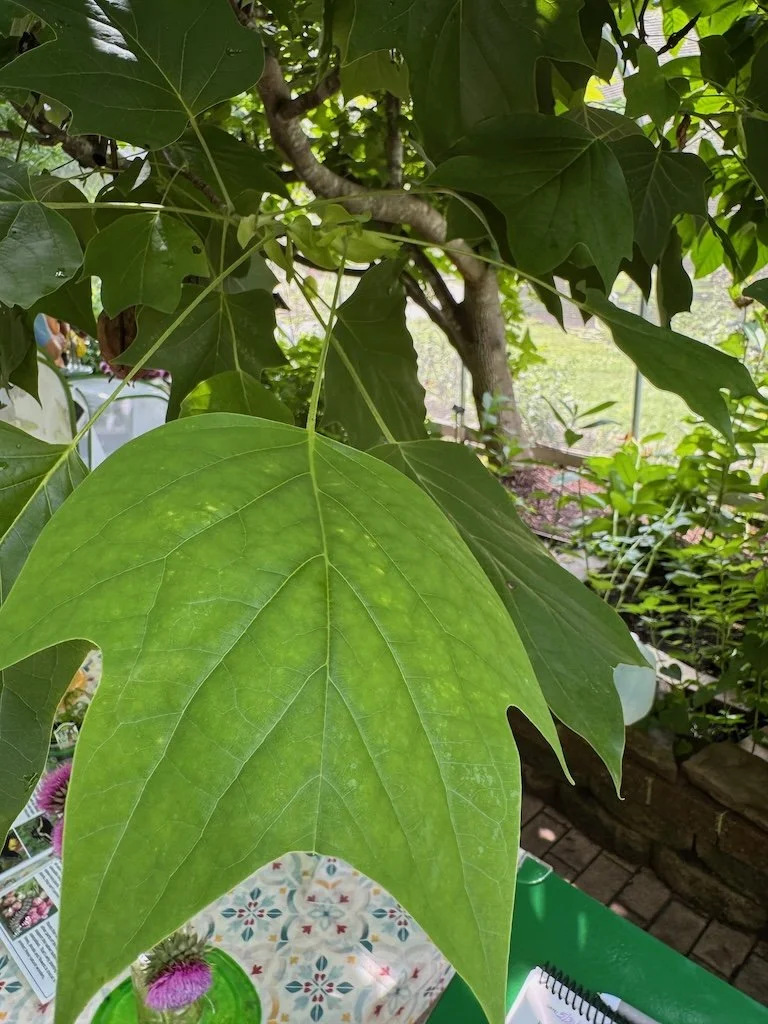
Tulip poplar for Tiger Swallowtail caterpillars

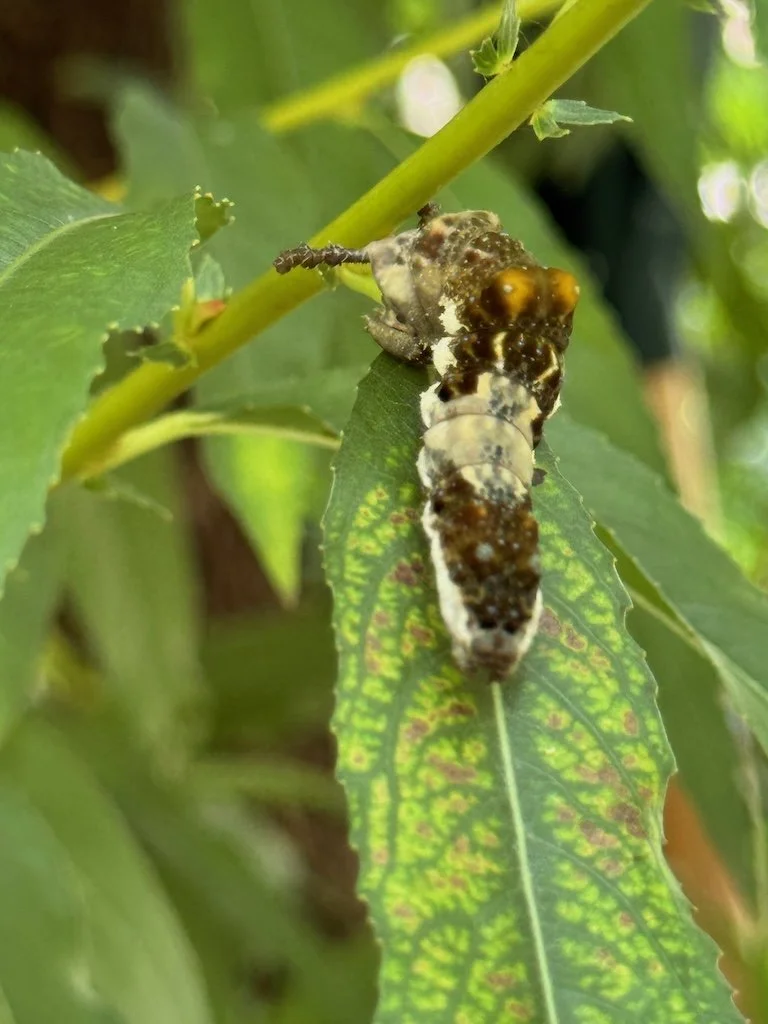
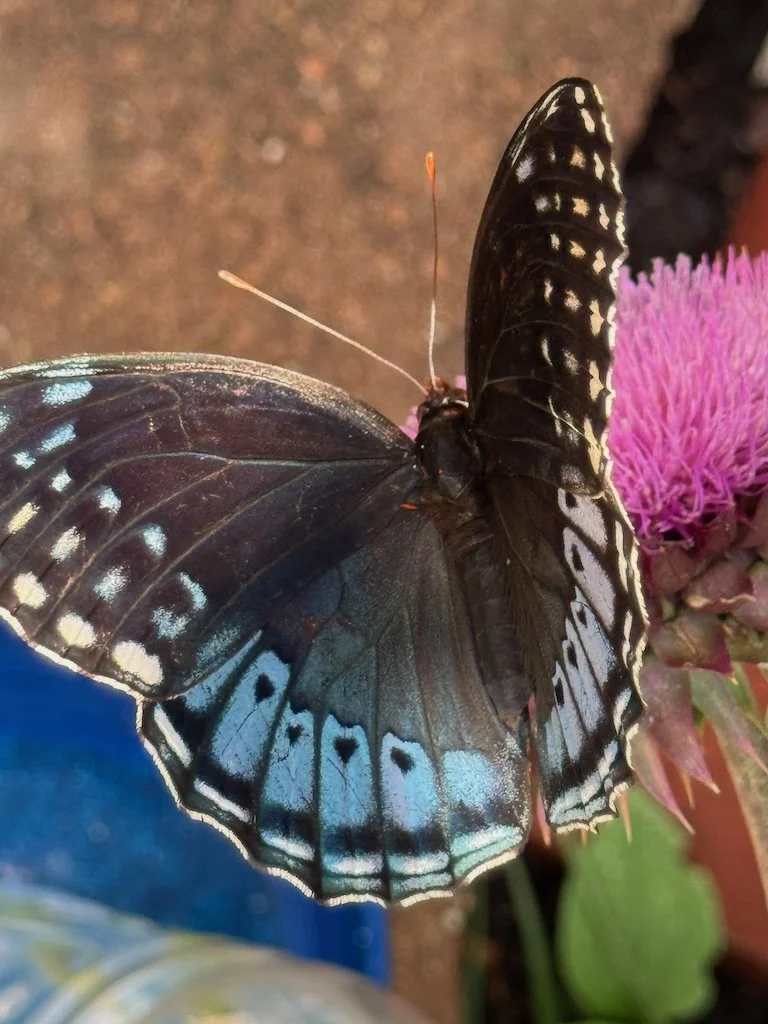
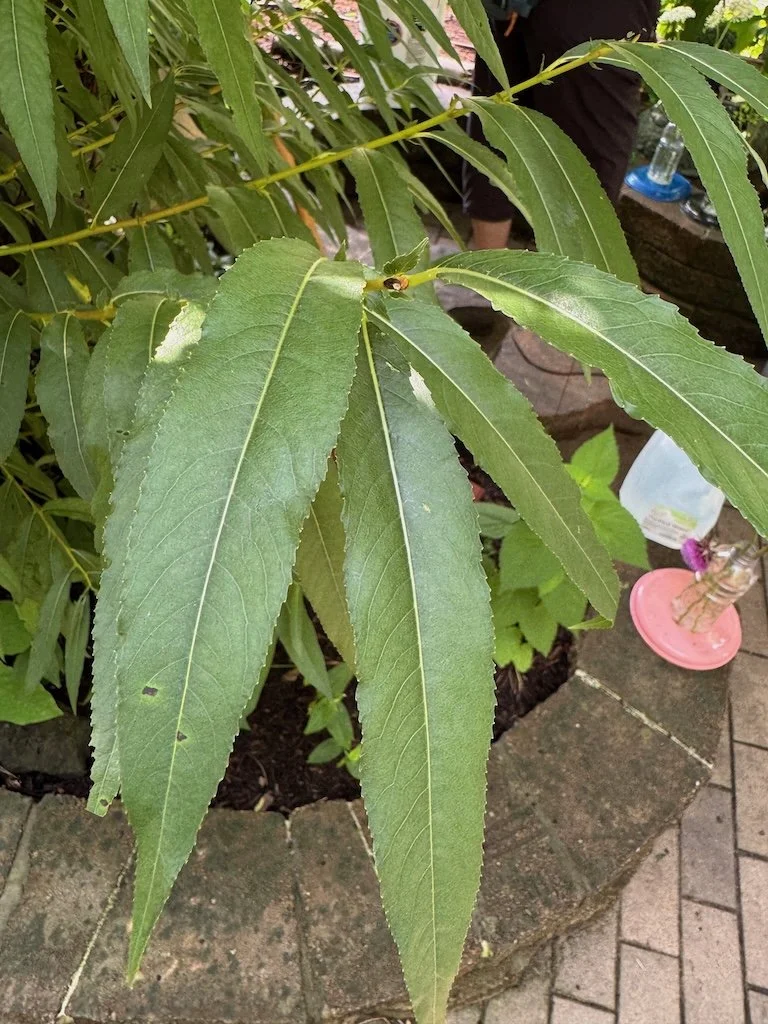
Black Willow for Red Spotted Purple caterpillars
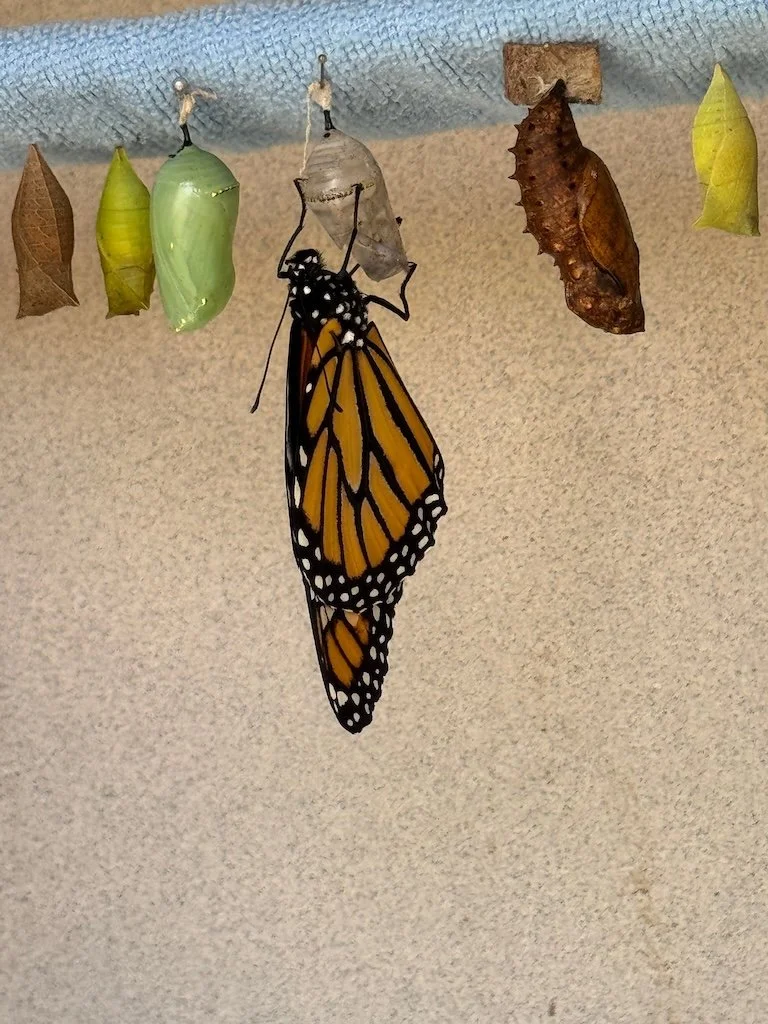
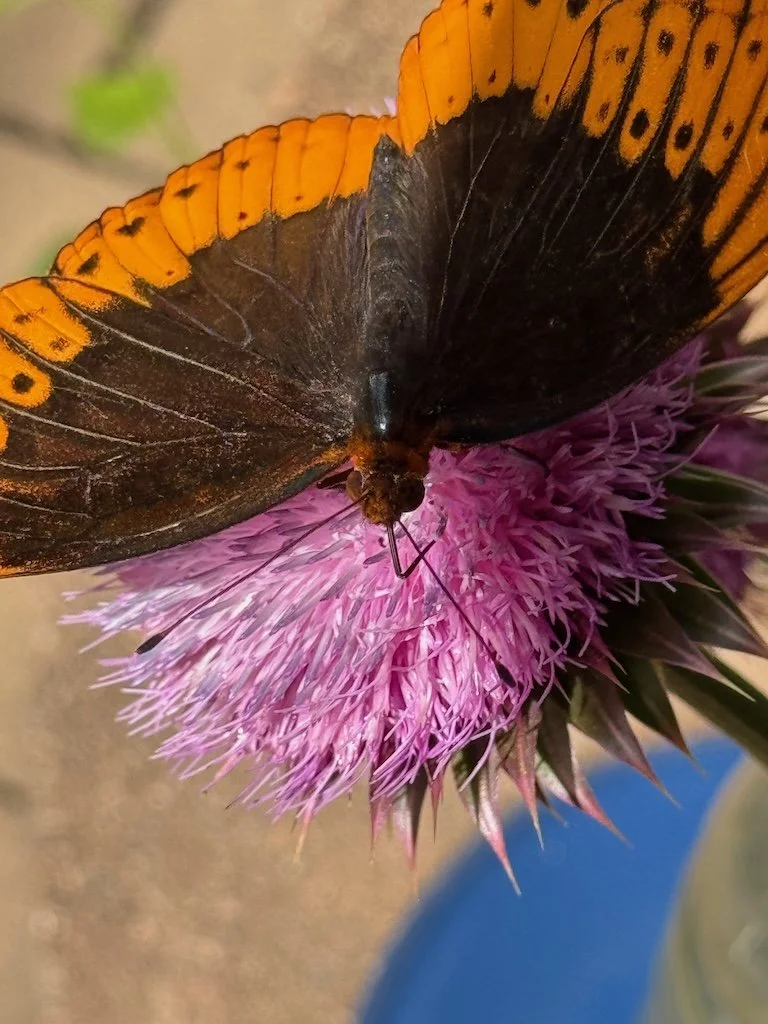
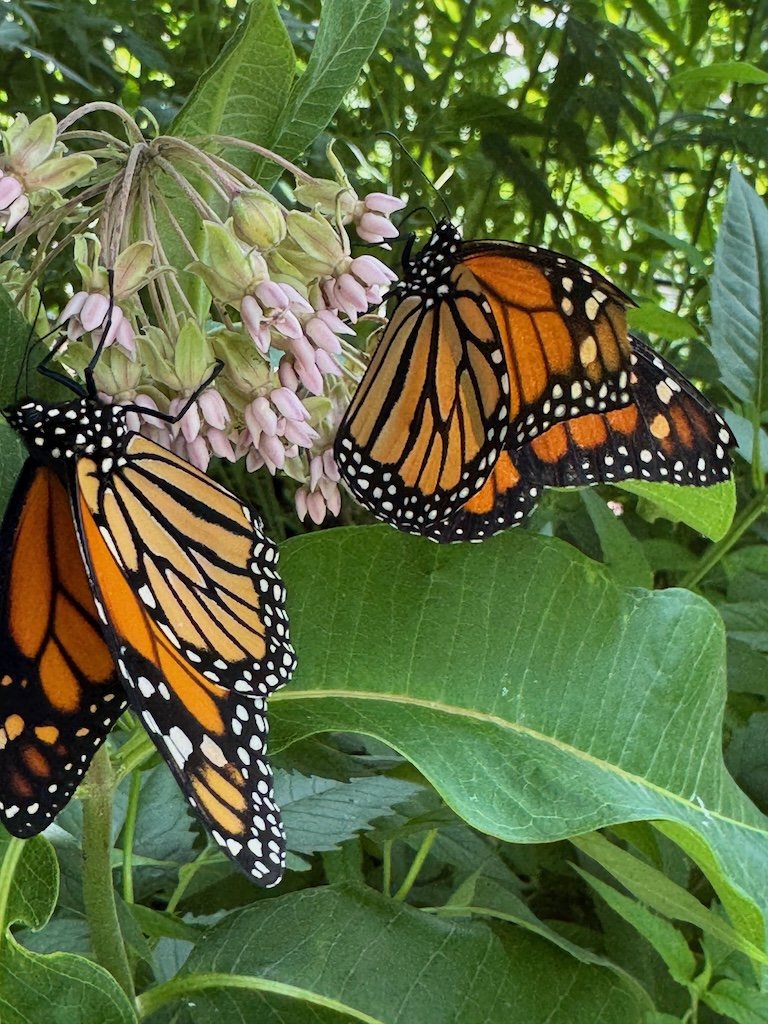
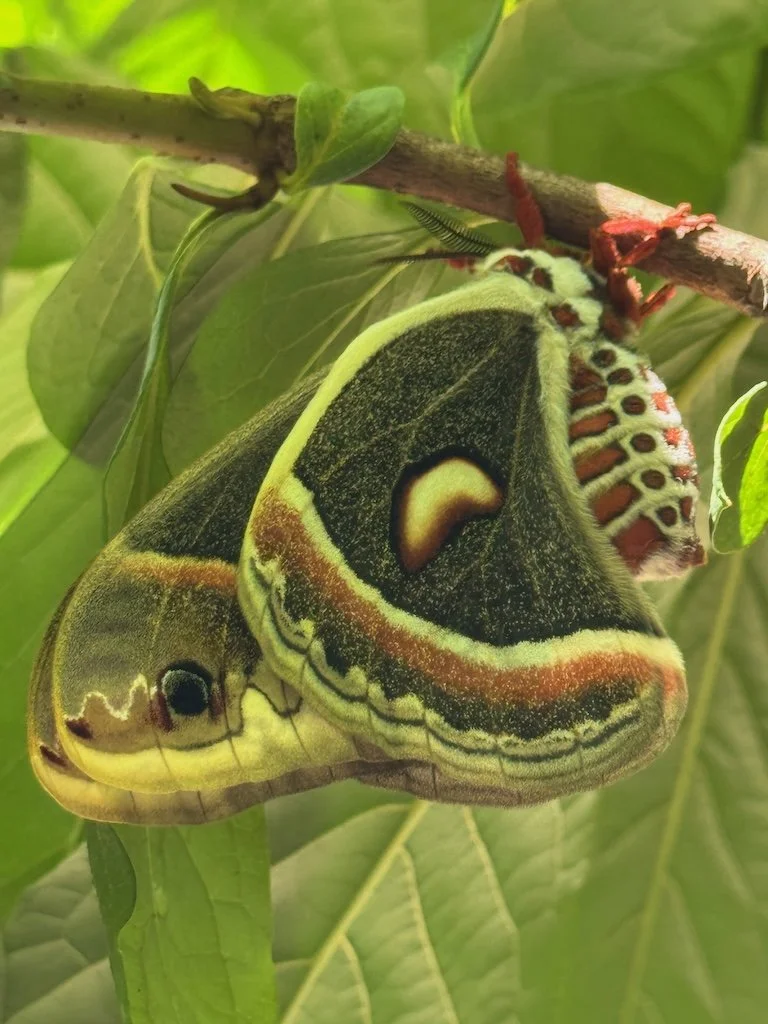
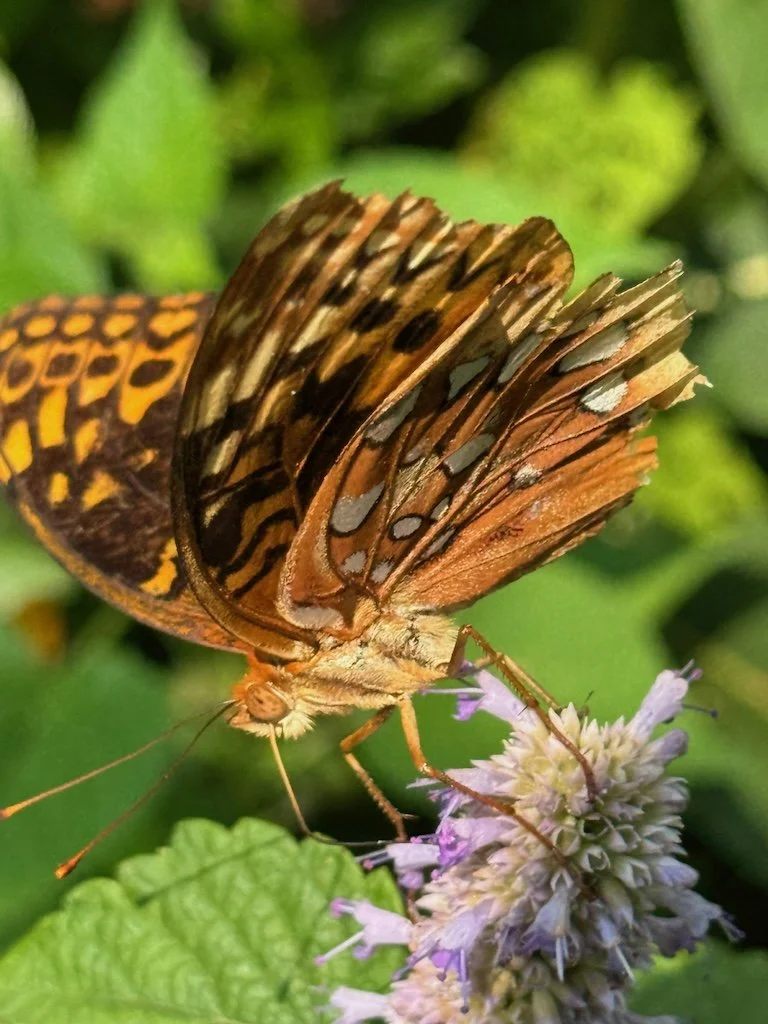
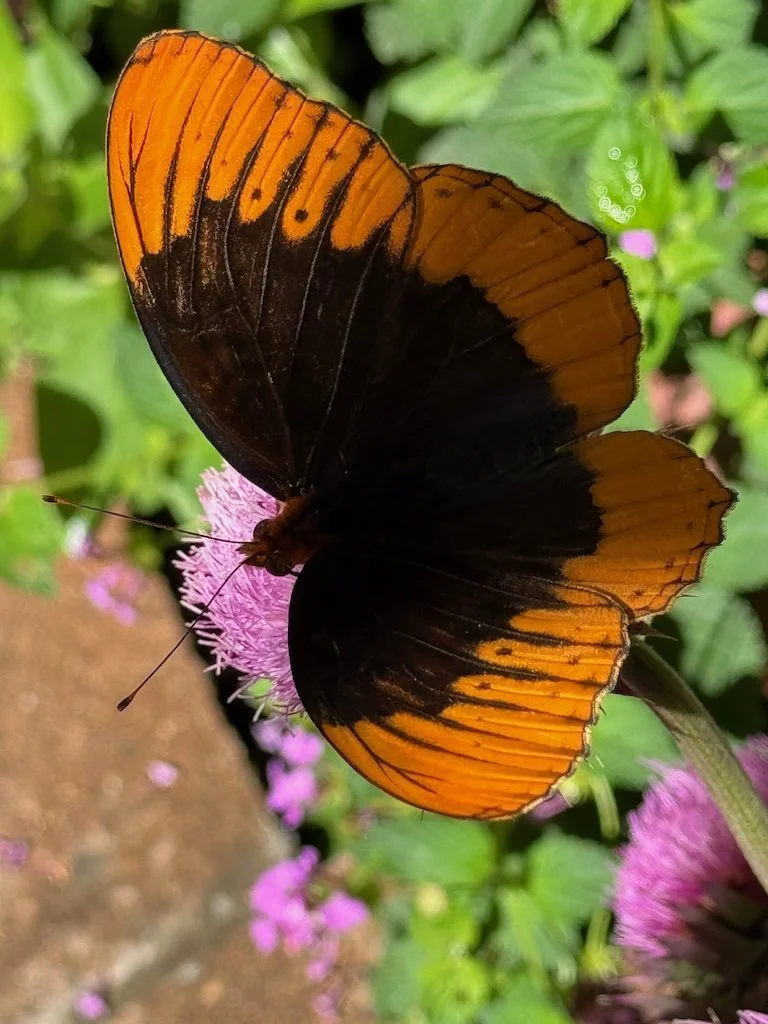
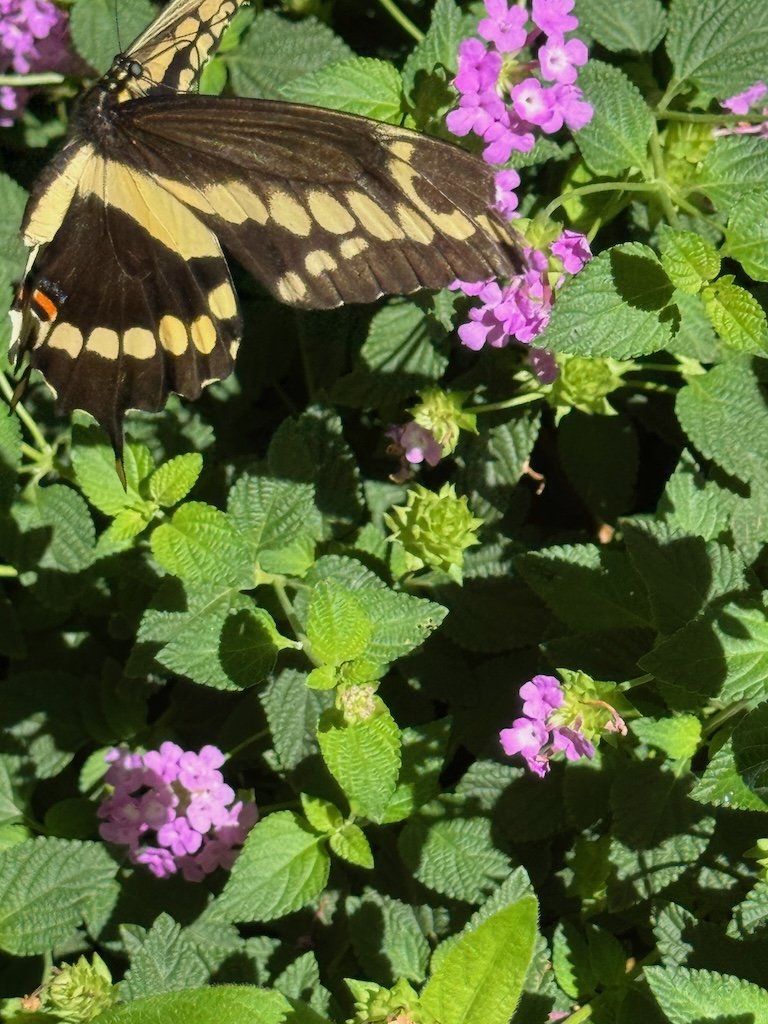
Of course, there were lots of butterflies and a just-emerged Cecropia Moth that I couldn’t resist photographing too!
Our Missouri Yard – June 2026

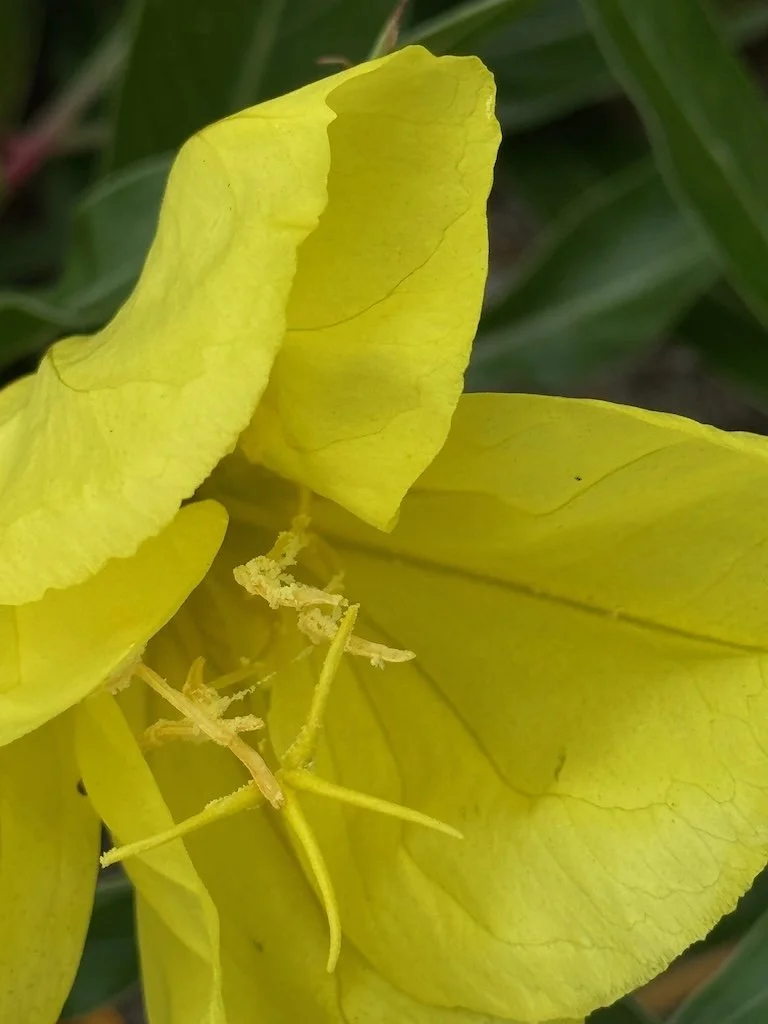
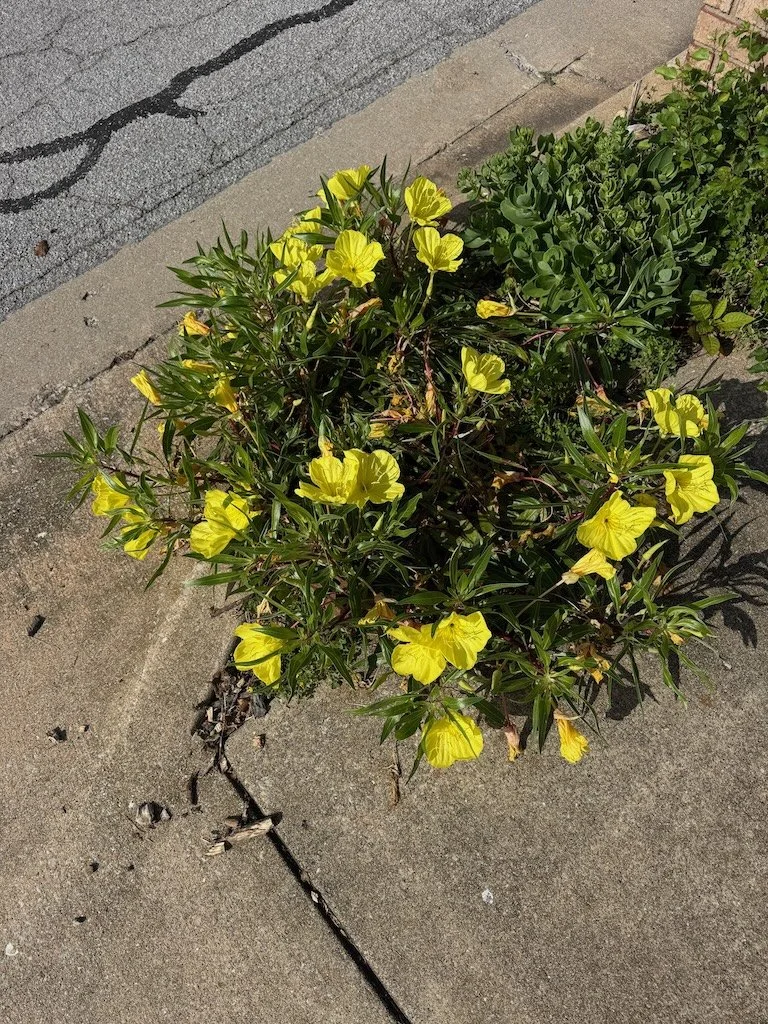
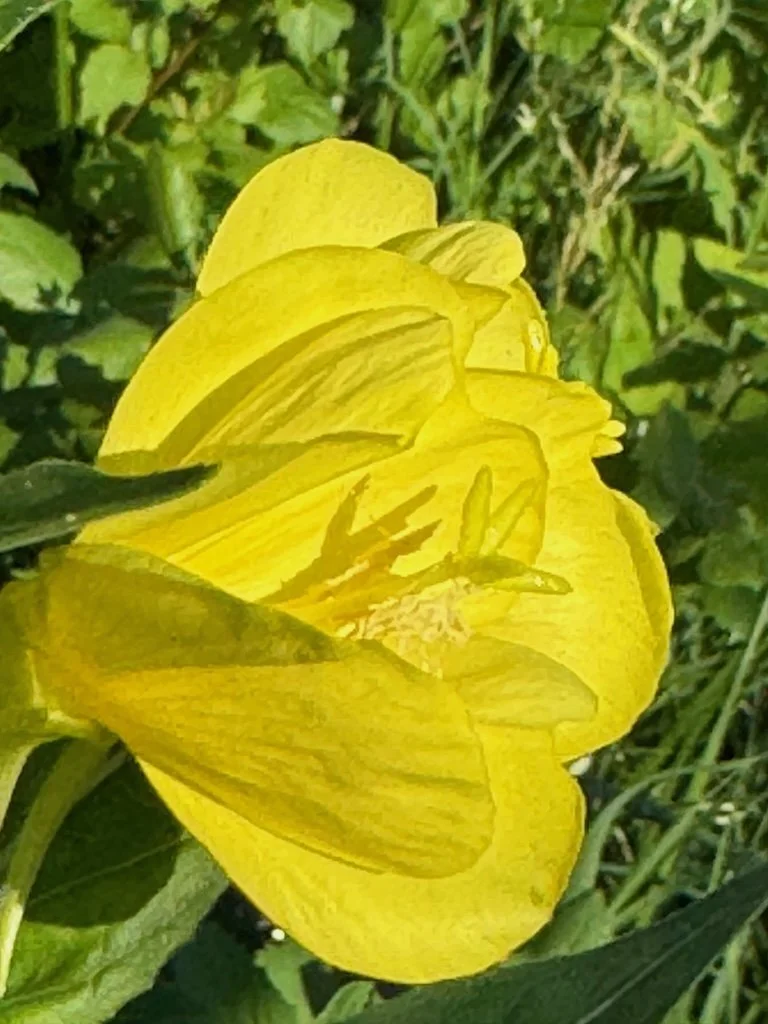
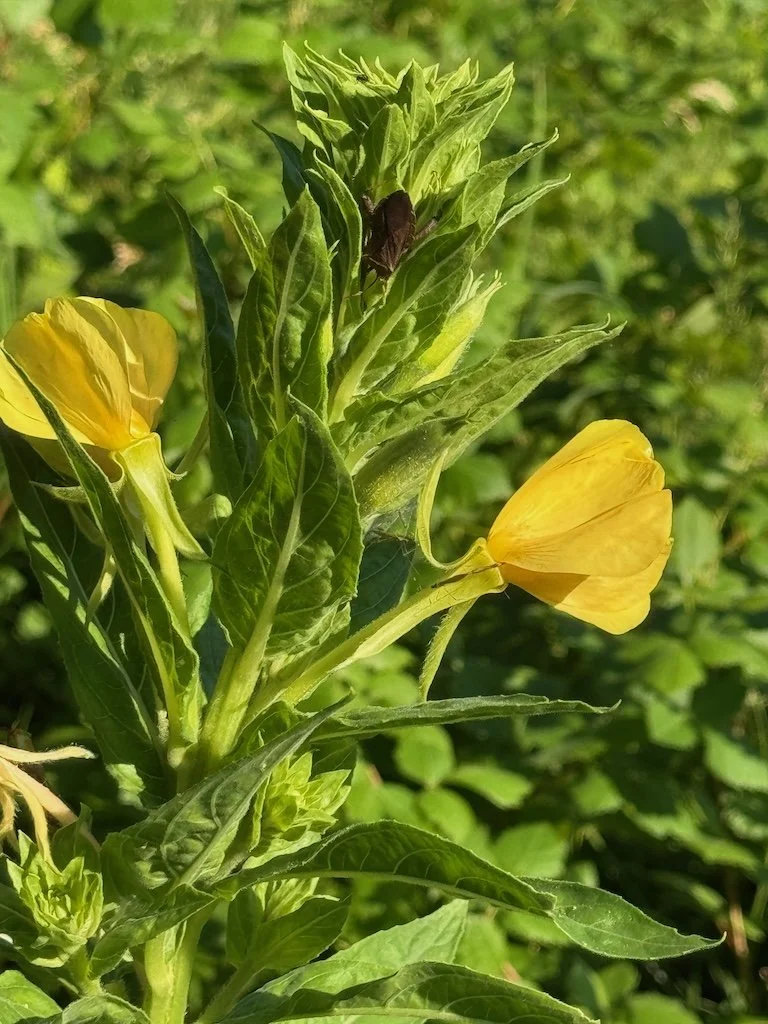
There are a lot of things looking good in our yard right now…the time of year and the rains in late May resulted in a lot of growth since last month. The Missouri Evening Primrose near the mailbox is blooming profusely – will probably crowd out the non-native plant in the small bed with it.

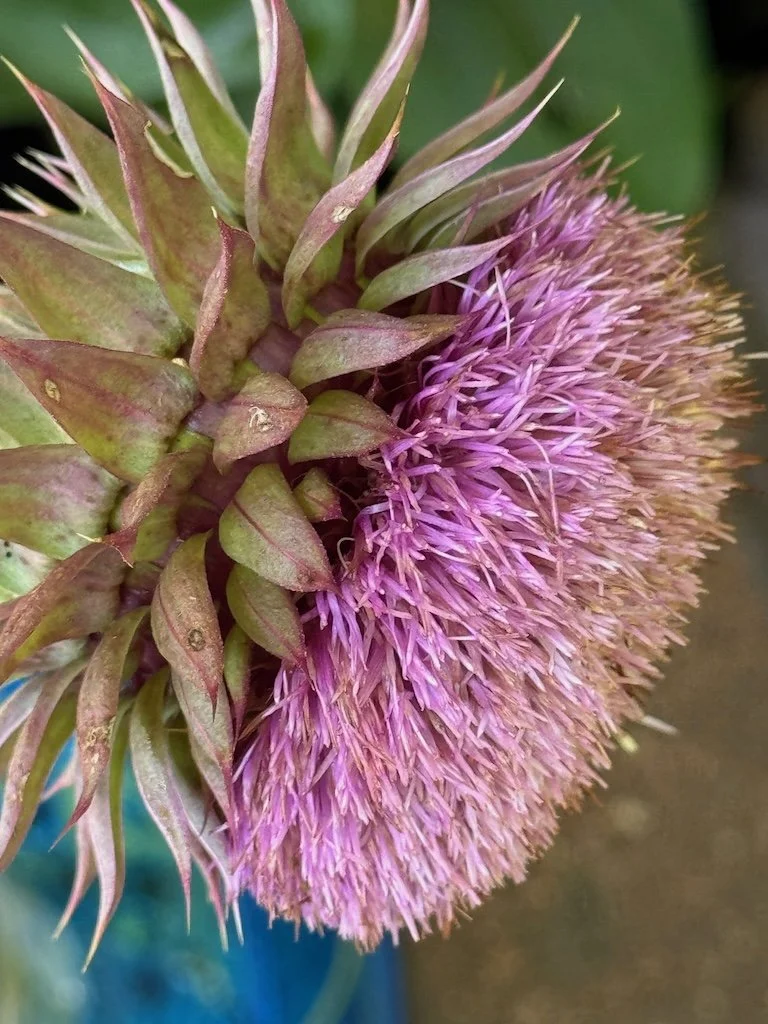
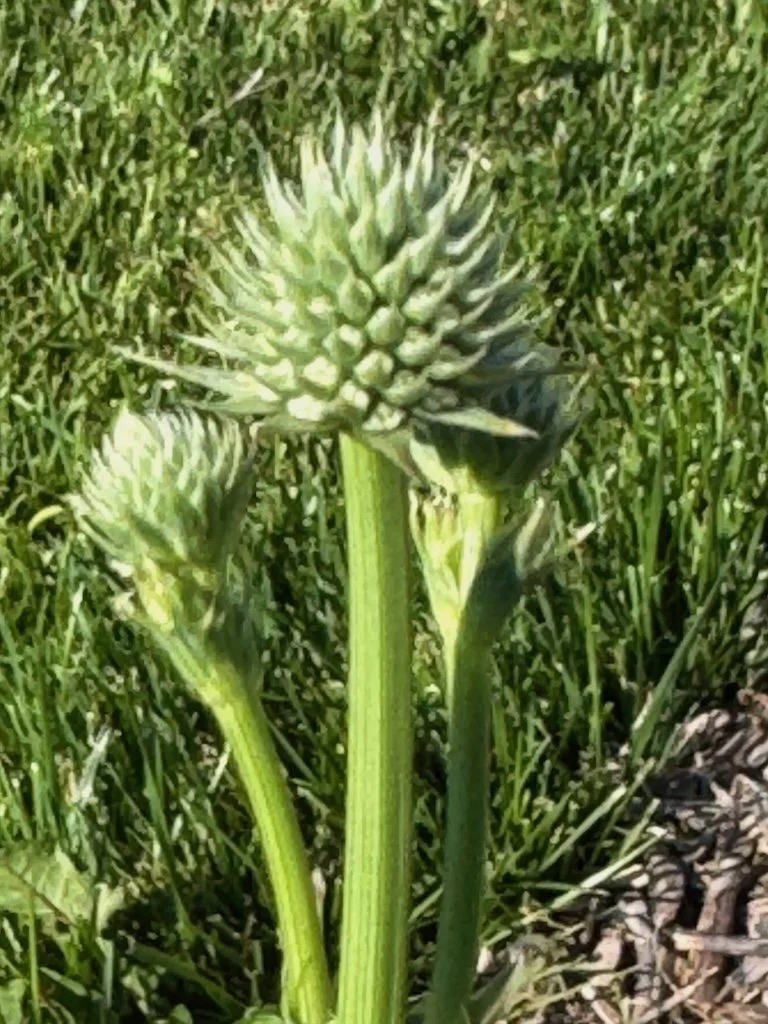
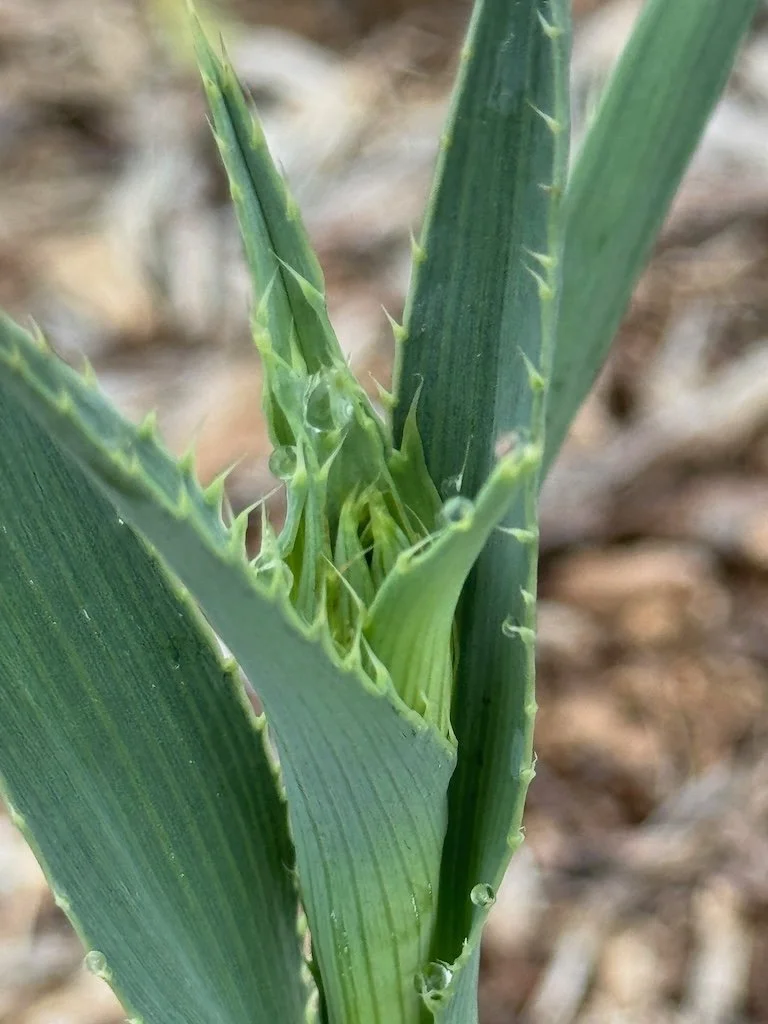
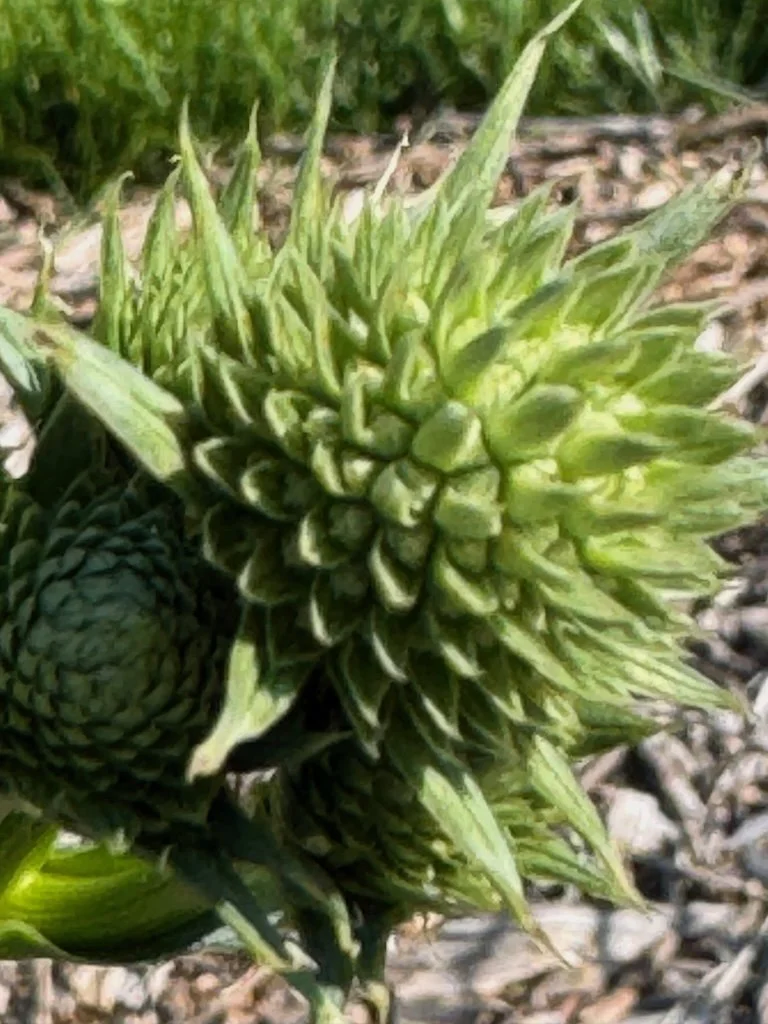
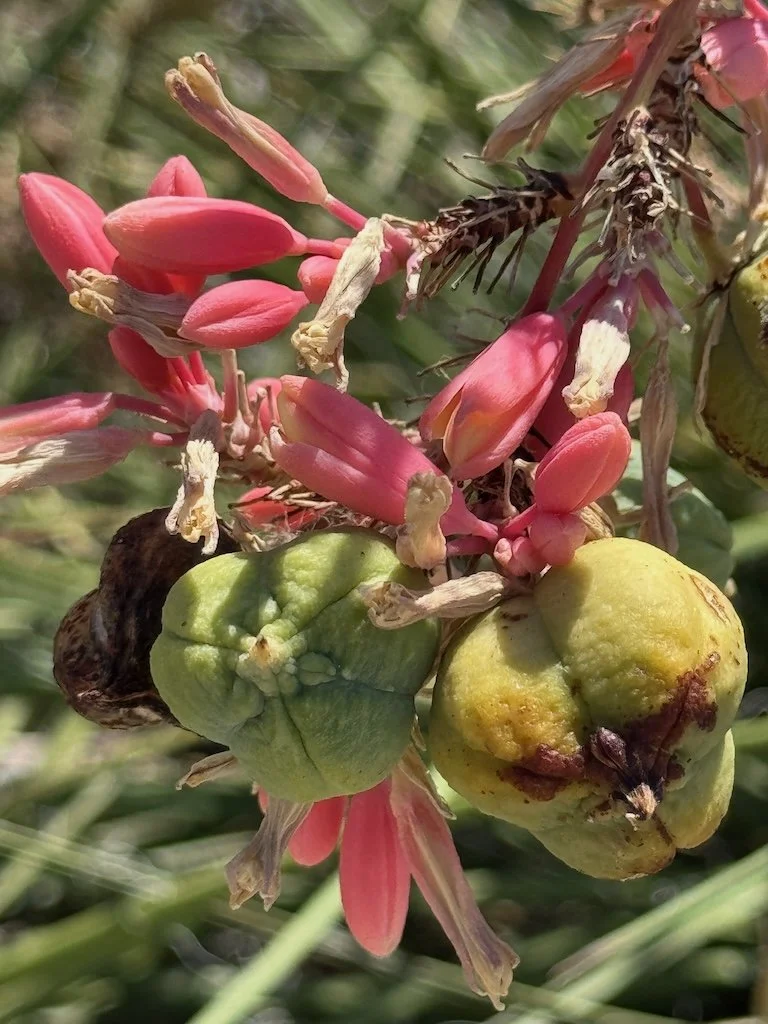
Two of the three rattlesnake master plants in the native plant garden started this year have stalks getting ready to bloom!
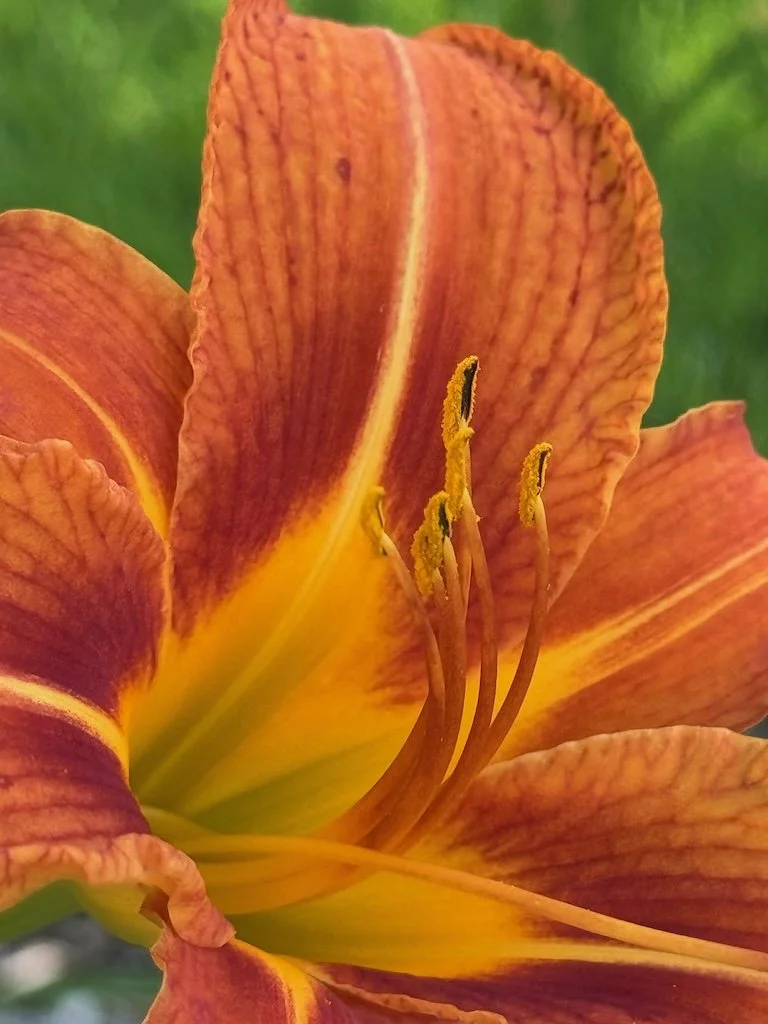
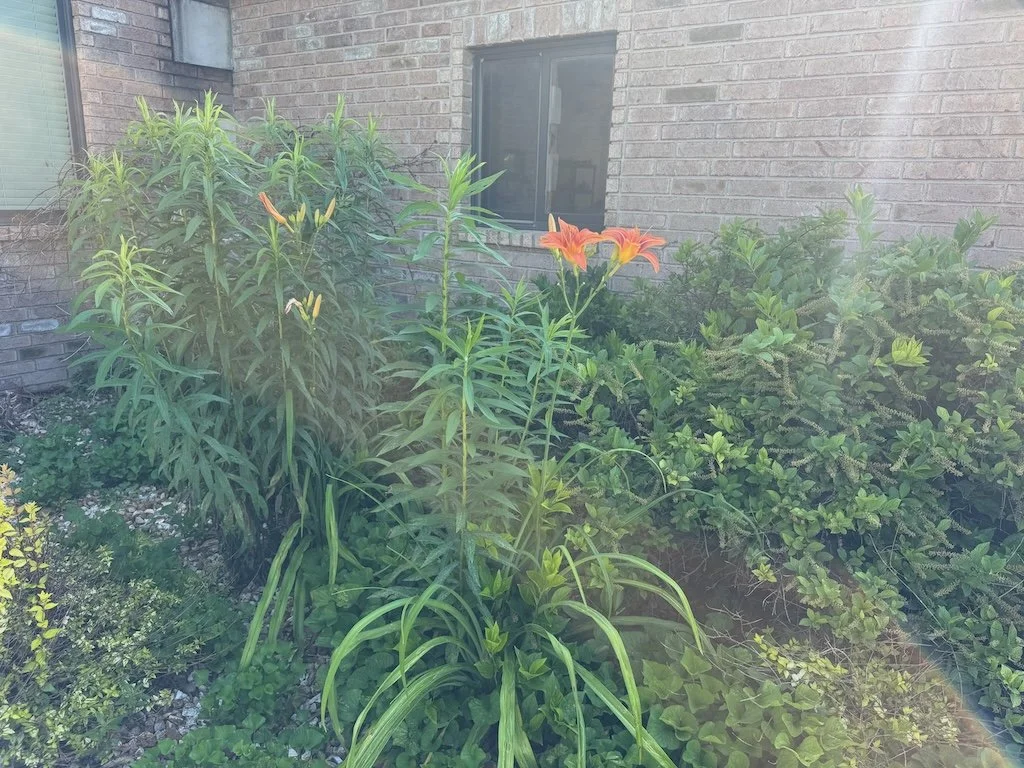
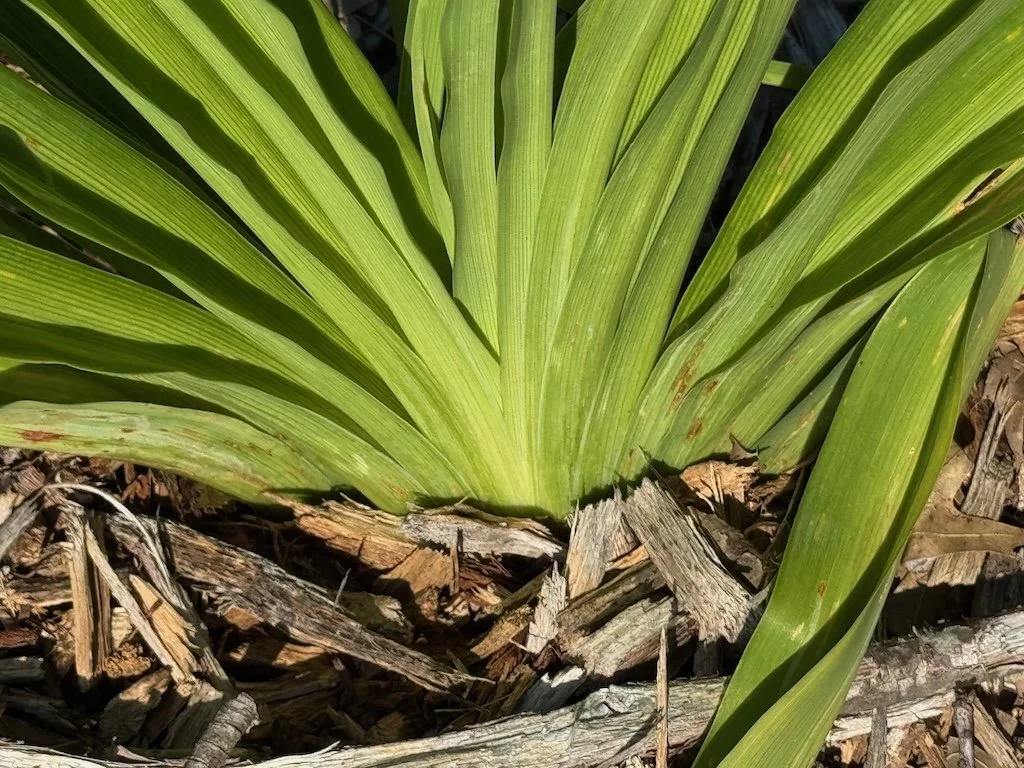
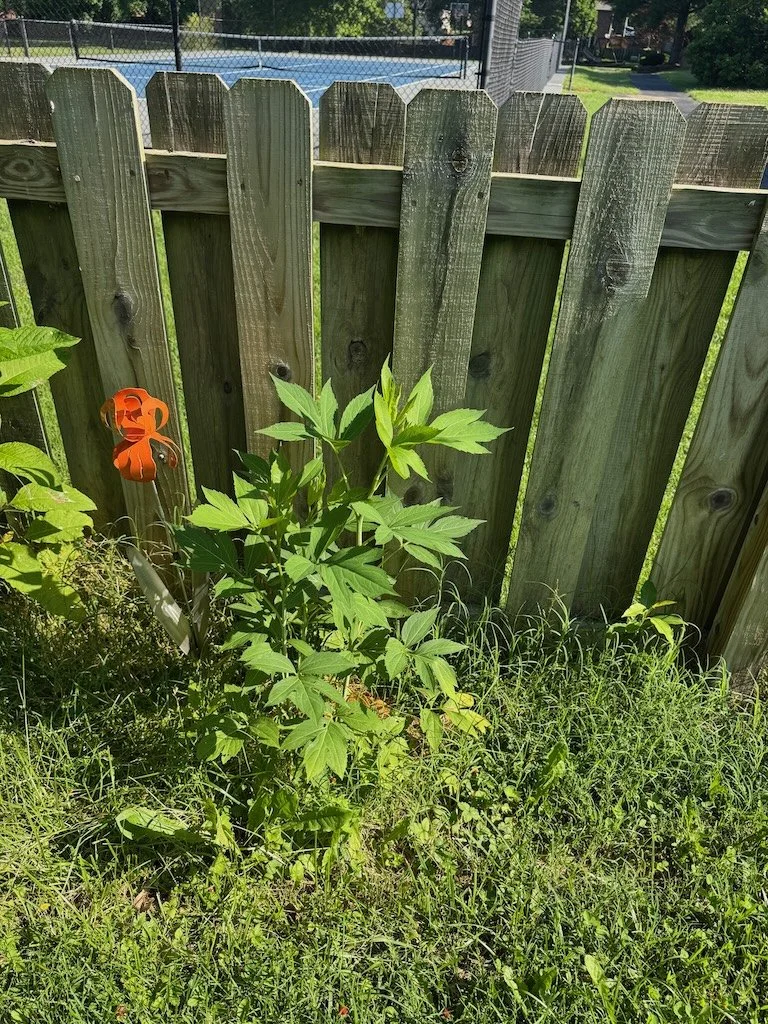
Daylilies are blooming in the corner garden (along with some natives that will bloom in the fall) and in the native plant garden (they came up through the mulch and I am leaving them for now until the natives cover the area completely).

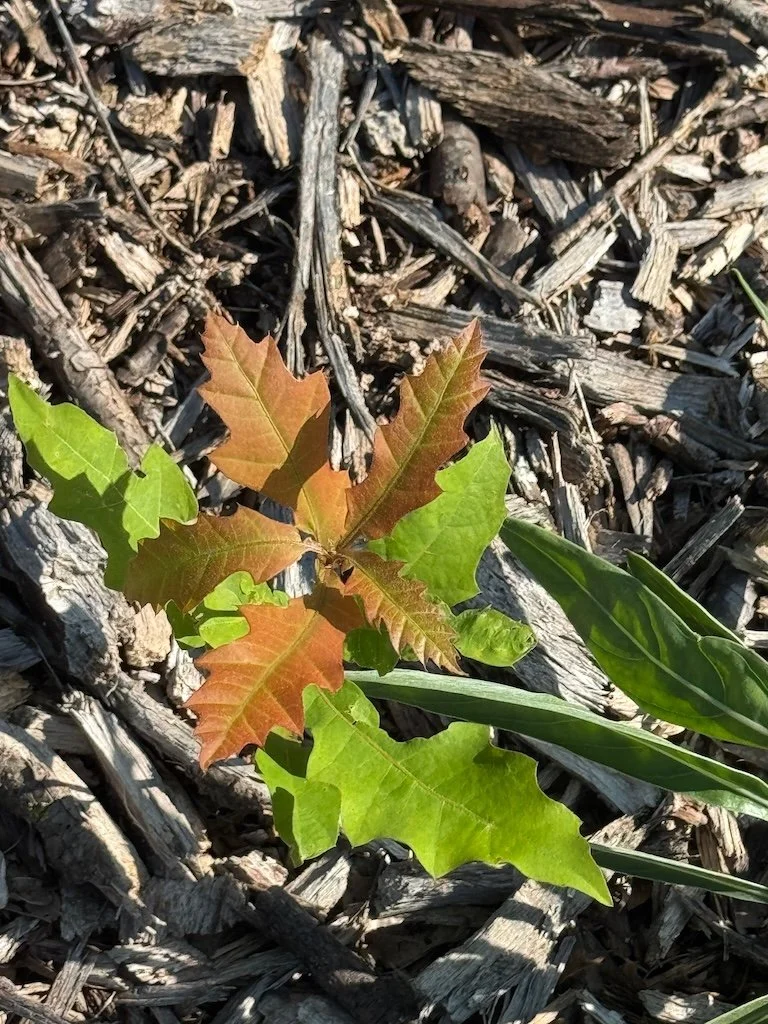
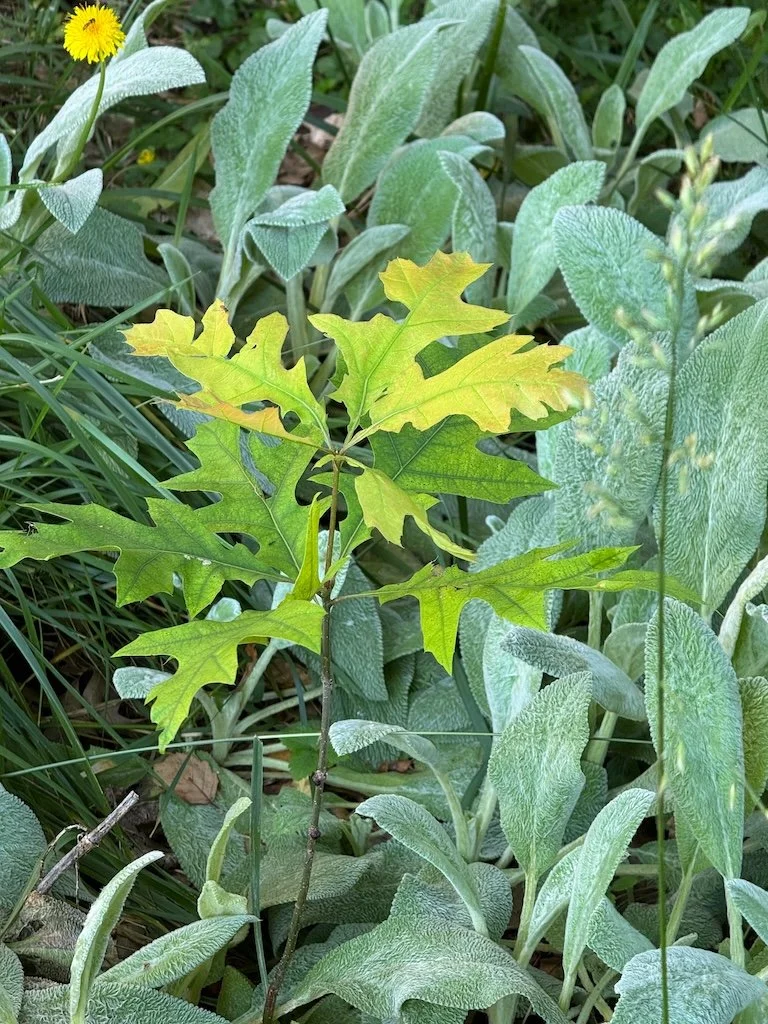
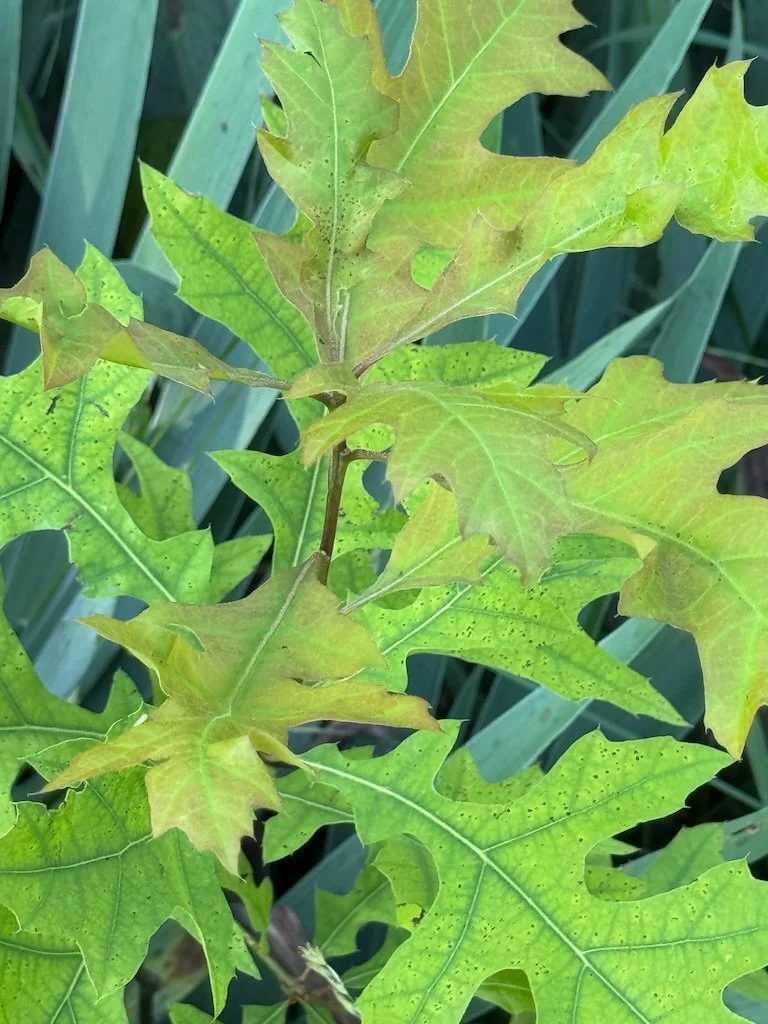
There is an oak seedling that sprouted in the native plant bed that I will simply leave where it is for now while the little blue stem and elderberries are still very small. The elderberries might crowd it out eventually…or is could become the big tree of the front yard.

On the east side of the driveway the white heath aster has come up again. I am leaving the plants since the area has a lot of mole activity and I want something there to hold the soil. They are prolific late summer/fall bloomers.

There is a small oak in the bed near the gate to the back yard. I will cut it soon since it is not in a good place for a big tree.

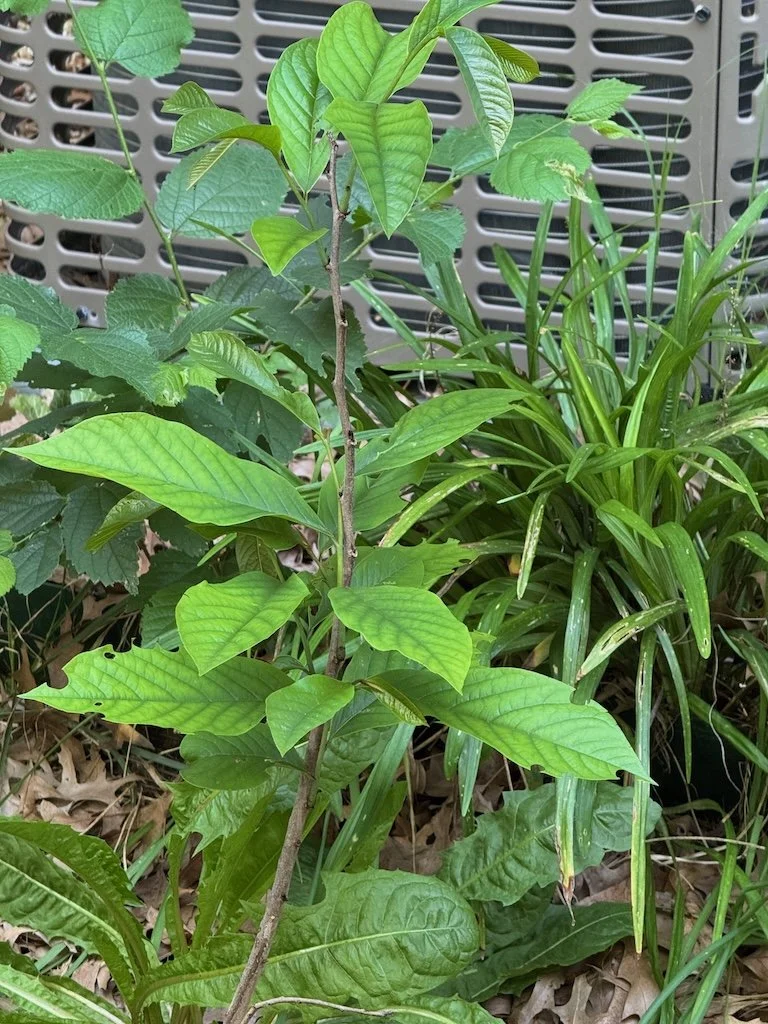
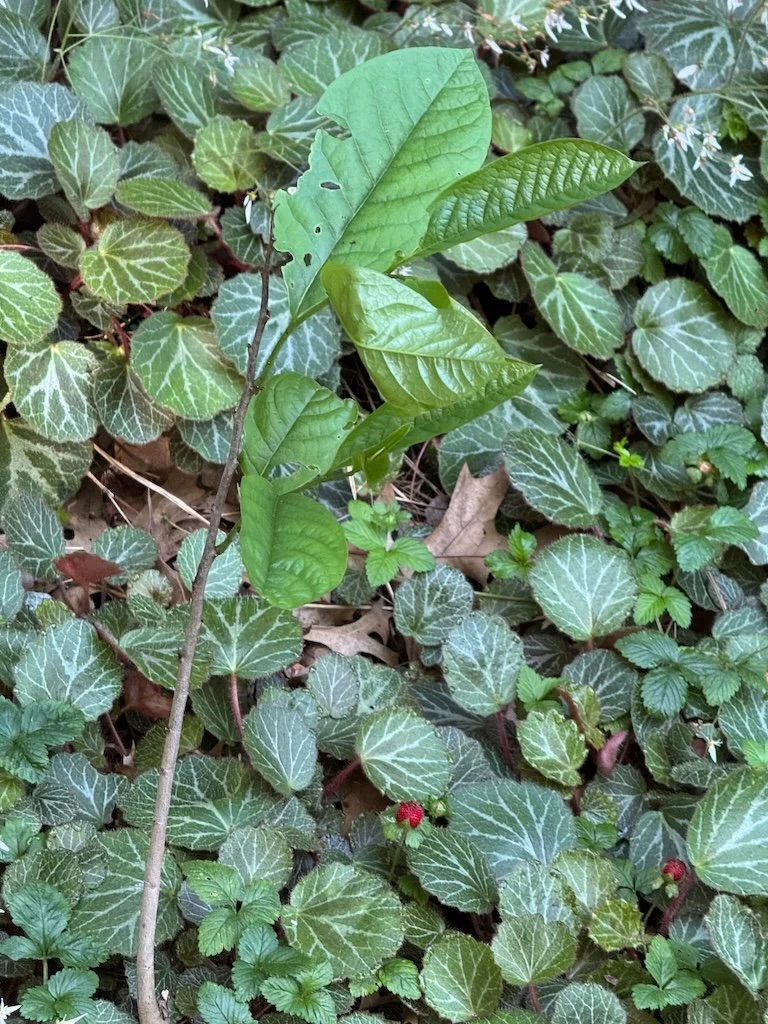
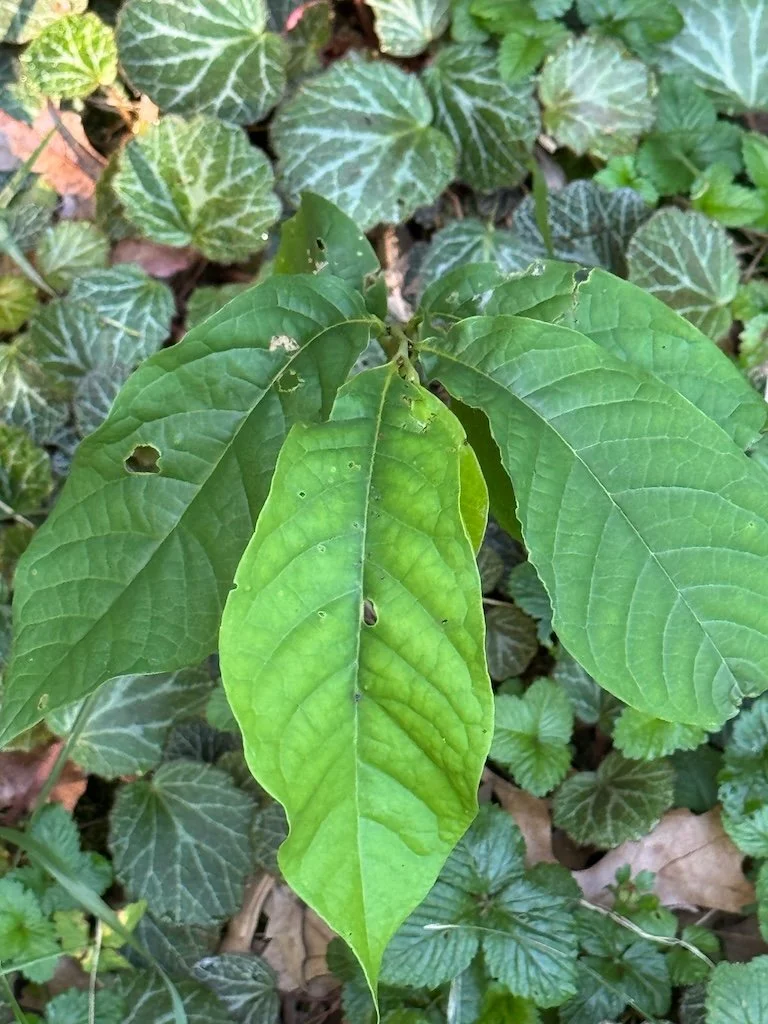
On the east side of the house there are at least 7 young pawpaw plants: 2 from seeds I planted after eating a pawpaw from the butterfly house last fall, 1 purchased from Ozark Soul, and 4 from MDC (there could be one more from MDC but I didn’t see that it had leafed out…maybe it didn’t survive).

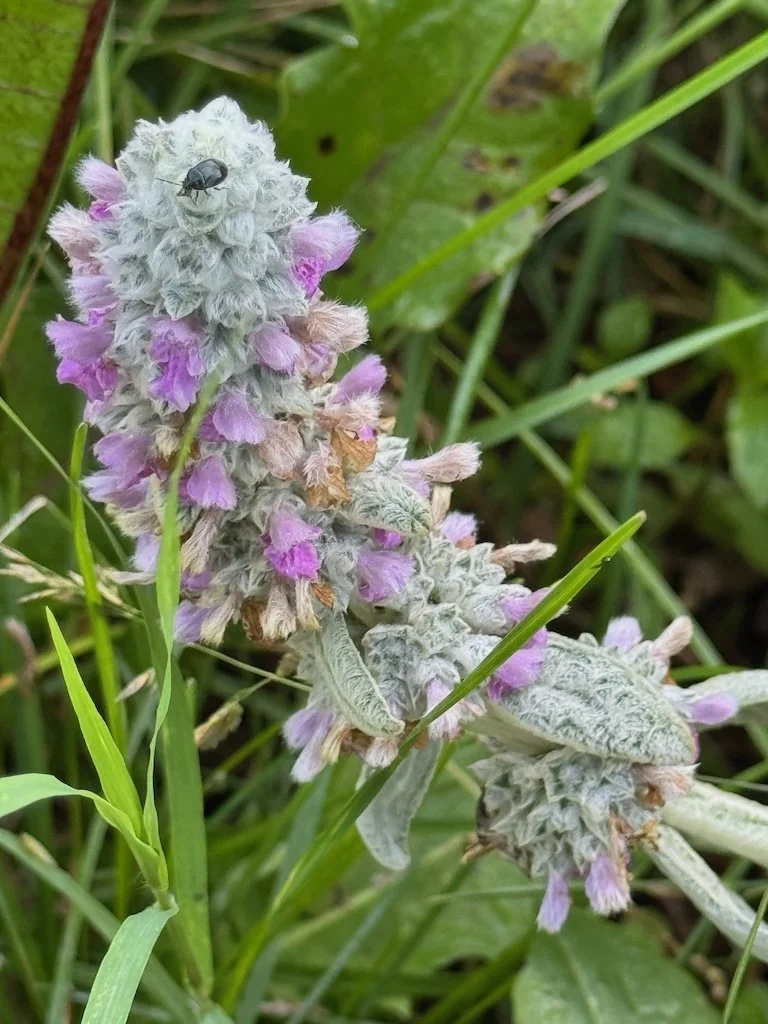
In the garden where we had a pine taken out, there are lambs ear (blooming…not abundant because the bed is crowded with irises and goldenrod), two elderberries (from MDC), beautyberry (the garden is exposed so the plants appear to be dying back each winter and then coming up from the roots…there might be 2 of them), and a healthy looking oak seedling which I am leaving.

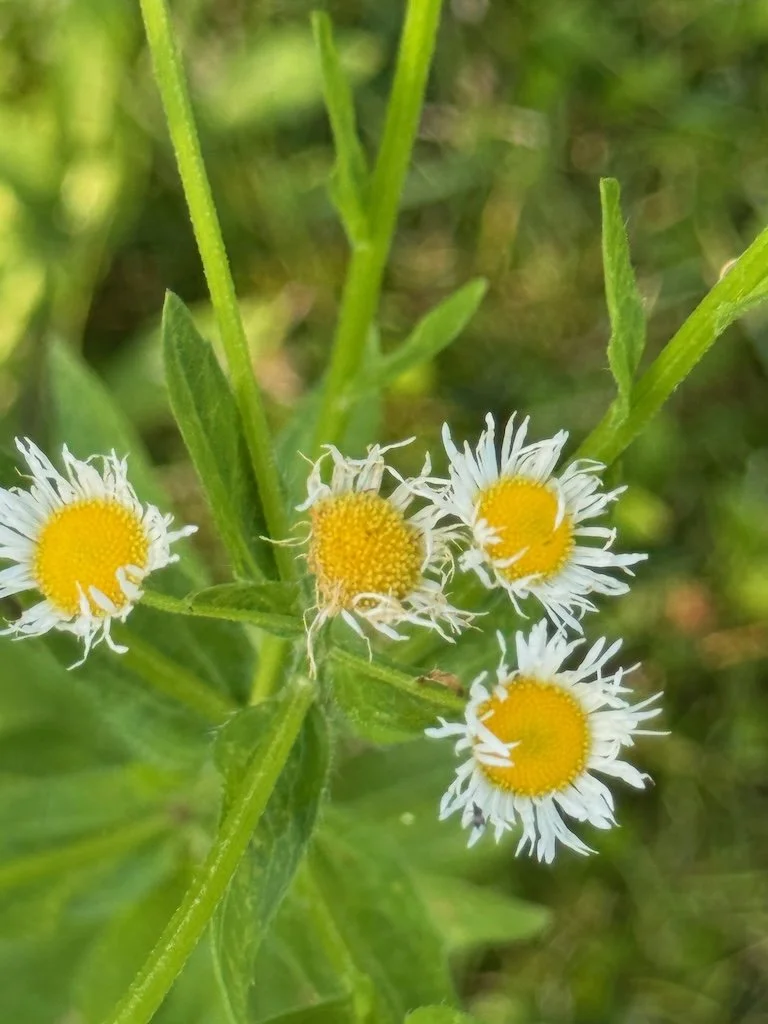
Some of the plants I have been mowing around are blooming!  I think most of them are annual fleabane.

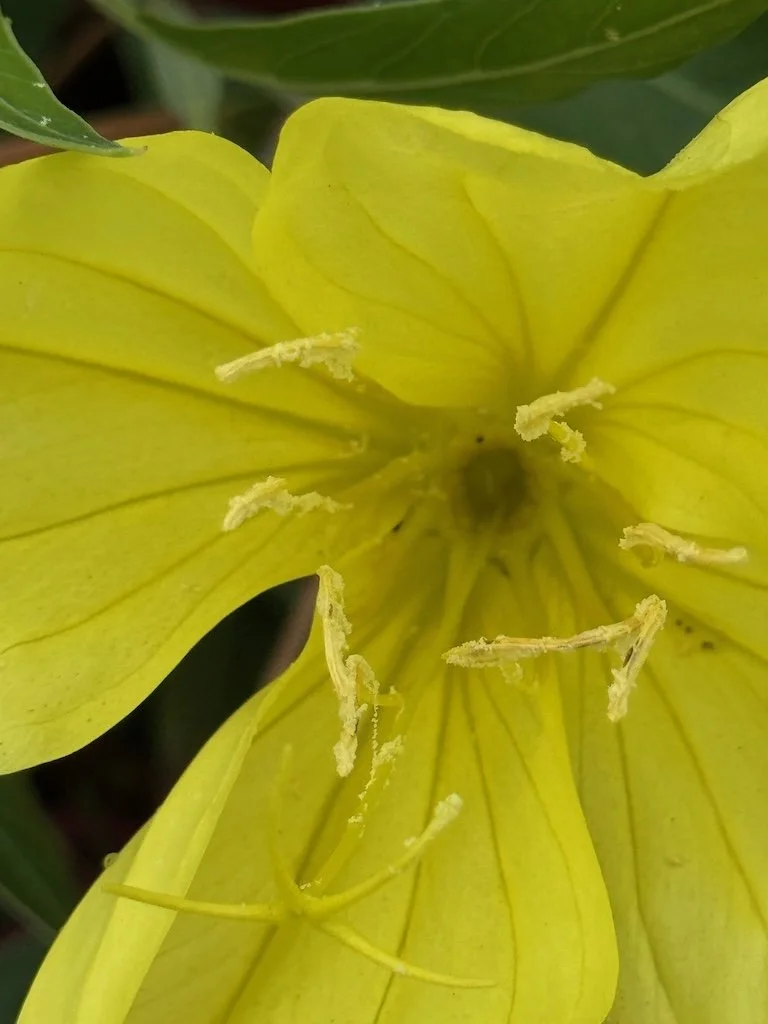
There is common evening primrose in the garden by the patio…it seems to be everywhere…this is its year to bloom!

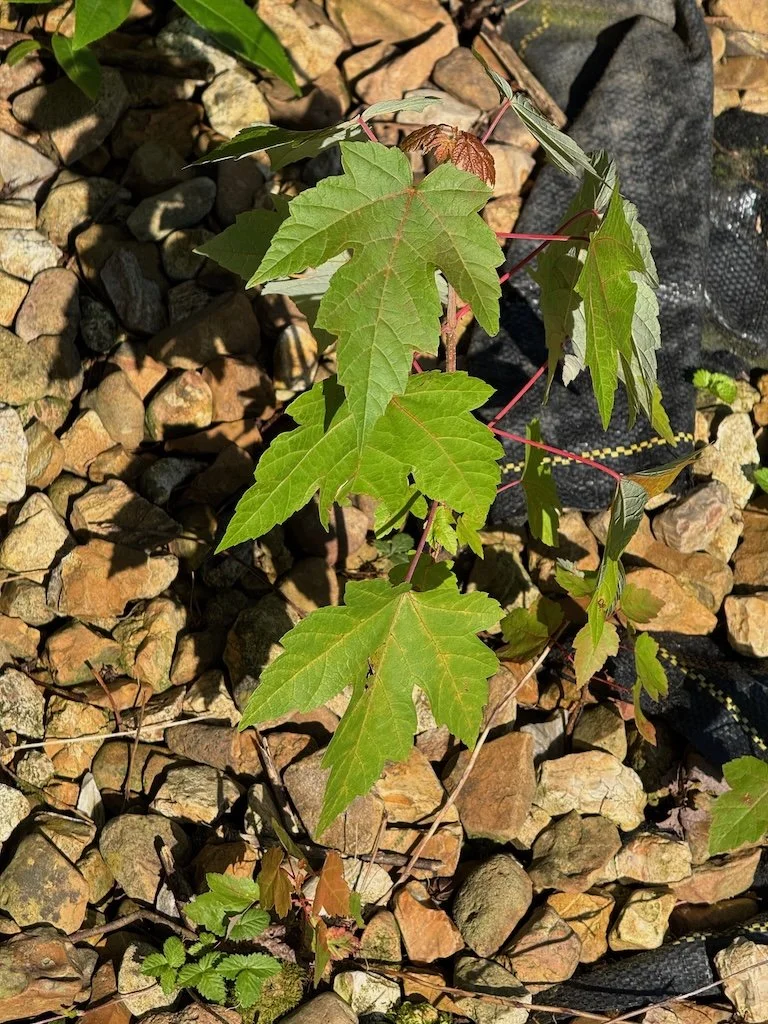
I have lots of maple seedlings…successfully pulled several of them after a recent rain and enough roots came out that they should survive in water for tree tabling later this month.

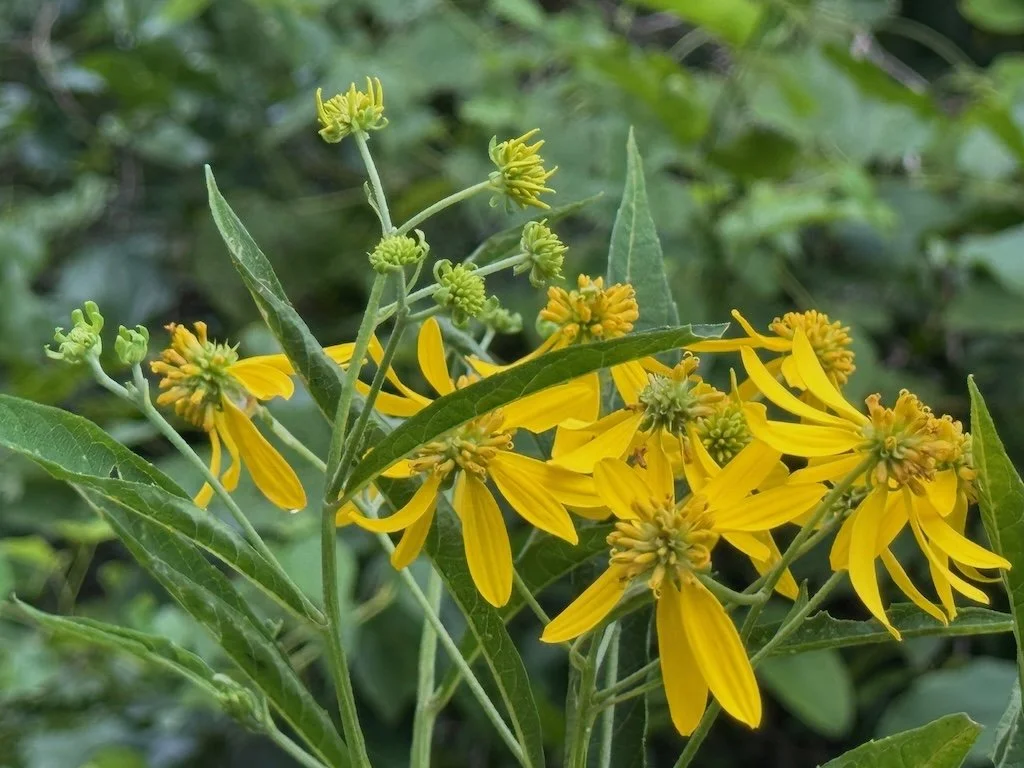
The Rudbekia laciniata (sochan) is thriving. I haven’t tried eating any of it yet…want to make sure it is well established before I do.

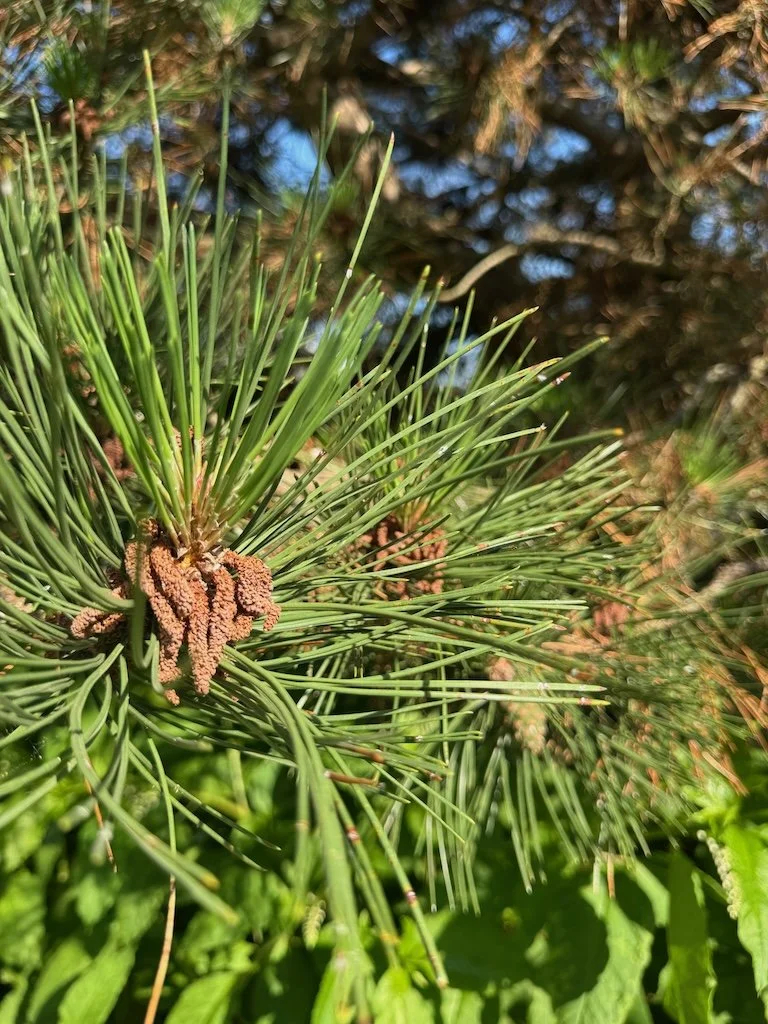
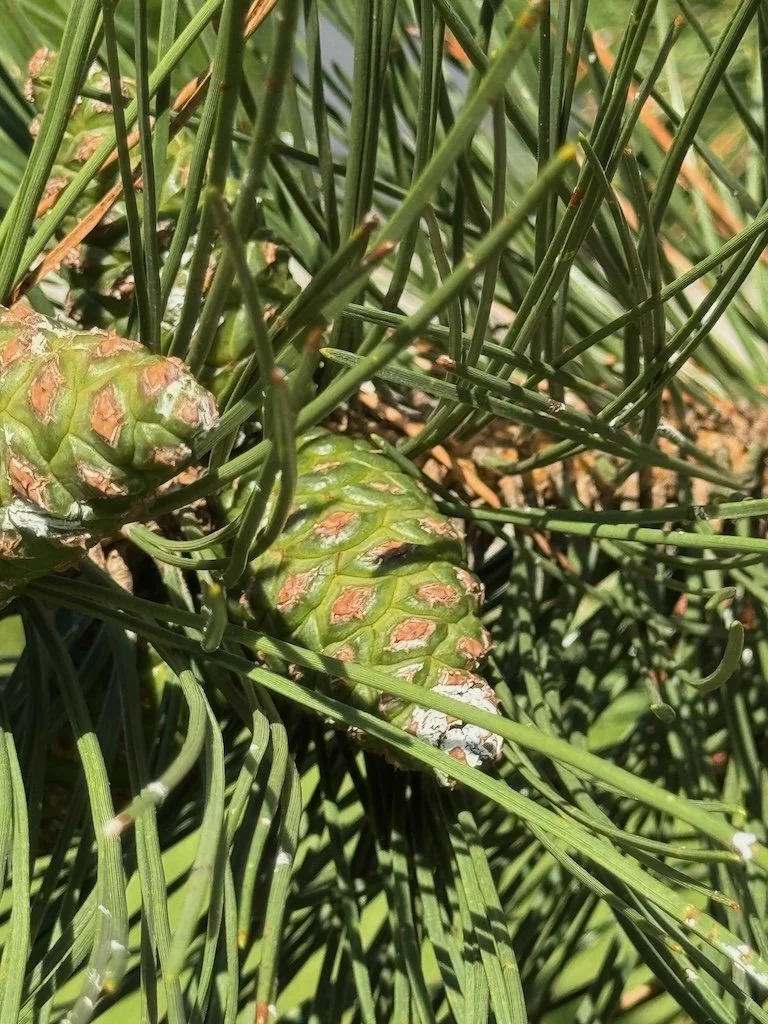
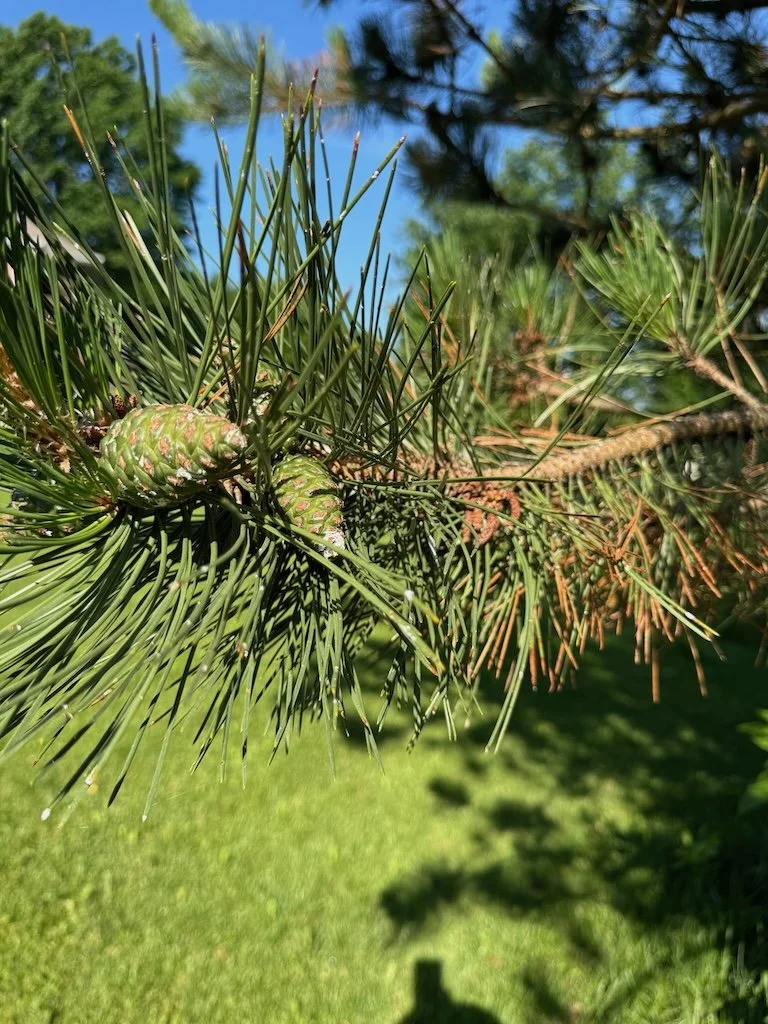
The shortleaf pine is full of new cones.

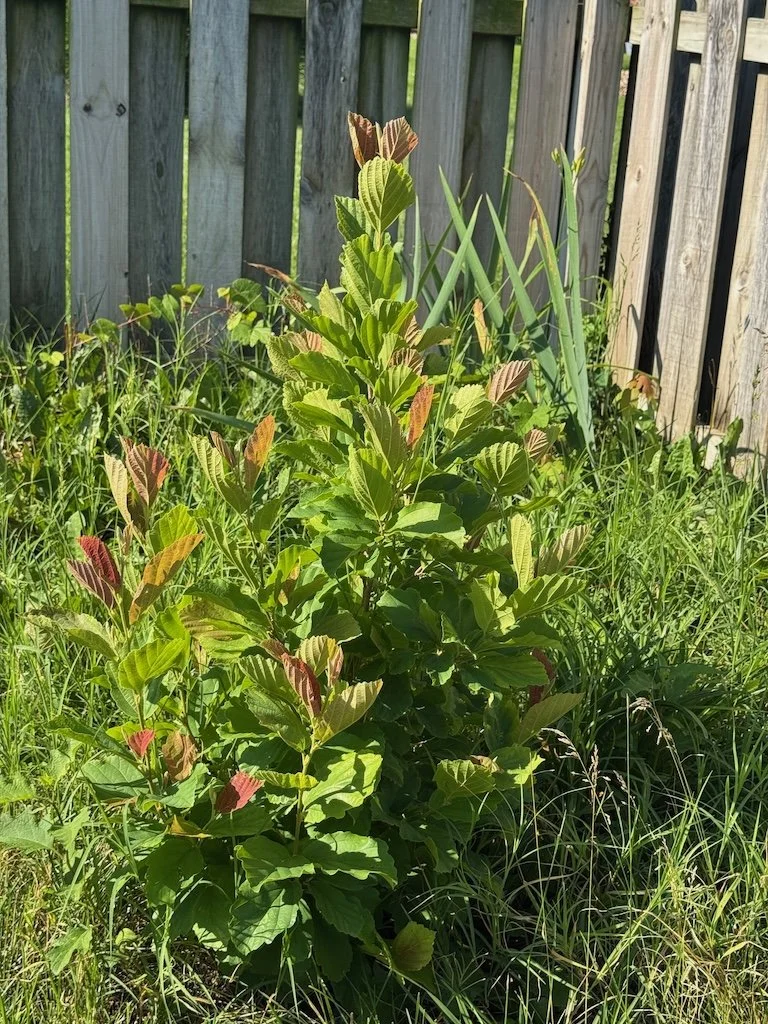
The Ozark Witch Hazel is becoming more established. Its new leaves have a reddish tinge.

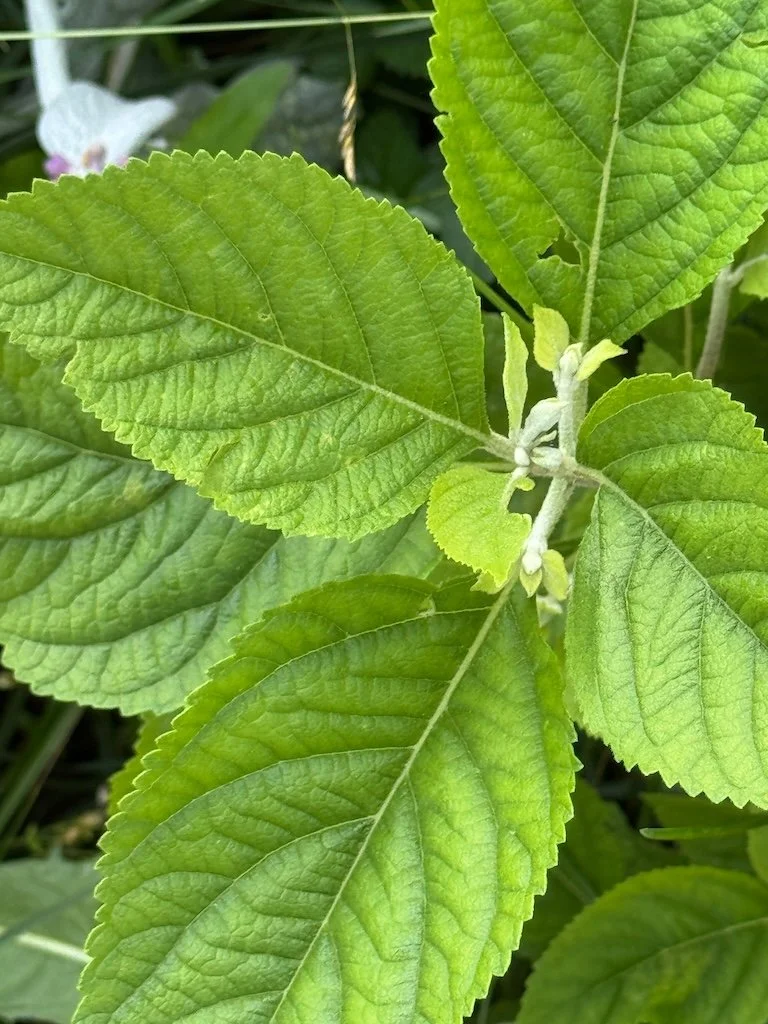
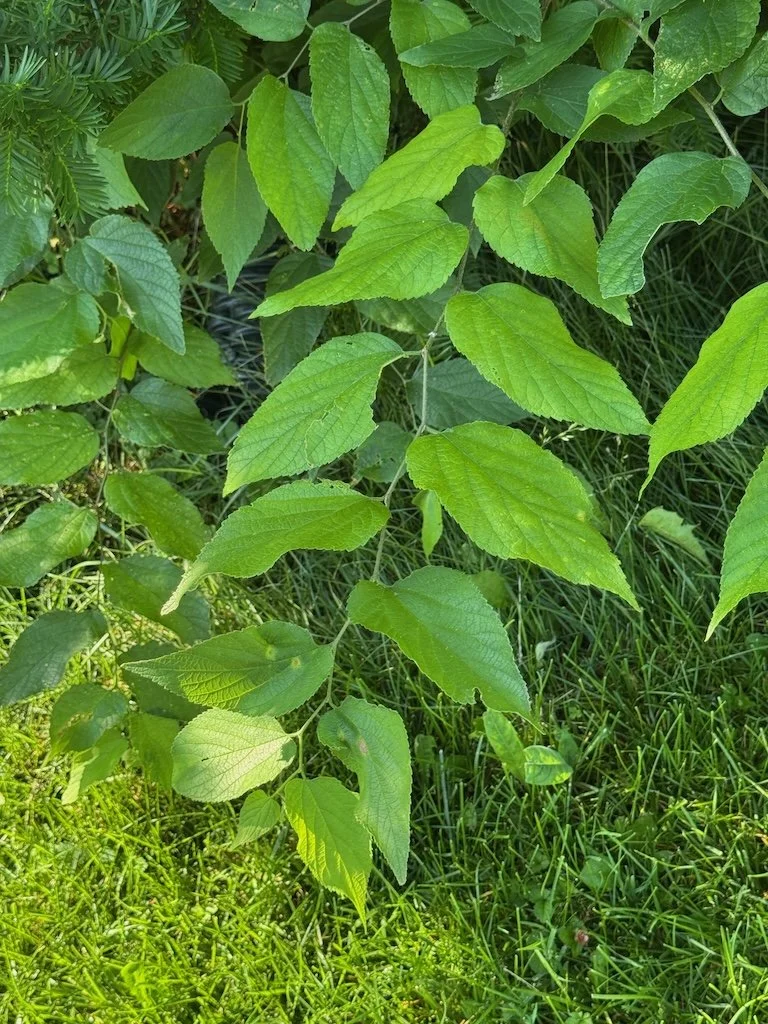
There is a hackberry that is growing in the yew which I will be cutting down…it’s not in a good place for a tree. It is already colonized by gall-producing insects genus Pachypsylla (note the two whitish circles on one of the lower leaves…the galls are underneath the leaf).

Overall, I am pleased with the way the yard is shaping up for this season….but there is a lot of work to do too.

Phenology in my Neighborhood

Spring is a great time to start participating in citizen science phenology (study of periodic events in biological life cycles and how these are influenced by seasonal and interannual variations in climate, as well as habitat factors) via the Nature’s Notebook app. I selected an area that included my backyard and part of the common neighborhood area that included 5 plants I would begin monitoring: 2 Eastern Redbuds, a Red Buckeye, an American Beautyberry, and a Common Hackberry. The monitoring consists of looking at each plant every 3 days and marking the phenophases as yes or no. The list of phenophases for plants is:

  • Breaking leaf buds

  • Leaves

  • Increasing leaf size

  • Colored leaves

  • Falling leaves

  • Flowers or flower buds

  • Open flowers

  • Fruits

  • Ripe fruits

  • Recent fruit or seed drop

So far, the plants are in winter mode – so all the phenophases are marked ‘no.’ I am observing some changes in some of the plants and I’ve done a little photography to document their late winter look.

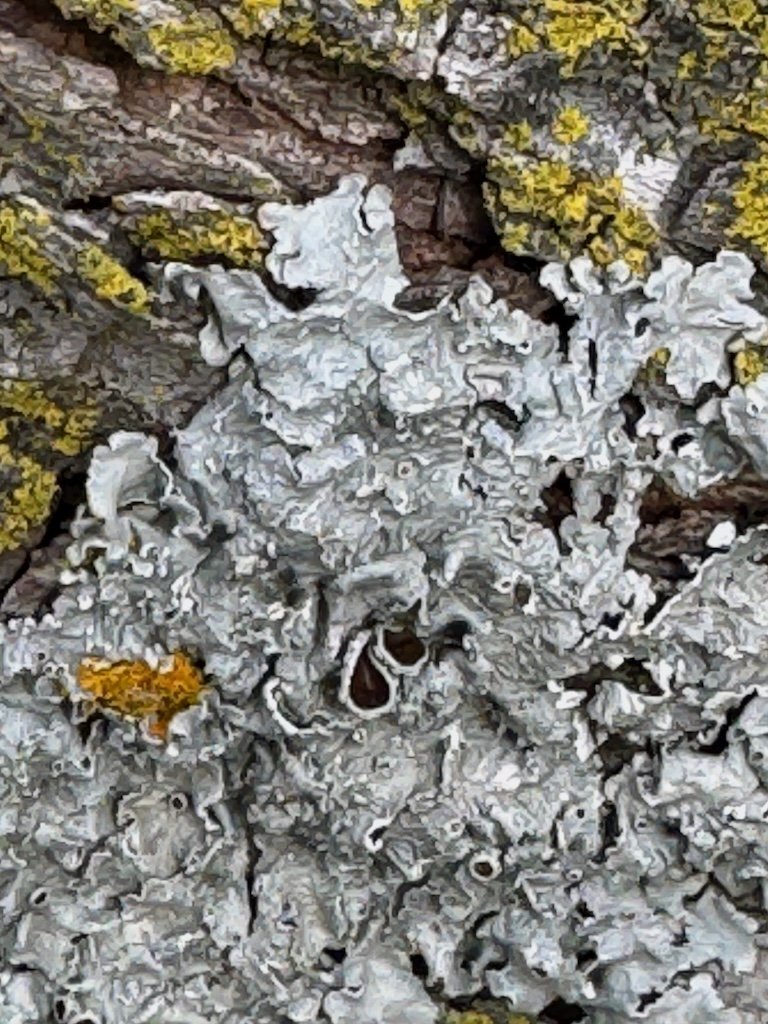
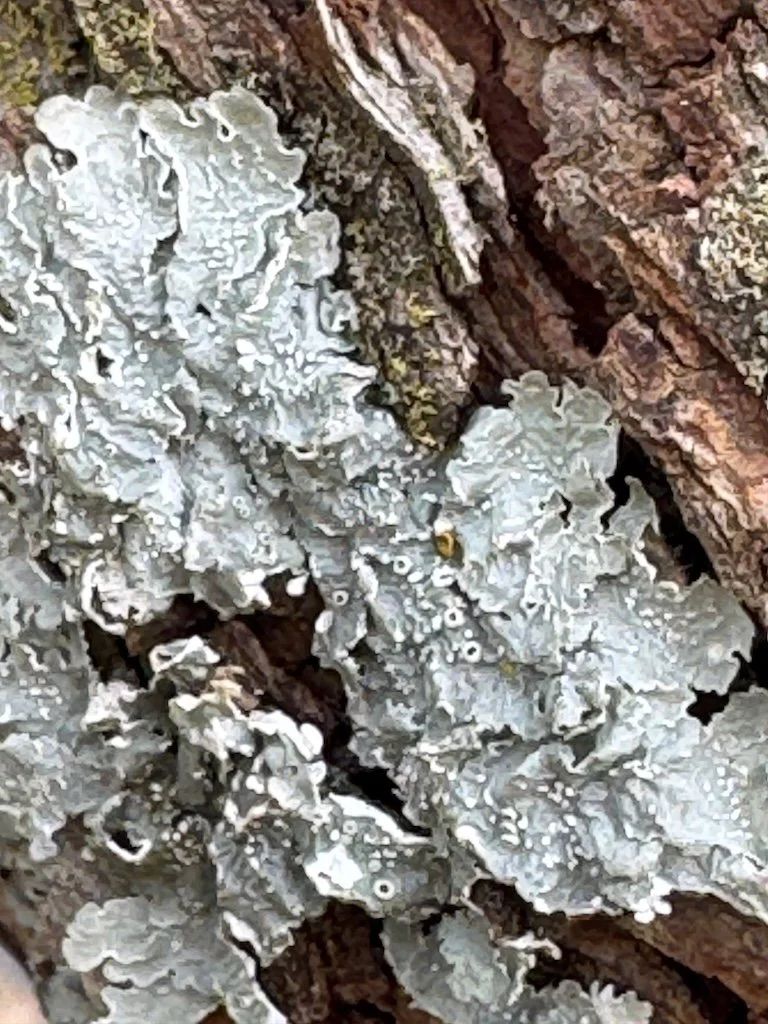
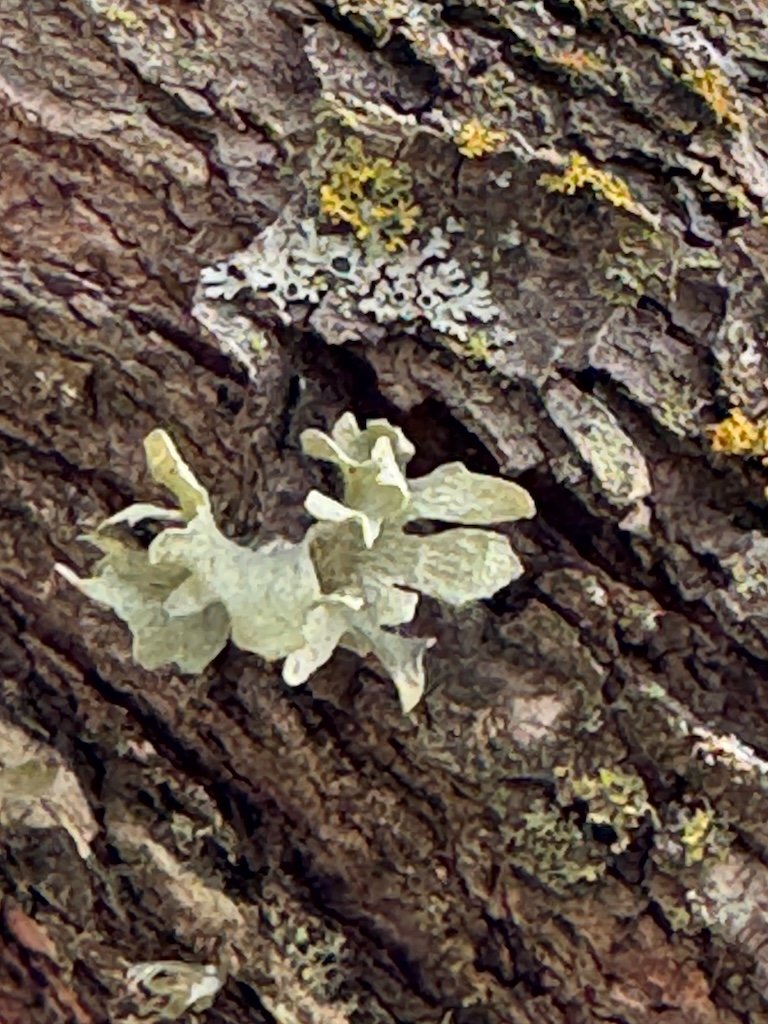
The 2 Eastern Redbuds are very different: one is very young and the other is old and lost some larger branches last year. All the buds are still very small on both trees. I took some pictures of lichen growing on the older tree…nothing to do with phenology of the redbud…but something to photograph while I was looking closely at the tree.

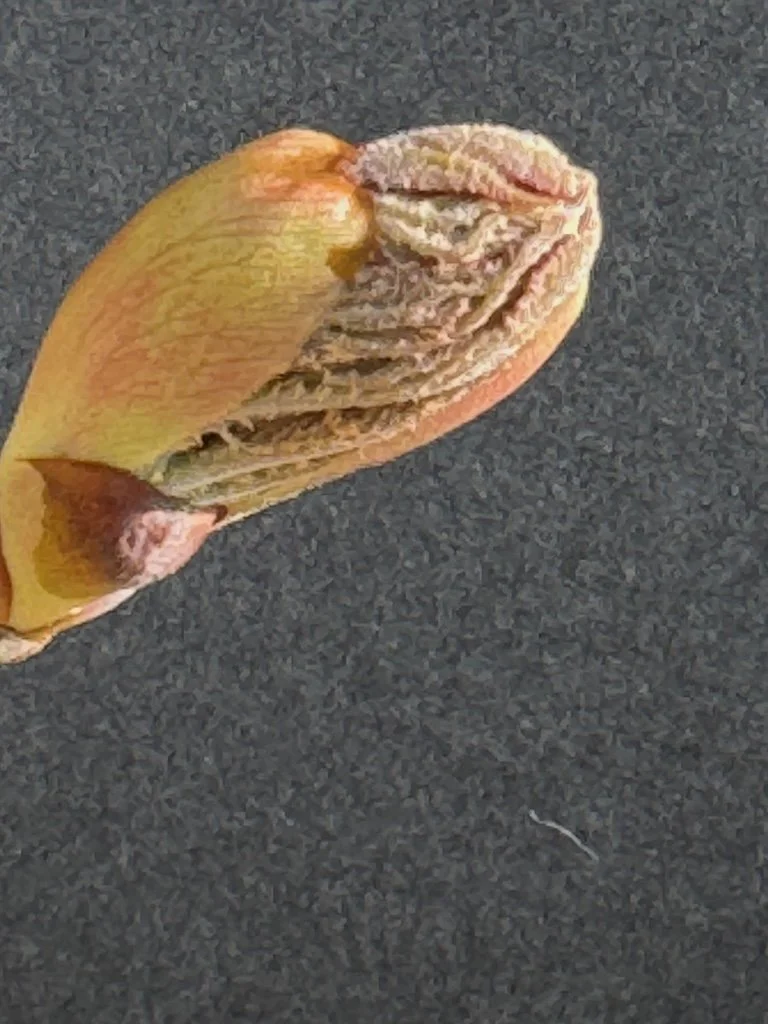
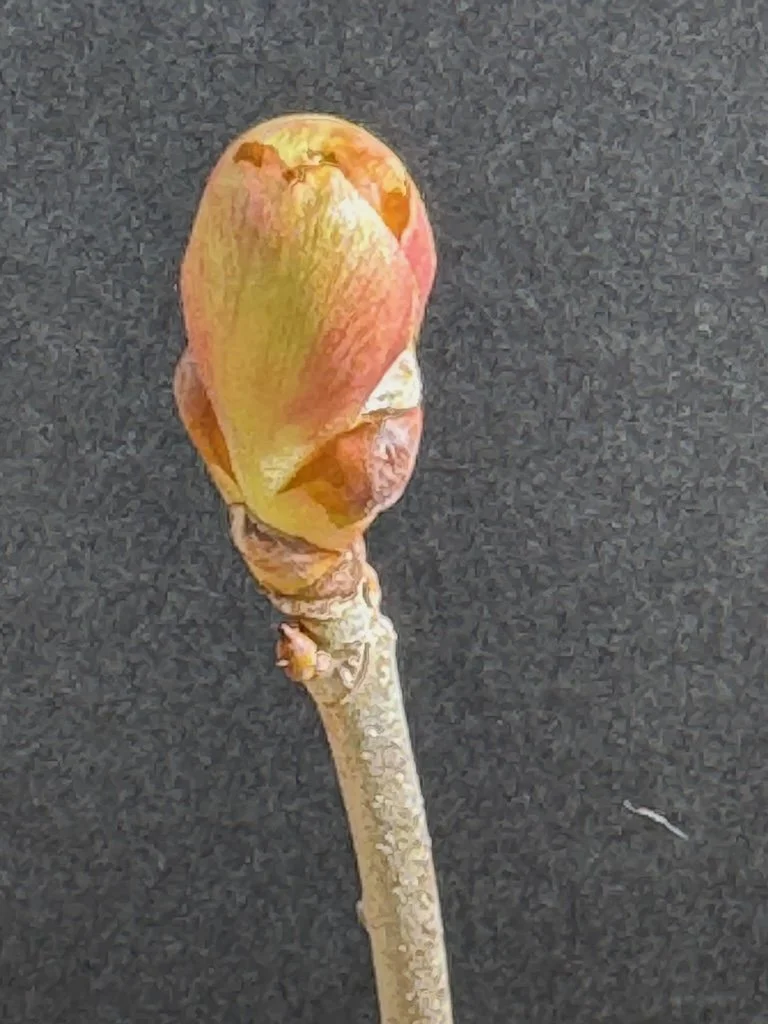
The Red Buckeye is a very young tree and probably won’t bloom this year, but the leaf buds are very large. It will be interesting to see how they develop. The ‘breaking leaf buds’ phase is when a green leaf tip becomes visible at the end of the bud. There is one that appears to be closer to that point than the others!

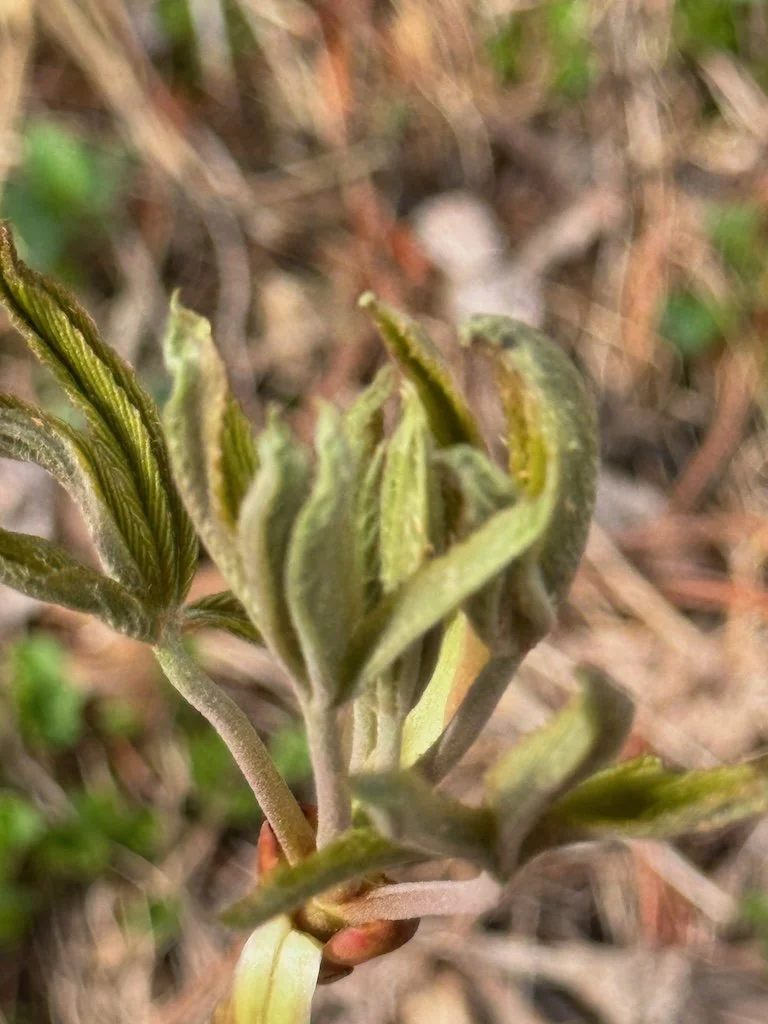
Update: The leaf buds had broken when I went to look on March 6th – just 2 days after I wrote this blog!!! All the other plants were still in winter mode. It was exciting to see the Red Buckeye leaves begin to emerge.

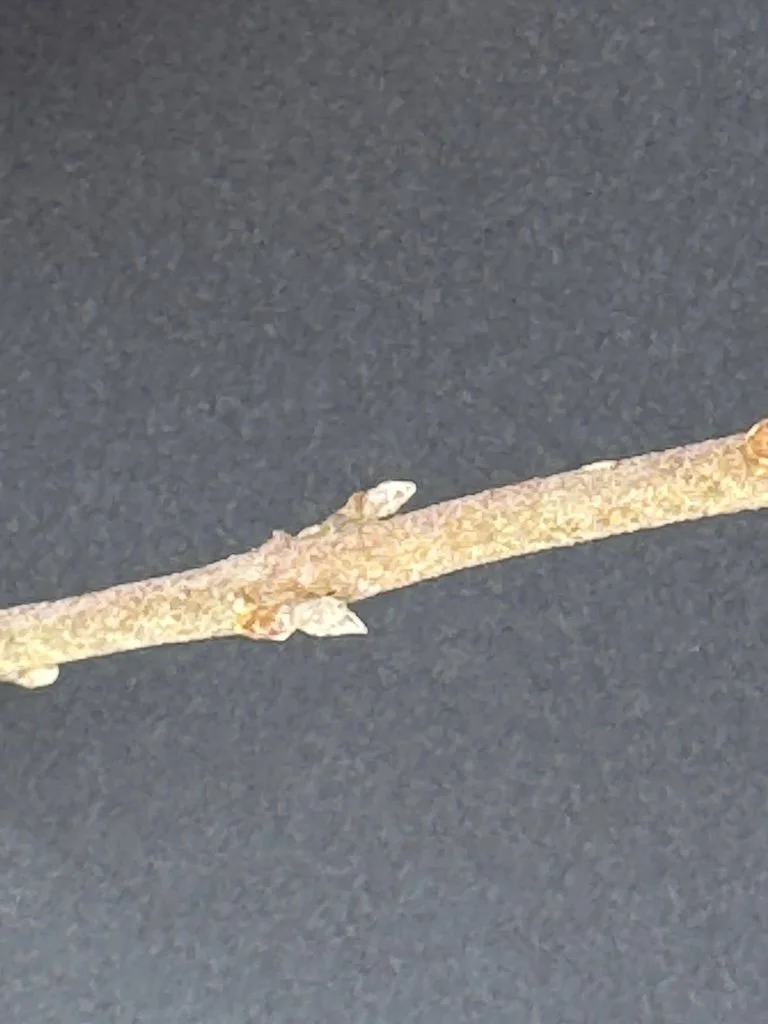
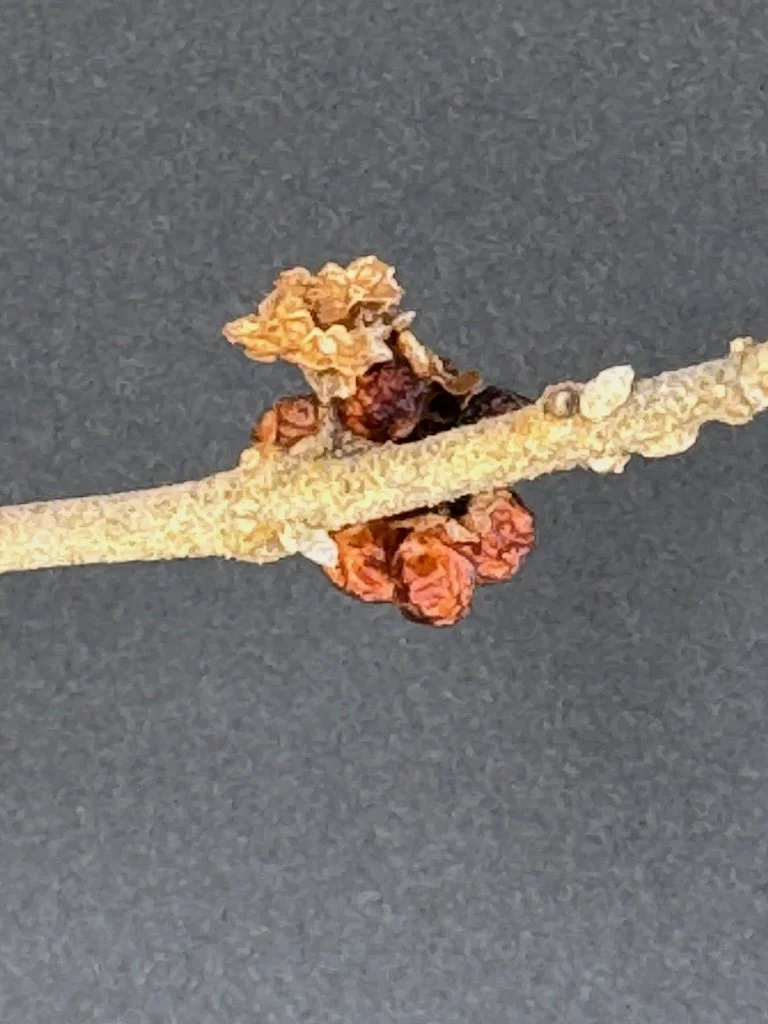
The American Beautyberry has tight buds that I keep thinking might be getting a little larger. The plant also has some dried berries from last season which don’t count for this year.

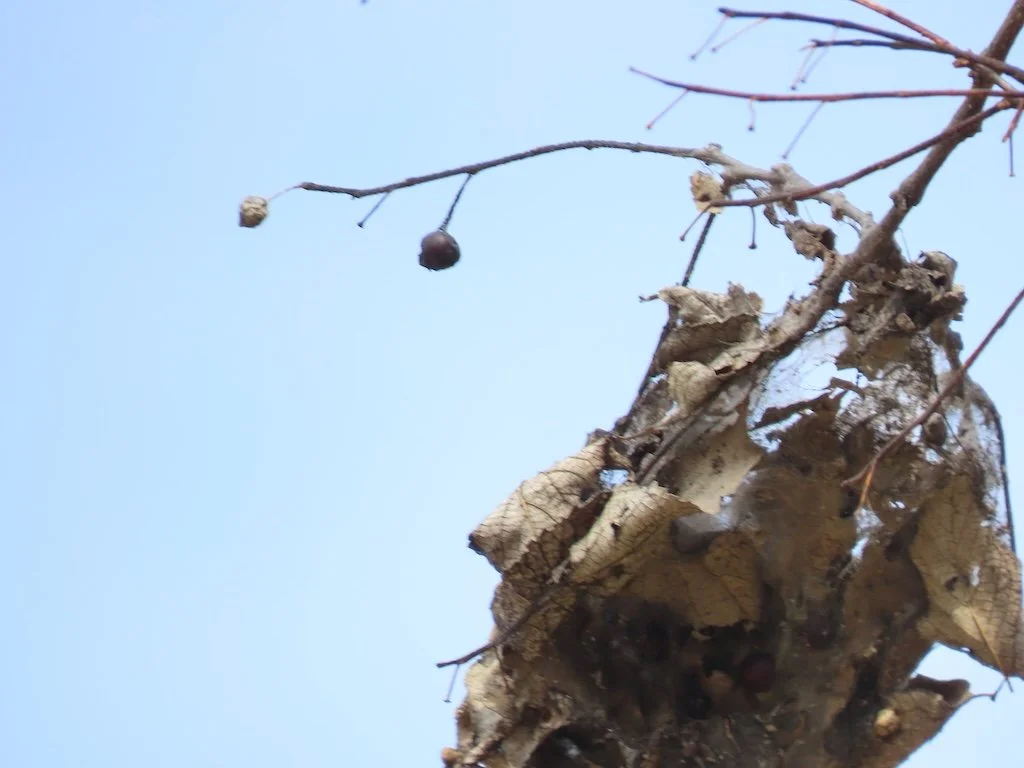
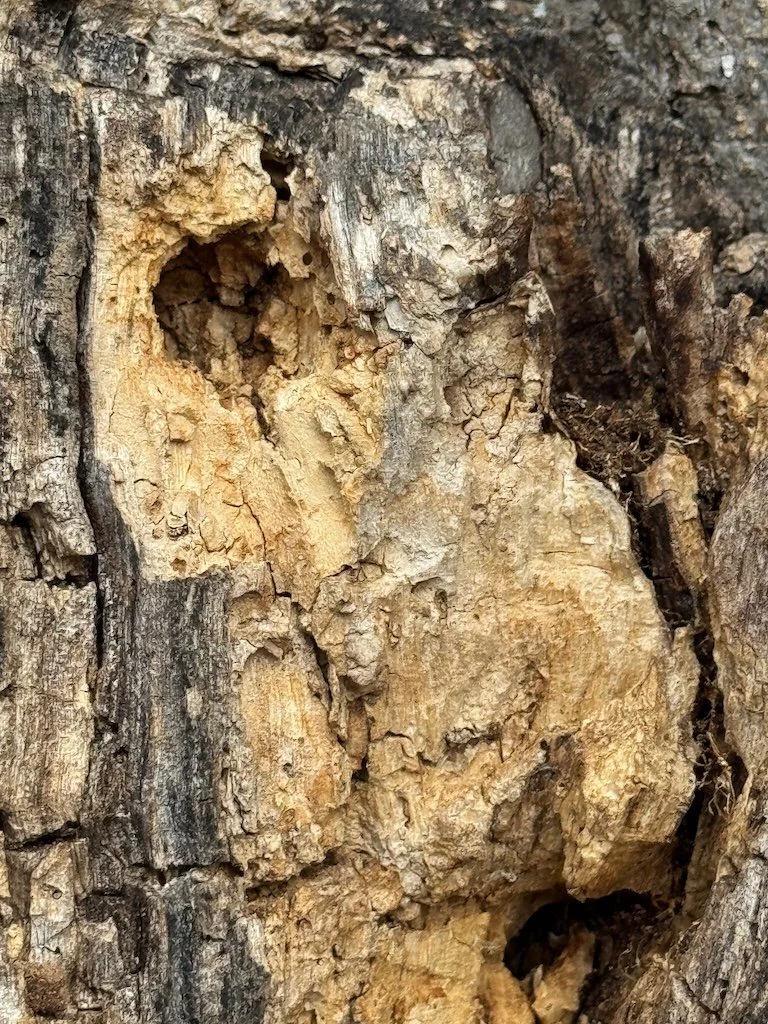
The Common Hackberry is also an older tree and might noy been entirely health; it lost a large limb last year and the woodpeckers seem to be working on the scar (maybe finding insects there). The tree has some dried leaves and fruit from last year. The buds are still very tight.

This is my first experience with a project like this. I will get to know these 5 plants very well!