Suburban Savanna – 3

Continuing my series on my progress toward transitioning my yard to a suburban savanna…..

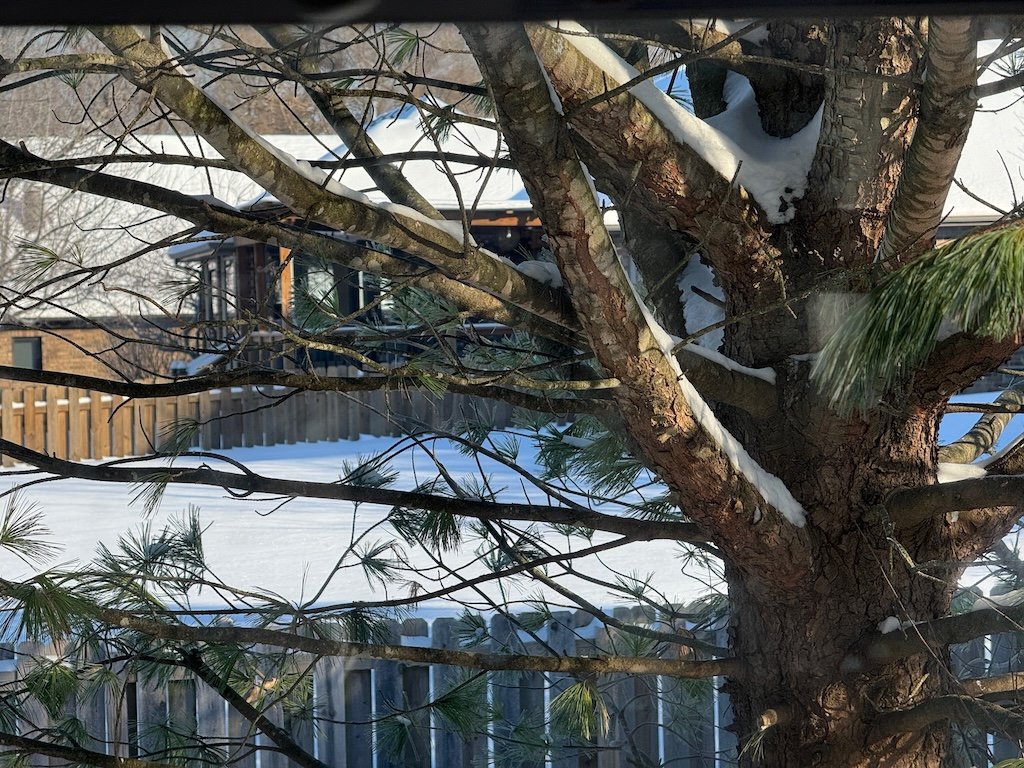
This month I am focusing on the shade garden since it is closest to being complete. The plants there will continue to develop…without a lot of work on my part. It is on the east of my house and includes an eastern white pine and a group of holly trees with low branches; a neighbor’s river birch and oak add to the shade in the summer.

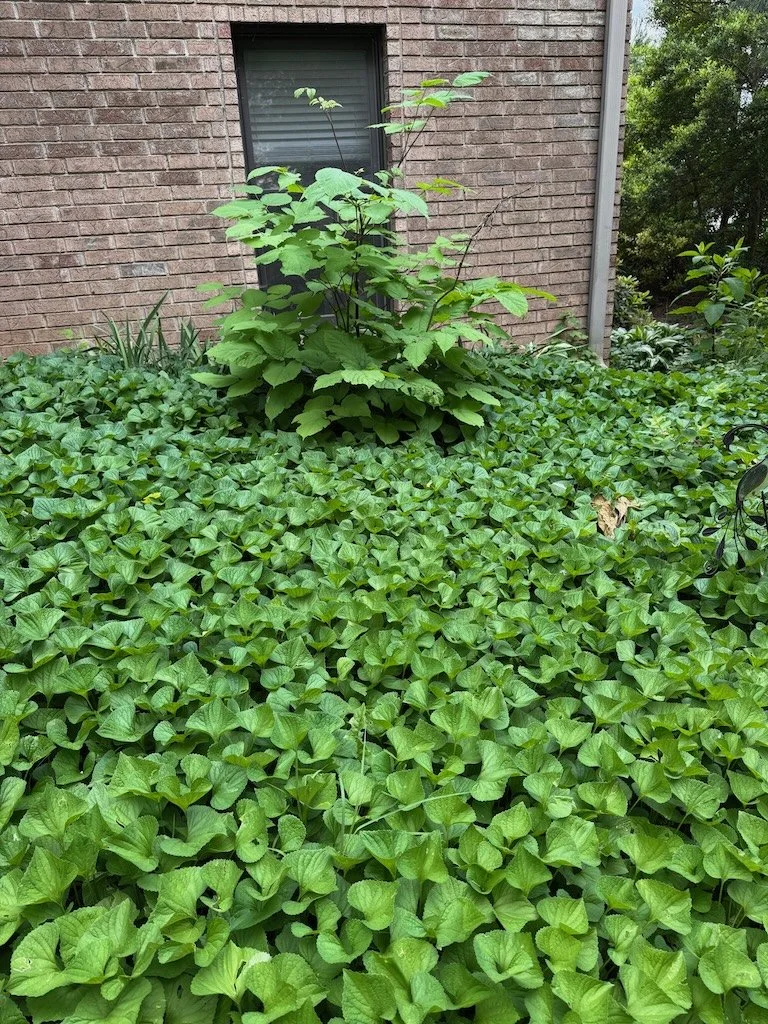
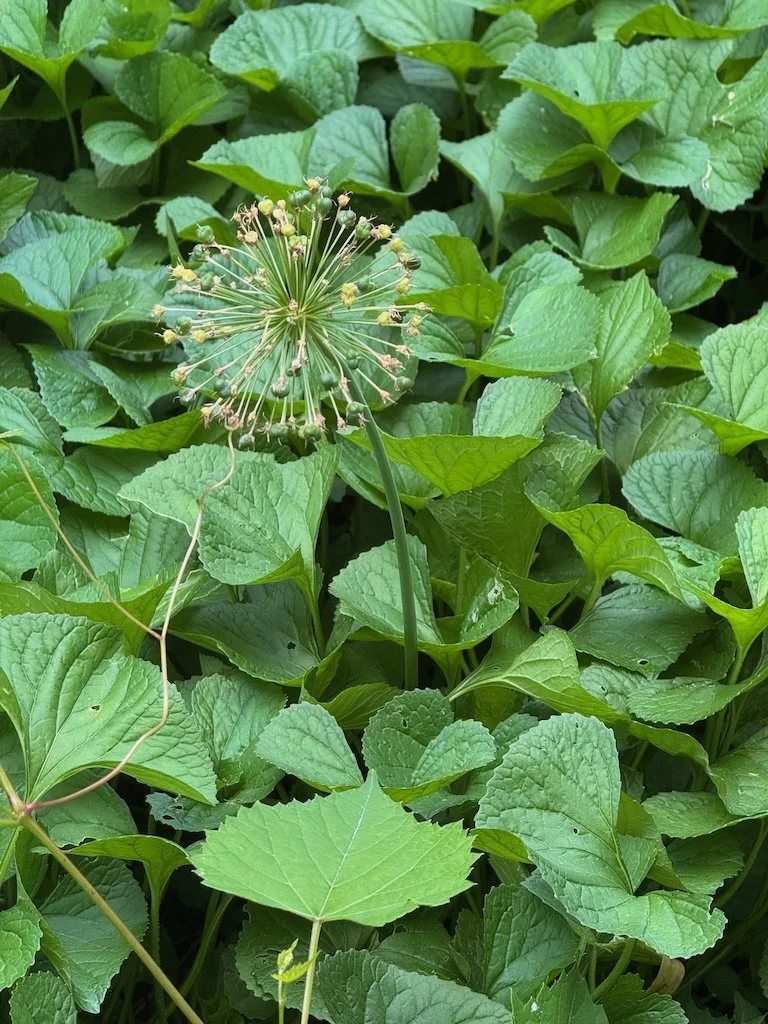
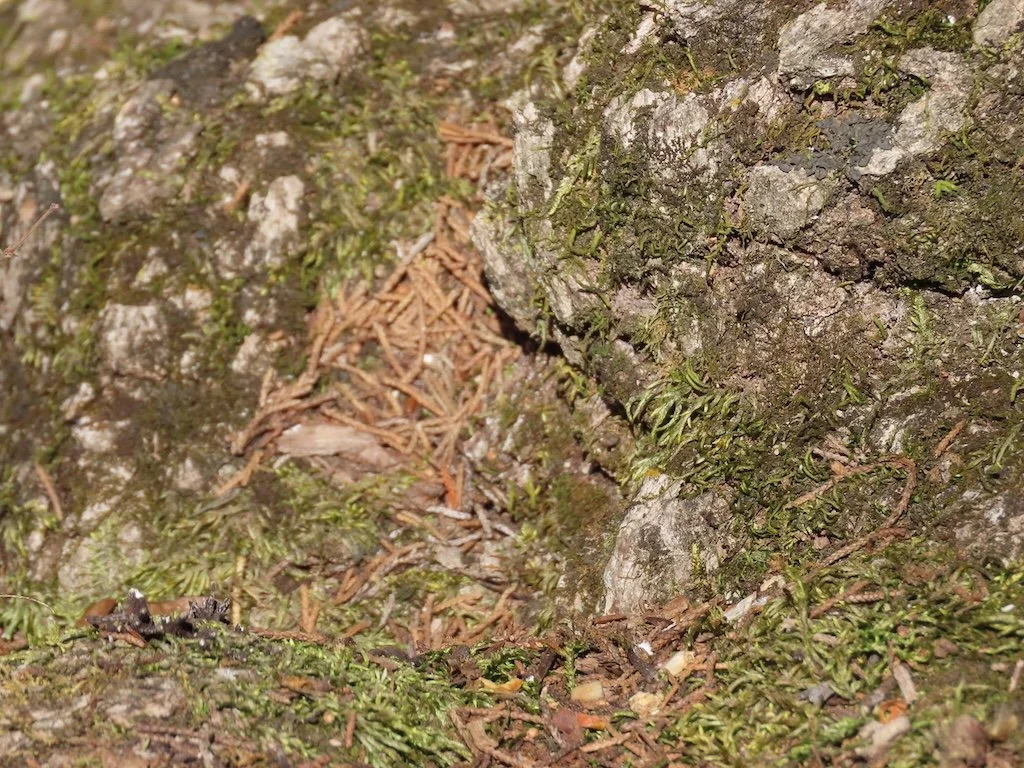
There were a few violets near the house when we arrived 4 years ago and they have spilled out to take over what used to be struggling grass (I stopped mowing and the violets took over); they have progressed about 6 feet into the yard and I will further reduce my mowing to allow them to take over more!

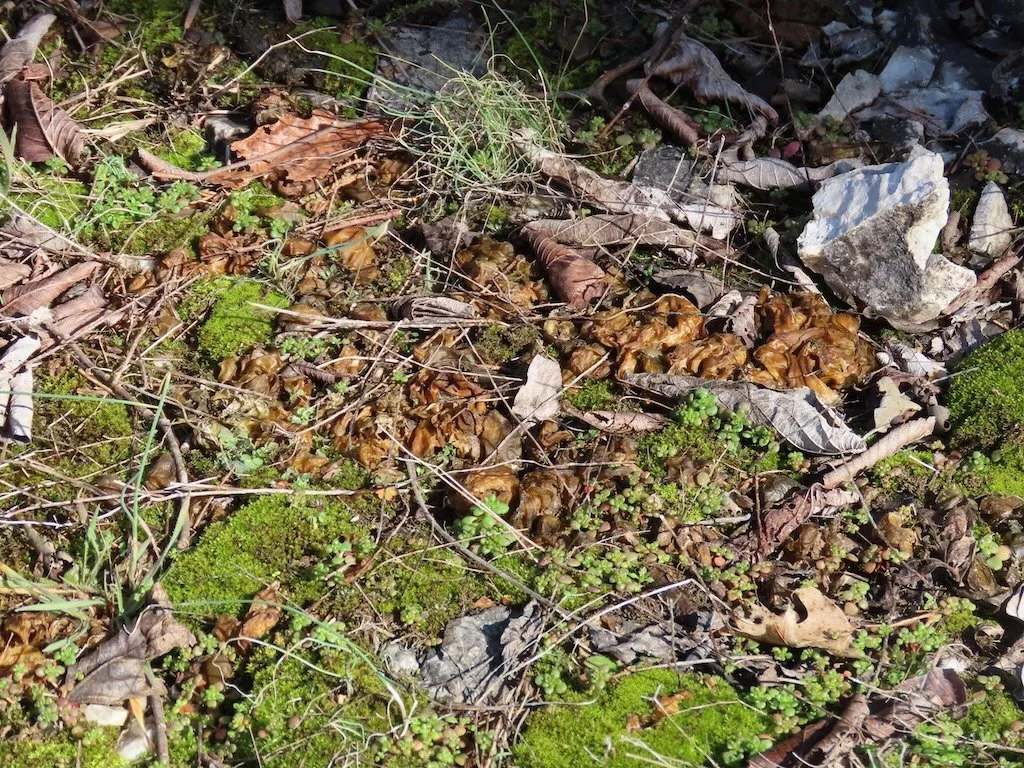
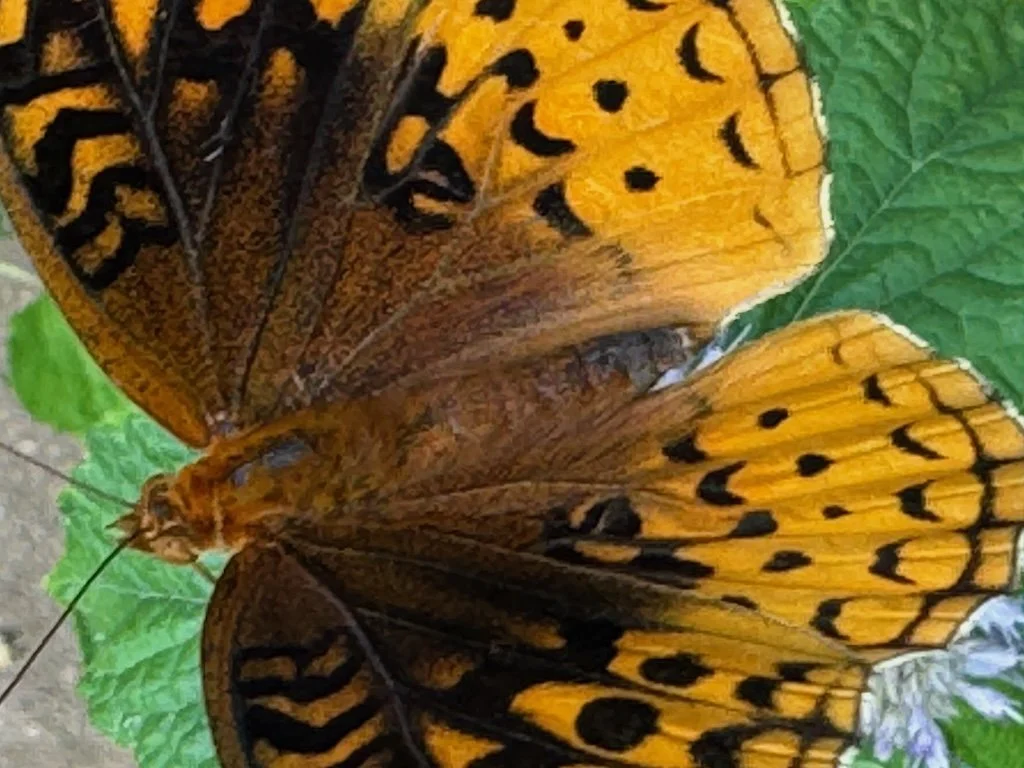
I noticed last winter that several birds – particularly mourning doves and wrens – seemed to spend a lot of time finding tidbits to eat in the brown debris of the violets; I wondered if they were finding the tiny Great Spangled Fritillary (butterfly) caterpillars.
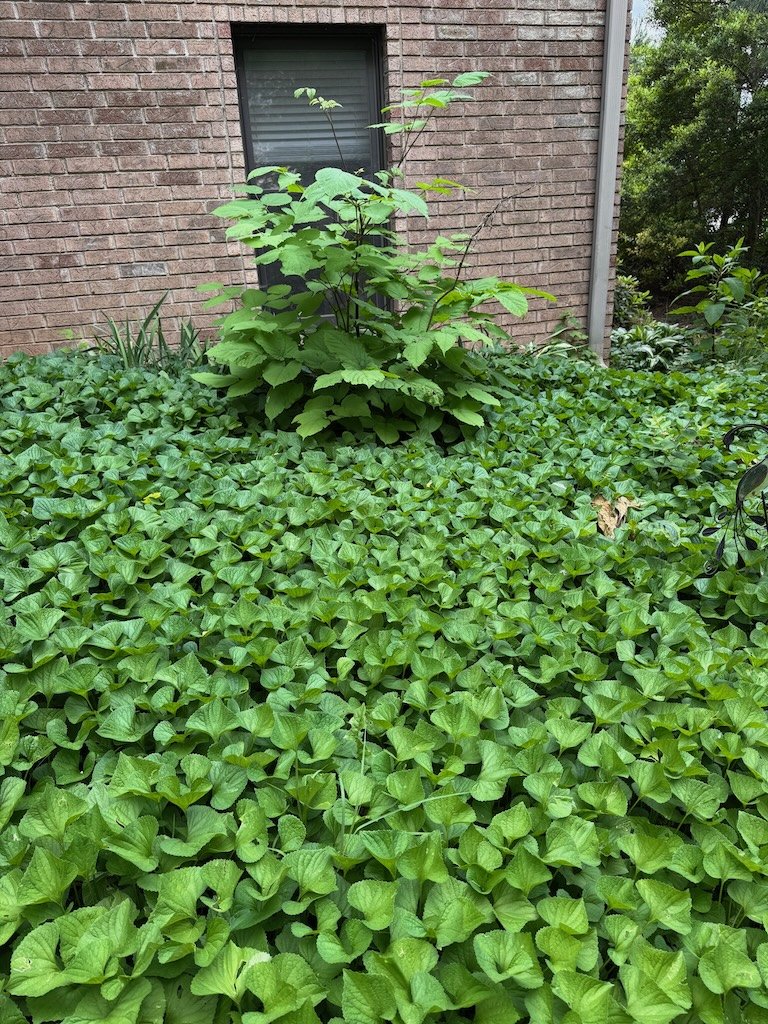
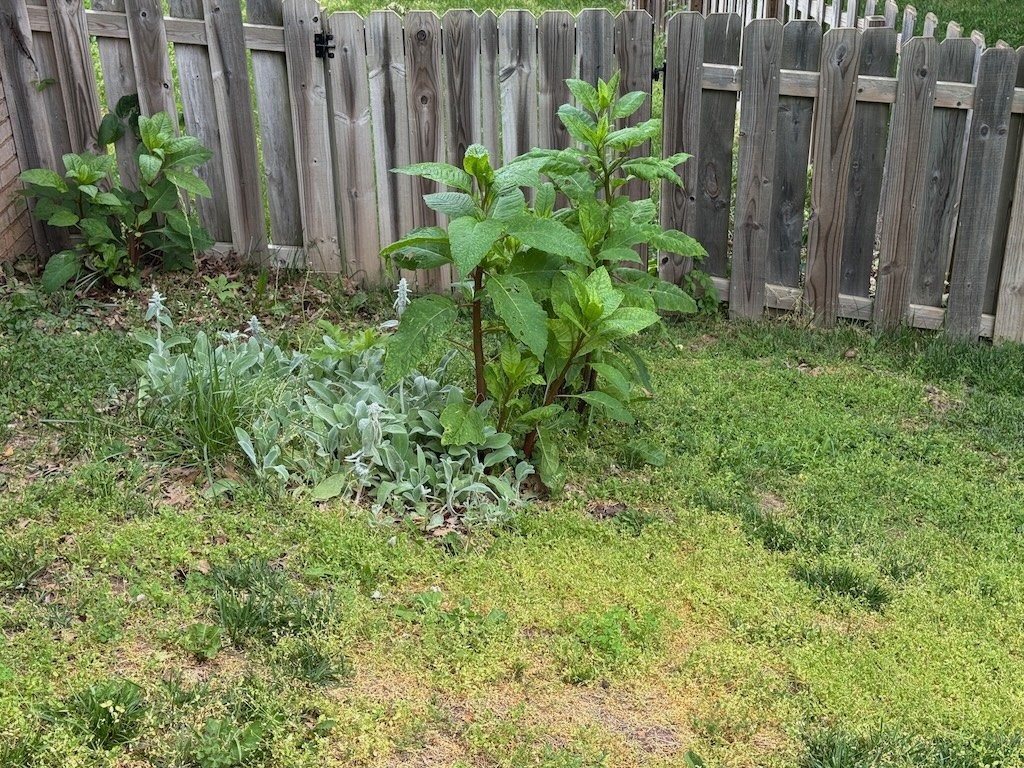
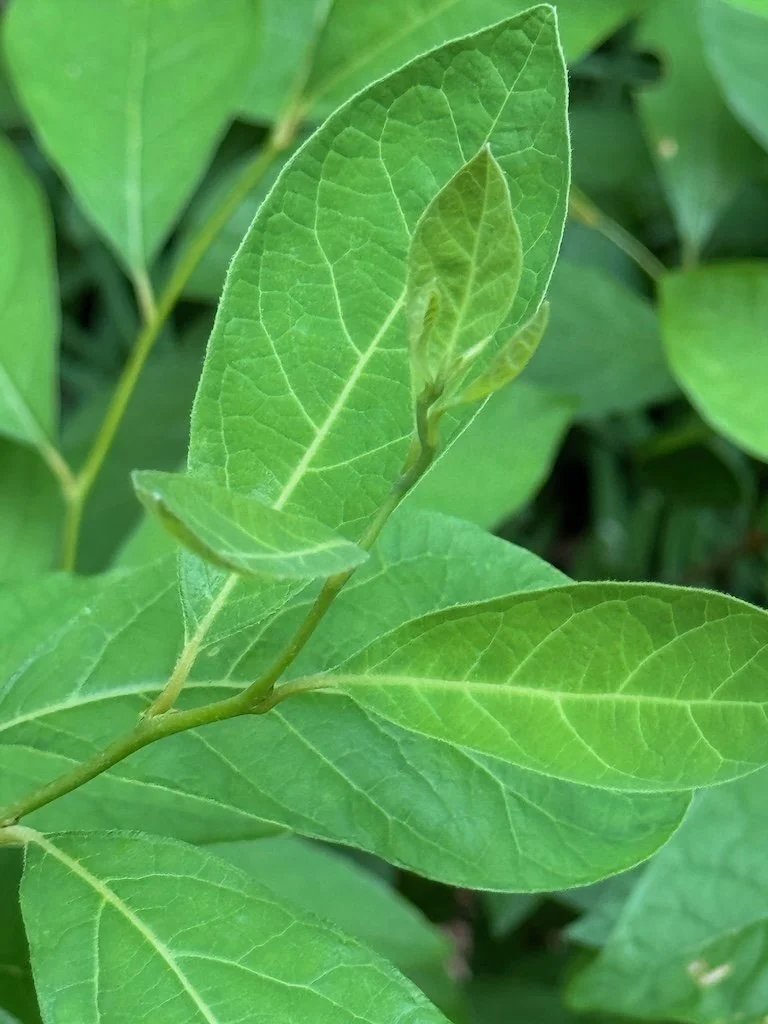
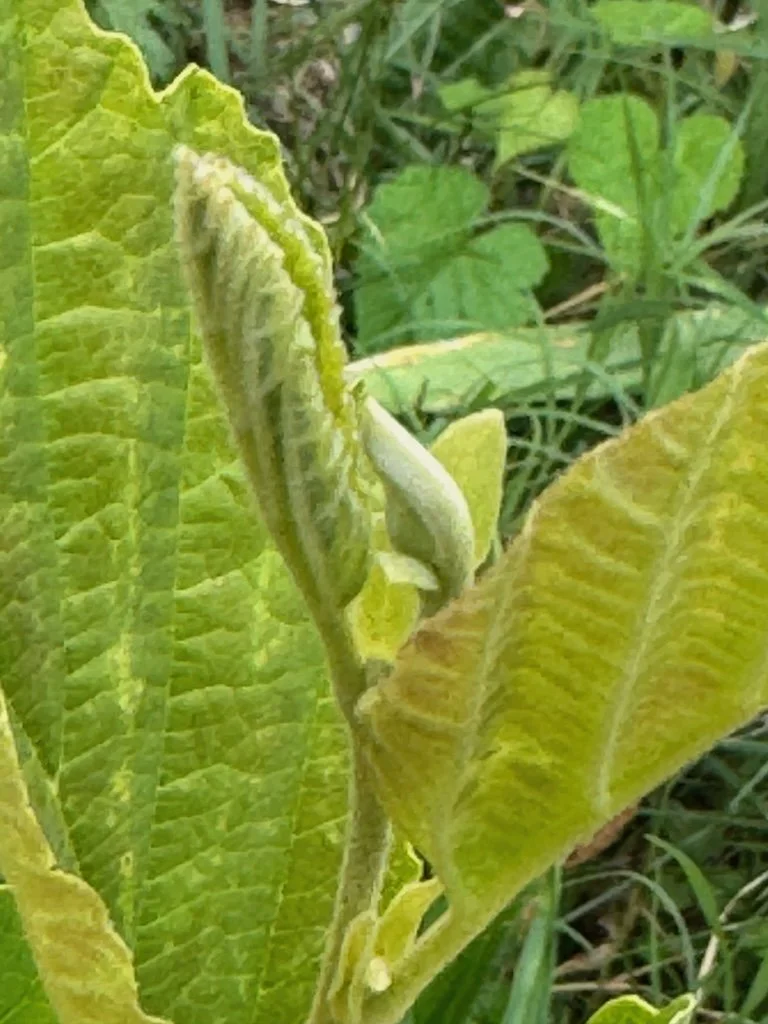
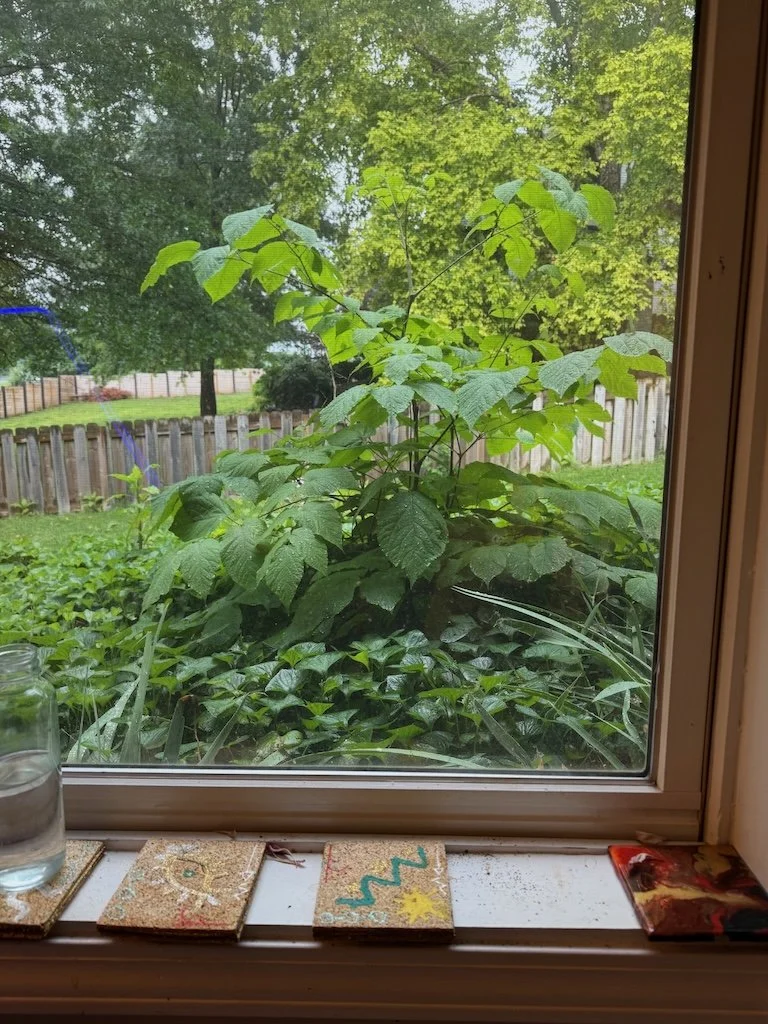
I planted American Spikenard, spice bush, and pawpaw to provide some taller plants to break the thick violet groundcover. I might eventually add another spice bush since the one I have is male (i.e. no red fruits!). The American Spikenard was one of the first native plants I added to my garden (where it is visible from my office window) and it gets bigger every year…this year it is over 5’ tall so it must be happy in its location. It blooms in June – attracting pollinators; the fruit is eaten by birds.

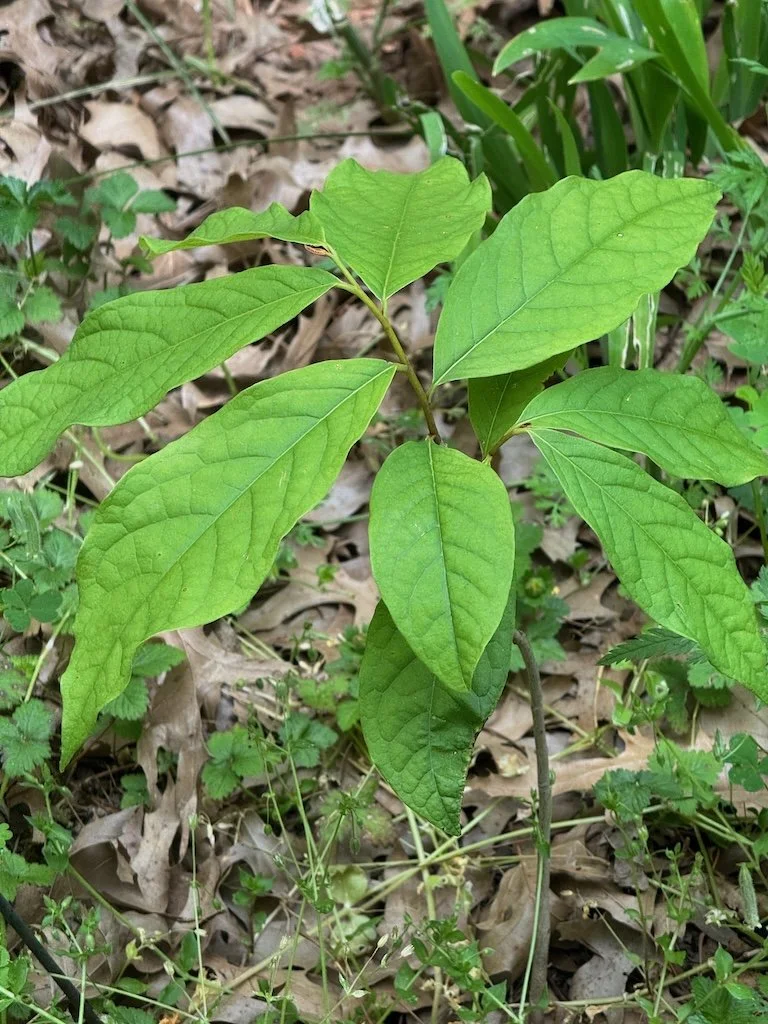
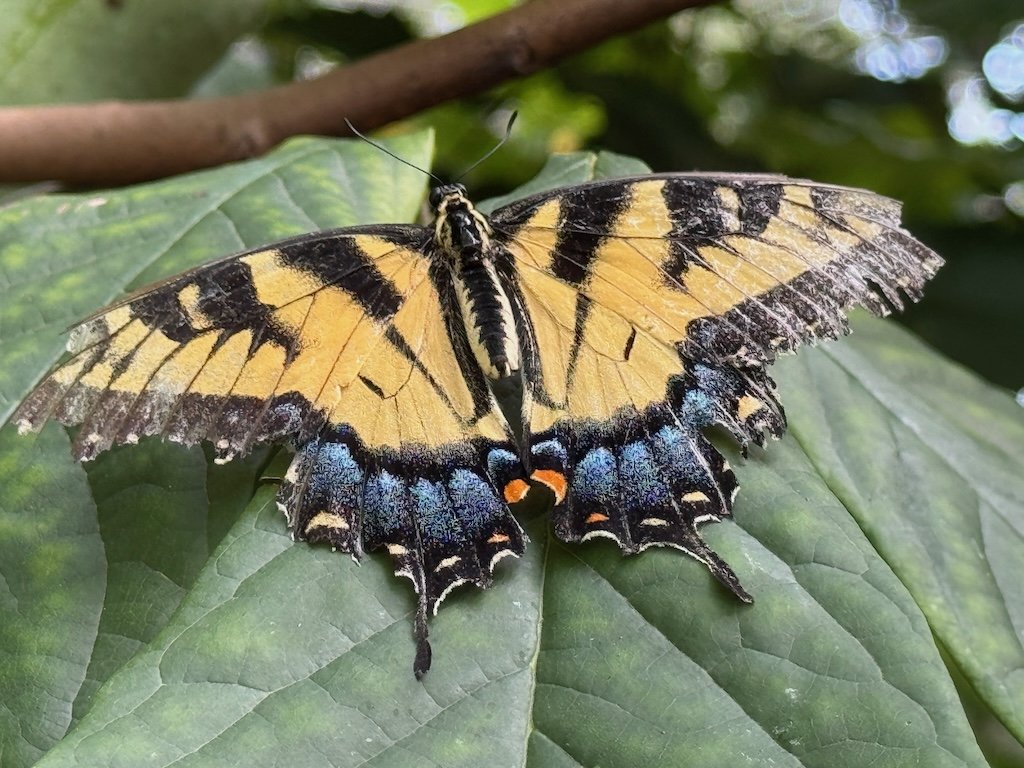
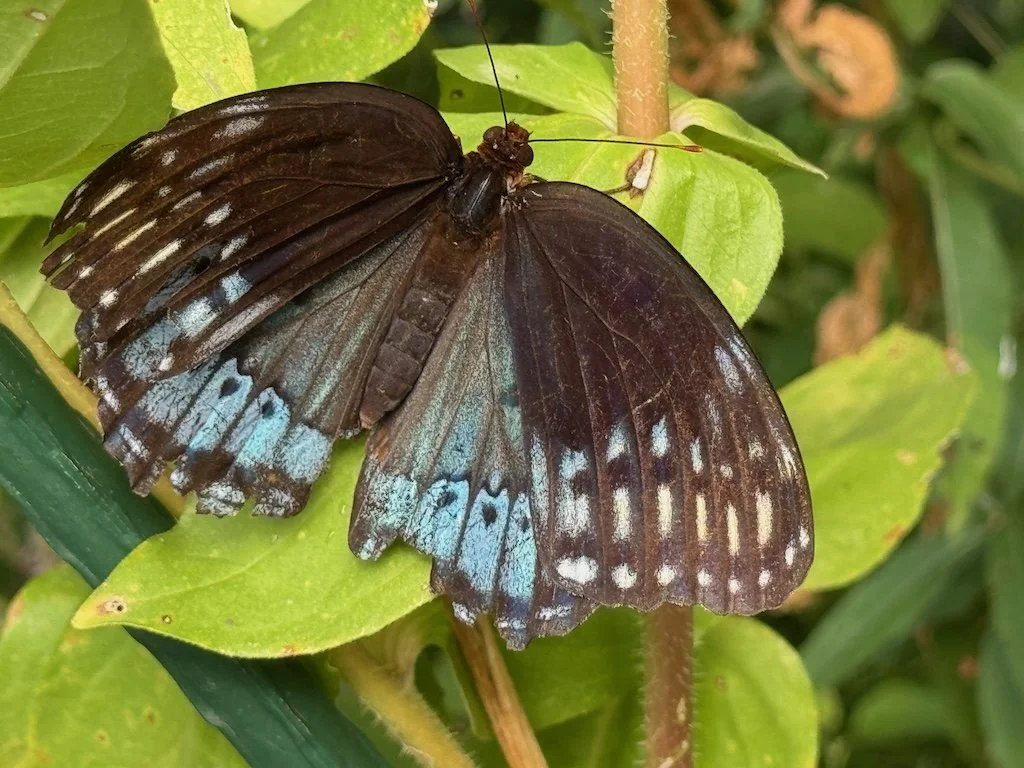
The spice bush had black swallowtail caterpillars eating it last summer…a great indication that the shade garden is supporting wildlife that had not been in the yard previously. I also noticed more fireflies in the summer beginning last year.
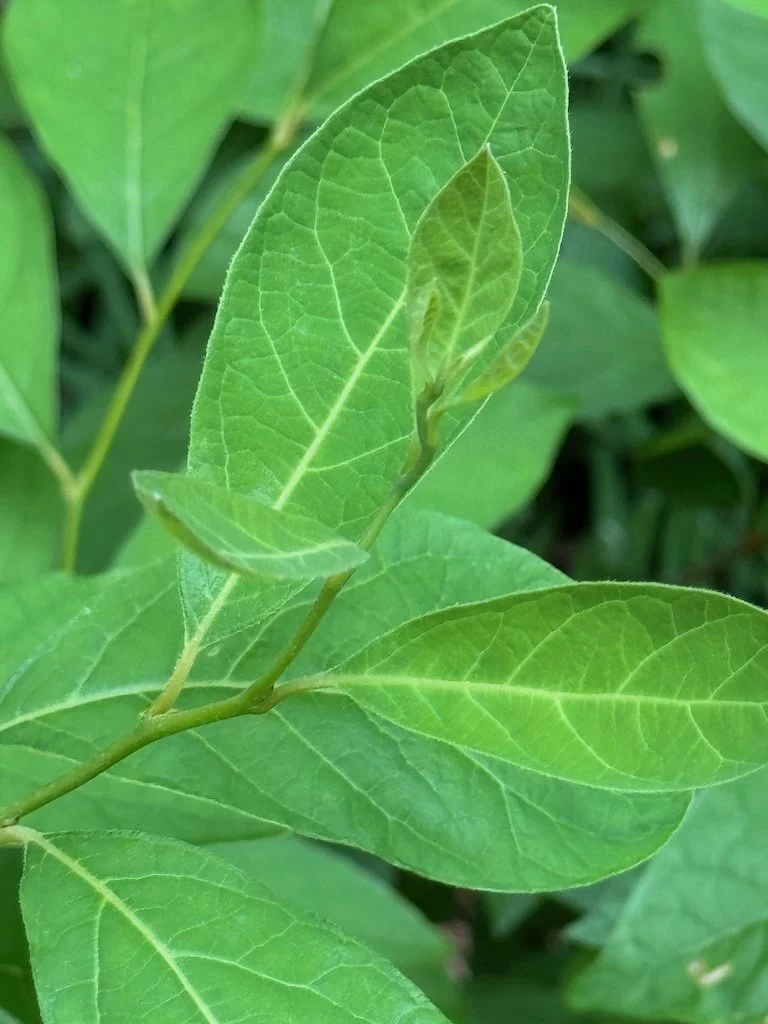
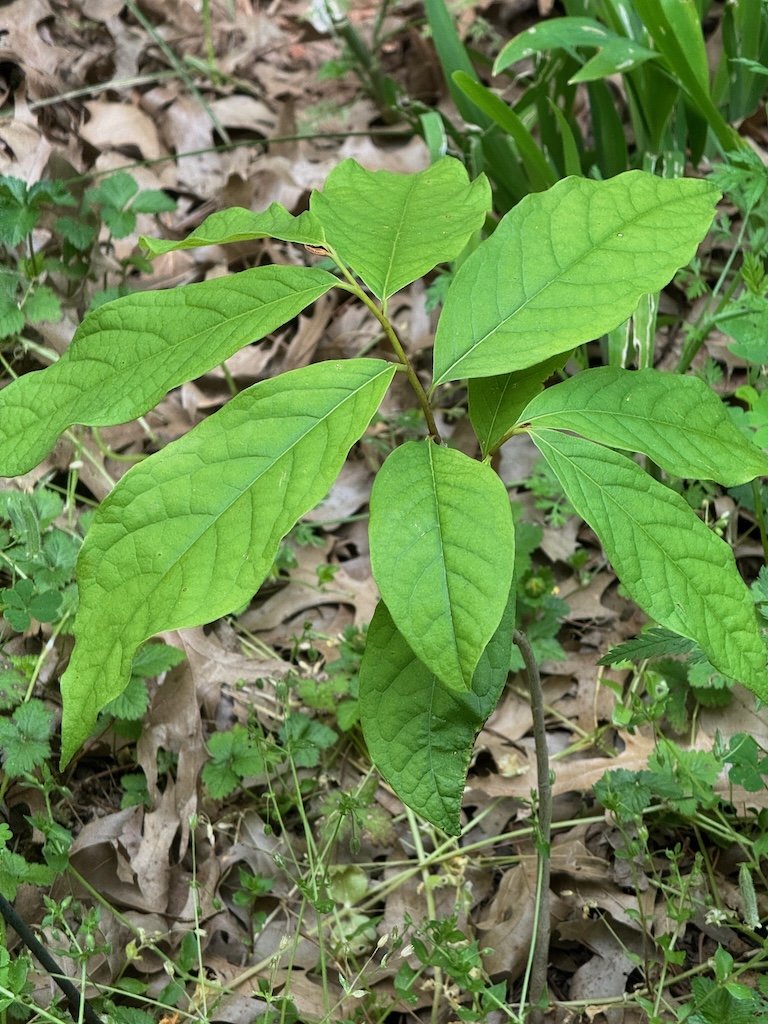
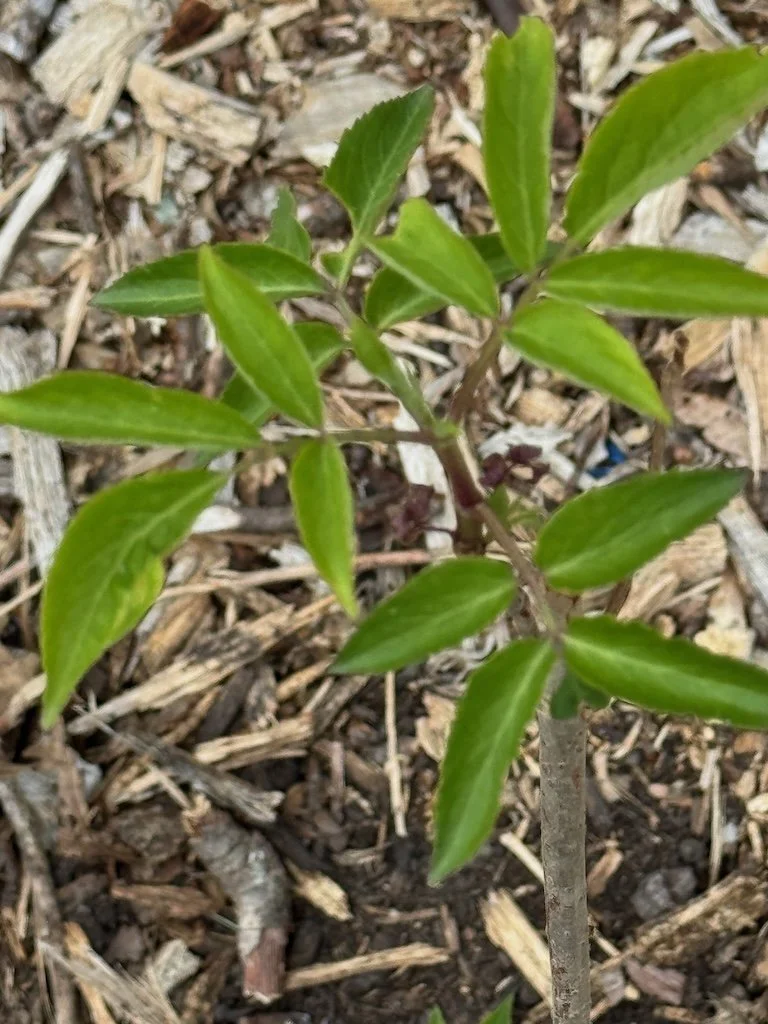
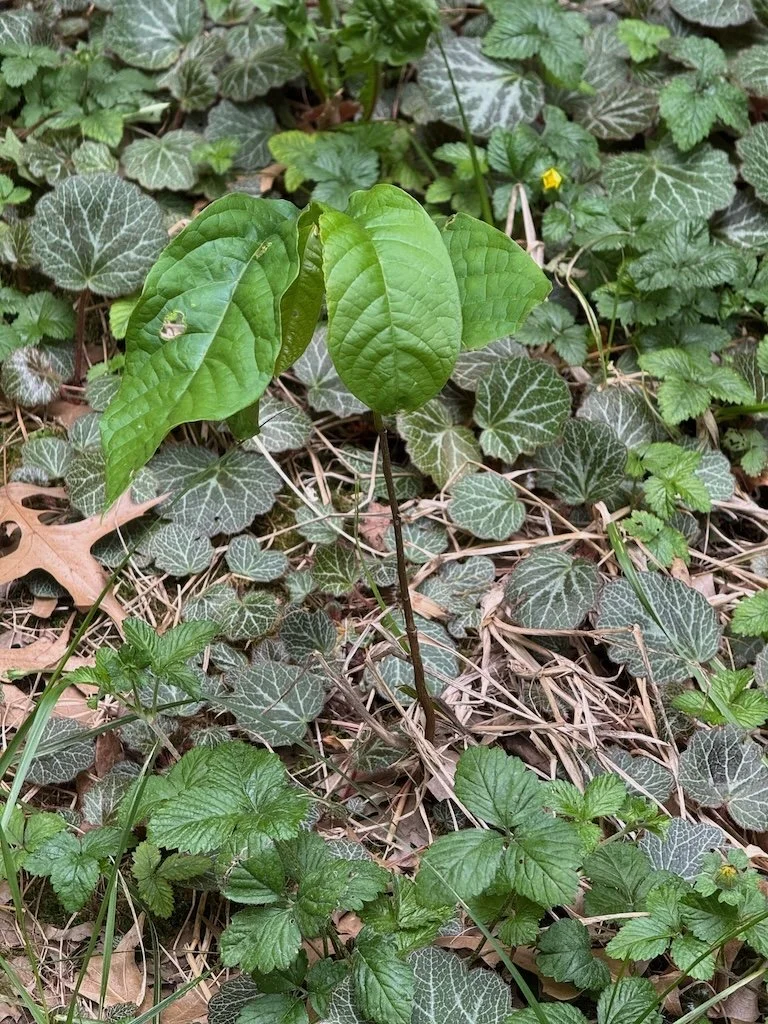
The pawpaw trees are still very young: one was planted as a seedling last year, 2 came up from seeds this spring, and 4 were planted as seedlings this spring. Hopefully most of them will survive and eventually host zebra swallowtail caterpillars. It will be years before they bear fruit….but I am excited about the prospect.

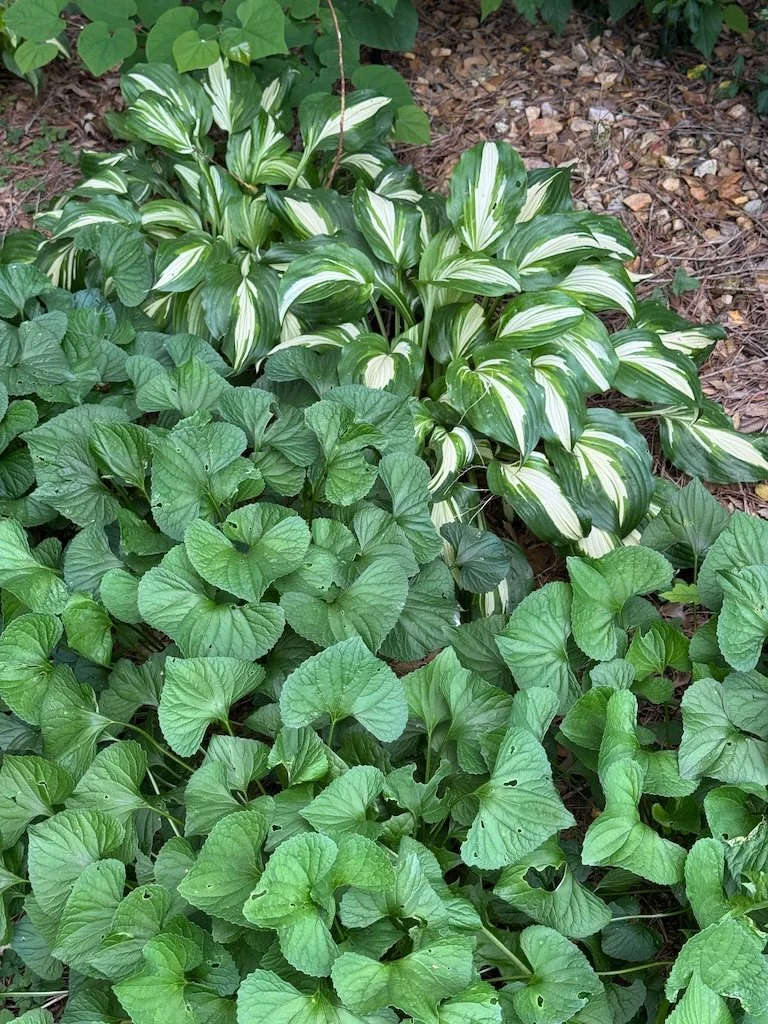
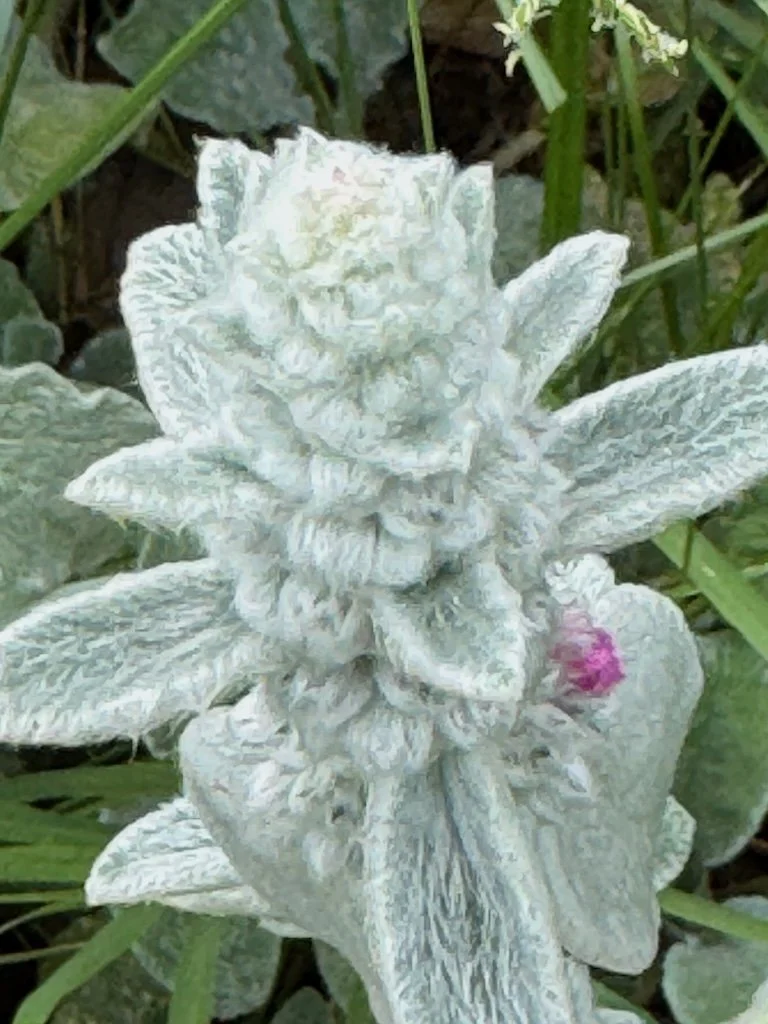
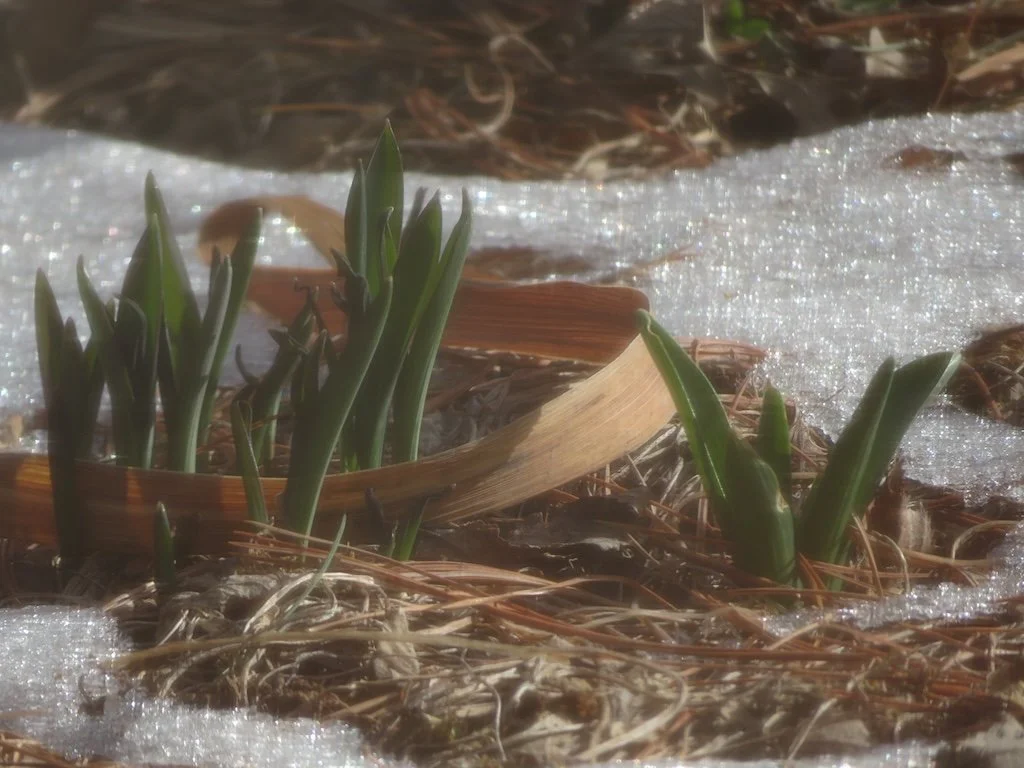
Around the white pine there is a mix of native and non-native plants. The natives are another American Spikenard, black raspberries (that came up on their own), violets, grapevine (which I cut to keep it out of the tree), hackberry (which I take out periodically, there is a neighborhood tree so the birds plant the seeds everywhere), and, unfortunately, an occasional poison ivy. The non-natives offer some color/shape contrast: hostas and lambs ear now…earlier in the season crocus, daffodils….later in the season chives.
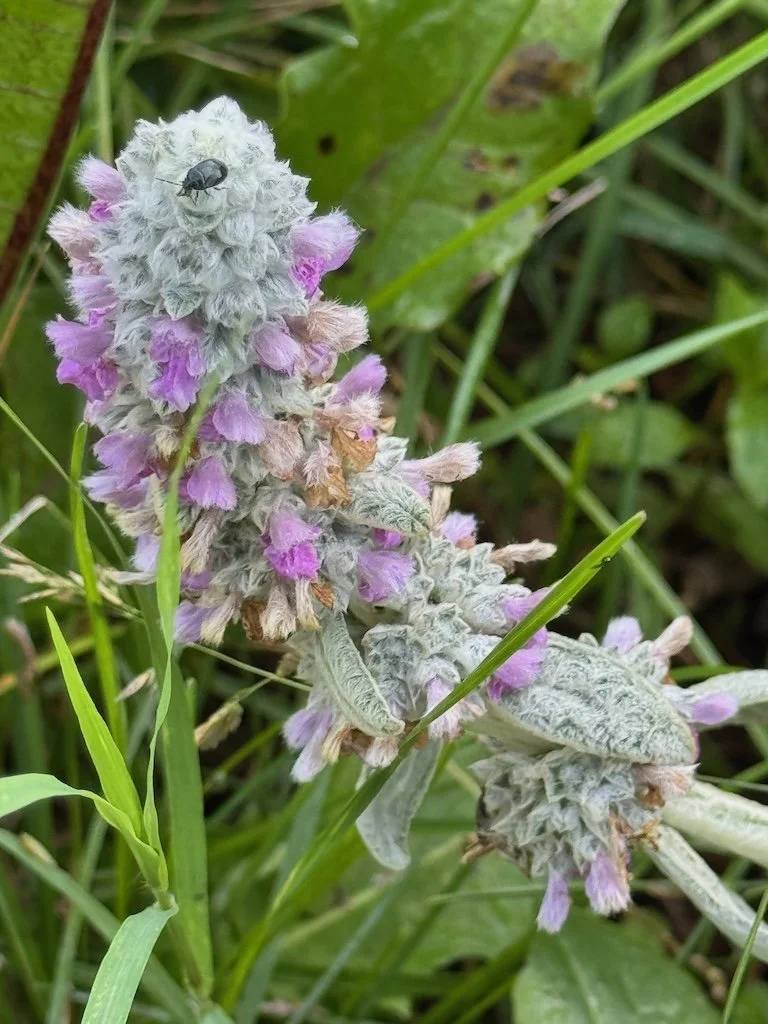
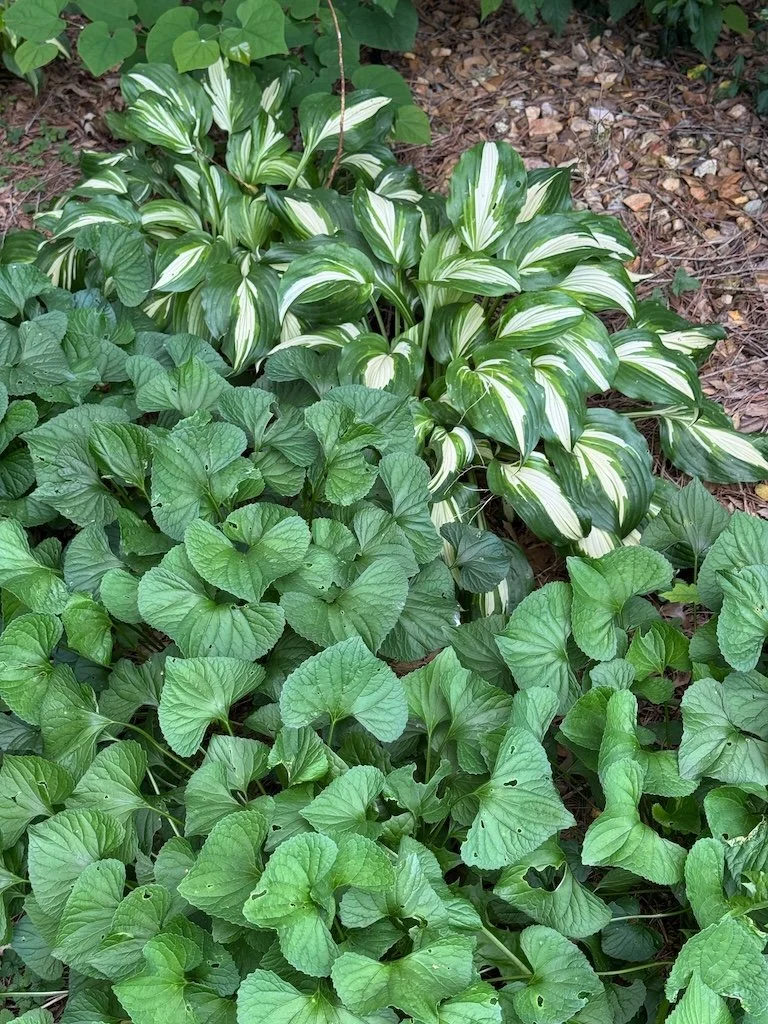
I like that there are plants in the garden that are edible…that I can easily harvest and eat immediately: violet leaves and flowers, grape leaves, and chives.

The maintenance I anticipate on the garden is mainly controlling things like grape vines, poison ivy, and hackberries….keeping an eye out for invasives like poison hemlock and wintercreeper (removing immediately). I will eventually begin removing the lower branches of the pine (they are already sparsely needled because they only get enough light at their tips); it could reduce the shade a little in the morning, but the hollies will shade the area in the afternoon and the pine needle mulch sustains the soil moisture).   The violets will grow out into the yard at least a little further but that just requires me to stop mowing the area where I want the violets to take over! My sprinkler system still waters the area when it hasn’t rained but I envision that I might turn off the zone once the plants are all well established.

More about my suburban savanna and water next month.

Previous Suburban Savanna Posts:

April 2026 – Overview

May 2026 – Planting Natives
Office Views

My computer is on a corner table with two monitors and my keyboard….windows on both sides of the corner. The views while I am working make the place my favorite in this house.

From the east window, the view is full of violets and an American Spikenard…in the background are the neighbor’s River Birch and Red Oak. On breezy days, the large leaves of the spikenard make graceful arcs through the air.
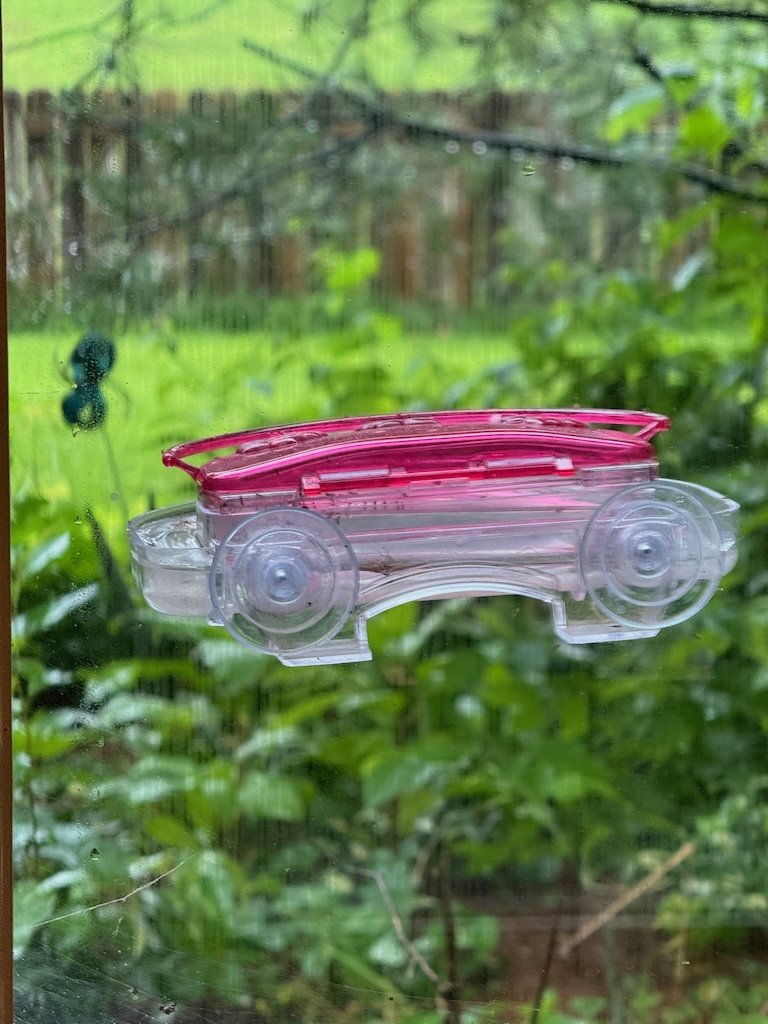
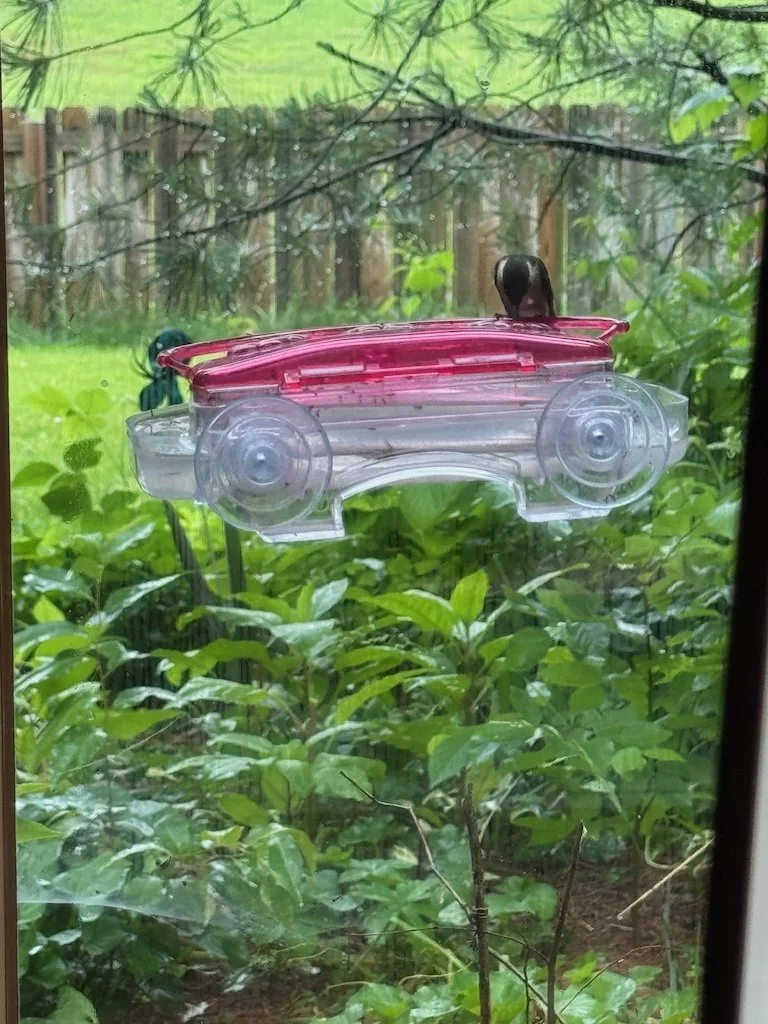
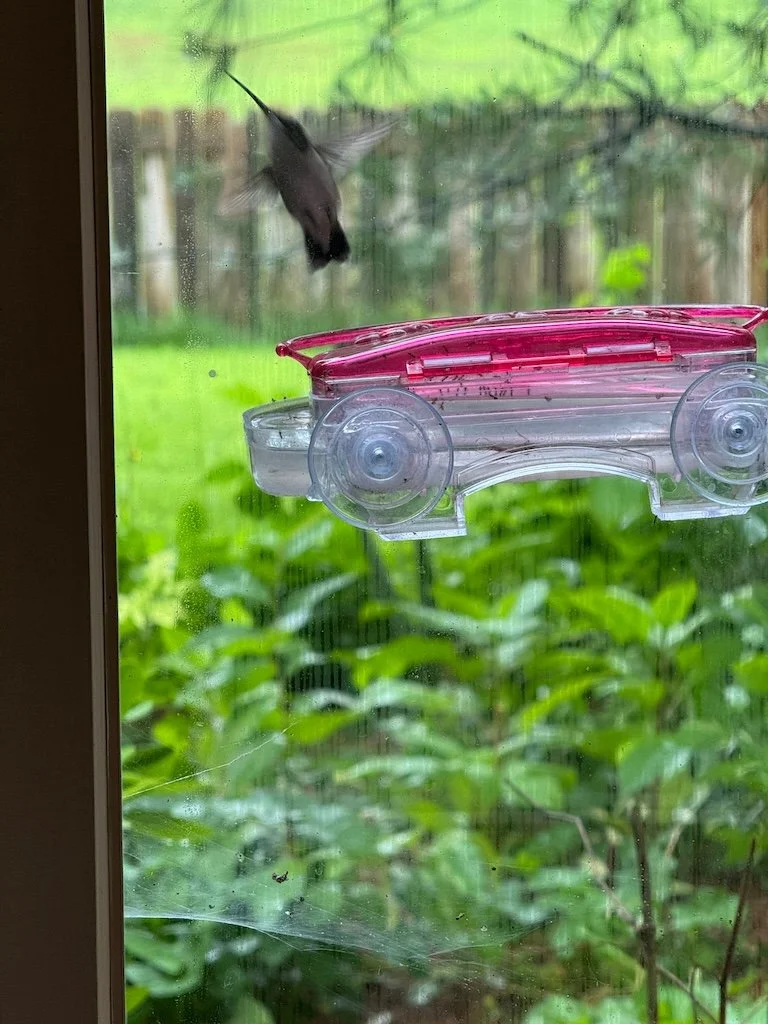
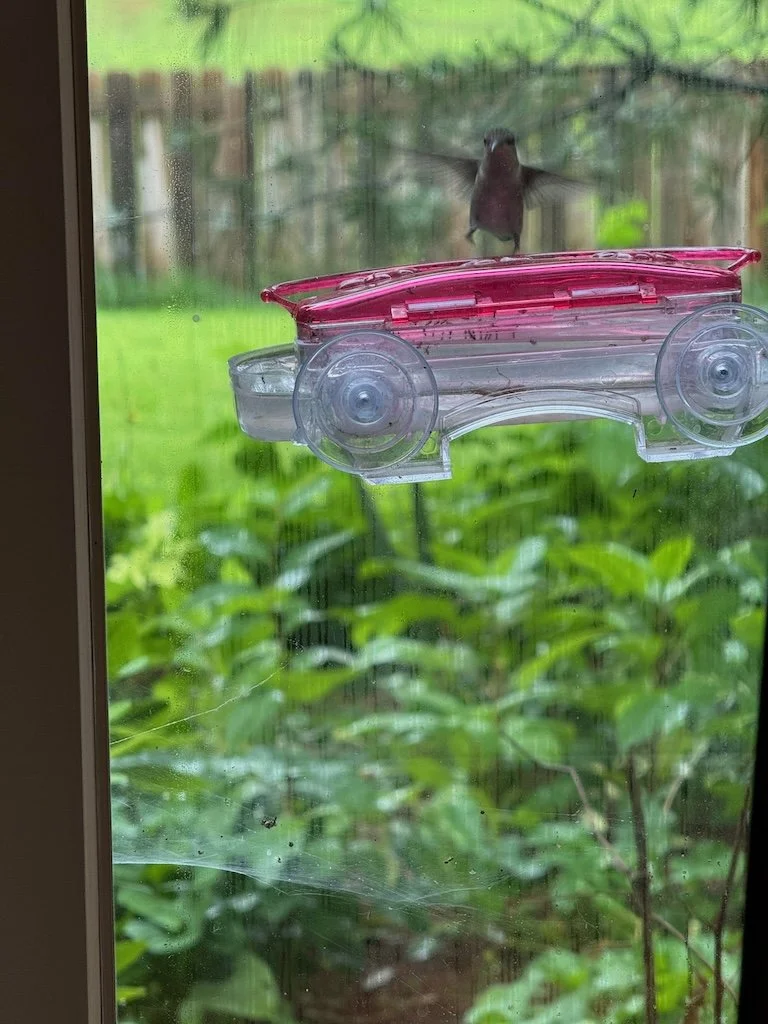
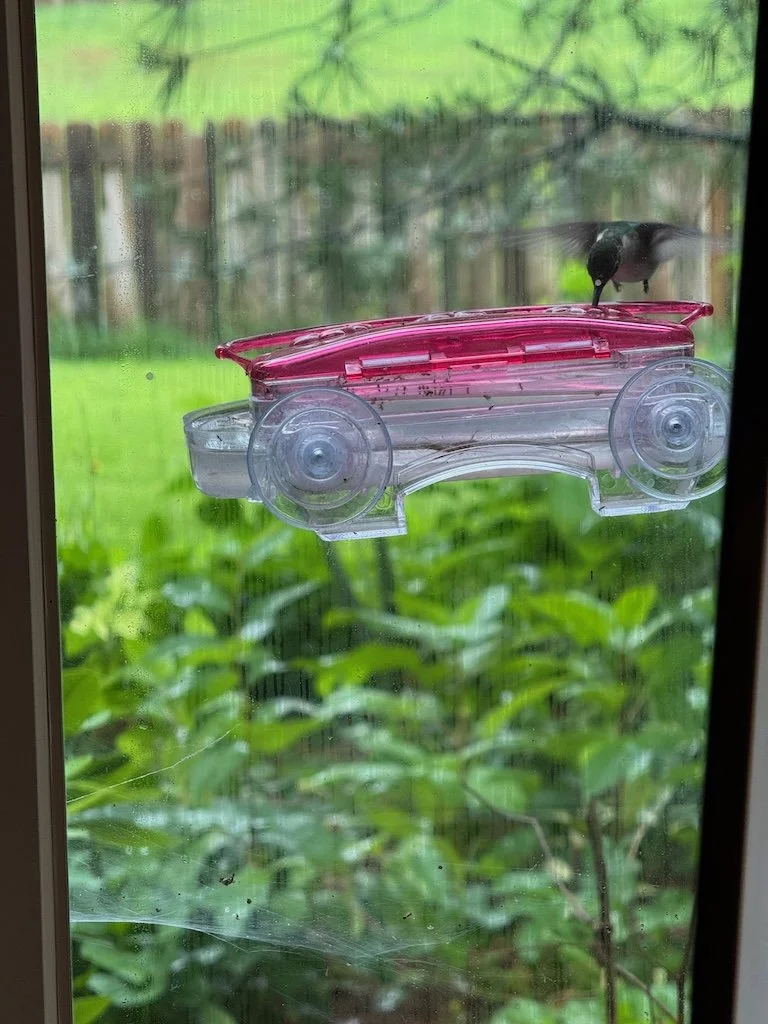
From the south window, the view includes a hummingbird feeder with an eastern white pine in the background…violets and hostas growing through the pine needles. In the early spring there are crocus in the area.
The near views are all in the shade in the summer…which is very appealing during hot weather. In the winter there is morning sun into the eastern window when the river birch has no leaves. The only negative to the situation is that the shade makes the hummingbirds look drab – no iridescence! I still enjoy their acrobatics on their frequent visits to the feeder.

And a few days later…..

I am dry…and comfortable

Contemplating the joy of a rainy day in the late spring….between showers

The most horizontal leaves of the spikenard and irises have large blobs of water that glisten in the increasing light
The pine needles have water drops at their tips

The hummingbird just made a stop at the feeder on my window…the moat overflowing from rain

Children have come out in the lull between rain showers to play in the puddles - it is warm enough to go without shoes

A little breeze moving the big spikenard leaves

The violets are dark green…and too low to the ground to be moving

I hear water in the gutters

There are so many shades of green

The birds are quiet

Our Missouri Yard – May 2026

May was full of new growth in our yard.

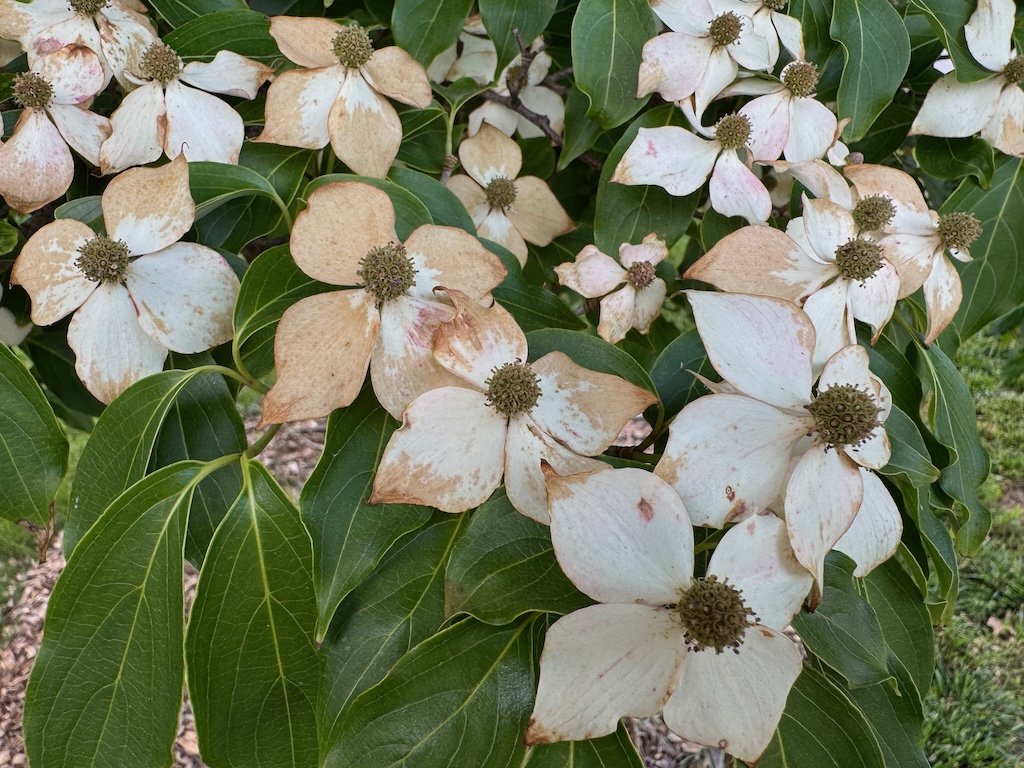
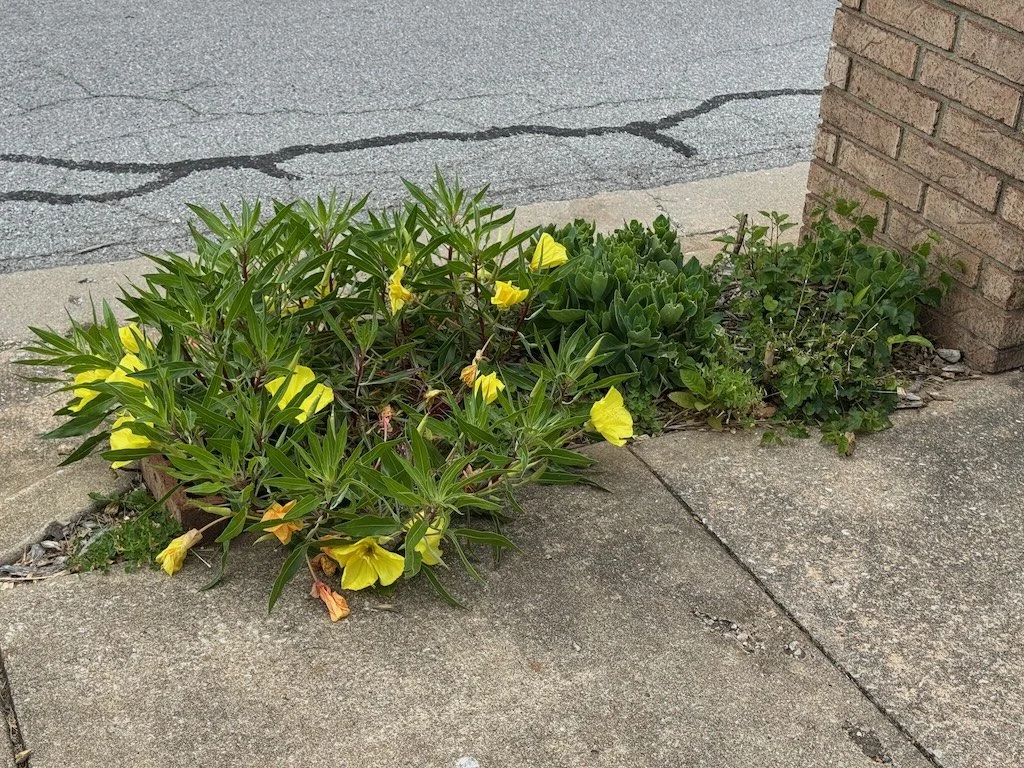
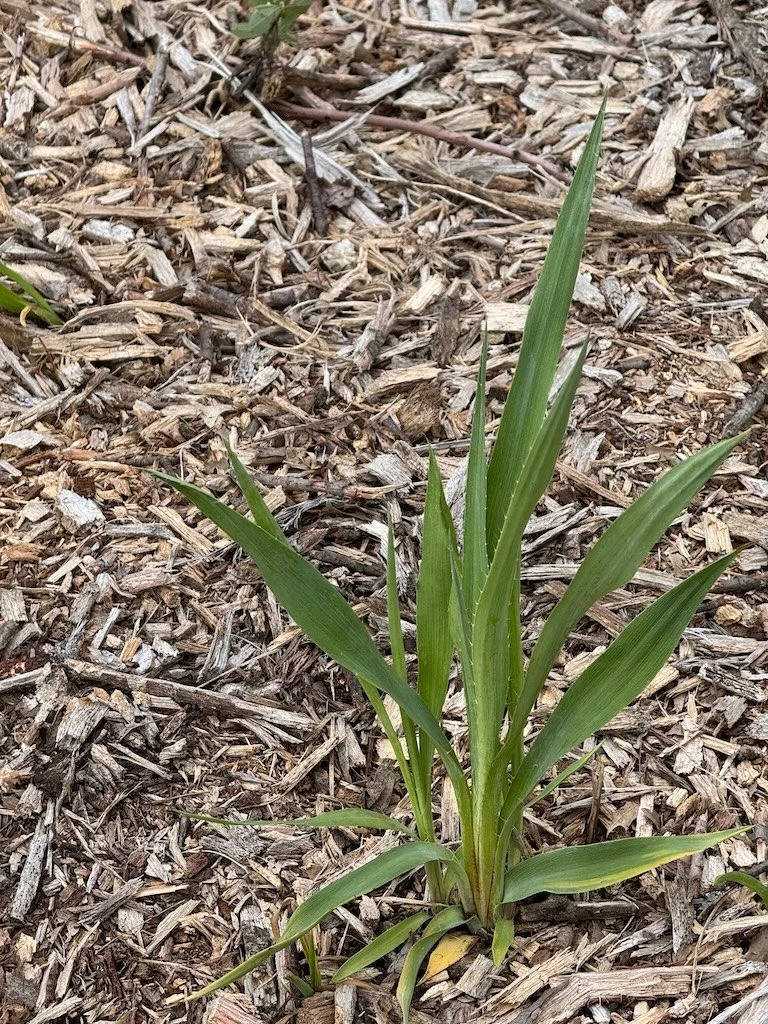
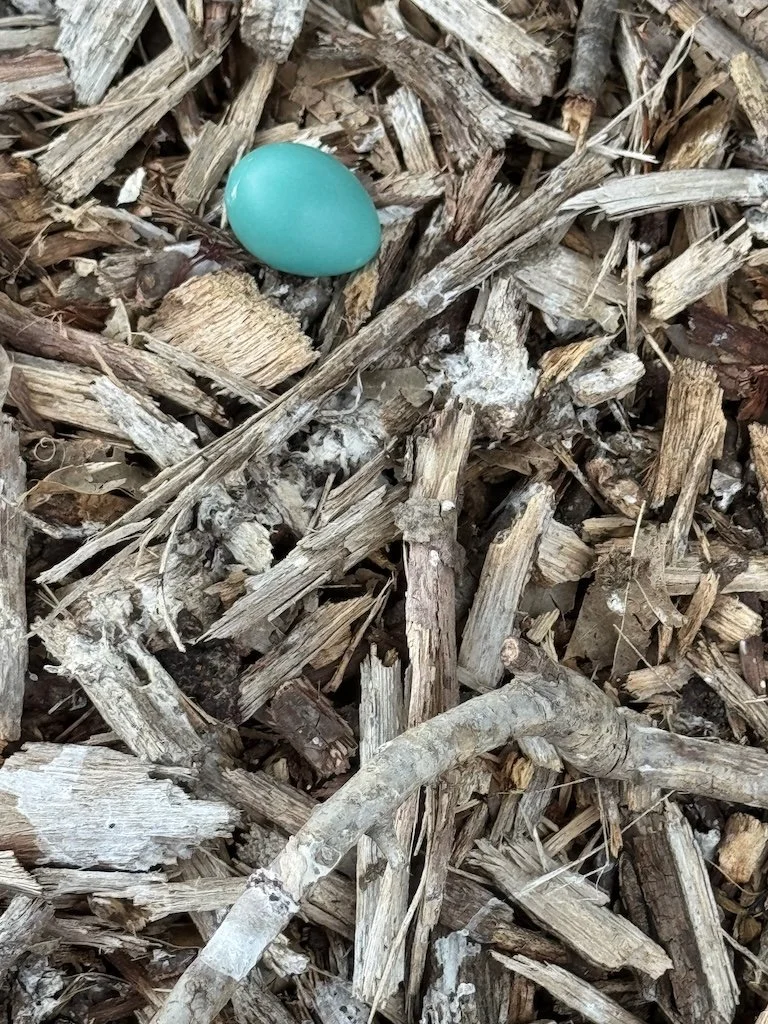
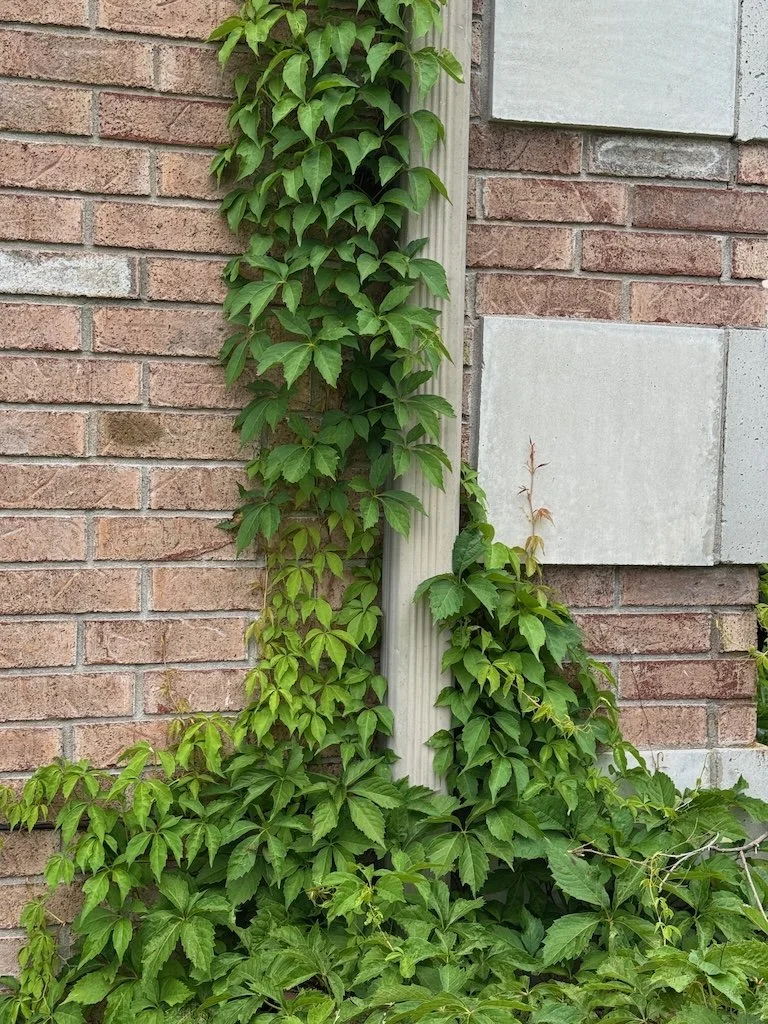
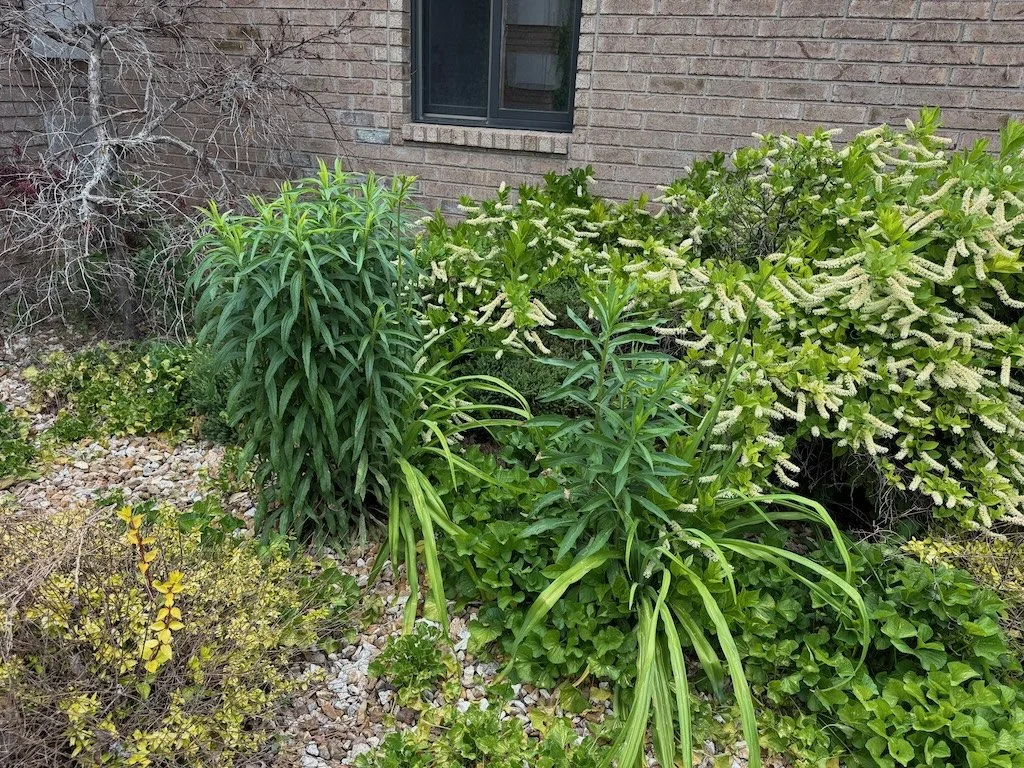
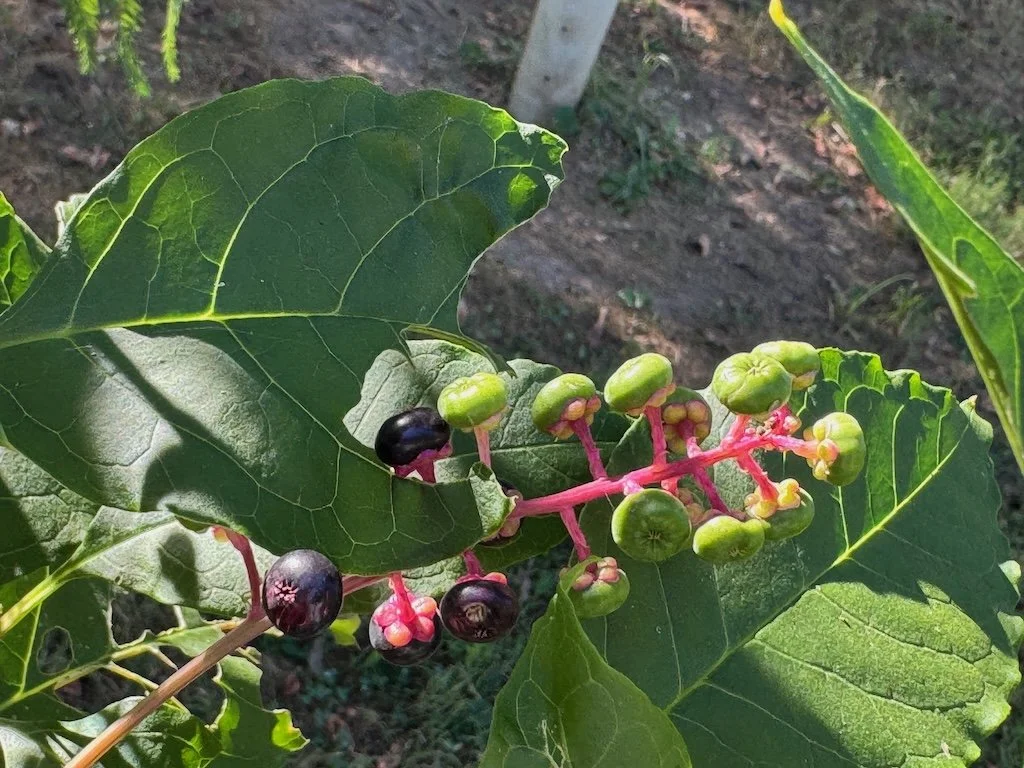
In the front yard…the Kousa Dogwood bloomed…and began to fade. The Missouri Evening Primrose near the mailbox began to bloom. In the new native plant garden, the new plants (like the Ratttlesnake Master and Elderberry) began to thrive; there was a robin’s egg in the mulch under the maple there. The Virginia creeper was lush and green filling the spaces in the flower bed near the house and climbing over everything. There were some asters that came up in one bed on their own in spaces near some daylilies. In the side yard a clump of lambs ear and poke weed were in the same place as last year – not specifically planted but seemed to thrive in that spot.

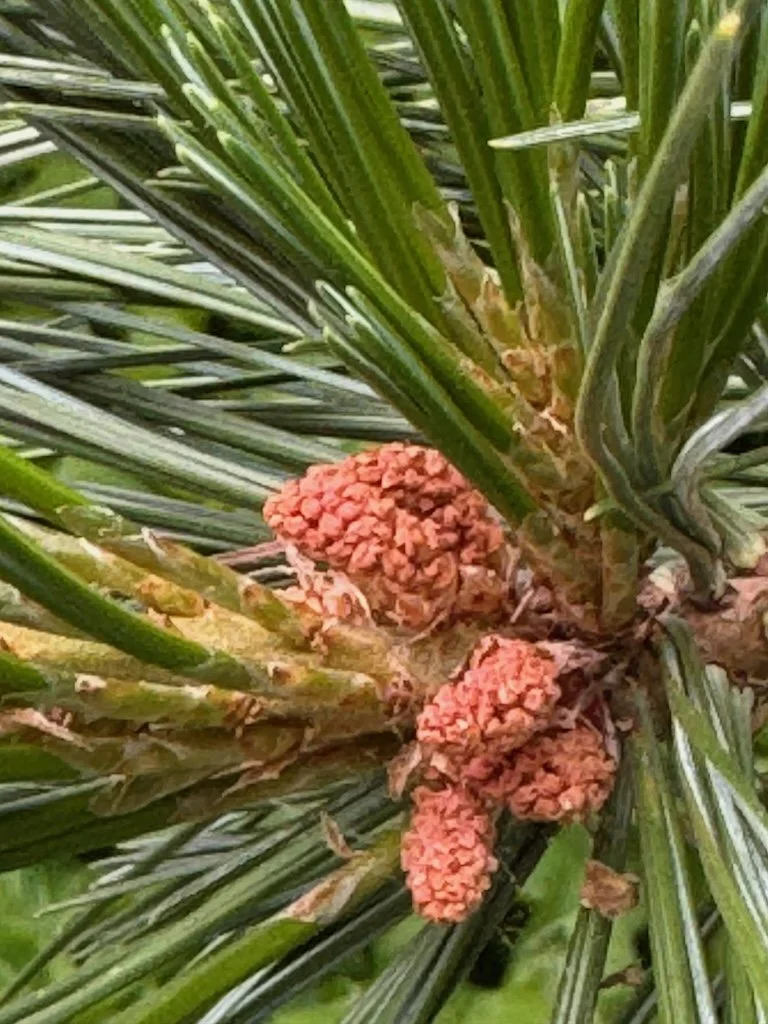
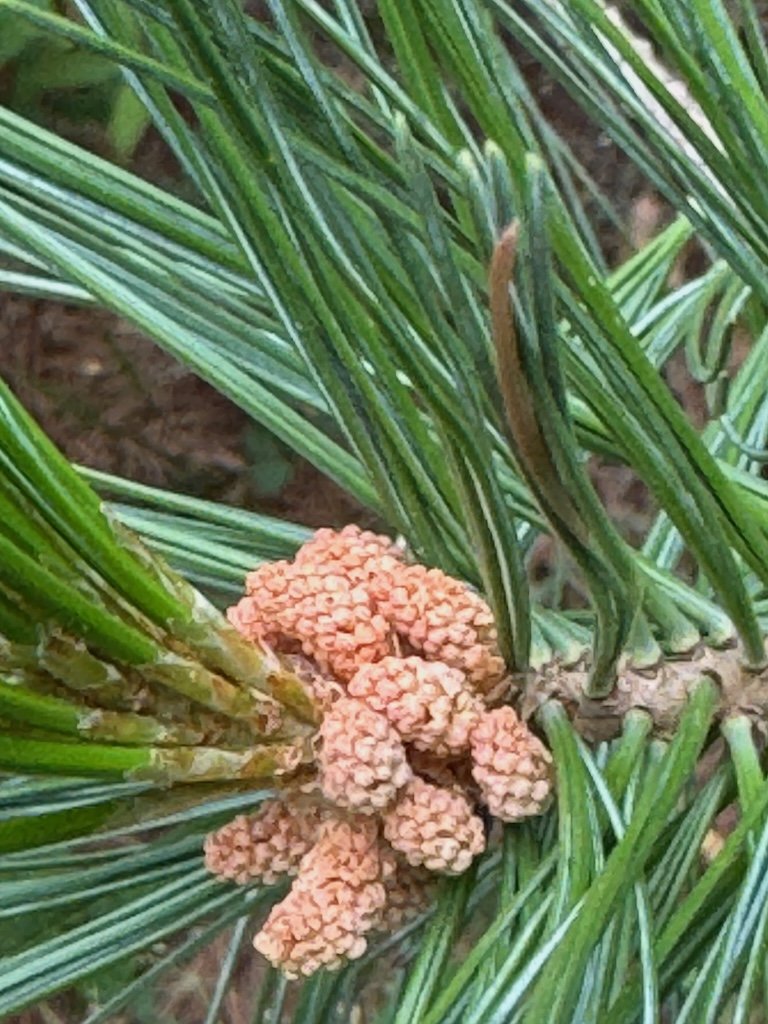
The shade garden at the side of the house includes young pawpaws (one purchased from Ozark Soul last year, 2 from seeds of a pawpaw from the Roston Native Butterfly House, and 3 from seedling I bought from MDC). The American Spikenard presides over an expanse of violets (I’ve been harvesting the violet leaves to eat as leafy greens). The allium bulbs I planted the first fall we lived in the house bloomed in April and are forming seeds now. The hostas (not native) sometimes provide a contrast with nearby violets. The Eastern White Pine that makes the lower part of the shade garden may produce cones this year – if it does it will be the first time.

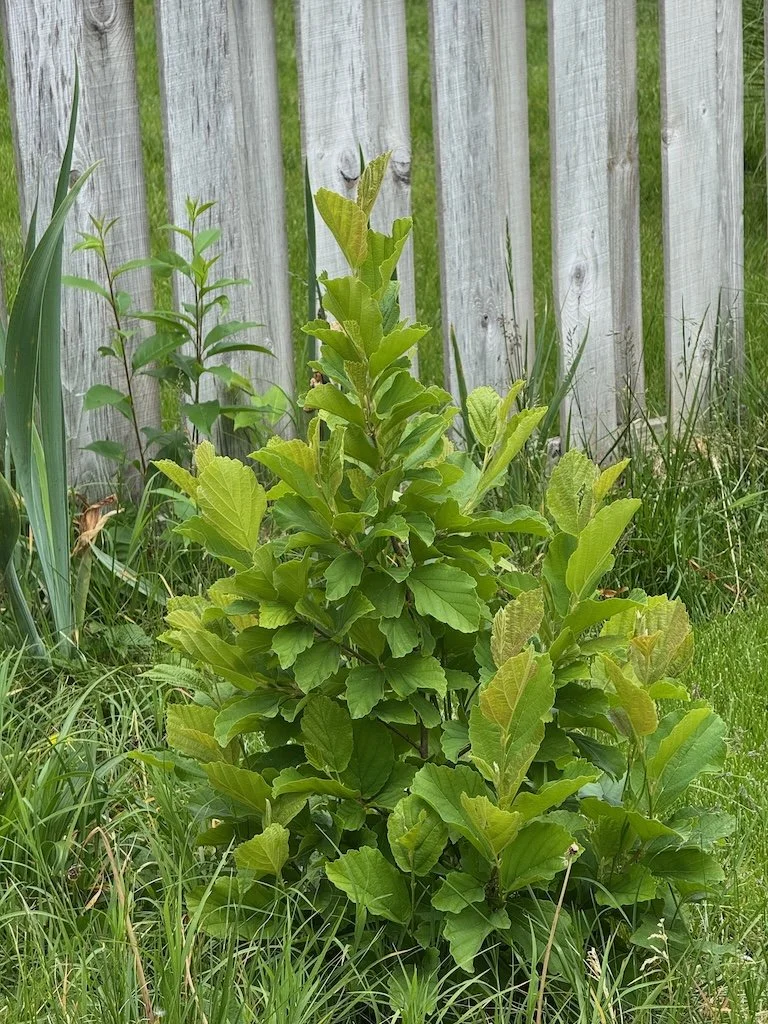
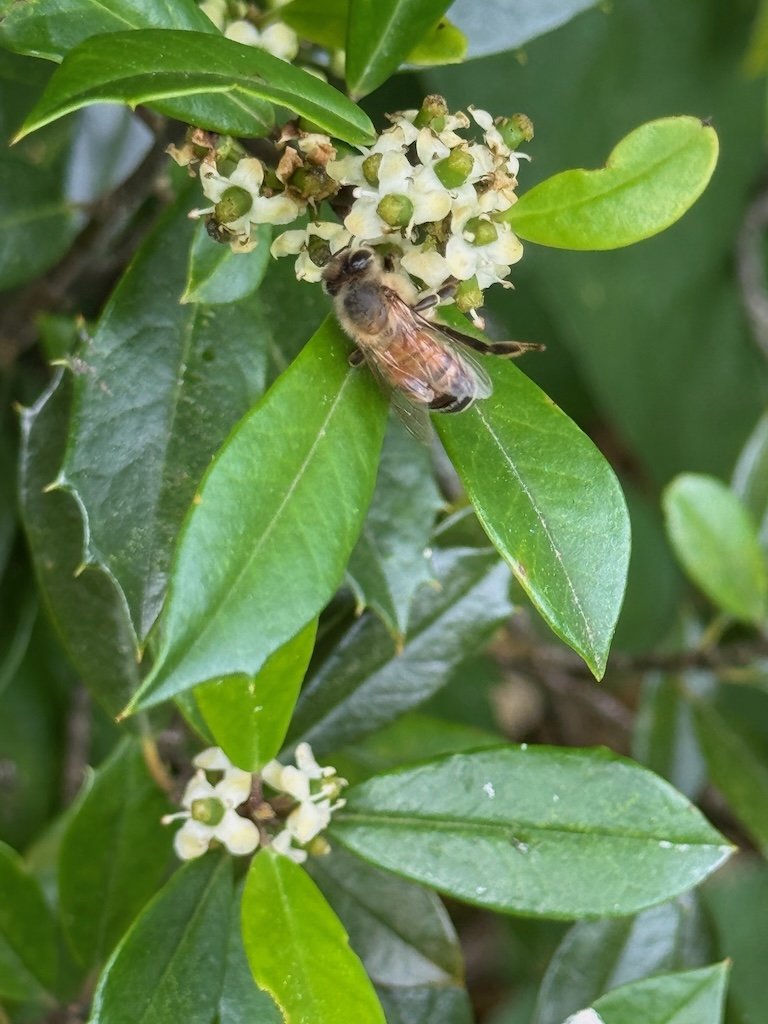
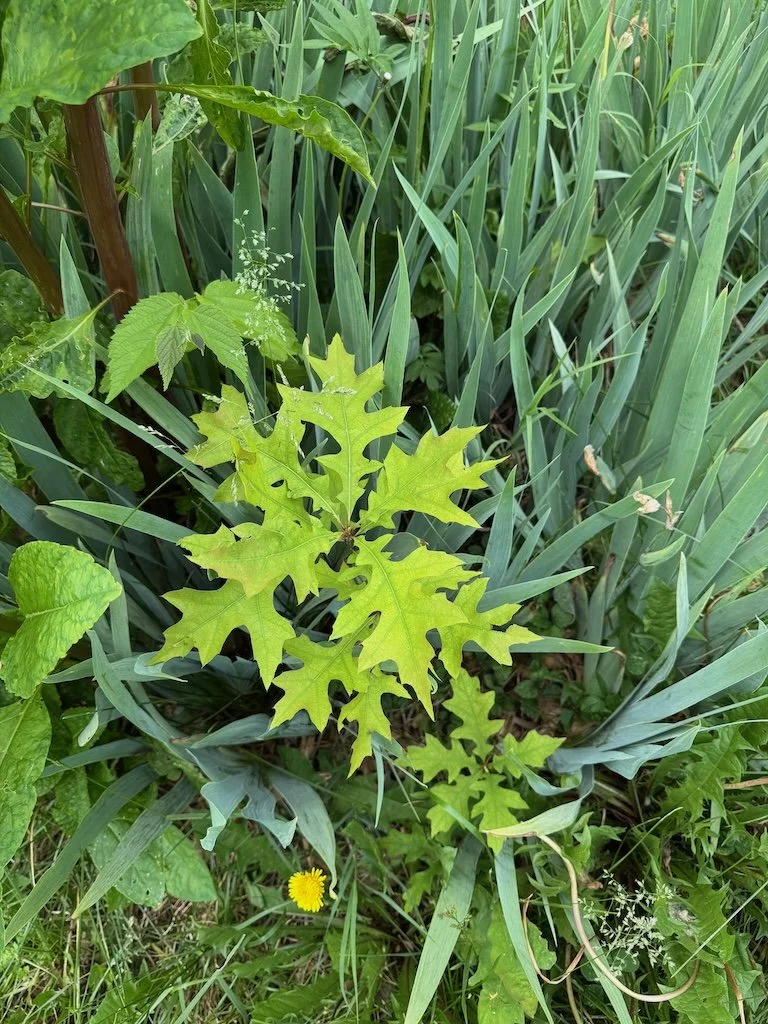
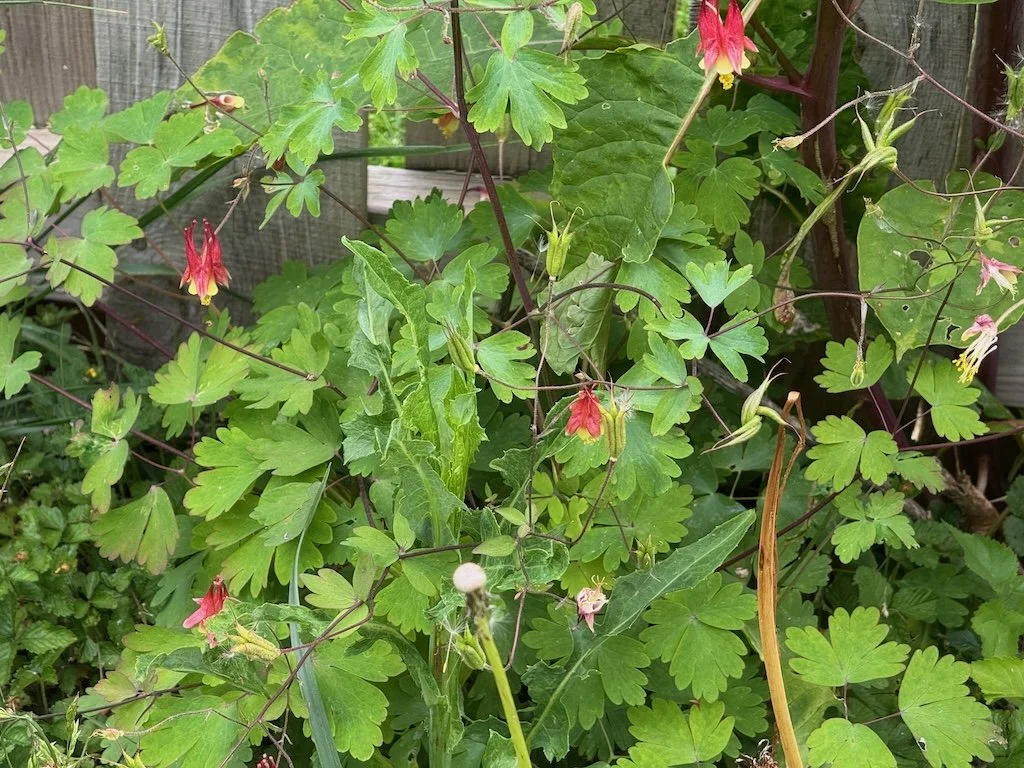
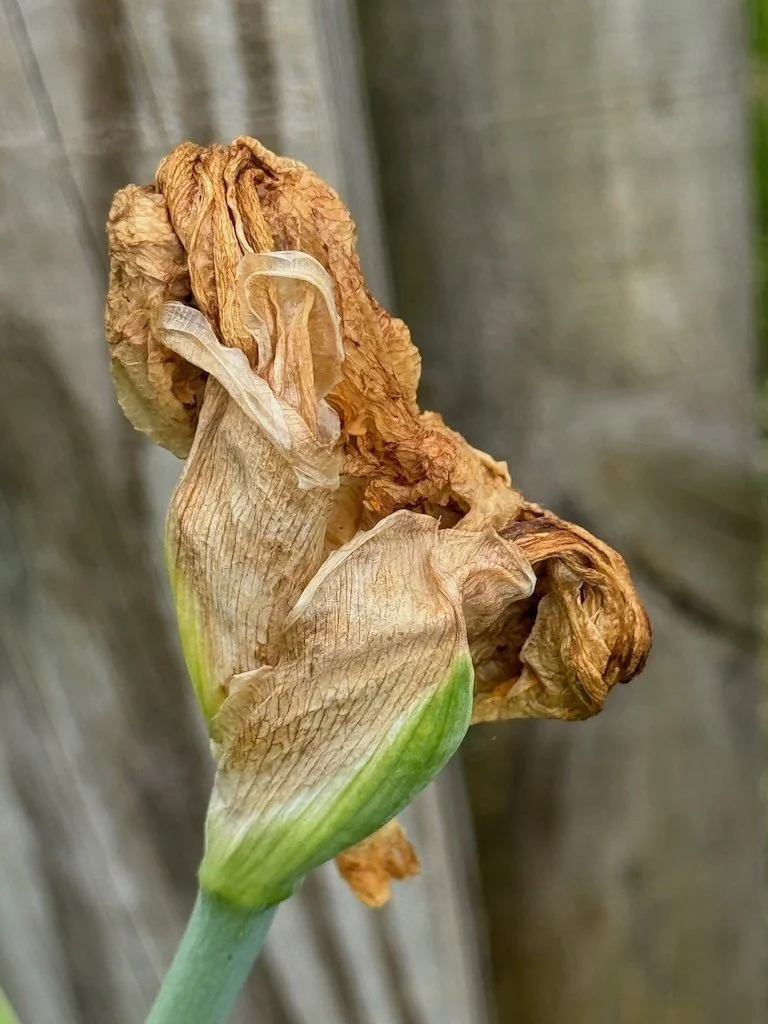
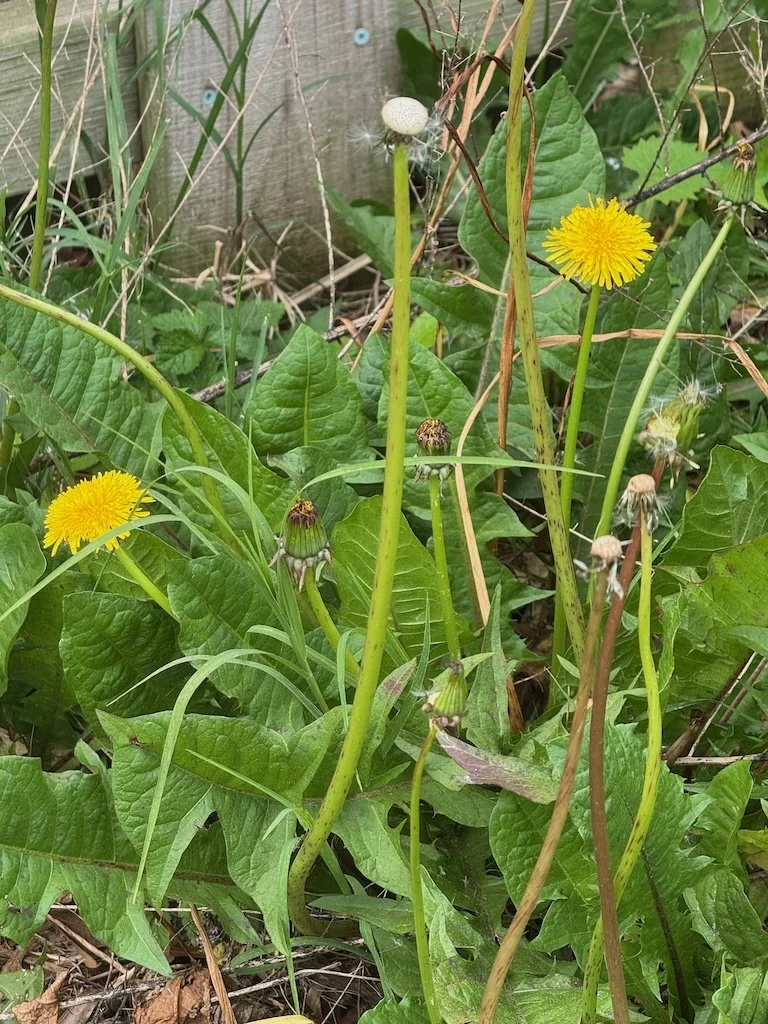
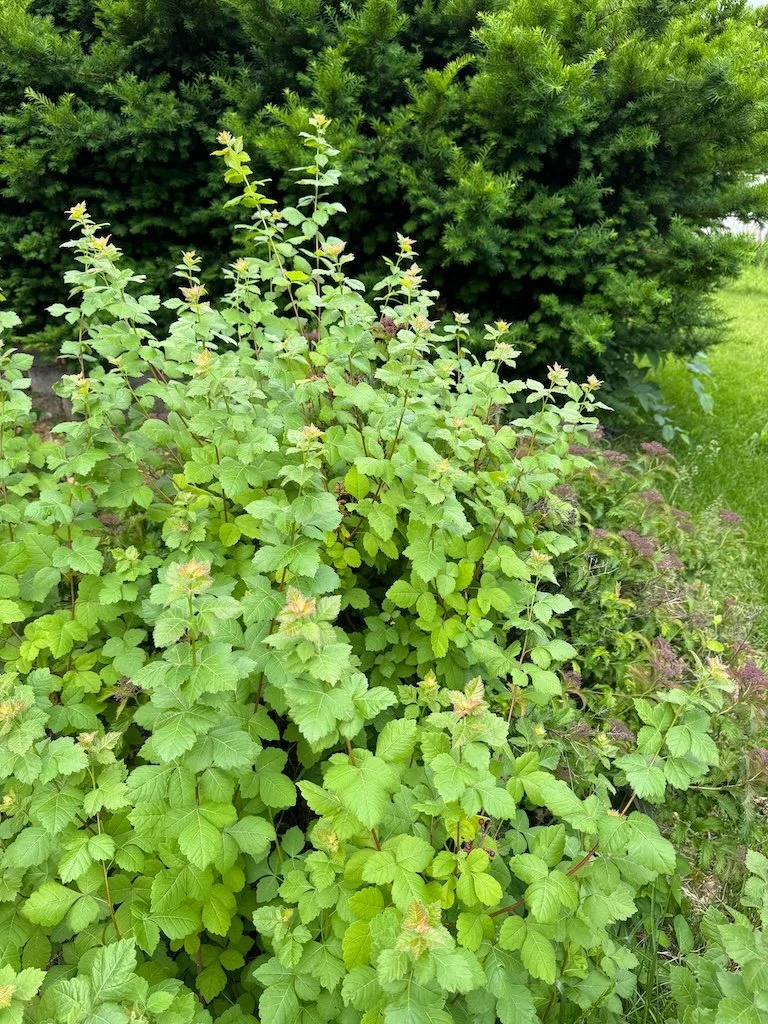
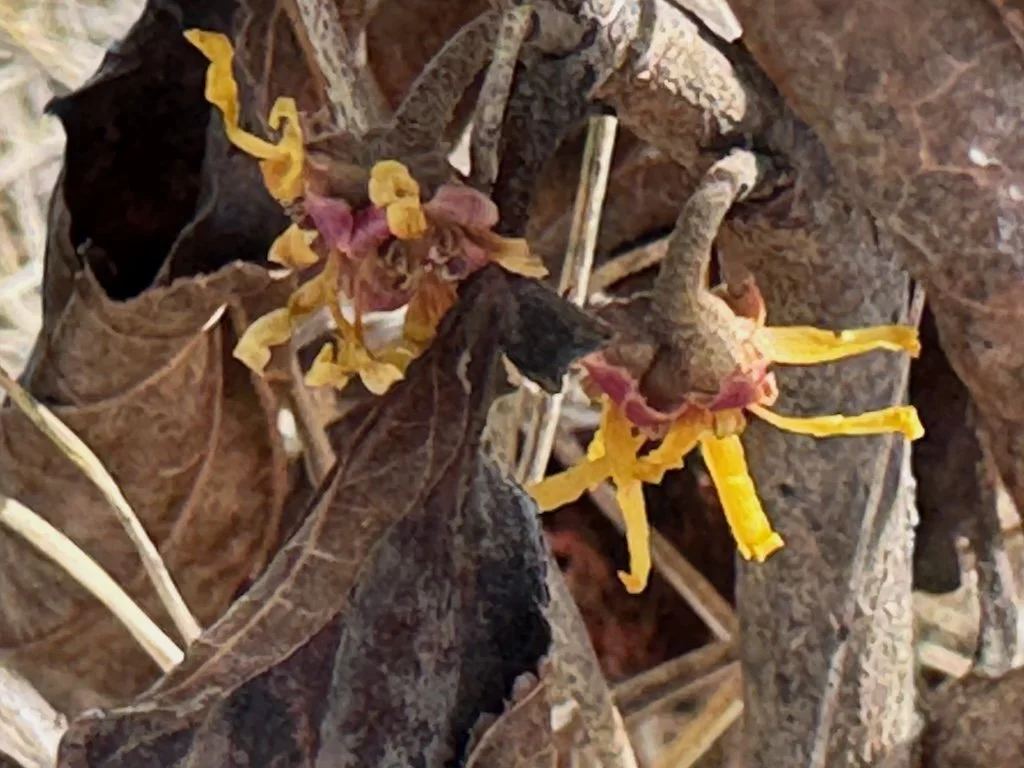
In the back yard….The Witch Hazel will probably grow rapidly this year; it did have a few blooms last winter but has no seed pods. The hollies are blooming (delighting bees). The garden where a pine once stood has lambs ear…some elderberries…and an oak seedling (squirrel planted); it will be interesting to see how it develops. The columbines along the fence have a few blooms but are fading….and the irises are done for the year. Some of dandelions seem huge and I wonder if they are a variety grown for greens; I will start to harvest them! The Fragrant Sumac that was the first native plant that I purchased is taking over a space near the patio; I need to keep the Japanese honey suckle away from it….otherwise let it do its thing!

May growth points to 2026 being a great year for my developing yard!

Zooming – February 2026

The images from this month were all close to home: my yard, my neighborhood, Wilson’s Creek National Battlefield, and Lake Springfield Greater Ozarks Audubon Trail. There was a mix of snow and winter images….the beginnings of spring. There would have been more places if the big snow had not cancelled two hikes that had originally been planned for February! Enjoy the zoomed images of my times outdoors during this month!

Our Neighborhood – February 2026

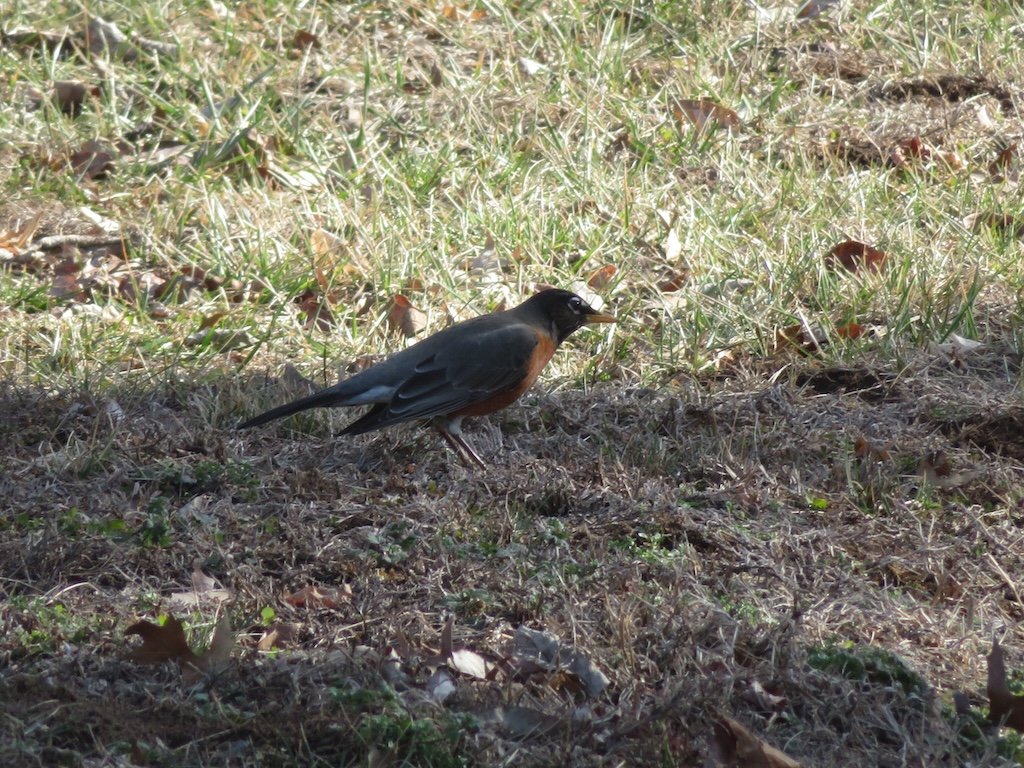
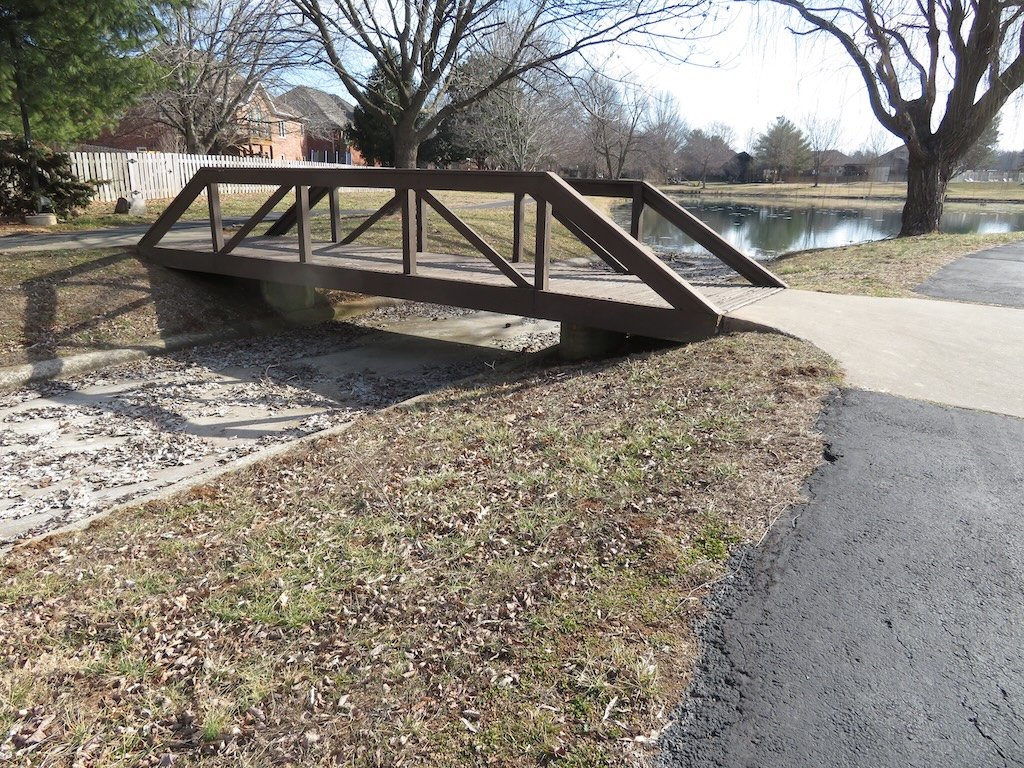
It was a sunny day in the mid-60s in our neighborhood. As I started my walk around our storm water ponds, I saw two robins – the first ones I’ve seen since last fall!

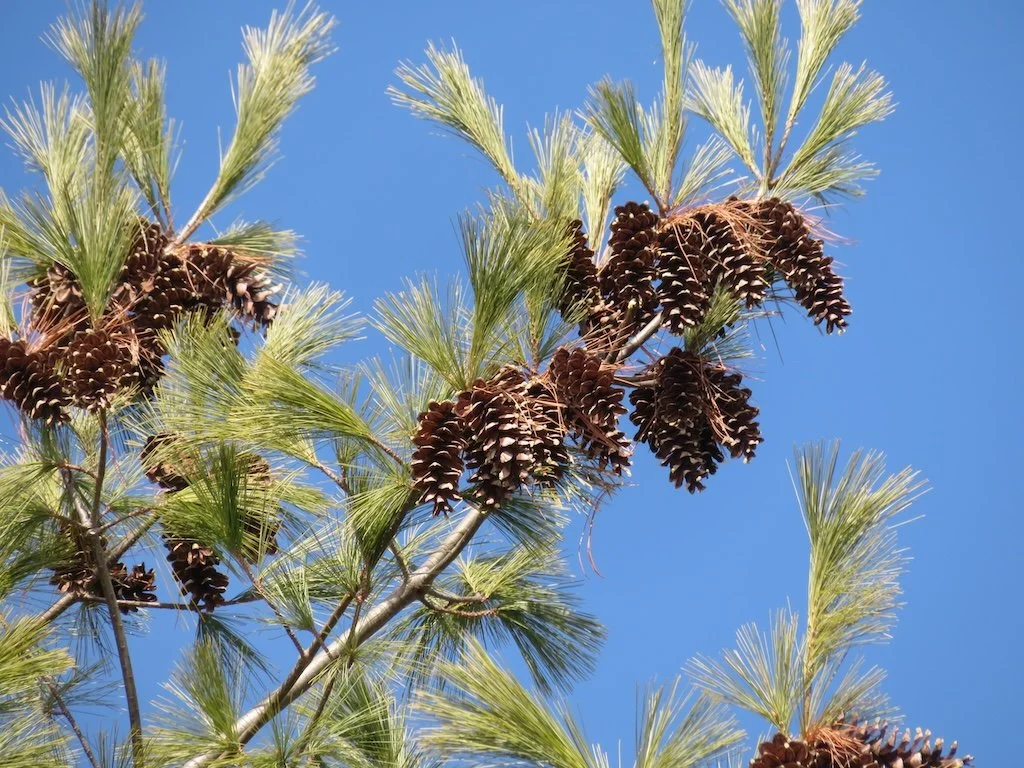
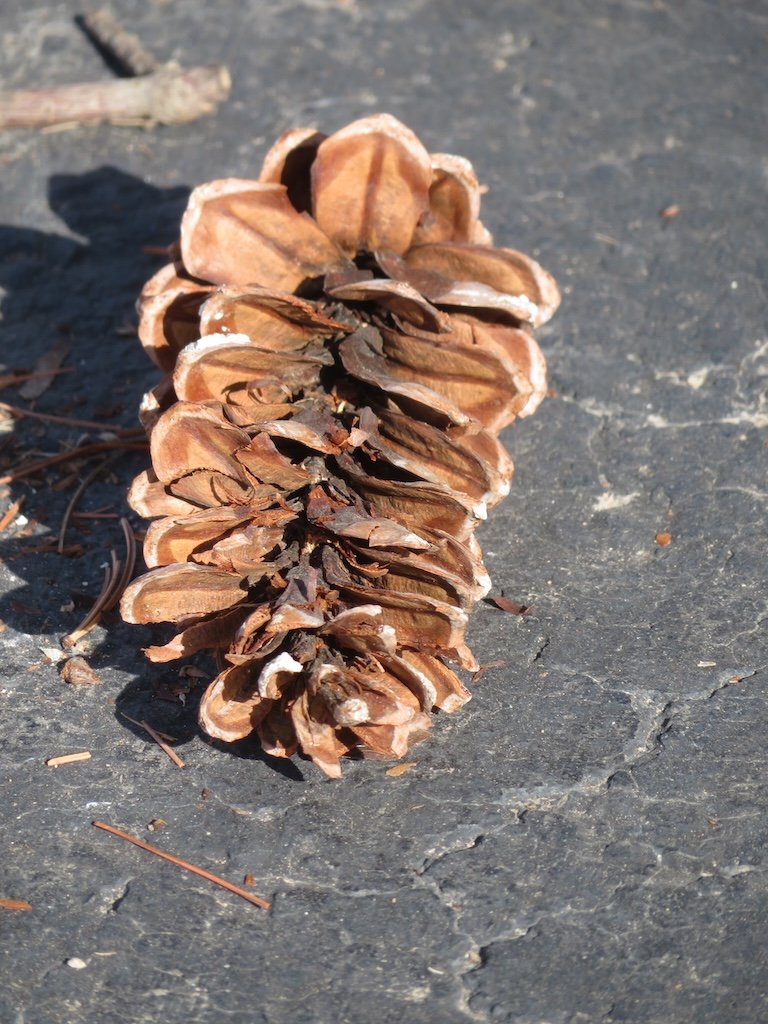
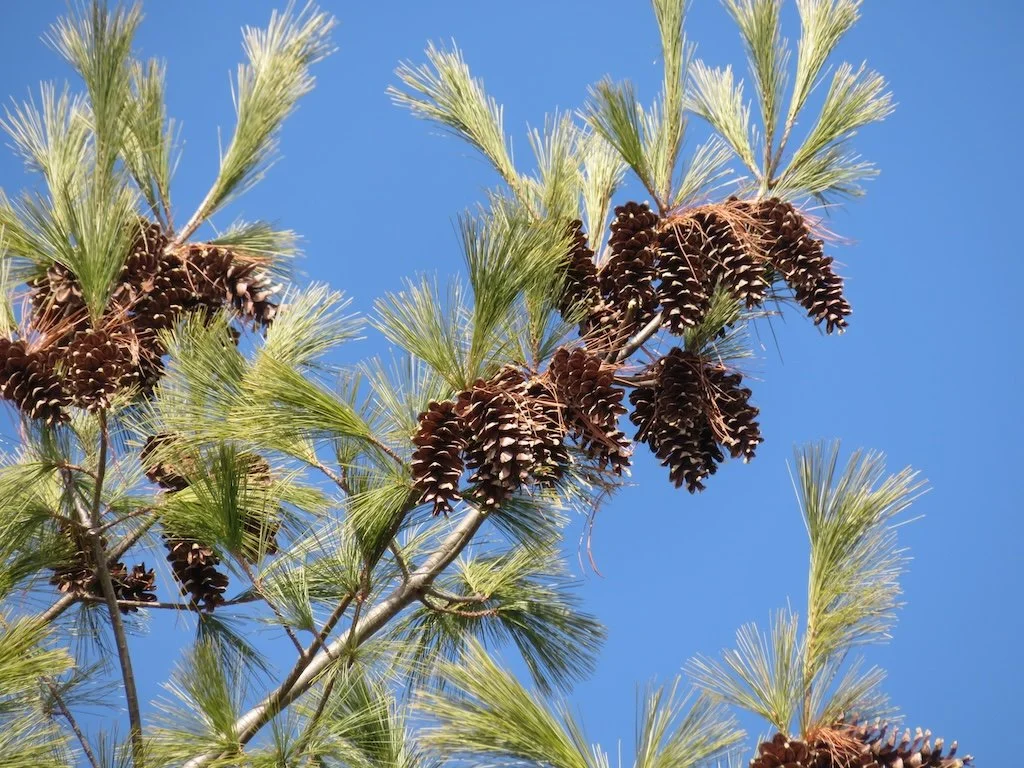
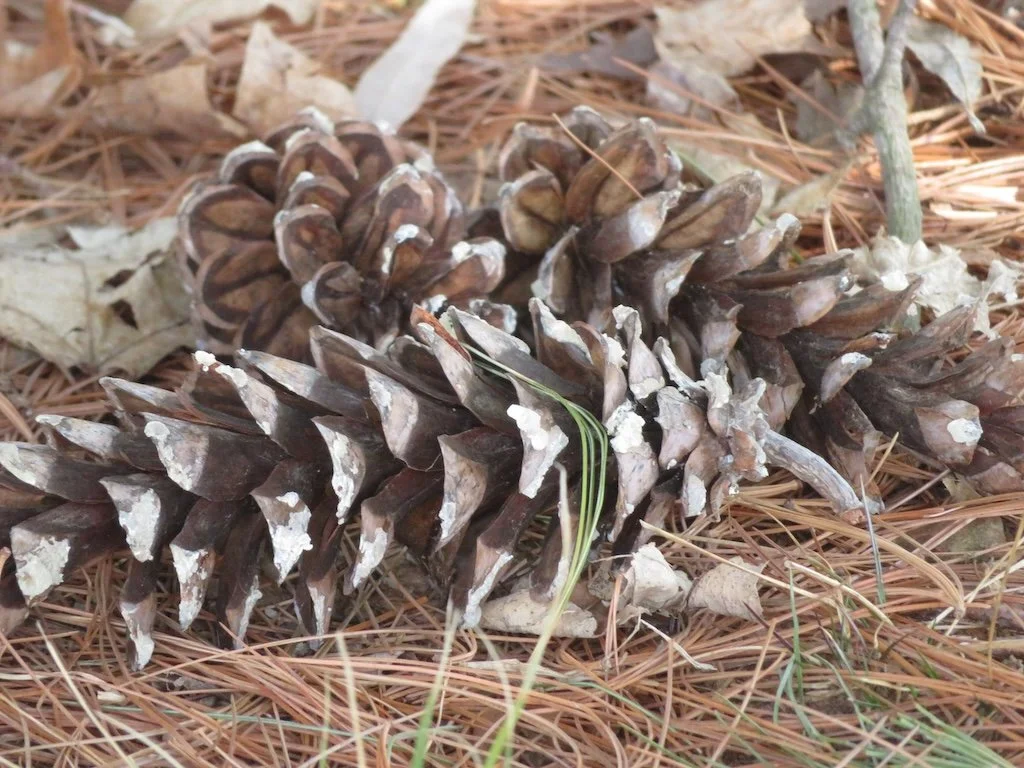
There seemed to be quite a few eastern white pine cones on the ground and in the trees. The tree in my yard is not old enough to produce cones yet.

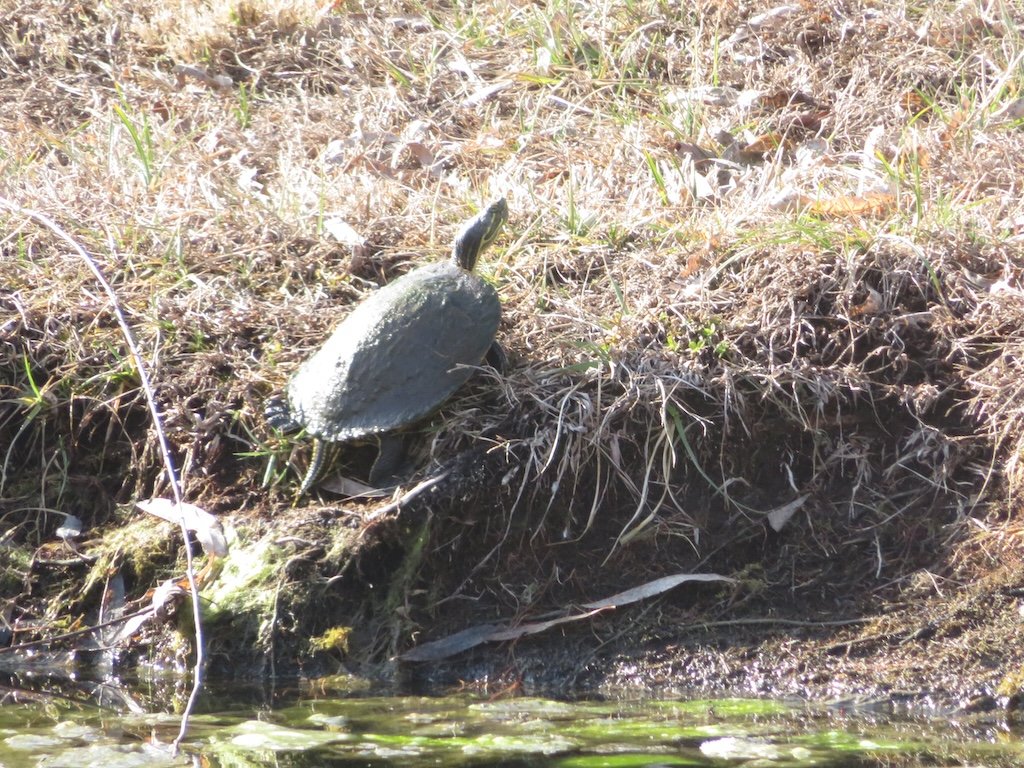
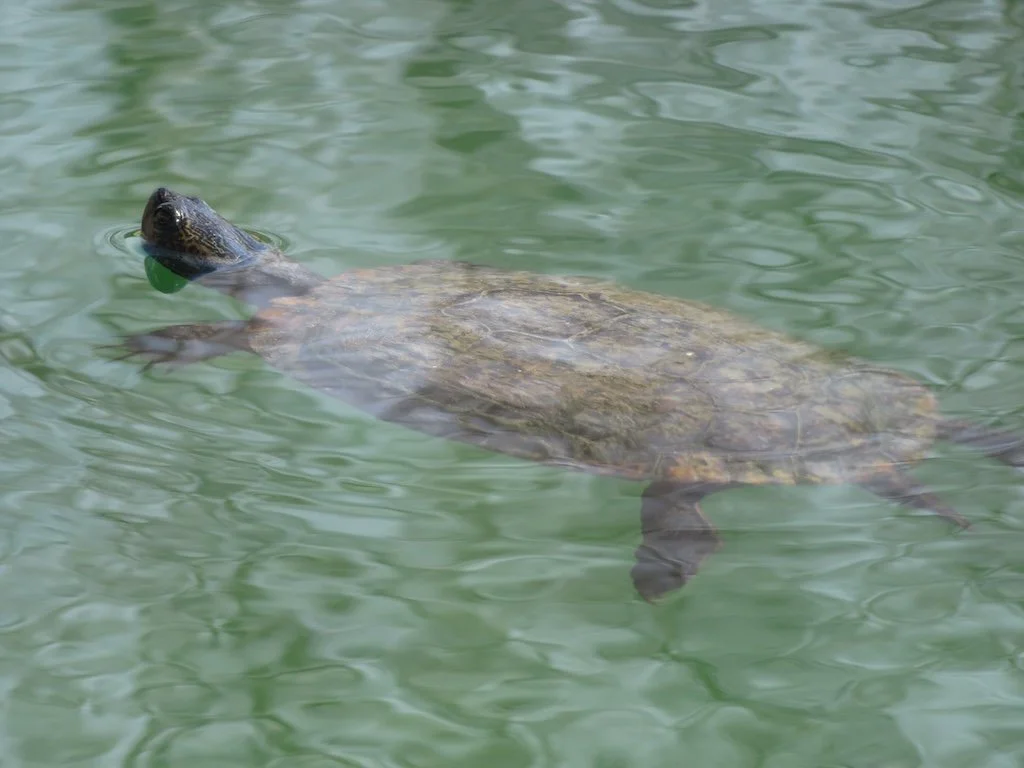
There were turtles on the bank and in the water at the place I seem them most frequently.

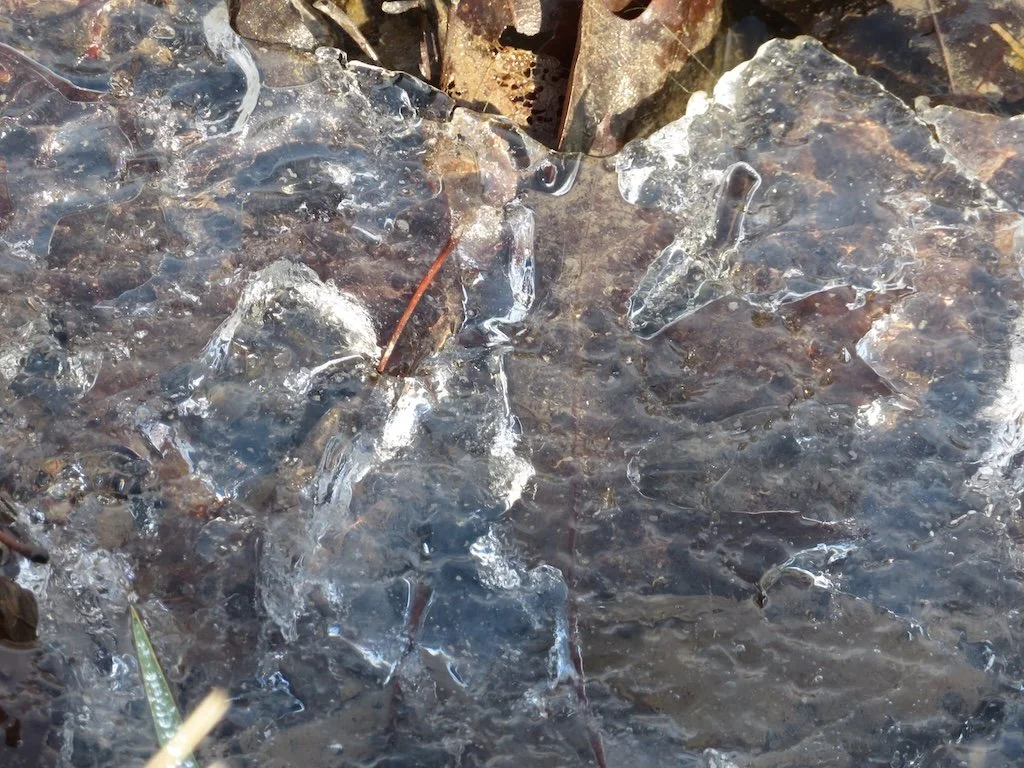
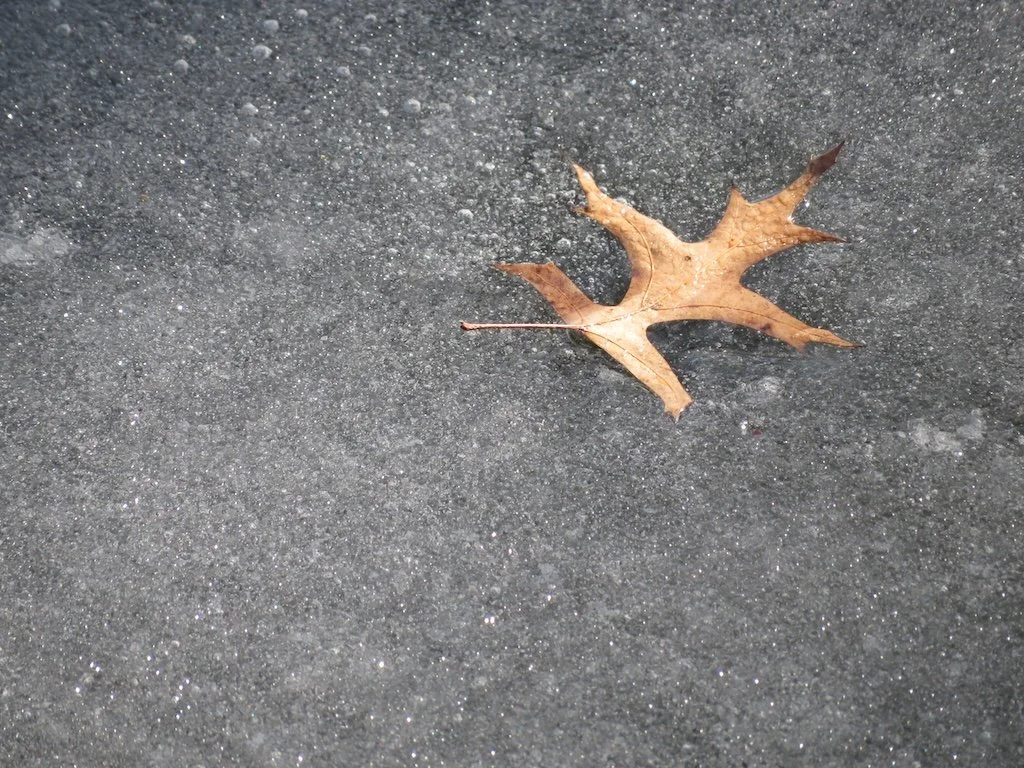
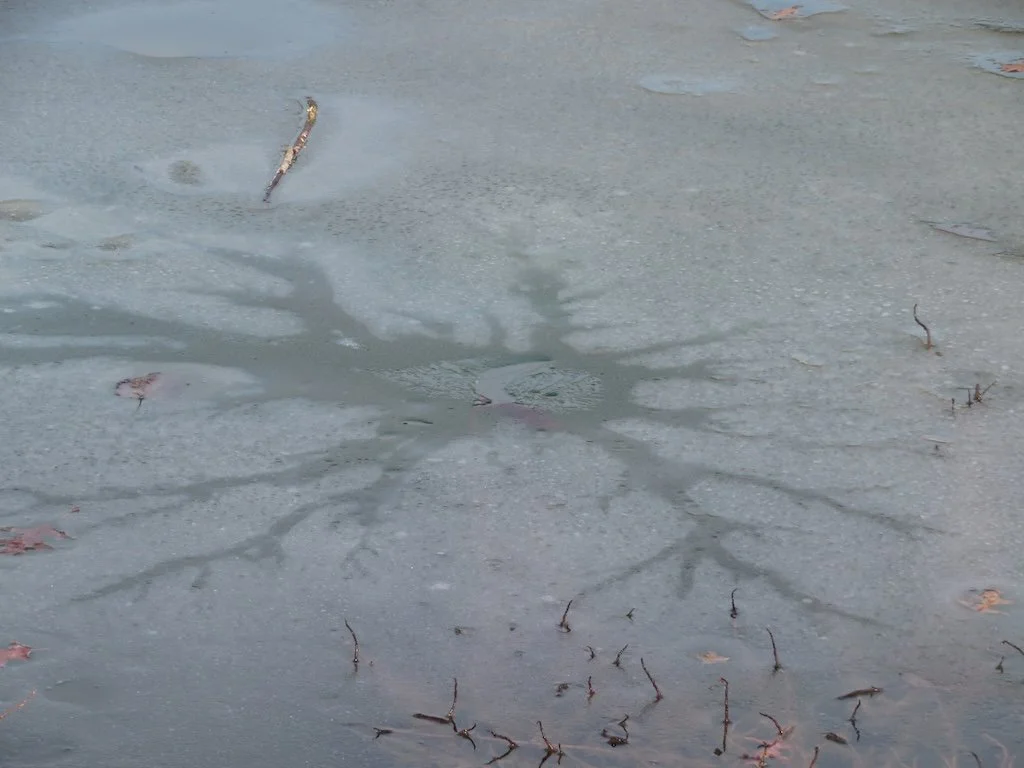
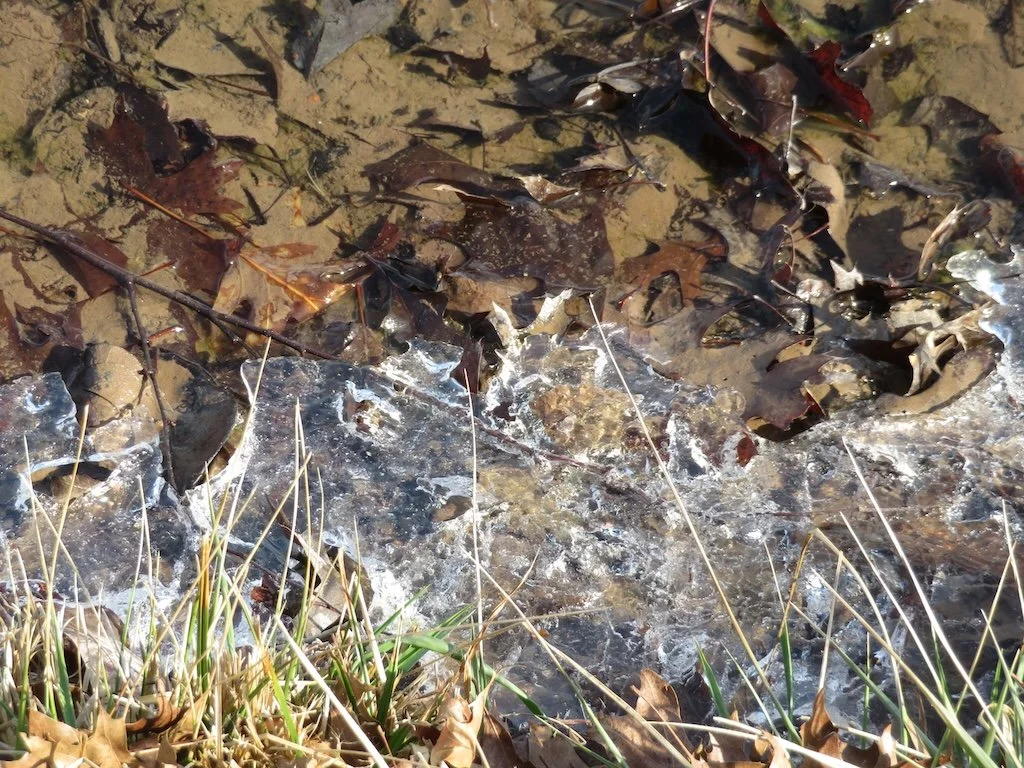
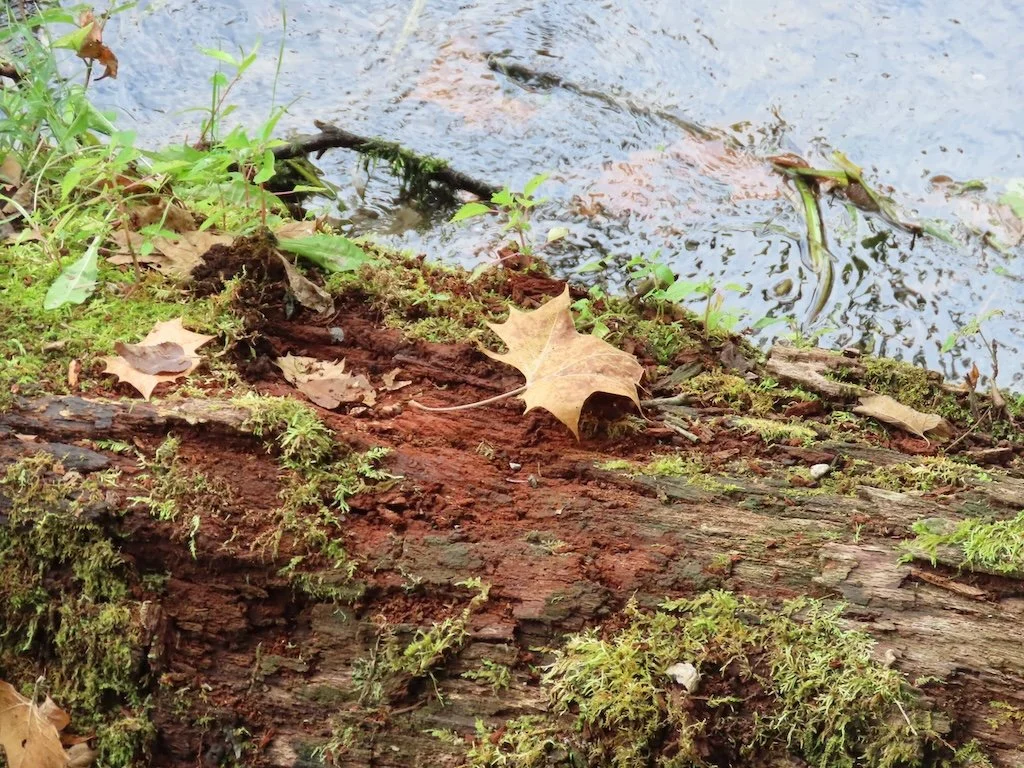
There was ice on the second (smaller) pond. There were leaves stuck in the ice. One area has a circular center and then branches off that center. The ice would likely be gone by the end of the day.

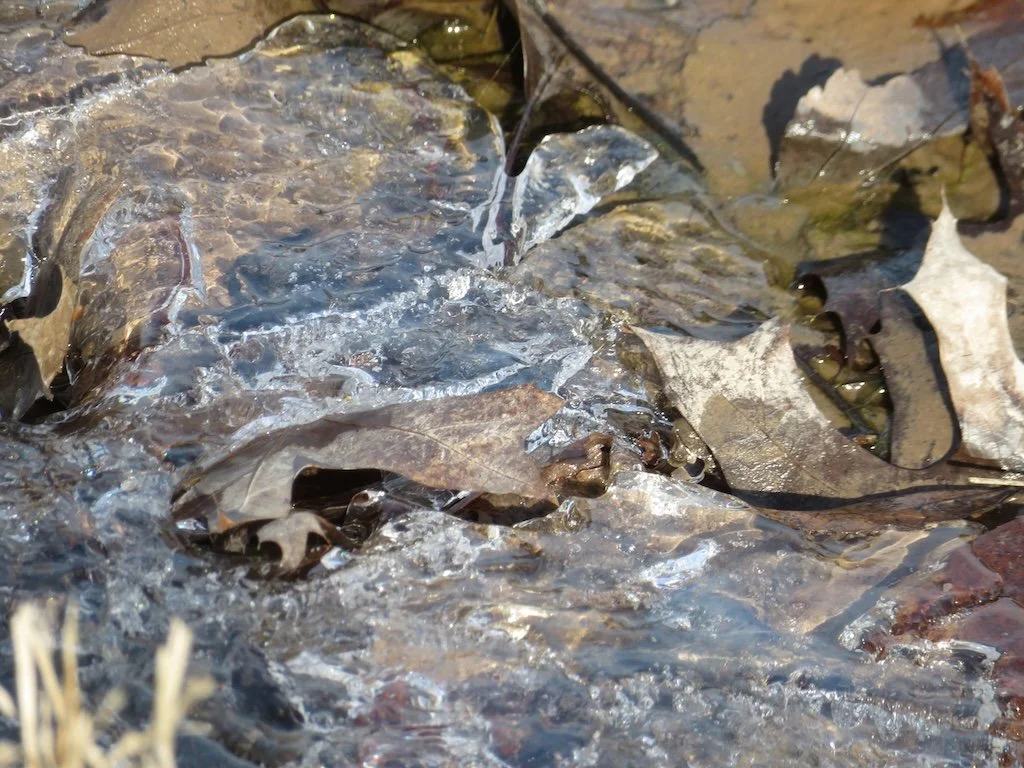
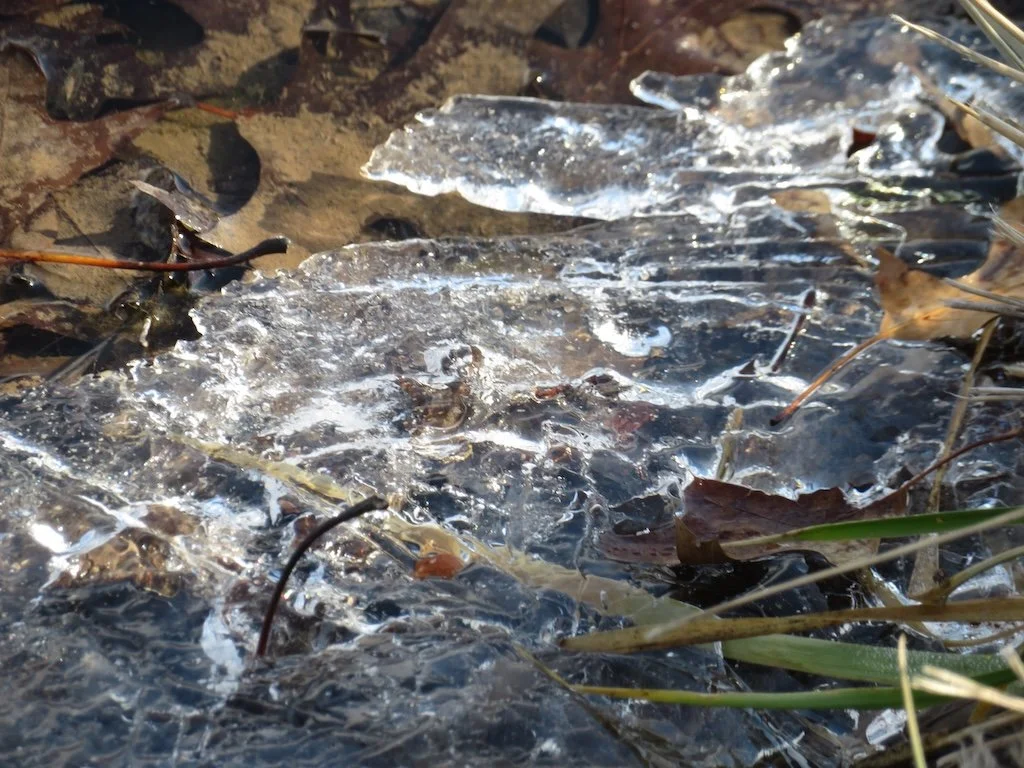
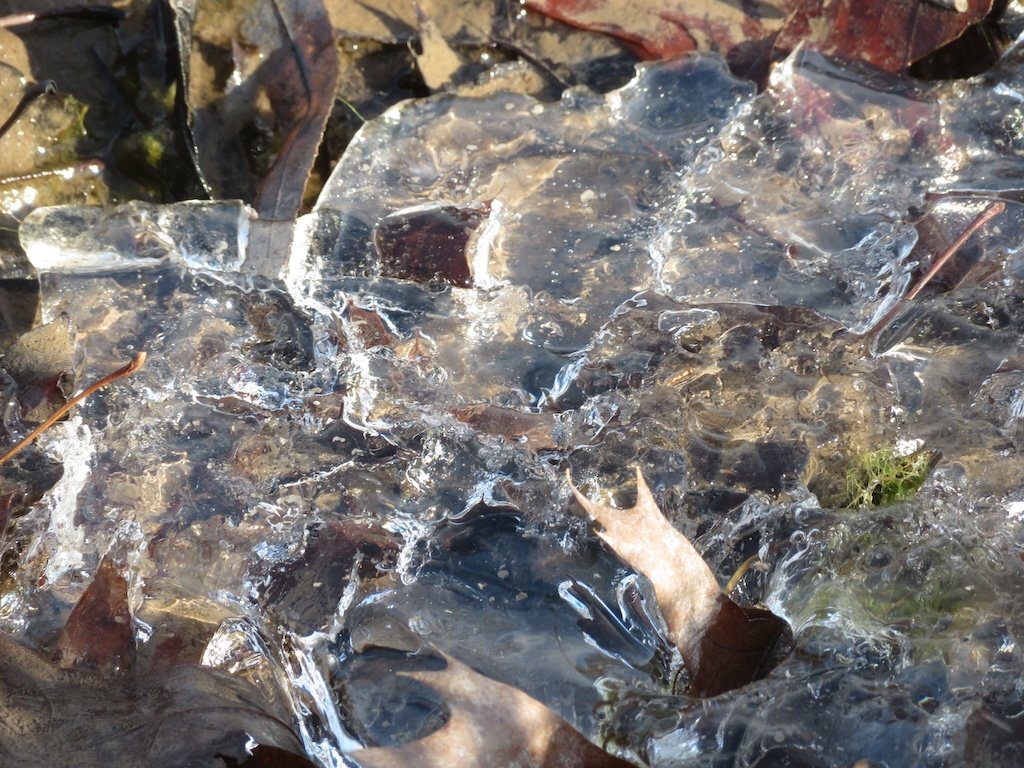
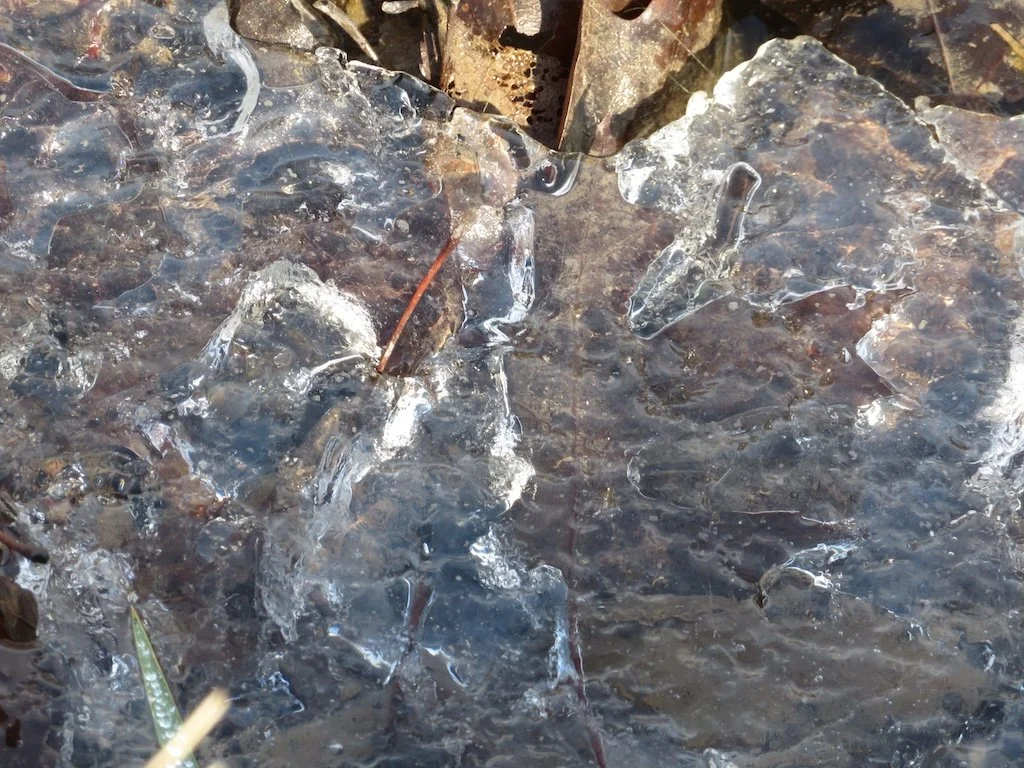
Further around I noticed ice along the edge of the larger pond. The patterns there were changing…visible melting.

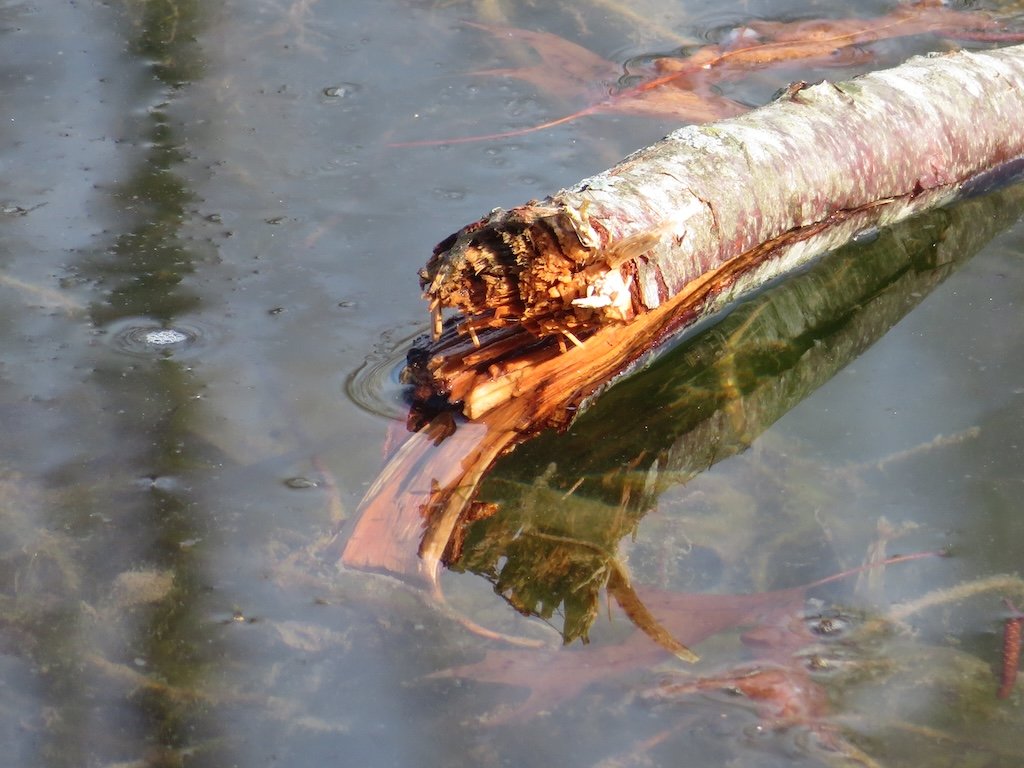
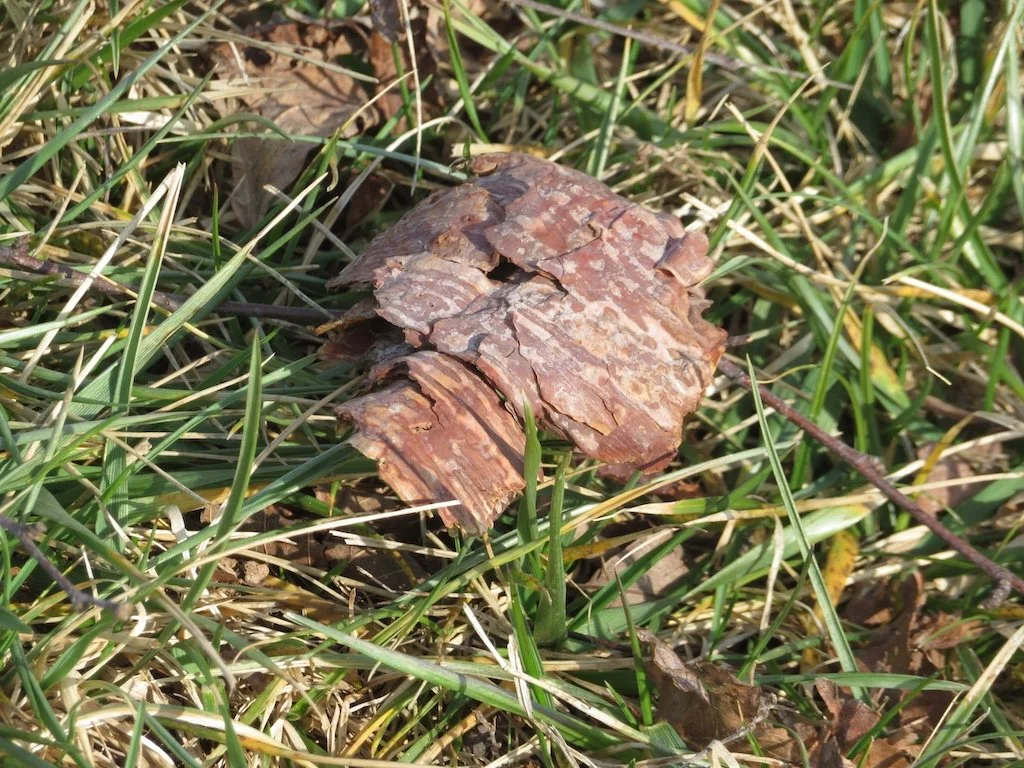
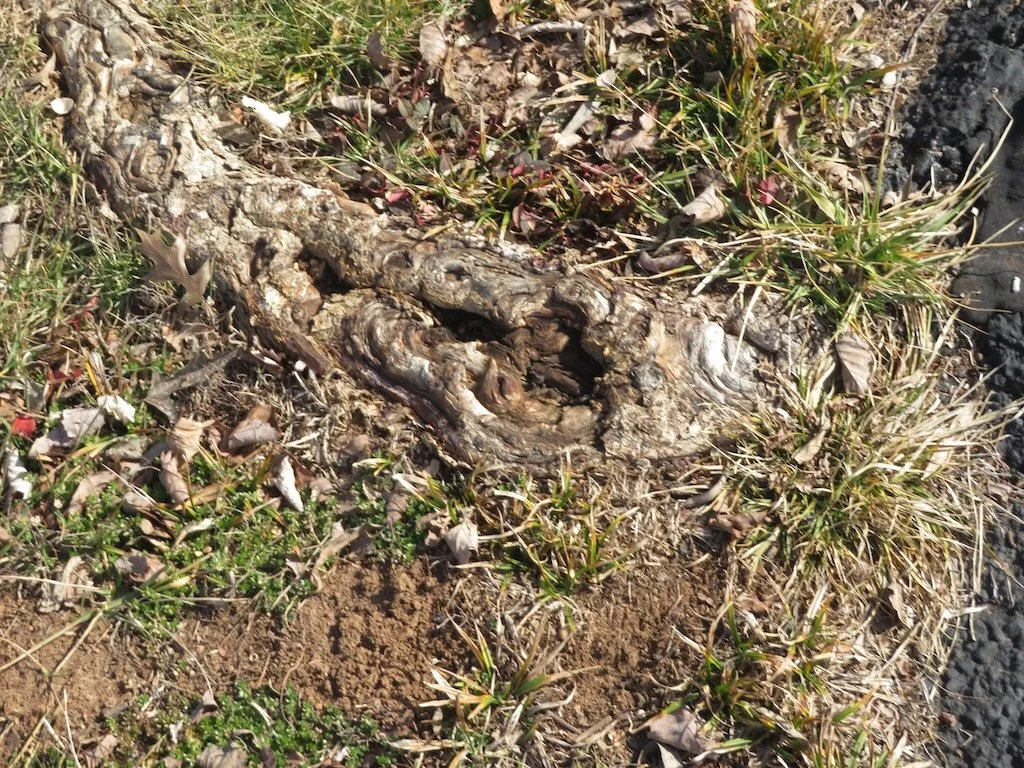
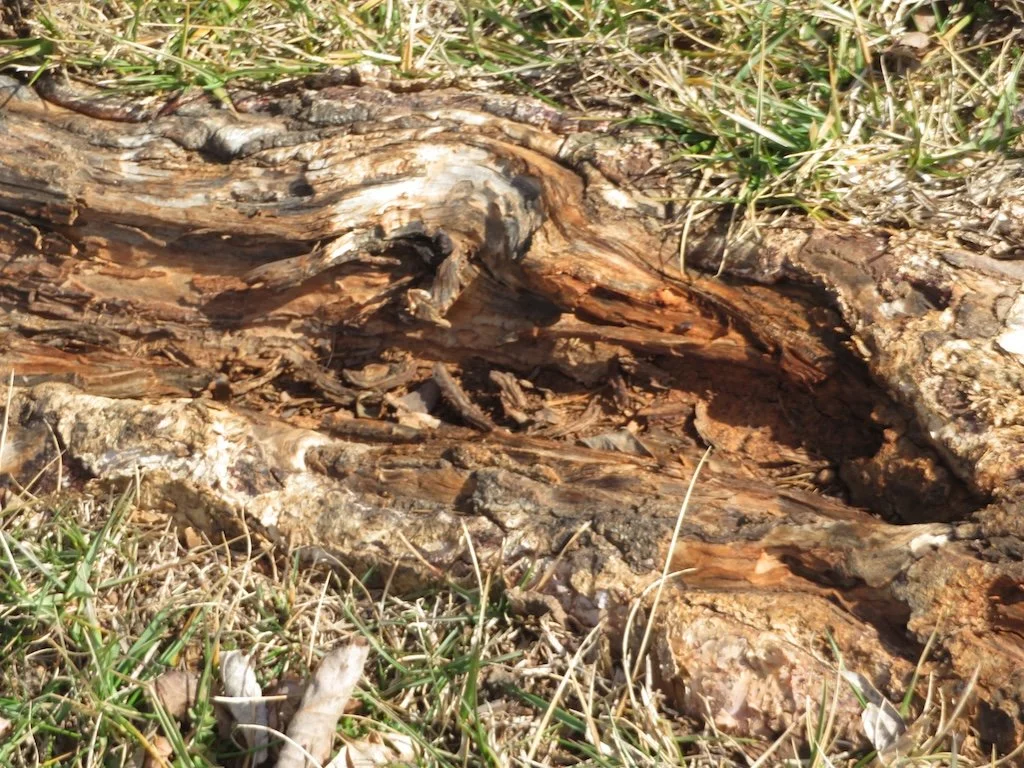
A recently ripped branch of a river birch was in the water, and some curly bark from the same kind of tree was on the shore nearby….both detached from the tree during the recent storm probably. One of the trees has exposed roots damaged by mowers.

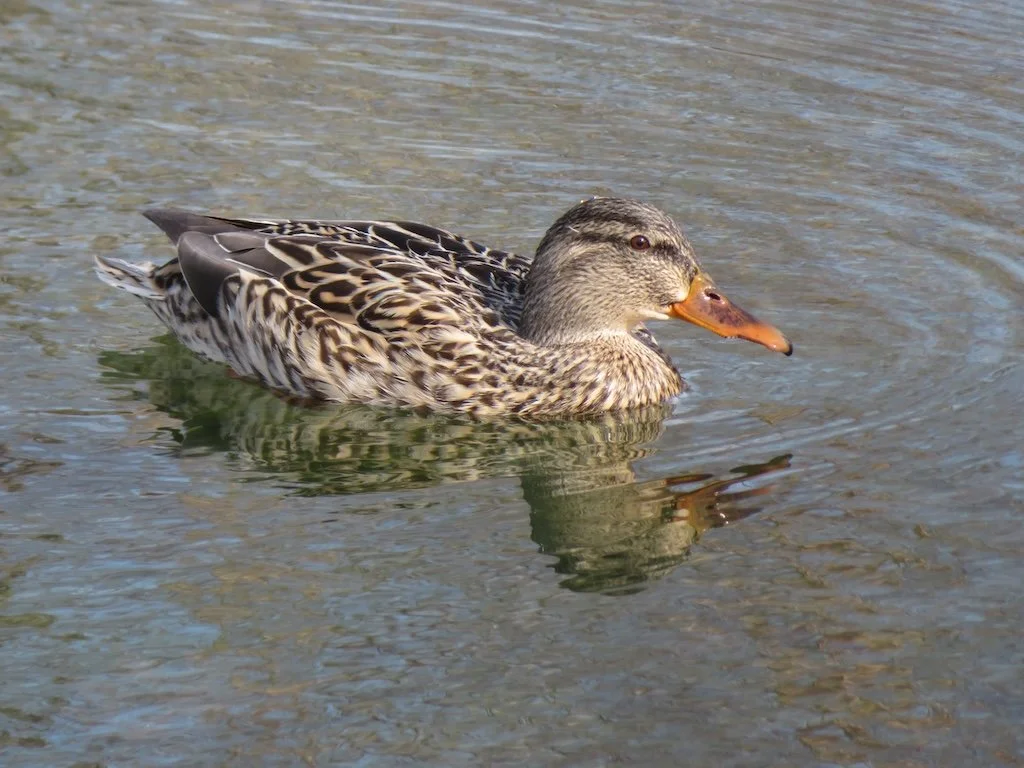
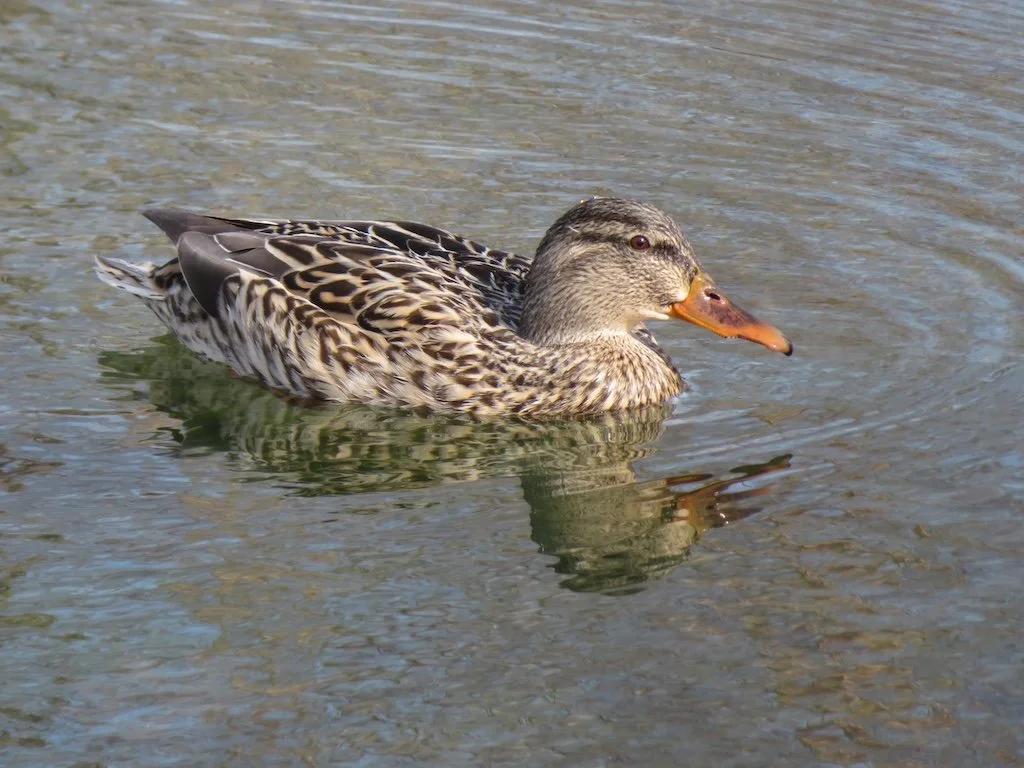
A male and female mallard swam out into the pond. The female was eating and posed for a better picture that the male. I wondered if they were the same pair that has been at our pond for the last couple of years…hatching ducklings…and then losing them to the turtles.

Our area has been very dry since a very wet spring in 2025…and the snow earlier last month must have soaked in very close to where it melted. My yard is a little wet (would be muddy if there was vegetation everywhere). The intake channels for our stormwater ponds were dry and the water level in both ponds was low as well. Maybe we’ll have spring rains again soon.

Fledging Robins

The first brood of robins in our yard has fledged! I’m not sure where the nest was but I have been seeing the fledglings looking and finding food in the area between our eastern white pine and hollies…among the pine needles, hostas, wild strawberries and violets.

They are smaller than the adults and transitioning to adult plumage. They still have a few white marks on their head and back…and their breast is not all red yet. At first, they are clumsy fliers too; one grabbed onto the screen of my office window and held on for a few seconds before fluttering down to the flower bed below.

I am celebrating that my work to transition the area from grass over the past two years (i.e. adding pine needles collected elsewhere in the yard to those already there from the white pine, transplanting hostas, letting the wild strawberries/violets/lambs ear encroach, and adding an American Spikenard) has resulted in a place the young robins found…and found food!