Suburban Savanna – 3

Continuing my series on my progress toward transitioning my yard to a suburban savanna…..

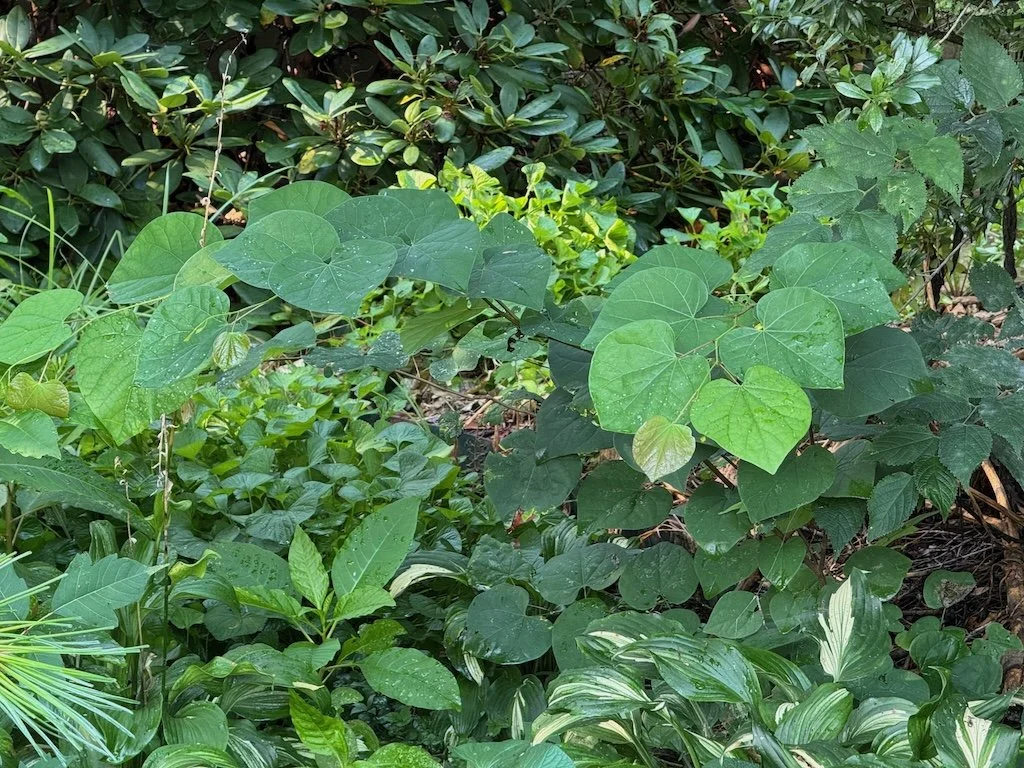
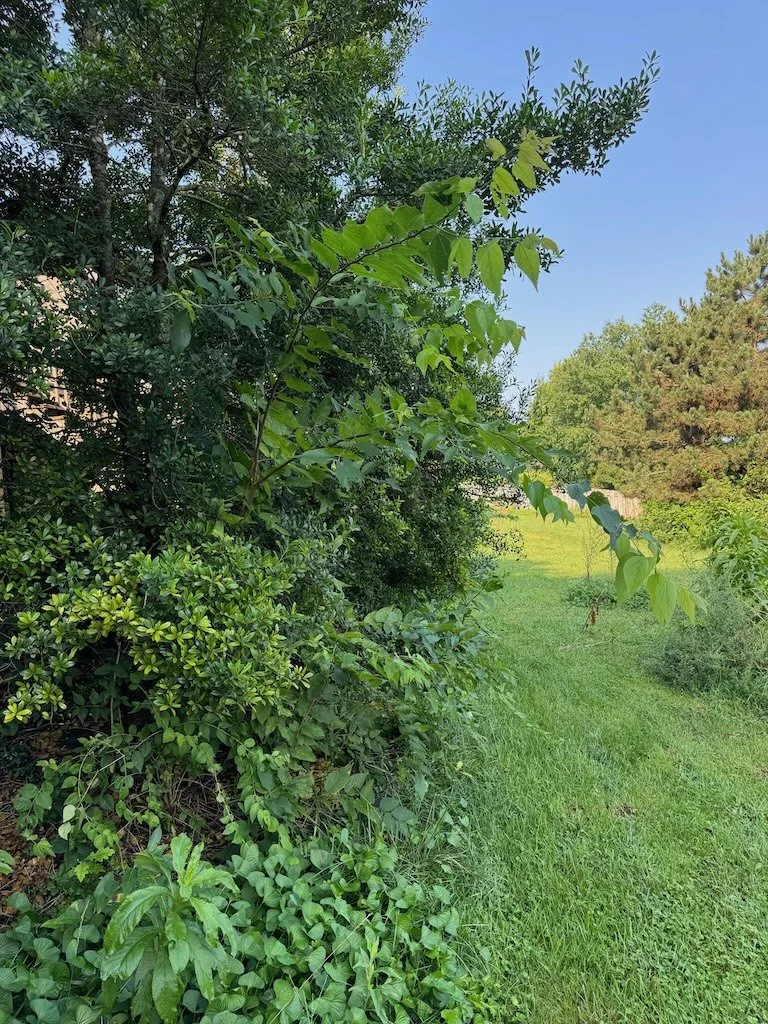
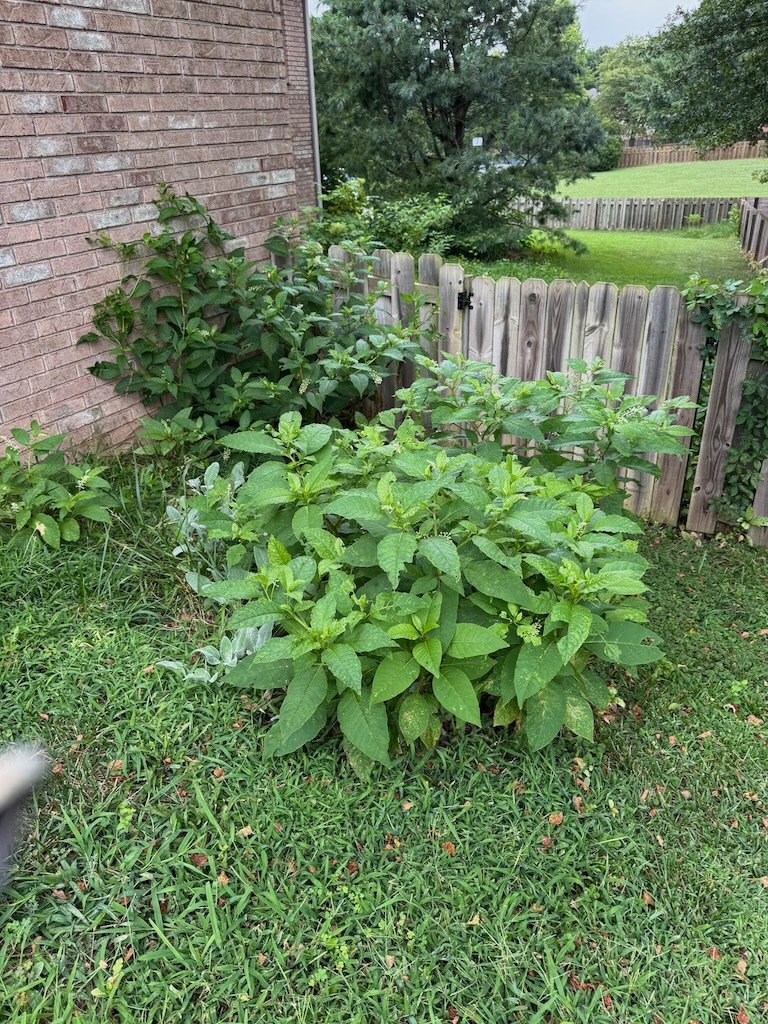
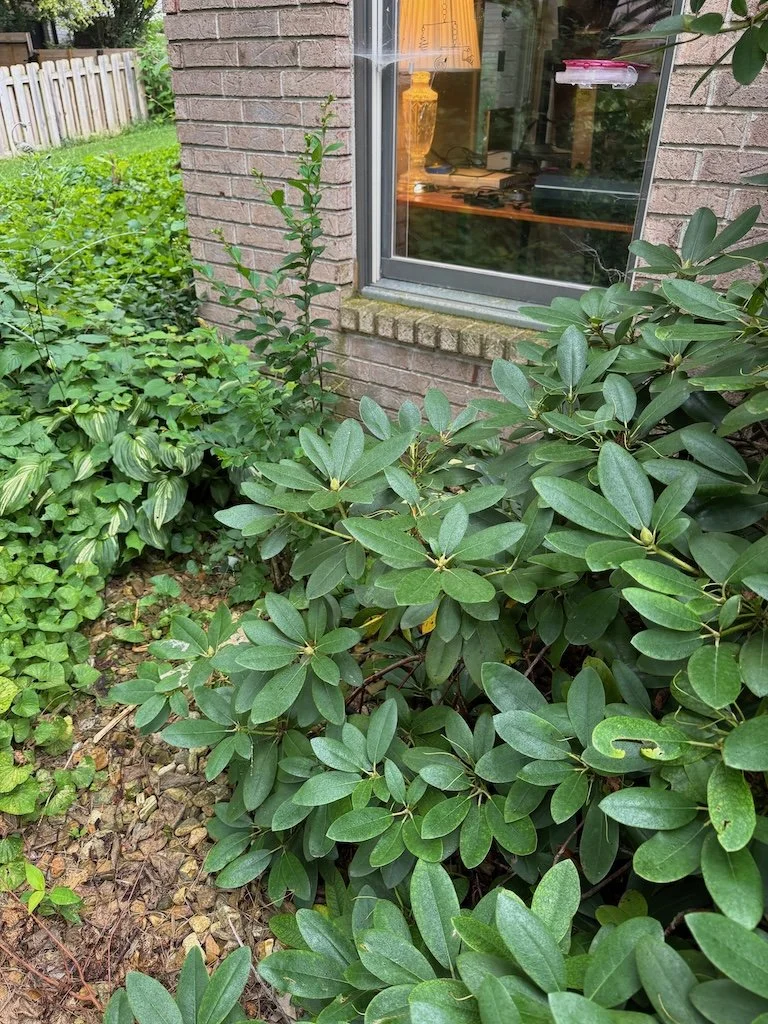
This month I am focusing on the shade garden since it is closest to being complete. The plants there will continue to develop…without a lot of work on my part. It is on the east of my house and includes an eastern white pine and a group of holly trees with low branches; a neighbor’s river birch and oak add to the shade in the summer.

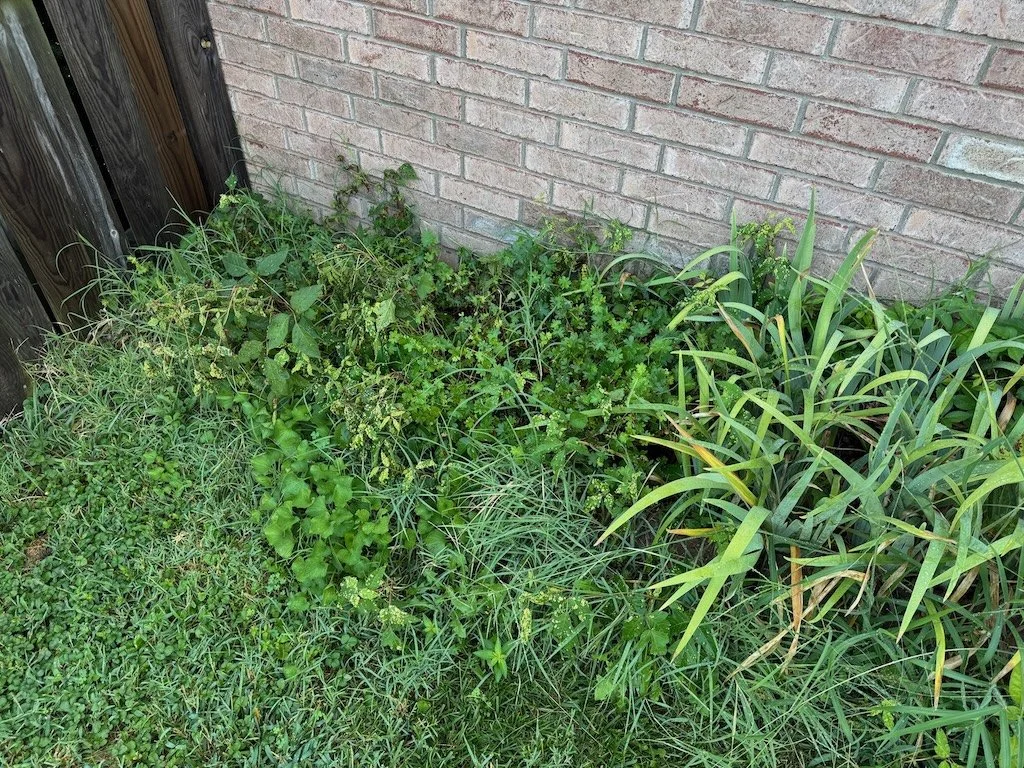
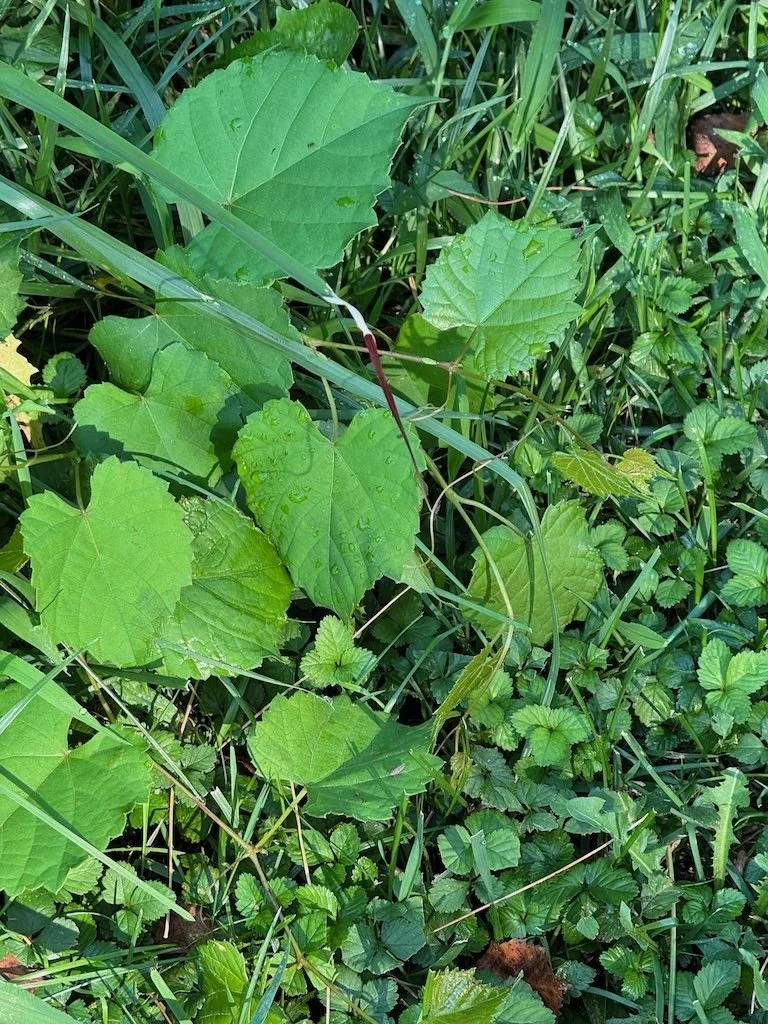
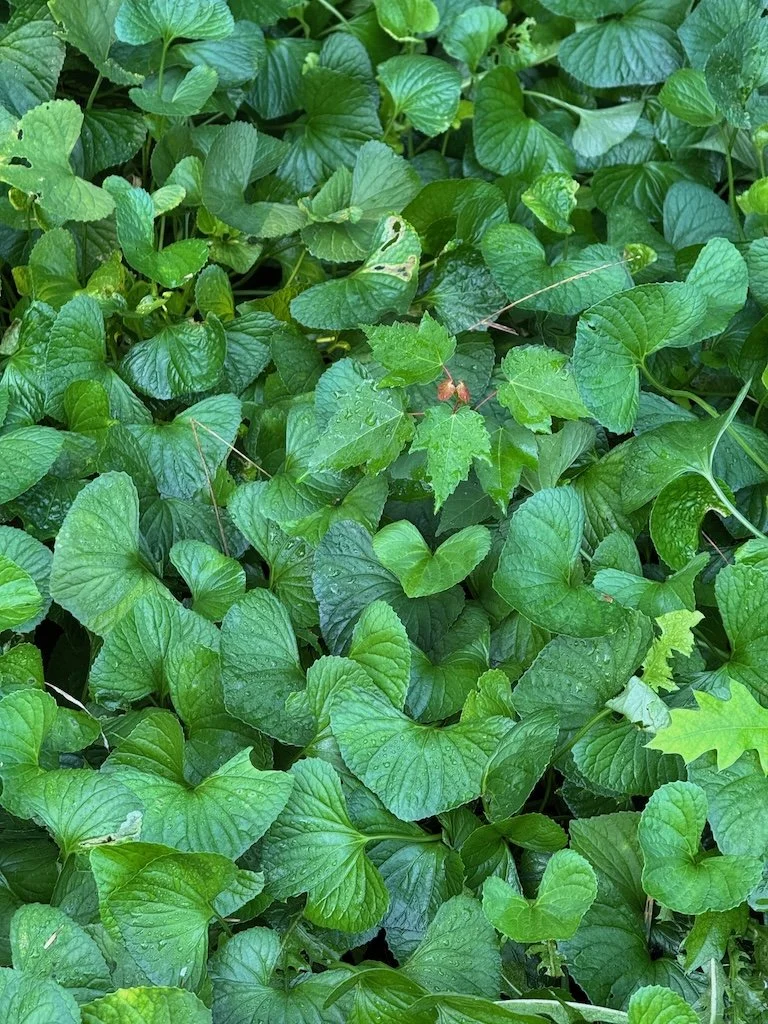
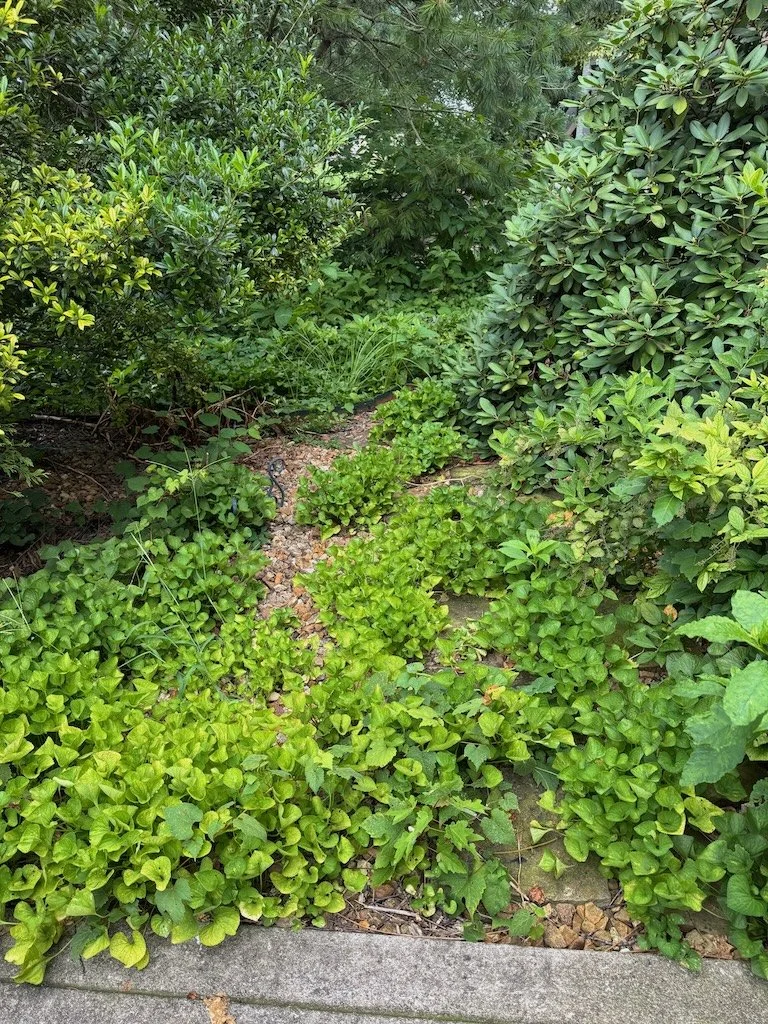
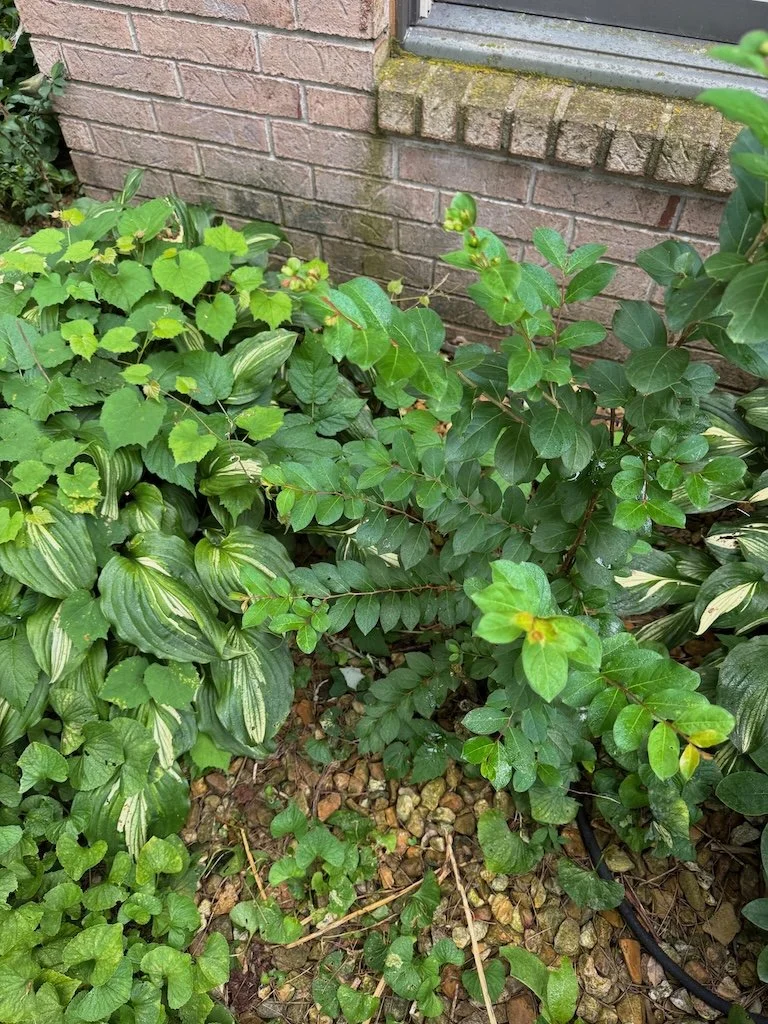
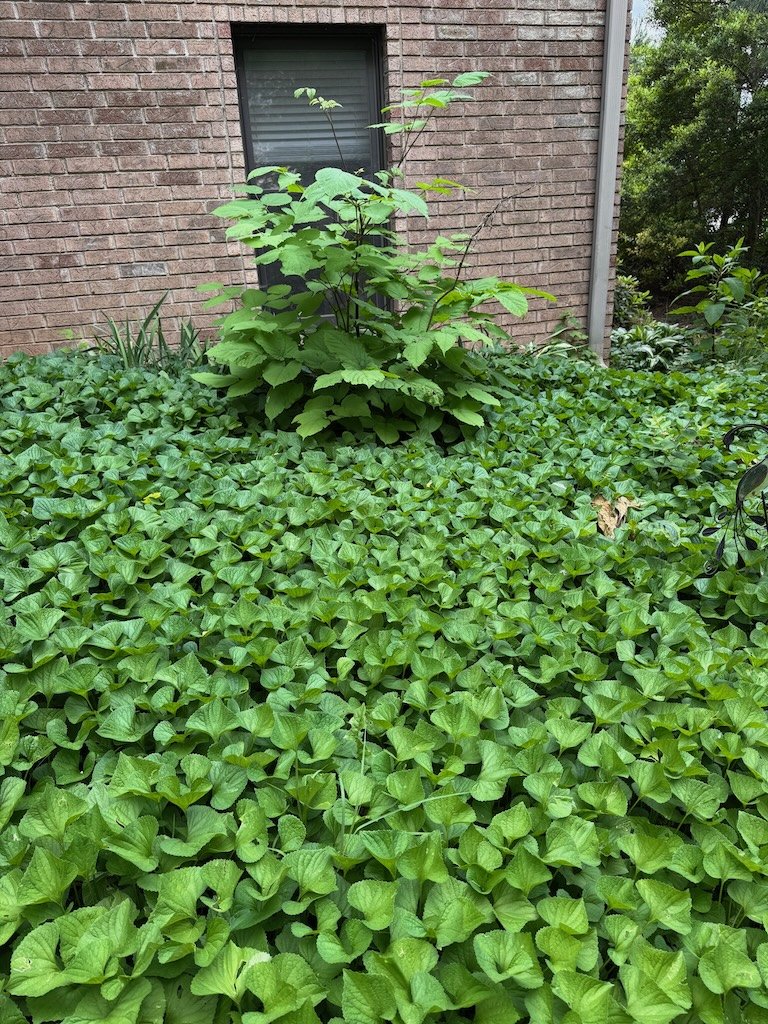
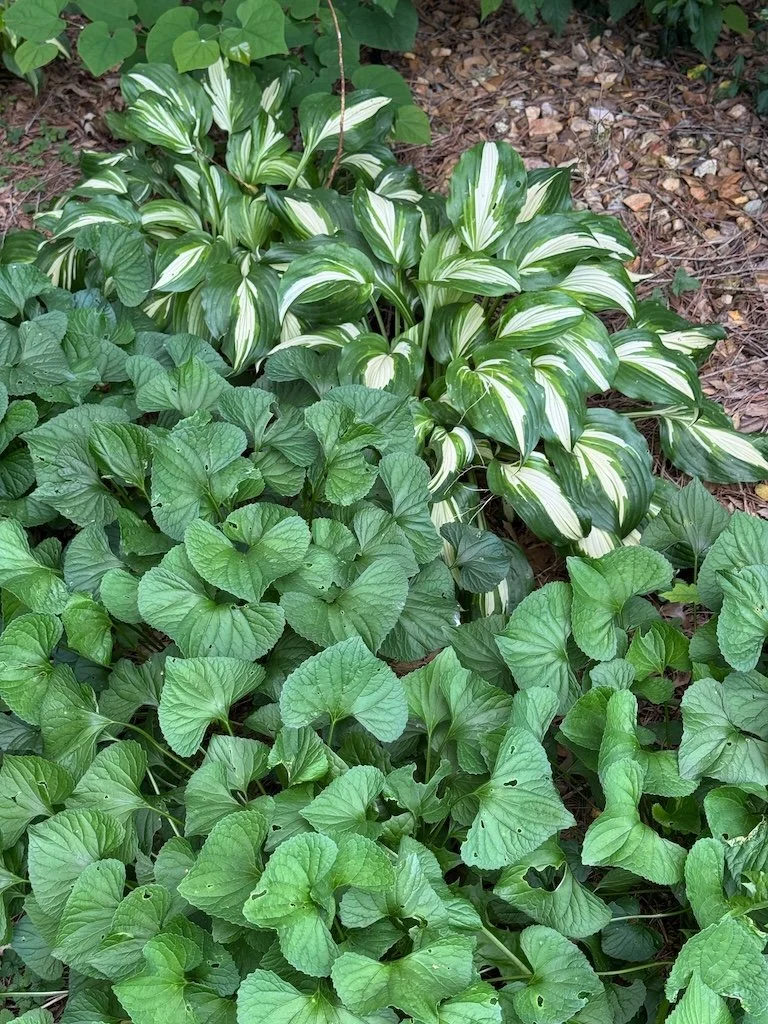
There were a few violets near the house when we arrived 4 years ago and they have spilled out to take over what used to be struggling grass (I stopped mowing and the violets took over); they have progressed about 6 feet into the yard and I will further reduce my mowing to allow them to take over more!

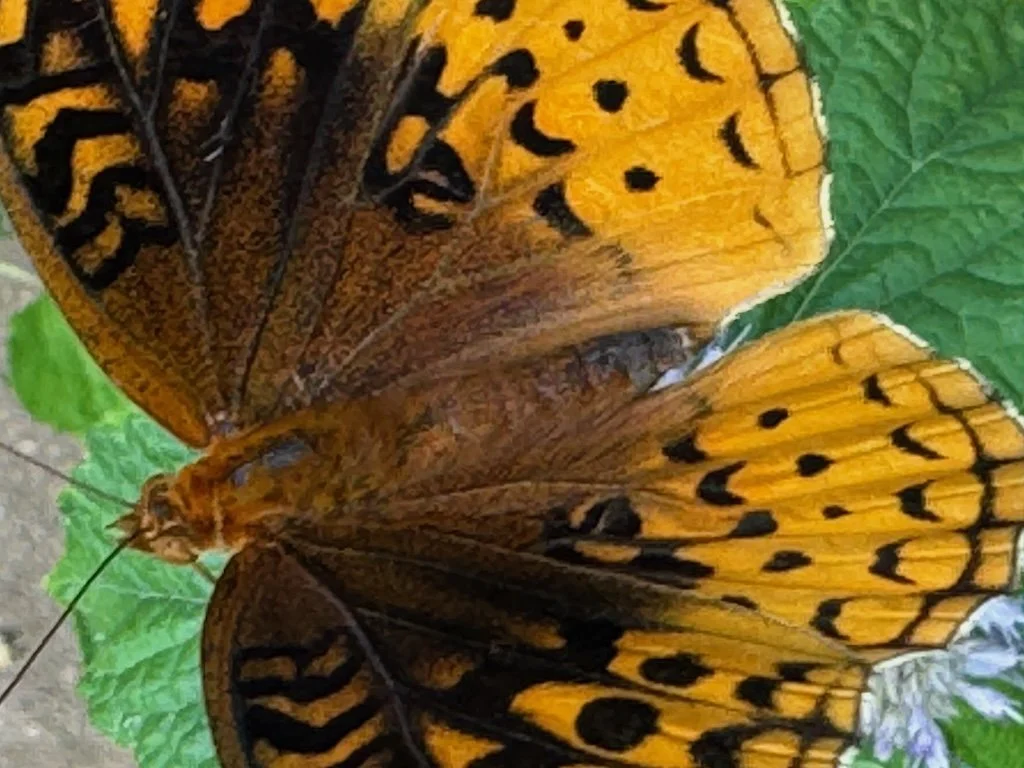
I noticed last winter that several birds – particularly mourning doves and wrens – seemed to spend a lot of time finding tidbits to eat in the brown debris of the violets; I wondered if they were finding the tiny Great Spangled Fritillary (butterfly) caterpillars.

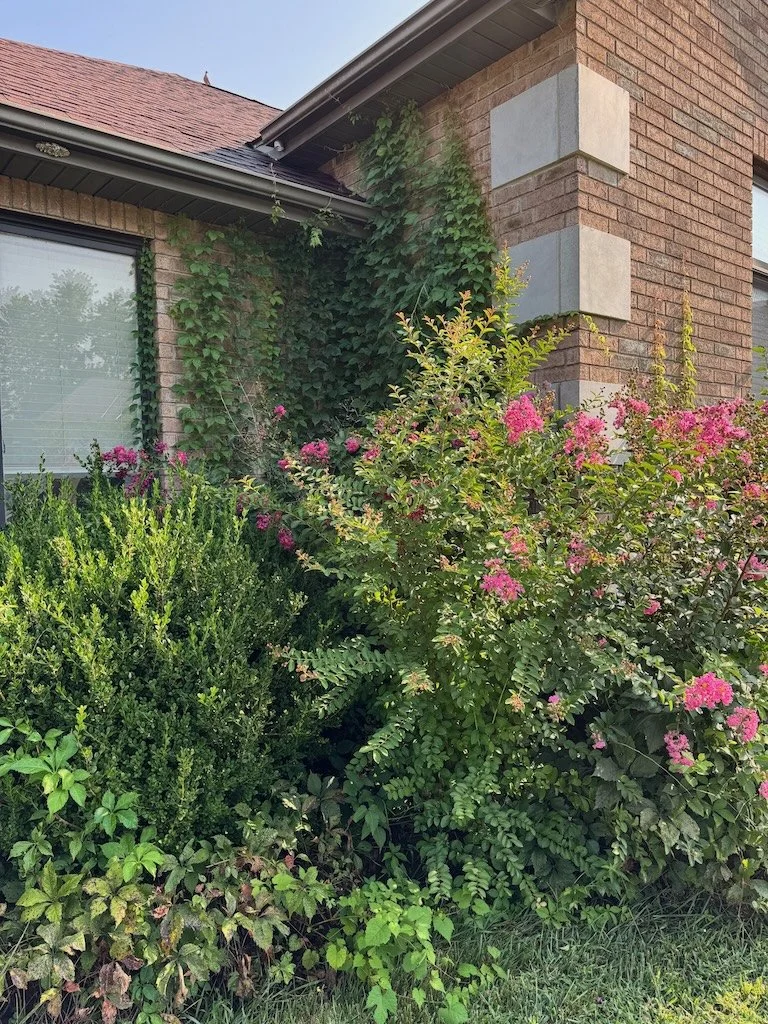
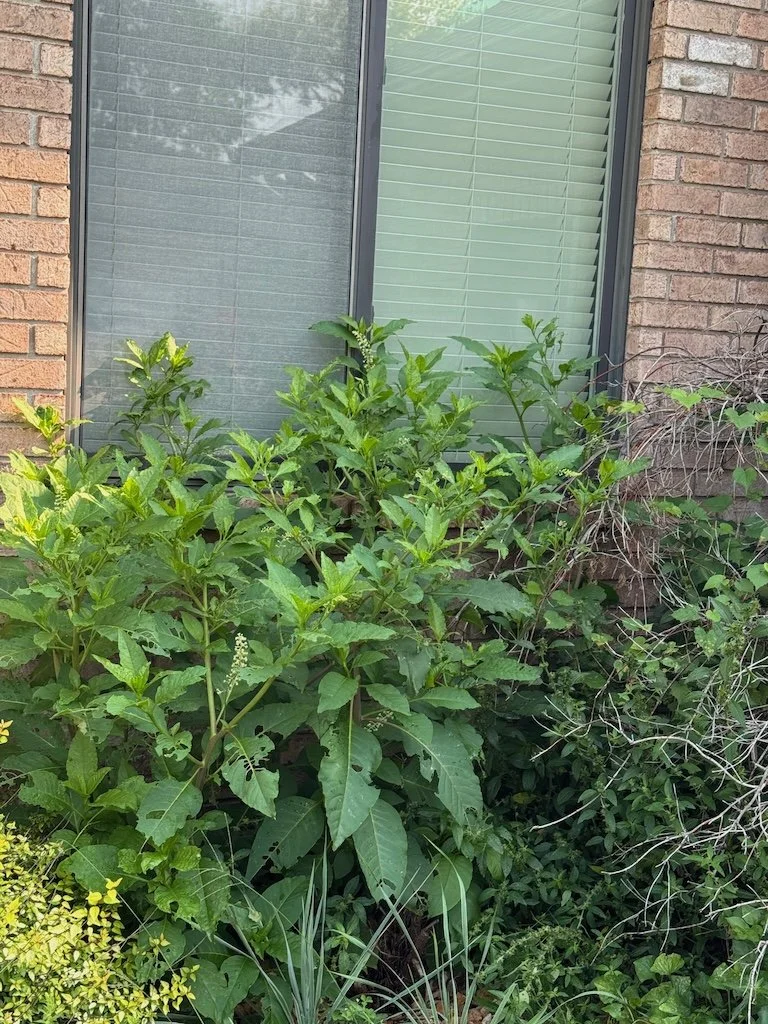
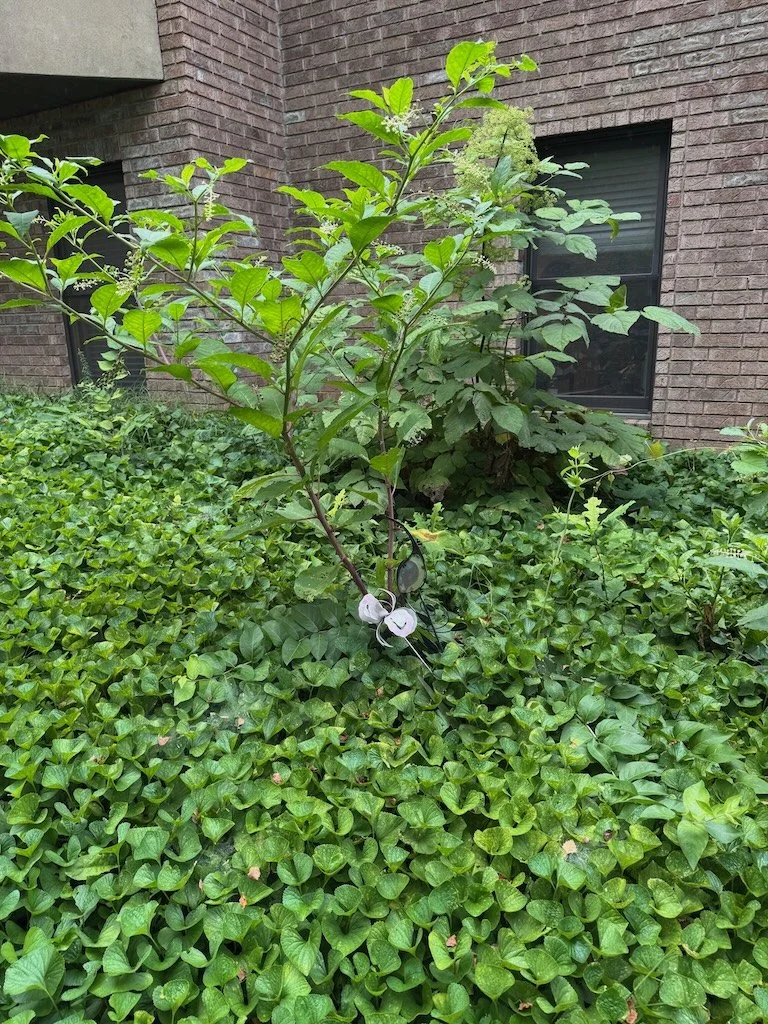
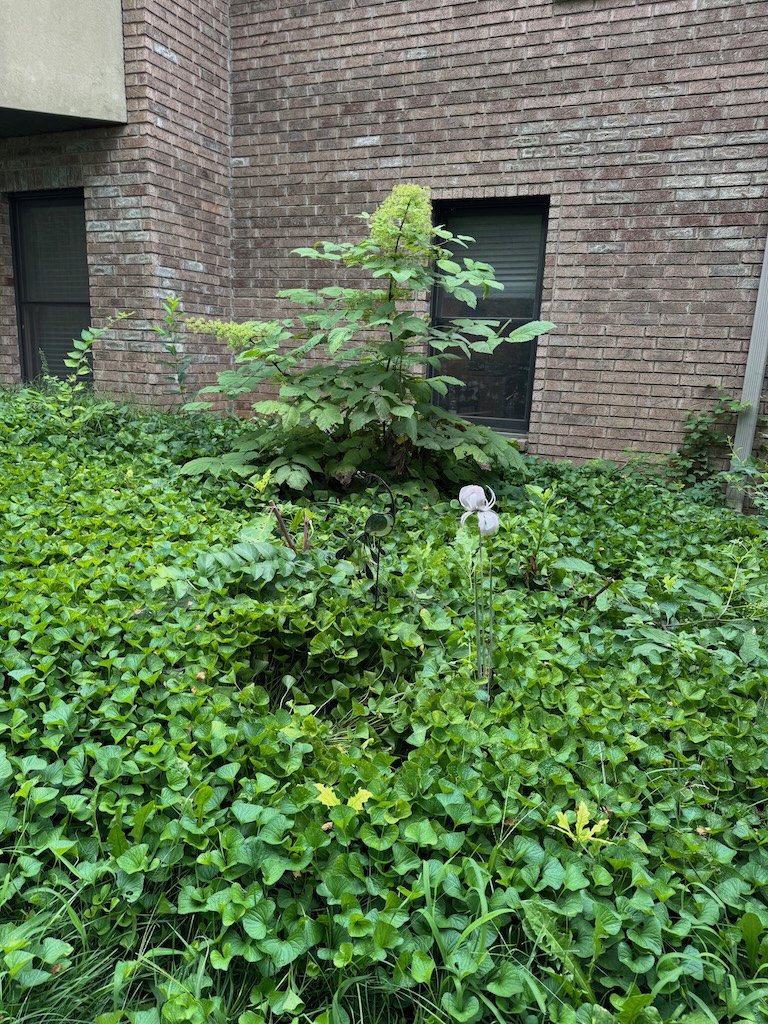
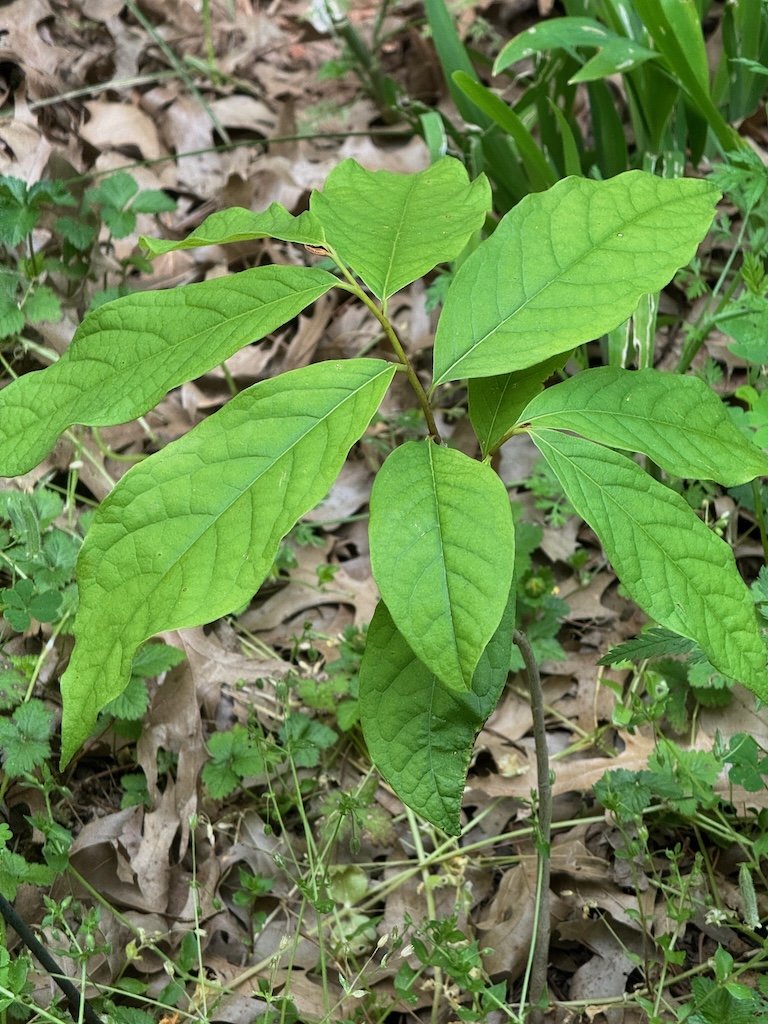
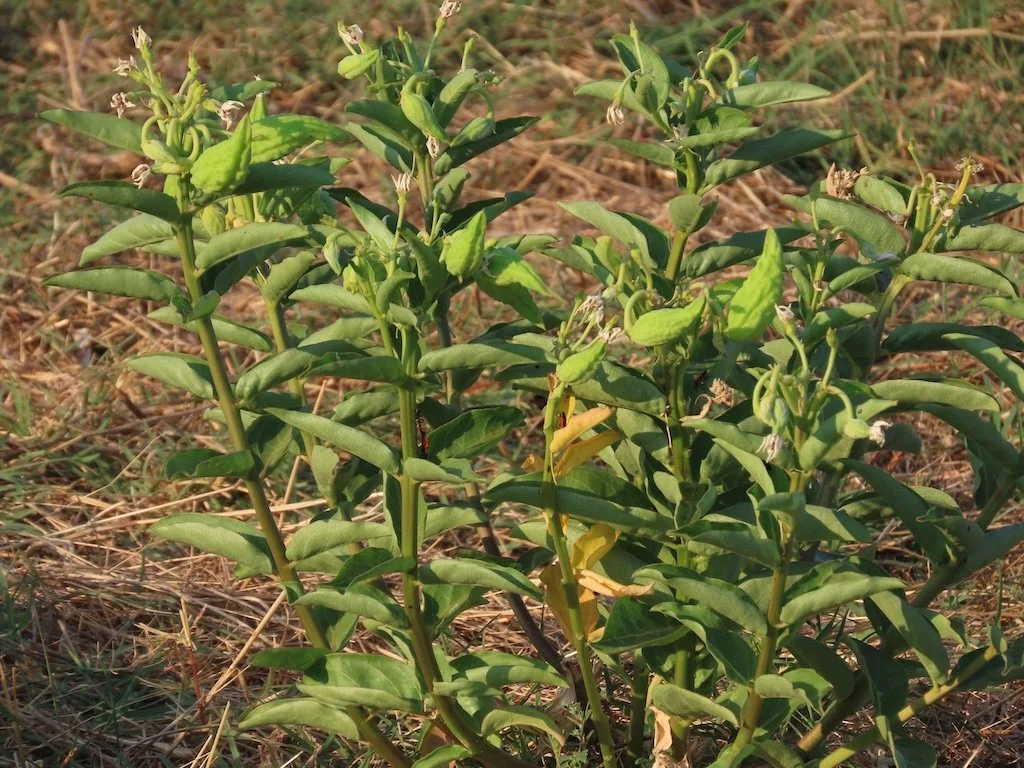
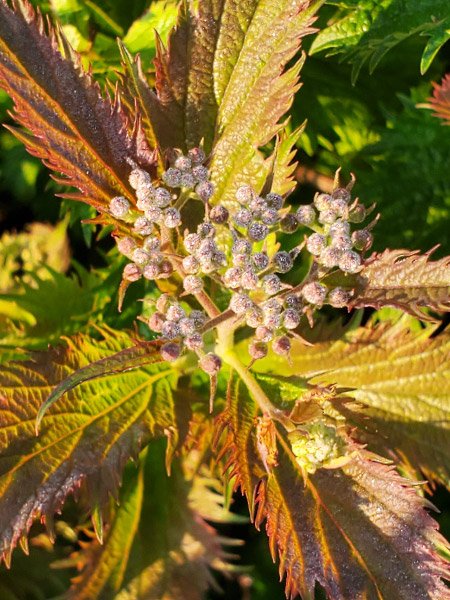
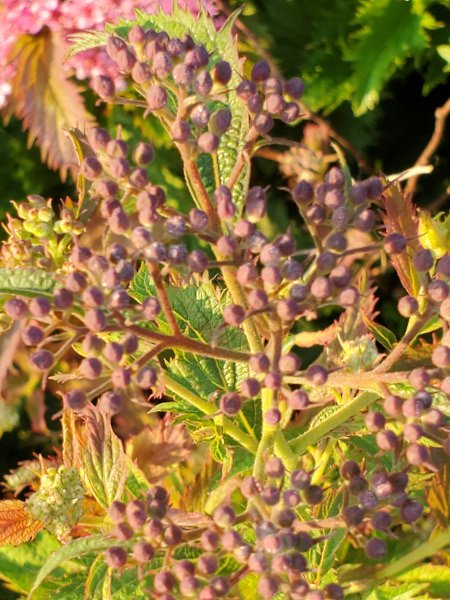
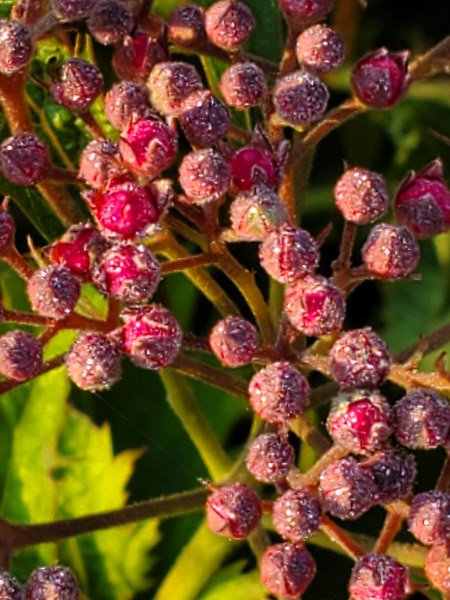
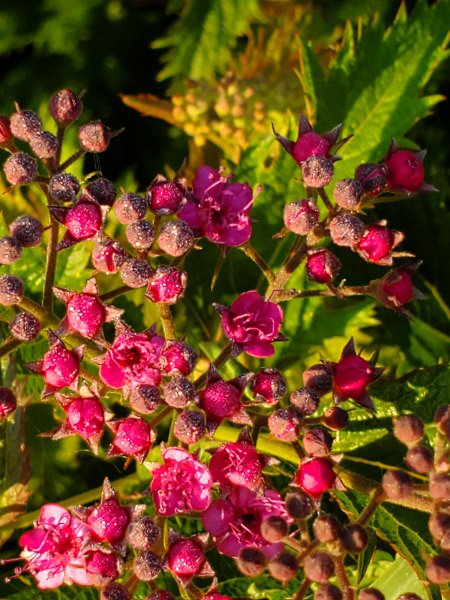
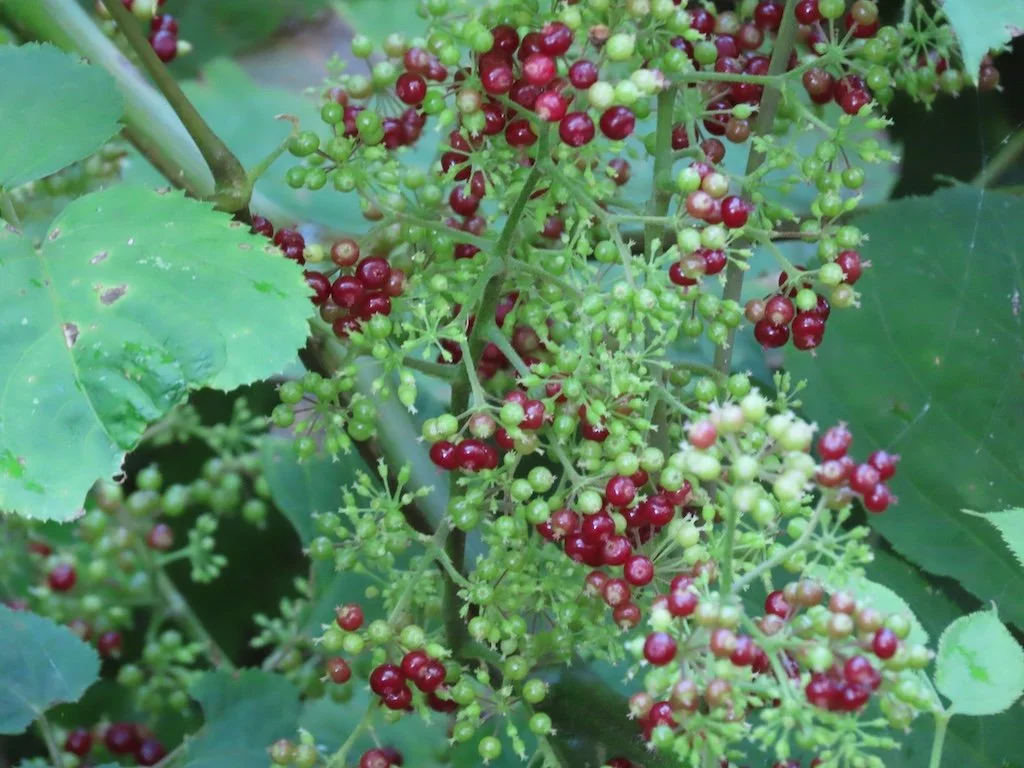
I planted American Spikenard, spice bush, and pawpaw to provide some taller plants to break the thick violet groundcover. I might eventually add another spice bush since the one I have is male (i.e. no red fruits!). The American Spikenard was one of the first native plants I added to my garden (where it is visible from my office window) and it gets bigger every year…this year it is over 5’ tall so it must be happy in its location. It blooms in June – attracting pollinators; the fruit is eaten by birds.

The spice bush had black swallowtail caterpillars eating it last summer…a great indication that the shade garden is supporting wildlife that had not been in the yard previously. I also noticed more fireflies in the summer beginning last year.

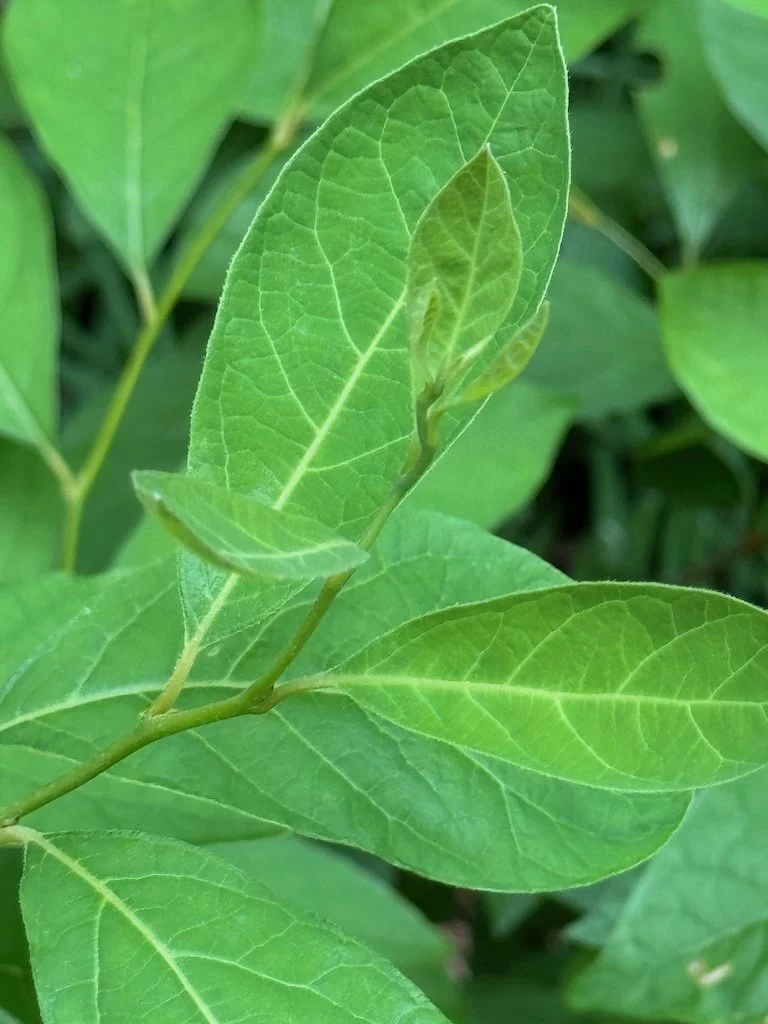
The pawpaw trees are still very young: one was planted as a seedling last year, 2 came up from seeds this spring, and 4 were planted as seedlings this spring. Hopefully most of them will survive and eventually host zebra swallowtail caterpillars. It will be years before they bear fruit….but I am excited about the prospect.

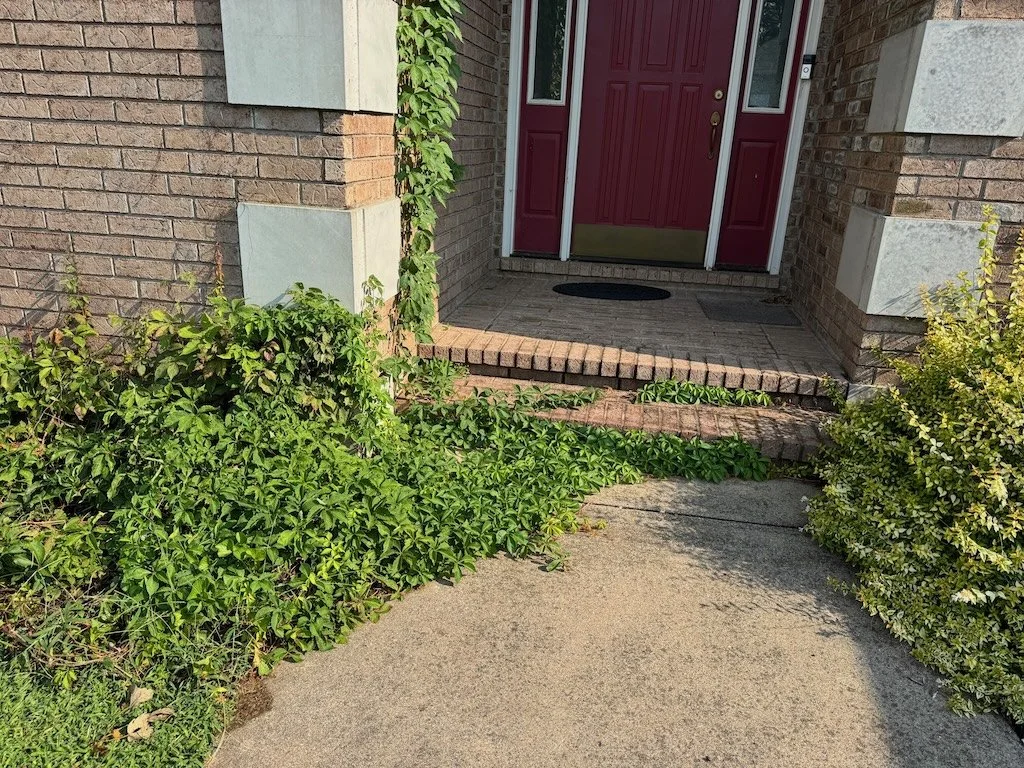
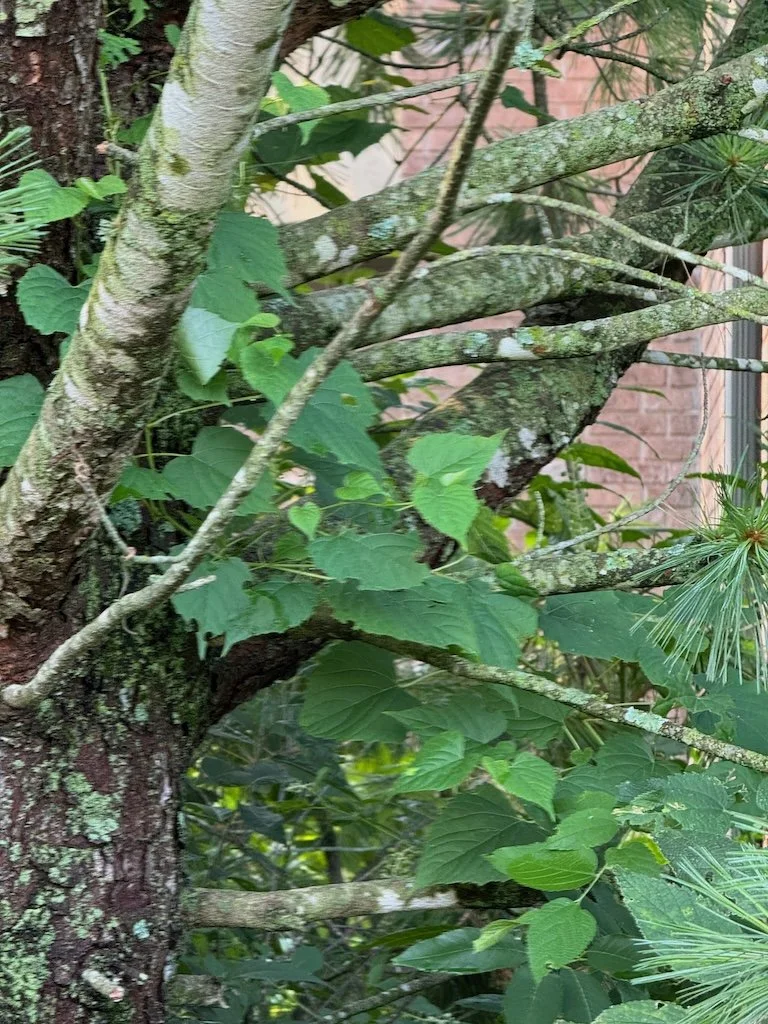
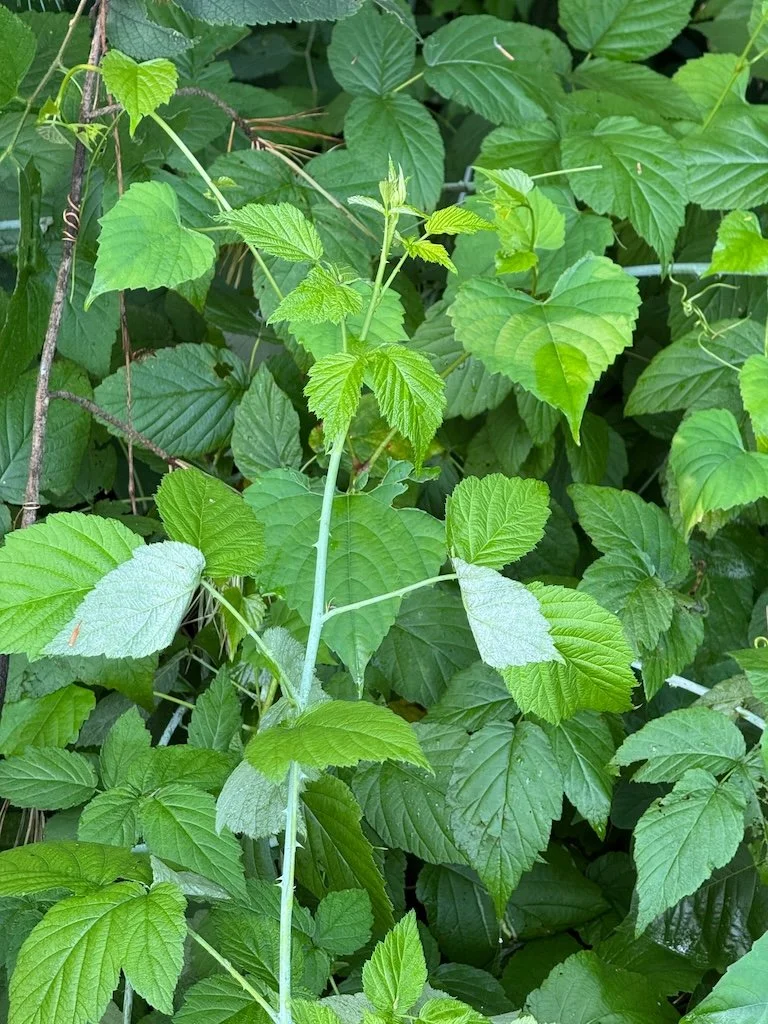
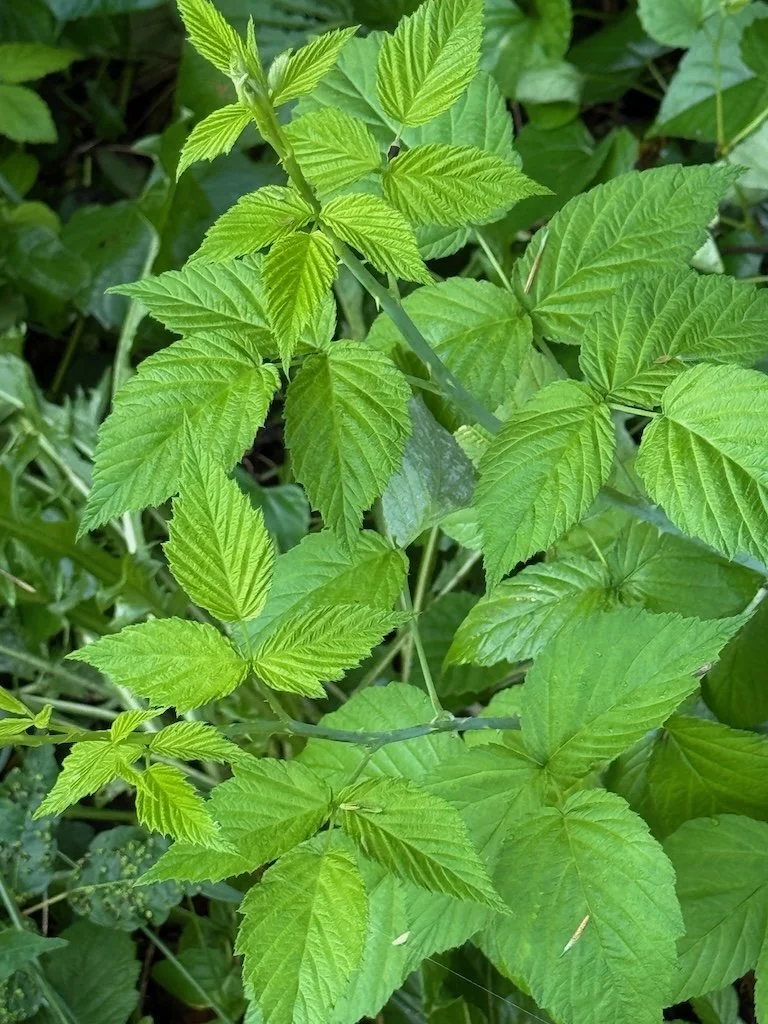
Around the white pine there is a mix of native and non-native plants. The natives are another American Spikenard, black raspberries (that came up on their own), violets, grapevine (which I cut to keep it out of the tree), hackberry (which I take out periodically, there is a neighborhood tree so the birds plant the seeds everywhere), and, unfortunately, an occasional poison ivy. The non-natives offer some color/shape contrast: hostas and lambs ear now…earlier in the season crocus, daffodils….later in the season chives.

I like that there are plants in the garden that are edible…that I can easily harvest and eat immediately: violet leaves and flowers, grape leaves, and chives.

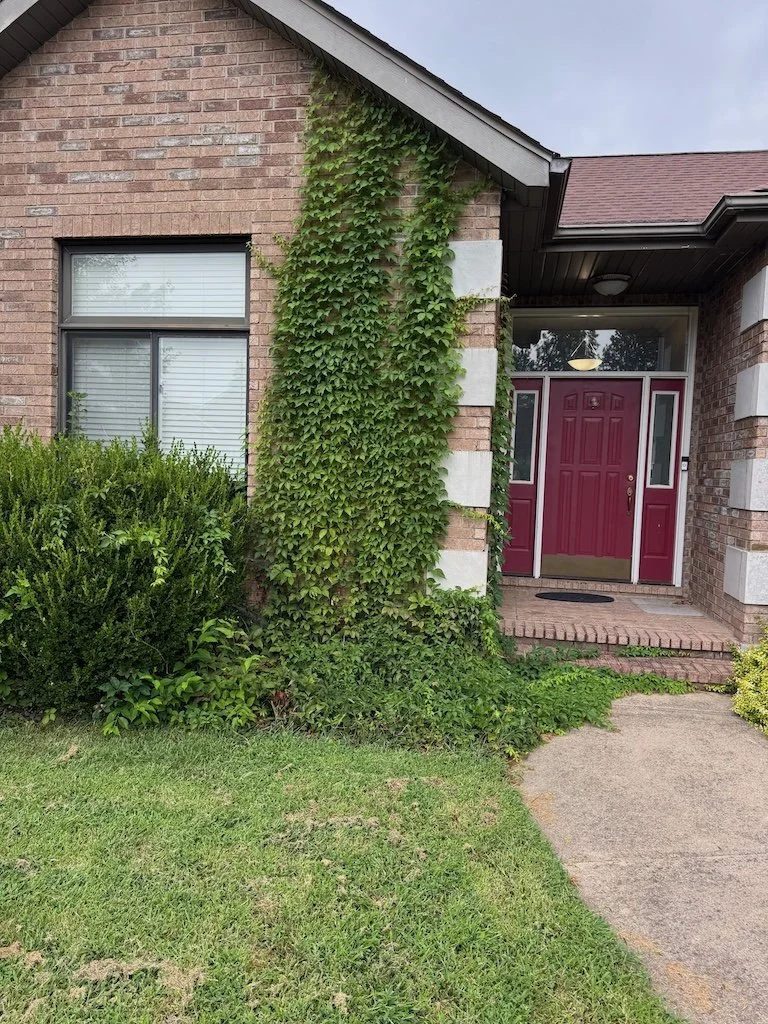
The maintenance I anticipate on the garden is mainly controlling things like grape vines, poison ivy, and hackberries….keeping an eye out for invasives like poison hemlock and wintercreeper (removing immediately). I will eventually begin removing the lower branches of the pine (they are already sparsely needled because they only get enough light at their tips); it could reduce the shade a little in the morning, but the hollies will shade the area in the afternoon and the pine needle mulch sustains the soil moisture).   The violets will grow out into the yard at least a little further but that just requires me to stop mowing the area where I want the violets to take over! My sprinkler system still waters the area when it hasn’t rained but I envision that I might turn off the zone once the plants are all well established.

More about my suburban savanna and water next month.
Previous Suburban Savanna Posts:

April 2026 – Overview

May 2026 – Planting Natives

Windhaven Meadows Park in Plano TX

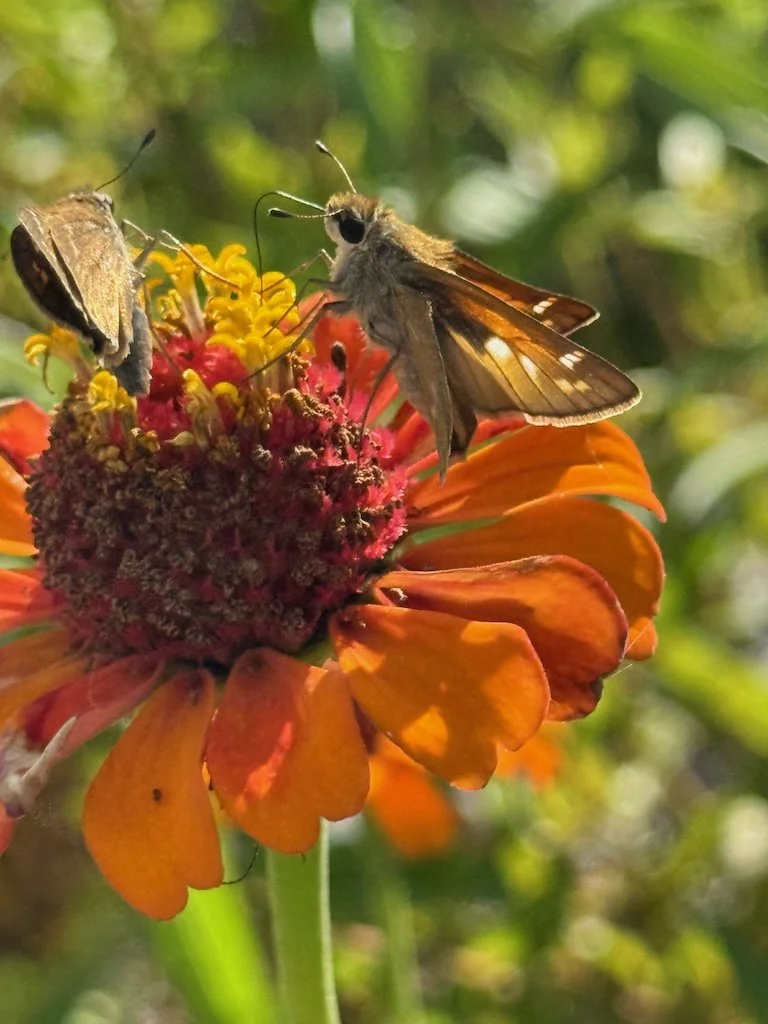
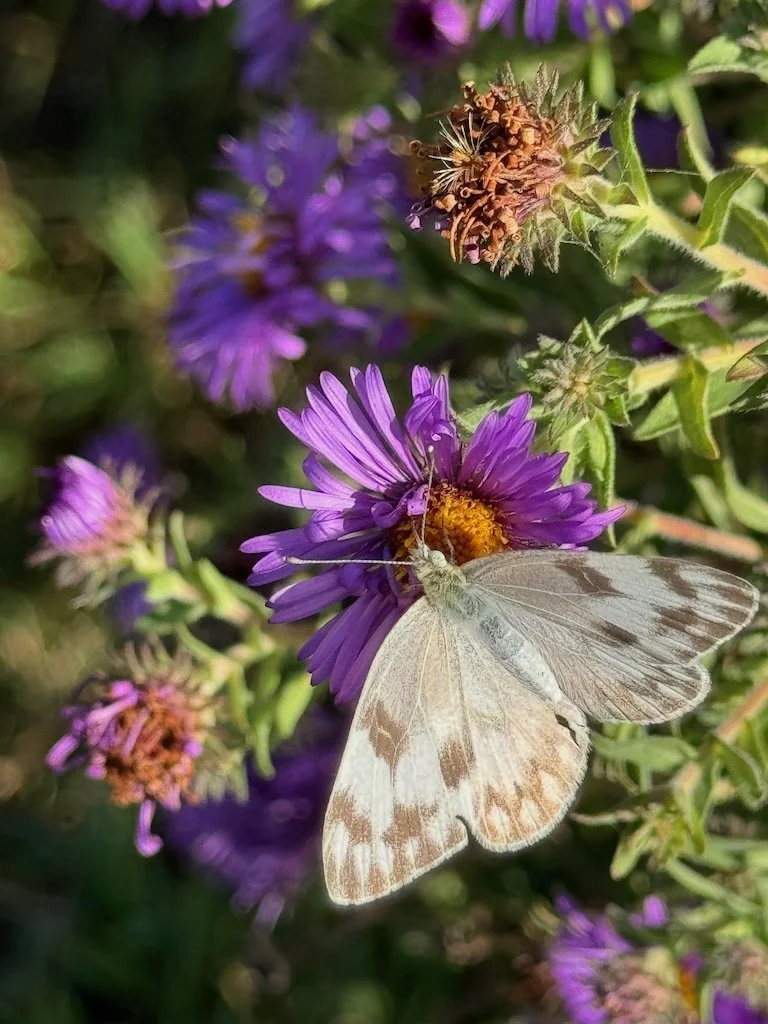
Last week, I visited Windhaven Meadows Park in Plano TX. It’s close to the hotel that I prefer when I go to Dallas. My original idea was to explore the trails on my own but then a plan emerged to have brunch with my sisters, nieces and their babies in the park. I went to the park earlier in the day to see what was there…and take most of my pictures. The day was already warm at 8 AM.

I went a short distance on one trail away from the playground area noting things that might interest a 2-year-old if he ever ventured from the playground (he didn’t). There was grapevine, leaves with lots of holes in them, pecans in the tree and on the ground, and a stump that had been cut recently enough that rings could be counted.

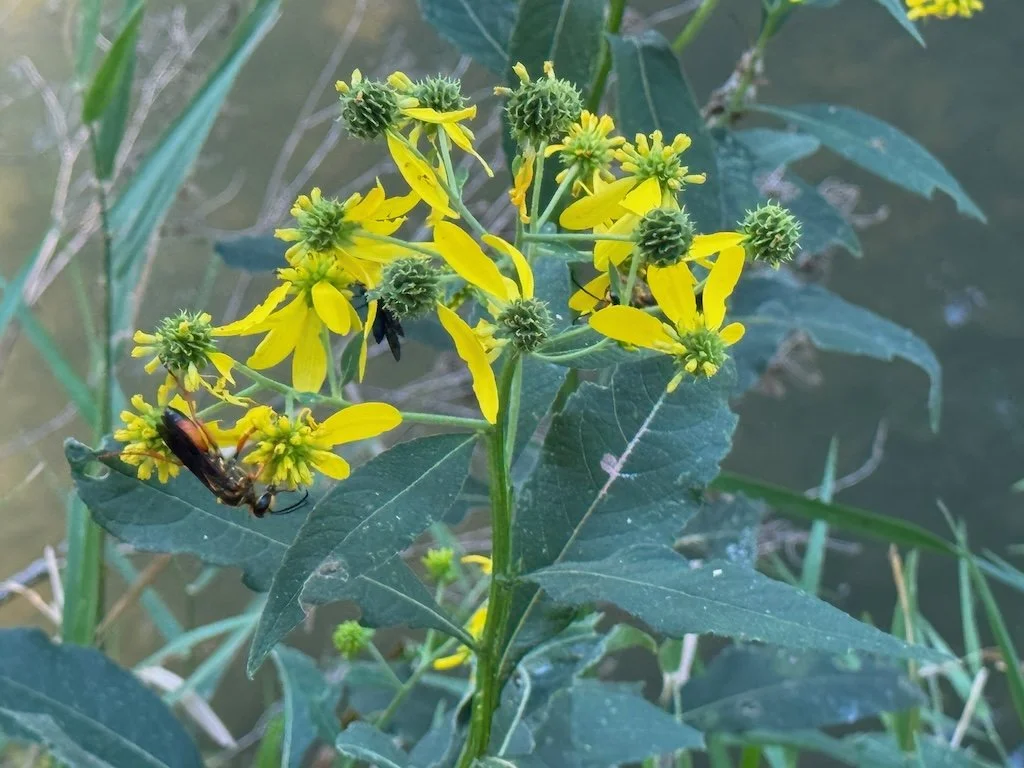
In the other direction from the playground, there was a meadow with some flowering plants and milkweed with seedpods. The Osage orange is easy to identify this time of year because of the large fruit (in the tree and on the ground).

An Eastern Phoebe was perched in a tree.  The yellow color stumped me at first but then I read that their fresh fall plumage is yellow; that area will be white later!

There was also a crow in the same tree.

In the picnic pavilion (and elsewhere) the grackles were cleaning up. I noticed that this time of year the males lose their tail feathers…making them look much shorter. It also appeared that the female was much more aware of the situation than the males (she kept an eye on me rather than eating all the time).

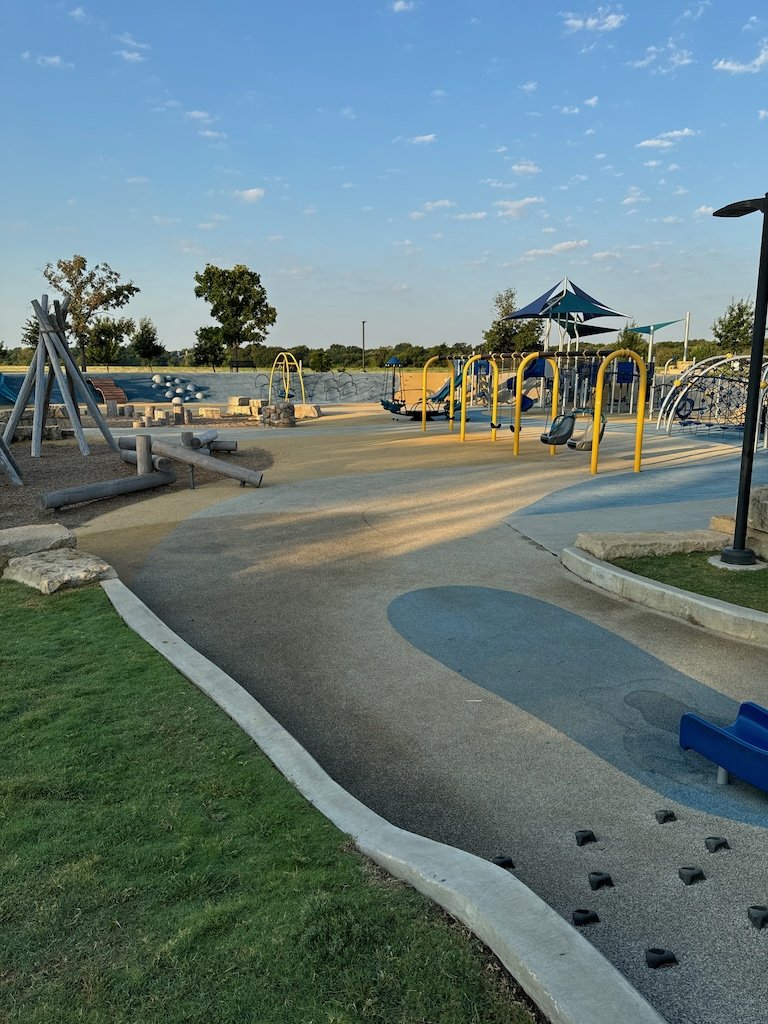
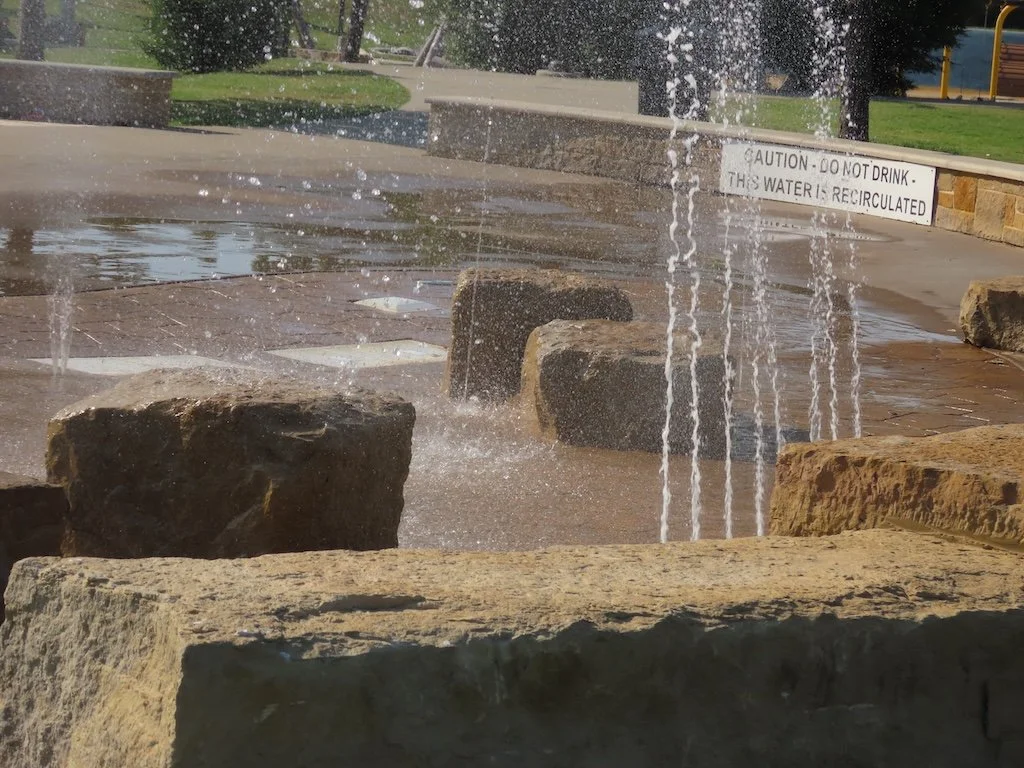
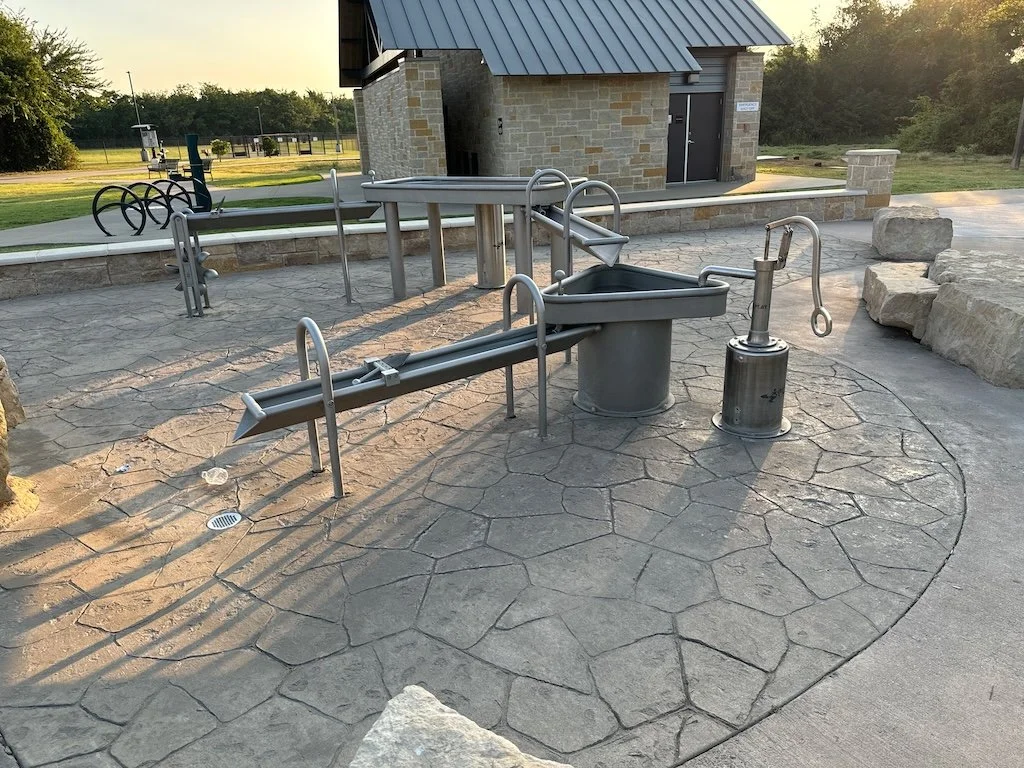
The big draw of the park for children is the playground. I took pictures before any arrived. There are several different play areas…. including a water area with water shooting up from the ground or coming from a spigot to travel through troughs. Later – the water area was the most popular area since the temperature climbed very quickly into the 90s (and beyond). My grandnephew explored the playground thoroughly…spending the most time in the water area…taking a break for brunch and then making the rounds again.
I will probably visit the park again for the trails…and the changing seasons of birds and vegetation.

Our Missouri Yard – June 2023

There are always things to photograph in our year. In June I decided to walk about with my phone (Samsung Galaxy S10e)….taking mostly macro looks at the plants.

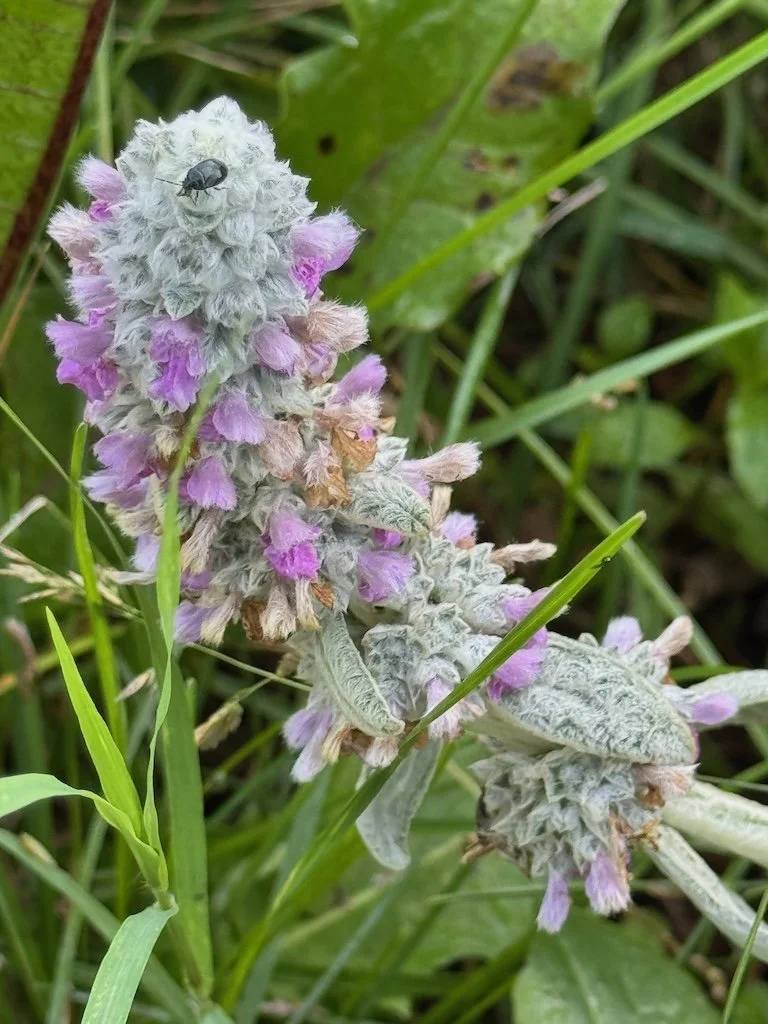
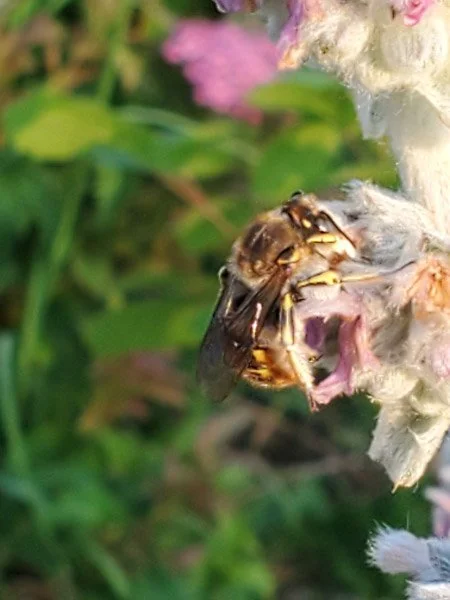
Our lamb’s ear is blooming. It attracts pollinating insects. I have lamb’s ear plants coming up in the yard too….thinking maybe I should avoid mowing them and let them continue to spread…take over some areas where the grass is not growing so well anyway.

This time of year it is possible to find all stages of flower development on a single plant. The color sometimes is deepest just as the flowers open.

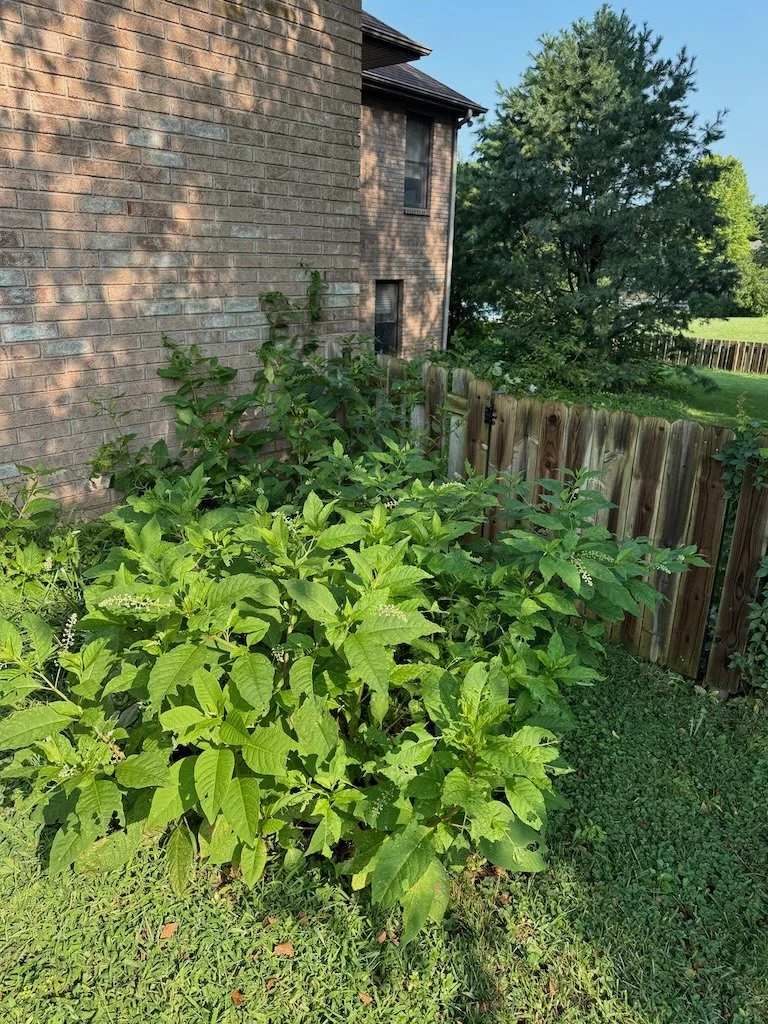
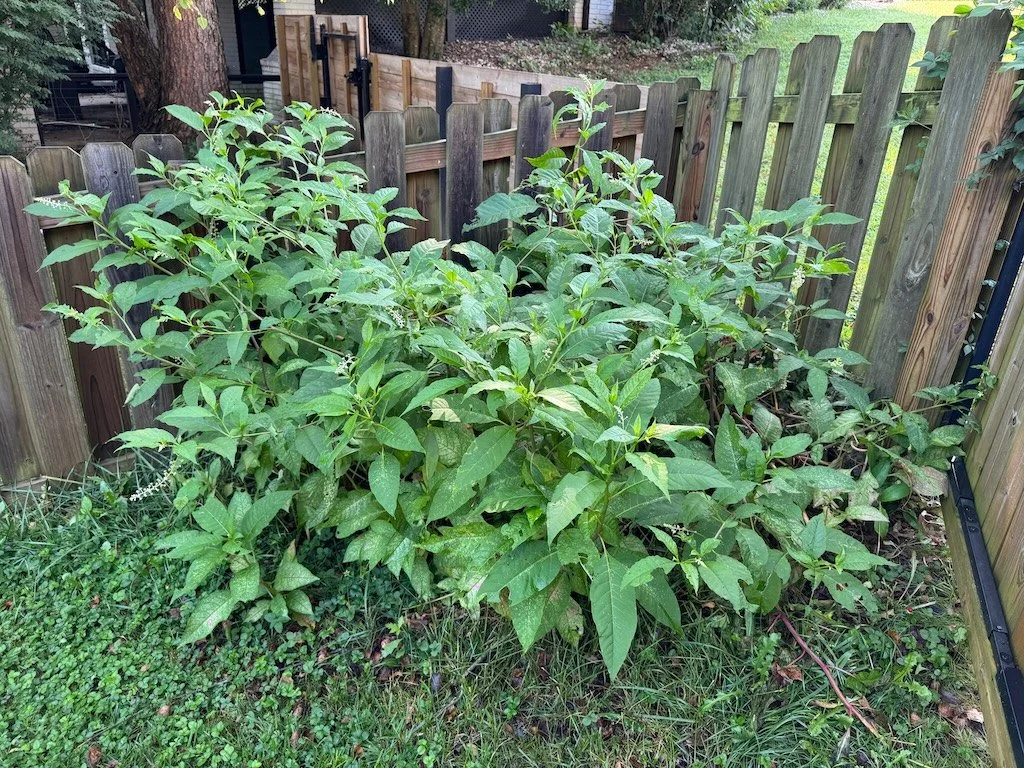
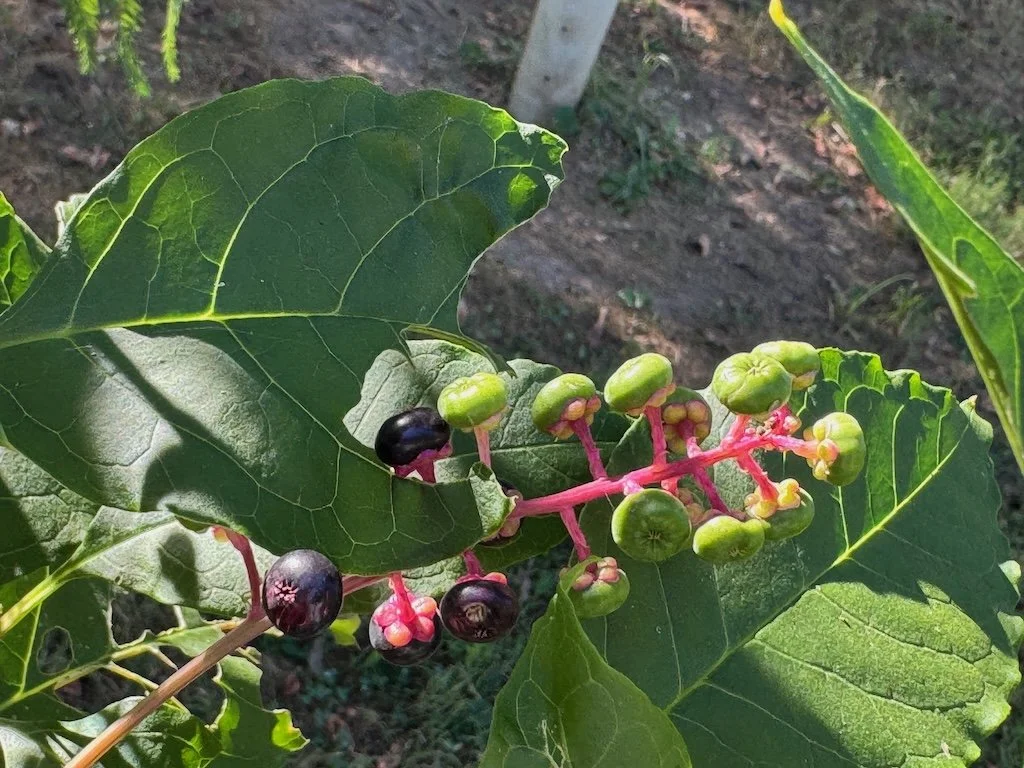
I have pokeweed coming up in some of the same places it was last fall…probably from the roots that remained. I like the green leaves and will probably let it grow. Maybe this year the fruits will mature before the first hard frost…provide early winter food for birds.

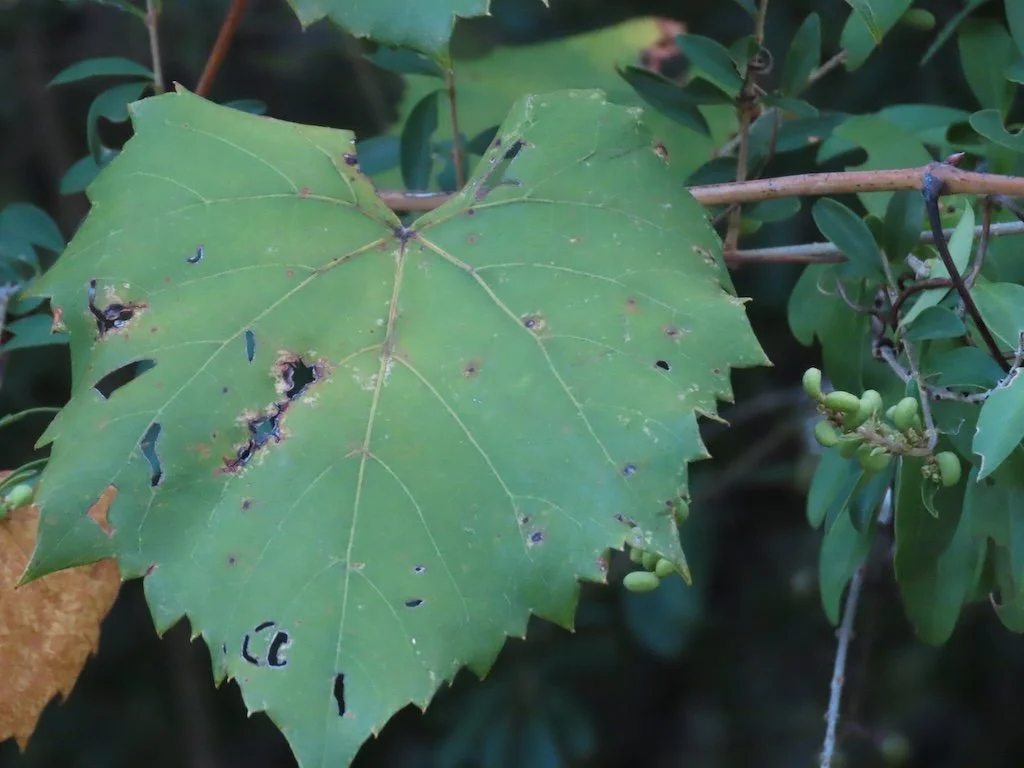
There is a native grapevine near one of my bushes. The new leaves start out folded in half. I am pulling it away from the bush and allowing it to continue to grow. Something has already been nibbling on its leaves.

I like that the yard has interesting plants…and is providing some food for wildlife. Hopefully the wildflowers I’ve planted this year will grow this season and then come back year after year…increase the yard value for pollinators!

Last of the Day Lilies

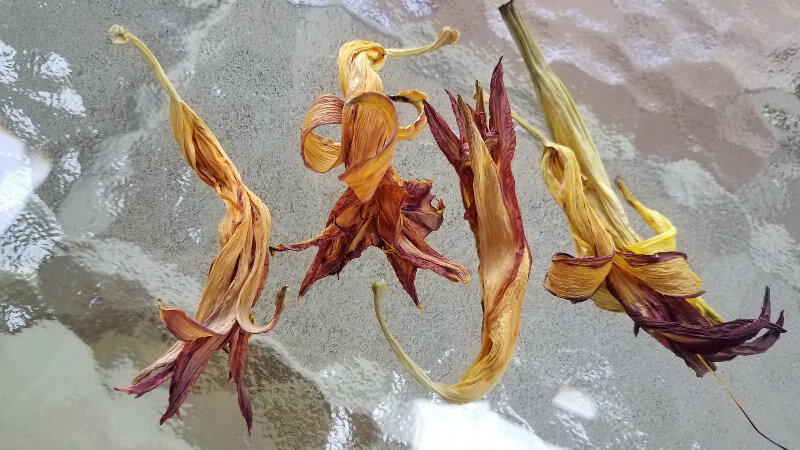
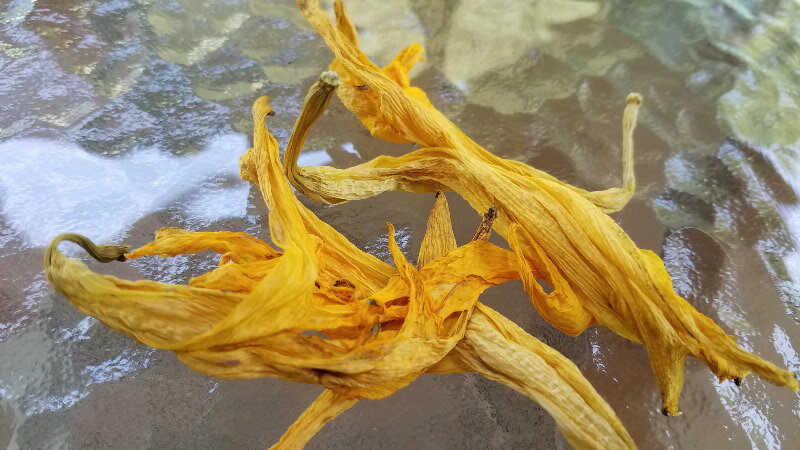
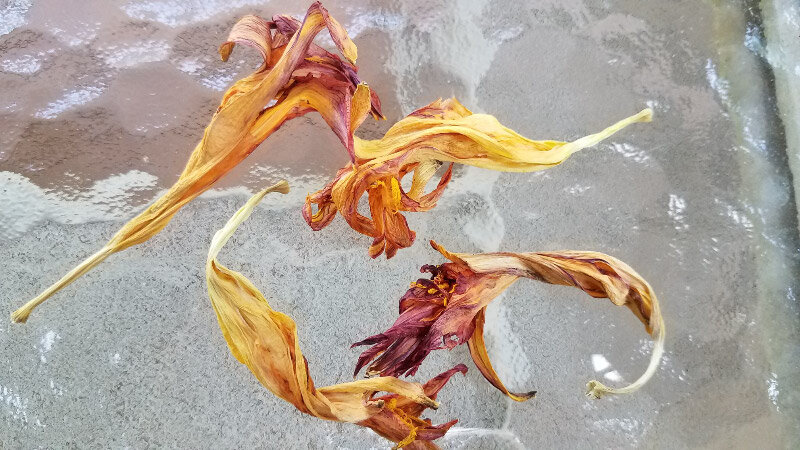
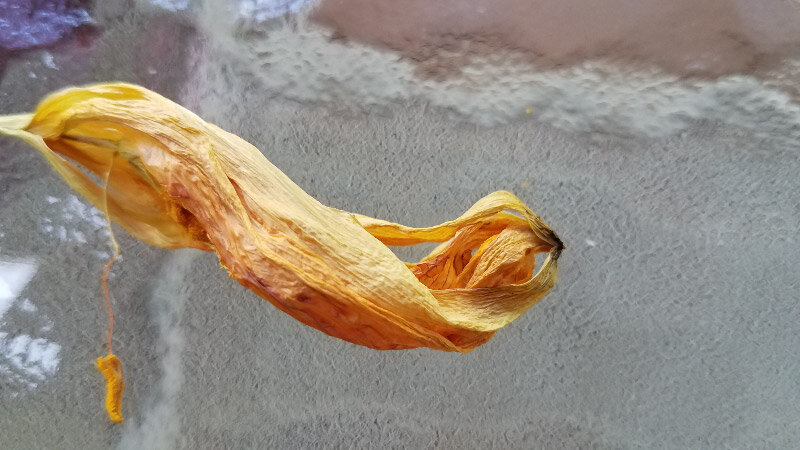
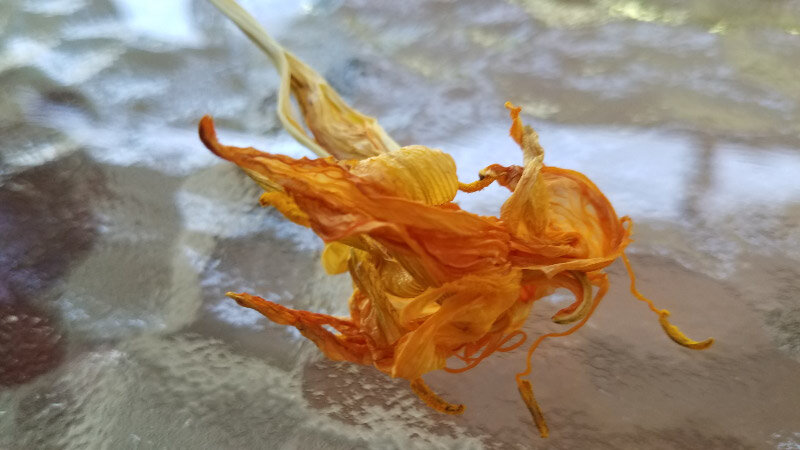
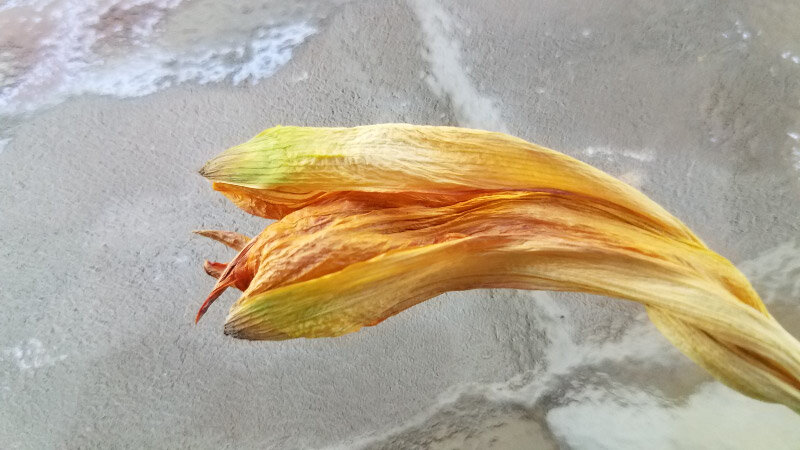
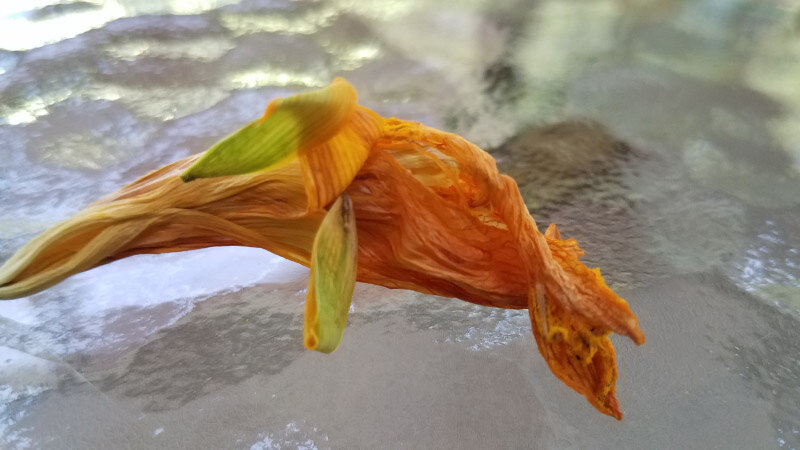
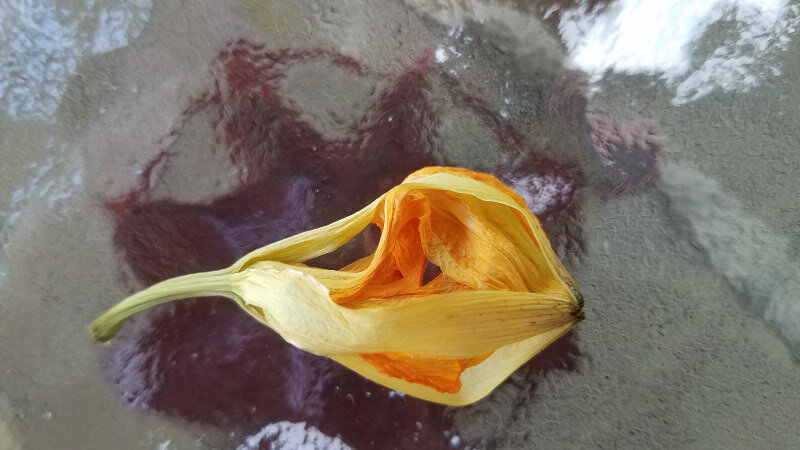
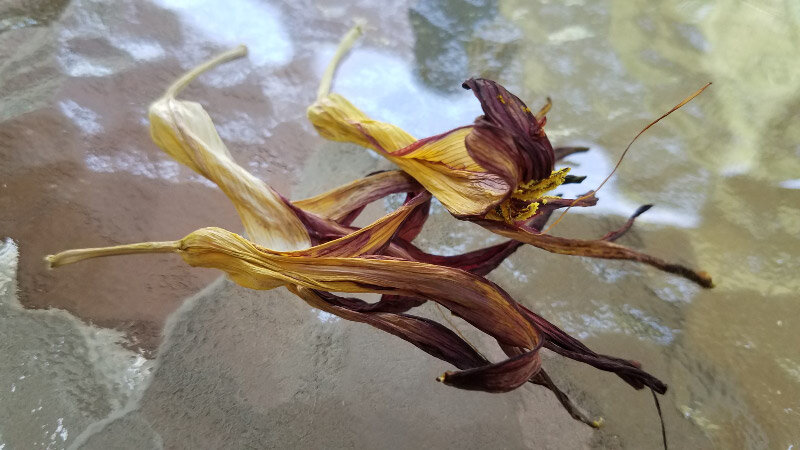
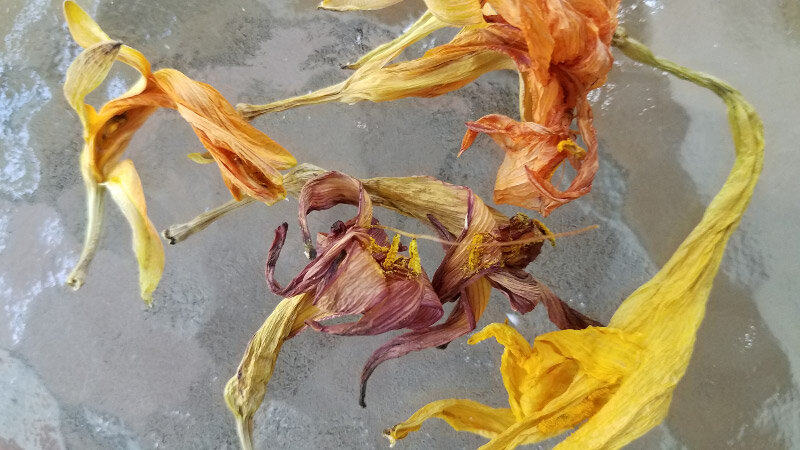
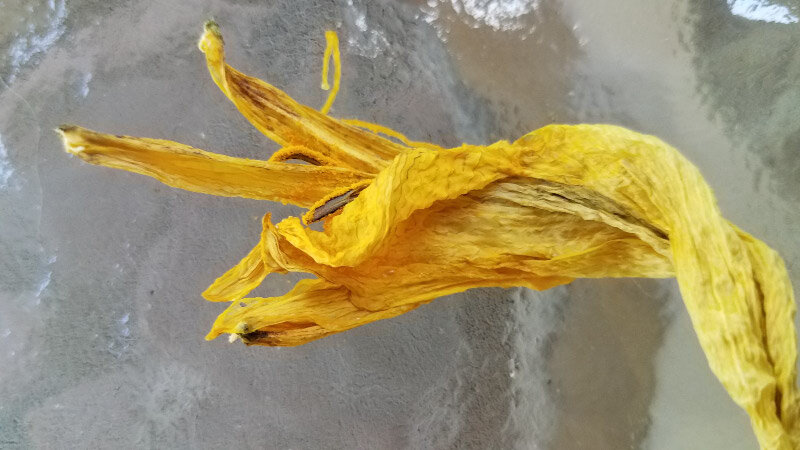
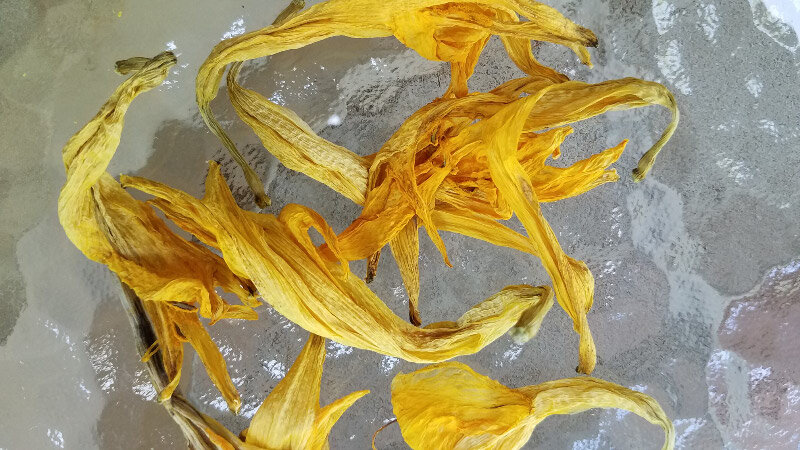
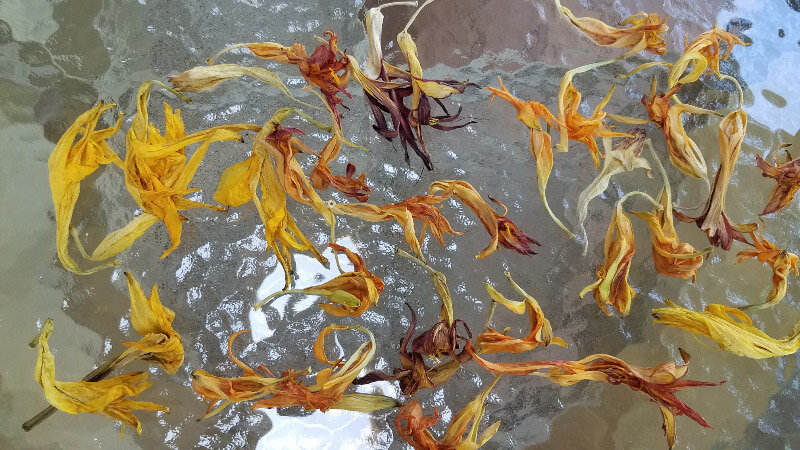
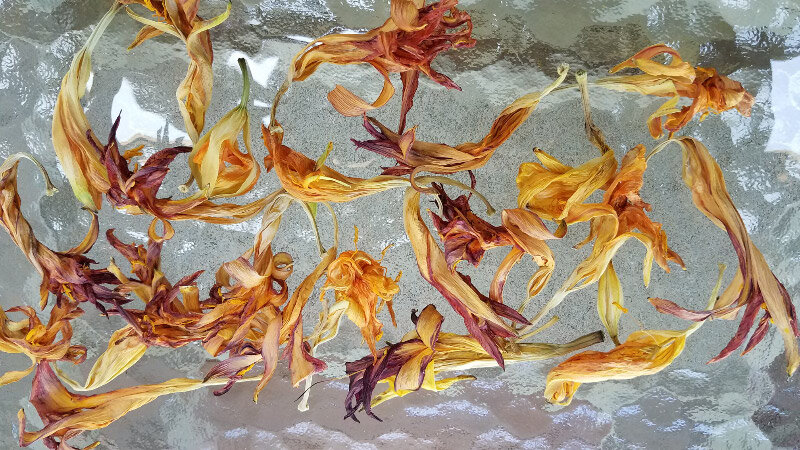
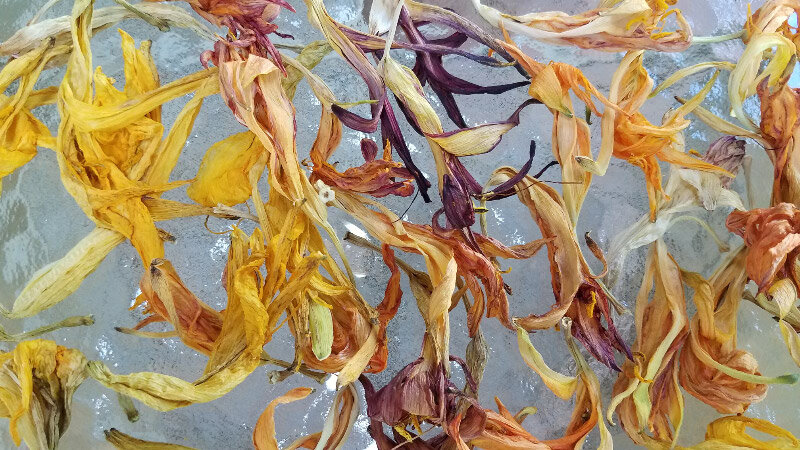
The last day lily opened a few days ago so I am savoring what is left of them today – the last of the day lilies for this year. I collected the spent flowers as they fell from the stalks and took them out to the glass topped table on my deck to photograph for the grand finale of their season. The orange ones were the most plentiful, the yellows were the largest and the dark red (purple when they dried) were few but spectacular.

I like the textures and shapes of the dried flowers. Many still have deep yellow pollen showing. The flower collection is back inside now…waiting to see if my husband wants to do some macro photography with them. Eventually they will go out to the compost bin.

Unique Activities for Yesterday:

Big cooking day. I like to fill the oven when I turn it on at all during the summer. This time I had it on for an hour with the salsa meatloaf going in first….then a zucchini squash custard (45 minutes)…then corn on the cob (30 minutes). I sautéed an onion to top the meatloaf. Good eating! It also felt good to clear the crisper of the last of the corn, onions, and zucchini since I have another CSA share to pick up today! I still have beets, leeks, fennel, carrots, and cauliflower….and not much freezer space.

20200720_113822.jpg

Grapevine wreath. After a round of yard work back in June, I made a small grapevine wreath. Now – a little over a month later – it is thoroughly dry. I like the way it looks, particularly the little tendrils. I’ll add a festive ribbon and use it for indoor holiday decoration….or maybe I’ll use a ‘ribbon’ of orange or apple peel. Then the whole thing could go into the compost pile in the new year.

Grapevine Wreath

20200612_072333.jpg

When I was working in the front flower bed, I found a wild grapevine growing up through one of the bushes. It’s native but not growing in a place I could let it continue. I pulled it out but instead of carrying it back to the brush pile with the blackberry vines and grass and weeds….I kept it…thinking I would make a small wreath. I’d learned how in some class I had taken over 30 years ago; simply coil the vine and then twist until it holds the coil.

20200614_IMG_0208 (1).jpg

I got busy with other things and didn’t remember my plan until the next day. It occurred to me that it would be its most flexible before it dried. When I examined it more closely, I realized that it had some small branches of the bush I had pulled it from; its tendrils were stronger than the twigs’ attachment to the bush. I untangled the twigs and then began the wreath making. I opted to make the wreath with the leaves intact – knowing they would dry up and be easily crumbled off before I would add a red bow or a sprig of holly next December. Of course – I might decide to put a red, white, and blue bow on it for the 4th of July.


Unique activities for yesterday:

20200615x085442 clip.jpg

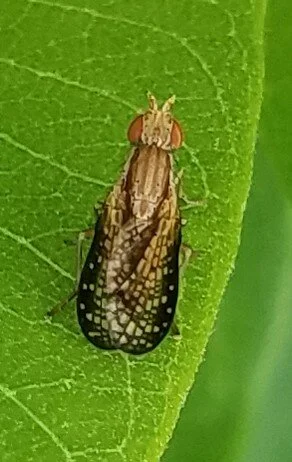
Pretty fly. It seems like every time I take a quick look at the front flower bed there are different bugs to photograph. This one was on the milkweed. I only got one picture before it flew away. The black lattice of the wings and the red of the eyes are quite striking. I used my usual technique: taking the picture with my cell phone as close as I could focus then clipping the part of the image I wanted to show with more magnification.

Fallen day lily. Sometimes the color deepens as the flower ages. The day lilies I brought inside are on the second round of flowers. The flowers start out a robust yellow and then are almost orange when they are ‘spent.’ This dried one is from the first round. It detached itself as the second round started.

2020 06 IMG_0208 (3).jpg

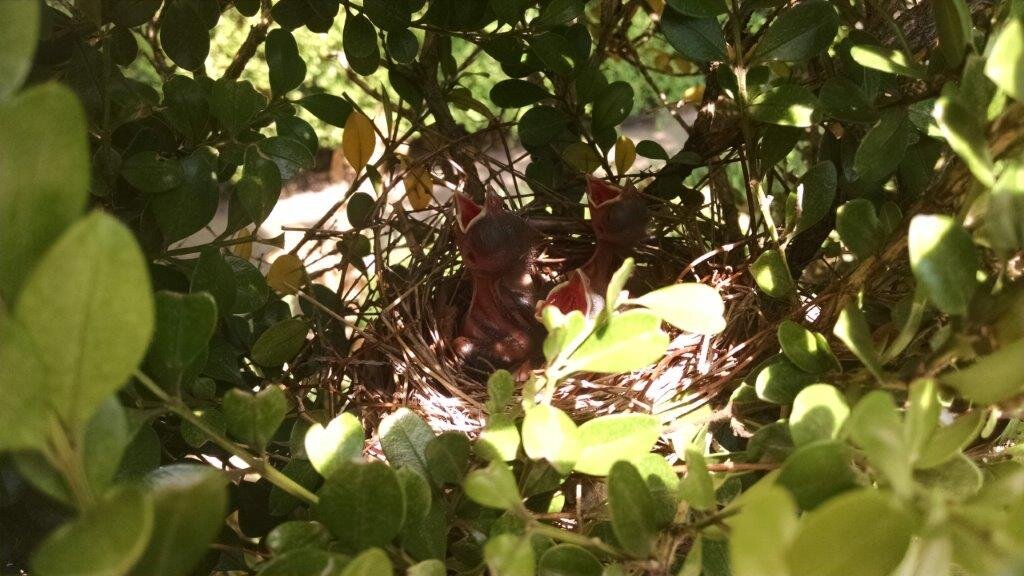
Cardinal nestlings. My sister sent me a picture from her house in Texas. The nest is in a boxwood by her front door! Now that we are all at home more, we have time to savor these natural events.

Glee 2020 baby cardinals.jpg

Magnolia blooming. I love to photograph the big white magnolia flowers, but we don’t have a tree in our yard. My sister in Texas has one…and took a picture!

tresa_104202821_10223724792246921_9098036963062871152_n.jpg