Gleanings of the Week Ending October 31, 2026

The items below were ‘the cream’ of the articles and websites I found this past week. Click on the light green text to look at the article.

01/23/2026 Super Age The 5 Microhabits That Rewire Your Brain for Longevity - Small, daily actions that work with your brain’s natural reward systems to create what behavioral scientists call habit loops (cues, behaviors, and rewards that, when repeated over time) rewire the brain’s baseline. These shifts aren’t just cognitive—they’re structural. Even two minutes of the right activity can nudge your brain toward a more resilient, long-lived trajectory.

10/02/2026 Inside Climate News As Negotiators Struggle to Advance a Plastics Treaty, Iran War Underscores the Urgency - Countries that comprise more than a quarter of the global plastics demand support strong measures to fight plastic pollution. But it’s unlikely to be enough to prevail over the “like-minded group” led by fossil-fuel producing nations that oppose limits on the production of plastics. The bloc, though a small minority, derailed an agreement last year because the treaty’s consensus approach allows even a single country to block a deal. No international standard governs what a country categorizes as plastic in its production, consumption and waste estimates. As a result, some countries exclude entire categories from production figures, including synthetic fibers and polyethylene terephthalate, widely used for food and beverage packaging and better known as PET.

09/22/2026 The Scientist A “Fire Amoeba” Takes First Place for Eukaryotic Heat Tolerance - Researchers recently discovered an amoeba that regularly lives at 63°C, breaking the record for the most heat-tolerant eukaryote. Incendiamoeba cascadenis, roughly translating to “fire amoeba from the Cascade mountain range,” survives and thrives in hot springs in Lassen Volcanic National Park.

10/05/2026 The New York Times The Overlapping Plagues Quietly Devastating American Forests – Wooly Adelgid (Eastern Hemlock), Emerald Ash Borer (Ash), fungus-carrying insect and microscopic worm (American Beech).

10/17/2026 Science Daily NASA discovers hidden fires burning beneath the Amazon rainforest - A dangerous wave of wildfires is spreading across the tropics, and the Amazon rainforest is now facing a growing crisis. Fueled by severe drought linked to El Niño, fires are sweeping through parts of Brazil, filling cities with smoke and threatening forests already damaged by previous fire seasons.

10/18/2026 Planetizen Connecticut is turning landfills into green infrastructure - The state has approved or built 29 solar arrays on top of capped landfills, and intends to keep building. Because the state usually prohibits shady trees from growing over landfills due to contamination risks, they often have ample access to sunlight for solar panels. Landfills are usually town-owned and have limited opportunities to be sold or put to other productive uses.

10/16/2026 My Modern Met OurNature Environmental Photo & Video Award Winners Use Storytelling to Reveal Our World and How to Protect It - The 2026 winners of the OurNature Environmental Photo & Video Award were honored at a ceremony at the Robert Capa Contemporary Photography Center in Budapest, Hungary.

10/16/2026 Smithsonian Magazine Microplastics Have Been Linked with Myriad Human Health Problems. Scientists May Have Finally Figured Out How They Harm the Body - Lab experiments suggest that tiny bits of plastic can react with water inside us to produce highly reactive molecules. They can lead to damaging oxidative stress and inflammation. When plastics degrade into microplastics—pieces smaller than a pencil-tip eraser—their surface-to-volume ratio goes up. When microplastics interact with water, they spontaneously generate unstable molecules known as reactive oxygen species. Because plastic repels water, or is hydrophobic, the surrounding water can’t form its usual hydrogen bonds. So, contact between the two substances results in electric changes that can help create volatile molecules called hydroxyl radicals. This finding implies microplastics themselves are a source of oxidative species ... and oxidative stress is not a secondary effect of exposure.

10/16/2026 The Conversation Americans want electric cars – they just can’t find them - As 2026 progressed and gas prices began to rise, so did EV demand. New EV inventories declined, shrinking from about 130 days of supply in the first quarter of 2026 to 78 days by August – just two days above the supply level of gas-burning cars. Sales stalled because there weren’t enough EVs available to buy – and there were plenty of hybrids as an alternative. Rather than move to increase electric vehicle supply and make them more affordable, federal policy continues to hinder the U.S. electric vehicle sector. As long as gas stays expensive, the gap between the electric vehicles Americans want and the electric vehicles dealers can sell them is likely to remain. Decisions such as ending the tax credit, rolling back fuel economy standards and banning Chinese technology all make it harder to build them, which means Americans will continue to have fewer affordable electric vehicles to choose from.

10/15/2026 Clean Technica If Modern Agriculture Were a Person, It Would Be a Sociopath: Can Regenerative Farming Save Us from Ourselves? - The agro-industrial sector is feeding people while harming society and starving the planet. In 1962, one farmer fed 25.8 persons; today, it is 155. But according to the UN, global agrifood systems incur roughly $12 trillion annually in hidden social and environmental costs. The Rockefeller Foundation found that in the US alone, the true costs of the food system are $3.2 trillion per year, which is three times what Americans actually pay for their food. Today, international climate scientists (represented by the IPCC) estimate that regenerating our soils could reliably offset 10% to 15% of total global emissions (4 to 5 gigatonnes of CO2 per year), with more bullish studies suggesting that soil could lock away 15 billion tons of carbon annually, thereby reducing atmospheric carbon to preindustrial levels within 20 years.
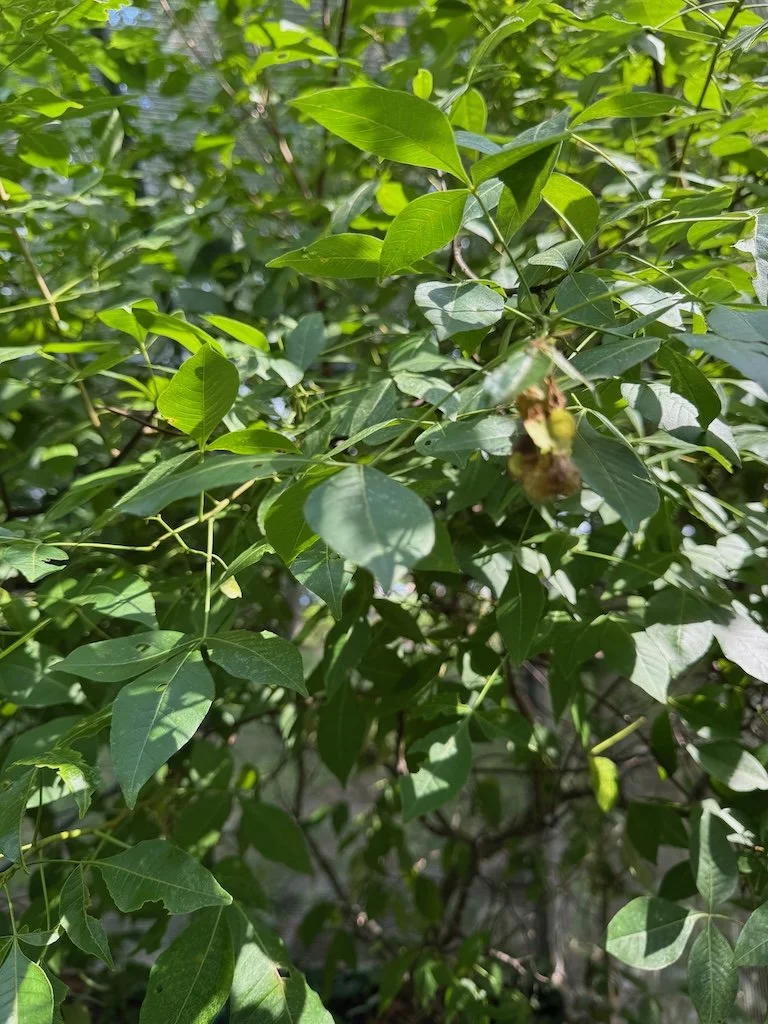
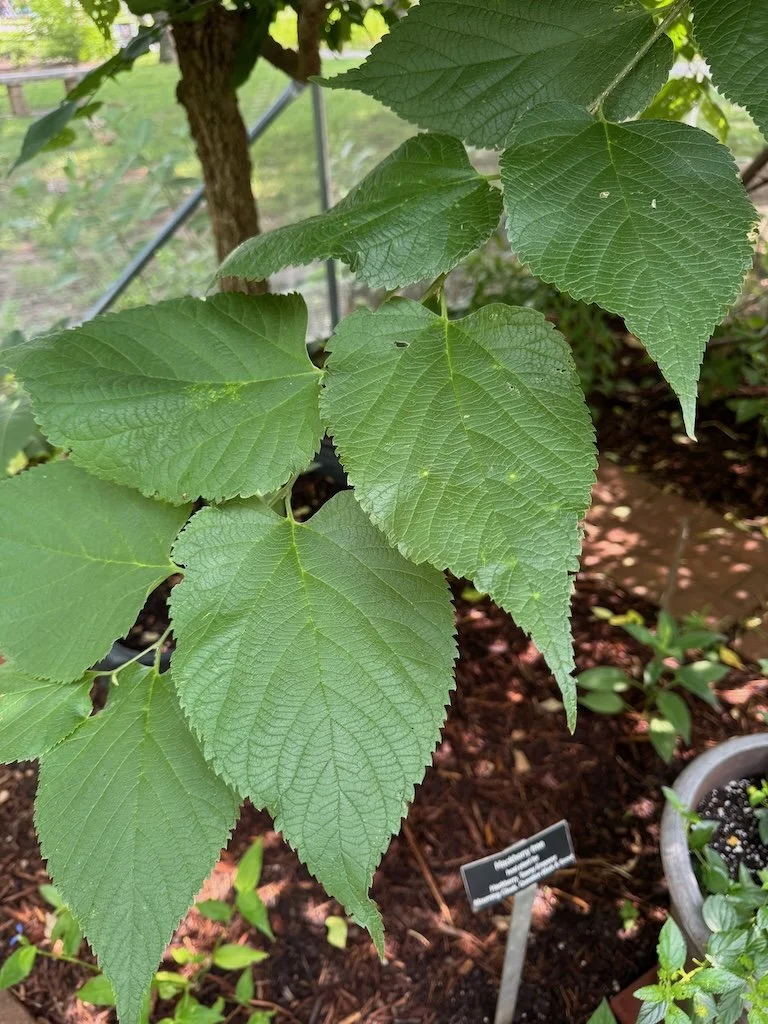
Butterfly House Trees

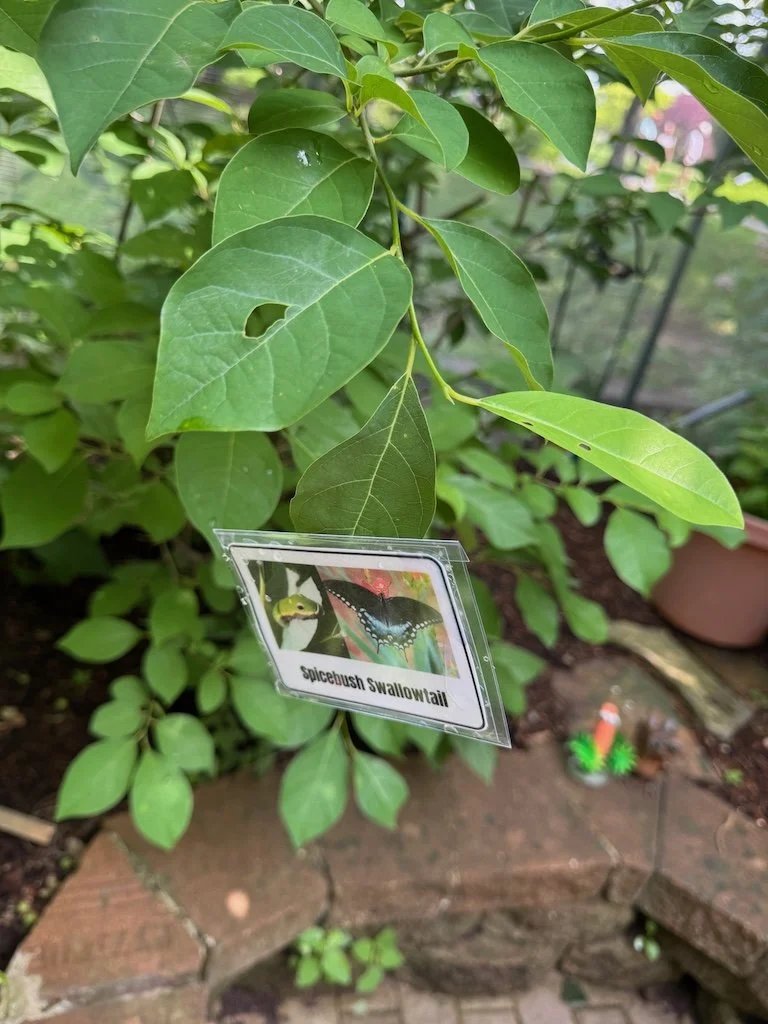
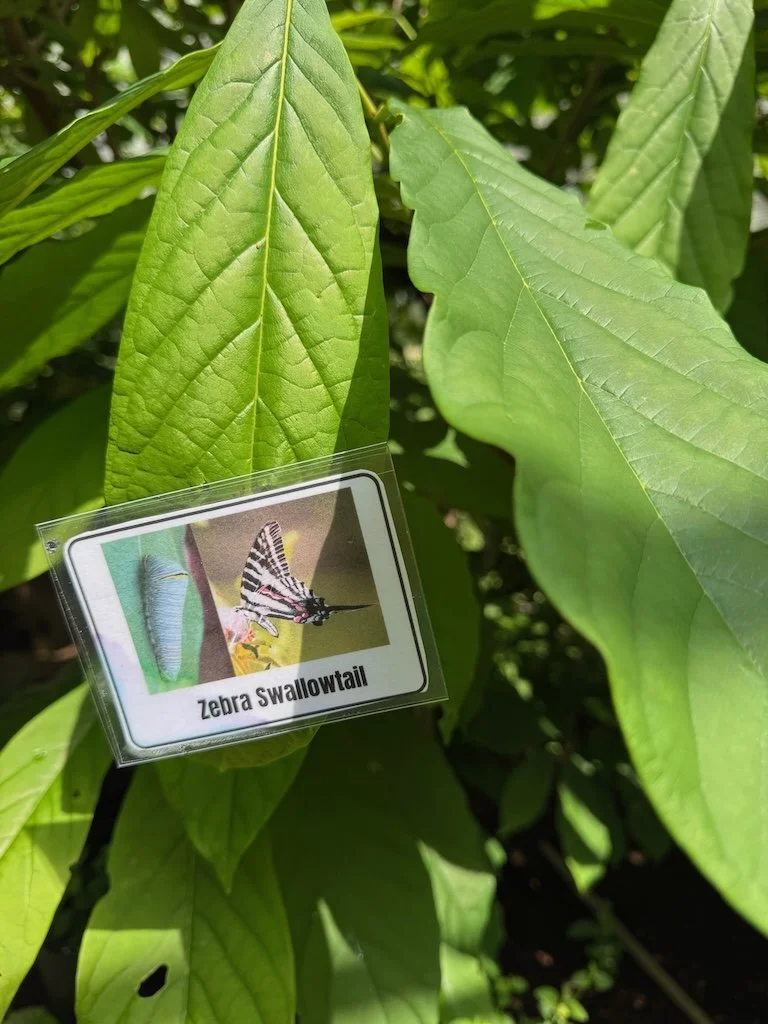
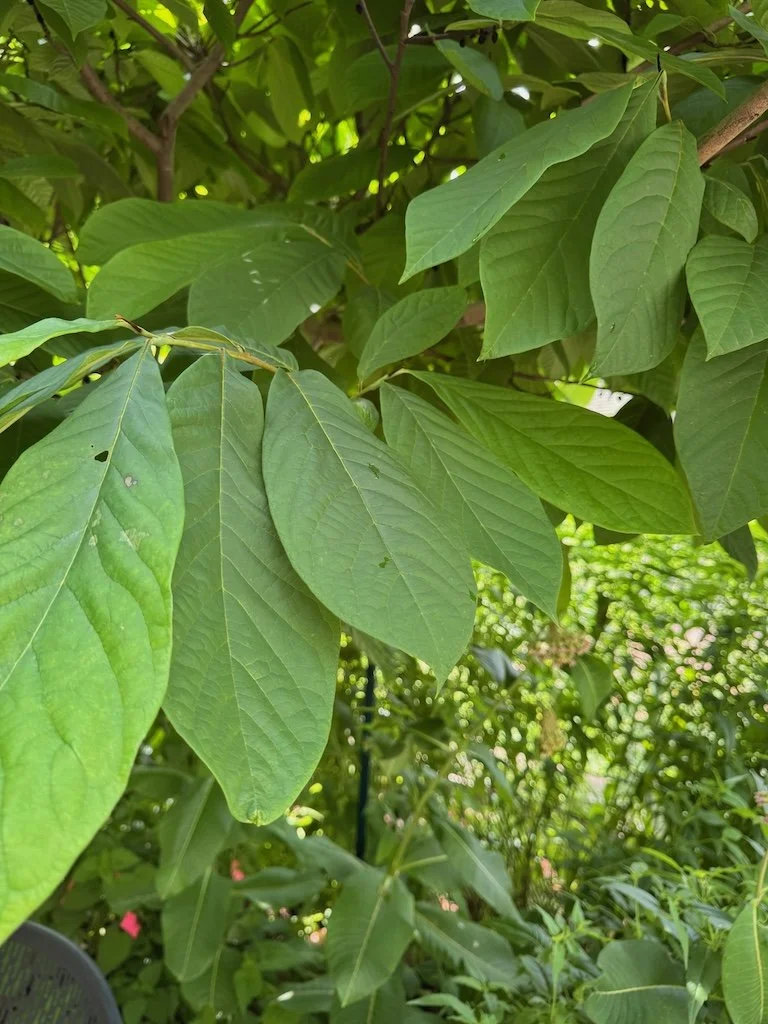
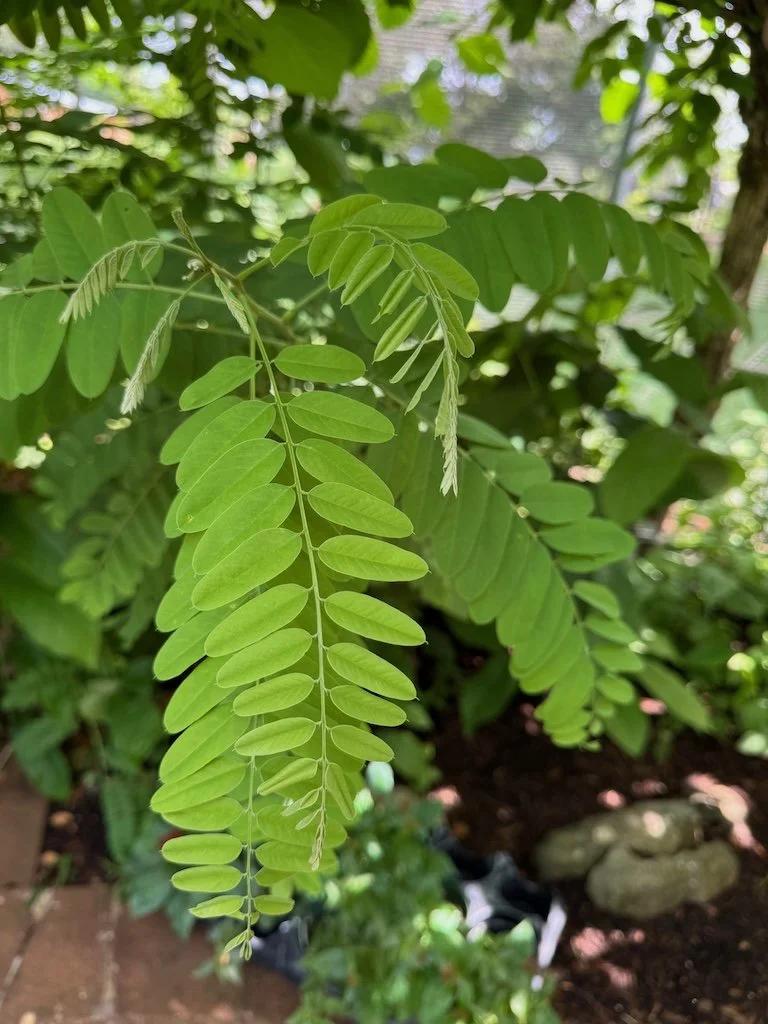
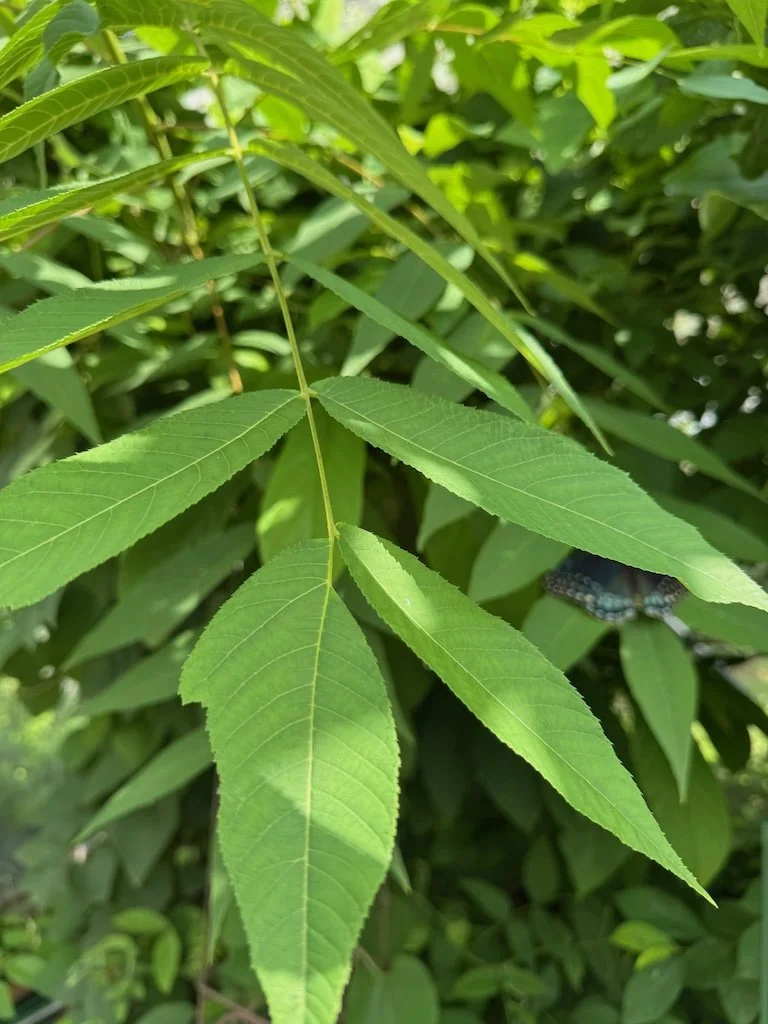
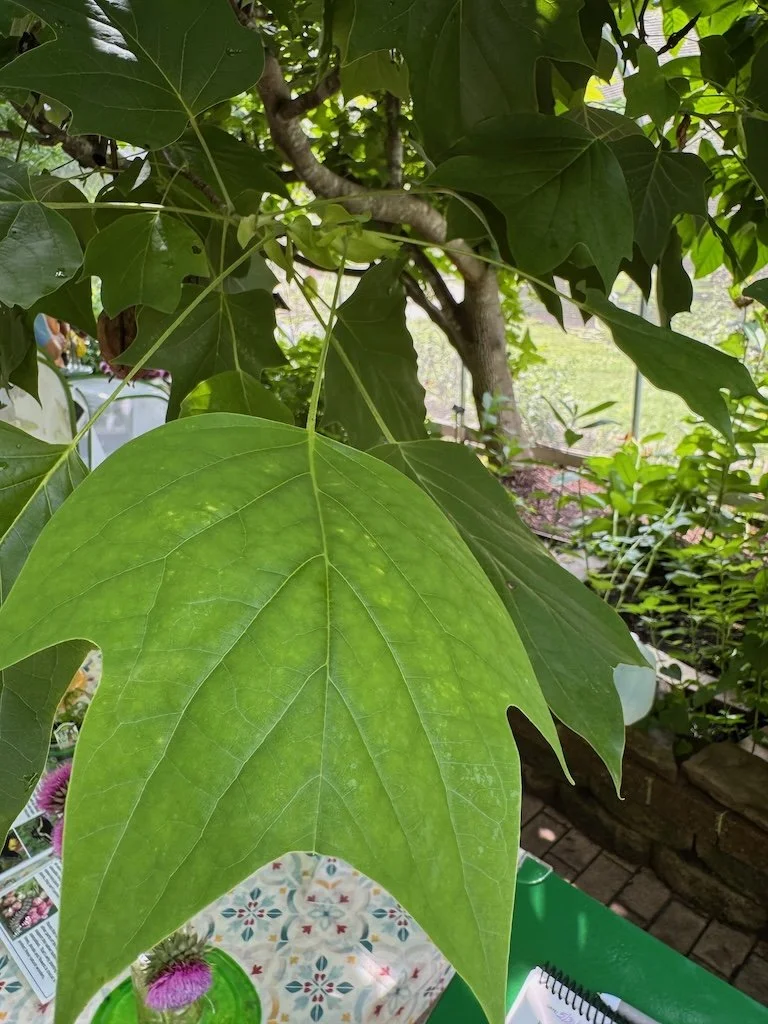
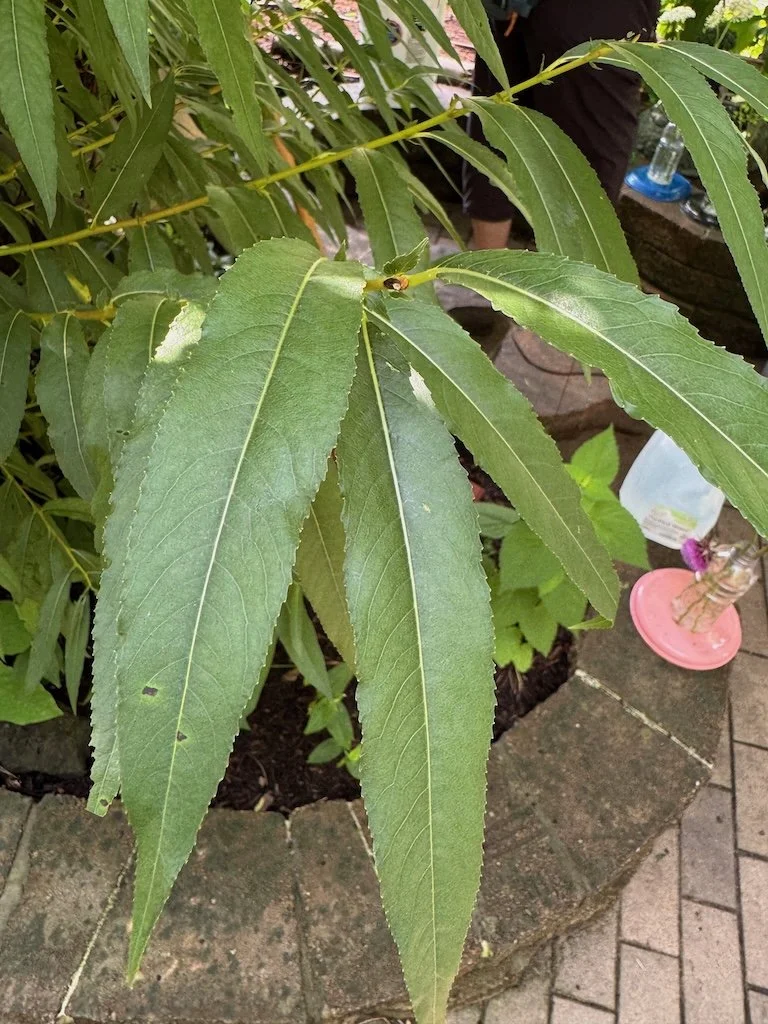
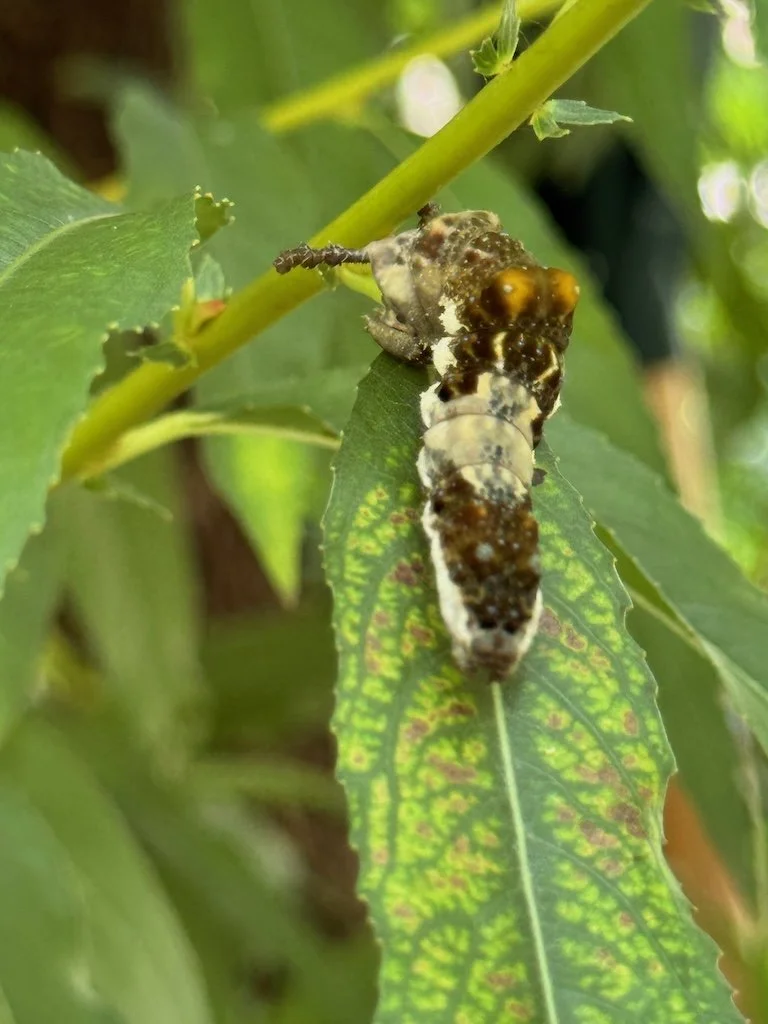
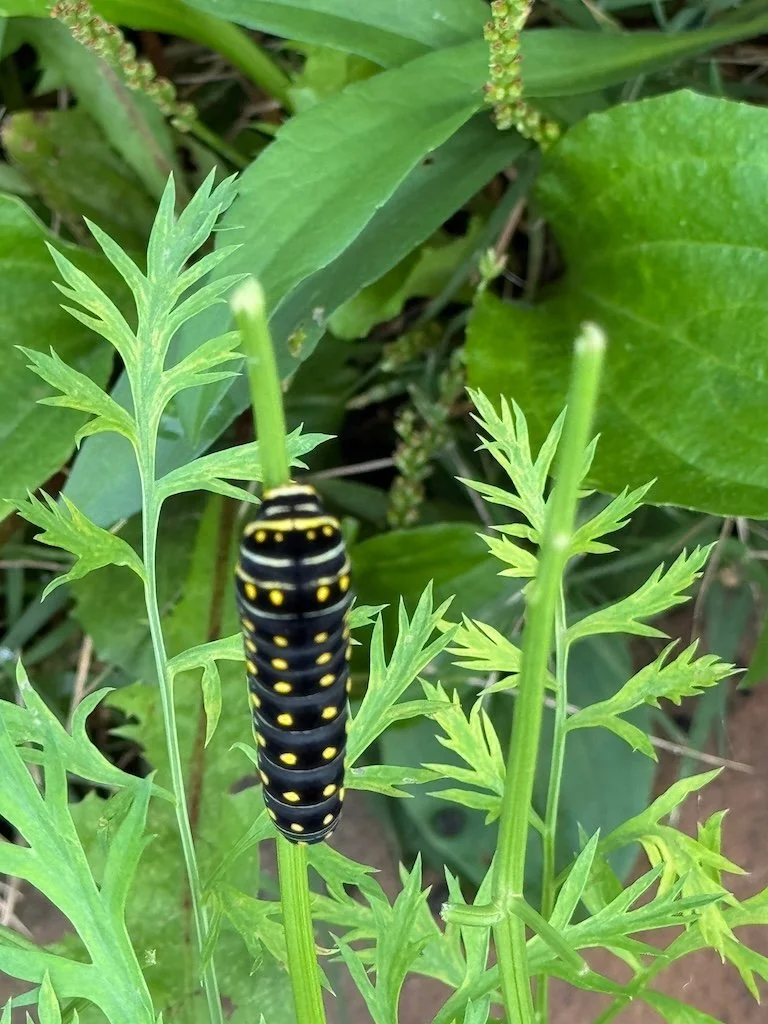
I decided to document the trees in the Roston Native Butterfly House during one of my recent shifts. All of them are there to provide food for certain caterpillars. So here is a tree tour of the house…starting on the right side as you enter the trees are
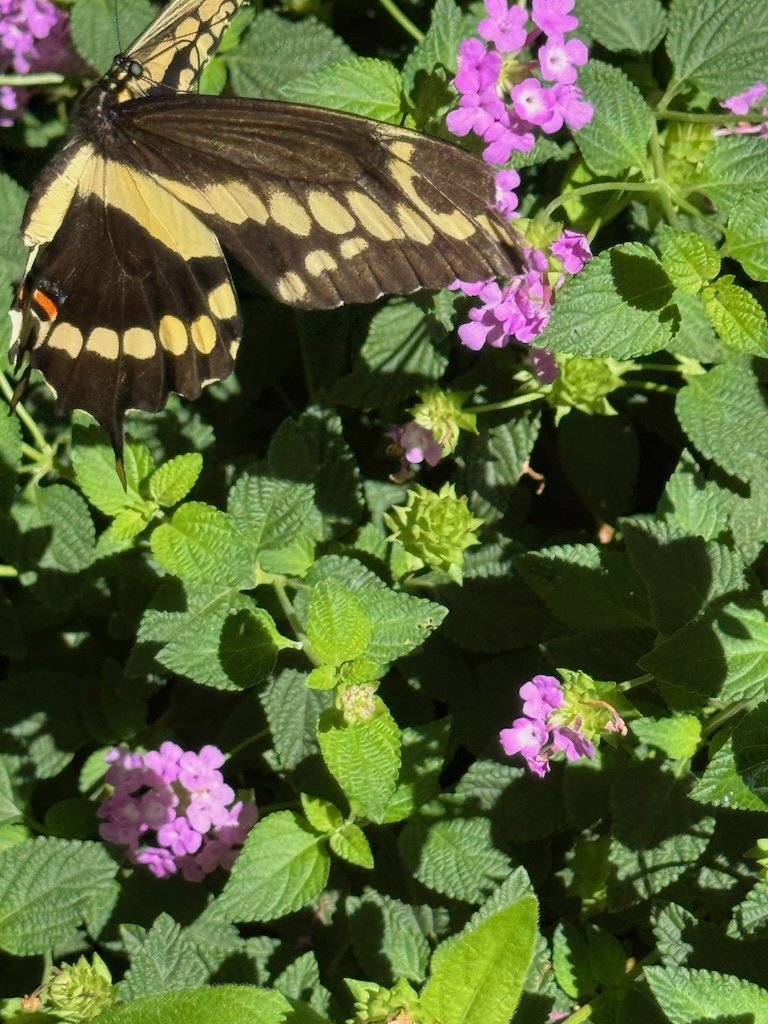
Wafer ash for Giant Swallowtail caterpillars

Hackberry for Hackberry Emperor caterpillars

Spicebush for Spicebush Swallowtail caterpillars

Pawpaw for Zebra Swallowtail caterpillars

False Indigo for Silver Spotted Skipper caterpillars

Black Walnut for Luna Moth, Polyphemus Moth, and Red Banded Hairstreak caterpillars

(turning back toward the front of the house…looking at the trees on your right)

Tulip poplar for Tiger Swallowtail caterpillars

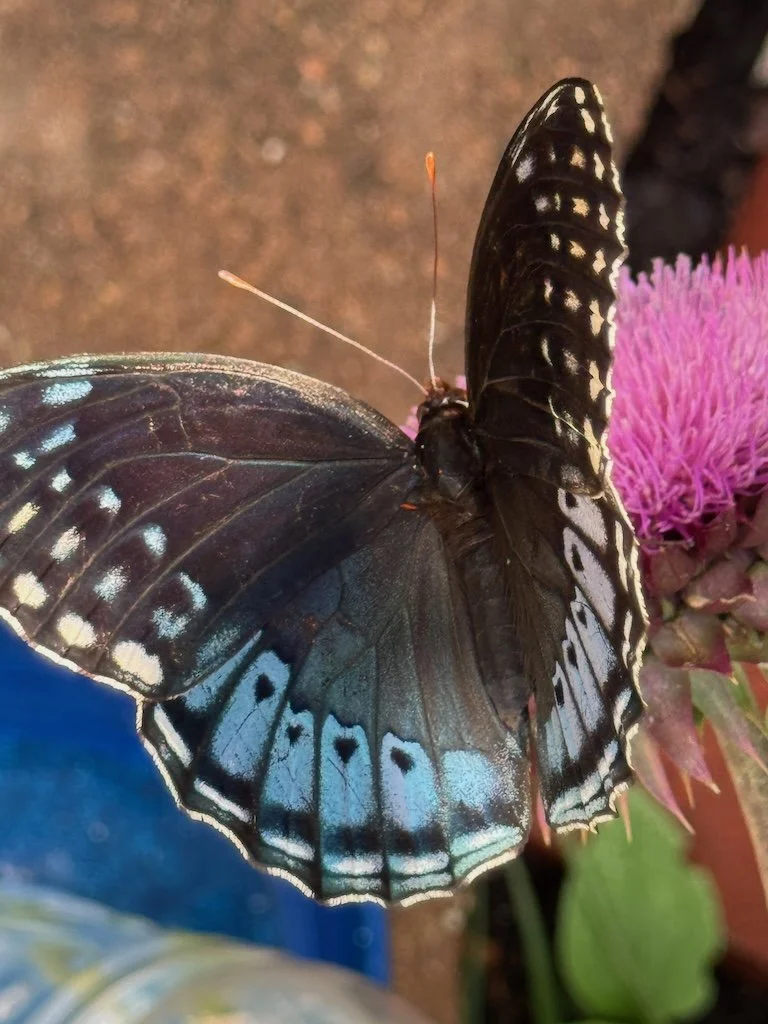
Black Willow for Red Spotted Purple caterpillars

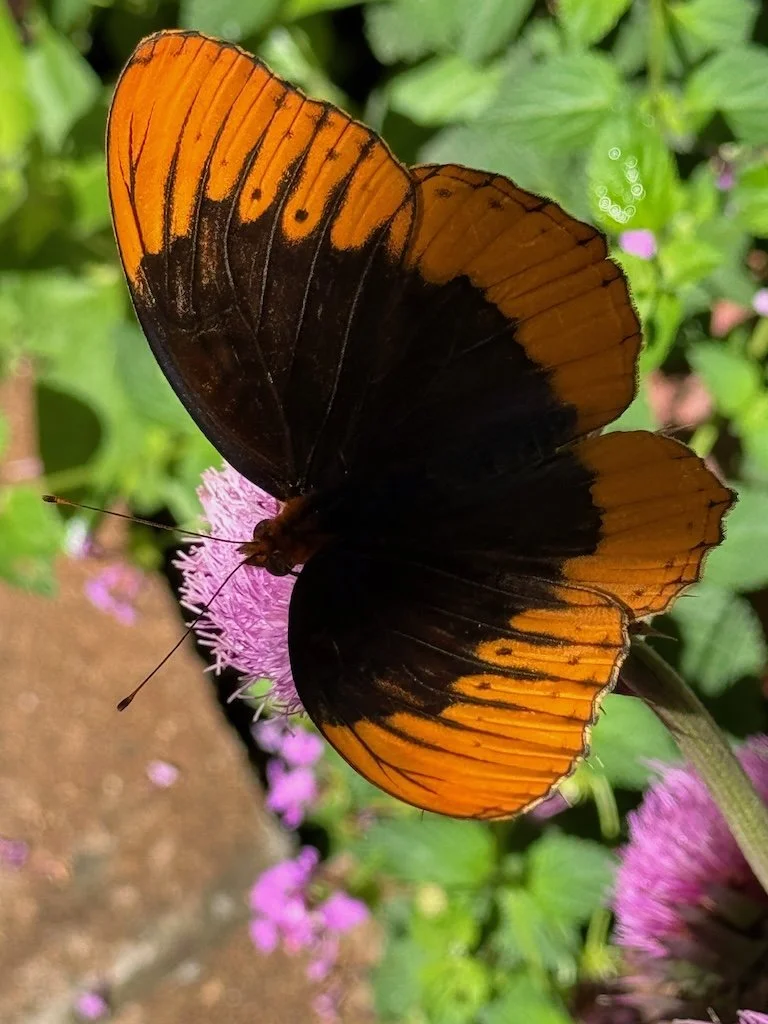
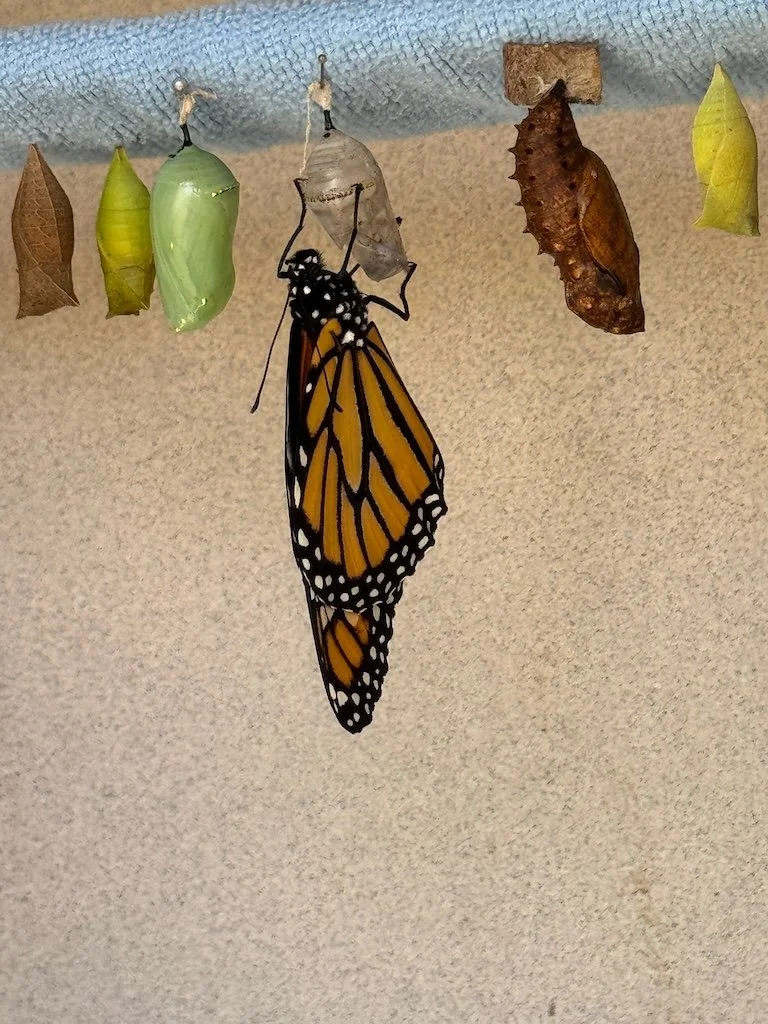
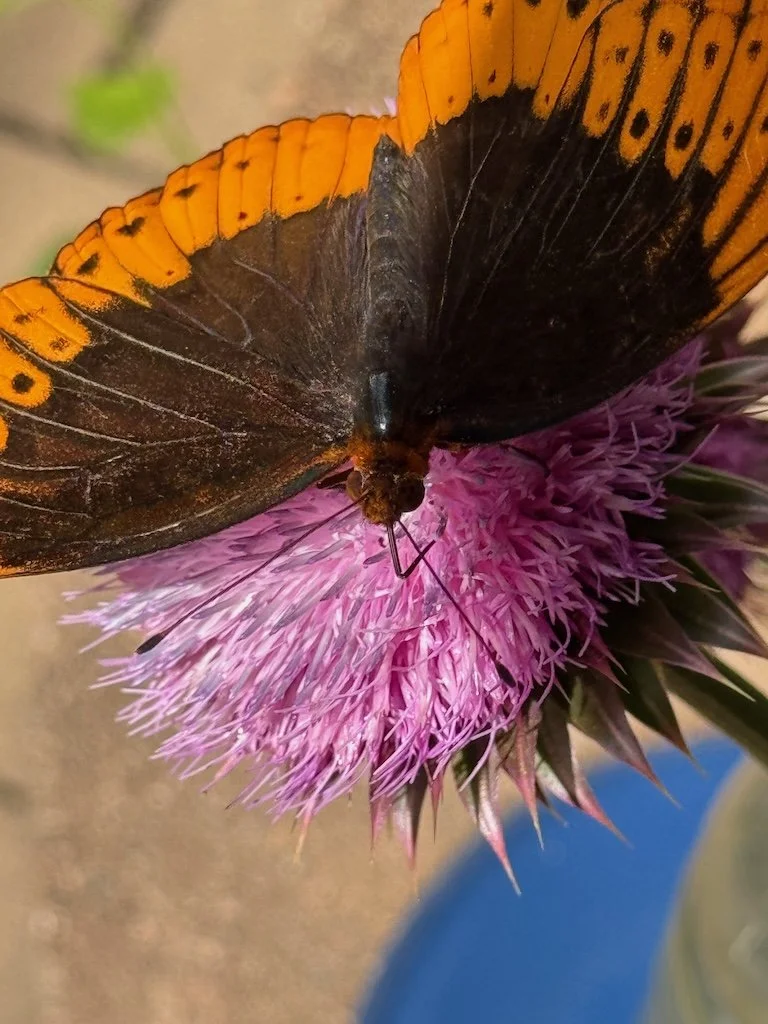
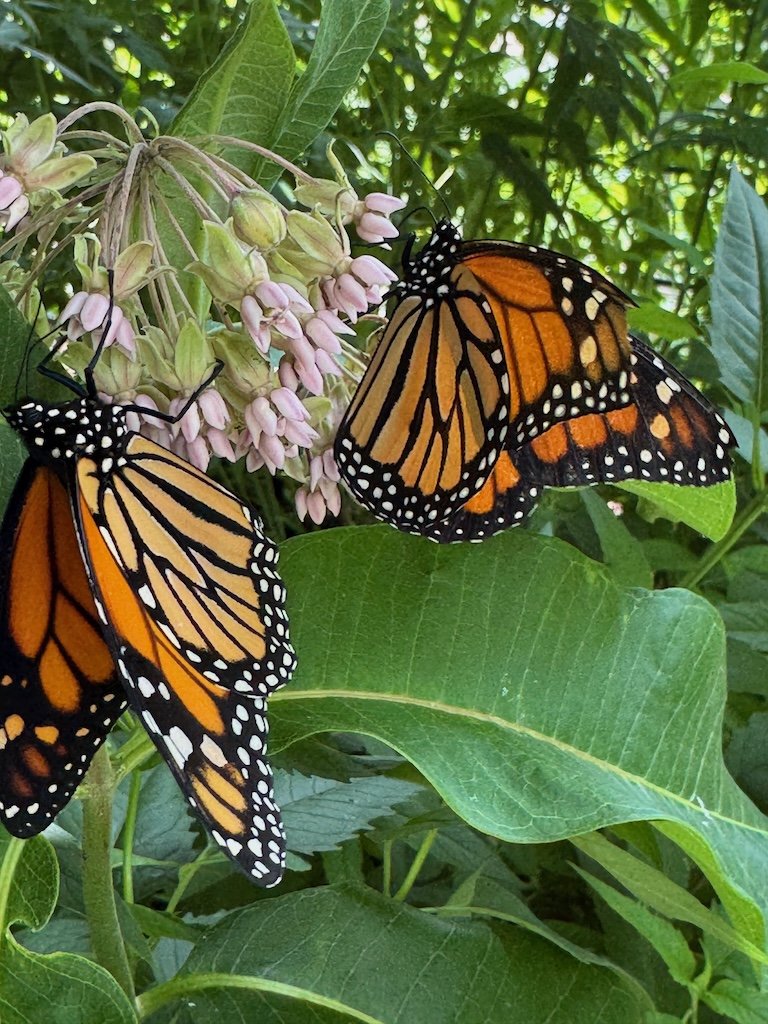
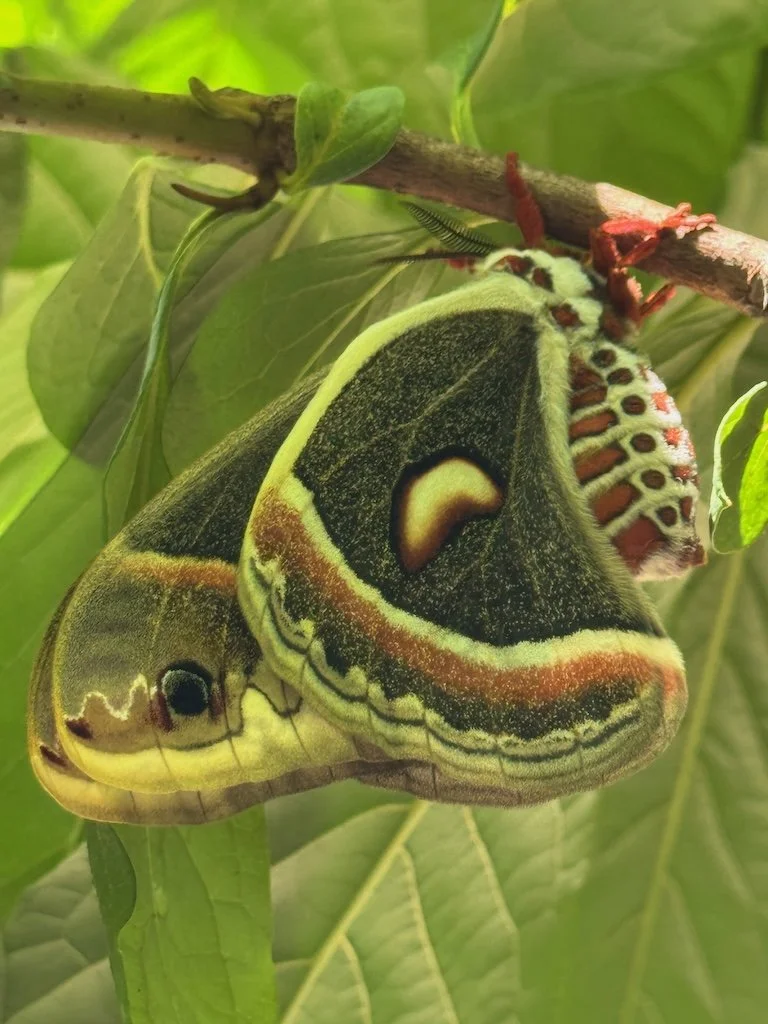
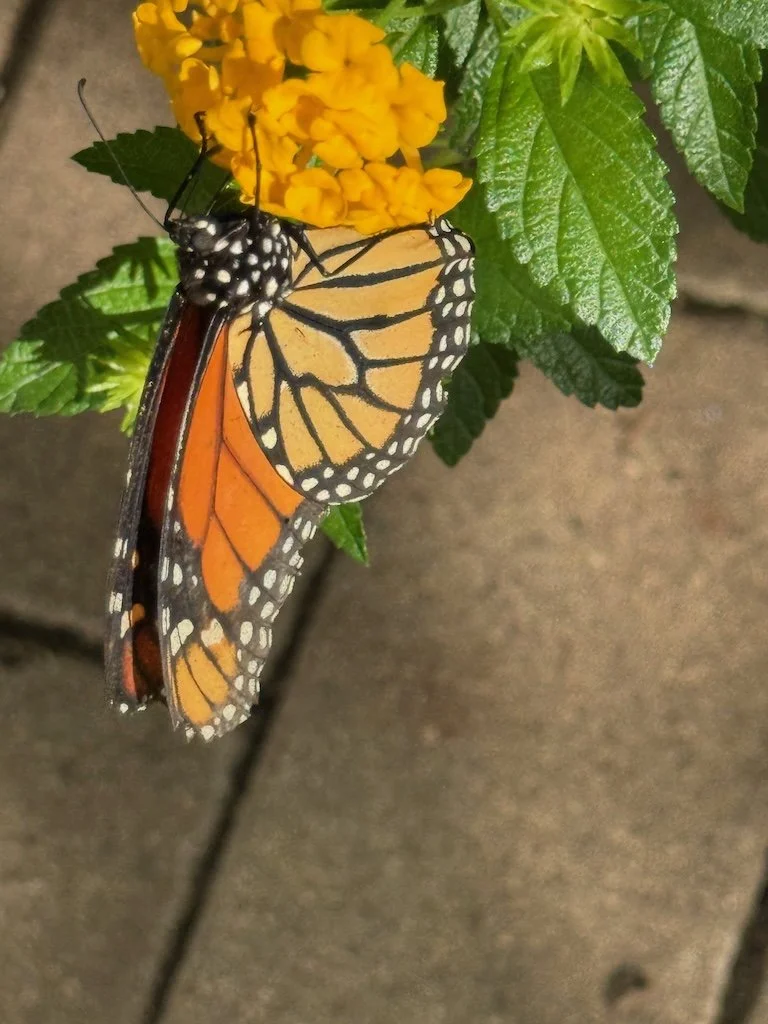
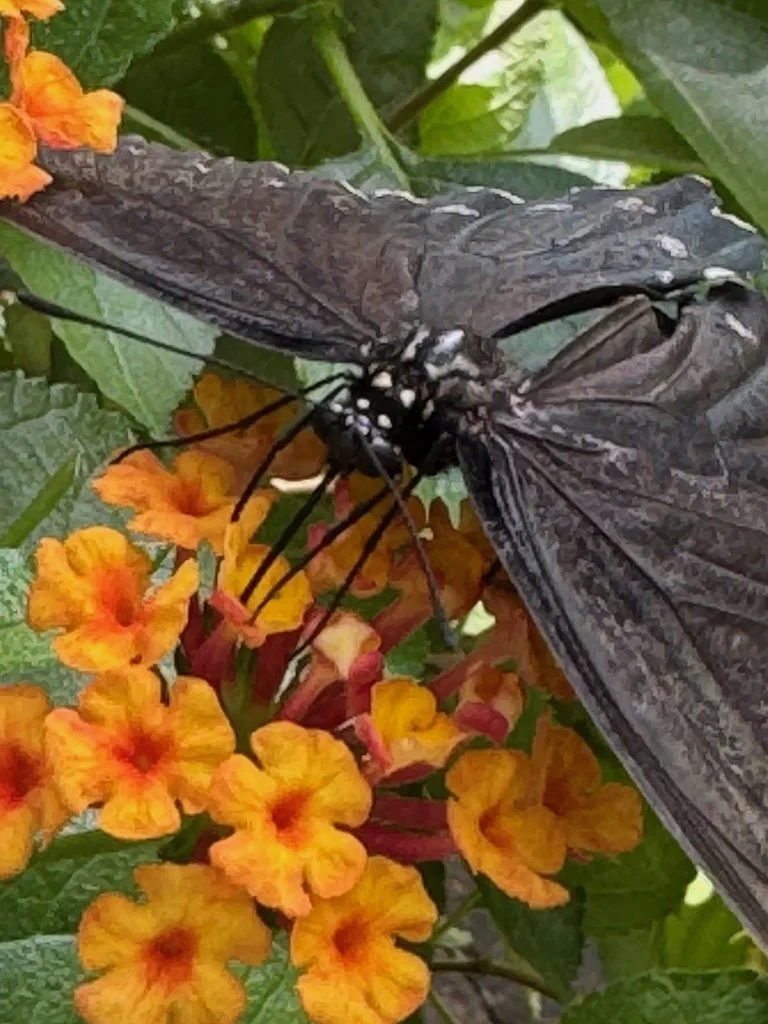
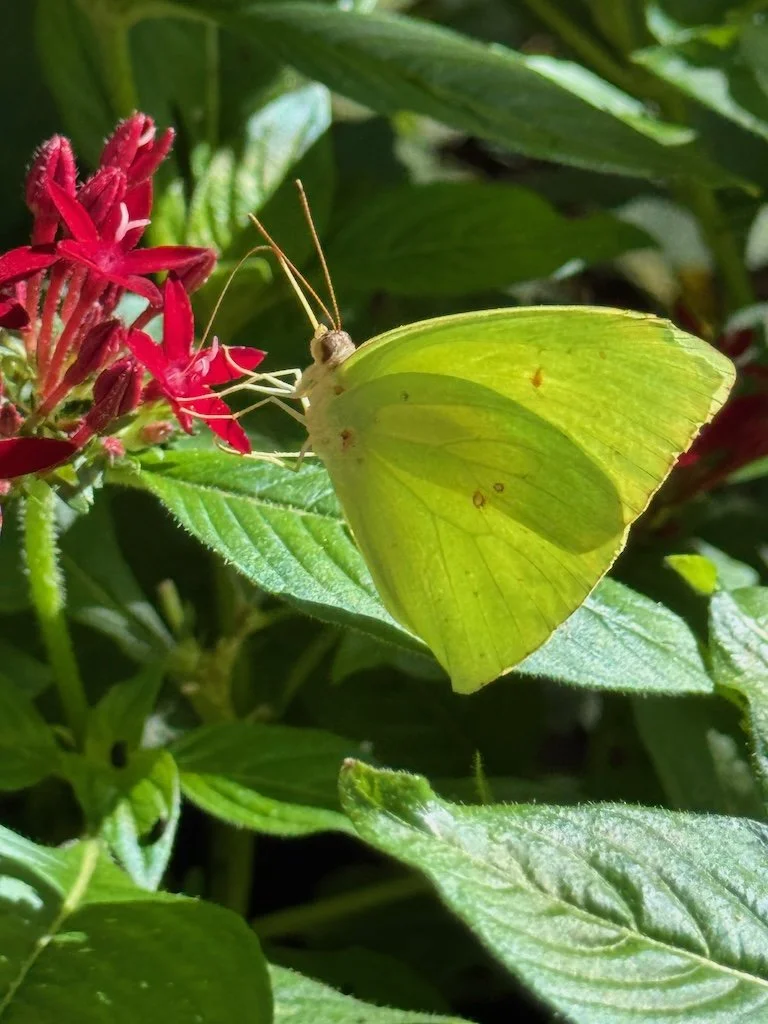
Of course, there were lots of butterflies and a just-emerged Cecropia Moth that I couldn’t resist photographing too!

George Washington Carver National Monument

Last week my husband and I made our first visit to George Washington Carver National Monument. It is south of Carthage, MO and a bit over an hour from our house near Springfield….a good choice for a day trip.

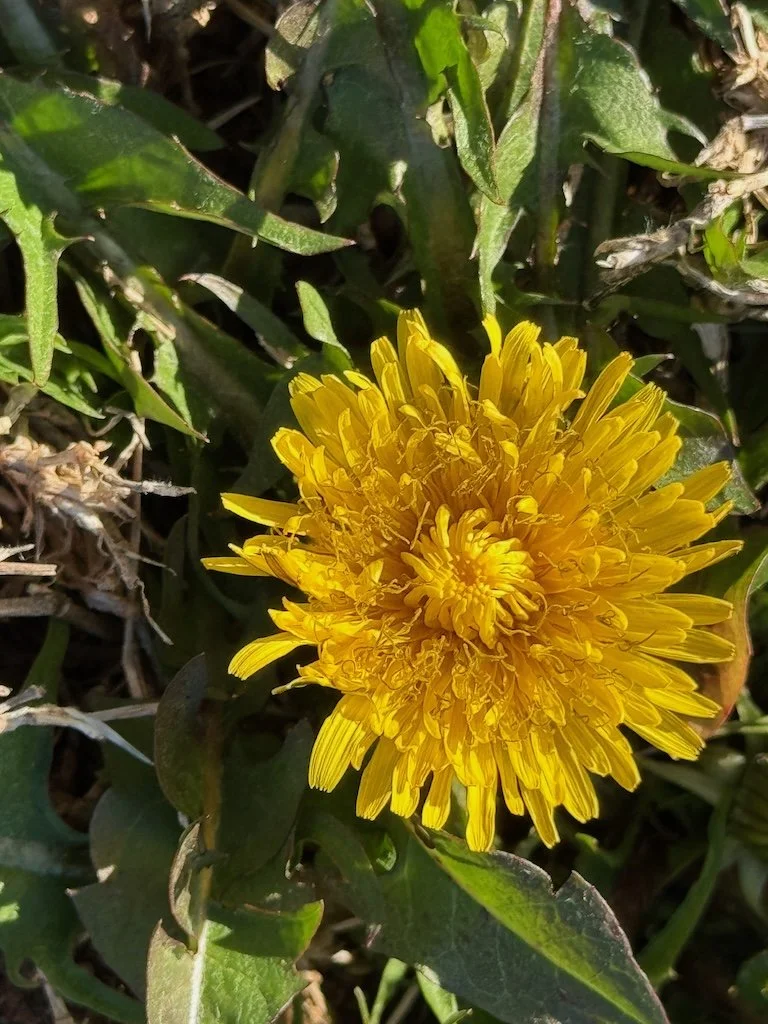
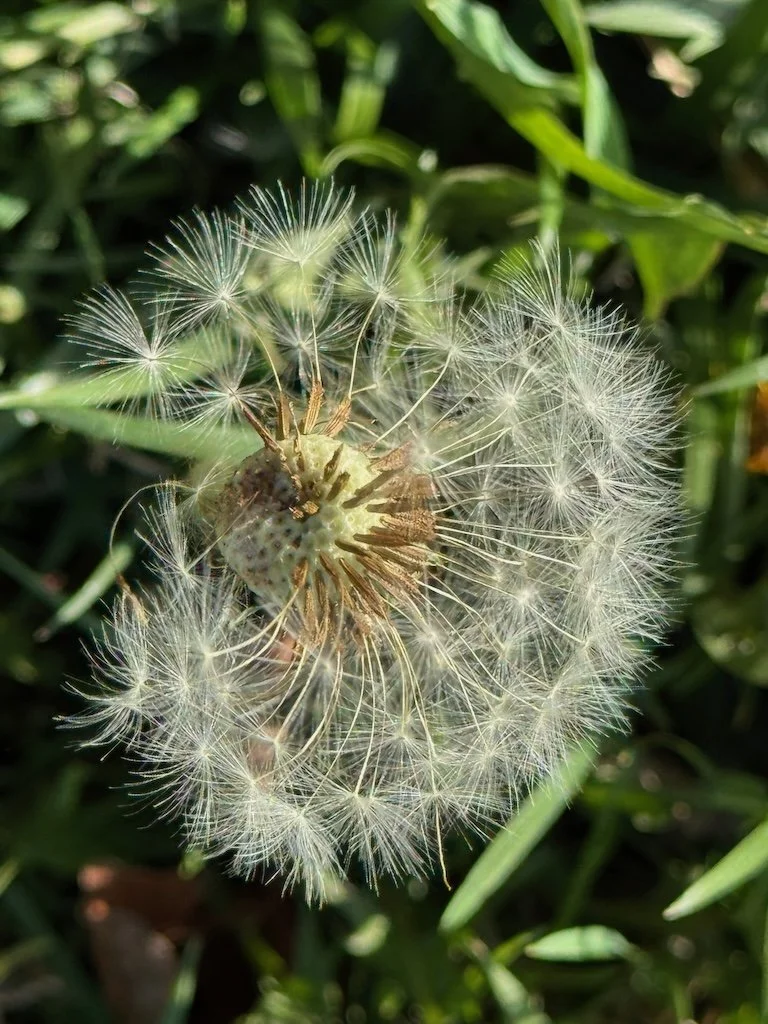
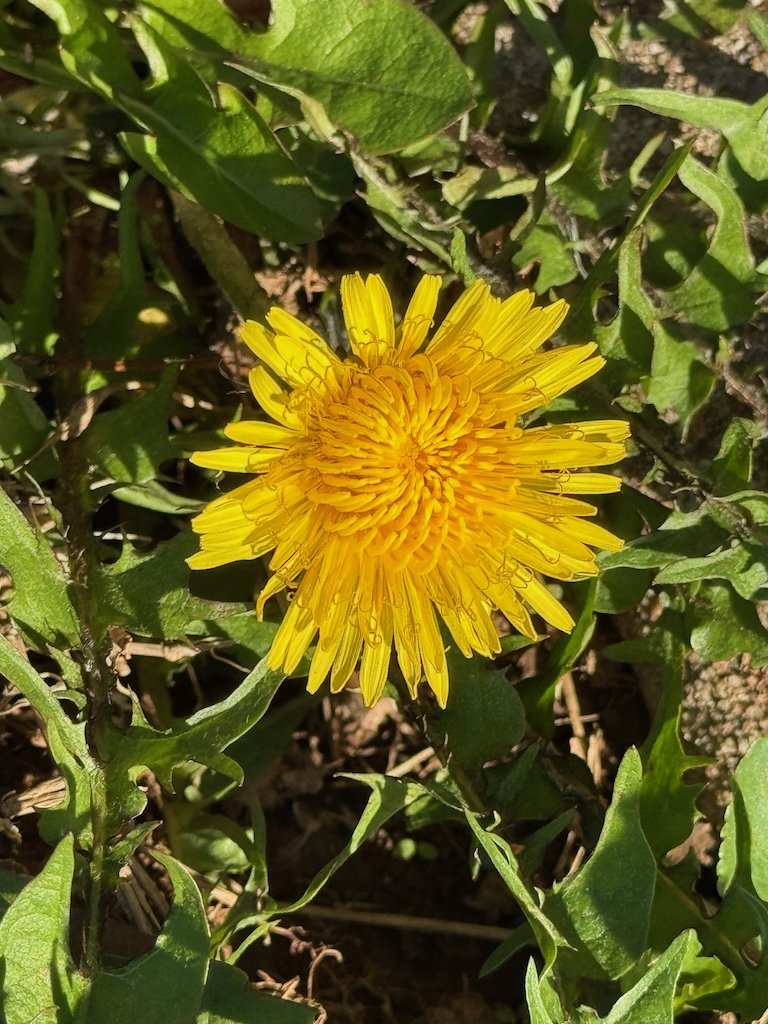
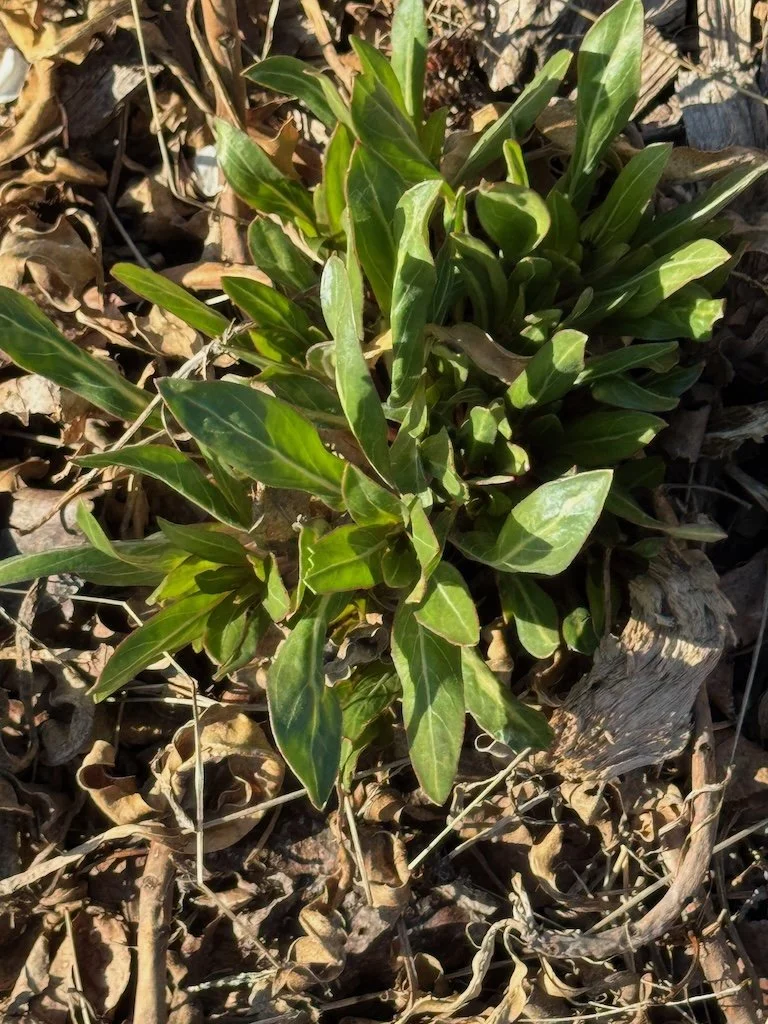
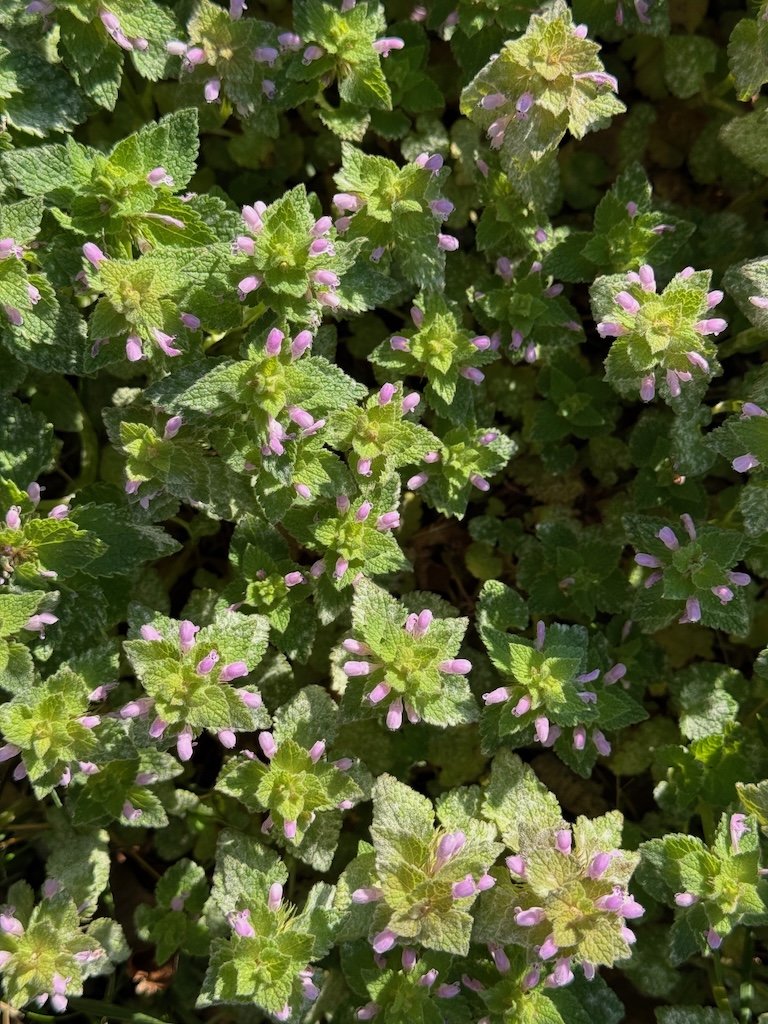
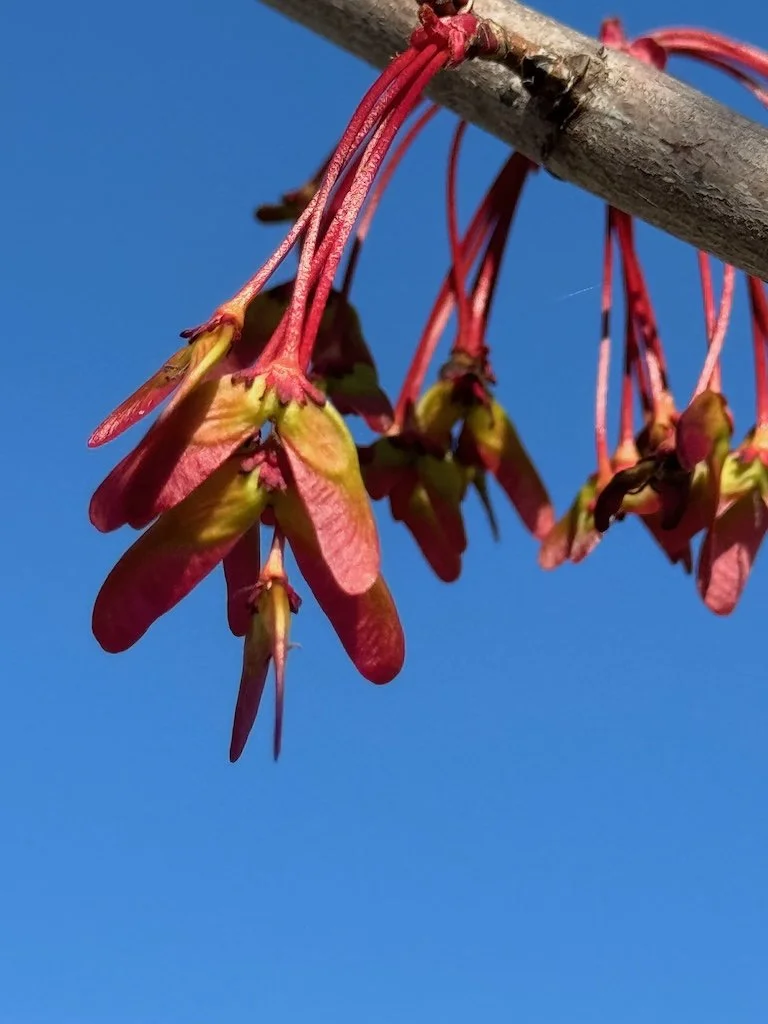
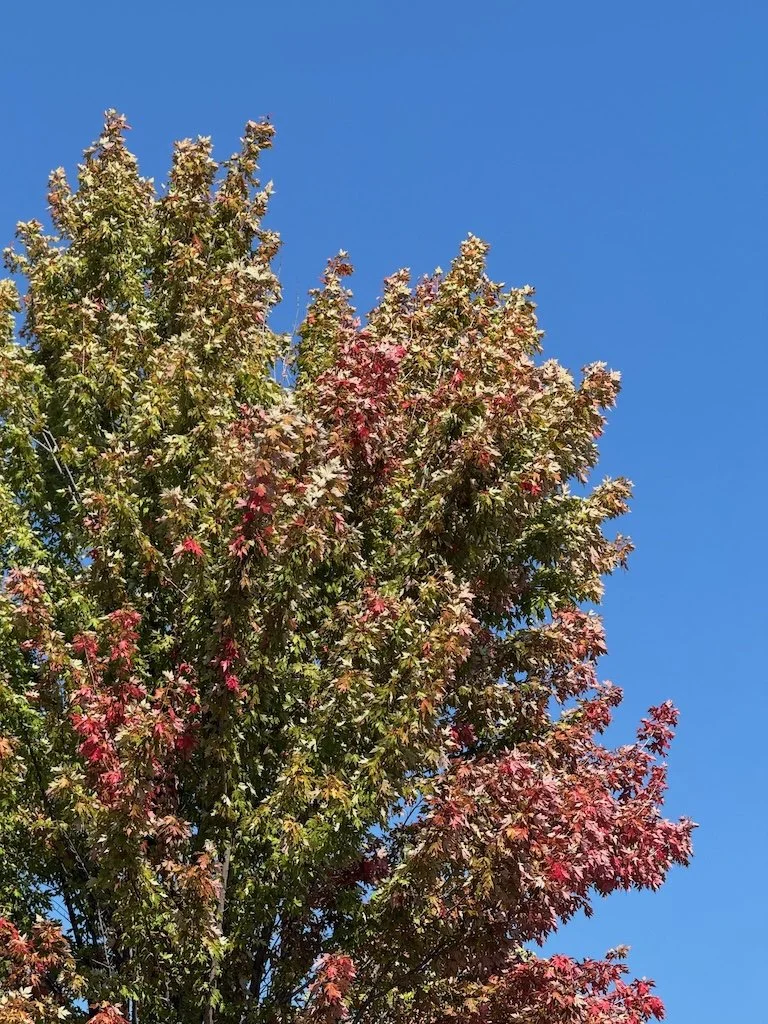
It was a sunny and cool spring day. I took a few pictures of plants in my yard while I was waiting for my husband to be ready to go. The dandelions are blooming and there was one seed puff already! My Missouri Evening Primrose is coming up from last year’s roots and the maple is already forming seeds.

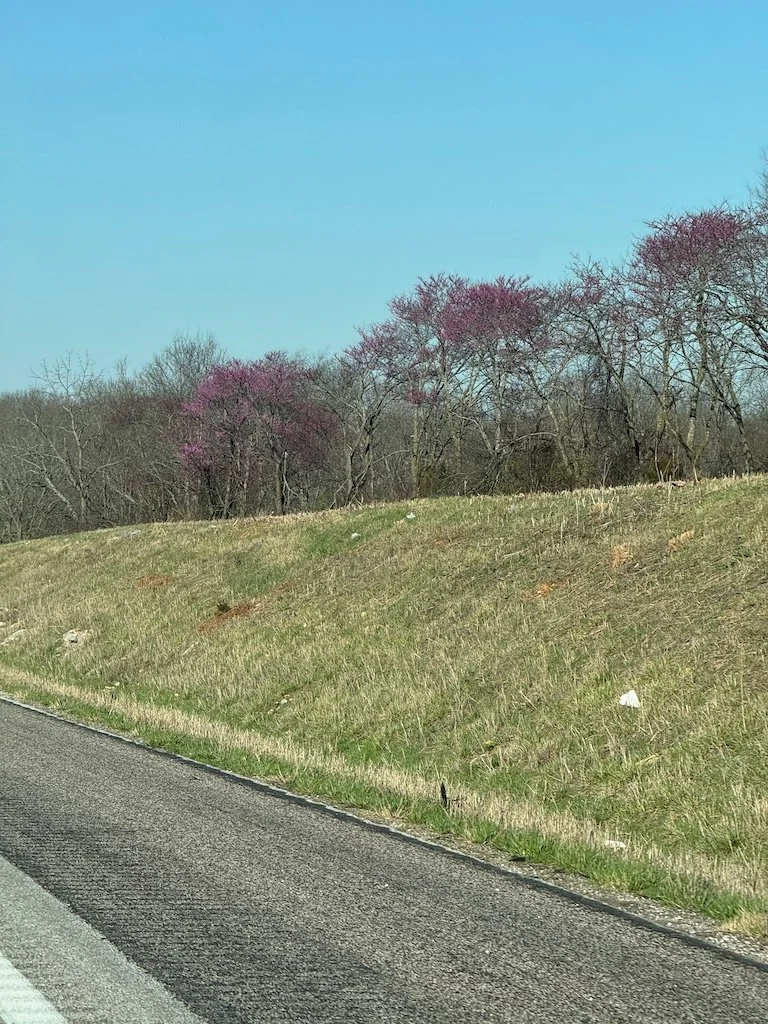
On the way, I noticed that the redbuds along I-44 were beginning to bloom. The flowers were probably not fully open, but there was enough color to identify the trees as we drove. The redbuds at our house were not quite so far along.

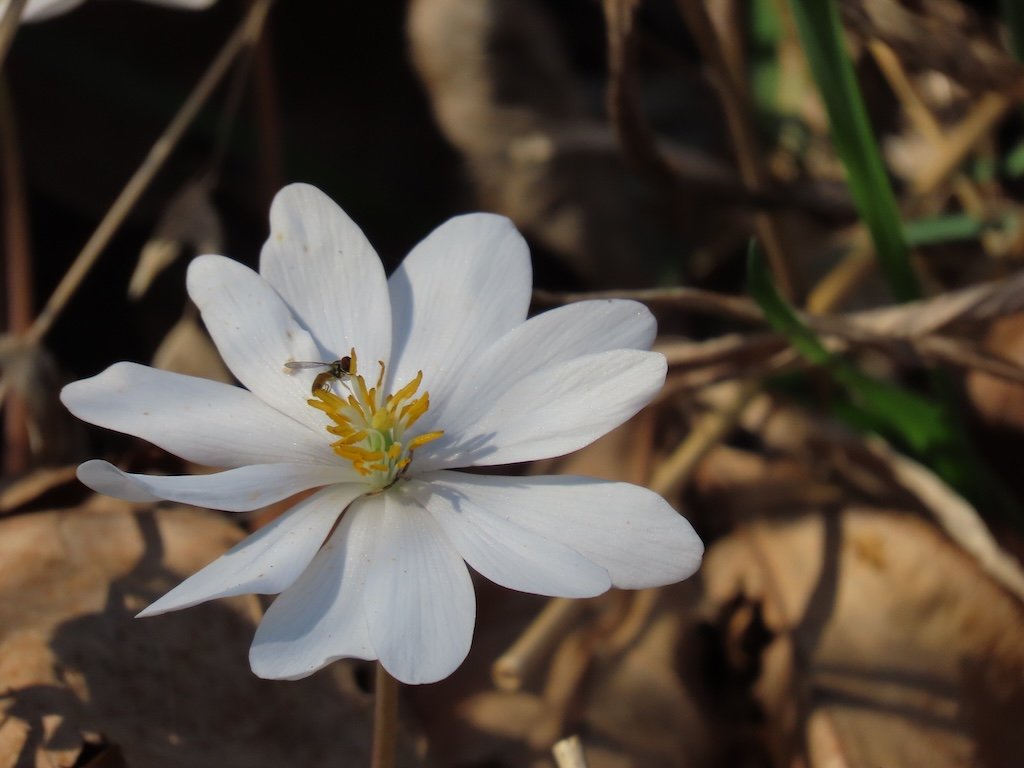
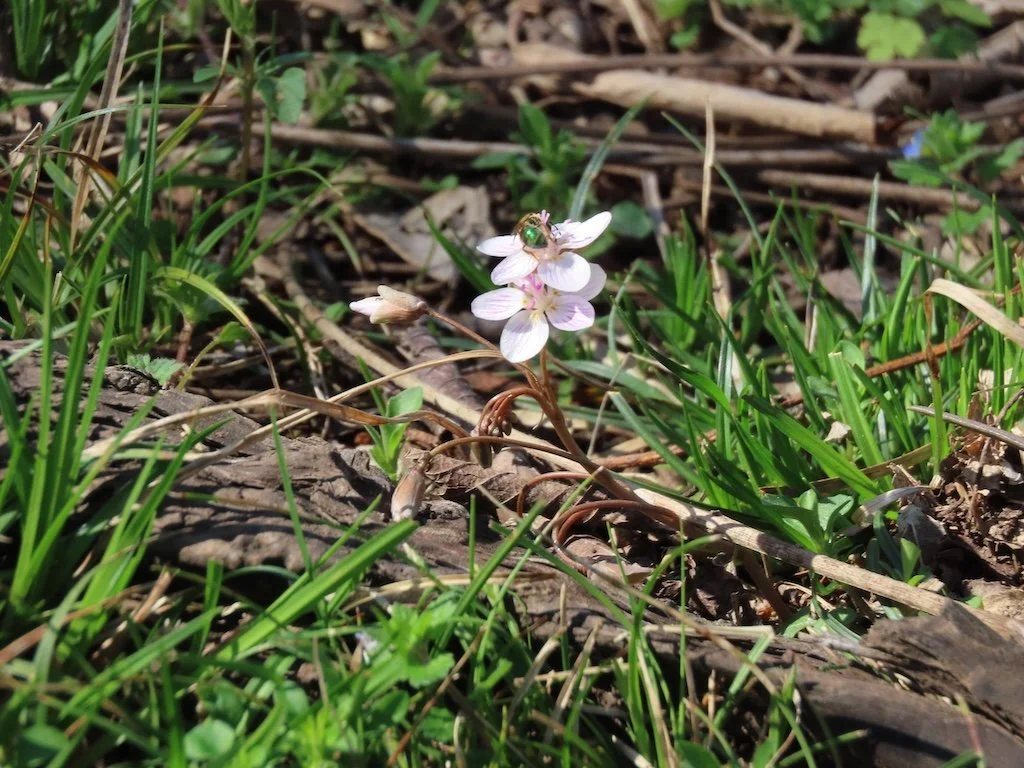
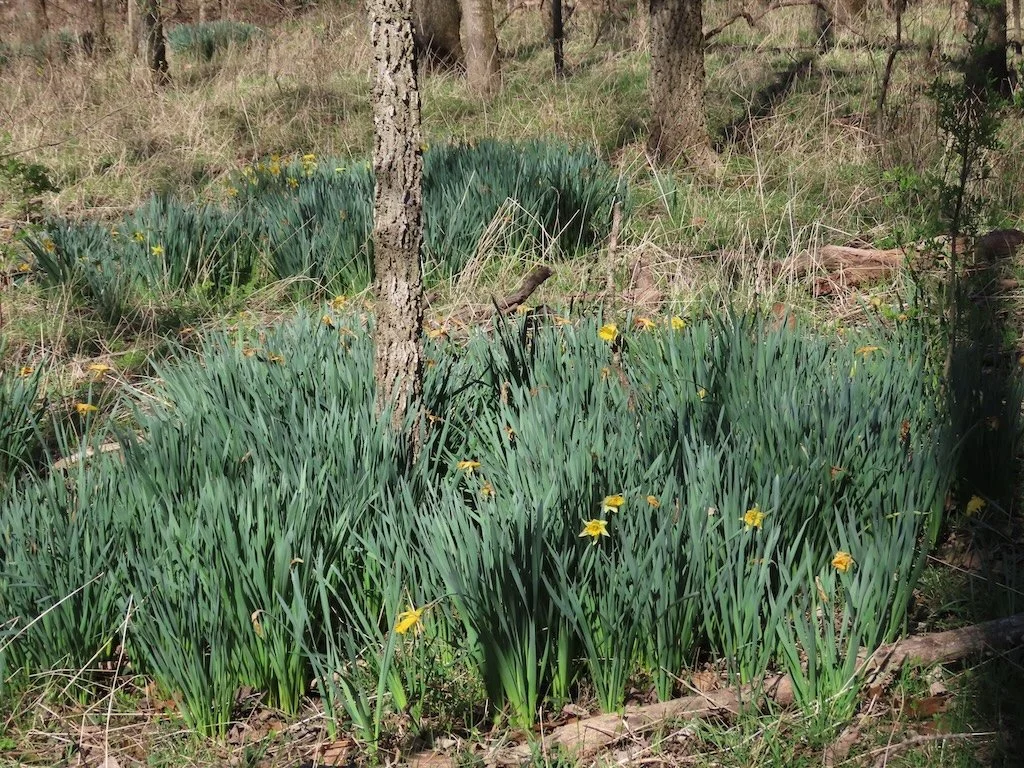
I enjoyed the walk through the woods at the monument. There were some wildflowers – and clumps of daffodils (not wild, obviously) in the woods.  A few insects were out as well so the flowers will be pollinated!

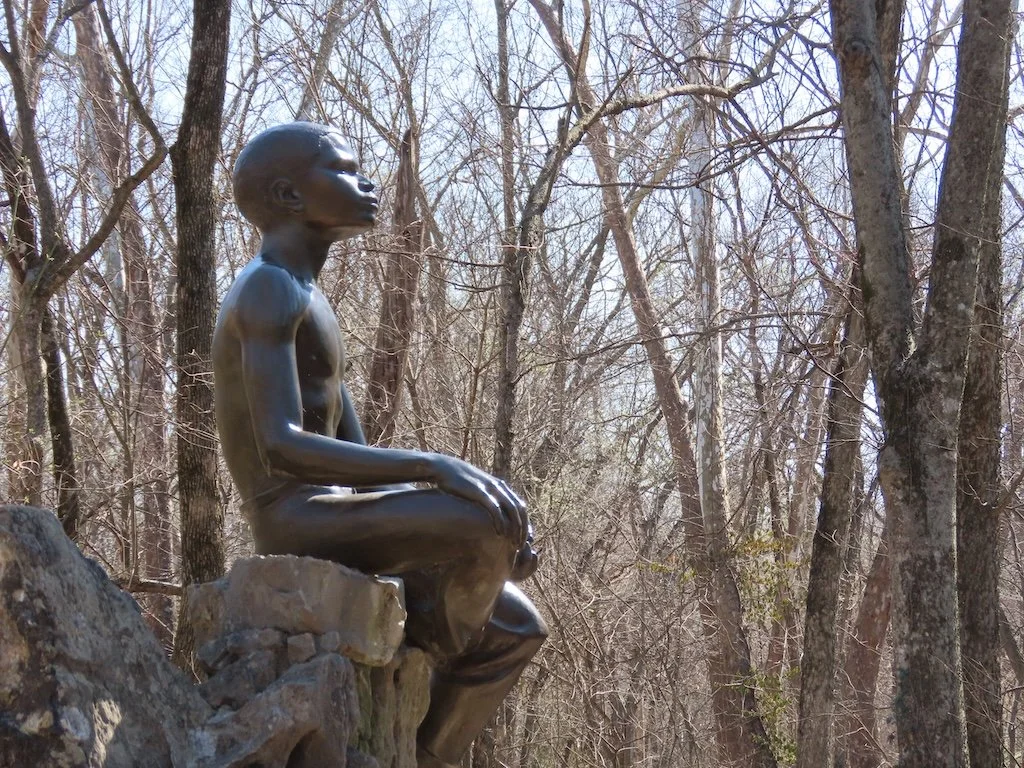
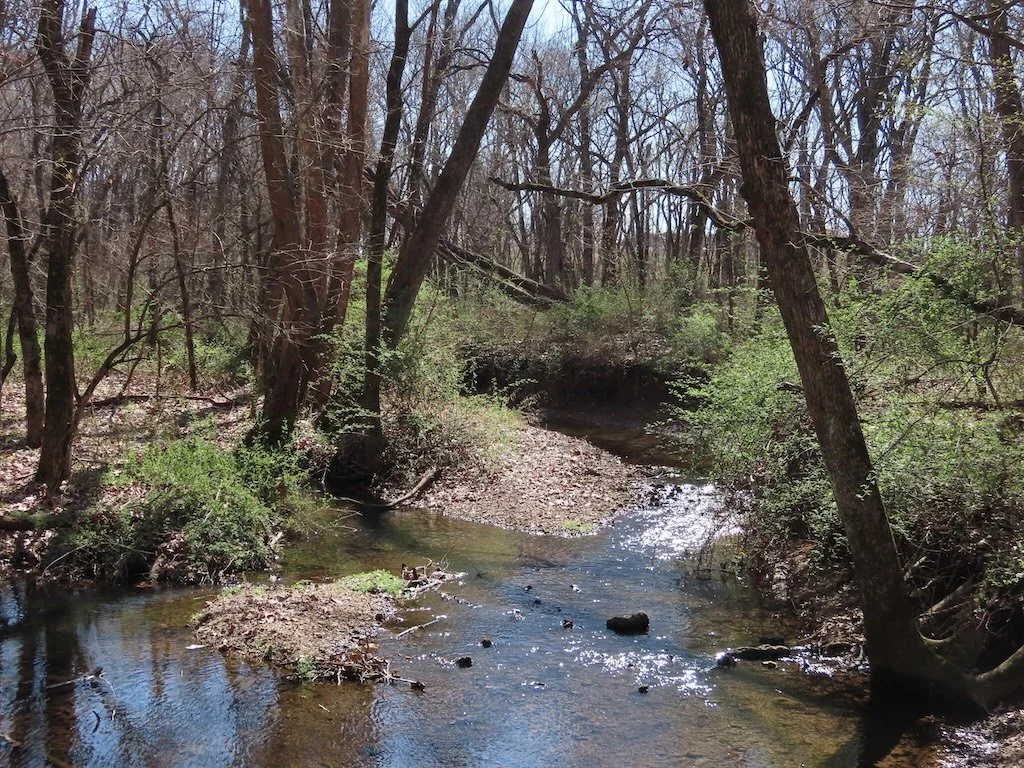
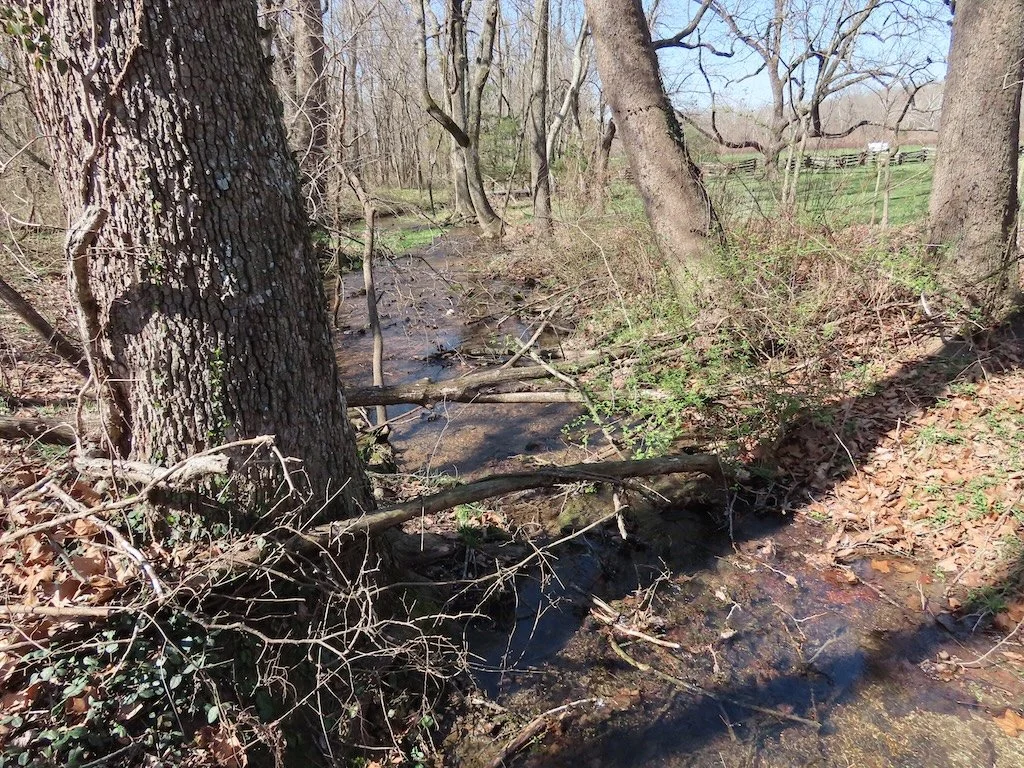
There is a statue of a young George Carver in an area of stream/forest. He was born to a slave family on the farm…almost died when he was young (illness and kidnapping)…managed to survive and was able to become educated…he became head of the Tuskegee Agriculture Department in 1896; he taught there until his death in 1943. He is buried at Tuskegee University.

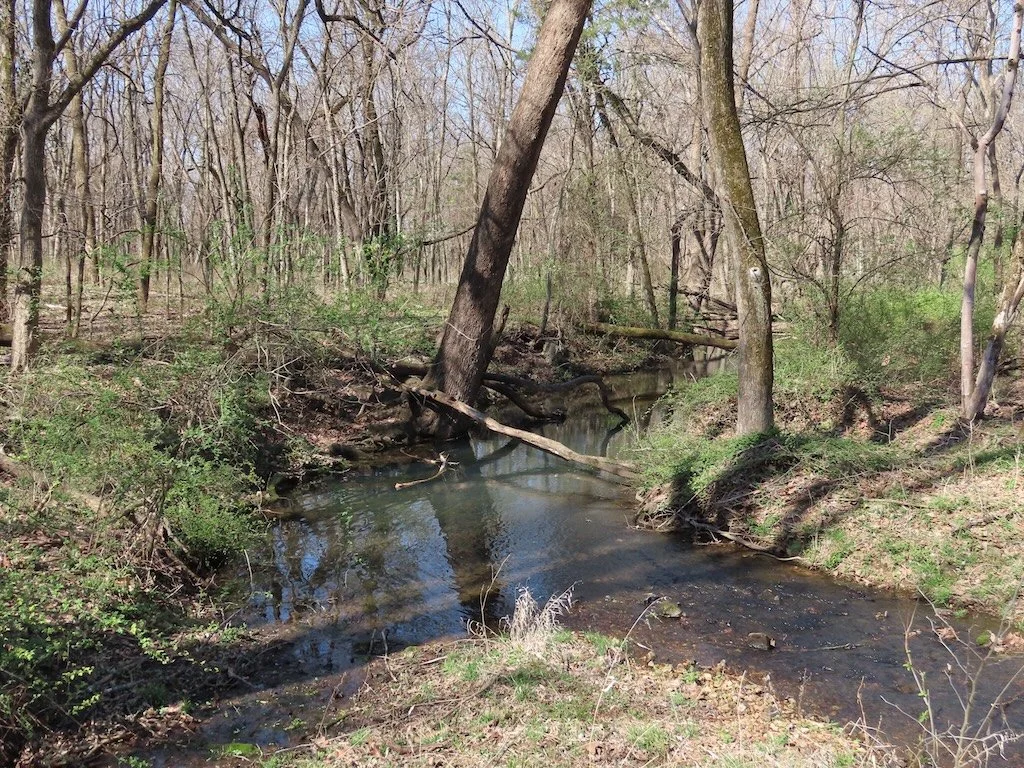
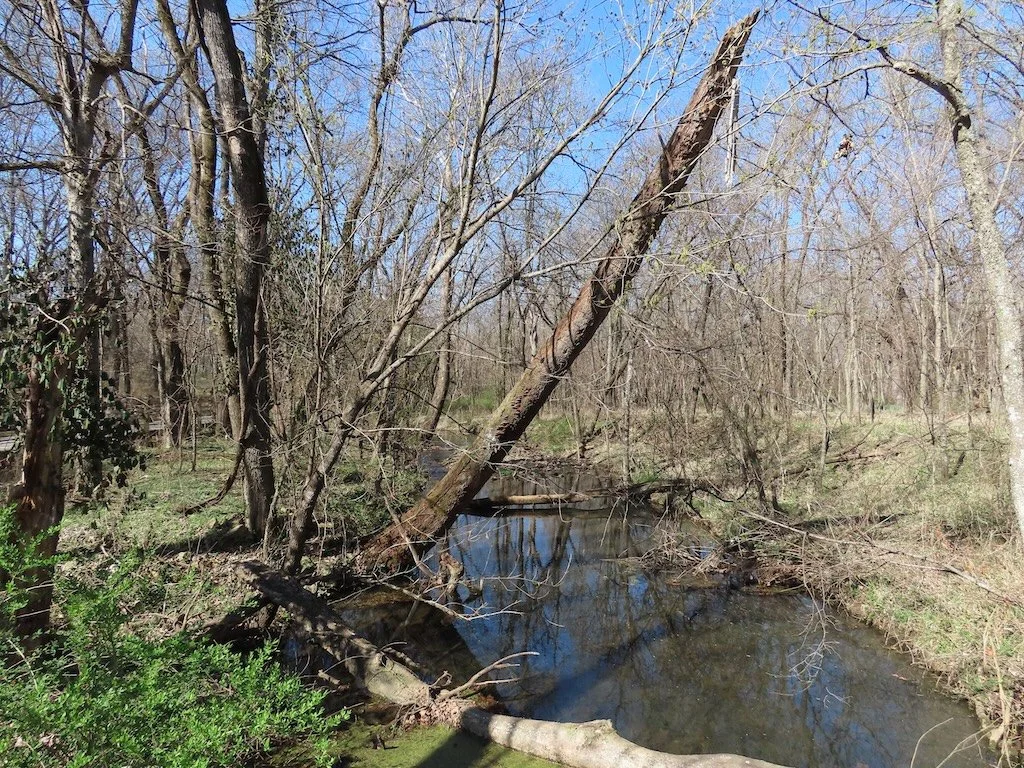
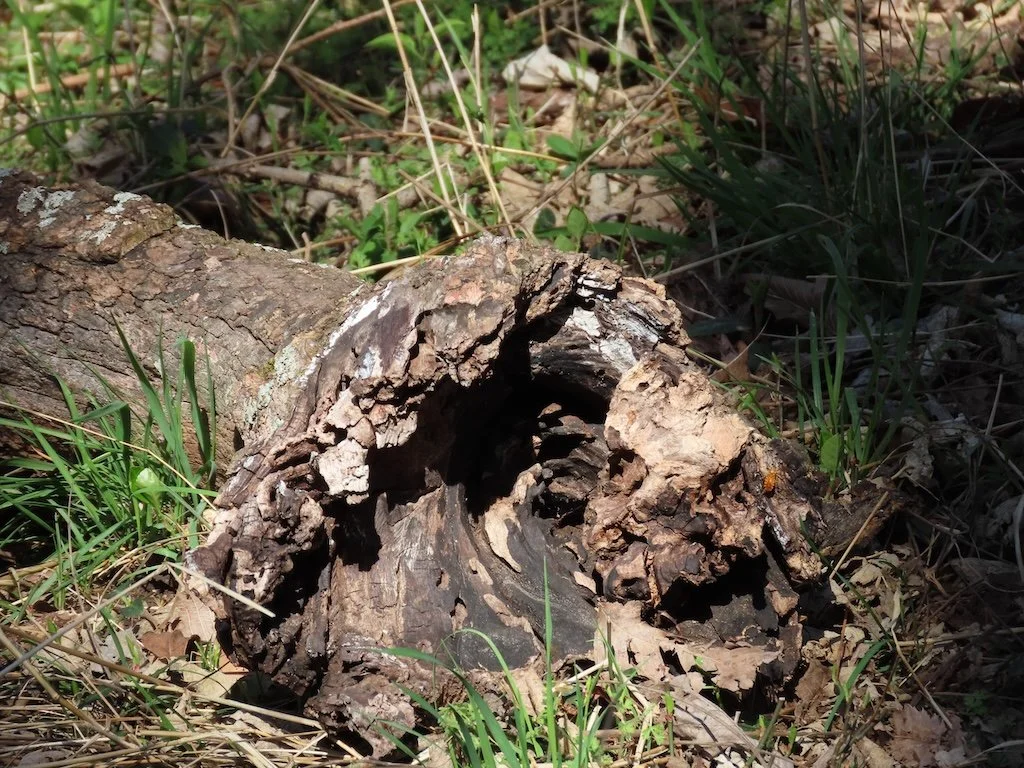
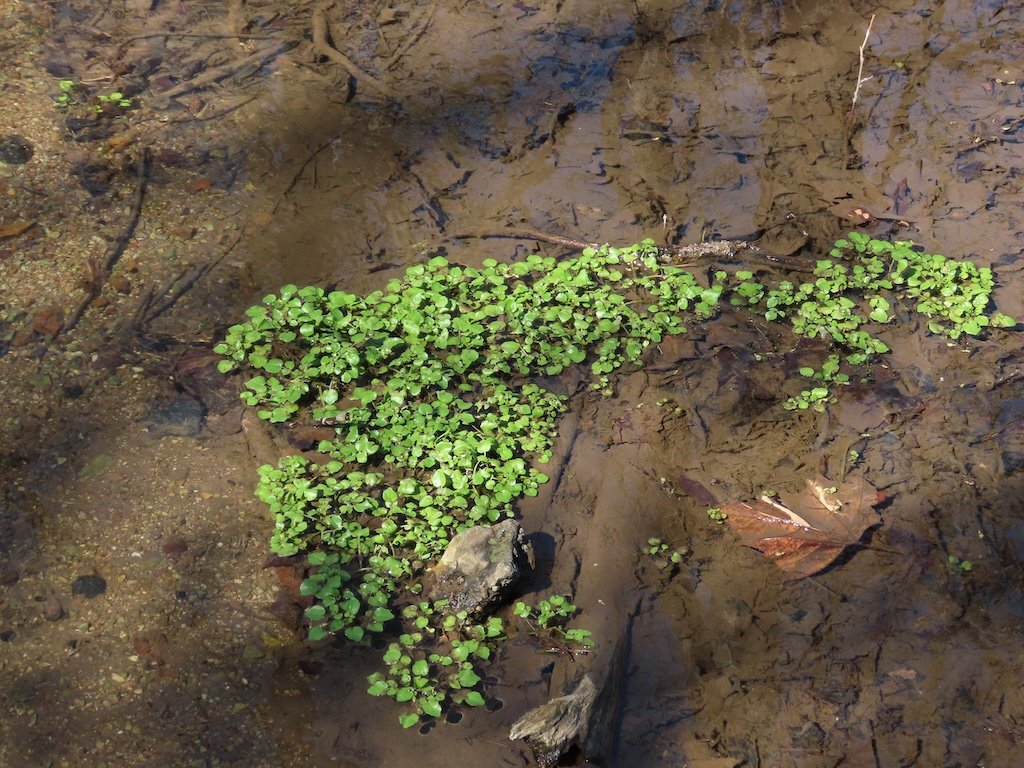
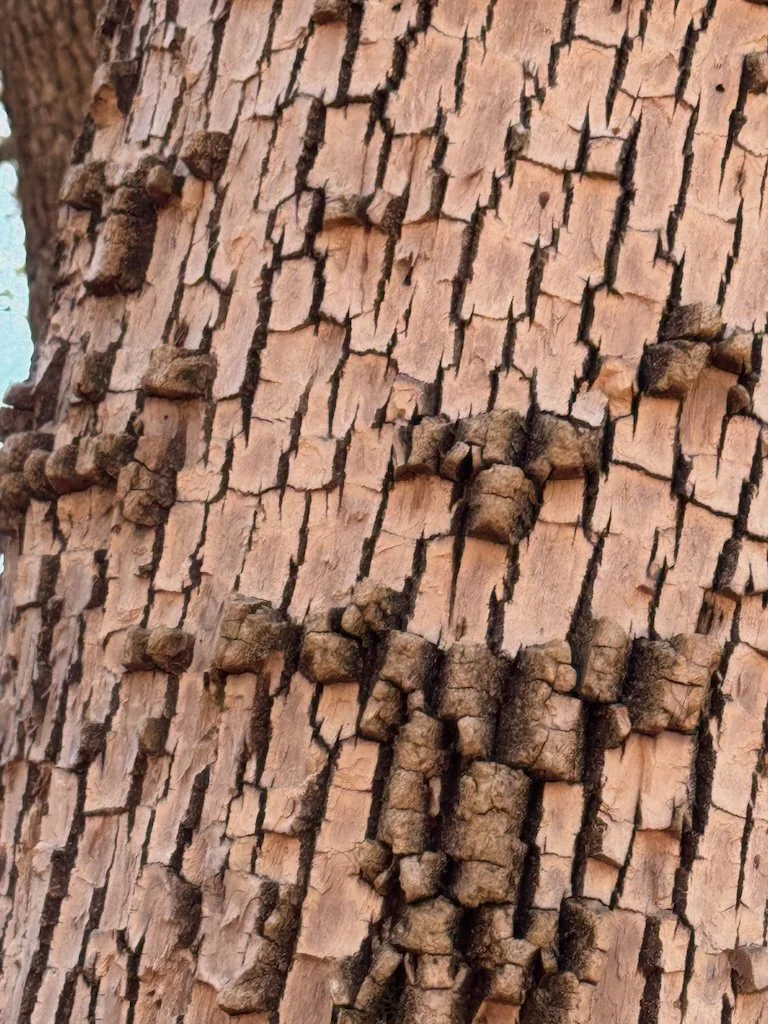
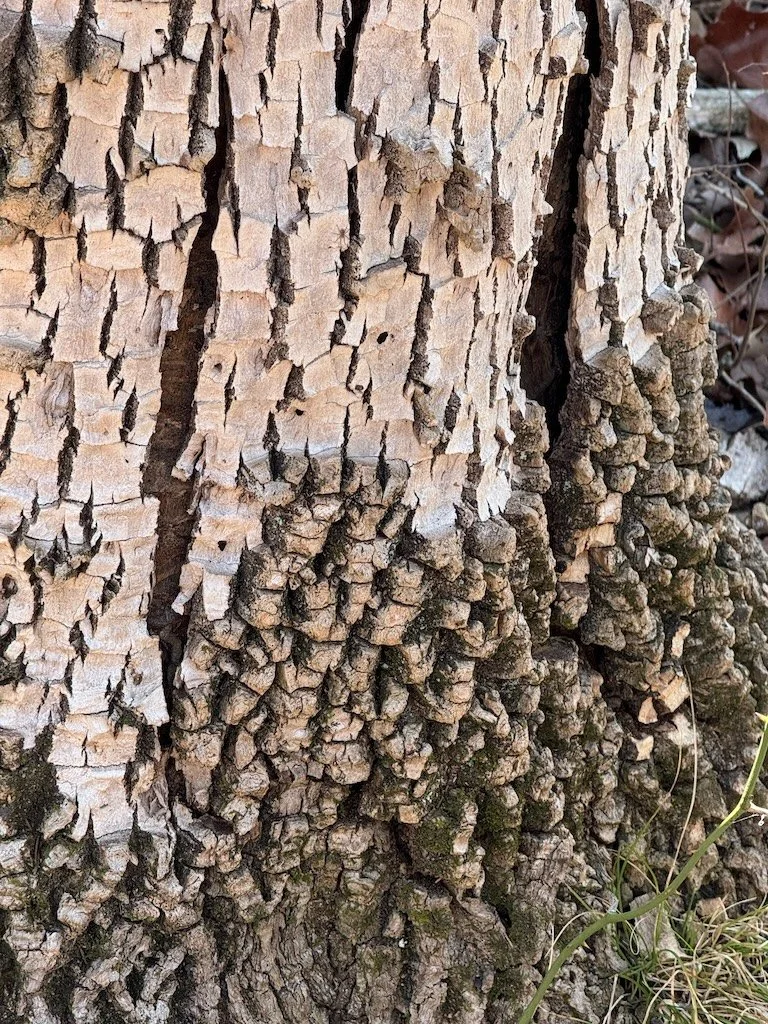
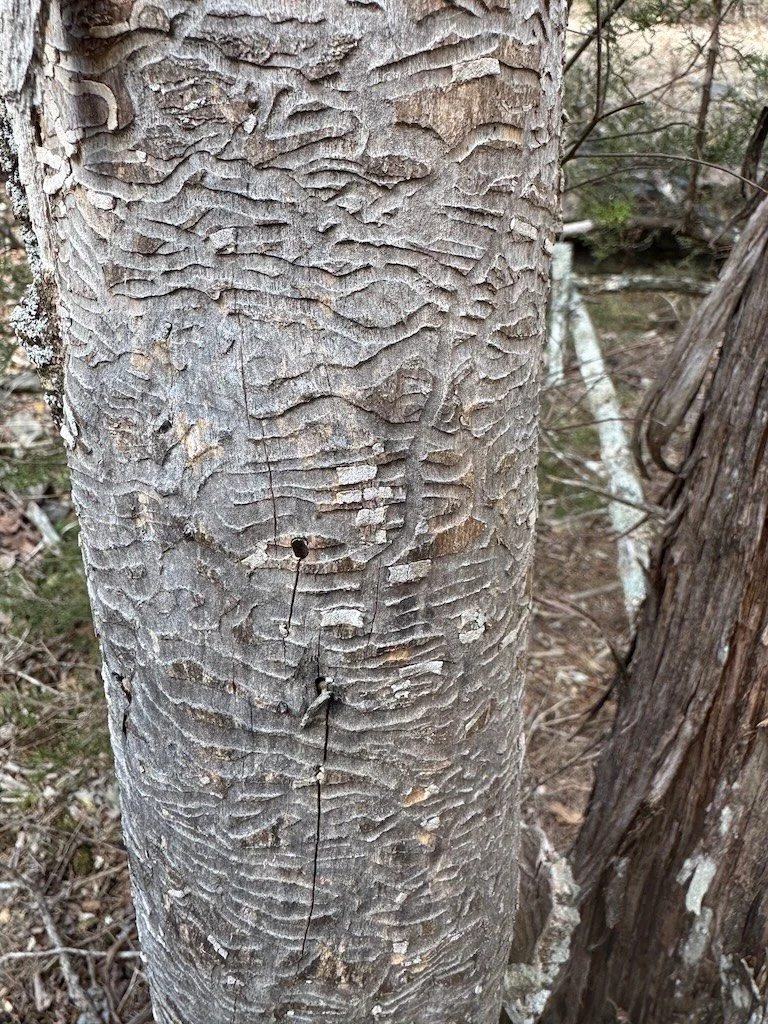
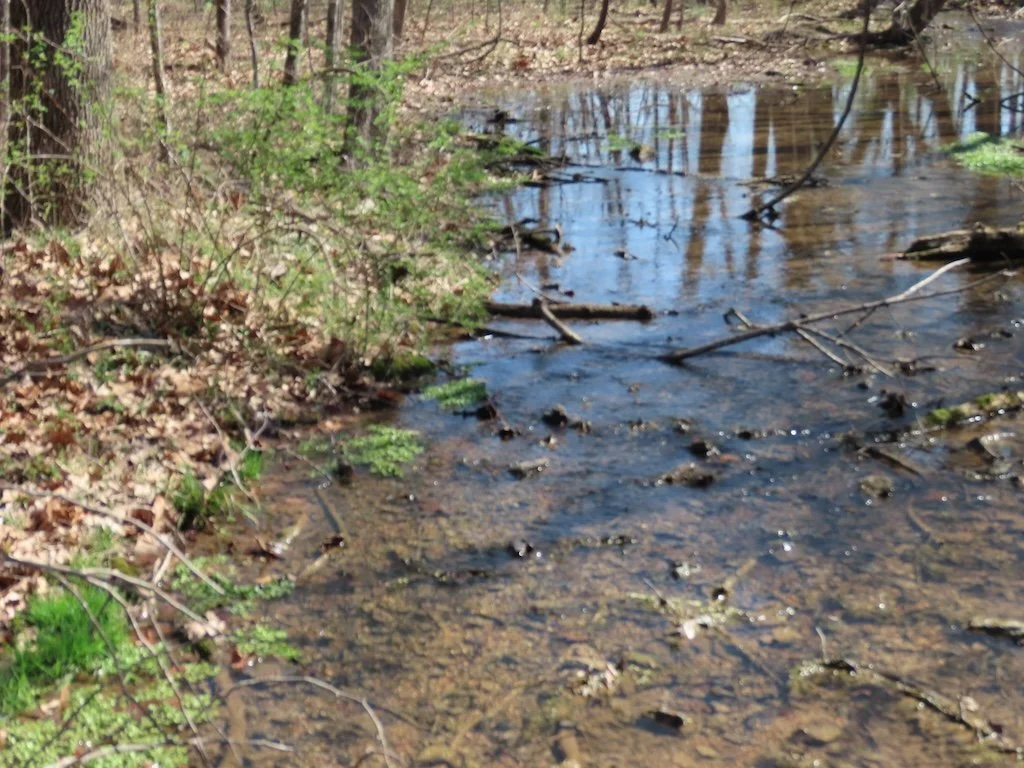
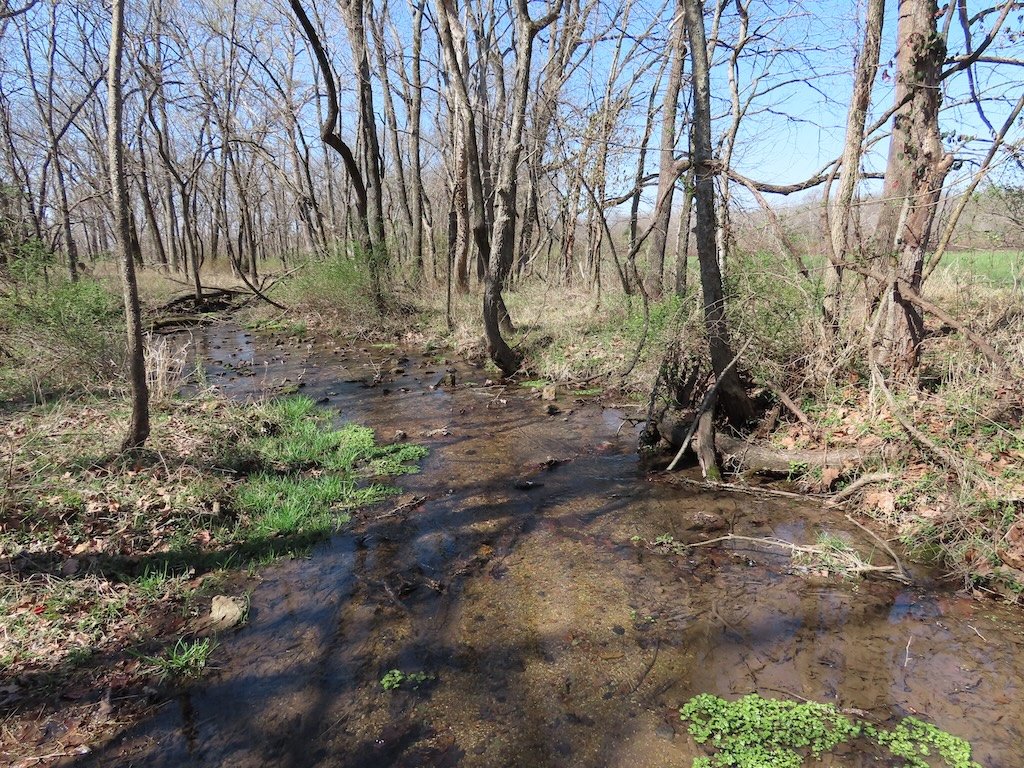
The woods were greening with the wildflowers, but the trees were mostly dormant. Some of them were probably ashes and would not be leafing out again. It is a common occurrence in Missouri right now; the emerald ash borer that killed the ashes in Maryland before we moved to Missouri is now killing the ash trees in Missouri. There is water in many places along the Carver Trail (loop) – Williams Pond/Branch and Carver Branch.

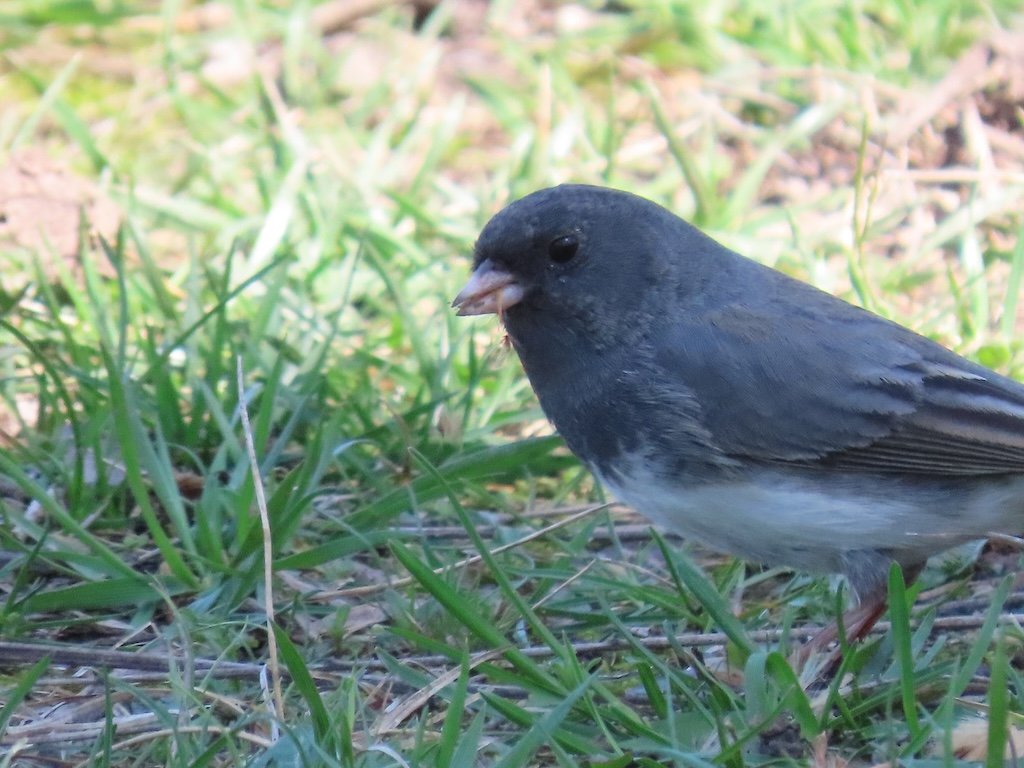
There were lots of birds, but I only managed to photograph a Dark-eyed Junco. We heard several woodpeckers.
We were at the monument on a Saturday, and I was pleased that there were other people that were there – many with children. The place is closer to Joplin so I assume the ‘regulars’ are mostly from Carthage or Joplin. It is a good place to visit in the spring….and maybe even better in the fall. In the summer, it would be very humid.

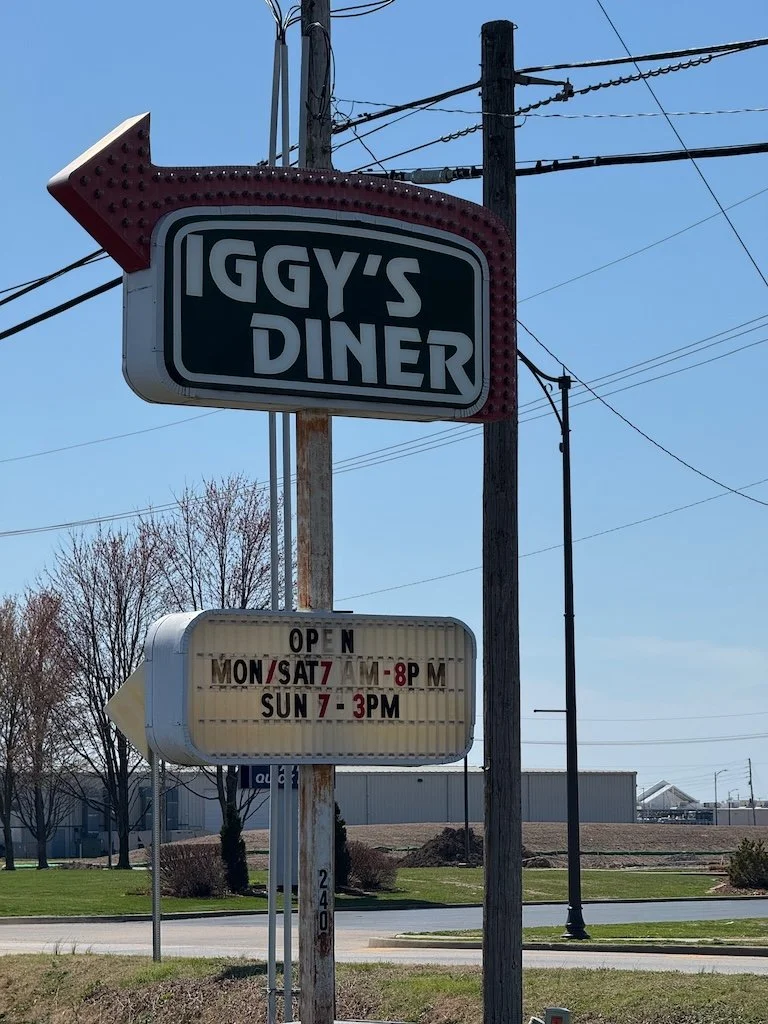
We opted to drive to Carthage for lunch at Iggy’s Diner. I am trying to find places other than fast food that my husband likes…and the diner seemed to be a hit with him. The quality of food is better than a fast food chain!

Table Rock Lake

One of the Master Naturalist hikes that I planned was at the end of February – hosted by a person that lived near Table Rock Lake. It was a great day for a hike – not a wintery day at all!

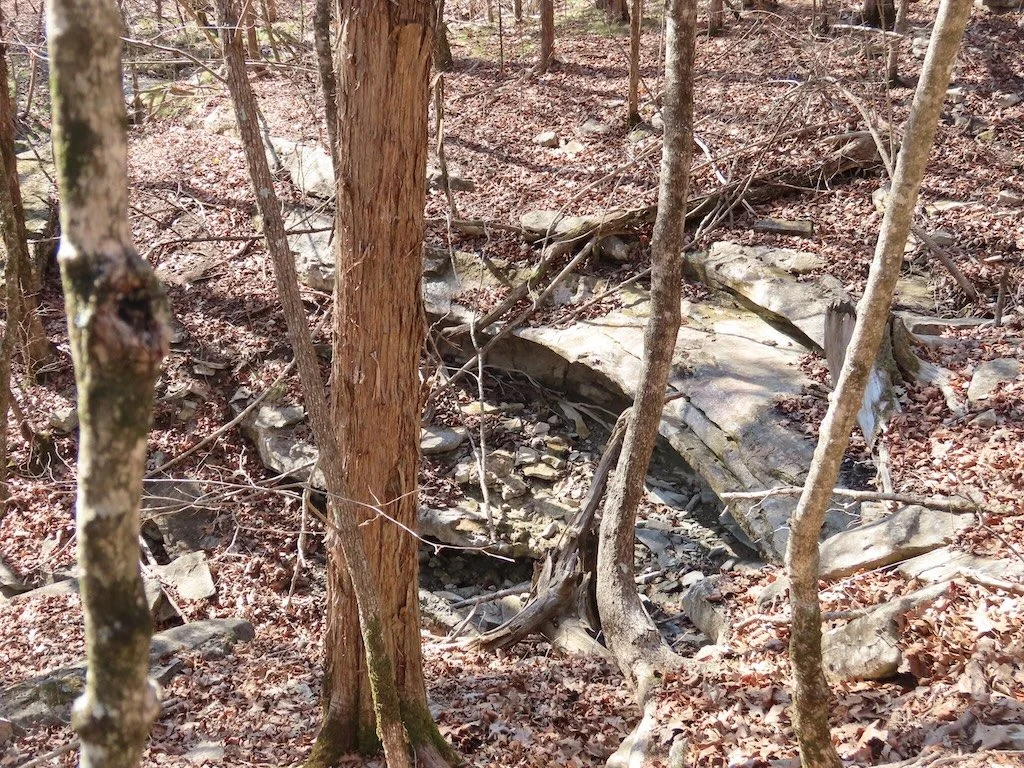
There were winter trees to observe in the forest when we started our hike – sassafras, redbud, dogwood, eastern redcedar, honey locust….and a lot of dead ash trees. Anything that had bark sluffing off (or already missing) was probably an ash. Emerald Ash Borer is taking out Missouri’s ashes just as happened on the east coast before we moved from Maryland.
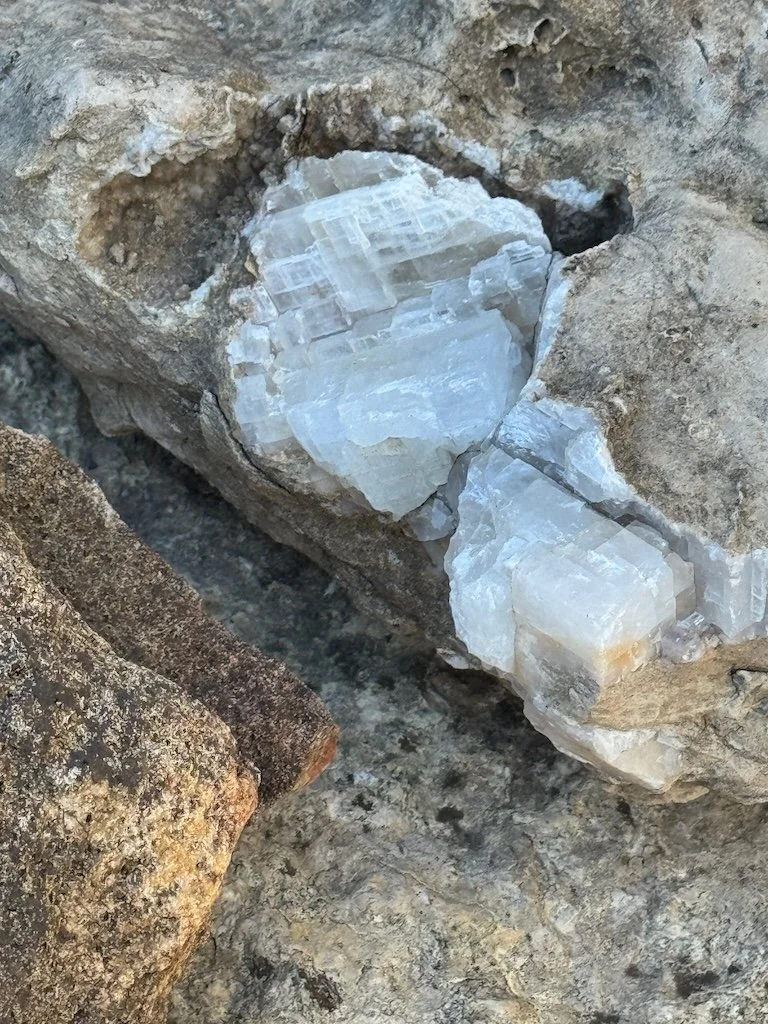
We also looked for minerals in the rocks during our downhill hike.

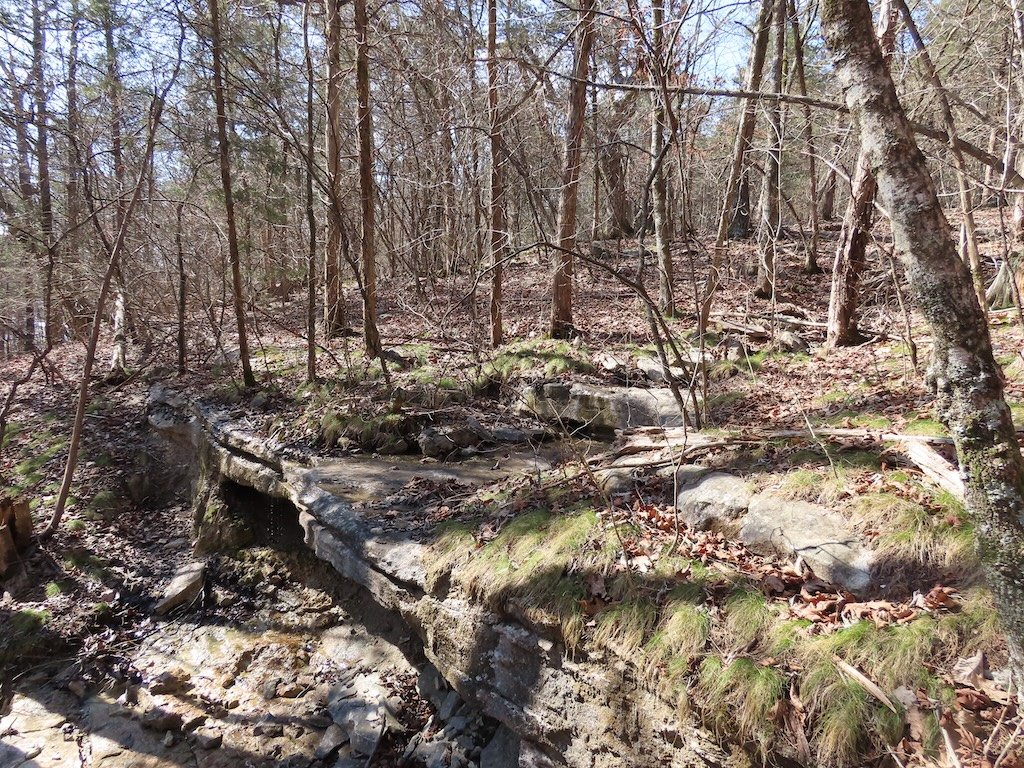
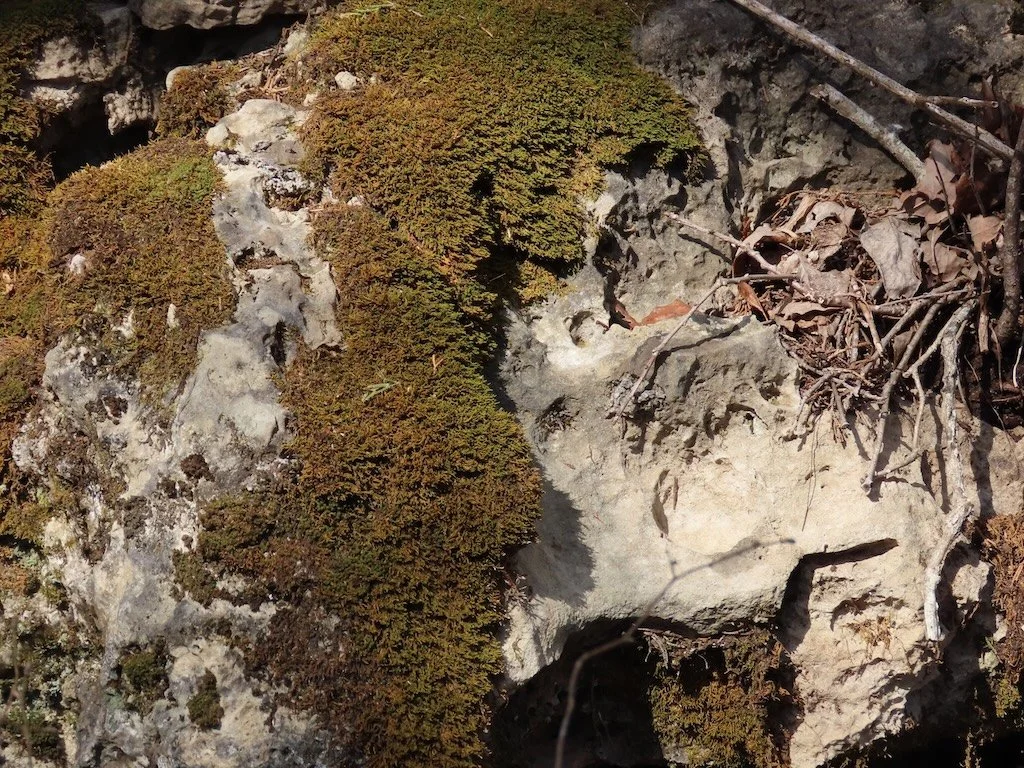
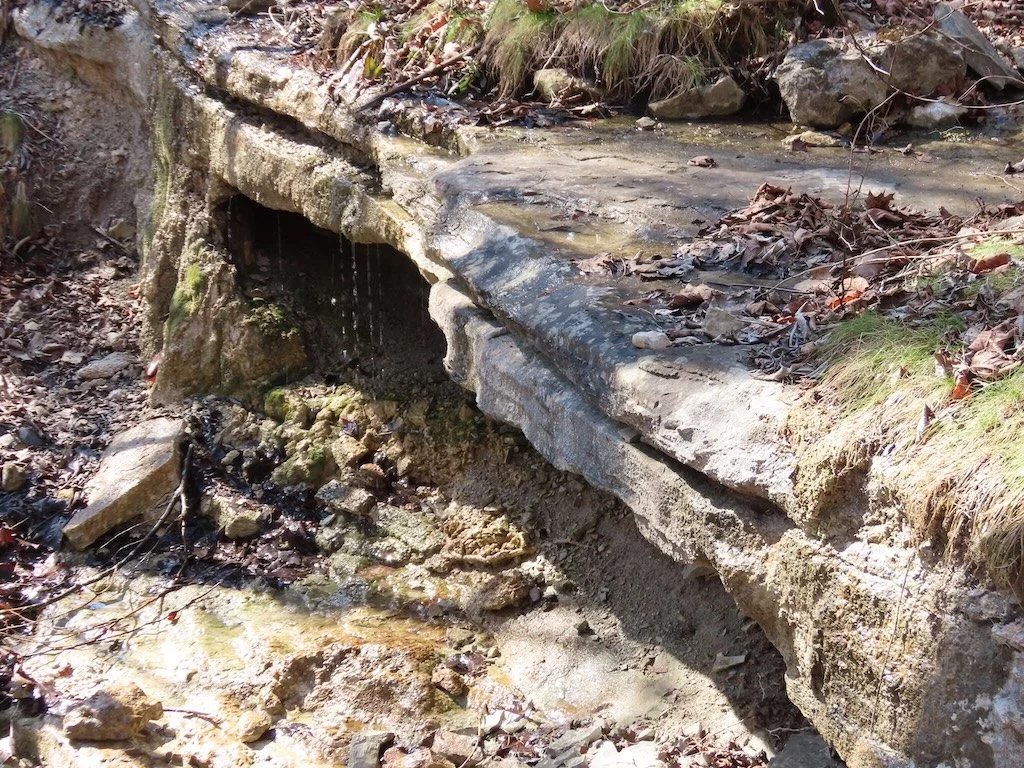
There were ledges of rock with water dripping in some areas. Moss is the greenest part of the forest this time of year.

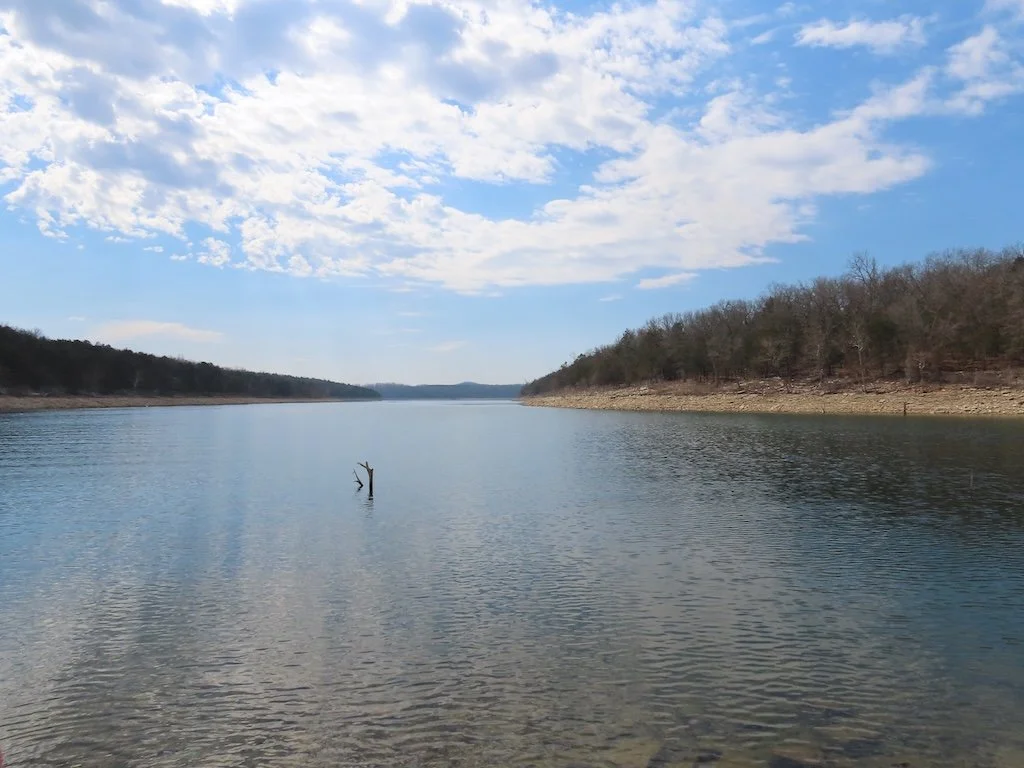
When we got down to the lake, it was obvious that the water was low; hopefully the spring rains will begin to fill it again. There were gulls….and double crested cormorants that dramatically flew out of a nearby cove.

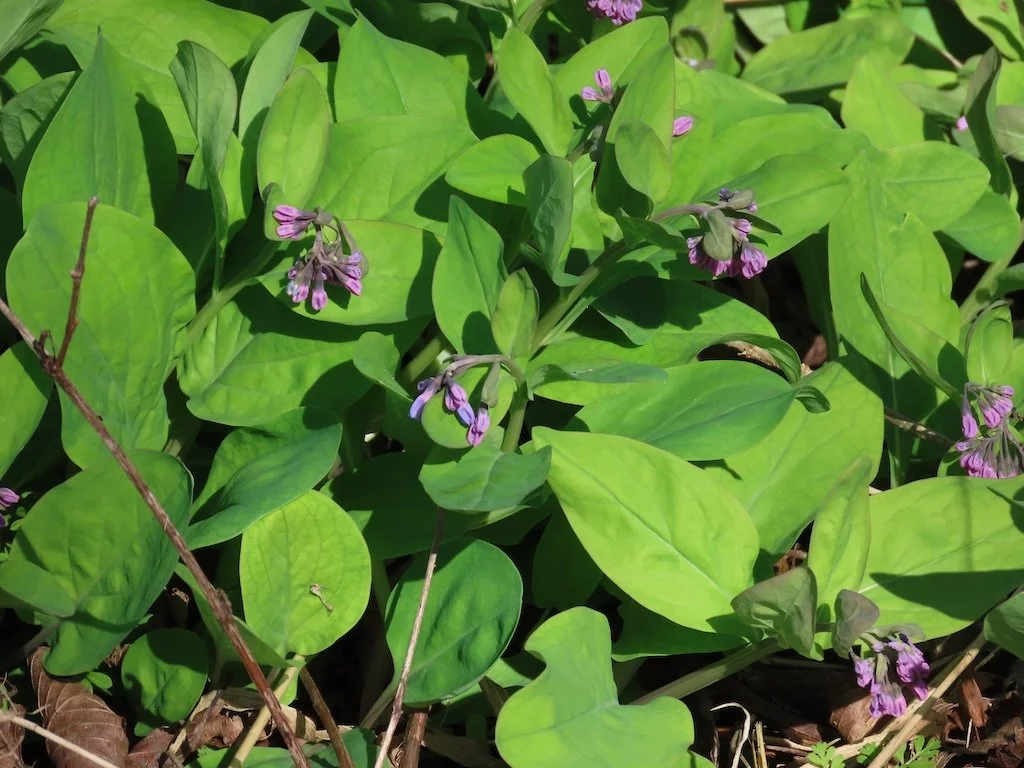
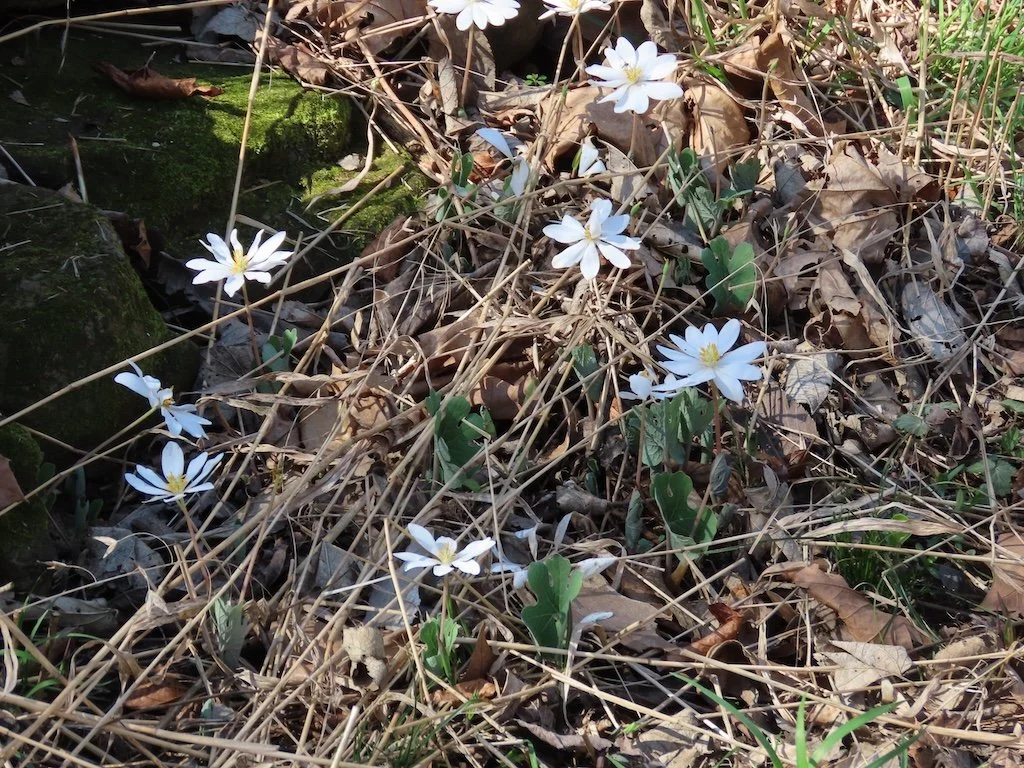
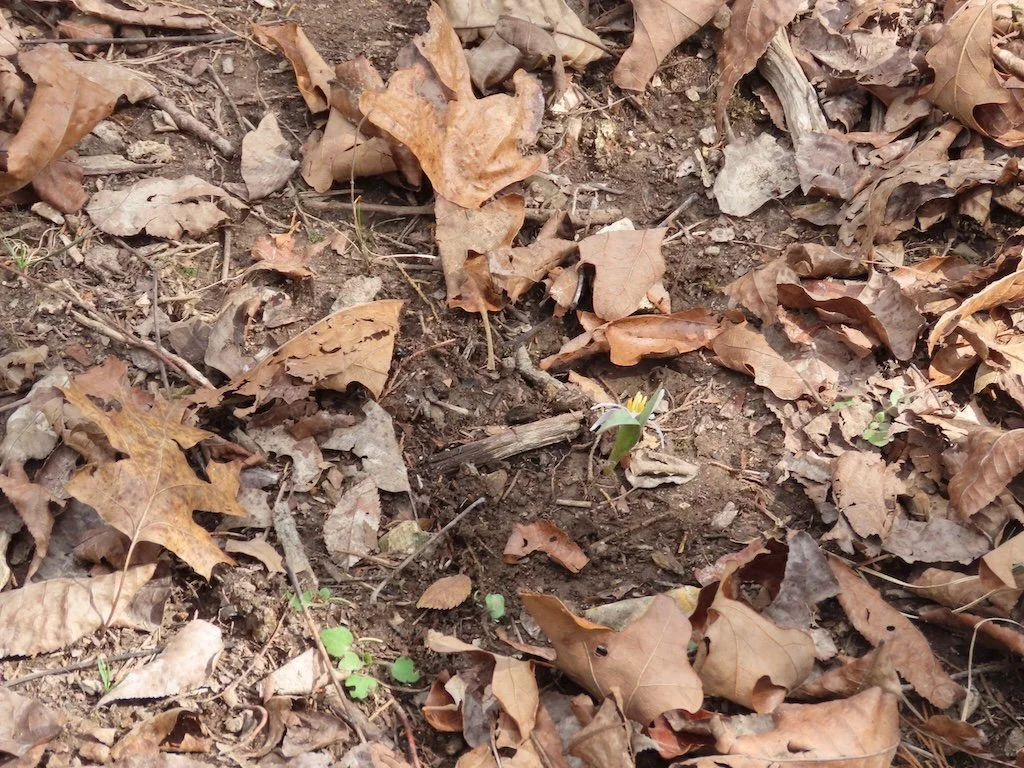
On the way back up the hill, we discovered a spring wildflower….coming up through the leaves on the path!

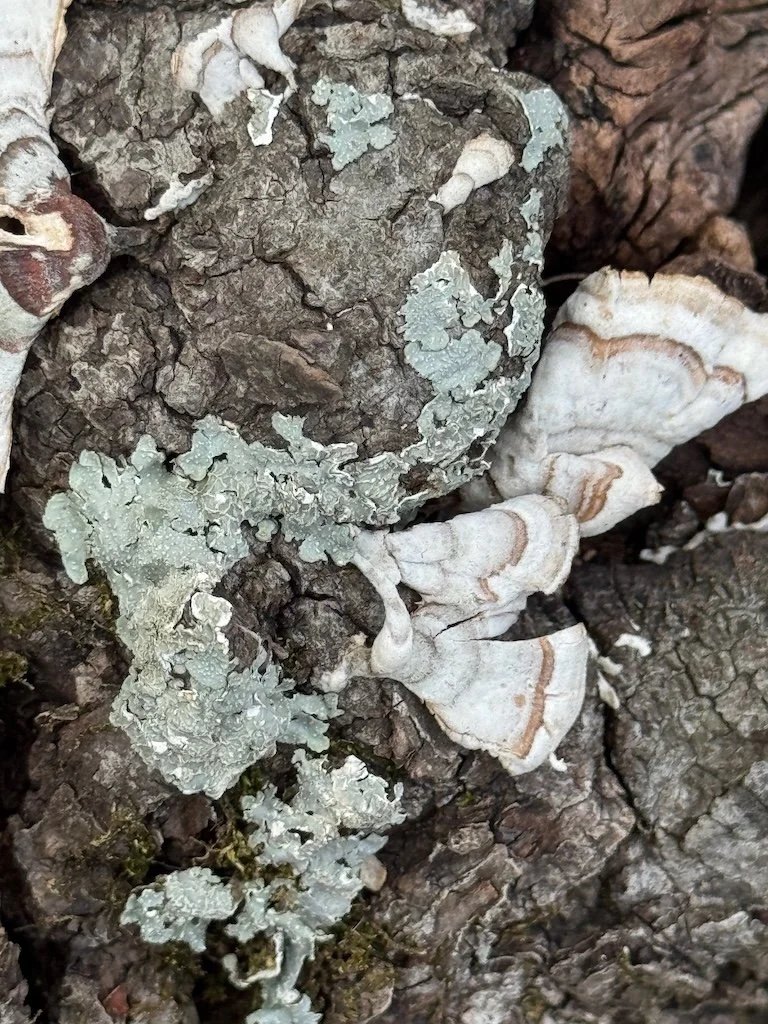
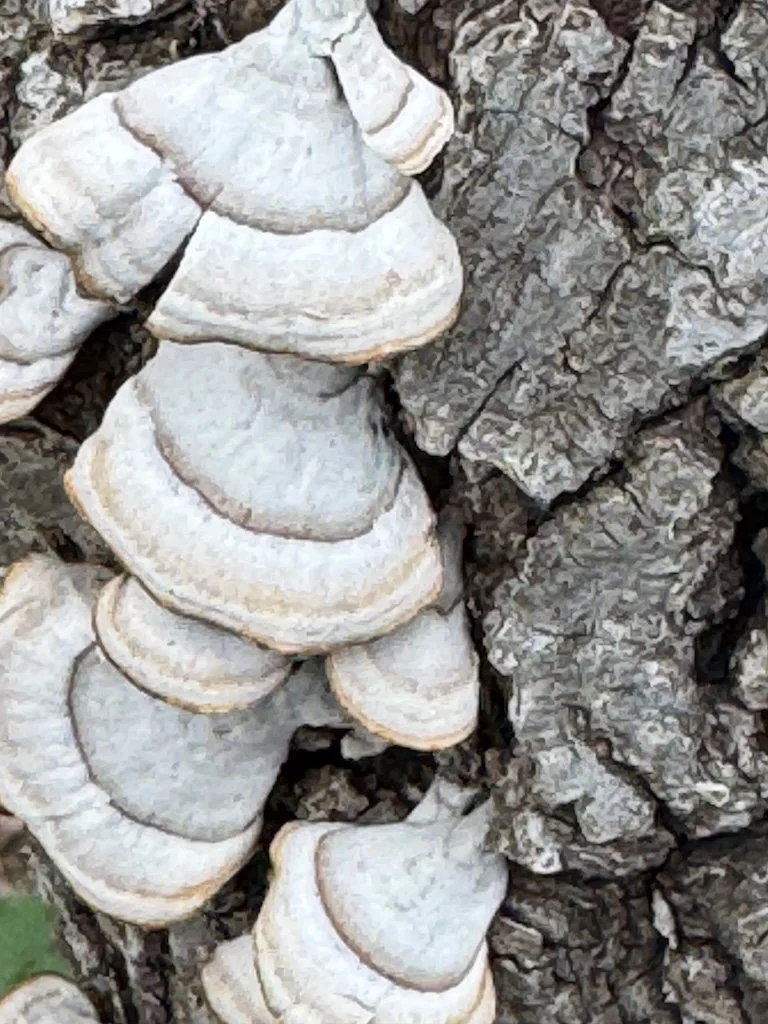
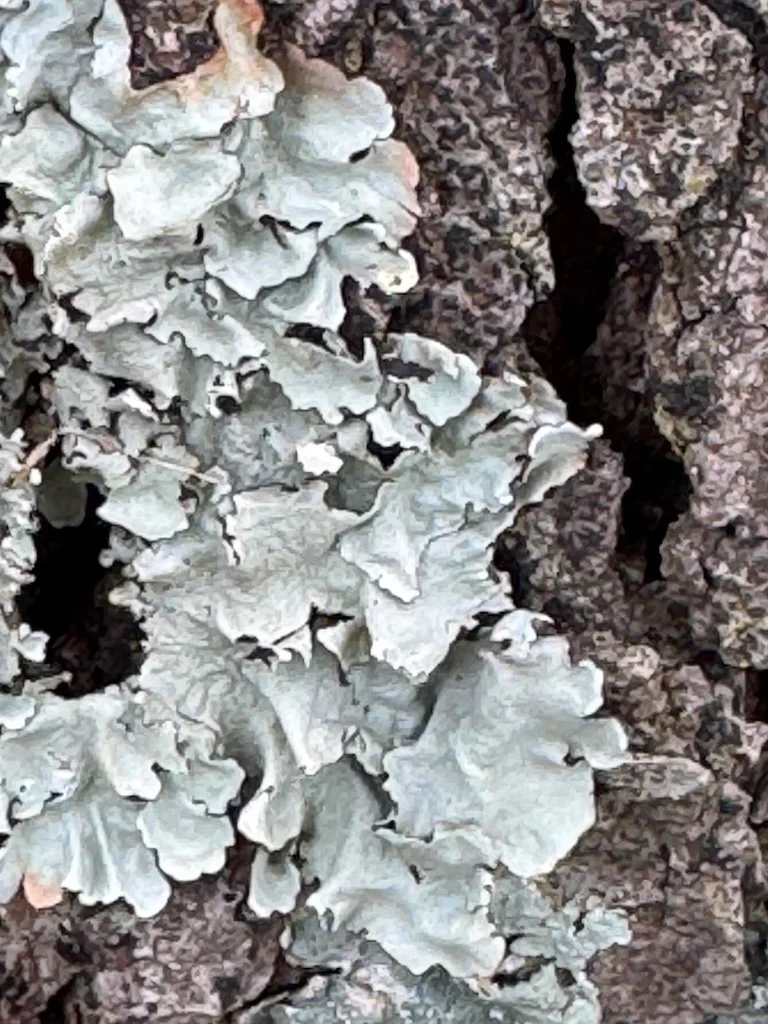
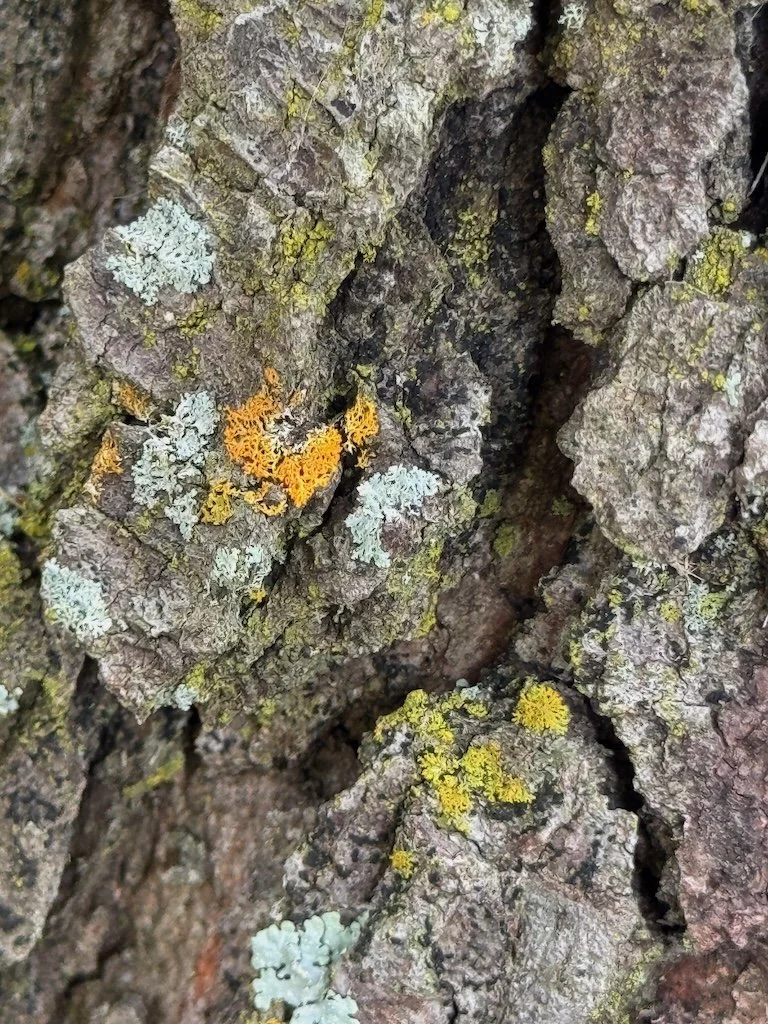
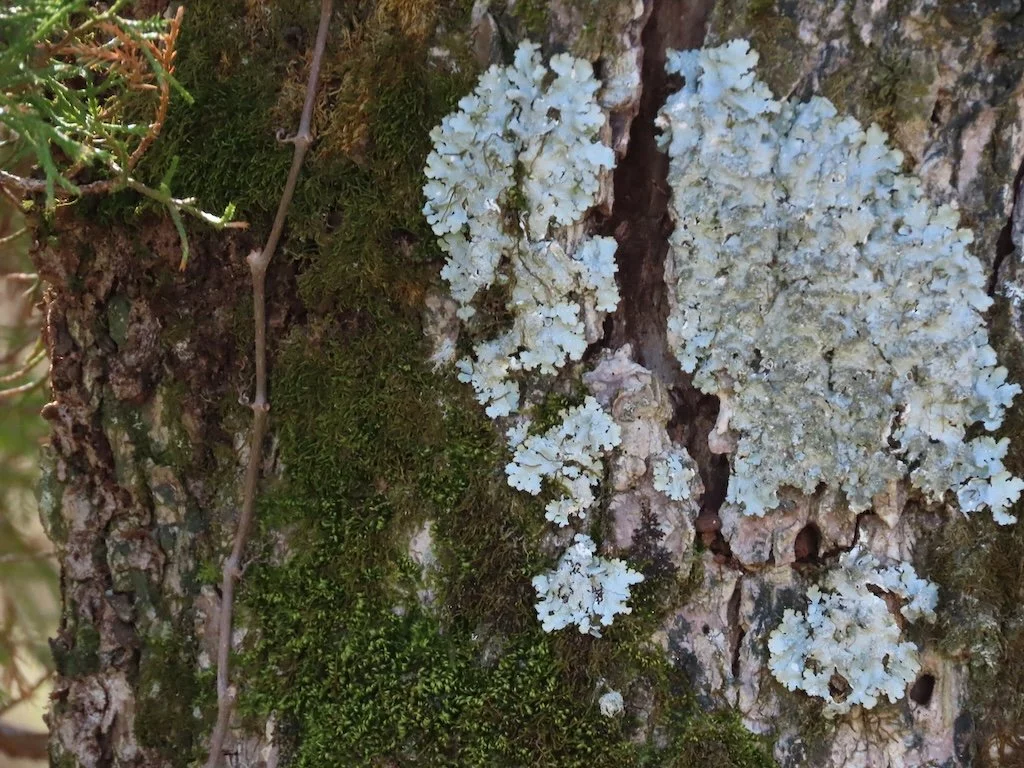
And there were some interesting shelf-fungus and lichens as well!

Belmont in January 2019

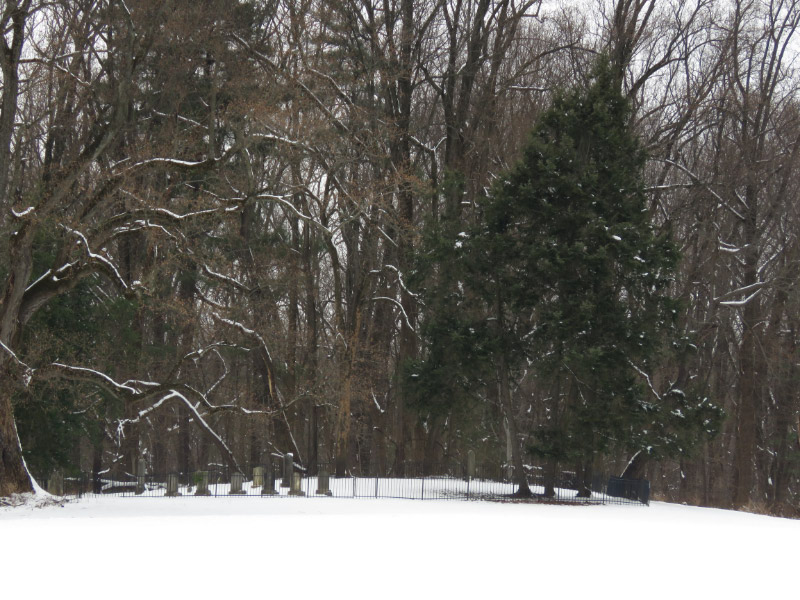
Last week, I attended a lecture for Howard County Conservancy volunteers at the Belmont Carriage House – arriving early to walk around a bit before the lecture. There was still quite a lot of snow on the ground.

2019 01 IMG_1257.jpg

I stayed on the cleared roads until I made the trek up to the old cemetery.

2019 01 IMG_1264.jpg

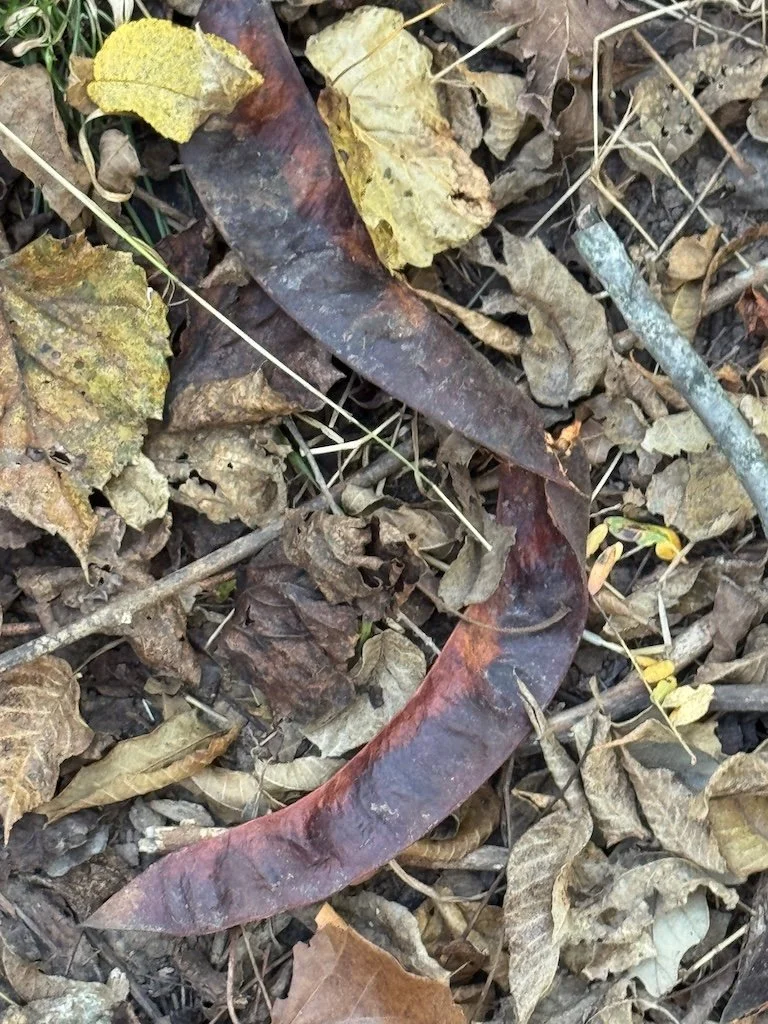
The old tulip poplar looks even more ancient in the winter with all the hollows and bark injuries more clearly visible. It had a lot of seed pods from last season just as the younger trees do.

2019 01 IMG_1272.jpg
2019 01 IMG_1276.jpg

One of the people I was hiking with pointed out an ash tree on the Patapsco Valley State Park side of the cemetery that had evidence of emerald ash borer (the lighter color on the bark). This tree will have to be cut down before it falls on the cemetery taking down fences and stones.

On a positive note – the hemlocks in the cemetery seem to be thriving. A few years ago they were infested with wooly adelgid but they were treated and it seems have saved them.

The wind must have ‘pruned’ the holly in the cemetery. A branch was draped from one of the headstones – no footprints in the snow around the headstone.

2019 01 IMG_1275.jpg
2019 01 IMG_1286.jpg

There were lots of deer tracks in the snow as we walked up to the cemetery and back. We didn’t see any rabbit tracks. Maybe a coyote?

We circled back along the row of white pines. The snow stands out even on a very cloudy day.

2019 01 IMG_1291.jpg

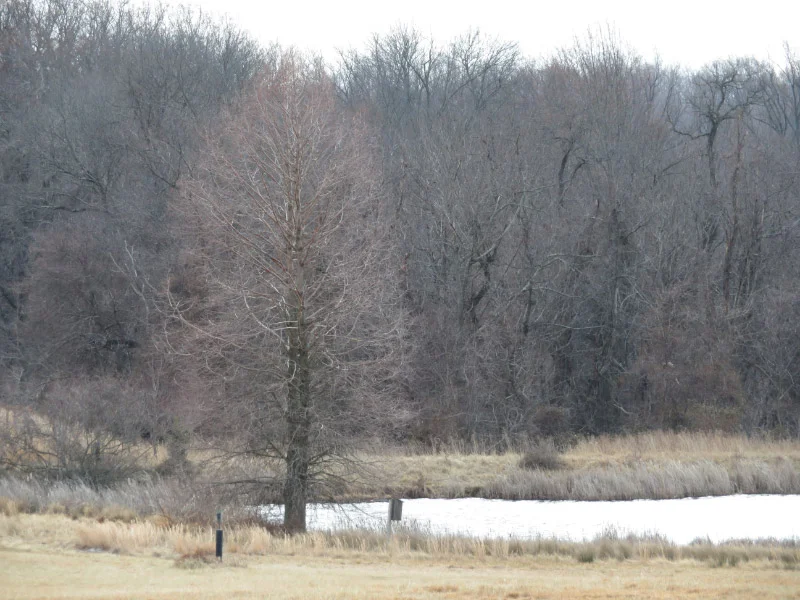
It was time to head back. I stopped near the mailboxes to take a picture of the pond with the bald cypress standing just to the left of it. It does have a classic cypress shape but if I wasn’t familiar with the tree, I’d have to hike down to the pond and see the cypress knees that surround it for a definitive identification.

2019 01 IMG_1295.jpg

Thoughts from Belmont

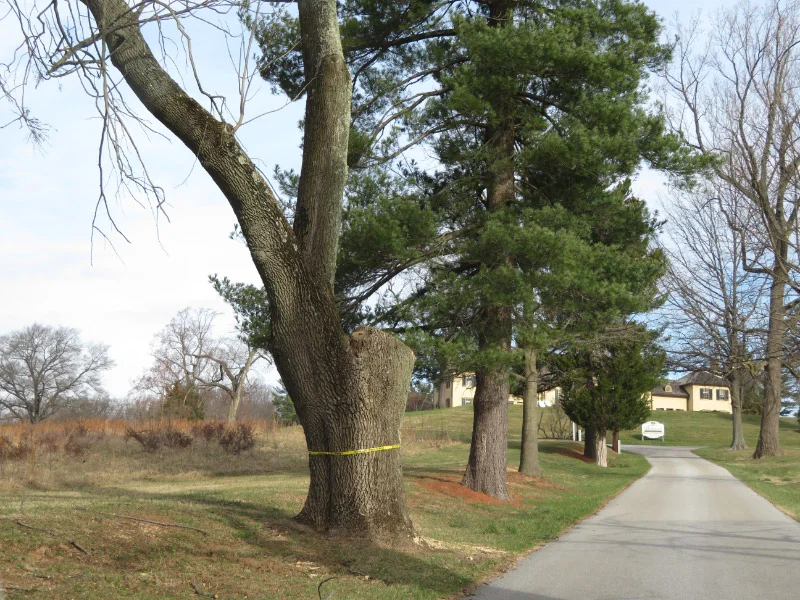
I’ve spent more time at Belmont this week because of some extra classes held there. Three thoughts: 1) On the road into the park I thought about the pine trees cut a few years ago because they were damaged by pine bark beetles and now the ash trees being marked with yellow tape for removal because of the emerald ash borer. They are big trees along the drive toward the Manor House…will leave some large holes.

2018 03 IMG_8977.jpg

) Looking down the road from the front of the manor house, I thought about the way it slopes down hill for about a mile – I coast all the way down to Rockburn Branch when I leave. It traverses the boundary between the Piedmont and Coastal Plain. Maryland’s highest elevation is in the far west of the state…and it slopes down to the sea through two mountain ranges (Alleghenies and Appalachians) to the Piedmont and then the coastal plain to the sea. Belmont is a place to see one of those transitions. Water in Piedmont streams and rivers babbles along…and moves more slowly once it gets to the coastal plain.

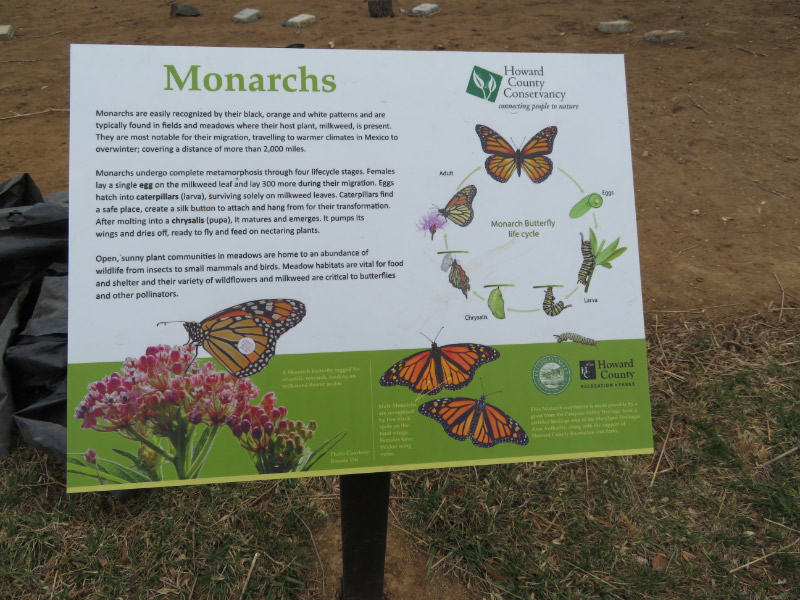
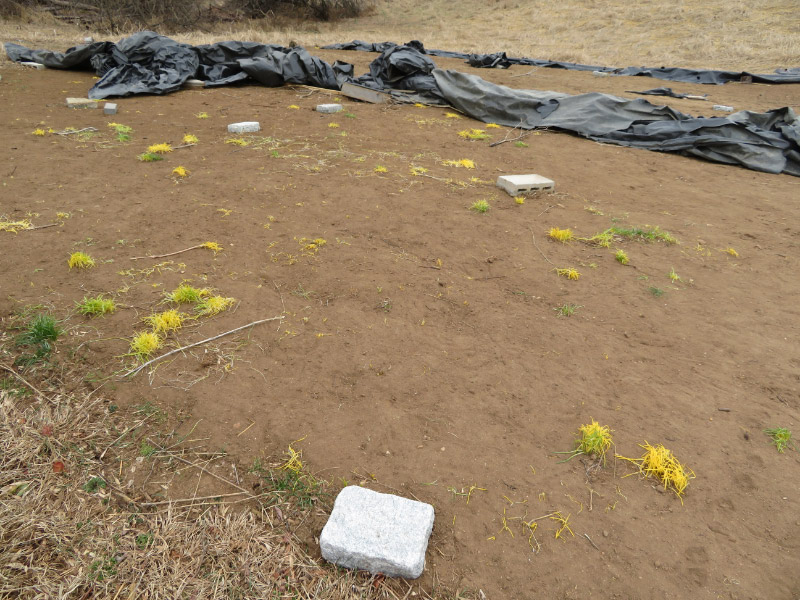
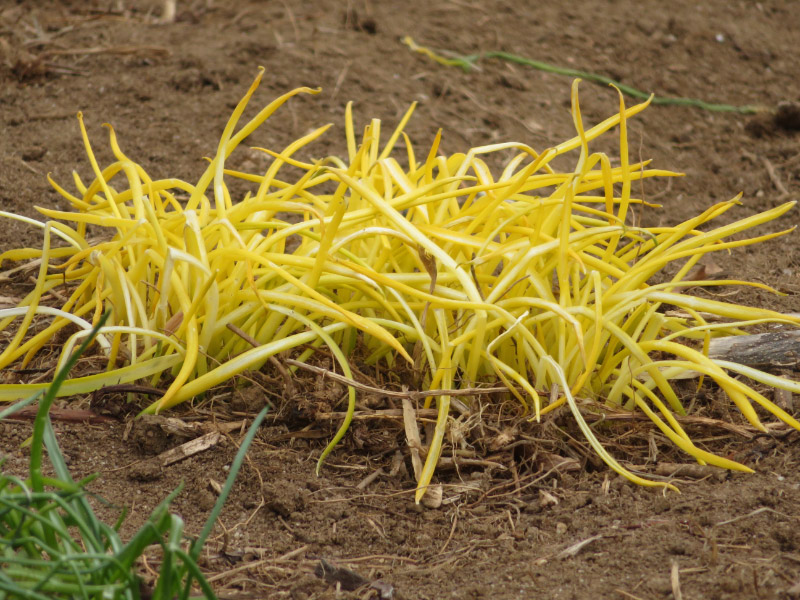
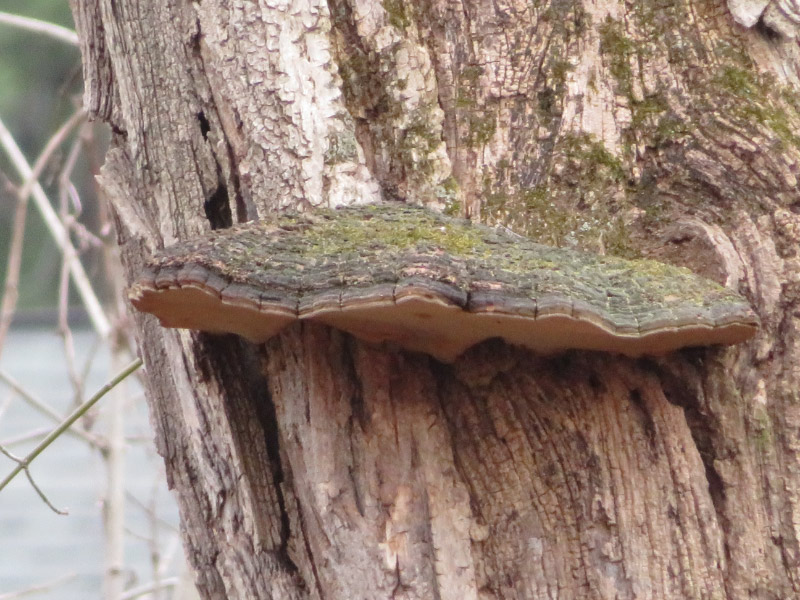
3) There is a butterfly meadow being created near the Carriage House nature center. Right now, it is dirt that has been covered with plastic to kill grass and unwanted plants…ready for planting of milkweed and other plants that provide food for the butterflies and caterpillars. The big sheets of plastic had not blown entirely way in our recent winds but hadn’t stayed spread out as intended either. There were some bright yellow plants in the dirt. On closer inspection they were grass…with the (yellow) xanthophyll pigments lasting longer than the (green) chlorophyll pigments when it tried to grow under the plastic! The grass will be pulled before the meadow plant seeds are sowed. I also noticed a relatively large (and old) shelf function on a dead tree in the brambles behind the butterfly meadow project. There were lots of birds back in that area too…but not easily visible on the cloudy day.
A lecture and walk around at Belmont

Earlier this week, I attended a lecture about the history of the Patapsco River Valley at Belmont Manor and Historic Park and then took a walk around the grounds. It was a sunny day – but cold and breezy. I put on all my layers. There are some changes since the last time I was there. Much of the meadow and field areas have been mowed and some new trees have been planted. The shorter grass somehow made it seem even more wintery – to seedpods or long grasses to add texture to the landscape.
2018 01 IMG_8194.jpg

The bald cypress down by the pond stands out because of its location and because it seems to be a slightly different color that the trees behind it. I’m glad the area around it is soggy enough that they didn’t mow around its base – scarring its knees. We didn’t make the trek down there to check. Hopefully I’ll hike down sometime before the bluebirds and swallows start moving into the boxes…and protecting their territory.

2018 01 IMG_8198.jpg

Up at the front of the manor house, many of the trees look like they’ve been pruned – either intentionally or by winter weather.

2018 01 IMG_8202.jpg

Along the road into Belmont, the ashes are being cut down. Some were already gone, others just had tape around them. It’s evidently a project this winter. They are being killed by the invasive emerald ash borer.

2018 01 IMG_8203.jpg

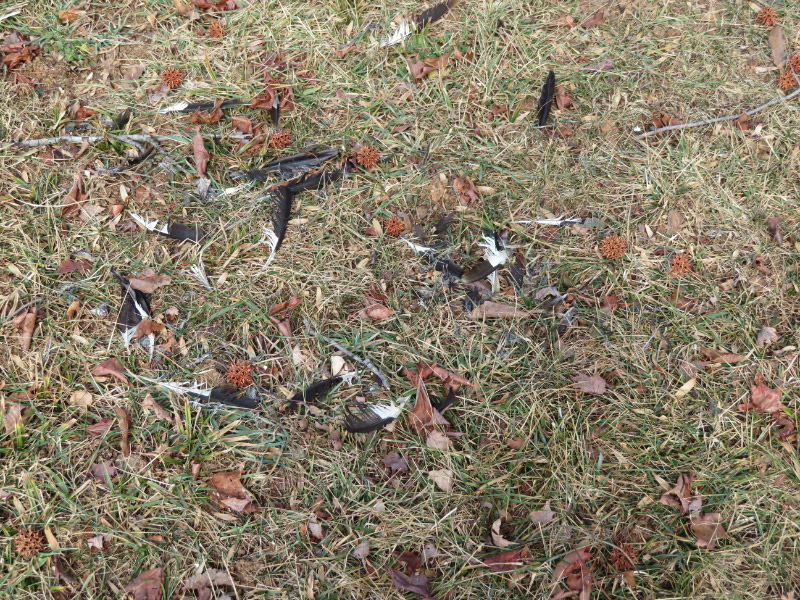
We hiked around the fence behind the manor house to a hemlock that had been invested with wooly adelgid (another invasive insect). The tree looks better; there were some new cones and growth from last summer; I’m glad the park is trying to save it. Underneath the tree – there was a scattering of feathers. Some relatively large bird met its end here.

2018 01 IMG_8206.jpg
2018 01 IMG_8209.jpg
2018 01 IMG_8212.jpg

We hiked on around to the Belmont cemetery. I noticed some holes within the hollow up high in a very large tulip poplar…a home for a woodpecker or maybe just a pantry that contained a lot of insects. The hemlocks at the cemetery looked healthier too. Some of the dead branches had been removed and they had new growth and cones.