Phelps Grove Park Stumpery

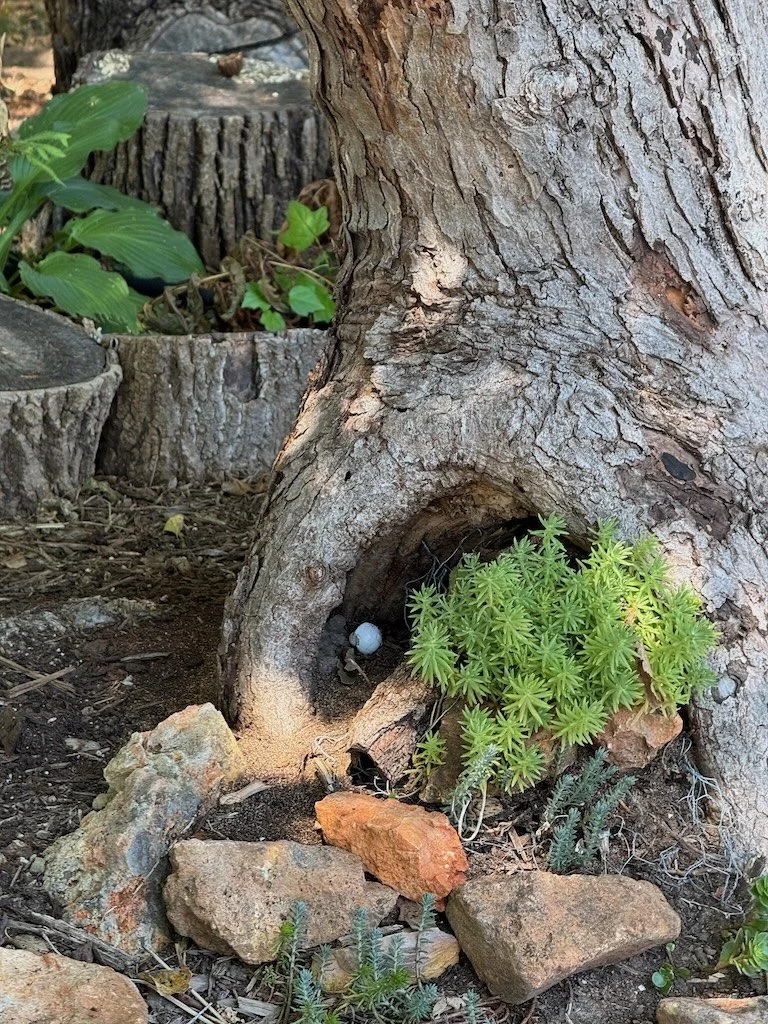
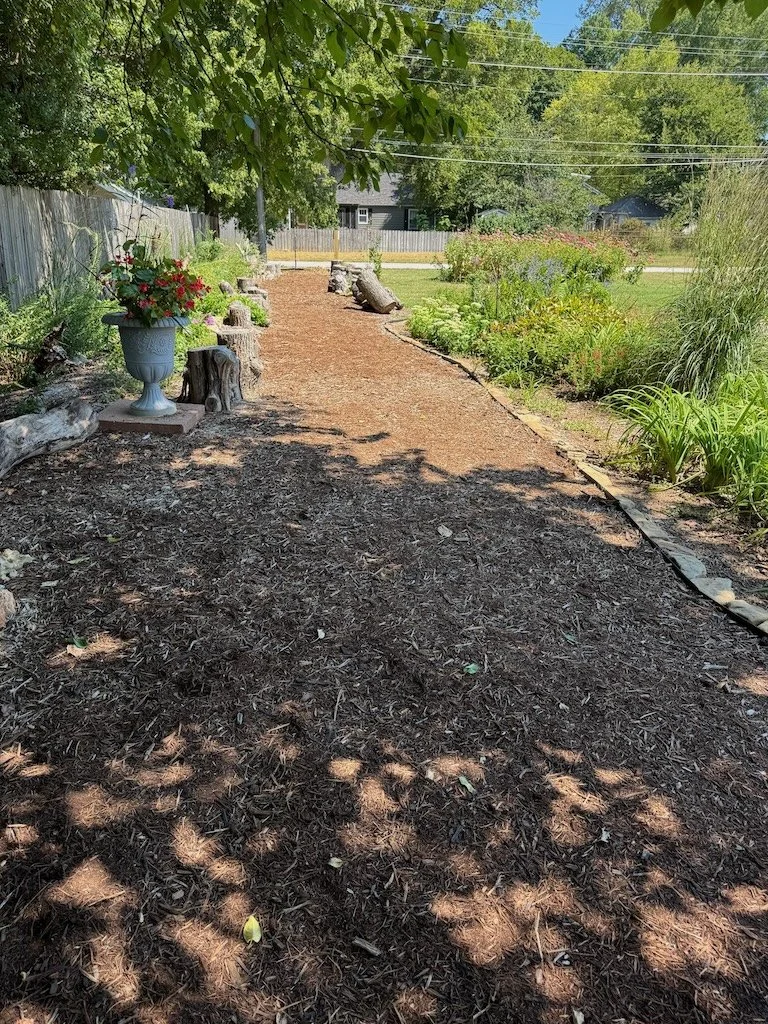
I visited the Phelps Grove Park Stumpery for the first time recently. It is a 2025 addition to the park and one that will become even more interesting over time as the plants become more established and the stumps decay further.

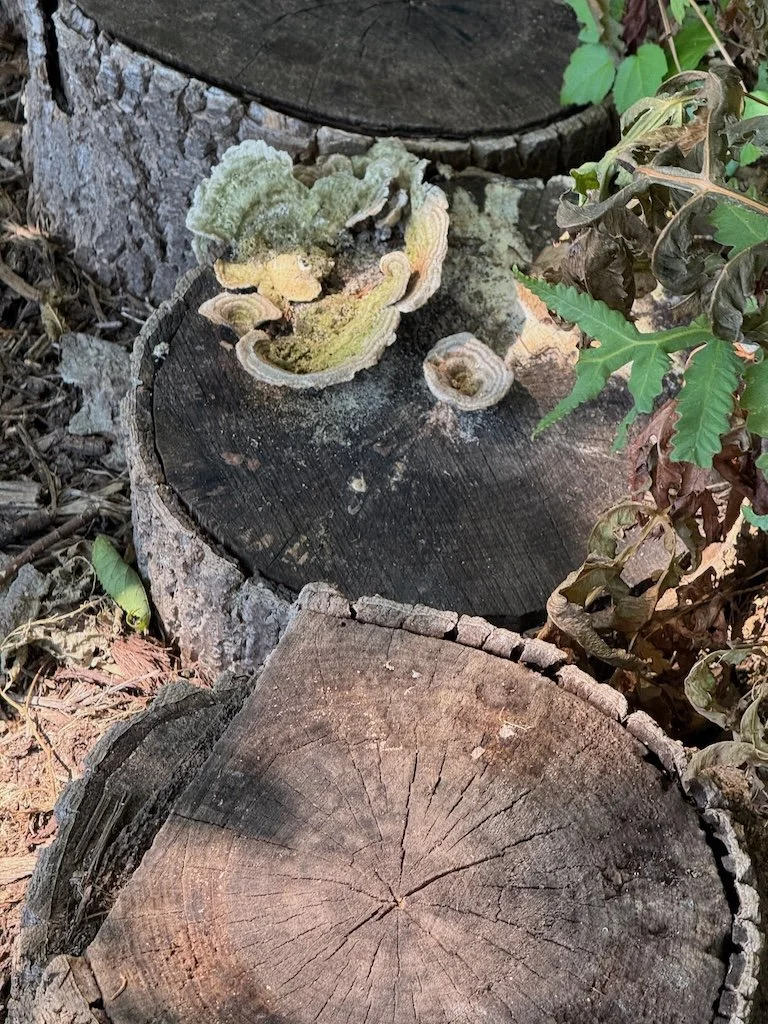
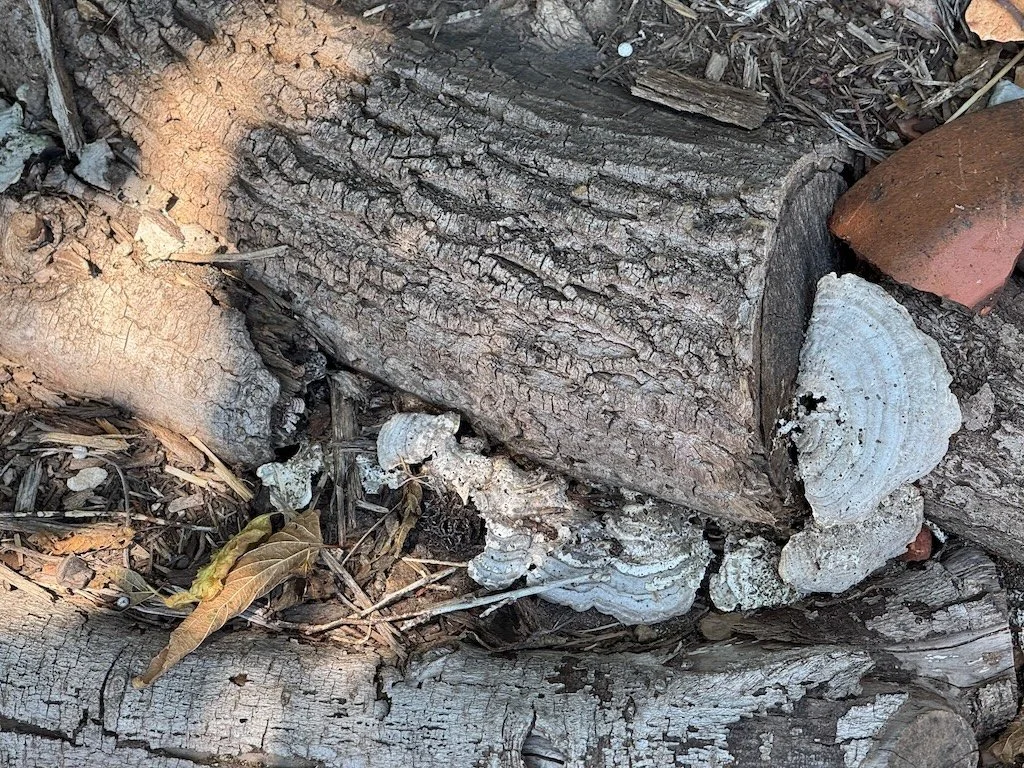
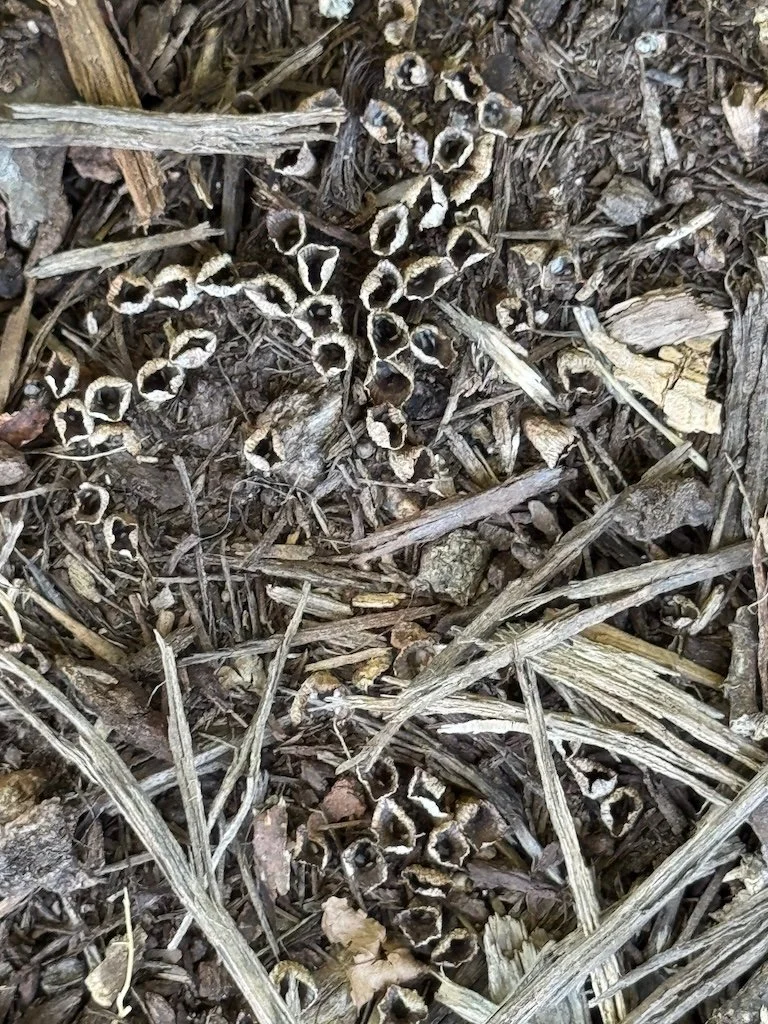
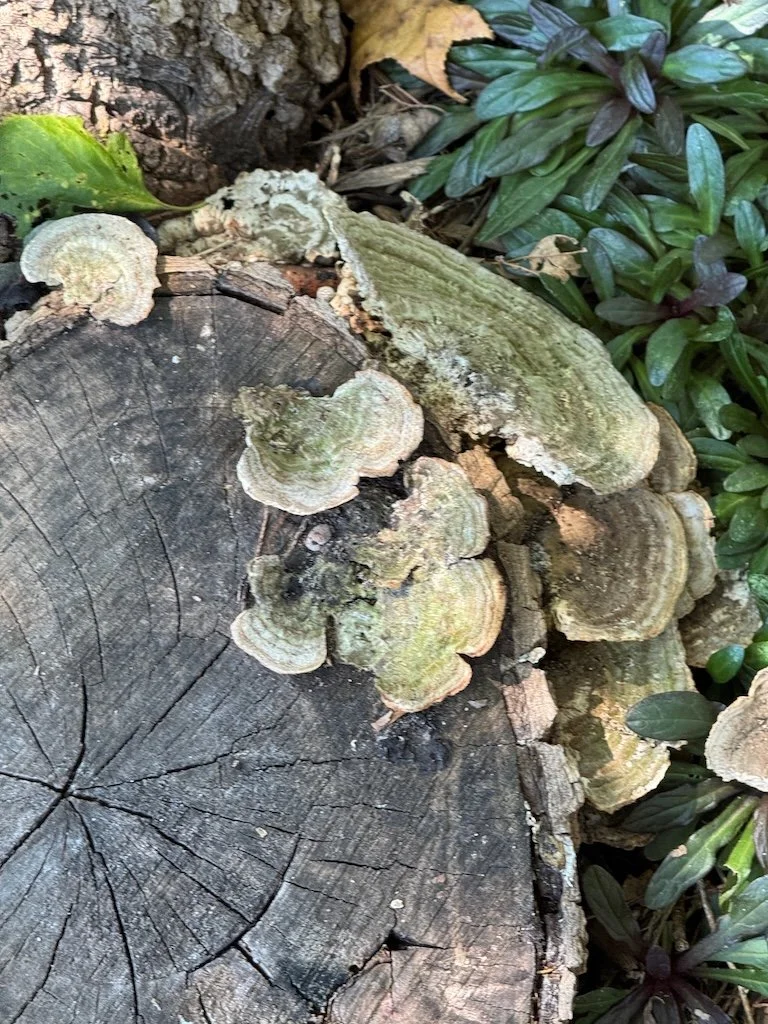
I enjoyed the fungus that is already growing on the decaying wood.
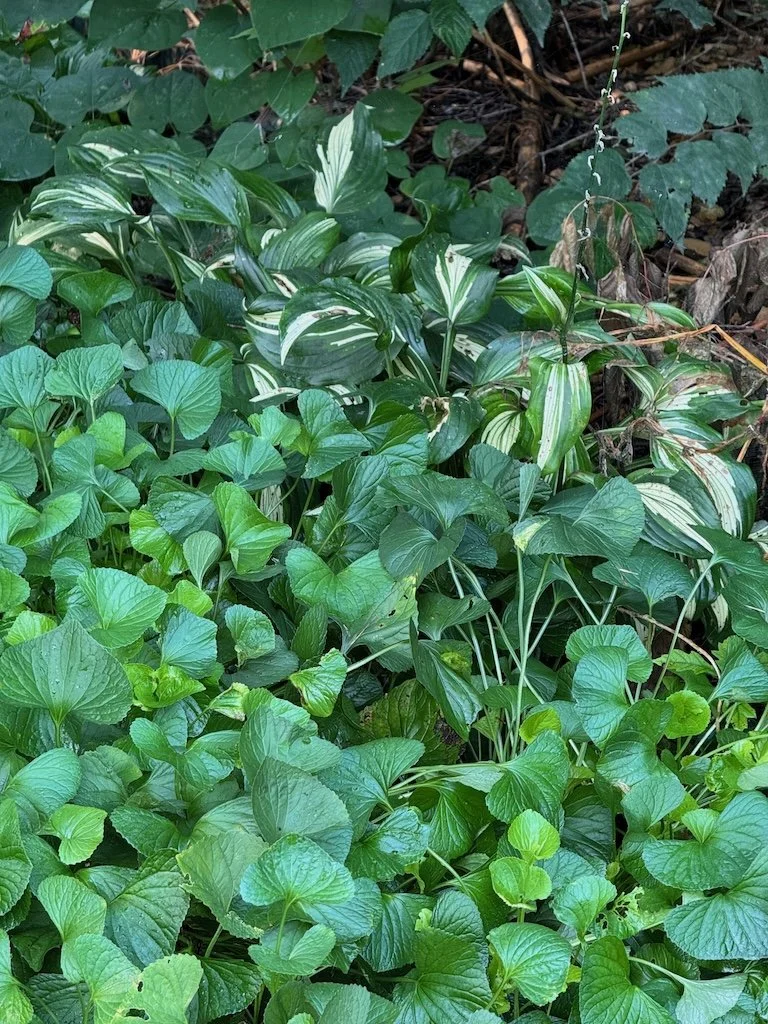
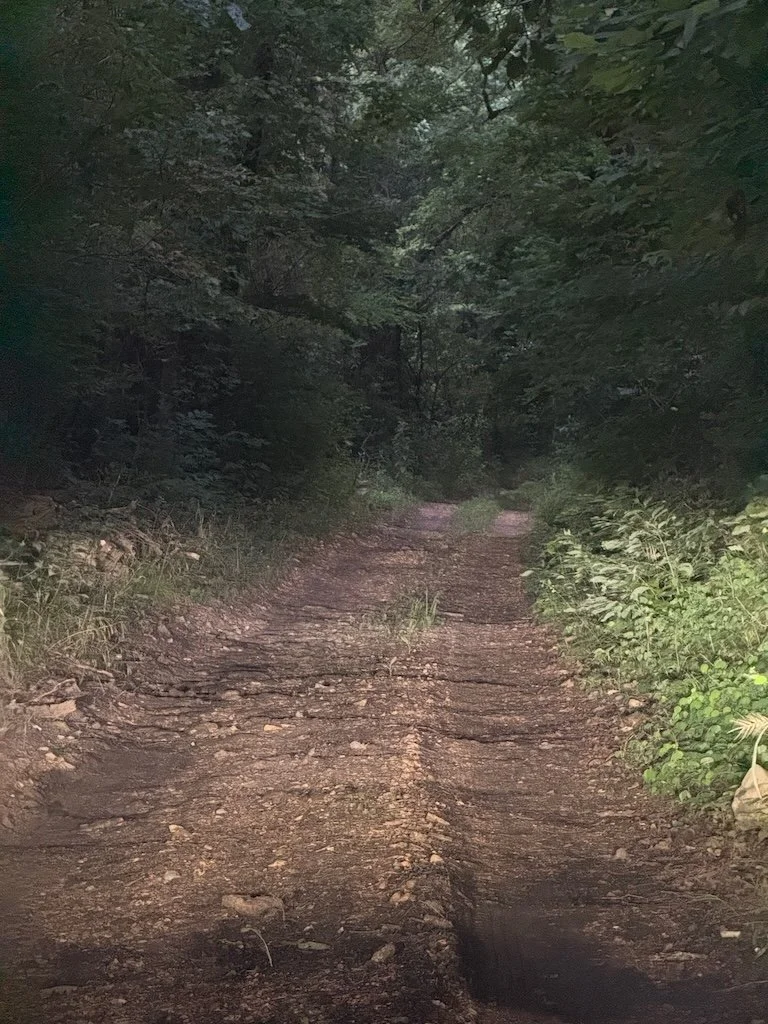
It was a hot day, and I welcomed the big trees along part of the stumpery path….and the plants growing there.
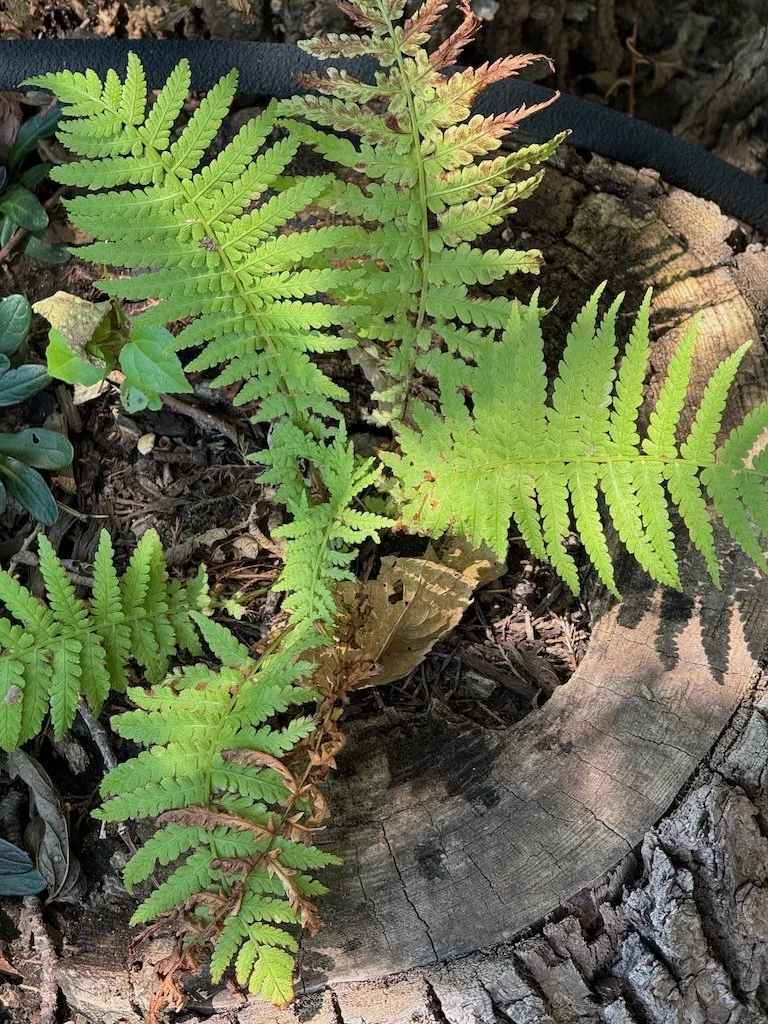
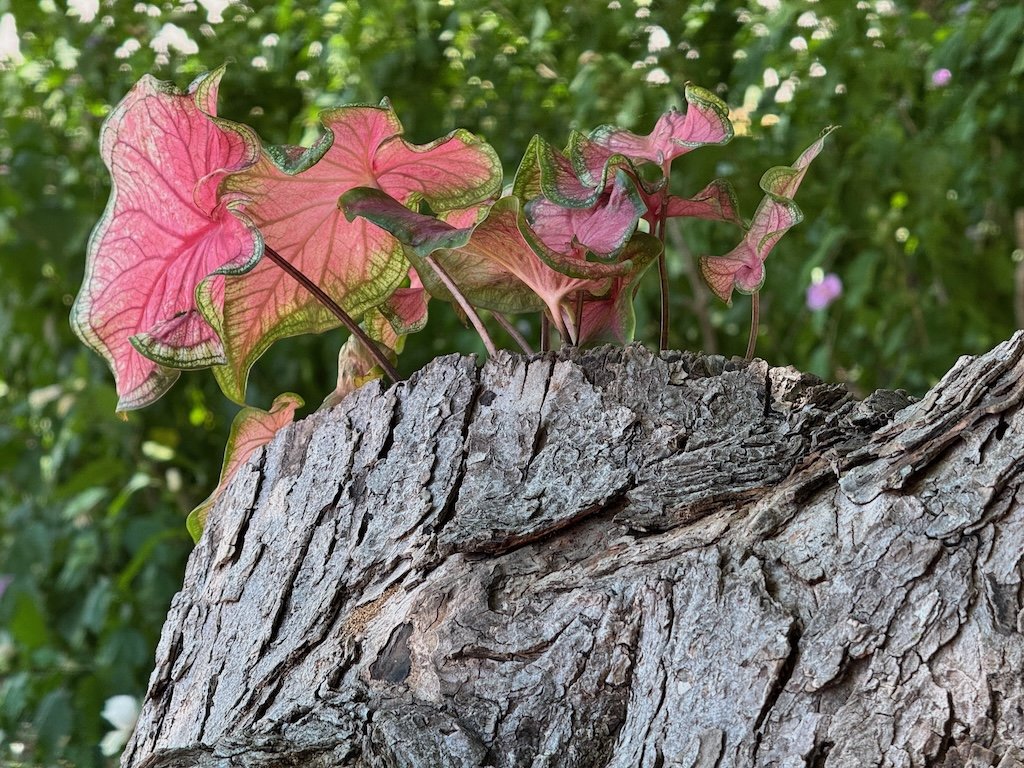
It is appealing to have a place to leave parts of trees that have fallen in storms. The stumpery was initiated with logs and wood pieces from the April 2025 storm….and will probably be replenished or enlarged in future storms. The neighborhoods surrounding the park have a lot of large trees.  

This has me thinking about some pieces of a rotting redbud trunk that my daughter had removed. Maybe I will put them in my native plant garden to form a mini-stumpery that will only be visible until the native plants fill the bed completely (probably will happen before they completely decompose).

Phelps Grove Park

Last week the Identifying Woody Plants class walked to Phelps Grove Park to add more trees to our list. I used my point-and-shoot (Canon Powershot SX730 HS) to capture some features of the additional trees (plus some trees already on our list). The temperaature was in the 70s…perfect for the hike…but the leaves are beginning to fall on many of the trees. Identification will get harder.
Serviceberry – Amelanchier arborea – Rosaceae: stripped bark, multiple trunks, small trees, two toned pointy buds, leaves simple and alternate

Crabapple – Malus – Rosaceae: pome without grit, twigs hairy, leaves (lobed, simple, entire)

Hawthorne – Crataegus – Rosaceae: thorns, pome, leaves round, bark pealing and patchy, the one we saw was infested with apple cedar rust (i.e. not a healthy tree)

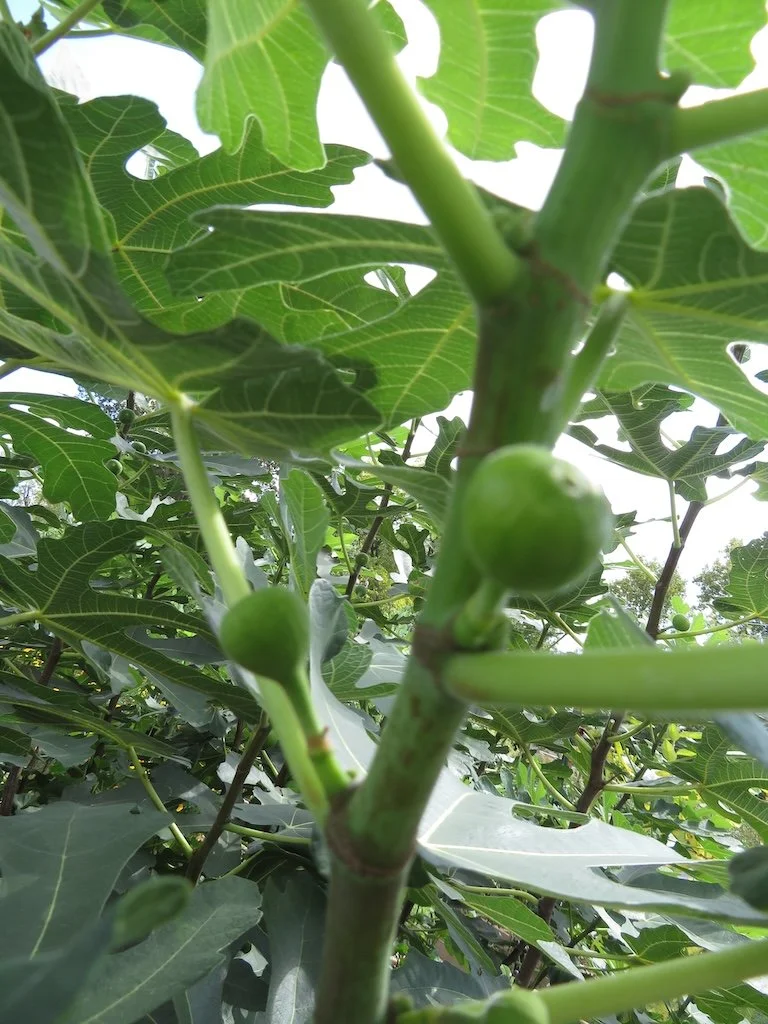
Fig (just for interest…not added to list)

Flowering dogwood (not new) – Cornus florida - Cornaceae

White oak – Quercus alba – Fagaceae: leaves (rounded lobes, smooth, lighter underneath), acorns dark with bumpy cups and often sprout in fall

Hemlock (not new) – Tsuga canadensis - Pinaceae

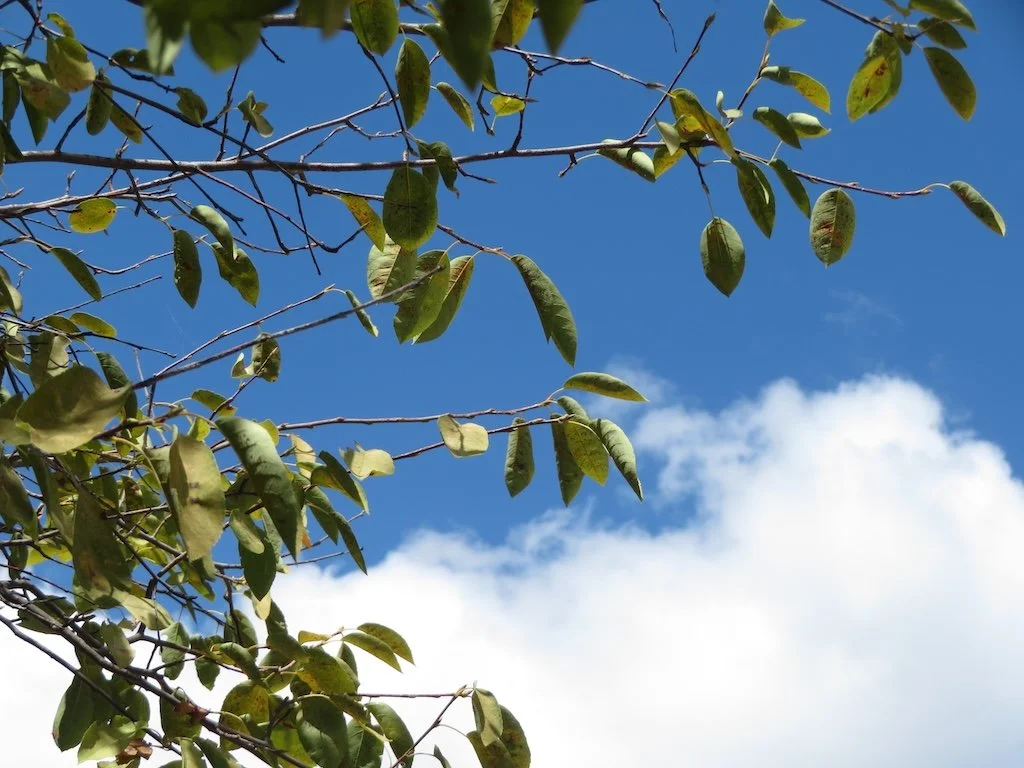
Black cherry – Prunus serotina – Rosaceae: observed bark…branches too high to see more

Osage orange – Maclura pomifera – Moraceae: bark shaggy and orange in parts, leaves (tapering tip, entire, alternate, simple, size varies), the one we saw was male so no fruit

Red mulberry  - Morus rubra – Moraceae: milky sap, leaves (toothed, shiny, falling)


Shortleaf pine (note new) – Pinus echinate – Pinaceae

Hackberry – Celtis occidentalis – Cannabaceae: drupe that can taste like a dry raisin, leaves (3 veins, asymmetric, rough), the one we saw had galls, bark rough and gray, large tree

Shingle oak – Quercus imbricaria – Fagaceae: acorn small, leaves (no lobes, long and narrow, soft hair underneath), multiple buds at tend of twigs, bark grayish

Previous posts about my experiences in the Identifying Woody Plants class at Missouri State University