Road Trip to Texas – February 2026

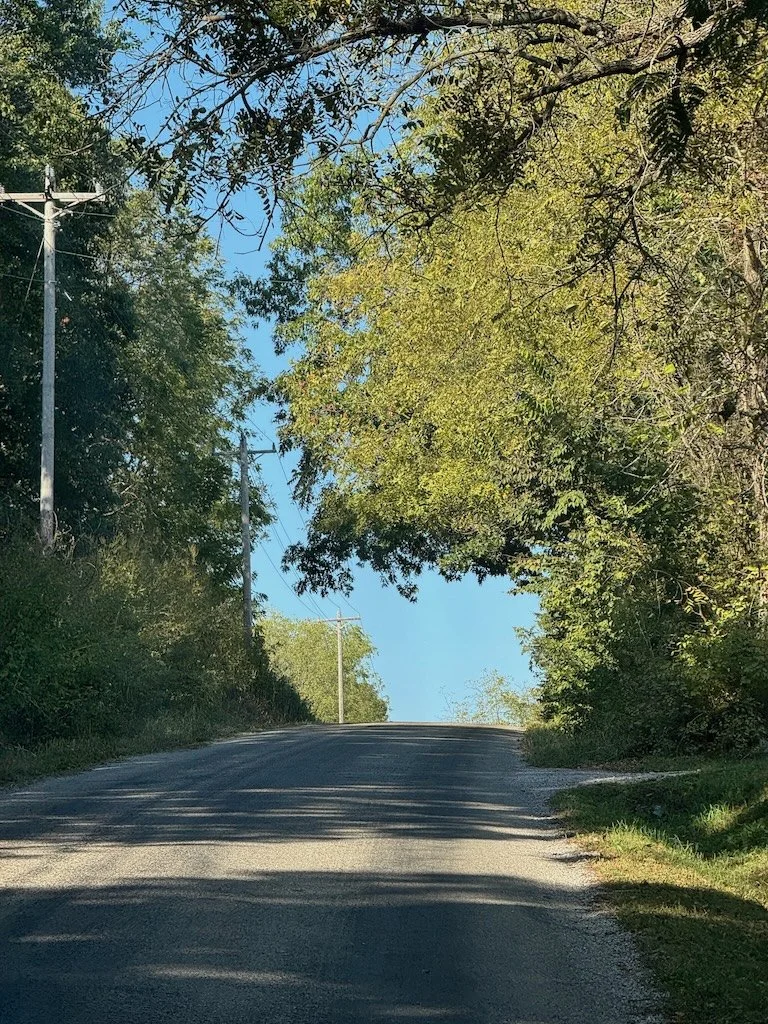
I made my monthly trip to Lewisville TX to visit with my dad near the end of the month. It was a more structured road trip than my usual. I stopped to meet my sister that had prepared his tax filing on my way down – since I am the one that must sign for him.

Once I got to the memory care facility, I had a meeting with a couple of staff members to work on some outstanding issues. He is starting his 5th month at the place, and I am a little frustrated that there are a few things that seem to not be as easily resolved (for example, they can’t seem to help him shave daily…and the stubble on his face is something he doesn’t like). On the plus side – they consistently cut is food so that it is easy for him to feed himself (something we had been unable to get done in his previous home).

I managed to visit with Dad too. We walked around the courtyard because the day was very pleasant – and then I accompanied him to the assisted living side of the place to visit with a friend and then do some PT in their gym.

Later in the day – about the time he went off to dinner, I joined a group of other families in a dementia support group. There were three other families…and a facilitator. It was a bit of a disappointment. My dad is about a decade older than the other residents that had family members at the meeting! I am realizing that, while he needs assistance for daily living, he is very easy to work with compared to some other situations.

The next morning, he seemed tired when I saw him after breakfast – maybe a result of the amount of activity from the previous afternoon. It was too cool to walk outside in the courtyard, but we did walk in the hallway. I noticed that there are a few St. Paterick’s Day decorations, but they are relatively subdued compared to the Thanksgiving – Christmas – Valentines decorations of the past few months.

I noticed some framed botanical prints in the hallway that I hadn’t noticed before. I wondered how many of these things he can appreciate with his eyesight declining so much in the past 6 months.

That thought continued when we got back to his room – does he know there is a pinwheel in his potted plant…that the tractor and beagle figure are on the dresser. There is a large screen television that we use to play a slideshow of outdoor places; he seems to notice that the picture is changing but can’t tell what the picture contains. The visual appeal of the environment is likely not as important to him now – but it does make it more pleasant for us when we visit!

Plastic Crisis: Milk

My regular grocery store only had milk in plastic jugs and plastic lined cartons. That is not good since milk has enough fat to make the chemicals in the plastic more likely to leach into the milk. Recently by daughter noticed that there was an option of milk in glass bottles at her grocery store and I am trying it! There is a deposit on the glass bottle to encourage people to return them…and buy the milk again!

The milk is from a dairy located about an hour from Springfield MO. They use low temperature vat pasteurization; I read that many people with lactose intolerance can drink the milk without problems…and I am pleasantly surprised that it is true for me.  

While I don’t know the plastics that might be in the dairy processing, at least the packaging of the milk is in a reused glass bottle and the ability to drink it without taking a Lactaid is just another benefit. The only downside is that it is a bit more expensive; for me the benefits outweigh that expense.

Zentangle® – February 2026

28 Zentangle tiles for February (not counting the 8 extra ones I posted just after Valentines).

I used plain cardstock – mostly black ink with a few bits of color using up some older Sharpie Ultra Fine pens. Now I am moving on to new set of gel pens for the color pops in March!

The Zentangle® Method is an easy-to-learn, relaxing, and fun way to create beautiful images by drawing structured patterns. It was created by Rick Roberts and Maria Thomas. “Zentangle” is a registered trademark of Zentangle, Inc. Learn more at zentangle.com.

Gleanings of the Week Ending February 28, 2026

The items below were ‘the cream’ of the articles and websites I found this past week. Click on the light green text to look at the article.

2/16/2026 Journal of Advanced Research Association between exposure to microplastics and lipid disorders: A case-control study – Study with 239 patients aged ≥18 years who underwent fiberoptic bronchoscopy with bronchoalveolar lavage fluid (BALF) collected. Microplastics in BALF were identified and quantified using laser direct infrared spectroscopy. Fourteen main types of microplastics were detected in BALF with PE being dominant. Exposure to microplastics was associated with elevated levels of total cholesterol.

2/16/2026 National Parks Traveler A Day in the Park: Canyon de Chelly National Monument – This article reminded me of a visit to the park in 1983! We hiked the White House Trail, and I remember wading across a stream with the 4 of us holding hands just in case there was a pocket of quicksand. We managed to get through with neither of the two cameras getting dipped in the water.

2/13/2026 Science Daily Scientists make microplastics glow to see what they do inside your body - A new study proposes an innovative fluorescence-based strategy that could allow researchers to track microplastics in real time as they move, transform, and degrade inside biological systems.

2/15/2026 Our World in Data Four minutes of air conditioning - In at least 45 countries, the average residential electricity use per person for an entire day is less than the electricity that is required to power an air conditioner for one hour. In India, the daily electricity budget is sufficient for only 44 minutes of AC. In Nigeria, just 13 minutes; and in South Sudan, just 4. Most people in some of the world’s hottest countries do not use AC. The most recent data from the International Energy Agency suggests that just 5% of households in India, 6% in South Africa, and 16% in Brazil had air conditioning. In the very poorest countries, almost no one has it. In colder countries, we wouldn’t accept people freezing in their homes. The opposite is also true: we shouldn’t accept people working and living in oppressive heat without ways to cool themselves down.

2/15/2026 Planetization South Carolina Mapping Tool Tracks Marsh Migration From Sea Level Rise - A new mapping tool funded by the National Fish and Wildlife Foundation maps South Carolina’s shifting salt marshes, which are pushing inland as seawater levels rise. The mapping tool translates theoretical projections into actionable data. For a more detailed explanation and videos see the article on Governing.

1/23/2026 The Scientist Antibiotic Resistance Is Rising: 4 Trends Could Change That Course - Antibiotic resistance is sometimes framed as an inevitable catastrophe. But I believe the reality is more hopeful: Society is entering an era of smarter diagnostics, innovative therapies, ecosystem-level strategies and policy reforms aimed at rebuilding the antibiotic pipeline in addition to addressing stewardship. For the public, this means better tools and stronger systems of protection. For researchers and policymakers, it means collaborating in new ways. The question now isn’t whether there are solutions to antibiotic resistance – it’s whether society will act fast enough to use them.

2/11/2026 Smithsonian Magazine Ice Fishermen Catch Record-Breaking 244-Pound Atlantic Halibut After Hours-Long Struggle - The fish measured more than six and a half feet long and easily broke the previous record—194 pounds—for the largest halibut caught on the Saguenay, which had been set last winter. The record-breaking Saguenay fish was the 27th halibut hooked this winter as part of the research project. After organs are removed for study, the fishermen will get to keep and split roughly 170 pounds of meat.

2/16/2026 Science Daily Microplastics have reached Antarctica’s only native insect - Scientists have discovered that Belgica antarctica — a tiny, rice-sized midge and the southernmost insect on Earth — is already ingesting microplastics in the wild. While lab tests showed the hardy larvae can survive short-term exposure without obvious harm, those exposed to higher plastic levels had reduced fat reserves, hinting at hidden energy costs.

2/16/2023 Cool Green Science 8 of the World’s Little-Known Wildlife Migrations – Lots of different kinds of animals of this list!

2/16/2026 Yale Environment 360 Despite Rollbacks, U.S. Fossil Fuels Face Tough Road Ahead - The weakening of environmental regulations belies the downward trajectory for fossil fuels under President Trump. Today, the U.S. coal fleet is the smallest it has been in decades, having shrunk roughly in half since 2010. There are no new coal plants under construction. Oil is expected to stagnate as global production outpaces demand. Oil executives say the shale boom may be coming to an end. Natural gas remains a bright spot for U.S. fossil fuels as a recent boom in gas exports continues to drive demand for U.S. gas

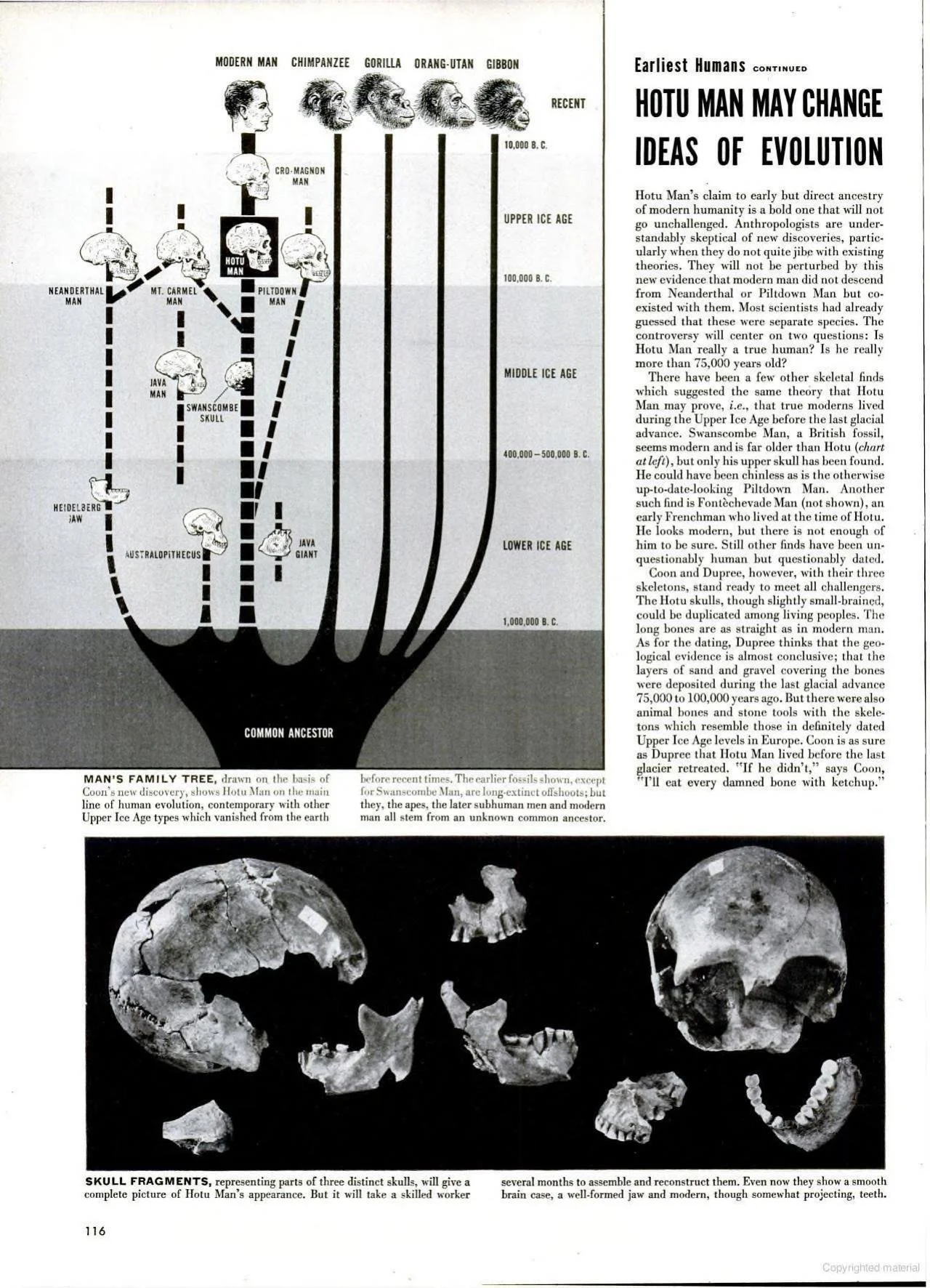
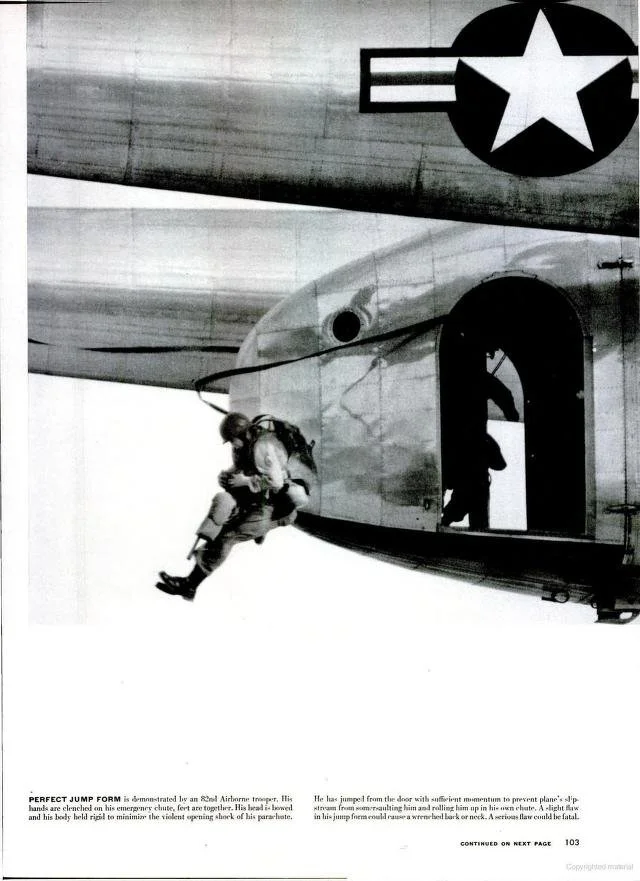
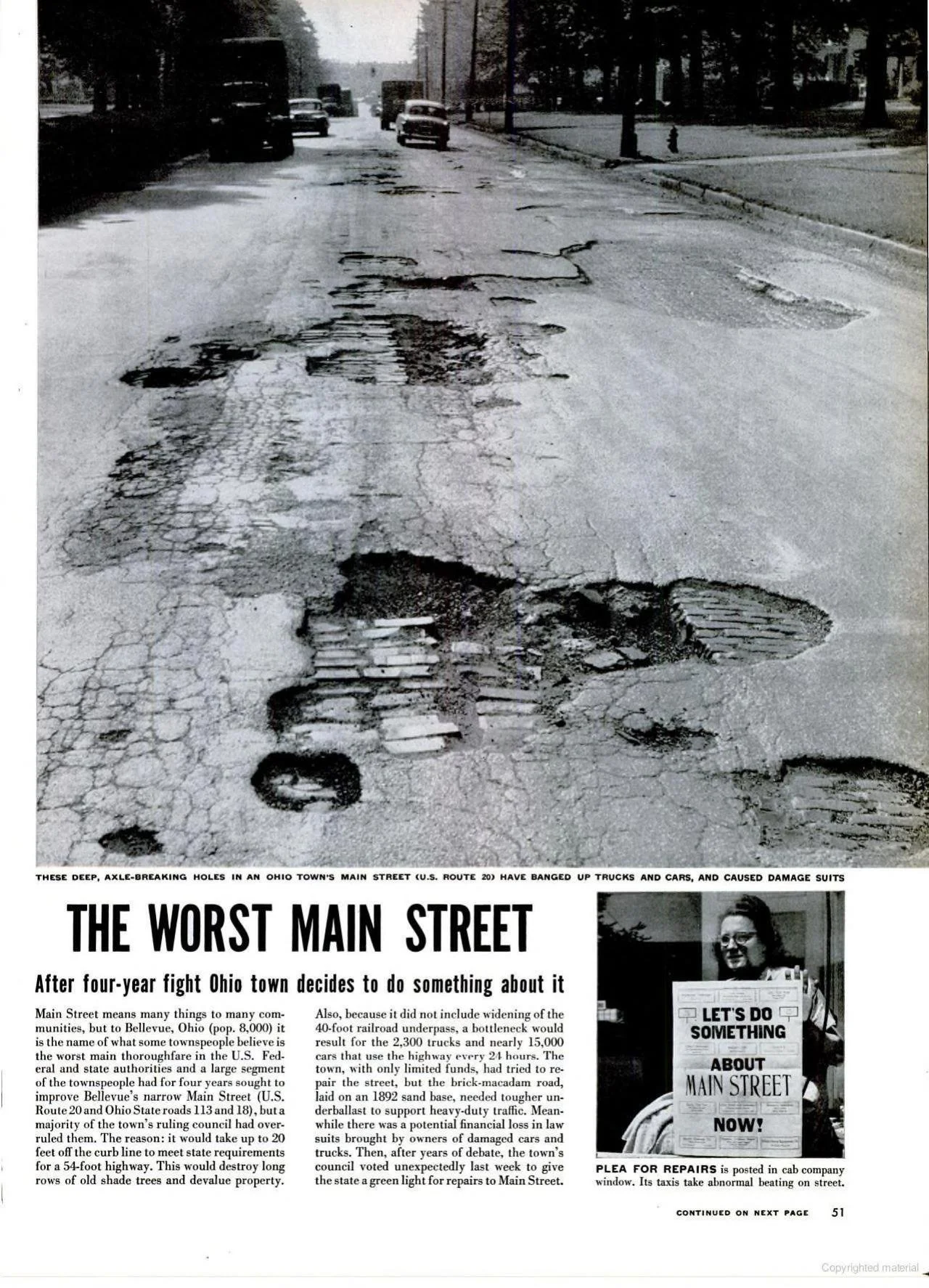
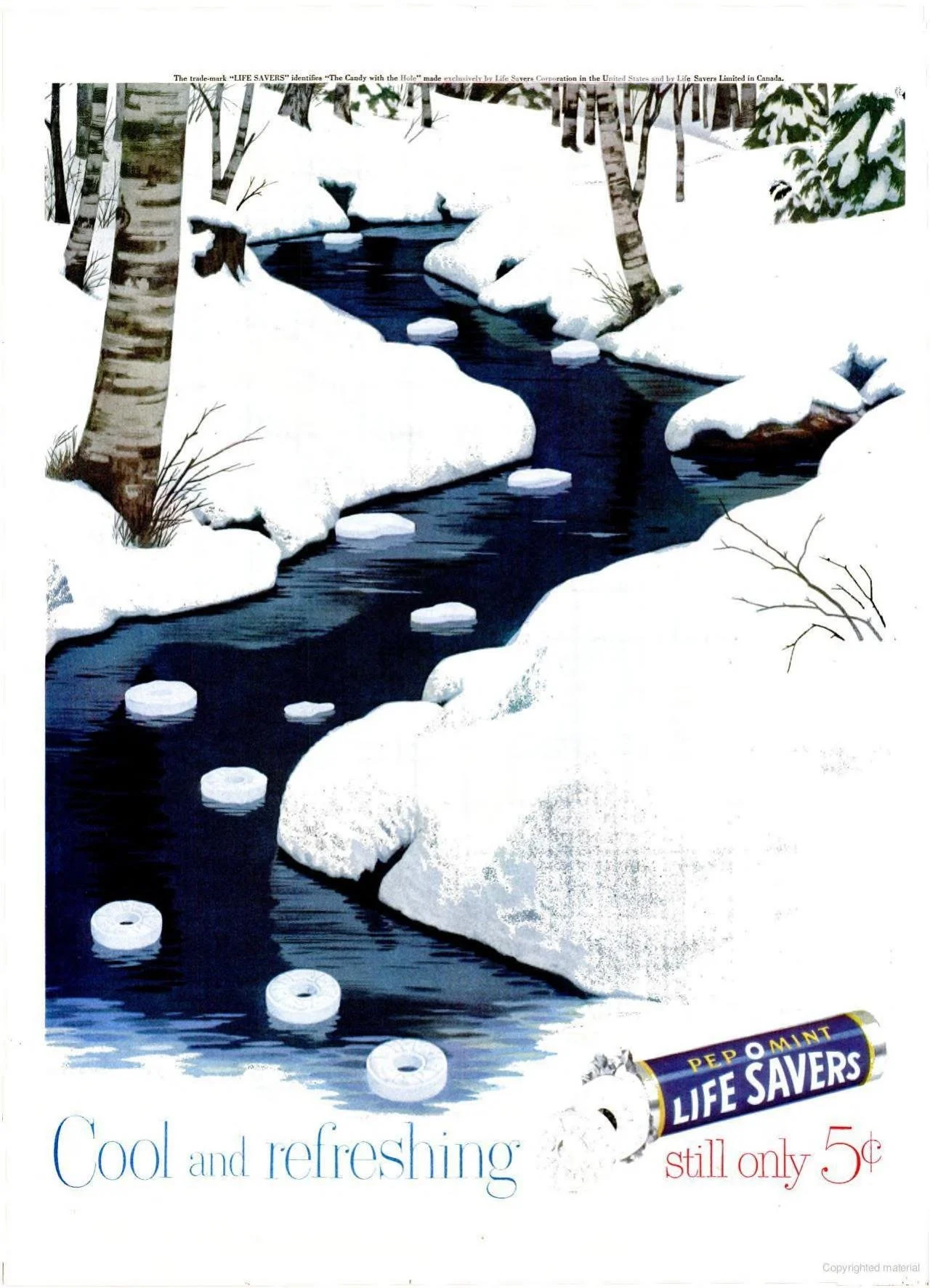
Life Magazine in 1946

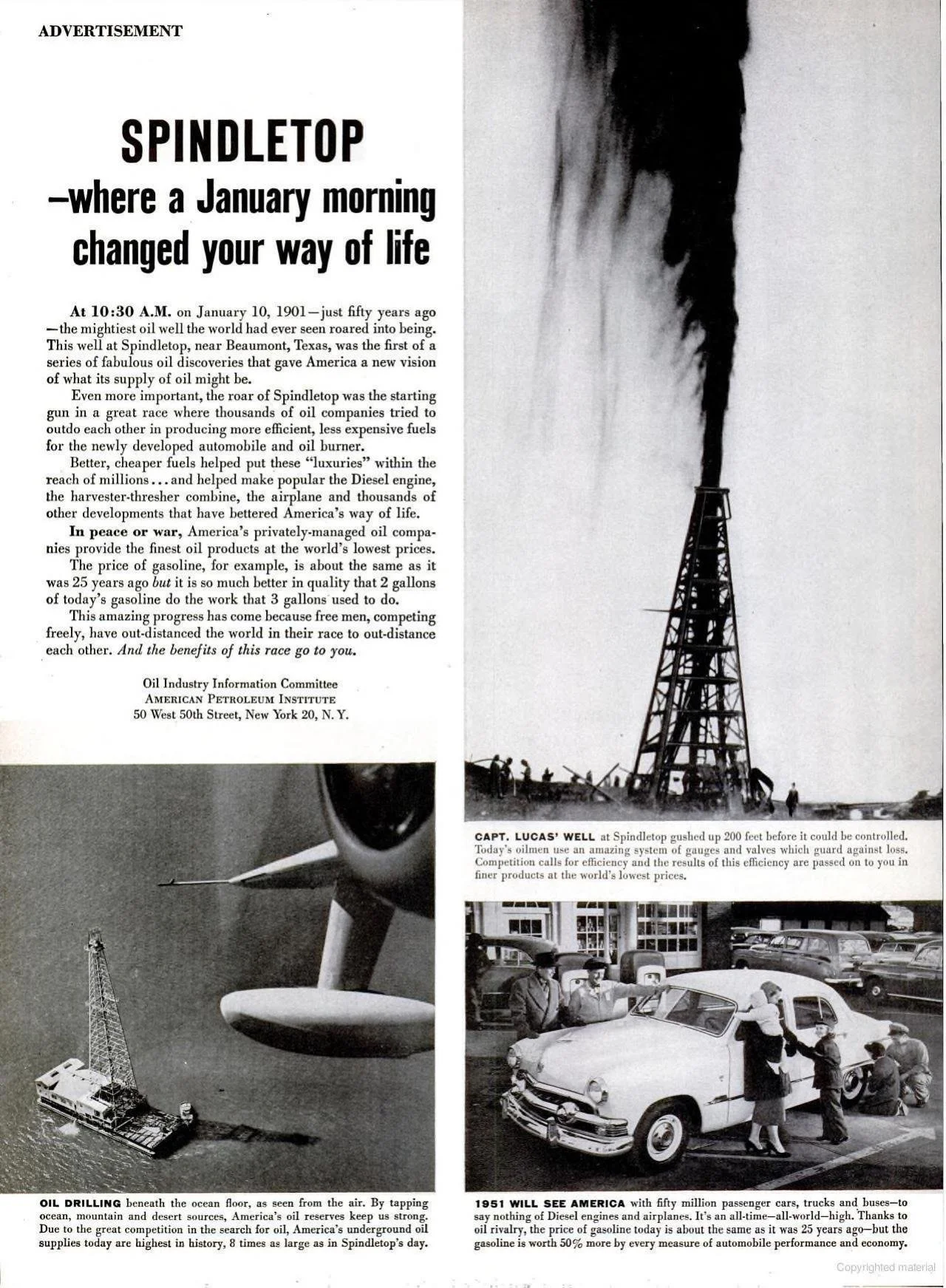
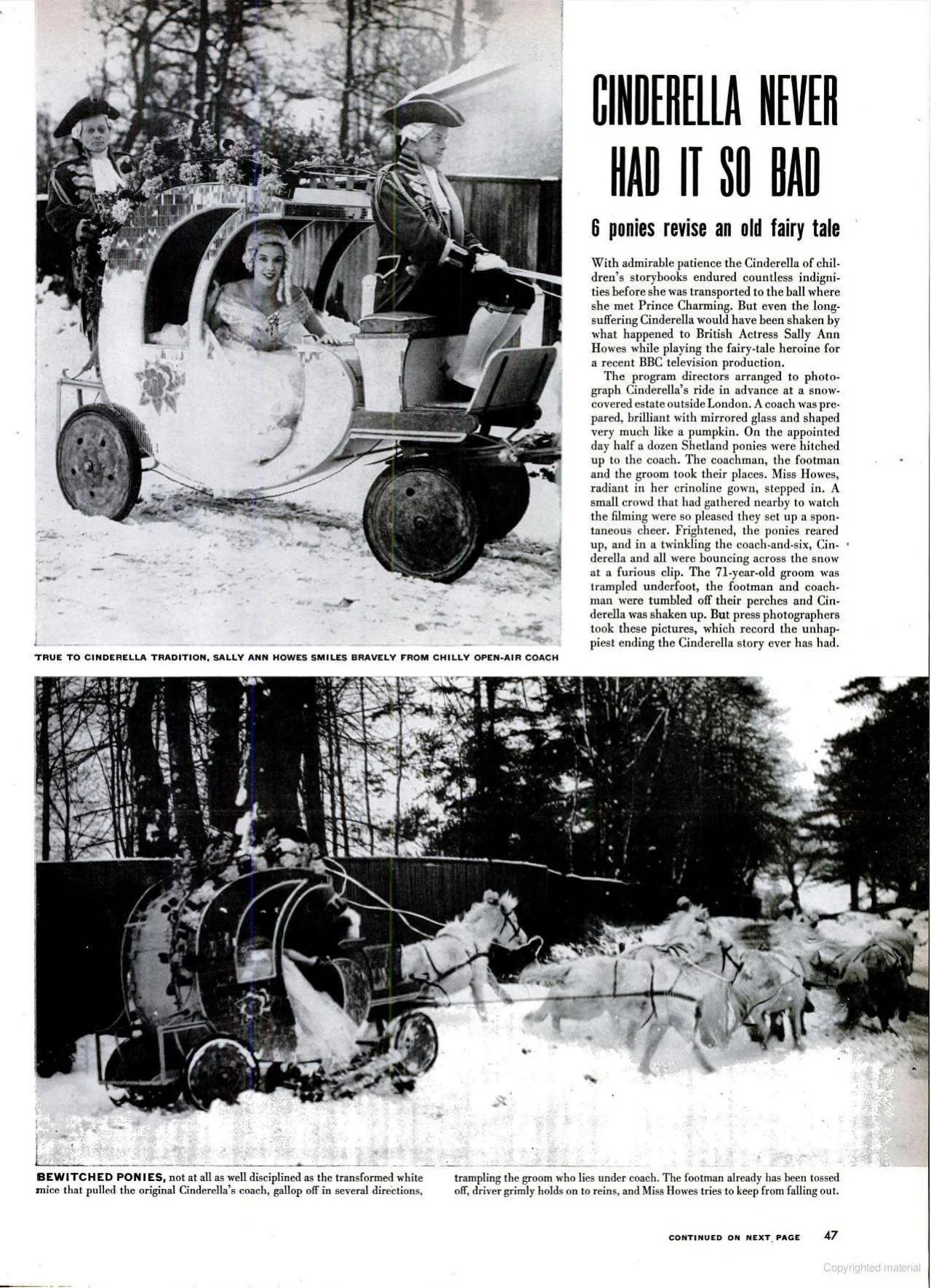
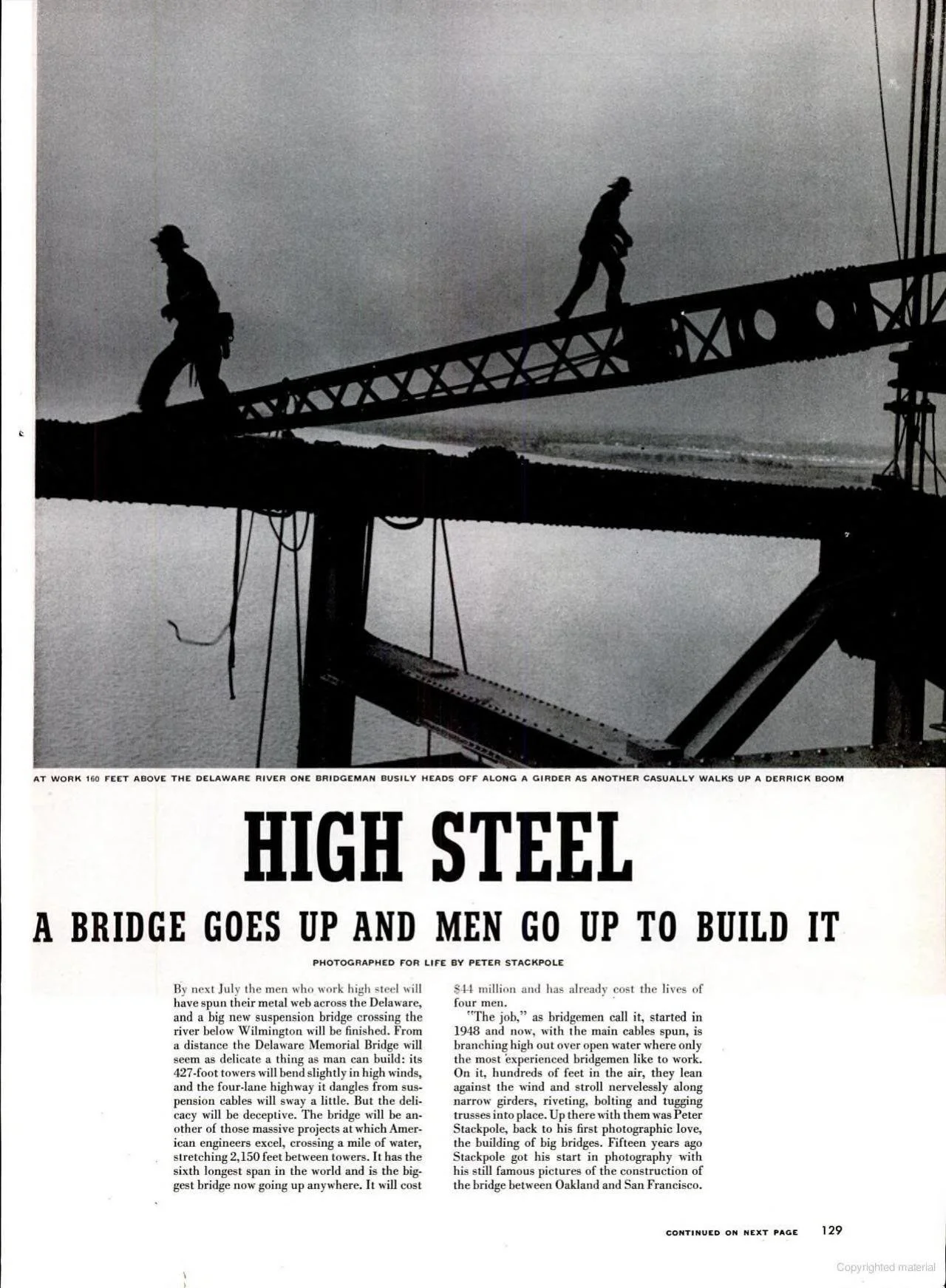
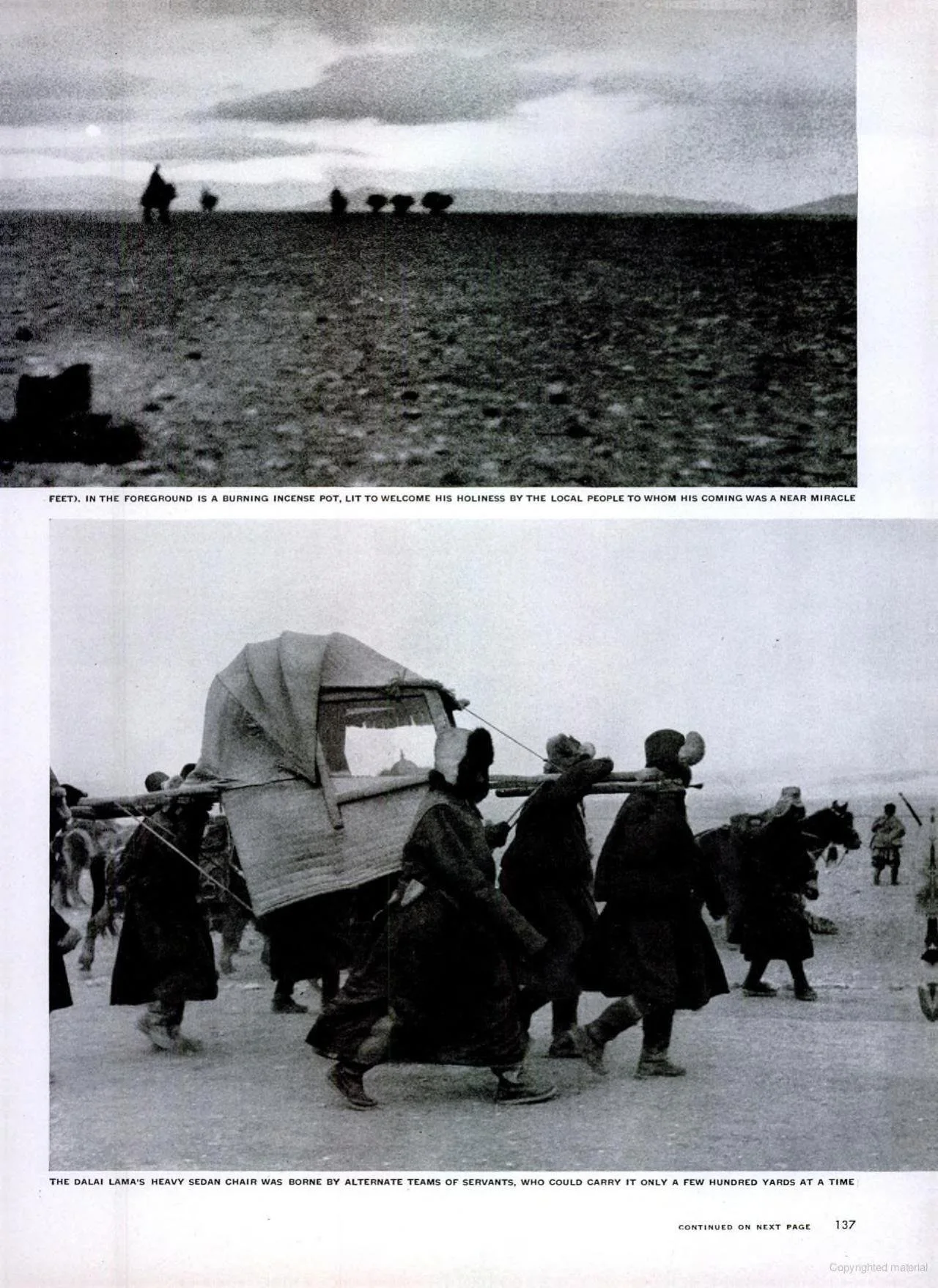
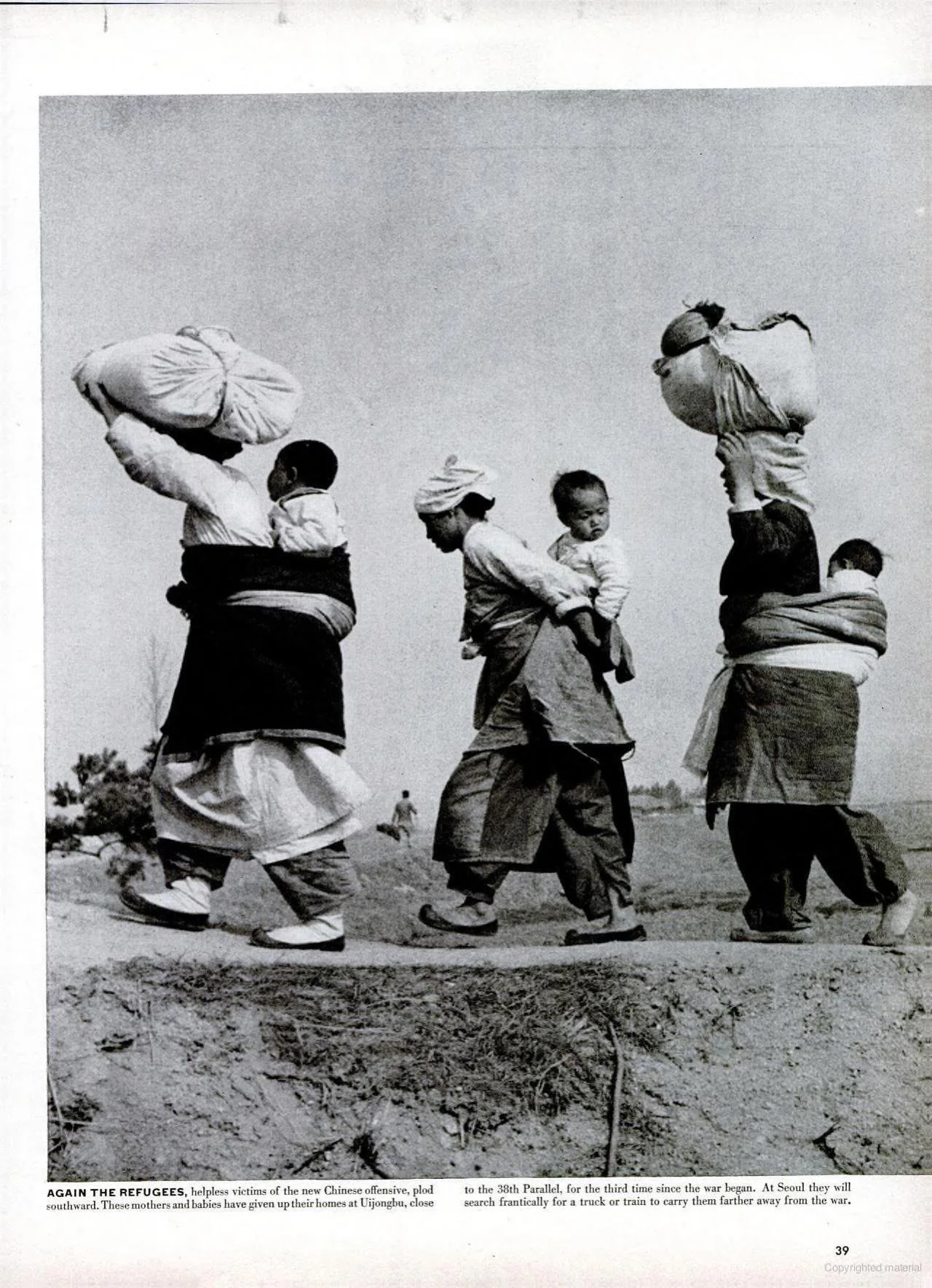
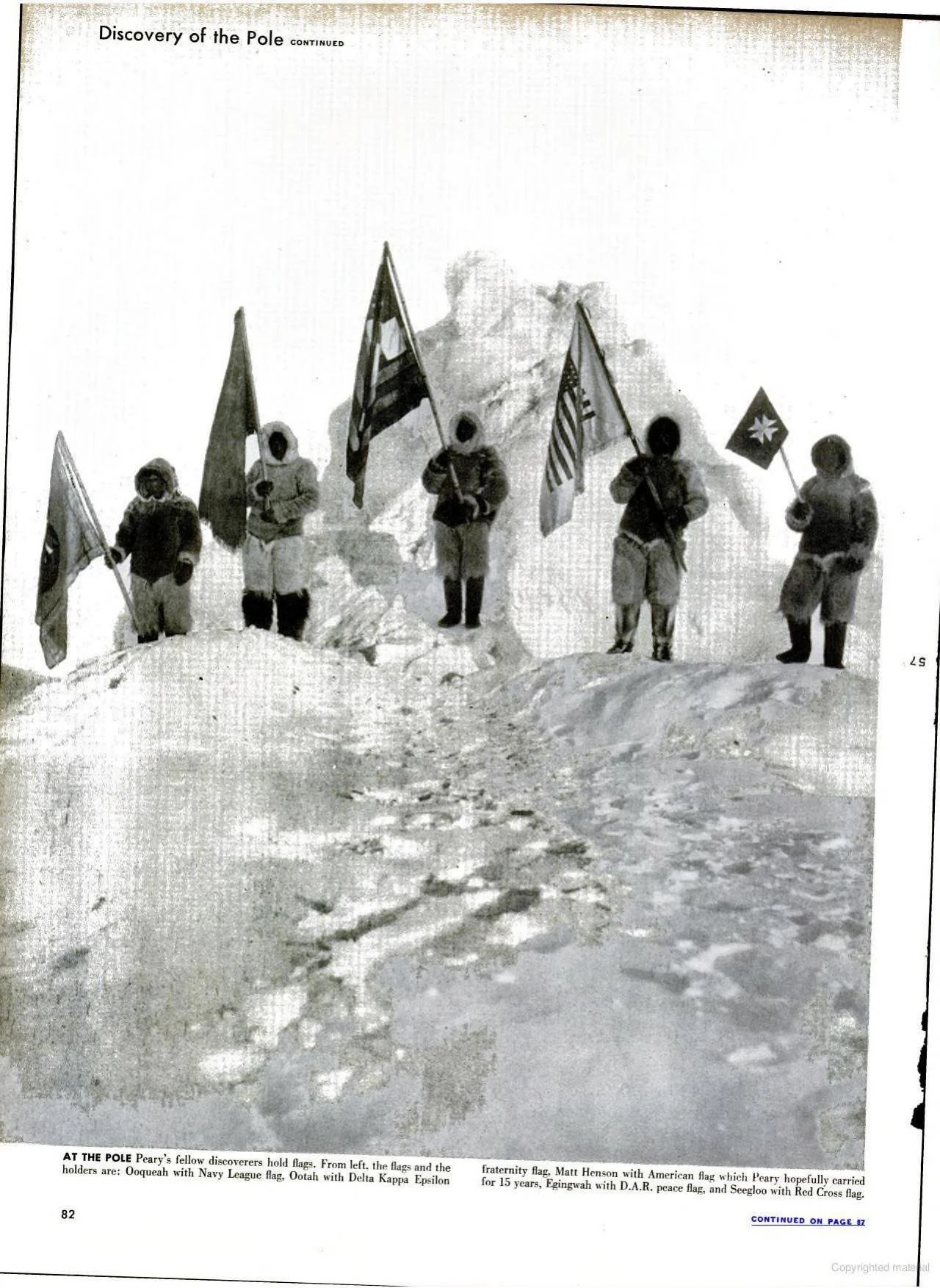
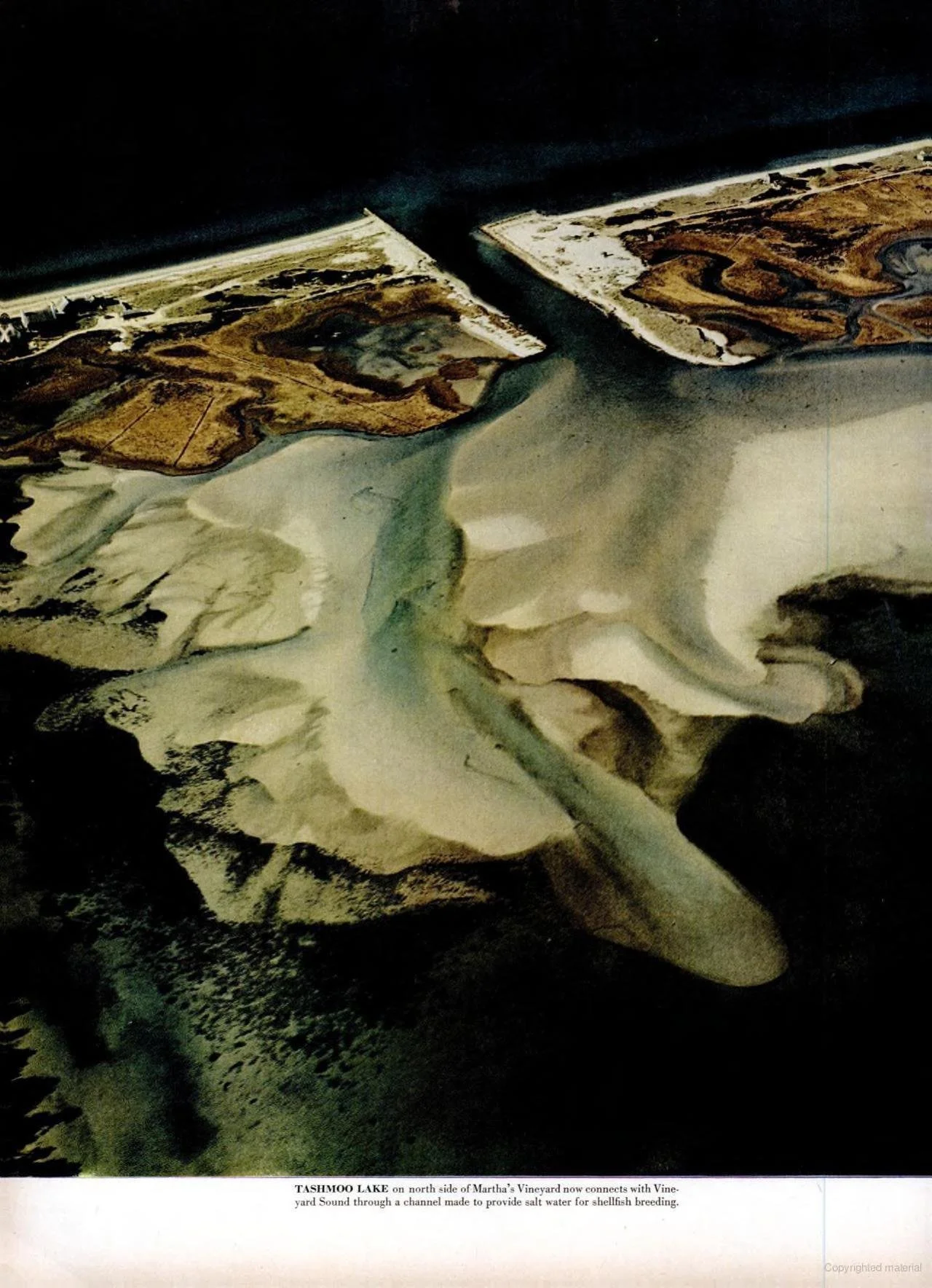
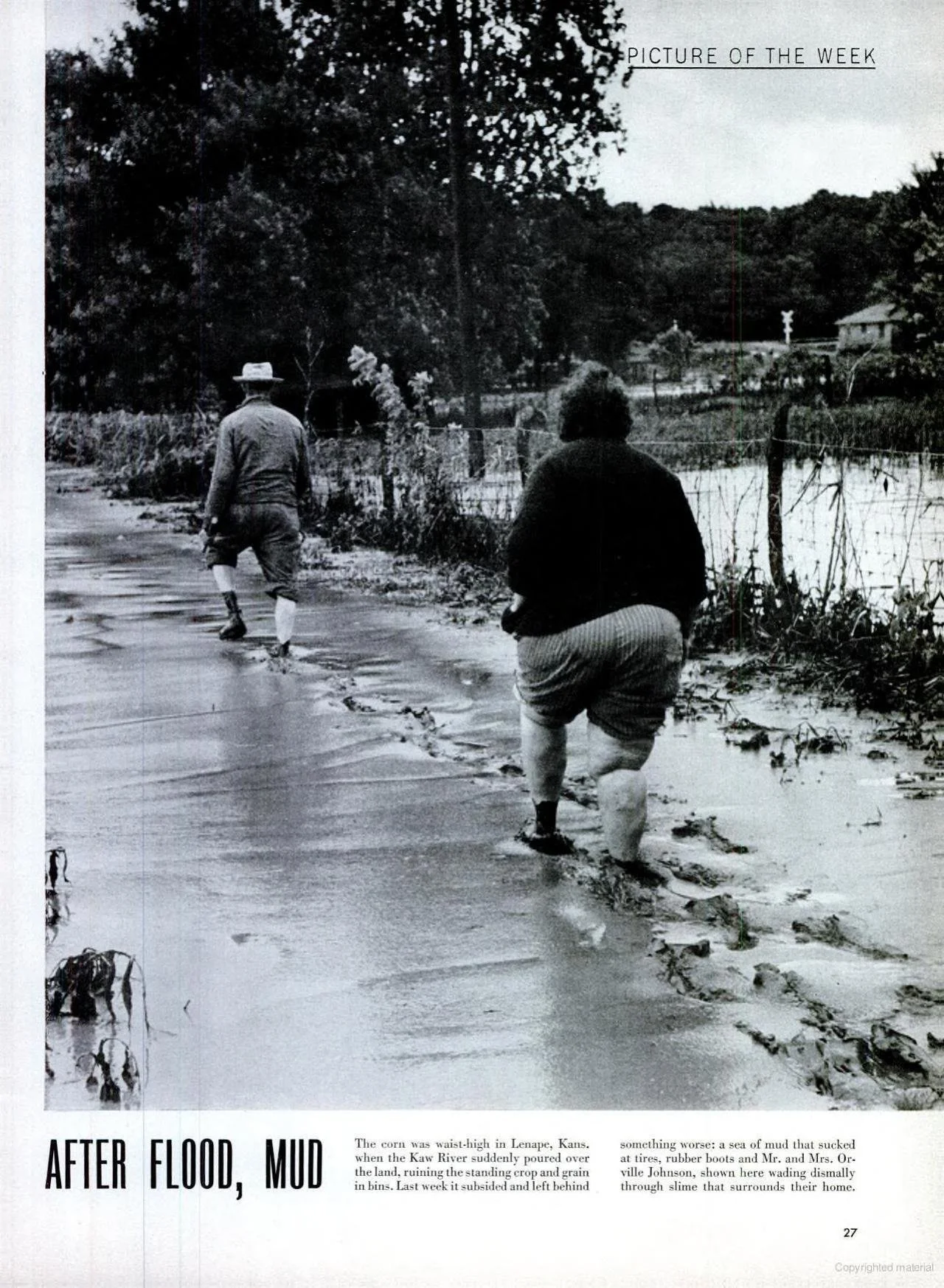
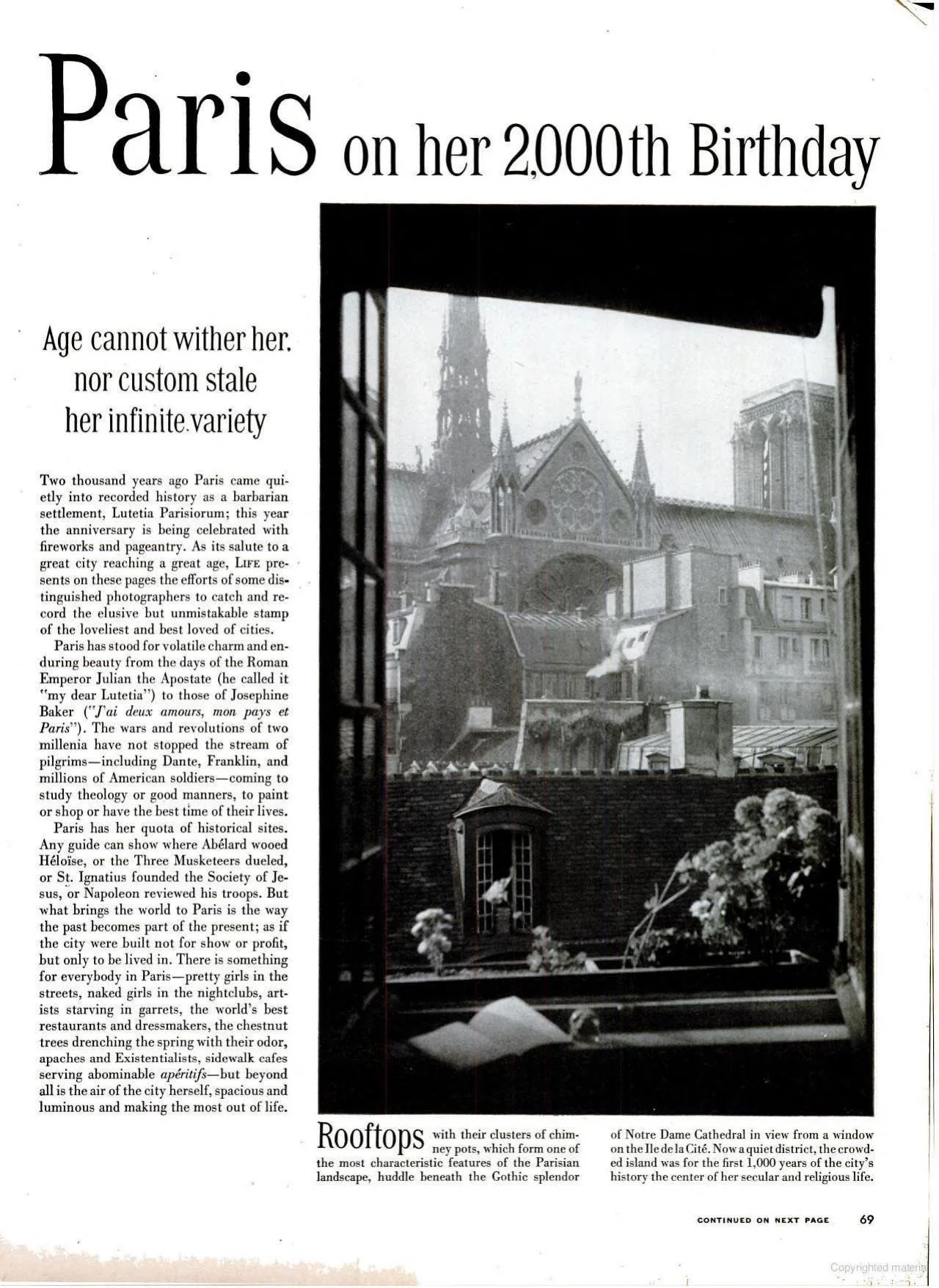
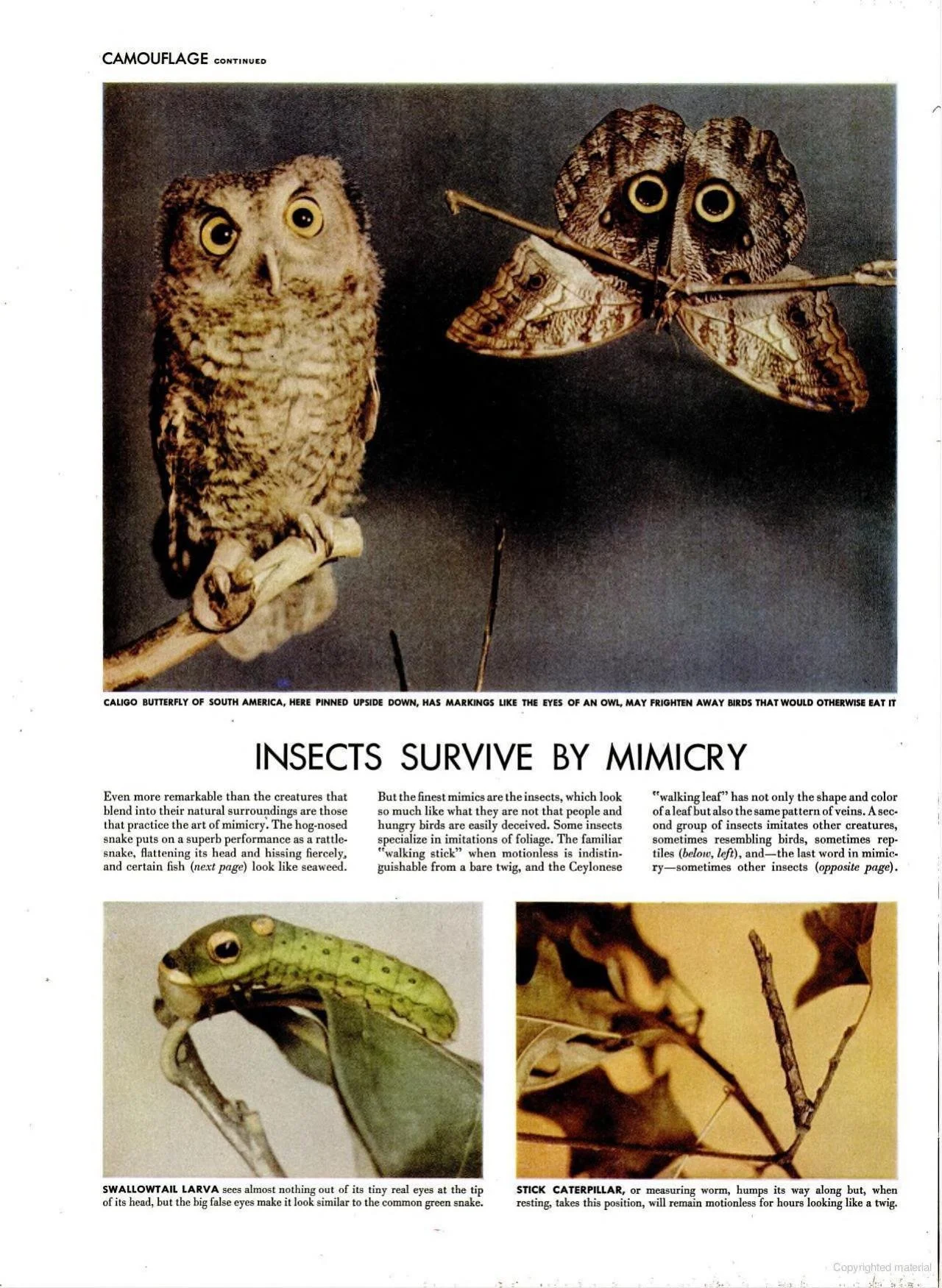
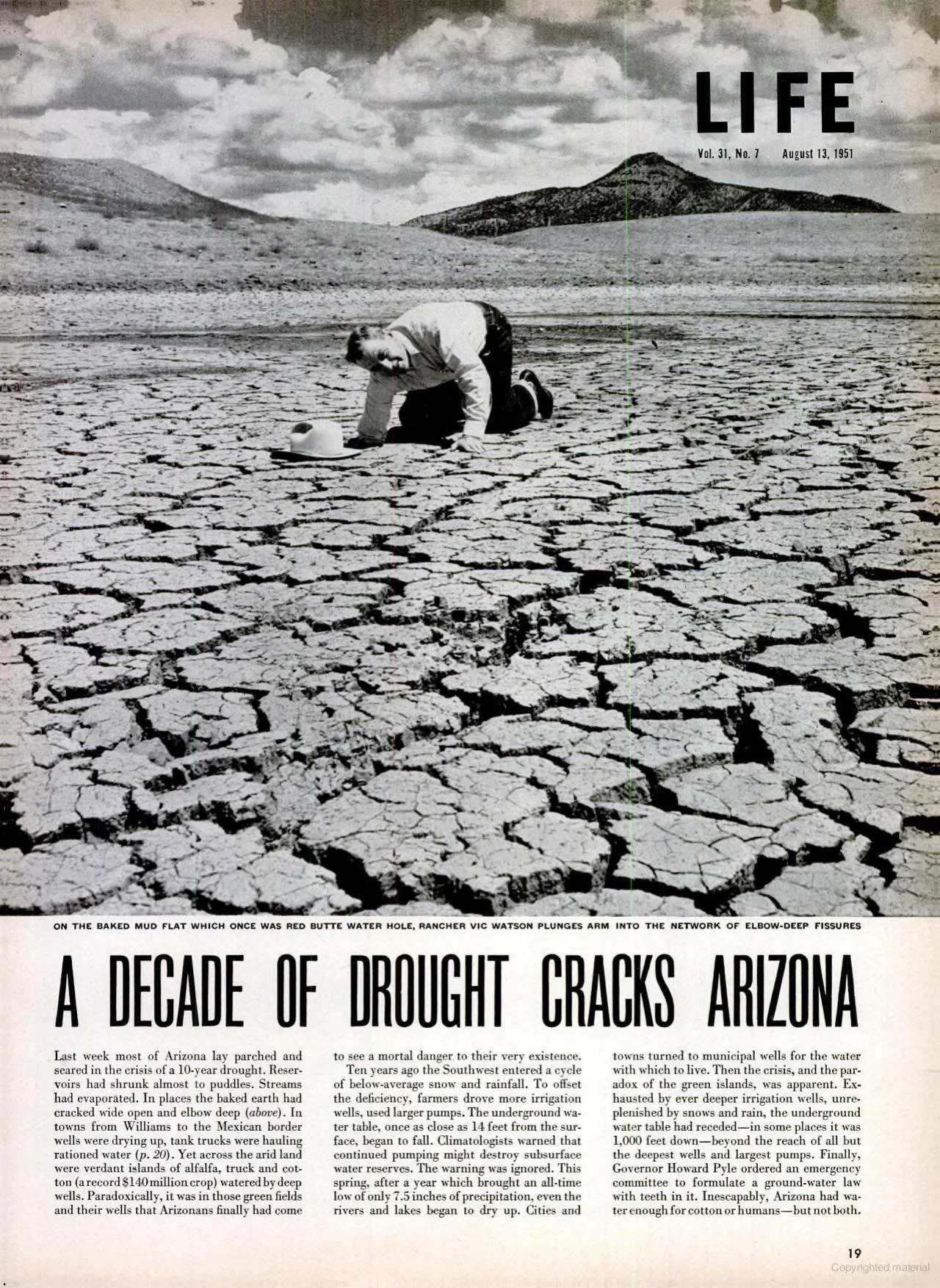
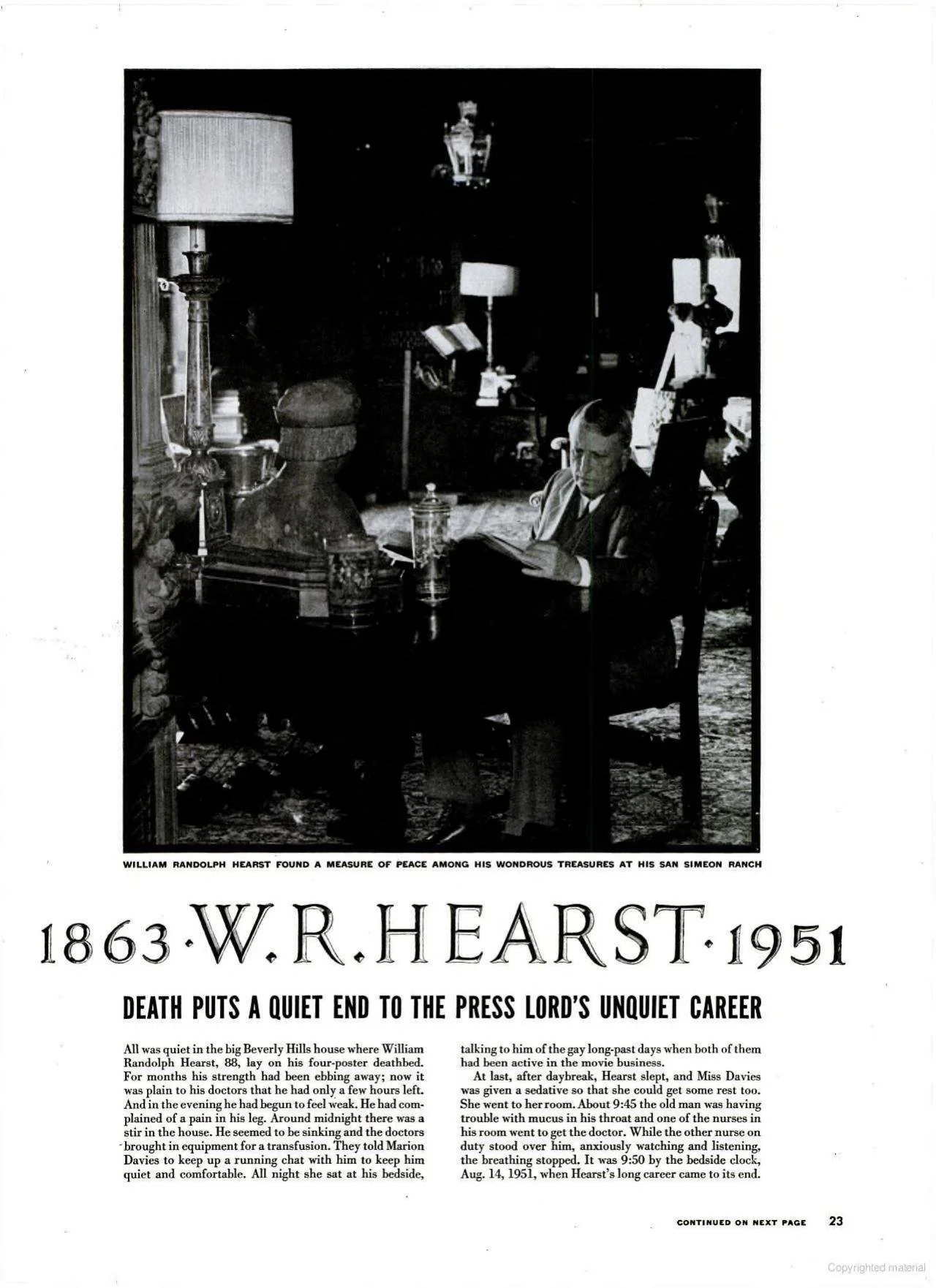
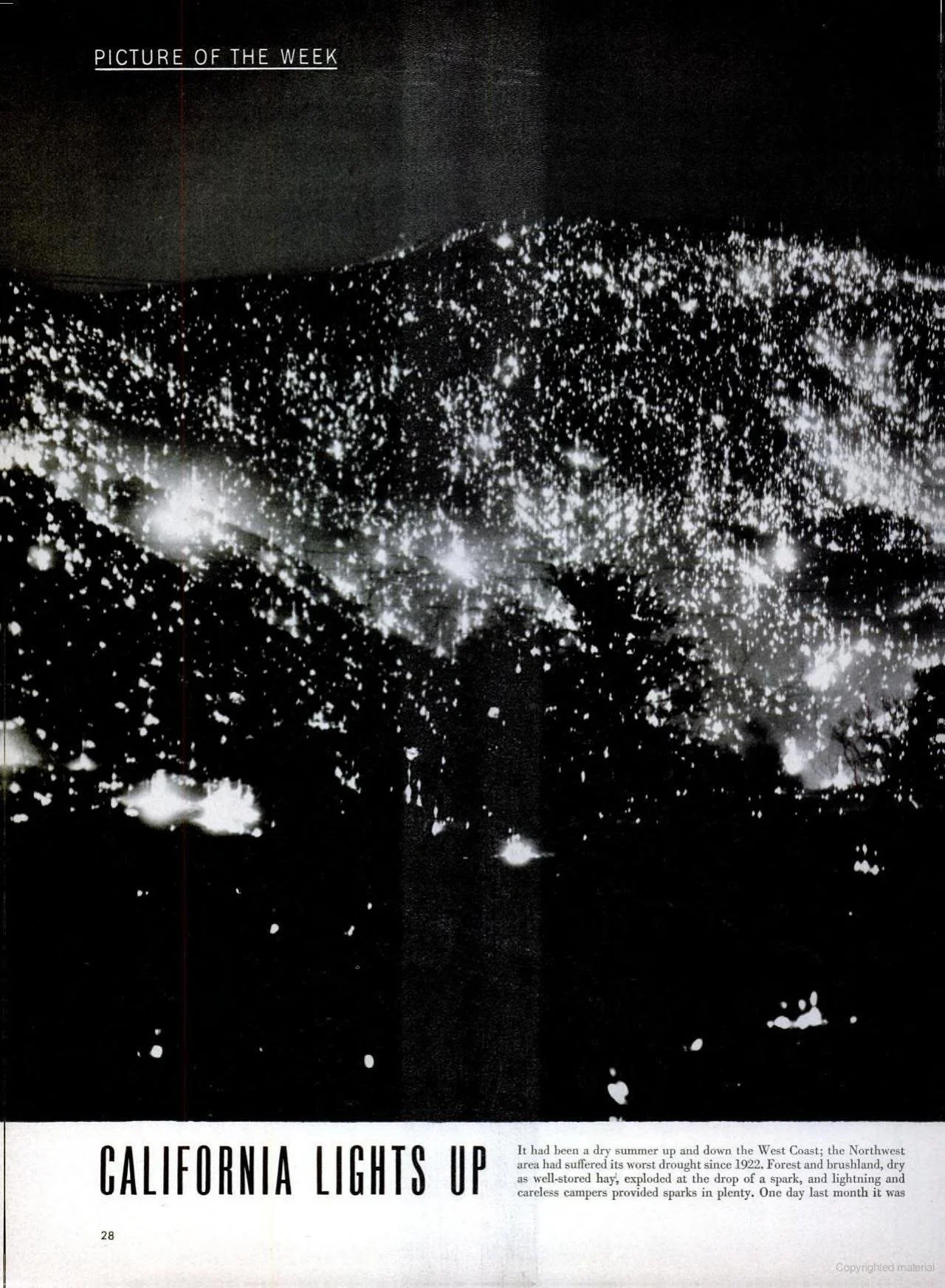
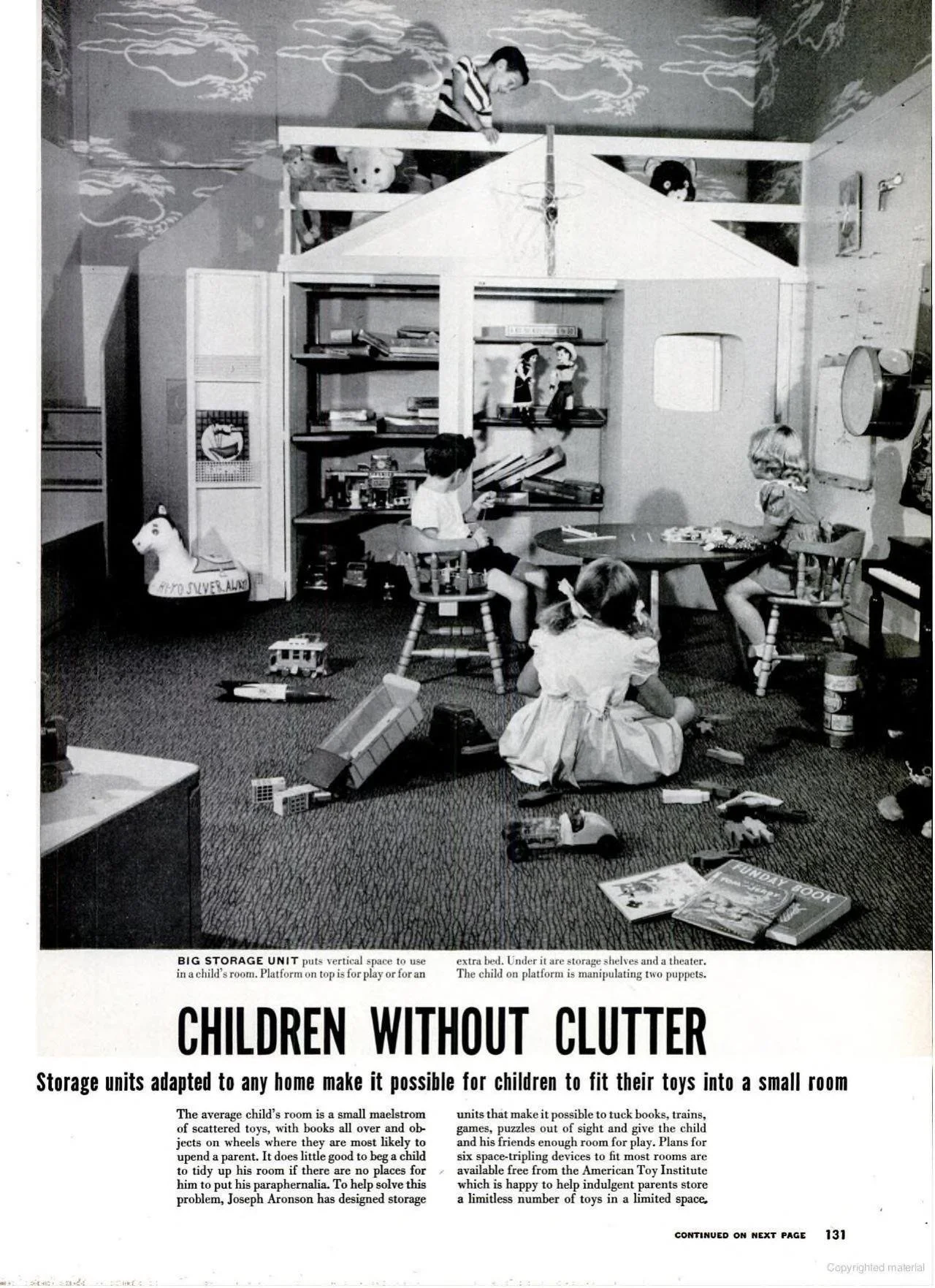
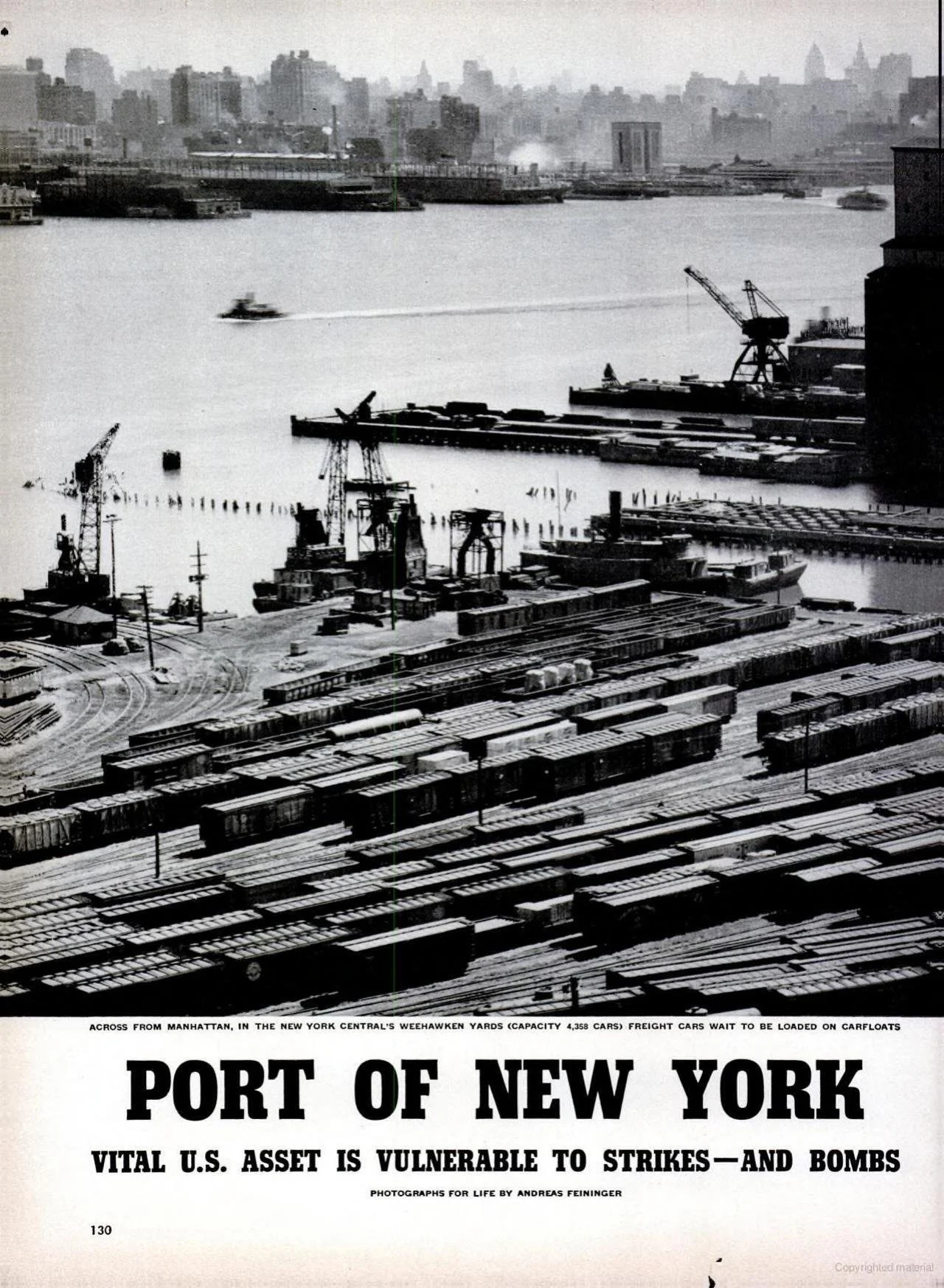
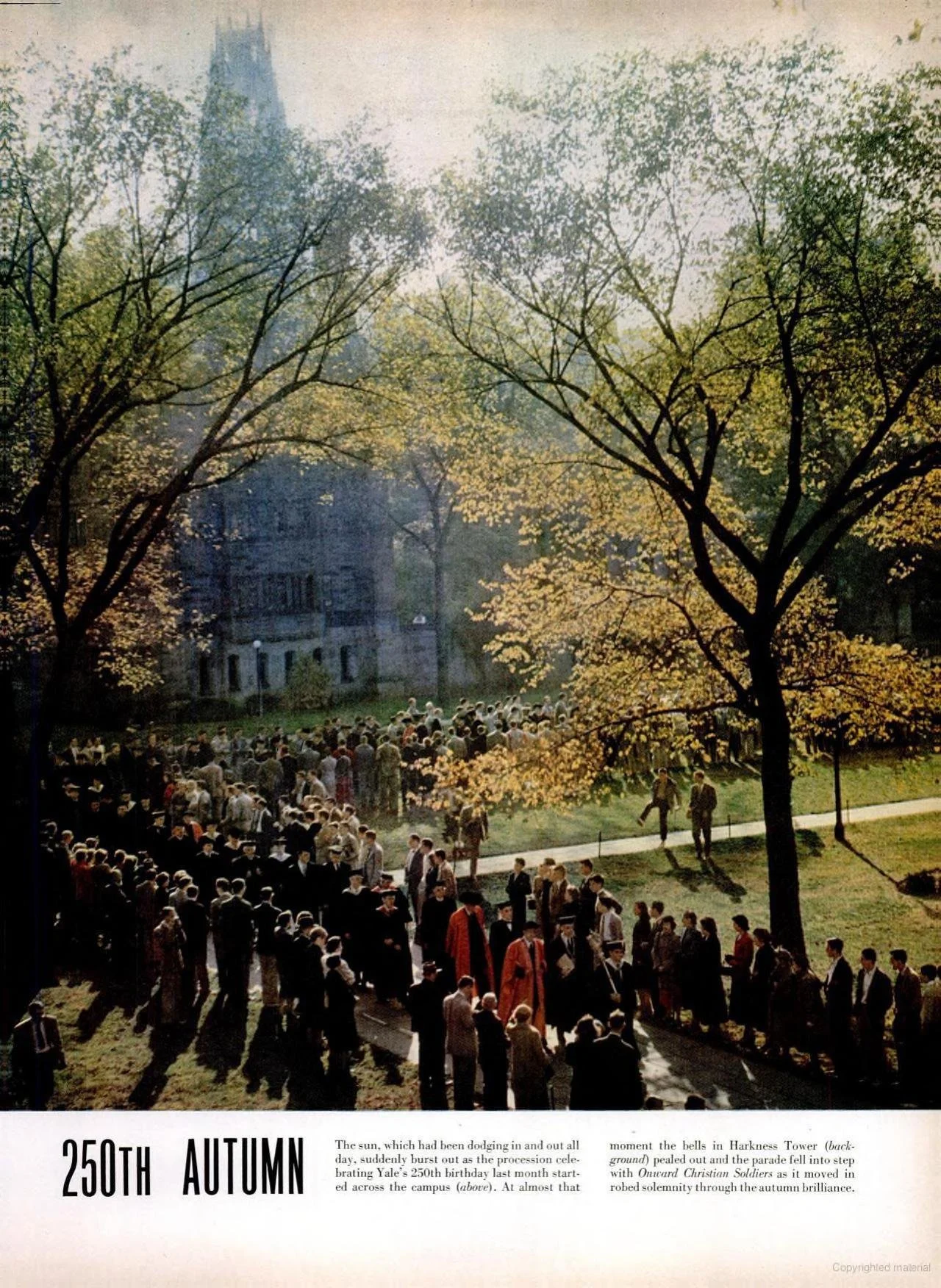
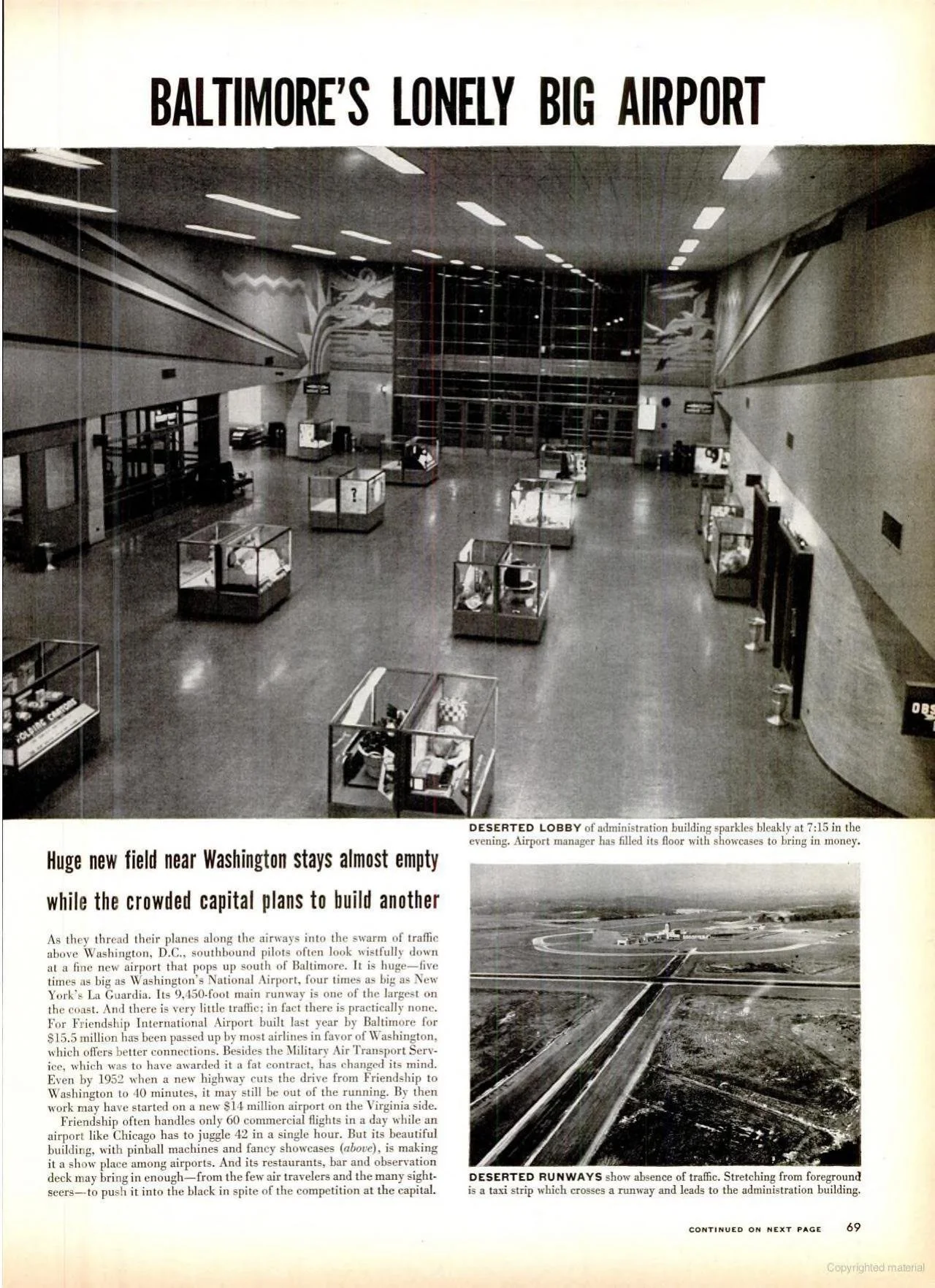
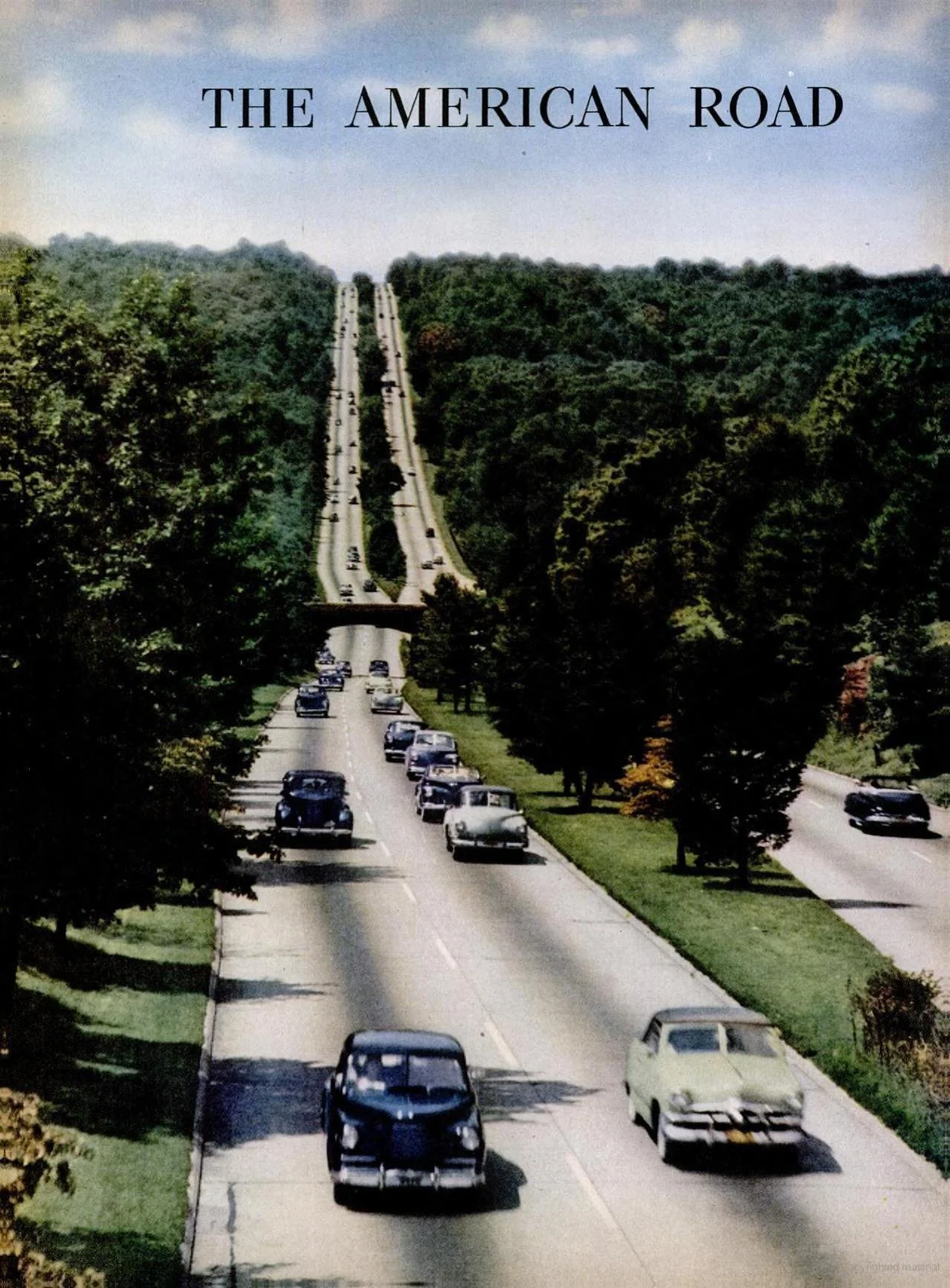
Internet Archive has digitized versions of many Life Magazines. I have been browsing through them – slowly since there was an issue for each week. As I looked at the issues from 1946, I noticed a lot about veterans returning, application of technology from the war applied to civilian purposes, and tragedies of famine in places that World War II ravaged. There were hotel fires and flash floods…slums in cities – photography depicting the peace time news.

 (Click on any of the sample images below to see a larger version and the links to see the whole magazine online.)

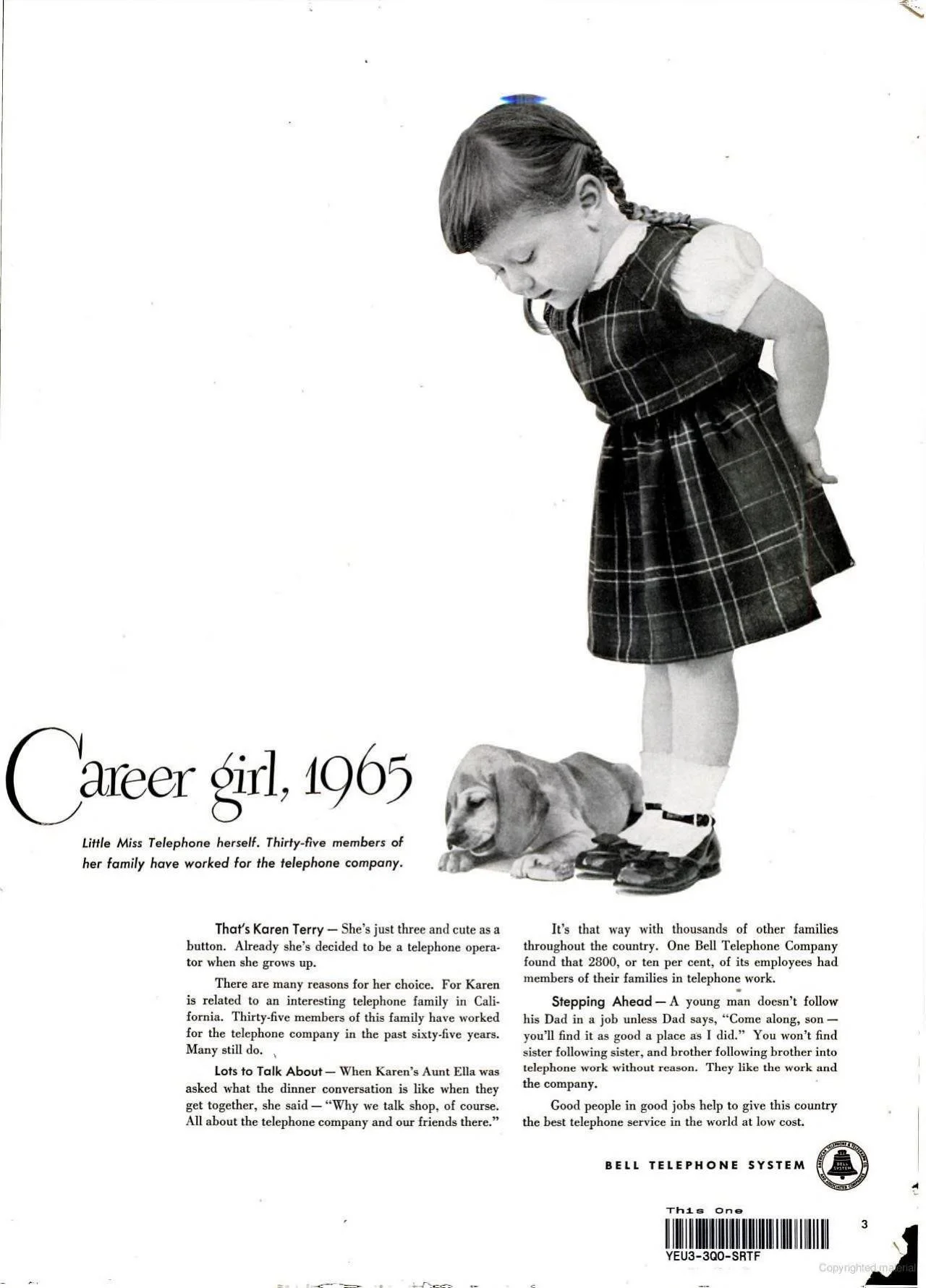
 Life Magazine 1946-01-07 - Veterans at College

Life Magazine 1946-01-14 - La Guardia waves farewell to New York’s City Hall

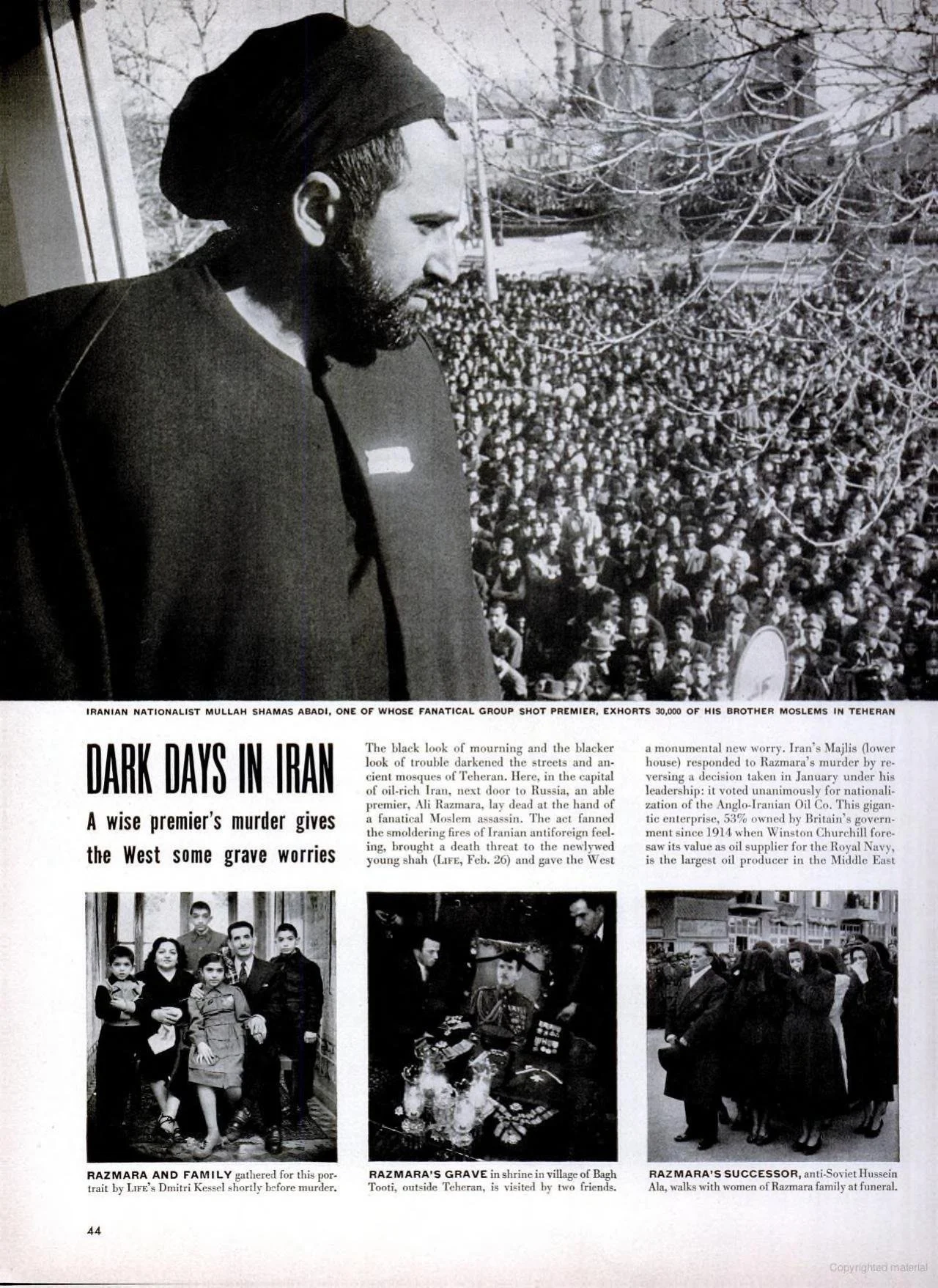
Life Magazine 1946-01-21 - Polio

Life Magazine 1946-01-28 - First family portrait (the Trumans)

Life Magazine 1946-02-04 - Marion Anderson records

Life Magazine 1946-02-11 - Coca Cola and returning veterans

Life Magazine 1946-02-18 - Candy is Dandy – Keep it Handy (Valentines)

Life Magazine 1946-02-25 - Pearl Harbor Committee Report

 Life Magazine 1946-03-04 - Modern kitchen

Life Magazine 1946-03-11 - Ritz crackers

Life Magazine 1946-03-18 - Eiffel tower

Life Magazine 1946-03-25 - Industrial destruction left my Russians in Manchuria

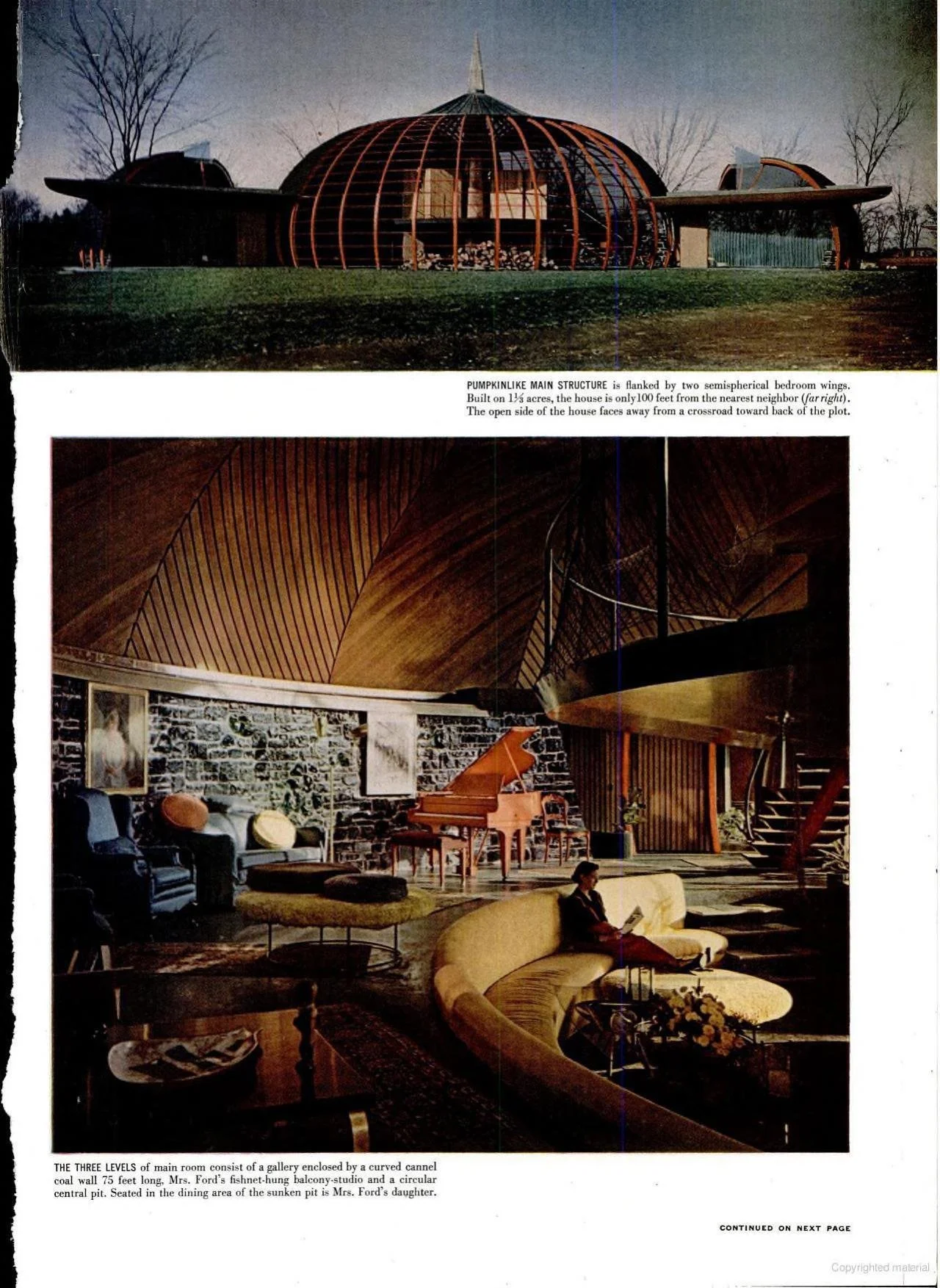
Life Magazine 1946-04-01 - Fuller House

Life Magazine 1946-04-08 - Slums of New York

Life Magazine 1946-04-15 - Hyde Park opened to public

Life Magazine 1946-04-22 - Planes in Arizona dessert

Life Magazine 1946-04-29 - Packed with good taste (ad for gum)

 Life Magazine 1946-05-06 - Ice cream dixie (cups of ice cream)

Life Magazine 1946-05-13 - China famine

Life Magazine 1946-05-20 - Robin nest at the White House

Life Magazine 1946-05-27 - Test rockets in New Mexico

Life Magazine 1946-06-03 - Mr. and Mrs. Ford in 1898 Ford….the first Ford

Life Magazine 1946-06-10 - Flash floods on Susquehanna and Texas

Life Magazine 1946-06-17 - Chicago hotel fire kills 60 people

Life Magazine 1946-06-24 - Electricity (in kitchen) works for peanuts!

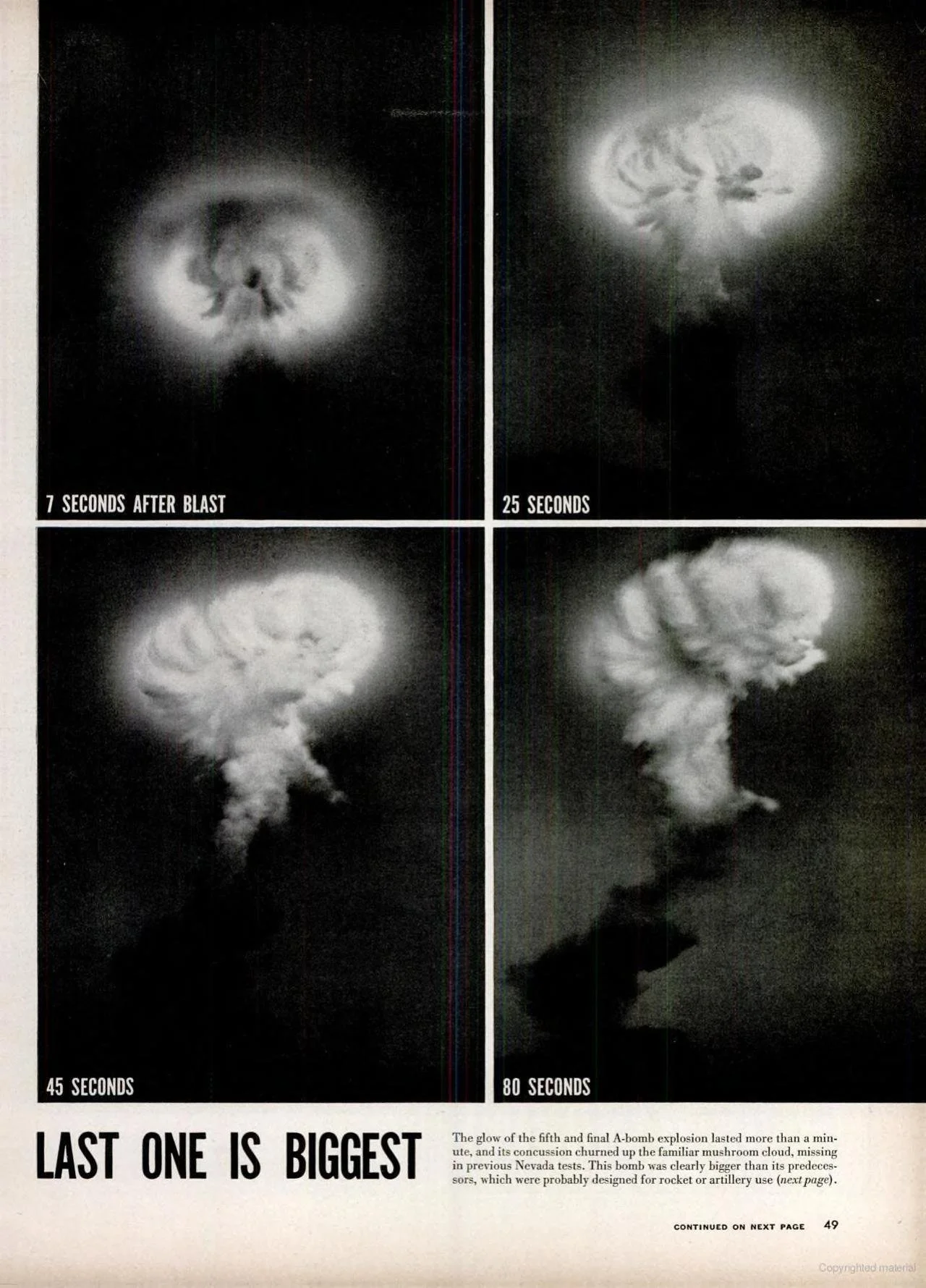
 Life Magazine 1946-07-01 - Atomic bomb test in the Marshalls

Life Magazine 1946-07-08 - US shows off flying wing

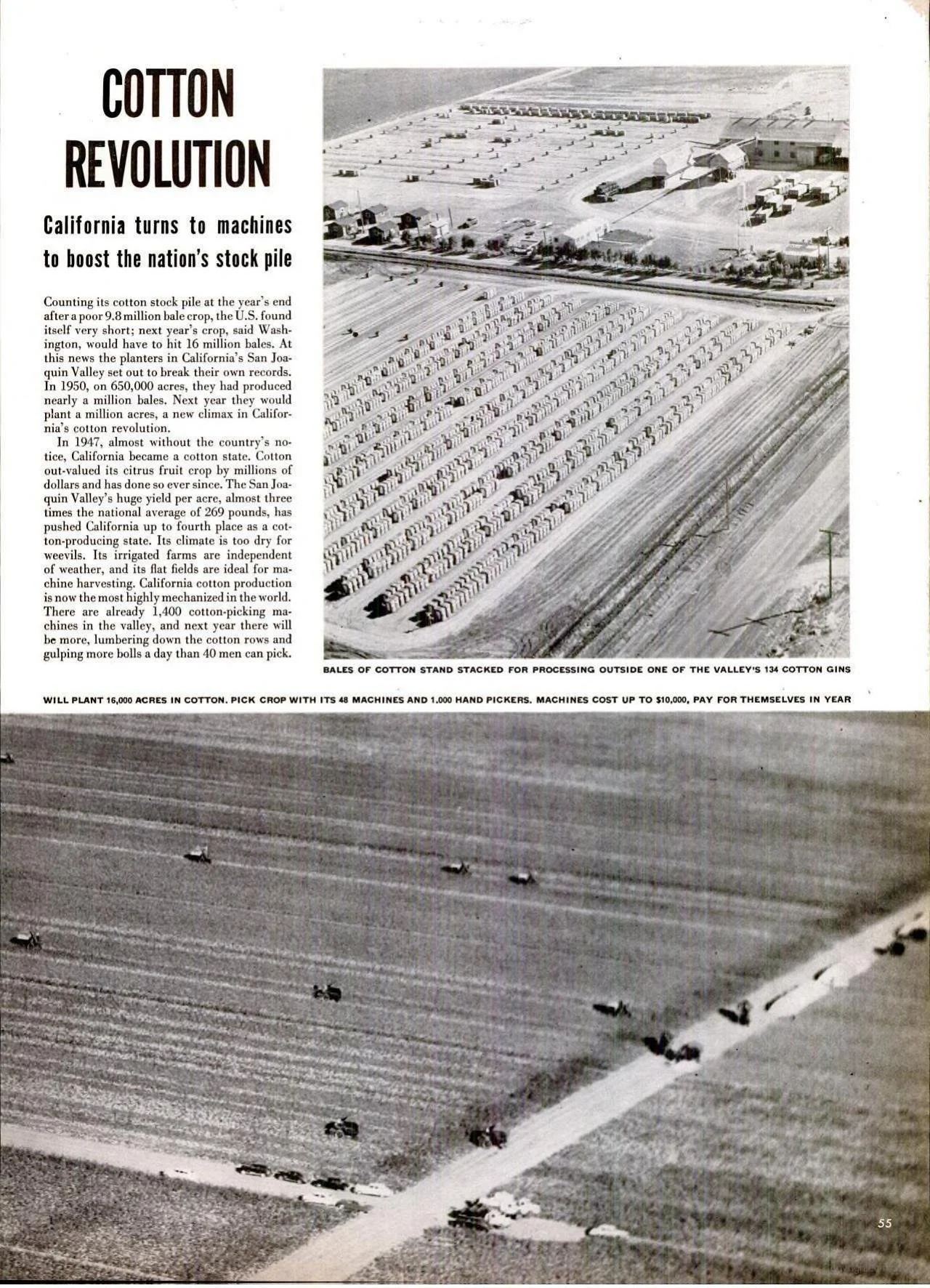
Life Magazine 1946-07-15 - Farm machines

Life Magazine 1946-07-22 - Empire State Building suicide

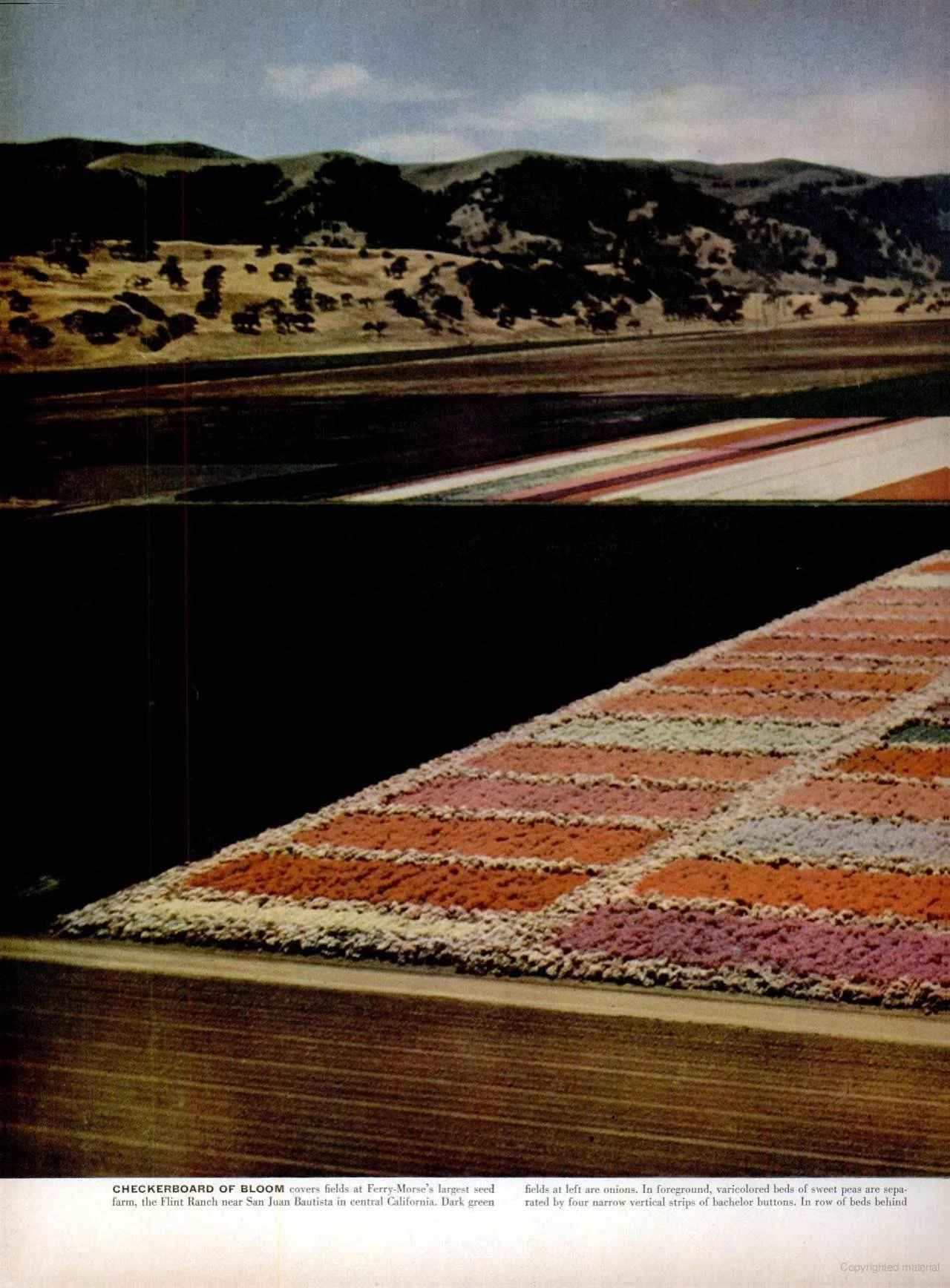
Life Magazine 1946-07-29 - US produces second biggest wheat crop in history

Life Magazine 1946-08-05 - New York at night

Life Magazine 1946-08-12 - British uncover hidden weapon in Jewish farm community

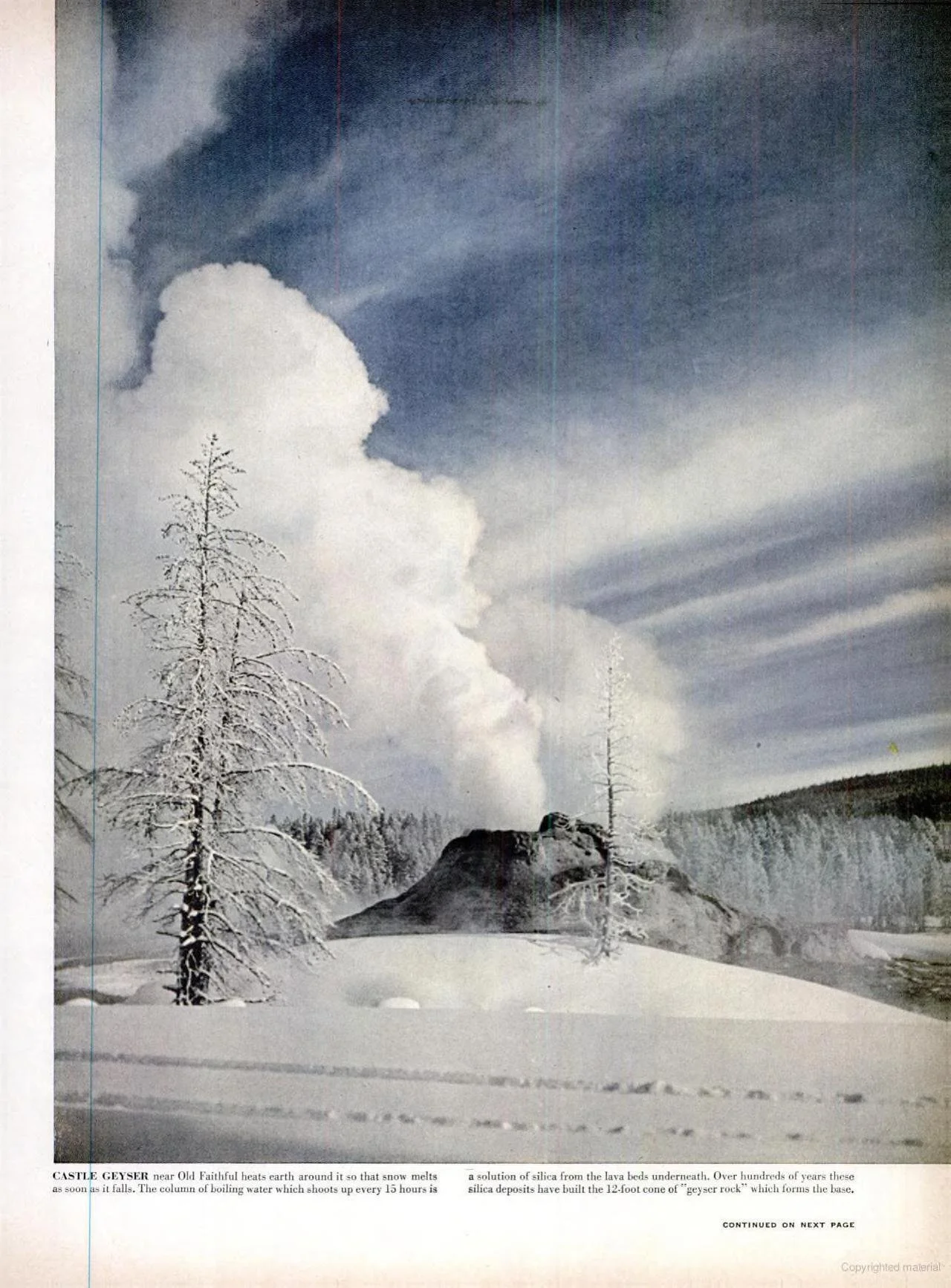
Life Magazine 1946-08-19 - Yellowstone

Life Magazine 1946-08-26 - France rebuilds her railroads

 Life Magazine 1946-09-02 - Glaciers in Alaska

Life Magazine 1946-09-09 - Archaeology in Arizona 

Life Magazine 1946-09-16 - Model airplanes

Life Magazine 1946-09-23 - Coca Cola after school

Life Magazine 1946-09-30 - Graphic depiction of LA traffic

Life Magazine 1946-10-07 - Crowded schools

Life Magazine 1946-10-14 - Nurnberg trial ends

Life Magazine 1946-10-21 - Houston

Life Magazine 1946-10-28 - Shell Agricultural Laboratory

 Life Magazine 1946-11-04 - Stranded whale (Long Island)

Life Magazine 1946-11-11 - The road back to Berlin

Life Magazine 1946-11-18 - Land of Yemen

Life Magazine 1946-11-25 - Synthetic rubber plant

Life Magazine 1946-12-02 - Margaret Wise Brown

Life Magazine 1946-12-09 - Nazi brains help US

Life Magazine 1946-12-16 - Worst hotel fire in US (Atlanta GA)

Life Magazine 1946-12-23 - Christmas Rush

Life Magazine 1946-12-30 - Europe’s children

Ten Little Celebrations – February 2026

I celebrated getting outdoors in February and a flurry of education related activities!

Melting snow. We had snow on the ground for the last week of January and into February. We all celebrated when it finally melted although it was pretty as long as one didn’t have to get out and about.

Cranberry orange relish. I used my last frozen cranberries to make cranberry orange relish – savored the flavor….and will miss it until the cranberries are in the stores again in the fall.

Ozark Witch Hazel blooming. My small Ozark Witch Hazel I planted last spring is blooming. It retained its leaves so the blooms were a little difficult to see.

Missouri fish and amphibian webinars. There were two webinars that were a pleasant surprise in February – they were very well done.

Salmon salad. I celebrated the flavors of salmon, pear, and cabbage with a lemon honey olive oil dressing – with a feisty lime blend of seasonings.

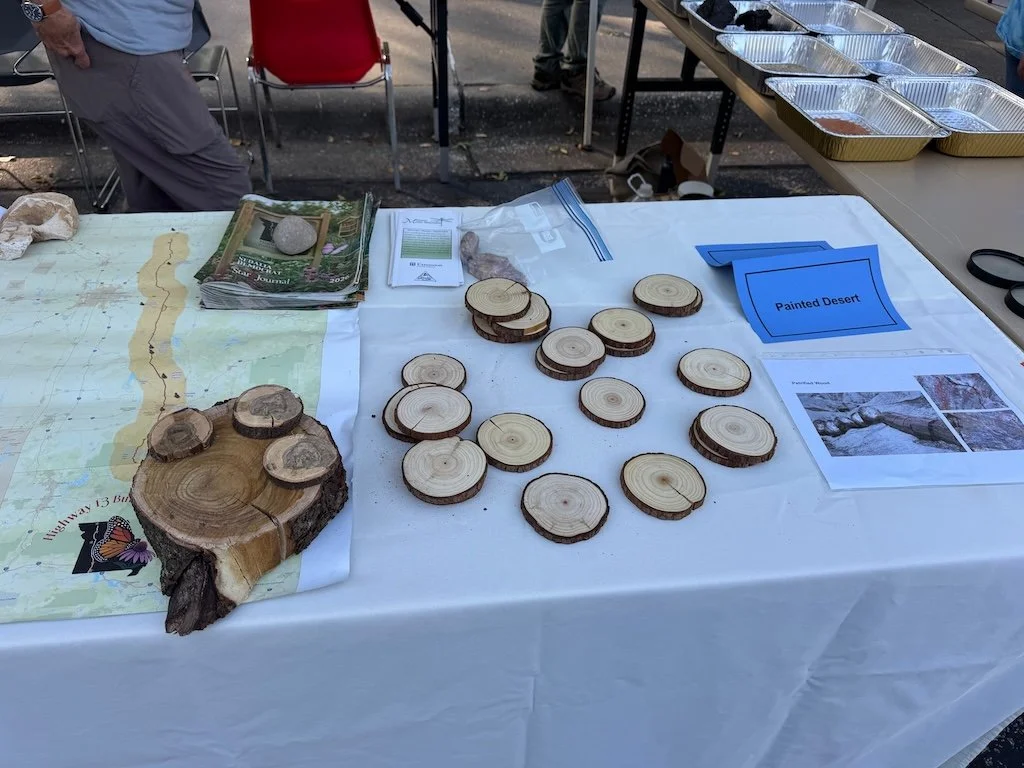
Training for master naturalists. I celebrated that the training plan for the new cohort of Missouri Master Naturalists in our area seems to be coming together. It looked daunting at first.

Macro and high key flower photography. I celebrated a winter photography project – a purchased bouquet on the windowsill in my office.

Ecoregion maps of Missouri. Looking at maps from an out-of-print Atlas was interesting and I celebrated how great they will fit into a presentation for the master naturalist training next fall – the module I will be presenting.

Wilson’s Creek National Battlefield. I celebrated the longest hike of the month – interesting place for birds and habitats…and also thinking about history and the way it looked during the Civil War.

Plastics and human health webinar.  I heard a webinar on the same topic with the same speaker from a year ago – and realized that this topic is progressing rapidly. I celebrated that she’ll likely continue to present webinars and include new information.

Zooming – February 2026

The images from this month were all close to home: my yard, my neighborhood, Wilson’s Creek National Battlefield, and Lake Springfield Greater Ozarks Audubon Trail. There was a mix of snow and winter images….the beginnings of spring. There would have been more places if the big snow had not cancelled two hikes that had originally been planned for February! Enjoy the zoomed images of my times outdoors during this month!

Stockton State Park

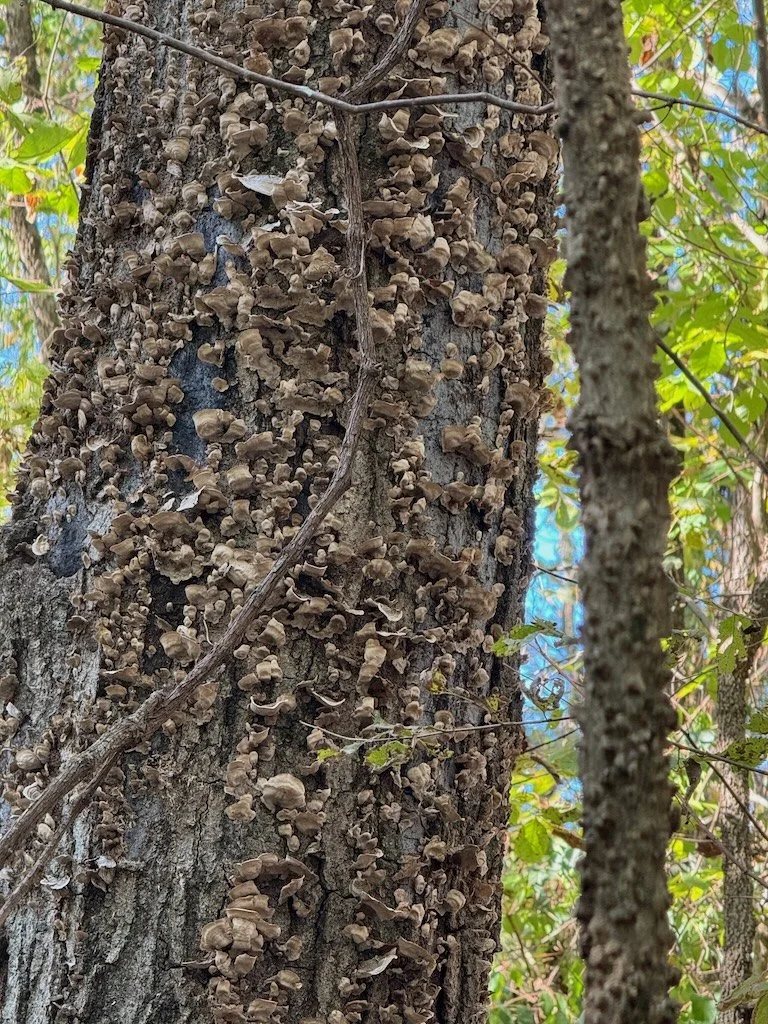
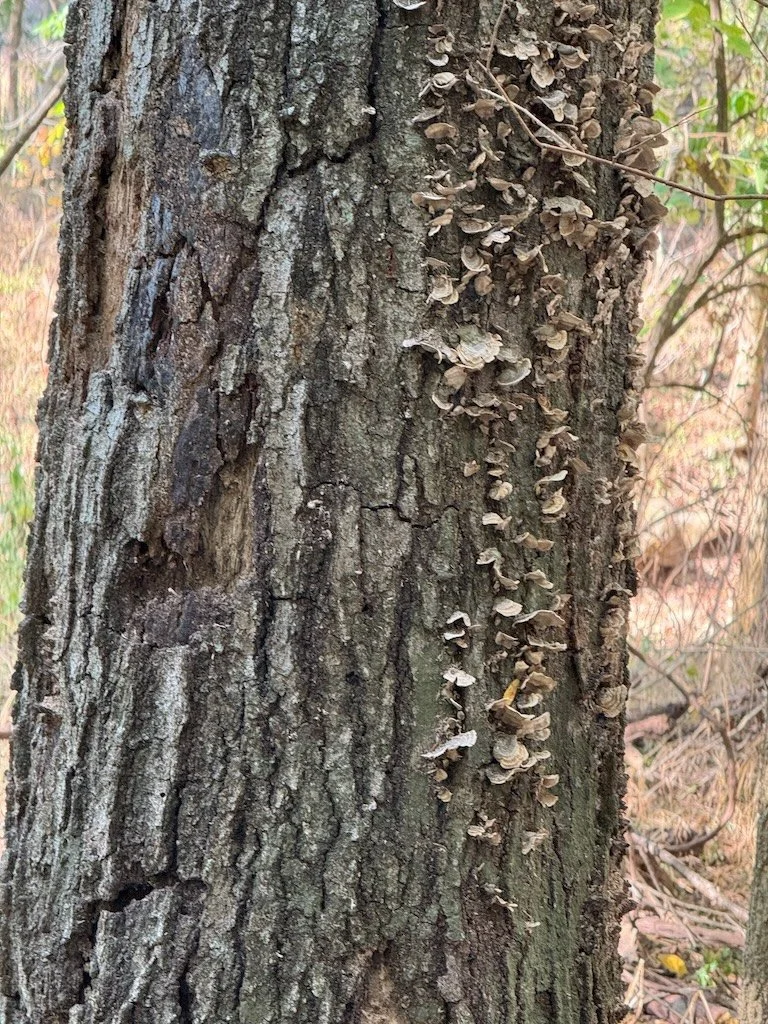
I enjoyed a hike at Stockton State Park with another Master Naturalist on a cold Saturday! We made a 1.7 mile loop on the Umber Ridge Trail. It was a good choice for winter with lake views through the winter trees.

Whatever it is, the way you tell your story online can make all the difference.

There was a vine on a trunk (maybe poison ivy?)…and I noticed quite a few trees in the immediate vicinity with the same type vine.

We took the downhill ramp to the beach area and I experimented photographing the pebbles and sand. I was relieved that were no colorful plastic bits there (although they could have been too small for my camera to capture). The beach could be used for a geology tutorial (although some of the rocks higher on the beach were clearly brought into the area).

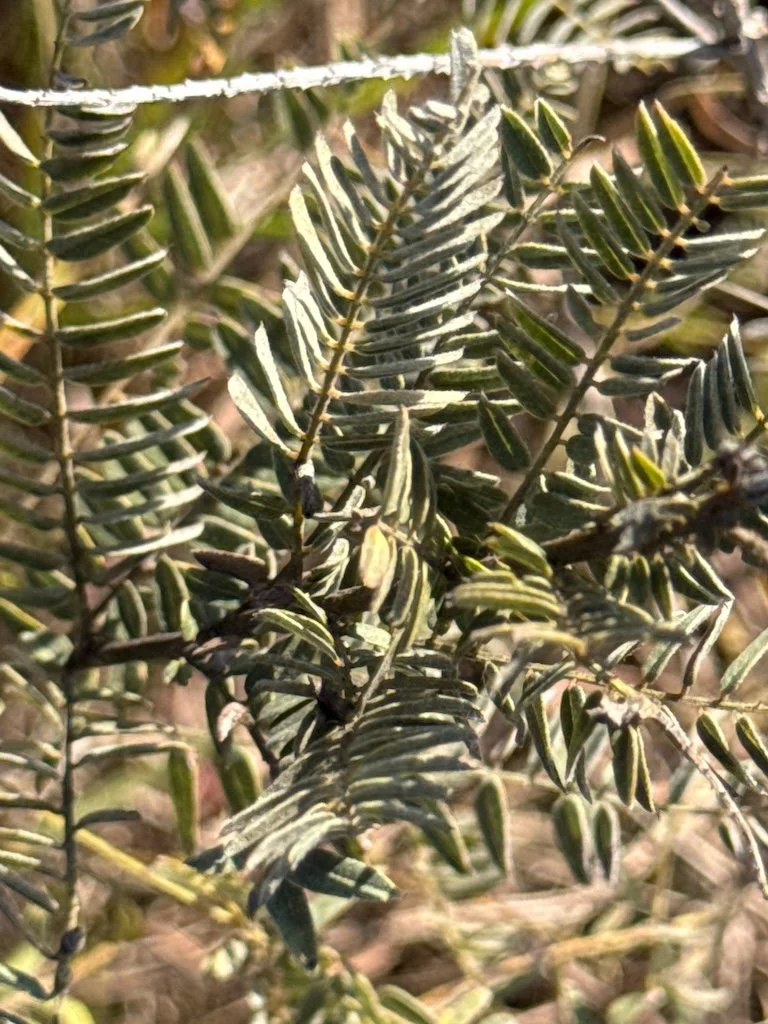
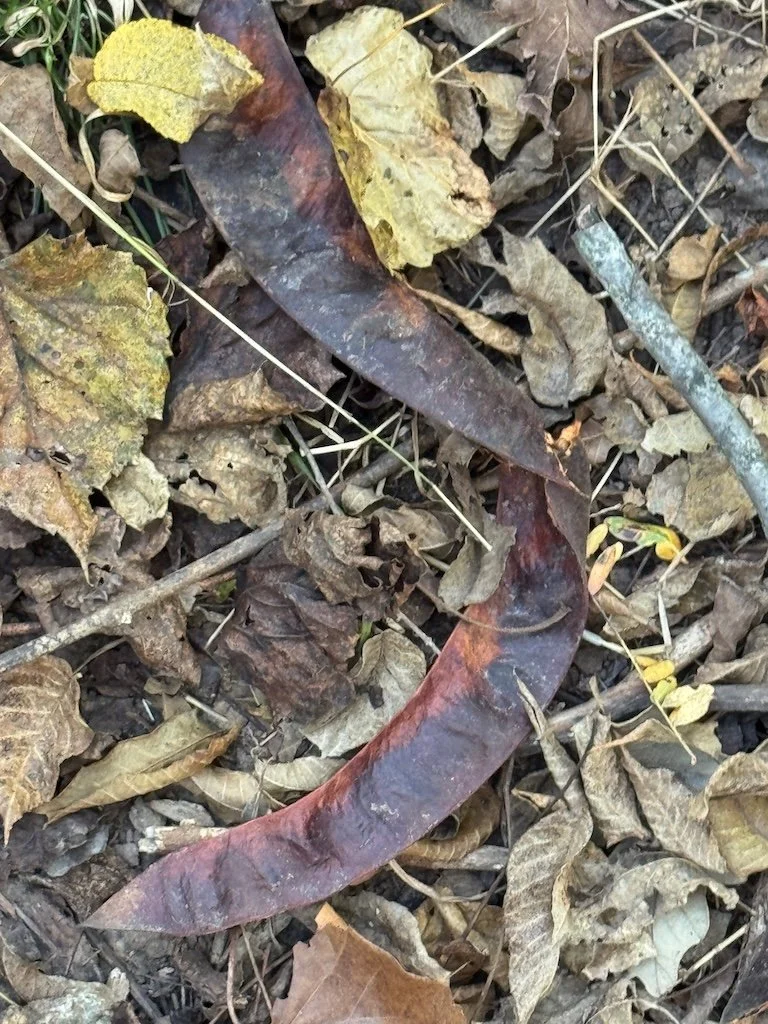
At several points along the trail, we noticed long curly pods of honey locust on the ground and looked around to find the trees with big thorns nearby). There didn’t appear be too many thorns on the ground – even though our hiking boots would have probably protected our feet. Later we saw some black locust pods…so both species are found in the park.

There were many logs that looked burnt – mostly from controlled burns probably. In some areas the fire had been long enough ago that moss was already green on the log again.

We could have changed the hike to be partly on the road but opted to stick to the trail with rocks and roots! I used my hiking poles and my back didn’t hurt….maybe I can get the same effect with only one pole. It would make it easier to take pictures. I’ve learned to use the loops on the poles but having two to keep attached to me while I am trying to use my camera is awkward.

The trek to get to the park from my house is about 1.5 hours each way…and takes about ¼ a tank of gas. I still might do it again in the spring when the trees will be leafing out….maybe take my daughter and have lunch afterward. The park is evidently very popular in the summer with lots of activity on the lake; I think I will stick with non-summer visits to this park!

Plastic Crisis: Creating a ‘Reduce your Microplastic Exposure’ Mind Map

One of the first mind maps I worked on after purchasing the MindNode app was about reducing microplastic exposure. It was a good way to collect my thoughts and learn the tool. I am gearing up for spring and early summer tabling and talks on plastics – feeling the need to get organized and hone the way I deliver the message!

The mind map is still a work in progress – I still don’t have anything about household cleaners or water filtering (for drinking and maybe for shower). The things I feel are the biggest issues (heat/plastic/food and synthetic textiles) are there, but they may get more detail over time. I haven’t figured out where to put ditching the plastic cutting board. My goal is to create one page mind maps on various perspectives of the plastics issue and either use them directly as conversation starters or translate them into other forms for presentation.

It feels good to be creating mind maps again and I like MindNode. Years ago – during my career (over 15 years ago) – I created a lot of mind maps using MindManager but it is now too expensive for individuals (and overly complex for what I need)!

Lake Springfield Greater Ozarks Audubon Trail

I had a form to drop off at the Lake Springfield Boathouse on a sunny day when the temperature was in the upper 50s. I opted to take the Greater Ozarks Audubon Trail to the overlook  (the trail head is just past the boathouse).

I took a picture of sycamore near the edge of the water. It still had a lot of seeds from last season.

The trail is up ledges of rock….gentle steps most of the time.

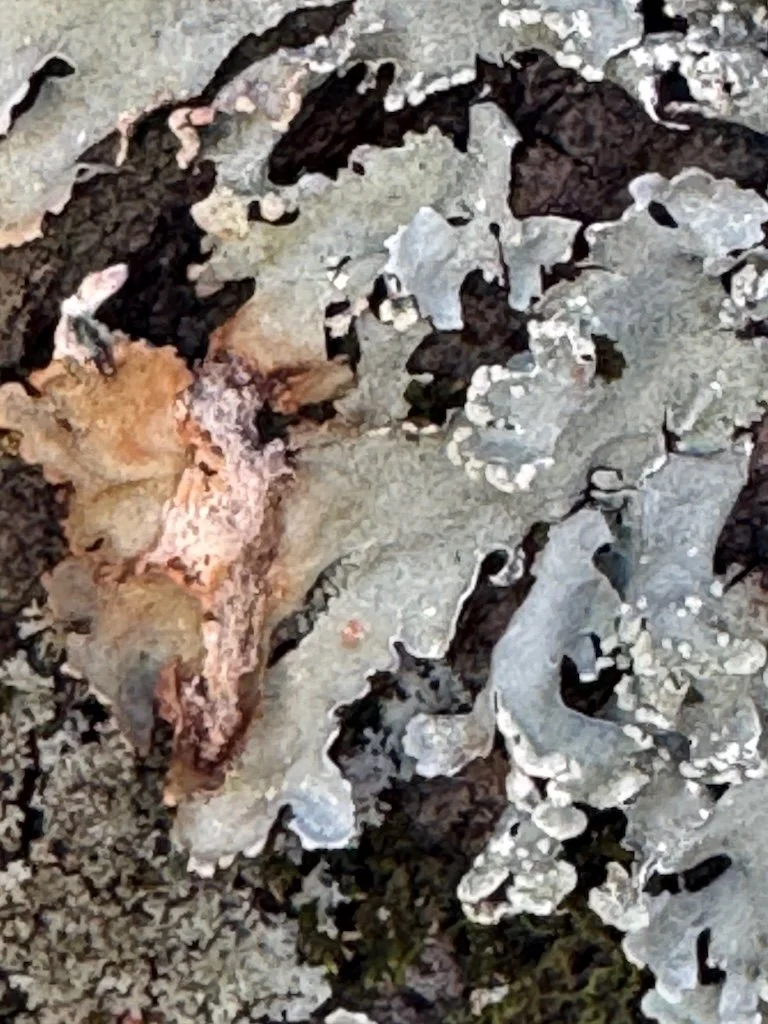
Most of the trees are deciduous but there are quite a few eastern redcedars there too. I zoomed in to take a collection moss and redcedar on fallen log – an intimate landscape.

At the top there is an overlook of Lake Springfield. I didn’t stay long because there were other people waiting to enjoy the scene too.

I walked down the hill and saw some honey locust pods on the ground…looked up to see the thorns in the tree! Nearer my car, I noted goose (?) prints in the area at the edge of the parking lot. There were a lot of Canada geese around!

I remembered that there were mallows down near the water’s edge…their seed pods were open and empty.

The last time I was on this trail was in Fall 2024 when I took the Identifying Woody Plants class; it was hot that day and my back was hurting for the entire hike. This time I did it with my hiking poles and didn’t have any problem at all!

Gleanings of the Week Ending February 21, 2026

The items below were ‘the cream’ of the articles and websites I found this past week. Click on the light green text to look at the article.

2/2/2026 York Daily Record Mountains of plastic turf in limbo after Pa. recycling project falters - A Danish company's plan to build an artificial turf recycling plant in Pennsylvania has failed due to bankruptcy. The state is now responsible for cleaning up thousands of tons of abandoned turf stockpiled across three counties. The abandoned turf, which may contain "forever chemicals," will now be sent to a landfill instead of being recycled.

2/8/2026 Clean Technica Why China’s Aluminum Industry May Have Reached Peak CO2 - Relocation to hydro regions is largely complete. Secondary aluminum is rising into double digit millions of tons. Coal heavy output has already peaked and begun to edge down. Renewable penetration in coal regions continues to rise. Reversing this trend would require renewed growth in coal-based smelting or a collapse in recycling, neither of which fits China’s industrial or energy trajectory.

2/9/2026 BBC Fungi mining and giant waste piles: How to get rare earths without mining rock -Gigantic heaps of coal ash, mine tailings and red mud are traditionally expensive and difficult to deal with. But if new processes allow rare earth harvesters to engage in remediation while hoovering up rare earths, then industry and environmentalists might no longer be at odds over what to do about all that waste.

2/8/2026 Science Daily Scientists finally solve a 100-year-old mystery in the air we breathe - The new model offers a stronger foundation for understanding how airborne irregularly shaped nanoparticles (like soot, microplastics, viruses) move across a wide range of scientific fields. These include air quality monitoring, climate modeling, nanotechnology, and medicine. The approach could improve predictions of how pollution spreads through cities, how wildfire smoke or volcanic ash travels through the atmosphere, and how engineered nanoparticles behave in industrial and medical applications.

2/6/2026 Archaeology Magazine Aqueduct at Early Italian Villa Explored - Based on the construction method of this hydraulic system, it might have been originally created to serve a rural village predating the construction of the villa, during a period before the Romans had fully solidified their control over this region of Italy.

2/4/2026 Yale Environment 360 Seas to Rise Around the World — but Not in Greenland - The reasons are twofold. 1)  the massive Greenland ice sheet, which at its center is roughly a mile thick, compresses the land underneath. As the ice melts, the land rebounds, rising above the sea. 2) the Greenland ice sheet is so large that it exerts a gravitational pull on surrounding waters, drawing them higher. But in a warming Arctic, Greenland is shedding some 200 billion tons of ice a year. As its gravitational pull wanes, waters recede.

2/5/2026 Smithsonian Magazine Air Pollution Can Cause Some Ants to Turn on One Another—and Neglect Their Young - As insect populations decline around the world, the findings further point to air pollutants as a possible cause, in addition to pesticides, light pollution and other factors. The work is especially important given the crucial role ants play in maintaining healthy habitats, such as dispersing seeds, controlling pests and aerating soil.

2/4/2025 Cool Green Science Reading the Tree Rings – Great photographs by Greg Kahn for this article. One of the labs visited for the article was the Laboratory of Tree-Ring Research at the University of Arizona that I visited when my daughter was a graduate student in Tucson in 2015 (my blog post about it here).

2/4/2026 Compound Interest World Cancer Day: How antibody–drug conjugates for cancer work - Our ability to use medicines to target more effectively is improving, and antibody–drug conjugates are an increasingly effective tool in combating cancers. This graphic explains what they are, how they work, and how they might improve in the future.

2/4/2026 National Parks Traveler Florida’s Ailing Reef - The reef is fighting for its very survival, beset by the trauma of climate change and warming water, commercial and recreational fishing, and drainage pollution coming from Florida’s canal system.

More Stories of the Three Little Pigs

Project Gutenberg has More Stories of the Three Little Pigs published in 1921 (a decade before my mother and father were born) and part of the Instructor Literature Series from F.A. Owen Publishing Company. It was written by Sarah Grames Clark and Illustrated by Bess Bruce Cleaveland. As I browsed the book I wondered if either of my parents saw it during their elementary school years.

 More Stories of the Three Pigs

High Key Flowers

The day after the rainy-day macro flowers….the sun was out and I enjoyed creating another round of photos of my store-bought flowers – this time High Key images. These are made with bright light behind the flowers and using the zoom on my bridge camera (Canon Powershot SX70 HS) to compose the image. It’s a very different perspective on the flowers.

The yellow rose bud floating in water in a blue tulip glass cup was my first subject. Sometimes I like the softer focus images! I was sad when I got the bouquet home and discovered the stem on one of the rose buds was broken – but it still looks lovely floating in water and has unfurled a bit.

I took 6 other images of the flowers in the bouquet. I simply left them all in the vase on the windowsill and isolated flowers by zooming in close. I was sitting halfway across the room with the camera stabilized on my knee! Sometimes a bit of the window screen behind the flowers is visible but I decided it was not distracting enough to bother me.  

Macro Flowers

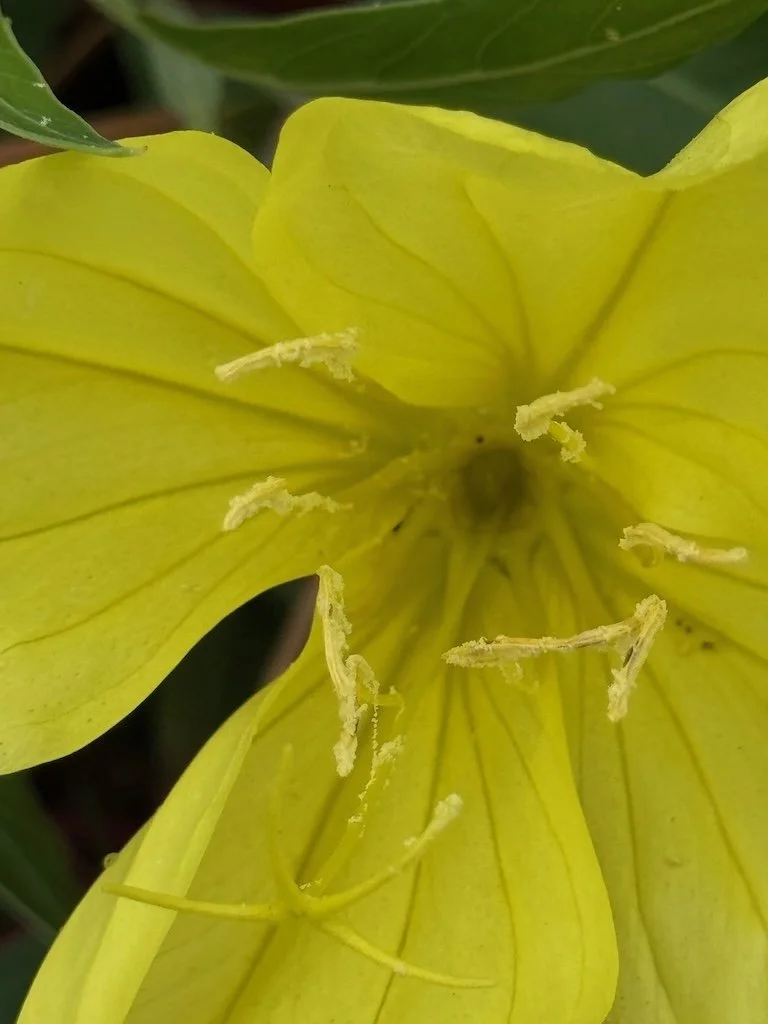
I bought a bouquet of mixed flowers at the grocery store the day before Valentines. There was more selection than I expected and the mixed flowers looked better that the roses – which somehow looked wilted. Still – my favorite macro image turned out to be a yellow rose that was in the mix of flowers I bought.

I used my phone (iPhone 15 Pro Max which is about 2 years old) for the macro photos. It does a reasonable job. I had the bouquet in a vase sitting on my windowsill so used natural light.

I thought about making a second round of photographs – some high key images – but I left that for another day!

Our Neighborhood – February 2026

It was a sunny day in the mid-60s in our neighborhood. As I started my walk around our storm water ponds, I saw two robins – the first ones I’ve seen since last fall!

There seemed to be quite a few eastern white pine cones on the ground and in the trees. The tree in my yard is not old enough to produce cones yet.

There were turtles on the bank and in the water at the place I seem them most frequently.

There was ice on the second (smaller) pond. There were leaves stuck in the ice. One area has a circular center and then branches off that center. The ice would likely be gone by the end of the day.

Further around I noticed ice along the edge of the larger pond. The patterns there were changing…visible melting.

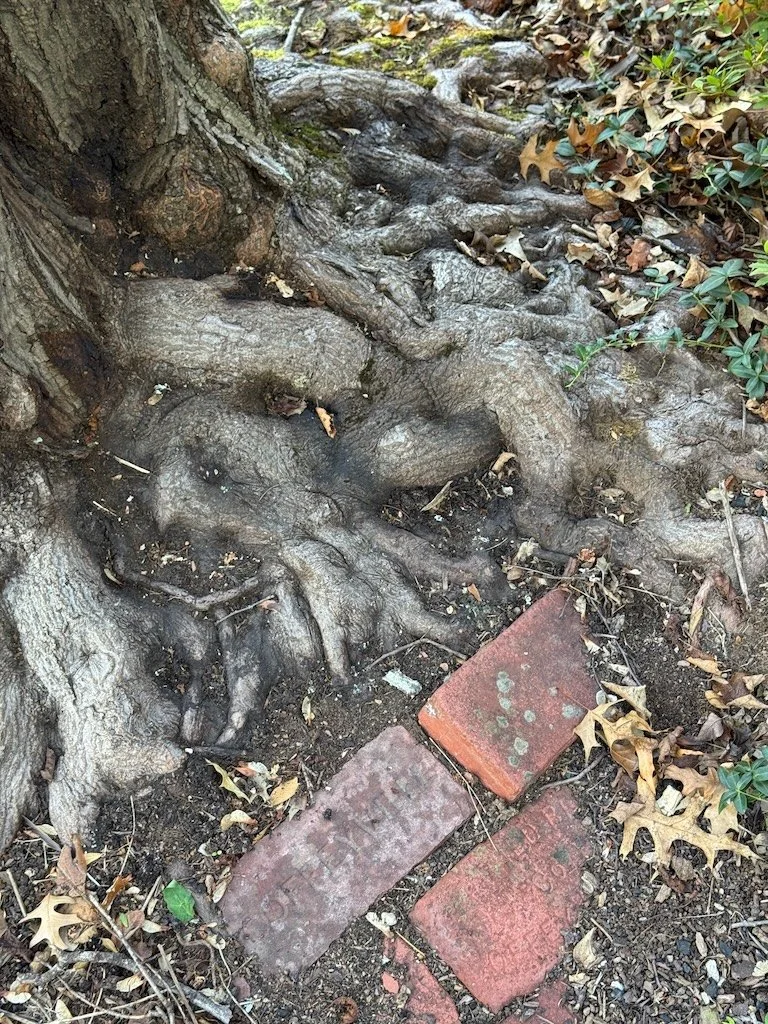
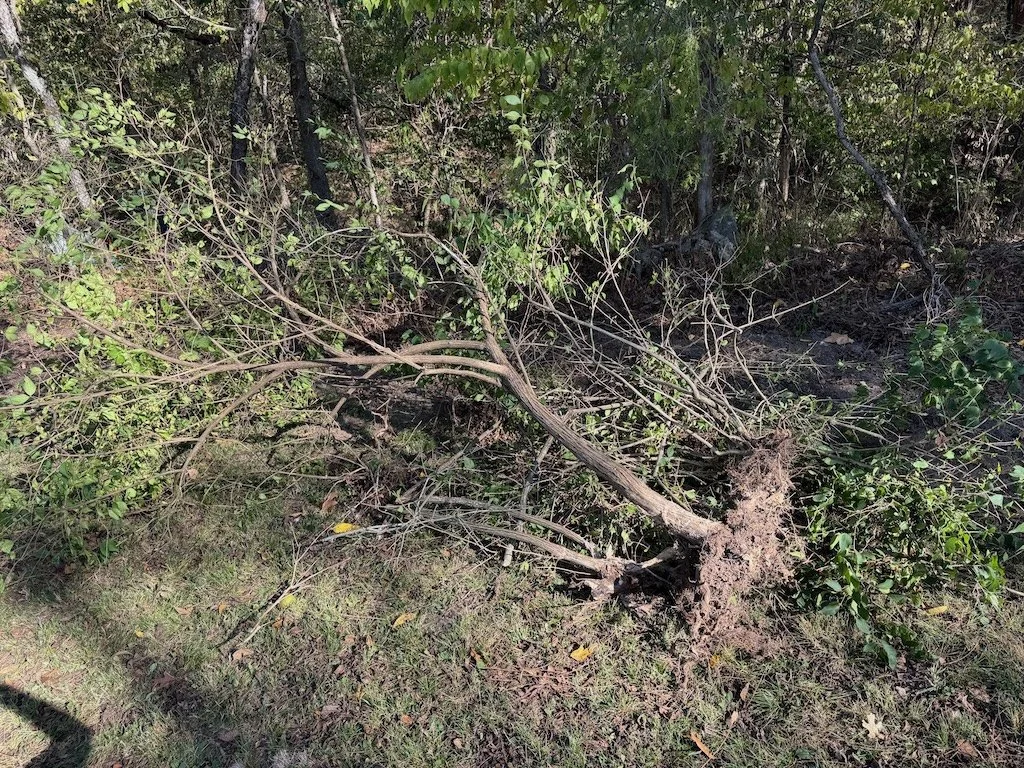
A recently ripped branch of a river birch was in the water, and some curly bark from the same kind of tree was on the shore nearby….both detached from the tree during the recent storm probably. One of the trees has exposed roots damaged by mowers.

A male and female mallard swam out into the pond. The female was eating and posed for a better picture that the male. I wondered if they were the same pair that has been at our pond for the last couple of years…hatching ducklings…and then losing them to the turtles.

Our area has been very dry since a very wet spring in 2025…and the snow earlier last month must have soaked in very close to where it melted. My yard is a little wet (would be muddy if there was vegetation everywhere). The intake channels for our stormwater ponds were dry and the water level in both ponds was low as well. Maybe we’ll have spring rains again soon.

Plastics Crisis - Textiles

There seem to be plastics everywhere. I’ve come to realize that in my home, the largest source is probably textiles! The carpets that were in the house when we purchased it a few years ago are likely all synthetic fibers (although about 1/3 of the house is tile or vinyl (plastic)). When we vacuum the particles are gray and powdery…the plastic there is already very small.

And then there are clothes. We have some clothes that are cotton or cotton/polyester (plastic)…but some items are 100% synthetic (polyester, acrylic, nylon, spandex). I don’t dry more than half my clothes that are synthetic fibers, but there are enough that the lint from the dryer should probably be considered toxic (probably should put it in a covered trash can so microplastics will not waft from it); I hope washing machine technology will eventually filter their waste water but I’m not sure how to handle what a filter would collect safely).

Back in March 2019 I posted some macro photography of textiles; I’ve copied it below with some commentary afterward.

I am finally experimenting with my 60x macro lens that I got for my phone. Textiles around the house were an easy project. The lens has a light and I found it handy. With this lens, I use the zoom on the phone to avoid clipping the image to take out the vignetting around the edges. I’d rather compose the image in the camera.

2019 01 IMG_1253.jpg
20190308_082610.jpg

I liked the simple weave and colors of the worn dishcloth.

20190314_114644.jpg

A crocheted hat had brilliant color but was not flat enough to focus well.

20190314_114655.jpg

The washcloth had more fuzzy fibers than I expected but

20190314_114829.jpg

Not nearly as many as the wool sock.

I got stuck on a tapestry jacket…had a challenge to choose just 3 to include in this post. The last one was from the inside of the jacket.

20190314_114948.jpg

The machine embroidery of a silk jacket looked very different than I anticipated.

20190314_115026.jpg

The weave of a light-weight jacket was more complex.

I realized that the patterns on t-shirts were painted – but hadn’t thought about what they would look like with the macro lens. The blobs of color stand out on the surface of the cotton knit.

20190314_115243.jpg

The most non-fuzzy fabric was microfiber underwear!

20190314_115315.jpg

The yarn in the bulky cardigan was almost too big to look interesting at this magnification.

20190314_115443.jpg

Machine-made borders look more orderly than the fabric sometimes (the black is thread).

20190314_115534.jpg

The eye detects tiny holes in the fabric of the bag for delicate fabrics to go in the washer; with macro lens, it looks like a Zentangle.

After I got back to my office, I looked at two mouse pads with the macro lens. One is a woven surface…the other looks like a paint.

--

The macro photographs make it easy to see how easily fibers escape from our clothes and carpets.

Right now I am thinking that at home the 1st priority is to not have any plastic around heat (mostly in the kitchen) and the 2nd is reducing synthetic textiles!

Valentines

I made a group of Zentangle® tiles that started with a heart shape string…chose 6 of them for this post I am writing on the 14th…

I am remembering the printed cardstock Valentines from early elementary school. Everyone created a paper bag to hold the cards, and we all distributed our cards to all our classmates – being more careful about who got each card as we got a little older. They were just cardstock and ink – no glitter or sequins or plastic coating. Is that something that still happens? Later the little candy hearts were exchanged/eaten on the day, but they aren’t part of my first memories of Valentines Day. There was a heart shaped box of chocolates that my grandfather bought for my sisters and I one year; it only happened that once and it might have been a spur of the moment purchase on his part. That kind of chocolate was not something anyone in our family craved.

 —

The Zentangle® Method is an easy-to-learn, relaxing, and fun way to create beautiful images by drawing structured patterns. It was created by Rick Roberts and Maria Thomas. “Zentangle” is a registered trademark of Zentangle, Inc. Learn more at zentangle.com.

Gleanings of the Week Ending February 14, 2026

The items below were ‘the cream’ of the articles and websites I found this past week. Click on the light green text to look at the article.

12/18/2025 Ozark Public Television Wild Ozarks: A Legacy of Conservation – Very well done. I am recommending it to be part of the core training for the next group of Springfield Plateau Missouri Master Naturalists!

2026 Million Marker Test Kit – I’m going to do as much as I can to reduce microplastics…then do this test….probably next summer. It is advertised as the only mail-in test for BPA, BPS, BPF, phthalates, parabens, and oxybenzone.

2/3/2026 Yale 360 China to See Solar Capacity Outstrip Coal Capacity This Year - By the end of 2026, wind and solar will account for nearly half of China’s power capacity. Including hydro and nuclear power, clean energy will amount to nearly two-thirds of total power capacity, while coal will amount to a third. Competing with cheap solar and wind, a large share of coal plants are now operating at a loss.
2/1/2026 Cool Green Science Catching Sharks for Science - On Long Beach Island, volunteer anglers help researchers uncover the hidden journeys of sharks in threatened salt marsh ecosystems.

2/3/2026 Science Daily Even remote Pacific fish are full of microplastics - Even in some of the most isolated corners of the Pacific, plastic pollution has quietly worked its way into the food web. A large analysis of fish caught around Fiji, Tonga, Tuvalu, and Vanuatu found that roughly one in three contained microplastics, with Fiji standing out for especially high contamination. Reef and bottom-dwelling fish were most affected, linking exposure to where fish live and how they feed.

2/1/2026 National Parks Traveler New York Art Teacher Earns 30 National Park Resident Artist Spots In 10 Years – Artist-in-residence at National Park Service sites. Many of the programs are funded by nonprofits, grants, or donations made directly to the Park Service. Categories are broad and include writers, painters, photographers, musicians, dancers, sculptors, and animators. 

1/30/2026 My Modern Met Society of Photographers 2025 Contest Announces Its Astounding Winners – Chosen from over 6,000 photographs submitted!

1/29/2026 BBC From bad omen to national treasure: The rare bone-swallower stork saved by a female army - Known locally as the hargila (or "bone-swallower") for its scavenging ways, greater adjutant storks are unique birds. Roughly 5ft (1.5m) tall, they aren't only imposing but also play a vital role in maintaining the health of a wetland ecosystem. As scavengers that consume and clean up carcasses, they prevent the spread of disease and break down decaying organic matter, recycling essential nutrients back into the soil. They were feared, reviled and in some communities, hunted for their meat which was once widely used in folk medicine as a cure for leprosy or antidote to poison.

1/28/2026 Archaeology Magazine Study tracks wild potato across the Southwest - People carried a small, wild potato known as the Four Corners potato (Solanum jamesii), across the southwestern United States some 10,000 years ago.

1/27/2026 Super Age Wellness Is Finally Admitting It Got the Last Decade Wrong – The article lists 10 trends from the 2026 Global Wellness Report. One of the 10 is “Microplastics are at threat to healthspan.”

Form Givers

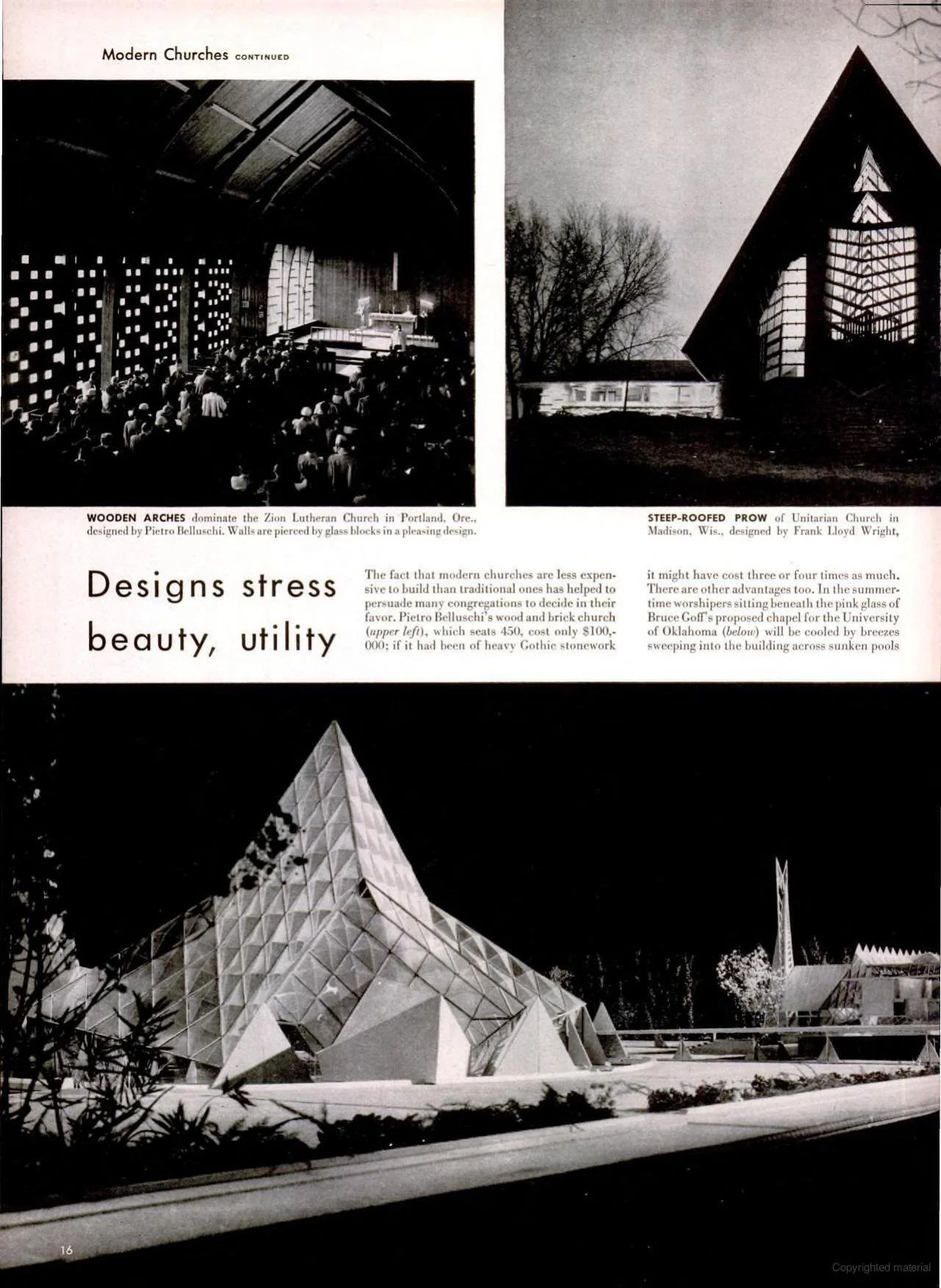
Mid-Century Architecture was the subject of the Form Givers exhibit of 1959. The exhibit book is the week’s Book of the Week and is available from Internet Archive. The exhibit was organized and sponsored by Time Magazine for The American Federation of Arts. The Corcoran Gallery of Art was one of the museums to host the exhibit. I was a little surprised that there was no west coast museum (the furthest west was The Minneapolis Institute of Arts) on the list of museums even though there were examples of some west coast structures featured in the photographs.

The quote from Henry R. Luce on the title page (“…and we will succeed in creating the first modern, technological, humane, prosperous, and reverent civilization. This creative response to challenge will be most vividly expressed in and by architecture.”) reflects the optimism about the future in the late 1950s….a time just before I started school.  

Form givers

Sustaining Elder Care – February 2026

My dad has been in his new memory care place since mid-November, and we are still not quite settled. He had a visit from a podiatrist, and they sent information on getting into their portal to see the report to me rather than my sister that handles his medical care (i.e. is his Medical POA) …a continuing issue which I have now escalated to the director since it has happened with other providers. My dad has been seen by a Nurse Practitioner and had bloodwork, but my sister had to ask for the results repeatedly before getting them and the question of the physician or medical practice that is monitoring the Nurse Practitioner has not been answered.

On the plus side, the facility has started using a new app to report to families about the activities their person in memory care is participating in like music therapy, hands & nails spa, coffee bar social, and (most frequently) chair exercise. The app has the capability of including pictures but, so far, they haven’t been doing that; it could be that it would take an extra staff person to get pictures during the activity. Since I am not local – I like the daily reports through the app to understand the types of activities he does with other people.
One of my other sisters was able to attend a session held for families of people in memory care and sent us “what NOT to do --- what to do instead.” Since we are all trying to be respectful and accept our father the way he is now, we do reasonably well. Our challenge is to have a conversation with our dad. We’ve come to accept his pronouncements whether they reflect reality or not…encouraged that he is trying to communicate.
It is not easy to watch a person that has been around for my whole life decline. He is a very different person now than he was during my growing up. I’m glad that my sisters and I are staying engaged with his care. We are all learning from his experience…storing away ideas for the way we want to live our own lives. None of us wants to regret anything.