Five Years from Now

During my career – there were development plans that addressed ‘what do I want to be doing 5 years from now…and what can I do to prepare myself?” I am trying to apply the idea to my post-career life – which does not have salary as a motivating factor. My overarching goal is to become wiser every year…to care for my family…to contribute to the well-being of my community….to blend the things I do rather than trying to separate them.

In 5 years, I want to be much as I am now…but better prepared for whatever health/infirmity develops as I get older and take more action to leave the world a better place.

Here is my high level “what I can do to prepare myself:”

  • Continue doing what I am doing now with some changes

  • Consciously increase activities that sustain or improve my physical resilience (i.e. targeted exercise primarily)

  • Decrease my carbon footprint. Here are some things I have in mind:

    • Replace my plug-in hybrid car with an electric. This will probably happen in 2027.

    • Put solar panels with battery on my home. This will probably happen in the next 2 years.

    • Eat more from my own yard (I already eat seasonal greens from the yard….and am looking forward to elderberries and pawpaws in the coming years).

    • Gradually replace my wardrobe with clothes made from natural fibers.

    • Reduce the turf in my yard to 30% or less.

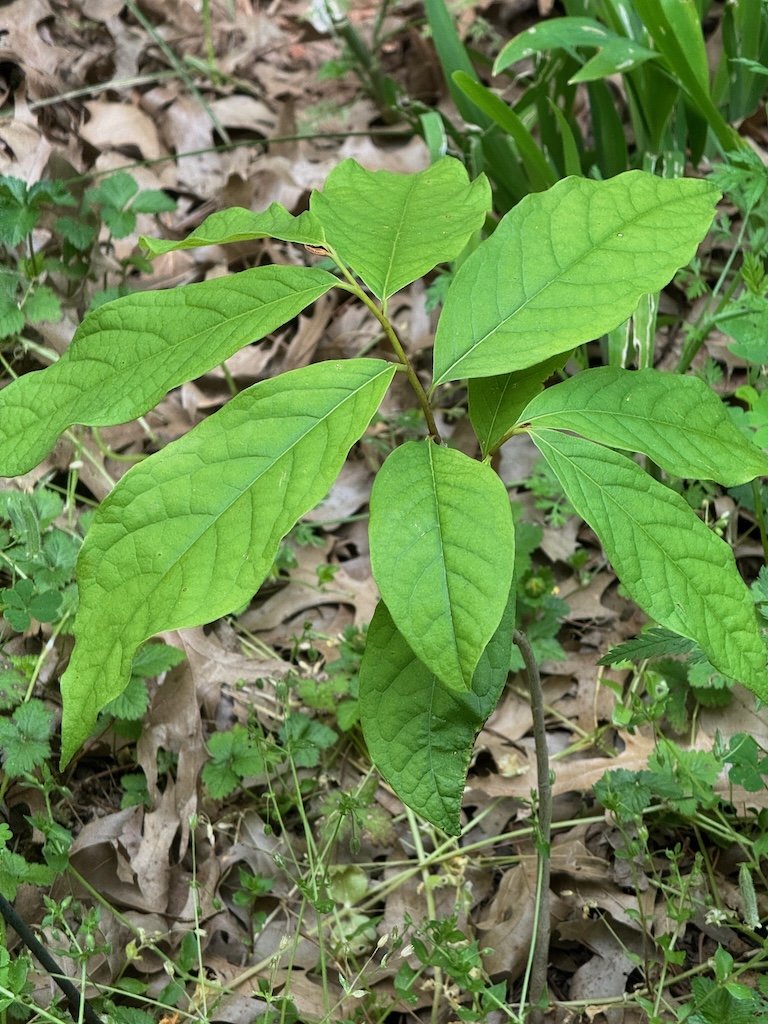
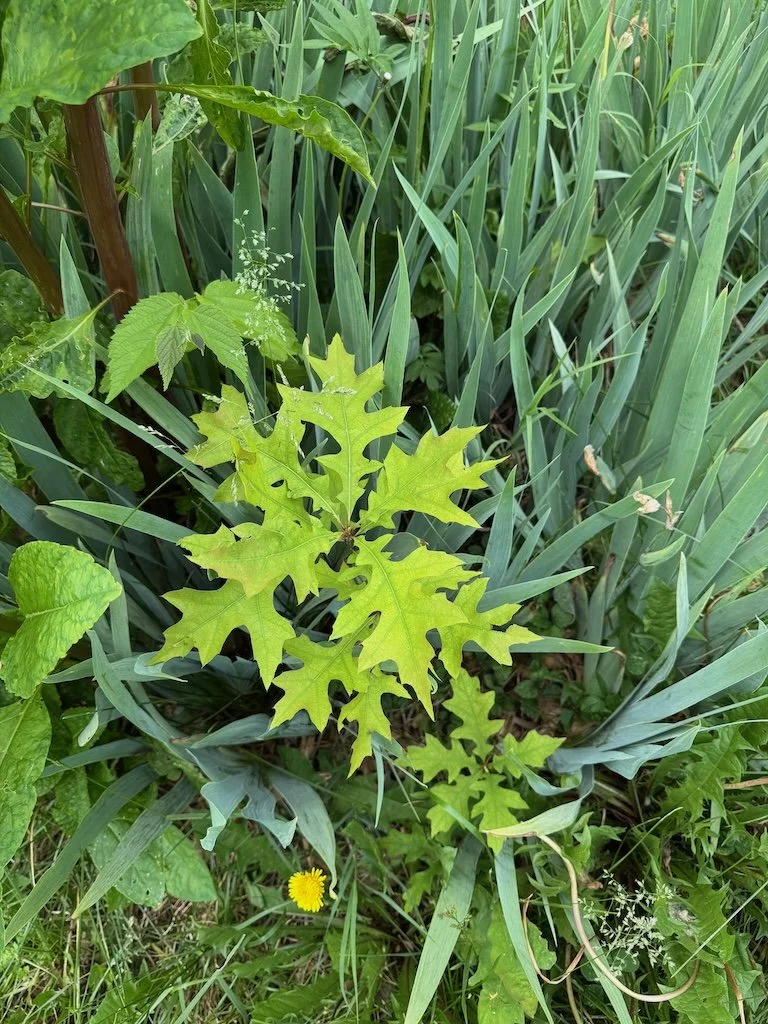
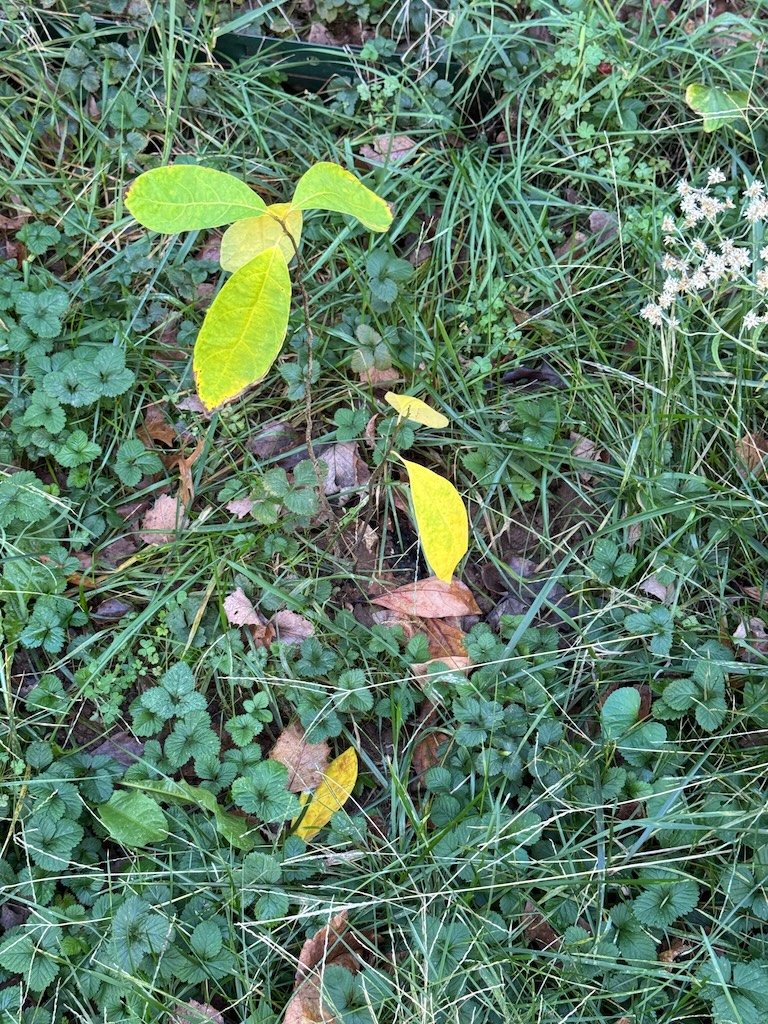
    • Allow an oak to grow in both the back and front yard (they as seedlings now).

  • (Maybe) Begin to skew from outreach/education type volunteering toward advocacy. This could mean that I would decide not to continue as a Missouri Master Naturalist.
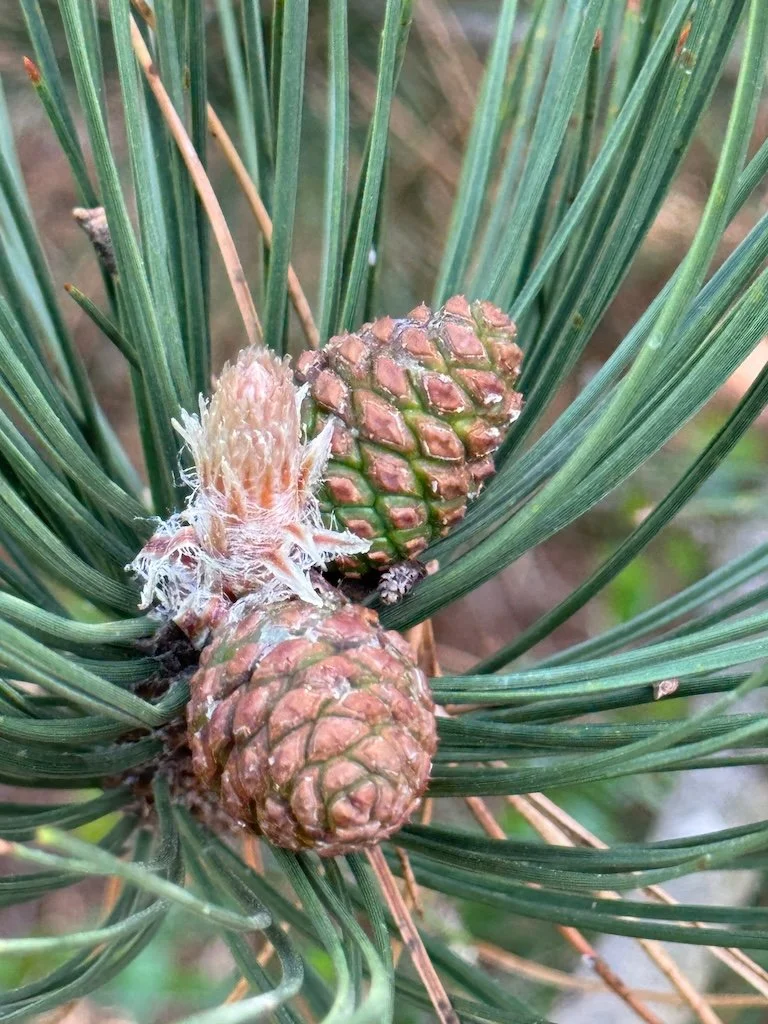
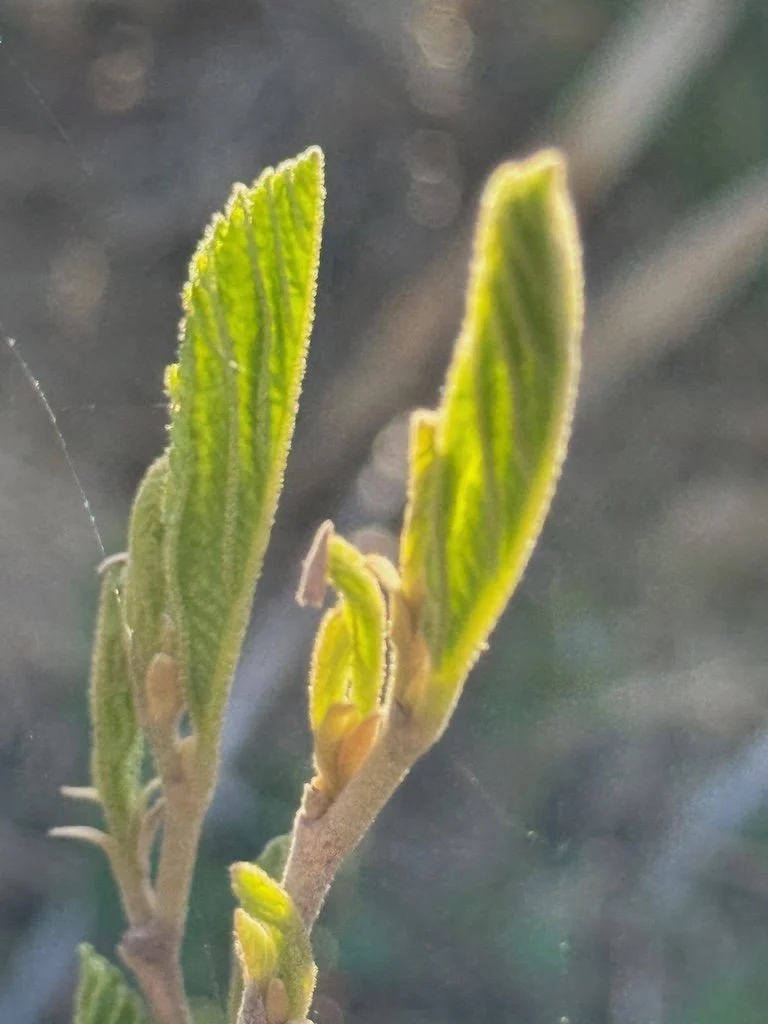
Now that I have written this down, I realize that my trend is good….that the plan is simply tweaks that will take some disciple/energy to implement.

Ten Little Celebrations – June 2026

The beginning of the month was very hectic….but I recovered in the later weeks. There was a lot to celebrate.

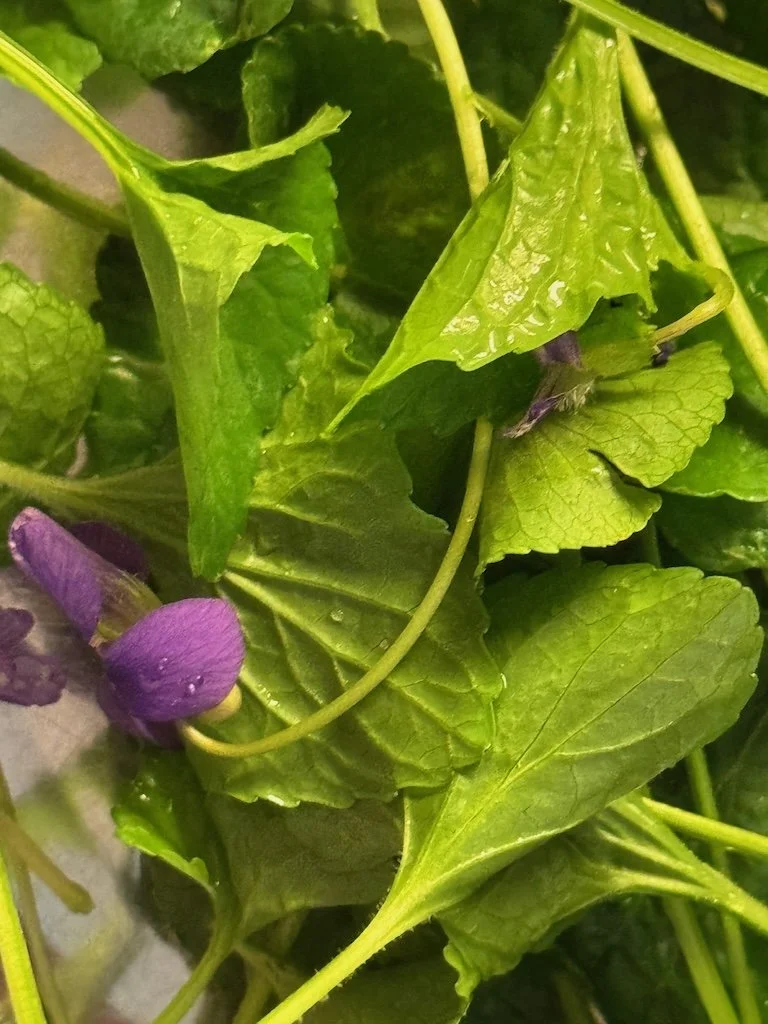
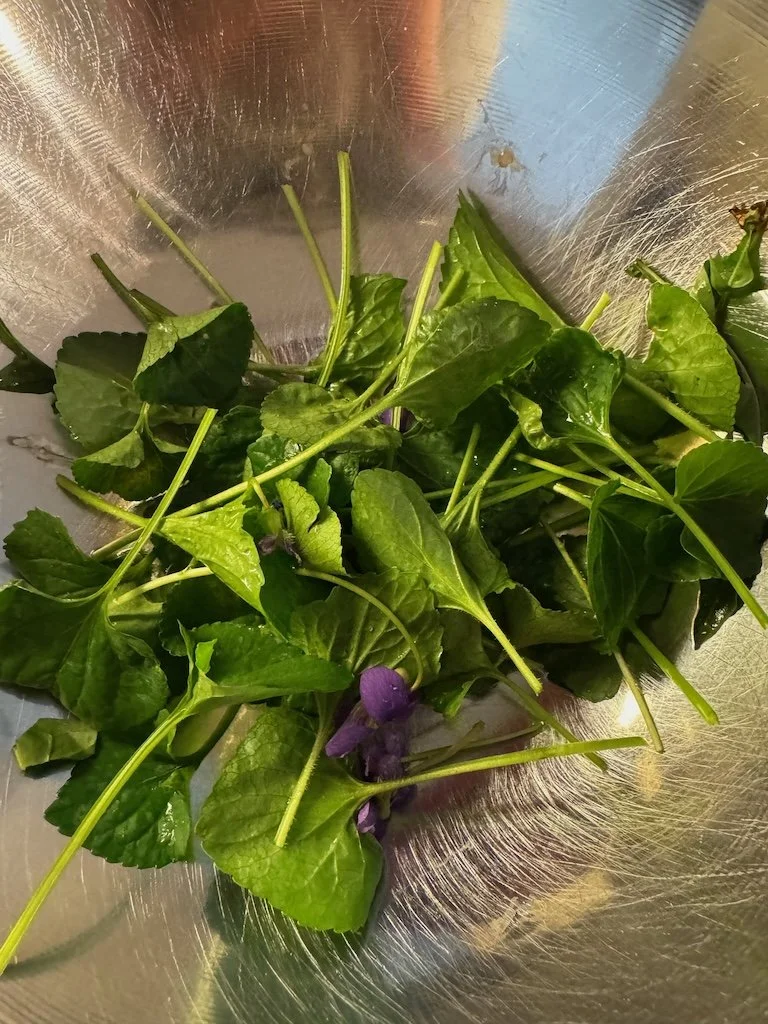
Violet leaves with spaghetti sauce. It’s such a joy to simply walk outside in the back yard and cut a few leaves to eat almost immediately!

Microplastics talk to Missouri Master Gardeners. The audience was not large, but they made up for it in enthusiasm. I celebrated that I’d gotten it done!

Clumps of mushrooms around native plant garden. The edges of the oak mulch are evidently perfect for mushrooms. I celebrated that they looked like a natural ‘edge’ to the bed.

Hummingbird and squirrels and chipmunk seen from my office window. Hurray! We finally have a chipmunk visiting our yard…the first time I’ve seen one here. The hummingbird is coming to our feeder regularly and the squirrels run along the fence tops and through the pine to get to the holly just out of my view.

New glasses. I celebrated new single vision glasses for distance….and really like them for driving.

Hellbender tour. The hellbender conservation lab at the St. Louis Zoo was a great opportunity to see an animal I’d heard about but never seen….and the two flamingos on nests were another sight to celebrate.

Audubon Center at Riverlands. It was too hot to truly enjoy Riverlands and confluence of the Missouri and Mississippi Rivers…but I celebrated that it will make a great birding trip for next winter.

Telecon about data centers in Missouri. I celebrated an interesting telephone conference on data centers in Missouri; I now feel more knowledgeable about the issue.

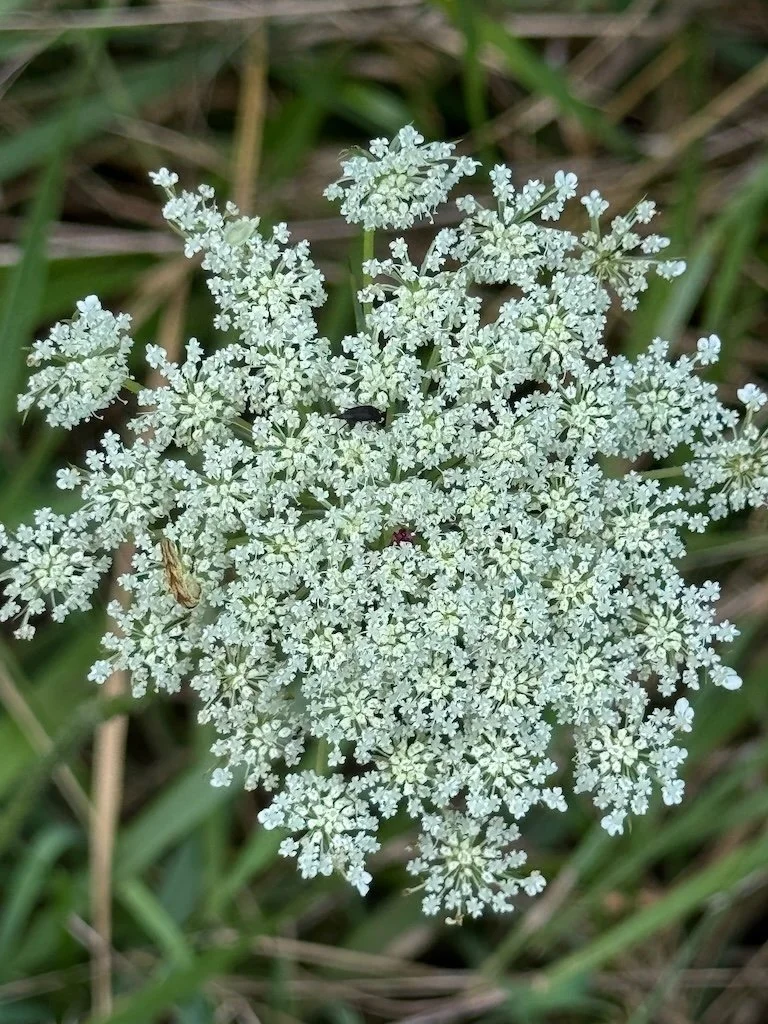
Yellow and white wildflowers between Missouri and Texas. The yellow and whites along the roadside are the colors of summer along my route…celebrating the season.

Glorious summer yard. There are so many good things happening in my yard – so many reasons to celebrate native plants!

Suburban Savanna – 3

Continuing my series on my progress toward transitioning my yard to a suburban savanna…..

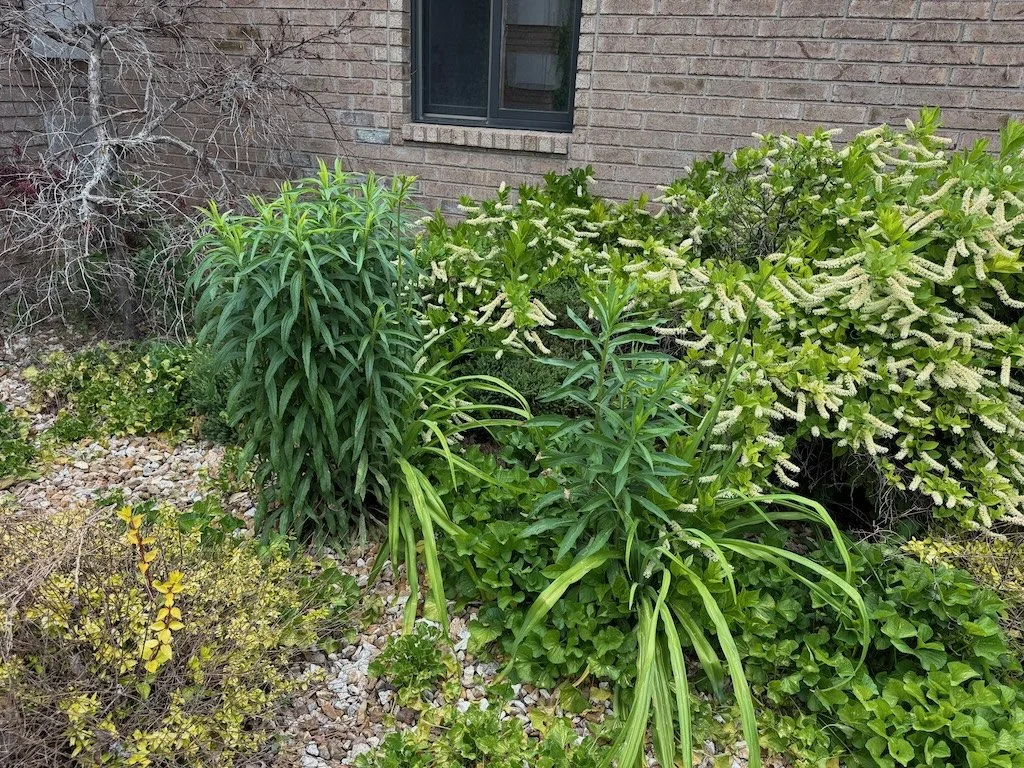
This month I am focusing on the shade garden since it is closest to being complete. The plants there will continue to develop…without a lot of work on my part. It is on the east of my house and includes an eastern white pine and a group of holly trees with low branches; a neighbor’s river birch and oak add to the shade in the summer.

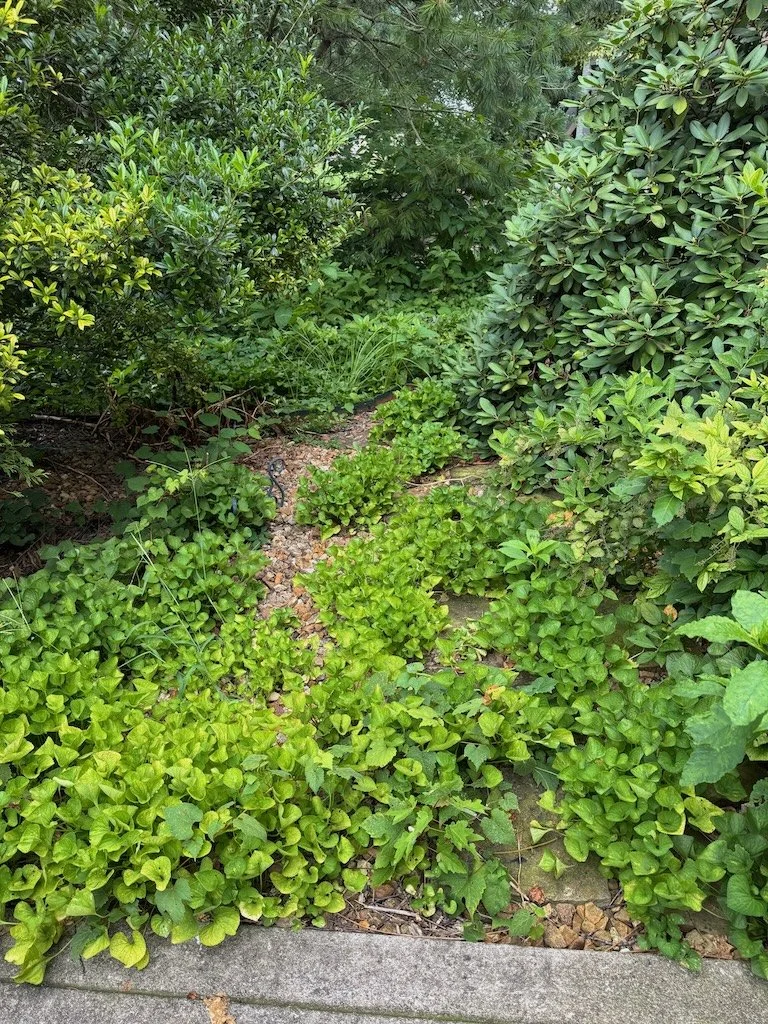
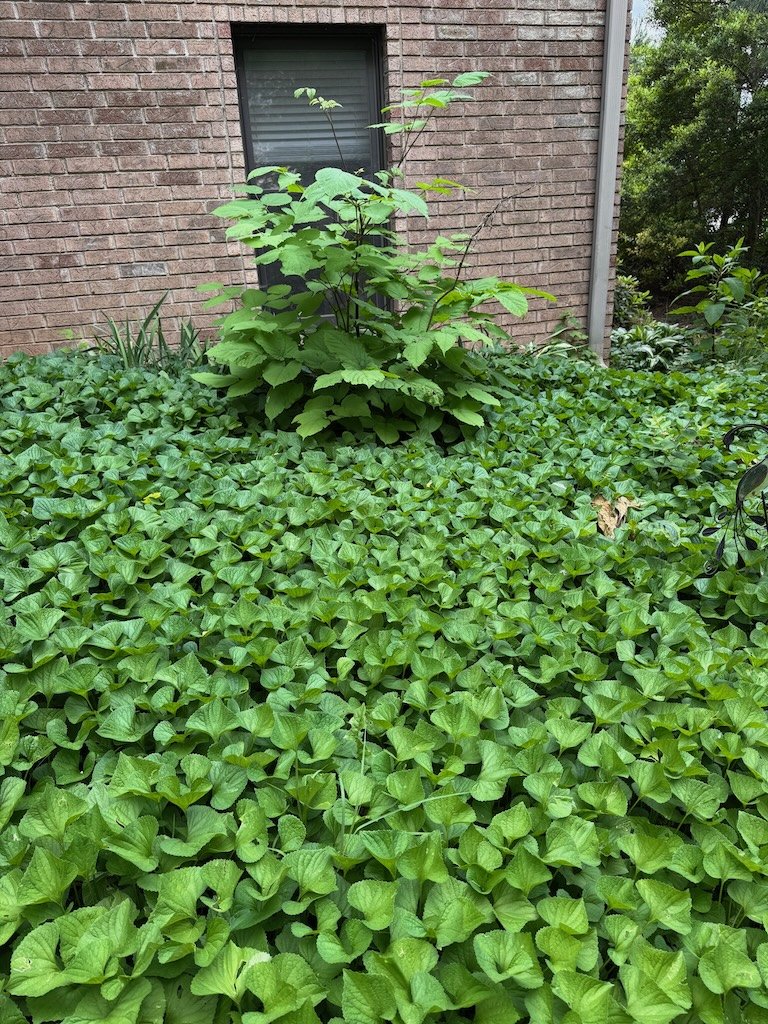
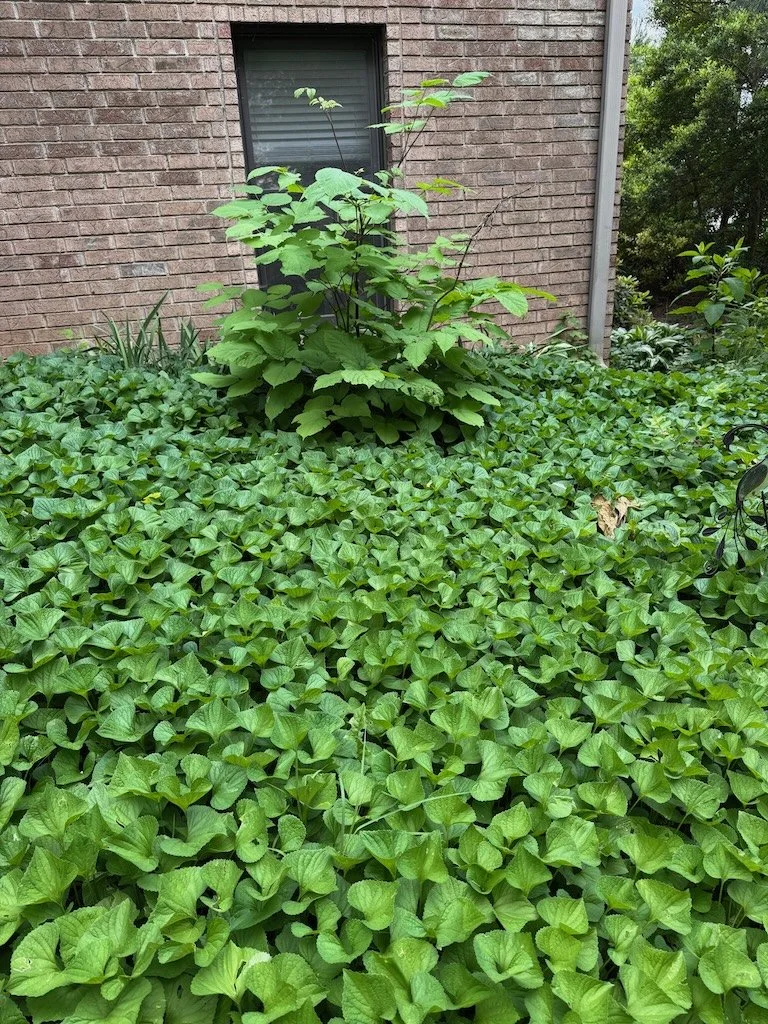
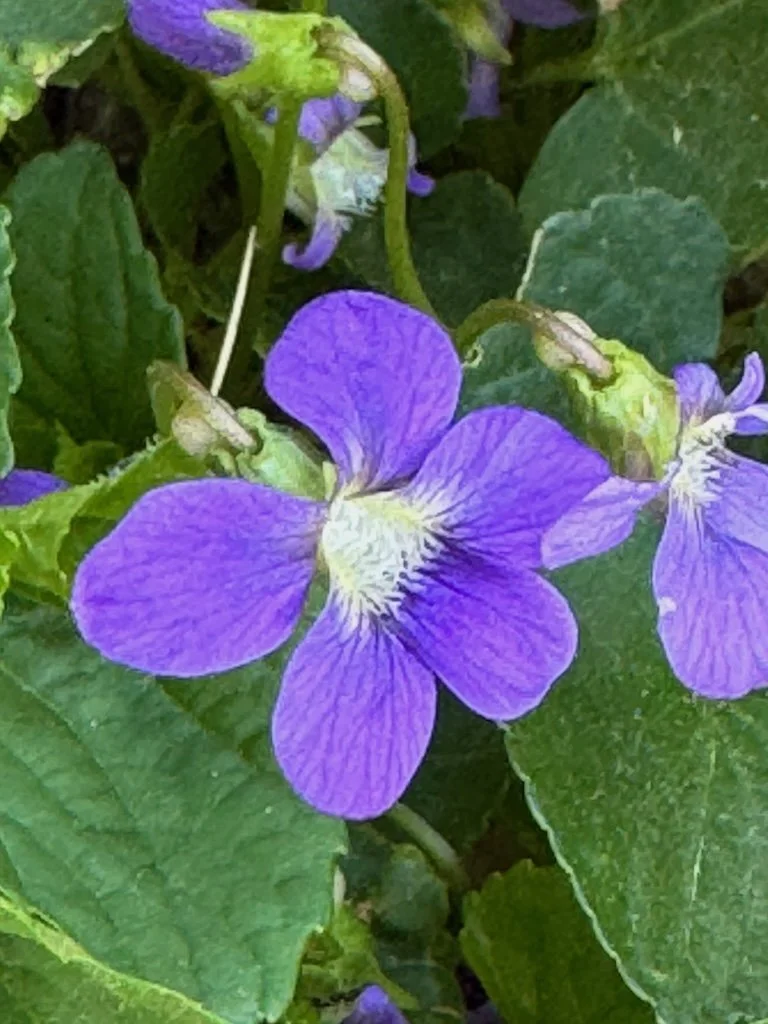
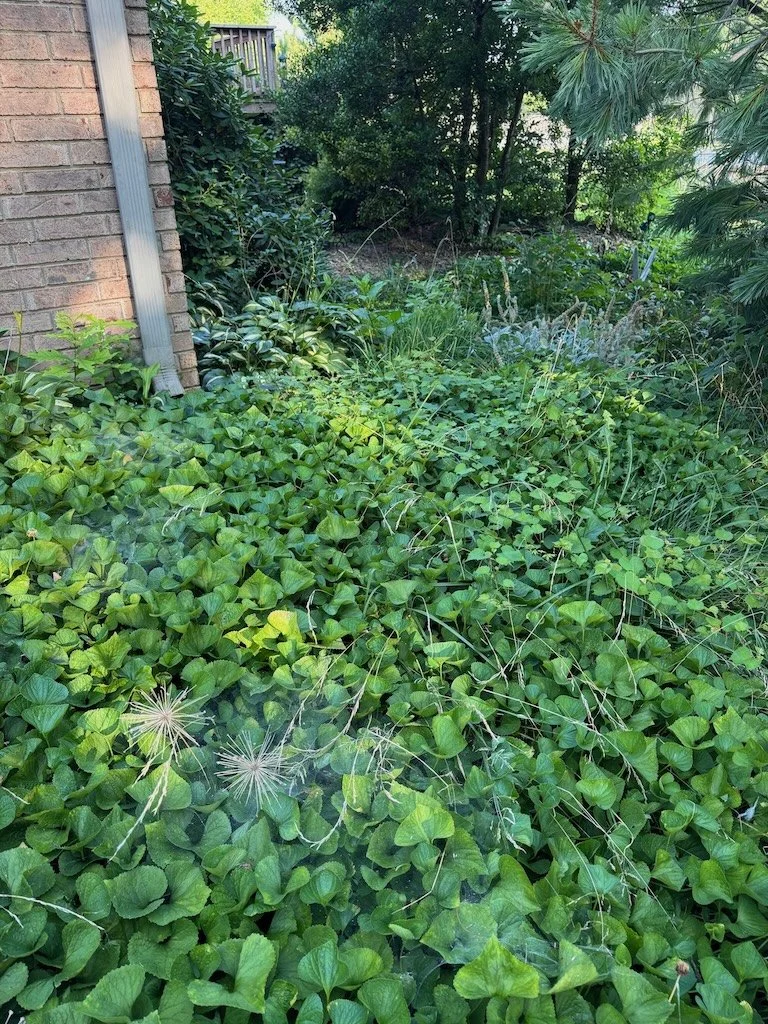
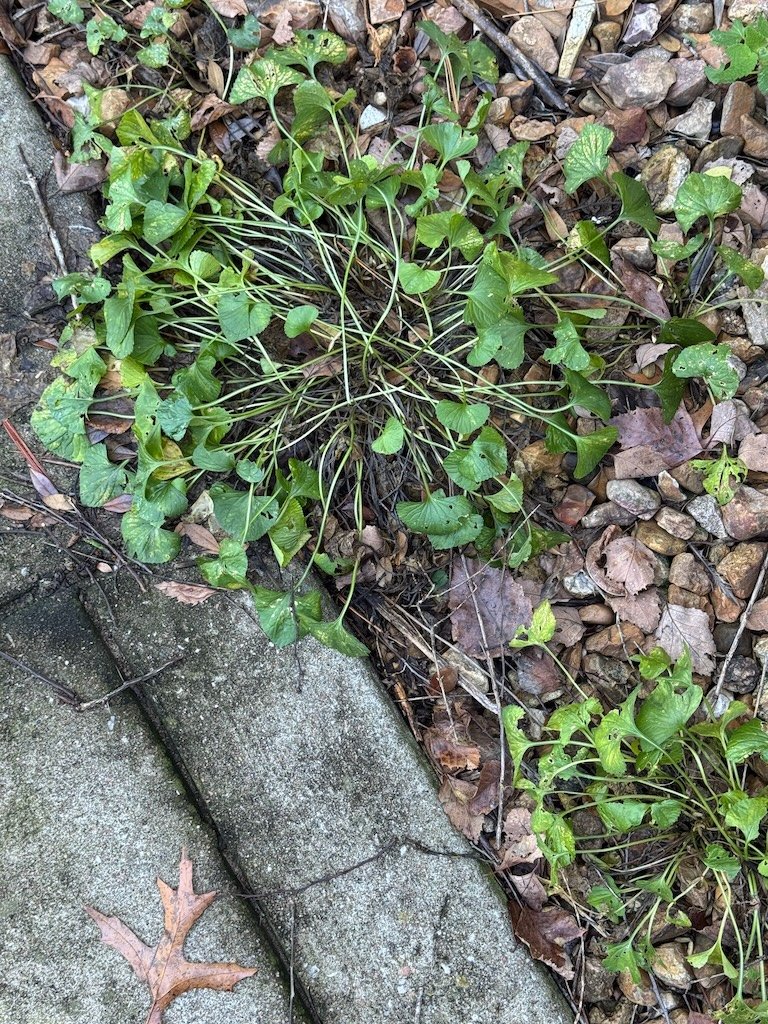
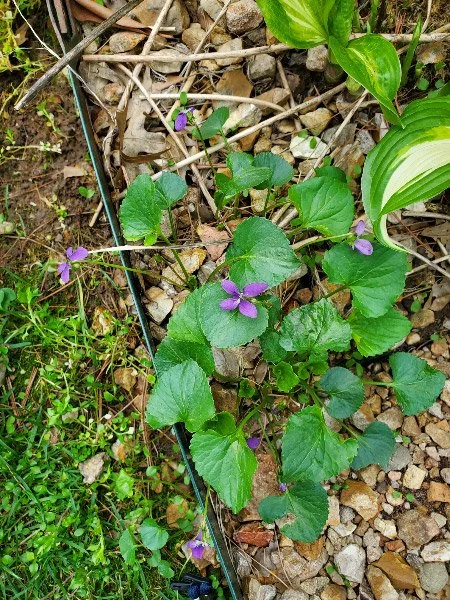
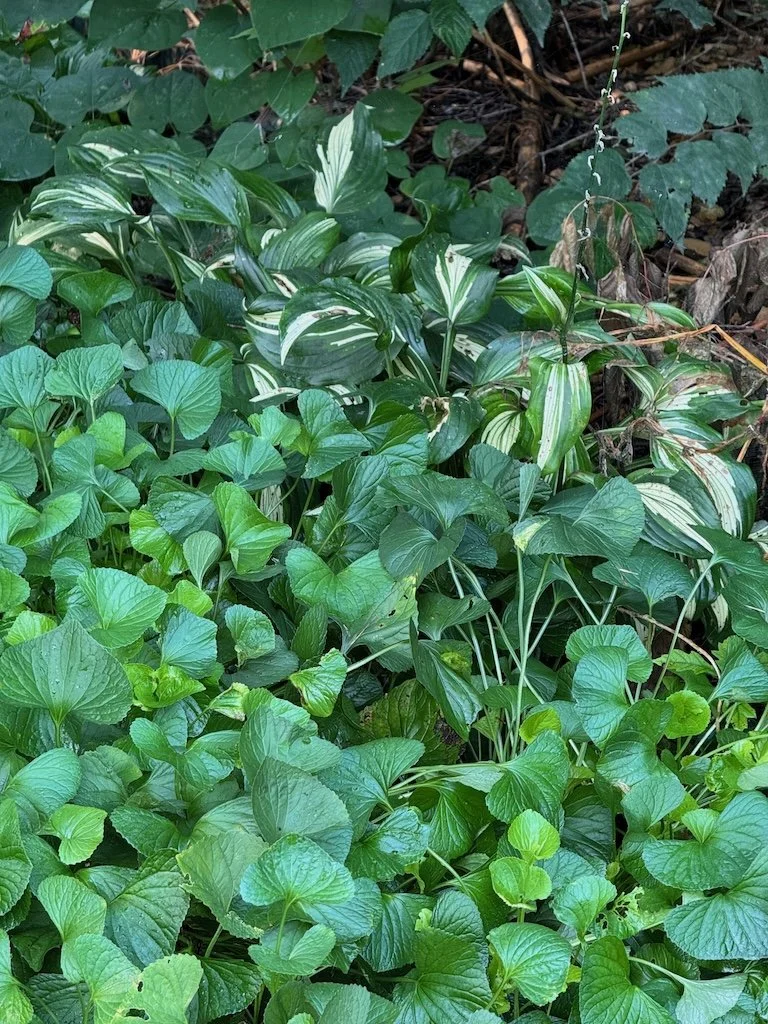
There were a few violets near the house when we arrived 4 years ago and they have spilled out to take over what used to be struggling grass (I stopped mowing and the violets took over); they have progressed about 6 feet into the yard and I will further reduce my mowing to allow them to take over more!

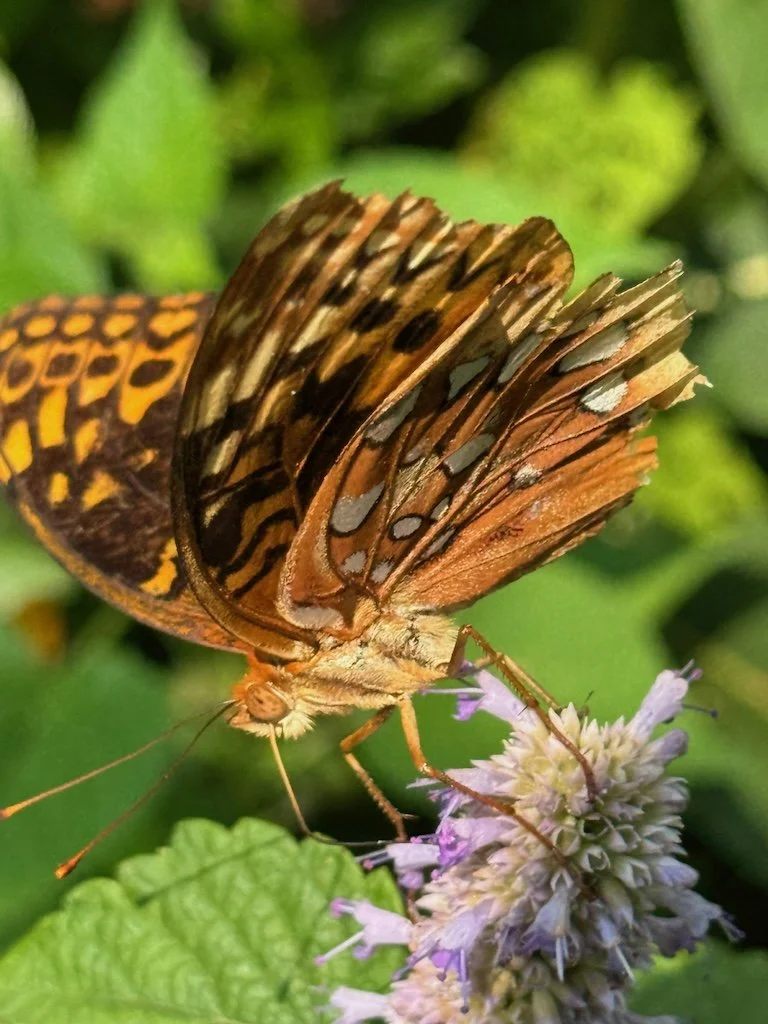
I noticed last winter that several birds – particularly mourning doves and wrens – seemed to spend a lot of time finding tidbits to eat in the brown debris of the violets; I wondered if they were finding the tiny Great Spangled Fritillary (butterfly) caterpillars.

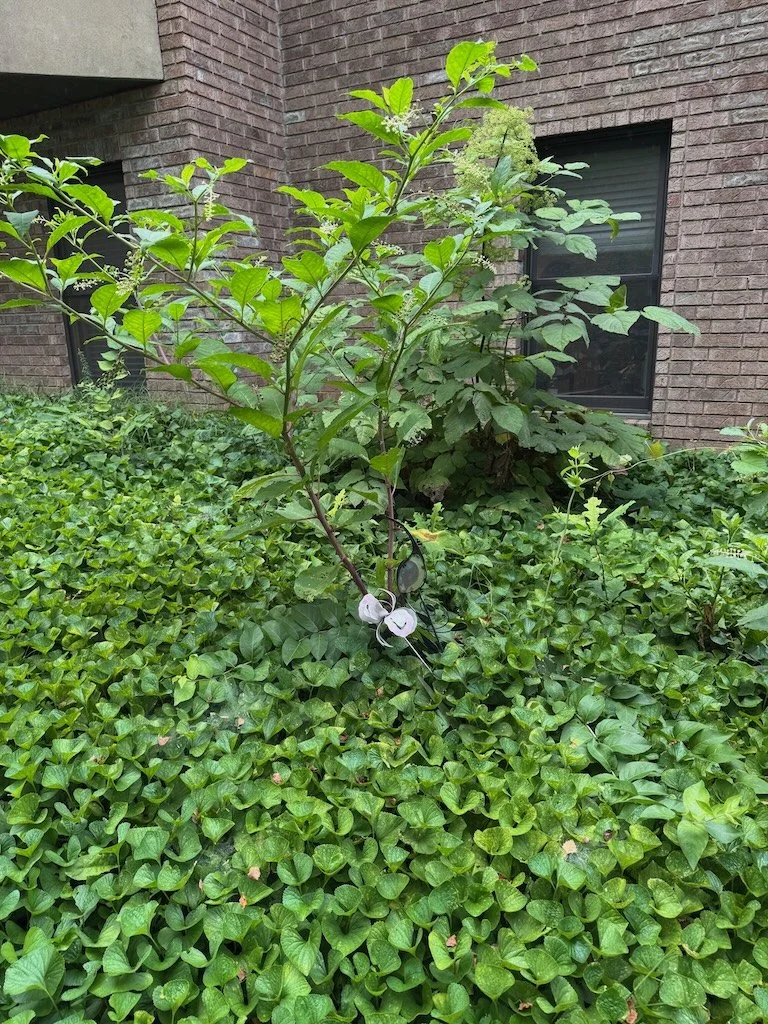
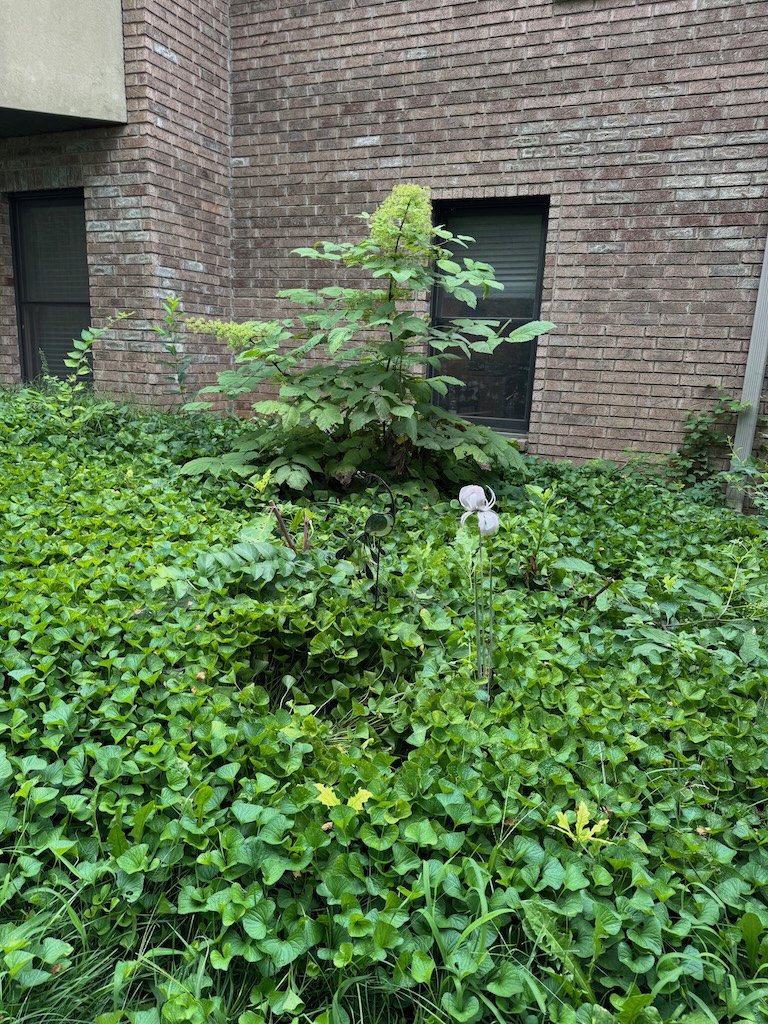
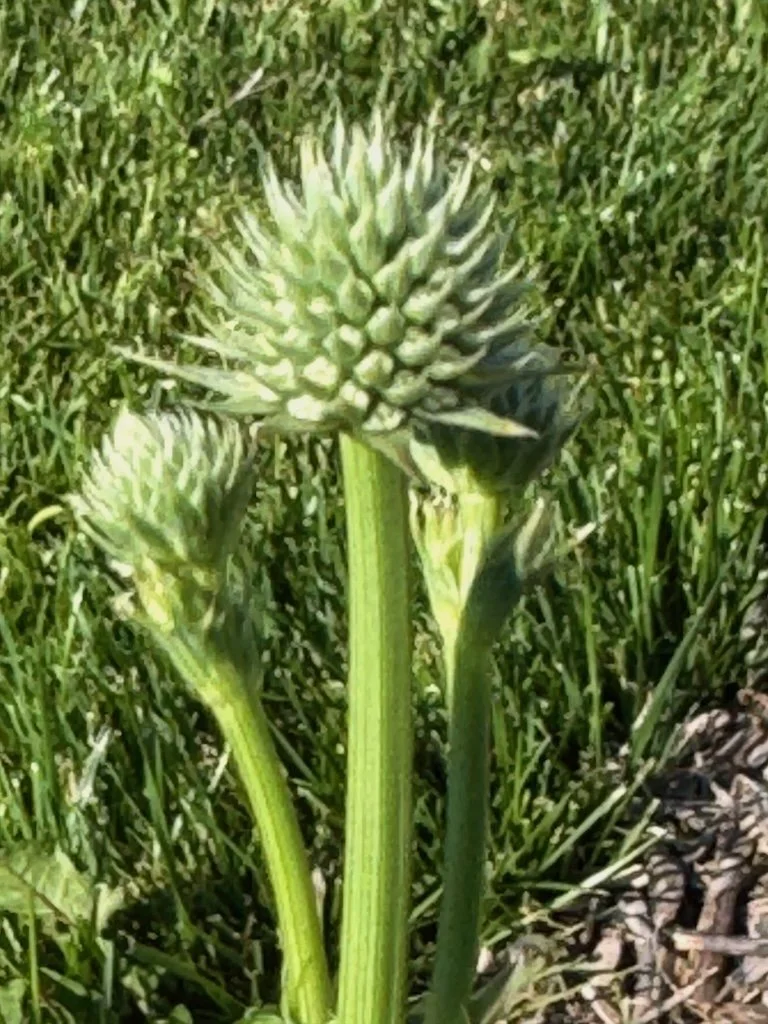
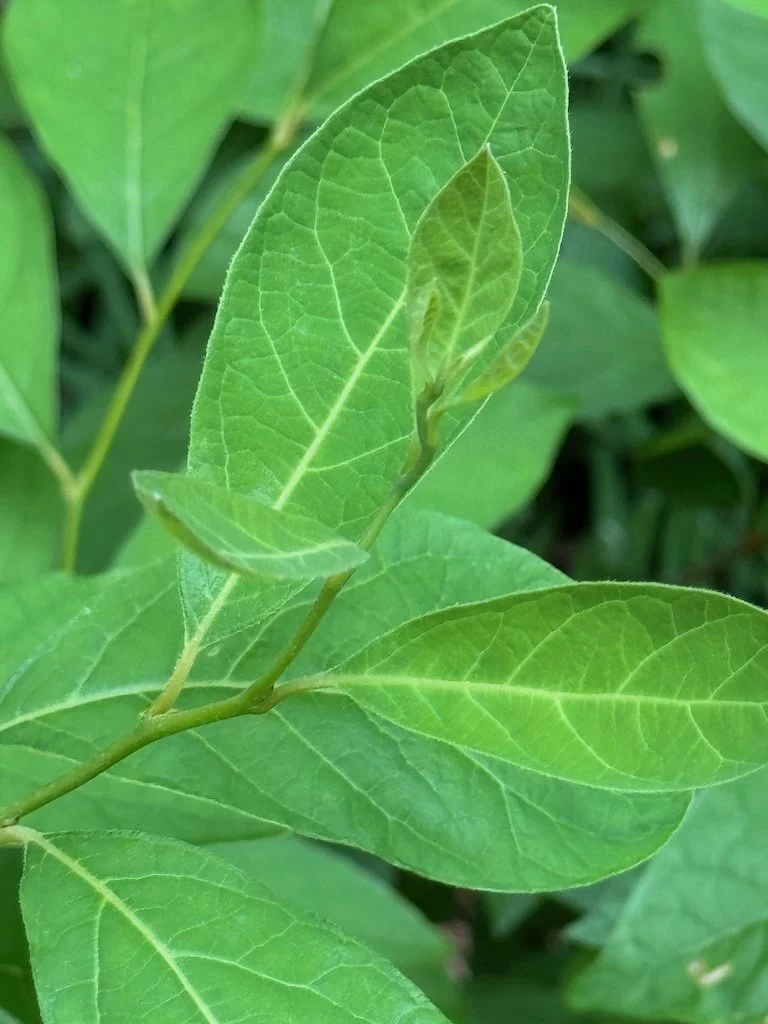
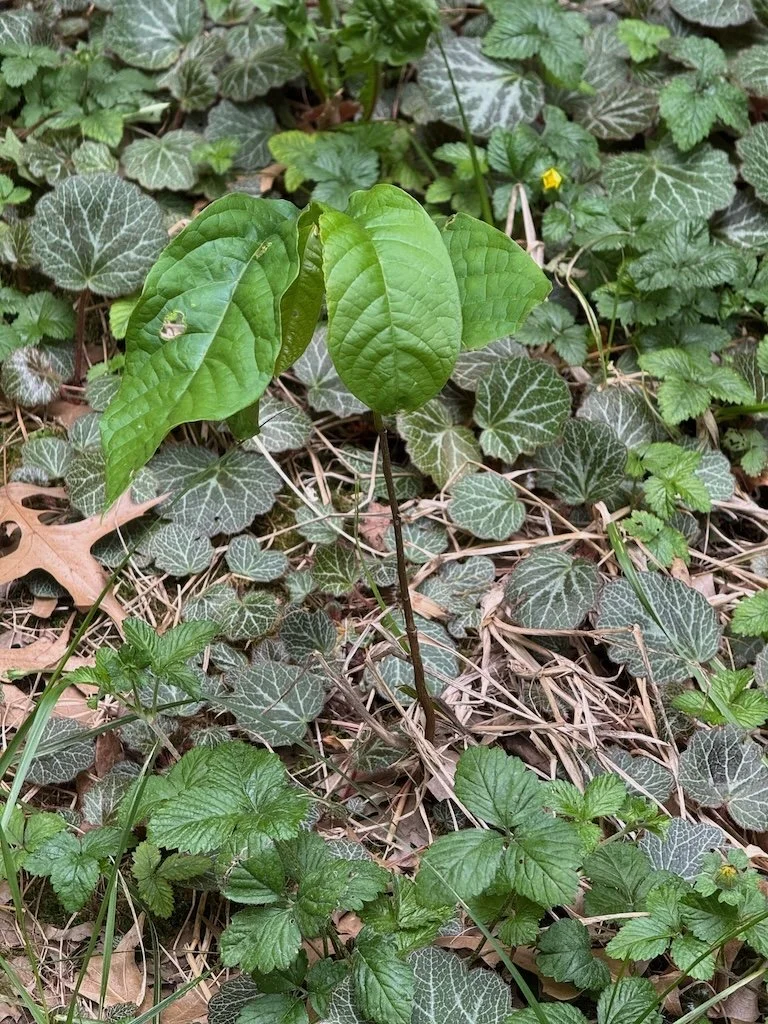
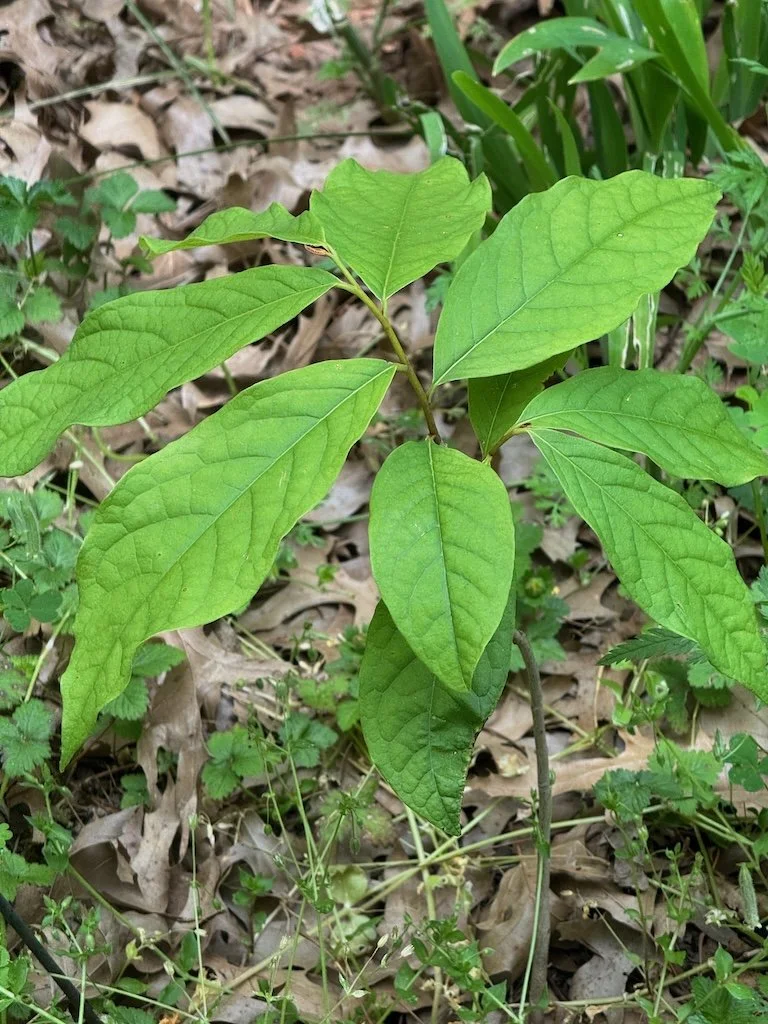
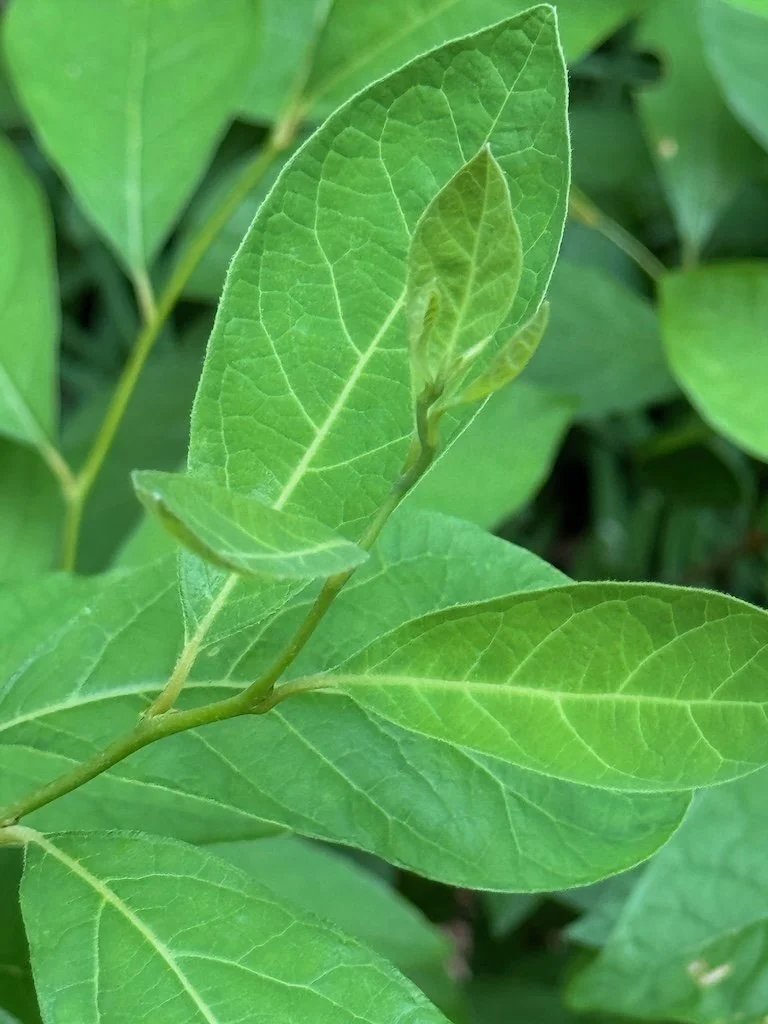
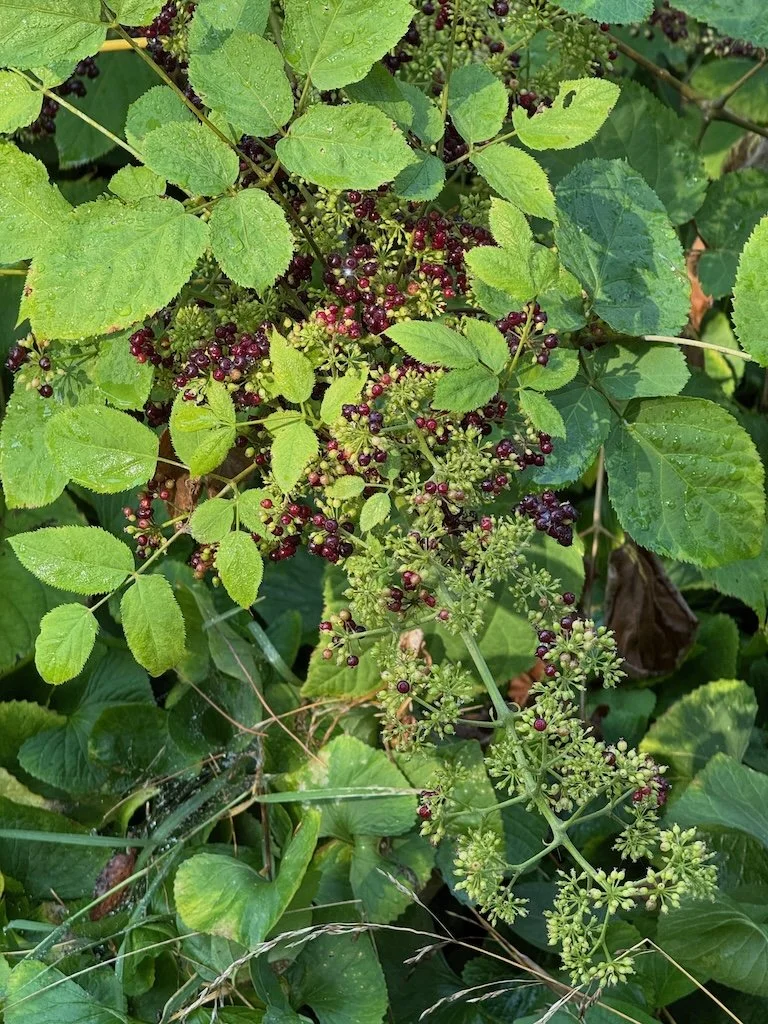
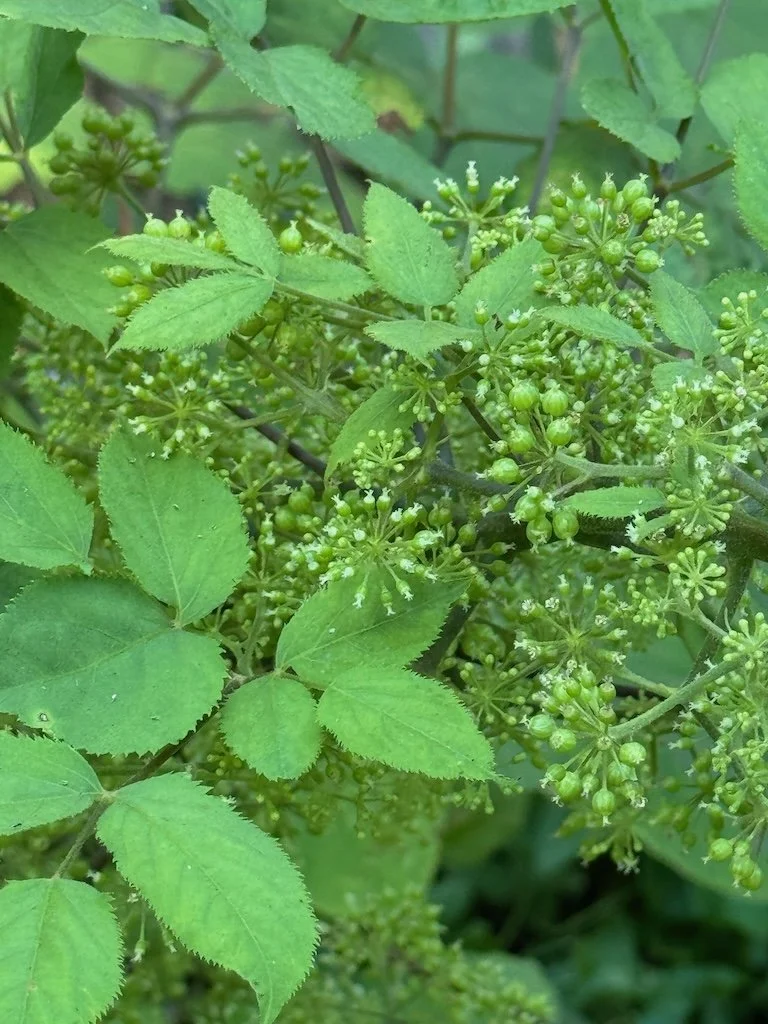
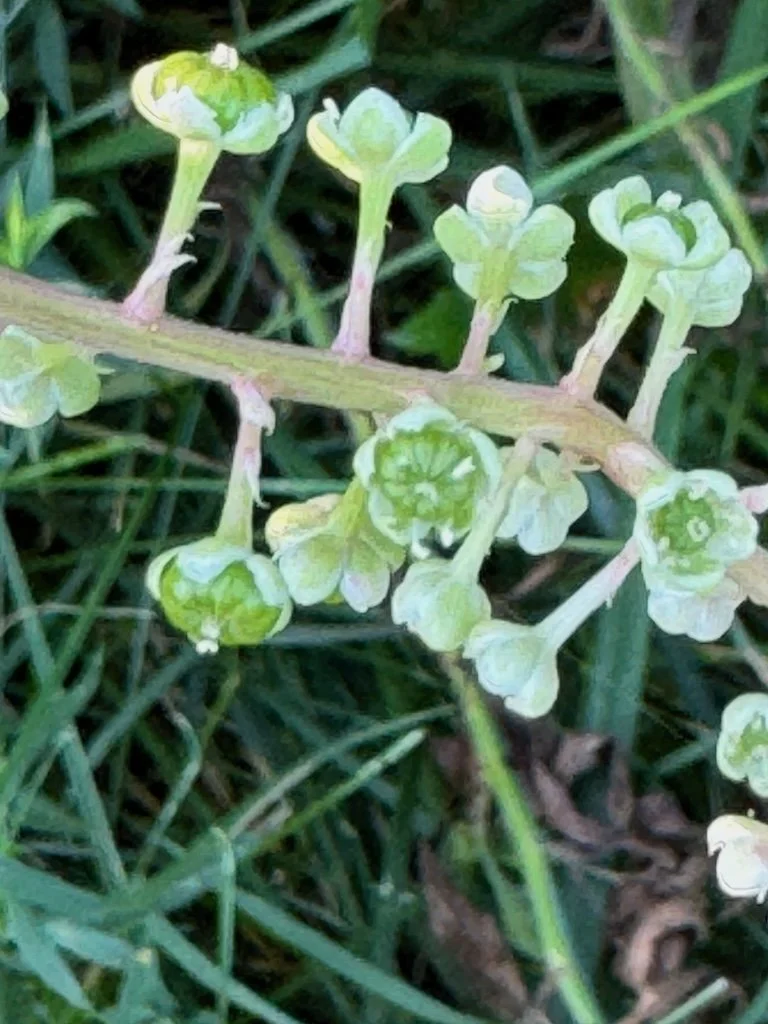
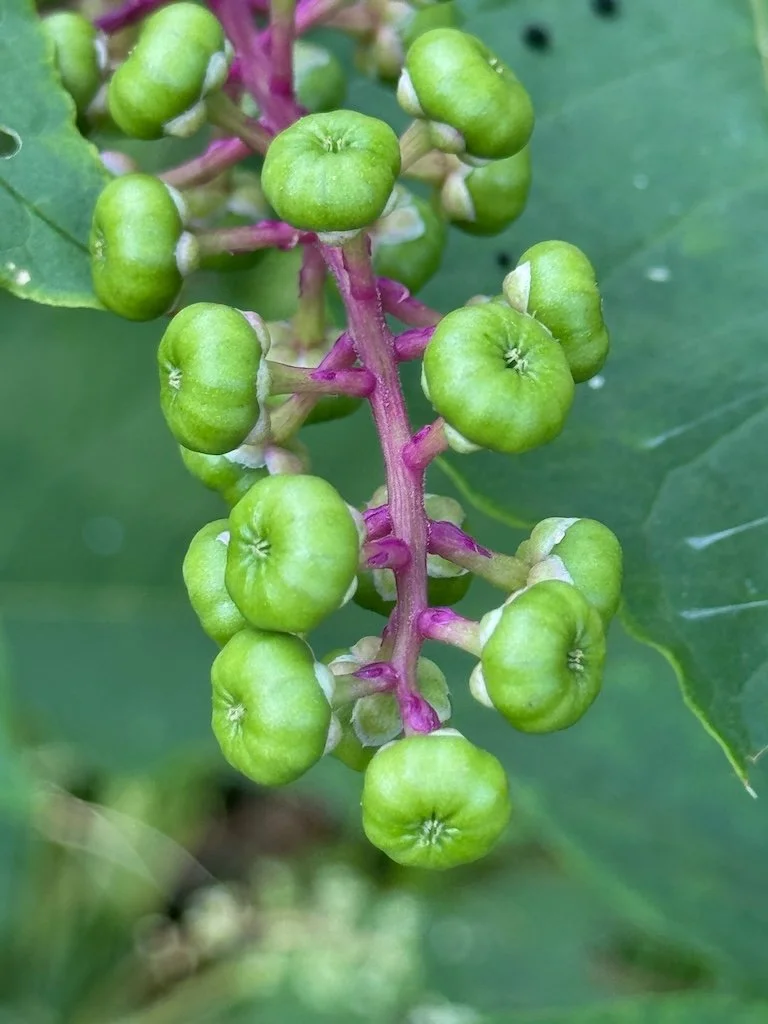
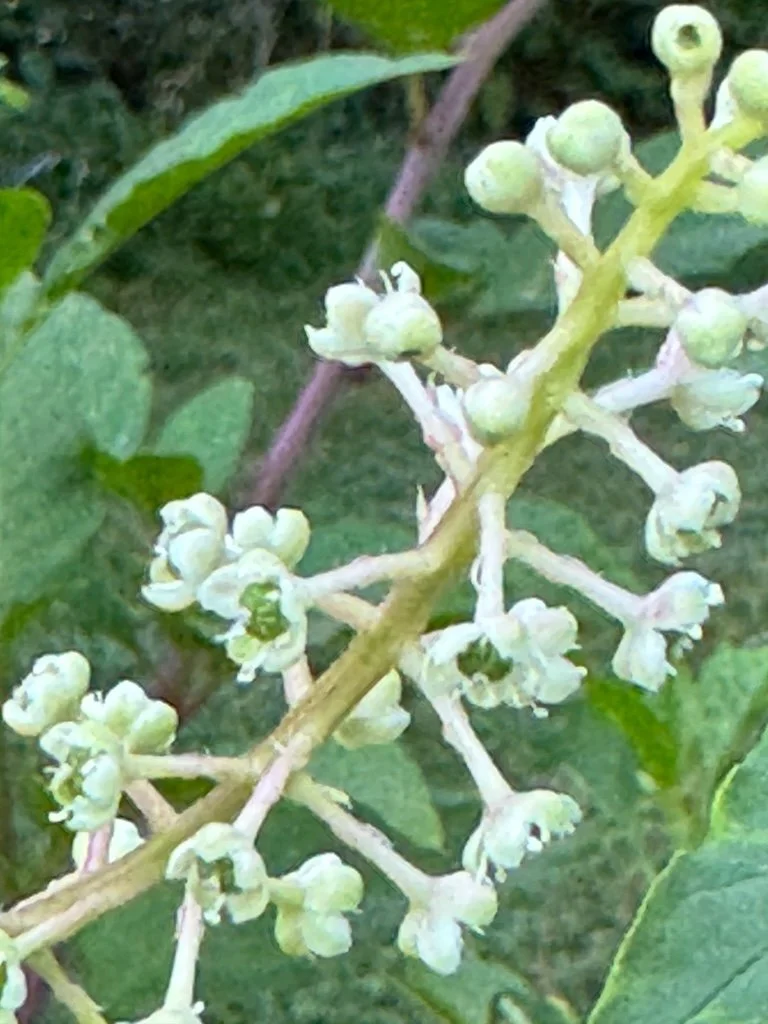
I planted American Spikenard, spice bush, and pawpaw to provide some taller plants to break the thick violet groundcover. I might eventually add another spice bush since the one I have is male (i.e. no red fruits!). The American Spikenard was one of the first native plants I added to my garden (where it is visible from my office window) and it gets bigger every year…this year it is over 5’ tall so it must be happy in its location. It blooms in June – attracting pollinators; the fruit is eaten by birds.

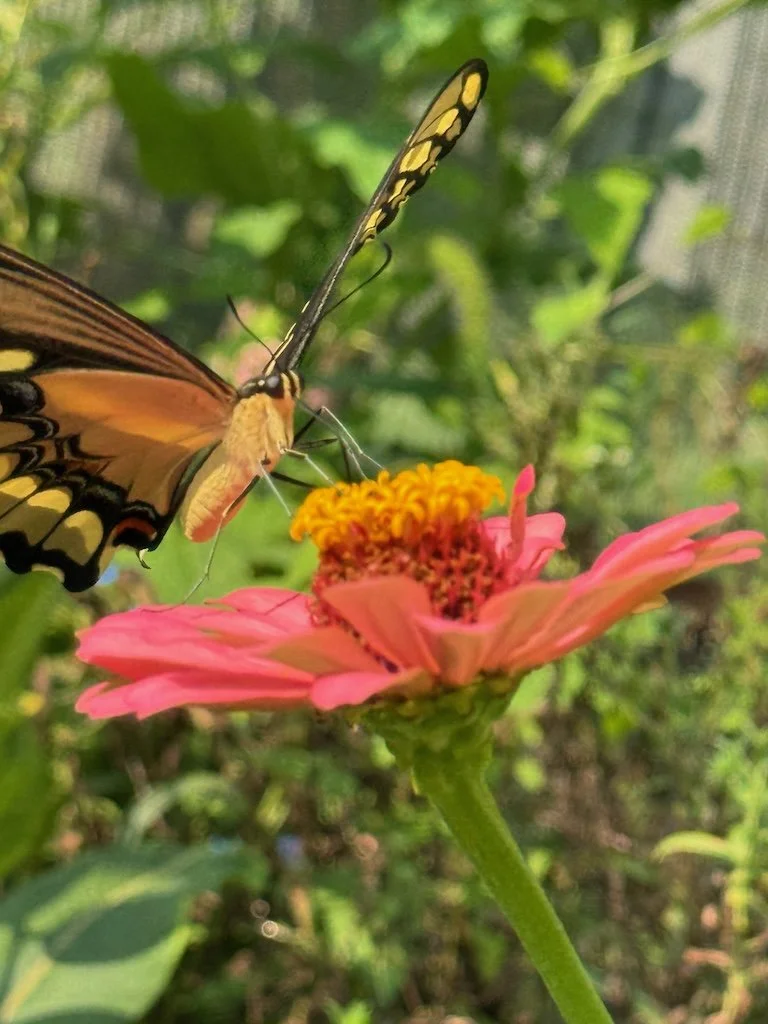
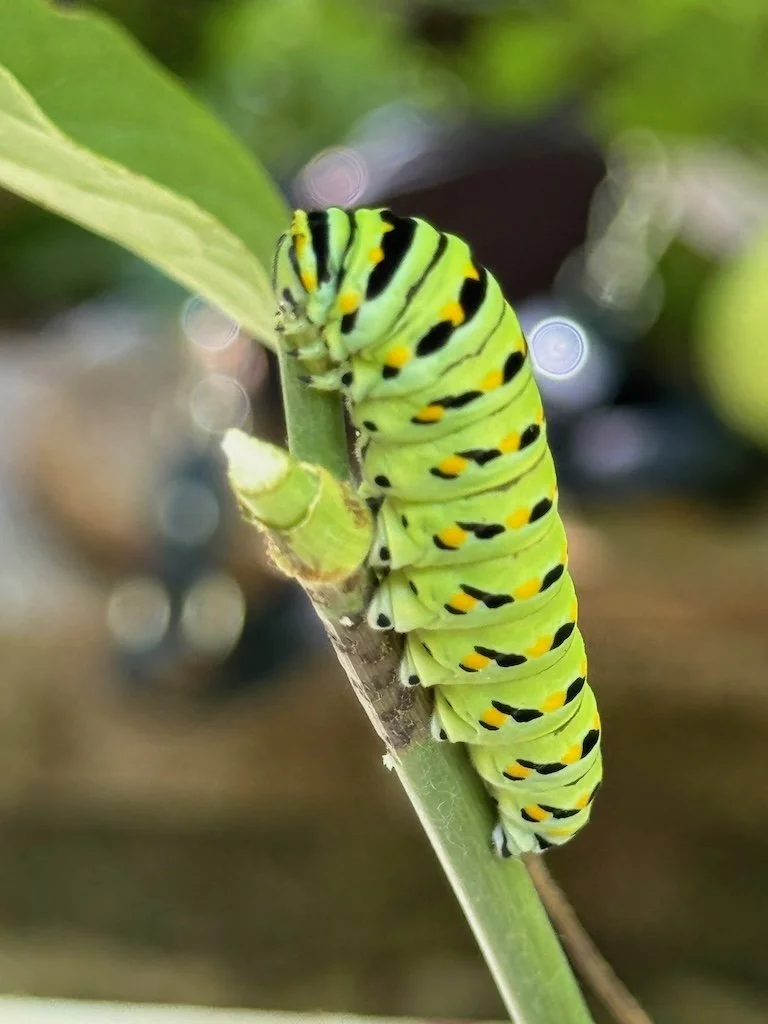
The spice bush had black swallowtail caterpillars eating it last summer…a great indication that the shade garden is supporting wildlife that had not been in the yard previously. I also noticed more fireflies in the summer beginning last year.

The pawpaw trees are still very young: one was planted as a seedling last year, 2 came up from seeds this spring, and 4 were planted as seedlings this spring. Hopefully most of them will survive and eventually host zebra swallowtail caterpillars. It will be years before they bear fruit….but I am excited about the prospect.

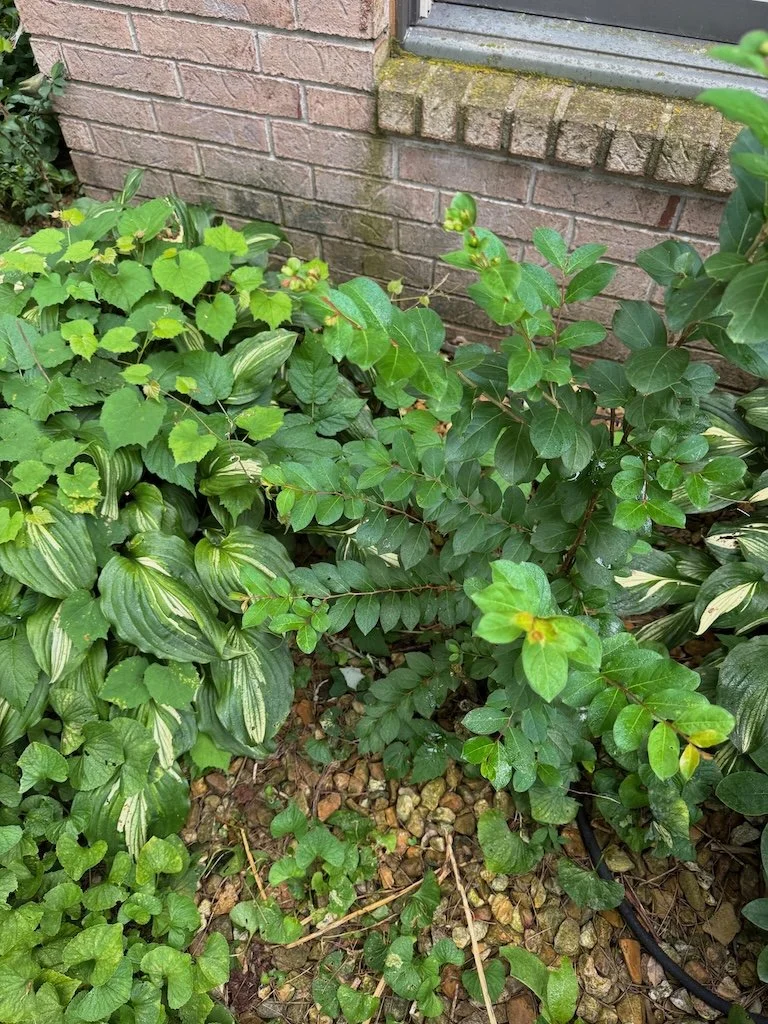
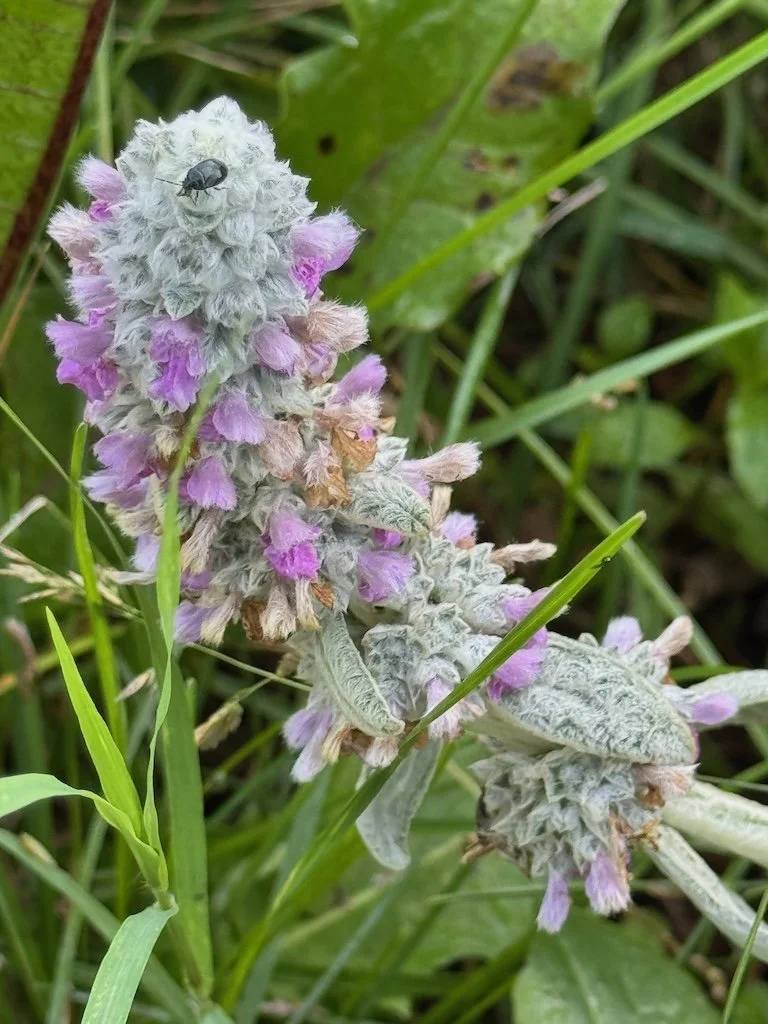
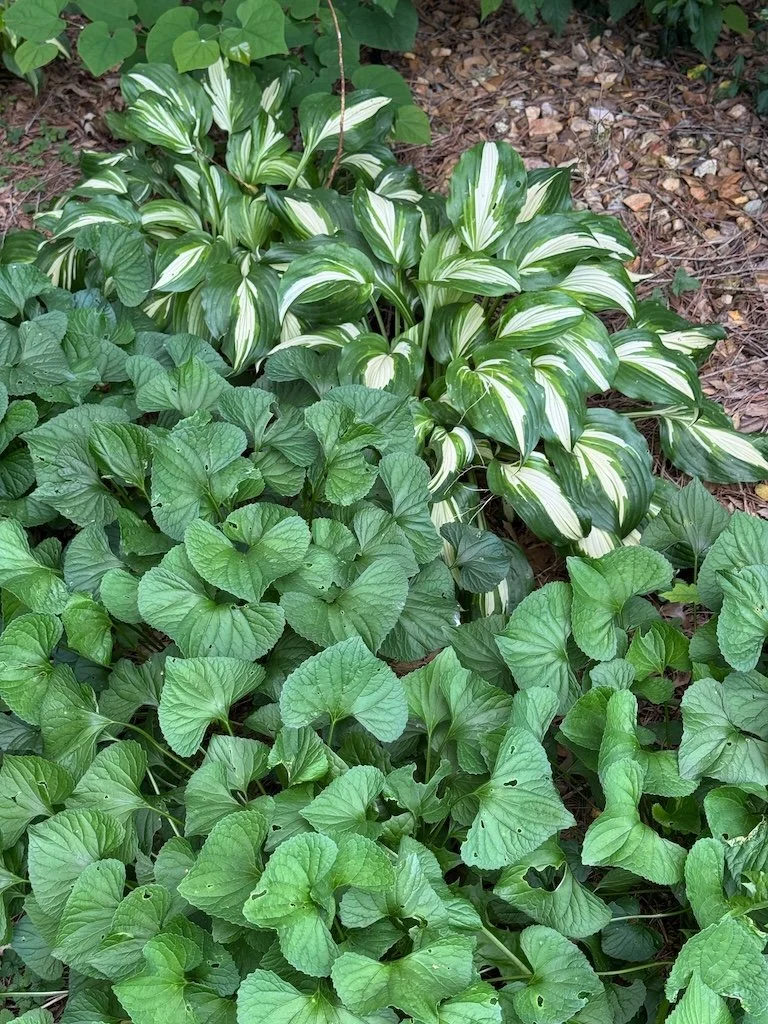
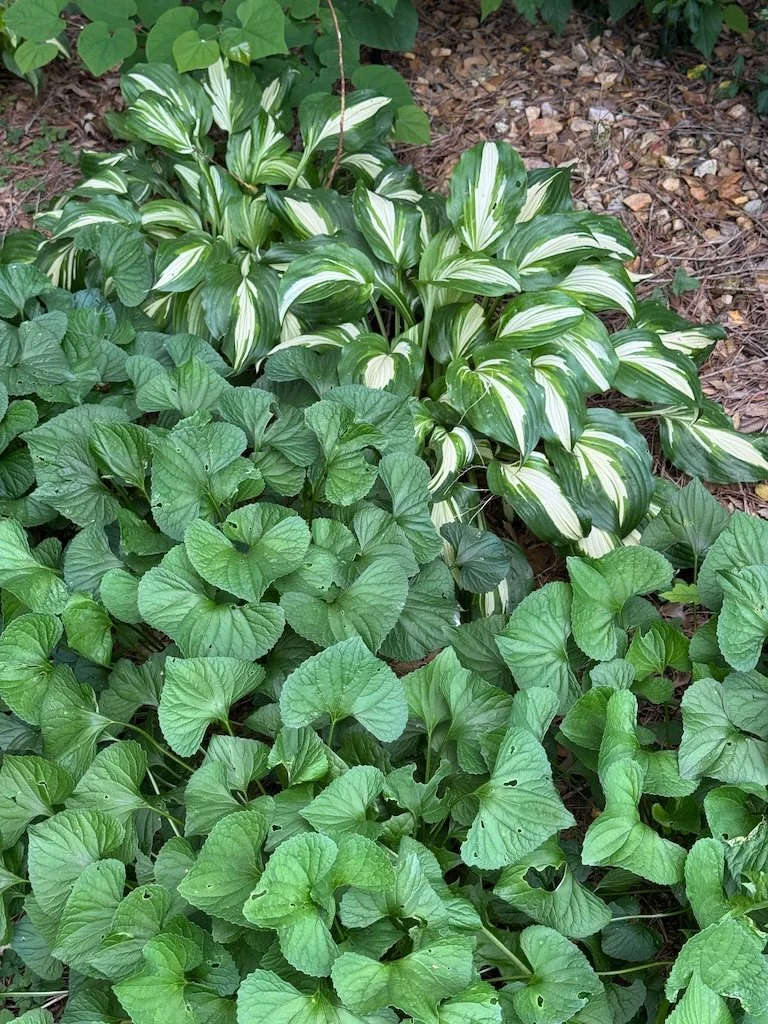
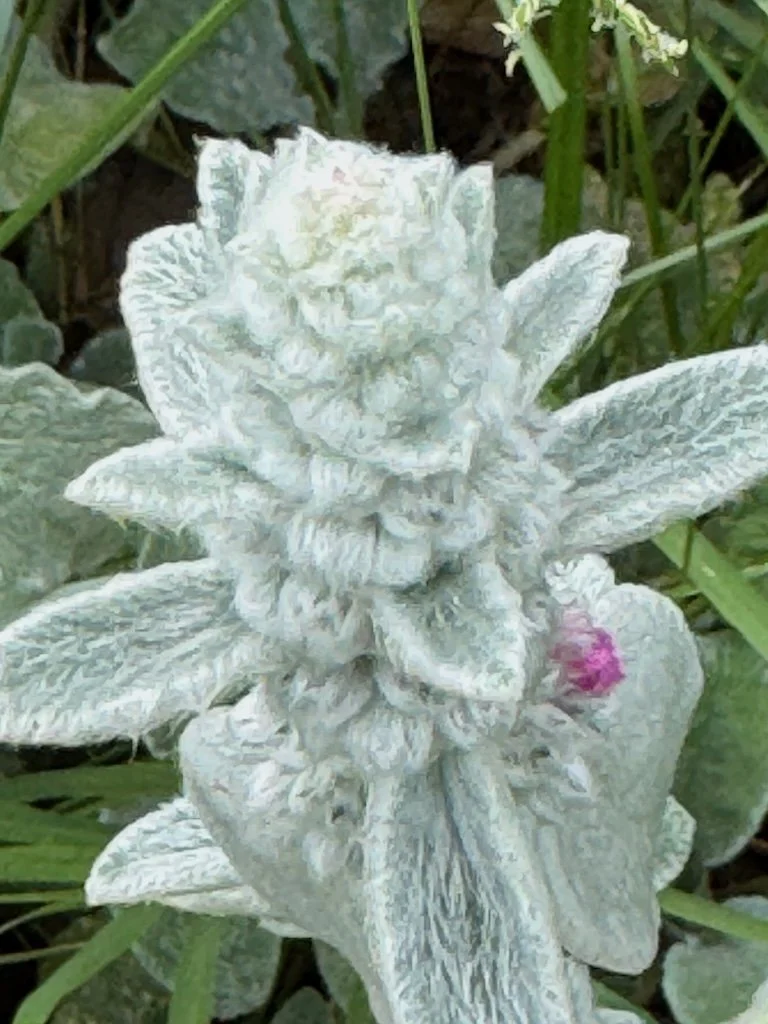
Around the white pine there is a mix of native and non-native plants. The natives are another American Spikenard, black raspberries (that came up on their own), violets, grapevine (which I cut to keep it out of the tree), hackberry (which I take out periodically, there is a neighborhood tree so the birds plant the seeds everywhere), and, unfortunately, an occasional poison ivy. The non-natives offer some color/shape contrast: hostas and lambs ear now…earlier in the season crocus, daffodils….later in the season chives.

I like that there are plants in the garden that are edible…that I can easily harvest and eat immediately: violet leaves and flowers, grape leaves, and chives.

The maintenance I anticipate on the garden is mainly controlling things like grape vines, poison ivy, and hackberries….keeping an eye out for invasives like poison hemlock and wintercreeper (removing immediately). I will eventually begin removing the lower branches of the pine (they are already sparsely needled because they only get enough light at their tips); it could reduce the shade a little in the morning, but the hollies will shade the area in the afternoon and the pine needle mulch sustains the soil moisture).   The violets will grow out into the yard at least a little further but that just requires me to stop mowing the area where I want the violets to take over! My sprinkler system still waters the area when it hasn’t rained but I envision that I might turn off the zone once the plants are all well established.

More about my suburban savanna and water next month.

Previous Suburban Savanna Posts:

April 2026 – Overview

May 2026 – Planting Natives

Our Missouri Yard – May 2026

May was full of new growth in our yard.

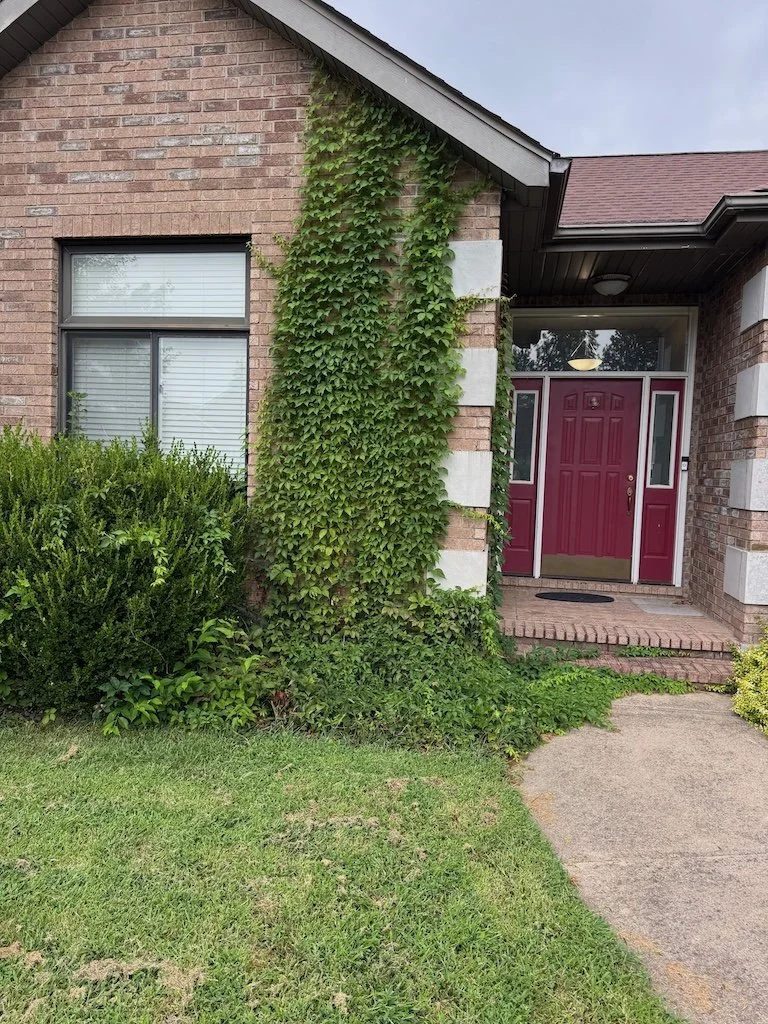
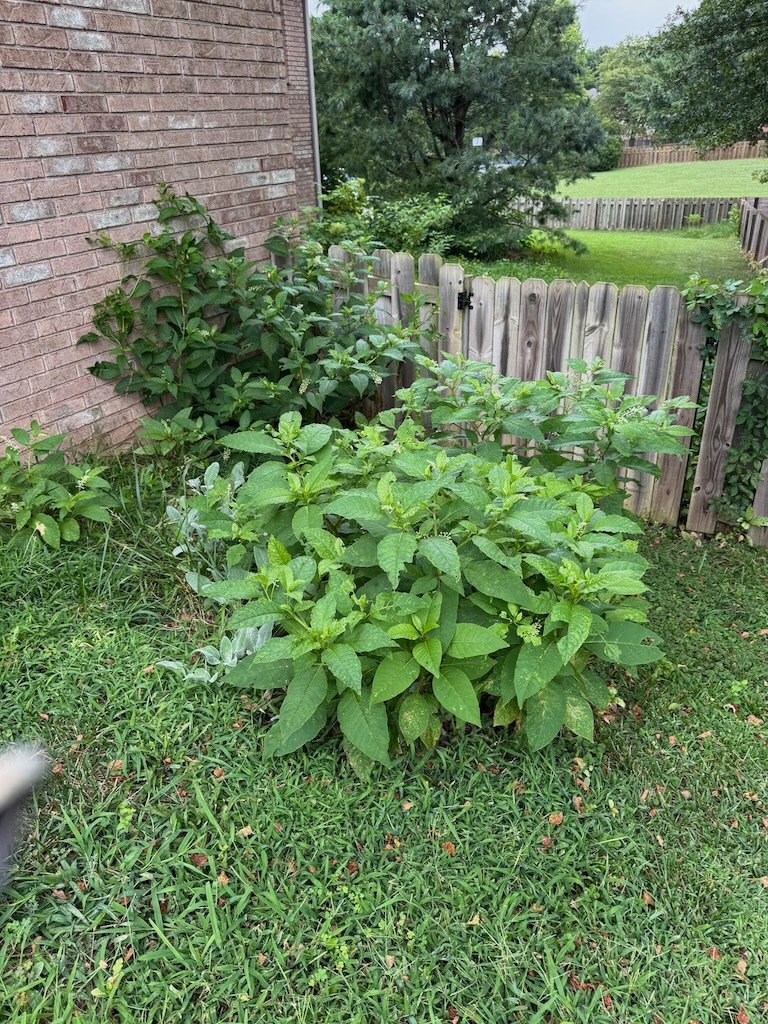
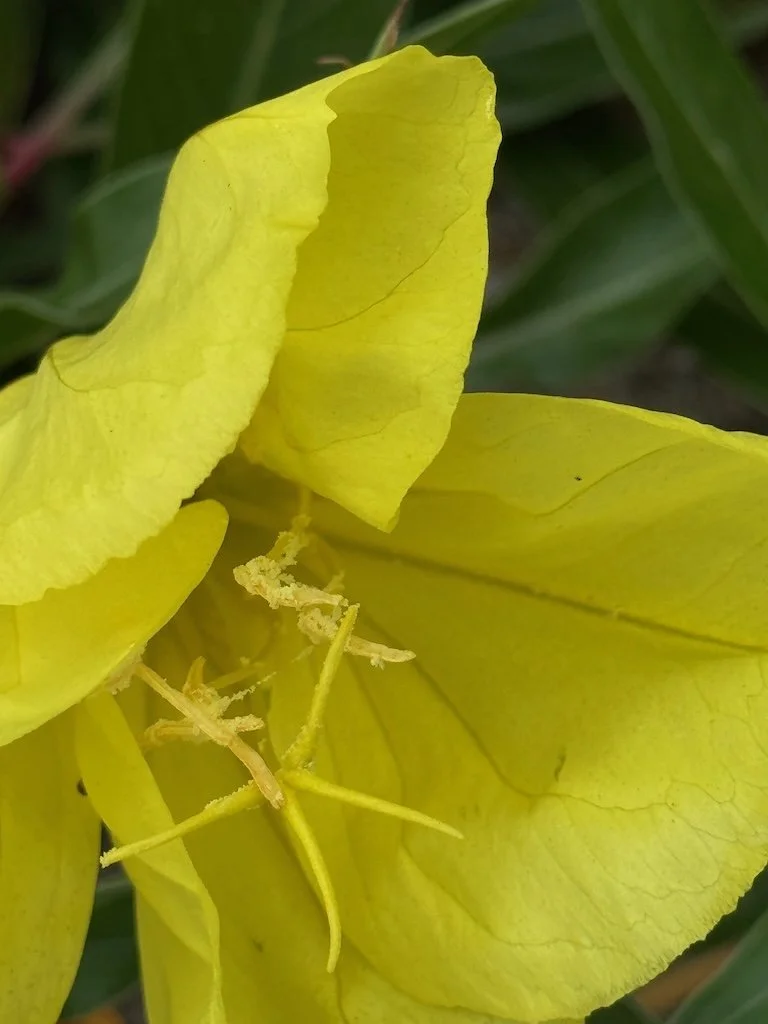
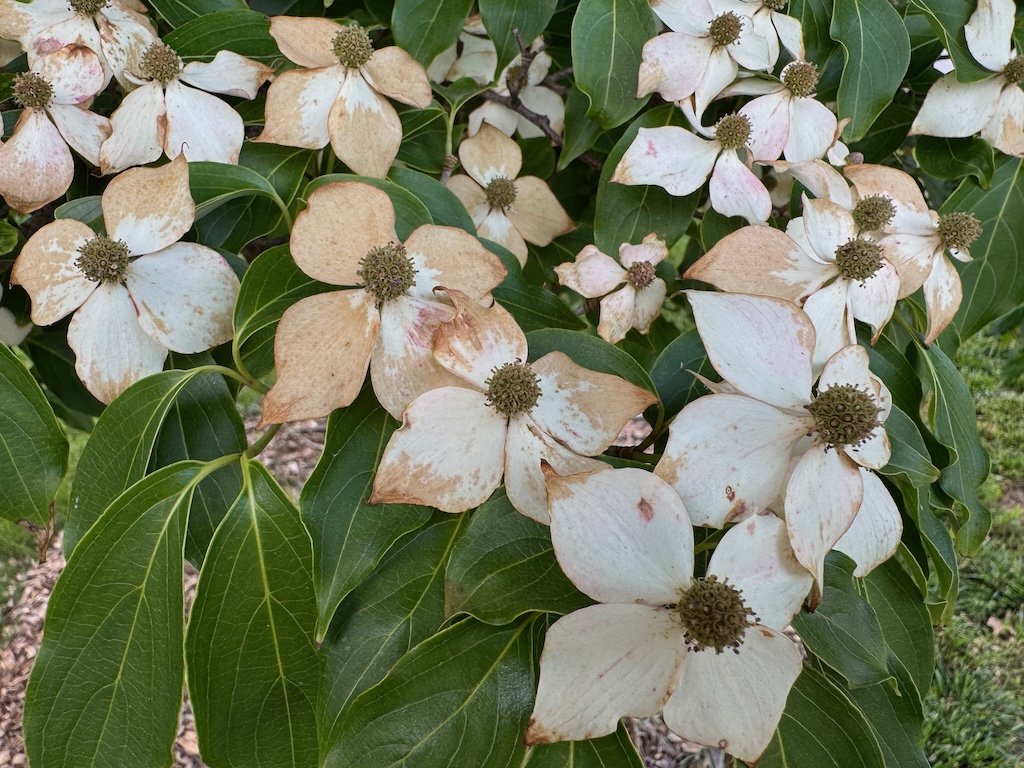
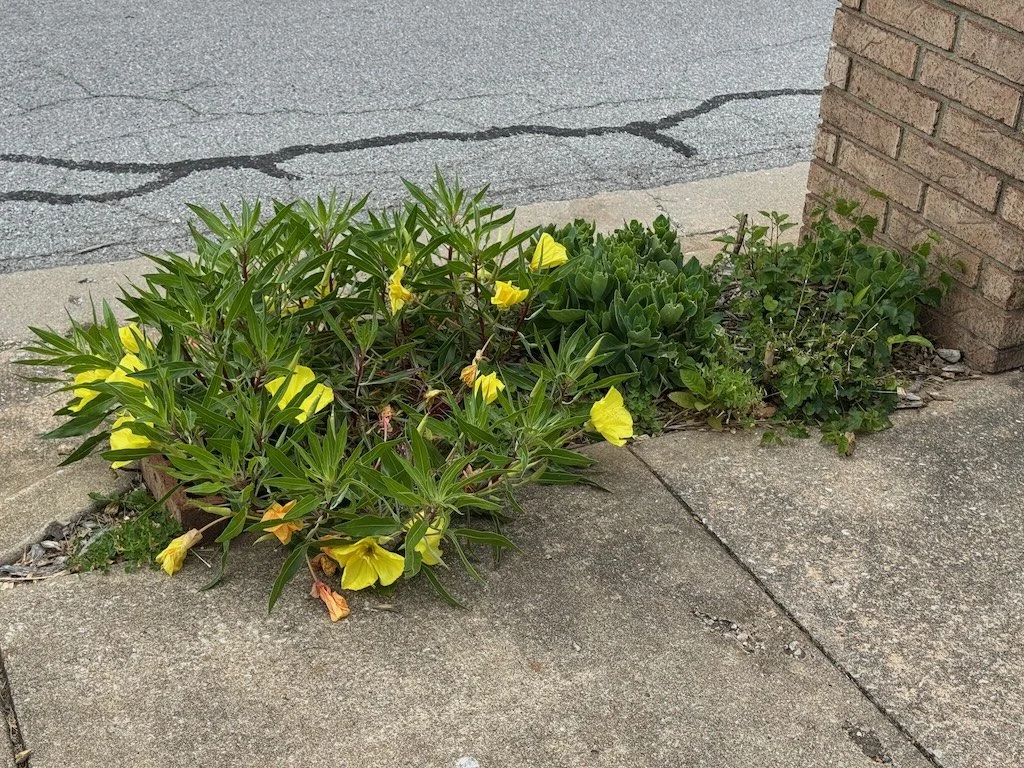
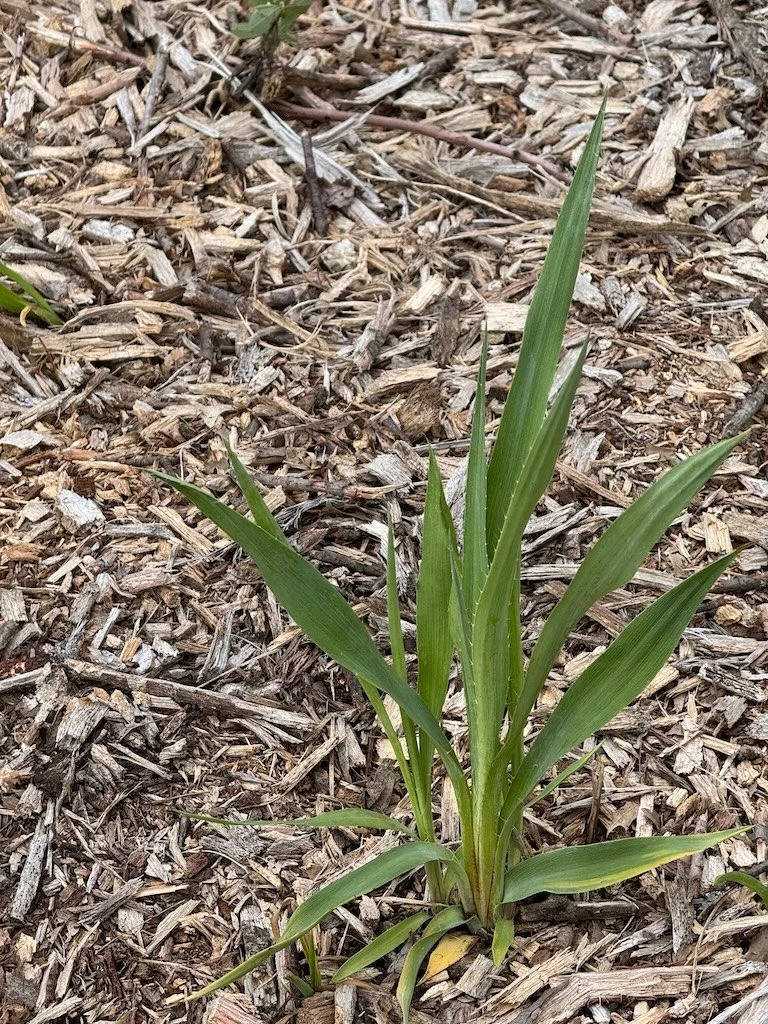
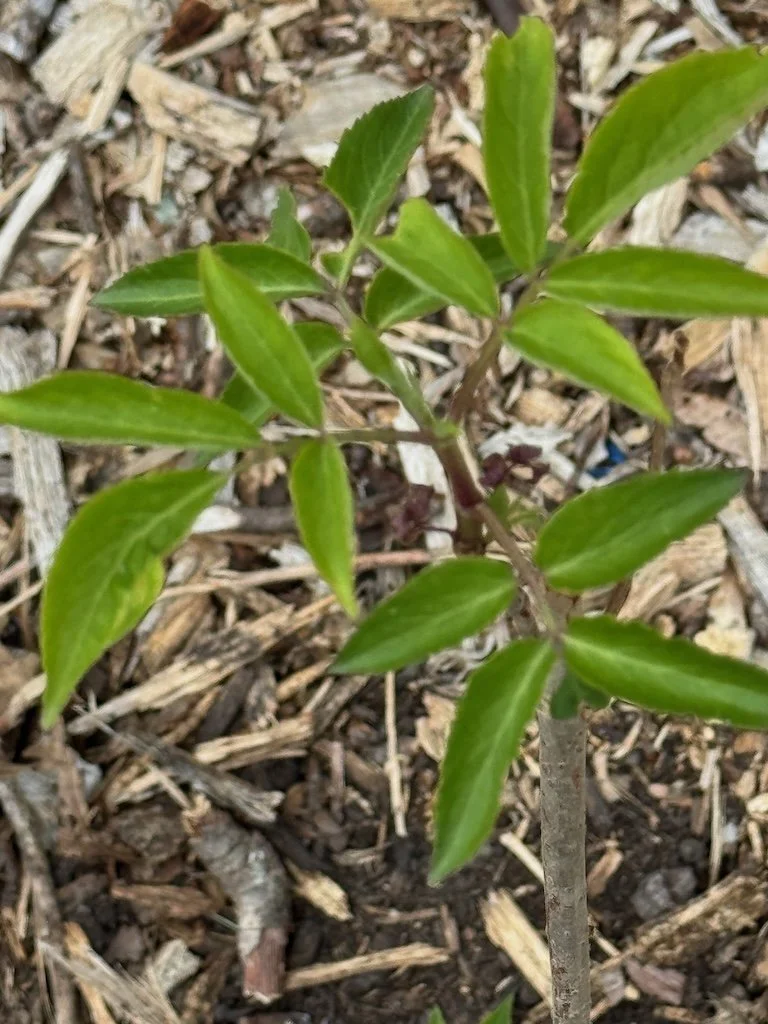
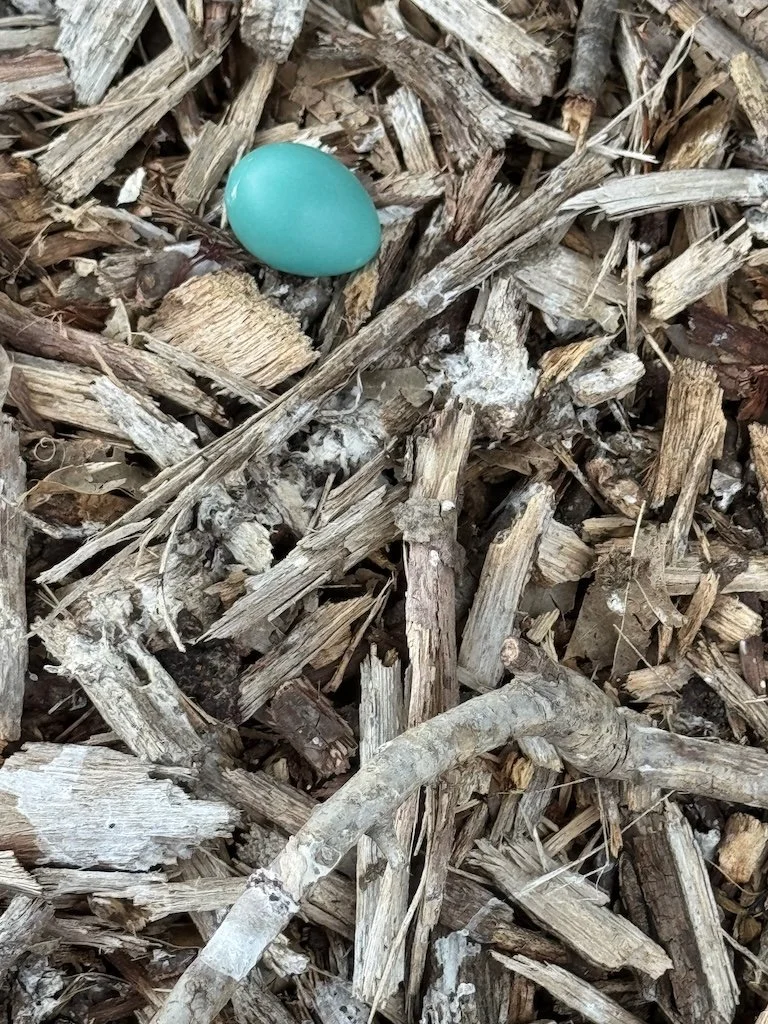
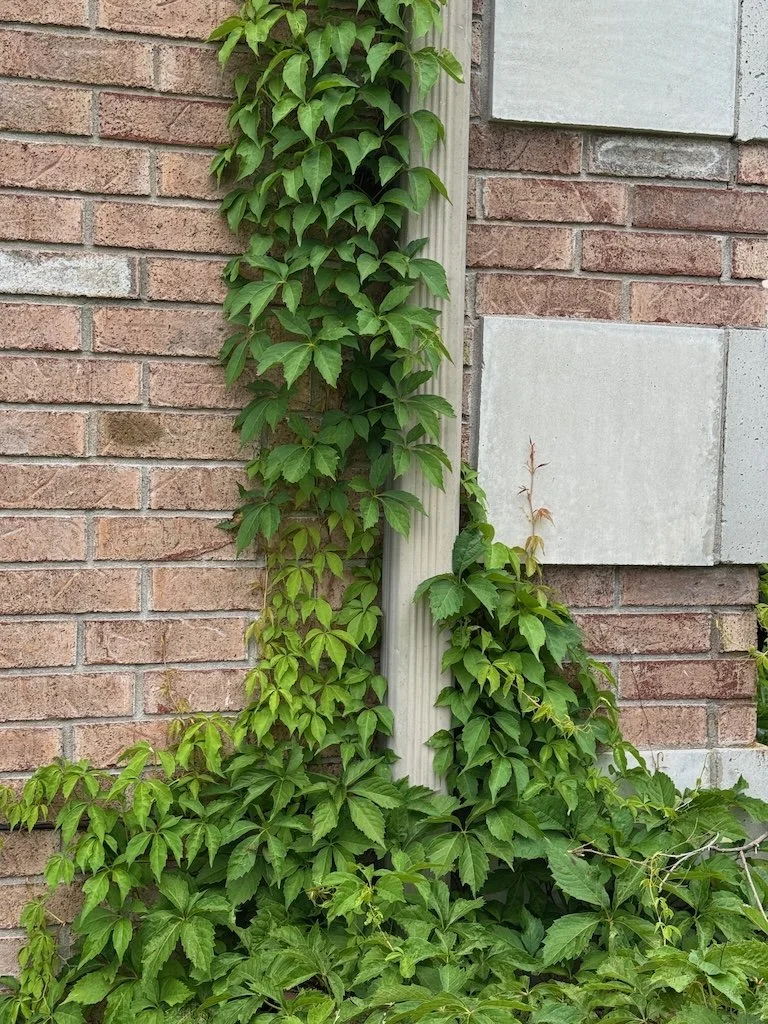
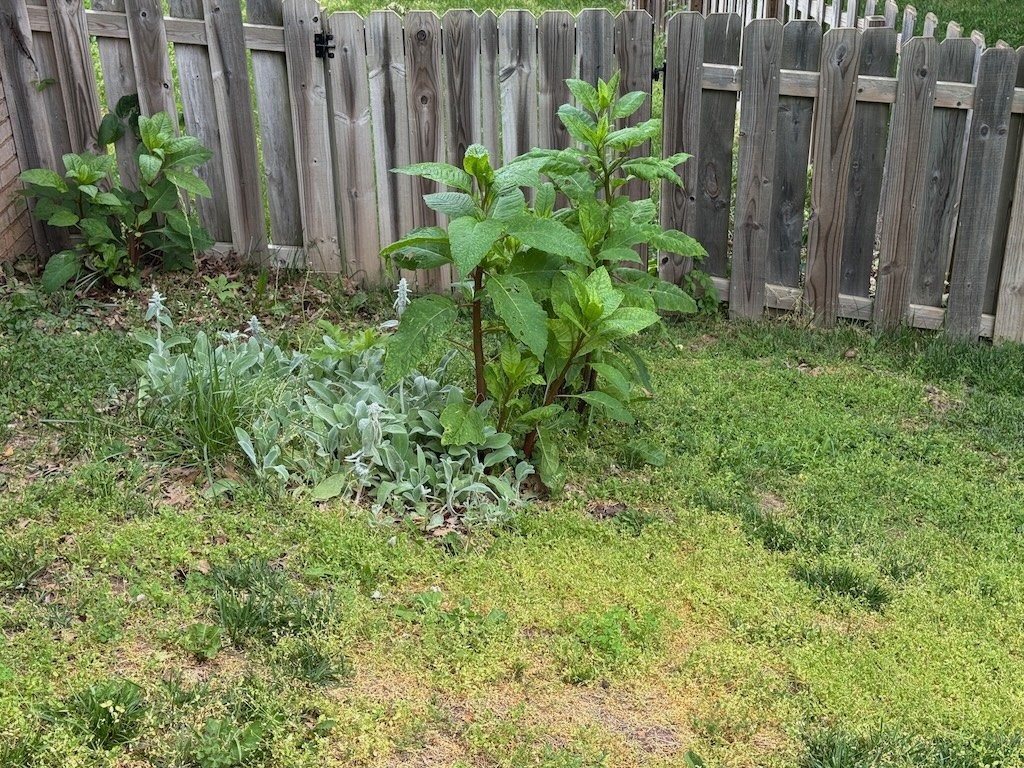
In the front yard…the Kousa Dogwood bloomed…and began to fade. The Missouri Evening Primrose near the mailbox began to bloom. In the new native plant garden, the new plants (like the Ratttlesnake Master and Elderberry) began to thrive; there was a robin’s egg in the mulch under the maple there. The Virginia creeper was lush and green filling the spaces in the flower bed near the house and climbing over everything. There were some asters that came up in one bed on their own in spaces near some daylilies. In the side yard a clump of lambs ear and poke weed were in the same place as last year – not specifically planted but seemed to thrive in that spot.

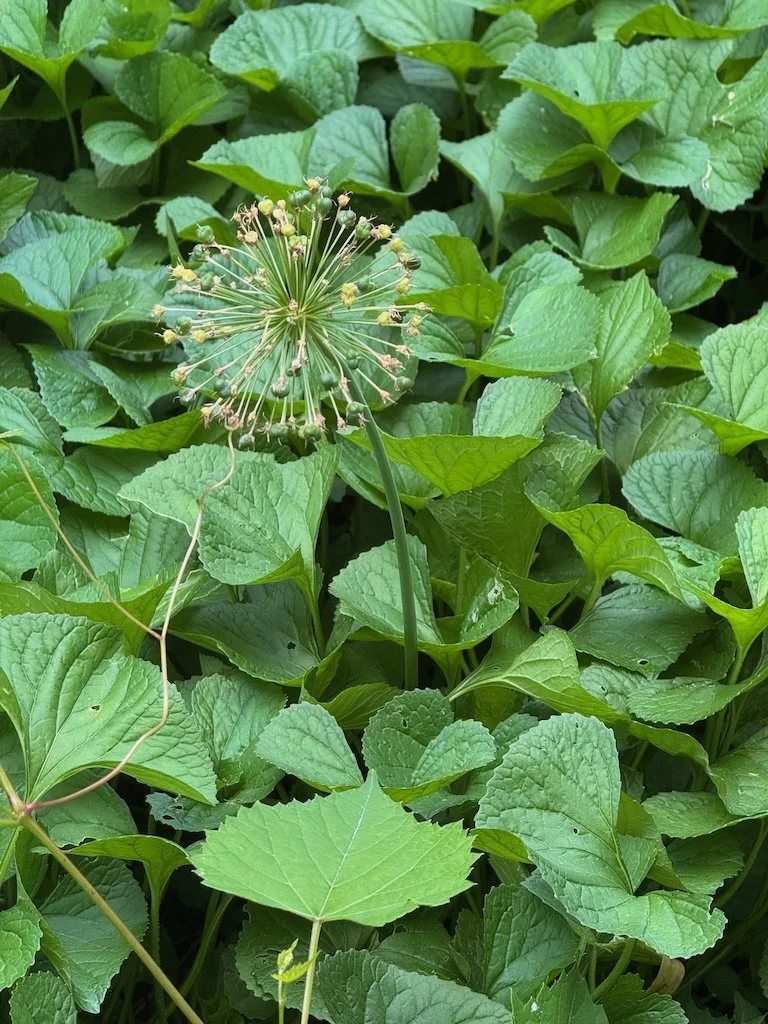
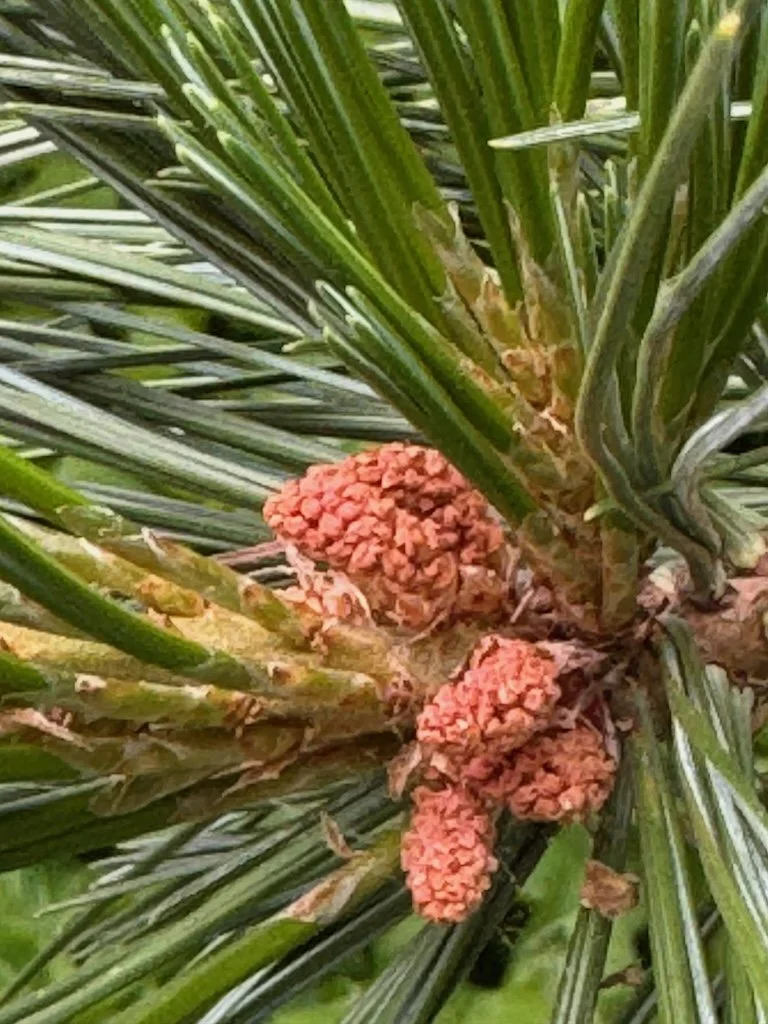
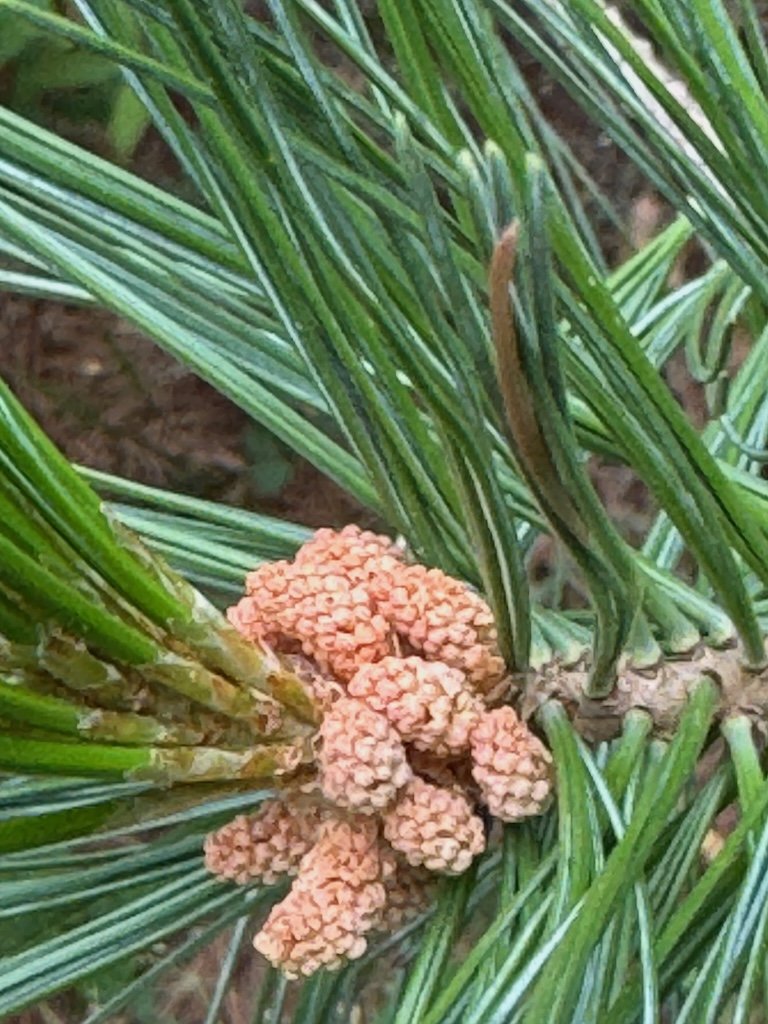
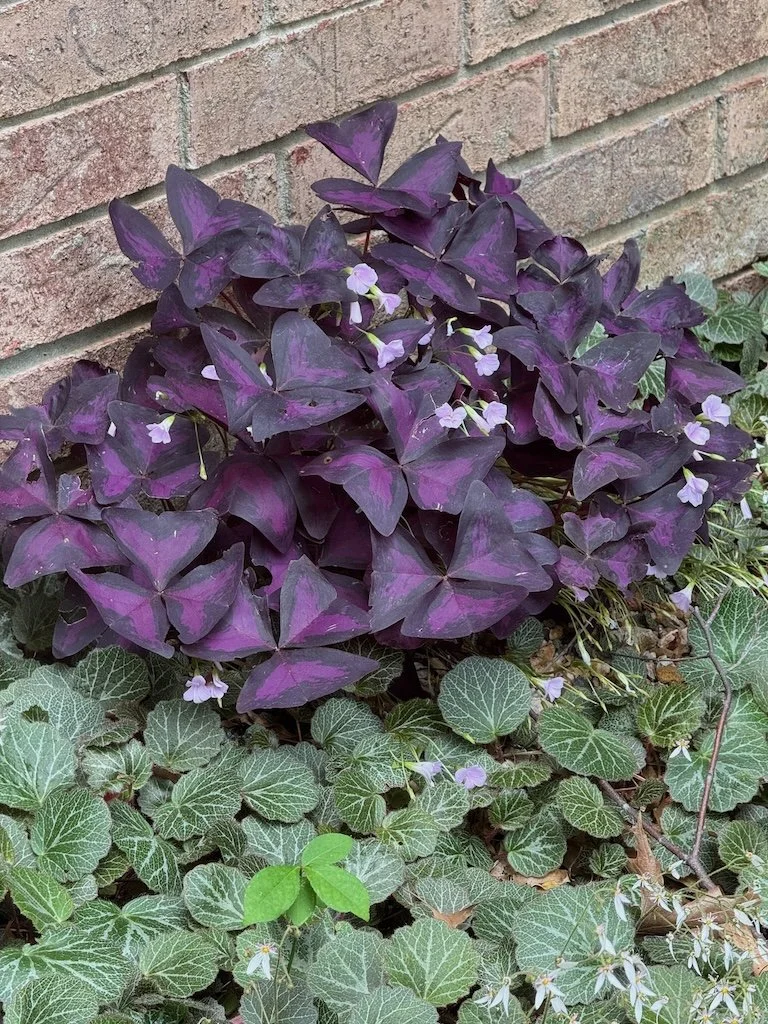
The shade garden at the side of the house includes young pawpaws (one purchased from Ozark Soul last year, 2 from seeds of a pawpaw from the Roston Native Butterfly House, and 3 from seedling I bought from MDC). The American Spikenard presides over an expanse of violets (I’ve been harvesting the violet leaves to eat as leafy greens). The allium bulbs I planted the first fall we lived in the house bloomed in April and are forming seeds now. The hostas (not native) sometimes provide a contrast with nearby violets. The Eastern White Pine that makes the lower part of the shade garden may produce cones this year – if it does it will be the first time.

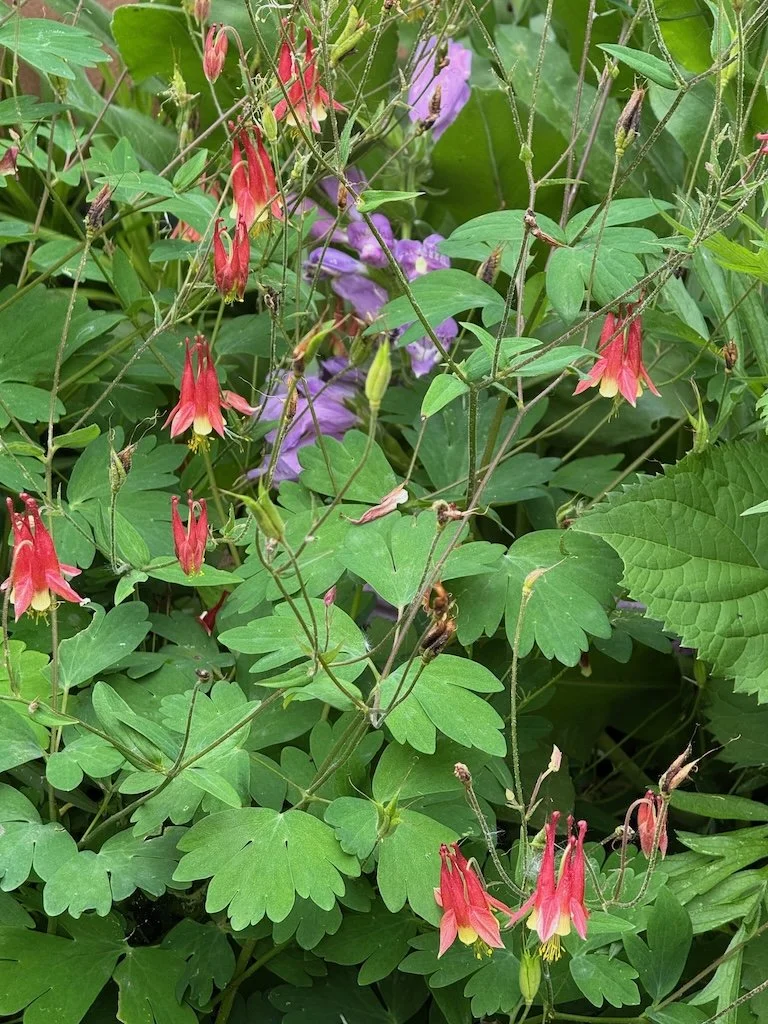
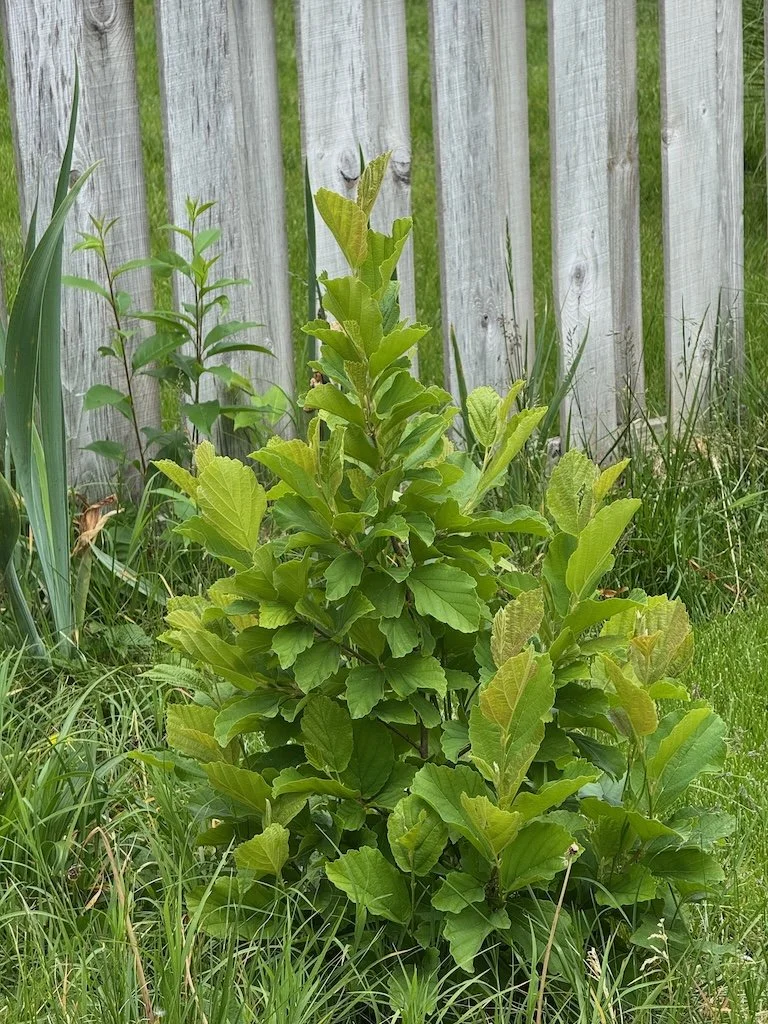
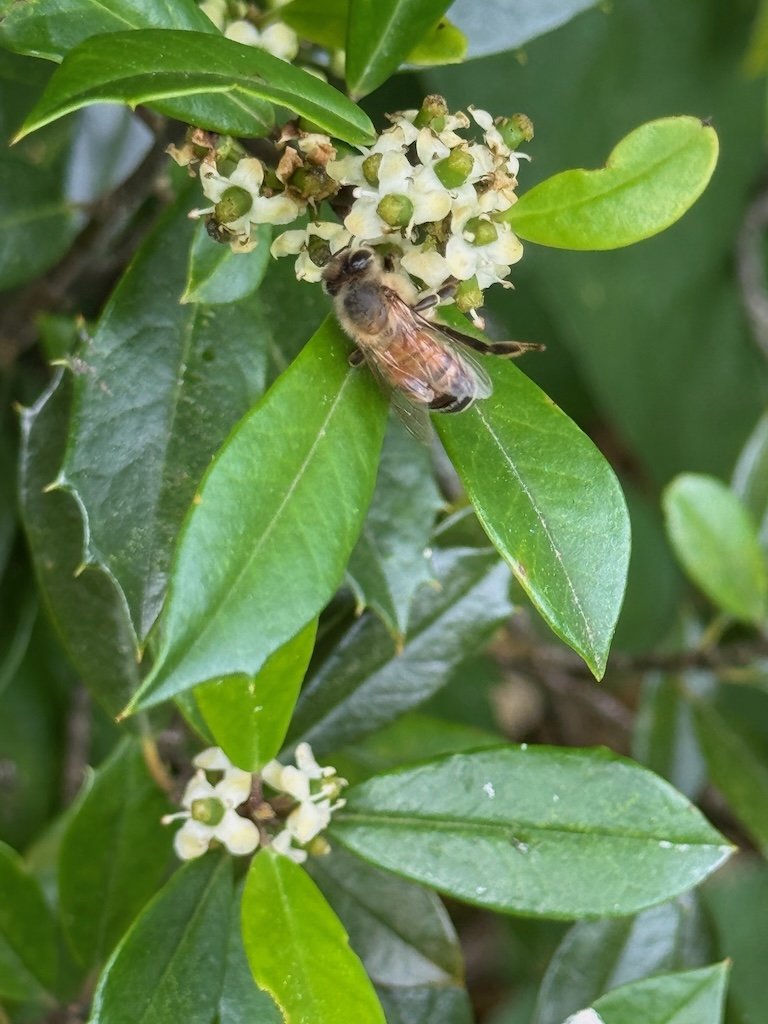
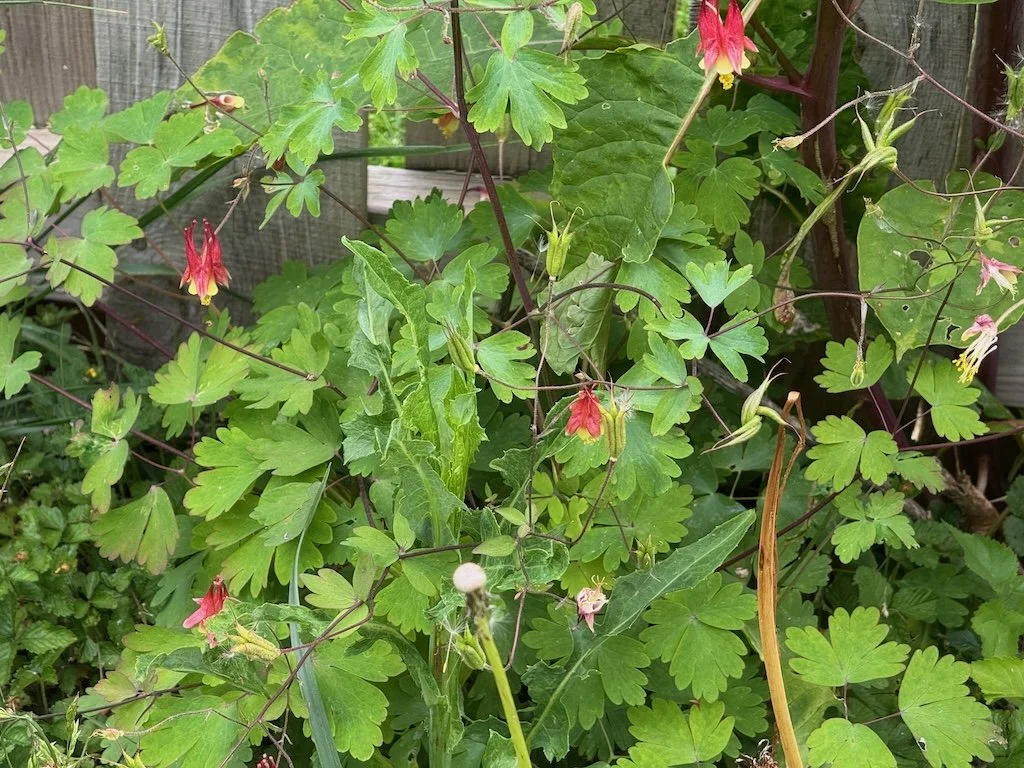
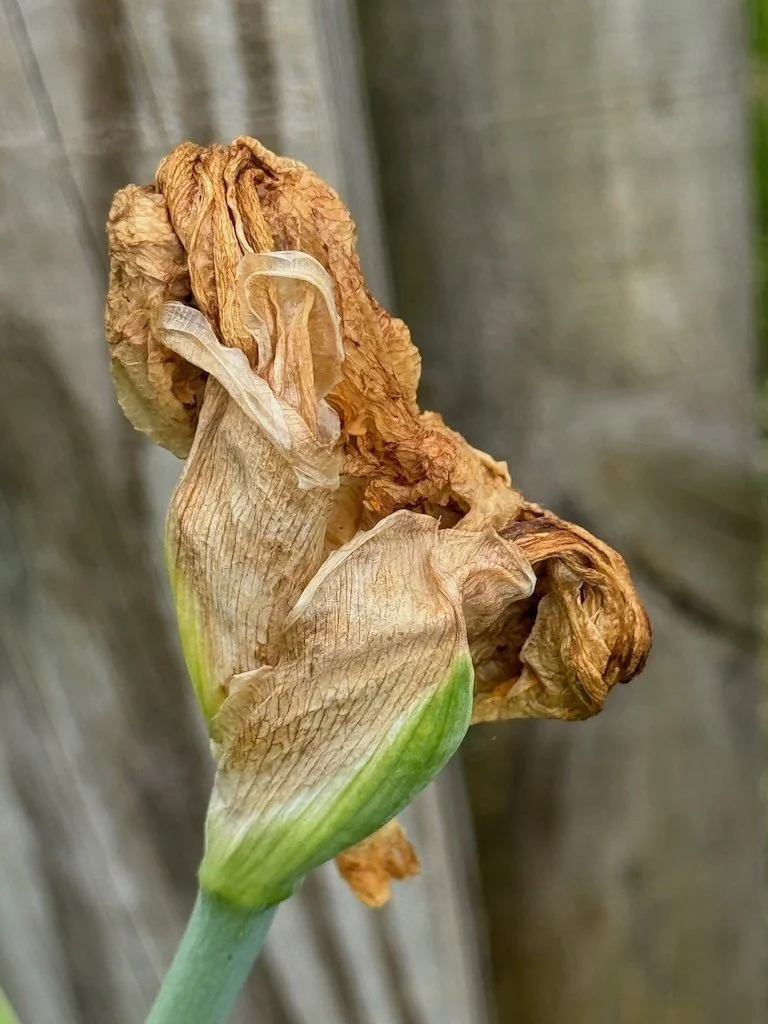
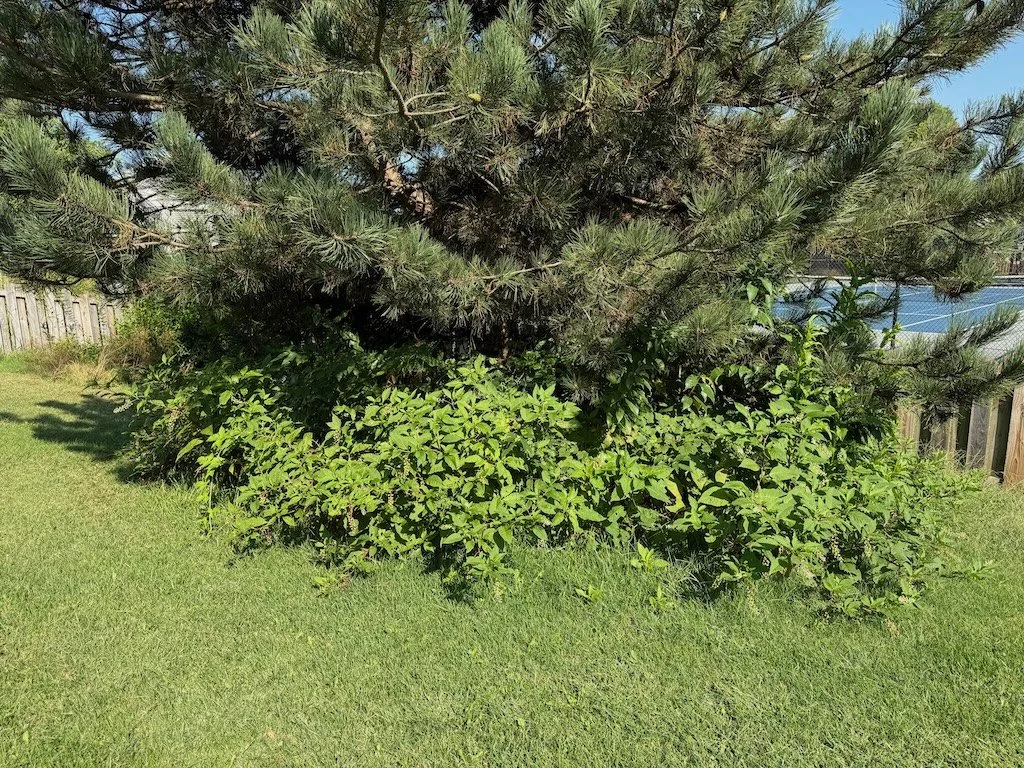
In the back yard….The Witch Hazel will probably grow rapidly this year; it did have a few blooms last winter but has no seed pods. The hollies are blooming (delighting bees). The garden where a pine once stood has lambs ear…some elderberries…and an oak seedling (squirrel planted); it will be interesting to see how it develops. The columbines along the fence have a few blooms but are fading….and the irises are done for the year. Some of dandelions seem huge and I wonder if they are a variety grown for greens; I will start to harvest them! The Fragrant Sumac that was the first native plant that I purchased is taking over a space near the patio; I need to keep the Japanese honey suckle away from it….otherwise let it do its thing!

May growth points to 2026 being a great year for my developing yard!

Macro Photography – Springtime

There are so many plants making moves in the springtime….which makes for a lot of macro photography subjects. These are all from my yard!

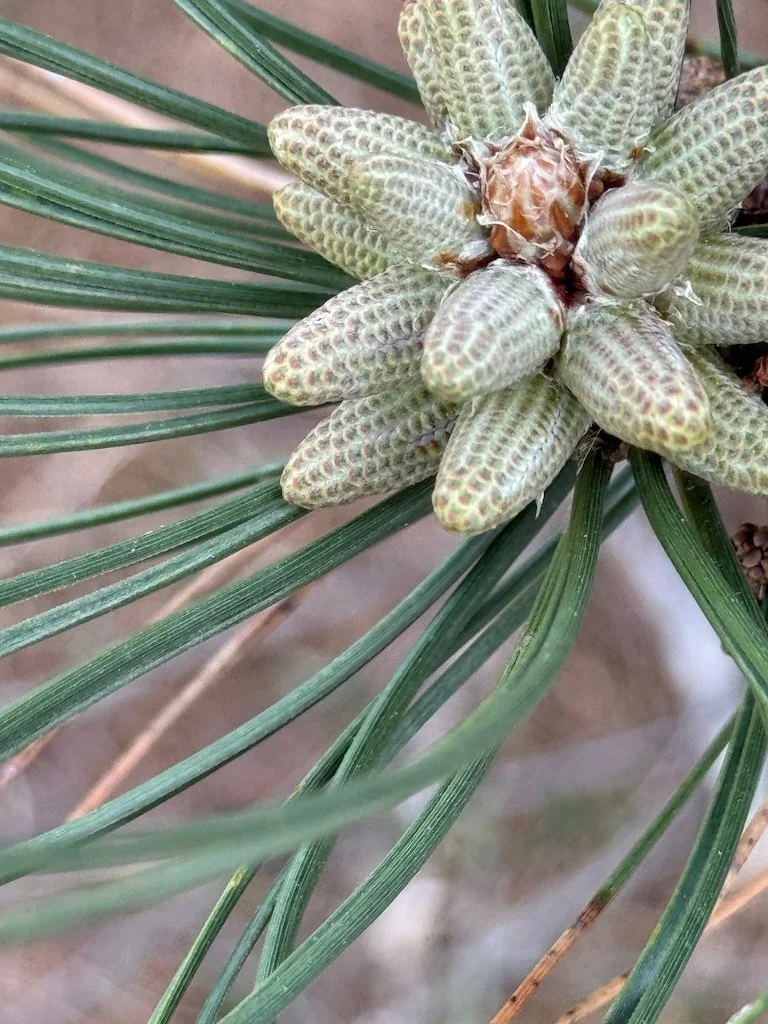
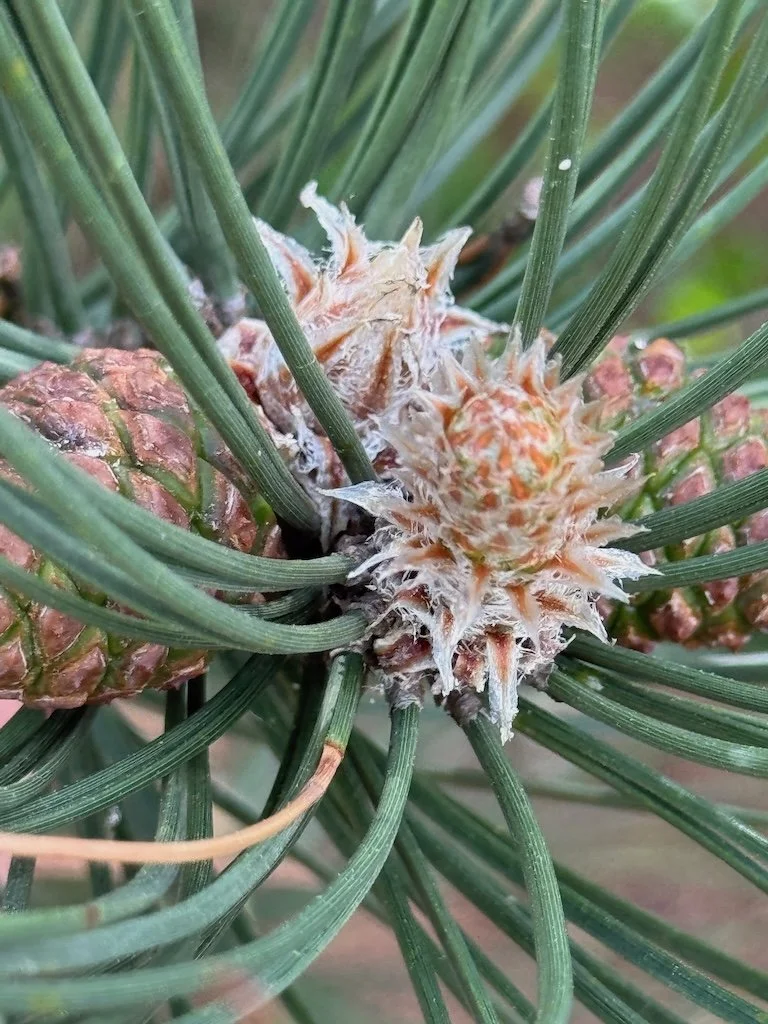
The short-leaf pine has dropped some cones and the cycle is beginning again in the tree.

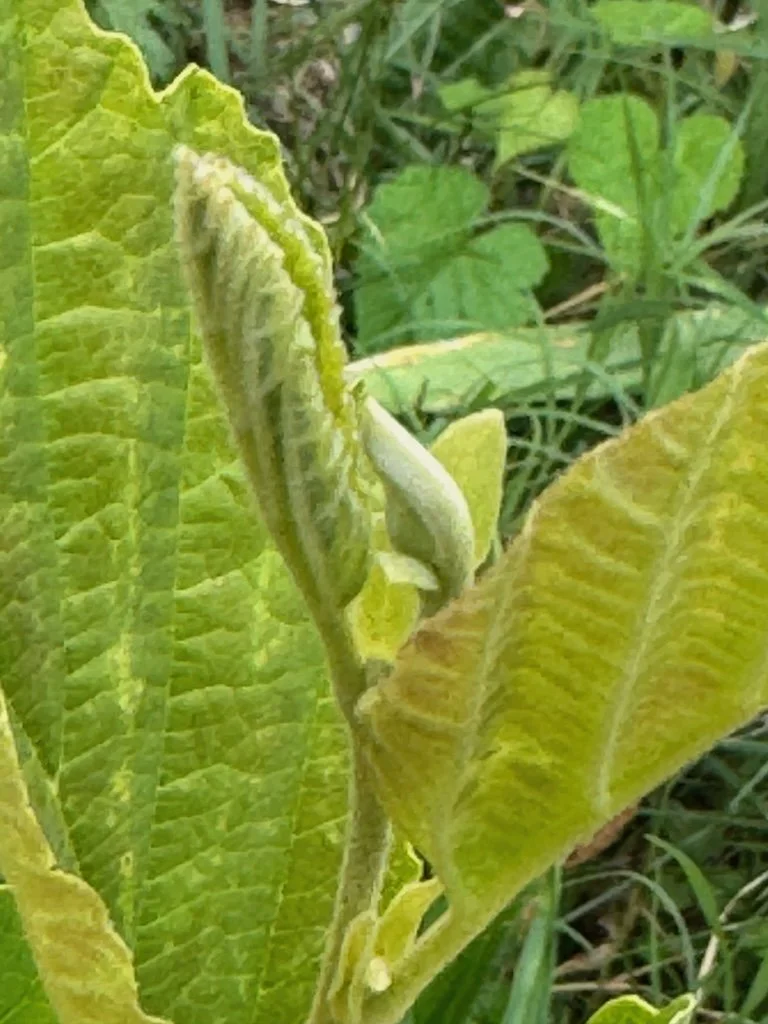
The Ozark Witch Hazel is leafing out and its stems are growing rapidly.

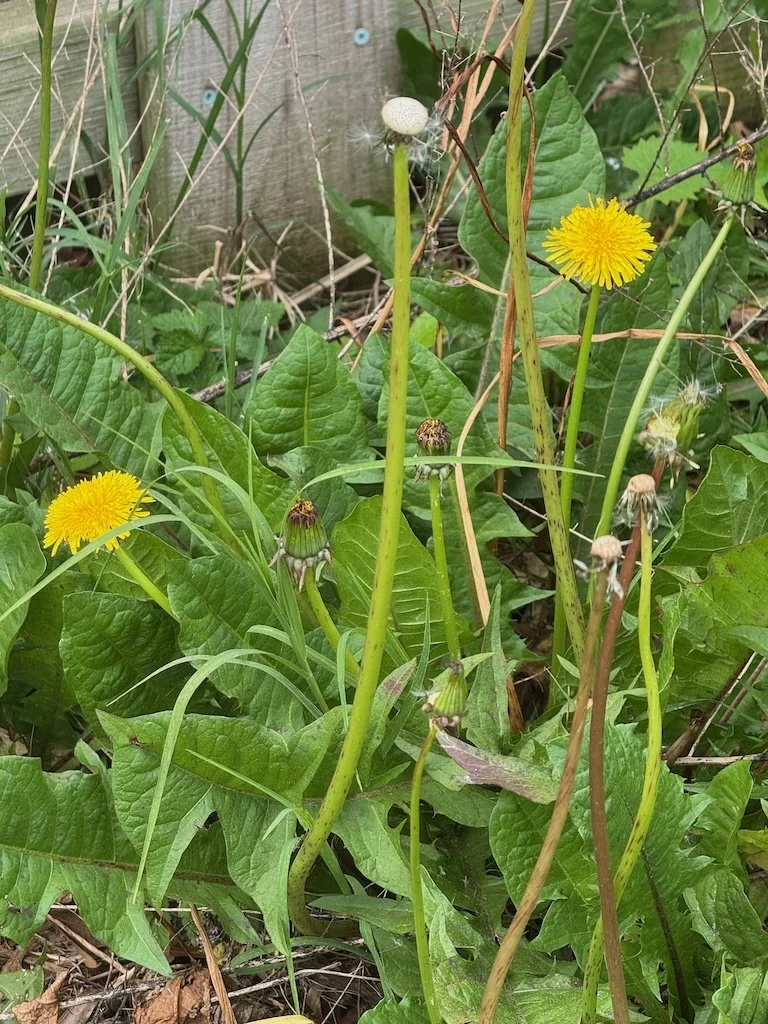
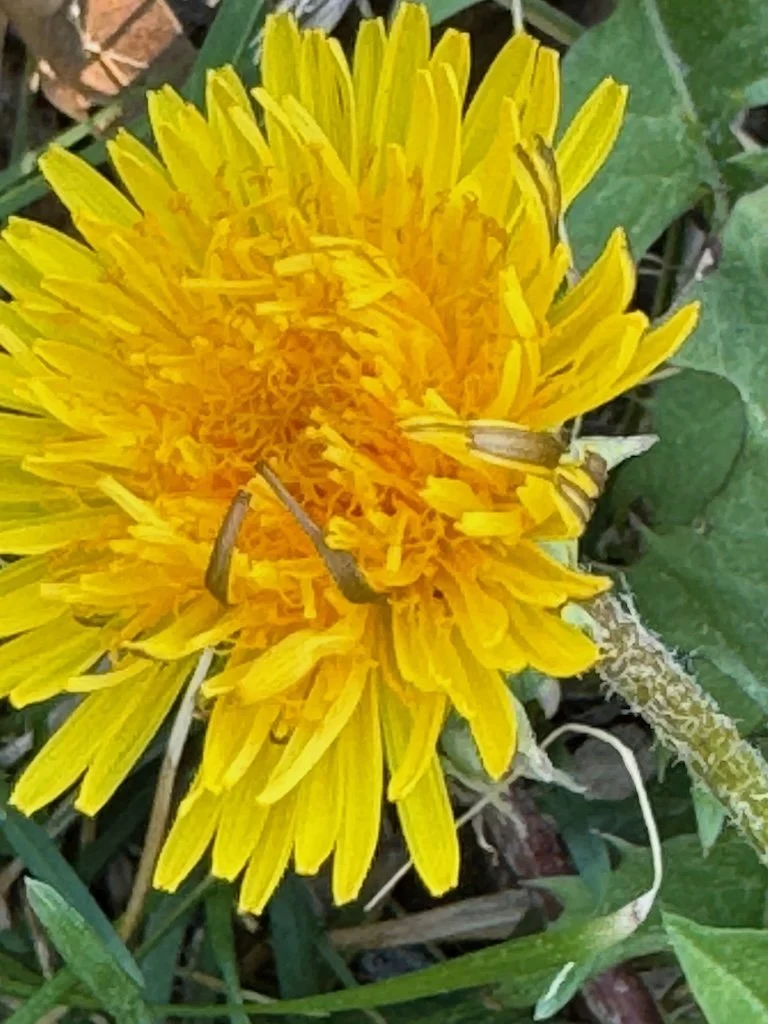
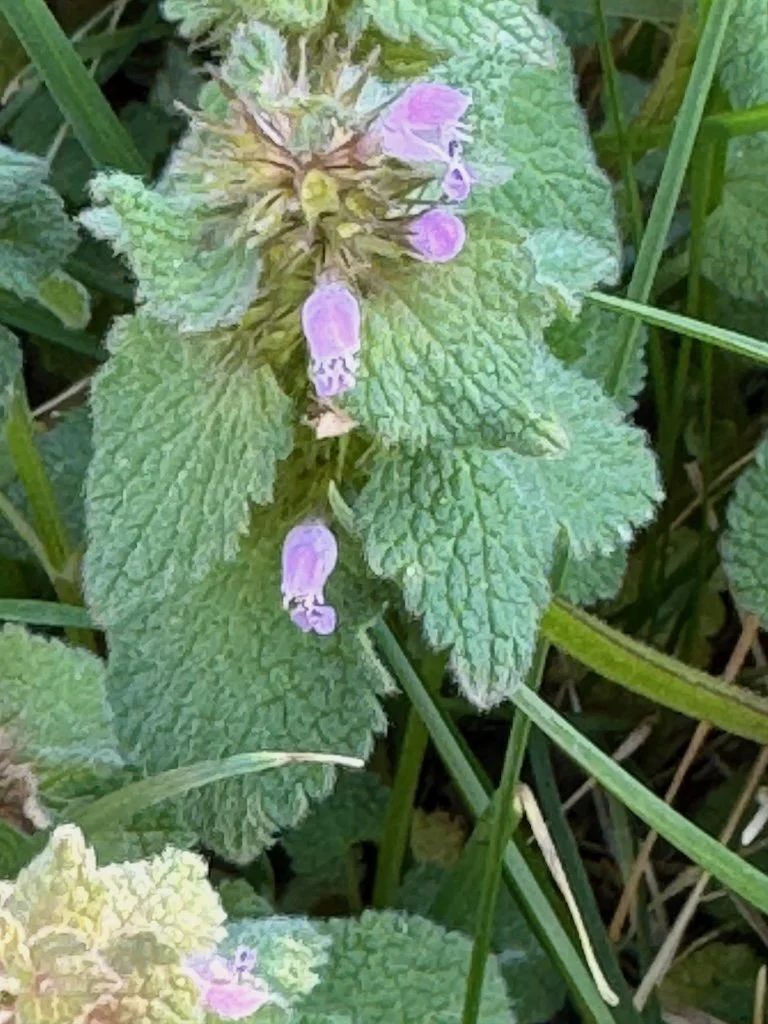
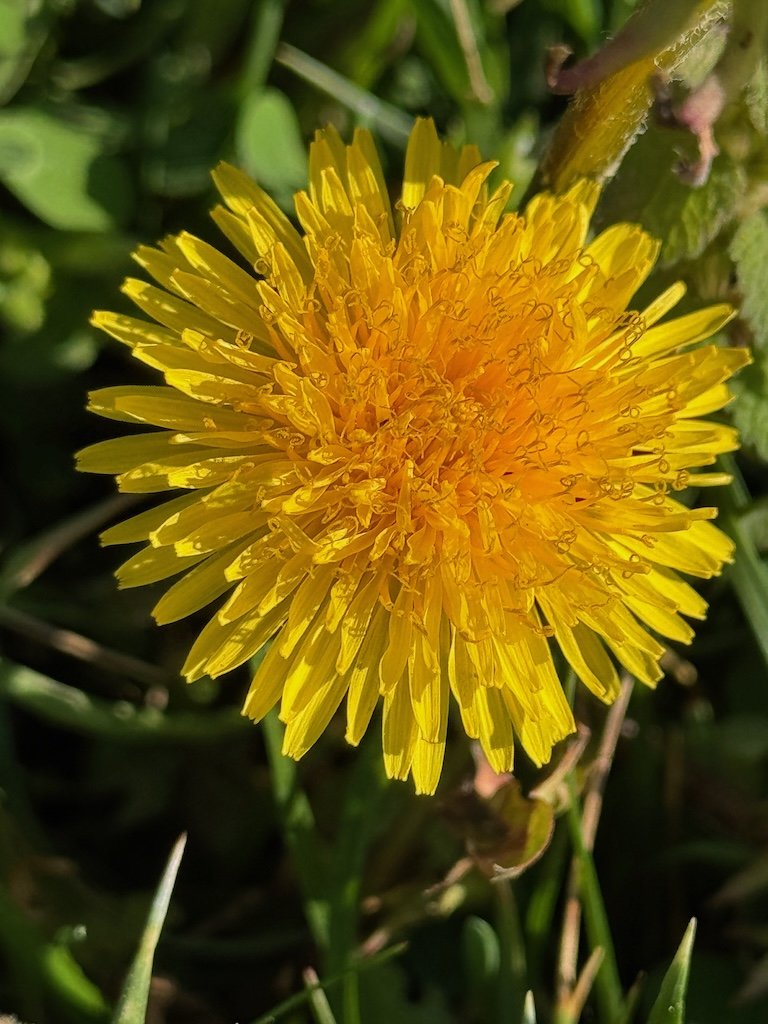
Dandelions and henbits are blooming. I was surprised that I didn’t see any insects around the plants; perhaps the wind was too strong for them? Neither plant is native but they have deep roots that hold the soil and I usually see a lot of insects visiting the dandelion flowers.

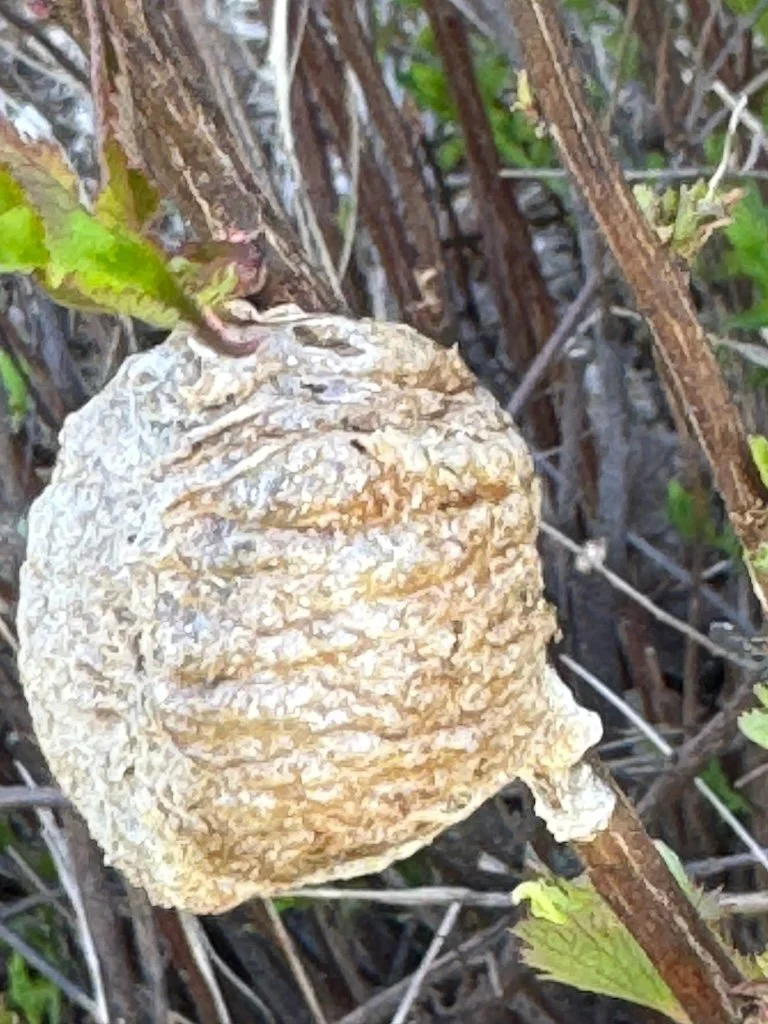
There is a Chinese mantis case from last year on a plant in my yard. I’ll keep an eye on it – hoping to see some tiny mantises emerge.

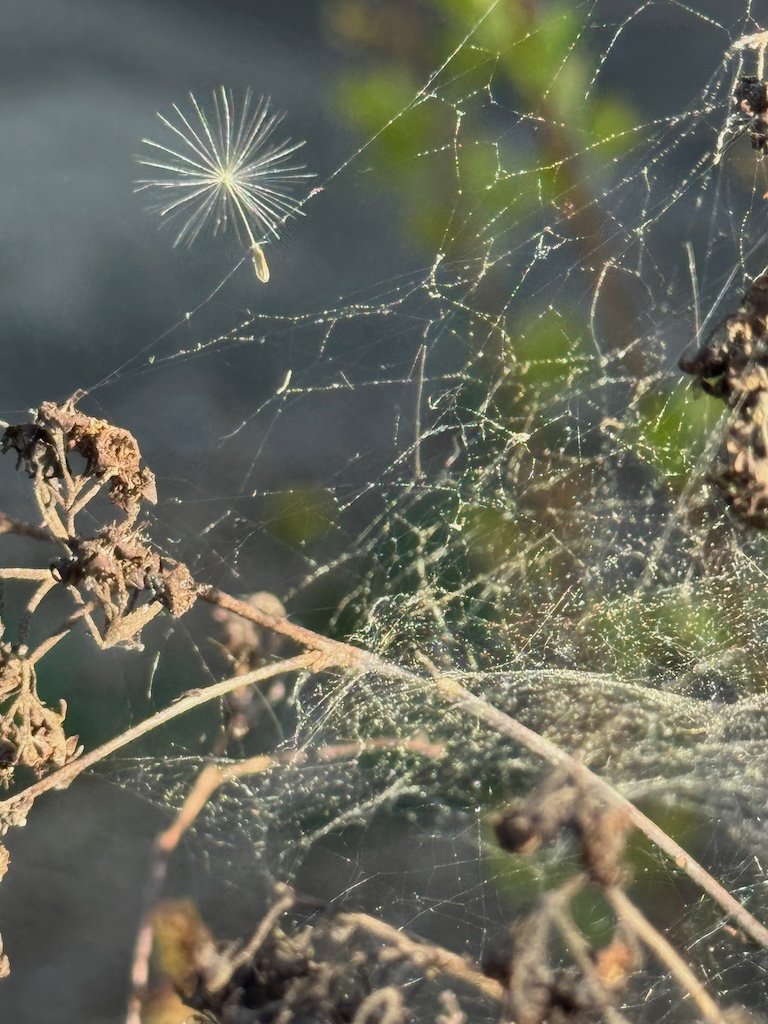
A spiderweb caught a seed!

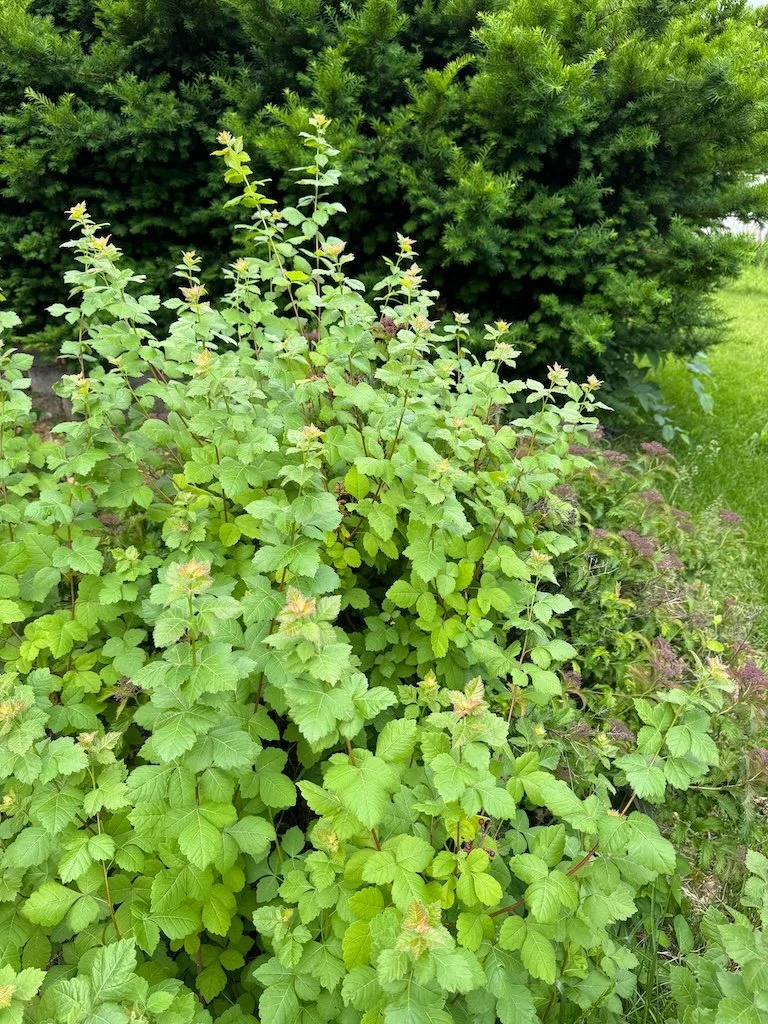
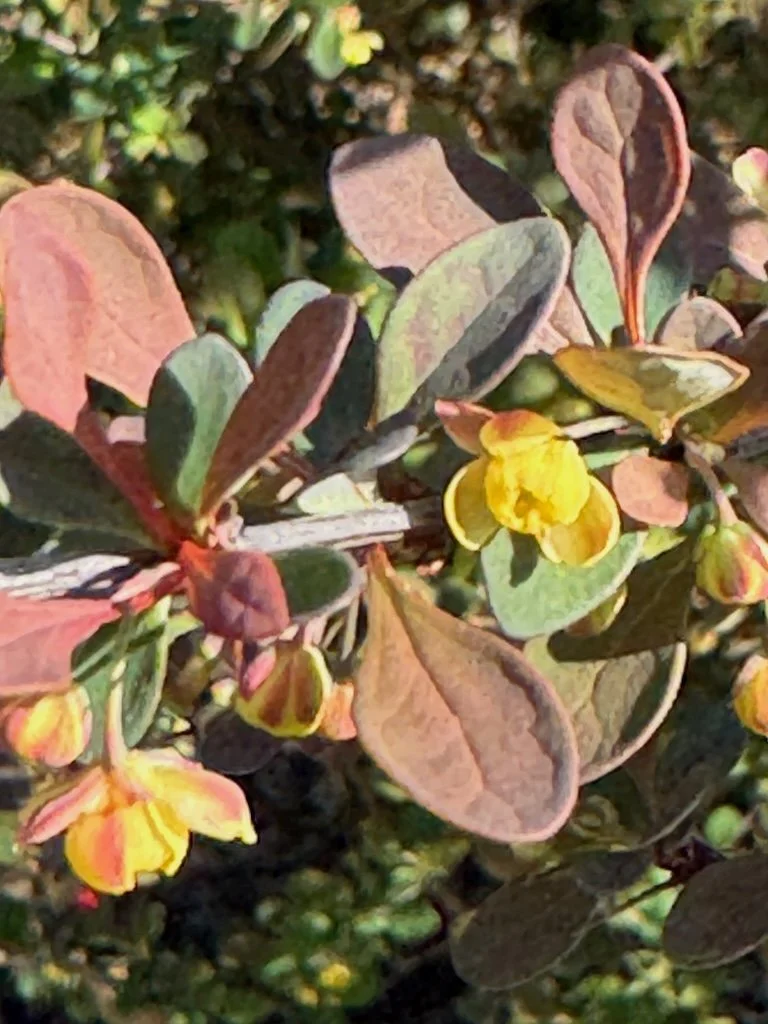
The Japanese Barberry is blooming. I am going to cut down my two bushes again since I really do not want the plant in my yard. There is a small one in the flower bed that has come up from seed. They are invasive and have thorns – nothing to like about them.

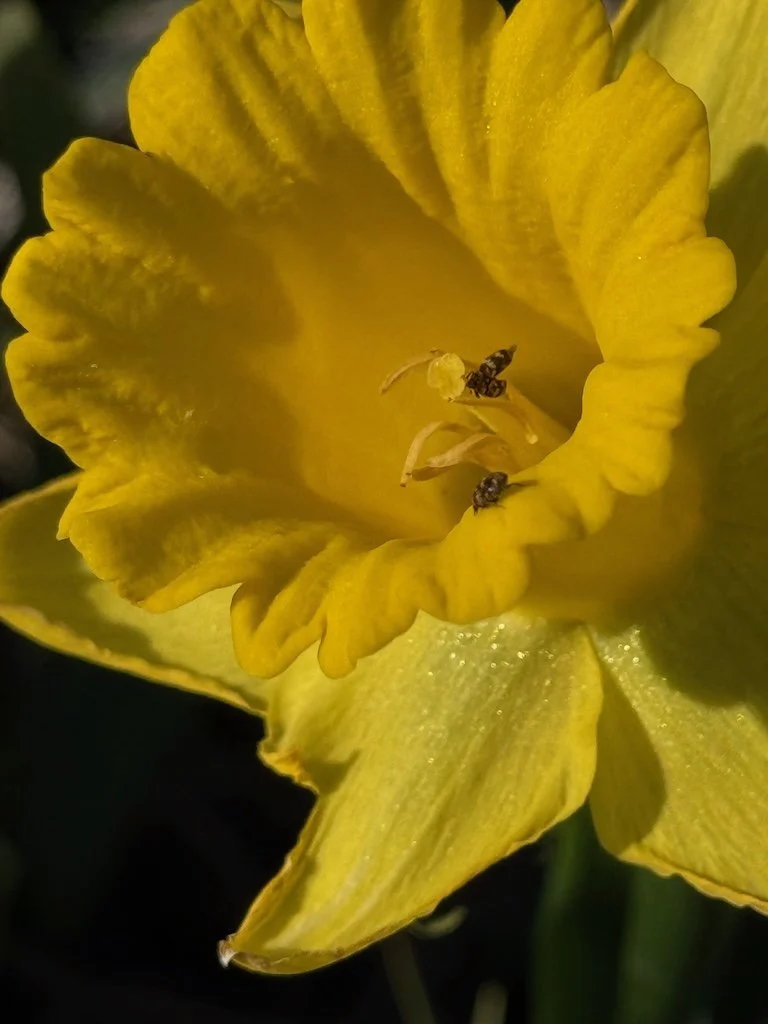
There were some insects on the last daffodil flower.

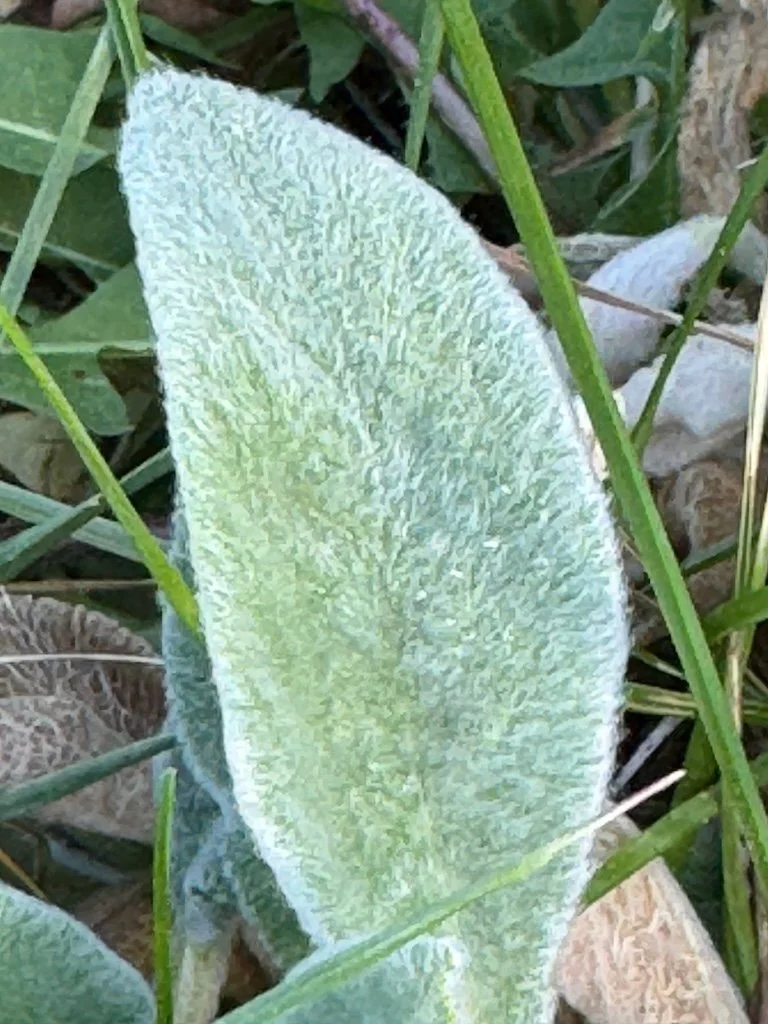
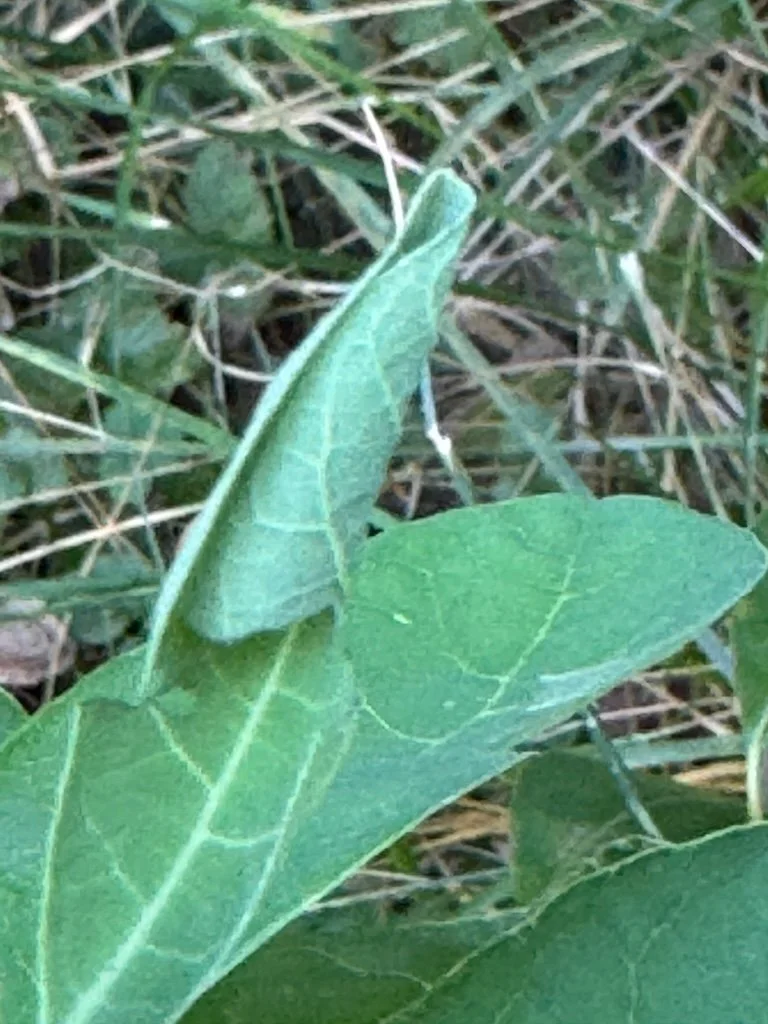
The lambs ear is coming up from everywhere it was last year. I like the tint of green…and velvety texture.

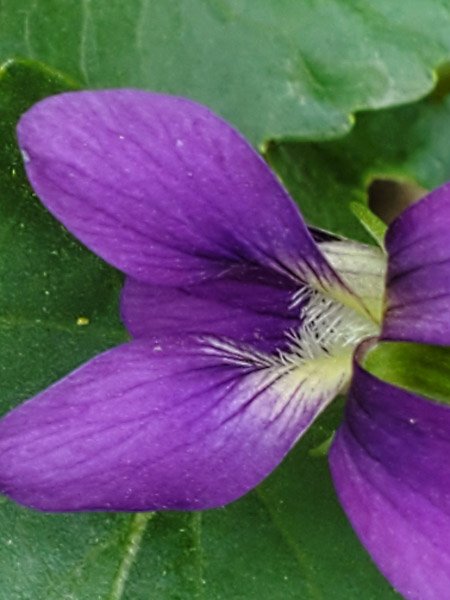
Finally – the violets are blooming. The plants started out as small clumps of leaves; then the leaves get bigger and the flowers open. I am harvesting some for greens (think salad and stir-fry), but the plants recover quickly. They are a great native plant for the shady parts of my yard.

Backyard Greens

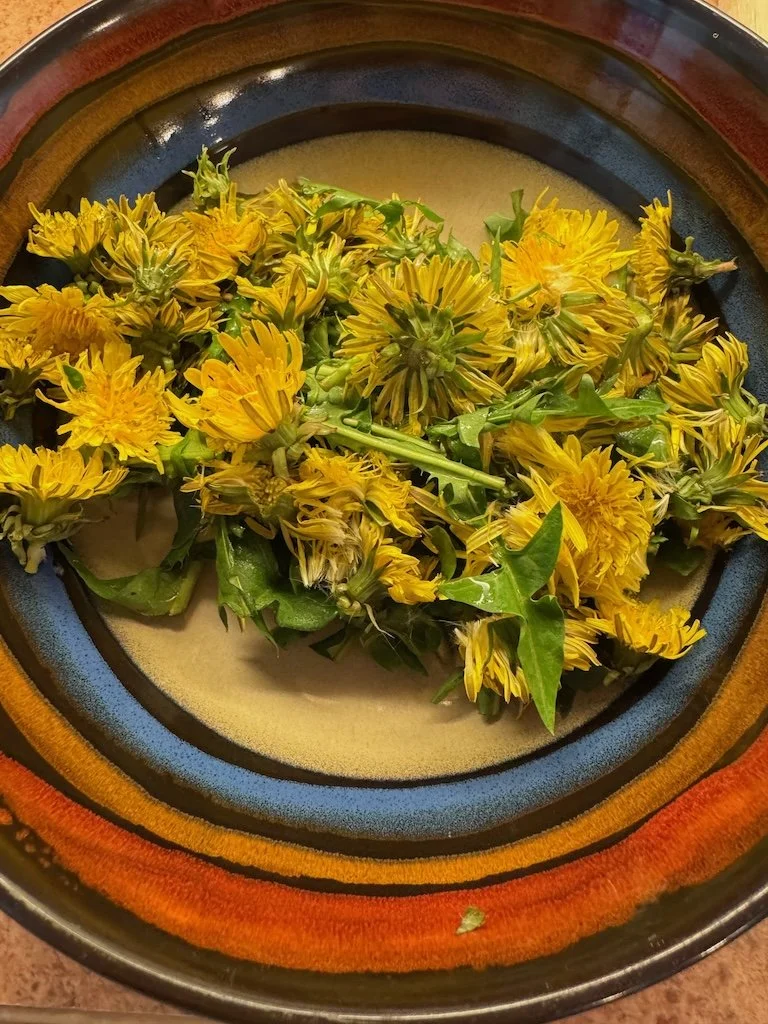
My backyard greens are ready to eat! I won’t be buying arugula or spinach again until the late fall. Since I don’t put any chemicals on my yard – they are safe to harvest/eat just before I need them.

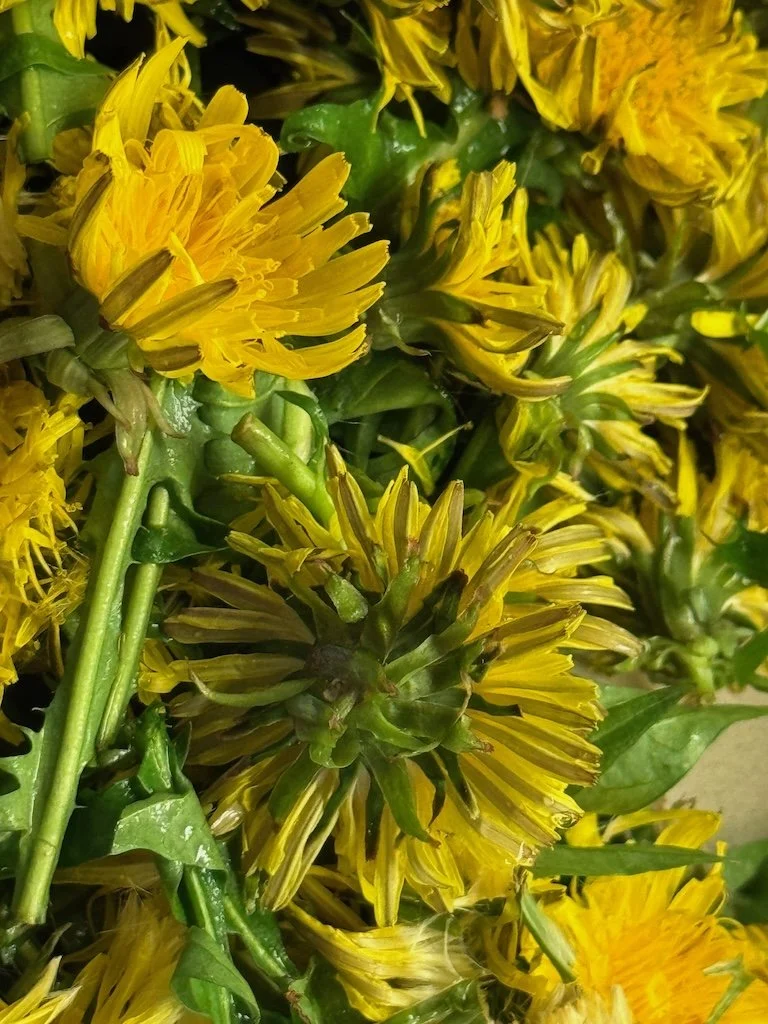
Right now, the dandelions are full of blooms and I pick mostly flowers – although there are a few leaves too. I generally use them in stir fry since cooking reduces the bitterness of the leaves. The flowers are tasty cooked or fresh!

I use violet leaves like arugula. The flowers are edible – but only available in the spring. They are easy to harvest and seem to replenish themselves quickly. The violet patch has gotten bigger each year we have lived in our house – once I stopped mowing the area where they were spilling out of the flowerbed. They will be the ‘carpet’ under the American Spikenard and the small Red Buckeye and pawpaw and spicebush.

The dandelions are not native…but they are attractive to pollinators and their roots are deep – they hold the soil. So – I am OK with them in my yard. The violets are native and I am encouraging them to grow as far out into the yard as they want. They have taken over about a third of the yard area on the east side of the house; there they get morning sun but once the neighbor’s River Birch gets its leaves the area get less sun even in the morning; the violets thrive in that environment!

I am enjoying the green bounty of my backyard!

Spring Bulbs

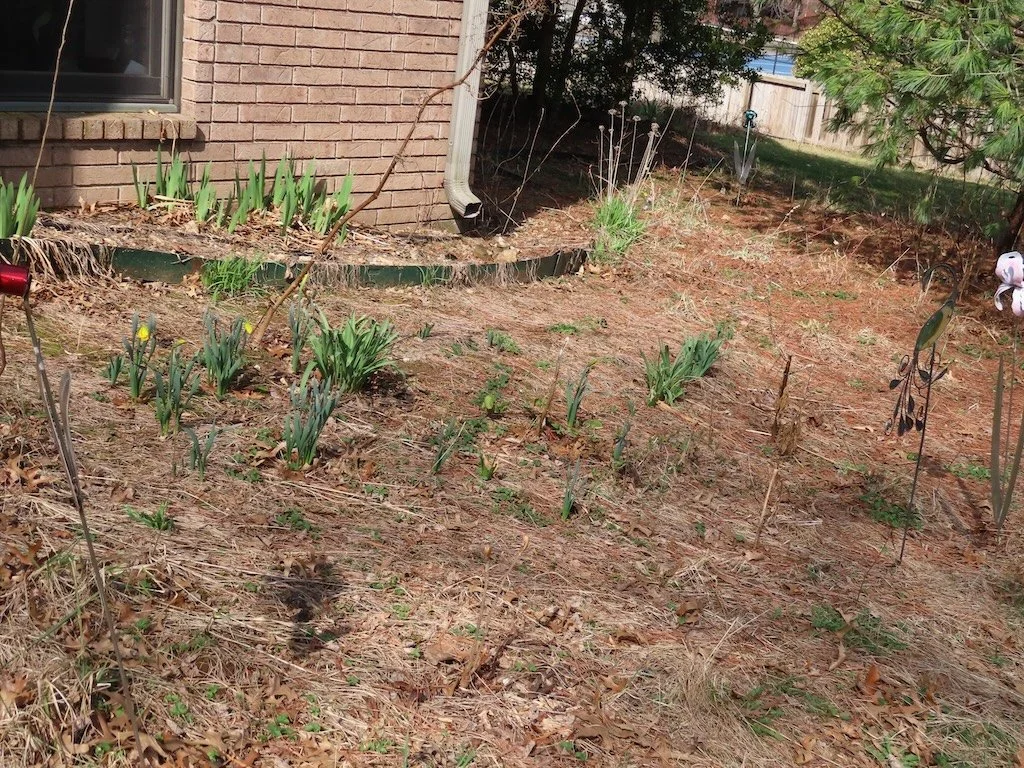
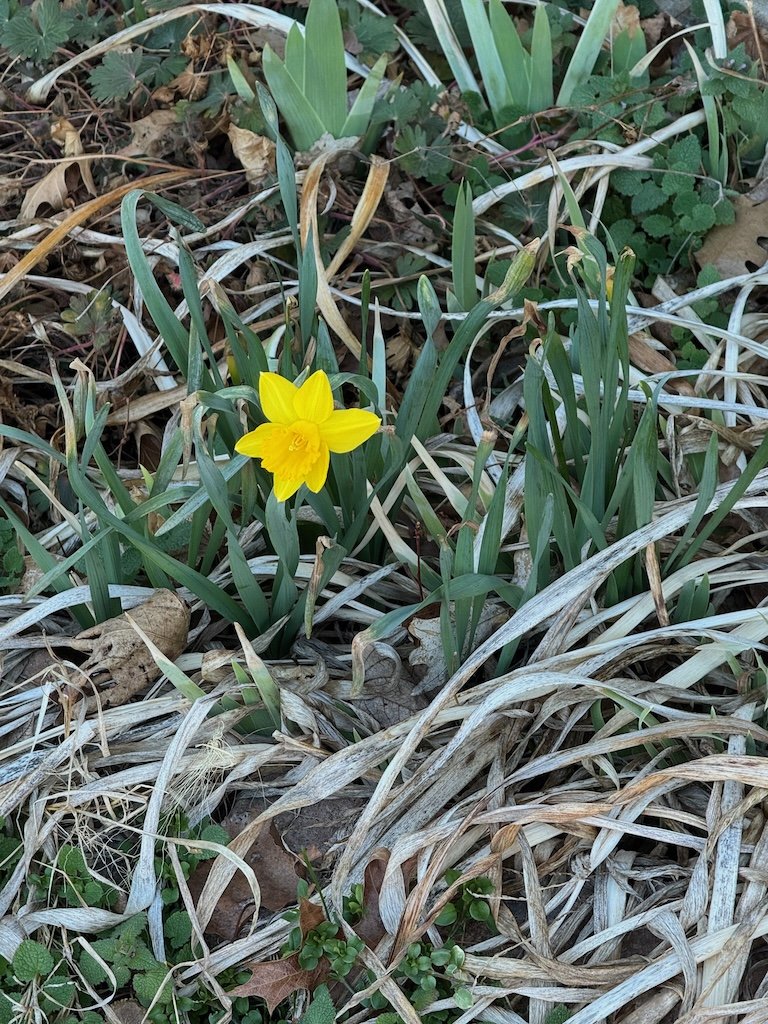
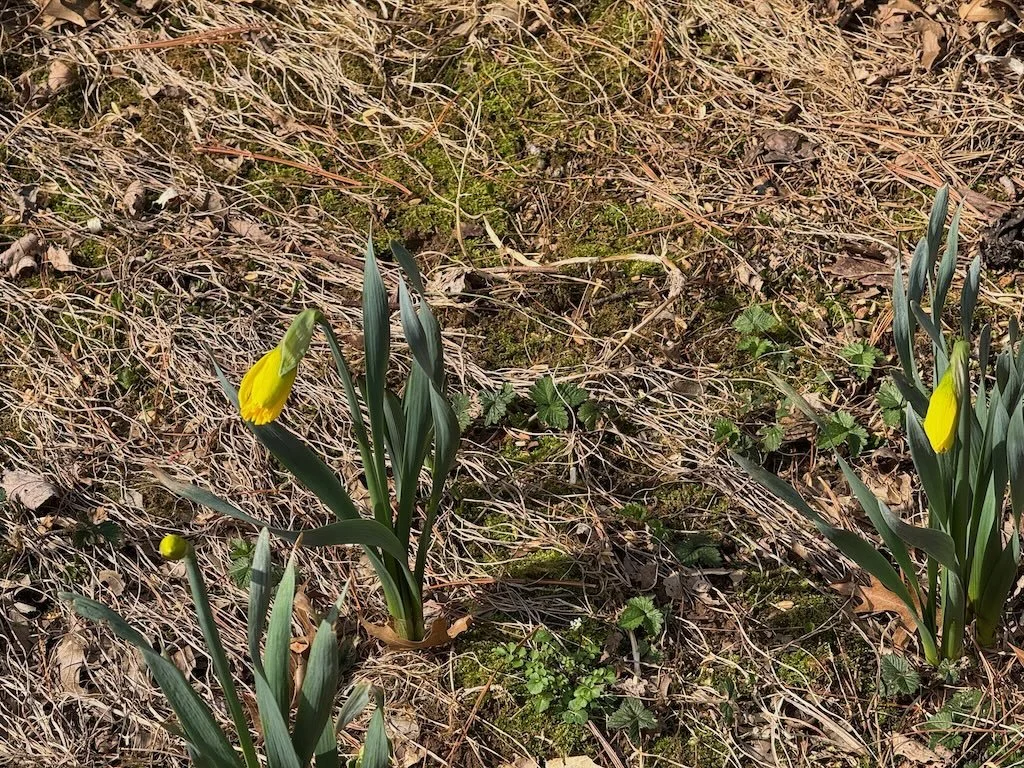
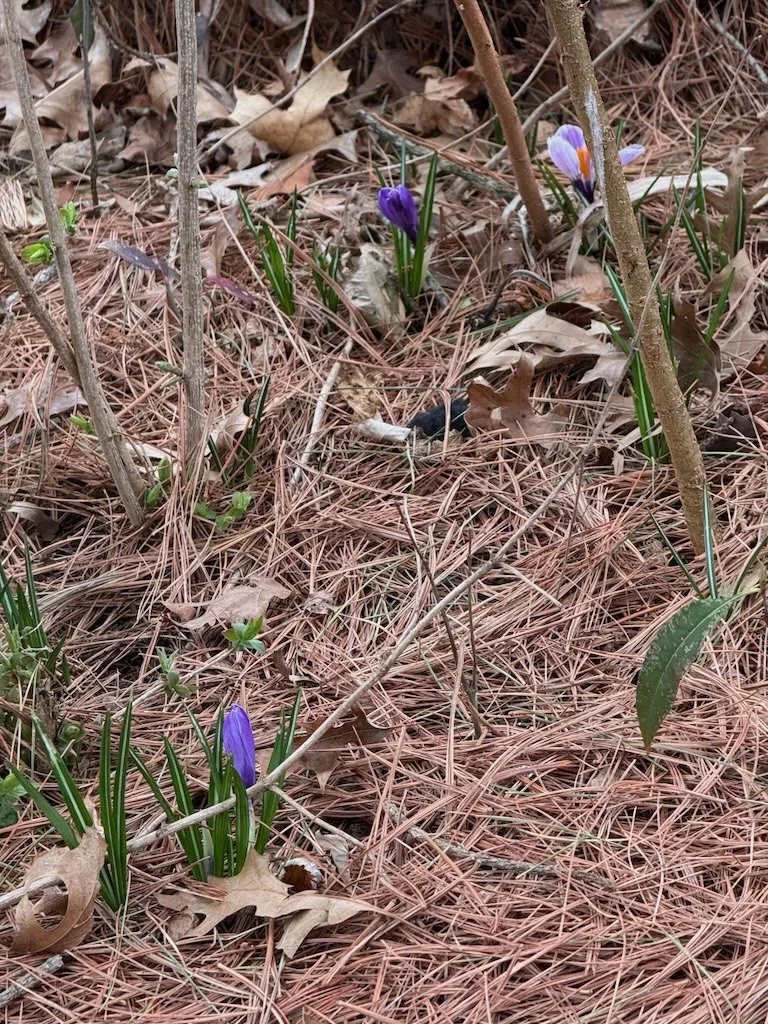
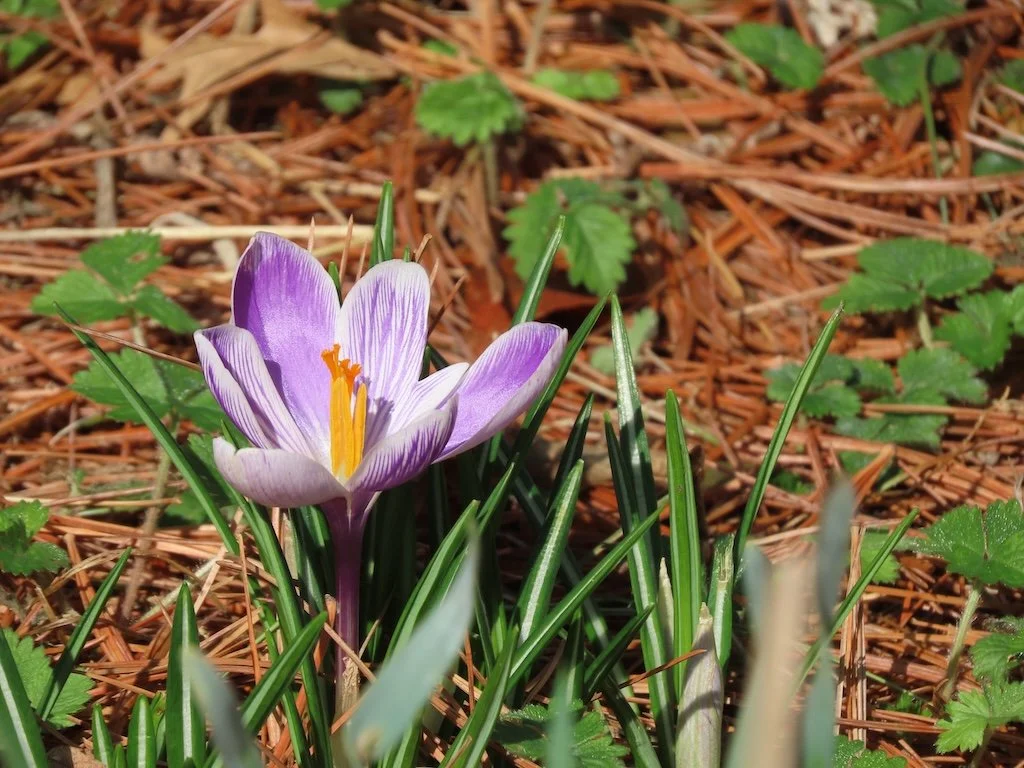
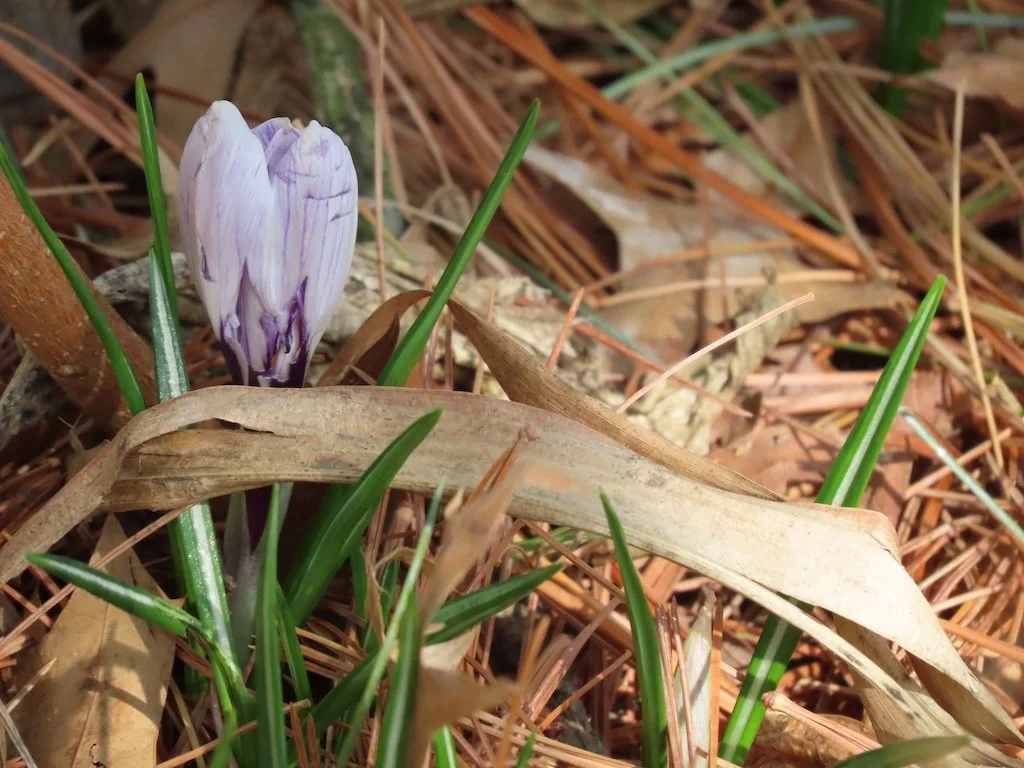
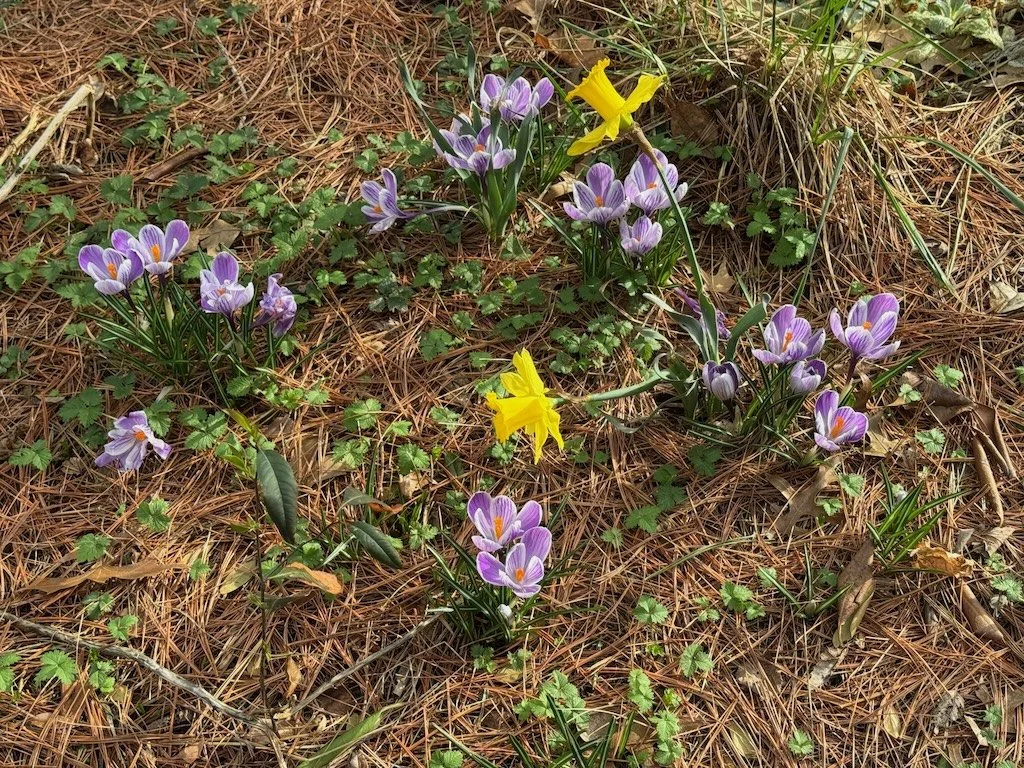
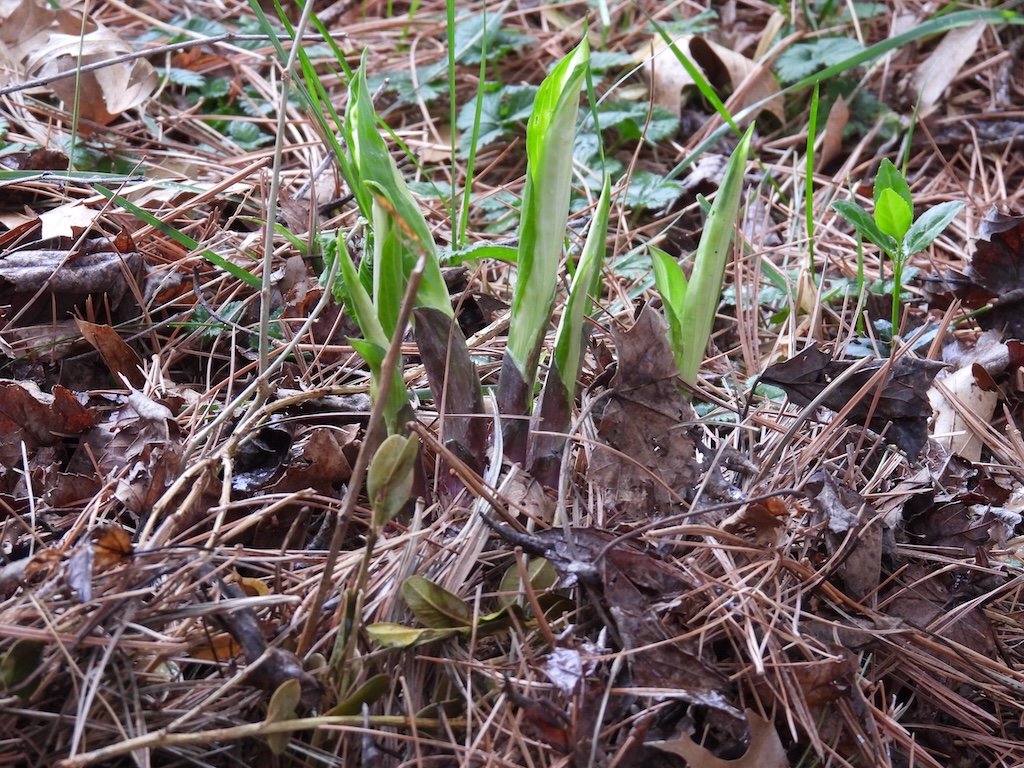
The early spots of color from spring bulbs are always welcome after the drabness of the winter palette. The area outside my office windows includes crocus and daffodils as the early bloomers with the green spears of iris leaves as a backdrop (the irises bloom later).

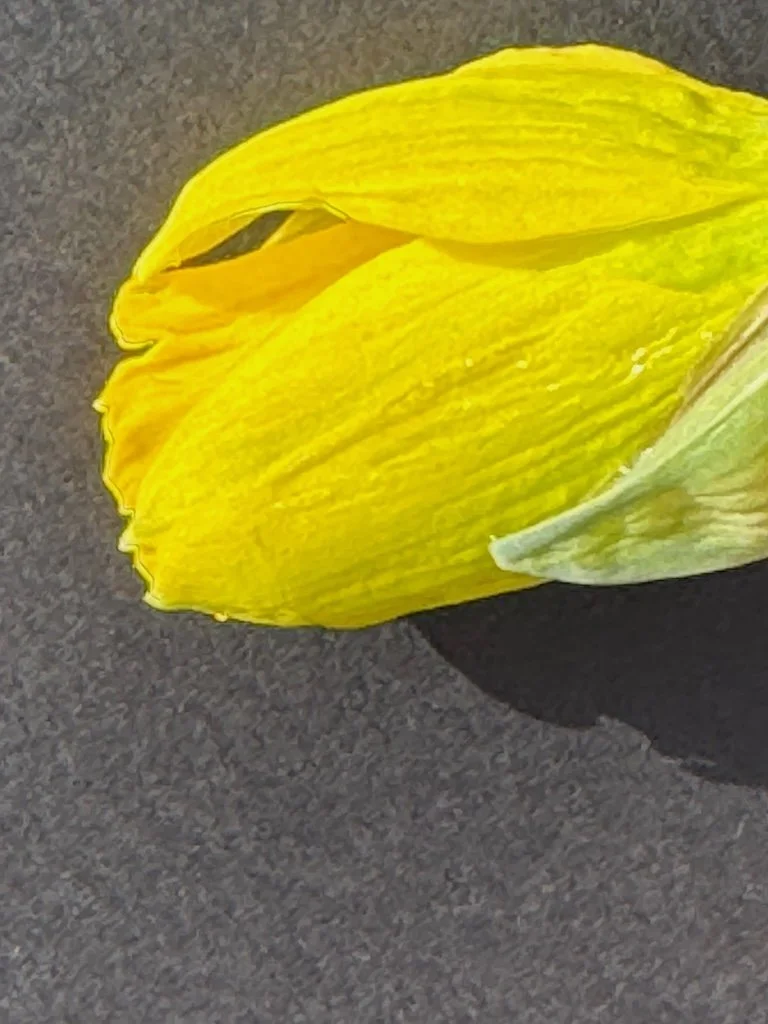
The daffodils are in the debris of last year’s violets and pine needles. I planted the bulbs a few years ago and they are increasing a little every year. I used a piece of black cardstock as background for one of the pictures.

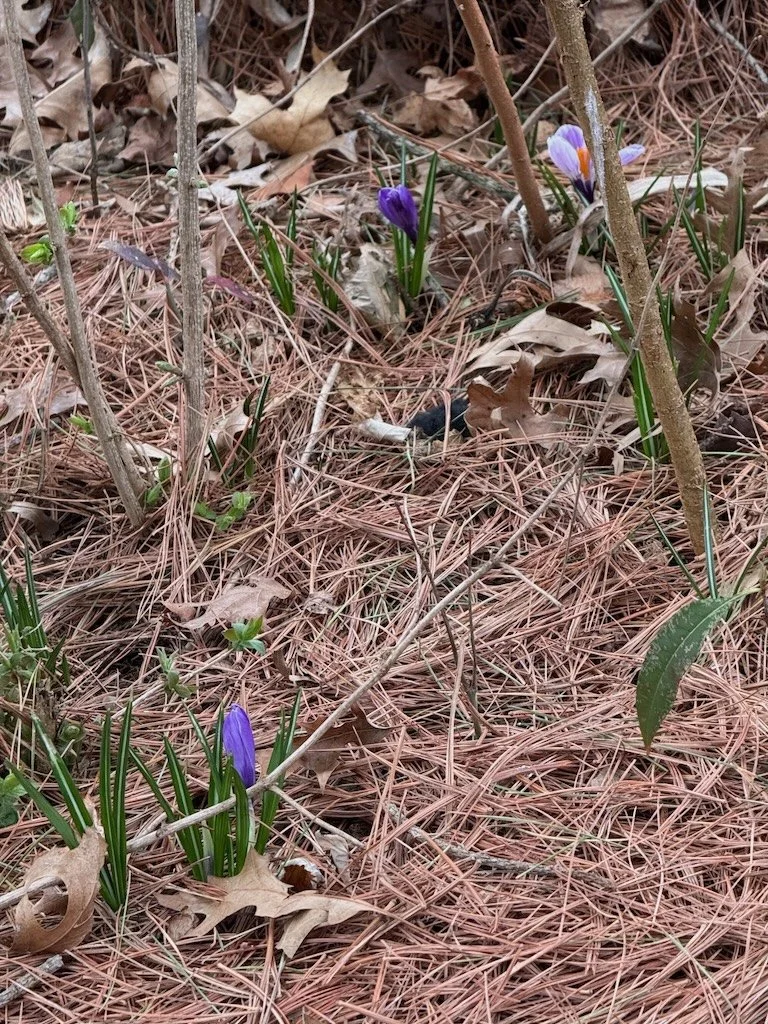
The pine needle area has a mix of crocus and daffodils…more crocus at this point. The leaves of the crocus are thin enough that I often miss their presence until the flower appears!

This year the daffodils and crocus seemed to start their bloom together…with a lot of flowers opening on March 3rd!

Our Missouri Yard – September 2025

There are parts of my yard that I am enjoying even with the prospect of the big landscaping change that is coming (which hopefully will not impact any of the plants in this post):

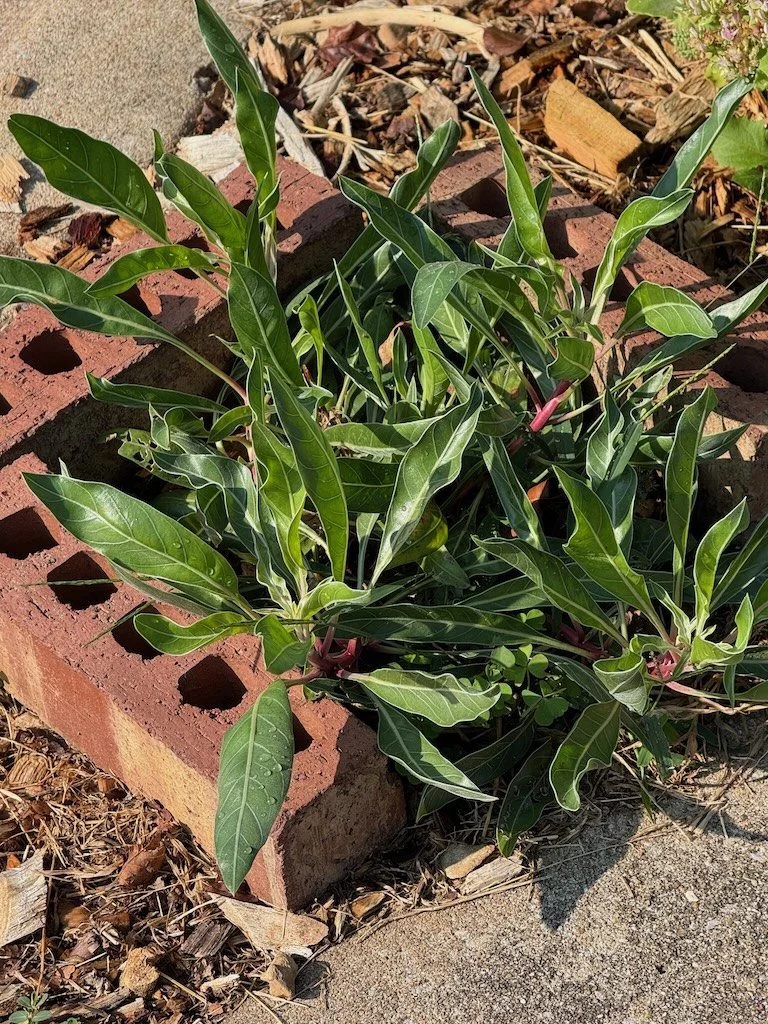
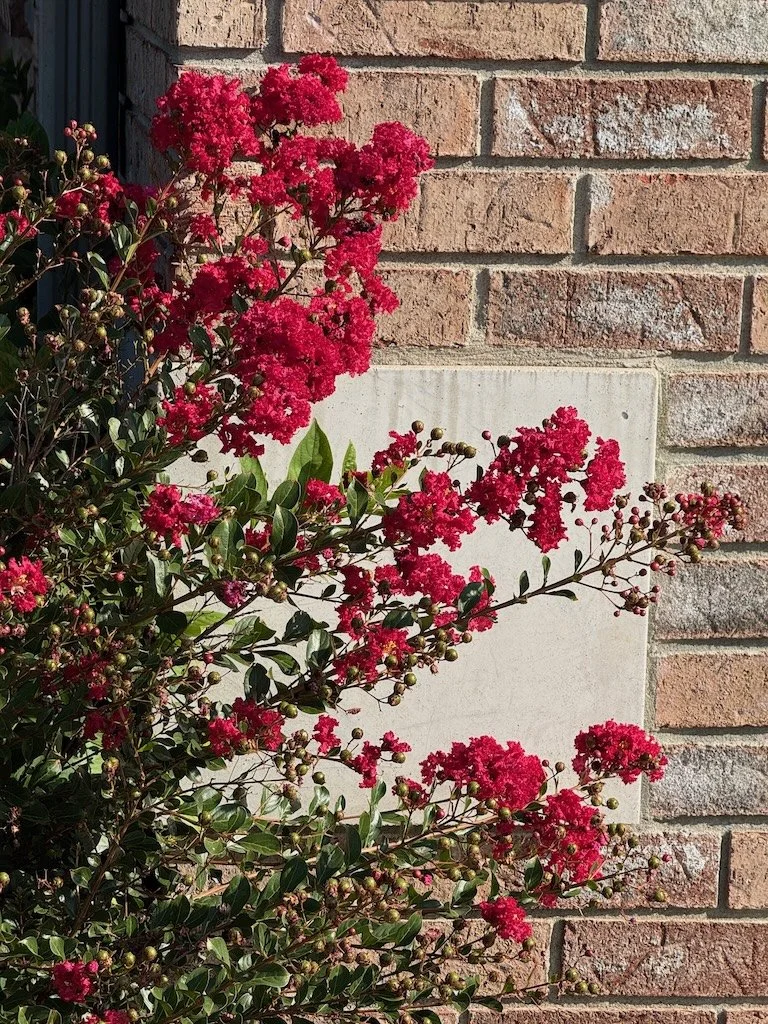
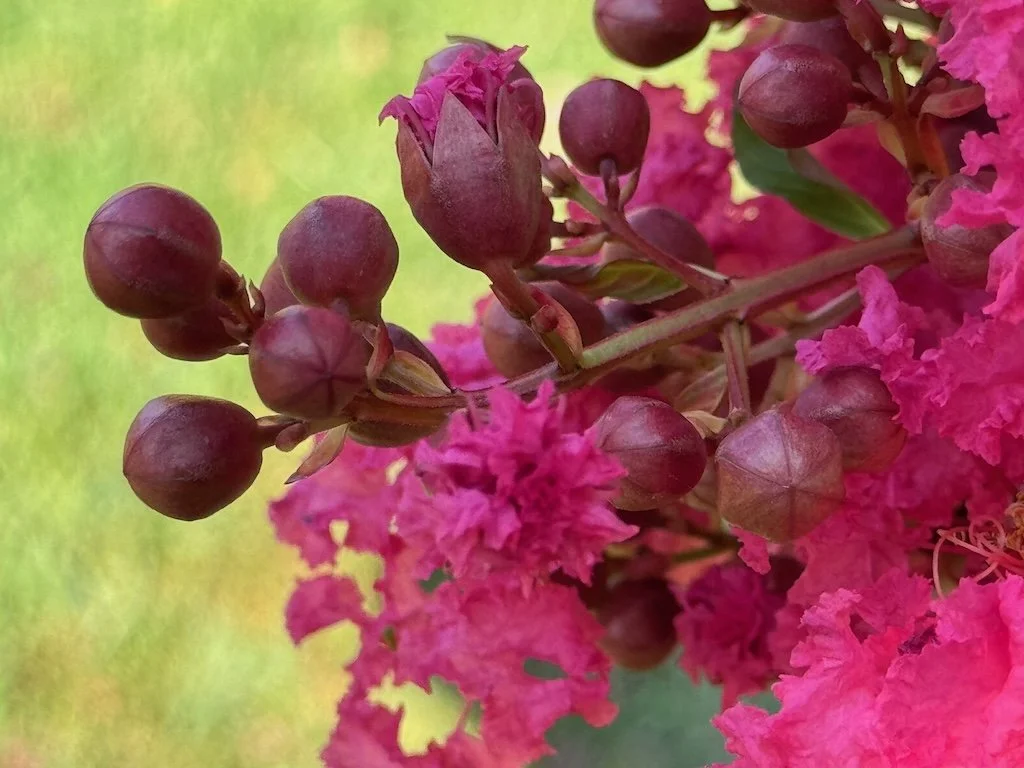
The Missouri Evening Primrose is thriving by my mailbox (there is a tiny remnant of a prickly pear cactus underneath it that I discovered when I cleaned out the weeds earlier this summer…its growing too!) and a crape myrtle that seems healthier than in previous years.

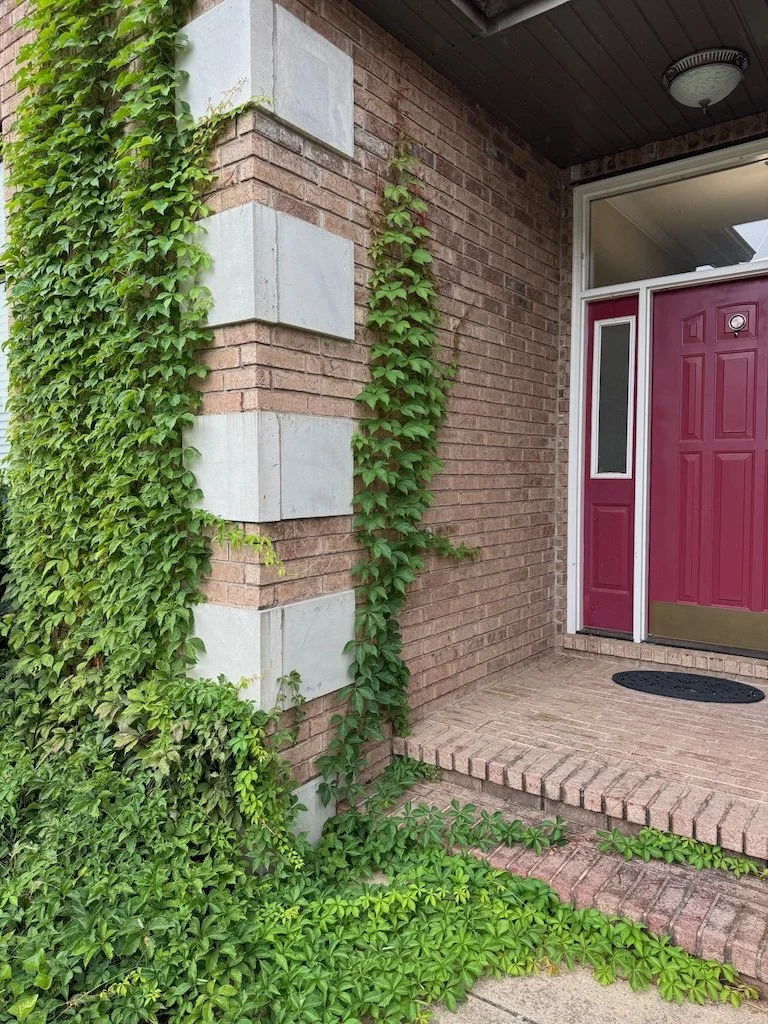
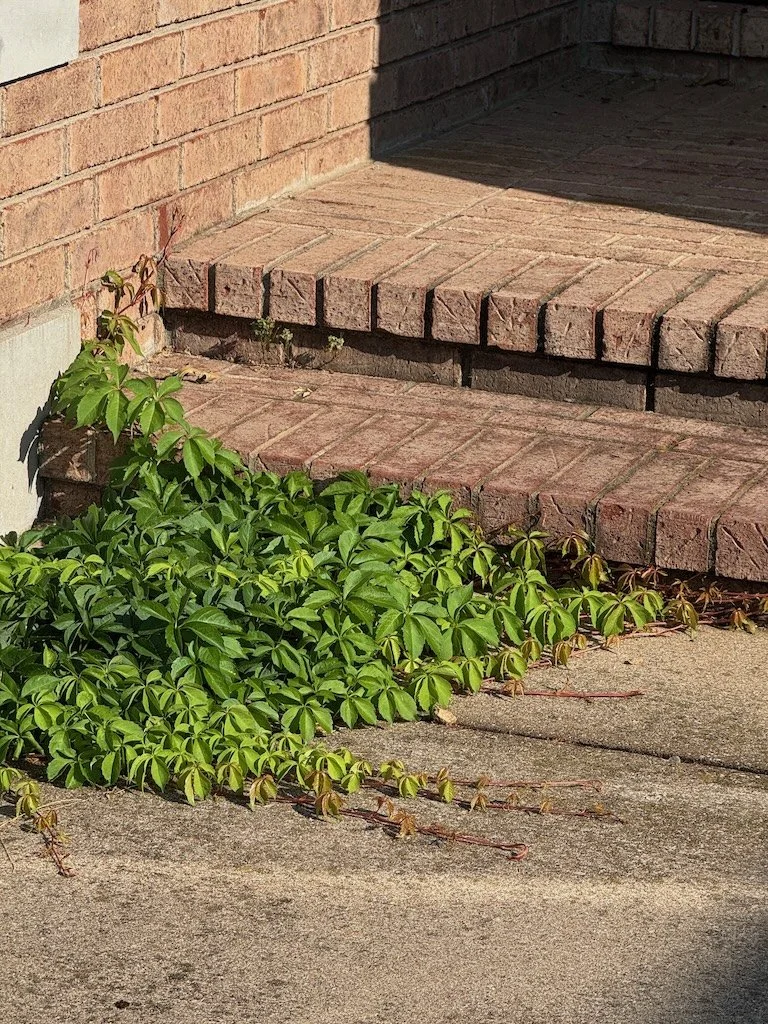
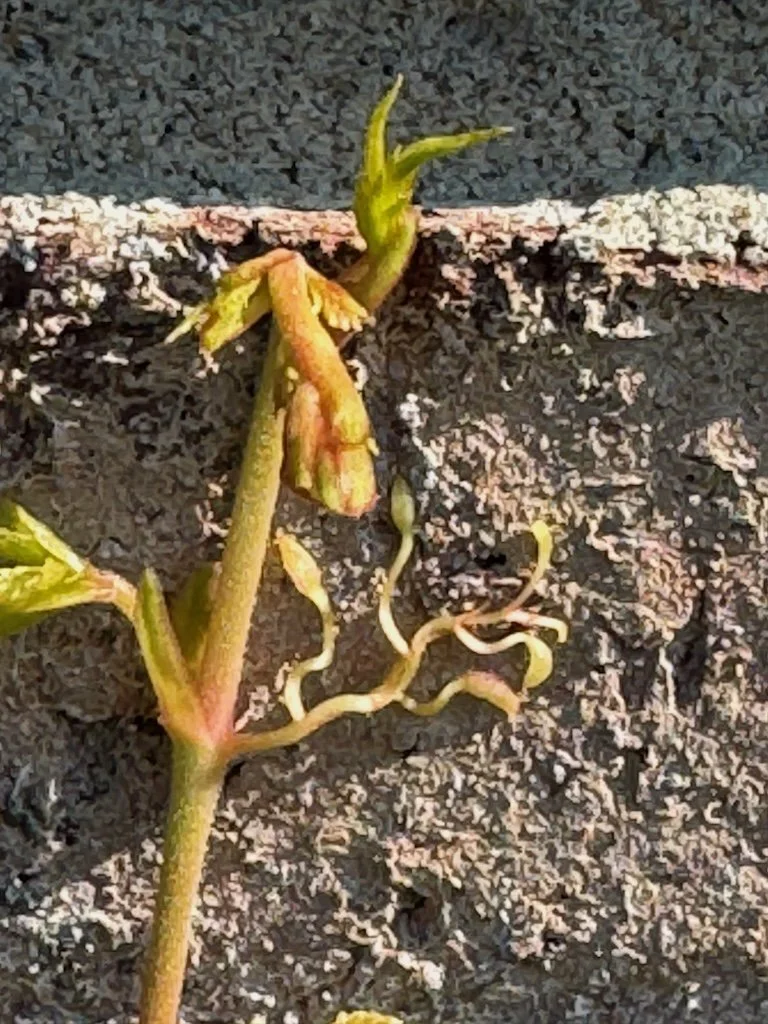
The Virginia Creeper is crowing on the front steps and onto the bricks. I’ll enjoy it a bit longer than pull it down – relegate it to the horizontal surface of the front flower bed.

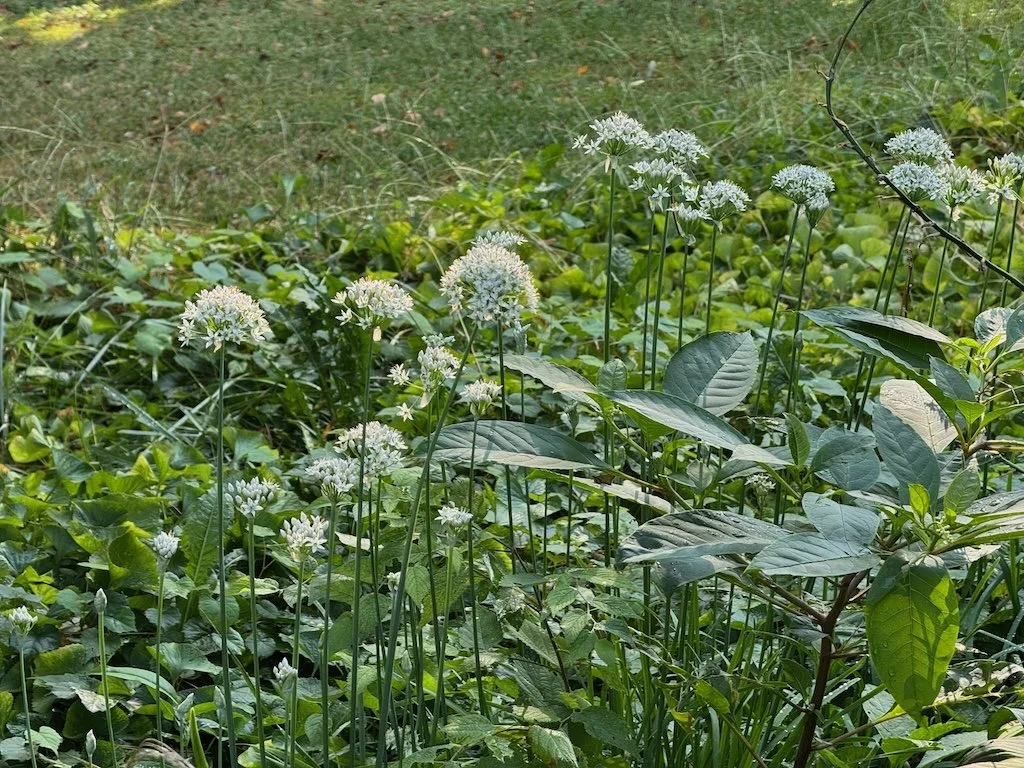
The chives are thriving in several places in the back yard. They were started from seeds harvested from my mother’s garden. They don’t seem to care if they are in the sun or shade!

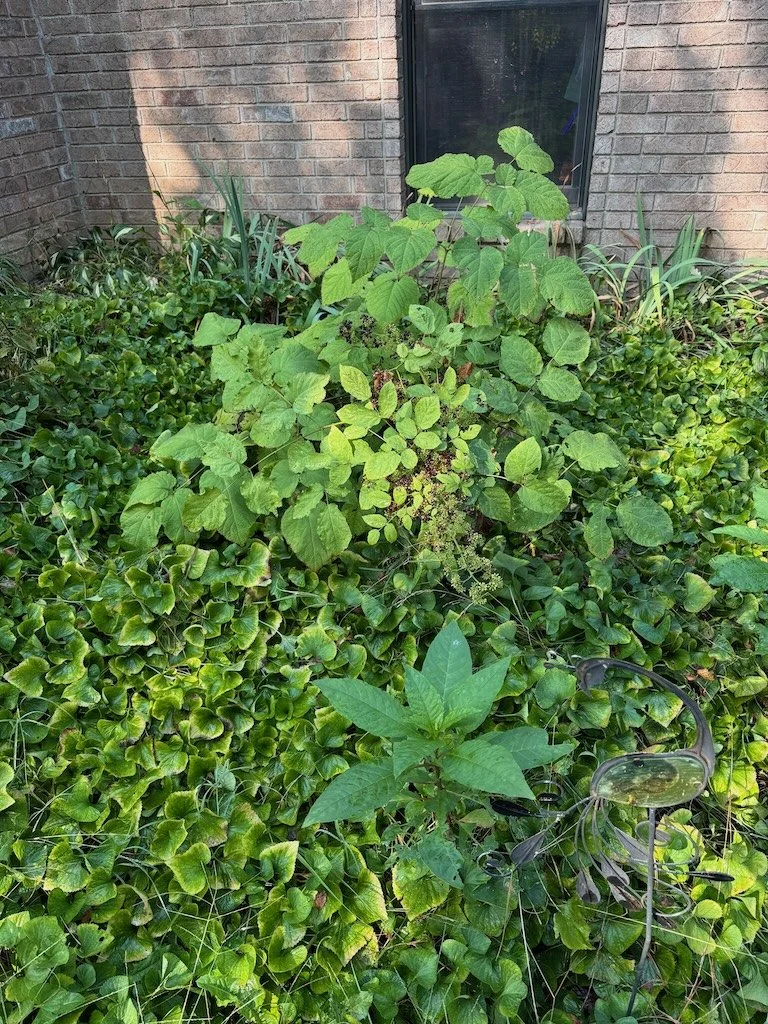
The American spikenard – one of my first native plant purchases – is larger each year. There are violets under it (and a small pokeweed in the foreground). The fruit is beginning to turn purple. I’ll harvest some and try to sprout them indoors to plant outdoors next year.

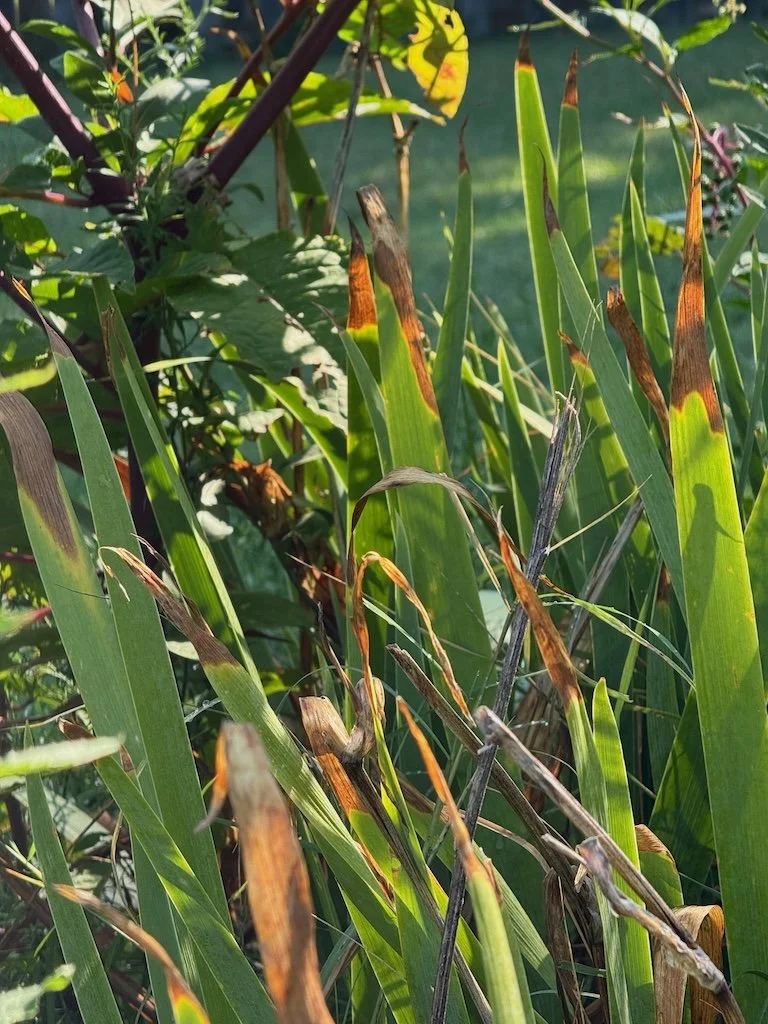
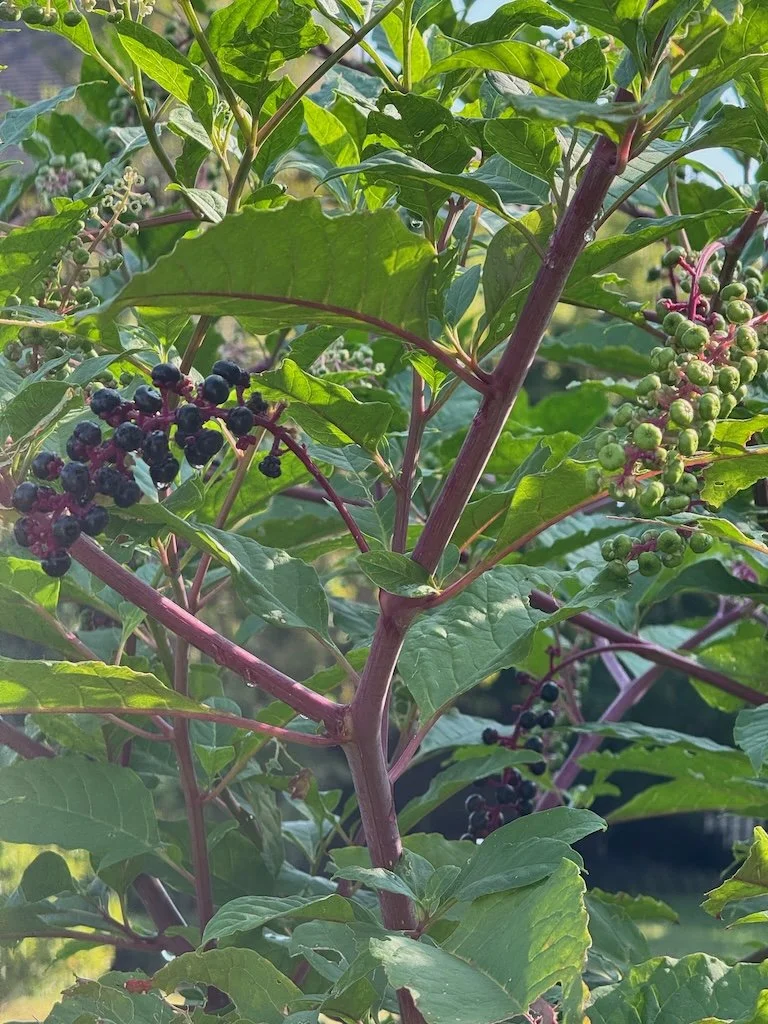
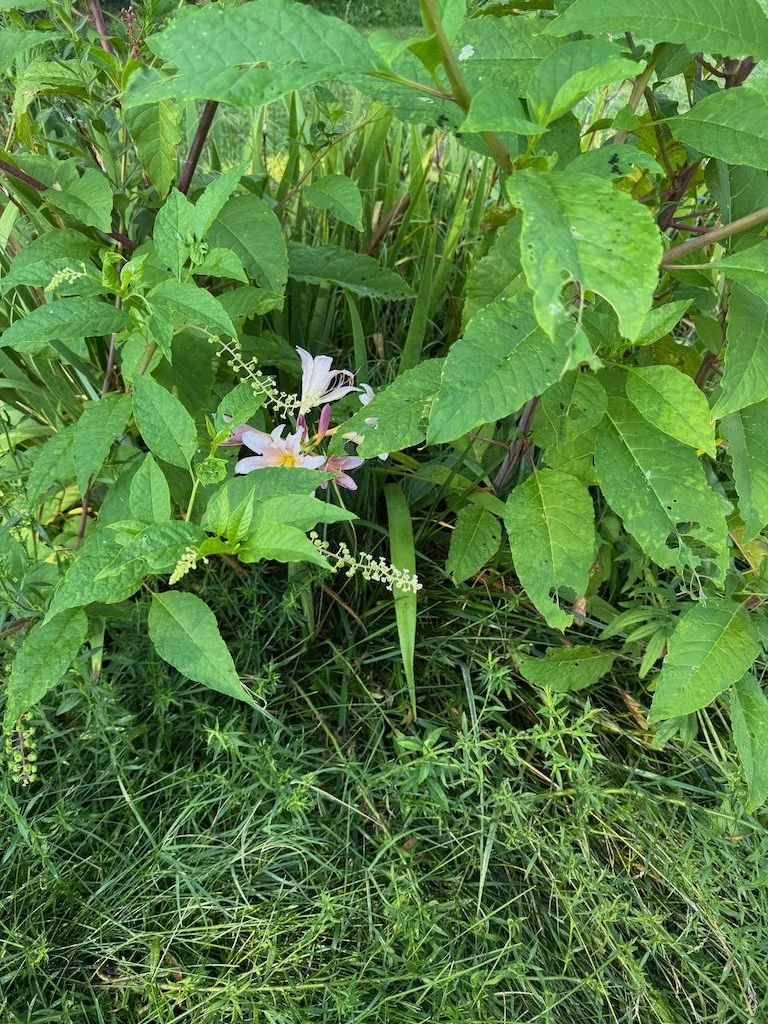
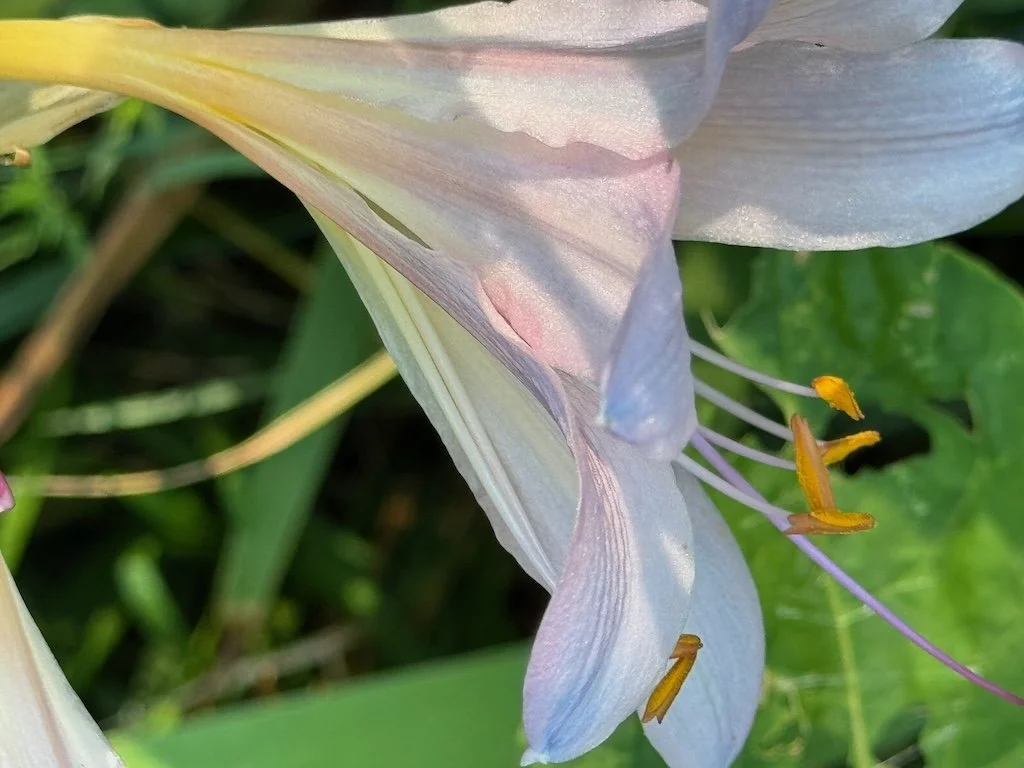
There are a variety of things in the garden where a pine tree once grew. The iris leaves look a little burnt on the ends, but the pokeweed is full of berries that the birds will eat as they ripen. I am still watching developments…not sure of everything there although I like the surprises discovering the naked lady lilies blooming in August and the beautyberry that I planted…glad that has survived.

The area under the short leaf pine is full of pokeweed – mostly. As the season changes, I will enjoy its red foliage…then cut it down and clear out anything else growing under the tree….except the redbud (perhaps).

Our Missouri Yard in August 2025

July was very dry here, but our sprinkler system has kept up. Our shade garden looks lush with violets and a few hostas and lambs ear going to seed. The dried remains of alliums and some grass seed heads offer some highlights in the sea of violets.

The American Spikenard is blooming with violets under it a little further up the hill – and where I can see it from my office window.

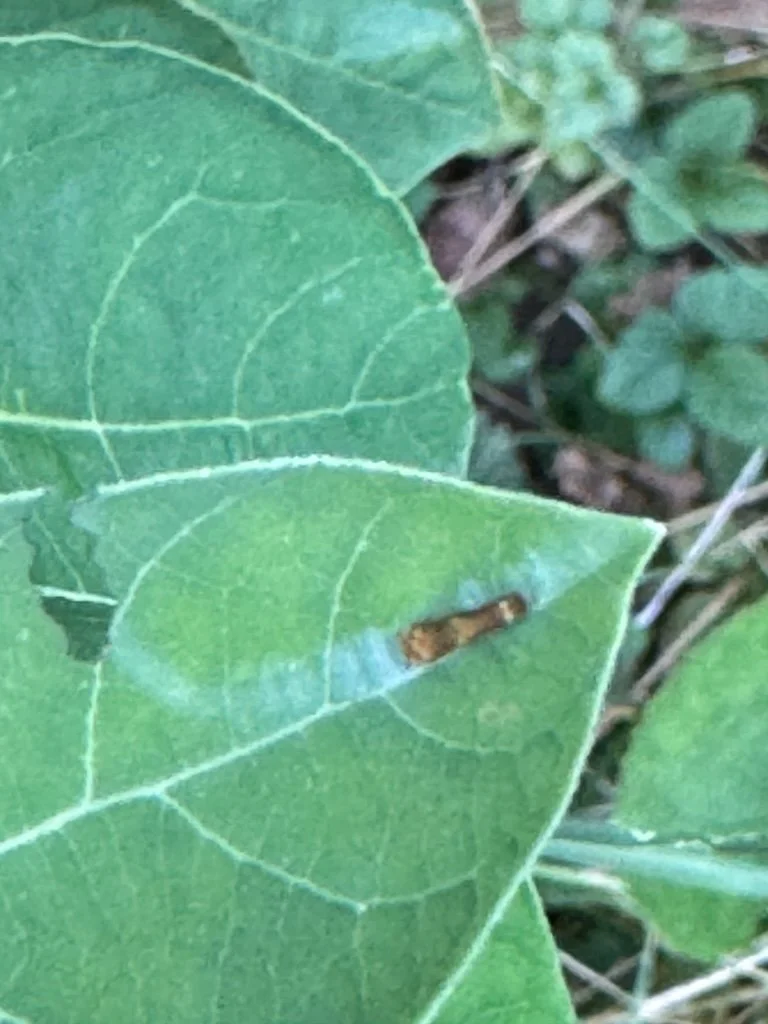
Even further up the hill with violets around it, is the spicebush I planted last fall. I have been checking it for eggs or caterpillars --- and it finally has caterpillars. I counted 4 – all Spicebush Swallowtail caterpillars. I am leaving them alone right now but will go out and check on them. They are easy to spot even when they are small because they pull the leaf around themselves (like a leaf taco) when they resting.

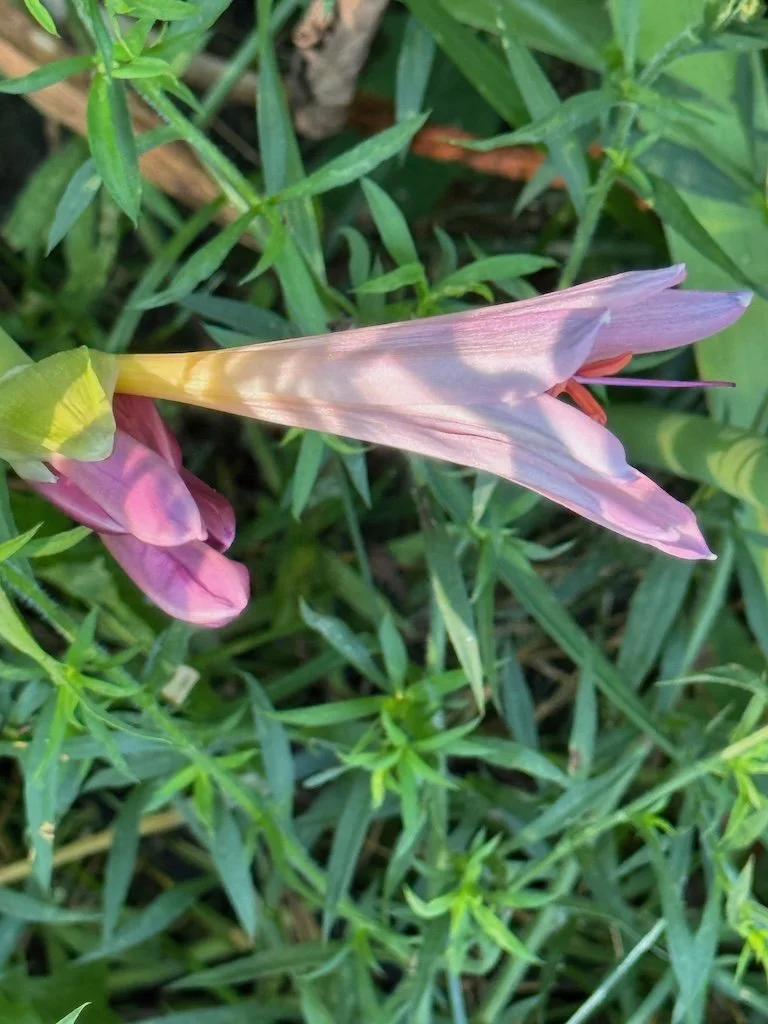
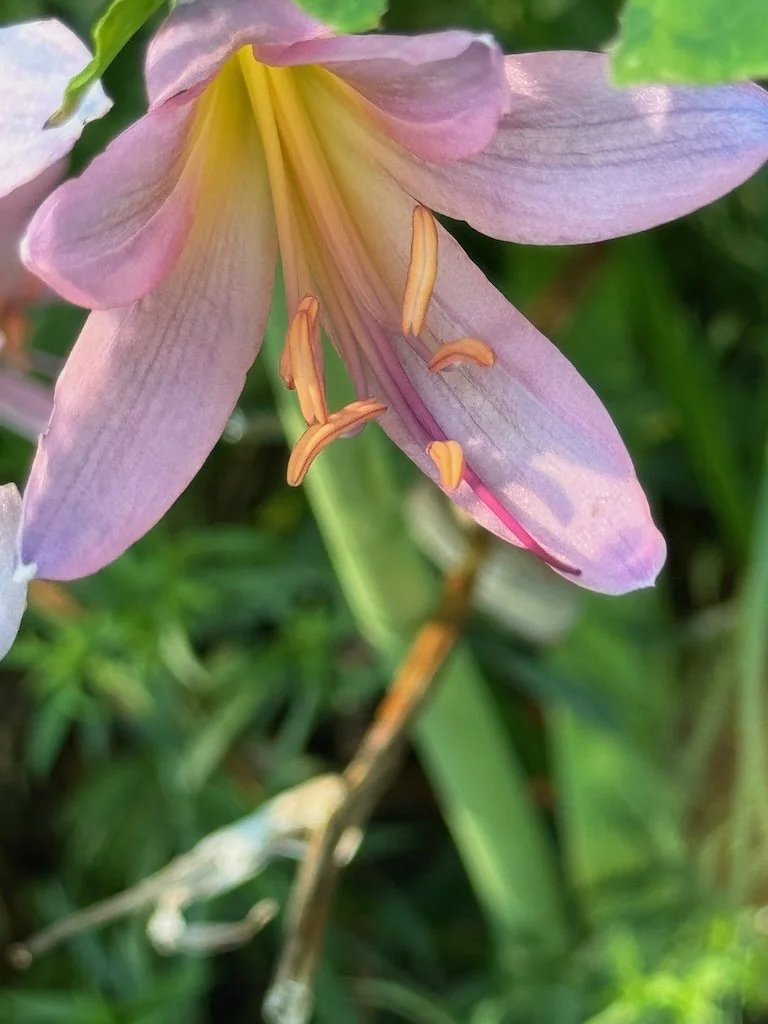
One morning last week when I was out weed eating, I noticed that one of my mother’s naked lady lily bulbs that I planted in my yard in January 2023 has survived! The pokeweed shades it from the heat. There was a second plant that was mostly still buds. I was happy to see it --- glad it was there to spark memories of Mom. I took some macro images of the flowers. They start out a darker pink then fade as they mature.

The pokeweed seems to have more evidence that insects are eating its foliage…but has plenty of energy to make seeds. None of reached maturity yet (i.e. no purple fruits). I am going to let the ones in the bed with the lilies make seeds and hope the birds will enjoy the this fall/winter.

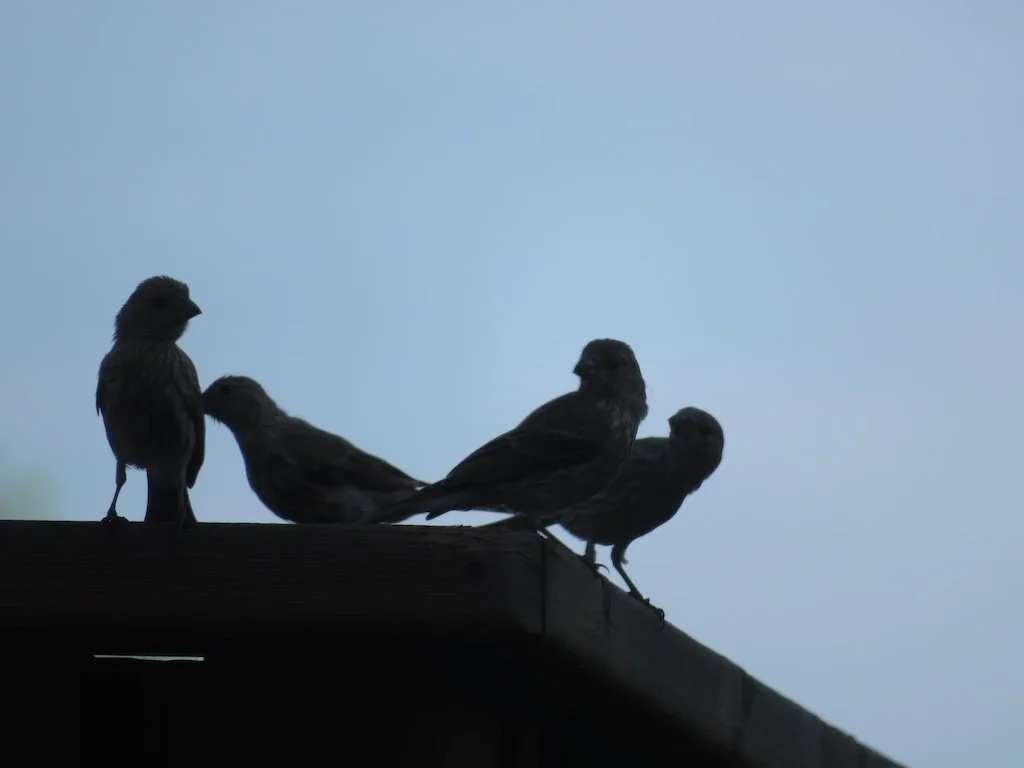
There are birds around: a female hummingbird that comes to my feeder frequently and sometimes flies to the nearby pine or visits the plants in the shade garden, a family of finches,

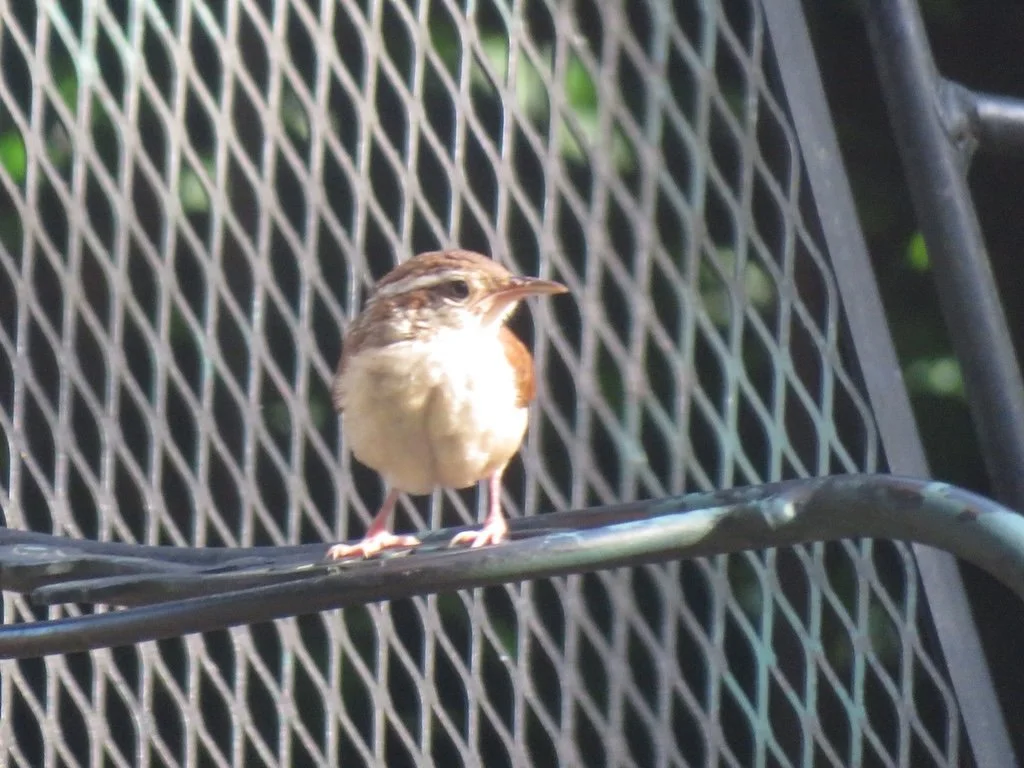
A young wren,

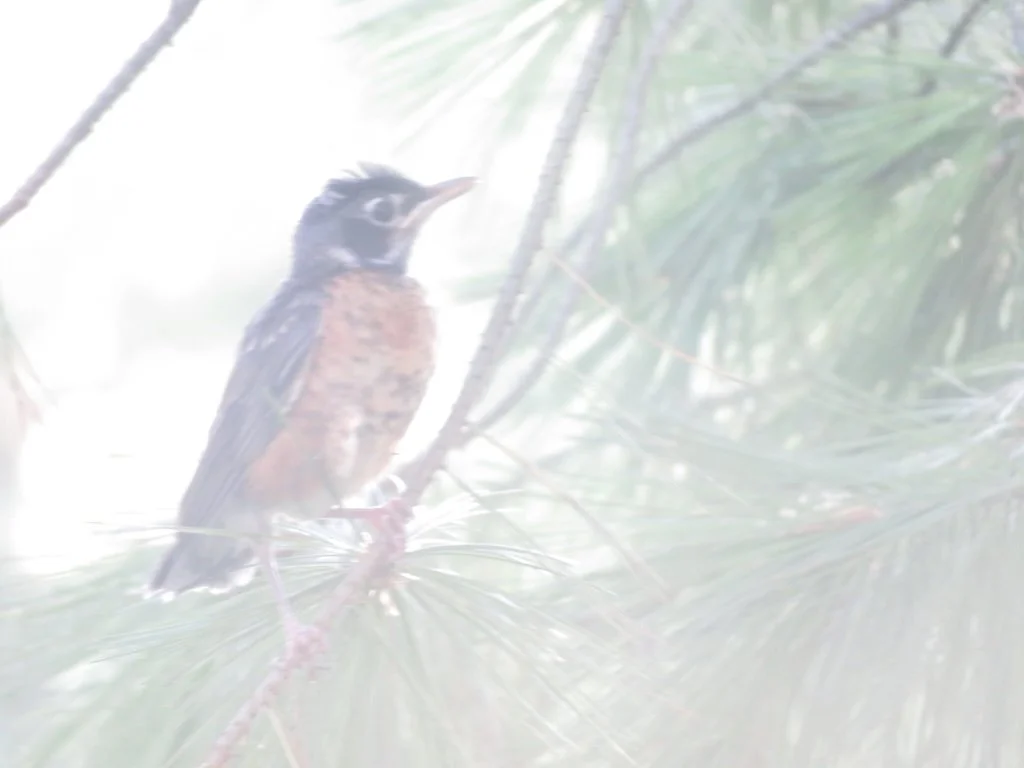
And a juvenile robin in the pine tree (the third brood for the summer). I am glad that the shade garden seems to be attractive to so many birds.

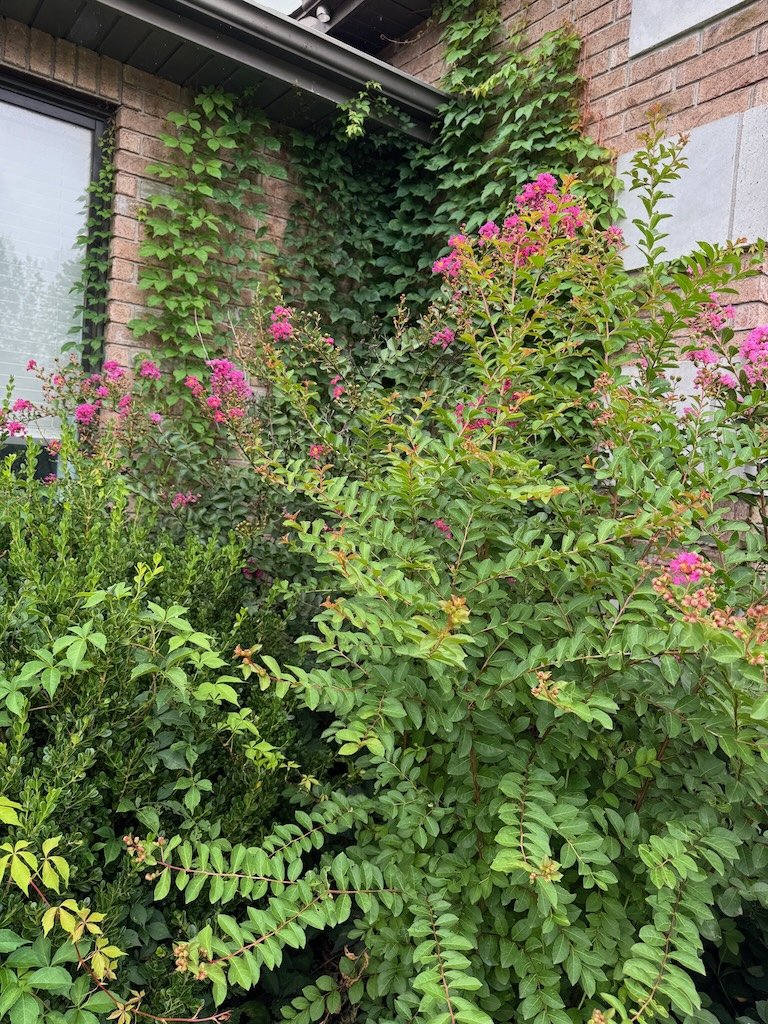
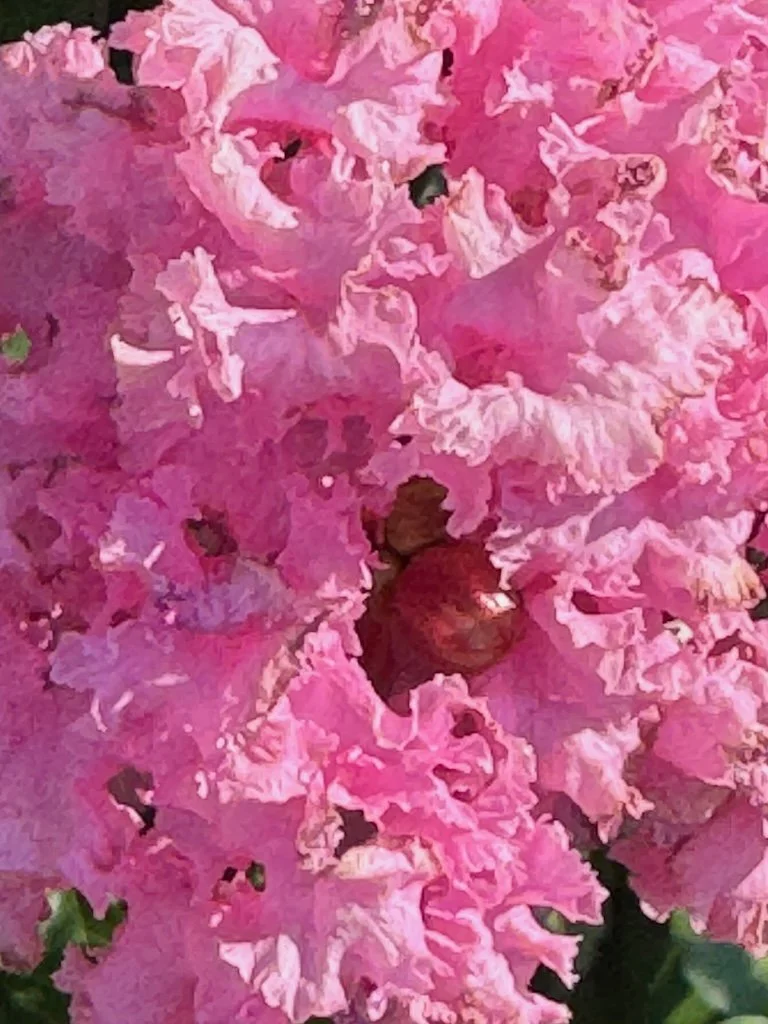
In the front yard, the crape myrtles are doing better than I expected. They tend to die back in winter but this year they seem to be more robust.

The Virginia creeper is a thick ground cover in the front bed around two of the crape myrtles. I periodically pull it off the bricks although the way it adheres is not damaging like English Ivy can be.

Our yard is looking good in August…and I am looking forward to the work to do the landscaping this fall in the front of the house.

Fledging Robins

The first brood of robins in our yard has fledged! I’m not sure where the nest was but I have been seeing the fledglings looking and finding food in the area between our eastern white pine and hollies…among the pine needles, hostas, wild strawberries and violets.

They are smaller than the adults and transitioning to adult plumage. They still have a few white marks on their head and back…and their breast is not all red yet. At first, they are clumsy fliers too; one grabbed onto the screen of my office window and held on for a few seconds before fluttering down to the flower bed below.

I am celebrating that my work to transition the area from grass over the past two years (i.e. adding pine needles collected elsewhere in the yard to those already there from the white pine, transplanting hostas, letting the wild strawberries/violets/lambs ear encroach, and adding an American Spikenard) has resulted in a place the young robins found…and found food!

Gleanings of the Week Ending May 03, 2025

The items below were ‘the cream’ of the articles and websites I found this past week. Click on the light green text to look at the article.

Foraging Violets – I have a lot of violets growing in my yard…and I am going to start harvesting them for salads. Why buy fresh greens when there is such a plentiful supply that I can pick just before I eat them?

The Unexpected Science of Staying Happy – An article about the World Happiness Report. The U.S., Canada, and Switzerland—all once top 10 contenders—have dropped out of the top 20 for the first time since the report began. That decline is linked to a drop in social trust and a rise in what researchers call “deaths of despair,” especially among men over 60​.

The 120-Year-Old Tiny Home Villages That Sheltered San Francisco’s Earthquake Refugees – A different perspective on history….more substantial than tents.

Exquisite Street Photography Celebrates the Different Moods of New York City at Night – More umbrellas than I expected.

Emily Cole, Daughter of Hudson River School Icon, Shines in Overdue Museum Show – She became a porcelain painter (botanicals) and painted in her father’s studio…. exhibiting her work a what is now the Thomas Cole National Historic Site.

Relics of a Red World in Bighorn Basin – Satellite image of “red beds” in northern Wyoming and Southern Montana formed when the land was part of Pangea and there were extreme wet/dry seasons causing hematite in the rocks to oxidize (rust). The area is rich in fossils and oil/gas reserves.

Tree Rings Bear Witness to Illegal Gold Mining Operations in the Amazon, New Study Finds – The miners use liquid mercury which is then burned to obtain the gold….releasing toxic mercury into the air. Core samples from trunks of fig trees show the mercury levels…when they ramped up and how substantial they were/are.

Smoke from US wildfires, prescribed burns caused premature deaths, billions in health damages - Researchers estimated that smoke from wildfires and prescribed burns caused $200 billion in health damages in 2017, and that these were associated with 20,000 premature deaths. Senior citizens were harmed the most.

Check Out the First Confirmed Footage of the Colossal Squid, a Rare and Enigmatic Deep-Sea Species – This was a young one….only a foot lot. They can grow to be 23 feet long

The Only Ancient Greek Theater on the Ionian Islands Is Finally Unearthed – It was discovered in 1901 but was reburied after their survey…and olive groves and makeshift warehouses eventually covered the site. The site was abandoned during the reign of Roman Emperor Augustus.

Ten Little Celebrations – April 2025

April was a busy month….lots of little celebrations to choose from. My top ten are included in this post.

Lots of 300-piece puzzles. I found 23 300-piece puzzles at the used book sale and while I was sorting new donations. I’ll take a few of them each month when I go to Dallas to visit my dad so this will be a prolonged celebration.

Buying and planted spicebush. I celebrated finding spicebush at a native plant sale and bought two of them for my daughter’s yard. We got them planted the day after I bought them.

Another garden room. I savored my daughter’s garden room while ‘house sitting’ while she was at work and arborists were working in her yard.

Cherry cobbler. Cherry cobbler was one of my dad’s favorite desserts…and I celebrated that memory while realizing that it is one of mine too!

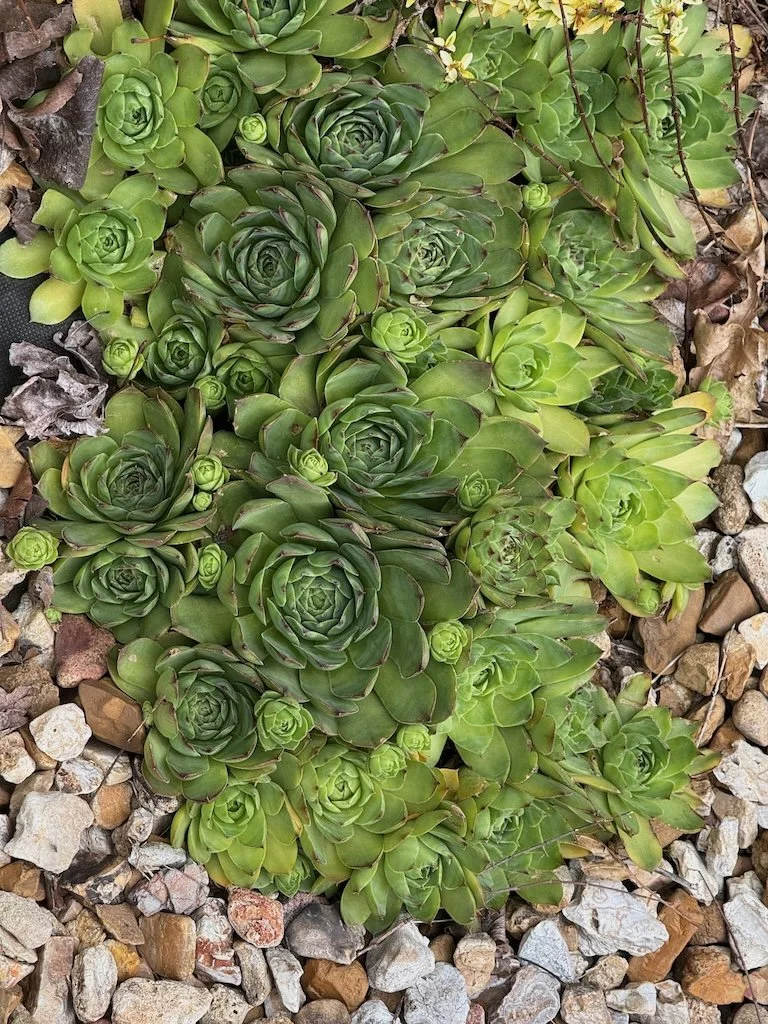
Hosta garden. I celebrated that the clumps of hostas in my flower beds were robust enough to divide and create a hosta garden between a pine tree and my patio that is too shady for other plants to grow well.

Clean windows. There was burst of spring cleaning at my house that involved windows! I haven’t done all of them yet but am celebrating the clear views from the ones that are clean.

Onondaga Cave. This is my favorite cave in Missouri (so far). I celebrated the day trip for the destination and that I did it with my daughter.

Tea Bar lunch. My daughter and I had one off-campus lunch after my geology class….to a place we had been to before. It was even better than our first lunch almost a year ago!

Edible violets. I celebrated learning that violets are edible. It is great to have native salad greens from my yard!

Car repair. I had an undercarriage cover that cracked near the front of my car. After thinking it was an easy fix (but it wasn’t) and the dealership ordering the wrong part, I celebrated finally getting it fixed.

Reduction of my ‘Lawn’

I have done an initial mowing of my front yard but am waiting to mow my fenced back yard until we have a week of low temperatures above 50 degrees…so that all the butterflies and moths overwintering in the leaves (that I left on the yard) can emerge. Some of the back yard won’t ever be mowed again. There are some areas that were grassy a few years ago that are now overgrown with plants spilling over from the flowerbeds…mostly violets. The east side yard that is grass and will be mowed is 4-6 feet narrower than when we moved to the house!

In addition, an area between our Eastern White Pine and the patio beds with holly trees has been covered with pine needles to deter the scraggly grass (heavy shade) and there is a robust clump of lambs ear (bird planted) and a few violets there. I am dividing hostas that have grown too dense in the flower beds and transplanting them into the area….and will place more stepping stones between the patio and the grassy area to avoid stepping on tender plants.

One area of the side yard that I am not mowing as frequently contains 2 clumps of lambs ear that established itself last summer and seems to be returning; I mill mow around the clumbs; I hope they grow together and create one bigger clump. It’s a slopped area; I am glad to have something besides grass growing there!

In the sunnier part of the yard, there is another stand of lambs ear that is spilling out of the flower bed and into the grass next to the Fragrant Sumac. I need to clear out the part that bloomed and then died last fall to make it easier for the young plants to reclaim the whole area of the parent. I hope the sumac will eventually spill out into the grass as well. I am not mowing near where the plants are growing into the grass…trying to encourage their growth.

The violets and fragrant sumac are native. The lambs ear is not but seems to be a good filler plant until I can get more natives growing to fill the beds and start growing into the yard. The violets on the east side of the house took over almost on their own since the habitat there is good for them. An American spikenard and spicebush will grow above them this summer!

Project FeederWatch – April 2025

The juncos seemed to have left a little earlier than I expected. We didn’t see any by the beginning of April. Our bird feeder area looks almost the same as it did in the winter since the hollies and cedar are evergreen. Now we have violets coming up (the small low clumps of green in the rocked areas); they seem to thrive in the rock with landscaping cloth underneath. I’ve noticed robins and doves collecting the fine stems from last season’s violets to build nests.

We were startled during the first few minutes of one of our Feeder Watch sessions by a Cooper’s Hawk flying in and landing on the patio table! I managed to get a picture before it took off. All the other birds had vacated before the hawk came – so it didn’t get a meal from our feeder area. They didn’t return until the later part of our 30-minute observation time.

The white-throated and white-crowned sparrows are still around. I didn’t take pictures of them. There are house finches and goldfinches. The goldfinches are sporadic visitors and the one we saw stayed at the feeder longer.

The light blue color when a dove blinks always surprises me. This one seemed to snoozing….making it easier to photograph. It was cold morning, so the feathers were fluffed.

The Carolina Wren is not a bird we see every single observation time…but we usually see it at least once during our 2-day Feeder Watch count. It likes the suet…and whatever is scatter on the ground….best.

There is a pair of downy woodpeckers. They like the suet and the seed….and our trees. I am hoping they nest nearby and produce young this year.

I saw a red-bellied woodpecker briefly, but the grackles came and it left quickly. On the plus side – the grackles are acting as a deterrent to the starlings.

This is the last month of the Project Feeder Watch season. I’ll do one last post in early May to close out what happens at our feeders (maybe we’ll see some migrants). We’ll start up again in the fall.

Our Missouri Yard – November 2024

We haven’t had any extremely cold weather yet. Some trees have lost their leaves but not the oaks. We already are well above the monthly average for rainfall so are recovering somewhat from the drought through the summer and fall…just as we are bracing for winter.

The violets are reduced in volume but still mostly green. They have been a great plant for extending the flower beds on the east side of our house into the yard (I have several feet of ‘grass’ that is so thick with violets that I haven’t mowed it for at least two months!).

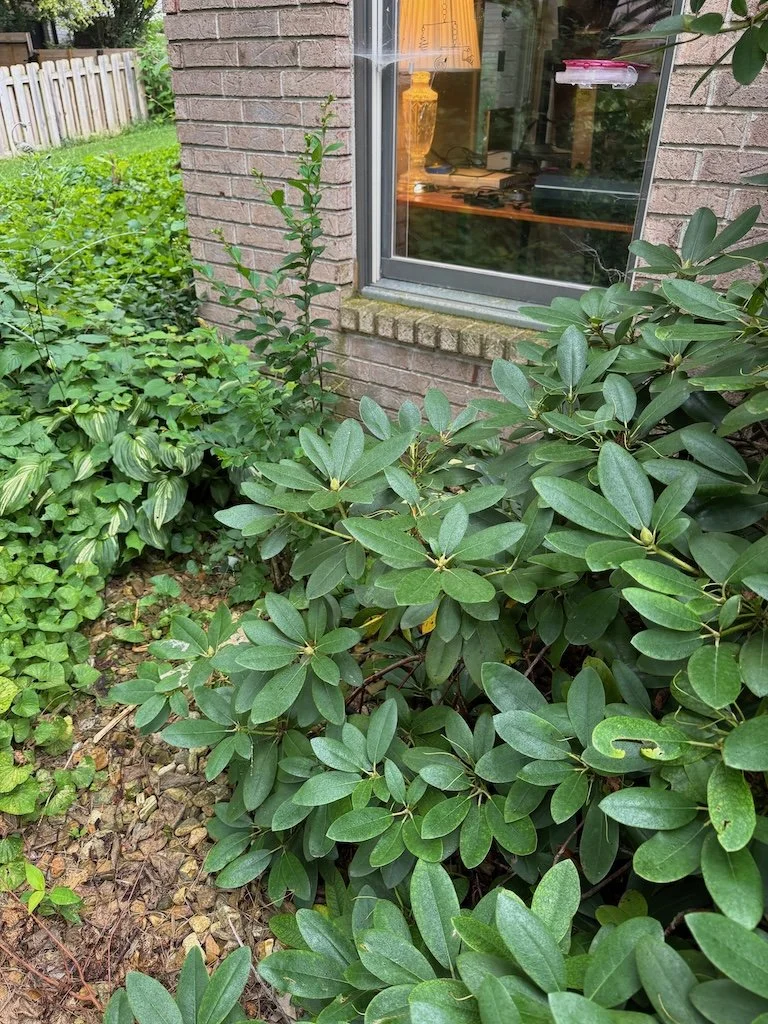
I have an area that is full of pine needles and clippings (grass, boxwood, yew) that I will plant with hostas next spring – as soon as my established clumps of hostas begin to sprout and can be easily divided. The rhododendron looks great…lots of buds for next spring’s blooms. The grapevine that I’ve draped over the stubble of a crape myrtle is turning yellow. I’m not sure what I will do with it next year. I don’t want it growing into the rhododendron but there is not a lot of space where it can go otherwise.

The seeds are falling out of the chives. These plants were started a few years ago from seeds I got from my mother’s garden. There is an oak seedling growing in the lambs ear. The closest oak tree is a pin oak, but the squirrels might plant acorns from further afield. The parent of a maple seedling might be one of the maples in our front yard…although it is on the other side of the house from where this seedling is growing.

The spicebush that I bought and planted about a month ago is showing some fall color…hope it comes back in the spring.

It is obvious we haven’t had a hard freeze yet this year. There are ‘intimate landscapes’ with fall colors everywhere.

I am trying to ‘leave the leaves’ this year rather than mow them. There were two piles that had been created by the wind in my front yard so I gathered them up into the wheelbarrow to move to my compost spot where the hostas will go. Otherwise I am leaving the scattering of leaves on the yard. I might have to move some oak leaves that fall into our yard once our neighbor’s tree drops its leaves. Overall, the wind had done most of the ‘raking’ of leaves either away from my yard or into areas where they can stay.

The Virginia creeper on the west side of the house has already lost its leaves but the plants near our front door are spectacularly red.

The aromatic sumac has lots of buds. I hope it makes seed clusters next season.

The Ozark witch hazel is probably too small to bloom in January but hopefully it will in a few years. I found a small tree growing under the holly trees. The leaves are rough…maybe a hackberry? I am going to leave it be for now…just as I am all the redbud seedlings!

I still have work to do before it gets too cold: pulling/digging out Japanese honeysuckle primarily.

First Frost and a Comet

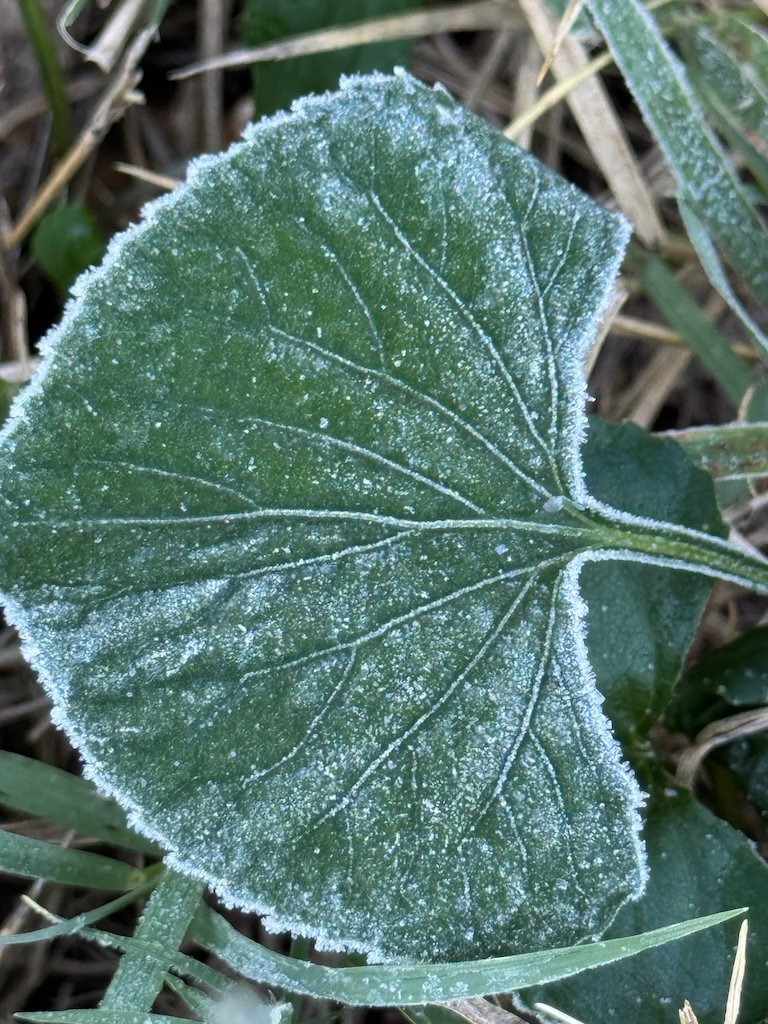
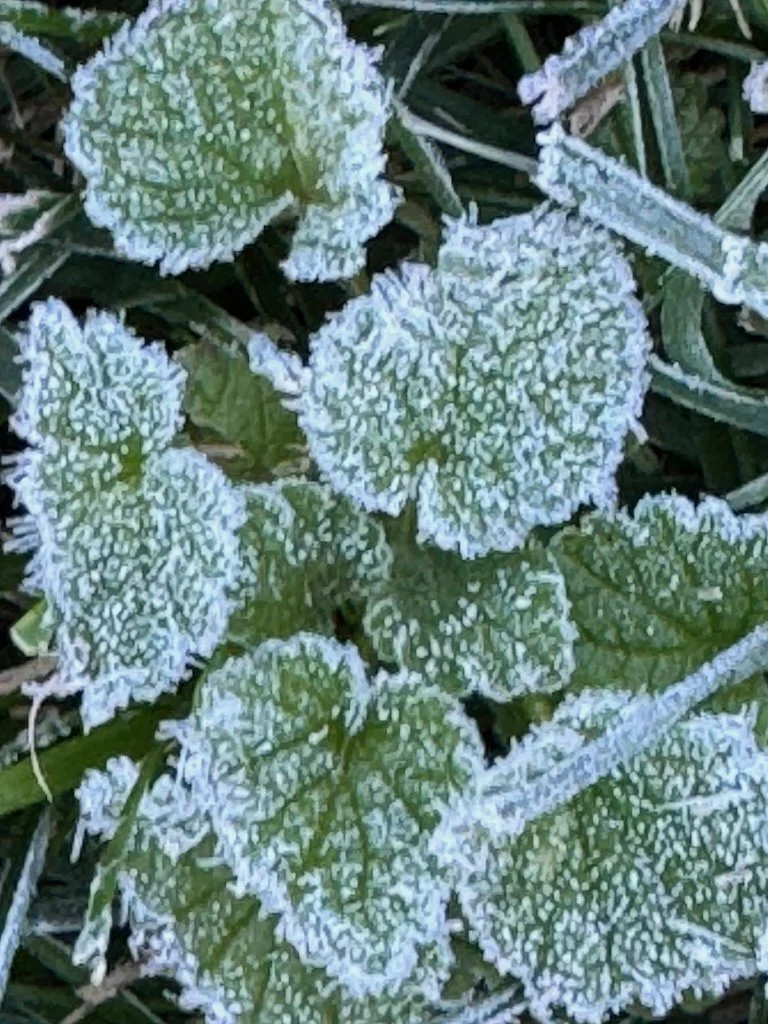
The first frost at our house was on 10/16; the low was 29 degrees, but ice crystals only formed on part of our yard…and I went out shortly after sunrise to capture the event. Some of the crystals seemed to outline the leaves (and their holes) while other leaves seemed to be more thoroughly dusted. There were no crystals on taller plants.

The freezing temperature did not last long enough to wilt vegetation. The violets outside my window are still mostly green…with a few yellow leaves. The maples still have most of their leaves. Our area has not had much rain recently so we are anticipating that the fall color might not be as vibrant as usual.

On another outdoors note…we have been viewing Comet Tsuchinshan-Atlas (A3) from our front sidewalk!

Through my Office Window

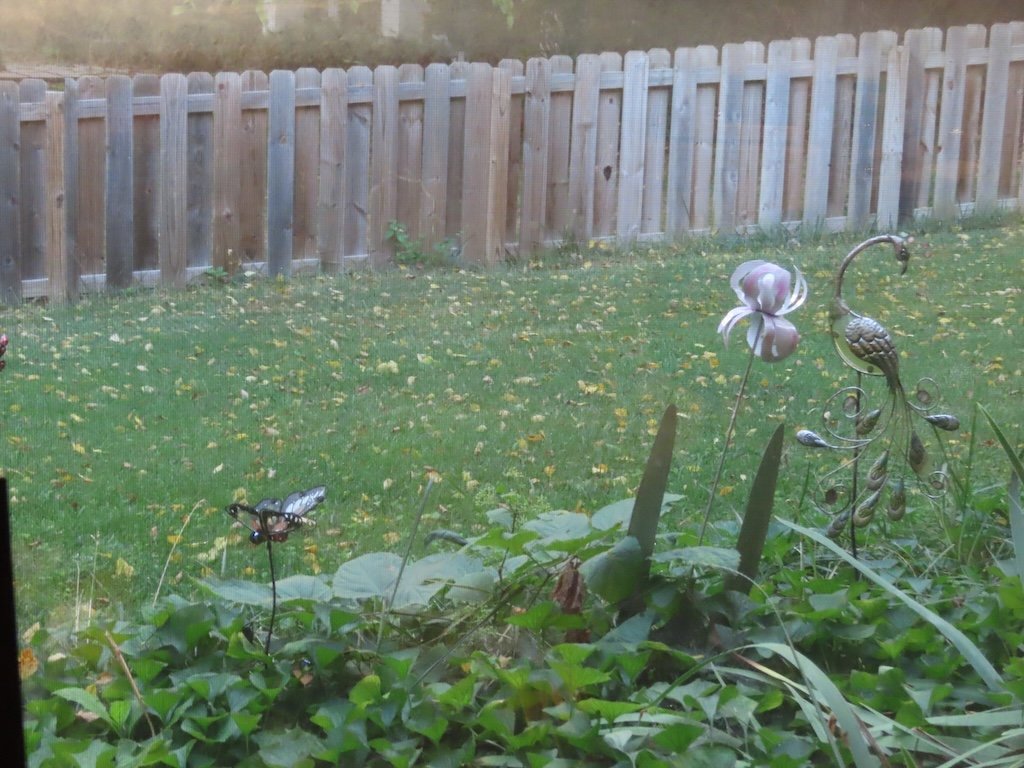
My office is my favorite room in my home. There is a garden area I can see through a window while I am at my computer. It has several garden ornaments, and is crowded with violets and iris leaves….and a spikenard in bloom. The yard beyond is sprinkled with fallen river birch leaves that are yellow. It’s a great place to watch robins searching for worms.

The area is shady for most of the day – from the river birch in the morning and from the house in the afternoon. There is a short time when the sun shines on the stainless-steel iris. I am documenting the blooms of the spikenard as well.

The windowsill of that same window can also be a platform for high key type photographs. This one of a dried black-eyed susan has the silhouette of the river birch in the background.

On the other side of the room, the glass paneled door looks out onto the patio under the deck and I can photograph barn swallows that congregate on the light fixtures and the ceiling fan blades before leaving all at once for their next stop.

The 4 windows of my office make it almost a garden room.

Yard Work – July 2024

The only yard work I do on a weekly basis is mow the grassy area; it is a good way for me to achieve my ‘intensity minutes’ of exercise for the week! I do some weed eating every other week. Everything else is more ad hoc…and as needed.

I ordered 25 orange daylily roots and got them planted around the base of our two red maples in the front yard. The ruff of these plants around my oak in Maryland looked good and made it easier to mow around the base of the tree without being too close to the trunk. The daylilies are better than mulch to keep the grass from growing too close to the tree trunks!

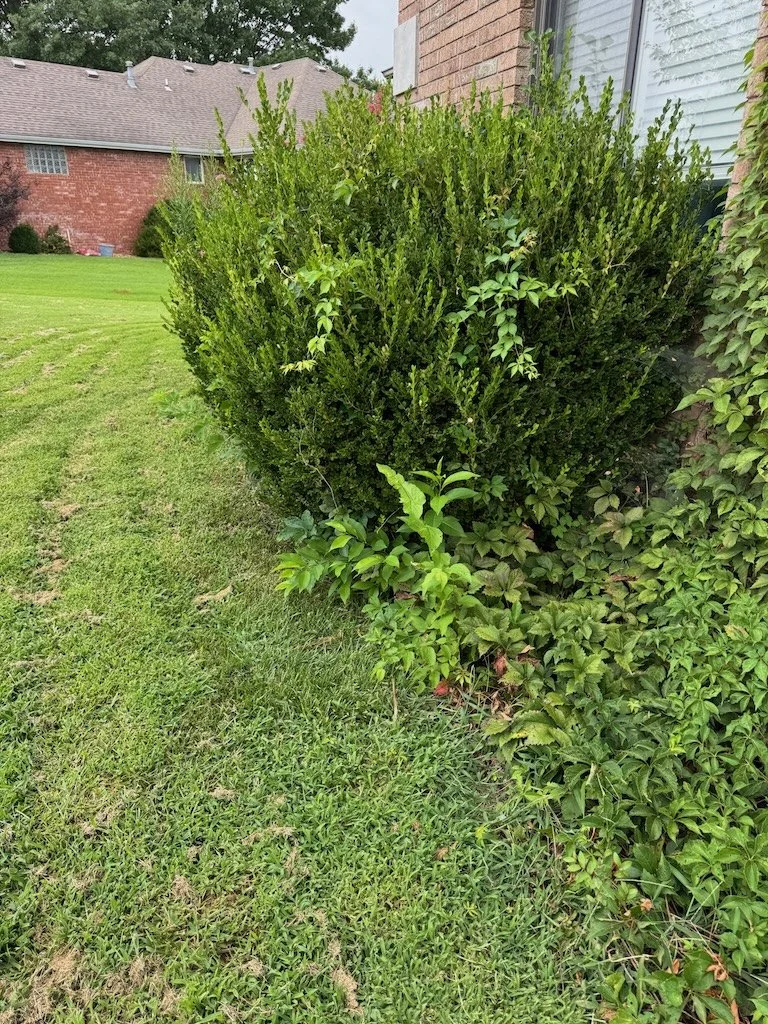
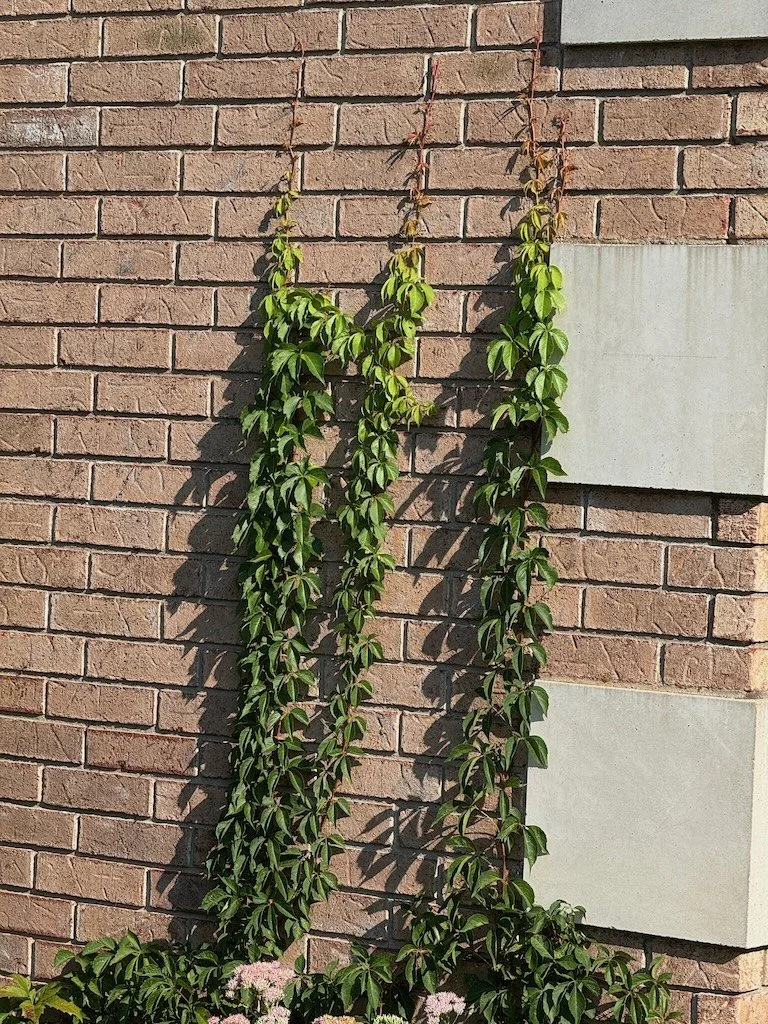
The Virginia creeper has covered the stones in the raised bed in front. I pull down any that tries to climb the brick and try to keep weeds from growing in the area (like poke weed). I do need to trim the boxwood (and remove the Virginia creeper growing into it.  

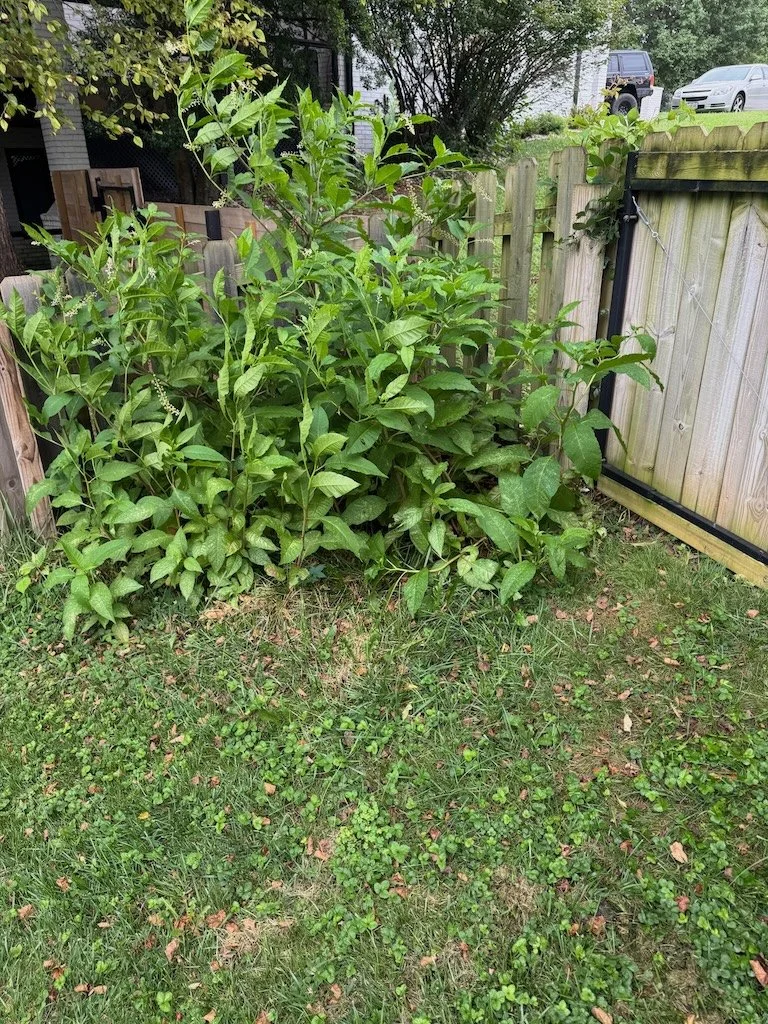
I have rounded most of the corners created by the fence by planting lambs ear…and I let low growing poke weed grow there too.

I mowed part of the area I didn’t mow in May back in June and left the thick clippings to mulch in place; much of the grass has died there and violets from the flower bed are spilling into the yard. The larger leafed plant near the metal iris is a spikenard which is in the same area. About a foot of grass has been eliminated along this section of the flower bed. Over time I will use this strategy to reduce the grassy area of our yard.

A plant came up in a bare ‘hole’ in the turf in my back yard and I have been carefully mowing around it. It appears to be a small white aster and has been blooming for more than 4 weeks. I’ll eventually mow it, but it was a fun experiment to see what kind of plant it was.

I noticed a tall something in the flowerbed on the yard side of the stairs from our deck. It is a young redbud! I’ve decided to keep it…will trim the bush that is on one side of it and the ornamental grass that is on the other side.

My spider mum metal sculpture was visible from my office window when I first stuck it in the ground…but the branches of the pine are growing and getting lower around it. I have borrowed a pole saw from my daughter and will trim the lowest ones (it is impossible to get close enough to the trunk without using a pole saw!).

I am pleased with the progress I am making on the yard. My goals are to make it easier to maintain…more native plants…less grass…all while staying within the ‘rules’ of the neighborhood HOA.

Composting Mulch

This is my first spring in my Missouri house, and I am still acquainting myself with the flowerbeds around the house.  A very fast-growing plant came up in the east flowerbed and spilled out in the yard. I pulled a wheelbarrow of the stuff and took it back to put on the bare soil under the forsythia bush. It covered about half the space.

A few days later, the 4-6 inches deep plant material under the forsythia had collapsed to about ½ inch. I decided the weed is perfect for composting mulch! I started pulling the remaining weed in the east flowerbed.

I uncovered hostas, irises, violets, and a maple seedling. I pulled the maple seedling but left the other others.

It wasn’t difficult to pull another full wheelbarrow of weed.

This time it covered remaining the bare soil!

The weed might grow back since I probably did not get all the rootlets…but I have other places in the yard I can use it for mulch. The strategy is to pull it before it creates seeds. My overall goal is to keep what the yard grows cycled into the yard…avoid spraying or fertilizing…plant more pollinator-friendly plants…and (over time) reduce the amount of turf.

Shades of Spring Green

The dominate color of spring is green….in a lot of different shades. There are the greens that have suffered through the winter – usually darker like the holly and other evergreen bushes below. And then there is the new growth:

Pale greens like the new leaves of day lilies (nibbled by deer), tree leaves just unfurling (cherry and tulip poplar)

Blue tinged greens of the spring bulbs (daffodils and iris)

Yellowish greens of new nine bark leaves, and

Bright green of new moss growth and grass and violets and weeds.

I couldn’t resist the including the bright yellow of the dandelion blooms with all the green!