Powell Gardens – Part I

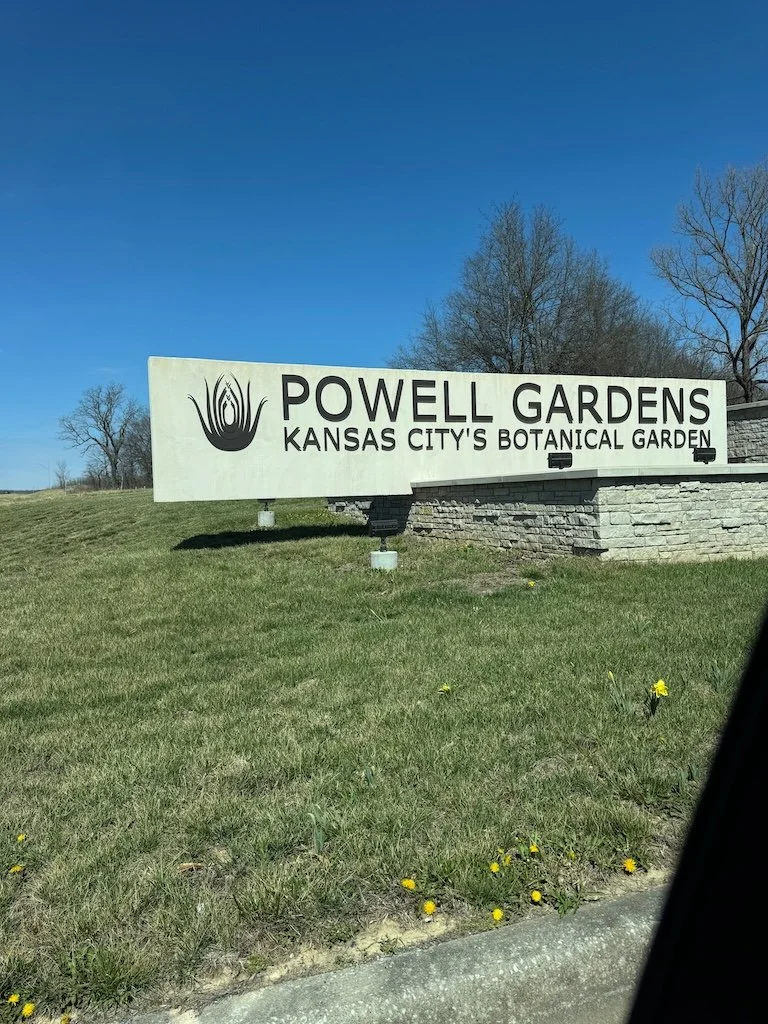
Last week, I made my first trip to Powell Gardens to see their orchid display. It is a day trip from my home in Nixa MO so I will probably go again later this spring….and/or next fall. It was a cold day, and we weren’t planning on walking around outdoors, so we weren’t disappointed that the trees were mostly still bare. Our membership at Springfield Botanical Garden got us into Powell Gardens too!

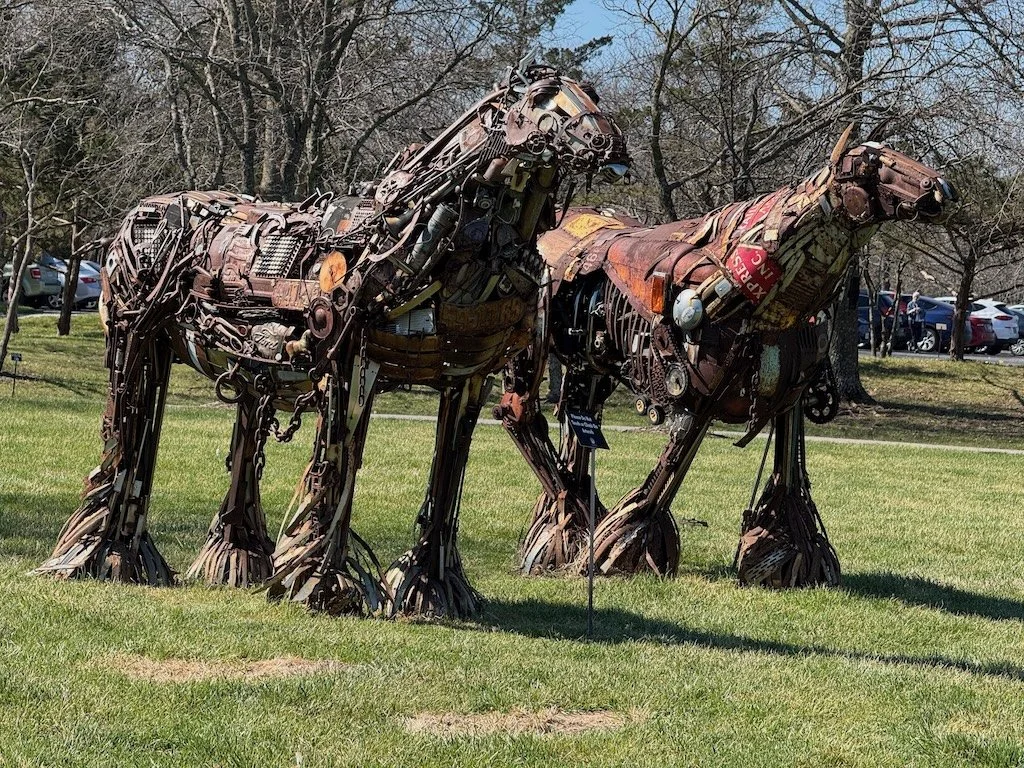
The horse sculptures on the way into the visitor center were a plus. I was surprised that they were not listed in the Wander Walk Art in the Gardens brochure.

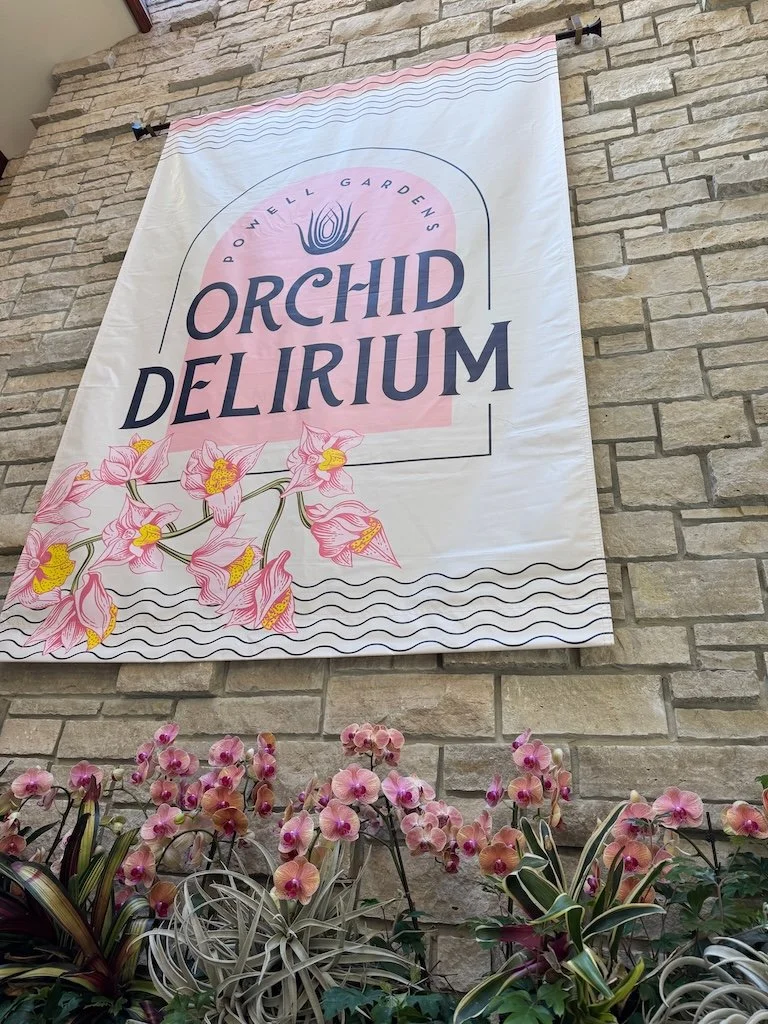
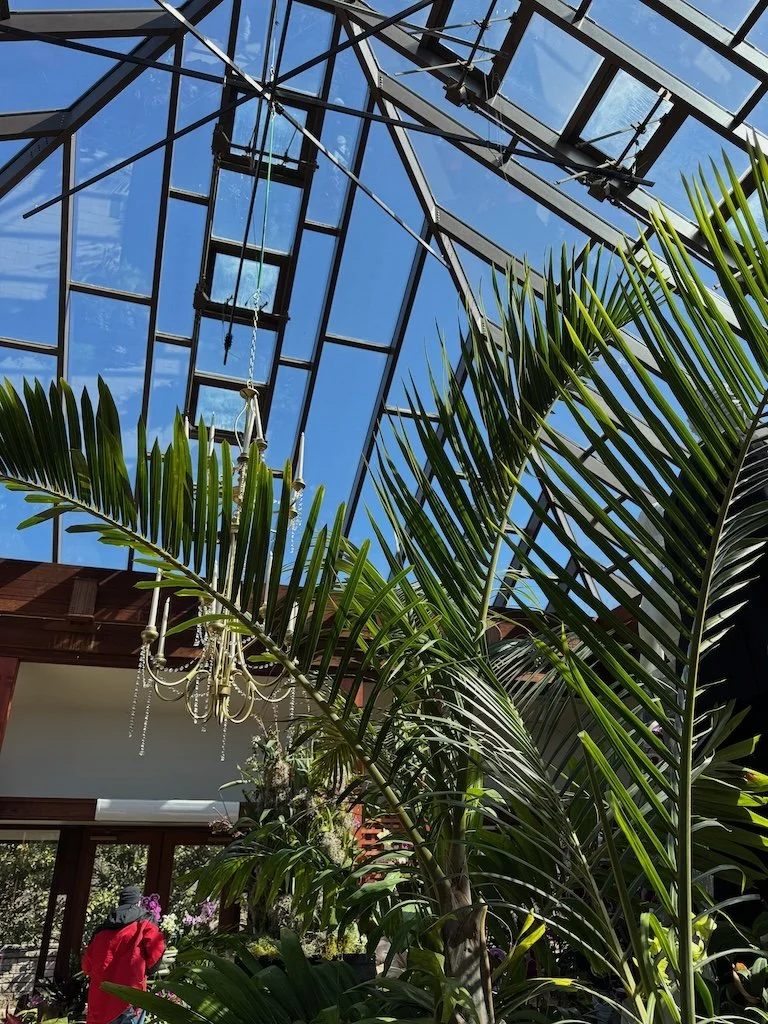
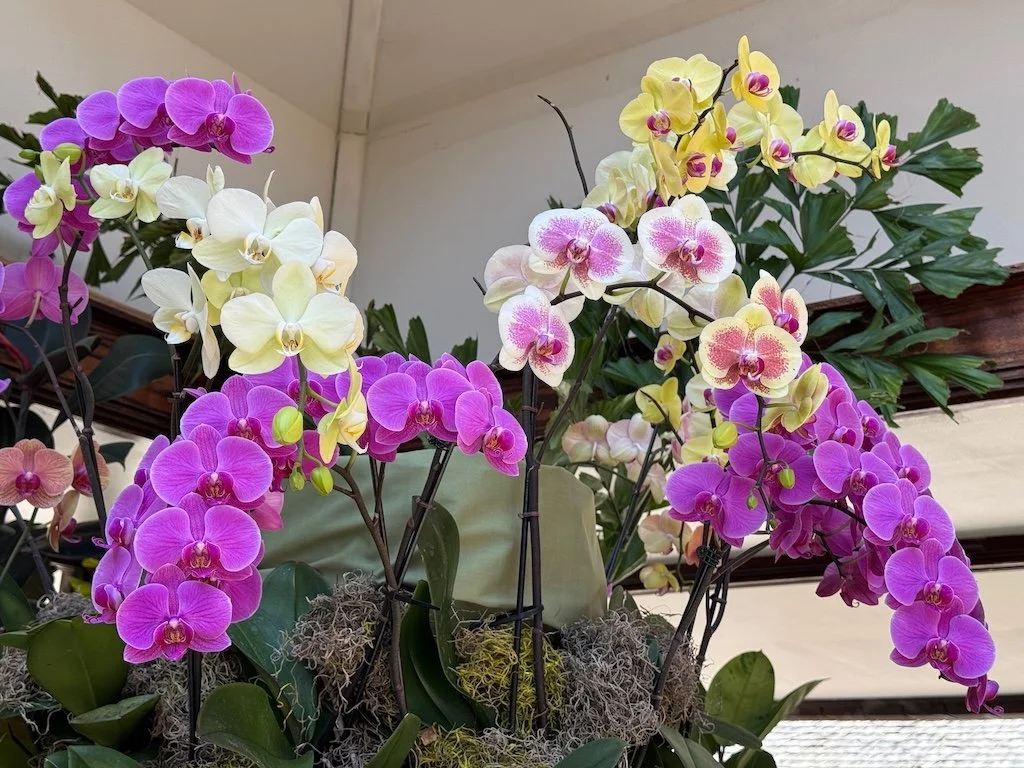
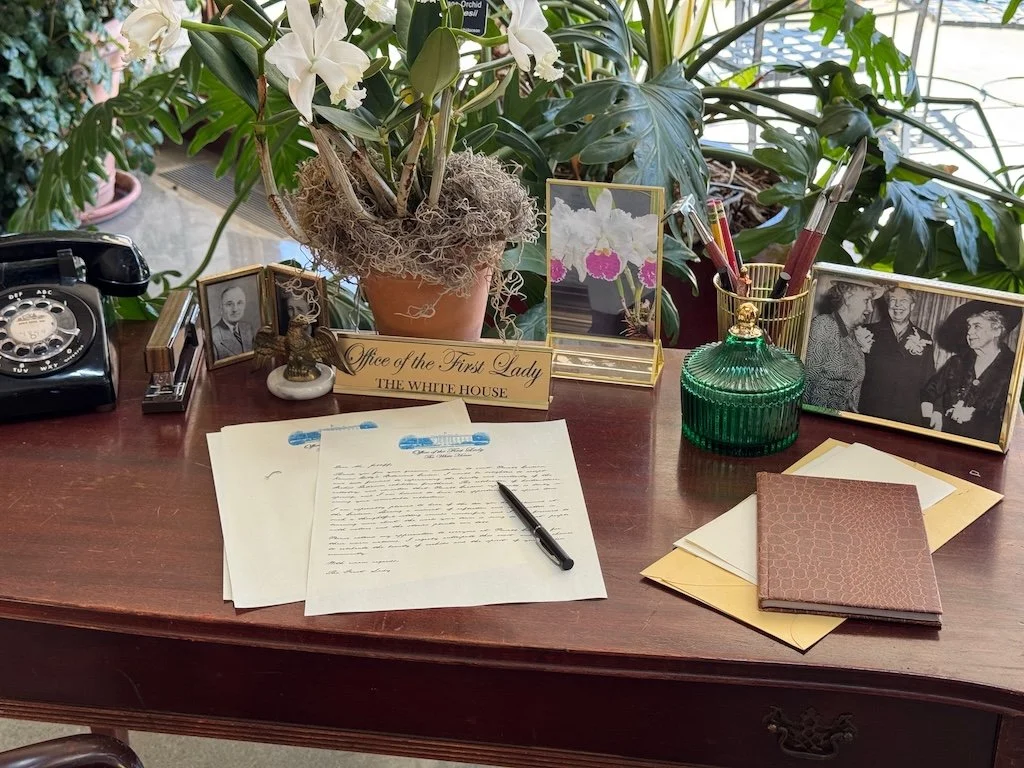
We knew in advance that the main reason for our trip was the Orchid Delirium event. It was in the visitor center….beginning as soon as we walked in. There is a large area of the building that has a glass roof – and lots of windows in the walls.

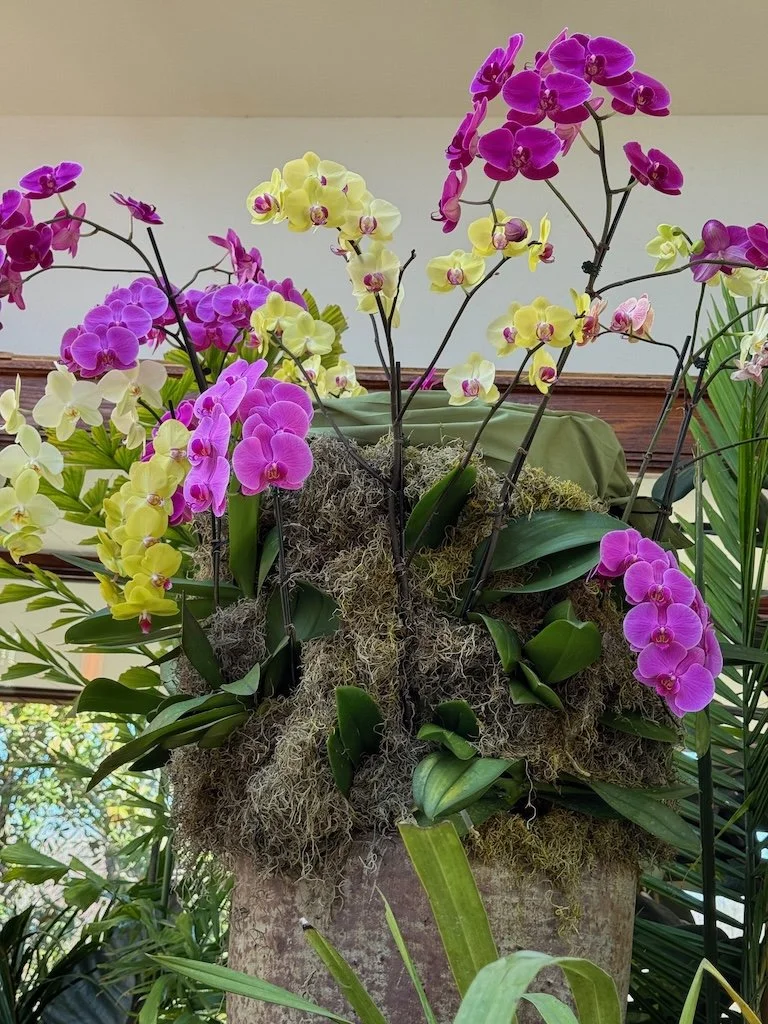
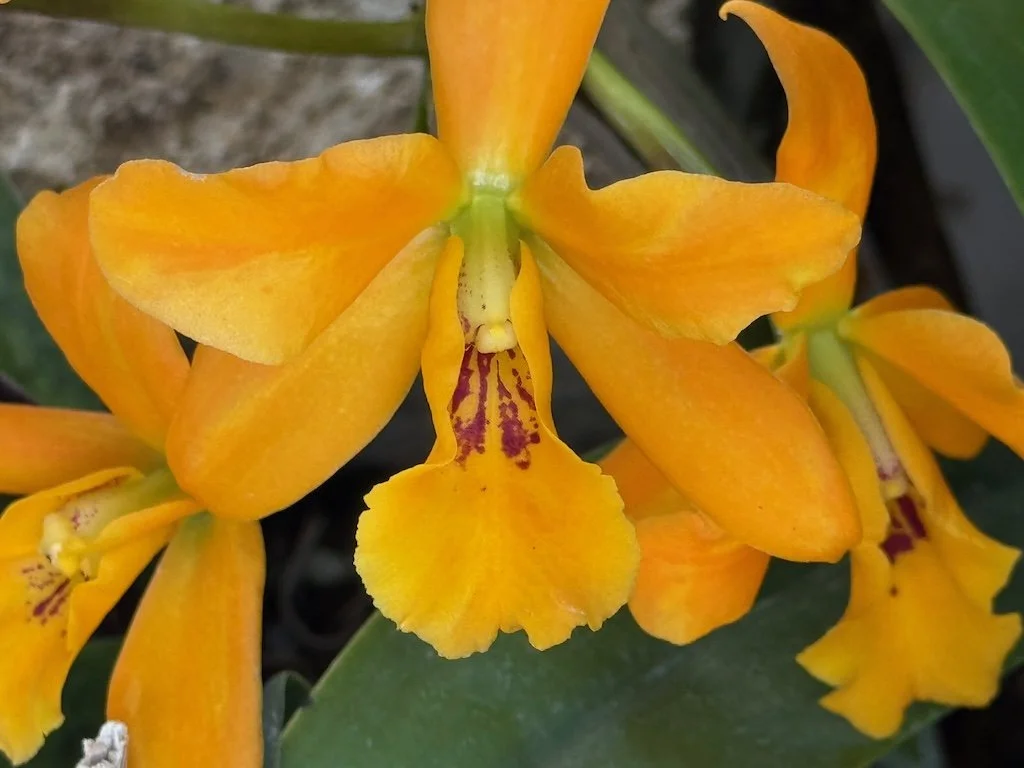
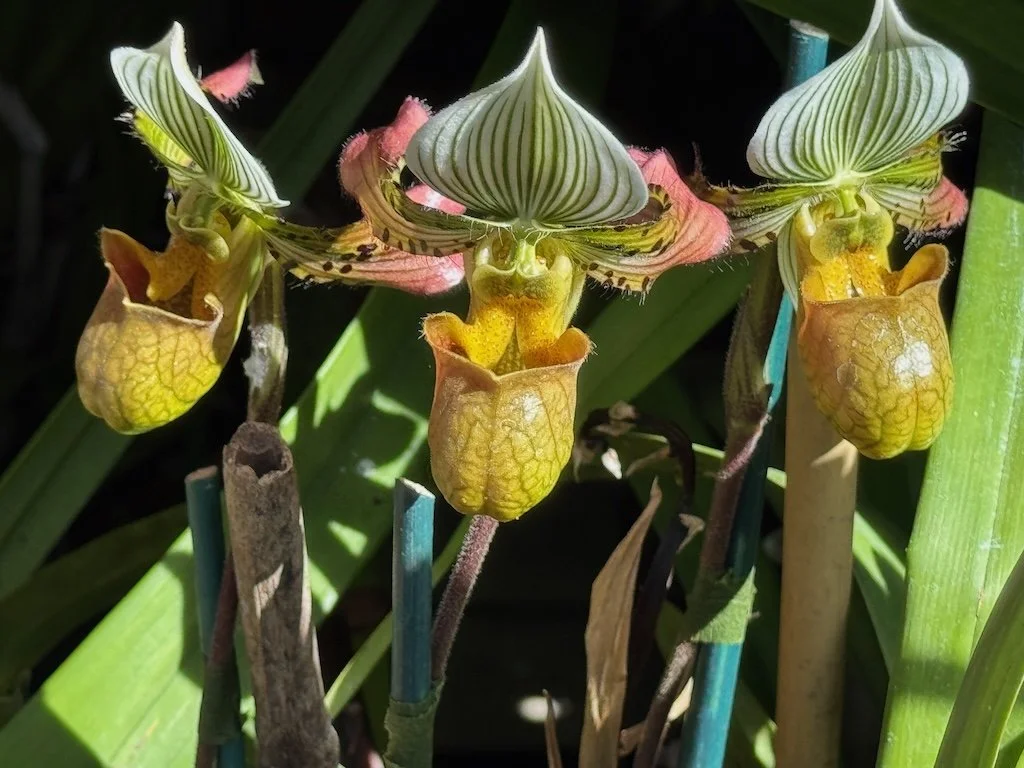
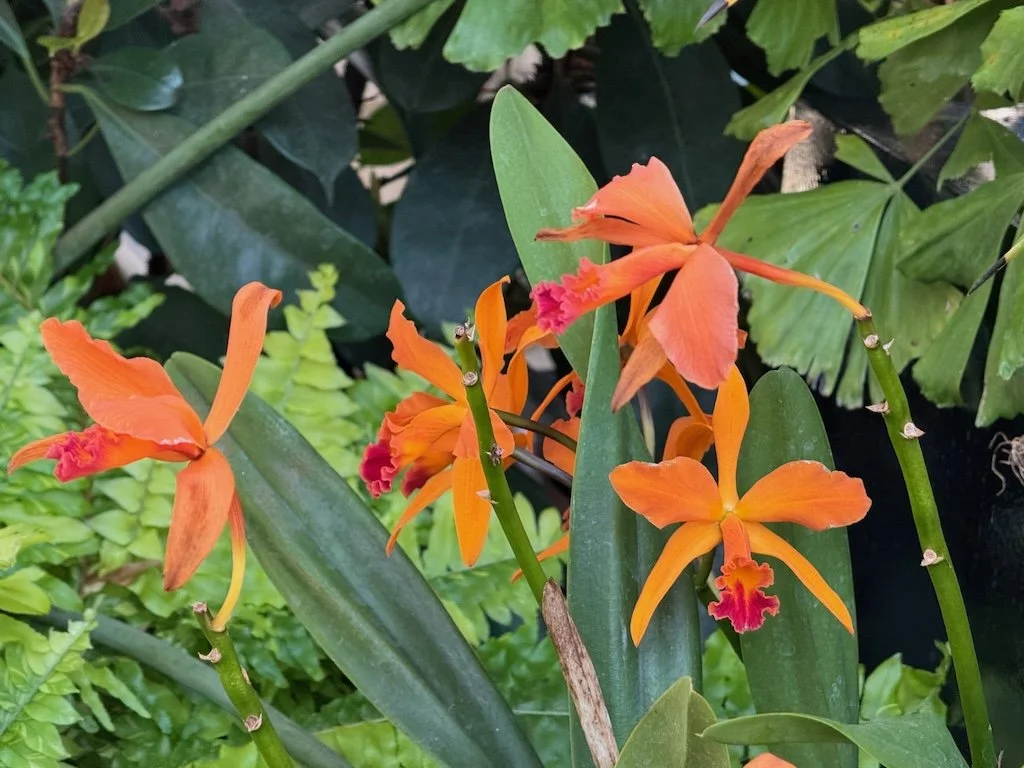
It was a great place to wander around and get close looks at orchids; more of my orchid pictures in the blog post for day after tomorrow.

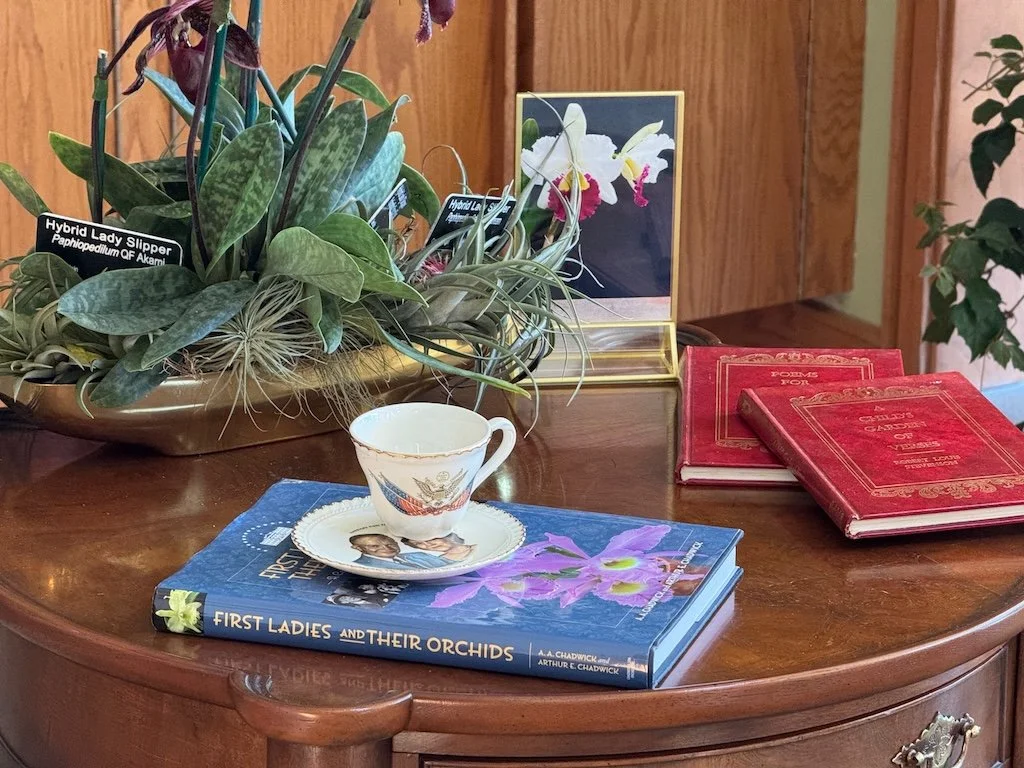
There was a side exhibit about First Ladies and Orchids that I enjoyed.

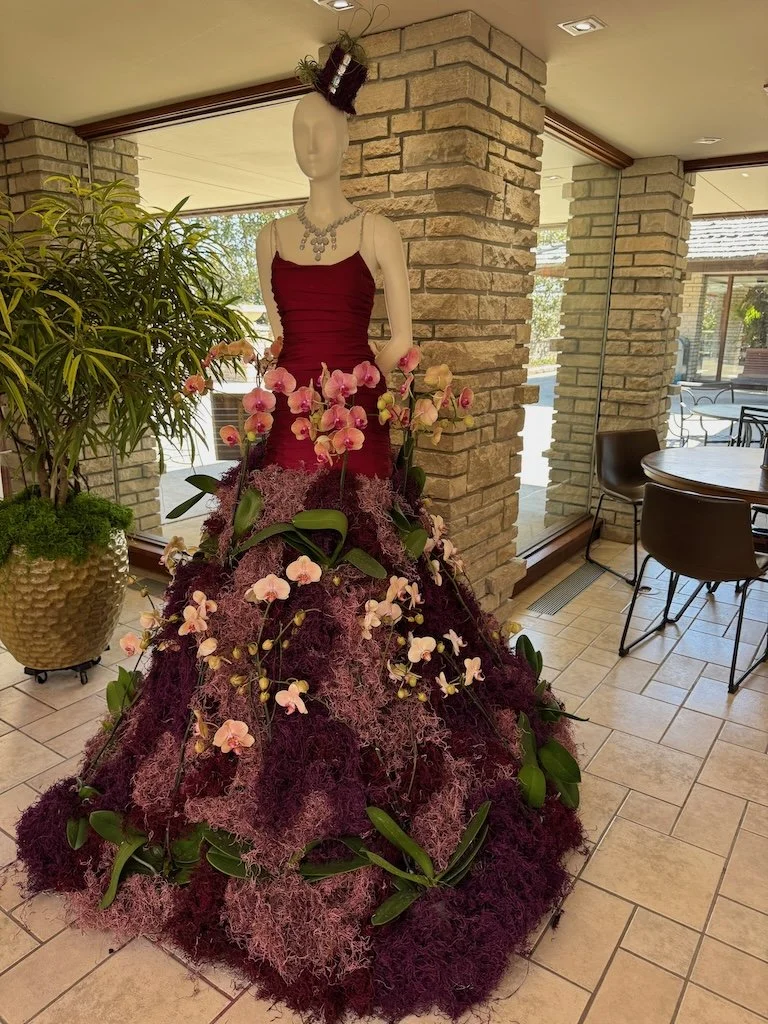
One aspect of the exhibit that was unique was manikins in formal wear among the orchids. My favorite was one where the skirt of the gown was plants!

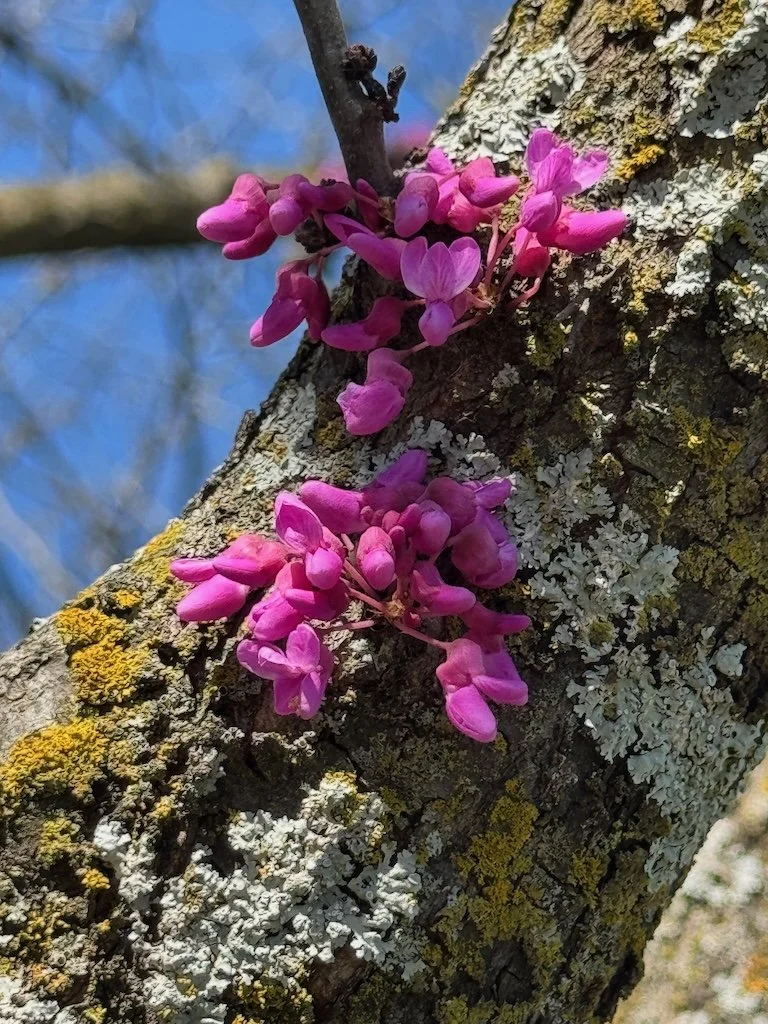
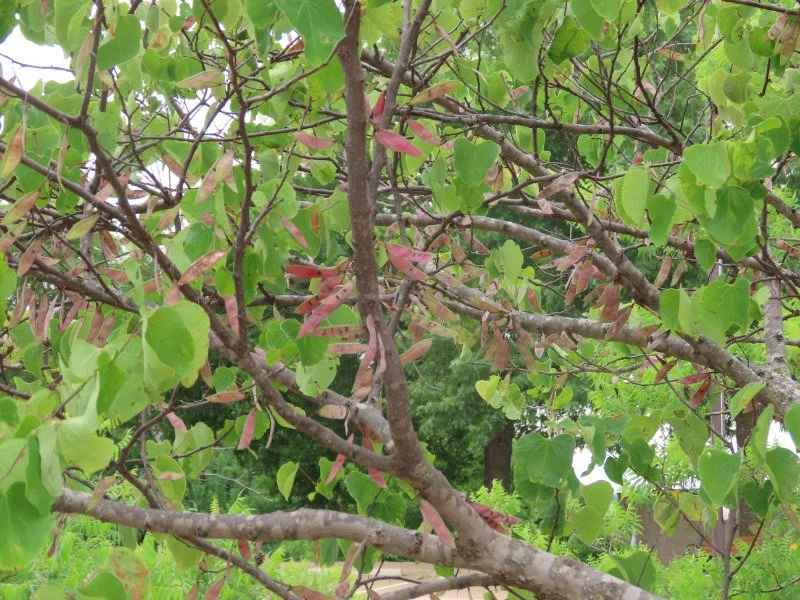
On the way back to the car, I saw a redbud in bloom. The flowers along the larger branches were OK but the ones on the small branches appeared to be damaged (killed?) by recent frosts.

More orchid photos day after tomorrow….

George Washington Carver National Monument

Last week my husband and I made our first visit to George Washington Carver National Monument. It is south of Carthage, MO and a bit over an hour from our house near Springfield….a good choice for a day trip.

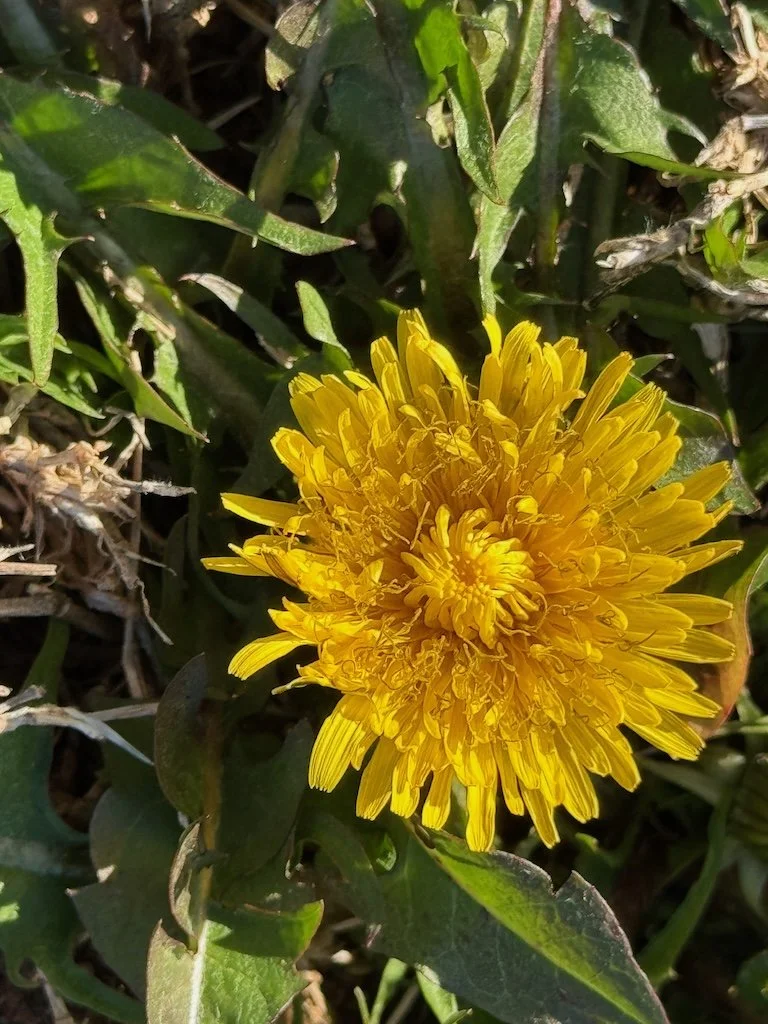
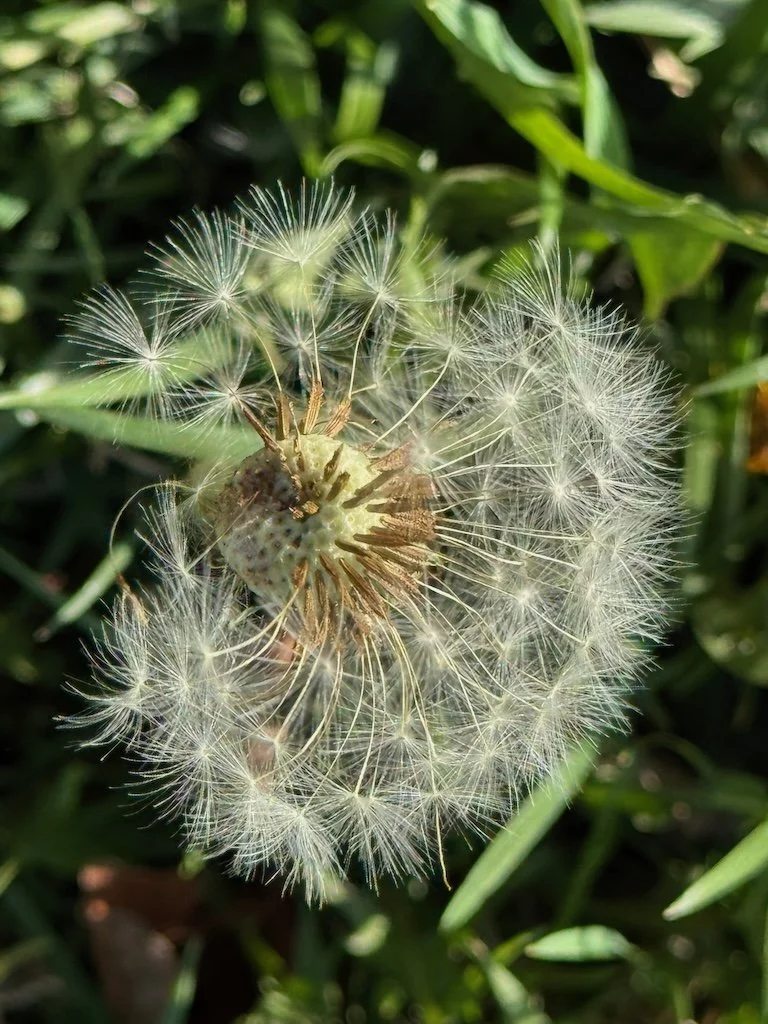
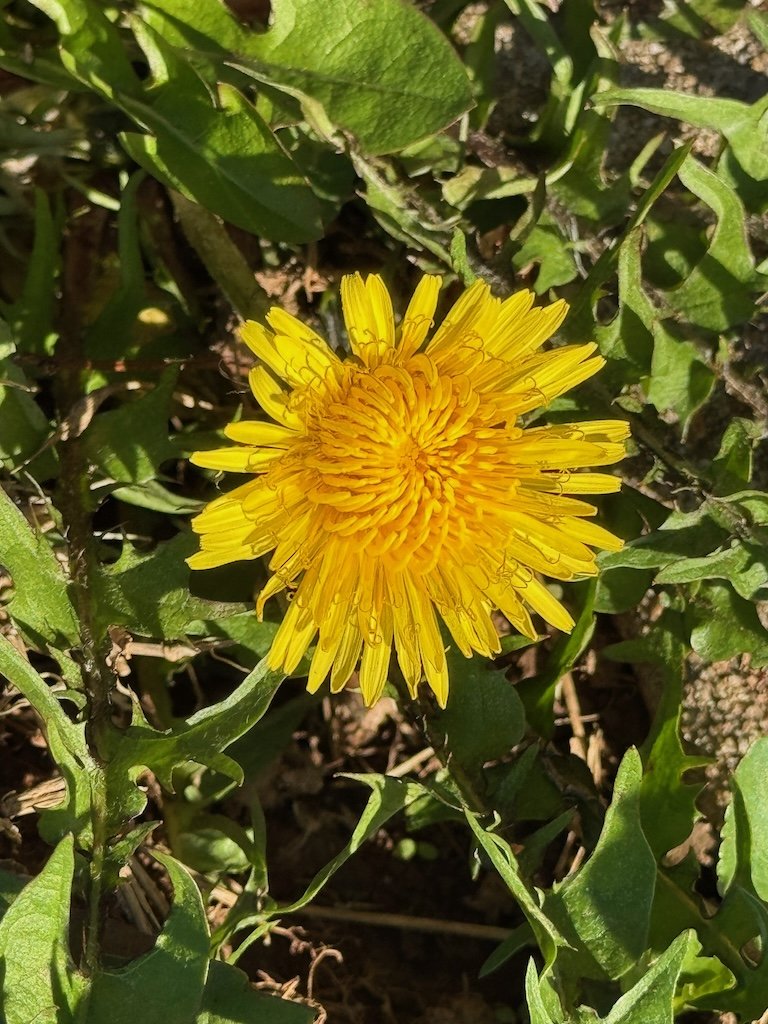
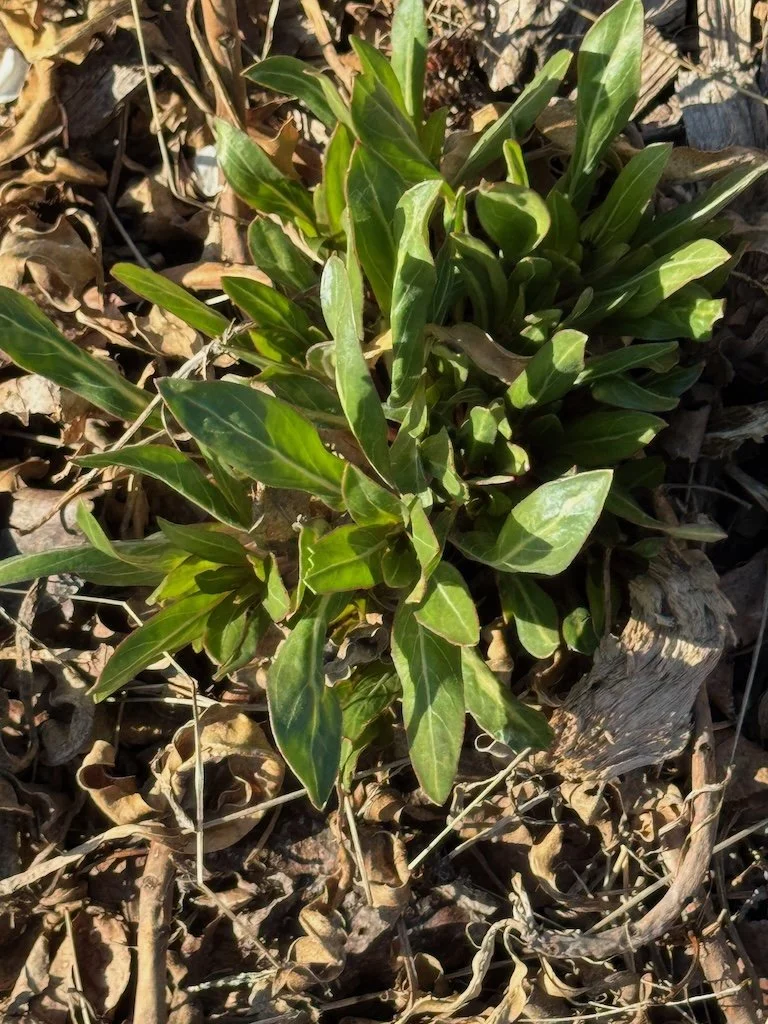
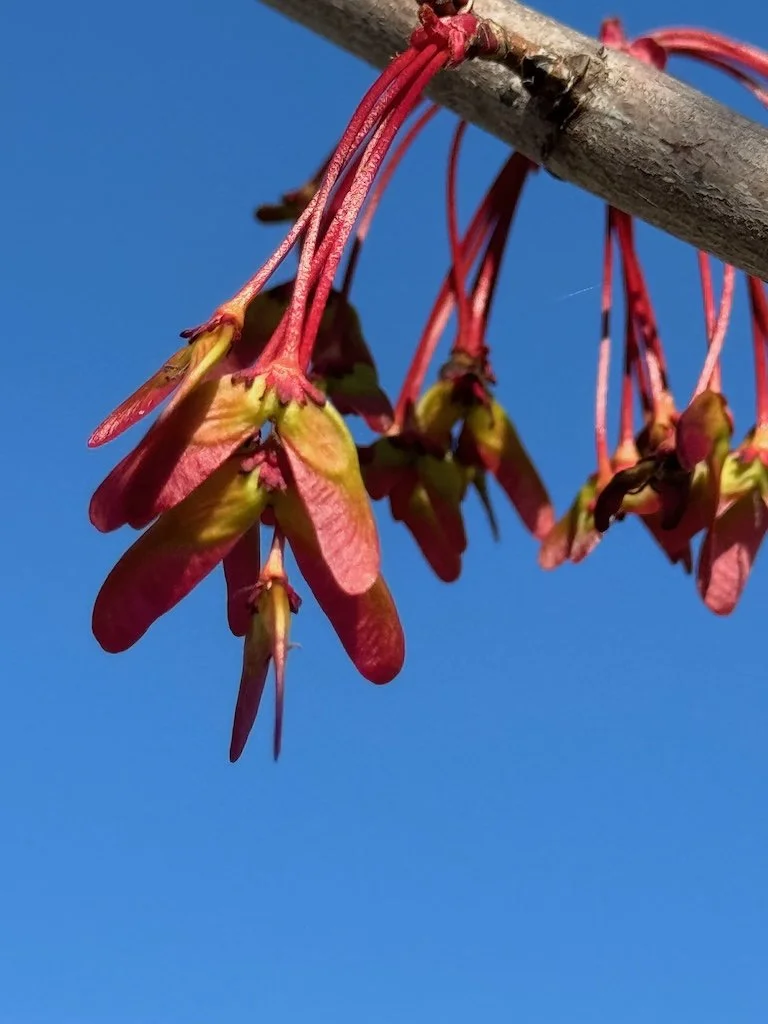
It was a sunny and cool spring day. I took a few pictures of plants in my yard while I was waiting for my husband to be ready to go. The dandelions are blooming and there was one seed puff already! My Missouri Evening Primrose is coming up from last year’s roots and the maple is already forming seeds.

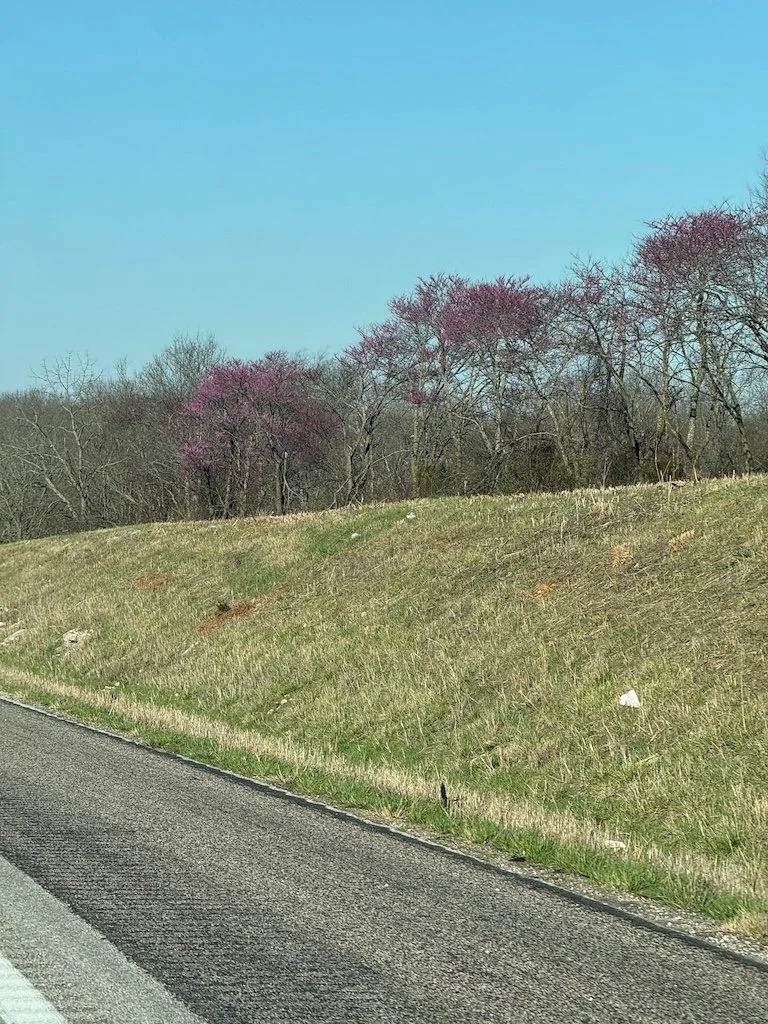
On the way, I noticed that the redbuds along I-44 were beginning to bloom. The flowers were probably not fully open, but there was enough color to identify the trees as we drove. The redbuds at our house were not quite so far along.

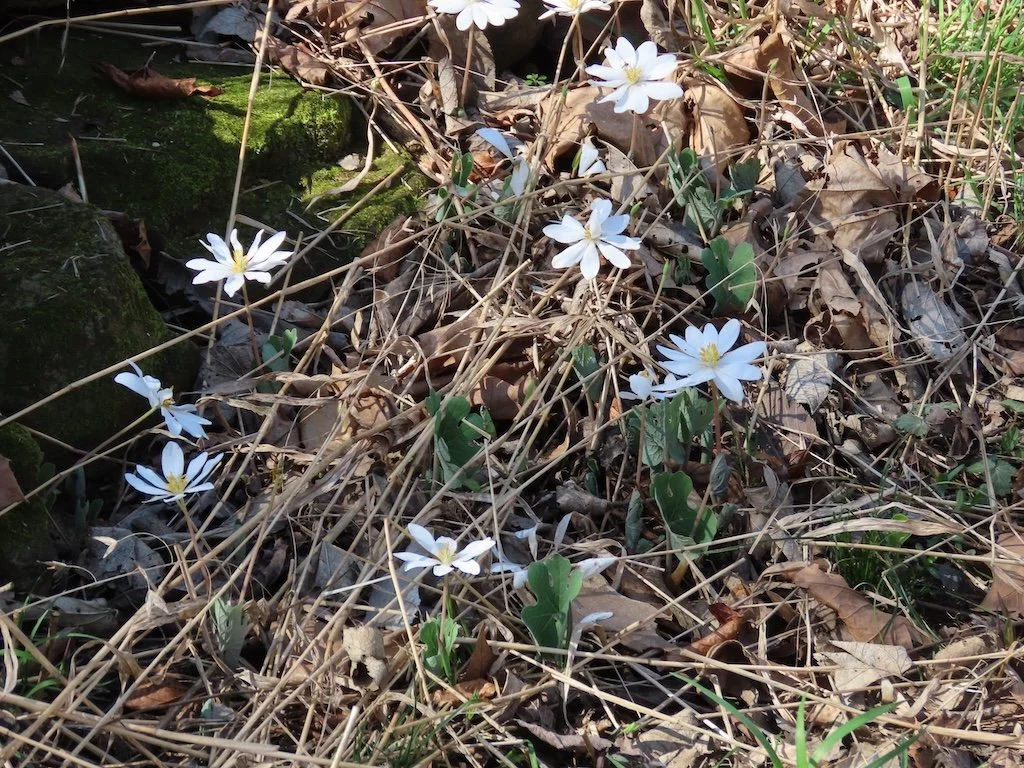
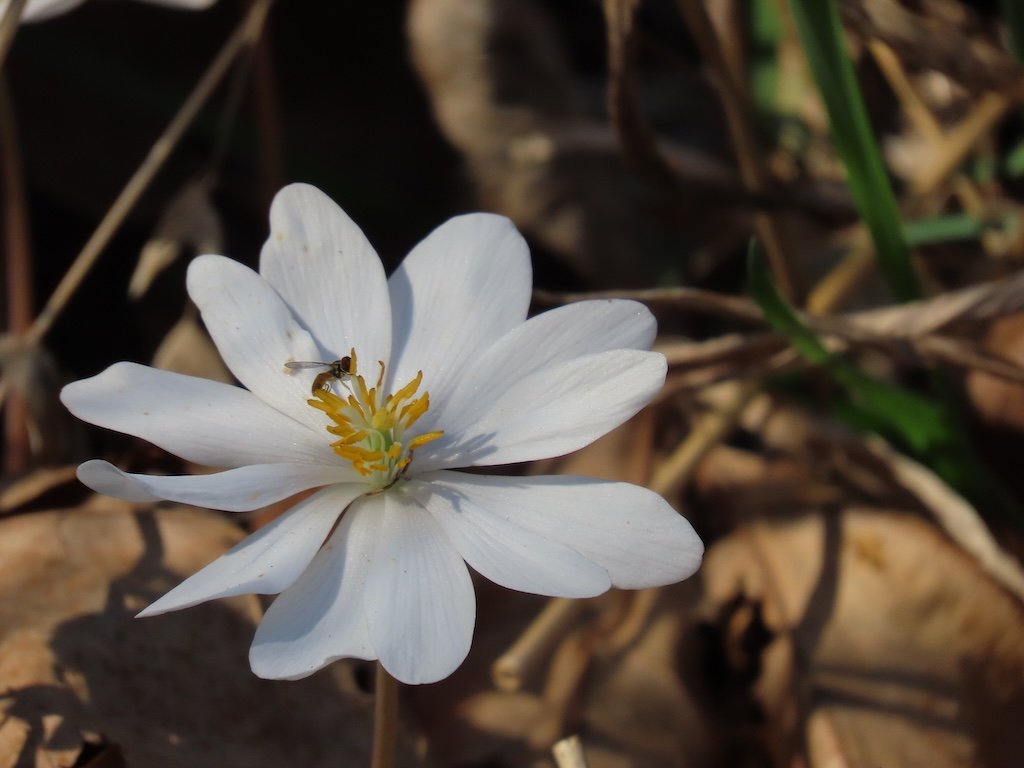
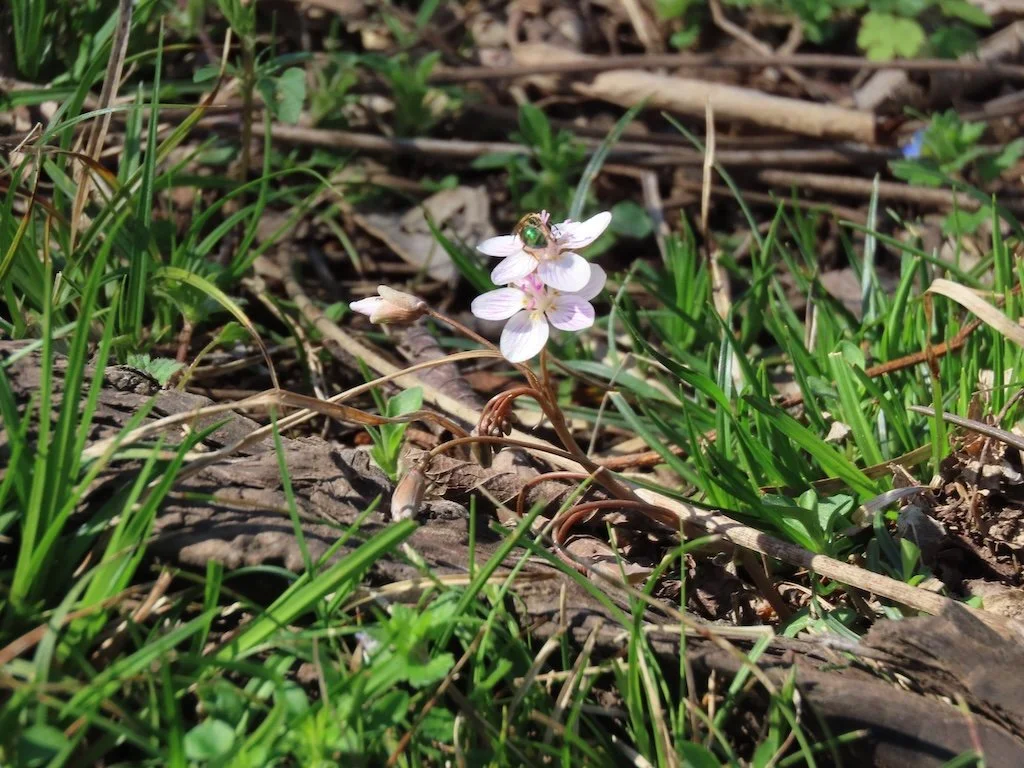
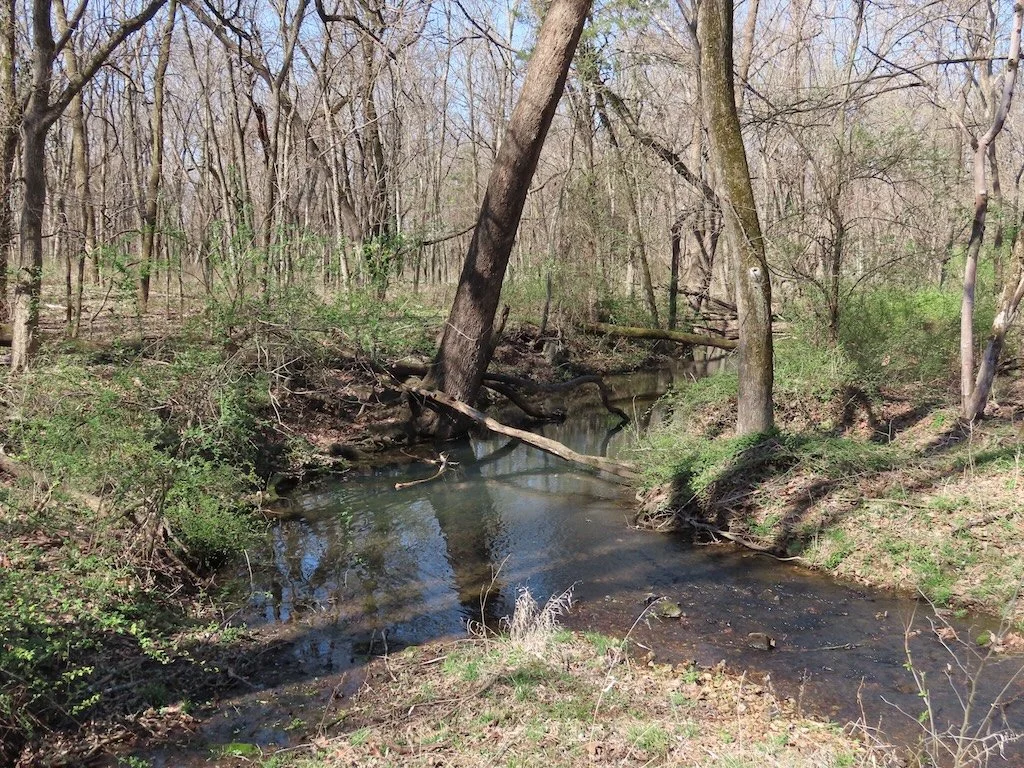
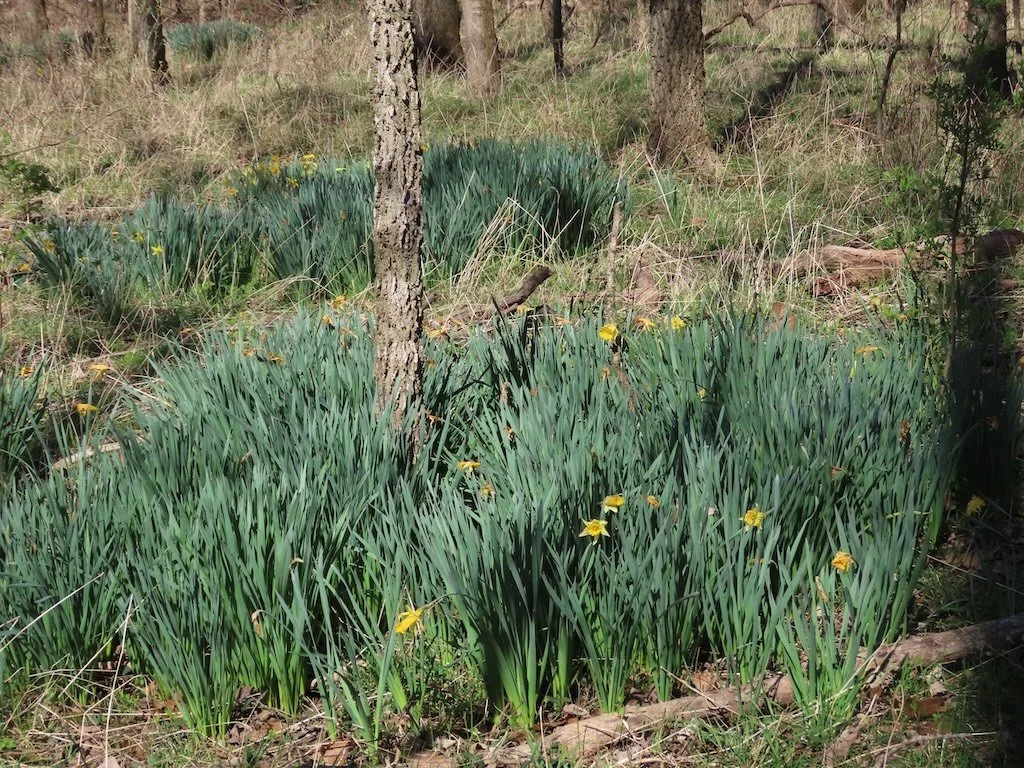
I enjoyed the walk through the woods at the monument. There were some wildflowers – and clumps of daffodils (not wild, obviously) in the woods.  A few insects were out as well so the flowers will be pollinated!

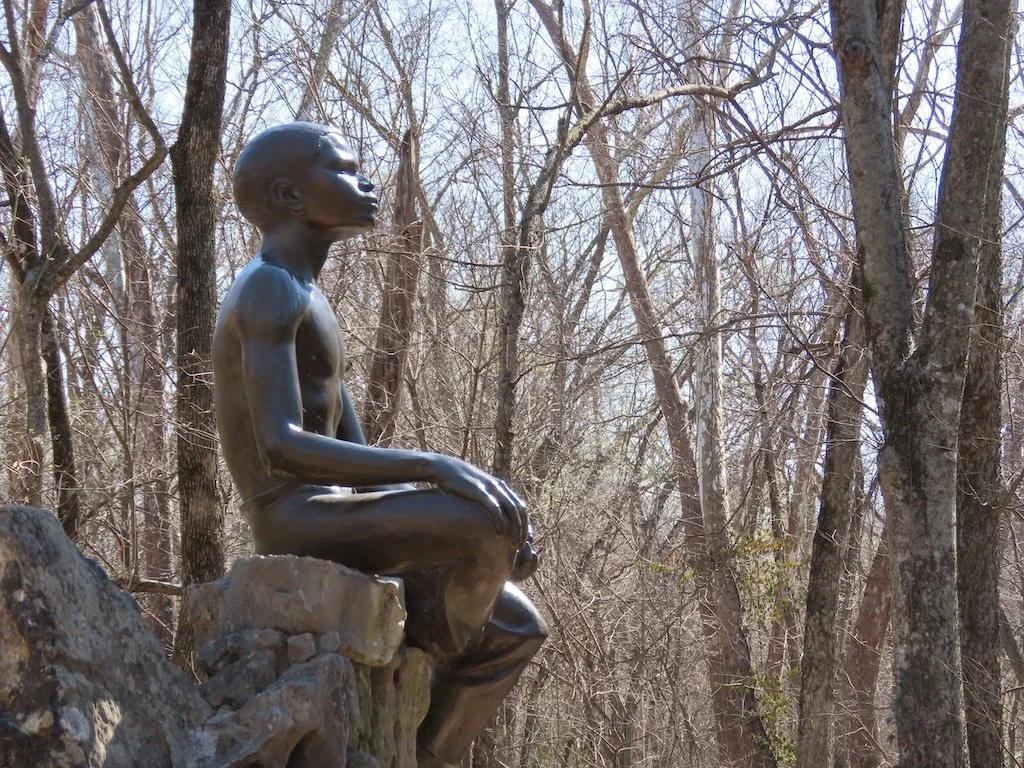
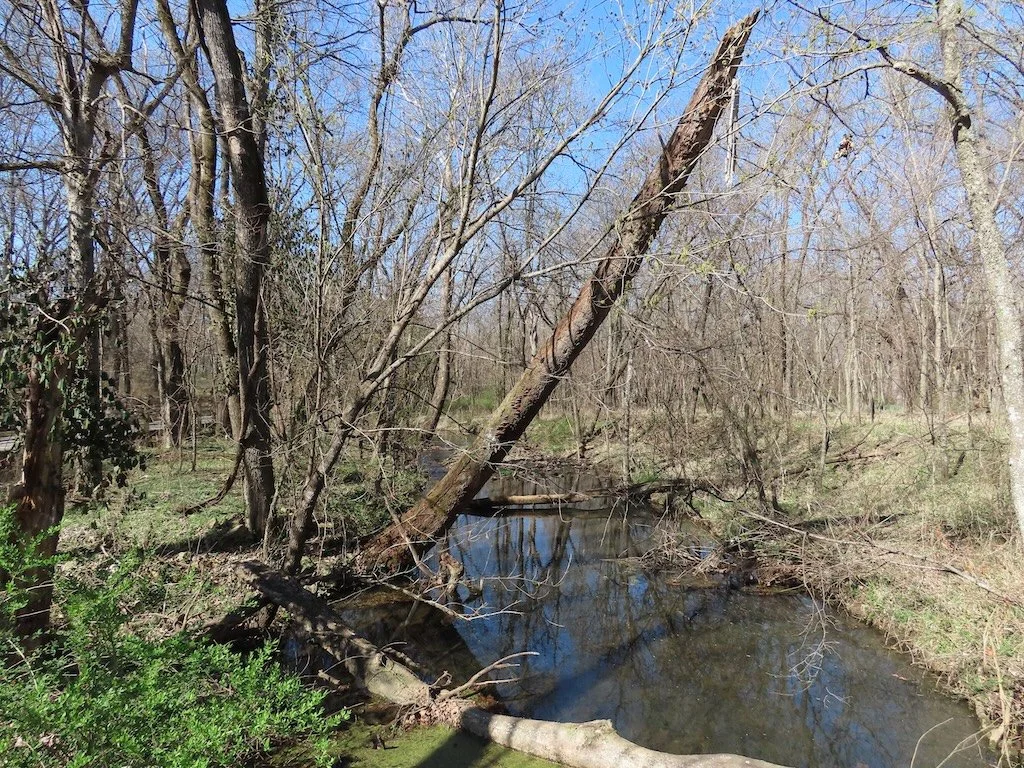
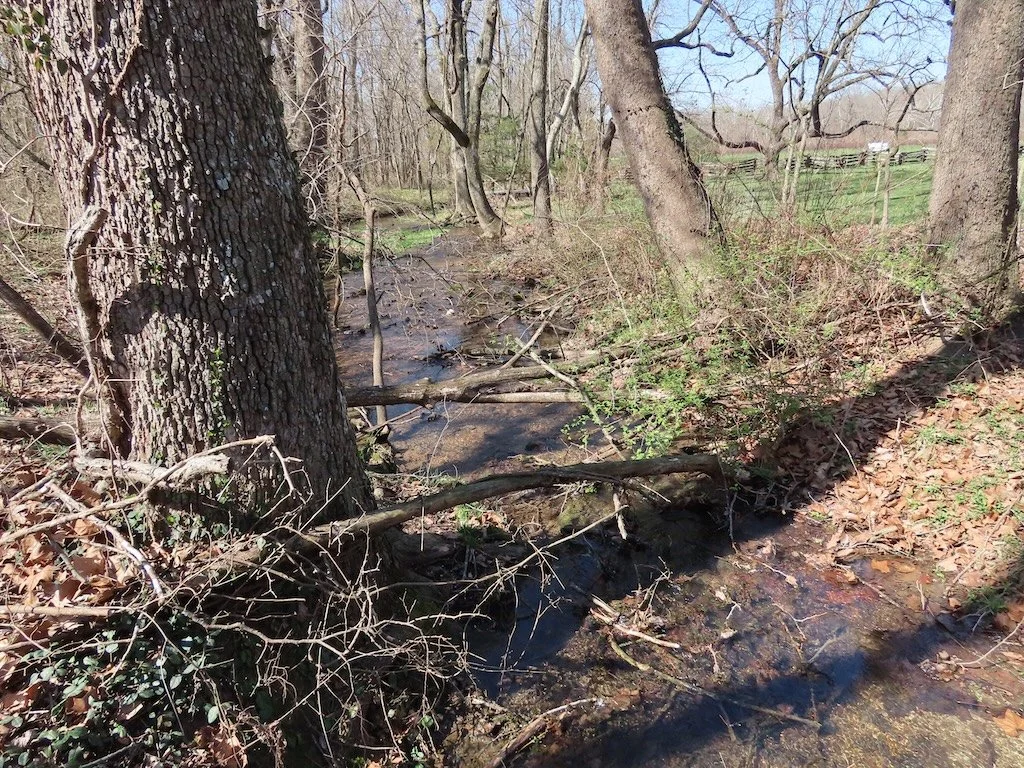
There is a statue of a young George Carver in an area of stream/forest. He was born to a slave family on the farm…almost died when he was young (illness and kidnapping)…managed to survive and was able to become educated…he became head of the Tuskegee Agriculture Department in 1896; he taught there until his death in 1943. He is buried at Tuskegee University.

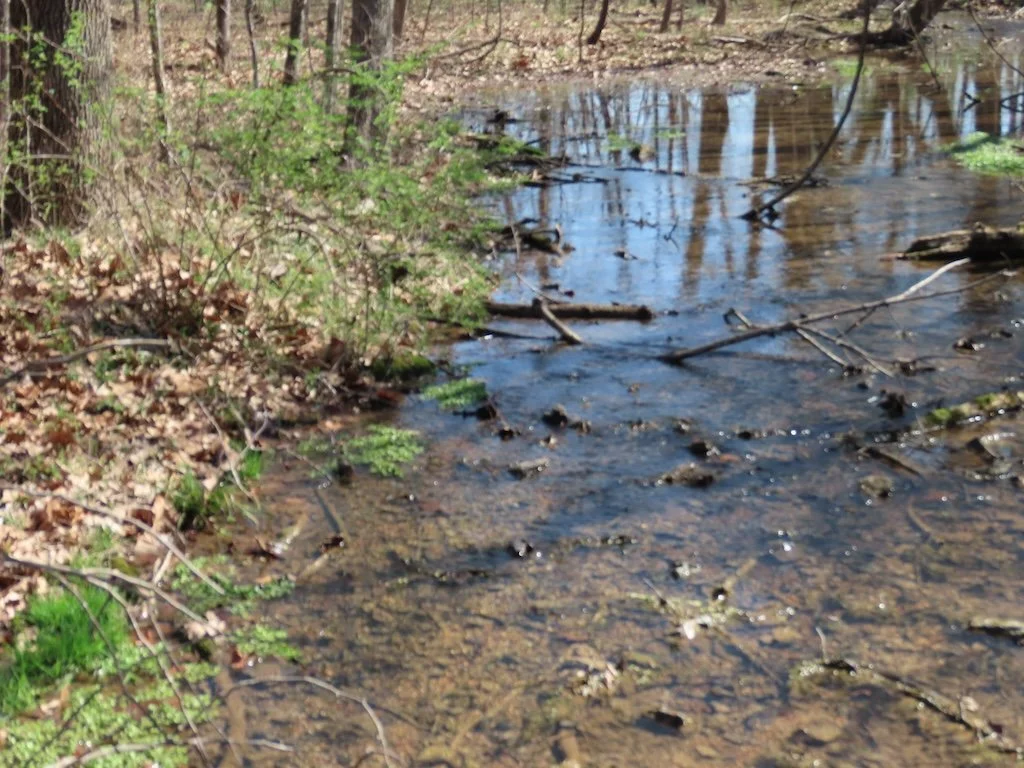
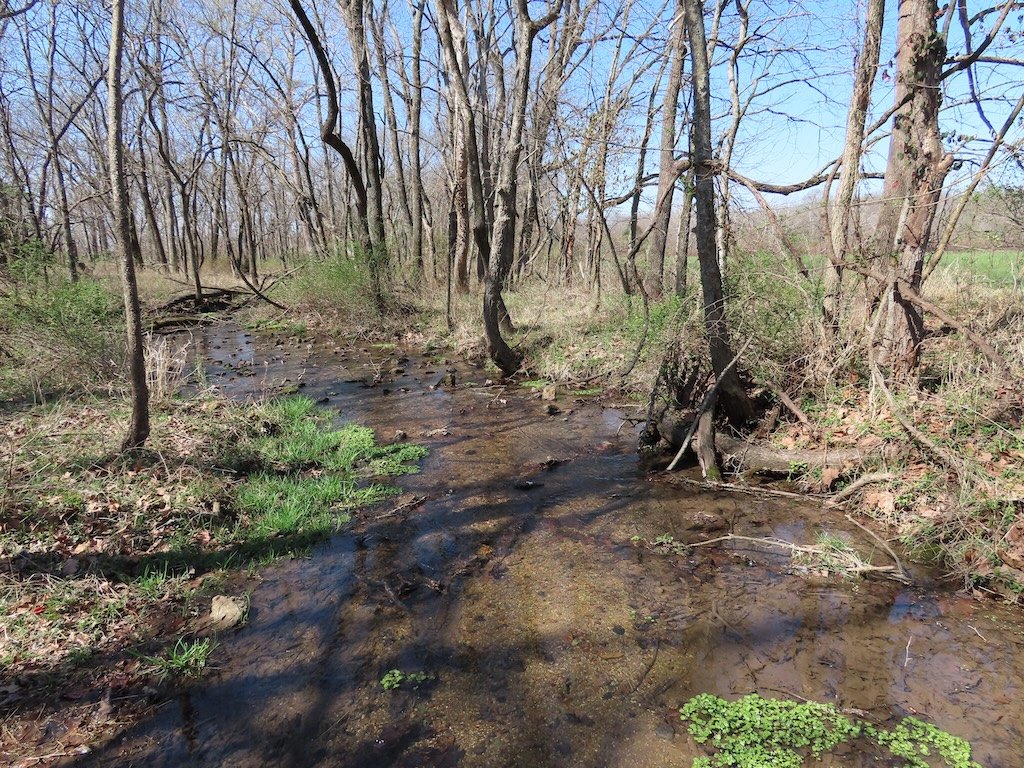
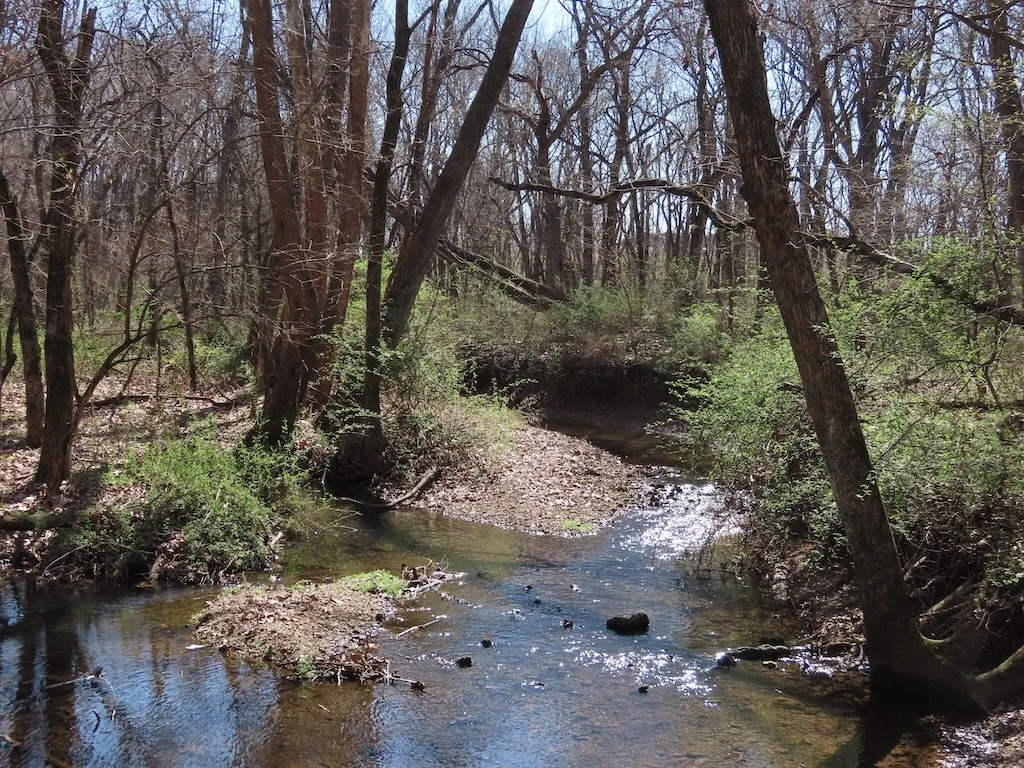
The woods were greening with the wildflowers, but the trees were mostly dormant. Some of them were probably ashes and would not be leafing out again. It is a common occurrence in Missouri right now; the emerald ash borer that killed the ashes in Maryland before we moved to Missouri is now killing the ash trees in Missouri. There is water in many places along the Carver Trail (loop) – Williams Pond/Branch and Carver Branch.

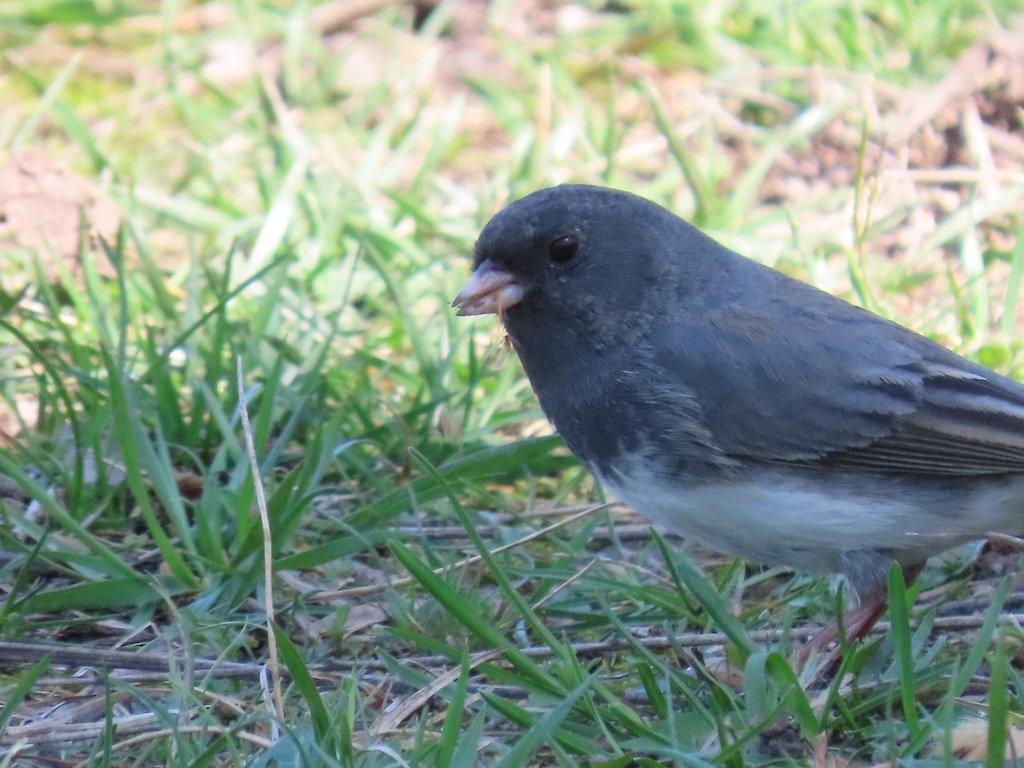
There were lots of birds, but I only managed to photograph a Dark-eyed Junco. We heard several woodpeckers.

We were at the monument on a Saturday, and I was pleased that there were other people that were there – many with children. The place is closer to Joplin so I assume the ‘regulars’ are mostly from Carthage or Joplin. It is a good place to visit in the spring….and maybe even better in the fall. In the summer, it would be very humid.

We opted to drive to Carthage for lunch at Iggy’s Diner. I am trying to find places other than fast food that my husband likes…and the diner seemed to be a hit with him. The quality of food is better than a fast food chain!

Springfield Botanical Garden – June 2025

I had a few minutes before I needed to head into a class at the Springfield Botanical Gardens last week; it had just rained, and the clouds were still thick. There was plenty of time to take a few pictures of plants on the way down to the Butterfly House…looping back to the Botanical Center where my class would be. I notice more when I am in ‘photo mode’ and am glad my iPhone 15 Pro Max does a reasonable job for this type of garden photography! The only challenge was the breeze moving the vegetation around.

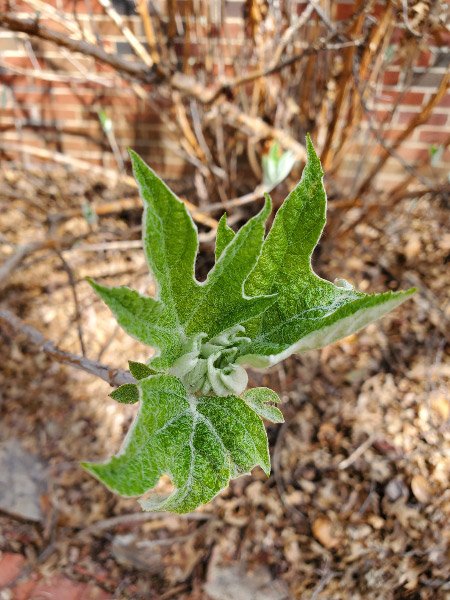
There were water droplets on the new leaves of a redbud,

Clumps of spiderworts,

Seed pods on wild indigo,

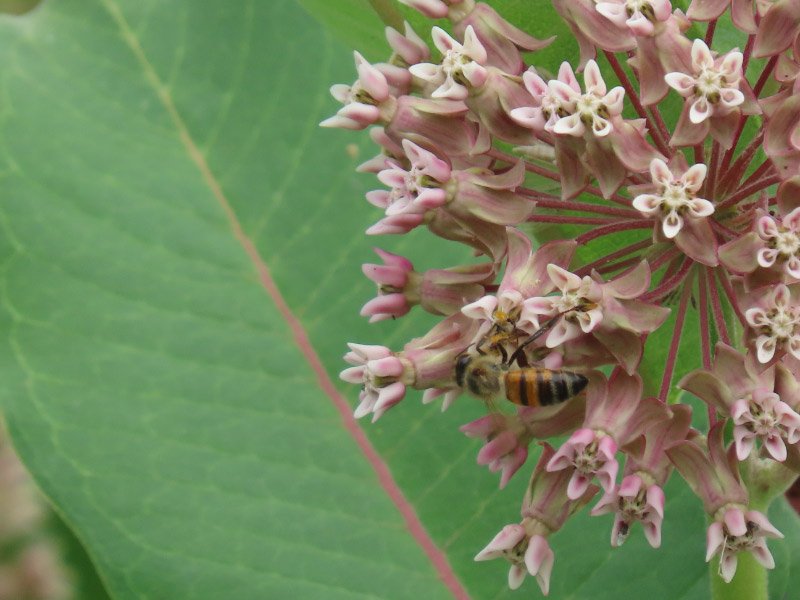
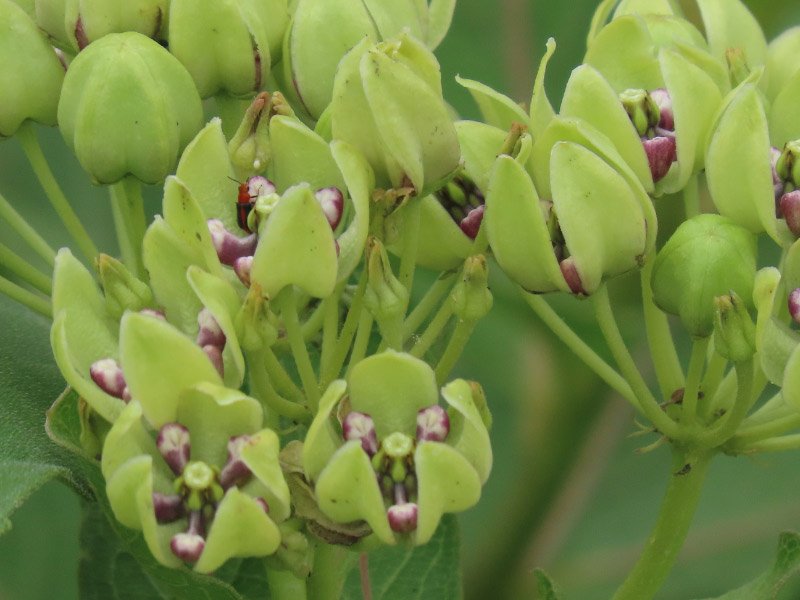
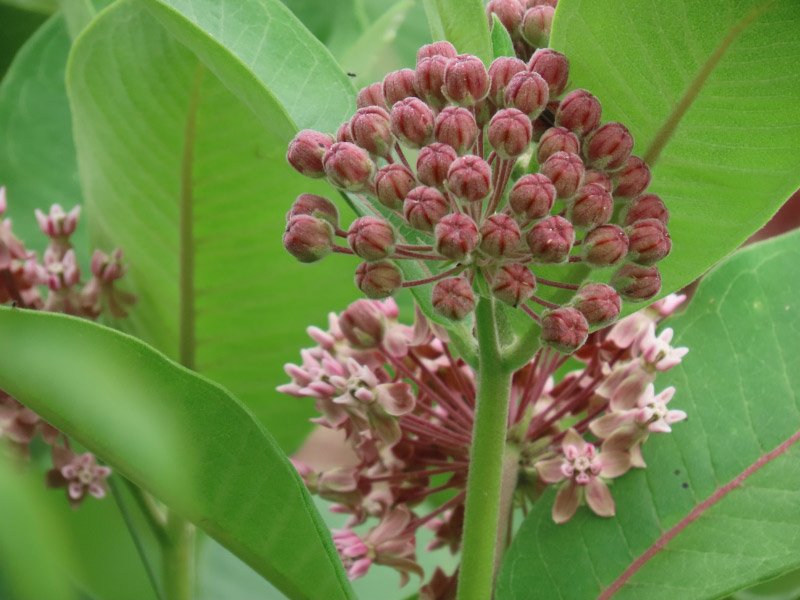
Clusters of milkweed buds, and

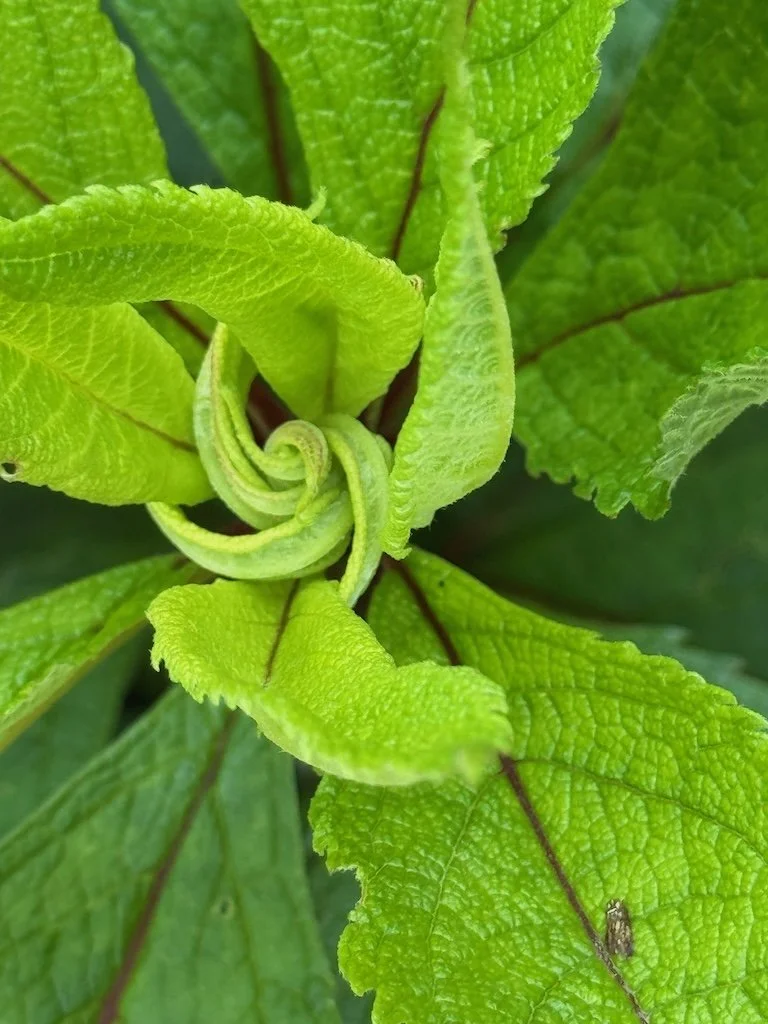
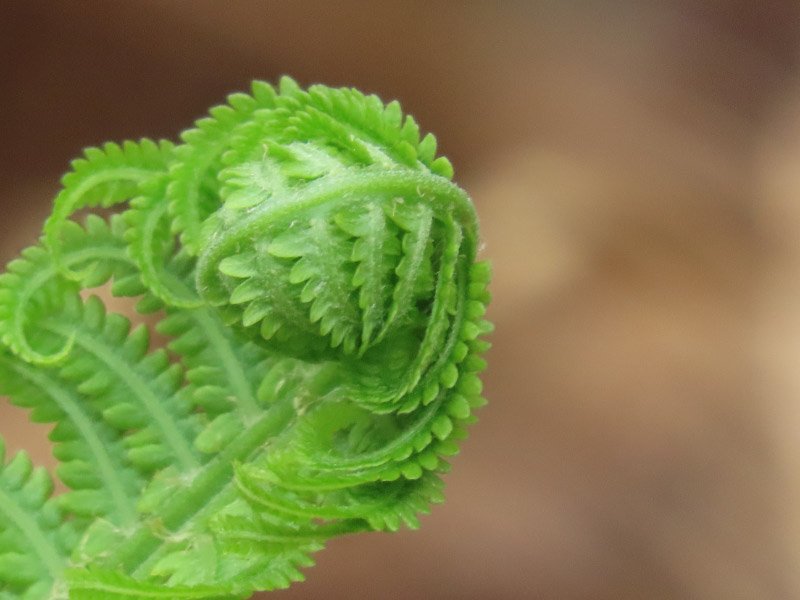
Spirals of unfurling leaves.

There is always something new to notice in the garden!

New Plants (in my yard)

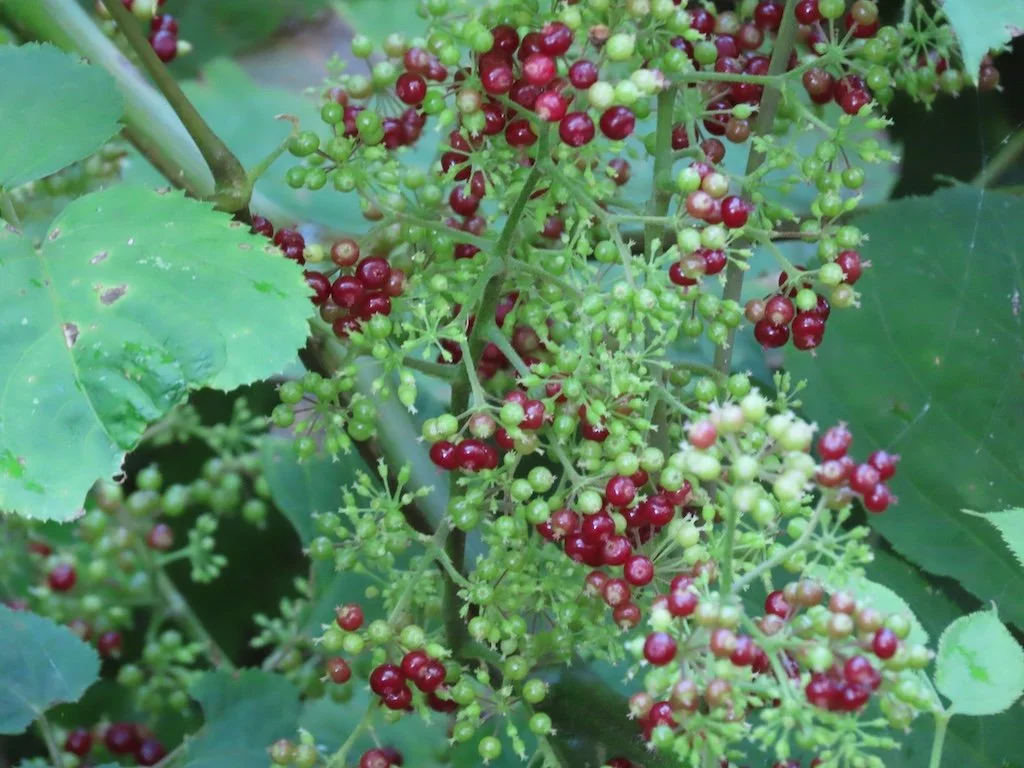
I added 4 new native plants to my yard recently: a red buckeye, another American Spikenard (the first is almost 2 years old and is doing so well that I wanted a second plant for another shady place), and two (eastern red) columbines.

The red buckeye was in the largest pot and I planted it first – on the east side of my house with violets growing almost all around it. I put some wood ships from mt daughter’s tree trimmers around the base. Right now the American Spikenard that is nearby is taller than the buckeye but that won’t be for too long. I hope it gets a good start this year and will – in years to come – attract hummingbirds when it blooms and shade the violets and spikenard through the hottest part of the summers.

I took a break from planting and trimmed the small branches that were at too narrow angles from the main trunk on the two young redbuds that came up in my yard…and that I am letting  grow.

I had the two columbines and the American spikenard still to go.

The spikenard’s new home is on one end of the hosta garden. The area is between hollies and a eastern white pine….shady all the time. I propagated the hostas from dense beds that were planted before we bought the house and now there will be an American Spikenard there too. It will be towering over the hostas by next year!

I planted the two columbines in an area I had planted some milkweed last fall…but it didn’t come up. So now there are two columbine plants there…with mulch around them. The area is sunny for most of the afternoon.

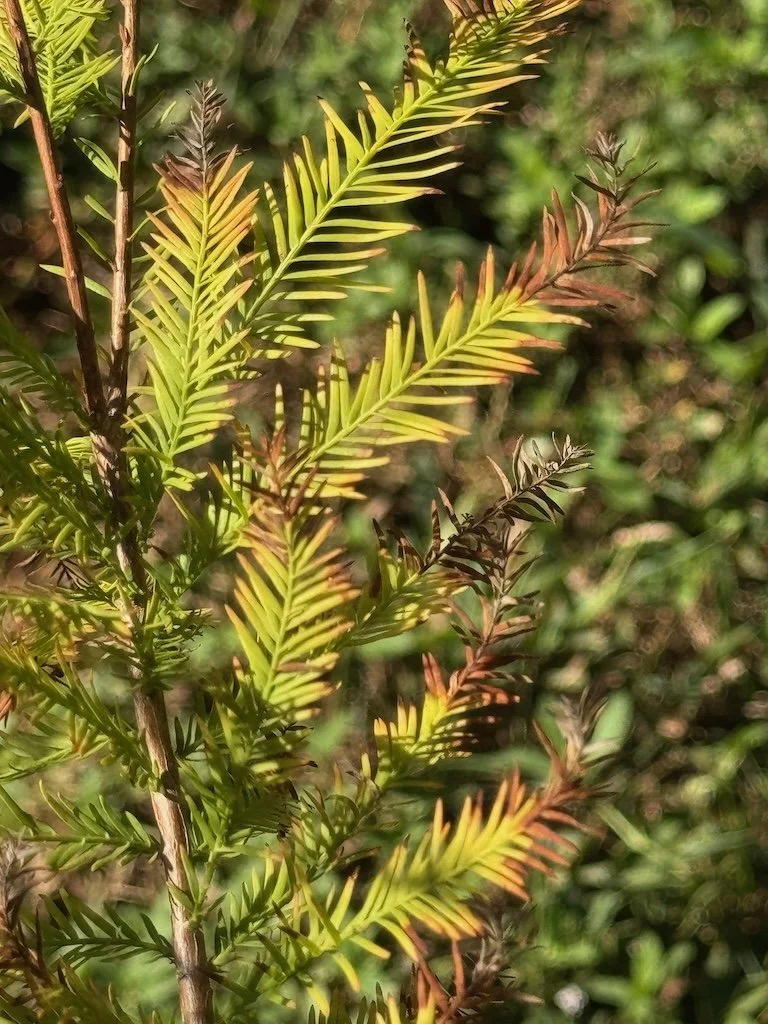
There is a shortleaf pine nearby and I noticed some spring developments on that tree as I gather up my tools and the emptied bin from the wood chip mulch.

The yard is changing – little by little – into the yard I want…less grass and more variety of plants and animals!

Professional Tree Trimming

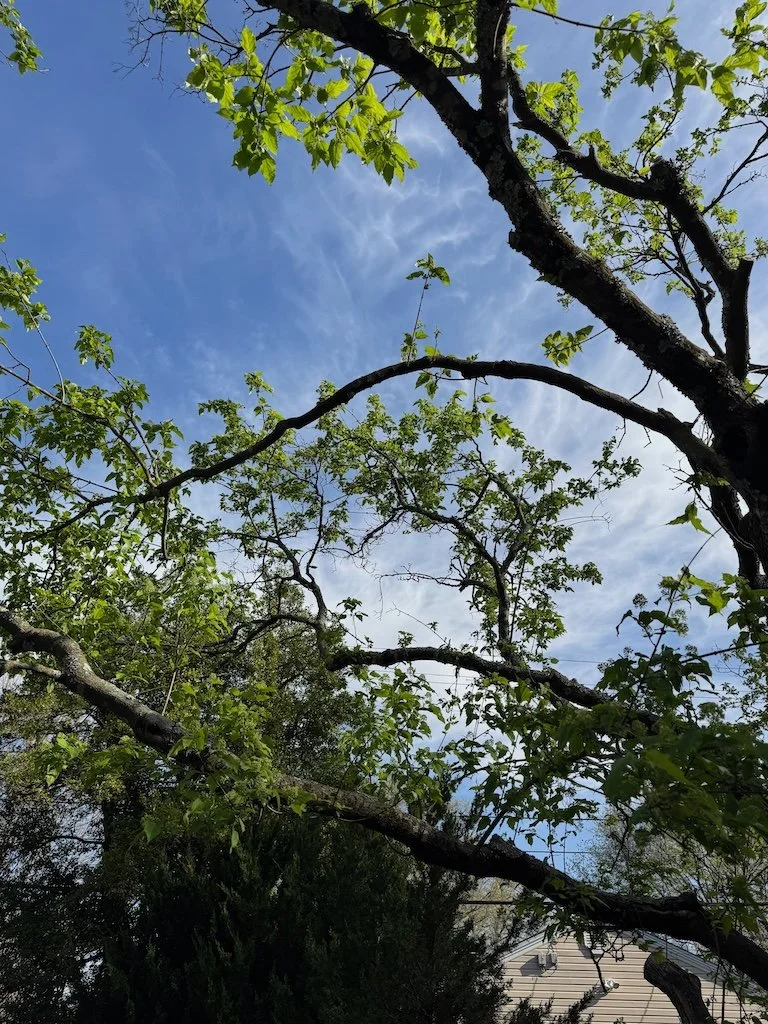
My daughter has been talking about getting a professional assessment of the trees in her yard (some probably over 70 years old) since she bought the house about 5 years ago; the idea became urgent when she noticed some limbs of a redbud leaning on her roof near the electric lines. I was there when she walked around with the arborist to assess what needed to be done. Fortunately, the redbud was the most significant!

The southern magnolia only needed a few low branches near another part of the roof taked off; over the street the branches were high enough that they weren’t problematic for traffic on the side street.

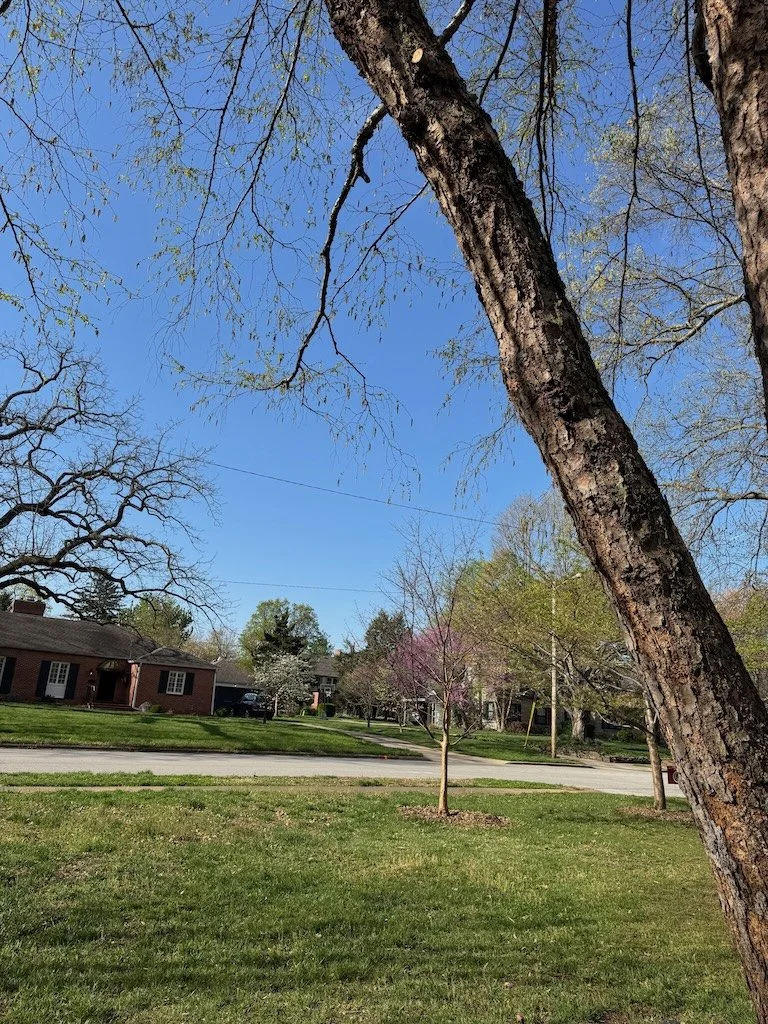
The two Amur maples had some dead branches. The one near the garden room and over the driveway had been accidently poisoned last year by a vender treating weeds growing between bricks; fortunately, most of it has recovered this year. The first two pictures are from before…the last one from after.

The Amur maple in the back corner was a little too close to power lines so it was proactively trimmed to avoid becoming entangled.

The crabapple had some low branches but was evidently otherwise in good shape. It is a smaller and better shaped tree now.

The river birch had some branches that were hanging so low they were in the way. Now it is trimmed up. It self-prunes small branches frequently…something that the species does naturally.
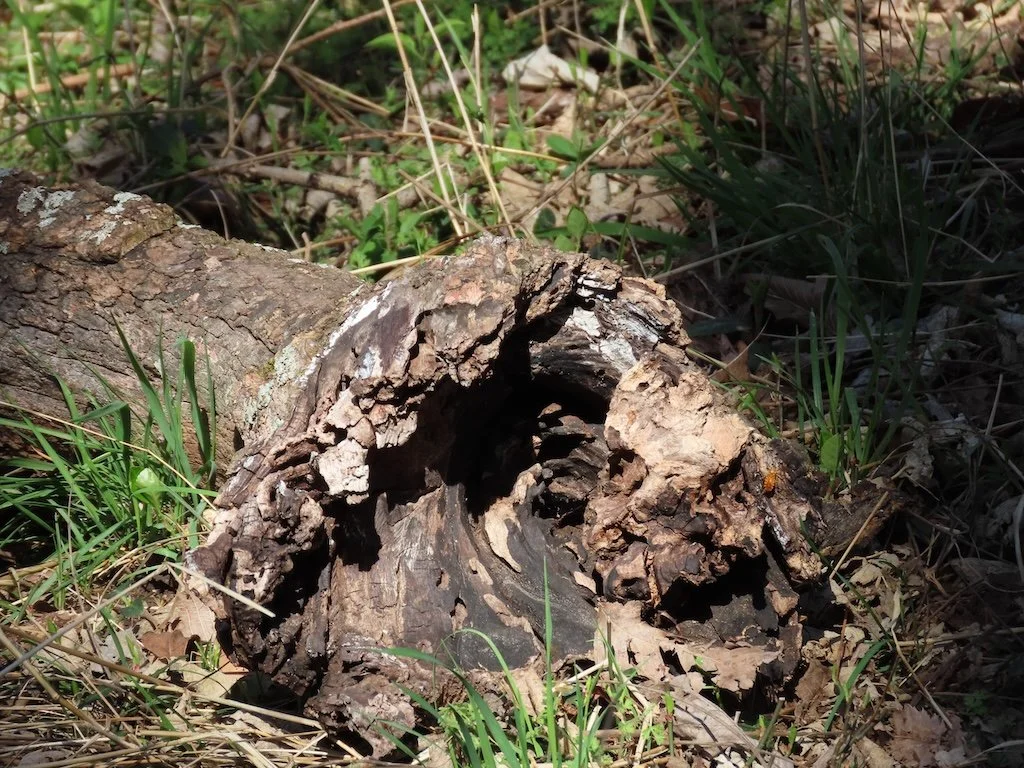
The big job was the redbud. It was blooming but had some dead branches…and there was a split in the main trunk. The assessment was that it could not be saved. It came down in pieces.

They cut 10 large tree cookies from one of the large branches!

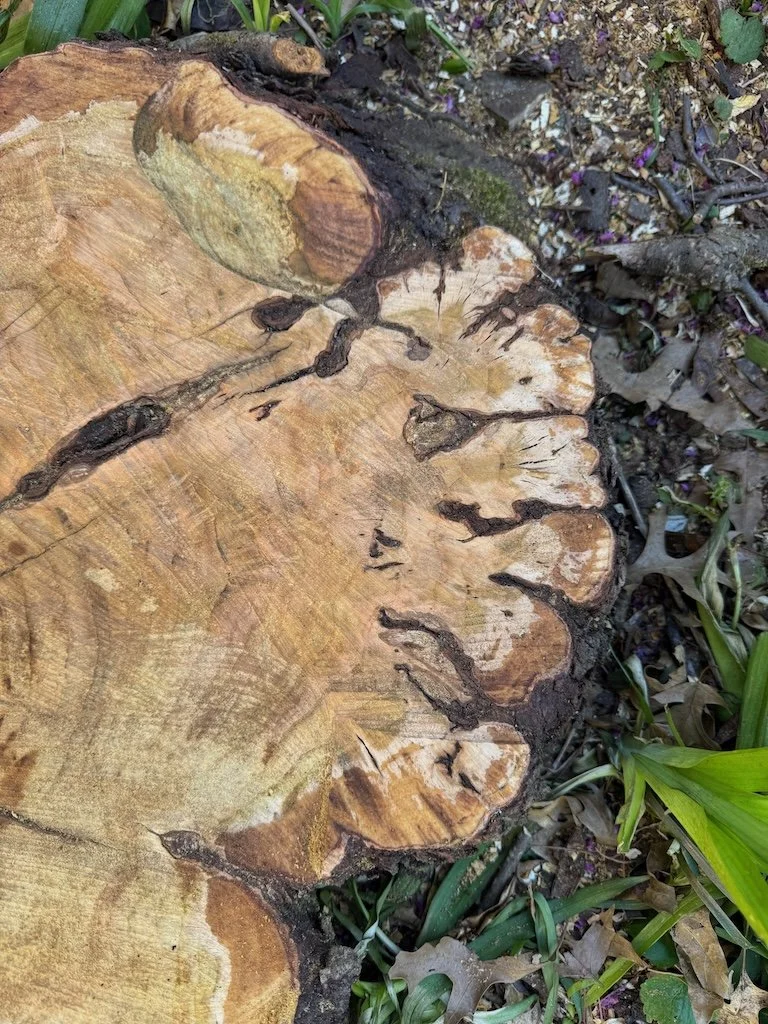
I photographed the stump first shortly after it was cut. Since the center had rotted…we were not going to be able to determine the age of the tree.

I swept it off to try to count the rings that were still intact, and it was still not an easy task. The outer part of the stump is convoluted. I wondered if this is normal for older redbud trunks.

My daughter and I are going to plant some spice bush around the redbud stump. It won’t get tall enough to interfere with the electrical lines….but fill in the blank space at ground level left by the older tree.

The tree trimmers left us wood chips….more about what I am doing with them in a post next week!

Springfield Botanical Gardens – March 2025

There were signs of spring at the Springfield Botanical Gardens last week when I made a short visit.

The daffodils were beginning to wane.

The grape hyacinths filled some niches in beds otherwise still bracing for winter.

The maple trees had new samaras – still colorful. There must be several different kinds of maples based on the different structure and color of the samara clumps.

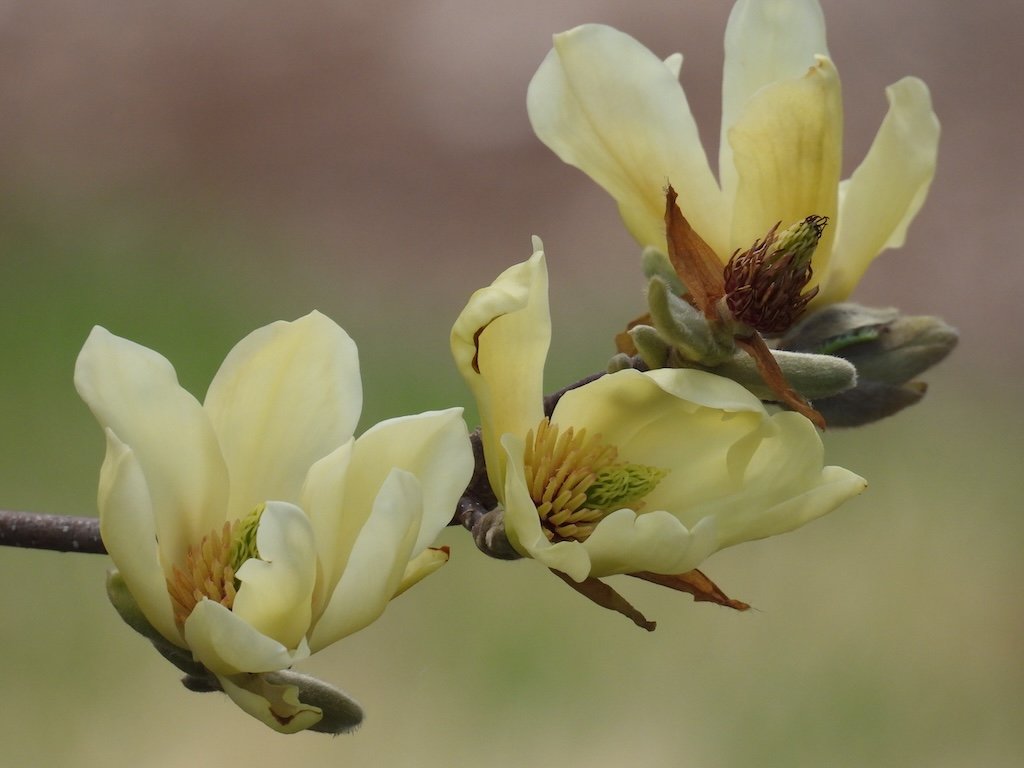
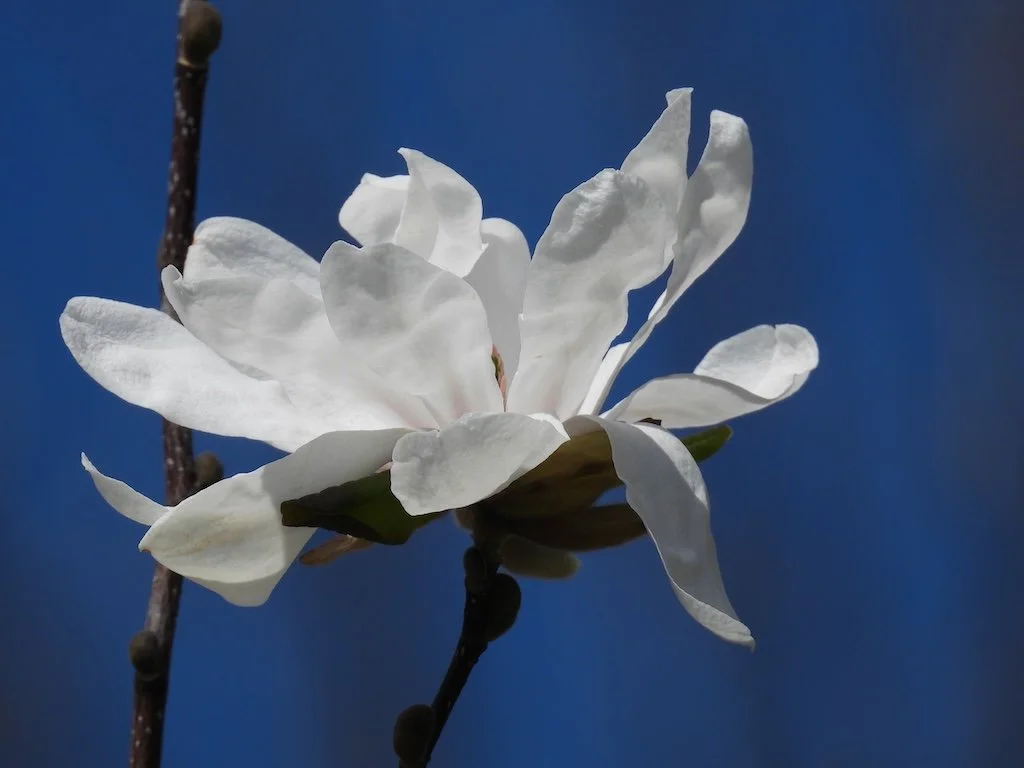
The most dramatic were probably the deciduous magnolias. I always like photographing them. The most of trees that I found were very young.

I found some tulips as I headed back to my car. It was a little disappointing to not see more of them. They did not appear to be as densely planted as in previous years – or maybe a lot of them just didn’t produce for some reason.

The redbuds were blooming….making a haze of color in the gardens! This is a great time of year to visit botanical gardens frequently to see the transition from winter to spring to summer.

Native Plants Added to Our Yard

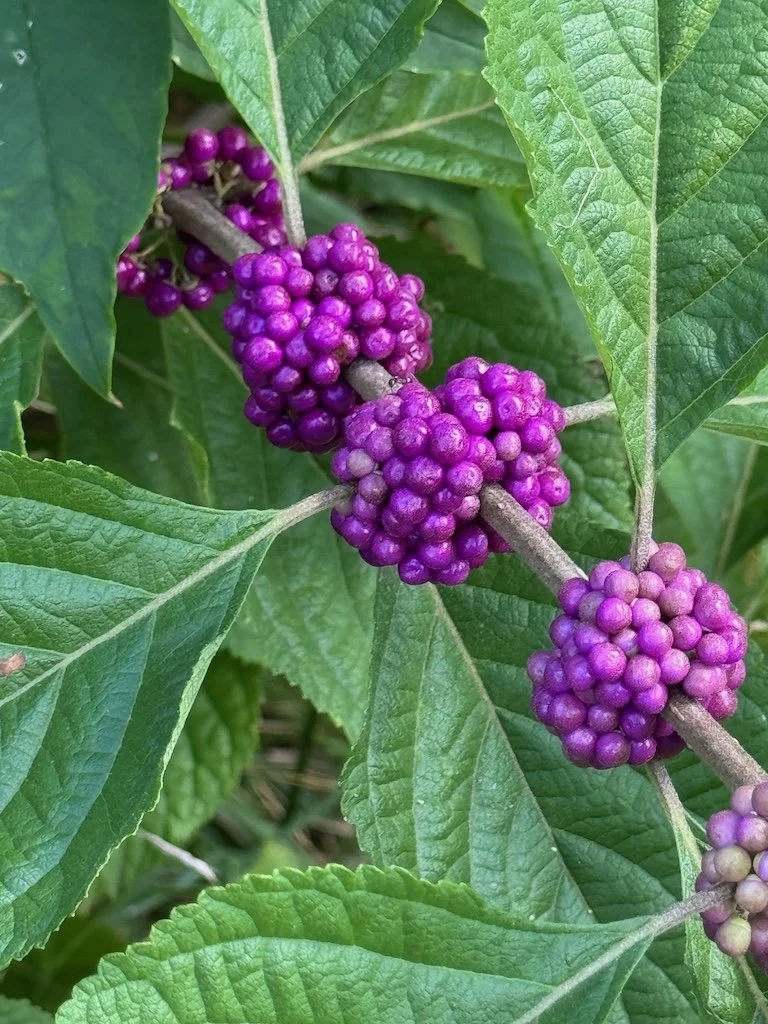
This is our third summer in our house. Last summer, I added some native plants to the yard and am pleased with how well they have done. The only one I have lost is a beautyberry that was planted last fall and didn’t survive the winter.

The fragrant sumac has new stems coming up and male flowers on the tips of the older branches. I like that the leaves start out with a lot of red and then turn a darker green. I intentionally planted it near the edge of the flowerbed and hope that it will eventually be stems that come up on the grassy side of the edging. There are some other plants around it that are already spilling over, and it would be good to gradually enlarge the bed area, reduce the grass.

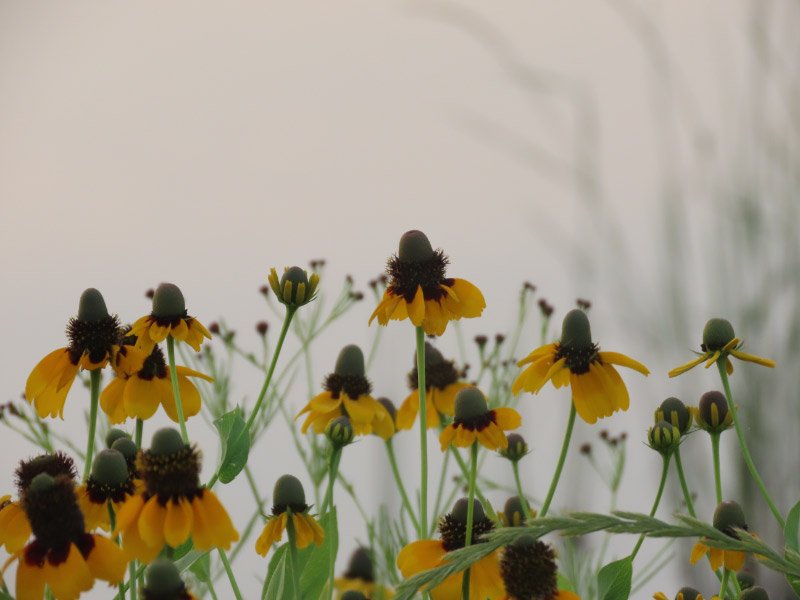
The most successful plants in the wildflower area are black eyed susans and cone flowers. There are others…but they are not as robust. I will take some of the seeds from these two to plant elsewhere in the yard.

The grayhead coneflower bloomed in the garden I made where the stump of the old pine tree was cut down last year. It got top heavy and fell over and is now about done with its blooming. Next year I will stake it to help it stay upright.

The same happened with the hairy mountain mint. I think this one will bloom soon.

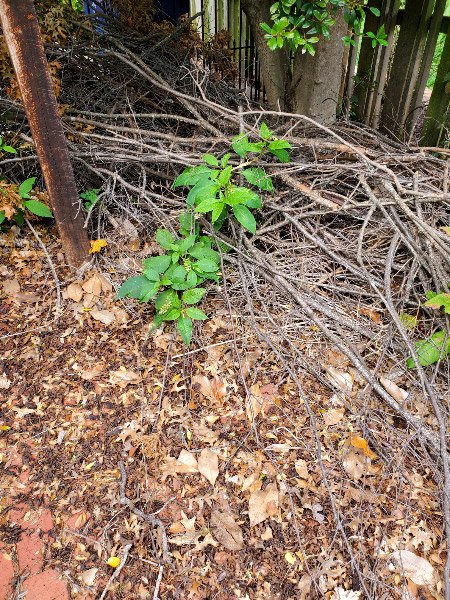
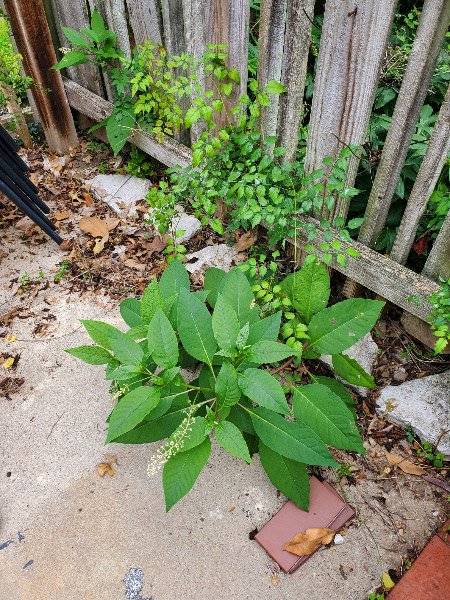
The showy goldenrod has been growing almost overwhelmed with pokeweed. Now that I have pulled the pokeweed, the plant will get more sun – and, hopefully, bloom this fall.

Early last spring I thought the American spikenard had died over the winter…but then rediscovered it! And now it is starting to bloom. It is still a very small tree but seems to like where it is planted and I can see it from my office window.

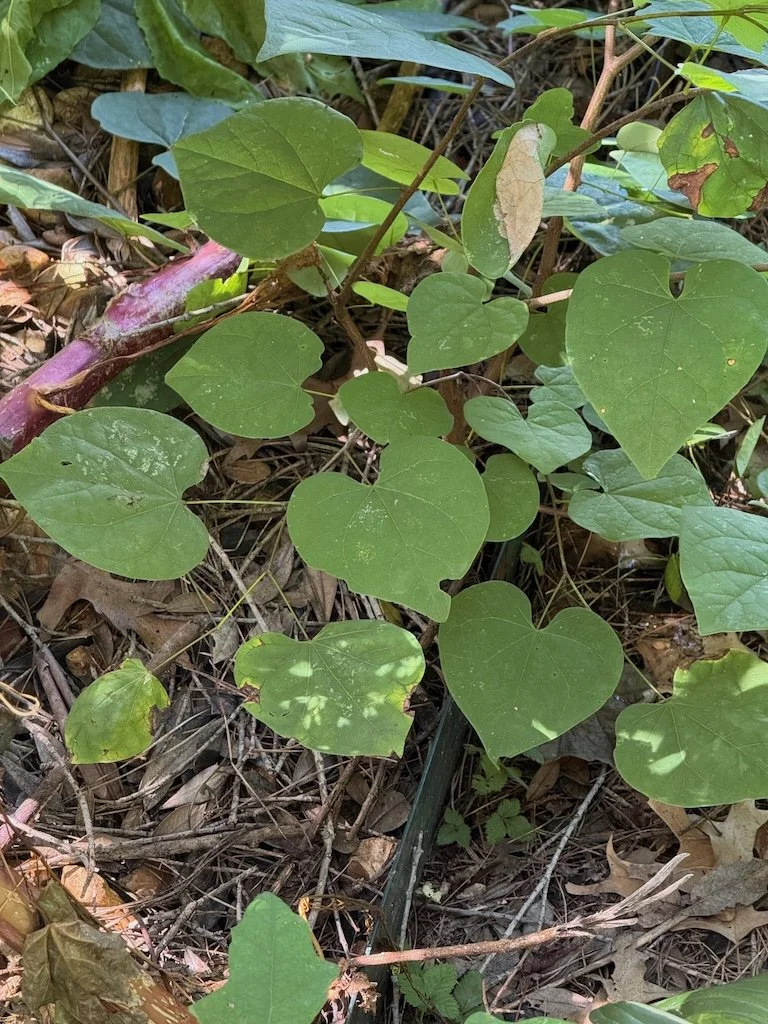
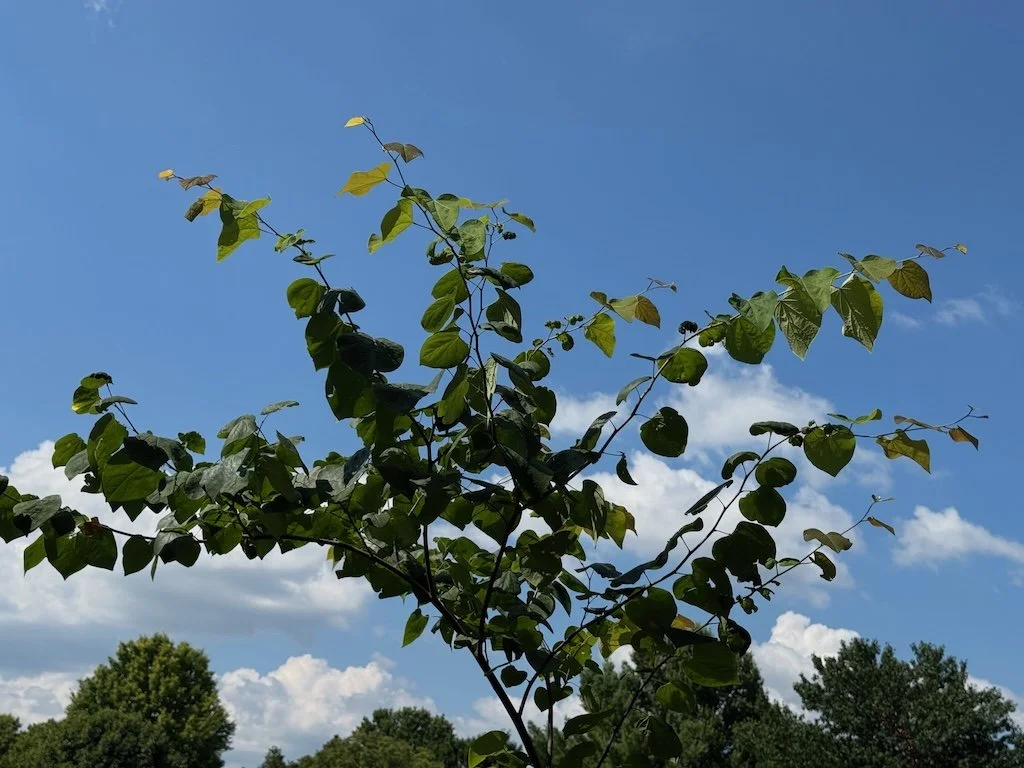
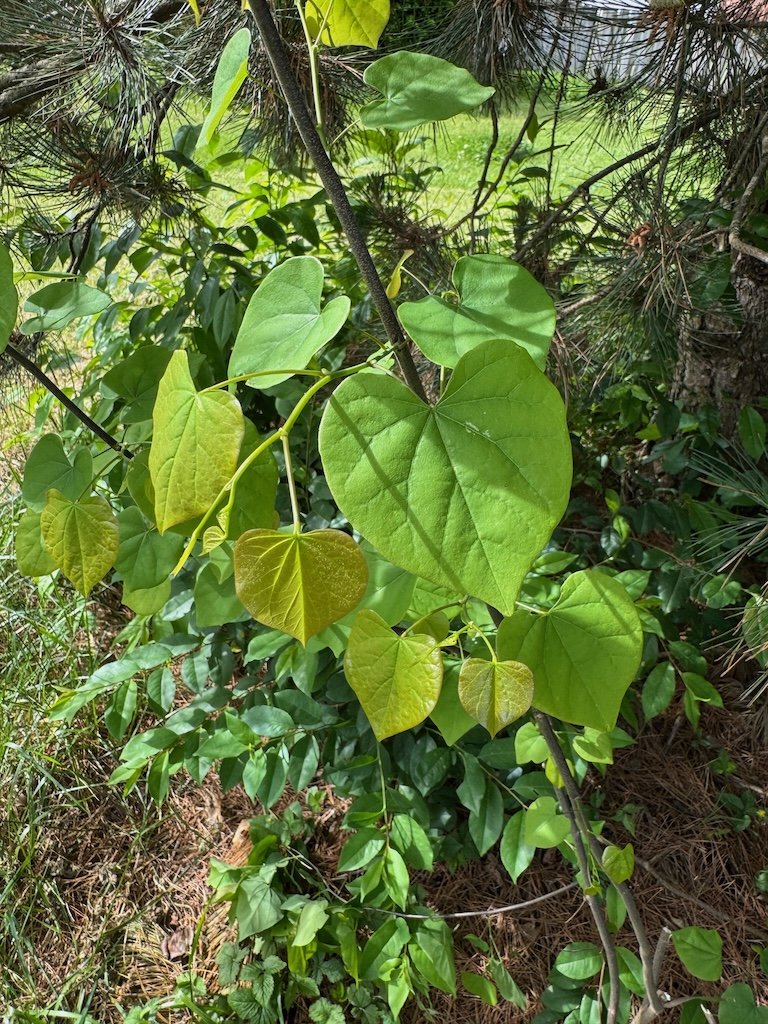
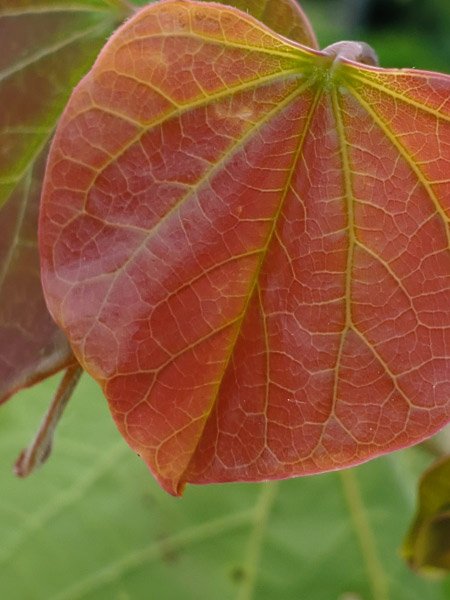
There are two redbuds that have come up in my yard, and I am letting them stay where they are. They are native (the parent tree is probably the one growing near the neighborhood ponds) and I like their heart shaped leaves. All the other trees in the back yard are evergreens (pines and hollies) so these two deciduous trees will be good additions.

Hurray for native plants!

Zooming – July 2024

As I reviewed my group of zoomed images from July, the favorite subjects of the month emerged: hot air balloons, animals (birds, butterflies, a squirrel), museum and monuments, and (of course) plants dominated by flowers. The places included areas close to home, Springfield Botanical Garden, Oklahoma City (First American’s Museum and Oklahoma City National Memorial), Tulsa (Philbook Museum), and Joplin (Wildcat Glades)

The hot air balloons are from a Balloon Glow event. They didn’t leave the ground!

I enjoyed the pottery room and garden structures at the Philbrook, the light of late afternoon as I walked around the Oklahoma City National Memorial, and the wall art in the First Americans Museum).

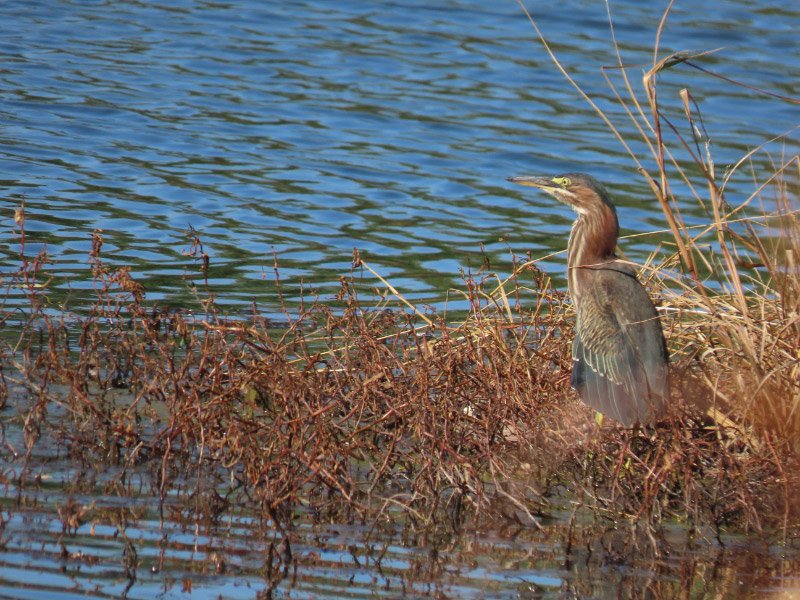
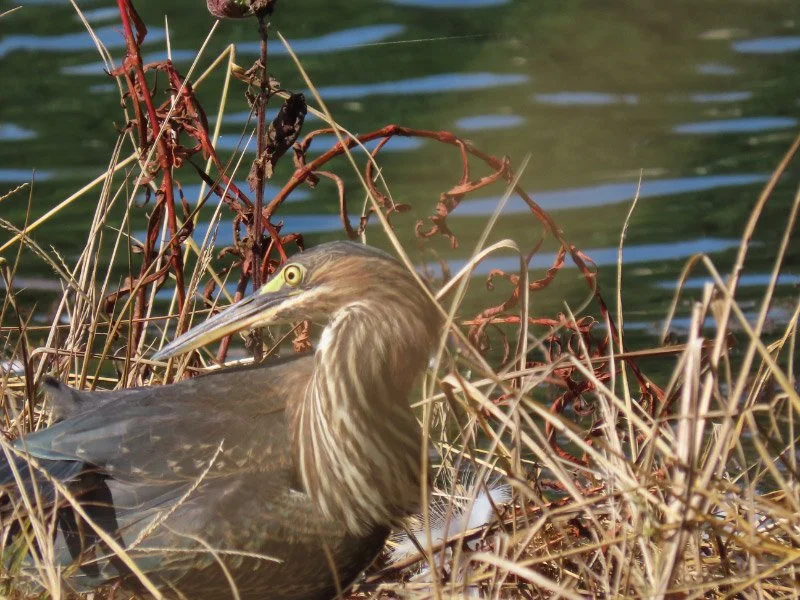
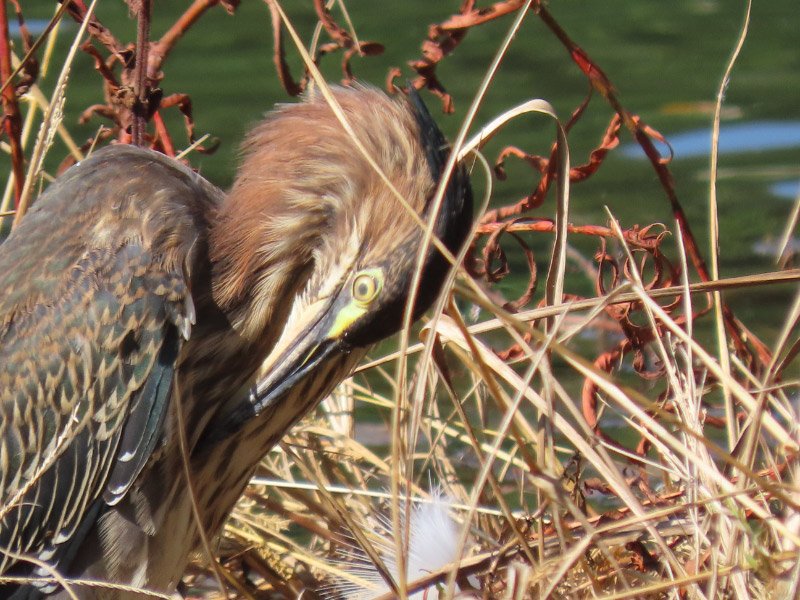
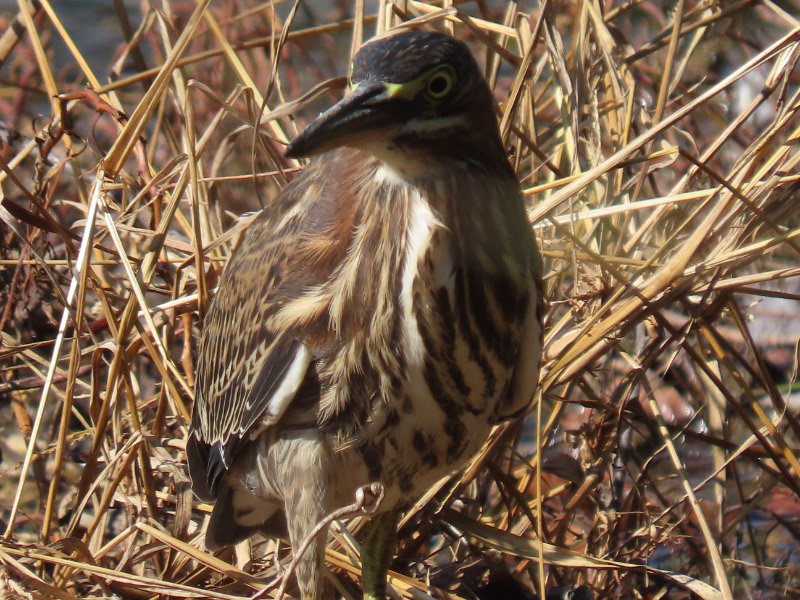
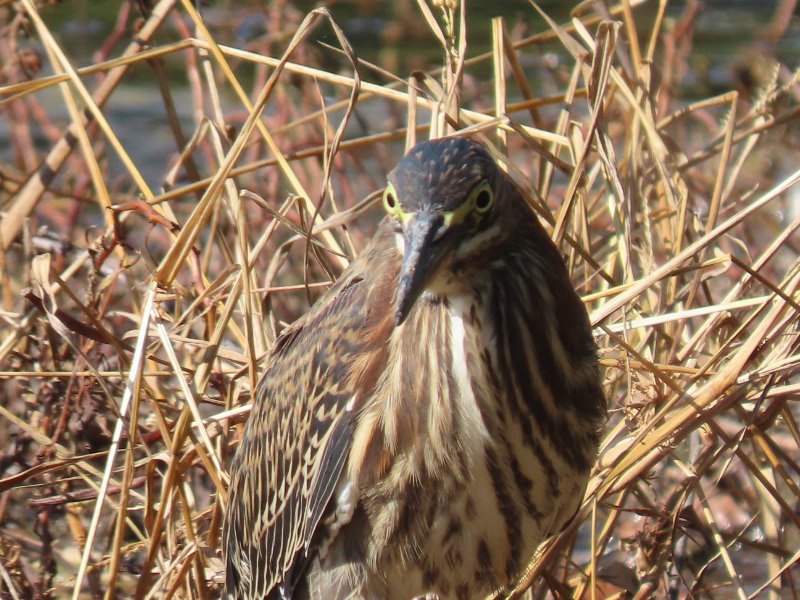
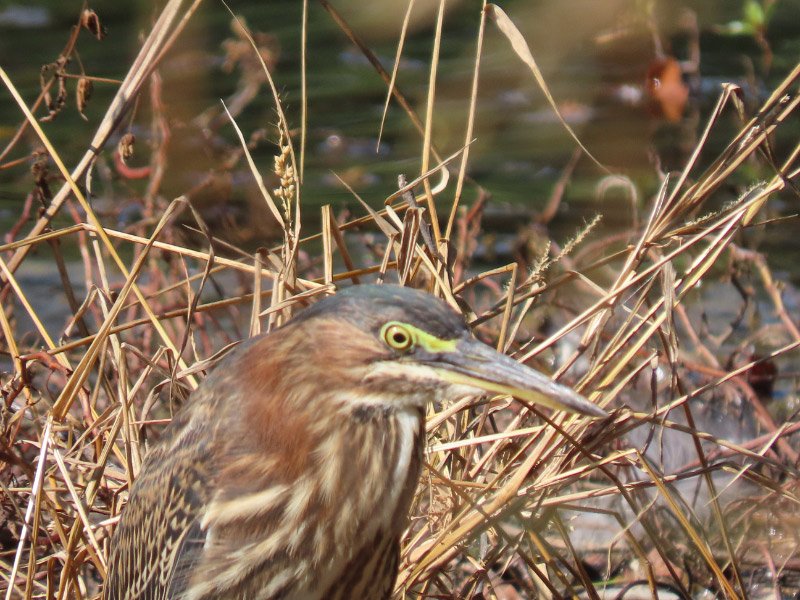
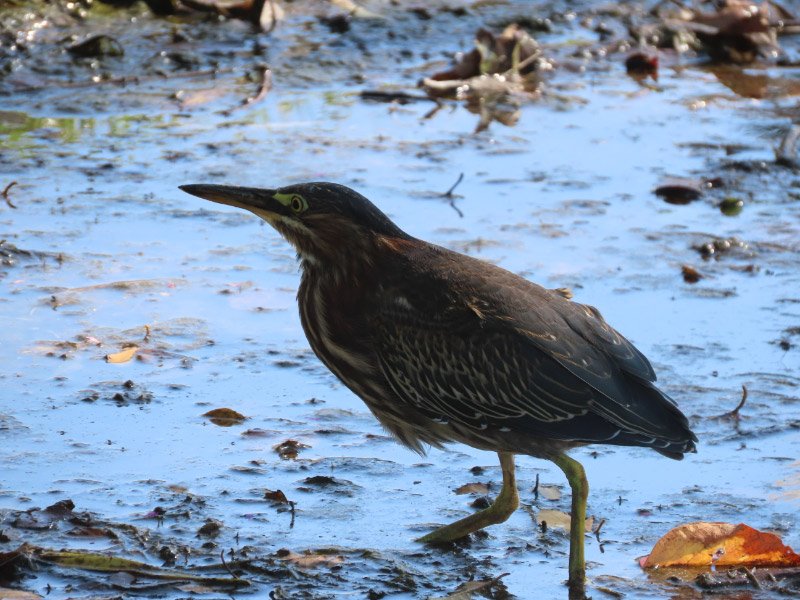
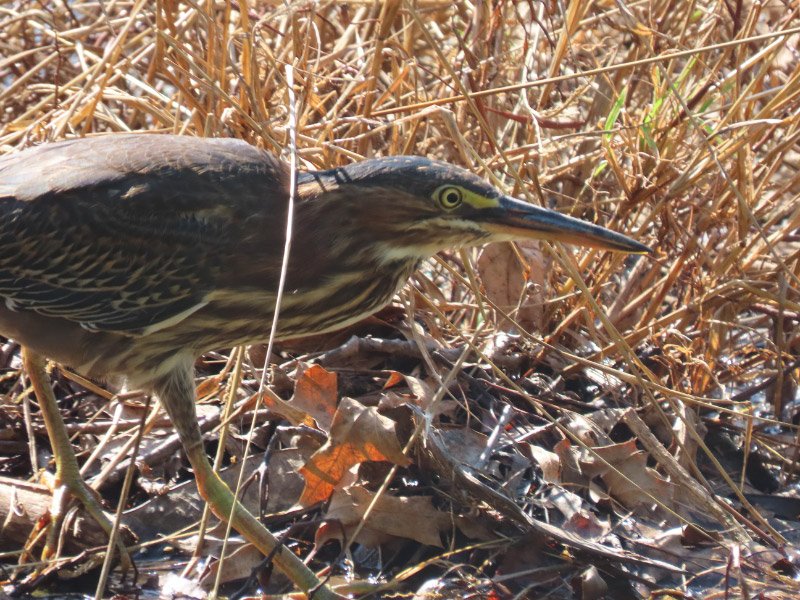
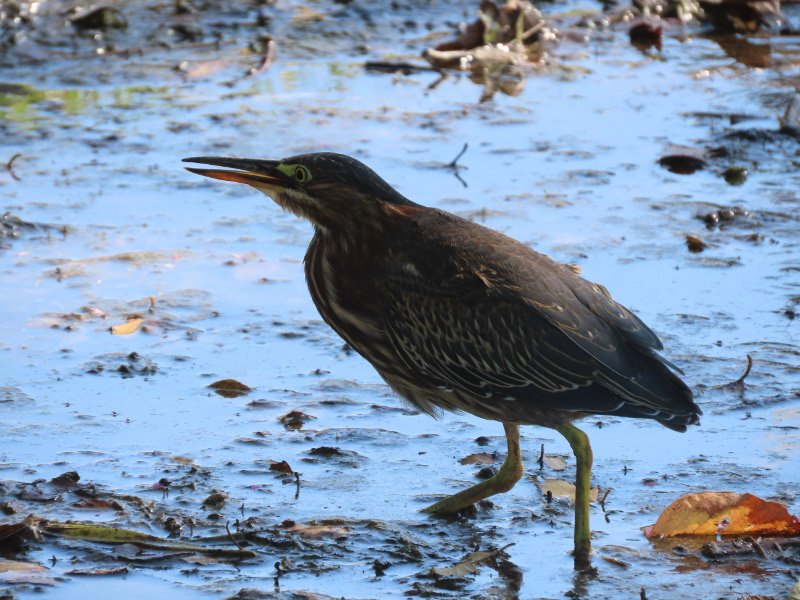
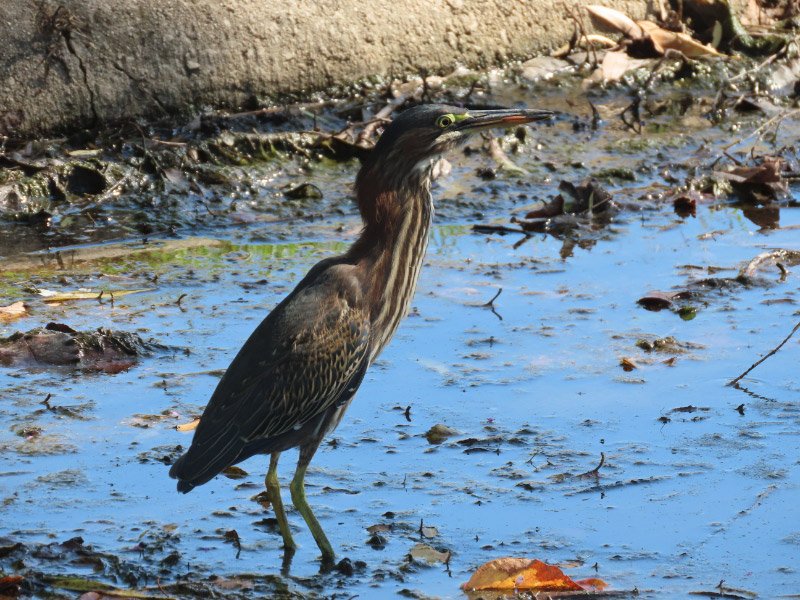
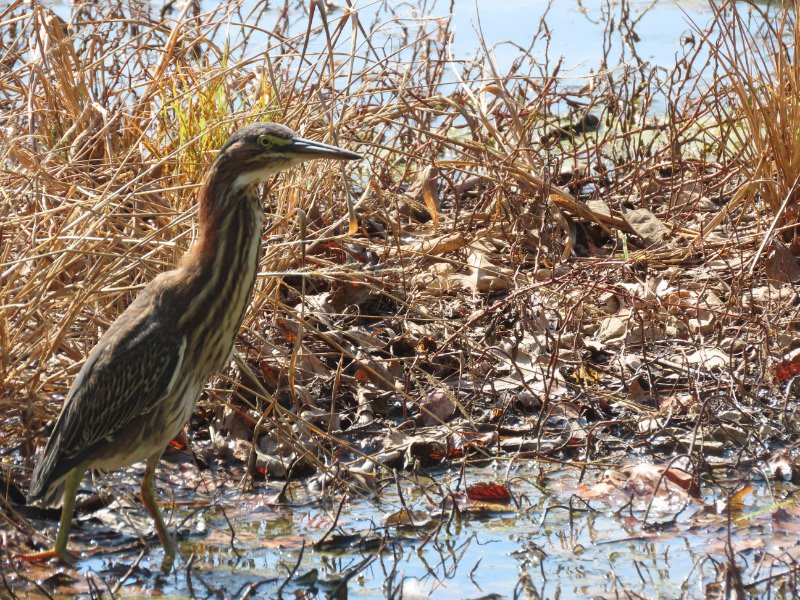
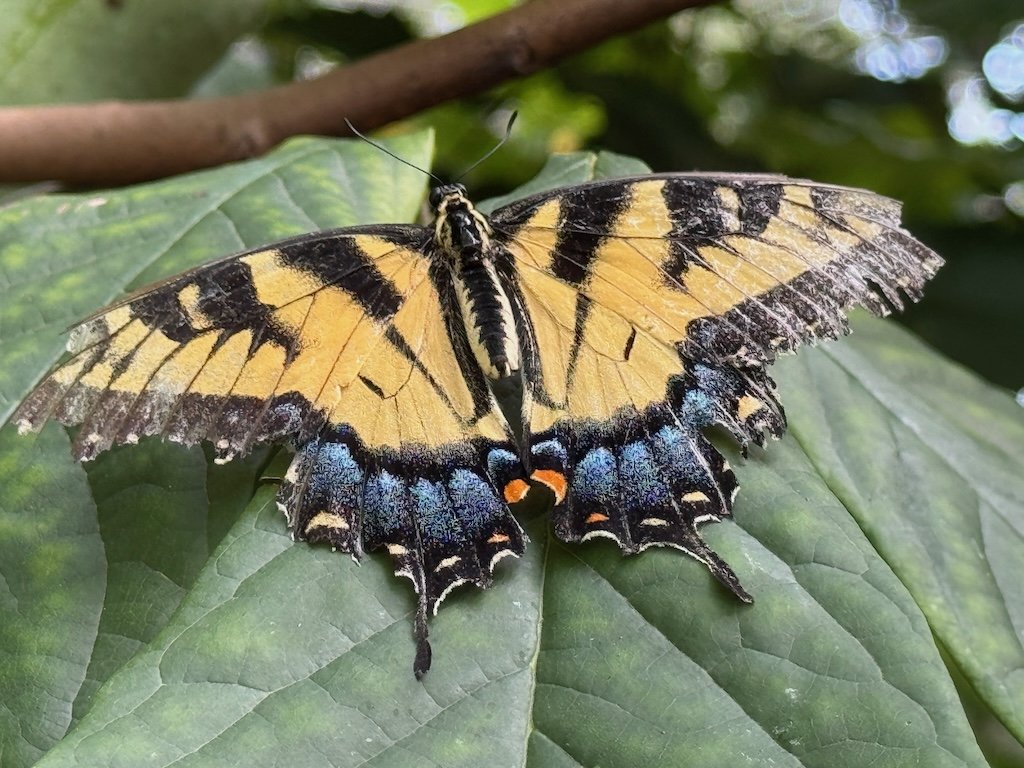
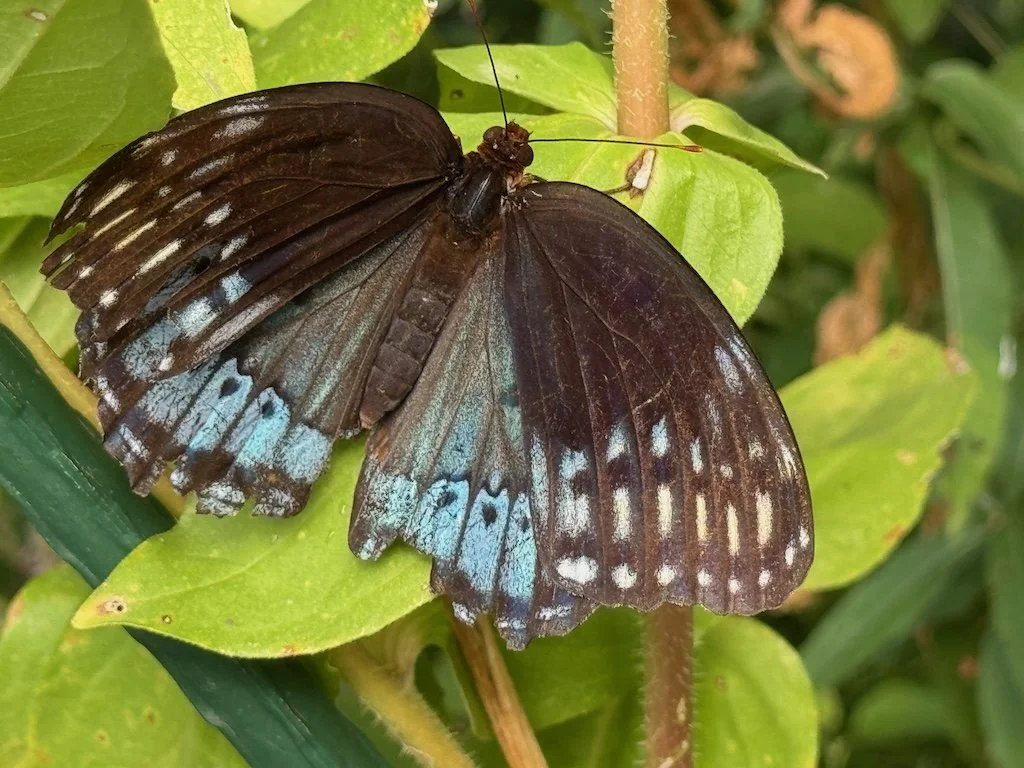
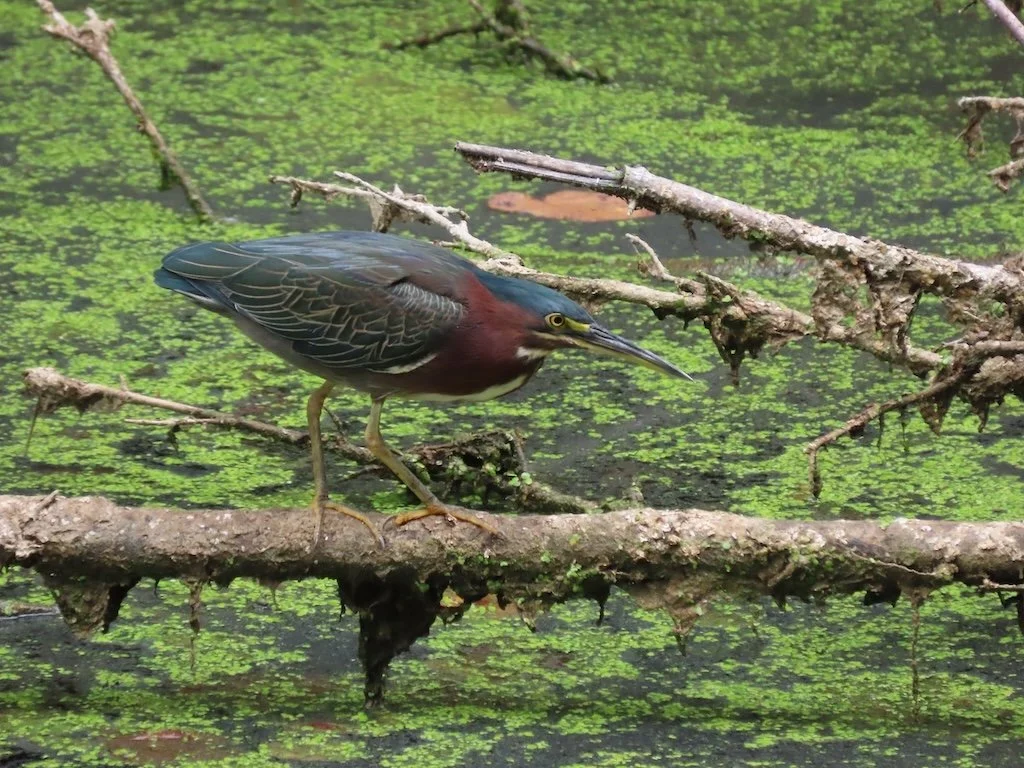
Animals included a robin, a green heron, a skipper, a swallowtail (not sure what kind), a fox squirrel, and a juvenile male mallard.

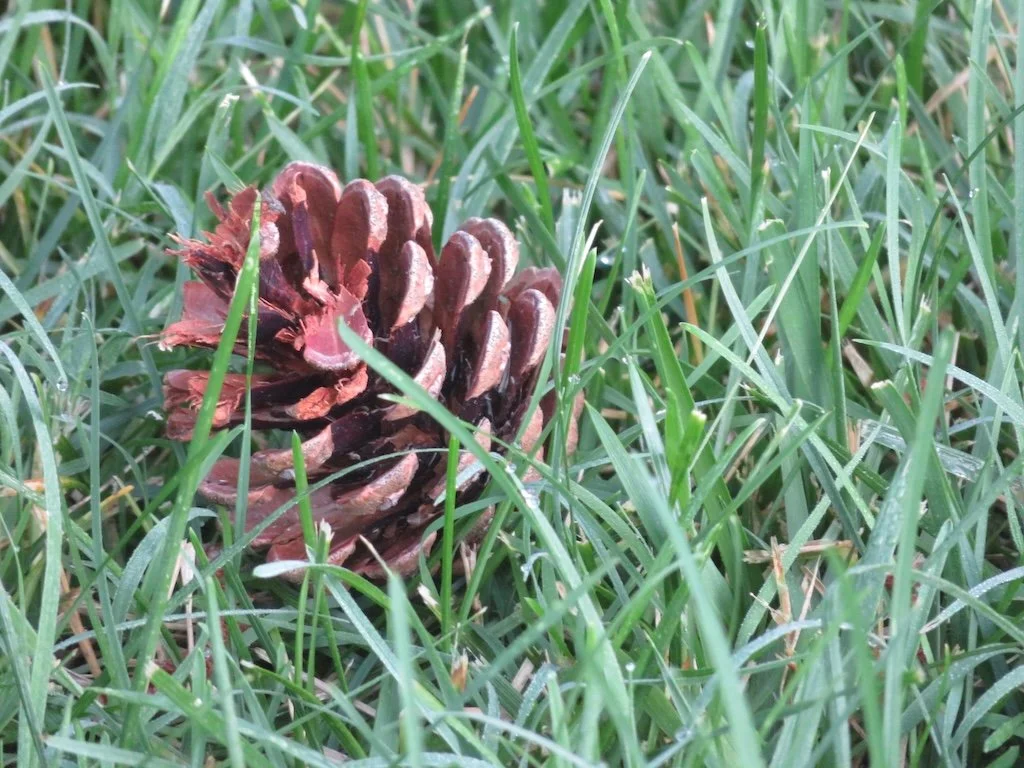
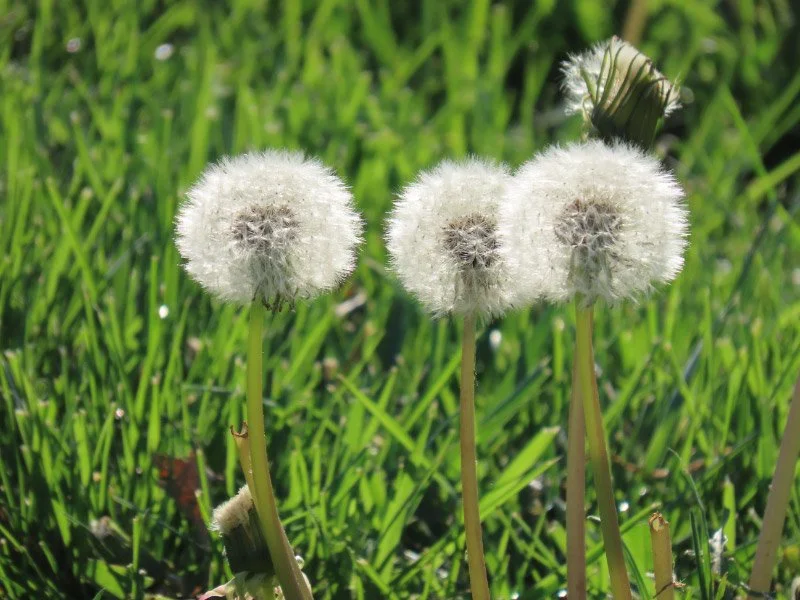
And then there were plants. Most were flowers but there were seeds (dandelion puff), a pine cone, and olorful new redbud leaves.

It was a good month for photography and being outdoors. Only the pot and the wall art are indoor images.

Yard Work – July 2024

The only yard work I do on a weekly basis is mow the grassy area; it is a good way for me to achieve my ‘intensity minutes’ of exercise for the week! I do some weed eating every other week. Everything else is more ad hoc…and as needed.

I ordered 25 orange daylily roots and got them planted around the base of our two red maples in the front yard. The ruff of these plants around my oak in Maryland looked good and made it easier to mow around the base of the tree without being too close to the trunk. The daylilies are better than mulch to keep the grass from growing too close to the tree trunks!

The Virginia creeper has covered the stones in the raised bed in front. I pull down any that tries to climb the brick and try to keep weeds from growing in the area (like poke weed). I do need to trim the boxwood (and remove the Virginia creeper growing into it.  

I have rounded most of the corners created by the fence by planting lambs ear…and I let low growing poke weed grow there too.

I mowed part of the area I didn’t mow in May back in June and left the thick clippings to mulch in place; much of the grass has died there and violets from the flower bed are spilling into the yard. The larger leafed plant near the metal iris is a spikenard which is in the same area. About a foot of grass has been eliminated along this section of the flower bed. Over time I will use this strategy to reduce the grassy area of our yard.

A plant came up in a bare ‘hole’ in the turf in my back yard and I have been carefully mowing around it. It appears to be a small white aster and has been blooming for more than 4 weeks. I’ll eventually mow it, but it was a fun experiment to see what kind of plant it was.

I noticed a tall something in the flowerbed on the yard side of the stairs from our deck. It is a young redbud! I’ve decided to keep it…will trim the bush that is on one side of it and the ornamental grass that is on the other side.

My spider mum metal sculpture was visible from my office window when I first stuck it in the ground…but the branches of the pine are growing and getting lower around it. I have borrowed a pole saw from my daughter and will trim the lowest ones (it is impossible to get close enough to the trunk without using a pole saw!).

I am pleased with the progress I am making on the yard. My goals are to make it easier to maintain…more native plants…less grass…all while staying within the ‘rules’ of the neighborhood HOA.

Our Missouri Neighborhood – July 2024

There is always something to see in walks around the ponds in our neighborhood…bits of nature thriving even in an area dominated my manicured yards: a dandelion puff (hurray for some deep rooted plants in the turf), a fat robin (there must be plenty of worms here), clover in bloom (making nitrogen available to other plants), and magnolia flowers (the bee had just flown away).

There are always turtles in the pond. One on the bank looked like he was waving at me!

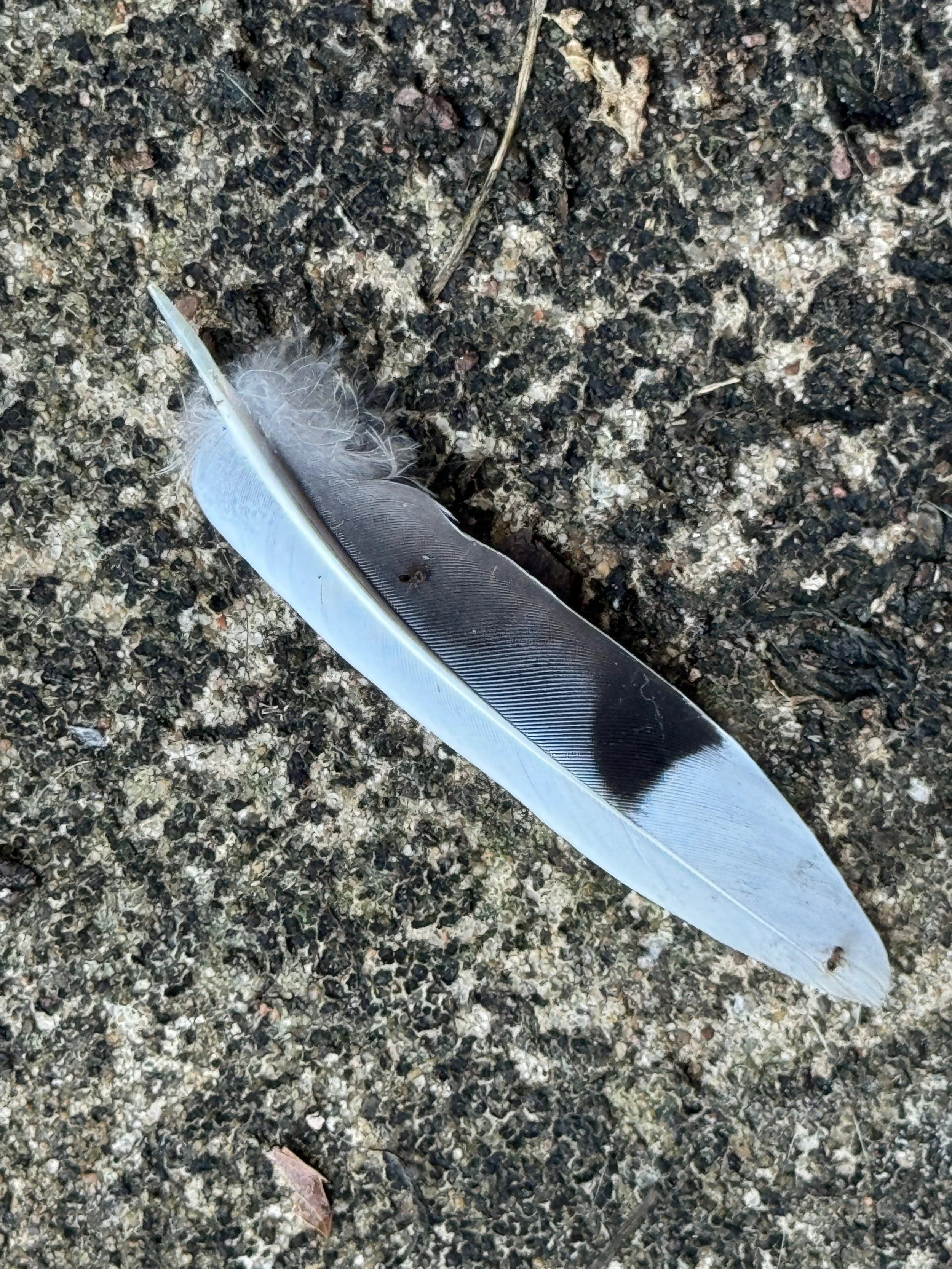
I stop at the bridge to look at the sheet of water flowing into the first pond – runoff from rain or sprinkler systems running too long. I look for ripples and collections of debris to photograph. The feather caught my attention first….then the leaves and green clippings…a background of algae.

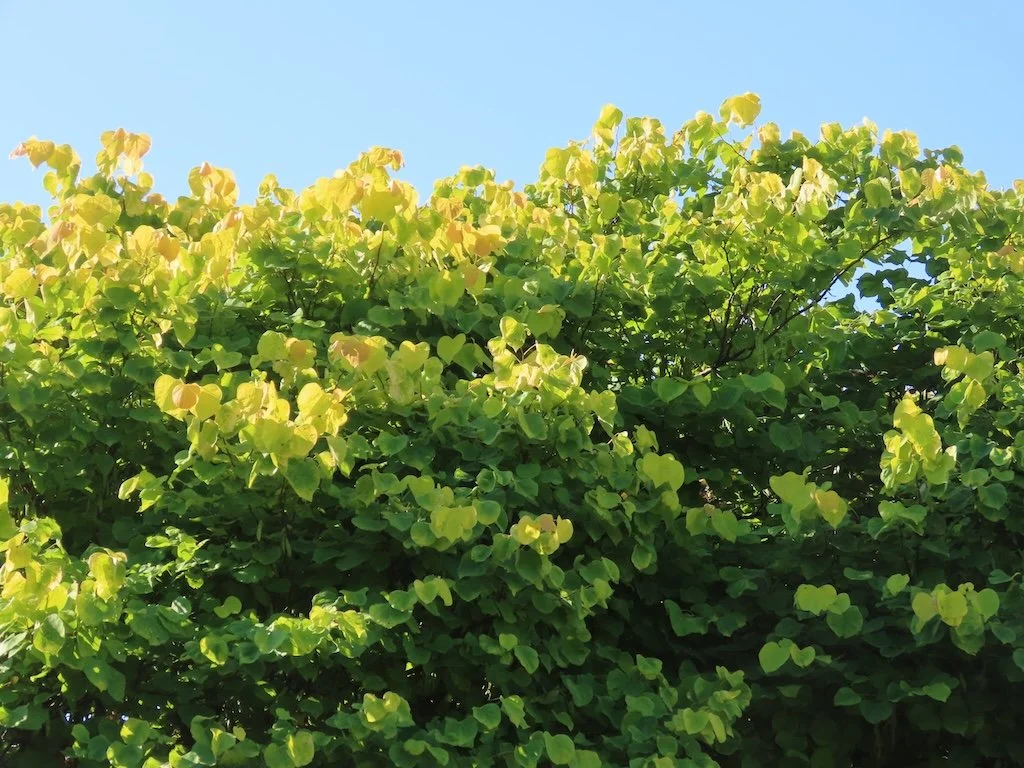
The large redbud near the pond was damaged by a storm a year ago. There is new growth from the large branch that had to be removed. I like the way the new leaves start out reddish…turn a light green…they will get even deeper green as they age.

Most of the fish I see in the ponds are small and gray or brown…but there is at least one monster koi (about 2 feet). Hopefully if someone catches it, they will not return it to the pond!

Finally – a fresh feather on the path that had been sprinkled by a neighbor’s automatic sprinkler system!

Springfield Botanical Garden Gardens

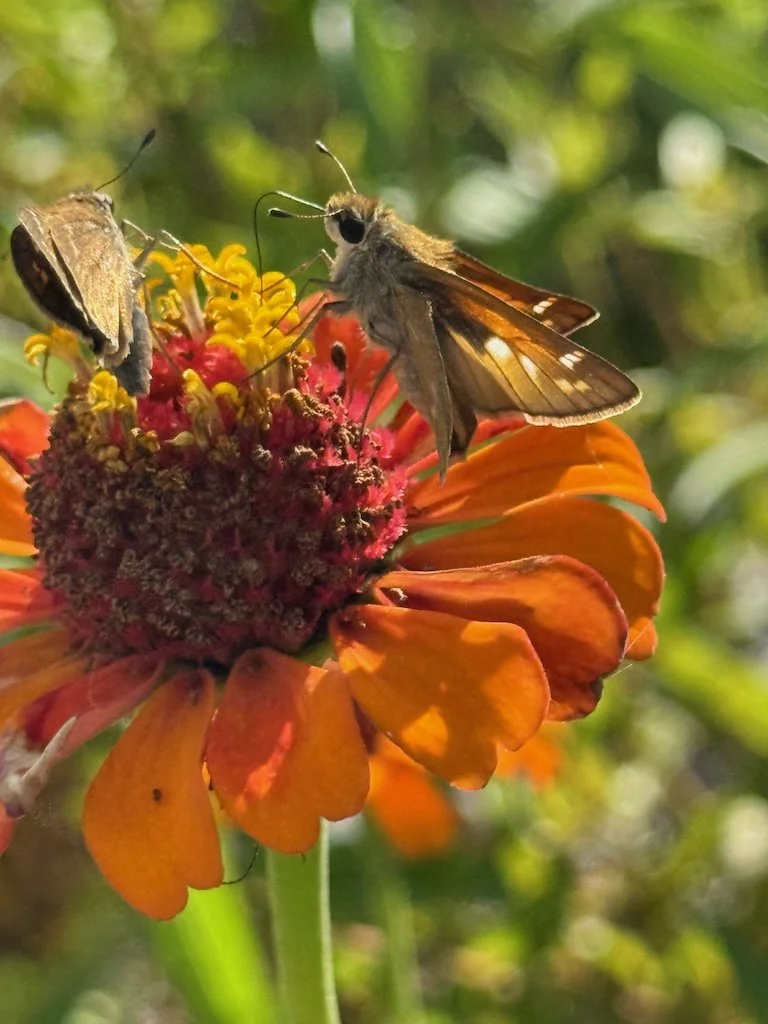
Last week my husband and I visited the Springfield (Missouri) Botanical Gardens when the temperature was warm…not yet hot. Our first stop was the pollinator garden – hoping to photograph some butterflies. There were many plants blooming around the butterfly house (we were there a bit before it opened) but we only saw some skippers around a clump of cone flowers; I had been hoping to see some Monarchs or tiger swallowtails or zebra swallowtails, etc. so I was a little disappointed. But I enjoyed trying to capture the shape of skipper’s eye.

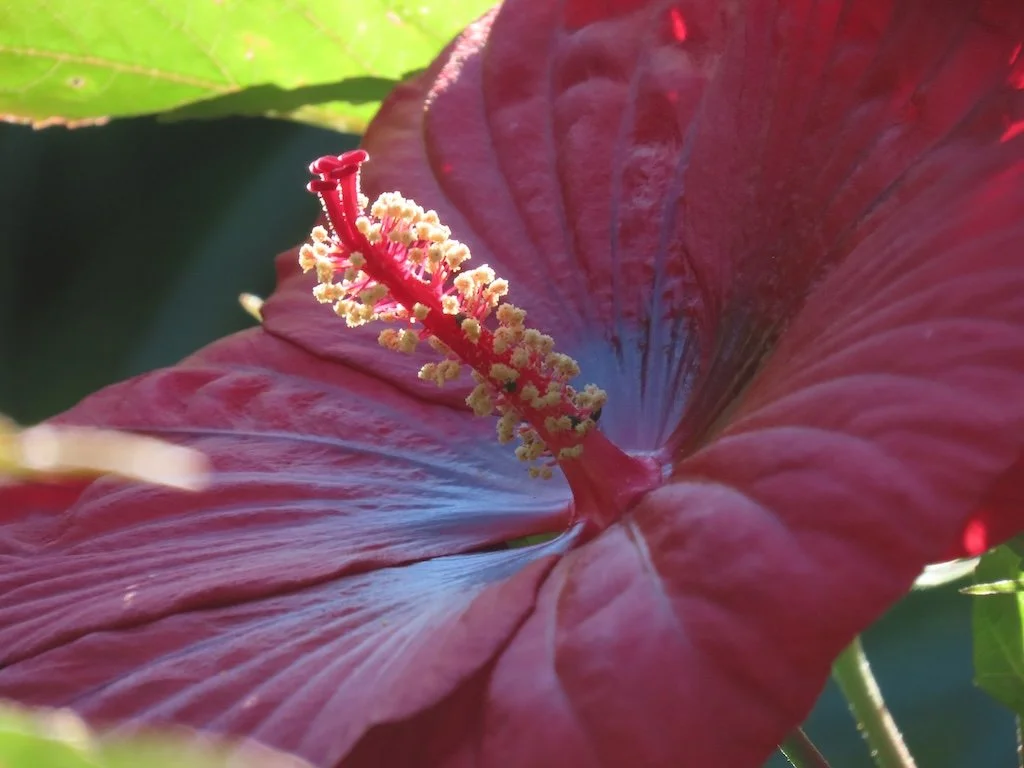
I reverted to taking pictures of plants…the new growth of a young tree, some native honeysuckle, the different greens of a redbud, some hibiscus. I’m not sure what the pink flower is; it was planted near the Botanical Center.

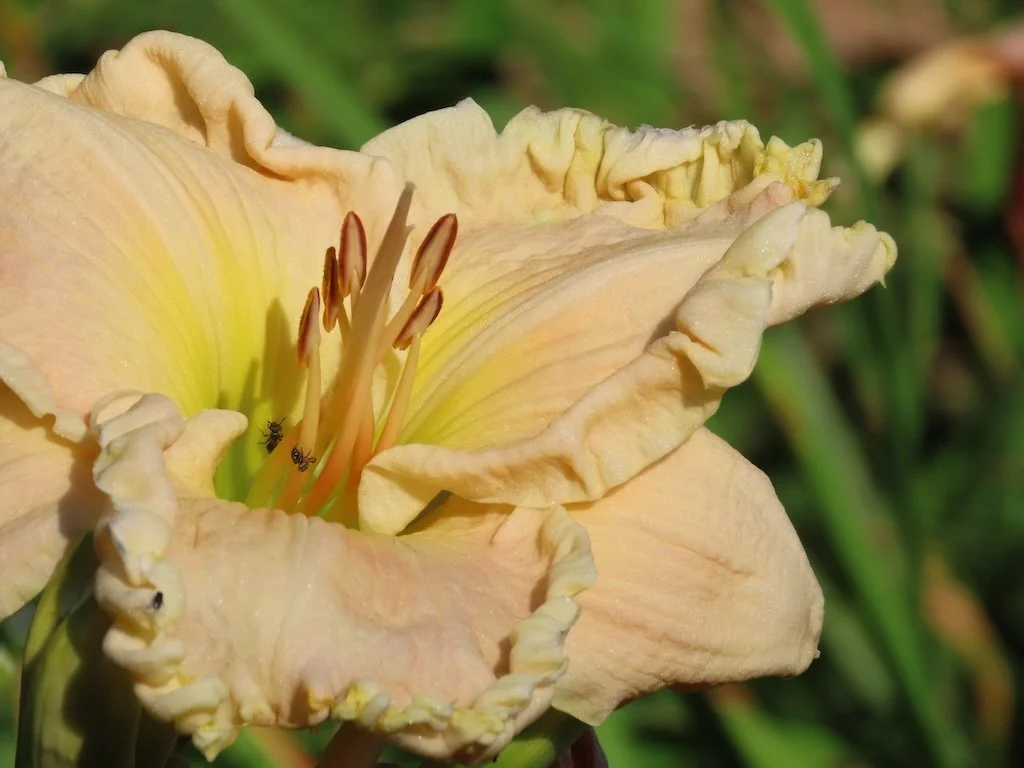
The daylilies were still beautiful but past their peak. There were two gardeners taking off spent blooms while we were there.

I took two perspectives of the Monarch sculpture/playground. I hadn’t noticed before that the mouth of the caterpillar is chomping on the leaf! The area is well maintained…no peeling paint.

We were only in the gardens for about an hour, but the day was getting hotter. We were both glad we had water bottles in the car!

When does a road trip become a commute?

The road trips to Carrollton/Dallas TX have been going on for years – increasing in frequency in recent years as my parents got older. Until recently their duration as been for at least a week; from Maryland it was a 2-day road trip in each direction which was reduced to 7 hours once we moved to Missouri. Sometimes I stayed longer – for hospitalizations/recuperation primarily. There were no trips at the beginning of COVID, but they started up again as soon as we were vaccinated. They are almost always on my own and my parents’ house became almost like a second home since I was spending at least 25% of my time there.

Since my mother’s death and the sale of their house, things are changing. I drive down one day and come back on the next – visiting with my dad for a few hours and staying in a hotel overnight. I’ve done it 3 times and am beginning to realize that the road trip feels more like a long commute.

The route is becoming very familiar. I set the navigation system but really don’t need it. The places I stop (usually Loves or Pilot….sometimes Choctaw Travel Centers) are familiar. There was a Stuckeys that I stopped at occasionally, but it was always a bit grungy and I noticed on the last trek that I had closed. My route is not on Interstate for the most part and I am very aware of the speed limits going though towns.

Music helps keep me alert…and variety helps. Apple Music on my phone playing via Bluetooth on the car speakers is the way to go!

There are several assignments I give myself to stay focused on the road and surroundings. Some of my favorites are:

  • Observing birds (particularly hawks in treetops, great blue herons or great egrets flying, soaring vultures, murmurations of smaller birds….hoping to see a bald eagle). It’s depressing to notice hawk or owl roadkill, but it happens.

  • Noticing the trees – particularly in the spring and fall. Recently I have been paying particular attention to red buds which are scattered among the roadside trees….not thrilled about the escaped Bradford Pears (Callery Pears) that are also there.

  • License plates, particularly in Oklahoma, are more varied than in most states because the Oklahoma tribes have their own plates! Most of my observing of plates is during the times I’ve slowed down for a town and there is more traffic.

  • There is plenty of time to plan what I need to do when I get to Dallas…or when I get home. On the way down, I think about topics that might interest my dad and whatever estate actions I need to take. On the way home, I think about blog posts and, this time of year, what I need to do in the yard.

Phone calls generally factor into the time I am in the car – hands free of course. I call my husband to let him know when I will get home, and my daughter usually calls me for a longer chat when she knows I am driving. It helps pass the time.

More focused purpose. I am realizing that the trips have one overwhelming purpose – to see and visit with my dad. It’s a few hours rather than 24/7 for a week like it was before. There is not much time for anything else although brief times out in nature might still happen…although not on every trip.

And that is how my road trips to Texas have become more like a commute.

Springfield Yard – March 2024

My daughter’s yard in Springfield MO is full of springtime. I visited to help get pollinator/butterfly garden seeds planted. After we got that done – I enjoyed the beauty of the yard which has been a work in progress since the house was built in the 1950s…and my daughter’s since 2021.

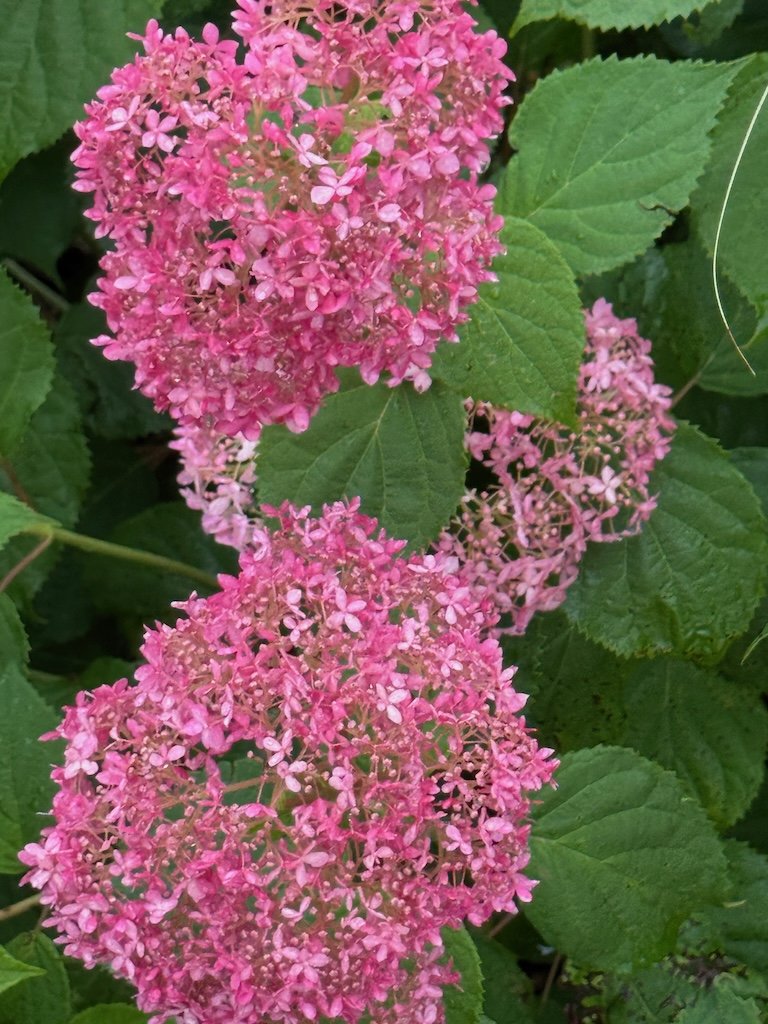
The oakleaf hydrangea is leaving out; the plant gets more sun this time of year before the big trees get their leaves. I noticed it as we were picking up sticks around the base of her river birch and oak tree.

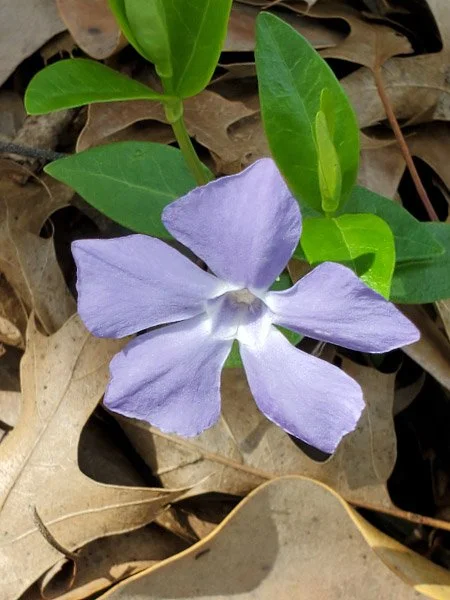
The vinca, growing in a bed thick with leaves from last fall, is blooming.

Her wood hydrangea still has flowers dried from last fall…not leafing out yet in its shady location.

A Japanese quince was blooming. I hadn’t noticed this in her yard before, but I must have just missed being there at the right time.s. Would birds get ‘drunk’ from the (probably fermented) fruit?

The crabapple tree was full of buds – and some crabapples left from last season. Most of the fruits had been eaten and I wondered why there are still some on the trees. Would birds get ‘drunk’ from the (probably fermented) fruit?

There is a young cherry tree near the corner of her front yard. The blooms were everywhere.

A red bud is in the other corner also full of blooms. My daughter commented that it really is misnamed since it isn’t red.

We also observed that most of the plants damaged from a too zealous application of herbicide by a yard crew last year seem to be recovering with the new season.

What a great time to get outdoors and into a garden….

2023 at Hagerman National Wildlife Refuge

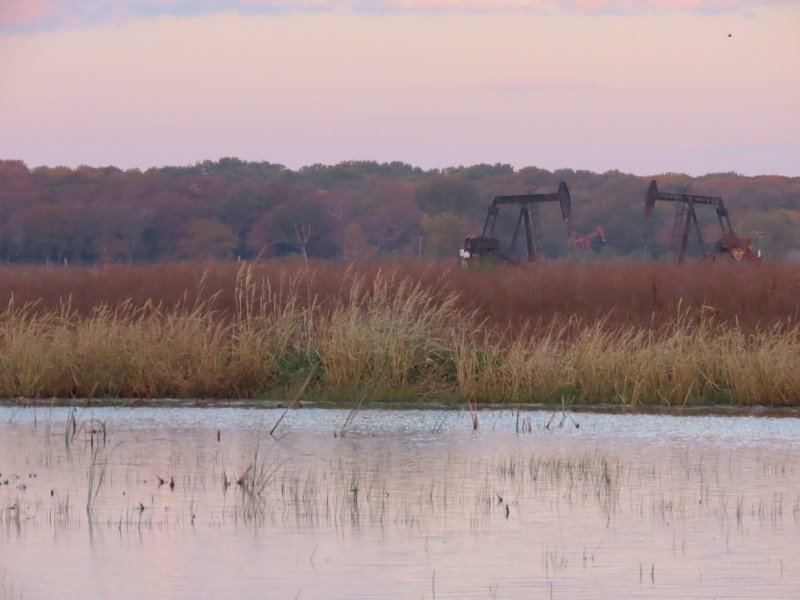
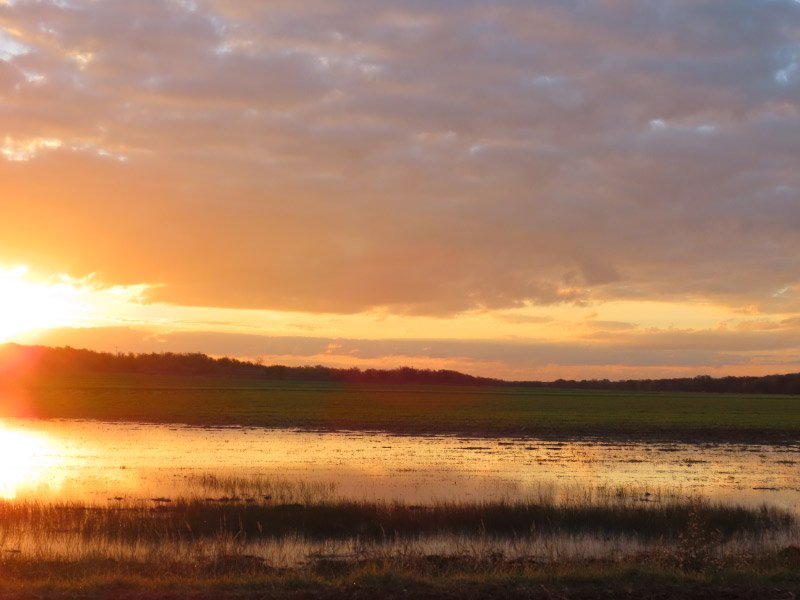
I made stops at Hagerman National Wildlife Refuge on my way to and from Carrollton all during the year. On the way down, I arrived around noon; on the way home, it was just after sunrise.

Seeing/photographing birds is the big draw for my visits. I spend an hour or so moving slowly down the central wildlife tour road…sometimes taking a side road. I use my car as a blind and roll the window down when I see birds. My camera is on a monopod collapsed down to its shortest length. Most of the time I brace it in the cup holder between the front seats…tilt the head to get the image I want.

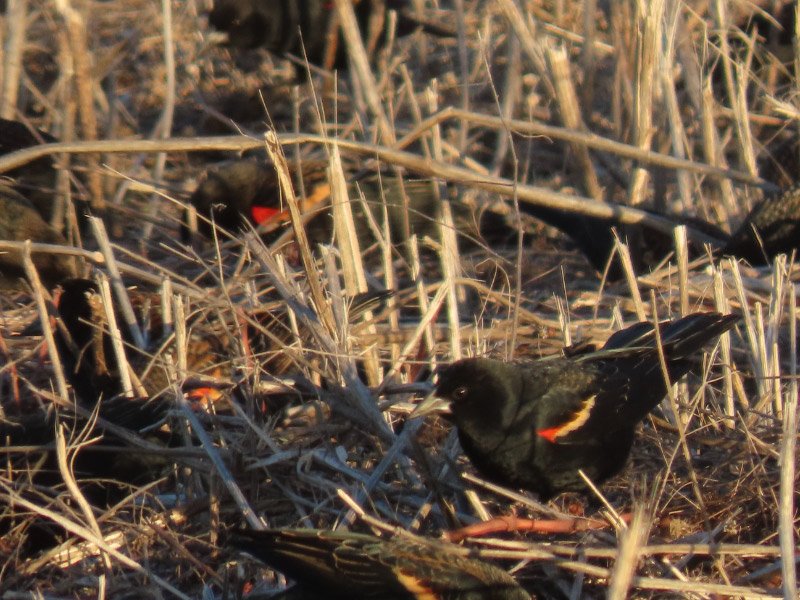
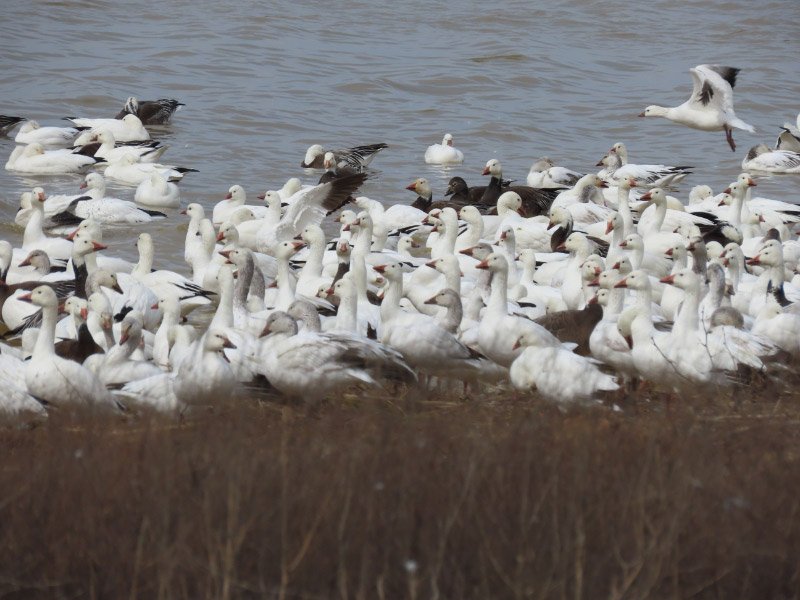
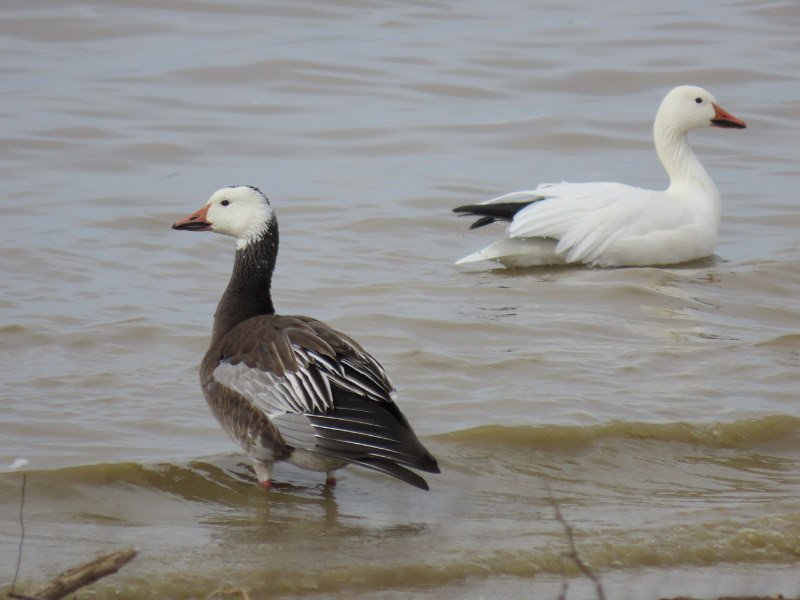
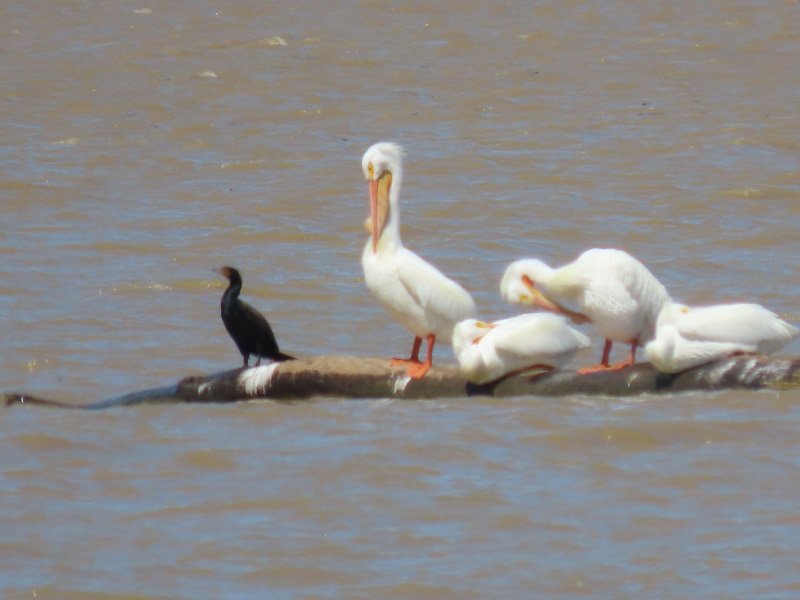
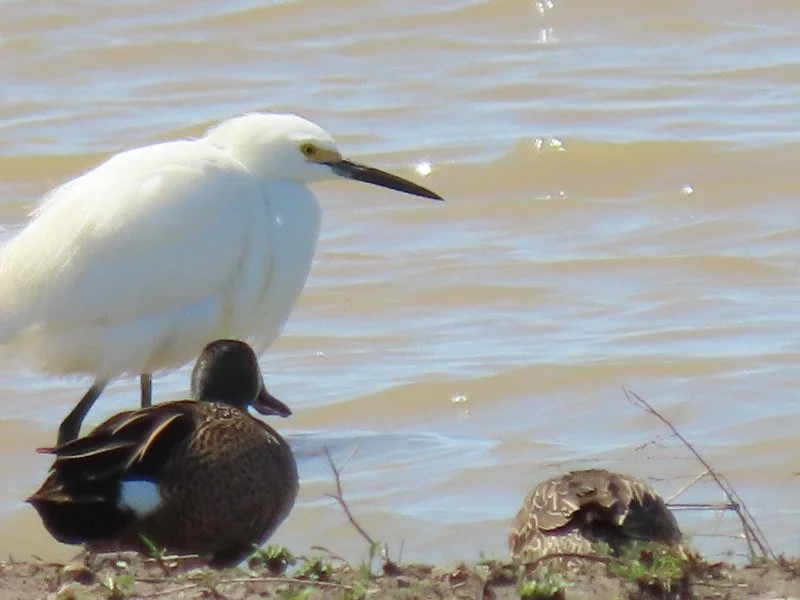
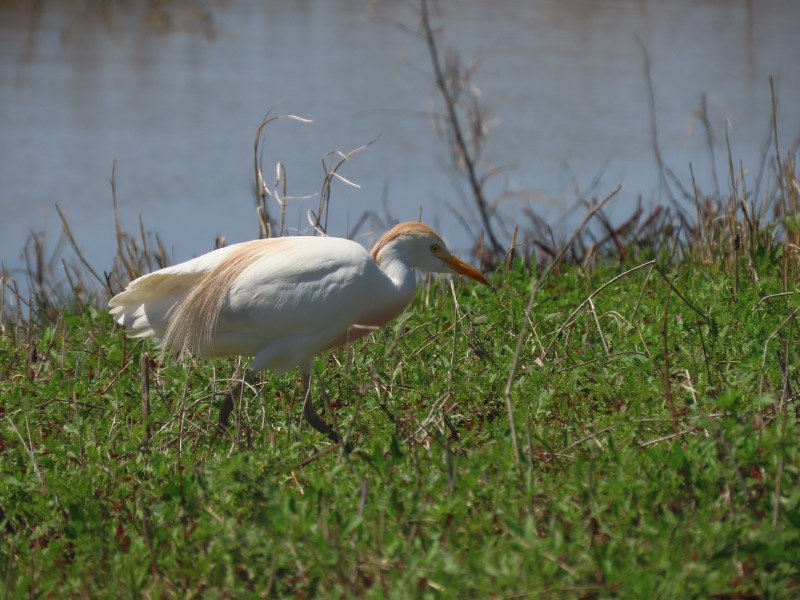
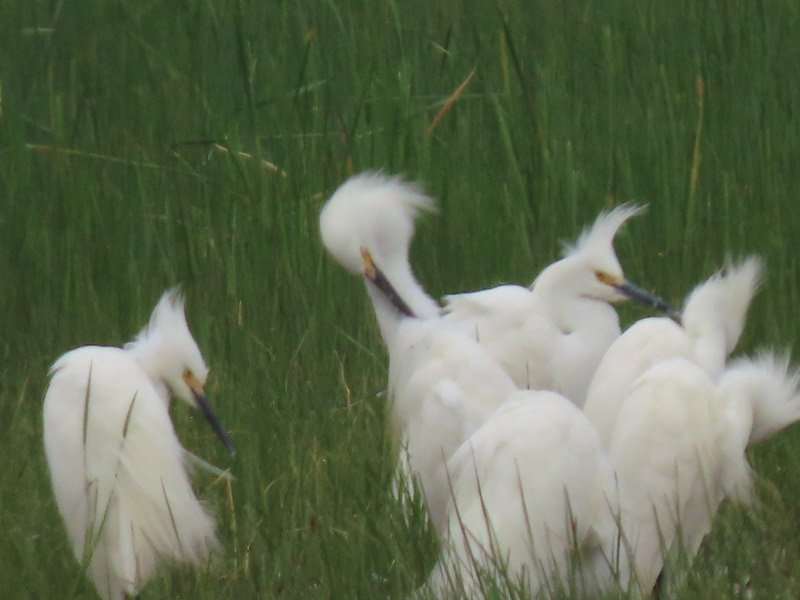
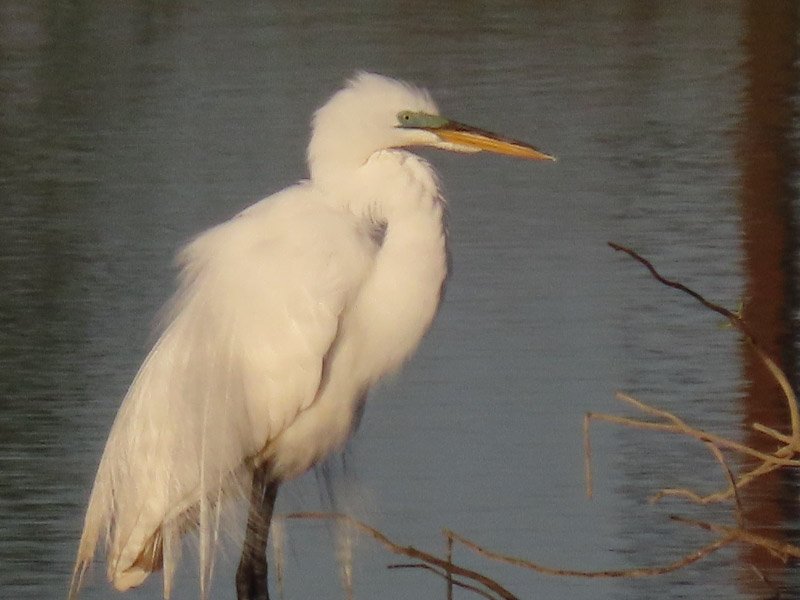
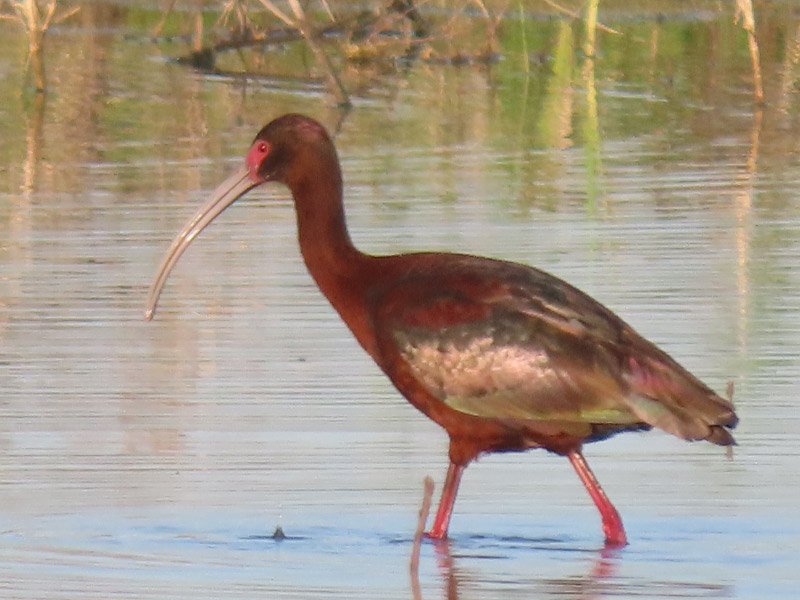
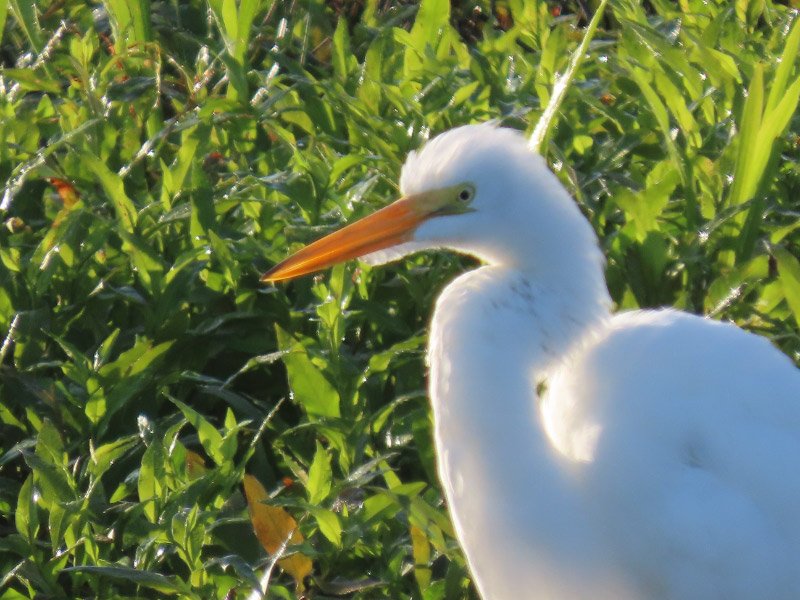
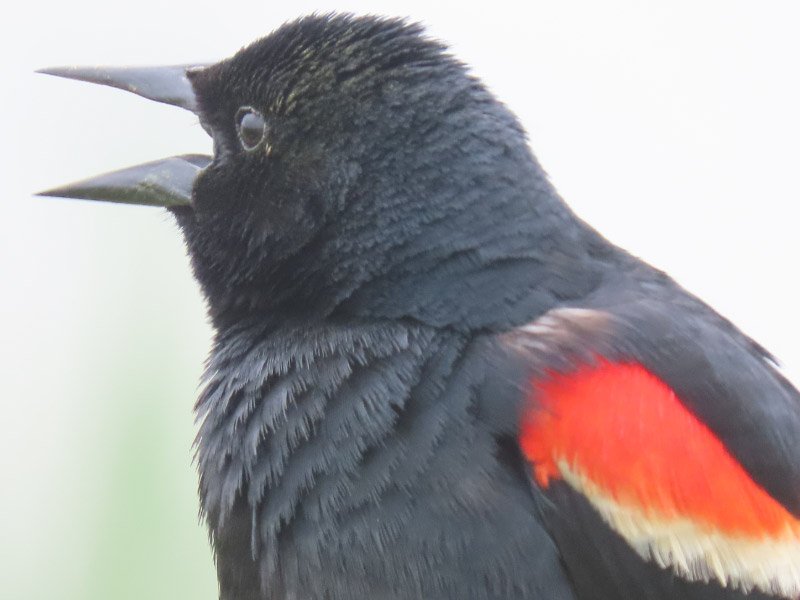
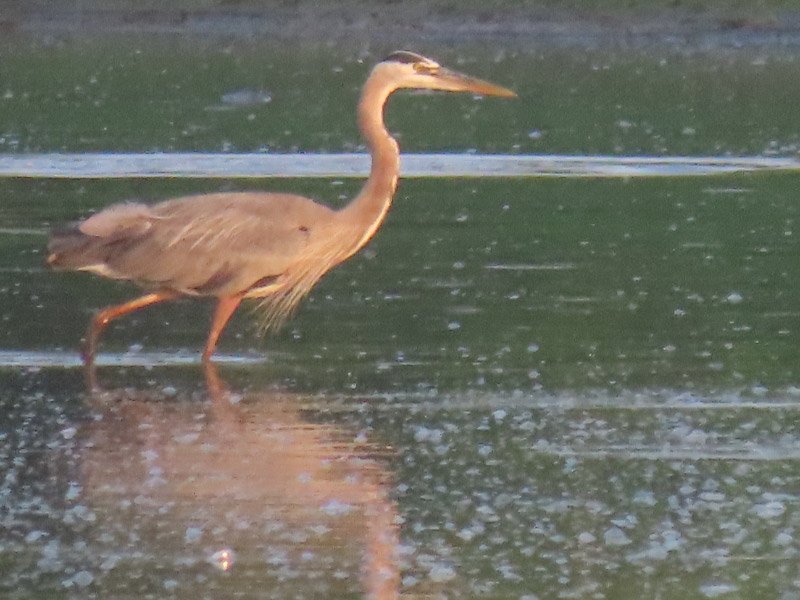
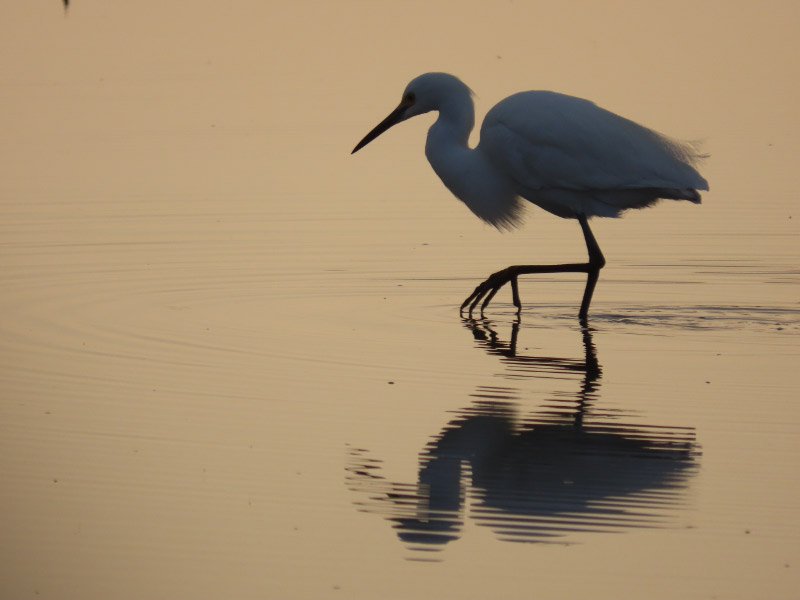
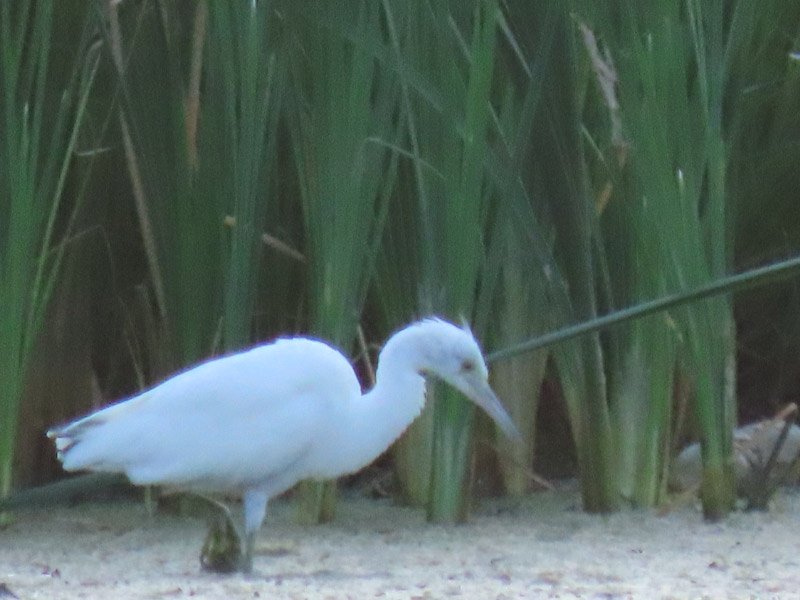
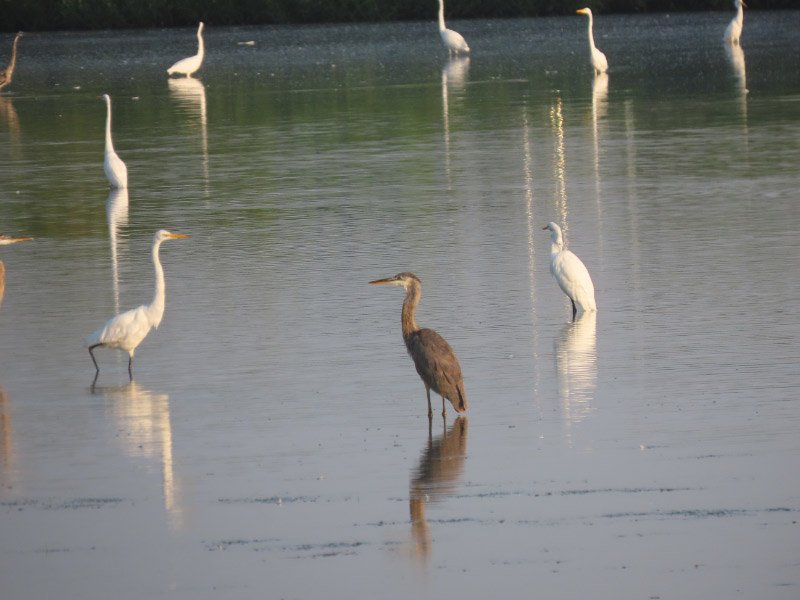
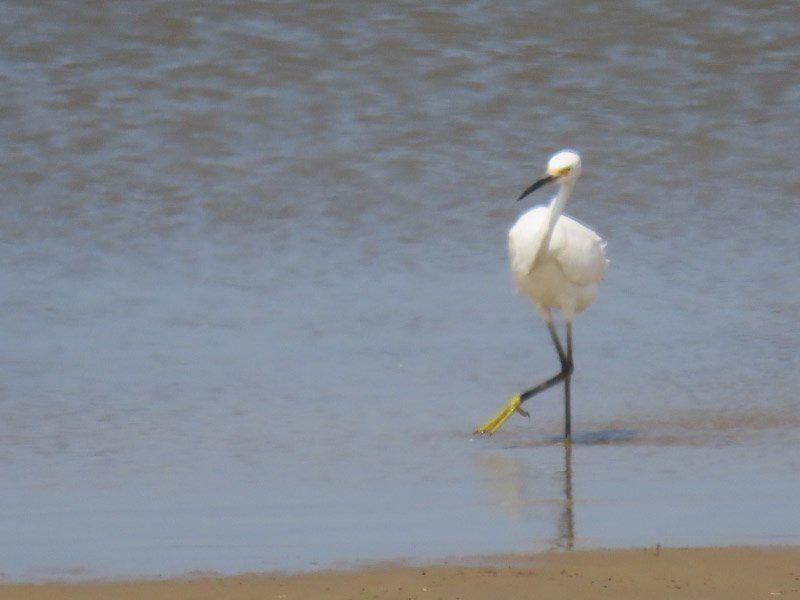
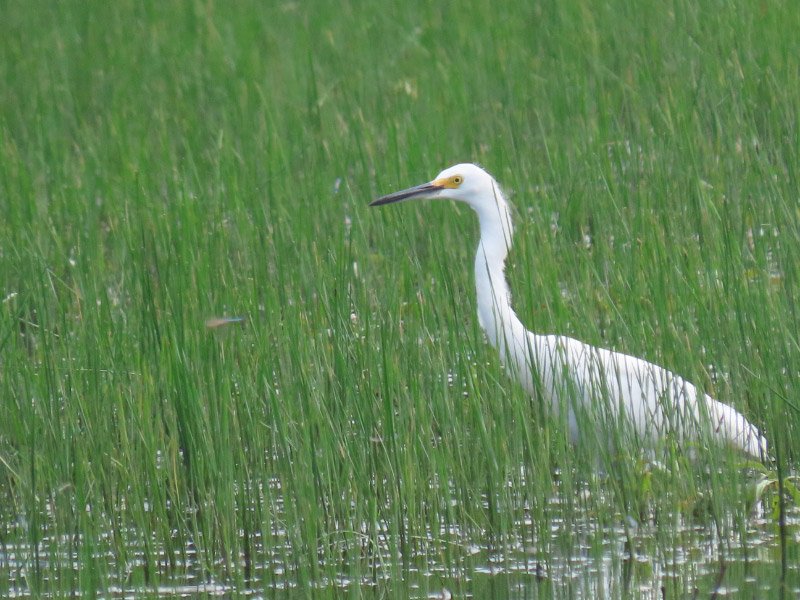
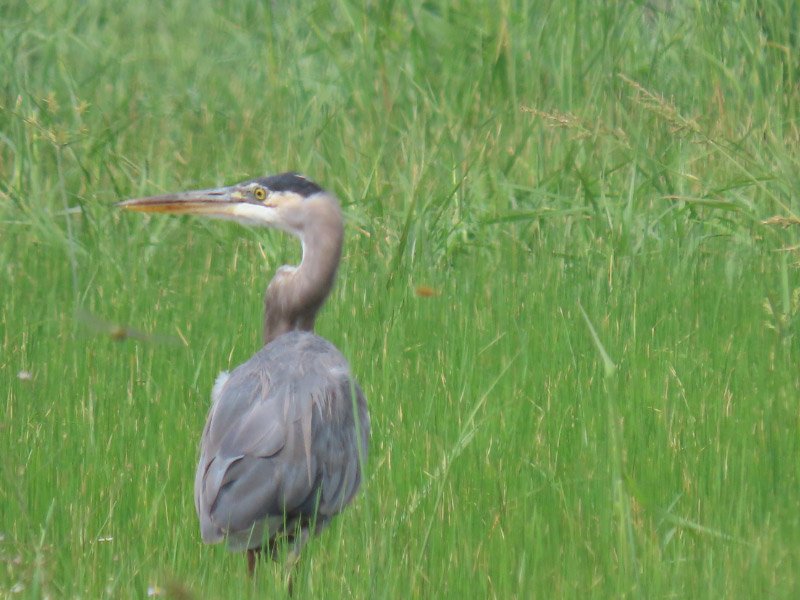
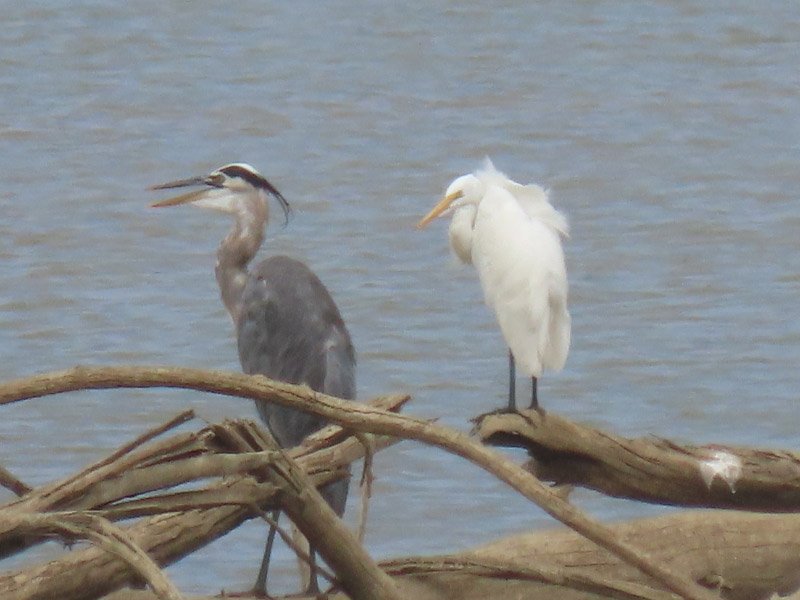
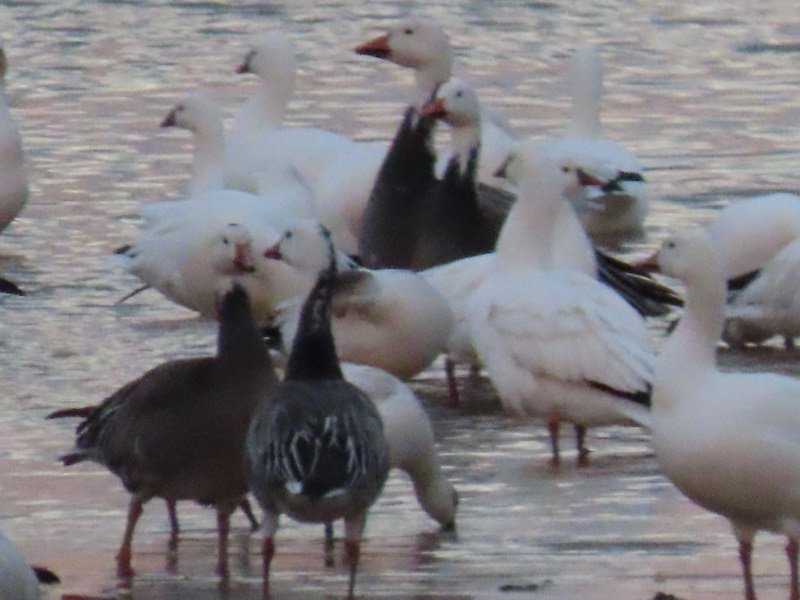
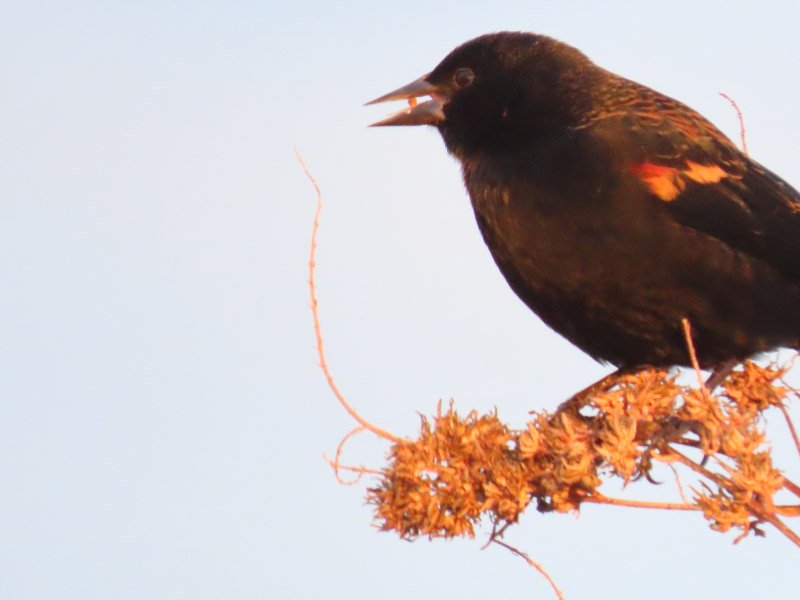
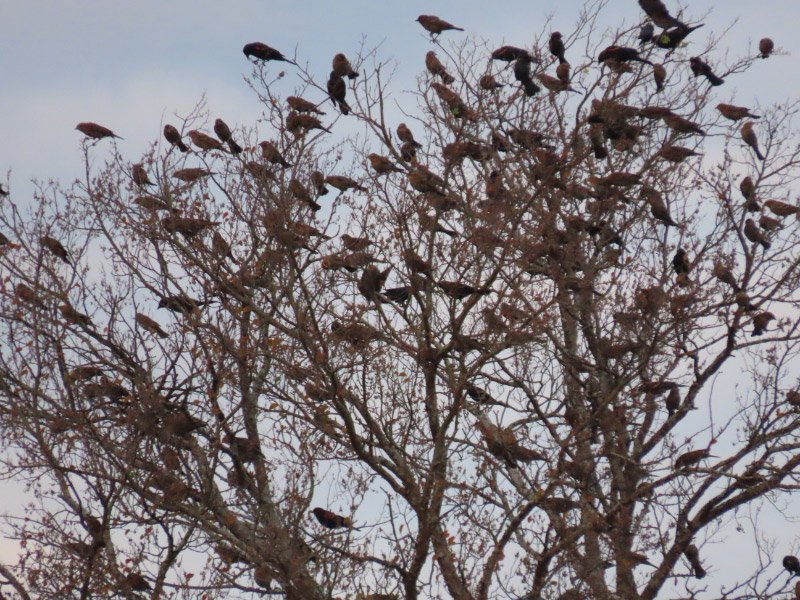
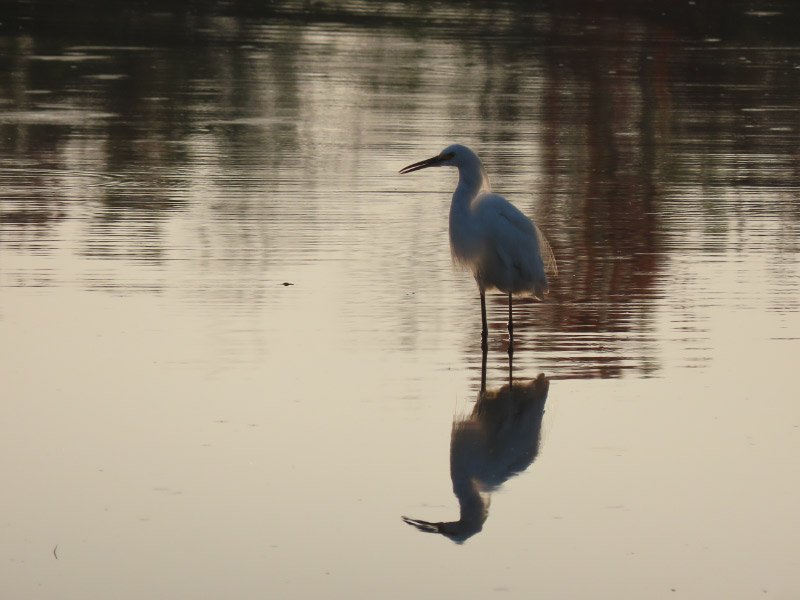
In the winter there are flocks of snow geese (and Ross’s geese) along with Northern Shovelers and Pintails. White Faced Ibis and American White Pelicans are seen during migrations. Egrets (snowy, cattle, great) are numerous in the spring and summer; I enjoyed an early morning seeing/hearing them on one of the ponds where they had obviously spent the night. Great Blue Herons are around all the time although are most numerous in the summer when the young are beginning life on their own. Red-winged blackbirds are year-round residents but murmurations of the birds are seen in the fall as they move about eating the mature seeds of the prairie plants. I saw Neotropic Cormorants for the first time this year.

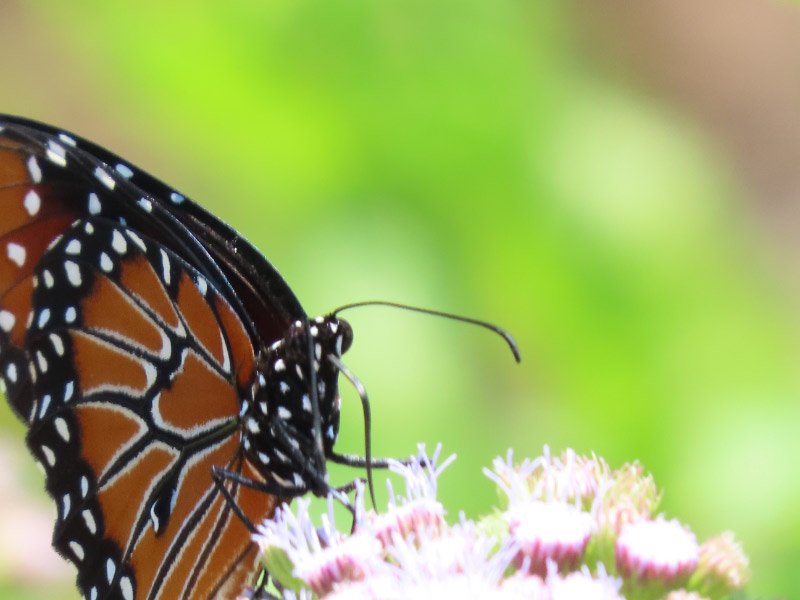
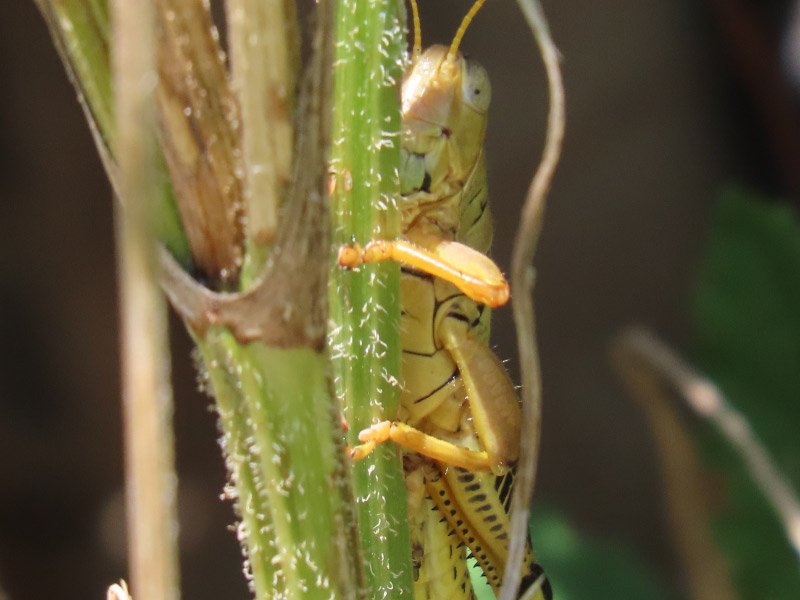
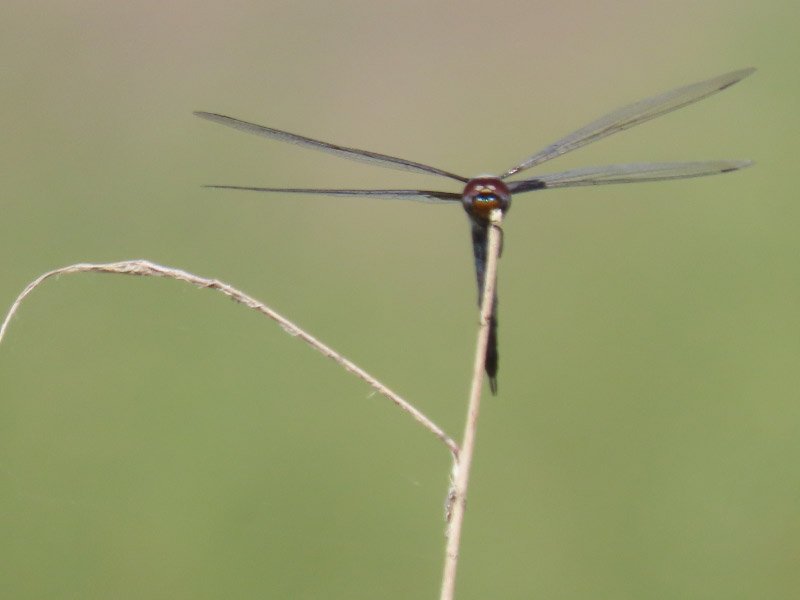
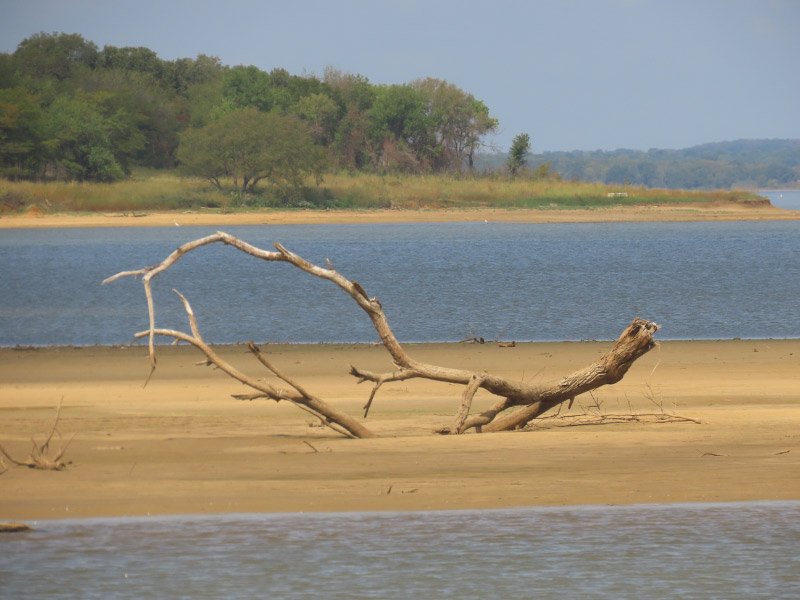
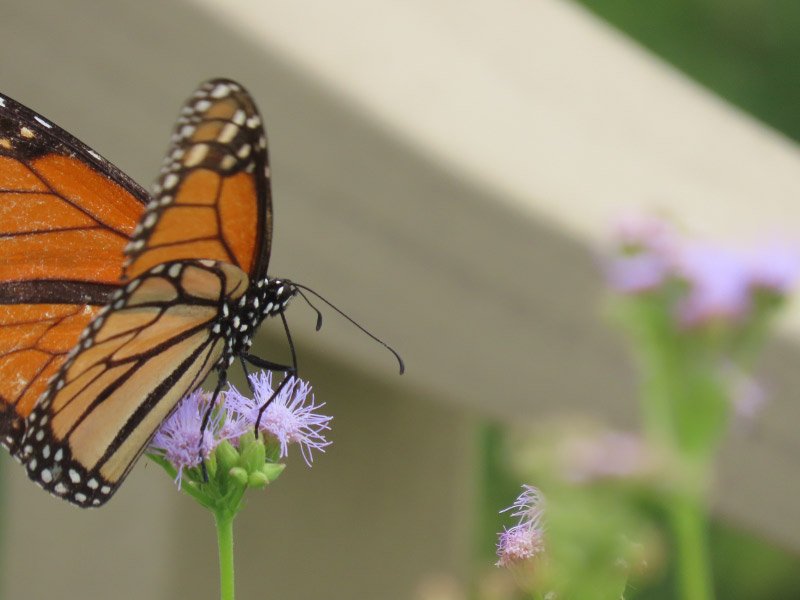
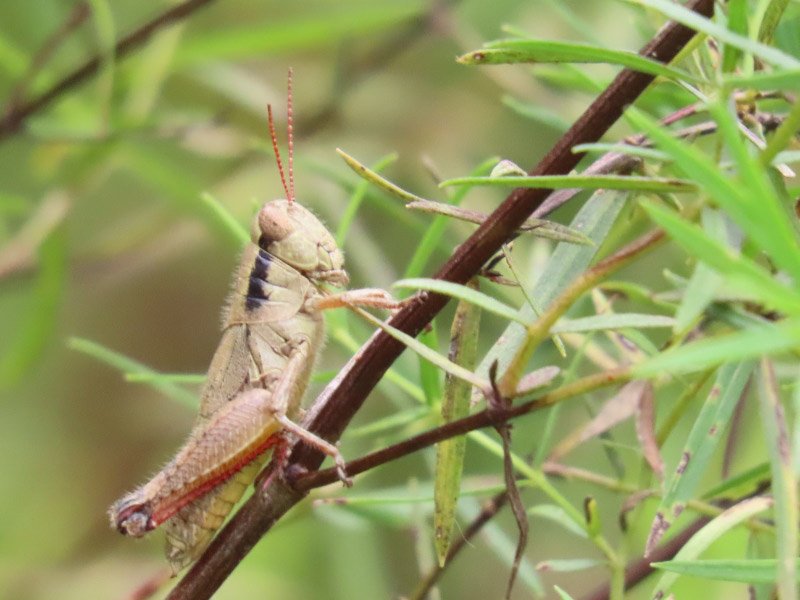
Of course there are other things to photograph too – prairie type flowers, drift wood, insects, sunrise. This year I noticed a cluster of Queen butterflies in July…didn’t see many Monarchs until the fall when they were probably migrating. The butterflies were photographed in the butterfly garden near the refuge’s visitor center – along with a grasshopper! I was surprised to see a dragonfly perched on a plant so close to the car that I was able to photograph it during my drive down the wildlife loop!

Hagerman has become one of my favorite places in Texas…and I will continue to stop there as often as I can.

Daughter’s Yard

My daughter’s house was built in the 1950s and has some very large mature trees. Even the plants that are not of that vintage, are robust. By the fall – the summer growth has often become overwhelming, so I offer to help with the grand cleanup before winter. On the day we chose – it was cloudy…warm rather than hot. The yard had been mowed the previous day so we could focus on other everything else rather than leaves. It was a good day for the project.

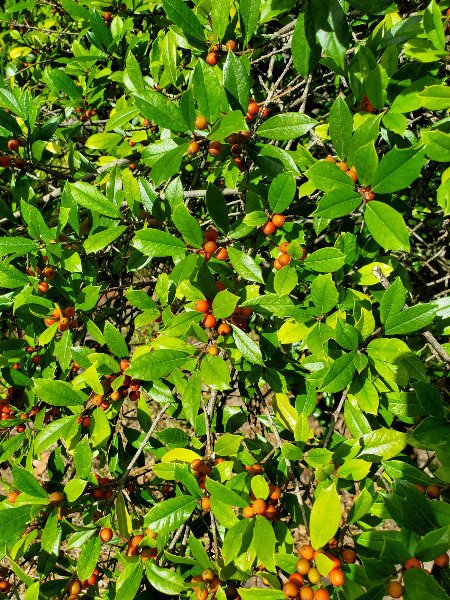
I noticed the holly berries on her two trees had almost all turned orange (or their way to red); those trees didn’t need any maintenance!

There was pokeweed in several places that needed to be pulled (she is still battling it…no truce or peace yet in her yard!). It was growing in the woodpile, between bricks of the patio….and other places too.

The path to the side of the house overhung by a mature redbud shading the hostas and ferns on both side of the flagstones yielded several armloads of sticks to supplement the wood pile. Hopefully they will have a cookout using their firepit (and burn a lot of the pile) when they have their annual pumpkin carving event.

There was a mimosa that had come up in one corner of the fenced area. We didn’t have a saw, so we cut the top out with big pruners and girded the trunk further down. I’ll brink my saw next time we work.

It didn’t take us long to fill a dumpster with vines and weeds (including pokeweed) that we pulled.

What I thought was a cherry tree turned out to be a crabapple (when I cut open one of the fruits). I learn something new in her yard every time I work there!

The other plant I hadn’t recognized before was (I think) a silverbell. I’ll look next spring for its flowers. It’s a small tree growing under her big oak.

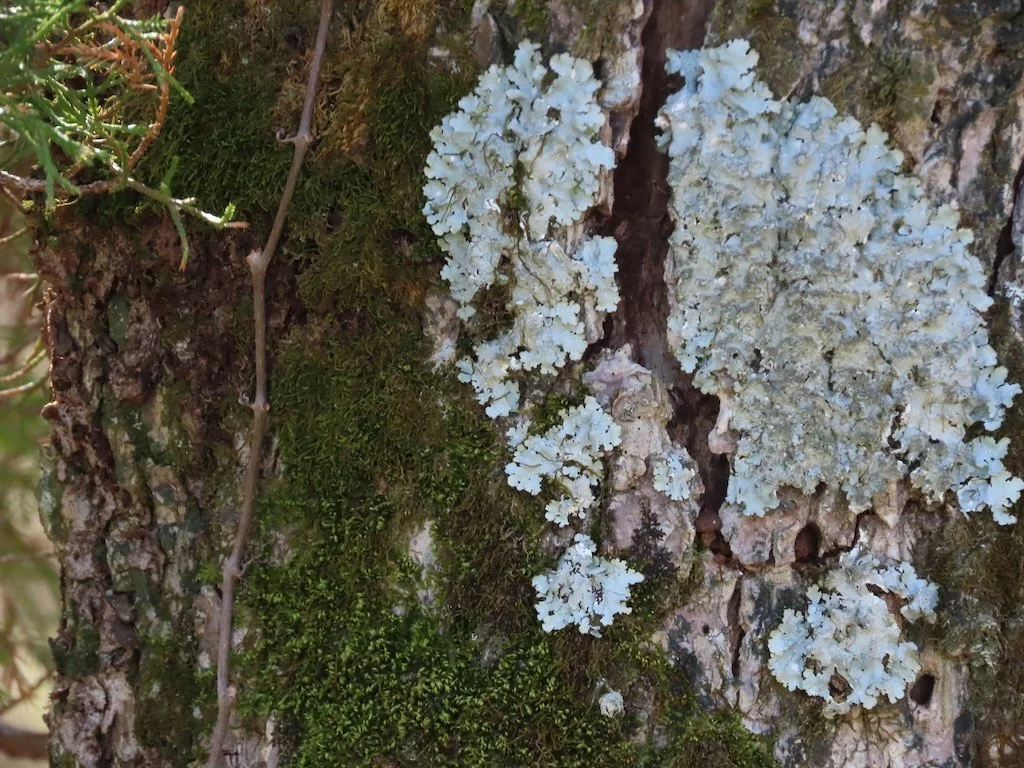
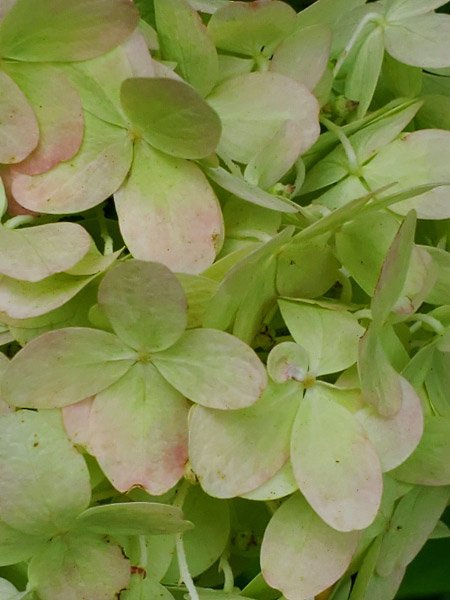
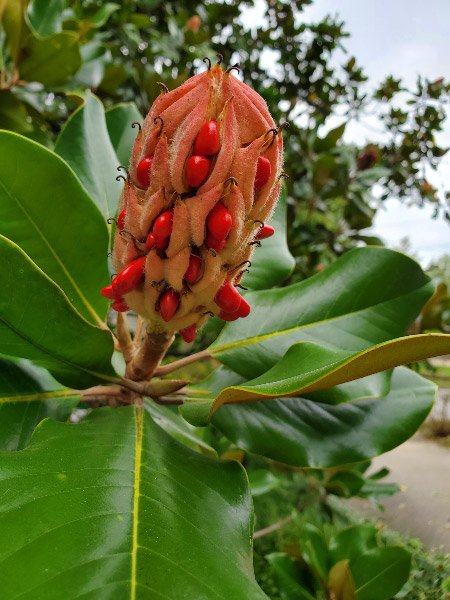
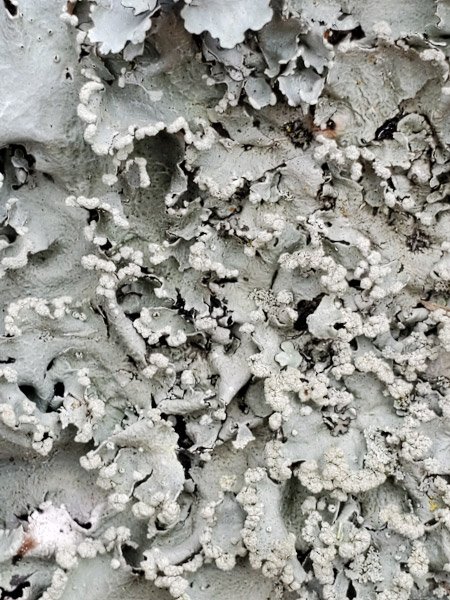
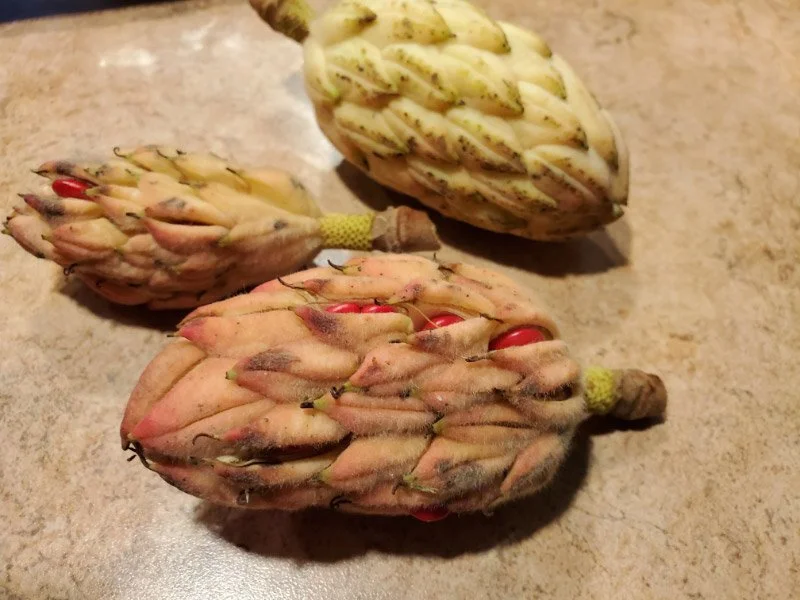
Other beauties in the flower beds that I couldn’t resist: cedar, wood hydrangea, Asian hydrangea, lichen, shelf fungus, southern magnolia seed pods (another huge tree).

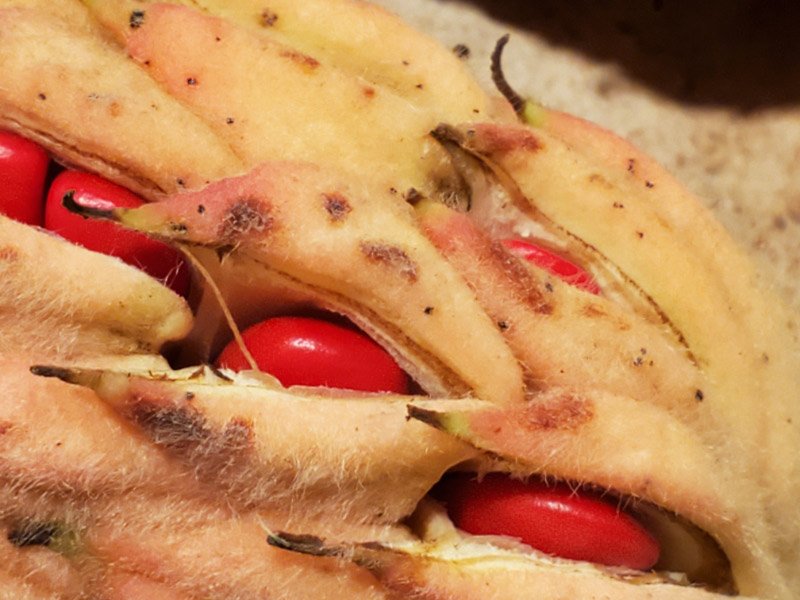
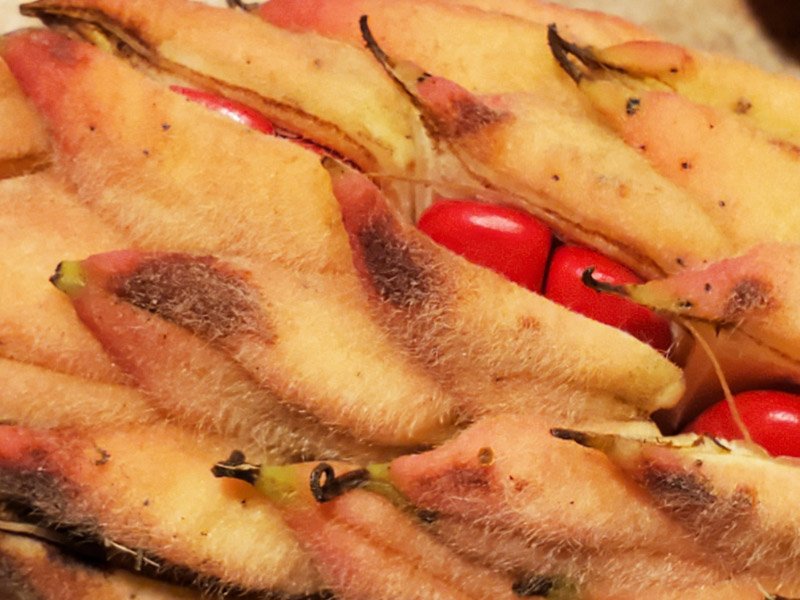
I took home 3 magnolia seed pods - hope to watch how the seeds pop out as the pods dry.

We had some productive hours….and we felt good about what we had accomplished!

Zooming – September 2023

The beauty of the early morning in Texas - Hagerman and Josey Ranch and my parents’ yard….the wildness of Shaw Nature Reserve (near St. Louis MO) in the early afternoon…the joys of nature in my neighborhood (Nixa MO). These are the locations where my selections of zoomed images for September were made. The month was very much between summer and fall – starting hot and getting a bit cooler as the month progressed, still very green but the occasional beginning of fall color. Enjoy the September slideshow!

Green Heron in the Neighborhood

I took a walk around our neighborhood ponds on a pleasantly cool morning. I noticed the redbud tree that was damaged by a storm more than a month ago. One of the cut trunks was obviously not healthy and might have been why the tree was vulnerable to the wind. A small branch from another cut surface was already a ‘fall’ color rather than green…and became the subject of the most artsy image of the morning.

There were little fish in shallow (warmer) water. They probably have reduced the mosquito population!

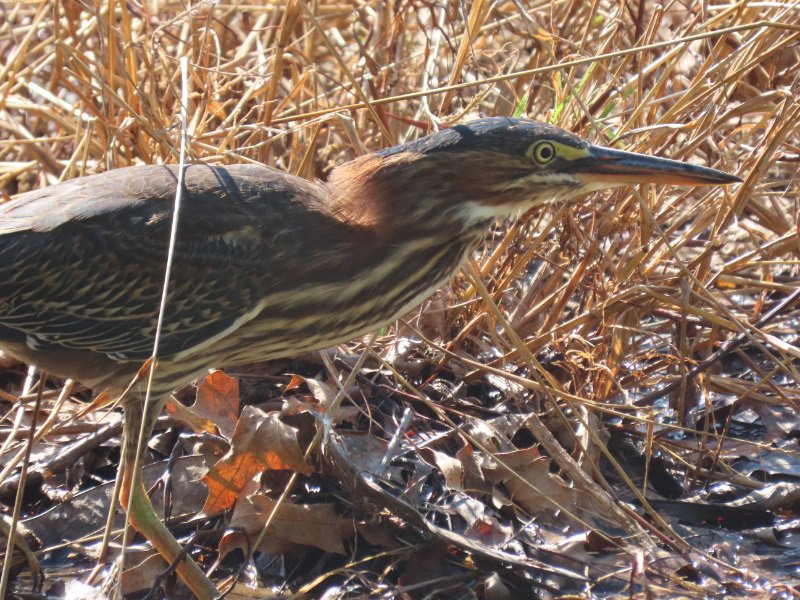
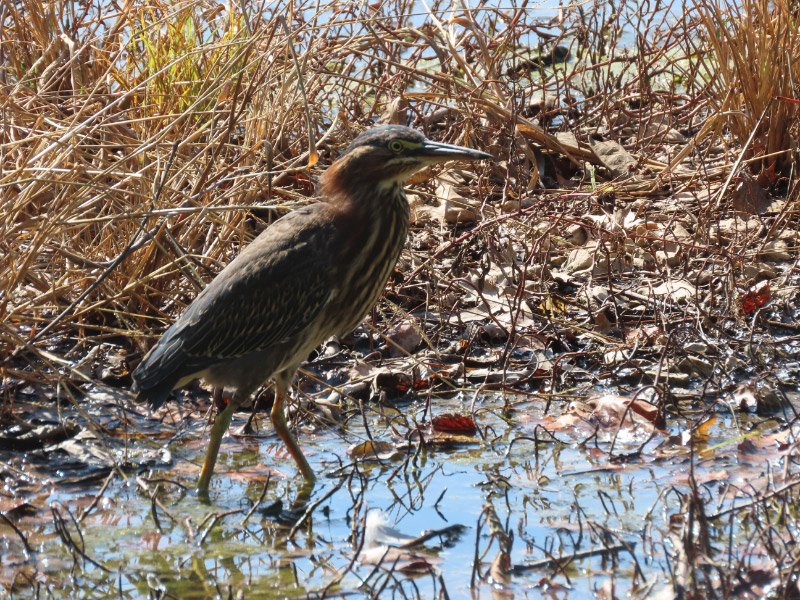
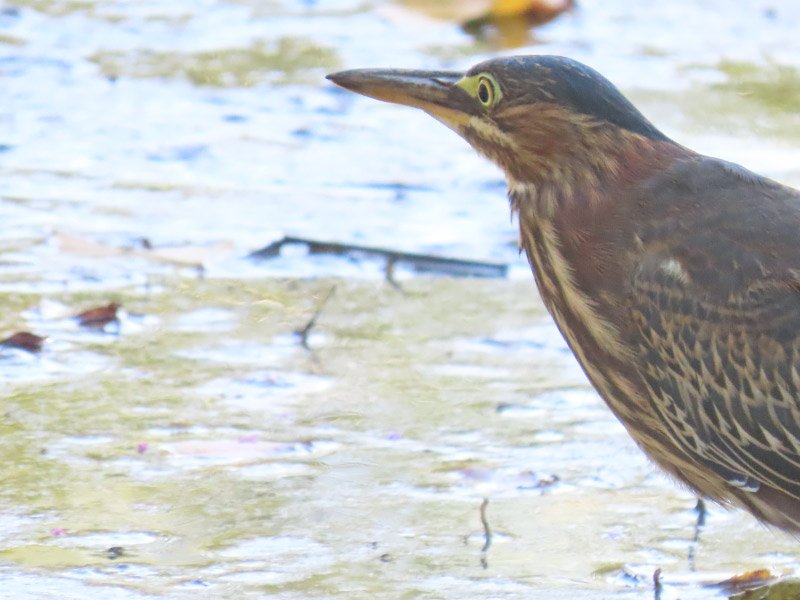
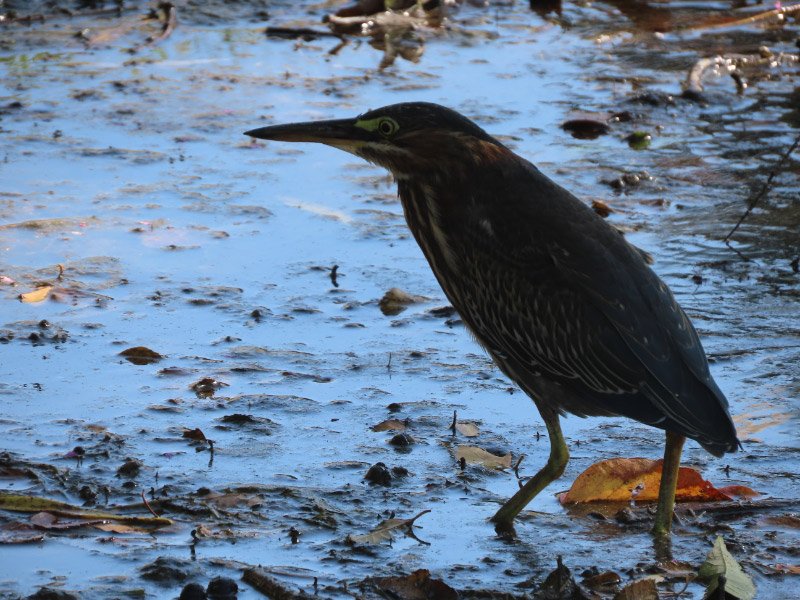
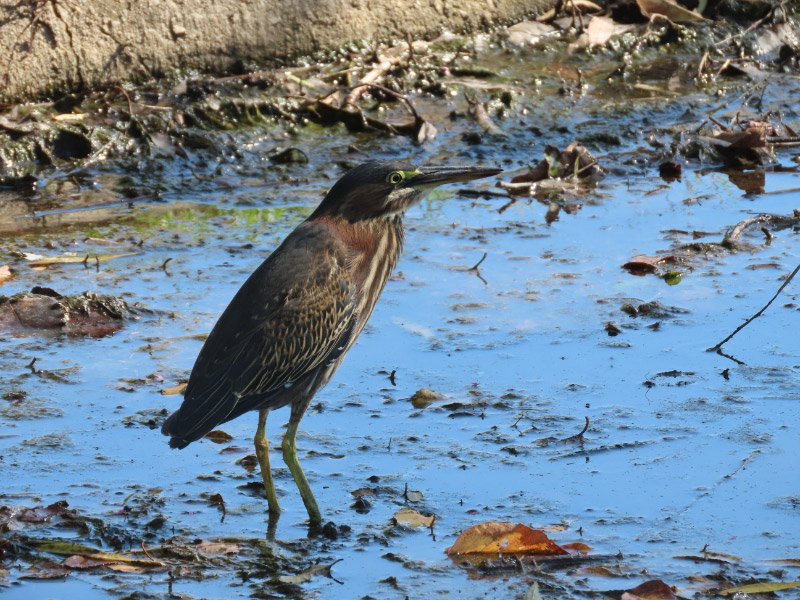
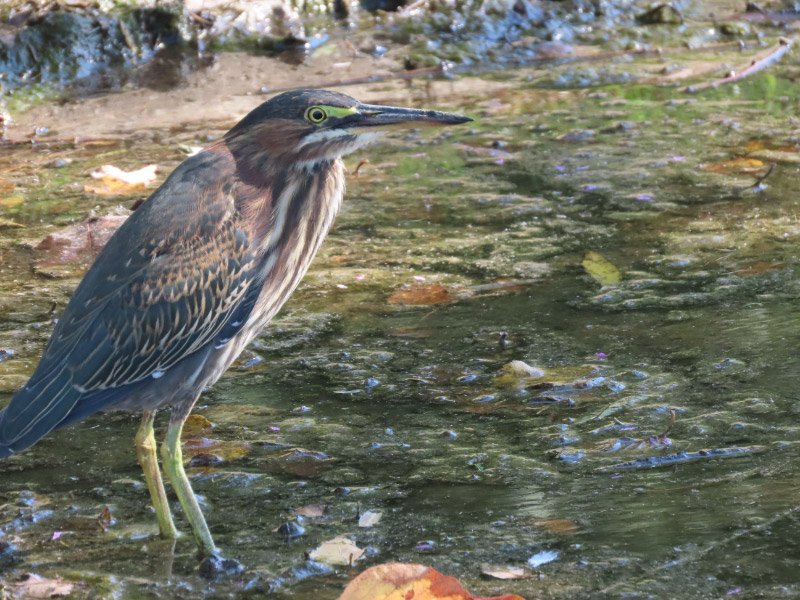
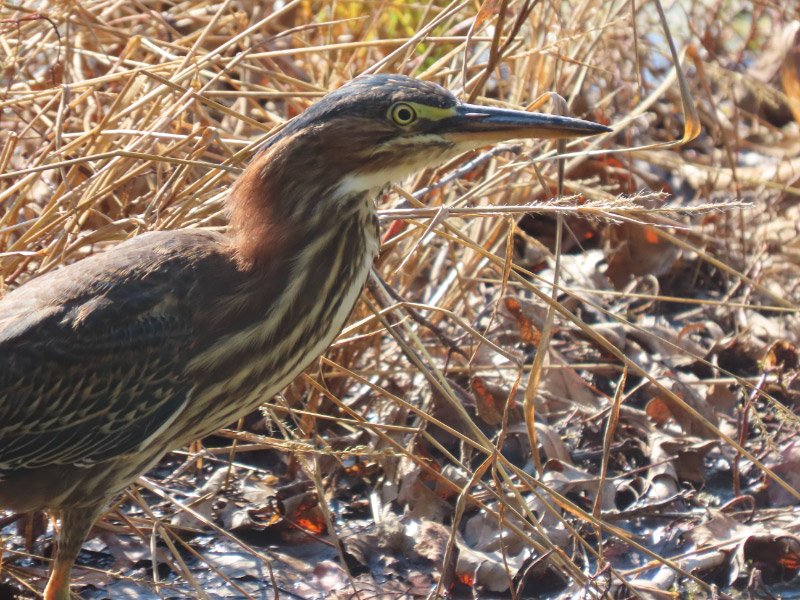
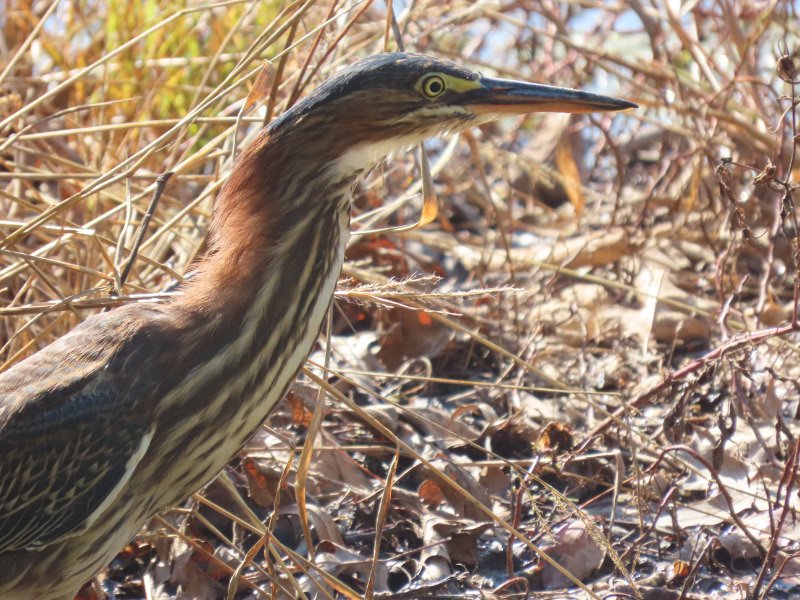
Just after I photographed the fish, a green heron startled - flew up and away; fortunately, it did not go too far, and I had plenty of time to enjoy photographing the bird. Their coloring helps them blend in so well that they are often hard to spot so I take full advantage photographing the birds when I happen upon them. They change their shape…sometimes with a short neck…sometimes stretching out their neck (even though their neck is still thicker than many herons).

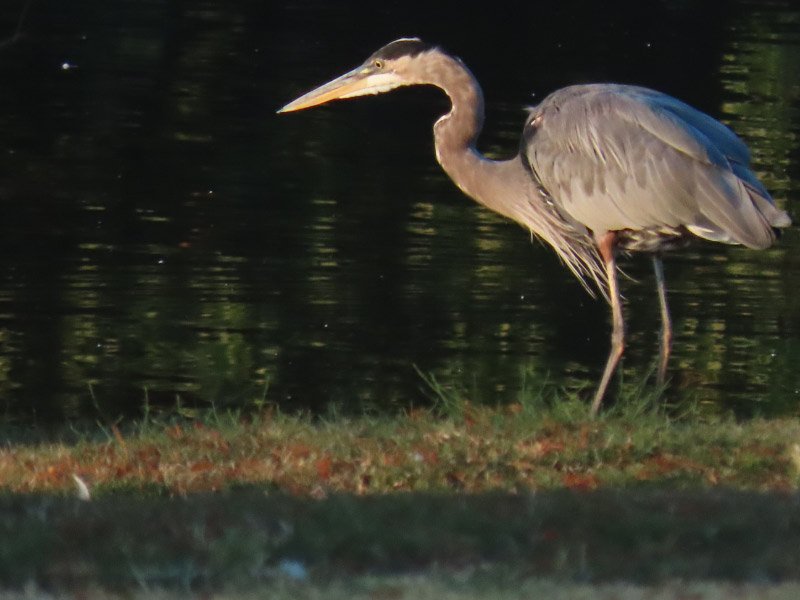
There was also a Great Blue Heron that I didn’t see until too late to photograph well – it is on the other side of the bridge in the image below.

There were turtles on the side of the pond at one point. The morning was still cool and they were soaking up the sun.

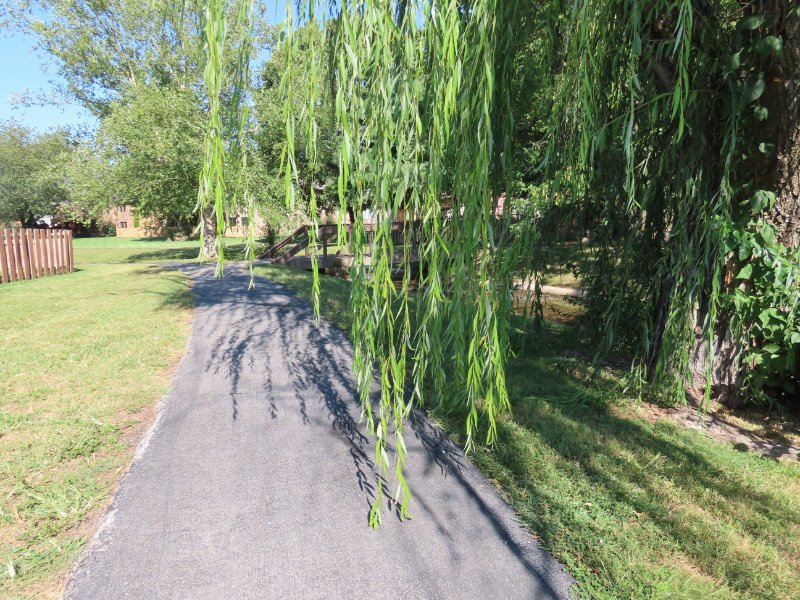
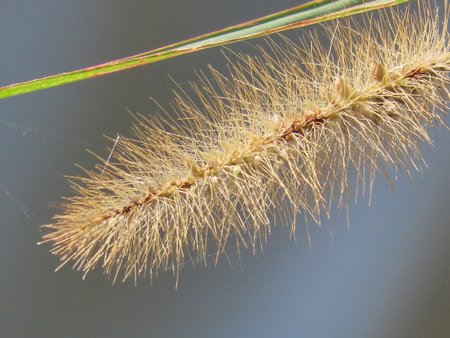
There were plants going to seed around the pond, the willow draping over the pathway, honeysuckle blooming, very young maple trees turning red, and grasses that were not totally green!

Overall – a pleasant walk….with the Green Heron as the highlight….the other bits and pieces providing the context.

Hagerman Wildflowers – May 2023

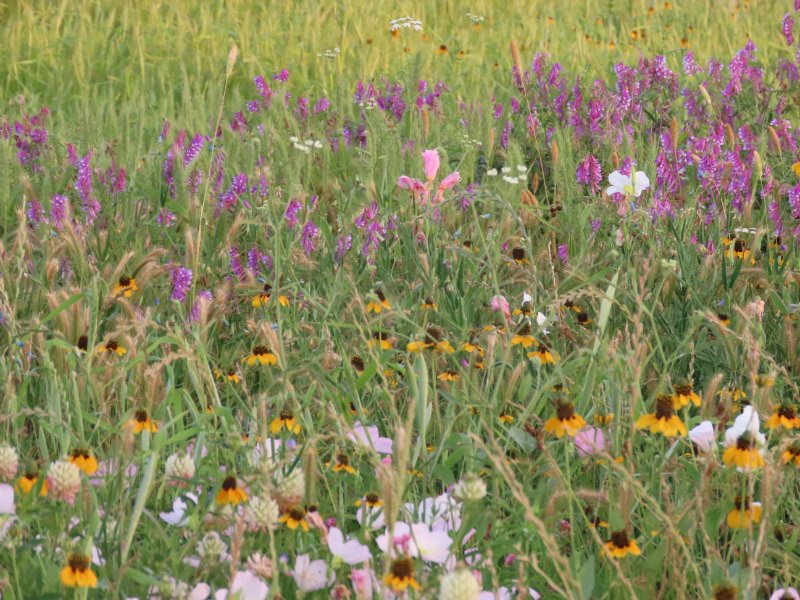
The wildflowers were abundant at Hagerman National Wildlife Refuge in May…and the cloudy weather didn’t impact photography of them as it did for the birds. I enjoyed taking some assemblages of flowers in the roadside meadows.

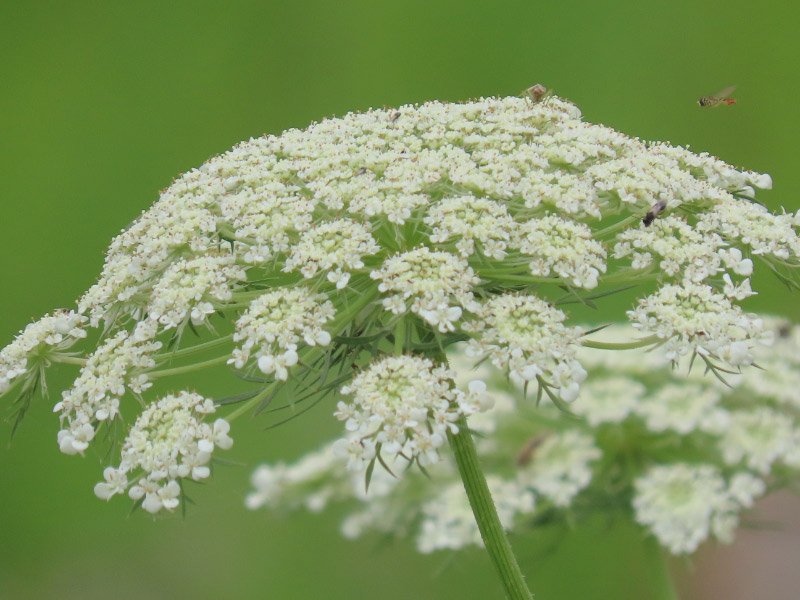
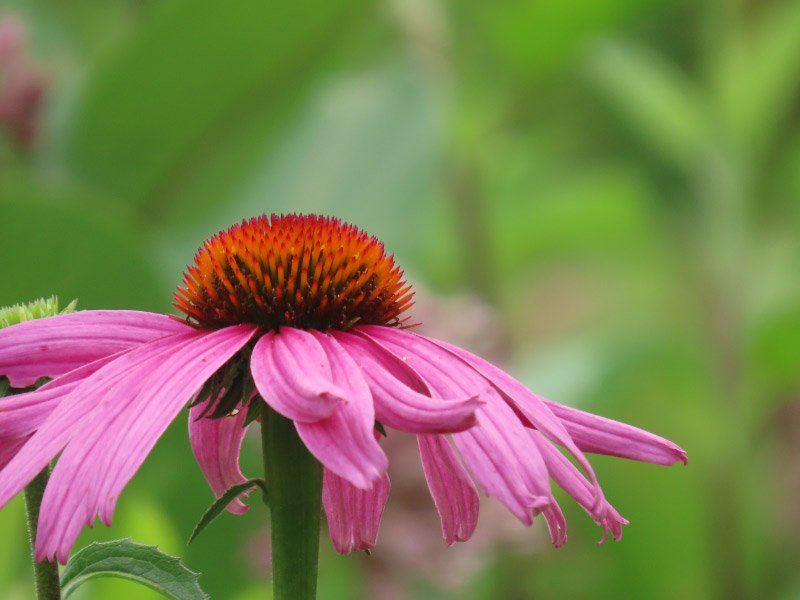
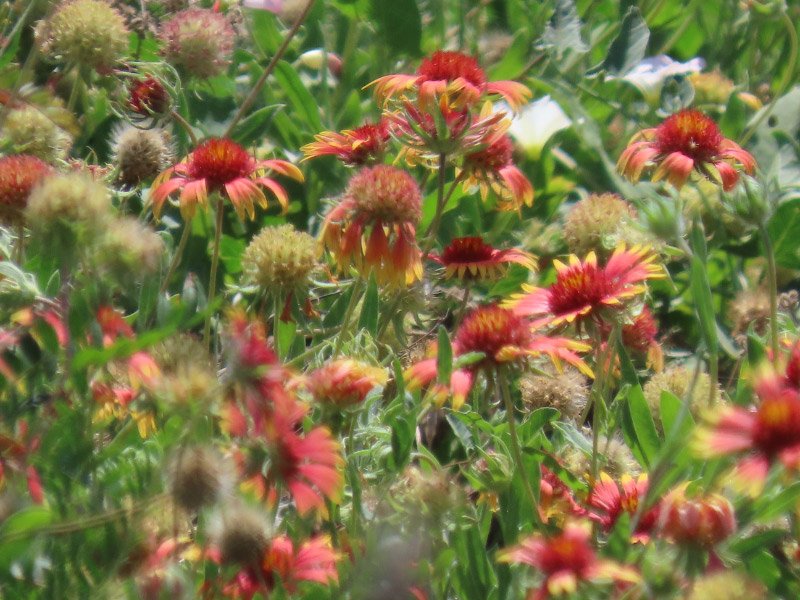
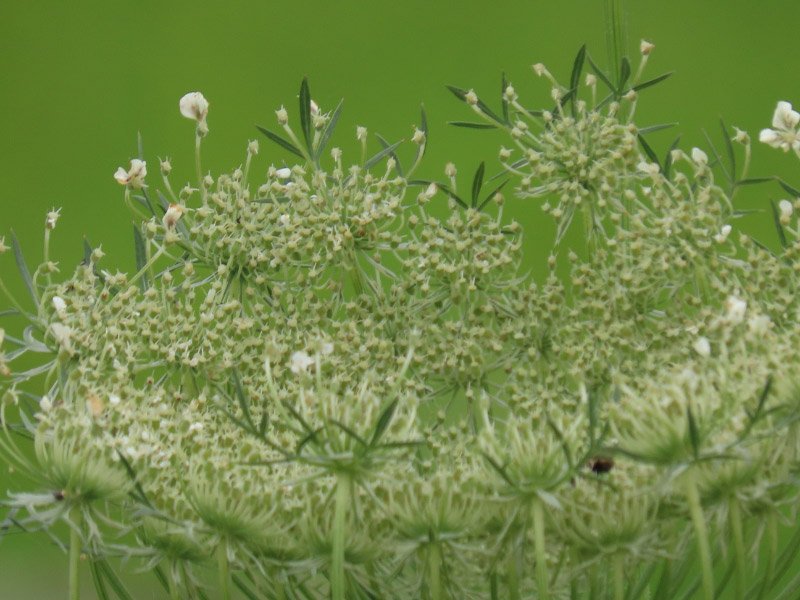
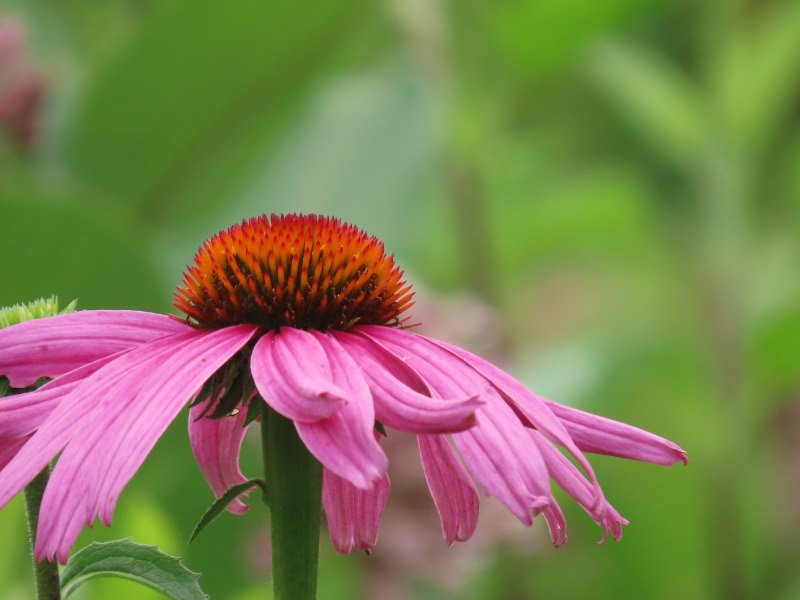
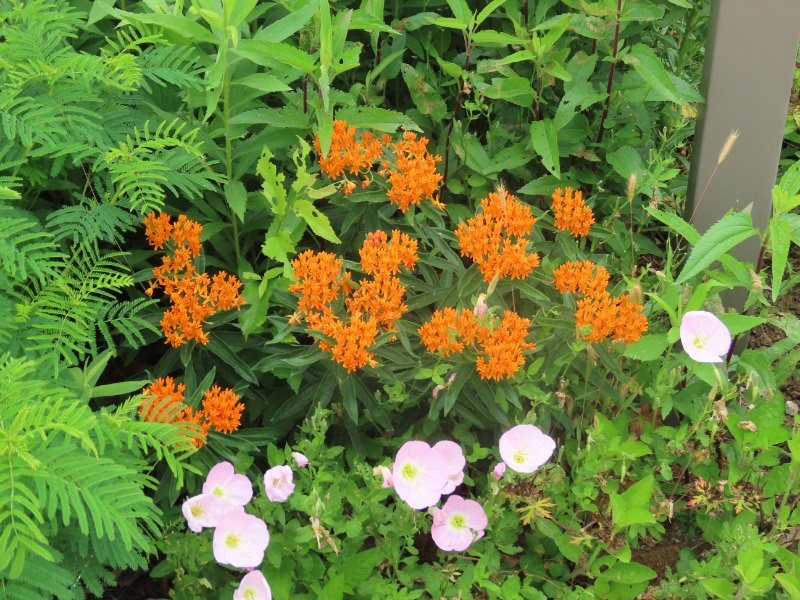
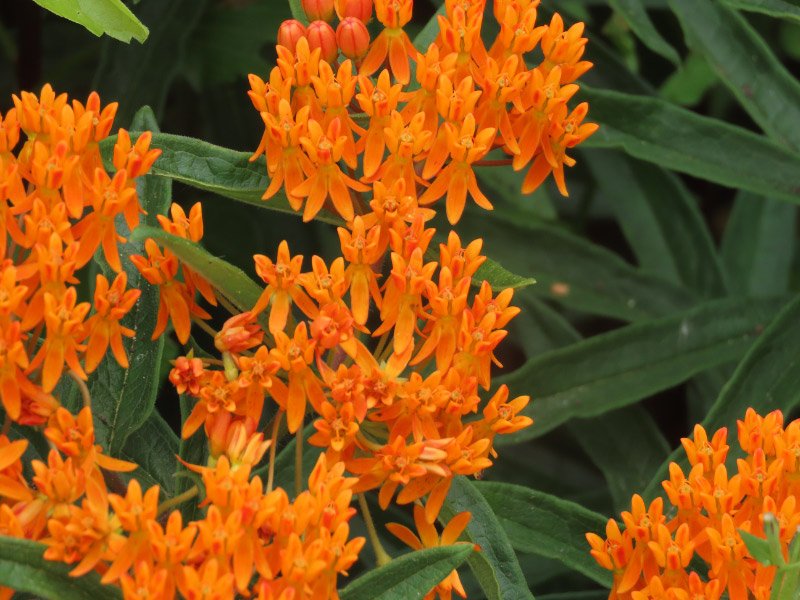
Most of my images were zoomed in shots of single species – queen Anne’s lace, amaranth, coneflower, butterfly weed, milkweed….and more.

Some of the plants had insects on them too…an added attraction.

I experimented with some high key images too…the advantage of a cloudy sky.

The redbud near the visitor center is one of my favorite trees to photograph – an easy access specimen for macro photography.

I’m looking forward to seeing the changes when I visit the refuge in June. Some of the flowers will last through the summer….others will be done with their blooms for the year. Being able to visit a refuge like Hagerman every month is one of the best things about 2023 (so far)!

Our Missouri Neighborhood – April 2023

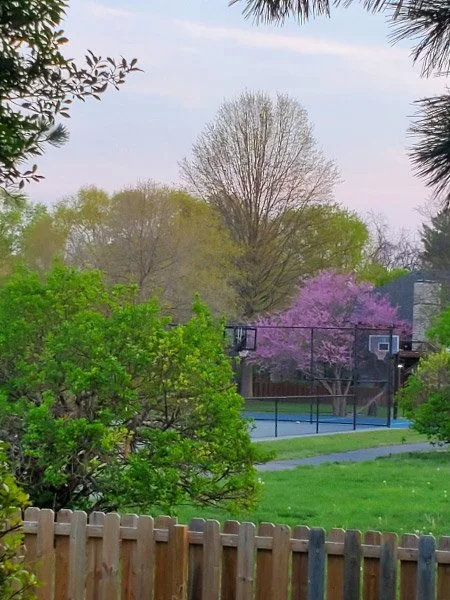
Springtime view of our neighborhood from our backyard just after sunrise. The trees are leafing out…filling in more of the eastern horizon. The red bud is a break in the spring greens looking past the tennis courts.

Later in the morning I took some macro shots of fading daffodil blooms

And redbud flowers/leaves.

After spending time photographing the ducklings (see yesterday’s post), I made a project to photograph some of the trees in the morning like against the very clear sky. There was a little breeze but the light was bright enough to freeze the image!

The lawn around the pool was dotted with dandelions. I know that many hate the plants – wage war on them in their lawns – but I have come to appreciate them. I like their cheerful yellow flowers (and so do insects) and the puffs of seeds are always photogenic. I mow them but don’t do anything else to discourage them in my yard.

Springfield Botanical Gardens – April 2023

The uptick in vegetation is in full swing at the Springfield Botanical Gardens this month. We went on a morning cool/breezy enough to require a jacket with a hood and gloves. The early blooming trees and bushes (cherry, magnolia, quince), spring bulbs, and some violets made it worth the walk. The magnolias appeared to have been hard hit by the cold weather of the past weeks – with wads of ruined flowers; but some buds were evidently not impacted, and the few flowers were a taste of how grand the tree would have been without the cold weather.

As usual, I couldn’t resist some macro shots. In years past, I have often contented with very active bees, but the breezy cold must have kept them away. I didn’t see a single insect on the trees. The picture of the ‘open’ redbuds (last picture) was one of my favorites.

But – my favorite of the morning was the tulips. Not all the tulips were blooming quite yet…but these very bright flowers stood out in their brown mulch bed. I liked their color and spikey shape!

I am looking forward to seeing how the gardens change by May!