Table Rock Lake

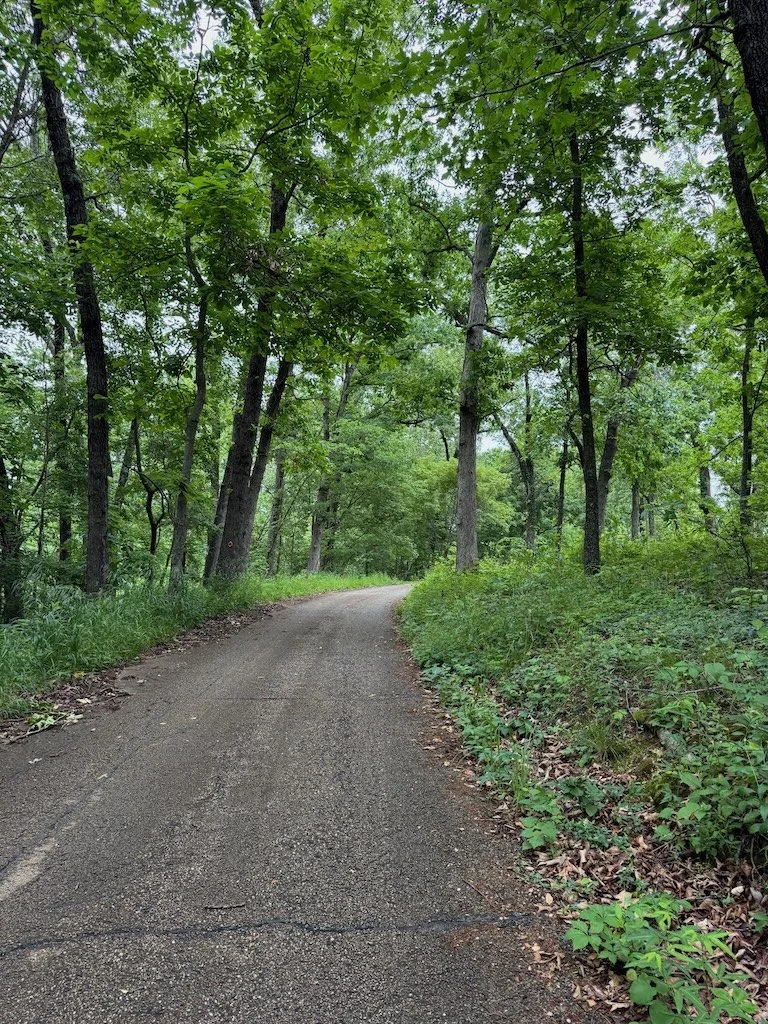
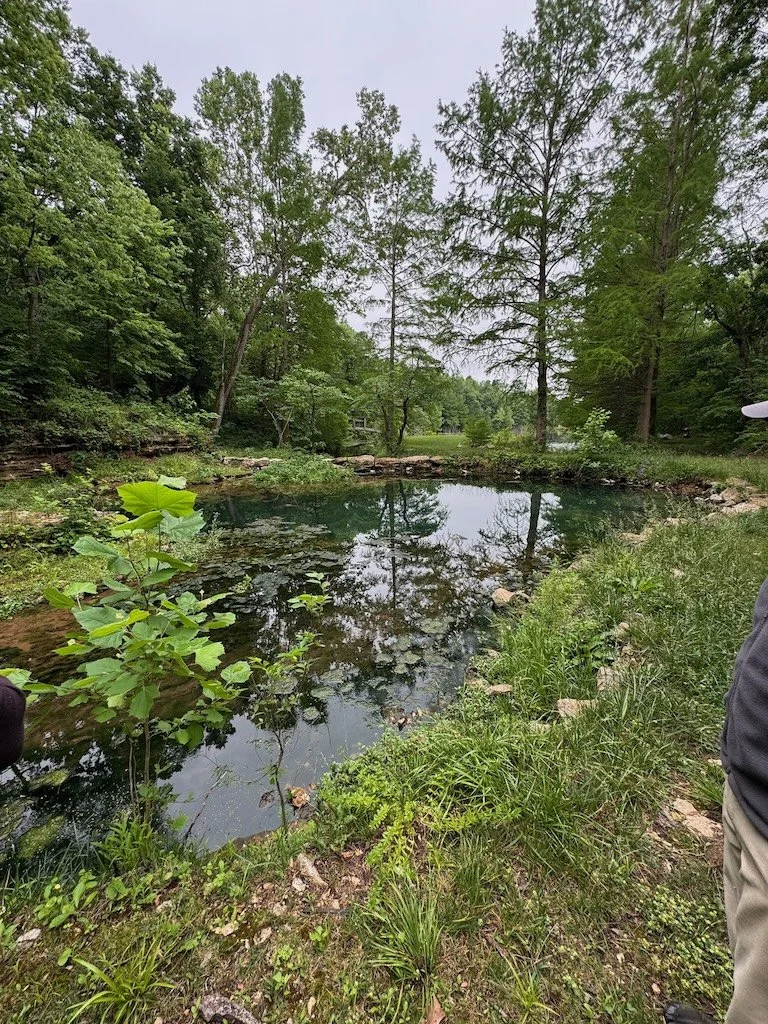
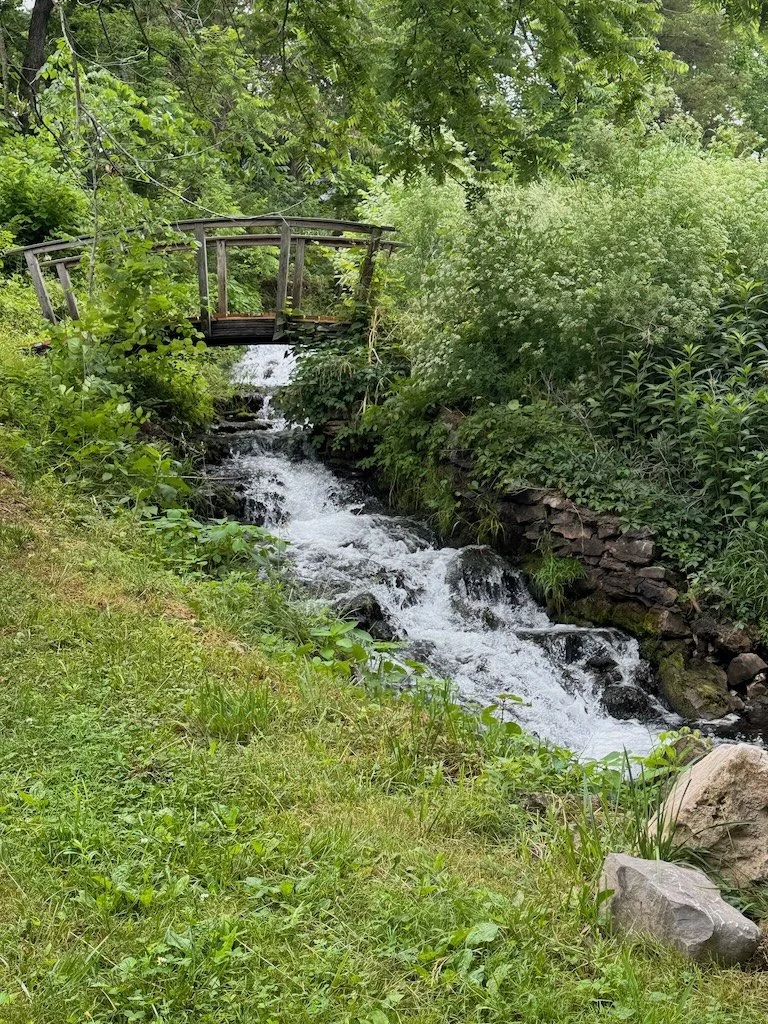
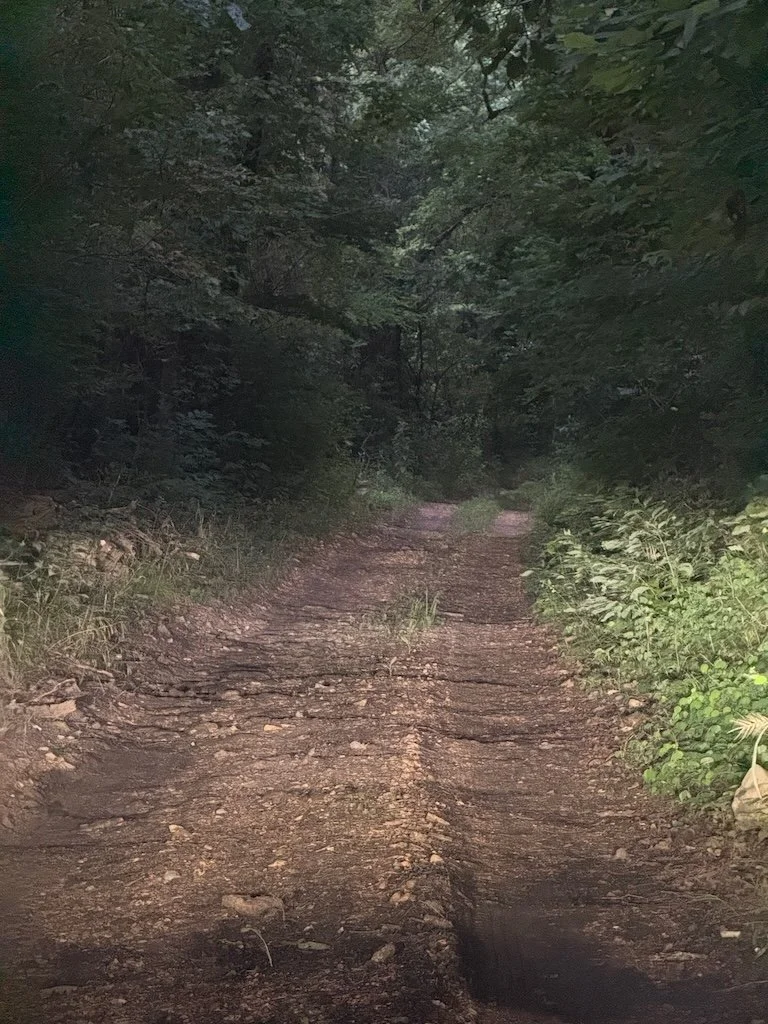
One of the Master Naturalist hikes that I planned was at the end of February – hosted by a person that lived near Table Rock Lake. It was a great day for a hike – not a wintery day at all!

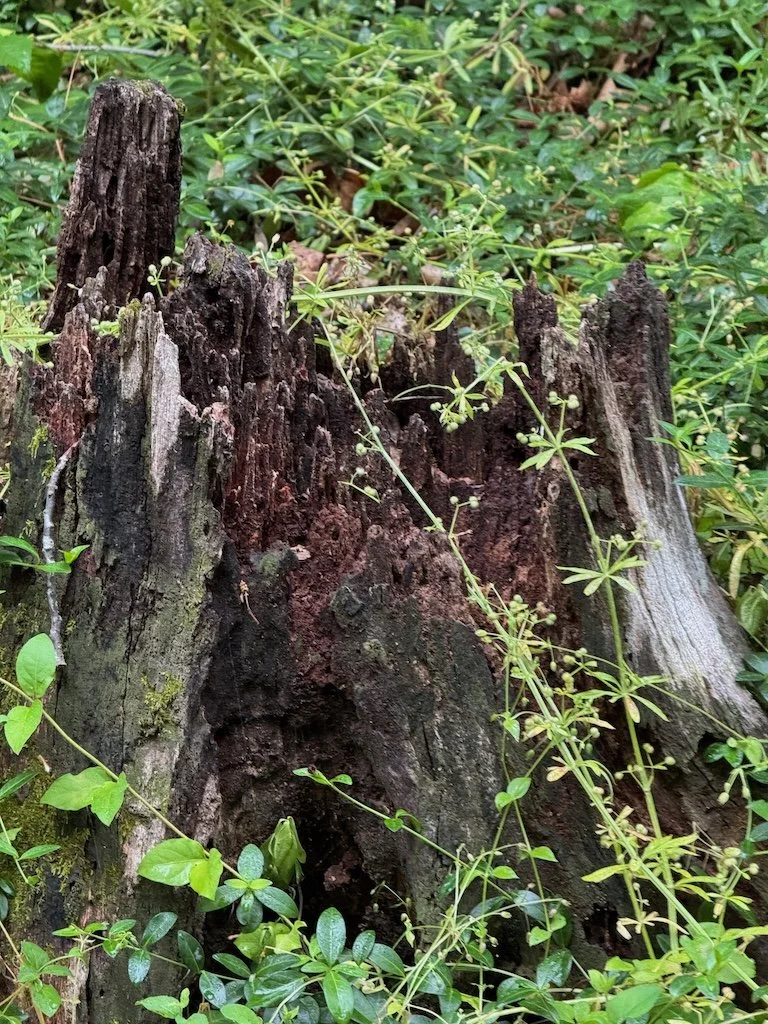
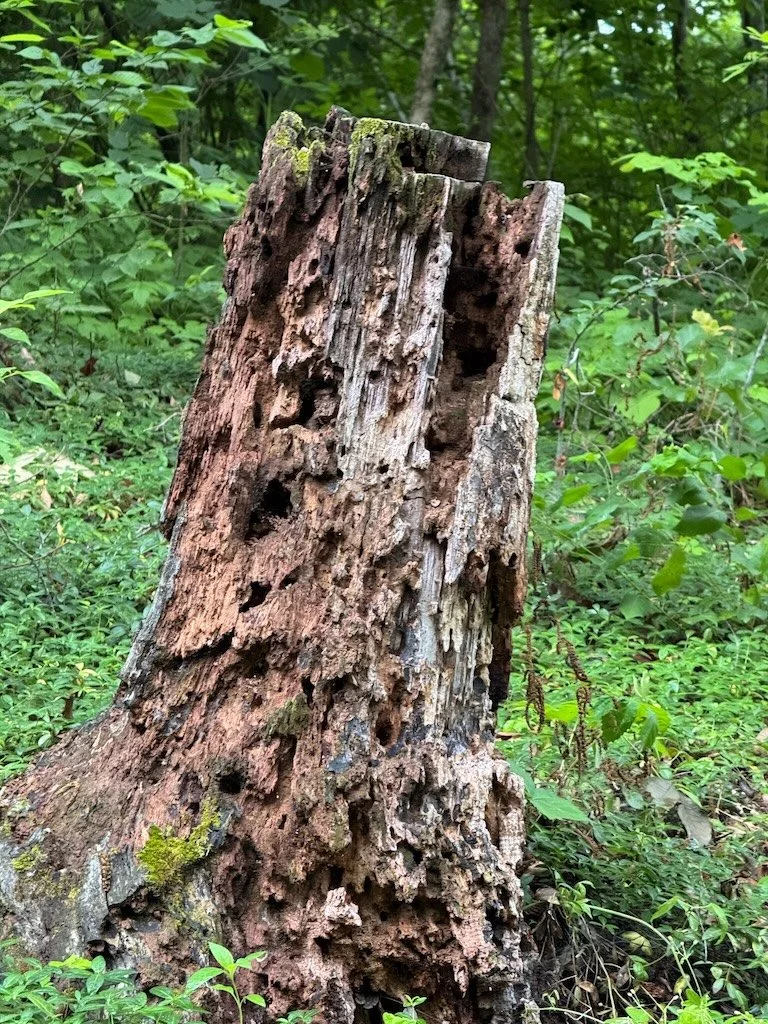
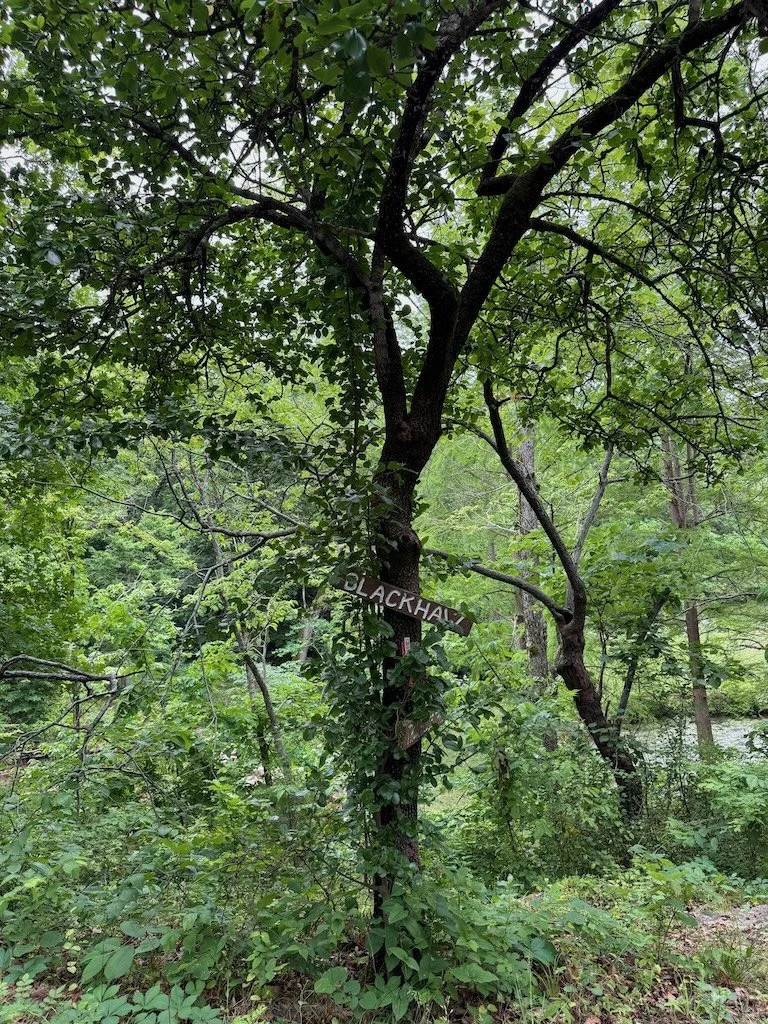
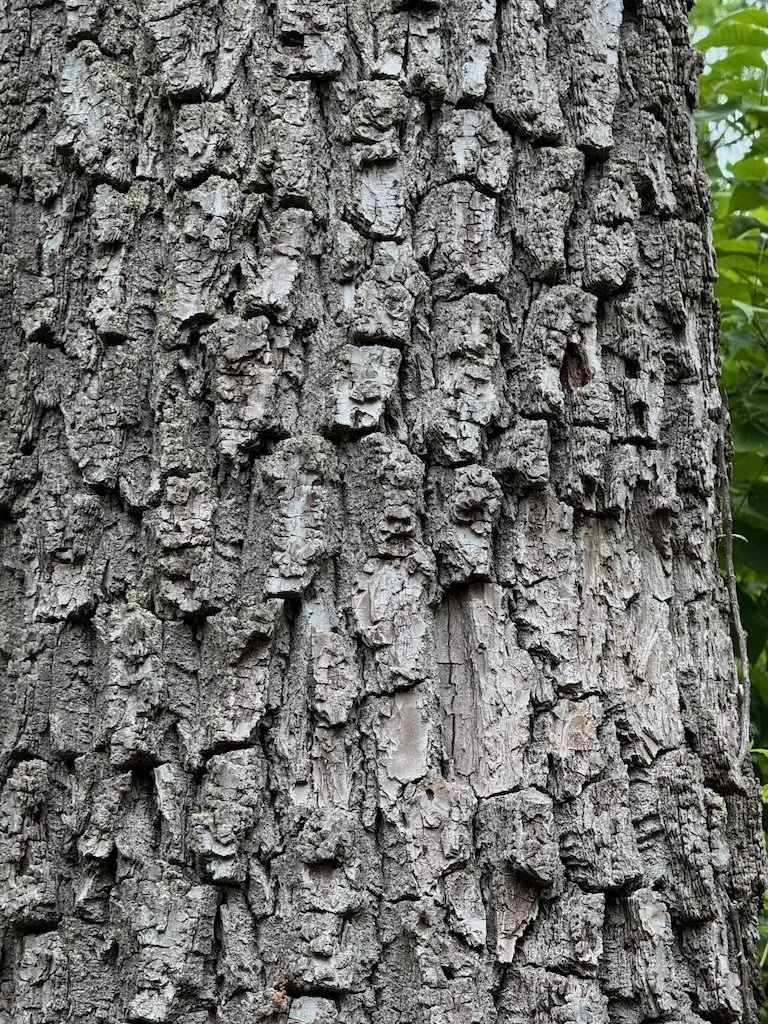
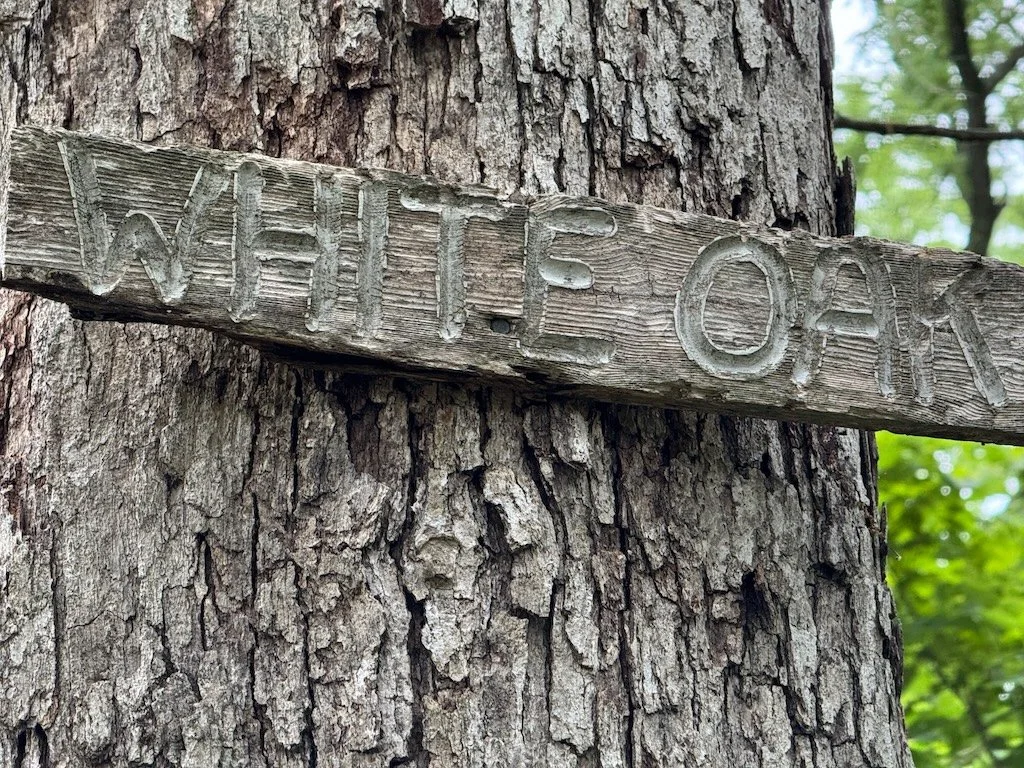
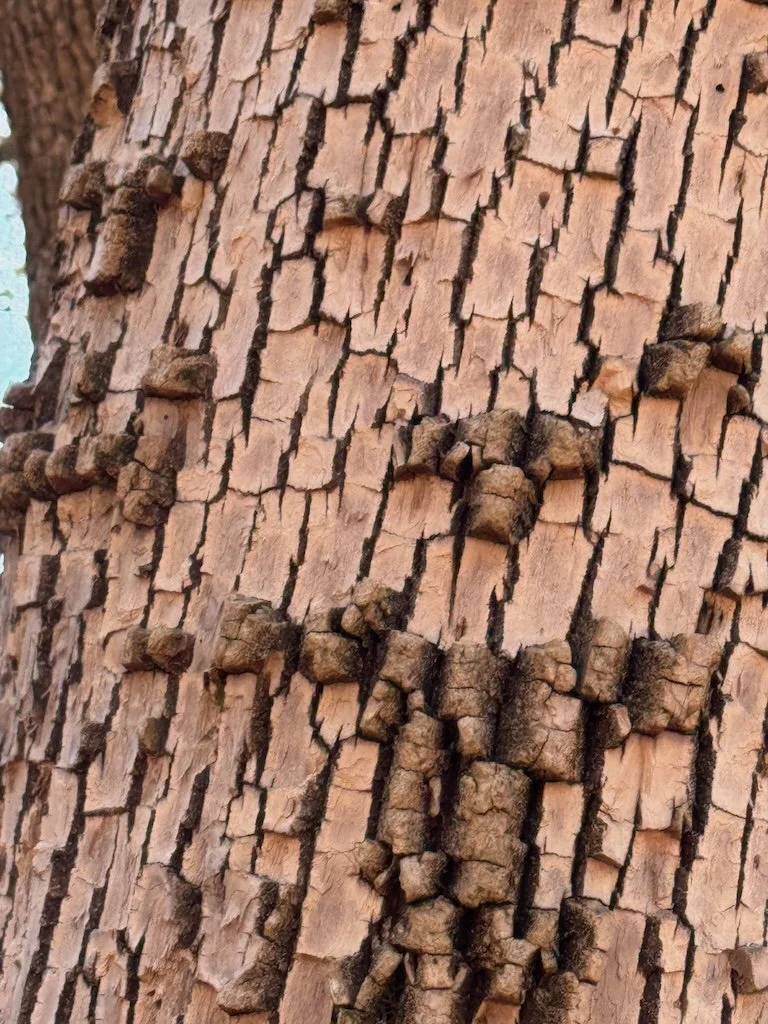
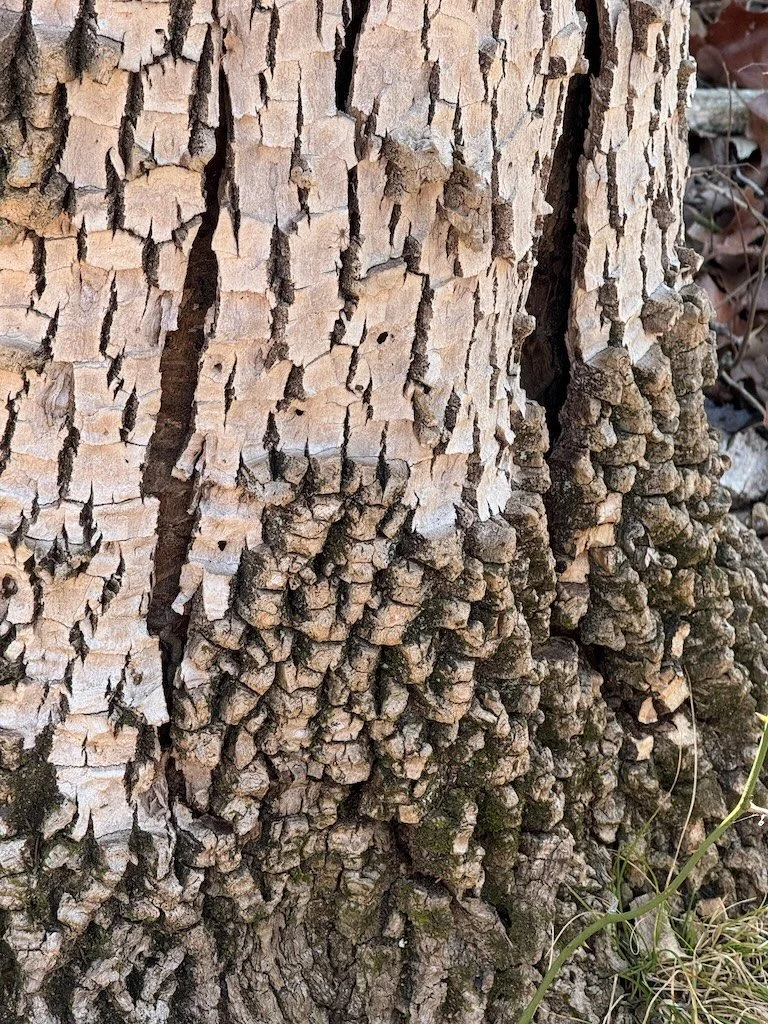
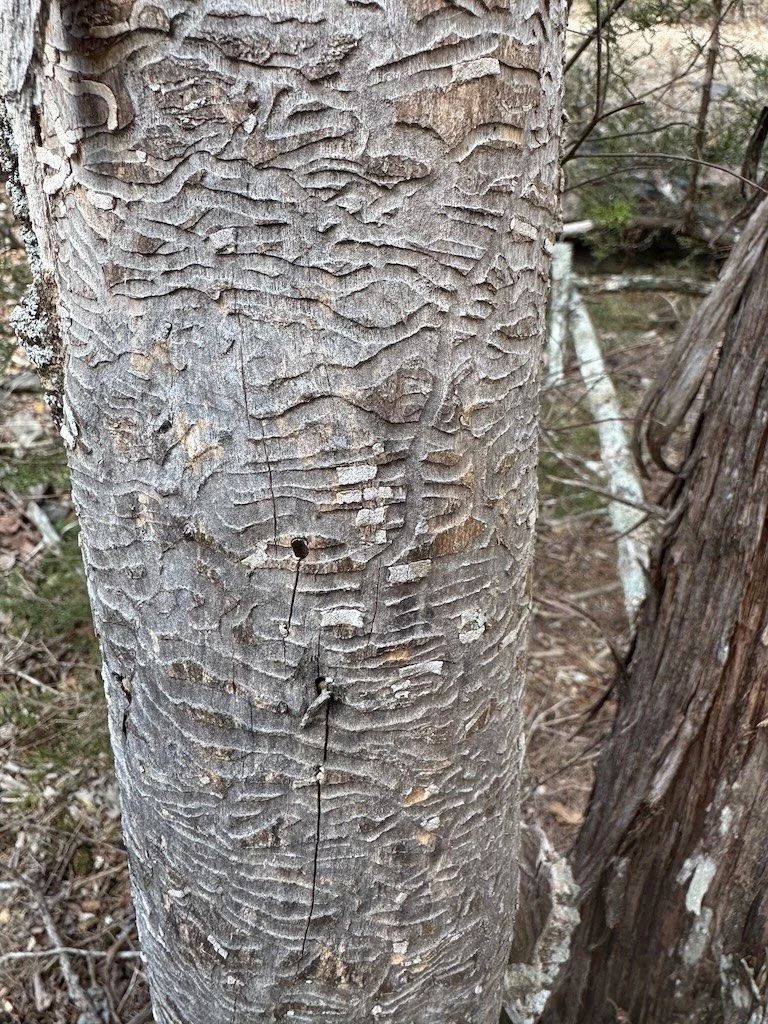
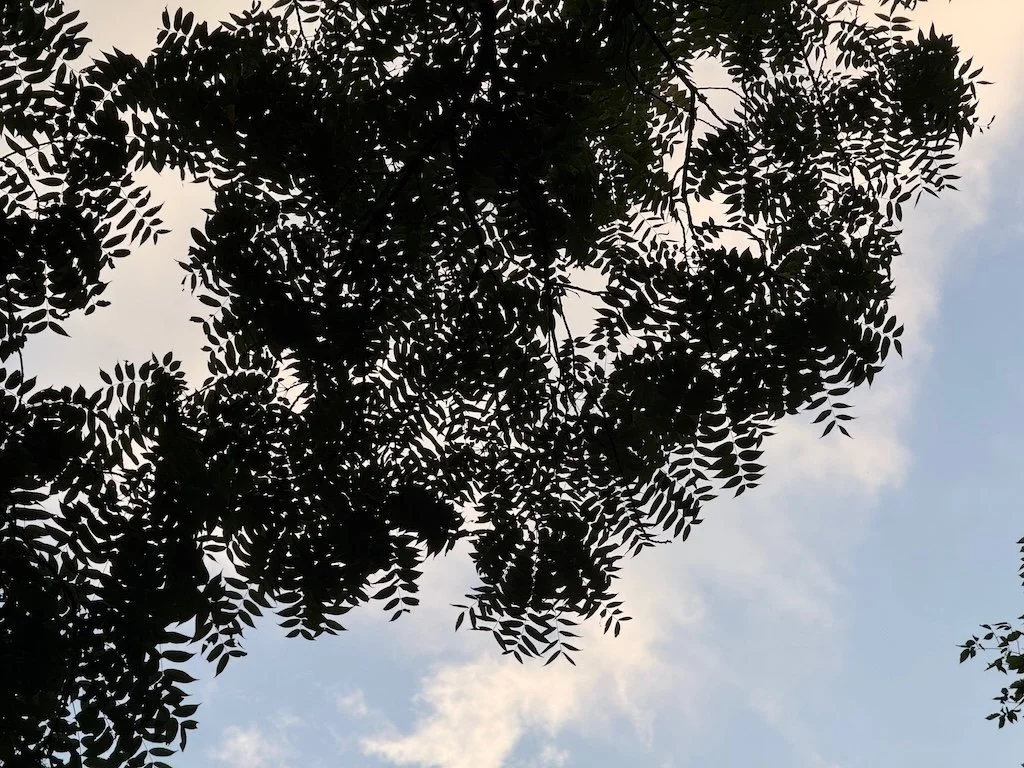
There were winter trees to observe in the forest when we started our hike – sassafras, redbud, dogwood, eastern redcedar, honey locust….and a lot of dead ash trees. Anything that had bark sluffing off (or already missing) was probably an ash. Emerald Ash Borer is taking out Missouri’s ashes just as happened on the east coast before we moved from Maryland.

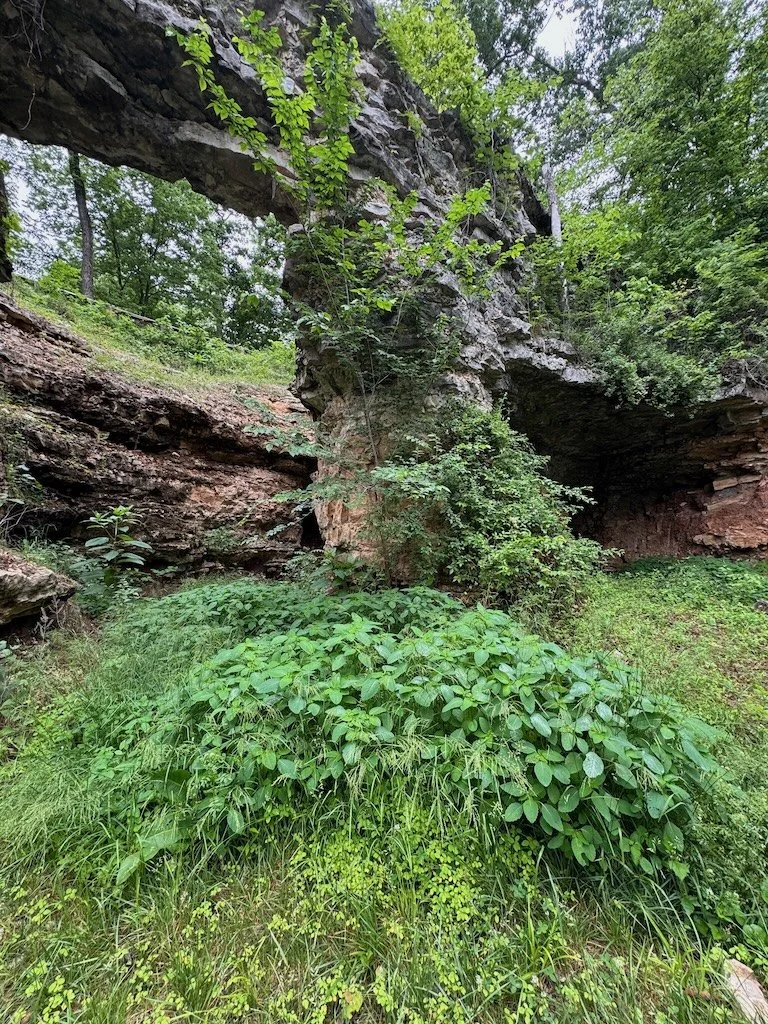
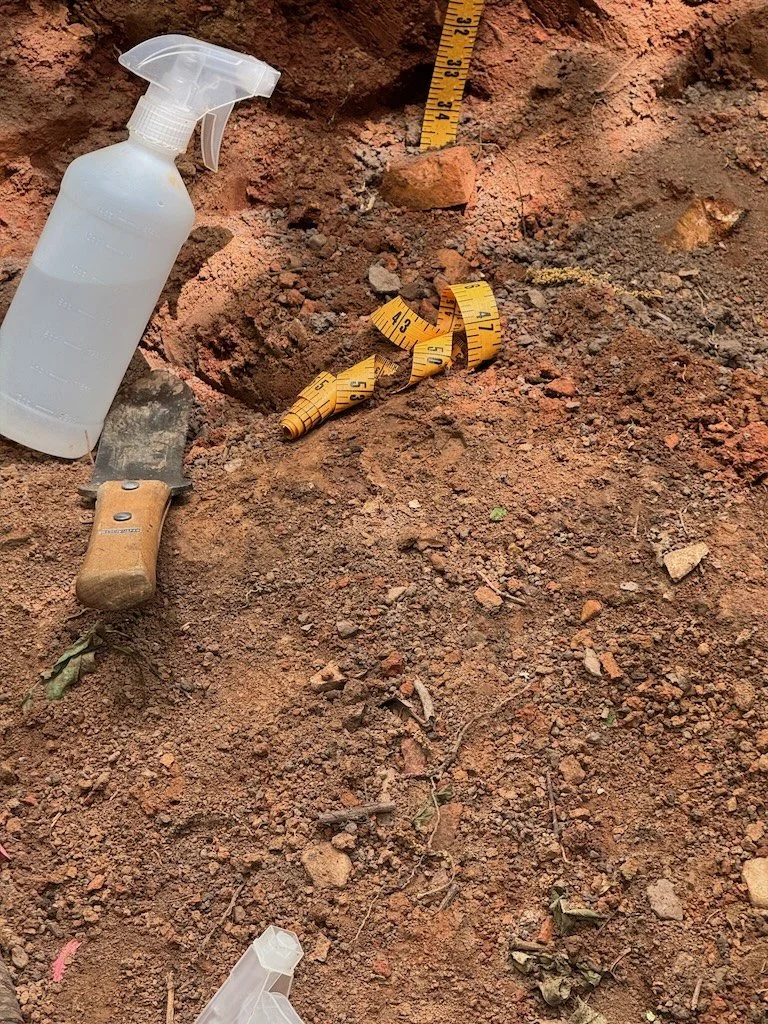
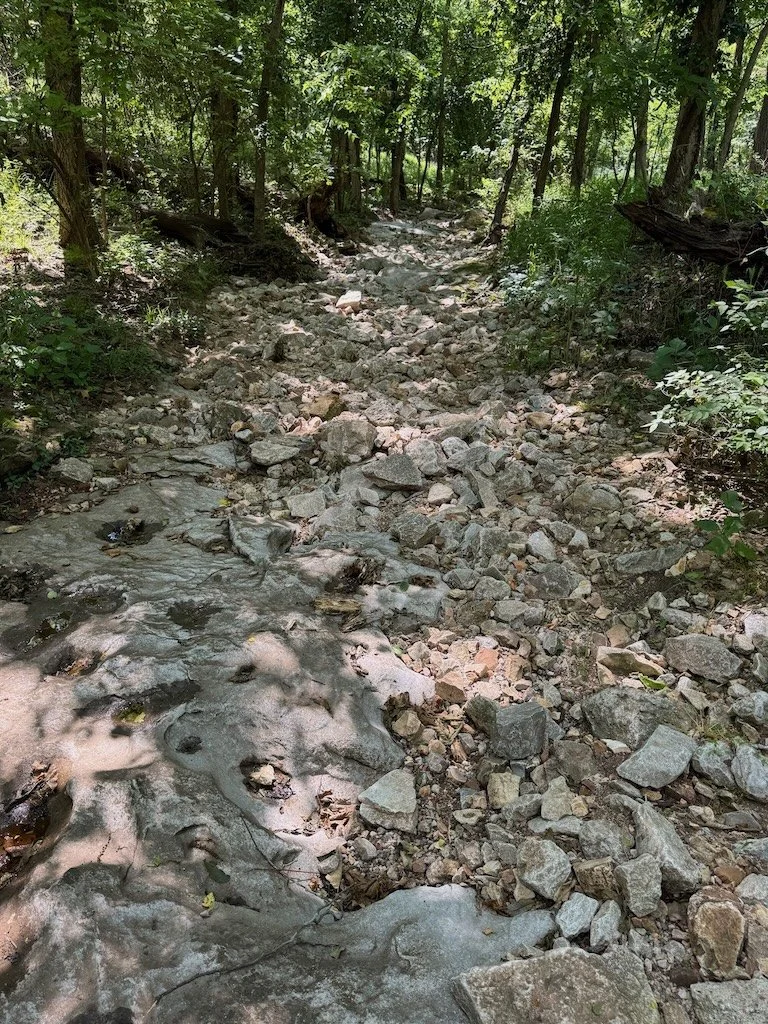
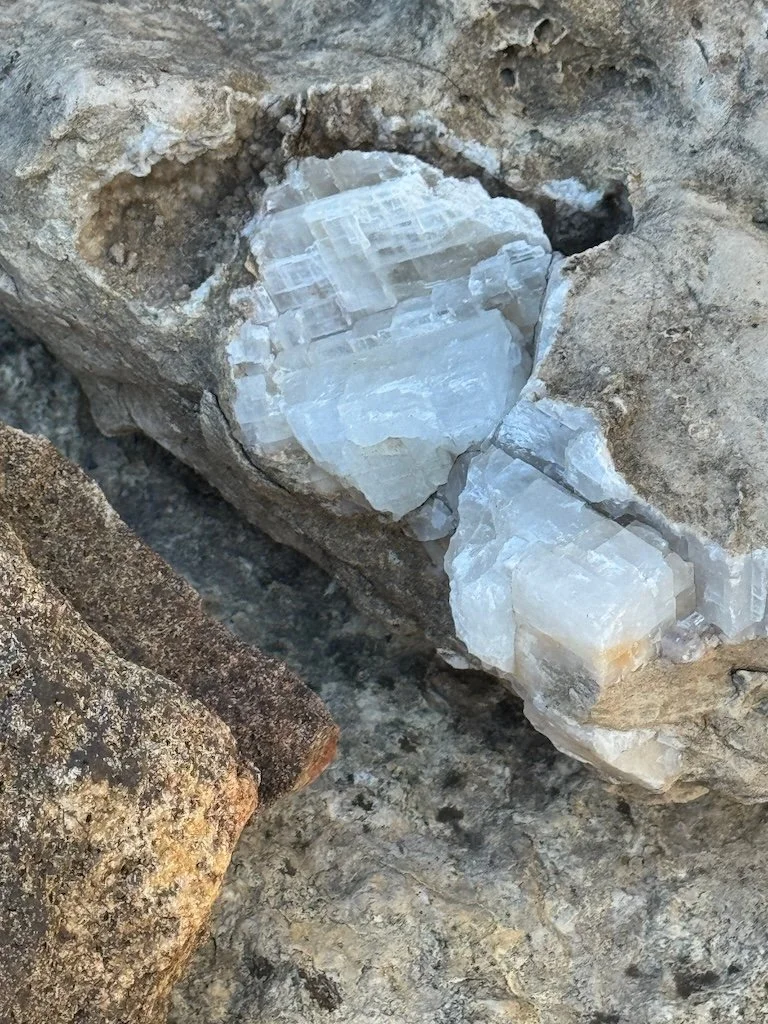
We also looked for minerals in the rocks during our downhill hike.

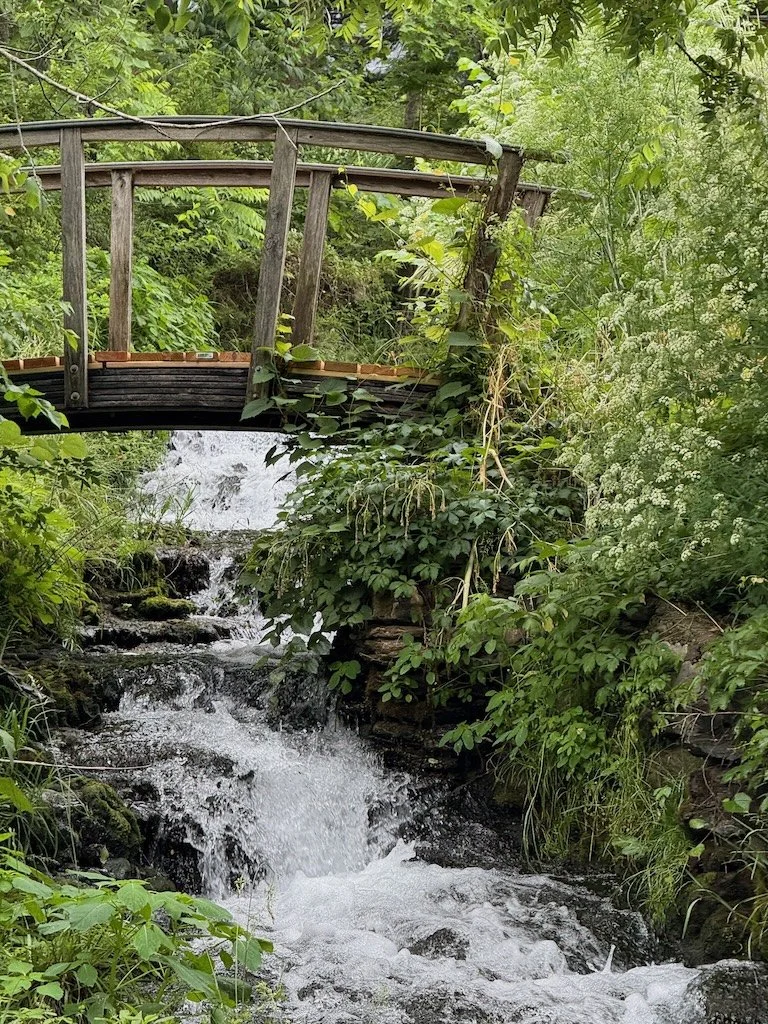
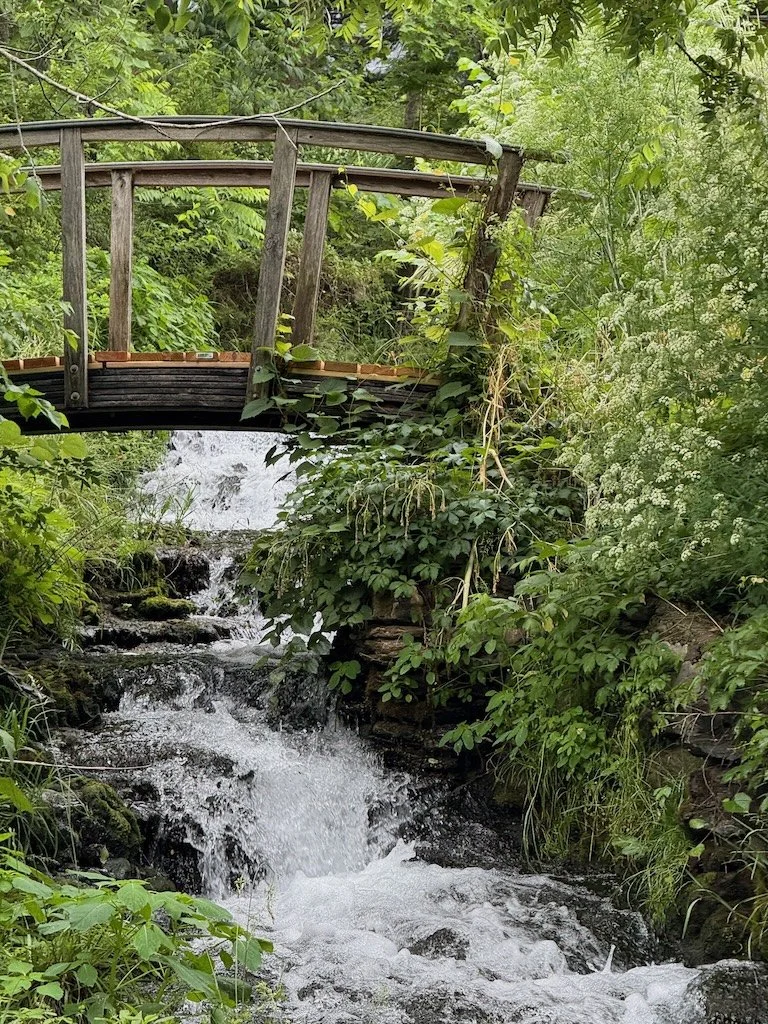
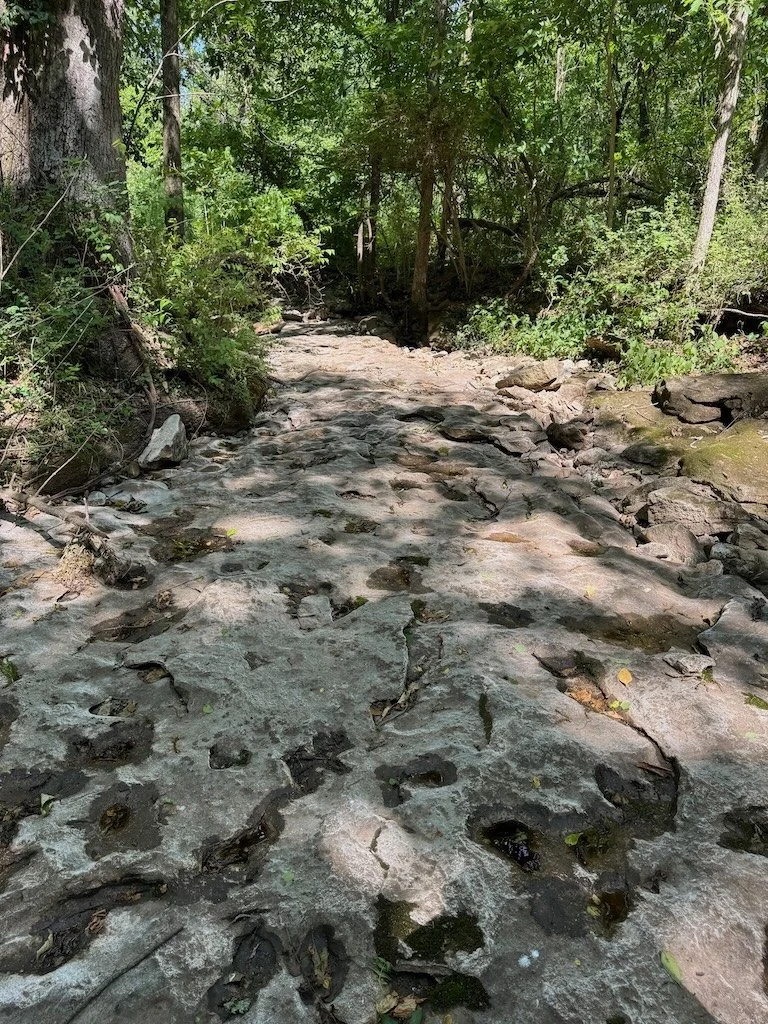
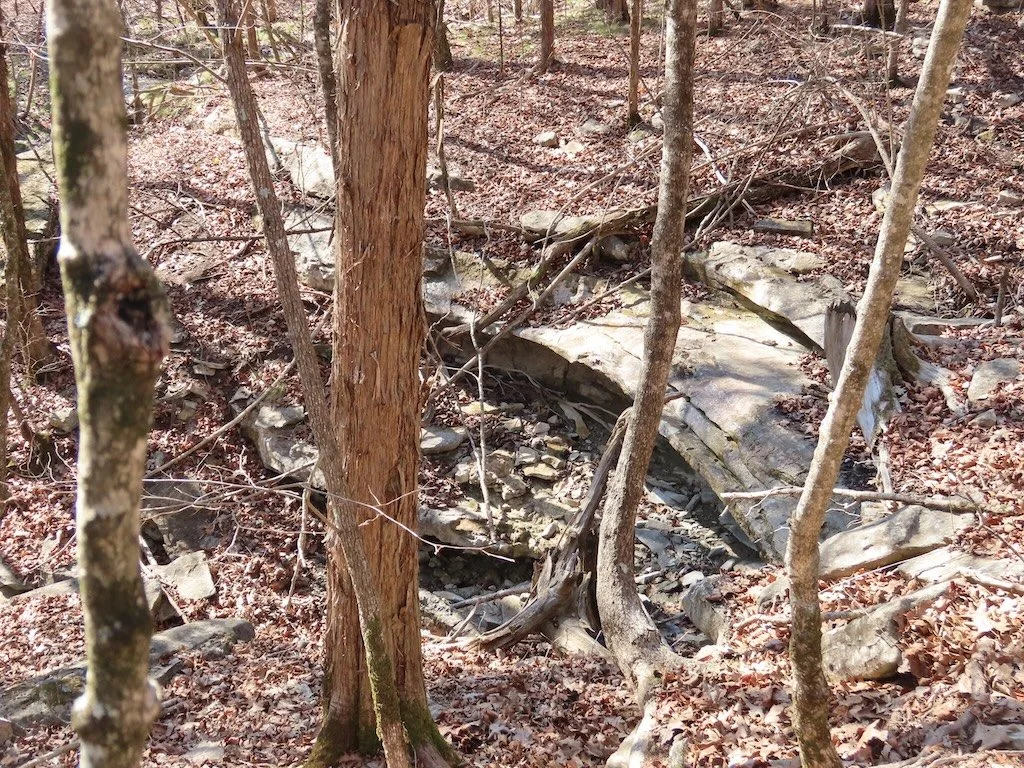
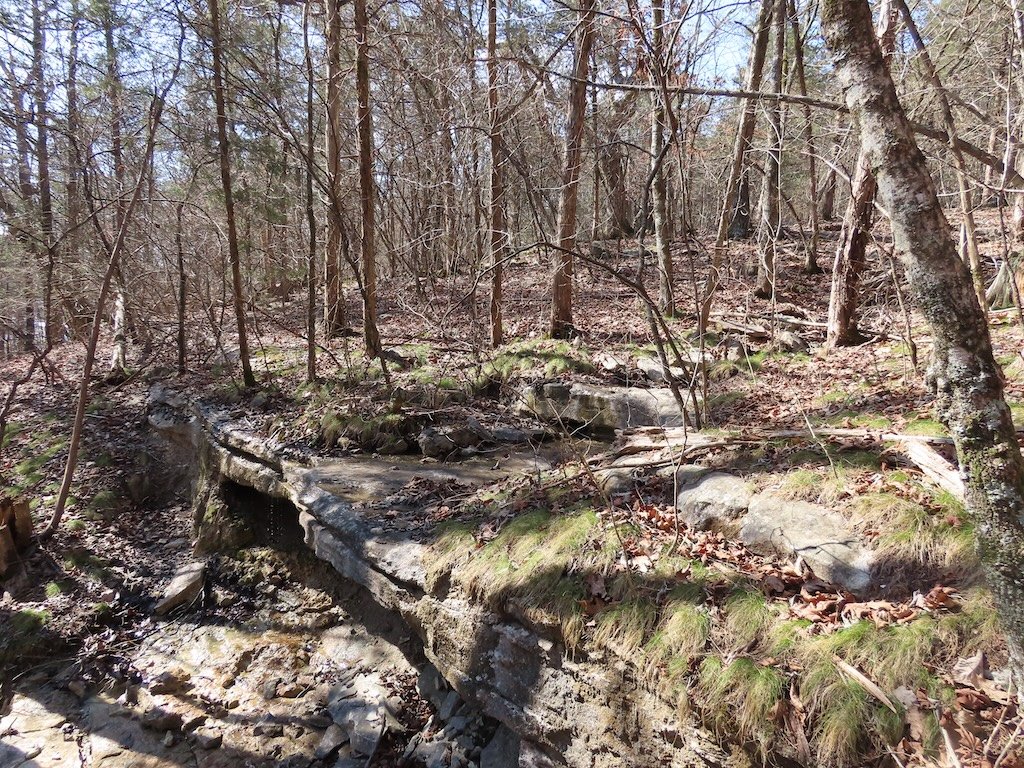
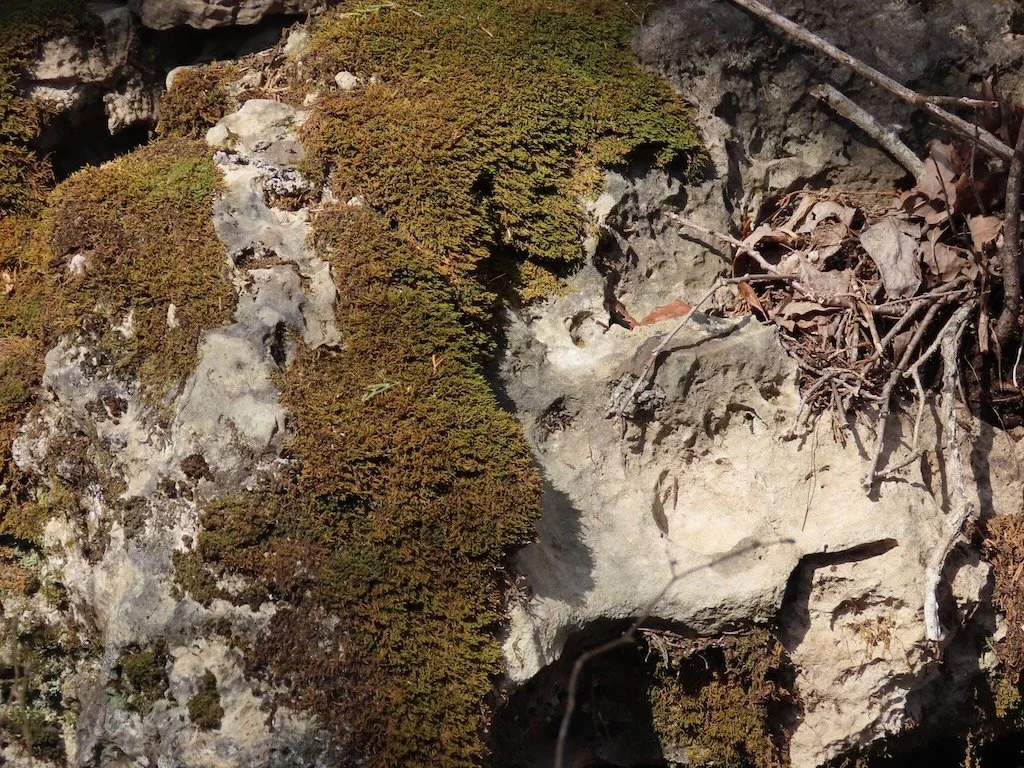
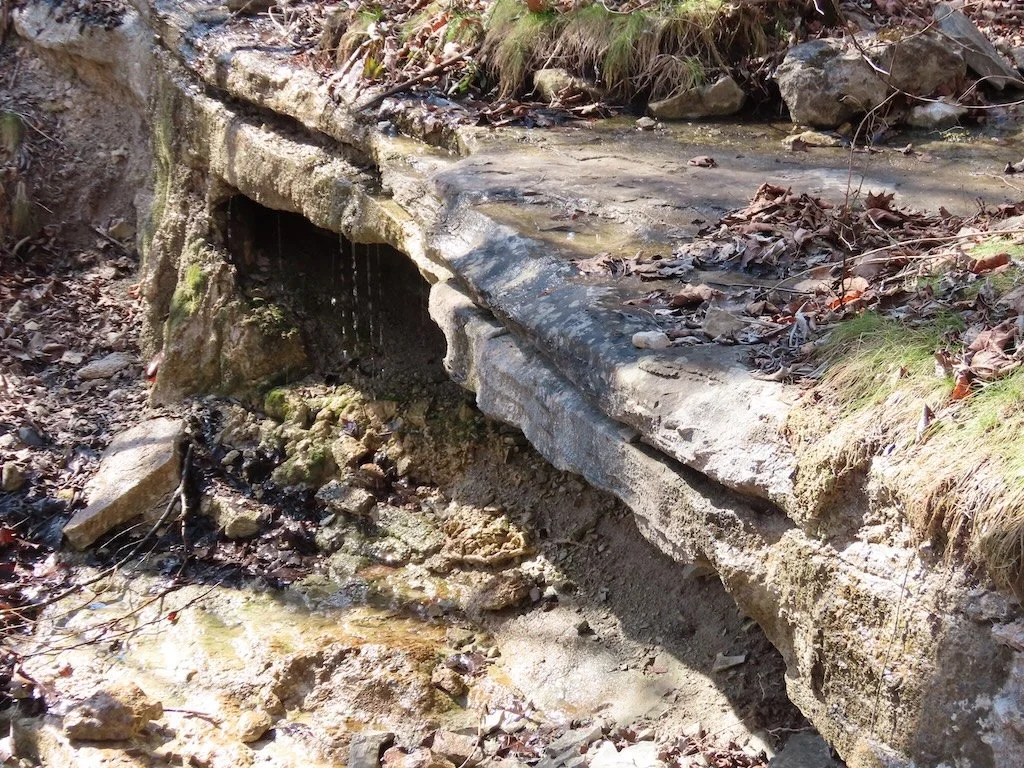
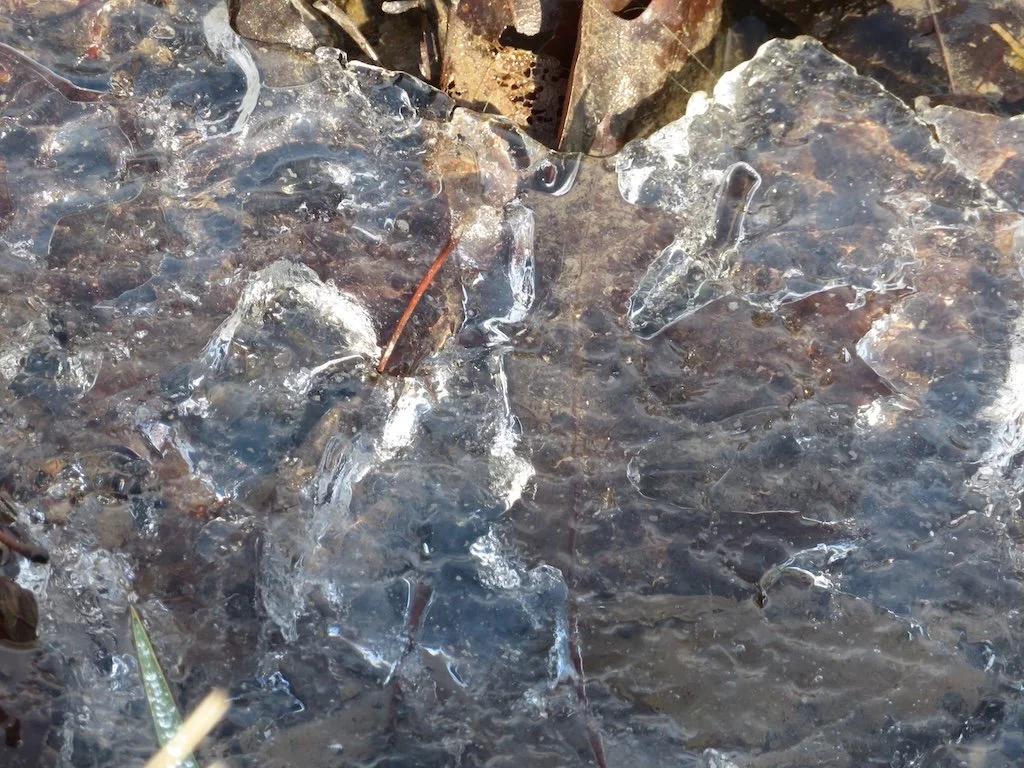
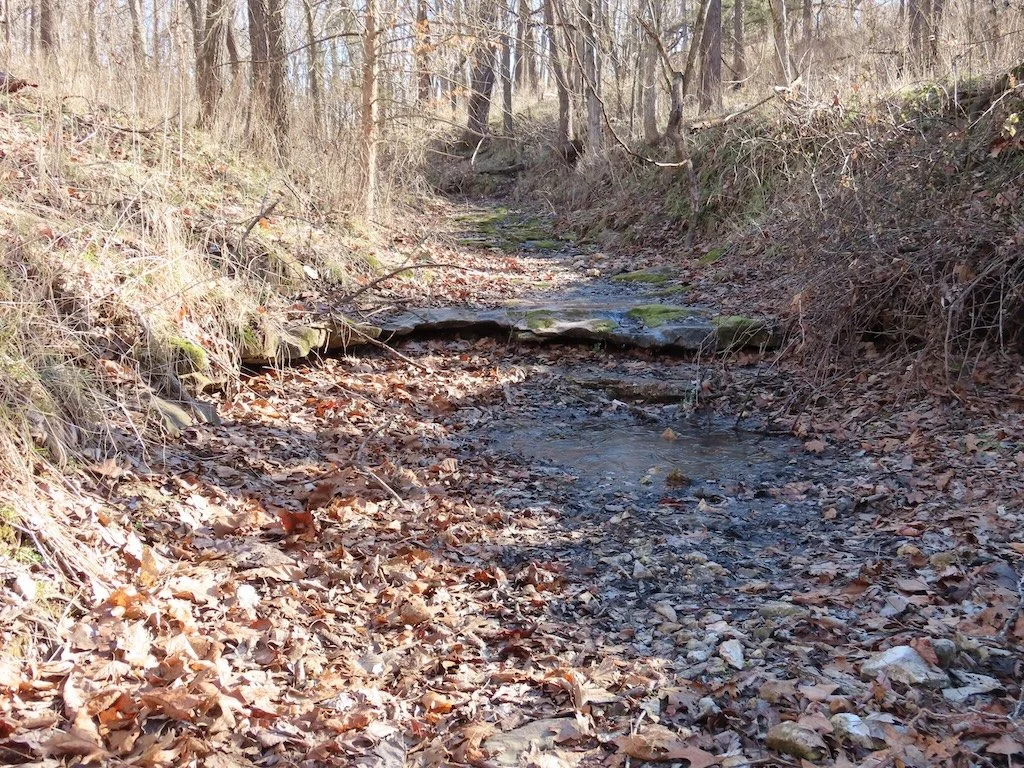
There were ledges of rock with water dripping in some areas. Moss is the greenest part of the forest this time of year.

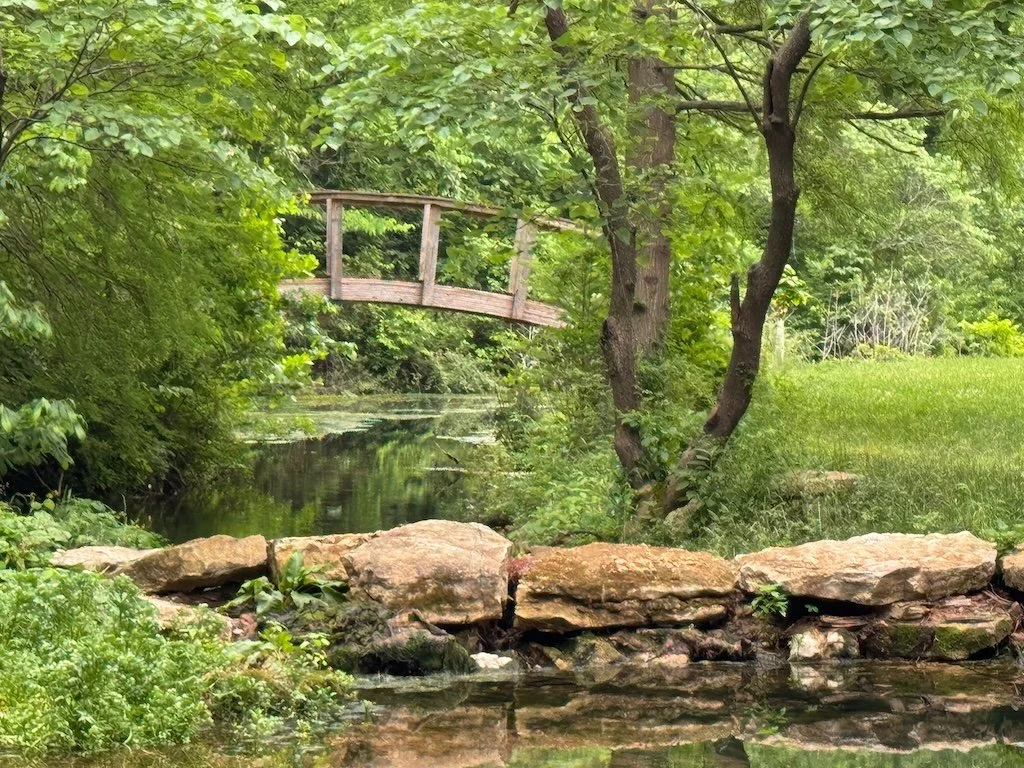
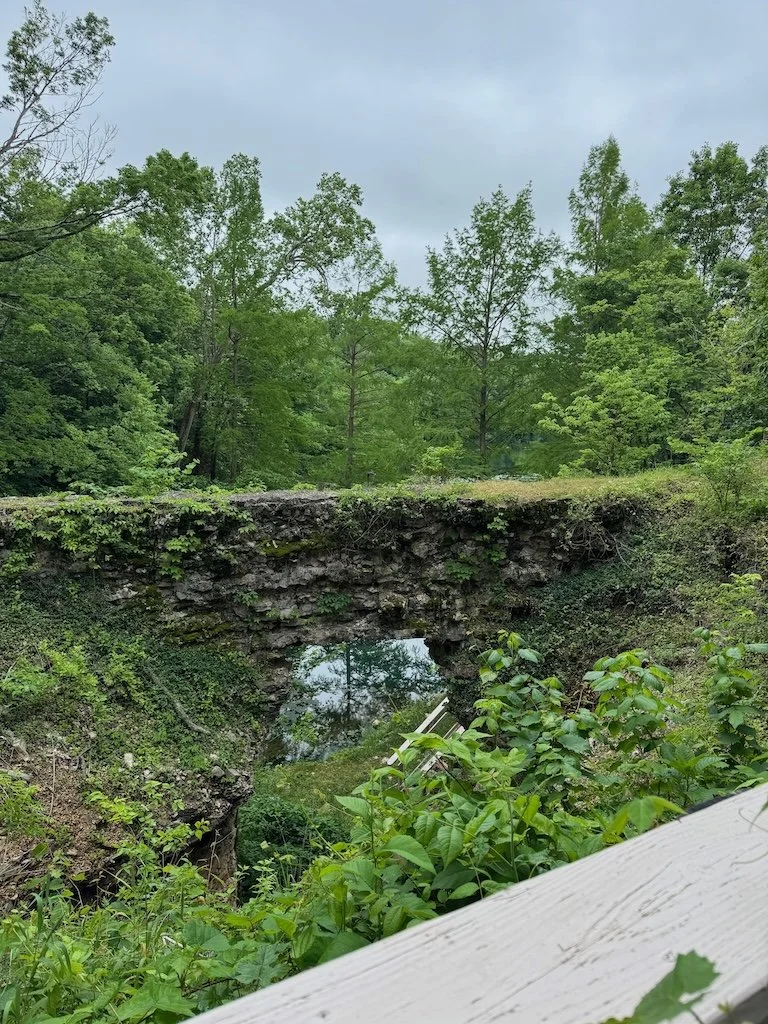
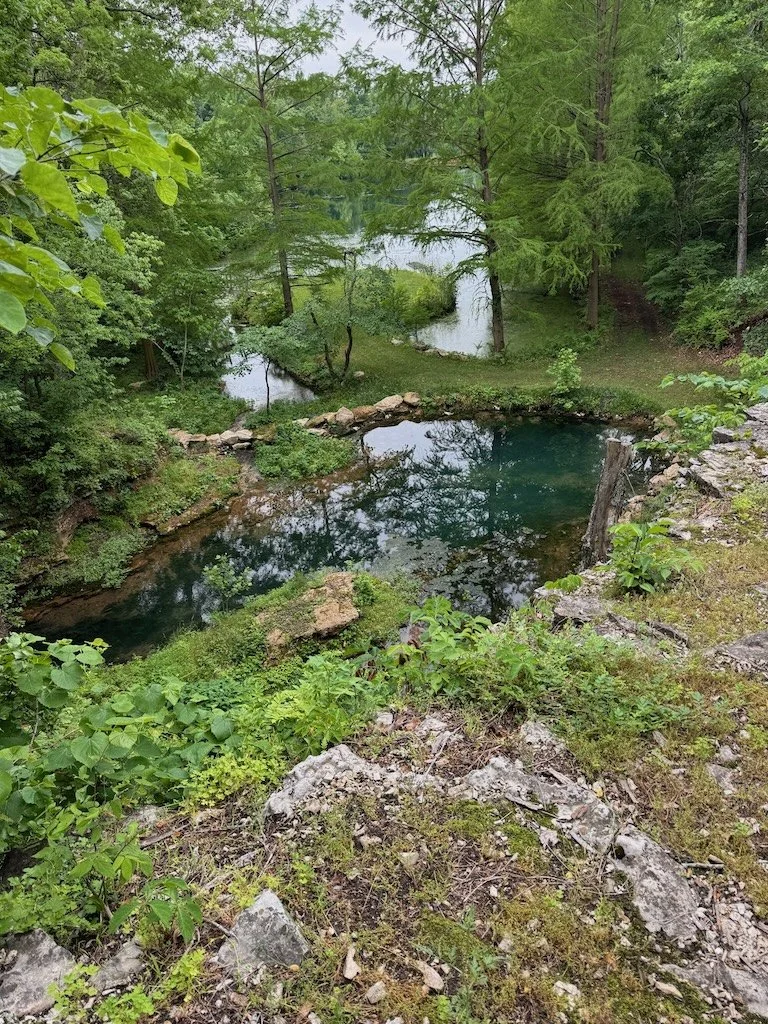
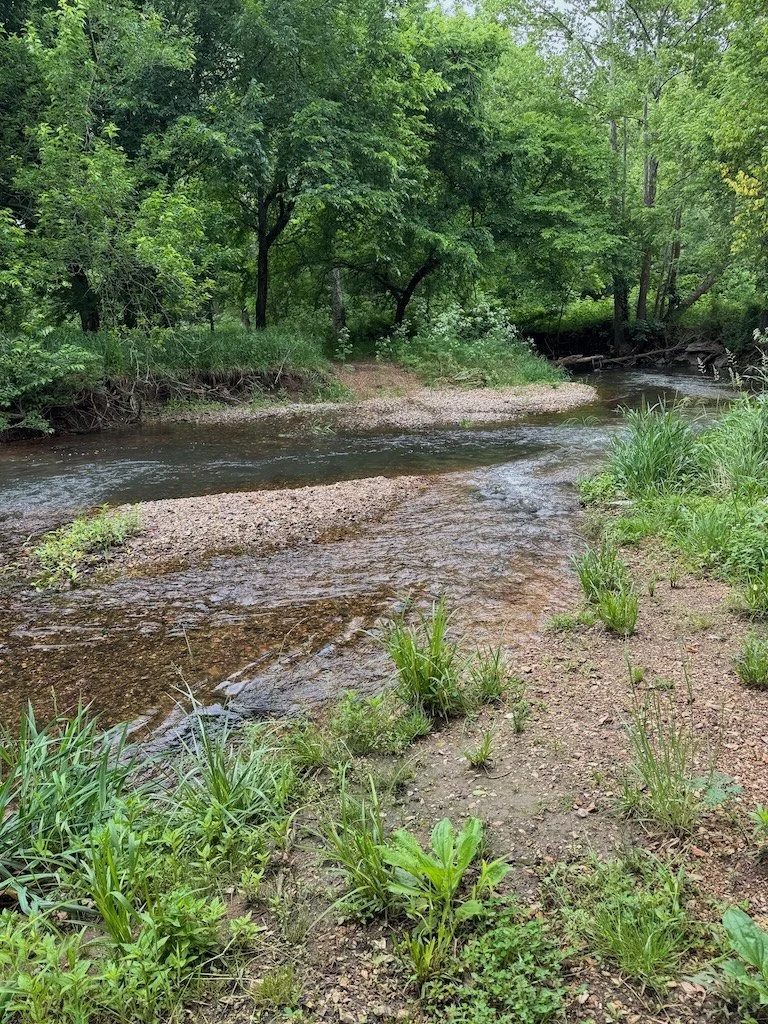
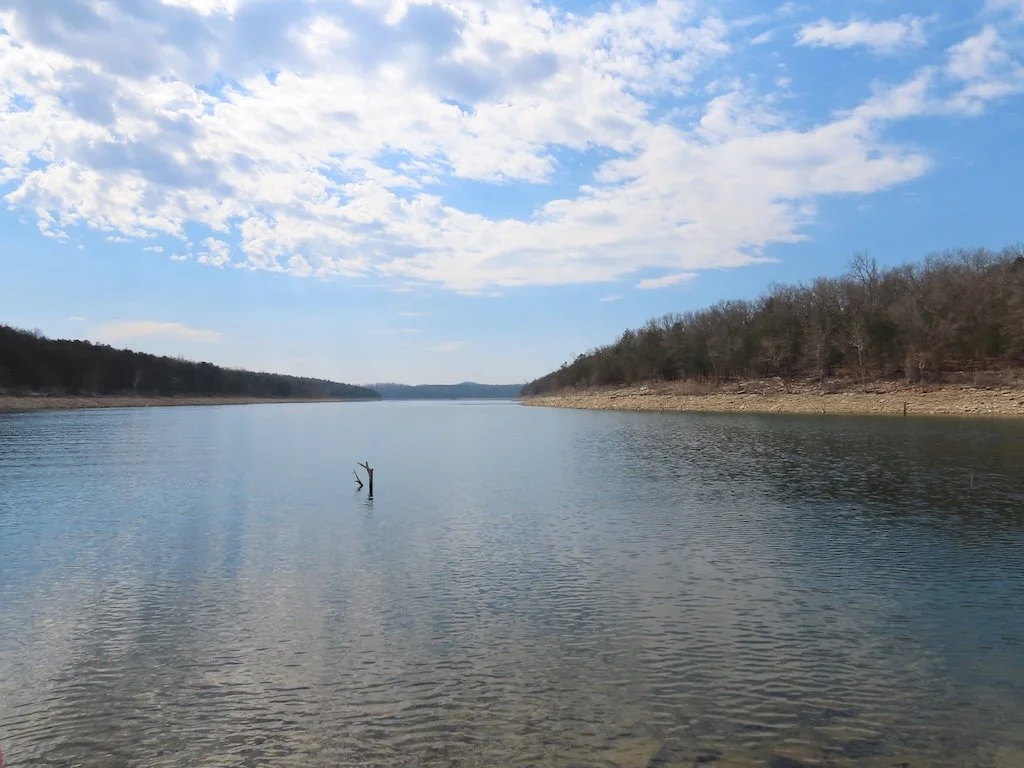
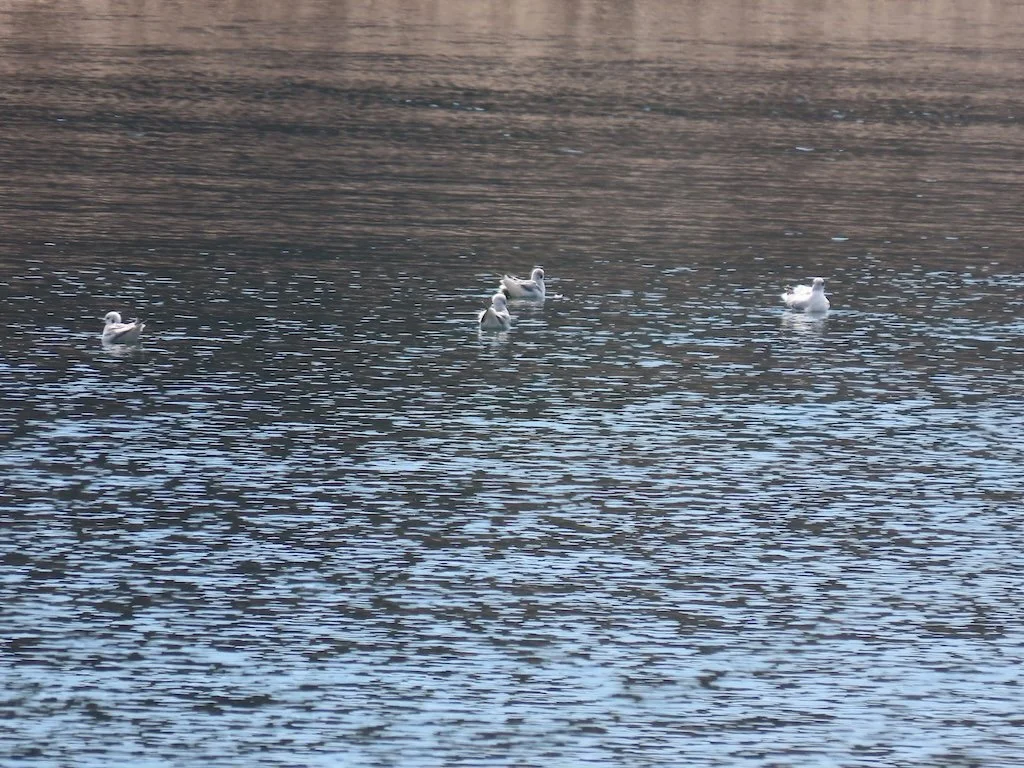
When we got down to the lake, it was obvious that the water was low; hopefully the spring rains will begin to fill it again. There were gulls….and double crested cormorants that dramatically flew out of a nearby cove.

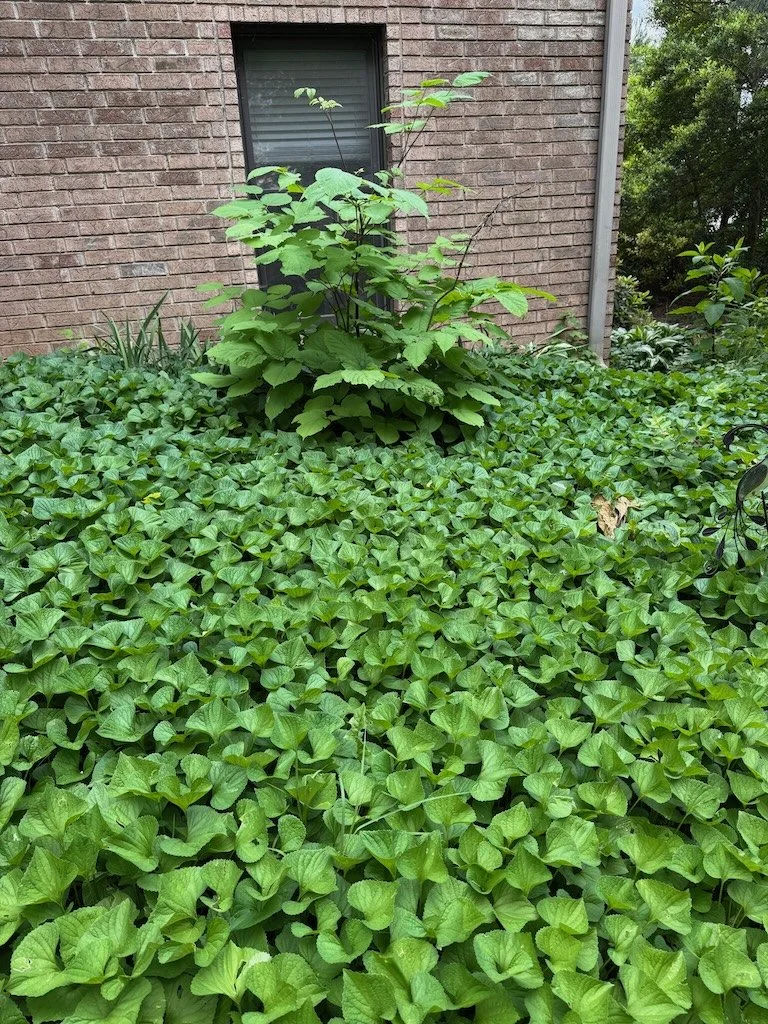
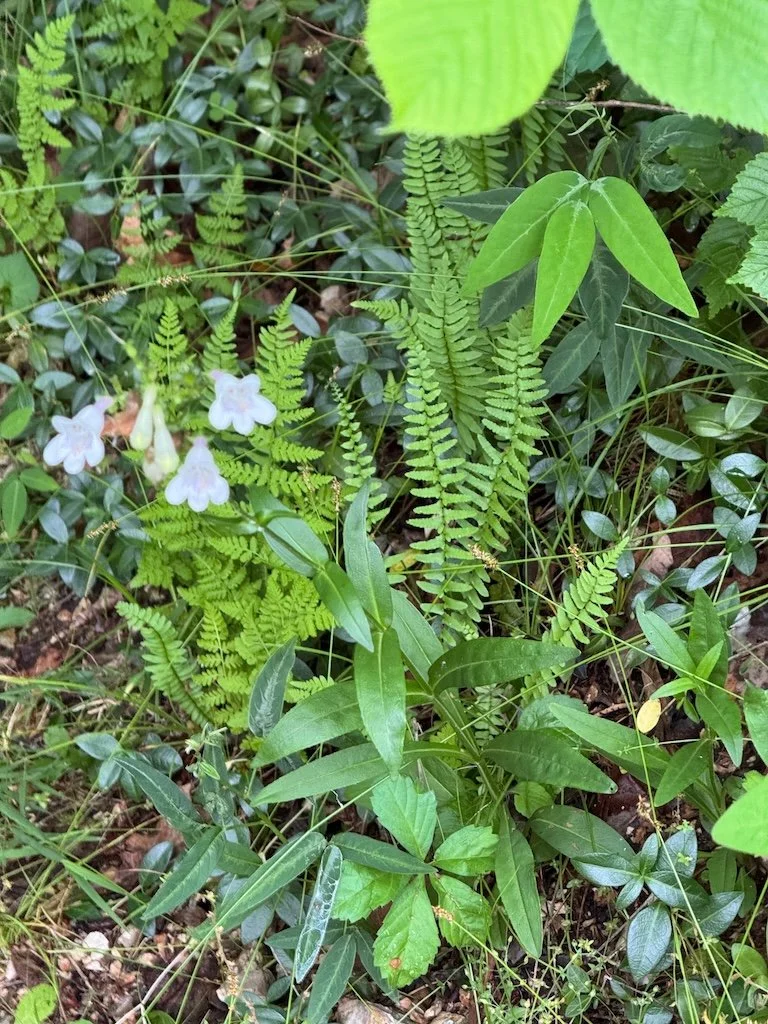
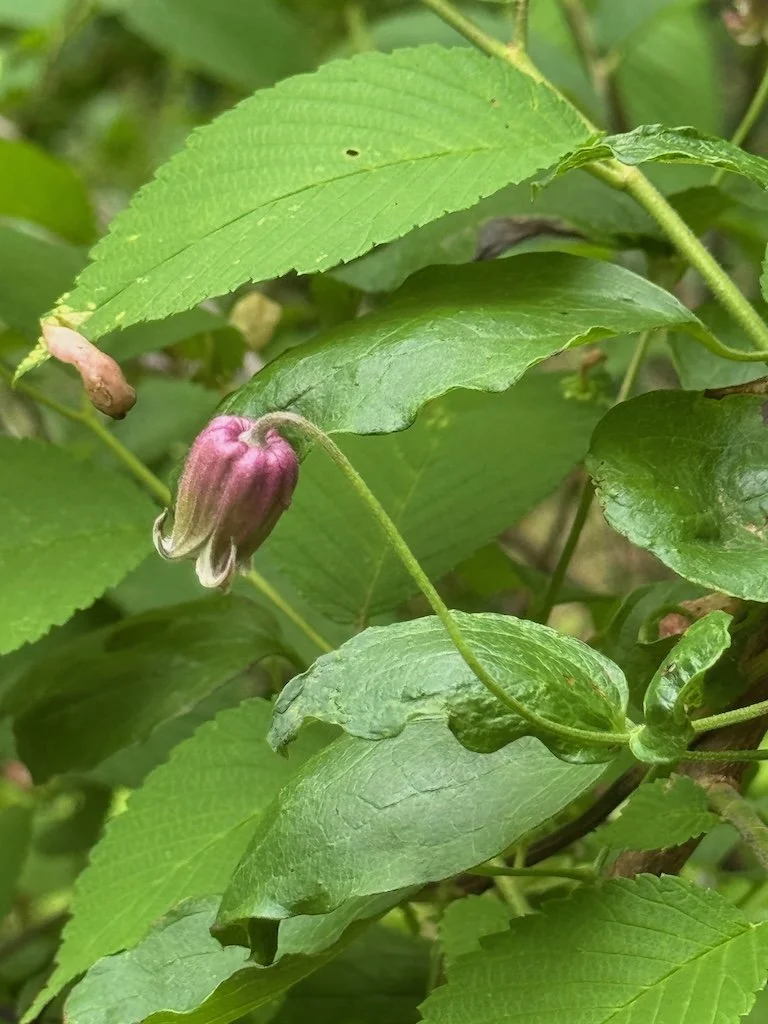
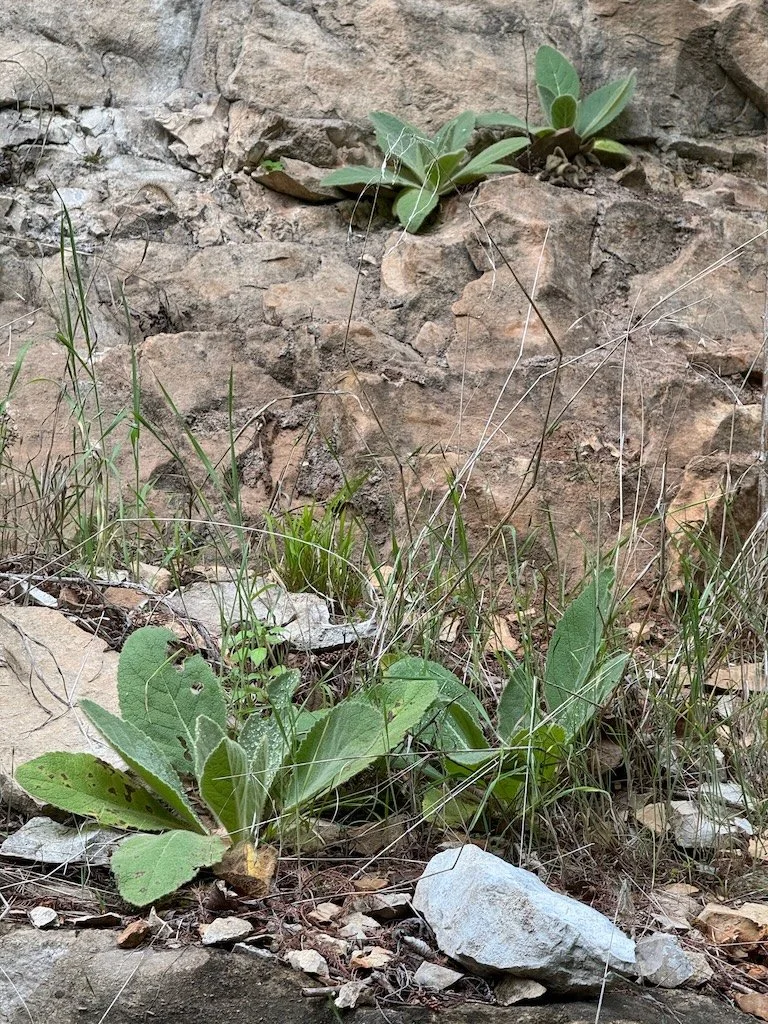
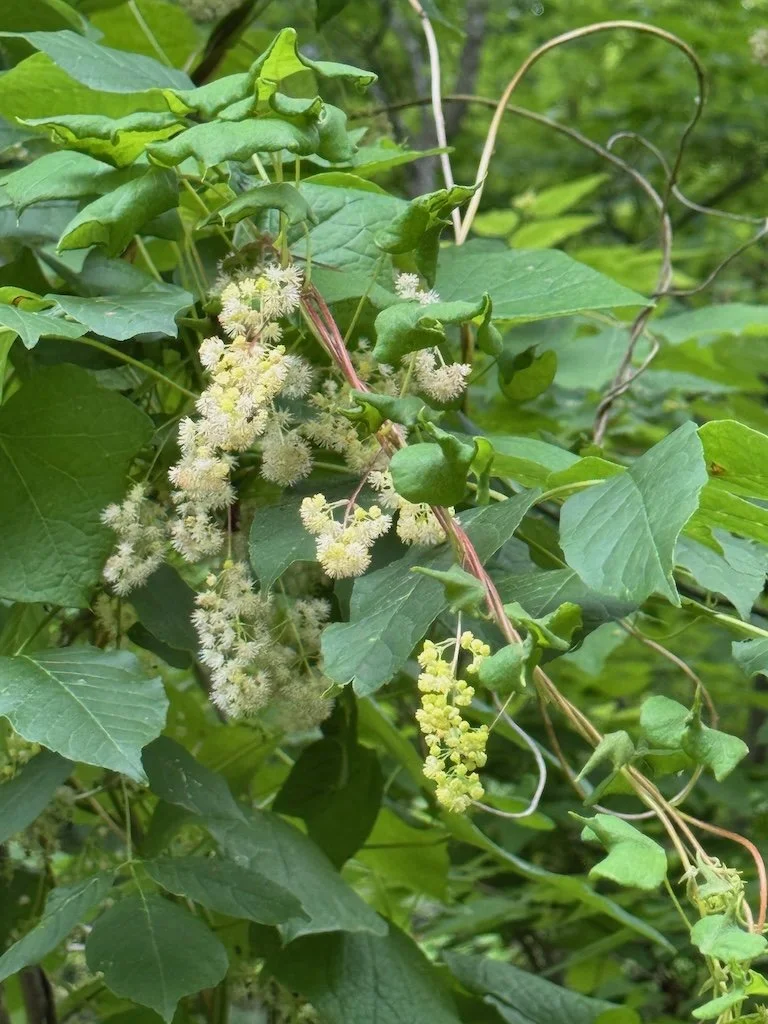
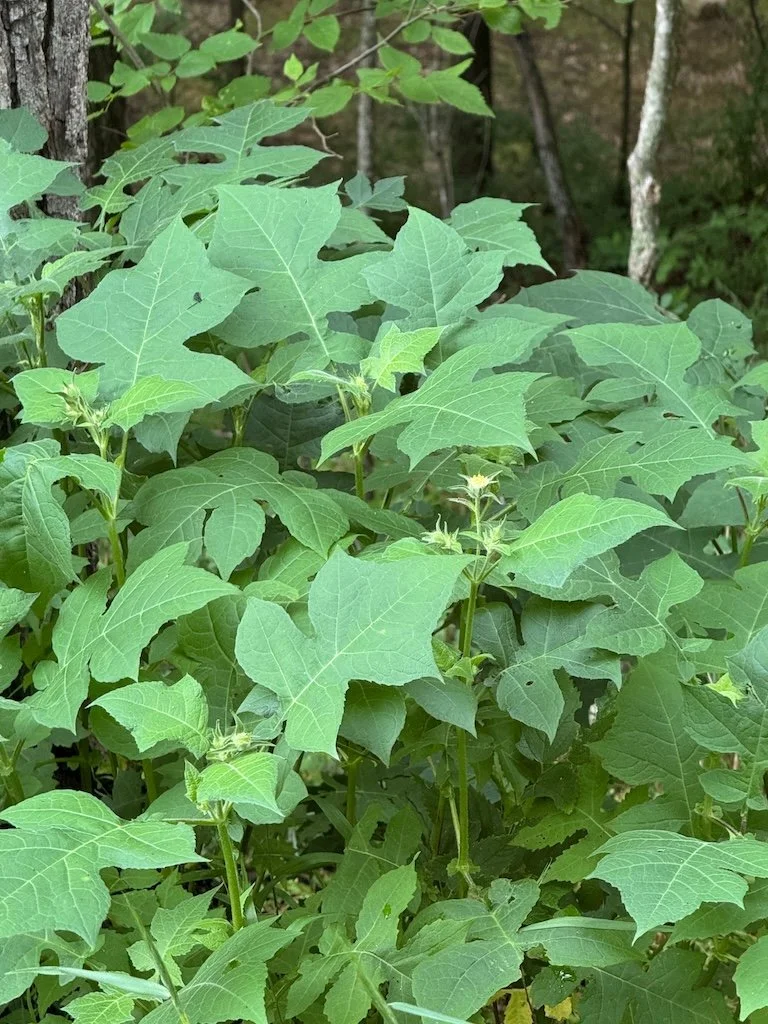
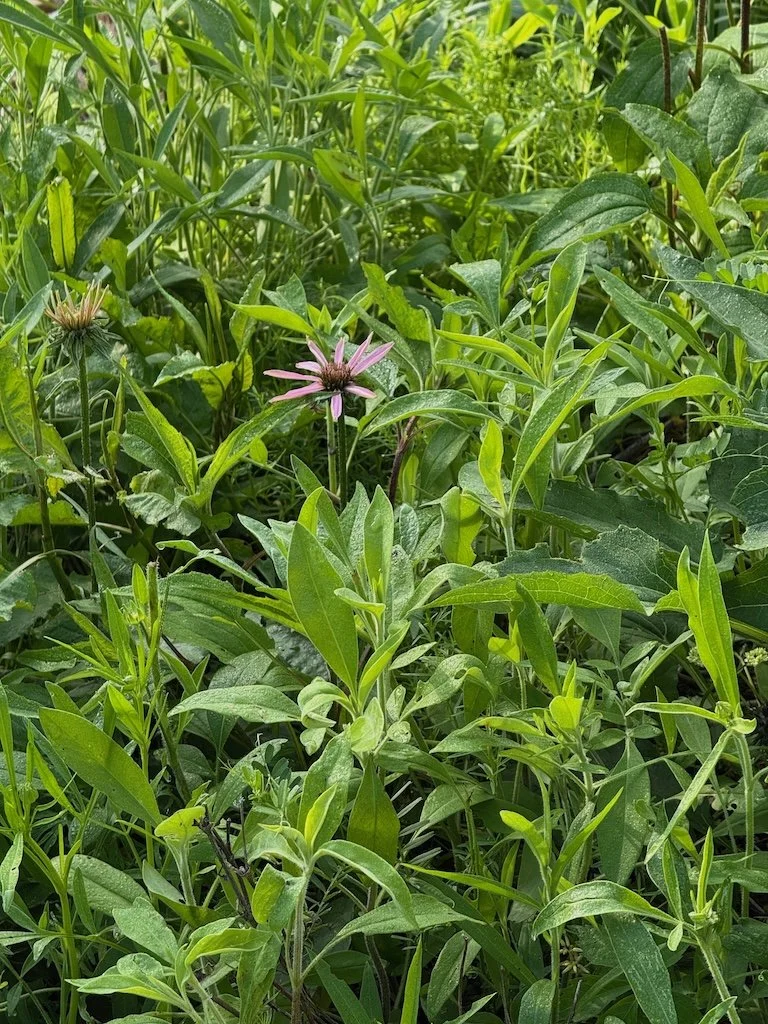
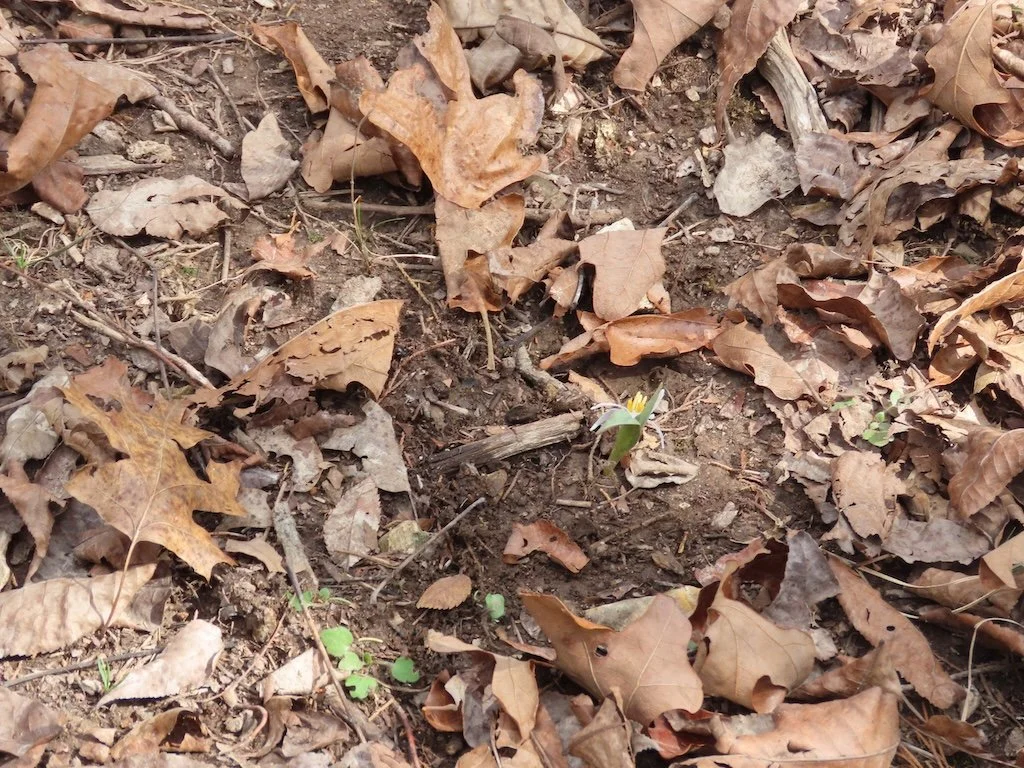
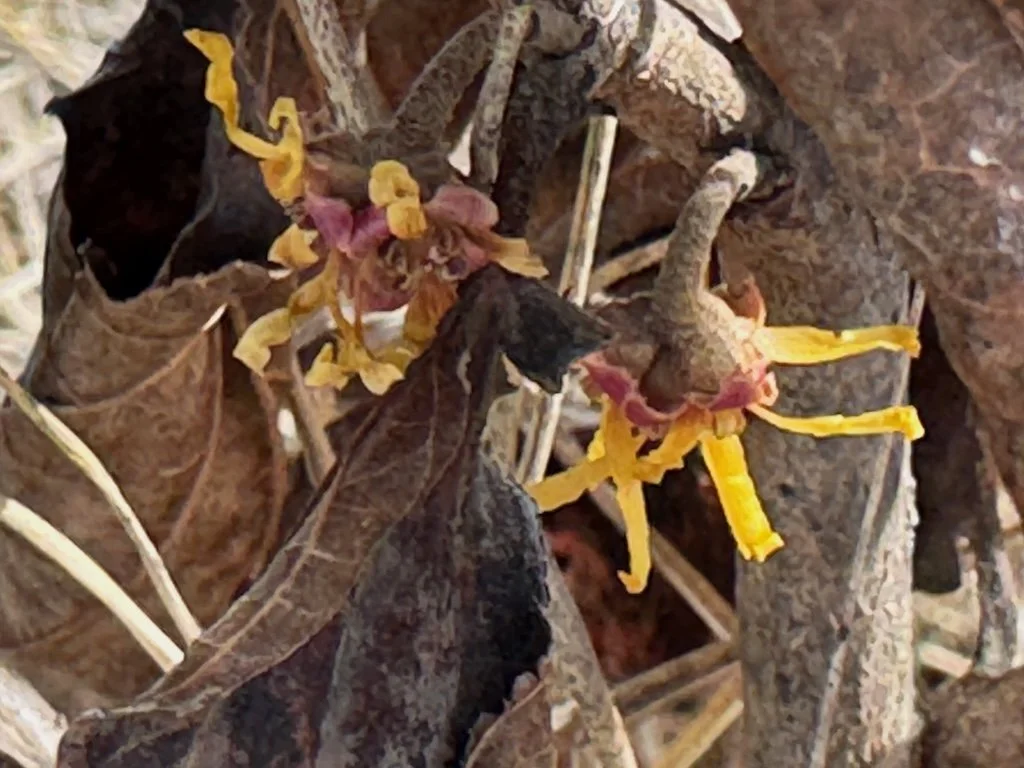
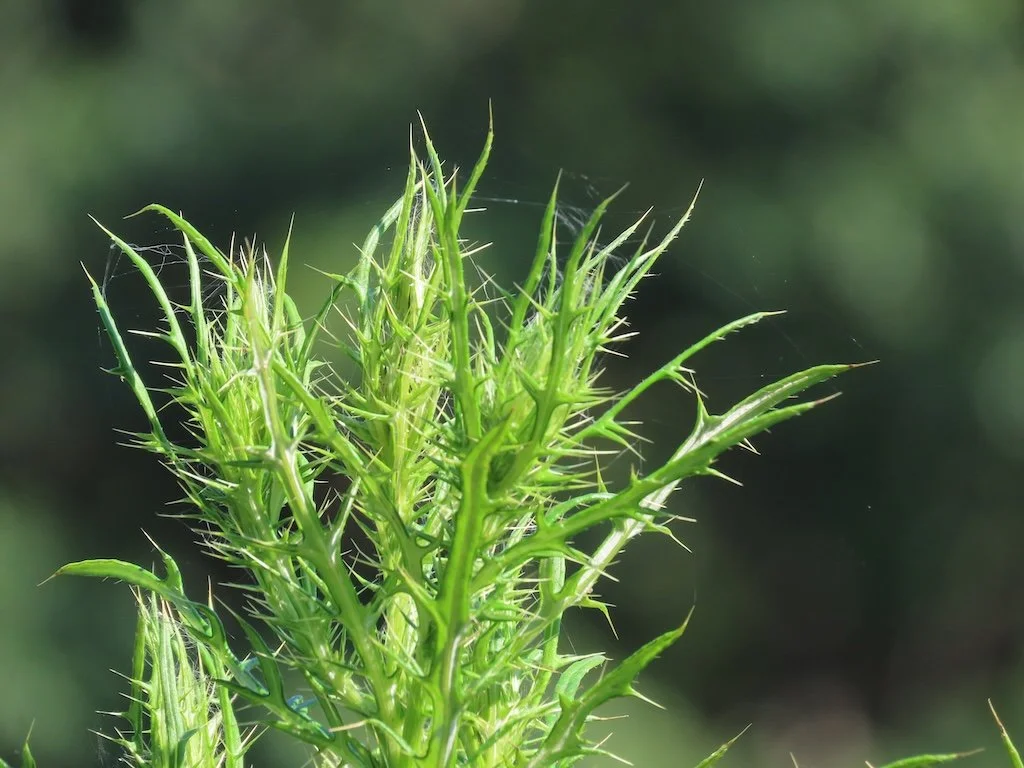
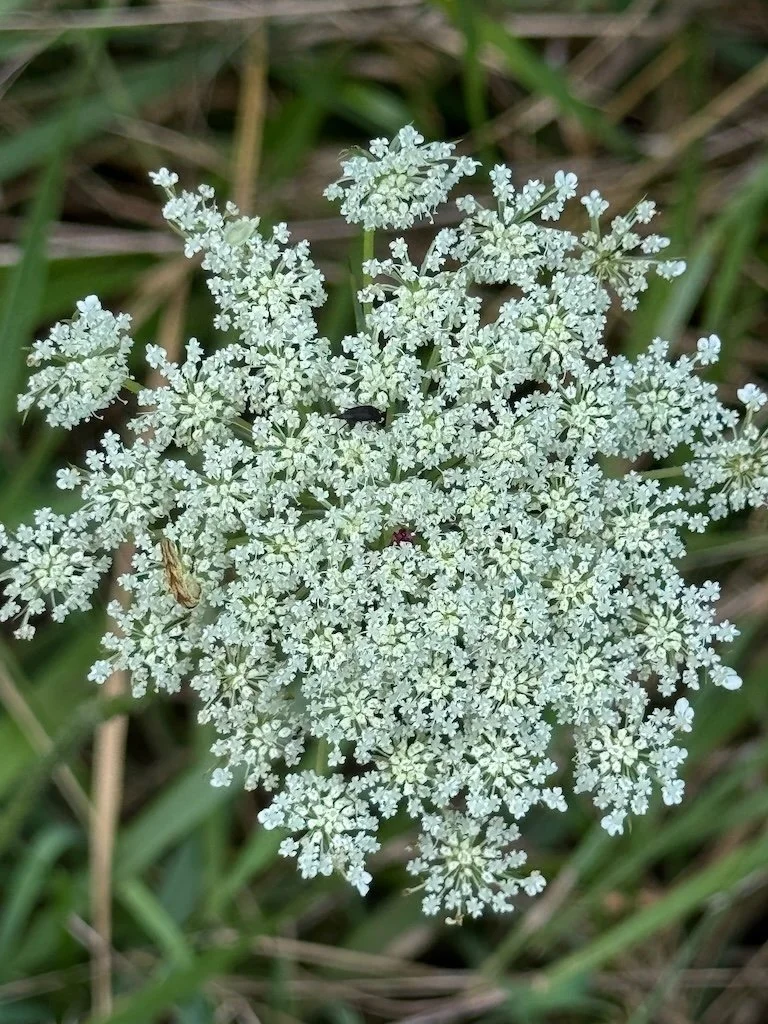
On the way back up the hill, we discovered a spring wildflower….coming up through the leaves on the path!

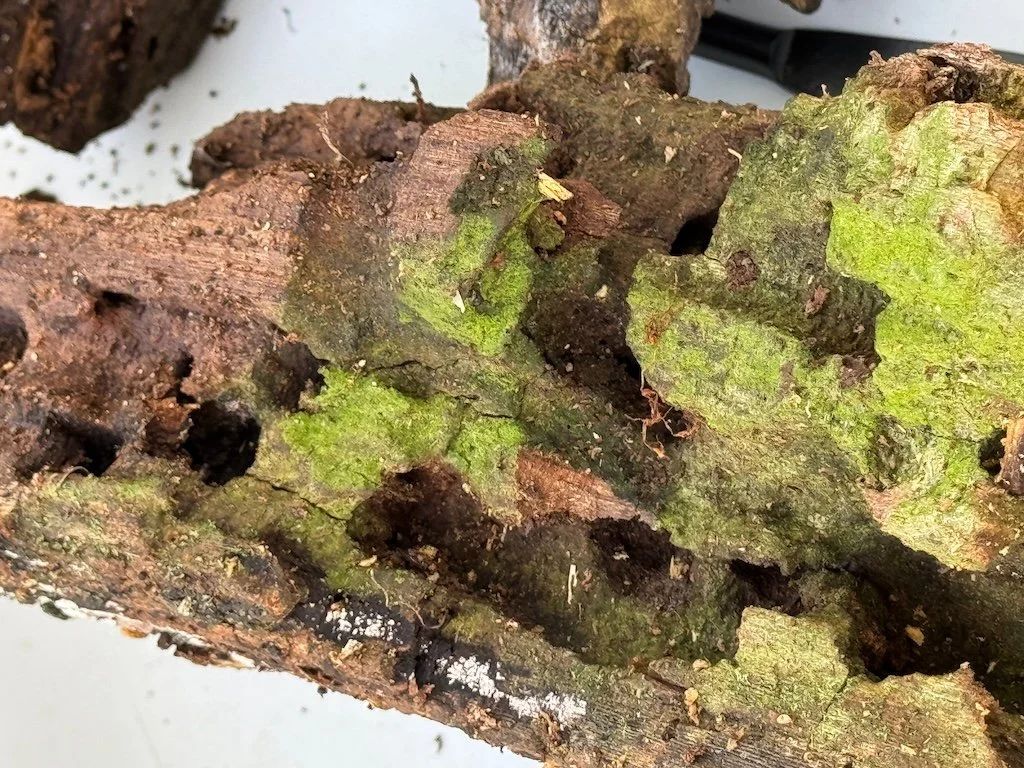
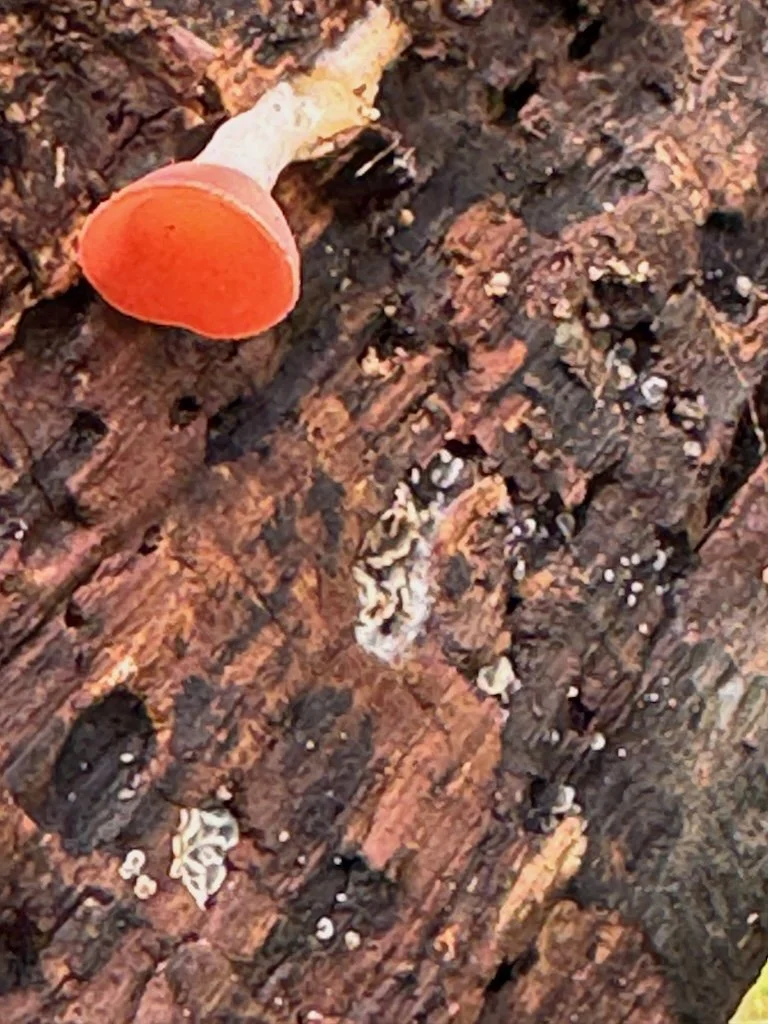
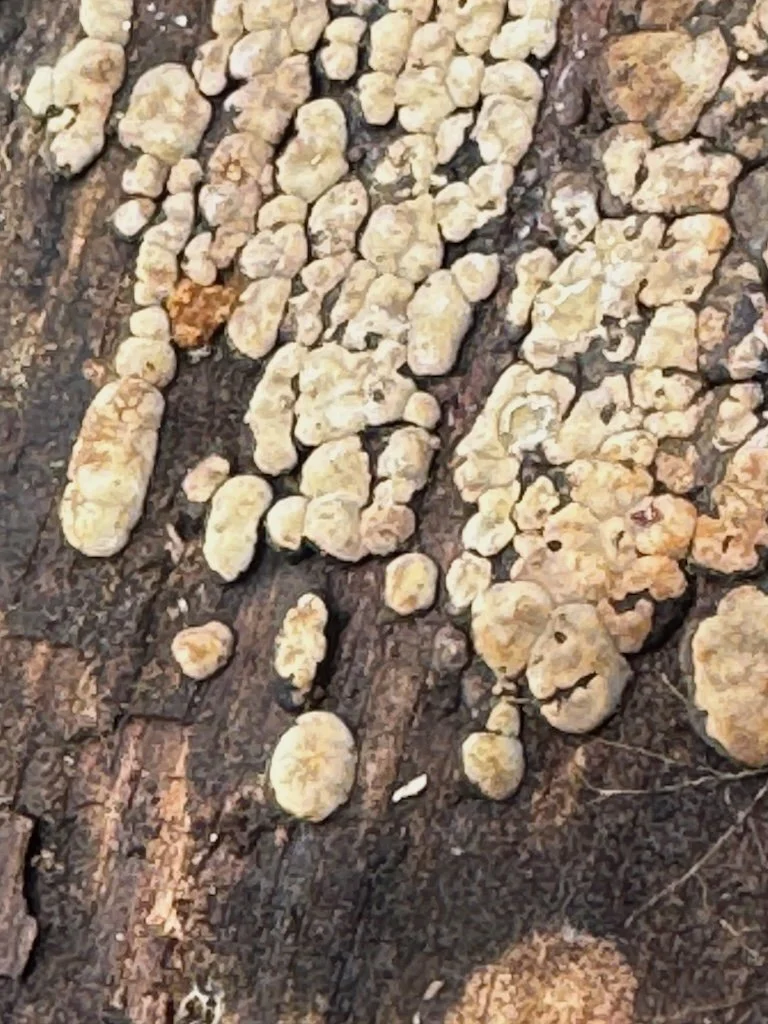
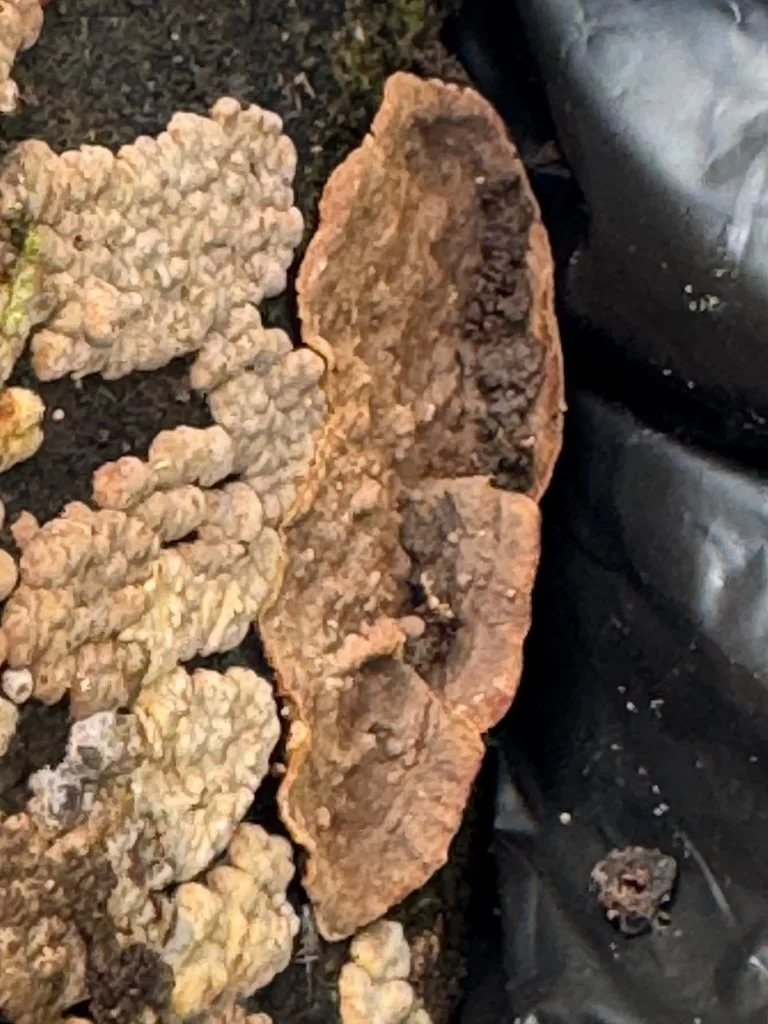
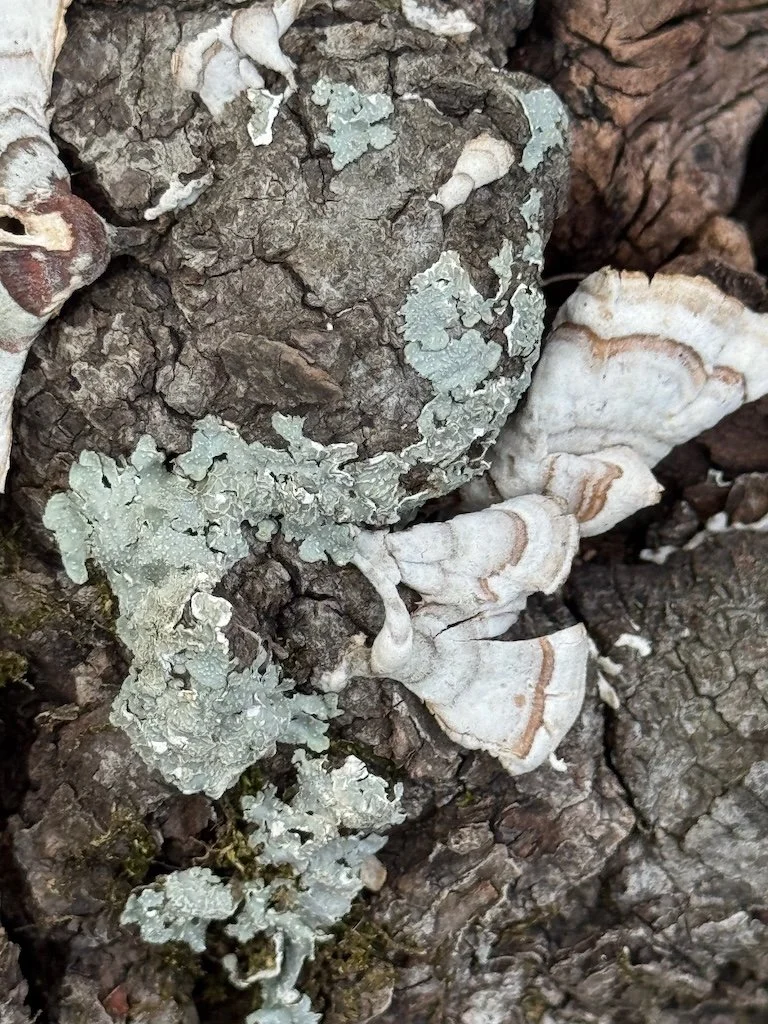
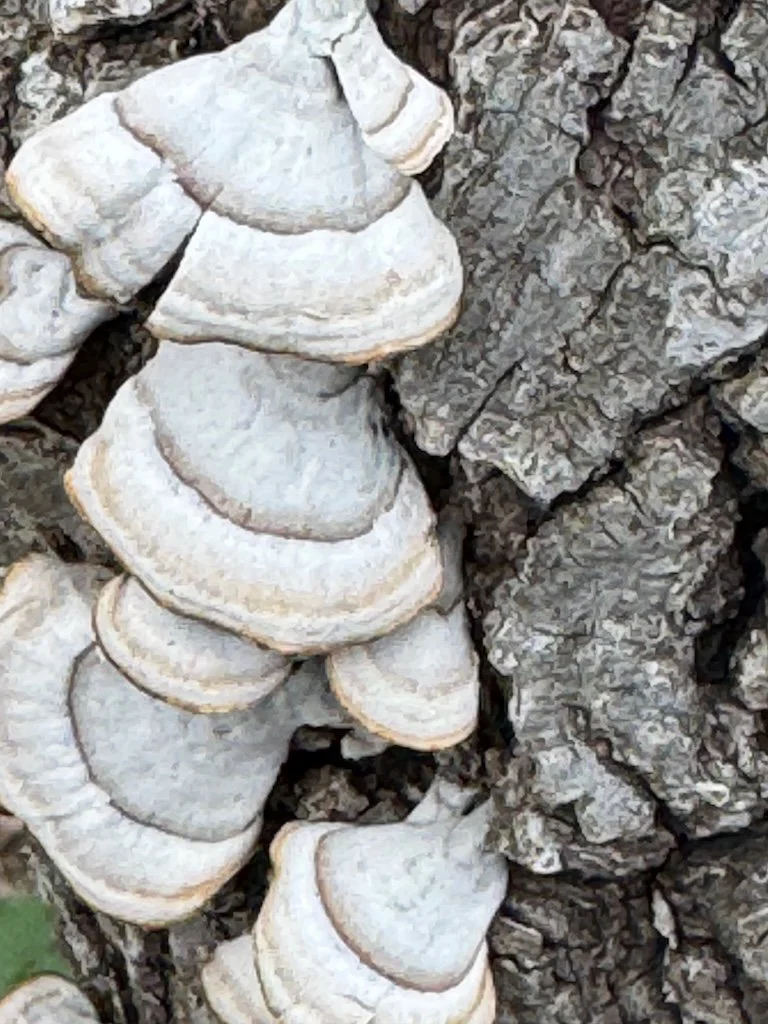
And there were some interesting shelf-fungus and lichens as well!

Ten Little Celebrations – February 2026

I celebrated getting outdoors in February and a flurry of education related activities!

Melting snow. We had snow on the ground for the last week of January and into February. We all celebrated when it finally melted although it was pretty as long as one didn’t have to get out and about.
Cranberry orange relish. I used my last frozen cranberries to make cranberry orange relish – savored the flavor….and will miss it until the cranberries are in the stores again in the fall.
Ozark Witch Hazel blooming. My small Ozark Witch Hazel I planted last spring is blooming. It retained its leaves so the blooms were a little difficult to see.

Missouri fish and amphibian webinars. There were two webinars that were a pleasant surprise in February – they were very well done.

Salmon salad. I celebrated the flavors of salmon, pear, and cabbage with a lemon honey olive oil dressing – with a feisty lime blend of seasonings.

Training for master naturalists. I celebrated that the training plan for the new cohort of Missouri Master Naturalists in our area seems to be coming together. It looked daunting at first.
Macro and high key flower photography. I celebrated a winter photography project – a purchased bouquet on the windowsill in my office.
Ecoregion maps of Missouri. Looking at maps from an out-of-print Atlas was interesting and I celebrated how great they will fit into a presentation for the master naturalist training next fall – the module I will be presenting.

Wilson’s Creek National Battlefield. I celebrated the longest hike of the month – interesting place for birds and habitats…and also thinking about history and the way it looked during the Civil War.

Plastics and human health webinar.  I heard a webinar on the same topic with the same speaker from a year ago – and realized that this topic is progressing rapidly. I celebrated that she’ll likely continue to present webinars and include new information.

Gleanings of the Week Ending February 14, 2026

The items below were ‘the cream’ of the articles and websites I found this past week. Click on the light green text to look at the article.

12/18/2025 Ozark Public Television Wild Ozarks: A Legacy of Conservation – Very well done. I am recommending it to be part of the core training for the next group of Springfield Plateau Missouri Master Naturalists!

2026 Million Marker Test Kit – I’m going to do as much as I can to reduce microplastics…then do this test….probably next summer. It is advertised as the only mail-in test for BPA, BPS, BPF, phthalates, parabens, and oxybenzone.

2/3/2026 Yale 360 China to See Solar Capacity Outstrip Coal Capacity This Year - By the end of 2026, wind and solar will account for nearly half of China’s power capacity. Including hydro and nuclear power, clean energy will amount to nearly two-thirds of total power capacity, while coal will amount to a third. Competing with cheap solar and wind, a large share of coal plants are now operating at a loss.

2/1/2026 Cool Green Science Catching Sharks for Science - On Long Beach Island, volunteer anglers help researchers uncover the hidden journeys of sharks in threatened salt marsh ecosystems.

2/3/2026 Science Daily Even remote Pacific fish are full of microplastics - Even in some of the most isolated corners of the Pacific, plastic pollution has quietly worked its way into the food web. A large analysis of fish caught around Fiji, Tonga, Tuvalu, and Vanuatu found that roughly one in three contained microplastics, with Fiji standing out for especially high contamination. Reef and bottom-dwelling fish were most affected, linking exposure to where fish live and how they feed.

2/1/2026 National Parks Traveler New York Art Teacher Earns 30 National Park Resident Artist Spots In 10 Years – Artist-in-residence at National Park Service sites. Many of the programs are funded by nonprofits, grants, or donations made directly to the Park Service. Categories are broad and include writers, painters, photographers, musicians, dancers, sculptors, and animators. 

1/30/2026 My Modern Met Society of Photographers 2025 Contest Announces Its Astounding Winners – Chosen from over 6,000 photographs submitted!

1/29/2026 BBC From bad omen to national treasure: The rare bone-swallower stork saved by a female army - Known locally as the hargila (or "bone-swallower") for its scavenging ways, greater adjutant storks are unique birds. Roughly 5ft (1.5m) tall, they aren't only imposing but also play a vital role in maintaining the health of a wetland ecosystem. As scavengers that consume and clean up carcasses, they prevent the spread of disease and break down decaying organic matter, recycling essential nutrients back into the soil. They were feared, reviled and in some communities, hunted for their meat which was once widely used in folk medicine as a cure for leprosy or antidote to poison.

1/28/2026 Archaeology Magazine Study tracks wild potato across the Southwest - People carried a small, wild potato known as the Four Corners potato (Solanum jamesii), across the southwestern United States some 10,000 years ago.

1/27/2026 Super Age Wellness Is Finally Admitting It Got the Last Decade Wrong – The article lists 10 trends from the 2026 Global Wellness Report. One of the 10 is “Microplastics are at threat to healthspan.”

Becoming a Missouri Woodland Mentor?

The first in a series of 9 webinars (over 9 months) happened in January; they are the first attempt to train a cohort of people to be Missouri Woodland Mentors. The target audience is landowners willing to serve as mentors for other property owners who are exploring forest management practices for the first time. I registered for the series even though my property is only 1/3 acre in a suburban a near Springfield; as a Missouri Master Naturalist I’ve done several tabling type events where my topic was trees – so some I am familiar many of the Missouri native trees. Based on the chat in the first session – I am not the only person in the class that is not looking to make money from growing trees!

As I did the prework for the first course (Show me natural communities and MO Forest Management Guidelines Chapter 1)…

I began to think about what it would take to create a savanna or even a woodland in a suburban environment. The biggest challenge would be overcoming the amount of impervious surface of streets, sidewalks, roofs, and certain amenities (pools, tennis courts, basketball courts).

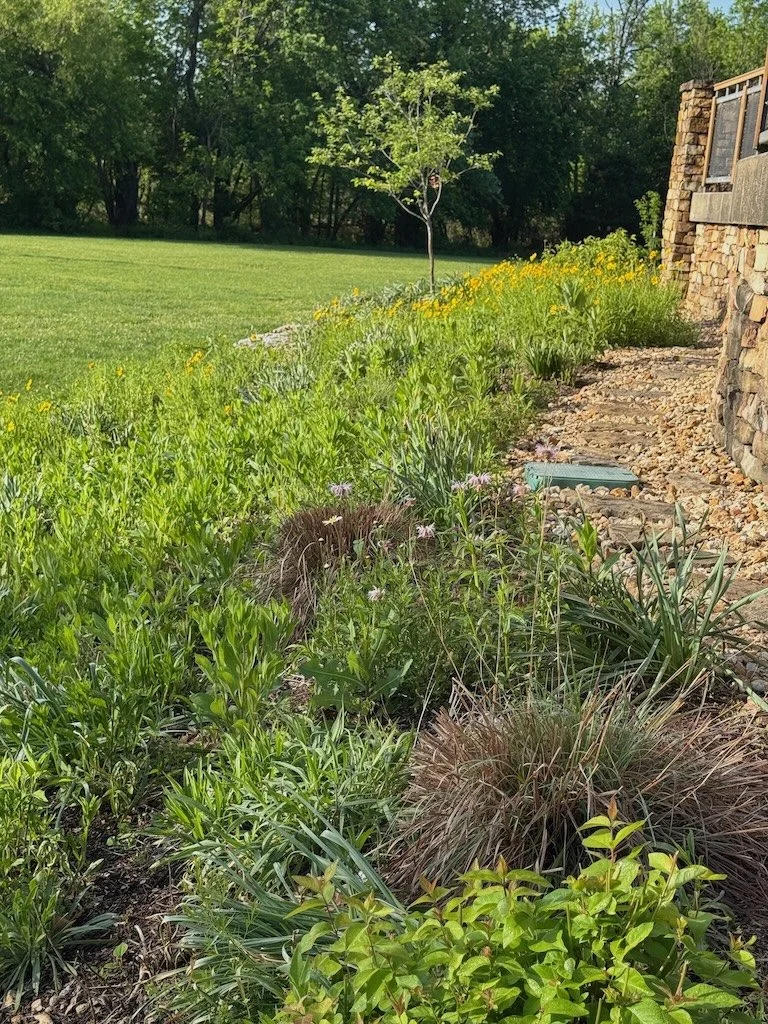
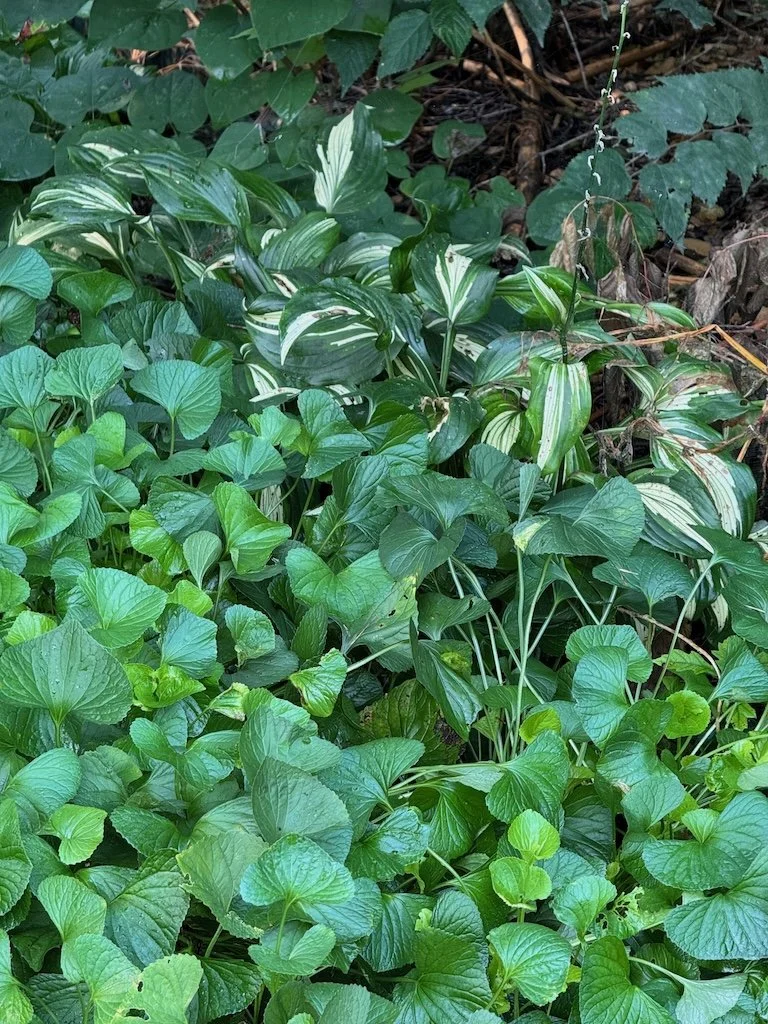
In my own yard, I am planting at least one more short leaf pine and additional understory trees (witch hazel, buckeye, spice bush, service berry to supplement the 2 pines, 3 hollies, 1 maple and one dogwood (not native unfortunately) that I already have. I am reducing the amount of turf – with violets and American spikenard in shady places….sumac and beautyberry and wild indigo as well as perennials like Missouri evening primrose and goldenrod where there is more sun. I don’t spray or fertilize, and I leave-the-leaves that fall on the yard from the trees…and the pine needles. The amount I mow is reduced significantly both in extant and in the time of year I mow (not much until early summer). I anticipate that as I get more natives established that I would cut back on the amount I watering. What if everyone in the neighborhood was doing that?

Plastics Crisis – Action at the Community Level – January 2026

The weekly Plastics Crisis posts are dominated by what I am doing as an individual to reduce my plastics exposure – but I am also acting at a community level as well; my plan is to post at least once a month to document those actions. Looking back at January, there was a bigger variety than I anticipated at the beginning of the month.

Beyond Plastics Ozarks is ramping up! We added a few additional members, and I hosted my first zoom meeting for the group. I experimented with annotating the Zoom generated summary rather than writing up my own notes; it seems to work reasonably well but I will still take plenty of notes during the meeting!

I was part of a meeting with a Springfield Councilmember organized by the Show-me less plastic project.

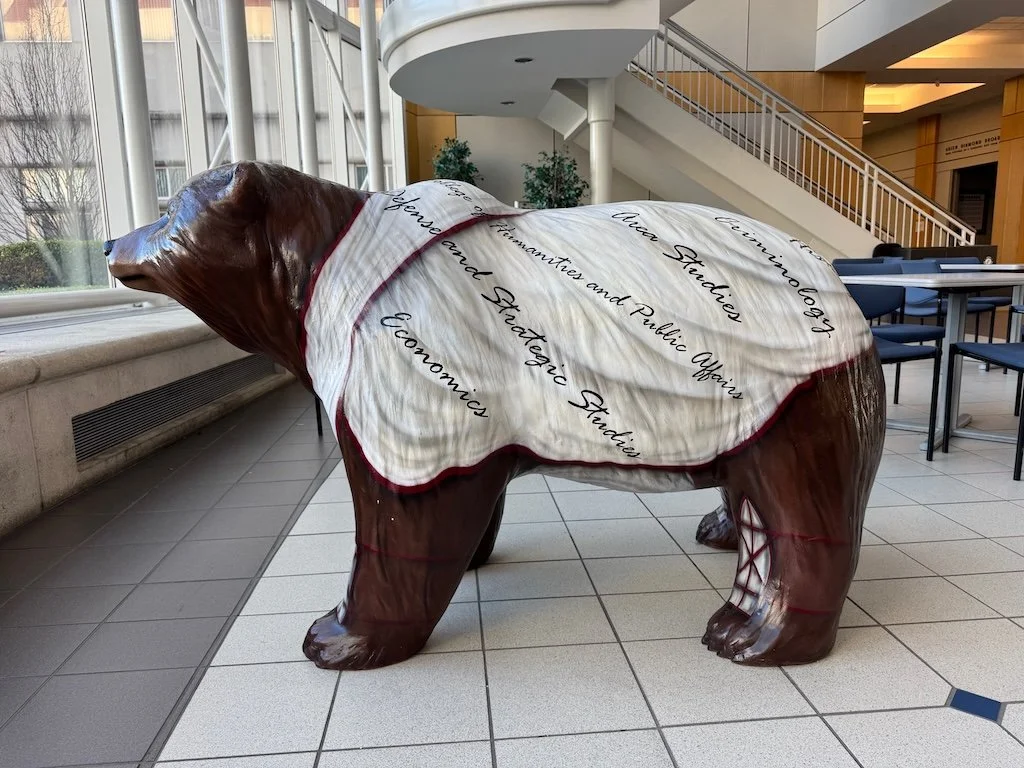
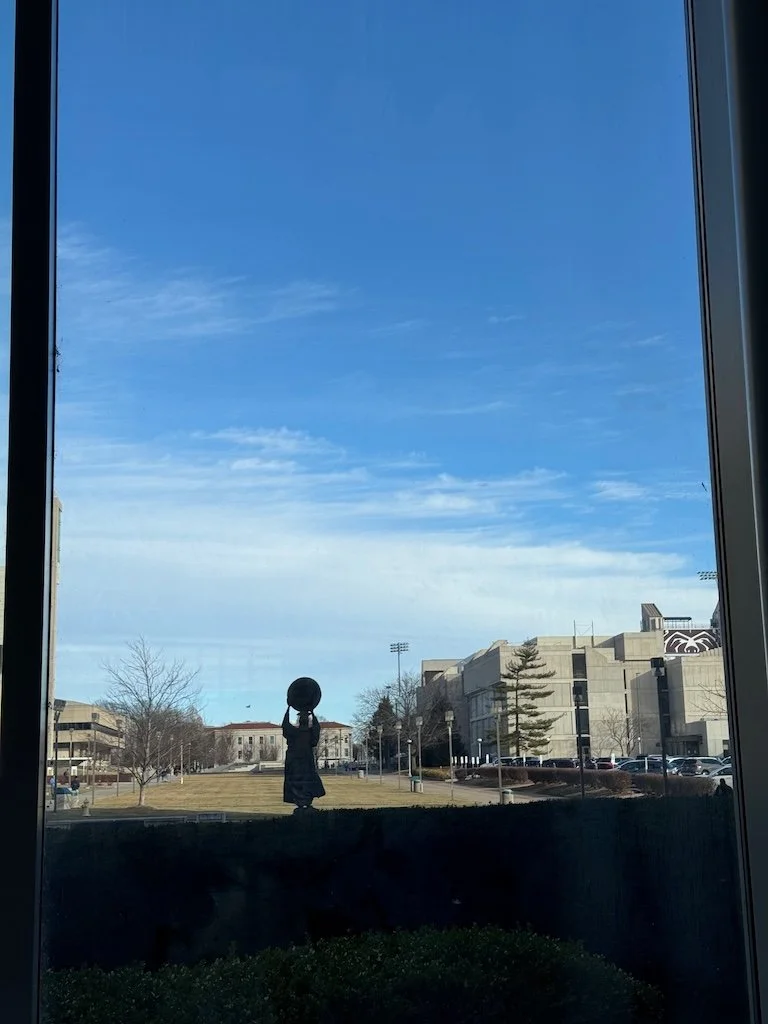
I  recorded a segment of the KSMU Growing the Ozarks podcast about Microplastics in the Environment. It was an adventure for me – going to the recording studio on the Missouri State University campus (taking some pictures as I waited in the foyer) and getting the recording acceptable on the first try thanks to my experienced interviewer.

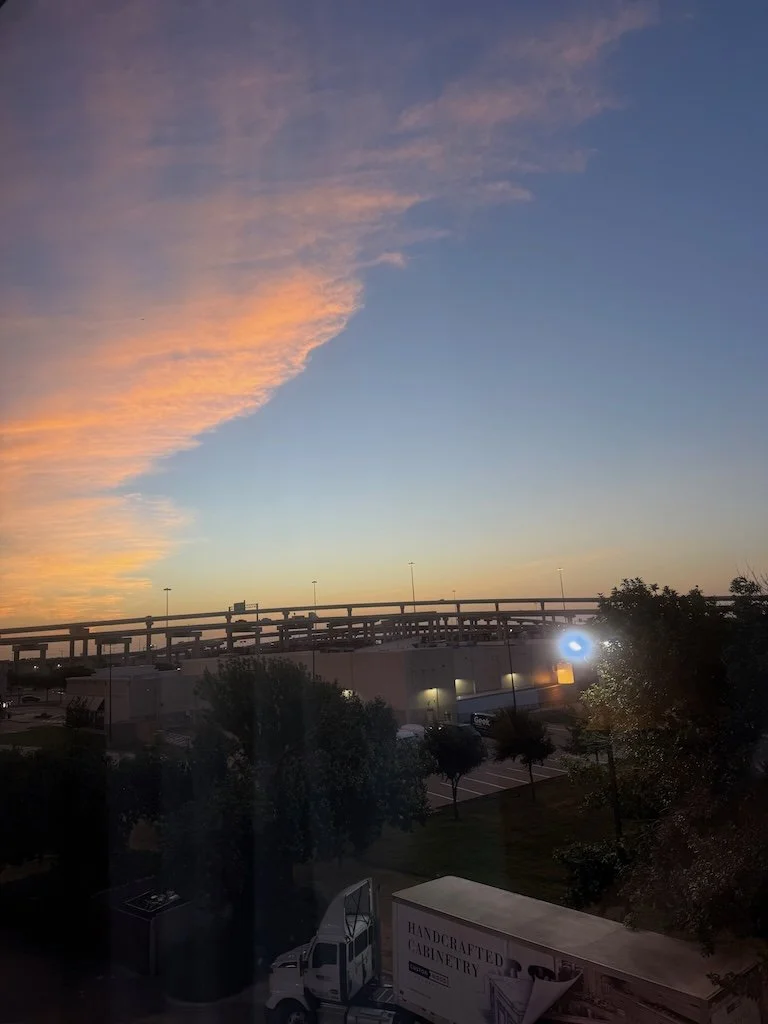
During my travel to Lewisville TX, I noticed a lot of plastic at the hotel’s breakfast service…and used the survey from the hotel afterward to indicate my concern about Styrofoam plates and plastic utensils with hot food. I had stayed at the same brand/chain in St. Joseph MO and they had used ceramic plates and stainless utensils. The General Manager of the hotel responded: “We truly appreciate your suggestions about reducing single-use plastics and will share them with our leadership team for consideration.” I stay at the same hotel every month when I visit my dad so I will know if they make changes.

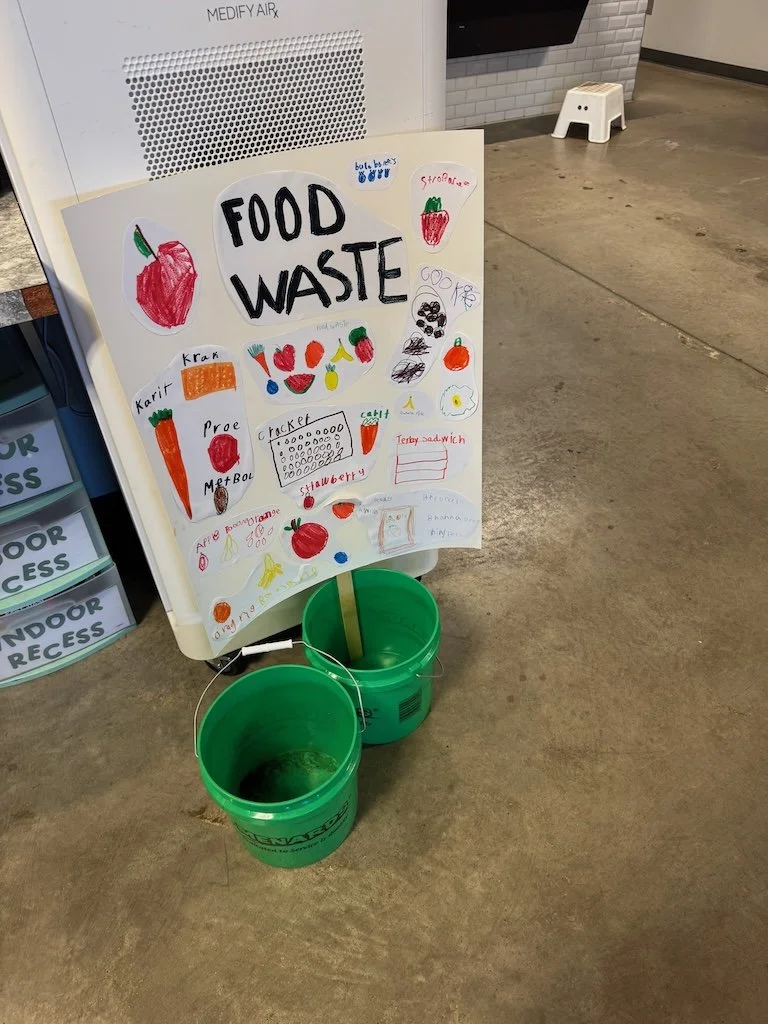
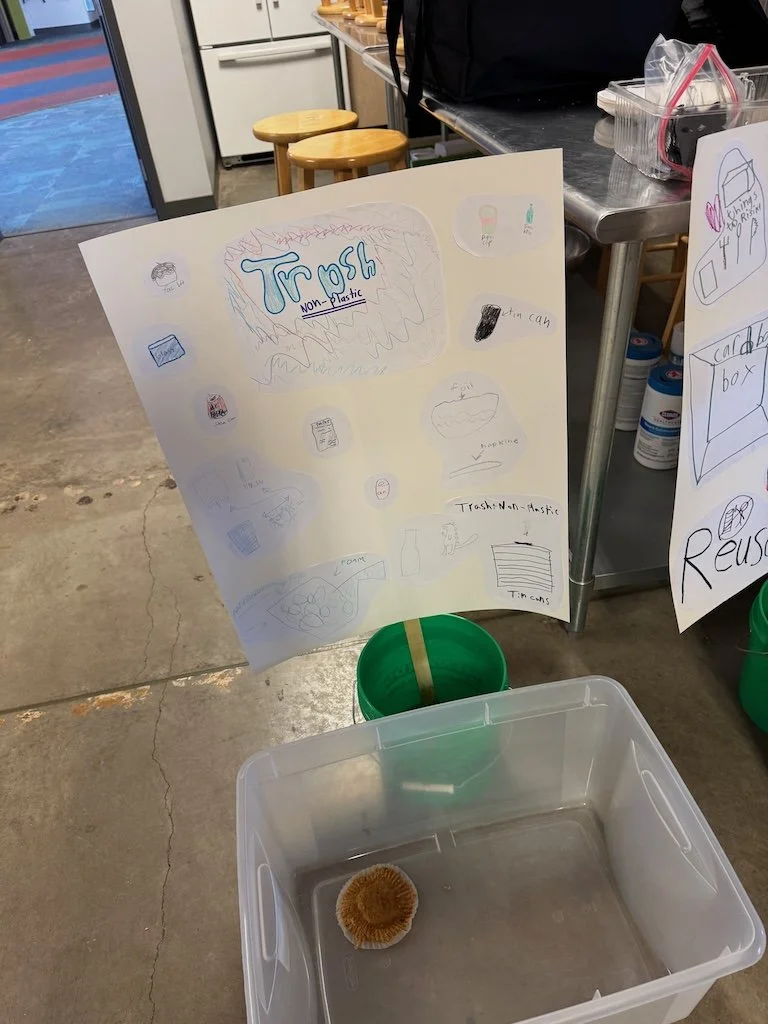
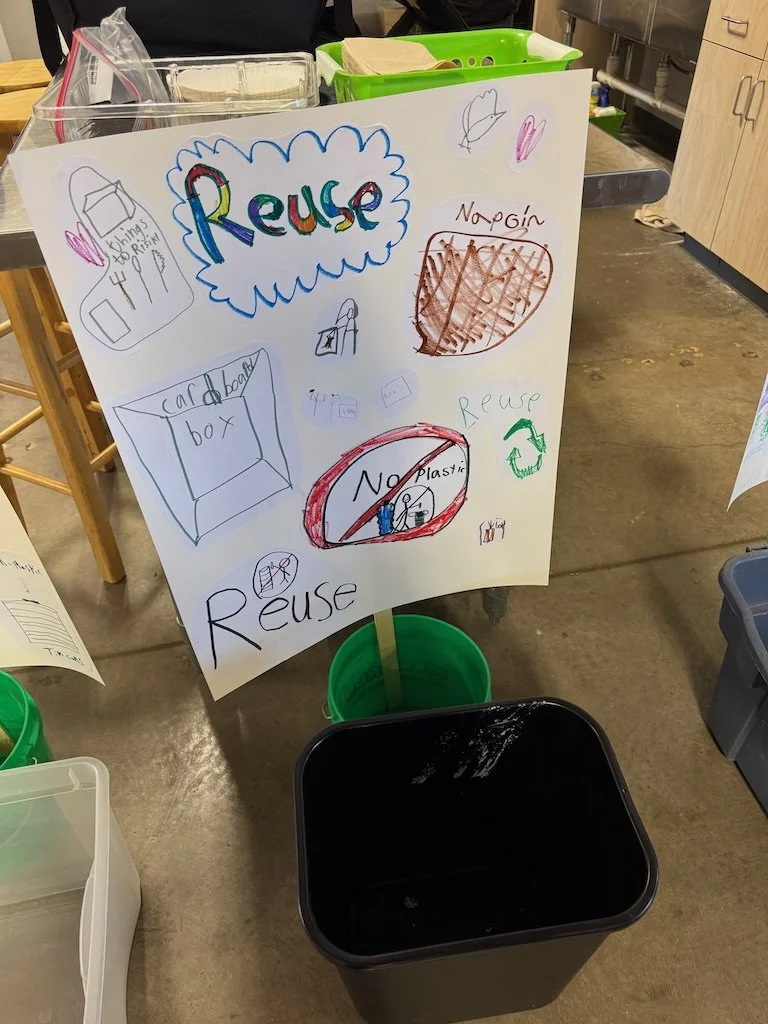
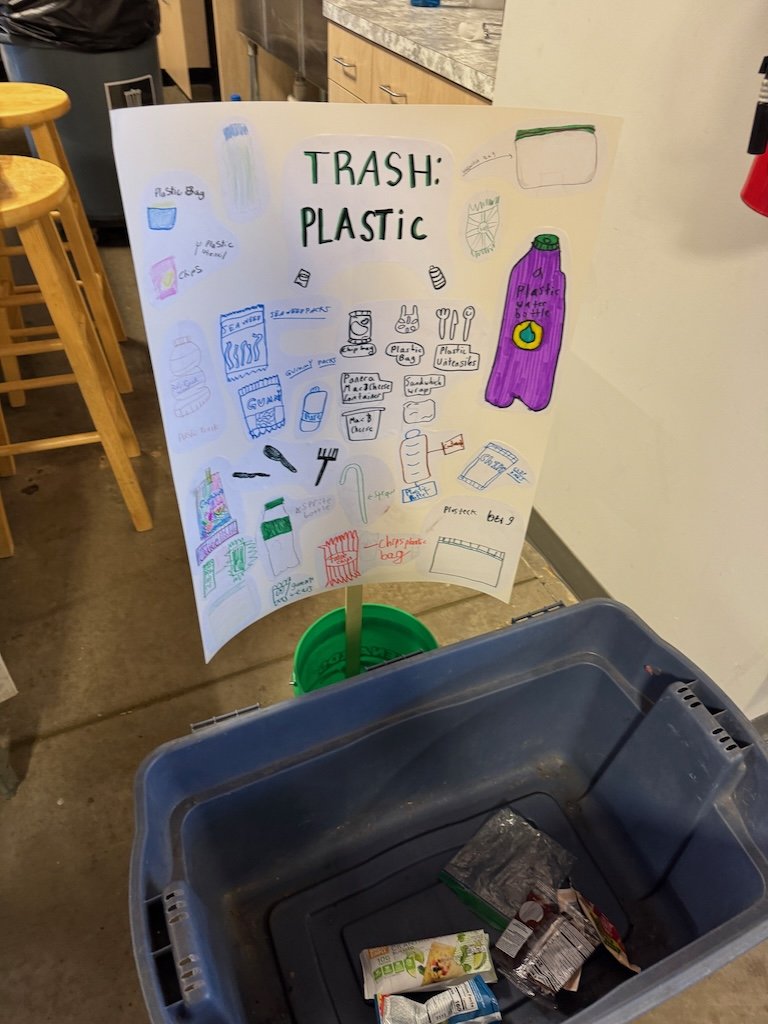
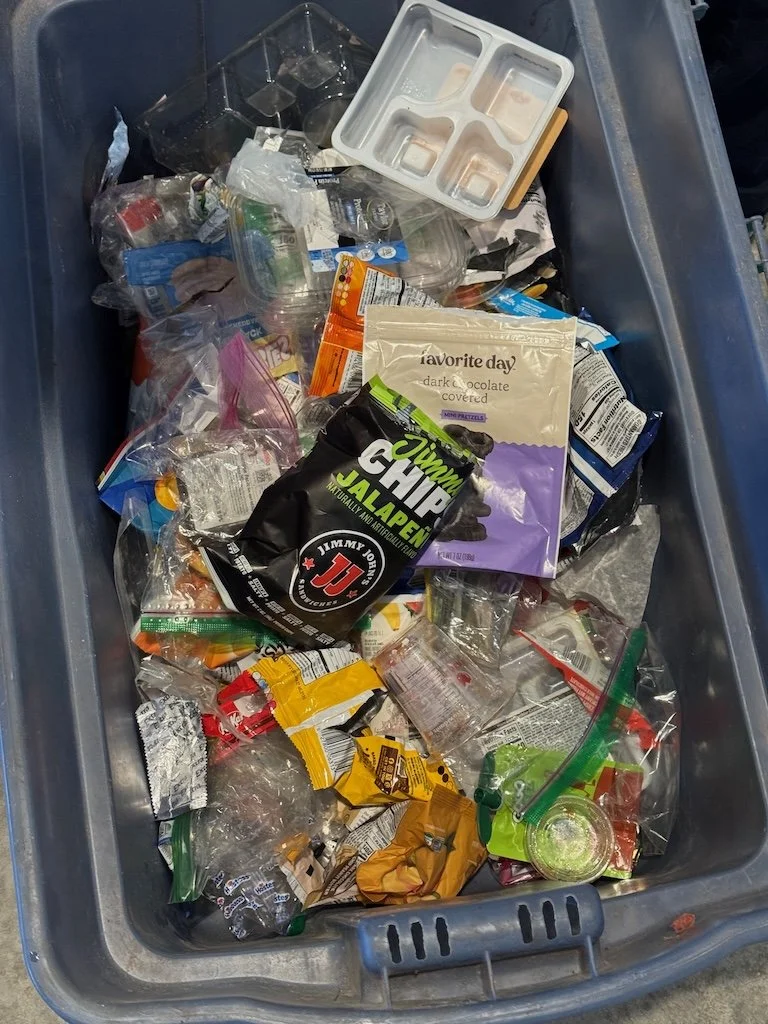
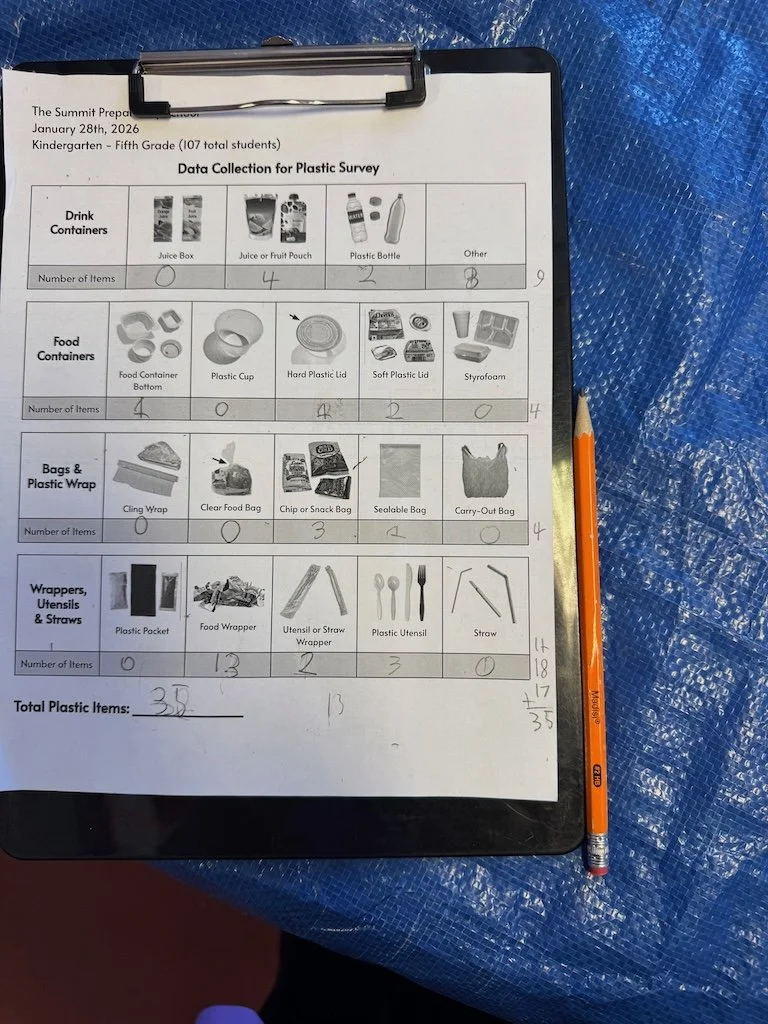
I helped with a lunch trash audit at a private school in Springfield organized by the Show-me less plastic project. The teacher was a fellow Missouri Master Naturalist and had done a great job preparing for the event – having the elementary students make posters for the initial sorting: food waste, non-plastic trash, reuse, and plastic trash. After their lunch the students put their trash in the correct bin.

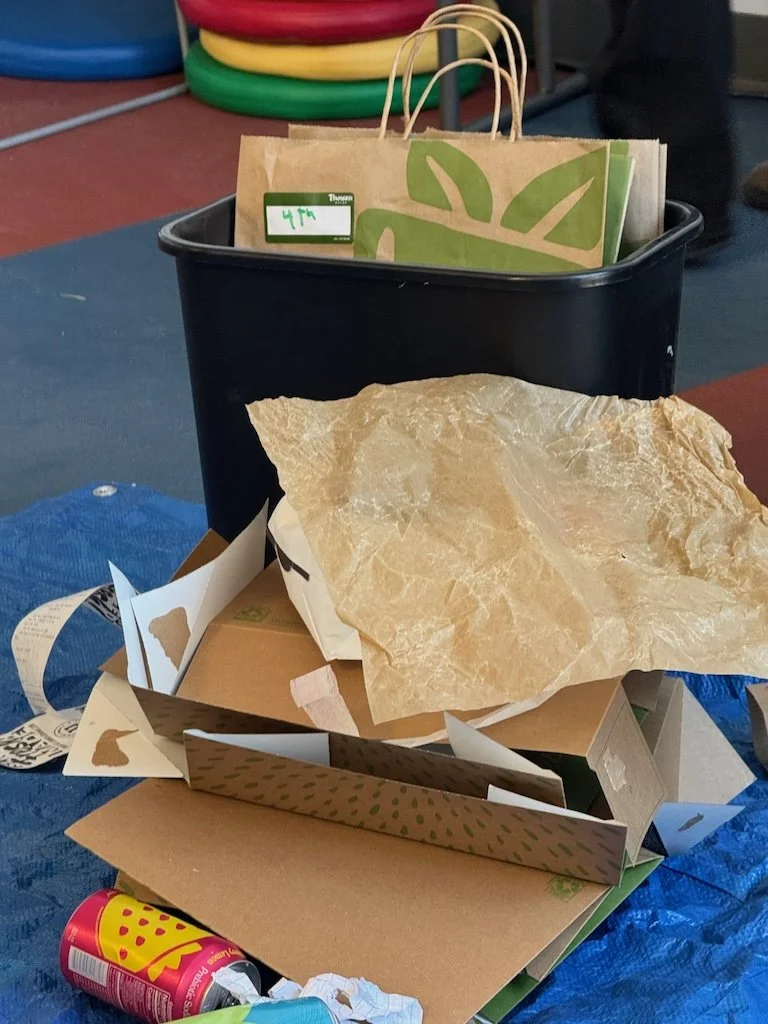
We (the adults) moved to a classroom with tarps over tables and on the floor which would be used for sorting by students over 3 class periods. The third and fourth graders divided into 4 groups and used the tarp covered table for the non-plastic  and plastic trash respectively while the second graders used the floor tarp to sort reuse/recycle.

The sorting of the plastic trash was the most thorough – with a worksheet for each group to categorize pieces of trash as they counted. Some of it was quite small!  

The next action the school is considering is to do a plastic free lunch!

In looking back at January, I am wondering if there will be as much every month or whether January unusual. This type of volunteering has components that are new to me; my strategy is to let it develop rather than try too hard to determine its direction!

Volunteering – November 2025

October was a lull in regular Missouri Master Naturalist volunteer gigs; the Butterfly House closing at the beginning of the month and Project FeederWatch not yet begun. Project FeederWatch starts in November and will continue until the spring. My husband I enjoy our view of the birds at our feeders through a window…accumulating our count for each week. I looked back at my FeederWatch pictures from last year and created the slideshow below…savoring the images before we really get going on FeederWatch volunteering this year.

The fall festival volunteering bridged September and October and is over until the spring festivals start. The hours to support the MMN chapter continue throughout the year.

I attended the Beyond Plastics Grassroots Advocacy Training so I am ready for that volunteering in the coming months; it will probably be the most significant change in the type of volunteering I do…and I am still exploring the form it will take.

I am still volunteering as a Friends of the Library in the county where I live. It takes the form of sorting used books and then setting up for used book sales. This month there will be a general meeting of the group that I plan to attend.

Overall – the cool season volunteering is beginning and I am looking forward to the change.

Homeschool Fair 2025

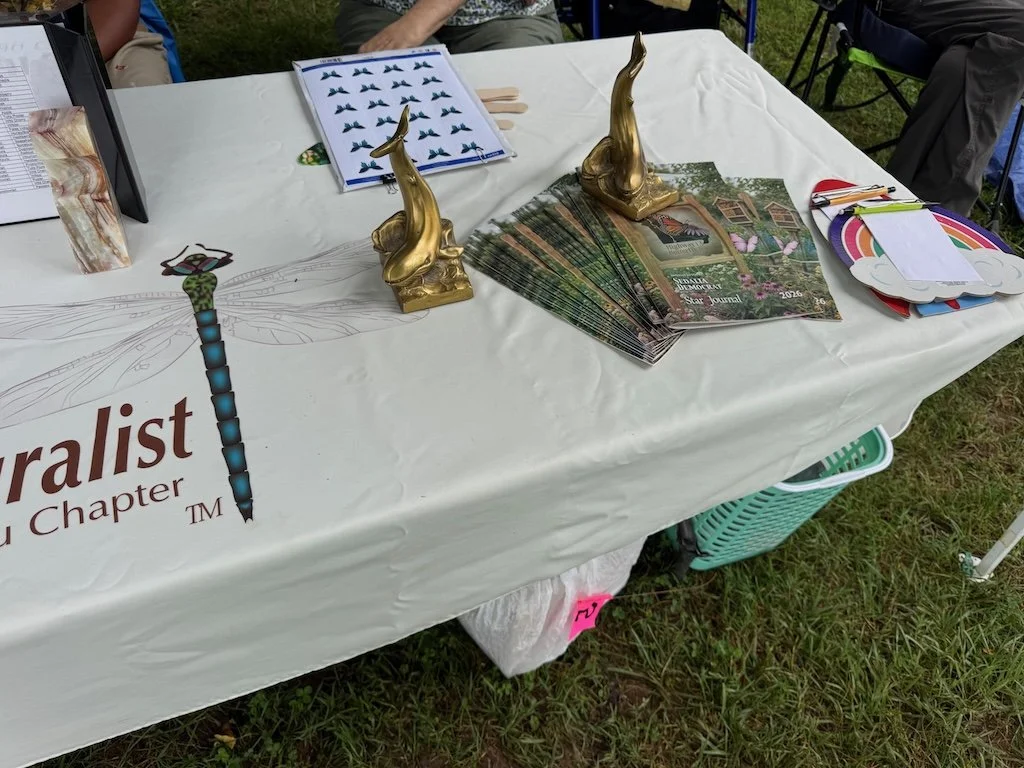
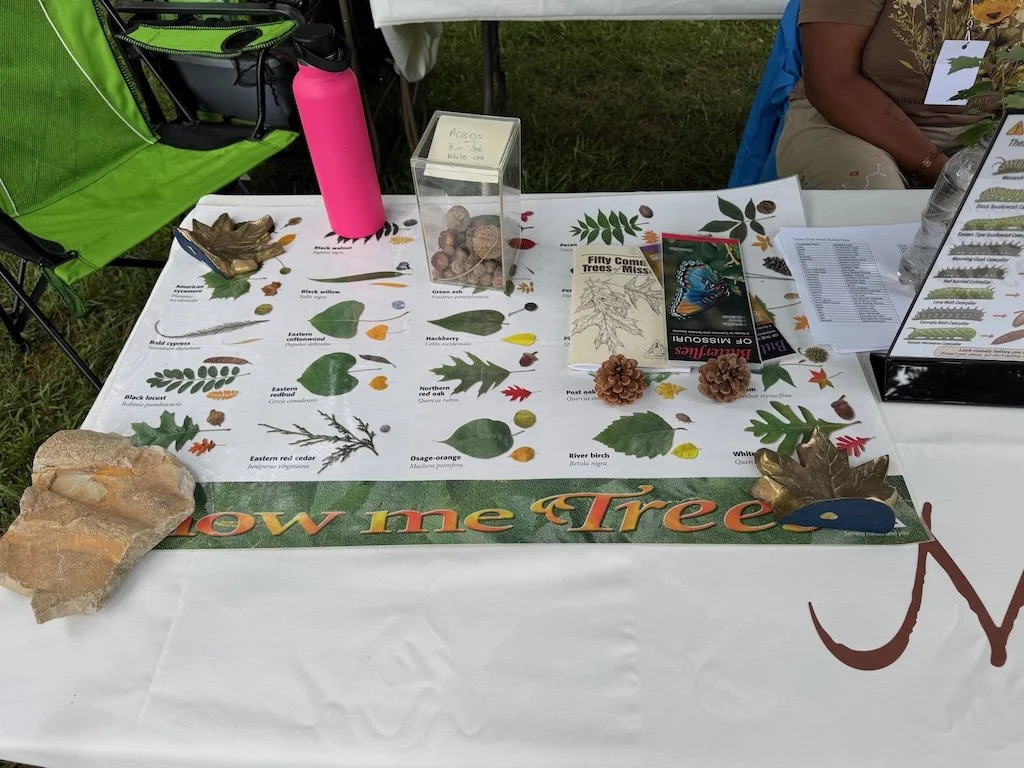
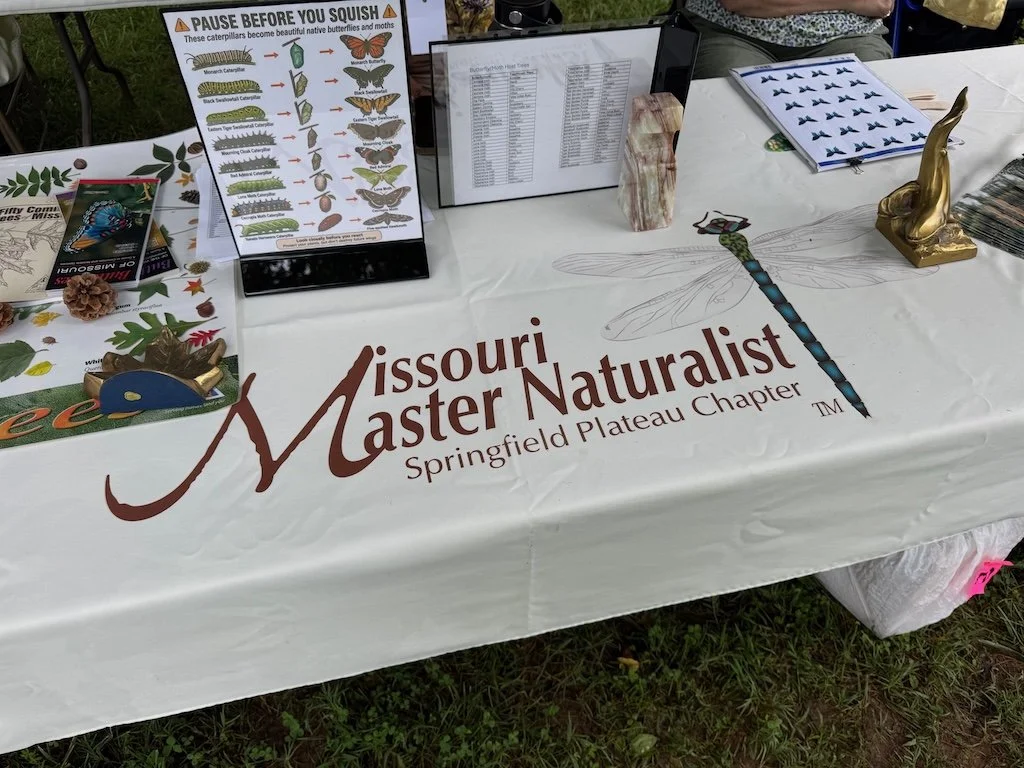
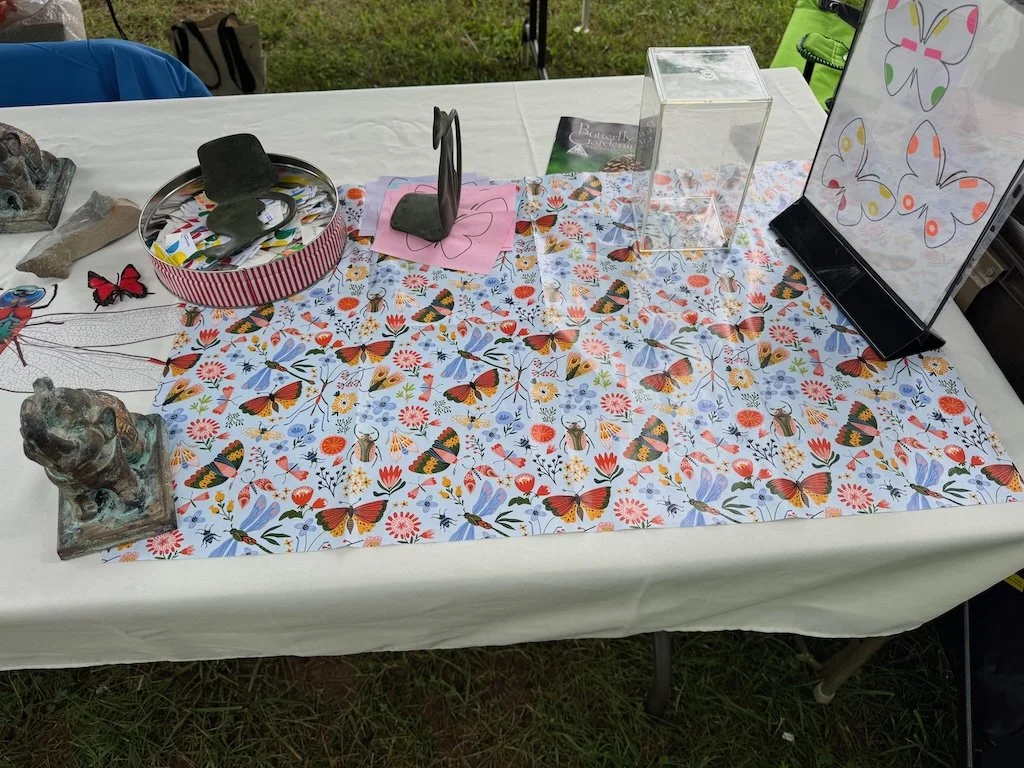
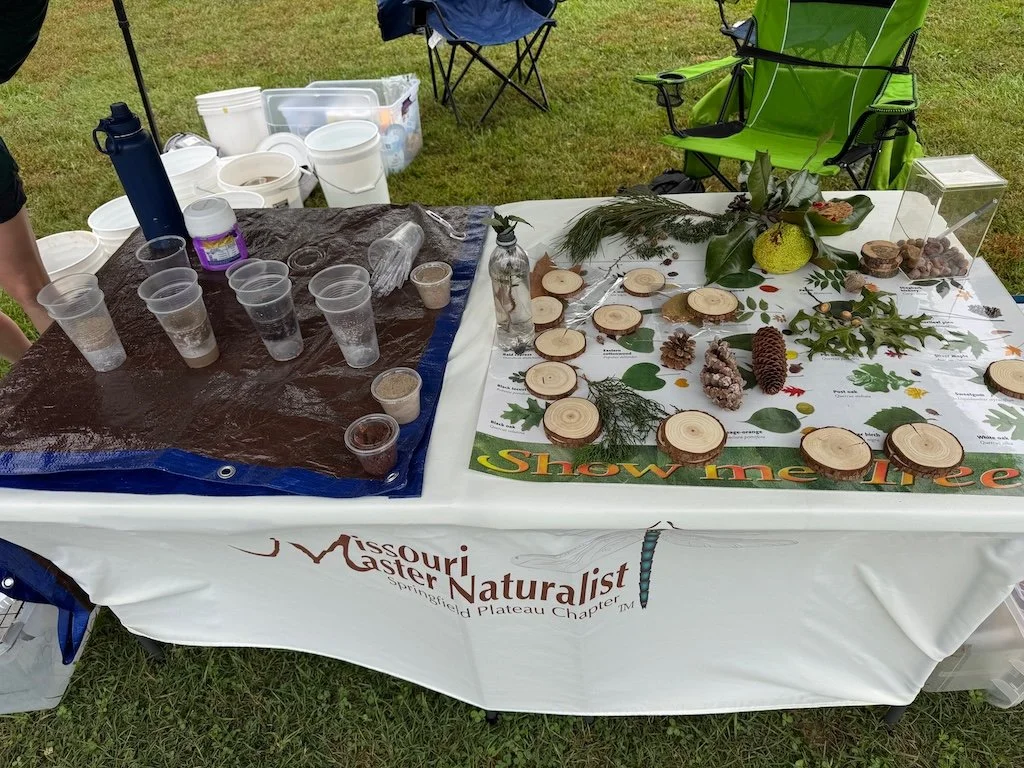
I provided a Missouri Master Naturalist table at an annual Homeschool Fair; the year it was held at the Springfield Botanical Garden. Our original location was not available (a delay in a renovation) so we were on a grassy area under a canopy. I shared my tree table with another Master Naturalist doing a soil filtration demo! The image below is what the table looked like before the crowd.

While we were setting up, it was very foggy, and we wondered if we would get some rain. Fortunately, it didn’t rain although here was a brief time that was blustery, and we had to grab things on the table and legs of the canopy! That was all before the event started.

The event was from 10-2 with a short break for lunch (for me it was only enough time to eat a protein bar). There were over 400 people that came by our table and I gave out all my copies of Missouri Department of Conservation booklets on trees.

Between the Homeschool Fair and the Native American Heritage Celebration, our chapter of Missouri Master Naturalists interacted with about 1000 people! There are some lessons learned to apply to future events:

  • Have at least 2 volunteers per table during peak times

  • Assign the person not doing as much talking to use the clicker…get a good count of people visiting the table

  • Tie the 2 corners of the tablecloth together at each end of the table; the table clothes are extra-large so this helps keep them from dragging on the ground plus reduces the impact of breezes on the tablecloth.

  • The table signs for the chapter take too much room on the table. We need an alternative type of sigh…maybe something that could hand from the canopy.

MDC Partners Roundtable

I’ve posted about the side trips I did to and from my trip to Jefferson City…but the reason for going was the Missouri Department of Conservation Partners Roundtable! It was a 2-day conference and a learning experience for me as a Missouri Master Naturalist.

There was the usual bling – a canvas tote (I might leave this one in my car to use when I don’t have my regular grocery bags with me), a 2026 MDC calendar (beautiful Missouri pictures…we’ll hang it on the side of our refrigerator in January), and a lanyard. I picked up a small flashlight from one of the tables and won a hammock when I asked a question in the closing session!

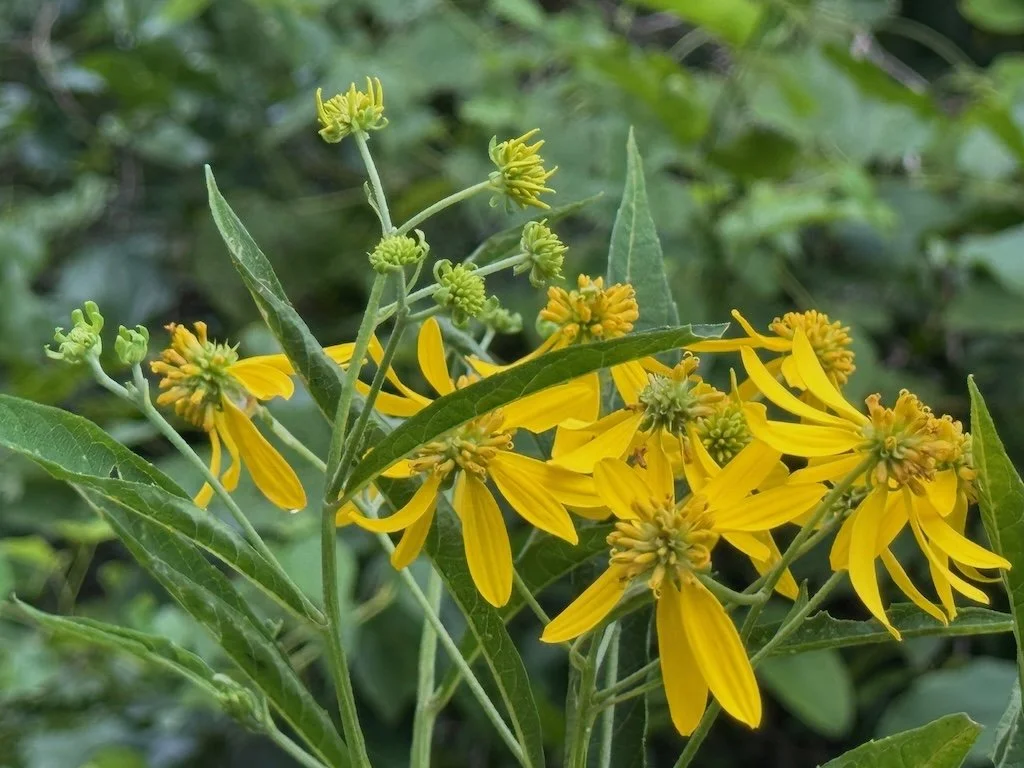
My favorite of the Plenary Speakers was Dr. Nadia Navarrette-Tindall from Lincoln University….talking about native plants….edible ones in particular. I stopped by her table after the talk and enjoyed a persimmon. I also picked up a card about a plant with edible leaves -Rubekia laciniata; common names for it are sochan, golden glow, and cutleaf coneflower. There was a native plant sale the weekend after the conference, and I bought golden glow and a pawpaw….so the talk prompted an immediate action. I hope Dr. Navarrette-Tindall will talk at next summer’s Missouri Master Naturalist Conference.

I was asked to play an ‘expert witness’ in a mock trial of an invasive species in one of the sessions the next morning. It was fun…a little stressful in front of a room full of people but worth it for the experience. It was part of a session for Show-me Green Schools.

There was a session where some brainstorming was done, and the organizers said they would send out a summary…but I haven’t received it yet and am disappointed. It was the most strategic session of the conference.

In general – I came away from the conference understanding that there are a lot of good things being done by MDC and their partners…but there does not seem to be much wiggle room for innovation or doing more. That is concerning because climate change and growing plastic pollution…maybe other factors too…are causing changes that existing conservation efforts might not address very well.

On the way home I stopped to get a snack…and scraped the bottom of my car (a concrete berm at the front of the parking spot…a little too high for the front of my car). It didn’t seem like anything was wrong until I was back on the highway. I heard a noise from the front passenger side of the car…stopped…discovered there was a piece of the tire well hanging down/damaged. I used my phone to photograph underneath. The piece could be pushed up but wouldn’t stay so I moved to more secure place on a sideroad rather than on the highway…and called for a tow. It was a very different process to get home than I anticipated!

Native American Heritage Celebration

I volunteered in the Master Naturalist booth at the Native American Heritage Celebration at Wonders of Wildlife in late September. It was a Friday-Sunday event with school groups coming on the Friday. We had two tables – one for bison (things that were made from bison parts) and trees of Missouri.

The students seemed to enjoy both topics – some spending quite a lot of time touching items and interacting with us. I usually did the tree table…linked trees to Native American heritage with the hedge apple/osage orange wood being used for bows and eastern redcedar (medicine, flavoring, ritual/ceremony). The first year maple-in-a-bottle sparked their interest too…particularly the variety of roots (some hairlike, some stubby, the thick central root).

They looked at different kinds of cones (the egg shaped/sized shortleaf cone being the only one native to Missouri) and talked about things children might do with pine cones – now and before Europeans came.

I was glad that I could put tree related Missouri Department of Conservation publications on a nearby table…they were available but not taking any space away from my tree samples.

Volunteering – August 2023

I have three areas of volunteering going on this summer: Friends of the Library, Master Naturalist chapter, and Butterfly House (that counts as Master Naturalist hours too).

I volunteer once a month to sort used books at my local library that will be sold in the sales that happen once a year at each branch. Setting up or helping during the sale itself is another volunteer opportunity (I prefer the set up!). This month the sale will be at the branch closest to where I live but I have used the sales as an opportunity to explore other the parts of the county that I am not as familiar with. The monthly sorting usually starts out a bit daunting with tables full of books that have been donated. Two people come in each week but there are certainly times that there is more than two people can sort into shelving by subject or box up within the 2-hour shift. I am always relieved when the table is cleared when I leave…and that the area is air conditioned; sorting books is good exercise.

I am the programs chair for my local Missouri Master Naturalist chapter, so I am doing the behind-the-scenes activity to arrange for speakers…and writing announcements to the chapter about what is happening. The speakers count as advanced training so I create an entry in the tool we have for logging our advanced training so that others can simply select it when they attend…minimizing what they must do to get credit for the training.

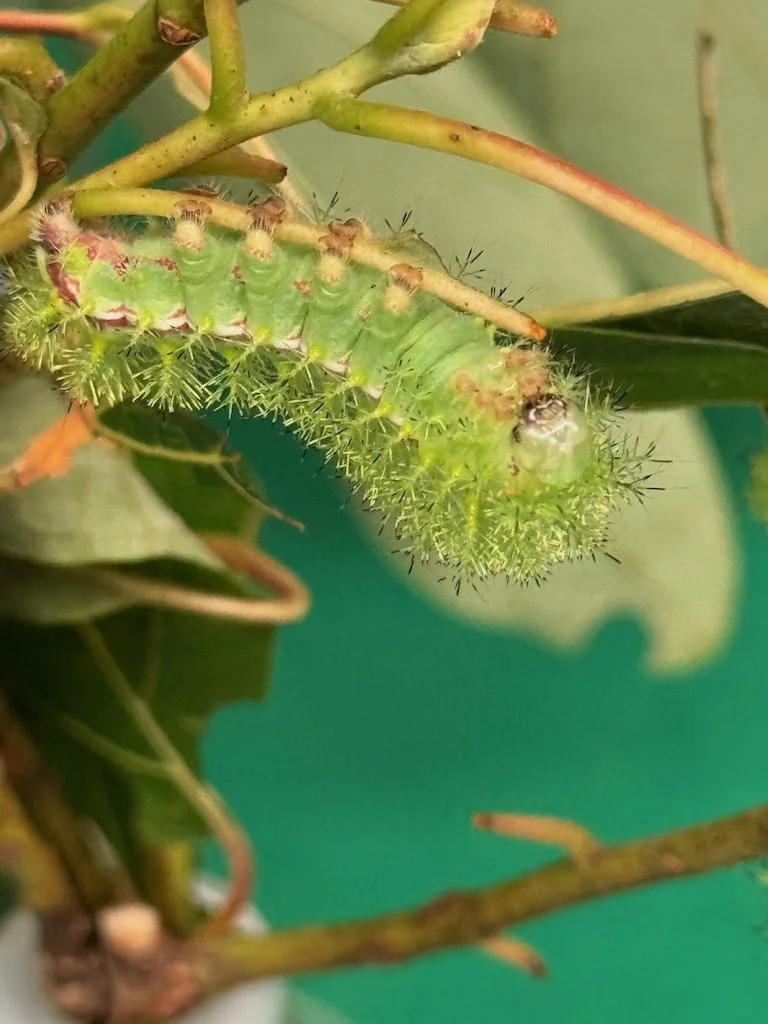
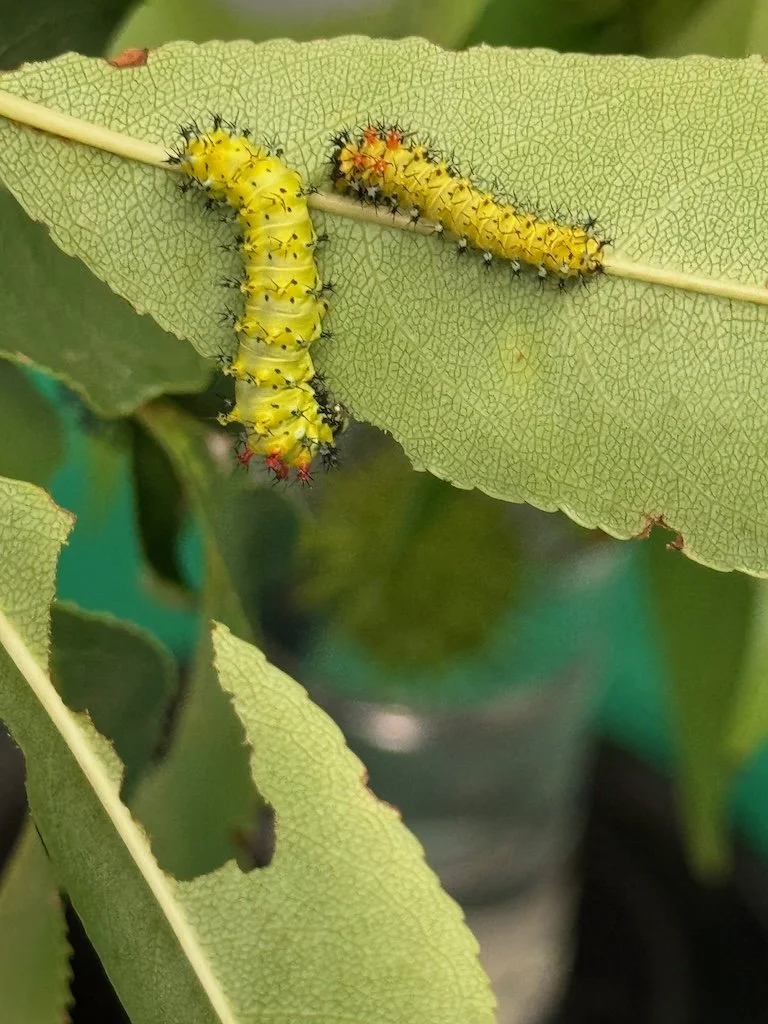
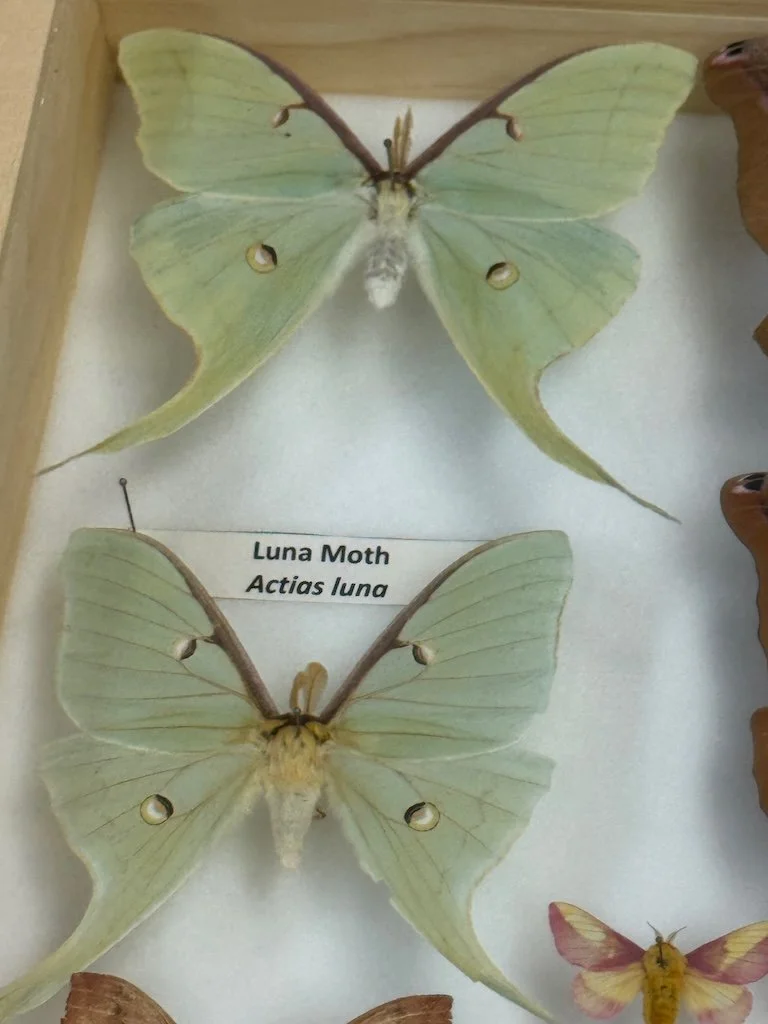
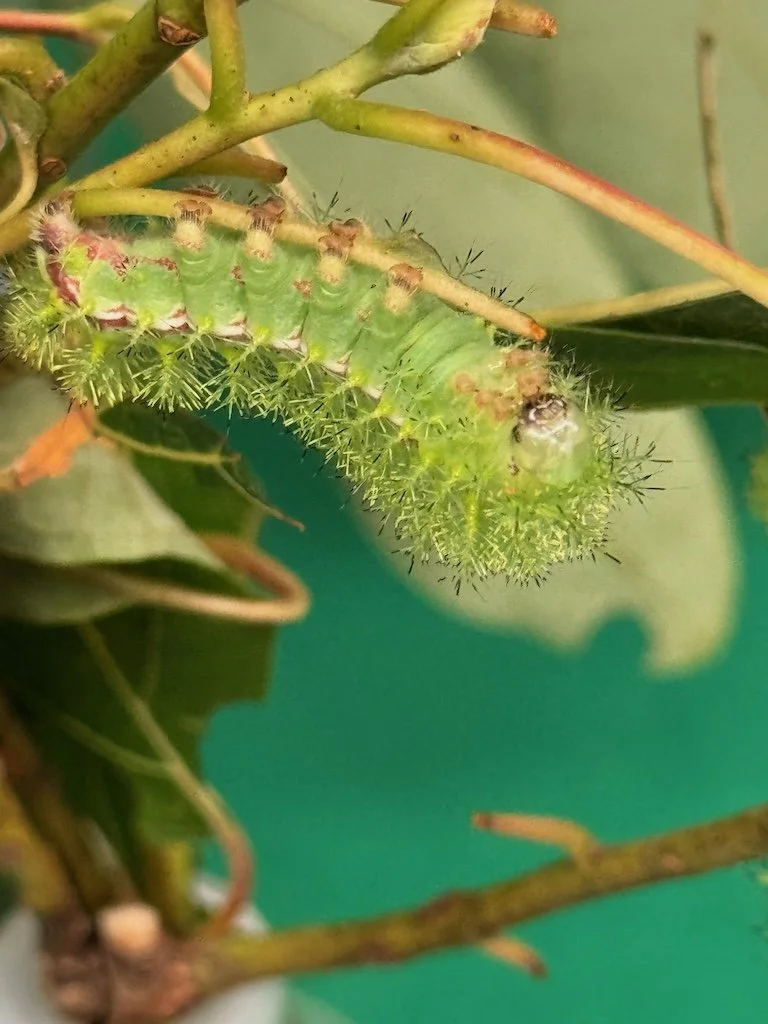
The Butterfly House has been my most substantial volunteering this summer…both in the house itself talking to visitors as they enjoy the butterflies and moths there and raising Luna moth caterpillars at home that have been taken to the house as big caterpillars and moths recently. The large cecropia caterpillars on display in the butterfly house recently were the 3 that were raised with my luna caterpillars (because they were mixed in when I was given the bin with a lot of newly hatched caterpillars). 

I’ve enjoyed all the volunteer gigs I’ve had this summer…even the ones that were outdoors on very hot days!

Butterfly Festival

The annual Butterfly Festival was held at the Springfield Botanical Gardens on the second Saturday in June. I volunteered for 2 hours in the Missouri Master Naturalist booth.

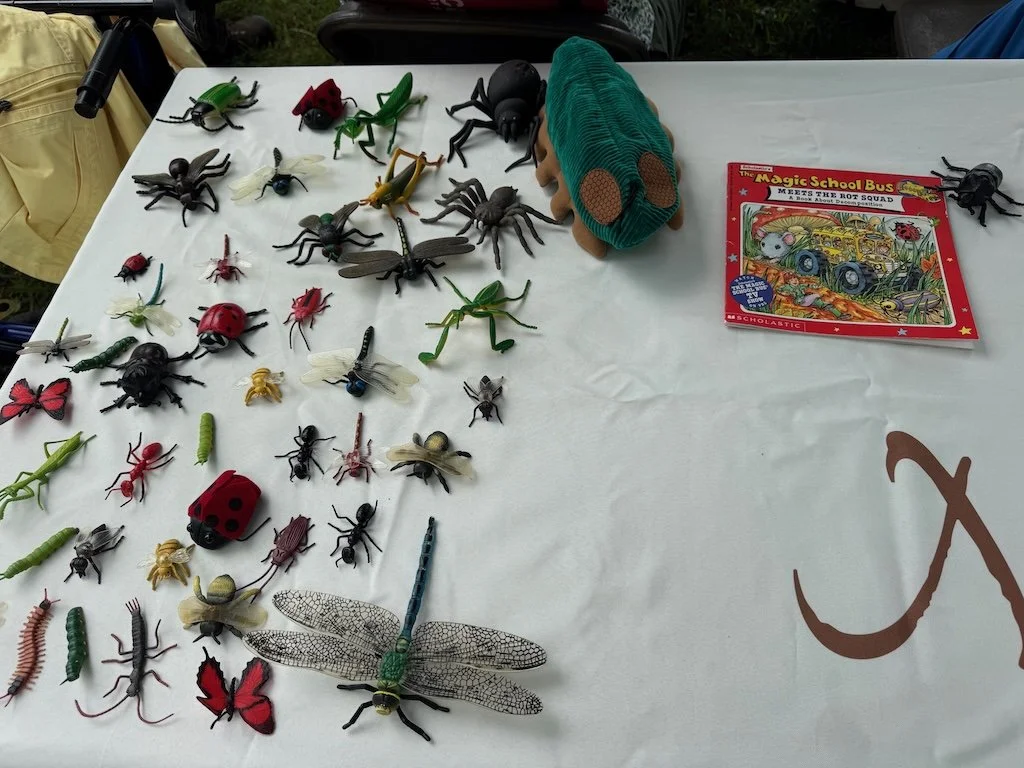
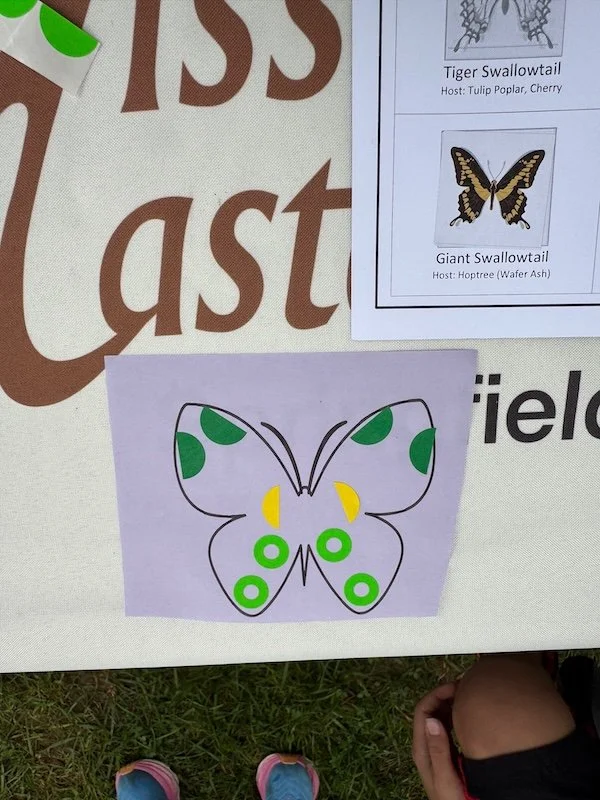
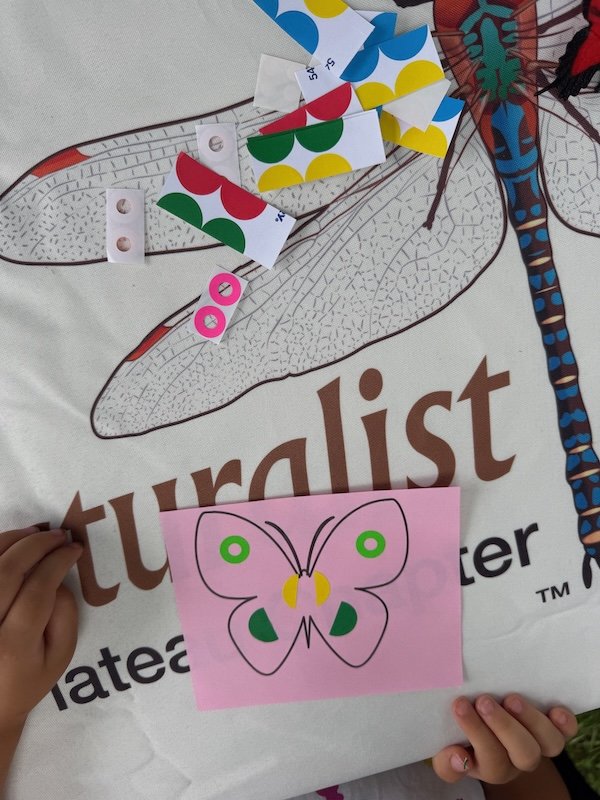
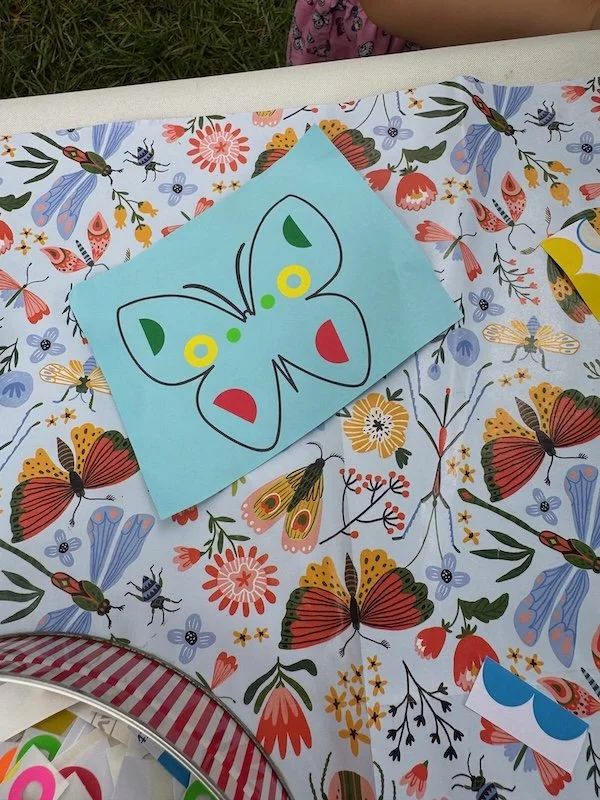
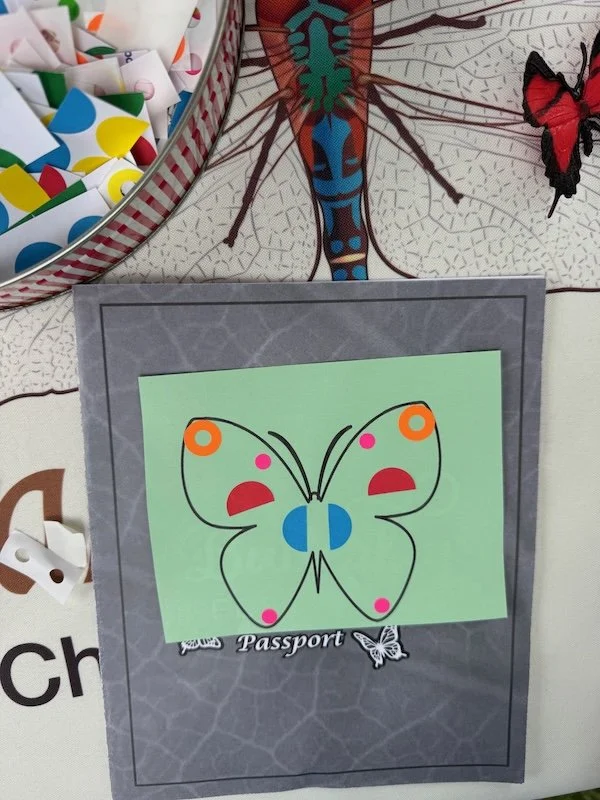
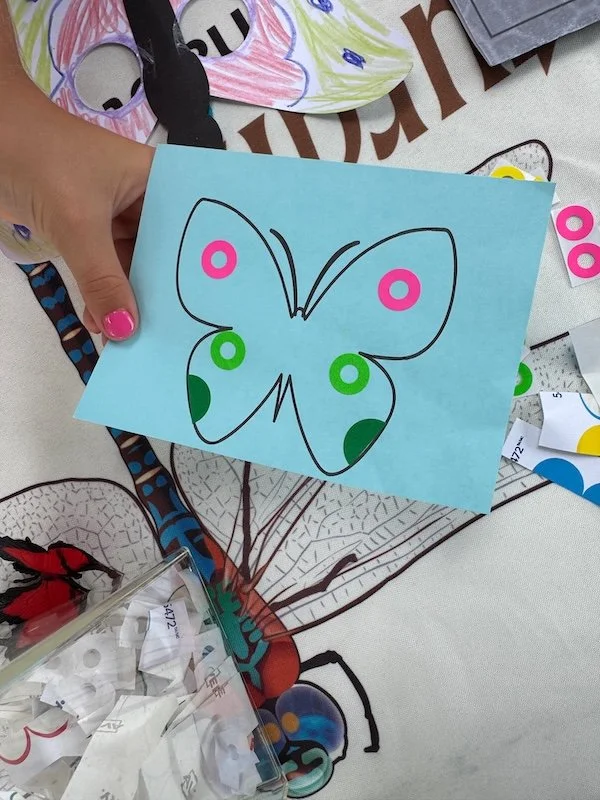
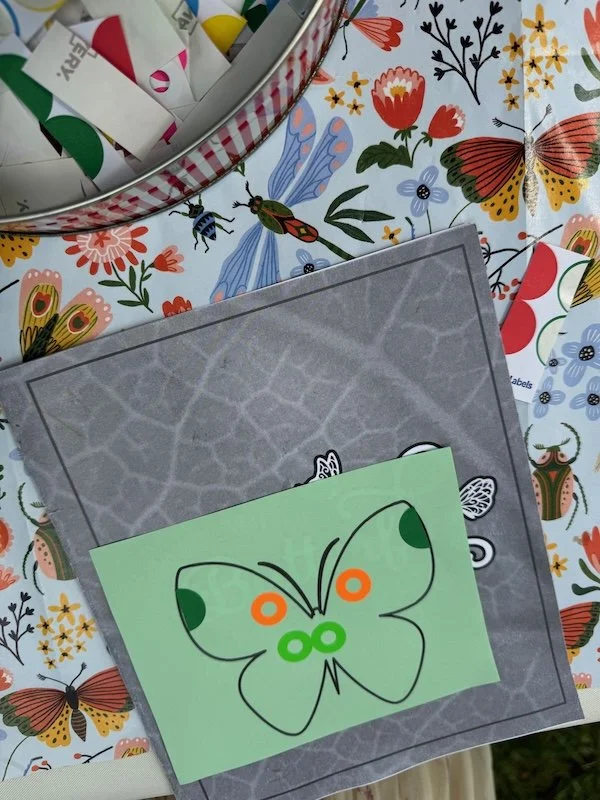
There were a lot of people and the children were all working on a passport where they collected a butterfly sticker from the booths they visited. The sticker we had was the pipevine swallowtail. We were completely out of stickers at the end of my shift and there was still 2 hours to go for the festival!

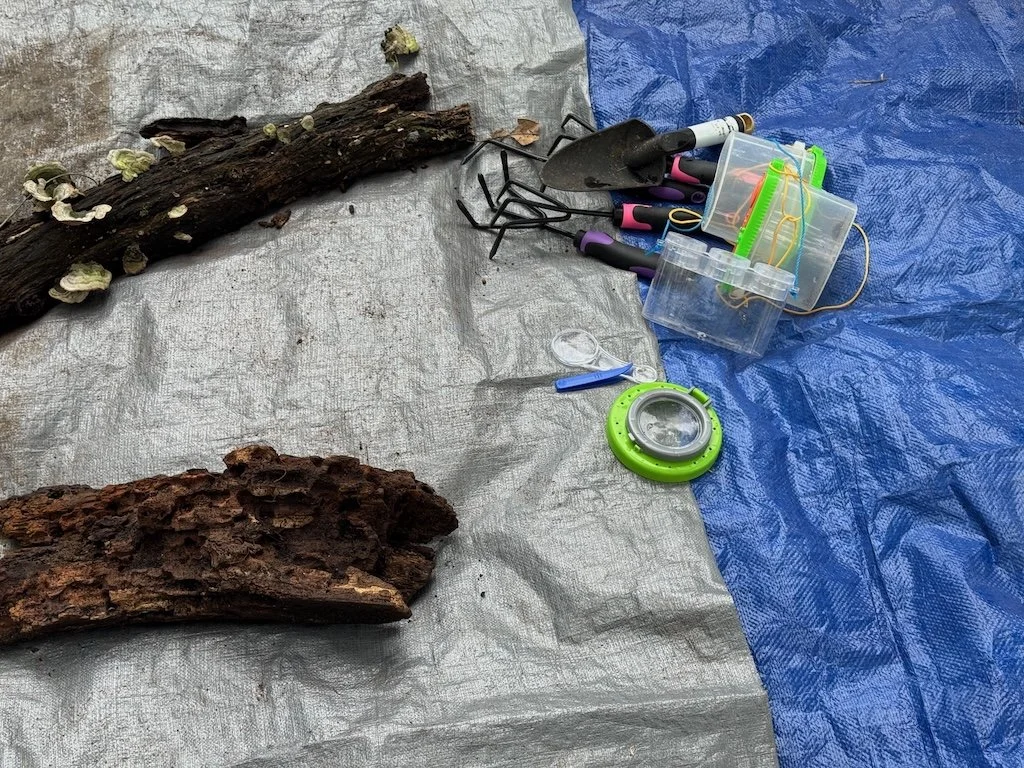
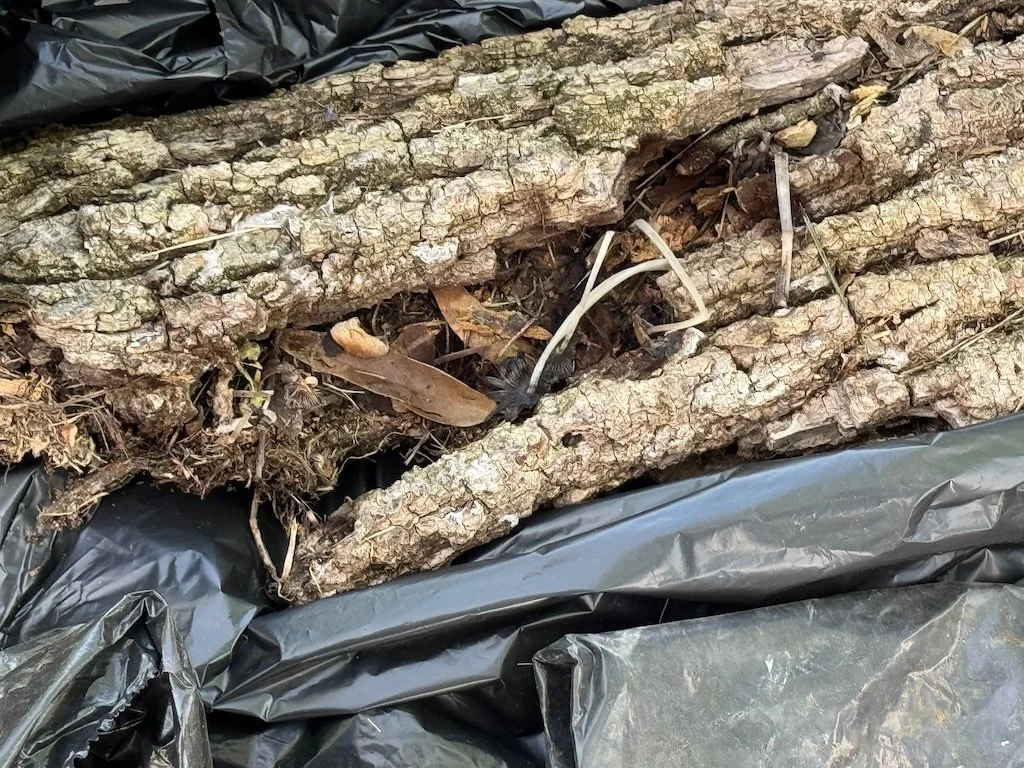
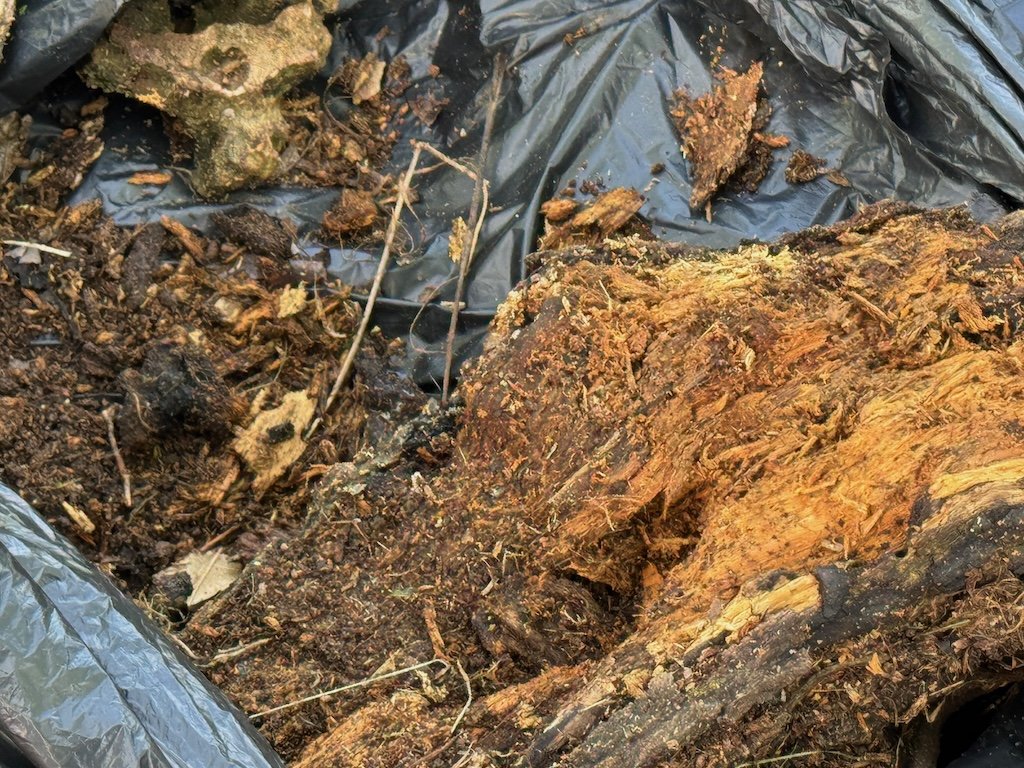
To the side of our booth, we had a small tarp with rotten logs and tools to dig into the logs. The children found snails, grubs, worms, ants, millipedes, spider…and roly-polies! We accumulated quite a collection in the magnifying containers on the table.

We talked the adults about Missouri Master Naturalists and hopefully some people will be interested enough to contact us and participate in our next core training in fall of 2026.

Moving to Missouri Anniversary

We moved to Missouri in June of 2022, so this is our third anniversary of being in the state and our house. I’m thinking about how much I have settled in.

There are boxes that were not unpacked in the first 6 months after we moved that are still unpacked. They are obviously things we shouldn’t have moved from Maryland. It’s not a lot but I am now thinking more seriously about how to convince my husband that we can get rid of them!

The yard is trending toward more native vegetation and less grass. It is slow going but I enjoy the process. It seems like the changes are beginning to snowball in terms of more birds visiting out yard in recent months. ‘Leaving the leaves,’ ‘no mow’ areas, and no fertilizers/herbicides/insecticides in combination is better than each one alone! I let Virginia creeper become the ground cover in my front flowerbeds, and they look very lush; the vines extend toward the front porch and have covered a bit of the steps up to our front porch making the entry look inviting rather than sterile concrete/brick.

Over the past year I have taken classes at the local university – something I hadn’t done in Maryland – and become a Missouri Master Naturalist so that I could do the type of volunteering that I did in Maryland. I am on track to volunteer at about the same level as pre-Covid this year. I am not as confident yet that I know as much about Missouri as I did Maryland – but I know enough to be comfortable with the naturalist activities I am choosing.

I’ve seen quite a bit more of the state with either my husband or daughter over the past year as well but am realizing there is a lot more to see. It easier to learn the physical aspects of the state than the social nuances, but maybe that was true occasionally in Maryland too. Over the course of this past year, the classes and volunteer gigs have provided opportunities for me to interact with more people…and that’s a good thing.

Our motivation for moving to Missouri was to be closer to where our daughter lives…and it is a nice bonus that we like our house and Missouri too!

Volunteering – April 2025

April was a month of volunteering and training for some new activities in the upcoming months. I was glad to use my tree materials again at the Scouting event, find 23 puzzles for my dad as I volunteered twice with Friends of the Library (at a used book sale and sorting books for the next sale), talk to people visiting Nature Touch Tables as part of Earth Day, and do another month of Feeder Watch (citizen science). I also worked on the programs (planning, prep, and follow-up) for the Master Naturalist Chapter. I am looking forward to Butterfly House related volunteering beginning in May.

I am thinking about my motivations in volunteering. After I retired more than a decade ago, volunteer activities became one of the best sources of interaction with a broader range of people. That is still the case. I chose to become a Maryland Master Naturalist since I also wanted at least some of the volunteer work to be outdoors; becoming a Missouri Master Naturalist is the same. In Maryland, the reactions of school groups on field trip hikes, conversations with other volunteers before and afterward, and positive feedback from non-profits that organized the events were the appreciation/acknowledgment that what I was doing mattered. In Missouri, it is the same although there is the added dimension of the Master Naturalist Chapter. I’m not sure what I expect….it could just be more ‘icing on the cake’!

Volunteering is good for my community and for me too!

Harold Prairie

One of the topics that came up in the last Missouri Master Naturalist chapter meeting was the need for some maintenance for Harold Prairie - the last native remnant in Greene County, Missouri. Shortly after the meeting, an email was sent out offering a tour and about 8 of us walked around the prairie the next Sunday between Highway 123 and the Frisco Highline Trail northeast of Willard, MO.

We caravaned from one of the trailhead in Willard. The long and narrow prairie had been recently mowed (road to the right in the picture….trail to the left behind the brush that had not been mowed). The prairie plants were coming up in the thatch.

We saw wildlife right away in the fringe of brush at the side of the trail:

Ornate box turtle

Gray tree frog – Missouri’s most common species of tree frog

A few things were blooming!

Most of the plants were just green...emerging and growing rapidly with the warmer spring days.

We talked about a plant survey in June and burning in the fall. There could be some manual woody plant removal required too.

One such woody plant that I was pleased to photograph: a black cherry. It was on the other side of the trail from the prairie but maybe the goal will be to extend the prairie to be both sides of the trail in some areas. We’ll see.

I am looking forward to what will likely be the next activity – the plant survey in June. Hopefully I won’t have a conflict…and the weather will cooperate!

Training and Volunteering in Lebanon MO

I had responded to a request from a fellow Missouri Master Naturalist for a program last weekend – a little bit of training and volunteering about an hour from where I live. There was heavy rain for the drive there – but it was weekend and the traffic was not as heavy as usual on the interstate. Fortunately, the first part was training so I could destress after the drive. I wandered around the Route 66 museum that is housed in the same building with the library. It was interesting – lots of items specific to Lebanon and then more broadly to Route 66. Much was before my memories began so I would have appreciated a few more dates for the pictures and newspaper articles. I enjoyed seeing the displays….glad I don’t have to drive over any ‘bone-jarring Ozark rock roads’!

I do vaguely remember one of my grandmothers having a wringer washing machine in the barn in the early 60s so that was something in the museum that looked familiar.

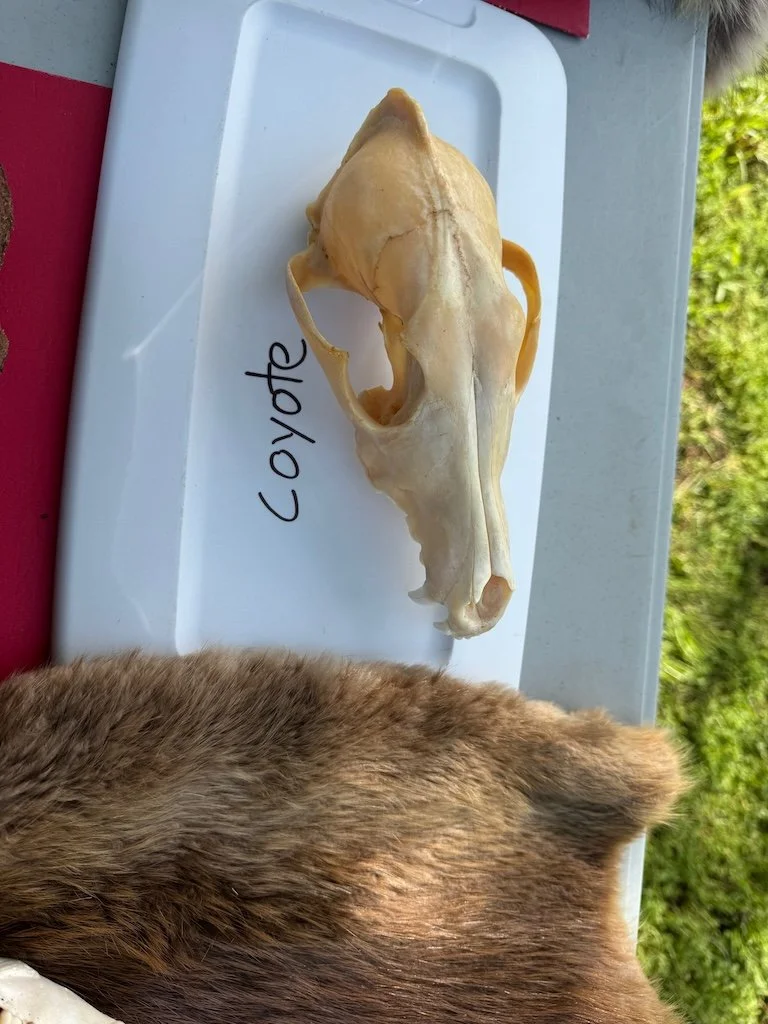
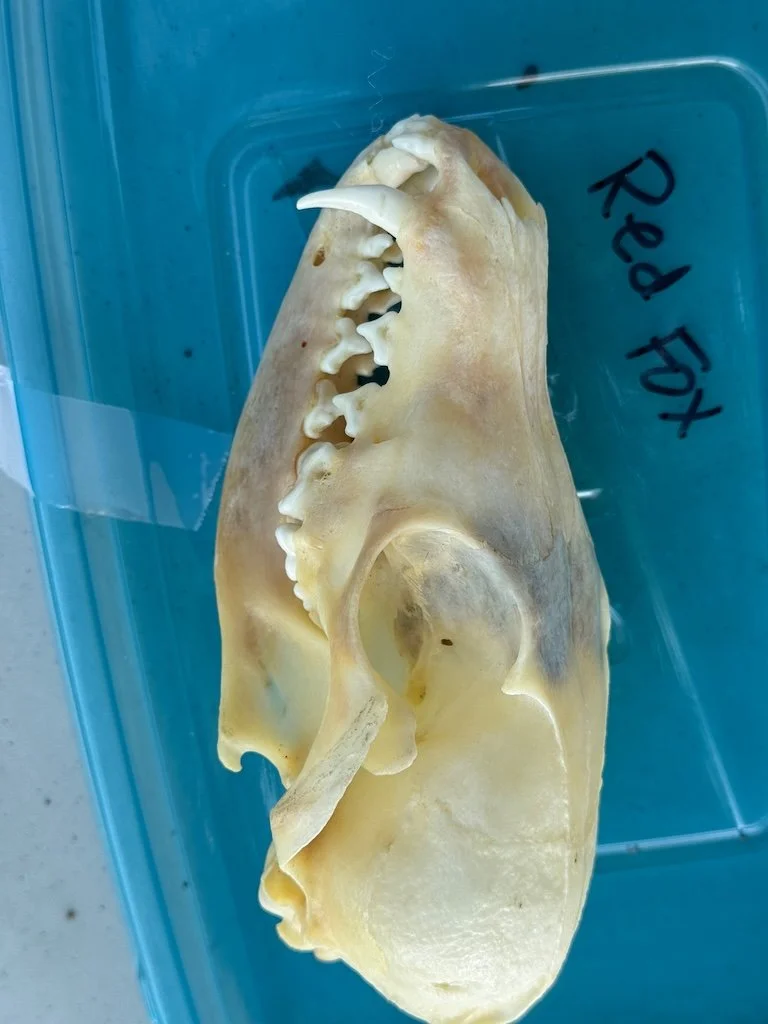
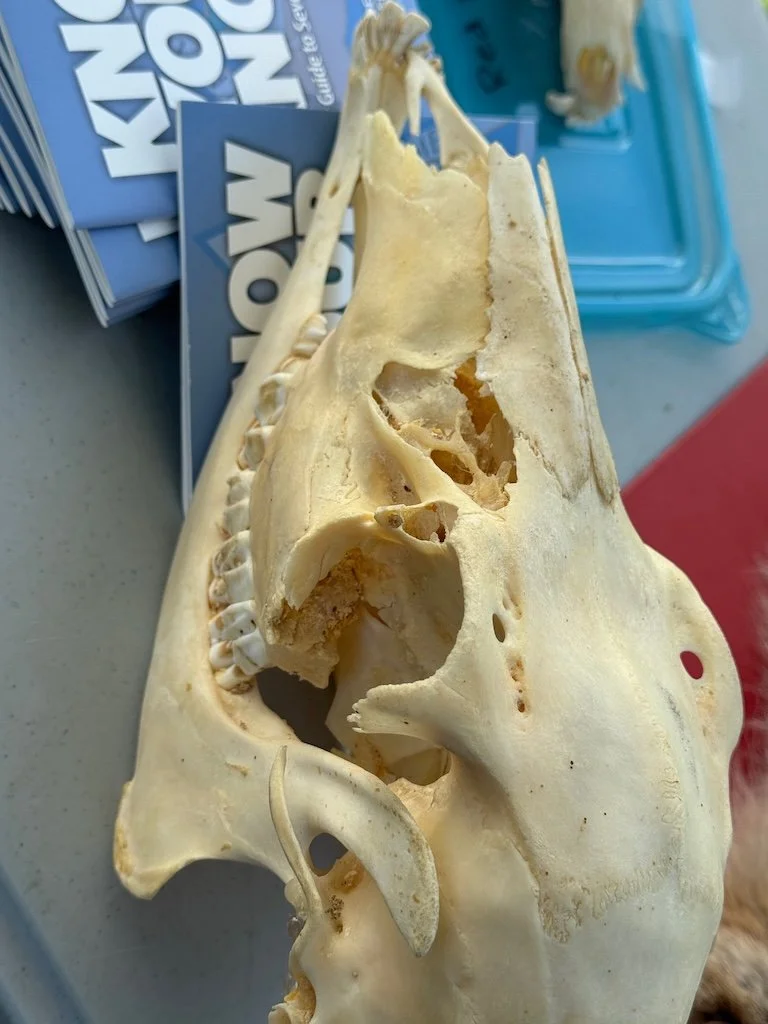
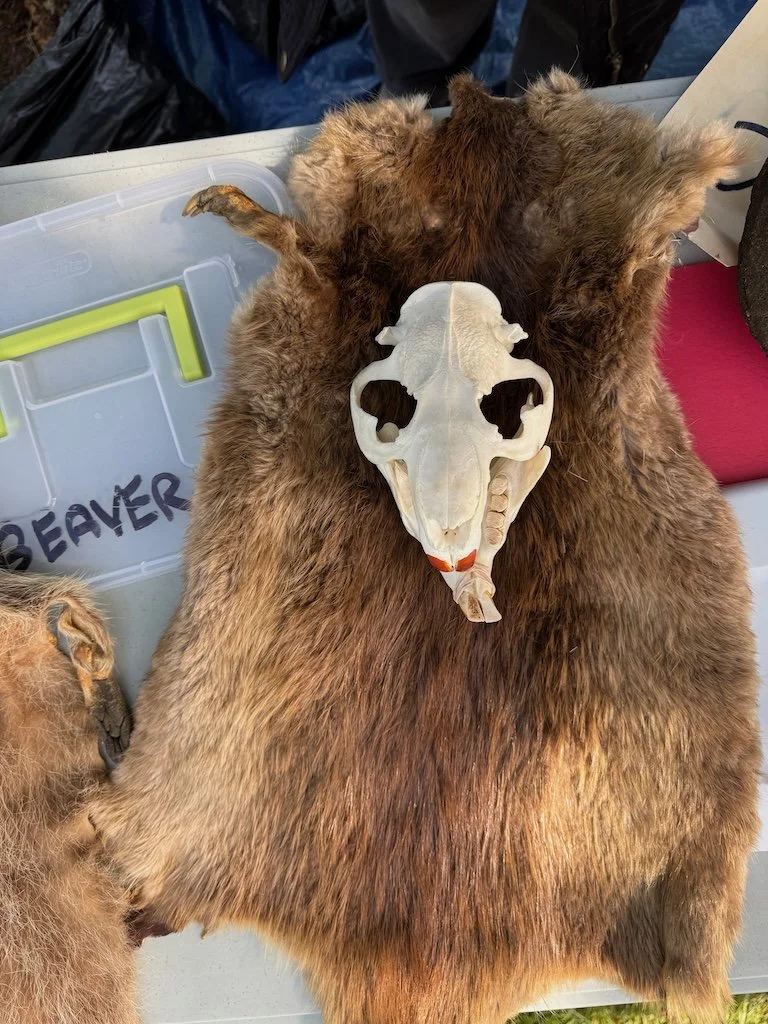
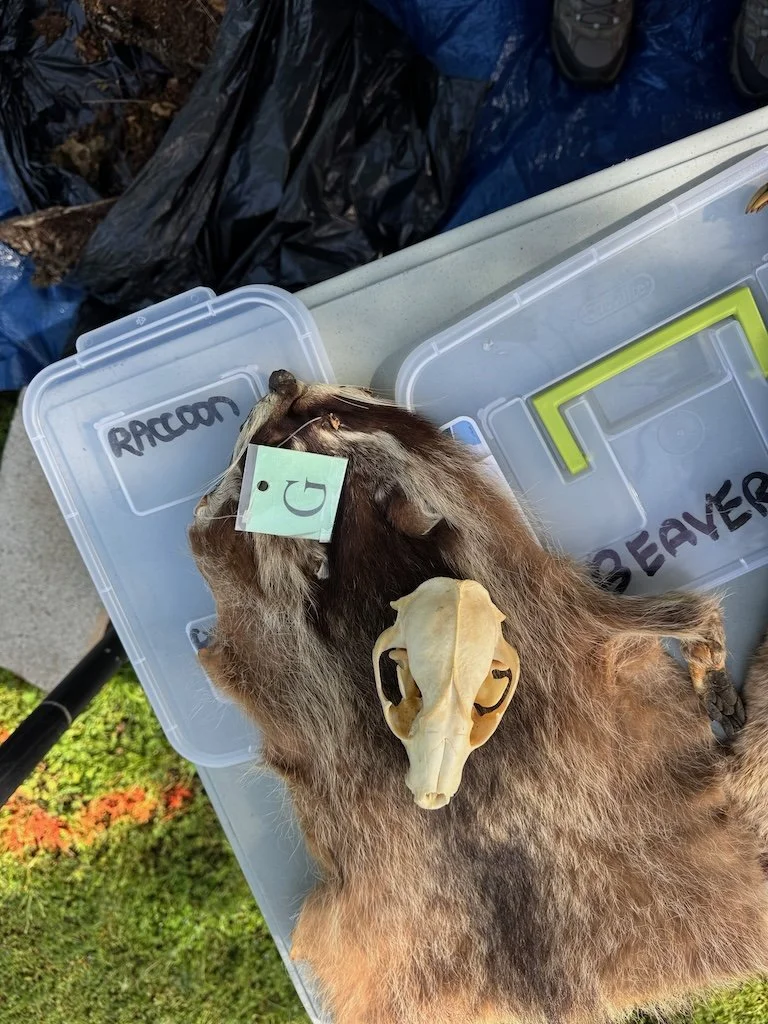
Then I had a brief training on the nature touch tables set up in the foyer of the library/museum. There were skulls and rocks and pelts and snake models/skins/id puzzles and pictures of caves and wildlife there – a bat preserved in acrylic. Handouts for each topic from Missouri Department of Conservation were available and many people took at least one. The snake booklets were probably the most popular.

I’m learning a lot about different parts of Missouri through Missouri Master Naturalist volunteering…I like feeling more familiar with the state where I now live and interacting with people!

Another Event about Trees

Last week I was one of 4 tables for a Scouting event (the other tables were about bears, skulls, and tracks). I used materials I have been collecting and used since last fall. It was the first time with small groups coming to the table and talking about trees for 10 minutes…then doing it all over again. I expected to be limited to one table but I had 2 – plenty of room to spread out.

The groups were K-4th grade…3-6 in each group. I was surprised at how many recognized the thorn (or pods) of honey locust, knew that trees produced oxygen, and knew that counting trees rings is a way to tell how old the tree was (even though most of them had never really tried to do it before)!

I had a slide show that emphasized things to notice about a tree if you want to identify the type of tree it is.

The different sizes of pinecones were fun….and the difference between the pinecones and the cone from a spruce was new to them. We talked a bit about escaped Bradford pears that we see blooming all over our area right now…and the redbuds that are also in bloom and are native. My white oak seedling was a good conversation starter too; one of the scouts had an acorn that had a root (so far) and was trying to figure out what to do with it next. It is probably one of the red oaks since they tend to sprout in the spring.

The pictures are from the end of the sessions…rearranged considerably from when I started!

Volunteering – March 2025

Am I settling into my post-covid level of volunteering? I’m not sure. I’m still changing…I’m discovering that some of the activities at did pre-Covid are either not readily available here or I prefer different things.

I am enjoying the Friends of the Library used book volunteering once a month and then helping with the used book sales. Sometimes I can find used puzzles for my dad in the piles of donated books! On the downside, moving boxes of books is harder for me now; I am going to start loading books into boxes already on the stack rather than having to lift them after they are loaded!

The bulk of my volunteer time is as a Missouri Master Naturalist. There is a lot of variety in types of activities: chairing the programs committee (speakers for the monthly chapter meeting), volunteering with local stewardship non-profits like James River Basin Partnership, nature programs for elementary aged children (Cedar County Libraries) and citizen science (Feeder Watch). I am thinking a bit about the seasons of this type of volunteering. Feeder Watch is from October to April, for example. I am anticipating a few more nature programs this spring but the dominate volunteering over the summer might be the Butterfly House at the Springfield Botanical Garden that opens in mid-May. I’ve established a goal for myself to volunteer 250 hours in 2025 and, so far, that goal seems achievable!

Volunteering at a Watershed Festival

I volunteered for a James River Basin Partnership Watershed Festival at a public school about 10 minutes from my house. There were about 250 5th graders that participated over a 4-hour period (fortunately we had a lunch break in the middle). For the first sessions we were in a classroom because it was quite cold outside, and the school grounds were muddy from recent rain/snow. In the afternoon we were in an outdoor classroom – out of the mud and enjoying the sunshine and warm enough temperatures. It was an exhilarating day!

A partner and I led a game from Project Wet called The Incredible Journey where every student becomes a drop a water and they move through the 9 stations (clouds, plants, animals, rivers, oceans, lakes, groundwater, soil, and glaciers) based on a role of a dice at each stop. With 25 students moving around the space, it sometimes appeared chaotic, but every session was a success. Some students/drops-of-water got stuck in the ocean…some alternated between clouds and other stations. A few spent significant time as plants! It was a fun activity…and hopefully a learning experience too.

As we packed up everything in the plastic bin at the end of the day – the dice taking up most of the space – I realized that it had been an exhausting day. In the flurry of activity during the sessions, it was easy to be so engaged with the students enjoying the game that it was easy to just keep going.

Missouri Trees

The topic of the session at the two libraries in a nearby county was Missouri trees. Since it was the fourth (and last) event for our 3-person team of Missouri Master Naturalists, we managed to gracefully recover when one of us (the one bringing some small redcedar branches) had a tire emergency on the way to the first library. She managed to get there a few minutes before the children arrived, but we had already implemented a backup plan by cutting a few low branches from another tree! We were ready to go when the first 15 students (and 6 parents) arrived!

There were four activities:

Examining small branches of trees (river birch, redbud, maple, redcedar, shortleaf pine and eastern white pine). There were some extras that aren’t native to our area but are native to North America and that thrive planted in yards and gardens that we showed too (Southern Magnolia and Eastern Hemlock…the tiny cones on the hemlock fascinated the whole group).

Examining things left from last fall: glycerin and plastic sleeve preserved leaves, seed and seed pods, pine cones, and a white oak seedling.

Counting tree rings (everyone with their own tree cookie) along with some pictures that showed that the rings are not always neat concentric circles.

Looking forward to spring and the state tree – the Flowering Dogwood…with a pattern art project. The picture is of some samples I made beforehand, but the students did beautiful work on their pages…and were very focused (and quiet) while they worked.

The session was a great finally for our series!

Owl Pellets!

The topic of the session at the two libraries in a nearby county was owls. Since it was the third event for our 3-person team of Missouri Master Naturalists, we were beginning to get better at it…although it was still hectic. This time we had a mounted owl and wing,

handouts,

a display on the wall showing the wingspan of various owls (click on the right image to see the list of owls by wing span), and

the equipment (tweezers, picks, plates, gloves, identification sheets, containers for bones) to dissect owl pellets).

And then the first group of children arrived at the library. There were 28 students and 12 parents. We had a short lecture that included listening to the sounds of the 8 owls of Missouri (4 year-round and 4 more in winter). One student had a Great Horned Owl near where they live. Then the fun began as we handed out equipment and foil wrapped pellets. The students thoroughly enjoyed teasing apart the pellets and finding bones – mostly rodents.

We packed up everything and left the room as we found it…and went to the second library…to set up a second time. It was disappointing that only 3 students came for that session. But we made the best of it and dissected pellets ourselves sitting across from the students.

These are the bones from my pellet!

We have one more session in our series for the library. They’ve been a learning experience for me as a volunteer. I am realizing that the volunteering I did in Maryland was skewed toward the actual event (rather than prep) because others had done the preparation and the audience from multiple schools rotated through experiencing the same program. It was easy to get very polished at presenting the program and the number of students reached was quite large. I’d like to find volunteer opportunities like that here in Missouri, but I am not sure they exist.