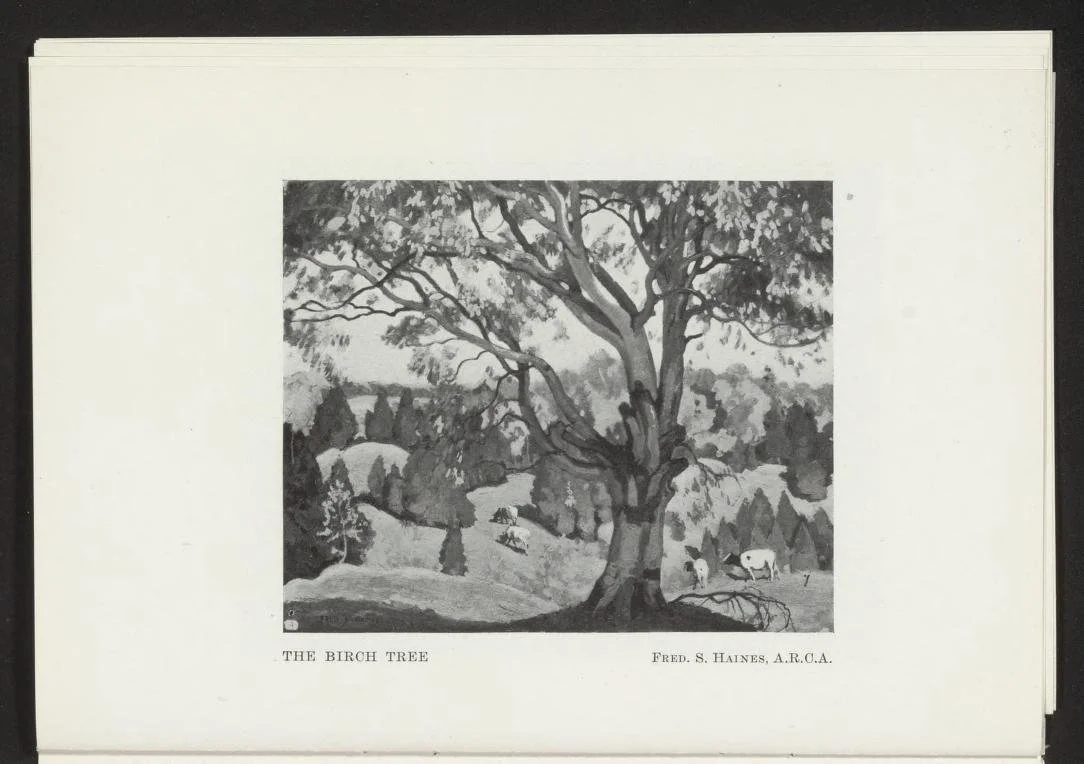
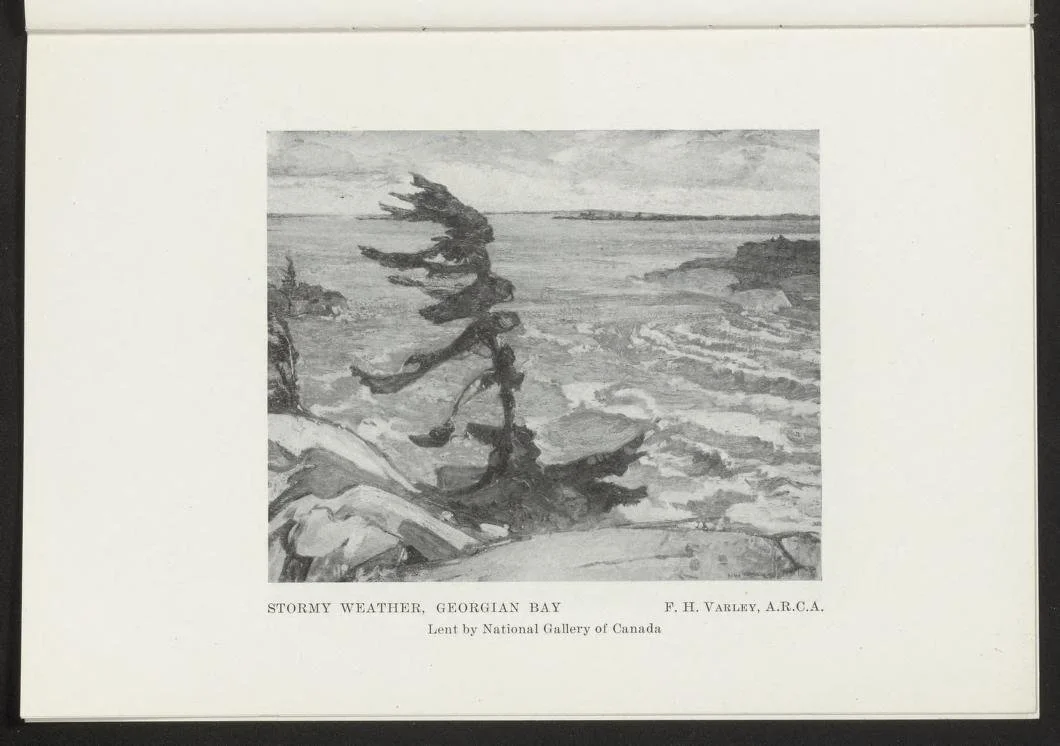
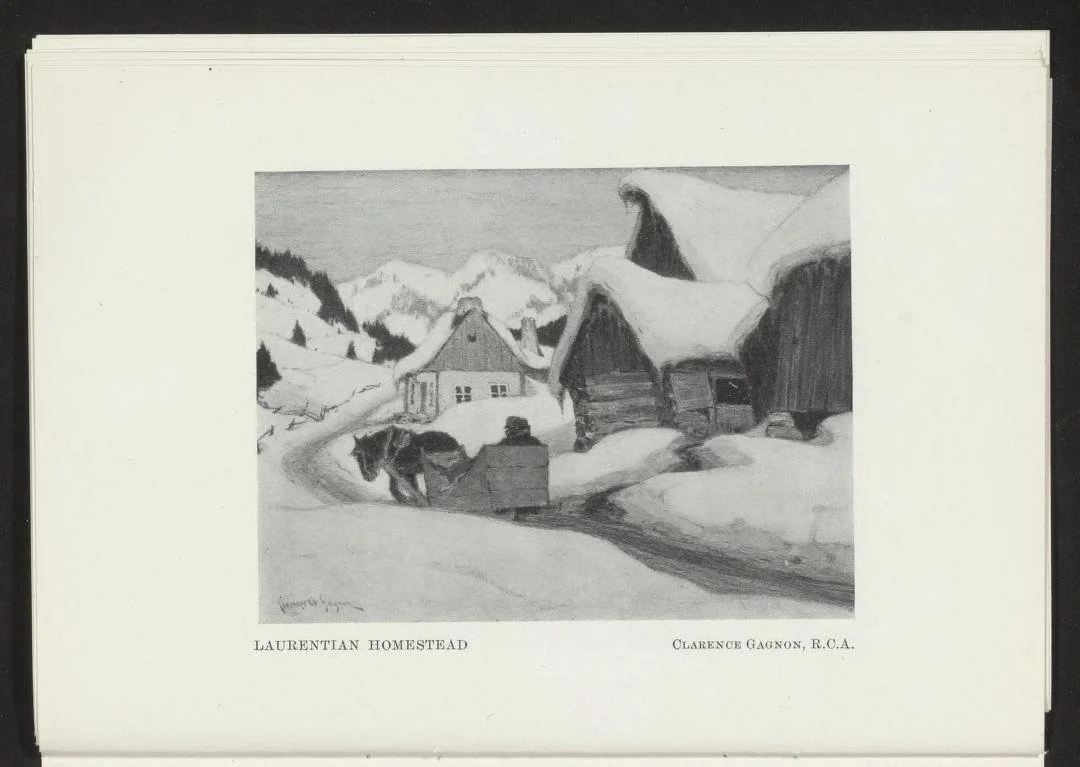
1930 Exhibit of Paintings by Canadian Artists

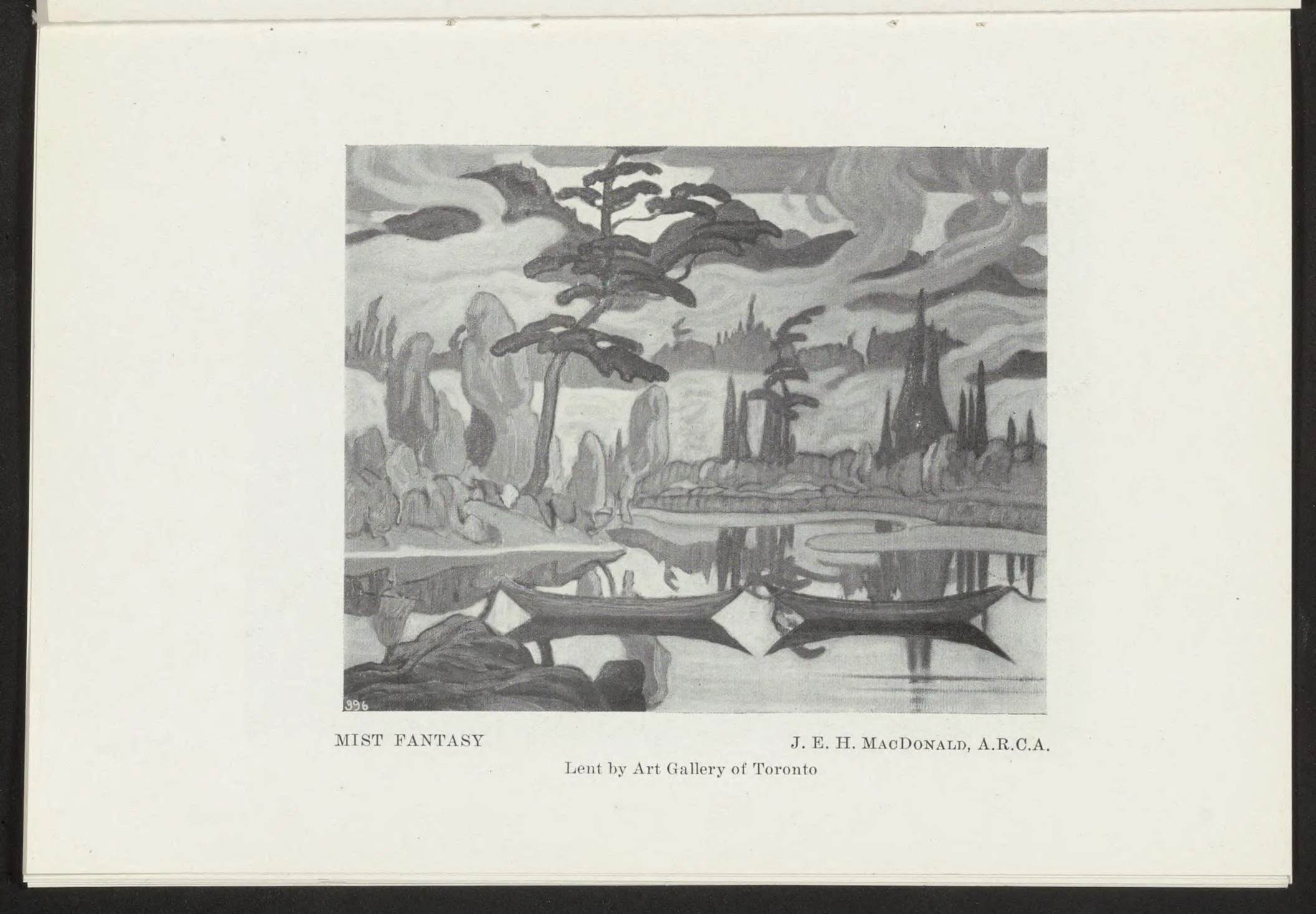
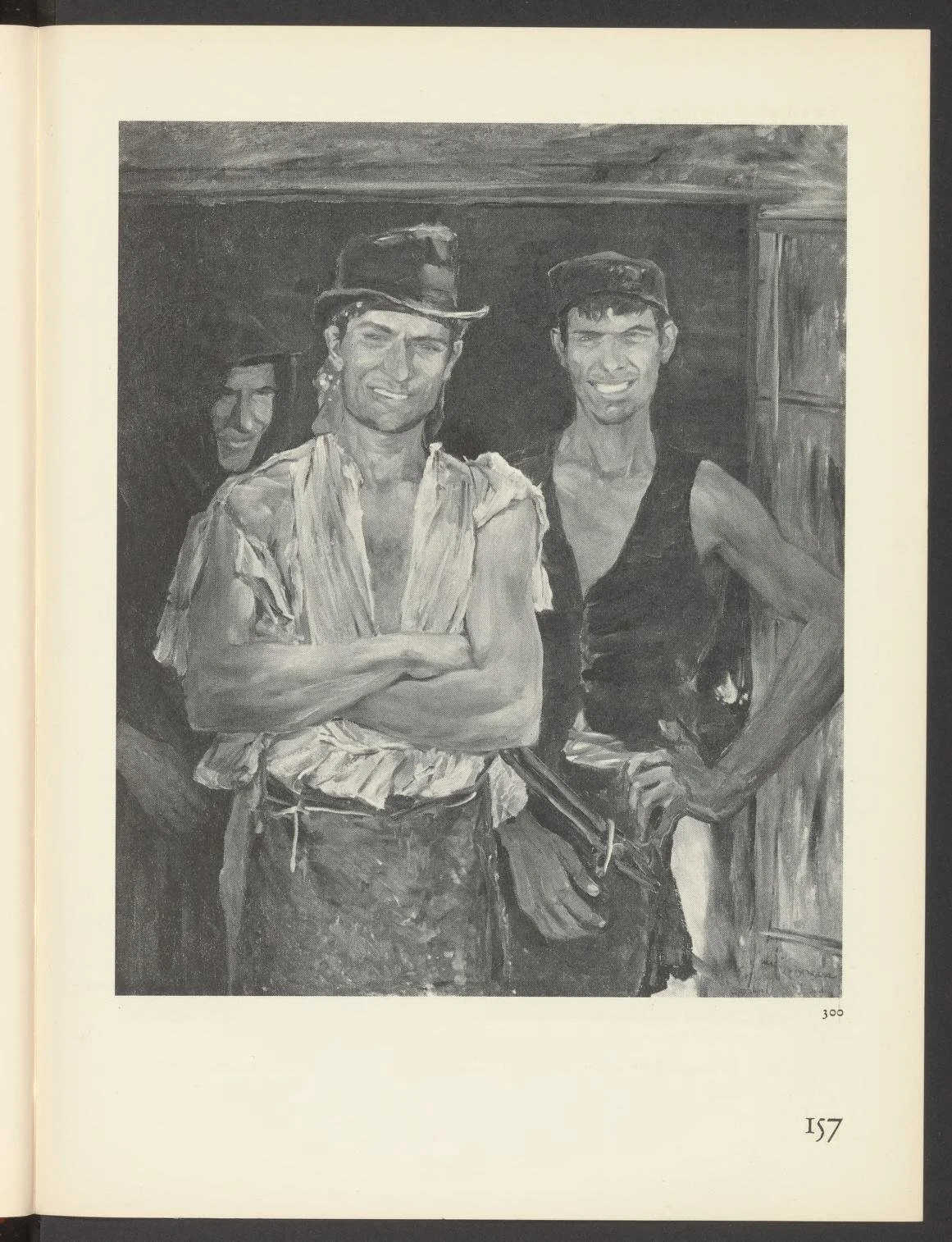
The book of the week is an exhibit catalog available on Internet Archive. It was published in 1930, and the Foreword says that all the artists except for one were alive at the time of the exhibit. The works were lent for six months and were shown in 5-6 cities – organized by the American Federation of Arts. This is Canadian art from before World War II and reflects the development of Canadian expression that began in 1910…in many cases going back to nature for inspiration.

Exhibition of Paintings by Contemporary Canadian Artists under the Auspices of the American Federation of Arts

Wonderwings eBook

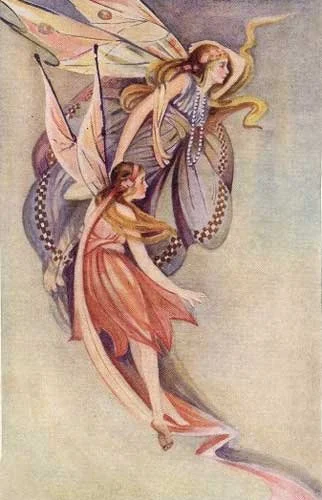
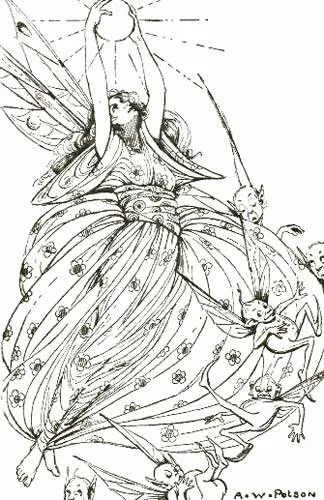
This week’s eBook was published in 1921: Wonderwings and other Fairy Stories. The author was Edith Howes of New Zealand. The illustrations were created by Alicea Polson. It is available on Project Gutenberg. There are other books by Howes on Internet Archive; as I was looking at the Wikipedia entry for the author I decided to browse The Cradle Ship which was published in 1916 and became a minor landmark in sex education for children!

Wonderwings and other Fairy Stories

Swedish Art Exhibit from 1830s

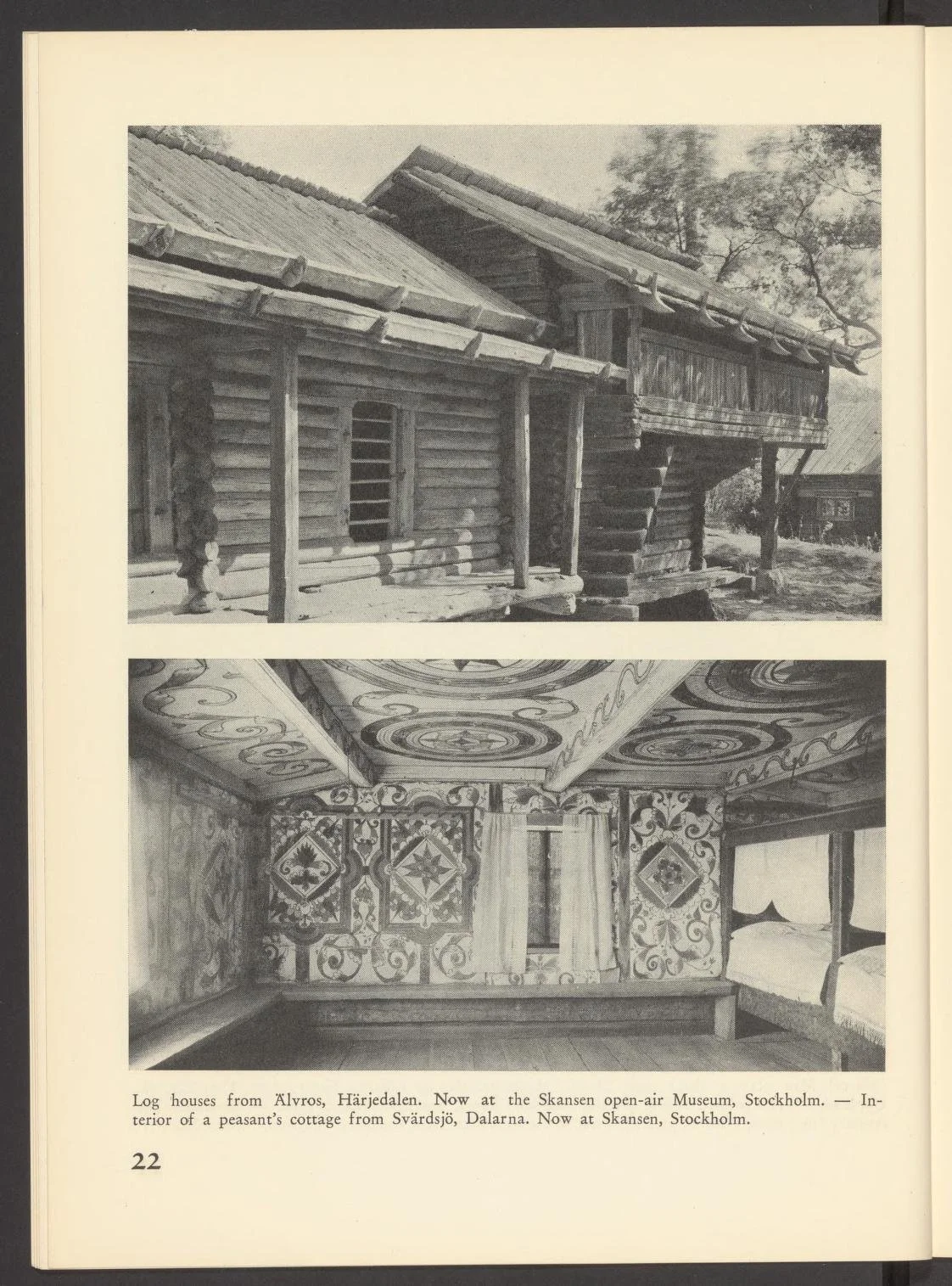
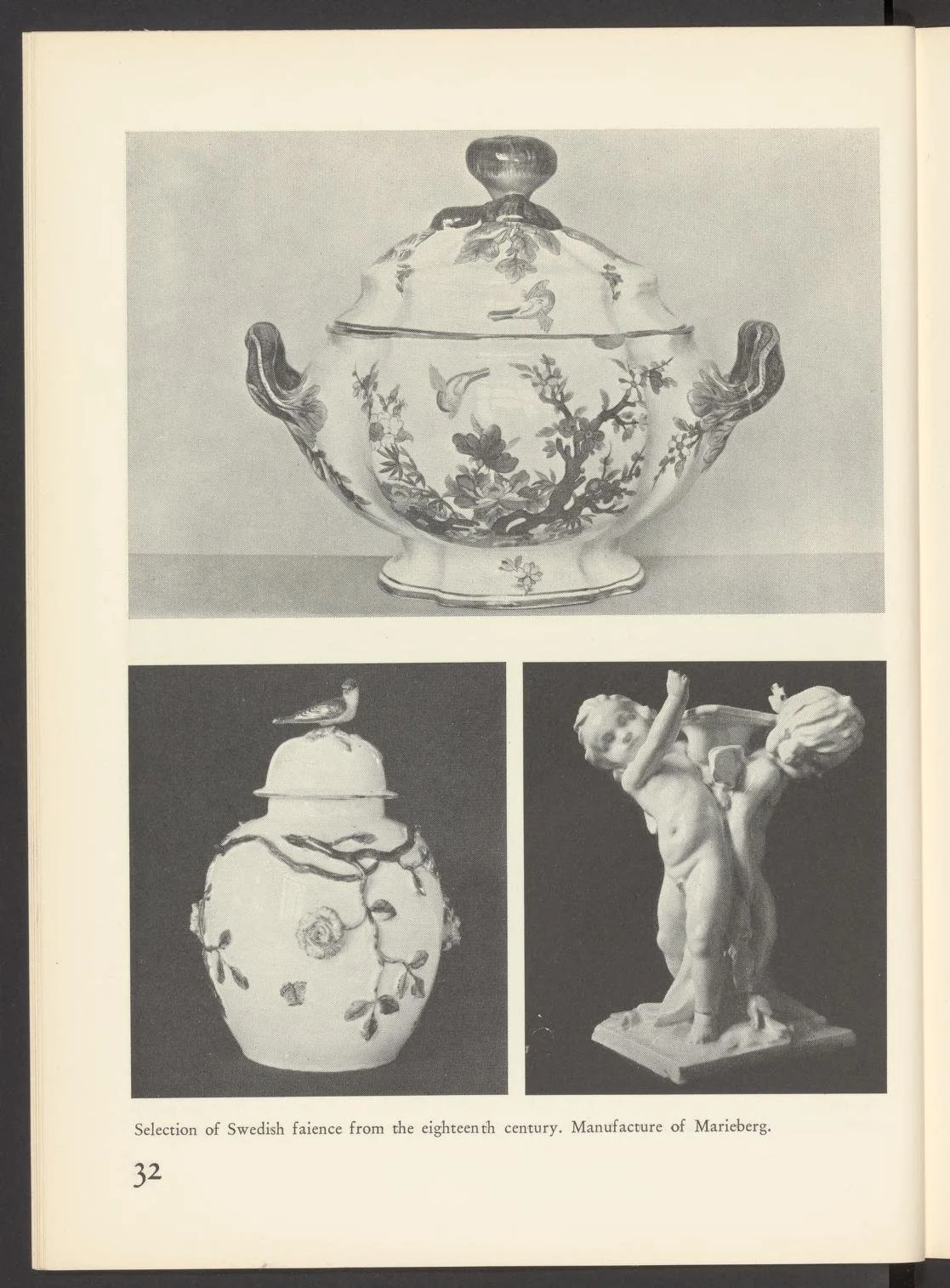
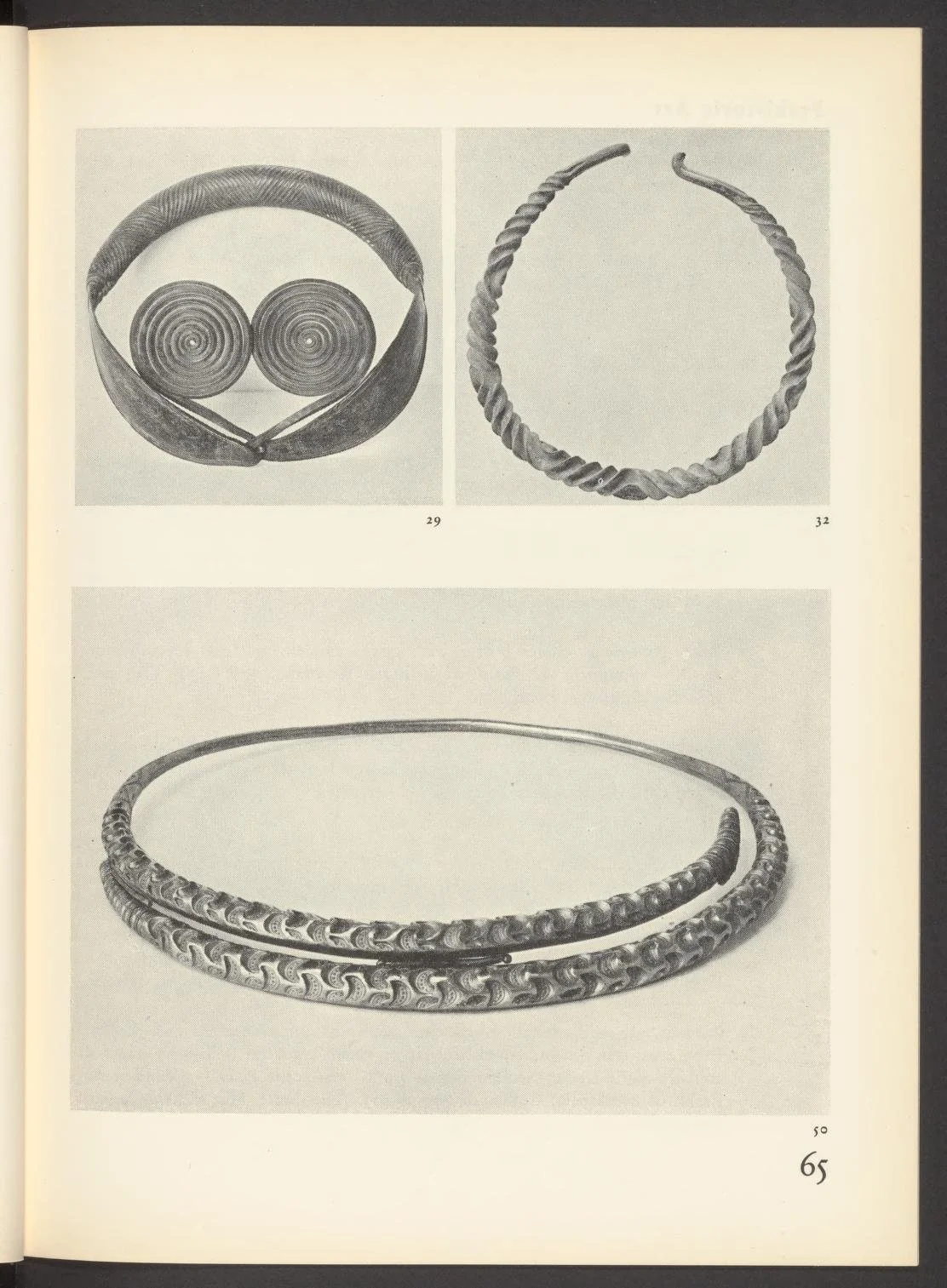
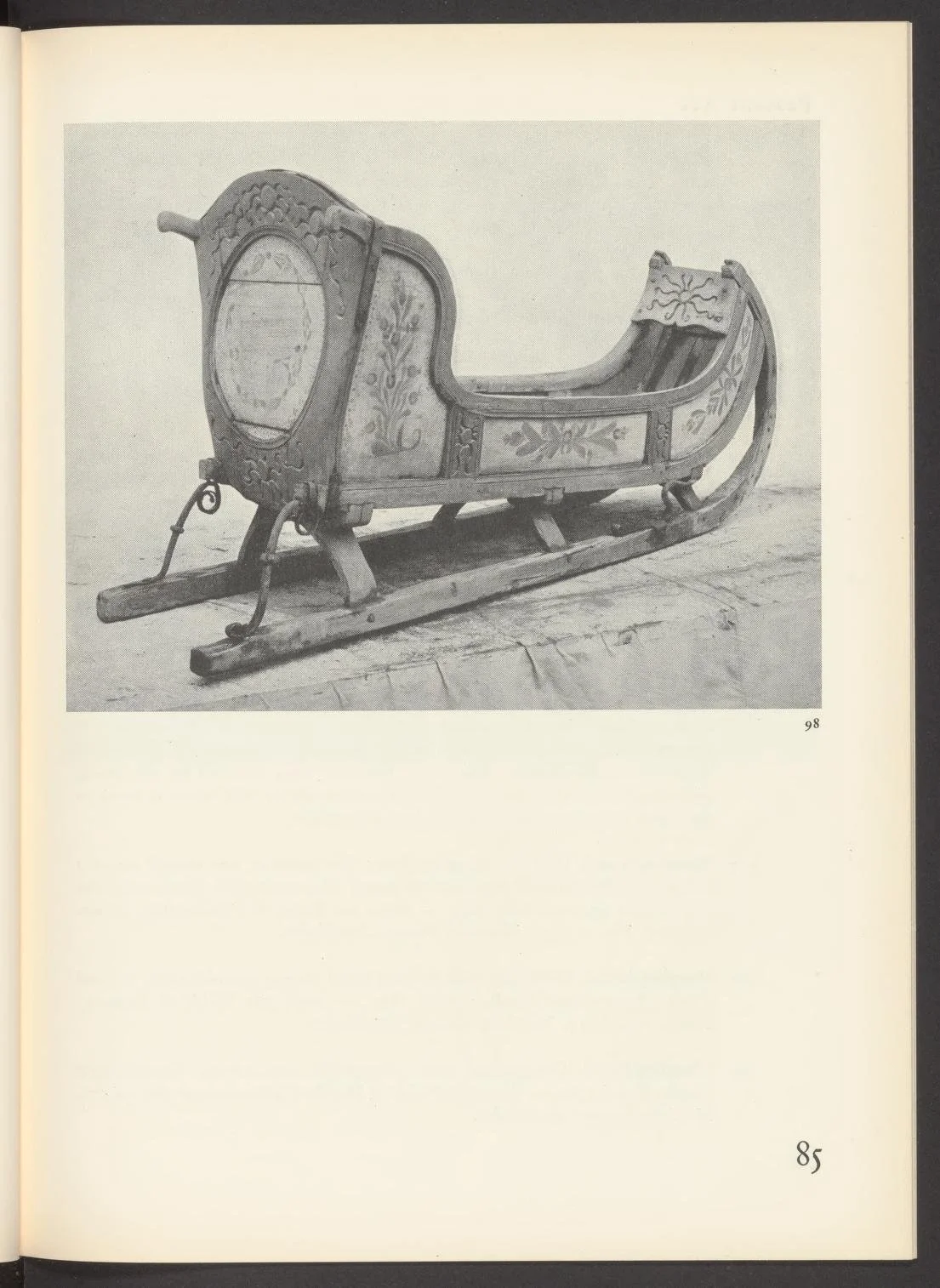
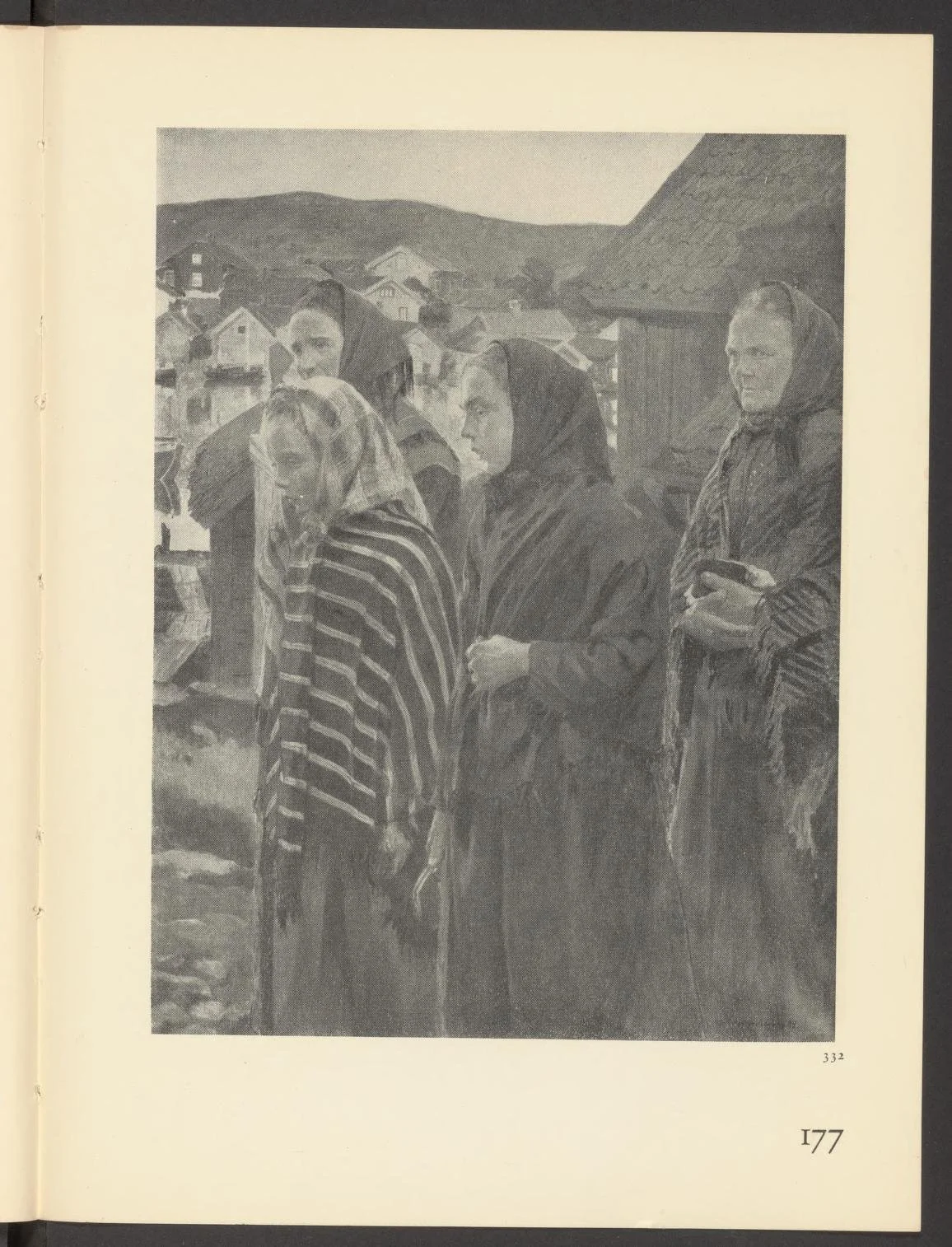
The ‘book of the week’ is a catalog from a 1937-1938 art exhibit of Swedish art. It is available on Internet Archive.

The preface of the volume provides some context: The exhibit was “of Swedish decorative art for the United States of America in connection with the 300 years’ celebration of the first settlement of Delaware.” It “spans an extensive period of at least 8,000 years, from the Bone Age through the course of the ages to our present century.” “What we would wish to show is firstly and lastly the artistic evidence of a very long national history, to serve as a salutation on the occasion of the 300 years’ jubilee of our forefathers’ settlement in Delaware. We hope that the great American public will apprehend this exhibition as it is intended, namely, in the light of an invitation to step over the bridge of art into a closer contact with the Swedish nation, its history and spiritual atmosphere.”
Swedish Tercentenary Art Exhibit: Official Catalogue
Family of Man eBook

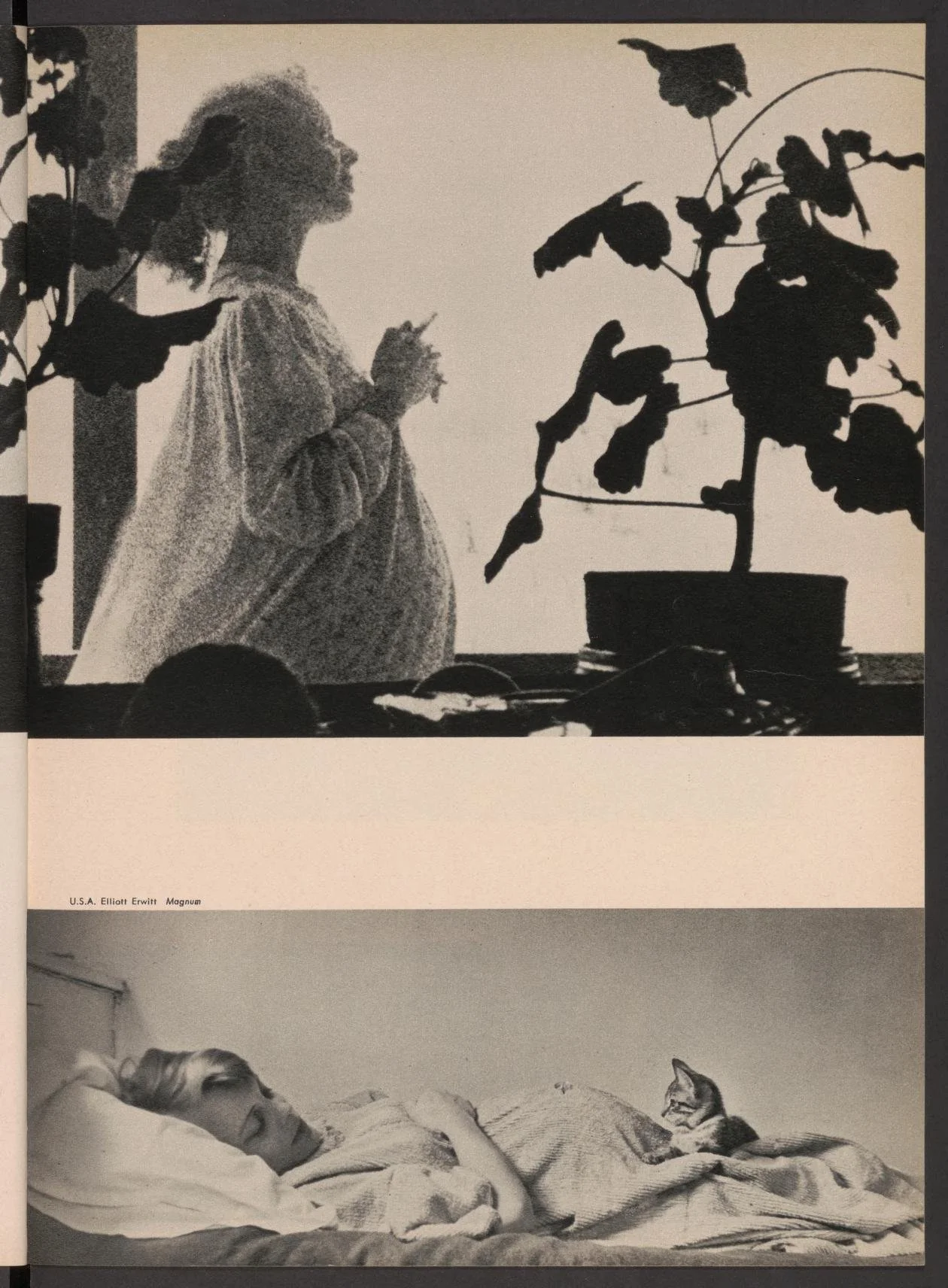
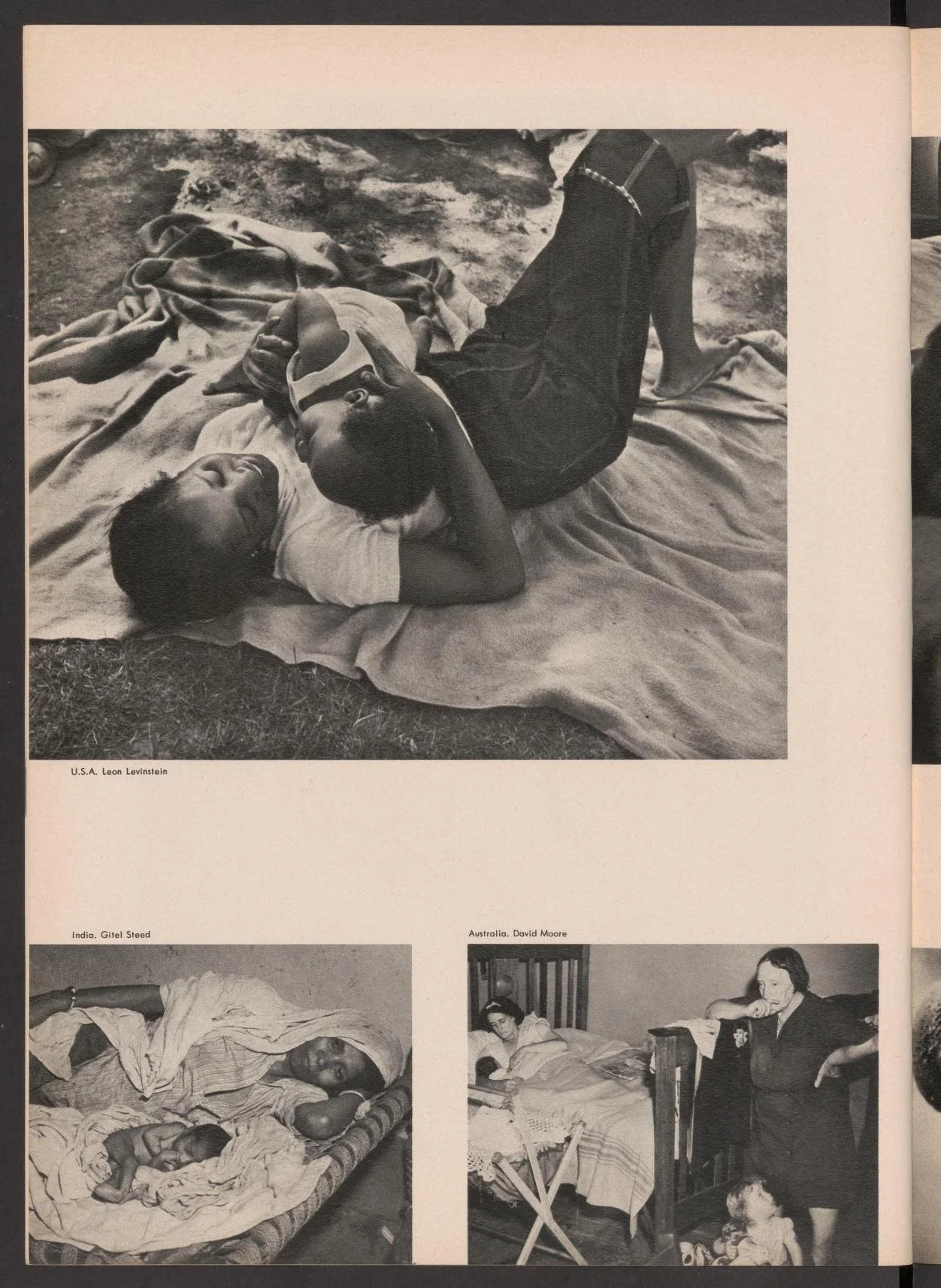
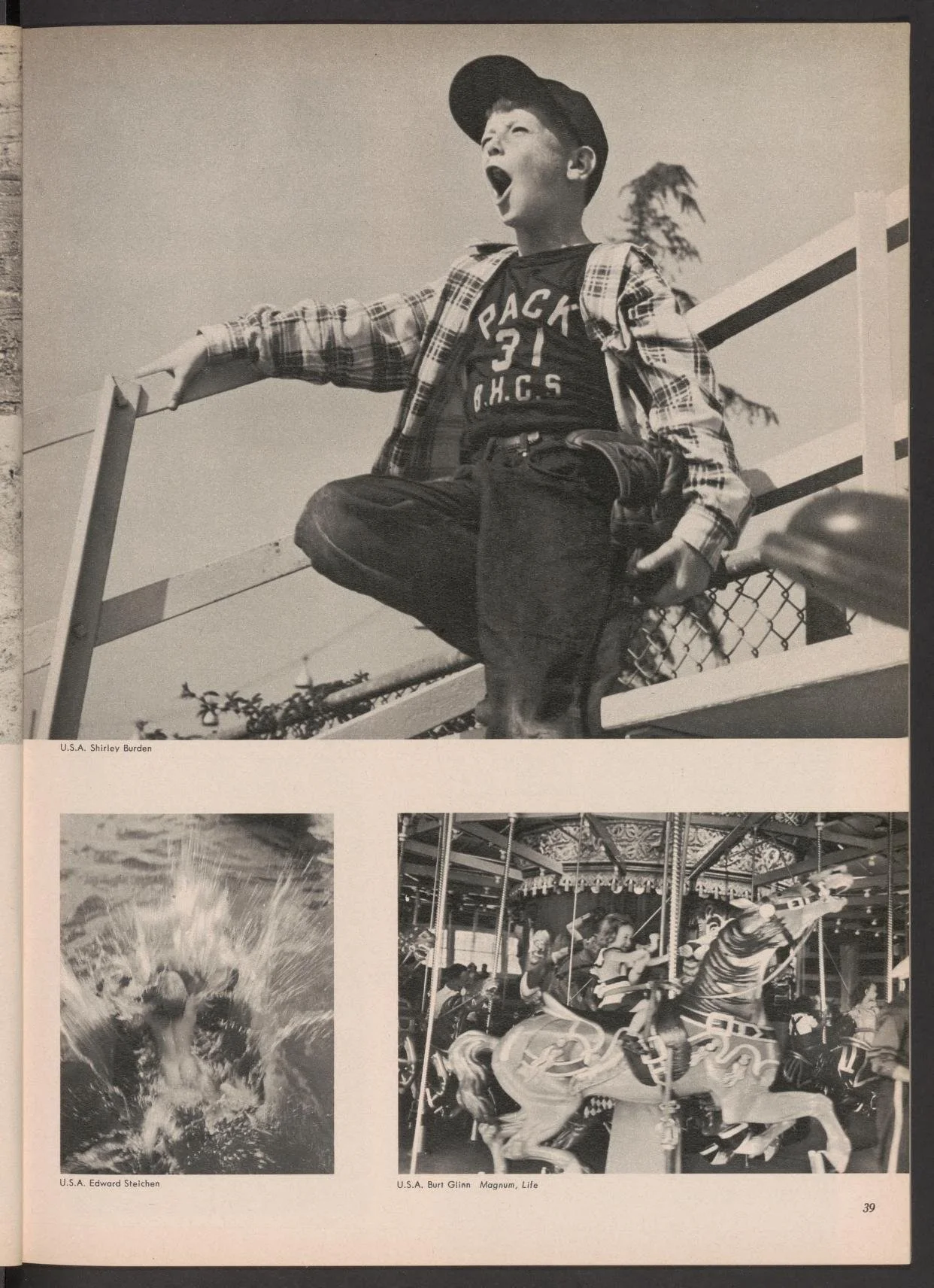
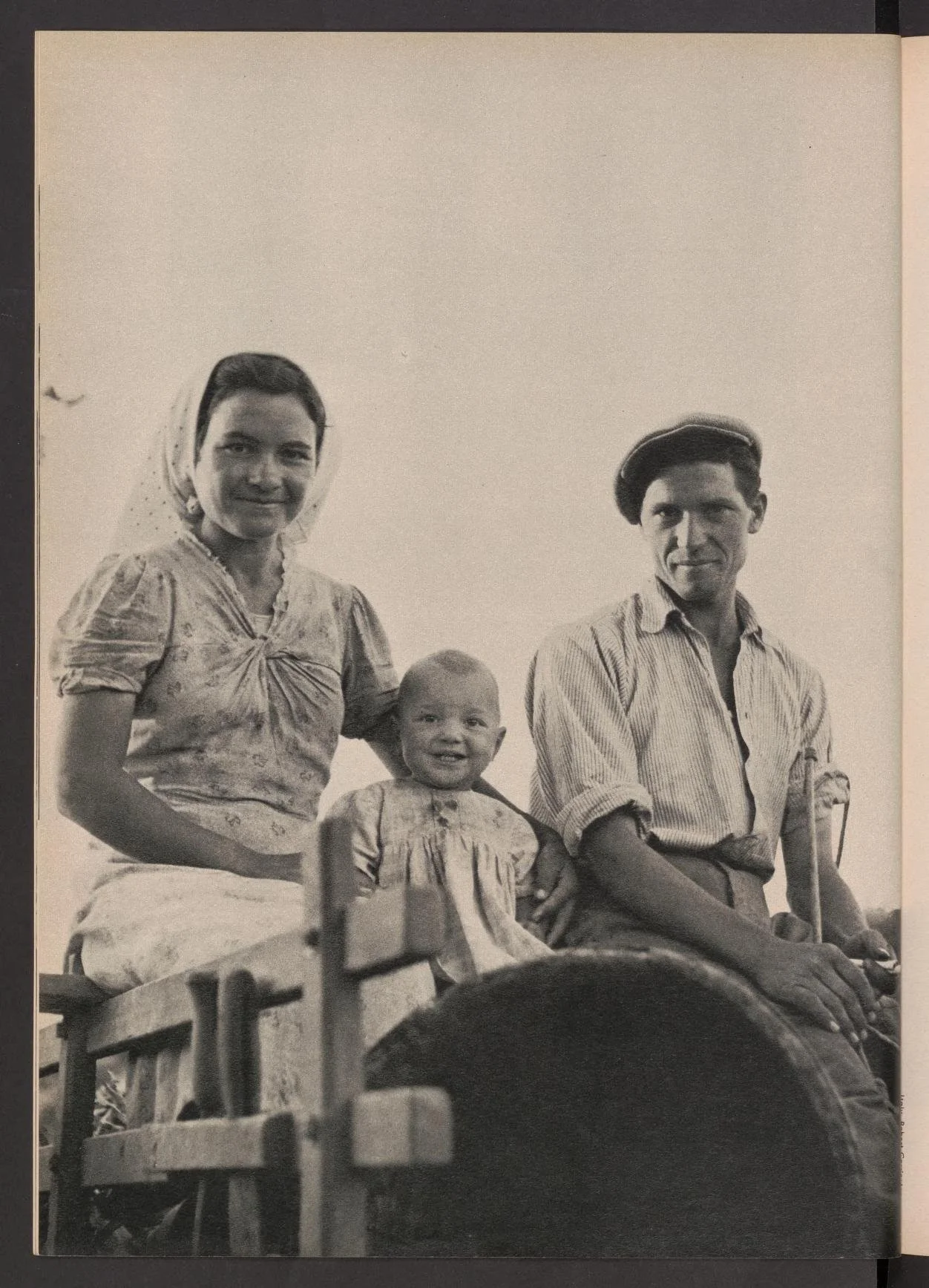
Family of Man: the Greatest Photographic Exhibition of All Time - 503 Pictures from 68 Countries - Created by Edward Steichen for the Museum of Modern Art was published in 1955. The prologue is by Carl Sandburg. In the introduction Eward Steichen says they worked on the exhibit for almost 3 years and reviewed over 2 million photographs. The collection is interesting to look at now for the original reason the exhibit was created and from a historical perspective. What would be different if such an exhibit were produced today? The most obvious is that the photographs would be in color…but so much has changed in the world in the past 70 year. For example, I wonder if we have become less ‘ethnic’ less ‘religious’ – are we more likely to be obese – are some human faces so modified by treatment that they look artificial). The book is available on Internet Archive.
Family of Man

More Stories of the Three Little Pigs

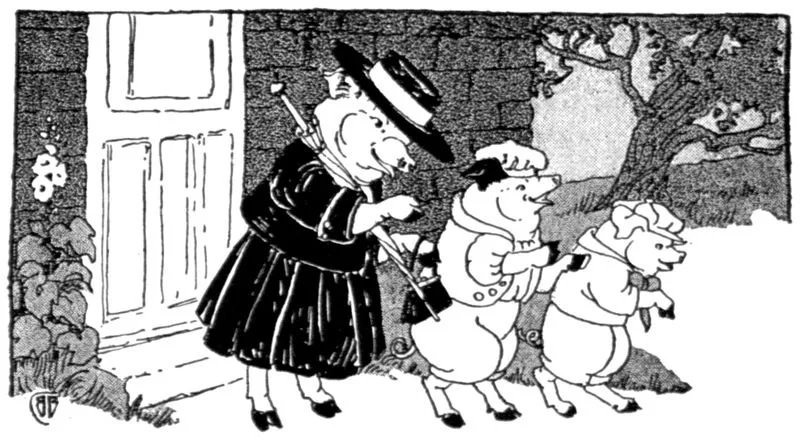
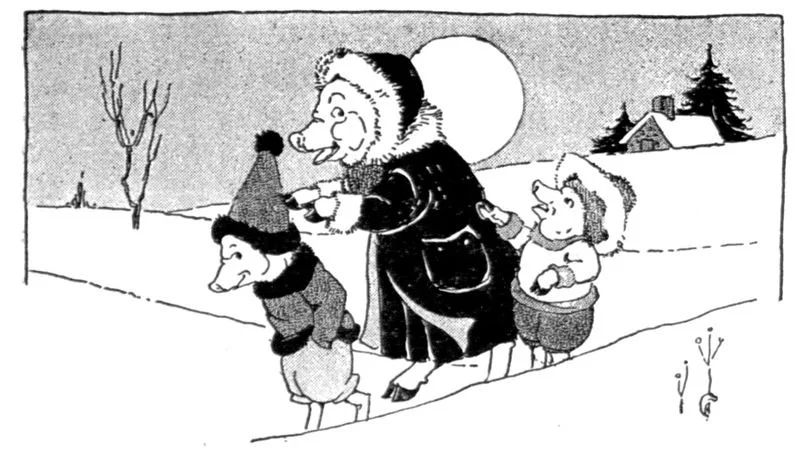
Project Gutenberg has More Stories of the Three Little Pigs published in 1921 (a decade before my mother and father were born) and part of the Instructor Literature Series from F.A. Owen Publishing Company. It was written by Sarah Grames Clark and Illustrated by Bess Bruce Cleaveland. As I browsed the book I wondered if either of my parents saw it during their elementary school years.

 More Stories of the Three Pigs

Louise Herreshoff

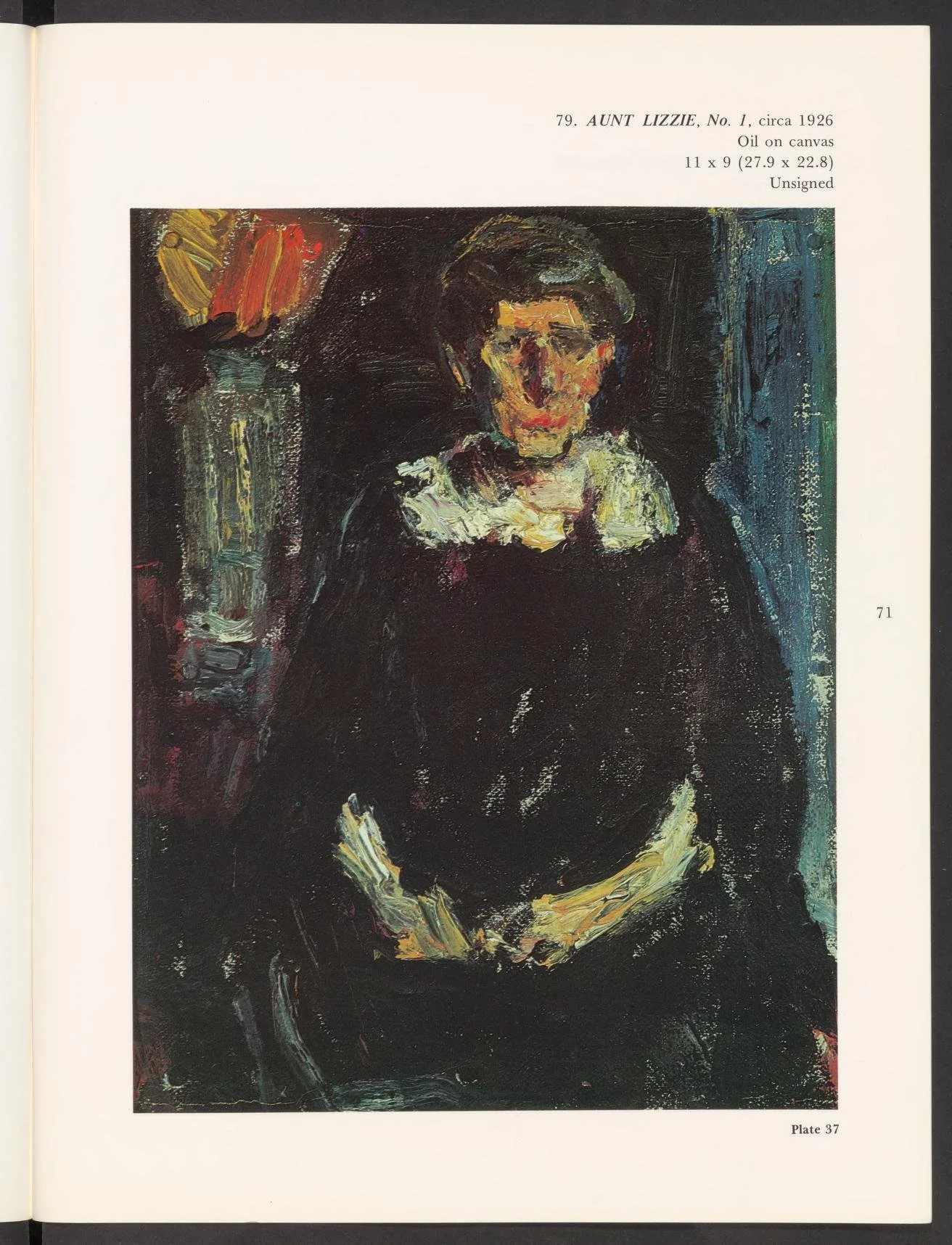
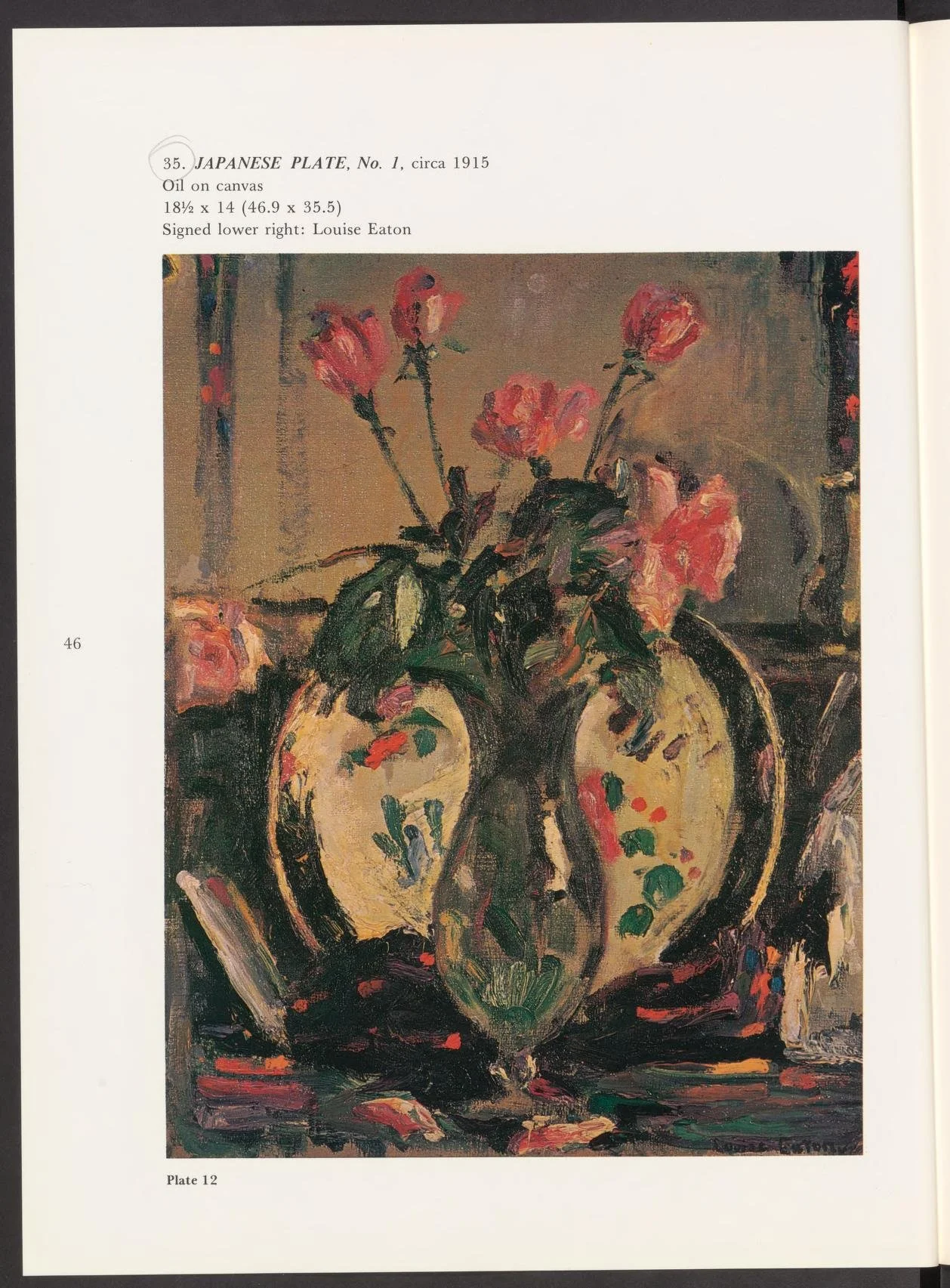
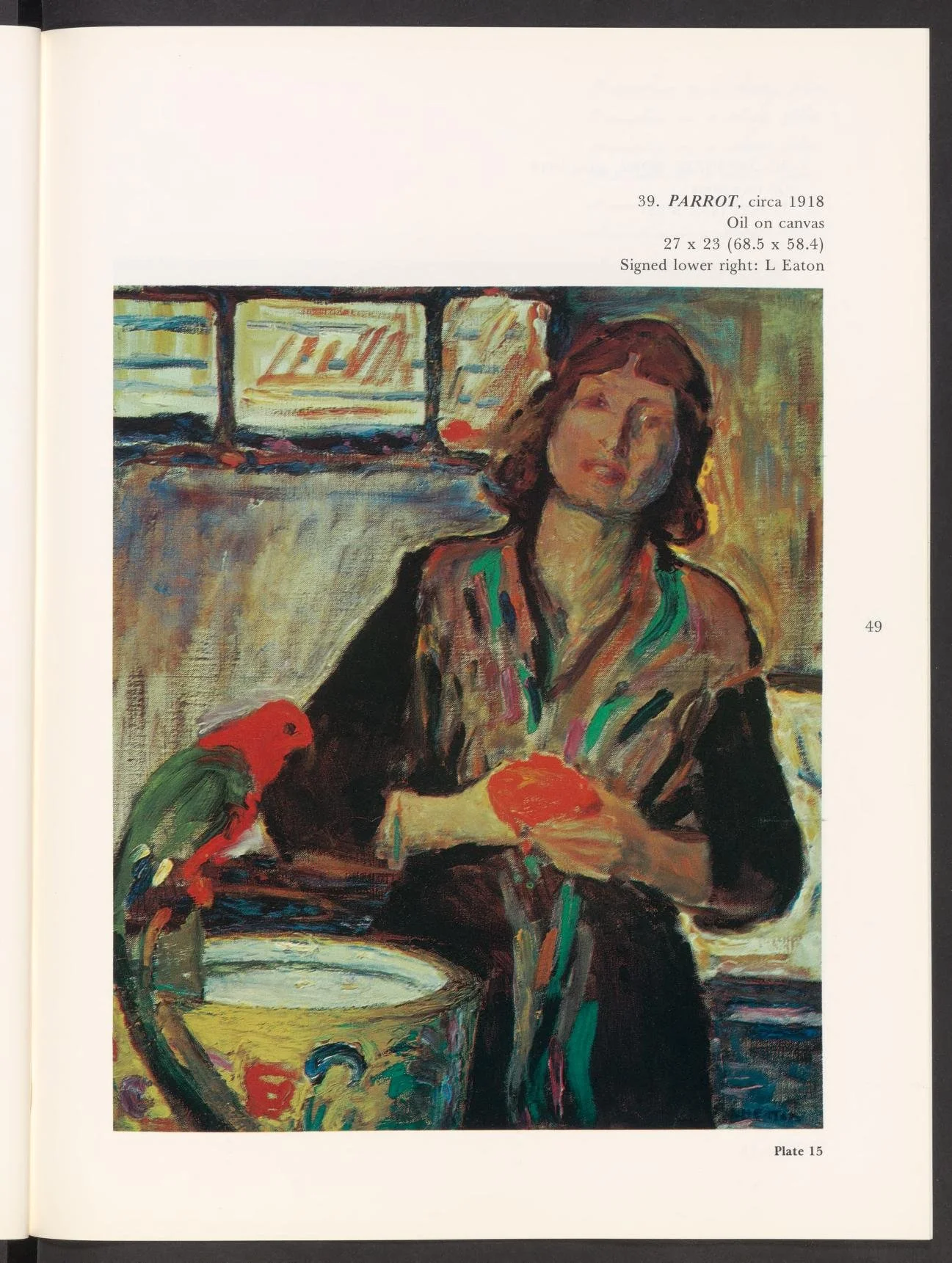
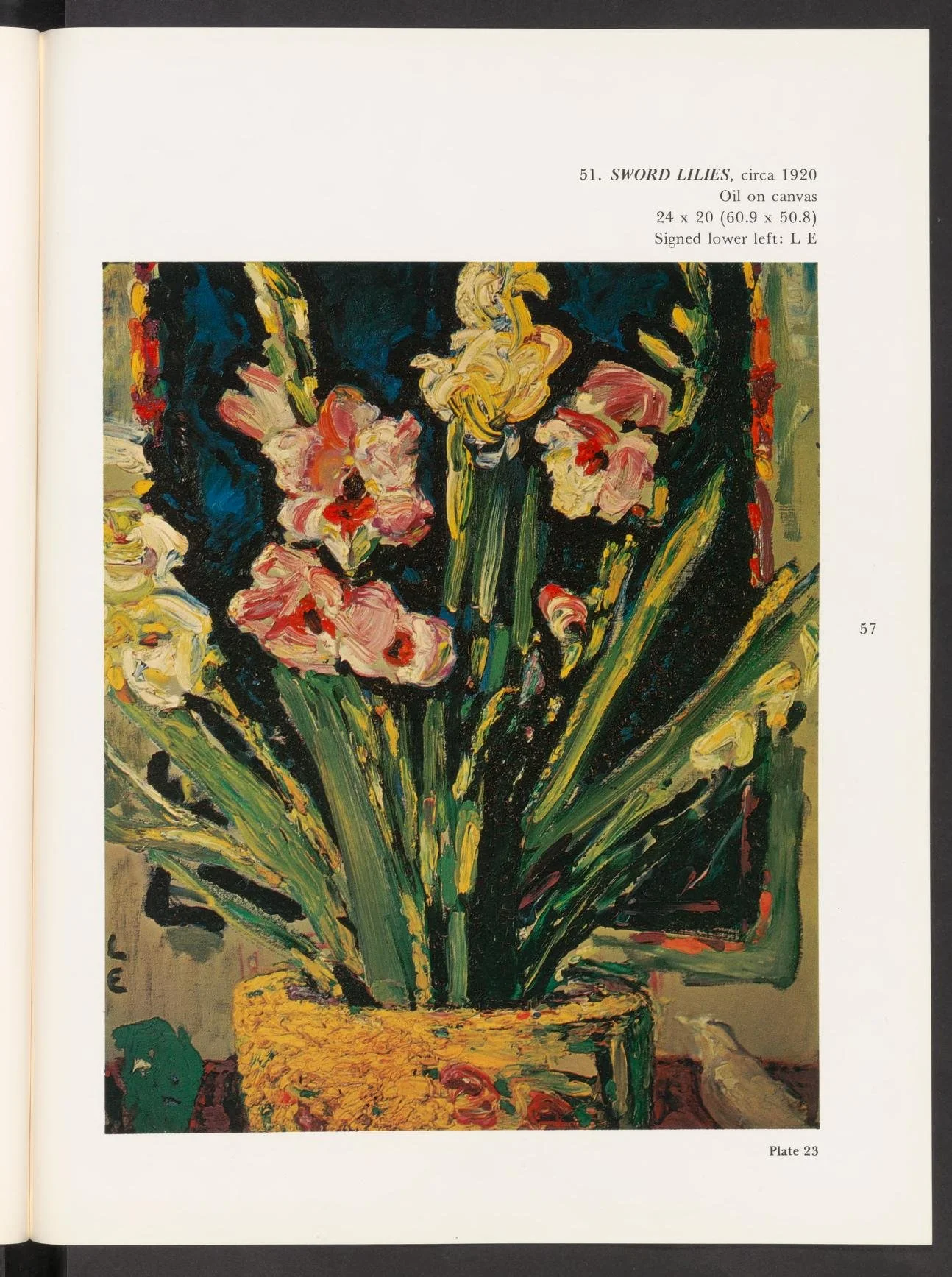
The book I am highlighting this week is the exhibit book from a 1976 exhibit of Louise Herreshoff paintings at Washington and Lee University and the Corcoran Gallery of Art. When the artist died in 1967, she had not painted since her aunt (her foster mother) had died in 1927; her paintings were discovered when movers came to move her extensive porcelain collection from her home to Washington and Lee University – as directed by her will! The book is available from Internet Archive.

 Louise Herreshoff: An American Artist Discovered

Weggeloopen!

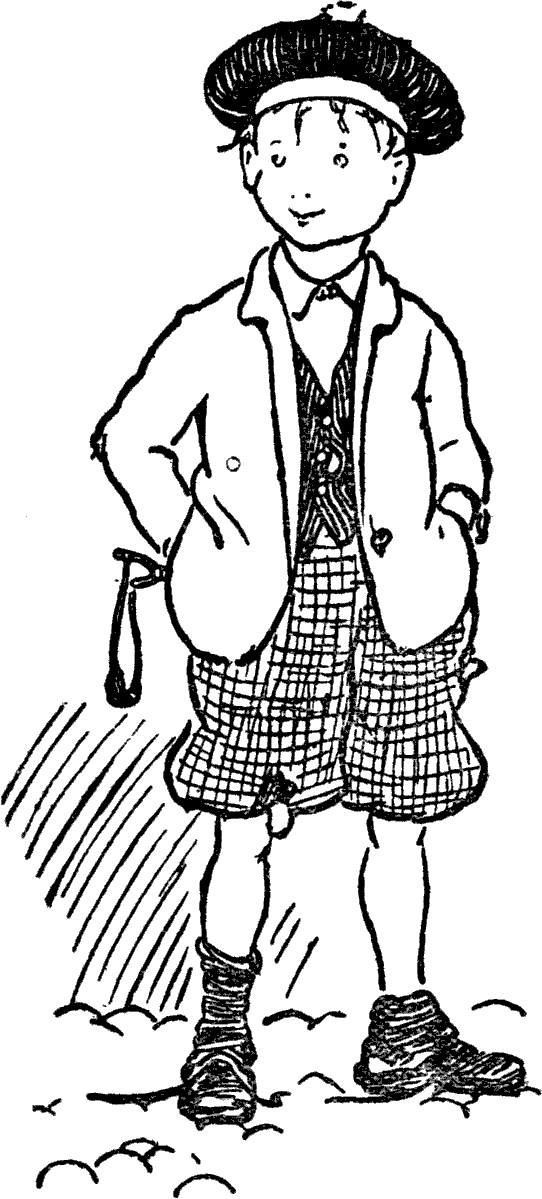
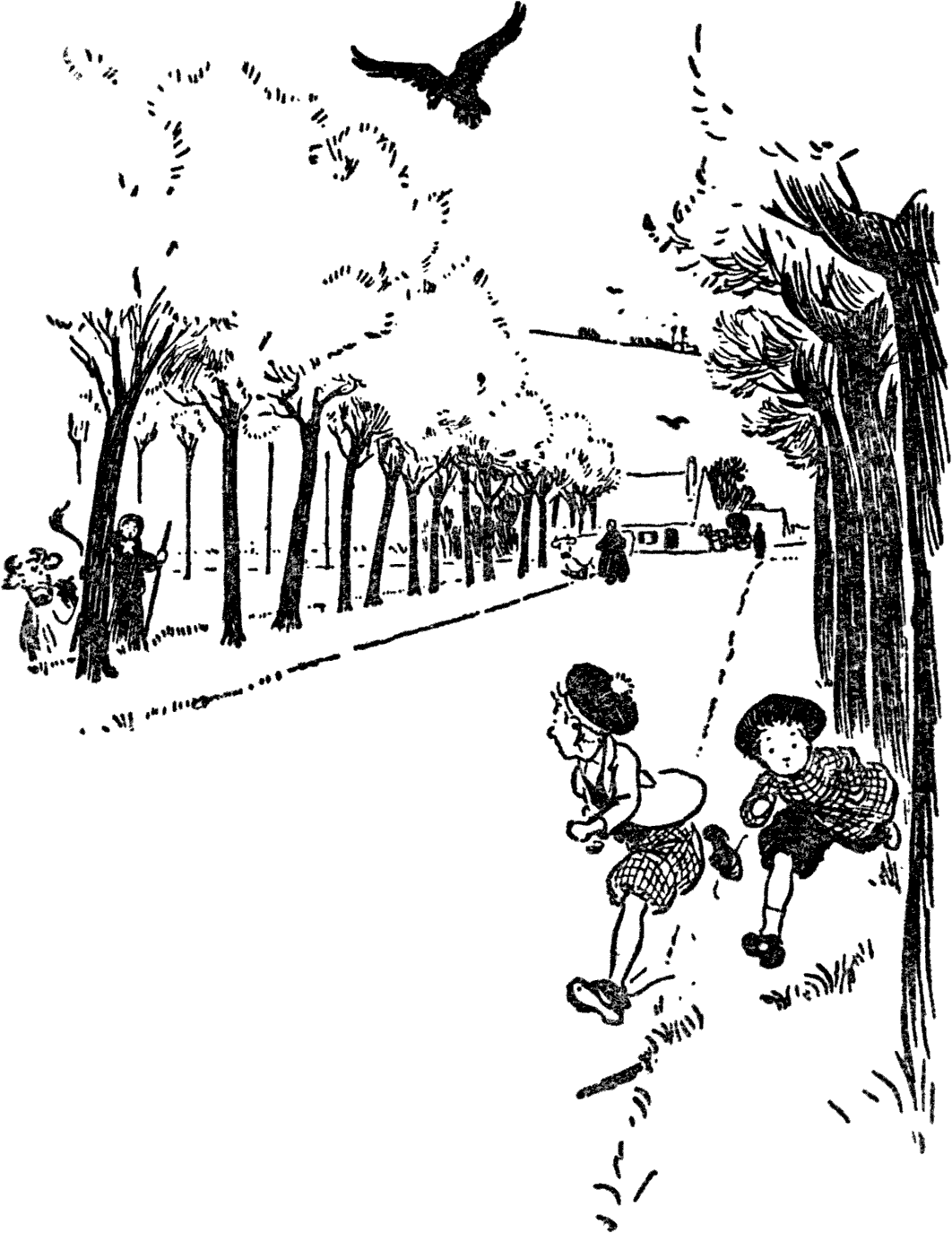
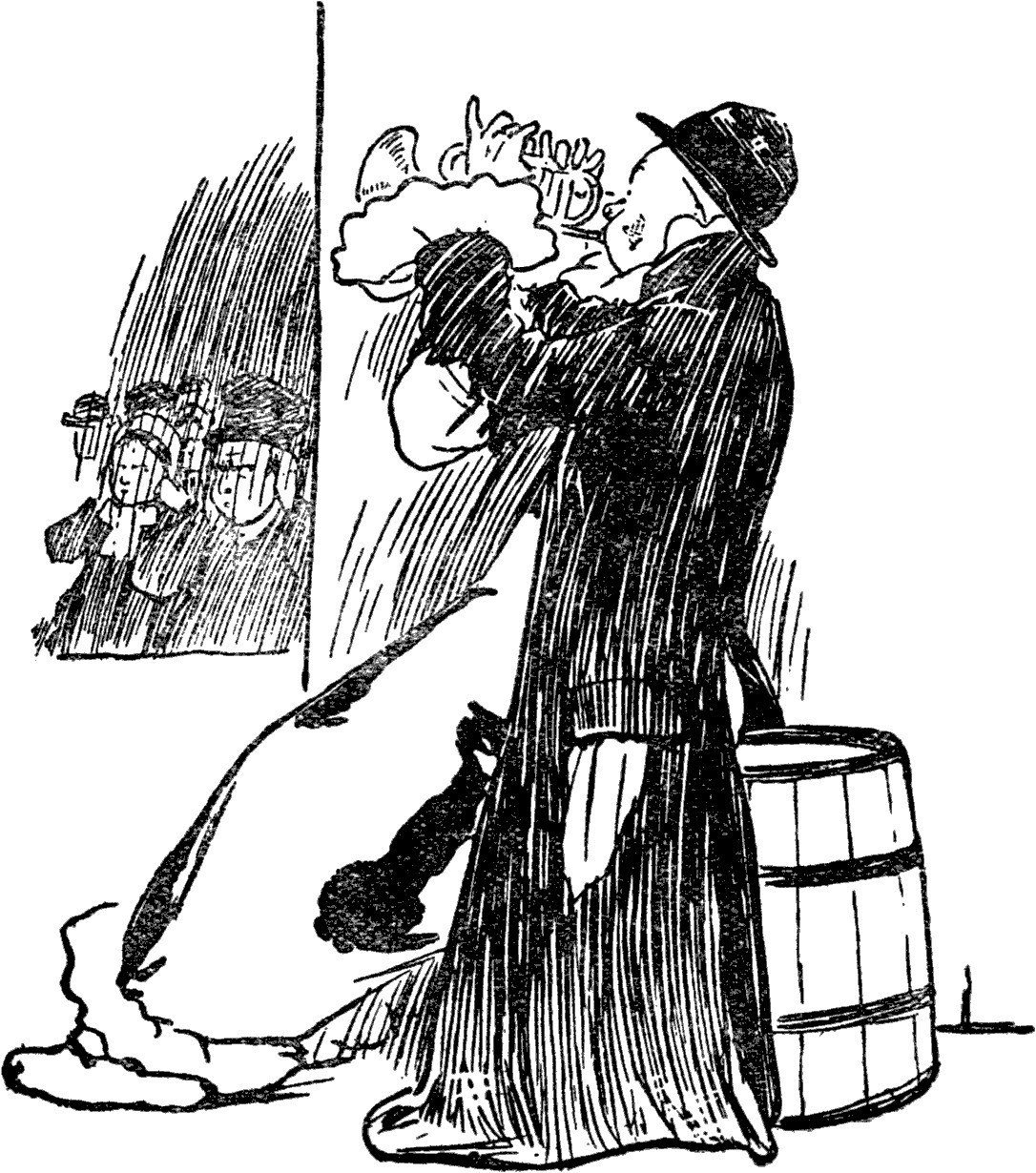
"Weggeloopen!" was published in 1919 – a story about a mischievous boy named Paul, who frequently disobeys his parents and often gets into trouble. The illustrator was Cecil Aldin – a British artist and illustrator. The book contains many of his drawings which depict the time in the first decades of the 1900s. It is available from Project Gutenberg.

Weggeloopen!!

There are quite a few books illustrated by Cecil Aldin available on Internet Archive, but this is the only one not in English! Because of the publication date, I wondered if the illustrations for this book were done after his only son died in World War I in 1916.

Leonard Leslie Brooke Ring o’ Roses (eBook)

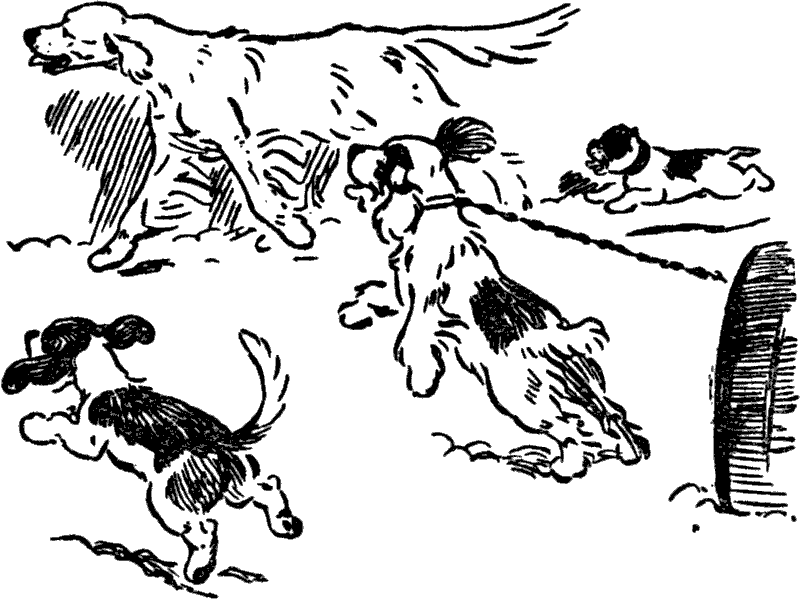
Leonard Leslie Brooke was a leading children’s book illustrator in the early 1900s. This week’s book of the week is his Ring o' Roses published in 1907 and available from Project Gutenberg. There are 4 sample images from the book below. Enjoy!

The World of the Great Forest (eBook)

Paul du Chaillu was a French-American traveler, zoologist, and anthropologist. He became famous in the 1860s for his reports from central Africa; he was the first modern European to confirm the existence of gorillas and the Pygmy people. He collected type specimens for species of bushbaby, bat, squirrel and 39 birds! This week’s eBook is one he published later in his life (in 1900) drawing on his African experiences. The illustrations are done by C.R. Knight and J.M. Gleeson.

The world of the great forest

Homeless in America (1988 eBook)

The opening message of this book concluded by saying ‘We must not let homelessness become an American institution.’ And yet – in 2025, there are still a lot of people that are homeless and the cost of housing is rising fast enough that it is unlikely that there will ever be enough affordable housing….or effective enough attention to reduce the tragedies that unfold for people that find themselves in the situation.

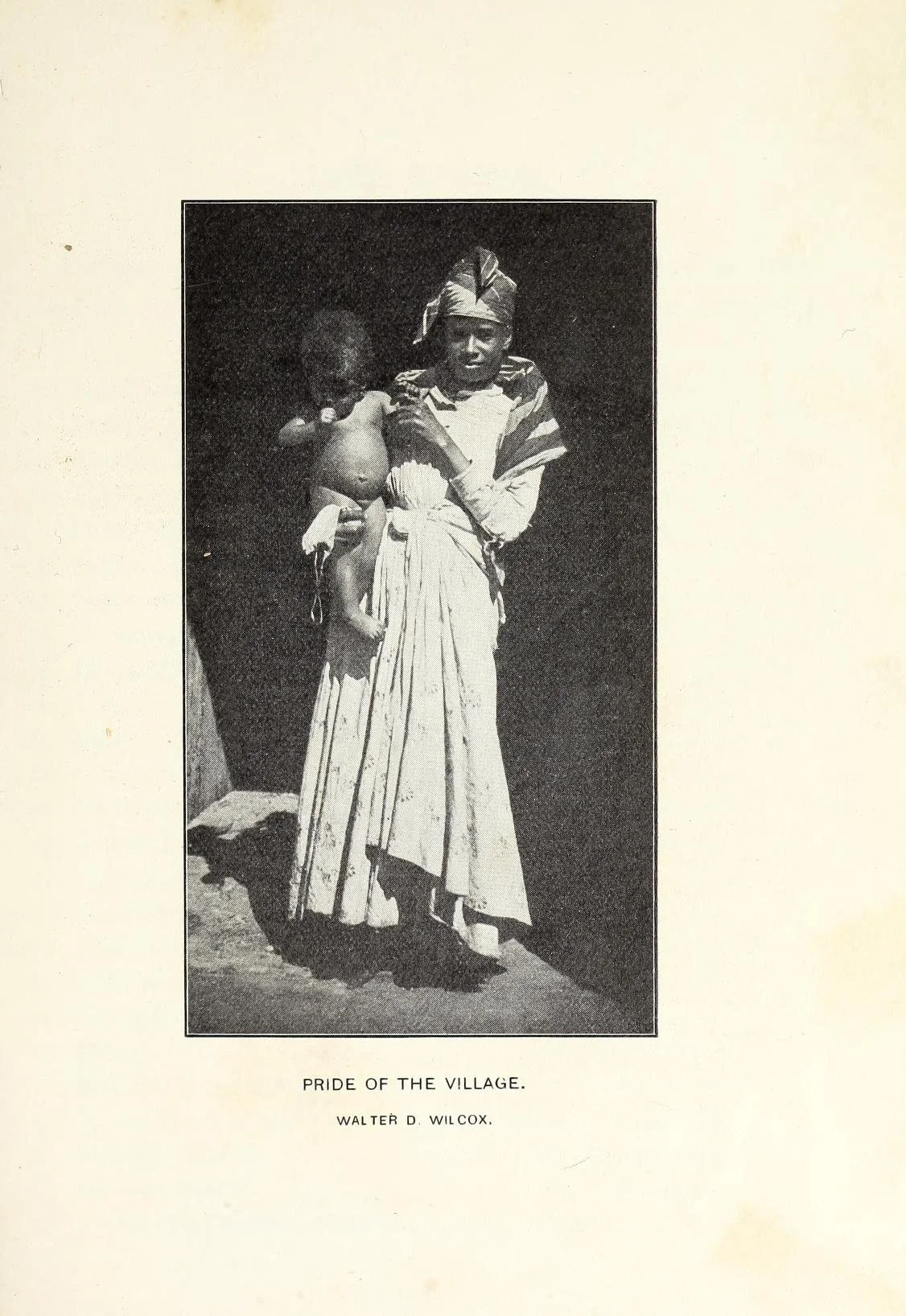
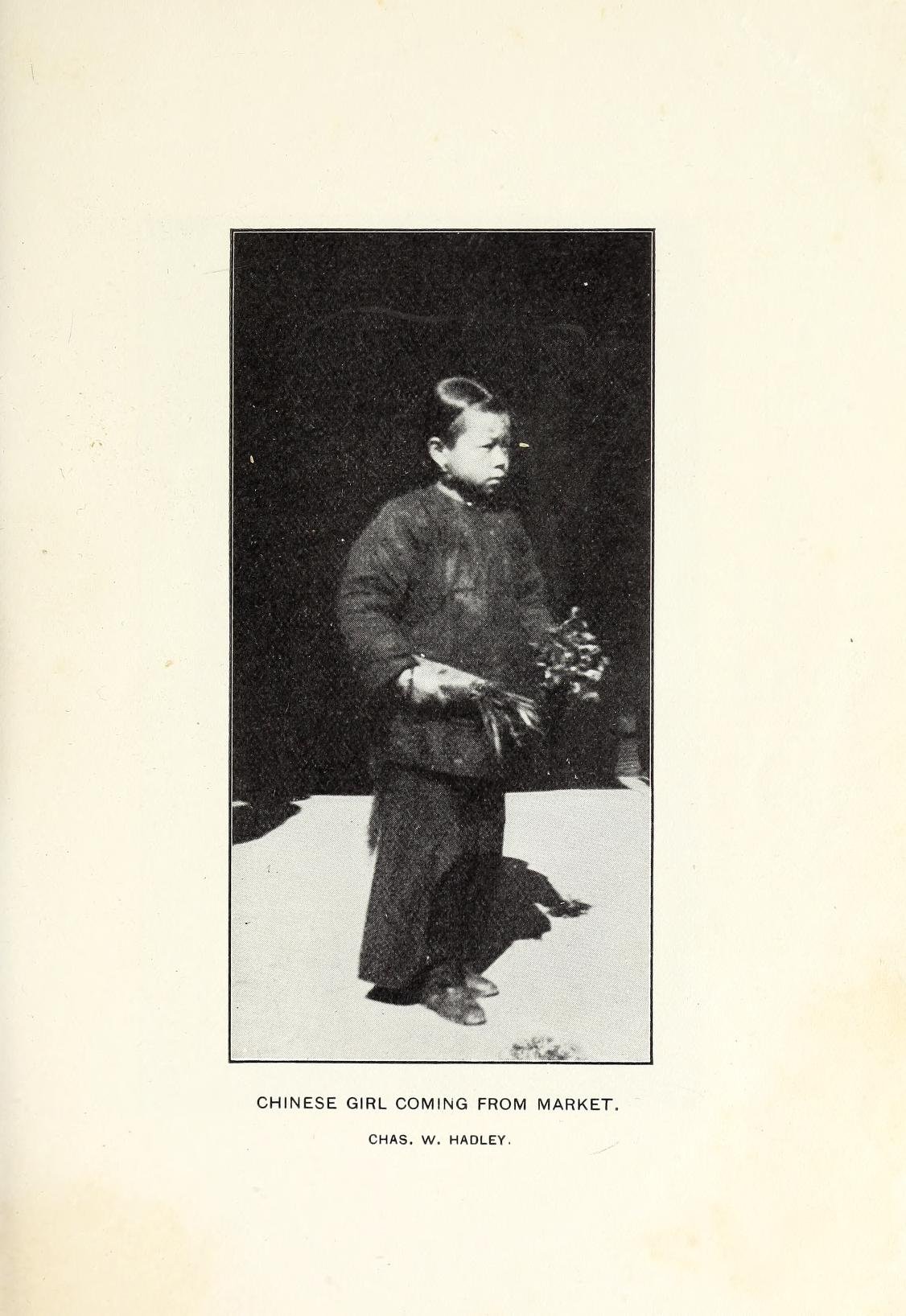
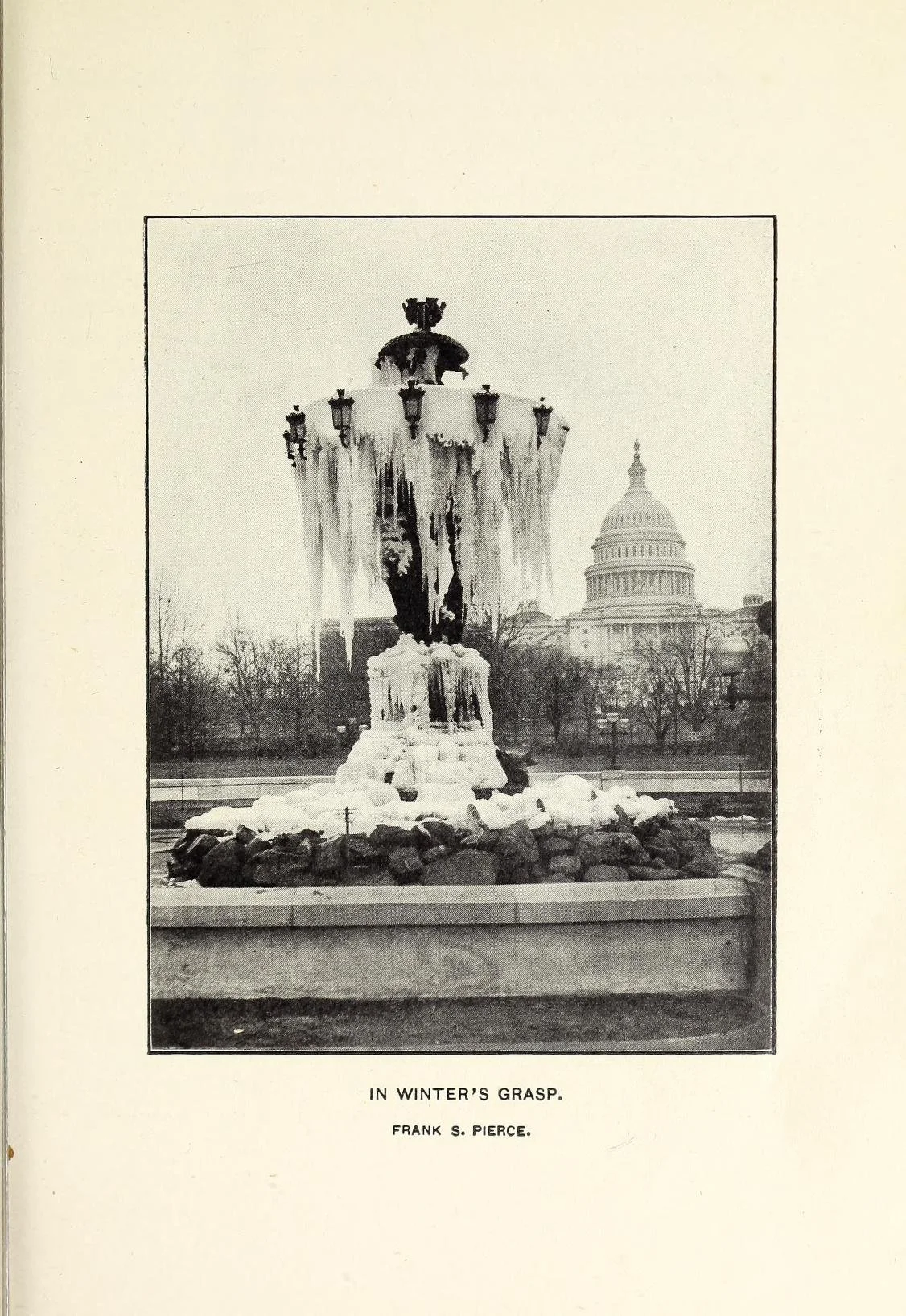
The book is a pictorial work – full of photographs from cities all over America. Some of the people had died before the book was published. It is available on Internet Archive. I found myself thinking about what has changed. There are new drugs that are, at least, as addictive as the ones in 1988 and some are more likely to cause death from overdose or wounds that will never heal. The tents are similar. The cars that people try to live in are different models…probably just as uncomfortable. But in the end – the efforts that non-profits and churches and cities made really have not been very effective.

Homeless in America: a Joint Project of the National Mental Health Association and Families for the Homeless

Pearson’s Birds of America

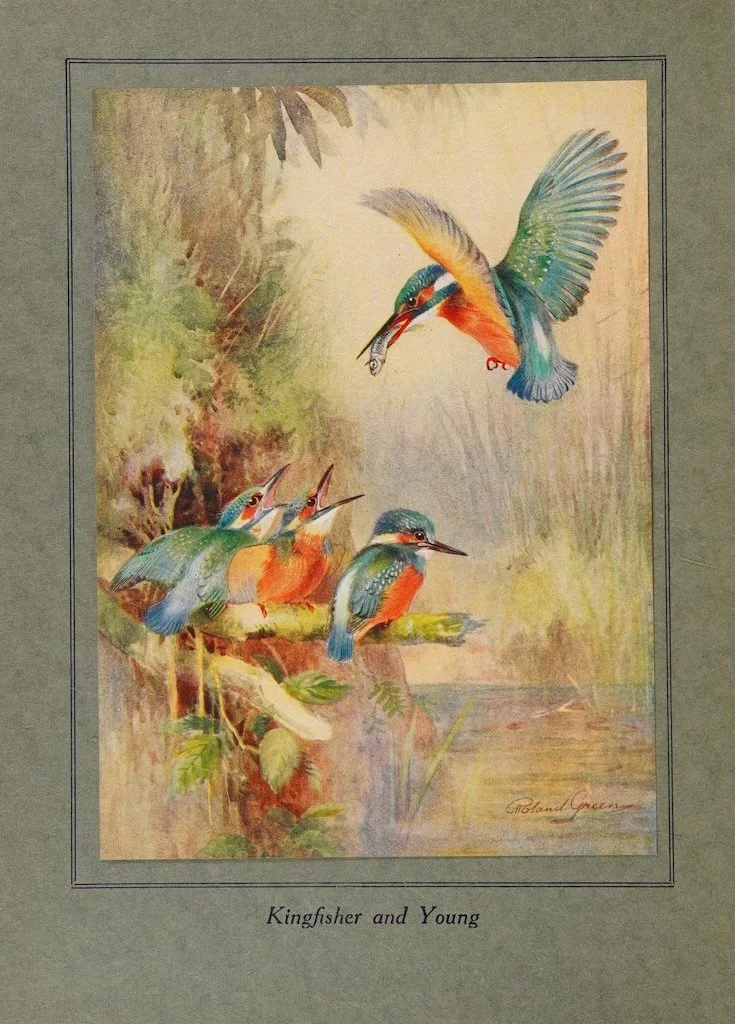
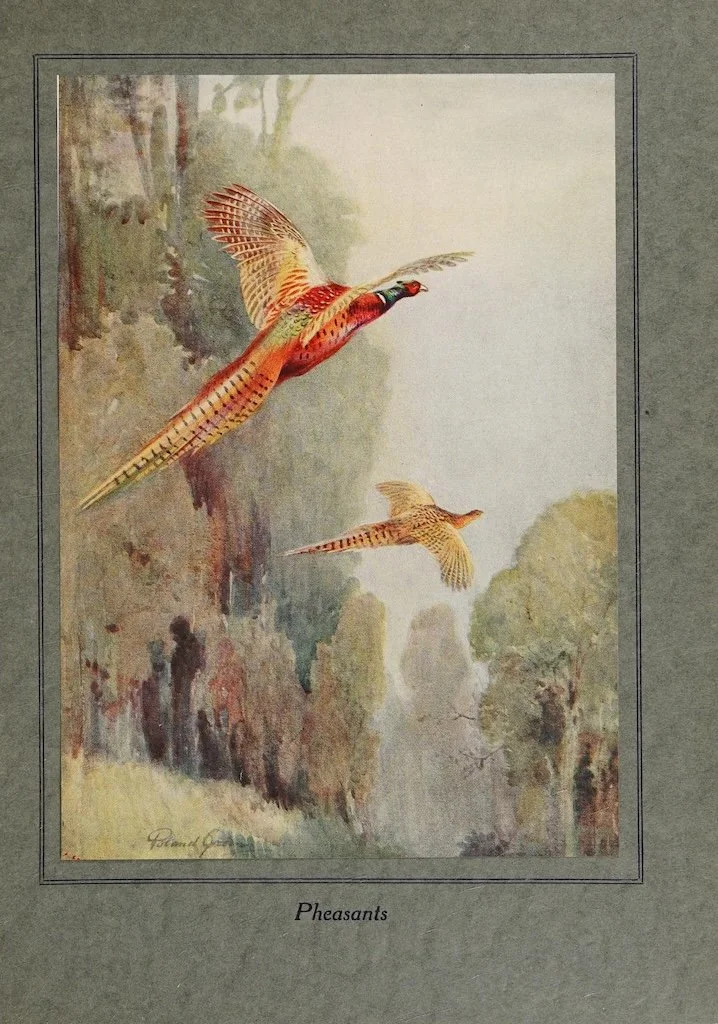
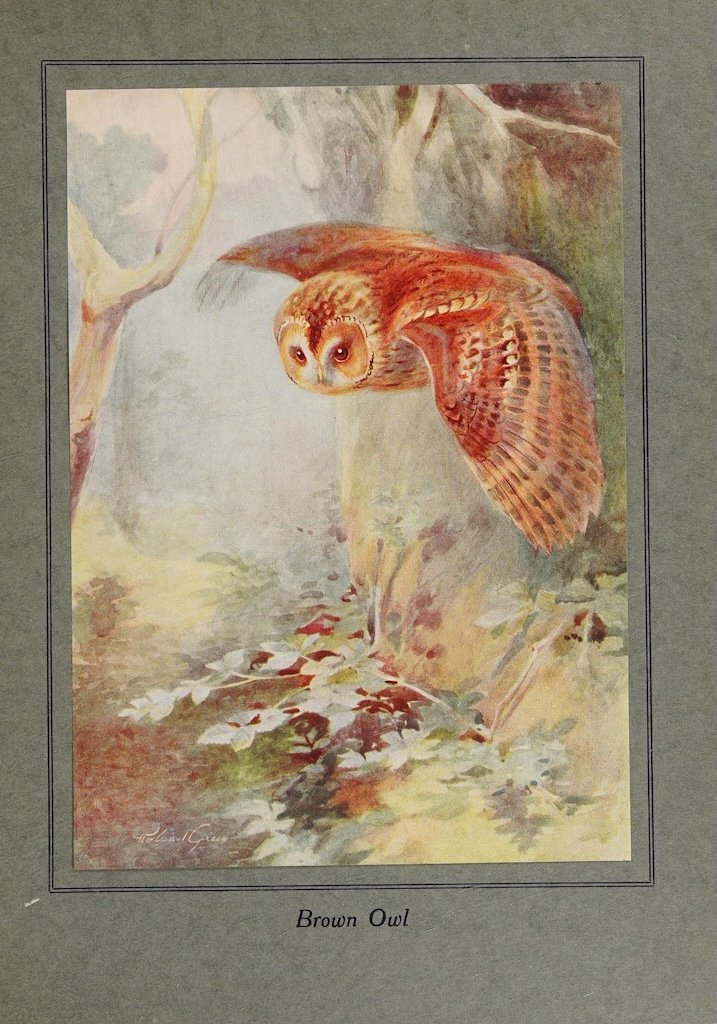
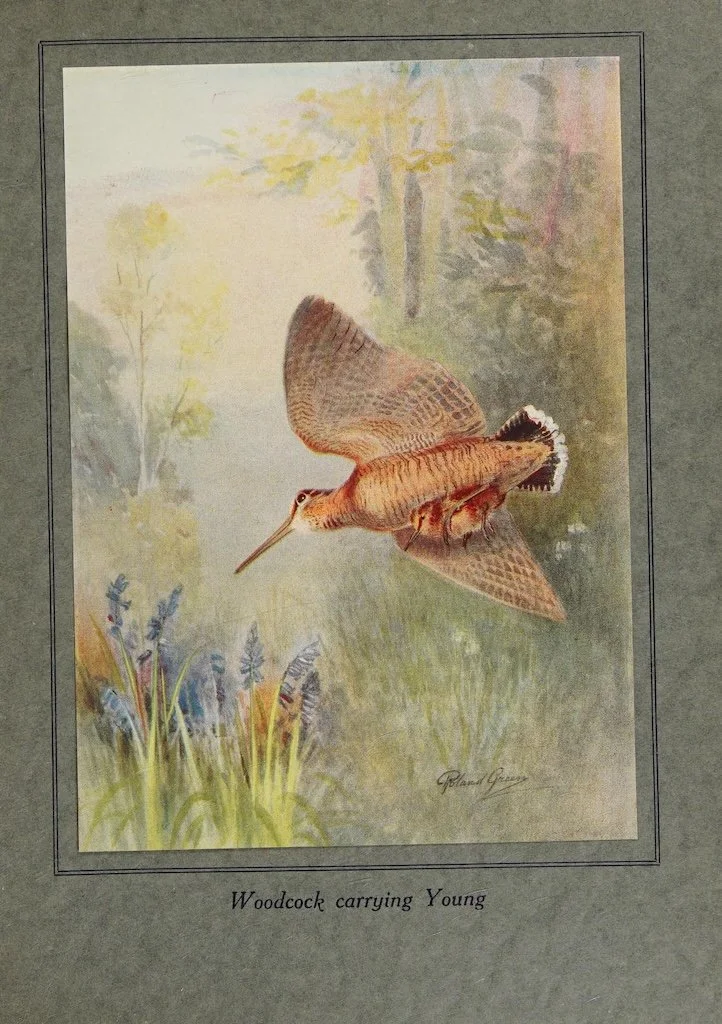
This week’s book is the Birds of America edited by Thomas Gilbert Pearson and published in 1917. Pearson was one of the co-founders of what became the National Audubon Society and was an American conservationist in the early decades of the 1900s…a time when egrets were killed for their plumes to be used in lady’s hats. The book includes 106 plates by Louis Agassiz Fuertes. It is available for browsing on Internet Archive.

Birds of America

Silver and Gold of the Viking Age

My pick for the week’s eBook is from the British Museum and was published in 2011. It is available on Internet Archive. Many of the artifacts are jewelry. They showcase the design and metallurgy skills of the period. Many times we focus on the violence of the Viking Age…their ships and weapons and raiding of coastal settlements. Looking at jewelry provides a different perspective. I wondered how many of the designs were from the Vikings themselves or were looted (or copied) from the peoples they encountered.

The Cuerdale Hoard and Related Viking Age Silver and Gold from Britain and Ireland in the British Museum

The Green Island

The book-of-the-week is a children’s book about the Botanical Garden in the middle of Moscow published in 1983. The story is about a visit to the garden by a six year old boy and his father. It is illustrated with colorful art and photographs. I’ve picked 4 sample images but there are many others to browse via Internet Archive. The author (and photographer) is Victor Datskevich and translated from Russian by Jan Butler.

The Green Island

This is one of the many books published in the waning days of the Soviet Union and part of the MIR-titles collection in Internet Archive.

A Picture Book of Insects

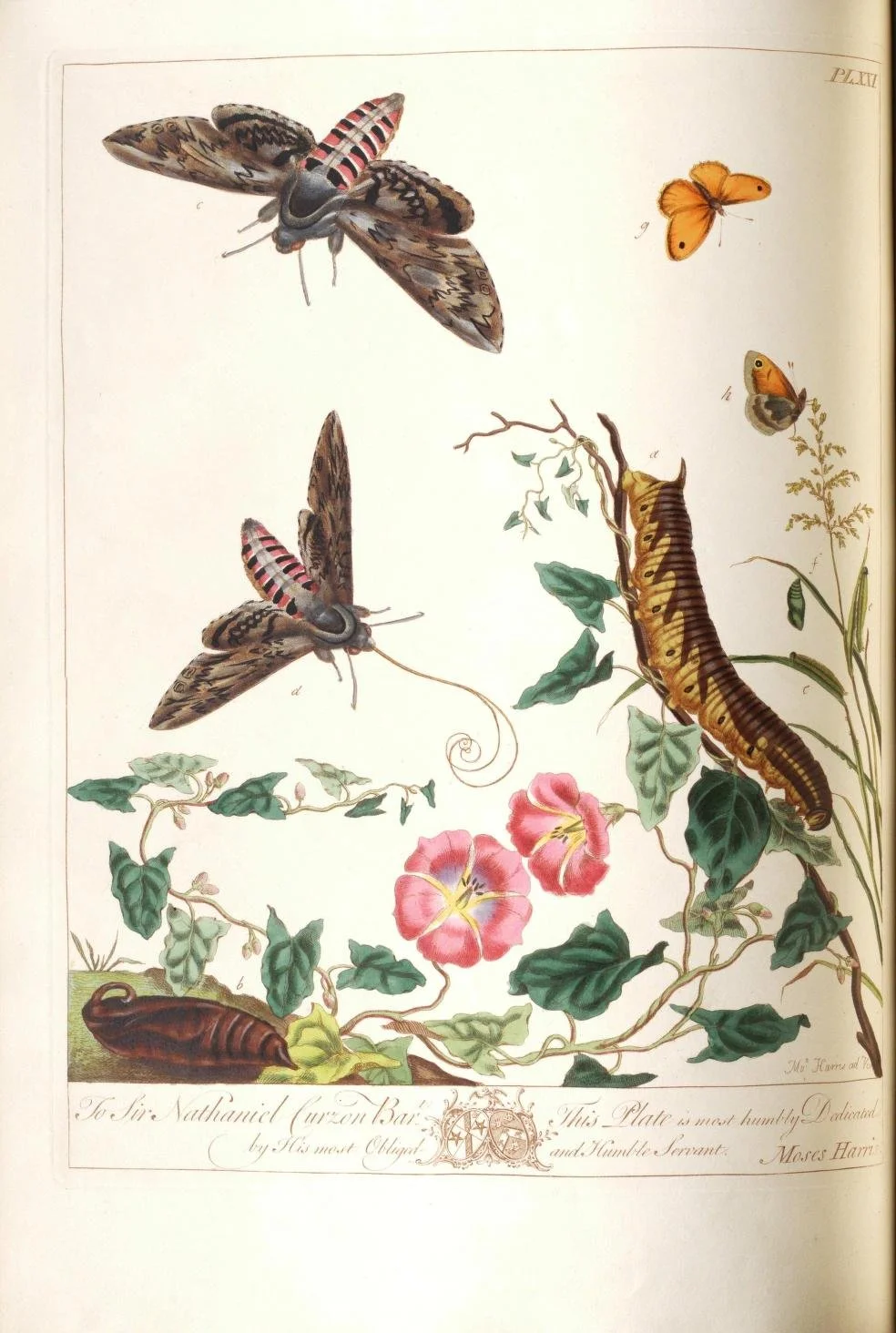
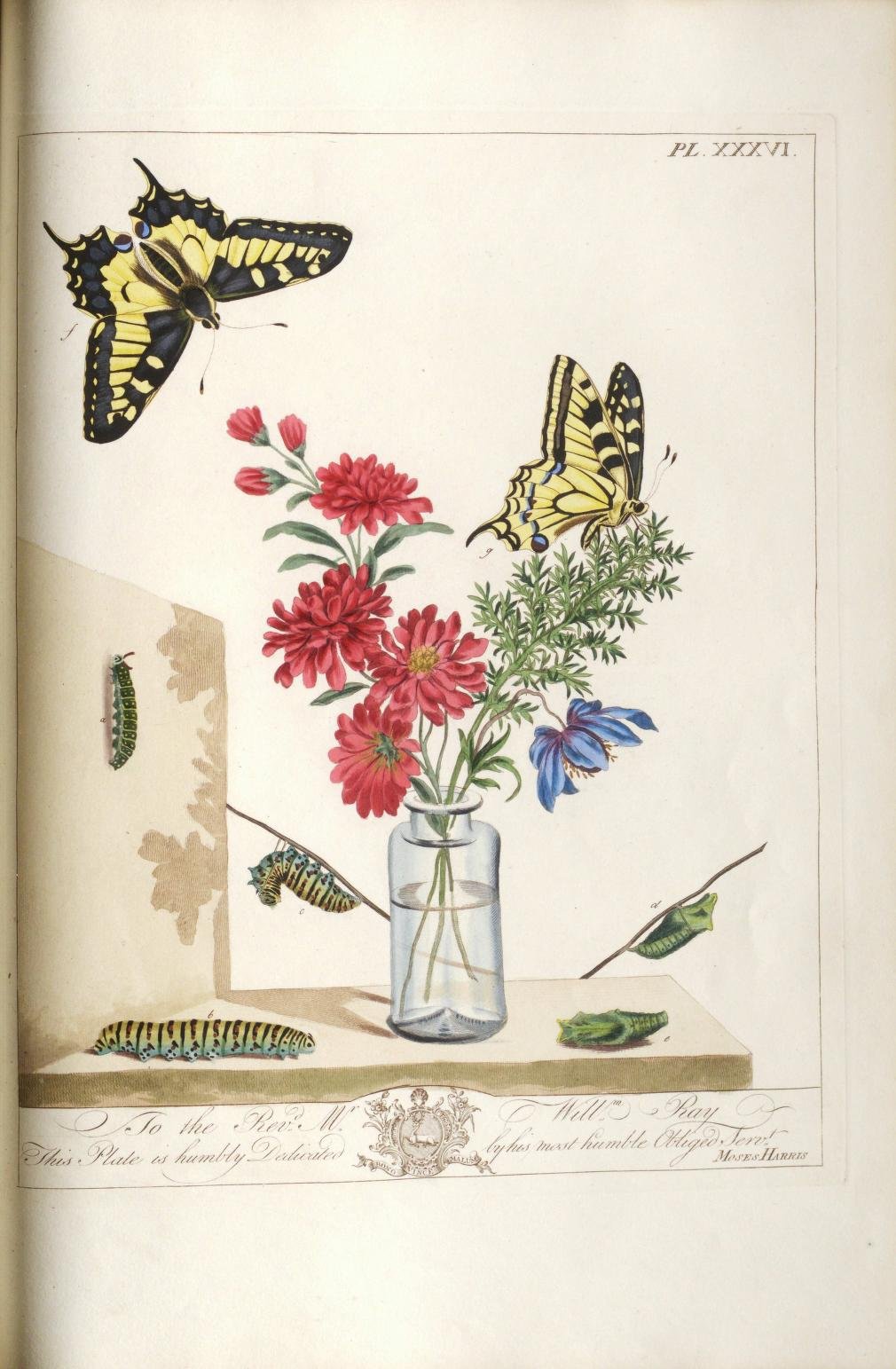
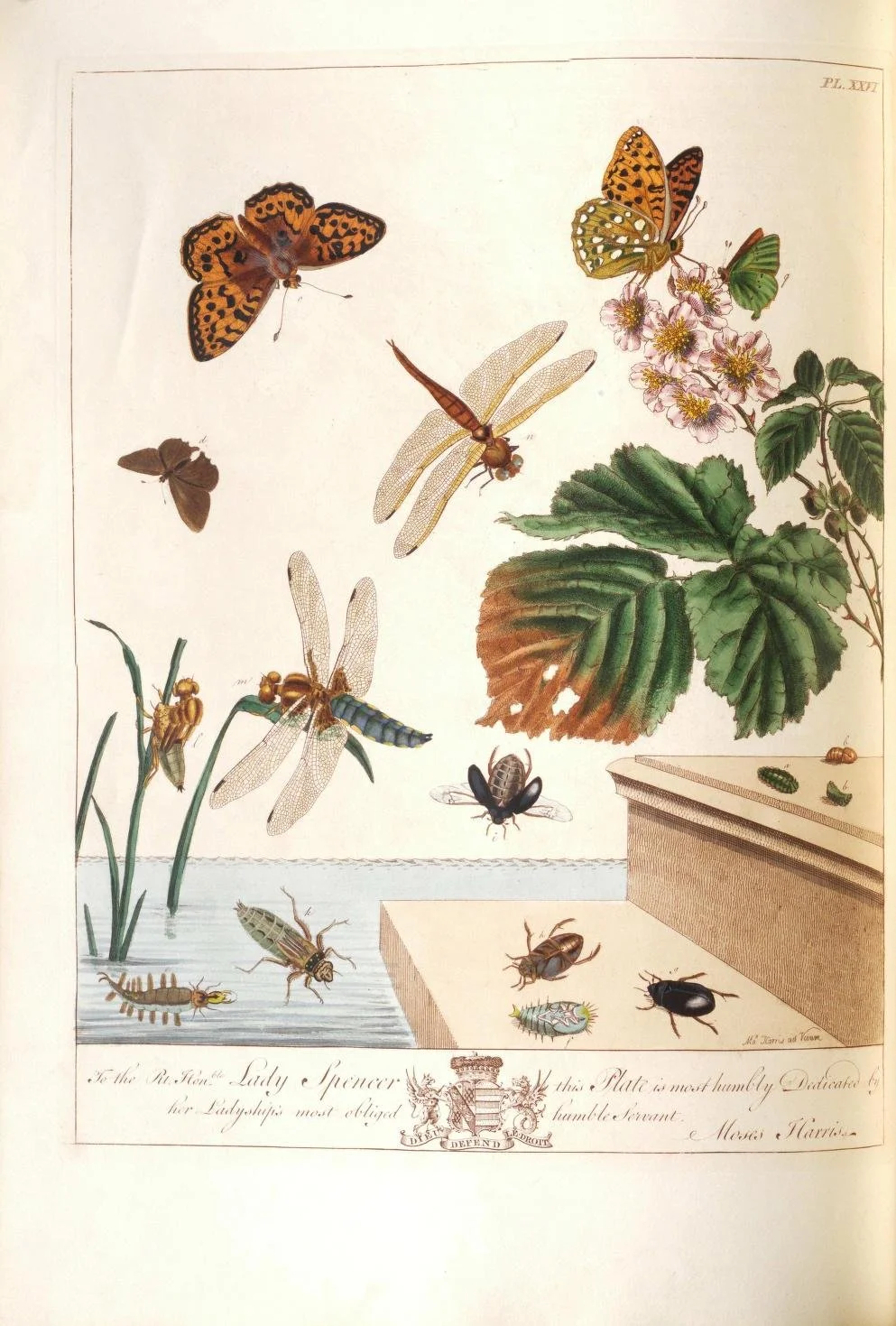
My ‘book of the week’ is one published in the waning days of the Soviet Union in 1989: A Picture Book of Insects by Vitaly Tanasyichuk with drawings by Ruben Varshamov. Like many Raduga Publishers books that came out in the 1980s, it is not now available on Internet Archive.

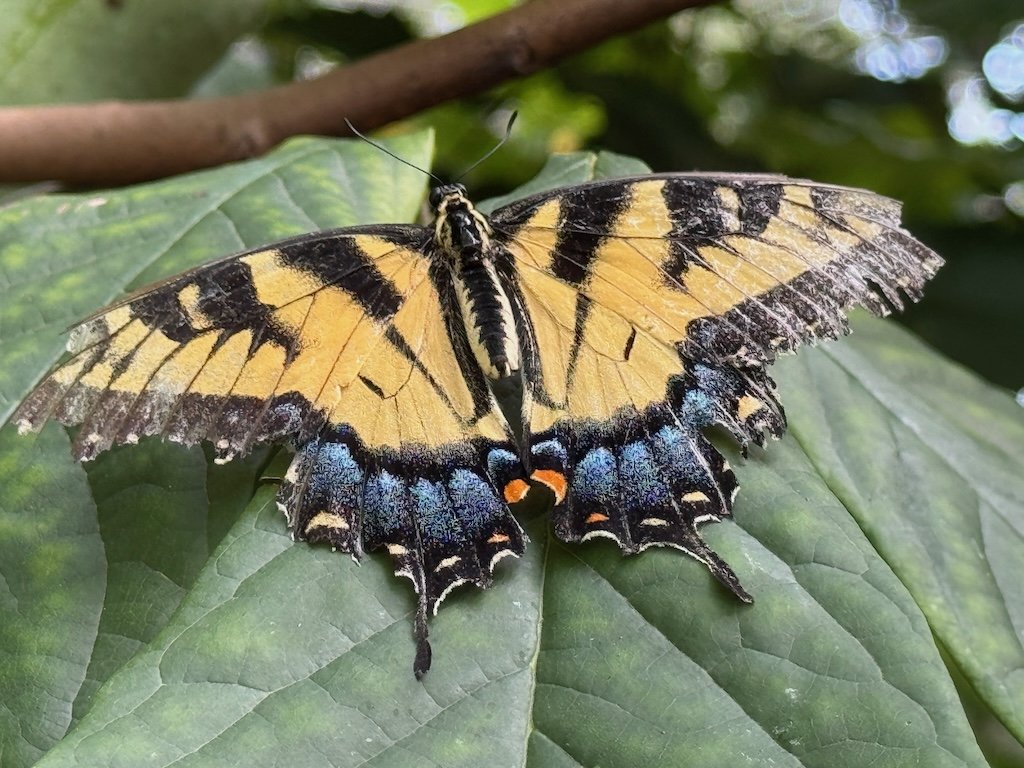
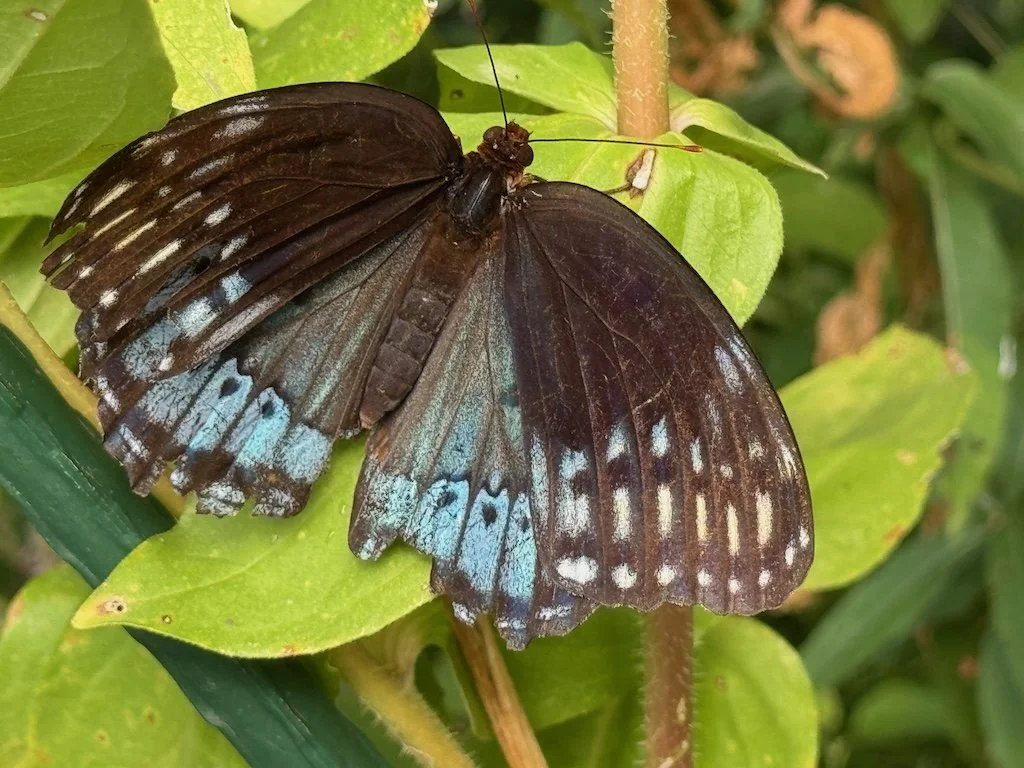
The illustrations (4 samples below) are the motivation to browse the book!

A Picture Book of Insects

Geology Course Experiences – April 2025

Over the past month, the online geology course has moved along slowly with only another 2 chapters covering waste management/landfills and landslides. There was a week-long pause for Spring Break. I am glad I chose this version of the geology class (It’s titled ‘Earth: The Survival Guide’) since it provides a background for items in the news that have a geologic component. The syllabus for the next few weeks shows a significant uptick in topics with 4 chapters before the last exam on May 1. It seems like the course pacing is dramatically skewed toward the end.

I was disappointed that the scheduled field trip day was canceled because of weather (rain the previous days and the scheduled day, flash flooding and river flooding). Evidently there is not going to be another attempt. I’ll have to make do with my own observations as I travel around the state…and the geology field trip with Missouri Master Naturalists that is scheduled for early May; hopefully the weather will be better for that one.

The labs were also impacted by spring break. Topics were:

  • Groundwater contamination investigation that involved samples to be tested for nitrates, total dissolved solids, pH, and salinity…then pinpointing where contamination was coming from using a contour map of industries and where the samples were collected.

  • Streams and rivers using topographic maps to observe how river move along the surface and the observable structures from the interactions between water and the surface (things like natural levees and oxbow lakes).

  • Geologic maps – looking at the geographic distribution of rock units exposed at the Earth’s surface. Maps of Webster County MO, Bright Angel Quandrangle, AZ (part of the Grand Canyon), and the Williamsville Quadrangle, VA (part of the Appalachian Mountains).

The ‘streams and rivers’ lab was not on the original syllabus and there has not been an update showing which of the labs will be dropped. I hope the ones on Caves/Karst and Shorelines will still be part of the semester.

I am anticipating a flurry of activity between now and the end of the semester! There are a lot of textbook chapters in the syllabus that we haven’t done yet.

Geology Course Experiences – March 2025

Over the past month, the online geology course I am taking has proceeded with 4 more chapters of the textbook, an added role-playing activity on flooding, and a field trip being scheduled for early April! So far, the most thought-provoking chapter has been on water pollution. It is a topic I’ve learned about over a period of years but having a well-organized chapter tie everything I know together was almost overwhelming. The moves to reduce efforts to improve or preserve water quality at the Federal level while I was reading the chapter made the challenges we face near term and into the future even more troubling.

In the lab, there were sedimentary and metamorphic rocks to look at and then some different kinds of labs…looking a cross sections and oceanography. I skipped one of the labs because it was raining, and I decided I didn’t want to be out and about – a benefit of being a retired person. I took pictures of the rocks we looked at in the lab and made ‘flashcards’ for myself to help me learn to recognize them. Of course – the HCl test and scratch plates are also needed for identification too.

 I met my daughter for lunch after most of the lab sessions before heading back home.

Geology Course Experiences – February 2025

I have completed 3 more chapters in my online course – reading the eTextbook, working through the study questions and taking the quizzes (all part of the online book). There was a short YouTube video. The professor sent an email about another video - Hidden Fury - the New Madrid Quake Zone – which was more  substantial (although not very polished); I wondered why she did not make it part of the online course as part of the section on earthquakes. So far, the online course content seems to be almost entirely the eTextbook – very little content/value added by the professor or the university. I will finish the course and get as much as I can from the online book that I can access until next summer but probably will not take another online course from this university.

The lab course is almost better than I expected. It started out in what seemed like the traditional entry level geology lab: trays of minerals and rocks; I took a few pictures. Diorite made of quartz, plagioclase, and hornblende.

Granite made quartz, feldspar, and plagioclase. 

But the next lab (volcanoes) involved use of VR headsets or scanning a QR code to look at something on our smartphone. The lab for the next week (volcanoes again) included some more video initiated by scanning a QR code followed by a simulation of a volcano emergency with role playing. It was interesting to have the Santorini earthquakes and associated response in the news at the same time we were doing the lab. Overall, the lab is exceeding my expectations; I appreciate that the faculty is incorporating new content and delivery mechanisms into the course.

I’ve met my daughter for lunch after two of the labs…before I head back home. I showed her the imprint of the shell in the limestone near the student union before the first one; the light was better for photography.

Ippolito Rosellini’s Ancient Egypt

The New York Public Library Digital Collections includes the illustrations of Ippolito Rossillini’s I Monumenti dell'Egitto e della Nubia. It was published between 1832 and 1844 documenting the Franco-Tuscan expedition to Egypt (1828-1829) and after the death of Jean-Francois Champollion (leader of the expedition) in 1832.

There are over 400 plates to enjoy – some simple drawings and some with color. I picked 6 of the color images as samples.

I monumenti dell'Egitto e della Nubia disegnati dalla spedizione scientifico-letteraria toscana in Egitto

The images are best enjoyed using the ‘view as a book’ option for the document.

David Roberts’ Lithograph Prints from Egypt and Nubia

The New York Public Library Digital Collections has a book of prints created between 1846 and 1849 by Scottish artist David Roberts. The were evidently based on his sketches made during his travels to Egypt and Nubia between 1838-1840. The images were a success in Britain – predating the earliest photographs of the sites. This collection is well work a look! I’ve picked 4 samples…but there are many more online and easy to browse.

 Egypt and Nubia

Three Japanese Ukiyo-e Artists

The eBook for this week features the art of ukiyo-e artists from the late 1700s through the first half of the 1800s. The artists are Chōbunsai Eishi, Eishōsai Chōki, and Katsushika Hokusai (links are to the Wikipedia entry for each artist). The book is the catalog from an exhibition of their prints in Paris in 1913. I have included 6 sample images from the book…but there are 118 plates in all – so well worth taking a look at the art work in the online books itself.

Yeishi, Choki, Hokusaï : estampes japonaises tirées des collections de MM. Bing, Bouasse-Lebel, Bullier...[et d'autres] et exposées au Musée des arts décoratifs en janvier