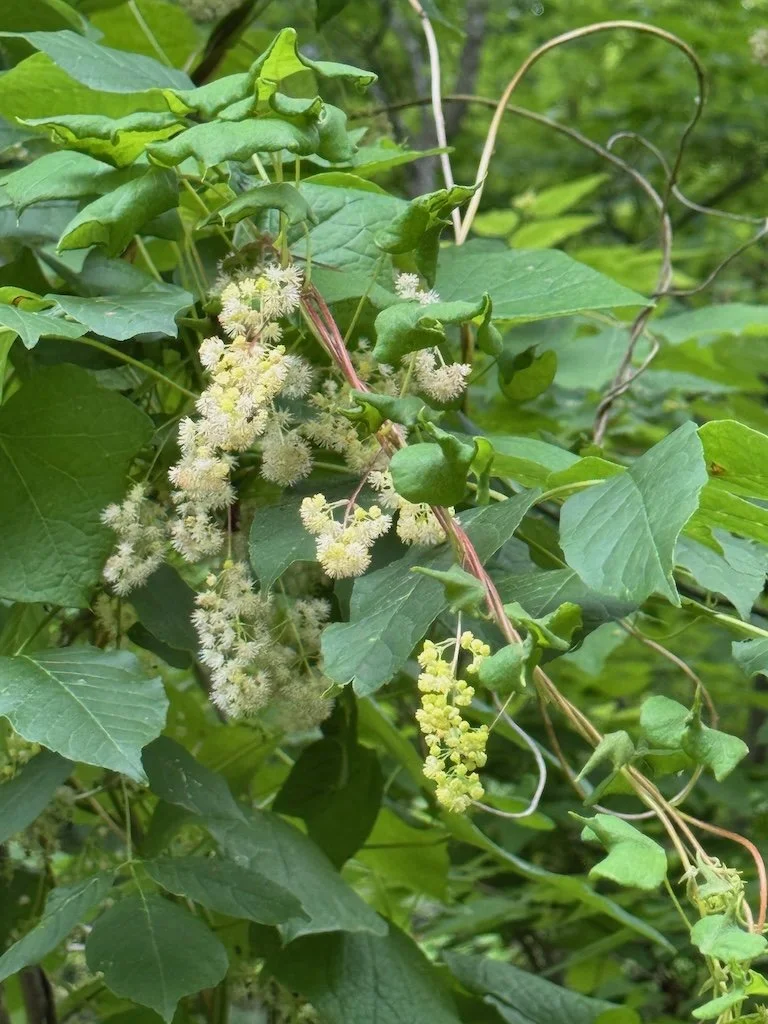
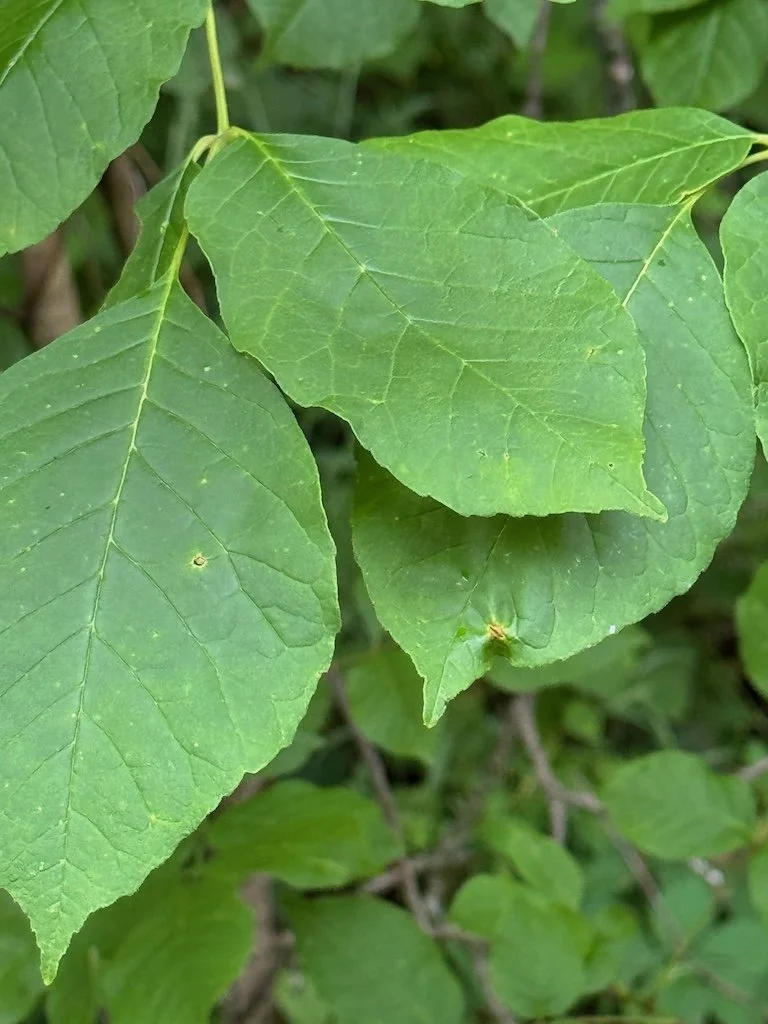
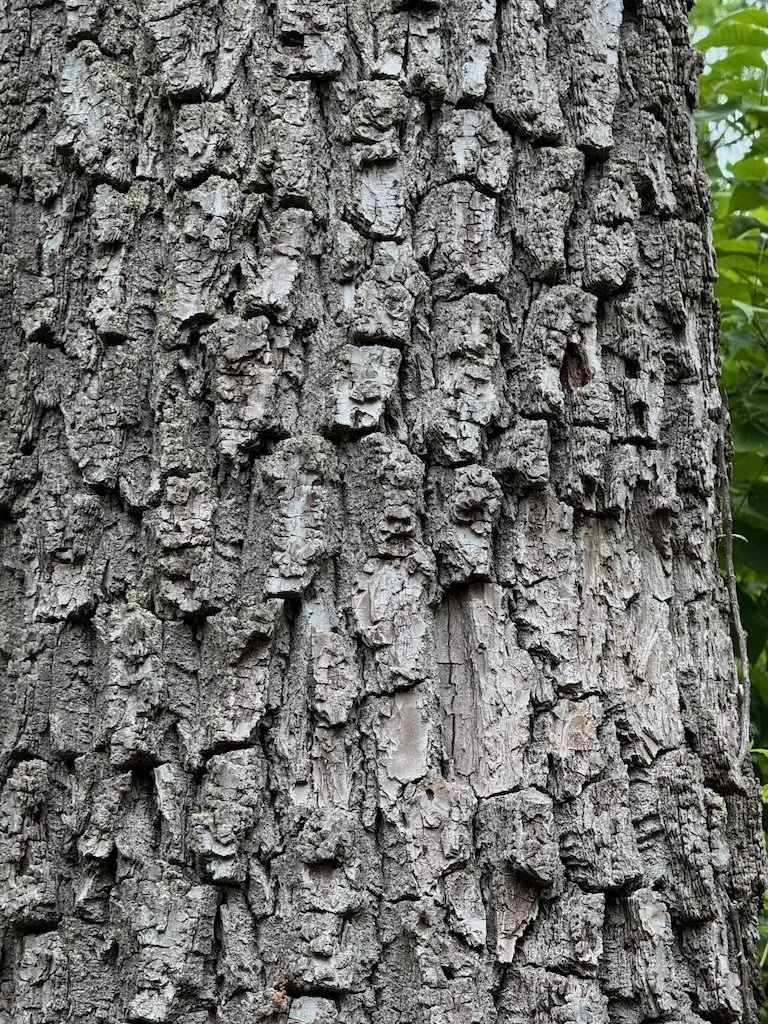
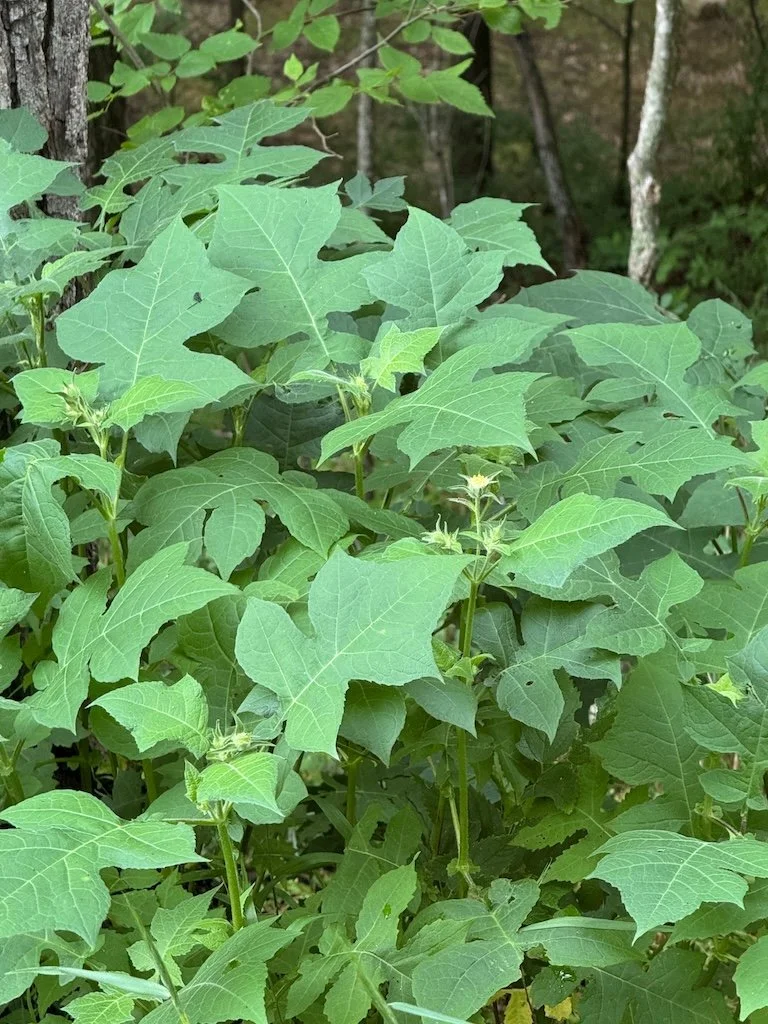
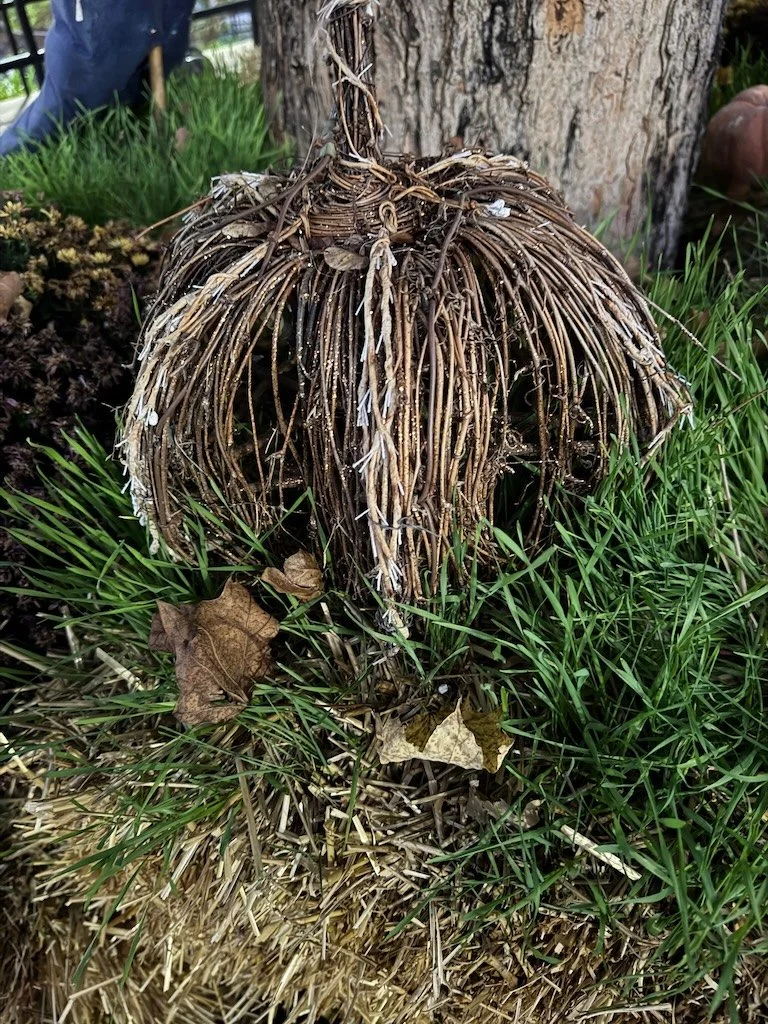
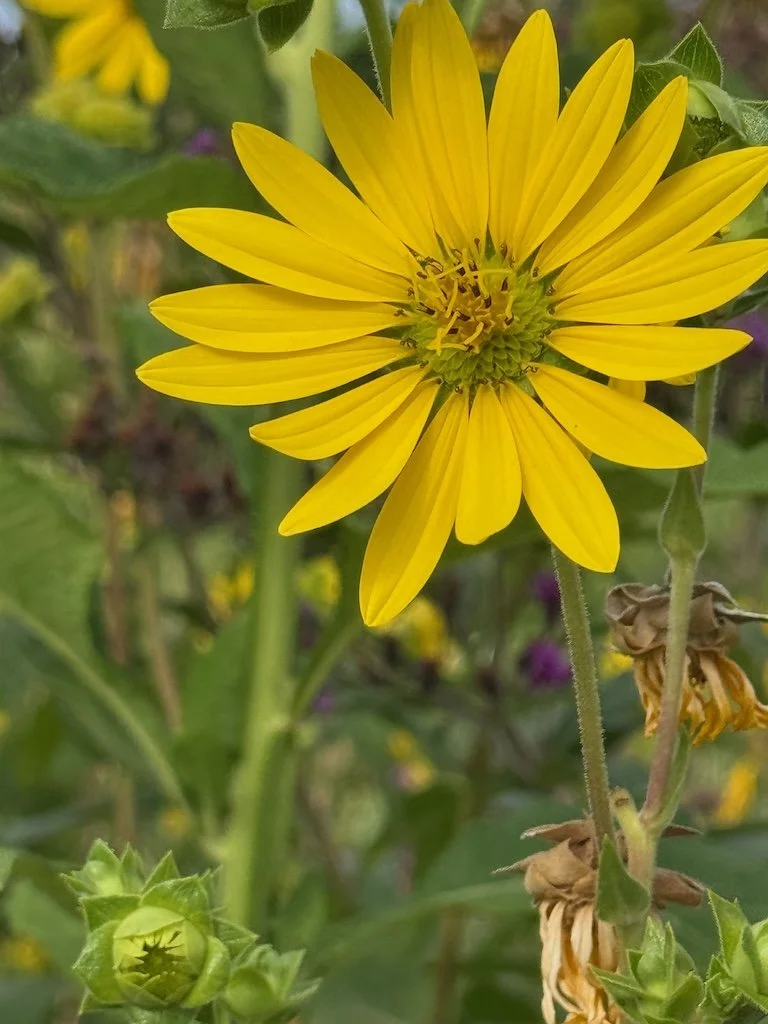
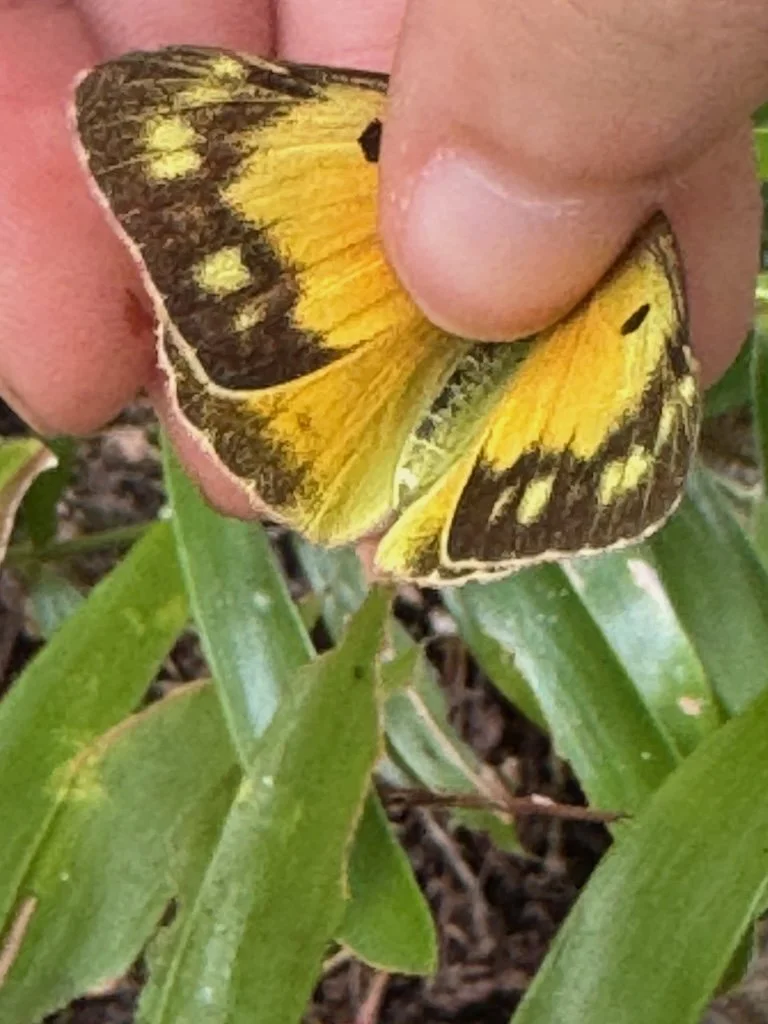
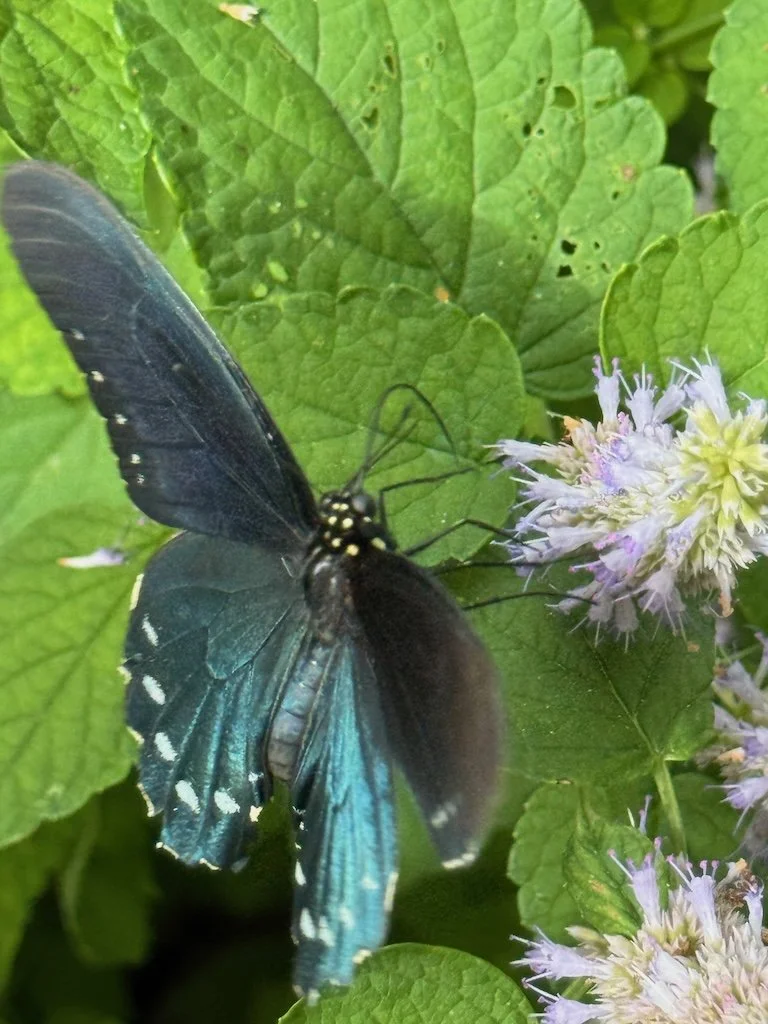
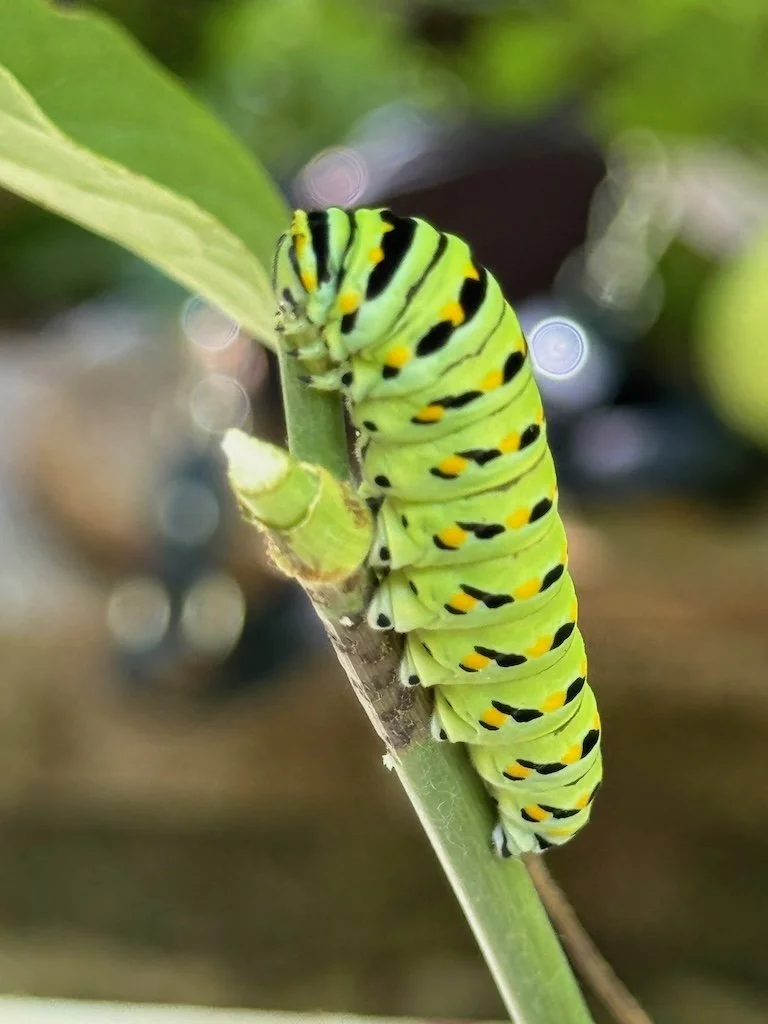
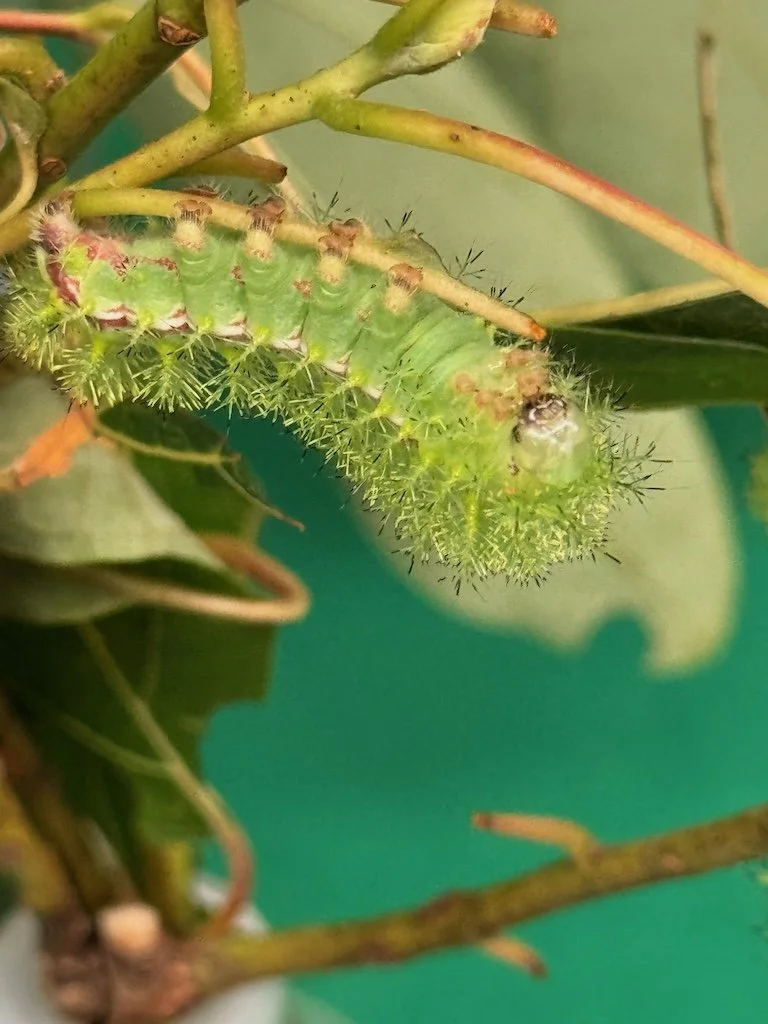
Butterfly House Trees

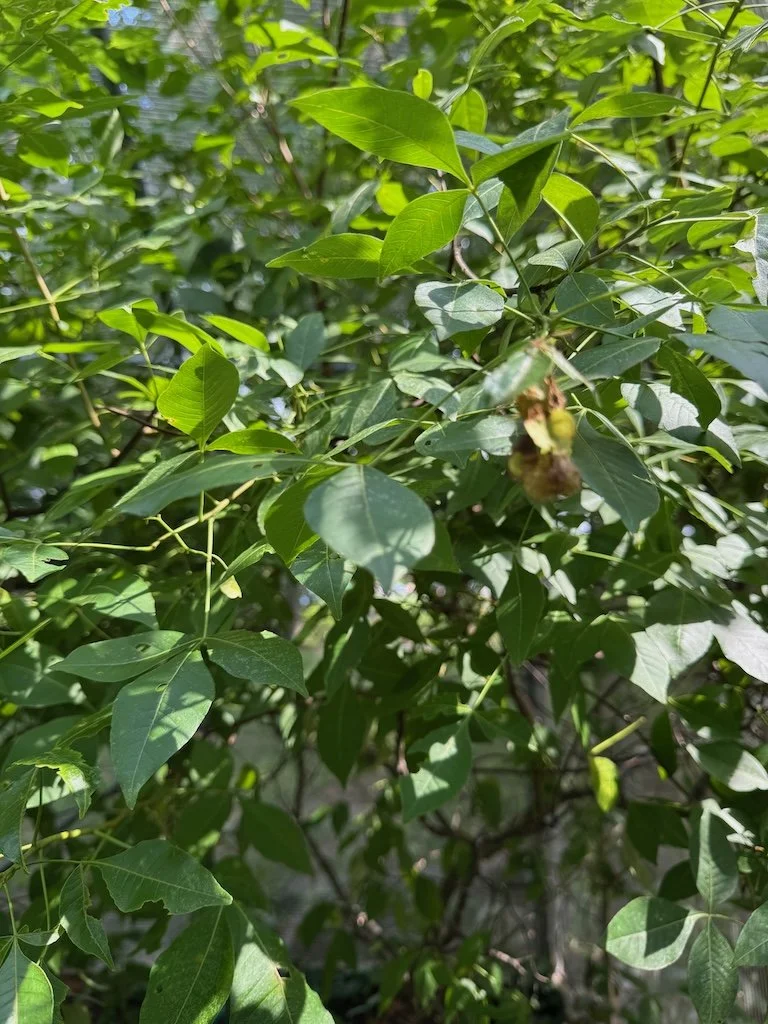
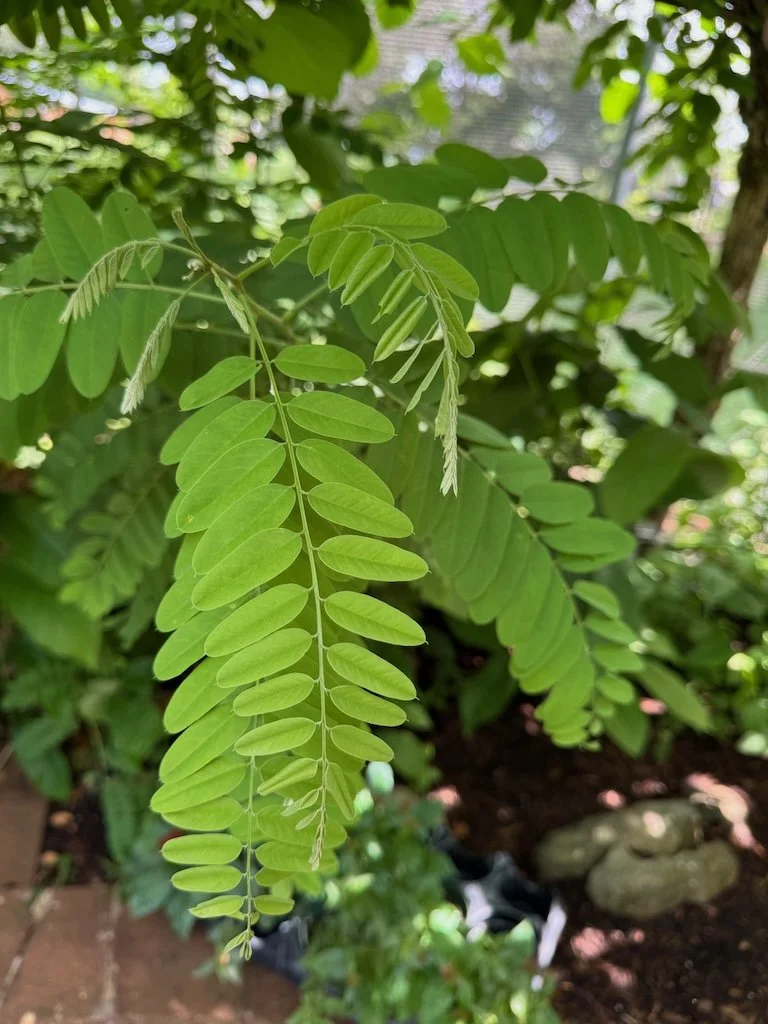
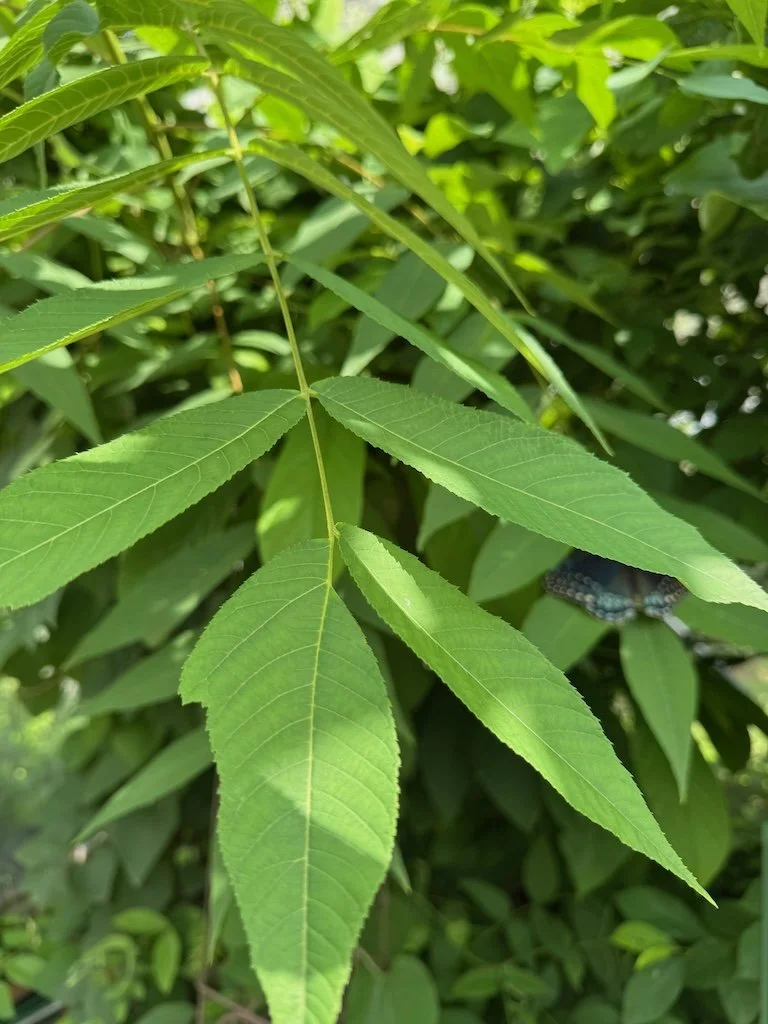
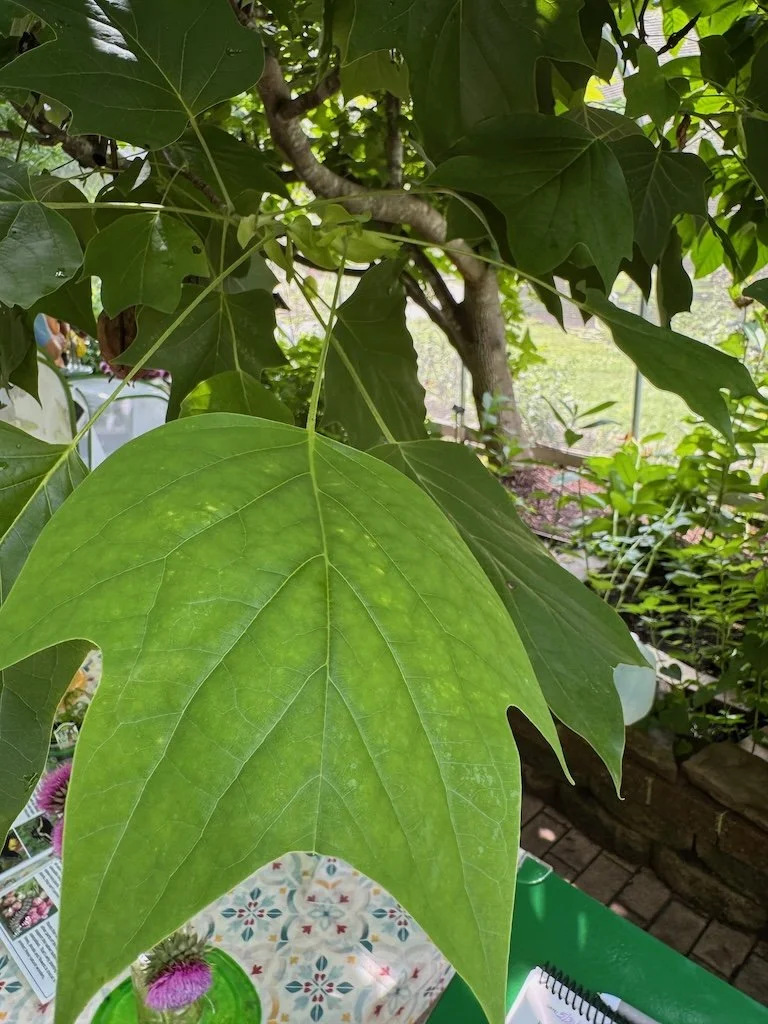
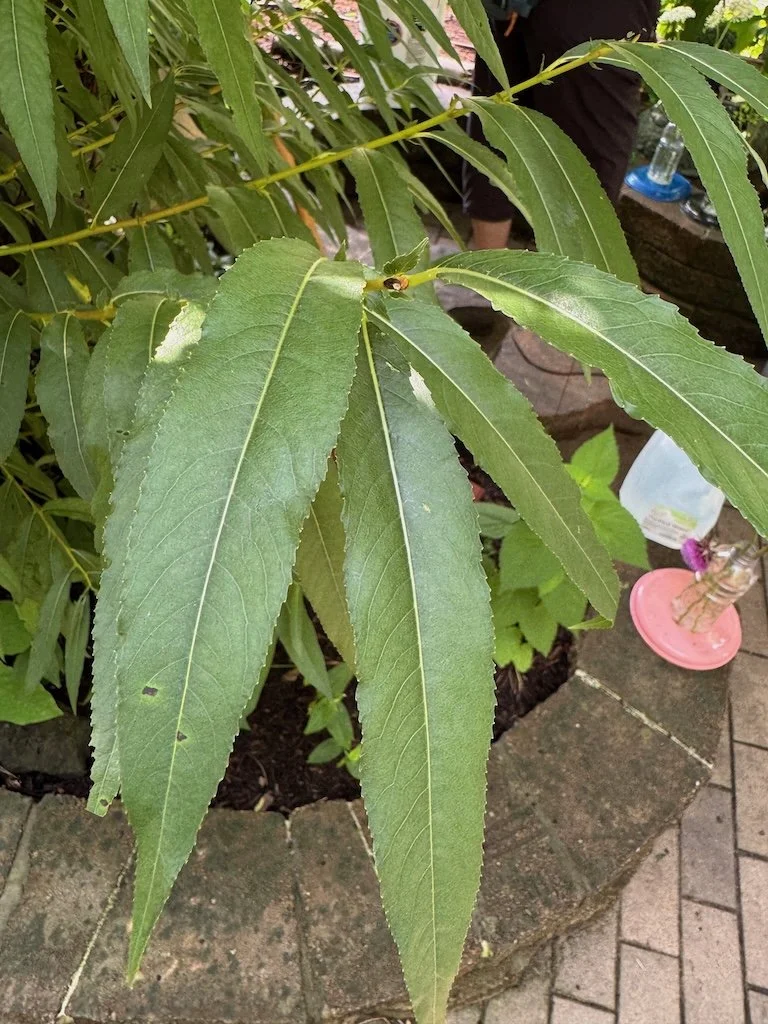
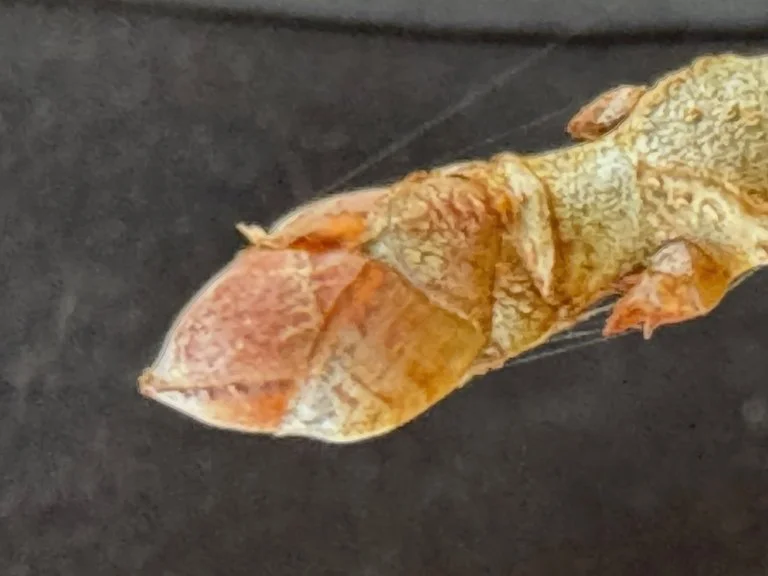
I decided to document the trees in the Roston Native Butterfly House during one of my recent shifts. All of them are there to provide food for certain caterpillars. So here is a tree tour of the house…starting on the right side as you enter the trees are

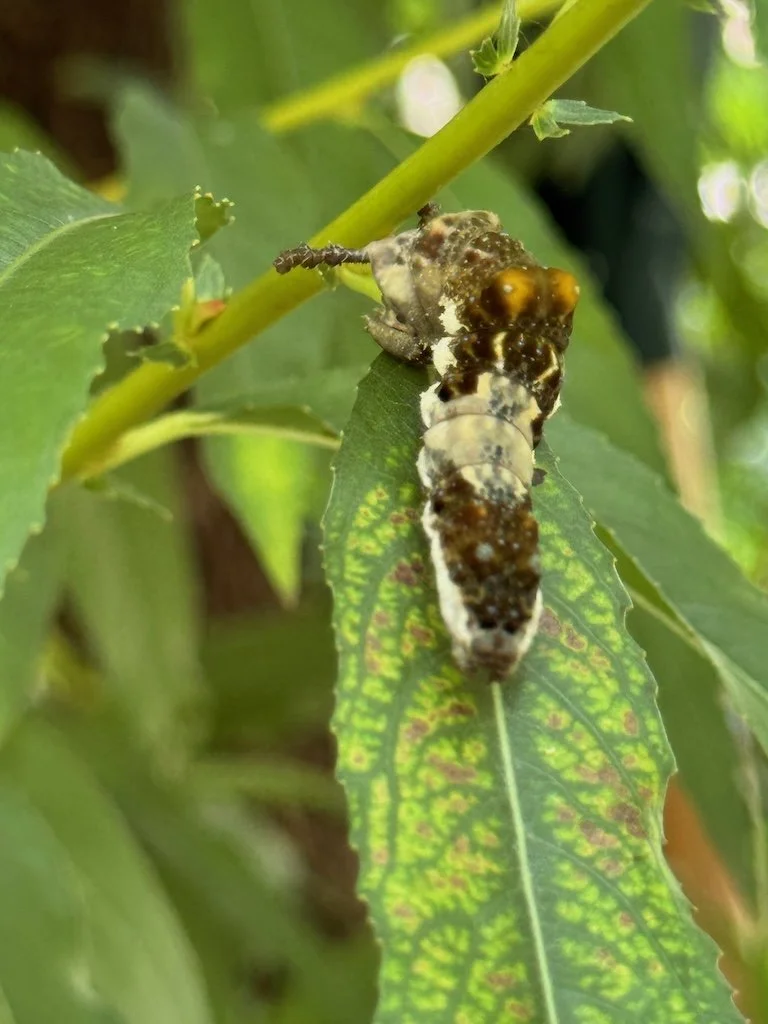
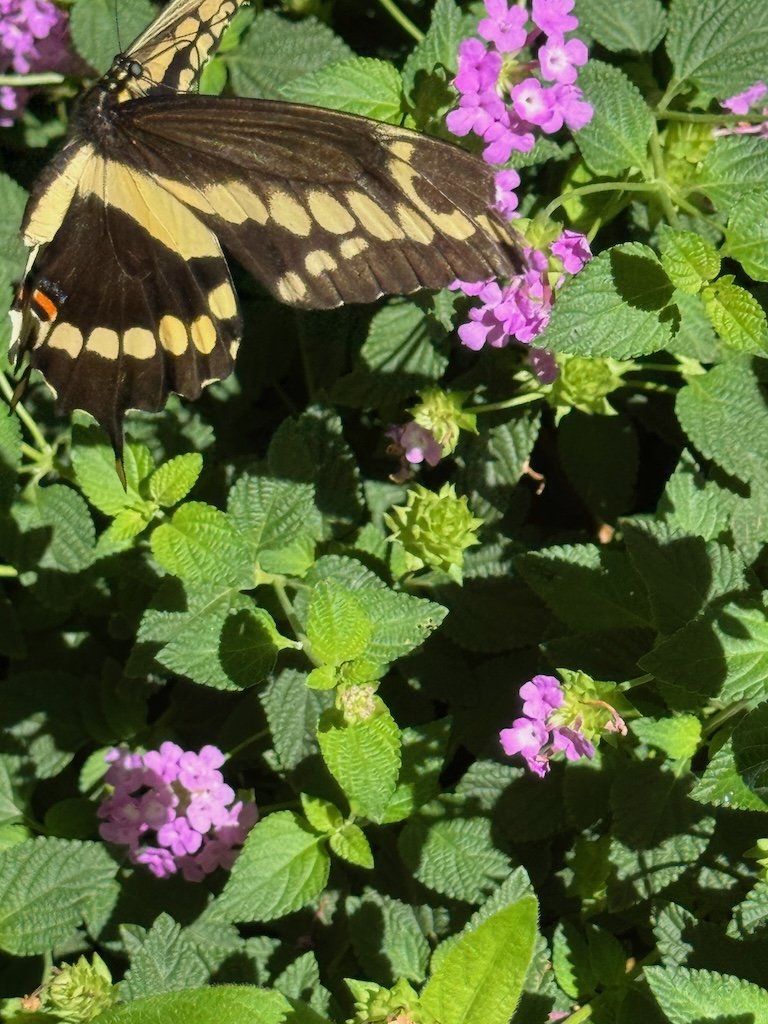
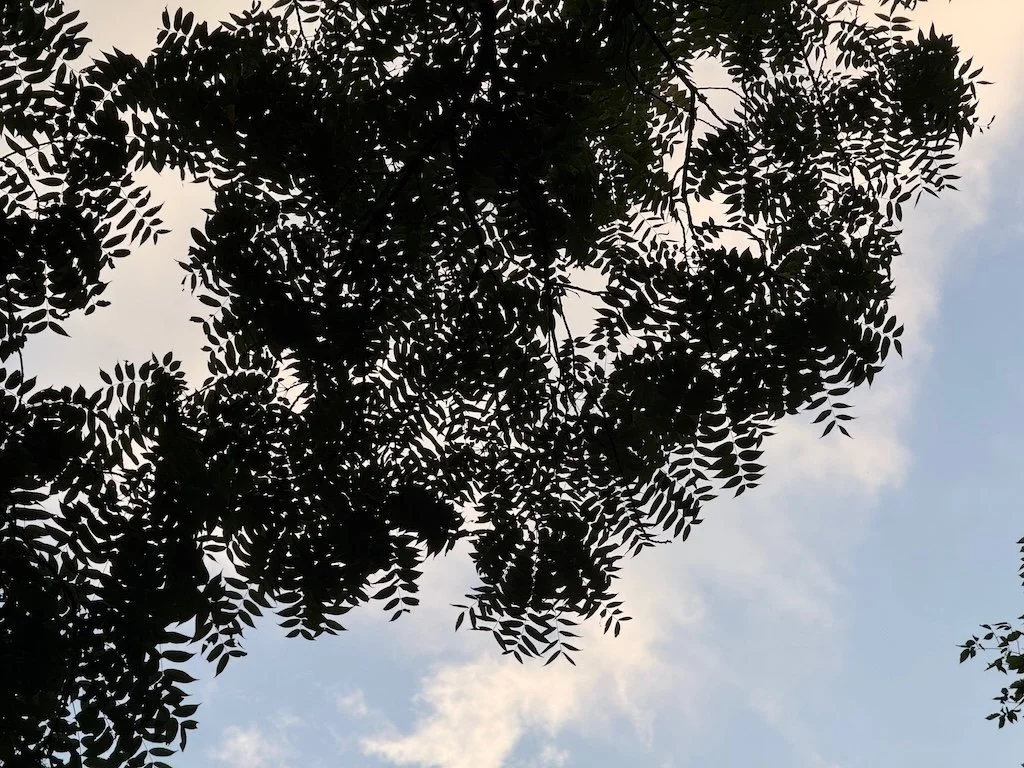
Wafer ash for Giant Swallowtail caterpillars

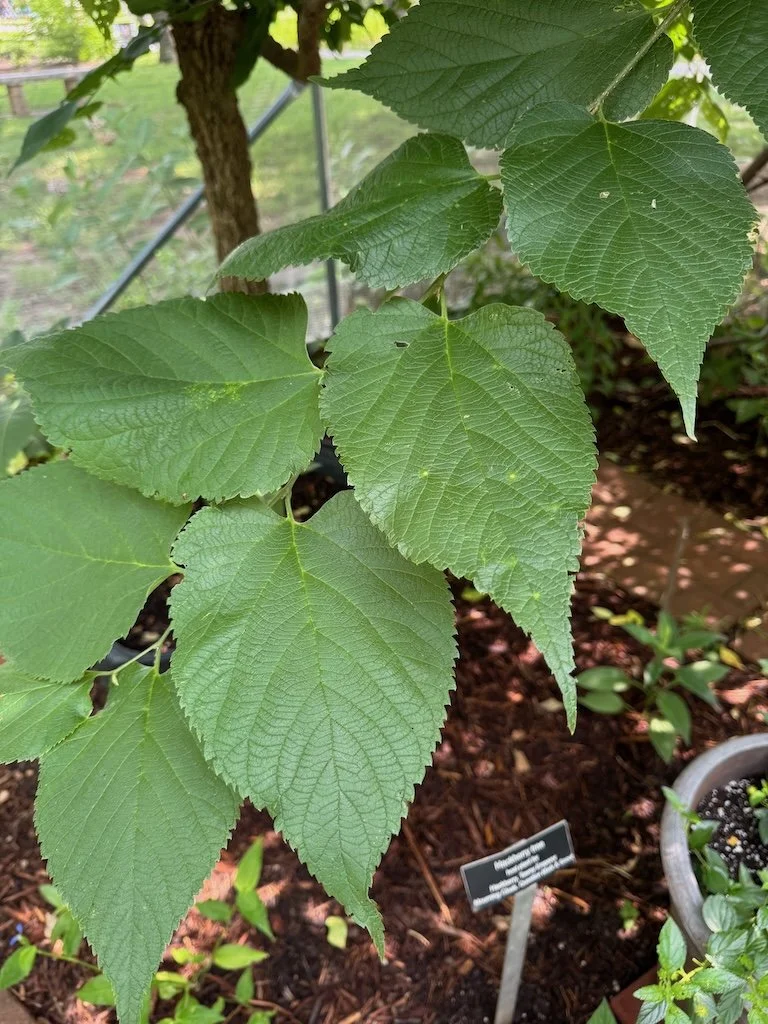
Hackberry for Hackberry Emperor caterpillars

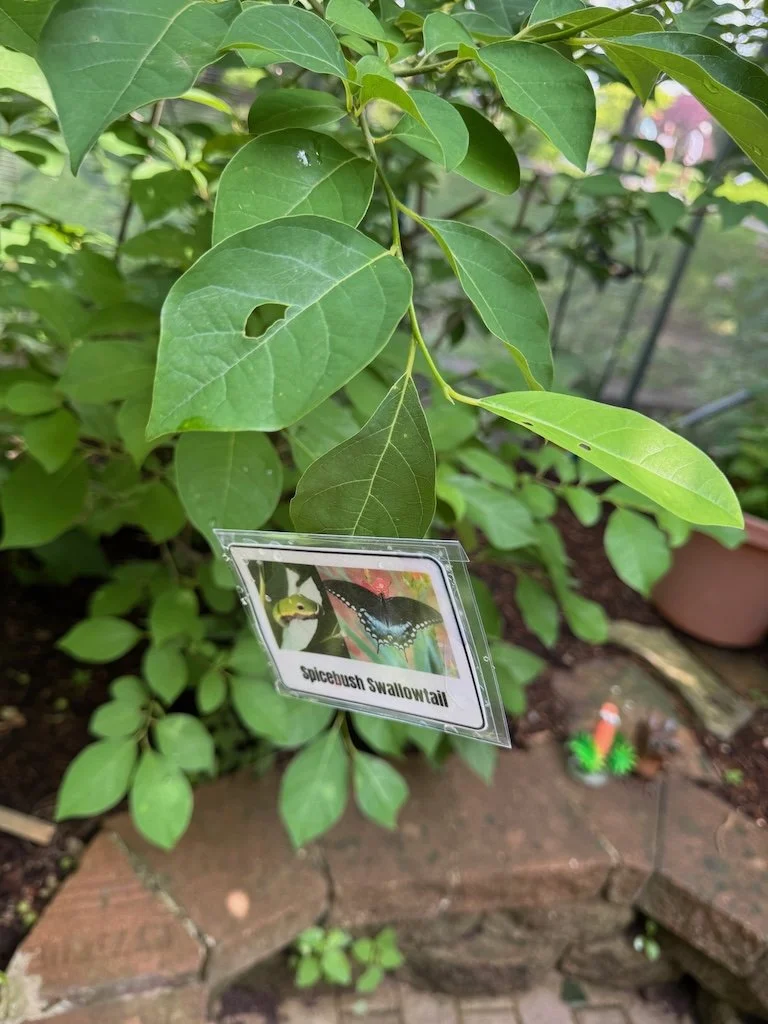
Spicebush for Spicebush Swallowtail caterpillars

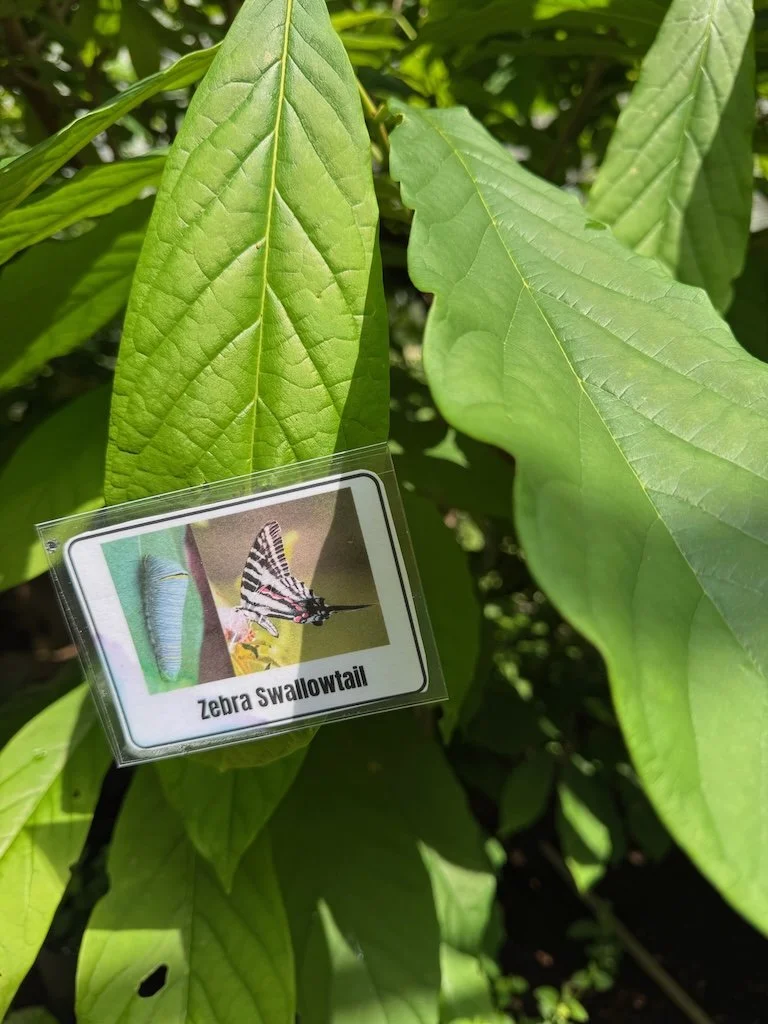
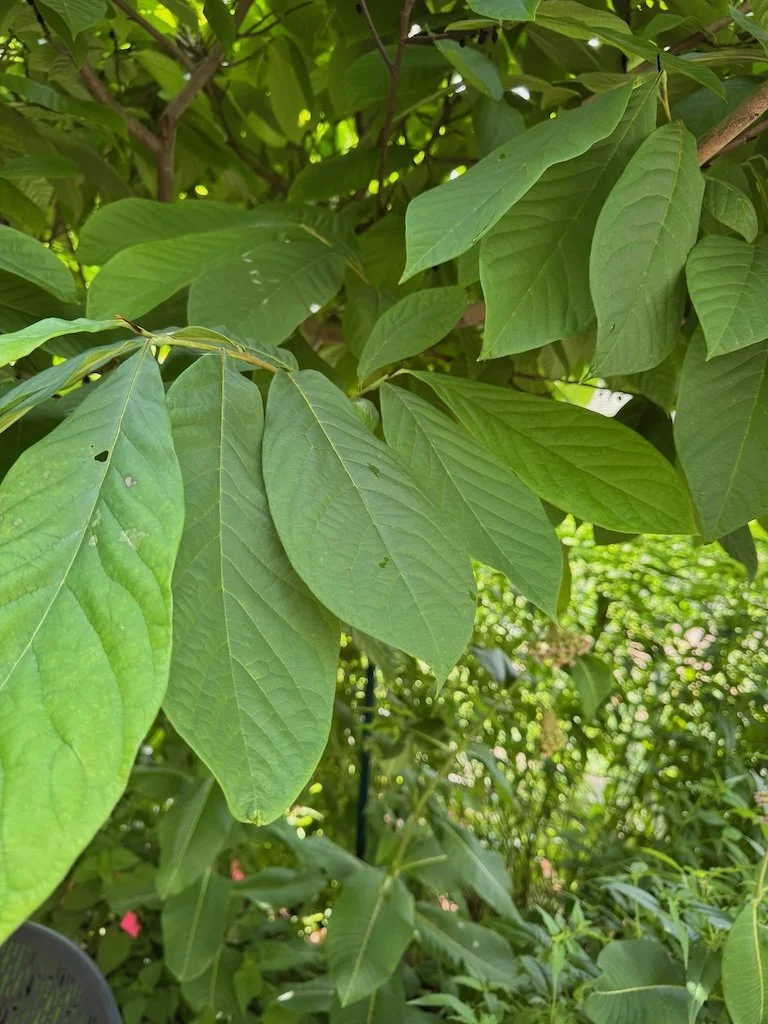
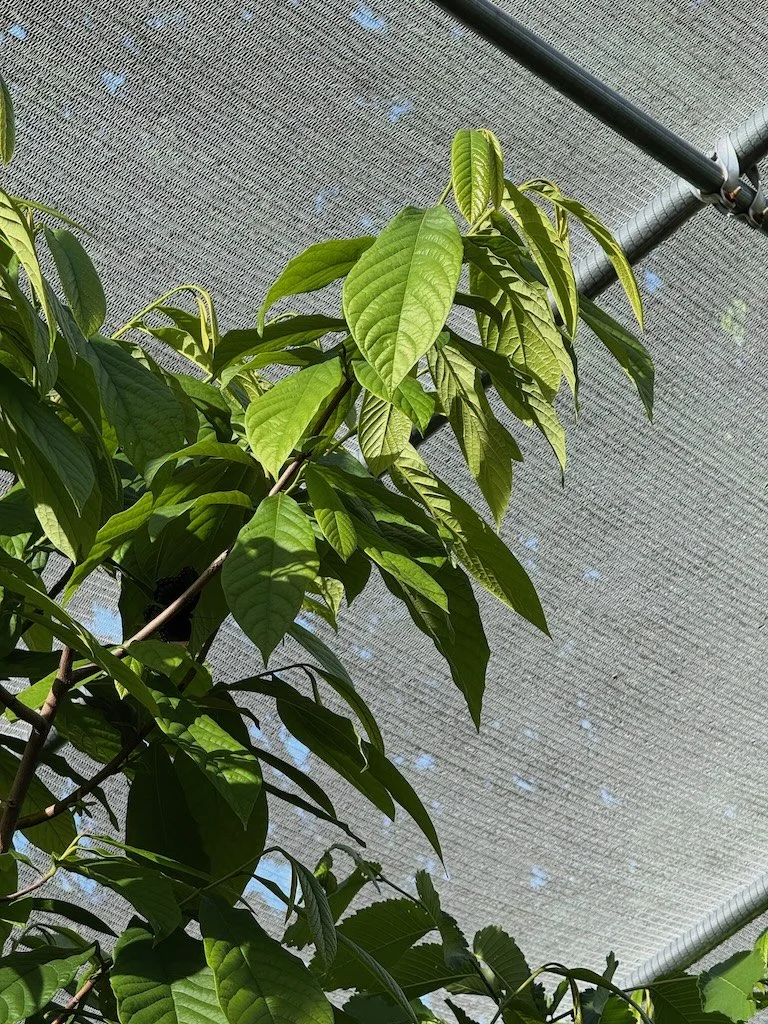
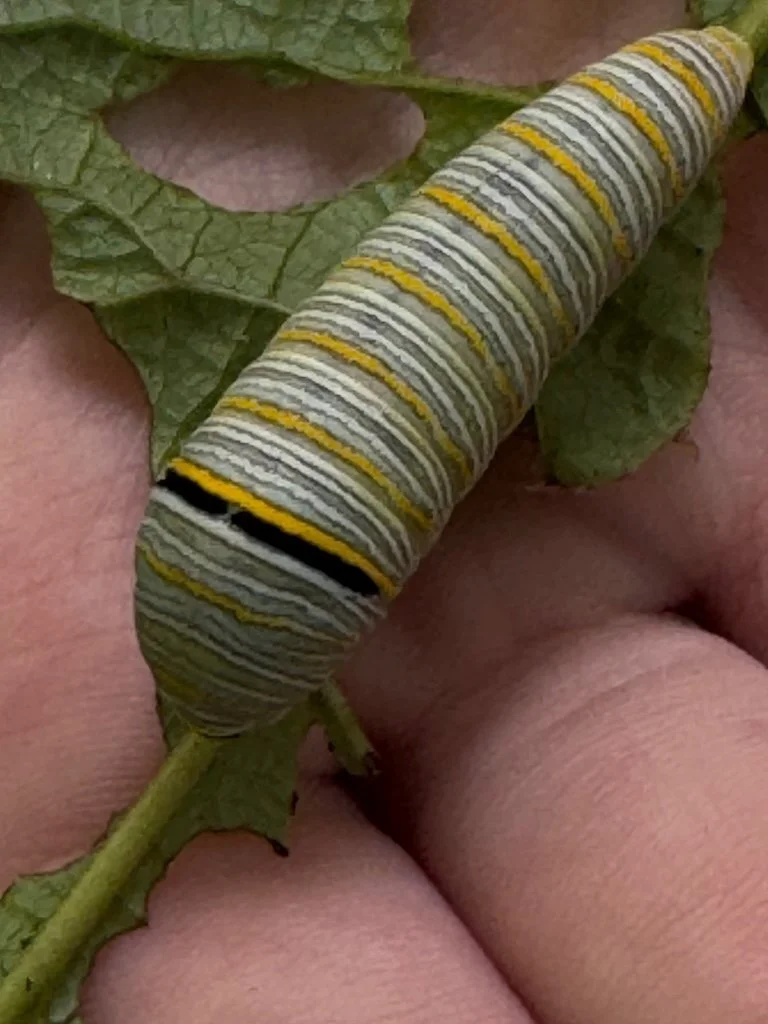
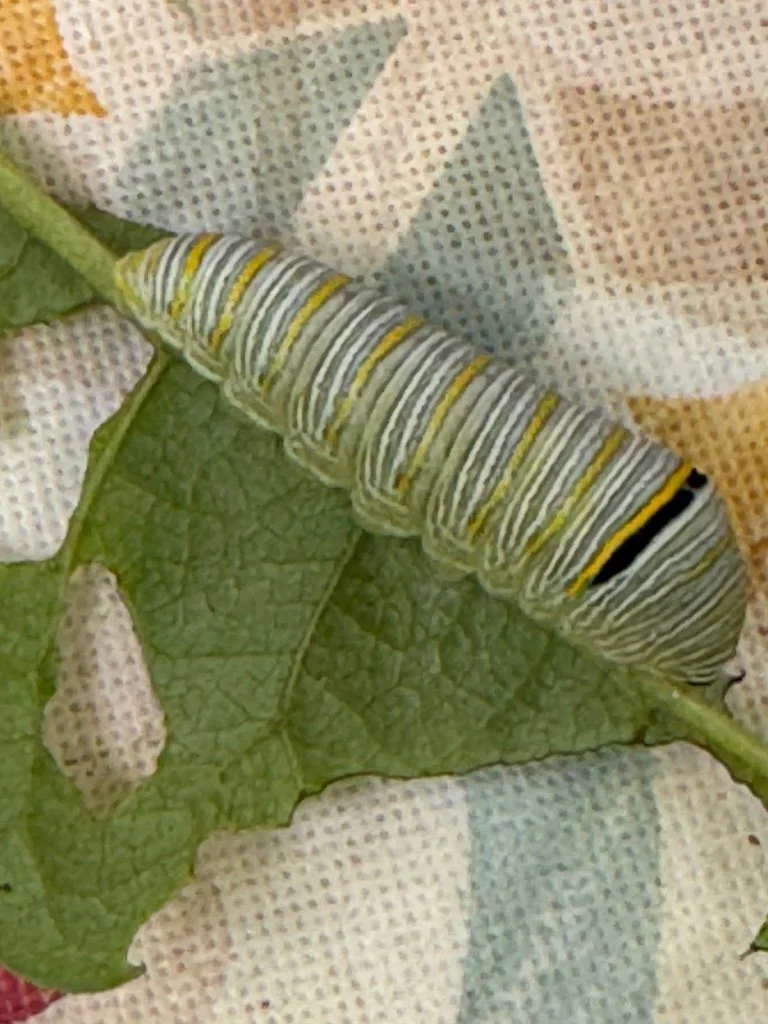
Pawpaw for Zebra Swallowtail caterpillars

False Indigo for Silver Spotted Skipper caterpillars

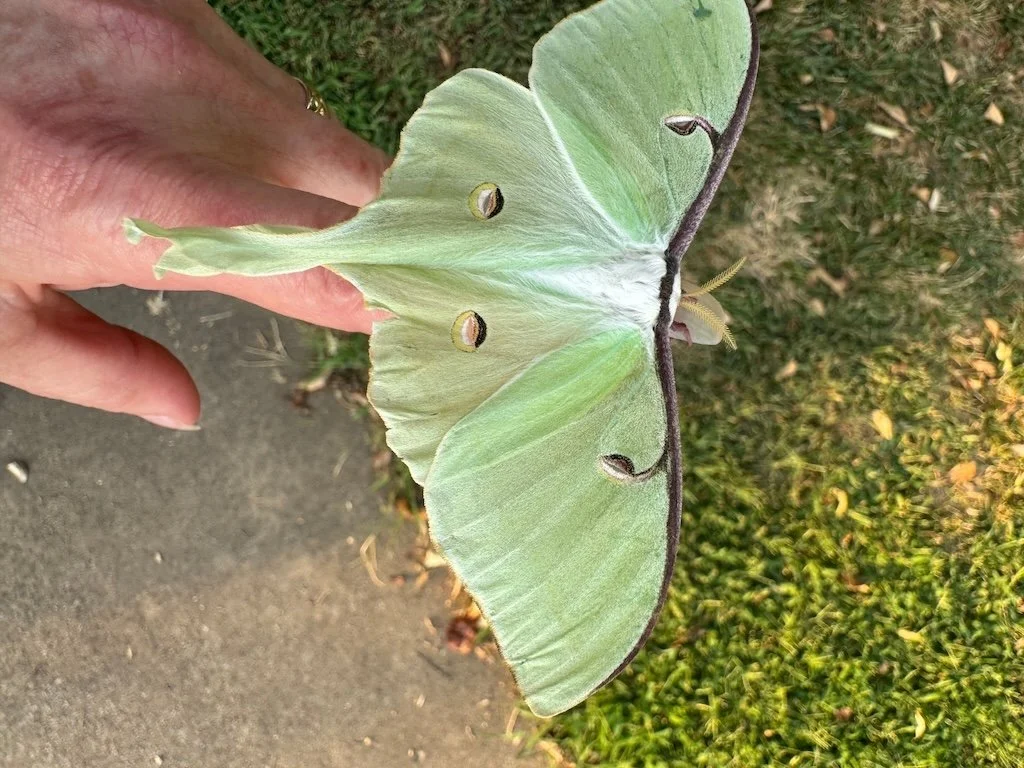
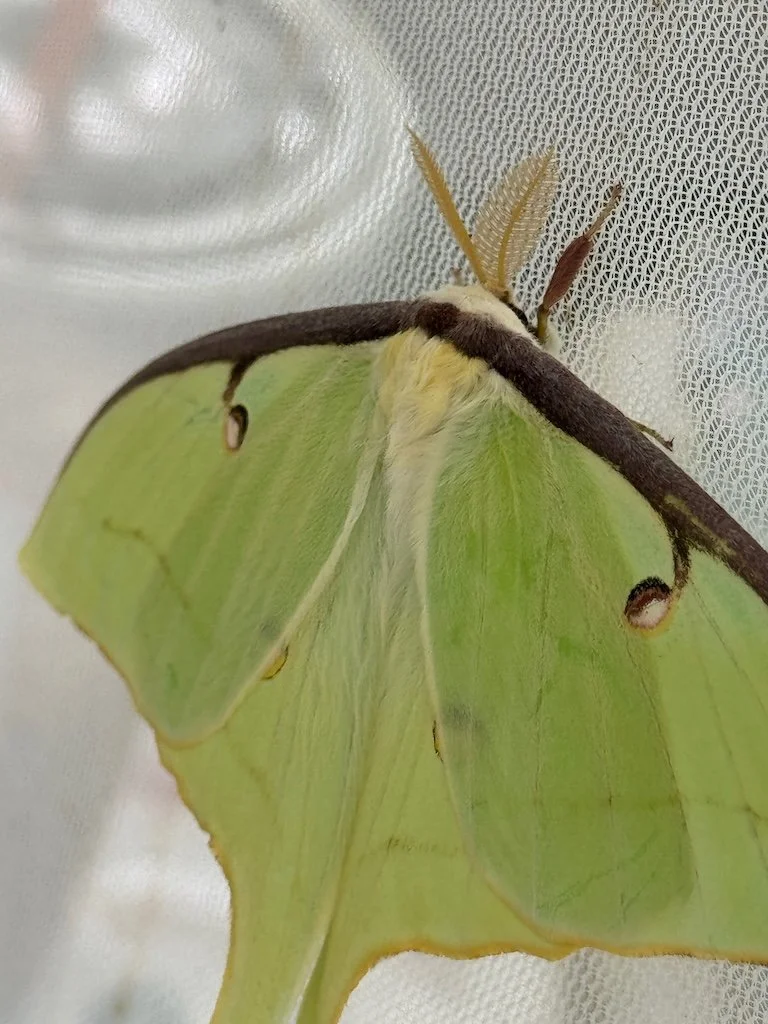
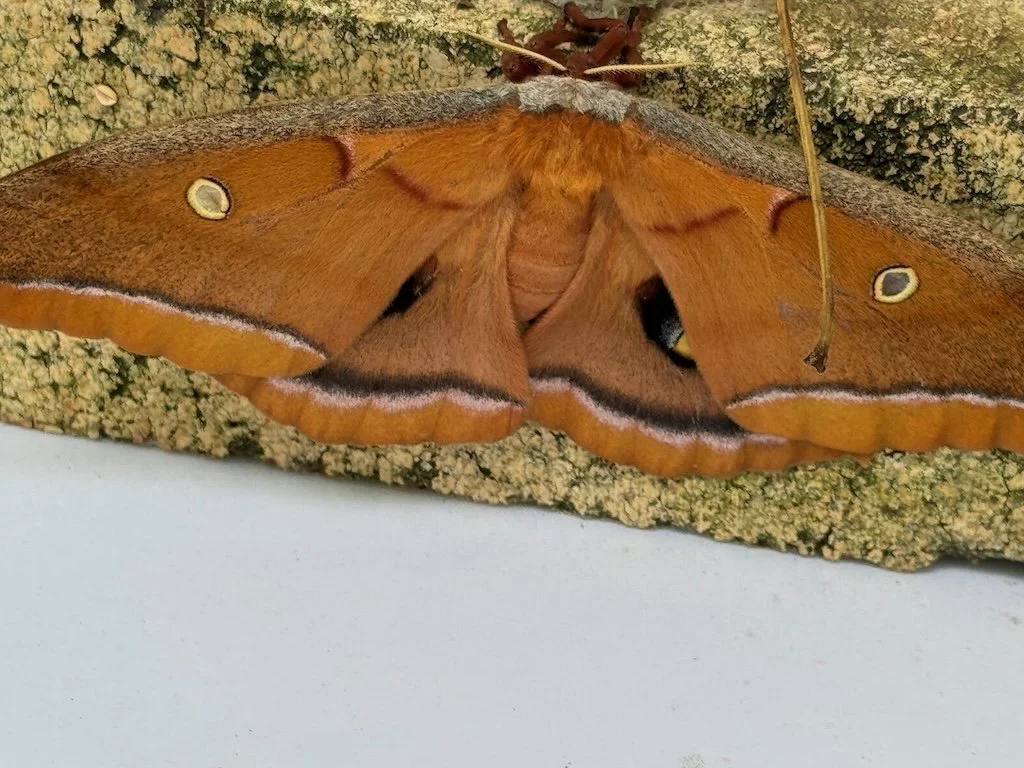
Black Walnut for Luna Moth, Polyphemus Moth, and Red Banded Hairstreak caterpillars

(turning back toward the front of the house…looking at the trees on your right)

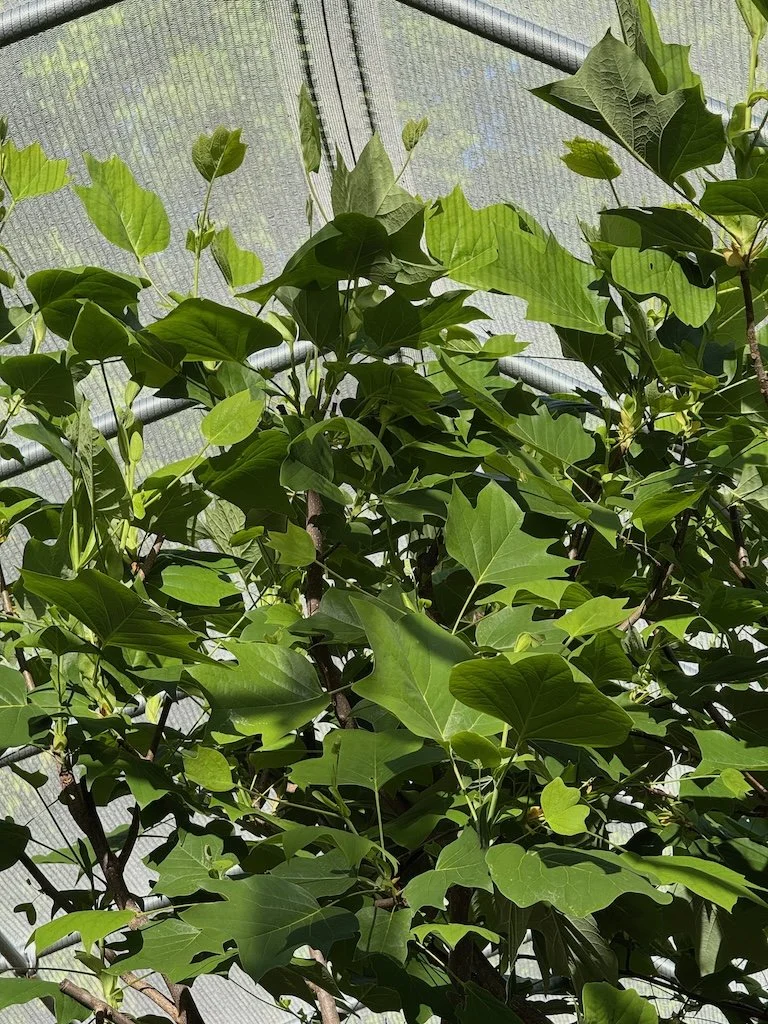
Tulip poplar for Tiger Swallowtail caterpillars

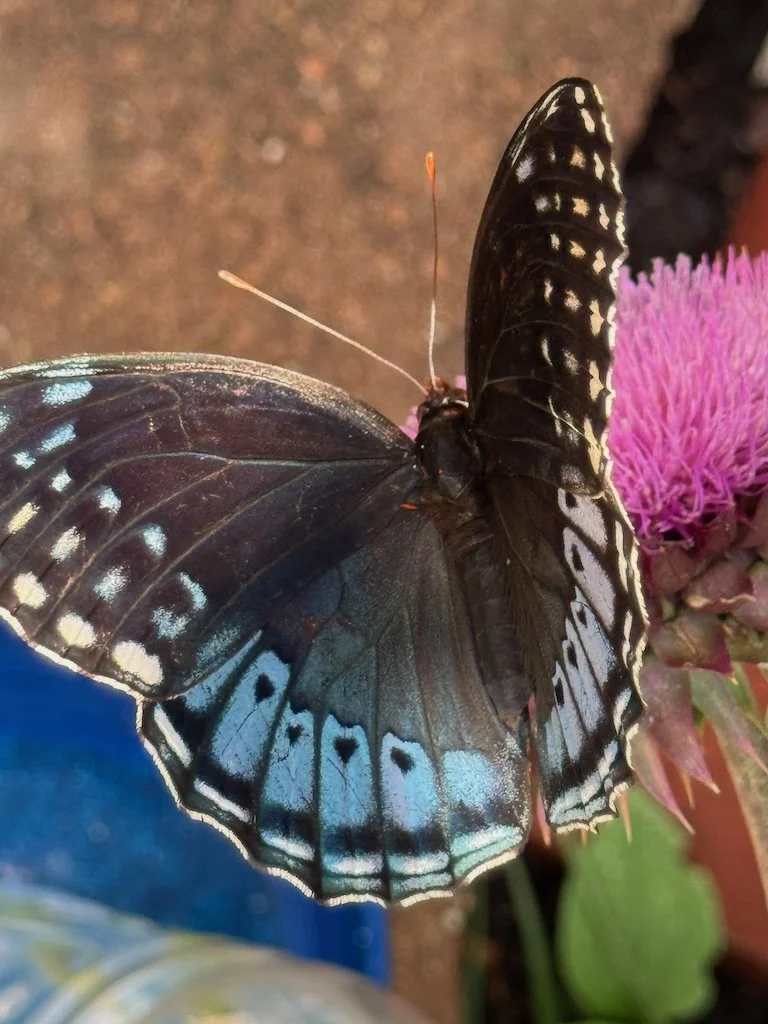
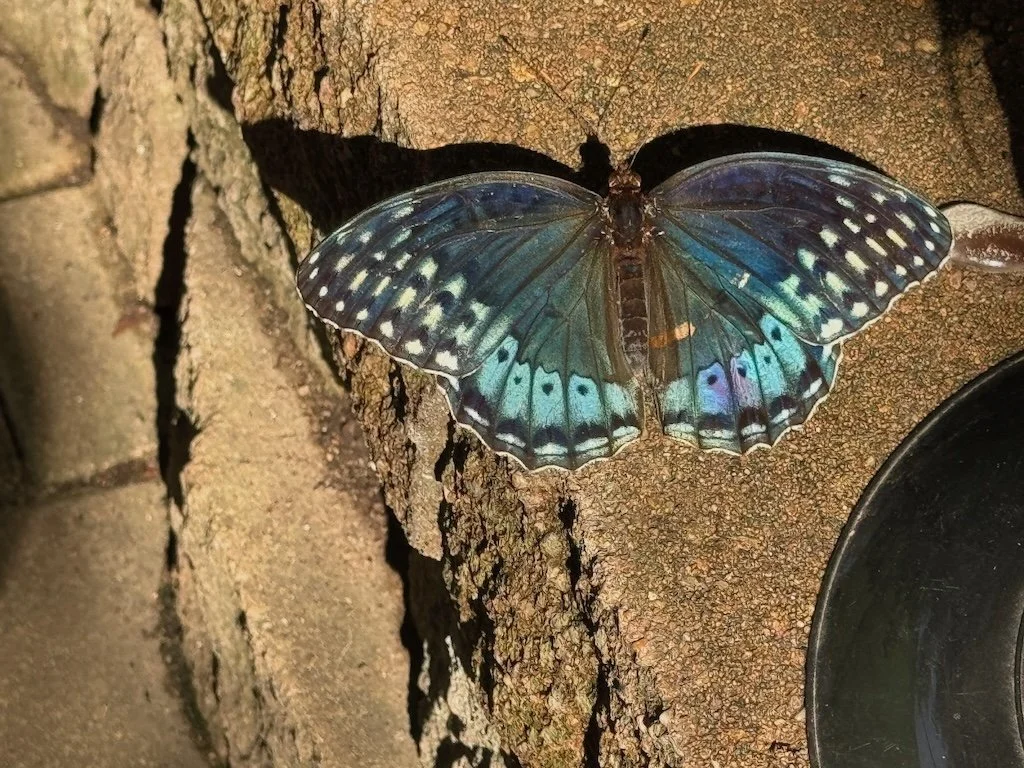
Black Willow for Red Spotted Purple caterpillars

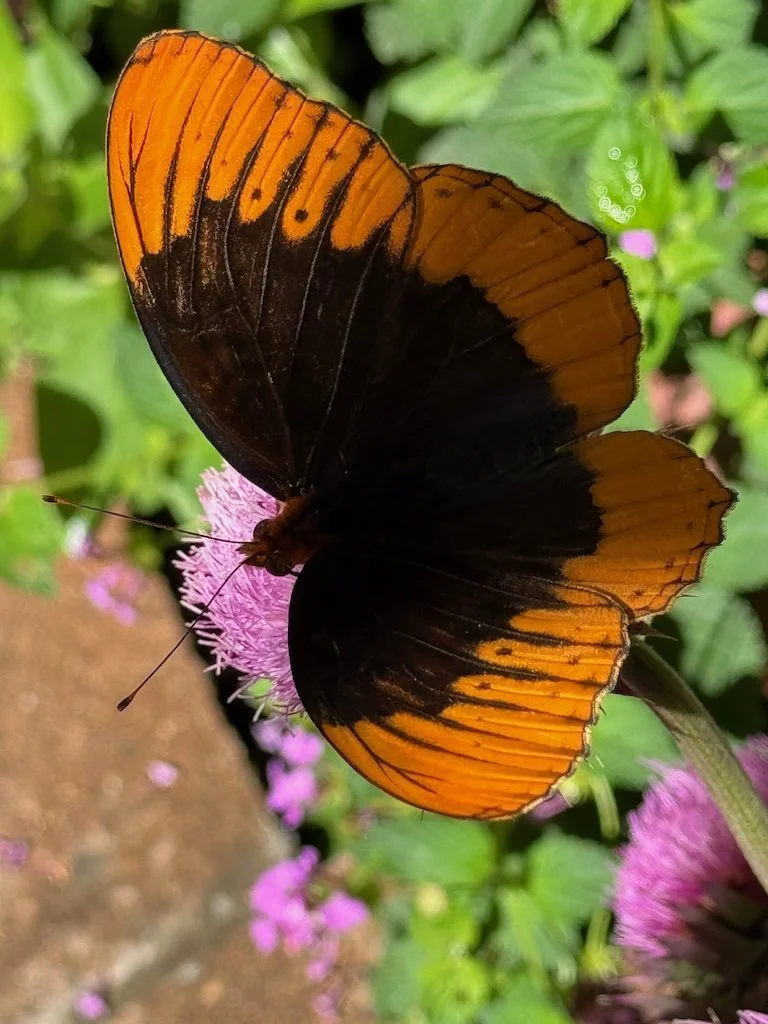
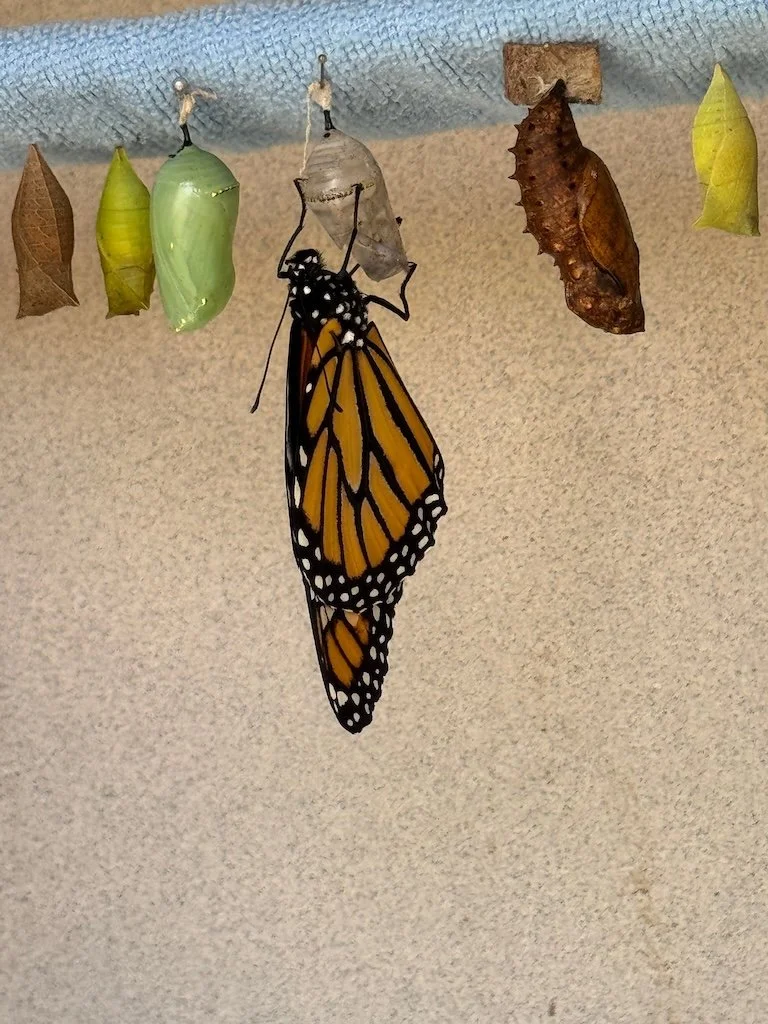
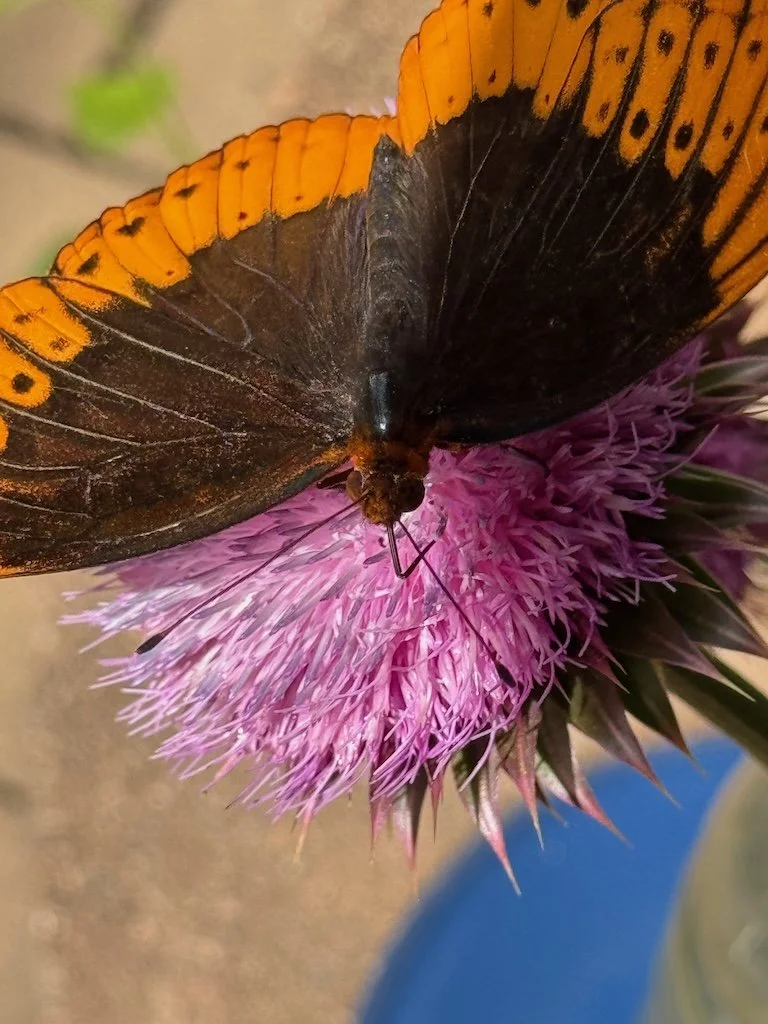
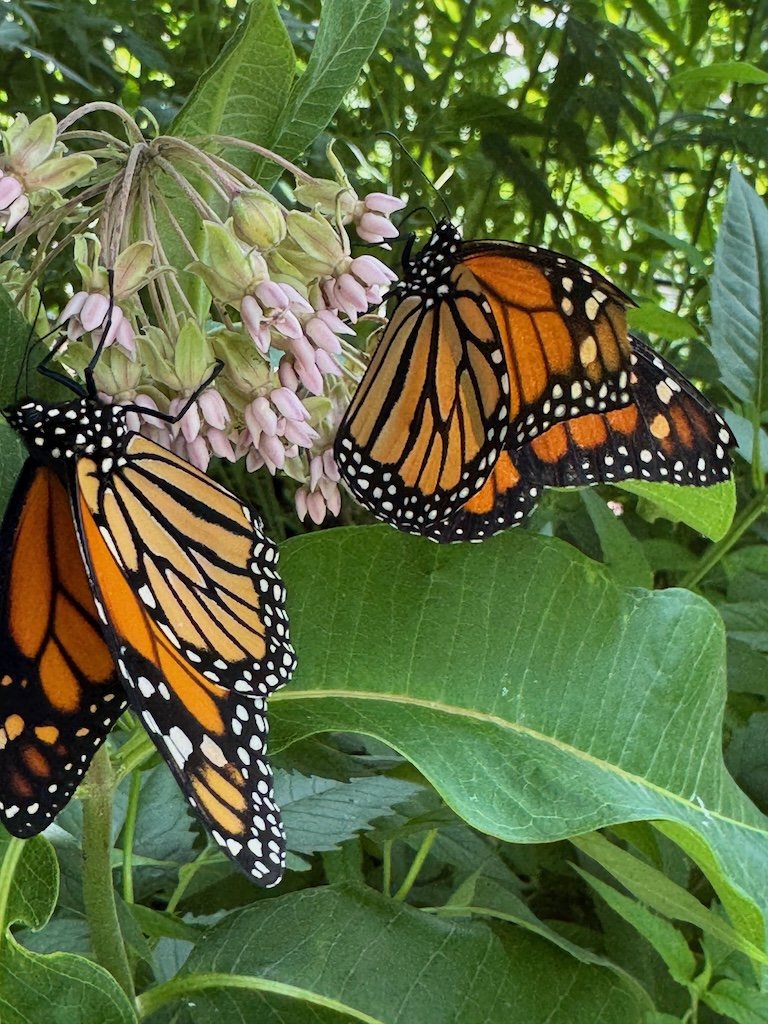
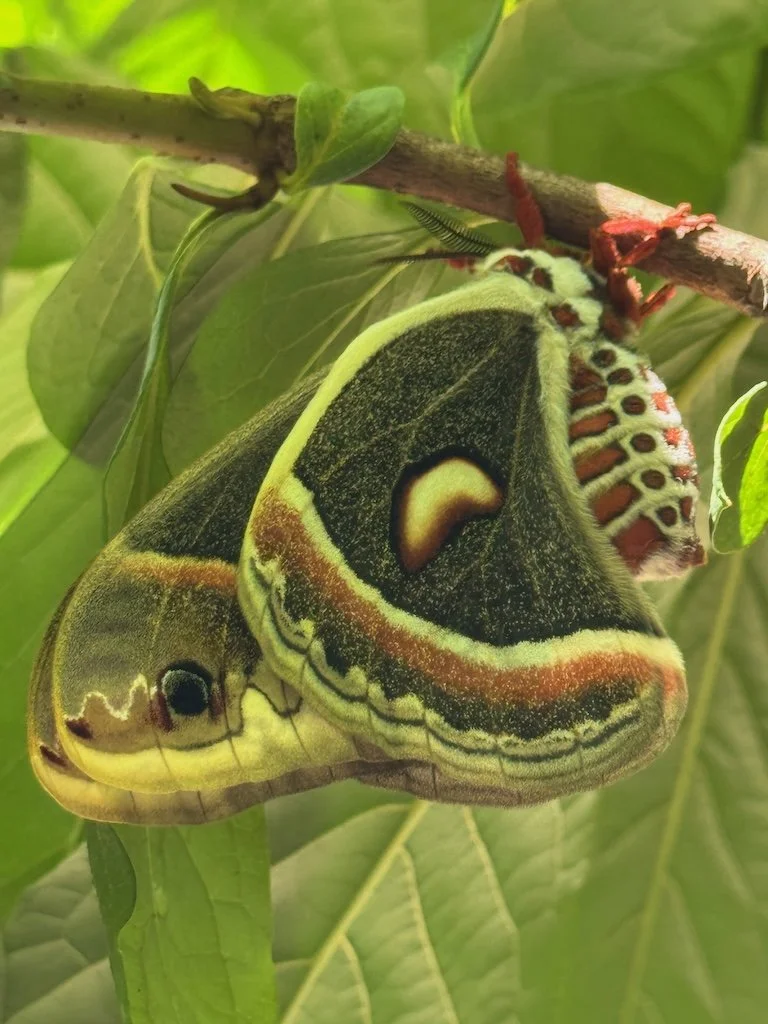
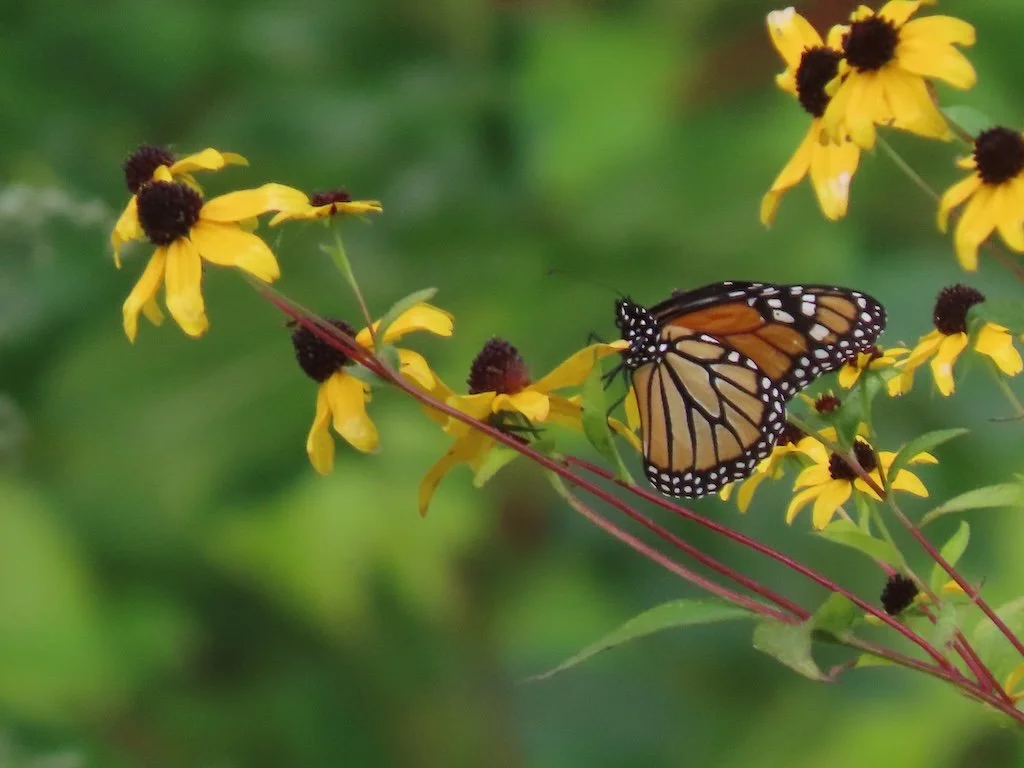
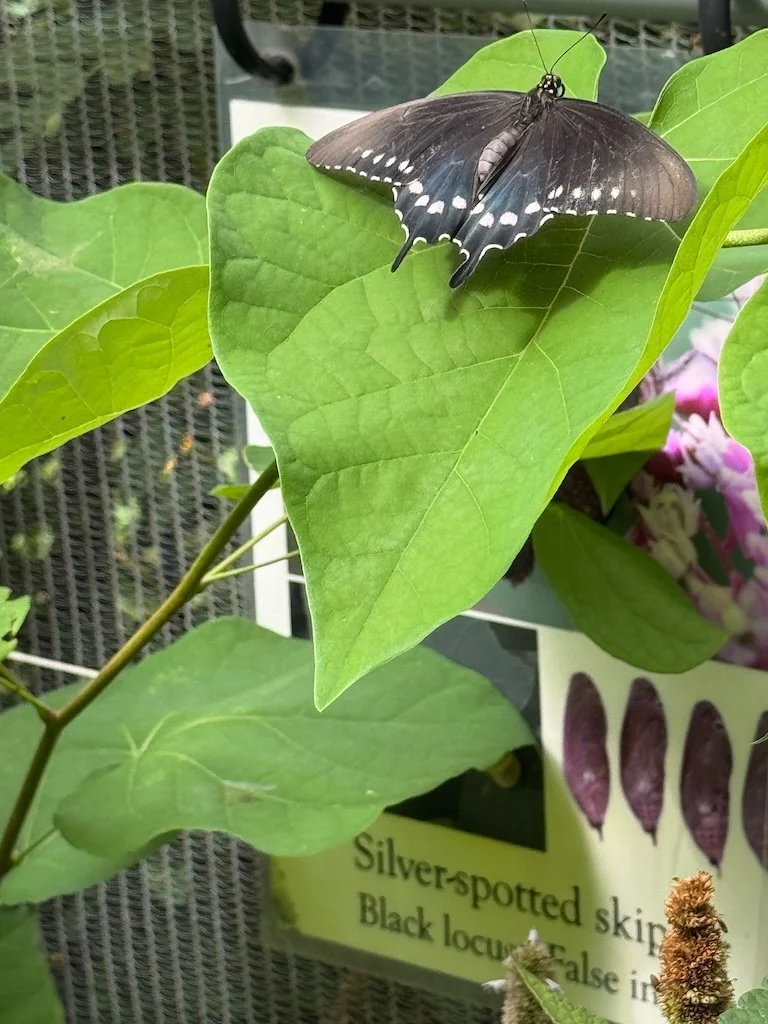
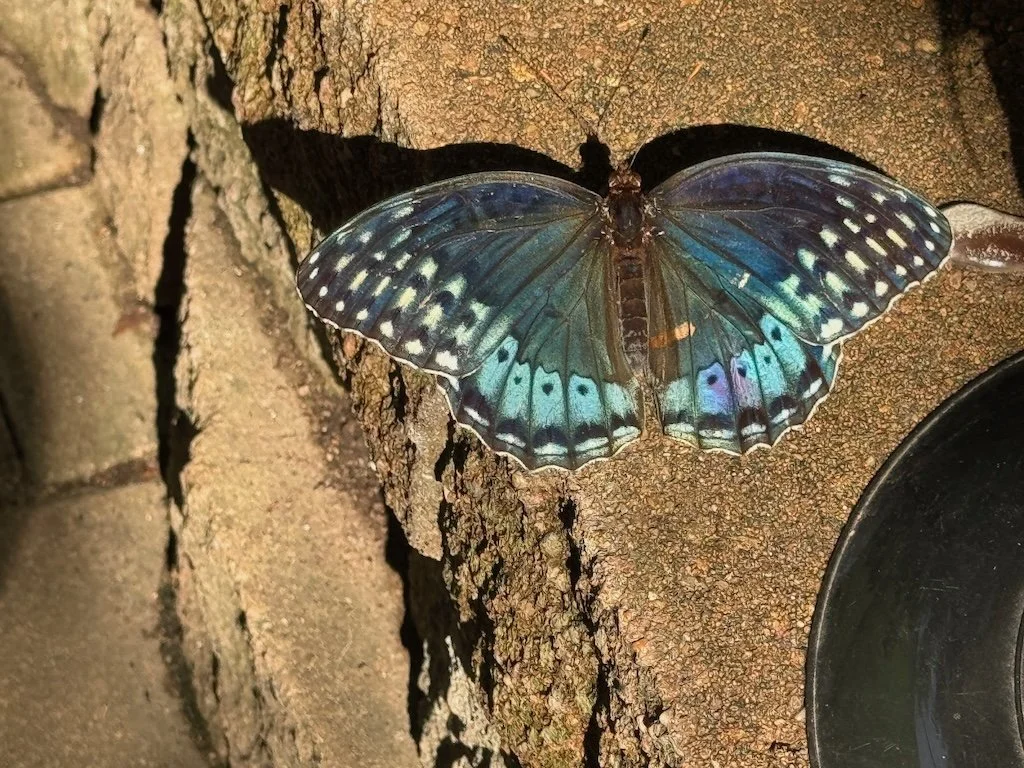
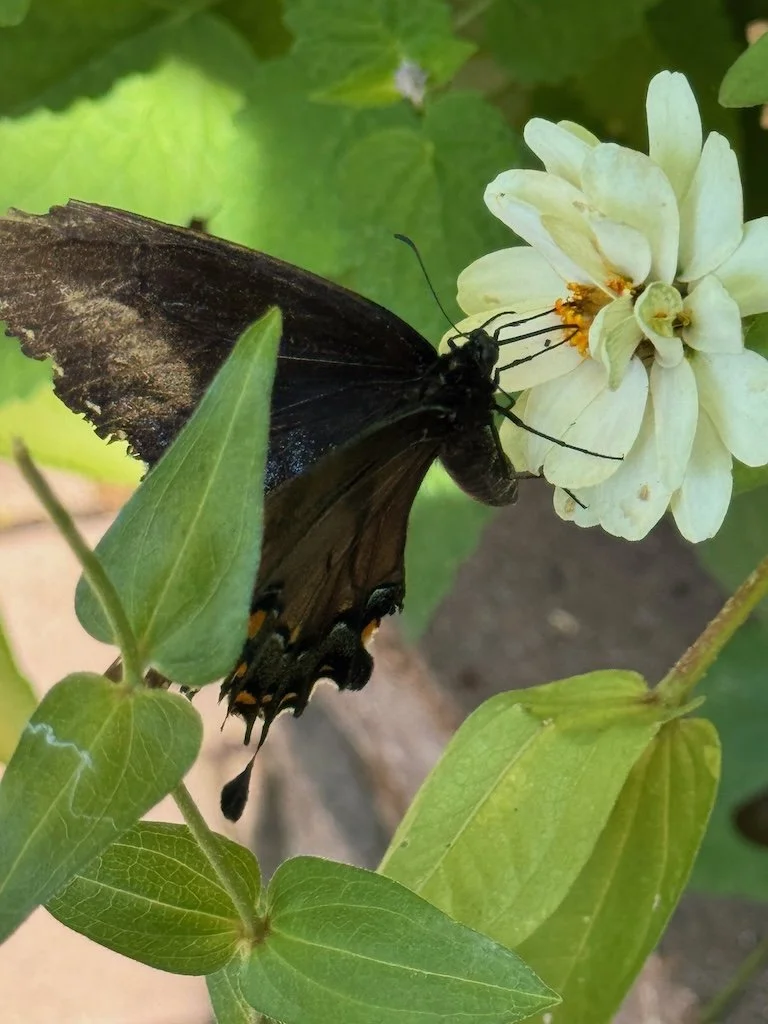
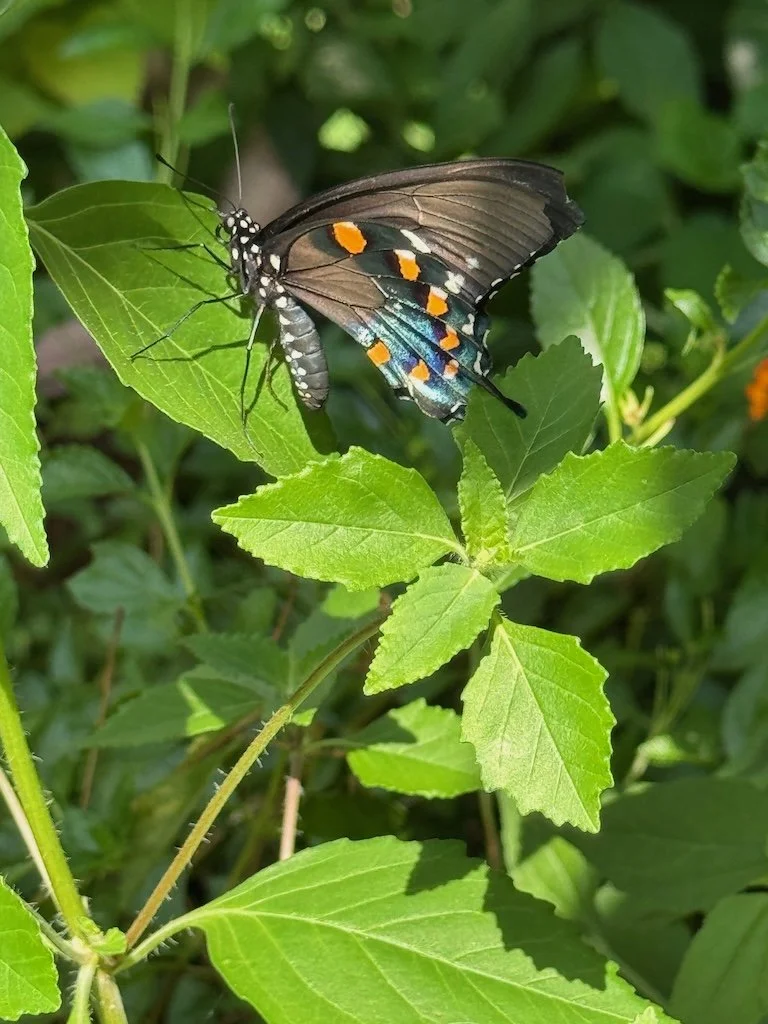
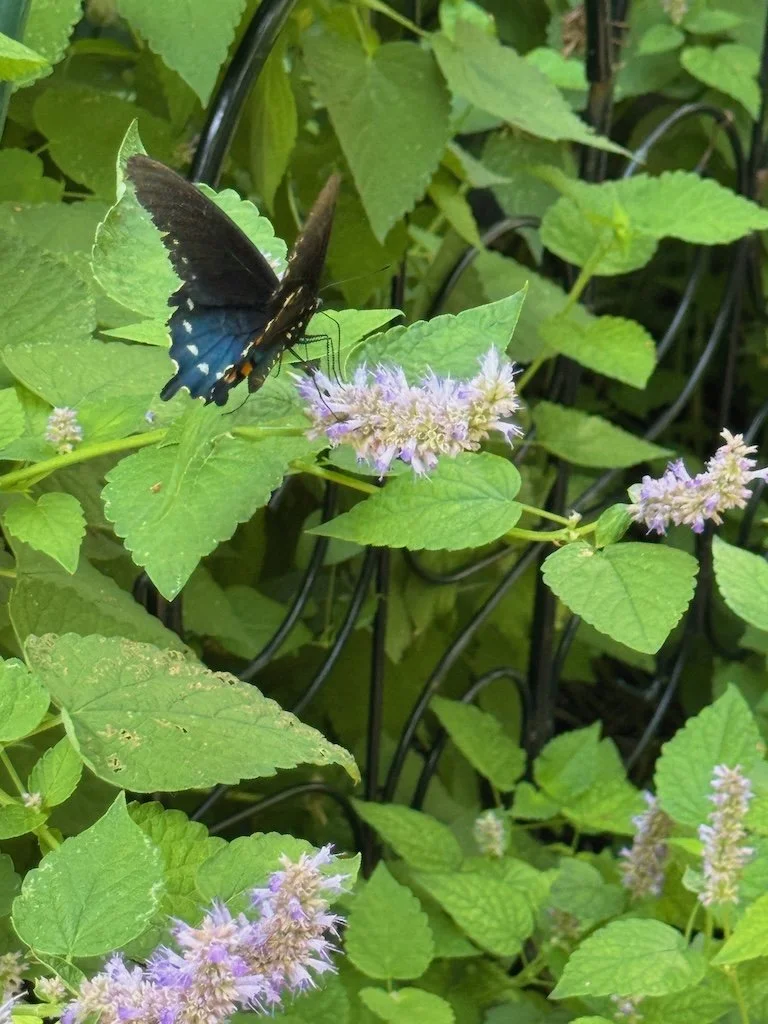
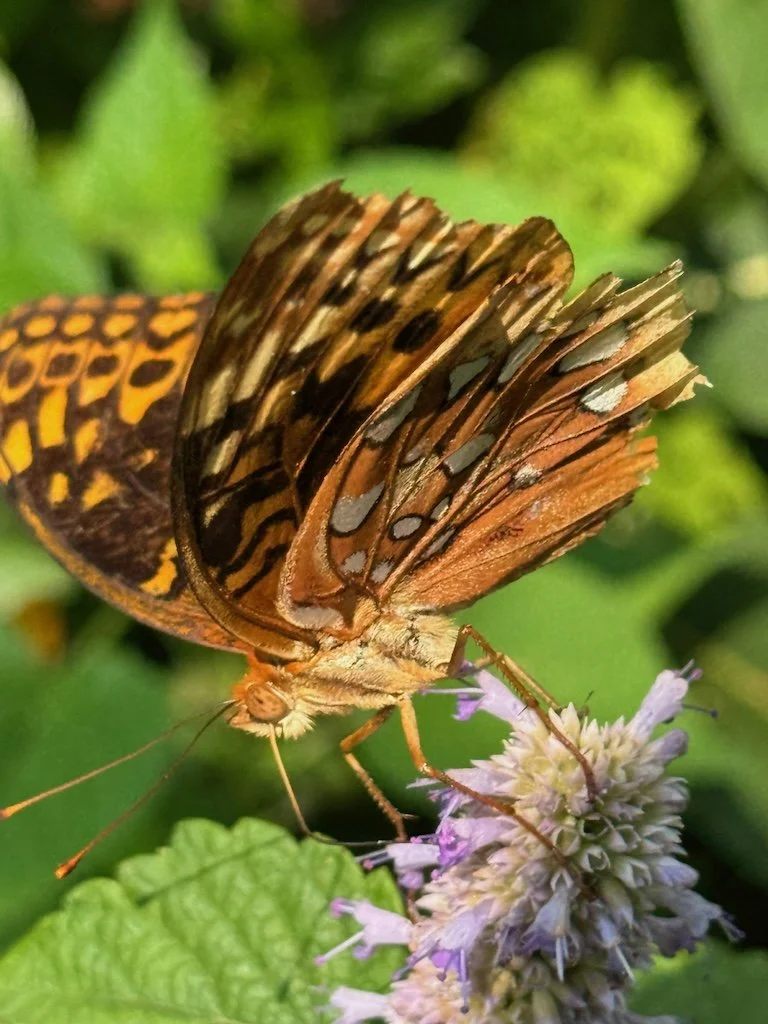
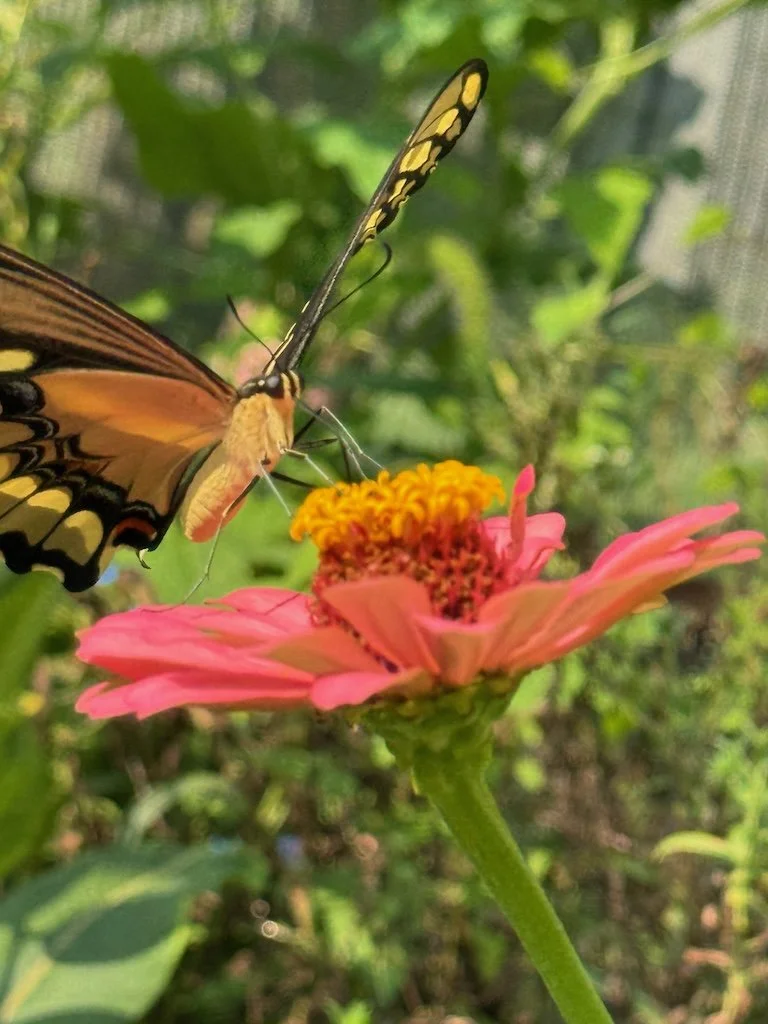
Of course, there were lots of butterflies and a just-emerged Cecropia Moth that I couldn’t resist photographing too!

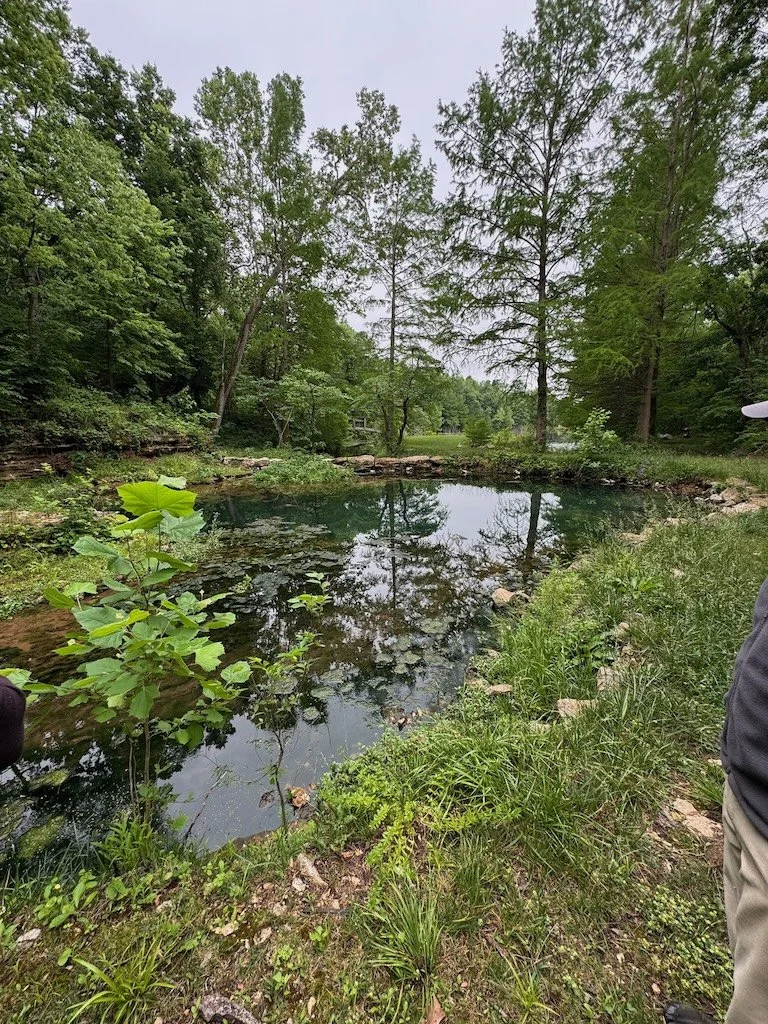
Field Trip Reconnoiter

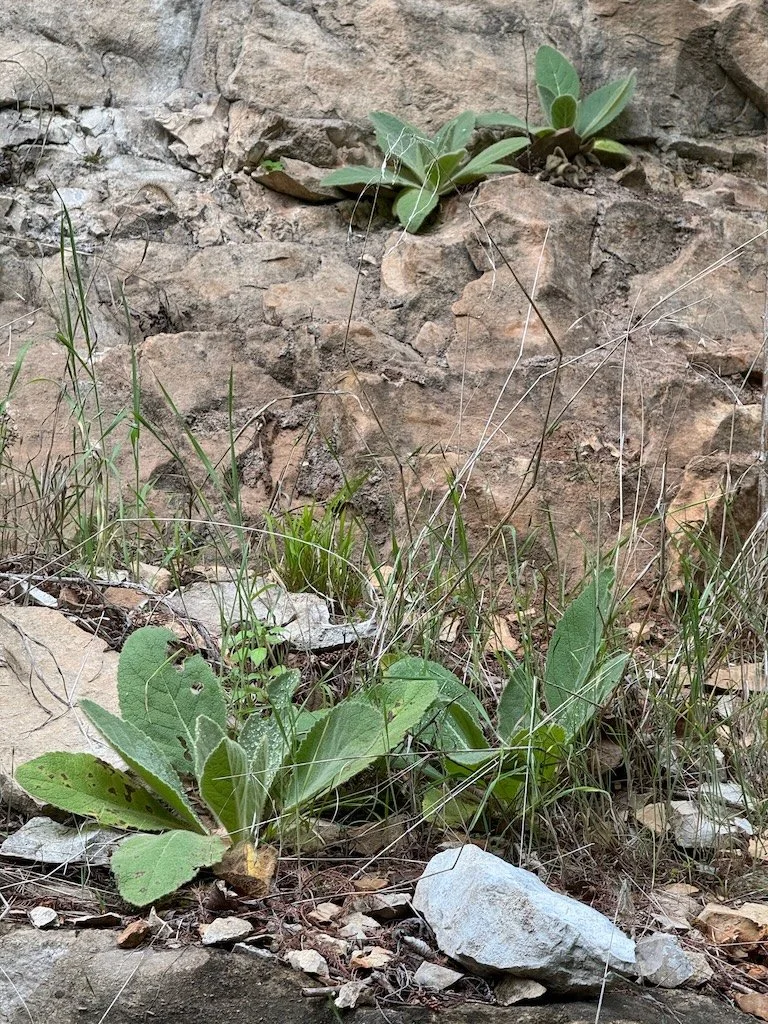
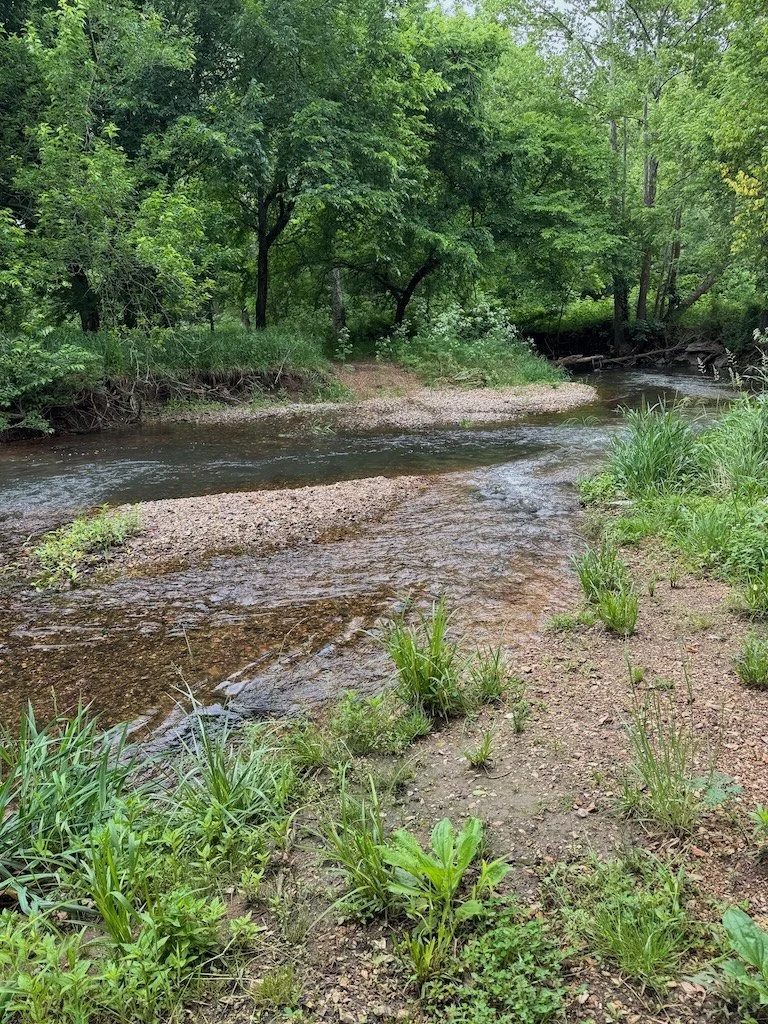
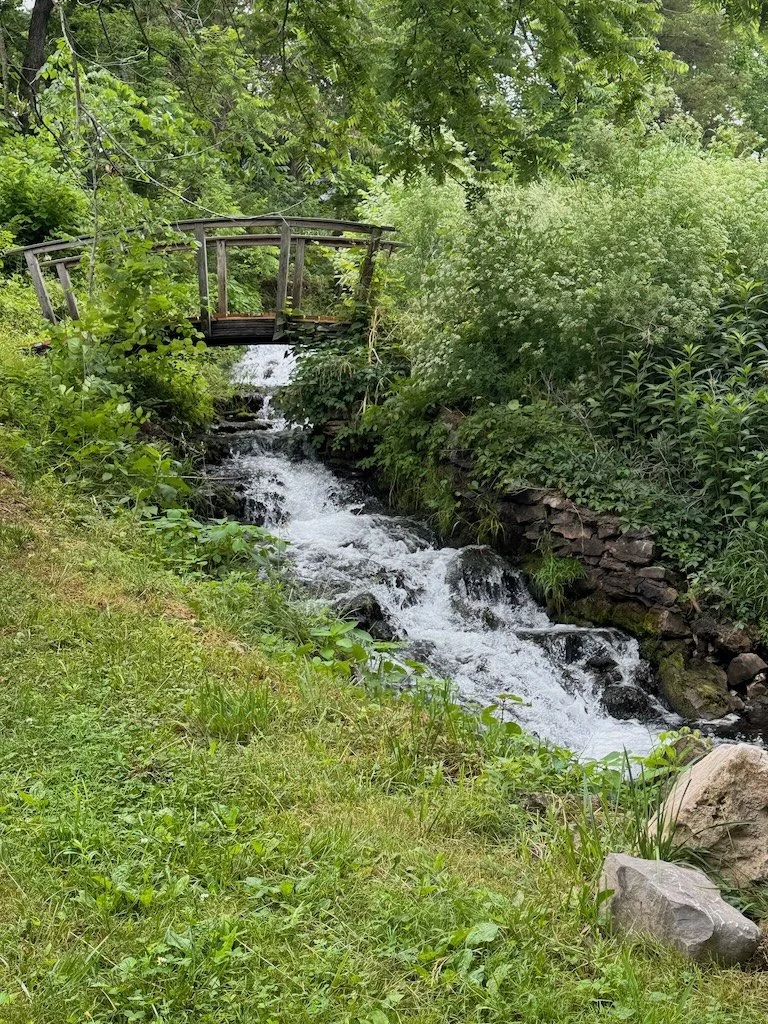
I’ve been busy working on the curriculum of the core training to be offered next fall by my local Missouri Master Naturalist chapter. One of the field trips we had added to the curriculum was unfamiliar to everyone….but had been one the places featured in a 2025 Ozark Public Television production called Wild Ozarks. Four of us participated in a reconnoiter trip to the place last week.

Wow! It is a great place for a field trip.

Easy to get to from Springfield

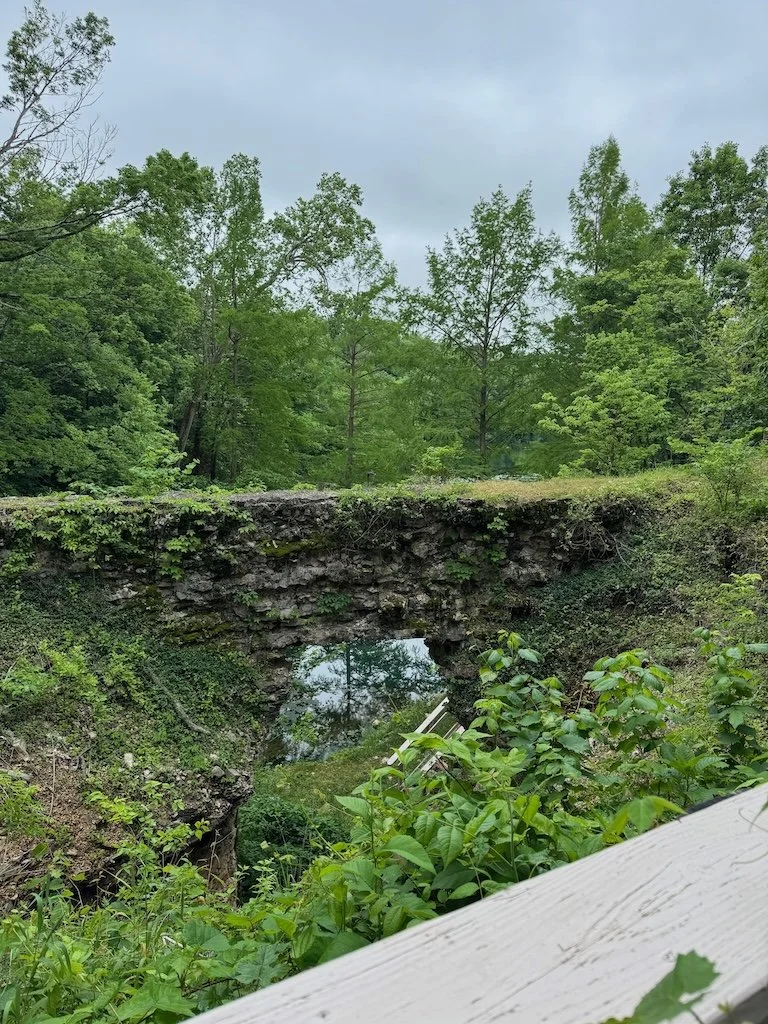
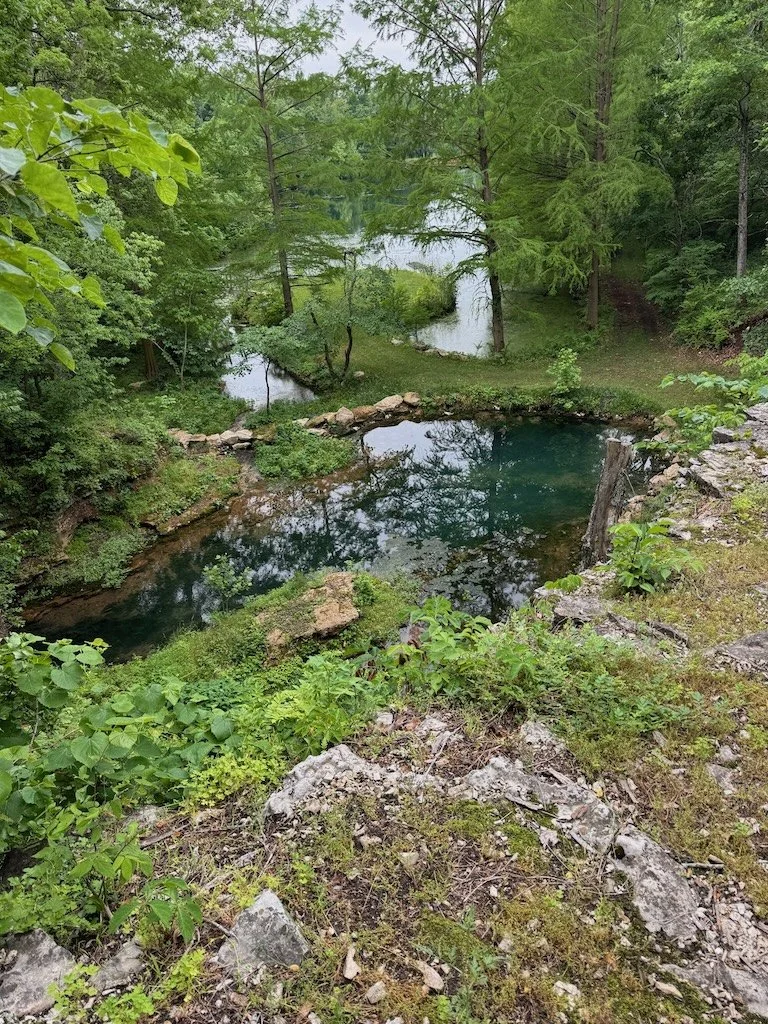
Springs and sinkholes

Remediated riverbank…and ash trees (dead or dying) replaced with other tree species

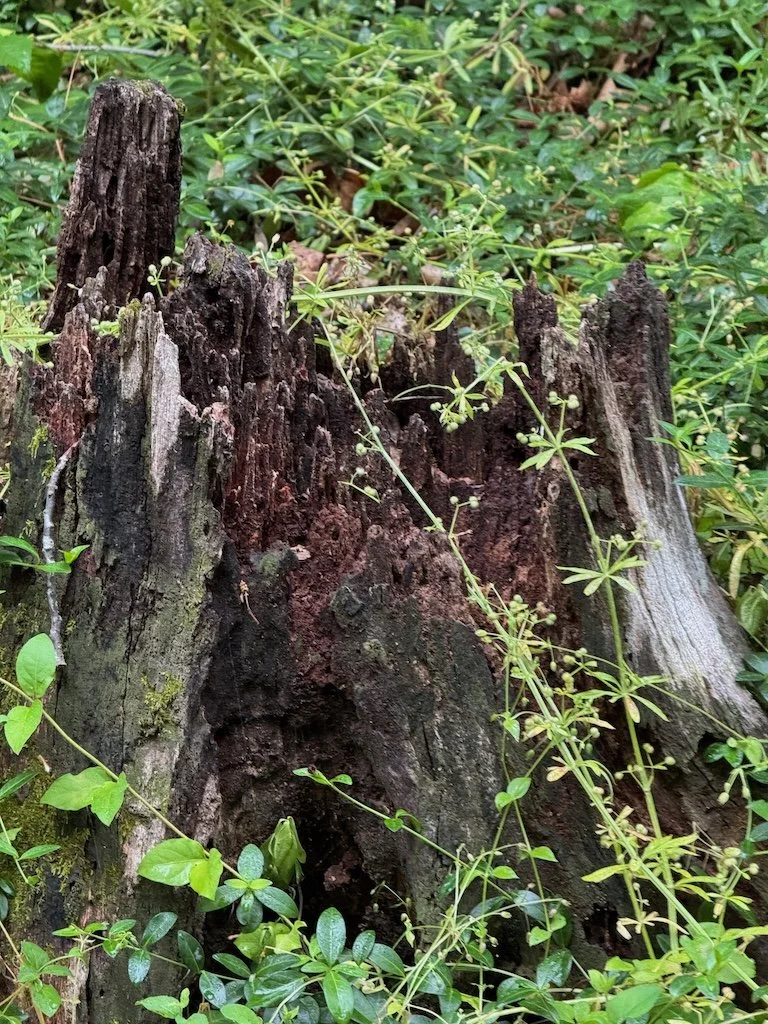
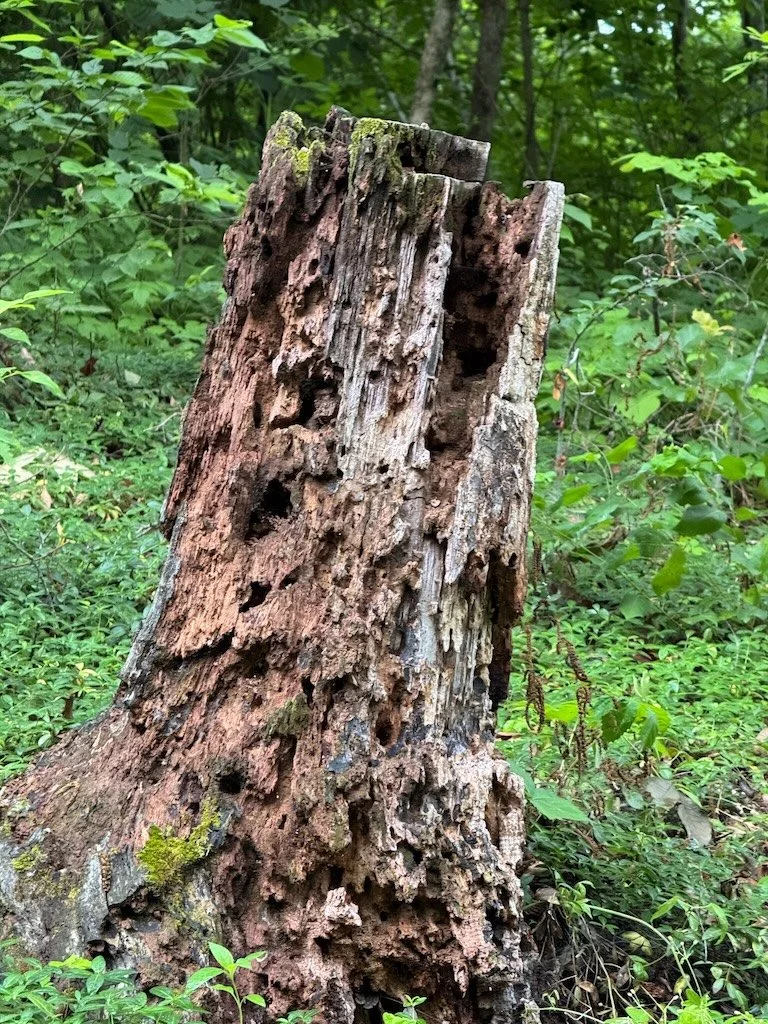
Tree cavities

Some invasives but not overwhelming

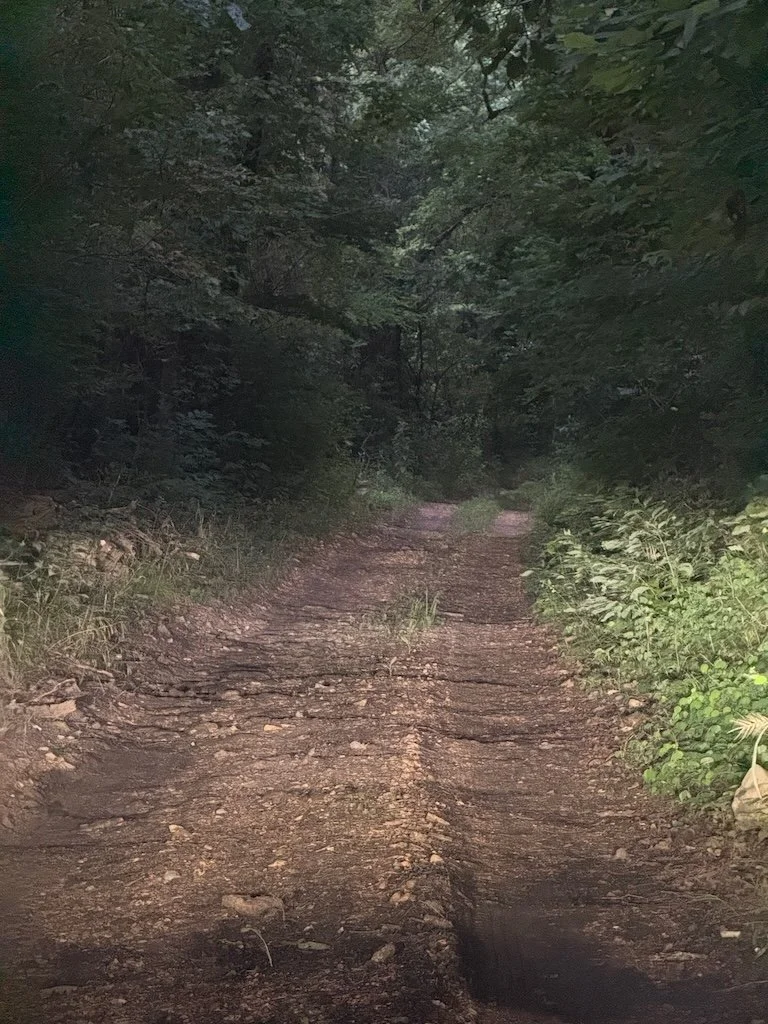
Road or mowed trail for hiking

Pawpaw patch

And much more!

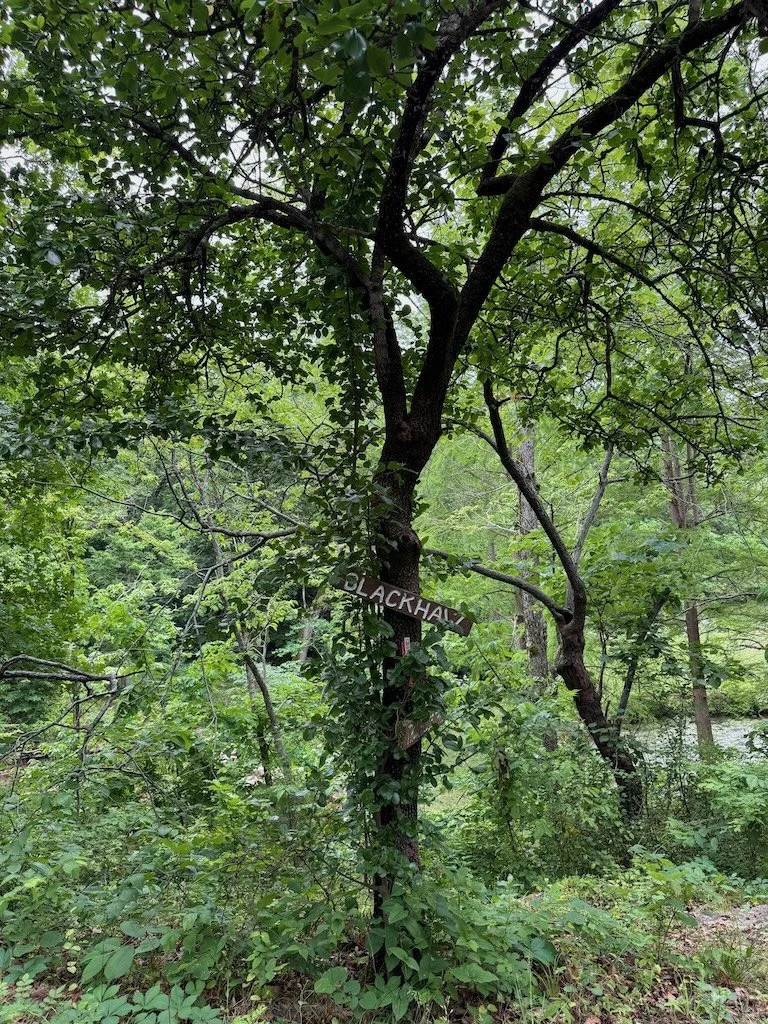
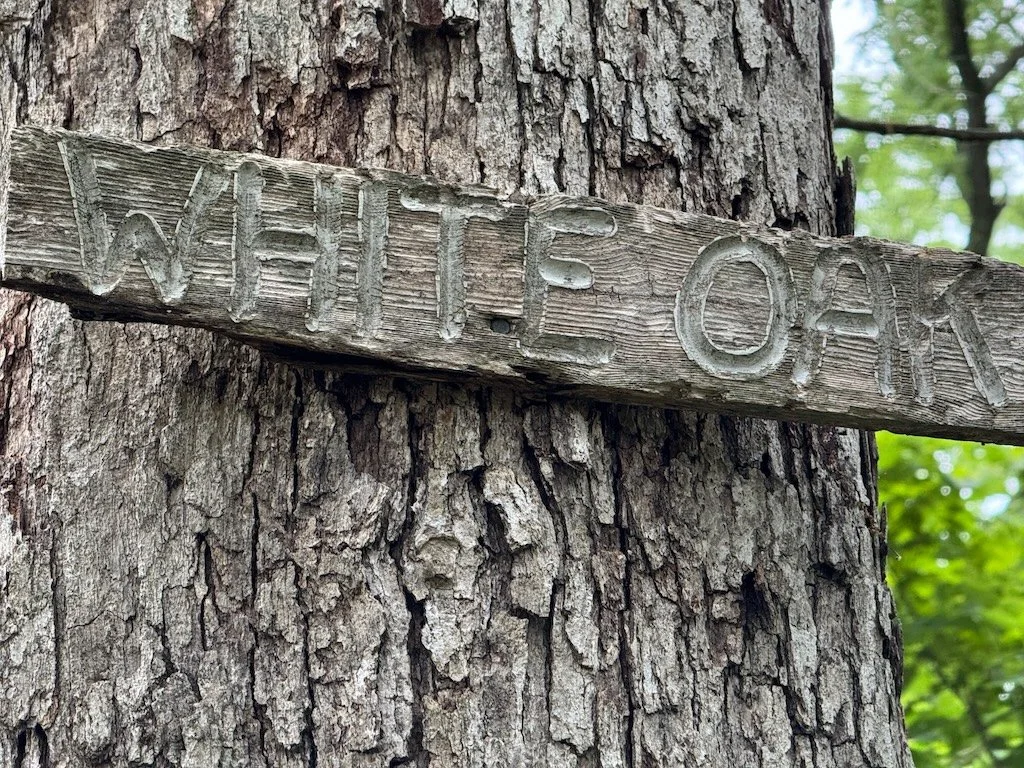
I loved the handmade tree signs!

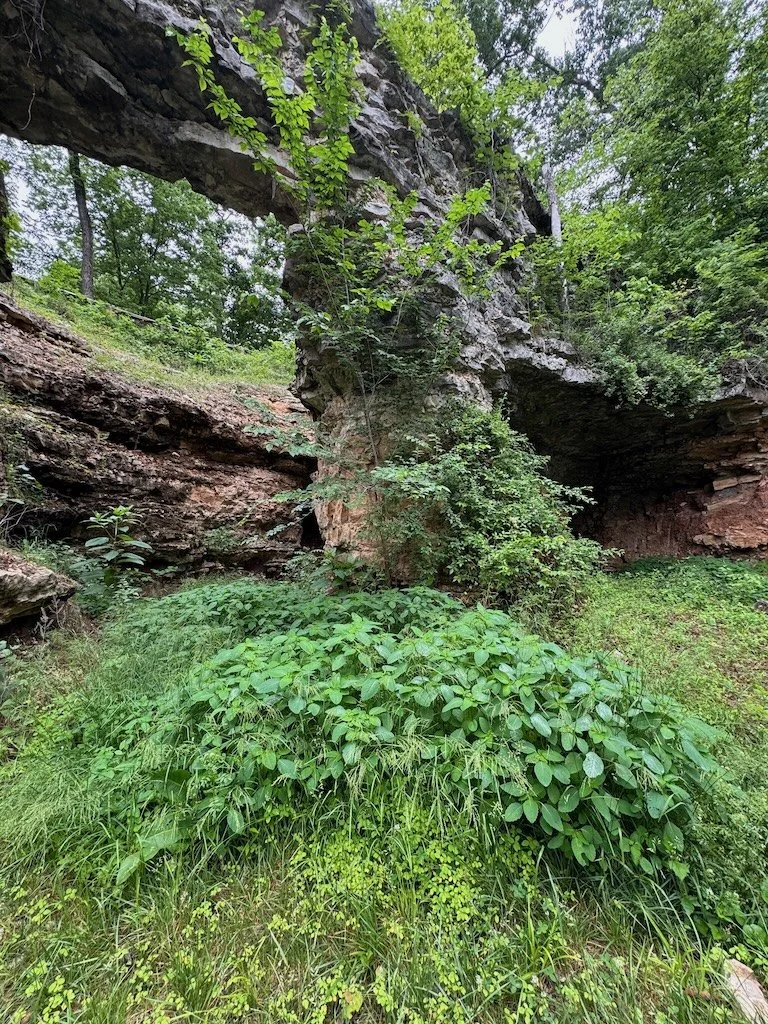
We modified the plan to divide the students into 4 groups rather than 3 (so 6-7 students/group) and the topics will be: forest ecology, geology (karst), tree identification (using dichotomous key), and nature journaling/nature observation.

I am looking forward to seeing the place in the fall….and observing the students discovering this special place.

Butterfly House Training

Volunteering at the Roston Native Butterfly House at the Springfield MO Botanical Gardens is my favorite volunteer gig from May-September. Last week was the final training….in the butterfly house itself.

The late afternoon was breezy and a little chilly when I arrived at the park. I wore a sweater. The gardens on the way to the butterfly house were looking good – trees leafed out…past the spring bulb flowers and waiting for the summer bloomers.

Inside the house there were tiny caterpillars to discover. I didn’t have equipment to attempt to photograph them….but I did make a map of the trees in the house. The photos are of the largest ones: tulip poplar (for tiger swallowtail caterpillars) and pawpaw (for zebra swallowtail caterpillars). The others are wafer ash, spicebush, black willow, and false indigo bush.

Some butterflies were brought in but not released to the house while we were there. They were not very active because of the temperature. There are enough flowers blooming for nectar – butterfly food. There were even some milkweed plants with buds that will be fragrant and full of nectar when they bloom.

I missed the part of the training that was held in the Botanical Center (since I went straight to the butterfly house) but it was evidently the same as last year. The procedures for opening and closing were reviewed in the house…and tips for handling various situations. Even though the way we sign up for shifts is new…the skills I learned volunteering last season and in previous butterfly houses are still pertinent.

Springfield Botanical Gardens (2) – March 2026

Continuing the images from my walk around the Springfield Botanical Gardens recently….

This post is about the trees.

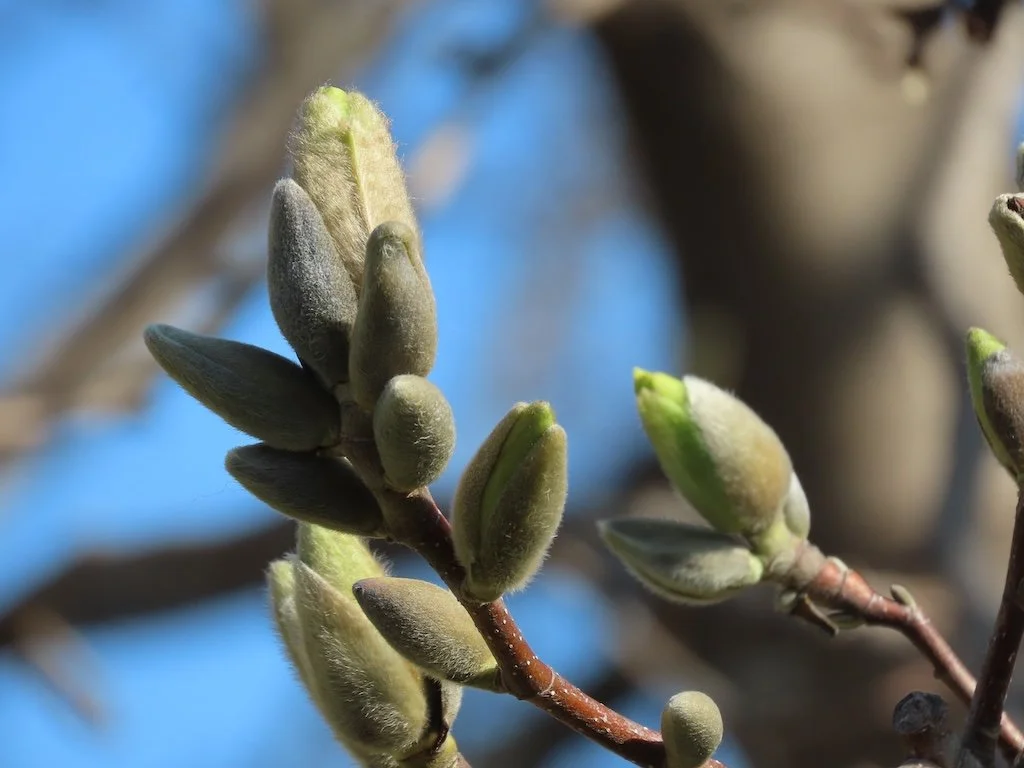
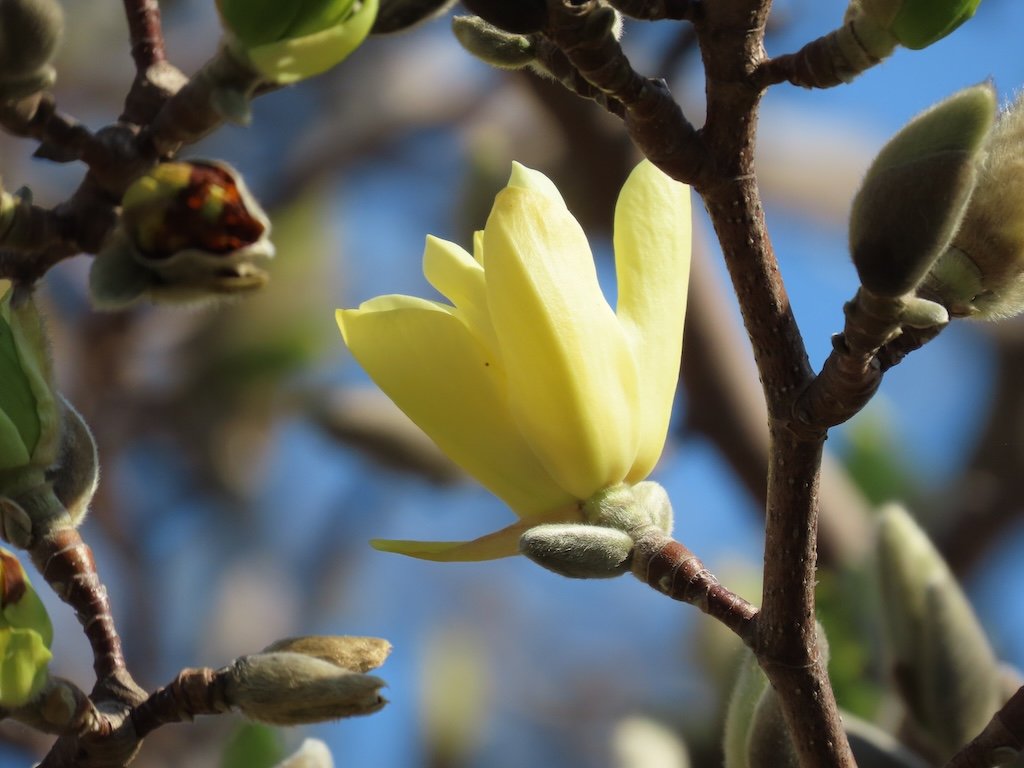
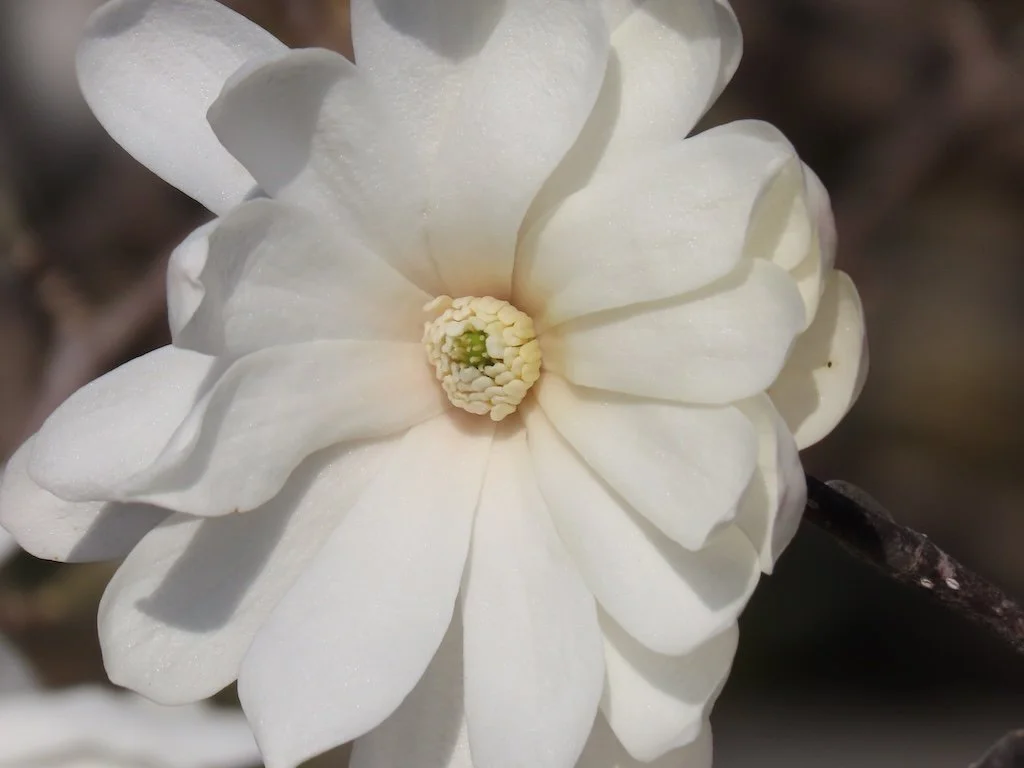
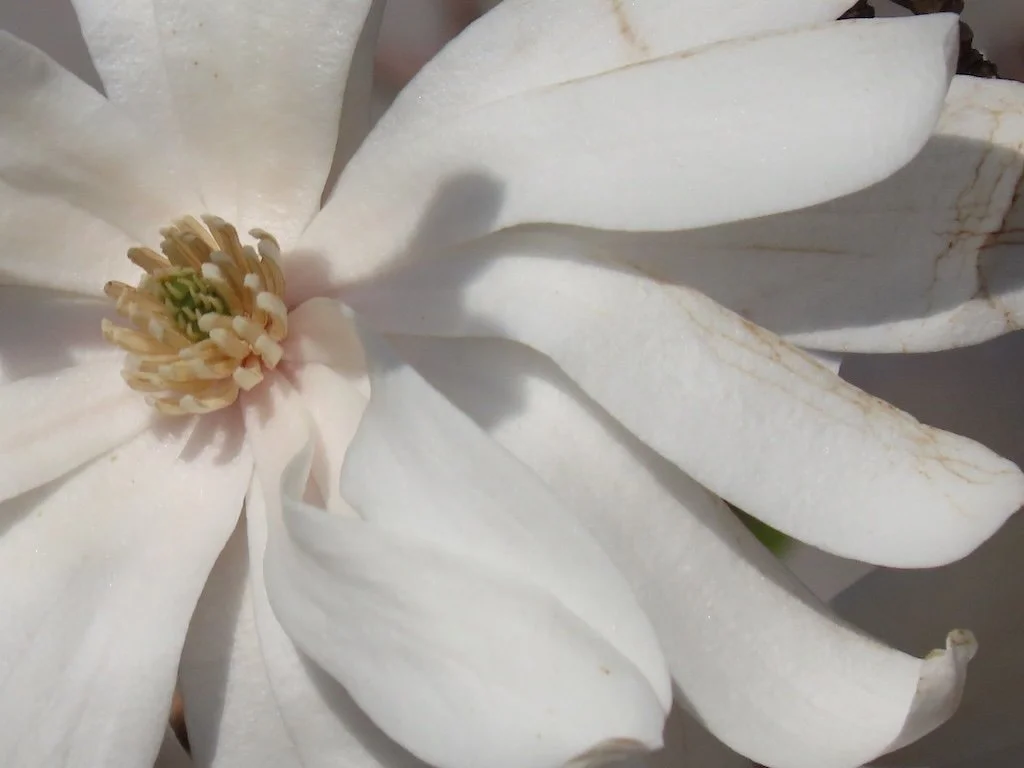
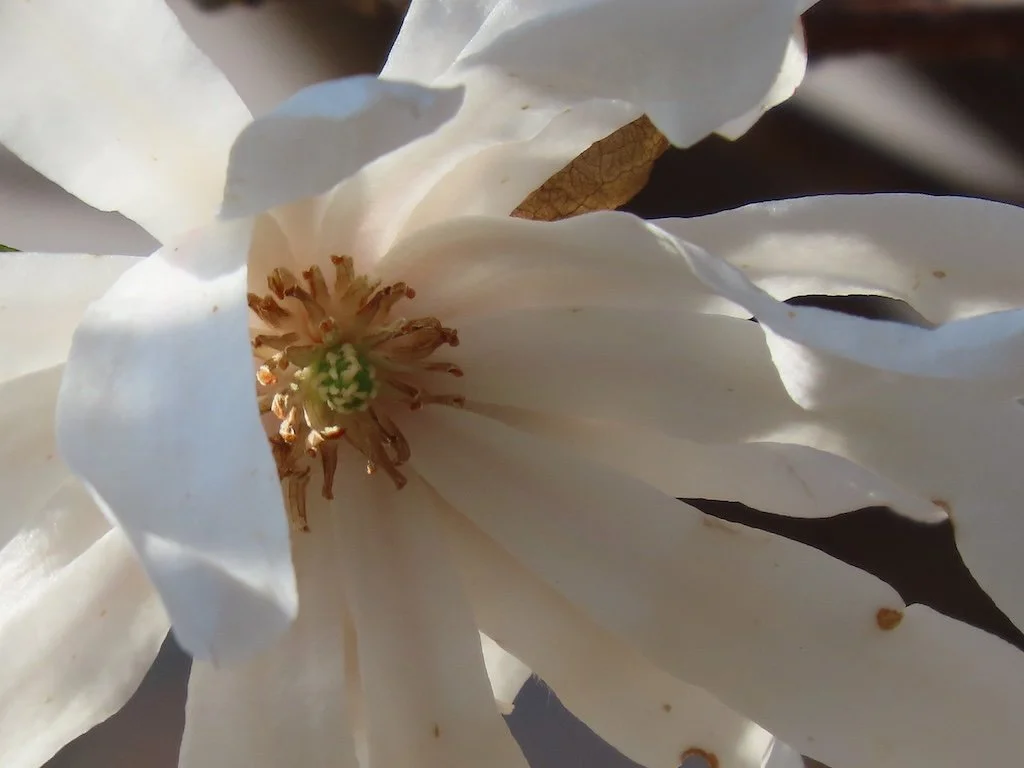
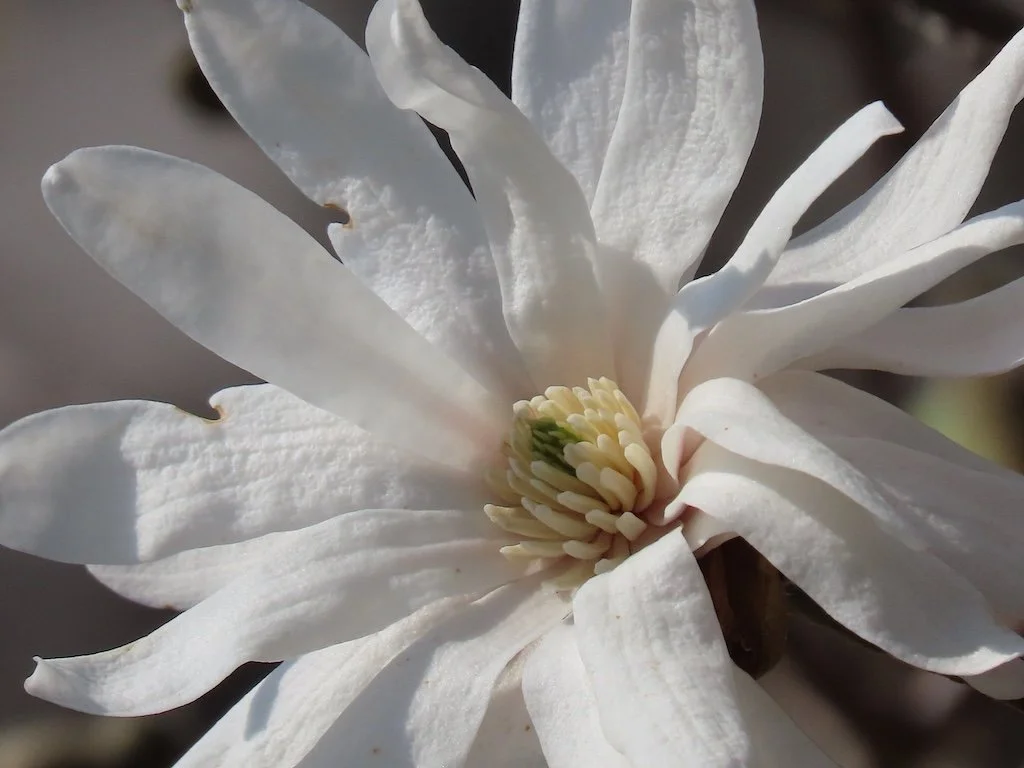
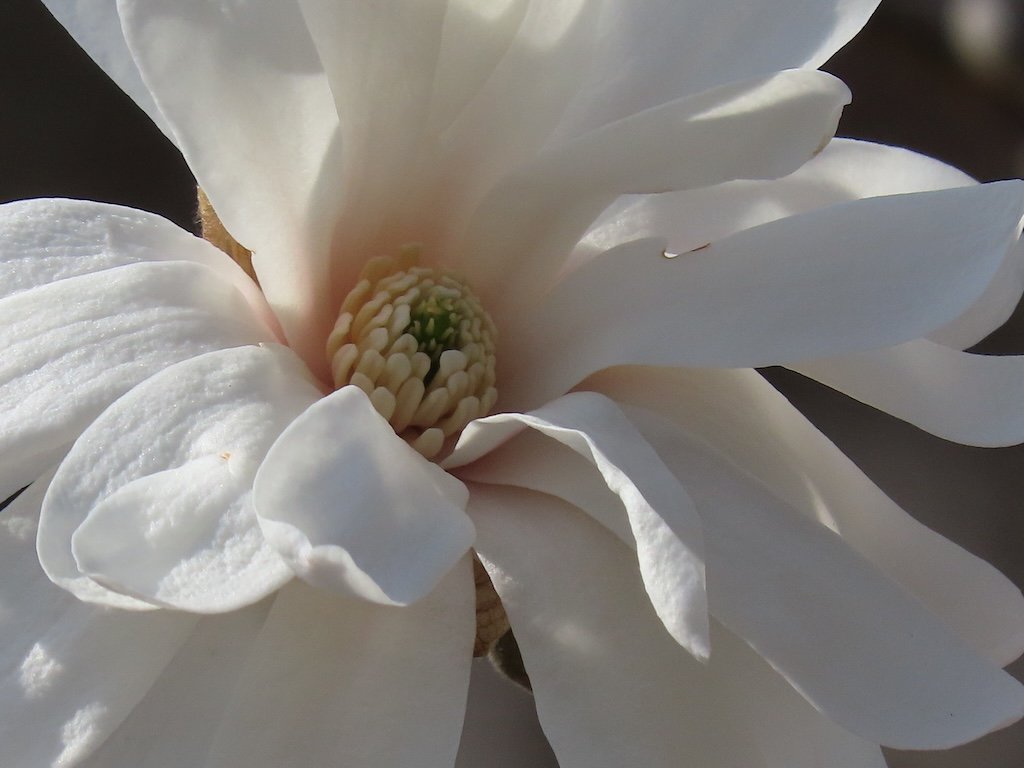
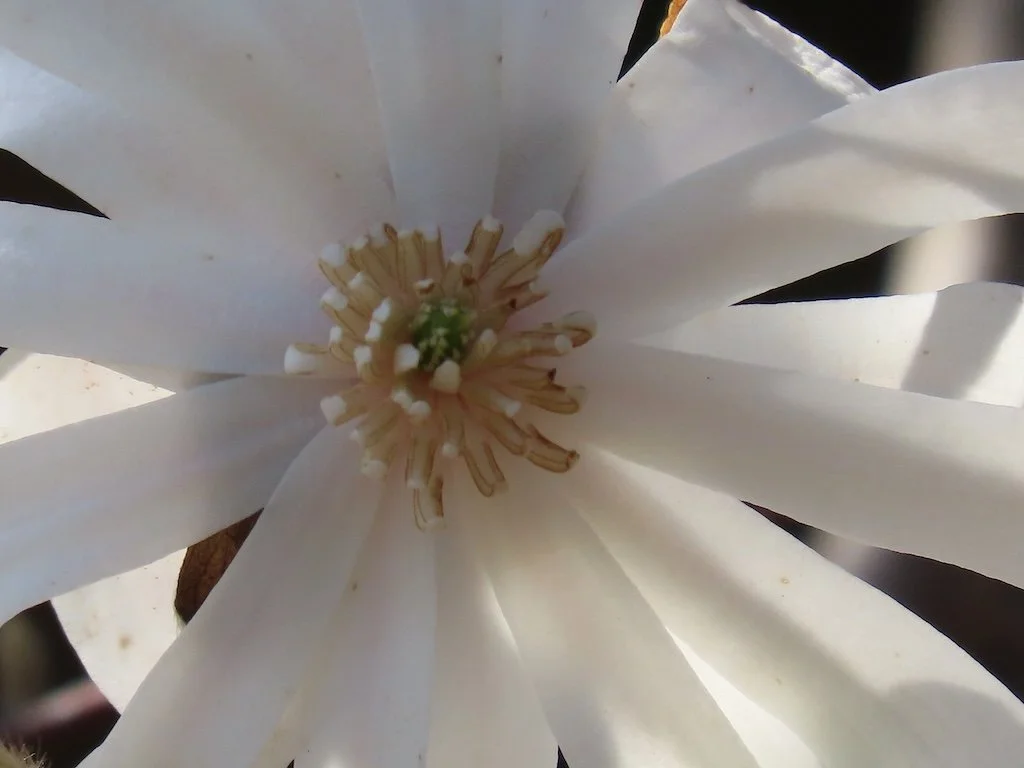
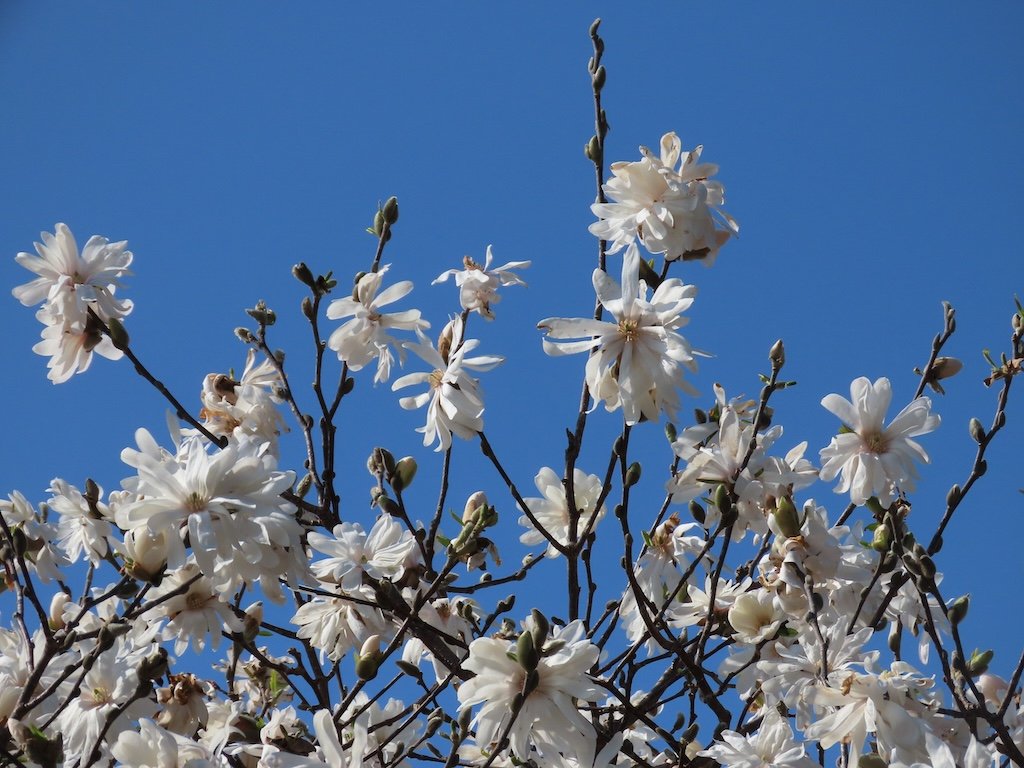
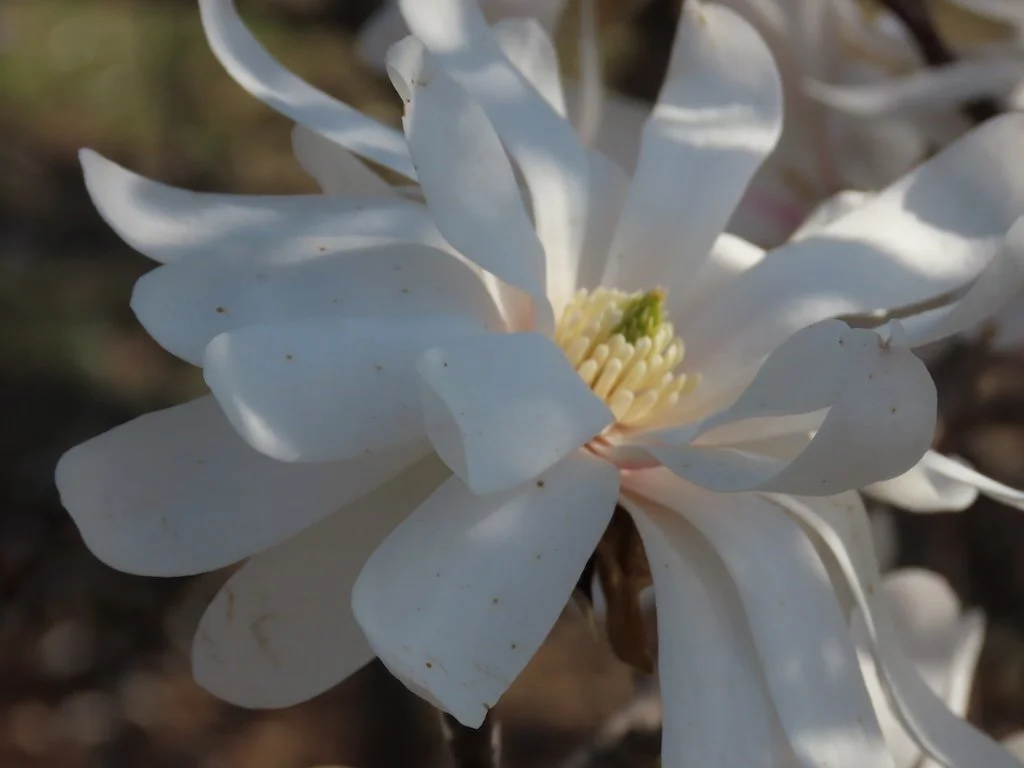
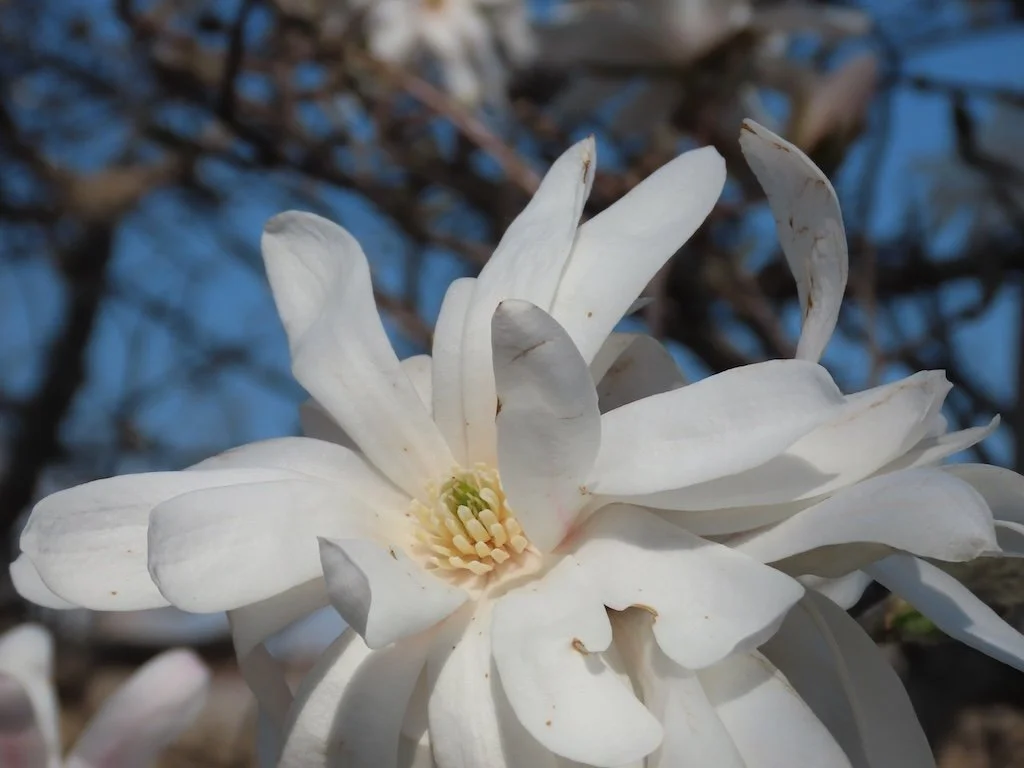
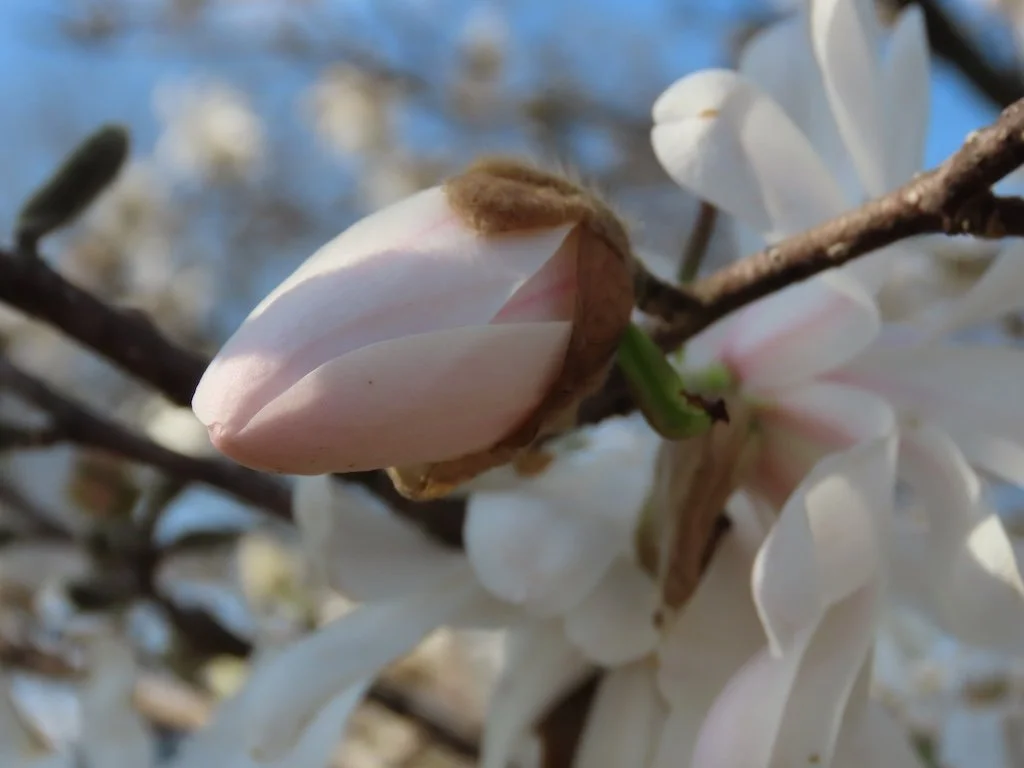
The deciduous magnolias were blooming. I enjoyed zooming in on the buds and flowers.  There was a little breeze, so the petals were in motion…and the shadows were changing too. Fortunately, it was sunny and the camera was fast enough to stop the motion.

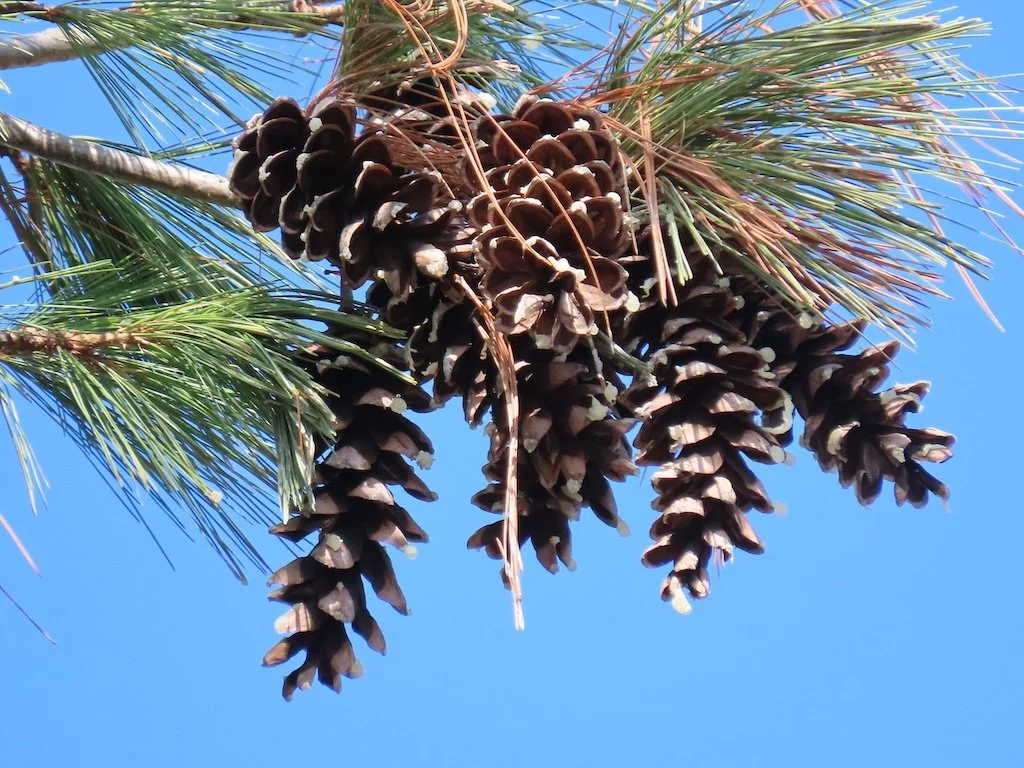
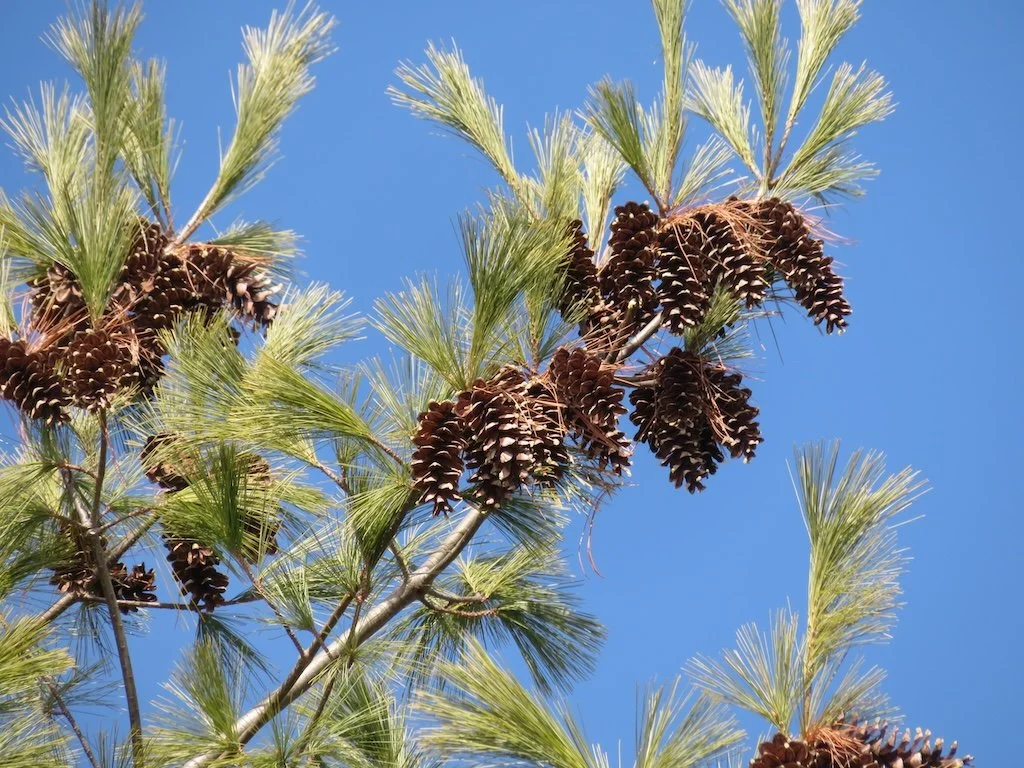
One pine had many cones. Perhaps I should have picked some up that were on the ground to add to my collection of materials to use for tree talks/tabling.

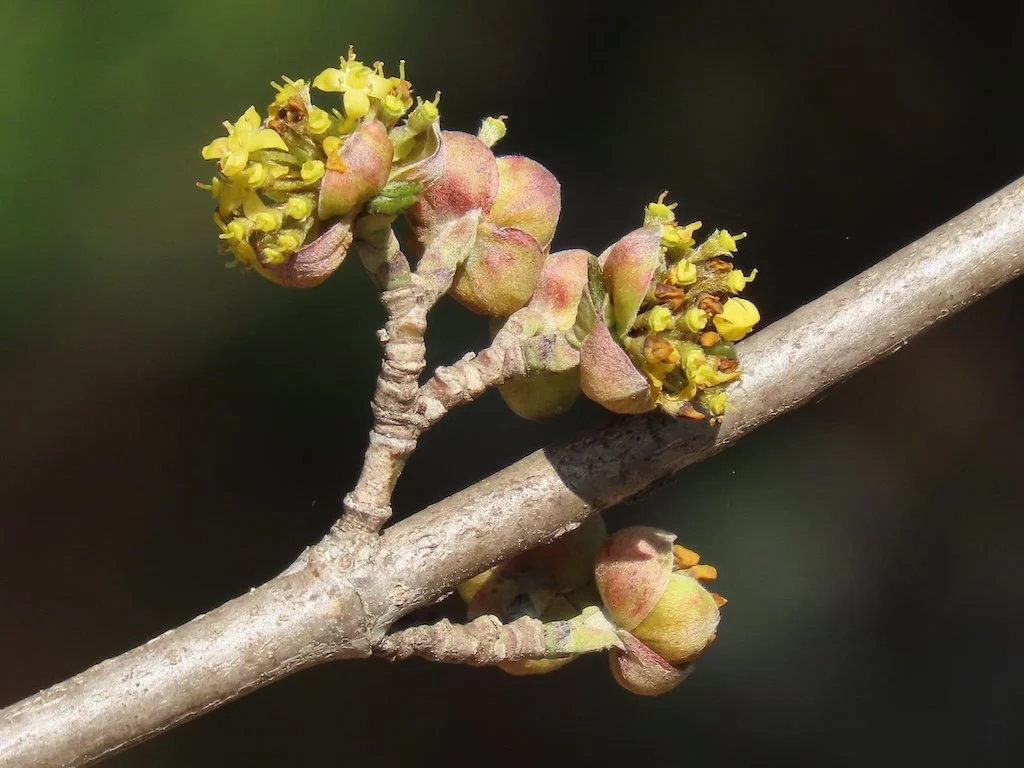
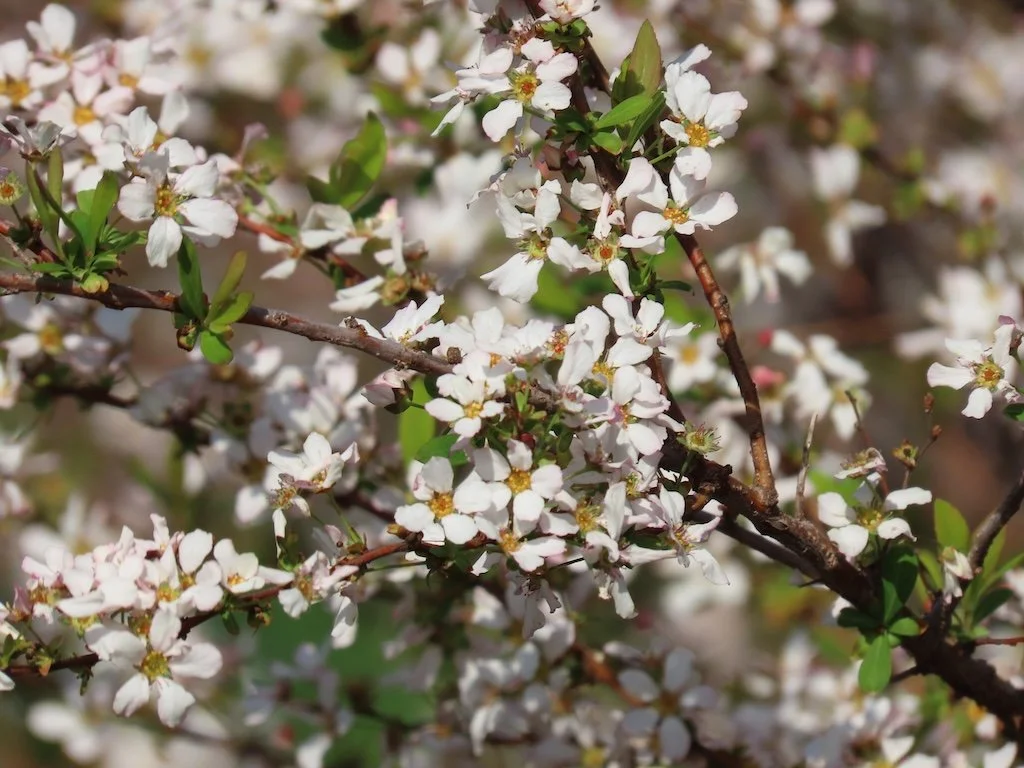
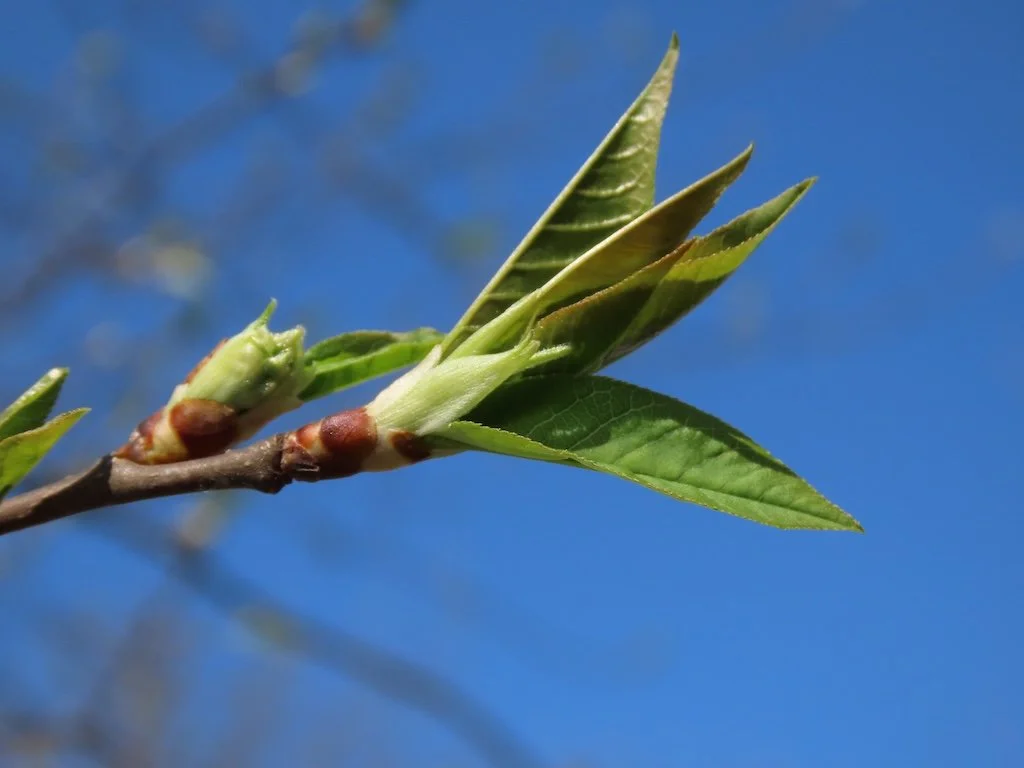
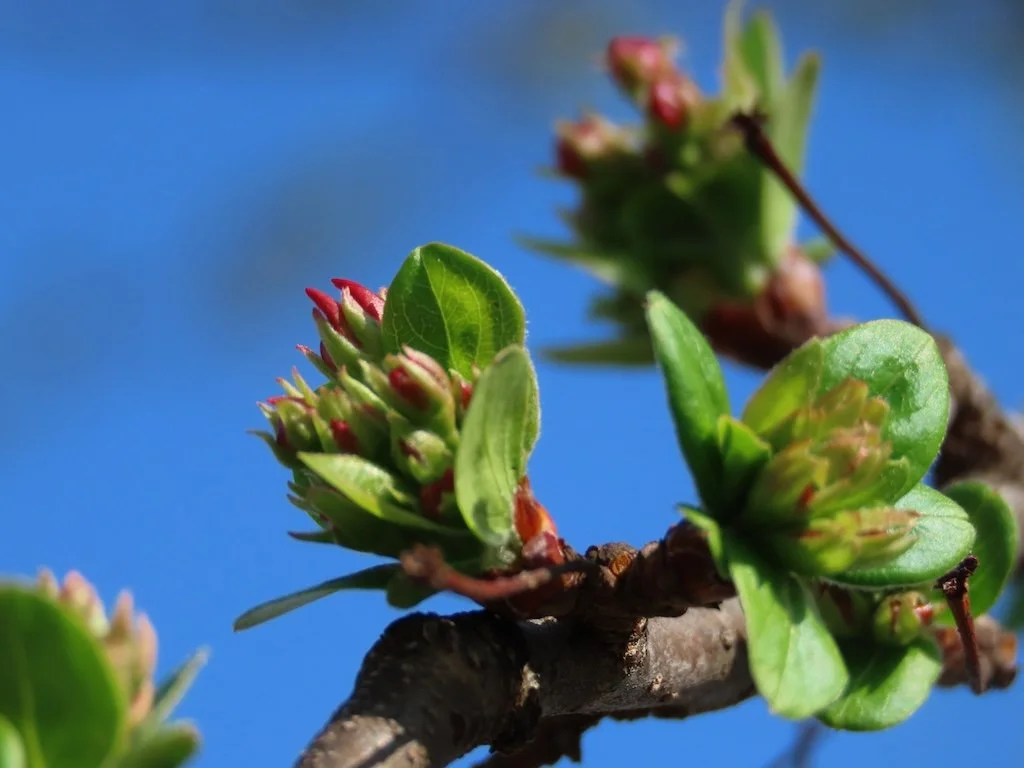
There were other trees too that I photographed – showing how different trees were at different stages of development.

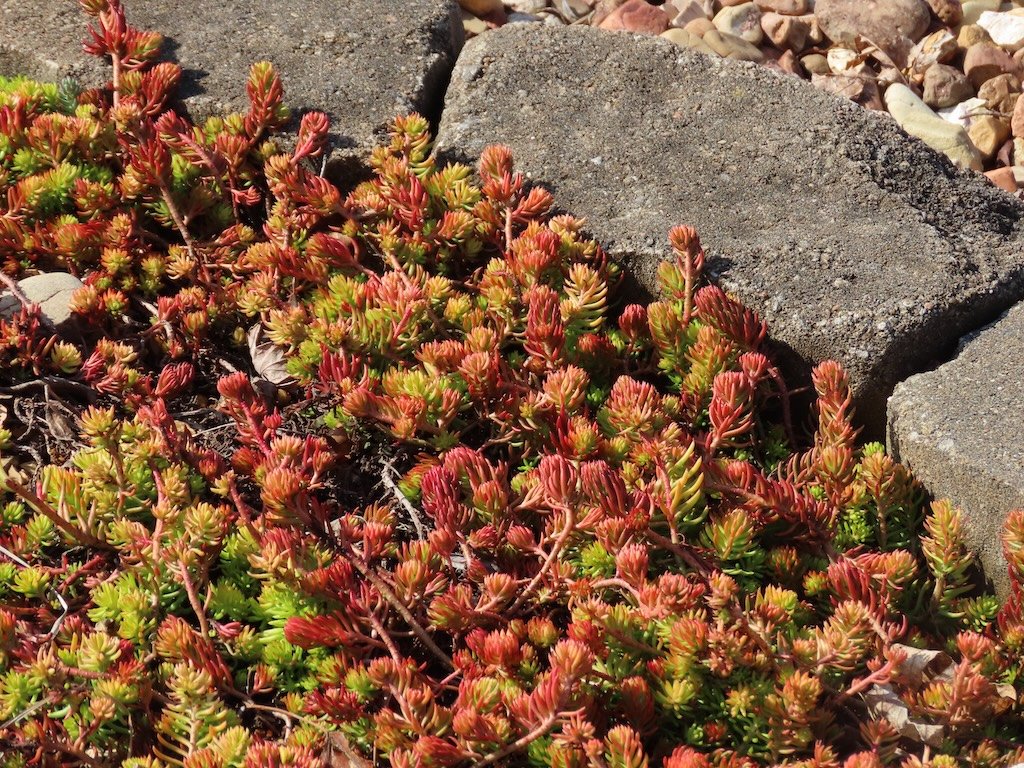
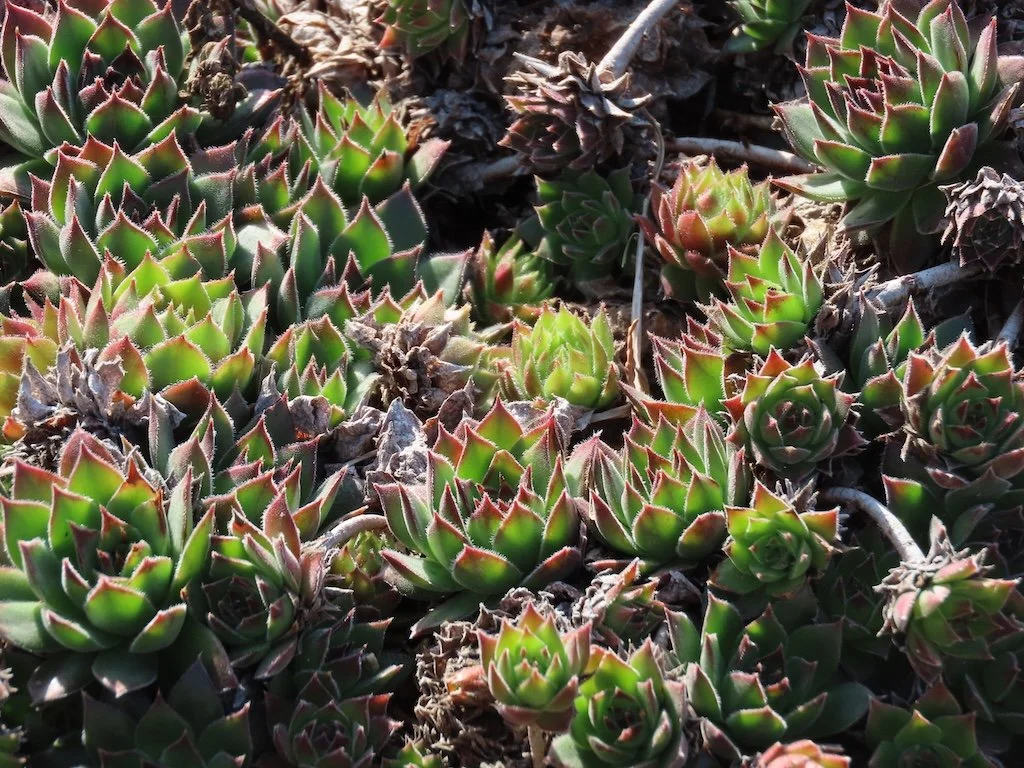
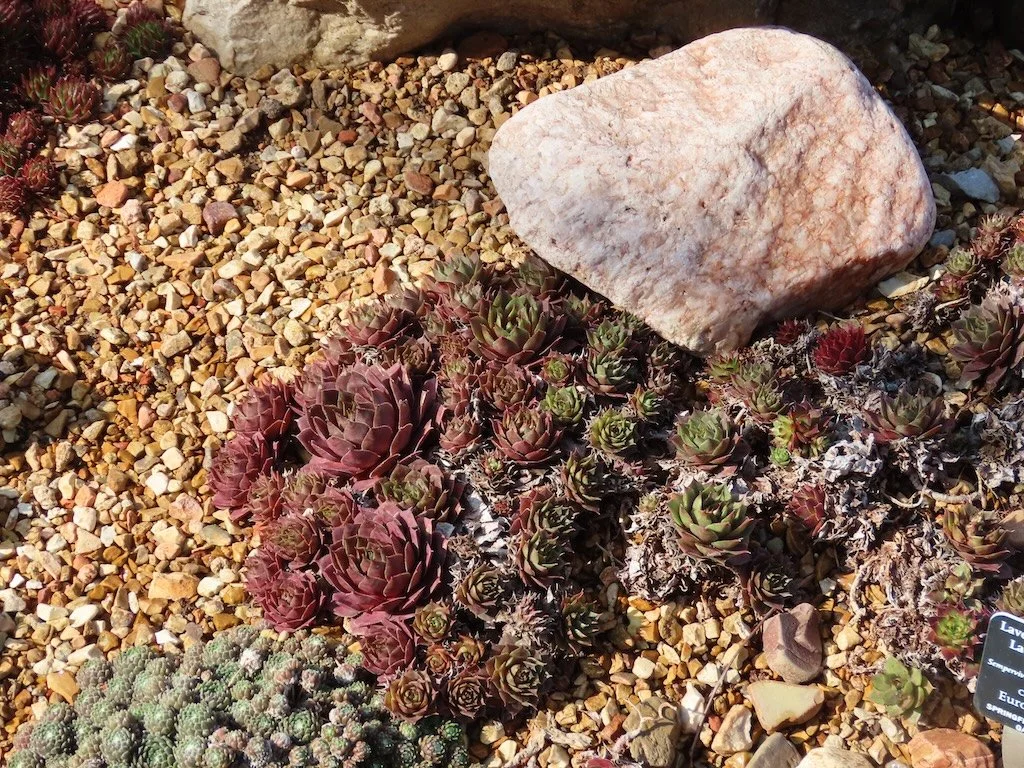
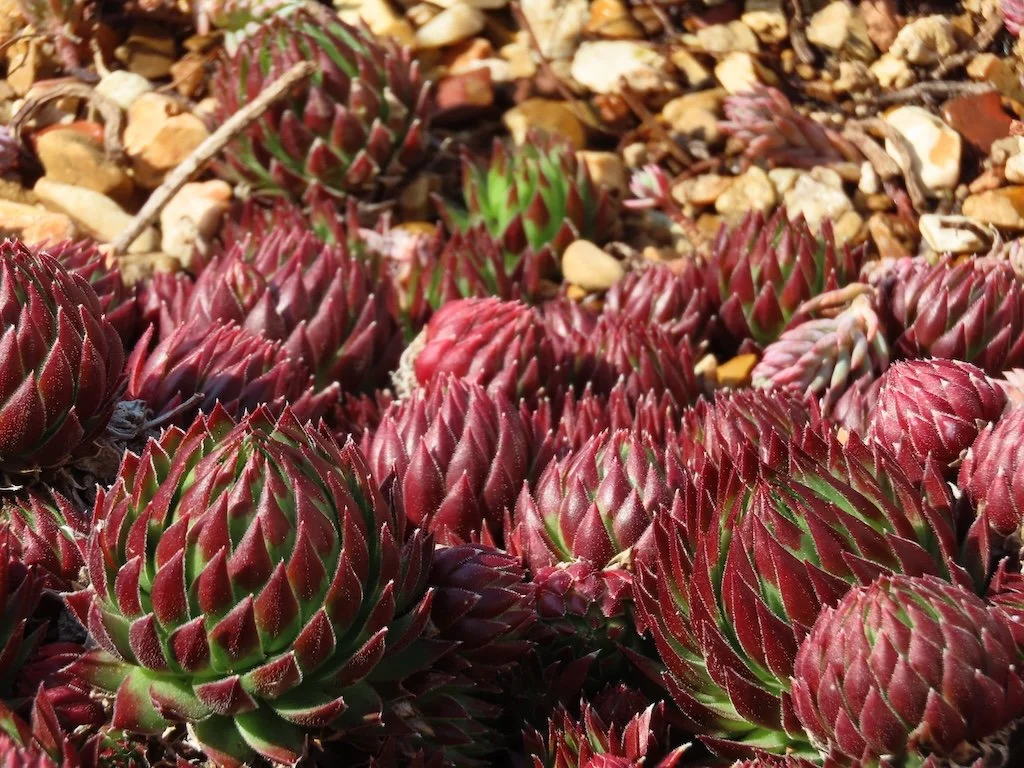
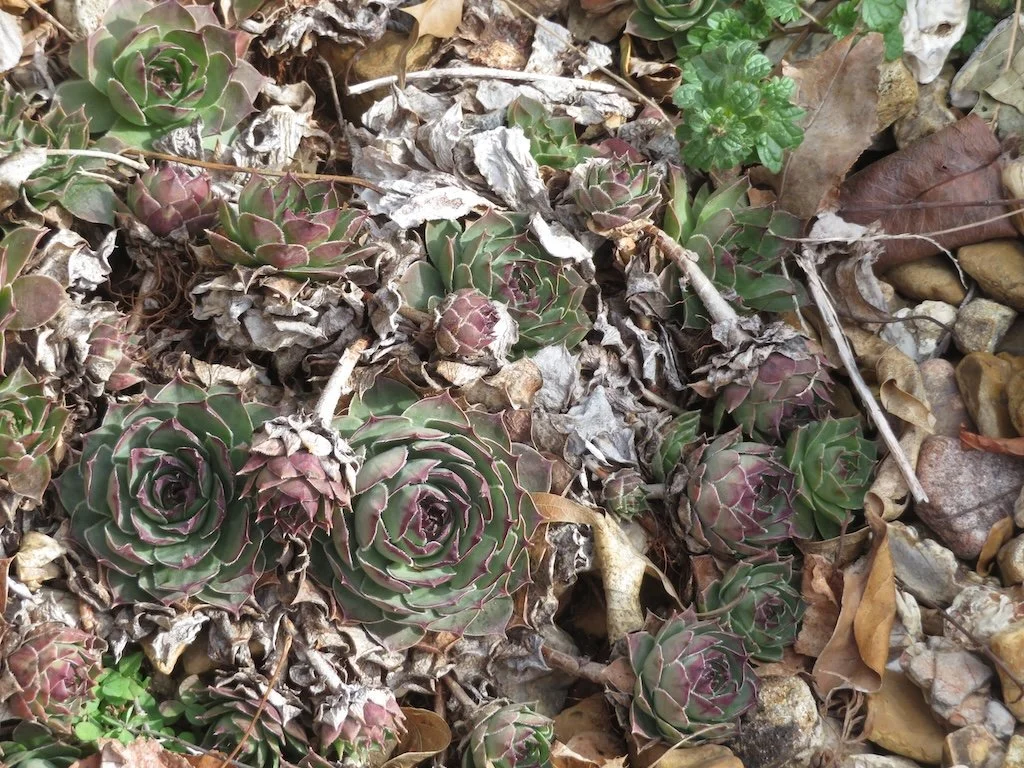
My final stop was near the Botanical Center Building – the deck area still under renovation evidently. I wanted to look at the succulents in the beds near the building. They do well through winter and, if anything, look more colorful having survived the cold!

It occurred to me that this is the time of year to visit the garden frequently to keep up with spring development.

Springfield Botanical Gardens (1) – March 2026

The Springfield Botanical Gardens are full of new beginnings in March. I took a walk around them on a sunny day – using by bridge camera (Canon Powershot SX70 HS) on a monopod. The monopod worked great as a hiking pole, so my back didn’t hurt; I did have to clean mud off the tip though!

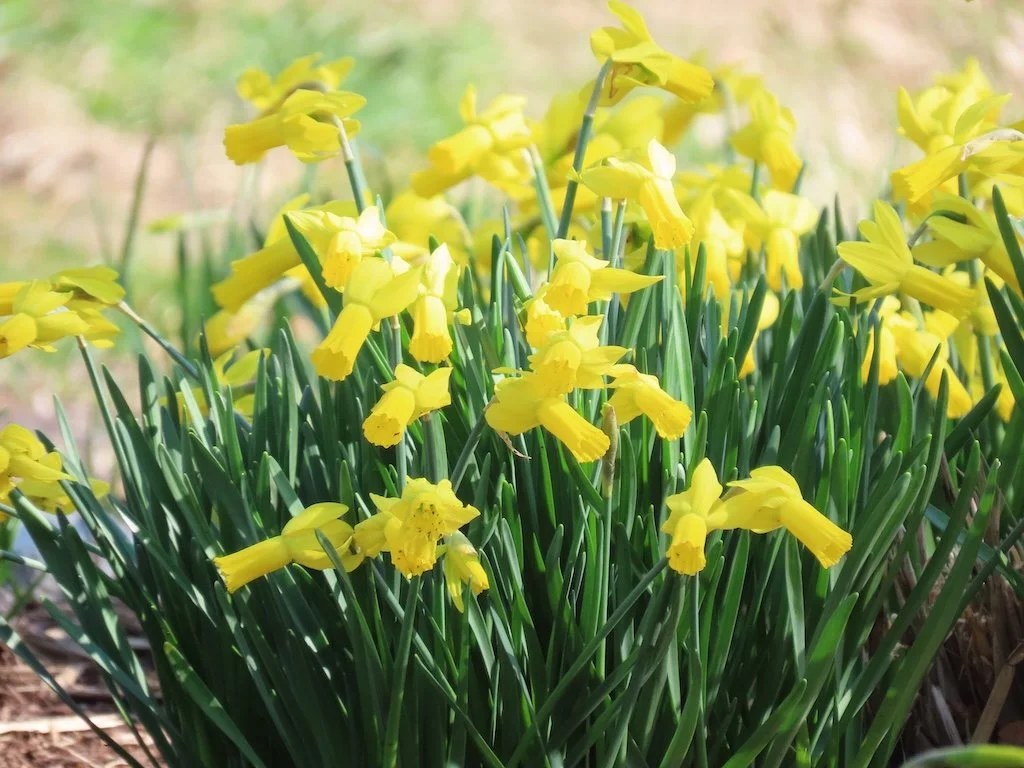
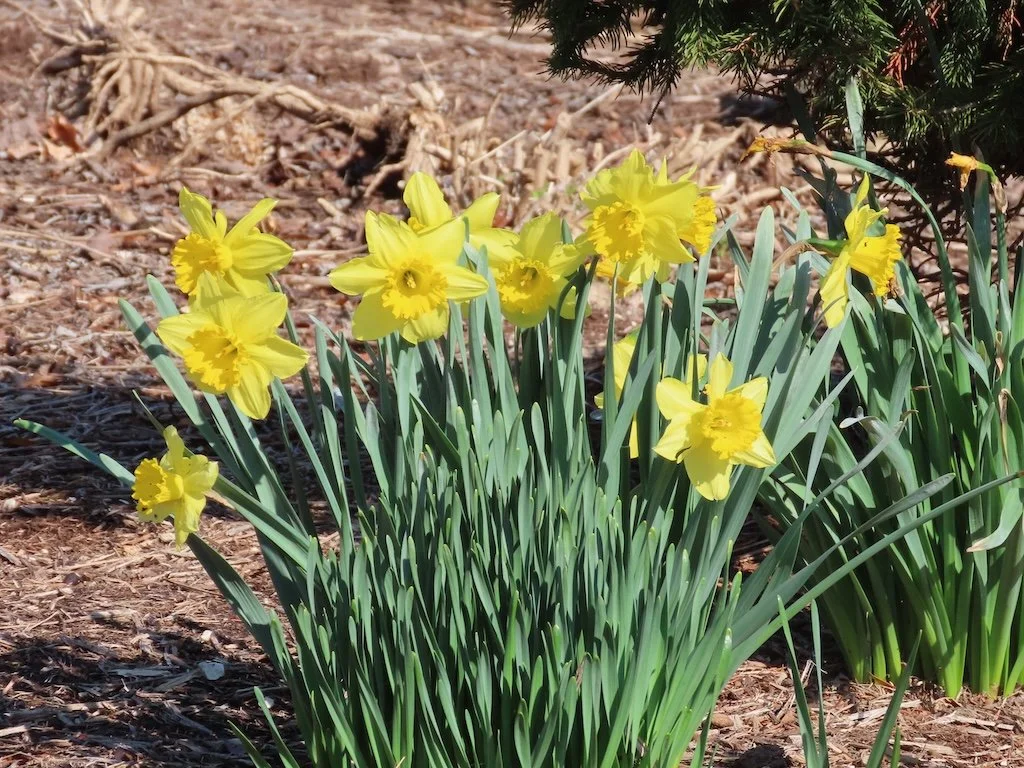
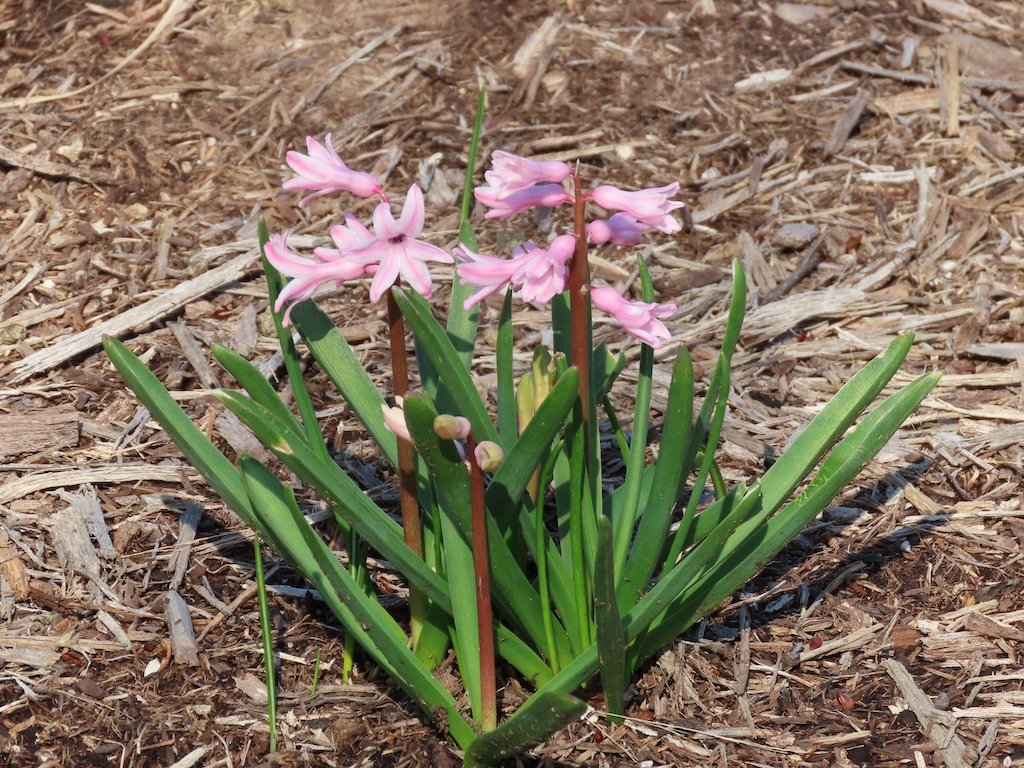
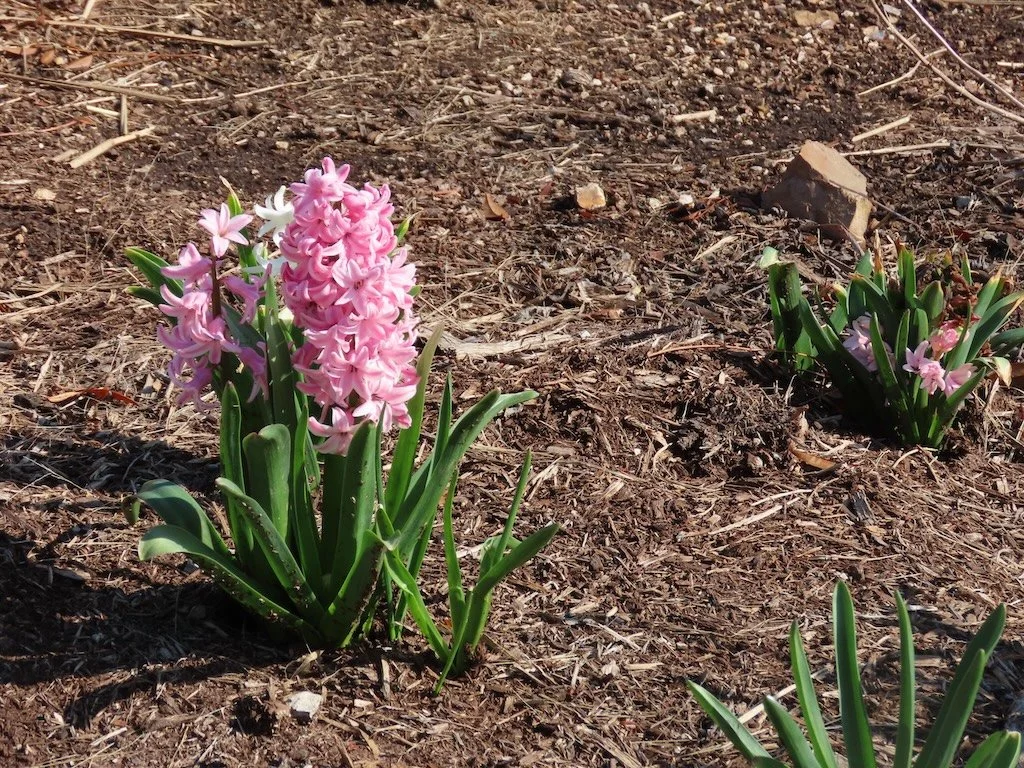
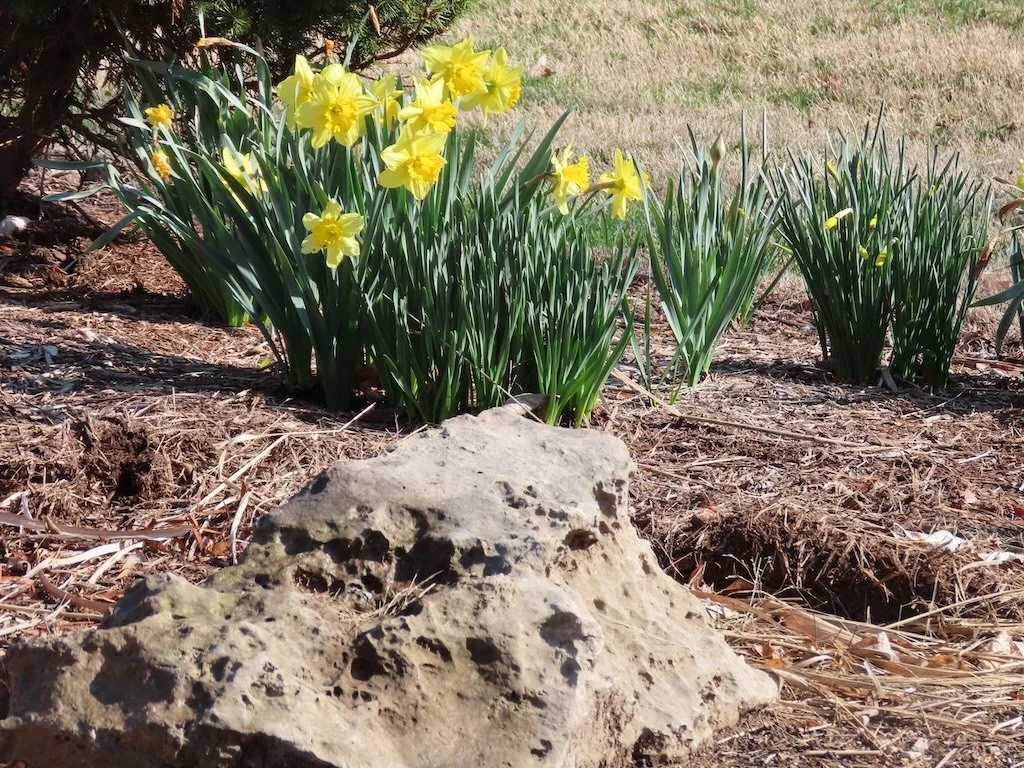
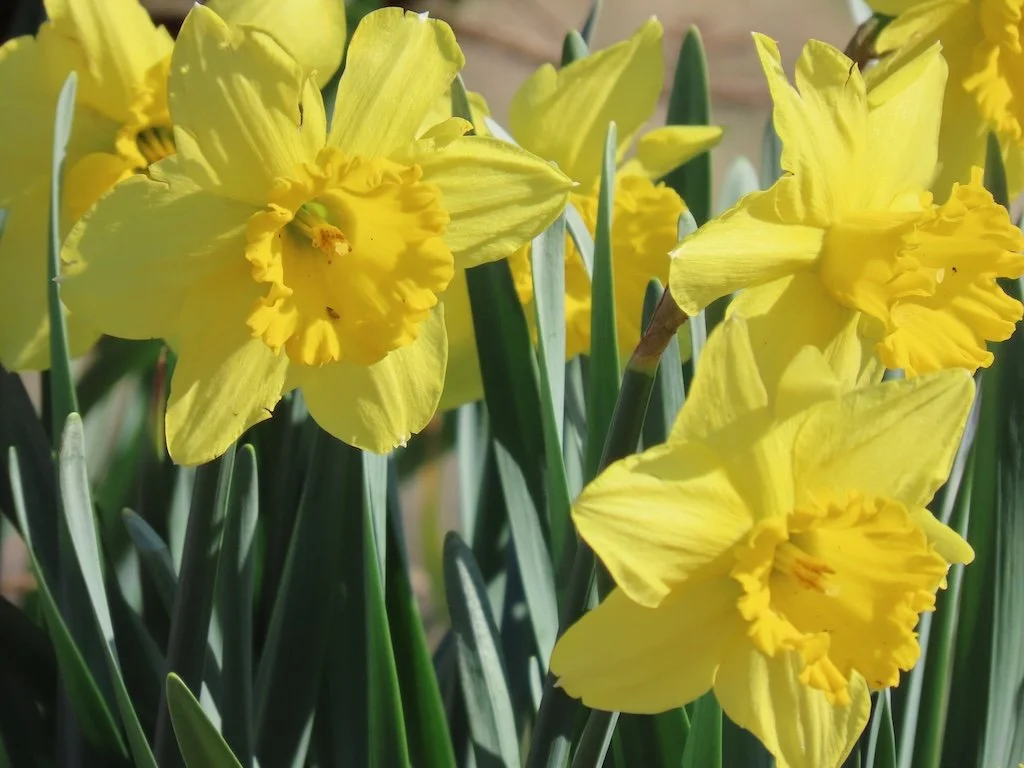
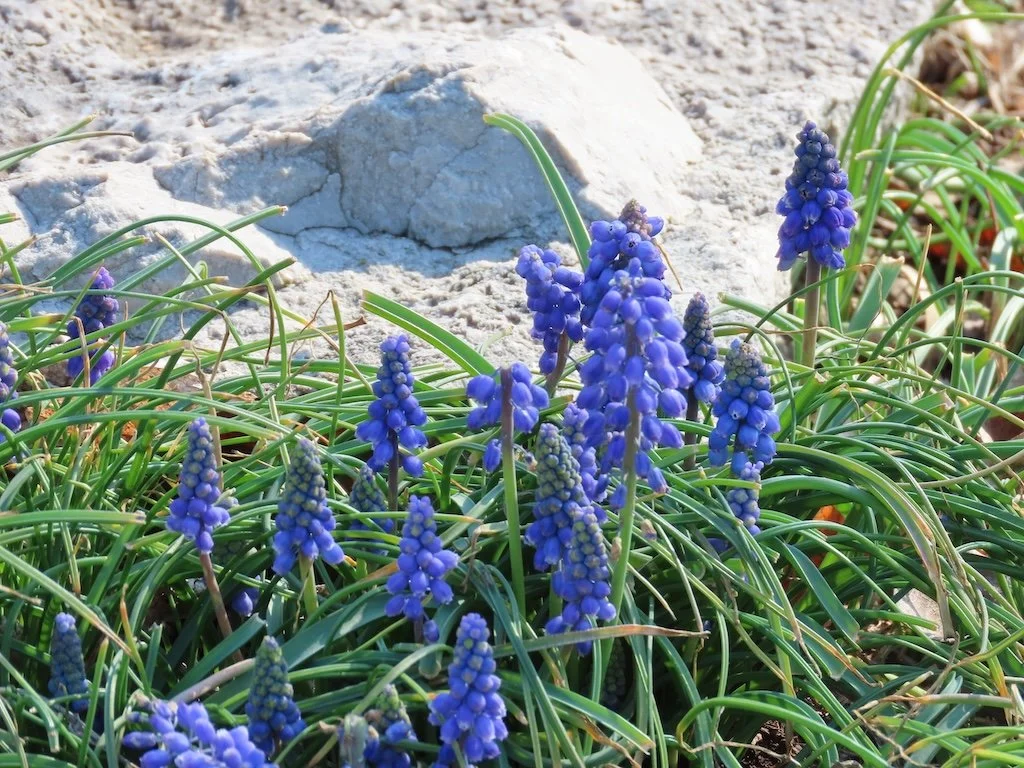
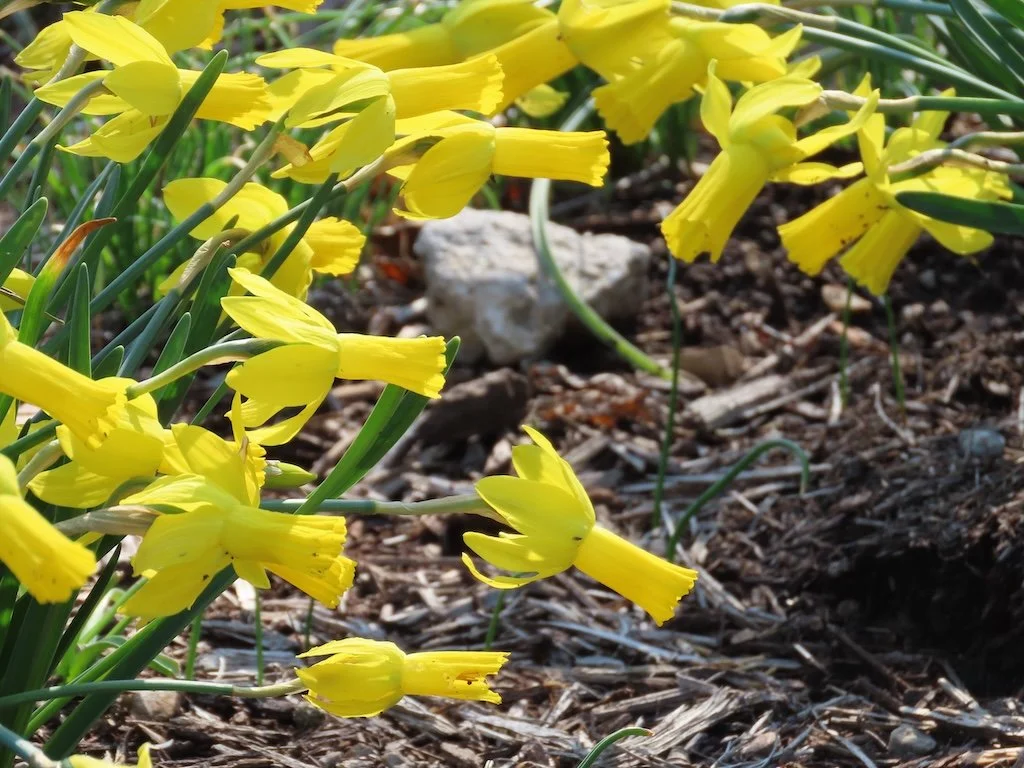
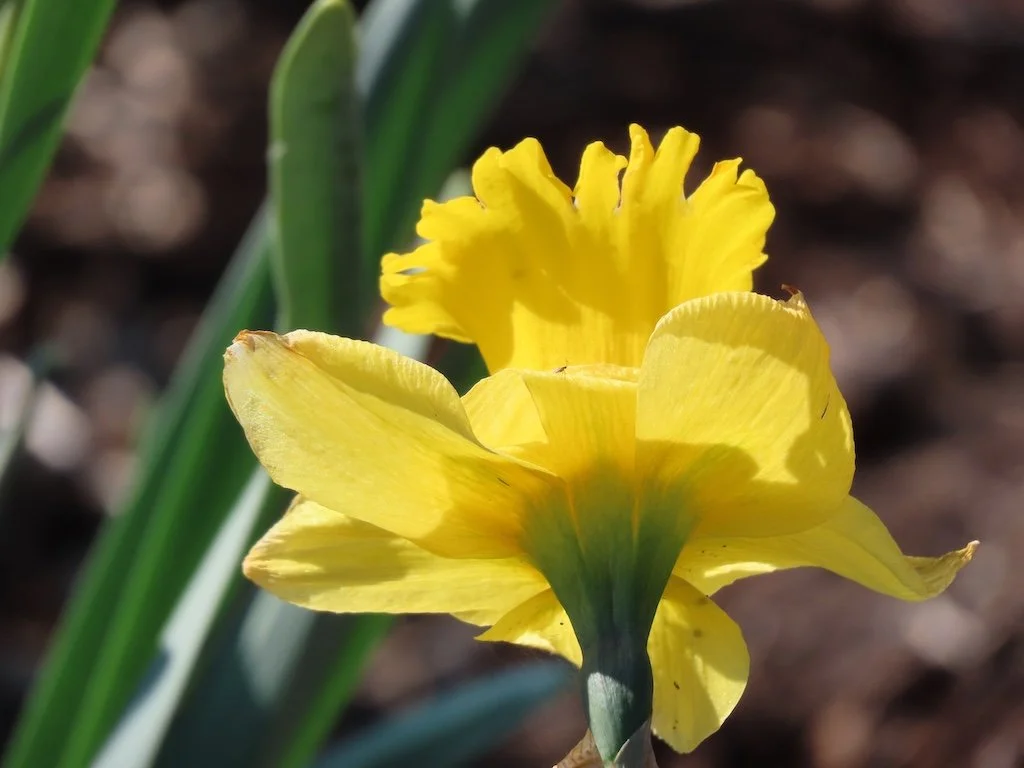
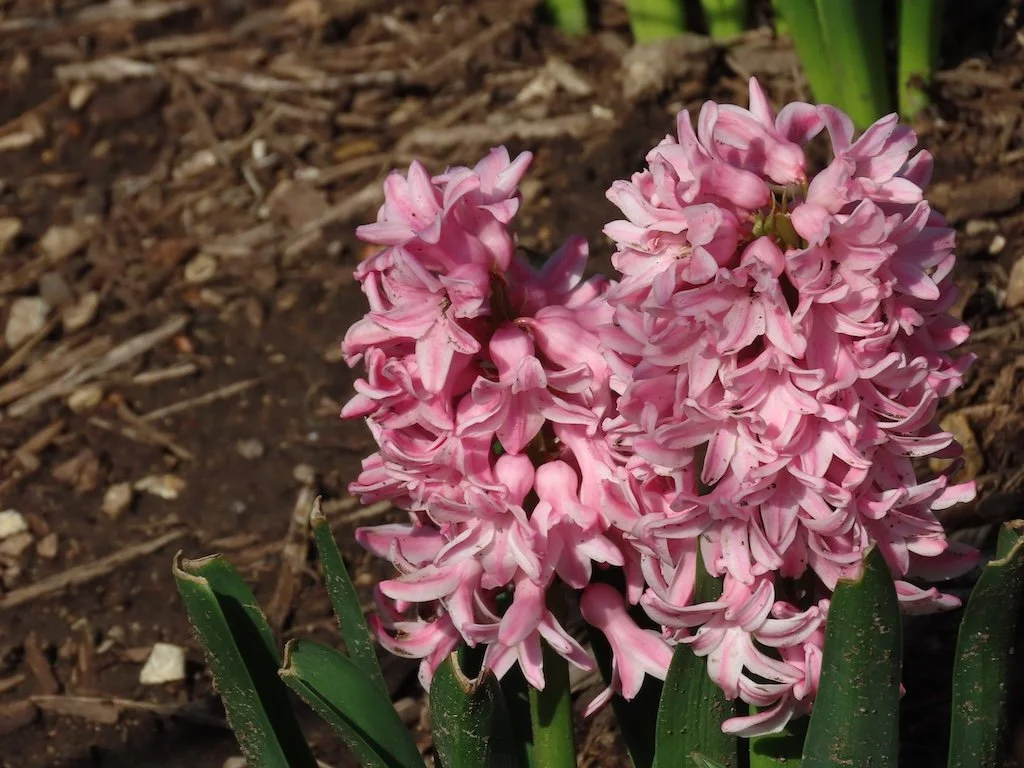
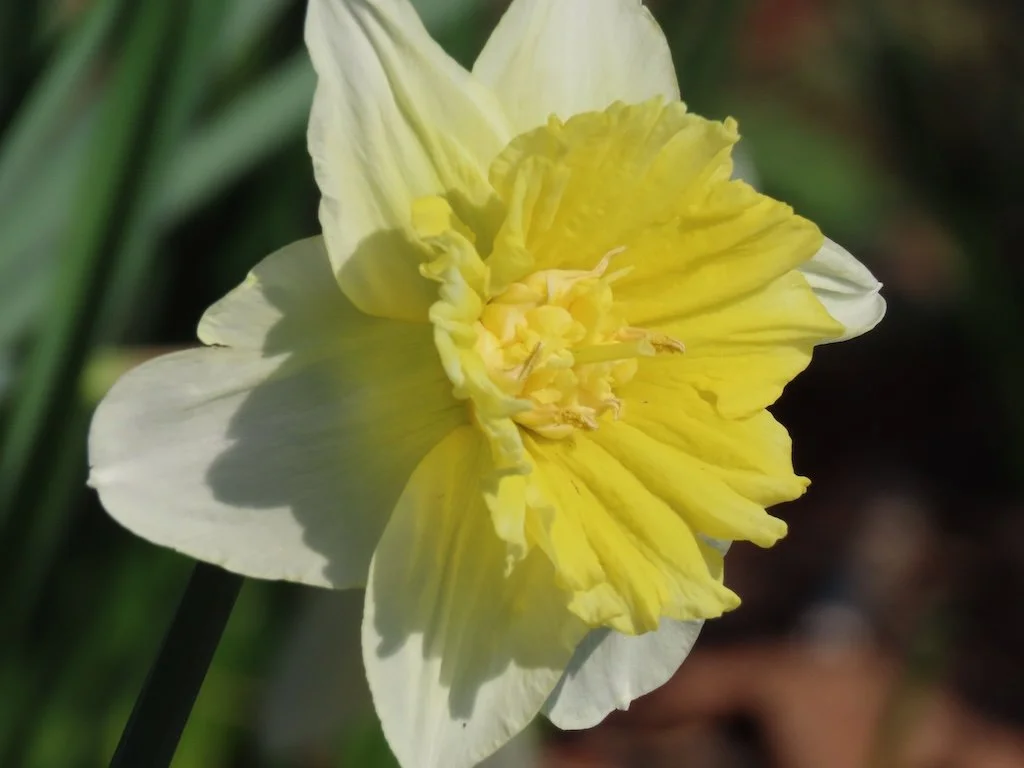
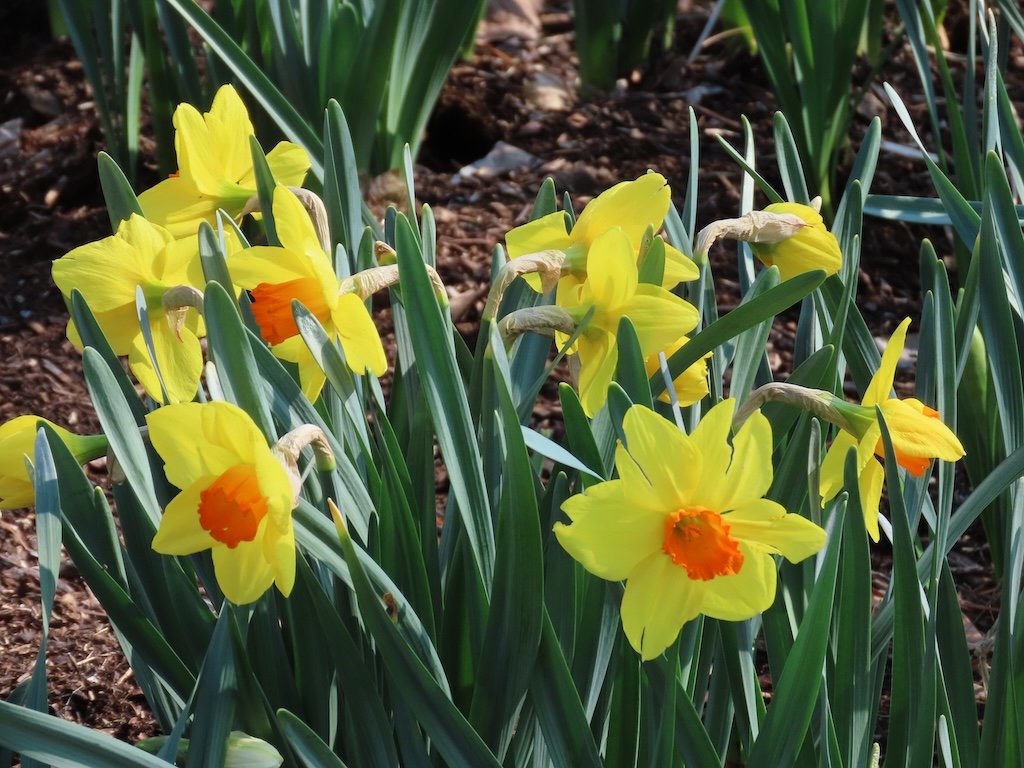
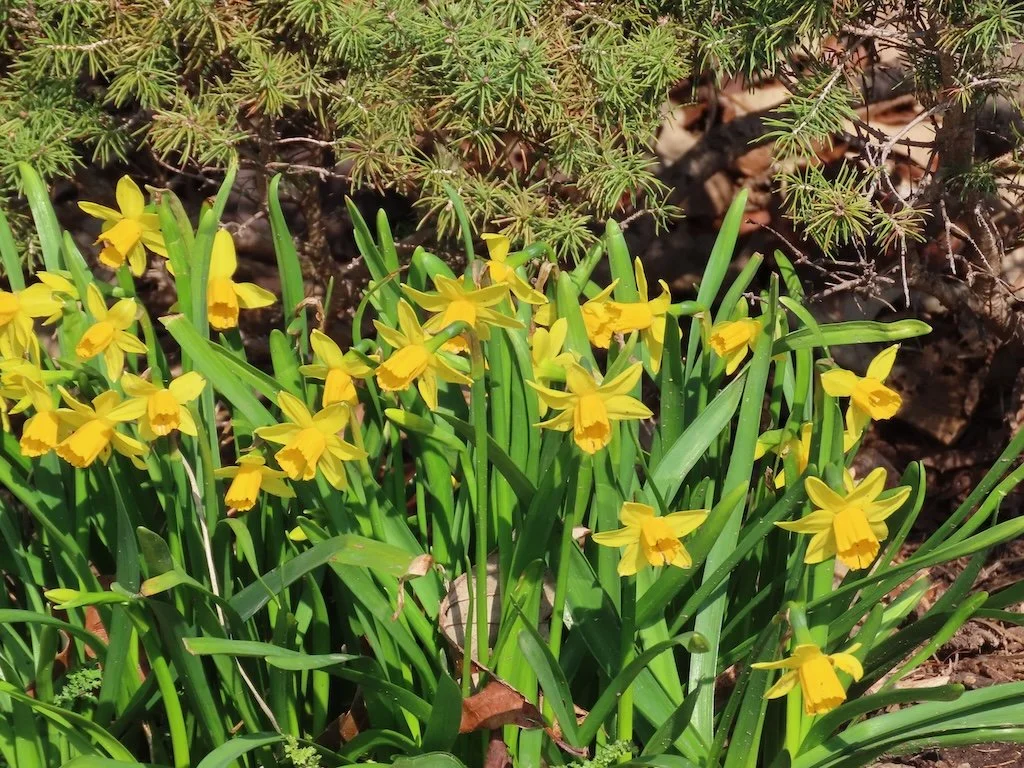
The daffodils and other bulbs are the biggest splashes of color. They are in clumps of mulched beds…sometimes with a rock to provide a backdrop (texture and color that is always there no matter the season). My favorites were the large pink hyacinths. They don’t grow as well now as I remember them from years ago evidently since there were some that looked scraggly; there weren’t enough to make give the garden their smell either.

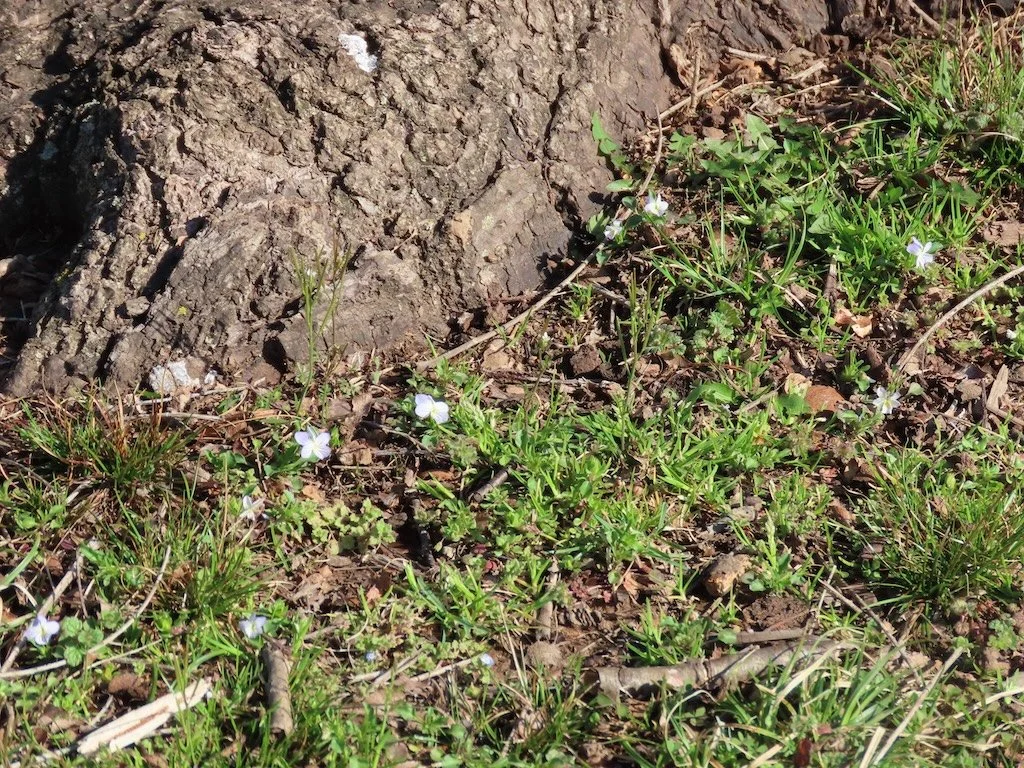
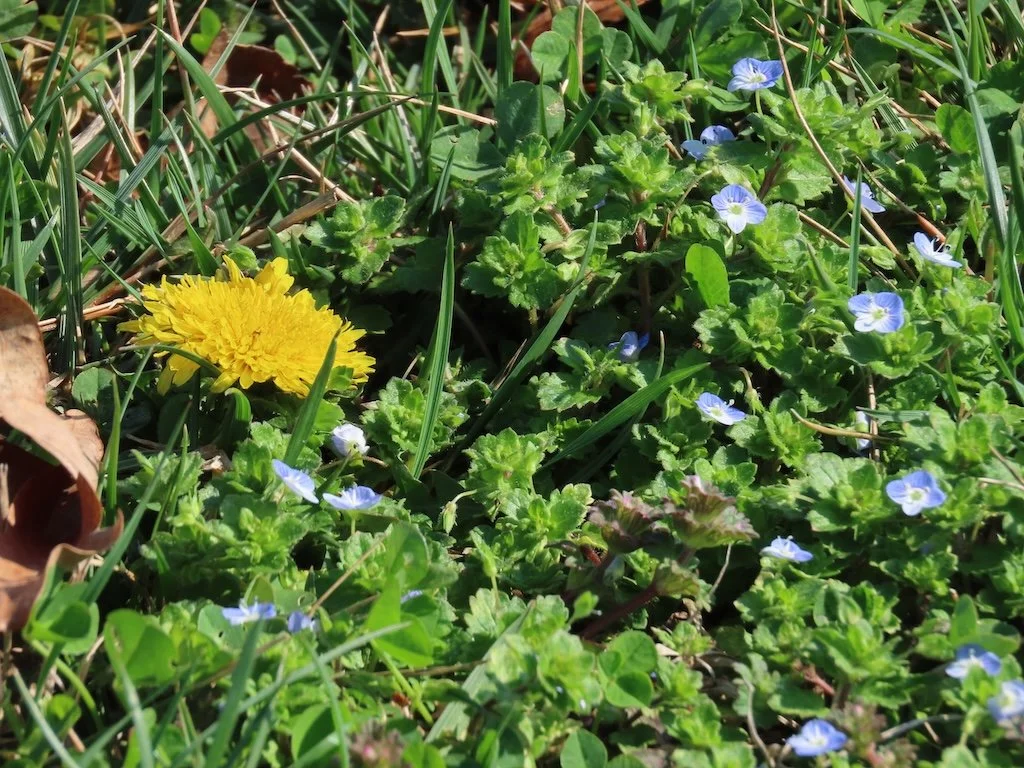
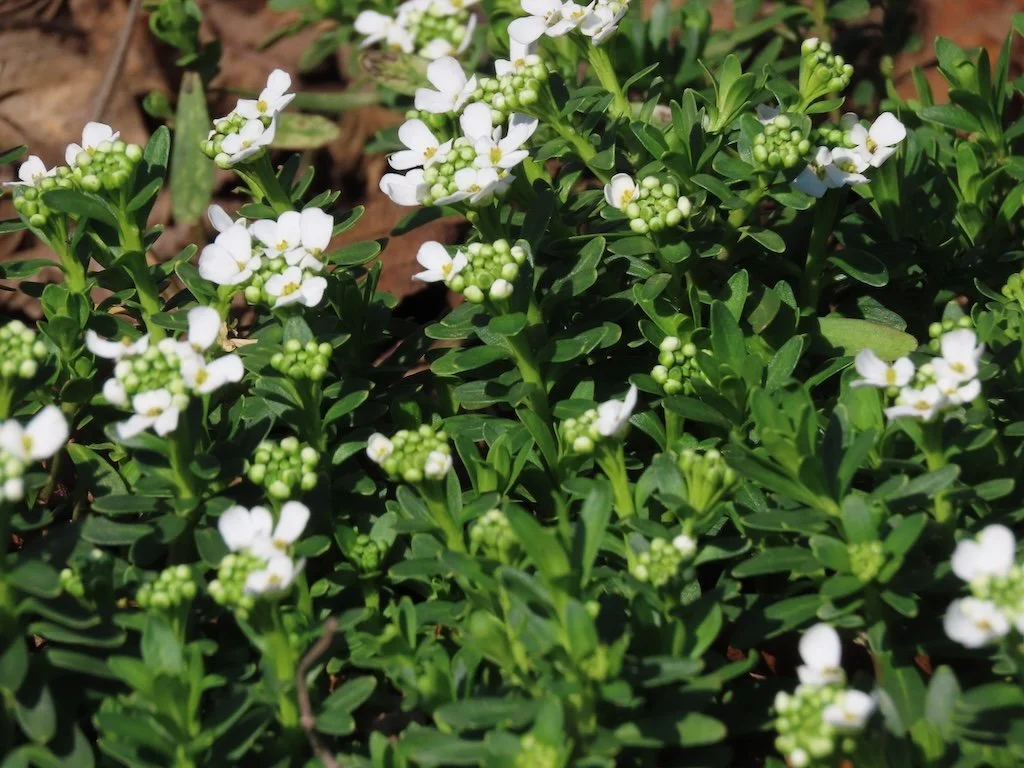
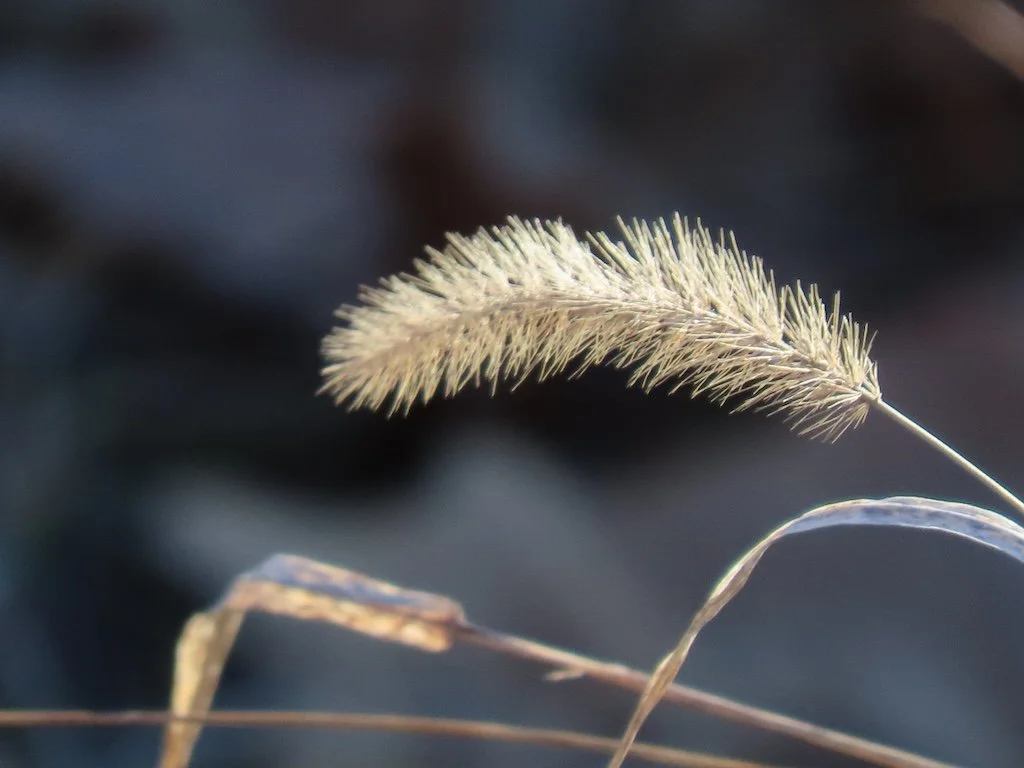
There were other flowers of the season in the grassy areas – small but worth noticing…and dandelions are blooming as well. I have declared a truce with dandelions – won’t cultivate them but I won’t poison them or dig them out either; I might even eat some leaves of the ones that grow in my yard where I know they haven’t been sprayed with anything.

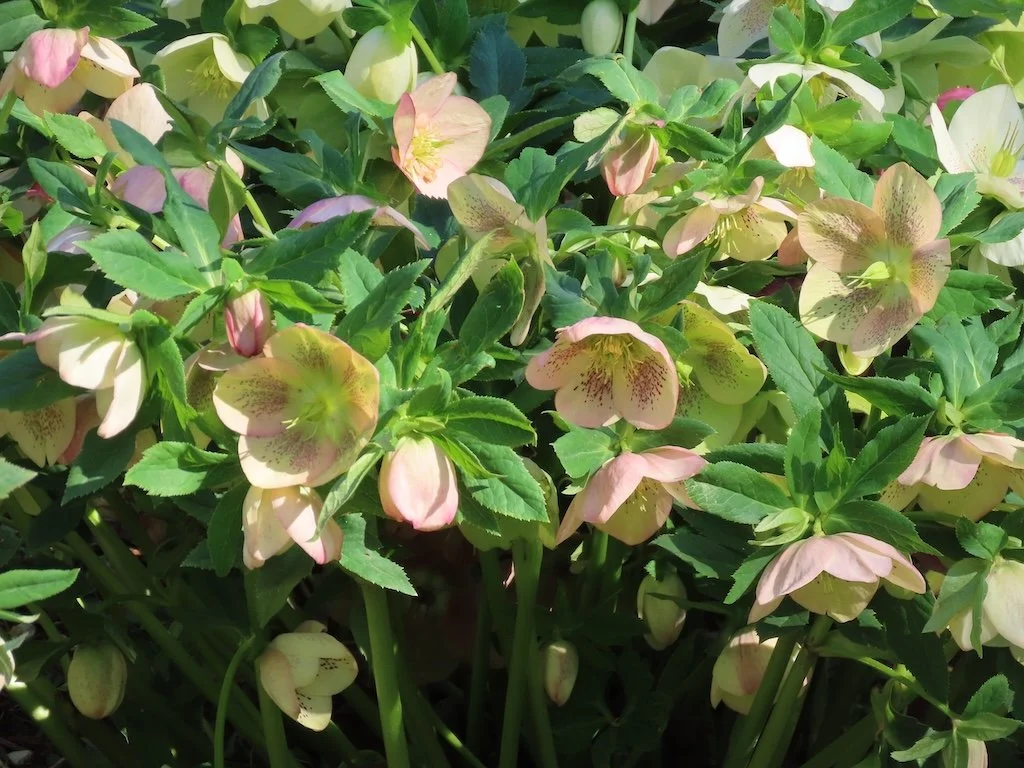
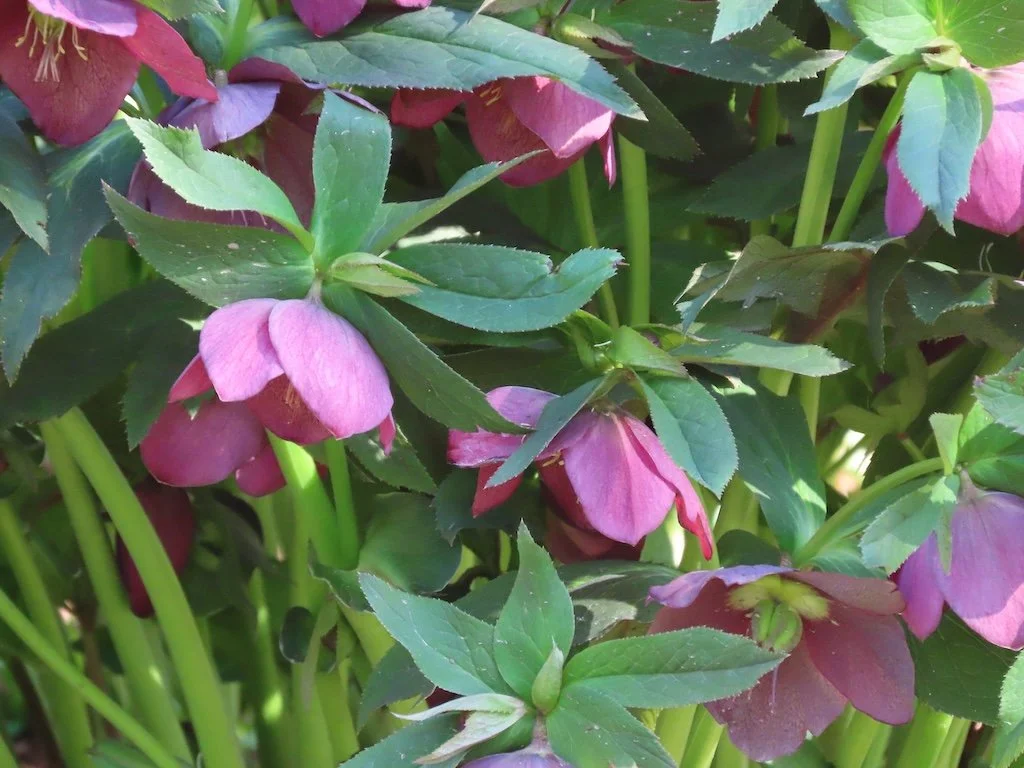
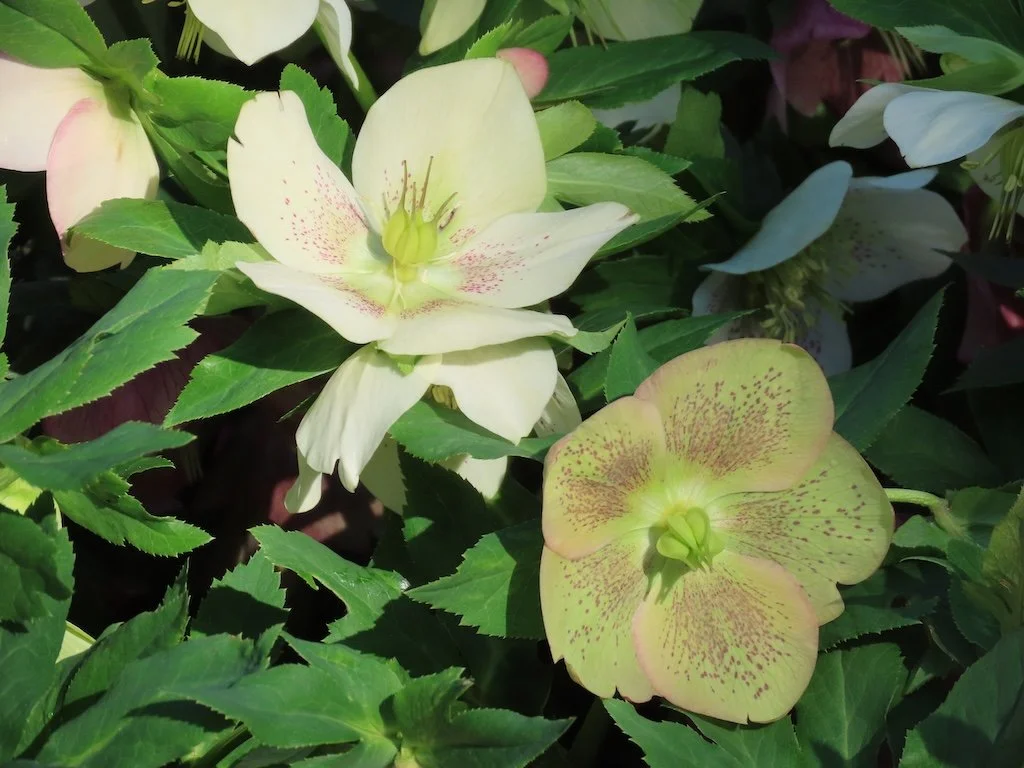
The Lenten roses/hellebores were blooming. They are always some the first blooms of the year.

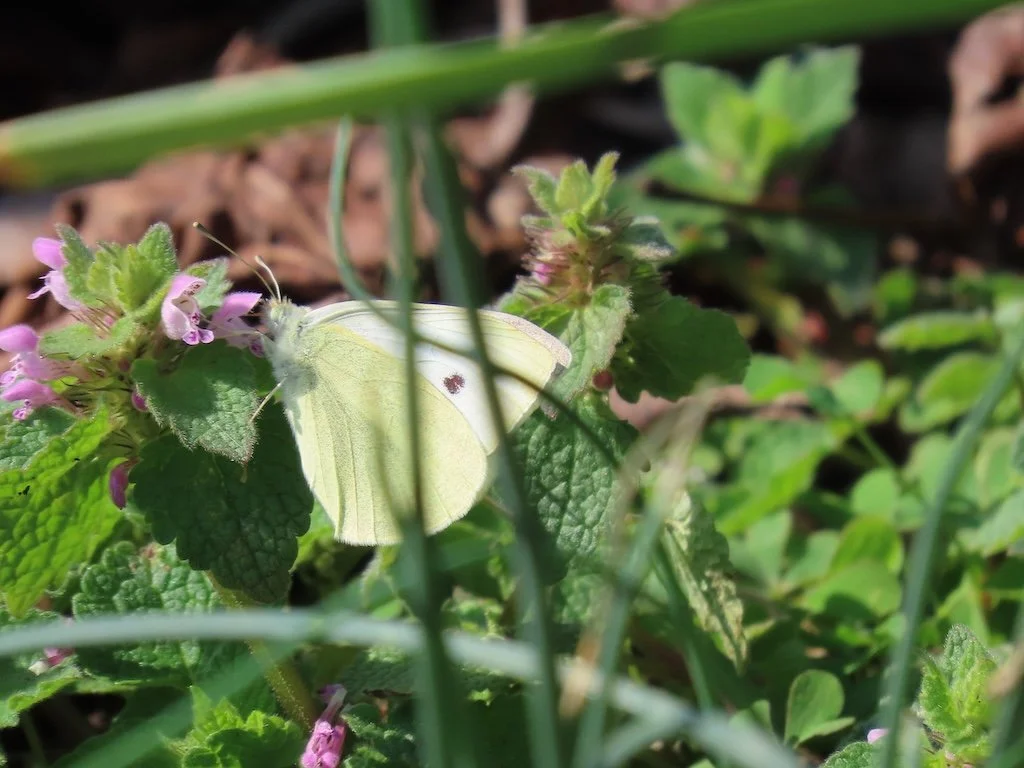
There weren’t many insects active….but I did see a cabbage white butterfly!

Stay tuned for the trees I noticed while I was walking around the gardens in tomorrow’s post.

Zooming – February 2026

The images from this month were all close to home: my yard, my neighborhood, Wilson’s Creek National Battlefield, and Lake Springfield Greater Ozarks Audubon Trail. There was a mix of snow and winter images….the beginnings of spring. There would have been more places if the big snow had not cancelled two hikes that had originally been planned for February! Enjoy the zoomed images of my times outdoors during this month!

Lake Springfield Greater Ozarks Audubon Trail

I had a form to drop off at the Lake Springfield Boathouse on a sunny day when the temperature was in the upper 50s. I opted to take the Greater Ozarks Audubon Trail to the overlook  (the trail head is just past the boathouse).

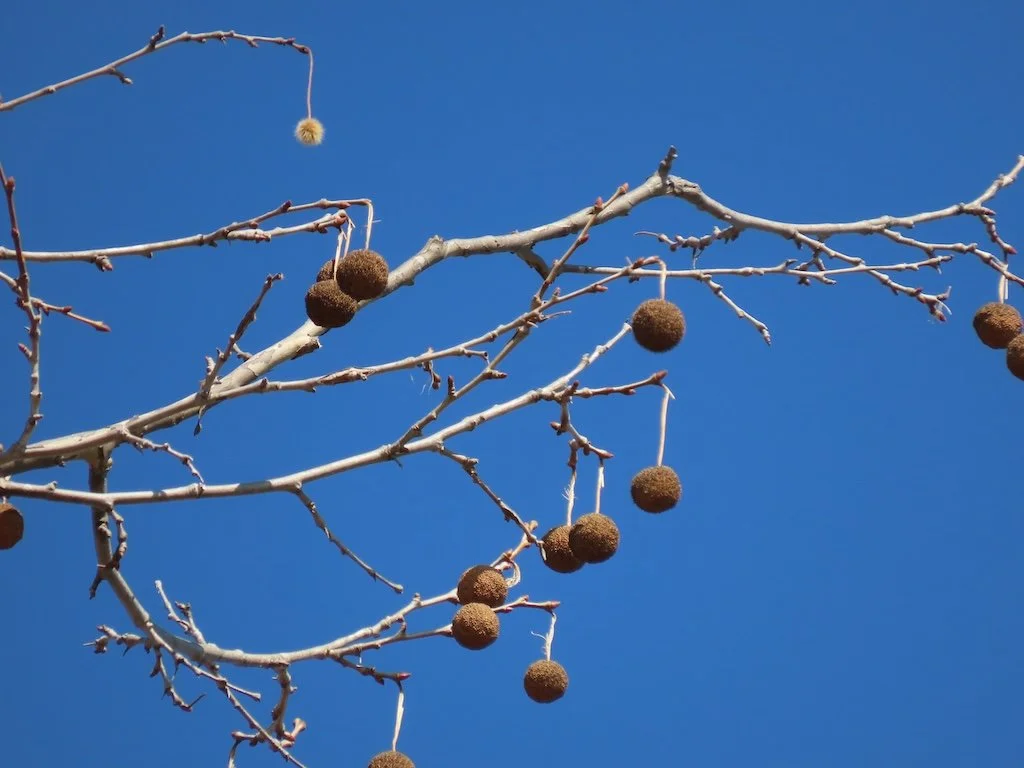
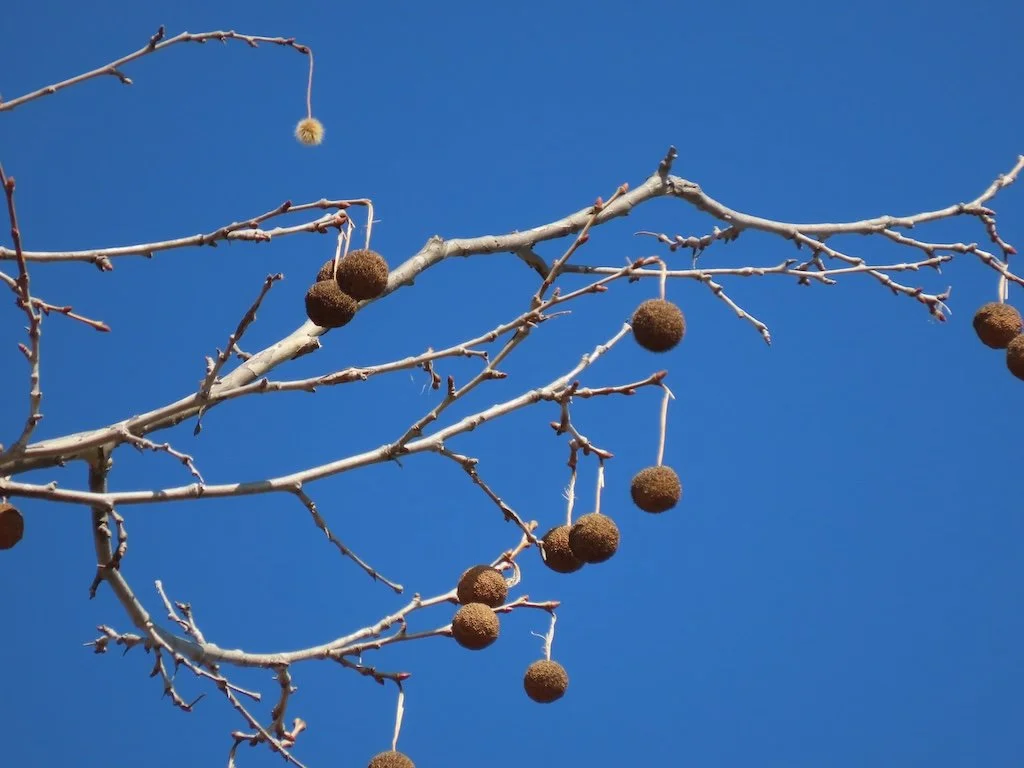
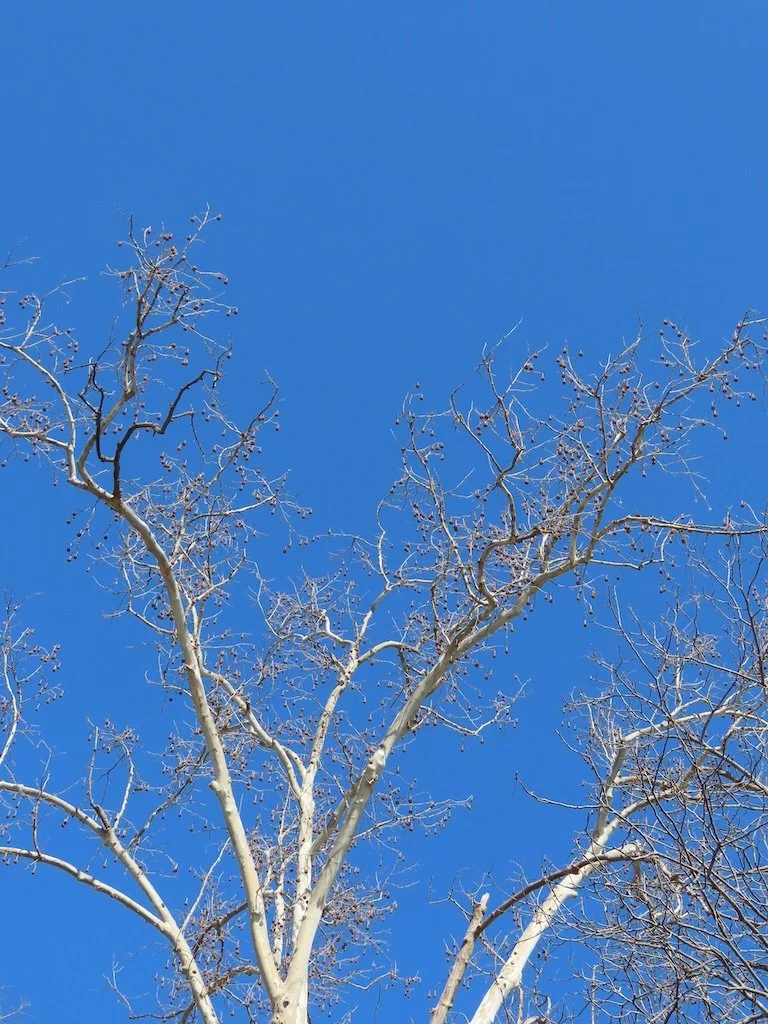
I took a picture of sycamore near the edge of the water. It still had a lot of seeds from last season.

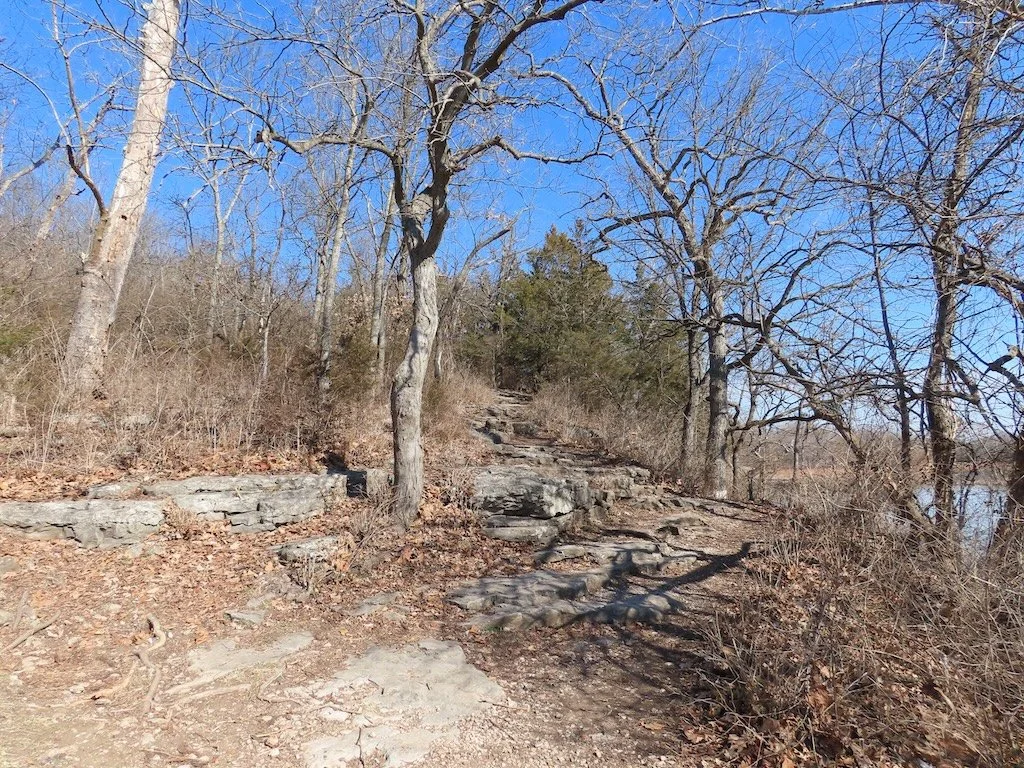
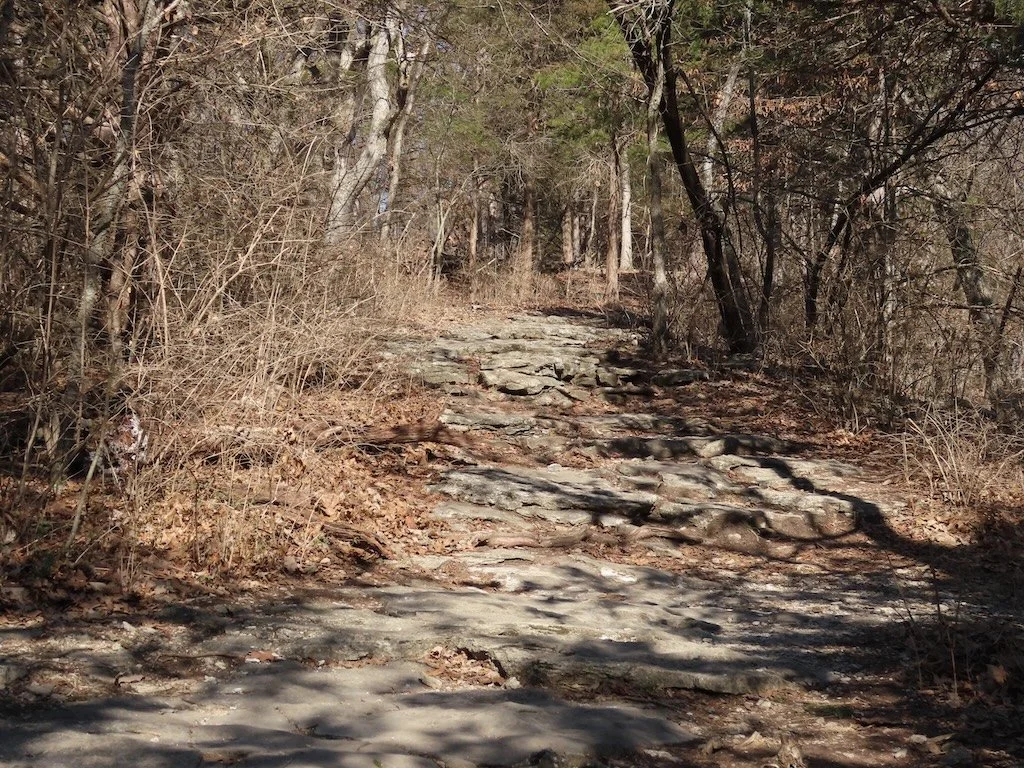
The trail is up ledges of rock….gentle steps most of the time.

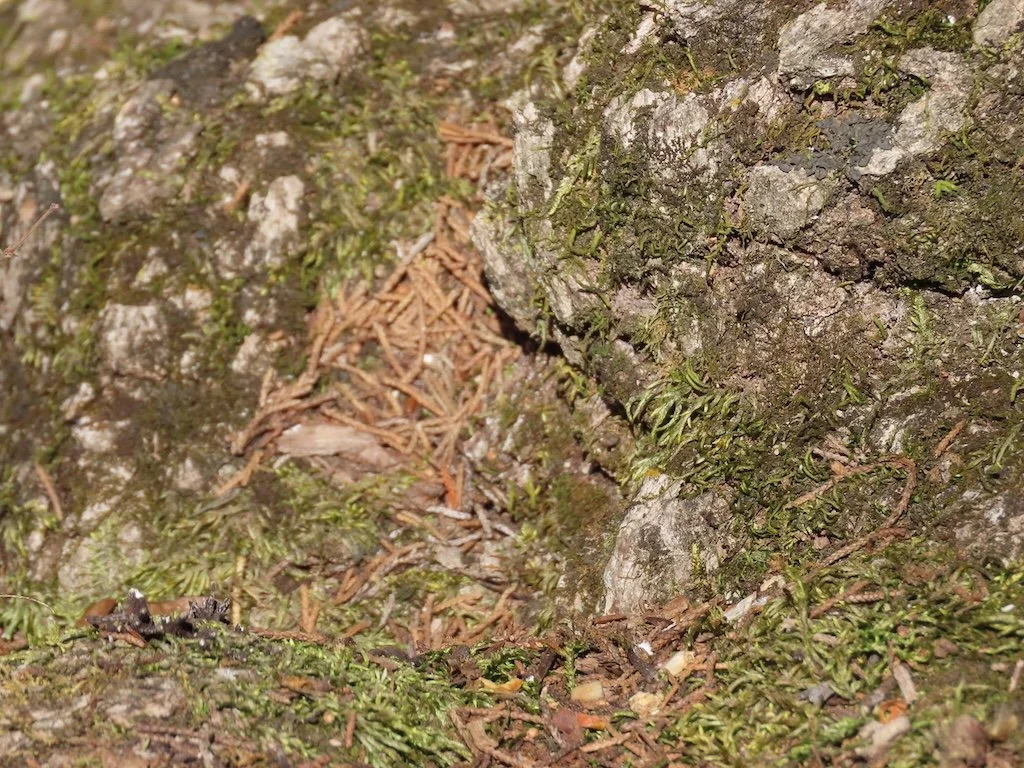
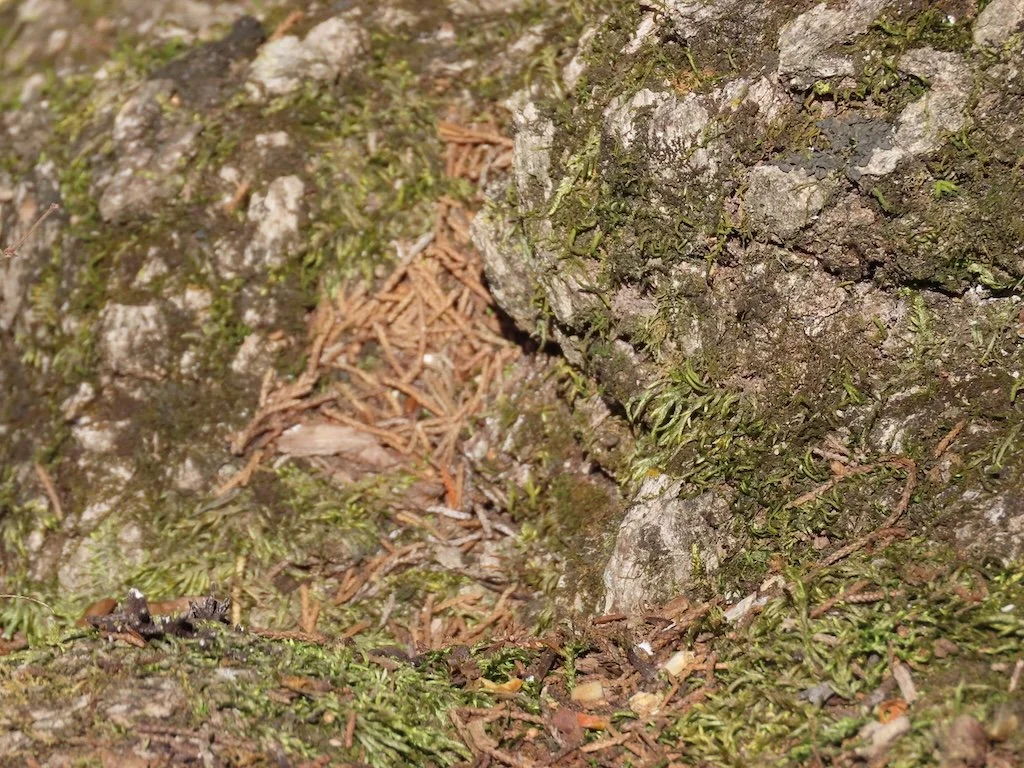
Most of the trees are deciduous but there are quite a few eastern redcedars there too. I zoomed in to take a collection moss and redcedar on fallen log – an intimate landscape.

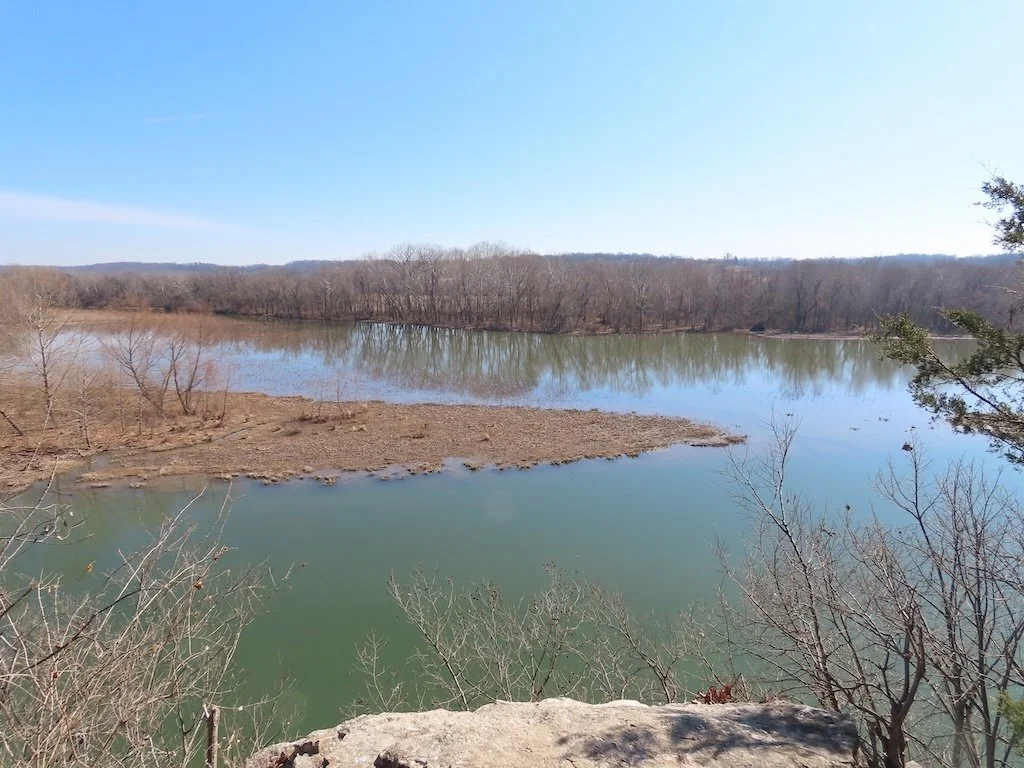
At the top there is an overlook of Lake Springfield. I didn’t stay long because there were other people waiting to enjoy the scene too.

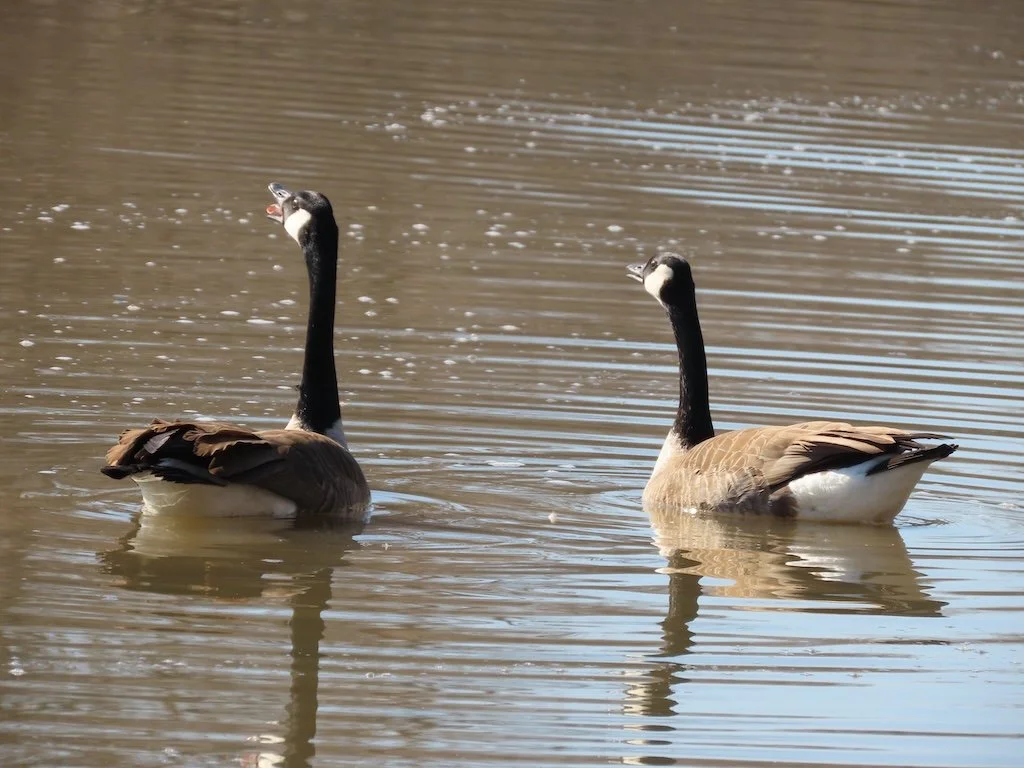
I walked down the hill and saw some honey locust pods on the ground…looked up to see the thorns in the tree! Nearer my car, I noted goose (?) prints in the area at the edge of the parking lot. There were a lot of Canada geese around!

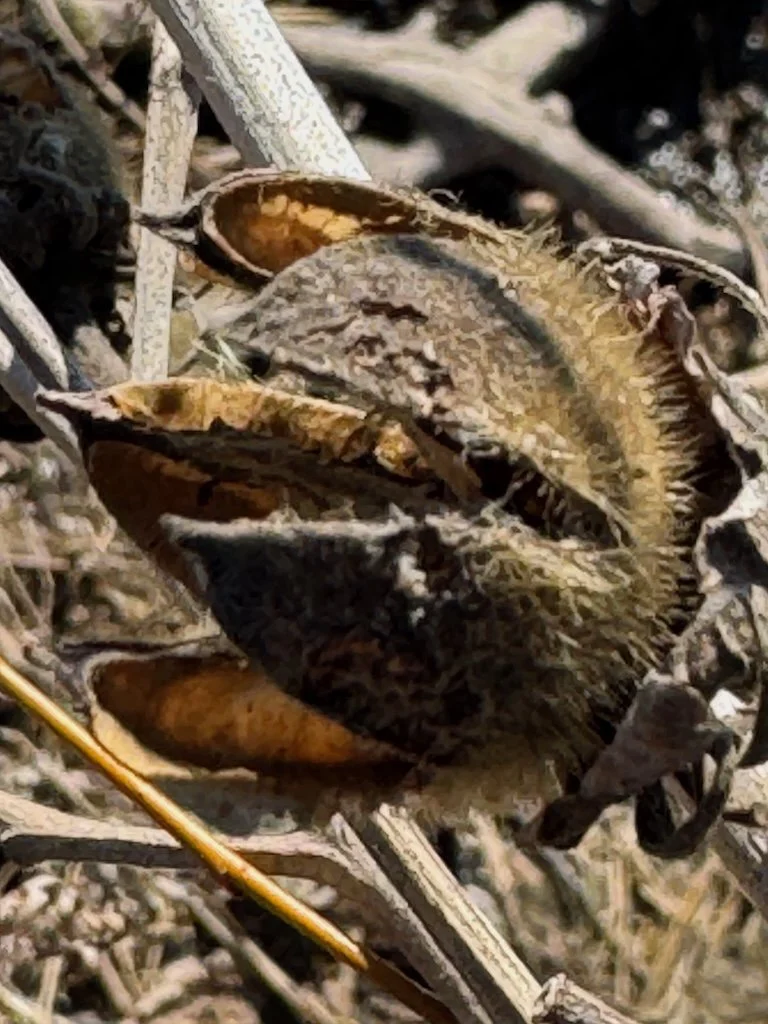
I remembered that there were mallows down near the water’s edge…their seed pods were open and empty.

The last time I was on this trail was in Fall 2024 when I took the Identifying Woody Plants class; it was hot that day and my back was hurting for the entire hike. This time I did it with my hiking poles and didn’t have any problem at all!

Air quality

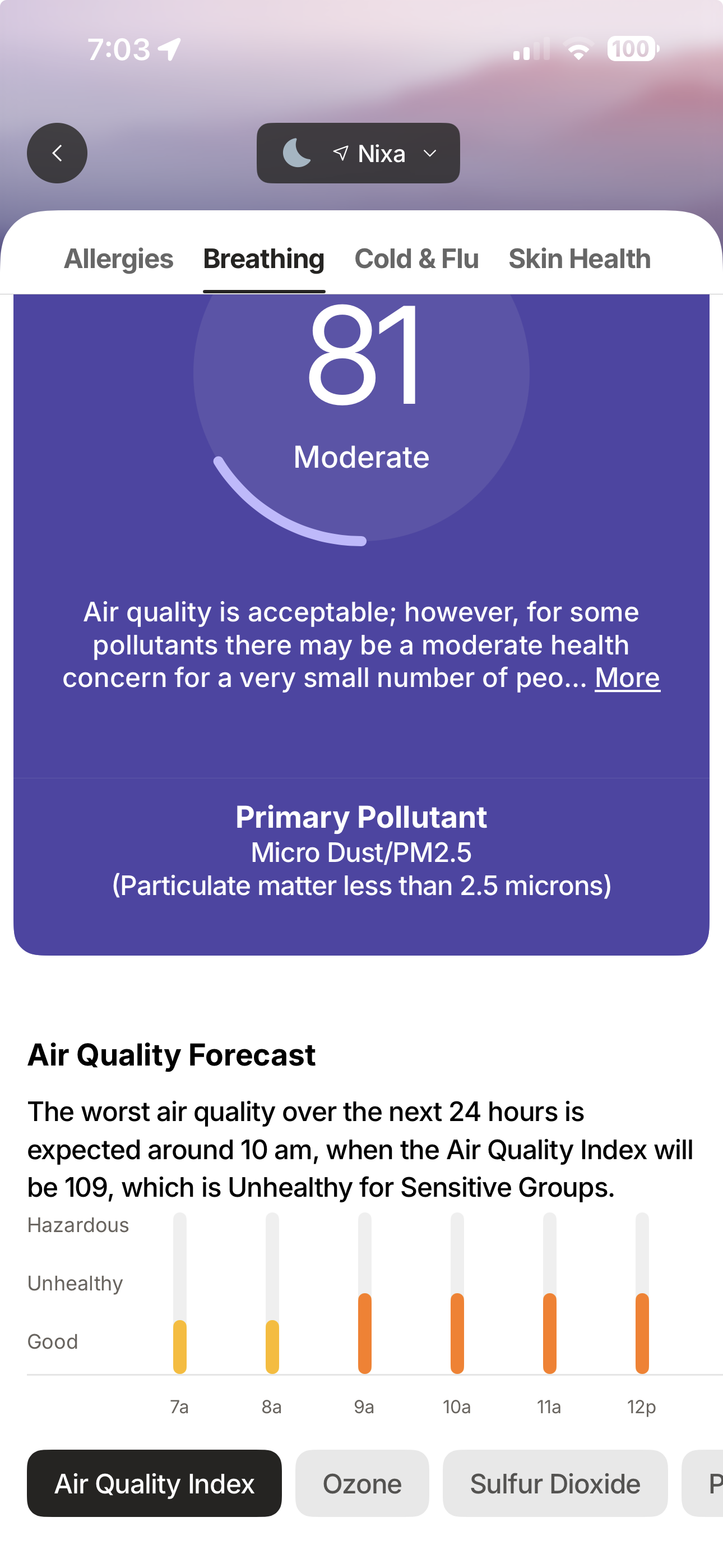
I’ve been noticing that the air quality where I live (as reported in The Weather Channel app) has not been good during the recent cold weather. The primary pollutant is always Micro Dust/PM2.5. Since transportation sources of pollution (cars, trucks) are, if anything, a little lower during cold and snowy weather – I am assuming that the uptick is from the electricity generating coal plant or wood burning stoves/fireplaces.

I notice that my eyes are the first to register air quality issues. They start to itch or feel gritty – not as bad as a floating eyelash but not comfortable. Saline drops help but time consuming to do frequently. I find myself just forging ahead with my eyes itching and trying not to rub them. Recently I have been wondering if some of my ‘allergies’ (runny nose and sneezing that comes and goes over the course of the day) are PM2.5 related rather than pollen since there isn’t pollen in the air in winter.

If the day is orange – like shown in the screen shot – I try to stay indoors with the filters of my HVAC and some room air purifiers between me and the ‘bad air.’ That is possible for me most of the time since I am a post-career person. I do sometimes have things I do away from home, but they are mostly indoors this time of year and presumably well filtered/ventilated. I am a little anxious about some ‘winter wellness’ hikes I have planned…hoping that the air quality will be ‘green’ when those occur.

I enjoy being outdoors and realize that air quality will impact when I will be comfortable as time goes on (i.e. air quality will deteriorate since there is less being done right not to reverse the trend). Working in my yard won’t be impacted too much since I can simply check the air quality and only go out when it is ‘green.’ I hope I can get through a few more years of volunteering in the Butterfly House at the Springfield Botanical Garden during the summer months; signing up for shifts is done well in advance and the air quality could be problematic when the day arrives…I want to be a dependable volunteer but do I go even if the air quality is poor?

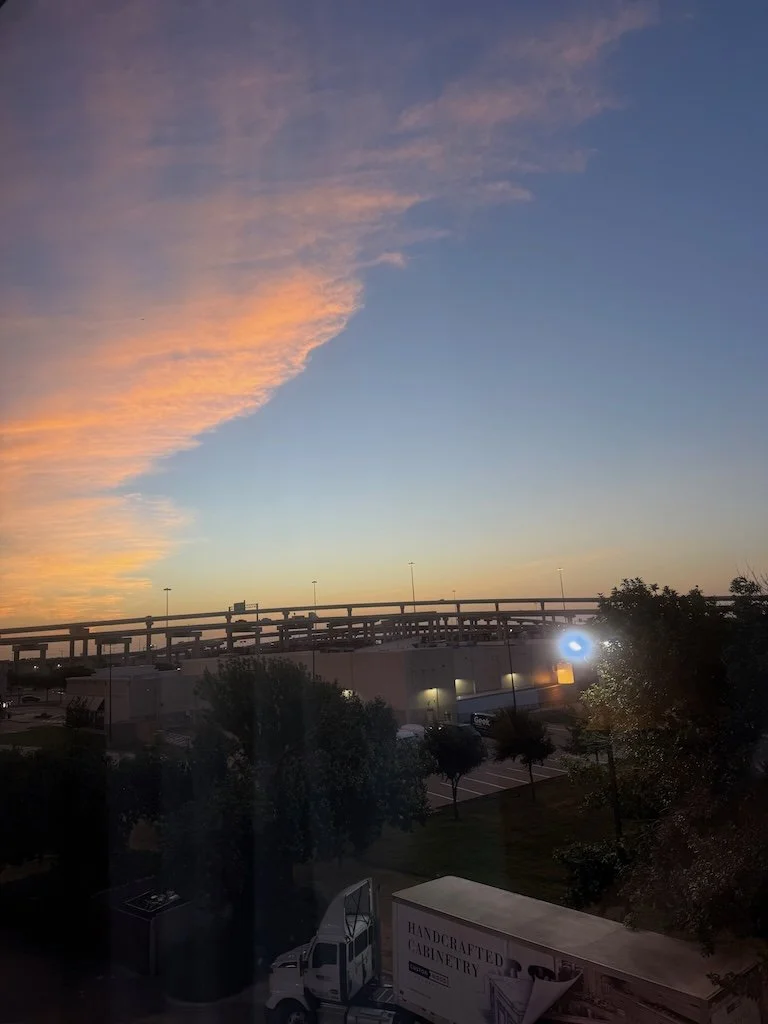
The air quality in Lewisville TX (where I go monthly to visit my dad) is considerably worse than in Springfield MO. This winter it has been orange or red most of the times I’ve been in the area. It’s been too cold to take Dad for a walk outside – and I will always check the air quality before taking him for an outdoor walk even when the weather is pleasant again. There are times that Oklahoma smells smokey (grass fires or power plants?) as I drive through. I am adding a small air purifier to the inside of the car and not doing a lot outdoors when I am there unless I check and the air quality happens to be ‘green.’

I find myself wondering what contributes to the air quality being ‘not green,’ but it is hard to tease out that information. The measurement just reports how much PM2.5 there is. I hope that some organization begins to make the contributors more visible to the public (and it would be great if The Weather Channel added that info in their app). Would it spur more people to push for changes to utilities….to retire coal burning plants a quickly as possible?

Note: To find the hourly air quality forecast on The Weather Channel App, scroll down on the Home screen to find the Allergies – Breathing – Cold & Flu block and select ‘Breathing.’ Scroll down to see the Air Quality Forecast.

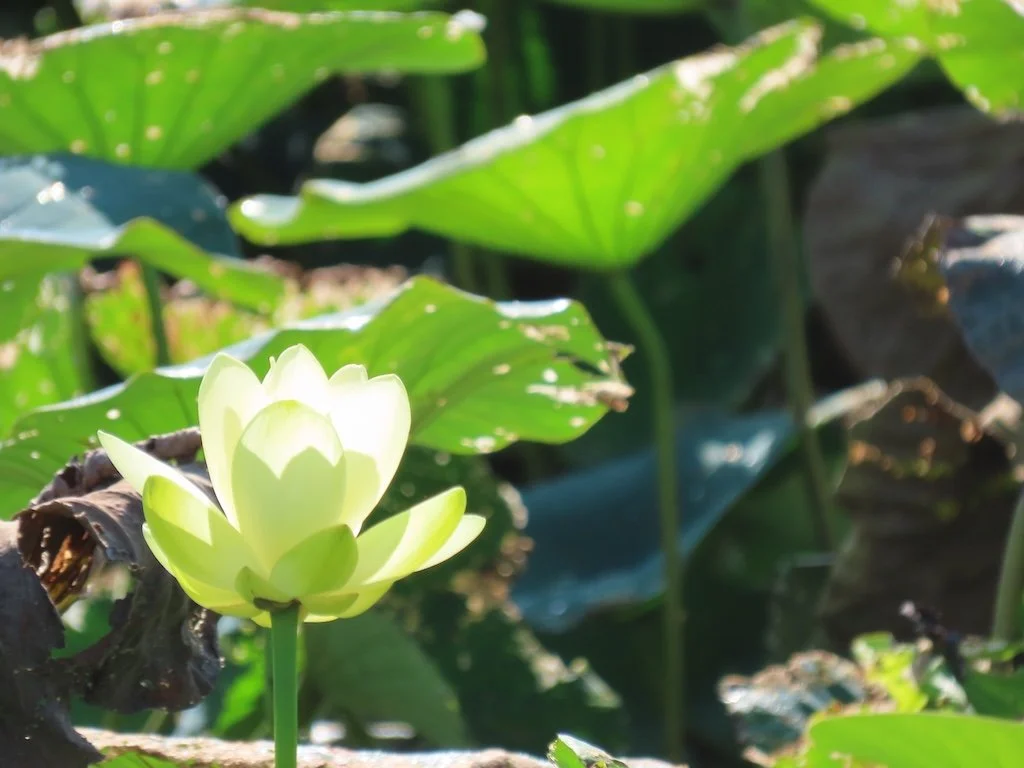
Zooming - January 2026

The zoomed imaging from this month were taking in my daughter’s yard in Springfield MO, my yard in Nixa MO, Loess Bluffs National Wildlife Refuge, the Dickerson Park Zoo in Springfield MO, the Lake Springfield Boathouse and the Texas Welcome Center on US 75. It was not a big photography month. I expect February will have more if the weather does not cause cancellations of winter hikes I have planned.

Lake Springfield – January 2026

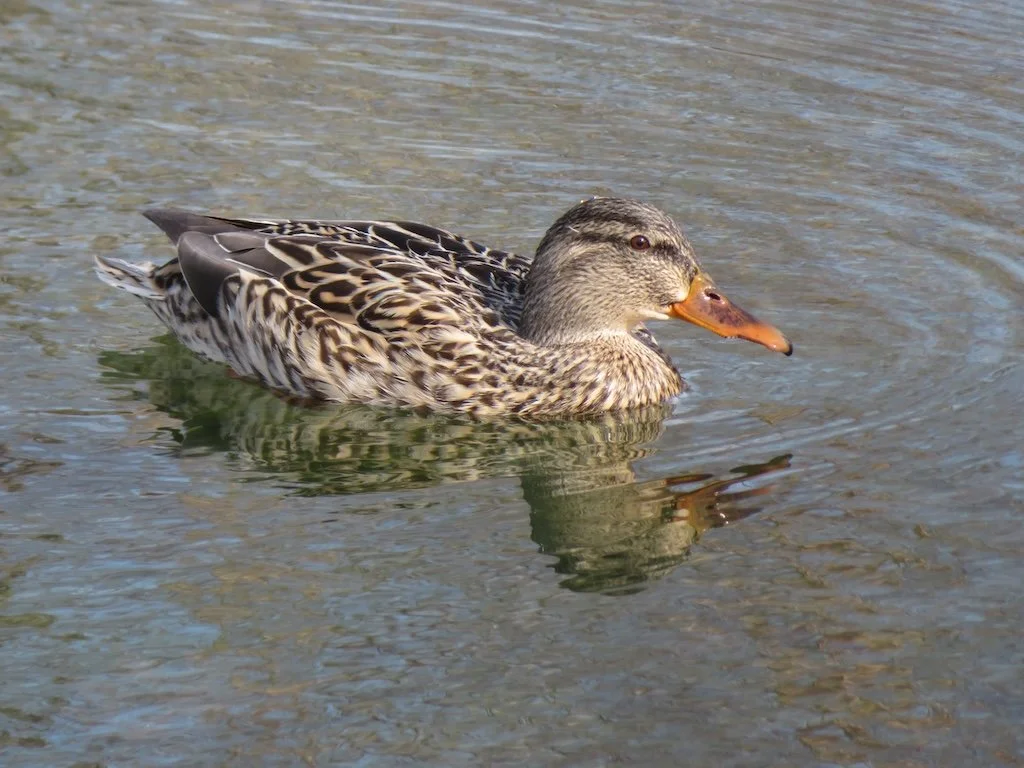
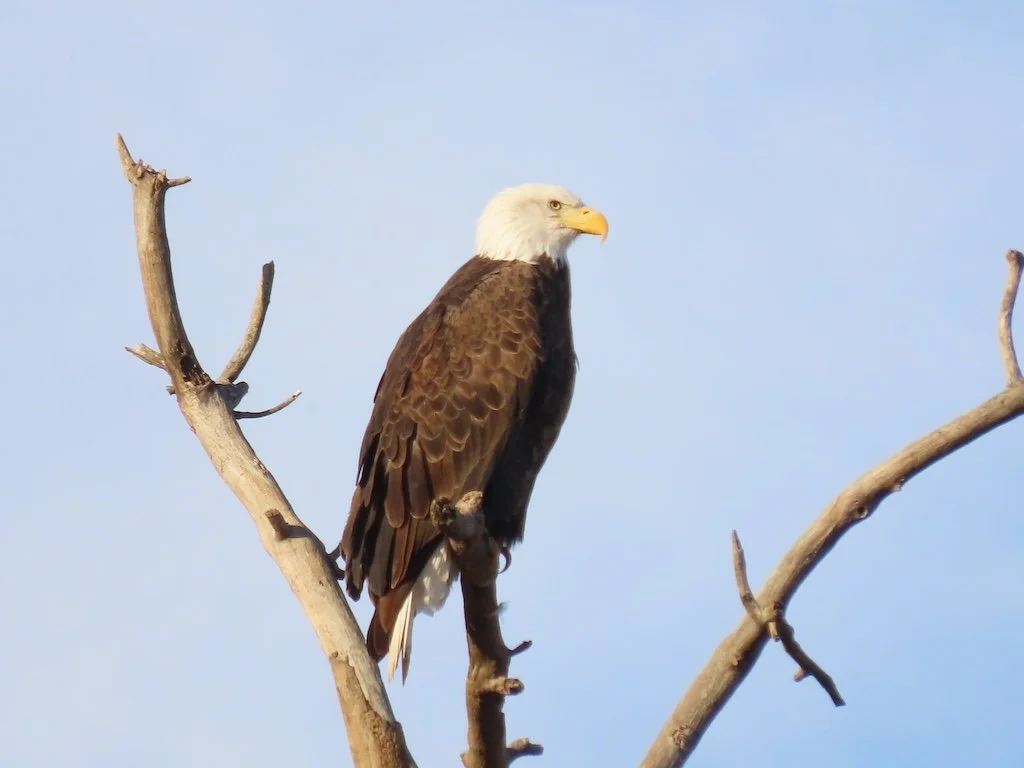
There was an ‘eagle’ event at the Lake Springfield Boathouse last weekend. The temperature was in the 20s and a little breezy…but I bundled up and headed out. The parking lot still had plenty of spaces when I got there. The spotting scopes were set up on the lakeside deck of the boathouse…but they were on ducks rather than bald eagles! Evidently there had been a couple of eagles sighted before the event started – from a nearby lookout, not visible from the boathouse. After watching the ducks for a little while, I opted to switch my photography to plants.

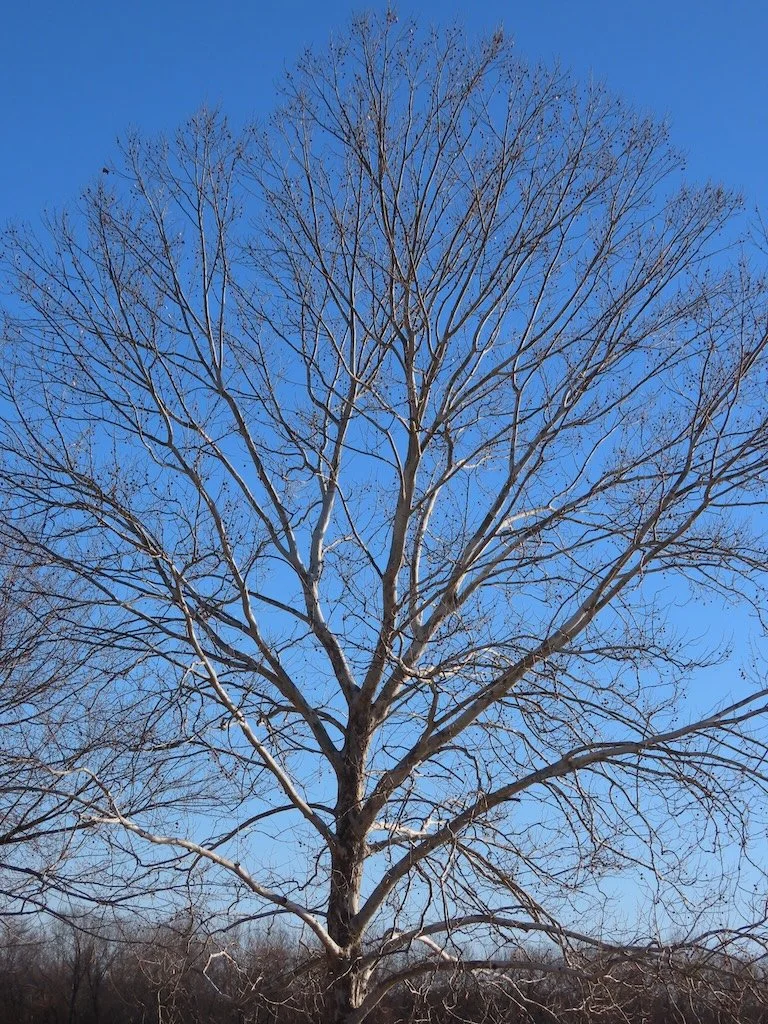
The sycamore at the edge of the lake was catching the light.

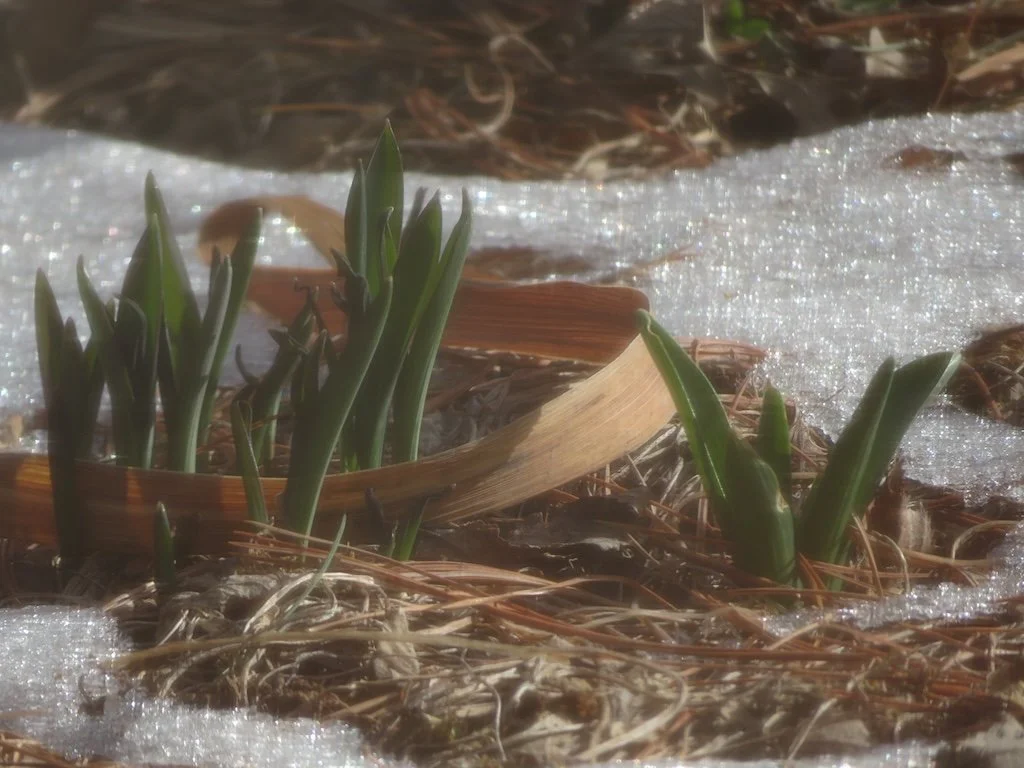
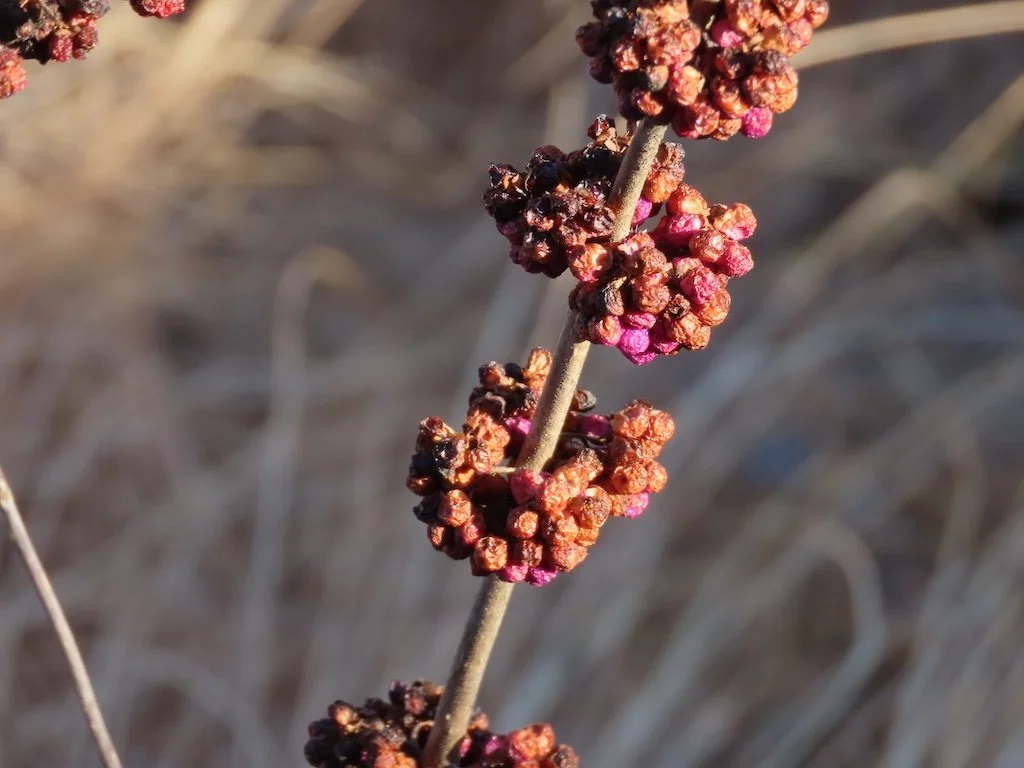
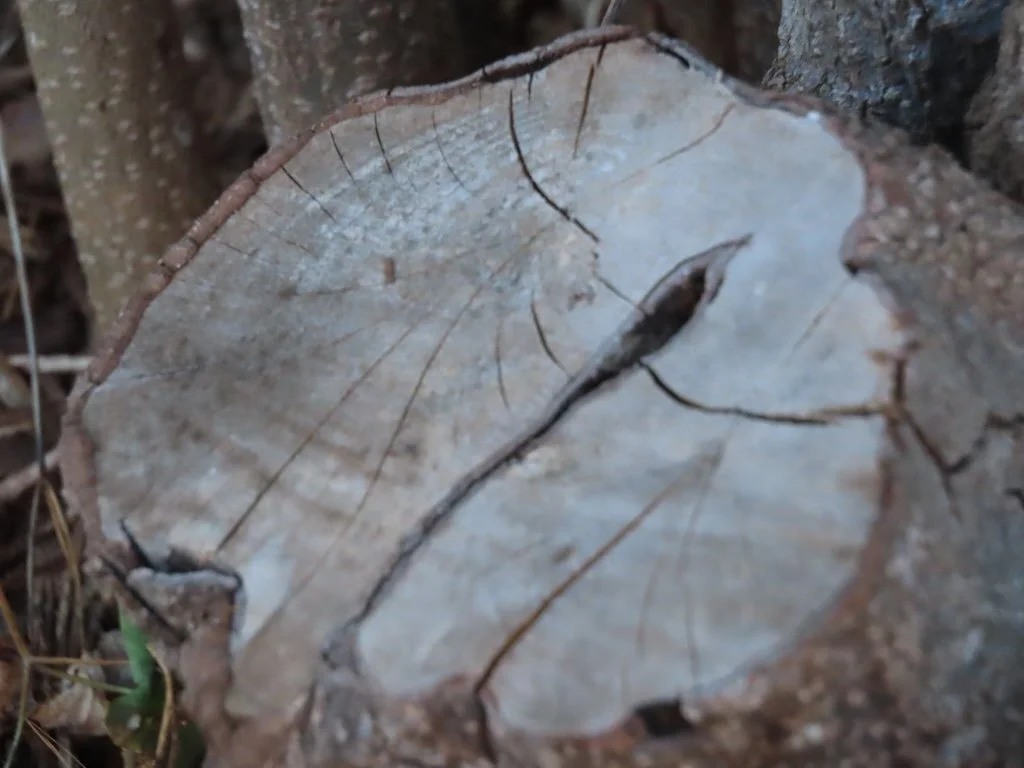
I walked around to look for seed pods…and anything else interesting in the plantings around the boathouse. The beautyberries were shriveled but still retained some color. A bush trimmed to keep it within the bed displayed a cracked stump. The browns and off-white colors dominate in winter but there were some green leaves of some bulbs coming up in one bed.

It was a short foray into the cold – testing out my gear from some winter wellness hiking over the next few weeks.

Road Trip – Loess Bluffs National Wildlife Refuge

The day after Christmas was a great time for a road trip to Loess Bluffs National Wildlife Refuge. I had noticed that the latest Waterfowl and Bald Eagle Survey showed over 500 bald eagles at the refuge!

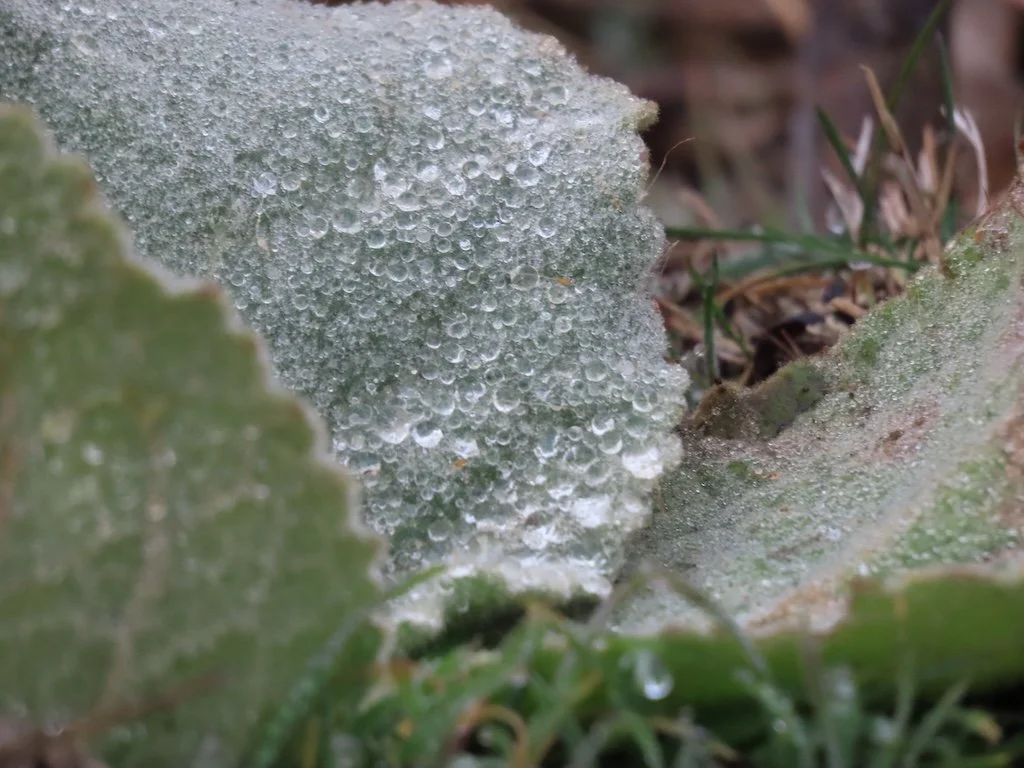
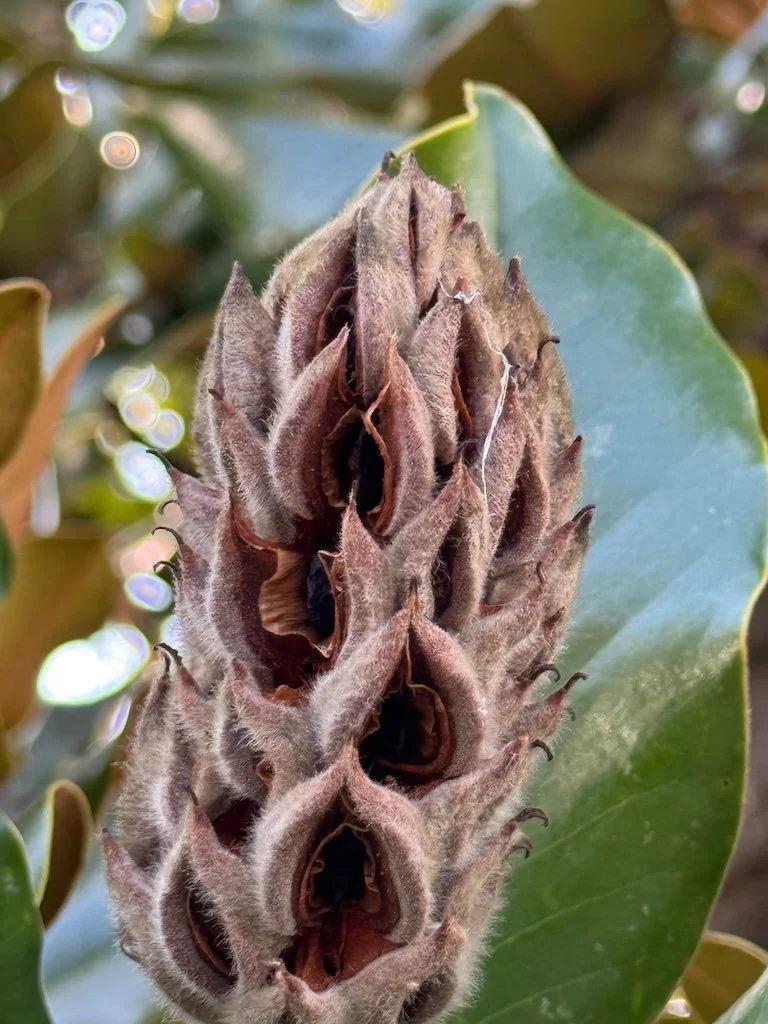
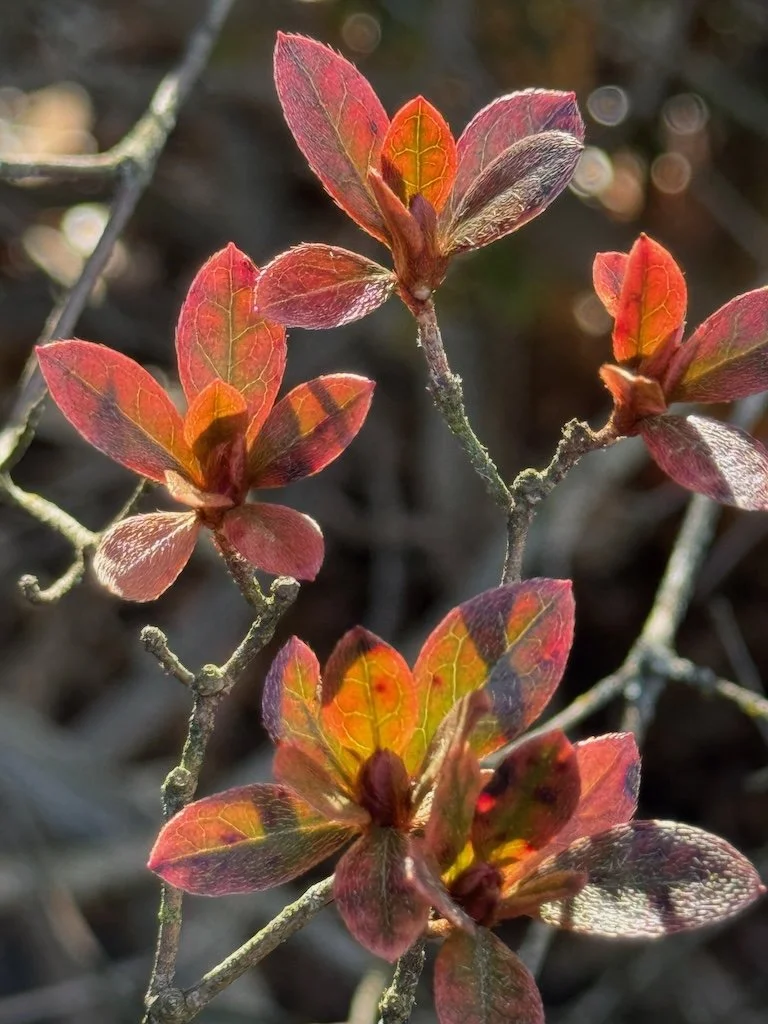
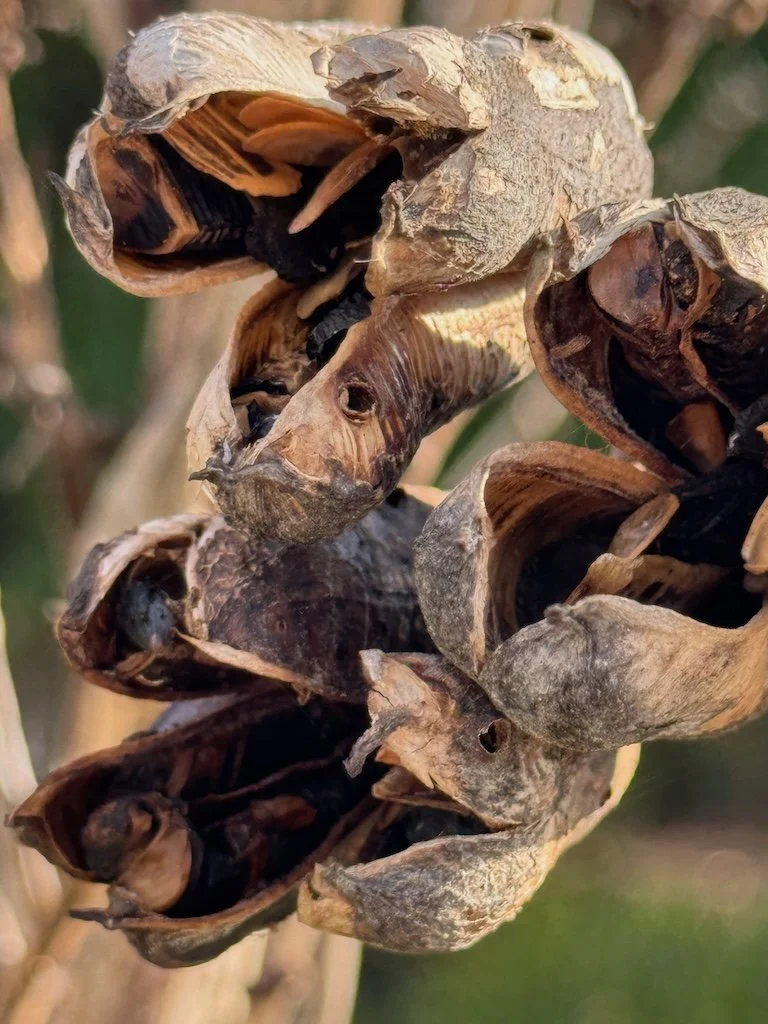
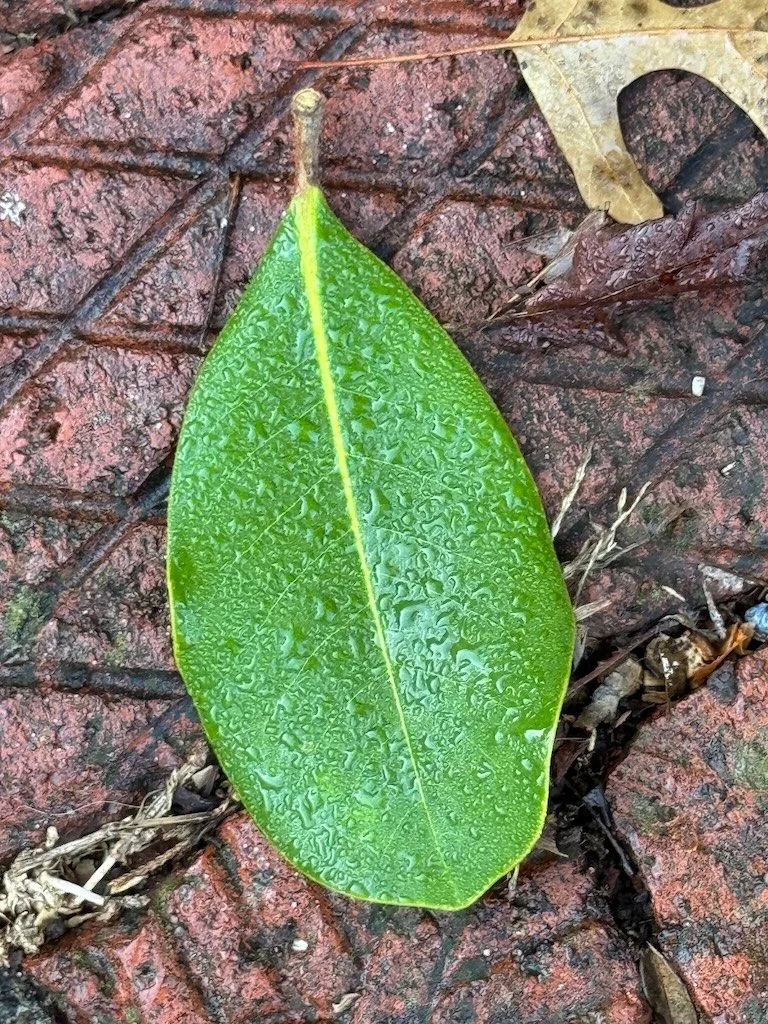
We headed out after breakfast…stopping in Springfield to pick up my daughter. I took a few pictures around her yard while she put her luggage in the car. A magnolia pod, sun shining through azalea leaves, yucca seeds, a leaf with dew drops, and colorful oak leaf hydrangea leaves.

I got some pictures of overpasses as my husband drove through Kansas City.

And then there was the dramatic bridge across the Missouri River.

On the way home the next day – the bridge looked darker with the clouds…still dramatic.

My Favorite Pictures from 2025

I forced myself to pick 2 pictures from each month to feature in this post. They were taken in my yard, at the Springfield Botanical Garden (and the butterfly house and Japanese Stroll Garden there), my daughter’s yard and during my travels for prairie walks in SW Missouri, to Loess Bluffs National Wildlife Refuge in NW Missouri, Chicago IL, Branson, and the Lower Rio Grande Valley in Texas. They are all taken outdoors! Enjoy the slideshow.
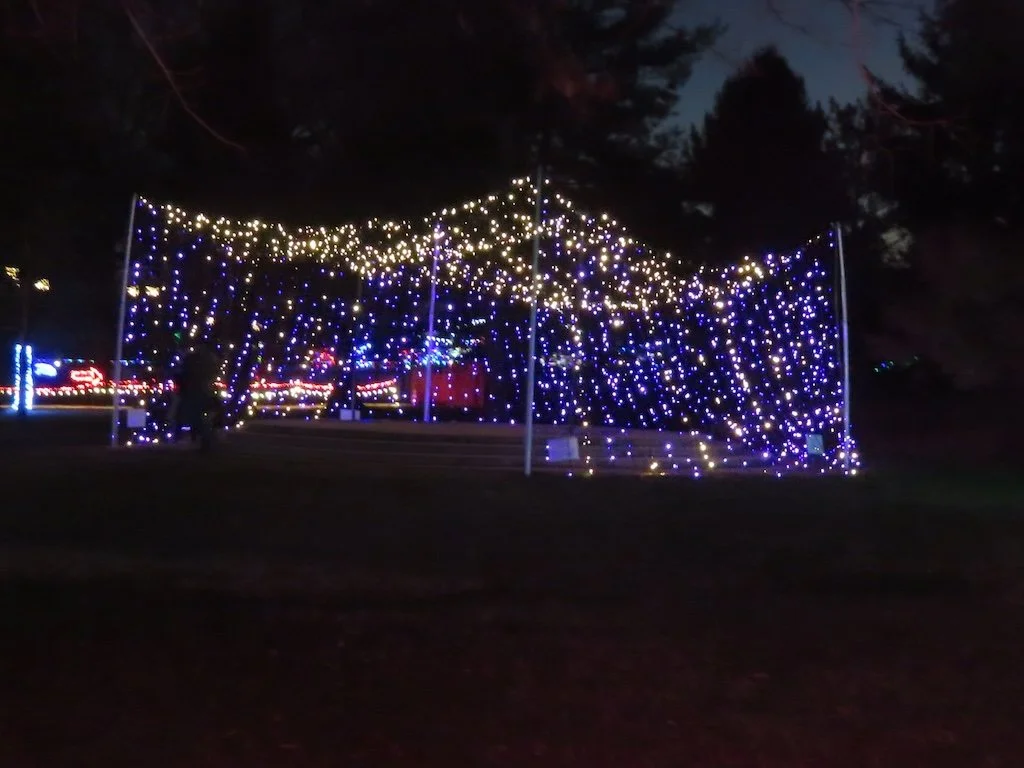
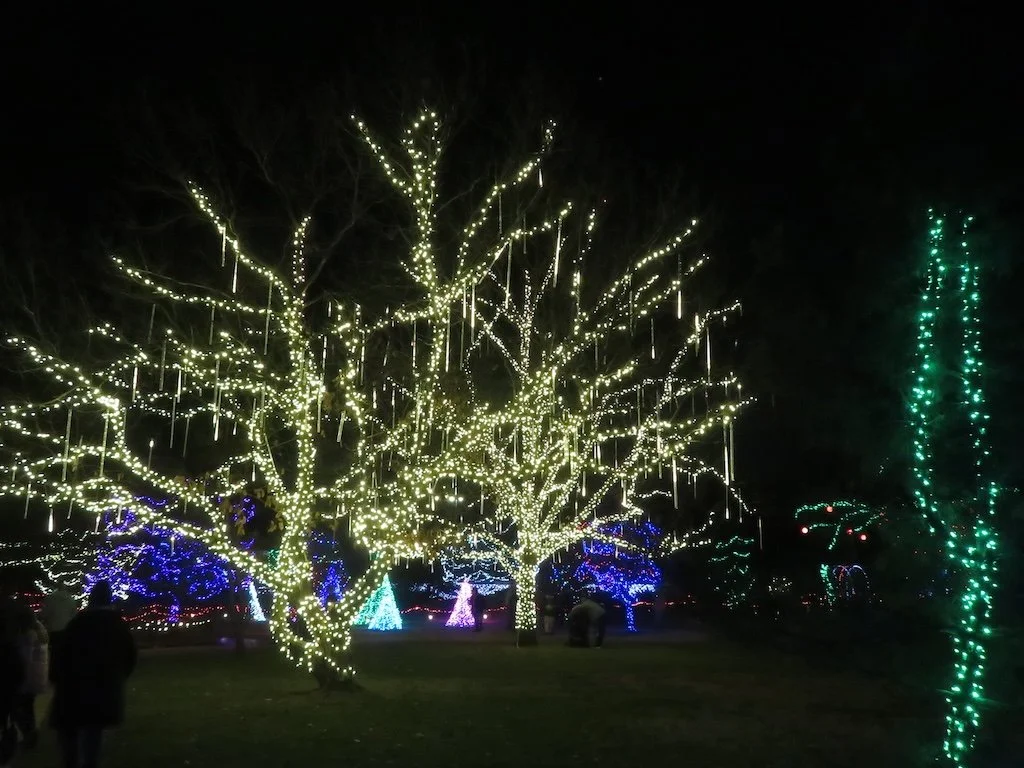
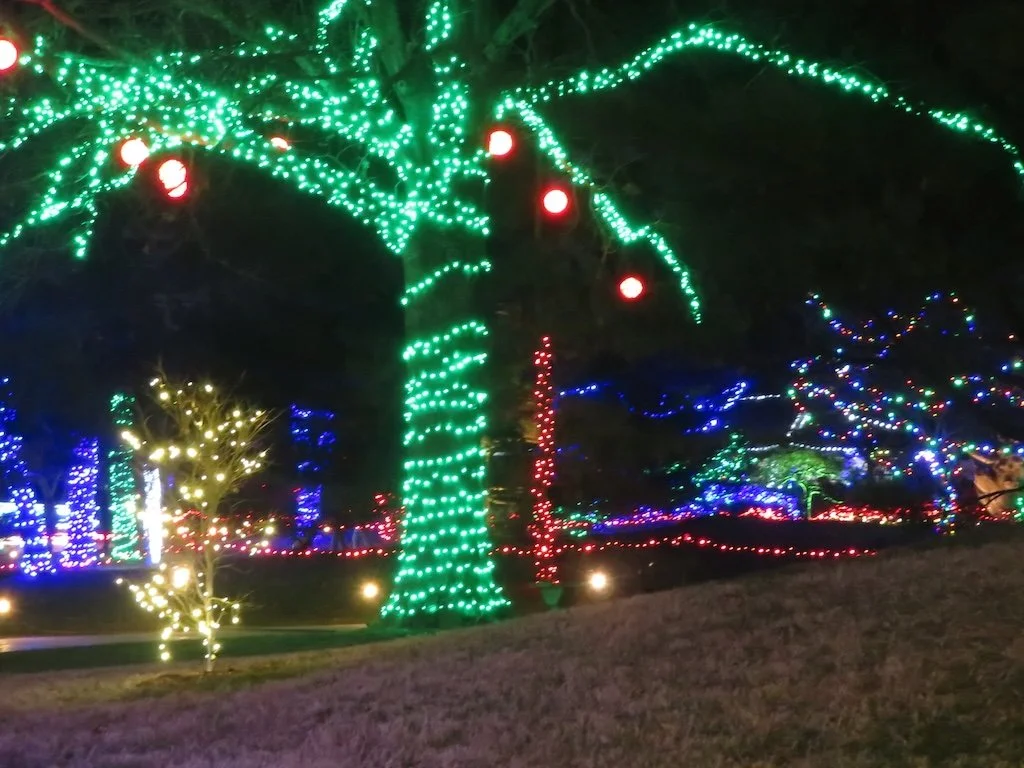
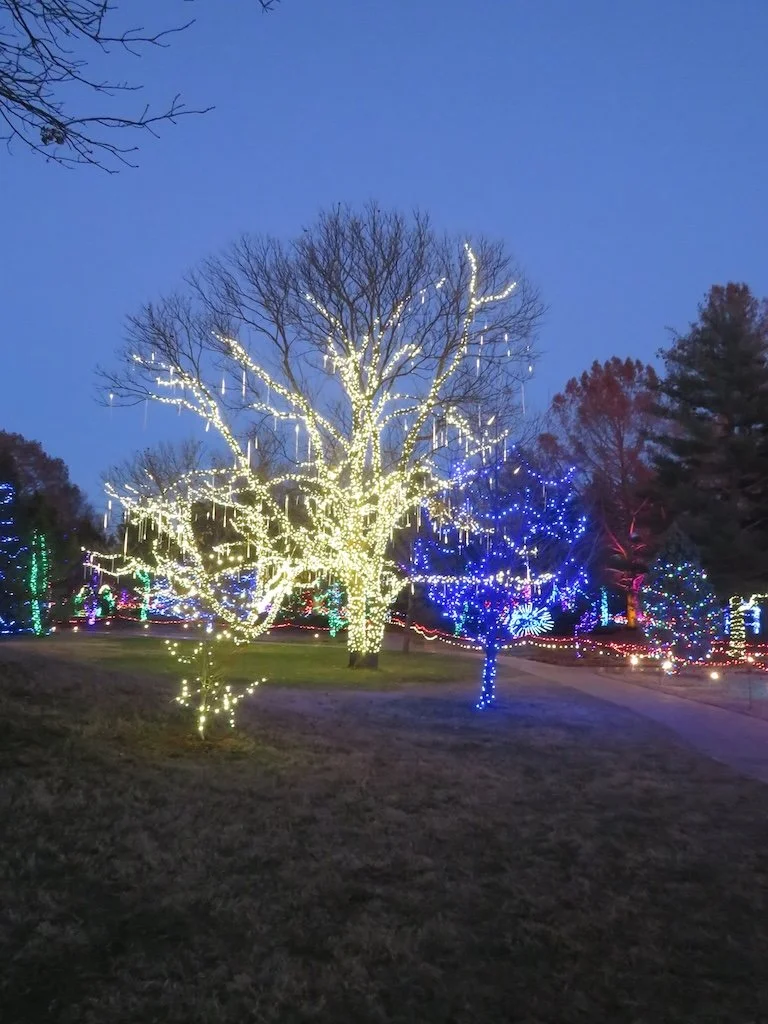
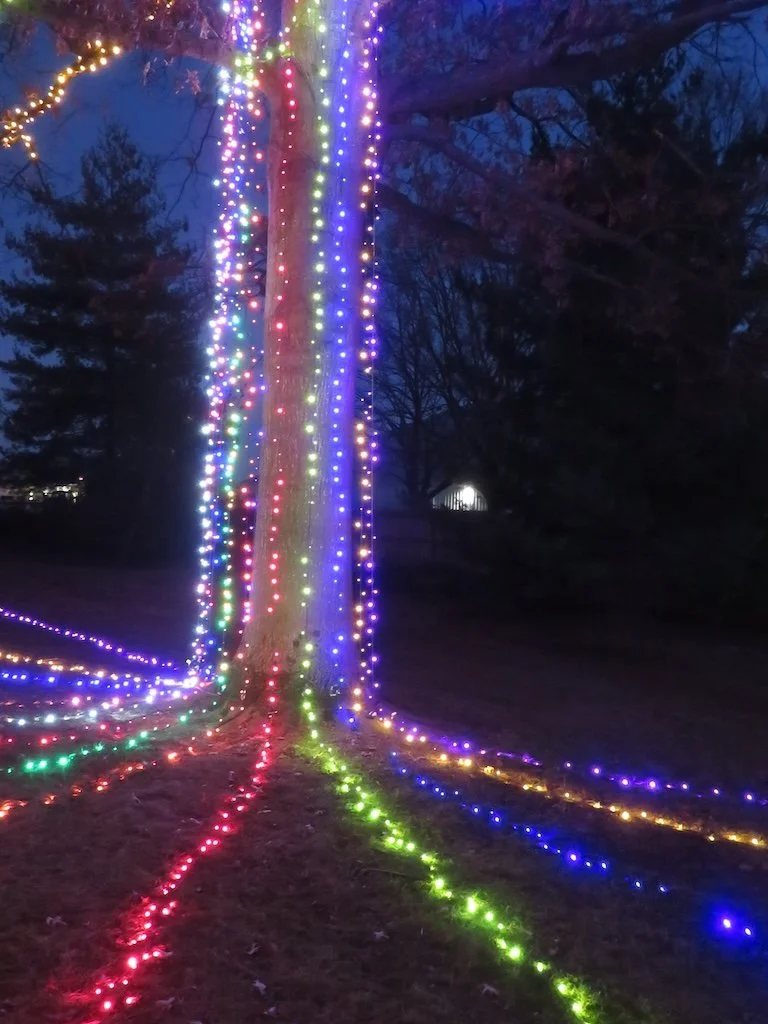
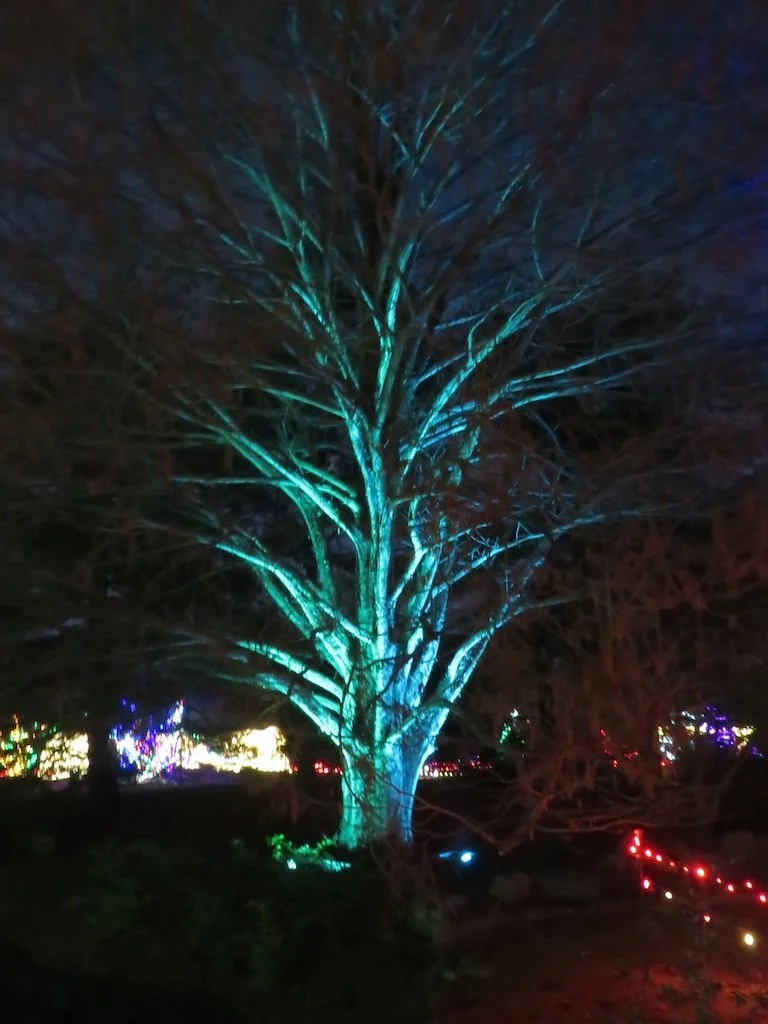
Gardens Aglow

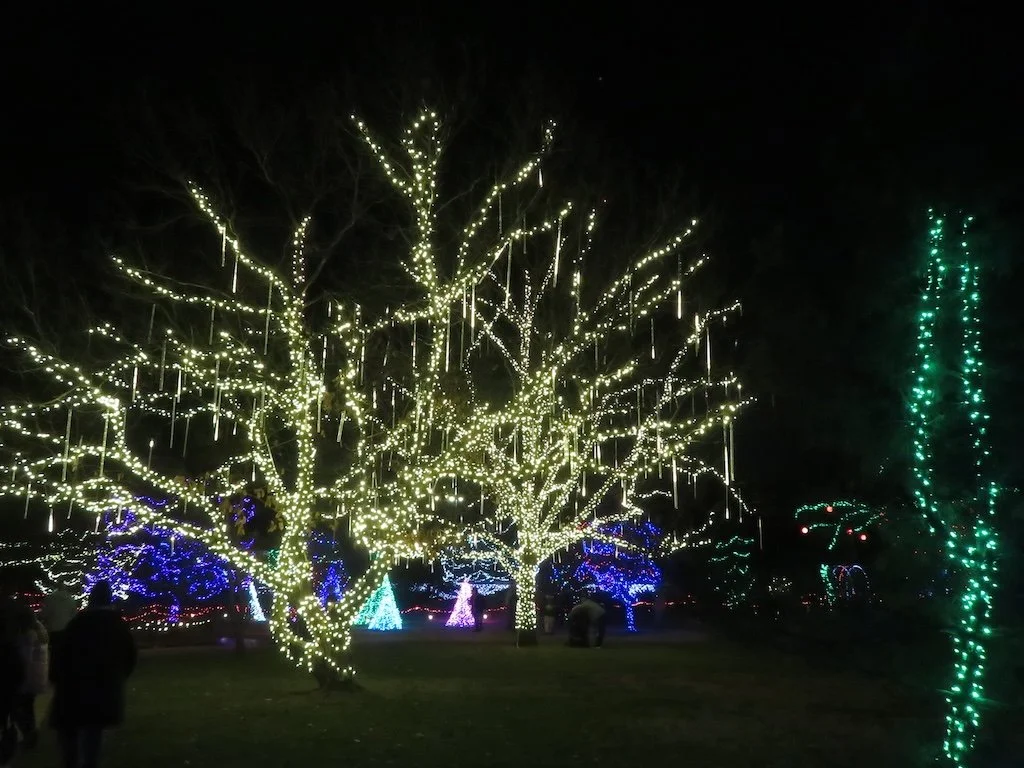
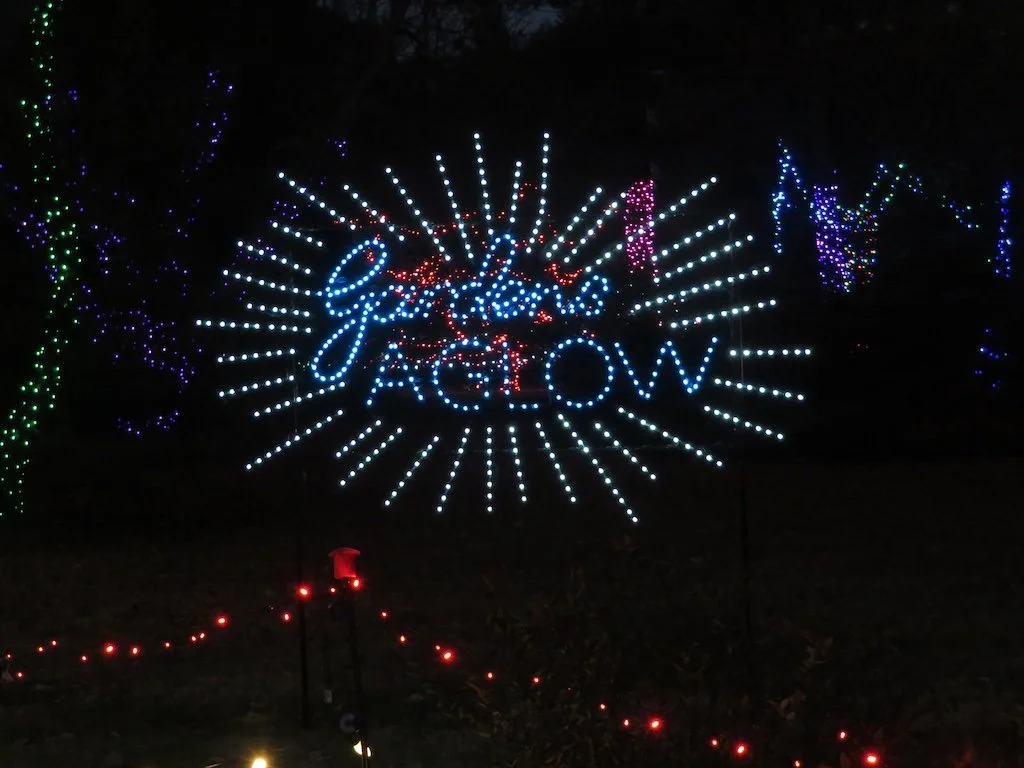
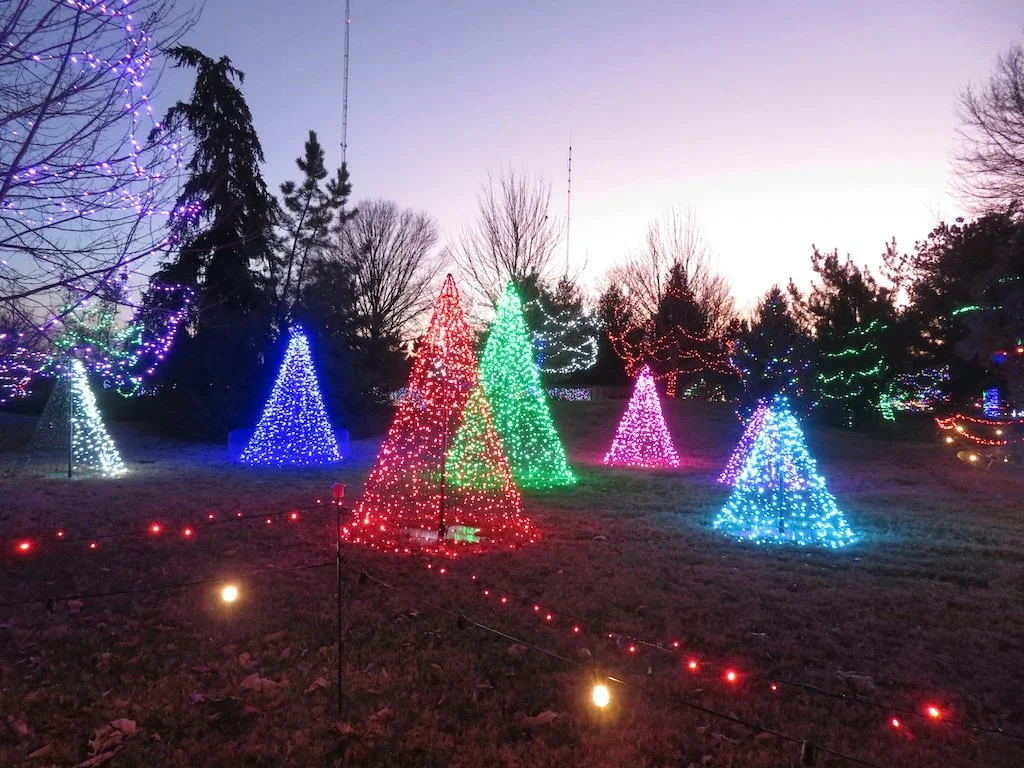
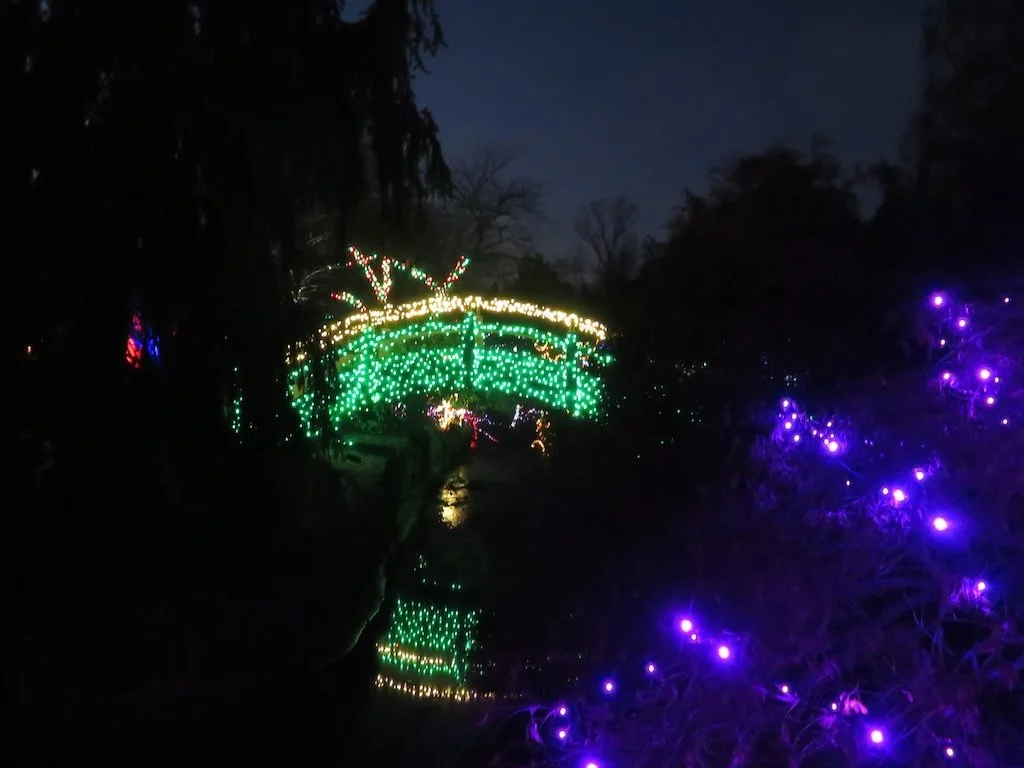
The seasonal Gardens Aglow lights are a wonderful evening activity. They continue until December 28th (check the website for dates and times) at the Springfield Botanical Gardens’ Mizumoto Japanese Stroll Garden. Online tickets are $6 for adults and $4 for children…but admission is free to Friends of the Garden or Springfield Sisters Cities Association! My husband and I are Friends of the Garden so the passes for the show I got in the mail because of my volunteering at the garden were given to 2 of my daughter’s students.

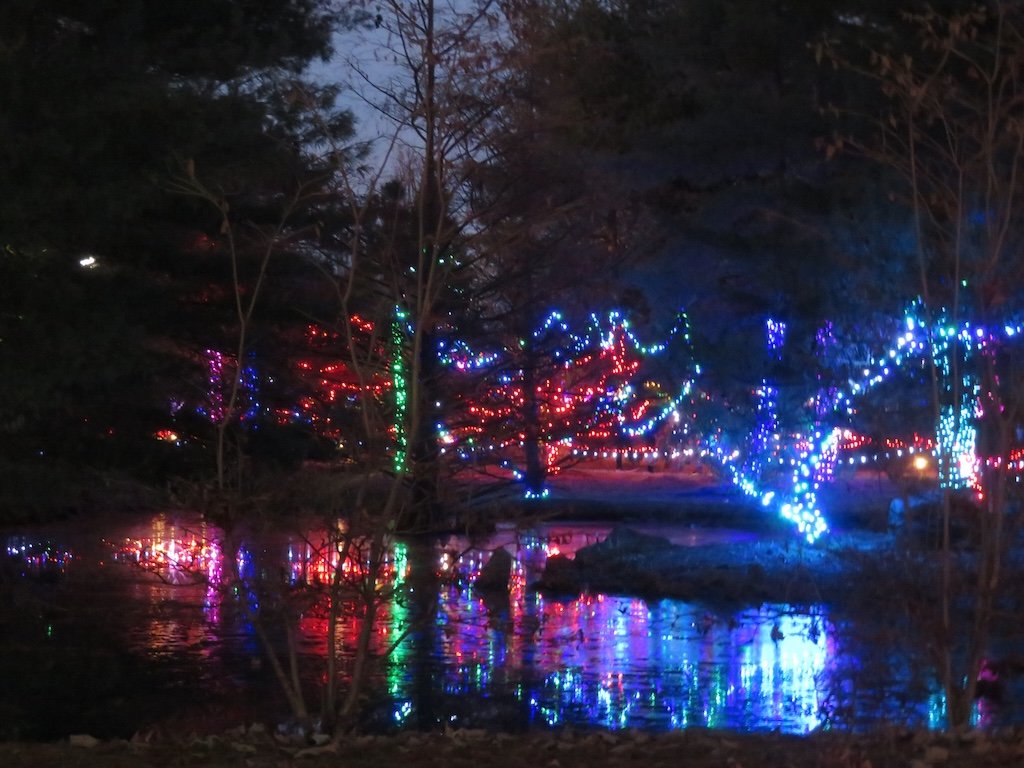
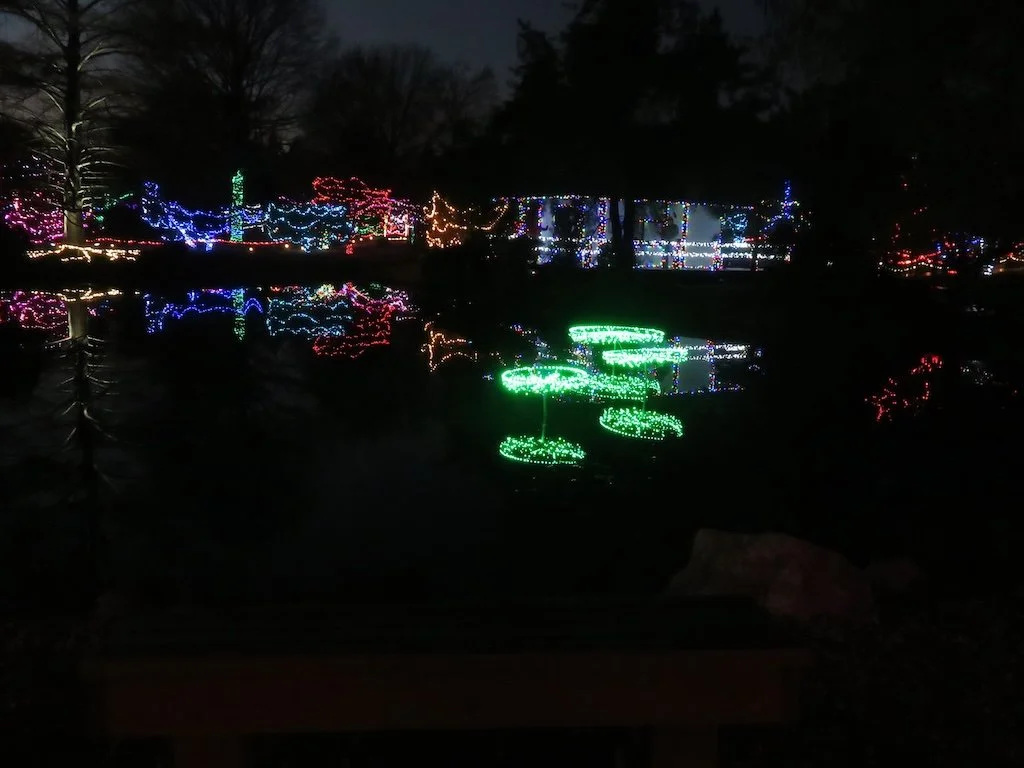
Our first visit was last week (we’ll probably go again before the end of the season). It was a cold and cloudy day, and we opted to arrive shortly after they opened at 5; we were early enough to park in the parking lot rather than the grassy area parking which is opened for the event. It didn’t take long before it was fully dark. I opted to use my small Canon PowerShot SX730 HS in night scene mode (stacks images in the camera) rather than my phone because the camera is easier for me to hold for the duration of the longer shot and the mechanism to zoom is easier too. There seemed to be a higher density of lights than I remembered from previous years. It is always well done; I liked that they have added lights to direct people to stay on the paved walkways…less chance of people trampling plants in the dark.
I enjoyed getting shots of lights and their reflections in water. There were plenty of opportunities!

Our walk took a little under an hour. The temperature was in the low 40s, and I was comfortable in my winter gear. My daughter bought some spring rolls at one of the food trucks – which she enjoyed but her hands got cold without gloves; she bought some hot cider just before we left to warm up her hands and to drink on the way home. My husband said his coat was great, but his gloves and shoes were not quite warm enough. It was a good first test of our winter clothing selections.

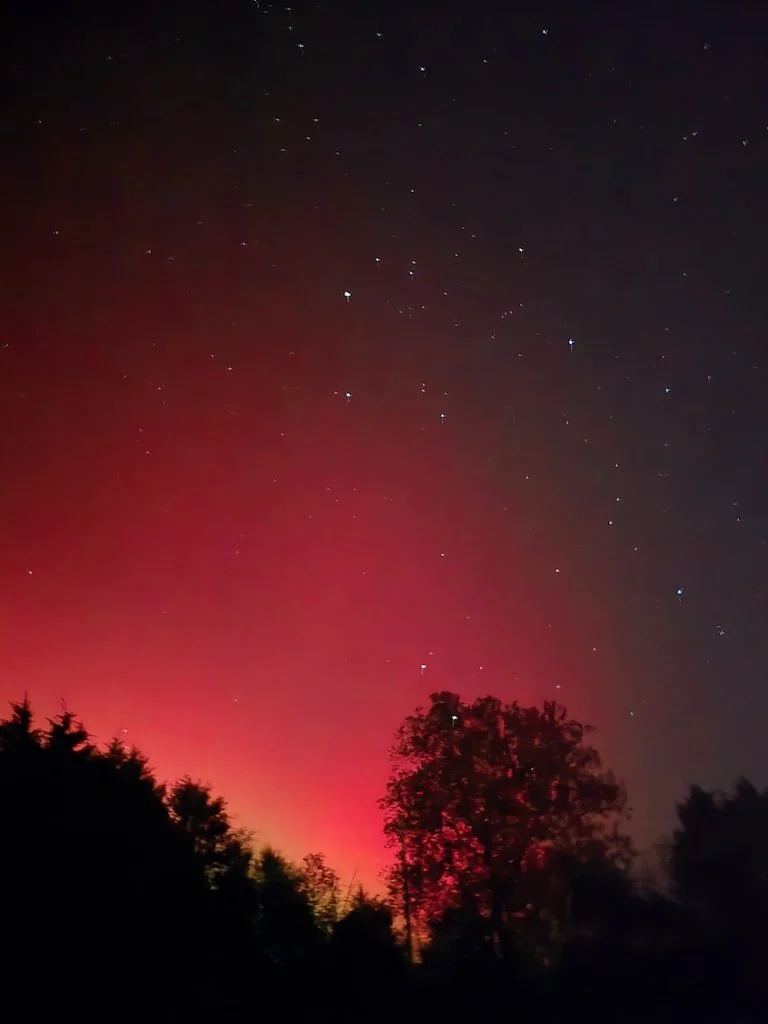
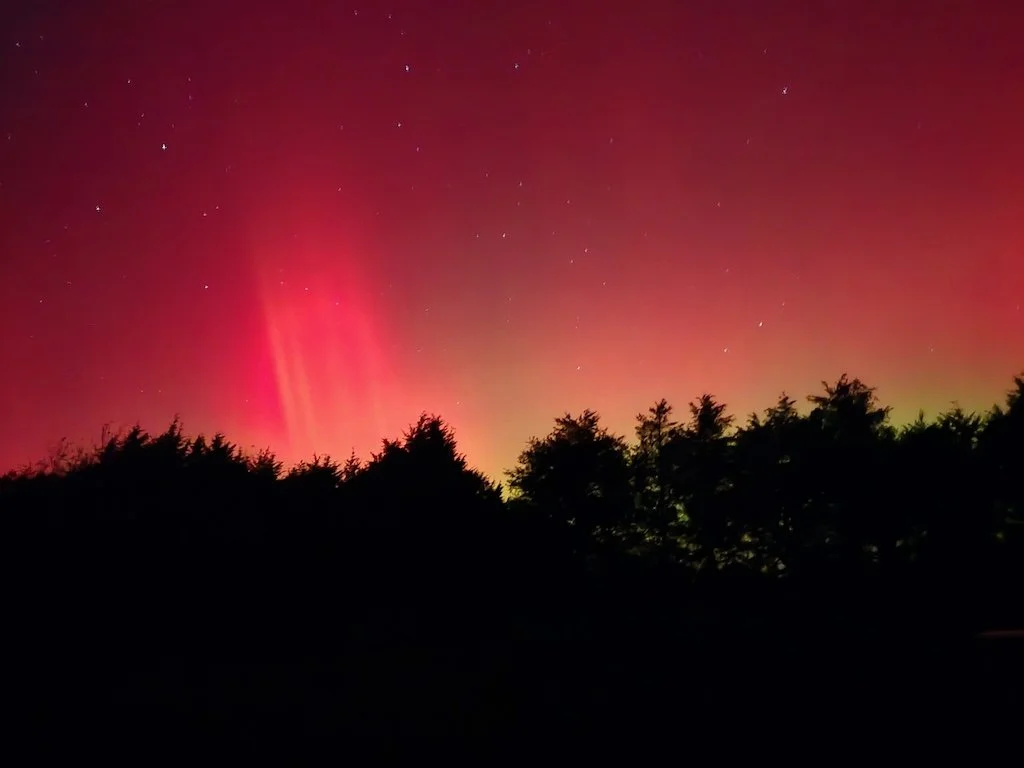
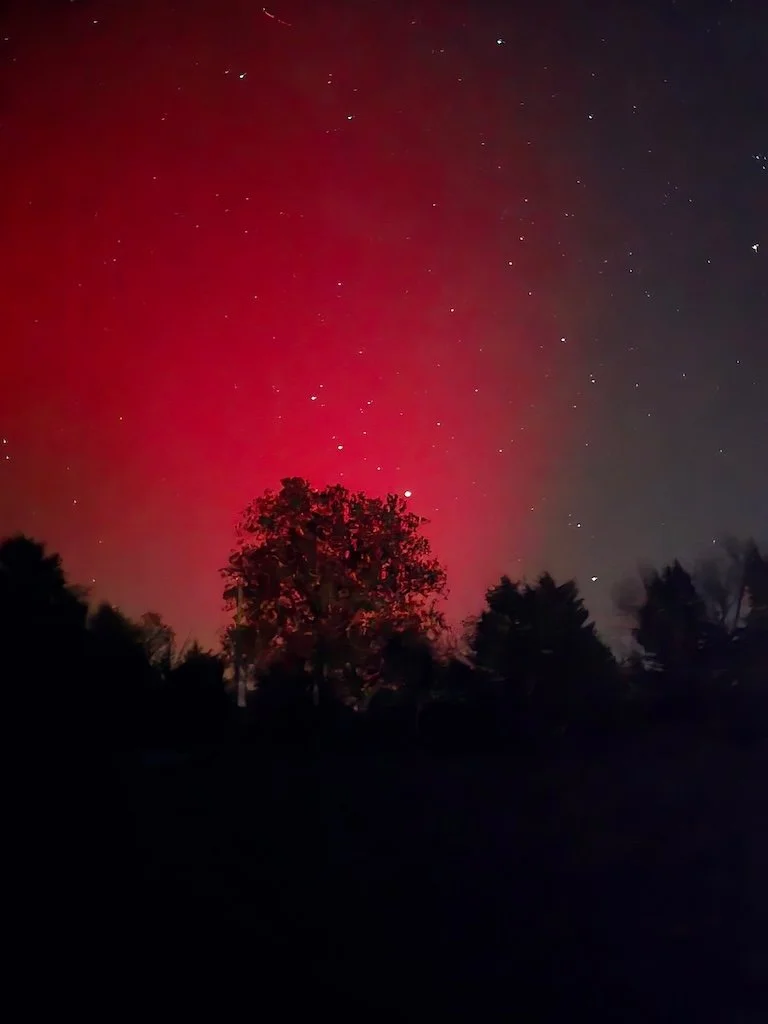
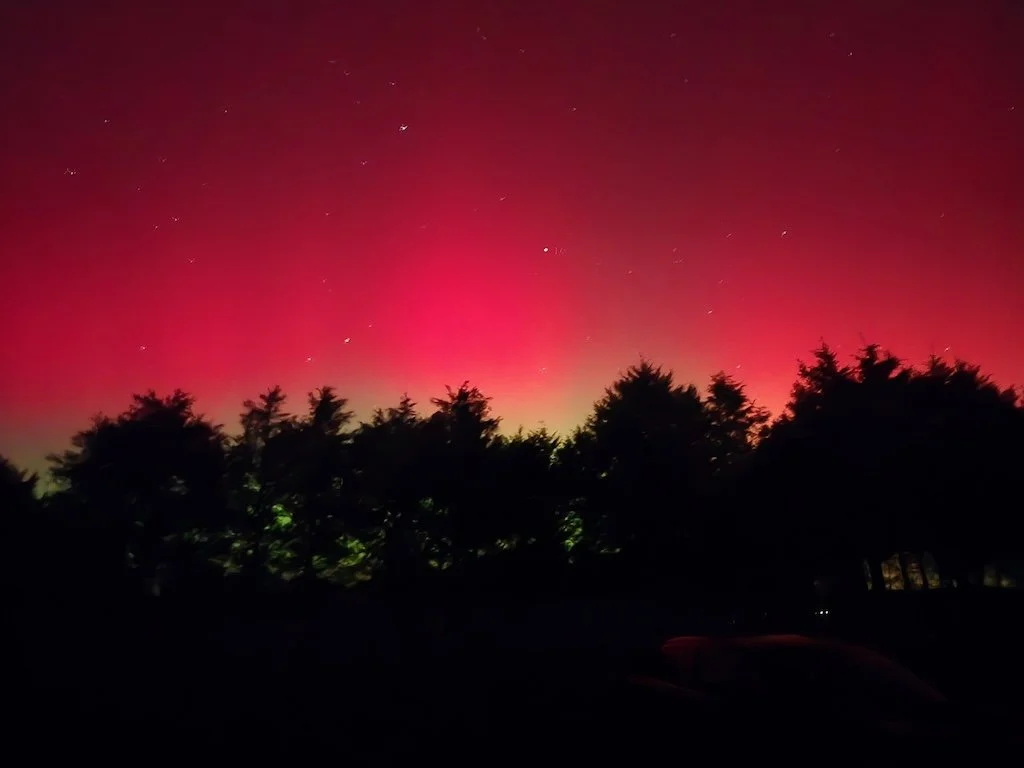
Aurora in Missouri

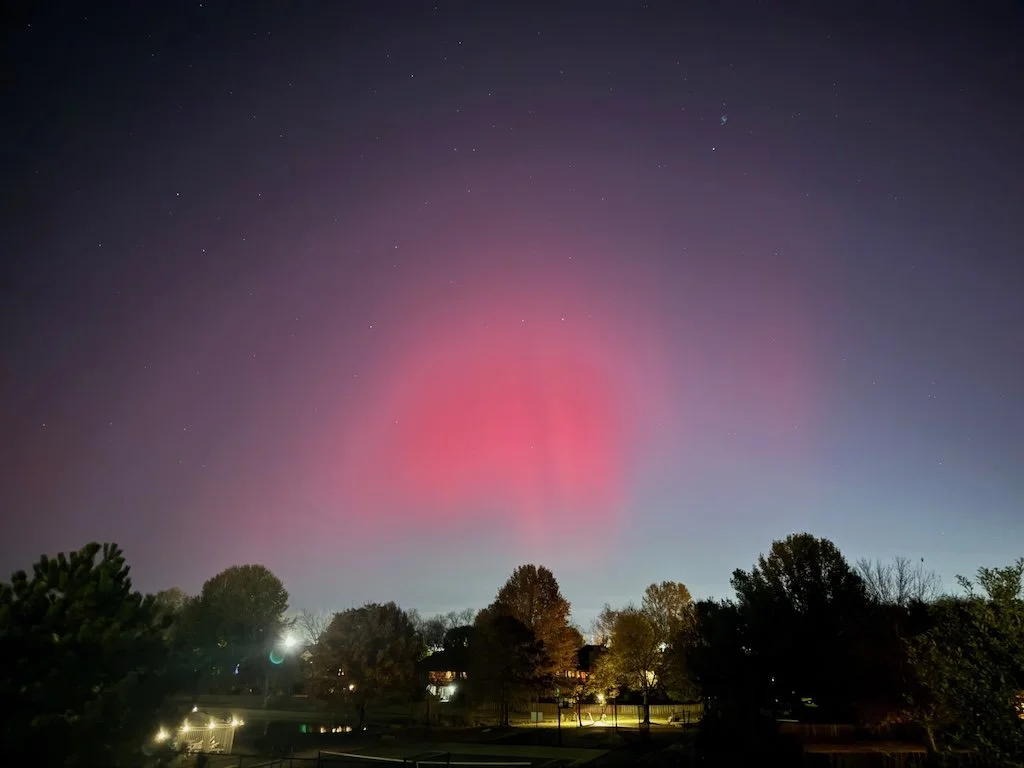
The aurora was visible from the Springfield MO area this past Tuesday! My husband said that he couldn’t see it when he walked outside at our house in Nixa – but his phone certainly did! The picture was taken at 8:20 PM.

Dr. Mike Reed (a colleague of my daughter’s at Missouri State) saw it too – at 9:20 PM.

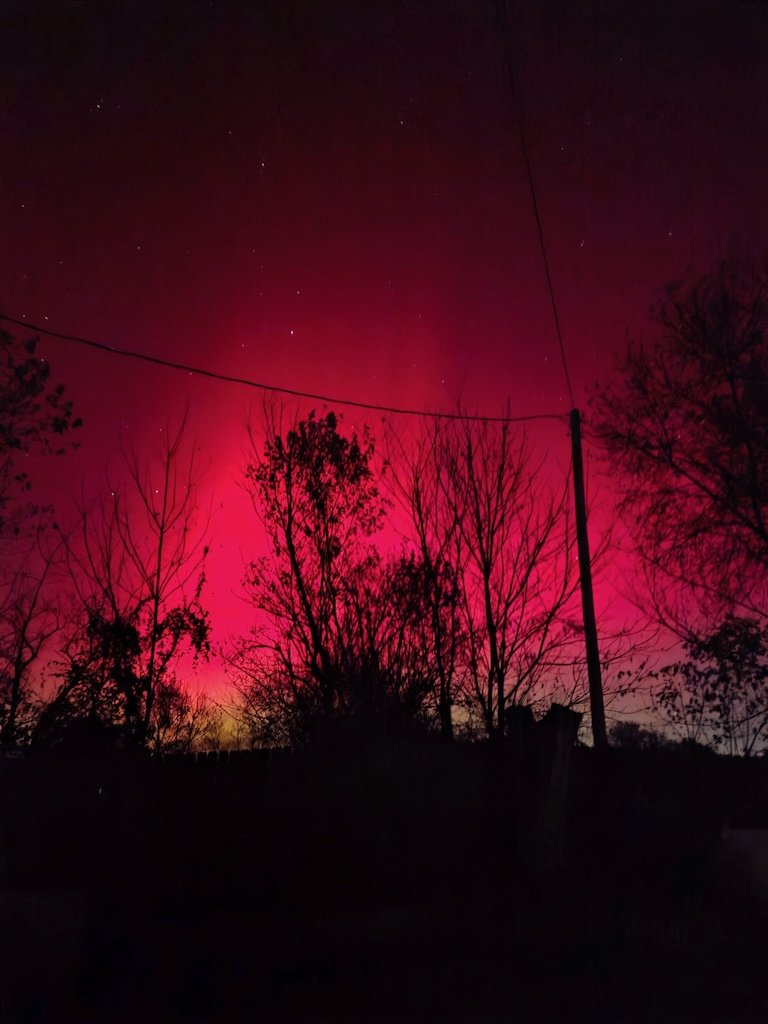
One of my daughter’s students (Bishwash Devkota, MSU astrophysics senior and president of Ozark Amateur Astronomy Club) went out to Missouri State University’s Baker Observatory and provided 5 photographs taken after 10 PM.

The sky is not particularly dark at our house; seeing the aurora and a few stars demonstrates how good the phone camera is!

Dickerson Park Zoo

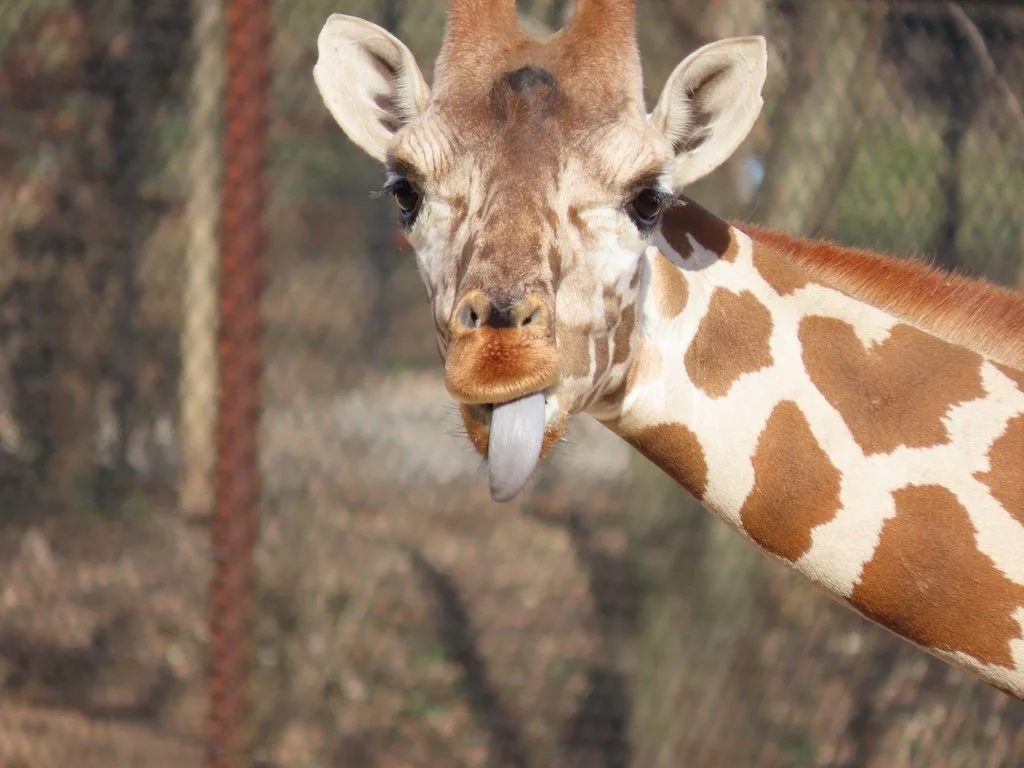
The Dickerson Park Zoo hosted an early evening Fall Fest for Friends of the Zoo. We enjoyed free popcorn and fed the giraffes tree trimmings. There was a young giraffe – clearly smaller than the others and not getting as much food from the visitors because the adults were better positioned to the people on the deck with their height.
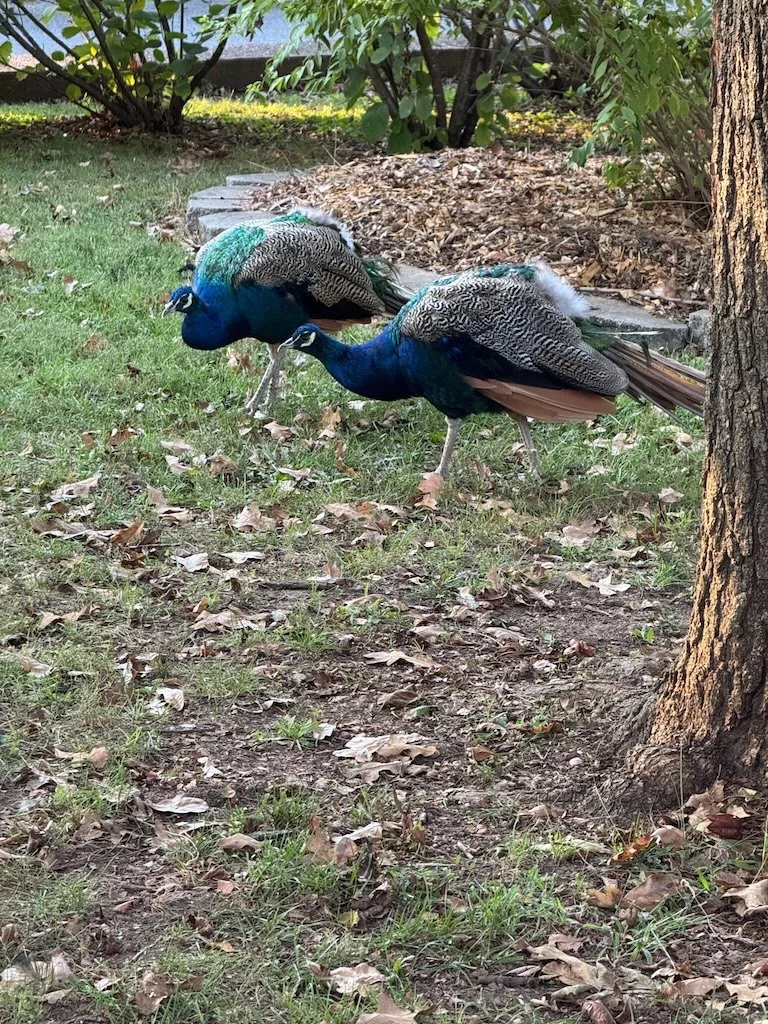
It was a cool evening. The parrots, that are usually a noisy welcome to the zoo, were already retired for the evening. The peacocks were out as usual…not as grand as earlier in the summer because the males are molting. They were walking about with very few tail feathers. We spotted one that must have been a hybrid of a normal and leucistic bird.

The cheetah cubs were out but not very active.  

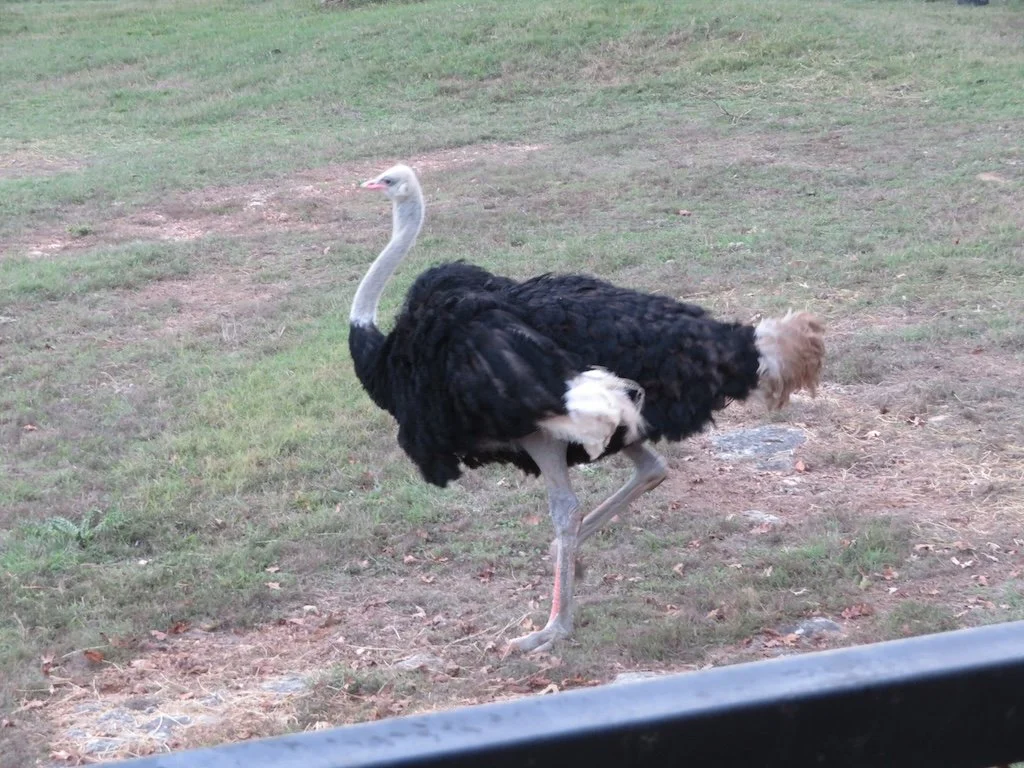
The ostrich in the enclosure next to cheetahs was moving about…looking for a last snack of the day.

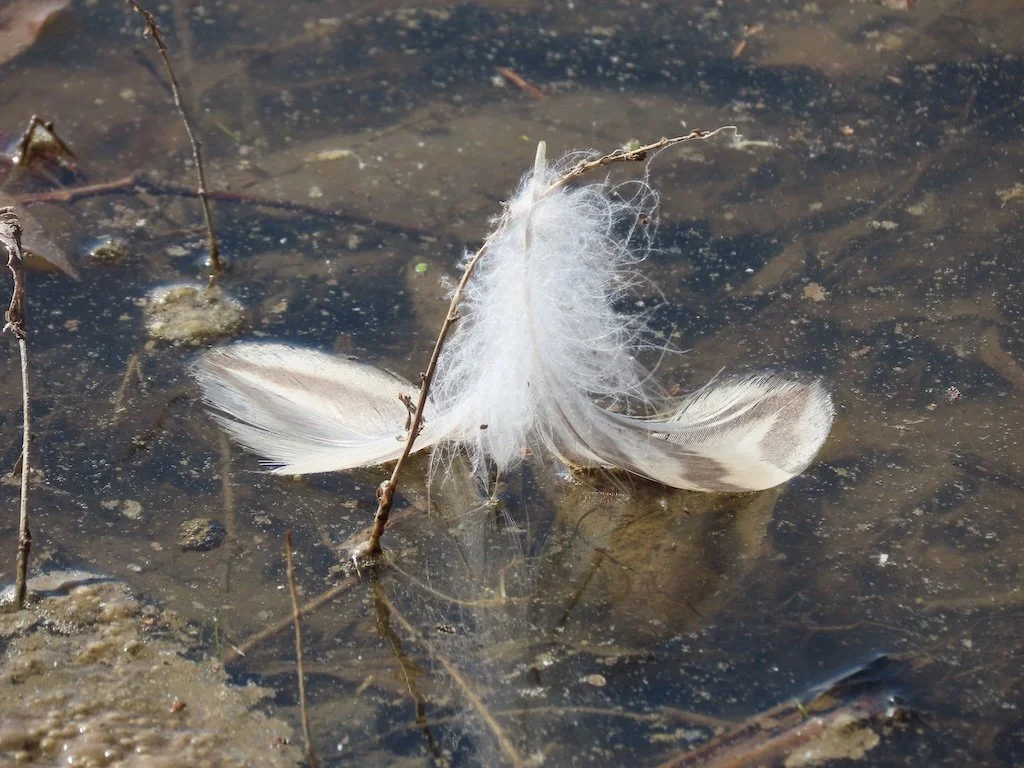
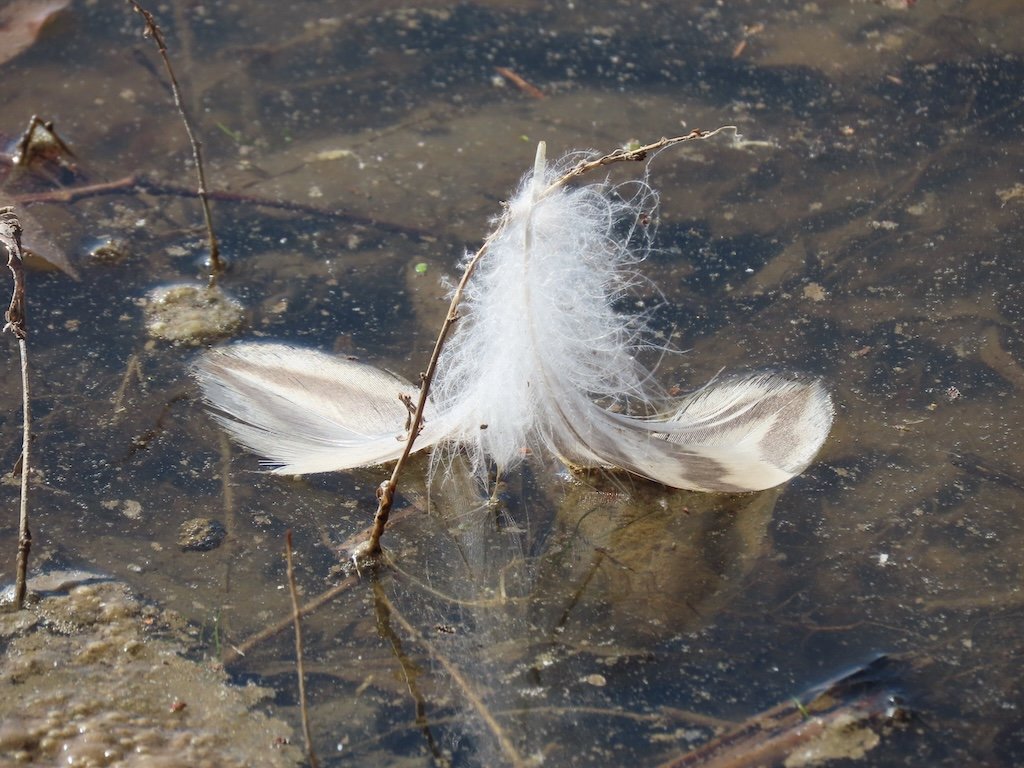
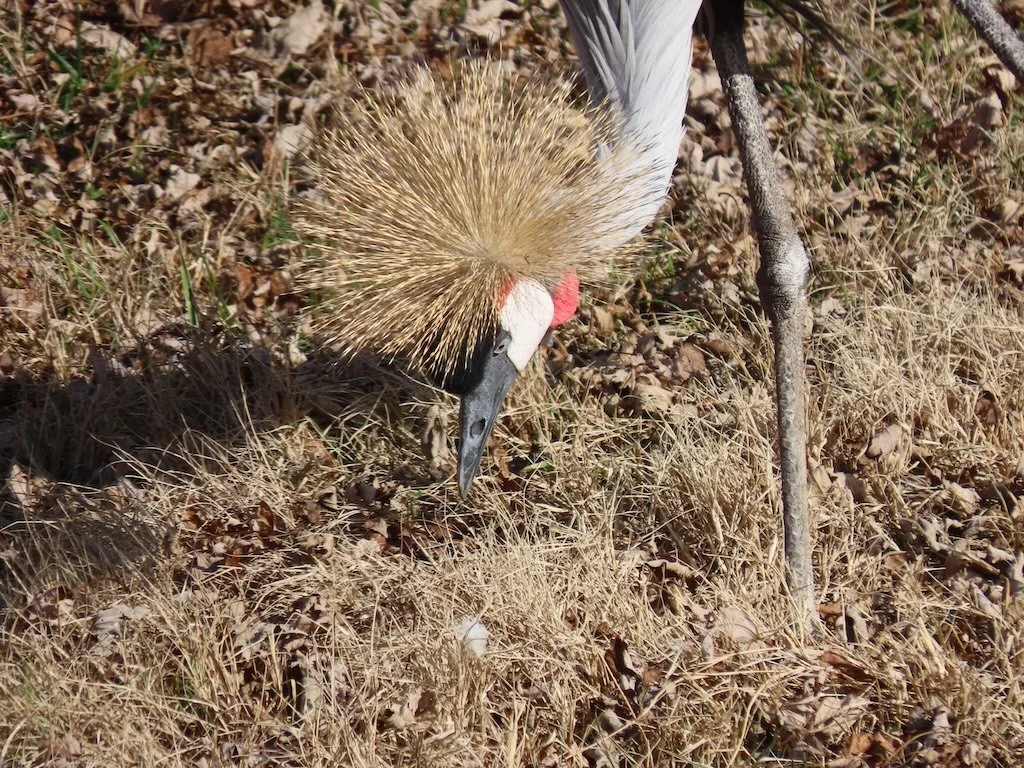
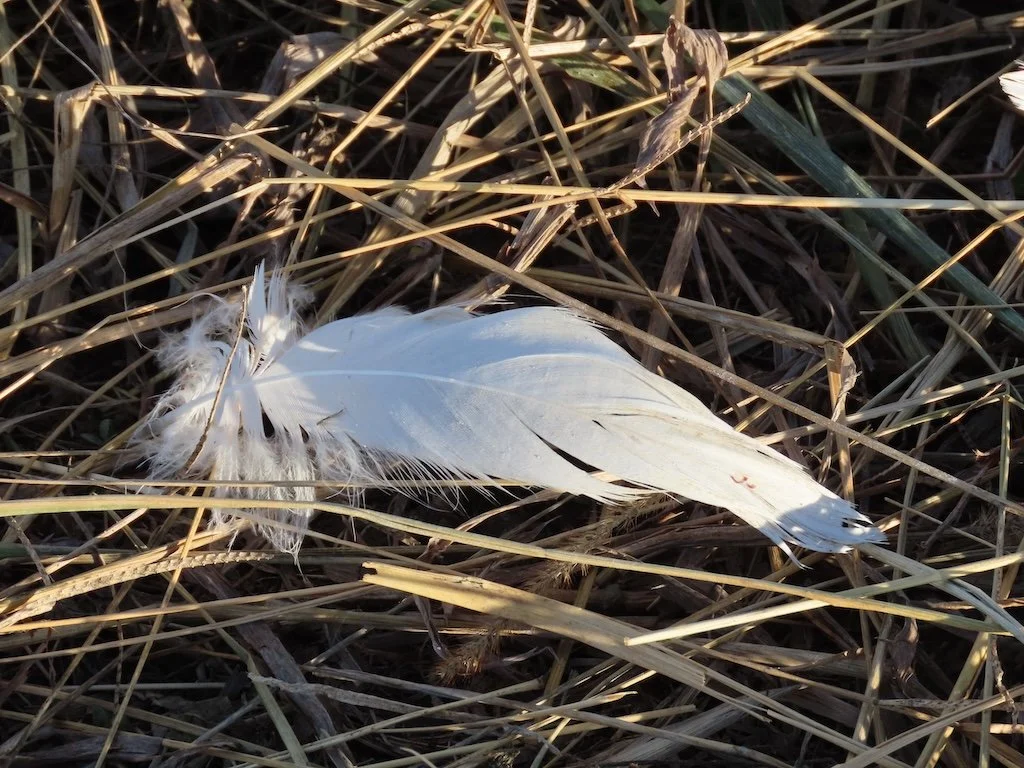
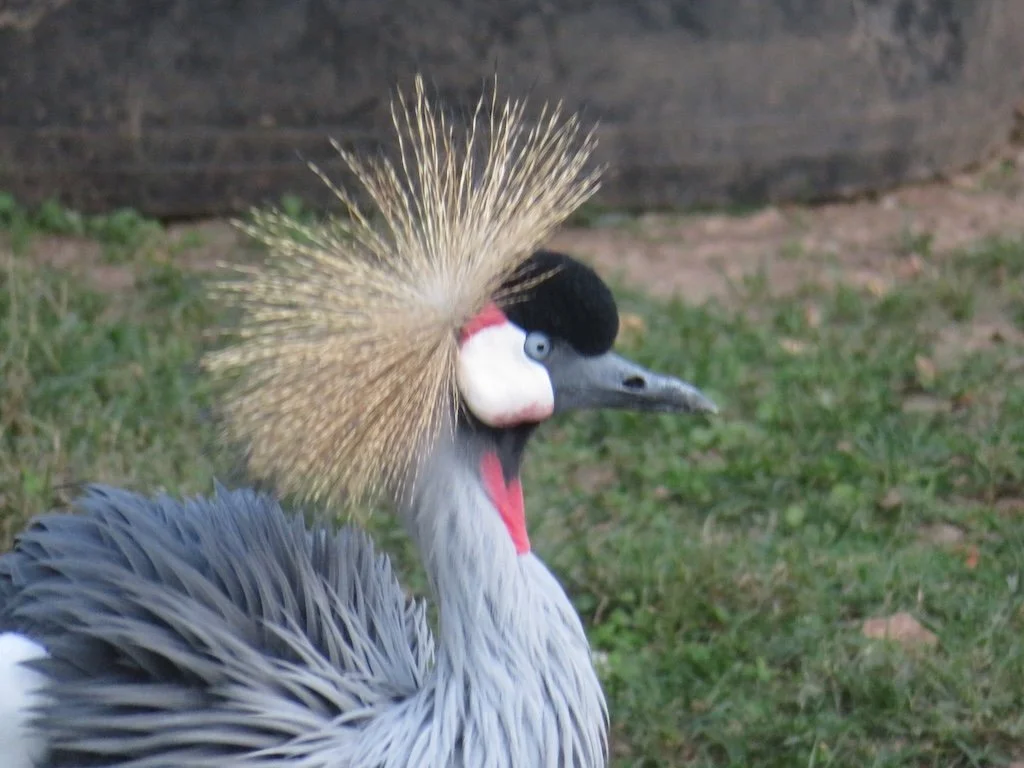
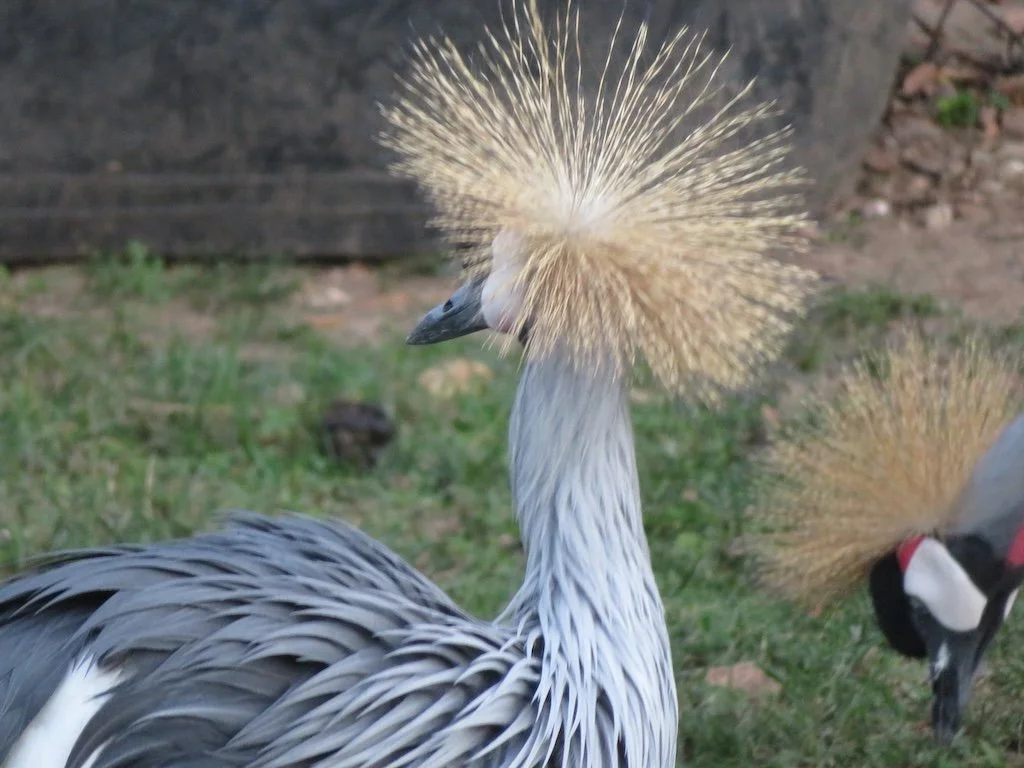
The two grey crowned cranes were active (one even flew toward the other!). The two appeared to be molting – there were more feathers than usual on the ground in their enclosure. I took a picture of the head feathers from the back…a different perspective than usual.

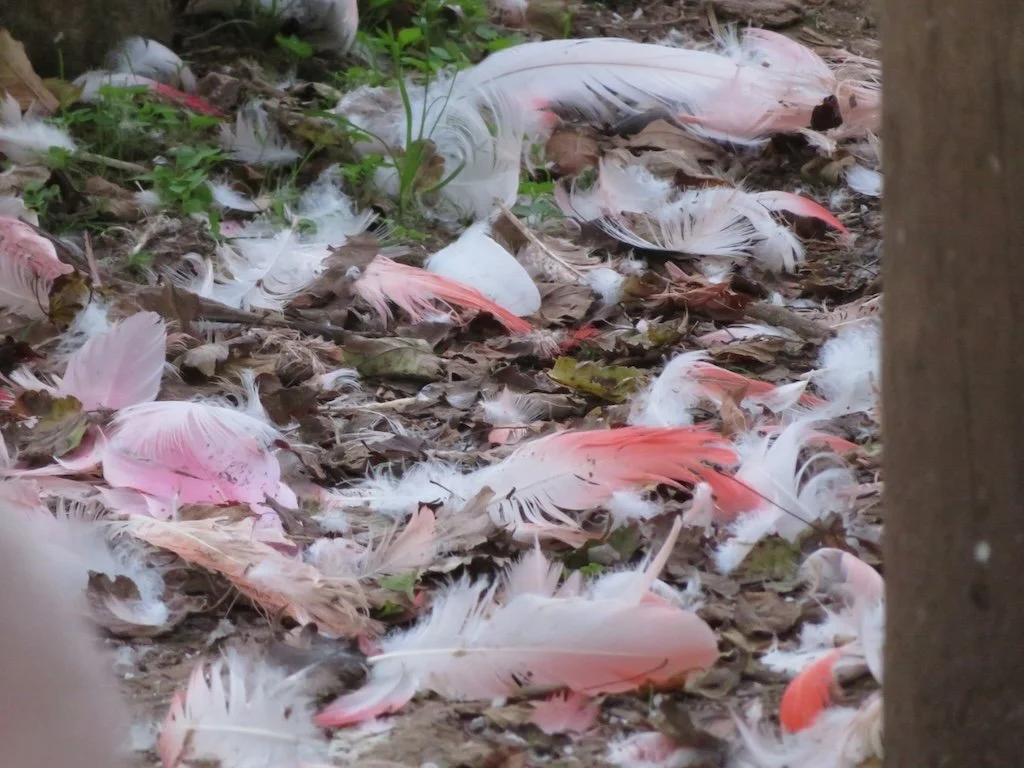
The floor of the flamingo enclosure had even more feathers!

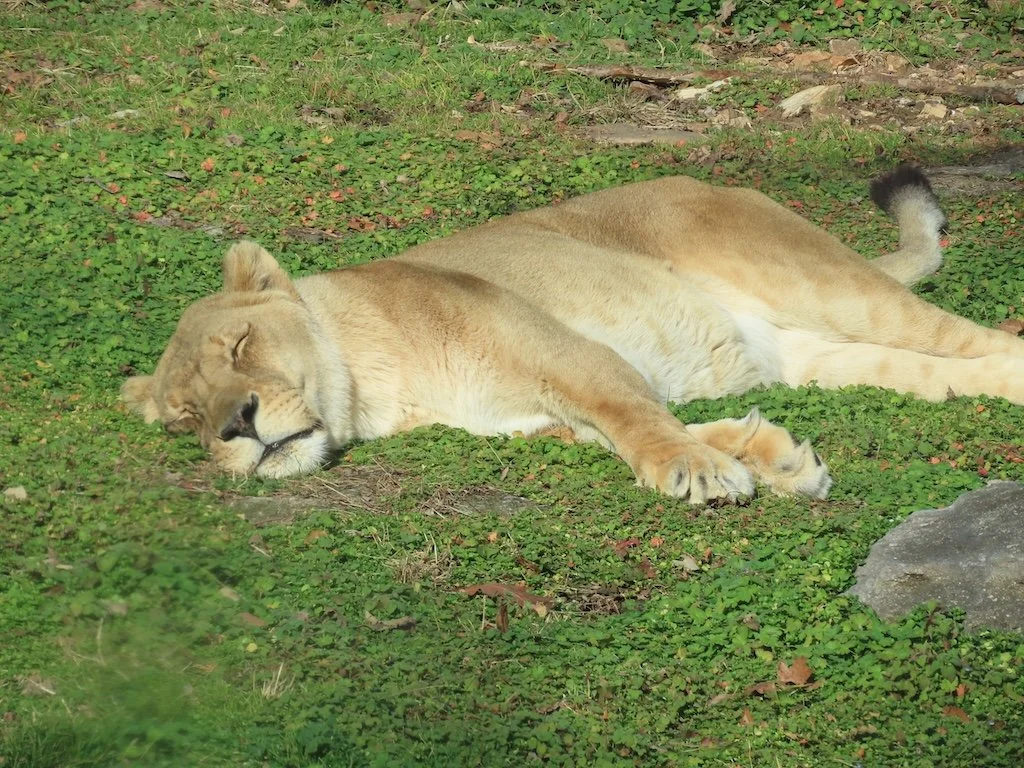
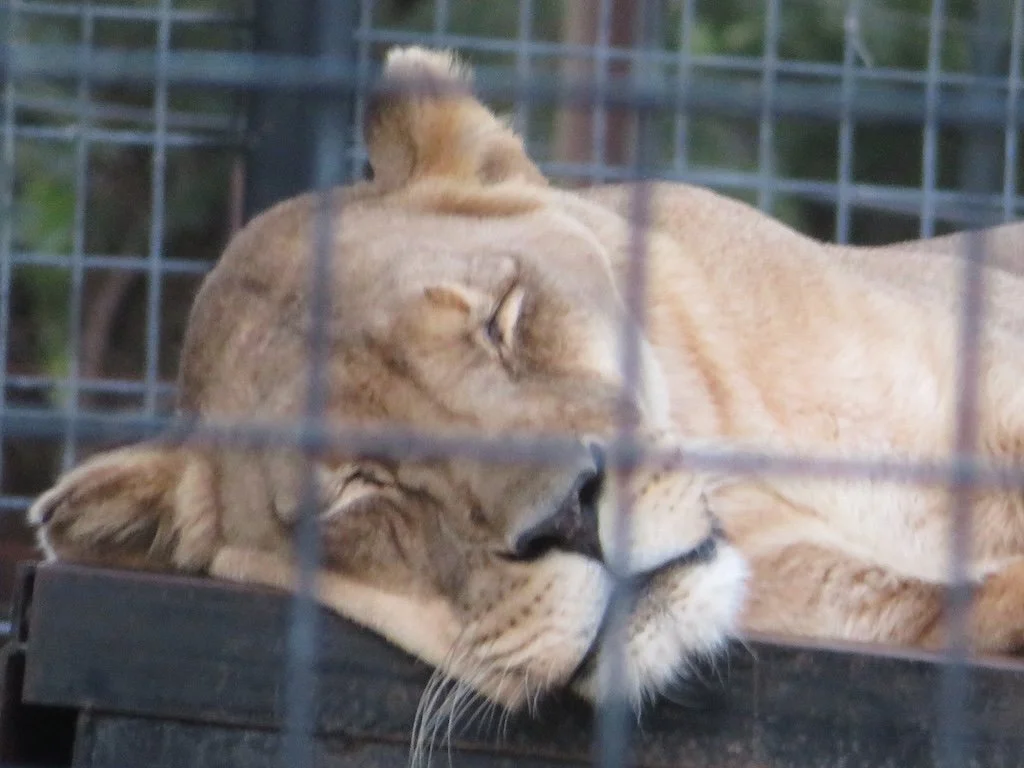
There is only one lion left. She was napping. Evidently, she is elderly, and the zoo is not going to stress her by adding another lion into her environment.

The peccary family was in a pile in their enclosure…the babies snuggled with their parents. There was not enough light to get a good picture, but it was fun to watch then move around a bit – getting comfortable.

The fall display just inside the zoo was my last photography stop. It was getting dark, and we had enjoyed our visit.

Butterfly House – August 2025

So many things to see in the Botanical Garden and the Roston Native Butterfly House this month. There are plenty of native plants in bloom in the rain garden on the walk between the Botanical Center and the house….but I just take a quick look since I want a few minutes to get things cleaned up before turning the sign to ‘open.’

Sometimes we find butterflies that have died overnight. I took a picture of one before we put it in the small bin we keep for butterflies that have succumbed. Another morning I found the 4 parts of a cecropia moth’s wings scattered on the floor; maybe a mouse ate the body during the night?

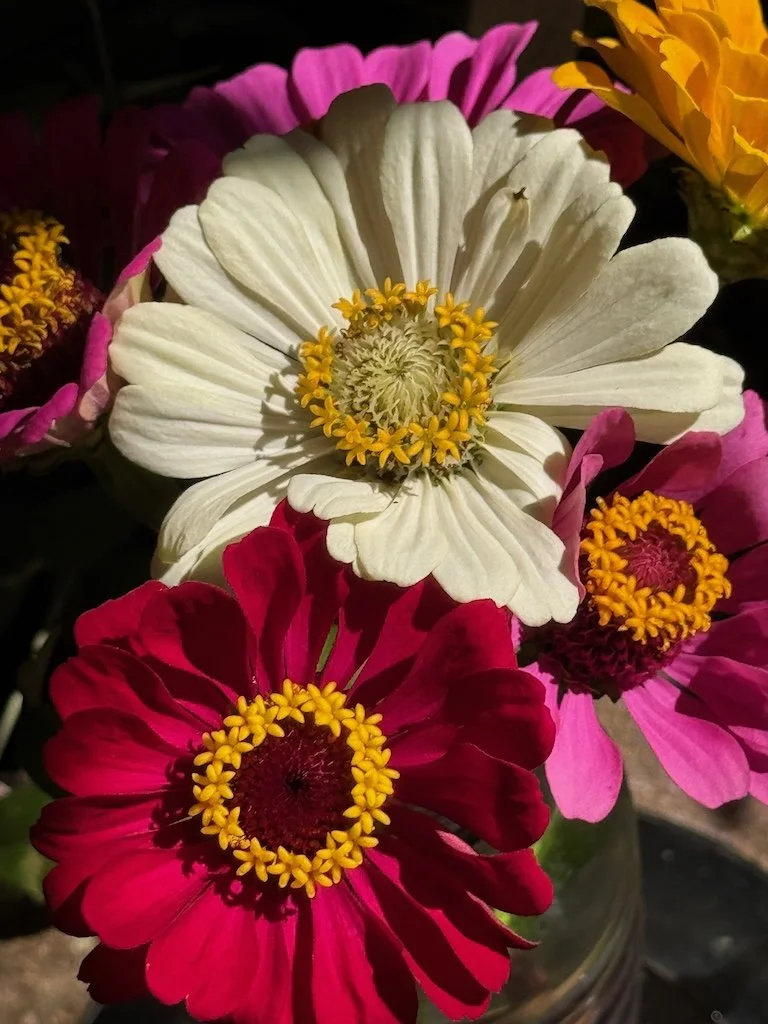
I like to see butterflies getting nectar from flowers…but sometimes it is enough to see them ‘resting.’ There are often fresh zinnias for the butterflies – freshly cut from the Master Gardener area of the Botanical Gardens. And there is always something blooming in the house itself. I like the Zen of the place when there aren’t many people but there is always the magic of a child’s wonder seeing a butterfly in a way they haven’t before.

The caterpillar that was ‘new to me’ this month was a Zebra Swallowtail…large enough to make its chrysalis – picked up off the floor when it was trying to leave the plant!

The moths are easily photographed because they are not very active during the day. The Luna moth is my favorite….but the Polyphemus is beautiful too. They, along with the Cecropia, have large caterpillars that are always interesting to visitors.

Springfield Botanical Gardens – July 2025

We visited the Springfield Botanical Gardens in mid-June….on a cloudy morning. There was a breeze to help make the warm, humid air more comfortable. My husband was keen to photograph insects in flight. It was probably warm enough, but the insects were not as active because of the thick clouds and everything being so wet.

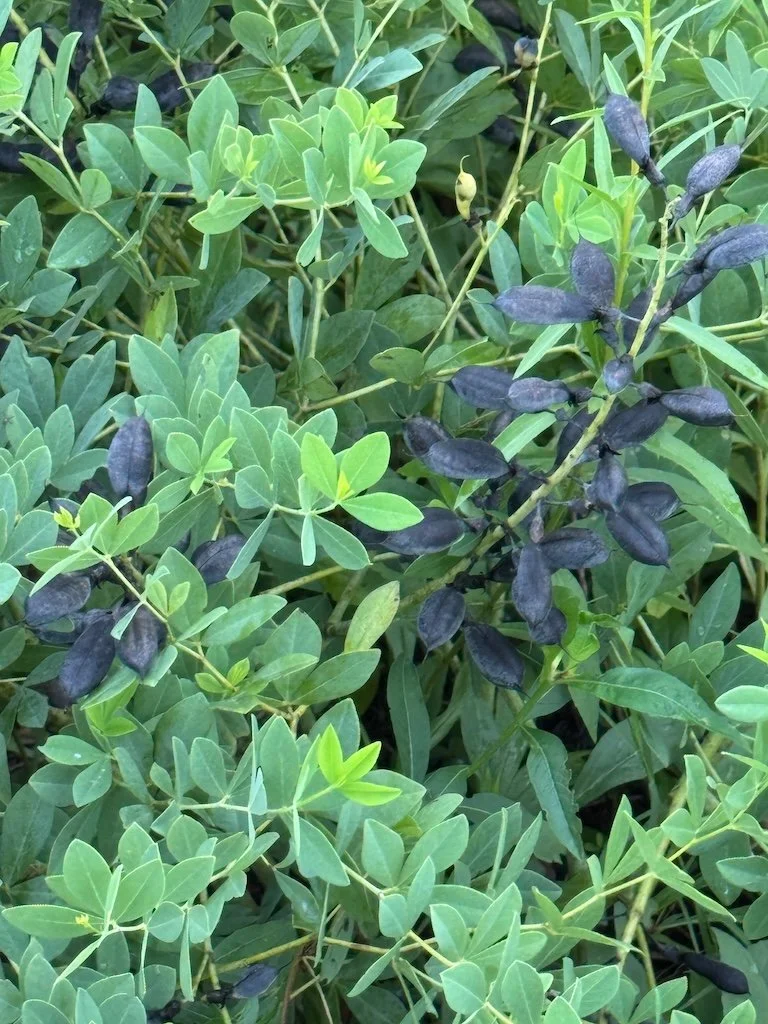
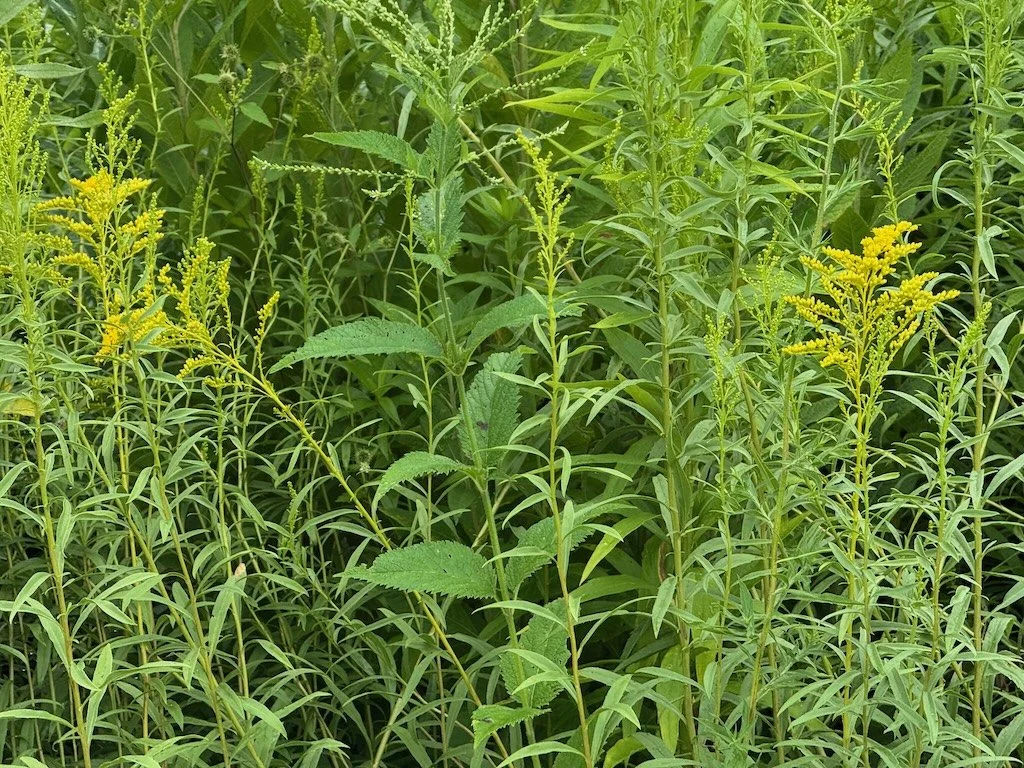
The Botanical Center was our first stop. Then we walked by the rain garden (indigo with pods and golden rod) and down the sidewalk past the Butterfly House and surrounding garden.

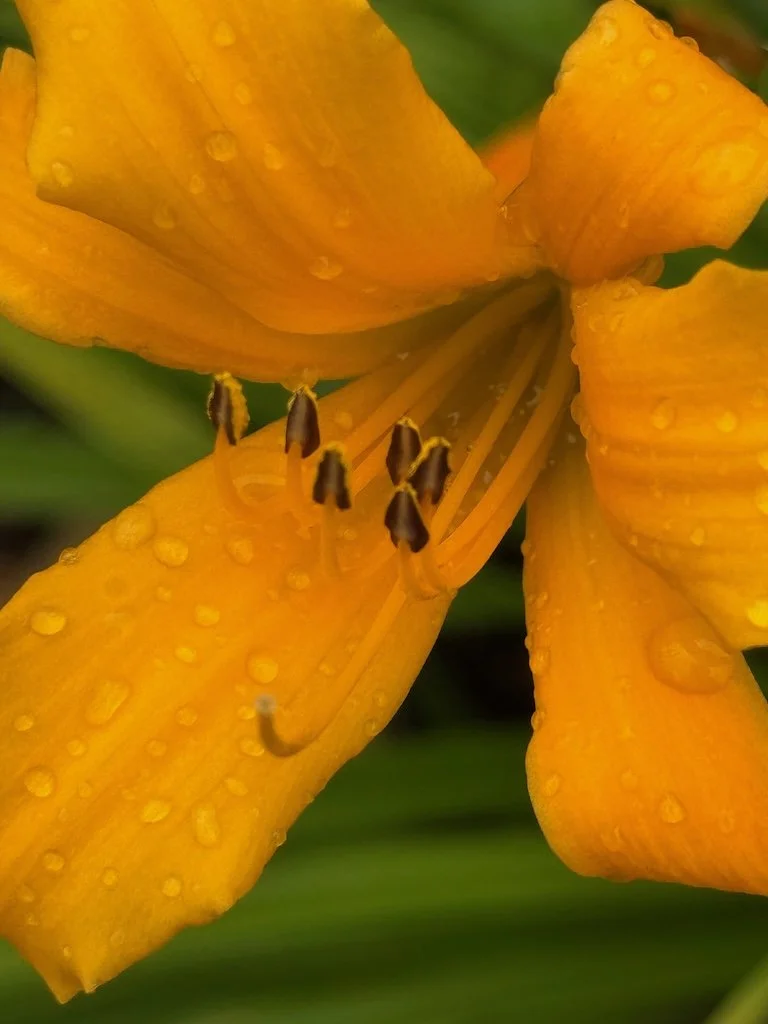
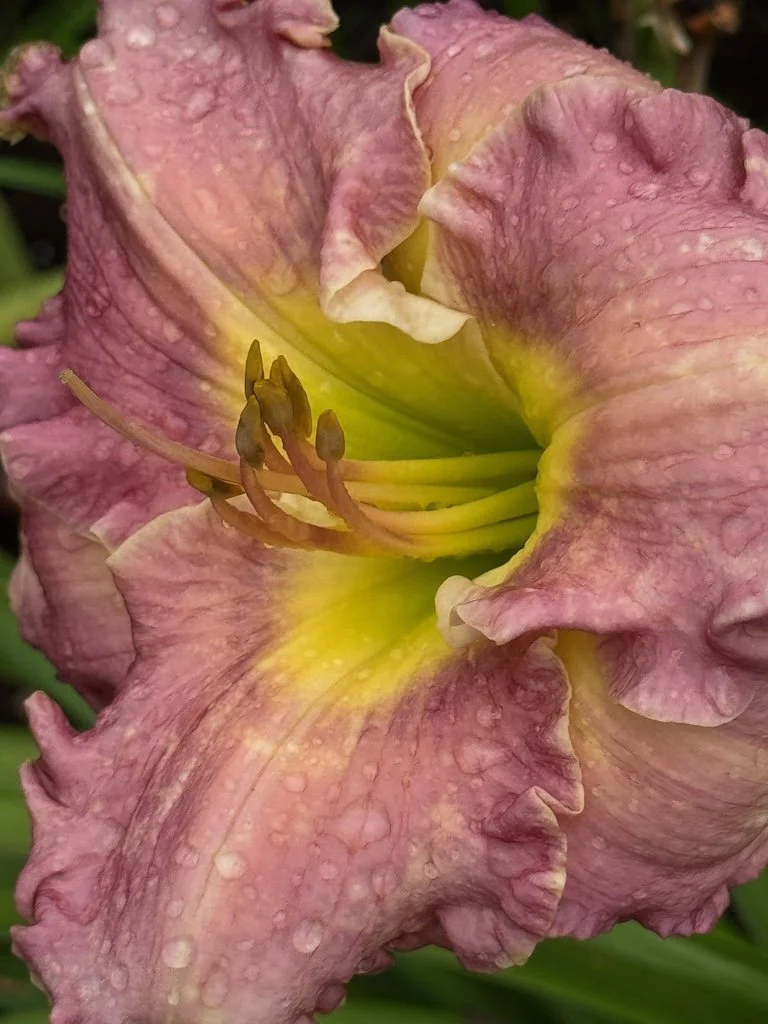
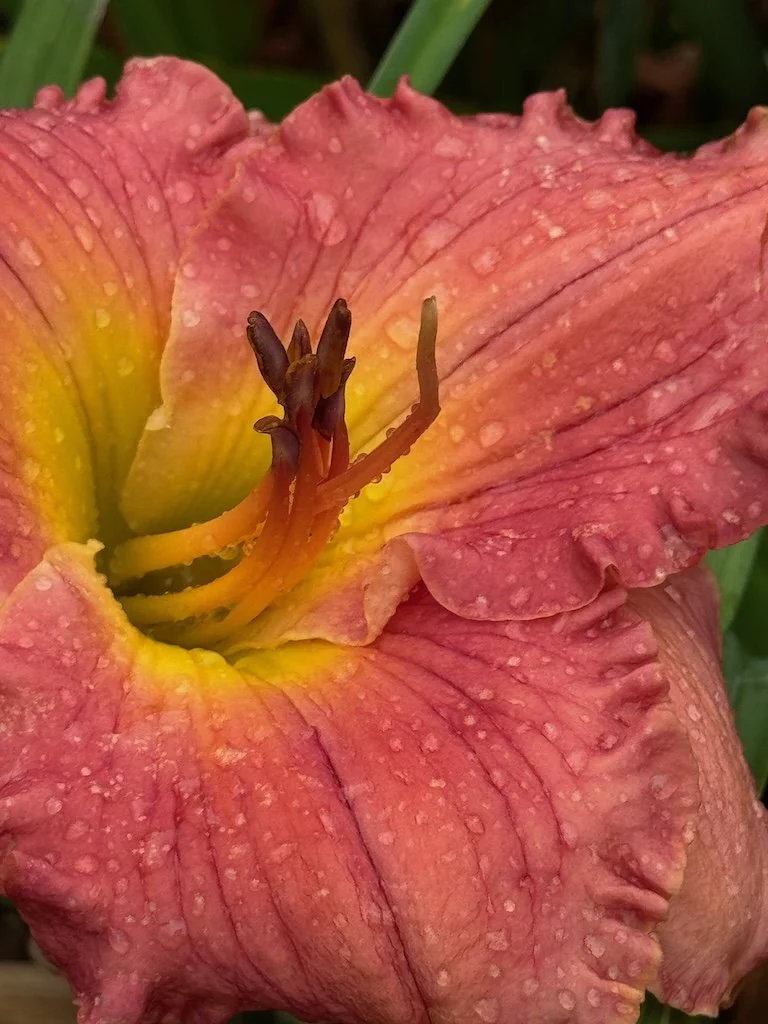
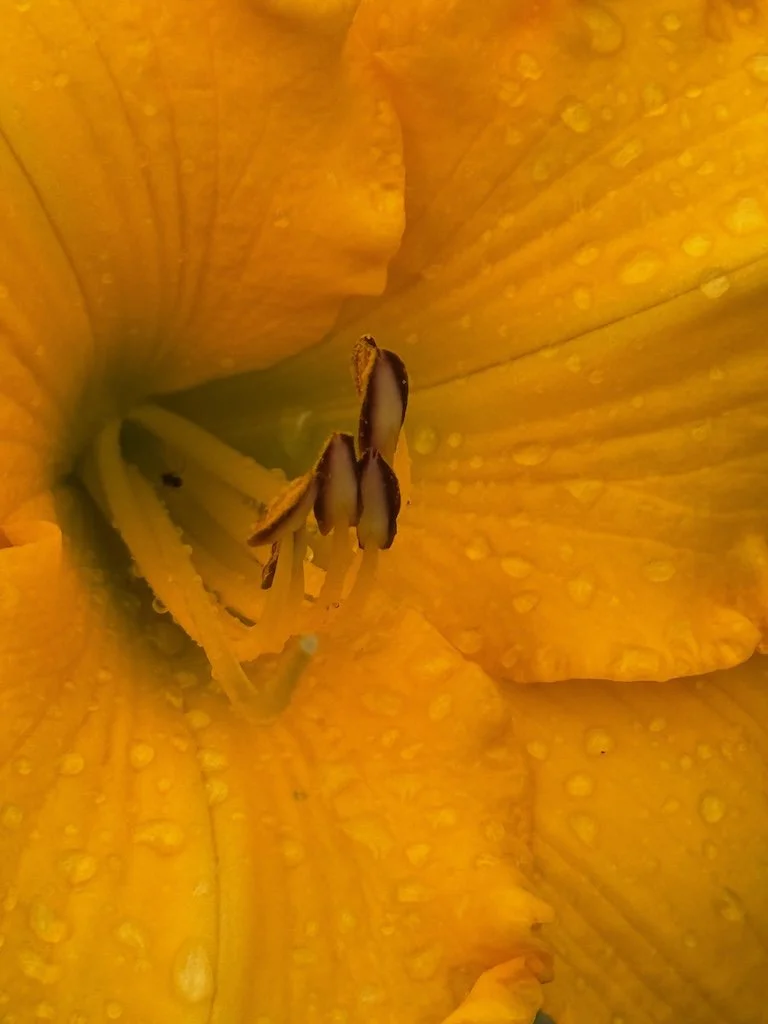
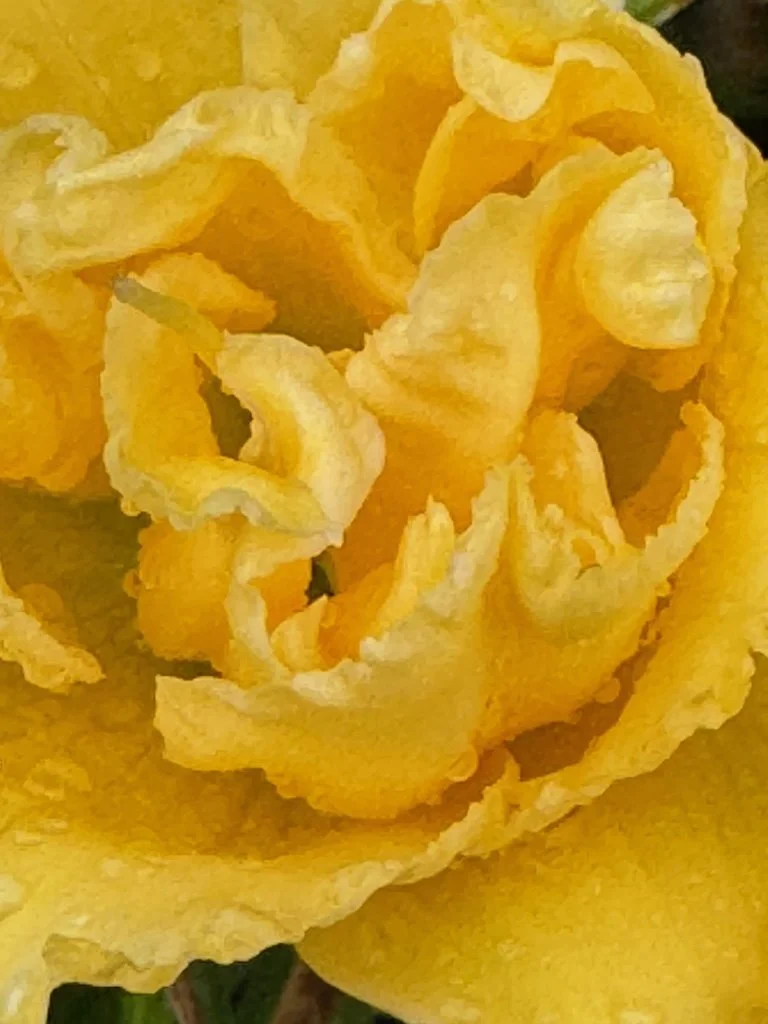
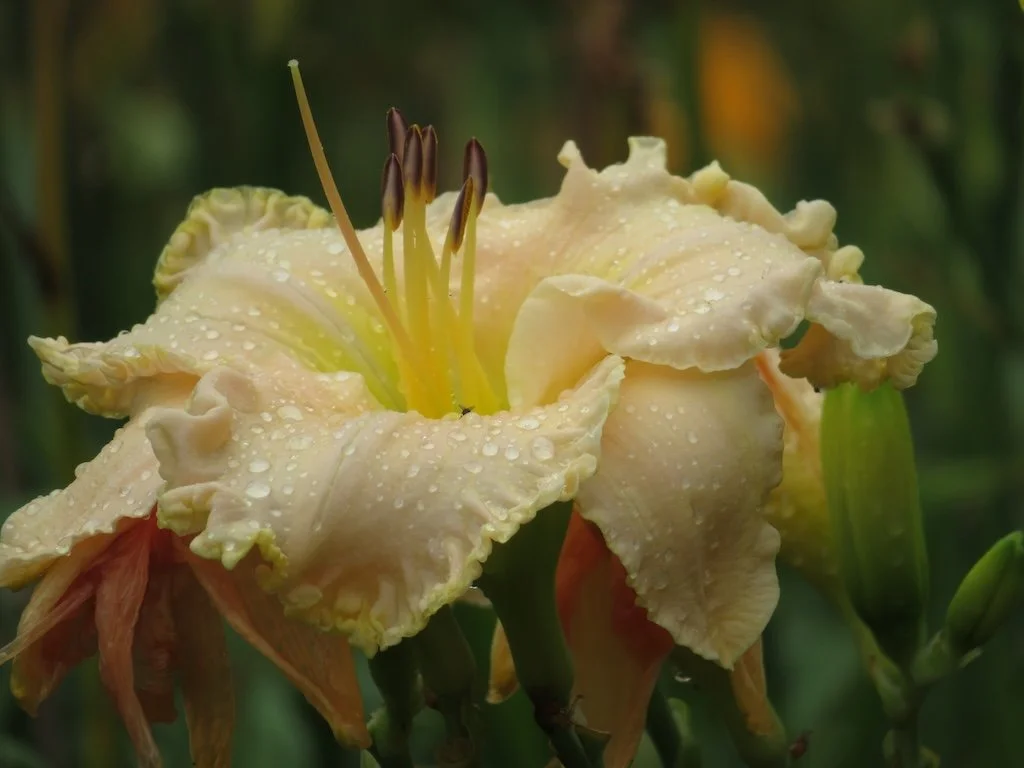
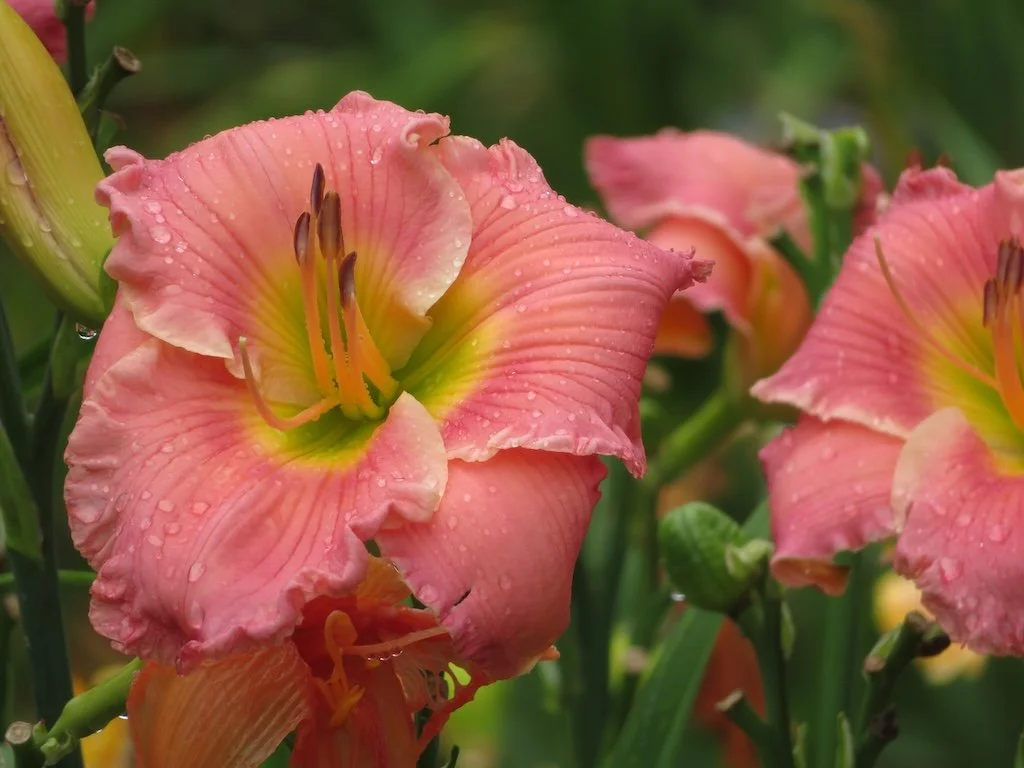
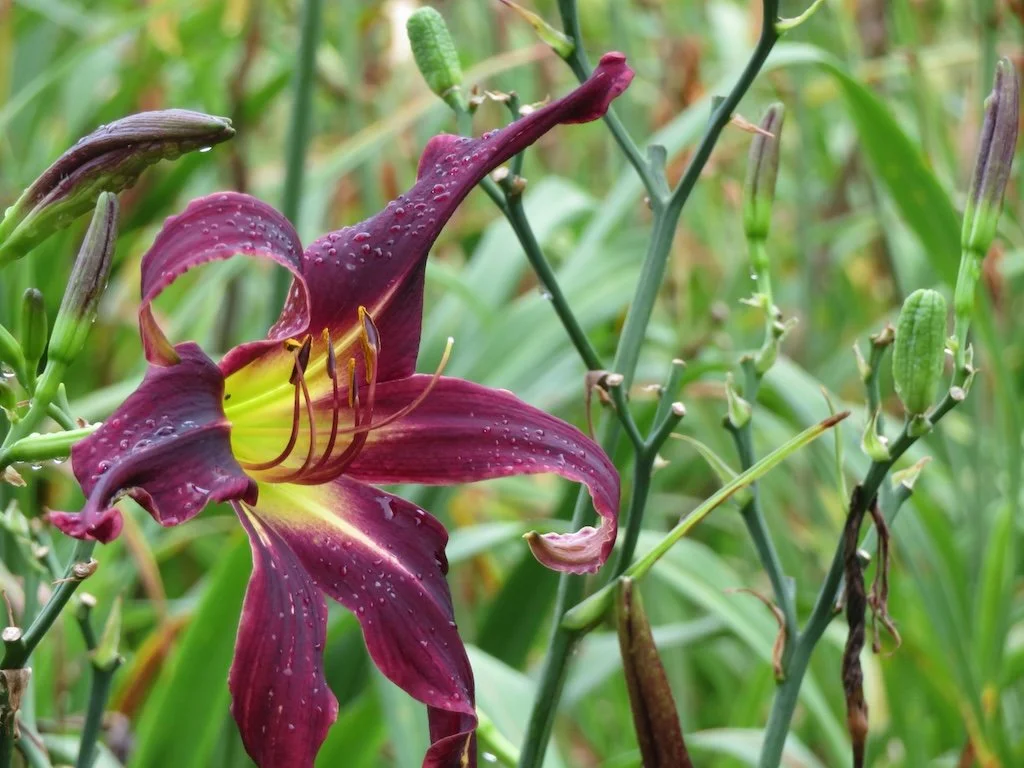
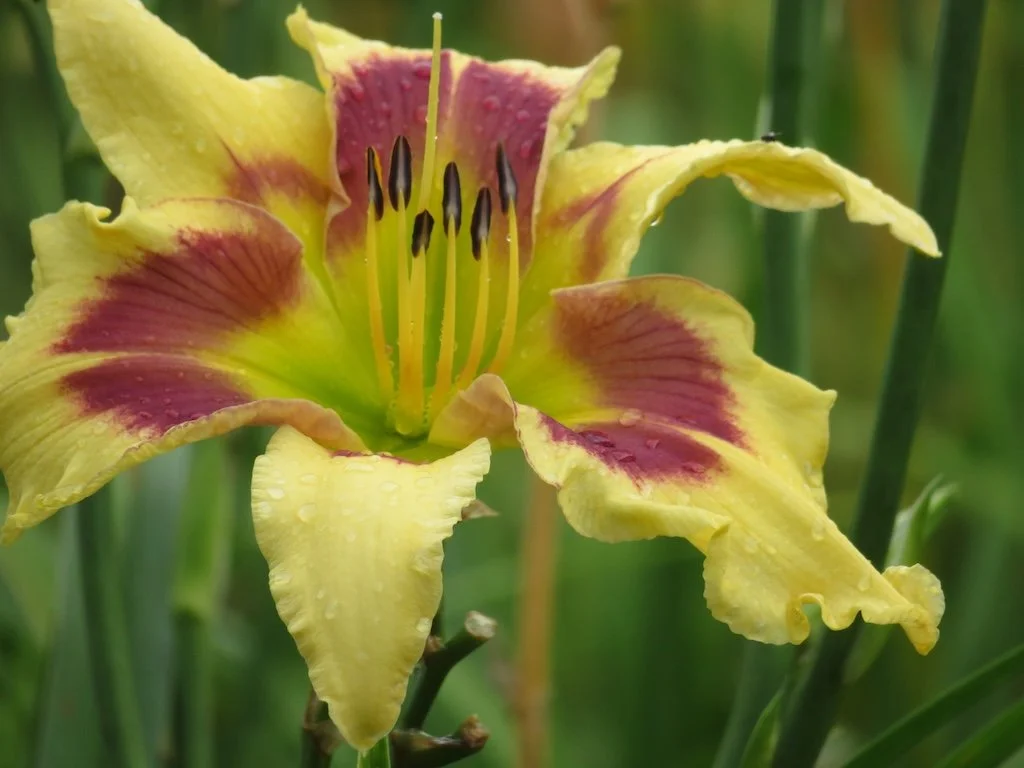
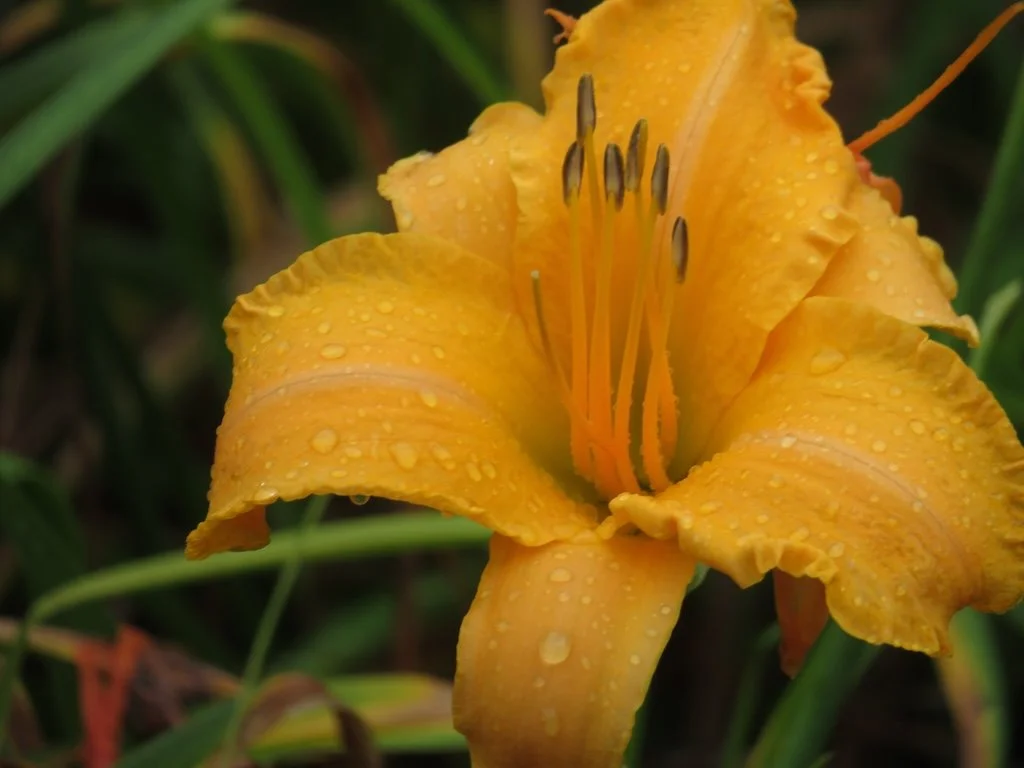
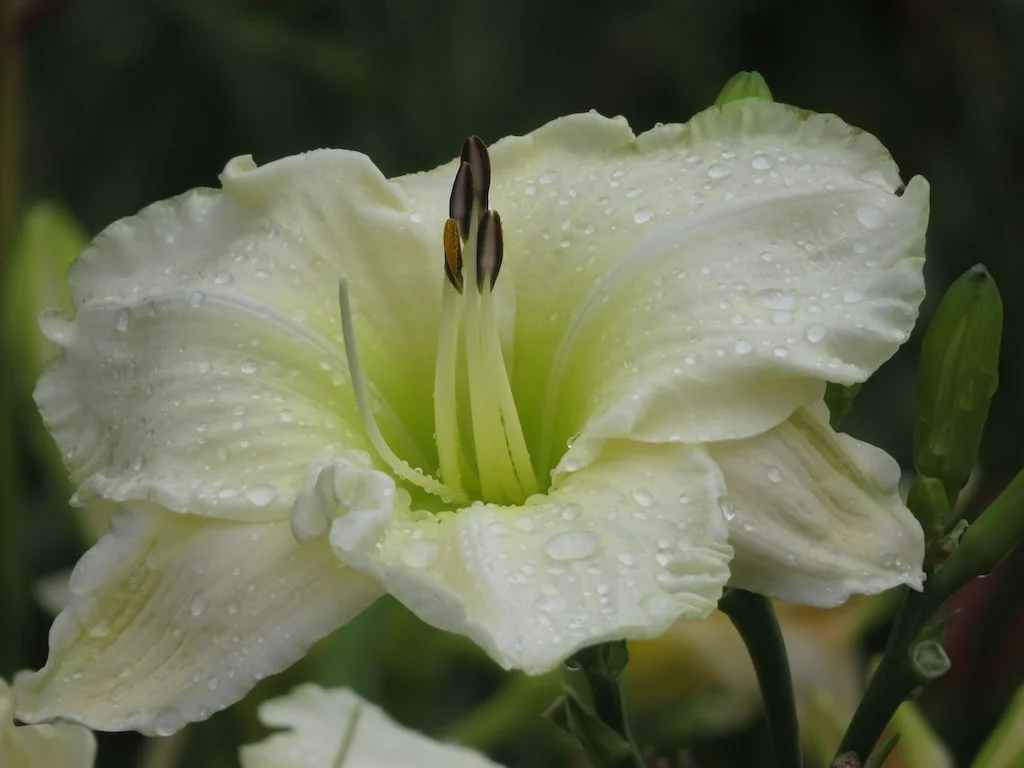
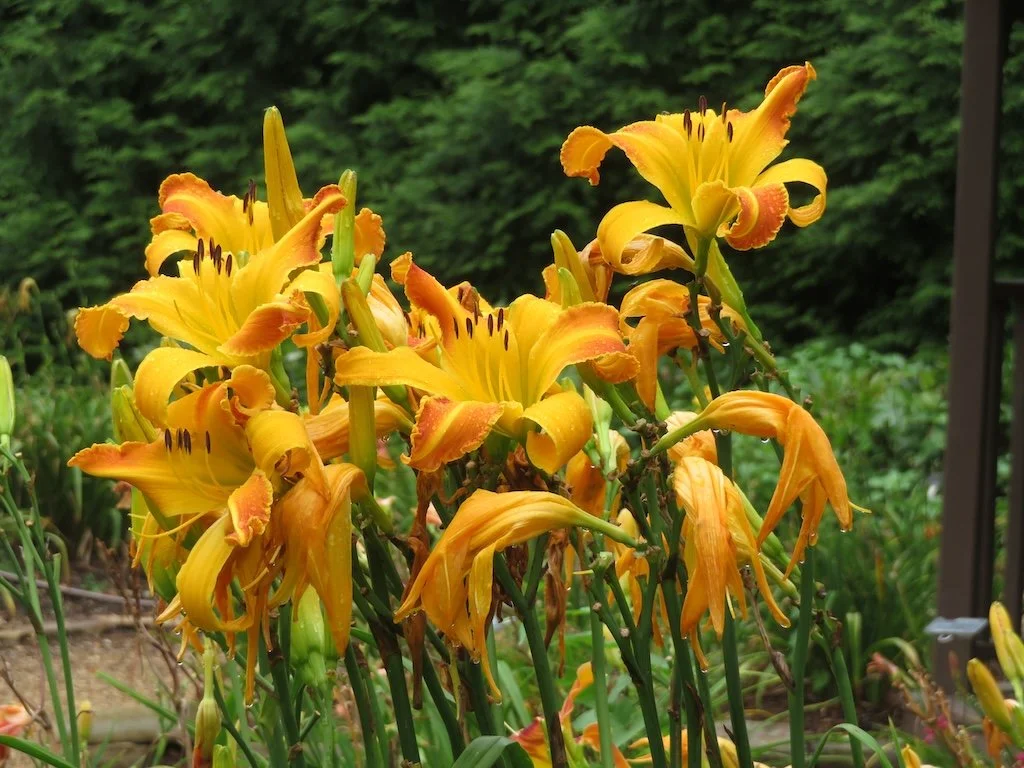
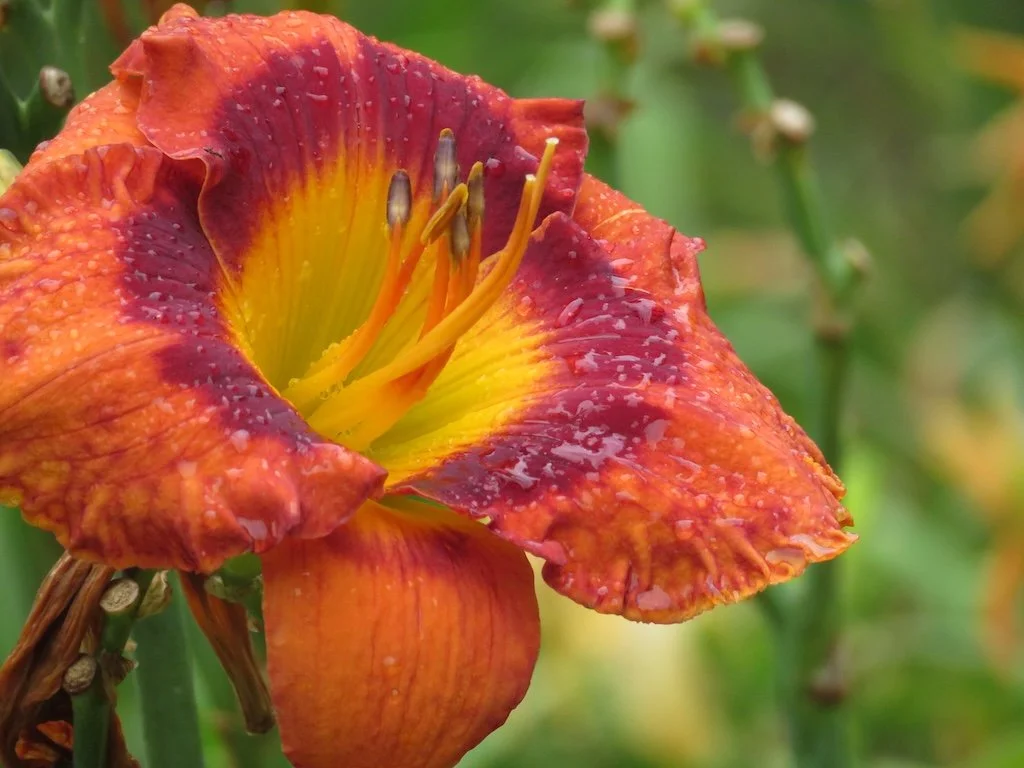
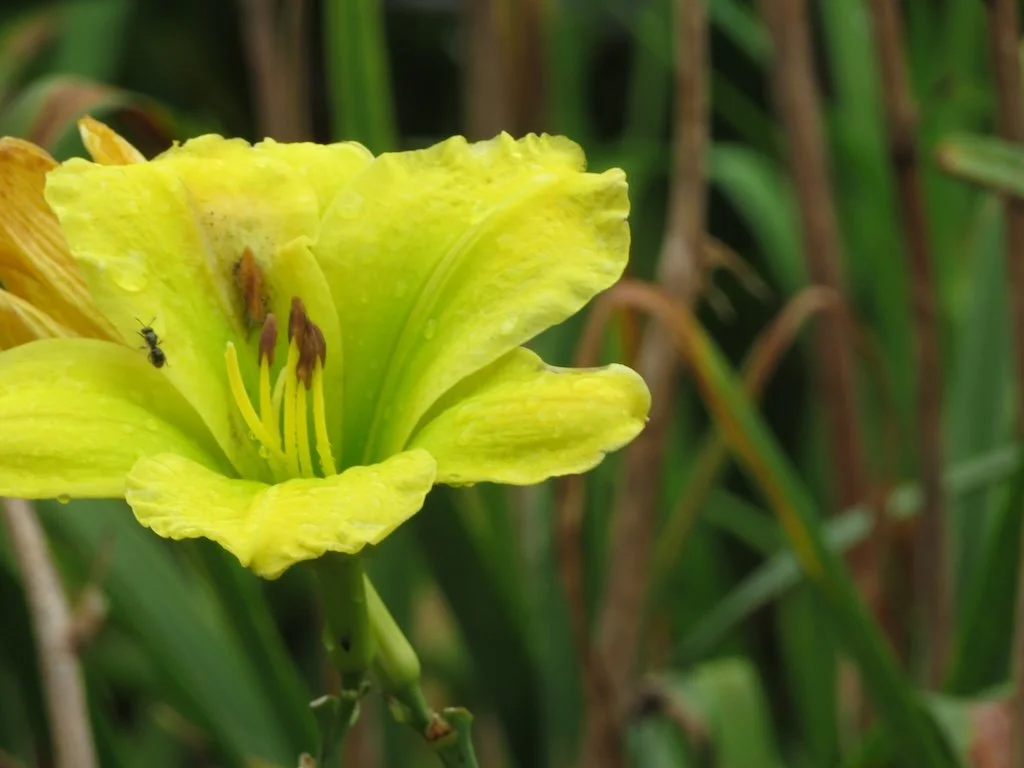
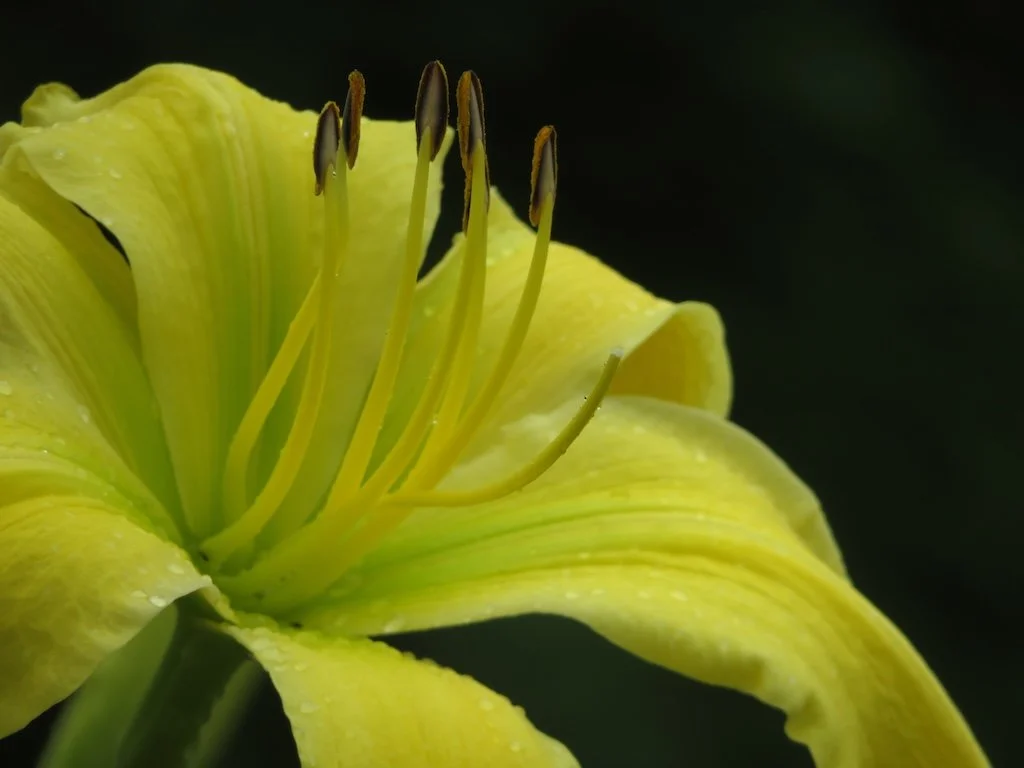
The daylilies were blooming profusely and were the main draw for my visit. I started out doing some macro shots with my phone (iPhone 15 Pro Max)

But changed to zoomed images with my small point and shoot (Canon Powershot SX730 HS). Both cameras captured the water droplets on the flowers.

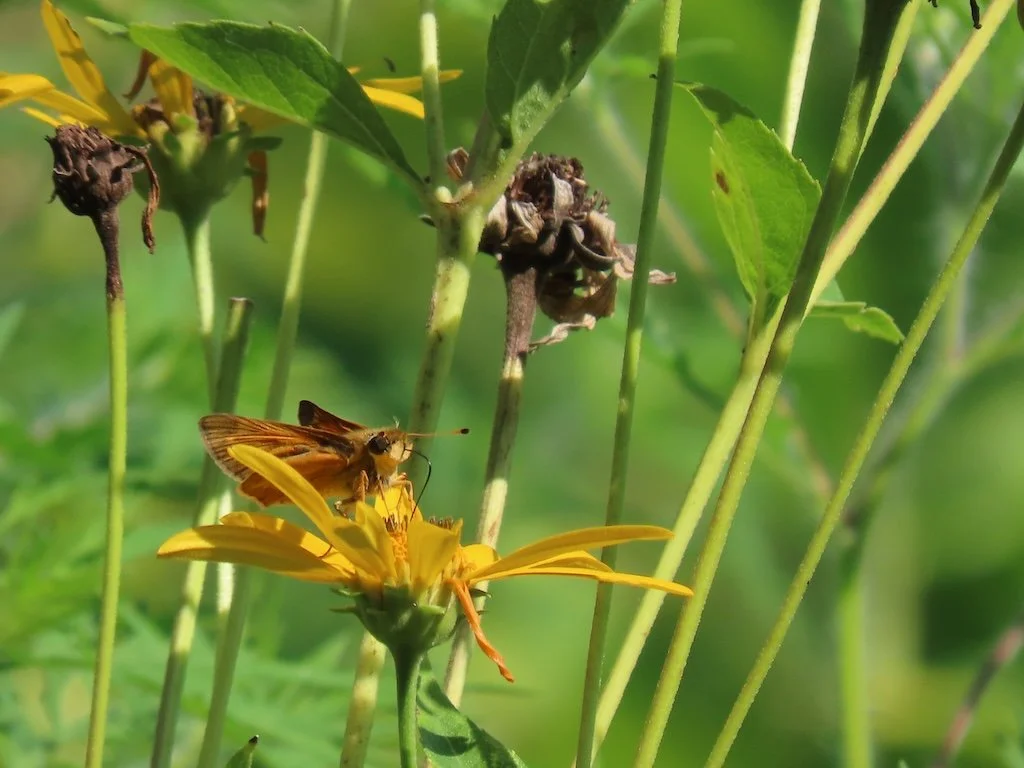
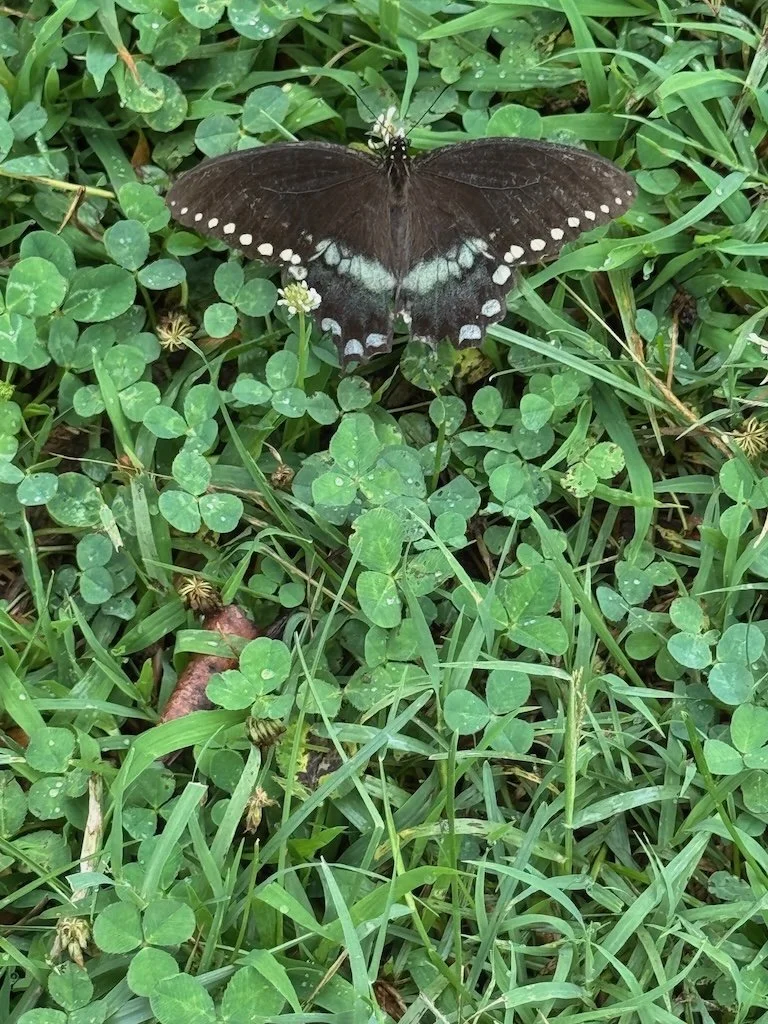
As we started back toward the car I saw something off the paved walk landing in the grass. It stayed put as I carefully walked over….and got a picture. It was the only large butterfly I saw all morning (other than in the Butterfly House).

Before we left for home, I got a small branch of sweet gum leaves for my luna and cecropia moths.

Lake Springfield Boathouse – July 2025

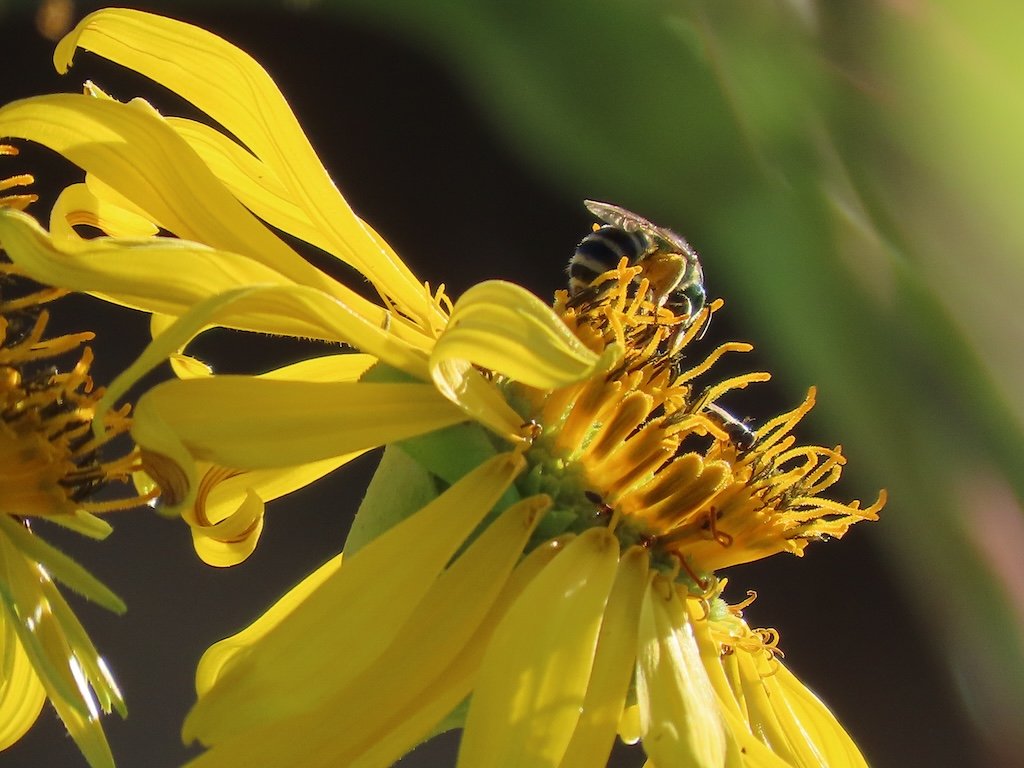
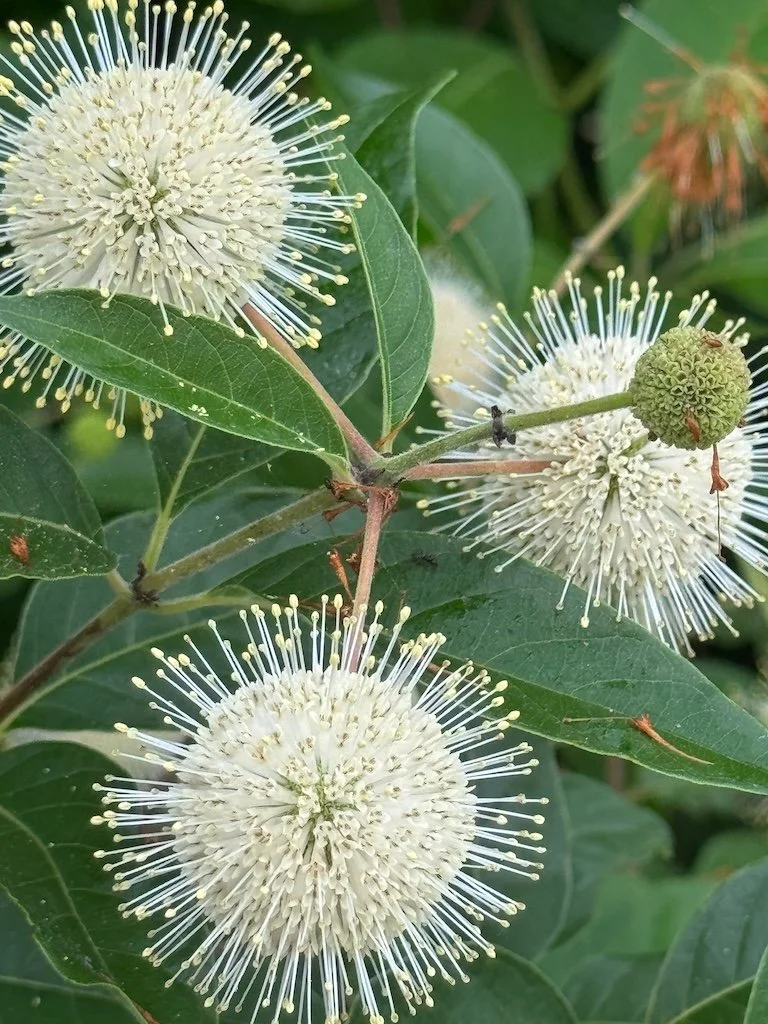
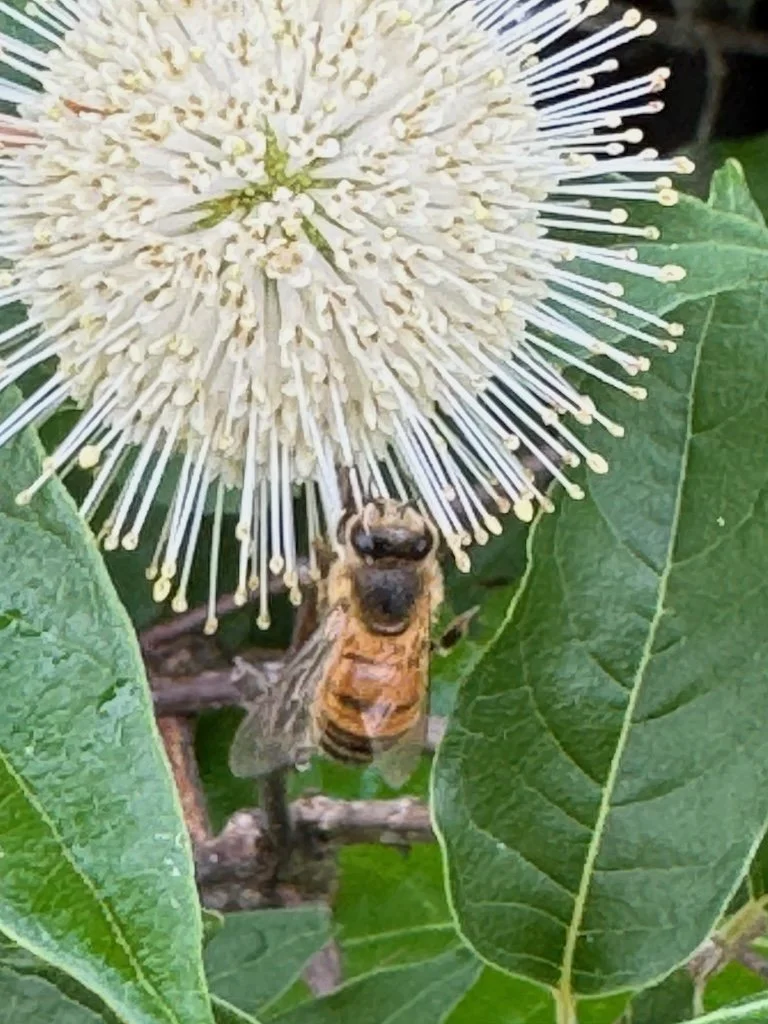
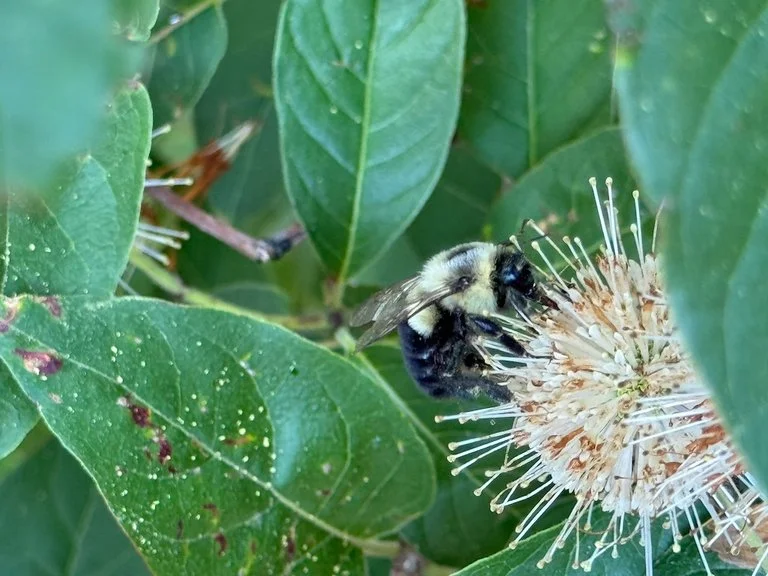
The garden around the Lake Springfield Boathouse is maintained by Springfield Plateau Chapter of the Missouri Master Naturalists. I’m not part of that team but I do enjoy their results. My husband was looking for a place to practice a technique for photographing bees and the first place I looked was a good starting location for him: the buttonbush near the front door of the building! I took a few pictures before he even got his gear unloaded!

While he tried out his new technique, I photographed the other plantings. The second place I hoped to find insects/bees was the cup plant, but it wasn’t blooming yet. It did have buds…so should be a great place to check later in the season.

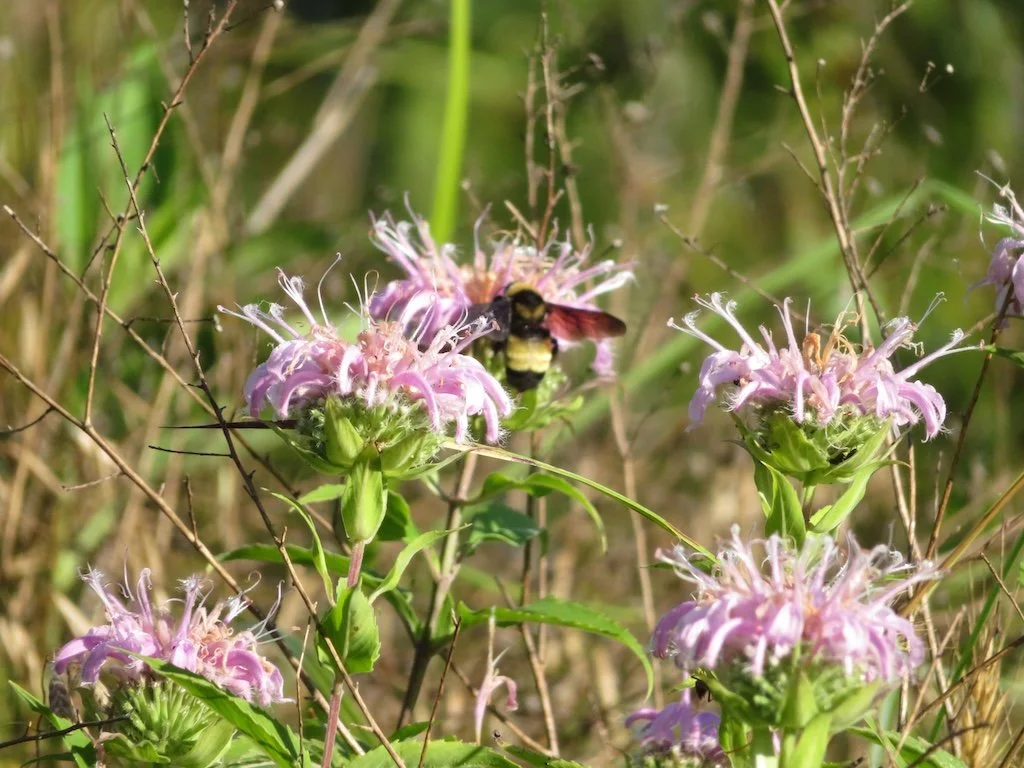
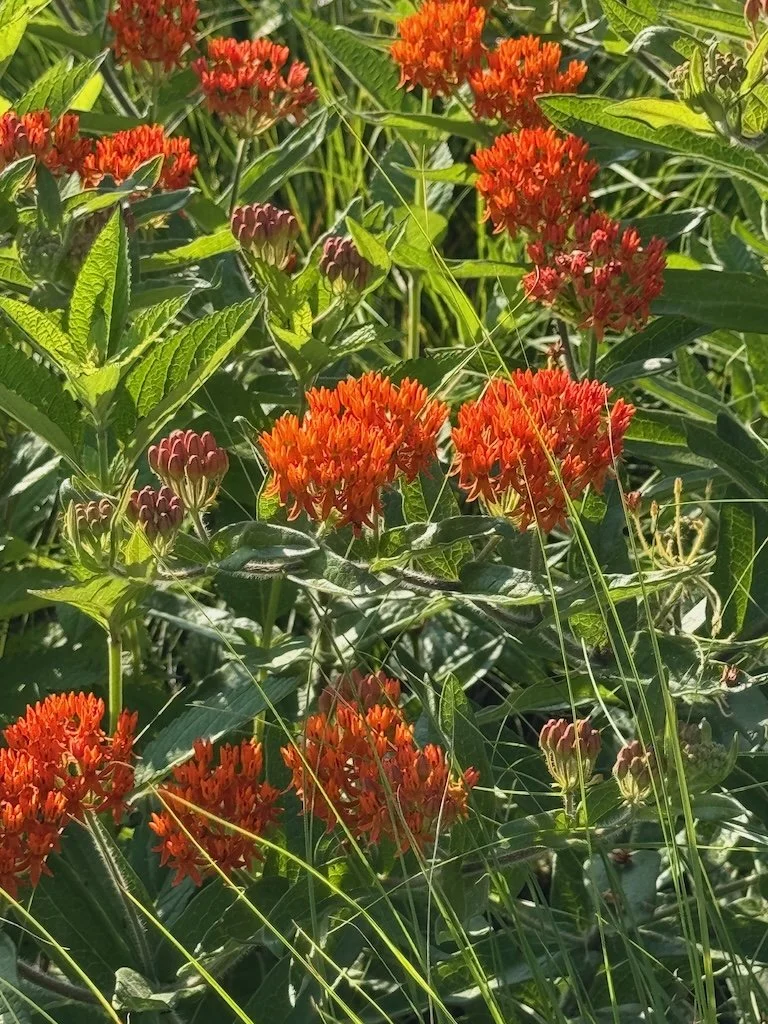
We headed past the purple martin houses (which were very busy) to the meadow area. The milkweed was blooming but the flowers looked less colorful than I expected, and they were not attracting large number of insects either. The bee balm was more attractive to bees than the milkweed. There was a spiderweb that looked a little like a hammock in some dried stems from last season; it was highlighted by the heavy dew. I took some backlit images of 2 plants that were not blooming but had interesting shapes.

One of the pictures I took of an insect on a milkweed leaf had a surprise when I looked at it on my big monitor at home: a tiny egg (maybe a Monarch egg)!

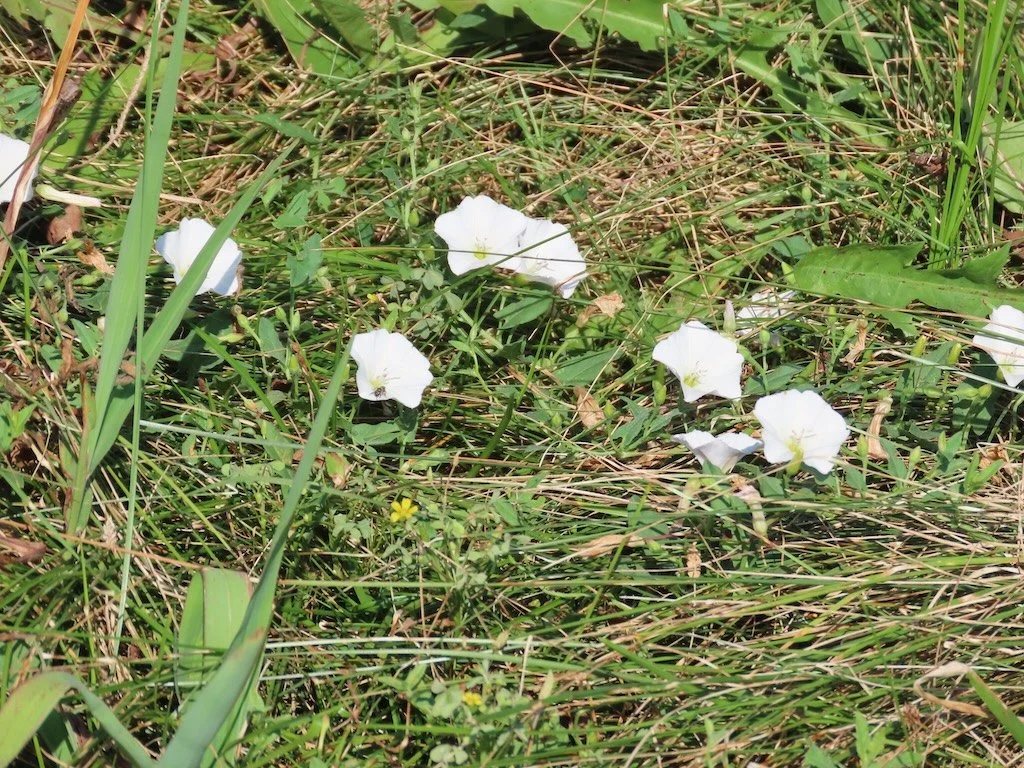
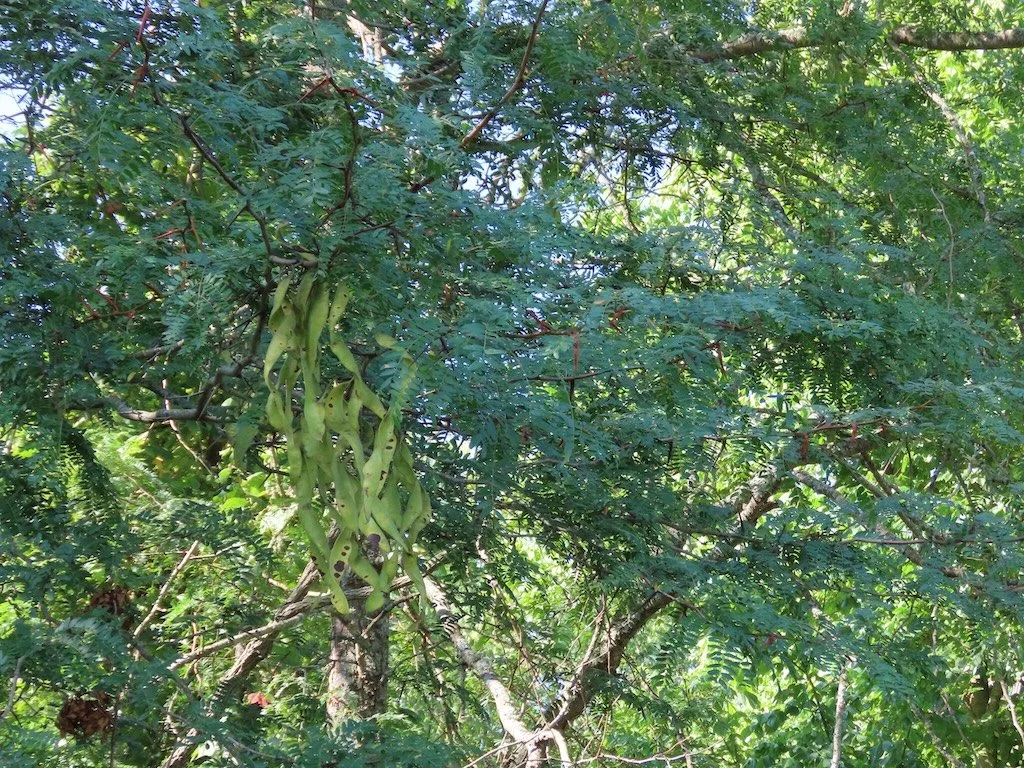
Across the walking trail there are brambles and trees. The locust was full of still-green pods and vetch was blooming in the undergrowth.

It was a productive morning activity. My husband thought maybe it was not warm enough for peak insect sightings; he might have been right but, with the humidity, it was the best time for us to be there!

Yards in June

There was a lot going on in yards in June.  I enjoyed documenting my own yard and that of my daughter’s too.

The native plants in my yard are doing quite well: fragrant sumac (the first one I planted),

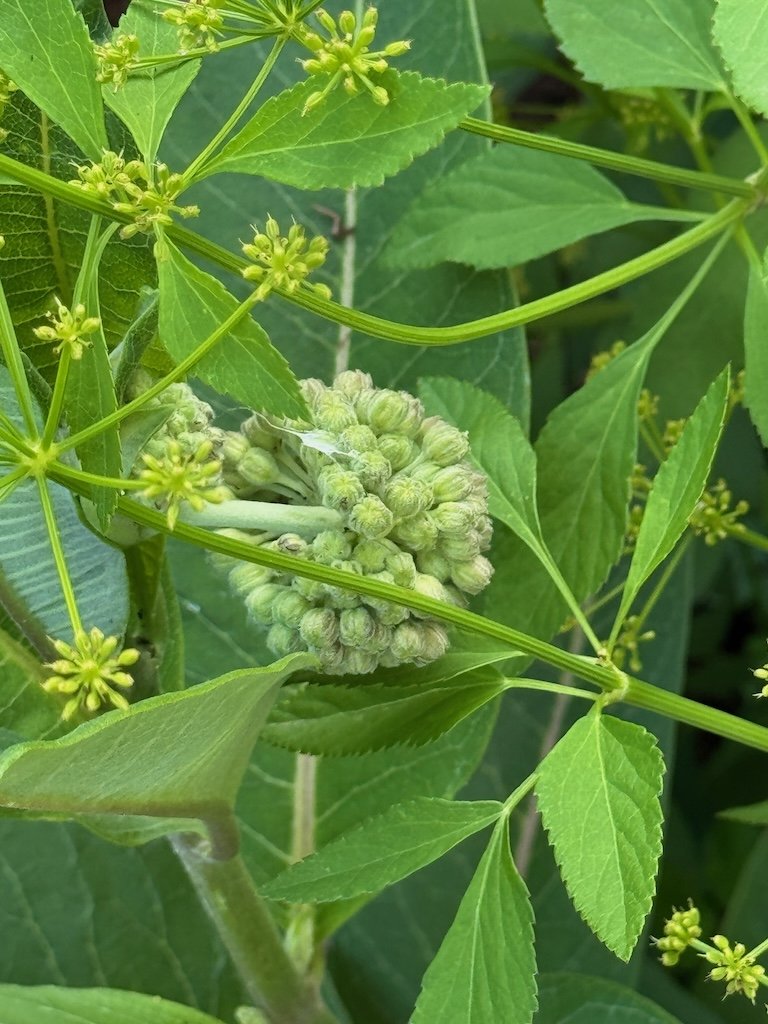
American spikenard (one that is a few years old and another than I planted this year),

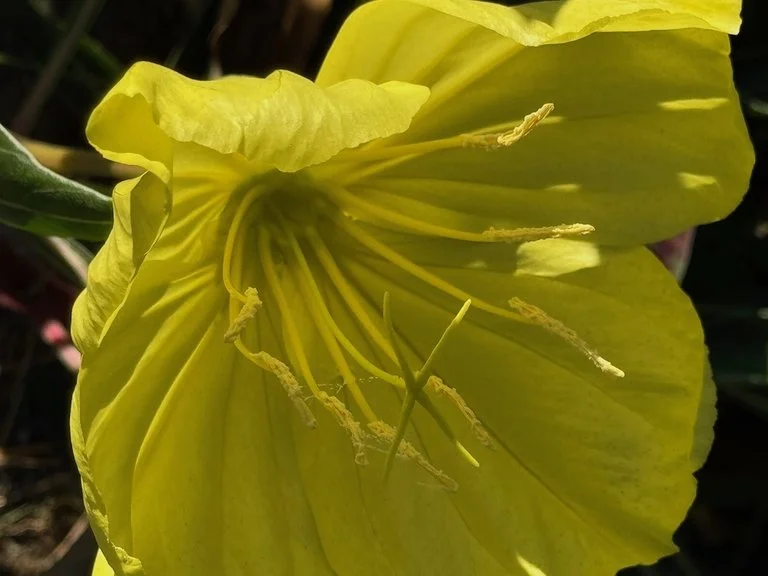
Missouri evening primrose with its big yellow flowers,

Common Primrose that is becoming well established in my wildflower garden, and

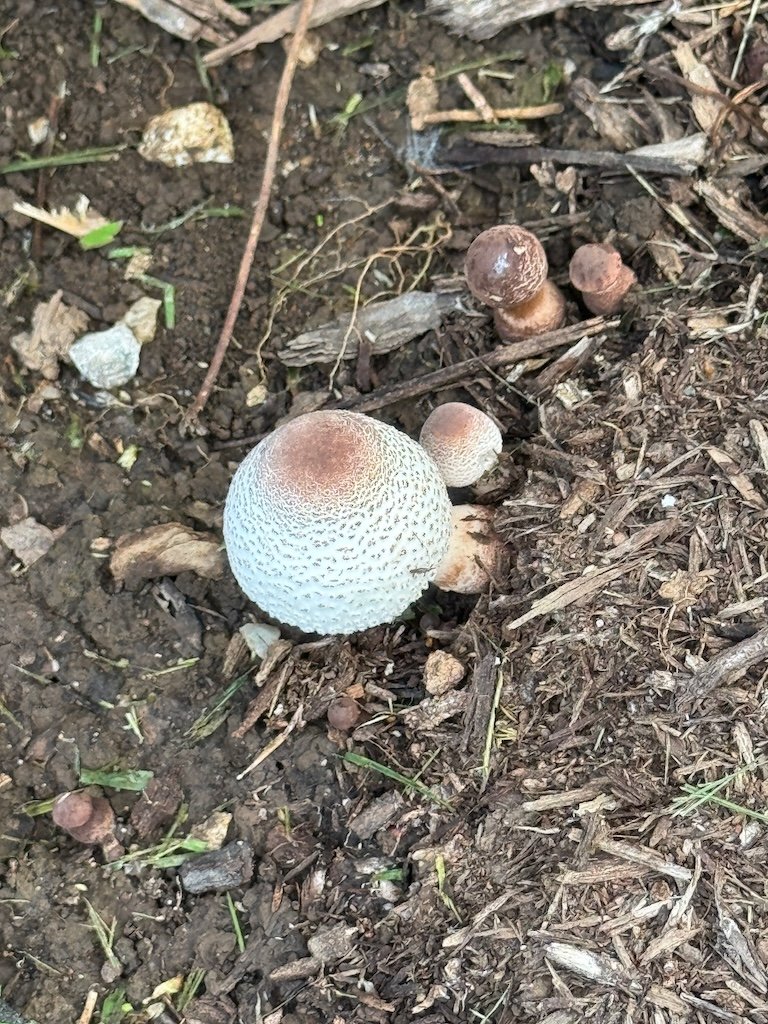
Mushrooms keep coming up in the area where a tree was cut down several years before we bought the house.

My daughter and son-in-law planted some native plants in an area near their driveway and the street recently; they are thriving along with the yucca that has been there for a long time.  

There are non-natives: daylilies in both yards,

Asian hydrangeas in her yard (that she generously cut for a bouquet now in my office window),

A very large Southern Magnolia in my daughter’s house,

Lambs ear – that bumblebees like when it is blooming at my house,

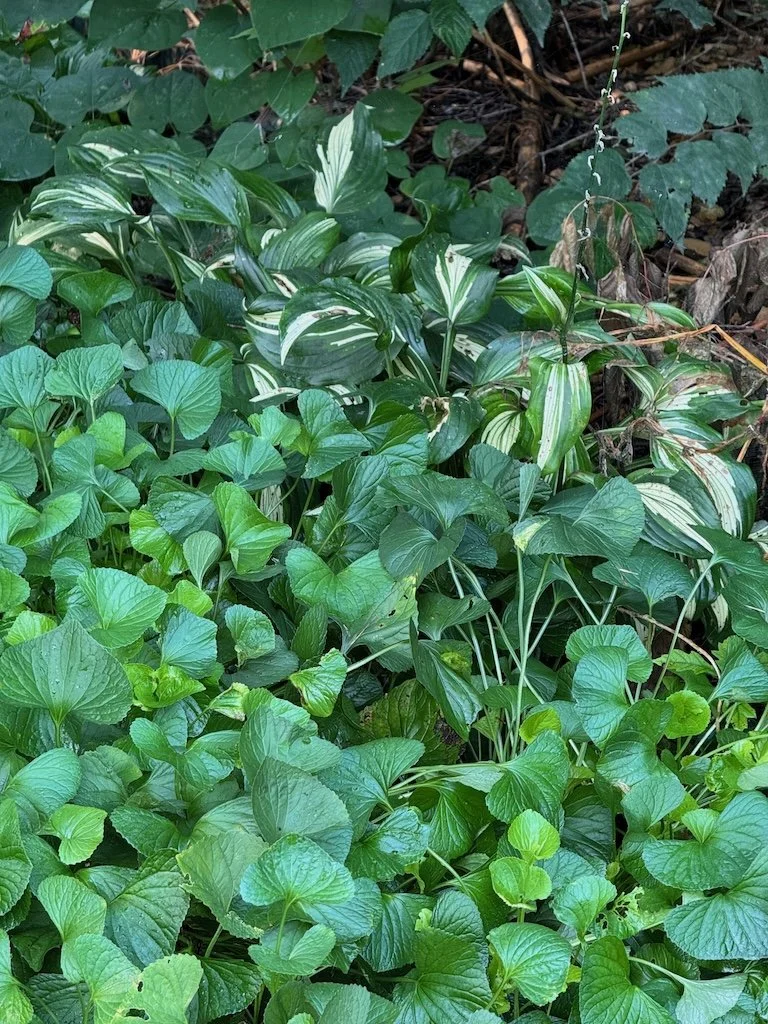
Roses and hostas at both houses!

I have arugula flowers since I didn’t start eating the leaves soon enough. Oh well – they attact some small pollinators. There are zinnia flowers nearby too.

We are both challenged with grass growing where we don’t want it…and some invasives like Asian bush and vine honeysuckles. I have a lot of tree seedlings to control too – particularly hackberry, mulberry, redbud, oak, and maple.

Roston Native Butterfly House – June 2025

Of course there are butterflies in the Roston Native Butterfly House…

But this post is focused more on caterpillars. The cecropia moth

Has very large caterpillars which are the stars of the caterpillar table!

The luna moths (male with feathery antennae and the female with more thread like antennae)

Also have large caterpillars but they are not quite as large or colorful.

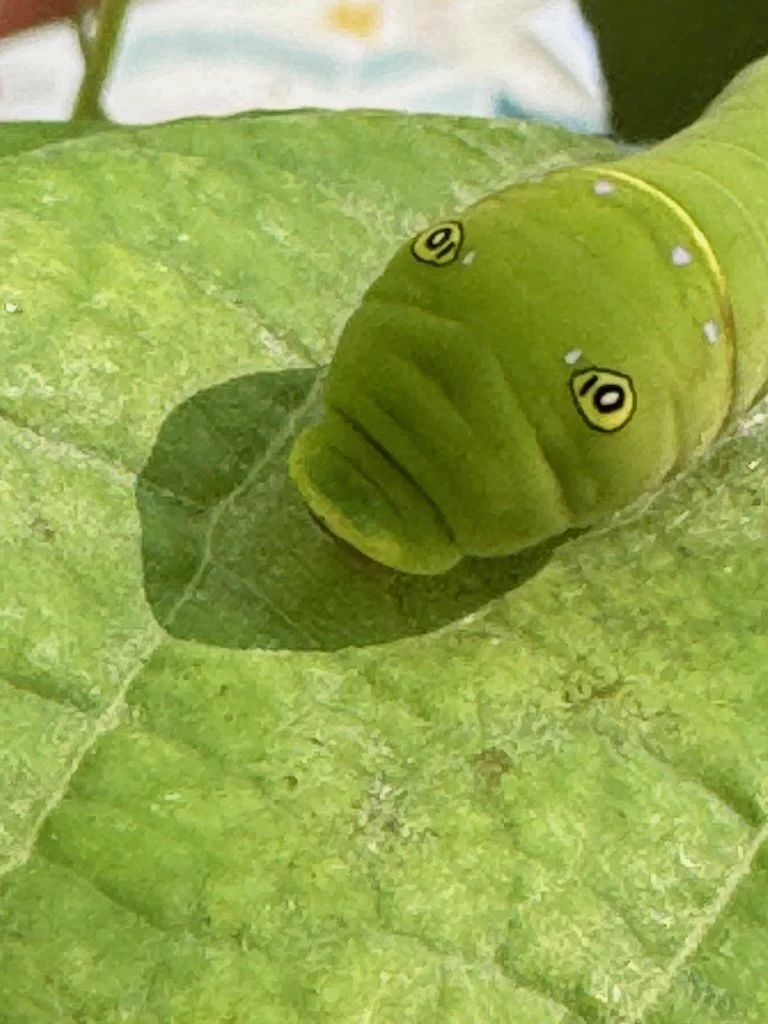
The tiger swallowtail caterpillars have fake eye spots. They are often on the tulip poplar tree in the butterfly house…at eye level with many adult visitors. We sometimes move a caterpillar on the table so that the children can see it more easily.

Learning about caterpillars – and their importance in the environment as food for other creatures (particularly young birds) - is part of the butterfly house experience.