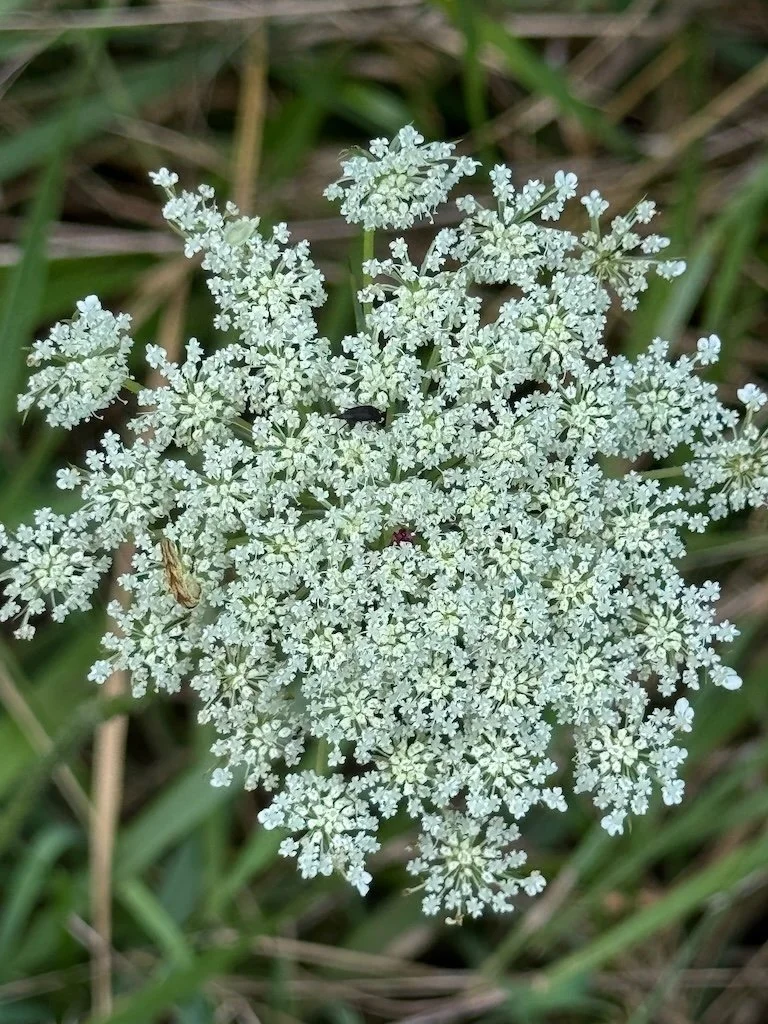
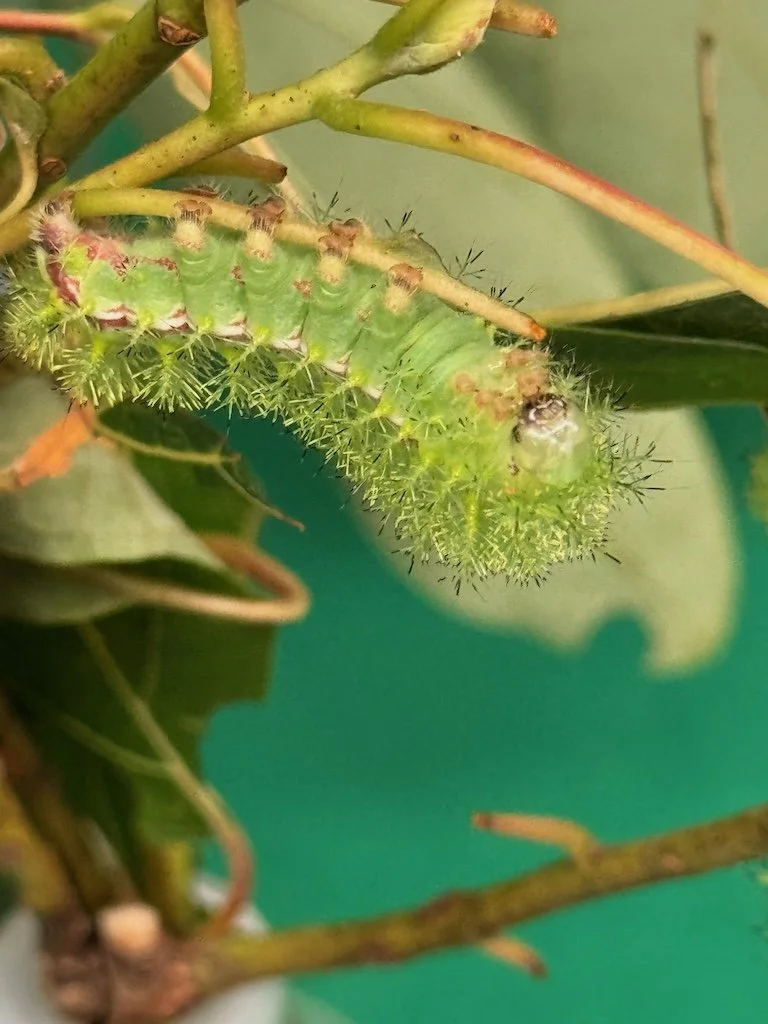
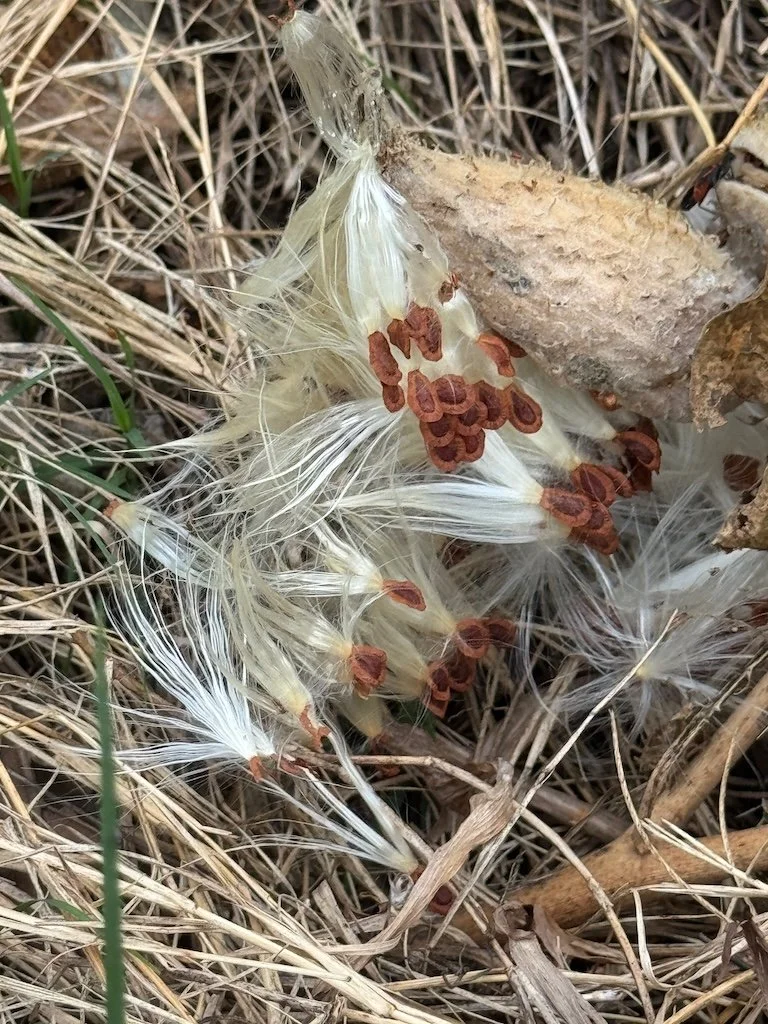
Suburban Savanna – 3

Continuing my series on my progress toward transitioning my yard to a suburban savanna…..

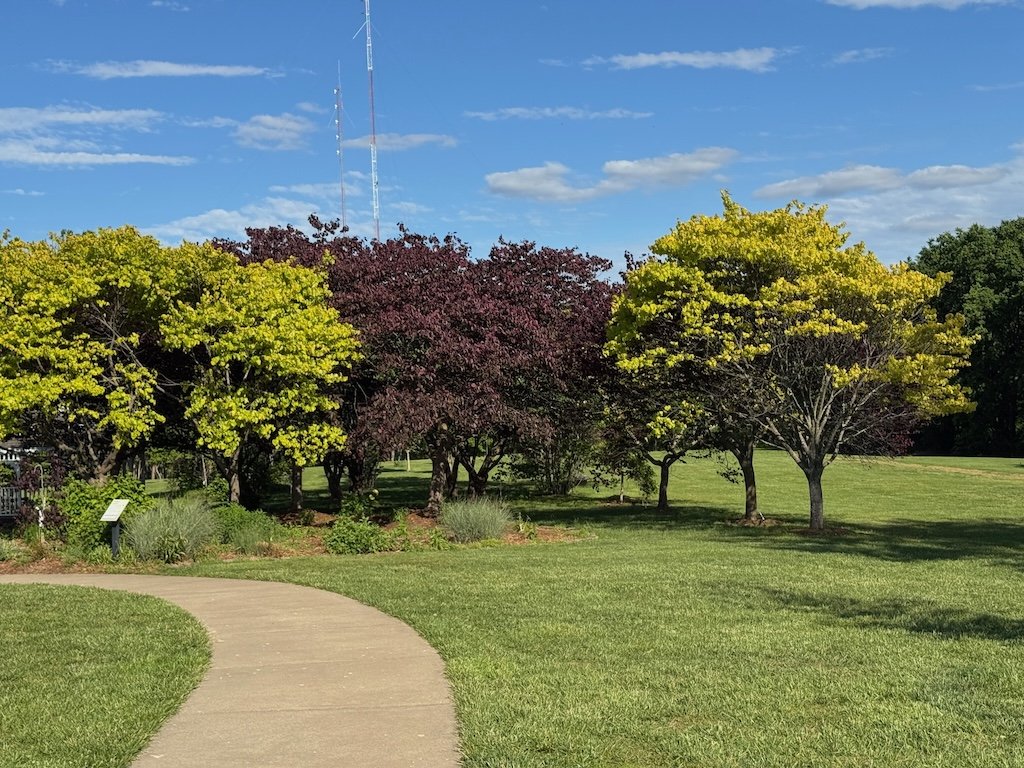
This month I am focusing on the shade garden since it is closest to being complete. The plants there will continue to develop…without a lot of work on my part. It is on the east of my house and includes an eastern white pine and a group of holly trees with low branches; a neighbor’s river birch and oak add to the shade in the summer.

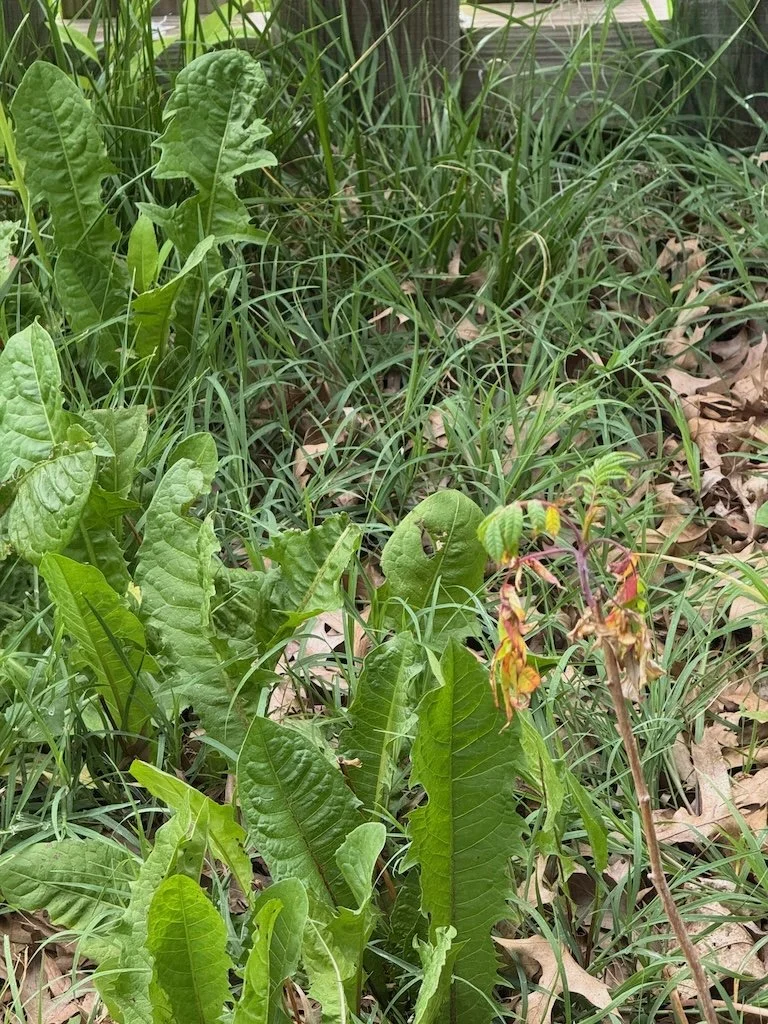
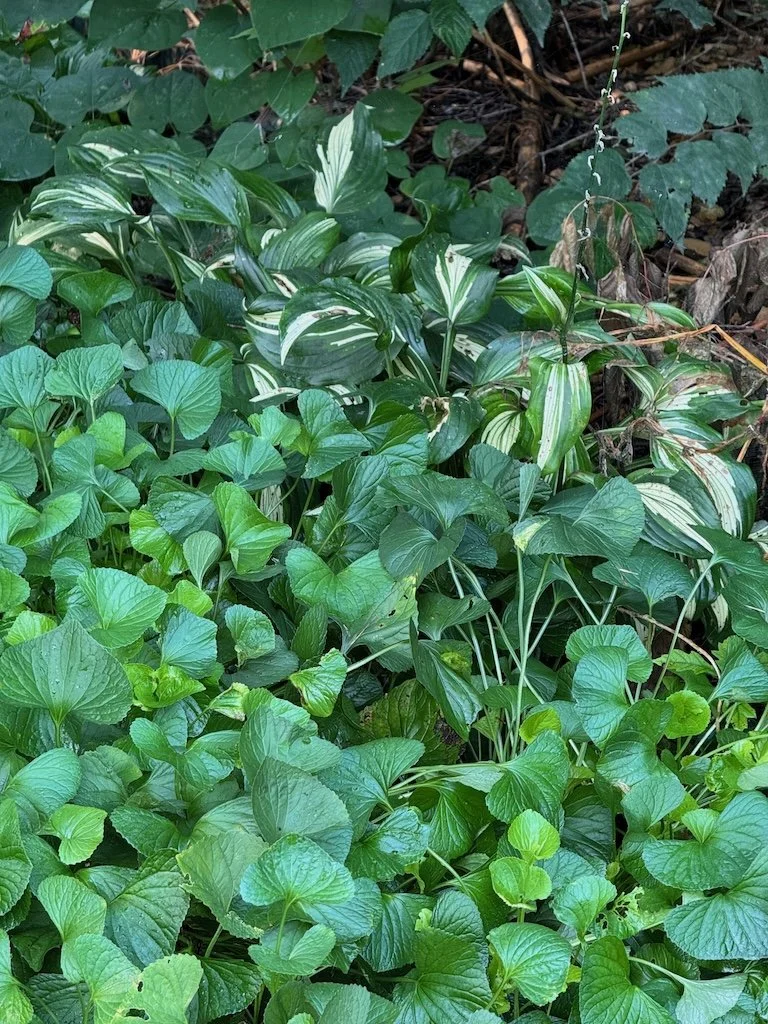
There were a few violets near the house when we arrived 4 years ago and they have spilled out to take over what used to be struggling grass (I stopped mowing and the violets took over); they have progressed about 6 feet into the yard and I will further reduce my mowing to allow them to take over more!

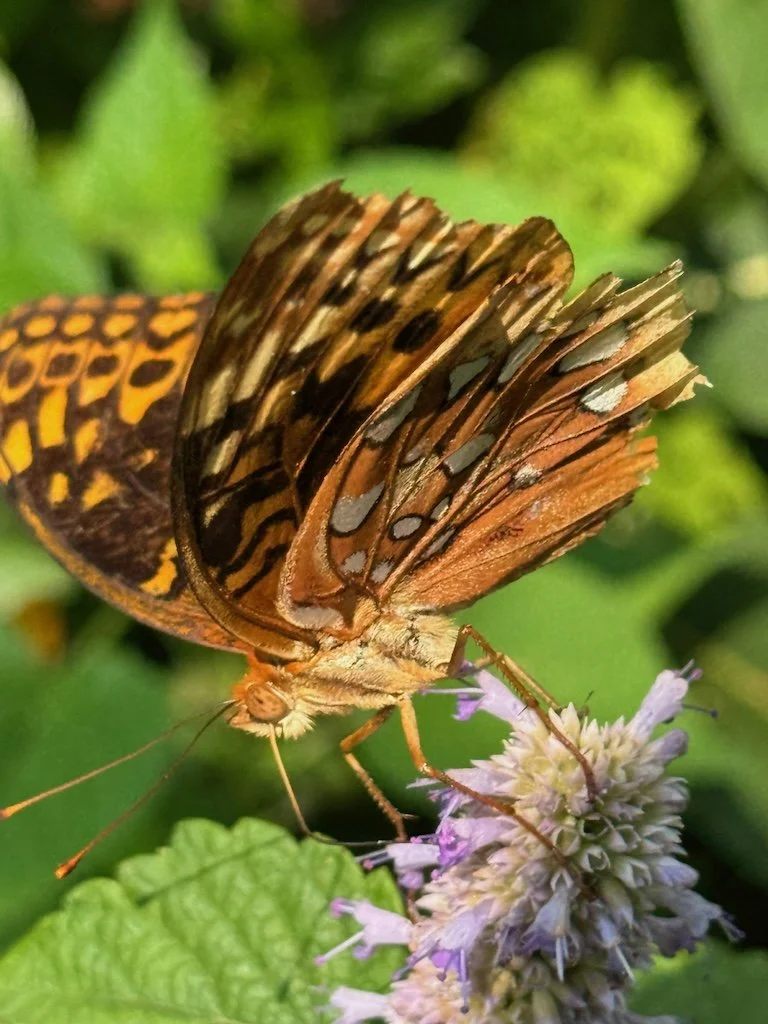
I noticed last winter that several birds – particularly mourning doves and wrens – seemed to spend a lot of time finding tidbits to eat in the brown debris of the violets; I wondered if they were finding the tiny Great Spangled Fritillary (butterfly) caterpillars.
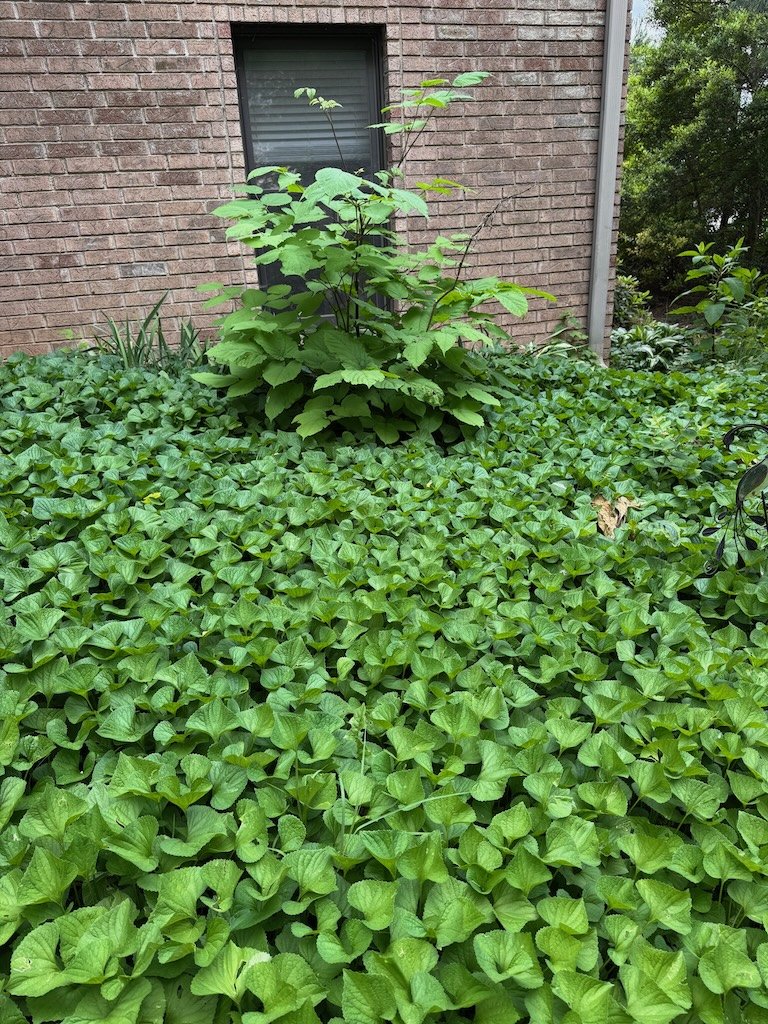
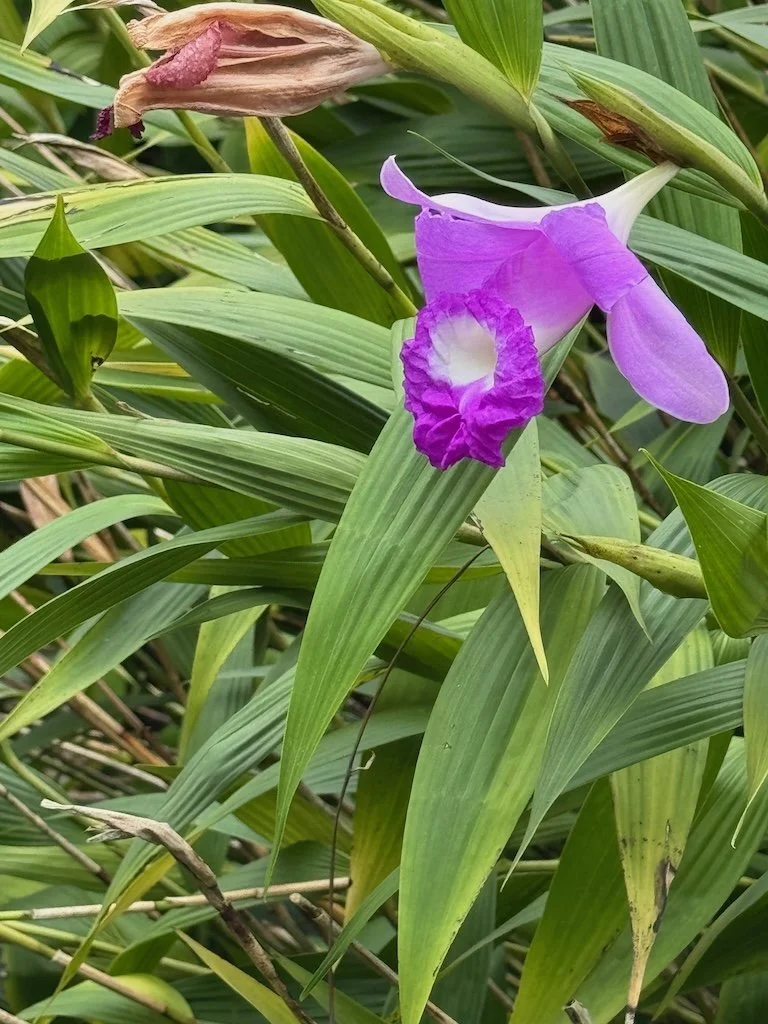
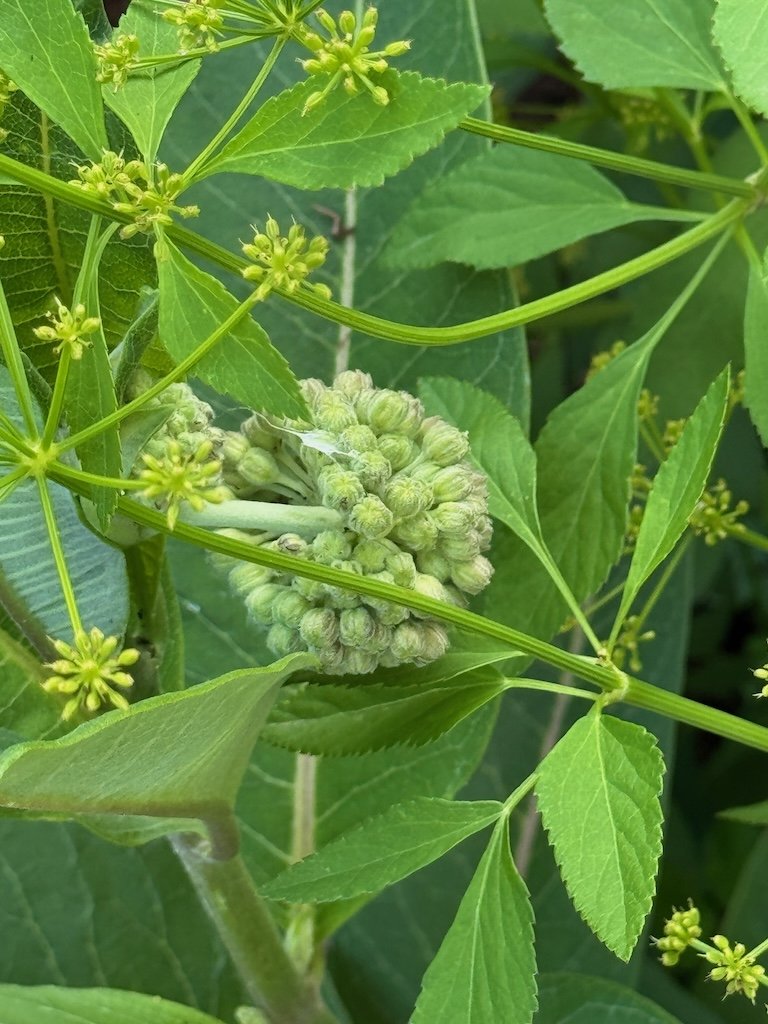
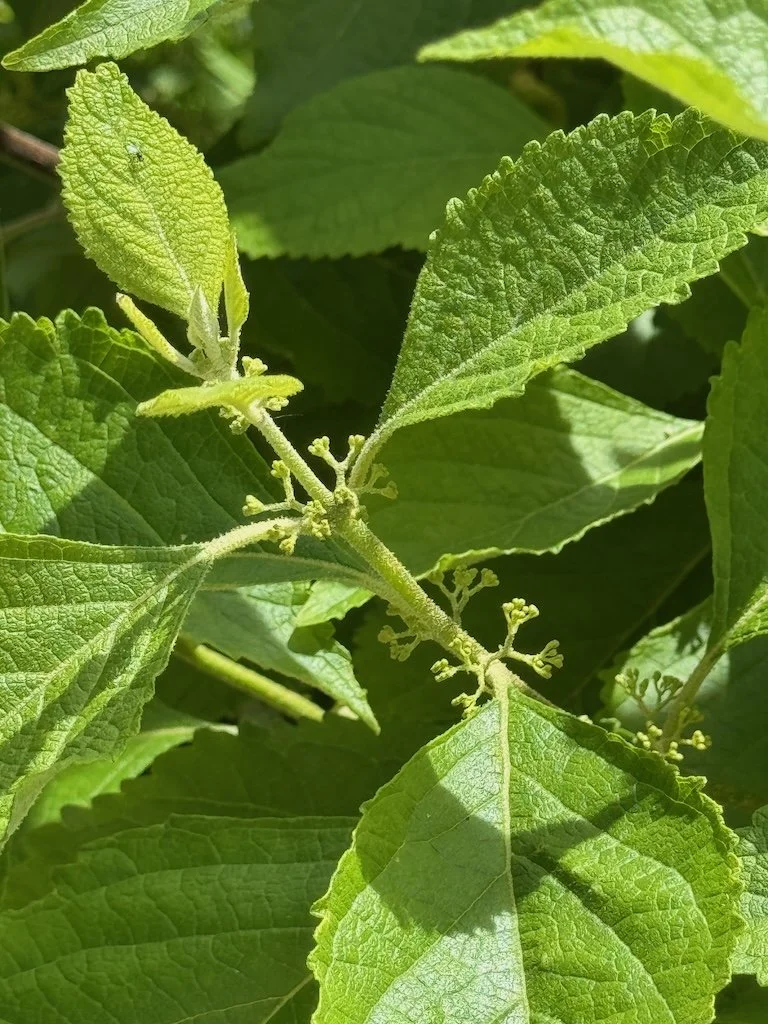
I planted American Spikenard, spice bush, and pawpaw to provide some taller plants to break the thick violet groundcover. I might eventually add another spice bush since the one I have is male (i.e. no red fruits!). The American Spikenard was one of the first native plants I added to my garden (where it is visible from my office window) and it gets bigger every year…this year it is over 5’ tall so it must be happy in its location. It blooms in June – attracting pollinators; the fruit is eaten by birds.

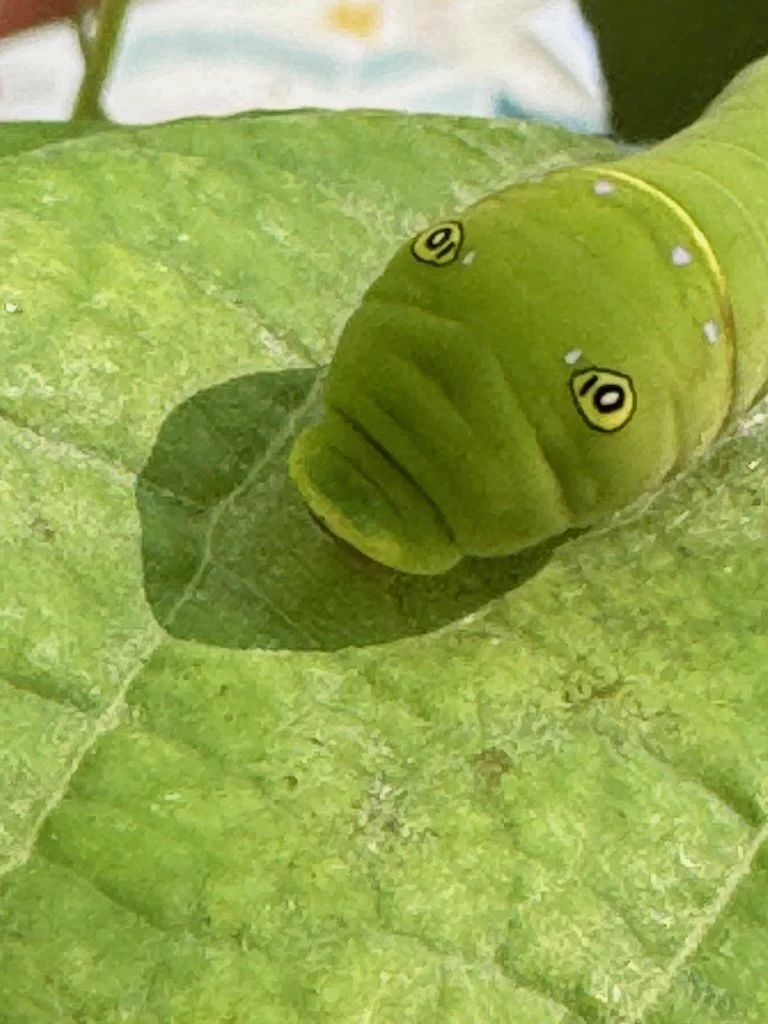
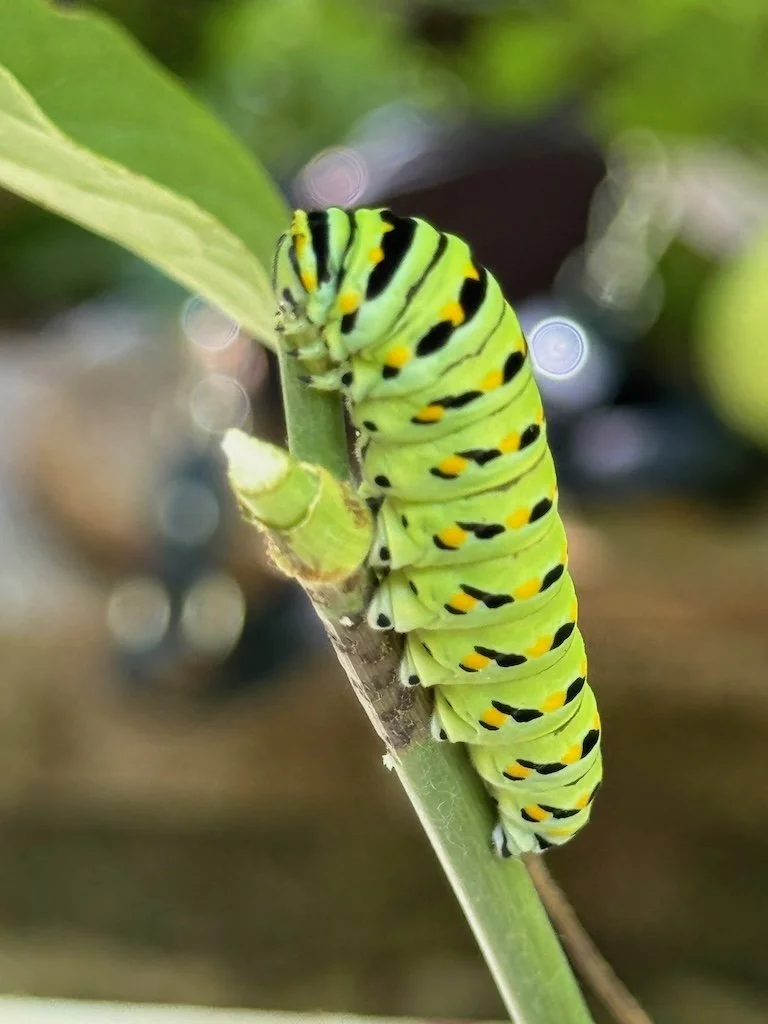
The spice bush had black swallowtail caterpillars eating it last summer…a great indication that the shade garden is supporting wildlife that had not been in the yard previously. I also noticed more fireflies in the summer beginning last year.
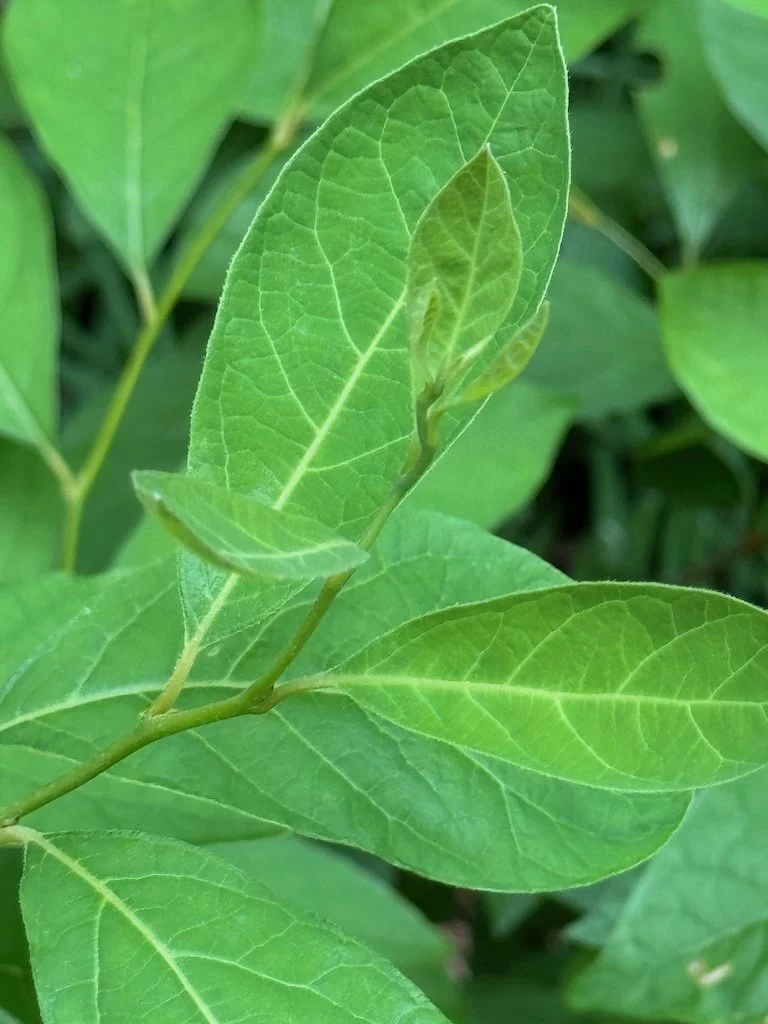
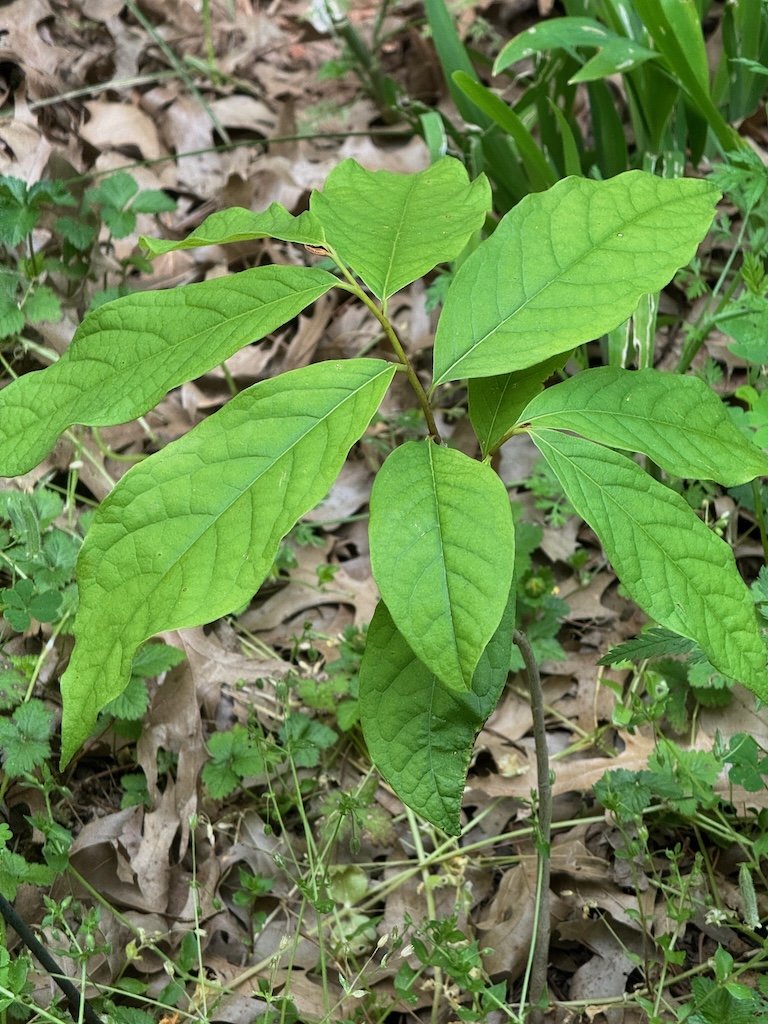
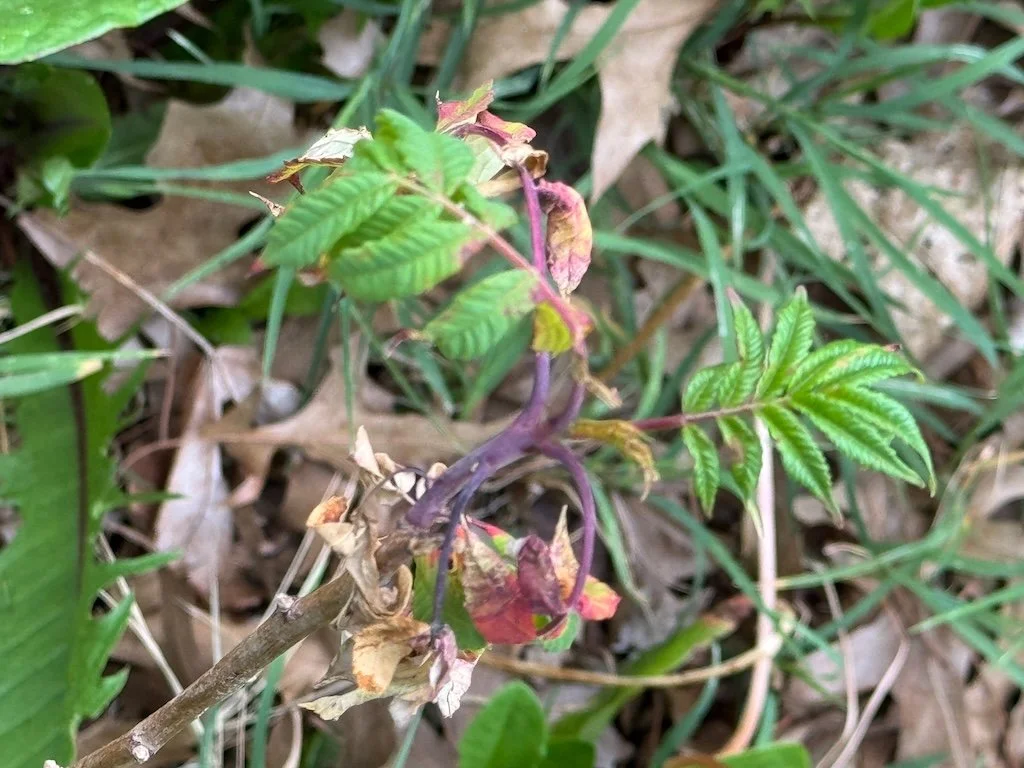
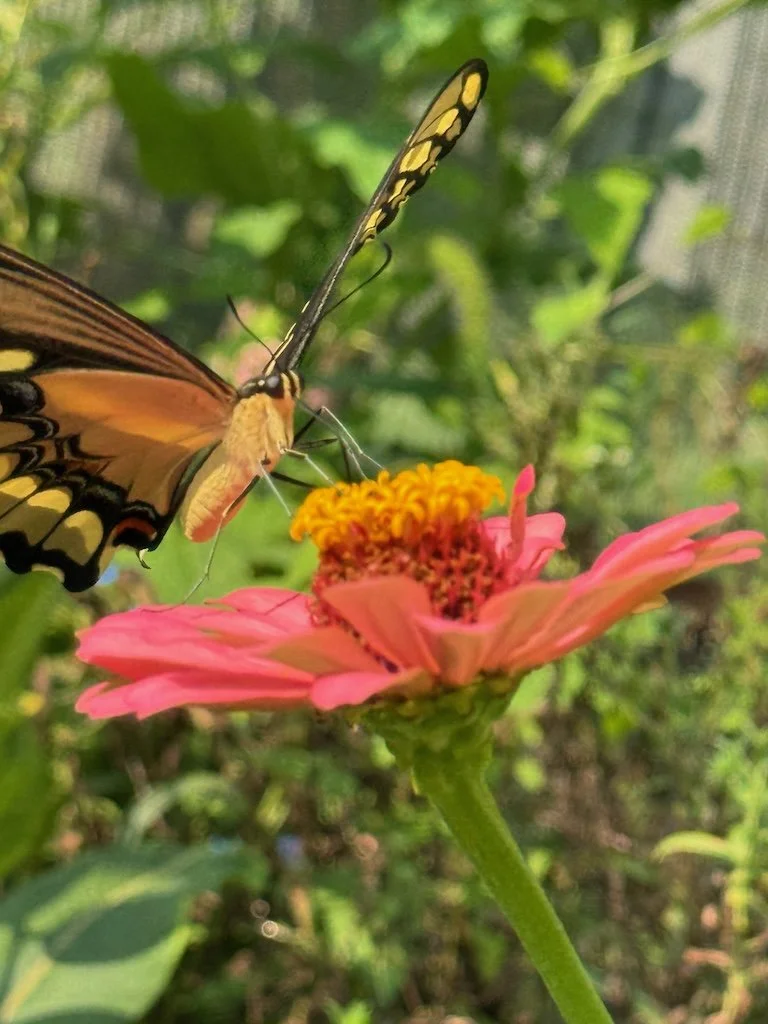
The pawpaw trees are still very young: one was planted as a seedling last year, 2 came up from seeds this spring, and 4 were planted as seedlings this spring. Hopefully most of them will survive and eventually host zebra swallowtail caterpillars. It will be years before they bear fruit….but I am excited about the prospect.

Around the white pine there is a mix of native and non-native plants. The natives are another American Spikenard, black raspberries (that came up on their own), violets, grapevine (which I cut to keep it out of the tree), hackberry (which I take out periodically, there is a neighborhood tree so the birds plant the seeds everywhere), and, unfortunately, an occasional poison ivy. The non-natives offer some color/shape contrast: hostas and lambs ear now…earlier in the season crocus, daffodils….later in the season chives.
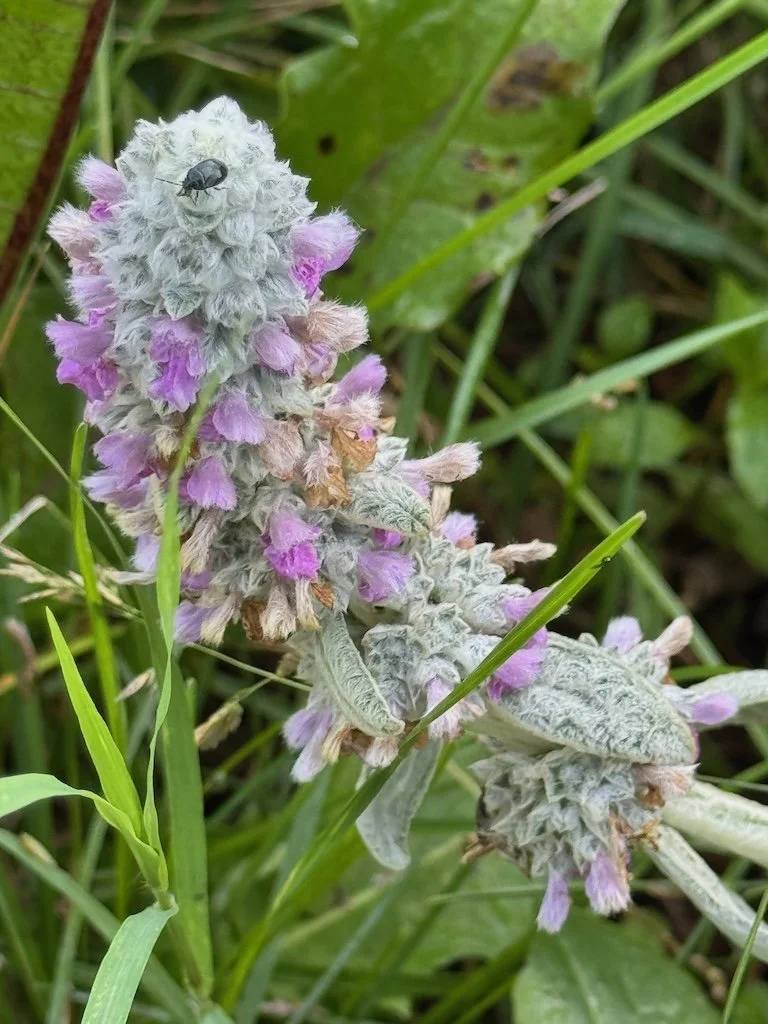
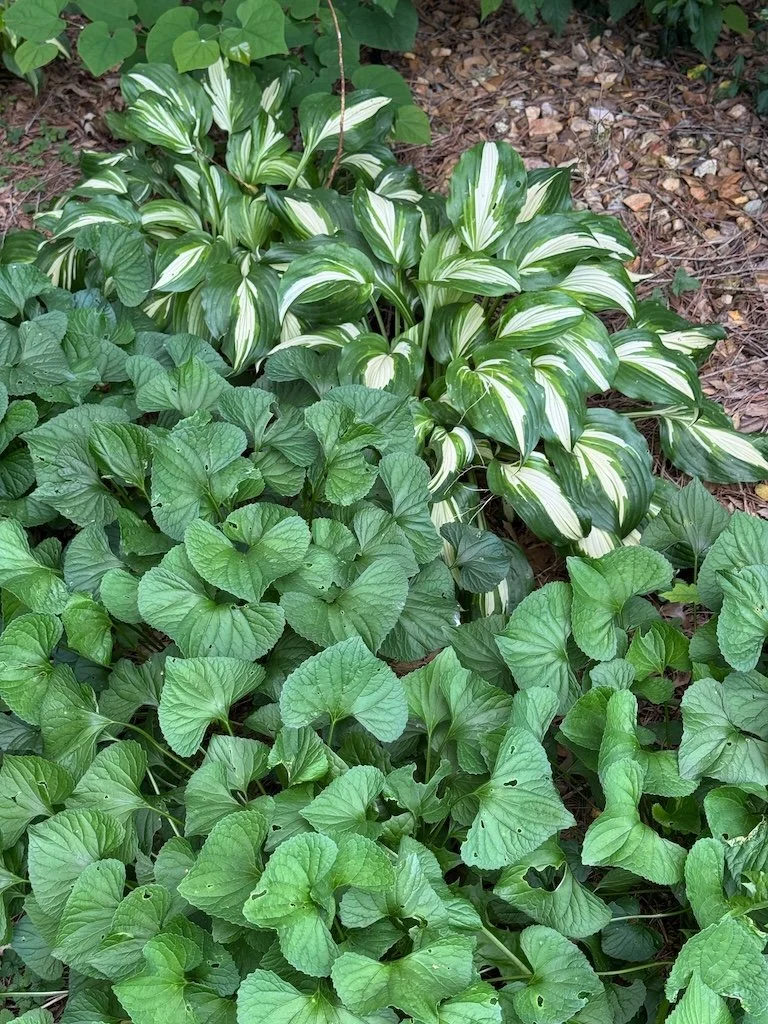
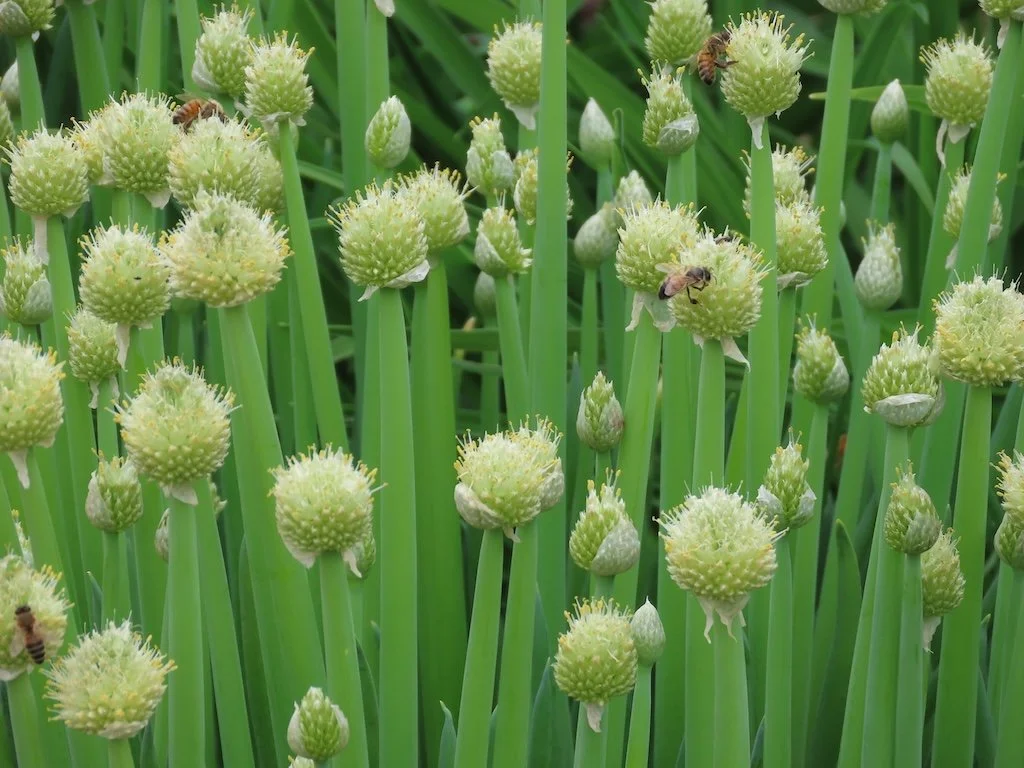
I like that there are plants in the garden that are edible…that I can easily harvest and eat immediately: violet leaves and flowers, grape leaves, and chives.

The maintenance I anticipate on the garden is mainly controlling things like grape vines, poison ivy, and hackberries….keeping an eye out for invasives like poison hemlock and wintercreeper (removing immediately). I will eventually begin removing the lower branches of the pine (they are already sparsely needled because they only get enough light at their tips); it could reduce the shade a little in the morning, but the hollies will shade the area in the afternoon and the pine needle mulch sustains the soil moisture).   The violets will grow out into the yard at least a little further but that just requires me to stop mowing the area where I want the violets to take over! My sprinkler system still waters the area when it hasn’t rained but I envision that I might turn off the zone once the plants are all well established.

More about my suburban savanna and water next month.

Previous Suburban Savanna Posts:

April 2026 – Overview

May 2026 – Planting Natives
Gleanings of the Week Ending June 13, 2026

The items below were ‘the cream’ of the articles and websites I found this past week. Click on the light green text to look at the article.

06/1/2026 Science Daily Your kitchen sponge is releasing microplastics every time you wash dishes – Use sponges with lower plastic (or no plastic) content! Using less water for dishes has and even greater environmental impact.

05/30/2026 Clean Technica Illinois First Great Lakes State to Enact Plastic Pellet Pollution Law - Just days before the end of the 2026 legislative session, the Illinois state legislature passed HB4418, which defines pre-production plastic pellets as a pollutant and gives the Illinois Environmental Protection Agency the authority to establish policies to prevent them from being released into the environment. eople complain about government overreach and faceless bureaucrats, but the truth is that without legislation such as this and governmental organizations like the Illinois EPA to enforce it, the world would be a much more toxic and dangerous place. It is long past time to stop giving polluters a free pass so they can maximize their profits.

05/11/2026 RNZ Is it really possible to live a plastic-free life? - Our lives are riddled with plastic, and growing evidence suggests it is affecting our health in myriad ways. (New Zealand)

04/27/2026 Journal of Exposure Science & Environmental Epidemiology Endocrine-disrupting chemicals in breast milk and early life exposure for infants in the United States – Melamine, cyanuric acid, BPA, BPS, and triclosan were detected with high frequency in breast milk samples in the study, and our study suggests that breast milk is an important exposure pathway for these chemicals among nursing infants. Given the importance of breastfeeding for infant health, our study highlights the need to investigate potential health effects of these chronic exposures.

04/26/2026 Earth.com Plastics are entering food crops and stunting their growth - Farmers, waste managers, and regulators now face a harder truth: plastic in soil can slow crops, gather around roots, and enter plants. The next step is tracing whether weathered nanoplastics reach edible tissues at harvest and deciding which plastic inputs should be cut first.

04/02/2026 Medical Xpress Seven days without plastic contact slashes phthalates and bisphenols in body – A clinical trial investigating levels of plastic chemicals in the human body has found that a low-plastic diet could be a fast and effective way to reduce exposure. (Australia)

05/31/2026 The Conversation Trees and greenery can cool cities by as much as 18°C – but only if it’s the right type - Field measurements from Melbourne, Munich and Hong Kong were compared to test how different kinds of urban planting changed the heat people experience outdoors. Layered vegetation – where trees are combined with shrubs and ground cover – often cooled cities more effectively than trees alone. We also found local climate and street design strongly shaped whether greening worked well. Cities need planting strategies tailored to local conditions rather than universal greening formulas. In parks and open green spaces, layered vegetation can provide strong cooling while also supporting biodiversity. In dense streets, planners may need to balance shade with ventilation.

05/28/2026 My Modern Met Hand-Colored Photos From 19th-Century Japan Offer a Glimpse of Traditional Life - Photography arrived in Japan very early—a little less than a decade after it was invented in Europe. Throughout the 1850s, as Japan opened up to foreigners, the images from this time capture not only a nearly forgotten moment in history but also a rare transitional time in which traditional Japanese life was being affected by rapid modernization.

05/20/2026 BBC Chile's Atacama Desert is one of the darkest places on Earth. But now the light is intruding - The battle against encroaching artificial light in the Atacama is a microcosm of a global problem. As electric bulbs have proliferated, around 80% of Earth's population now lives under light-polluted skies. A recent study of star visibility found that, on average globally, the sky brightened due to light pollution by almost 10% a year between 2011-2022. If a person could see 250 stars at the start of the period, the researchers found, they would only spot 100 by the end.

5/28/2026 Smithsonian Magazine Giant, Destructive Hail Is Becoming More Common with Climate Change - A new study finds that these giant hailstones will become more common as the climate warms from human-caused carbon emissions. In models of predicted future warming, the researchers found that the frequency of hail larger than a marble will increase 47 percent by 2100 in a worst-case scenario. Even in a more optimistic model of future climate change, the potential for storms producing giant hail will rise 38 percent.

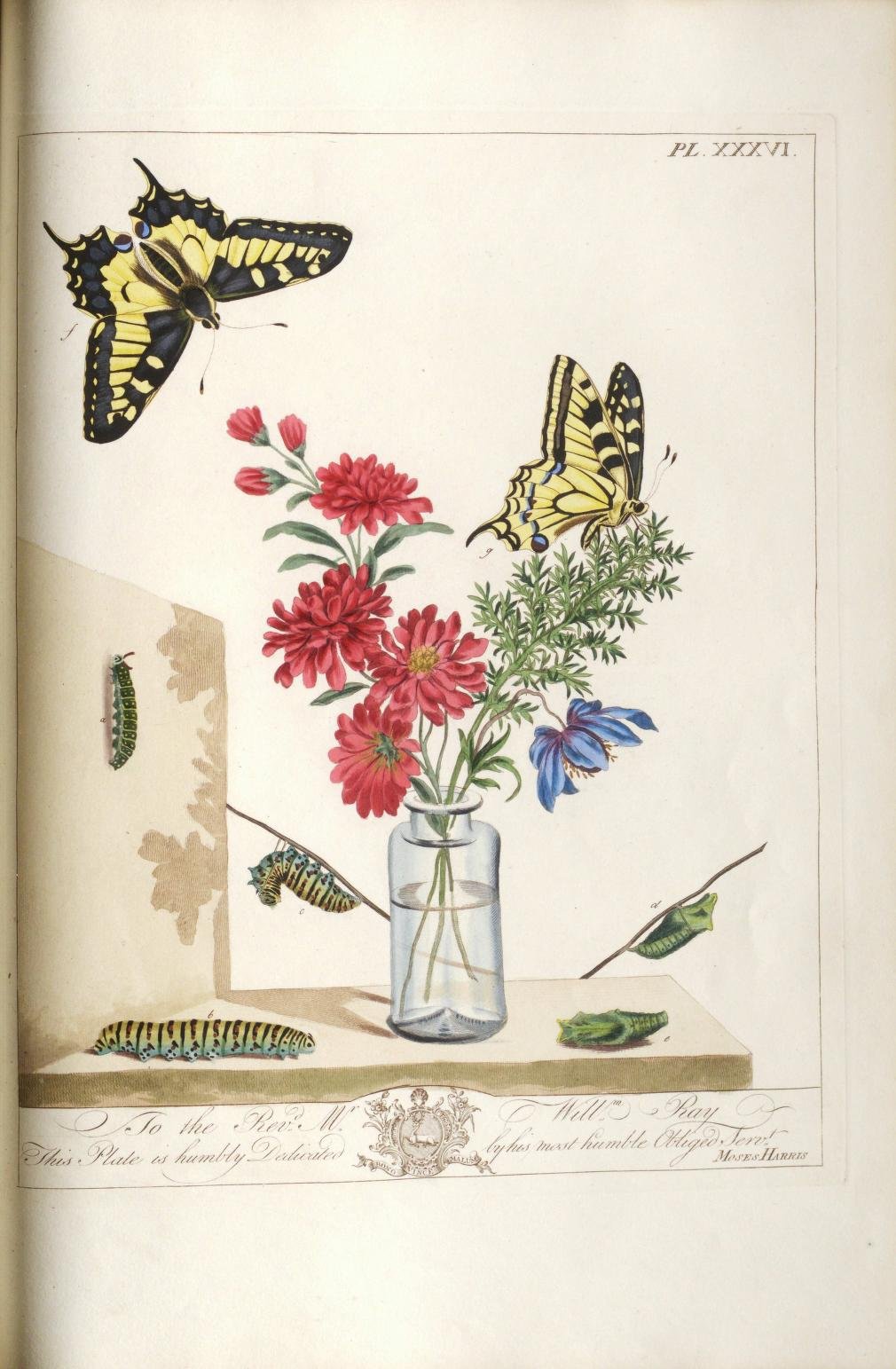
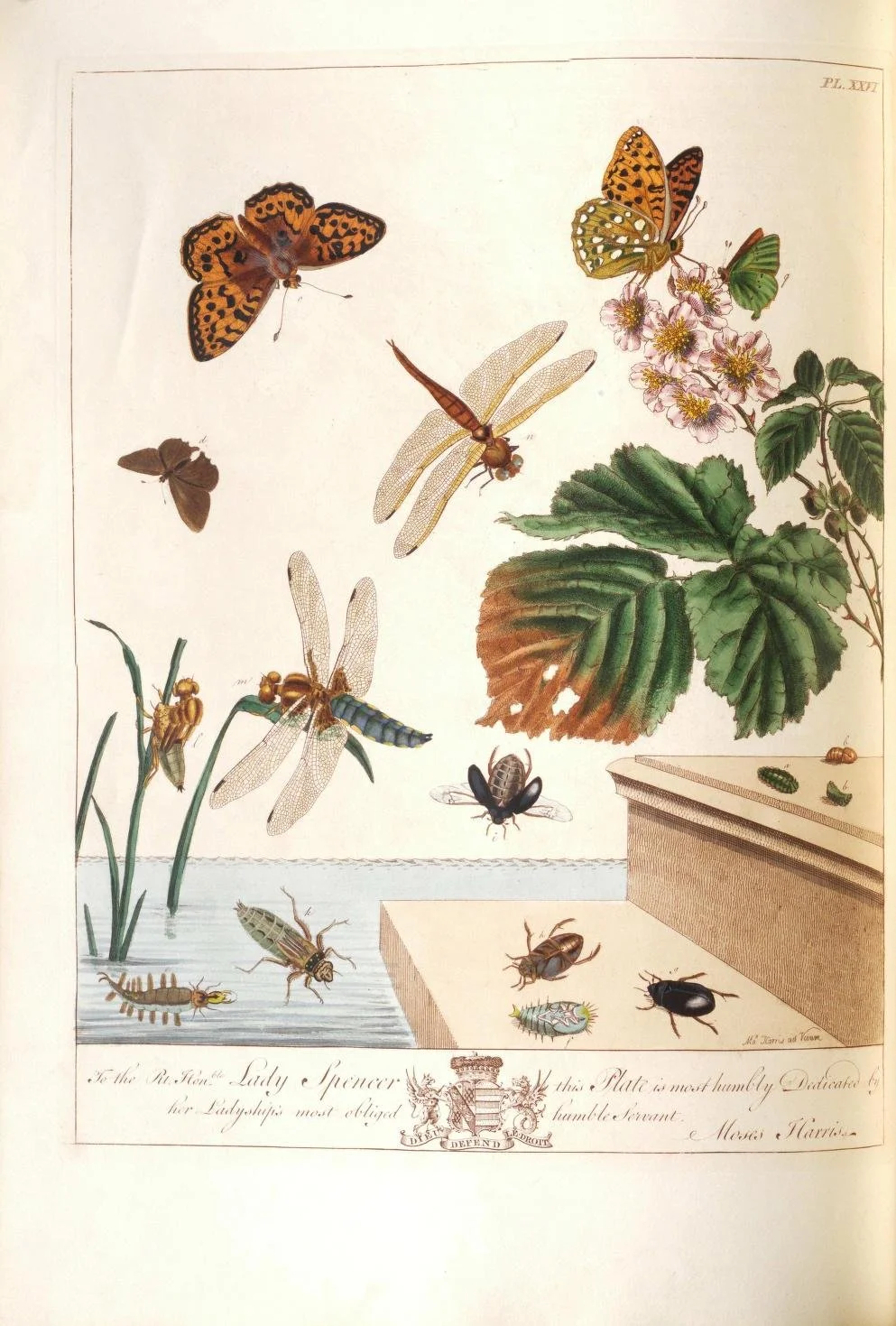
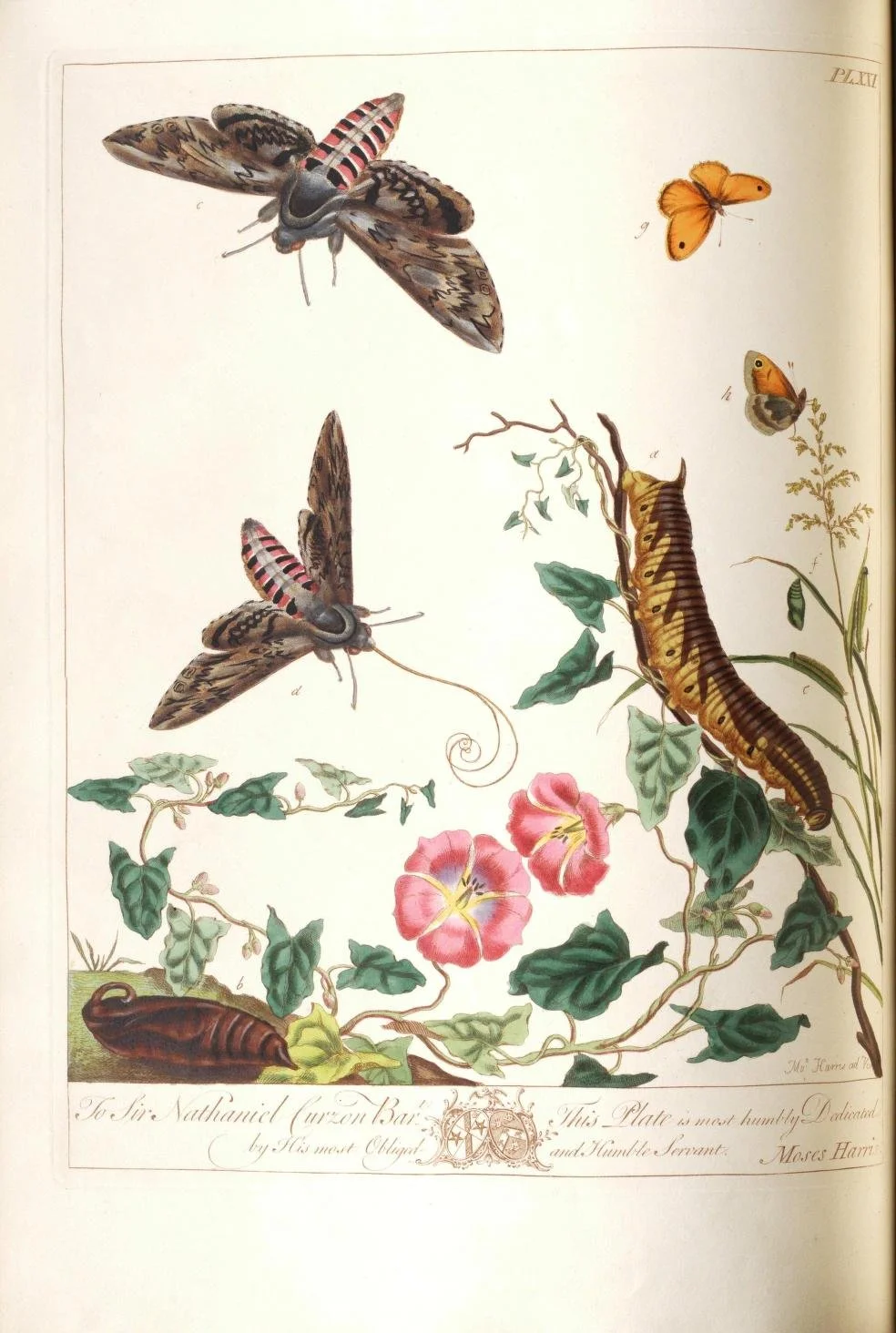
English Moths and Butterflies (1766)

This week’s featured eBook is by Moses Harris and depicts English moths and butterflies – along with the plants on which they feed, their lifecycle changes, where to find their adult forms, and the common names in the mid-1700s. The author was an entomologist and engraver…and secretary to the Aurelian Society. The book was printed by the author!

The Aurelian: a natural history of English moths and butterflies

Sustaining Elder Care – June 2026

I’ve been keeping up with the changes occurring with my dad through text messages with my sisters…my June trip to Lewisville is still a week away.

He fell twice at night (getting up to go to the bathroom). The first time he was examined and then put back to bed…and then when the morning crew arrived, they found his bed was a mess because he had not been taken to the bathroom after he fell! The second time he fell was a few days later. His knees took the brunt of both falls (bruises…some scratches).

My sisters worked with the hospice and memory care staff to make changes. His room was rearranged to make navigation easier, and the memory care staff proactively get him up to use the bathroom at night. He hasn’t fallen again….so perhaps the changes are sufficient for now.

His eyesight has been failing and now he apparently is totally blind – cannot see light. He can’t articulate the change, but events have helped us conclude that it has happen. For example, my sister discovered him in the bathroom facing the back of the shower when she arrived one morning; fortunately, his walker has a seat, and he had thought to sit down. He told her there was nowhere for him to go! The combination of dementia and blindness is probably an insurmountable challenge for him; his blindness is a change, and his mental confusion makes it impossible for him to learn ways to deal with it.

The memory care staff try to include him in activities that he previously enjoyed just a few months ago. They put him in a wheelchair for a live music event, but he slept the whole time.

My sisters have commented that he is sleeping more (his sleeping had already been increasing before the falls). There are times when they visit that he is asleep most of the time now.

We all think he is winding down…and are thankful that when he is awake, he is courteous even when he is frustrated that his body will no longer work well enough for him to move about easily. He still enjoys frozen desserts (ice cream or lemon ice)!

Gleanings of the Week Ending June 06, 2026

The items below were ‘the cream’ of the articles and websites I found this past week. Click on the light green text to look at the article.

05/18/2026 The Scientist How Extreme Heat May Be Raising the Risk of Gestational Diabetes - A growing body of research shows that climate change-driven extreme heat may be increasing the risk of GDM. Studies from around the world are also pointing to critical windows of vulnerability, suggesting that rising temperatures may be shaping maternal health in overlooked ways.

05/19/2026 BBC Japan is gripped by mass allergies. A 1950s project is to blame - Large-scale afforestation after World War II was carried out by public works, funded by tax revenues, to prevent soil erosion. Aiming for rapid reforestation, the government chose to plant reams of only two different native, fast-growing evergreen species that could quickly reforest landscapes and provide wood for future use in construction: the Japanese cedar, sugi, and the Japanese cypress, hinoki.

05/26/2026 Planetizen Two years after California reintroduced beavers, they are transforming the landscape into a 'climate-resilient powerhouse' – Collaboration between California Native American tribes and California Department of Fish and Wildlife….a  beaver created wetland complex created since 2023.

5/26/2026 Yale Environment 360 Warming Is Raising the Risk of Encounters with Venomous Snakes – When I went through Master Naturalist training in Maryland more than a decade ago – we were told that cottonmouth moccasins were not found in Maryland….that they were found as far north as Viriginia. I wondered at the time how long it would take for temperatures to warm enough for them to move northward. The post says that “Cottonmouth moccasins in the US are forecast to head as far north as New York” although it does not say how soon.

05/14/2026 The Scientist Bioelectric Contact Lenses Alleviate Depression in Mice - This wearable, drug-free approach holds promise for transforming how depression and other brain conditions are treated, including anxiety, drug addiction, and cognitive decline. The problem is, sugi and hinoki trees also produce large amounts of lightweight pollen which can easily drift into cities. It's this pollen, often released all at once from the monoculture plantations, that is responsible for most seasonal allergies in Japan.

05/26/2026 Science Daily Scientists say they’ve reversed brain aging with a simple nasal spray - The therapy relies on microscopic biological particles called extracellular vesicles (EVs). These tiny structures naturally transport genetic material between cells. In this case, they were loaded with microRNAs, molecules that help regulate important biological processes in the brain. Once inside the brain, the treatment targeted immune cells involved in chronic inflammation. Scientists also found that it restored activity in mitochondria, the tiny structures inside cells responsible for producing energy. Aging and inflammation can damage mitochondria, leaving brain cells less efficient and more vulnerable to decline. (More work required before the treatment can be testing in humans).

5/26/2026 BBC The hidden dead zones spreading across the Baltic Sea floor - Cod fishing has collapsed. It may take more than 400 years for the maritime environment to recover from factors such as overfishing, oxygen depletion and rising sea temperatures. Some believe it may not happen at all.Areas of the sea floor with little or no oxygen, known as "dead zones", appear to be creeping closer to Bornholm's beaches. This is due to human pollution from fertilizers and sewage creating huge algal blooms, which, when they die, sink to the sea floor and cover it. Their decomposition uses up the available oxygen, kills the living organisms that depend on it, and – as a result – creates dead zones.

5/25/2026 Our World in Data Five million children die every year — what do they die from? – Worldwide 44% die from infectious diseases and 42% die from birth disorders….but there is a huge difference between low and high income countries.

5/21/2026 My Modern Met Amazing Winners of This Scientific Microscopic Imaging Contest Capture the Unseen Beauty of Life – I always enjoy magnified photography of life…the world we cannot see without our technology that often is quite beautiful.

5/22/2026 Artnet A 4,500-Year-Old Building Near Stonehenge Has Been Brought Back to Life - More than 100 volunteers have built a 20-foot high structure using the tools and techniques of Neolithic England - ecreating stone tools, using a woodland management technique known as coppicing, and creating a cement-like mixture of chalk, water, and straw called chalk daub.

Plastics Crisis – Forever Plastics (poem)

Ronald Carson’s Forever Plastics poem is worth a look…I keep coming back to read it again to help shift my perspective…to enable better communication about the looming ramifications of our current (and projected) plastics usage.

 He says: “In this poem, I wanted plastics to speak in the first-person plural, tracing the path from postwar convenience to biological saturation, where the environment is no longer outside us but lodged within us.”

 The last stanza sums is up:

We are the heirloom you did not ask for, 
the inheritance that cannot be refused, 
the future fossil of your present, 
already here.

 See the whole poem here.

Gleanings of the Week Ending May 30, 2026

The items below were ‘the cream’ of the articles and websites I found this past week. Click on the light green text to look at the article.

05/18/2026 Washington Post EPA wants to repeal limits on ‘forever chemicals’ in drinking water - The Environmental Protection Agency on Monday proposed repealing limits on four types of “forever chemicals” in drinking water, while delaying regulations on two others. Beyond the six compounds in question, there are hundreds of PFAS being used in manufacturing today that are also toxic and demand to be regulated together as a chemical class, an idea the EPA has so far resisted.

5/16/2026 Science Daily Scientists warn that the world’s rivers are running out of oxygen - Rivers around the world are quietly running out of oxygen — and climate change is emerging as the main culprit. A sweeping global analysis of more than 21,000 river systems found that nearly 80% have been steadily losing dissolved oxygen over the past four decades, threatening fish, biodiversity, and the overall health of freshwater ecosystems. Surprisingly, tropical rivers are being hit the hardest, even more than rivers in rapidly warming polar regions.

5/11/2026 Planetizen New Orleans sea level rise is at 'point of no return' - Since the 1930s, Louisiana has lost 2,000 sq miles of land to coastal erosion, equivalent to the size of Delaware, with a further 3,000 sq miles set to vanish over the next 50 years. The rate of land loss is so rapid that a football pitch-sized area is wiped out every 100 minutes.

5/4/2026 BBC Food labels have far-reaching effects on our health - Many leading experts say the food environment – such as the way food is produced, marketed and sold – itself is "obesogenic" (creating the conditions for weight gain) and this influences consumers to make unhealthy choices. To combat the growing levels of obesity, we need to change what we eat – and emerging research shows that behavioural interventions as well as policy change could make a meaningful difference.

5/14/2026 NPR The MAHA movement is coming to school cafeterias. Here's what that means for kids - Exactly how the government's new dietary guidelines will impact schools is unclear. The Department of Agriculture (USDA) said it is still working to update the nutrition standards it requires of institutions taking part in the National School Lunch Program, which fed 30 million children last year, and the School Breakfast Program.

5/13/2026 Modern Met Haunting and Hopeful Images Win the 2026 Environmental Photography Award - Selected from roughly 10,000 submissions, this year’s winning images span five categories—Changemakers, Forests, Humanity vs Nature, Ocean, and Polar Regions. Together, they document everything from wildlife trafficking and climate disasters to moments of breathtaking beauty in the natural world.

5/15/2026 Archaeology Magazine Mysterious Ancient Tunnel Discovered Beneath Jerusalem Streets – “Usually we have explanations for the discoveries we uncover, but sometimes, as in this case, we stand astonished and amazed.”

5/14/2026 Yale Environment 360 Restoring the Flow: A Milestone in the Revival of the Everglades - In Picayune Strand State Forest, the state and federal governments have been working for more than two decades to undo the damage wrought by that failed development. It’s been a huge undertaking across 55,000 acres. Recently, though, the state and the U.S. Army Corps of Engineers put the finishing touches on the most critical part of the work: restoring the natural flow of water across the land. How well this hydrological restoration leads to wider ecological recovery remains to be seen. But the transformation is already underway.

5/11/2026 NASA Color Off the Mid-Atlantic Coast - Starting in early April, NASA satellites began to detect a patch of brownish, blue-green water lingering off the coasts of New Jersey, Delaware, Maryland, and Virginia. The colors and patterns were most intense in the shallow coastal zone where the waters of Raritan Bay, Delaware Bay, and Chesapeake Bay merged with the Atlantic Ocean—an area known as the Mid-Atlantic Bight. 

5/14/2026 National Parks Traveler What to Expect on The Grand Canyon's North Rim This Summer -Visitors need to be self-sufficient as they encounter burned landscapes, limited services, no potable water, portable toilets and ongoing construction tied to rebuilding facilities, utilities and infrastructure destroyed by the wildfire that started last July 4 and exploded out of control under strong fanning winds. 

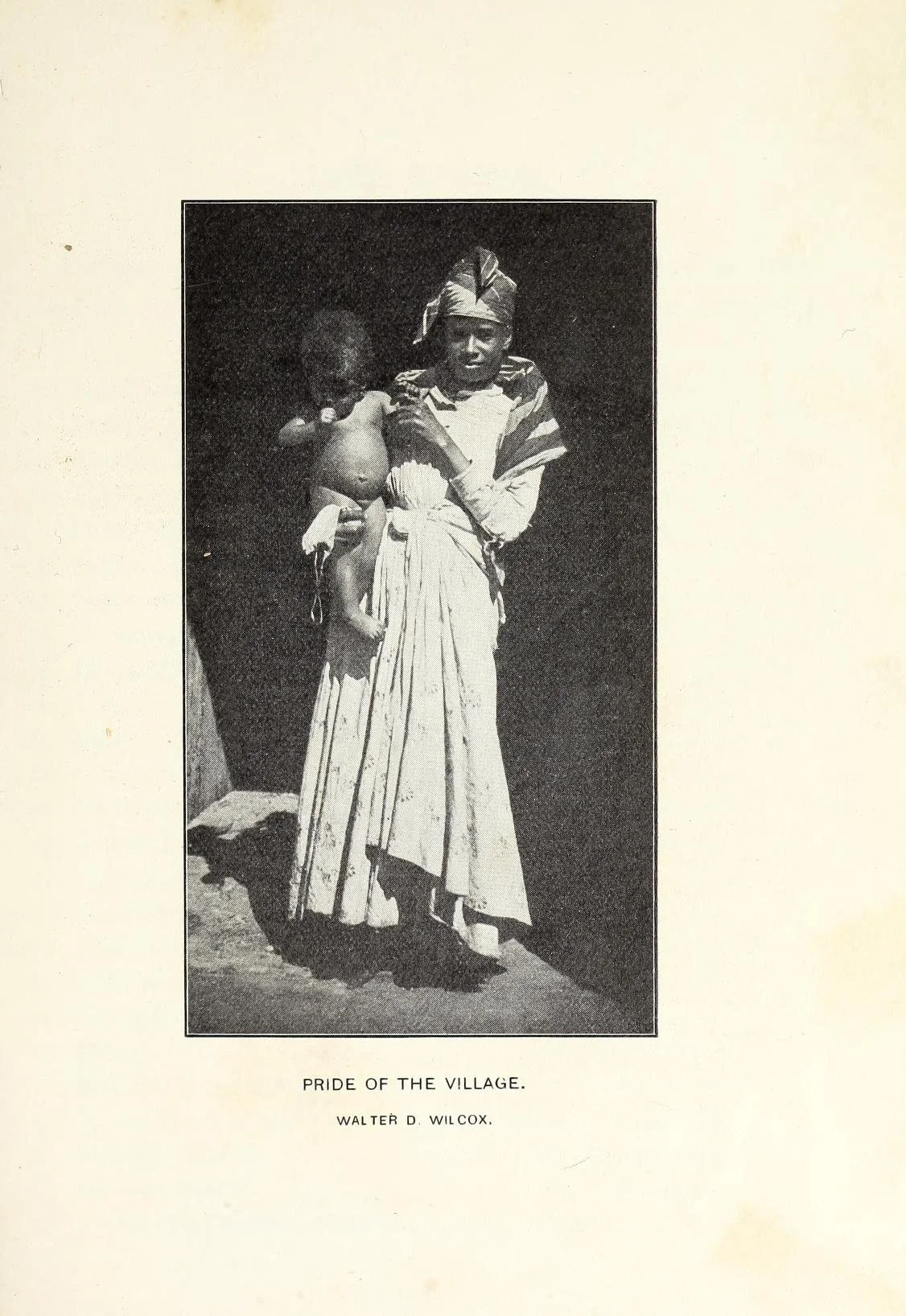
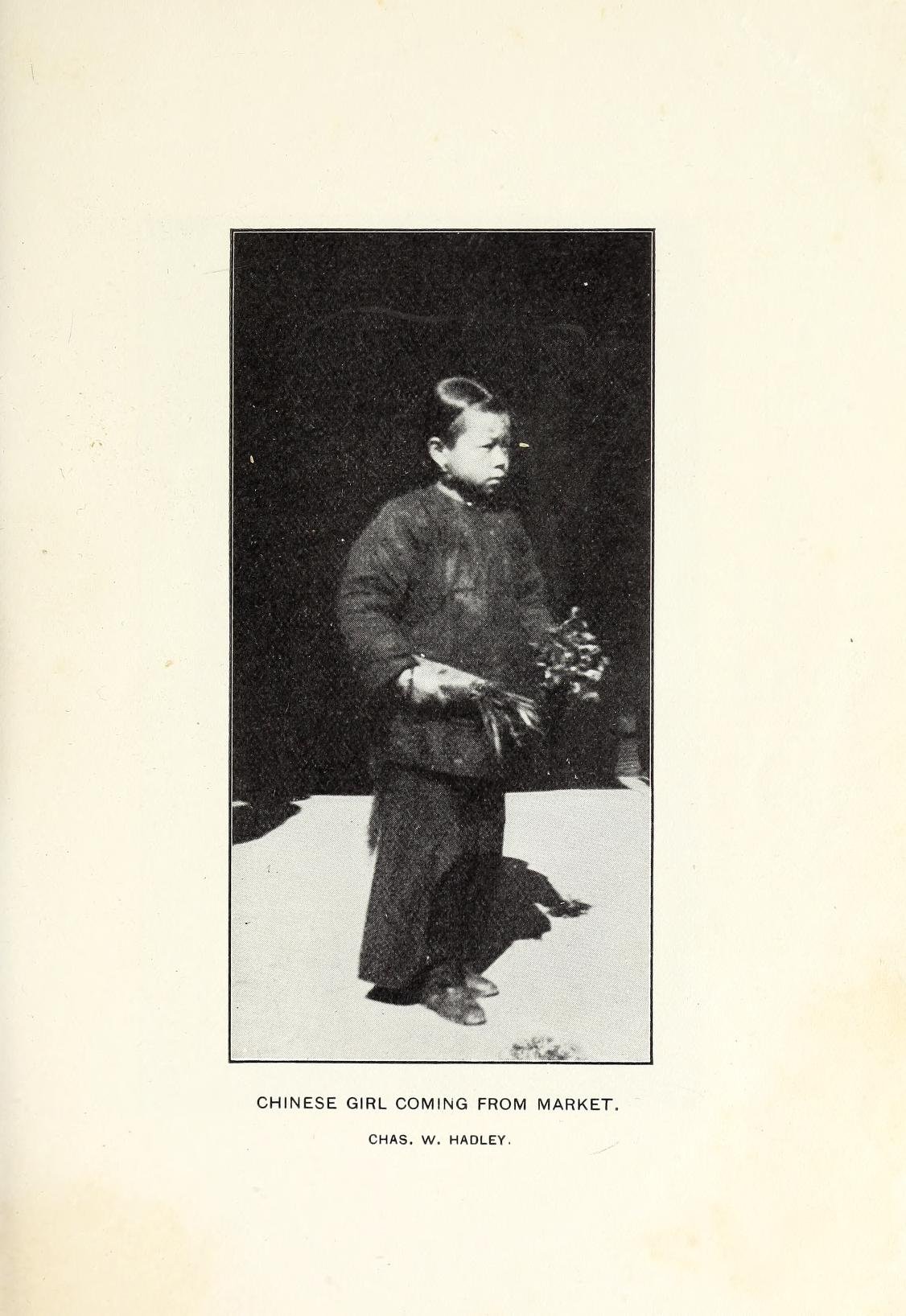
Photography from 1901

The Corcoran Gallery of Art hosted an exhibit of photography from the local camera club in April 1901…and the exhibition book is my pick for Book of the Week. The book is available on Internet Archive.

The year caught my attention since one of my grandfathers was born in 1901; he would have been 3 months old when this exhibition happened!

My favorite of the sample images is the icy fountain…with the US Capitol in the background.  

 Tenth annual exhibition of the Capital Camera Club: April 22d to 30th, 1901

Missouri Botanical Garden – Part 2

We checked into the hotel and had a light dinner before returning to the garden. We arrived while it was still light and was easy to get a parking spot close to the Visitor Center. My daughter had bought our tickets and had had them on her phone for the garden staff to scan for our entry. We visited some close gardens and smaller conservatories that we hadn’t seen earlier in the day.

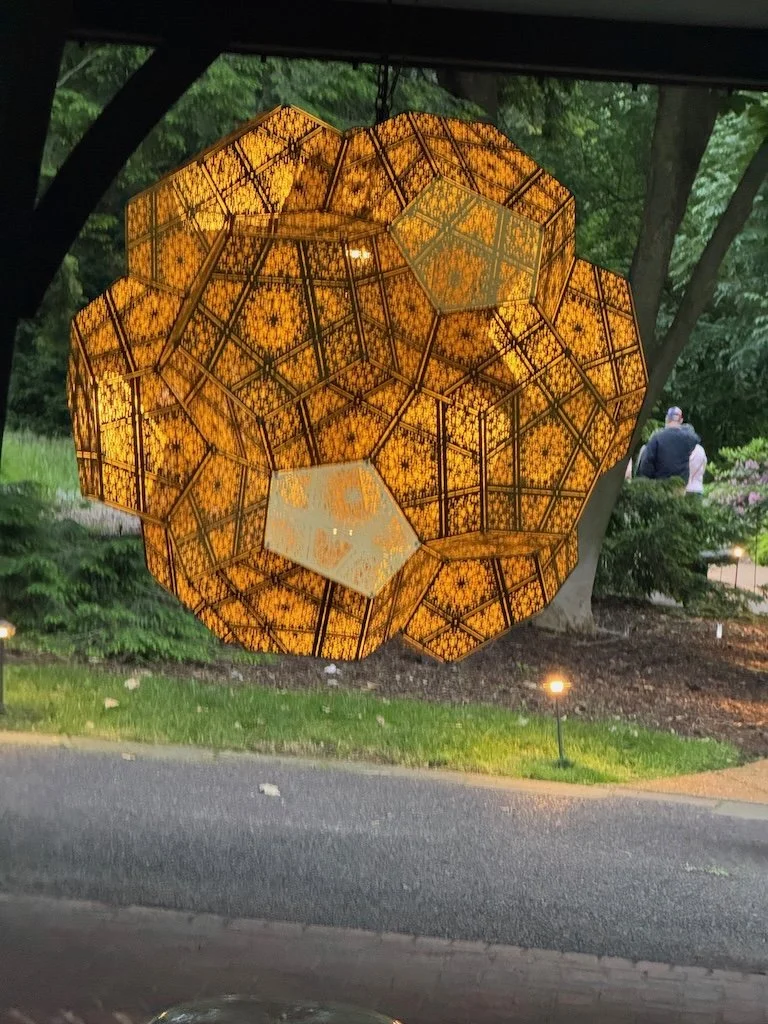
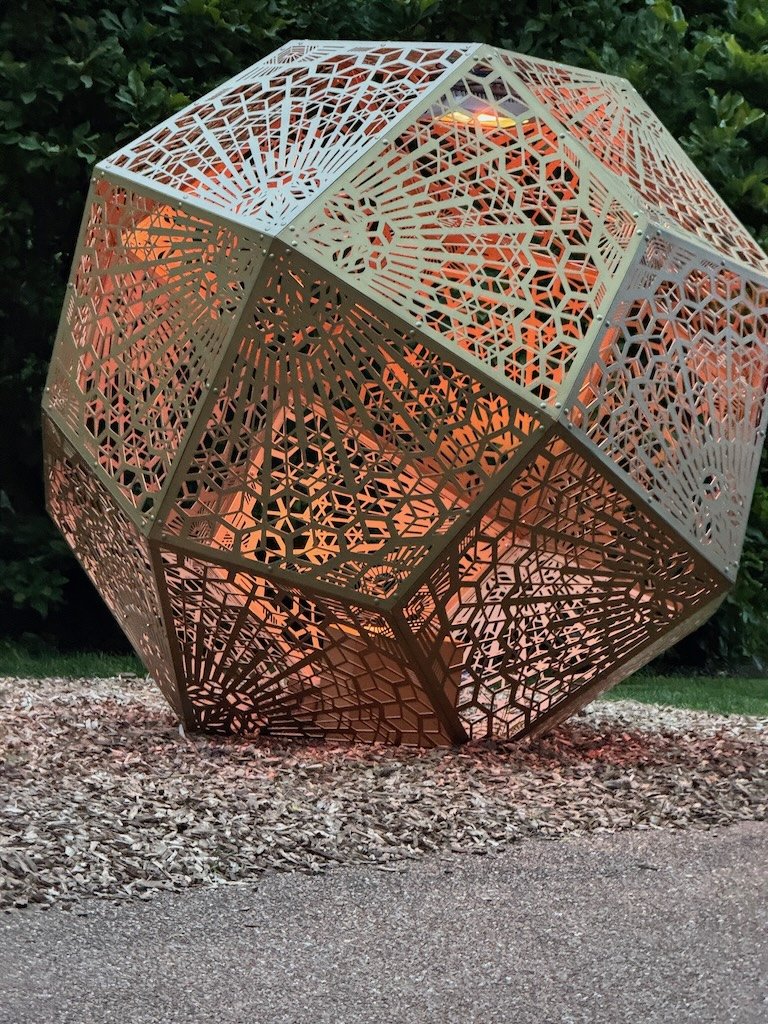
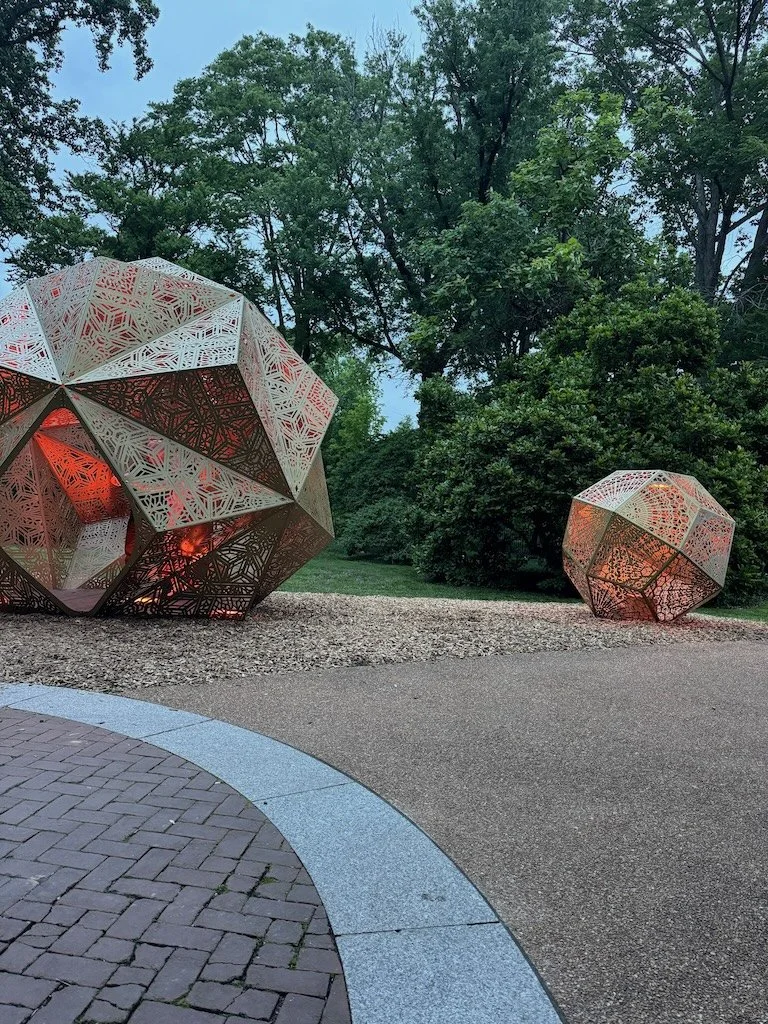
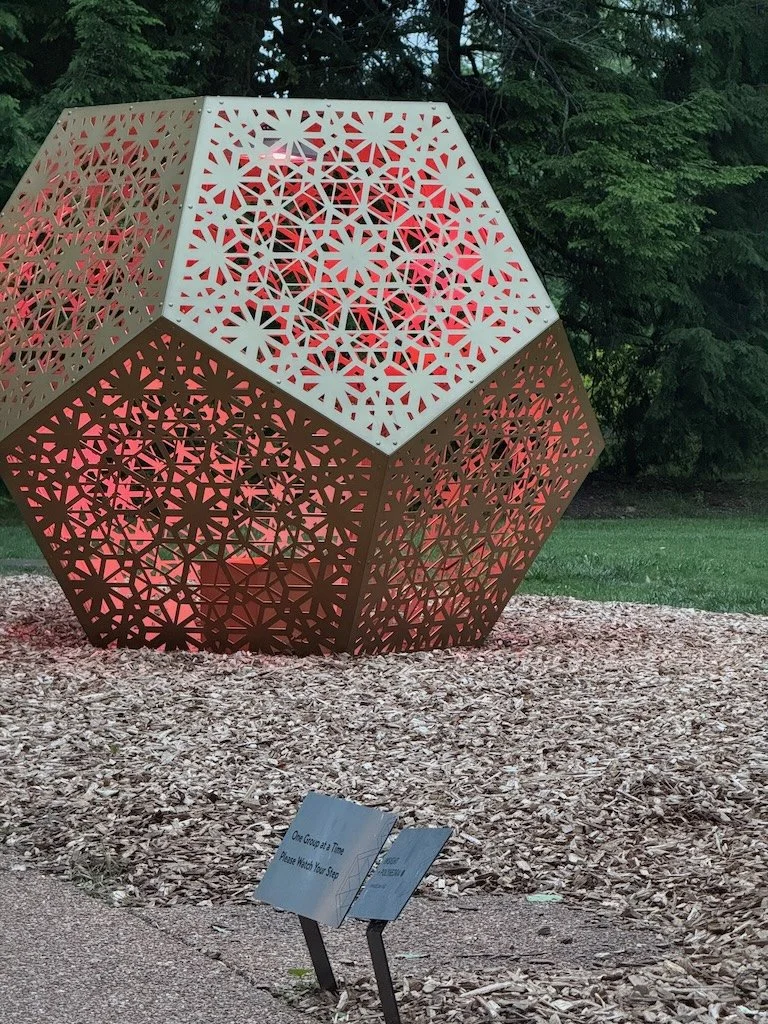
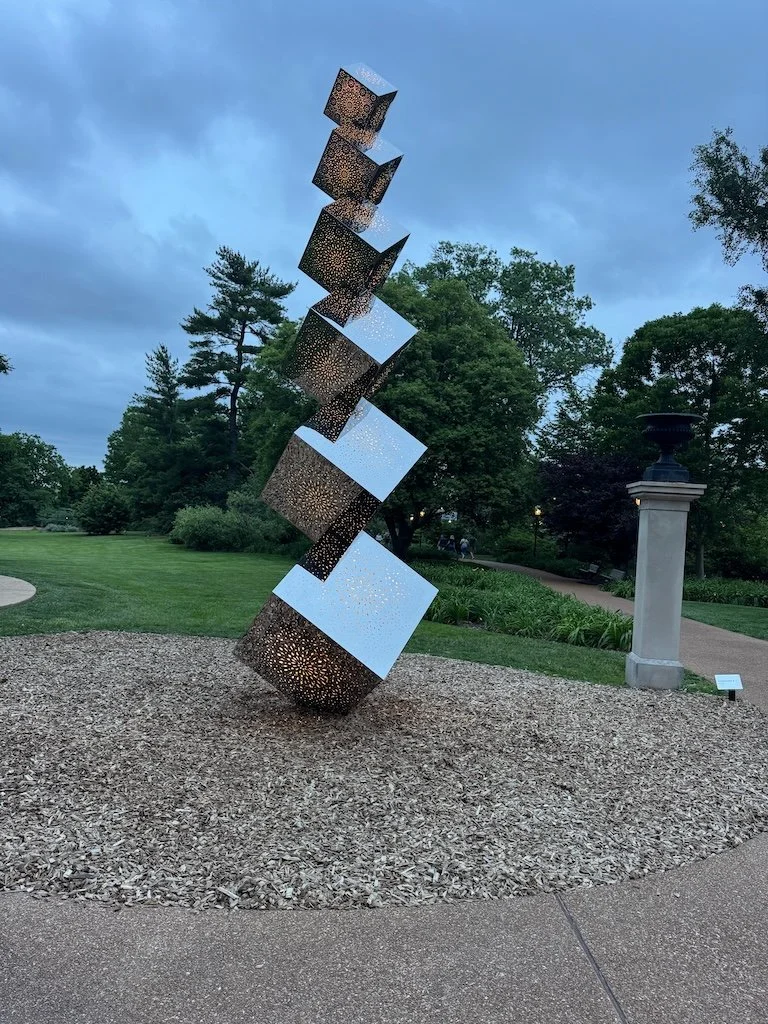
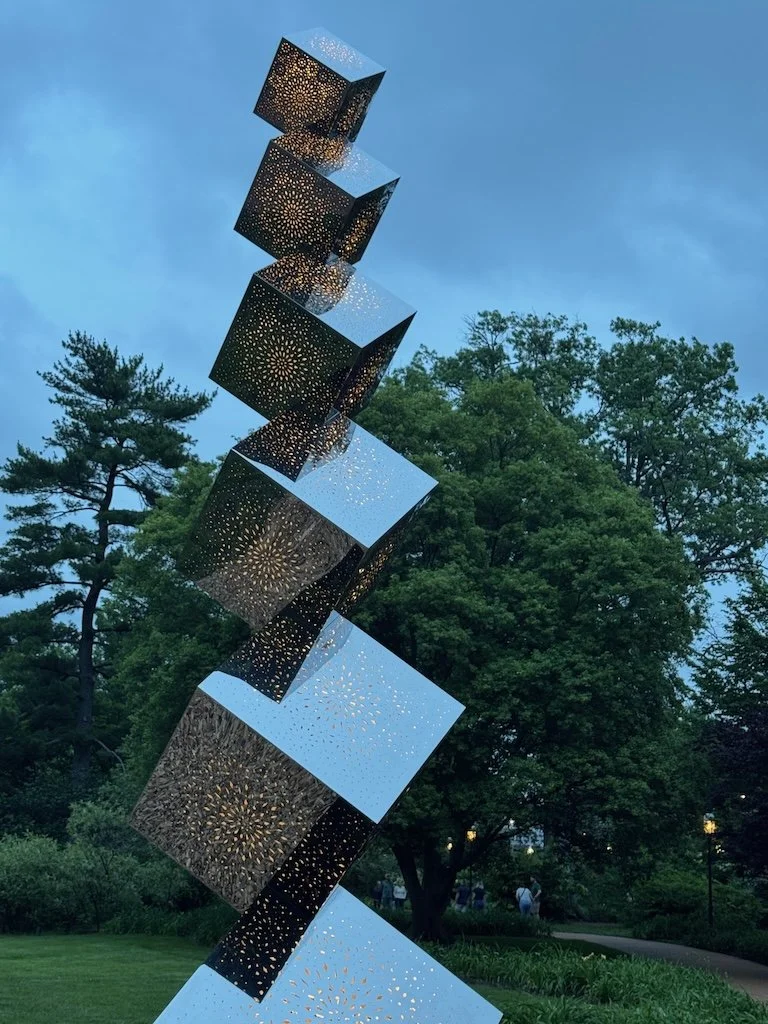
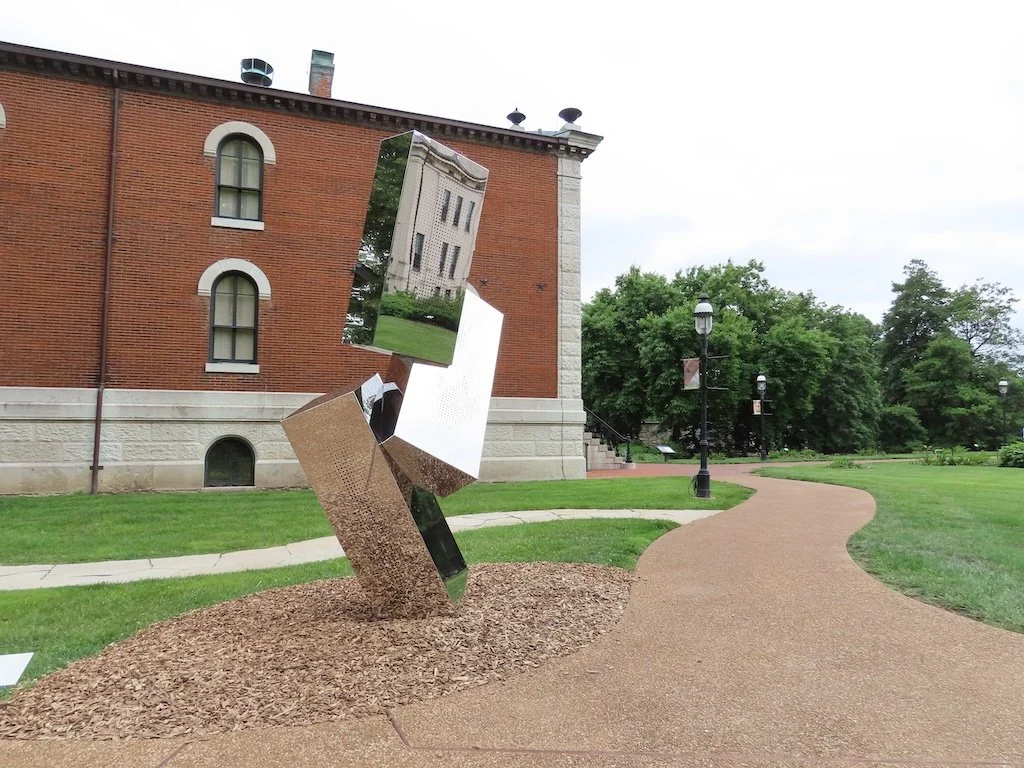
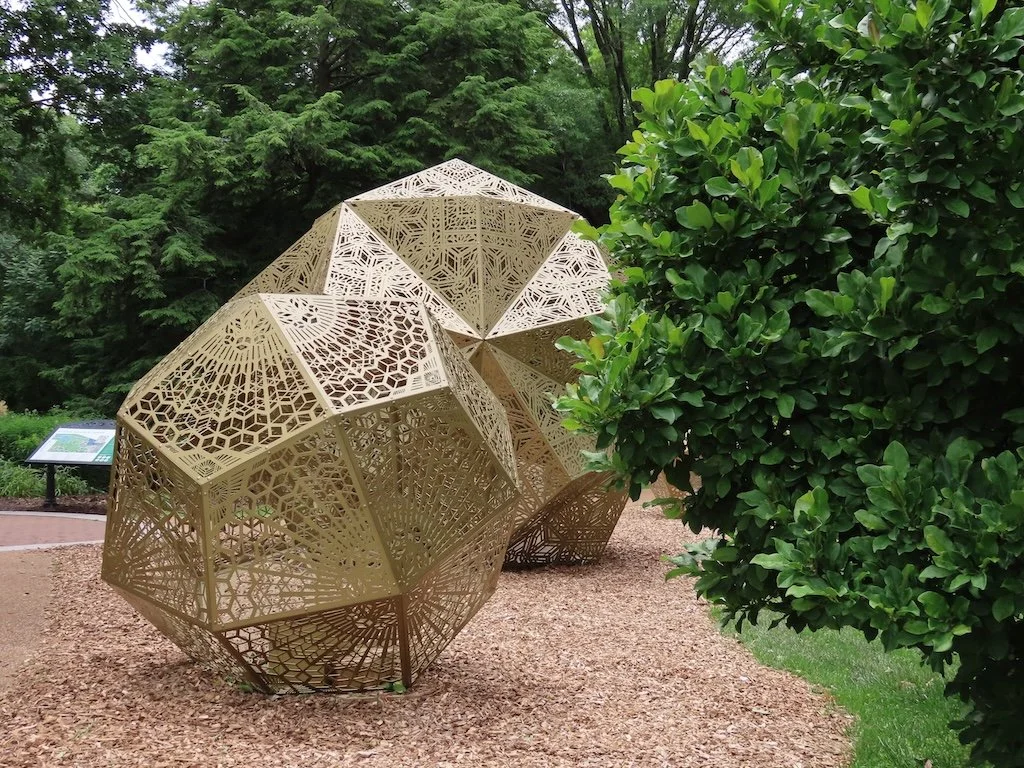
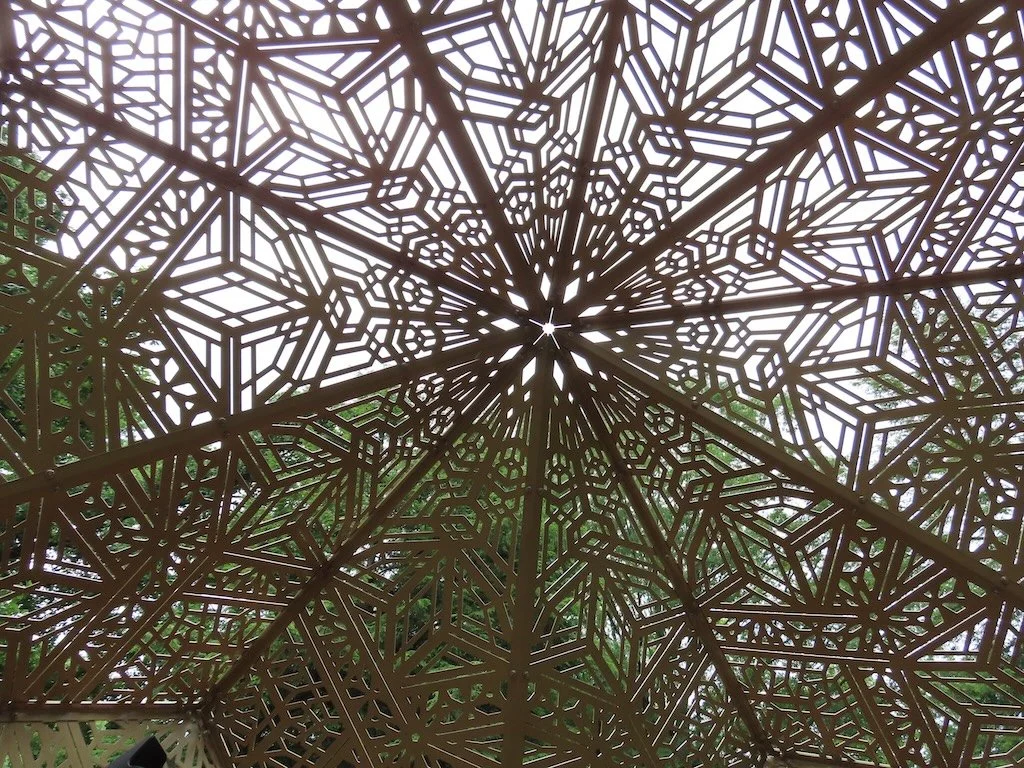
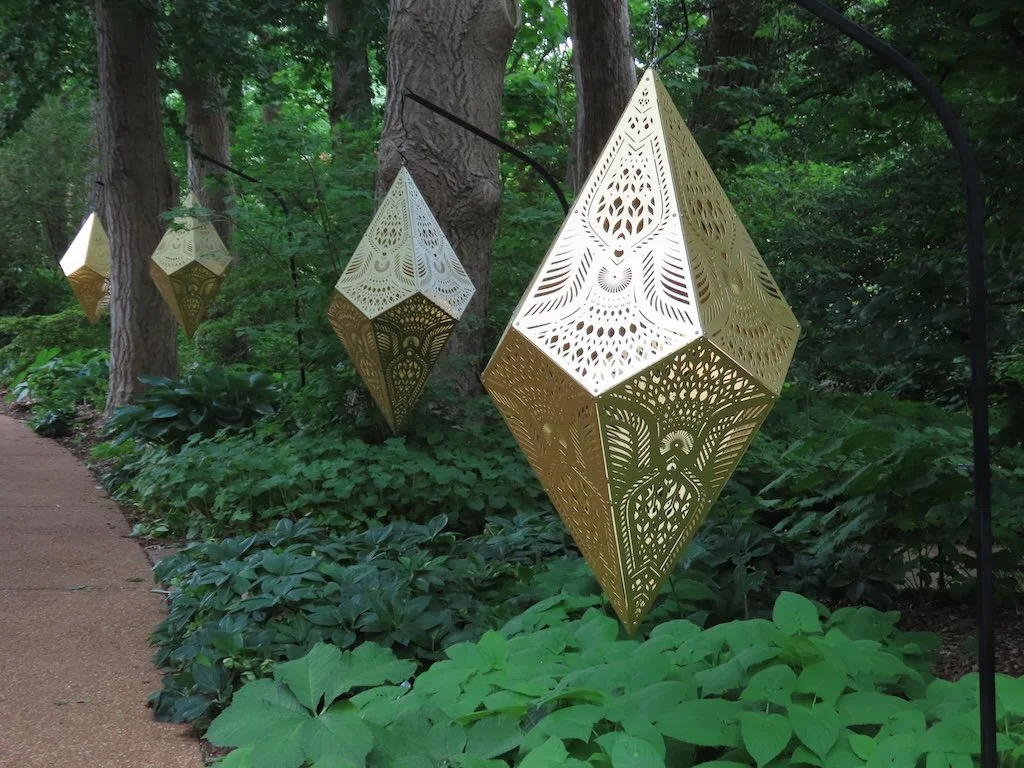
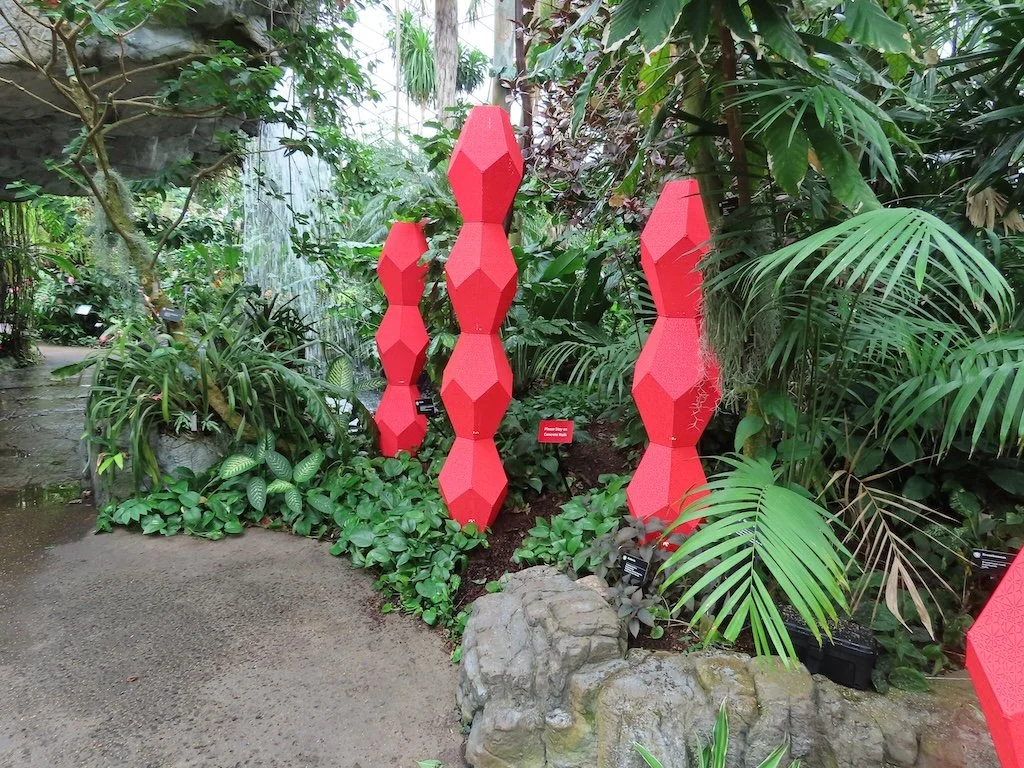
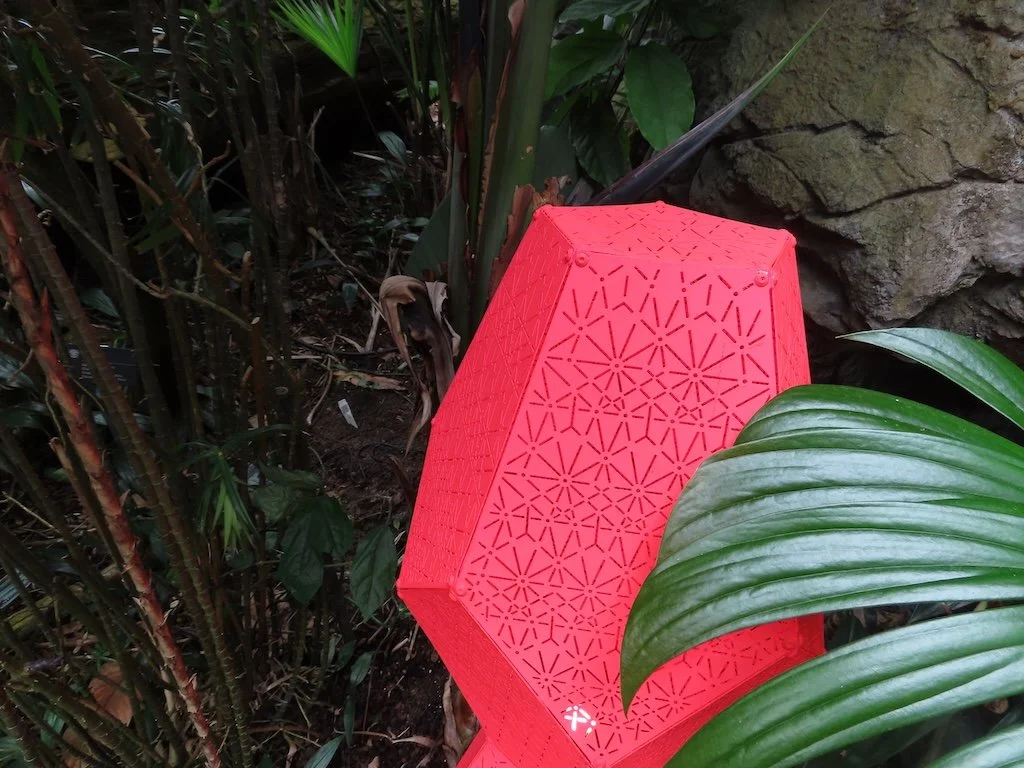
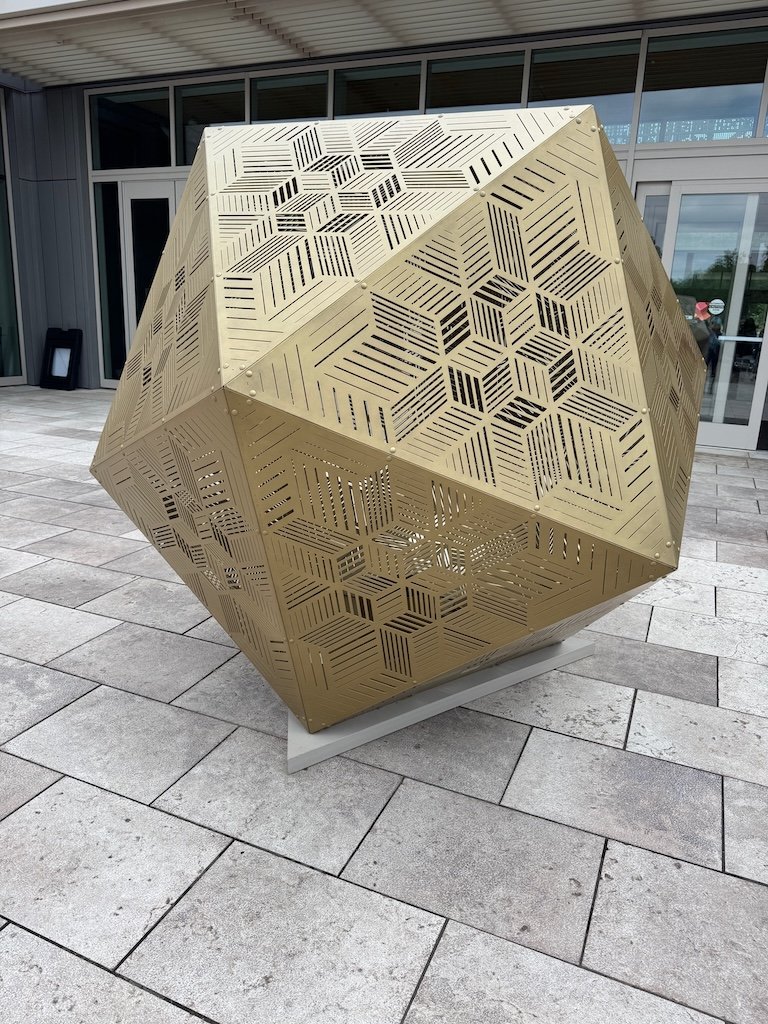
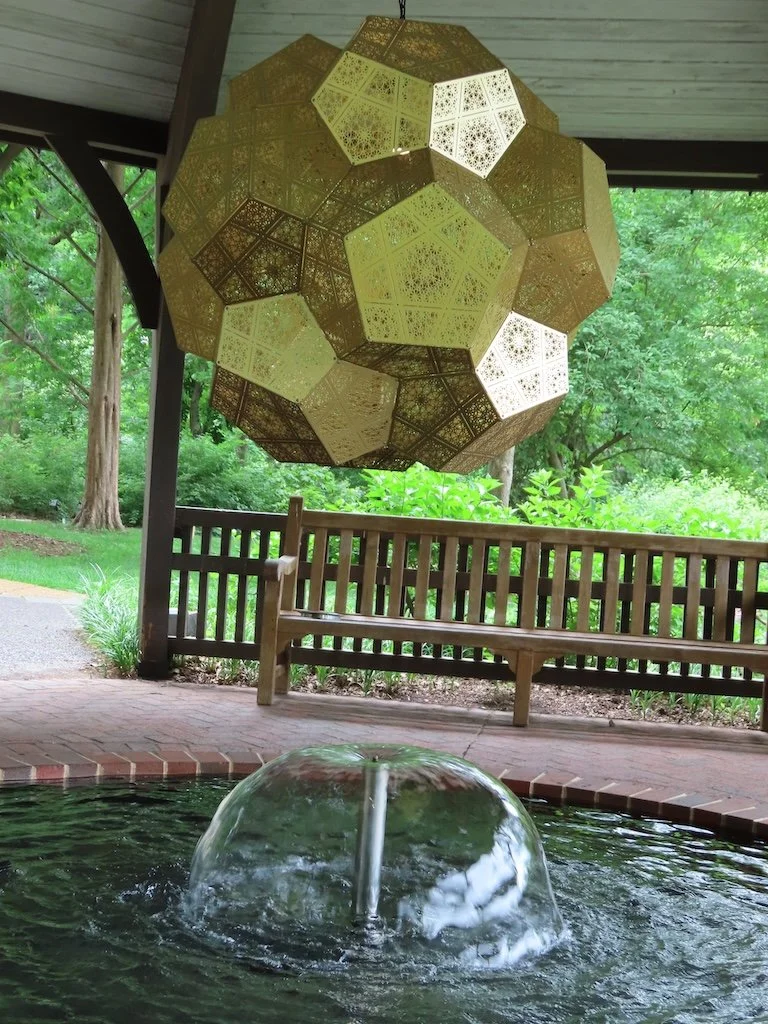
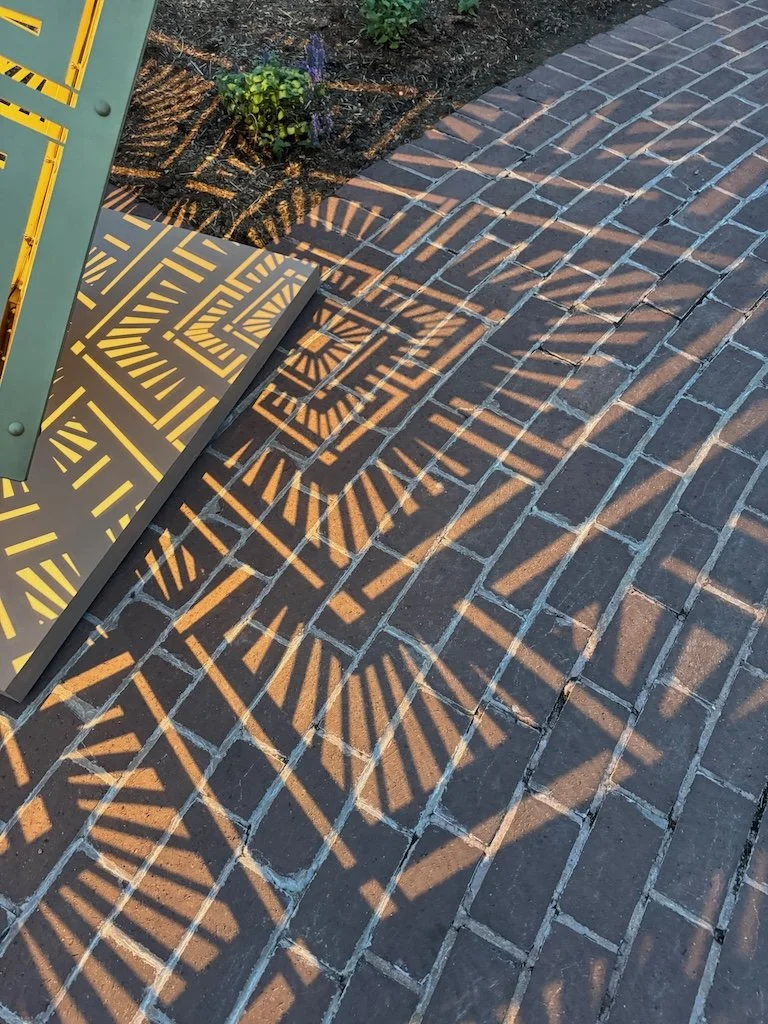
And then it got dark enough for the lights to give the geometric sculptures a different look…with light coming from within.

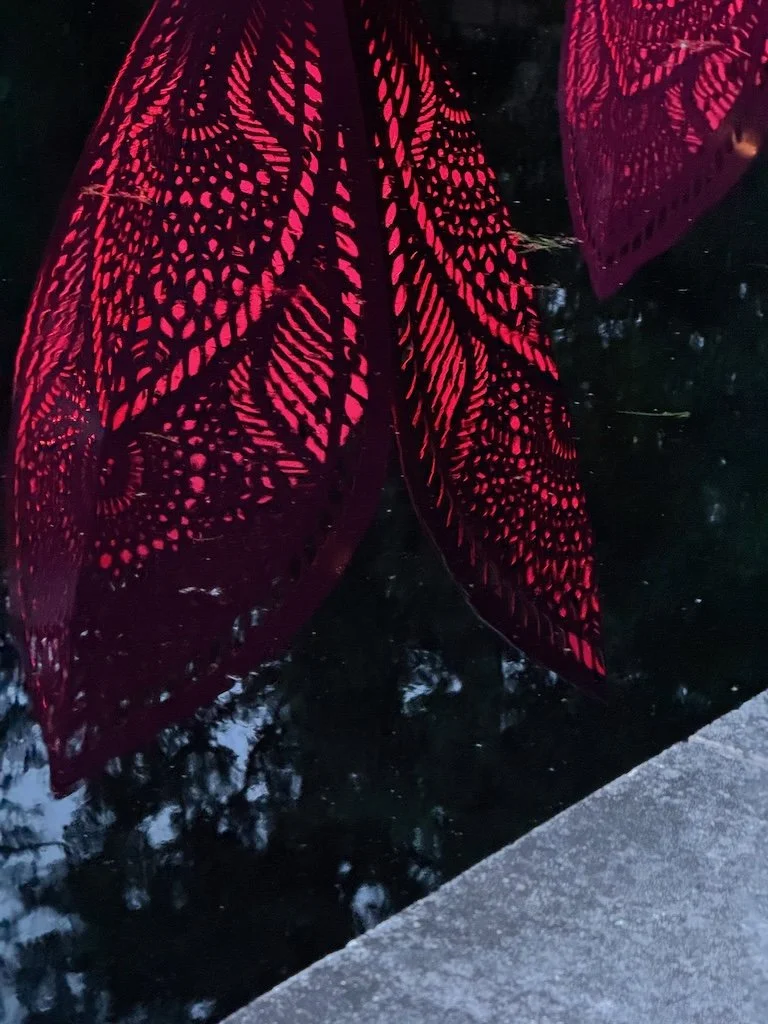
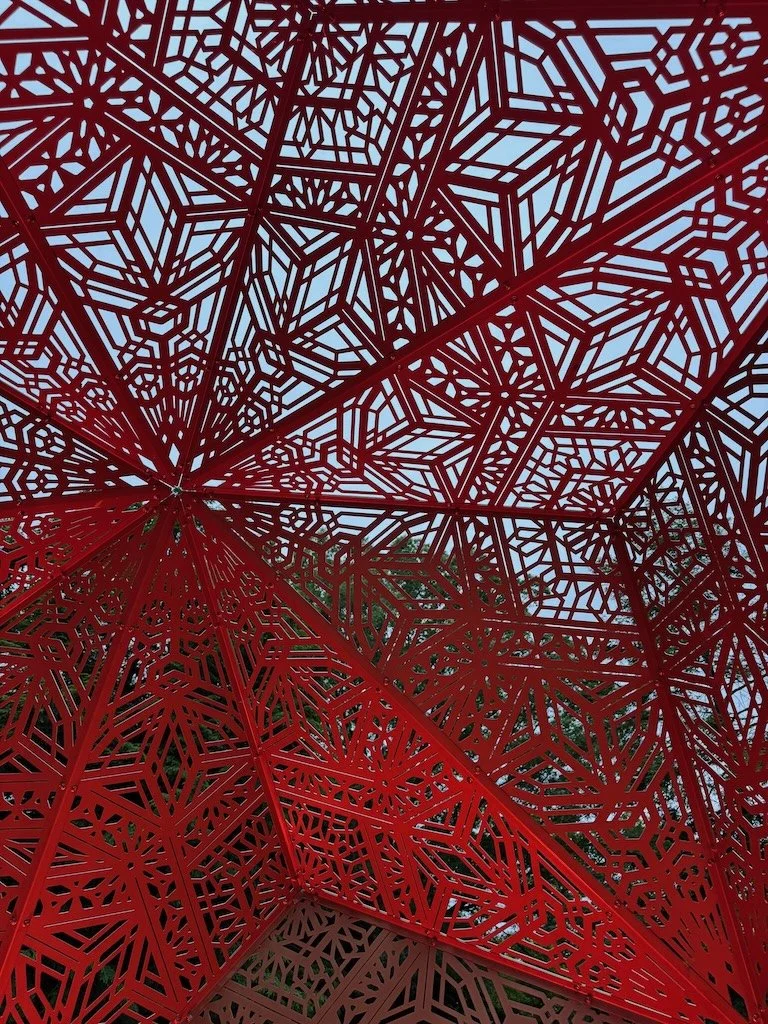
I experimented with different angles and zoomed images…also noticing the patterns of light and shadow (or reflection) at the base of the sculptures. These were my favorite images:

Missouri Botanical Garden – Part 1

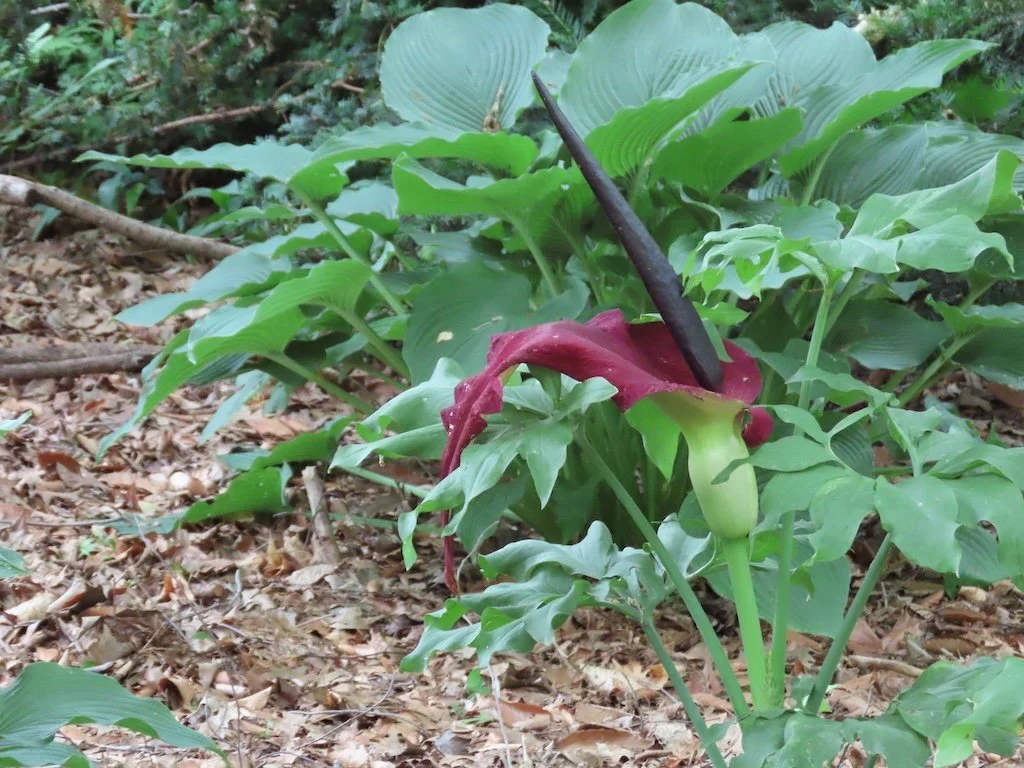
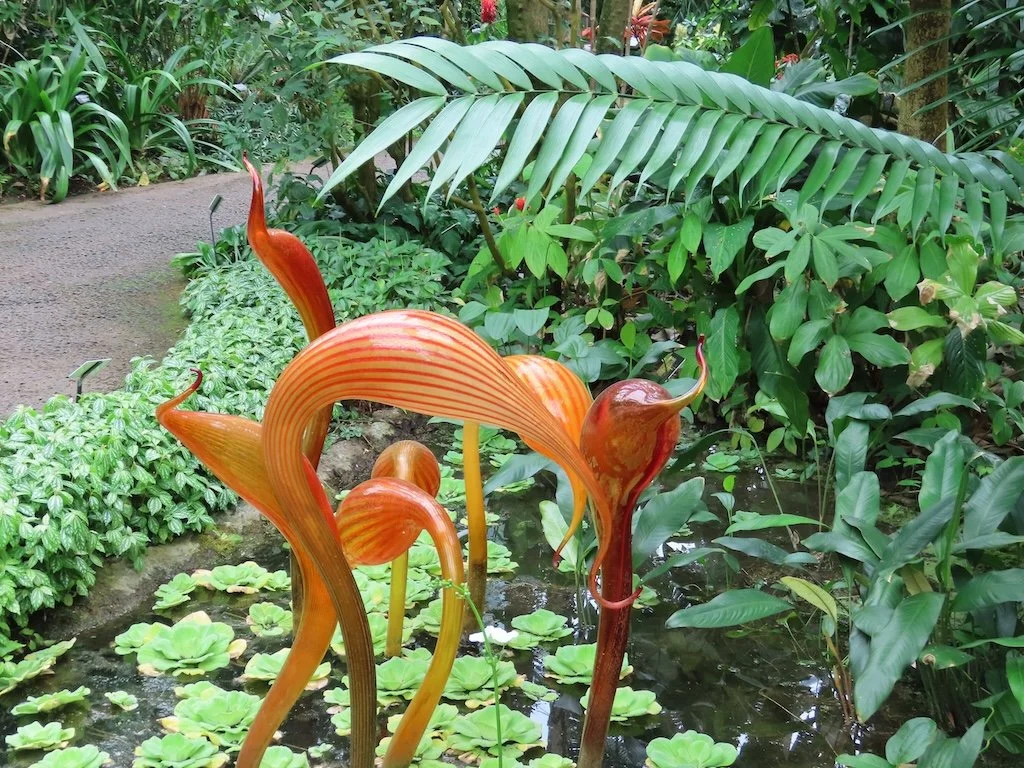
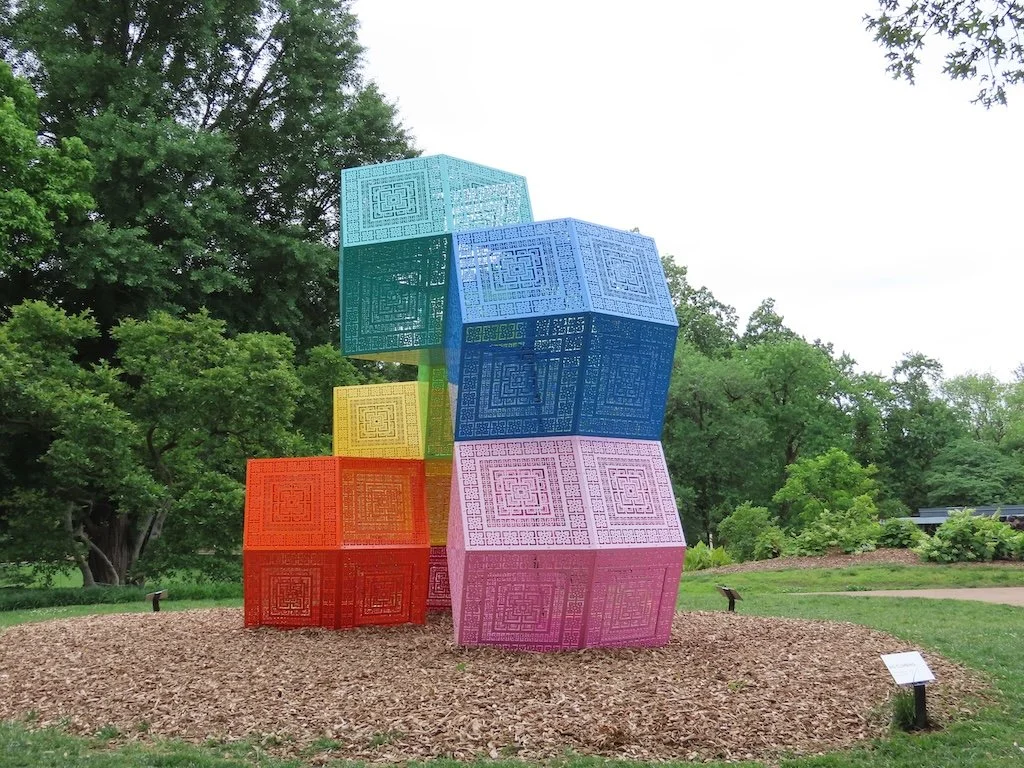
We made a road trip to the Missouri Botanical Garden in St. Louis to see the Patterns of Nature: Lightform exhibit….during an afternoon and then returned to see the forms at night. This post is about the daytime portion of our visit. The day was cloudy and stayed in the 60s. It was still bright enough for good photography. The first area we saw included a colorful sculpture and some native plants. We made our way around to see as many of the geometric shapes of the special exhibit as we could….even though I frequently was sidetracked by plants! I used my bridge camera (Canon Powershot SX70 HS) for the landscape pictures.

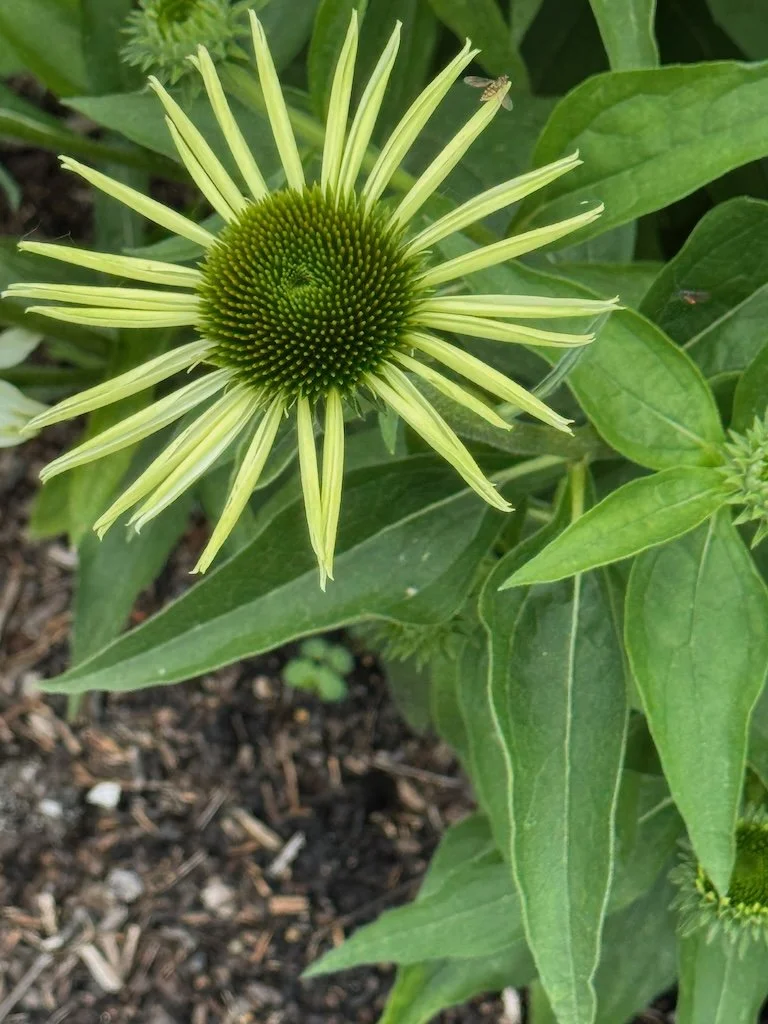
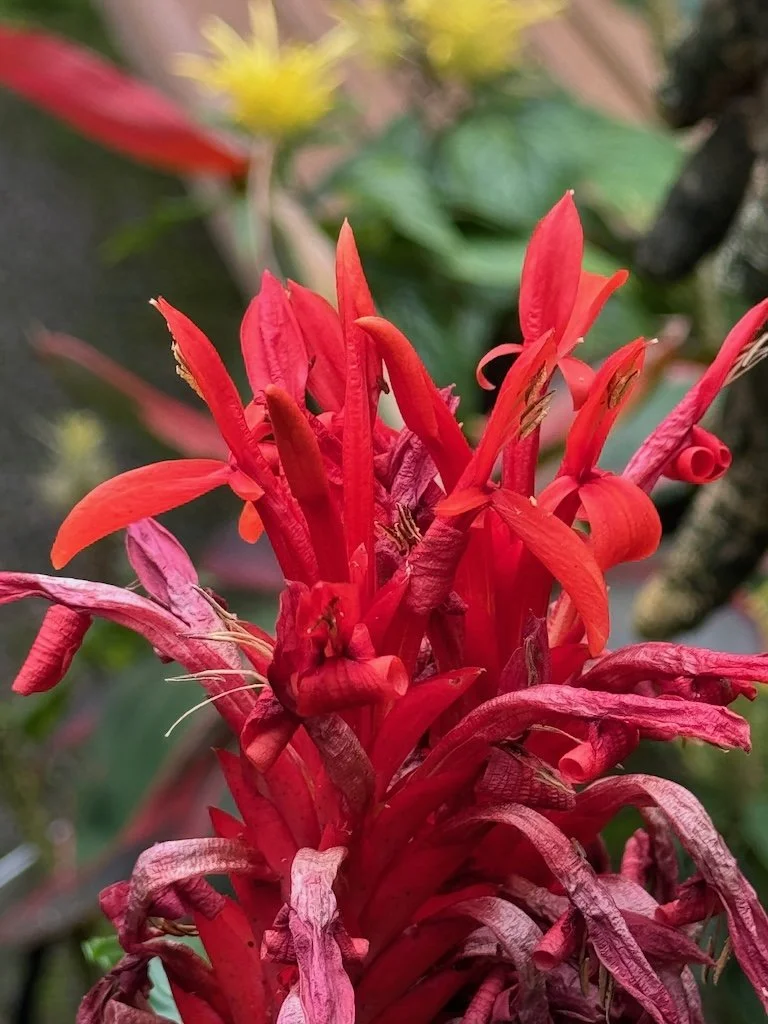
My phone (iPHone 15 Pro Max) does better with the close-up shots! I realized by the time we left to check into hotel that I would lighten my load for the evening and just bring my phone. It was good in the close confines of the conservatory for sure!

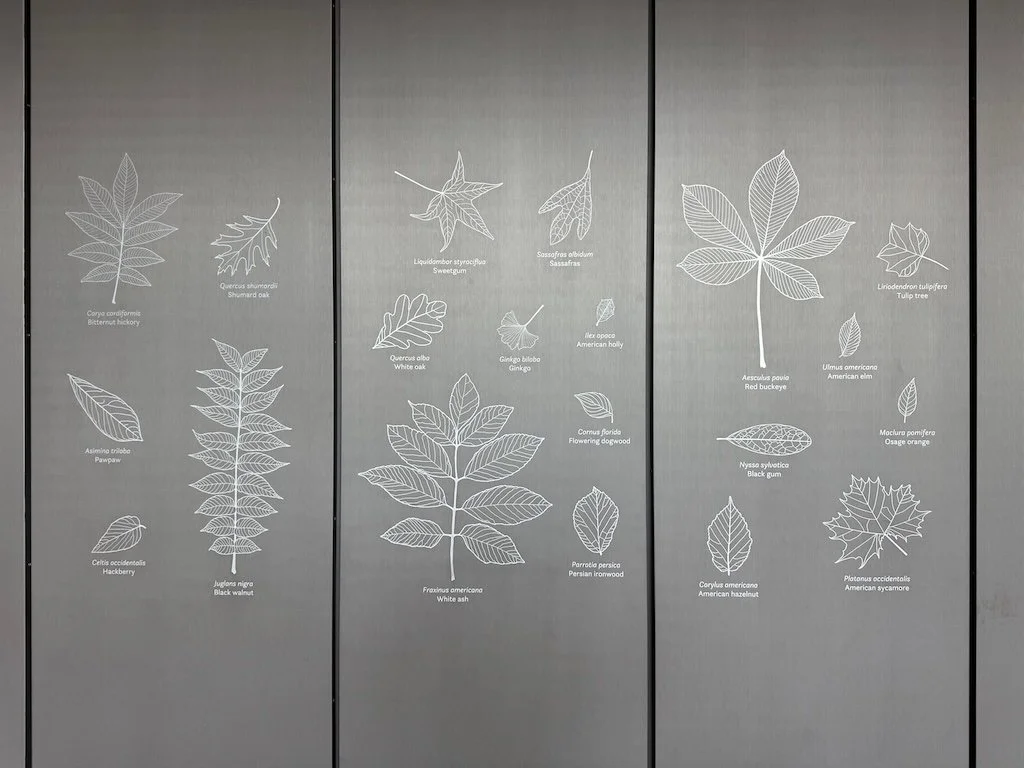
I took a picture of the wall in the visitor center that is a key for the leaf patterns in the flower of building. Most of them are natives!

Gleanings of the Week Ending May 23, 2026

The items below were ‘the cream’ of the articles and websites I found this past week. Click on the light green text to look at the article.

05/10/26 Poets.org Forever Plastics – A poem by Ronald Carson. He says “In this poem, I wanted plastics to speak in the first-person plural, tracing the path from postwar convenience to biological saturation, where the environment is no longer outside us but lodged within us.”

04/22/2026 The New York Times You Paid to Have Old Clothes Recycled. Here’s What That Really Means. - Collection services offer convenience, but most garments are shredded into low-grade stuffing or sent abroad to an uncertain fate. The most important thing, experts and environmental activists say, is to buy less in the first place. It’s easier to deal with clothes responsibly if there are fewer of them to begin with.

05/7/2026 Super Age Life Expectancy Gains Are Slowing. Your Choices Are More Important Than Ever - The future of longevity will most likely be shaped less by sweeping public health revolutions and more by targeted, personalized strategies: slowing biological aging, optimizing midlife health, and extending the years we remain active, engaged, and independent.

05/12/2026 Planetizen 16% of roads that received federal funds remain in poor condition - State DOTs are spending most of that money on highway expansions instead of repair and maintenance work. And "Because increasingly lax reporting standards conceal broken roads from public view, and DOTs routinely mis-categorize expensive expansion projects as simple 'maintenance' or lump them into a mysterious 'other' category, Transportation for America suspects the national highway network is actually even more drastically overbuilt than it appears on paper."

05/11/2026 I’m Plastic Free How to Reduce Microplastics Exposure: The Ultimate Guide & Checklist - This guide breaks down exactly how microplastics enter your system, and provides a practical, but very thorough, science-backed checklist to reduce your exposure across your home, diet, and daily habits.

05/12/2026 BBC 'Fatbergs' are taking over city sewers - scientists are fighting back - Reeking coagulations of grease and debris are clotting sewers around the world on a colossal scale. Cities are deploying new technologies to control this modern menace. New York City – where 40% of sewer backups are due to grease – spends around $18.8m annually degreasing and removing blockages from the sewers beneath its streets. 

5/12/2026 National Parks Traveler Musings About the Parks | Things I Worry About – A list from Kurt Rapanshek. He ends the post this way: “Without question, there are many, many things that are uplifting about exploring the National Park System. But if the Park Service truly is going to preserve these places and their natural resources for future generations, it really needs a lot more help from Congress and presidential administrations.”

5/11/2026 Smithsonian Magazine See 15 Stunning Images That Won the German Society for Nature Photography’s Annual Contest – Beautiful and thought-provoking images.

05/06/2026 YaleEnvironment360 Airborne Microplastics May Be Warming the Planet - Tiny particles of plastic amassing in the atmosphere may be intensifying warming. Darker bits of plastic are absorbing heat. And even though lighter particles are reflecting sunlight, with a cooling influence, in the aggregate microplastics are having a warming effect. The warming impact is tiny, far less than the impact of carbon dioxide emissions, and only a fraction of the impact of soot. The microplastic emissions produced globally each year have roughly the same warming effect as running 200 coal power plants for that year….but more study is needed

05/04/2026 CNN The Great Pacific Garbage Patch is a plastic trash nightmare. It could also be part of a much bigger, hidden problem - The Great Pacific Garbage Patch is a significant source of airborne microplastics and nanoplastics, but there are many other places where tiny plastic particles can be whipped up into the skies, including from landfills, roadside litter and car tires. Colored plastics, especially red, yellow, blue and black, absorbed around 75 times more light than pristine, non-pigmented plastics.

05/10/2026 Science Daily Antarctica is melting from below and scientists say it’s worse than expected - Deep beneath floating ice shelves, long channels carved into the ice appear to trap warmer ocean water, dramatically speeding up melting from below. Even regions of East Antarctica once considered relatively stable may be far more vulnerable than scientists realized. Researchers warn that current climate models may be missing this dangerous process entirely, meaning future sea level rise could be underestimated.

Art of the Hellenistic Kingdoms

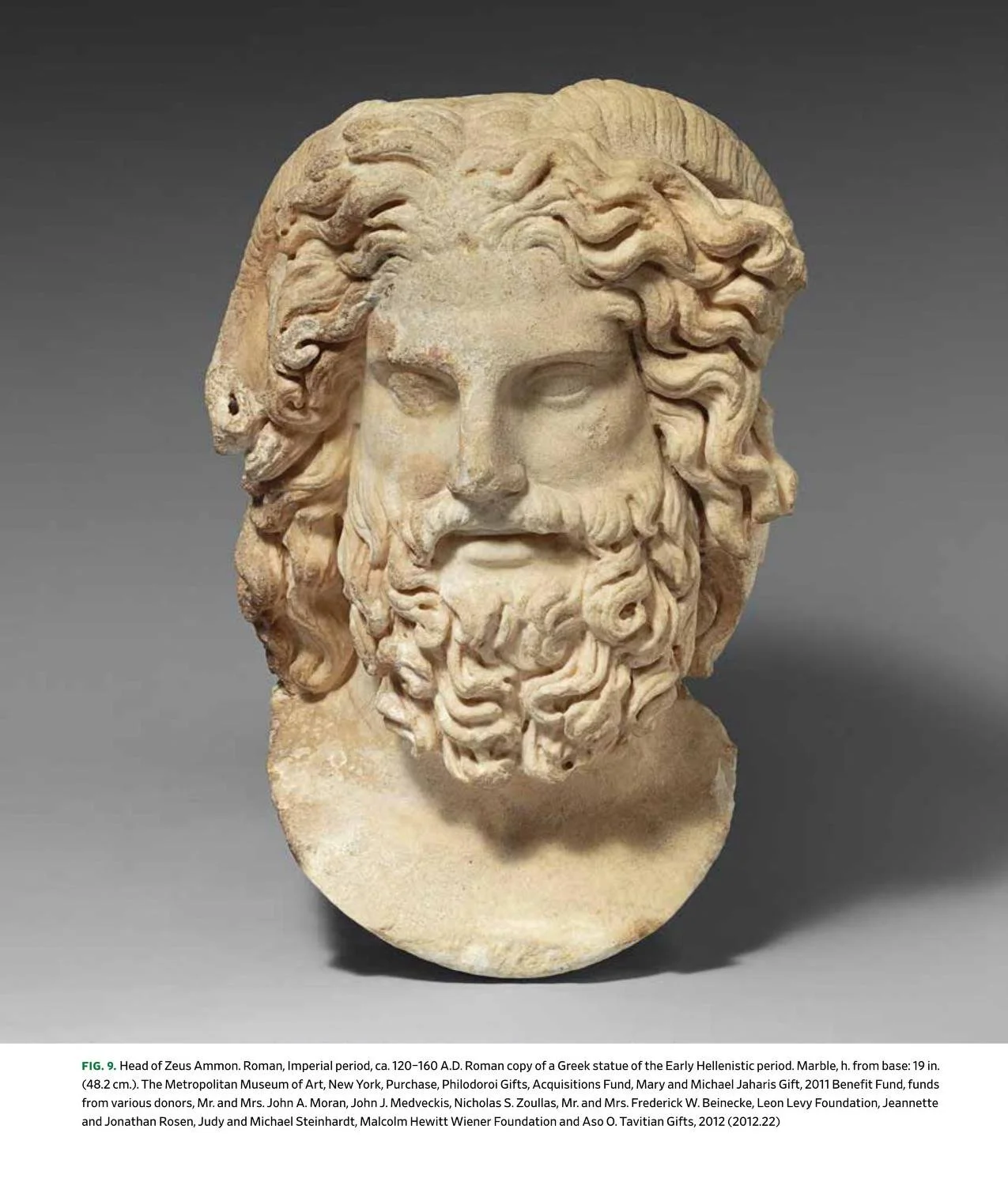
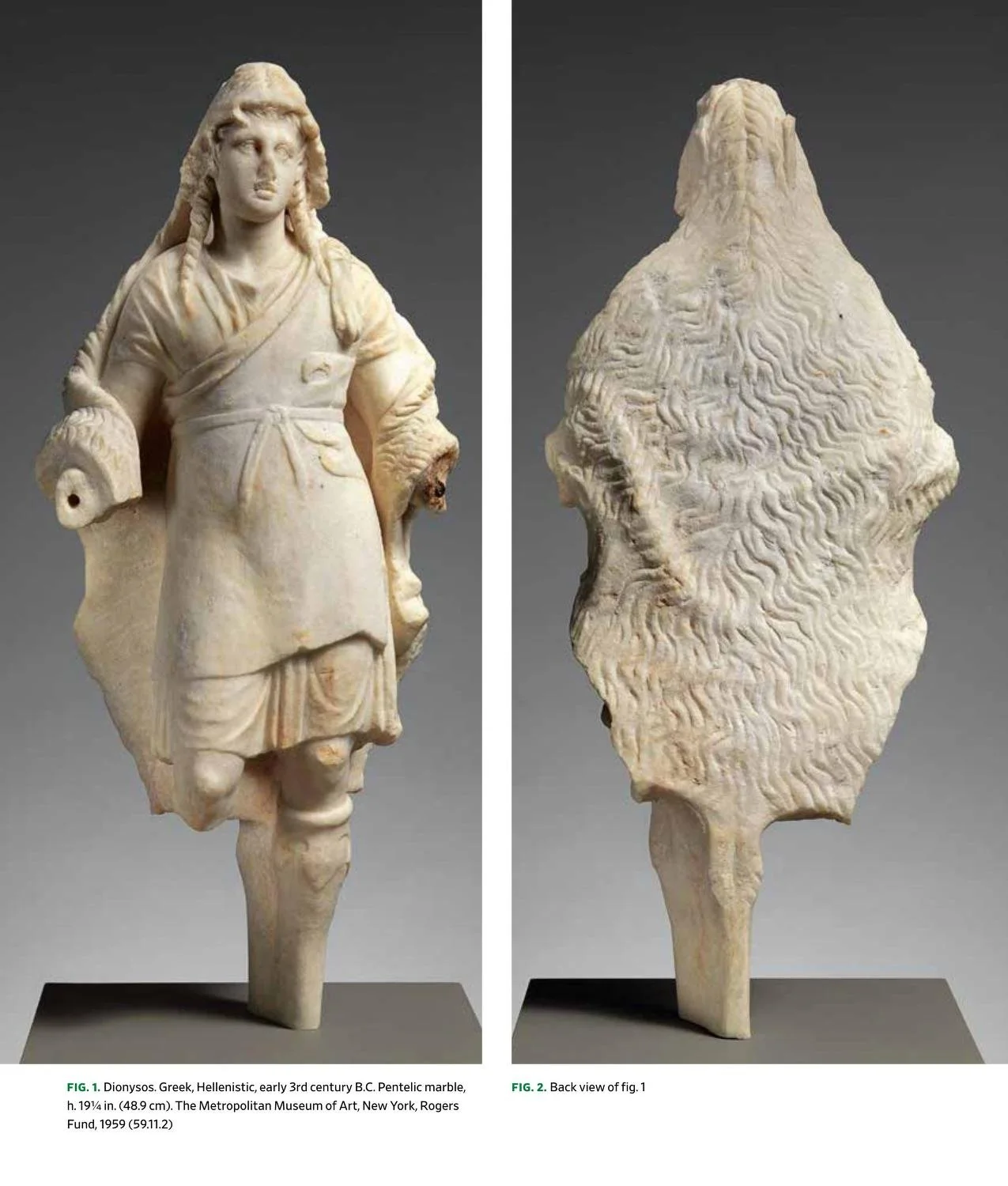
In 2016, “Pergamon and the Hellenistic Kingdoms of the Ancient World” was an exhibition at the Metropolitan Museum of Art. The art book from the exhibition is available on Internet Archive. Browsing the pictures is a good way to get the gist of exhibition!

 Art Of the Hellenistic Kingdoms. From Pergamon to Rome

Suburban Savanna – 2

Last month was my first post about my goal to turn my yard into a suburban savanna. The series continues this month.

I’ve done the planting for the year already.

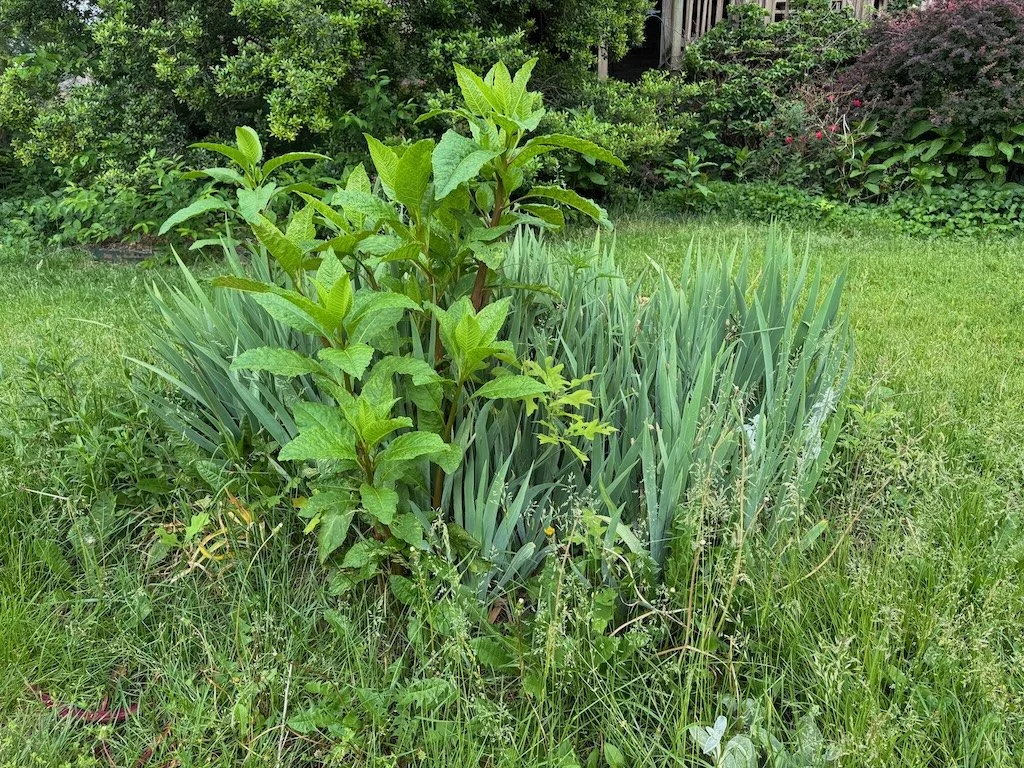
The last new plant was a free smooth sumac from the Earth Day Music Festival that I planted in the corner of the yard where oak leaves (neighbor’s tree) accumulate, and the dandelions have very large leaves. I hope it will eventually fill that corner of the yard.

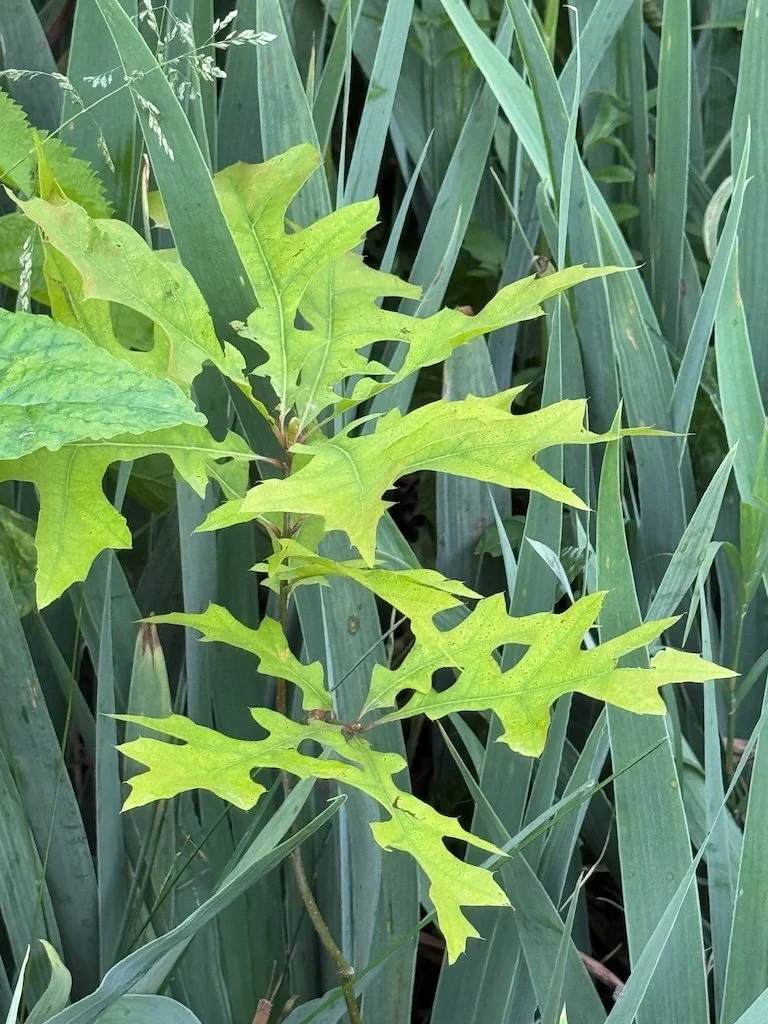
I have discovered a sturdy red oak seeding (squirrel planted) in the bed that I made after a pine fell. I am letting it grow. There will be elderberry and beautyberry along with iris and naked lady lilies around its base. It will be a long time before the oak will be big enough to make shade an issue. I anticipate that the progression of this garden will be the most interesting of the yard.

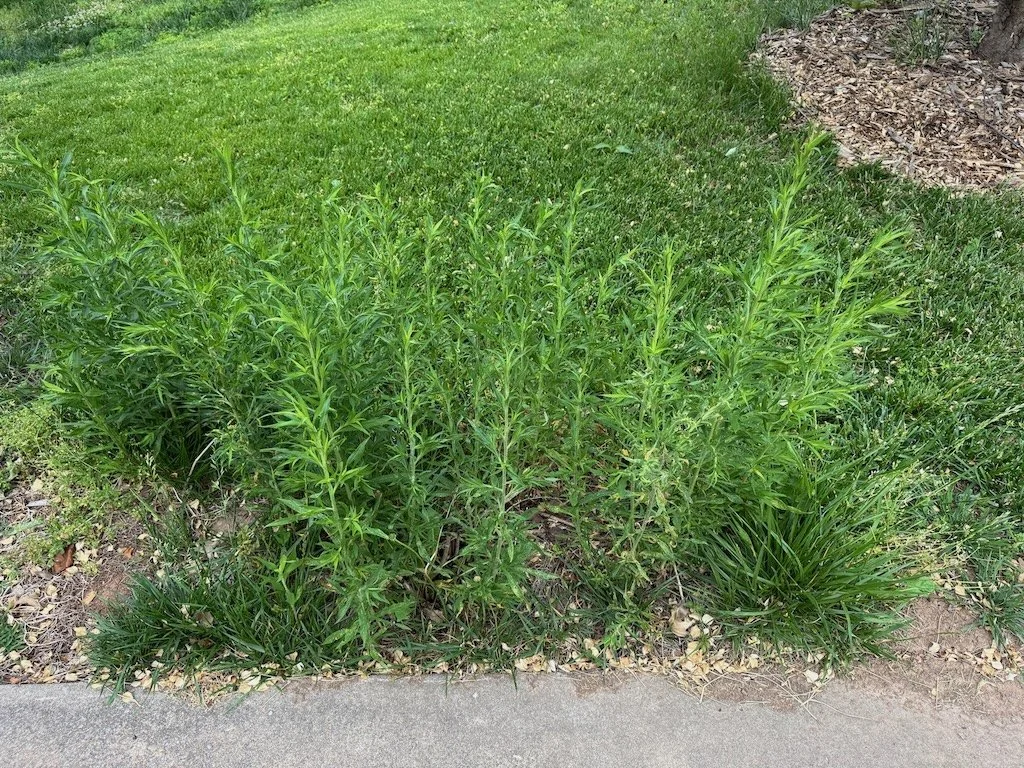
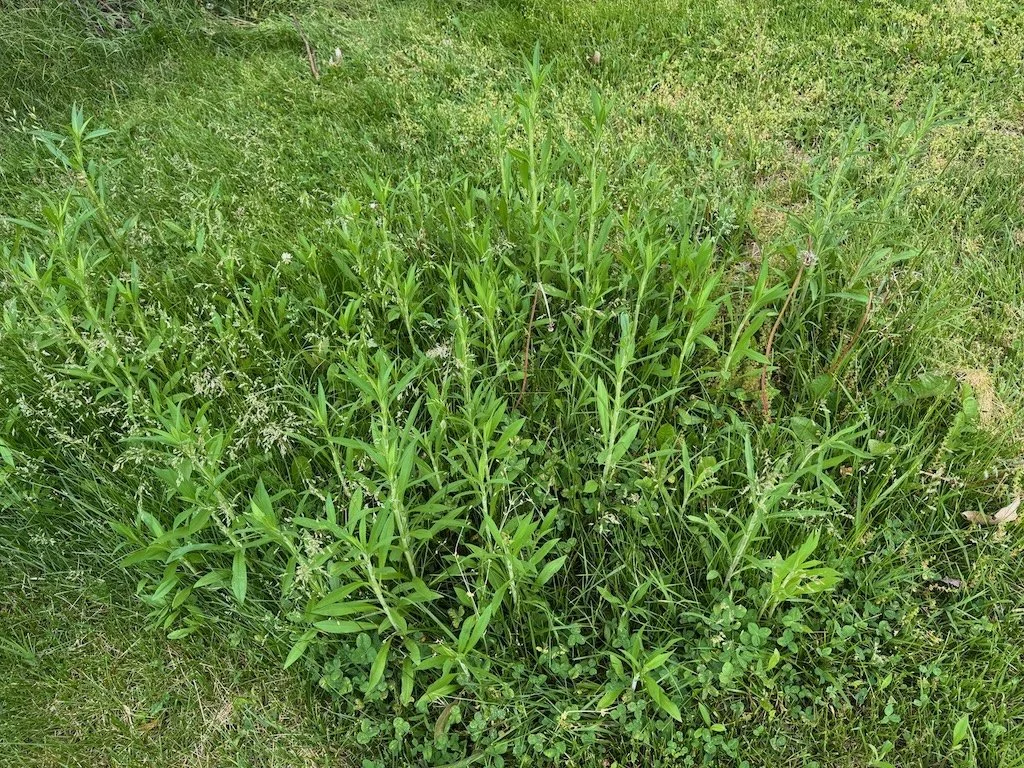
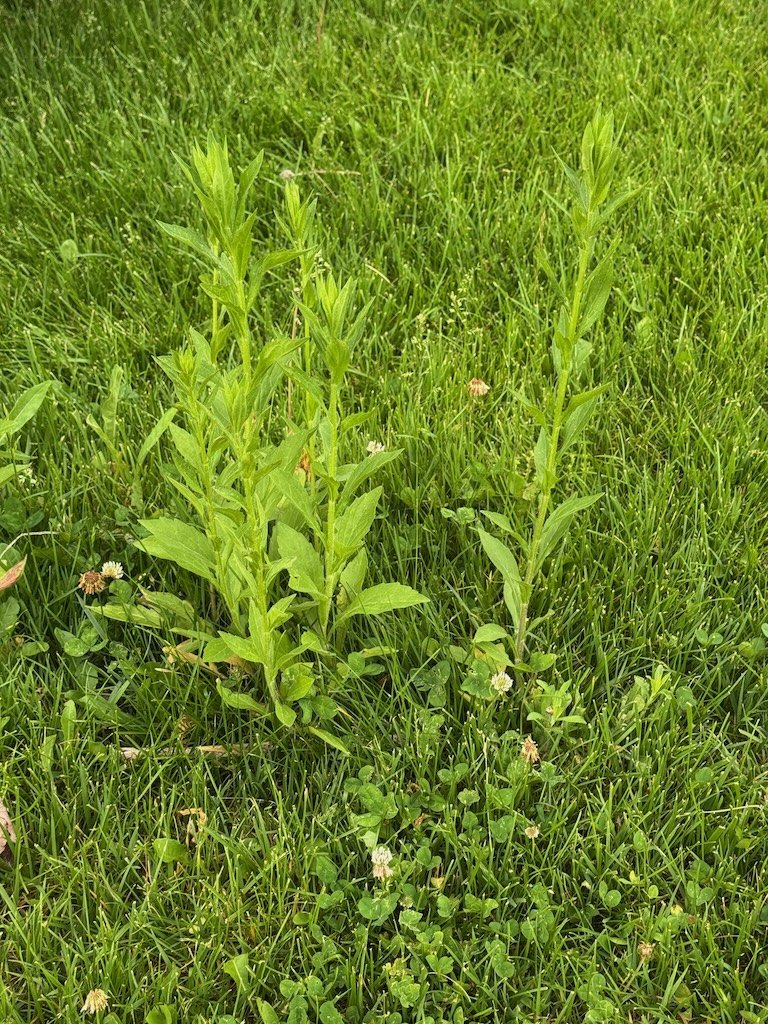
The panicled aster Symphyotrichum lanceolatum that came up next to my driveway last summer is there again – and is larger. I am letting it grow since it is a fall bloomer and was full of pollinating insects last fall.

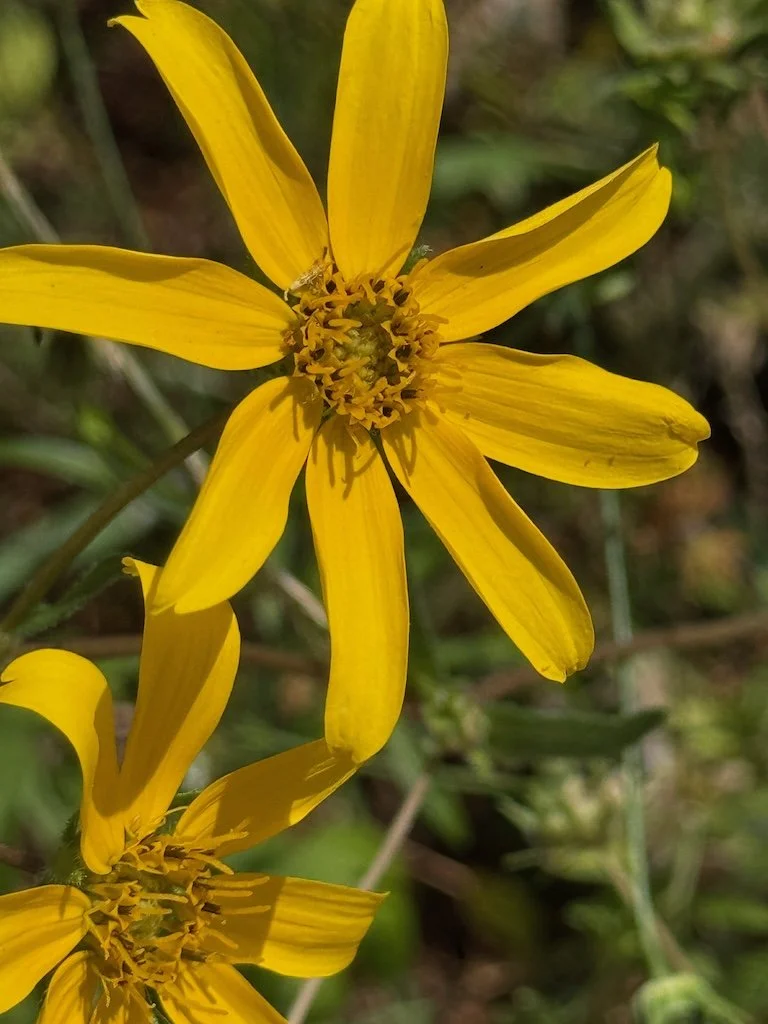
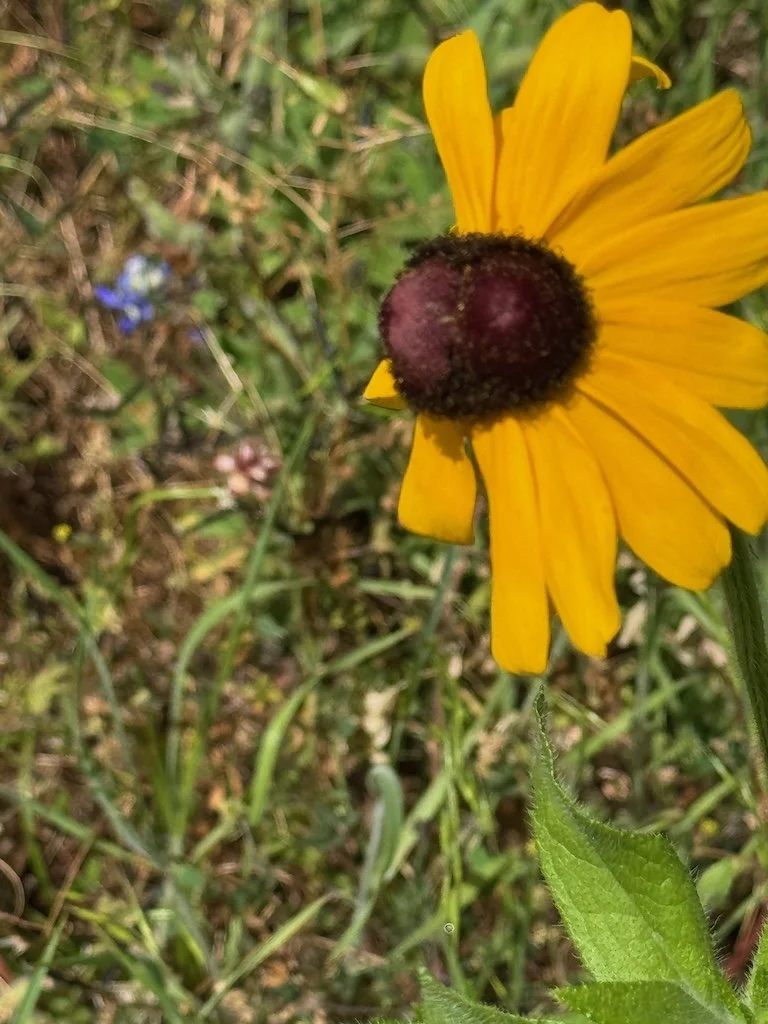
Goldenrods, rudbekias, and other asters are coming up in the yard too. I mow them in the front yard – keeping up the ‘look’ that the HOA wants for now – but I mow around them in the back and will let them bloom.

Our sprinkler system is over 25 years old and is fixed to begin the season…but might need to be replaced as more of the underground components fail (or leak). The further I get in the transition to native plants, the less watering the yard will require. I am going to water the native plant garden in the front yard this season to help the plants get established, but it might not need it in 2027! The decision to keep a sprinkler system might be driven more by our perception of how variable the rains will be as the climate continues to change than what the native plants require.

Next month I will write about the shade garden which is the most developed part of my suburban savanna.

Previous Suburban Savanna Posts:

April 2026

Gleanings of the Week Ending May 16, 2026

The items below were ‘the cream’ of the articles and websites I found this past week. Click on the light green text to look at the article.

5/1/2026 Science Daily A hidden brain “cleaning” effect triggered by movement - Every time you tighten your abdominal muscles—even slightly—your brain may gently sway inside your skull. This subtle motion, triggered by pressure changes in connected blood vessels, appears to help circulate cerebrospinal fluid around the brain, potentially flushing out harmful waste.

4/30/2026 NWF Blog Fighting Toxic “Forever Chemicals” on Our Farms - The Department of Defense has identified over 4,000 high-risk or already-contaminated agricultural sites across the U.S.  The PFAS contamination often came from ‘biosludge’ from local wastewater treatment plants that was spread of field as cheap fertilizer before the PFAS danger was understood. But we know how to fix this: ban PFAS at the source, regulate what’s left, and clean up what’s left without leaving the people who have already suffered to pay.

4/30/2026 Clean Technica The Petroleum System Is Entering Its Volatile Decline Phase - he UAE’s decision to leave OPEC+ is not just another Gulf oil story. It is an early signal of what happens when a producer with low-cost barrels, spare capacity ambitions, and a long view of electrification decides that flexibility may be worth more than cartel discipline. Oil demand is beginning to bend under the weight of EVs, electric trucks, efficiency, remote work, substitution, and changing logistics. The petroleum system is more likely to become less stable as it declines, because the institutions, companies, states, supply chains, and fiscal bargains built around oil were built for growth. A declining oil market does not just reduce demand. It changes incentives.

4/29/2026 NPR Baby teeth hold clues to the harms of toxic metals for infants — and older kids – A study of the baby teeth shed by 500 children in Mexico City…. s the children reached adolescence, the researchers also took detailed behavior assessments for some of the kids and MRI scans of their brains. The researchers looked at exposures to nine metals common in the environment. It's not just how much of these metals babies are exposed to that matters, but when that exposure happens. Exposure to this metal mixture during this critical period of around 6 to 9 months of development was strongly associated with negative changes in behavior in these adolescents including inattention and hyperactivity. They also found a strong link to changes in the brain, including a decrease in overall brain volume and changes in the way different areas of the brain connect with each other. They also found abnormalities in the brain's white matter, which is important to the speed and efficiency of thought.

4/30/2026 Archaeology Magazine Skeleton Study Reveals Life on the Frontier After the Fall of Rome – 250 sets of human remains in Southern Germany from between AD 400-700. After the Roman Empire fell in A.D. 476, the study suggests that life expectancy rose to 43.3 years for men and 39.8 years for women. Women are thought to have had a lower life expectancy due to the risks of childbirth, but the overall rise in life expectancy may have been due to fewer violent conflicts in the region. The study also determined that in the late fifth century, after the collapse of the Roman Empire, northern Europeans mixed with diverse Roman provincial groups as people migrated north into southern Germany and away from Roman territory. By the seventh century A.D., the population living in the area had become genetically similar to today’s Central Europeans.

5/1/2026 National Parks Traveler Climate Change Is Altering When Water Is Available - In the Upper Midwest and New England, streamflow has already become more evenly spread throughout the year due to climate change. In contrast, patterns in the western United States are more complex. I n snow-dominated regions of the U.S. West, warmer years tend to produce a wider distribution of streamflow across the year—conditions that may benefit senior water users while disadvantaging junior users. In non-snowy parts of the region, the opposite pattern emerges: warmer years are associated with more concentrated flows, potentially offering a relative advantage to junior water users.

4/29/2026 Yale Environment 360 How the Next El Niño Could Lock in a Hotter Climate - In a world already superheated by greenhouse gases, a strong El Niño during the next 12 to 18 months could permanently push the planet’s average annual temperature past the 1.5 degrees Celsius warming threshold. The potential for more destructive physical impacts raises deeper concerns about how societies that developed under relatively stable climate conditions will function in a world with shifting baselines and sharper swings between droughts and floods, more intense tropical storms, expanded fire seasons, and long-lasting unseasonal extreme heat.

4/29/2026 Smithsonian Magazine Video of a Sumatran Orangutan Crossing a Human-Made Wildlife Bridge in the Treetops - The human-made treetop overpass stretches across the Pakpak Bharat district’s Lagan-Pagindar road, which runs through the habitat of about 350 wild orangutans and separates the Siranggas Wildlife Reserve from the Sikulaping Protection Forest.

4/28/2026 The Conversation A probe into ‘forever chemicals’ in activewear lays bare fashion’s greenwashing problem - While most major brands promised to phase out PFAS by 2020, follow-up testing shows they still appear in leggings and sports bras across the sector. The transition has been slow because finding safer alternatives that perform just as well is both expensive and technically complex. Until we move from a system of voluntary promises to one of legal requirements, “sustainable” will remain a marketing choice rather than a guarantee.

4/29/2026 Science Daily Earth is splitting open beneath the Pacific Northwest - Scientists have, for the first time, clearly captured a subduction zone in the act of breaking apart. These zones form where one tectonic plate sinks beneath another, and they are responsible for some of the most powerful geological events on Earth.

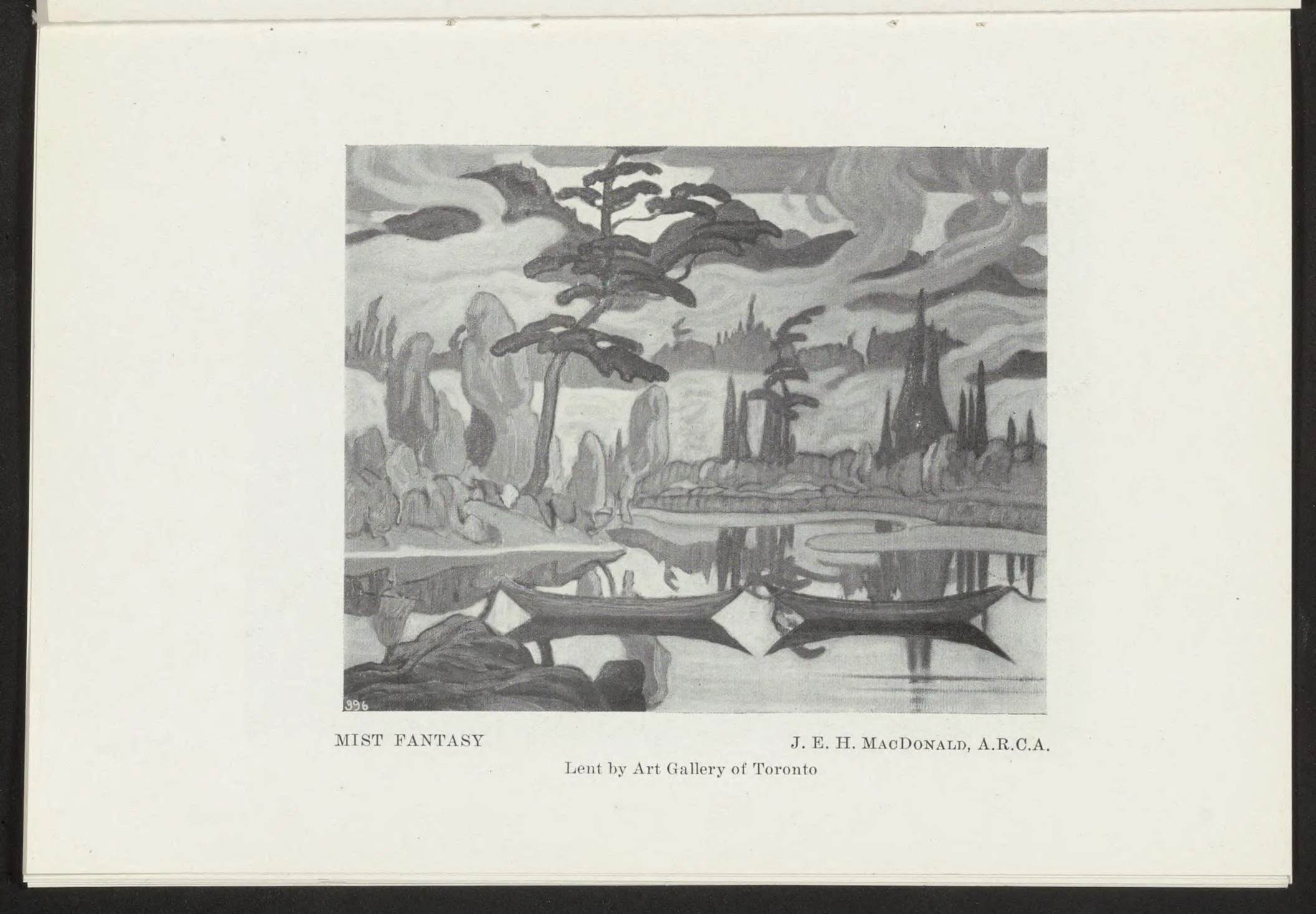
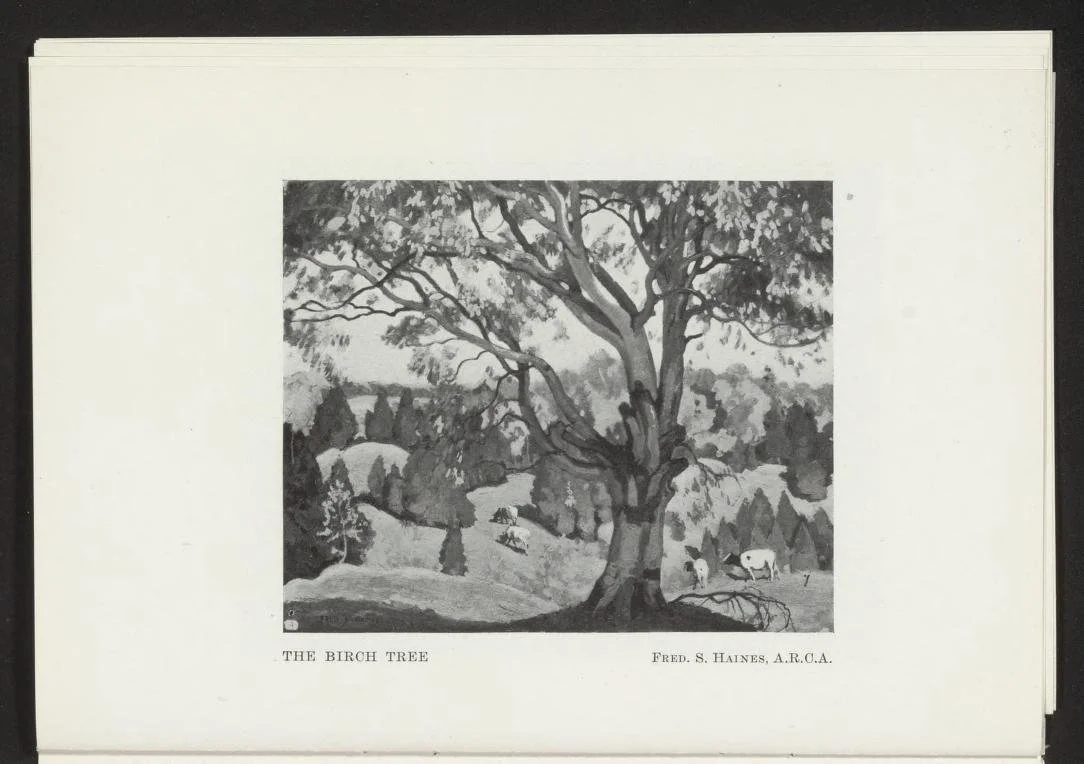
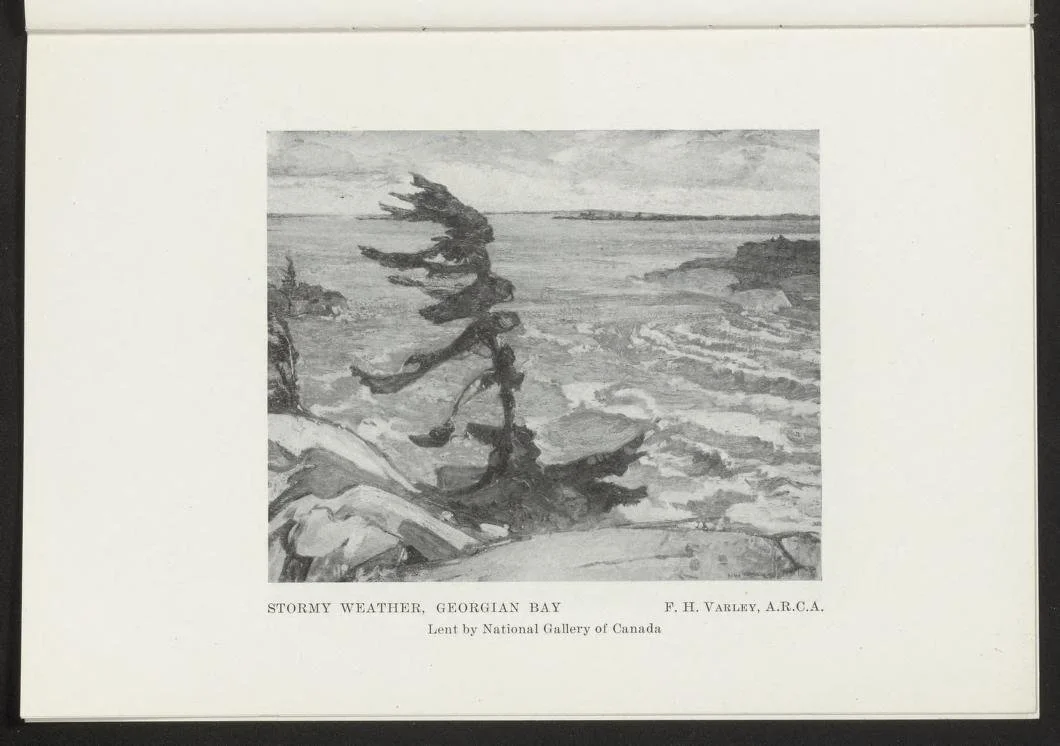
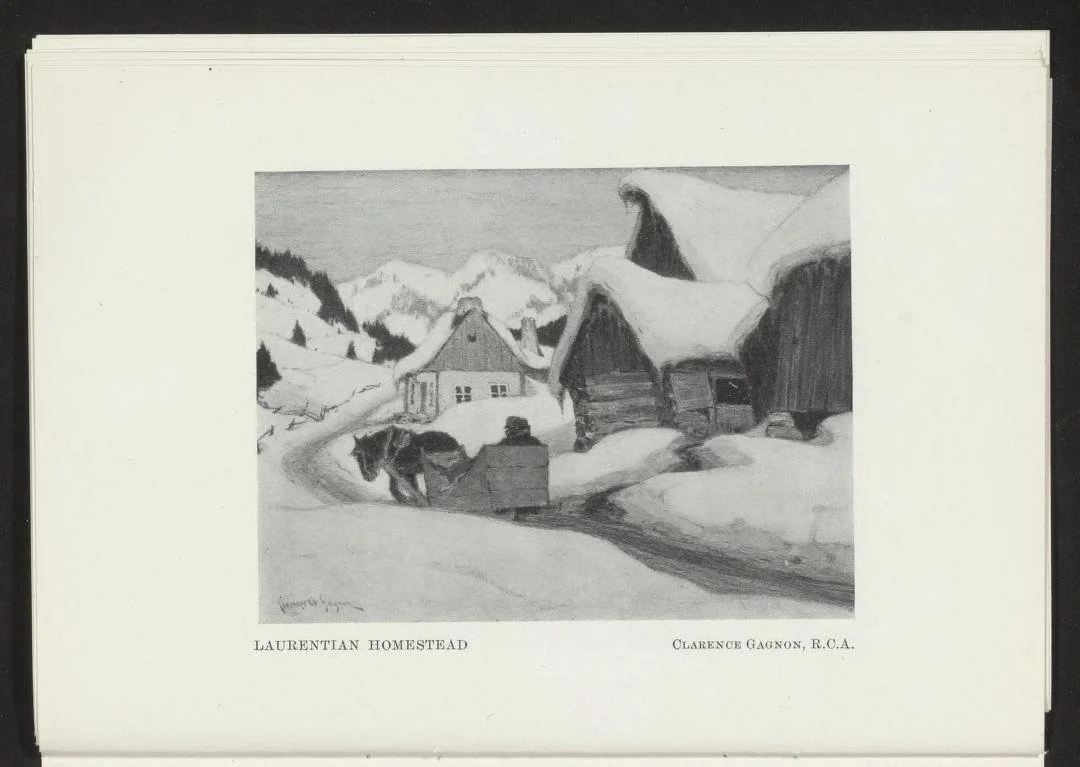
1930 Exhibit of Paintings by Canadian Artists

The book of the week is an exhibit catalog available on Internet Archive. It was published in 1930, and the Foreword says that all the artists except for one were alive at the time of the exhibit. The works were lent for six months and were shown in 5-6 cities – organized by the American Federation of Arts. This is Canadian art from before World War II and reflects the development of Canadian expression that began in 1910…in many cases going back to nature for inspiration.

Exhibition of Paintings by Contemporary Canadian Artists under the Auspices of the American Federation of Arts

Butterfly House Training

Volunteering at the Roston Native Butterfly House at the Springfield MO Botanical Gardens is my favorite volunteer gig from May-September. Last week was the final training….in the butterfly house itself.

The late afternoon was breezy and a little chilly when I arrived at the park. I wore a sweater. The gardens on the way to the butterfly house were looking good – trees leafed out…past the spring bulb flowers and waiting for the summer bloomers.

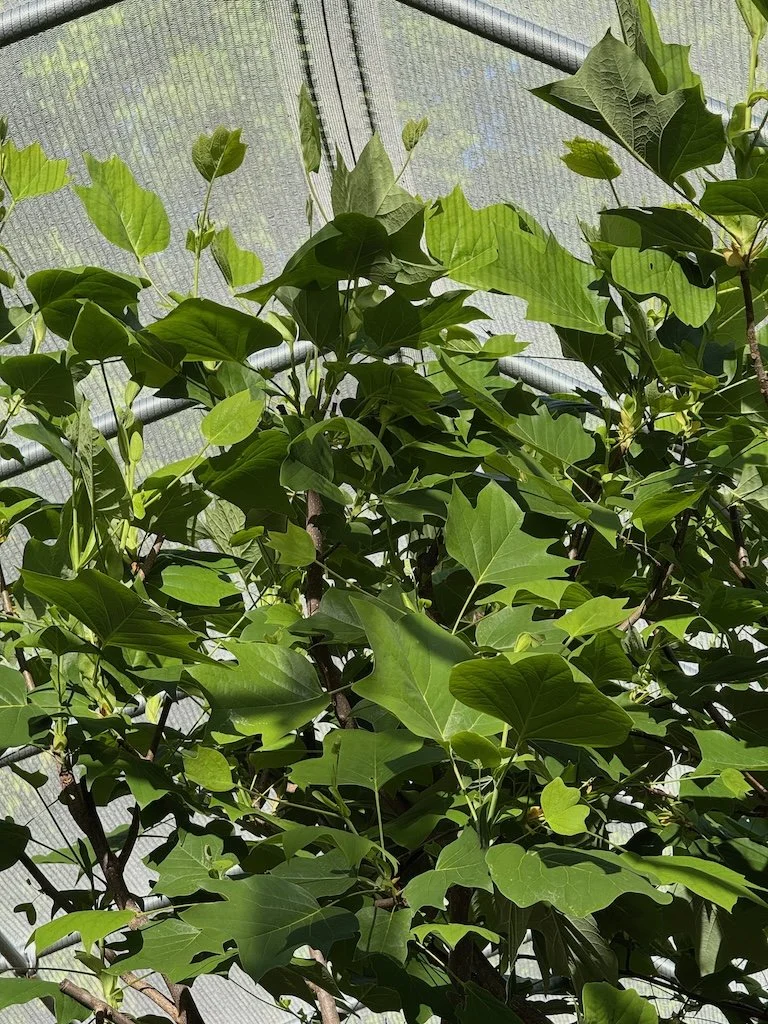
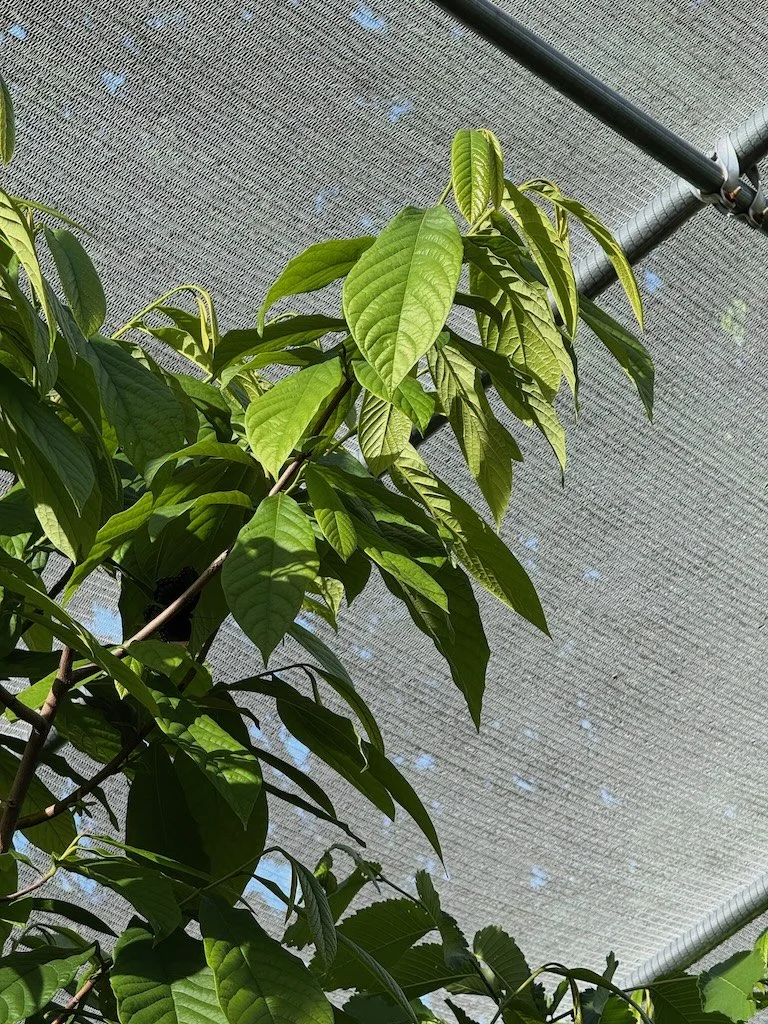
Inside the house there were tiny caterpillars to discover. I didn’t have equipment to attempt to photograph them….but I did make a map of the trees in the house. The photos are of the largest ones: tulip poplar (for tiger swallowtail caterpillars) and pawpaw (for zebra swallowtail caterpillars). The others are wafer ash, spicebush, black willow, and false indigo bush.

Some butterflies were brought in but not released to the house while we were there. They were not very active because of the temperature. There are enough flowers blooming for nectar – butterfly food. There were even some milkweed plants with buds that will be fragrant and full of nectar when they bloom.

I missed the part of the training that was held in the Botanical Center (since I went straight to the butterfly house) but it was evidently the same as last year. The procedures for opening and closing were reviewed in the house…and tips for handling various situations. Even though the way we sign up for shifts is new…the skills I learned volunteering last season and in previous butterfly houses are still pertinent.

Sustaining Elder Care/Road Trip to Texas – May 2026

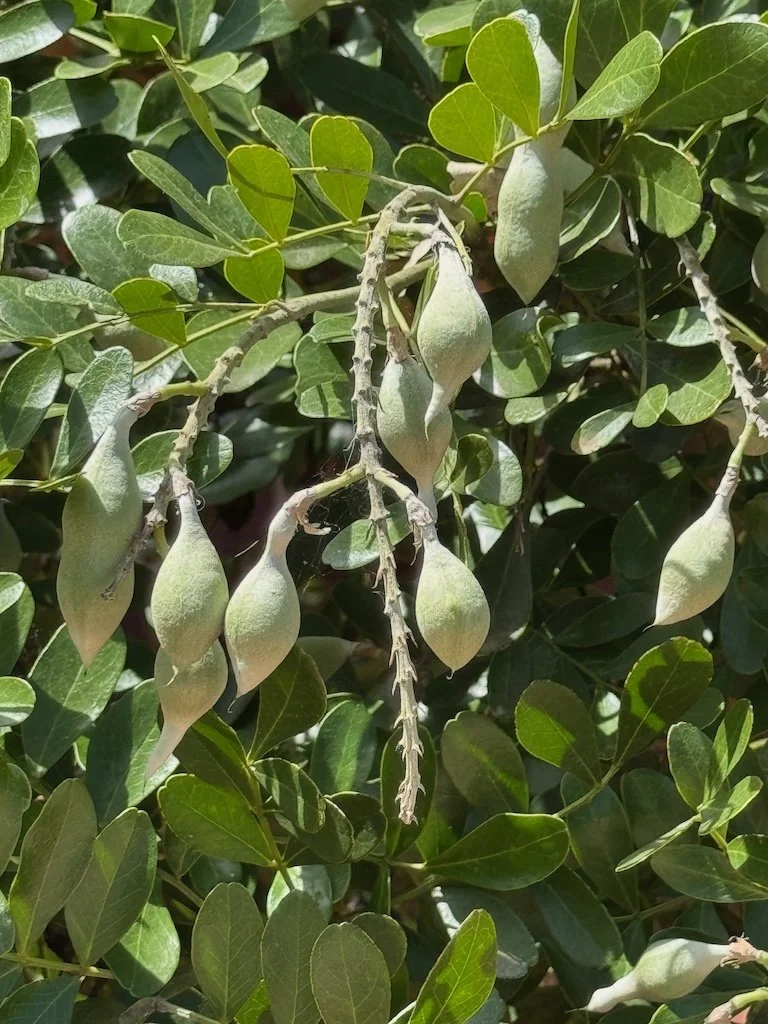
I made my monthly trek to Texas to see my dad last week. I made the usual stop at the Texas Welcome Center on US75 to eat my salad lunch and note the changes in the native plant garden near the building. The bluebonnets have lots of seed pods forming – with a few blooms remaining. The Texas Mountain Laurel was also producing pods.

An hour later…I found my dad in the activity room with a lot of other residents. It was ice cream sandwich day! He was soundly asleep! I decided that I would wake him up for the treat since ice cream has always been his favorite dessert. He enjoyed it --- but made no attempt to feed himself. Afterward we walked outside. I guided the walker since he can no longer see well enough to stay on the sidewalk. He moved very slowly but did make it around the courtyard and back to his room without stopping for a rest….and then he wanted to go back to sleep in his chair.

The next morning, I arrived after he ate breakfast. He was asleep in the chair! I noticed that he hadn’t taken his medications, so I woke him up for that. He managed to take them with a little assistance and then agreed to go for a walk. He had more difficulty getting up from the chair than he did in April. We walked indoors since the morning was wet and cool outside. He managed a normal walk, but when we got back to his room he wanted to go to sleep. He seemed to listen when he was awake but the only clear comments he made were about not being able to see.

My sisters are noticing his decline as well. We’re trying to keep him moving on his own (with his walker)…but we all are aware that it might not be possible for much longer.

Gleanings of the Week Ending May 9, 2026

The items below were ‘the cream’ of the articles and websites I found this past week. Click on the light green text to look at the article.

4/14/2026 SR+ An Ingenious Vortext Nanoplastics, Human Health & Investigative Science - Investigating here the relationship of microplastic and nanoplastic particles in the human body and the impact these Microplastics (MPs) and Nanoplastics (NPs) and their associated piggybacking chemical additives have as potent endocrine disruptors and other ways they impact human health. Before reading the full text of this report please listen to the Podcast of Dr. Aviva Romm, MD: “a Yale-trained board-certified family physician, midwife, and herbalist specializing in integrative medicine for women and children.

4/27/2026 The Conversation Global supply chains cause environmental harm, but they can help repair it too - When supply chains move beyond traditional markers of performance — efficiency, flexibility and responsiveness — to consider the benefits and harms of their activities, they can become environmentally just. Such supply chains distribute environmental benefits (such as clean air, water or access to land) more fairly while ensuring all stakeholders are included in decision-making.

4/27/2026 Science Daily Pesticide exposure linked to 150% higher cancer risk in major study - To better understand the link between pesticides and cancer, researchers created detailed models showing how agricultural chemicals spread across Peru. The analysis included 31 widely used pesticides. None of these are classified as known human carcinogens by the World Health Organization (WHO), yet their combined presence in the environment was carefully tracked. he team then compared these exposure maps with health data from more than 150,000 cancer patients recorded between 2007 and 2020. This comparison revealed a clear pattern. Regions with higher environmental pesticide exposure also had higher rates of certain cancers. In these areas, the likelihood of developing cancer was about 150% greater on average.

4/25/2026 Clean Technica Drought Could Be Making Antibiotic Resistance Worse - A recent study published in the journal Nature Microbiology found that when soil dries out, it can speed up the natural processes that create and spread antibiotic resistance. In normal, moist soil, bacteria live in a relatively stable environment. But when soil dries out, water gets squeezed into tiny, isolated pockets. Bacteria get crowded together, nutrients become scarce and competition turns brutal. In these conditions, bacteria produce more antibiotics to attack each other, and more resistance genes emerge to help them survive. It’s an arms race fueled by drought.

4/26/2026 BBC Surviving in a poisoned land: Chernobyl's wildlife is different, but not in the ways you might think - Four decades have now past since Chernobyl's reactor number four exploded on 26 April 1986, sending radioactive material far and wide. Tree Frogs inside the exclusion zone were, on average, darker than those outside the zone. Many pine trees, which are especially sensitive to radiation, died after exposure to fallout. Birch trees took over in some locations creating a completely different kind of forest. In areas once frequented by people, wolves, bears and bison now roam. Populations of deer, wild boar and elk have flourished. Species including the Eurasian lynx have also returned to the area after vanishing long before the accident. groups of dogs apparently descended from pets abandoned after the 1986 disaster, are also plentiful in this area.

4/25/2026 Planetizen Finland opens world's longest multimodal, car-free bridge - A new 0.74-mile bridge in Finland is likely the world's longest car-free bridge.  The Kruunuvuori Bridge, which opened last week, serves pedestrians, cyclists and, starting next year, trams. It connects Helsinki's eastern island suburbs with the city center.

4/27/2026 Smithsonian Magazine See the 1-in-50-Million Split-Color Lobster Caught Off the Coast of Massachusetts - The unusual-looking lobster is two-toned, with a line dividing its body into an orange side and a brown side. This can happen when two fertilized, unlaid lobster eggs touch—causing one to absorb the other

4/23/2026 Smithsonian Magazine A Rare ‘Cloud Jaguar’ Was Spotted in Honduran Mountains for the First Time in a Decade- The hefty felines can grow to eight feet long from nose to tail tip and weigh up to about 350 pounds. Jaguars have stocky, heavy bodies with short—but massive—limbs, as well as big heads and teeth that make for a powerful bite. They’re the third-largest cats in the world and the largest in the Americas.

4/22/2026 Yale Environment 360 Sustainable Wood Schemes Failing to Slow Deforestation - Schemes that certify wood or paper as sustainable are doing little to stem the loss of forests globally. The schemes are voluntary, run not by governments but by independent groups. Between 2013 and 2023, the world lost at least 50 million acres of forest each year, an area roughly the size of Nebraska, according to an analysis of satellite imagery. What is striking is that countries with more certified acres saw no less clearing of forest overall.

4/26/2026 The Conversation Soil monitoring: what the new EU‑wide ‘ground rules’ have in store for Europe - The European soil monitoring directive, adopted by the European Union at the end of 2025, aims to achieve healthy soils by 2050. It calls for soil microbial diversity analysis (bacteria and fungi) at six-year intervals based on environmental DNA or “eDNA”. Yet, while eDNA is a powerful tool for detecting biodiversity at scale, it is not enough on its own for interpreting observed changes and identifying their causes.

Wonderwings eBook

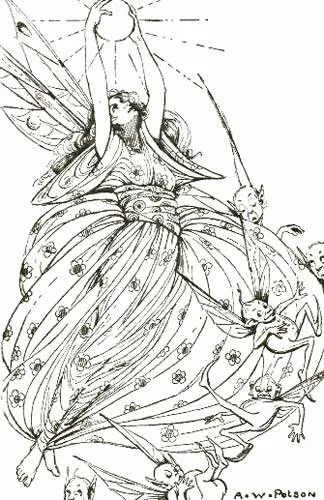
This week’s eBook was published in 1921: Wonderwings and other Fairy Stories. The author was Edith Howes of New Zealand. The illustrations were created by Alicea Polson. It is available on Project Gutenberg. There are other books by Howes on Internet Archive; as I was looking at the Wikipedia entry for the author I decided to browse The Cradle Ship which was published in 1916 and became a minor landmark in sex education for children!

Wonderwings and other Fairy Stories

Gleanings of the Week Ending May 2, 2026

The items below were ‘the cream’ of the articles and websites I found this past week. Click on the light green text to look at the article.

4/22/2026 The Conversation Microplastics have been found to interact with the gut microbiome – here’s what health effects they might have - A recently published study in the Journal of Hazardous Materials, showed that giving mice a group of polystyrene microplastics of various sizes makes the gut vulnerable to IBD.

4/22/2026 The Washington Post More Americans are exposed to polluted air in the United States. See where. - More than 150 million people across the United States, including nearly half the nation’s children, live in areas affected by harmful levels of air pollution.

4/20/2026 Our World in Data Most people care about farm animals — our food system doesn't reflect that - In a recent US survey about common farming practices, at most one in five respondents rated each practice as “acceptable”. The researchers noted that this view was broadly shared across age, gender, income, political affiliation, ethnicity, and region. The practices in question included pigs kept in cages unable to turn around for week, newborn male chicks are killed in meat grinders, newborn calves castrated without pain relief, and chickens bred to grow fast and struggle to walk/stand. In another US survey, around two in five of respondents agreed on banning slaughterhouses and factory farming, and close to a third supported banning animal farming altogether.

4/14/2026 Yale 360 In a First for the U.S., Renewables Generate More Power Than Natural Gas - In a first last month, renewables supplied more power to the U.S. than natural gas, a milestone in the shift to clean energy. However, rising power demand is complicating the transition away from fossil fuels by extending the lives of many aging coal power plants. Together, renewables — including solar, wind, hydropower, and bioenergy — were the biggest source of U.S. electricity in March. Along with nuclear power, they supplied more than half of U.S. power.

4/14/2026 BBC Why wildflowers are moving from meadows to the city - Cities might seem like an unlikely candidate for flowers to thrive – but wildflowers love them.  Cities are often associated with stress – and only the toughest plants can cope in them. Thankfully, wildflowers thrive on stress. This is because stress keeps the competition down and wildflowers can't cope with lots of competition. we need to accept a bit of wildness and untidiness. We can't exist as humans alone; we're part of nature and we need to let nature in.

4/22/2026 NWF Blog What in the Hellbender? -Hellbenders (Cryptobranchus alleganiensis) are fully aquatic amphibians, meaning they spend all their lives in water. They primarily feed on crayfish, snails, small fish, tadpoles, insects, and worms, and have long life spans, sometimes up to 30 years. Hellbenders breathe through their skin even though they have gills, but like most amphibians, they lose their frilly external gills once they reach adulthood. heir wrinkly skin allows them lots of surface area to breathe while underwater. There are two subspecies, and unfortunately, both are facing serious conservation challenges. They are the Eastern Hellbender and the Ozark Hellbender.


4/19/2026 Clean Technica We Can Create Food Systems That Enhance Human & Planetary Health -Globally, the food system accounts for roughly 30% of greenhouse gas emissions. Big Ag incorporates large volumes of manure, chemicals, antibiotics, and growth hormones to increase agricultural yields. These can contaminate nearby water sources and threaten aquatic ecosystems, biodiversity, nitrogen cycles and soil health. The world’s growing population will need food systems that can sustainably convert crop production into calories for human consumption. Many agricultural experts concur that support for agriculture needs to focus on soil health, water quality, and climate resilience. By focusing on low carbon methods, enhancing circular nutrient management, and reinforcing soil regeneration, food systems can reduce risk, stabilize yield, and drive long term productivity.

4/18/2026 Science Daily Common cleaning sponge found to release trillions of microplastic fibers - That “magic” sponge under your sink may be hiding an environmental downside. While melamine sponges are famous for effortlessly scrubbing away stubborn stains, they slowly break down as you use them—shedding tiny plastic fibers that wash into water systems. Researchers estimate that globally, these sponges could release over a trillion microplastic fibers every month, potentially entering the food chain and affecting wildlife.

4/14/2026 The Conversation How microplastics hurt the hidden helpers that keep our coasts healthy - Despite bamboo worm’s (Macroclymenella stewartensis)  hidden lives and small size – most measure just a few centimeters long – these New Zealand worms have an outsized influence on the health of the marine environment. But now there are troubling signs that microplastics – tiny but pervasive fragments of broken-down plastic – are disrupting the vital role the worms play, with potentially wider effects we are only just beginning to understand.
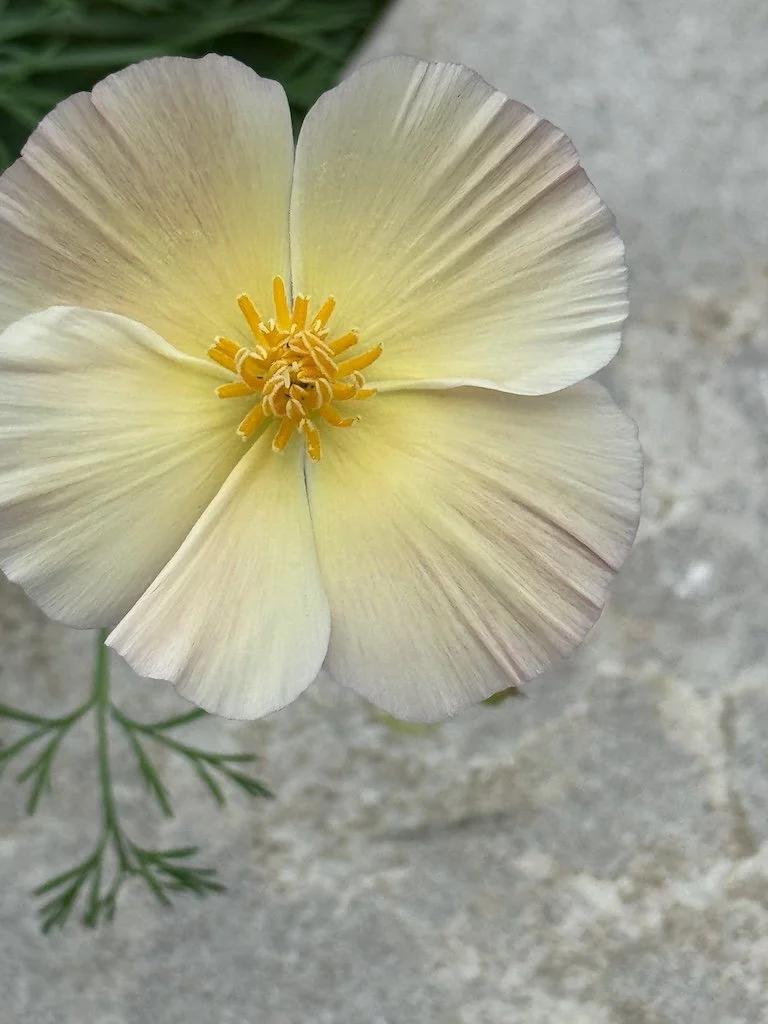
4/20/2026 Compound Interest Magnolia molecules: fragrance, pigments and medicines – Last year I learned that the petals of the Southern Magnolia (Magnolia grandiflora) were edible. The infographic includes more magnolia trivia!