The items below were ‘the cream’ of the articles and websites I found this past week. Click on the light green text to look at the article.
4/22/2026 The Conversation Microplastics have been found to interact with the gut microbiome – here’s what health effects they might have - A recently published study in the Journal of Hazardous Materials, showed that giving mice a group of polystyrene microplastics of various sizes makes the gut vulnerable to IBD.
4/22/2026 The Washington Post More Americans are exposed to polluted air in the United States. See where. - More than 150 million people across the United States, including nearly half the nation’s children, live in areas affected by harmful levels of air pollution.
4/20/2026 Our World in Data Most people care about farm animals — our food system doesn't reflect that - In a recent US survey about common farming practices, at most one in five respondents rated each practice as “acceptable”. The researchers noted that this view was broadly shared across age, gender, income, political affiliation, ethnicity, and region. The practices in question included pigs kept in cages unable to turn around for week, newborn male chicks are killed in meat grinders, newborn calves castrated without pain relief, and chickens bred to grow fast and struggle to walk/stand. In another US survey, around two in five of respondents agreed on banning slaughterhouses and factory farming, and close to a third supported banning animal farming altogether.
4/14/2026 Yale 360 In a First for the U.S., Renewables Generate More Power Than Natural Gas - In a first last month, renewables supplied more power to the U.S. than natural gas, a milestone in the shift to clean energy. However, rising power demand is complicating the transition away from fossil fuels by extending the lives of many aging coal power plants. Together, renewables — including solar, wind, hydropower, and bioenergy — were the biggest source of U.S. electricity in March. Along with nuclear power, they supplied more than half of U.S. power.
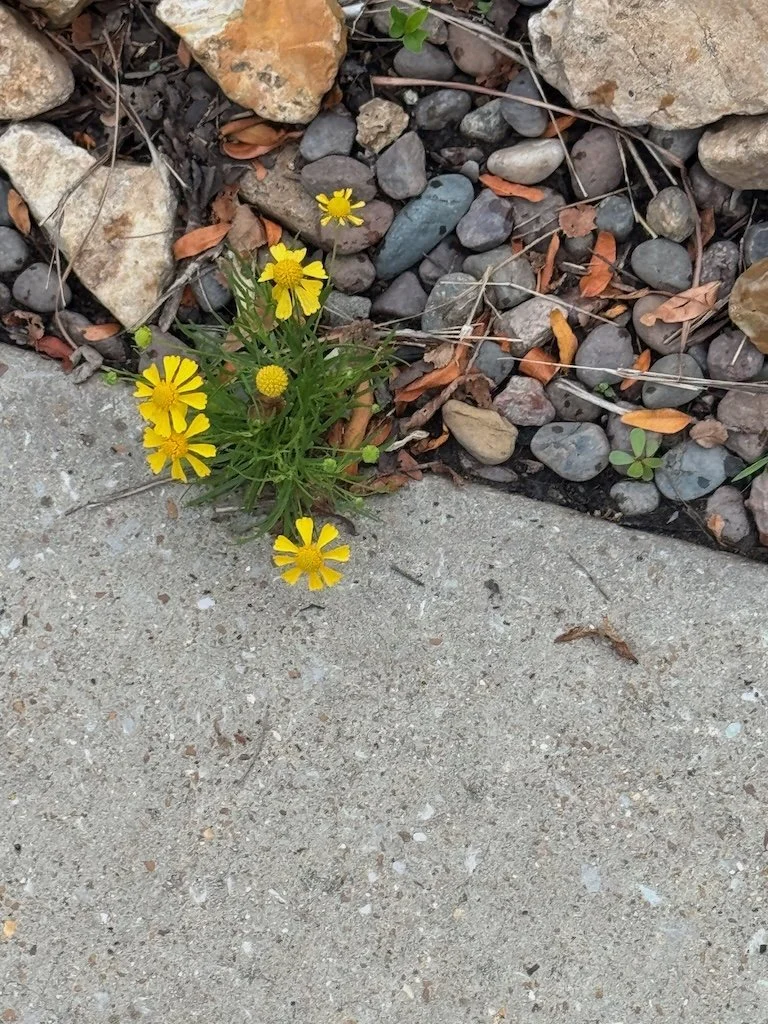
4/14/2026 BBC Why wildflowers are moving from meadows to the city - Cities might seem like an unlikely candidate for flowers to thrive – but wildflowers love them. Cities are often associated with stress – and only the toughest plants can cope in them. Thankfully, wildflowers thrive on stress. This is because stress keeps the competition down and wildflowers can't cope with lots of competition. we need to accept a bit of wildness and untidiness. We can't exist as humans alone; we're part of nature and we need to let nature in.
4/22/2026 NWF Blog What in the Hellbender? -Hellbenders (Cryptobranchus alleganiensis) are fully aquatic amphibians, meaning they spend all their lives in water. They primarily feed on crayfish, snails, small fish, tadpoles, insects, and worms, and have long life spans, sometimes up to 30 years. Hellbenders breathe through their skin even though they have gills, but like most amphibians, they lose their frilly external gills once they reach adulthood. heir wrinkly skin allows them lots of surface area to breathe while underwater. There are two subspecies, and unfortunately, both are facing serious conservation challenges. They are the Eastern Hellbender and the Ozark Hellbender.
4/19/2026 Clean Technica We Can Create Food Systems That Enhance Human & Planetary Health -Globally, the food system accounts for roughly 30% of greenhouse gas emissions. Big Ag incorporates large volumes of manure, chemicals, antibiotics, and growth hormones to increase agricultural yields. These can contaminate nearby water sources and threaten aquatic ecosystems, biodiversity, nitrogen cycles and soil health. The world’s growing population will need food systems that can sustainably convert crop production into calories for human consumption. Many agricultural experts concur that support for agriculture needs to focus on soil health, water quality, and climate resilience. By focusing on low carbon methods, enhancing circular nutrient management, and reinforcing soil regeneration, food systems can reduce risk, stabilize yield, and drive long term productivity.
4/18/2026 Science Daily Common cleaning sponge found to release trillions of microplastic fibers - That “magic” sponge under your sink may be hiding an environmental downside. While melamine sponges are famous for effortlessly scrubbing away stubborn stains, they slowly break down as you use them—shedding tiny plastic fibers that wash into water systems. Researchers estimate that globally, these sponges could release over a trillion microplastic fibers every month, potentially entering the food chain and affecting wildlife.
4/14/2026 The Conversation How microplastics hurt the hidden helpers that keep our coasts healthy - Despite bamboo worm’s (Macroclymenella stewartensis) hidden lives and small size – most measure just a few centimeters long – these New Zealand worms have an outsized influence on the health of the marine environment. But now there are troubling signs that microplastics – tiny but pervasive fragments of broken-down plastic – are disrupting the vital role the worms play, with potentially wider effects we are only just beginning to understand.
4/20/2026 Compound Interest Magnolia molecules: fragrance, pigments and medicines – Last year I learned that the petals of the Southern Magnolia (Magnolia grandiflora) were edible. The infographic includes more magnolia trivia!