Gleanings of the Week Ending December 13, 2025

The items below were ‘the cream’ of the articles and websites I found this past week. Click on the light green text to look at the article.

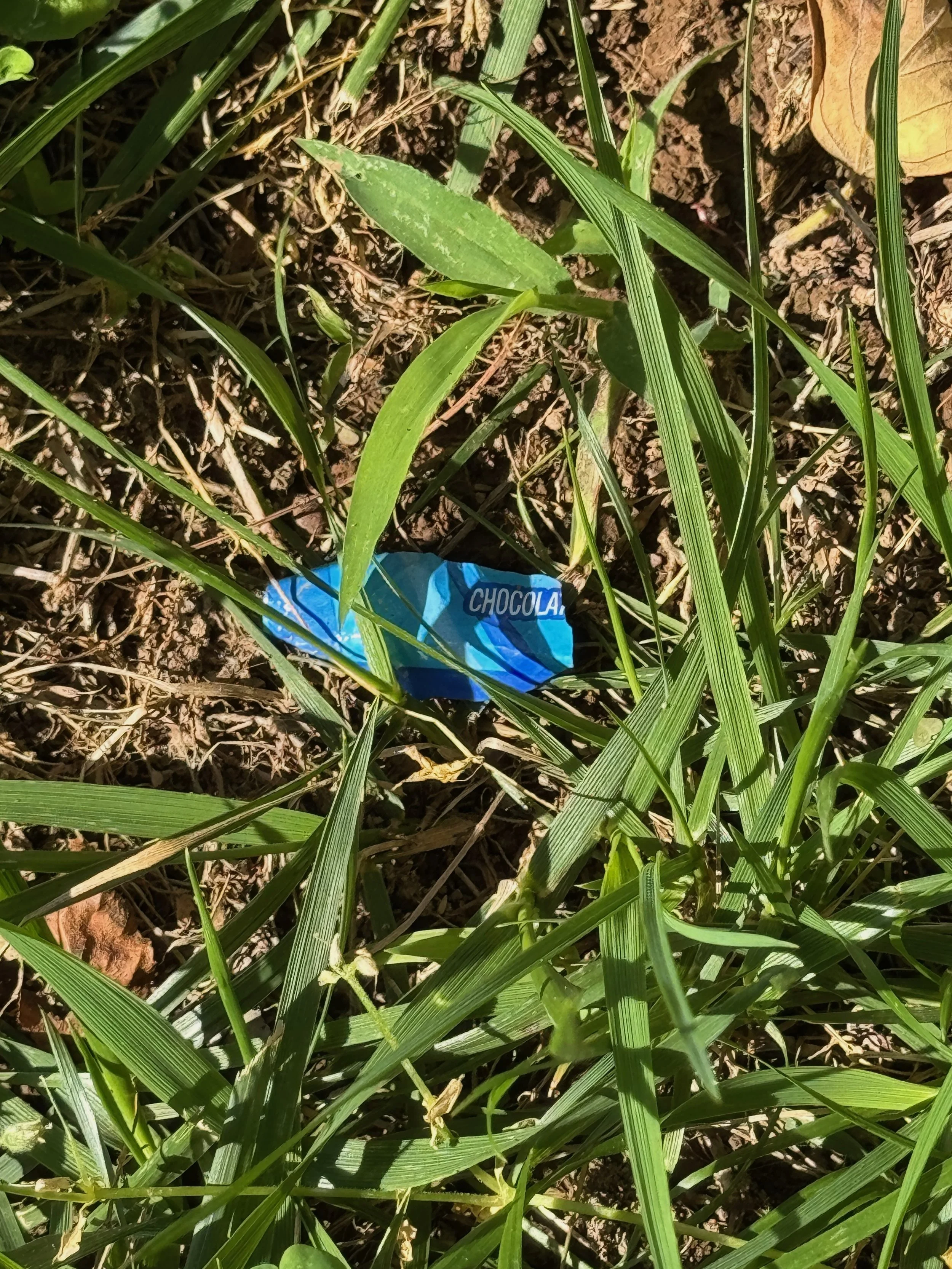
How extreme weather is making plastic pollution more mobile, more persistent and more hazardous - Rising temperatures, humidity and sunlight break plastic down, making it brittle and cracked, accelerating its disintegration into tiny fragments. A 10-degree Celsius (18 Fahrenheit) rise in temperature during an extreme heat wave could double the rate at which plastic degrades. Extreme storms, flooding and wind also hasten the breakdown of plastic, mobilize it and spread it more widely. Flooding can also help forge “plastic rocks,” created when rocks and plastics form a chemical bond and merge together. These become hotspots for microplastic generation. Wildfires release microplastics and highly toxic compounds into the atmosphere. Global annual production of plastic increased 200-fold between 1950 and 2023 and is predicted to keep increasing as the world moves toward clean energy and oil companies shift investments to plastics.

YMCA: The Swan Song of SROs and the Birth of Modern Homelessness - Single room occupancy hotels played a central role in America’s affordable housing ecosystem for decades, providing cheap, flexible accommodations without government subsidy. They are effectively large-scale boarding houses, offering small private rooms or dorm-style quarters with shared bathrooms and minimal kitchen facilities. The YMCA was the nation’s largest SRO provider, with more than 100,000 units nationwide at its peak. SROs were far from ideal, but without this form of housing or any other low-cost option, homelessness was the inevitable result. It was just as Edith Elmer Wood feared back in 1919: Housing reform had created a housing famine.

Recycling Lead-Acid Batteries Has Significant Health Risks - What happens to the old ones when they are no longer serviceable? They get melted down to recover the lead in them, which can then be used to make new batteries. In the US, that work often gets outsourced to other countries. It’s a patchwork of shoddy factories in places like Ghana, Nigeria and Tanzania providing more lead for new car batteries….and where people die from lead poisoning. Car companies look the other way.

More Than 1,200 Marine Animal Species Eat Plastic. Ingesting Even a Tiny Amount Can Kill Them - Data from more than 10,000 marine animal autopsies. About half of the examined sea turtles, one-third of seabirds and one in eight marine mammals had plastics in their stomachs. The study didn’t examine other ways plastics can hurt wildlife, such as strangulation, malnutrition or toxic effects. It also didn’t look at the harms of tinier pieces of plastics—microplastics—which have been found in the deep ocean and can also affect marine life. Researchers say the best way to protect wildlife from plastic is to reduce the amount of it that enters the ocean, namely through local and national policy.

The Forgotten Roman Ruins of the ‘Pompeii of the Middle East’ – Jerash – ruins near Amman, the capital of Jordan and the country’s second most popular tourist destination after Petra. After spending more than a millennium covered by sand, Jerash has reclaimed its place as a cornerstone of both Western and Middle Eastern civilization.

Just ten species make up almost half the weight of all wild mammals on Earth – Deer and boars account for almost half the biomass of wild land animals.

New research reveals what’s really hiding in bottled water - Each sip may contain invisible microplastics that can slip through the body’s defenses and lodge in vital organs. These tiny pollutants are linked to inflammation, hormonal disruption, and even neurological damage, yet remain dangerously understudied. “People need to understand that the issue is not acute toxicity -- it is chronic toxicity.”

Beavers are Dam Good for Biodiversity, Bringing Bats, Butterflies and Other Critters to Their Neighborhoods - Beavers are famous for being ecosystem engineers, capable of transforming once-dry landscapes into lush, green wetlands that support many other land- and water-dwelling species. Now, two new studies suggest these benefits also extend to creatures who spend much of their time in the air like bats and pollinator insects.

This tiny pill could change how we diagnose gut health - Tiny ingestible spheres filled with engineered bacteria can detect intestinal bleeding by glowing when they encounter heme. Early tests in mice suggest they could become a quick, noninvasive way to monitor gut disease. The work was done by the NSF of China and other sources in China. Will China now dominate this type of research with the funding cuts in the US?

Meet the 7 Swans a-Swimming – There are 7 swan species in the world…which fits very well with The Twelve Days of Christmas.

Plastics Crisis – Black Friday Purchases

I did my black Friday shopping online this year…and it all involved reducing plastic at my house!

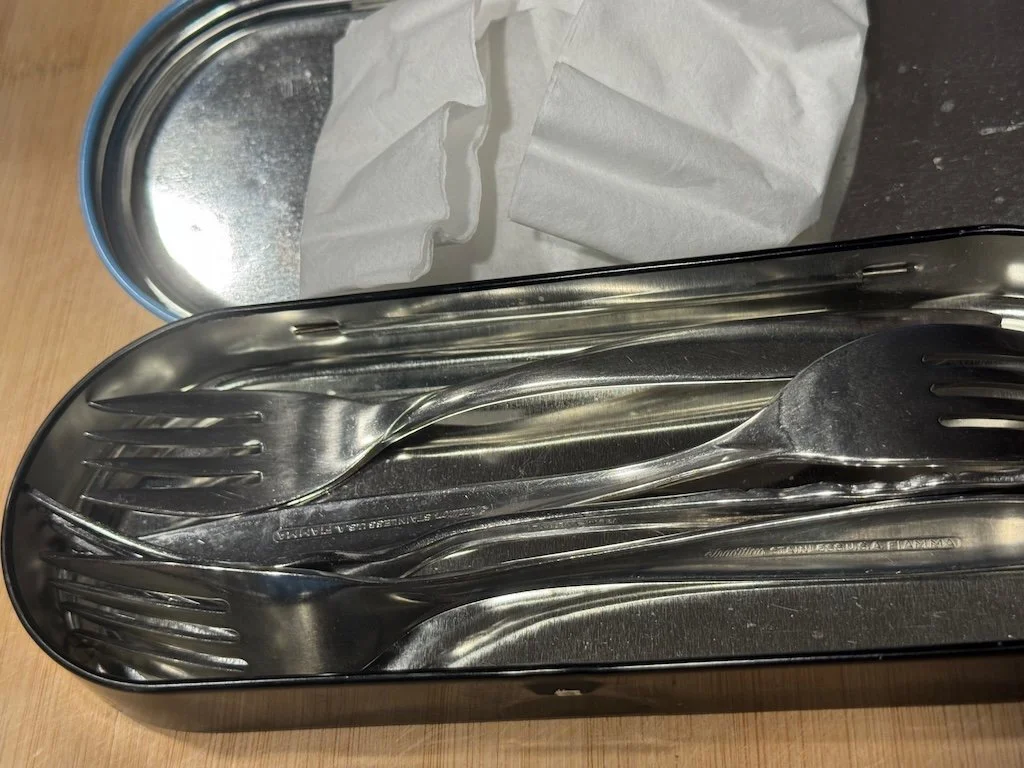
I bought three stainless steel mixing bowls with handles (replacing plastic mixing bowls), a shampoo bar (to replace plastic bottles of shampoo), and replacement filters for my air purifiers that I have in my office and bedroom (get microplastics out of the air).

Those purchases were small compared to the Rorra Countertop System for water filtration. I have been using a Brita Elite filtration system for the past few years, but the filter housing and the pitcher is plastic, and I was never quite sure how much of the microplastics/‘forever’ chemicals the filter removed; I did discover that I like drinking filtered water all the time…I can taste the difference. The testing for the Rorra is impressive and I am looking forward to having it on my countertop and not lifting any big pitcher; I can use the sprayer at my sink to get the water into the system to be filtered.

…Now to take the boxes of plastic stuff to Goodwill. I feel a little guilty because I really don’t want this plastic around at all – but maybe it is better to not send it to the landfill.

Gleanings of the Week Ending November 29, 2025

The items below were ‘the cream’ of the articles and websites I found this past week. Click on the light green text to look at the article.

Everyday microplastics could be fueling heart disease - Microplastics—tiny particles now found in food, water, air, and even human tissues—may directly accelerate artery-clogging disease, and new research shows the danger may be far greater for males.

The Mystery of the Mast Year - Every few years, certain species of trees seem to go buck wild, dropping an extraordinary quantity of nuts, seeds, or fruits all at once. What’s more, this bumper crop tends to extend across vast geographical ranges, so that a white oak in Central Park is shedding buckets of acorns at the same time as a white oak in the Shenandoah Valley. Not all trees mast, but many species dominant in American forests do, such as oak, hickory, beech, and dogwood.

Ultra-processed foods quietly push young adults toward prediabetes - More than half of the calories people consume in the United States come from ultra-processed foods (UPFs), which include items such as fast food and packaged snacks that tend to contain large amounts of sodium, added sugars and unhealthy fats.

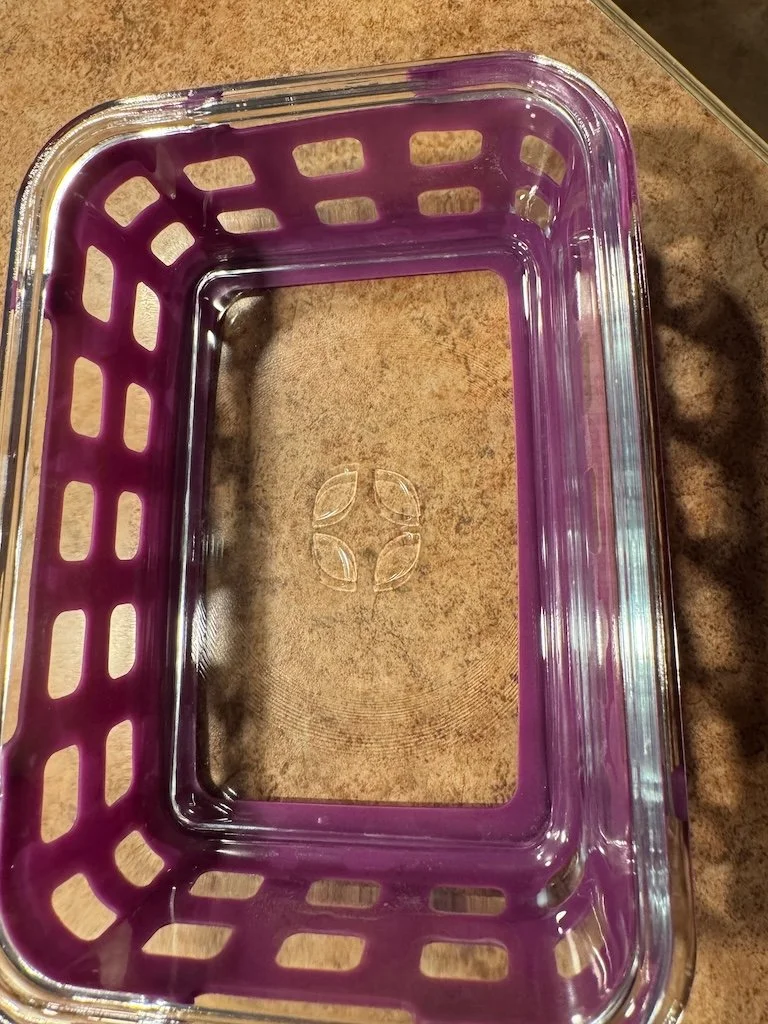
Why Should We Avoid Heating Plastic? - When plastic is heated, its molecules will move around more freely and the whole structure will become less rigid. This makes it easier for those additives to detach and migrate into nearby foods or liquids. To reduce your exposure, heat food in containers made of inert materials like ceramic or glass, avoid storing hot, fatty, or acidic food in plastic, and try to shorten the storage time of all food and beverages in plastic containers.

'They're just so much further ahead': How China won the world's EV battery race - In 2005, China only had two EV battery manufacturers. Twenty years later, it produces more than three-quarters of the world's lithium-ion cells. Today, China dominates the production at every stage of the battery supply chain, apart from the mining and processing of some raw minerals.

Obesity-Related Cancers Are Rising in Young and Old - Six of cancers—leukemia, thyroid, breast, colorectal, kidney, and endometrial—increased in prevalence in young adults in at least 75 percent of the examined countries. However, five of these six cancers also showed increased prevalence in older adults. Colorectal cancer was the exception. The cancer types with increased incidence in both younger and older adults were all linked to obesity.

Growth of Wind and Solar Keeping Fossil Power in Check - This year it is projected that new wind and solar power will more than meet growing demand for electricity globally, keeping fossil fuel consumption flat. However, while the world is beginning to keep emissions from power plants in check, overall emissions continue to tick up, rising by 1.1 percent this year.

Researchers Discover ‘Death Ball’ Sponge and Dozens of Other Bizarre Deep-Sea Creatures in the Southern Ocean - Researchers have discovered 30 previously unknown deep-sea species in the remote ocean surrounding Antarctica - an achievement highlighting just how little humanity knows about some of the deepest regions of the planet. Fewer than 30 percent of the expedition’s samples have been assessed thus far so there could be more discoveries to report soon.

Short-Chain PFAS Eclipse Their Longer Counterparts in Blood Serum - The conventional wisdom is that short-chain PFAS are of lesser concern because they don’t bioaccumulate, but what we’re seeing is that they can occur at high levels in people. A new study shows that young adults who ate more UPFs also showed signs of insulin resistance, a condition in which the body becomes less efficient at using insulin to manage blood sugar.

Get Up Close with Alabama’s Rivers – Mac Stone photographing Alabama’s waterways…places full of biodiversity. The post includes pictures: southern dusky salamander, pitcher plant blooms, alligator snapping turtles, swamp lily, brown pelican.

Gleanings of the Week Ending November 22, 2025

The items below were ‘the cream’ of the articles and websites I found this past week. Click on the light green text to look at the article.

Spotted Lanternfly Biology and Lifecycle – Missouri is trying to stop them from gaining a foothold in the state….but it will take a lot of vigilance. The invasive insects are already in Illinois and could move into Missouri very easily – particularly as egg masses on vehicles. In the current infestations, spotted lanternfly has shown to have one generation per year consisting of four nymphal stages, an adult stage, and overwintering as egg masses.

Could Non-Invasive Colon Cancer Screening Replace Colonoscopies? – It would be great if these could work….colonoscopies are invasive tests….but, for now, they are the only choice for a reliable screening for colon cancer.

13 Non-Toxic, Plastic Free Electric Kettles for a Healthy Cup – A plastic free electric kettle is on my wish list for this year. It will be used a lot in my office.

Reindeer Hunting Artifacts Emerge from Melting Ice in Norway - Melting ice in Norway has revealed a 1,500-year-old reindeer trap, preserved beneath centuries of snow and ice layers. Archaeologists uncovered wooden mass-capture fences, marked antlers, weapons, and a unique decorated oar from the site this year.

Why are thyroid cancer cases increasing across the world? - We're likely observing a multifactorial phenomenon that includes environmental, metabolic, dietary and hormonal influences, possibly interacting with underlying genetic susceptibility.

A Bird in Mourning Wins the 2025 European Wildlife Photographer of the Year Contest – Great photos!

Anxiety is one of the world’s most common health issues. How have treatments evolved over the last 70 years? – I was surprised that no new drugs have been approved since 2004. While existing treatments can be very effective for some people — in fact, life-changing for some — we still have some way to go to develop effective treatments for everyone who struggles with an anxiety disorder, and ensure these treatments are available to them.

What a baby's first poo can tell you about their future health - T he Baby Biome study, which aims to understand how a baby's gut microbiome – the trillions of microbes living in their digestive tract – affect their future health. Babies born vaginally seem to inherit most of their bacteria from their mother's digestive tract; babies born via C-section had more bacteria associated with hospital environments.

From Ruins to Reuse: How Ukrainians Are Repurposing War Waste - Russian bombardments have generated more than a billion tons of debris across Ukraine since 2022. Now, local and international efforts are meticulously sorting the bricks, concrete, metal, and wood, preparing these materials for a second life in new buildings and roads. 

Our Plan to Restore the Gulf Coast for People and Wildlife - America’s Gulf Coast stretches over 1,700 miles and is home to 15,000 species of fish and wildlife, making it one of the most biodiverse areas in the country. It’s also one of the fastest-growing—the counties that border the Gulf are home to approximately 65 million people. Despite the challenges, including federal funding cuts to states, shifting political priorities and increasingly destructive storms and flooding, the National Wildlife Federation remains optimistic about what we can achieve in the next five years and the decades to come.

Gleanings of the Week Ending November 15, 2025

The items below were ‘the cream’ of the articles and websites I found this past week. Click on the light green text to look at the article.

Inflammation Starts Long Before the Pain in Rheumatoid Arthritis - Millions of people around the world suffer from rheumatoid arthritis, an autoimmune disorder that causes debilitating joint swelling and pain. New research reveals more early biomarkers for rheumatoid arthritis which may lead to ways to prevent, rather than treat, the disease.

Bottled Water is a Major Source of Microplastics - Nano- and microplastics have been linked in studies to inflammation, immune dysregulation, cardiac events, and metabolic disruptions. Though human data are still emerging, evidence also suggests a connection to respiratory disease, reproductive issues, and even neurotoxicity. 

Traces of Opium Detected on Egyptian Alabastron - Traces of opium have been detected in an ancient Egyptian alabaster vase held in Yale University’s Peabody Museum. It had been previously suggested that such vases held perfumes or cosmetics for royal elites.

Gum disease may quietly damage the brain - Researchers observed that participants with gum disease had significantly more white matter hyperintensities, even after accounting for other risk factors. The findings hint that chronic oral inflammation could subtly impact the brain, especially in older adults.

6 Best Non-Toxic Lunch Boxes That Don’t Shed Microplastics – I am using my glass left-over containers….but I don’t need to carry my lunch every day!

How Air Pollution is Aging People Faster - Long considered mainly a threat to the lungs and heart, air pollution is now emerging as a driver of biological aging at the molecular level. With air pollution’s role in accelerating aging, researchers are exploring interventions ranging from reducing emissions to using protective measures. Alongside identifying the effects of different pollutants, scientists are now investigating the biological mechanisms through which air pollution accelerates aging.

Domestic Solar Manufacturing Booms During Trump Administration with Entire Solar Supply Chain Reshored - New data from the Solar Energy Industries Association (SEIA) shows that the entire solar supply chain has been reshored and U.S. manufacturing capacity has grown across every segment of the solar and storage supply chain. With the news of Hemlock’s new ingot and wafer facility coming online in Q3, the United States now has the capacity to produce every major component of the solar supply chain.

Covid 2020: Where cruise ships went to die - Aliağa Ship Breaking Yard in Turkey is the fourth-largest facility in the world for breaking down large ships, and as the effect of cancelled cruises began to bite, it's where many of the cruise companies sent their huge ships to die.

China Has Added Forest the Size of Texas Since 1990 - In many wealthy nations — the U.S., Canada, Russia, and much of Europe — forests are making a comeback, according to the U.N. assessment. As India and China become more developed, they too are seeing forests return. Even as fires and drought destroy some forest, on balance, these countries are adding trees. Over the last three and a half decades China has planted roughly 120 million acres of forest, according to U.N. figures, much of it added to contain the spread of deserts.

How Do Cadaver Dogs Recognize Human Remains? - Someday scientists will understand how cadaver-associated molecules bind to receptors in dog noses and how this binding, in turn, affects the molecules’ structure and chemistry. Knowing the exact stimuli that cadaver dogs pick up may also advance researchers’ efforts in building “electronic noses.” These chemical sensors are not meant to replace cadaver dogs but rather as stand-ins that could go to places that are inaccessible or too dangerous for dogs.

Plastics Crisis – Beyond Plastics Grass Roots Advocacy Training

The Beyond Plastics Grass Roots Advocacy Training for Local Groups was a 2-hour online training offered by the Beyond Plastics organization in late October. It was very well done and built on the things I learned but never fully applied in the HoLLIE (Howard County Legacy Leadership Institute for the Environment) back in early 2018. The focus of HoLLIE was broader….but learning to have productive interactions with government (particularly at the local level) was very similar. Perhaps having a narrower focus will make it easier for me to go beyond public outreach.

The session was recorded, and they committed to sending out reference links afterward – primarily to items within the Beyond Plastics site. I managed to get some in my notes and have already started reviewing them.

My first action was to craft an email to everyone I know that might be interested in forming a local group in the Springfield area….hoping to find at least 3 people to form a local group… and start identifying our partners.

Missouri has a ‘ban on bans’ law that will limit our advocacy, but there are still a lot of opportunities to increase awareness of the issue and begin to reduce plastics (and microplastics) in our environment. The key for our local group will be to pick a reasonable initial goal…and start.

I also found out about an upcoming webinar: Protecting Our Health: Toxic Chemicals in Plastics  on November 12th at 6 PM CT and signed up for that.

And I pre-ordered Judith Enck’s book: The Problem with Plastics coming out in early December.

Beyond Plastics is a great resource and will be very helpful as we develop our goal(s) and plan. I have signed up to get their emails.

Previous Plastic Crisis posts