Suburban Savanna - 1

Shortly after I started the 9-month Missouri Woodland Mentor series back in January, I started pondering whether the sterile suburban yards (highly fertilized, sprayed with pesticides, rigidly trimmed, full of non-native plants, toxic to most wildlife) could be transformed into something with a positive impact on the natural environment. It seemed to me that the definition of a savanna fit closest to what suburbs looked like on the surface: grass interspersed with trees providing less than 30% canopy cover.

There are some qualities of a suburb that would work against it becoming a full-fledged savanna:

There is too much impervious surface: streets, houses, sidewalks, driveways…which means that water will run off more quickly. There are often water retention ponds in newer developments to collect run off – somewhat slow the flow.

The building of the houses and infrastructure often is a severe disruption to the land: scraping off topsoil and hauling it away, removing almost all vegetation, and planting of turf. Sometimes there are a few trees planted by the builder – but they are not necessarily natives.  It takes a long time to recover from that disruption. It is the starting point for neighborhoods to progress toward a suburban savanna.

Even with those challenges, there are things I am already doing to nudge my yard toward the savanna goal:

I don’t spray pesticides or herbicides….and I don’t fertilize.

I don’t mow the fall leaves in my back yard until late spring (let the moths and insects emerge.

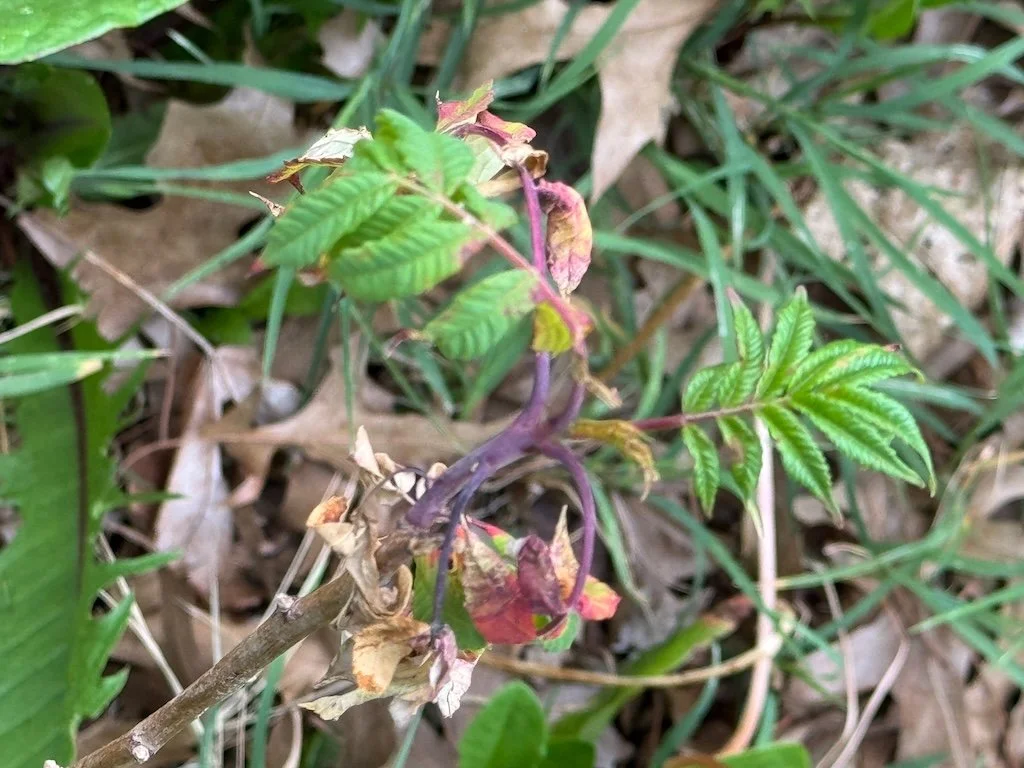
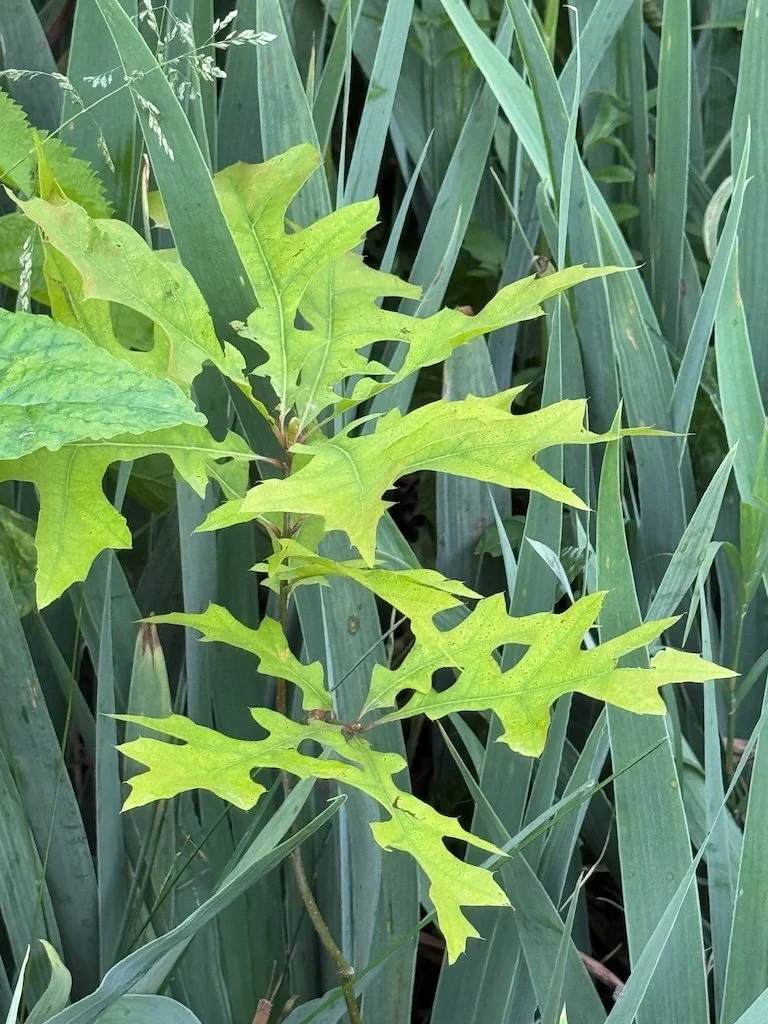
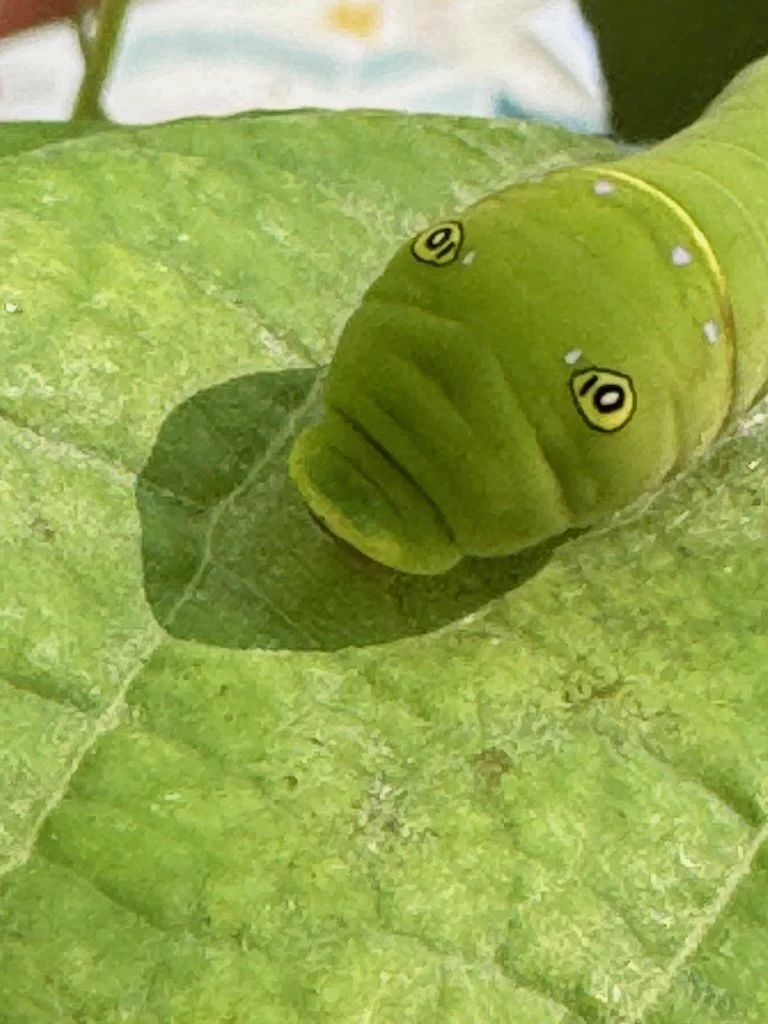
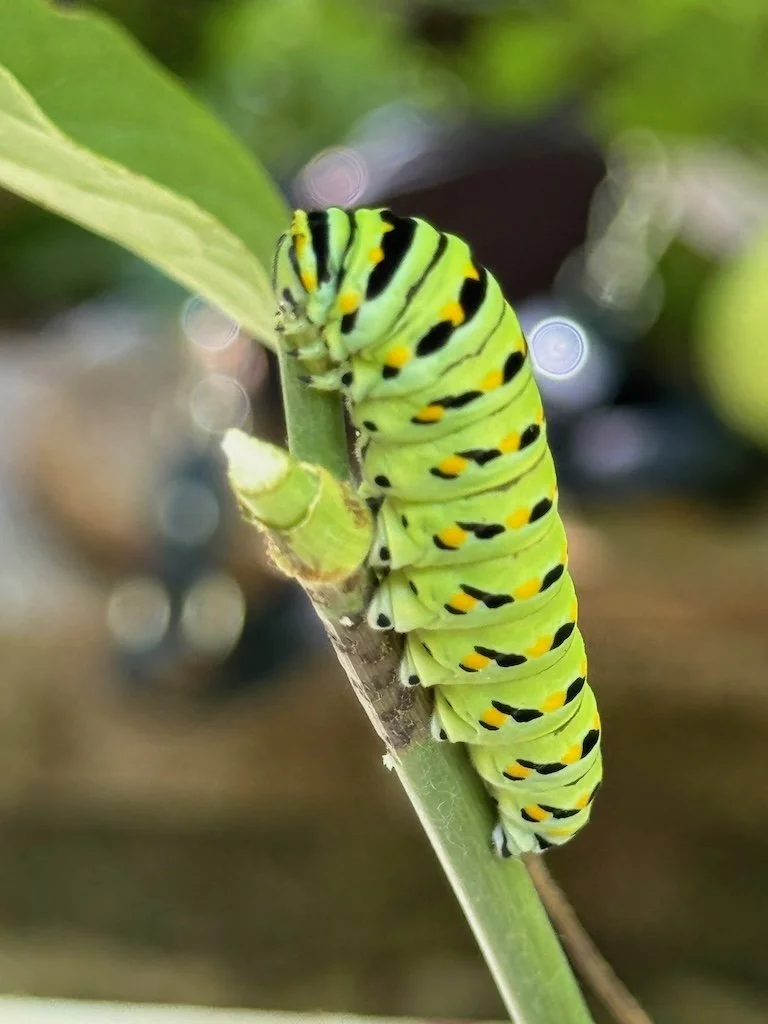
The non-native trees to Missouri (a Kousa dogwood and an eastern white pine and a variety of holly) are not going to be cut down…but I am planting more native woody plants: pawpaw, fragrant sumac, spice bush (hosted spice bush swallowtail caterpillars last summer), red buckeye, elderberry, and Ozark witch hazel. A red maple and shortleaf pine are the two native trees that were already growing in my yard. The forsythia and Japanese barberry will eventually be dug up.

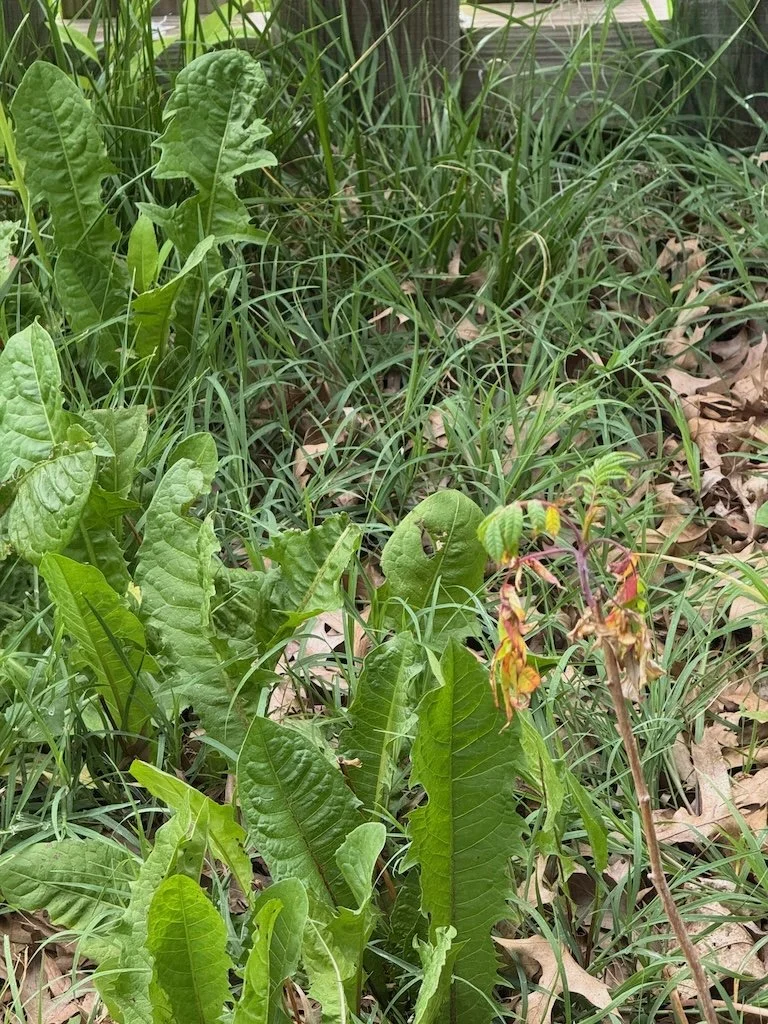
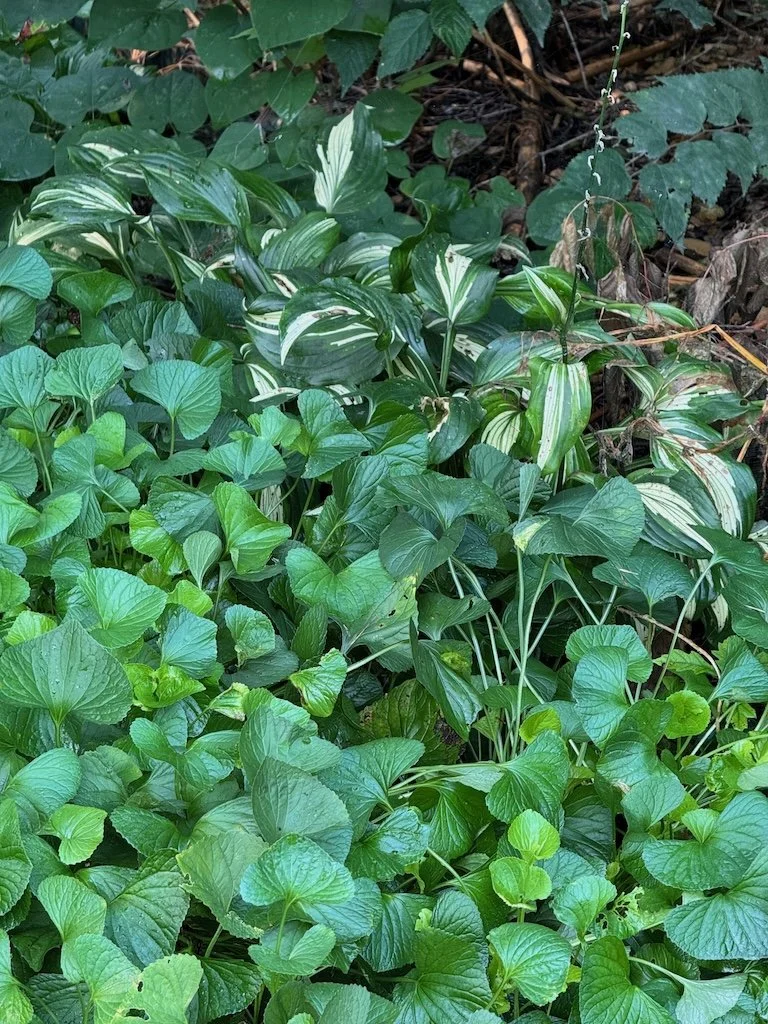
The violets that were contained in a bed on the east side of the house when I moved here have been allowed to spill out taking over half the grass/moss area of that side yard. I have noticed more birds finding food in the debris from the violets over this past winter – even that small change has made a difference to birds.

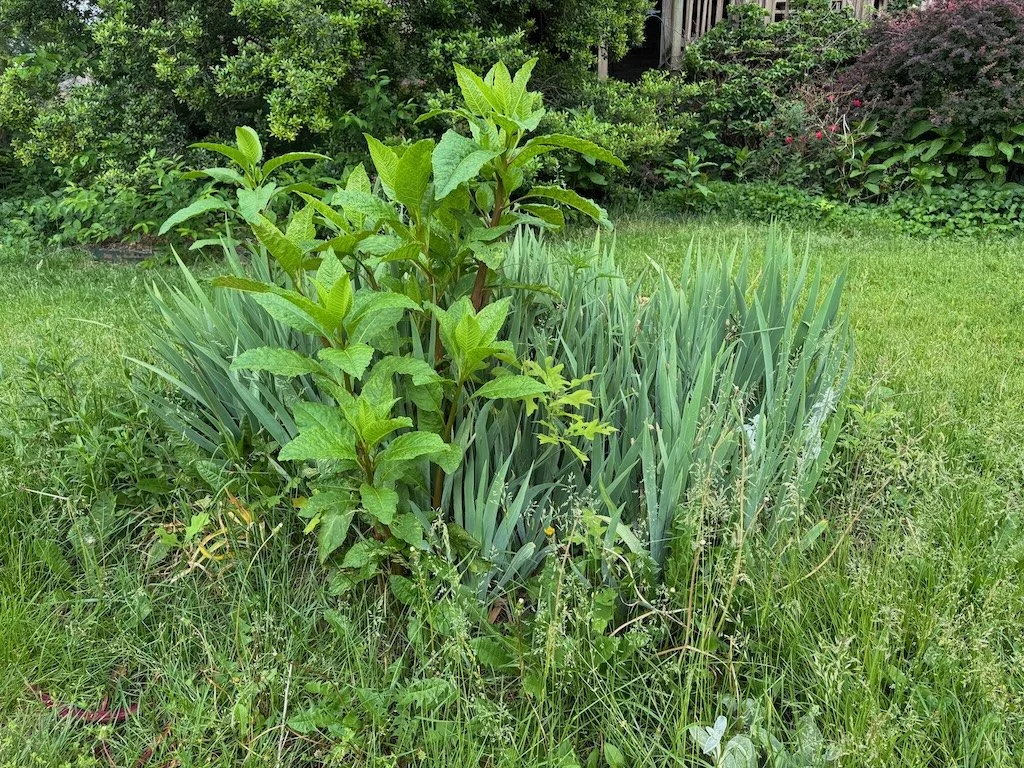
I have planted a native plant garden in the middle of my front yard. As it matures – I will extend it so that there will be less ‘turf’ remaining.

Last summer I avoided mowing patches of clover I found growing in the year as a step toward improving the quality of the soil.

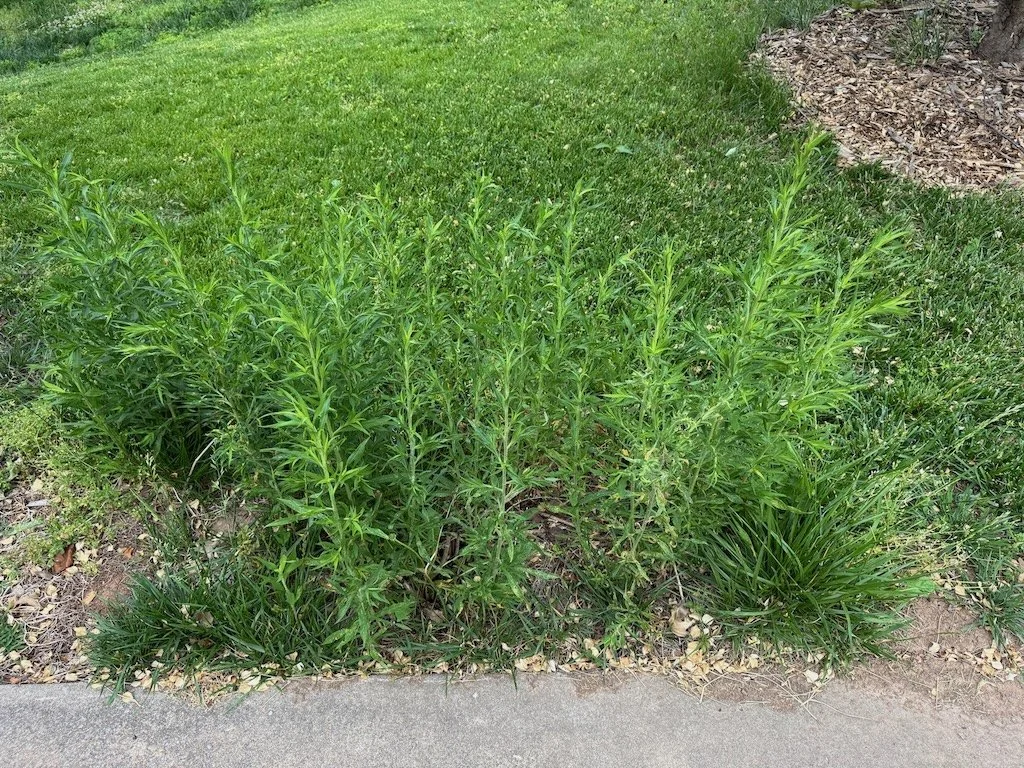
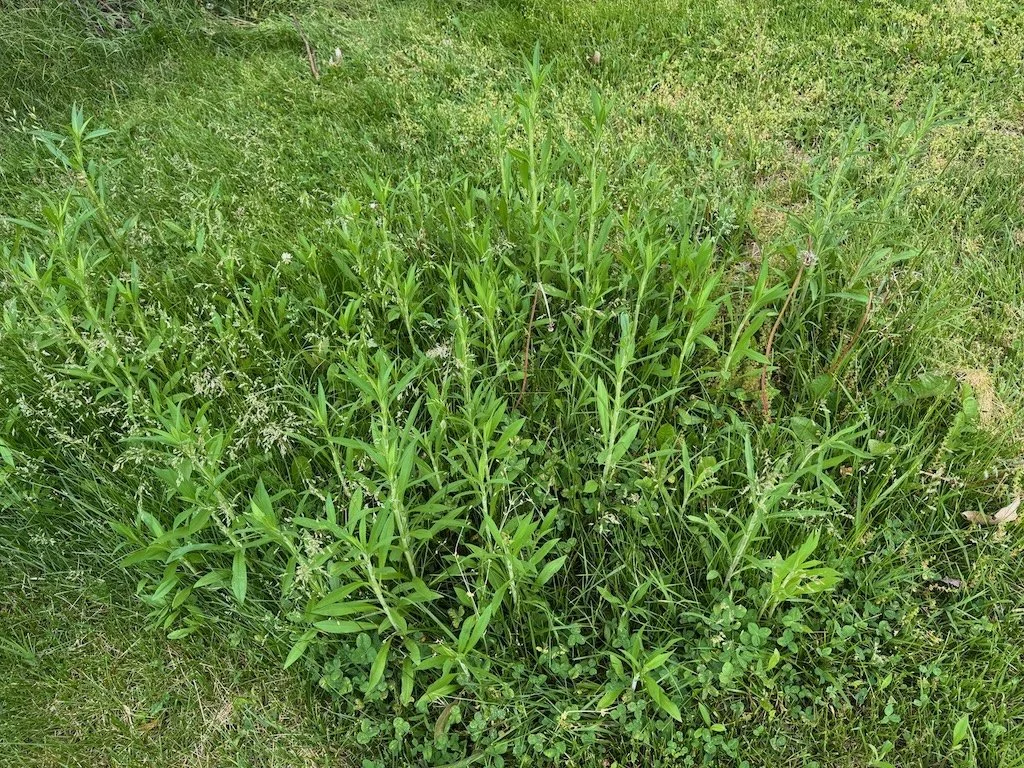
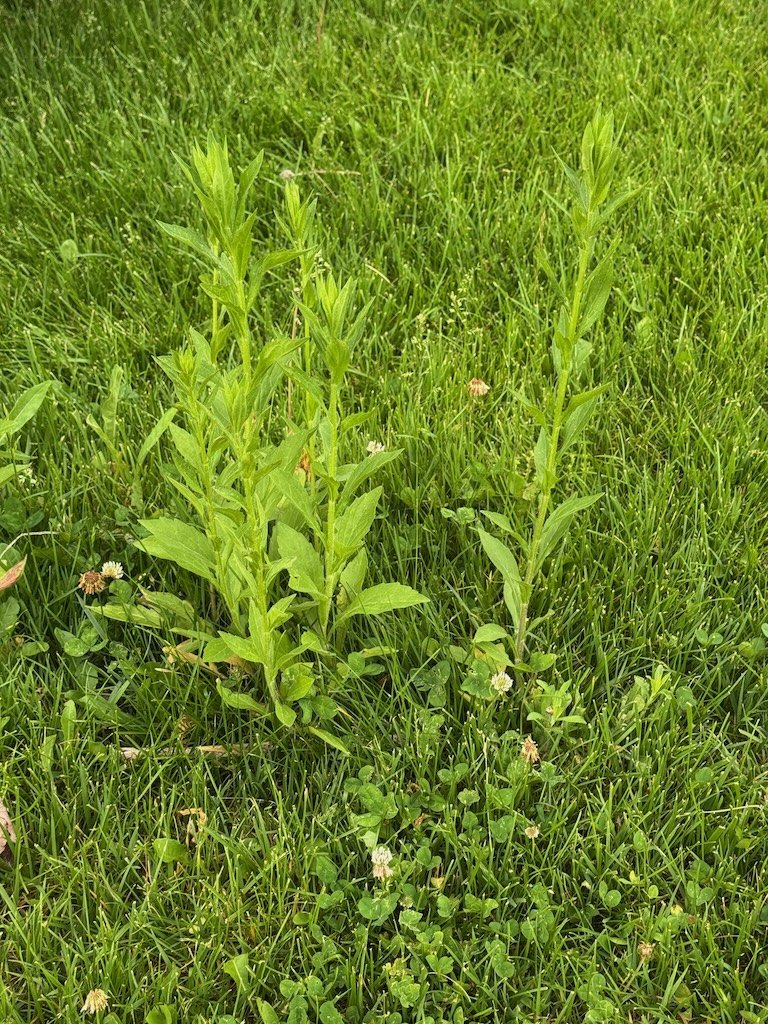
I am learning to recognize goldenrod, asters, and Rudbekia coming up in my yard that I can simply mow around!

I will post next month about my progress transforming my yard into a suburban savanna. My focus currently is on my yard …but I will take every opportunity to encourage others in my neighborhood to begin the process as well.

Becoming a Missouri Woodland Mentor?

The first in a series of 9 webinars (over 9 months) happened in January; they are the first attempt to train a cohort of people to be Missouri Woodland Mentors. The target audience is landowners willing to serve as mentors for other property owners who are exploring forest management practices for the first time. I registered for the series even though my property is only 1/3 acre in a suburban a near Springfield; as a Missouri Master Naturalist I’ve done several tabling type events where my topic was trees – so some I am familiar many of the Missouri native trees. Based on the chat in the first session – I am not the only person in the class that is not looking to make money from growing trees!

As I did the prework for the first course (Show me natural communities and MO Forest Management Guidelines Chapter 1)…

I began to think about what it would take to create a savanna or even a woodland in a suburban environment. The biggest challenge would be overcoming the amount of impervious surface of streets, sidewalks, roofs, and certain amenities (pools, tennis courts, basketball courts).

In my own yard, I am planting at least one more short leaf pine and additional understory trees (witch hazel, buckeye, spice bush, service berry to supplement the 2 pines, 3 hollies, 1 maple and one dogwood (not native unfortunately) that I already have. I am reducing the amount of turf – with violets and American spikenard in shady places….sumac and beautyberry and wild indigo as well as perennials like Missouri evening primrose and goldenrod where there is more sun. I don’t spray or fertilize, and I leave-the-leaves that fall on the yard from the trees…and the pine needles. The amount I mow is reduced significantly both in extant and in the time of year I mow (not much until early summer). I anticipate that as I get more natives established that I would cut back on the amount I watering. What if everyone in the neighborhood was doing that?