Suburban Savanna – 2

Last month was my first post about my goal to turn my yard into a suburban savanna. The series continues this month.

I’ve done the planting for the year already.

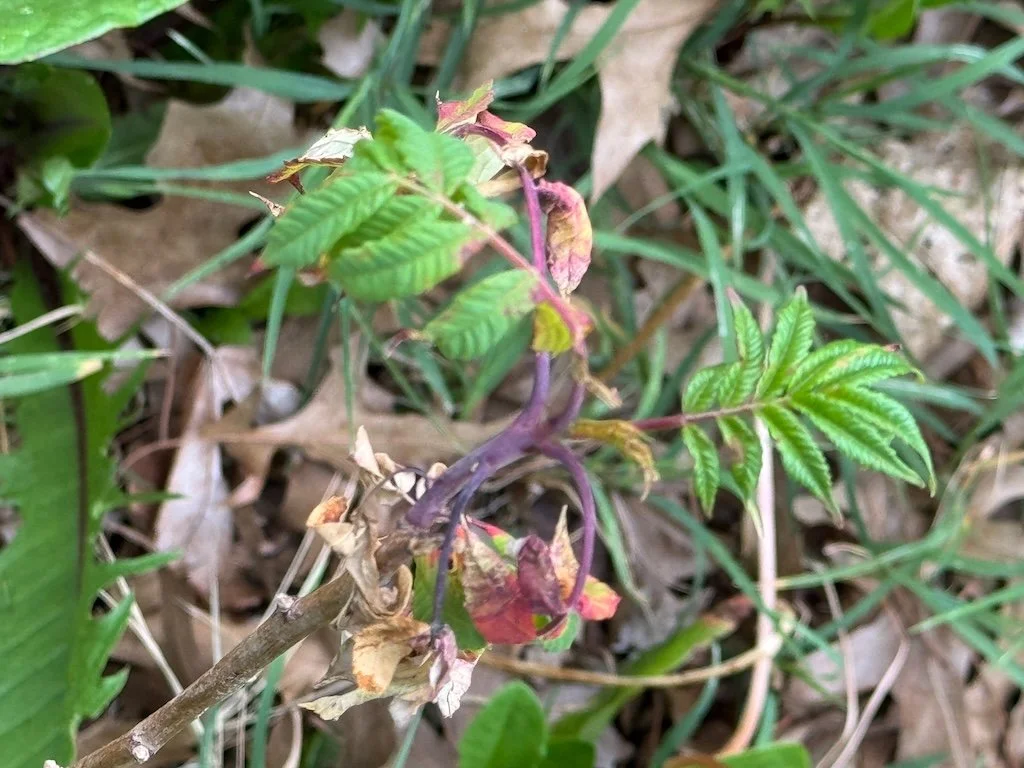
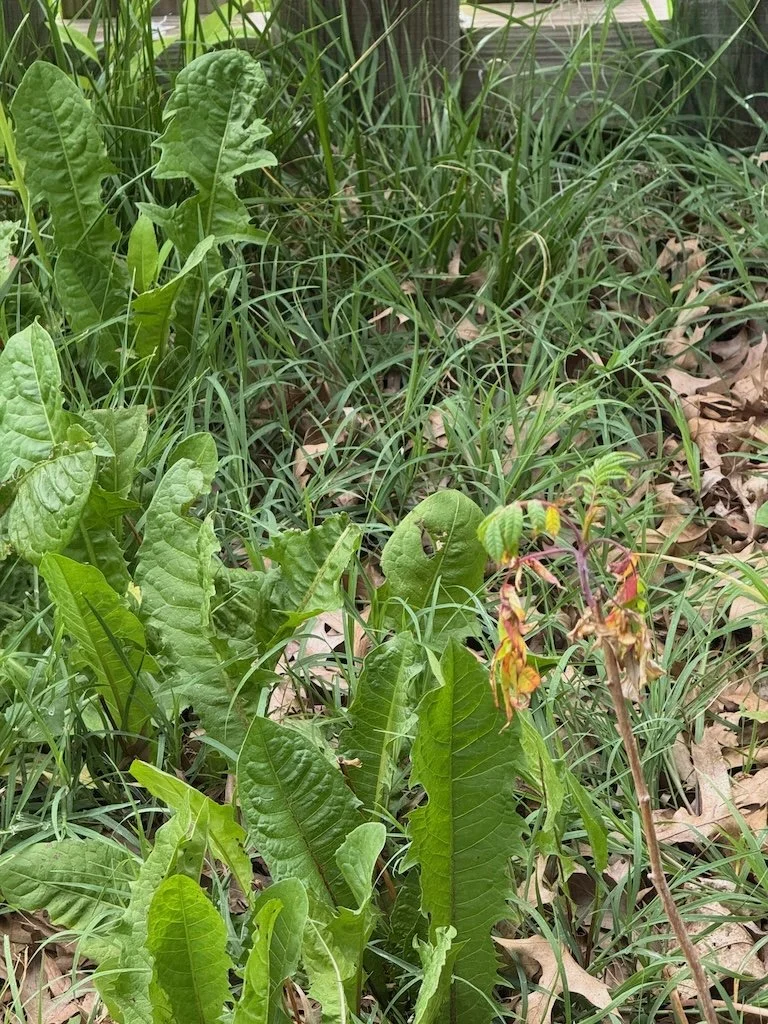
The last new plant was a free smooth sumac from the Earth Day Music Festival that I planted in the corner of the yard where oak leaves (neighbor’s tree) accumulate, and the dandelions have very large leaves. I hope it will eventually fill that corner of the yard.
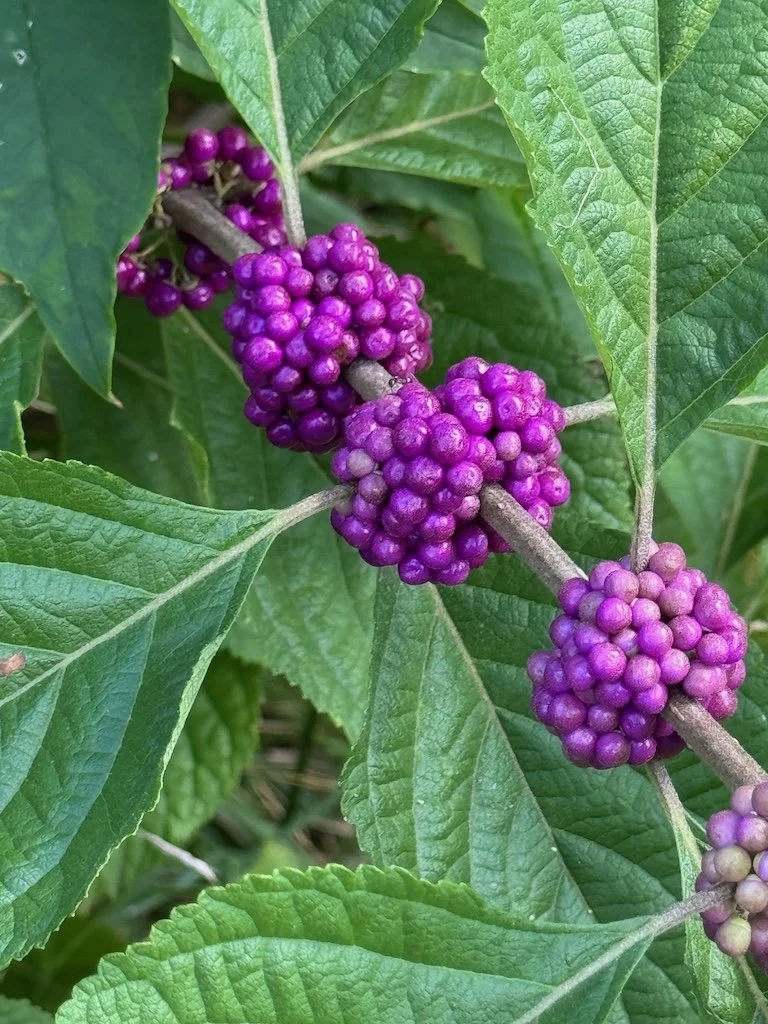
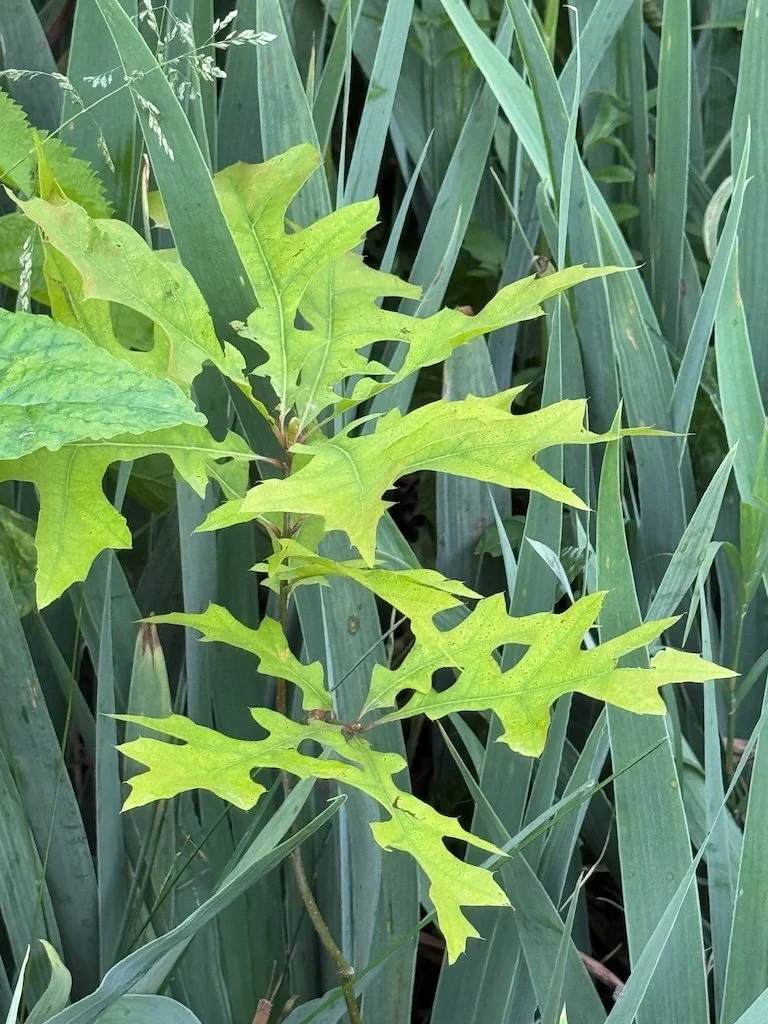
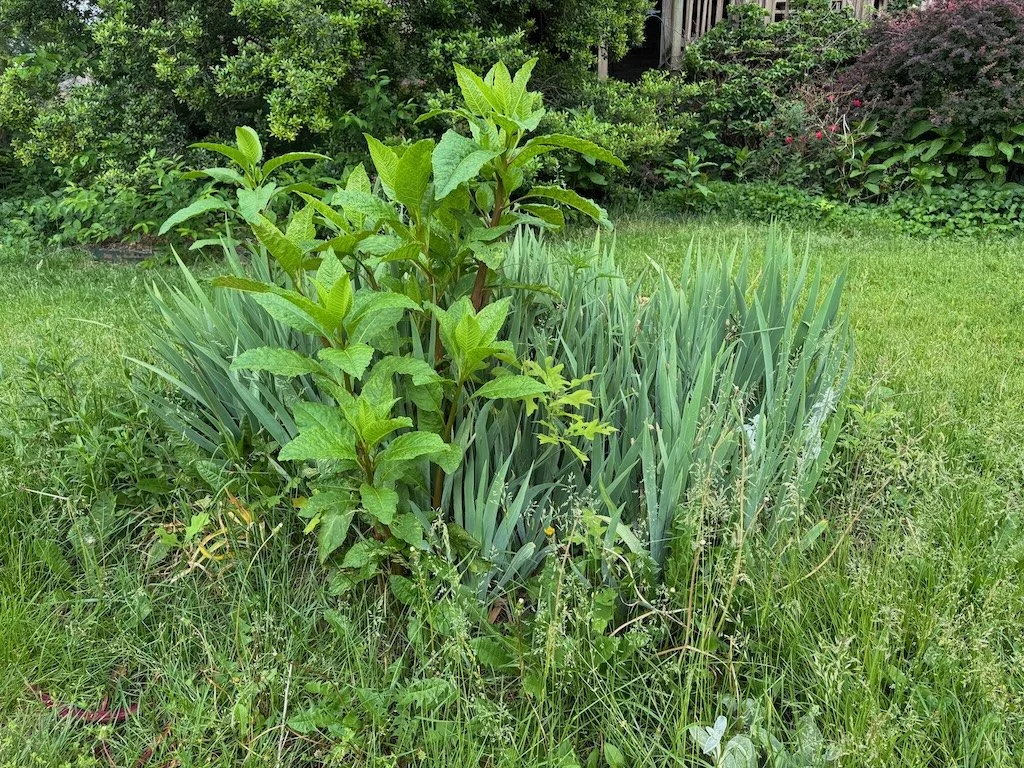
I have discovered a sturdy red oak seeding (squirrel planted) in the bed that I made after a pine fell. I am letting it grow. There will be elderberry and beautyberry along with iris and naked lady lilies around its base. It will be a long time before the oak will be big enough to make shade an issue. I anticipate that the progression of this garden will be the most interesting of the yard.
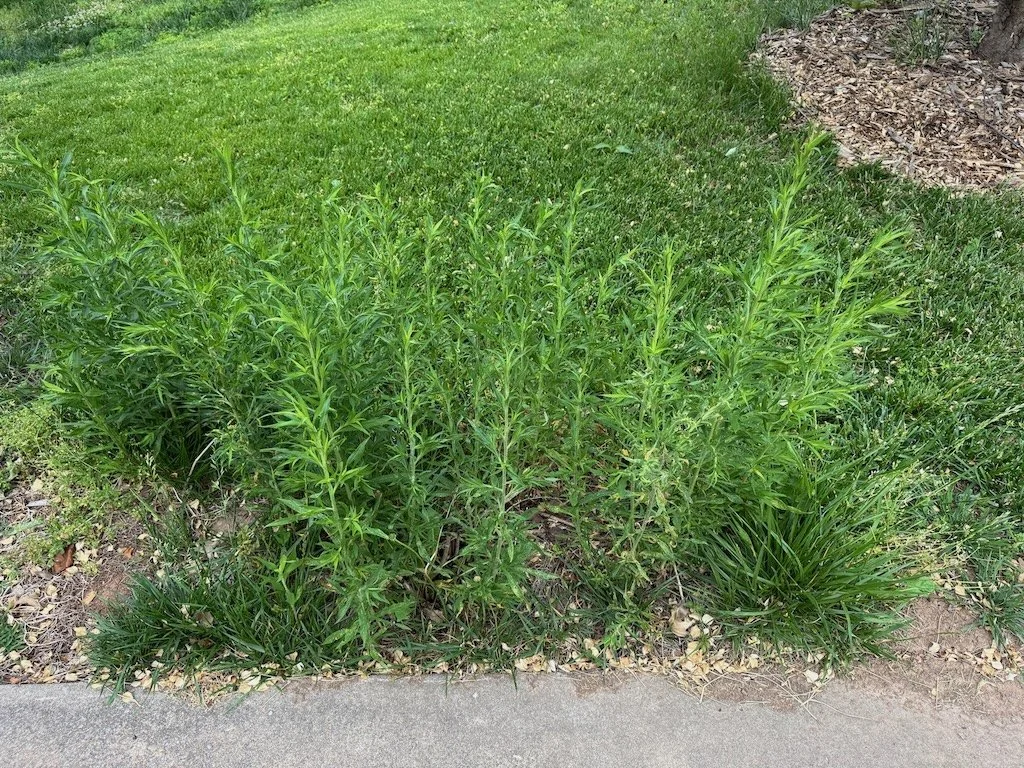
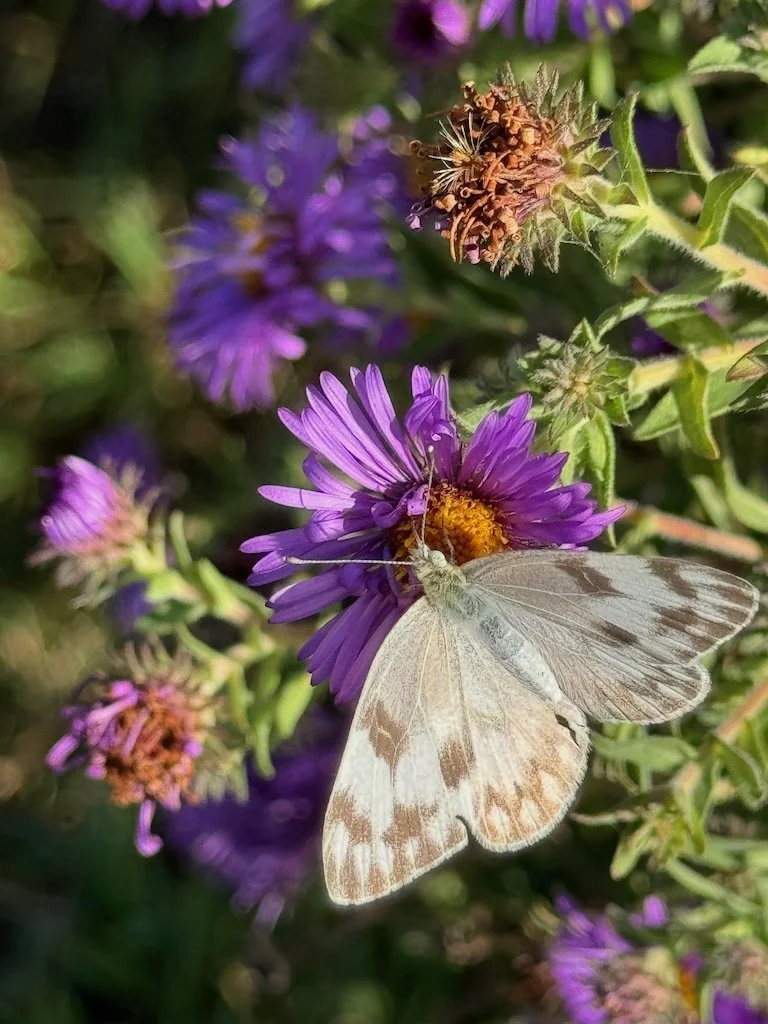
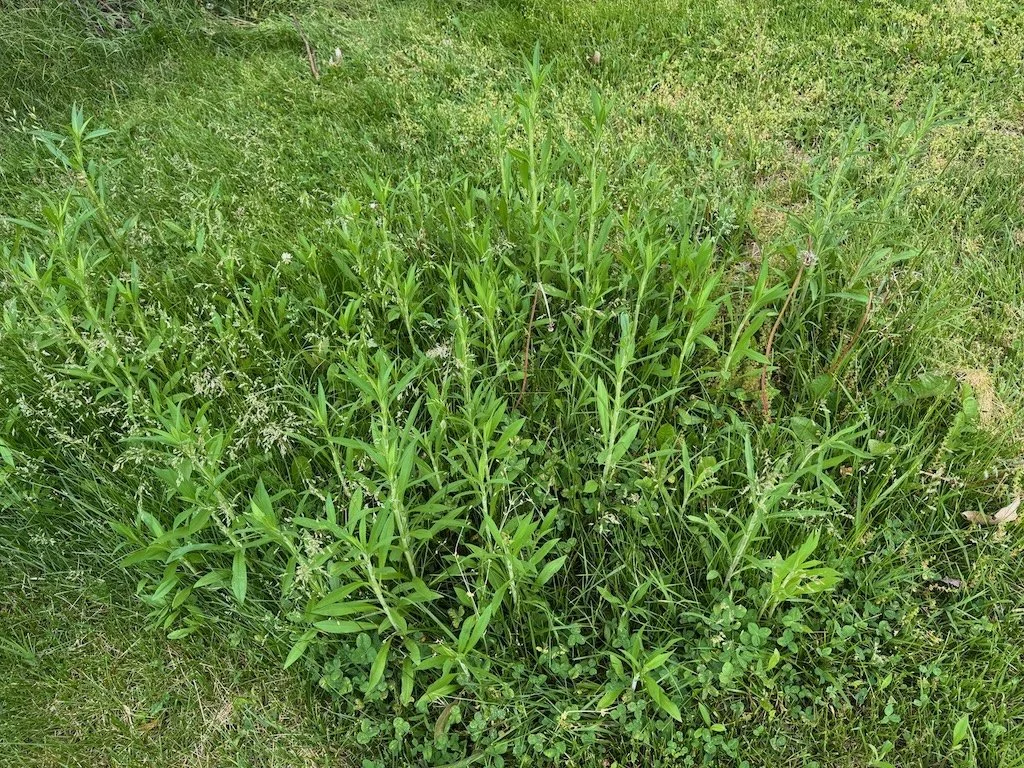
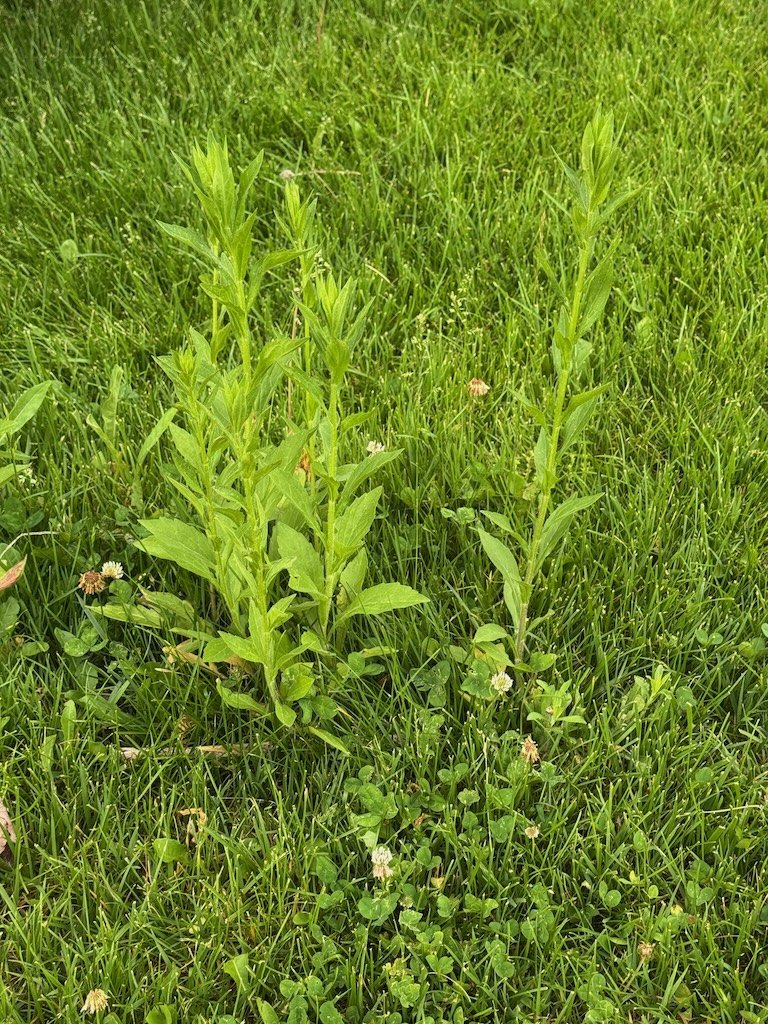
The panicled aster Symphyotrichum lanceolatum that came up next to my driveway last summer is there again – and is larger. I am letting it grow since it is a fall bloomer and was full of pollinating insects last fall.

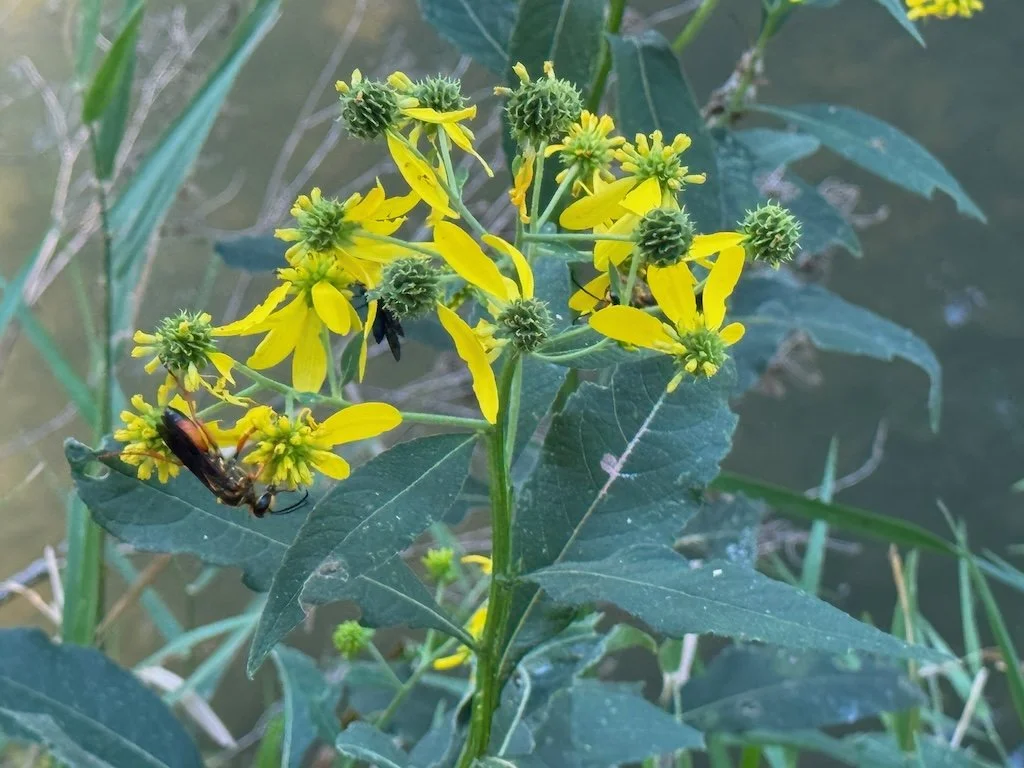
Goldenrods, rudbekias, and other asters are coming up in the yard too. I mow them in the front yard – keeping up the ‘look’ that the HOA wants for now – but I mow around them in the back and will let them bloom.
Our sprinkler system is over 25 years old and is fixed to begin the season…but might need to be replaced as more of the underground components fail (or leak). The further I get in the transition to native plants, the less watering the yard will require. I am going to water the native plant garden in the front yard this season to help the plants get established, but it might not need it in 2027! The decision to keep a sprinkler system might be driven more by our perception of how variable the rains will be as the climate continues to change than what the native plants require.

Next month I will write about the shade garden which is the most developed part of my suburban savanna.

Previous Suburban Savanna Posts:

April 2026

Busiek State Forest and Wildlife Area

A sunny fall day…the Identifying Woody Plants Class spent a couple of hours at Busiek State Forest and Wildlife Area – adding 9 more woody plants to our list and seeing others that were already on the list and we practised our ID skills for them; there are now 78 woody plants that we should recognize and be able to supply the common name, family, and scientific name!

We encountered an Osage Orange (Maclura pomifera) – a tree we’d seen in previous classes - that had leaves that hadn’t fallen before the first hard frost. All of us began to realize how changed identification was going to be without leaves on the trees!

The first new one was Box Elder (Acer negundo) – the only maple with compound leaves. ID is helped by its green branches.

The second new tree was Spicebush (Lindera benzoin) – still with leaves and one I had seen recently in a Missouri Master Naturalist field trip. The picture I took was of a male but there were female trees with red fruit that we saw at Busiek.

 American Sycamores (Platanus occidentalis) were growing along the dry creek bed…another tree that we reviewed. The very large leaves were still mostly on the tree.

The third new tree was the Carolina willow (Salix caroliniana)…also growing close the dry creek bed. Its leaves are a little bigger that the Black Willow’s…and the stipules tend to stay on rather than falling off. It still had leaves…everyone realized it was a willow of some kind.

I couldn’t resist taking some pictures from the dried creek bed. The fall color is a bit muted this year because it has been so dry here. I noticed some wasp apartments on one of the bridge support columns.

Another review tree – the honey locust (Gleditsia triacanthus) – and I finally got some pictures of thorns. I also picked up a seed pod to put in the tree educational trunk I am creating for Missouri Master Naturalist.

The fourth new tree was the Chinkapin oak (Quercus meuhlenbergii). I didn’t get any good pictures of it!

The same was true of the fifth new plant – a vine: Greenbrier (Smilax). Supposedly it might be something that will be easier to see and ID in the winter because the stems stay green….and the thorns would be on the vine too – to mistaking it for a grape (Vitis).

Smooth sumac (Rhus glabra) was the sixth addition for the day. The plants did not have the distinctive seed heads because they tend to get cut down frequently so that they don’t take over the area where they are growing.

Persimmon (Diospyros virginiana) was our seventh new plant. The fruits looked beautiful, but no one was willing to try them quite yet. I am glad I have planted some in my yard and hope to enjoy them at perfect ripeness in the future.

The eighth new plant was a native woody grass/bamboo: giant cane (Arundinaria gigantea).

The ninth (and last) new plant for the day was an Eastern Cottonwood (Populus deltoides). Most of the leaves were gone…but the one we looked at was a huge tree with deeply grooved bark and buds ready to go for next spring.

It was a good walk and a transition point for the way we will begin to identify trees by characteristics other than their leaves.