Gleanings of the Week Ending December 13, 2025

The items below were ‘the cream’ of the articles and websites I found this past week. Click on the light green text to look at the article.
How extreme weather is making plastic pollution more mobile, more persistent and more hazardous - Rising temperatures, humidity and sunlight break plastic down, making it brittle and cracked, accelerating its disintegration into tiny fragments. A 10-degree Celsius (18 Fahrenheit) rise in temperature during an extreme heat wave could double the rate at which plastic degrades. Extreme storms, flooding and wind also hasten the breakdown of plastic, mobilize it and spread it more widely. Flooding can also help forge “plastic rocks,” created when rocks and plastics form a chemical bond and merge together. These become hotspots for microplastic generation. Wildfires release microplastics and highly toxic compounds into the atmosphere. Global annual production of plastic increased 200-fold between 1950 and 2023 and is predicted to keep increasing as the world moves toward clean energy and oil companies shift investments to plastics.

YMCA: The Swan Song of SROs and the Birth of Modern Homelessness - Single room occupancy hotels played a central role in America’s affordable housing ecosystem for decades, providing cheap, flexible accommodations without government subsidy. They are effectively large-scale boarding houses, offering small private rooms or dorm-style quarters with shared bathrooms and minimal kitchen facilities. The YMCA was the nation’s largest SRO provider, with more than 100,000 units nationwide at its peak. SROs were far from ideal, but without this form of housing or any other low-cost option, homelessness was the inevitable result. It was just as Edith Elmer Wood feared back in 1919: Housing reform had created a housing famine.

Recycling Lead-Acid Batteries Has Significant Health Risks - What happens to the old ones when they are no longer serviceable? They get melted down to recover the lead in them, which can then be used to make new batteries. In the US, that work often gets outsourced to other countries. It’s a patchwork of shoddy factories in places like Ghana, Nigeria and Tanzania providing more lead for new car batteries….and where people die from lead poisoning. Car companies look the other way.

More Than 1,200 Marine Animal Species Eat Plastic. Ingesting Even a Tiny Amount Can Kill Them - Data from more than 10,000 marine animal autopsies. About half of the examined sea turtles, one-third of seabirds and one in eight marine mammals had plastics in their stomachs. The study didn’t examine other ways plastics can hurt wildlife, such as strangulation, malnutrition or toxic effects. It also didn’t look at the harms of tinier pieces of plastics—microplastics—which have been found in the deep ocean and can also affect marine life. Researchers say the best way to protect wildlife from plastic is to reduce the amount of it that enters the ocean, namely through local and national policy.

The Forgotten Roman Ruins of the ‘Pompeii of the Middle East’ – Jerash – ruins near Amman, the capital of Jordan and the country’s second most popular tourist destination after Petra. After spending more than a millennium covered by sand, Jerash has reclaimed its place as a cornerstone of both Western and Middle Eastern civilization.

Just ten species make up almost half the weight of all wild mammals on Earth – Deer and boars account for almost half the biomass of wild land animals.

New research reveals what’s really hiding in bottled water - Each sip may contain invisible microplastics that can slip through the body’s defenses and lodge in vital organs. These tiny pollutants are linked to inflammation, hormonal disruption, and even neurological damage, yet remain dangerously understudied. “People need to understand that the issue is not acute toxicity -- it is chronic toxicity.”

Beavers are Dam Good for Biodiversity, Bringing Bats, Butterflies and Other Critters to Their Neighborhoods - Beavers are famous for being ecosystem engineers, capable of transforming once-dry landscapes into lush, green wetlands that support many other land- and water-dwelling species. Now, two new studies suggest these benefits also extend to creatures who spend much of their time in the air like bats and pollinator insects.

This tiny pill could change how we diagnose gut health - Tiny ingestible spheres filled with engineered bacteria can detect intestinal bleeding by glowing when they encounter heme. Early tests in mice suggest they could become a quick, noninvasive way to monitor gut disease. The work was done by the NSF of China and other sources in China. Will China now dominate this type of research with the funding cuts in the US?

Meet the 7 Swans a-Swimming – There are 7 swan species in the world…which fits very well with The Twelve Days of Christmas.

Valley Water Mill Park

The MSU Identifying Woody Plants class went to Valley Water Mill Park last week. It is northeast of Springfield MO and includes a variety of habitats: upland forest, bottomland forest, wetland, glade, prairie, savanna, and lake/stream. It’s a place I will want to visit again.

We saw a lot of trees we had seen before and some new ones too. The fall is changing the way we go about identifying the woody plants we’d seen before.

The bald cypresses are losing their needles…and there were trees at this park with knees (the previous ones were growing in locations where they did not produce knees). The knees make them easy to ID.

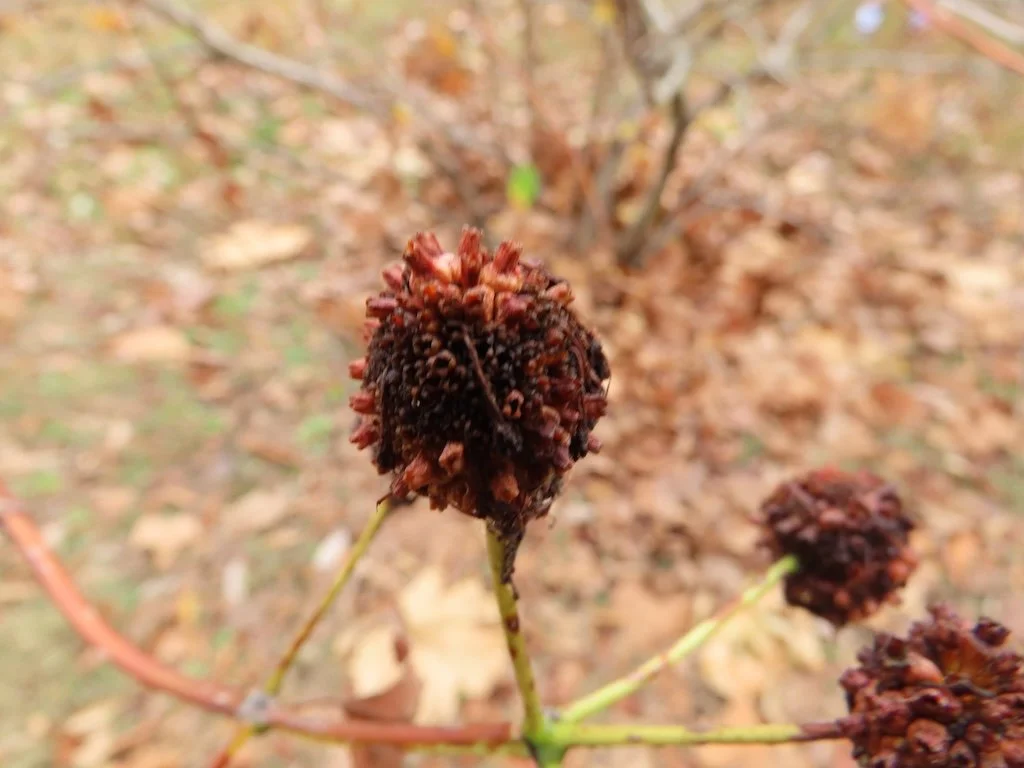
The buttonbush had lost its leaves, but the round seed heads make it easy enough to ID.

There were lots of sycamore leaves on the ground…many were huge and, sometimes, still green.

A Wahoo was obvious but our teacher said there was aphid damage too which is frustrating.

Poison ivy berries…new-to-me…good to know.

Black cherry bark – of a young tree and an older tree.

Some new species:

A bittersweet – no leaves but lots of fruit.

A chestnut – ID from the bur alone down to genus.

Japanese honeysuckle. This is one I recognize easily but I hadn’t noticed the seeds before.

Coralberry. This might be one I add to my yard someday – although I don’t know where yet.

Black haw or cherry-leafed viburnum is even more likely to find its way into my yard. It might make a good planting in the bowl left from a tree in my front yard that was removed before we bought the house.  It is a shrub that does well in shade so it might work to fill in between the two maples and provide flowers in the spring and fall/winter food for wildlife.

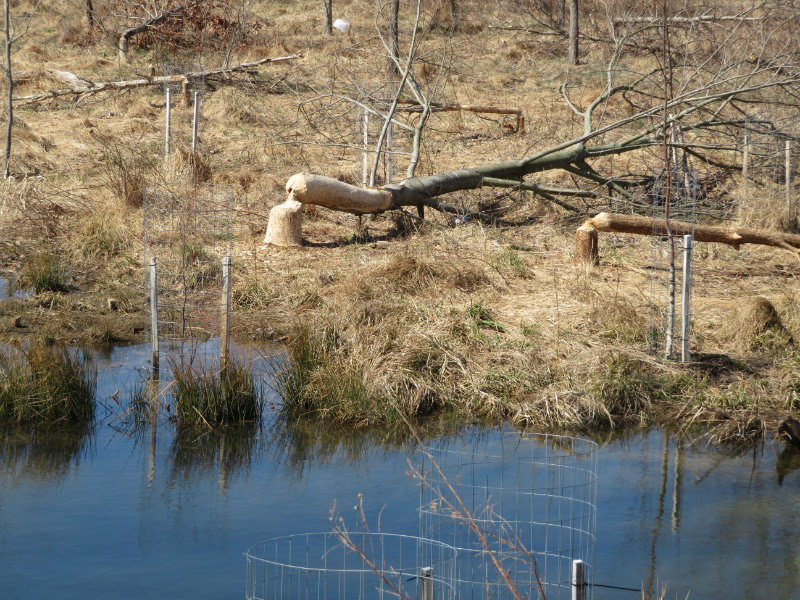
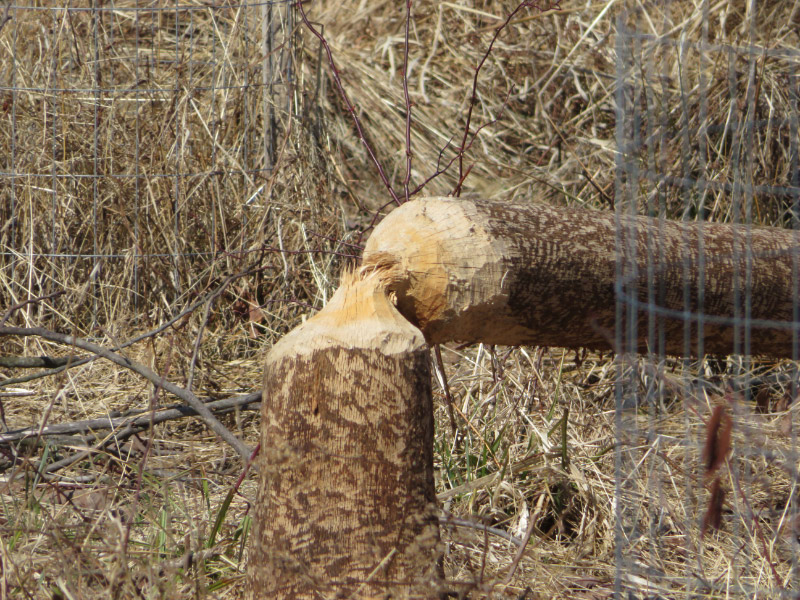
The lake was low even though there had been about an inch of rain the previous night. The area has been in drought for so long that it is going to take time to replenish the water level. There was evidence of beaver (many of the trees have wire cages around their base for protection.

Valley Water Mill Park might become one of my favorite places in the Springfield area.  My husband and I will probably make a ‘field trip’ there and walk the whole loop around the lake. I also filled out the form to volunteer for their education/outreach programs.

In Beaver World eBook

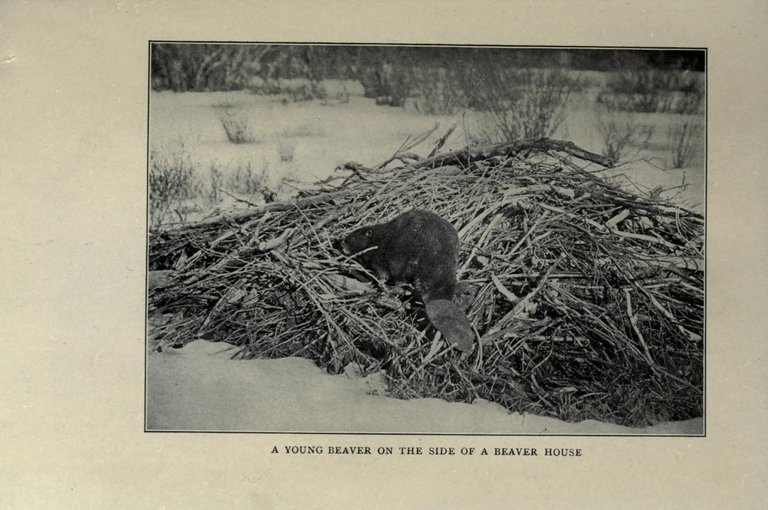
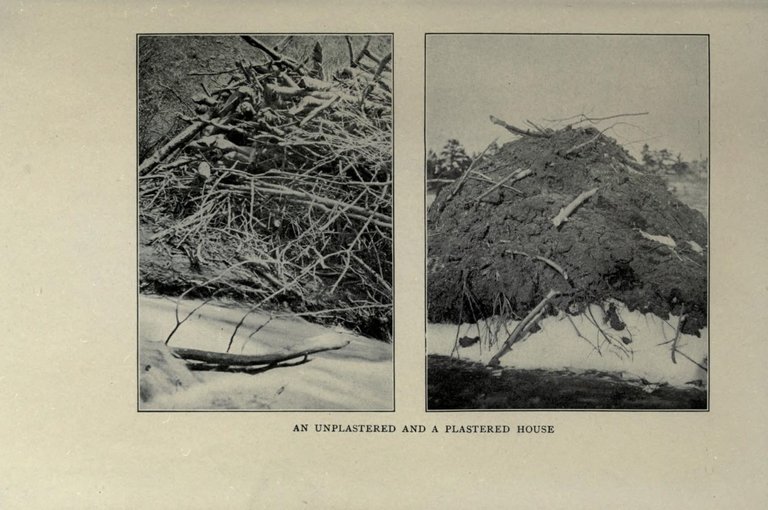
In Beaver World was published by Enos A. Mills in 1913 and it is available on Internet Archive. I enjoyed the pictures and drawings….his observations about beavers he observed extensively near his home in Colorado. I’ve included several sample images from the book below.

Enos Mills was, according to the Wikipedia article about him, the main figure behind the creation of Rocky Mountain National Park in 1915. He gave speeches, published books on nature and hired/trained nature guides. He encouraged people of all ages to get outside and into nature. His methods of nature interpretation are still taught to students in the field of interpretation. He died relatively young (52 years) in 1922….his legacy a national park and his books.

Gleanings of the Week Ending July 30, 2022

The items below were ‘the cream’ of the articles and websites I found this past week. Click on the light green text to look at the article.

Furs from Danish Viking Burials Analyzed – Proteins extracted from animal furs found in 6 burials. The accessories/furnishings were domesticated animals. The items of clothing were wild beaver, squirrels, and weasels. The beaver furs were not native to the area so were probably luxury furs obtained by trade.

More Energy on Less Land: The Drive to Shrink Solar’s Footprint – Good ideas…if we must use agriculturally productive land for solar panels. I’d like to see cities with high density solar panels that generate electricity close to where it is needed (i.e., short distance between generation and use). Hopefully that is happening in parallel with the solar development described in this article.

Moths are unsung heroes of pollination – The study was done with red clover…but probably applies to a broader range of plants. Moths are active during the night so have not been as easily observed as pollinators that are active during the day. The work was done with time lapse cameras.

Electric School Buses! – A blog post about the US Department of Energy’s ‘Flipping the Switch on Electric School Buses’ series. There are lots of communities that have been exploring making the transition and I am hopeful that it will be an escalating trend. I always cringed at the fumes that were so obvious when the buses arrived/departed from schools as I was growing up and when my daughter was in school. It would be good for the planet and good for children’s lungs to eliminate the school bus as a source of air pollution!

The habits that help prevent allergies – Studies that are improving our understanding of why allergies are increasing in the children….and strategies for addressing the problem. Evidently the time between 4 and 11 months is very important.

Harm from blue light exposure increases with age, research in flies suggests – Not good news. Maybe the default setting on our ‘screens’ (phones, computers, television) need to reduce blue light rather than it being a setting that everyone must intentionally set. And why don’t LED manufactures offer bulbs that are not so blue shifted?

Giant Snails take over Florida’s Gulf Coast - It is not the first time…probably won’t be the last. These snails are native to Africa and this the third time Florida has battled an invasion.

Water resources to become less predictable with climate change – The study focused primarily on areas that rely on snow for all or part of their water supply. Some of those areas are already relatively dry…and the populations are large enough that the unpredictability of water resources will be very problematic.

The best way to brush your teeth – This is going to take some practice to break old habits. I learned to brush my teeth a long time ago and probably am too sloppy even doing it the way I was taught!

New thought on Cahokia’s ancient wetlands – A large flat rectangular area that was previously thought to have been used as open, communal space might have been under water most of the year!

Ten Little Celebrations – March 2018

March 2018 had a lot to celebrate; some of the top ten were unexpected.

2018 03 IMG_9397.jpg

The Snow Day just last week was our first substantial snow of the winter. There had been so many forecasts that didn’t quite pan out that I didn’t bother to buy the makings for snow ice cream like I usually do. We celebrated with just the view and that we didn’t have to get out in the thick of the event.

Beavers at Mt. Pleasant

Two birds with fish at Conowingo. I celebrated that we saw both a bald eagle and a cormorant getting their fish within a relative short period of time after we got to Conowingo.

Another sign of spring – the first pre-K field trip of the season. I enjoy all of the volunteering I do but somehow the youngest children almost always are the highlight of the season.

The HoLLIE classes continued from February into March; each one was a finely-honed learning experience. I was overwhelmed with little celebrations so I picked a bird that I saw on one of the field trips that I had not seen before in our area – a hooded merganser pair.

2018 03 IMG_8841.jpg
2013 03 IMG_9064.jpg

The shell spiral in my front flowerbed was a visual celebration – somehow it made the day for me. I think earlier it had been covered with leaves but after the March winds, its whiteness made it stand out.

I also celebrated that we didn’t lose electrical power in the wind storm like a lot of other neighborhoods did. There was some siding damage and at least one tree down in our neighborhood….but nothing happened to our house.

The miniature iris at Brookside were something I did not expect; I didn’t remember them from previous years. Seeing them blooming among the other spring bulbs was a treat.

IMG_8929.jpg
2018 03 IMG_9039.jpg

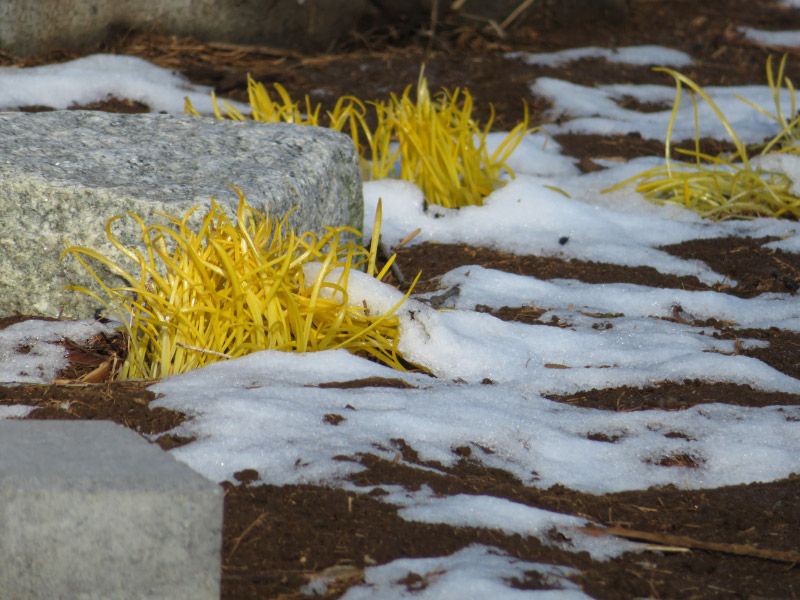
Yellow grass might not be something to celebrate in other seasons, but the bright color was like a beacon at the end of winter.

Finishing up our 2017 taxes was worth celebrating too. It’s something that happens every year and I’m glad my husband does more of the work…it’s celebration – and relief – when they are done.

Signs of a Beaver

2018 03 IMG_9120.jpg

I was at Howard County Conservancy’s Mt. Pleasant Farm earlier this week for some training and we walked down to the Davis Branch. There are two areas along the stream that we use for the 7th grade program.

After learning what would be done at each of those we hiked a little further along on the part of the stream that was restored last year – to see the area that the beaver has started to explore. The indication is some trees that have been downed in typical beaver fashion. The one with the bark stripped looks like a beech tree (beavers eat the inner bark of trees and beeches are one that they like!).

There was a mound of debris across part of the trickling stream and I wondered if it was from our recent wind storms or the beginning of a beaver dam. This will be a place I’ll walk down to see when I come to Mt Pleasant this spring!