Gleanings of the Week Ending July 18, 2026
/The items below were ‘the cream’ of the articles and websites I found this past week. Click on the light green text to look at the article.
07/06/2026 Clean Technica Fixing Climate Communications Part 1 - Make consequences such as your insurance bill, your home, and your children’s health urgent and tangible; make the cause concrete by anchoring every message to pollution rather than climate change; and make the cure feel expansive rather than restrictive. Reaching enough people to sustain the transition will require a delivery infrastructure built around genuine community engagement, economically grounded wins, and a willingness to hold accountable the interests that have made this conversation harder than it needs to be.
07072026 Clean Technica Climate Communications — From Losing the Argument to Winning It Part 2 - Telling the climate story with the value proposition of cost, risk management, improved operational performance, supply chain resiliency, and long-term enterprise value is a winning one. It’s a strategy that appeals to the C-suite, is durable, and can be couched in shareholder returns.
07/06/2026 Smithsonian Magazine These 11 Wildlife Images from the Ocean Conservancy’s Photography Contest Showcase the Wonder of Earth’s Waters - The annual contest received more than 1,000 photographs of marine wildlife and habitats this year. The ones that rose to the top were portraits of ocean wildlife, and I think that’s because we crave to see and connect with animals on an interpersonal level.
07/07/2026 The Conversation 3.1 billion‑year‑old rocks in Australia reveal a forgotten chapter of Earth’s water cycle - We learn the water cycle in school as a story of evaporation and precipitation. But Earth runs a second, far slower one deep beneath our feet. On the ocean floor, seawater seeps into the oceanic crust and reacts with the rock, becoming chemically bound inside its minerals, locked into their crystal structures rather than sitting as free water. Over millions of years, sinking tectonic plates carry these water-bearing minerals down into the mantle, the hot rock layer beneath the crust. This sinking of one plate beneath another is called subduction, and volcanoes eventually breathe the water back out. The deep water cycle moderates Earth’s water budget. At the surface, it keeps the oceans from drying up or drowning the continents, while in the interior, it changes how the mantle melts and builds continents.
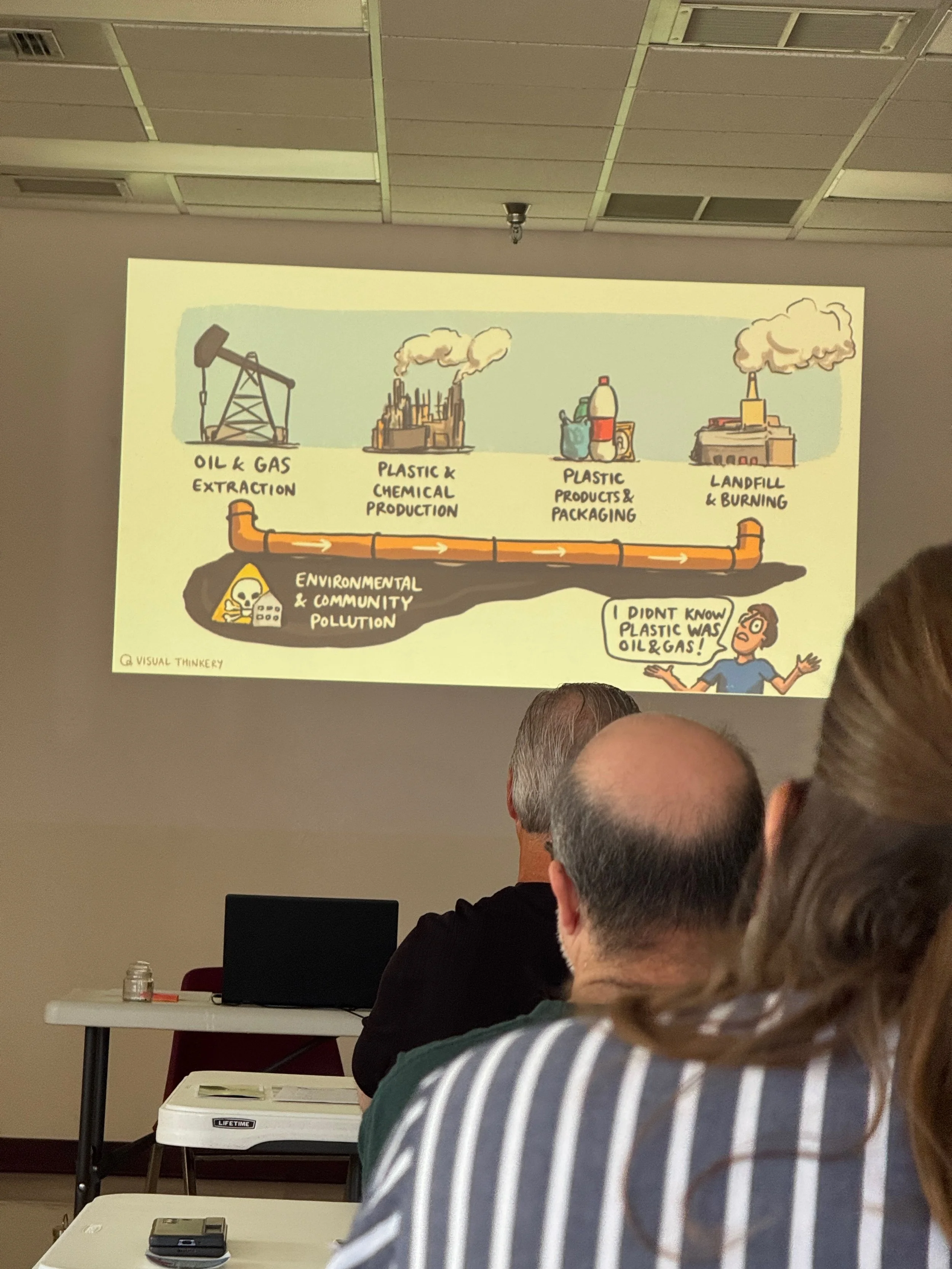
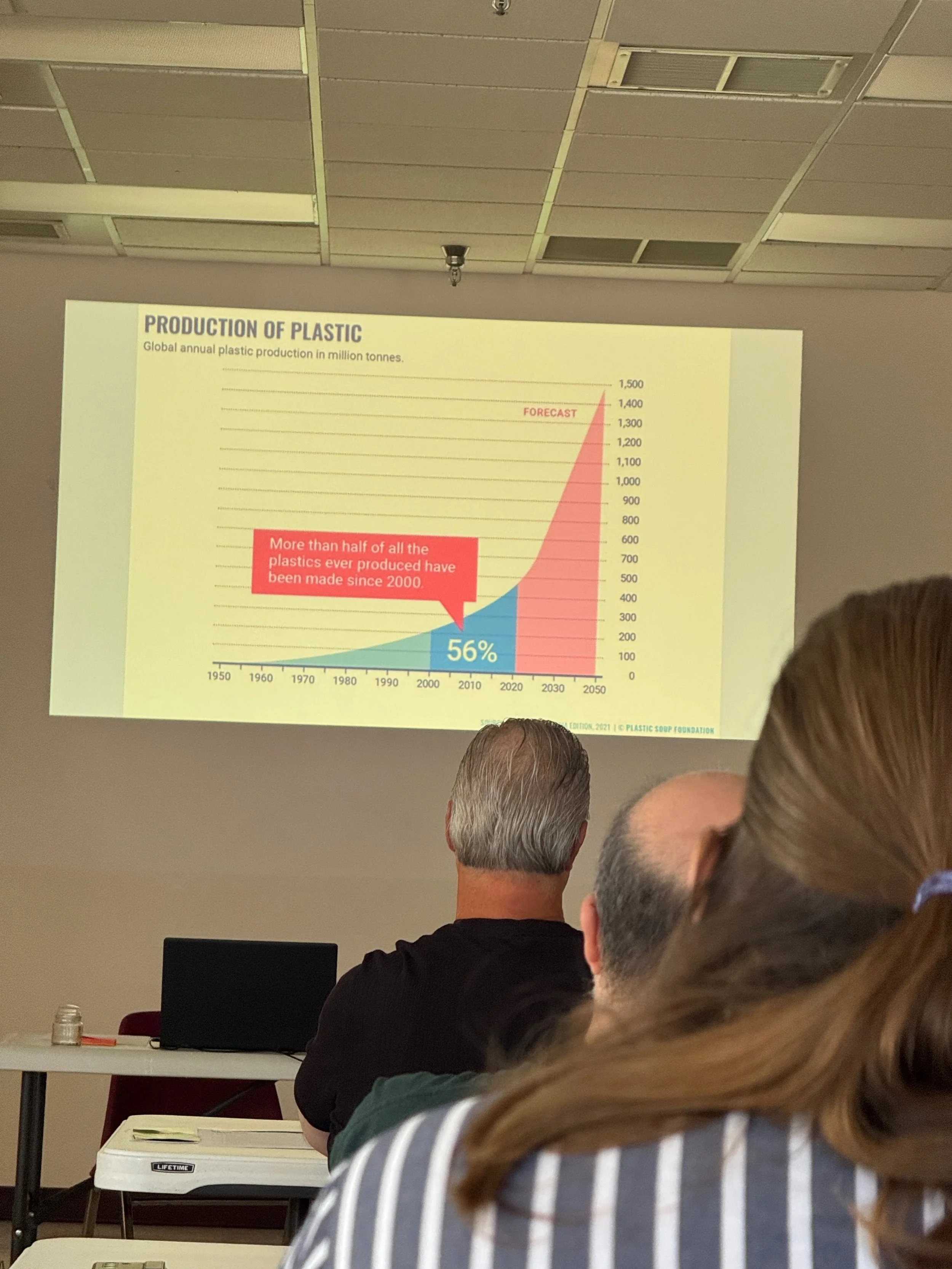
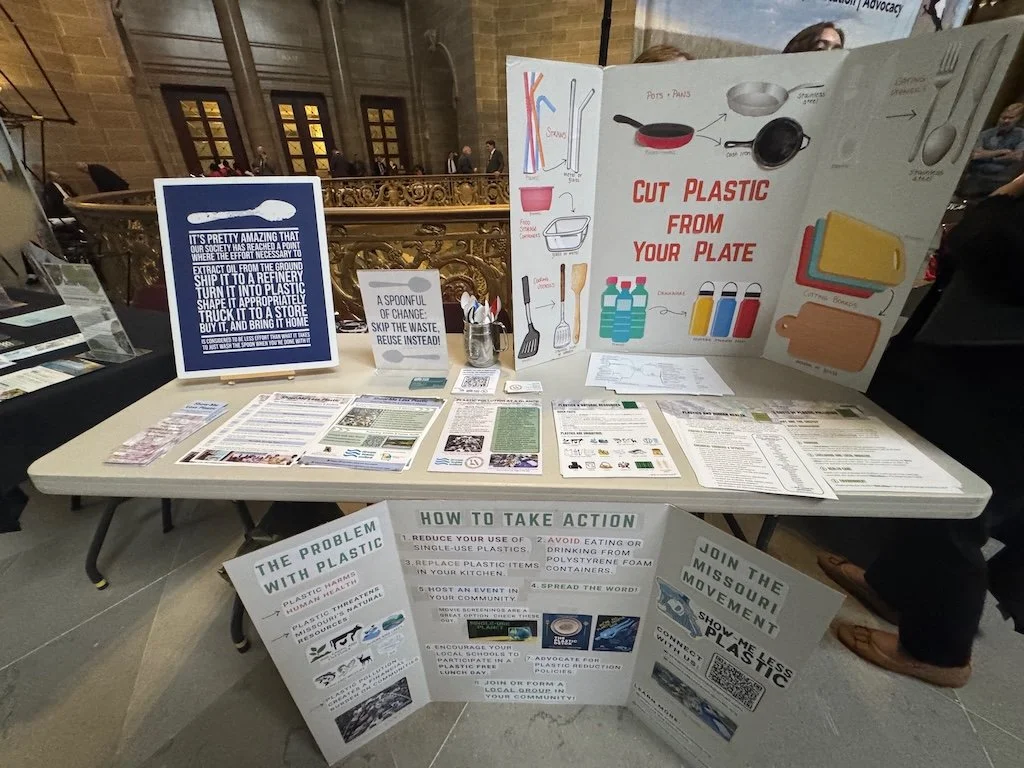
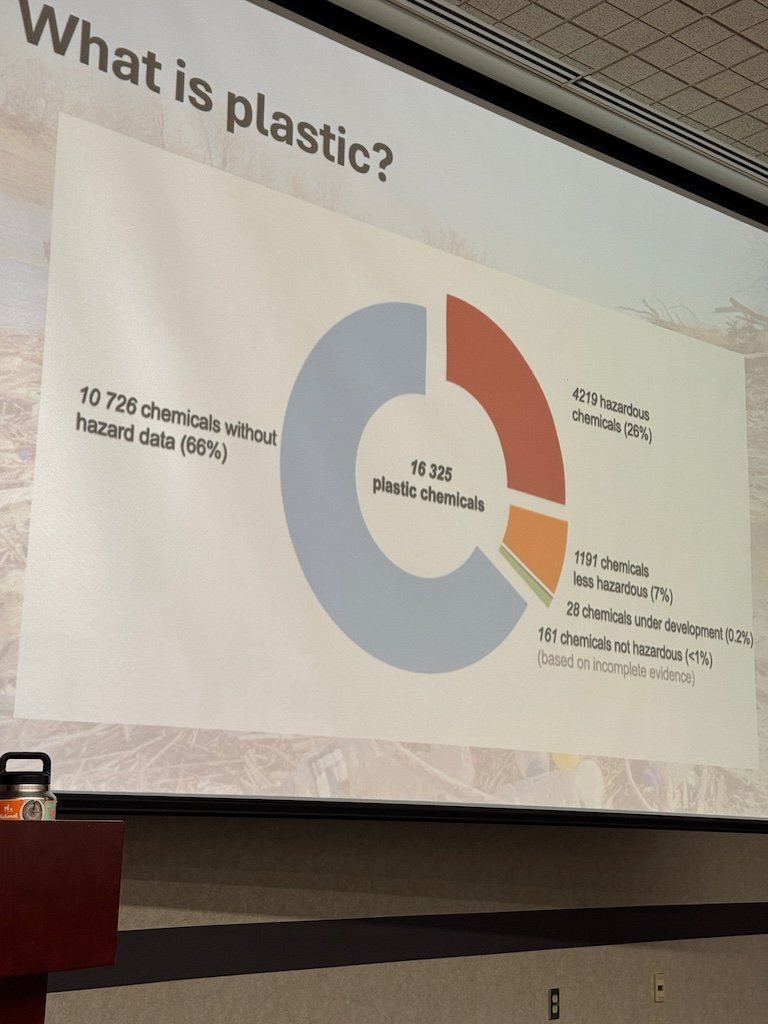
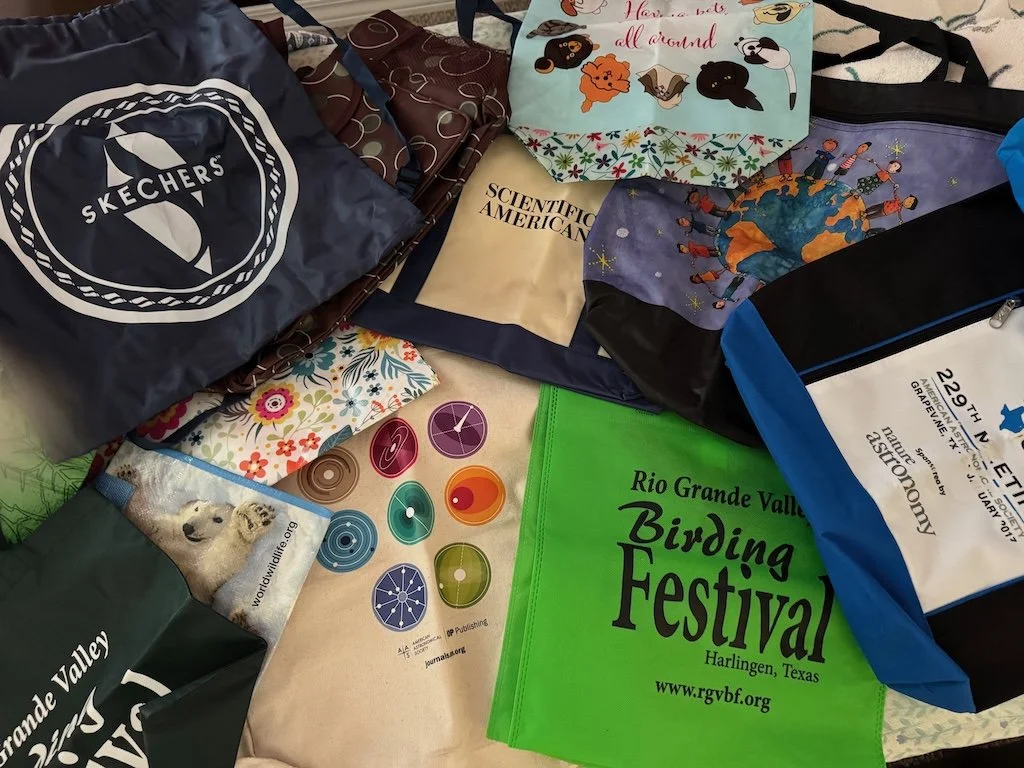
07/06/2026 NWF Blog Marine Animal Quiz: It’s Plastic Free July! - Take the time to learn more about how plastic pollution in the oceans of the world harms marine life and consider action steps you can take to reduce your plastic waste footprint.
07/04/2026 ScienceDaily The secret to healthy aging may be hidden in your blood - A new study found that centenarians have a unique chemical "fingerprint" in their blood that sets them apart from normal aging, including unusual patterns of bile acids and steroids linked to longer survival.
07/03/2026 Planetizen Lake Powell reaches lowest water level on record - Currently, Lake Powell is around 24 percent full. The last time it was completely full was in 1983. Since then, water levels have fluctuated, but in 2026, they have fallen to a critical point. And there are multiple concerns if the water levels continue to drop. One includes reaching "dead pool," the point at which water levels are so low that water can no longer move across the dam and into the Grand Canyon, which would cause significant ecological impacts and reduce the capacity for hydroelectricity.
07/03/2026 Yale Environment 360 In Overfished Adriatic Sea, Dolphins Look to Trawlers for Food - Off the eastern coast of Italy, large numbers of bottlenose dolphins are looking to fishing trawlers as a source of food, a sign that dolphins may be struggling to feed themselves in waters depleted by overfishing. Dolphins may also suffer hearing damage that results from chronic exposure to the noise of trawlers. It is risky behavior. However, finding sufficient prey away from trawlers in an overfished sea may be too difficult. It appears that for these animals, taking the risks is better than going hungry.
7/2/2026 Smithsonian Magazine Earth Might Be Home to 20 Million Insect Species—More Than Three Times as Many as Previously Thought – Only about one million species have been named and described, meaning up to 95 percent of the planet’s insect diversity might remain a mystery…. With more than 40 percent of known insect species threatened with extinction. “The library is being burned before the books can be read.”
6/21/2025 YouTube Slicing and Dicing Onions – Learn some practical kitchen knife skills via a video from the American College of Culinary Medicine!