Gleanings of the Week Ending December 20, 2025

The items below were ‘the cream’ of the articles and websites I found this past week. Click on the light green text to look at the article. (Note: I have changed the format to include the date and source of the article.)

11/30/2025 NPR  More cities are seeing PFAS pollution in drinking water. Here's what Louisville found - What we do is manage risk, and we start that at the river. It sounds weird, but source water protection – keeping the stuff out of the river – is a big deal.

11/25/2025 Artnet Radiant Tiffany Landscape Window Leads Major Auction of the Studio’s Masterpieces – Beautiful glass…there are some coming to auction in December. I enjoyed the pictures in the article.

12/2/2025 Washington Post ‘Everywhere chemicals’ are in our food, decades after scientists recognized dangers - A large body of science has linked phthalates to a variety of serious health conditions, including premature birth and infertility. The costs to society are huge. A 2024 NYU-led study that catalogued health effects from phthalates exposure in the United States — including contributions to diabetes levels and infertility — estimated that dealing with phthalate-related diseases cost $66.7 billion in a single year. Previous Washington Post article on phthalates from last September: The health risks from plastics almost nobody knows about.

12/2/2025 Science Daily Is your gut being poisoned? Scientists reveal the hidden impact of everyday chemicals - Many chemicals designed to act only on one type of target, say insects or fungi, also affect gut bacteria. Some of these chemicals had strong effects. For example, many industrial chemicals like flame retardants and plasticizers -- that we are regularly in contact with -- weren't thought to affect living organisms at all, but they do.

12/7/2025 Clean Technica Your Single-Use Plastic Bottles Are Killing Endangered Sea Turtles - A recent study published in Proceedings of the National Academy of Sciences concludes that plastic ingestion has been documented in nearly 1,300 marine species, including every seabird family, marine mammal family, and sea turtle species. Researchers analyzed data from more than 10,000 autopsies from marine creatures killed by ingesting plastic; they calculated amounts consistent with a 90% likelihood of death:

  • 23 pieces (0.098 cm3/cm) in seabirds;

  • 29 pieces (39.89 cm3/cm) in marine mammals: and,

  • 405 pieces (5.52 cm3/cm) in sea turtles (377 for juveniles).

12/2025 Greenpeace Plastic Merchants of Myth: Circular Claims Fall - After decades of meager investments accompanied by misleading claims and a very well-funded industry public relations campaign aimed at persuading people that recycling can make plastic use sustainable, plastic recycling remains a failed enterprise that is economically and technically unviable and environmentally unjustifiable. (Press release for the document)

12/8/2025 The Conversation PFAS in pregnant women’s drinking water puts their babies at higher risk – Data on all births in New Hampshire from 2010-2019 were analyzed. The 11.5 thousand births that occurred within 3.1 miles of a site known to be contaminated with PFAS and where mothers were served by public water system (well based) were selected for further analysis. PFAS was greater in the water system wells downstream from the site. Births in the area served by wells downstream were 43% more likely to be low-weigh (under 5.5 pounds), 20% greater chance of preterm birth, and 191% greater chance of the infant not surviving its first year. Research was done at University of Arizona.

12/8/2025 Science Daily Humans are built for nature not modern life - Human biology evolved for a world of movement, nature, and short bursts of stress—not the constant pressure of modern life. Industrial environments overstimulate our stress systems and erode both health and reproduction. Evidence ranging from global fertility declines to chronic inflammatory diseases shows the toll of this mismatch.

12/7/2025 Clean Technica The Floating Solar Revolution - Despite this year’s sharp U-turn in federal energy policy, the renewable energy transition continues to branch out in new directions. One emerging factor is the relatively new area of floating solar. The field has already begun to scale up in some regions around the world, and innovative solar firms are carving out new opportunities here in the US as well.

12/7/2025 Science Daily New moonquake discovery could change NASA’s Moon plan - Scientists have discovered that moonquakes, not meteoroids, are responsible for shifting terrain near the Apollo 17 landing site. Their analysis points to a still-active fault that has been generating quakes for millions of years. While the danger to short missions is low, long-term lunar bases could face increasing risk. The findings urge future planners to avoid building near scarps and to prioritize new seismic instruments.

Gleanings of the Week Ending December 13, 2025

The items below were ‘the cream’ of the articles and websites I found this past week. Click on the light green text to look at the article.

How extreme weather is making plastic pollution more mobile, more persistent and more hazardous - Rising temperatures, humidity and sunlight break plastic down, making it brittle and cracked, accelerating its disintegration into tiny fragments. A 10-degree Celsius (18 Fahrenheit) rise in temperature during an extreme heat wave could double the rate at which plastic degrades. Extreme storms, flooding and wind also hasten the breakdown of plastic, mobilize it and spread it more widely. Flooding can also help forge “plastic rocks,” created when rocks and plastics form a chemical bond and merge together. These become hotspots for microplastic generation. Wildfires release microplastics and highly toxic compounds into the atmosphere. Global annual production of plastic increased 200-fold between 1950 and 2023 and is predicted to keep increasing as the world moves toward clean energy and oil companies shift investments to plastics.
YMCA: The Swan Song of SROs and the Birth of Modern Homelessness - Single room occupancy hotels played a central role in America’s affordable housing ecosystem for decades, providing cheap, flexible accommodations without government subsidy. They are effectively large-scale boarding houses, offering small private rooms or dorm-style quarters with shared bathrooms and minimal kitchen facilities. The YMCA was the nation’s largest SRO provider, with more than 100,000 units nationwide at its peak. SROs were far from ideal, but without this form of housing or any other low-cost option, homelessness was the inevitable result. It was just as Edith Elmer Wood feared back in 1919: Housing reform had created a housing famine.

Recycling Lead-Acid Batteries Has Significant Health Risks - What happens to the old ones when they are no longer serviceable? They get melted down to recover the lead in them, which can then be used to make new batteries. In the US, that work often gets outsourced to other countries. It’s a patchwork of shoddy factories in places like Ghana, Nigeria and Tanzania providing more lead for new car batteries….and where people die from lead poisoning. Car companies look the other way.

More Than 1,200 Marine Animal Species Eat Plastic. Ingesting Even a Tiny Amount Can Kill Them - Data from more than 10,000 marine animal autopsies. About half of the examined sea turtles, one-third of seabirds and one in eight marine mammals had plastics in their stomachs. The study didn’t examine other ways plastics can hurt wildlife, such as strangulation, malnutrition or toxic effects. It also didn’t look at the harms of tinier pieces of plastics—microplastics—which have been found in the deep ocean and can also affect marine life. Researchers say the best way to protect wildlife from plastic is to reduce the amount of it that enters the ocean, namely through local and national policy.

The Forgotten Roman Ruins of the ‘Pompeii of the Middle East’ – Jerash – ruins near Amman, the capital of Jordan and the country’s second most popular tourist destination after Petra. After spending more than a millennium covered by sand, Jerash has reclaimed its place as a cornerstone of both Western and Middle Eastern civilization.

Just ten species make up almost half the weight of all wild mammals on Earth – Deer and boars account for almost half the biomass of wild land animals.

New research reveals what’s really hiding in bottled water - Each sip may contain invisible microplastics that can slip through the body’s defenses and lodge in vital organs. These tiny pollutants are linked to inflammation, hormonal disruption, and even neurological damage, yet remain dangerously understudied. “People need to understand that the issue is not acute toxicity -- it is chronic toxicity.”

Beavers are Dam Good for Biodiversity, Bringing Bats, Butterflies and Other Critters to Their Neighborhoods - Beavers are famous for being ecosystem engineers, capable of transforming once-dry landscapes into lush, green wetlands that support many other land- and water-dwelling species. Now, two new studies suggest these benefits also extend to creatures who spend much of their time in the air like bats and pollinator insects.

This tiny pill could change how we diagnose gut health - Tiny ingestible spheres filled with engineered bacteria can detect intestinal bleeding by glowing when they encounter heme. Early tests in mice suggest they could become a quick, noninvasive way to monitor gut disease. The work was done by the NSF of China and other sources in China. Will China now dominate this type of research with the funding cuts in the US?

Meet the 7 Swans a-Swimming – There are 7 swan species in the world…which fits very well with The Twelve Days of Christmas.

Plastics Crisis – Black Friday Purchases

I did my black Friday shopping online this year…and it all involved reducing plastic at my house!

I bought three stainless steel mixing bowls with handles (replacing plastic mixing bowls), a shampoo bar (to replace plastic bottles of shampoo), and replacement filters for my air purifiers that I have in my office and bedroom (get microplastics out of the air).

Those purchases were small compared to the Rorra Countertop System for water filtration. I have been using a Brita Elite filtration system for the past few years, but the filter housing and the pitcher is plastic, and I was never quite sure how much of the microplastics/‘forever’ chemicals the filter removed; I did discover that I like drinking filtered water all the time…I can taste the difference. The testing for the Rorra is impressive and I am looking forward to having it on my countertop and not lifting any big pitcher; I can use the sprayer at my sink to get the water into the system to be filtered.

…Now to take the boxes of plastic stuff to Goodwill. I feel a little guilty because I really don’t want this plastic around at all – but maybe it is better to not send it to the landfill.

Gleanings of the Week Ending December 6, 2025

The items below were ‘the cream’ of the articles and websites I found this past week. Click on the light green text to look at the article.

Vitamin C Rejuvenates Aging Ovaries in Primates - A long-term primate study suggests vitamin C may slow ovarian aging by reactivating antioxidant defenses—though fertility effects remain untested. Oxidative damage contributes to aging not only in ovaries but also in the brain, heart, and kidneys—raising the possibility that similar interventions might benefit other organs.

Rings of Rock in the Sahara - In northeastern Africa, within the driest part of the Sahara, dark rocky outcrops rise above pale desert sands. They are thought to have formed as magma rose toward the surface and intruded into the surrounding rock. Repeated intrusion events produced a series of overlapping rings, their centers roughly aligned toward the southwest. The resulting ring complex—composed of igneous basalt and granite—is bordered to the north by a hat-shaped formation made of sandstone, limestone, and quartz layers. Photo taken from International Space Station.

How your hormones might be controlling your mind - Hormones are chemical messengers released by certain glands, organs, and tissues. They enter the bloodstream and travel around the body, before binding to receptors in a specific place. The binding acts as a kind of biological "handshake" which tells the body to do something. For example, the hormone insulin tells liver and muscle cells to suck up excess glucose from the blood and store it as glycogen. We still don't understand exactly why some people are so sensitive to hormonal fluctuations, while others aren't. We know that hormones impact mood and mental health, but we need to figure out how they do so before we can come up with the proper treatments.
Texas Voters Approve $1 Billion per Year for 'Critical' Water Infrastructure – Wise move by Texas voters; hopefully it will be enough to keep up with the state’s growing population and resulting demand for water. More details here.

How Does Sugar Affect Our Oral Microbiome and Teeth? - Less processed foods, especially those high in fiber, are often less sticky, which decreases bacteria’s ability to adhere and overgrow at a surface. Additionally, the fiber acts like miniature brushes. “These fibers constantly remove plaque from your tooth surfaces. The additional chewing of these types of foods also increases saliva production, which washes out the oral cavity, removing excess bacteria from the mouth surface to limit the formation of biofilms. Meanwhile, additional sugar from candy and other sweet products disrupts this whole community. Not only are these processed foods stickier, giving the bacteria a place to latch onto, but they also form biofilms.

How Satellite Imagery Reveals Plastic Pollution Hotspots in the Ocean - Plastic pollution isn’t just a sad environmental story we scroll past on the news anymore; it has become a personal health emergency. It is a genuinely scary reality that microplastics, those tiny, unseen fragments, have made their way into our lungs and bloodstreams. To grasp the sheer scale of this threat, researchers are turning to Sentinel satellite imagery, utilizing it as an essential “eye in the sky” to track exactly where these hazardous accumulation zones are growing. However, mapping is just the diagnostic tool; the ultimate cure lies in fixing land-based waste management.

The photos showing why pink dolphins are the Amazon's 'great thieves' - As fishermen cast their nets into the river, suddenly a sleek pink shape emerged from the depths, swimming toward the trapped fish. Moving quickly, the creature – an Amazonian pink river dolphin – poked holes in the net and stole a catfish. Known locally as boto in Portuguese and bufeo in Spanish, the pink river dolphin is a funny sight. With its melon-shaped head, rose-colored skin, and slender, hundred-toothed snout, it is the largest freshwater dolphin in the world, growing up to 2.5m (8.2ft) long and weighing as much as 200kg (440lbs). Four types of pink river dolphins live in the Amazon River basin. All of them are endangered, facing significant population declines in recent decades due to hunting, entanglement in fishing nets, pollution and droughts.

Half of heart attacks strike people told they’re low risk - A new study led by Mount Sinai researchers reports that commonly used cardiac screening methods fail to identify almost half of the people who are actually at risk of having a heart attack. People who appear healthy according to standard assessments may already have significant and silent atherosclerosis. Because of this, depending solely on symptoms and risk calculators can delay detection until meaningful prevention is no longer possible. Doctors should shift their focus from detecting symptomatic heart disease to detecting the plaque itself for earlier treatment, which could save lives.

Clogged Glymphatic System Linked to Dementia Risk - The brain’s built-in clearance system, called the glymphatic system, removes toxins from the brain through the flow of cerebrospinal fluid (CSF) via minuscule channels that trace blood vessels. Scientists have suspected that the glymphatic system may play a role in processes such as sleep and recovery from traumatic brain injury. MRI scans from nearly 40,000 people revealed biomarkers linked to defective toxin clearance in the brain predicted the susceptibility to dementia later in life.

Ansel Adams Photos Capture Daily Life Inside Japanese Internment Camps During WWII - The establishment of Japanese internment camps is arguably one of the darkest moments in American history. Between 1942 and 1946, about 120,000 people of Japanese descent were forcibly relocated into these concentration camps. This was done out of unfounded suspicions that Japanese Americans might act as saboteurs or spies following the attack on Pearl Harbor in 1941. In 1943, celebrated American photographer Ansel Adams visited the Manzanar War Relocation Center in California, creating a timeless document of the daily life on this site. The 244 photo collection can be browsed on the Library of Congress website.

Gleanings of the Week Ending November 29, 2025

The items below were ‘the cream’ of the articles and websites I found this past week. Click on the light green text to look at the article.

Everyday microplastics could be fueling heart disease - Microplastics—tiny particles now found in food, water, air, and even human tissues—may directly accelerate artery-clogging disease, and new research shows the danger may be far greater for males.

The Mystery of the Mast Year - Every few years, certain species of trees seem to go buck wild, dropping an extraordinary quantity of nuts, seeds, or fruits all at once. What’s more, this bumper crop tends to extend across vast geographical ranges, so that a white oak in Central Park is shedding buckets of acorns at the same time as a white oak in the Shenandoah Valley. Not all trees mast, but many species dominant in American forests do, such as oak, hickory, beech, and dogwood.

Ultra-processed foods quietly push young adults toward prediabetes - More than half of the calories people consume in the United States come from ultra-processed foods (UPFs), which include items such as fast food and packaged snacks that tend to contain large amounts of sodium, added sugars and unhealthy fats.

Why Should We Avoid Heating Plastic? - When plastic is heated, its molecules will move around more freely and the whole structure will become less rigid. This makes it easier for those additives to detach and migrate into nearby foods or liquids. To reduce your exposure, heat food in containers made of inert materials like ceramic or glass, avoid storing hot, fatty, or acidic food in plastic, and try to shorten the storage time of all food and beverages in plastic containers.

'They're just so much further ahead': How China won the world's EV battery race - In 2005, China only had two EV battery manufacturers. Twenty years later, it produces more than three-quarters of the world's lithium-ion cells. Today, China dominates the production at every stage of the battery supply chain, apart from the mining and processing of some raw minerals.

Obesity-Related Cancers Are Rising in Young and Old - Six of cancers—leukemia, thyroid, breast, colorectal, kidney, and endometrial—increased in prevalence in young adults in at least 75 percent of the examined countries. However, five of these six cancers also showed increased prevalence in older adults. Colorectal cancer was the exception. The cancer types with increased incidence in both younger and older adults were all linked to obesity.

Growth of Wind and Solar Keeping Fossil Power in Check - This year it is projected that new wind and solar power will more than meet growing demand for electricity globally, keeping fossil fuel consumption flat. However, while the world is beginning to keep emissions from power plants in check, overall emissions continue to tick up, rising by 1.1 percent this year.

Researchers Discover ‘Death Ball’ Sponge and Dozens of Other Bizarre Deep-Sea Creatures in the Southern Ocean - Researchers have discovered 30 previously unknown deep-sea species in the remote ocean surrounding Antarctica - an achievement highlighting just how little humanity knows about some of the deepest regions of the planet. Fewer than 30 percent of the expedition’s samples have been assessed thus far so there could be more discoveries to report soon.

Short-Chain PFAS Eclipse Their Longer Counterparts in Blood Serum - The conventional wisdom is that short-chain PFAS are of lesser concern because they don’t bioaccumulate, but what we’re seeing is that they can occur at high levels in people. A new study shows that young adults who ate more UPFs also showed signs of insulin resistance, a condition in which the body becomes less efficient at using insulin to manage blood sugar.

Get Up Close with Alabama’s Rivers – Mac Stone photographing Alabama’s waterways…places full of biodiversity. The post includes pictures: southern dusky salamander, pitcher plant blooms, alligator snapping turtles, swamp lily, brown pelican.

Gleanings of the Week Ending November 22, 2025

The items below were ‘the cream’ of the articles and websites I found this past week. Click on the light green text to look at the article.

Spotted Lanternfly Biology and Lifecycle – Missouri is trying to stop them from gaining a foothold in the state….but it will take a lot of vigilance. The invasive insects are already in Illinois and could move into Missouri very easily – particularly as egg masses on vehicles. In the current infestations, spotted lanternfly has shown to have one generation per year consisting of four nymphal stages, an adult stage, and overwintering as egg masses.

Could Non-Invasive Colon Cancer Screening Replace Colonoscopies? – It would be great if these could work….colonoscopies are invasive tests….but, for now, they are the only choice for a reliable screening for colon cancer.

13 Non-Toxic, Plastic Free Electric Kettles for a Healthy Cup – A plastic free electric kettle is on my wish list for this year. It will be used a lot in my office.

Reindeer Hunting Artifacts Emerge from Melting Ice in Norway - Melting ice in Norway has revealed a 1,500-year-old reindeer trap, preserved beneath centuries of snow and ice layers. Archaeologists uncovered wooden mass-capture fences, marked antlers, weapons, and a unique decorated oar from the site this year.

Why are thyroid cancer cases increasing across the world? - We're likely observing a multifactorial phenomenon that includes environmental, metabolic, dietary and hormonal influences, possibly interacting with underlying genetic susceptibility.

A Bird in Mourning Wins the 2025 European Wildlife Photographer of the Year Contest – Great photos!

Anxiety is one of the world’s most common health issues. How have treatments evolved over the last 70 years? – I was surprised that no new drugs have been approved since 2004. While existing treatments can be very effective for some people — in fact, life-changing for some — we still have some way to go to develop effective treatments for everyone who struggles with an anxiety disorder, and ensure these treatments are available to them.

What a baby's first poo can tell you about their future health - T he Baby Biome study, which aims to understand how a baby's gut microbiome – the trillions of microbes living in their digestive tract – affect their future health. Babies born vaginally seem to inherit most of their bacteria from their mother's digestive tract; babies born via C-section had more bacteria associated with hospital environments.

From Ruins to Reuse: How Ukrainians Are Repurposing War Waste - Russian bombardments have generated more than a billion tons of debris across Ukraine since 2022. Now, local and international efforts are meticulously sorting the bricks, concrete, metal, and wood, preparing these materials for a second life in new buildings and roads. 

Our Plan to Restore the Gulf Coast for People and Wildlife - America’s Gulf Coast stretches over 1,700 miles and is home to 15,000 species of fish and wildlife, making it one of the most biodiverse areas in the country. It’s also one of the fastest-growing—the counties that border the Gulf are home to approximately 65 million people. Despite the challenges, including federal funding cuts to states, shifting political priorities and increasingly destructive storms and flooding, the National Wildlife Federation remains optimistic about what we can achieve in the next five years and the decades to come.

Volunteering – November 2025

October was a lull in regular Missouri Master Naturalist volunteer gigs; the Butterfly House closing at the beginning of the month and Project FeederWatch not yet begun. Project FeederWatch starts in November and will continue until the spring. My husband I enjoy our view of the birds at our feeders through a window…accumulating our count for each week. I looked back at my FeederWatch pictures from last year and created the slideshow below…savoring the images before we really get going on FeederWatch volunteering this year.

The fall festival volunteering bridged September and October and is over until the spring festivals start. The hours to support the MMN chapter continue throughout the year.

I attended the Beyond Plastics Grassroots Advocacy Training so I am ready for that volunteering in the coming months; it will probably be the most significant change in the type of volunteering I do…and I am still exploring the form it will take.

I am still volunteering as a Friends of the Library in the county where I live. It takes the form of sorting used books and then setting up for used book sales. This month there will be a general meeting of the group that I plan to attend.

Overall – the cool season volunteering is beginning and I am looking forward to the change.

14th Anniversary of my Blog

This is the 14th anniversary of this blog. It all started in 2011 when I made the firm decision to retire and started a daily blog…a few months before my computer/engineering career formally ended. It was a way for me to guarantee a little bit of structure for a time of my life without many external requirements on my time.

There are some other activities that have emerged over these 14 years that also structure my days – weeks – years:

  • Volunteering in my community – specifically as a Maryland Master Naturalist for a decade and now as a Missouri Master Naturalist.

  • Reading a lot of books - almost exclusively electronic (primarily from Internet Archive).

  • Creating Zentangle tiles almost every day.

  • Participating in the care of my parents and now my dad – monthly trips to the Dallas area for in-person visits.

  • Traveling for birding festivals.

  • Exercising.

The blog has documented my technology migration

  • from Intel based PCs/Laptops to a Mac

  • from a Kindle Fire to a Nivida Shield to an iPad tablet

  • from a Canon point and shoot to a Canon bridge camera

  • from Samsung Android based phones to an iPhone

  • from an Acura TL to a Prius Prime (plug in hybrid).

The blog has offered opportunities to showcase my growing photographic skills and my increasing knowledge of native plants…particularly trees. Recently plastics have become a big concern, and I anticipate that there will be a lot more posts on that topic over the coming year.

Previous anniversary posts: 13th anniversary, 12th anniversary, 11th anniversary, 10th anniversary, 9th anniversary

Gleanings of the Week Ending November 8, 2025

The items below were ‘the cream’ of the articles and websites I found this past week. Click on the light green text to look at the article.

Childhood Exposure to Plastic Raises Lifetime Health Risks - Scientists analyzed decades of research into the impact on pregnant mothers, fetuses, and children of three chemical additives — phthalates, bisphenols, and perfluoroalkyl substances — that make plastic more flexible, more rigid, or more resistant to heat or water. Early exposure to these chemicals can leave children at greater risk of heart disease, obesity, infertility, and asthma well into adolescence and adulthood. Plastic additives are also believed to affect the development of the brain, with studies linking the chemicals to lower IQ, ADHD, and autism. The widespread use of plastic is exacting a deepening toll, with Americans paying an estimated $250 billion yearly to treat ailments linked to plastic.

Scientists Resurrect 40,000-Year-Old Microbes from Alaskan Permafrost. What They Found Raised Worries About the Future of a Warming Arctic - Roughly 40,000 years ago, microbes went dormant in a rock-like layer of frozen soil near the future site of Fairbanks, Alaska. Now, researchers have successfully “reawakened” the tiny creatures, raising concerns about how those microbes could increase greenhouse gas emissions in a warming Arctic.

The Butterflies of Marinduque: Small Wings, Big Changes - Marinduque supplies about 85% of the Philippine’s butterfly pupae exports. Beyond trade, butterflies have become symbols of livelihood, culture, and conservation for the island.

A simple fatty acid could restore failing vision - Retinal polyunsaturated fatty acid supplementation reverses aging-related vision decline in mice….and systemic lipid supplementation could potentially counteract the effects of age on the immune system. But will in work in humans…that’s still TBD.

Is it possible to lose weight on an 'Ozempic' diet? – Study findings suggest that there's some kind of mechanism we can tap into to restore healthy eating without drugs by limiting the sense of reward and achieving a sense of satisfaction without overeating.

This Chilling Recording Reveals Large Bats Catching, Killing and Eating Birds Midflight – How the greater noctule bat, the largest bat species in Europe, catches and eats its prey.

Fentanyl overdoses among seniors surge 9,000% — A hidden crisis few saw coming - Fatal overdoses among adults 65 and older involving fentanyl mixed with stimulants such as cocaine and methamphetamines have risen dramatically, climbing 9,000% in the past eight years. The rate now mirrors that seen in younger adults. The rise in fentanyl deaths involving stimulants in older adults began to sharply rise in 2020, while deaths linked to other substances stayed the same or declined. Cocaine and methamphetamines were the most common stimulants paired with fentanyl among the older adults studied, surpassing alcohol, heroin, and benzodiazepines such as Xanax and Valium.

Billions of bacteria lurk in your shower, just waiting to spray you in the face - should you be worried? - For most people the risk of catching a bug from your shower head is low, particularly if you are using it frequently. Running the shower for 60-90 seconds, allowing it warm up before stepping under the spray, also means it is also doing some useful work in that time, flushing out many of the microbes. This is particularly advisable after a holiday or any long gap between using the shower. Regular cleaning by running very hot water through the shower, along with descaling your shower head or soaking it in lemon juice can help to disrupt the microbes living there and control the size of biofilms.

Dolphins may be getting Alzheimer’s from toxic ocean blooms - Dolphins washing up on Florida’s shores may be victims of the same kind of brain degeneration seen in humans with Alzheimer’s disease. Researchers discovered that cyanobacterial toxins—worsened by climate change and nutrient pollution—accumulate in marine food chains, damaging dolphin brains with misfolded proteins and Alzheimer’s-like pathology. Since dolphins are considered environmental sentinels for toxic exposures in marine environments there are concerns about human health issues associated with cyanobacterial blooms. In 2024, Miami Dade County had the highest prevalence of Alzheimer's disease in the United States.

Nigeria, a Major Oil Producer, Sees Beginnings of a Solar Boom - For Nigerians, the cost savings from ditching diesel mean that a solar panel pays for itself within six months. Homeowners who can afford the up-front costs are installing rooftop solar in large numbers, while some villages are setting up community solar and battery projects. Solar is making huge gains in Nigeria, with imports of Chinese solar panels growing by two-thirds between June 2024 and June 2025. n Pakistan, high fuel prices, a byproduct of the Ukraine war and the loss of a fuel subsidy, have spurred the mass adoption of solar.

Stunning Microscope Videos Highlight Self-Pollination, Algae and Tumor Cells in the Nikon Small World in Motion Contest – The first and fifth were my favorites of these short videos.

Evaluating Memory Care – The Decision

After preparing as best I could by printing checklists and reviewing websites, I toured 3 memory care facilities. I eliminated one because of cost. After I analyzed my observations of the other two, I realized how similar they were in terms of cost, services, staffing, and physical amenities. They both would likely meet my dad’s needs in almost identical ways.

The only thing that skewed me toward one of them was trees – one had trees around porches in their outdoor courtyard and the other had screened porches and lower vegetation in a theirs; I always like more trees…but they are not as important to my dad now and having the option of being outdoors and protected from mosquitoes by the screened porches might be more important for his health.

In the end, I discovered that two of my sisters had made their decision before I even did my tours. The meeting to decide became very uncomfortable. As the oldest I tried to listen to all sides but came away emotionally battered. There was no way for me to thread the needle where it was a win for all. I believe it is a win for my dad because it will be significantly better than his existing situation, but I don’t feel like it was a win or a neutral for me…and it certainly isn’t a win for my sister that has, up until now, spent the most days visiting my dad. I am saddened that once my sisters and I get my dad moved, we will schedule when we visit him and minimize interactions between each other.

Families sometimes form stronger bonds under stress. Mine has split into factions. Sometimes there are inklings of good vibes like there were years ago, but we can’t seem to sustain them. At one time I thought perhaps I would enjoy living closer to my sisters when I was very old, but that possibility is not likely now. I remember that my mother went through the same thinking process and ultimately decided that living close to her children was a better option - so maybe this is family history repeating itself.

Plastics Crisis – Beyond Plastics Grass Roots Advocacy Training

The Beyond Plastics Grass Roots Advocacy Training for Local Groups was a 2-hour online training offered by the Beyond Plastics organization in late October. It was very well done and built on the things I learned but never fully applied in the HoLLIE (Howard County Legacy Leadership Institute for the Environment) back in early 2018. The focus of HoLLIE was broader….but learning to have productive interactions with government (particularly at the local level) was very similar. Perhaps having a narrower focus will make it easier for me to go beyond public outreach.

The session was recorded, and they committed to sending out reference links afterward – primarily to items within the Beyond Plastics site. I managed to get some in my notes and have already started reviewing them.

My first action was to craft an email to everyone I know that might be interested in forming a local group in the Springfield area….hoping to find at least 3 people to form a local group… and start identifying our partners.

Missouri has a ‘ban on bans’ law that will limit our advocacy, but there are still a lot of opportunities to increase awareness of the issue and begin to reduce plastics (and microplastics) in our environment. The key for our local group will be to pick a reasonable initial goal…and start.

I also found out about an upcoming webinar: Protecting Our Health: Toxic Chemicals in Plastics  on November 12th at 6 PM CT and signed up for that.

And I pre-ordered Judith Enck’s book: The Problem with Plastics coming out in early December.

Beyond Plastics is a great resource and will be very helpful as we develop our goal(s) and plan. I have signed up to get their emails.

Previous Plastic Crisis posts

Gleanings of the Week Ending November 1, 2025

The items below were ‘the cream’ of the articles and websites I found this past week. Click on the light green text to look at the article.

7 Foods and Beverages That Have the Most Microplastics (and What to Eat Instead) – A list and a short video. I found myself wondering if we can really avoid the microplastics in apples and carrots…since some of them are from soil/water rather than packaging. There might not be a good choice out there since microplastic is everywhere.

Microplastics are everywhere. You can do one simple thing to avoid them. – Avoid heating plastic (in the microwave…by pouring hot drinks into it…washing synthetic fabrics in hot water…drying synthetic fabrics in high heat).

Bat: It’s What’s for Dinner – The bat predators might surprise you!

This experimental “super vaccine” stopped cancer cold in the lab - A groundbreaking nanoparticle-based cancer vaccine that prevented melanoma, pancreatic, and triple-negative breast cancers in mice—with up to 88% remaining tumor-free. The researchers envision that this platform can be applied to create both therapeutic and preventative regimens, particularly for individuals at high risk for cancer.

World Reaches a Climate ‘Tipping Point,’ Imperiling Coral Reefs - Scientists say that warming has breached a critical threshold for tropical coral reefs, which are expected to see catastrophic losses in the years ahead. The loss of reefs would have ramifications for the hundreds of millions of people worldwide who depend on them for food or income.

The liquid air alternative to fossil fuels - An overlooked technology for nearly 50 years, the first liquid air energy storage facility is finally set to power up in 2026. It's hoping to compete with grid-scale lithium batteries and hydro to store clean power and reduce the need to fall back on fossil fuels. The process works in three stages. First, air is taken in from the surroundings and cleaned. Second, the air is repeatedly compressed until it is at very high pressure. Third, the air is cooled until it becomes liquid, using a multi-stream heat exchanger: a device that includes multiple channels and tubes carrying substances at different temperatures, allowing heat to be transferred between them in a controlled way. When the grid needs extra energy, the liquid air is put to work. It is pumped out of storage and evaporated, becoming a gas again. It is then used to drive turbines, generating electricity for the grid. Afterwards, the air is released back into the atmosphere.

China’s Electric Highways: Awe, Engineering, and the Myths of Invisible Danger - China has built hundreds of thousands of kilometers of high-voltage corridors, connecting wind, solar, hydro, and coal resources spread across a continent-sized nation.

U.S. Whale Entanglements Are on the Rise, New Data Shows - The number of large whales that became entangled in fishing gear along coasts in the United States rose sharply in 2024. Officials were able to trace roughly half of the 2024 cases to specific commercial and recreational fisheries. The other cases involved gear that could not be directly linked to a specific source. Whale entanglements were documented off the coasts of 12 states, but 71 percent of cases occurred off California, Massachusetts, Alaska and Hawaii. A quarter of all entanglements took place off California, primarily in Monterey Bay.

The Erie Canal Turns 200 - Cutting 363 miles (584 kilometers) across the state of New York, the Erie Canal was the engineering marvel of its day when it opened in 1825. The waterway was built over 8 years through the toil of humans and animals, new tools and techniques, and plenty of ingenuity. It established a navigable route from Lake Erie to the Hudson River, forming a vital connection between the U.S. Midwest and the Atlantic Ocean. Commercial traffic on New York’s canals plummeted when ocean-going vessels could travel between the Great Lakes and the Atlantic Ocean via the St. Lawrence Seaway starting in the late 1950s. Two hundred years after the Erie Canal officially opened on October 26, 1825, it still handles a small amount of commercial shipping, but recreational boaters are its primary users.

How to Photograph Flat Prairies – Lots of ideas for photography on prairies!

Intimate Portraits of the Nenets Capture the Faces of Indigenous People in the Russian Arctic - Herders still live in chums and migrate several times a year with their reindeer. And yet they aren’t outside the modern world. Education is universal, snowmobiles are common, and some even post parts of their daily life on social media. Meanwhile, the region is developing fast thanks to its vast natural gas reserves.

Ten Little Celebrations – October 2025

October included some great volunteer and travel experiences…and plenty at home to celebrate too.

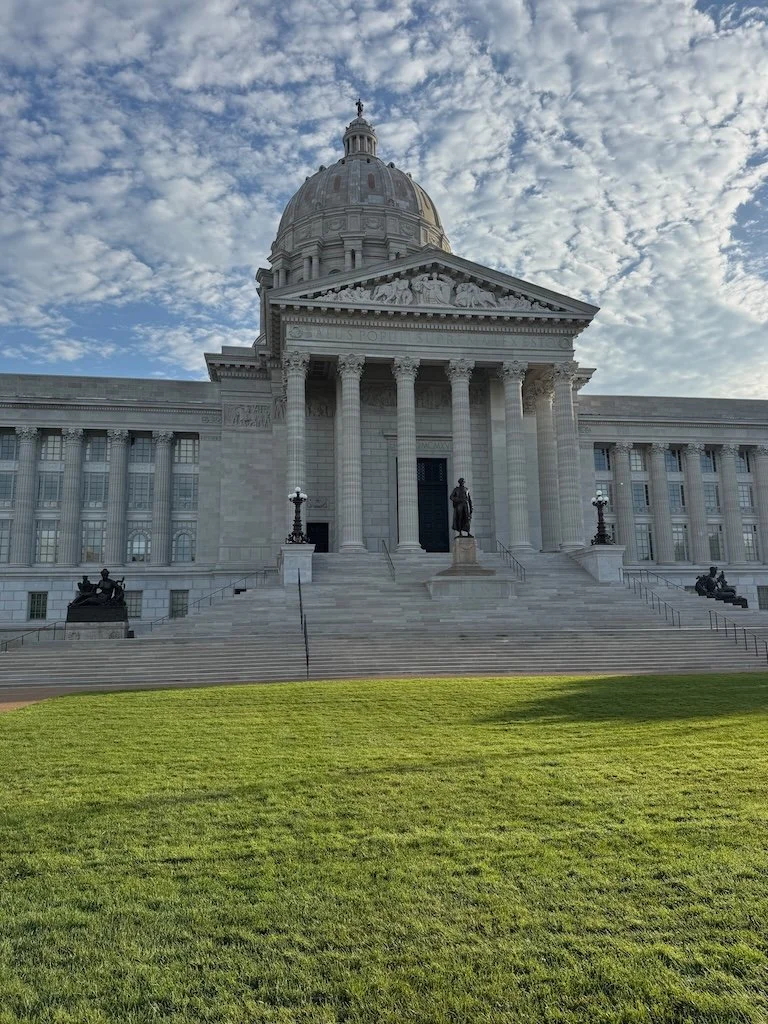
Road trip to Jefferson City – I celebrated the Missouri Department of Conservation Partners Roundtable (particularly Dr. Nadia Navarrete-Tindall talking about edible native plants), touring the Missouri capitol building, and Ha Ha Tonka State Park!

Corn on the cob from the grill - The temperatures were milder…we cooked on the grill more often and I always enjoy the corn on the cob cooked that way.

New faucets on bathroom and kitchen sink - My husband installed new faucets (with a little help from me holding things together while he tightened from underneath). The old ones had been leaking onto the counters when they were turned on. We are both enjoying the dry counters around the new faucets!

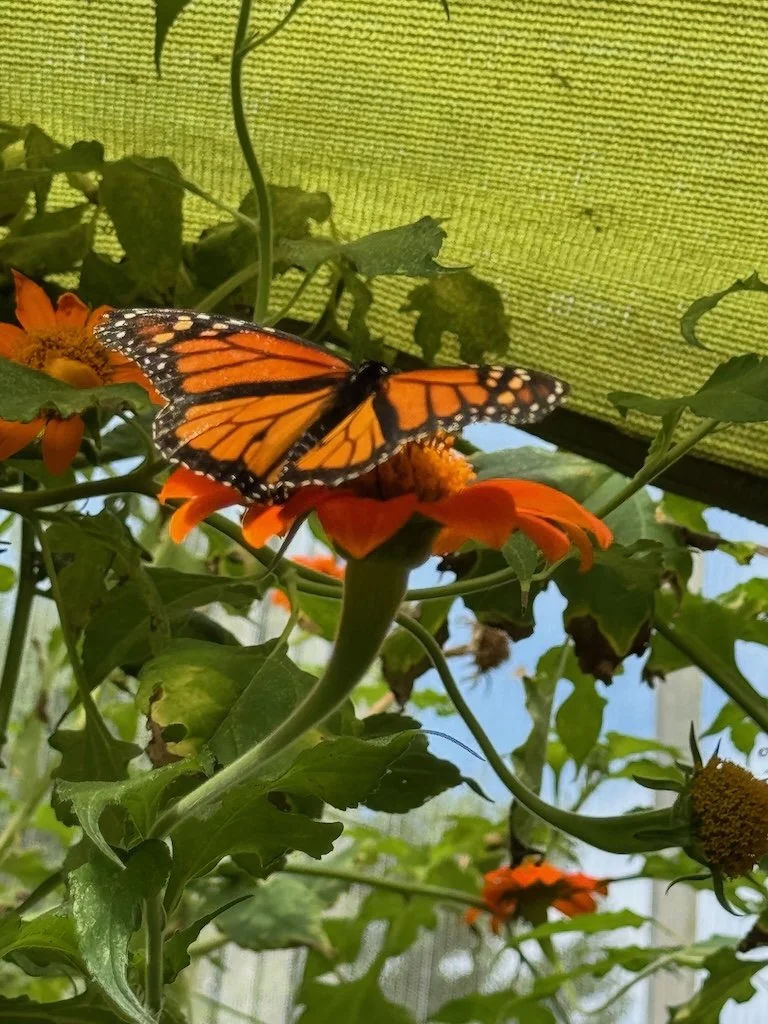
Season finale for the Butterfly House - I savored the final volunteer days and the celebration for the volunteers and staff.

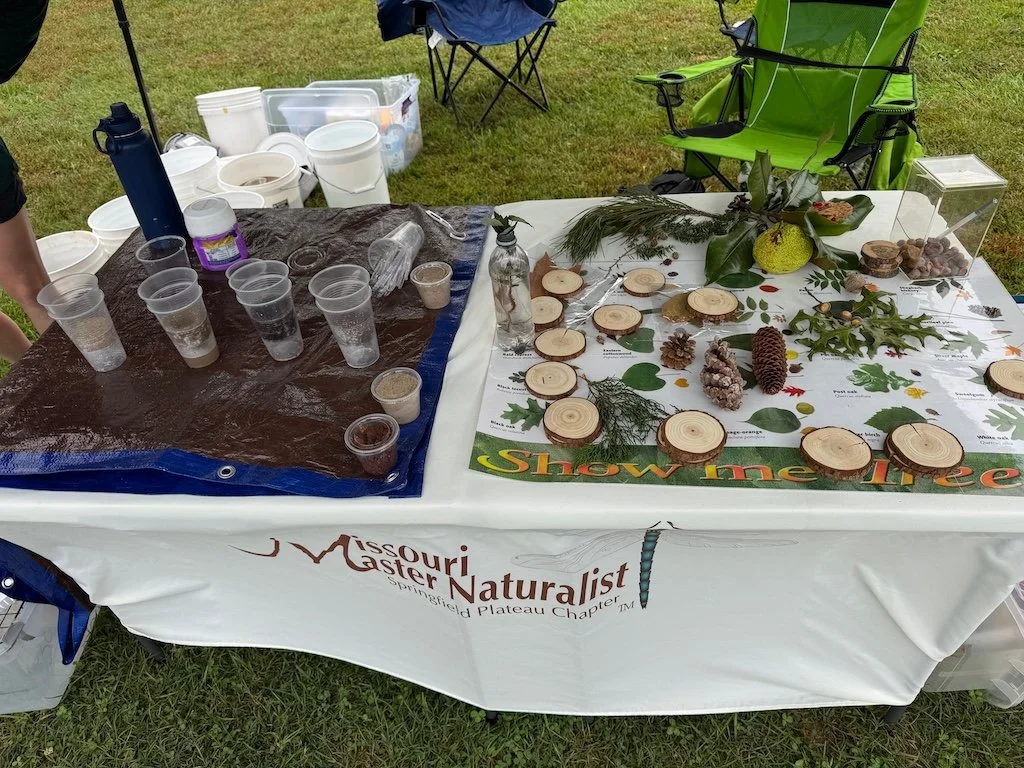
Home school fair – I celebrated that so many people visited my table at the Home school Fair and seemed to enjoy learning about trees.

My car repaired – The damage to my car (mostly underneath) was repaired and I have already taken it on a road trip. I celebrated that it was fixed quickly and that it looks ‘good as new.’

Hiking poles – I cheered myself onward during my first test walk with hiking poles…have high hopes that they will help me avoid back pain on future hikes.

Memory care – I celebrated finding two memory care facilities that would be good candidates for my dad’s next home. My sisters and I had a difficult time choosing (and it was stressful)….not something I am celebrating.

New hot water heater and dishwasher – I celebrated that the new appliances were installed quickly…that the hot water heater is better for the environment (heat pump electric rather than natural gas) and the dishwasher is quieter than our old one.

A rainy day - The past few months have been very dry in our area so the rainy days in the later part of October were something to celebrate – although the rain came too late to have brilliant leaf colors this fall. The leaves are still mostly on the trees…muted colors.

Gleanings of the Week Ending October 25, 2025

The items below were ‘the cream’ of the articles and websites I found this past week. Click on the light green text to look at the article.

The maritime lions hunting seals on the beach - In Namibia, a group of desert lions have left their traditional hunting grounds for the Atlantic coast, to become the world's only maritime lions.

Progress on Africa’s ‘Great Green Wall’ Stalls as Seedlings Die Off - The African Union launched the project in 2007, planning to create a 10-mile-wide strip of trees that would stretch from coast to coast, across 11 countries in the Sahel. By stopping desertification, the project aimed to protect farmers, help shore up the supply of food, stem migration, and even fight extremism. But as of last year, the project was estimated to be only 30 percent complete.

The Red Sea that vanished and the catastrophic flood that brought it back - The Red Sea once vanished entirely, turning into a barren salt desert before being suddenly flooded by waters from the Indian Ocean 6.2 million years ago. The flood carved deep channels and restored marine life in less than 100,000 years. The Red Sea is a natural laboratory for understanding how oceans are born, how salt giants accumulate, and how climate and tectonics interact over millions of years.

Pumpkin: A favorite sign of fall, with a bit of shady history - When European settlers reached the present-day Americas, they encountered Indigenous people growing pumpkins — a useful source of food that's easy to grow and can be stored in cold weather. In precolonial times, Indigenous people in the Americas domesticated different types of these sort of pumpkin precursors at least six different times.

Egyptian Pharaoh’s Tomb Opens to the Public After 20-Year Restoration – Amenhotep III. The huge tomb is in a secluded part of the Valley of the Kings outside the southern city of Luxor and was in severe need of work following centuries of neglect. The tomb was discovered in 1799 whereupon its contents were looted. At its center, visitors today encounter the pharaoh’s giant granite sarcophagus lid, which is covered in hieroglyphics and was too heavy to be carried away.

New Solar Glass Cranks Up Lettuce Crop Yields by Almost 40% - The new solar glass (the performance of quantum dots integrated with passive solar glass) was field tested by researchers at the University of California – Davis. If the performance of lettuce is a bellwether for other crops.

The rise of ‘nightmare bacteria’: antimicrobial resistance in five charts - Antimicrobial resistance (AMR) is projected to cause 39 million deaths worldwide over the next 25 years. But global efforts to find treatments for drug-resistant infections are not going to plan. The reports show that the global antibiotic drug-development pipeline is facing a dual crisis: a scarcity of drugs in development and a lack of innovation in methods to fight drug-resistant bacteria. Awareness of this issue is increasing; however, it is still a silent pandemic with many deaths not being attributed to AMR.

A Search for the Cassia Crossbill, Idaho’s Endemic Bird - Searching for an endemic bird brings you fully immerses you in the complexity of the world. What might look like just another set of hills from the highway is revealed to be a habitat shaped by a lack of squirrels and abundant woodpeckers and thick pinecones. And that place offers you a glimpse of this special bird, one that exists only here, as if clinging to a lodgepole life raft in the desert.

Brain cancer that eats the skull stuns scientists - Glioblastoma isn’t confined to the brain—it erodes the skull and hijacks the immune system within skull marrow. The cancer opens channels that let inflammatory cells enter the brain, fueling its deadly progression. Even drugs meant to protect bones can make things worse, highlighting the need for therapies that target both brain and bone. The discovery reframes glioblastoma as a whole-body disease, not just a brain disorder.

Babies take a lesson from soldiers in the war against malaria - For years, the U.S. military has treated uniforms with insecticide to repel mosquitoes and the malaria they can transmit. In a rural part of western Uganda, 200 mothers with kids between 6 and 18 months got a permethrin-soaked baby wrap, while 200 others got a wrap just soaked in water. All participants got a brand-new treated bed net too. Over 6 months, 34 kids in the permethrin-wrap group tested positive for malaria, compared with 94 in the water-soaked wrap group. About 8.5% of babies had a mild rash in the treatment group compared with 6% in the control.

Plastics Crisis – Miscellaneous thoughts

There is a lot about microplastics in the news; I’ve added some of the articles to my Gleanings posts. Microplastics are an overwhelming challenge to every living thing…and thus an overwhelming challenge to us. It is hard to find truly effective means to do something about them – to reduce their prevalence in our lives and in our broader environment. The actions I have taken so far seem small but maybe they are a place to start….there need to be bigger actions to make a difference. In this post I in including some of my thoughts over the past few weeks…as I search for the path beyond changes I can make to reduce microplastics (somewhat) in my own life.

  • Plastics are not part of any heritage…they are too new for that. They are damaging our environment in ways that degrades our health slowly. By the time we think of plastics as part of our heritage, it might be too late to stop our decline as a species.  

  • It is time that we realize that there is a price for plastics’ convenience in our lives that we are just now beginning to pay.

  • Hotels use plastic glasses in their rooms now….wrapped in more plastic. Not that long ago they were glass. Ice buckets are plastic and there is a plastic bag liner. We assume that the plastic makes it ‘clean’ but is that true?

  • The plastic pots the small plants were purchased in were very flimsy. They cracked as I flexed them to get the plants out as I planted the seedlings into my yard. They are another source of single use plastic.

  • Spaghetti sauce is easy to find in glass jars…unlike a lot of other foods. It seems not that long ago that it was easy to find mustard and lemon juice in glass. Not anymore.

  • Why aren’t cosmetic companies advertising products that are free of microplastics/endocrine disruptors?

  • Why aren’t retailers demanding less plastic packaging particularly when it adds little or no value. For example: multiple plastic layers around larger packages of toilet paper, the plastic insert in tissue boxes that has to be removed before the cardboard can be recycled, and the little window in paper bags of cookies that makes that bag unrecyclable.

When I bring up microplastics in conversation, everyone seems somewhat aware of the problem, and many are as alarmed as I am. At the same time, everyone seems to be anxious but doesn’t know what to do. There appears to be no leadership from any level of government. Maybe the pervasiveness of microplastics puts them into a new category of issues that our modern cultures do not know how to address…and that is resulting in no action. Climate change is another such issue and the experience to date has been frustrating to everyone. Again – the default seems to be to forge ahead toward a dystopian future because the magnitude of the issue is too overwhelming.

Previous Plastic Crisis posts

Gleanings of the Week Ending October 18, 2025

The items below were ‘the cream’ of the articles and websites I found this past week. Click on the light green text to look at the article.

ACHOO Syndrome: A Strange Reflex That Causes Sneezing in the Sun - The photic sneeze reflex—also called autosomal dominant compelling helio-ophthalmic outburst (ACHOO) syndrome - affects almost a fourth of people worldwide.

They’re smaller than dust, but crucial for Earth’s climate - Coccolithophores, tiny planktonic architects of Earth’s climate, capture carbon, produce oxygen, and leave behind geological records that chronicle our planet’s history.

An E.U. Plan to Slash Micropollutants in Wastewater Is Under Attack - Earlier this year, a European Union directive mandated advanced treatment of micropollutants in wastewater, with the cost to be borne by polluters. But the pharmaceutical and cosmetics industries, which are responsible for most of those contaminants, are now pushing back.

Researchers Crack the Lost Origins of an Ancient Egyptian Temple - In a 4,000-year-old creation myth from ancient Egypt, god manifested as high ground that rose out of watery chaos. New research suggests this myth of the primeval mound may have inspired the first temple to Amun-Ra at Karnak, a site in the religious capital of Thebes that over the course of millennia became one of Egypt’s most important complexes. Across the entire Theban area, the land on which the Amun-Ra temple was built was the only high ground permanently surrounded by water. Its connection to the creation myth would have been apparent as the Nile floodwaters rose and receded each year, creating the illusion of the mound rising out of the river.

Ancient bathhouse unearthed in Türkiye's Olympos reveals life of Byzantine bishop - The bathhouse was not only for the bishop’s private use. It had entrances both from the main street and from the house. On certain days of the week, the bishop allowed ordinary townspeople to use it free of charge, both for hygiene and for health purposes.

Hawaii Hits Milestone in Rooftop Solar - Hawaii has the highest rate of rooftop solar power adoption in the US, on a per capita basis. Rooftop solar has hit 44% penetration among single-family homes on Oahu, the state’s most populated island.

The remarkable rise of eBird – the world’s biggest citizen science project - In the month of August this year, 123,000 birders submitted 1.6 million lists of sightings. It has now hit a total of 2 billion bird observations since inception. The data is showing in sobering detail how the abundance of many species is changing, almost always downwards.

Electricity Use Is Becoming More Common for Residential Heating in USA - An increasing share of U.S. households are using electricity for heating, although natural gas remains the most common heating fuel. In 2024, 42% of U.S. households reported that electricity was their main space heating fuel, according to annual estimates from the U.S. Census Bureau’s American Community Survey. Natural gas was the main heating fuel in 47% of homes last year, a decline from 49% in 2010.

Scientists suggest the brain may work best with 7 senses, not just 5 - The memory of humans and other living beings is an enigmatic phenomenon tied to the property of consciousness, among other things. Advancing the theoretical models of memory will be instrumental to gaining new insights into the human mind and, perhaps, recreating humanlike memory in AI agents.

For the First Time, Renewables Supplying More Power Globally Than Coal - In the first half of this year, renewable energy grew faster than power demand, leading to a small drop in the consumption of coal and natural gas. In a first, renewables generated more electricity globally than coal, fulfilling a 2020 prediction by the International Energy Agency, which saw clean energy surpassing coal this year.

Our Missouri Yard – October 2025

We don’t have many leaves falling so I am still mowing the parts of the yard that are grass. I will stop mowing the back when our neighbor’s oak starts dropping leaves – participating in ‘leave the leaves’ for a second year and hoping to preserve some overwintering moths/butterflies.

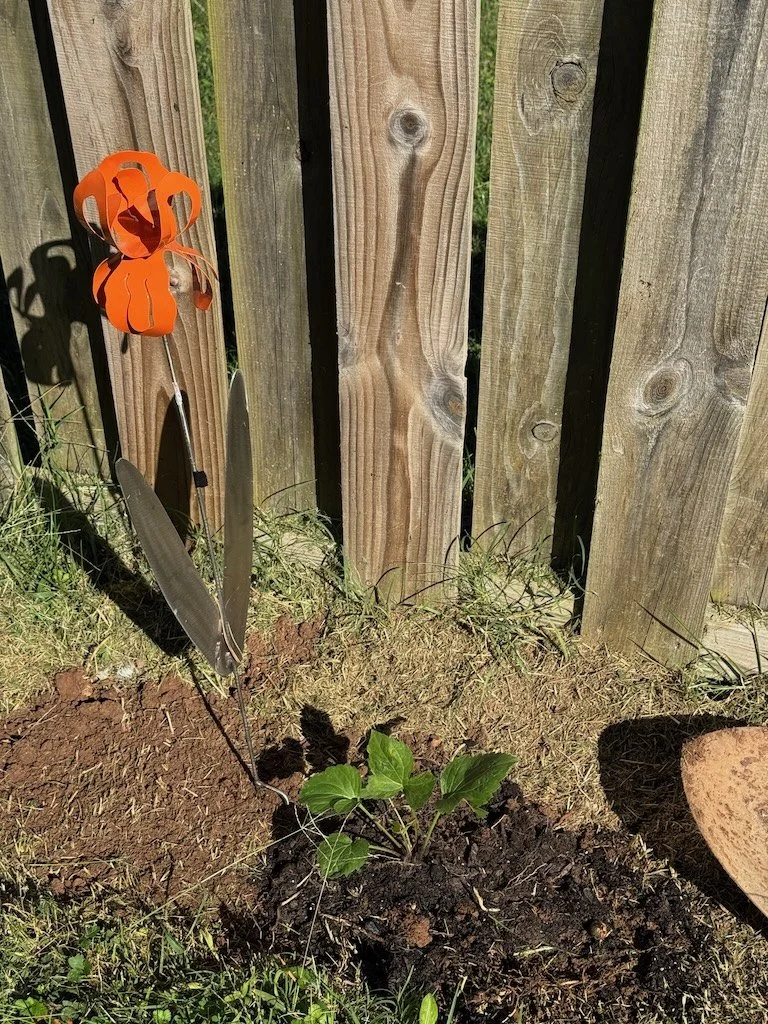
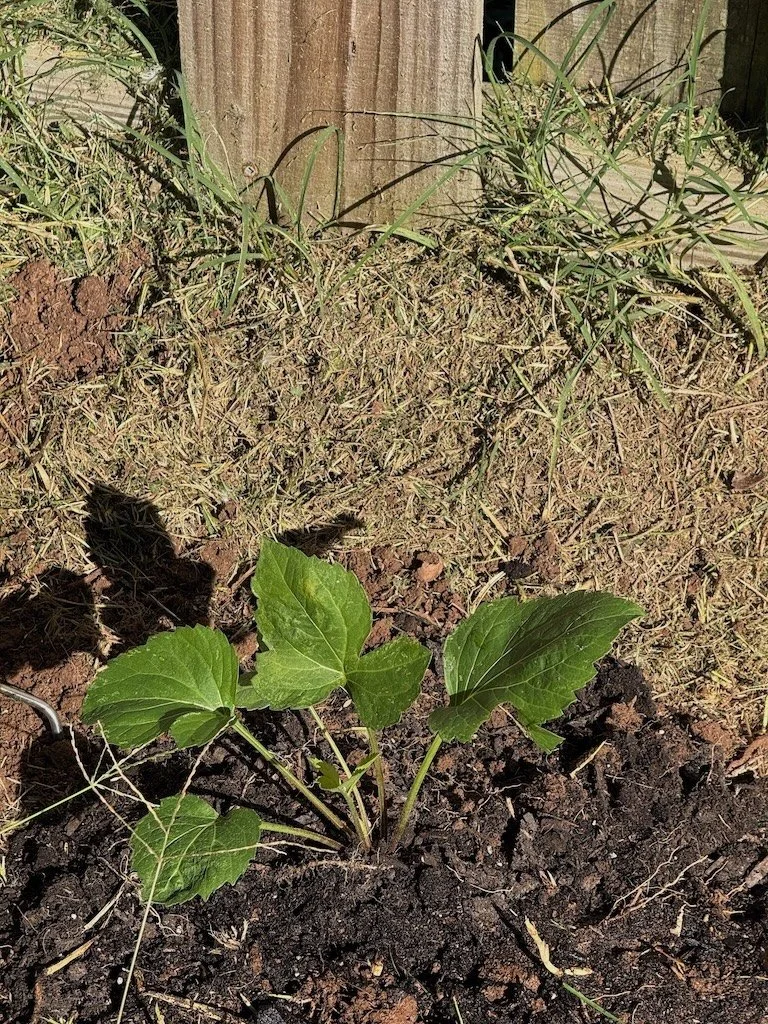
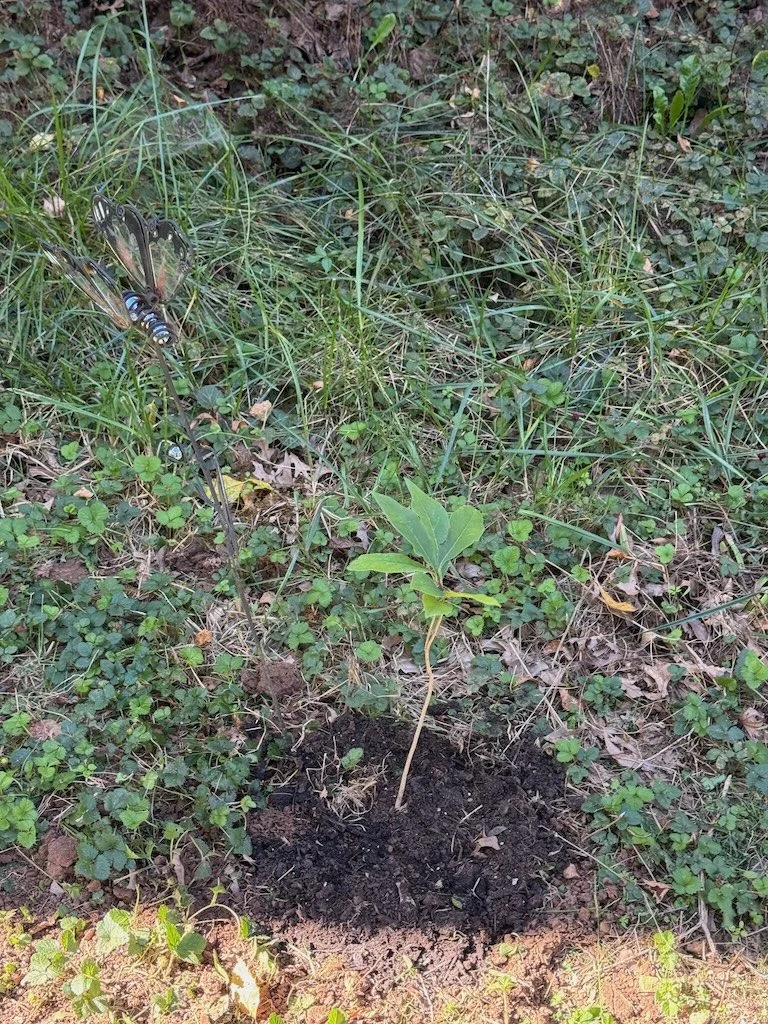
I bought two new additions for my yard from Ozark Soul: Rubekia laciniata (common names: sochan, golden glow, and cutleaf coneflower) and Asimina triloba (common name pawpaw). The leaves of the first are edible; I will use it along with violet leaves for ‘greens’ next spring and early summer. The pawpaw will take years to produce fruit; I have some seeds in pots that I am sprouting to add to the ‘patch’ so there will be at least two trees eventually. Both plants are small so I have them marked with yard sculptures!

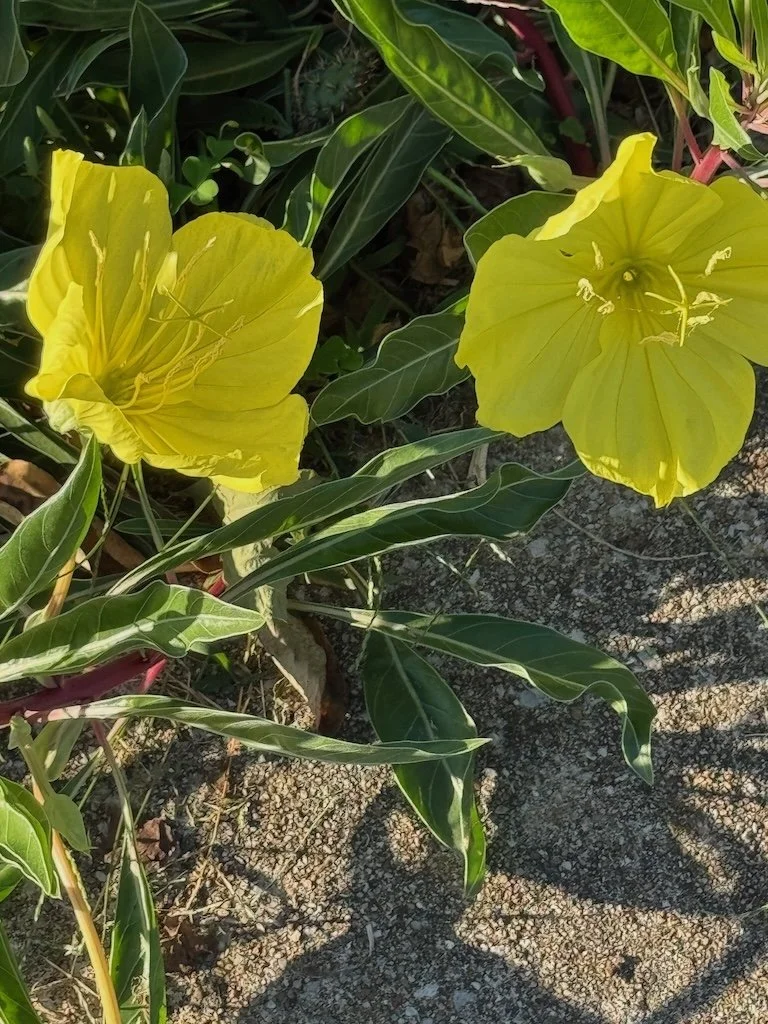
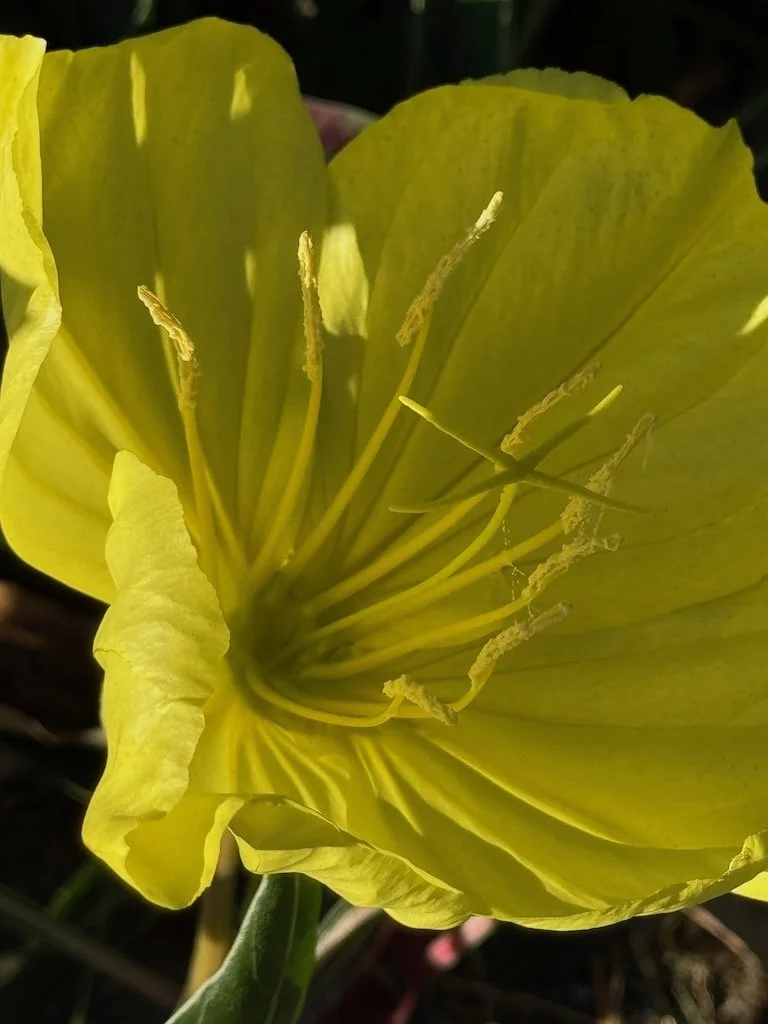
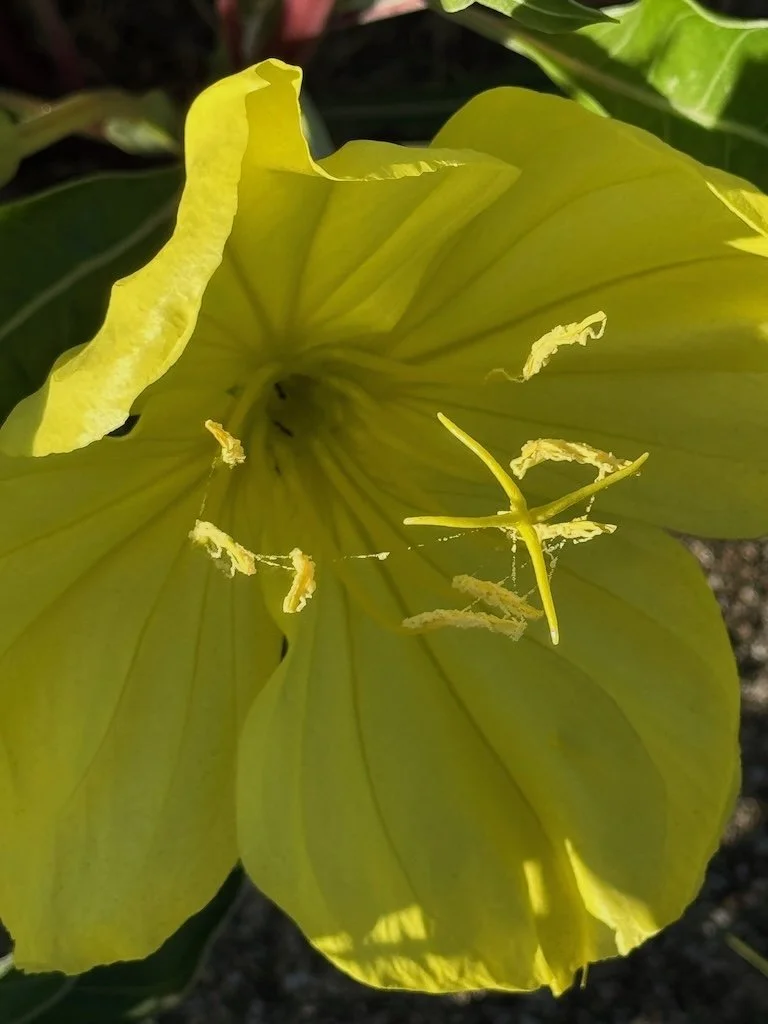
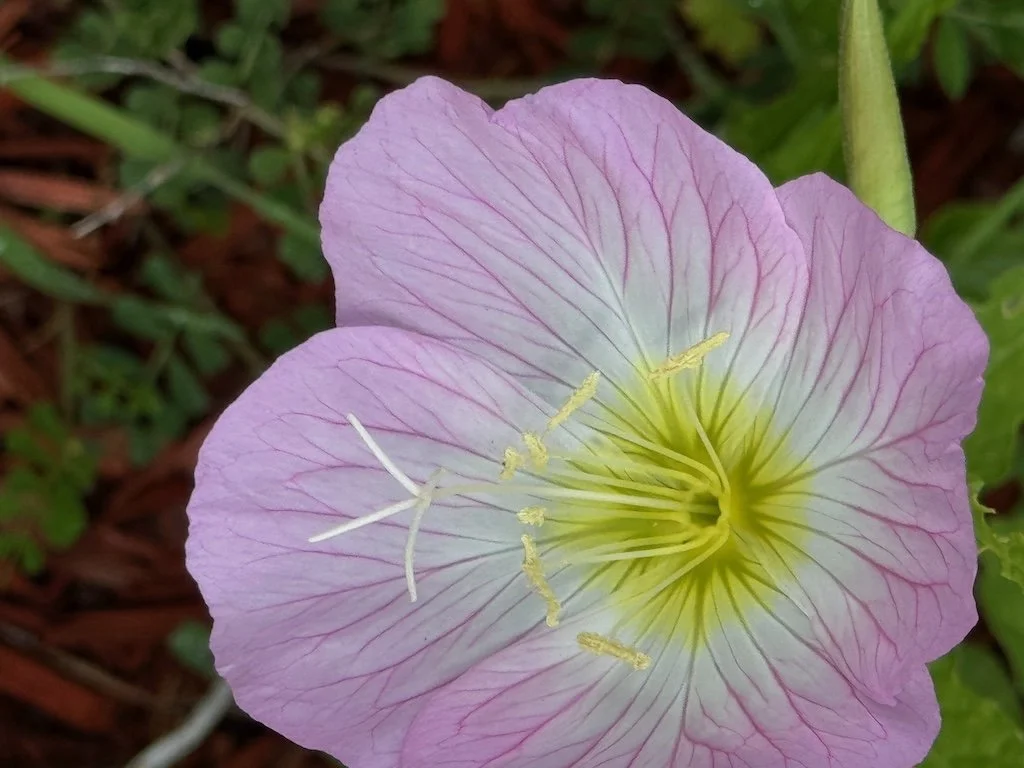
The Missouri Evening Primrose next to my mailbox is blooming profusely although not producing seed; I suspect that perhaps insects are not finding it.  There is a tiny prickly pear cactus growing with it which I am monitoring.

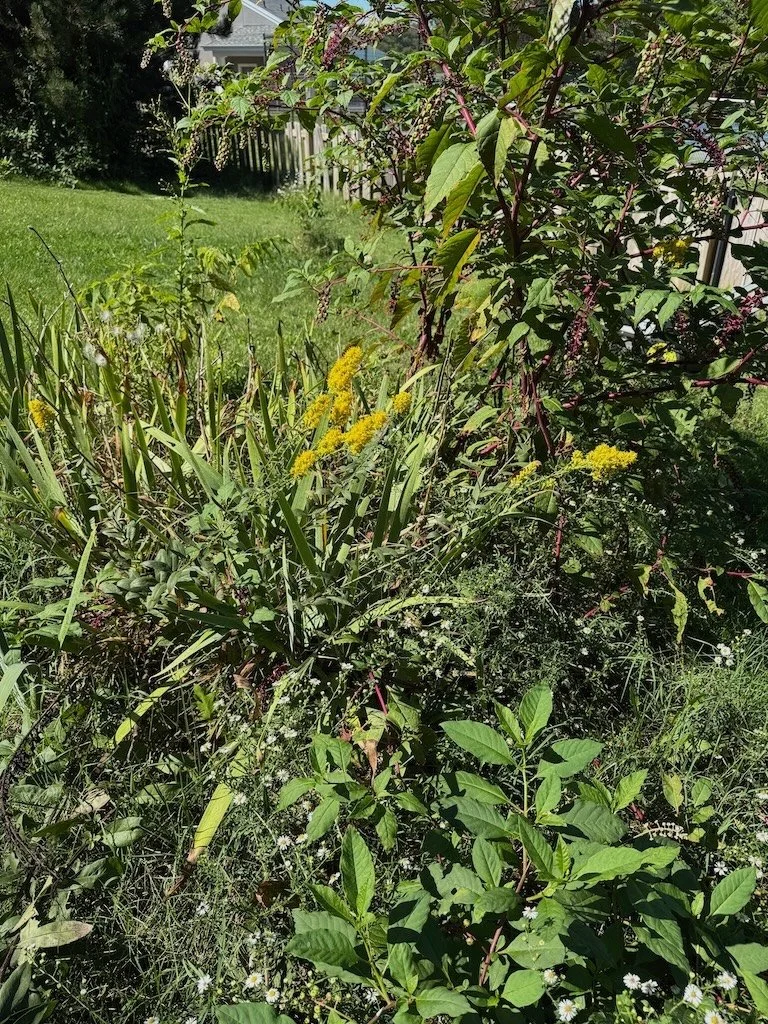
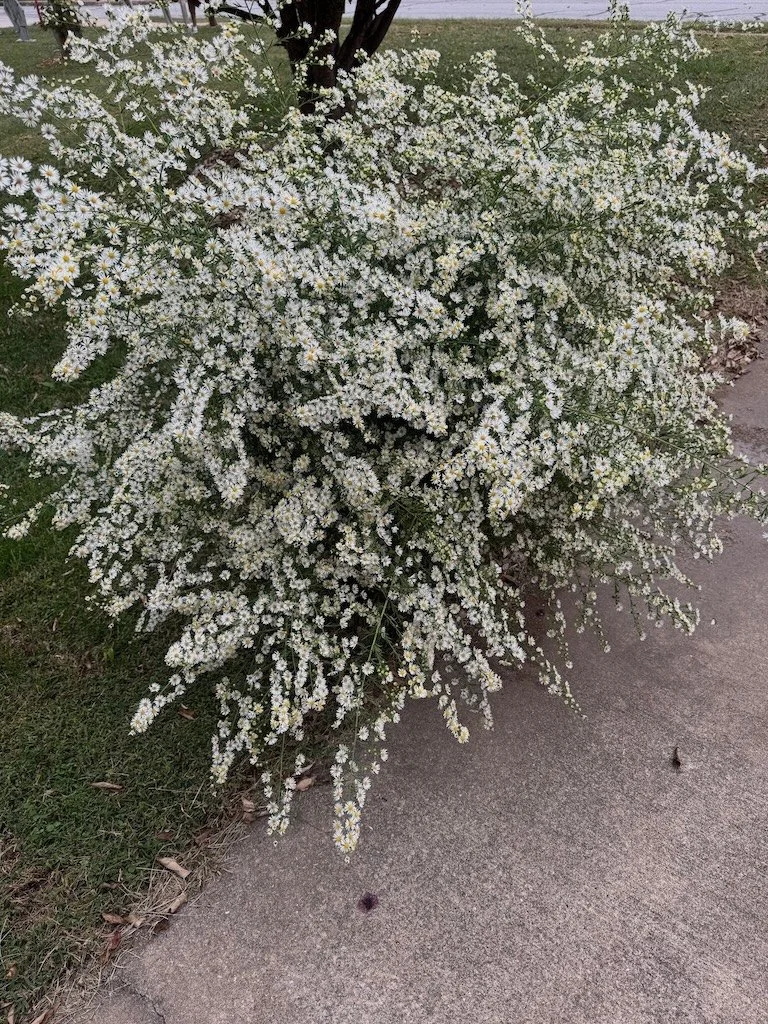
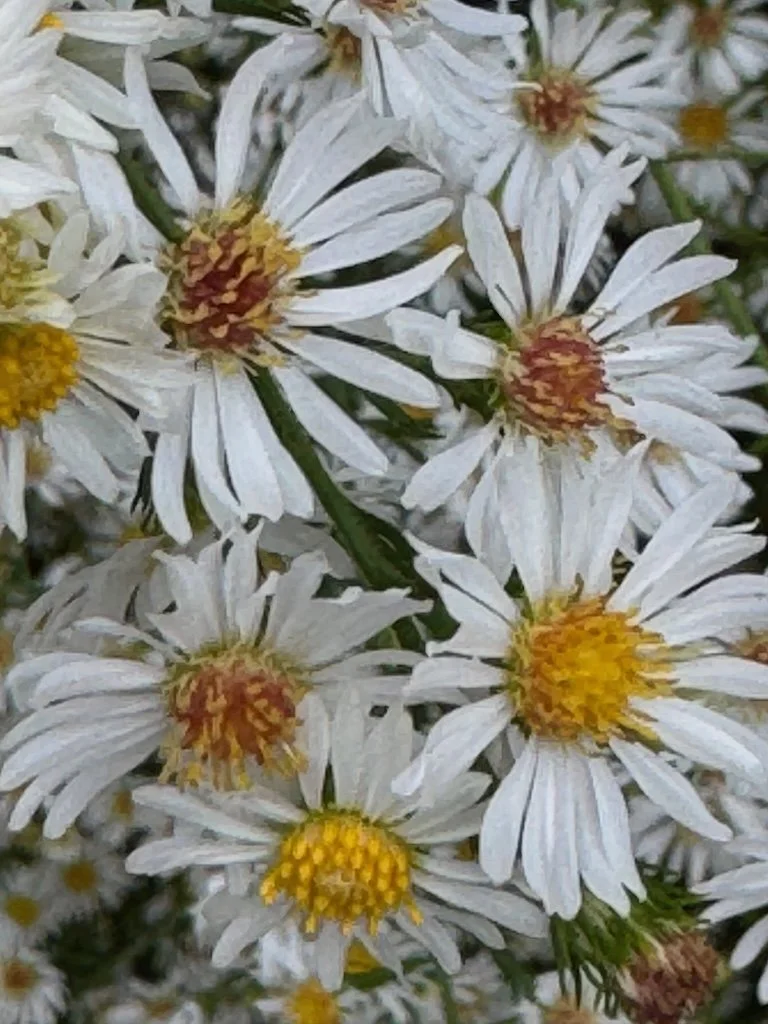
Pollinators are enjoying two types of late blooming plants in my yard: goldenrod and what I think is Symphyotrichum pilosum (white heath aster) which came up in a bare spot at the edge of my driveway, and I mowed around it. Both plants are full of insects…at least two kinds of bumblebees even on cool mornings!

My husband and I realized we had waited too late to plant our new native plant garden in our front yard so we will get the bed created sometime over the next few months then plant the garden in the spring after the last frost.

Plastics Crisis: A continuing journey

The past few weeks have been very busy, and I haven’t had time report on my continuing journey.

I attended my first ‘show me less plastics’ bimonthly zoom meeting. Everyone on the call seemed to be in the same initial mode…trying to figure out how to move forward. The largest group was from St. Louis…some from Kansas City and Columbia. There was one other person from Springfield. I will continue to dial into the zoom meetings and use them as a forcing function for myself to have something to report!

CNN did an experiment with three of its reporters (in New York, London, and Hong Kong) wearing chemical-tracking wristbands to find out what kind of chemicals they are exposed to. The video report can be found online - https://www.cnn.com/2025/10/08/climate/video/chemical-monitoring-wristbands-climate-digvid although there is not a lot of detail…it does indicate that people in big cities are probably exposed to a lot of chemicals as they go about their daily lives.

Living near a smaller city (Springfield MO), I do track the air quality. I know that when it is not green, the PM2.5 pollutants are usually the pollutant that is high…and that is made of microplastics and associated chemicals. The air quality where I lived in Maryland (between Baltimore and DC) prior to moving to Springfield was yellow more frequently and, sometimes, even made it to the red level.  So – moving to Springfield probably has reduced my exposure somewhat.

When I had my annual checkup with my doctor, I brought up microplastic exposure and she acknowledged the issue…but didn’t have any specific recommendations about what to do aside from avoiding bottled water and looking hard at getting plastics out of the kitchen, particularly anything that is heated and contacts food.

I have reduced my soft drink consumption to almost zero (avoid plastic bottles) and am drinking more iced tea. But wait….coffee makers (that I was using to make tea) have a lot of plastics and there are plastic fibers in many filters (so they will hold up better) and some tea bags are glued together (a plastic). Obviously there is heat involved in making tea so I changed my process:

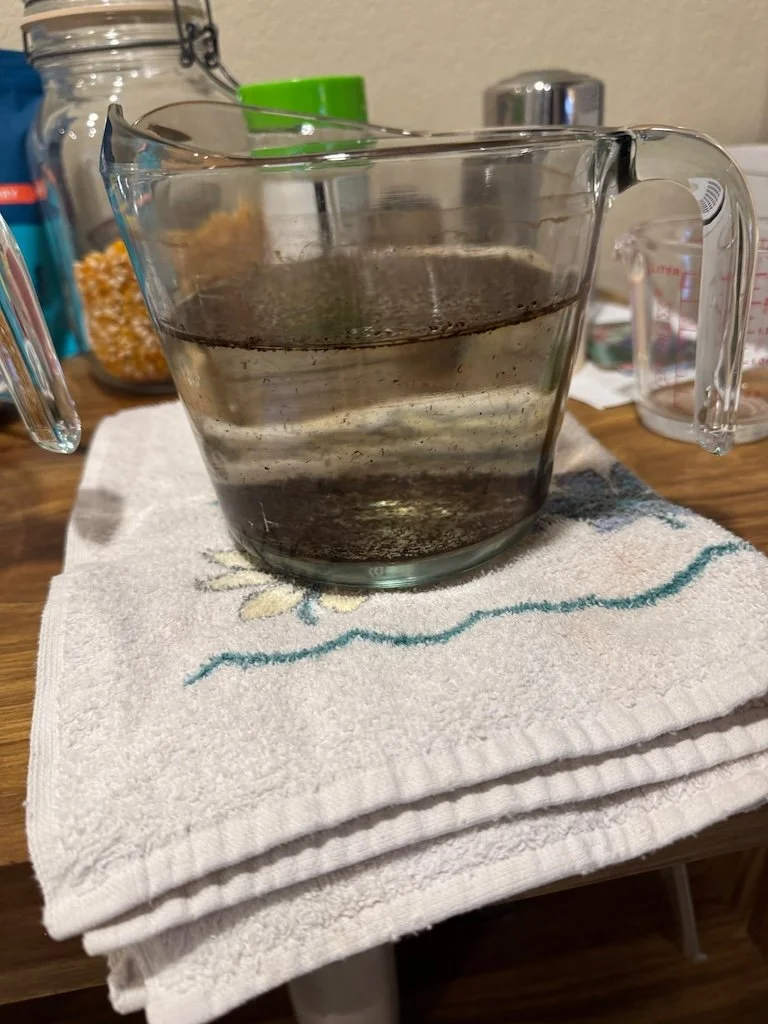
  • Old Pyrex measuring cup (it was my mother’s and the markings are almost worn off)

  • Cut open the tea bag and empty the contents into the water

  • Heat in the microwave

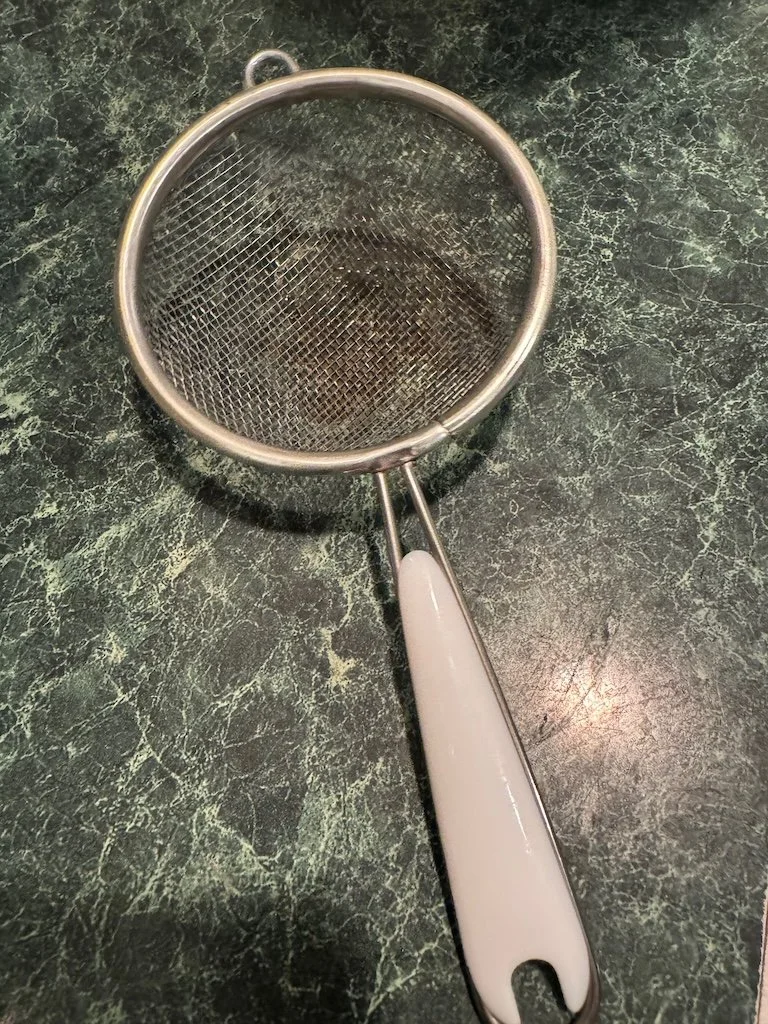
  • Strain the tea leaves with a metal strainer

It’s becoming a good routine….and I am aware that making tea is becoming a ritual rather than just a routine because of the old Pyrex. It could be almost as old as I am!

One thing I am noticing…my trash and recycle are trending downward…not as much in the bins. That’s a good thing!

Previous Plastic Crisis posts

Gleanings of the Week Ending October 11, 2025

The items below were ‘the cream’ of the articles and websites I found this past week. Click on the light green text to look at the article.

What Makes Bruises Change Color Over Time? - What appears as a red or purplish skin contusion in the beginning, slowly transitions to green, yellow, and finally brown, before disappearing entirely. What are the mechanisms that produce this bouquet of bruise colors?

Scientists finally explain the real reason pregnant women get morning sickness - According to the National Institutes of Health, up to 80% of early-stage pregnant mothers experience some nausea, vomiting and aversions to certain foods and smells. A unique mix of inflammatory responses function to prevent the mother's body from rejecting the fetus, alongside adaptive behavioral mechanisms, like nausea, that encourage the mother to avoid foods that are potentially harmful, especially in the first and second trimesters when the fetus is most vulnerable.

This company is turning empty offices across America into farms - Area 2 Farms is a three-year-old company based in Arlington, Virginia, that’s taking the concept of indoor farming to unusual spaces. Its first farm, in Arlington, grows dozens of varieties of crops (including lettuce, spinach, carrots, potatoes, tomatoes, and mushrooms, as well as more niche items like amaranth microgreens and purple shamrock) in a low-slung brick building tucked between a dog day care and a car repair shop. The goal is to eventually build indoor farms within 10 miles of 90% of the U.S. population.

Bird Soaring Below a Total Solar Eclipse Wins 2025 Bird Photographer of the Year – Some beautiful…some thought provoking.

In Her Final Interview, Jane Goodall Issued Urgent Call to Protect the Planet - “We need to protect this planet and think about the future,” she told The Wall Street Journal. “Because if we don’t, that’s the end of our species. Humans are not exempt from extinction.”

Leaf Layer Safari: How to Spot Hidden Moth Cocoons in Your Backyard - This autumn, instead of raking, try exploring. Step carefully, look closely, and you may discover a miniature safari happening right under your feet.

Scientists Studied the Genes of a Woman Who Lived 117 Years - The findings point to a combination of genetic luck and lifestyle choices.

The Secret Apartment Atop the Eiffel Tower - Around 1,000 feet above Paris’ streets perches Gustave Eiffel’s apartment, complete with a bathroom, a kitchen, and wax sculptures of Eiffel, his daughter, and Thomas Edison. At the very top of the tower, Eiffel allotted himself a 1,075 square foot private office, and with it the best view in Paris. After all, he had footed three-quarters of the bill.

Winter Transforms the Mississippi River Delta - The Mississippi River’s watershed drains 41 percent of the United States (spanning all or part of 31 states) and reaches into two Canadian provinces. Its nutrient-rich waters support fertile agricultural lands along its shores and throughout the deltaic basin. The river also plays a role in the U.S. economy by providing transportation shipping routes. To maintain these functions, engineers have implemented channelization to help maintain navigable shipping lanes and, in recent decades, launched sediment diversion projects aimed at returning vital sediments to the wetlands.

How to future-proof your knees - After back pain, throbbing aches in the knees are the most cited musculoskeletal ailment in older adults. The post shows five quick, home-based exercises which will all help.

Gleanings of the Week Ending October 4, 2025

The items below were ‘the cream’ of the articles and websites I found this past week. Click on the light green text to look at the article.

Why Does the Immune System Struggle When the Weather Changes? - Warmer environments promote better immune responses because less energy is diverted to regulating the body’s temperature. At colder temperatures, more resources are shuttled toward homeostasis, leaving less fuel available for immune cells. The cold temperatures are anti-inflammatory. The immune response just doesn't work as well and, molecularly, the adhesive interactions don't really bind as well. Seasonal shifts also bring changes in humidity and wind, which can affect the skin and mucosal barriers, and in turn, the immune response. Drier conditions can lead to more pathogens or other irritants entering the body, driving inflammatory responses. In contrast, excessive humidity can reduce the evaporation of sweat, thus preventing the body from being able to cool itself. Cold temperatures drive people indoors, where pathogens spread more easily. Meanwhile, warm days draw individuals outside, where people can be exposed to pollutants and allergens, which can render immune responses less prepared to fight actual infections.

Toxic-Free Future 2024 Report Card – How does your grocery store rank?

Your kitchen is full of microplastics. Here's how to eat less of them – Now that I am aware of the microplastic issues…there seem to be a lot of articles on the topic. I liked this one because it pointed to some real research and there were actions one could take to reduce microplastic exposure.

What Are Microplastics Doing to Our Bodies? This Lab Is Racing to Find Out. – This article is from last April, but it provides some information about the type of research that is being conducted…trying to understand the impact of microplastics on our bodies.

Why Alaska’s salmon streams are suddenly bleeding orange - Warming Arctic permafrost is unlocking toxic metals, turning Alaska’s once-clear rivers into orange, acid-laced streams. The shift, eerily like mine pollution but entirely natural, threatens fish, ecosystems, and communities that depend on them—with no way to stop the process once it starts. (Climate change…the US denial of its existence does not stop it.)

Inouye Solar Telescope Captures Most Detailed Images Ever of Powerful Solar Flares - Scientists hope that this new imaging can lead to improvements in solar flare modeling and a better understanding of the magnetic field in the sun’s corona. But even the most casual viewer will find much to enjoy in these photos: deep-red ribbons arch and swirl across a fiery plain, with bright flares peppered throughout.

This EV Sales Chart Really Embarrasses The USA – The US has become the laggard of the world in EV sales. It does not bode well for the future of our country.

Three-Minute Take-Home Test May Identify Symptoms Linked to Alzheimer’s Disease Years Before a Traditional Diagnosis - In 2021, 57 million people across the planet were living with dementia. This class of memory-related diseases is the world’s seventh greatest killer, and Alzheimer’s disease is its most common form. In a study published this month in the journal Brain Communications, researchers say the experimental test, called the Fastball EEG, can detect Alzheimer’s significantly earlier than a traditional clinical diagnosis would. In the study, each participant put on a cap that monitored the brain’s electrical activity as they viewed a series of images on a tablet. Some of the images belonged to a set that participants were shown before the start of the test, while others were entirely new. The Fastball test is just three minutes long and passive, meaning all that is required of the patient is to watch the images—they don’t have to follow instructions or actively remember anything. The results of the at-home test are sent directly to a patient’s doctor. Hopefully - Fastball EEG can one day be used as a screening tool for patients over 55 years old, though more research is needed to identify the best time to take the test.

Harnessing the superpowers of the most resilient life form on Earth - While water bears often must cope with drying out, it's less clear why they would need to survive baking hot temperatures, being cooled to just above absolute zero, or radiation only found in outer space.

The Secrets Behind the Roman Colosseum’s Enduring Engineering - Measuring roughly 615 feet in length, 510 feet in width, and 157 feet in height, the Colosseum was the largest amphitheater anywhere in the Roman Empire. Its capacity rivals that of modern stadiums; it can seat as many as 90,000, on par with London’s Wembley Stadium. Ancient texts and archeological studies both indicate that the construction of the Colosseum, which lasted from 72 to 80 C.E., was a meticulously planned and highly coordinated affair. The Colosseum hosted not only gladiatorial games, but also animal hunts, mock naval battles, public execution of criminals, and theatrical performances. Inside, seating was divided by social class, with the emperor and senators seated in the front rows and the plebeians, or common people, farther back. Although the structure survived the test of time, the Colosseum we know today is but a shadow of its former self. During the Early Middle Ages, following the fall of the Western Empire, almost all its moveable interior furnishings, including statues, wooden scaffolding, and marble seats, were removed and sold—an unceremonious end to a monumental history.