Gleanings of the Week Ending August 29, 2026
/The items below were ‘the cream’ of the articles and websites I found this past week. Click on the light green text to look at the article.
08/15/2026 BBC Future The controversial story of the North American raccoons wreaking havoc in Germany - One morning in April 1934, the records show, the animals were released from two crates to the south side of Lake Edersee near Vöhl, around 50km (30 miles) to the south-west of Kassel. This population grew and grew. Today, Kassel has been called the "raccoon capital of Europe", with an estimated urban population of around 30,000 of the animals.
08/21/2026 Smithsonian Magazine An ‘Extremely Rare’ Half-Male, Half-Female Bird Temporarily Took Up Residence Outside of Chicago - An eye-catching bobolink with both male and female characteristics temporarily took up residence at a nature preserve just west of Chicago. The bobolink is what’s known as a “bilateral gynandromorph.” Because of a genetic anomaly, the right side of its body is male while the left side is female, with a straight vertical line dividing the two halves. It’s believed to be the first documented gynandromorphic bobolink. The bird behaved like a male, eventually wooing a mate and raising fledglings.
08/21/2026 Science Daily Archaeologists discover mysterious 400-year-old Indigenous pot in Florida - The pot was compact enough to fit in a palm, with a simple rim, a smooth dull gray surface, and no decoration. Its original purpose is unknown, as is the number of people who may have used it. What archaeologists do know is that the vessel survived for centuries underground
08/21/2026 Artnet Why Louis Comfort Tiffany Still Dazzles Collectors - Louis Comfort Tiffany‘s lamps are coveted and his stained glass is celebrated, but the artist behind the famous brand has remained stubbornly in the shadows. Two new exhibitions aim to throw the spotlight on his full talents.
08/21/2026 Clean Technica Sunrun Shifts Away from Affiliates to Direct Sales - Sunrun has been the #1 rooftop solar power installed in the United States for several years now.Sunrun installed 19,793 subscriber systems in the second quarter of this year, which is an amazingly high number. However, the bad news is that this was down 31% from Q2 2025. Yikes. On the plus side, the company had a higher percentage of its solar power systems get energy storage add-ons than ever before — a whopping 74%. That’s up from 70% in Q2 2025. Sunrun has surpassed 266,000 total storage systems installed, accounting for 4.6 GWh of capacity. That includes the 332 MWh installed last quarter.
08/19/2026 NASA Elephant Butte Reservoir Runs Low - Elephant Butte Reservoir, the largest reservoir in New Mexico, is at its lowest level since 1971. My husband and I took a birding field trip in a boat on the reservoir in November 2016; they told us it was low then…and I wonder what has happened to the birds (pelicans, grebes, coots, and cormorants) that won’t find much water when they return to the area this fall.
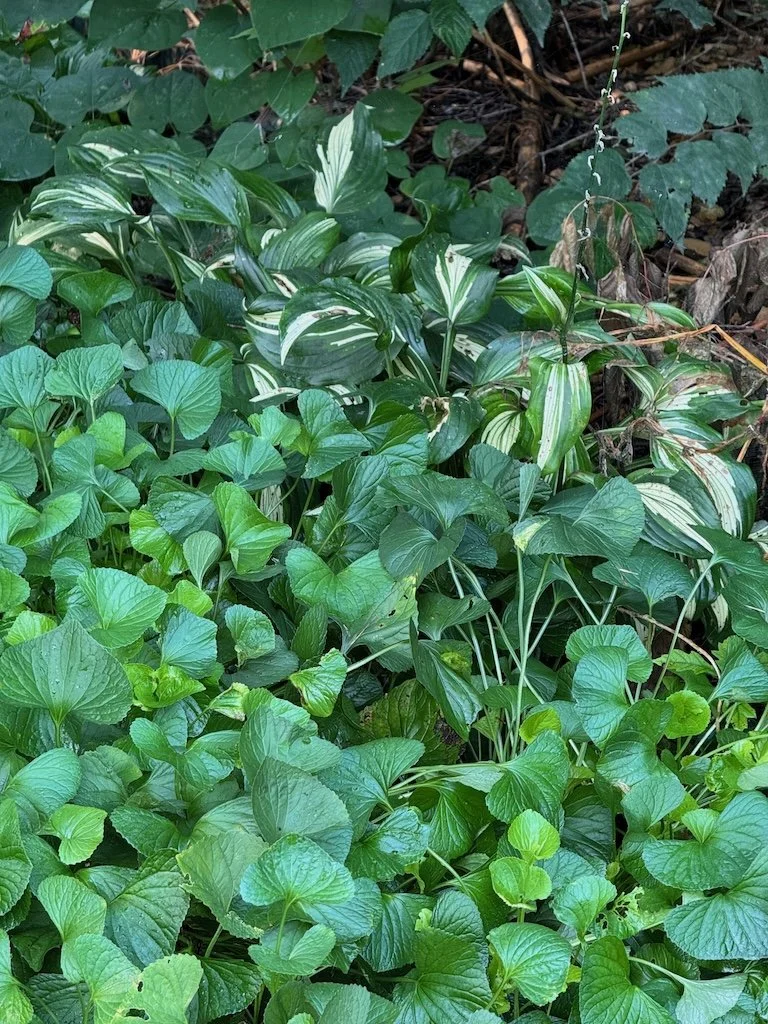
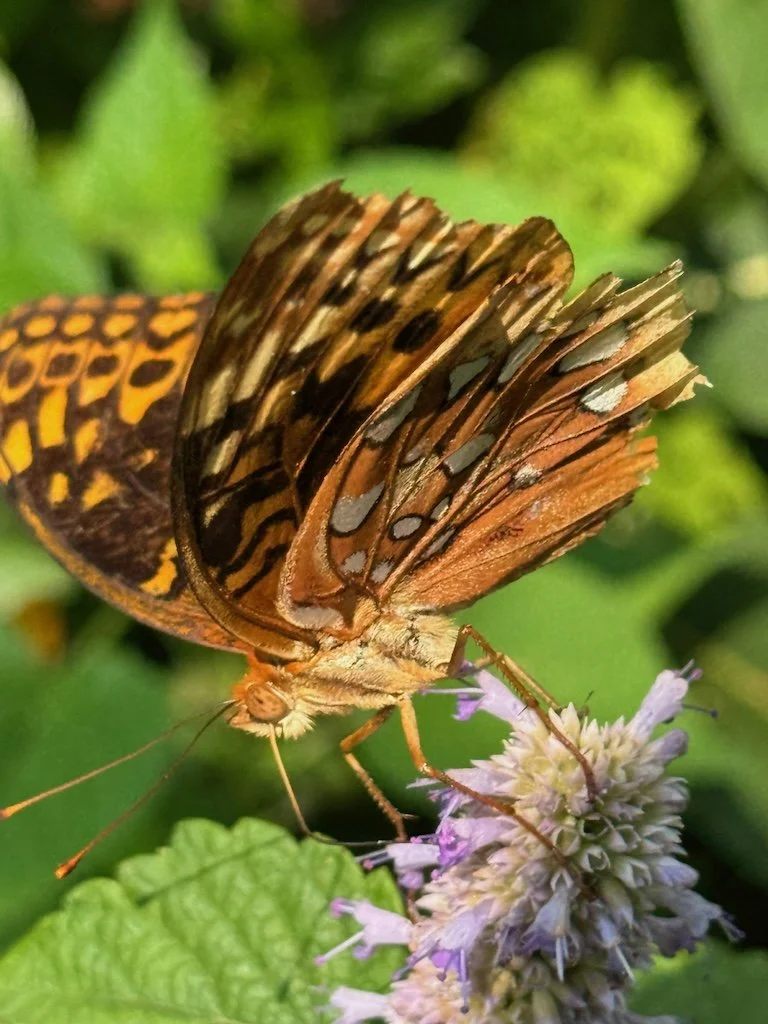
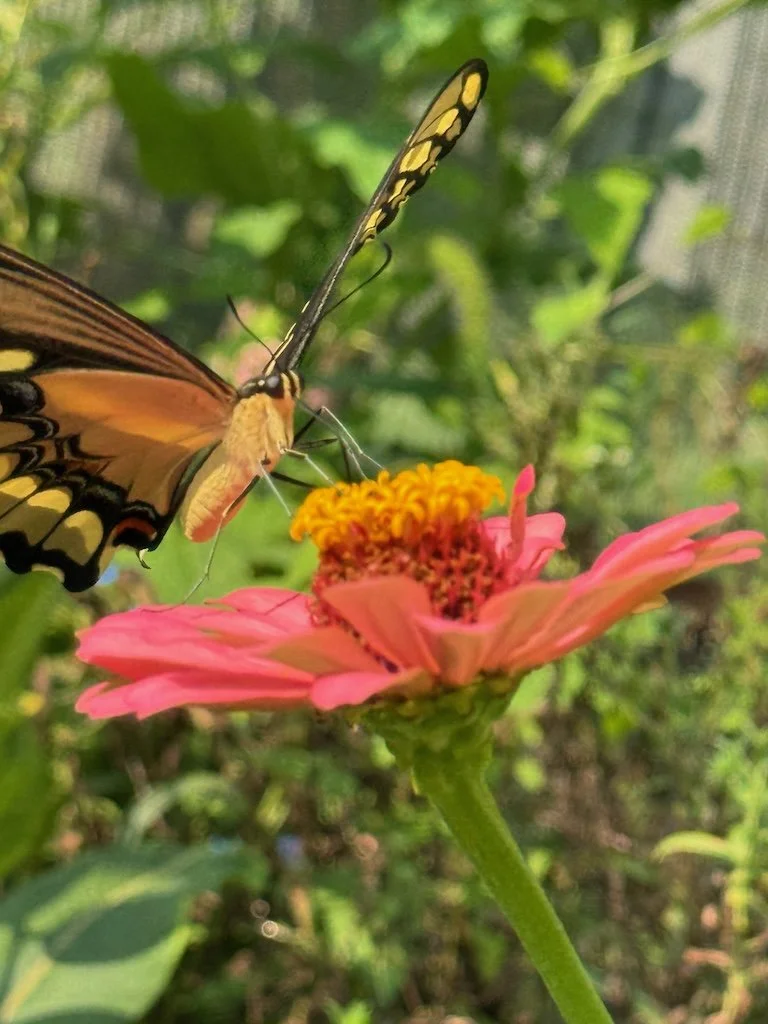
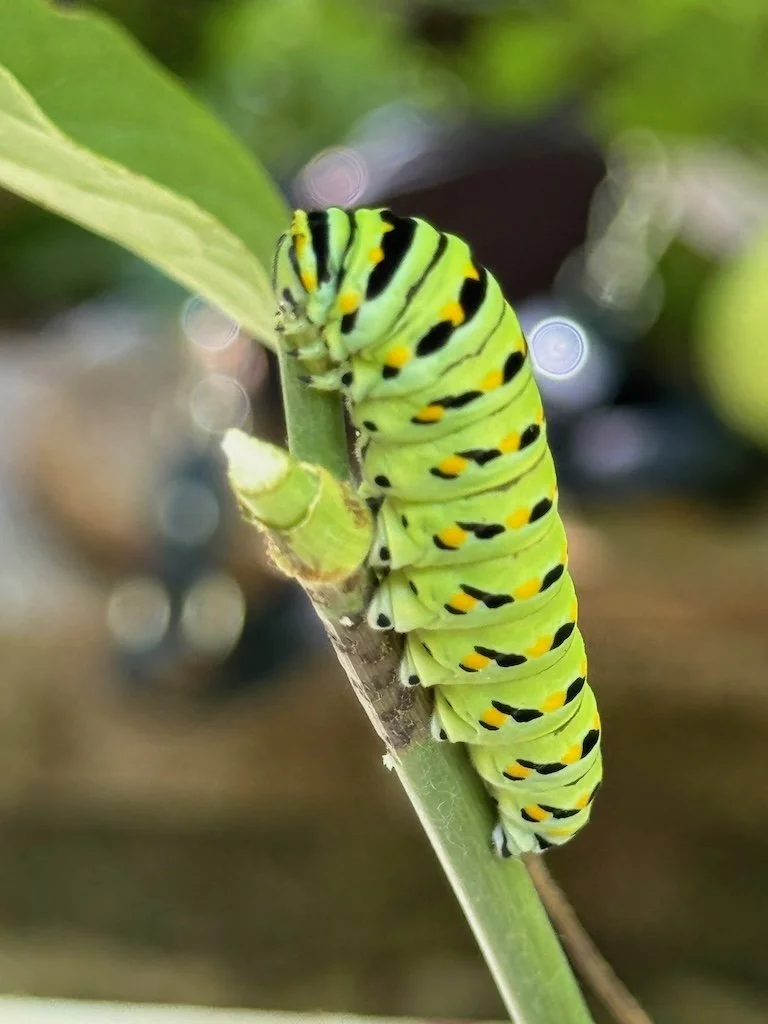
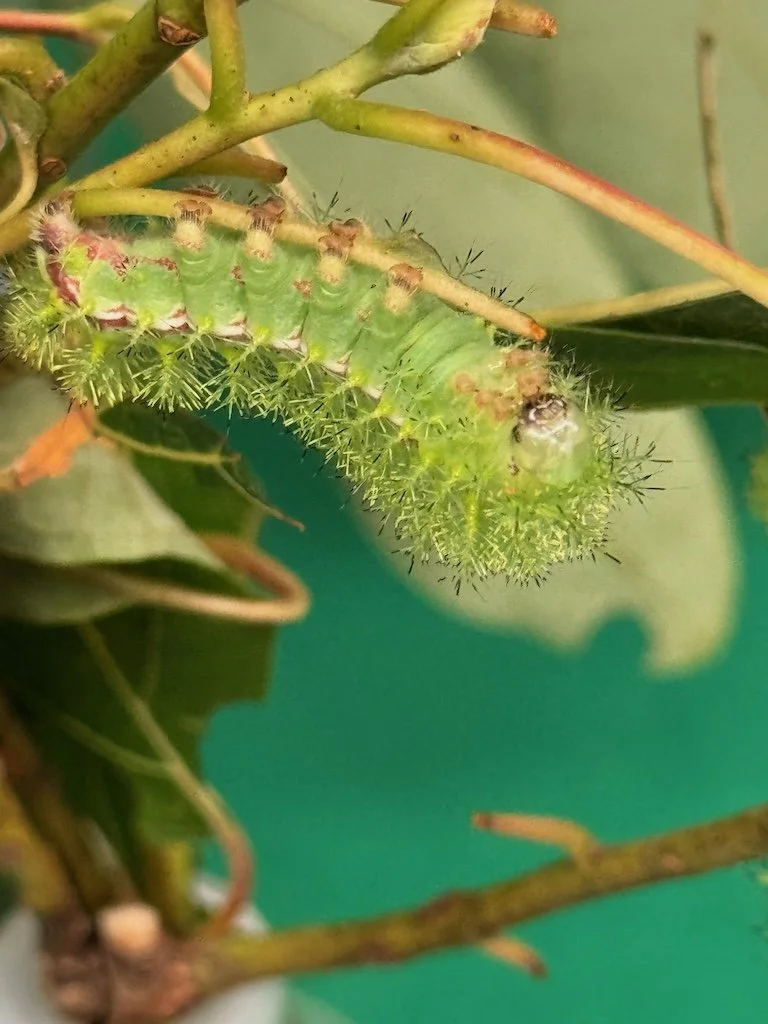
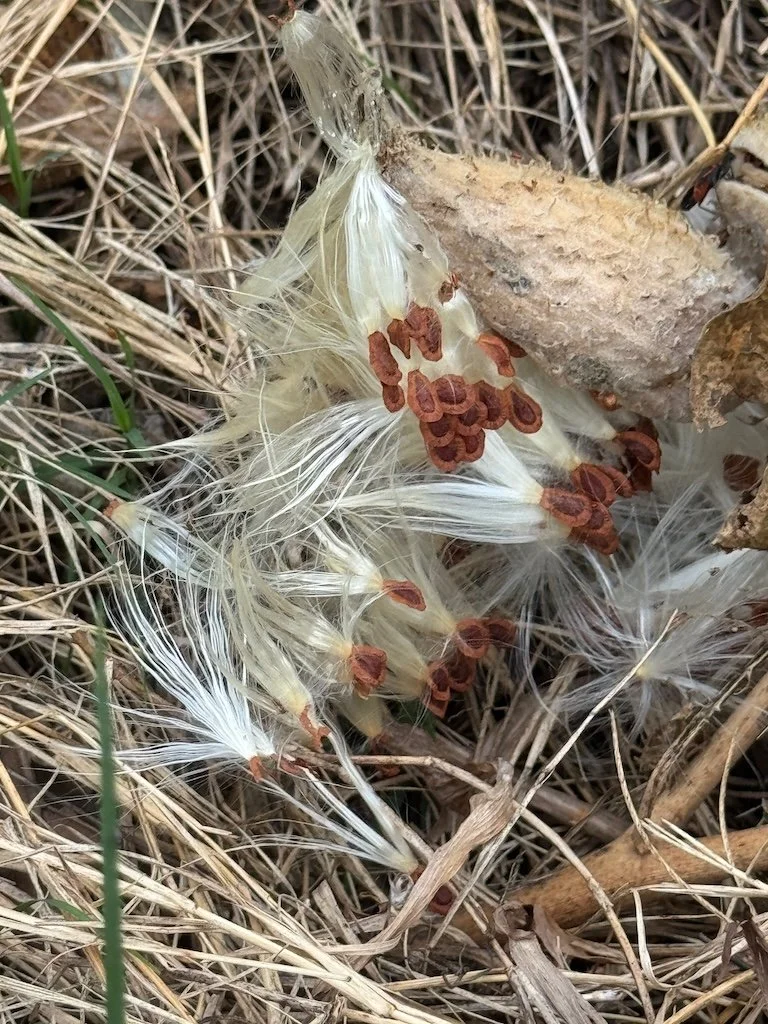
08/19/2026 The Prairie Ecologist The Notorious (and other) Visitors to Our New Prairie Garden – Lots to photograph in a native plant garden!
08/19/2026 Planetizen To guarantee residents fresh water, Tijuana looks to the sea - The project is expected to produce 2,200 liters of fresh water per second — about 190,000 cubic meters a day — and increase available freshwater in the region by 45%. Construction is set to begin on Aug. 18, one day after signing the contract but nearly three weeks after the project's intended start date of Aug. 1. It is expected to be complete in 2029.
08/18/2026 Yale Environment 360 Collapse of Atlantic Currents Could Drive a Surge in Warming - A vast system of Atlantic currents appears to be weakening, and scientists say its collapse could lead to dramatic cooling in northern Europe. A new study suggests an additional risk: a surge in warming across the rest of the globe.
08/21/2026 BBC Future India is turning to ancient water systems as modern ones run dry - In recent years, India is increasingly looking to revive ancient water structures as a way to help address the country's looming water crisis. Baoris, or ancient stepwells – large scale tiers of carved stone with steps that descend into the water table, allowing access to groundwater – are the most striking. Thousands of disused subterranean stepwells, built from the 7th to the mid-19th Centuries, famously dot India's landscape. From New Delhi to Jodphur, dozens have been restored in recent years. Open traditional structures like stepwells do not escape evaporation completely, but by helping to move water beyond reach of the Sun into aquifers they allow it to stay both cool and reachable by any well or handpump nearby.