Gleanings of the Week Ending July 11, 2026

The items below were ‘the cream’ of the articles and websites I found this past week. Click on the light green text to look at the article.

07/01/2026 Clean Technica Southeast Missouri Smelter Announces Intent to Restart This Year - Not mentioned in the release today is how the smelter will be powered, and whether the smelter will be in compliance with the Missouri Department of Natural Resources plan to reduce sulfur dioxide pollution to levels that are safe to breathe. New Madrid County recorded the worst air quality in the United States before idling.

07/01/2026 Yale Environment 360 A Home Battery Revolution Is Reshaping the Power Grid - As residential batteries have become more energy dense, cheaper, and smaller, more households are storing their excess solar power. Now, utilities and energy companies in dozens of countries are buying up those electrons, bundling them together, and using them to balance the grid.

07/01/2026 Planetizen Replacing lead pipes in Chicago costs more than 6 times the national average - Chicago has the nation's largest inventory of lead water pipes. Officials say replacing each one costs about $31,000 on average — more than six times the Environmental Protection Agency’s national estimate of $4,700 a line. The most significant factors driving up costs include inefficient early contracts, cumbersome permitting requirements, and the city’s reliance on one-off replacements rather than undertaking whole blocks at once.

07/01/2026 NPR Lone star ticks are covering much of the U.S. Here's what you need to know - The lone star is spreading across vast regions of the U.S., and the illness it carries, the alpha-gal syndrome, is spreading in more than 30 countries on six continents, often spread by various other ticks. The alpha-gal syndrome is more difficult to diagnose and treat than lime disease, and the symptoms are more severe. In many cases, the victim develops an allergy to all red meat, including nearly microscopic particles of it. The allergy can become so extreme it can kill you.

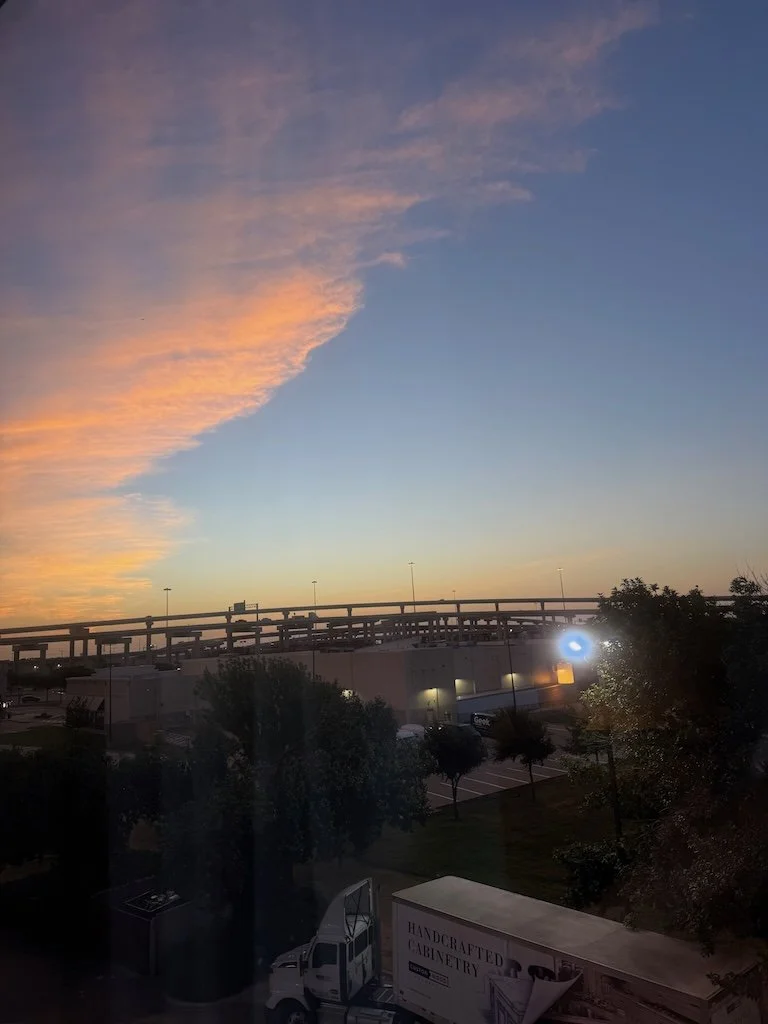
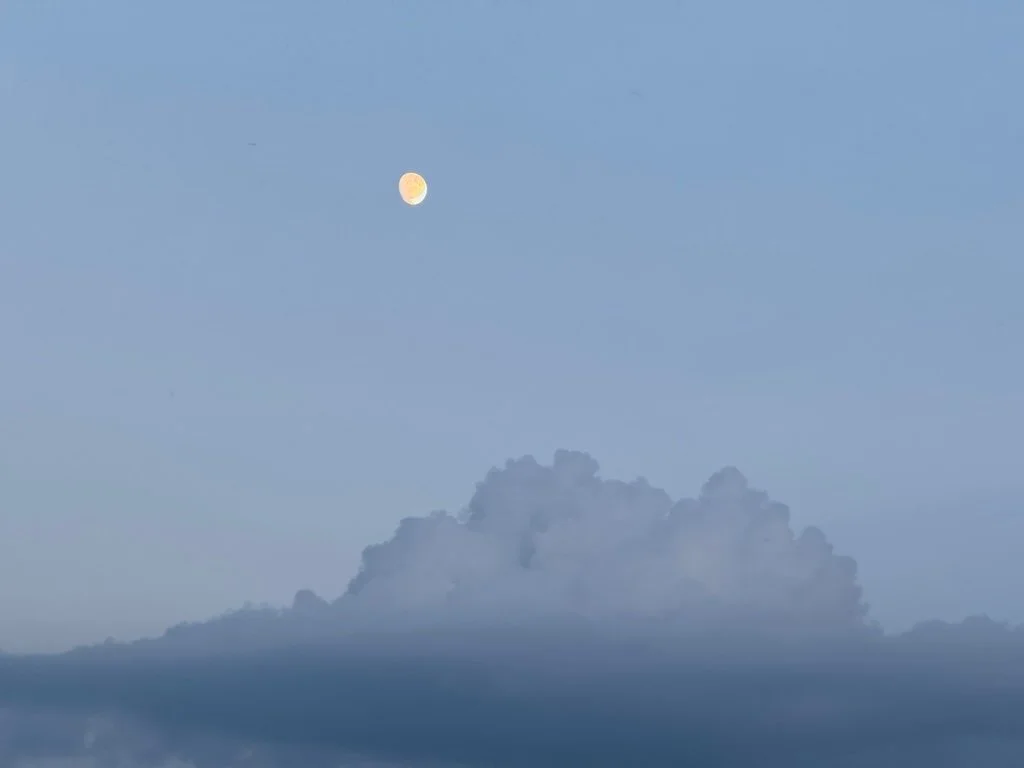
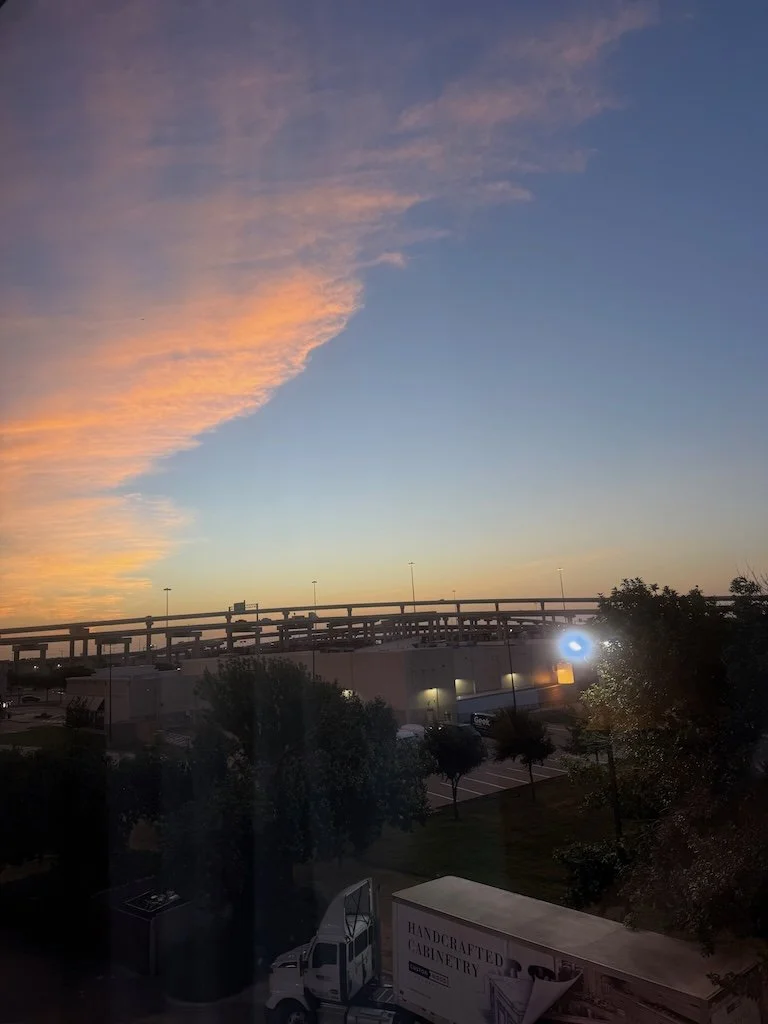
06/28/2026 BBC What watching the sunset really does for your health - There's growing evidence that sunsets – and sunrises, for that matter – can have a meaningful impact on our brain and mental health: diminishing anxiety and depression while boosting memory, creativity, sleep and even altruism. 

6/25/2026 The Conversation Most bees are solitary and don’t live in hives. Climate change risks them starving - Currently, most of what we know about bee nutrition comes from highly social species such as honeybees or bumblebees. Yet most bees are solitary or communal (group living but with no queens and workers). They might experience the nutritional landscape and nutritional stress in very different ways.

06/22/2026 NASA A Turquoise Tint for the Black Sea - The Black Sea sits at the boundary between Europe and Asia and connects to the Mediterranean Sea via a chain of waterways. Its surface often appears dark, but each spring and summer it transforms into a striking expanse of swirling turquoise. The turquoise color is likely caused by coccolithophores, a type of phytoplankton covered with calcium carbonate plates that can give surface waters a milky-blue appearance. These types of phytoplankton tend to dominate in late spring and early summer. Other times of the year, diatoms—a type of microscopic algae with silica shells—can become more prevalent, and they tend to darken the water rather than brighten it.   

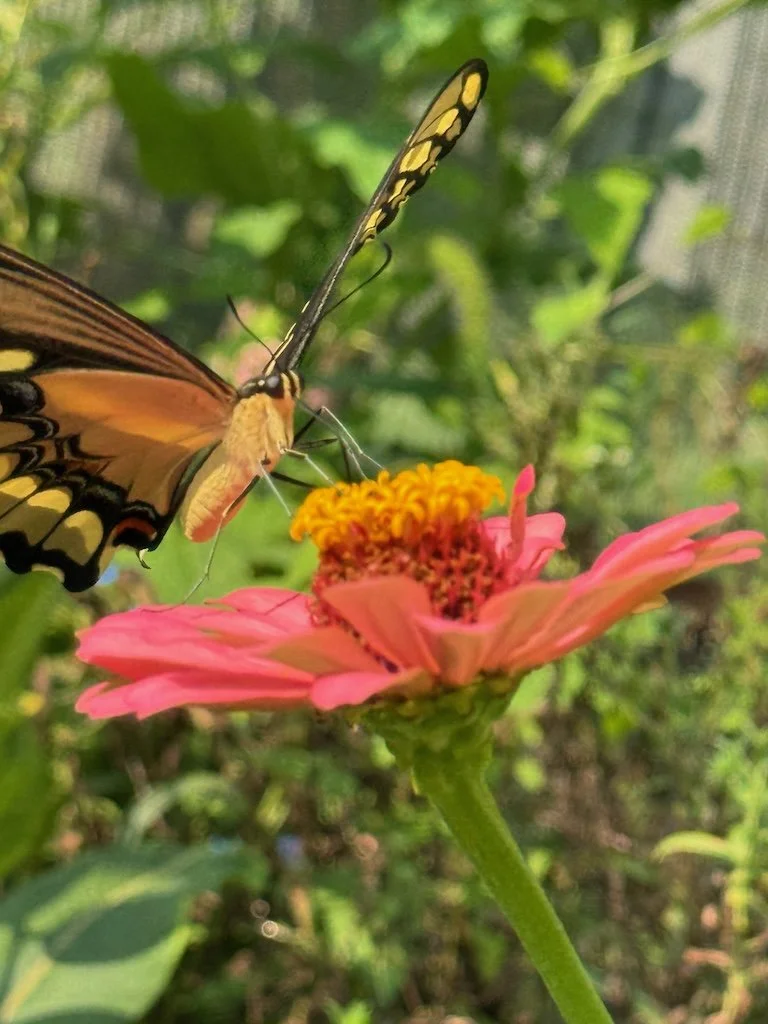
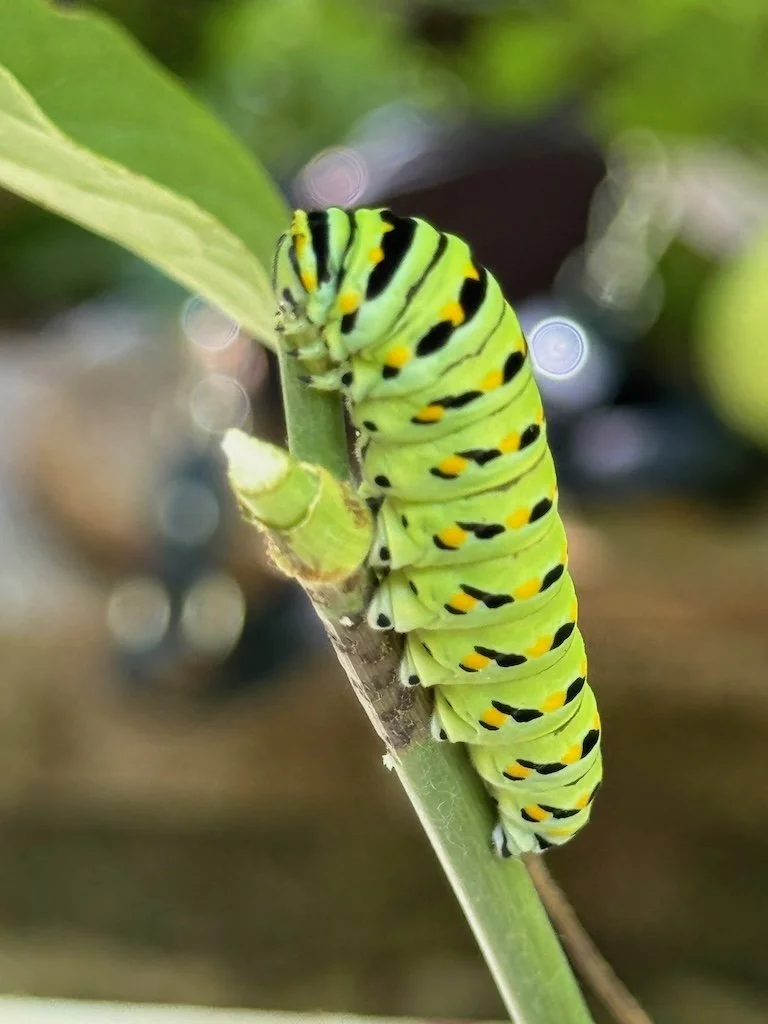
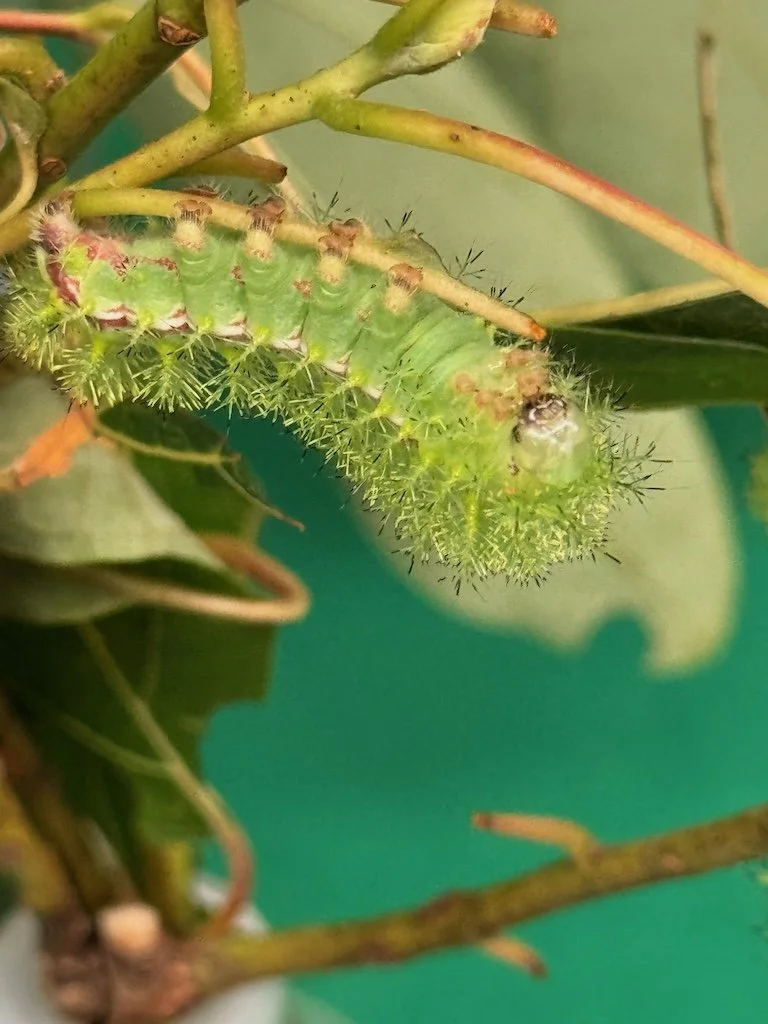
6/24/2026 NWF Blog 7 Moths that Make Butterflies Look Boring – The only one I haven’t seen is the Texas Wasp Moth!

06/30/2026 Artnet These 10 U.S. Landmarks Are At-Risk - As America gears up to mark the 250th year of its independence, the World Monuments Fund (WMF) is throwing a spotlight on 10 historic places that it says are most urgently in need of preservation.

6/27/2026 Science Daily Yellowstone’s supervolcano may be fueled by something unexpected - Instead of a deep plume rising from near Earth’s core, a broad “mantle wind” may push hot rock beneath Yellowstone, generating magma closer to the surface. This process helps create a massive underground magma network and may explain how supervolcanoes remain active for long periods.

Gleanings of the Week Ending November 1, 2025

The items below were ‘the cream’ of the articles and websites I found this past week. Click on the light green text to look at the article.

7 Foods and Beverages That Have the Most Microplastics (and What to Eat Instead) – A list and a short video. I found myself wondering if we can really avoid the microplastics in apples and carrots…since some of them are from soil/water rather than packaging. There might not be a good choice out there since microplastic is everywhere.

Microplastics are everywhere. You can do one simple thing to avoid them. – Avoid heating plastic (in the microwave…by pouring hot drinks into it…washing synthetic fabrics in hot water…drying synthetic fabrics in high heat).

Bat: It’s What’s for Dinner – The bat predators might surprise you!

This experimental “super vaccine” stopped cancer cold in the lab - A groundbreaking nanoparticle-based cancer vaccine that prevented melanoma, pancreatic, and triple-negative breast cancers in mice—with up to 88% remaining tumor-free. The researchers envision that this platform can be applied to create both therapeutic and preventative regimens, particularly for individuals at high risk for cancer.

World Reaches a Climate ‘Tipping Point,’ Imperiling Coral Reefs - Scientists say that warming has breached a critical threshold for tropical coral reefs, which are expected to see catastrophic losses in the years ahead. The loss of reefs would have ramifications for the hundreds of millions of people worldwide who depend on them for food or income.

The liquid air alternative to fossil fuels - An overlooked technology for nearly 50 years, the first liquid air energy storage facility is finally set to power up in 2026. It's hoping to compete with grid-scale lithium batteries and hydro to store clean power and reduce the need to fall back on fossil fuels. The process works in three stages. First, air is taken in from the surroundings and cleaned. Second, the air is repeatedly compressed until it is at very high pressure. Third, the air is cooled until it becomes liquid, using a multi-stream heat exchanger: a device that includes multiple channels and tubes carrying substances at different temperatures, allowing heat to be transferred between them in a controlled way. When the grid needs extra energy, the liquid air is put to work. It is pumped out of storage and evaporated, becoming a gas again. It is then used to drive turbines, generating electricity for the grid. Afterwards, the air is released back into the atmosphere.

China’s Electric Highways: Awe, Engineering, and the Myths of Invisible Danger - China has built hundreds of thousands of kilometers of high-voltage corridors, connecting wind, solar, hydro, and coal resources spread across a continent-sized nation.

U.S. Whale Entanglements Are on the Rise, New Data Shows - The number of large whales that became entangled in fishing gear along coasts in the United States rose sharply in 2024. Officials were able to trace roughly half of the 2024 cases to specific commercial and recreational fisheries. The other cases involved gear that could not be directly linked to a specific source. Whale entanglements were documented off the coasts of 12 states, but 71 percent of cases occurred off California, Massachusetts, Alaska and Hawaii. A quarter of all entanglements took place off California, primarily in Monterey Bay.

The Erie Canal Turns 200 - Cutting 363 miles (584 kilometers) across the state of New York, the Erie Canal was the engineering marvel of its day when it opened in 1825. The waterway was built over 8 years through the toil of humans and animals, new tools and techniques, and plenty of ingenuity. It established a navigable route from Lake Erie to the Hudson River, forming a vital connection between the U.S. Midwest and the Atlantic Ocean. Commercial traffic on New York’s canals plummeted when ocean-going vessels could travel between the Great Lakes and the Atlantic Ocean via the St. Lawrence Seaway starting in the late 1950s. Two hundred years after the Erie Canal officially opened on October 26, 1825, it still handles a small amount of commercial shipping, but recreational boaters are its primary users.

How to Photograph Flat Prairies – Lots of ideas for photography on prairies!

Intimate Portraits of the Nenets Capture the Faces of Indigenous People in the Russian Arctic - Herders still live in chums and migrate several times a year with their reindeer. And yet they aren’t outside the modern world. Education is universal, snowmobiles are common, and some even post parts of their daily life on social media. Meanwhile, the region is developing fast thanks to its vast natural gas reserves.