Gleanings of the Week Ending November 22, 2025

The items below were ‘the cream’ of the articles and websites I found this past week. Click on the light green text to look at the article.

Spotted Lanternfly Biology and Lifecycle – Missouri is trying to stop them from gaining a foothold in the state….but it will take a lot of vigilance. The invasive insects are already in Illinois and could move into Missouri very easily – particularly as egg masses on vehicles. In the current infestations, spotted lanternfly has shown to have one generation per year consisting of four nymphal stages, an adult stage, and overwintering as egg masses.

Could Non-Invasive Colon Cancer Screening Replace Colonoscopies? – It would be great if these could work….colonoscopies are invasive tests….but, for now, they are the only choice for a reliable screening for colon cancer.

13 Non-Toxic, Plastic Free Electric Kettles for a Healthy Cup – A plastic free electric kettle is on my wish list for this year. It will be used a lot in my office.

Reindeer Hunting Artifacts Emerge from Melting Ice in Norway - Melting ice in Norway has revealed a 1,500-year-old reindeer trap, preserved beneath centuries of snow and ice layers. Archaeologists uncovered wooden mass-capture fences, marked antlers, weapons, and a unique decorated oar from the site this year.

Why are thyroid cancer cases increasing across the world? - We're likely observing a multifactorial phenomenon that includes environmental, metabolic, dietary and hormonal influences, possibly interacting with underlying genetic susceptibility.

A Bird in Mourning Wins the 2025 European Wildlife Photographer of the Year Contest – Great photos!

Anxiety is one of the world’s most common health issues. How have treatments evolved over the last 70 years? – I was surprised that no new drugs have been approved since 2004. While existing treatments can be very effective for some people — in fact, life-changing for some — we still have some way to go to develop effective treatments for everyone who struggles with an anxiety disorder, and ensure these treatments are available to them.

What a baby's first poo can tell you about their future health - T he Baby Biome study, which aims to understand how a baby's gut microbiome – the trillions of microbes living in their digestive tract – affect their future health. Babies born vaginally seem to inherit most of their bacteria from their mother's digestive tract; babies born via C-section had more bacteria associated with hospital environments.

From Ruins to Reuse: How Ukrainians Are Repurposing War Waste - Russian bombardments have generated more than a billion tons of debris across Ukraine since 2022. Now, local and international efforts are meticulously sorting the bricks, concrete, metal, and wood, preparing these materials for a second life in new buildings and roads. 

Our Plan to Restore the Gulf Coast for People and Wildlife - America’s Gulf Coast stretches over 1,700 miles and is home to 15,000 species of fish and wildlife, making it one of the most biodiverse areas in the country. It’s also one of the fastest-growing—the counties that border the Gulf are home to approximately 65 million people. Despite the challenges, including federal funding cuts to states, shifting political priorities and increasingly destructive storms and flooding, the National Wildlife Federation remains optimistic about what we can achieve in the next five years and the decades to come.

Gleanings of the Week Ending April 12, 2025

The items below were ‘the cream’ of the articles and websites I found this past week. Click on the light green text to look at the article.

Doctor shortages have hobbled health care for decades − and the trend could be worsening – It does seem like it is getting harder and harder to make an appointment with my doctor…and I have yet to see the same doctor twice for my annual checkup since we moved to Missouri. This article provides some background into why the US is increasingly short of doctors.

Your neighborhood might affect your risk of dementia - Most studies of risk factors for Alzheimer's disease focus on the individual level, not the community level. Of course, intervening at the community level is challenging, but prioritizing disadvantaged communities may be an effective way to mobilize resources for older adults and provide avenues for reducing the risk of dementia for the overall community.

Mangrove Pioneers - On the ground, a team surveying tidal marshes near the Florida–Georgia border in 2024 found red mangroves (Rhizophora mangle) and black mangroves (Avicennia germinans) growing 50 miles (80 kilometers) and 14 miles (23 kilometers) farther north, respectively, than their previously documented range. Landsat and other satellite imagery are valuable for monitoring marsh-to-mangrove transitions over larger areas and longer time frames. Conditions along the U.S. East Coast are conducive to mangrove territory expansion - less-frequent extreme cold events and rising winter temperatures in the region as contributing factors to the trees’ survival.

These Carnivorous Snails Slurp Earthworms Like Spaghetti – Snails in New Zealand….the short video is worth watching!

Why Norway is restoring its Cold War military bunkers - Norway is a land with many bunkers. At the peak of the Cold War, the sparsely populated, mountainous country had around 3,000 underground facilities where its armed forces and allies could hide and make life difficult for any invader. Norway is reactivating two of their most iconic underground structures of the Cold War. The role of the reactivated base which has had structural and equipment upgrades is to help the "resilience and survivability" of Norway's F-35s in the face of a Russian attack.

Are Hairstyles the Key to Unlocking Art History’s Most Famous Portraits? - Hairstyling has always been a way that women exacted agency over their self-presentation.  Paintings and sculptures can be rare visual records of these carefully chosen, and ephemeral, hairdos—which, unlike fashion garments, can’t survive and be passed down. (Although some historic wigs and clip-ins have stood the test of time and made it into museum collections.)

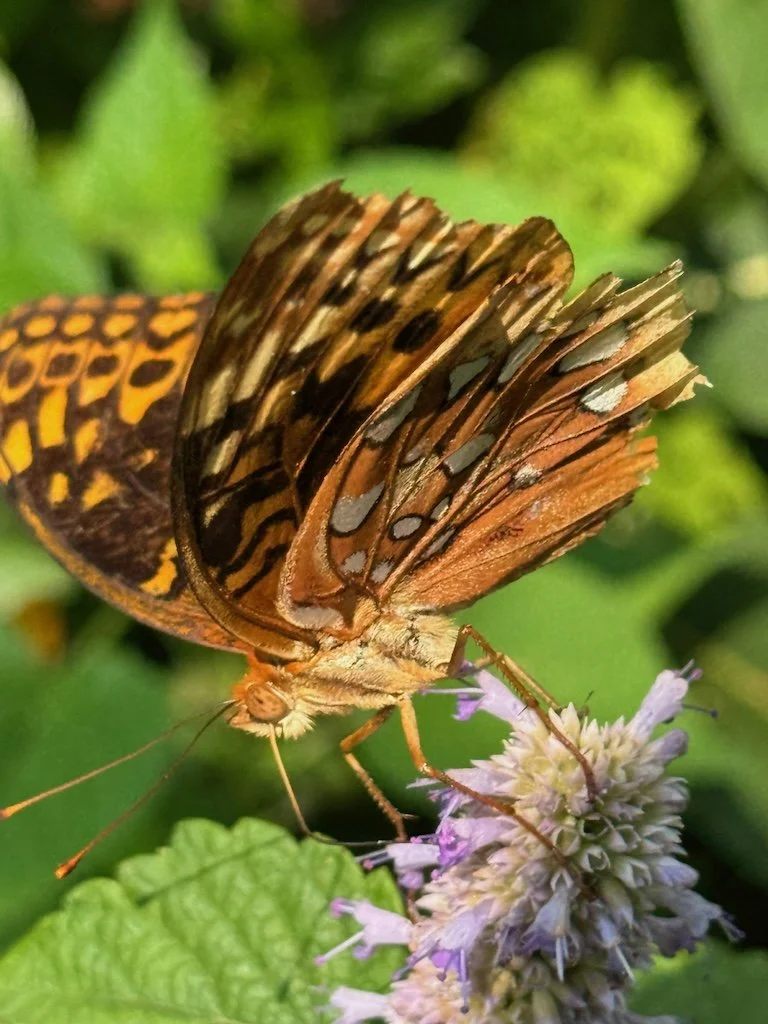
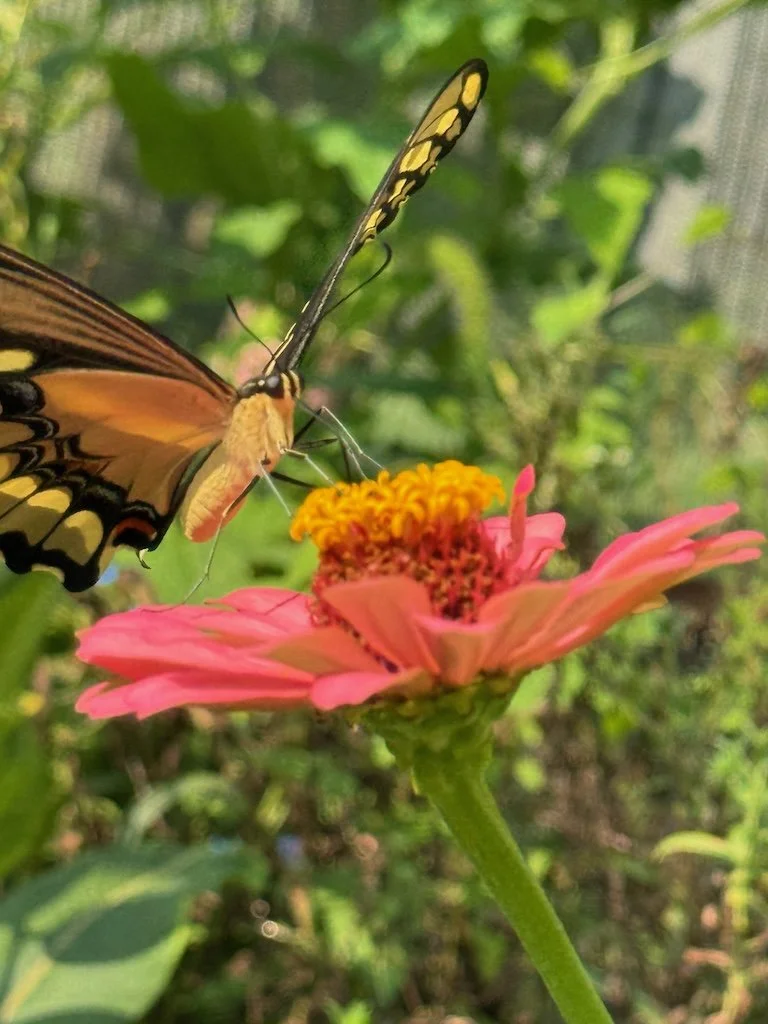
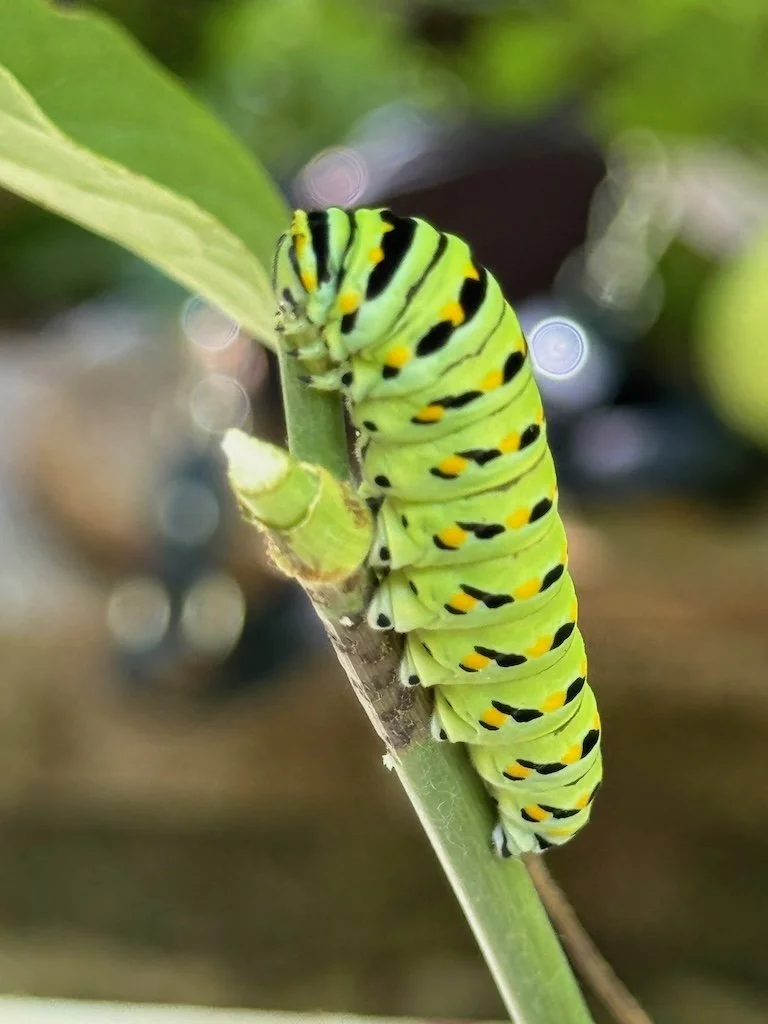
Making Sense of Butterfly Declines - Over the past two decades, the total number of butterflies across 554 species has plummeted by 22%. That means a loss of about one butterfly out of every five observed since 2000. This alarming trend underscores the severity of the decline, with many species experiencing drastic reductions in their populations. Three ways to help butterflies: plant native, plant native milkweed (i.e. native host plants), don’t spray.

2,000-Year-Old Wooden Houses Found in China - Houses in Shaoxing, Zhejiang, that date to the Warring States period (475–221 b.c.). The stilted and terraced wood-frame structures would have been covered with reeds and bamboo. The walls, made of interwoven wooden posts and thatch, retain numerous small holes, which archaeologists believe were left by grass ropes used to bind the structure together. Artifacts recovered from the site included primitive porcelain cups, red pottery tripods, ceramic urns, bronze drill bits, and plentiful remains of domestic animals as well as marine resources.

Retreating Arctic Glaciers Have Exposed 1,500 Miles of Coastline - Scientists tracked the movement of 1,500 coastal glaciers from 2000 to 2020, finding that retreating ice had unveiled hundreds of miles of coastline, largely in Greenland - revealing stores of precious metals…. but they warn that newly exposed coastline, which has not been cemented with ice, is vulnerable to erosion and landslides.

Listen to the First Known Recording of Shark Sounds, a ‘Weird’ Audio Clip Captured at a Marine Lab in New Zealand – Sounds from a rig shark…when it was handled between tests in the lab.