Plastics Crisis – 10 Visions

A lot of work now to reduce plastics is ‘baby steps’ because we must start somewhere. We need some successes to encourage more people to care about the impact of plastics on ourselves and all living things on our planet – to get the ball rolling to push back on the laissez-faire approach toward the plastic producers that seems to be the status quo around the world. We know that it is an uphill effort and will take a lot more people becoming alarmed/getting involved.

I’ve been thinking recently about what I would like to see beyond ‘baby steps’…and have picked 10 ‘visions’ to share in this week’s Plastic Crisis post.

  1. Plastic-Free labeling on food/cosmetic packaging is common – and plastic-free products are widely available. Remaining plastic packaging is required to be free of toxic chemicals particularly endocrine disrupting chemicals.

  2. Tea bags, cans, and snack wrappers don’t contain plastic and there are no single-use plastic shopping bags.

  3. Plastic bottles for food and cosmetics are phased out…replaced with glass or distributed in dry form and packaged in paper/cardboard.

  4. Biodegradable tires have been developed – created without toxic biproducts and recycled at the end of life into new tires. Fragments from tire wear biodegrade in the environment.

  5. Plastic producers are paying for plastic waste disposal (using less toxic methods than available in 2025…i.e. not releasing toxic chemicals into the air, water, soil…so no landfill or burning, etc.)

  6. Mining of landfill material from high plastic times is beginning to reduce the ‘time bomb’ toxicity of the plastic era.

  7. Synthetic carpets and plastic/vinyl flooring are replaced with biodegradable materials.

  8. Water treatment plants filter out most microplastics …and technology is being developed to reduce nano-plastic particles as well.   

  9. The perception of plastic is ‘toxic’ rather than ‘clean/sterile’ as it was historically.

  10. Chemicals are considered toxic to humans until proven safe. There will be no more ‘forever’ chemicals that are new and heavily used….and then discovered to be toxic.

Plastics Crisis – Plastic and Conservation After School Program

I participated in a program about plastics and conservation for an after-school program at an area school. The grade range for the 43 participants was first through eighth grade. We did the program twice…to make the group size more management for the activities.

The gym was equipped with a projector for our short slide show to set the stage (featured a short video of animals in Missouri, a beautiful view of the Missouri river/a view of the river bank full of plastic waste), a little about how plastic is produced, and a picture of peanut the turtle (a turtle rescued with band of plastic around its middle deforming its shell).

There were two activities that the students rotated through: 1) a web game where a ball of yarn was thrown to participants in a circle representing parts of a Missouri ecosystem  to help the students visualize what happens as plastic impacts a web of life– usually in negative way and 2) looking at a piece of synthetic fabric under a microscope and talking more how many things we use every day are plastic and are shedding tiny pieces as we wear them…and launder them.

The whole group was back together for the last activity. There was a bin of water to represent a river and a small empty bin to represent a landfill. Every 30 seconds another small bin of trash was dumped into the ‘river’….and there was an effort to scoop it up and put it in the ‘landfill.’ It didn’t take long before 1) the landfill was overflowing and 2) there were still some trash in the river that we didn’t get out fast enough!

As we summed up, we asked what kinds of things they could do to reduce plastics…lots of interesting ideas emerged. When we asked if they thought their school could try a plastic free lunch day next school year …they were enthusiastic. Some of them said they should try a week or a month plastic free. It might not be as hard for their school since the cafeteria has reusable items. They agreed that those that brought their lunch might need to rethink small plastic bags!

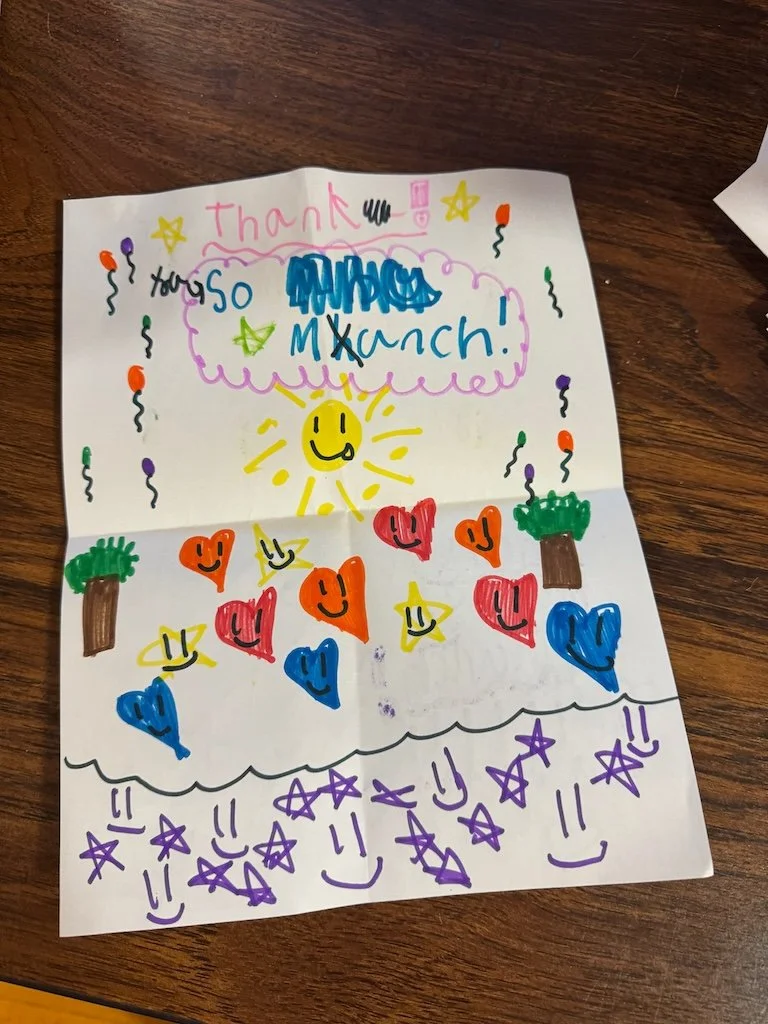
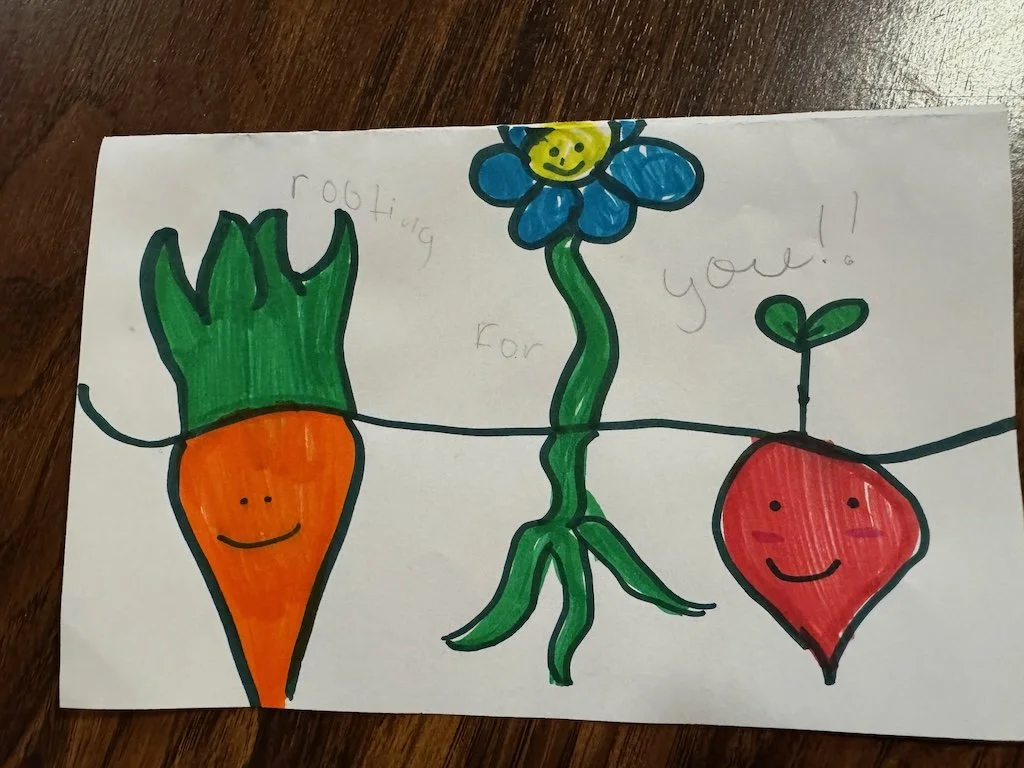
At the end we were handed Thank You notes the children had made!

Plastics Crisis – Black Friday Purchases

I did my black Friday shopping online this year…and it all involved reducing plastic at my house!

I bought three stainless steel mixing bowls with handles (replacing plastic mixing bowls), a shampoo bar (to replace plastic bottles of shampoo), and replacement filters for my air purifiers that I have in my office and bedroom (get microplastics out of the air).

Those purchases were small compared to the Rorra Countertop System for water filtration. I have been using a Brita Elite filtration system for the past few years, but the filter housing and the pitcher is plastic, and I was never quite sure how much of the microplastics/‘forever’ chemicals the filter removed; I did discover that I like drinking filtered water all the time…I can taste the difference. The testing for the Rorra is impressive and I am looking forward to having it on my countertop and not lifting any big pitcher; I can use the sprayer at my sink to get the water into the system to be filtered.

…Now to take the boxes of plastic stuff to Goodwill. I feel a little guilty because I really don’t want this plastic around at all – but maybe it is better to not send it to the landfill.

Geology Course Experiences – April 2025

Over the past month, the online geology course has moved along slowly with only another 2 chapters covering waste management/landfills and landslides. There was a week-long pause for Spring Break. I am glad I chose this version of the geology class (It’s titled ‘Earth: The Survival Guide’) since it provides a background for items in the news that have a geologic component. The syllabus for the next few weeks shows a significant uptick in topics with 4 chapters before the last exam on May 1. It seems like the course pacing is dramatically skewed toward the end.

I was disappointed that the scheduled field trip day was canceled because of weather (rain the previous days and the scheduled day, flash flooding and river flooding). Evidently there is not going to be another attempt. I’ll have to make do with my own observations as I travel around the state…and the geology field trip with Missouri Master Naturalists that is scheduled for early May; hopefully the weather will be better for that one.

The labs were also impacted by spring break. Topics were:

  • Groundwater contamination investigation that involved samples to be tested for nitrates, total dissolved solids, pH, and salinity…then pinpointing where contamination was coming from using a contour map of industries and where the samples were collected.

  • Streams and rivers using topographic maps to observe how river move along the surface and the observable structures from the interactions between water and the surface (things like natural levees and oxbow lakes).

  • Geologic maps – looking at the geographic distribution of rock units exposed at the Earth’s surface. Maps of Webster County MO, Bright Angel Quandrangle, AZ (part of the Grand Canyon), and the Williamsville Quadrangle, VA (part of the Appalachian Mountains).

The ‘streams and rivers’ lab was not on the original syllabus and there has not been an update showing which of the labs will be dropped. I hope the ones on Caves/Karst and Shorelines will still be part of the semester.

I am anticipating a flurry of activity between now and the end of the semester! There are a lot of textbook chapters in the syllabus that we haven’t done yet.

Field Trip to Springfield Wastewater Treatment and Landfill

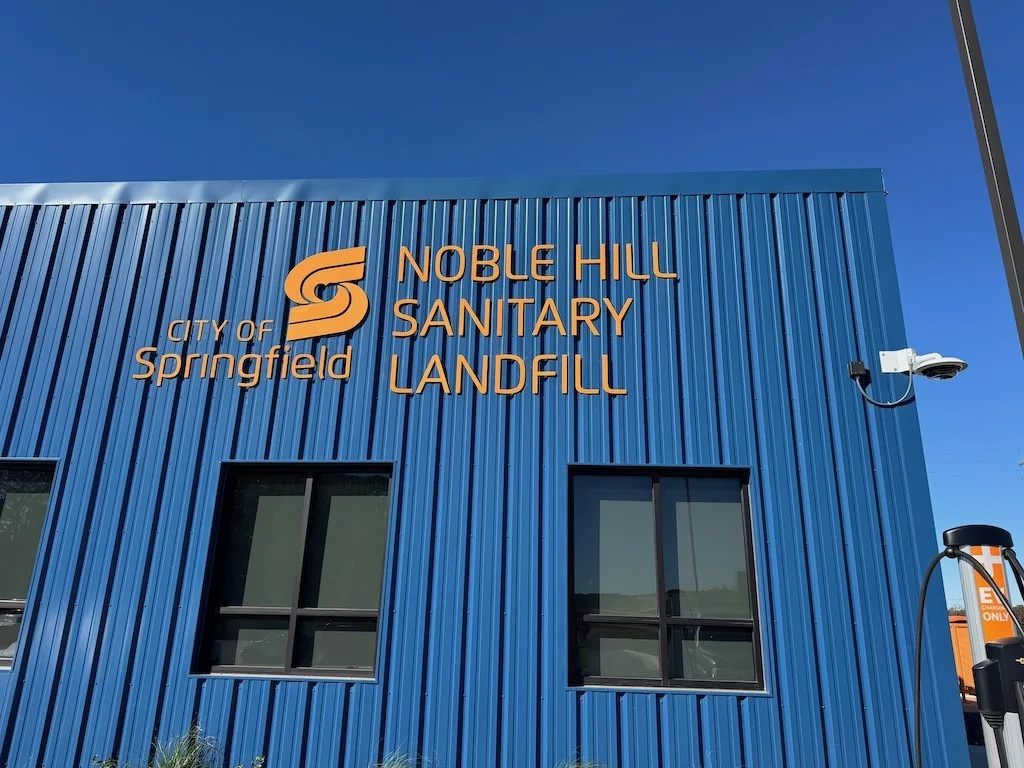
The last field trip on the Missouri Master Naturalist (MMN) training schedule was to the Springfield Wastewater Treatment Plant and Landfill.

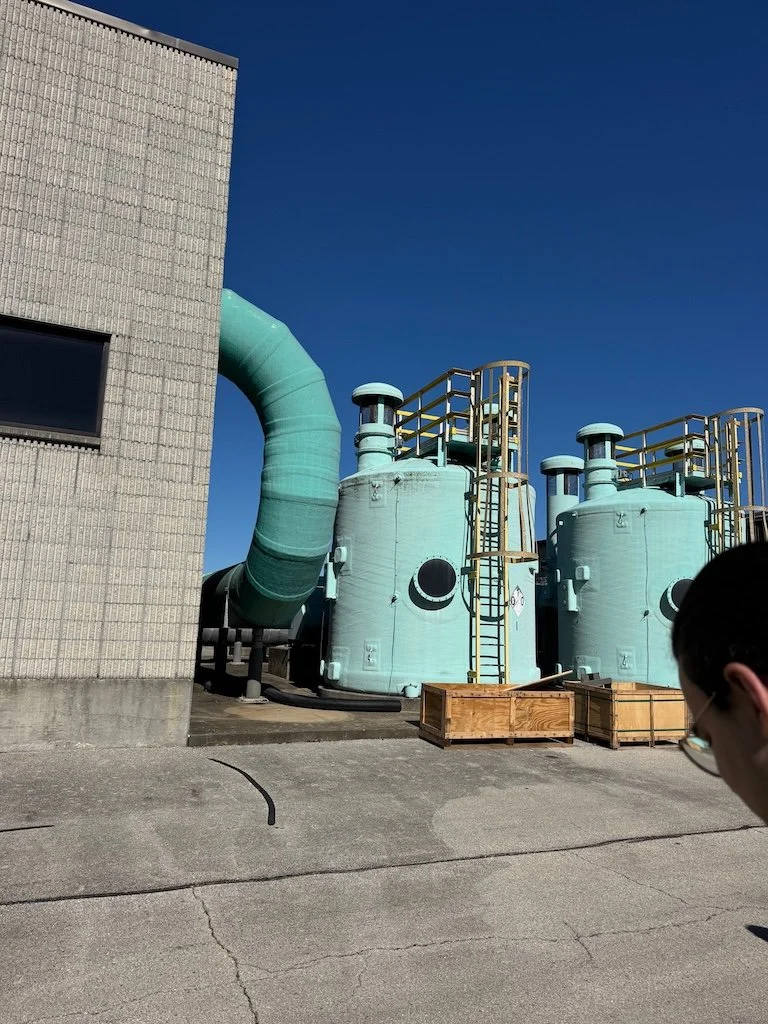
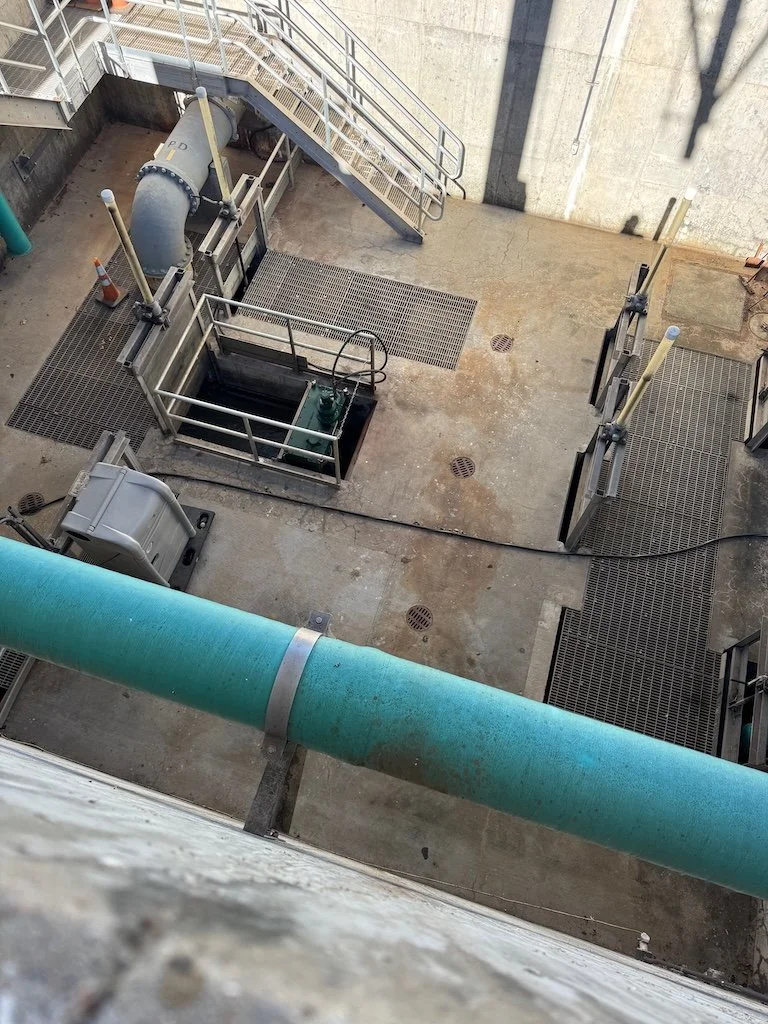
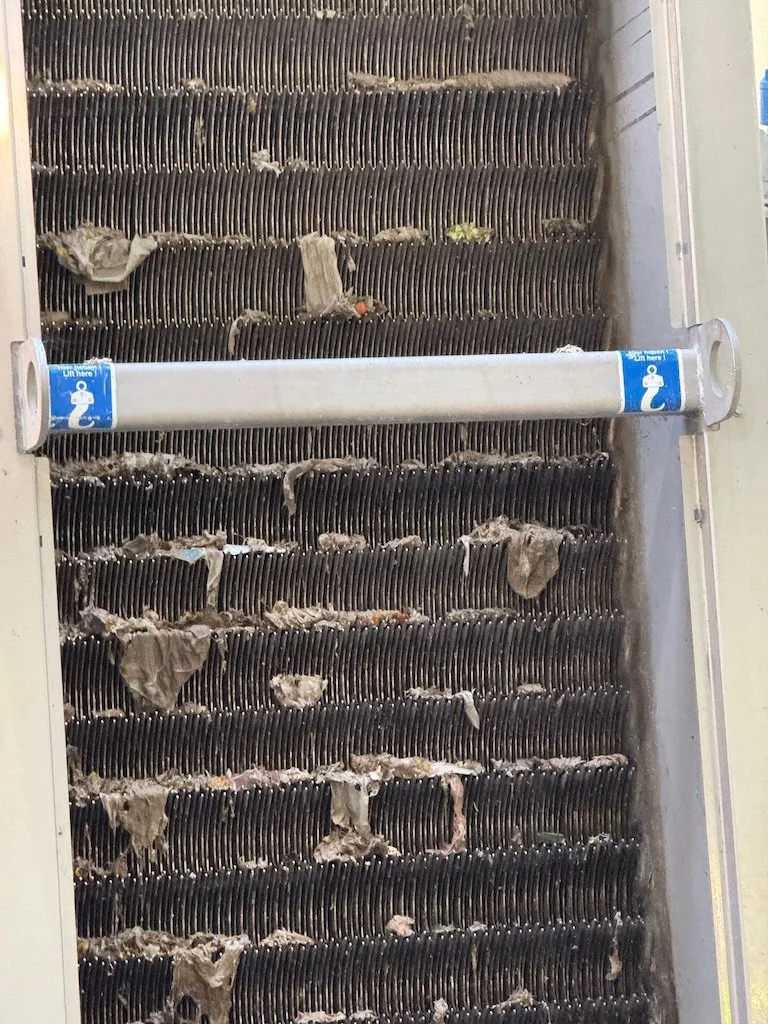
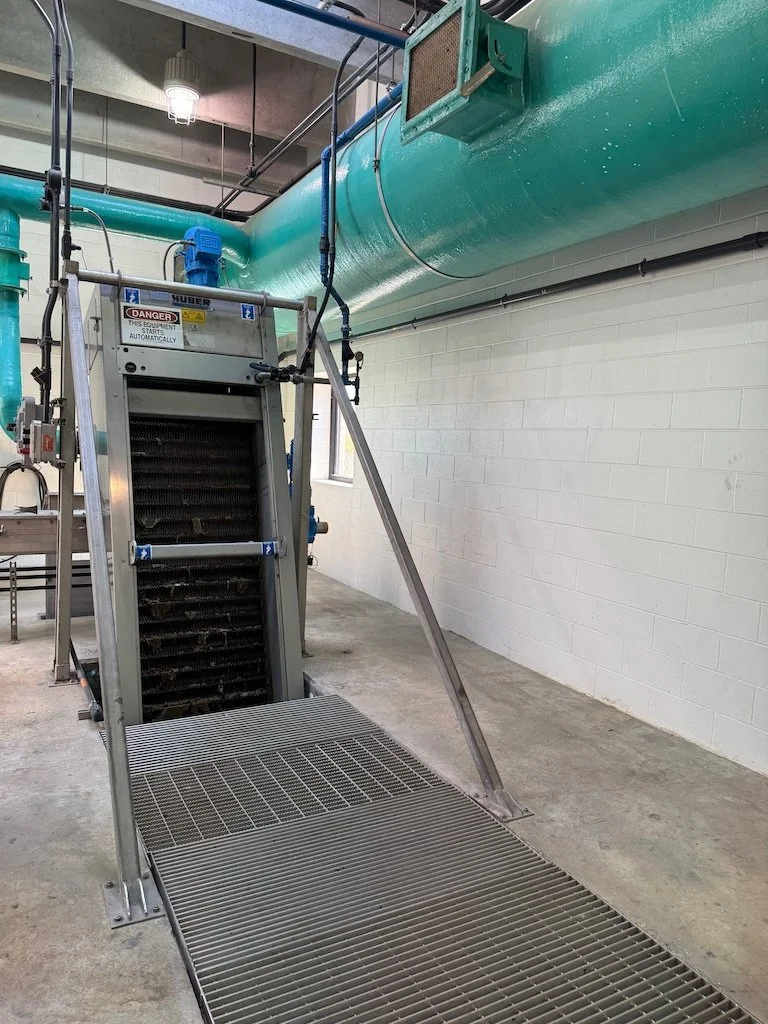
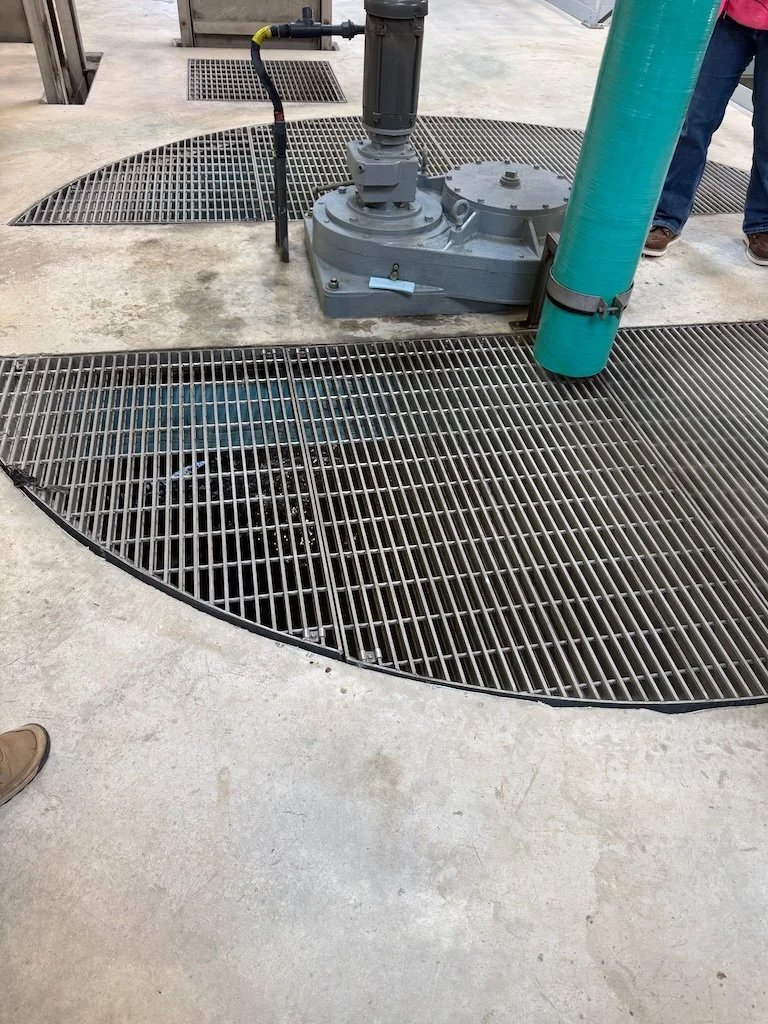
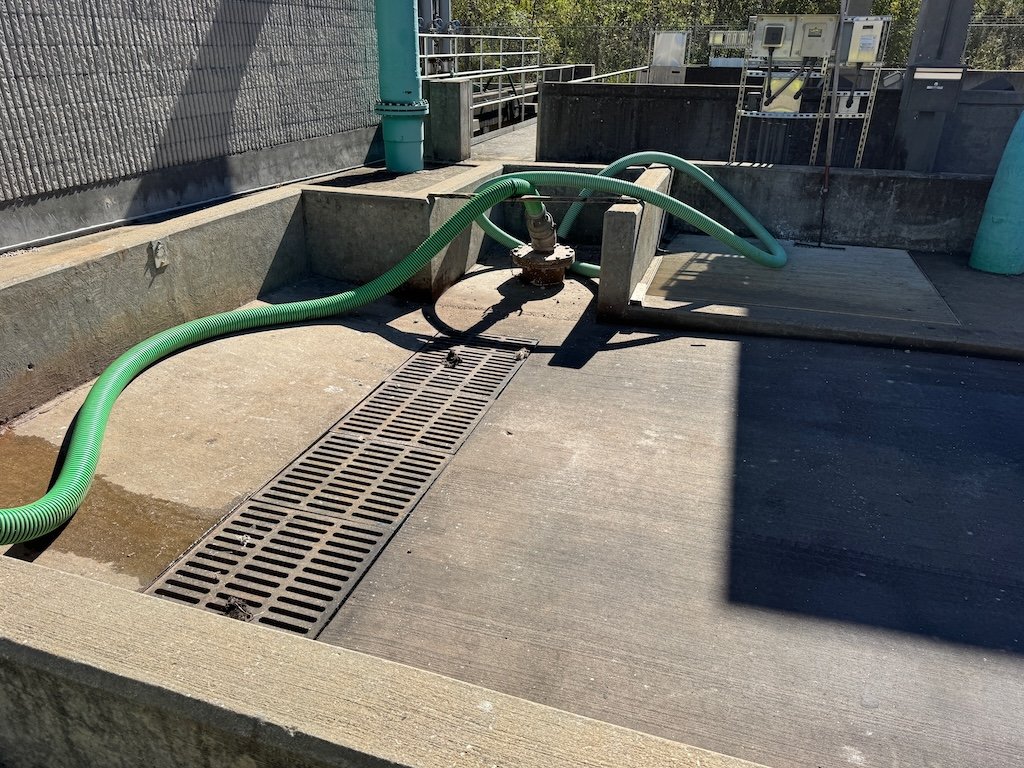
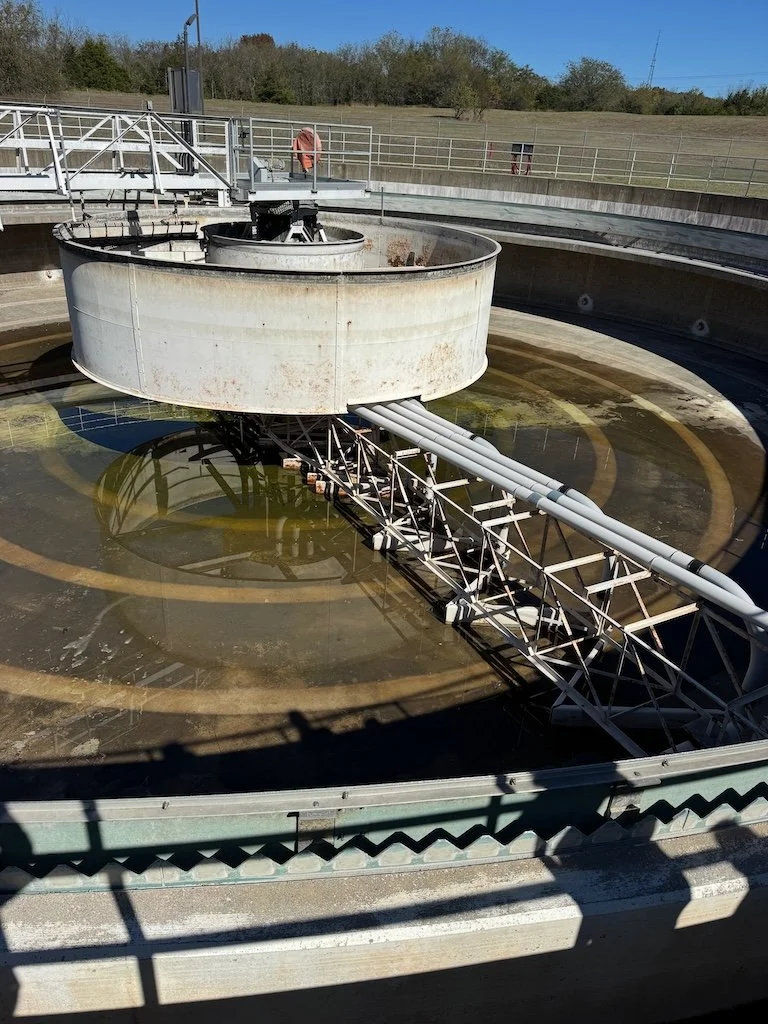
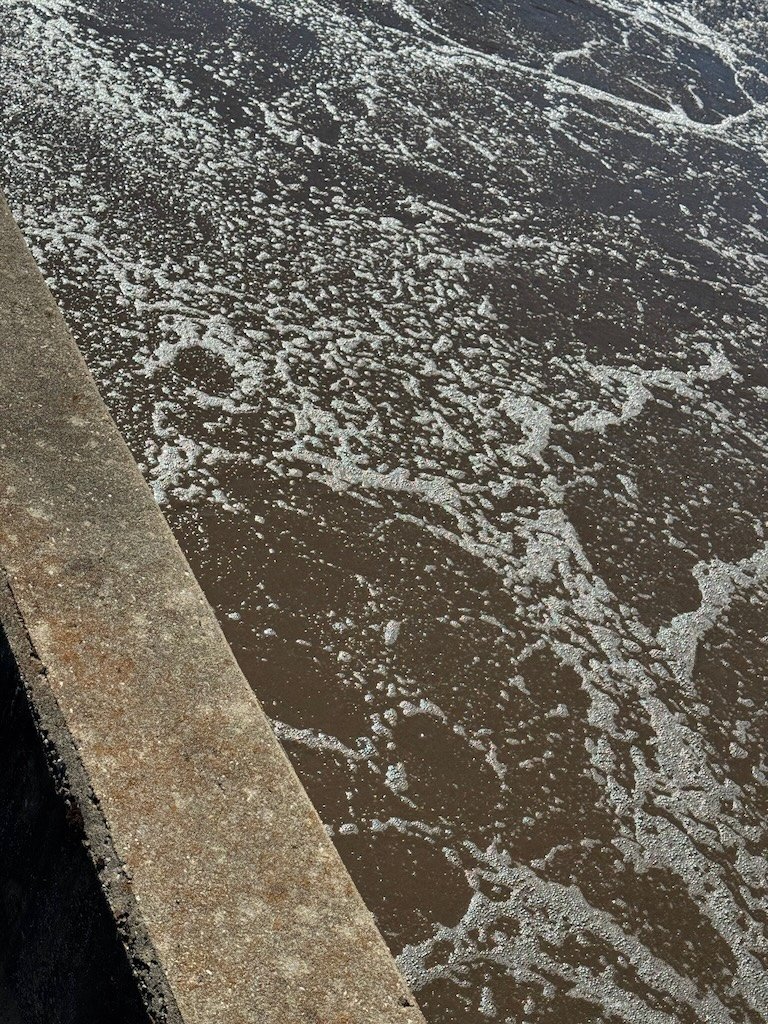
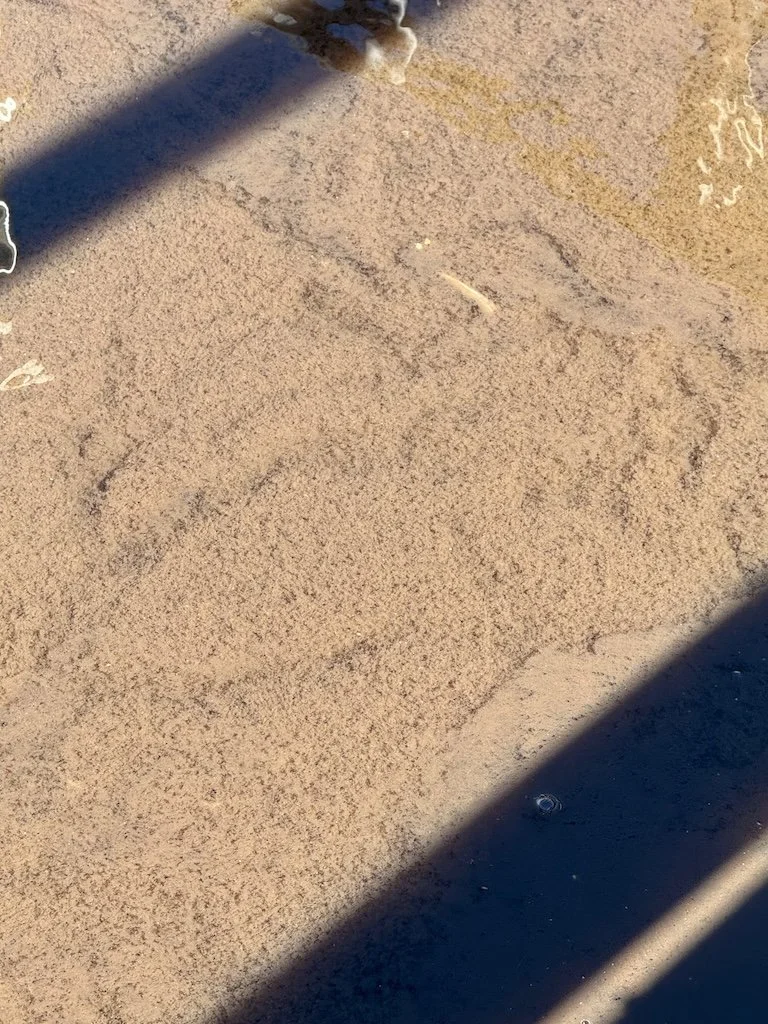
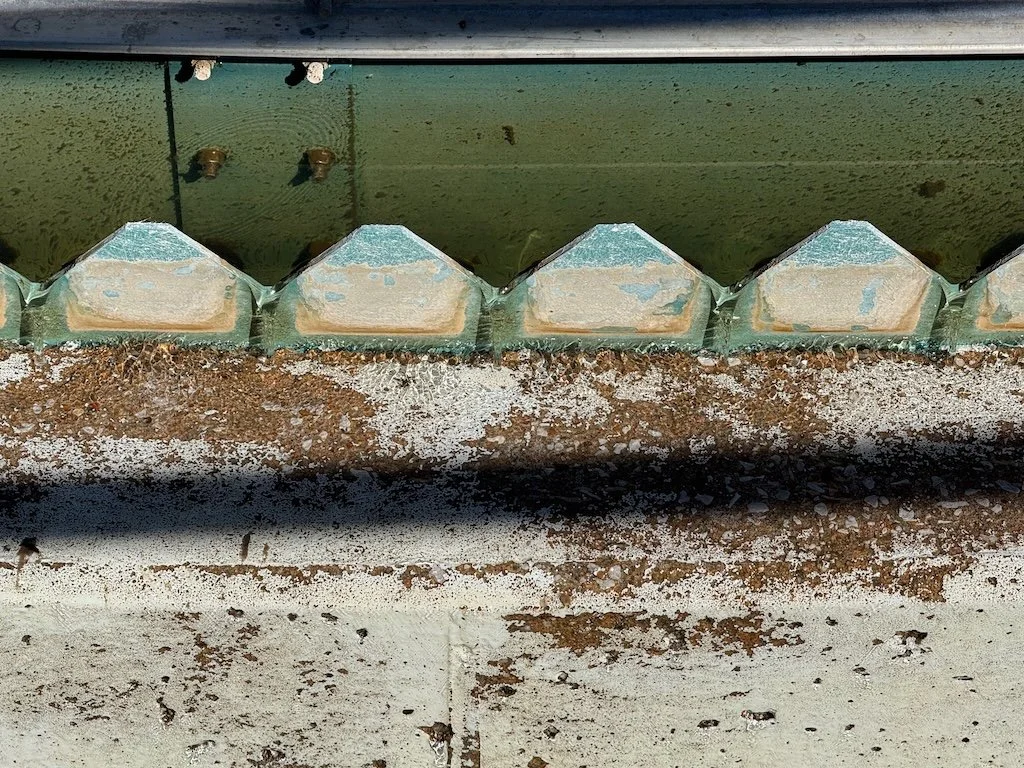
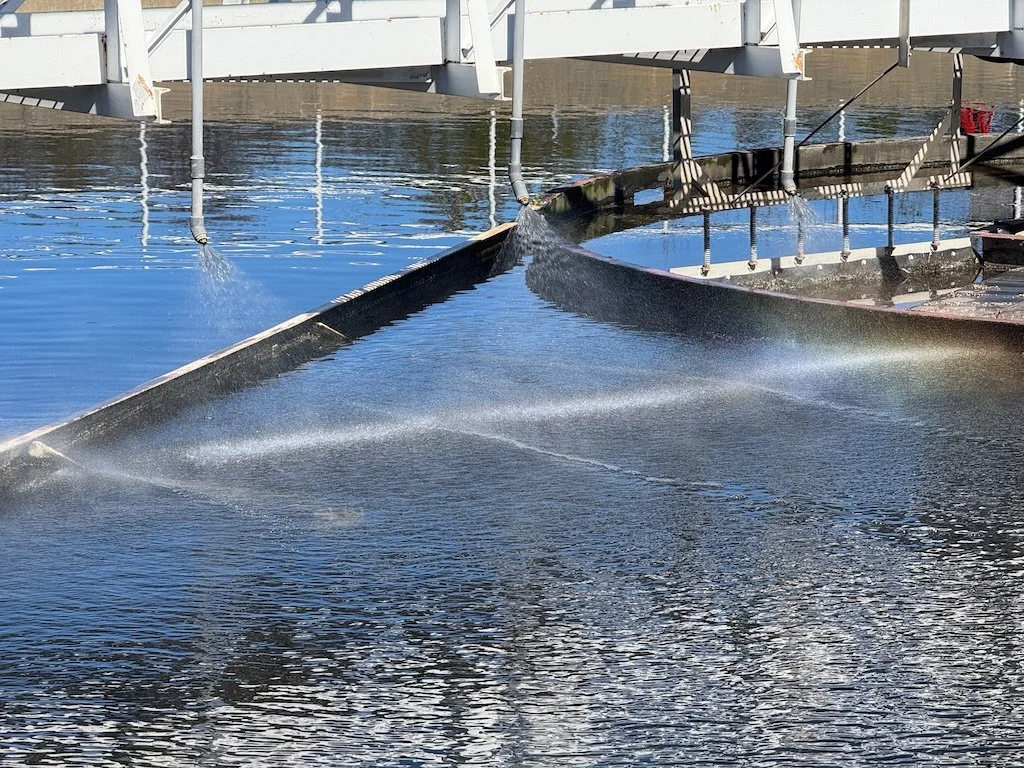
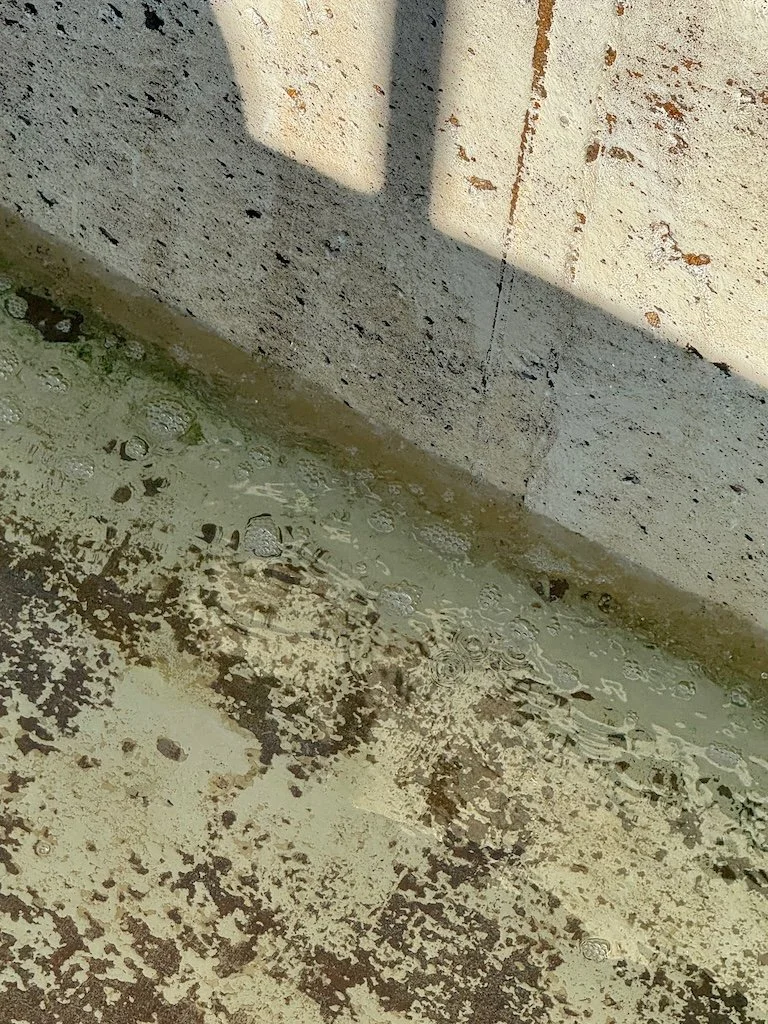
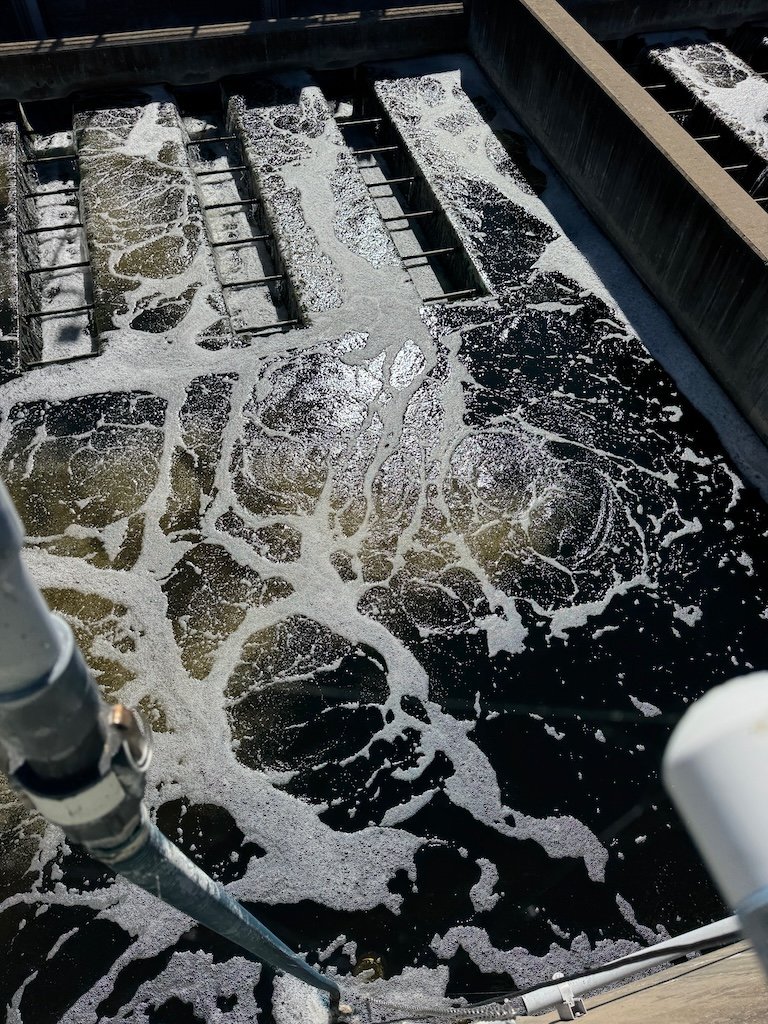
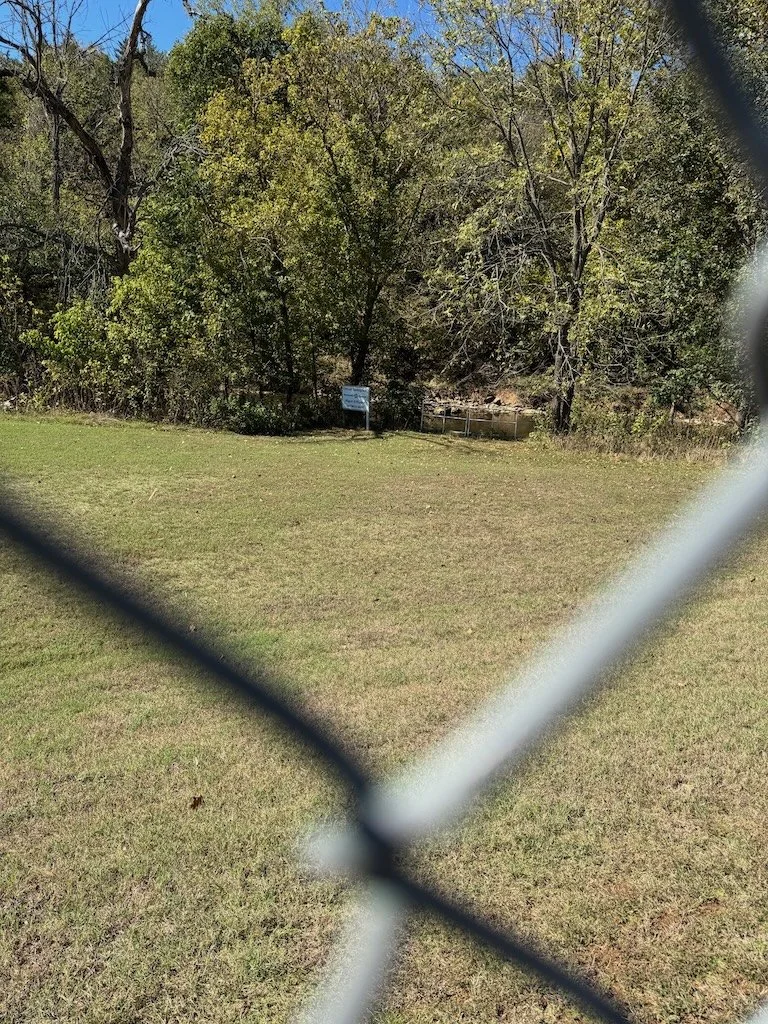
The wastewater treatment plant that we toured was the smaller of the two that handle Springfield’s sewage. I was surprised that the smell of the place was not as bad as I expected. Maybe it was not as bad because it was a cool morning, but I expect that it primarily was because of the improvements in technology since I last toured a plant over 50 years ago! Now they have a lot more filters and blowers. There are challenges of materials that shouldn’t be in sewage – small items that get flushed (including wipes) that are still solid when then get to the plant and those are taken out early. There are anaerobic and aerobic basins where microbes do the work of cleaning the water. Sometimes there are enough oils that they must be put back through the process. Once the sludge is taken out, the water is clear and the microbes remaining are killed using UV light before the water leaves the plant for the river; the water released from the plant is about the same water quality as the river and there is monitoring to make sure that is true.   

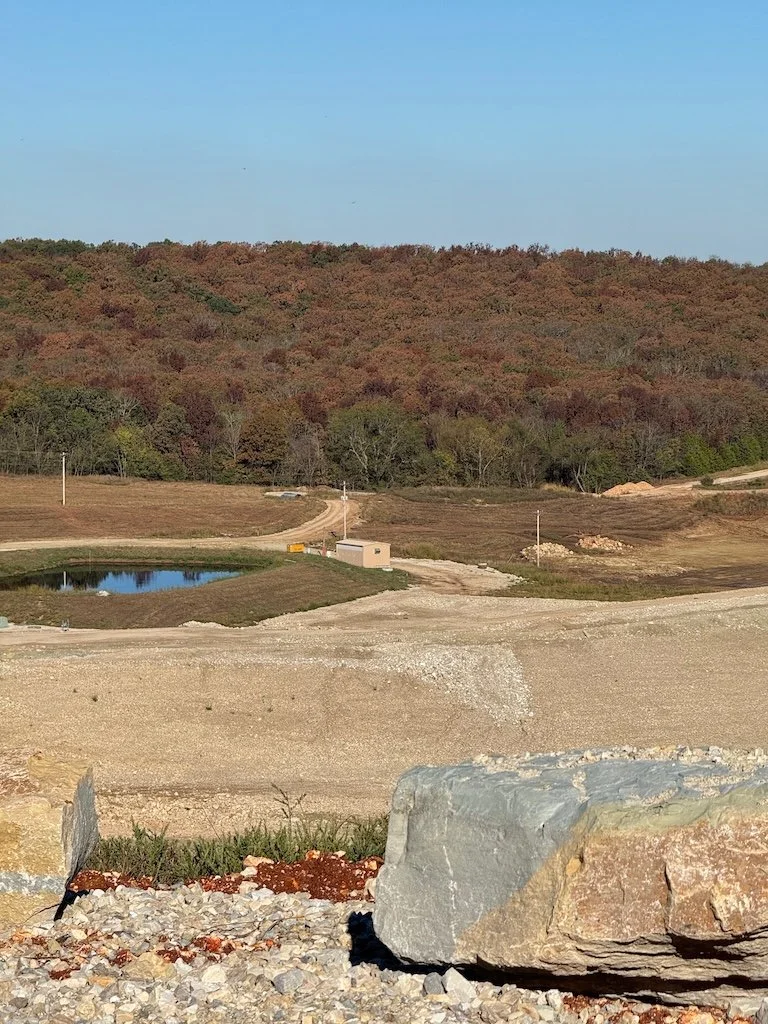
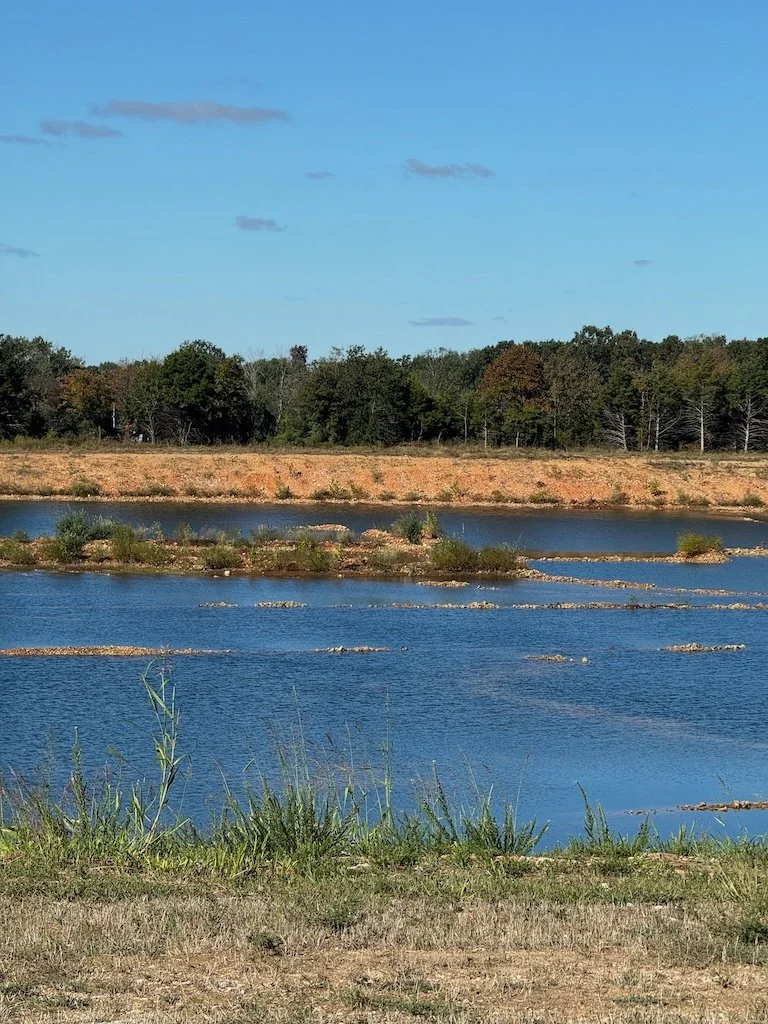
The landfill is uphill from the wastewater plant; the landfill is a high hill so there are great views of the countryside around it.

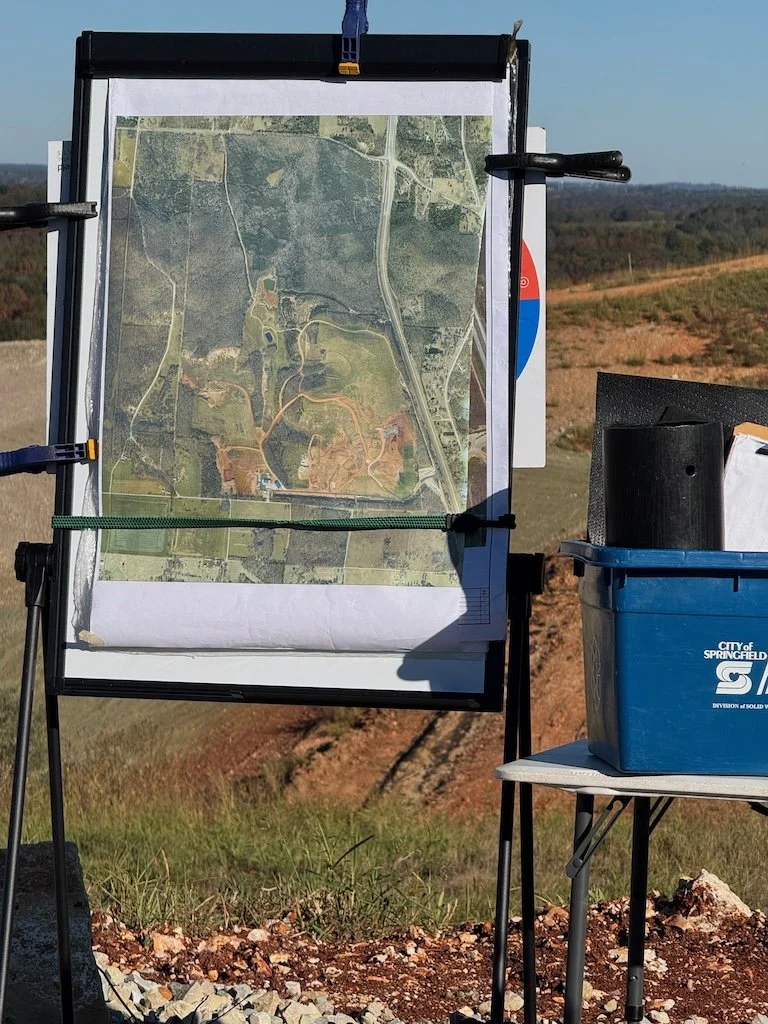
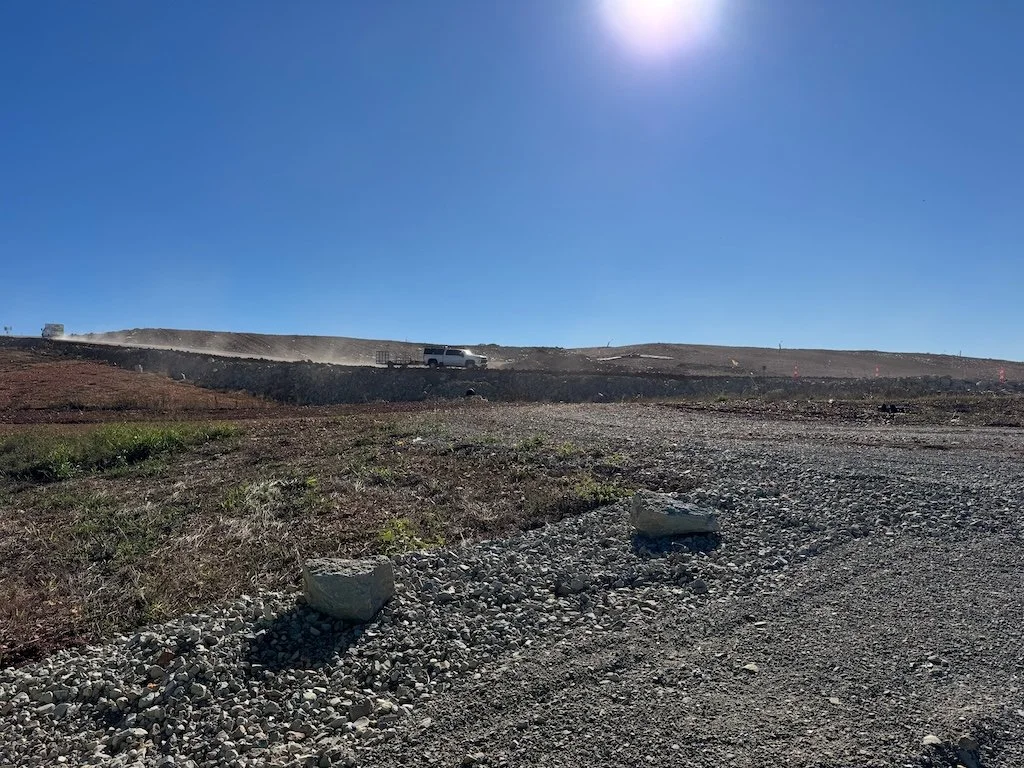
It was a learning experience…I took notes. The landfill is 1200 acres of land with 213 acres active (i.e. there is plenty of buffer between the landfill and neighboring properties). We learned about the landfill’s construction that protects groundwater; the liner under each cell of the landfill is 5 foot thick: compressed aggregates, felt, plastic, leachate pipe (to drain of liquids) surrounded by river gravel, and finally felt. Each cell of the landfill is 5-10 acres. The leachate pipes are connected to a sewage line that takes the fluid down the hill to the wastewater treatment plant. The temperature in the landfill is 100-120 degrees and that is monitored via wells that are extended as pile gets higher. There are 16 ground water wells near the landfill that are checked every 6 months. They have increased the number of gas wells from 97 to 148; at present the methane is flared because it is not clean enough to put into natural gas pipelines (and it evidently is expensive to get it clean enough). The landfill had been projected to last 100 years when was expanded to 213 active acres but then the pandemic happened, and the projection is now 50 years (we are sending a lot more to the landfill since the pandemic). The city is more actively trying to divert yard waste away from the landfill and promote composting of food scrapes/waste.

The landfill layers quickly become anaerobic because of the heaps of trash piled and compacted. There is a lot of plastic that does no decompose easily even in aerobic conditions and even things that would decompose in aerobic conditions don’t in anerobic. These hills of trash are going to be where they are built for a very long time.

I am thinking about what further changes I will make after this experience. My family tends to have more recycle than trash. The change for me might be that I take more of my recycle to the recycling center rather than doing my curbside bin. Evidently there are lots of things that can happen during mixed stream recycle processing that can result in materials to the landfill.