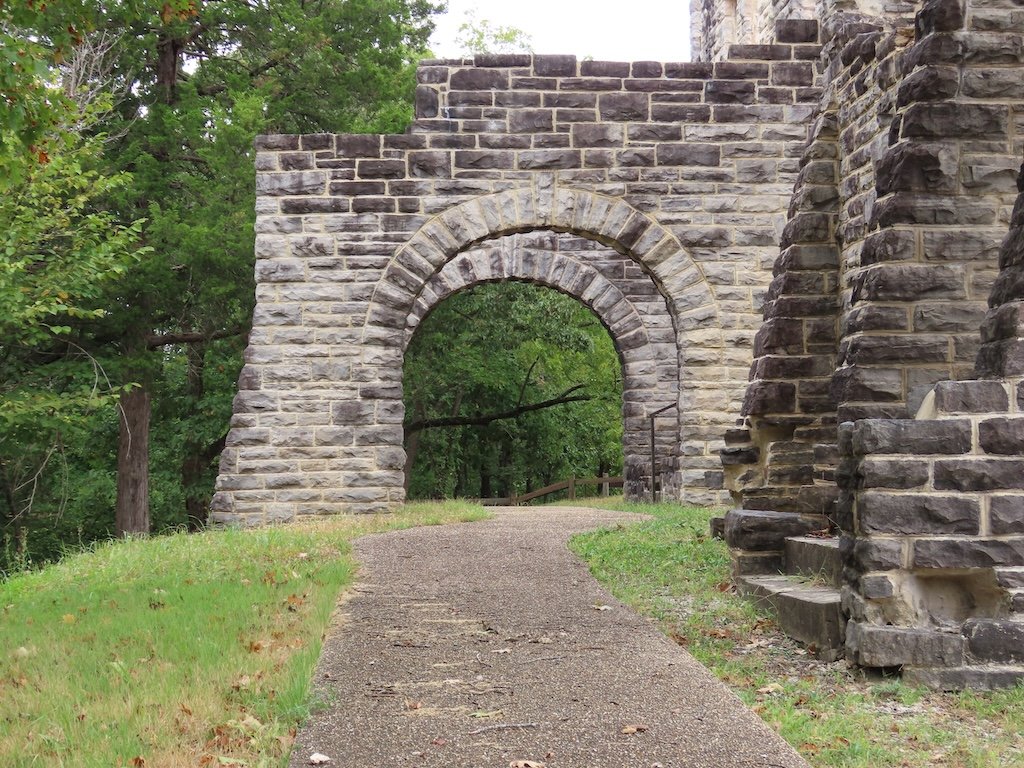
Gleanings of the Week Ending November 1, 2025

The items below were ‘the cream’ of the articles and websites I found this past week. Click on the light green text to look at the article.

7 Foods and Beverages That Have the Most Microplastics (and What to Eat Instead) – A list and a short video. I found myself wondering if we can really avoid the microplastics in apples and carrots…since some of them are from soil/water rather than packaging. There might not be a good choice out there since microplastic is everywhere.

Microplastics are everywhere. You can do one simple thing to avoid them. – Avoid heating plastic (in the microwave…by pouring hot drinks into it…washing synthetic fabrics in hot water…drying synthetic fabrics in high heat).

Bat: It’s What’s for Dinner – The bat predators might surprise you!

This experimental “super vaccine” stopped cancer cold in the lab - A groundbreaking nanoparticle-based cancer vaccine that prevented melanoma, pancreatic, and triple-negative breast cancers in mice—with up to 88% remaining tumor-free. The researchers envision that this platform can be applied to create both therapeutic and preventative regimens, particularly for individuals at high risk for cancer.

World Reaches a Climate ‘Tipping Point,’ Imperiling Coral Reefs - Scientists say that warming has breached a critical threshold for tropical coral reefs, which are expected to see catastrophic losses in the years ahead. The loss of reefs would have ramifications for the hundreds of millions of people worldwide who depend on them for food or income.

The liquid air alternative to fossil fuels - An overlooked technology for nearly 50 years, the first liquid air energy storage facility is finally set to power up in 2026. It's hoping to compete with grid-scale lithium batteries and hydro to store clean power and reduce the need to fall back on fossil fuels. The process works in three stages. First, air is taken in from the surroundings and cleaned. Second, the air is repeatedly compressed until it is at very high pressure. Third, the air is cooled until it becomes liquid, using a multi-stream heat exchanger: a device that includes multiple channels and tubes carrying substances at different temperatures, allowing heat to be transferred between them in a controlled way. When the grid needs extra energy, the liquid air is put to work. It is pumped out of storage and evaporated, becoming a gas again. It is then used to drive turbines, generating electricity for the grid. Afterwards, the air is released back into the atmosphere.

China’s Electric Highways: Awe, Engineering, and the Myths of Invisible Danger - China has built hundreds of thousands of kilometers of high-voltage corridors, connecting wind, solar, hydro, and coal resources spread across a continent-sized nation.

U.S. Whale Entanglements Are on the Rise, New Data Shows - The number of large whales that became entangled in fishing gear along coasts in the United States rose sharply in 2024. Officials were able to trace roughly half of the 2024 cases to specific commercial and recreational fisheries. The other cases involved gear that could not be directly linked to a specific source. Whale entanglements were documented off the coasts of 12 states, but 71 percent of cases occurred off California, Massachusetts, Alaska and Hawaii. A quarter of all entanglements took place off California, primarily in Monterey Bay.

The Erie Canal Turns 200 - Cutting 363 miles (584 kilometers) across the state of New York, the Erie Canal was the engineering marvel of its day when it opened in 1825. The waterway was built over 8 years through the toil of humans and animals, new tools and techniques, and plenty of ingenuity. It established a navigable route from Lake Erie to the Hudson River, forming a vital connection between the U.S. Midwest and the Atlantic Ocean. Commercial traffic on New York’s canals plummeted when ocean-going vessels could travel between the Great Lakes and the Atlantic Ocean via the St. Lawrence Seaway starting in the late 1950s. Two hundred years after the Erie Canal officially opened on October 26, 1825, it still handles a small amount of commercial shipping, but recreational boaters are its primary users.

How to Photograph Flat Prairies – Lots of ideas for photography on prairies!

Intimate Portraits of the Nenets Capture the Faces of Indigenous People in the Russian Arctic - Herders still live in chums and migrate several times a year with their reindeer. And yet they aren’t outside the modern world. Education is universal, snowmobiles are common, and some even post parts of their daily life on social media. Meanwhile, the region is developing fast thanks to its vast natural gas reserves.

Wonders of Wildlife National Museum & Aquarium

The Wonders of Wildlife National Museum & Aquarium is next to the Bass Pro Shops National Headquarters in Springfield, MO. It’s a place we passed by frequently over the past year but had not toured; the visit from my sister was a good prompt to finally buy tickets!

My main interest was the Aquarium but I was surprised at how much I enjoyed the museum portion – history of hunting, fishing, and conservation with sculpture, taxidermy animals/models in realistic habitats, paintings, artifacts (fishing lures, taxidermy versions of ‘largest’ bears, boats). The animal exhibits were a much-improved version of the Natural History museums I toured as a child and I found myself picking up details of the scenes….enjoying them more than I would a zoo where the animals so often look stressed and uncomfortable.

The aquarium has a living fish, of course, but there were also models of animals too. The sperm whale with giant squid was one of the first that I noticed. There were models of different kinds of sharks on the wall – making it easier to notice the shape and size differences.

One of the larger tanks had a ‘shipwreck’ theme. I took a few pictures as we walked through the aquarium areas. The octopus tank seemed small for the animal…hopefully there was another space that gave it more room to move about.

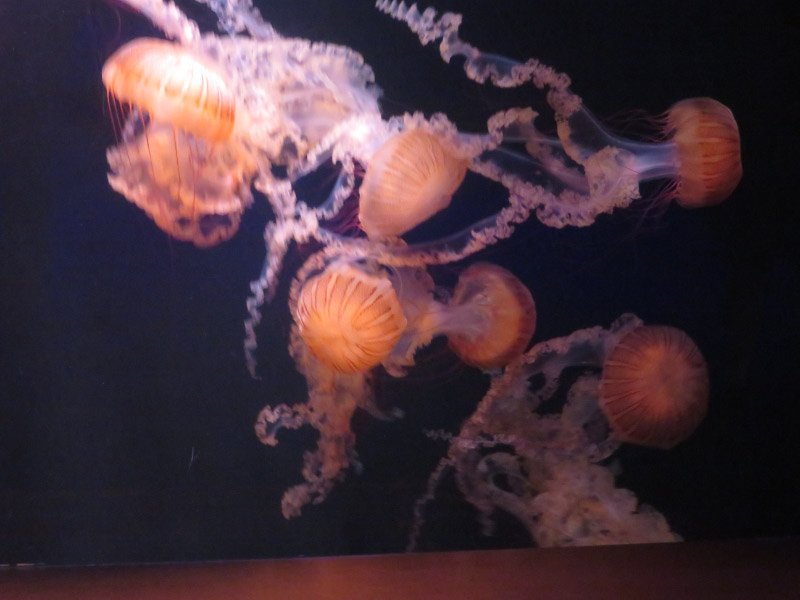
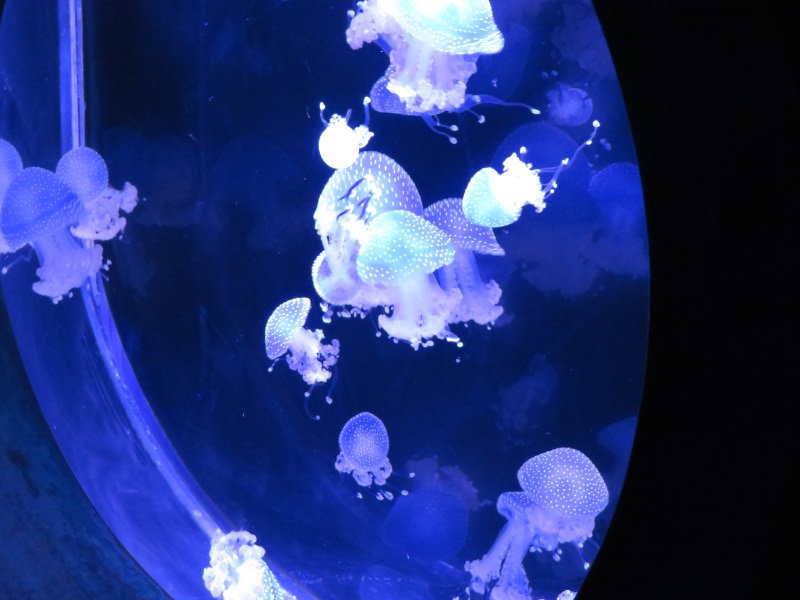
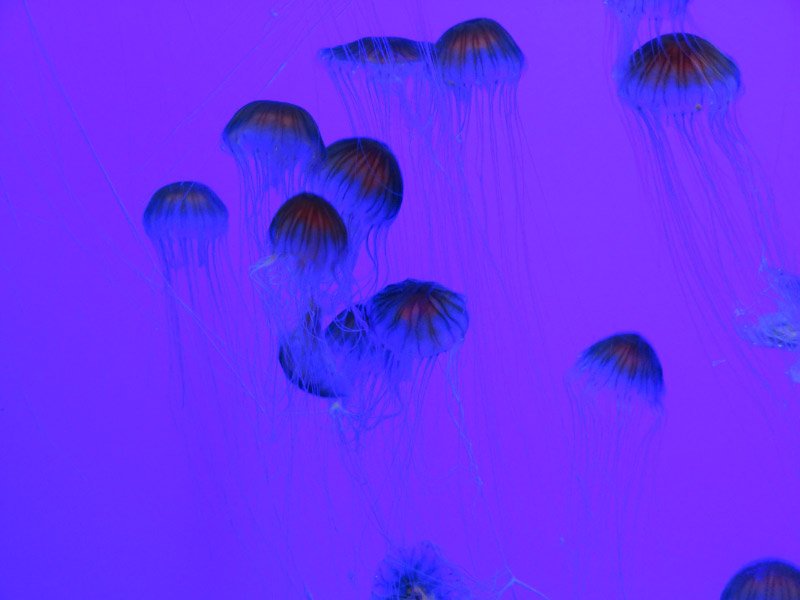
The jellyfish were probably my favorite exhibit. Their shape and movement are somehow calming…and I’m always surprised at how different they can look.

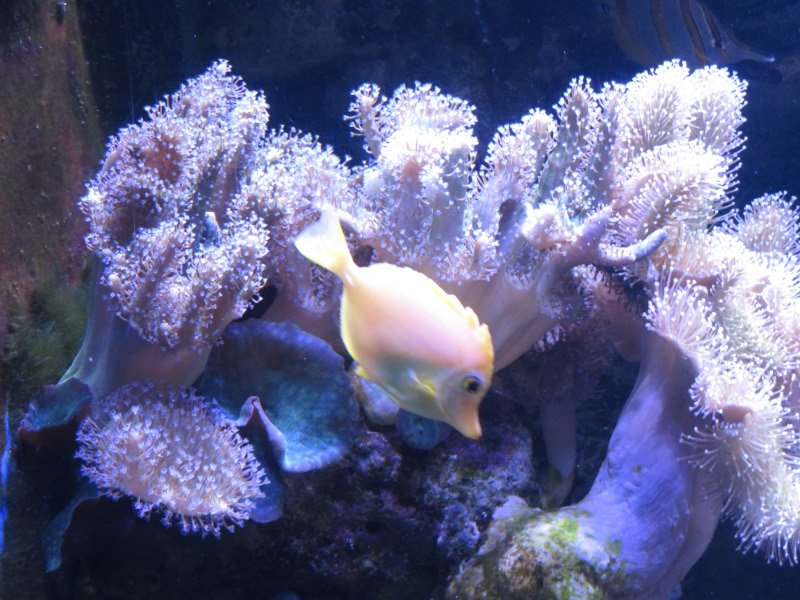
There was also a smaller exhibit with different kinds of coral.

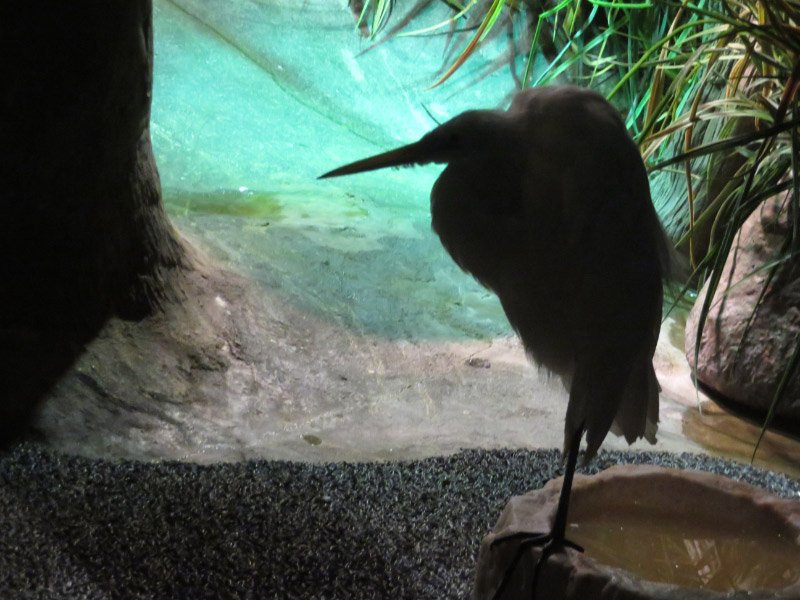
Toward the end of our tour, there was an area for lesser flamingo and a great egret. It was relatively dark. I liked the picture I took of the egret…but I wondered if the birds were rescues since a dark habitat is not what I associate with these birds. Earlier on we had seen some great horned owls that were rescued birds. Their habitat allowed them to be well away from the people and they seemed calm enough…but probably very different than they were in the wild.

Overall – an interesting place but I’d rather be outdoors. Next time we have someone visiting, I want to visit Dogwood Canyon Nature Park.

Gleanings of the Week Ending May 15, 2021

The items below were ‘the cream’ of the articles and websites I found this past week. Click on the light green text to look at the article.

Top 25 birds of the week: Camouflage – Birds that blend in….a photography challenge sometimes – finding the bird then zoom in enough to make the bird easy to spot.

You Can Now Explore the Louvre's Entire Collection Online | Smart News | Smithsonian Magazine – Next best thing to being there.
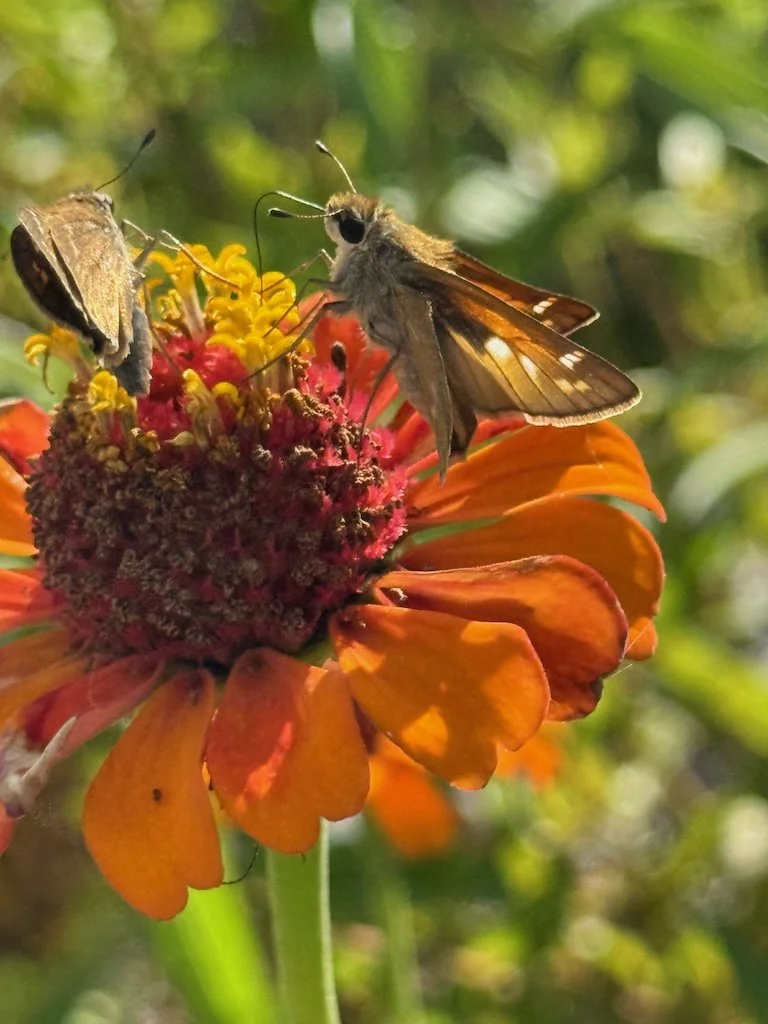
The radical coral rescue plan that paid off – Restoration after Hurricane Iris hit Belize in 2001.

Experimenting with Tucson Night Lights – Streetlights accounted for only 13% of the light visible after midnight….so we need to address other types of lighting to reduce the impact of outdoor lighting. Streetlights have been the easiest to address because they are a single source, and the local government has direct control over them.

1,200-year-old children’s hand prints found in Mexican cave – Made by Mayan children…perhaps made during coming of age ritual…in black handprints at first…then red.

Pileated Visitation – The joy of having a pileated woodpecker around long enough to photograph.

Forget Stonehenge: the first know massive monuments are much older – 6th millennium BC (7,000 years ago) structures on the Arabia Peninsula. Mustatils built as monuments by cattle herders.

Bald Eagle Cams Are Active. Here are the best 4. – It’s the time of year to watch nest cams!
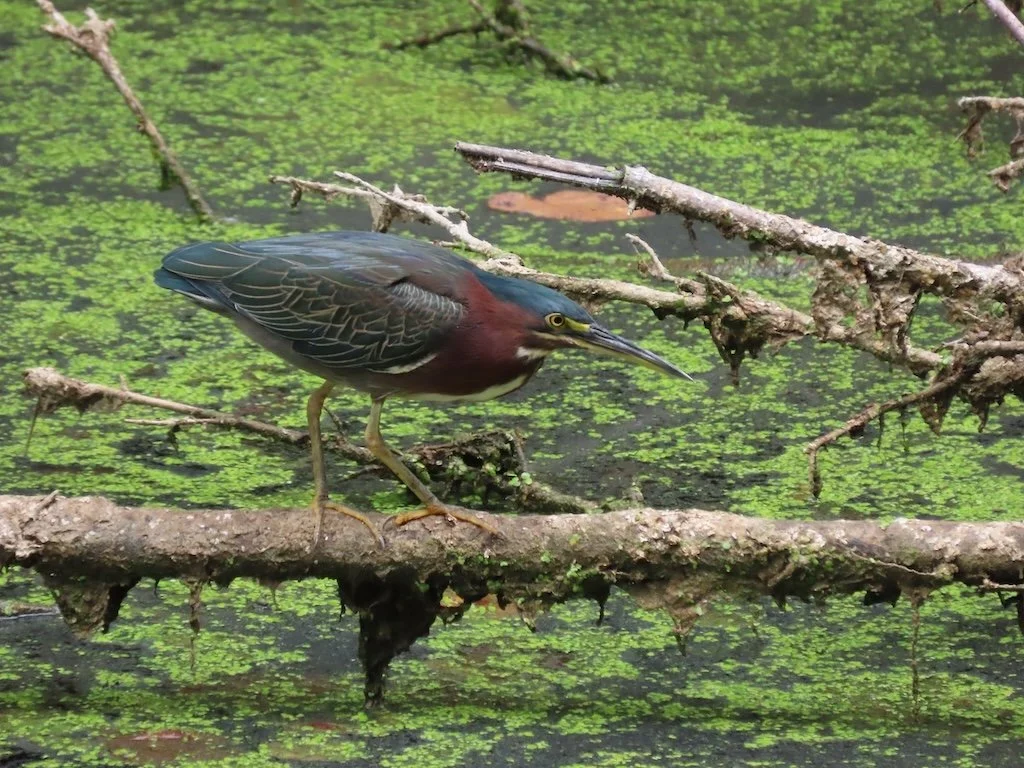
Prairie Ecologist – Photographs of the week – April 23 2021 – Prairie dandelions on different than the dandelions that come up in my yard in Maryland!

Photography in the National Parks: the yin and yang of a composition – A Rebecca Lawson post…beautiful and instructive.

Gleanings of the Week Ending December 21, 2019

The items below were ‘the cream’ of the articles and websites I found this past week. Click on the light green text to look at the article.

Top 25 Wild Bird Photographs of the Week: Waterbirds and Camouflage and Forests and Birds in Pairs – Starting out this week’s list with some bird pictures….catching up the backlog

Liver cancer deaths climb by around 50% in the last decade -- ScienceDaily – Survival rates are low too. Obesity and smoking are two preventable causes.

How Climate Change Will Affect Maryland's Birds | Audubon – I looked at the page for Maryland because that is where I live. The red-headed woodpecker is on the ‘high vulnerability’ list. The data is available for other states as well (scroll down on the ‘home’ page and select by state or zip code). The red-headed woodpecker appears on the high vulnerability list for Texas and Missouri too (those are two other states I checked).

First Global Map of Saturn's Moon Titan Reveals Secrets of Earth's 'Deranged' Twin | Smart News | Smithsonian – There are plains, sand dunes, mountains, labyrinthine valleys…and lakes of methane.

'Self-cleaning' concrete could keep buildings looking new -- ScienceDaily – Maybe a new building material…but can it be made in a ‘green’ way?

Everything You’ve Ever Wanted to Know About Turkeys – I’m just catching up on some reading…this would have been more appropriate for the Thanksgiving week gleanings…but better late that never. Turkeys are interesting birds!

Air Pollution Tied to Brain Cancer: Study | The Scientist Magazine® - Combustion-related nanoparticles can reach our brain! The concentrations of these particles in highly polluted areas are also causing other health related problems as well. For example, the air pollution in Kabul, Afghanistan may be causing more deaths than war in that area

Owling: A Field Guide to Finding Winter Owls – Seen any owls? They are often easier to hear than see.

Slideshow: Images from The World Beneath | The Scientist Magazine® - A few pictures from a new book about sea creatures and coral reefs. Lots of vibrant color and camouflage.

Eating in sync with biological clock could replace problematic diabetes treatment: An early-morning, carb-filled meal improves glycemic control among diabetics -- ScienceDaily – We are shifting our meals…largest one at midday…smallest one at night. If we eat a high carb meal it will be at breakfast. I had gingerbread cake this morning!

Gleanings of the Week Ending September 23, 2017

The items below were ‘the cream’ of the articles and websites I found this past week. Click on the light green text to look at the article.

Celebrate Cassini’s Historic Voyage in Eight Incredible Images | Smart News | Smithsonian – Cassini has crashed into Saturn’s atmosphere (intentionally) and there have been quite a few retrospective articles about its long mission. I liked this one…so am including in the gleanings for this week.

Eighteenth century nautical charts reveal coral loss -- ScienceDaily – The study compared the coral documented in the Florida Keys in nautical charts from the 1770s to satellite data. More than half the coral reef has disappeared completely. Nearer to land, the loss is closer to 90%.

What We Still Don’t Know about the Health Benefits of Nature – THE DIRT – I noticed this article first because the picture under the heading is of Klyde Warren Park in Dallas (I visited there several years ago and enjoyed it) but thin the article was worth looking at too. It defines some priorities for research to understand the health benefits of nature better although most people already agree that is it beneficial…but how exactly does it happen. Some doctors are already prescribing time in the park!

North American Ash on Brink of Extinction | The Scientist Magazine® - In Maryland many of the Ash Trees are already dead or dying. Very sad.

Top 25 Wild Bird Photographs of the Week #105 – National Geographic Society – There’s an Eastern Bluebird toward the middle of this collection….perched a little differently than I usually see them.

A Monumental Road Trip in Northern Arizona - National Parks Traveler – I’ve been to most of these places…..and enjoyed them all.

BBC - Future - How we’re creating ‘super plants’ to help humanity – The article highlights 4 ideas: cross-breeding super plants, using plants as medicine, bananas on steroids, and fire-fighting plants.

Learn How to Create Zentangle Art, a Meditative Form of Drawing – This article is about doing Zentangles (drawing patterns) rather than buying an adult coloring book. I started doing doodles and graduated to Zentangles and never was tempted by the ‘coloring book’ craze.

Ruins of a Roman City Found Off the Coast of Tunisia | Smart News | Smithsonian – The area of ancient Neapolis is off the coast of Tunisia. It was destroyed by a tsunami in 365 AD.

Why are fossilized hairs so rare? -- ScienceDaily – Evidently, fossilized hair is 5 times rarer than feathers.  Chemistry? Environmental conditions? The research includes statistical analysis of where hair and feathers have been found in the fossil record and make some predictions about where and how to look for them going forward.