Gleanings of the Week Ending December 13, 2025

The items below were ‘the cream’ of the articles and websites I found this past week. Click on the light green text to look at the article.

How extreme weather is making plastic pollution more mobile, more persistent and more hazardous - Rising temperatures, humidity and sunlight break plastic down, making it brittle and cracked, accelerating its disintegration into tiny fragments. A 10-degree Celsius (18 Fahrenheit) rise in temperature during an extreme heat wave could double the rate at which plastic degrades. Extreme storms, flooding and wind also hasten the breakdown of plastic, mobilize it and spread it more widely. Flooding can also help forge “plastic rocks,” created when rocks and plastics form a chemical bond and merge together. These become hotspots for microplastic generation. Wildfires release microplastics and highly toxic compounds into the atmosphere. Global annual production of plastic increased 200-fold between 1950 and 2023 and is predicted to keep increasing as the world moves toward clean energy and oil companies shift investments to plastics.

YMCA: The Swan Song of SROs and the Birth of Modern Homelessness - Single room occupancy hotels played a central role in America’s affordable housing ecosystem for decades, providing cheap, flexible accommodations without government subsidy. They are effectively large-scale boarding houses, offering small private rooms or dorm-style quarters with shared bathrooms and minimal kitchen facilities. The YMCA was the nation’s largest SRO provider, with more than 100,000 units nationwide at its peak. SROs were far from ideal, but without this form of housing or any other low-cost option, homelessness was the inevitable result. It was just as Edith Elmer Wood feared back in 1919: Housing reform had created a housing famine.

Recycling Lead-Acid Batteries Has Significant Health Risks - What happens to the old ones when they are no longer serviceable? They get melted down to recover the lead in them, which can then be used to make new batteries. In the US, that work often gets outsourced to other countries. It’s a patchwork of shoddy factories in places like Ghana, Nigeria and Tanzania providing more lead for new car batteries….and where people die from lead poisoning. Car companies look the other way.

More Than 1,200 Marine Animal Species Eat Plastic. Ingesting Even a Tiny Amount Can Kill Them - Data from more than 10,000 marine animal autopsies. About half of the examined sea turtles, one-third of seabirds and one in eight marine mammals had plastics in their stomachs. The study didn’t examine other ways plastics can hurt wildlife, such as strangulation, malnutrition or toxic effects. It also didn’t look at the harms of tinier pieces of plastics—microplastics—which have been found in the deep ocean and can also affect marine life. Researchers say the best way to protect wildlife from plastic is to reduce the amount of it that enters the ocean, namely through local and national policy.

The Forgotten Roman Ruins of the ‘Pompeii of the Middle East’ – Jerash – ruins near Amman, the capital of Jordan and the country’s second most popular tourist destination after Petra. After spending more than a millennium covered by sand, Jerash has reclaimed its place as a cornerstone of both Western and Middle Eastern civilization.

Just ten species make up almost half the weight of all wild mammals on Earth – Deer and boars account for almost half the biomass of wild land animals.

New research reveals what’s really hiding in bottled water - Each sip may contain invisible microplastics that can slip through the body’s defenses and lodge in vital organs. These tiny pollutants are linked to inflammation, hormonal disruption, and even neurological damage, yet remain dangerously understudied. “People need to understand that the issue is not acute toxicity -- it is chronic toxicity.”

Beavers are Dam Good for Biodiversity, Bringing Bats, Butterflies and Other Critters to Their Neighborhoods - Beavers are famous for being ecosystem engineers, capable of transforming once-dry landscapes into lush, green wetlands that support many other land- and water-dwelling species. Now, two new studies suggest these benefits also extend to creatures who spend much of their time in the air like bats and pollinator insects.

This tiny pill could change how we diagnose gut health - Tiny ingestible spheres filled with engineered bacteria can detect intestinal bleeding by glowing when they encounter heme. Early tests in mice suggest they could become a quick, noninvasive way to monitor gut disease. The work was done by the NSF of China and other sources in China. Will China now dominate this type of research with the funding cuts in the US?

Meet the 7 Swans a-Swimming – There are 7 swan species in the world…which fits very well with The Twelve Days of Christmas.

Josey Ranch – August 2025

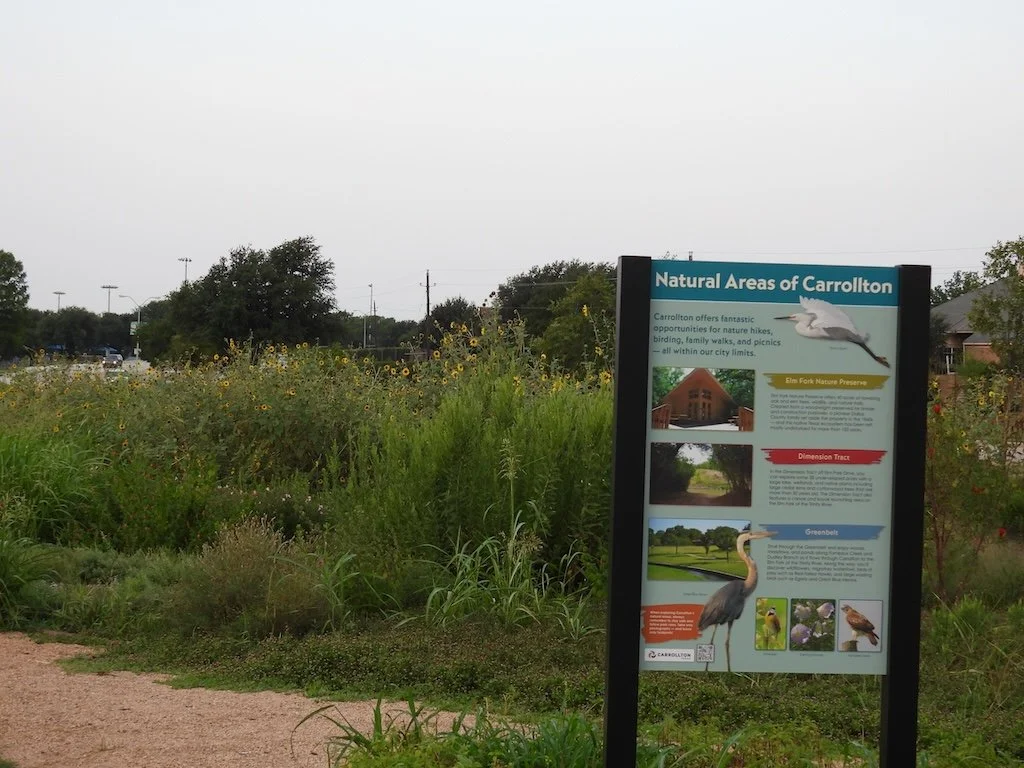
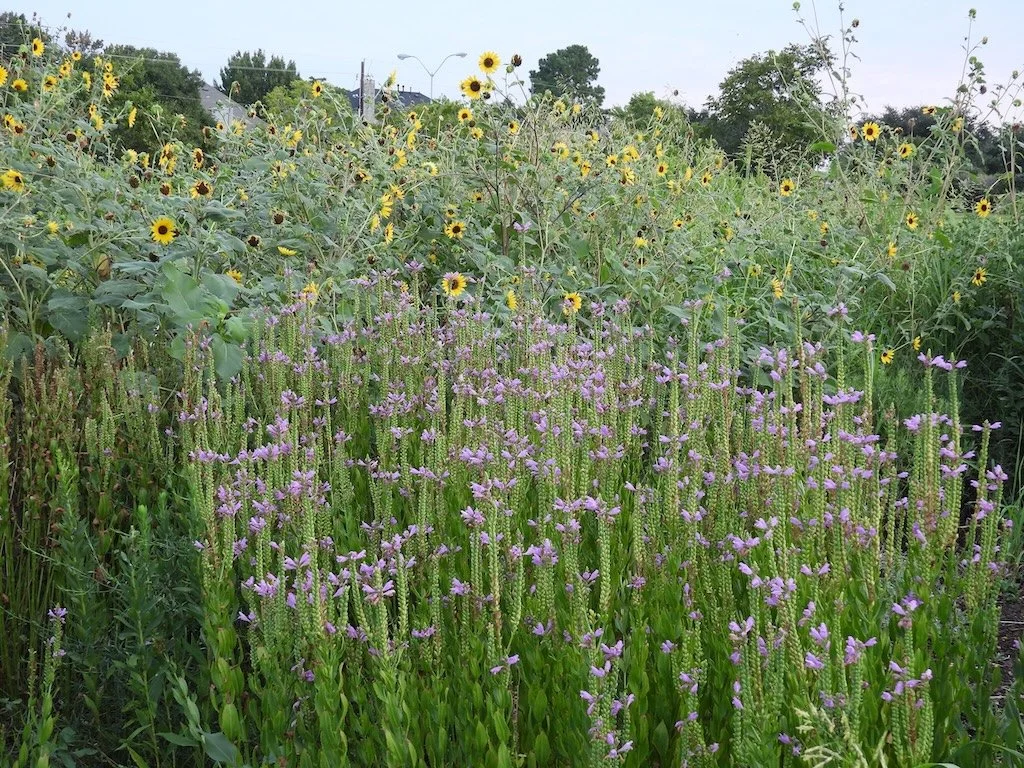
While I was in Dallas in August, I made an early trip to the pocket prairie and lake at Josey Ranch in Carrollton – a place I visited frequently before we moved my parents to assisted living in January 2024.

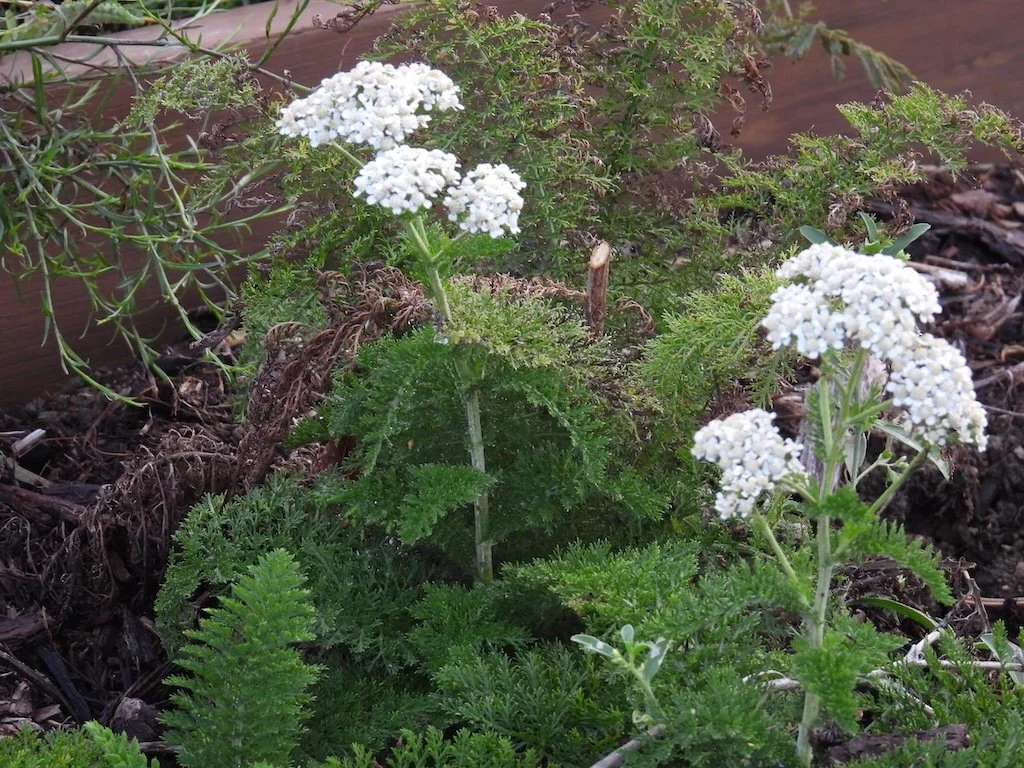
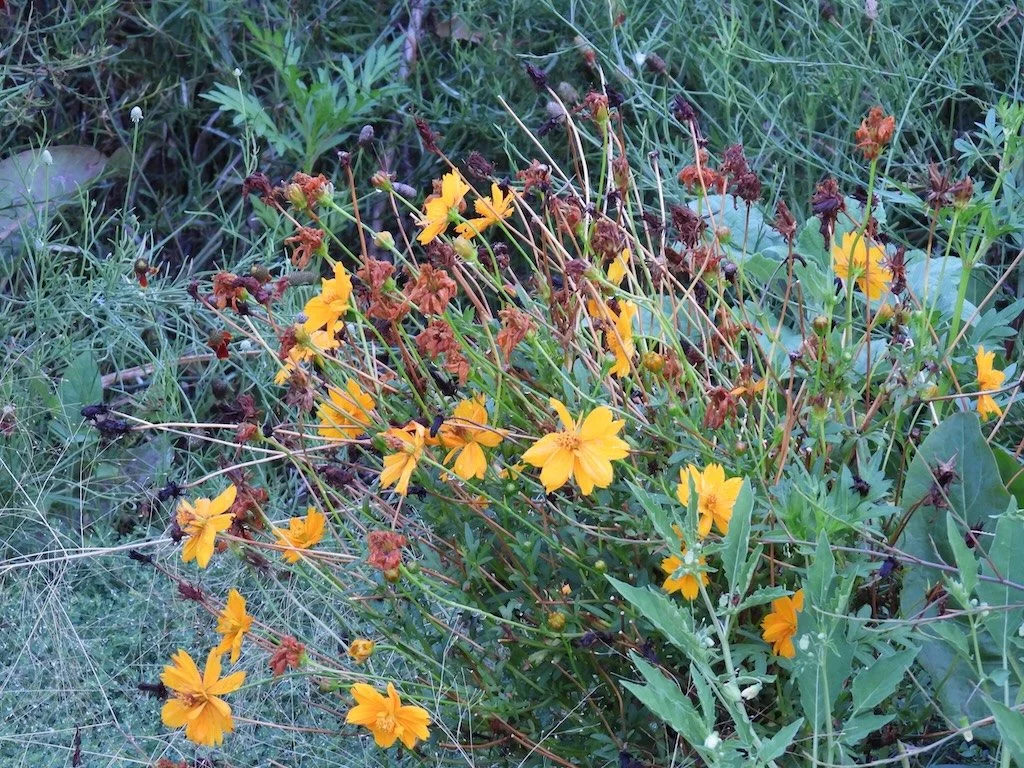
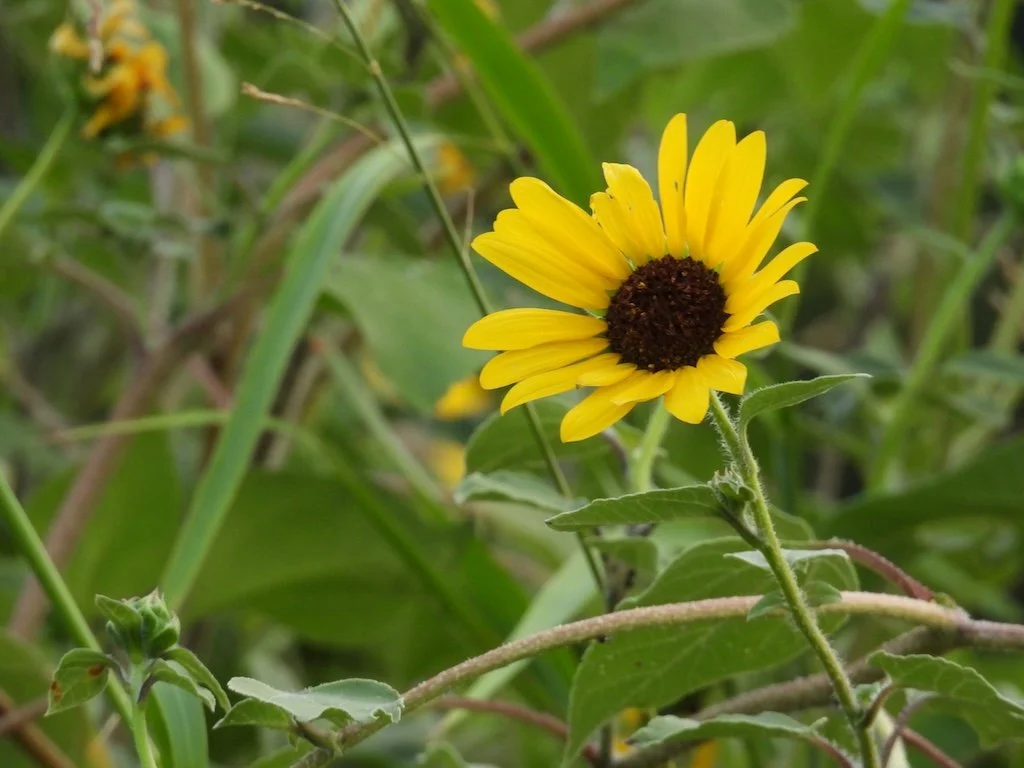
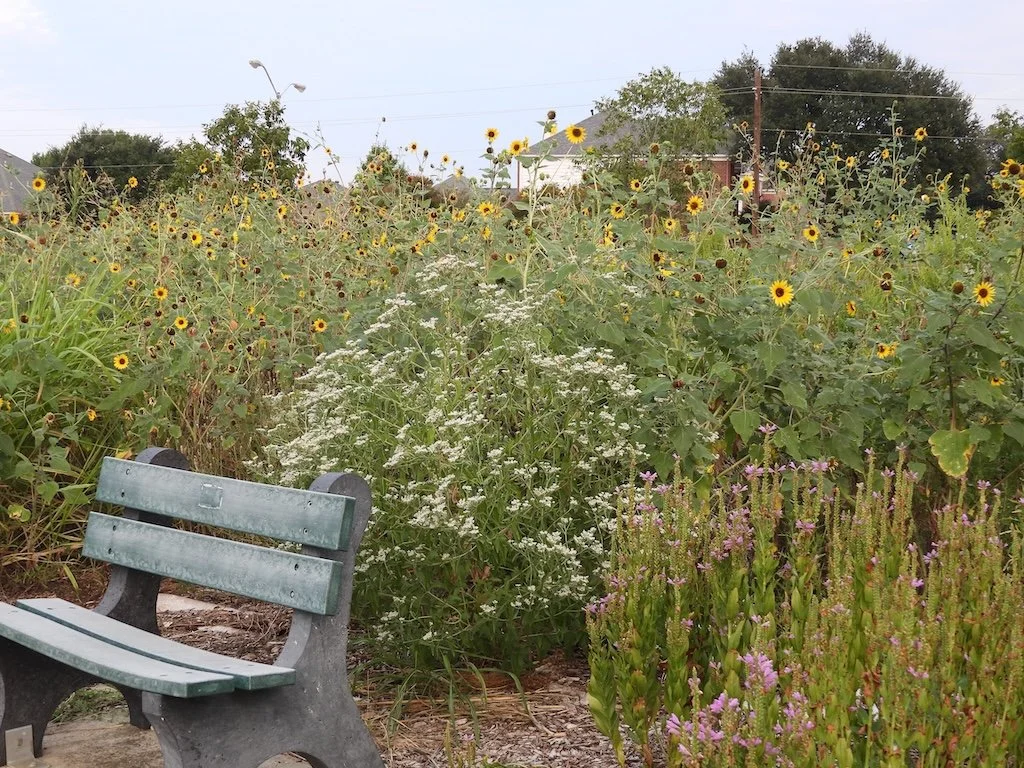
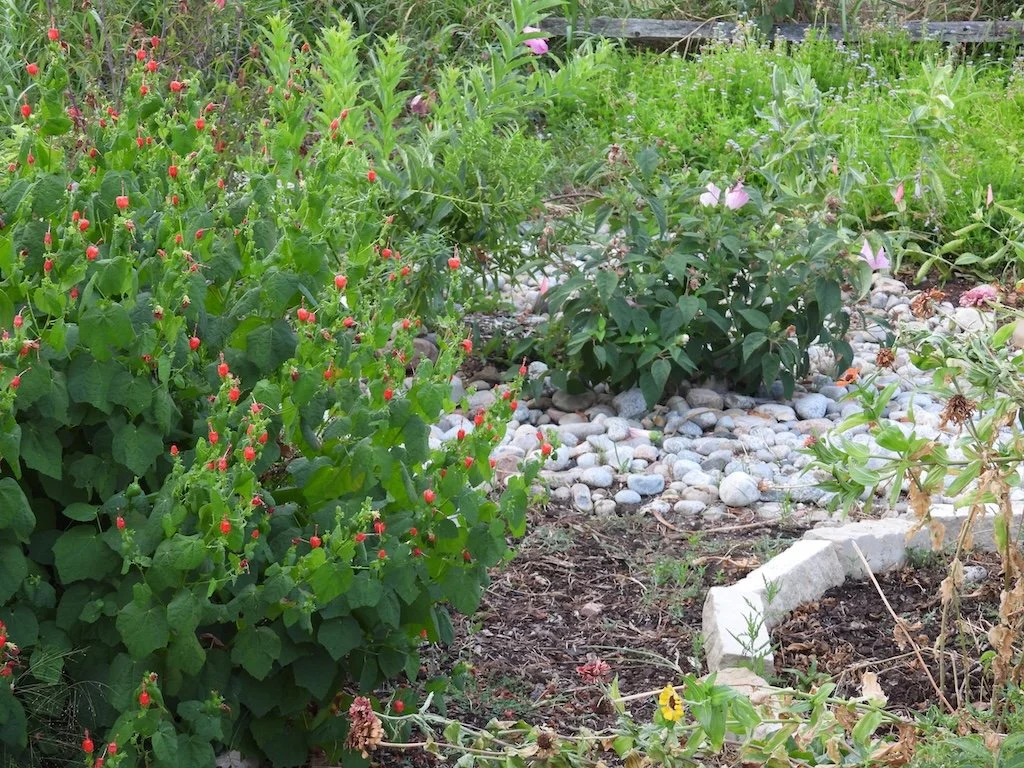
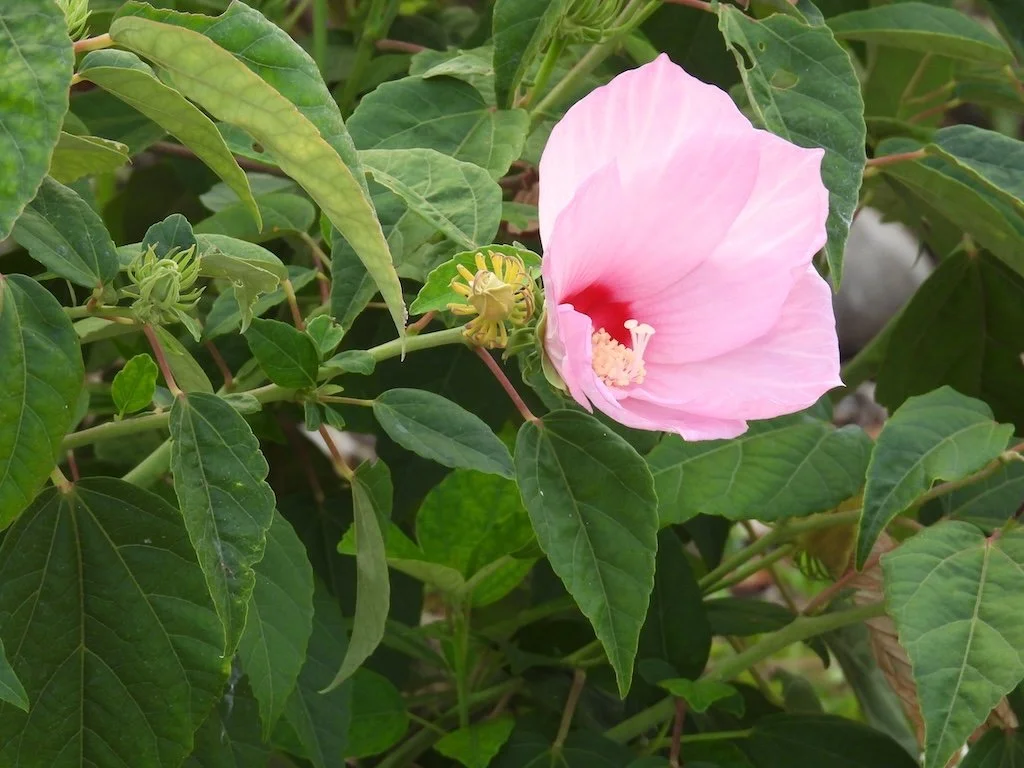
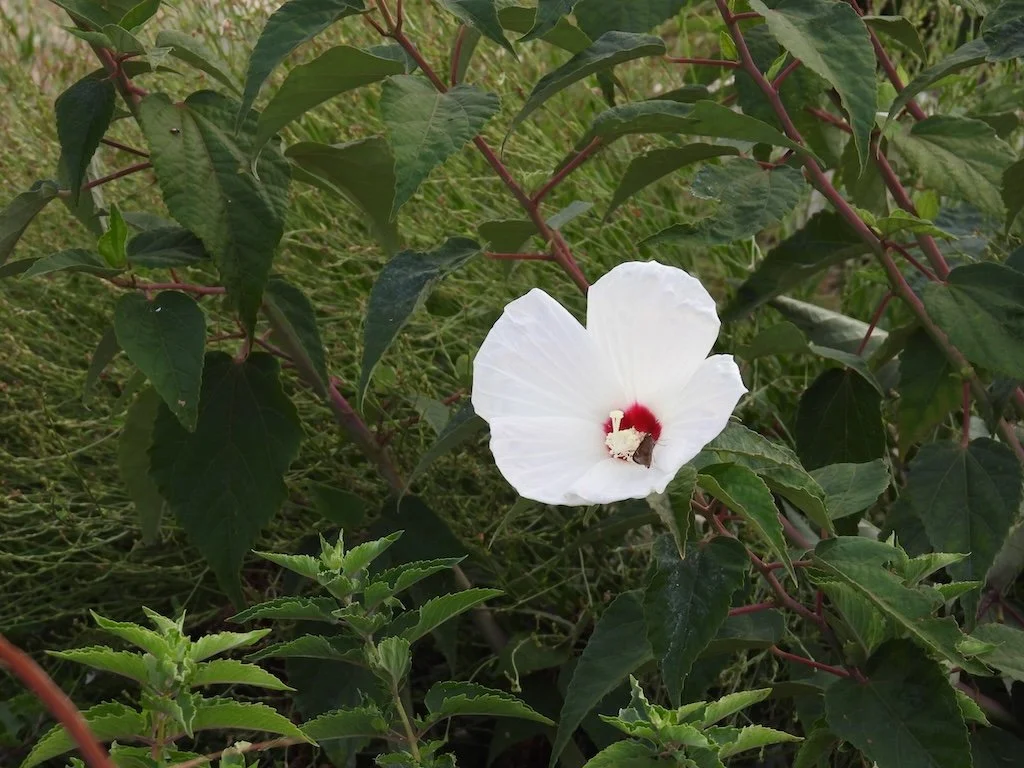
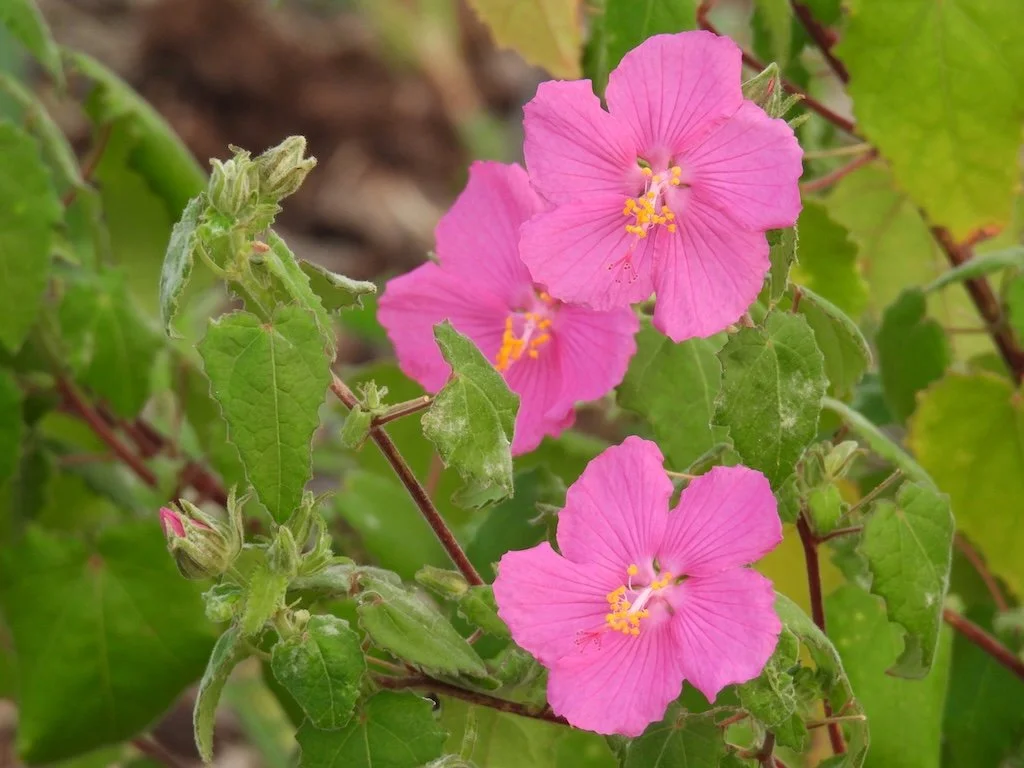
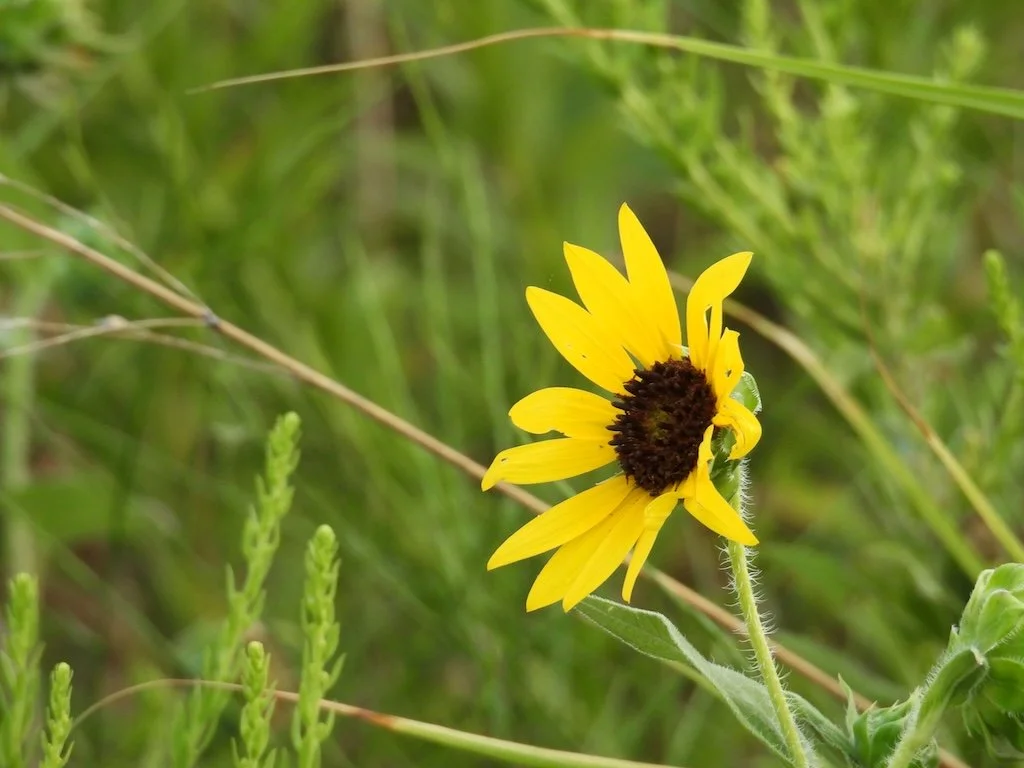
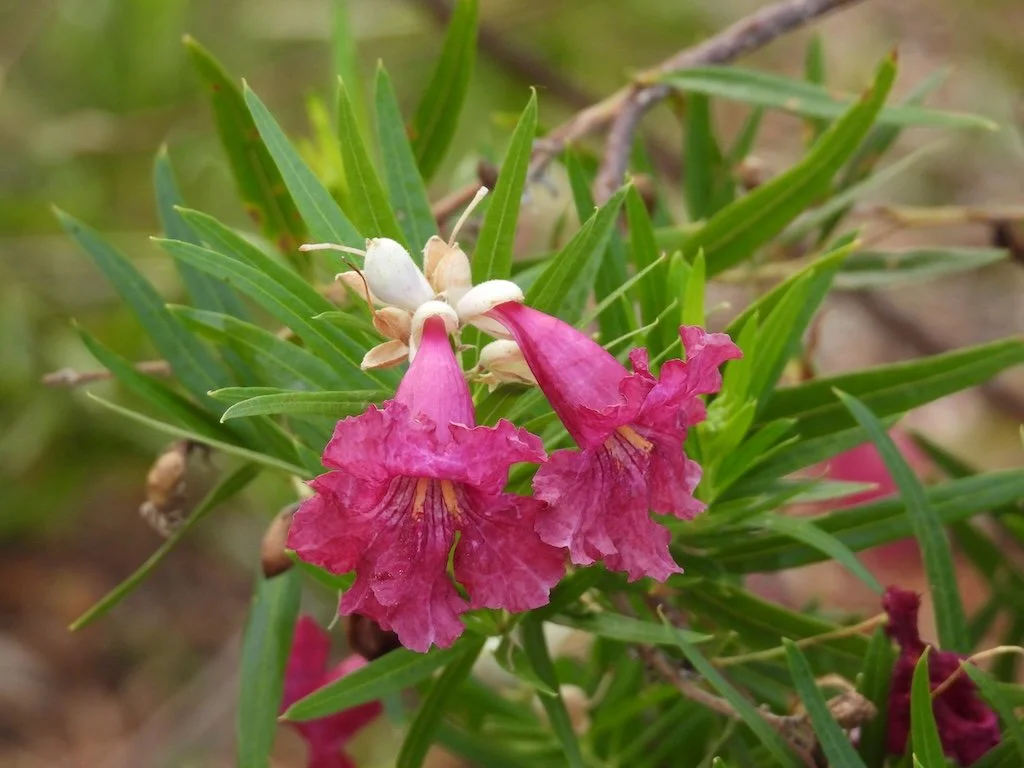
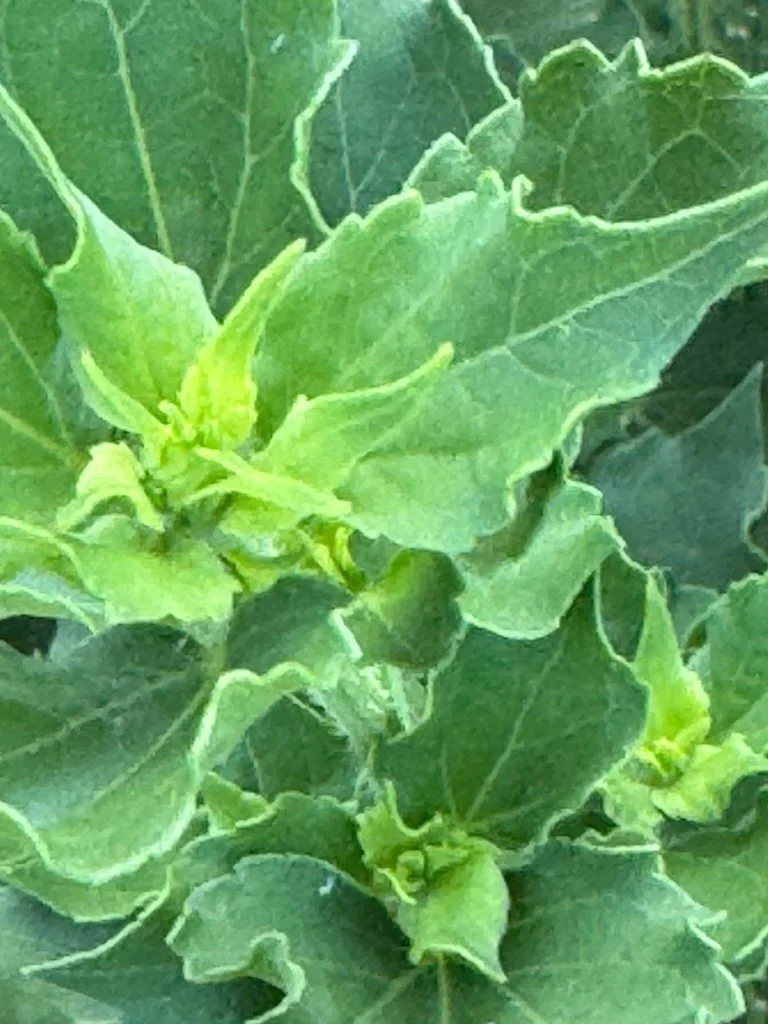
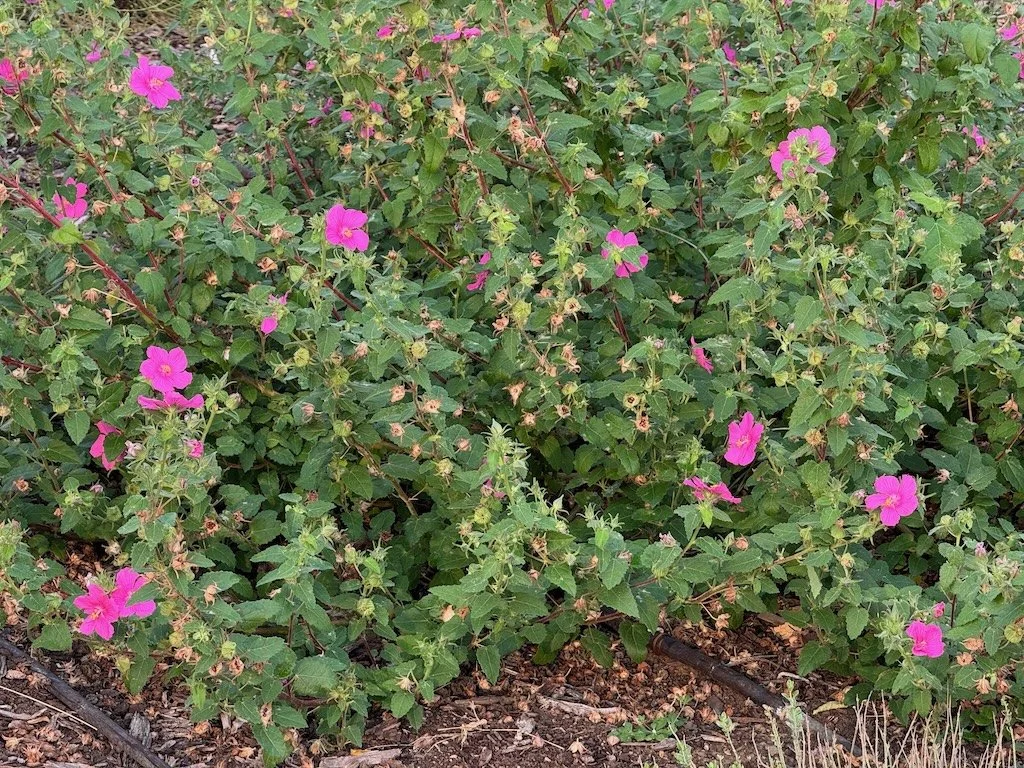
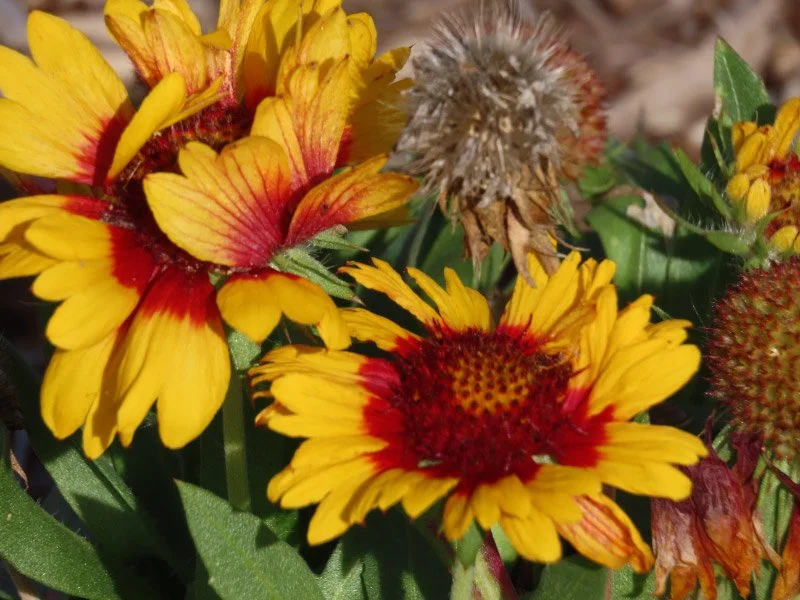
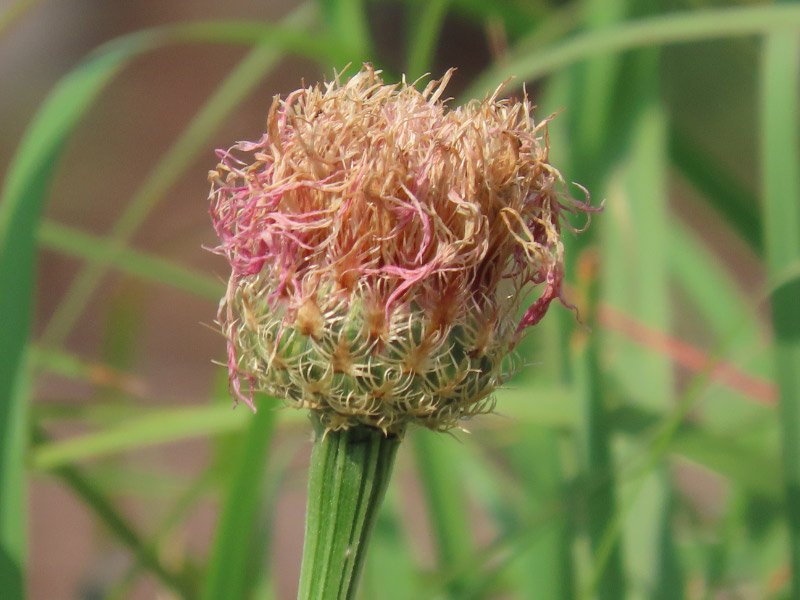
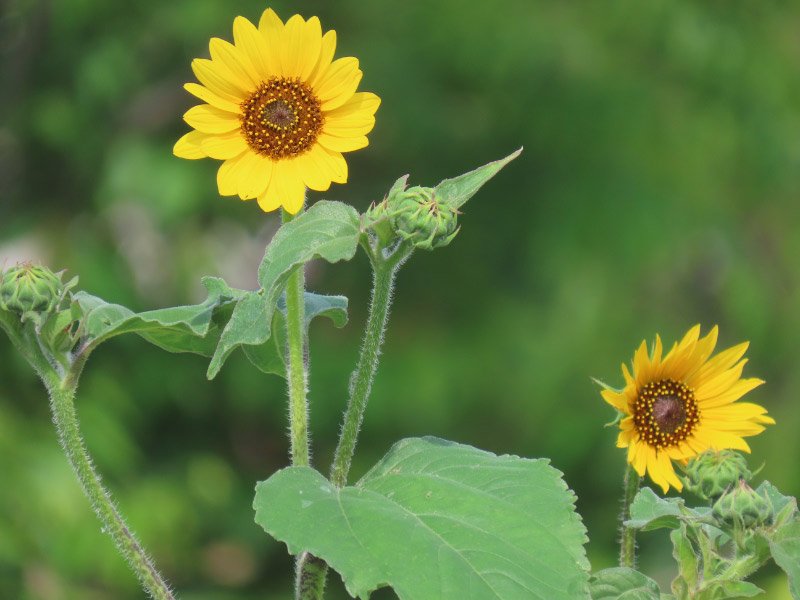
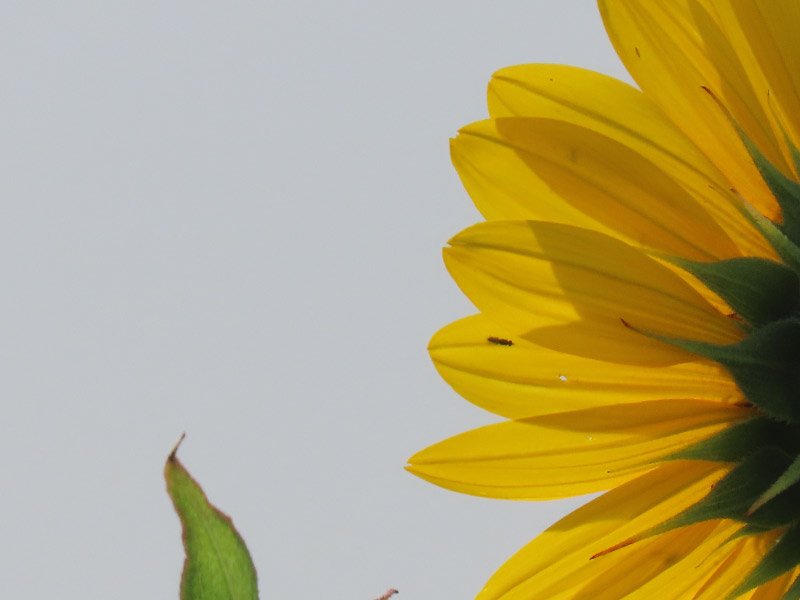
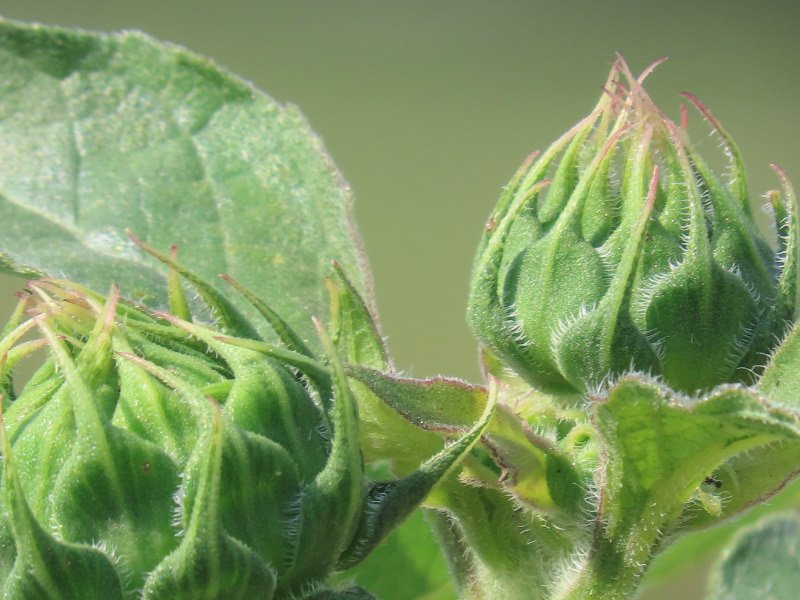
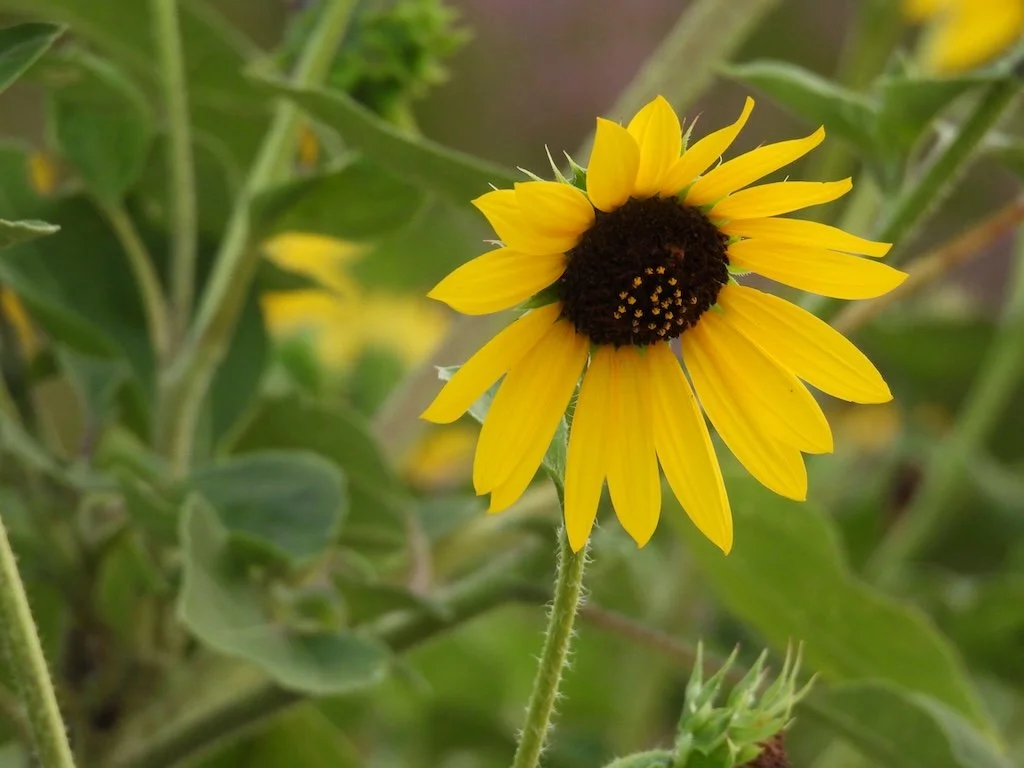
There didn’t seem to be very many birds around, so I started my visit at the pocket prairie. The trash cans looked freshly painted, and the gardens looked like they had been recently weeded (piles of vegetation waiting to be picked up). Some of the flowers had gone to seed but that is normal for August. There were marshmallows that were surviving in the rain garden area. The sunflowers dominate but I was glad to see Texas rock rose among the plantings.
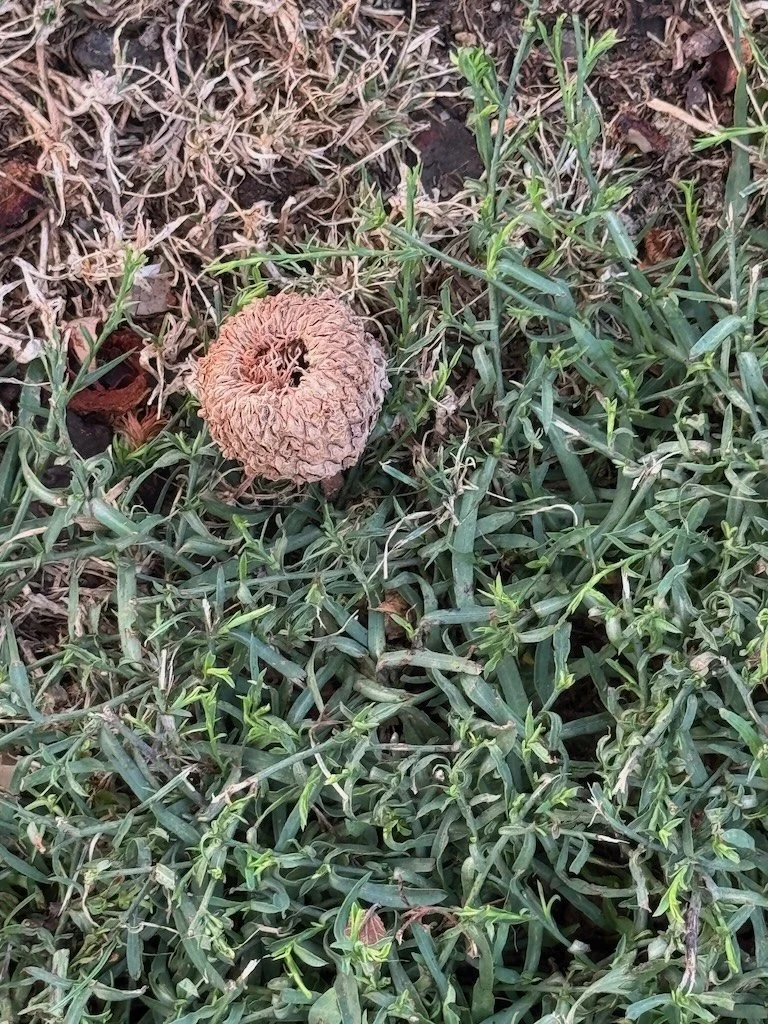
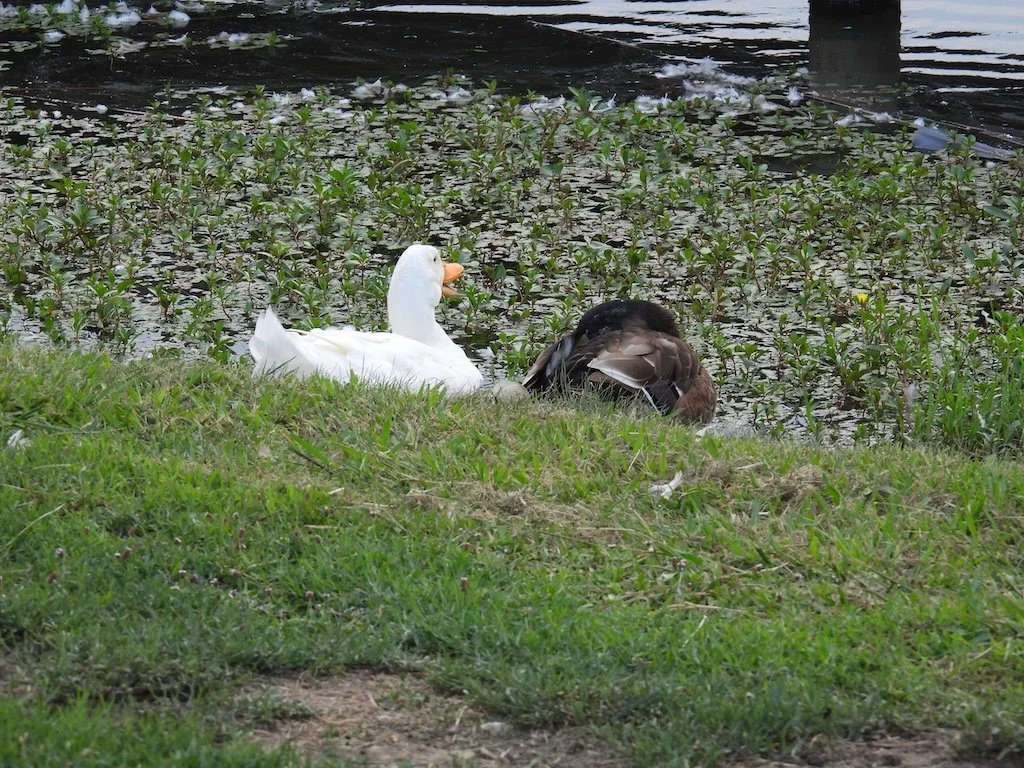
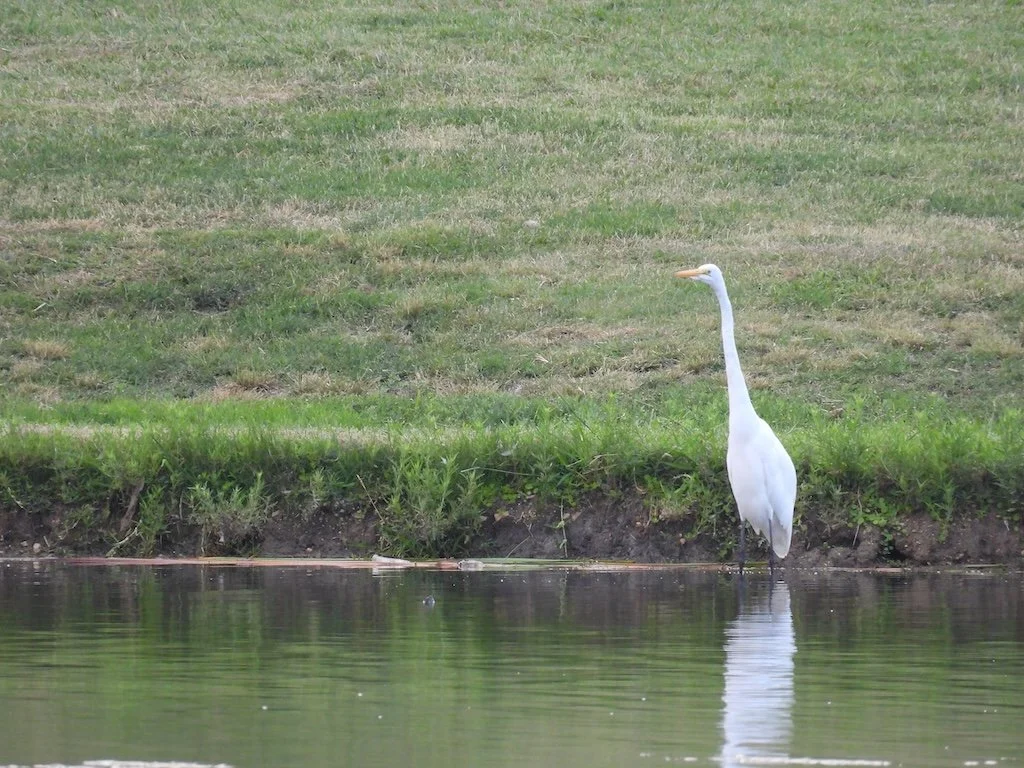
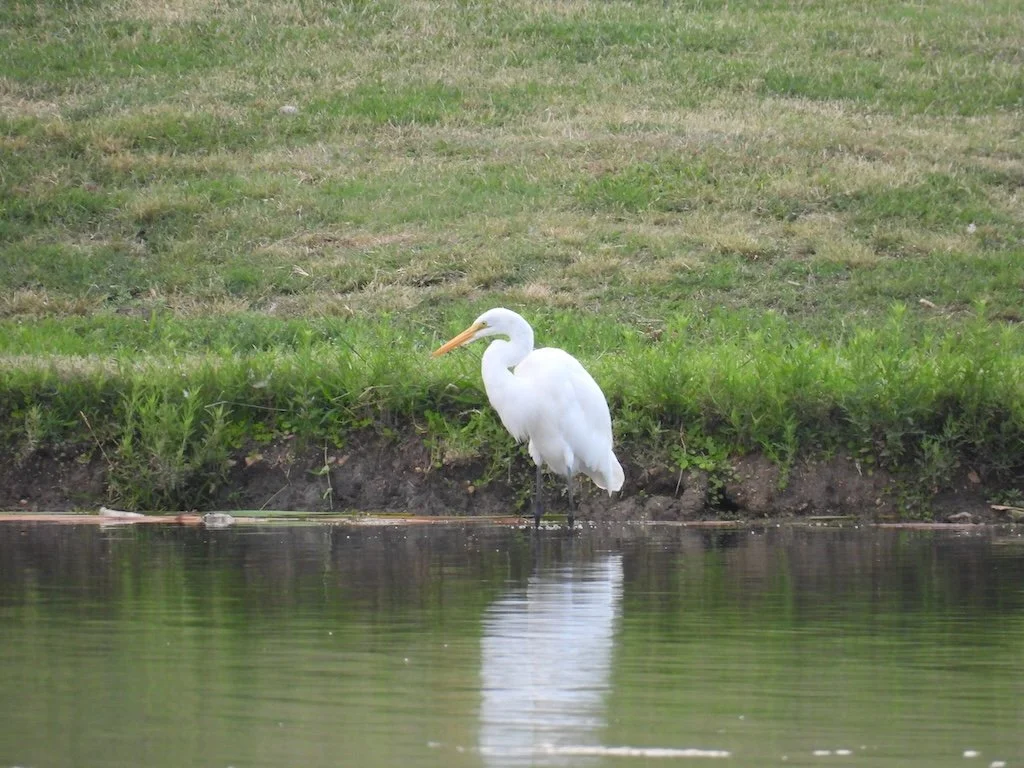
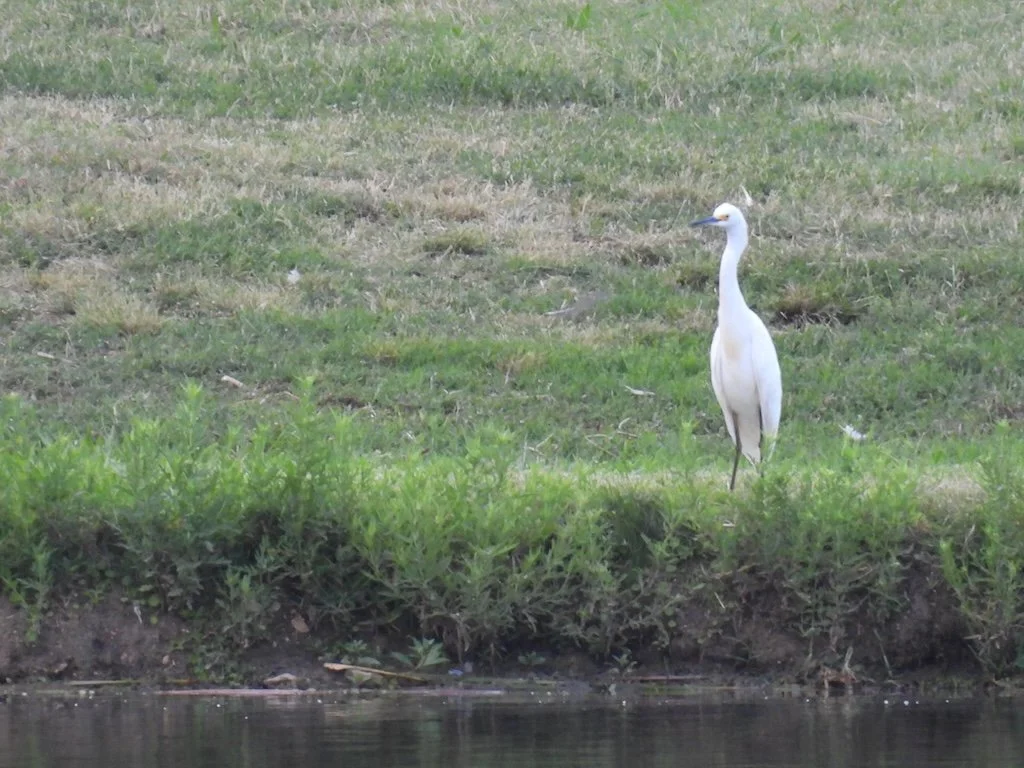
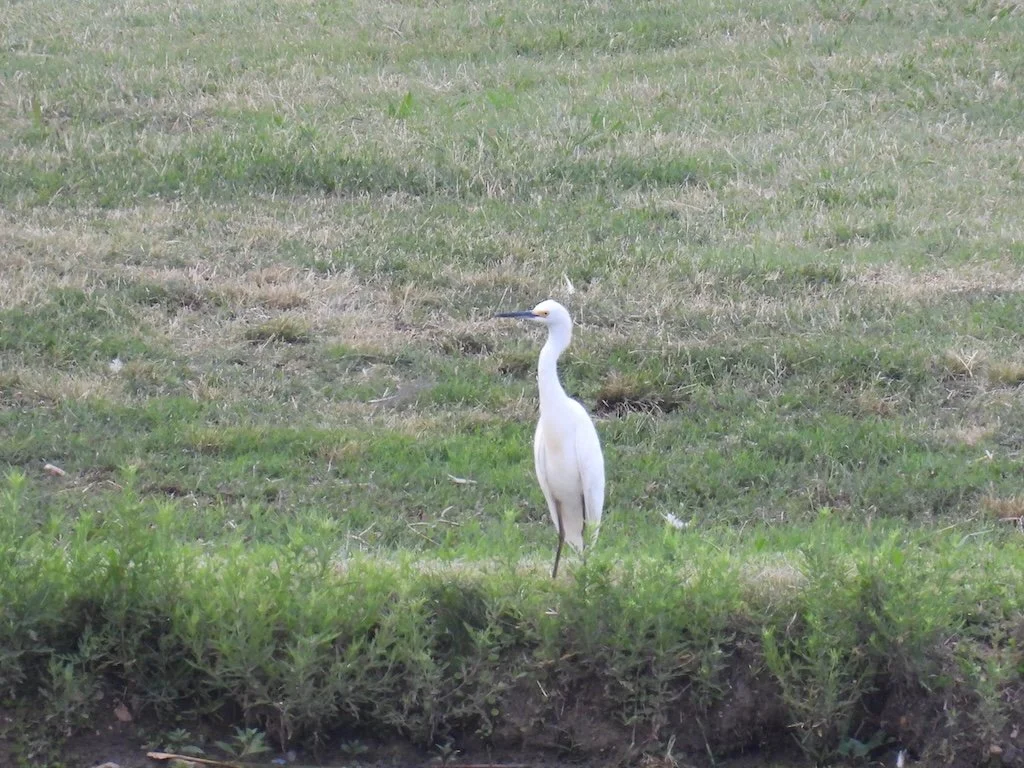
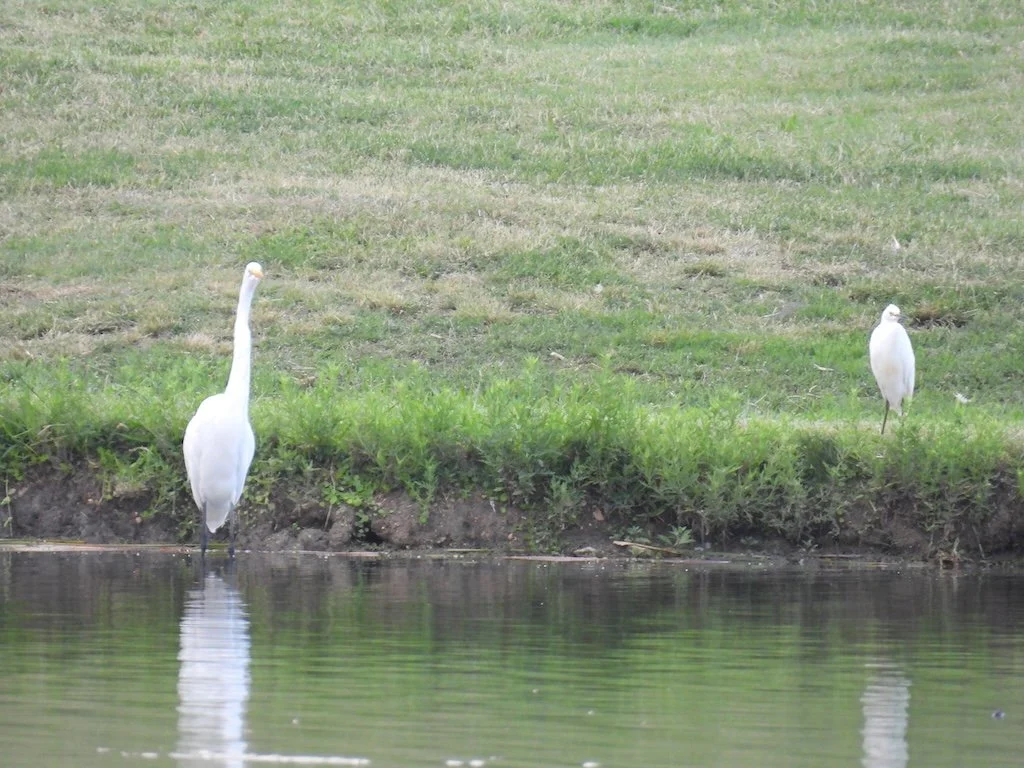
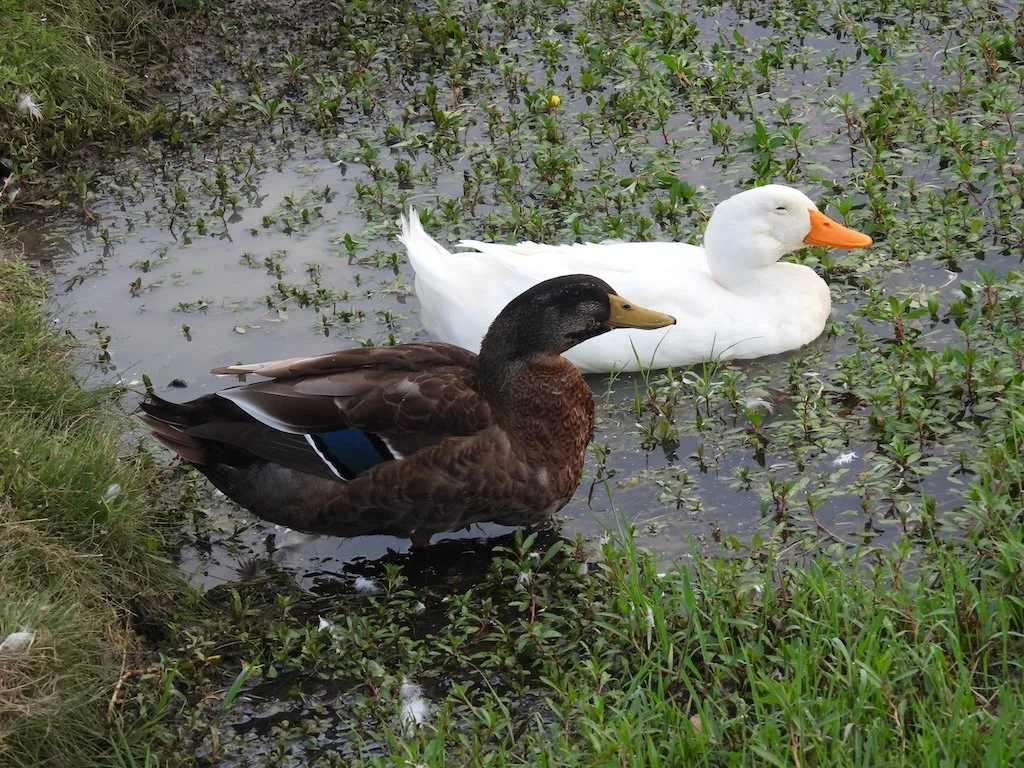
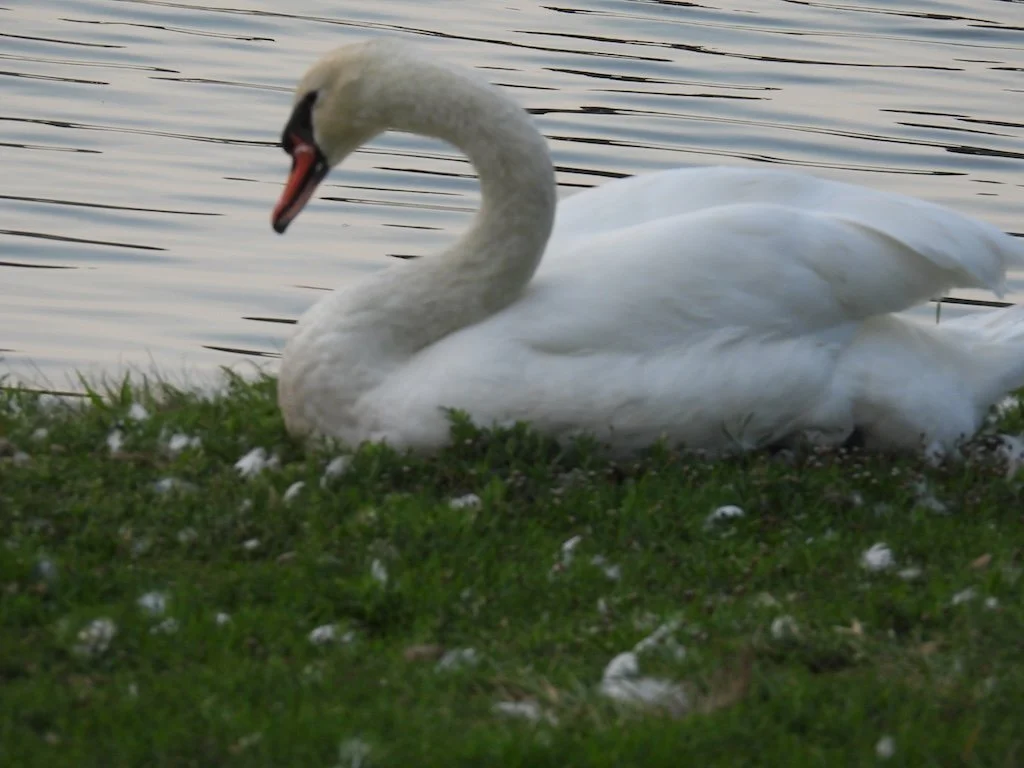
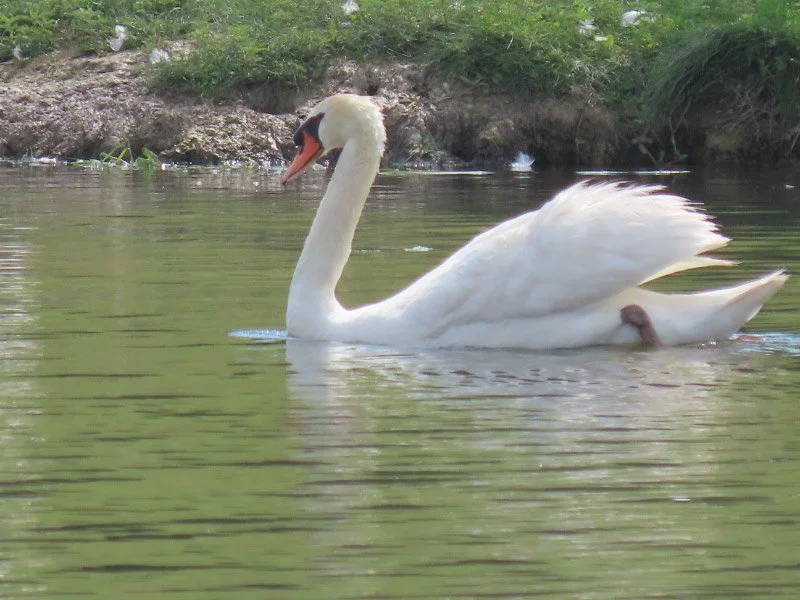
I went back to look at the lake and realized that there were not many grackles (I heard several…only saw one)…pigeons were about as numerous as always…only two ducks and one was a white domestic duck. The only birds I saw in the pond were one great egret and one snowy egret. The two swans were still there. Evidently there were a lot of geese there recently judging from the goose poop on the sidewalks. It was depressing that there weren’t more birds around and I wondered what happened.
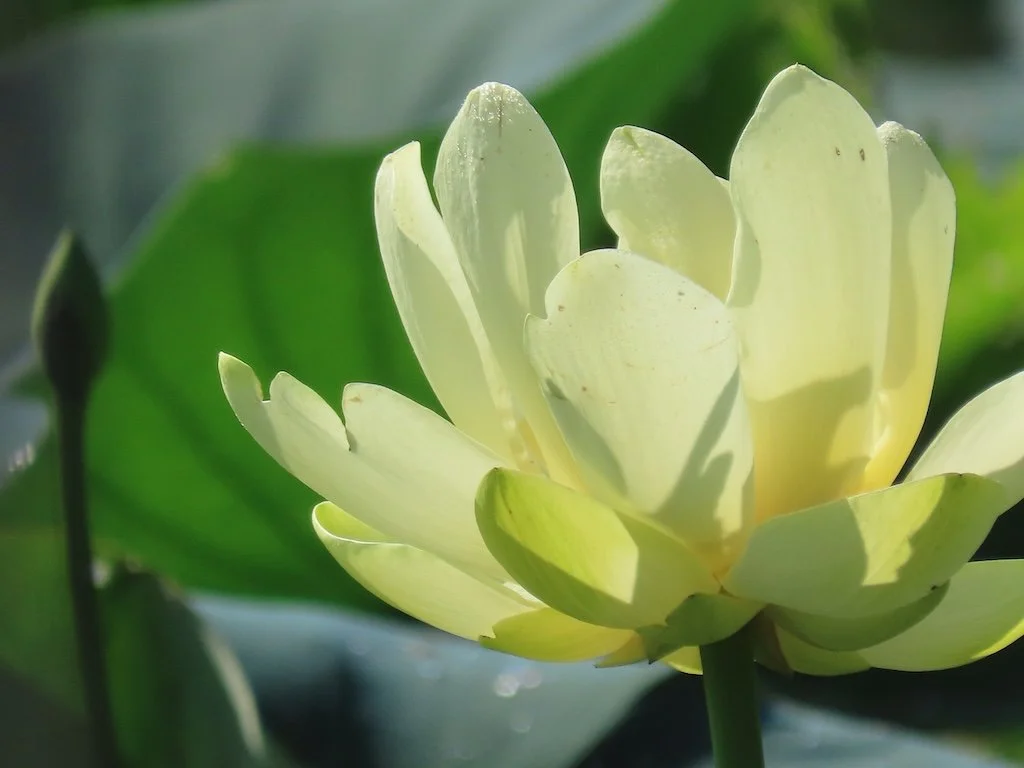
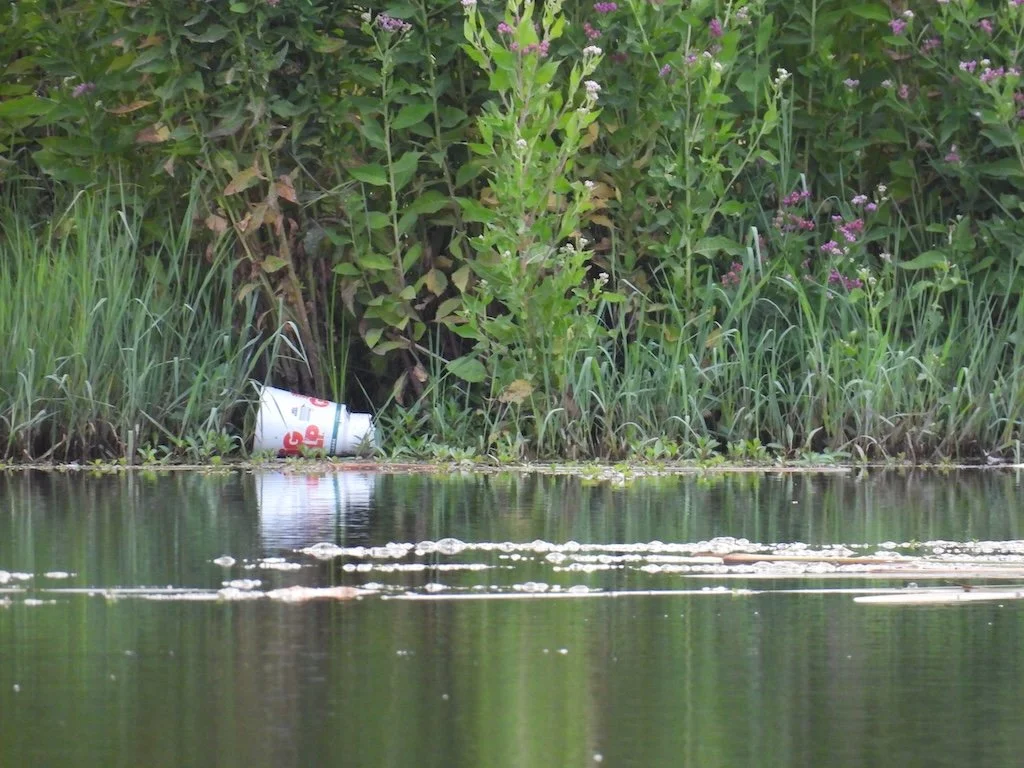
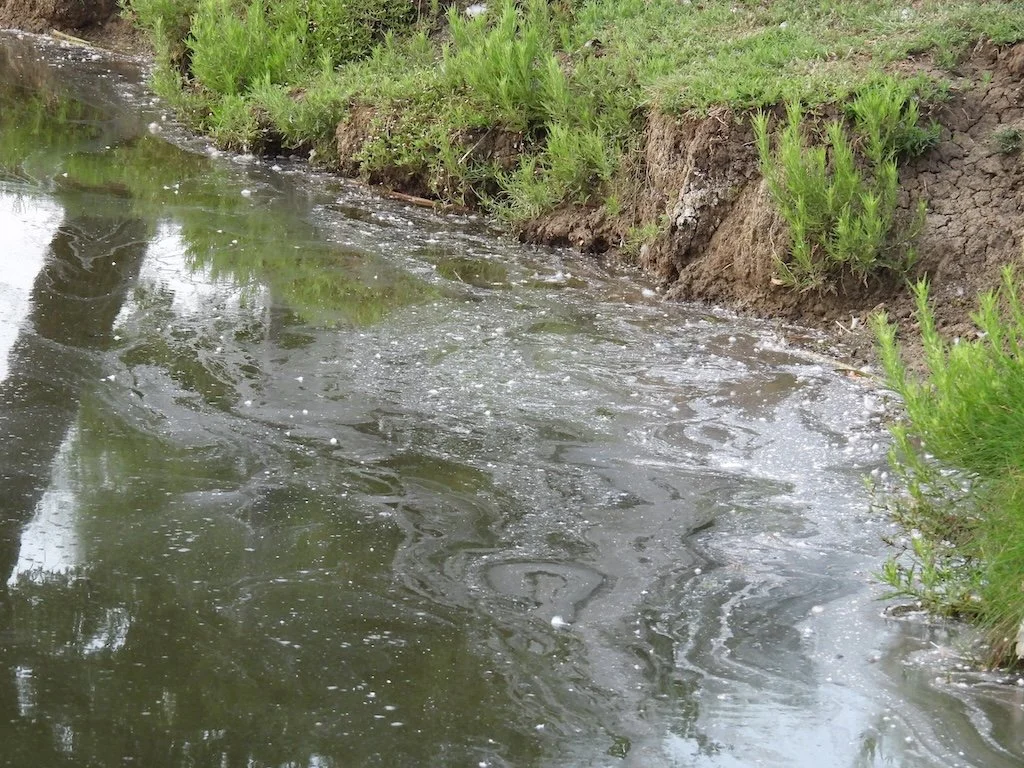
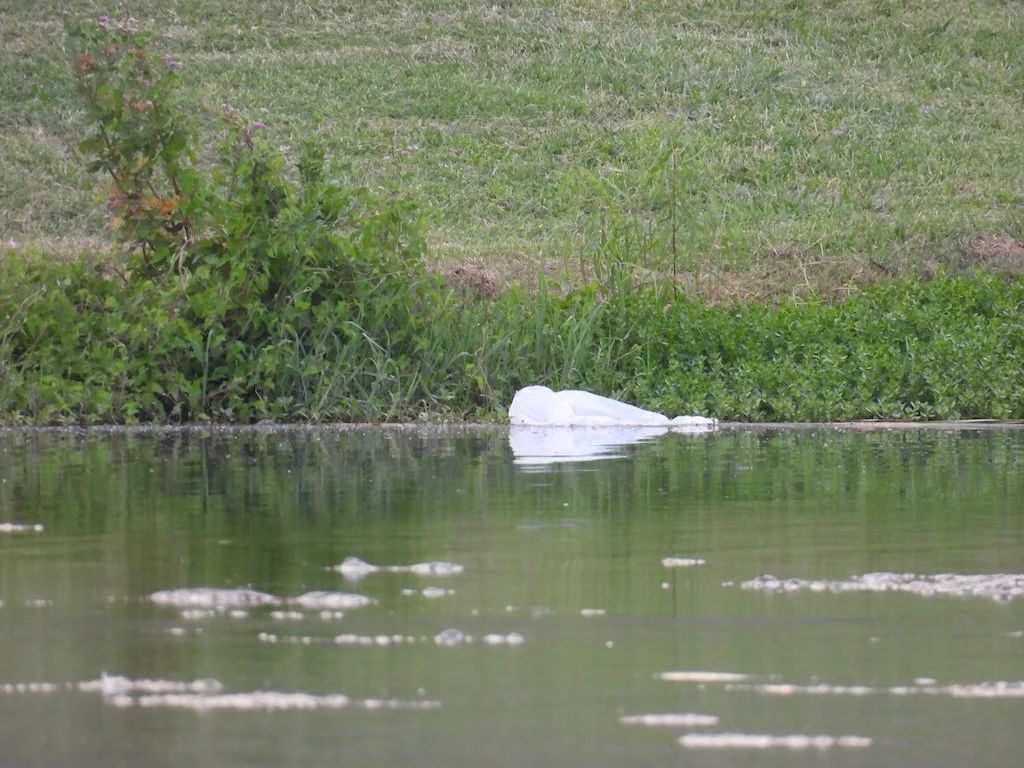
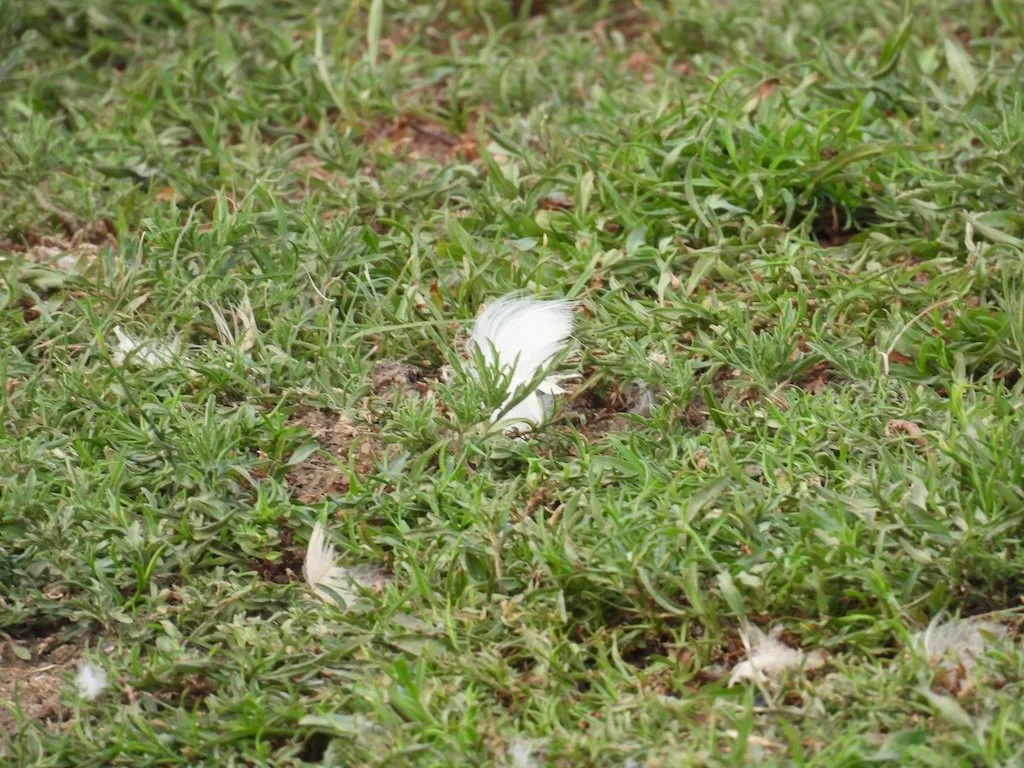
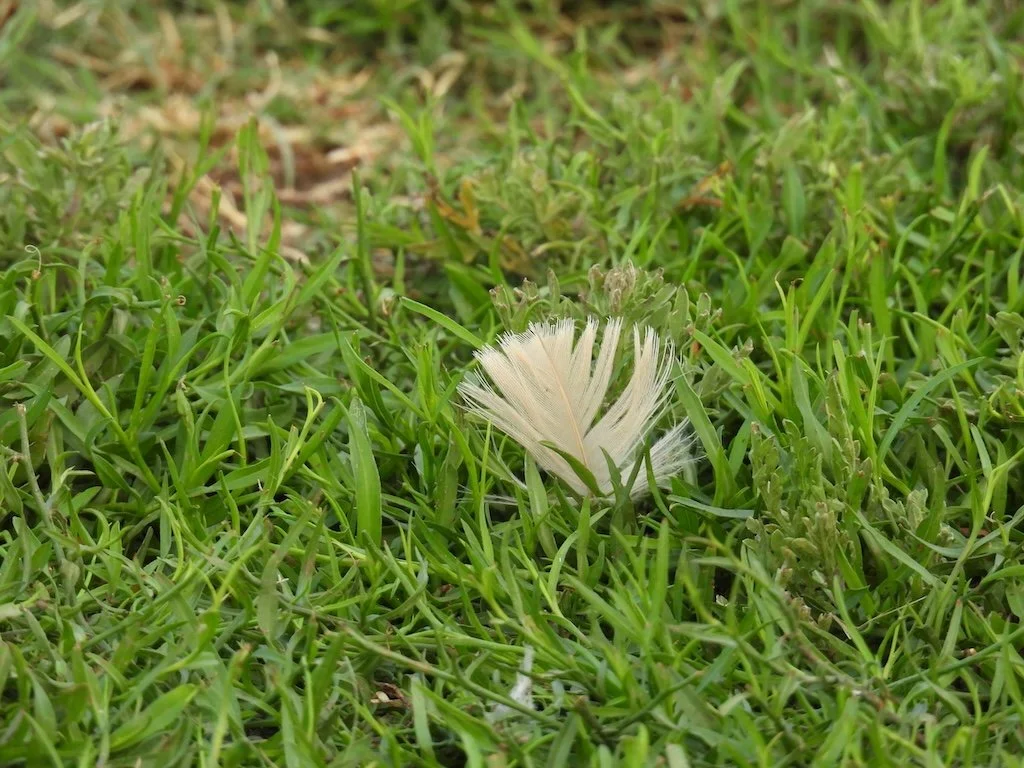
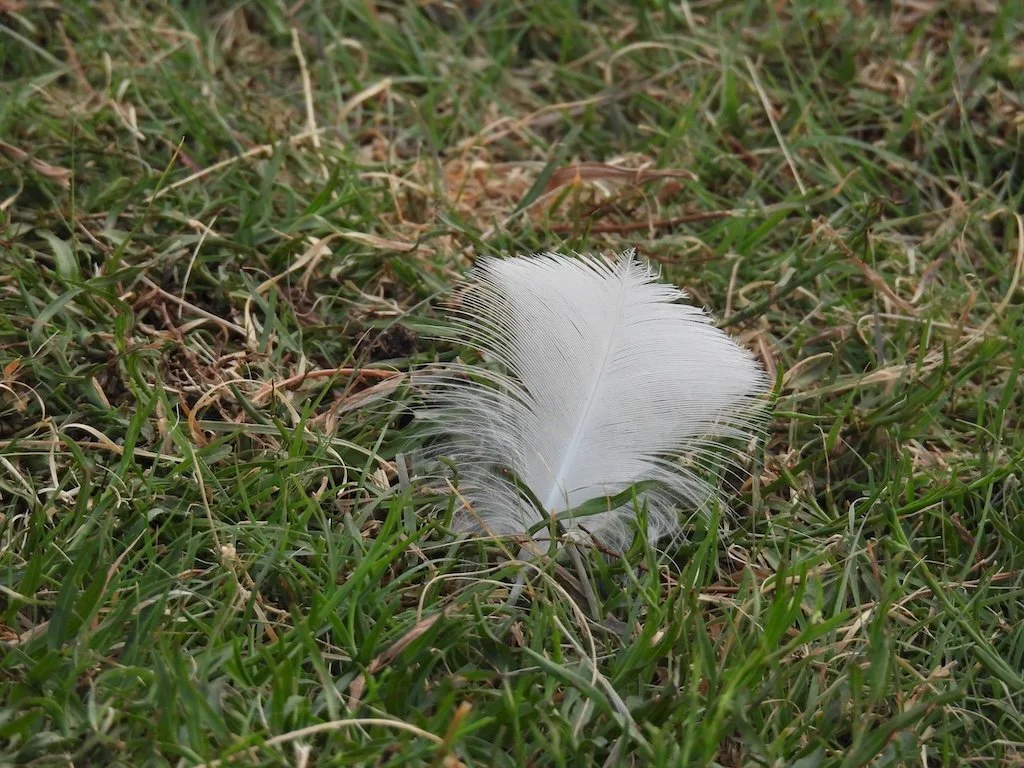
I noticed more trash in the water – a foam cup, plastic bags, and sheen on the water near the shore. Is there more pollution in the pond now? I saw one turtle snout from a distance. Overall, the pond does not look as healthy as it was a few years ago. I took a few pictures of feathers in the grass.

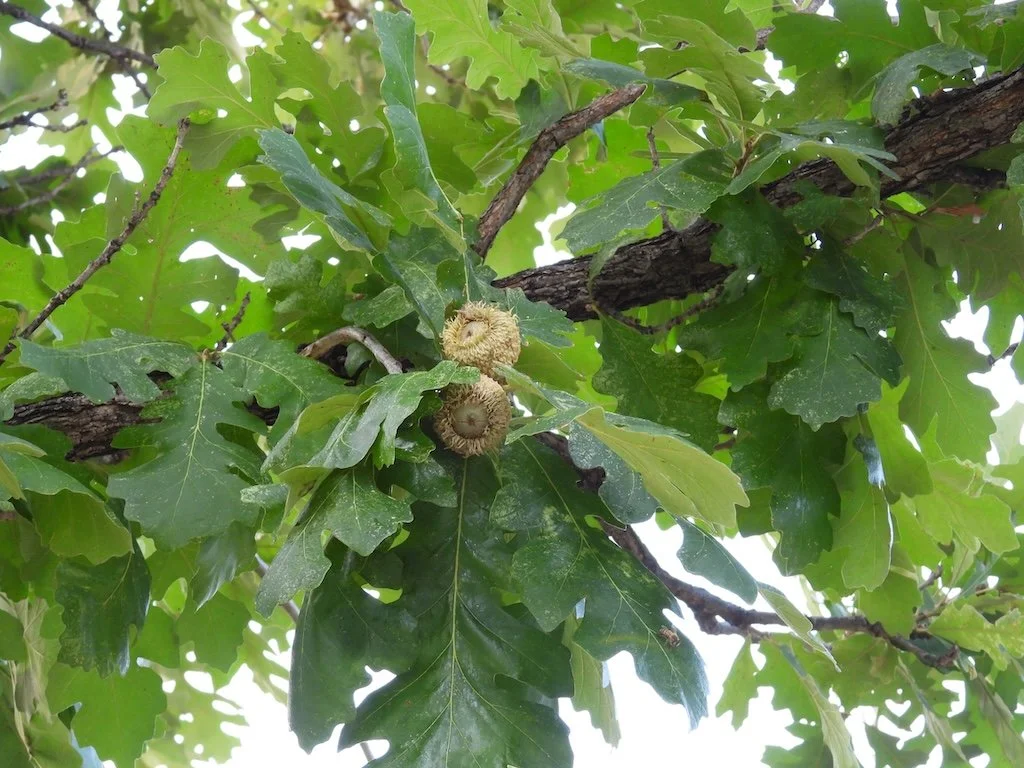
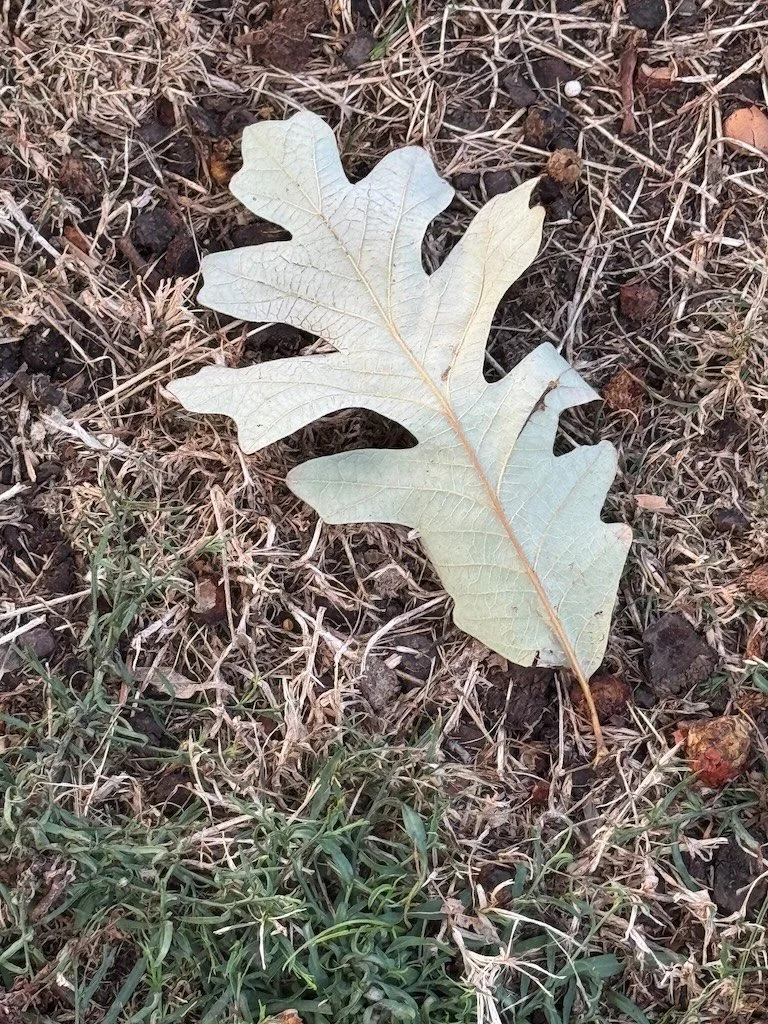
As I walked to the plantings between the library and senior center, I noticed a tree that was planted in memory of someone. It was about 6 feet from the sidewalk….a Bur Oak! I was surprised that it was planted so close to the sidewalk…maybe the climate in Texas will cause it to not get as big as Bur Oaks usually grow.

I looked for the beautyberry that seemed to thrive previously in that area, but they were gone. One of the new plants was a rock rose. The morning was warming up but I didn’t see many insects.

It was a little depressing that the wildlife that used to be around the area seems to be reduced. Maybe I was there at an odd time….I’ll try to look again later this year when the birds that typically winter in Texas might be around.

Josey Ranch – December 2023

I took a walk around the larger pond and small garden at Josey Ranch a week ago.

The first birds I noticed were cormorants – very active on the water (finding fish) and in the air.

Most of the ruddy ducks were snoozing…bobbing in the water.

A group of buffleheads were fishing….then spent a lot of time preening.

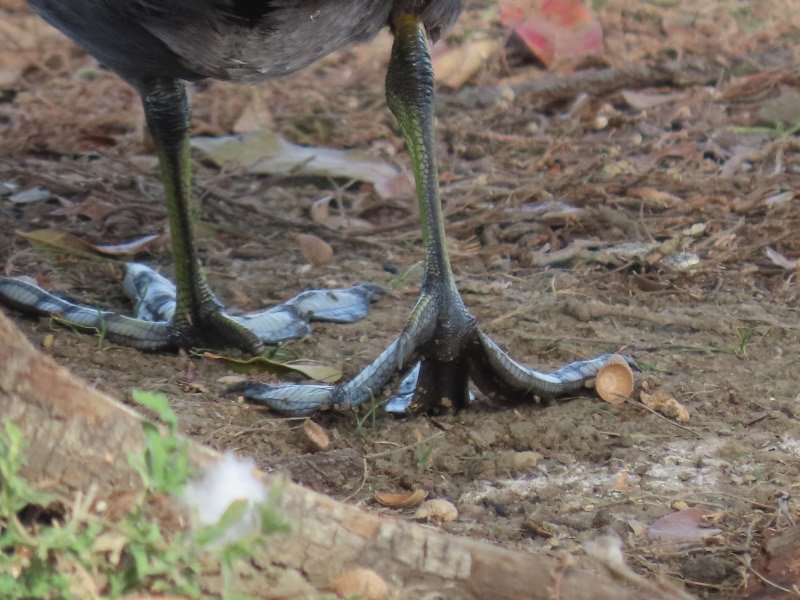
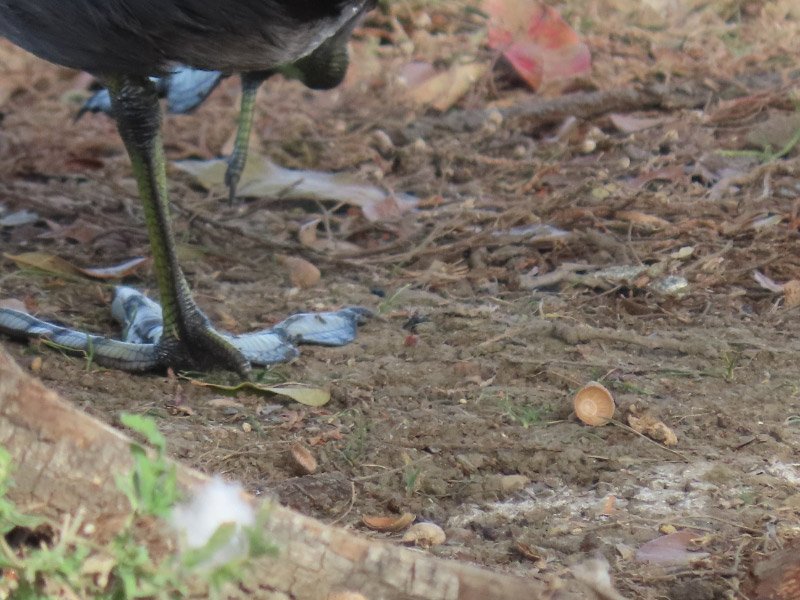
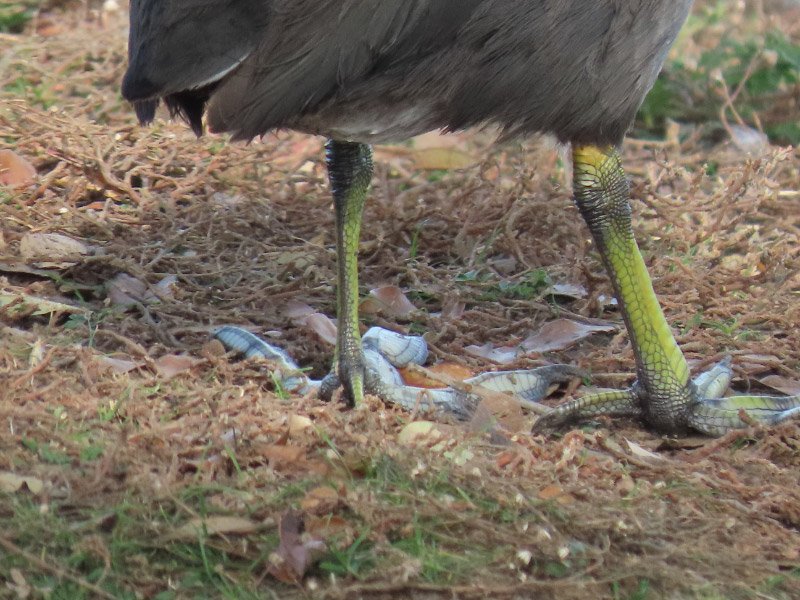
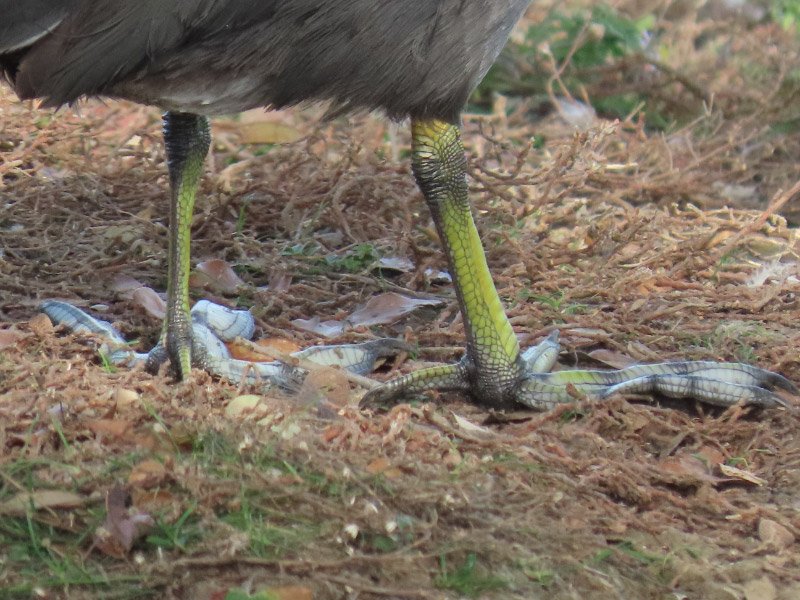
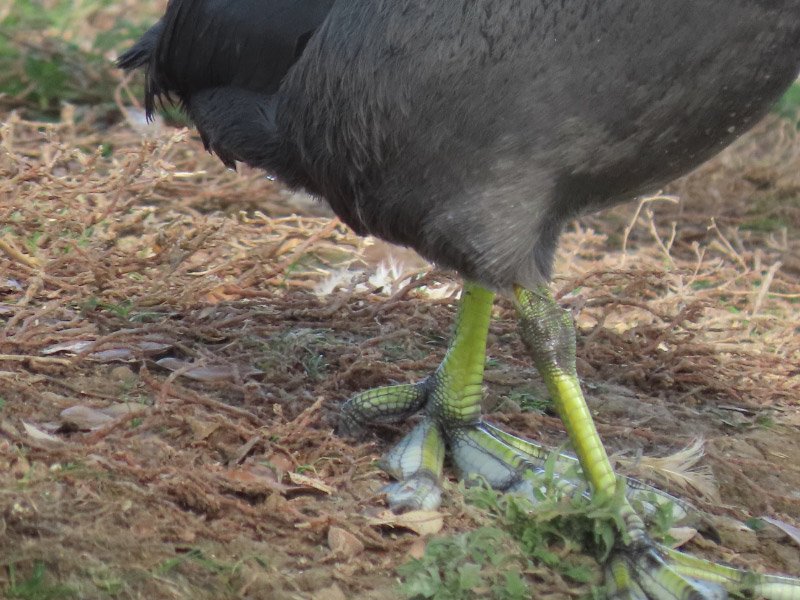
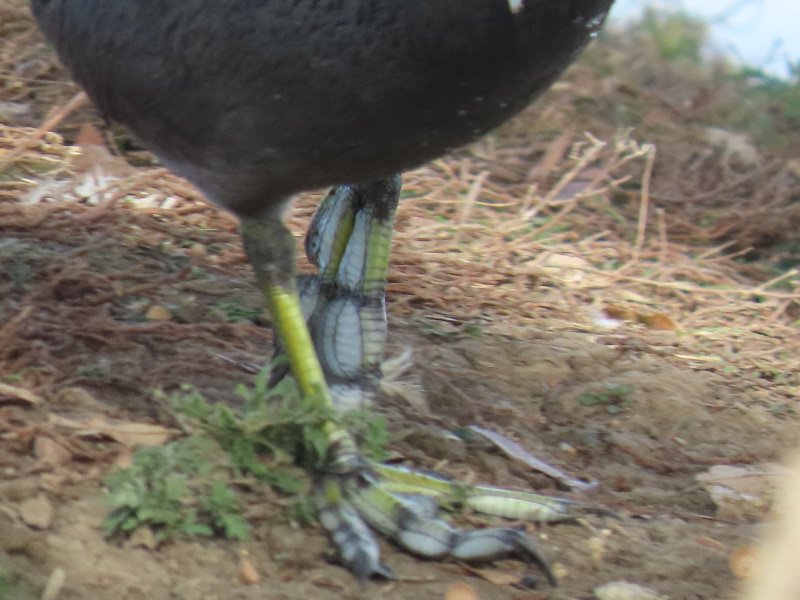
There were several coots

And I was thrilled when one of them came up onto the bank and I was close enough get good images of their feet! They are so unusual.

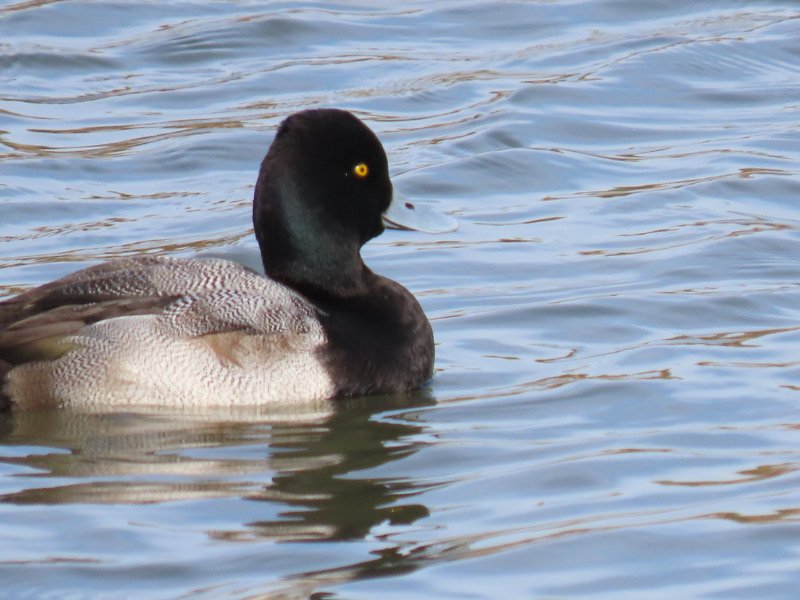
The scaups are around but not in as large numbers as last year.

The resident swans were asleep on the back as they have been every time I have visited recently. Are they elderly swans?

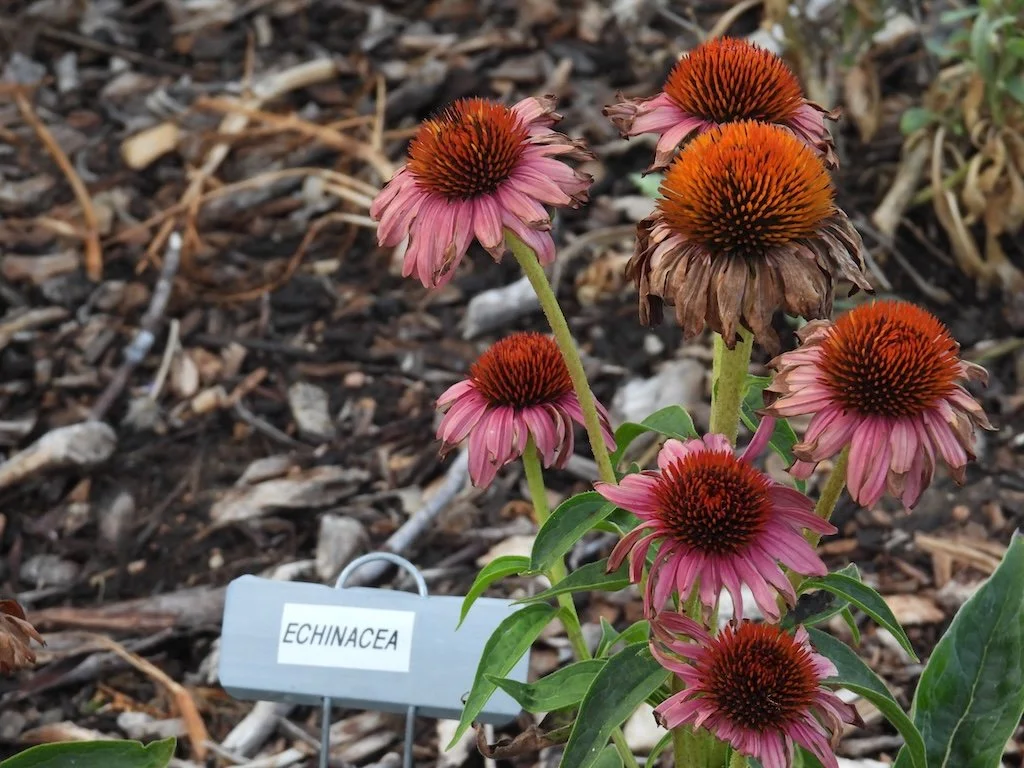
There were a few late flowers in the small garden; there has not been a hard frost in Carrollton yet.

Where are the northern shovelers? Maybe they are still further north? Usually they are present at Josey Ranch by November…but not this year.

Pocket Prairie and Josey Ranch – May 2023

The Pocket Prairie at Josey ranch was blooming when I was there in May. The gardeners have worked hard to help it recover after last summer’s heat/drought. It will take a few years to fill in between the clumps that were planted new this year.

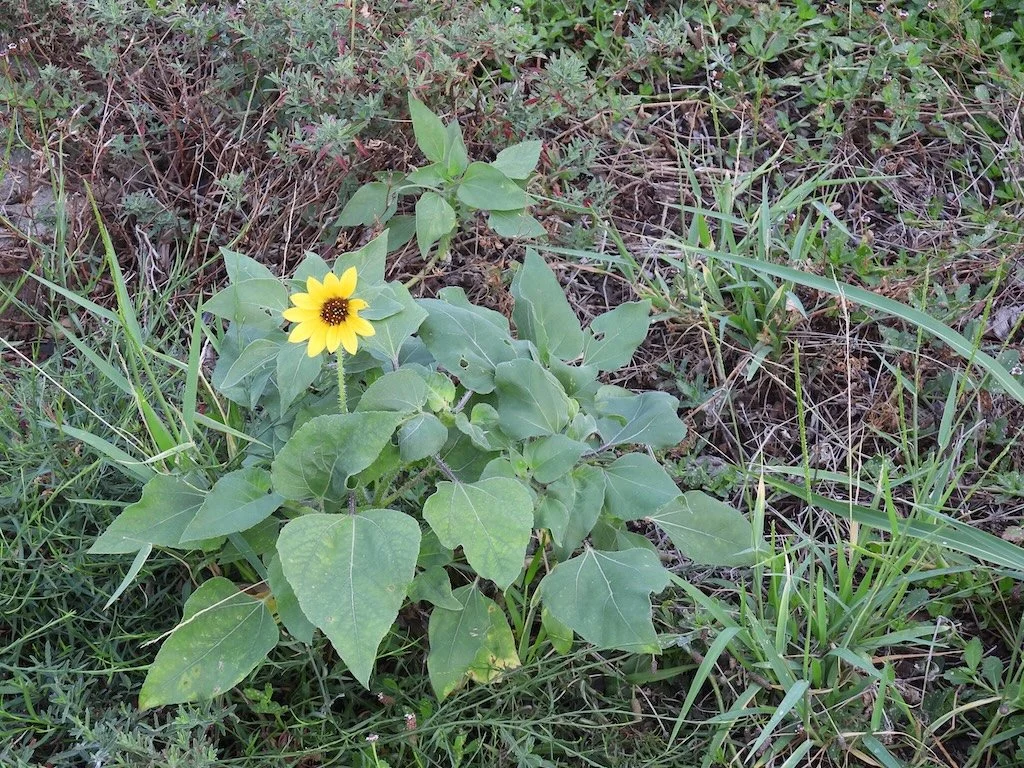
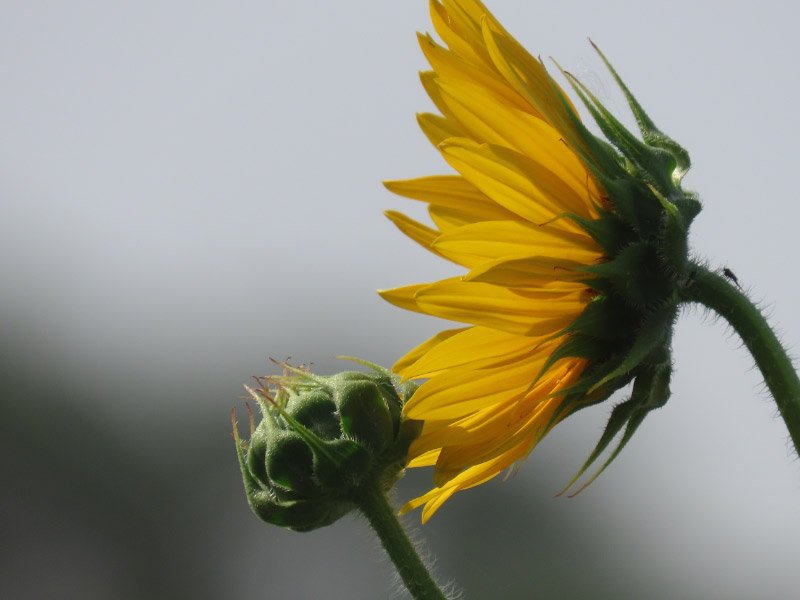
My favorites are the sunflowers. I like them from every angle!

The goslings that I noticed in April were in the same area in May. They have grown….and there are only 3 of the 5 left. Even though there are 2 diligent adults nearby, predators still take a toll. I wondered what the top predator would be in this urban park…maybe turtles…maybe unleashed dogs?

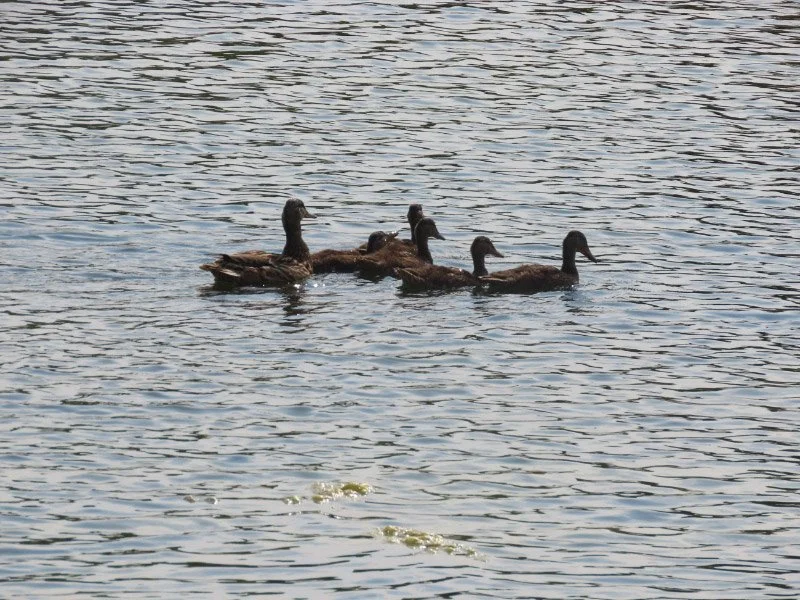
On the larger pond, there were mallard ducklings. There were 5 of them with a female. The males steer clear…seemed to be in all male groups.

The grackles were active and noisy.

They didn’t seem to disturb the great egret’s concentration as it searched for breakfast.

The swans were across the pond from where I stood. There seemed to be a lot of feathers on the shore. I wondered if the swans were molting or if something had attacked one of them.

I’ll be back in Carrollton by mid-June….looking forward to more sunflowers!

Ducks, Geese, and Swans of the World (eBooks)

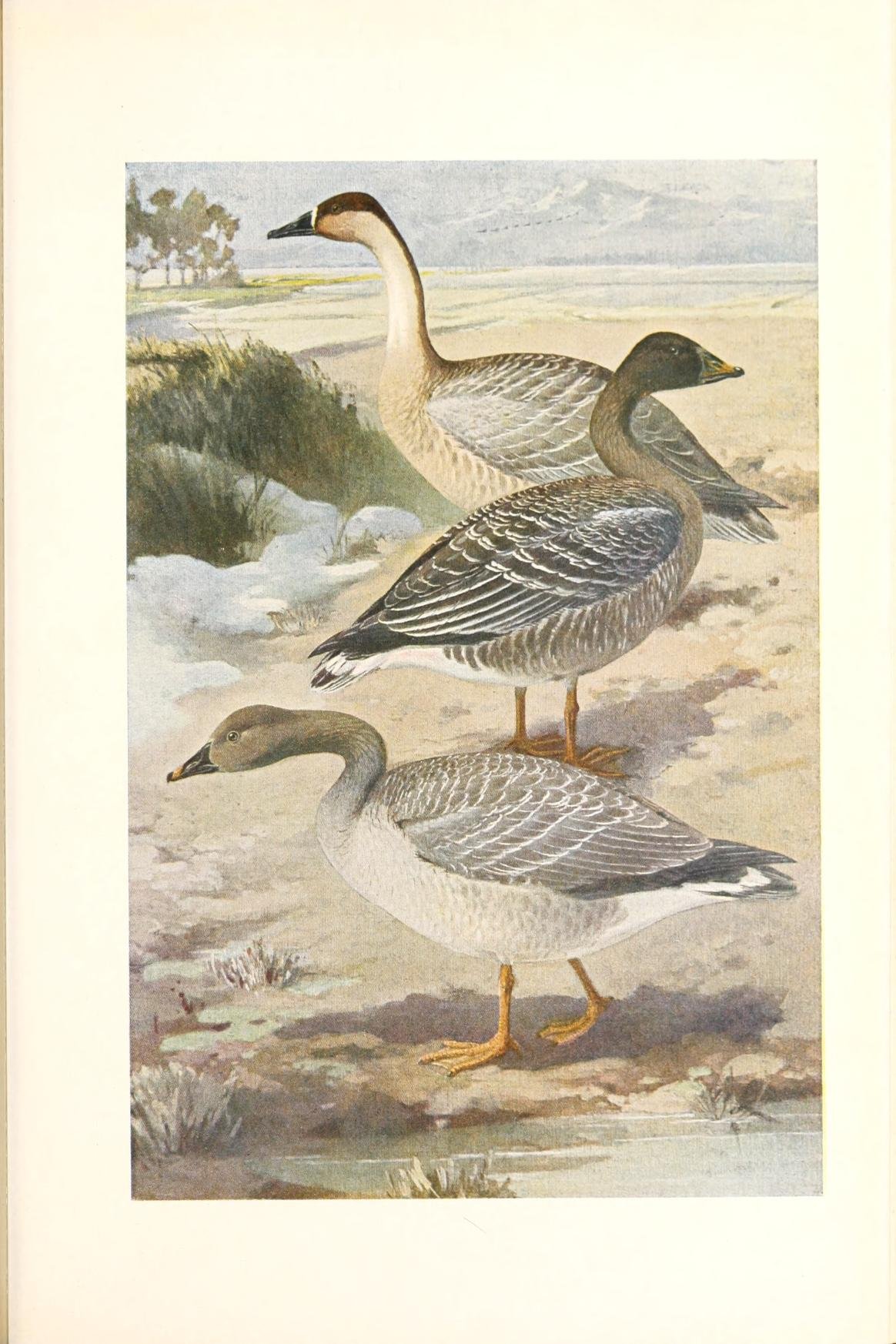
Nagamichi Kuroda was a Japanese aristocrat and ornithologist. Two of his books (in Japanese) published in 1912 and 1913 are available from Internet Archive…worth a look for the illustrations. I’ve selected a sample illustration from each book.

Geese and Swans of the World

As I browsed these books, I wondered how many of the birds he documented still survive in viable numbers.

Kuroda lived a long time and published books on Javanese birds and Parrots…so there will be more of his books to enjoy as the copyrights expire. Both World Wars probably impacted his work; the books available now were published before World War I and the next ones mentioned I the Wikipedia entry are in the early 1930s and then beginning again in the 1950s. The Wikipedia entry was short on details of his life.