Our Missouri Yard – May 2026

May was full of new growth in our yard.

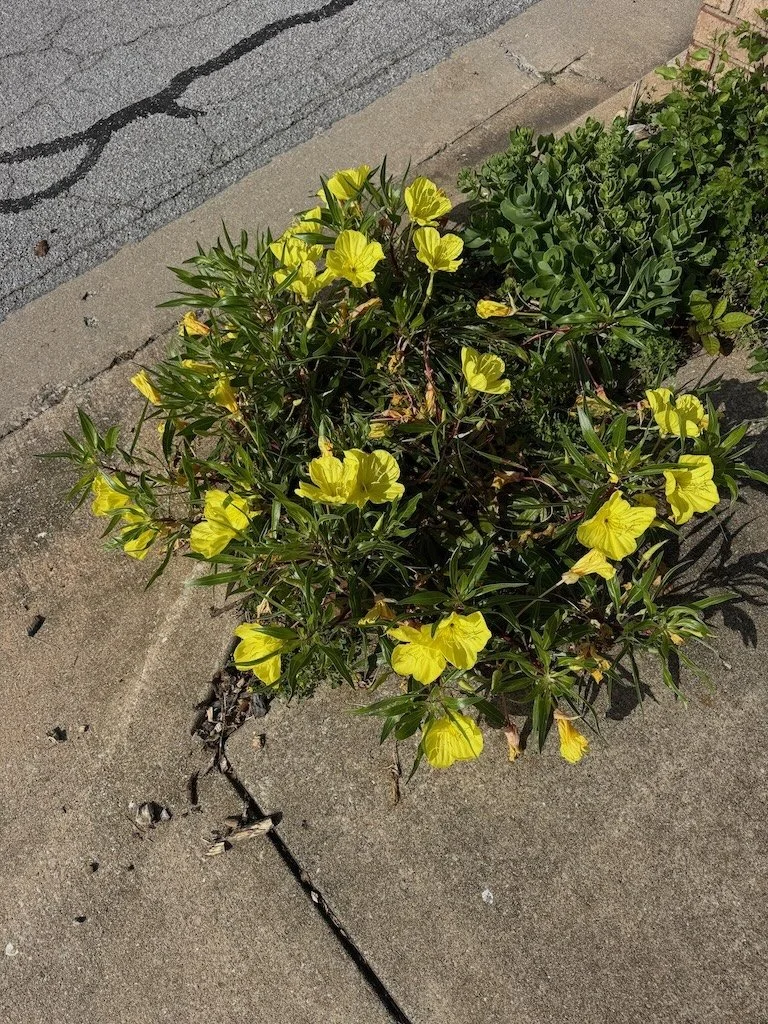
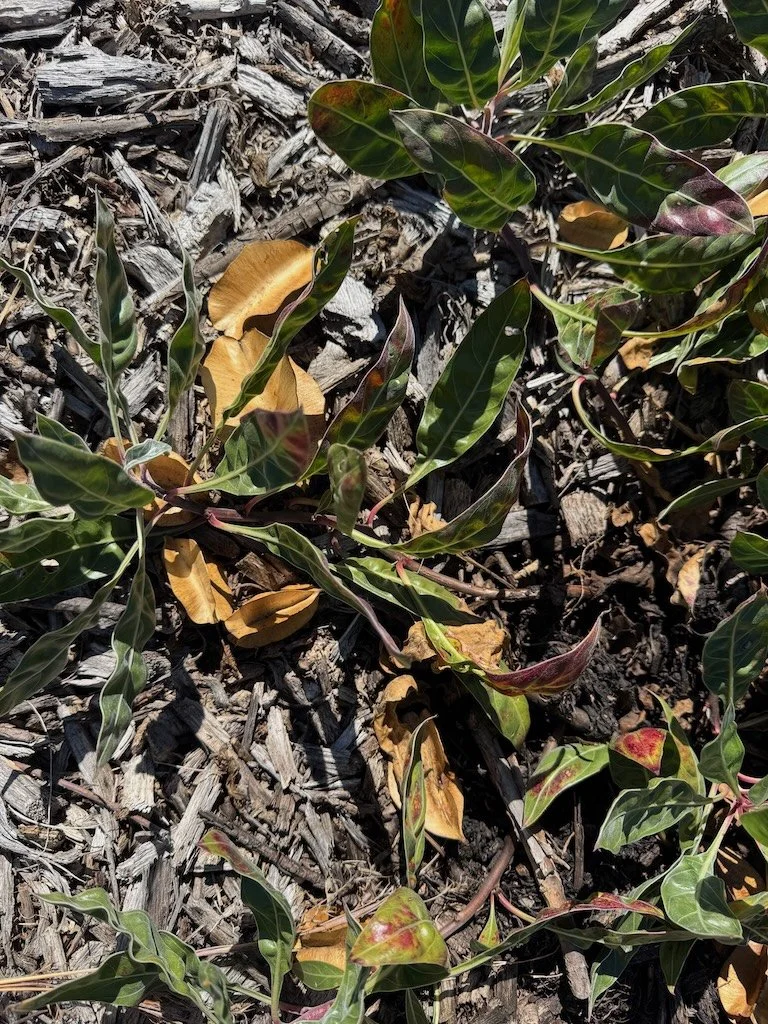
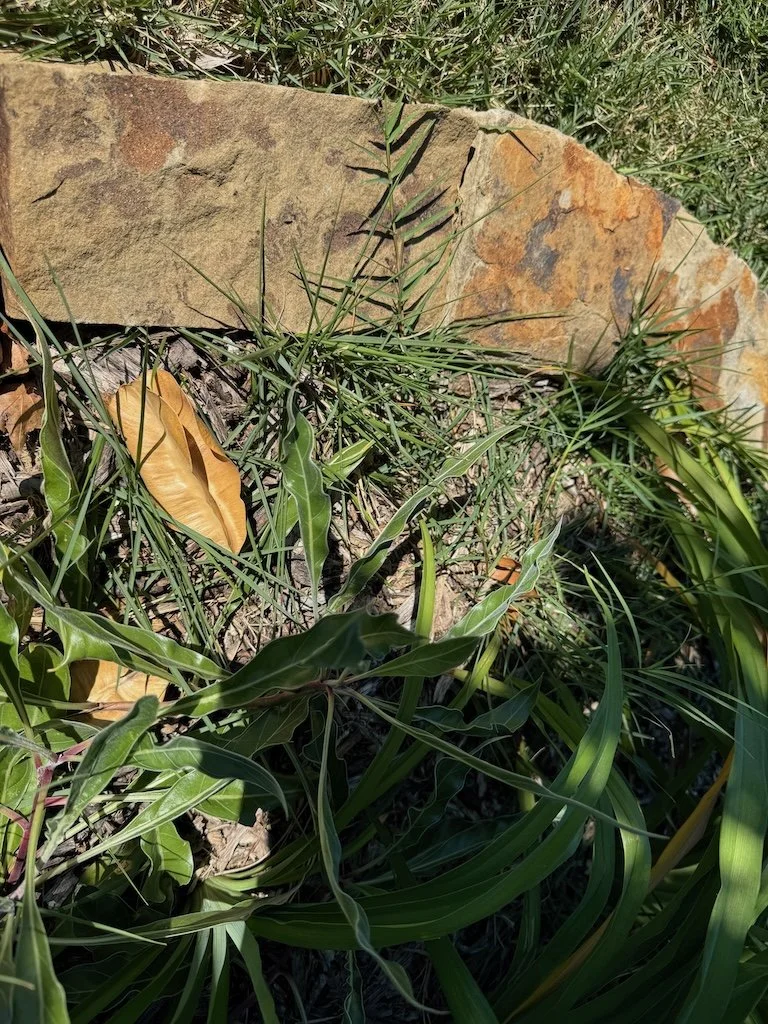
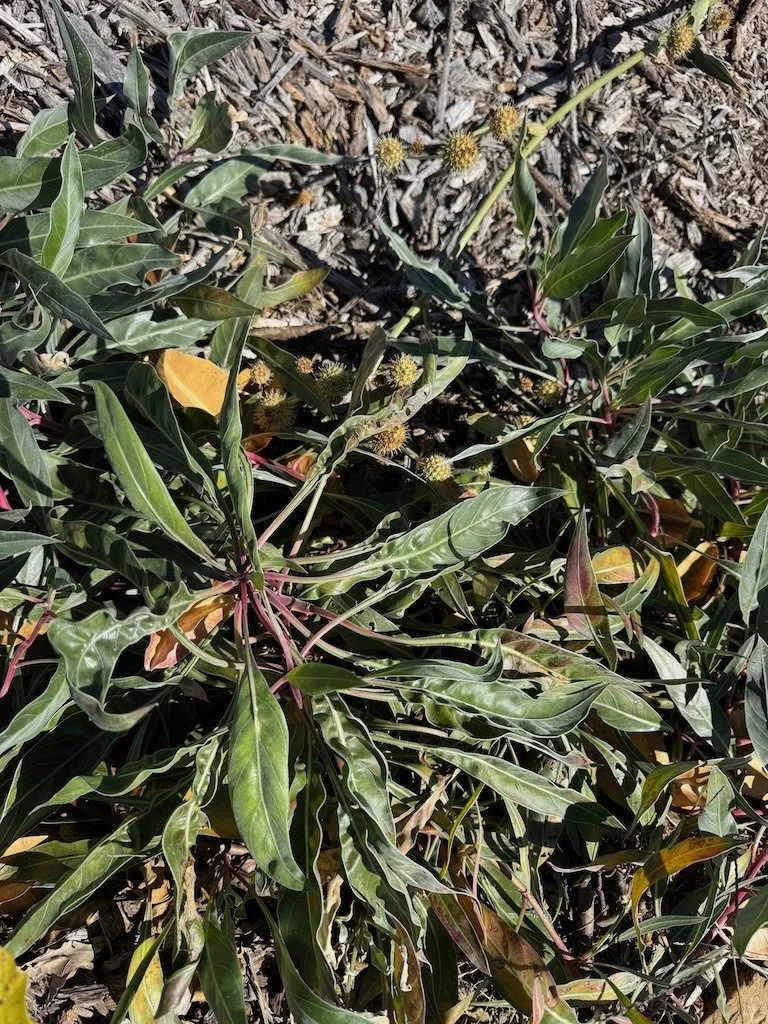
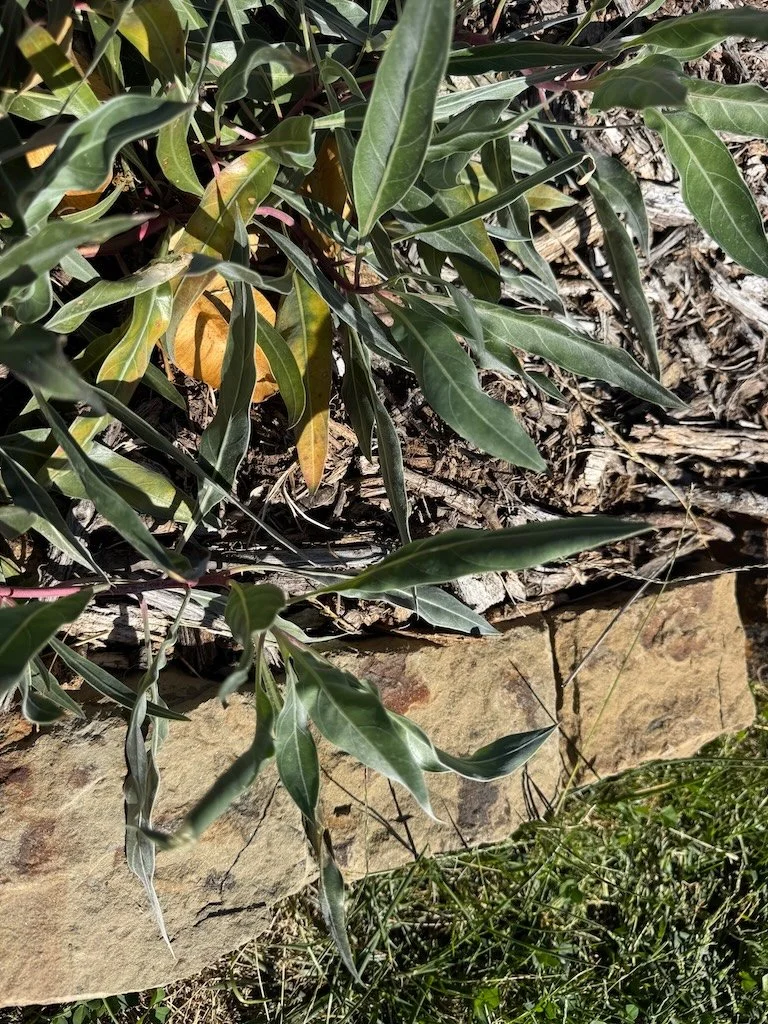
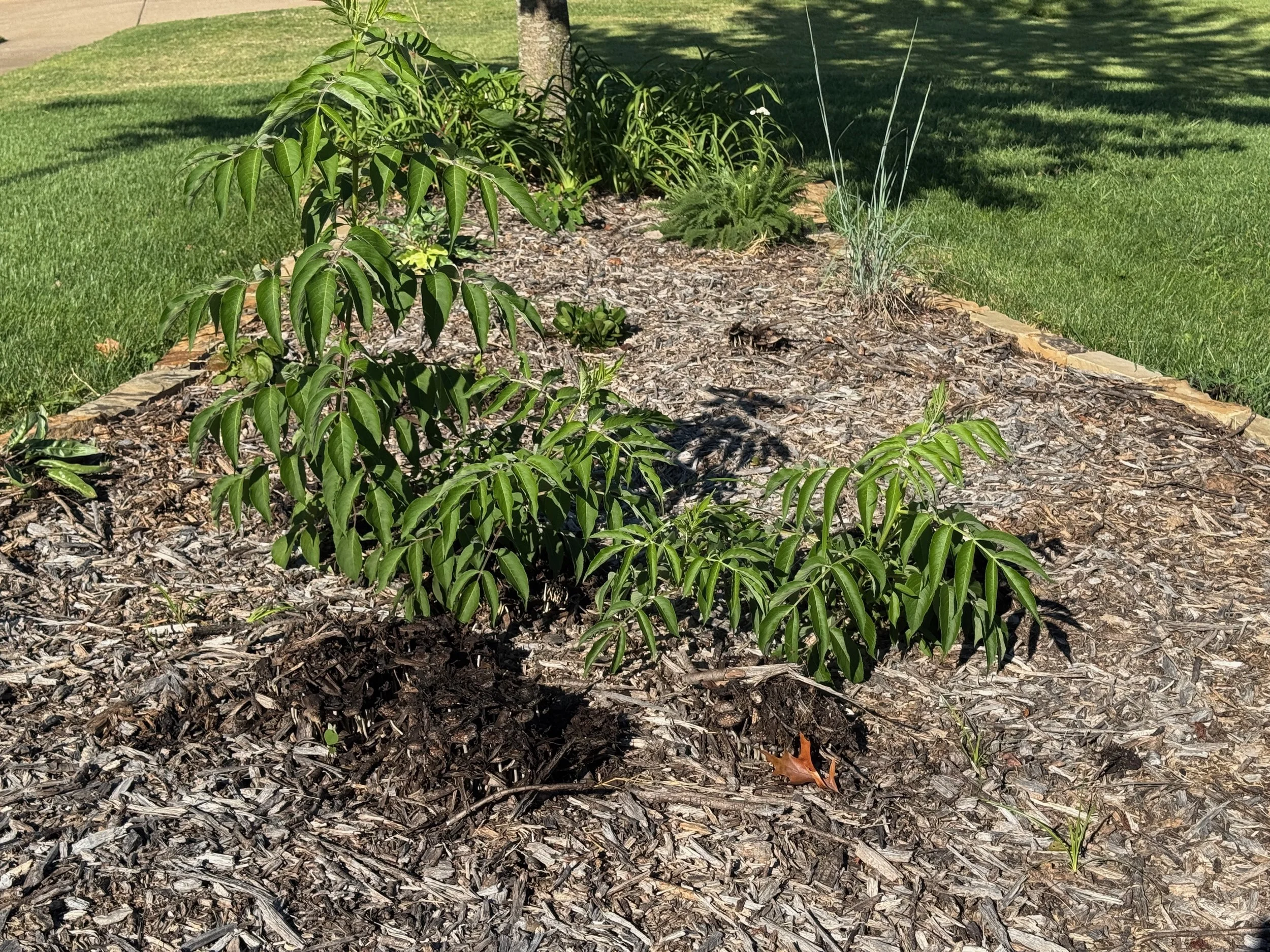
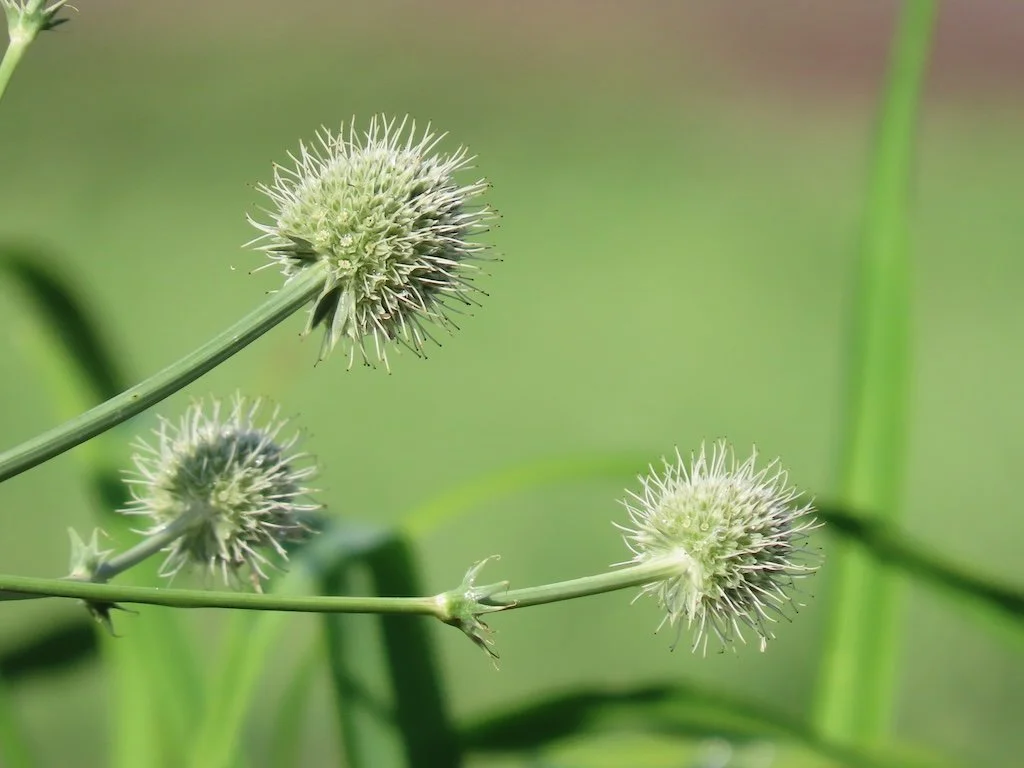
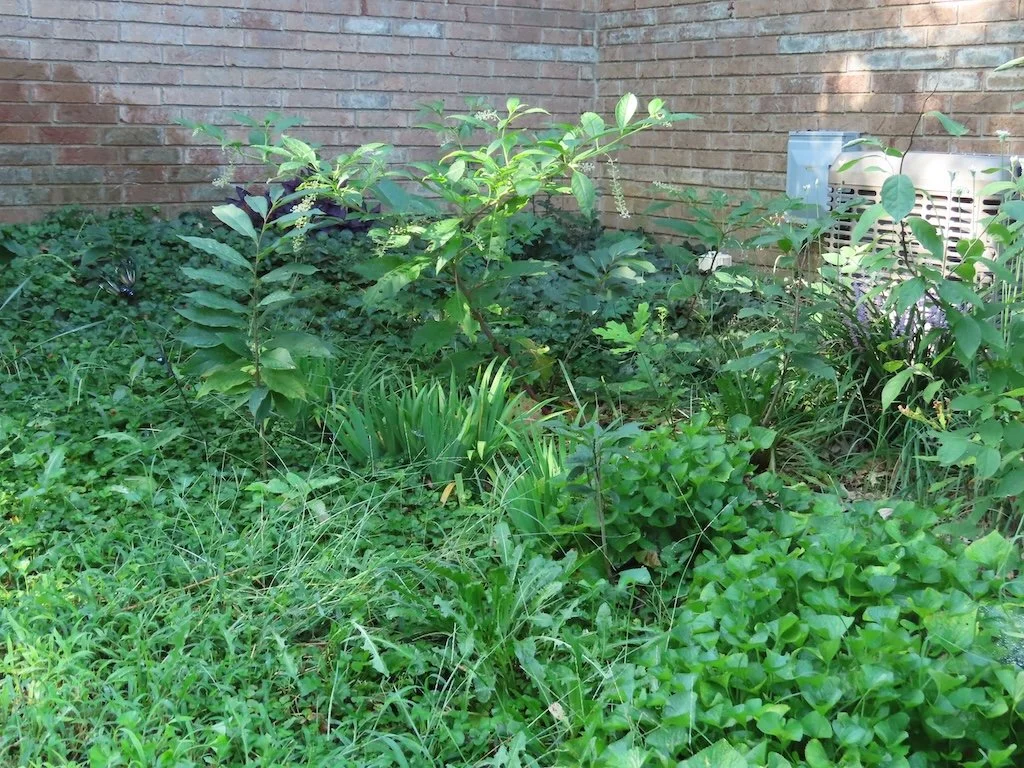
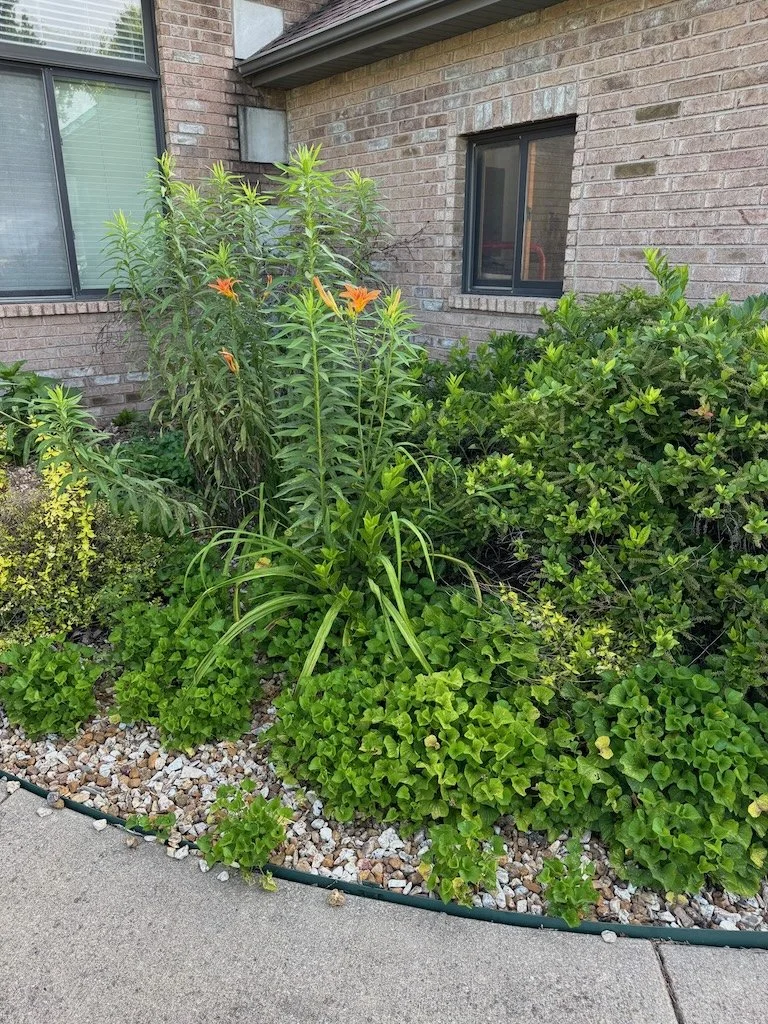
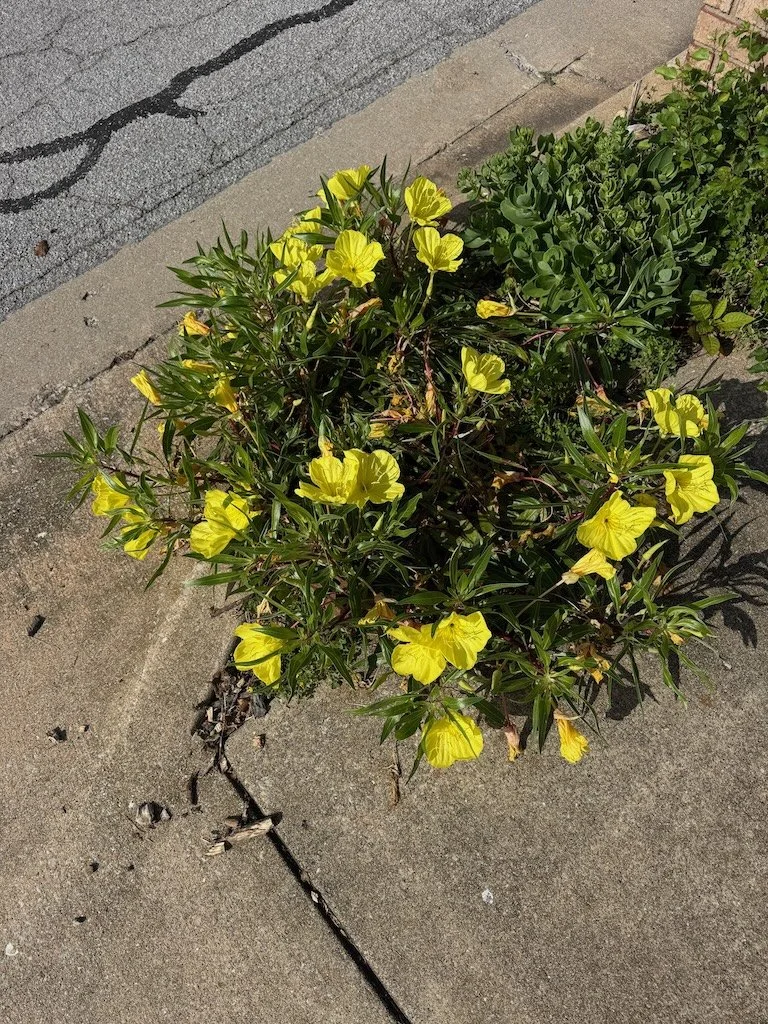
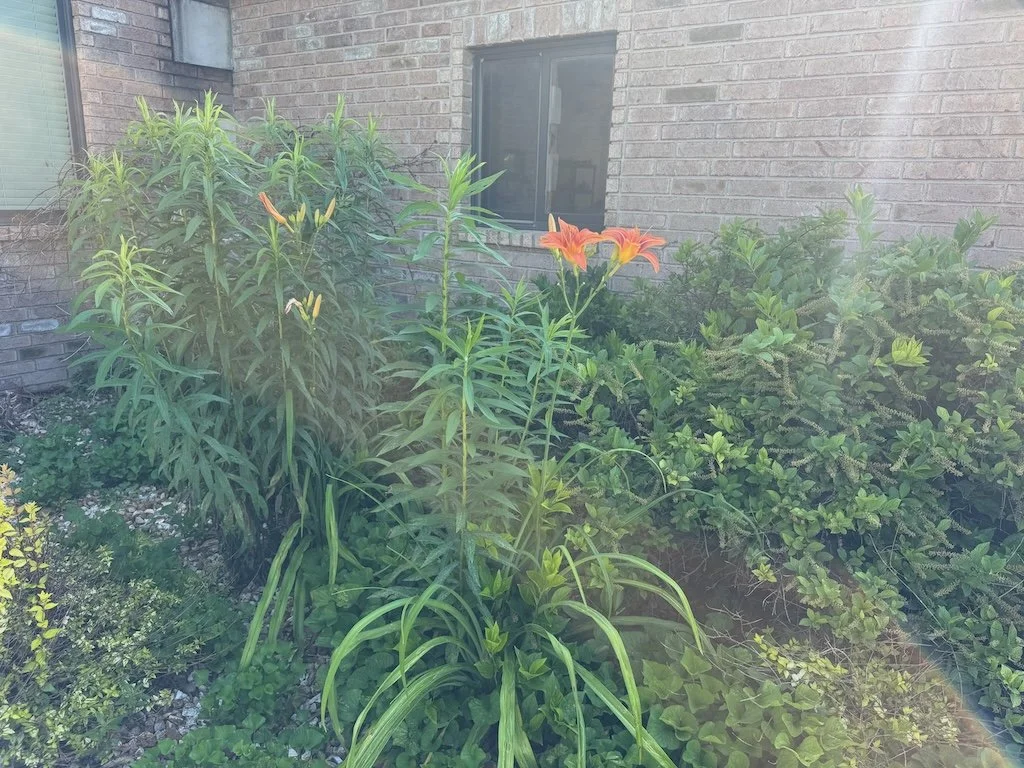
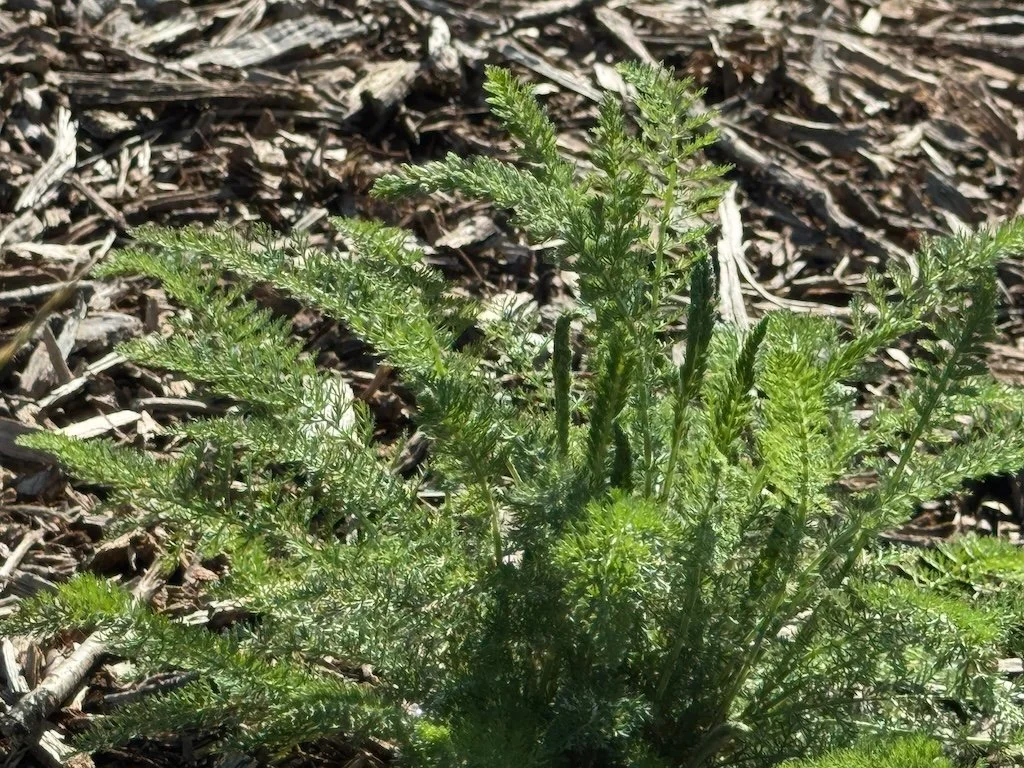
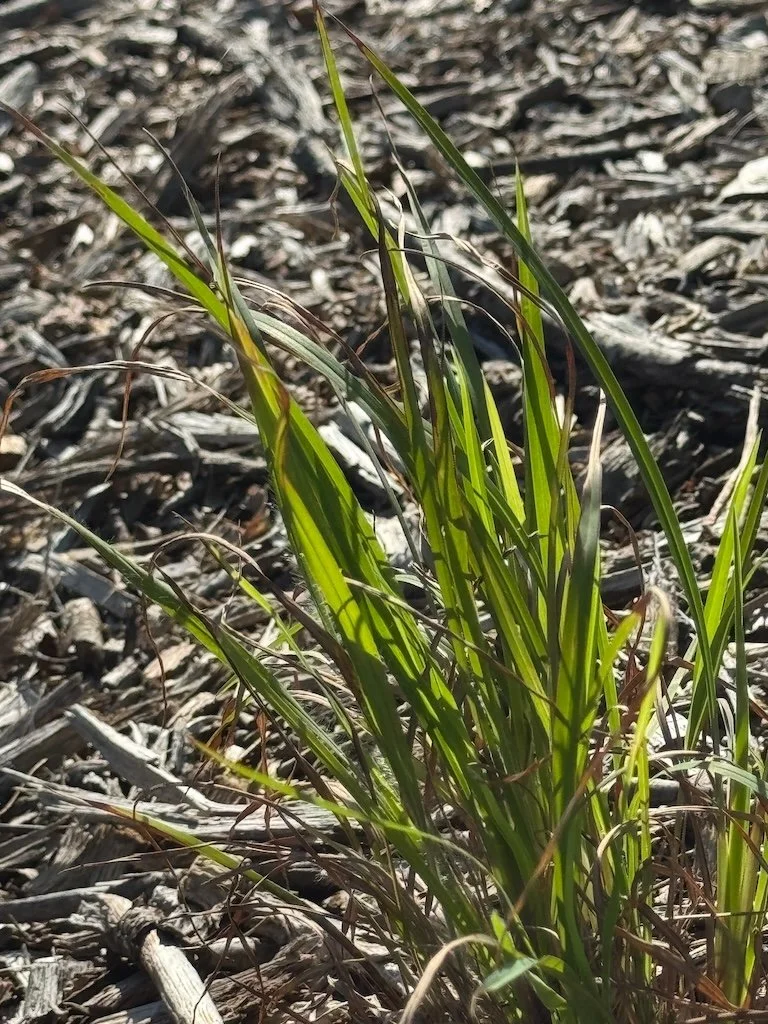
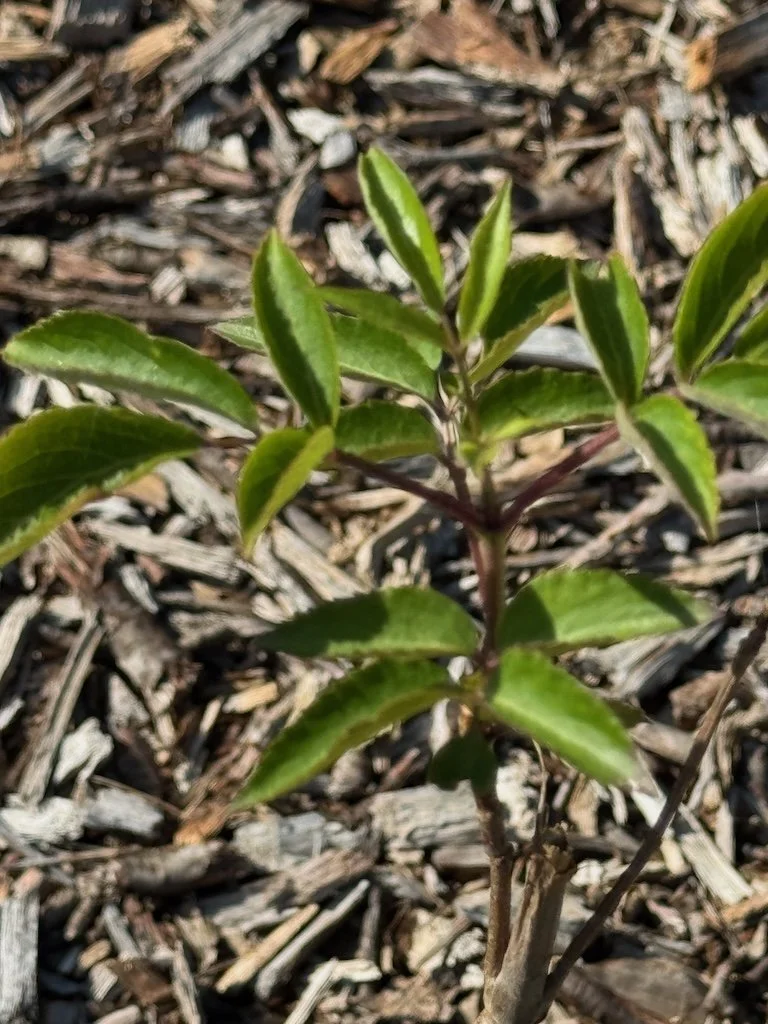
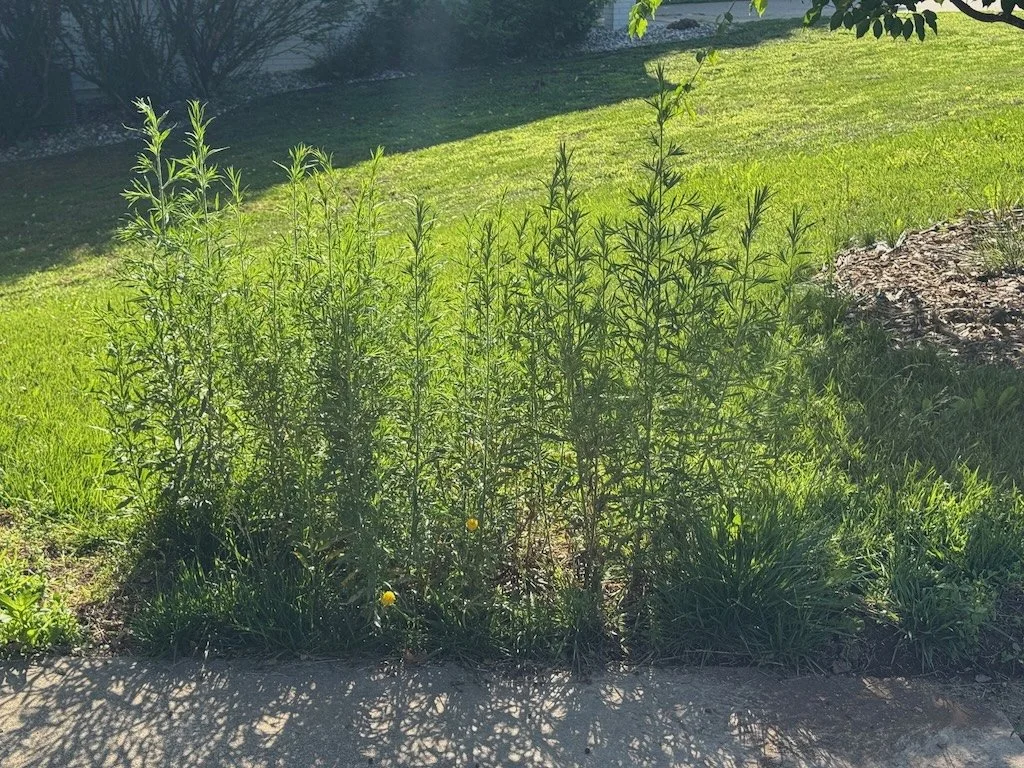
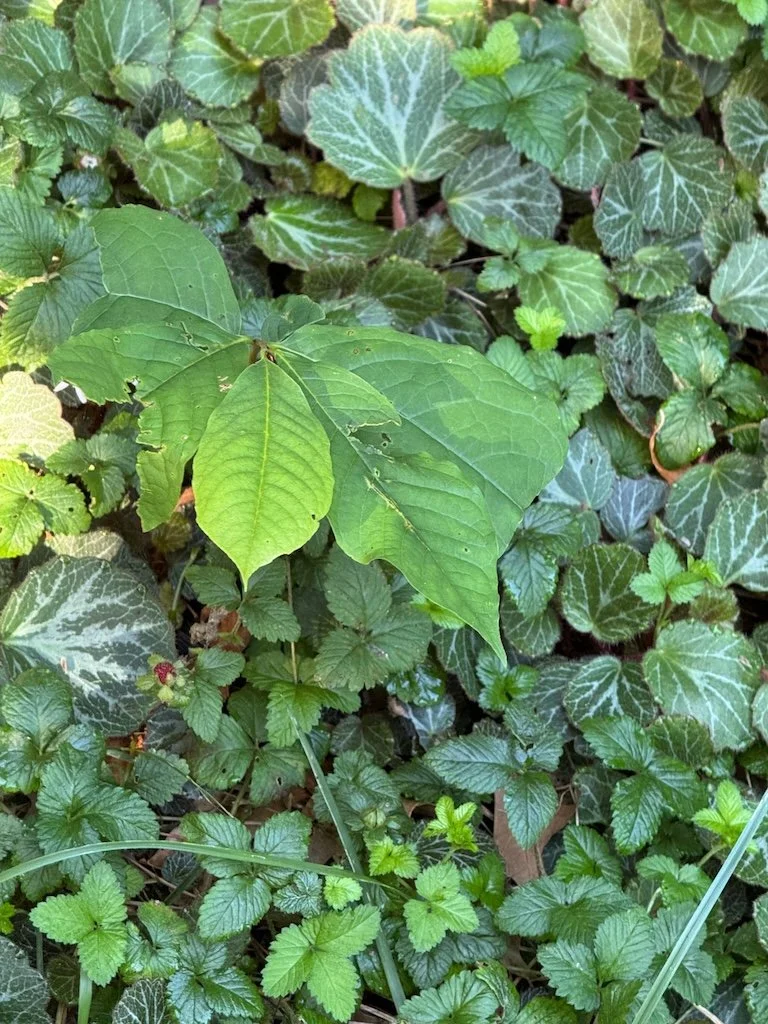
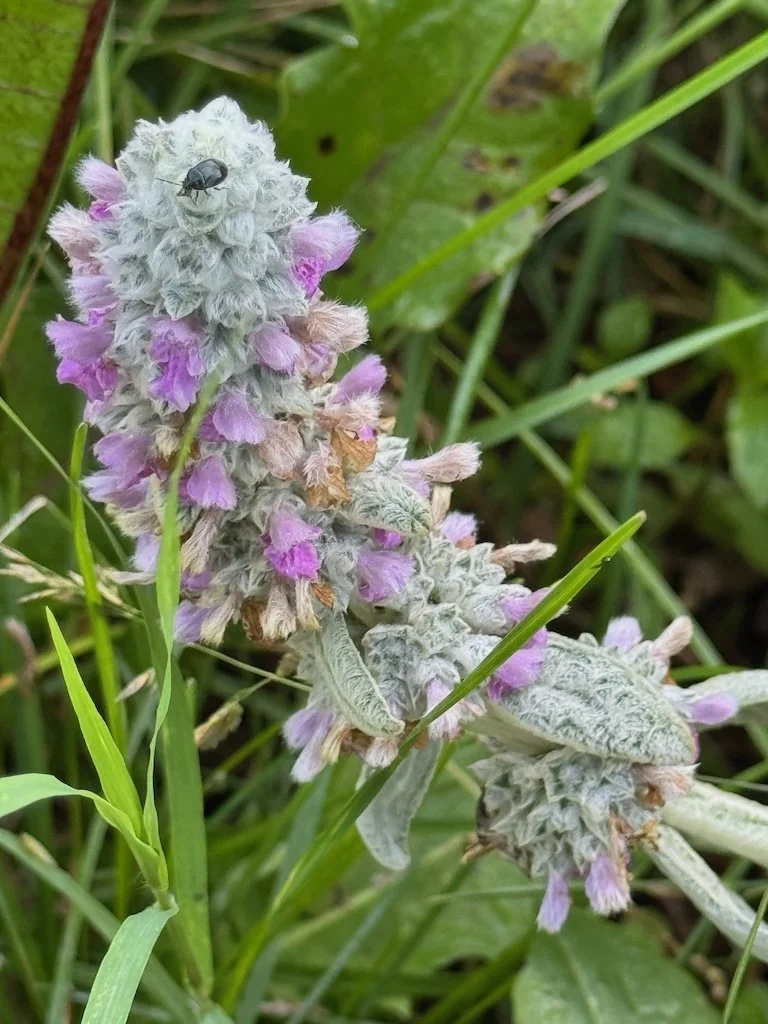
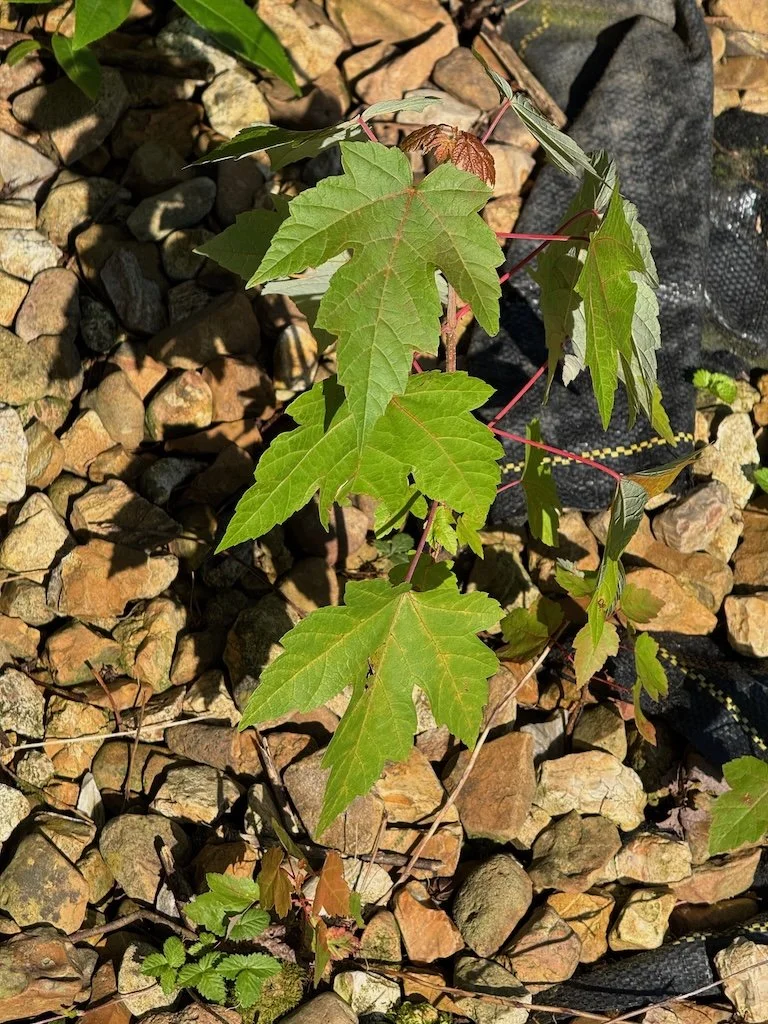
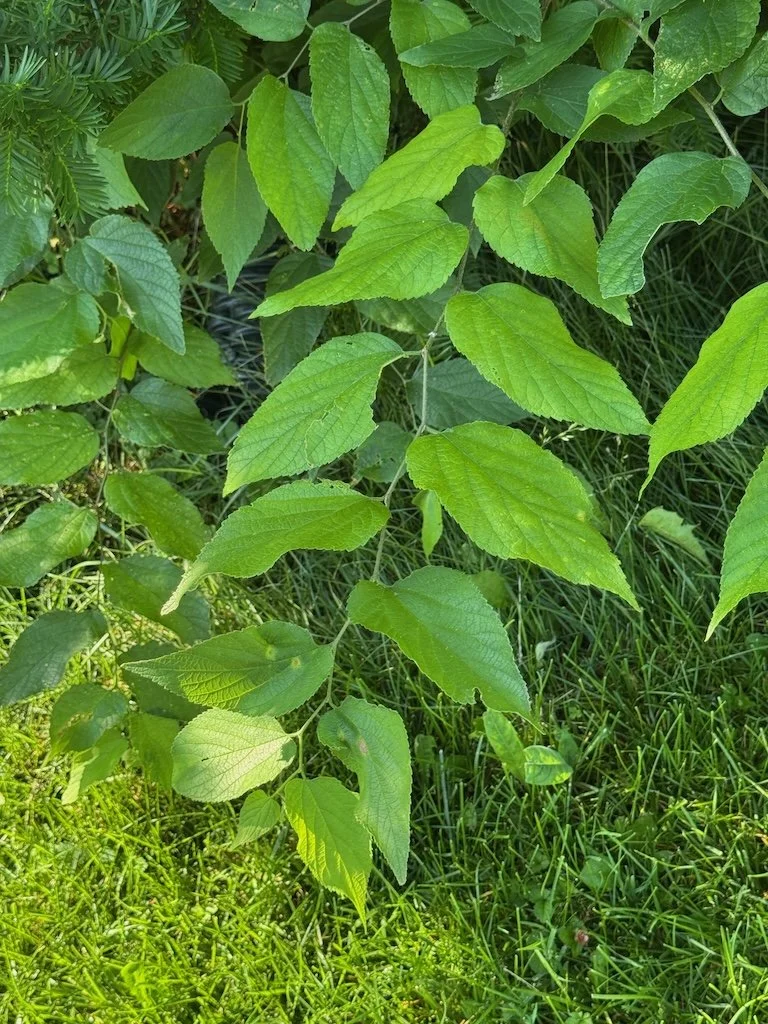
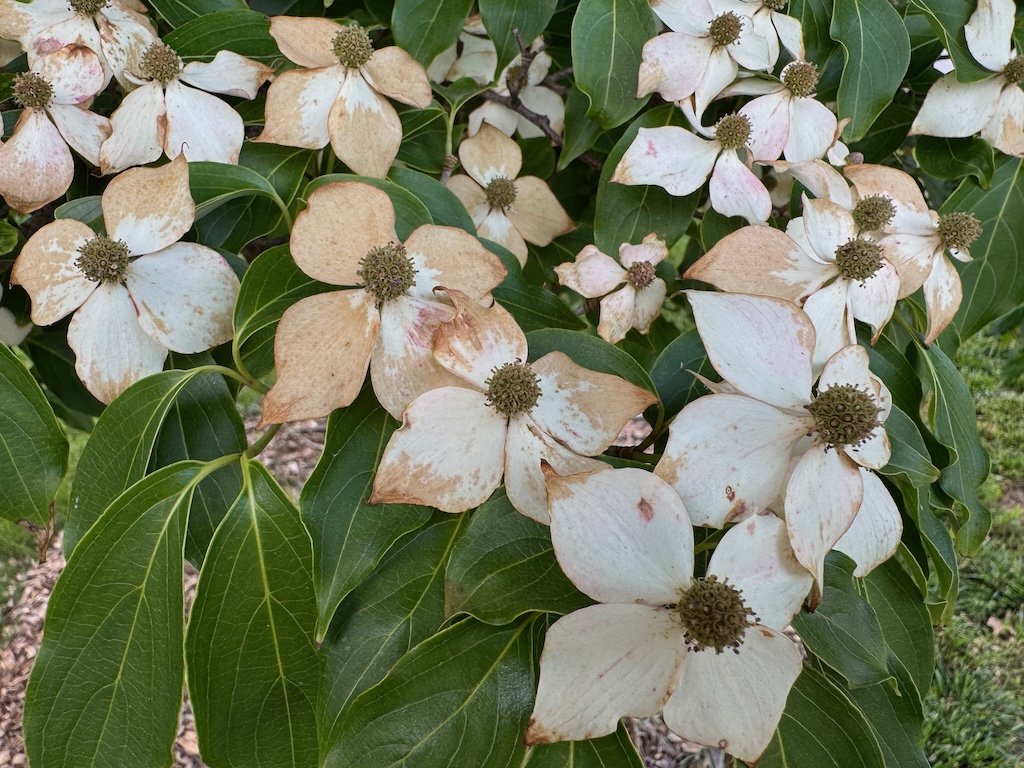
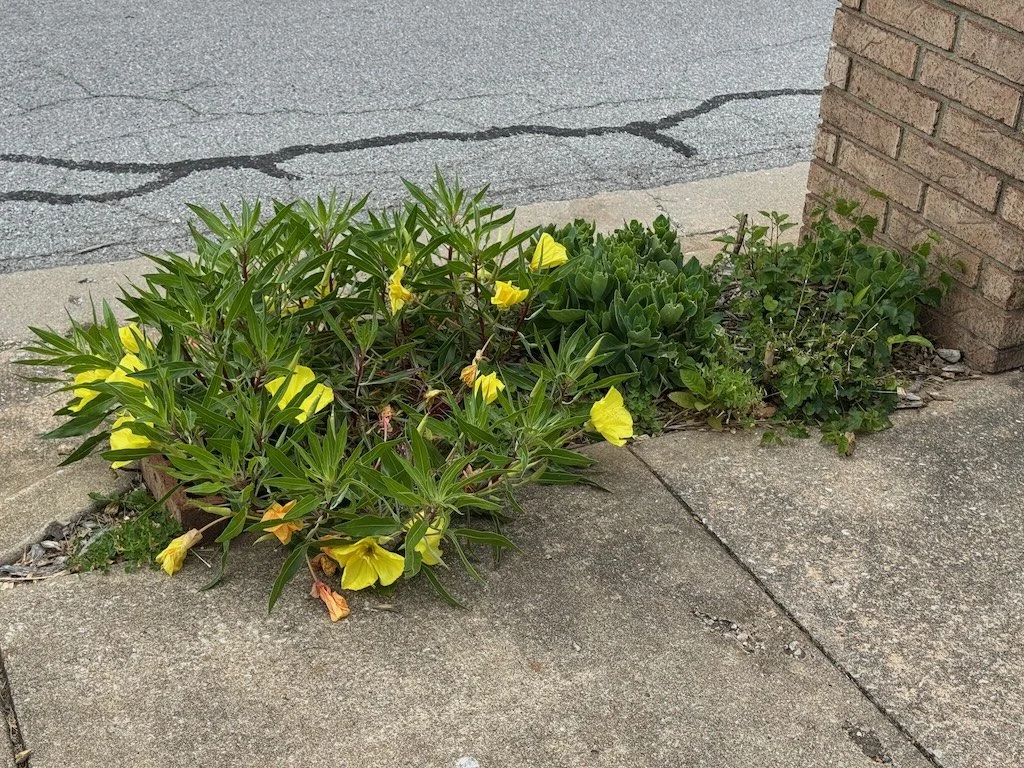
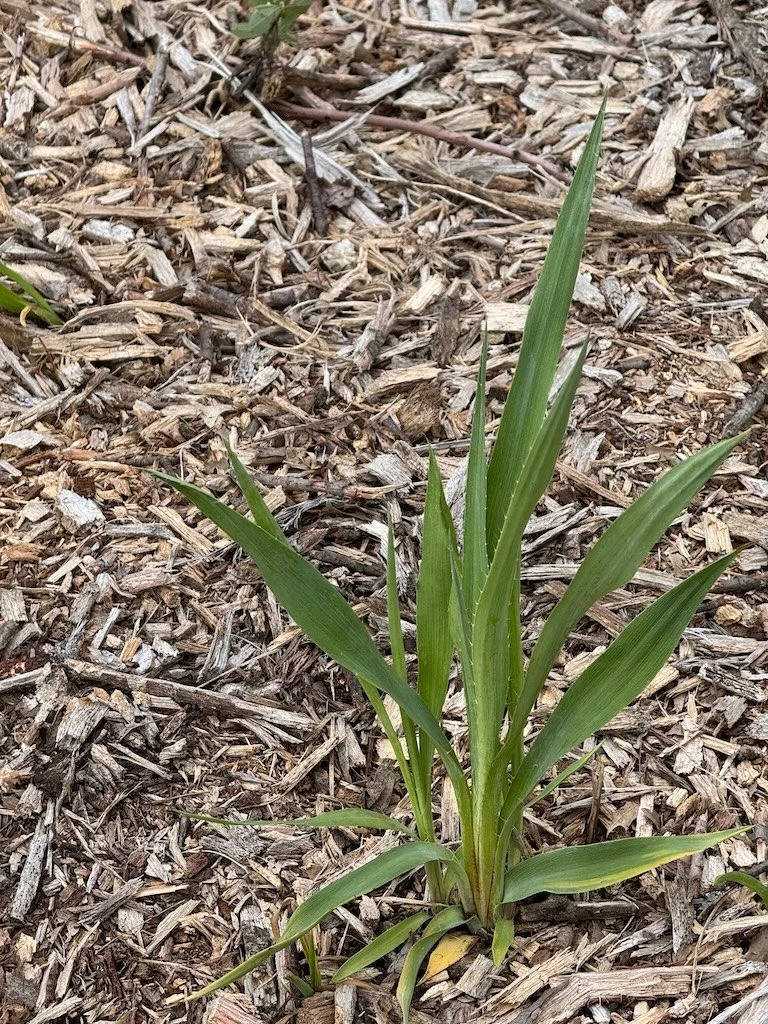
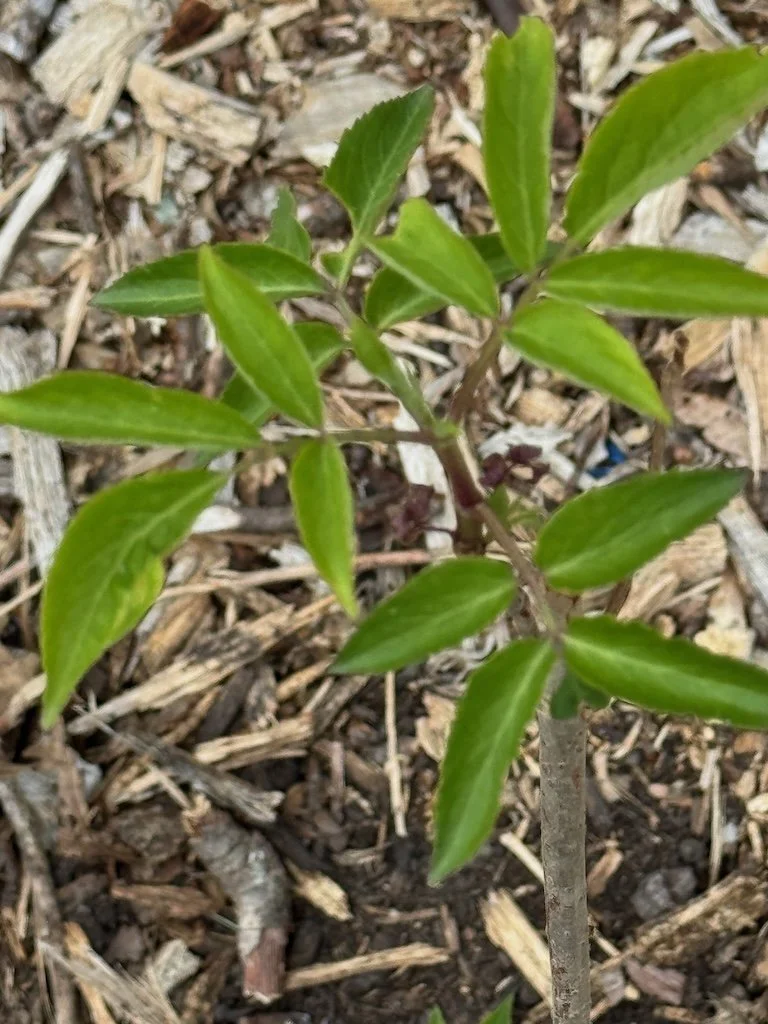
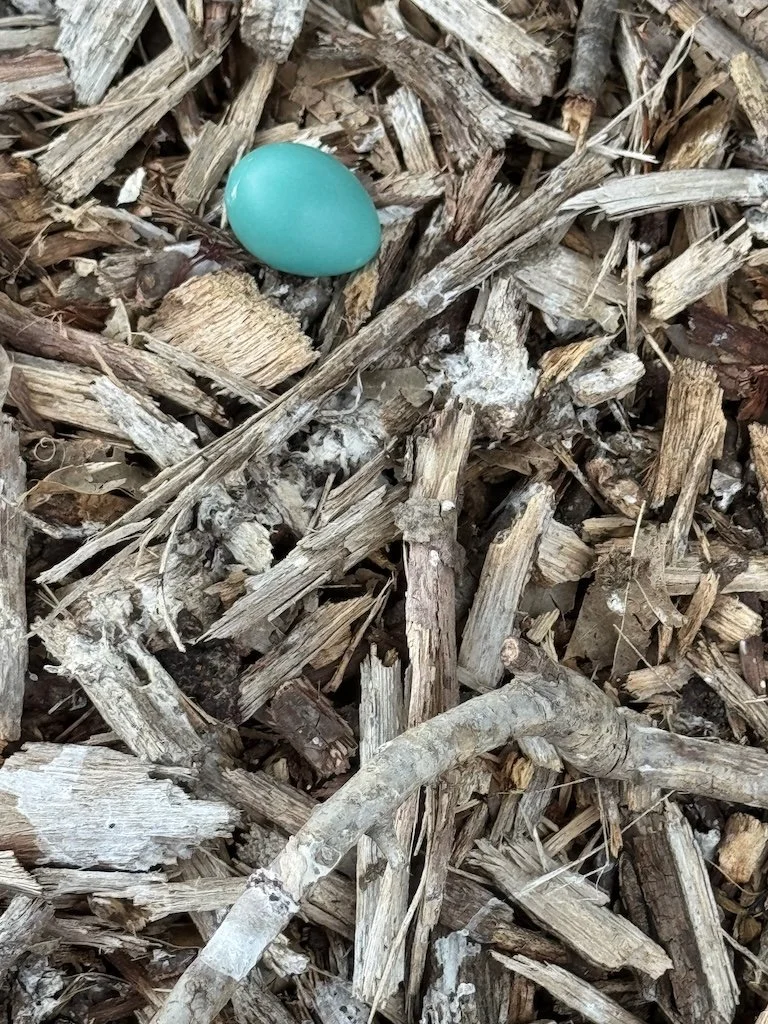
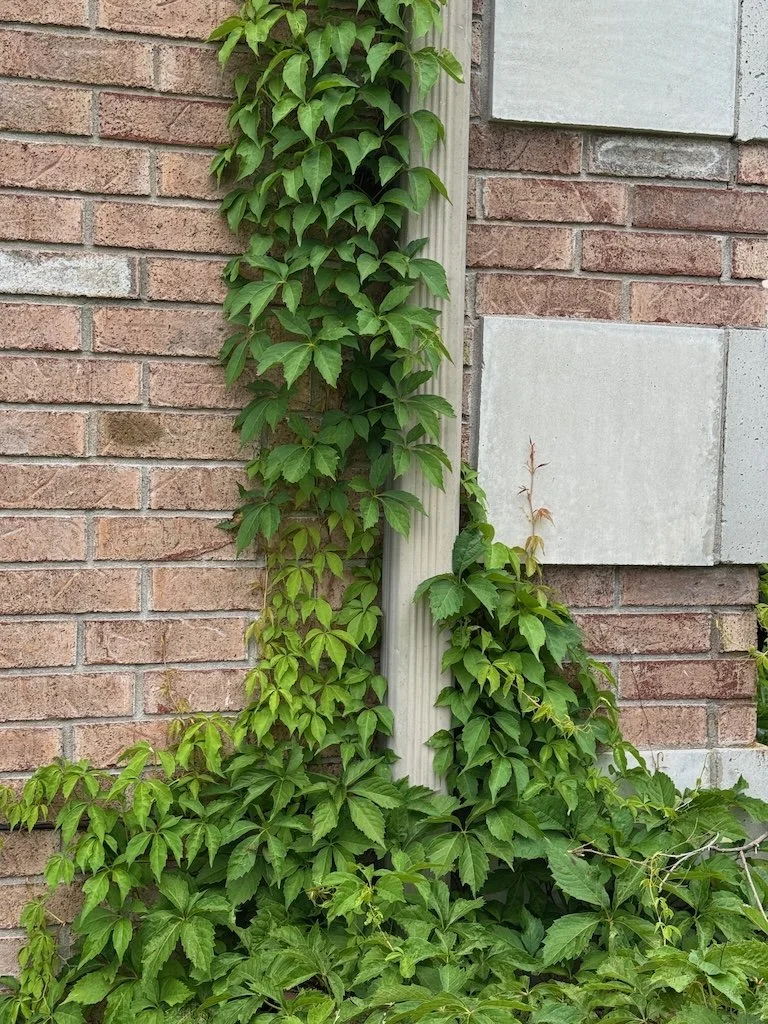
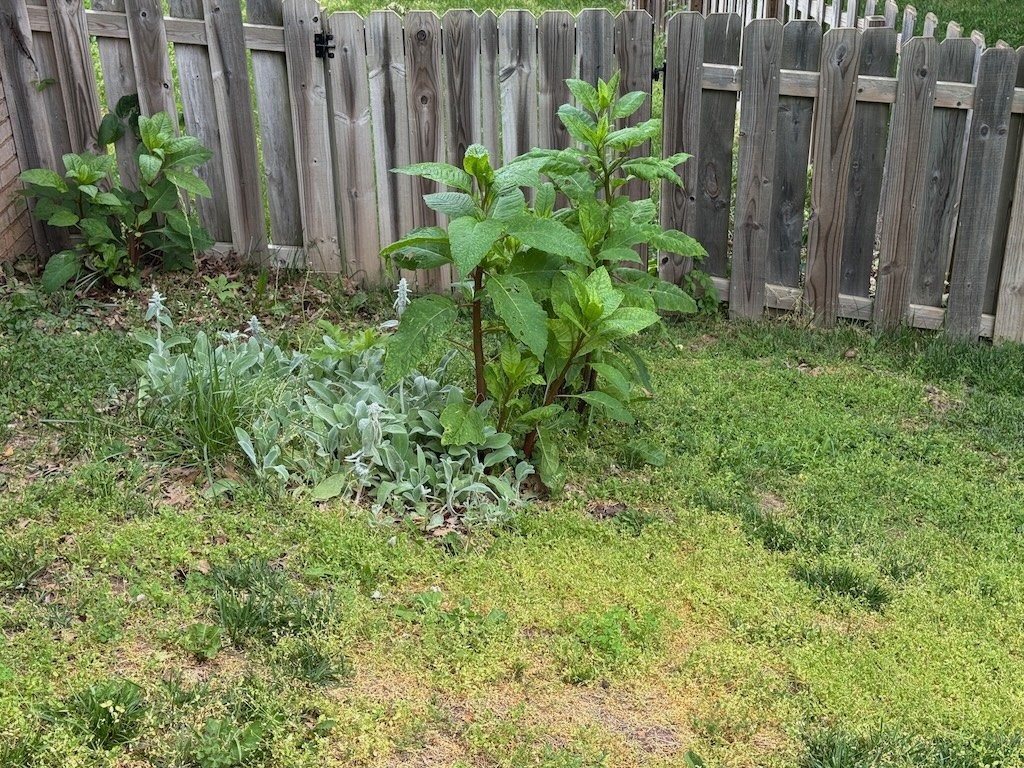
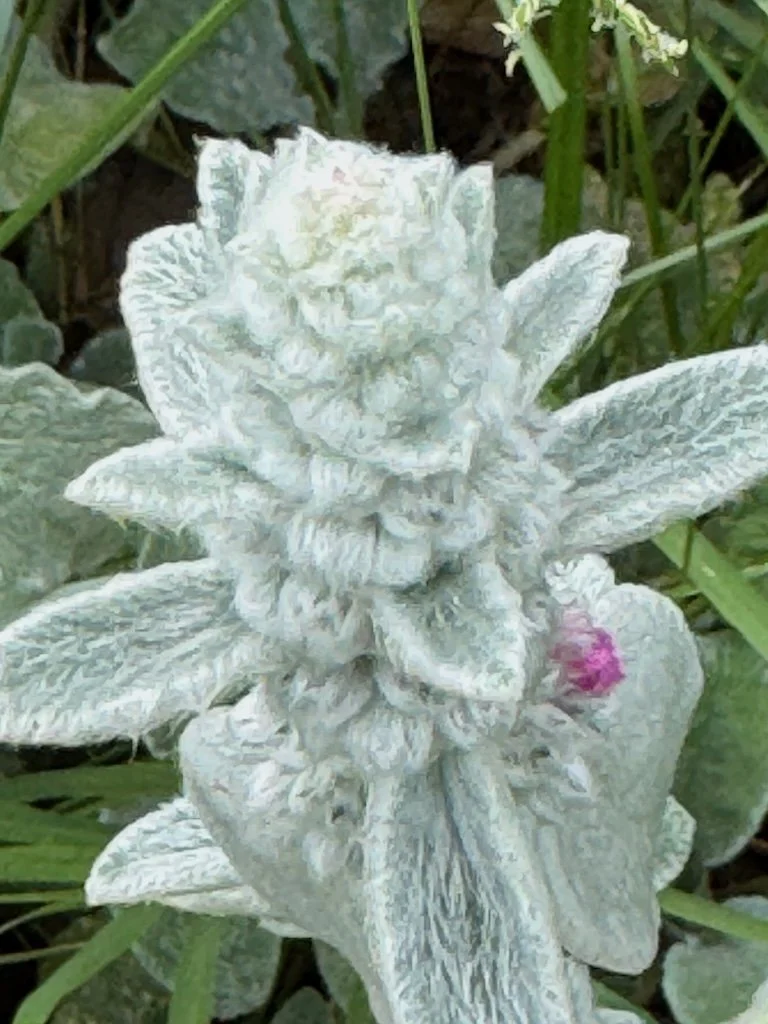
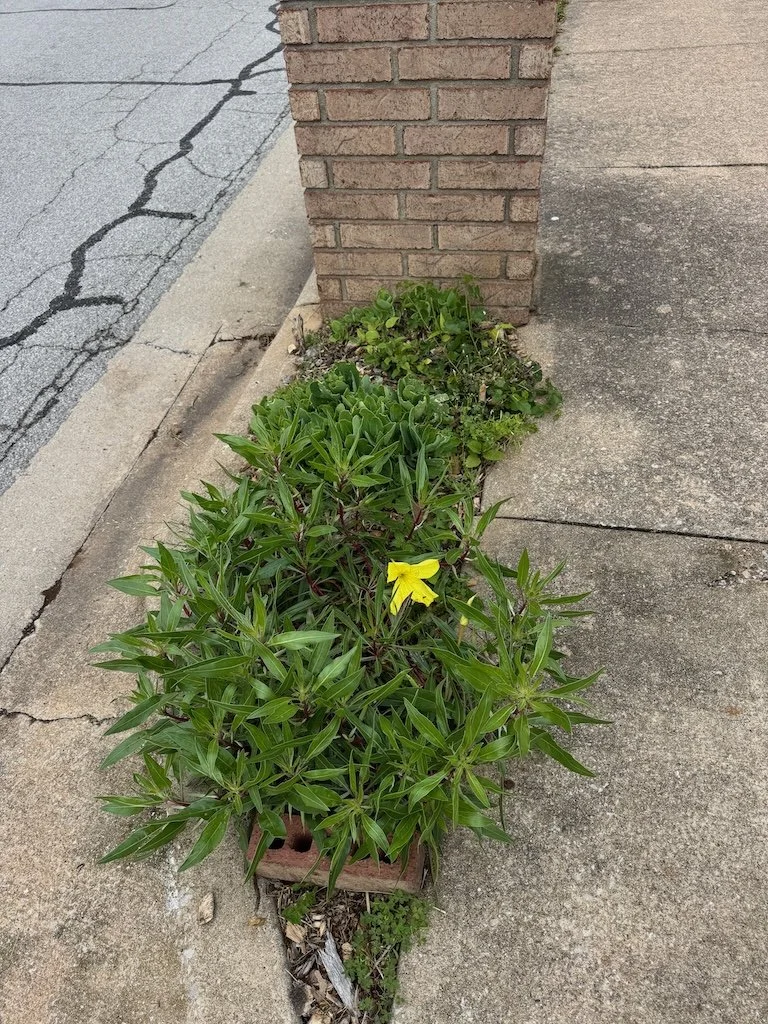
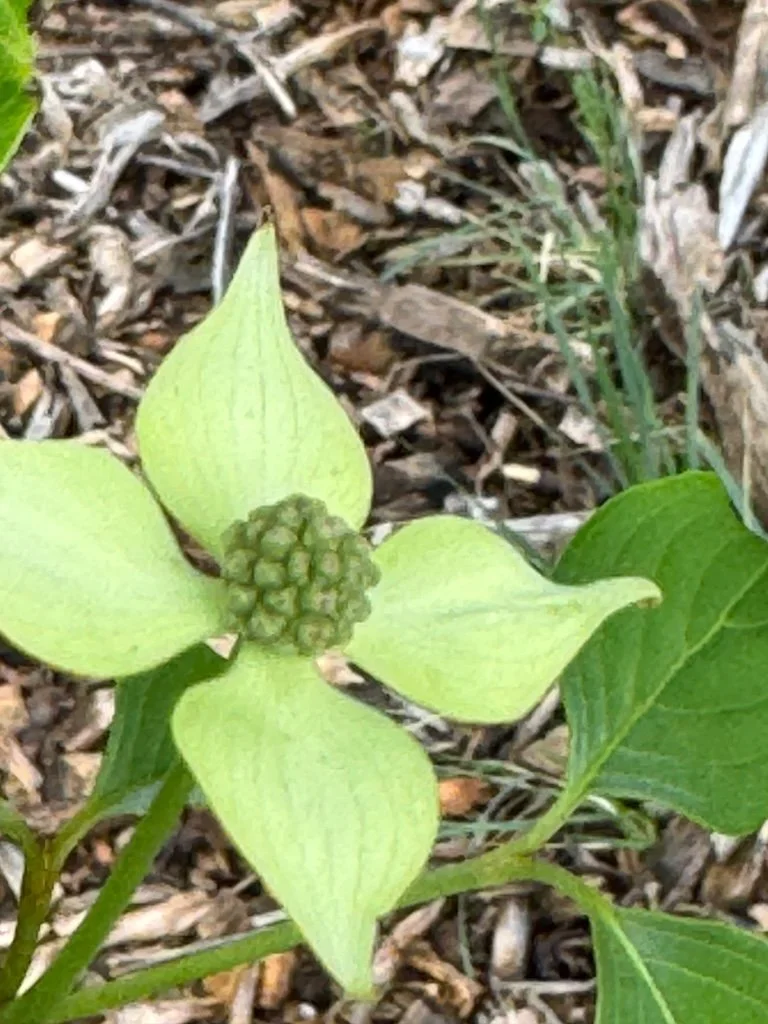
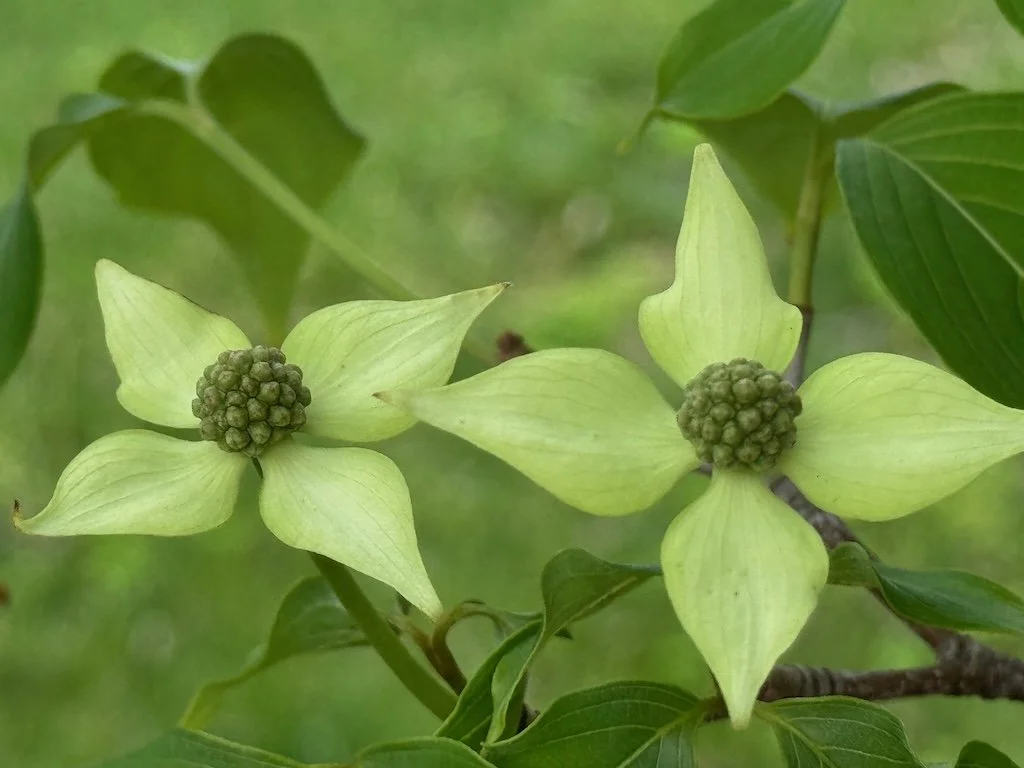
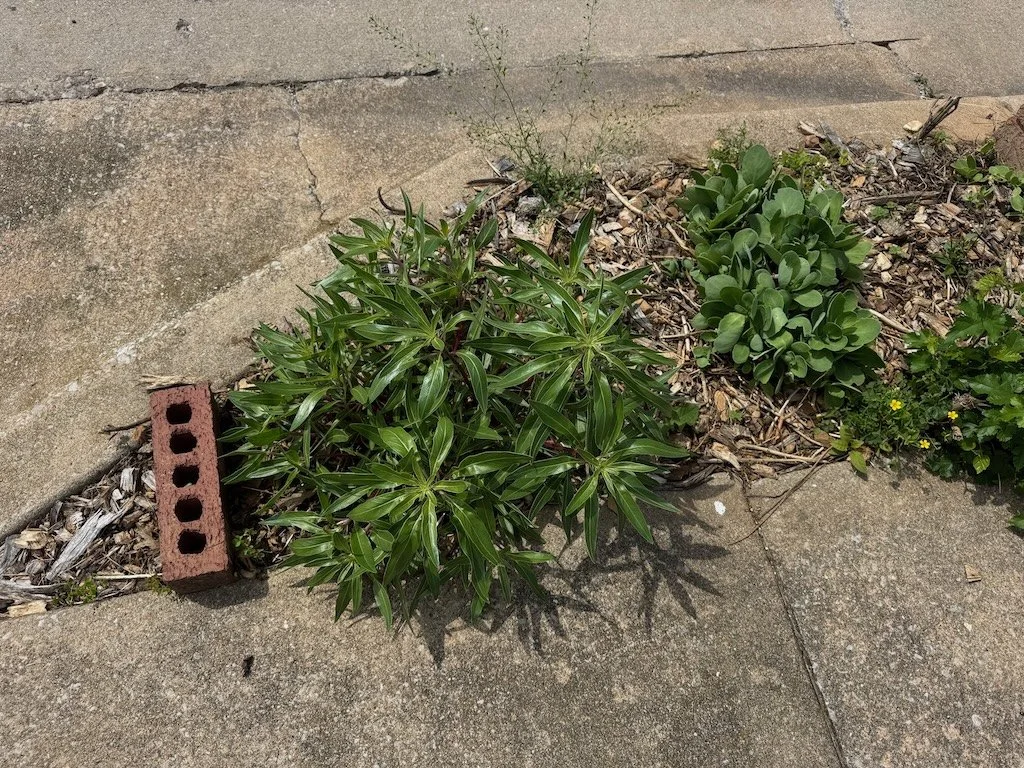
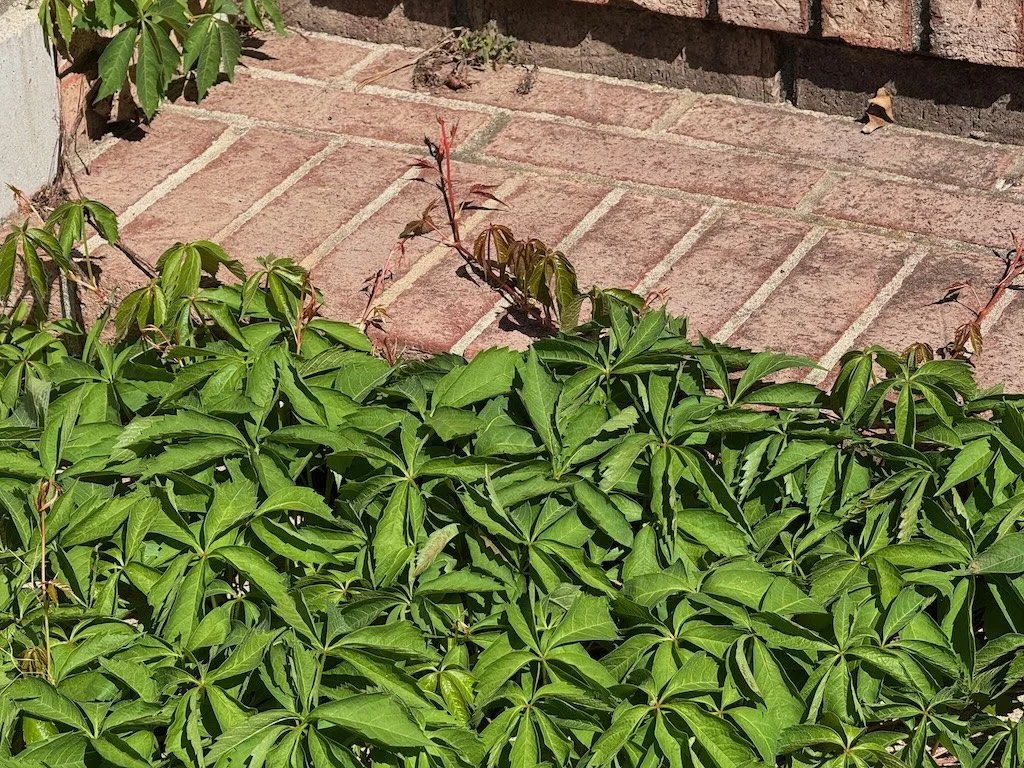
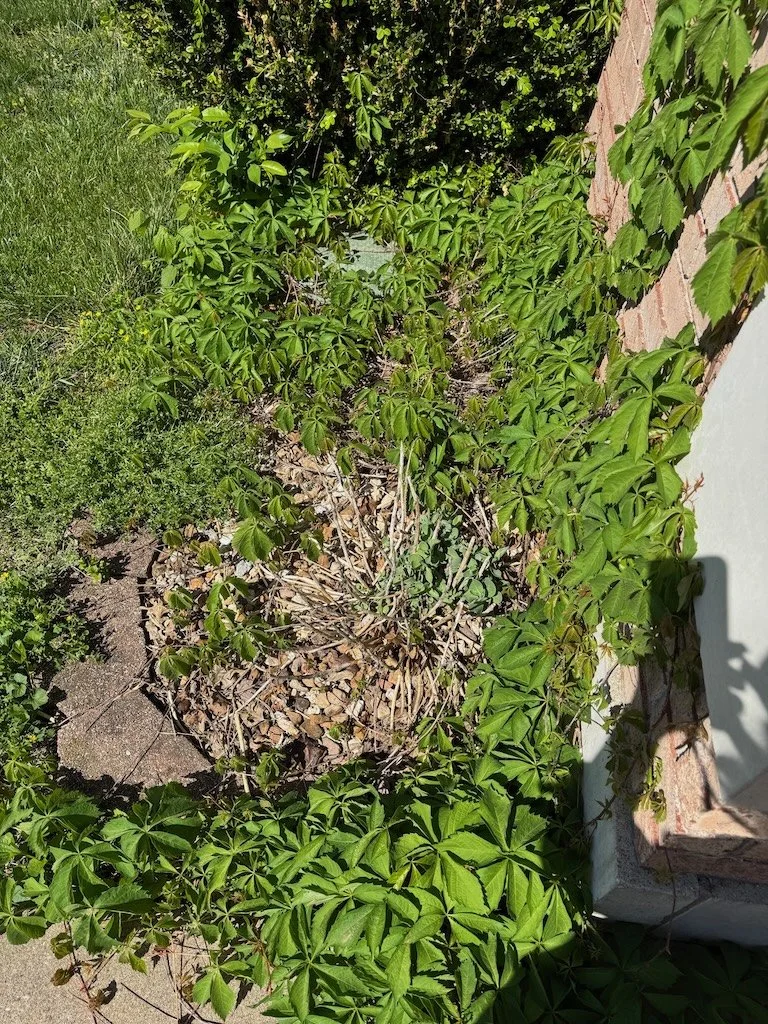
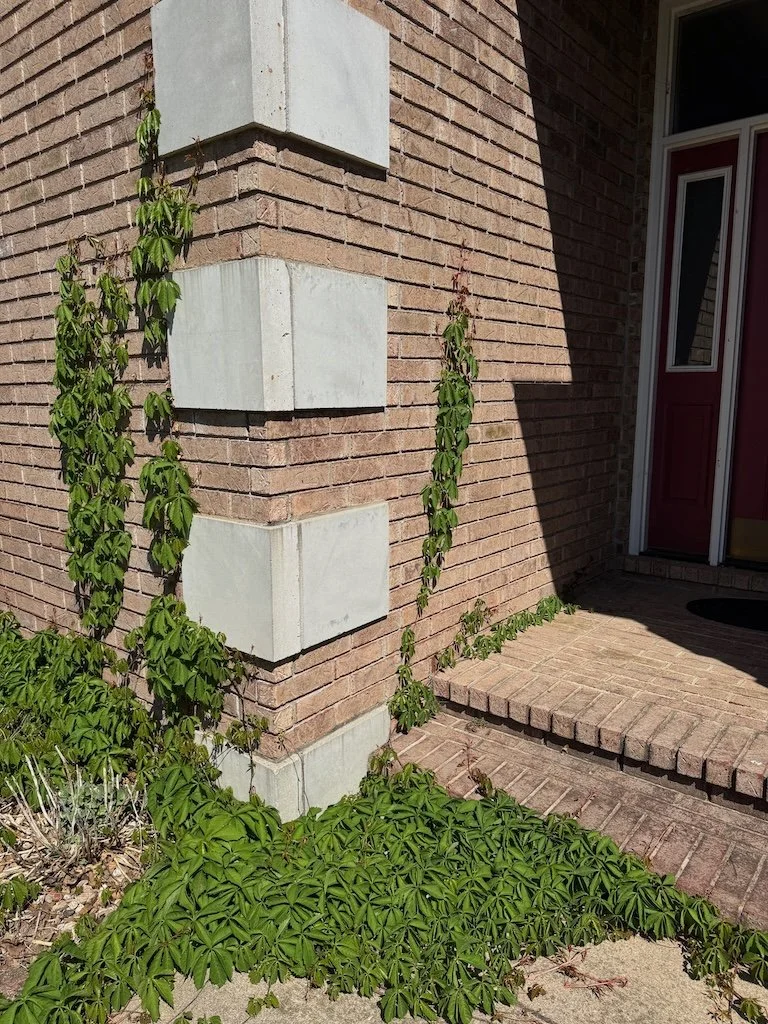
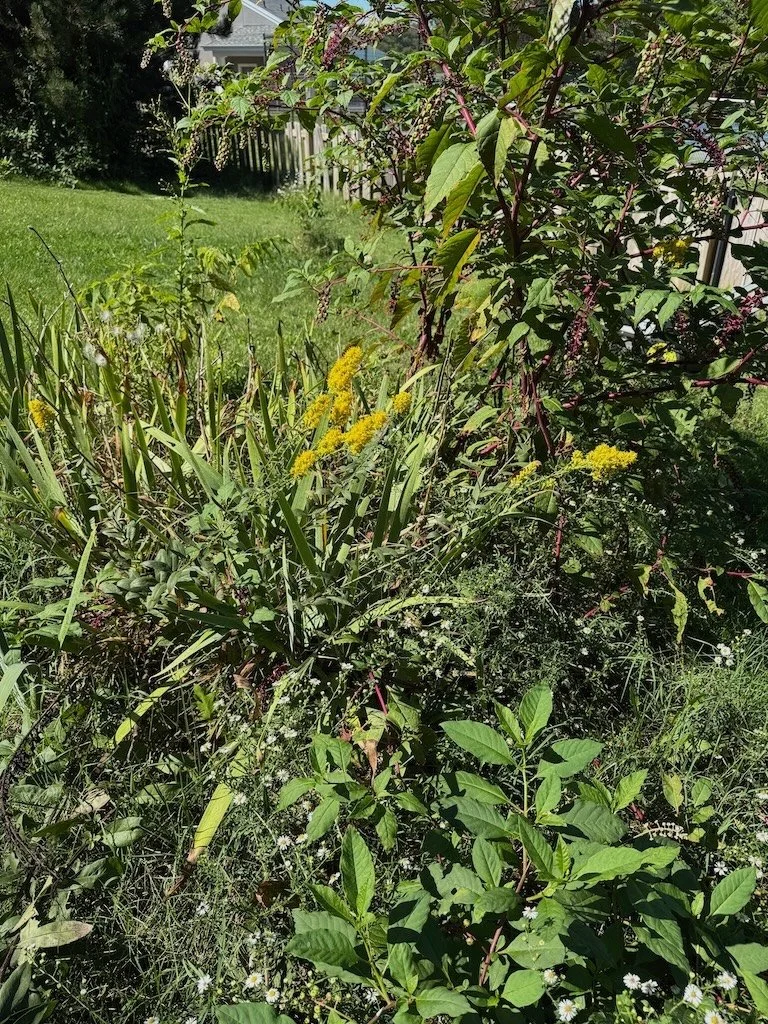
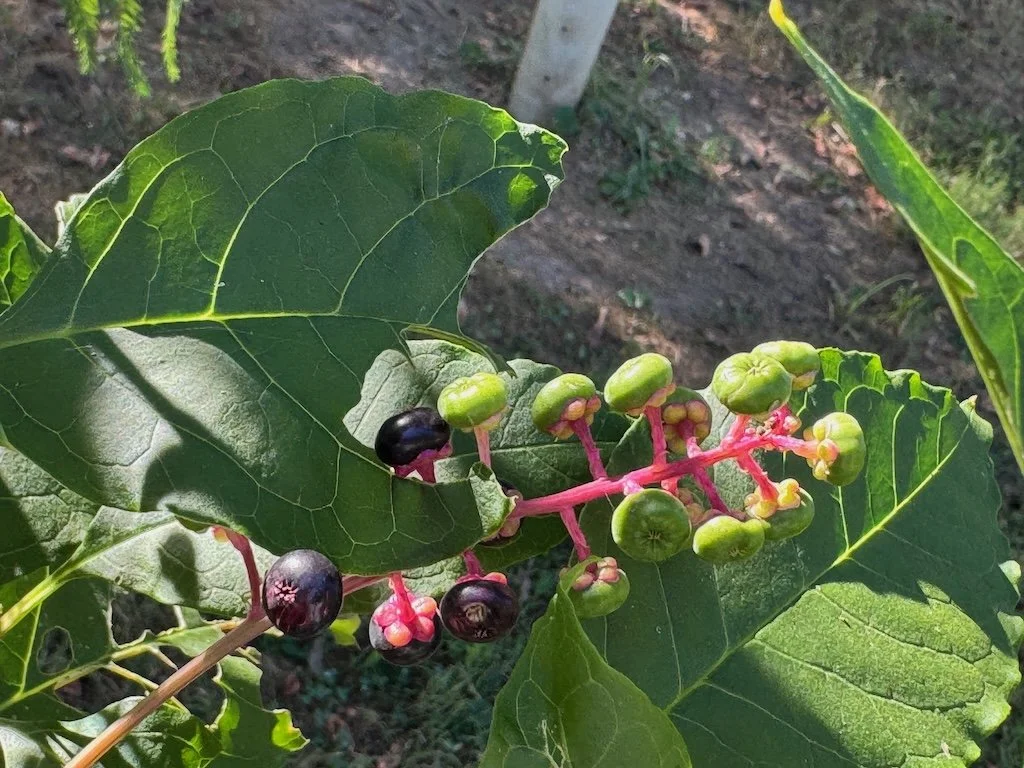
In the front yard…the Kousa Dogwood bloomed…and began to fade. The Missouri Evening Primrose near the mailbox began to bloom. In the new native plant garden, the new plants (like the Ratttlesnake Master and Elderberry) began to thrive; there was a robin’s egg in the mulch under the maple there. The Virginia creeper was lush and green filling the spaces in the flower bed near the house and climbing over everything. There were some asters that came up in one bed on their own in spaces near some daylilies. In the side yard a clump of lambs ear and poke weed were in the same place as last year – not specifically planted but seemed to thrive in that spot.

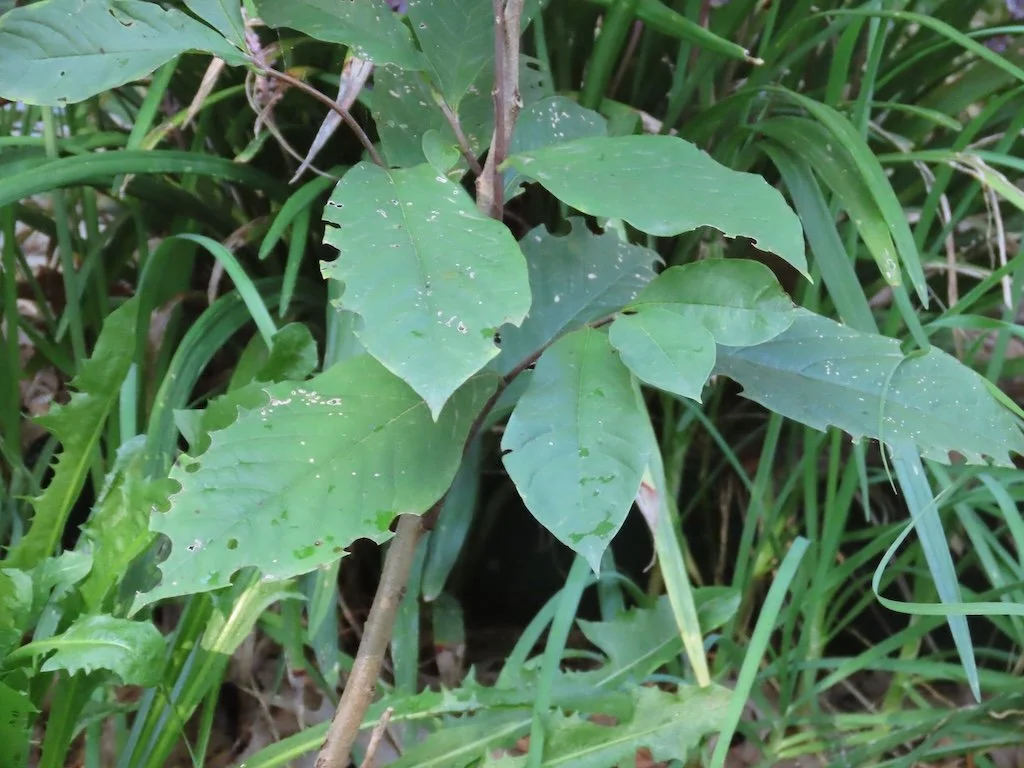
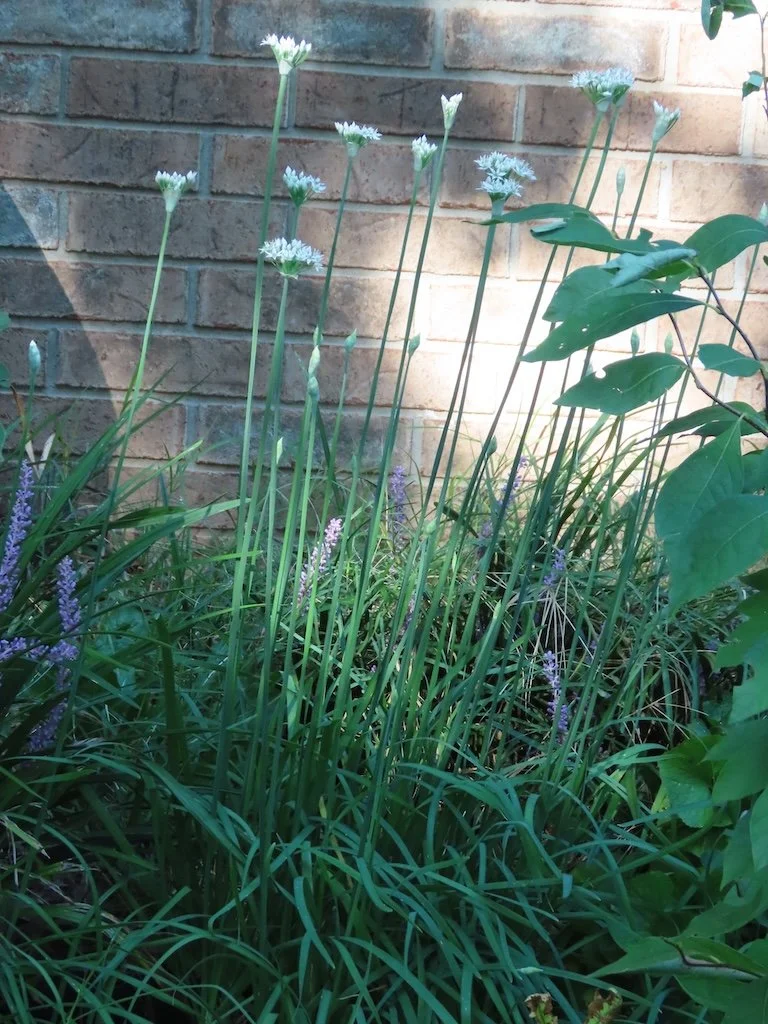
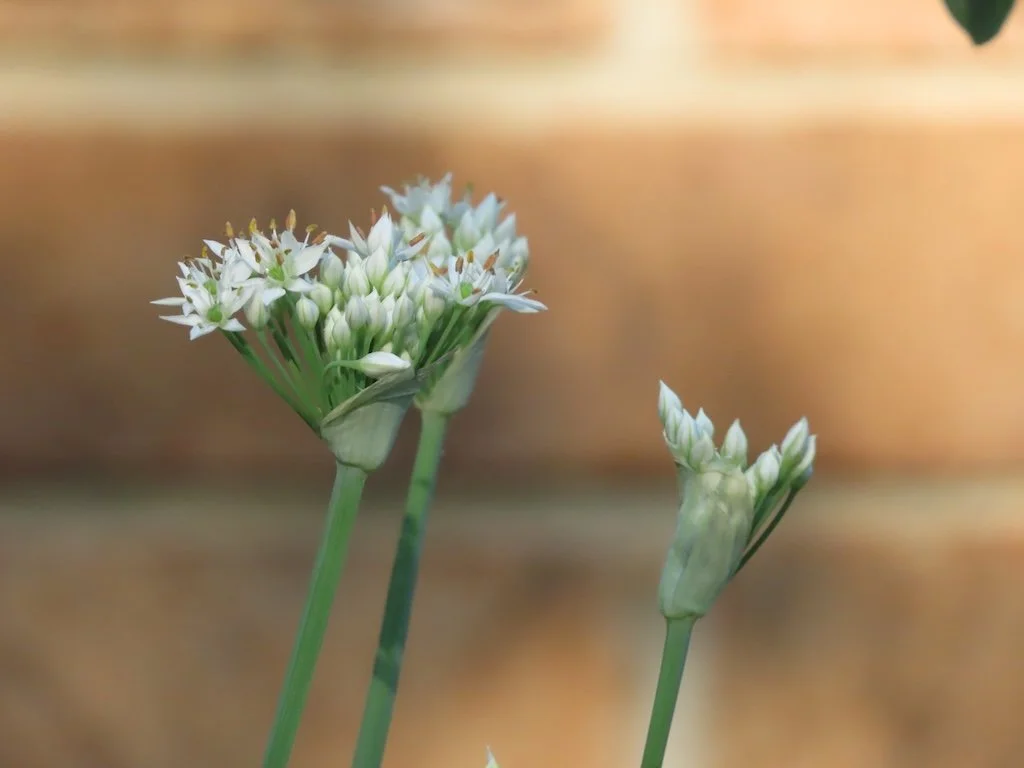
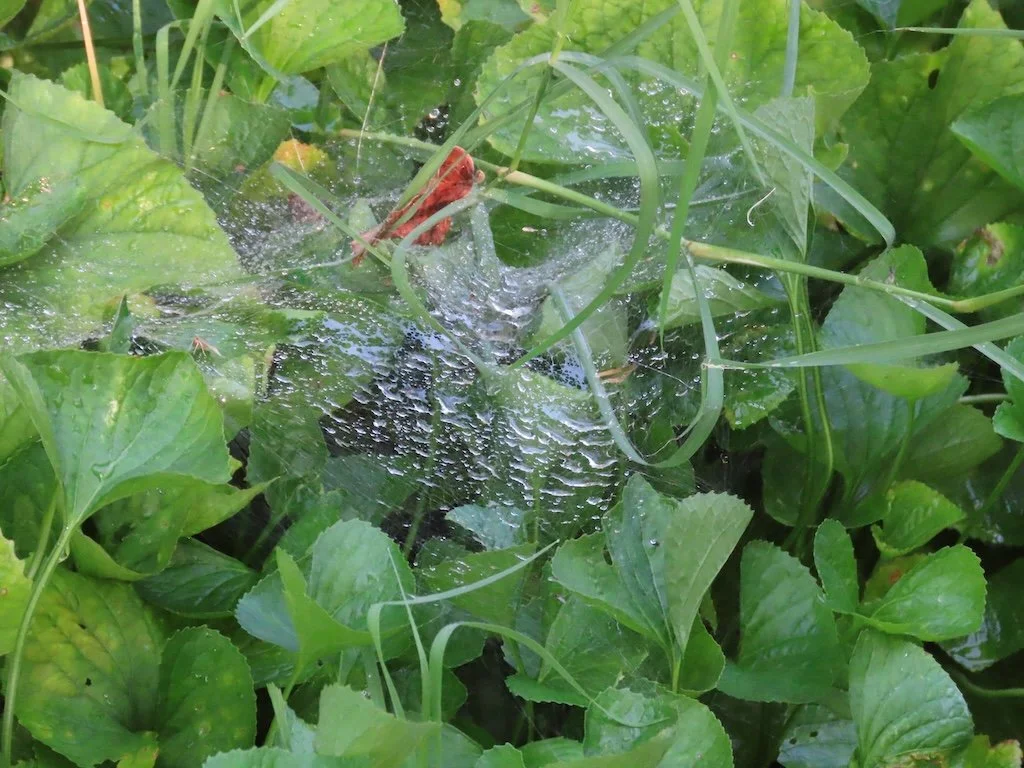
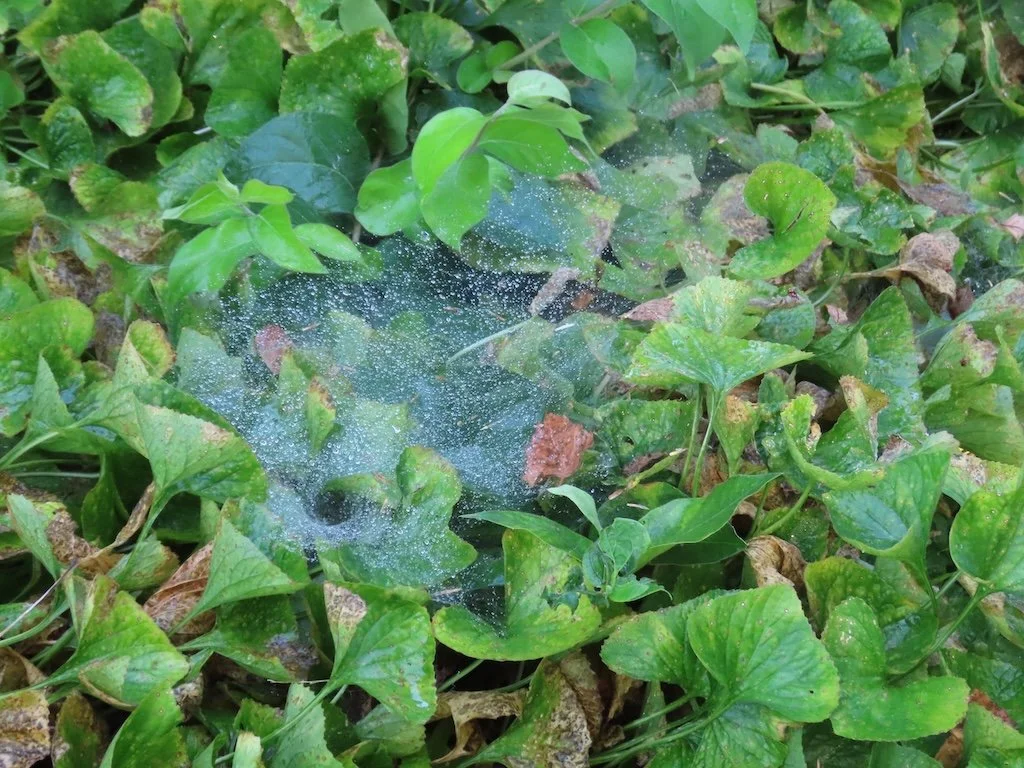
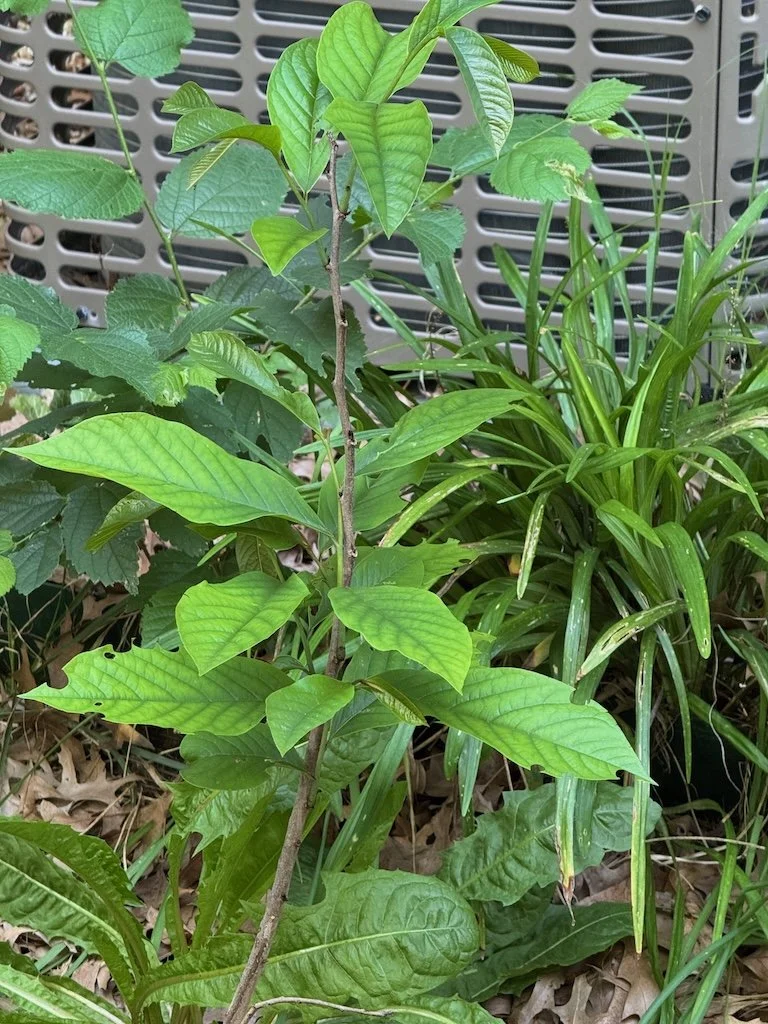
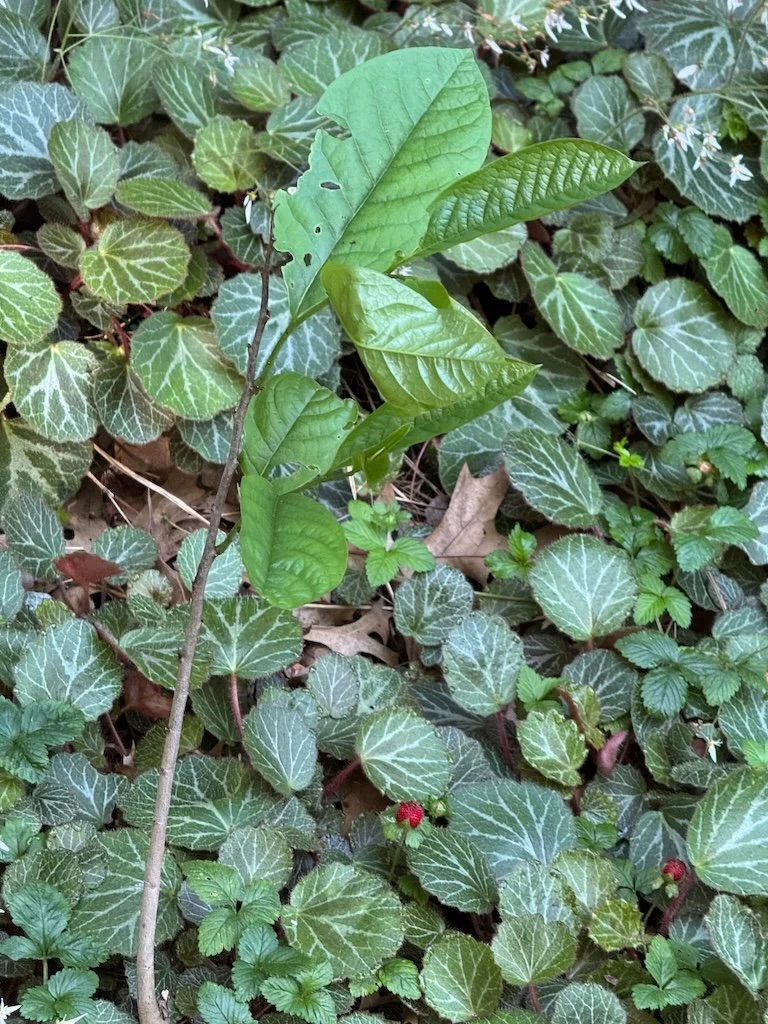
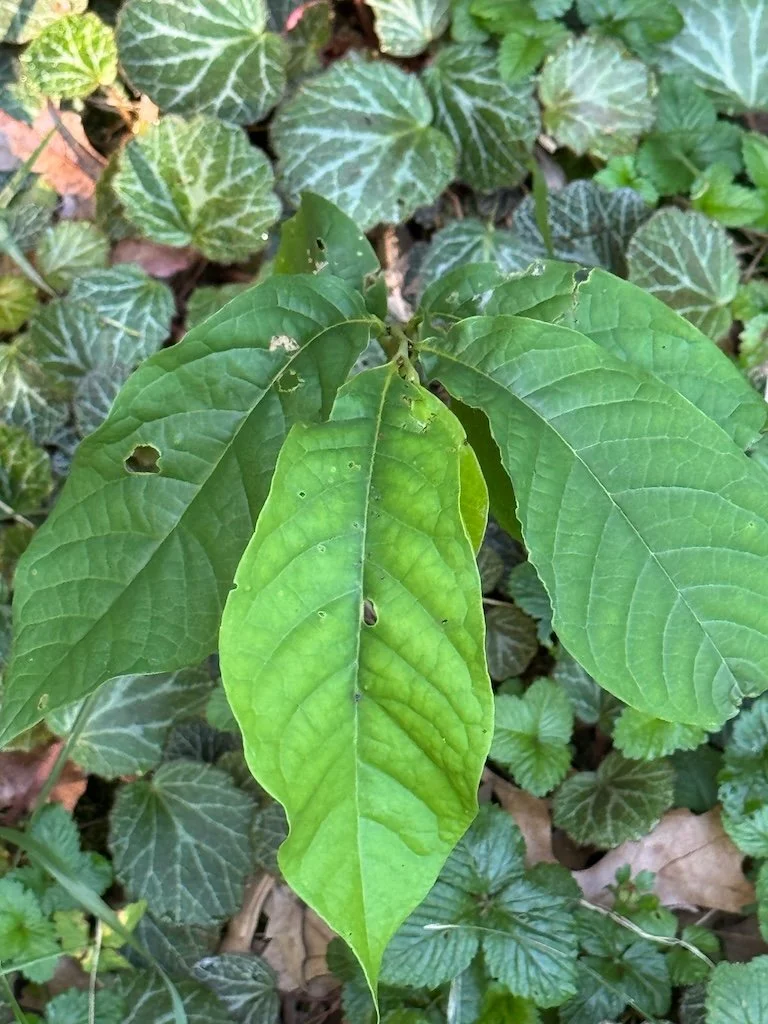
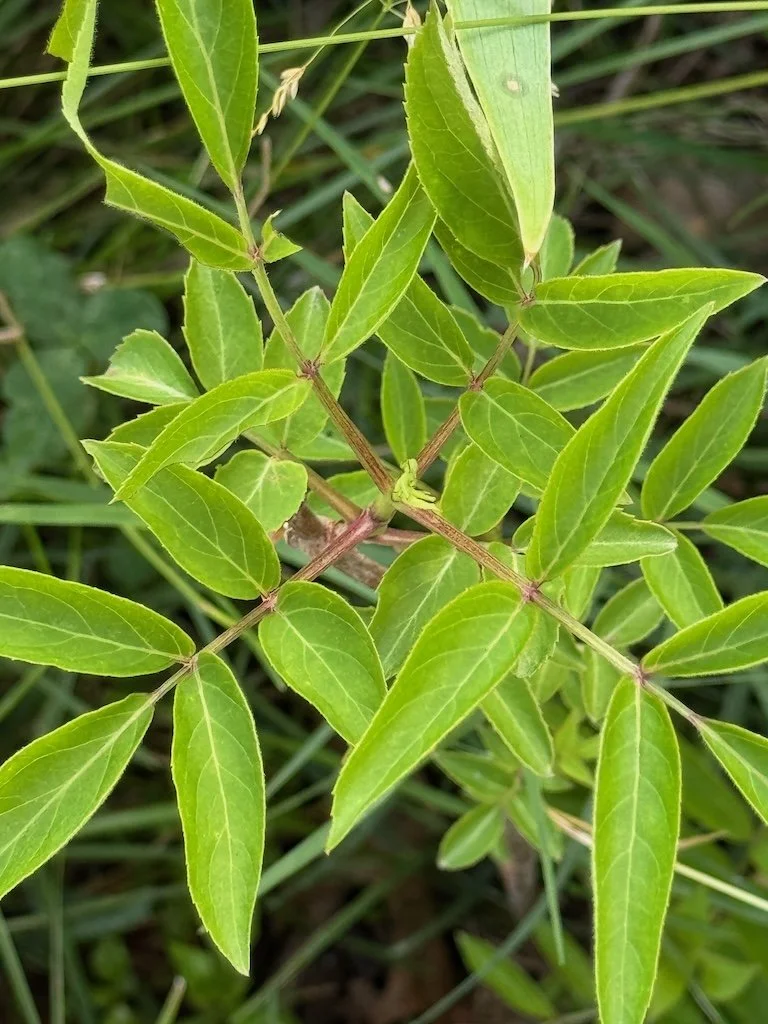
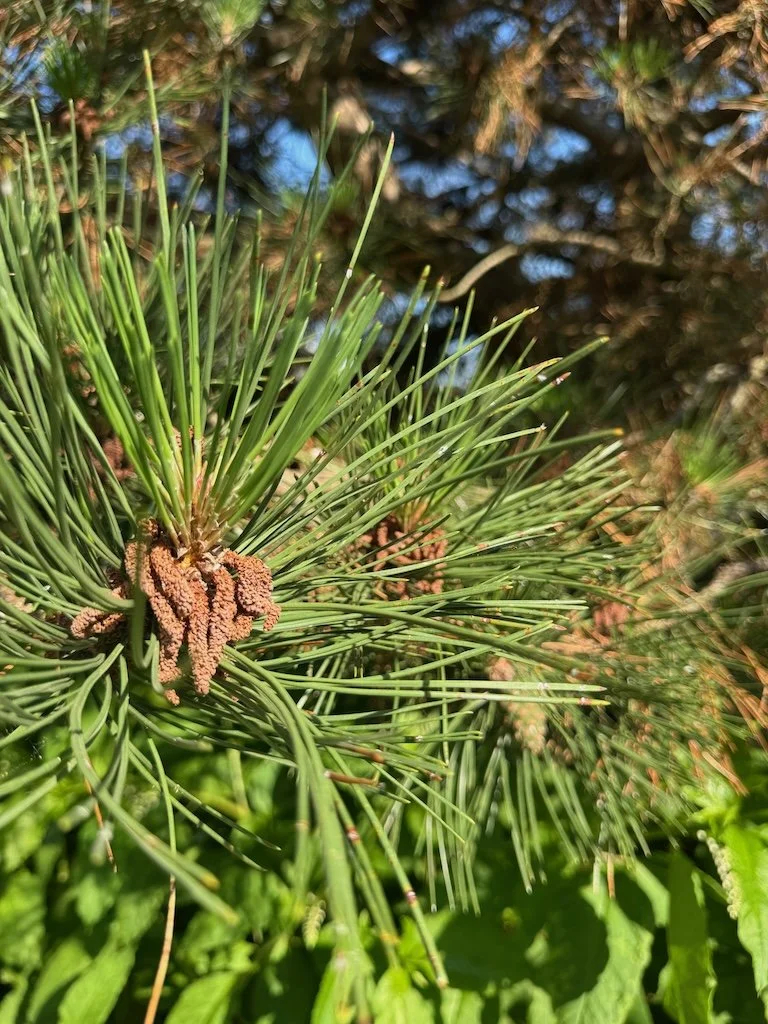
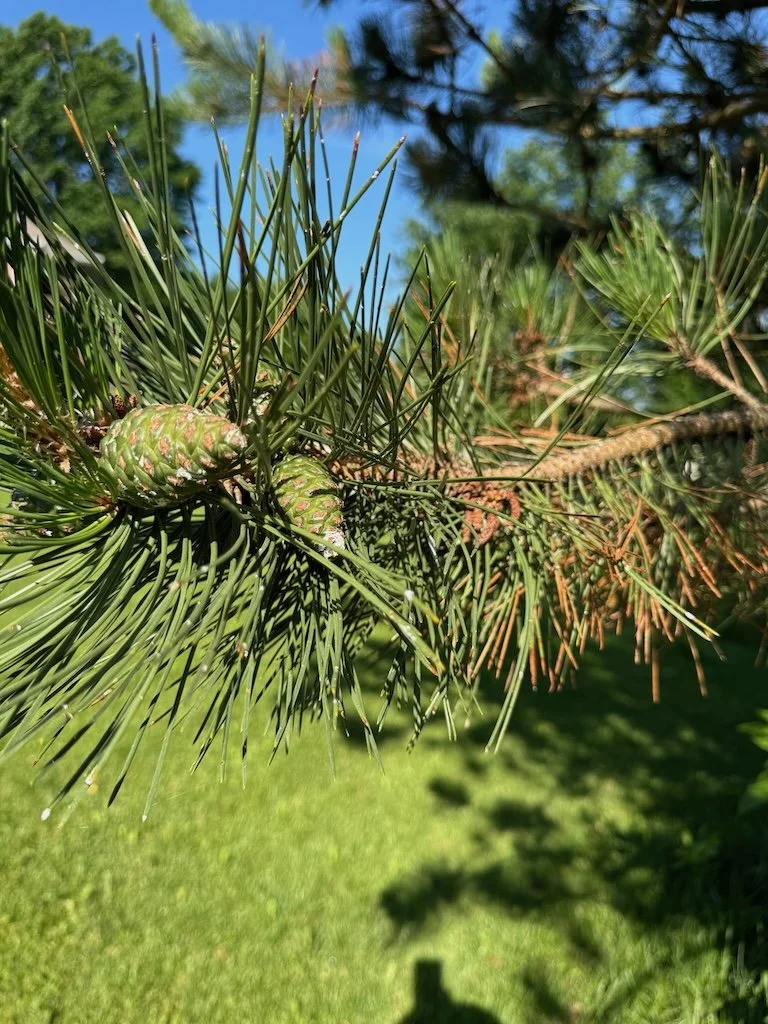
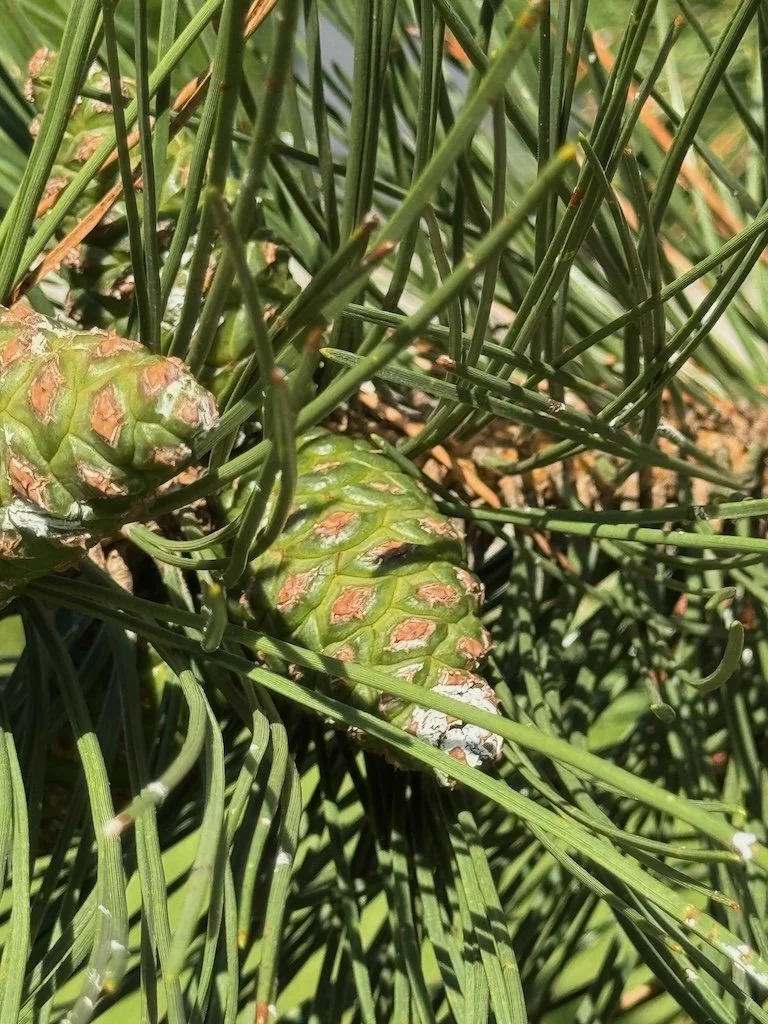
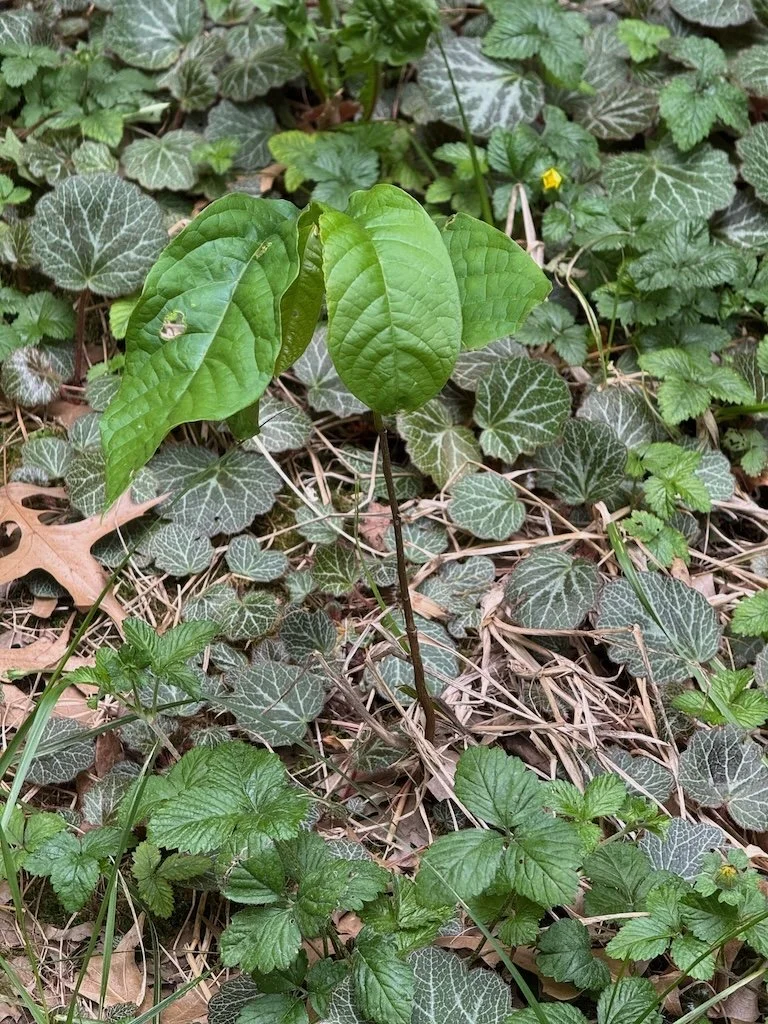
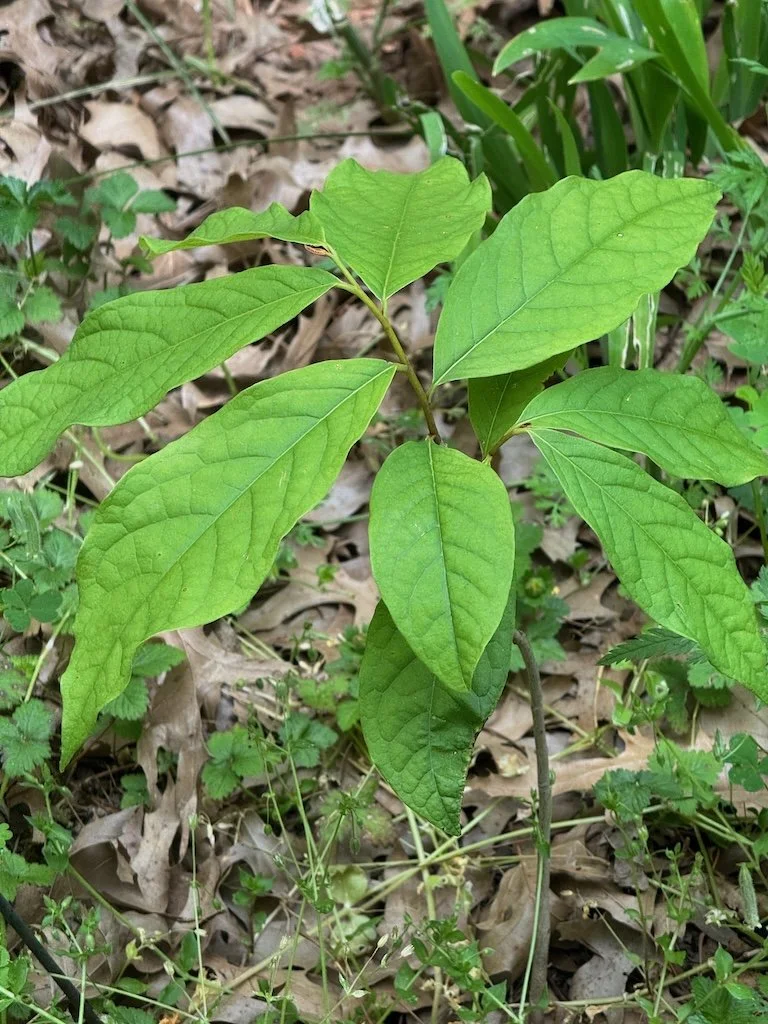
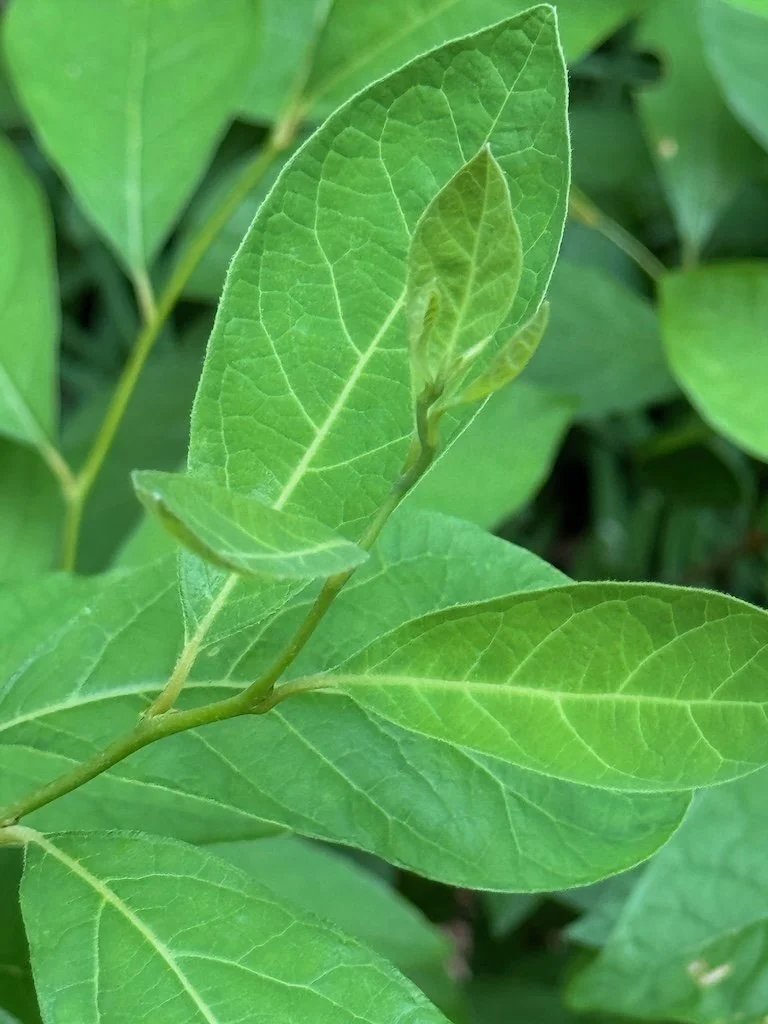
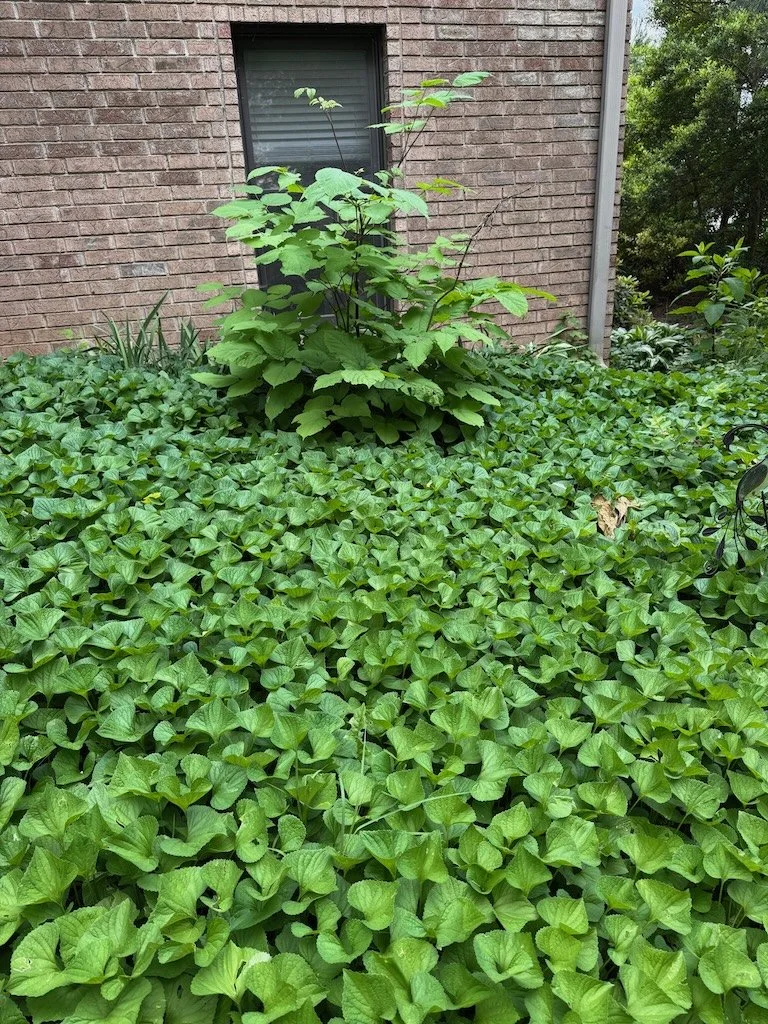
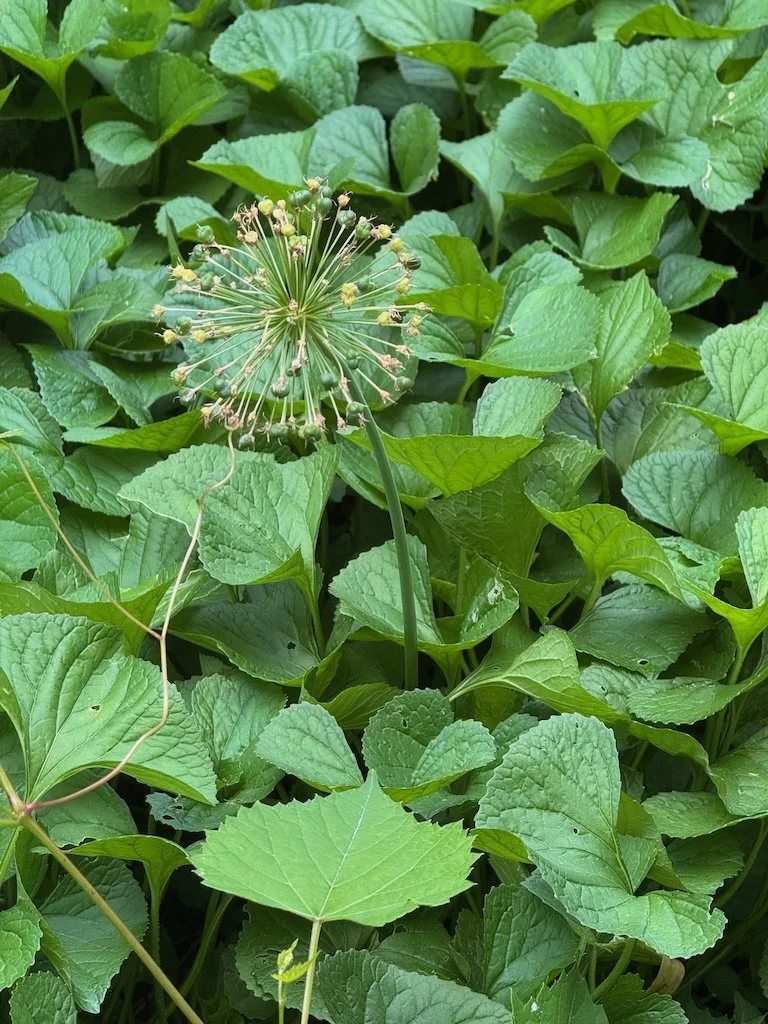
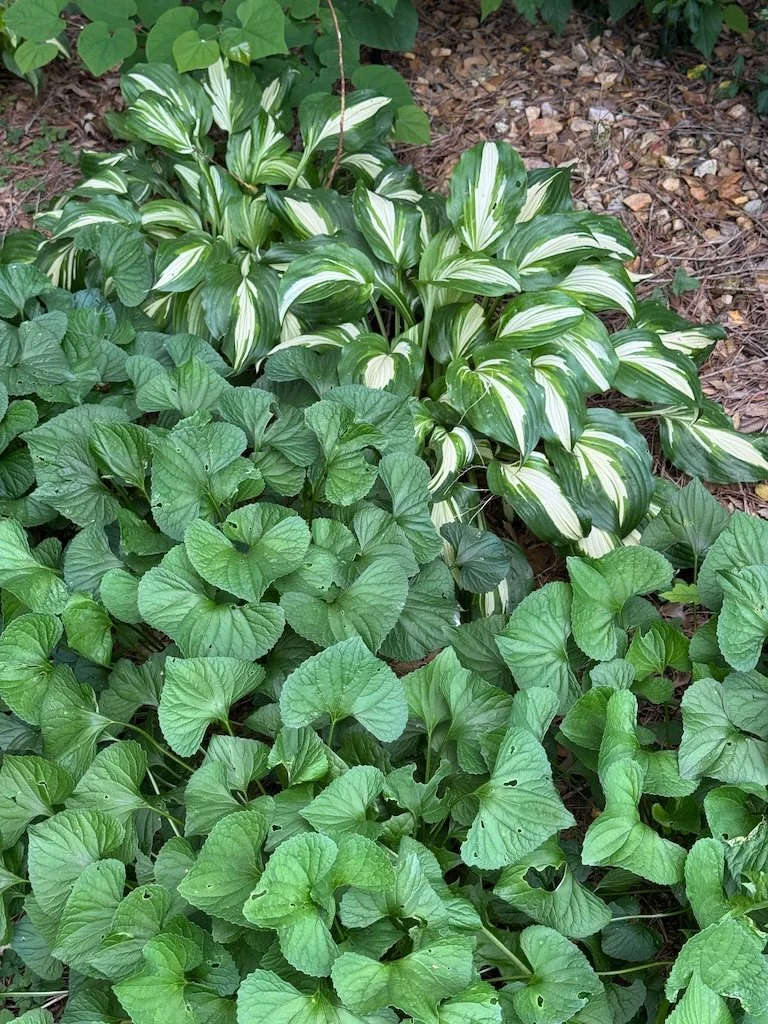
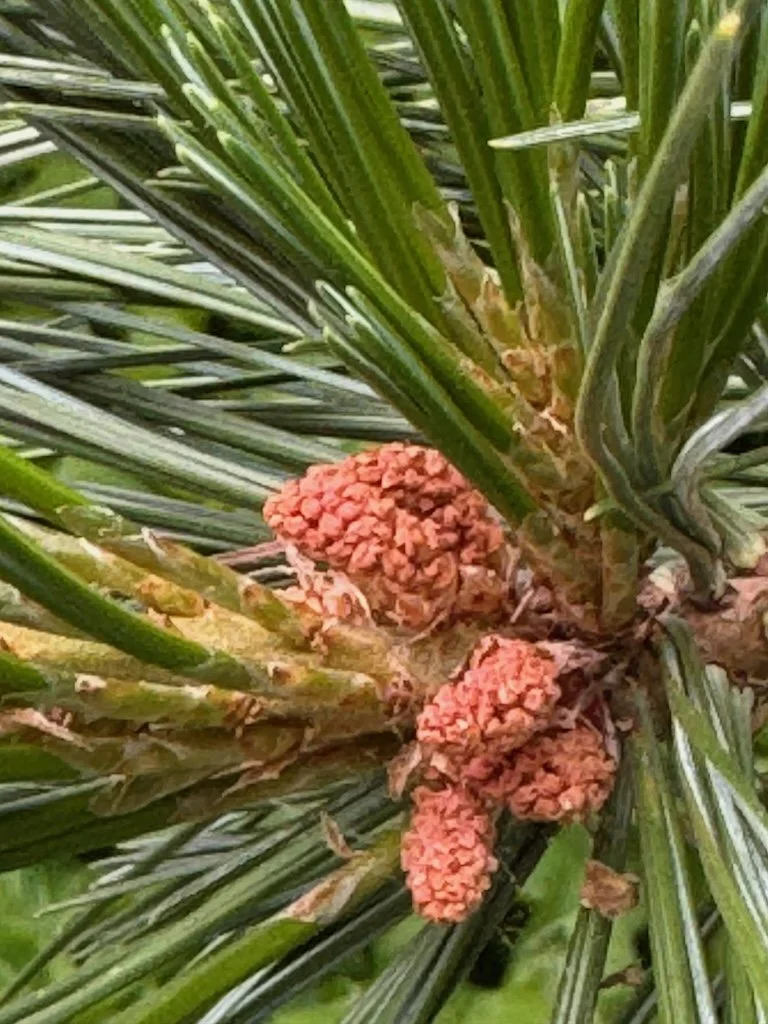
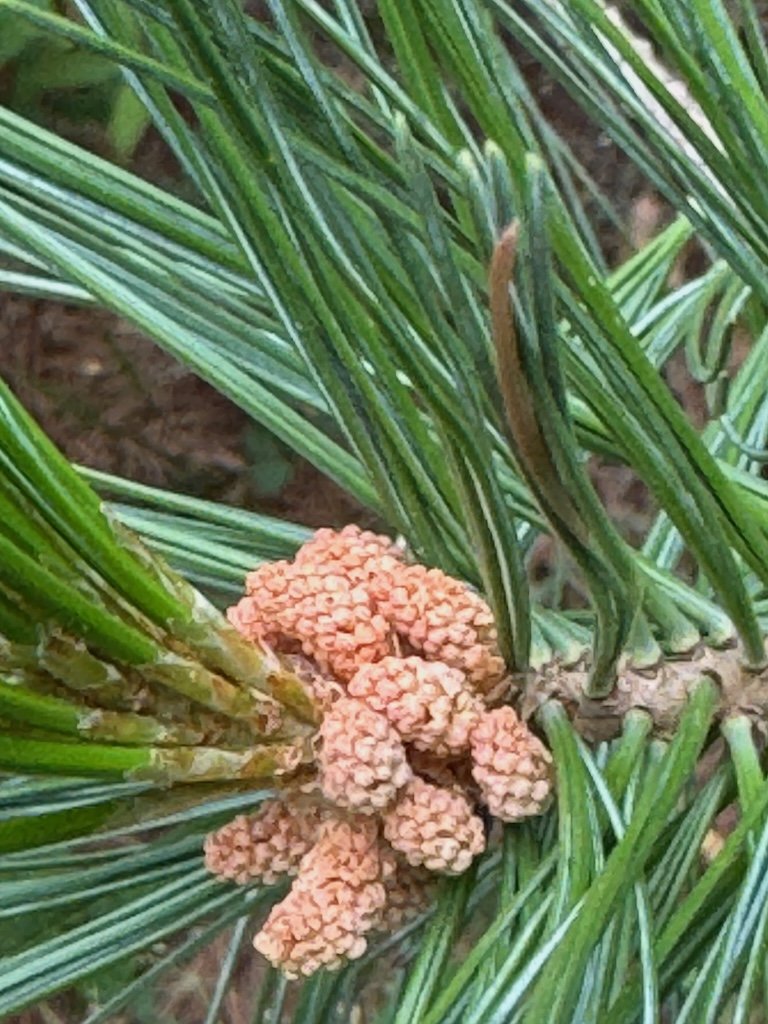
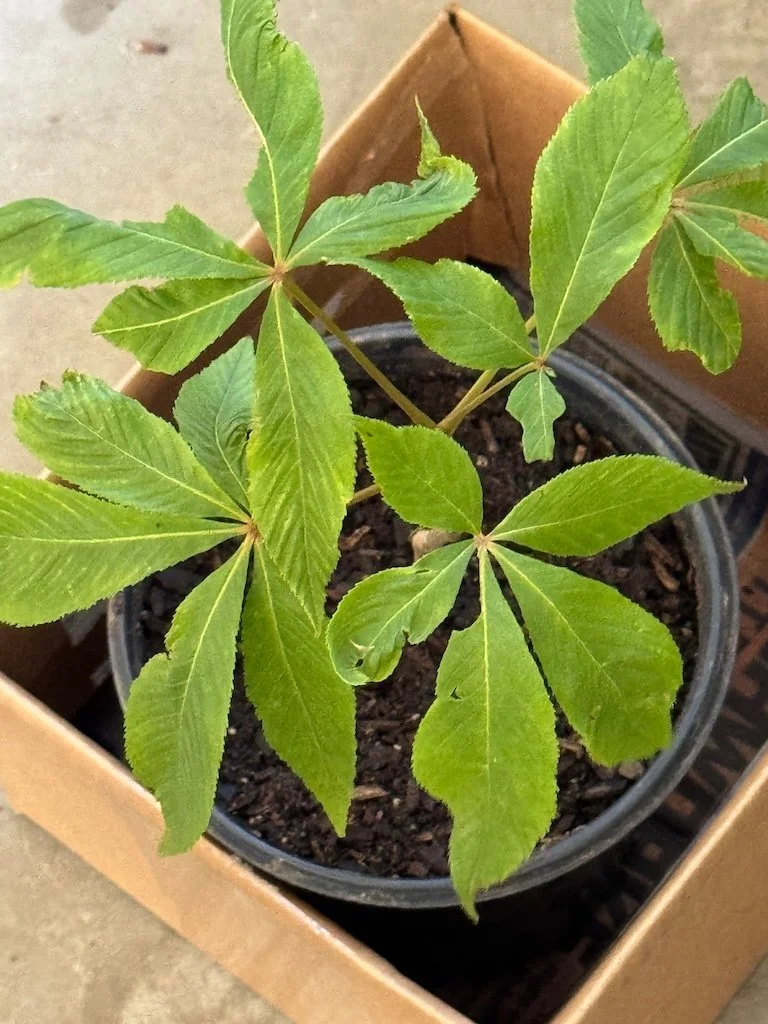
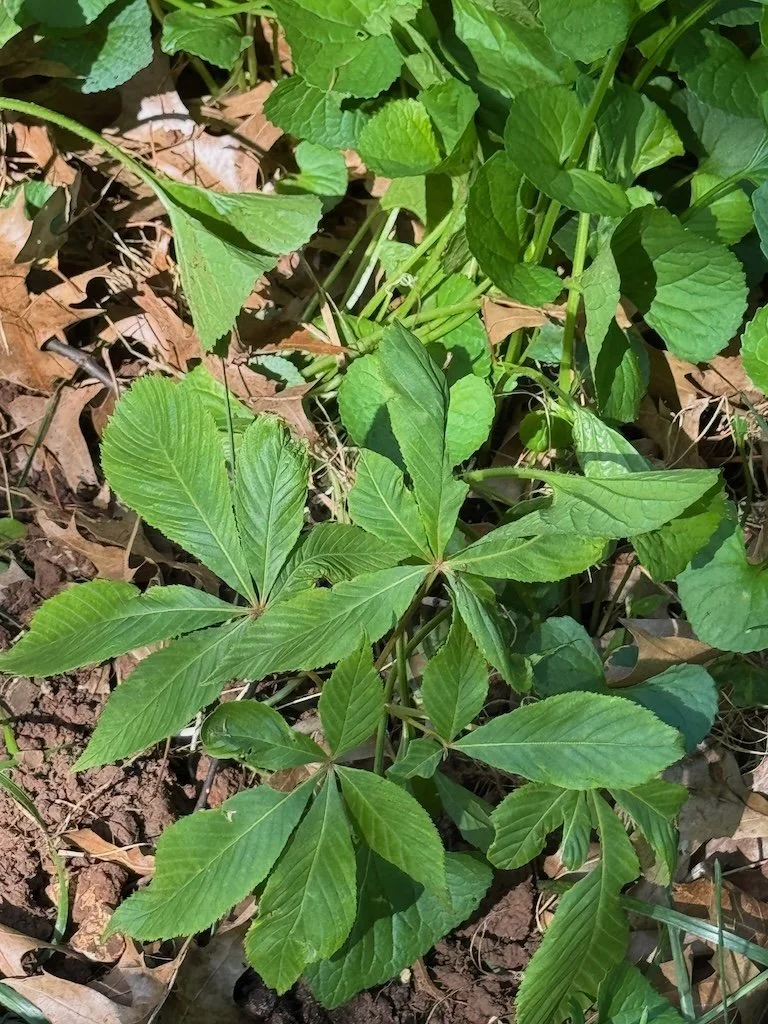
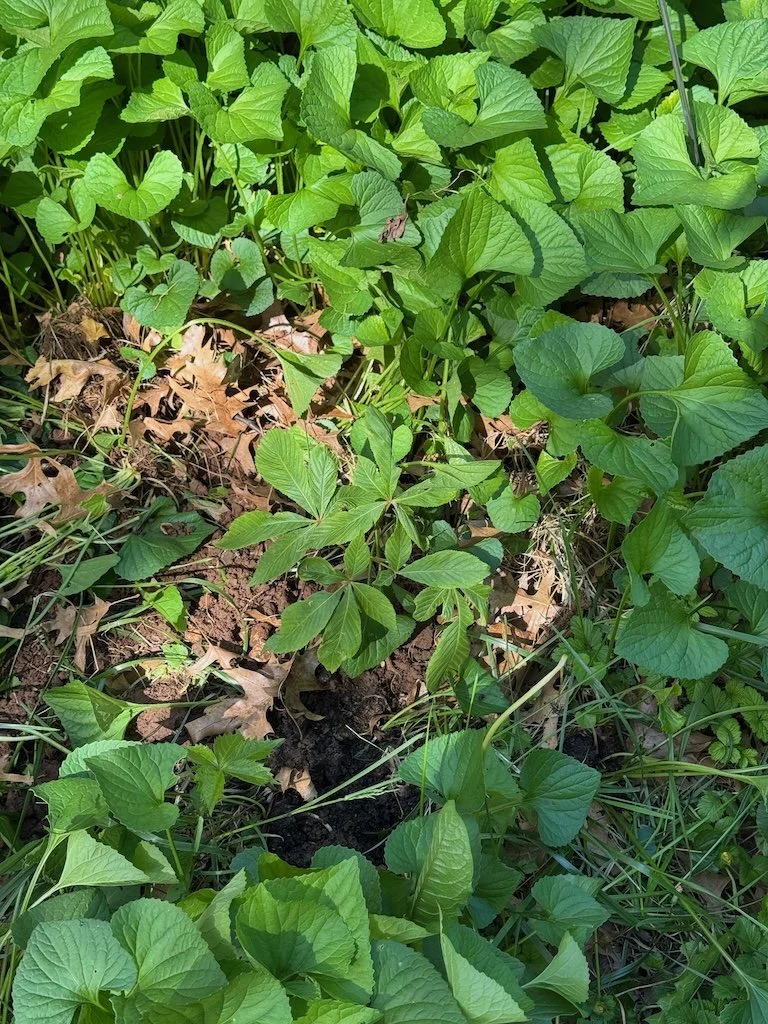
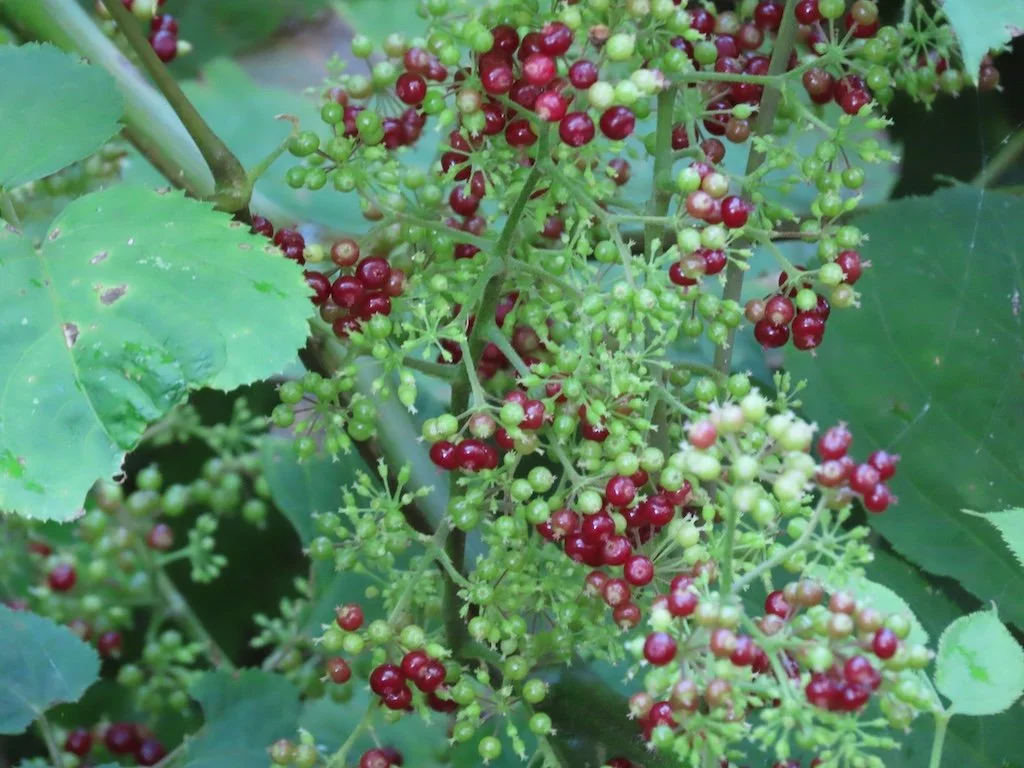
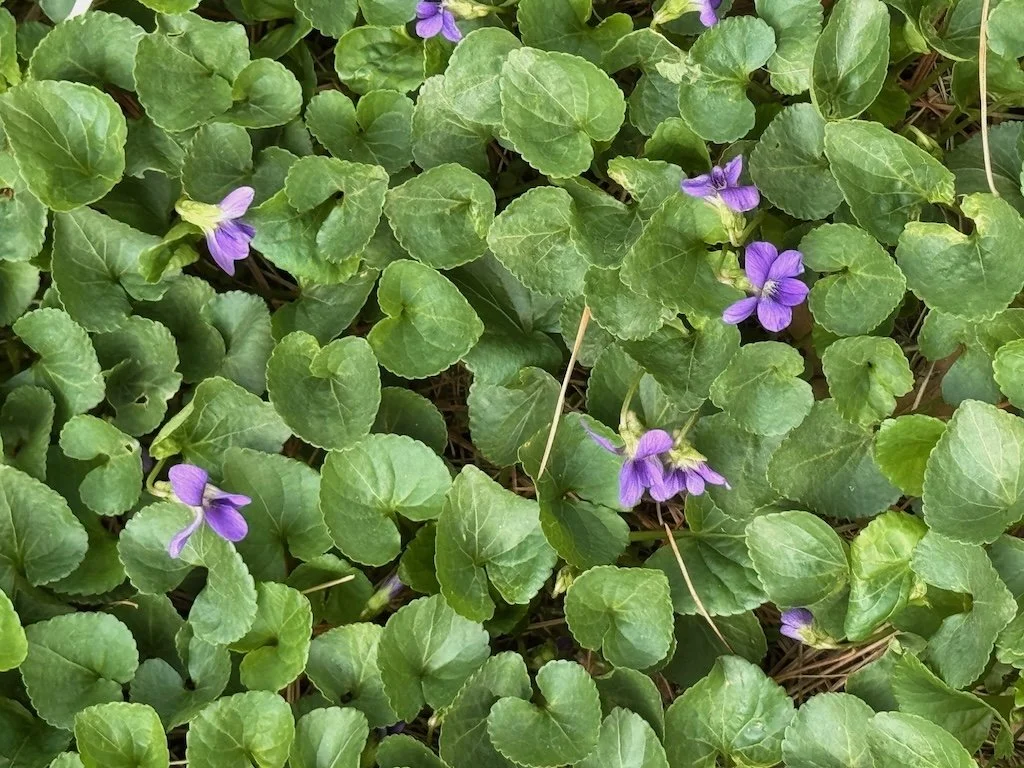
The shade garden at the side of the house includes young pawpaws (one purchased from Ozark Soul last year, 2 from seeds of a pawpaw from the Roston Native Butterfly House, and 3 from seedling I bought from MDC). The American Spikenard presides over an expanse of violets (I’ve been harvesting the violet leaves to eat as leafy greens). The allium bulbs I planted the first fall we lived in the house bloomed in April and are forming seeds now. The hostas (not native) sometimes provide a contrast with nearby violets. The Eastern White Pine that makes the lower part of the shade garden may produce cones this year – if it does it will be the first time.

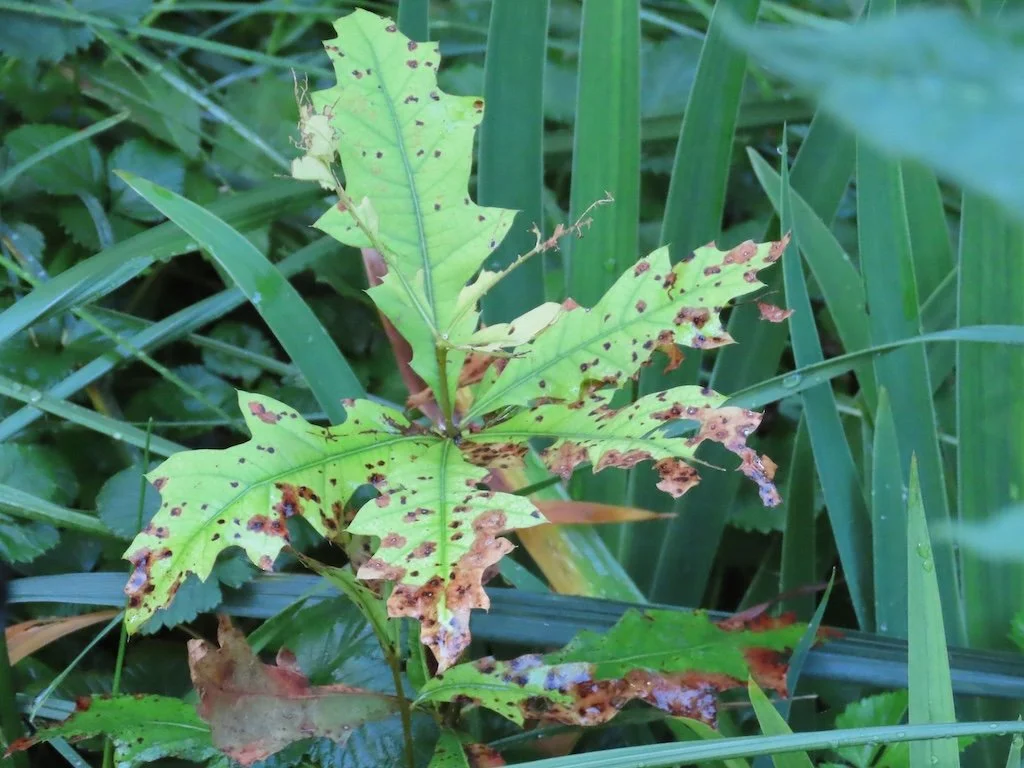
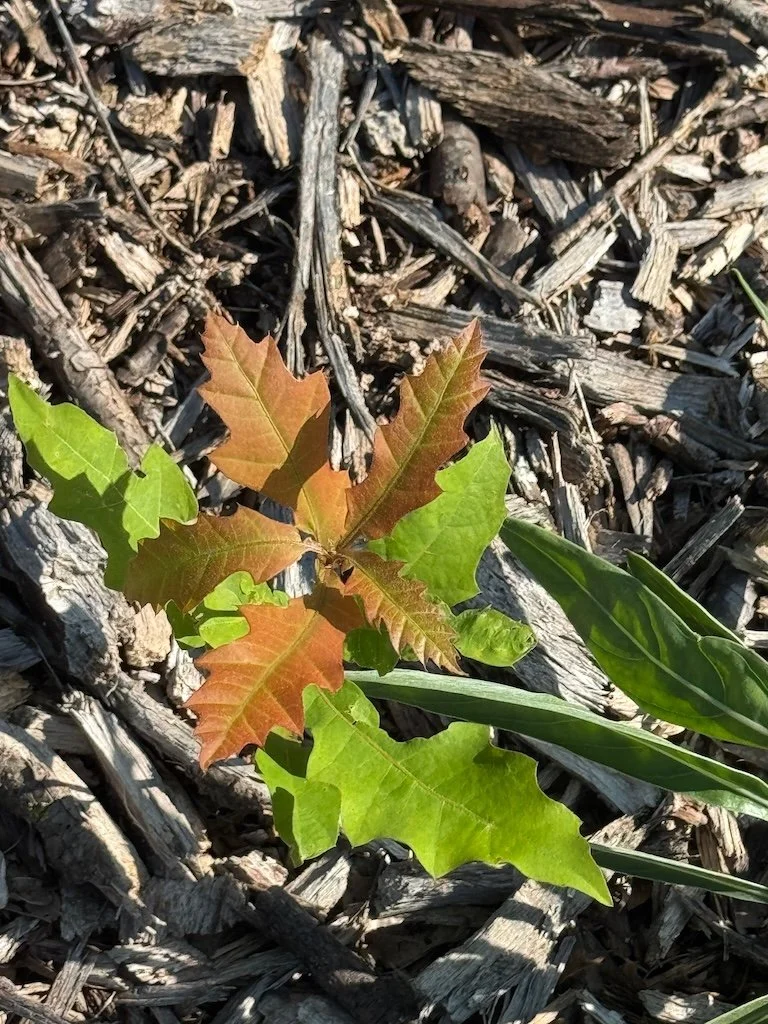
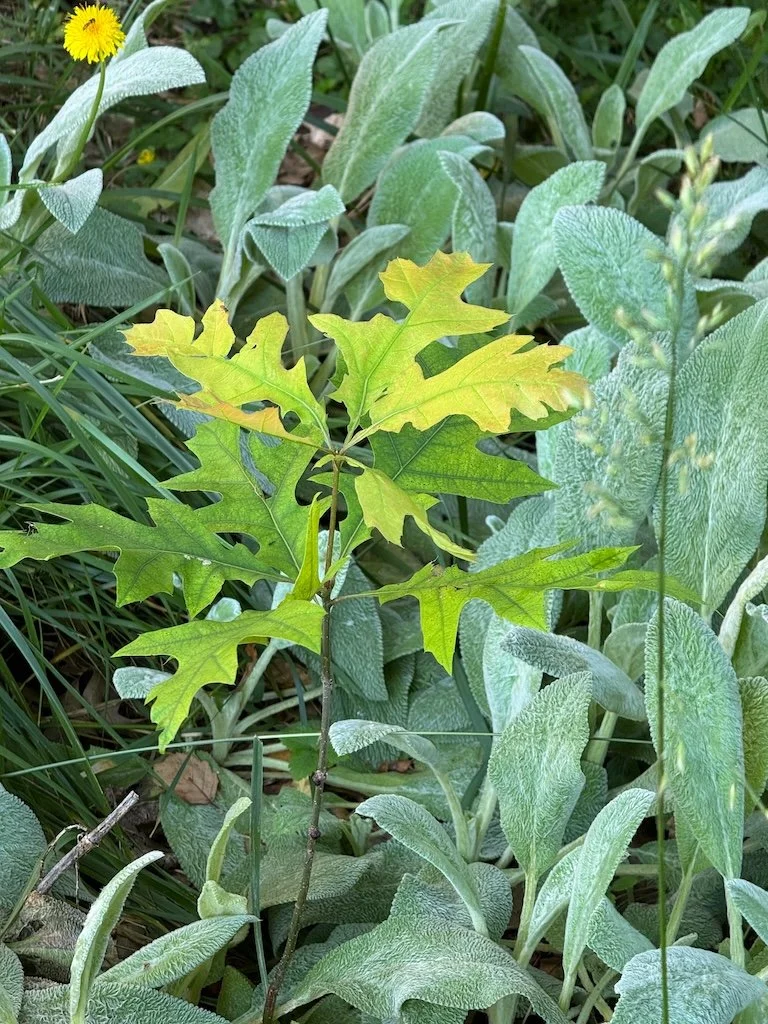
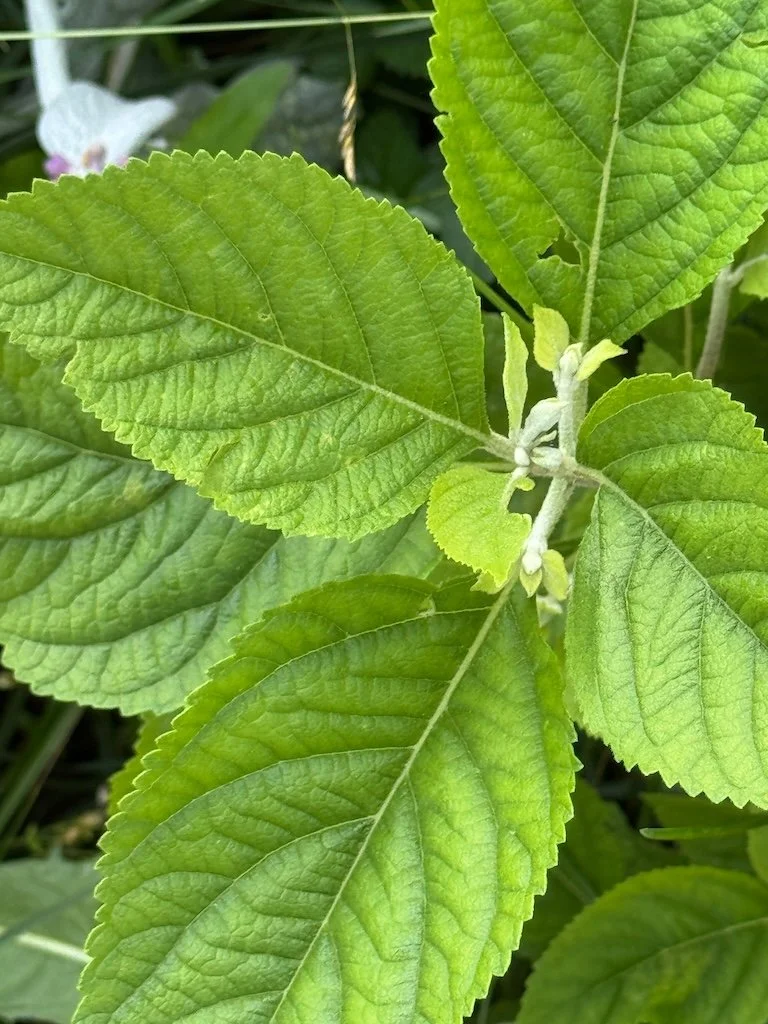
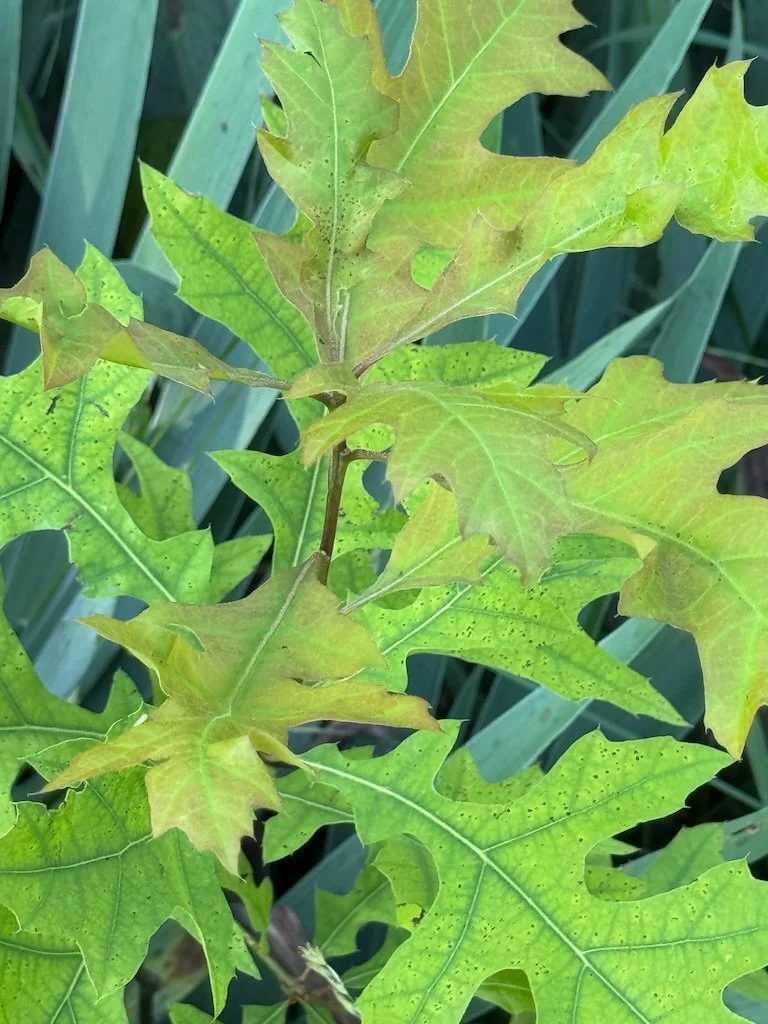
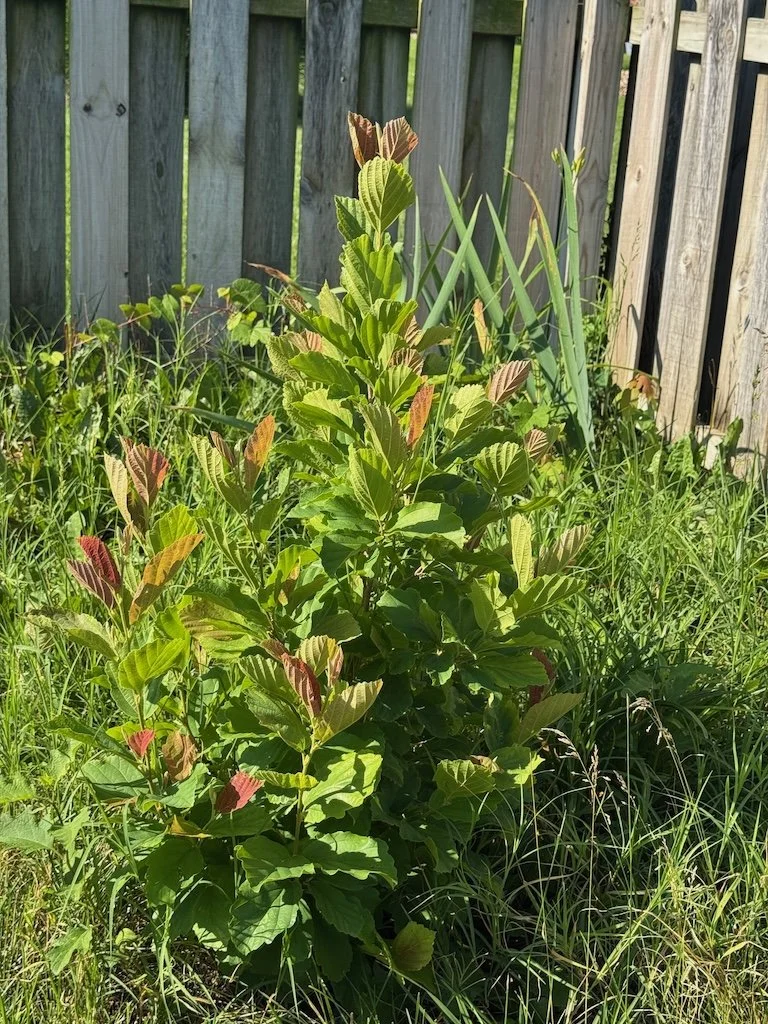
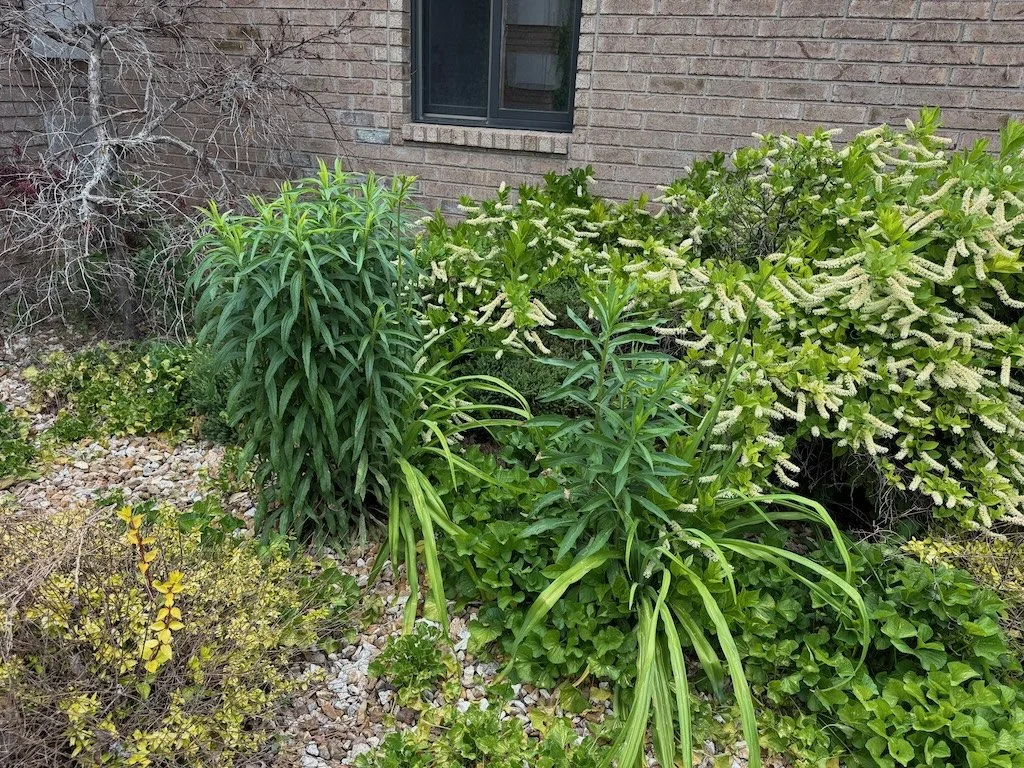
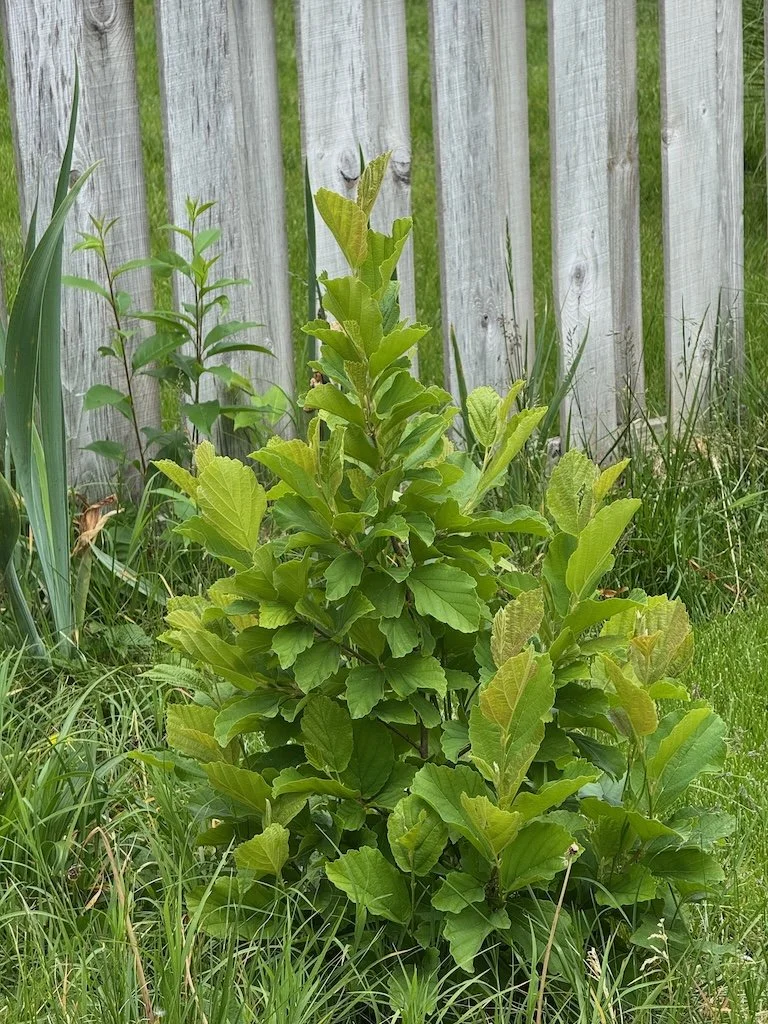
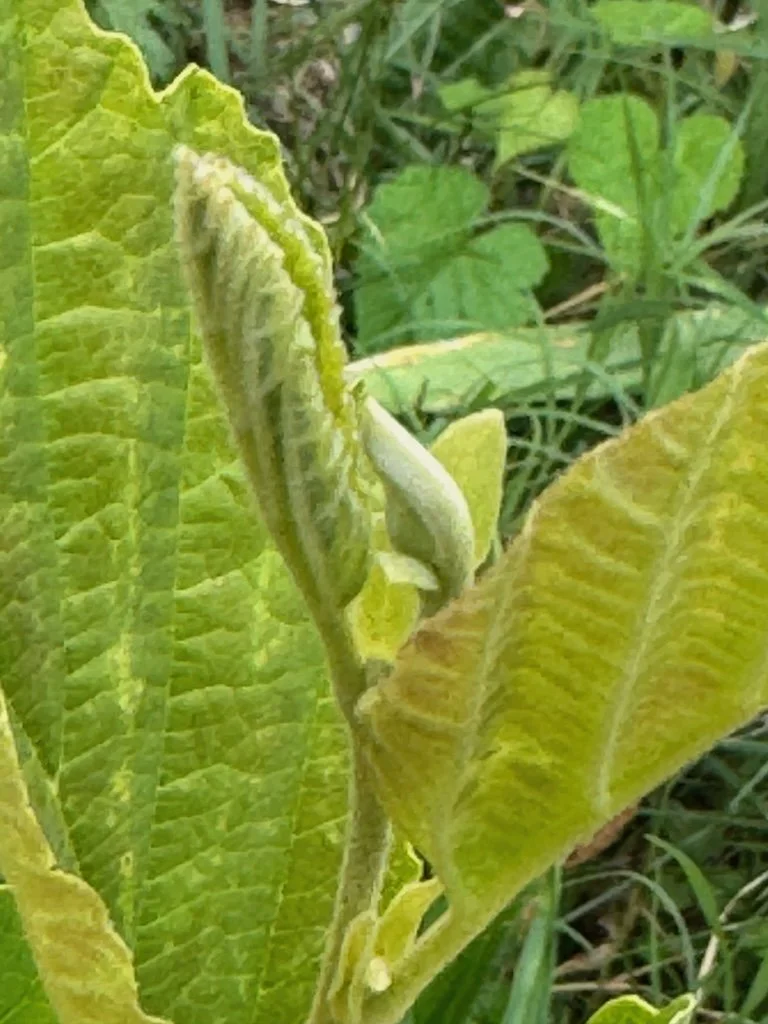
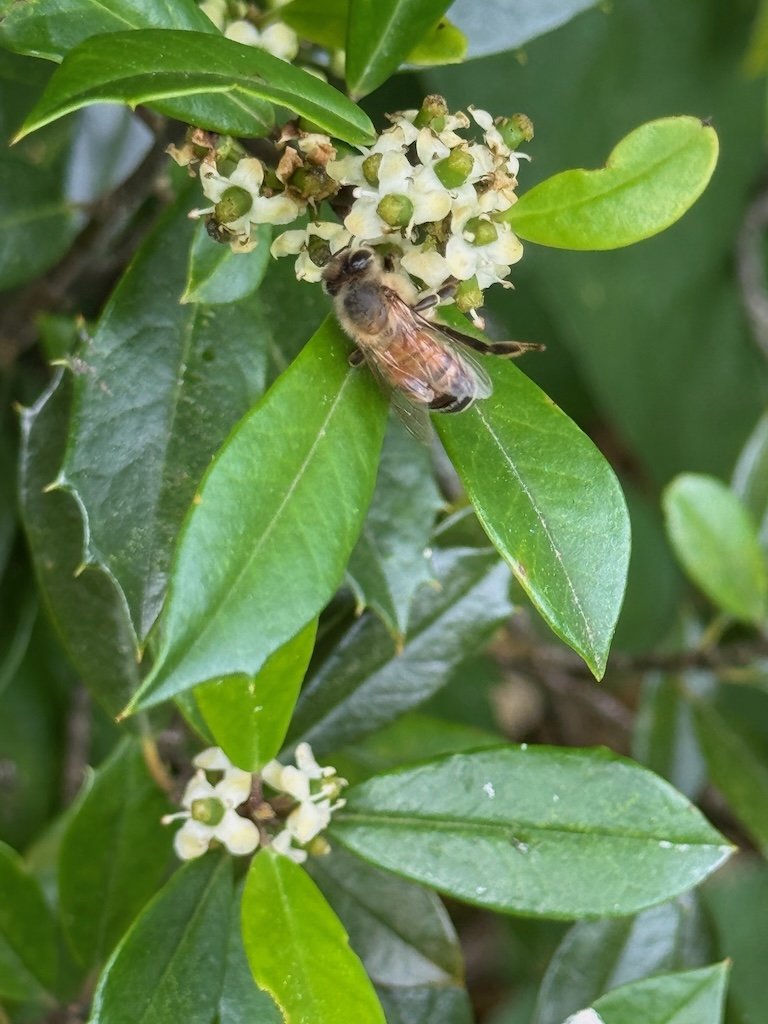
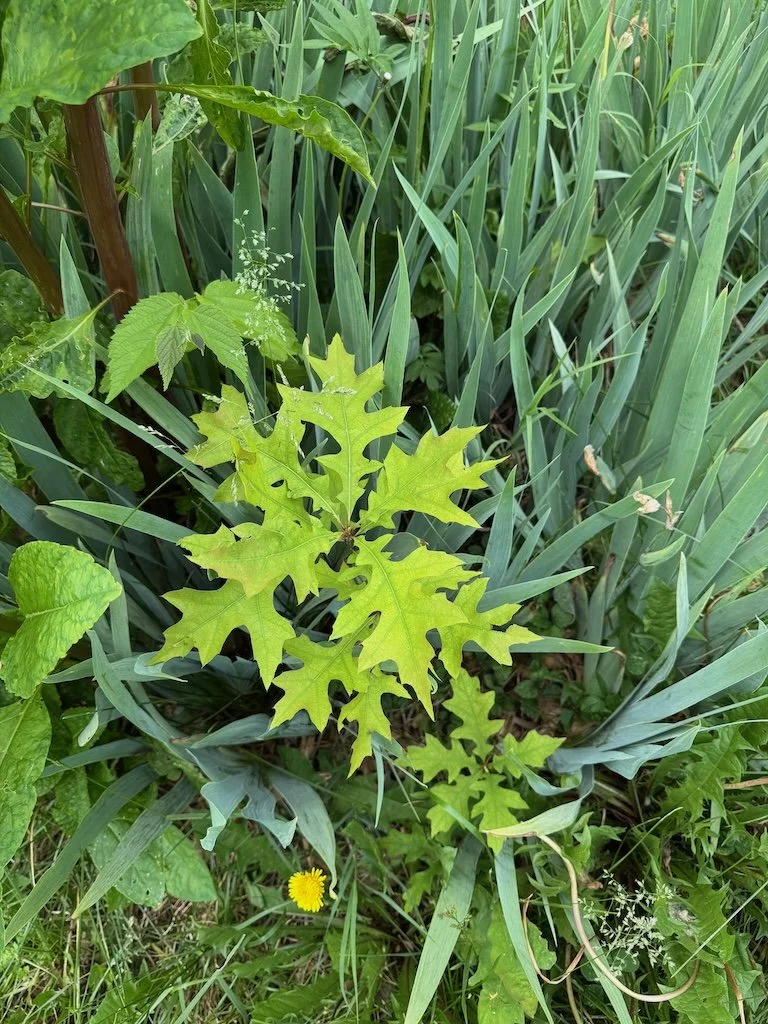
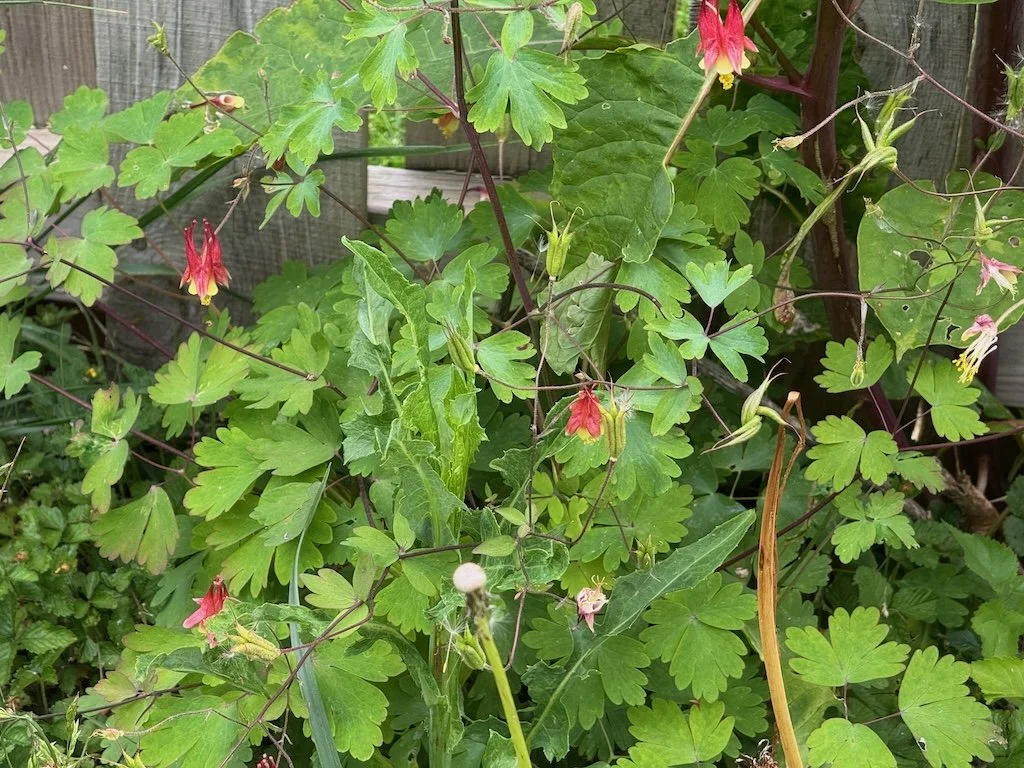
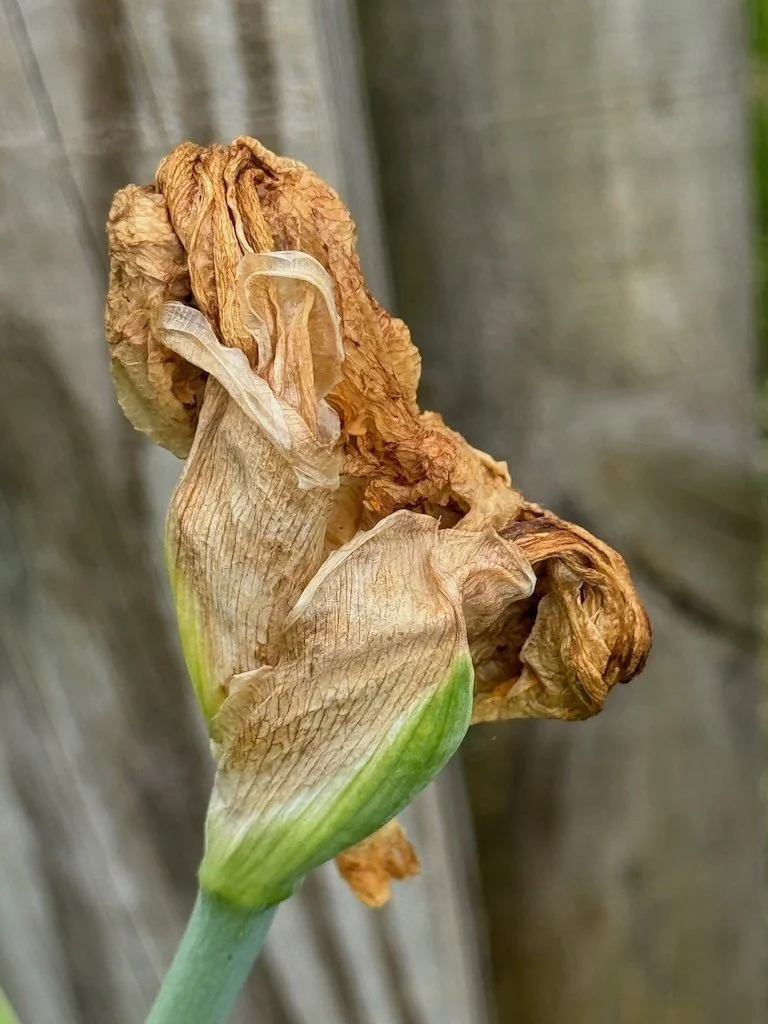
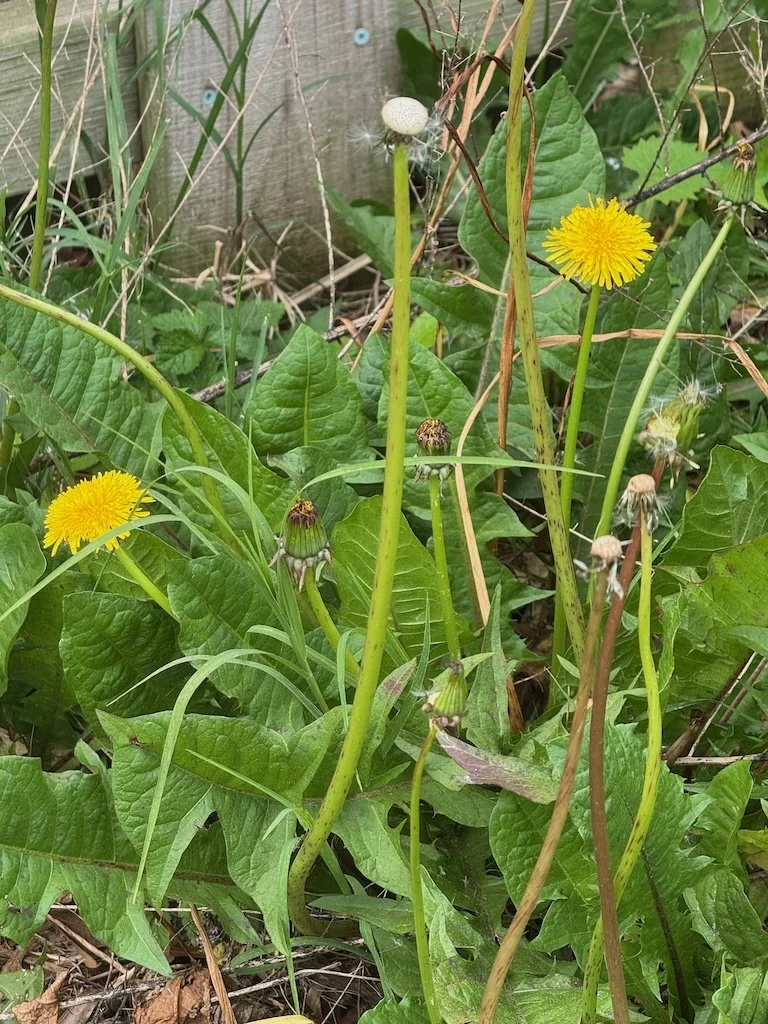
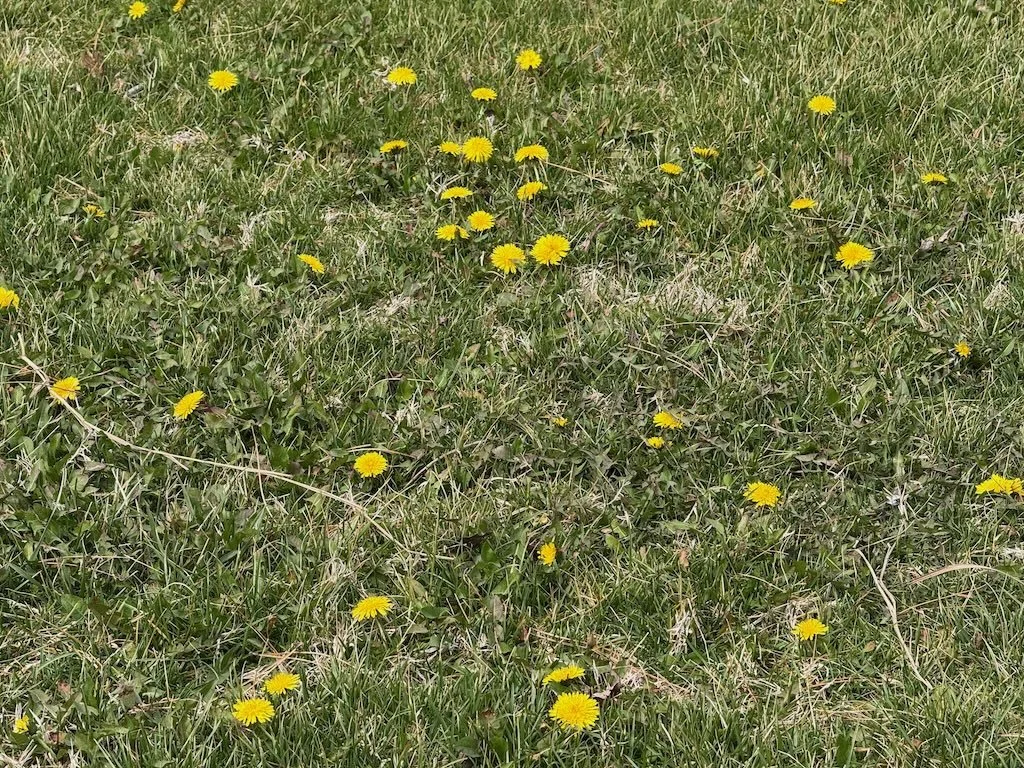
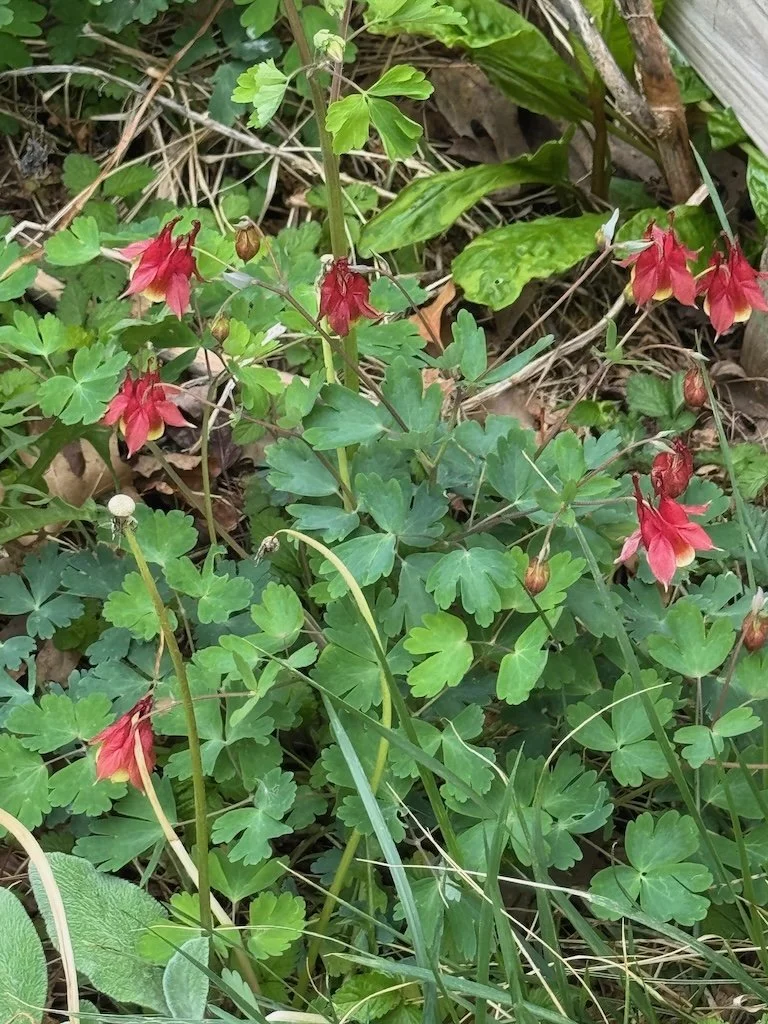
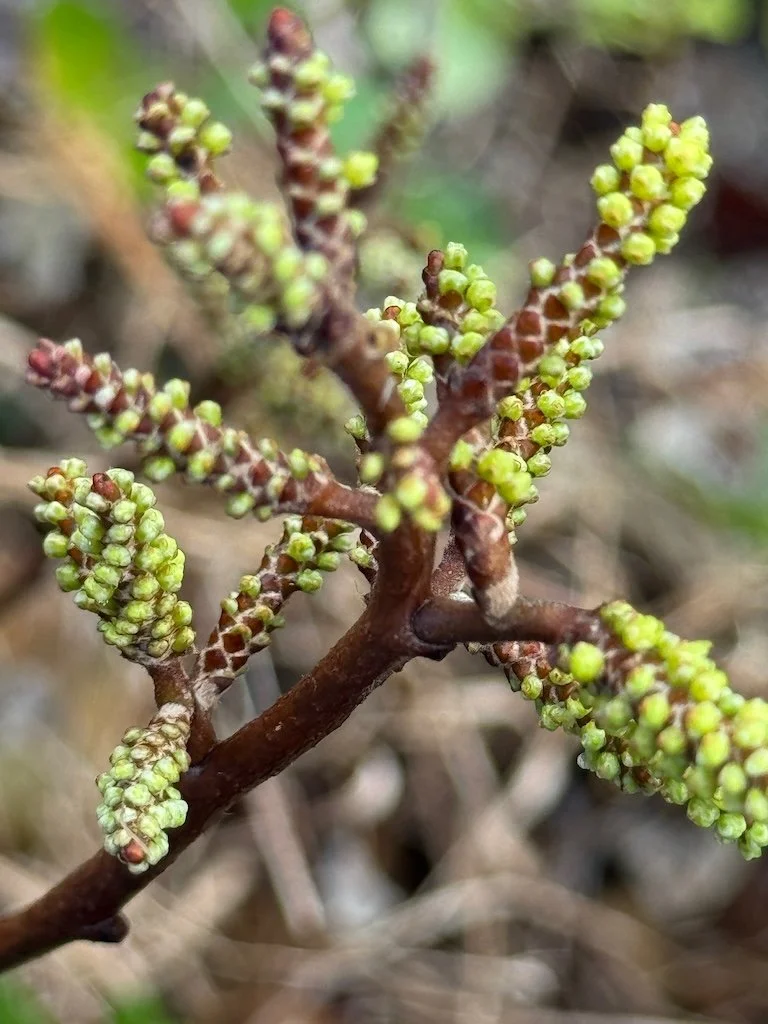
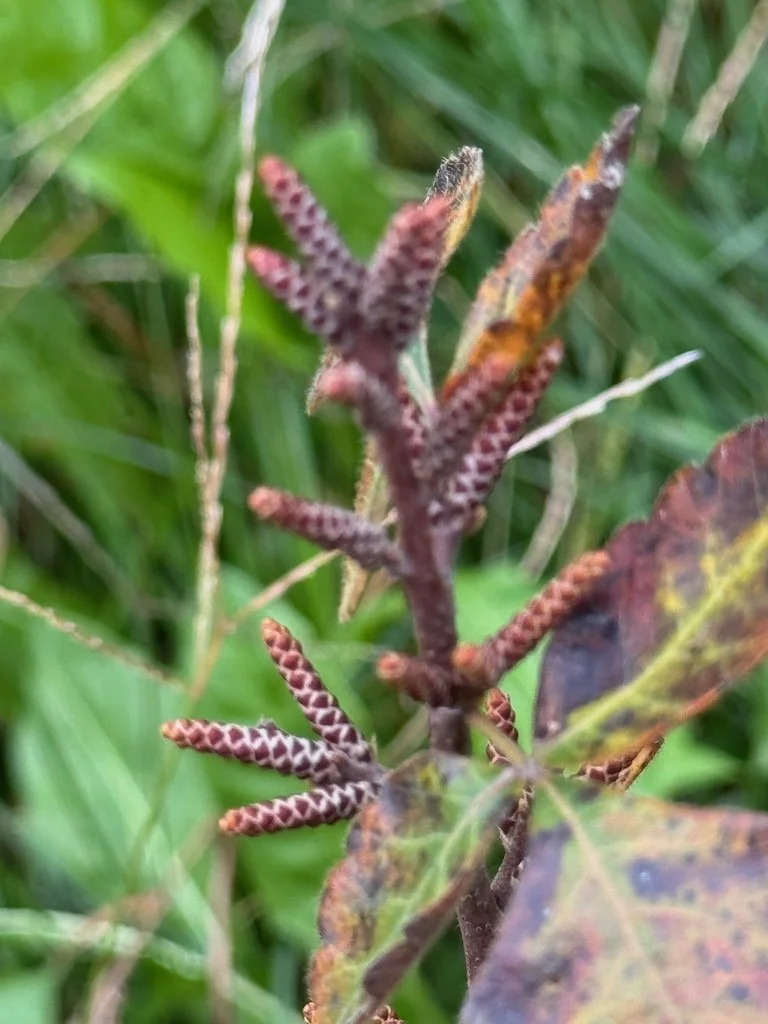
In the back yard….The Witch Hazel will probably grow rapidly this year; it did have a few blooms last winter but has no seed pods. The hollies are blooming (delighting bees). The garden where a pine once stood has lambs ear…some elderberries…and an oak seedling (squirrel planted); it will be interesting to see how it develops. The columbines along the fence have a few blooms but are fading….and the irises are done for the year. Some of dandelions seem huge and I wonder if they are a variety grown for greens; I will start to harvest them! The Fragrant Sumac that was the first native plant that I purchased is taking over a space near the patio; I need to keep the Japanese honey suckle away from it….otherwise let it do its thing!

May growth points to 2026 being a great year for my developing yard!

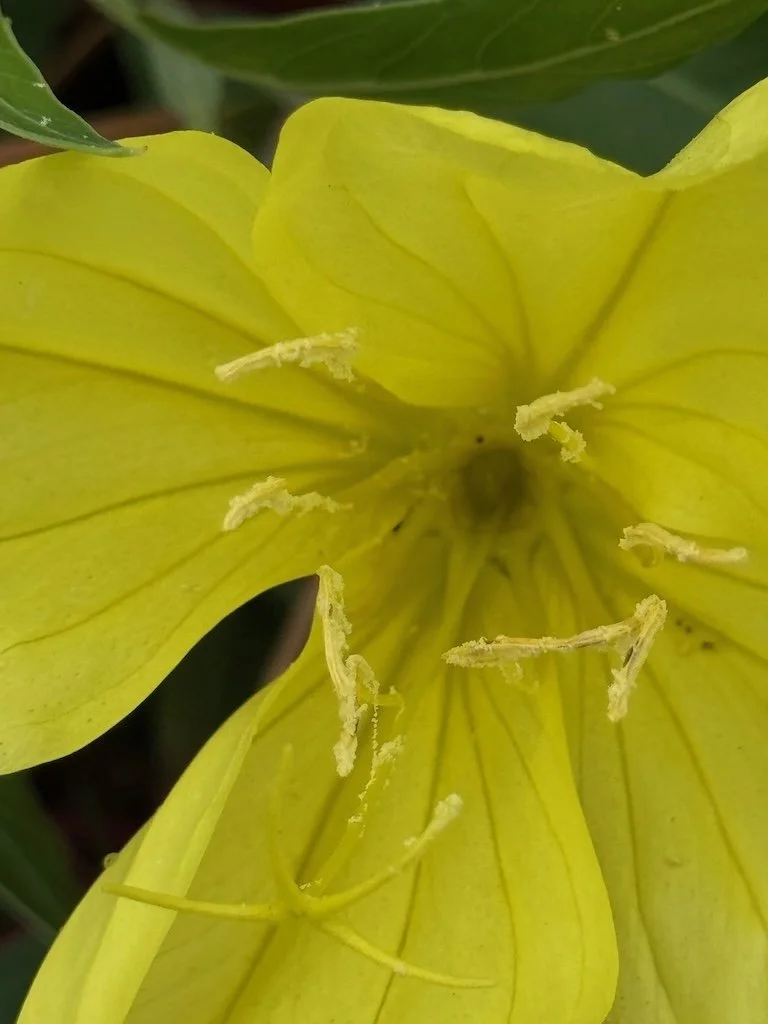
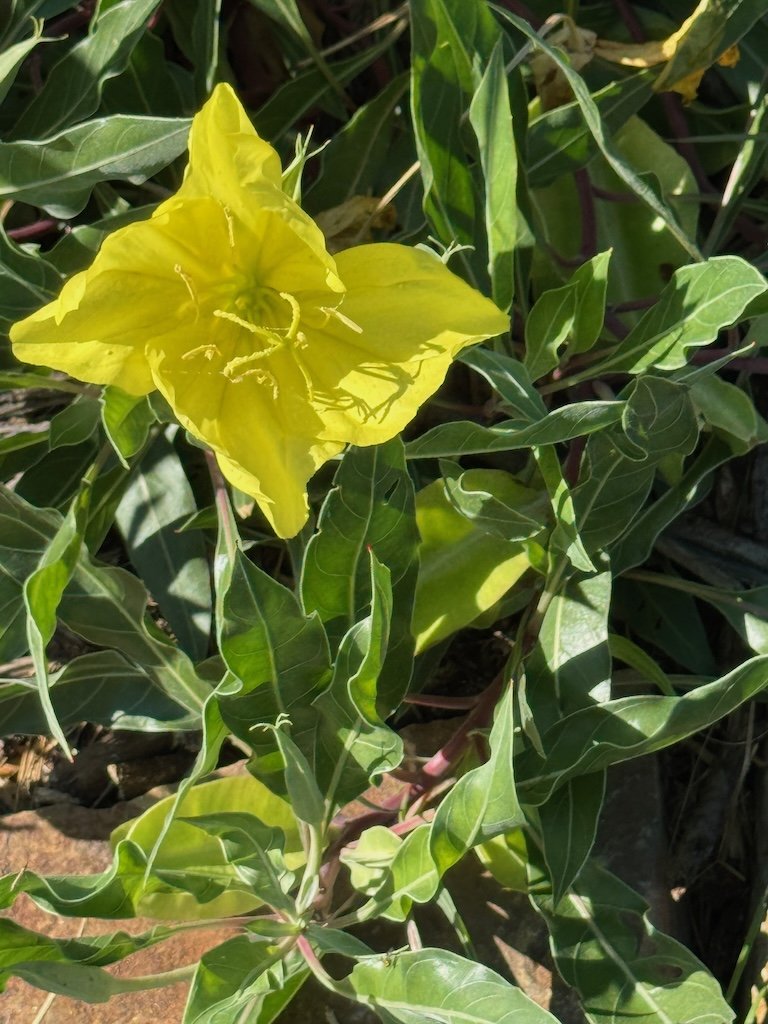
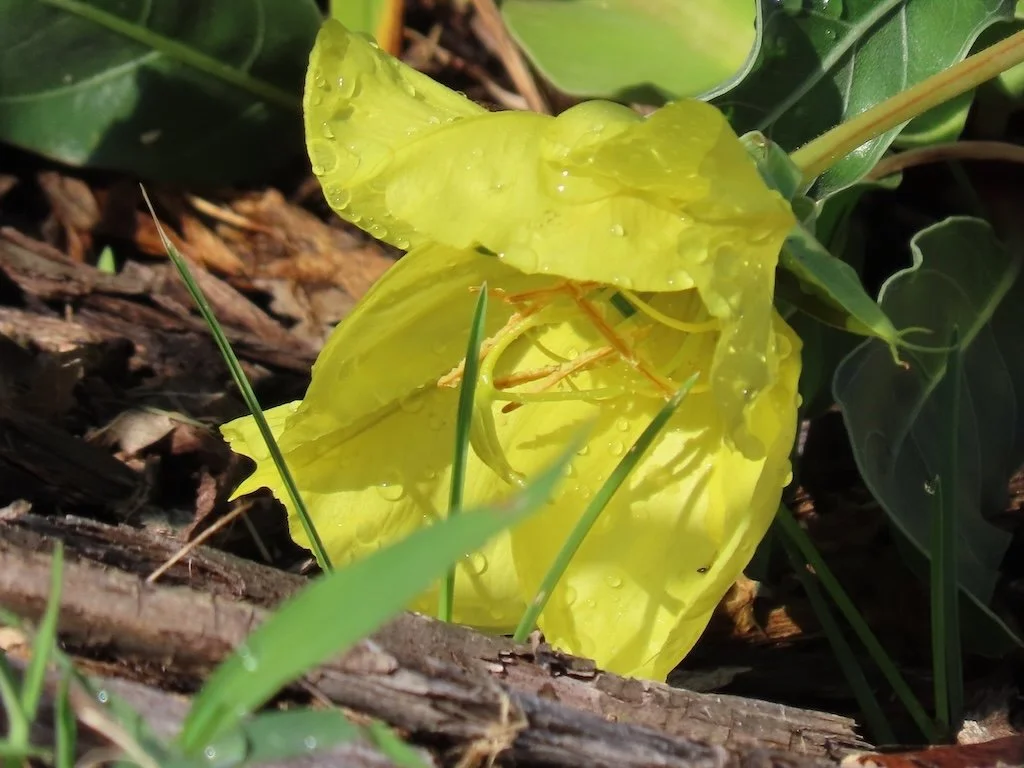
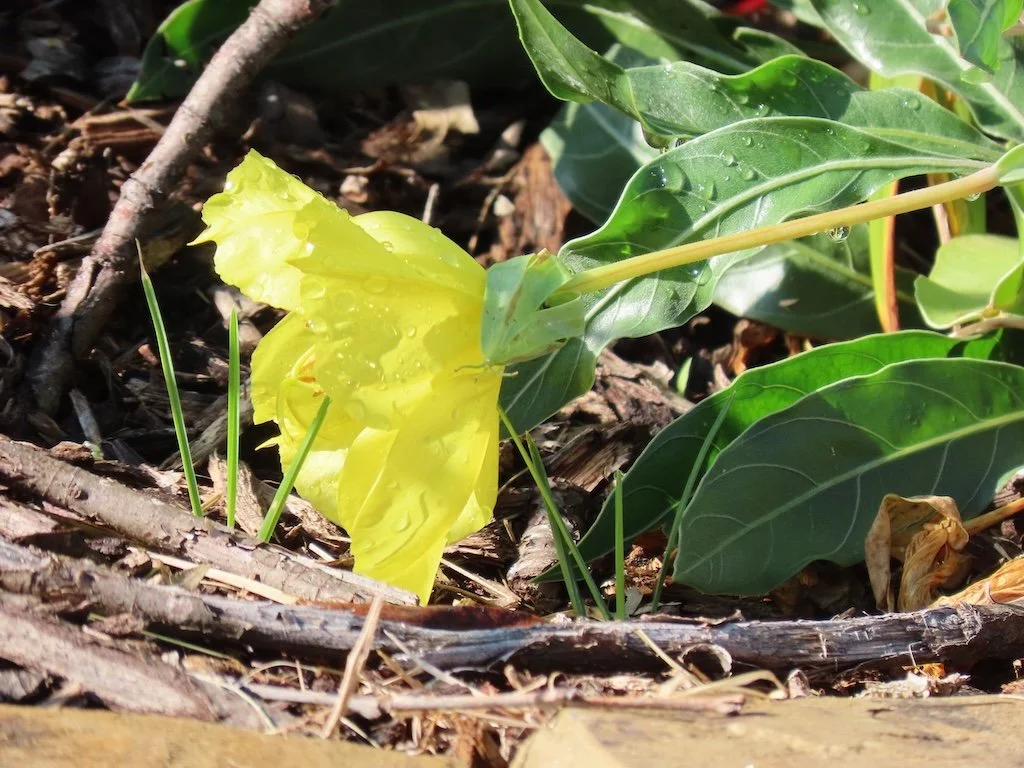
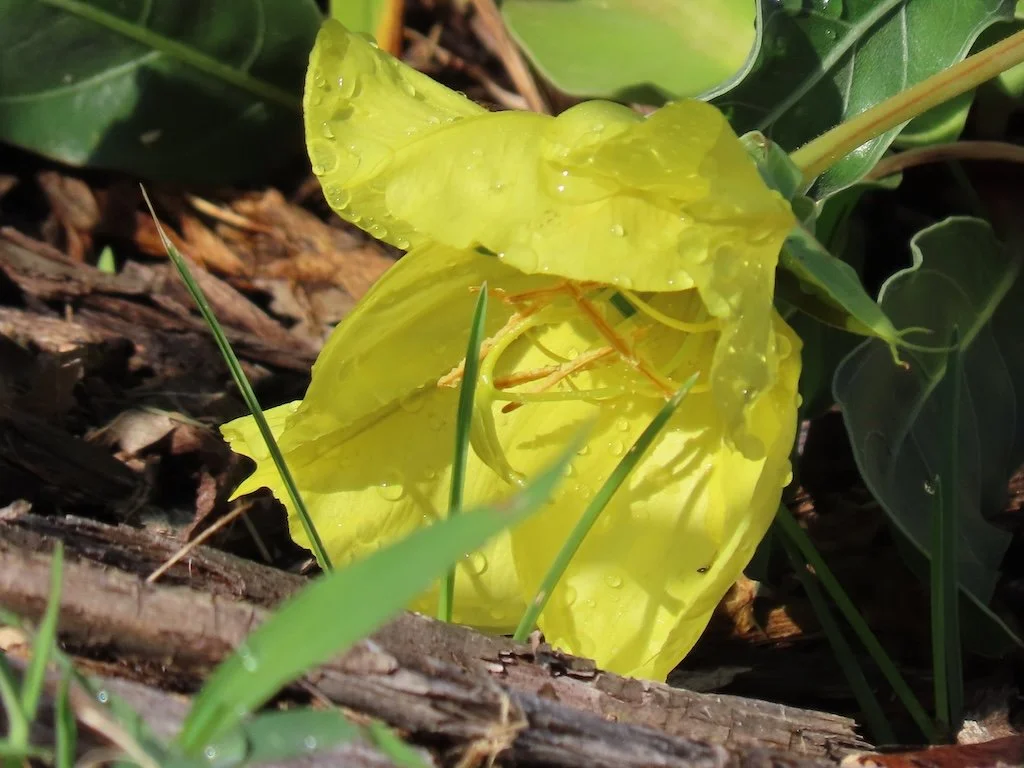
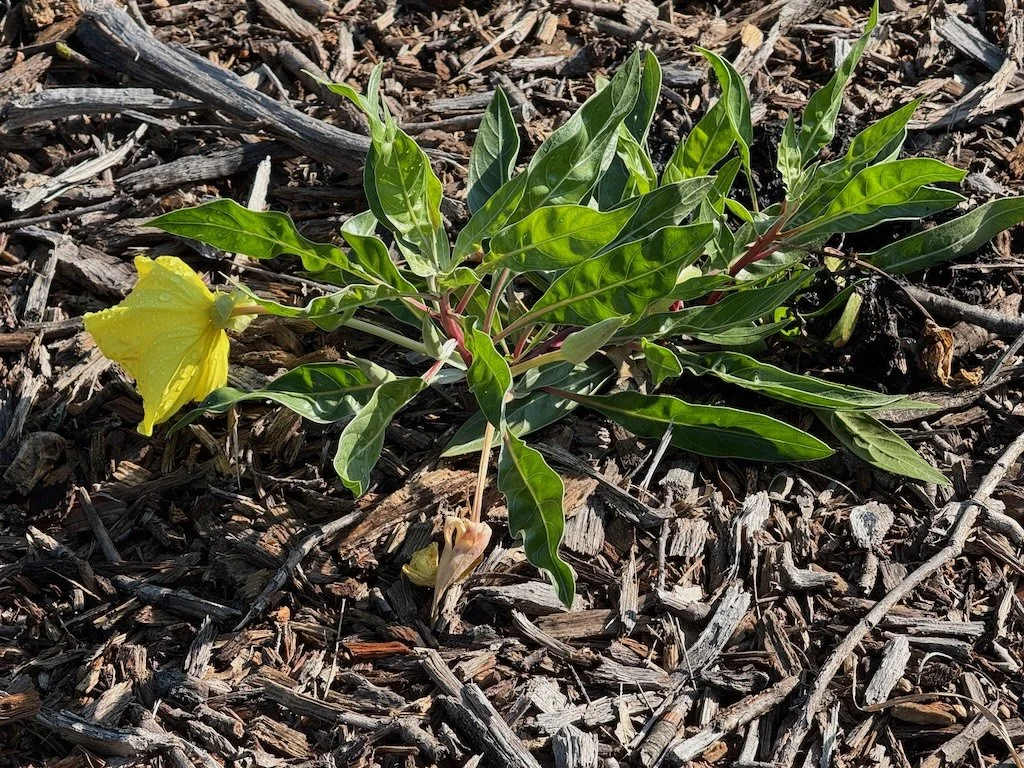
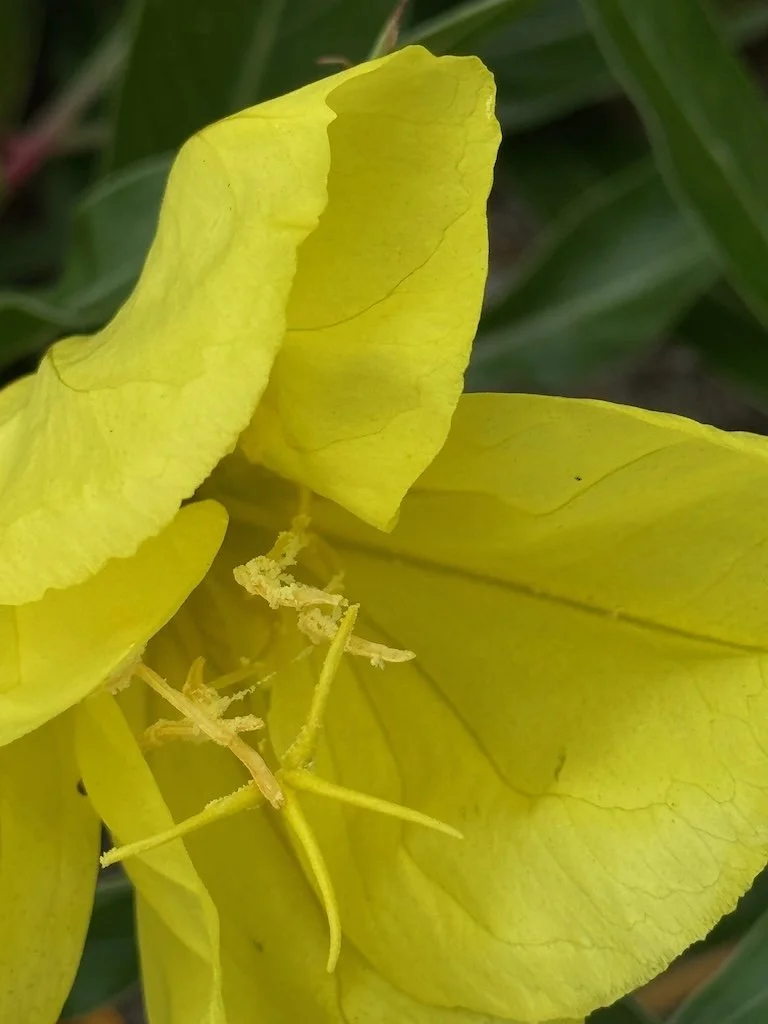
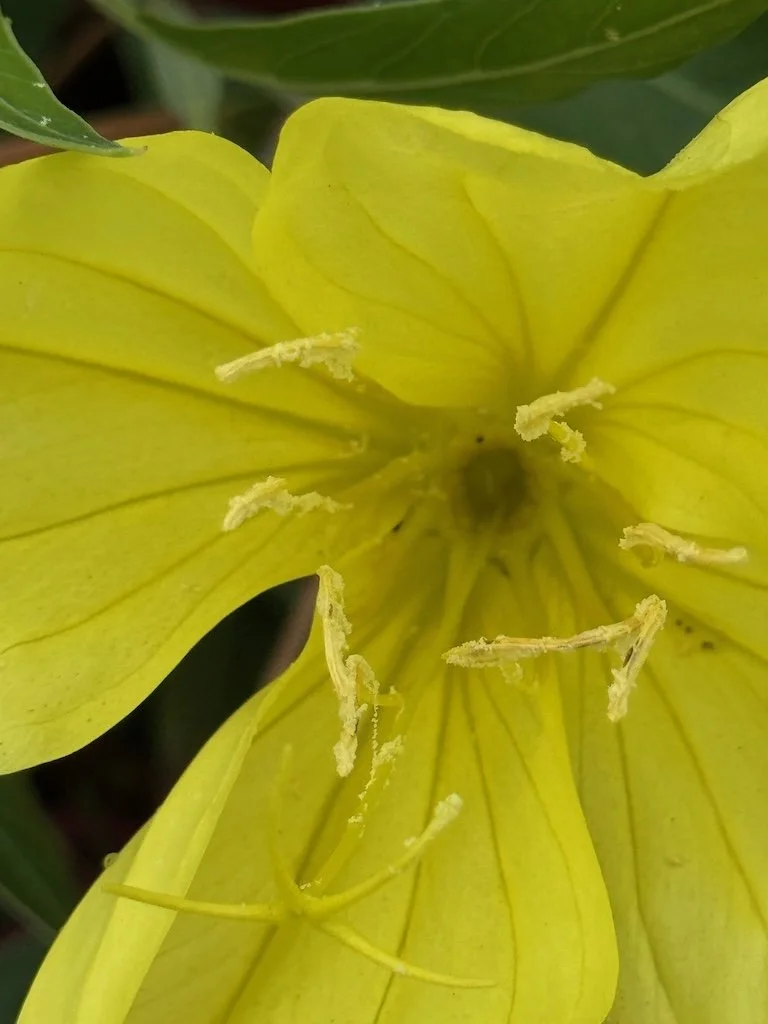
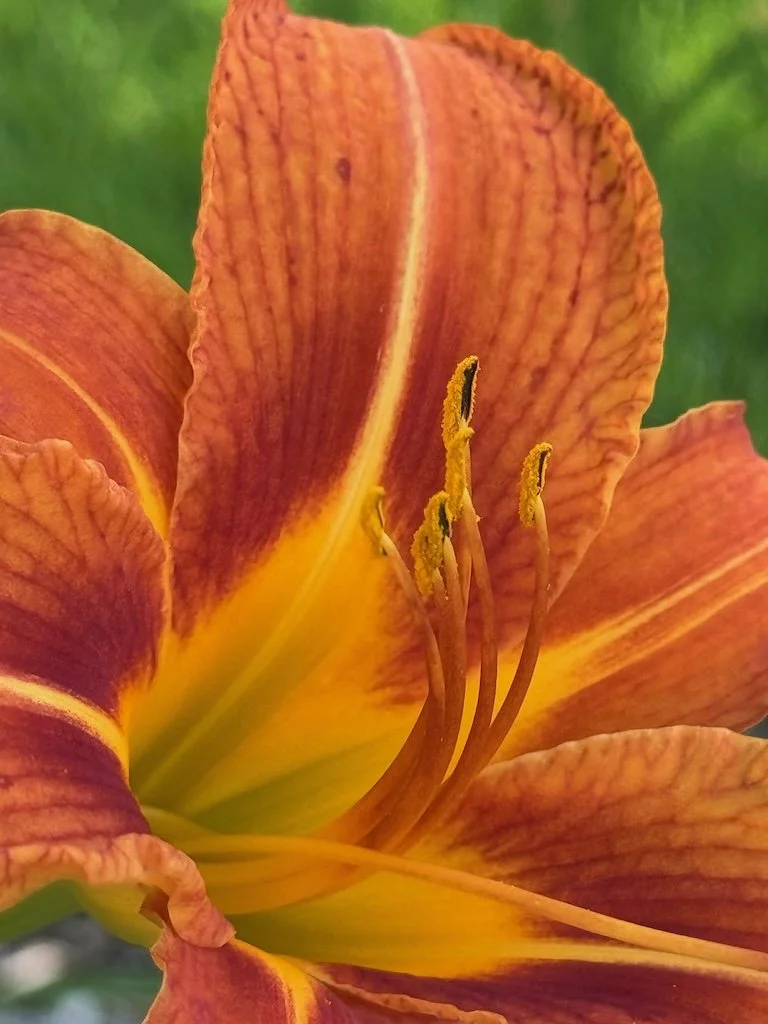
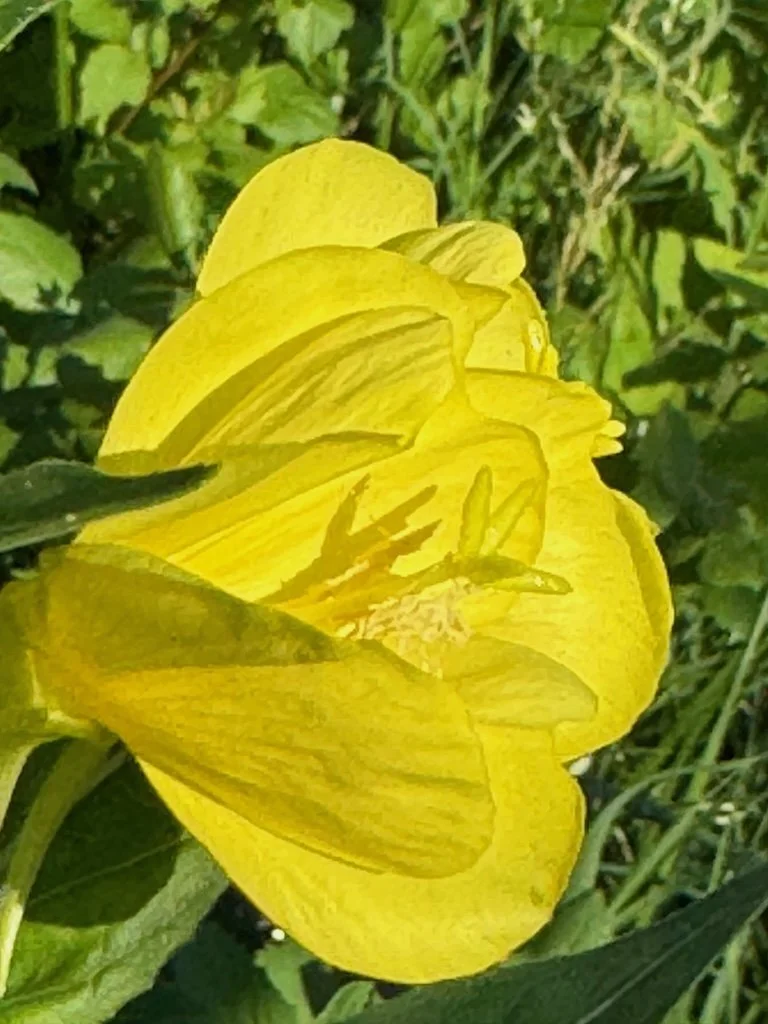
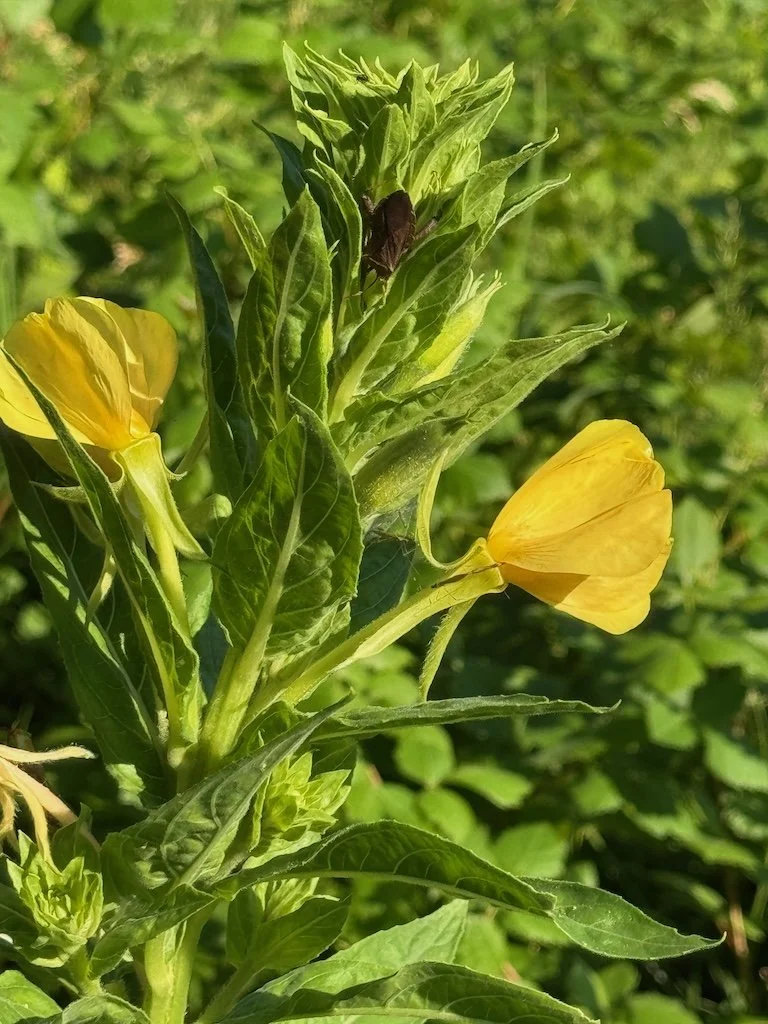
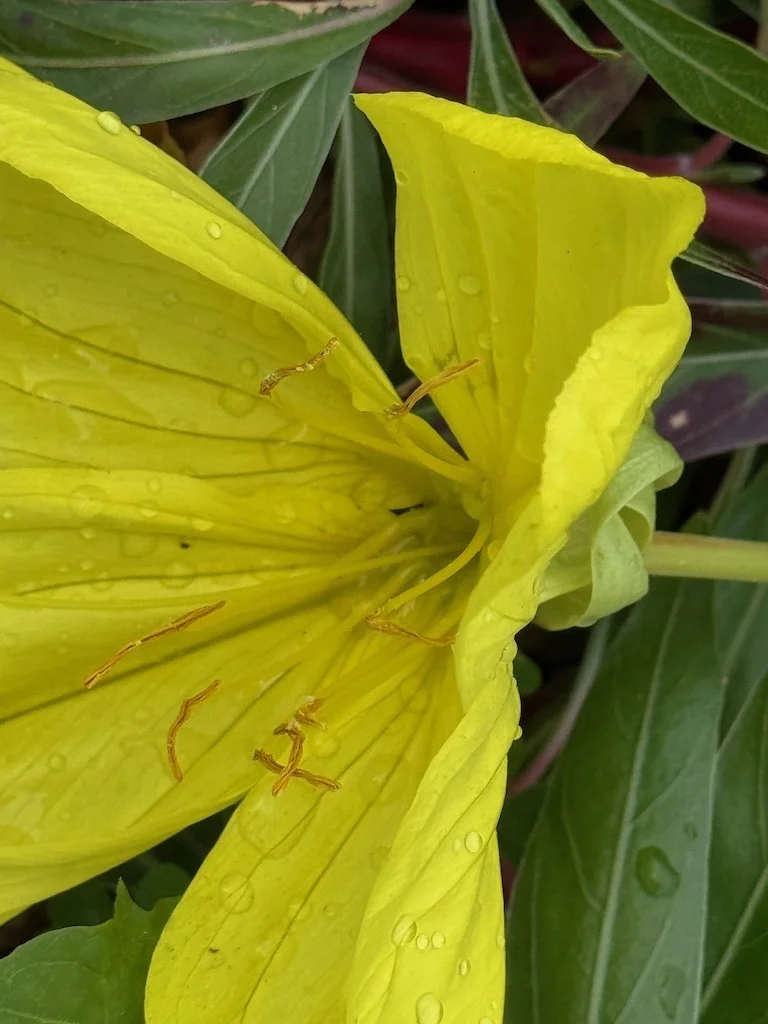
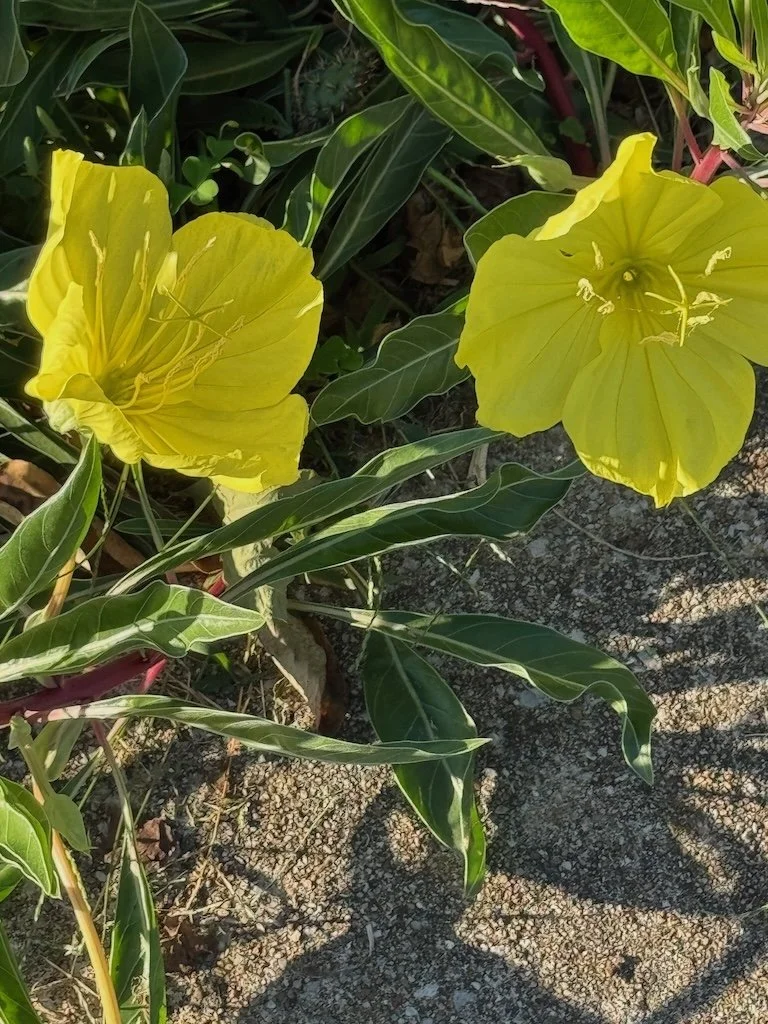
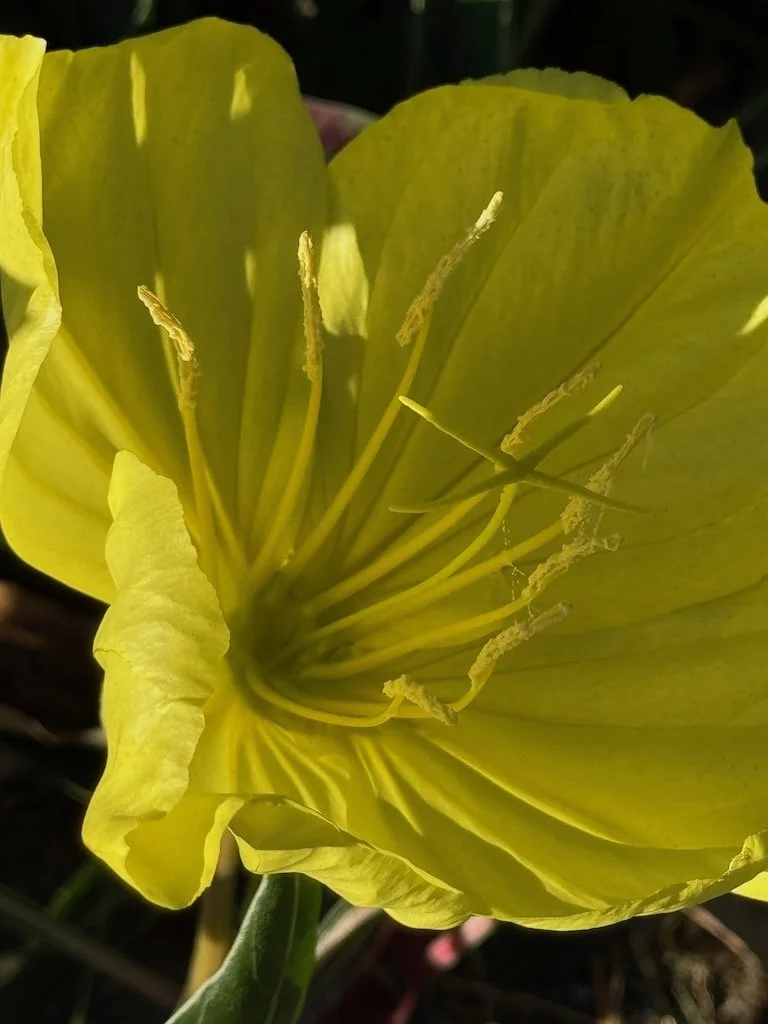
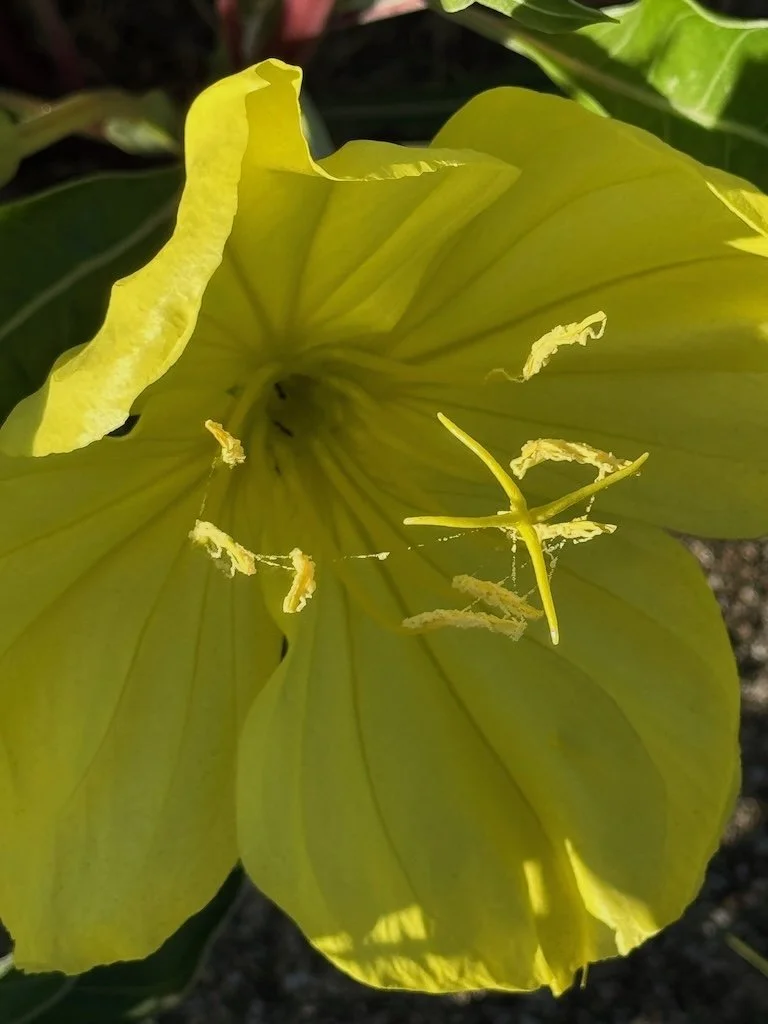
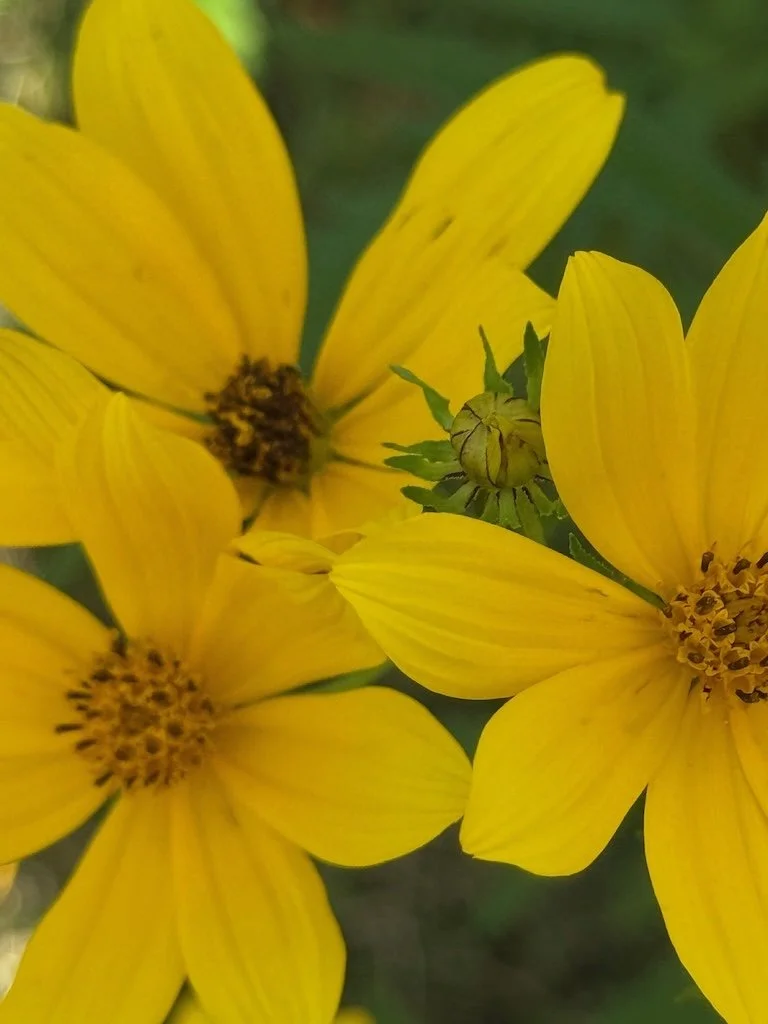
Missouri Evening Primrose Flower

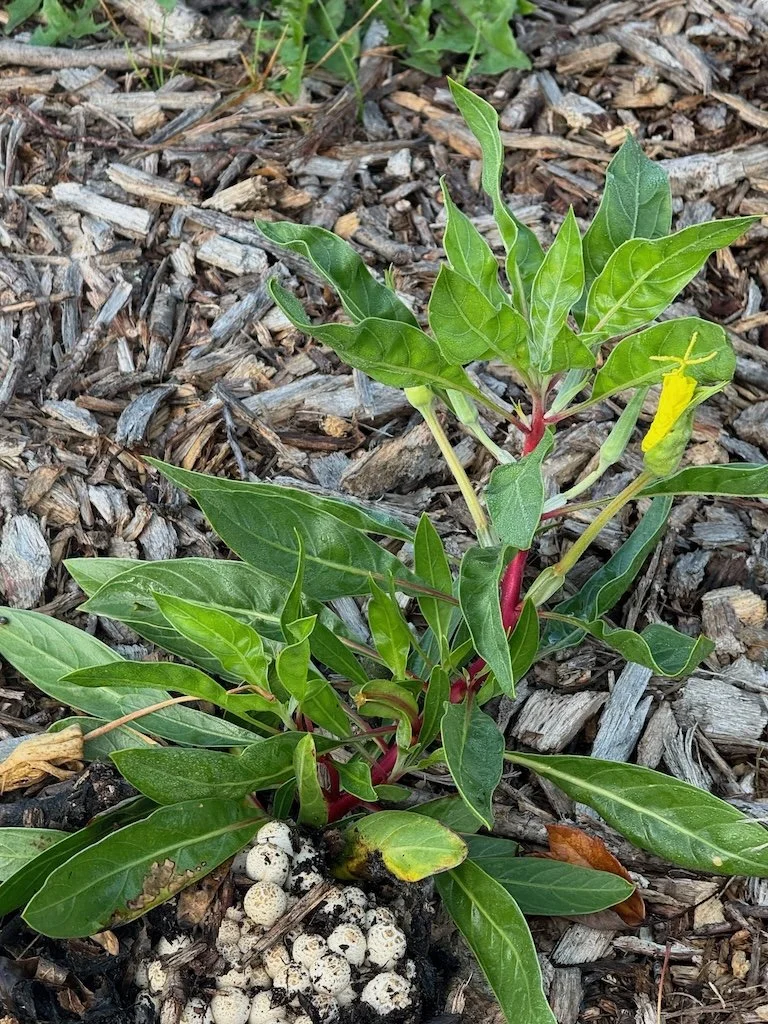
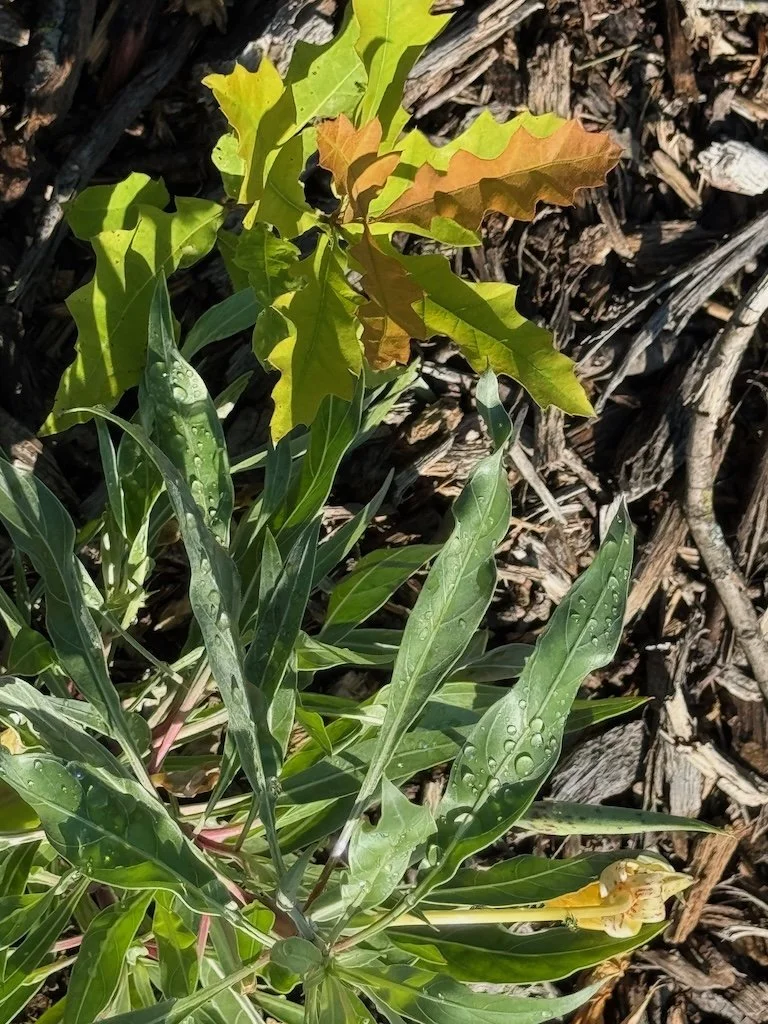
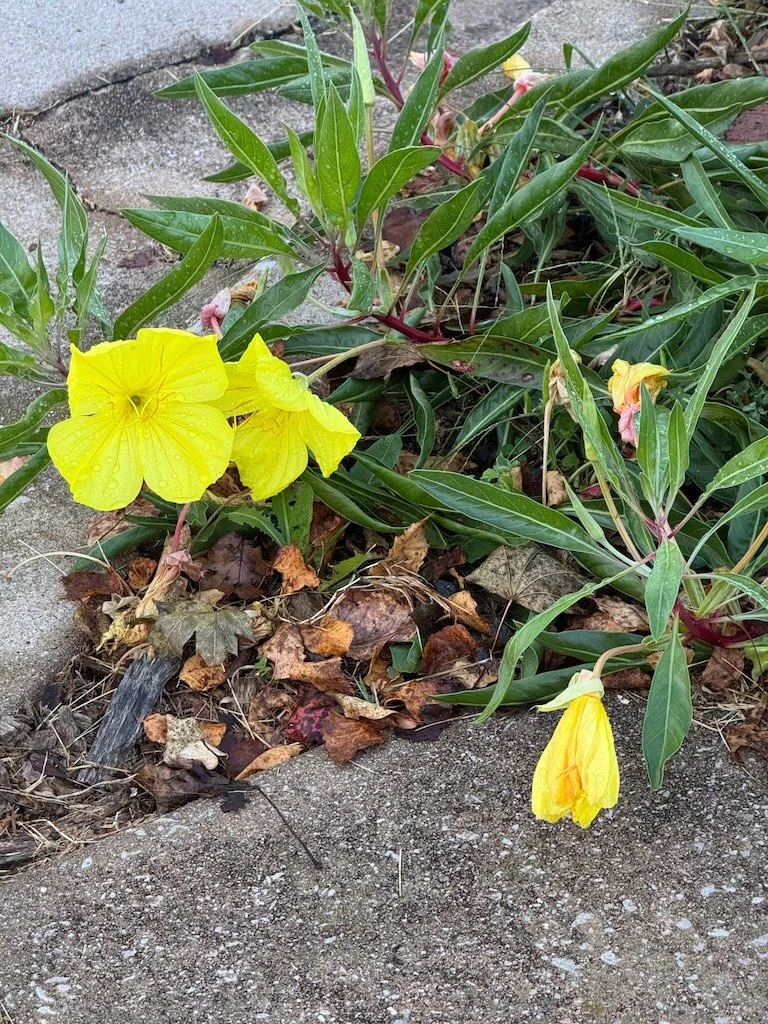
The Missouri Evening Primrose that I planted by my mailbox last year had its first bloom on May 5th. The plant is looking very robust, and I am hopefully it will bloom all summer long!

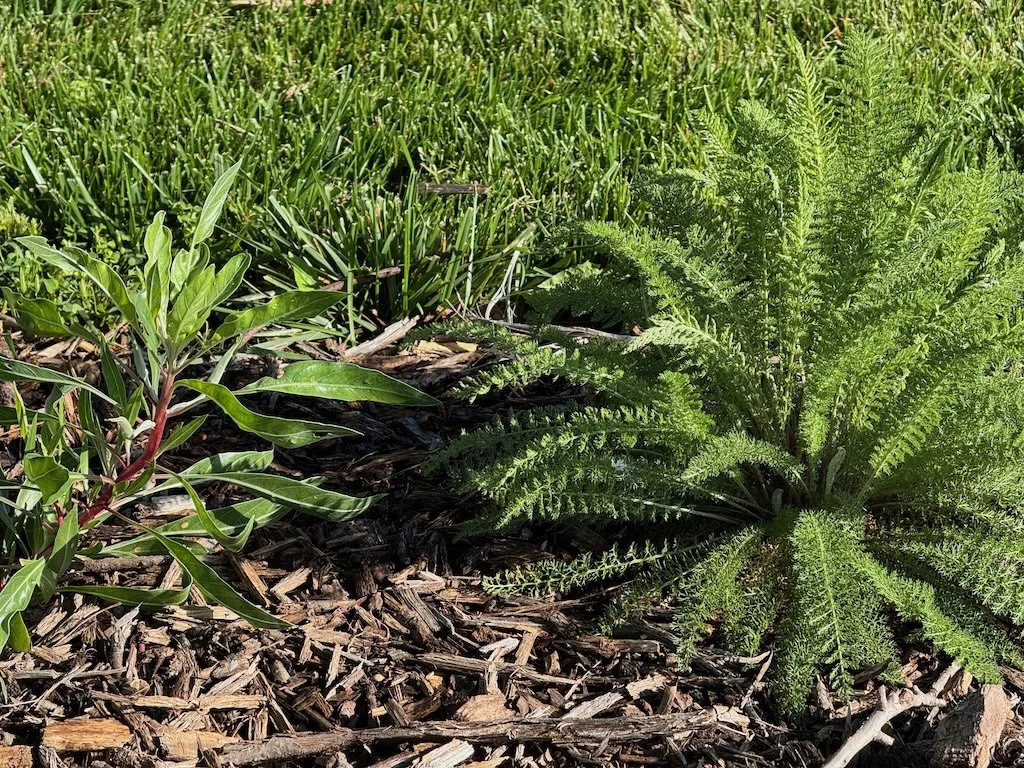
I have 6 new primrose plants that are in the new native plant garden in the middle of the front yard. They are very small this year. Maybe they will thrive and become the groundcover around the elderberries and wild indigos. I want something that grows robustly enough to crowd out other plants (non-native weeds particularly).

Our Missouri Yard – April 2026

A lot was happening in my yard in April – beyond the planting of the native plants in my front flowerbed.

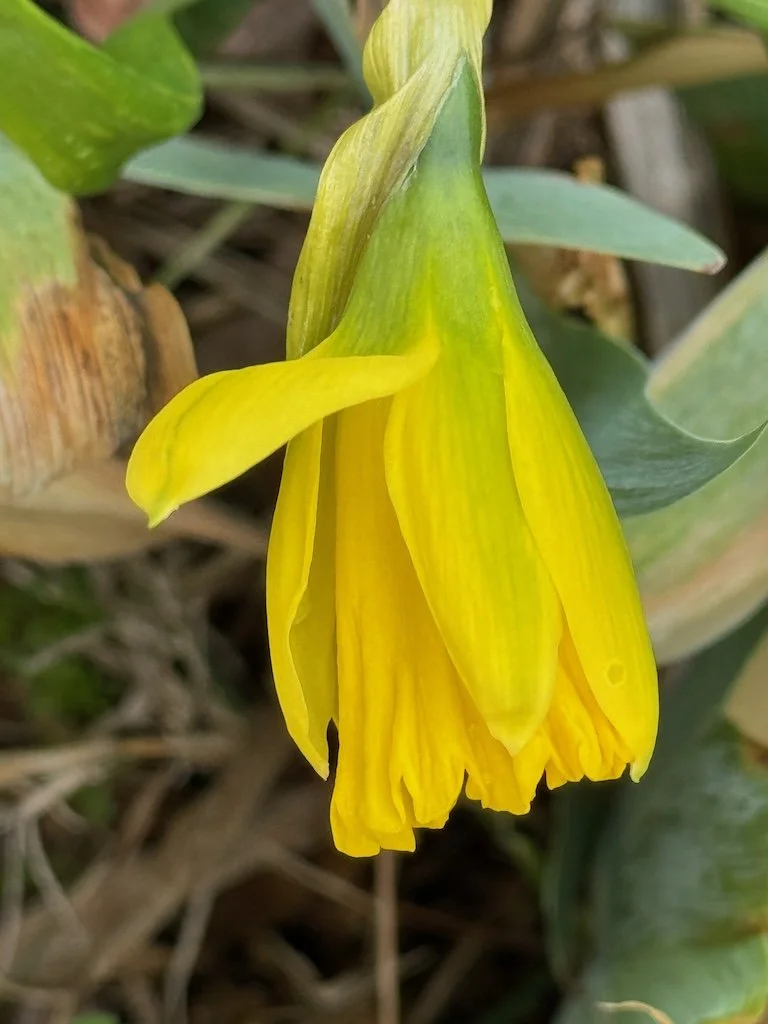
Early in the month was the maximum bloom time for dandelions, violets, fragrant sumac and daffodils.

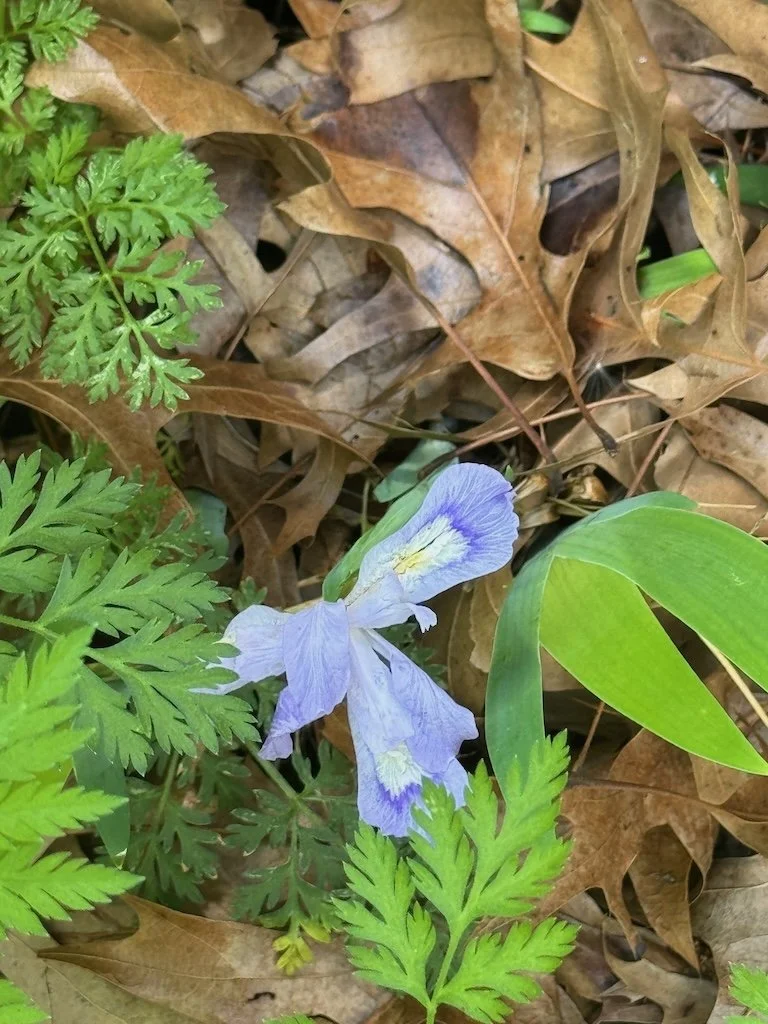
A week or so later the crested iris and columbine were blooming.

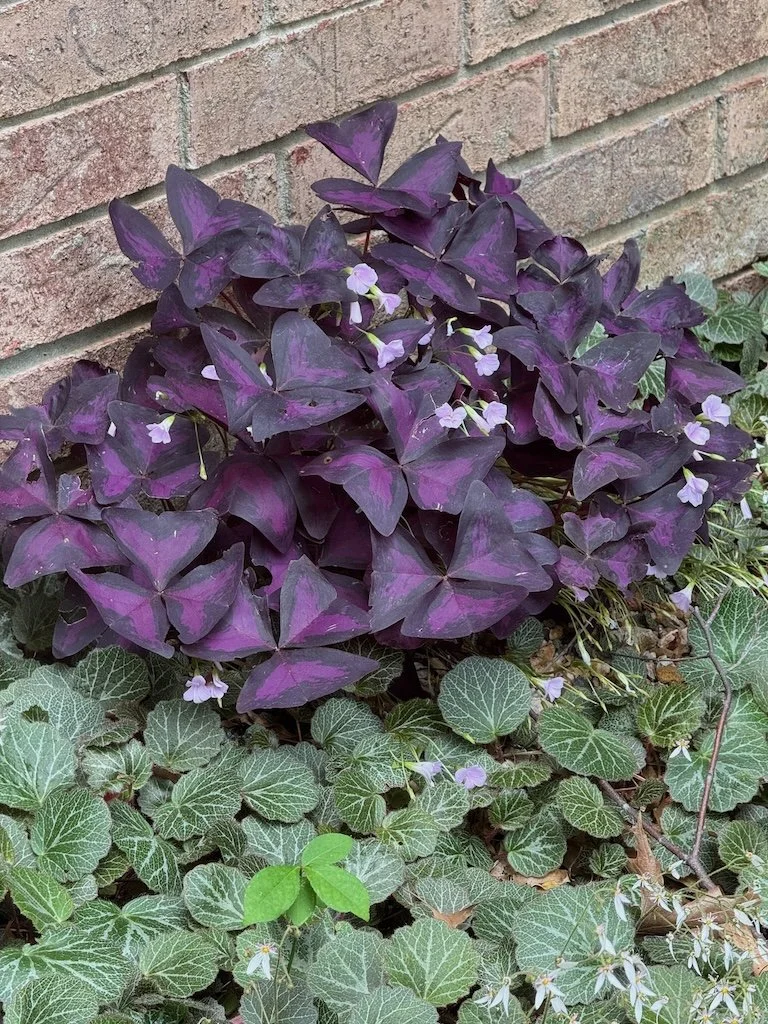
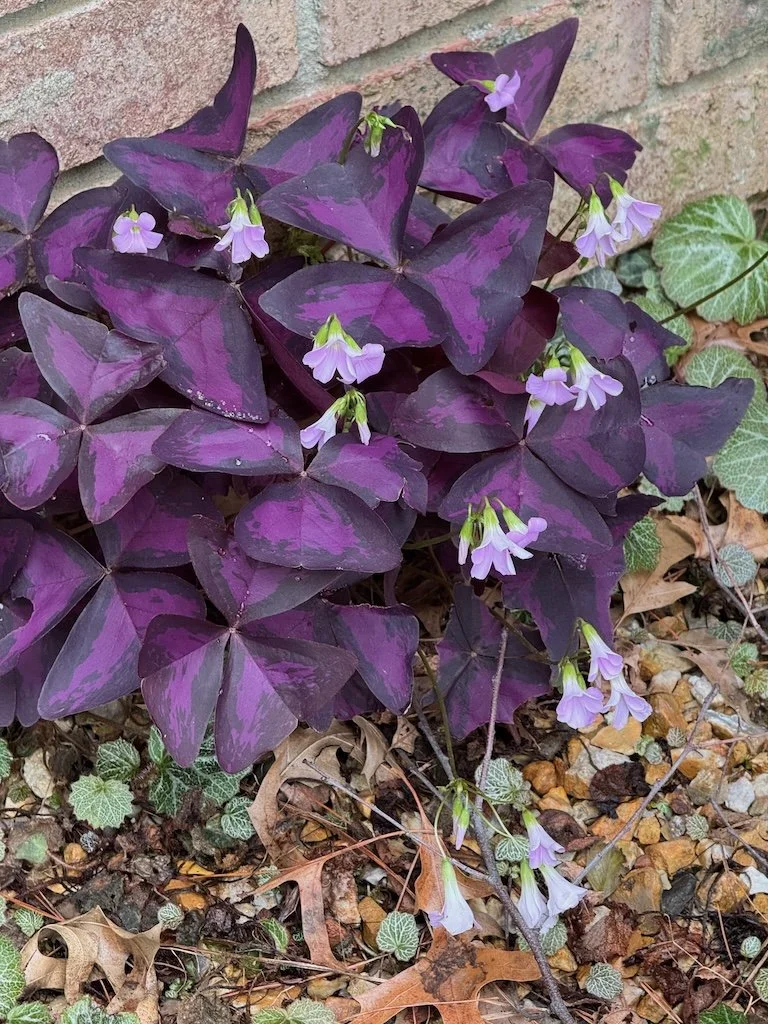
The Kousa dogwood (Asian) and false shamrock Oxalis trangularis (South American) were also blooming.

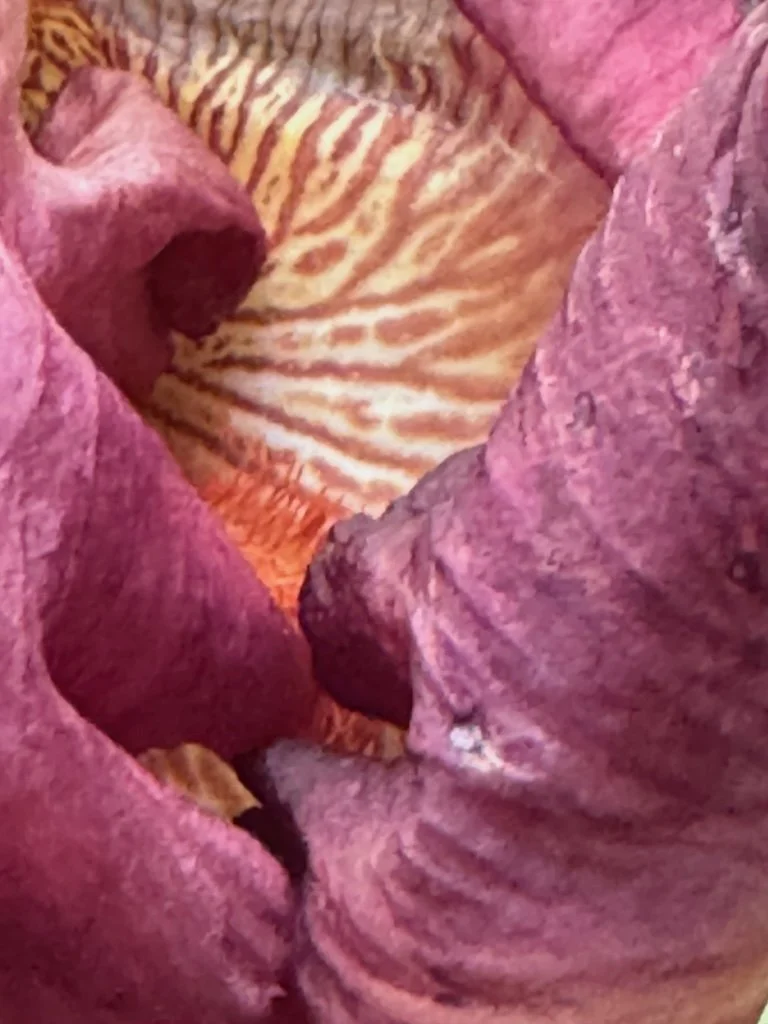
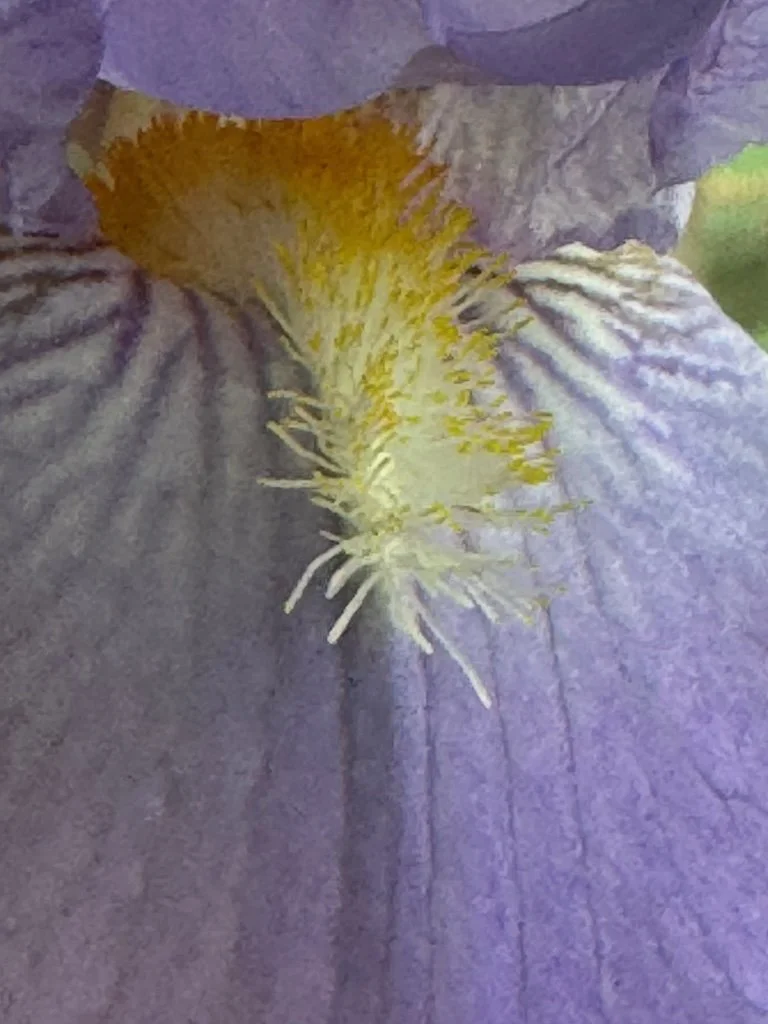
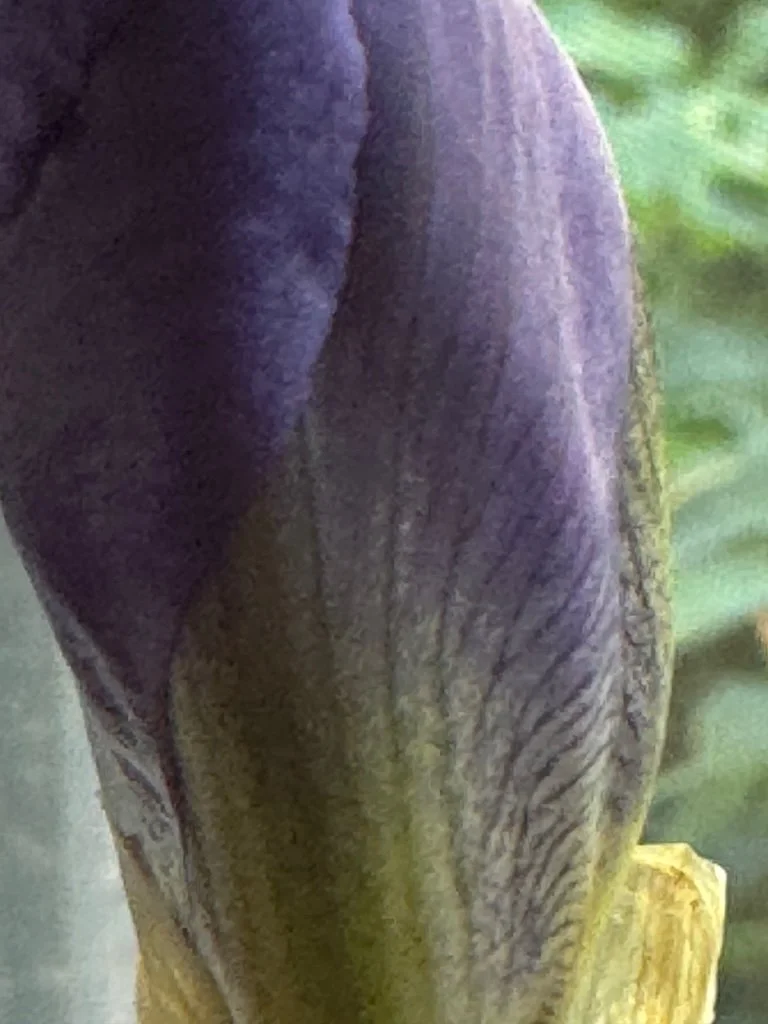
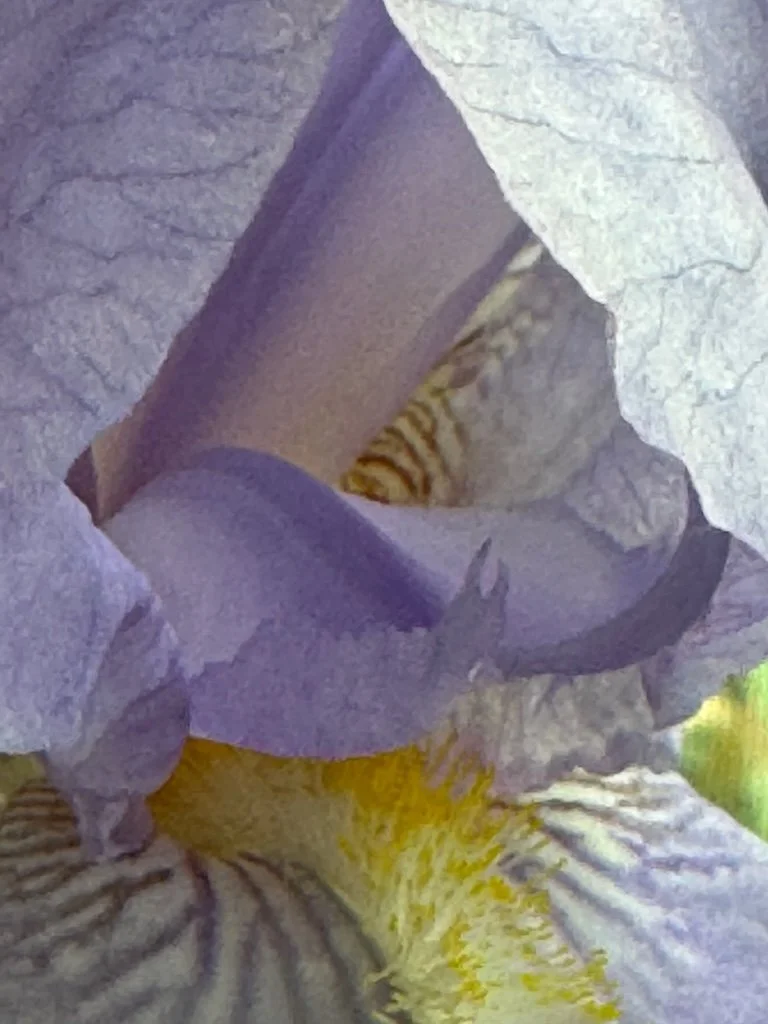
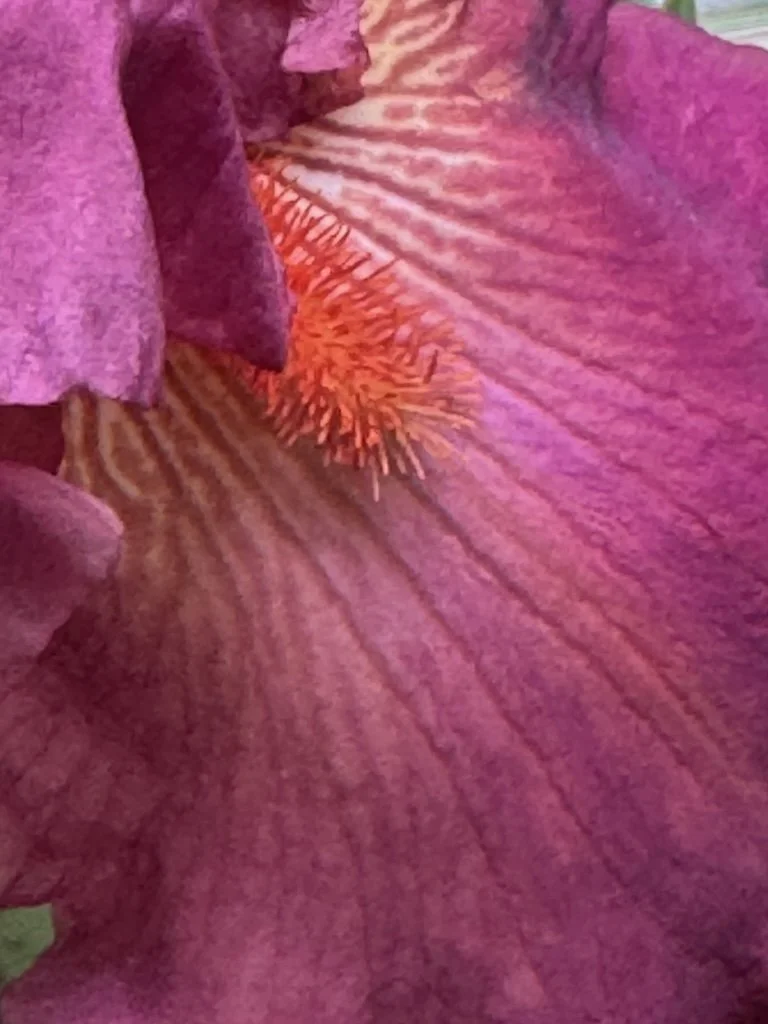
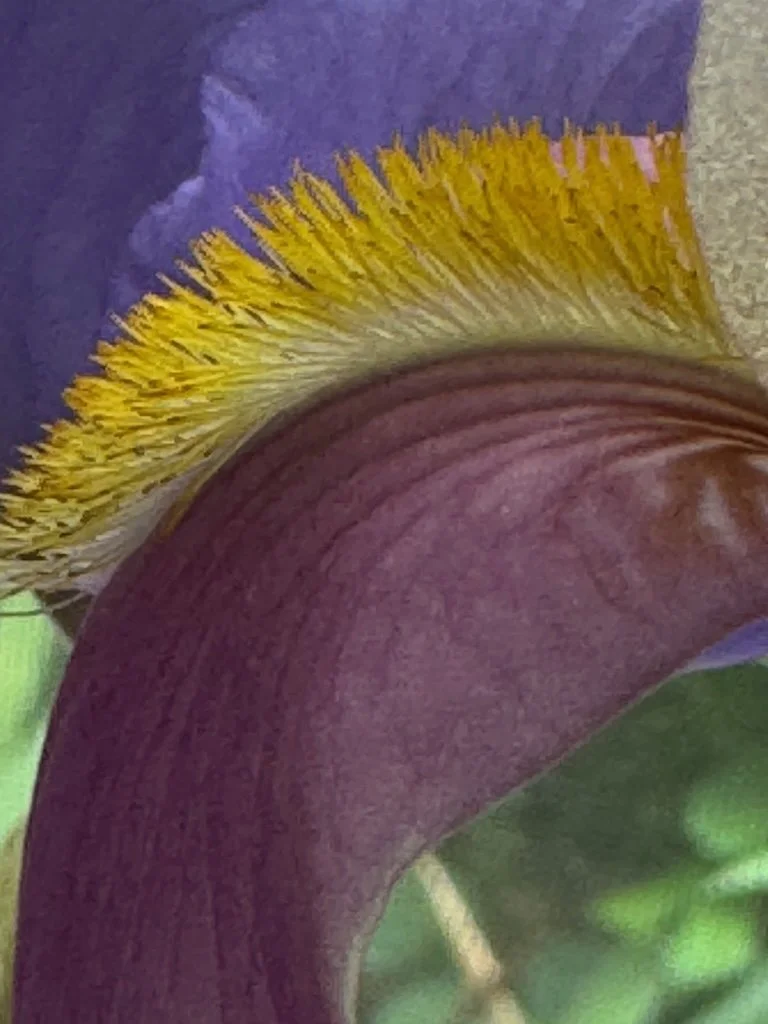
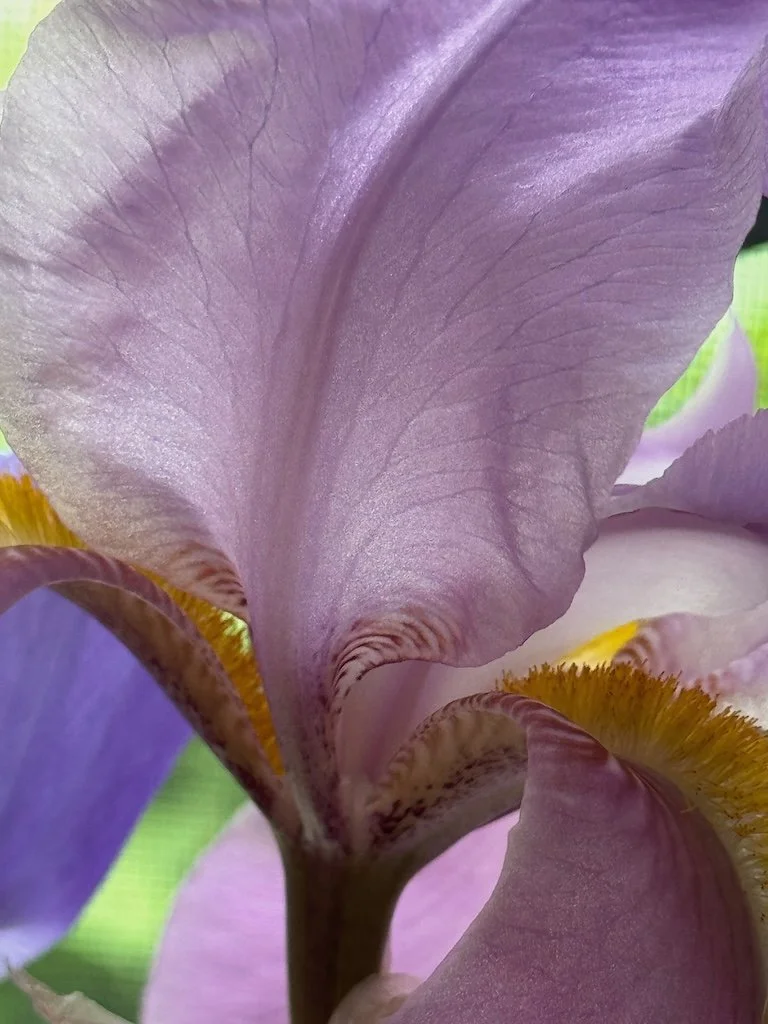
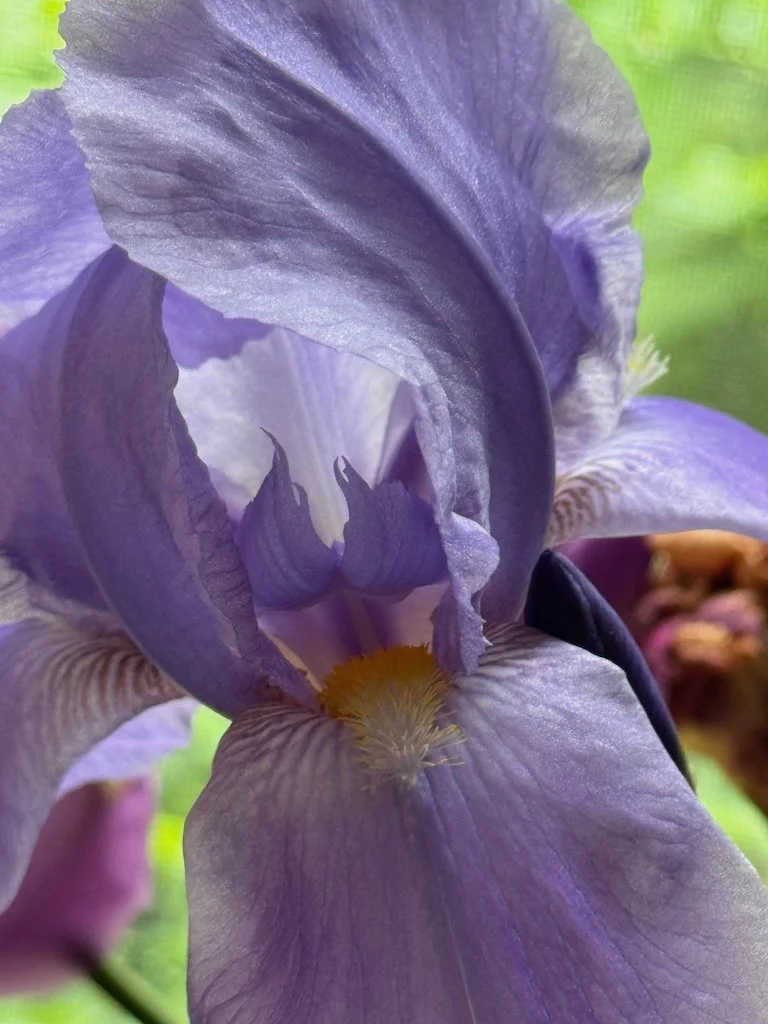
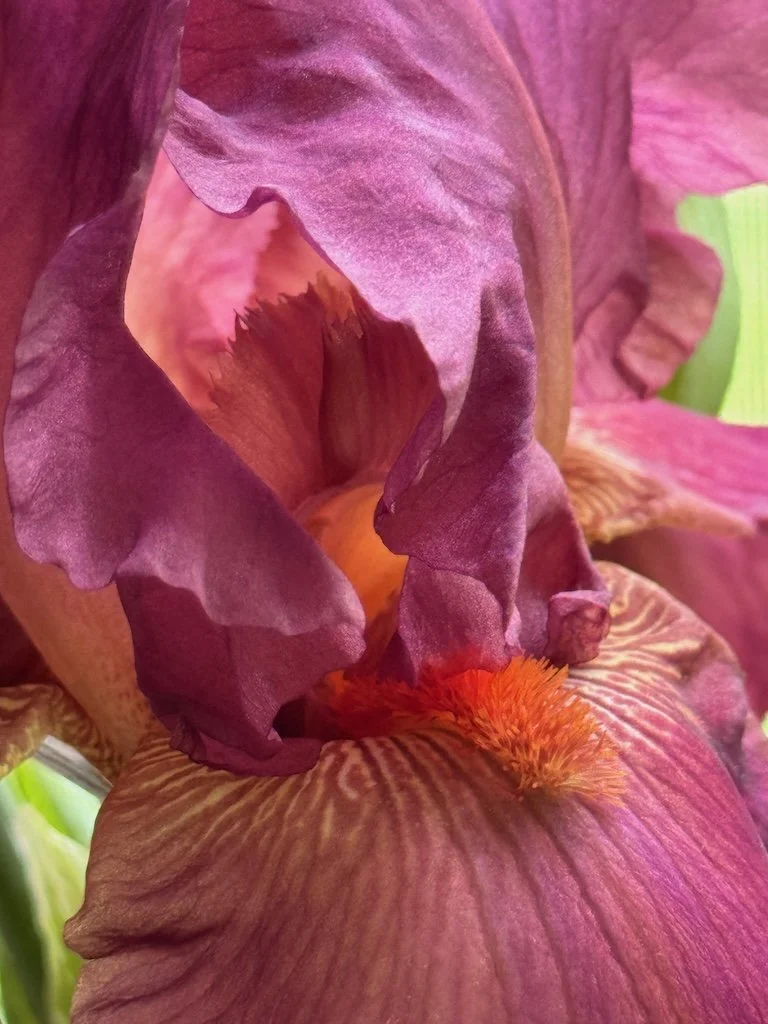
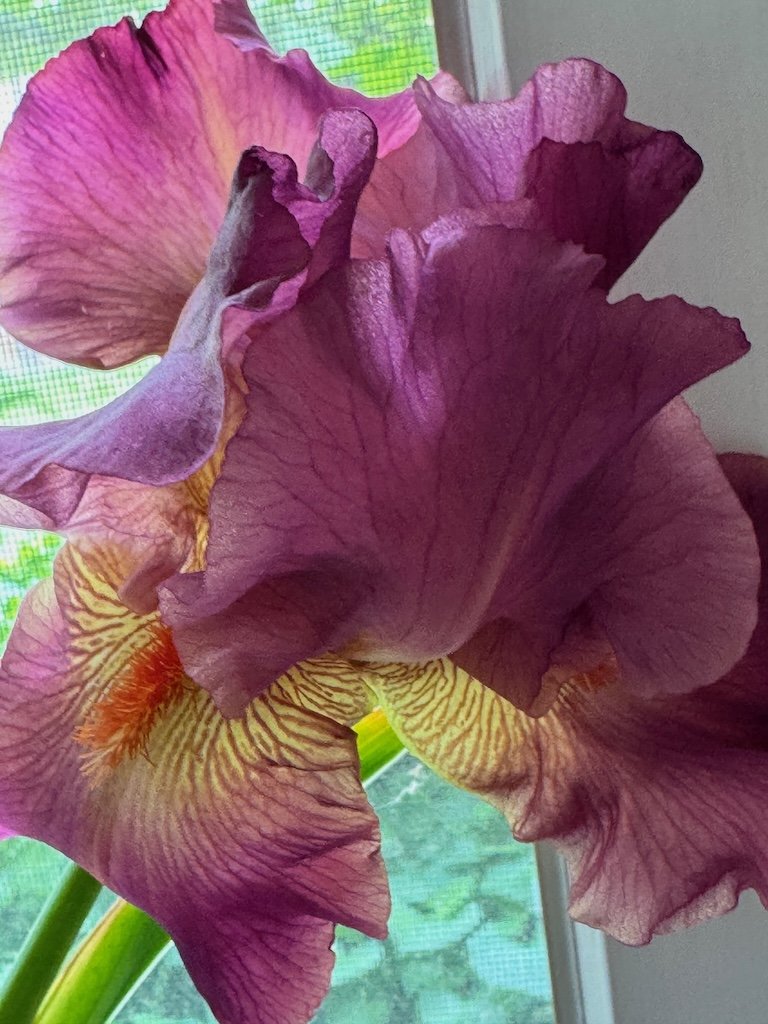
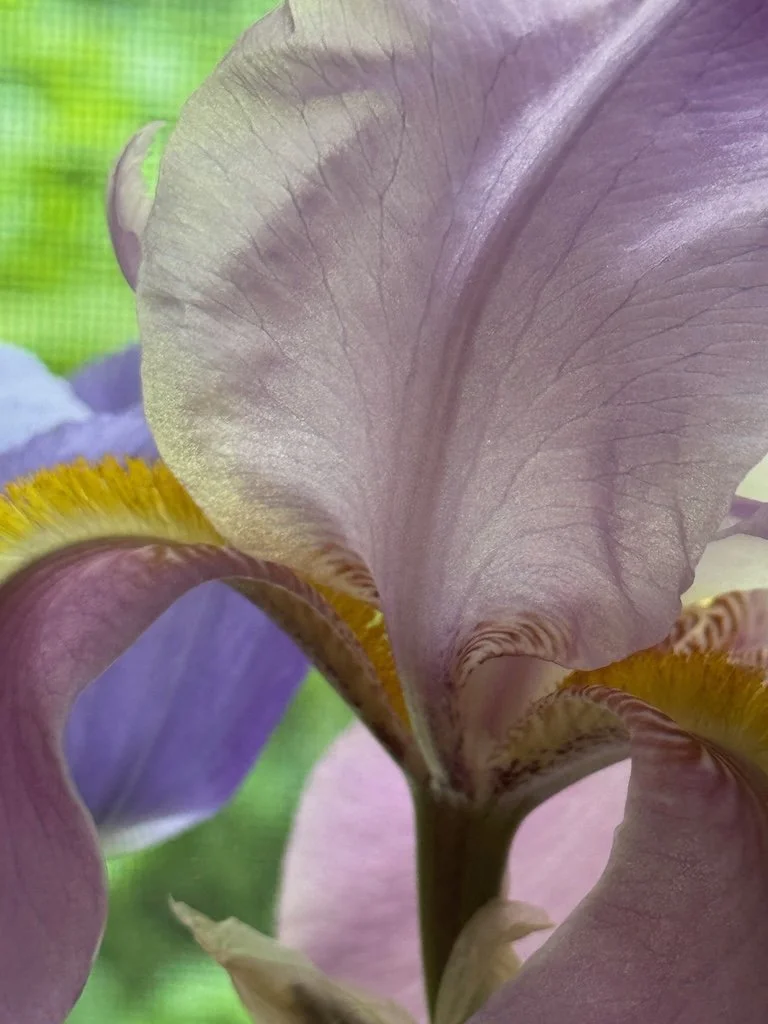
The irises bloomed in several places in the yard. I cut some of them and enjoyed creating some macro images.

The Missouri evening primrose near my mailbox that was planted last spring is growing well – but not yet blooming. Once it starts it will probably have a lot of flowers.

The Virginia Creeper is looking good as the groundcover in my front flower bed.

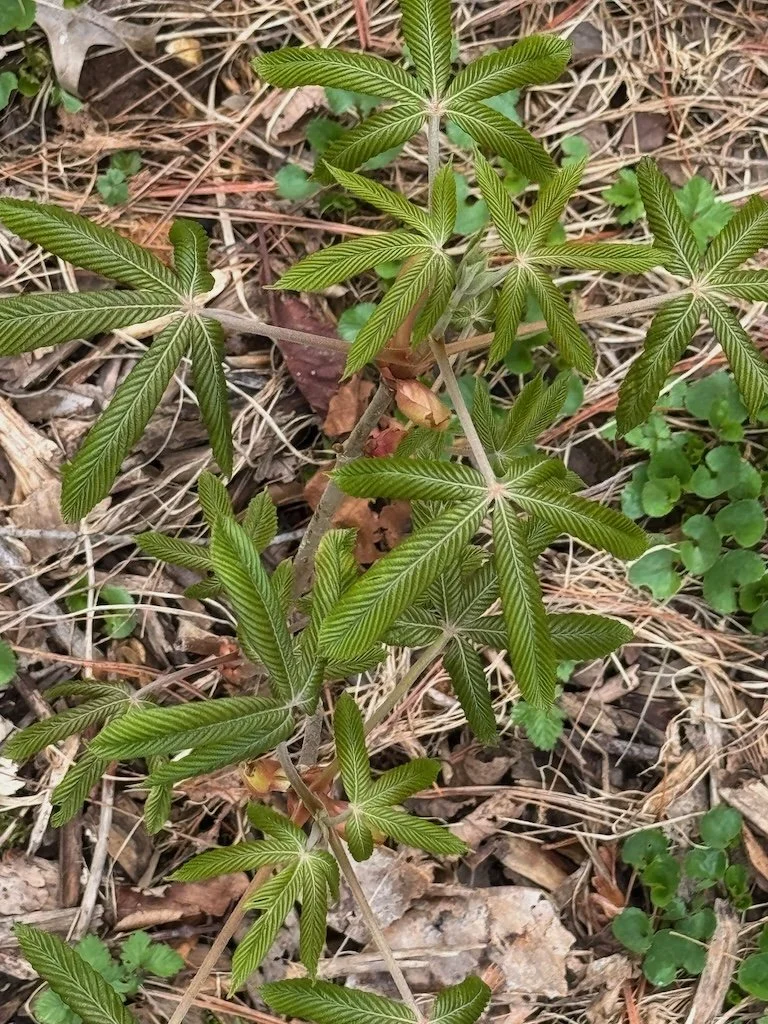
I planted two more native plants near the end of the month: a red buckeye that I got from a Master Naturalist friend to replace the one that froze (and was killed) a few weeks before) and a smooth sumac that I picked up as a give away from a table at the Earth Day Music Festival in Springfield.

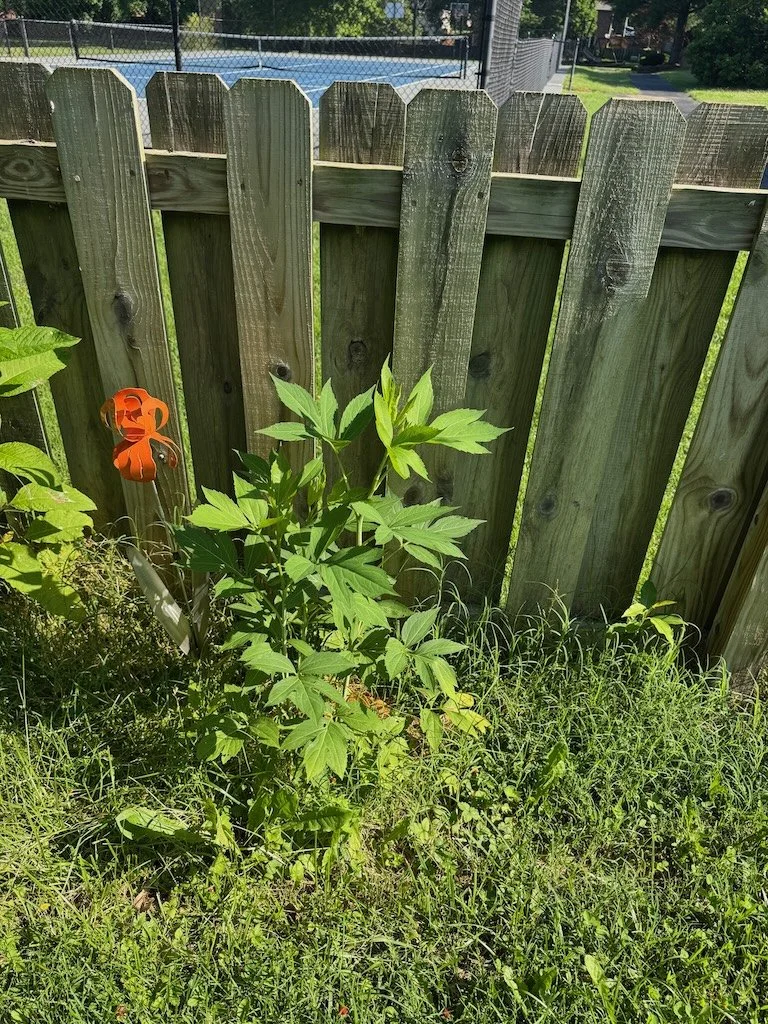
The American spikenard that I see from my office window is on its third season and is almost as tall as me. It dies back to ground level in the winter (i.e. it is not a woody plant) but the roots get more substantial as time goes by and it has been bigger every year I’ve had it.

I’m pleased with the way the yard is shaping up for 2026!

Buying Native Plants for the Front Yard

The local nature center hosted two native plant vendors (Ozark Soul and Missouri Wildflowers Nursery) on a recent Saturday, and I bought the initial plants for my new front yard native plant garden. The oak chips have been in place since last fall, and the temperatures are warm enough to begin plantings. It was a damp morning, but my daughter helped by volunteering her time and her car; we loaded up three bins of plants.
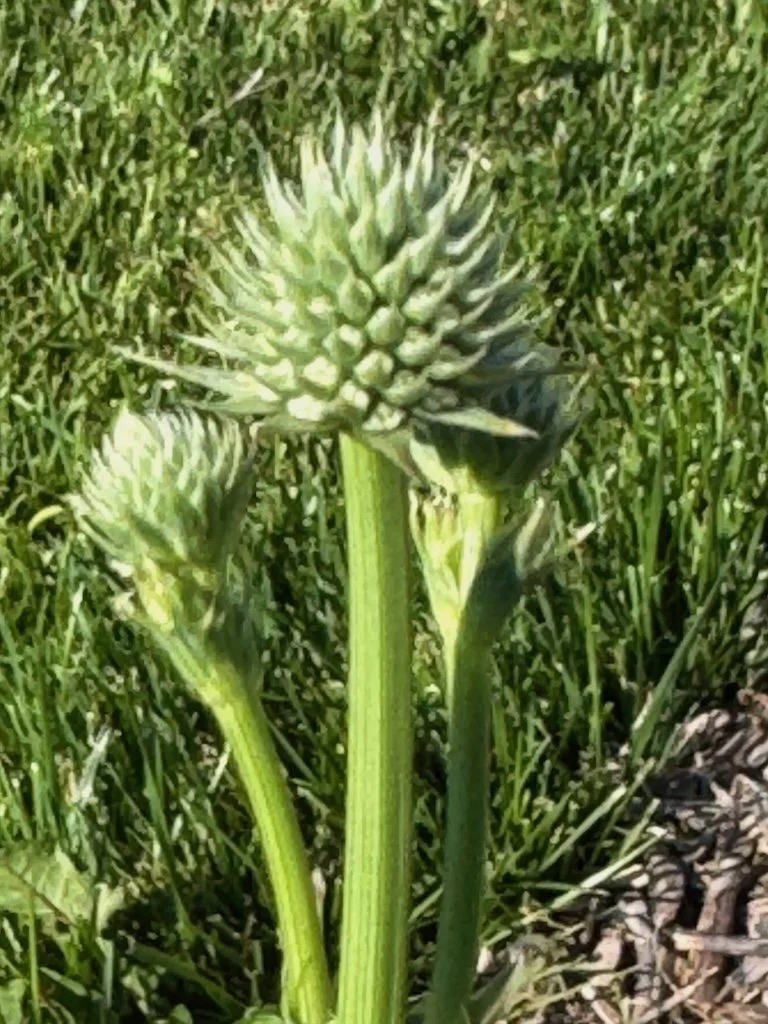
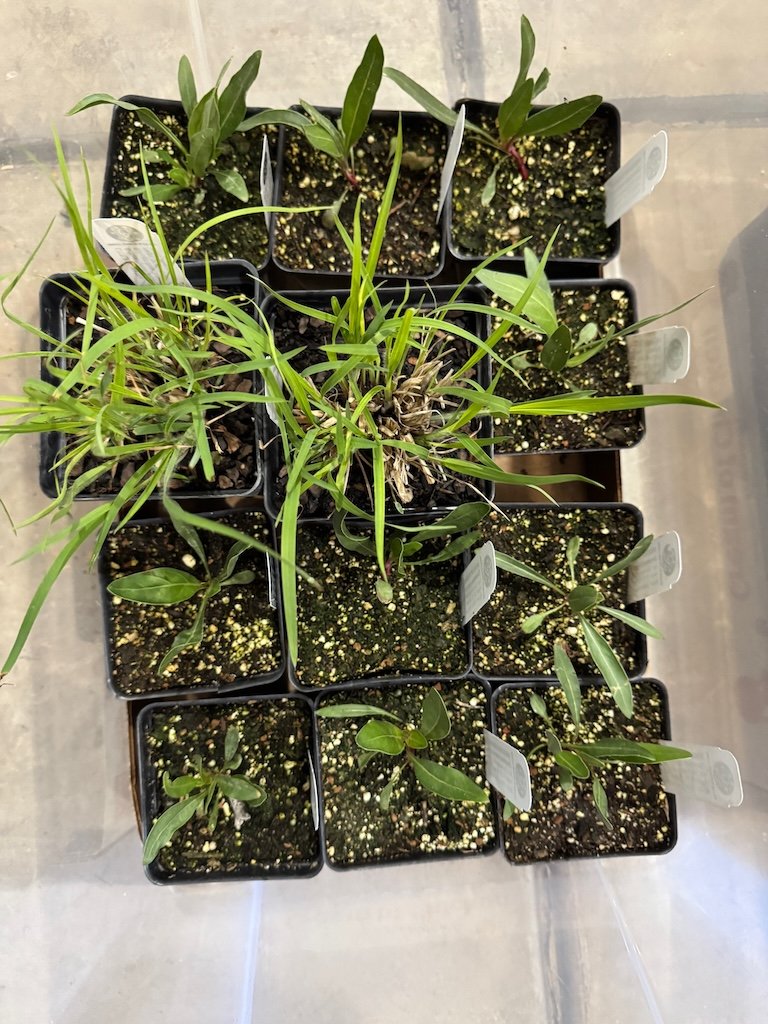
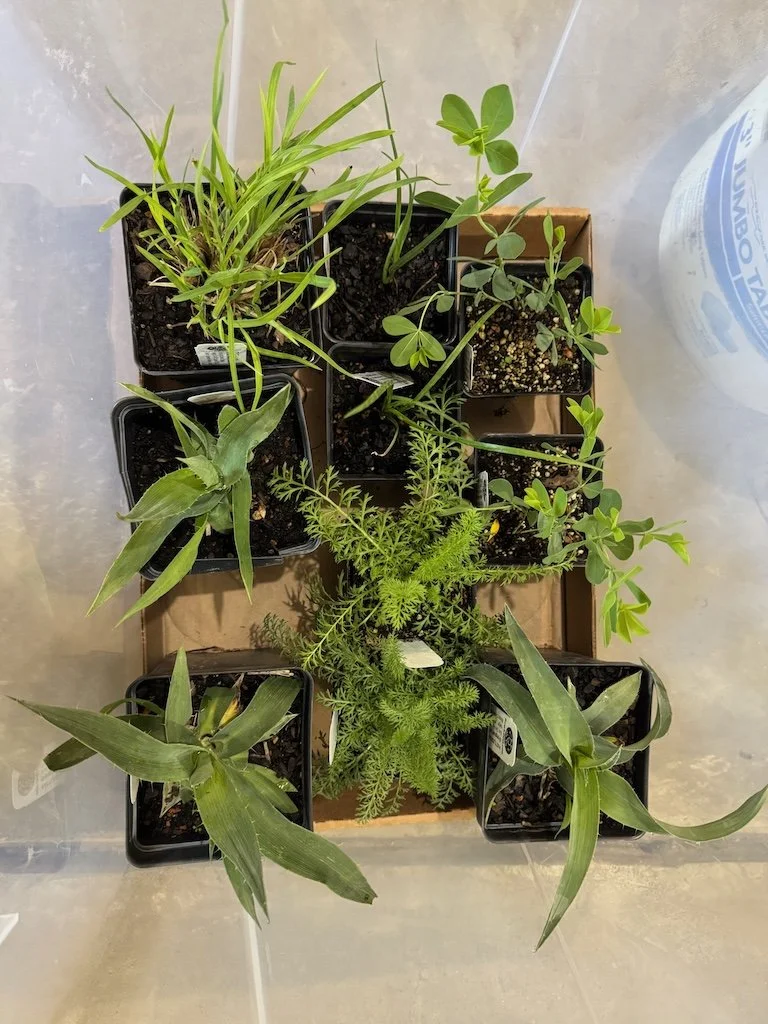
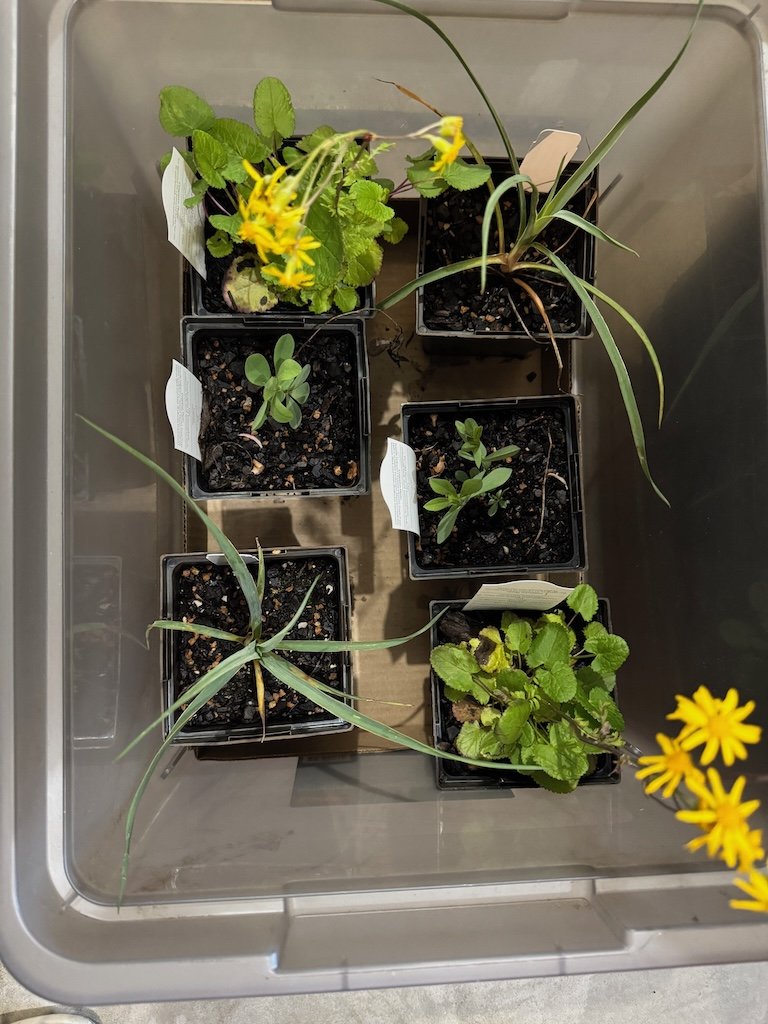
I took pictures of the bins when I got home and documented what I bought. I’m keeping a record of what I buy, plant…what survives.

In bin1 there are:

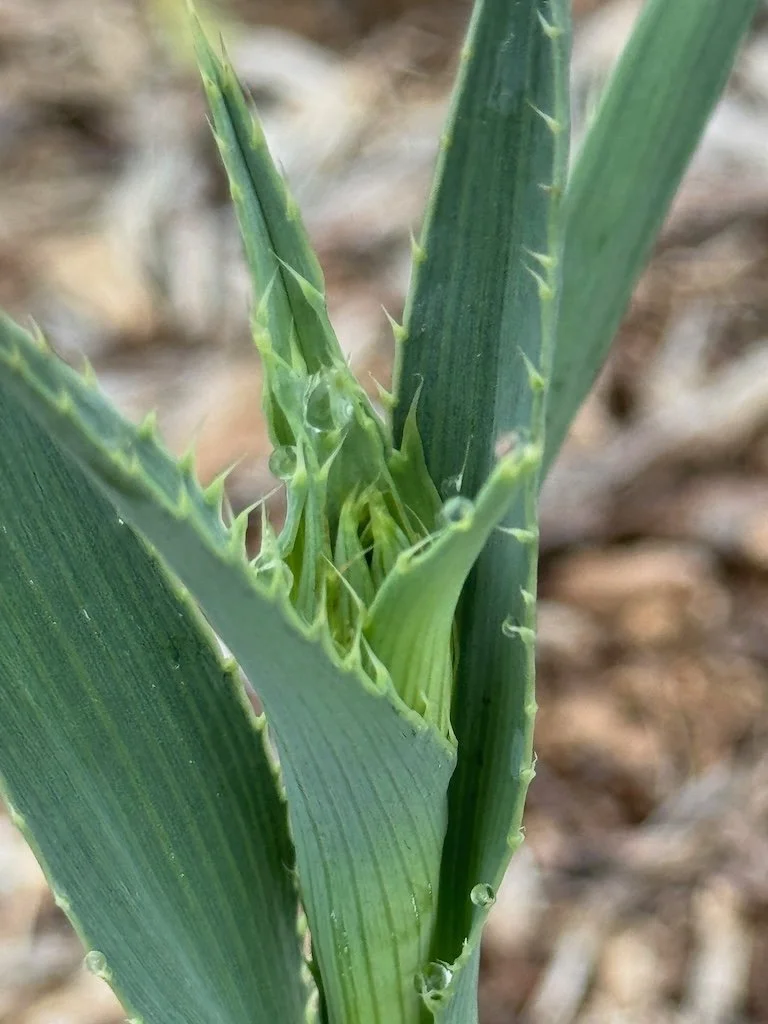
  • 10 Missouri Evening Primrose Oenothera macrocarpa The one near my mailbox is doing very well and these plants will become the ground cover level of my native plant garden.
  • 2 Little Bluestem Schizachyrium scoparium It will be the background for the lower part of the garden….and show up more after other vegetation has died back for the winter.
  • In bin 2 the rows from top to bottom are:

  • Little Bluestem Schizachyrium scoparium, Nodding Onion Allium cernuum, Wild Blue Indigo Baptisia australis

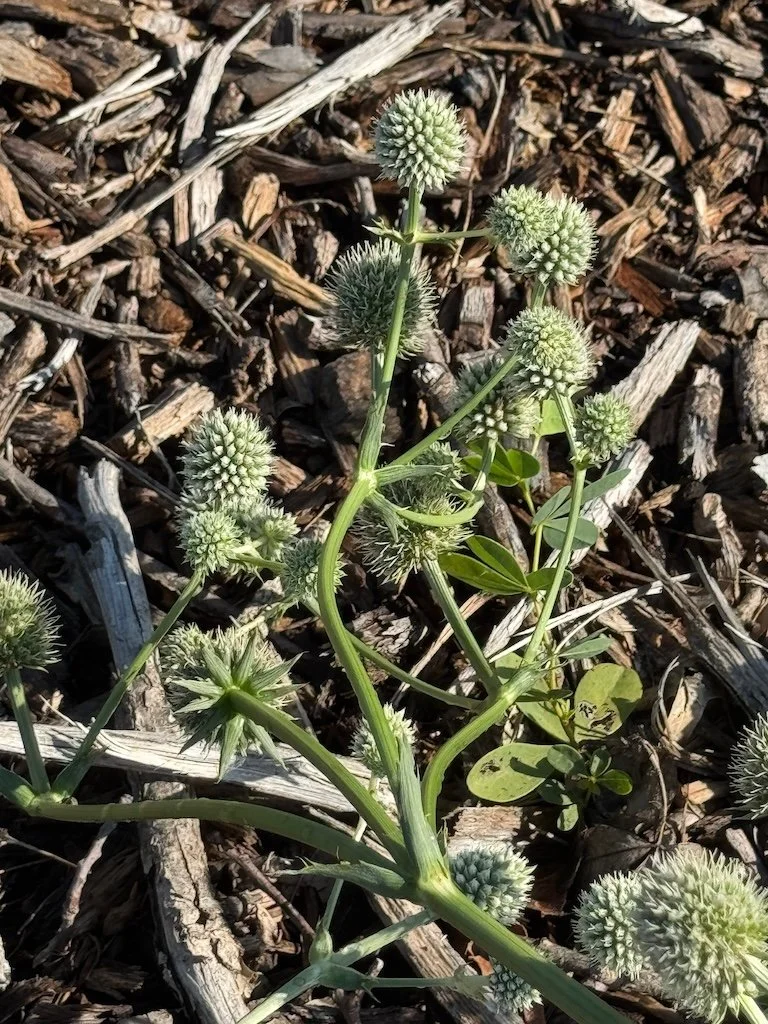
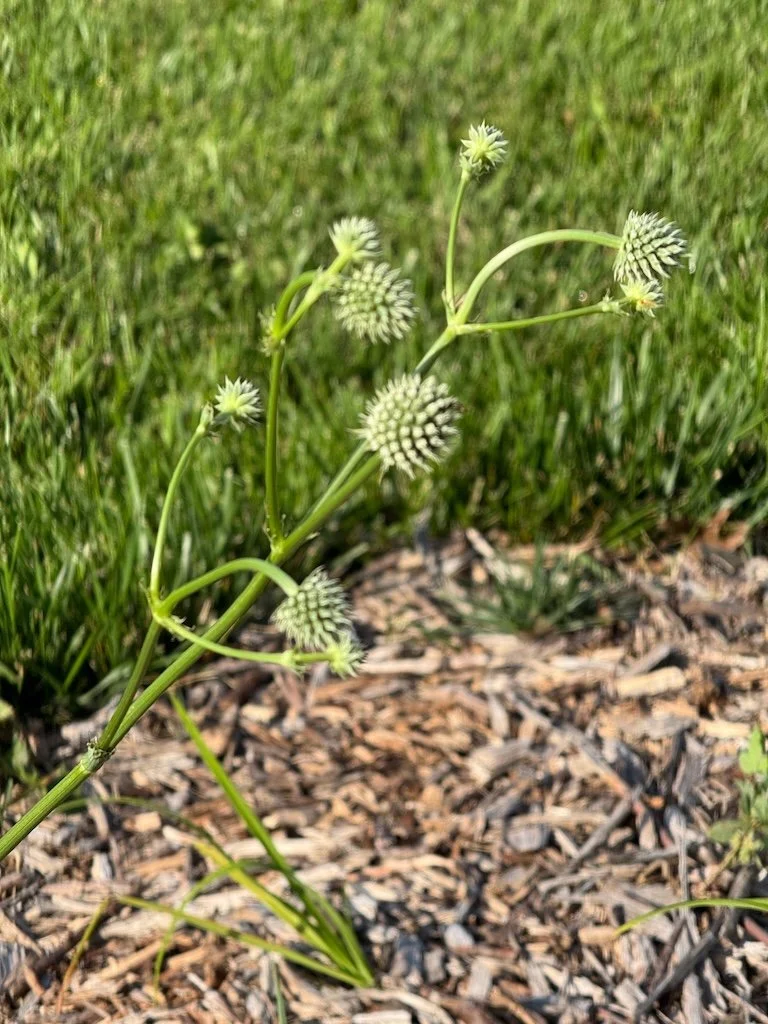
  • Rattlesnake master Eryngium yuccifolium, Nodding Onion Allium cernuum, Wild Blue Indigo Baptisia australis

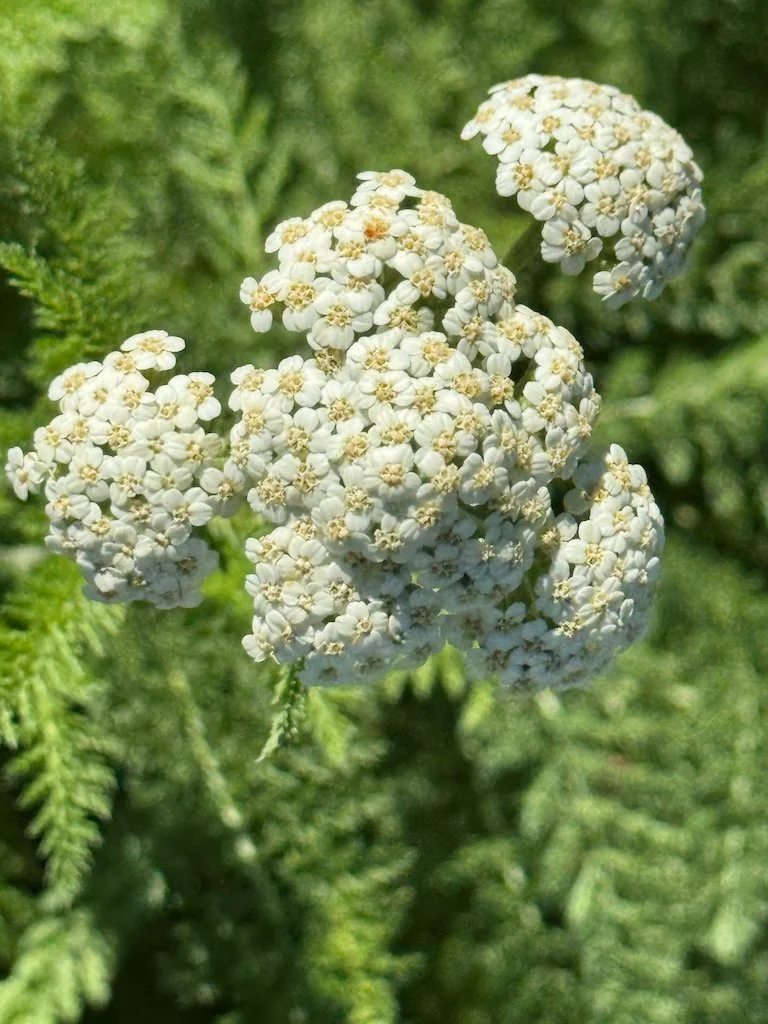
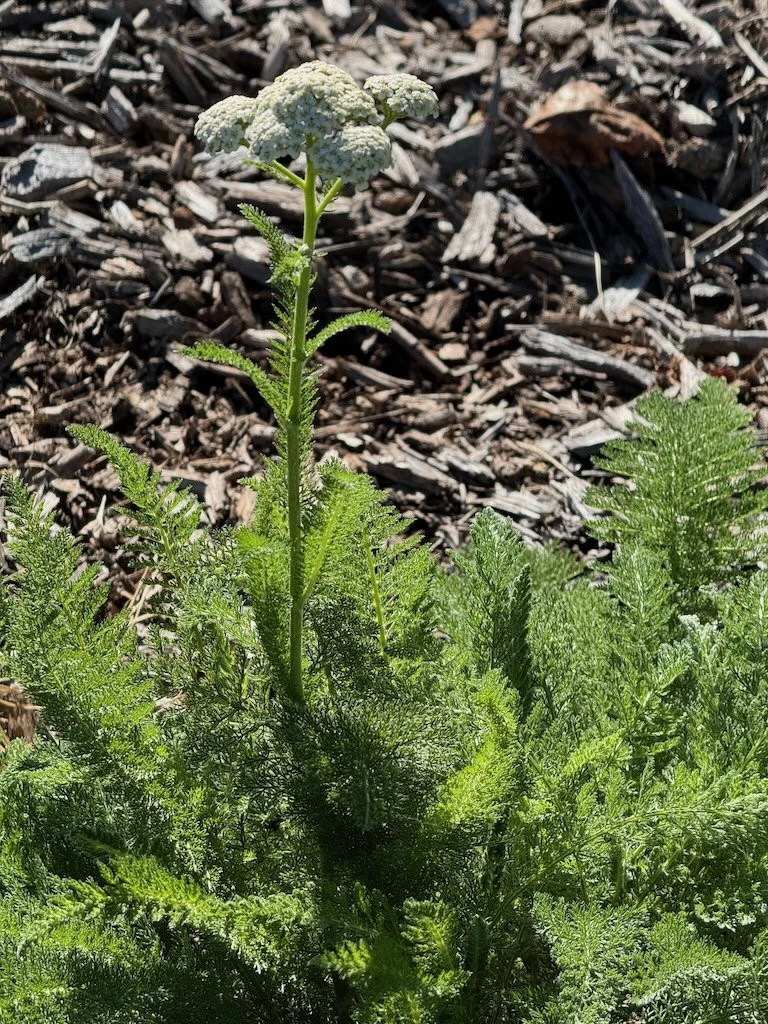
  • Rattlesnake master Eryngium yuccifolium, Yarrow Achillea millefolium, Rattlesnake master Eryngium yuccifolium

In bin 3 the rows top to bottom are:

  • Golden ragwort Packera aurea, Soapweed yucca Yucca glauca

  • 2 Cream wild indigo Baptista bracteate

  • Soapweed yucca Yucca glauca, Golden ragwort Pakera aurea

My next post will be about planting these into the garden. There are 28 plants in all.

There is another native plant sale at the botanical garden in early May. Hopefully these plants will be thriving, and I can focus on filling in with the plants that will bloom into the fall…provide food for pollinators at the end of the season.

Yard Work – March 2023

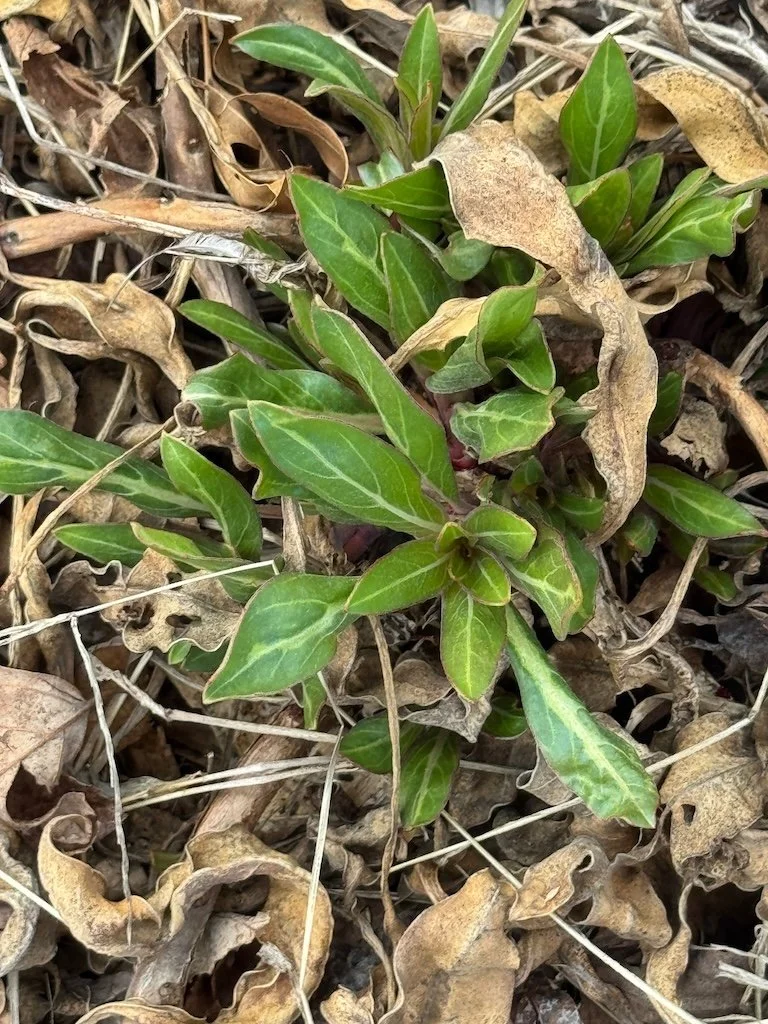
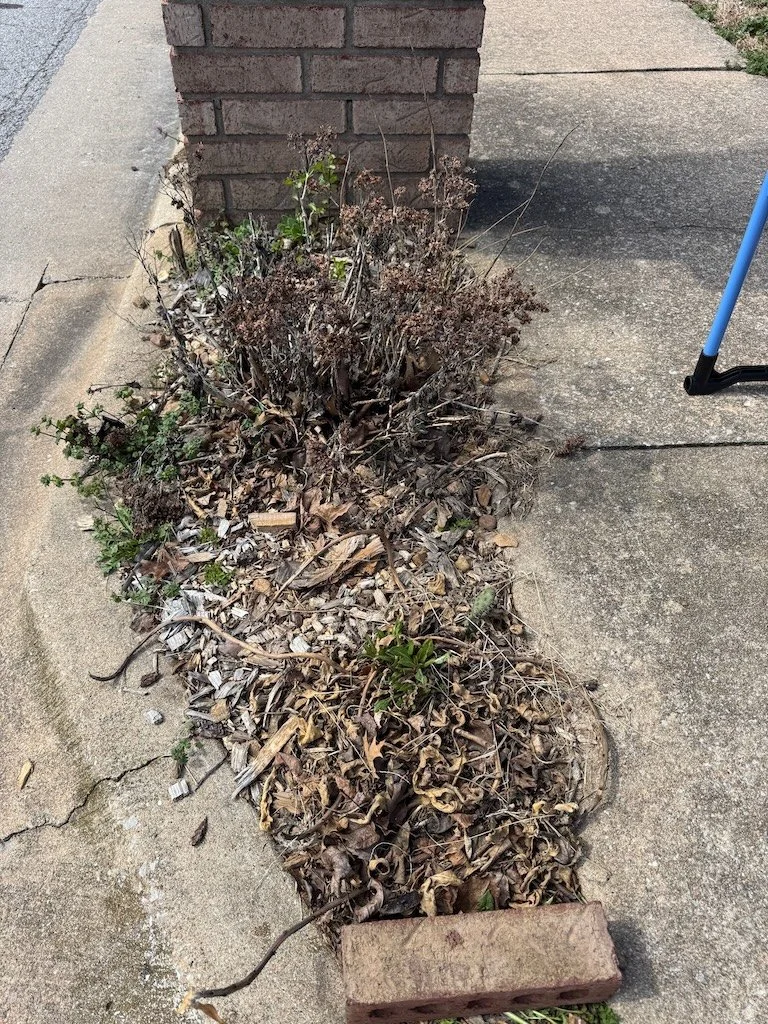
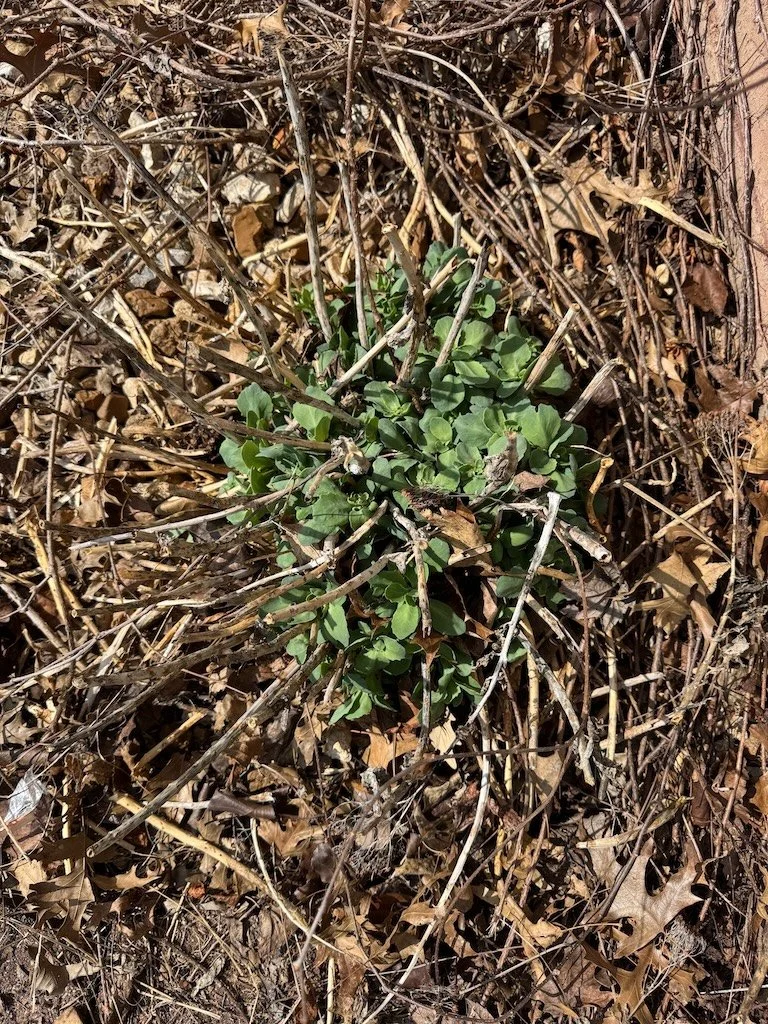
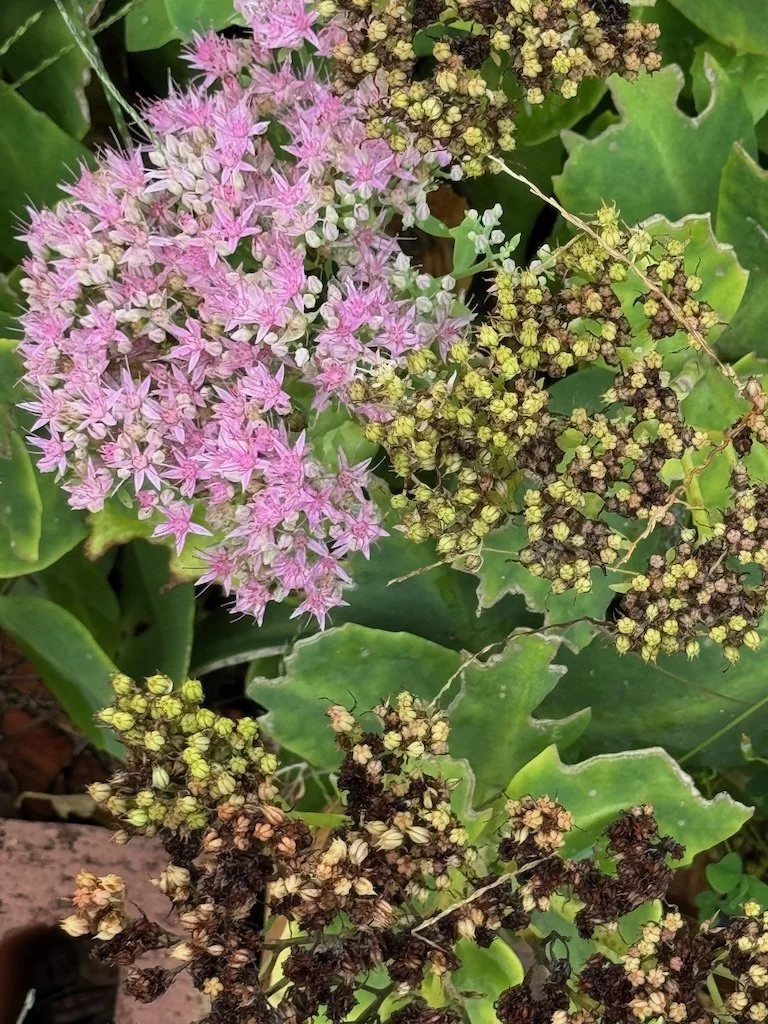
So much to do before it’s warm enough to plant into the new native plant garden in my front yard – that’s the April project. Now I am working on existing plantings. The Missouri evening primrose has come up in the small bed near the mailbox. There is a stone crop there too. I trimmed off the seed heads from last season so that the green at the base will show sooner. I try to leave the small twigs and leaves in the bed…reducing any bare  soil that might wash away during the spring rains.

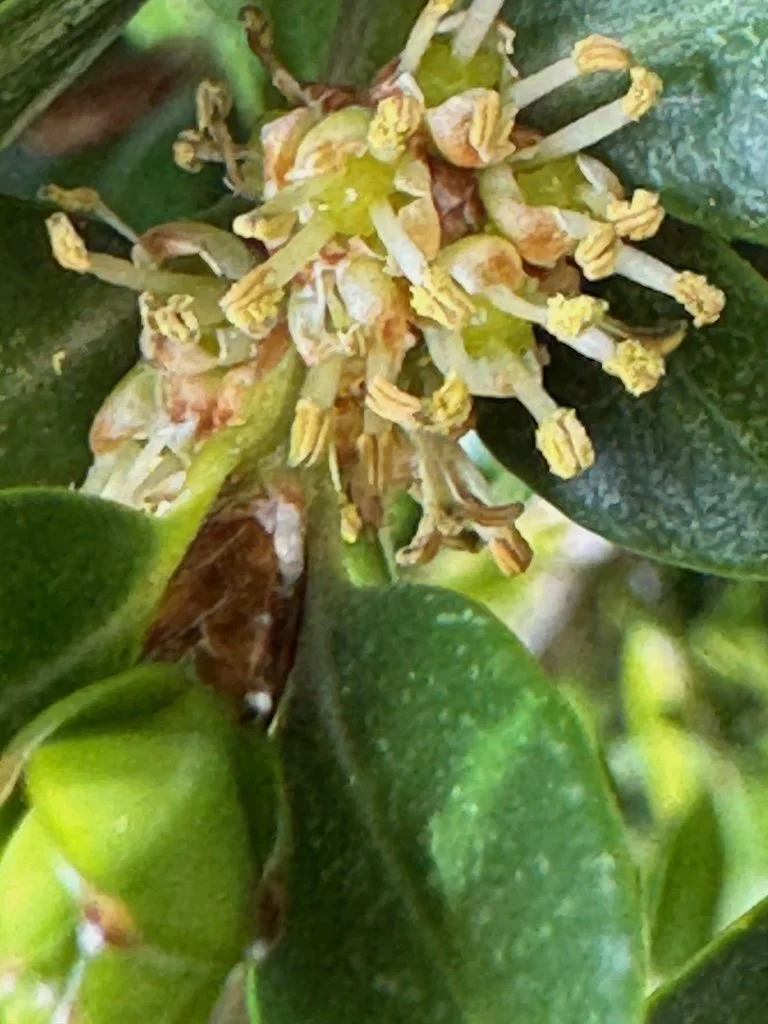
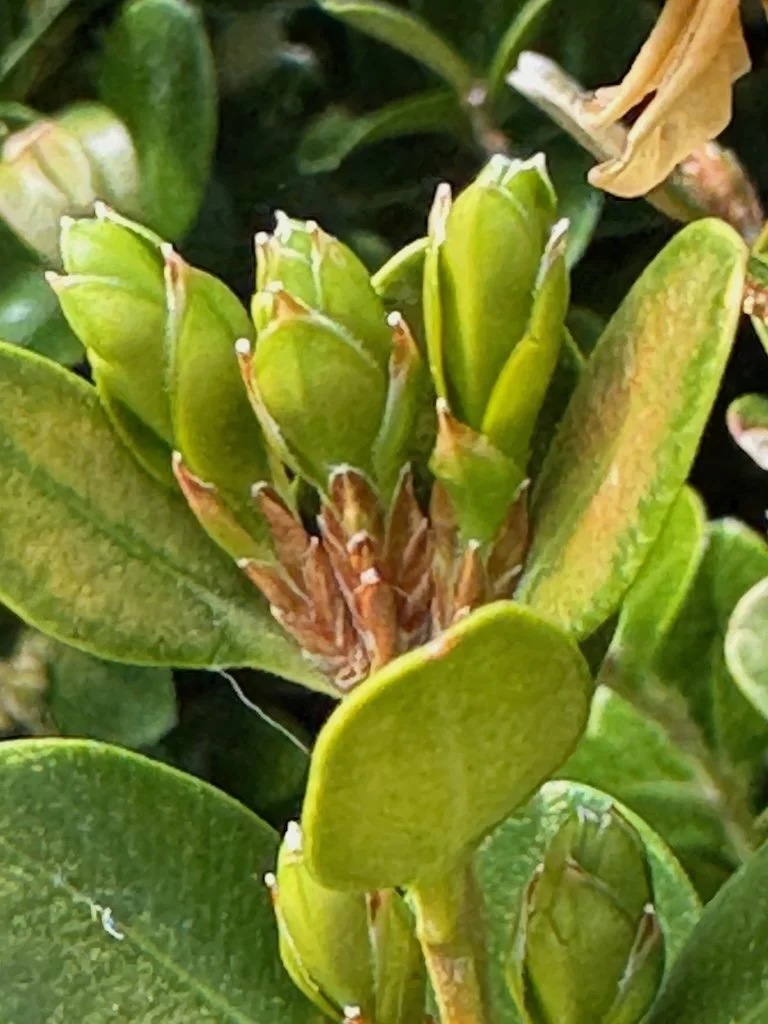
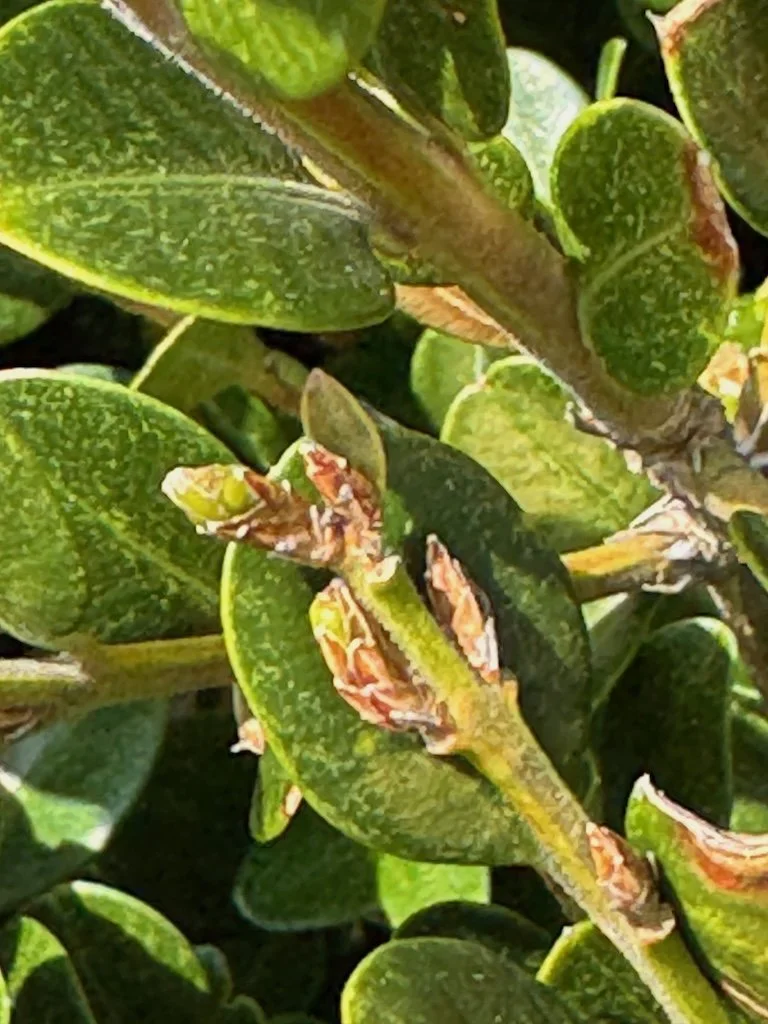
I need to trim the boxwood, but I’ll wait a bit on that. The electric hedge trimmer will make fast work of that job. I got a little sidetracked while I was looking at it when I realized it was blooming…and had a lot of new leaves; it was a good opportunity for some macro photography.

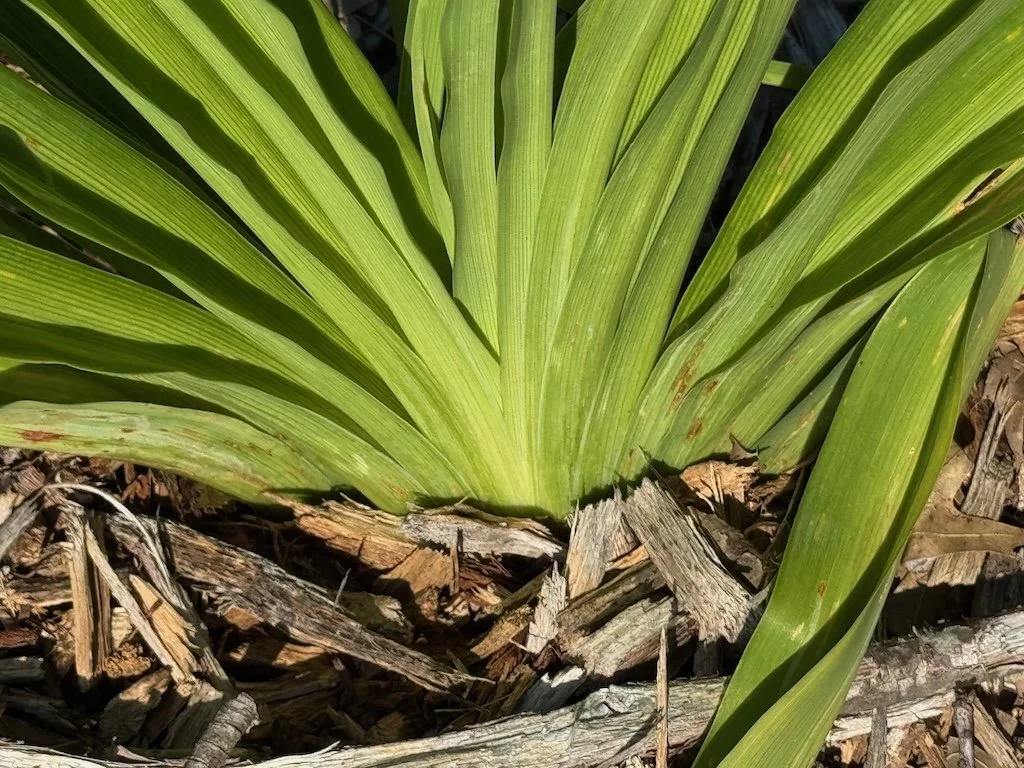
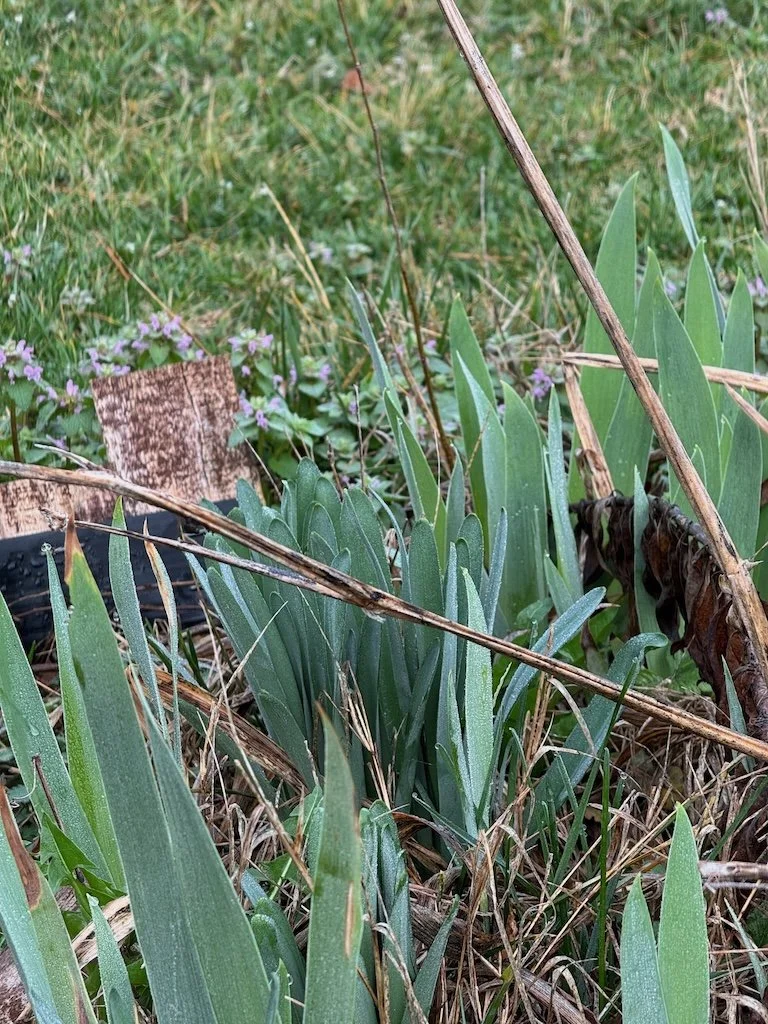
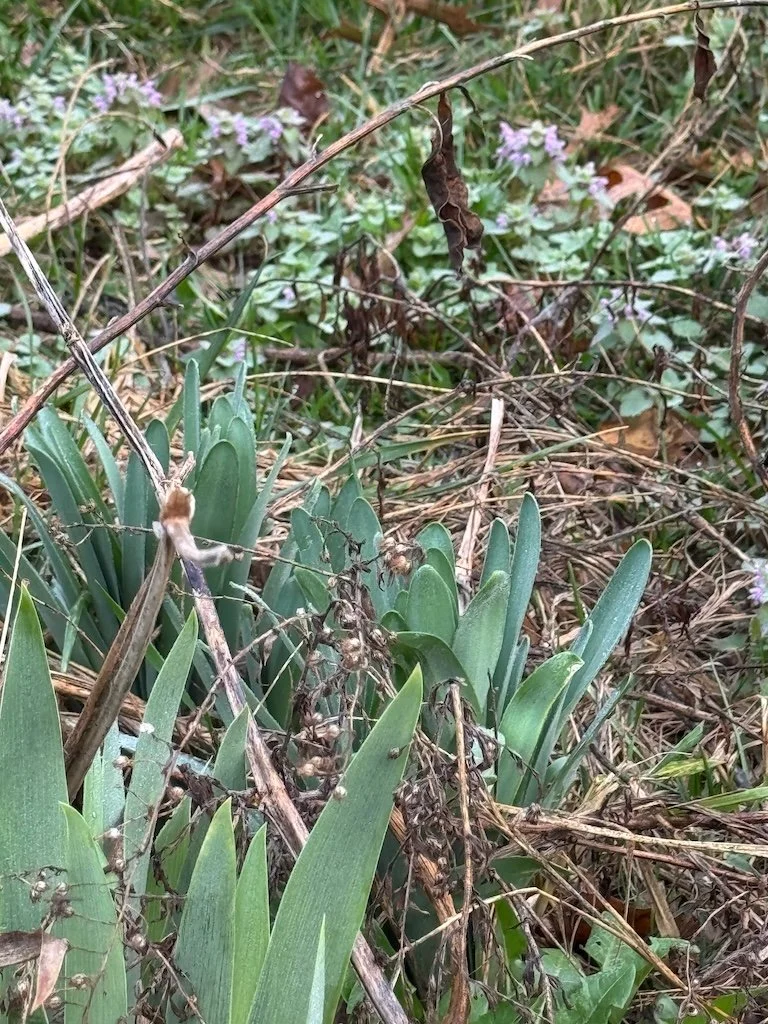
In the back yard – the iris bed where we cut down a pine several years ago was full of stalks from goldenrods. I cleared them away and realized that some of the leaves are rounded instead of pointy like the irises; those are naked lady lilies and there are more of them than last year. The bed is not formal, and I am letting it develop with the idea that the America beautyberry will eventually be the tall plant.

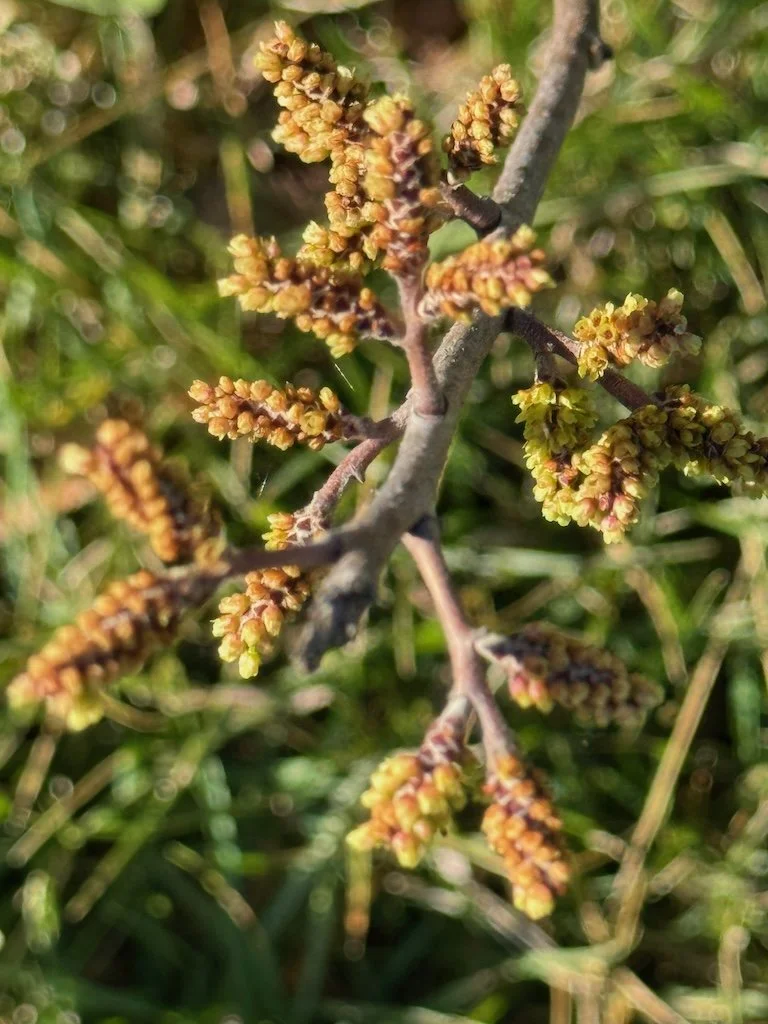
The fragrant sumac that I planted the first fall that we owned the house is blooming! I noticed that there is Japanese honeysuckle (an invasive) in the bed. I have spent several mornings working on it and am at the stage of digging out some of the hubs of the vines. I’ll work to keep the plant in check (or eliminated) this summer.

In the area where the small red buckeye is unfolding its leaves, the debris from last season’s violets and leaves provides good mulch that does not overwhelm the small plant. As it gets larger, I’ll decide if I’ll just leave it with that groundcover or put wood chips around it. There will never be a lawn mower near it….but no bare soil either! way you tell your story online can make all the difference.

Our Missouri Yard in Early Fall 2025

Lots of changes in our Missouri yard. The Missouri Evening Primrose is blooming – seemingly liking the cooler temperatures (and the rain). It has not produced any seed; maybe there aren’t any pollinators finding it.

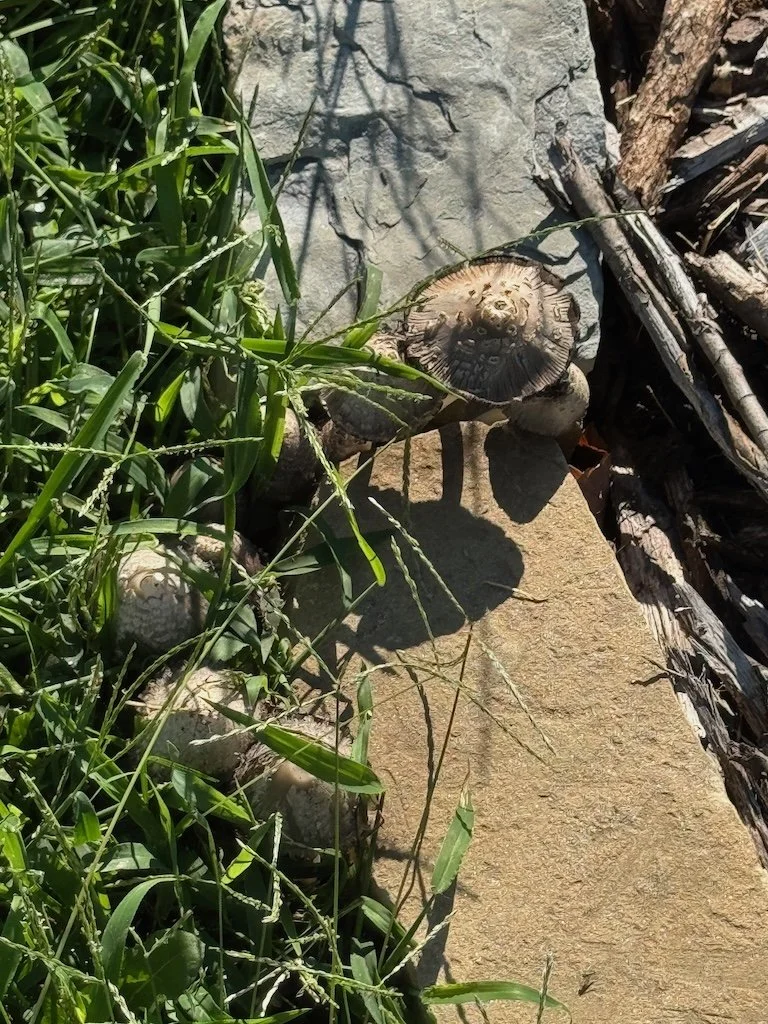
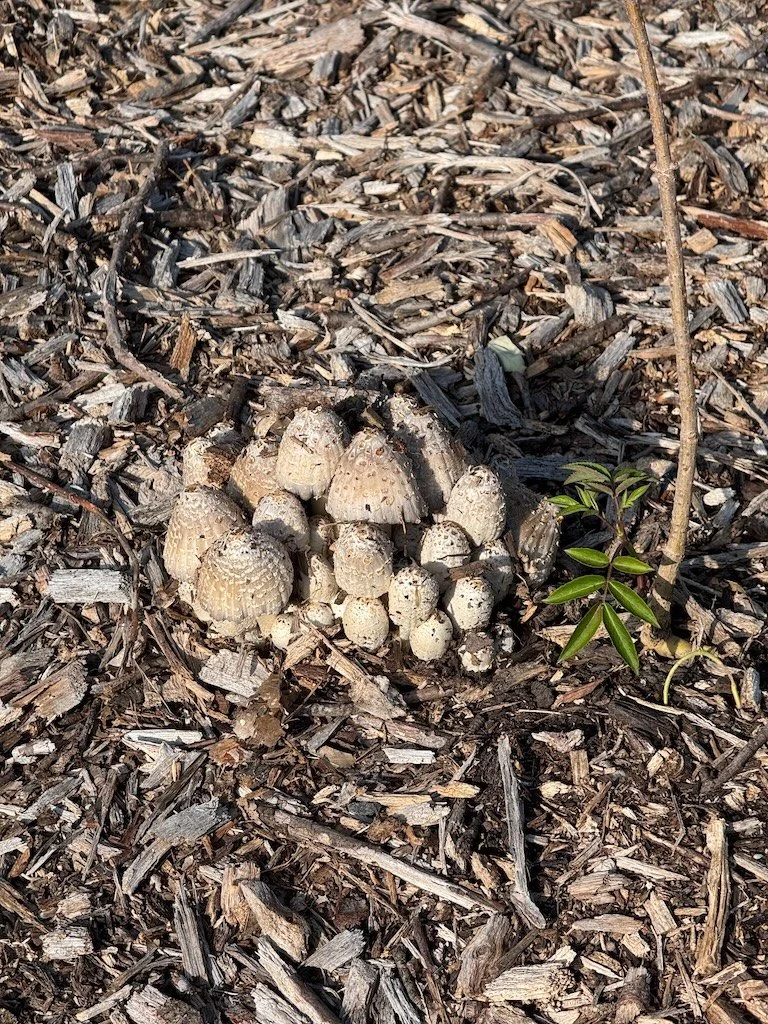
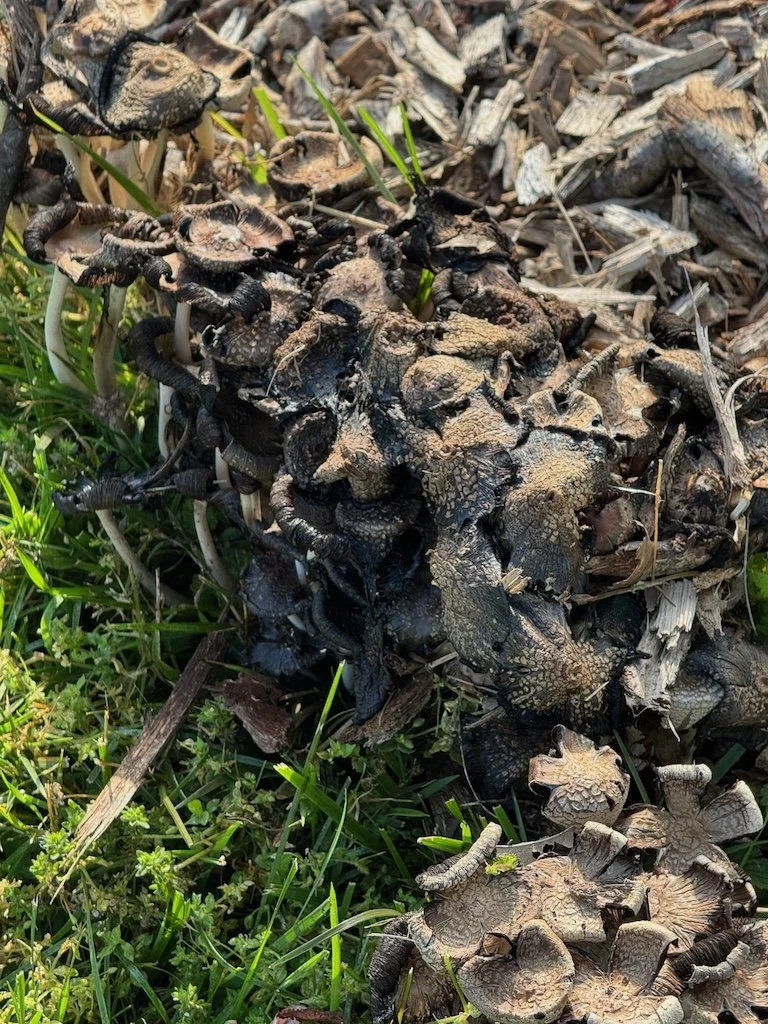
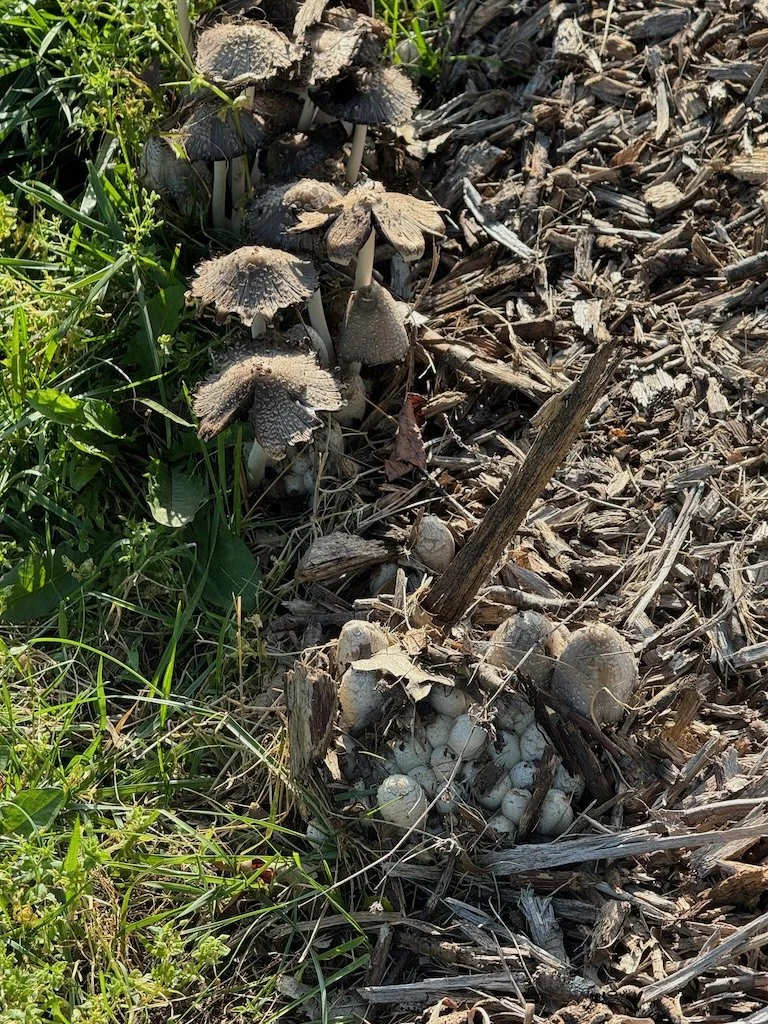
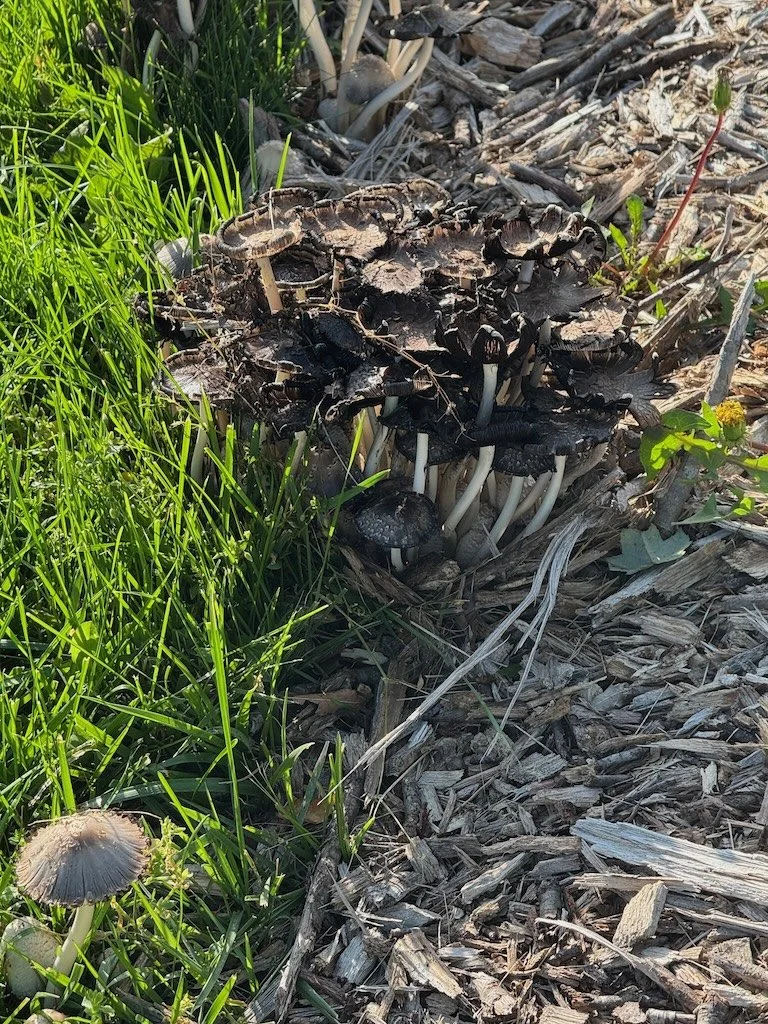
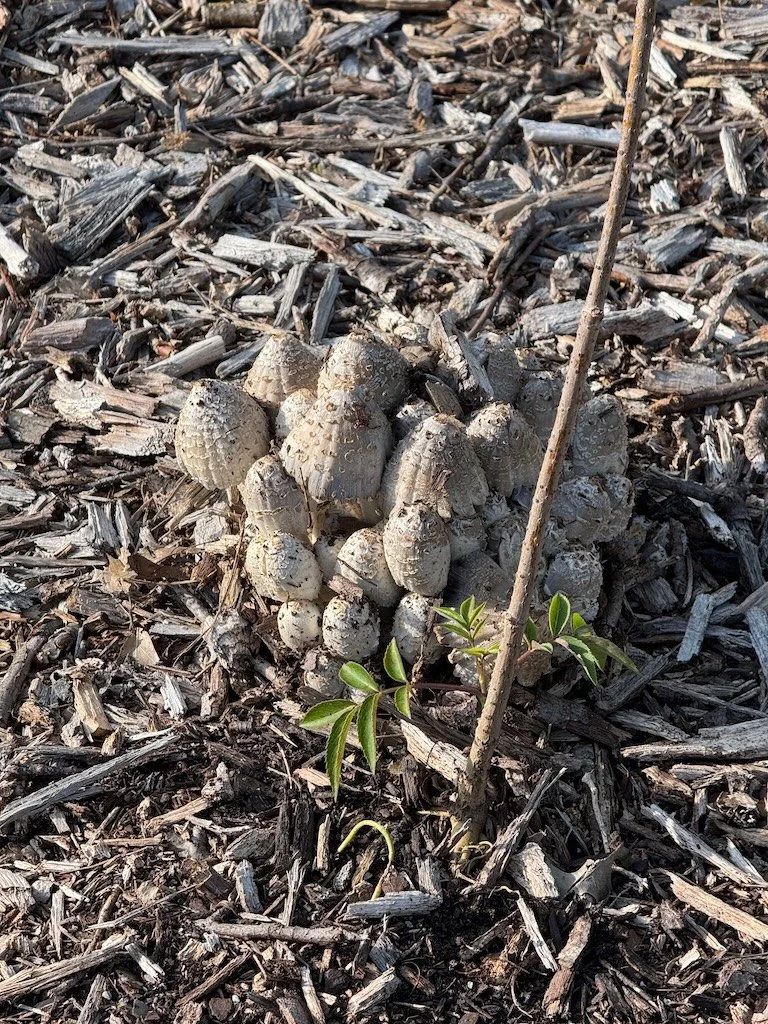
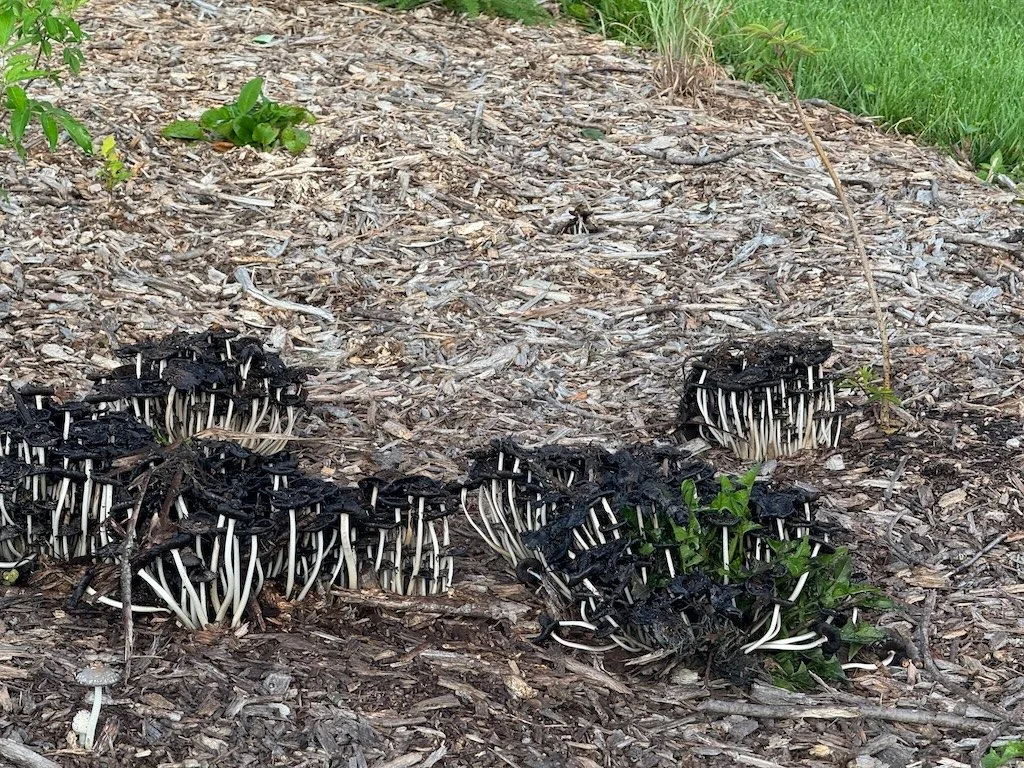
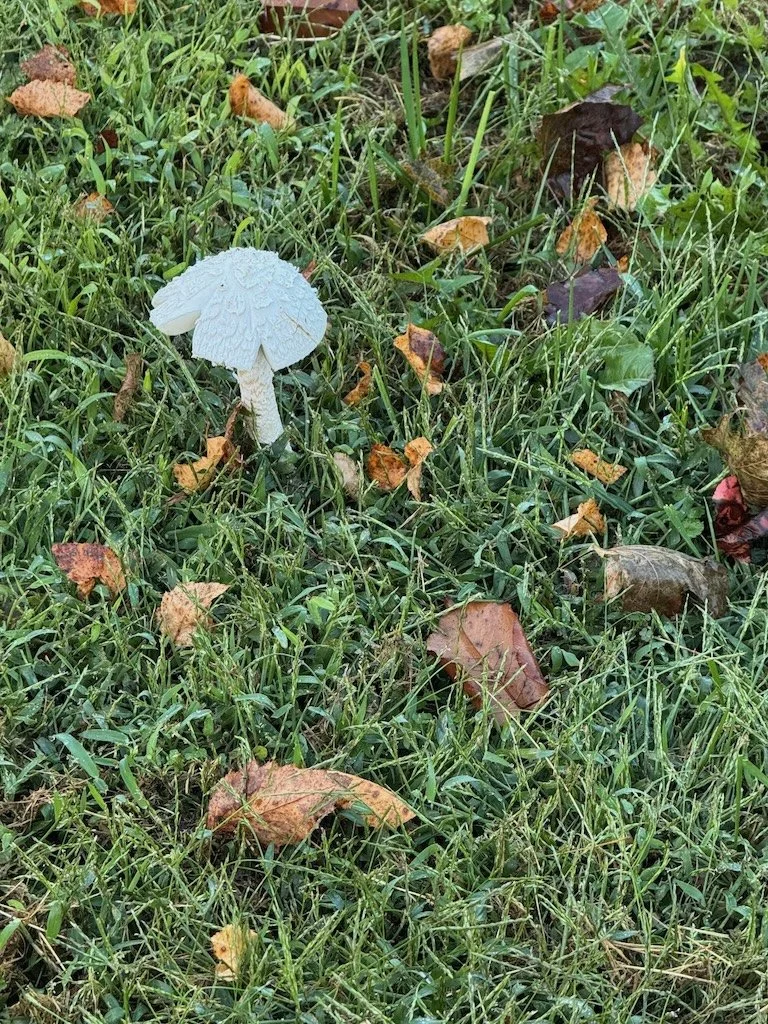
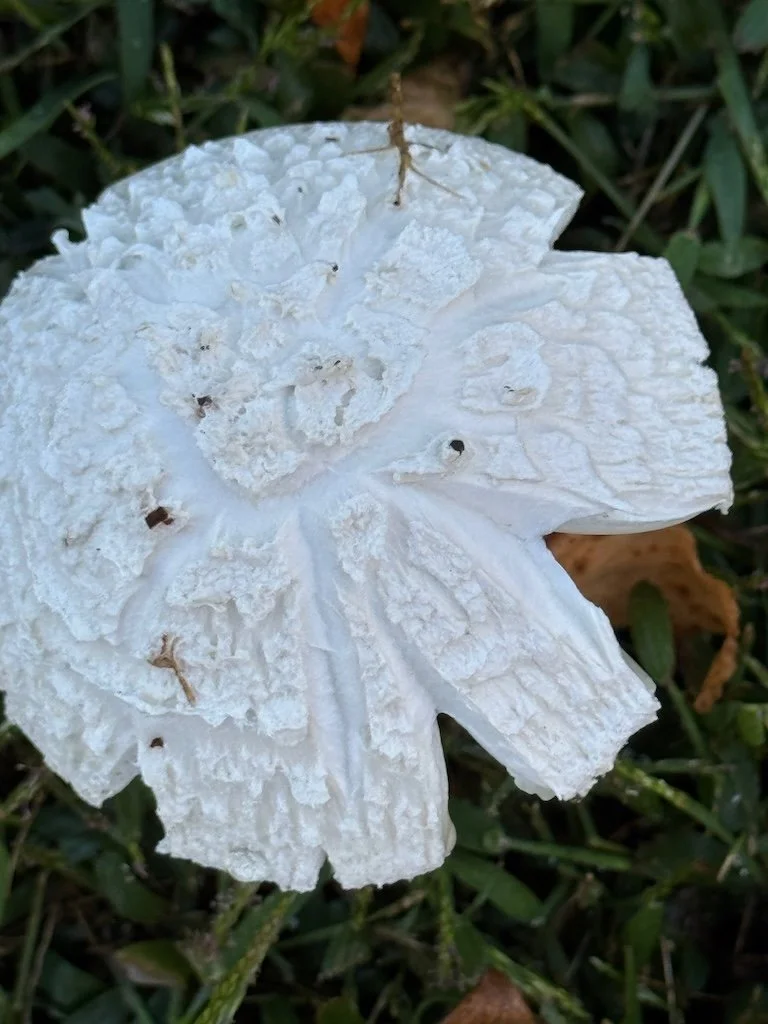
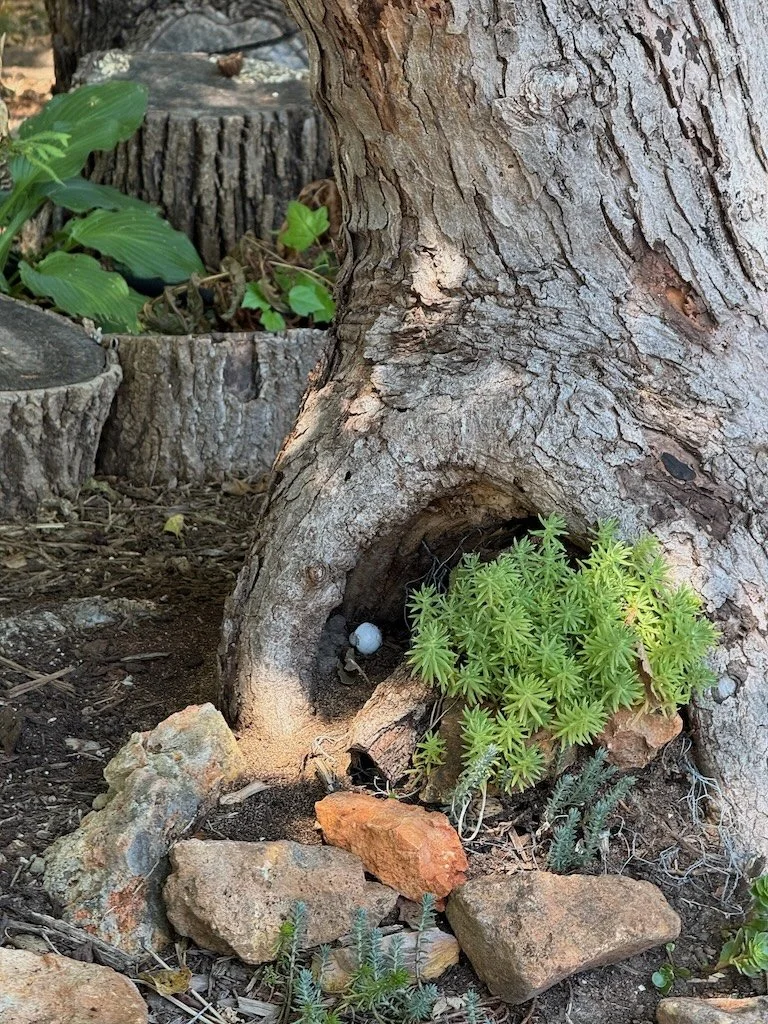
A very white mushroom came up in a part of the yard that hadn’t had mushrooms previously. Its surface looked a little like a roasted marshmallow.

The pollinators are waning with the flowers…and seeds are dominant as the growing season draws to a close.

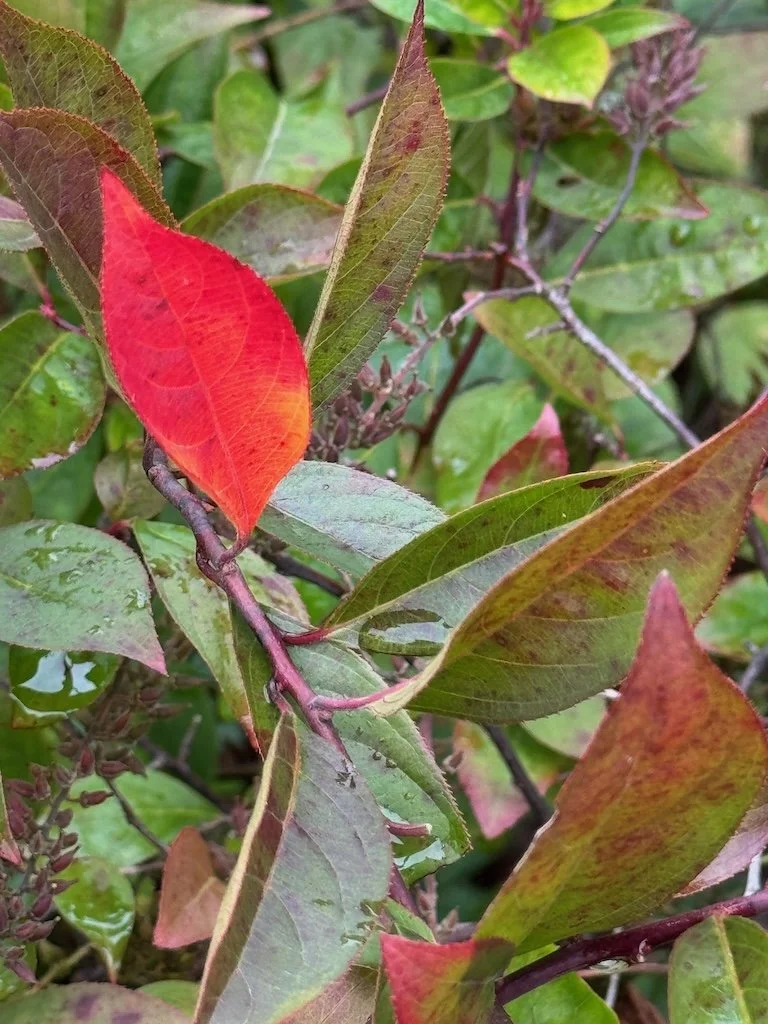
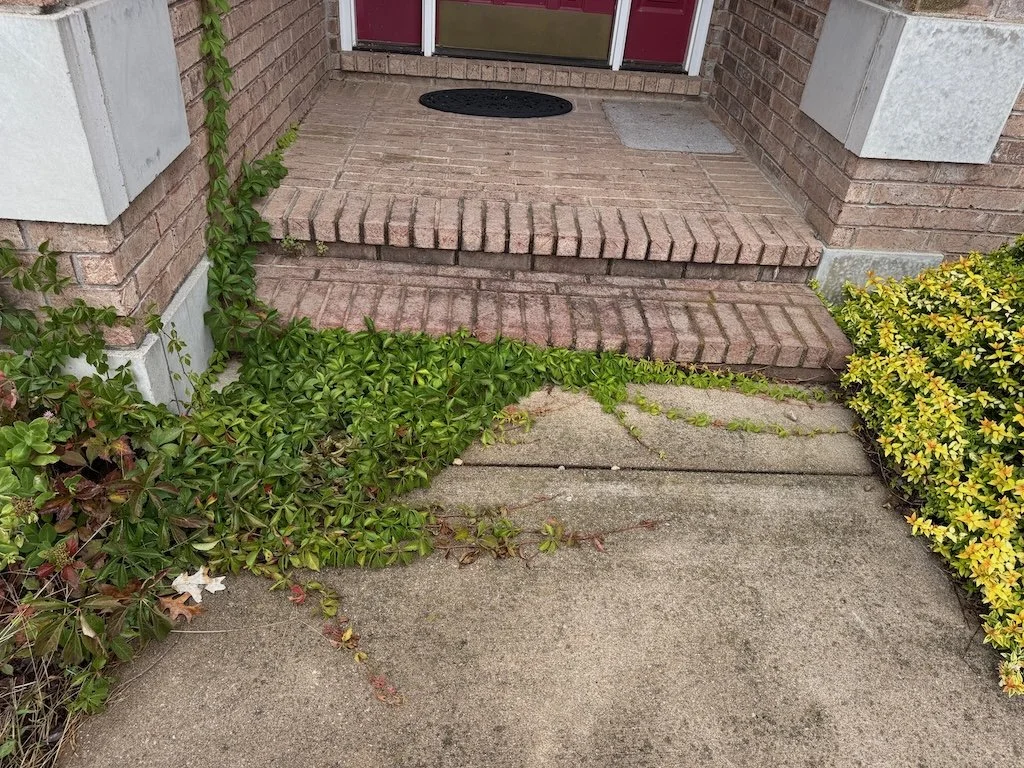
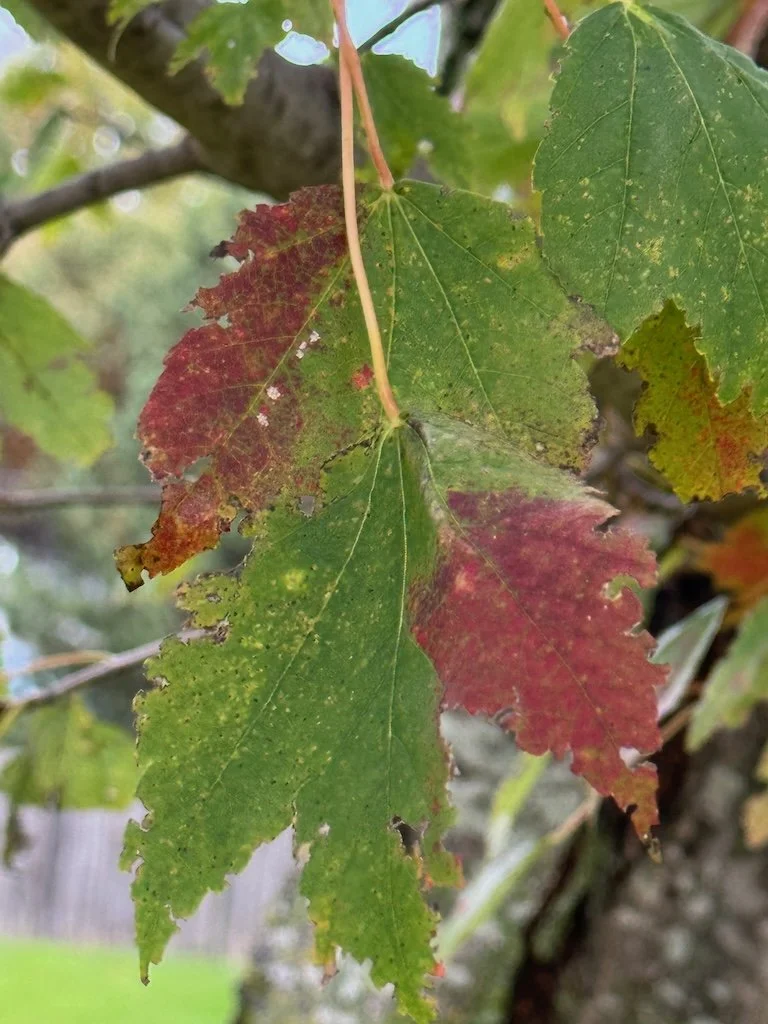
Some leaves are still green…some turning very red. The Virginia creeper near our front steps is still green.

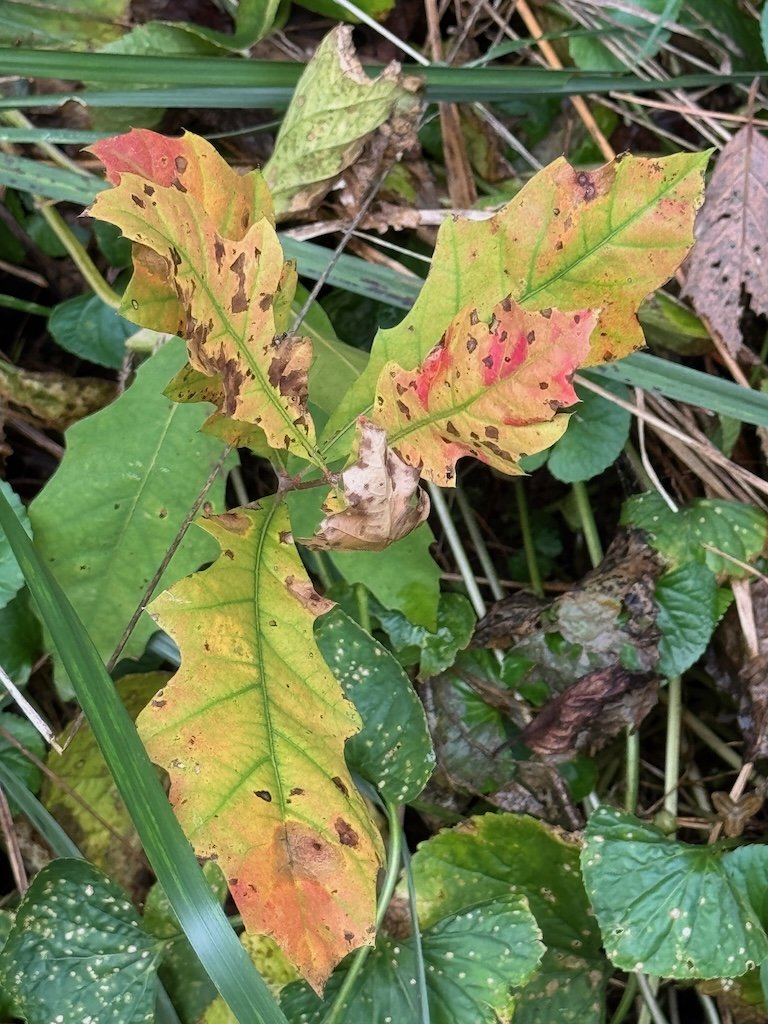
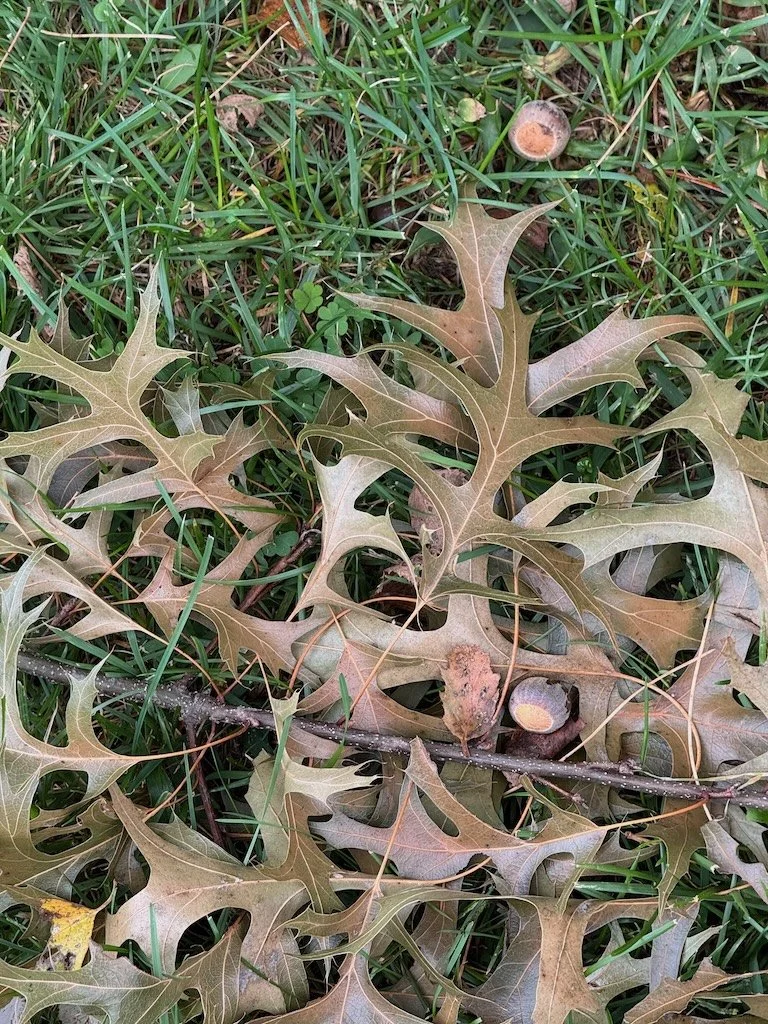
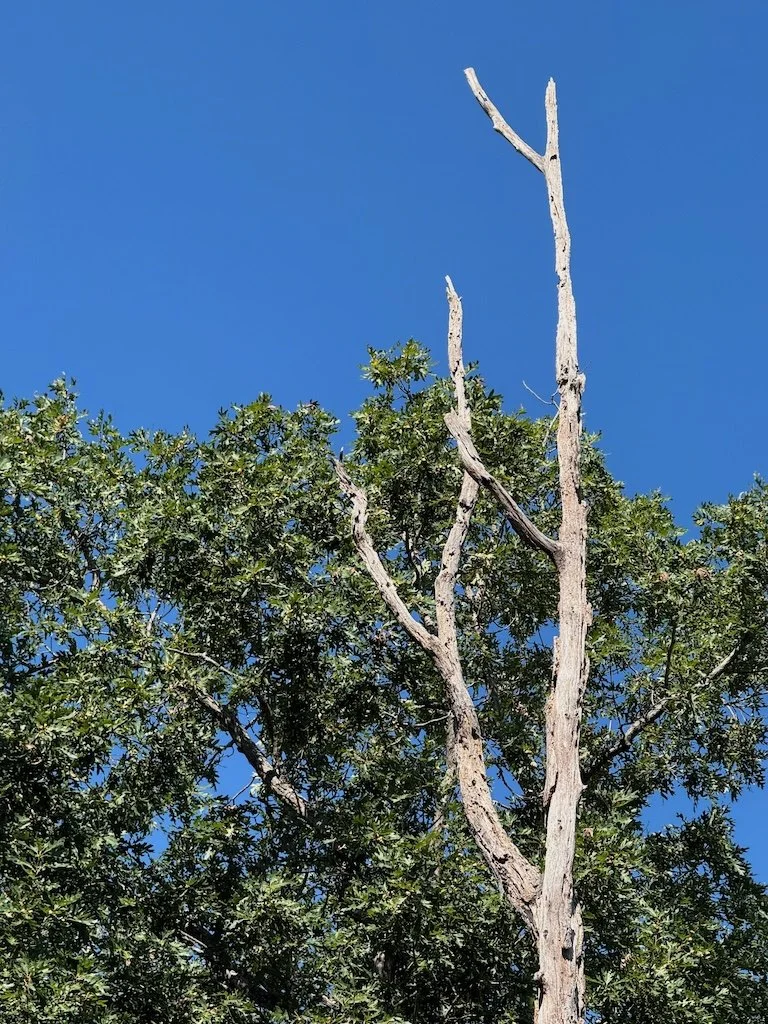
There are small branches from the oak on the ground (squirrels?) and what might be an oak seedling has colorful leaves.

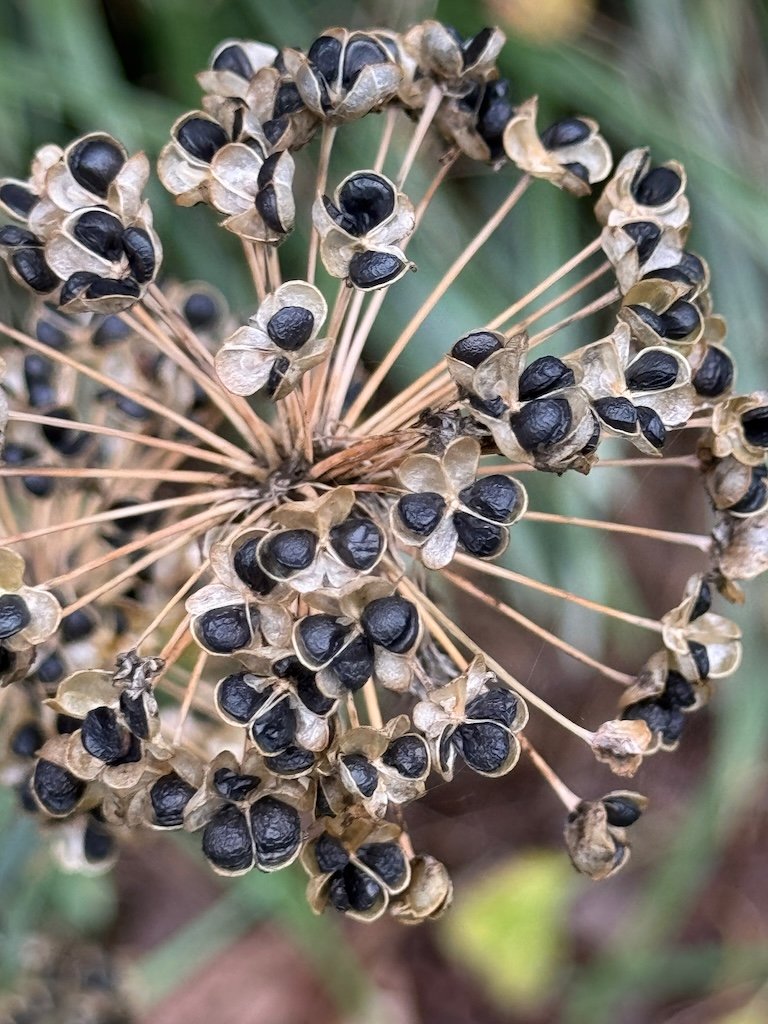
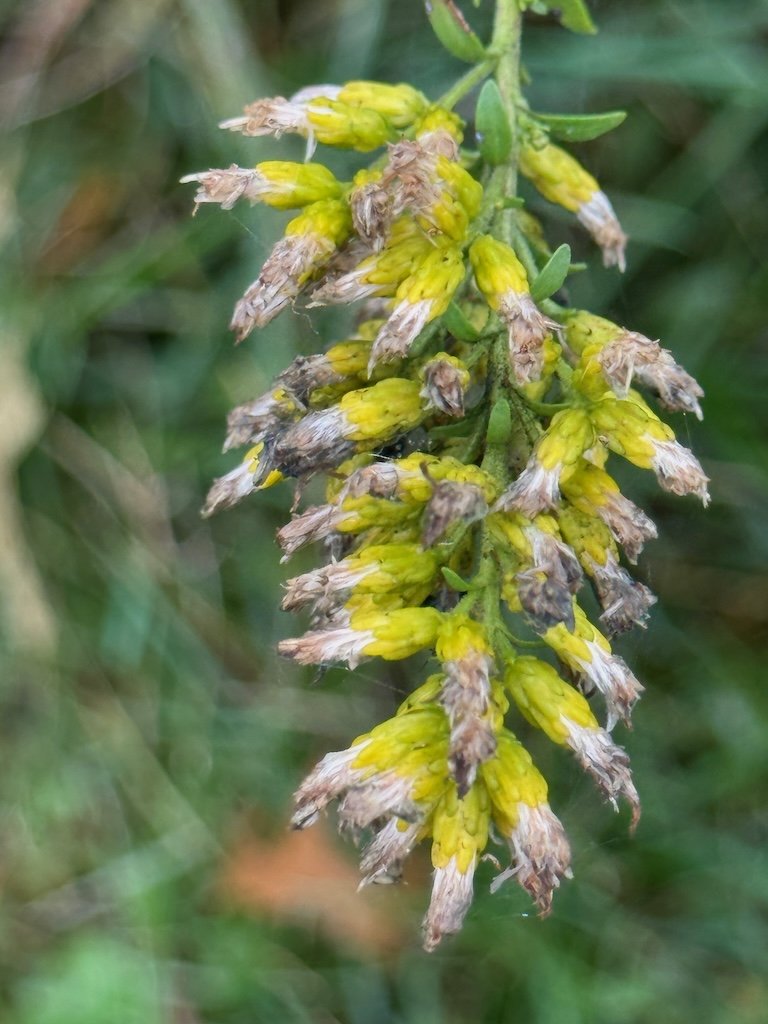
The chives seeds are black and ready to topple from the husks; the goldenrod seeds are not yet mature.

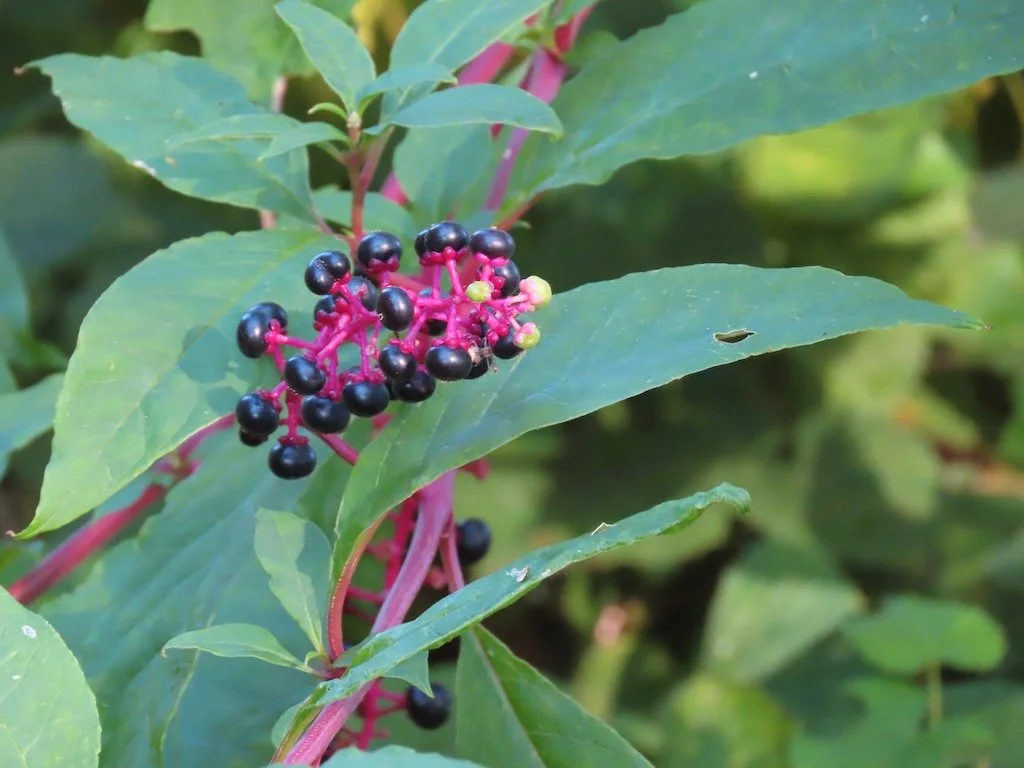
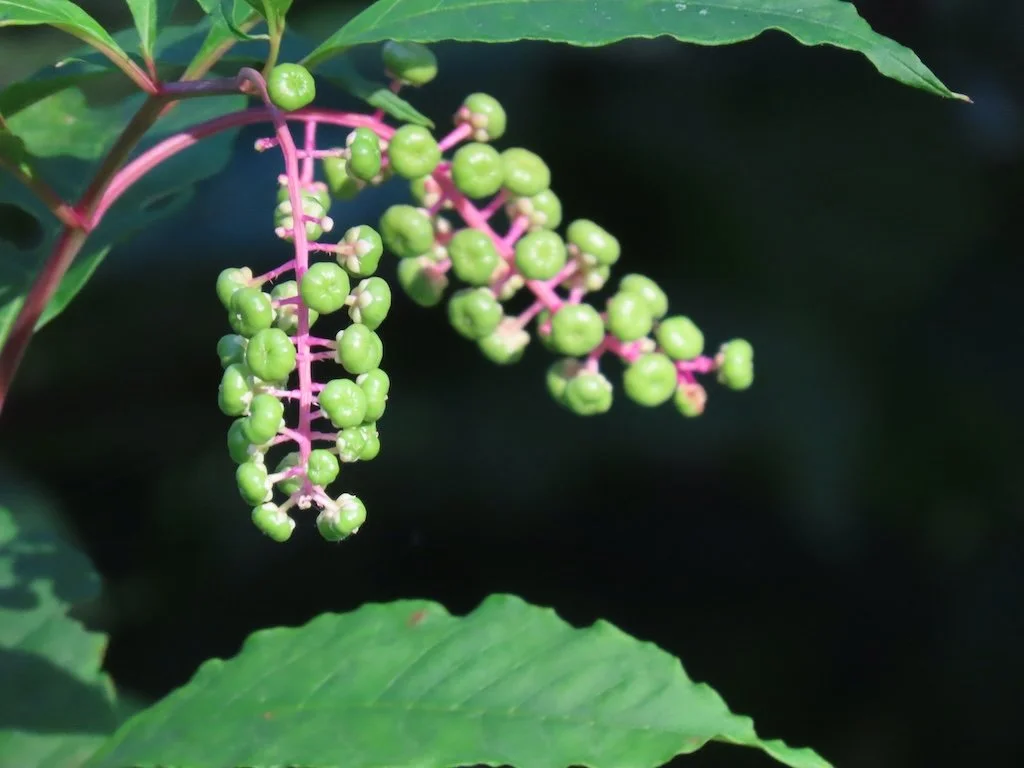
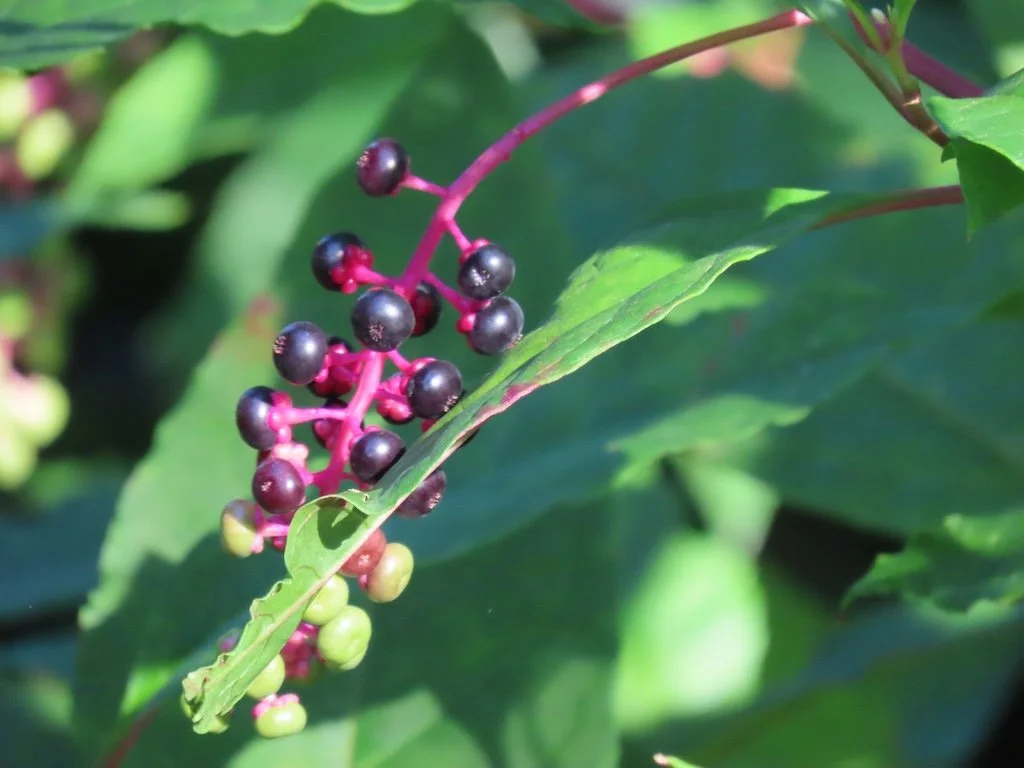
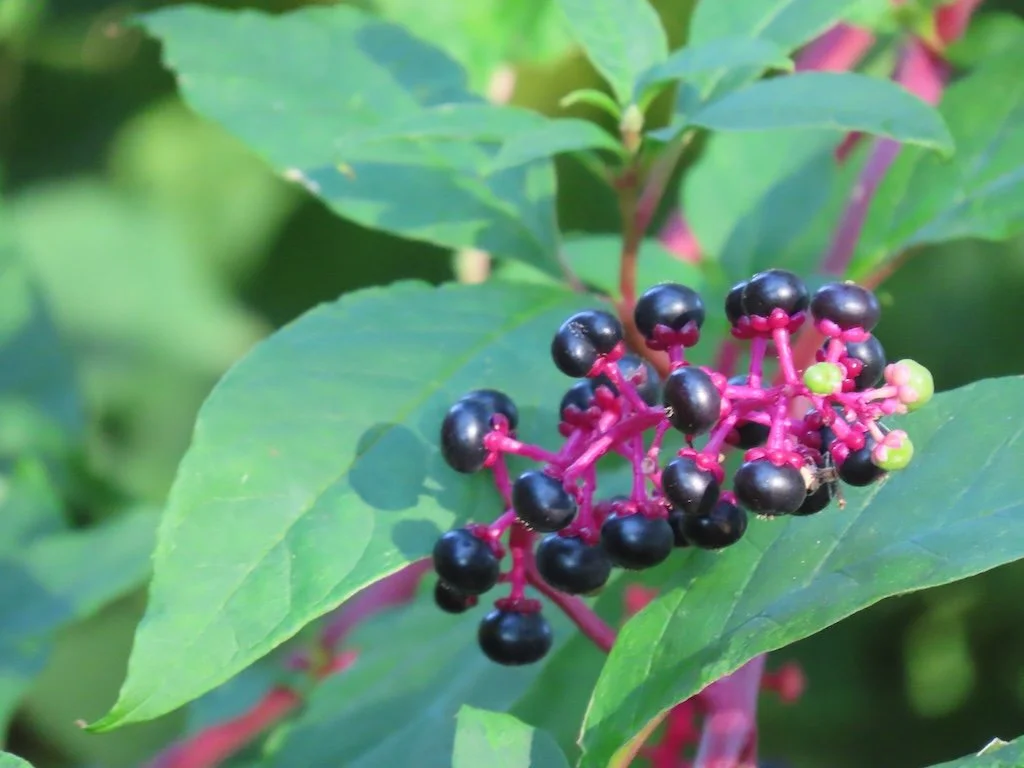
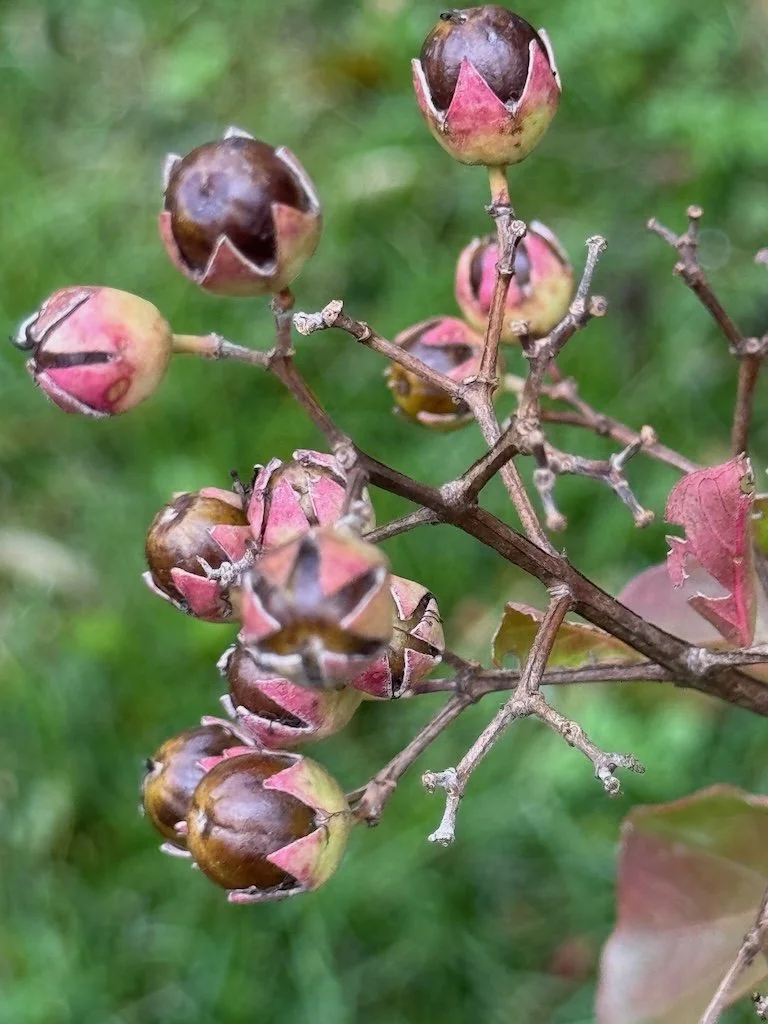
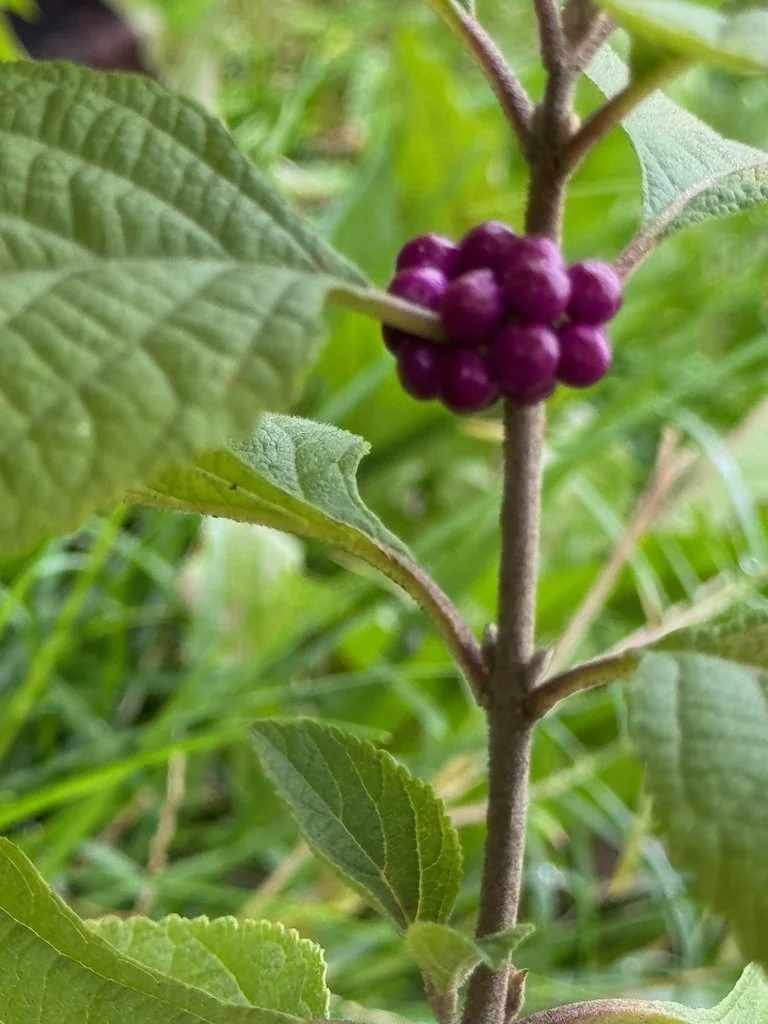
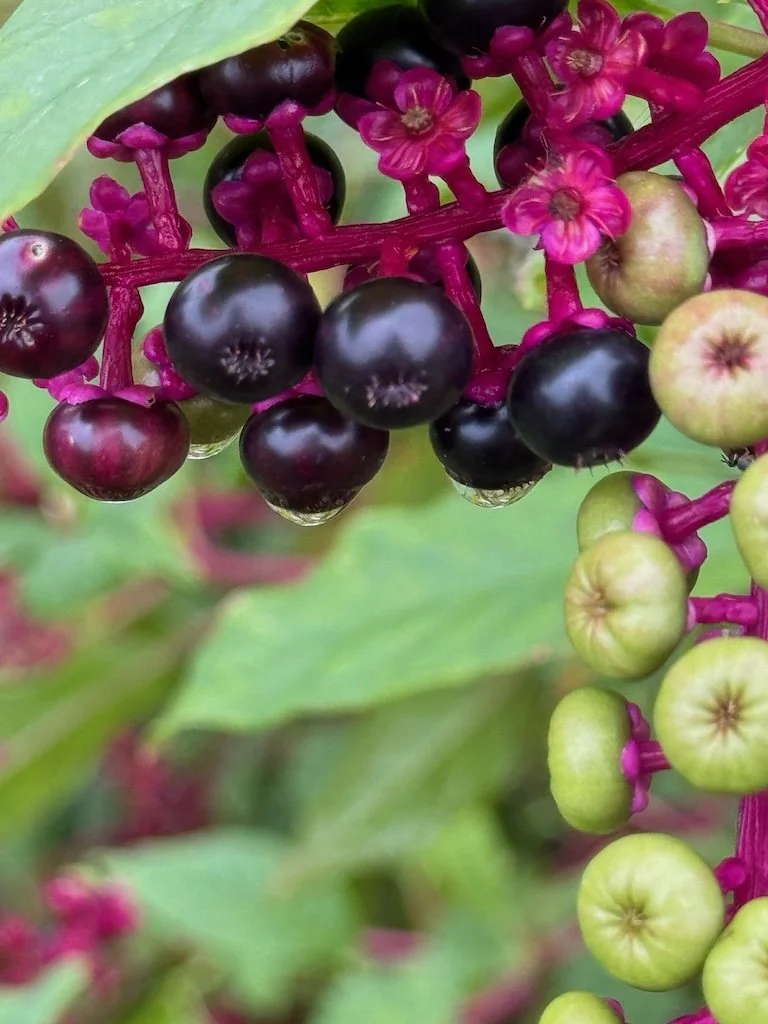
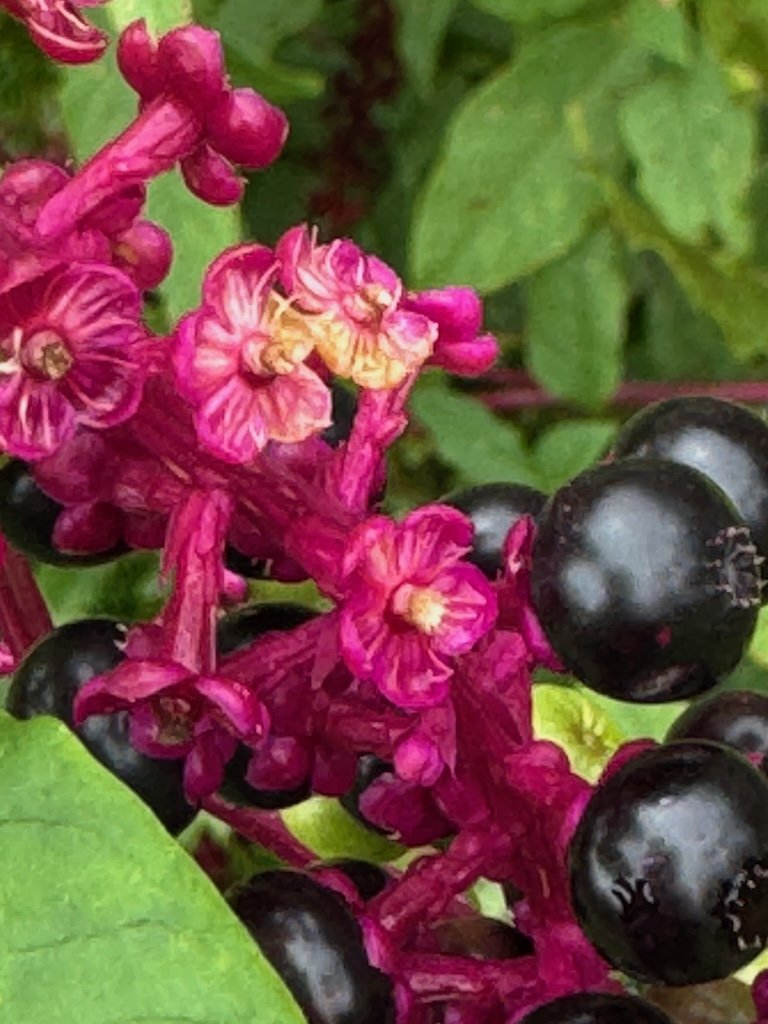
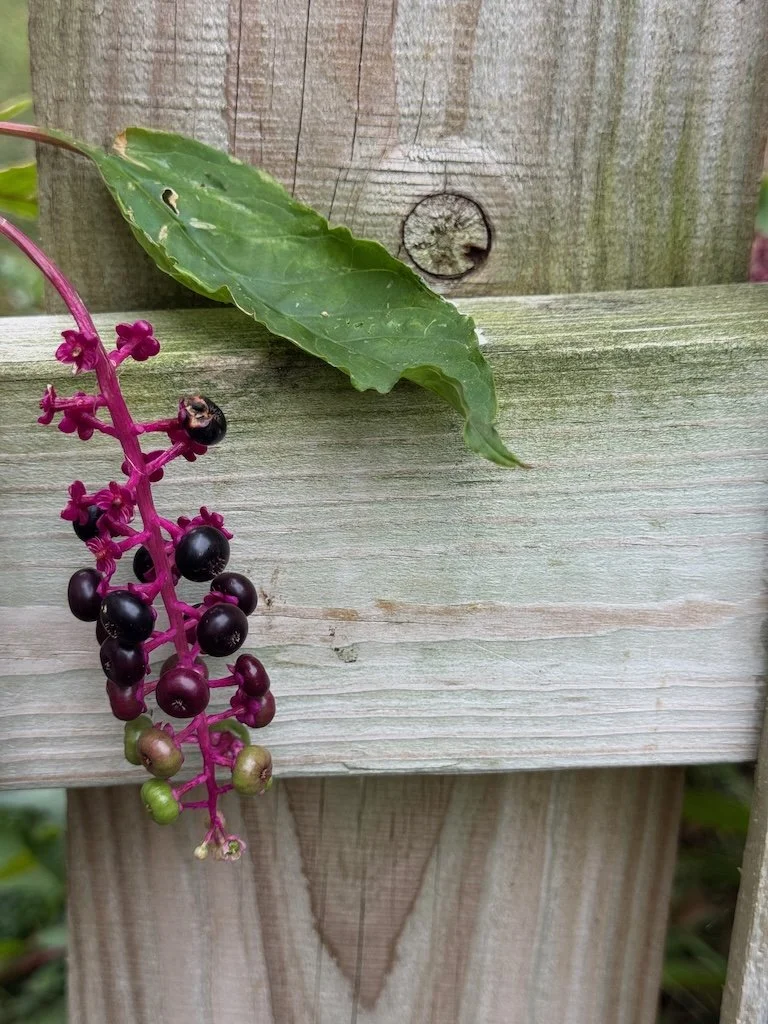
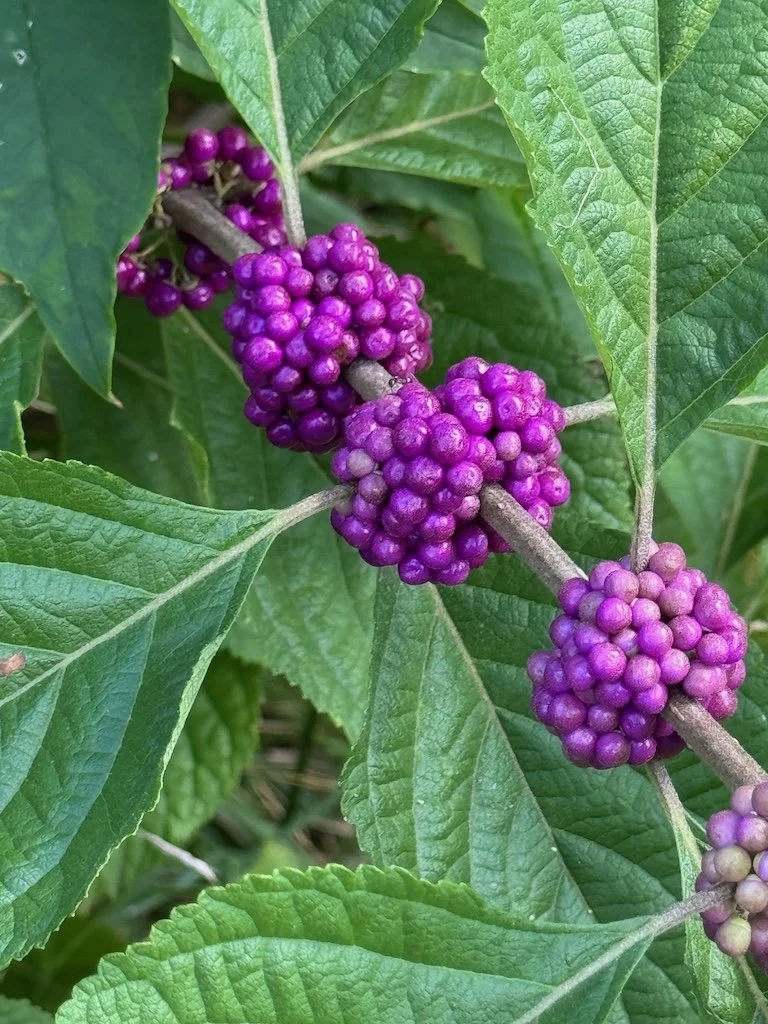
The beautyberry has one small cluster of berries, and the poke weed berries are maturing (some have already been eaten by birds). The poke weed stems are magenta until the first hard freeze.

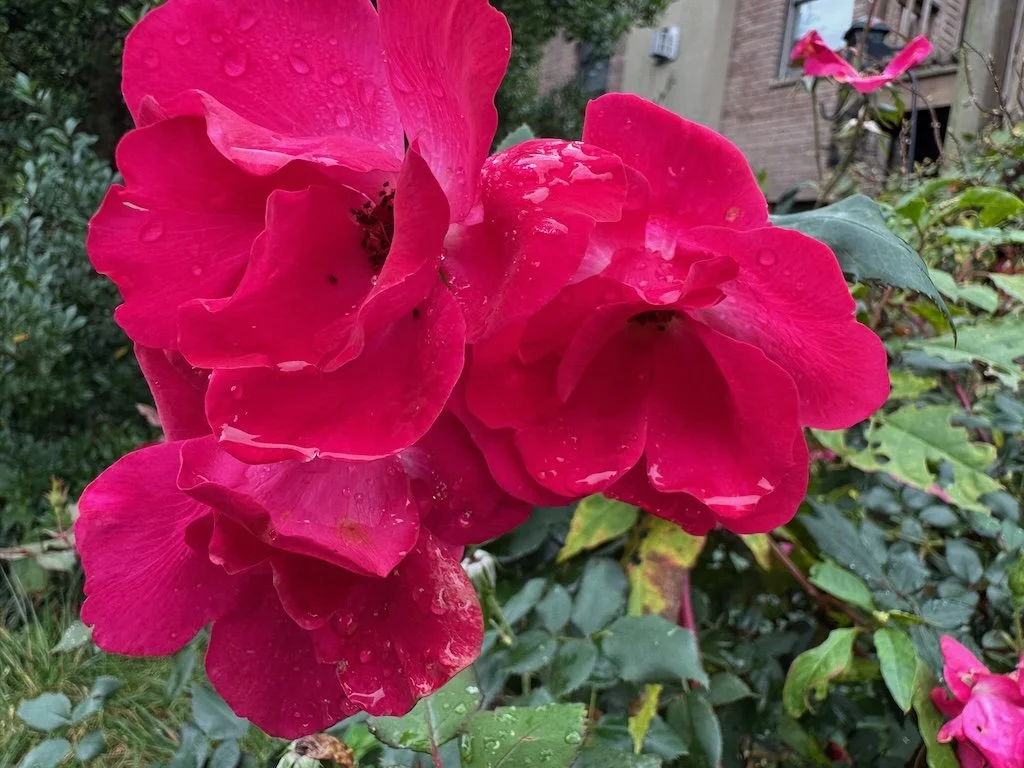
I am thrilled that my fragrant sumac has at least one part that has rooted outside the flowerbed…taking over a part of the yard. The rose bushes are blooming – a last hurrah before winter.

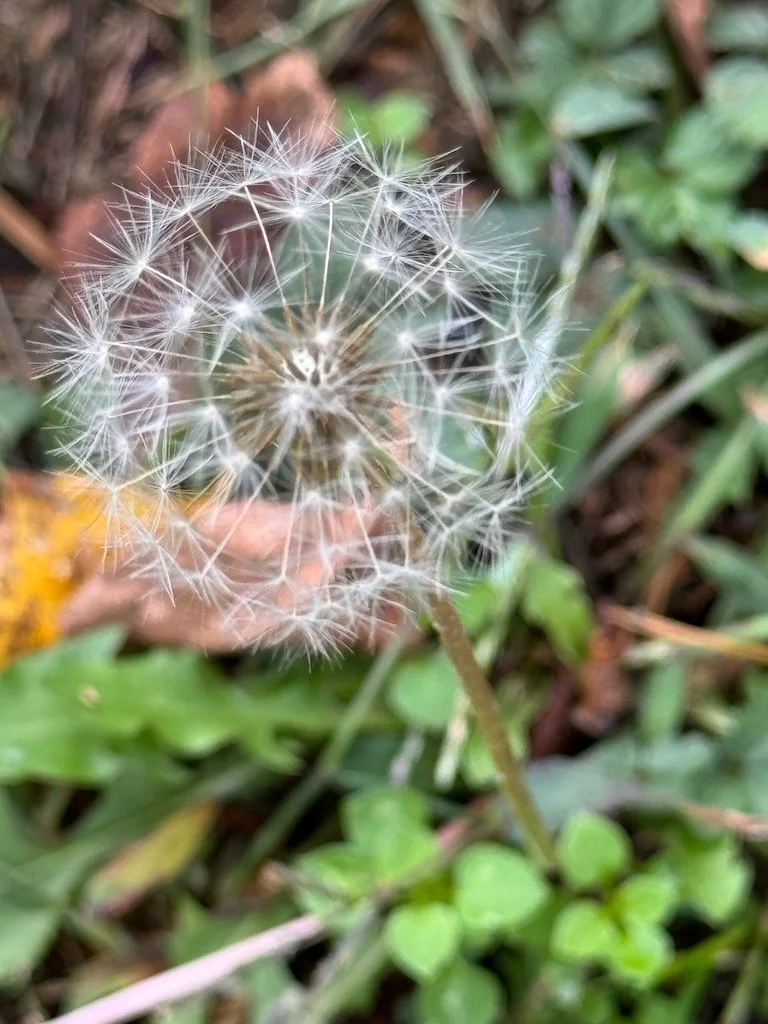
As I finished my walk around the yard, I noticed a lone dandelion puff….more plants with deeper roots to hold the soil next year!

Our Missouri Yard – October 2025

We don’t have many leaves falling so I am still mowing the parts of the yard that are grass. I will stop mowing the back when our neighbor’s oak starts dropping leaves – participating in ‘leave the leaves’ for a second year and hoping to preserve some overwintering moths/butterflies.

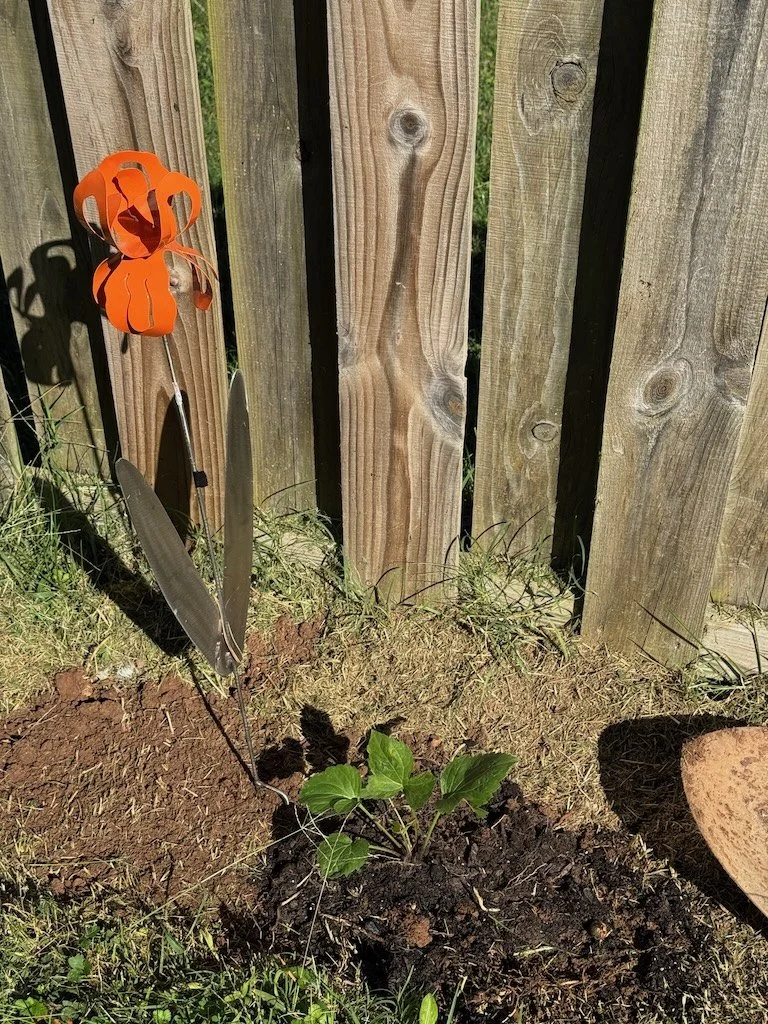
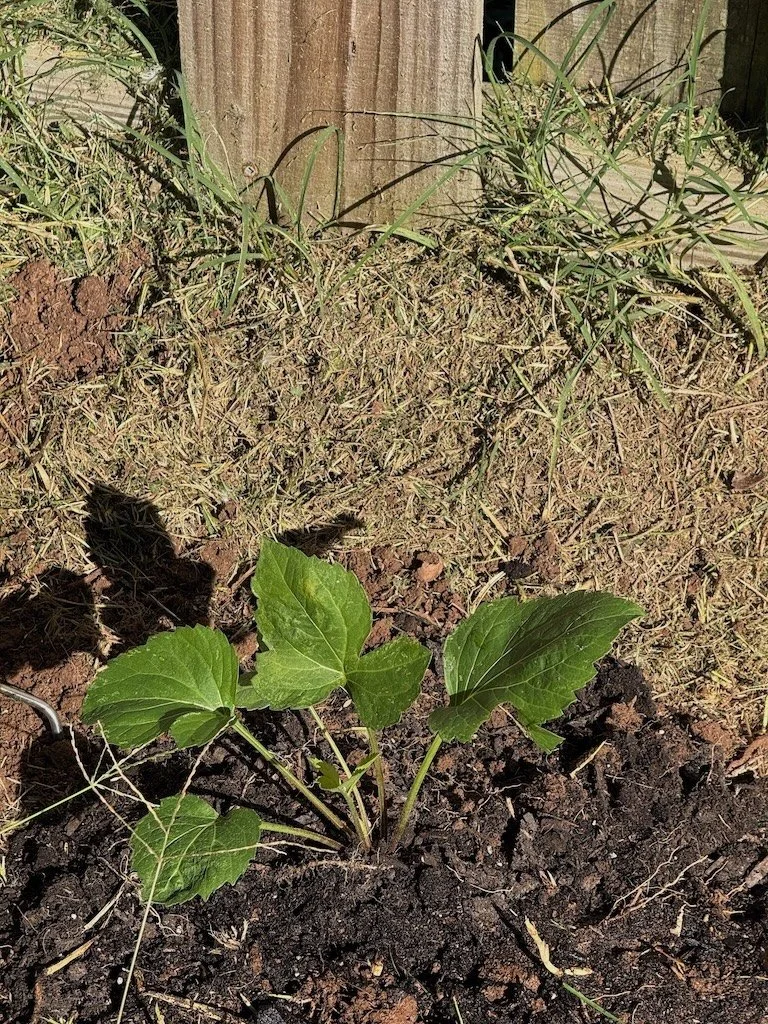
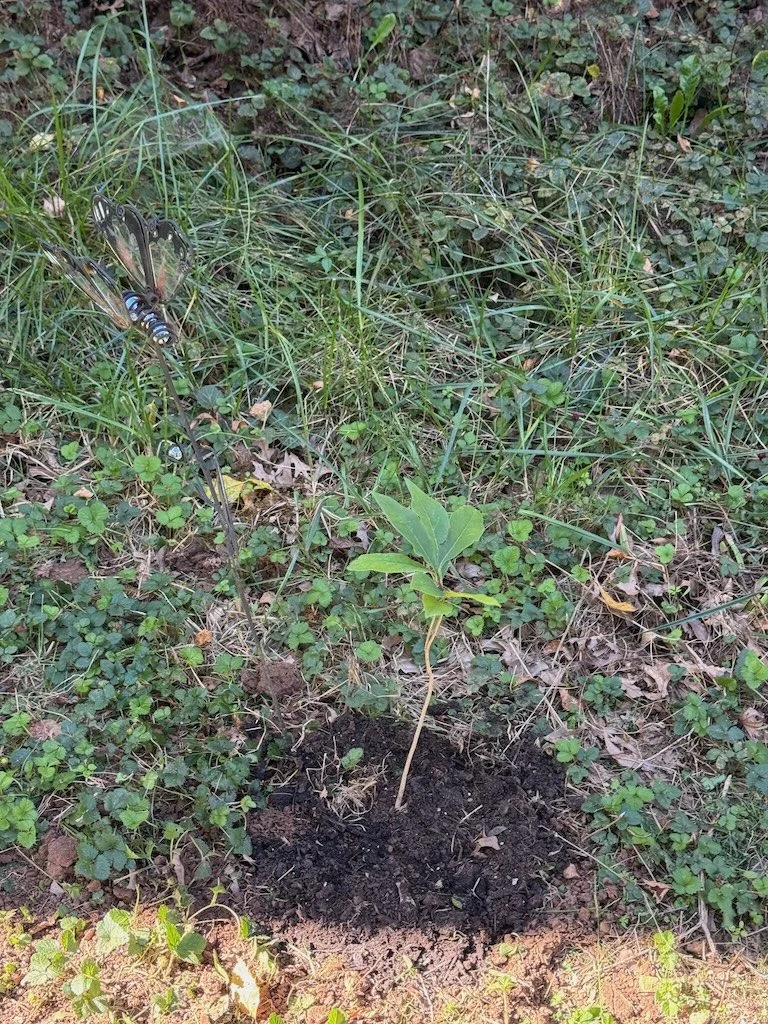
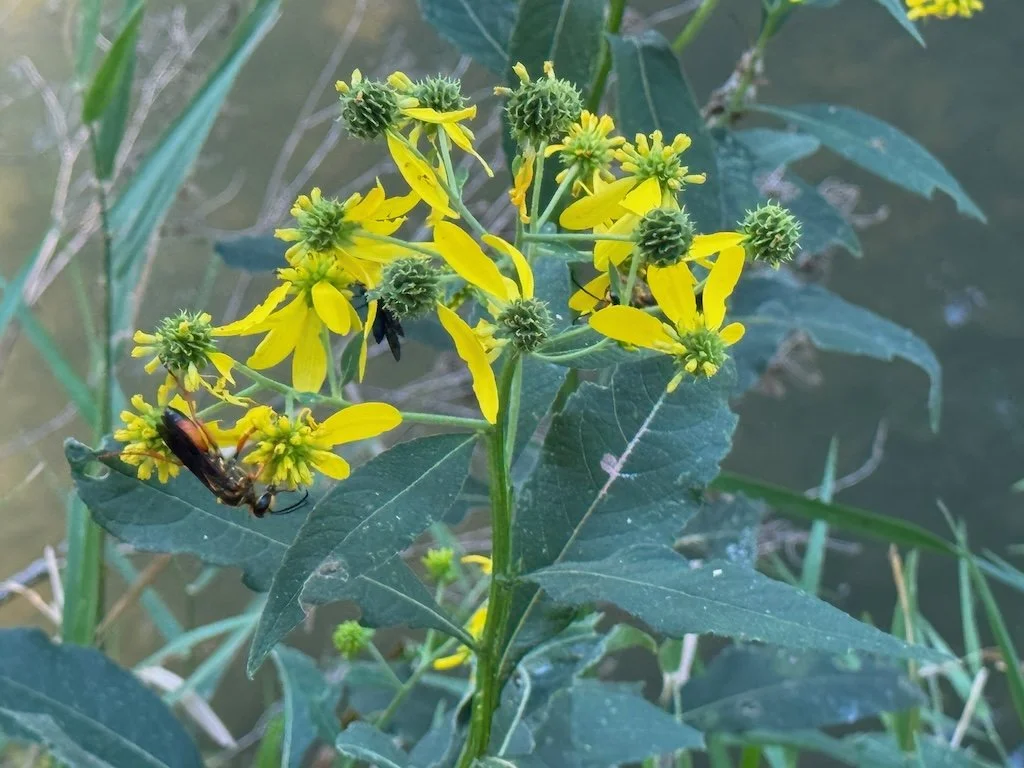
I bought two new additions for my yard from Ozark Soul: Rubekia laciniata (common names: sochan, golden glow, and cutleaf coneflower) and Asimina triloba (common name pawpaw). The leaves of the first are edible; I will use it along with violet leaves for ‘greens’ next spring and early summer. The pawpaw will take years to produce fruit; I have some seeds in pots that I am sprouting to add to the ‘patch’ so there will be at least two trees eventually. Both plants are small so I have them marked with yard sculptures!

The Missouri Evening Primrose next to my mailbox is blooming profusely although not producing seed; I suspect that perhaps insects are not finding it.  There is a tiny prickly pear cactus growing with it which I am monitoring.

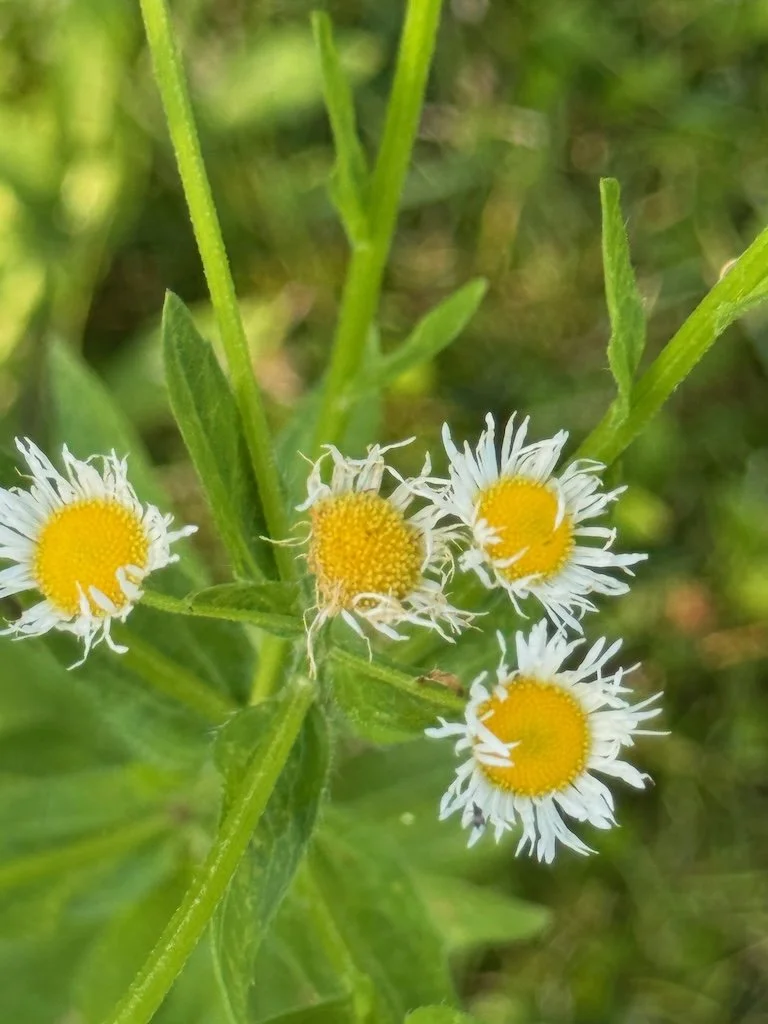
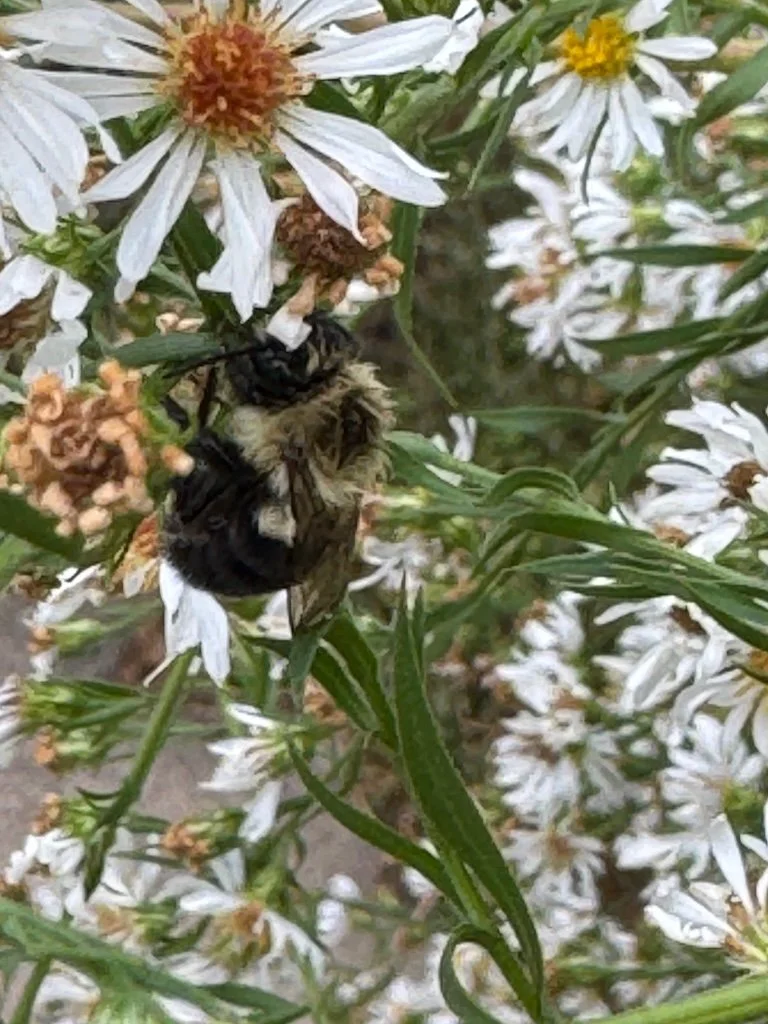
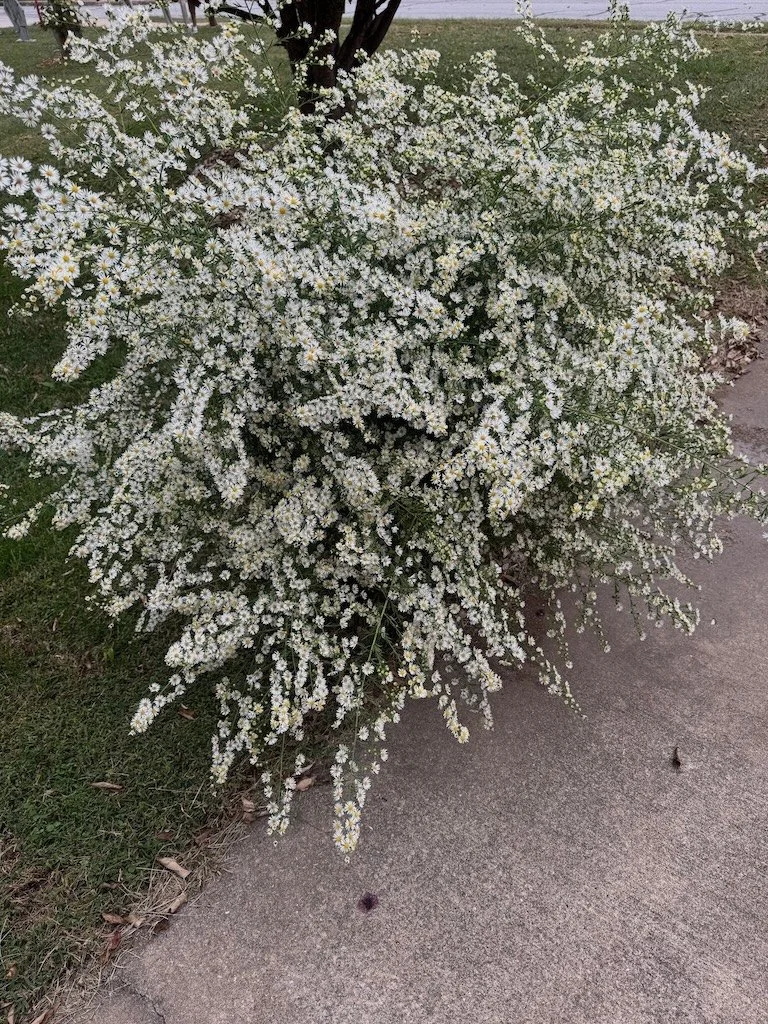
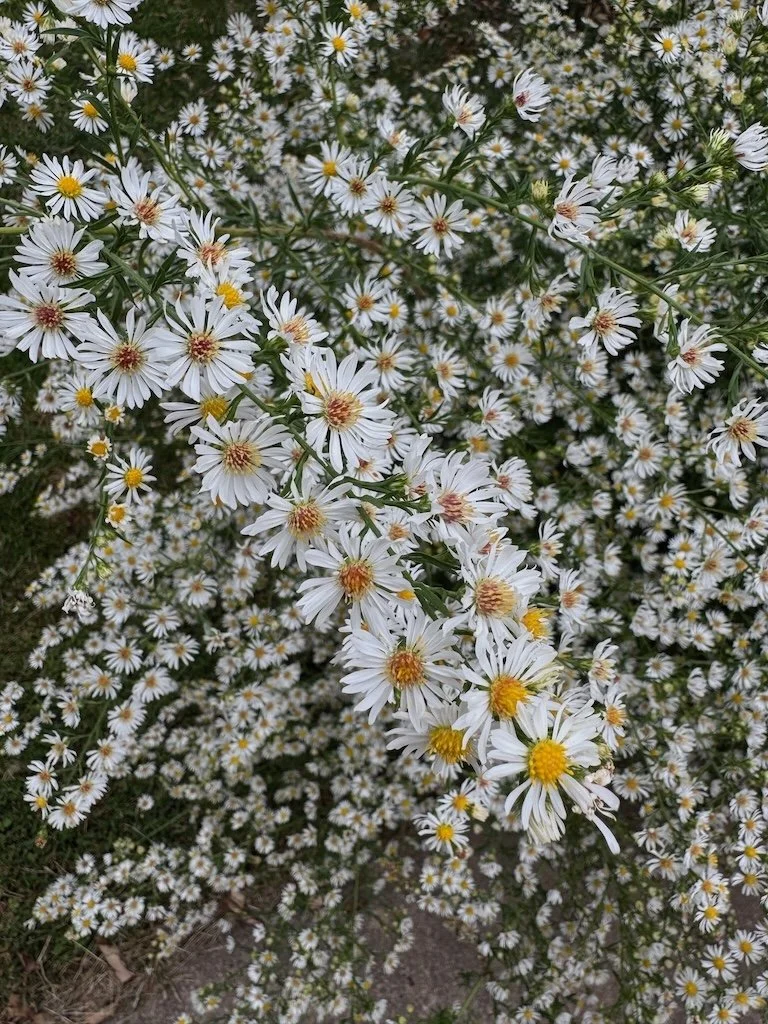
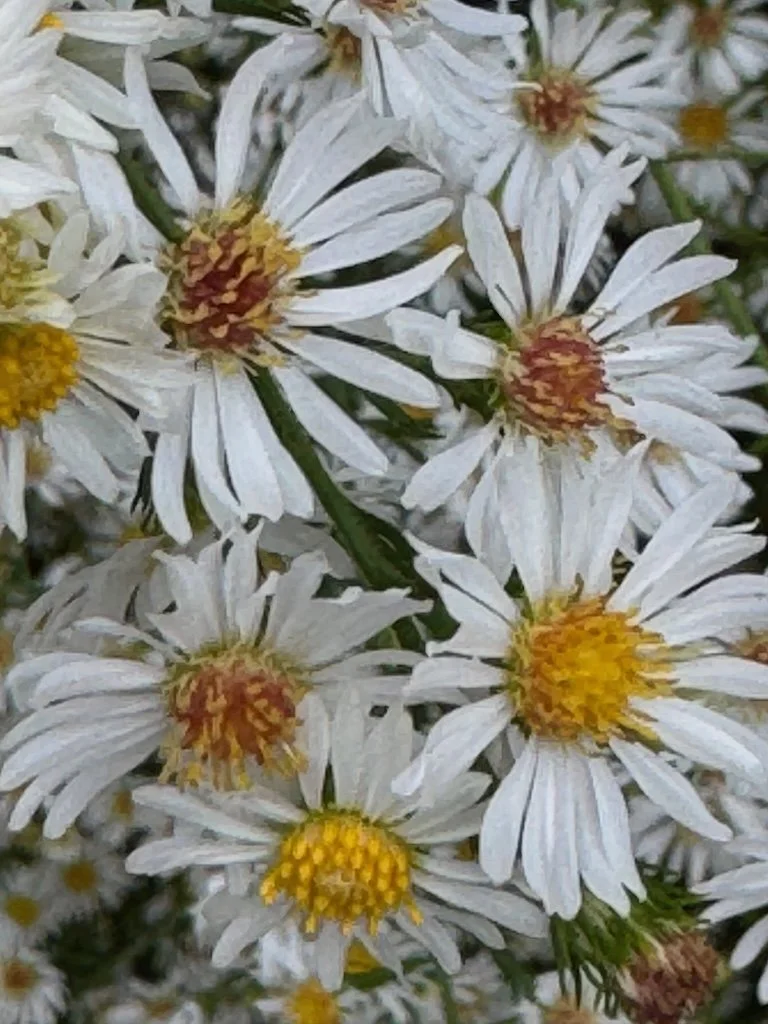
Pollinators are enjoying two types of late blooming plants in my yard: goldenrod and what I think is Symphyotrichum pilosum (white heath aster) which came up in a bare spot at the edge of my driveway, and I mowed around it. Both plants are full of insects…at least two kinds of bumblebees even on cool mornings!

My husband and I realized we had waited too late to plant our new native plant garden in our front yard so we will get the bed created sometime over the next few months then plant the garden in the spring after the last frost.