Bluebonnets

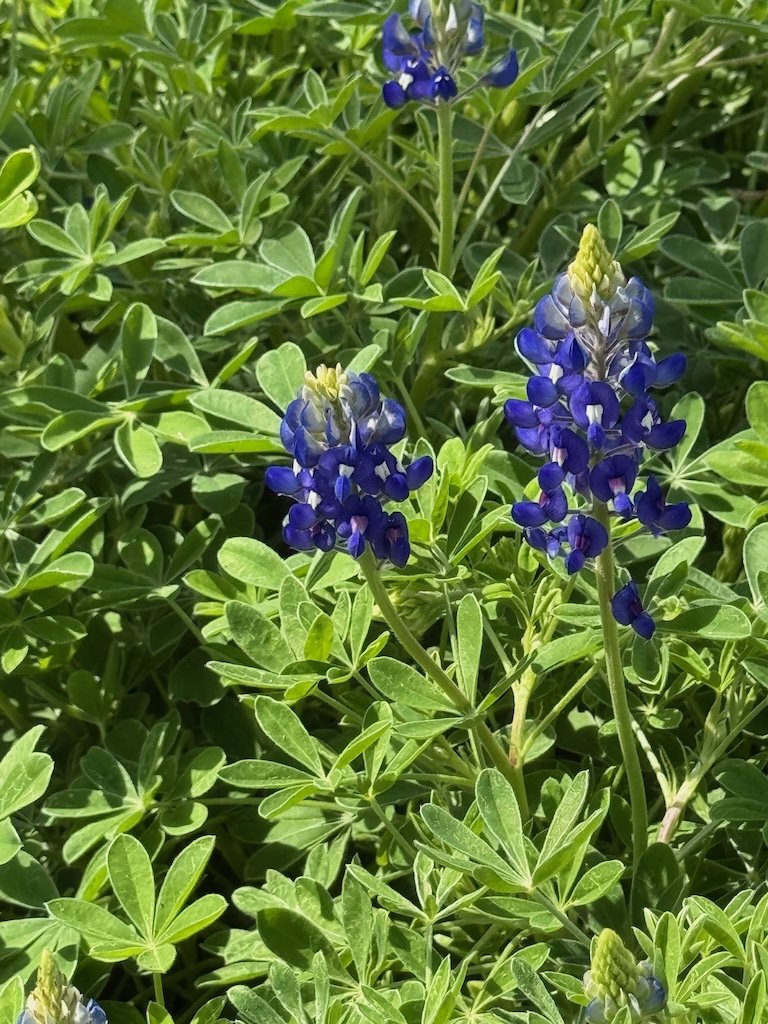
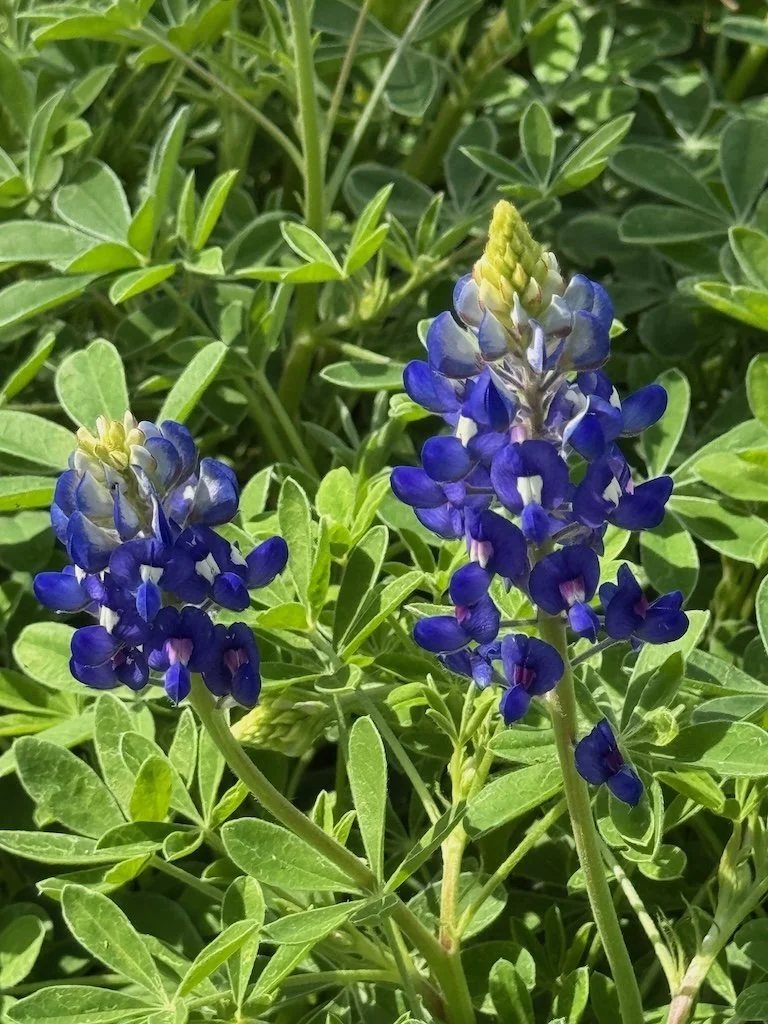
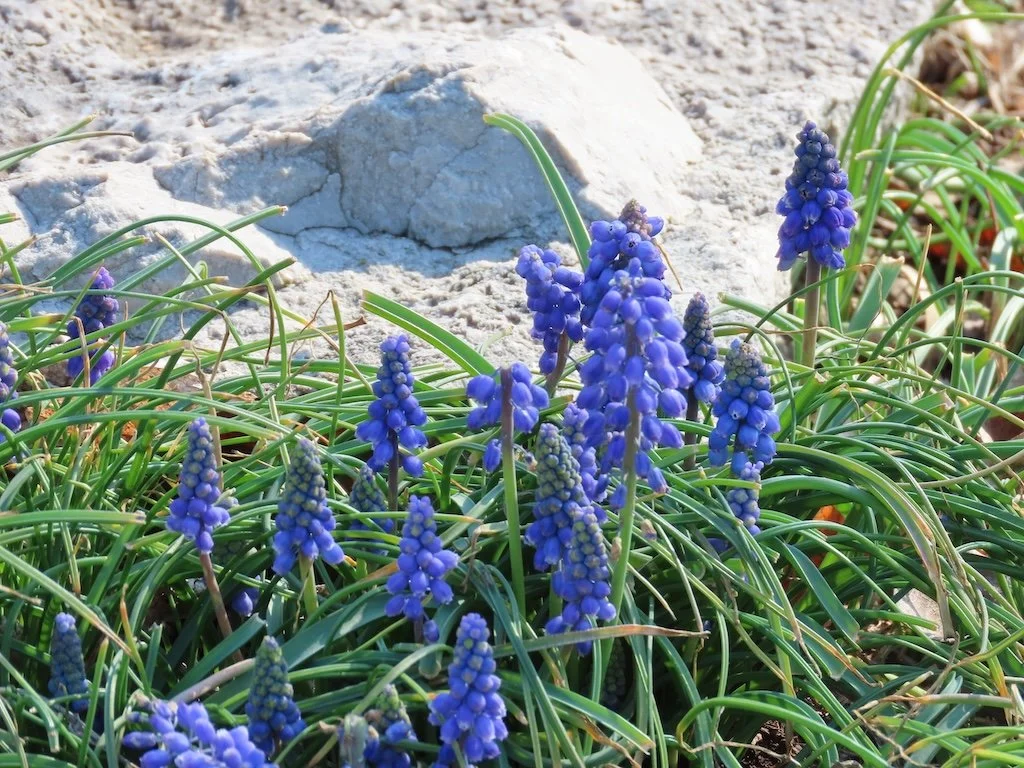
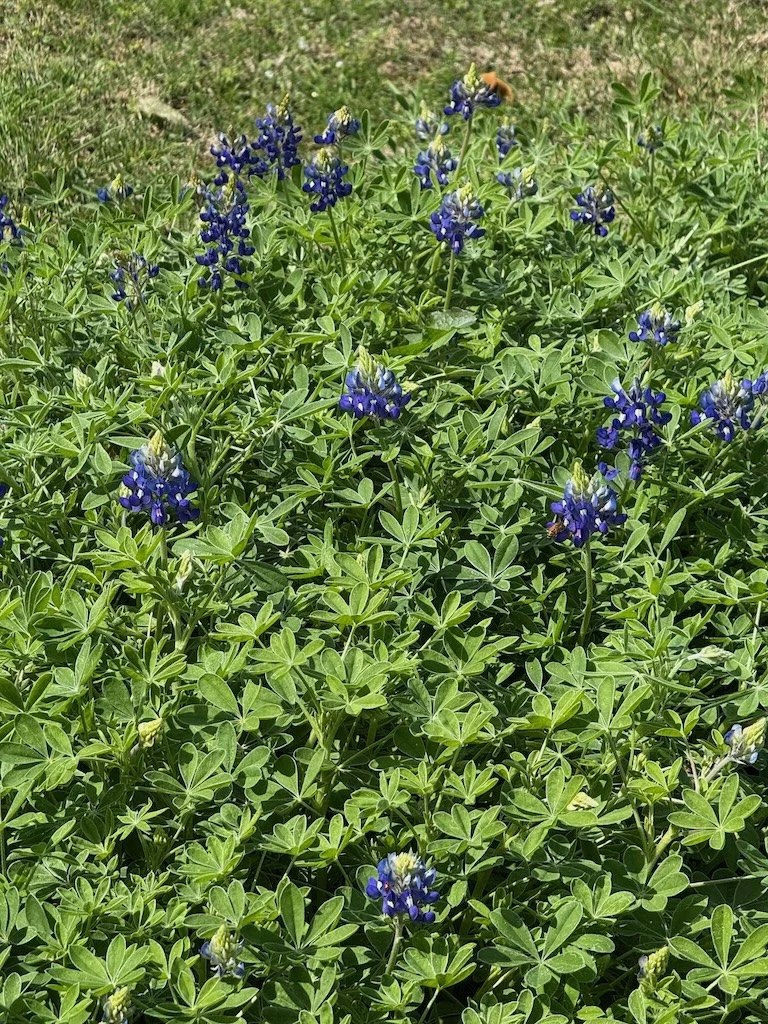
The bluebonnets were blooming when I was in Texas last week. I stopped in the Texas Welcome Center on US 75 to see them. They are not at their peak bloom…but enough are blooming to be noticeable.

As I left the welcome center headed south, I saw more along the sides of the highway, but construction (current and recent) had taken out a lot of the areas where bluebonnets and other wildflowers bloomed in previous years. The wind was fierce and it often sounded like sand was hitting my car; I turned my attention from noticing the flowers to keeping my car firmly in the lane!

Later in the day, I noticed that the city of Flower Mound has bluebonnets along some of their major streets. My sister told me that there used to be more before construction projects, but there are more every year since the projects have completed. Once bluebonnets are established, they do very well – natives thriving where they have been forever.

George Washington Carver National Monument

Last week my husband and I made our first visit to George Washington Carver National Monument. It is south of Carthage, MO and a bit over an hour from our house near Springfield….a good choice for a day trip.

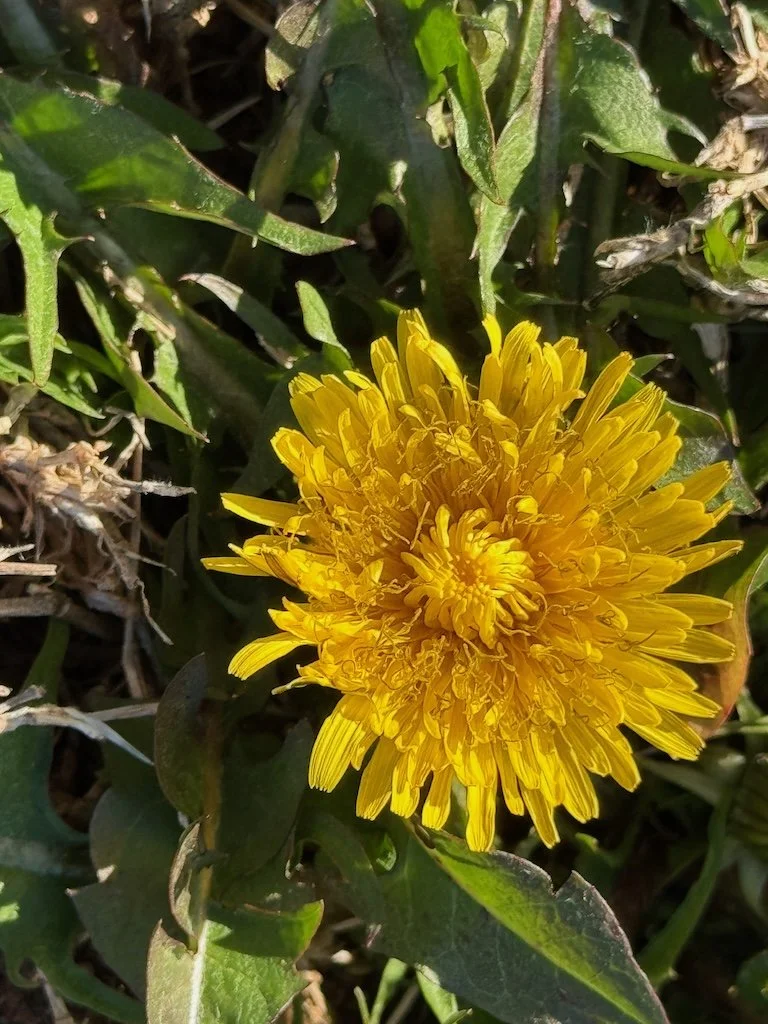
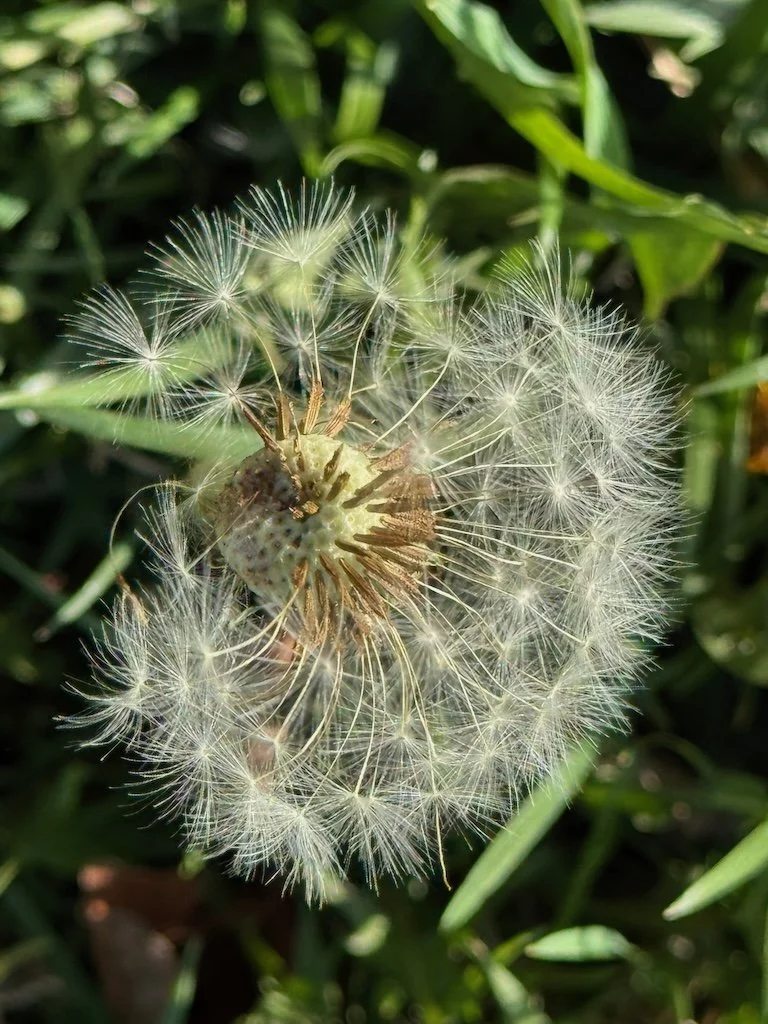
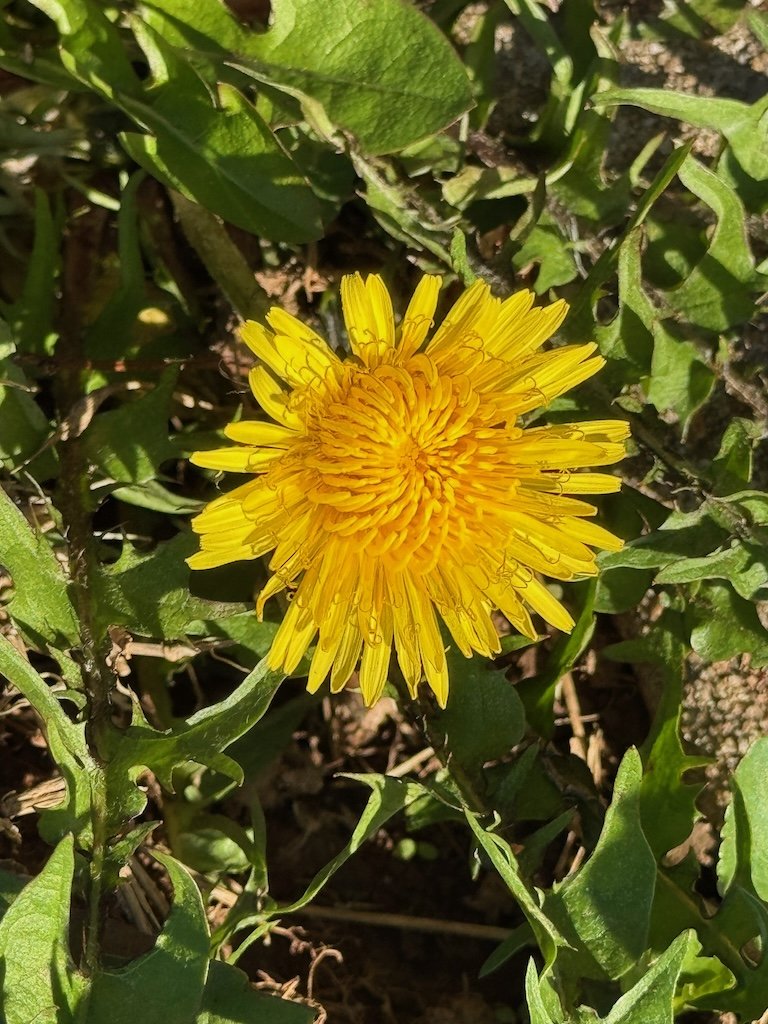
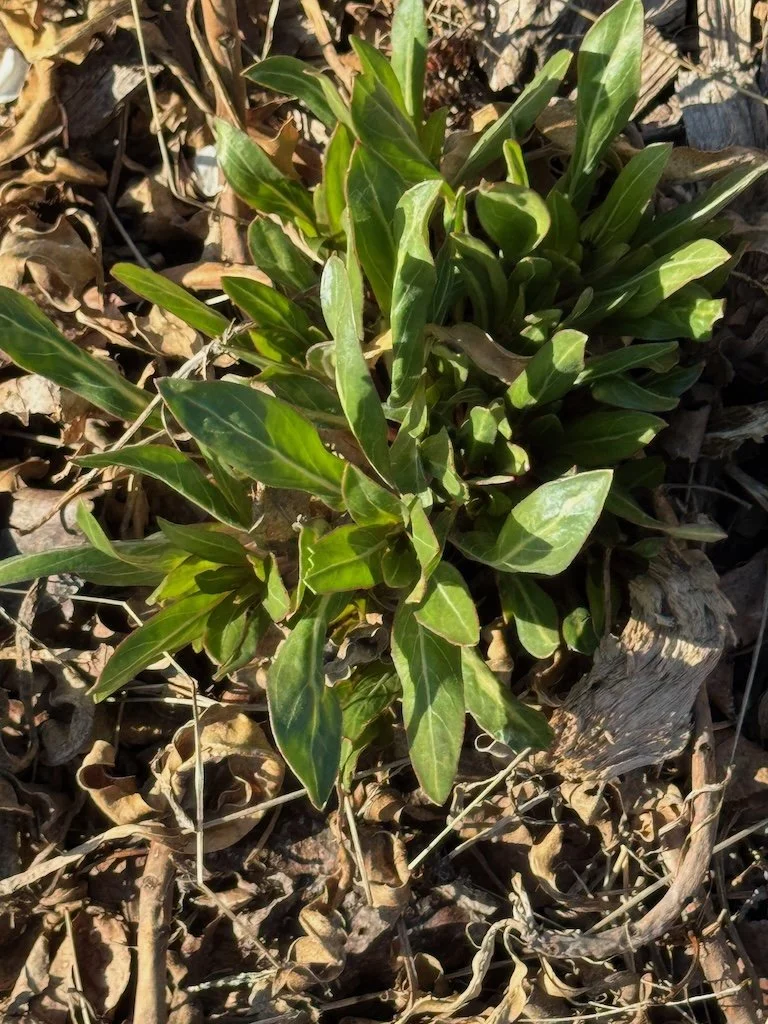
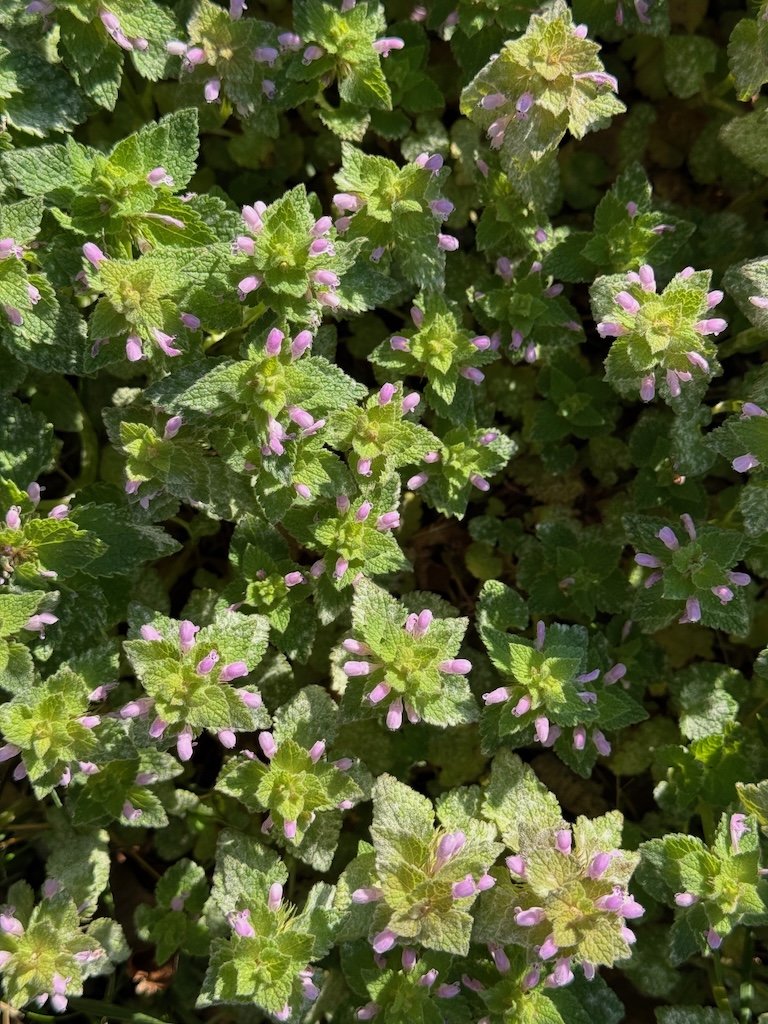
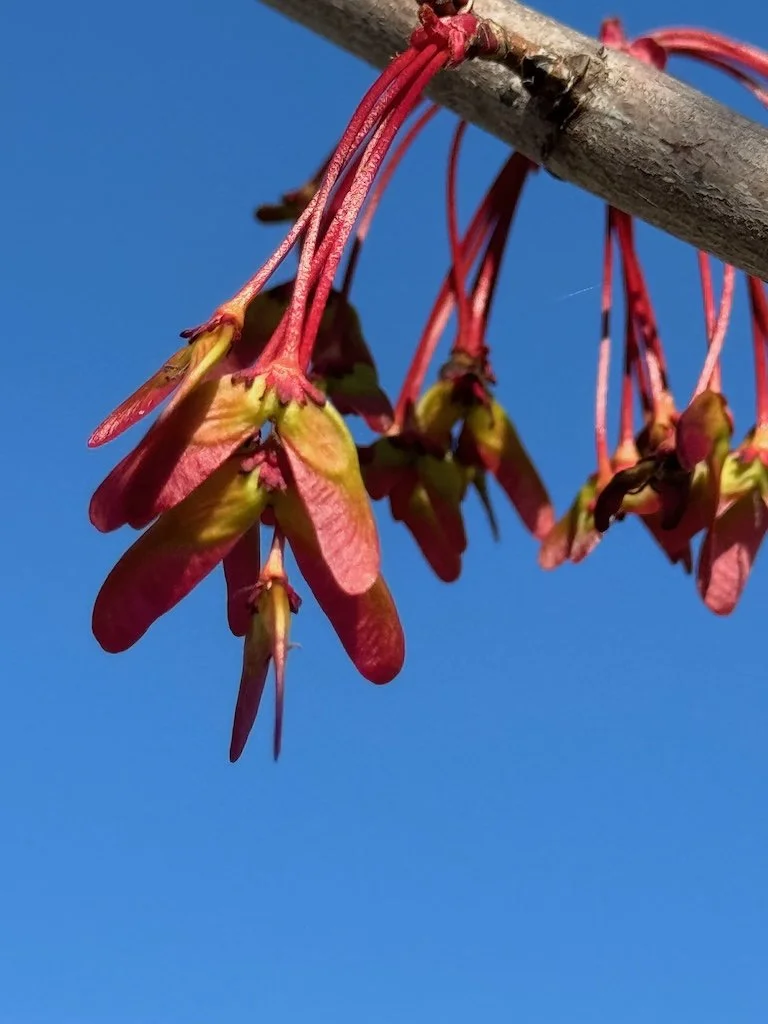
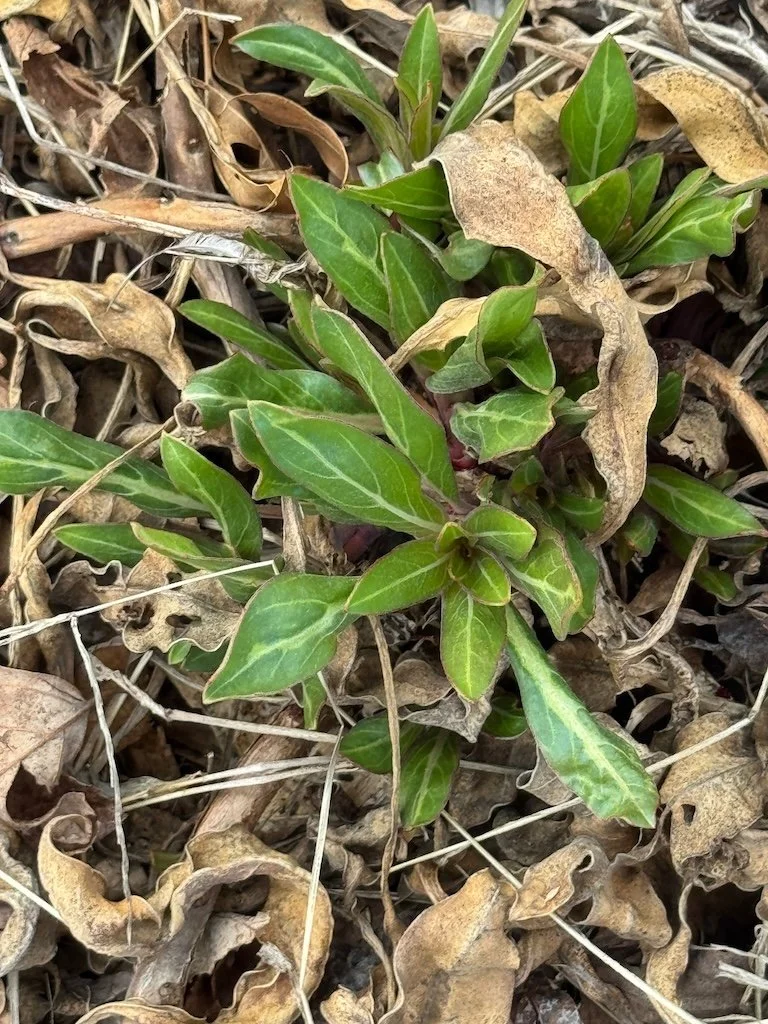
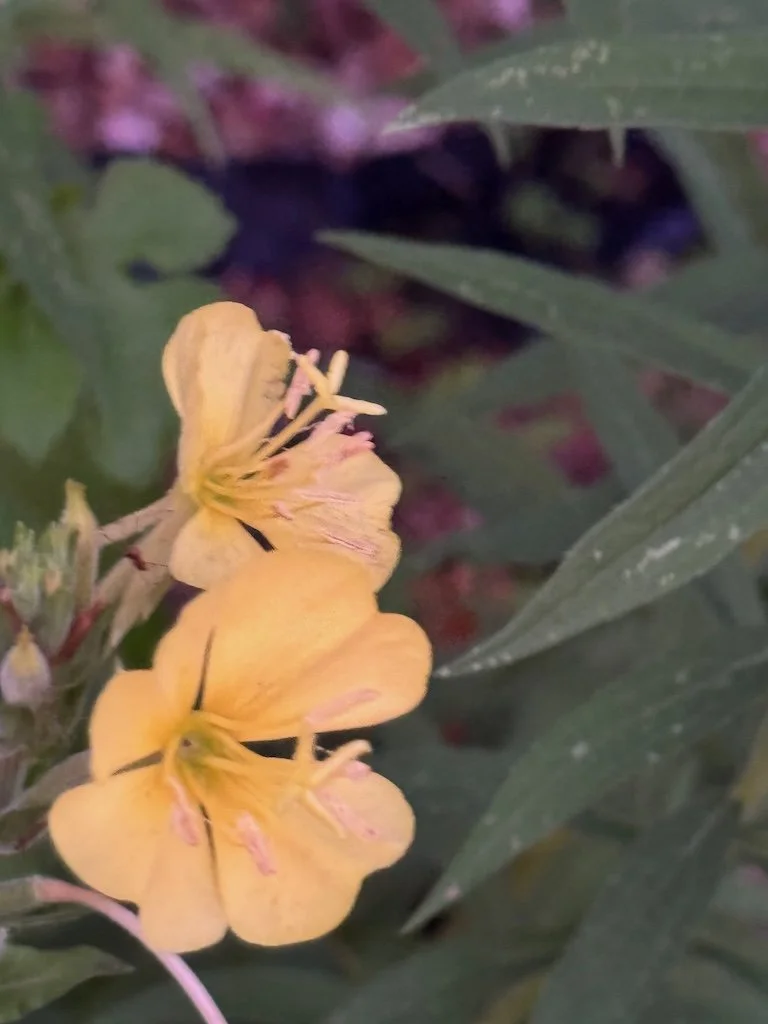
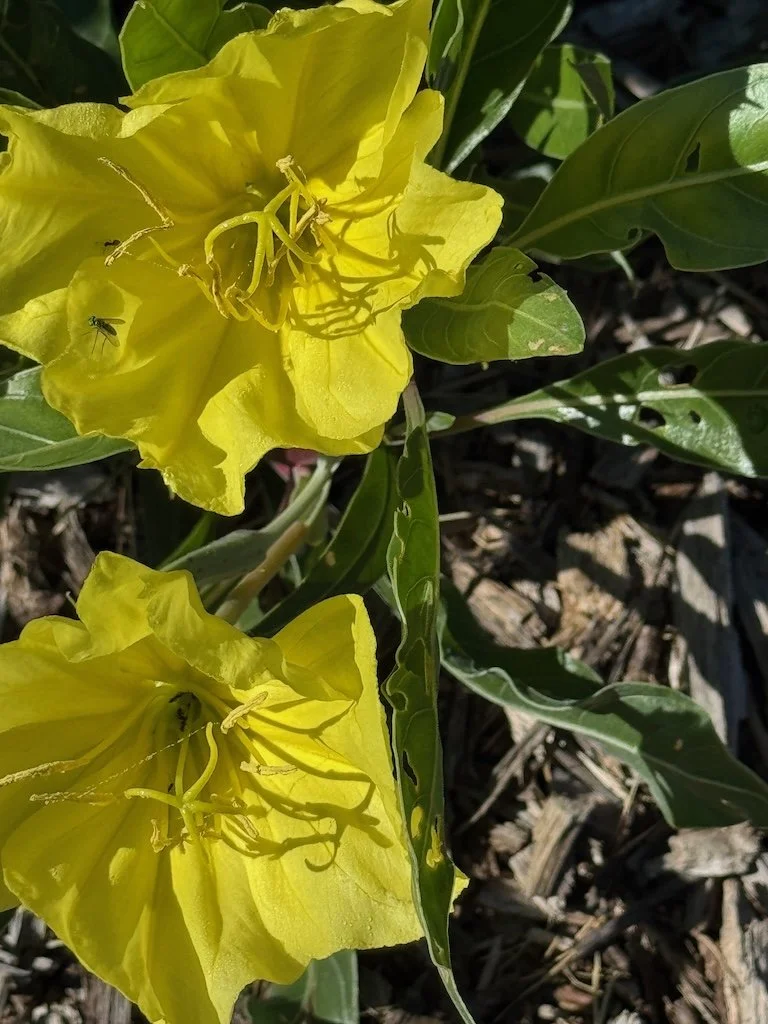
It was a sunny and cool spring day. I took a few pictures of plants in my yard while I was waiting for my husband to be ready to go. The dandelions are blooming and there was one seed puff already! My Missouri Evening Primrose is coming up from last year’s roots and the maple is already forming seeds.

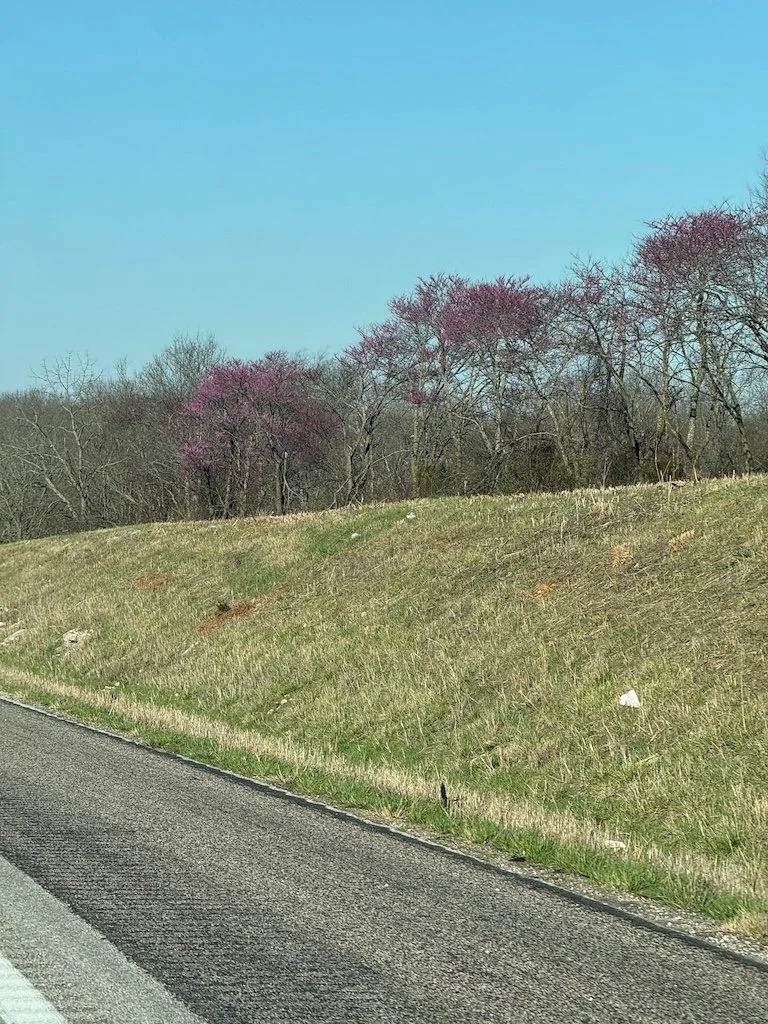
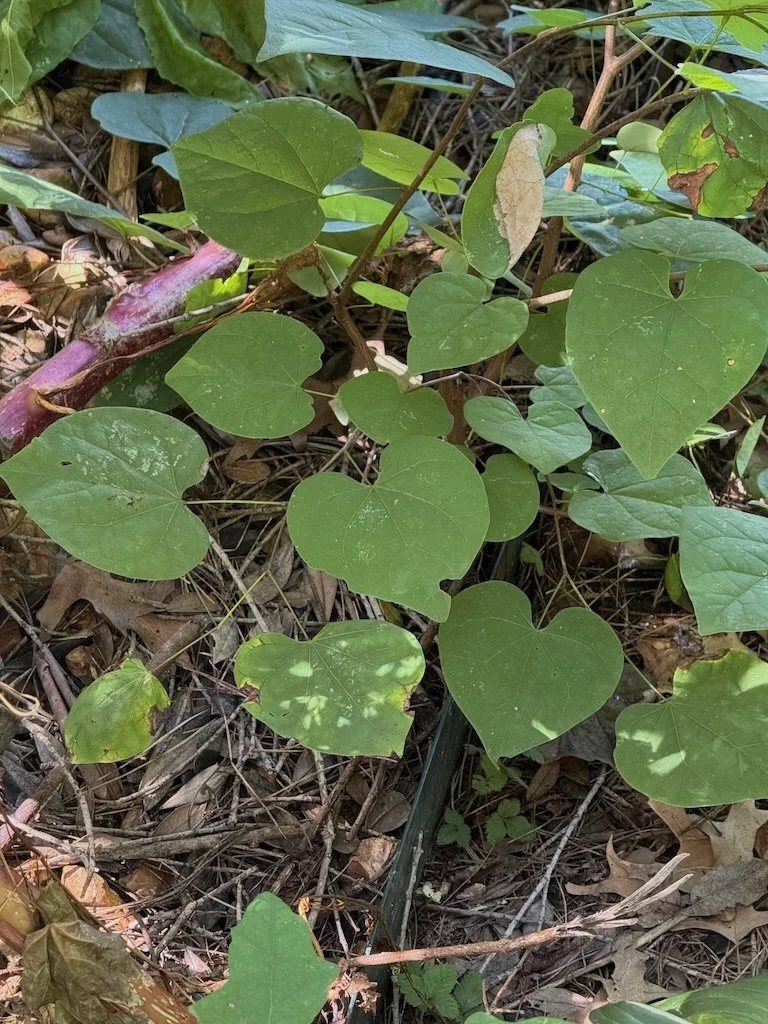
On the way, I noticed that the redbuds along I-44 were beginning to bloom. The flowers were probably not fully open, but there was enough color to identify the trees as we drove. The redbuds at our house were not quite so far along.

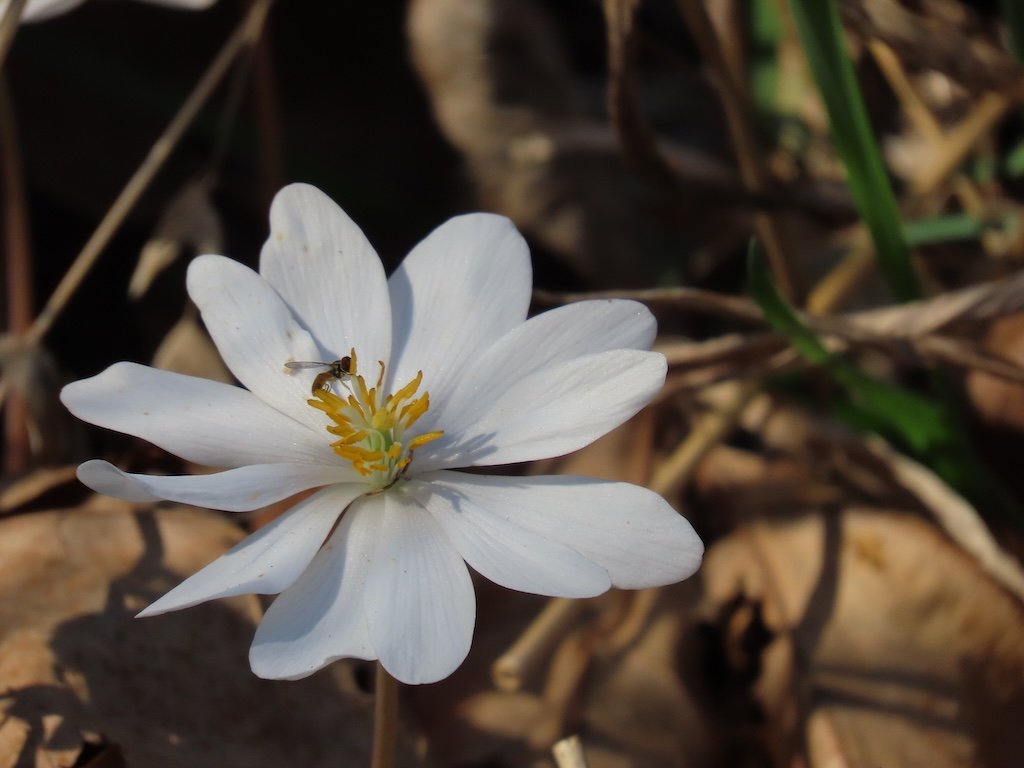
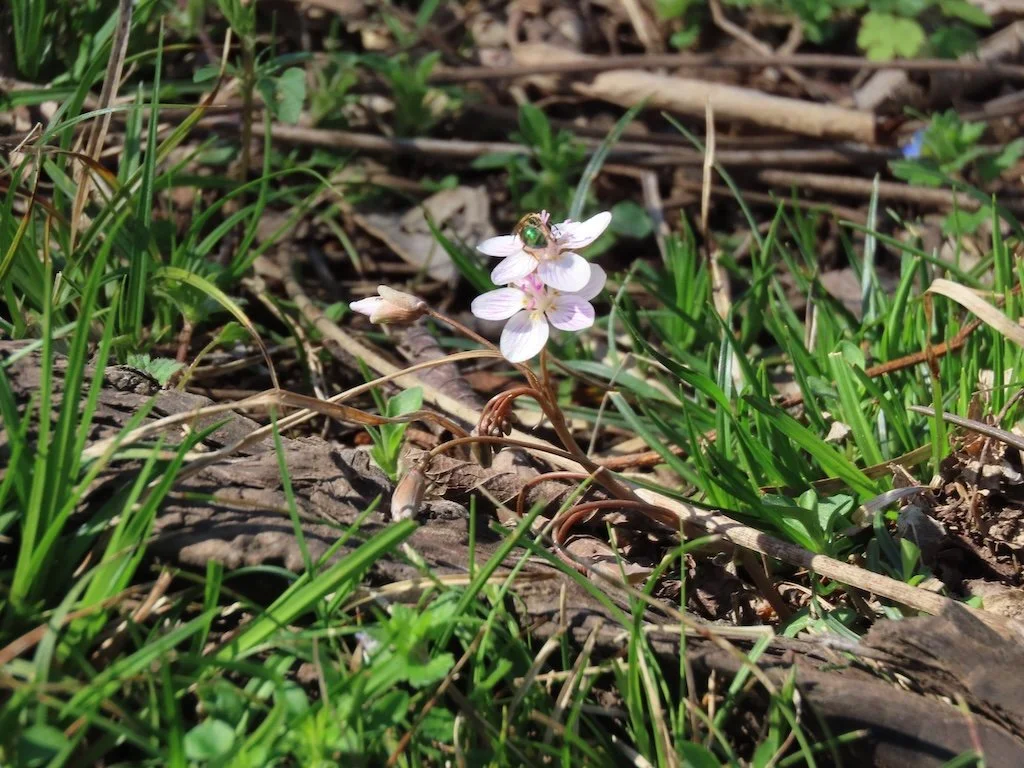
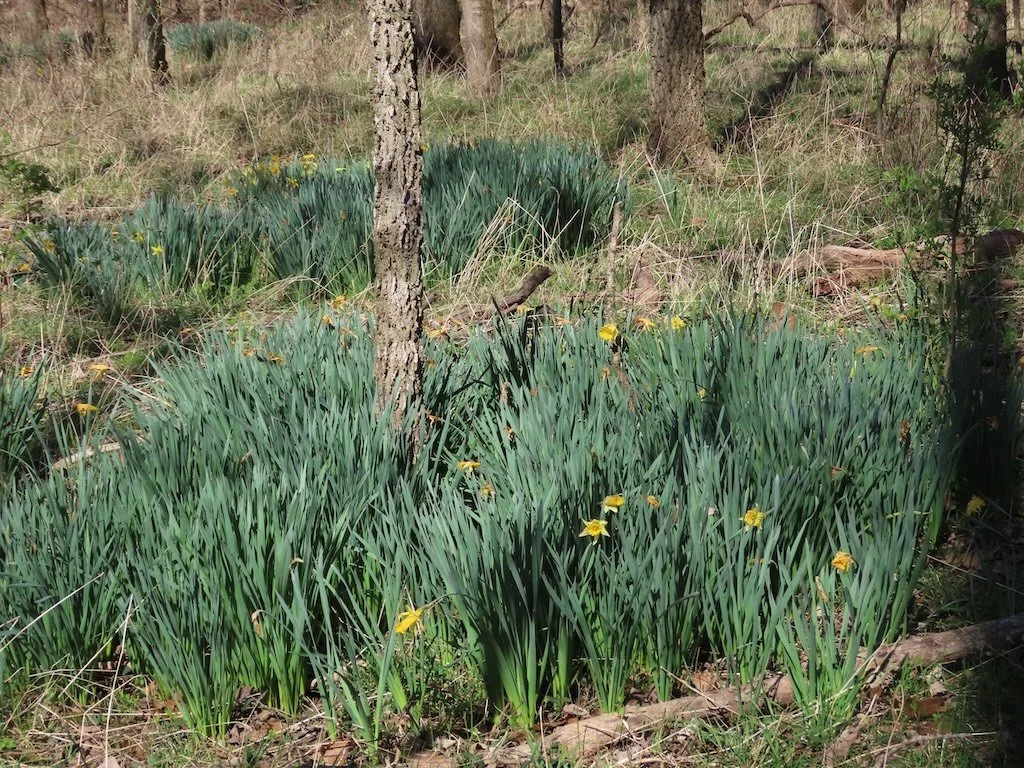
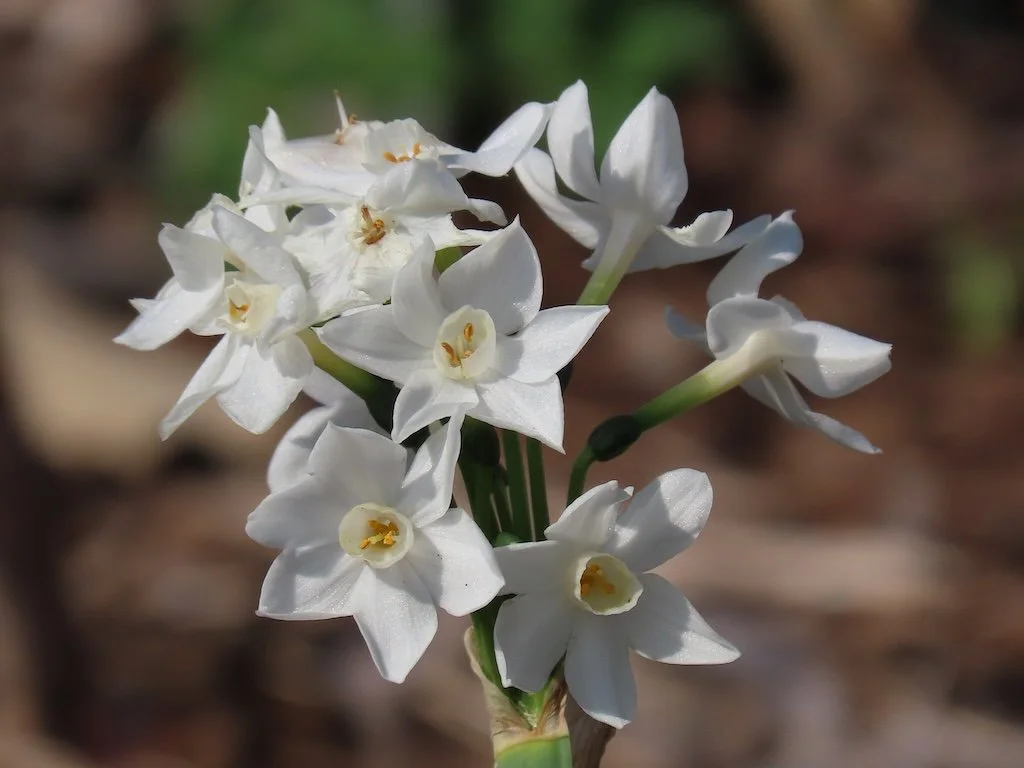
I enjoyed the walk through the woods at the monument. There were some wildflowers – and clumps of daffodils (not wild, obviously) in the woods.  A few insects were out as well so the flowers will be pollinated!

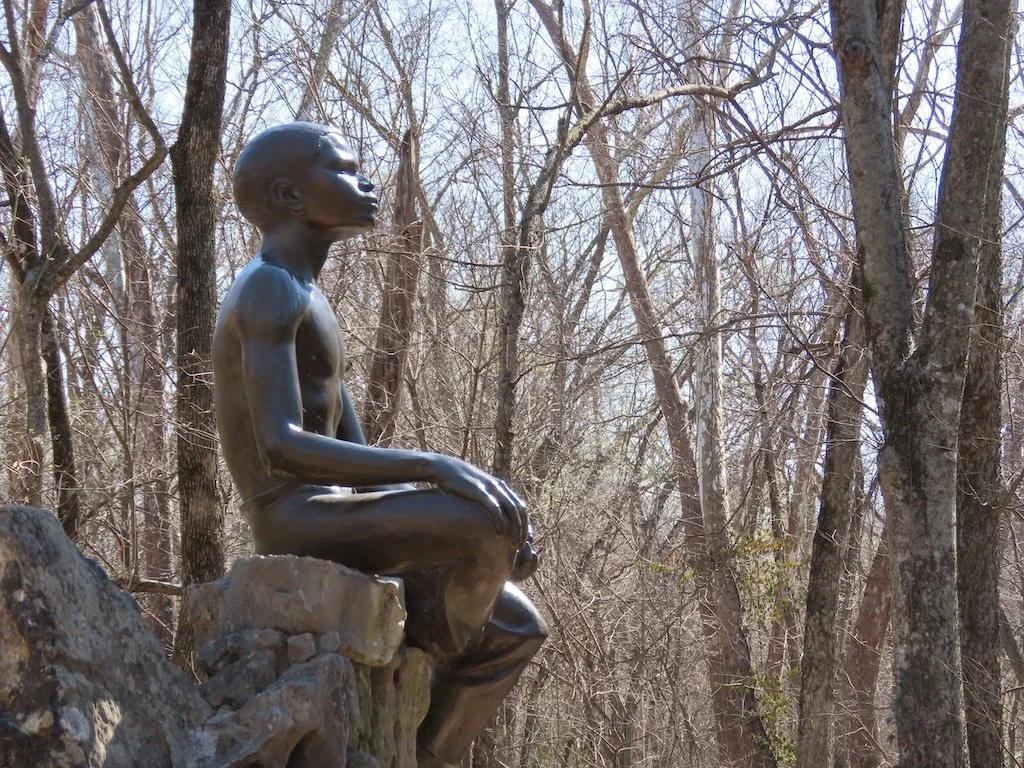
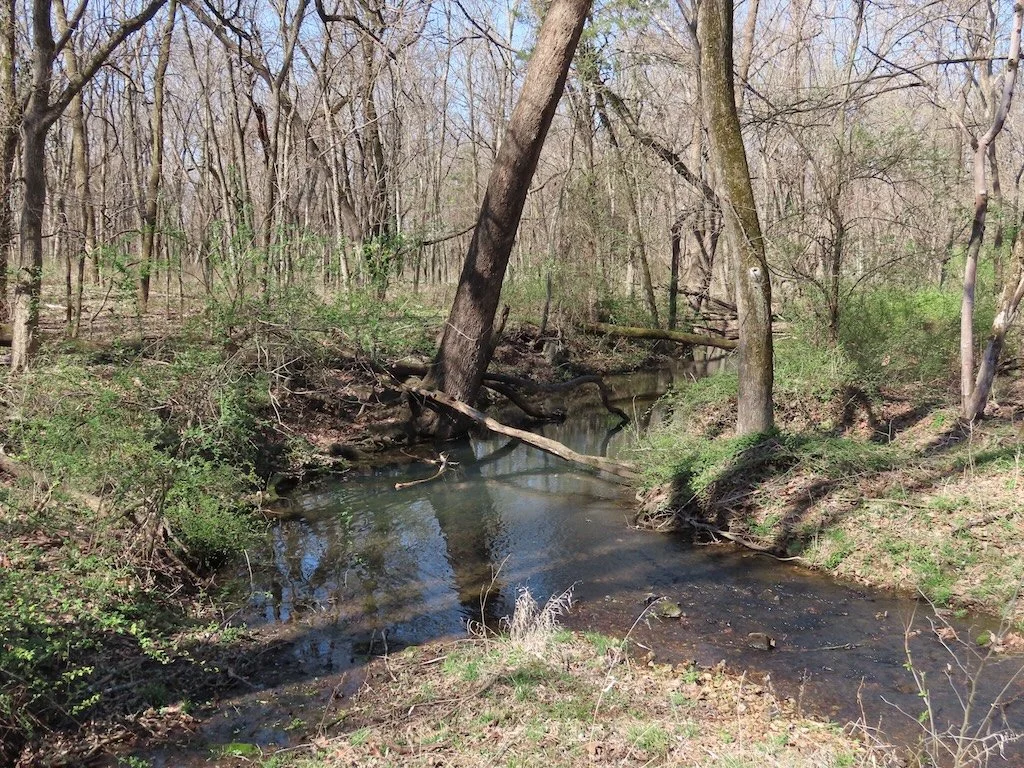
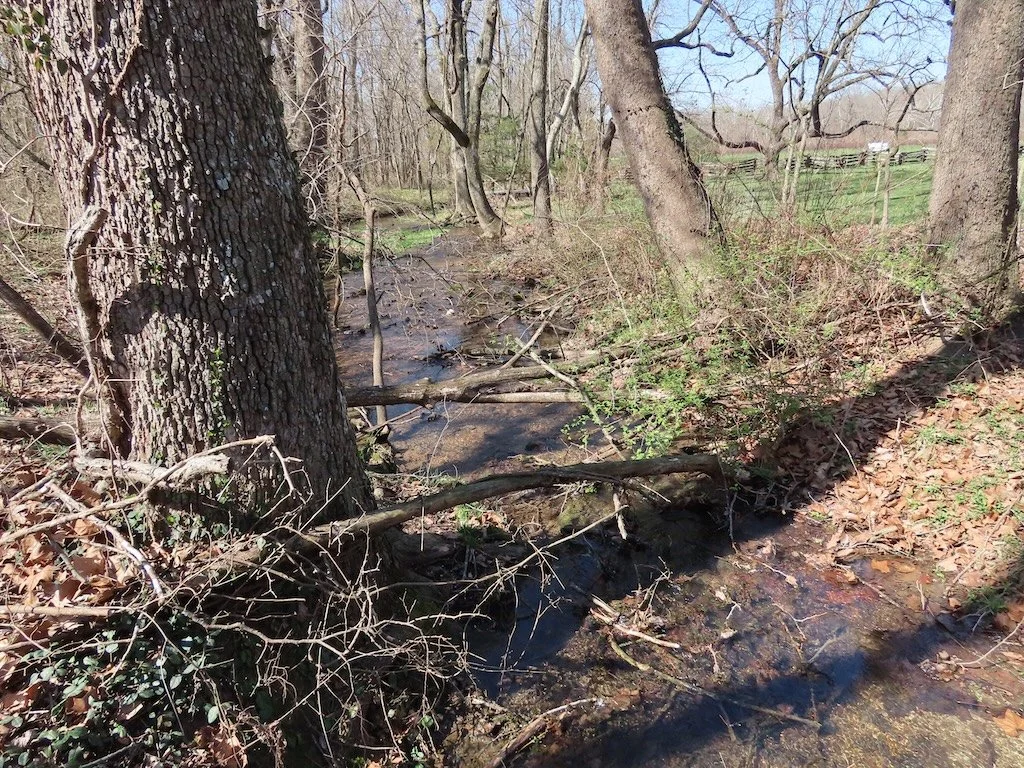
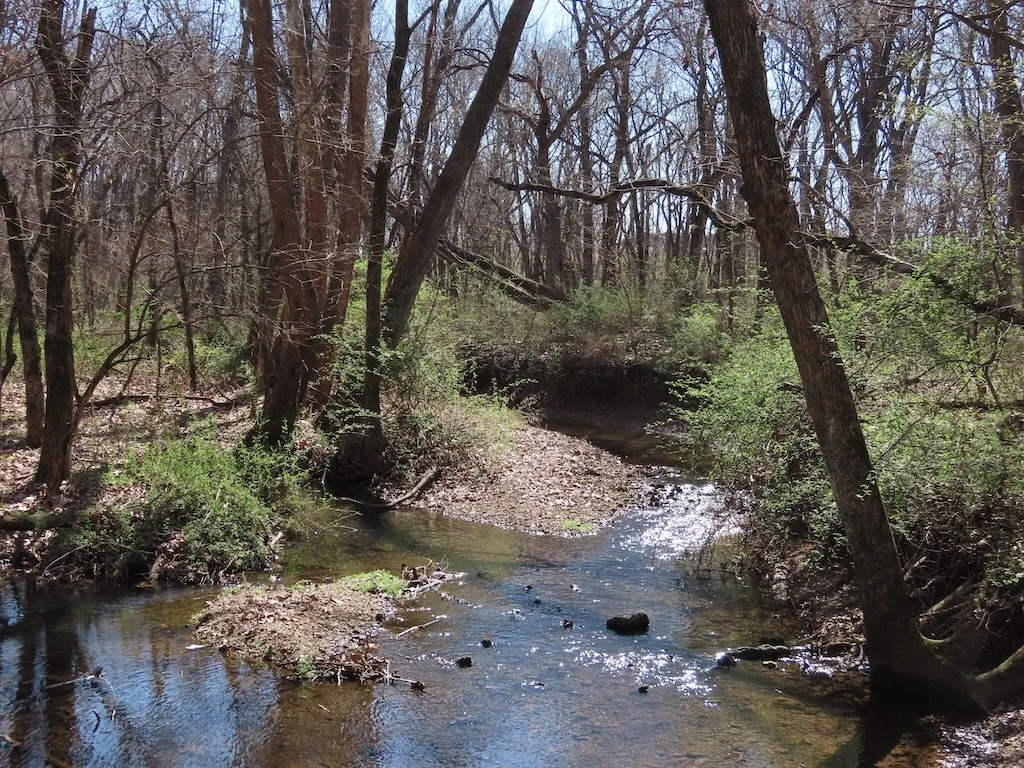
There is a statue of a young George Carver in an area of stream/forest. He was born to a slave family on the farm…almost died when he was young (illness and kidnapping)…managed to survive and was able to become educated…he became head of the Tuskegee Agriculture Department in 1896; he taught there until his death in 1943. He is buried at Tuskegee University.

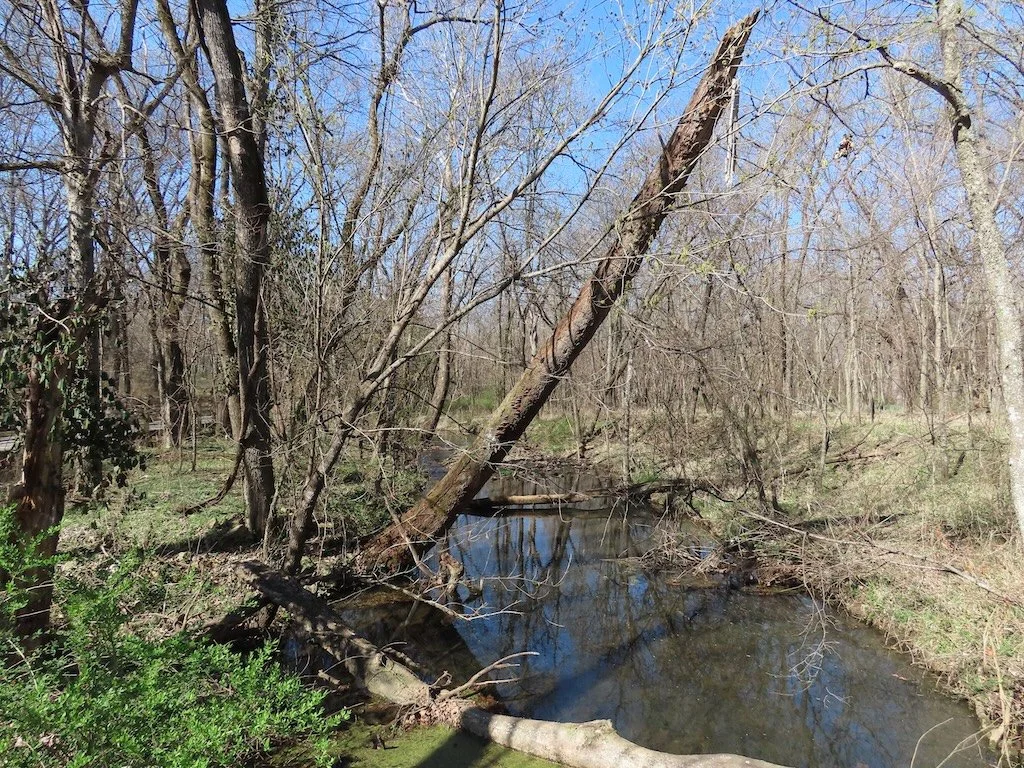
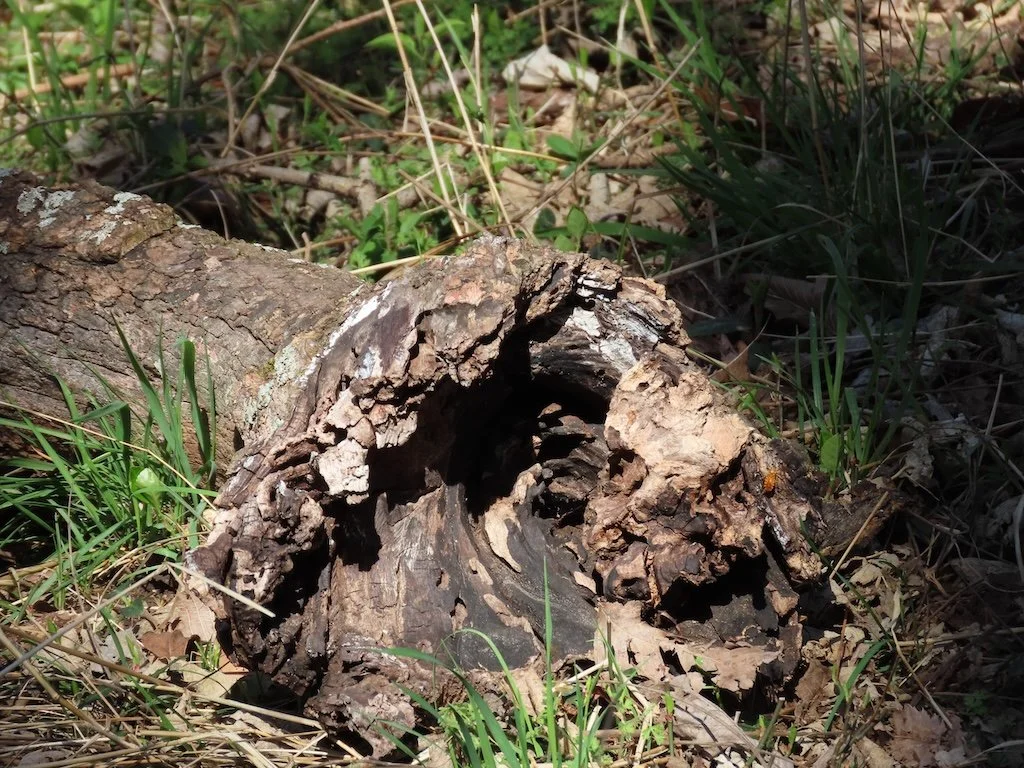
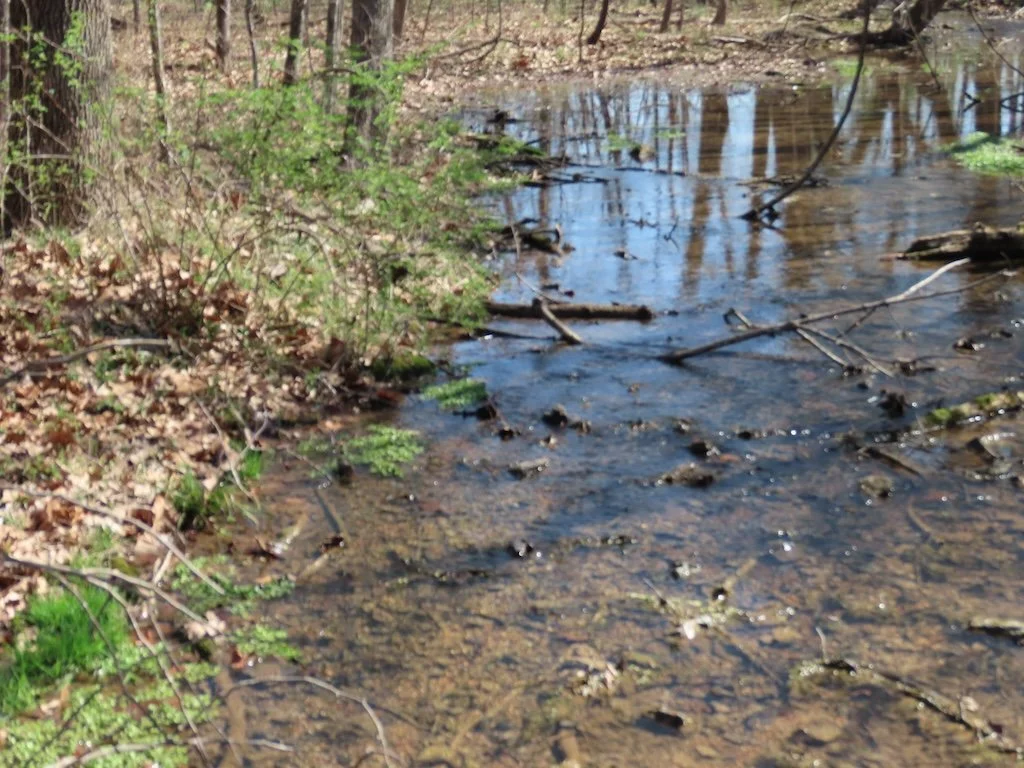
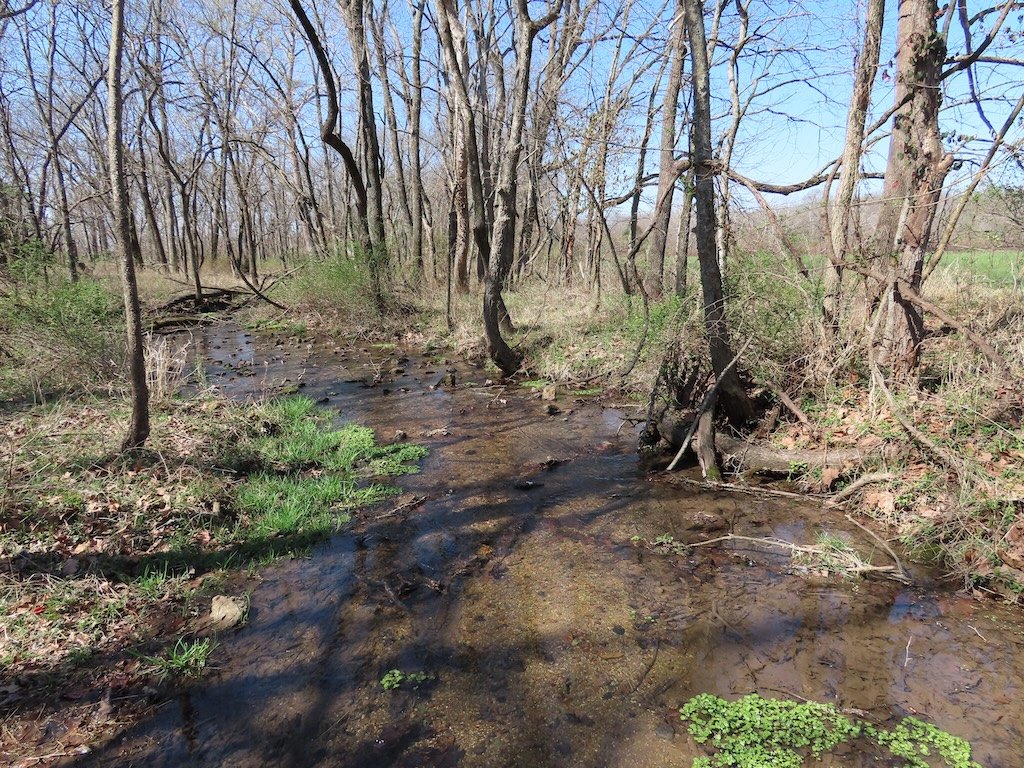
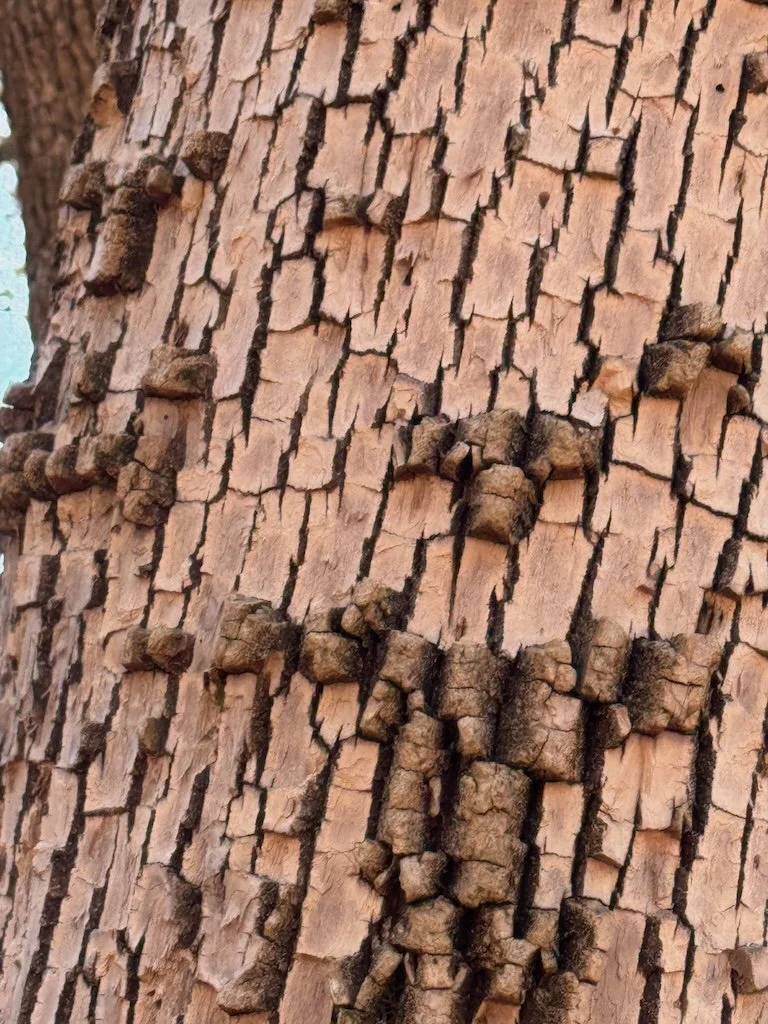
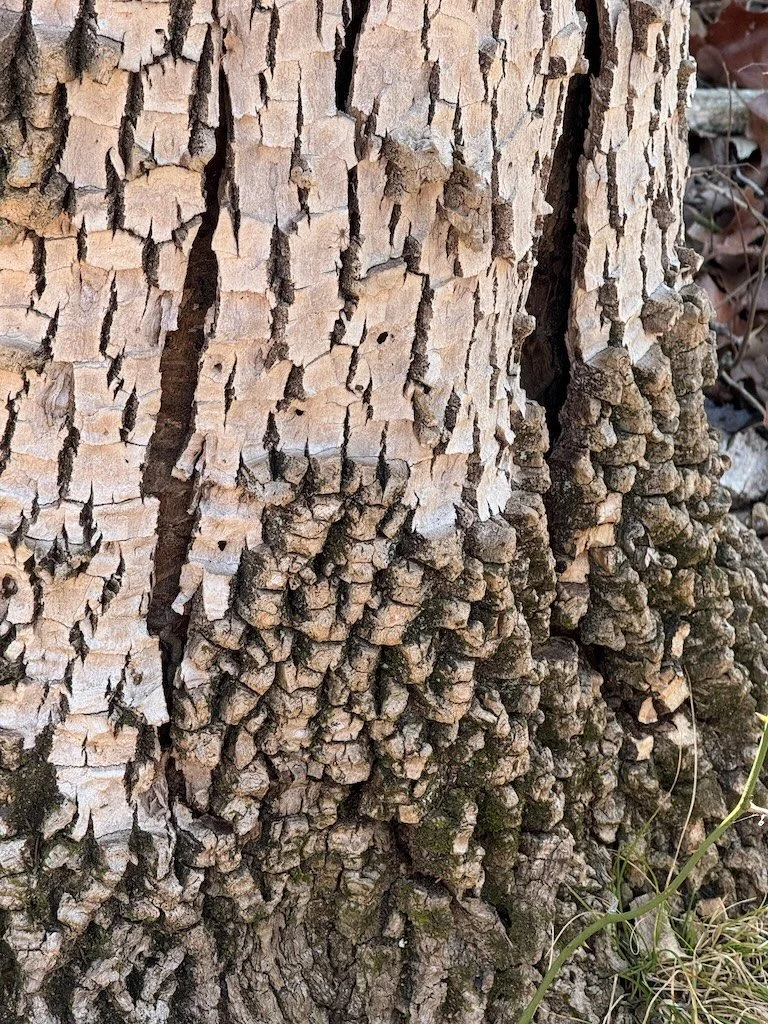
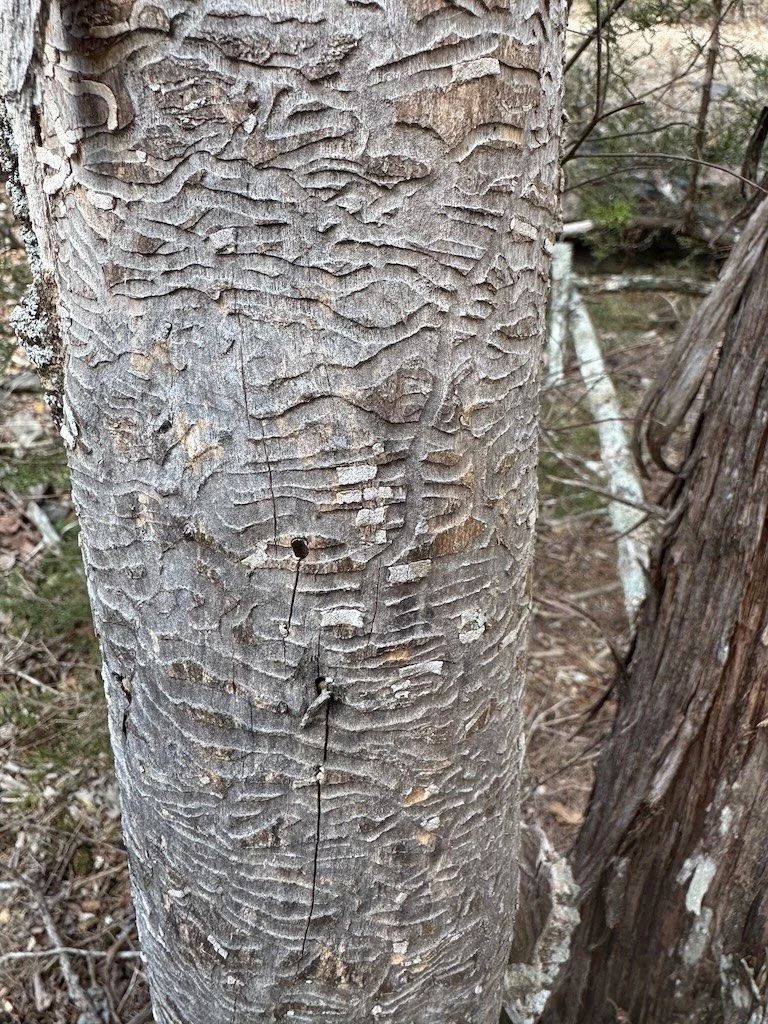
The woods were greening with the wildflowers, but the trees were mostly dormant. Some of them were probably ashes and would not be leafing out again. It is a common occurrence in Missouri right now; the emerald ash borer that killed the ashes in Maryland before we moved to Missouri is now killing the ash trees in Missouri. There is water in many places along the Carver Trail (loop) – Williams Pond/Branch and Carver Branch.

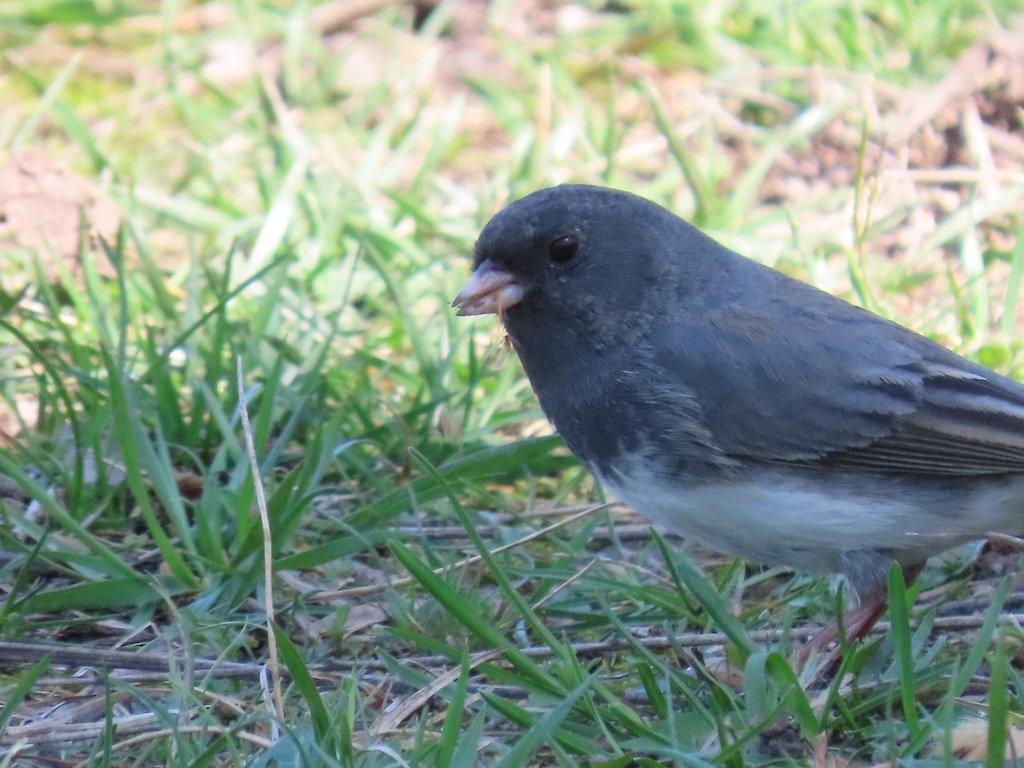
There were lots of birds, but I only managed to photograph a Dark-eyed Junco. We heard several woodpeckers.

We were at the monument on a Saturday, and I was pleased that there were other people that were there – many with children. The place is closer to Joplin so I assume the ‘regulars’ are mostly from Carthage or Joplin. It is a good place to visit in the spring….and maybe even better in the fall. In the summer, it would be very humid.

We opted to drive to Carthage for lunch at Iggy’s Diner. I am trying to find places other than fast food that my husband likes…and the diner seemed to be a hit with him. The quality of food is better than a fast food chain!

Yard Work – March 2023

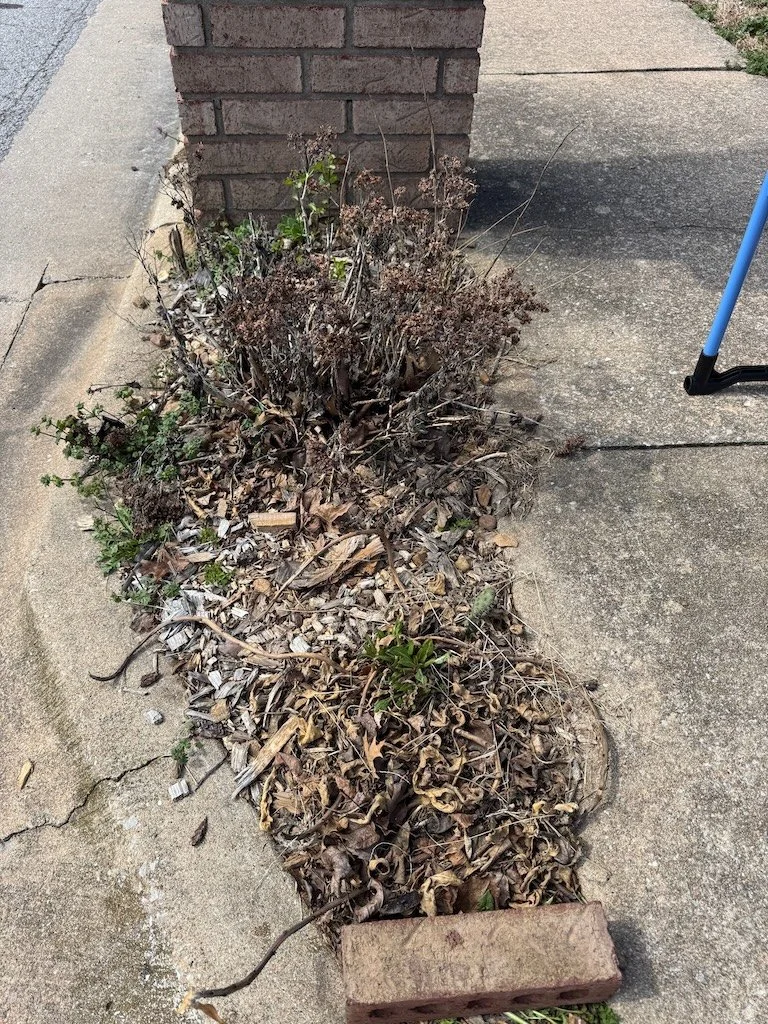
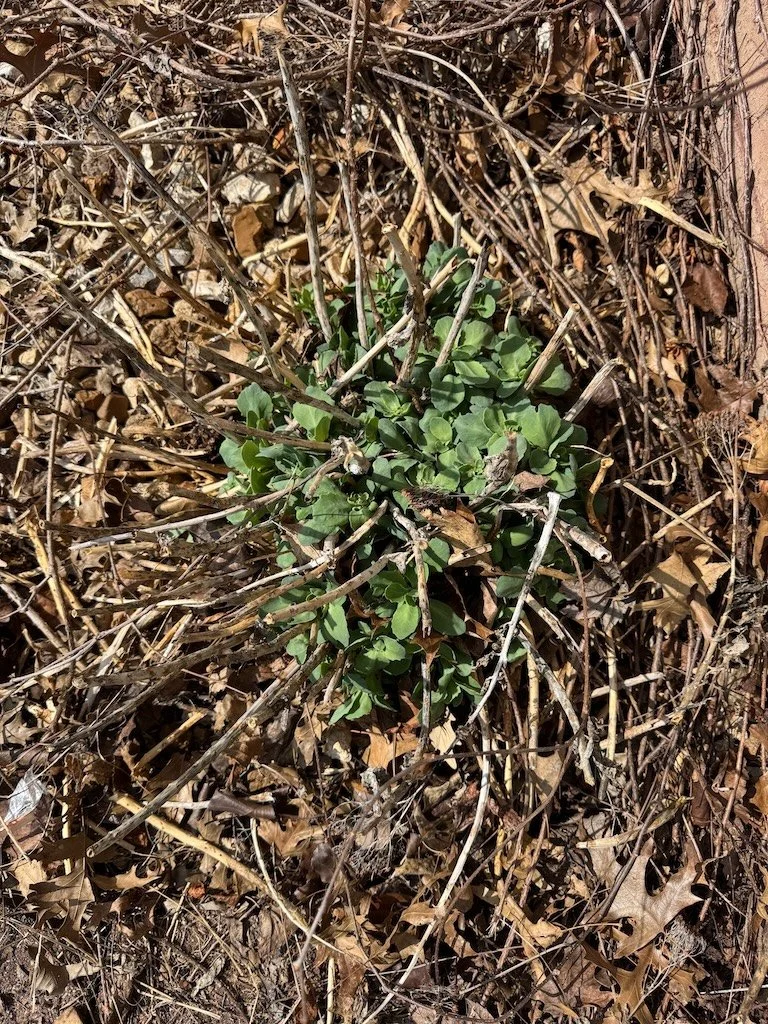
So much to do before it’s warm enough to plant into the new native plant garden in my front yard – that’s the April project. Now I am working on existing plantings. The Missouri evening primrose has come up in the small bed near the mailbox. There is a stone crop there too. I trimmed off the seed heads from last season so that the green at the base will show sooner. I try to leave the small twigs and leaves in the bed…reducing any bare  soil that might wash away during the spring rains.

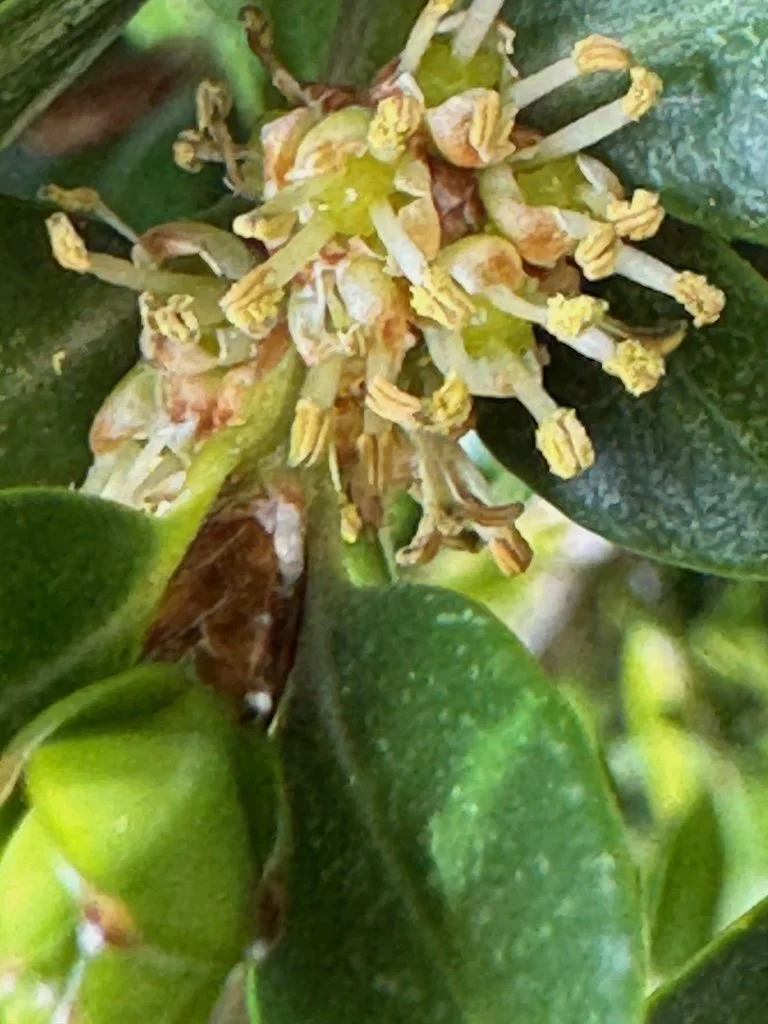
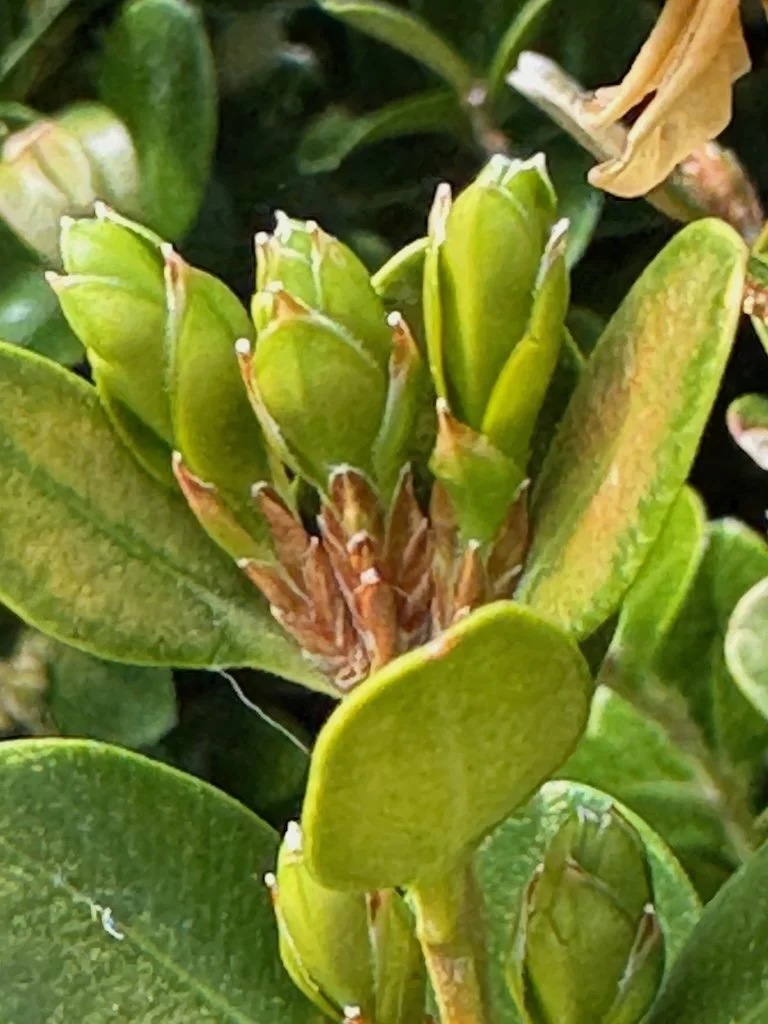
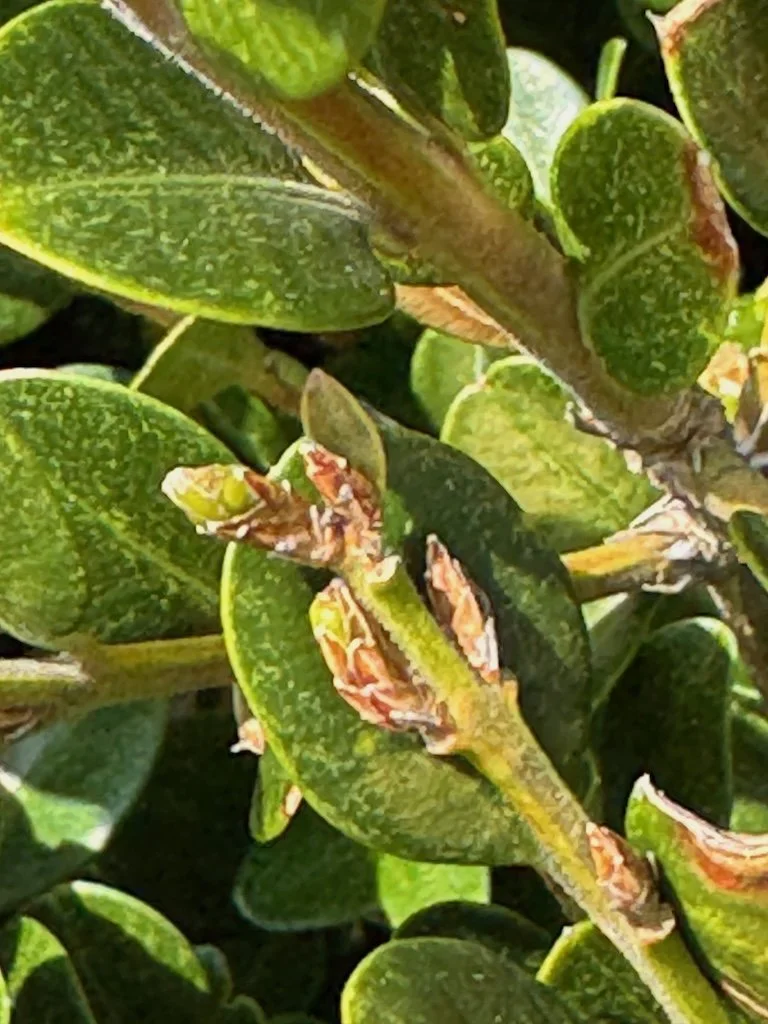
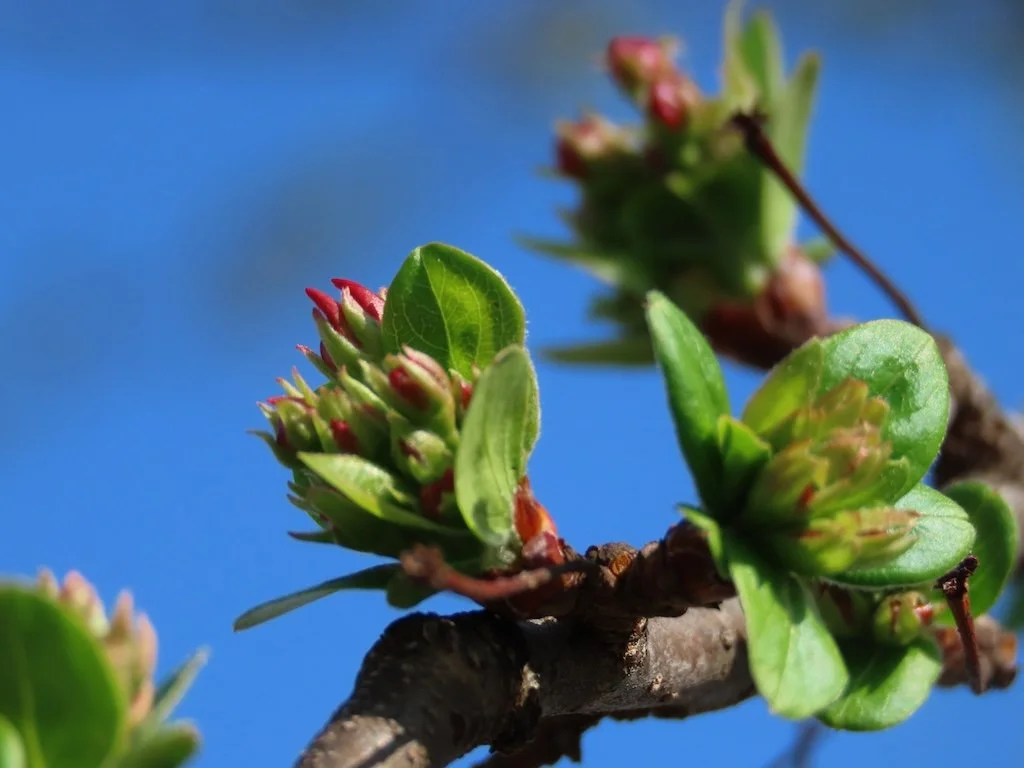
I need to trim the boxwood, but I’ll wait a bit on that. The electric hedge trimmer will make fast work of that job. I got a little sidetracked while I was looking at it when I realized it was blooming…and had a lot of new leaves; it was a good opportunity for some macro photography.

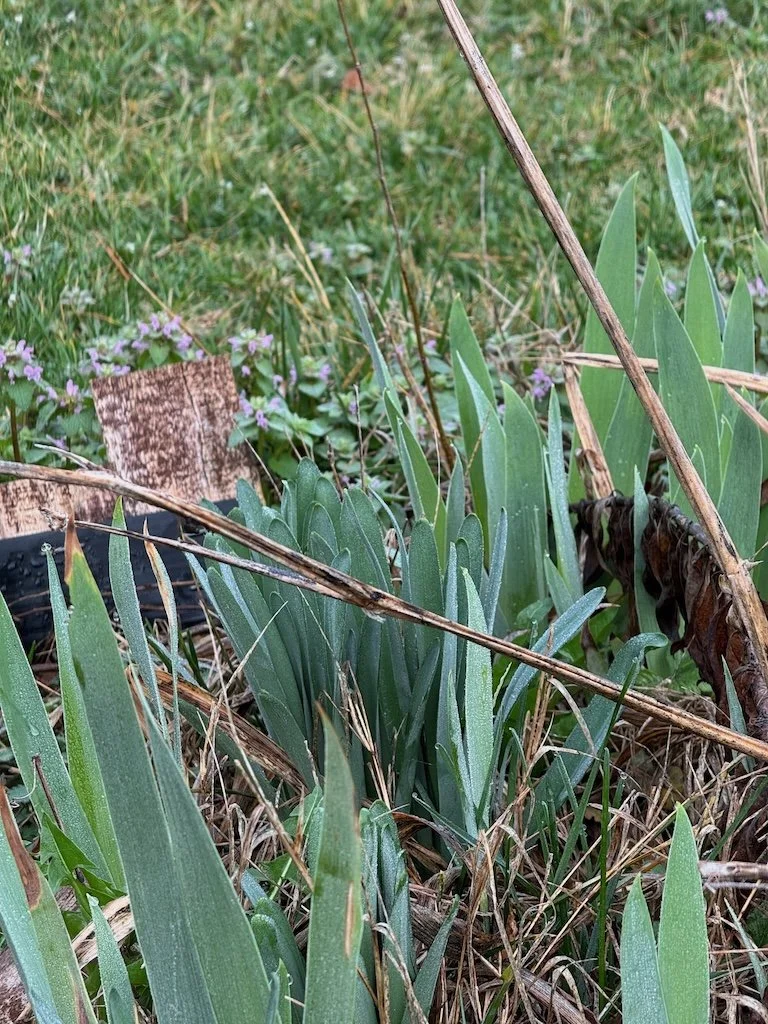
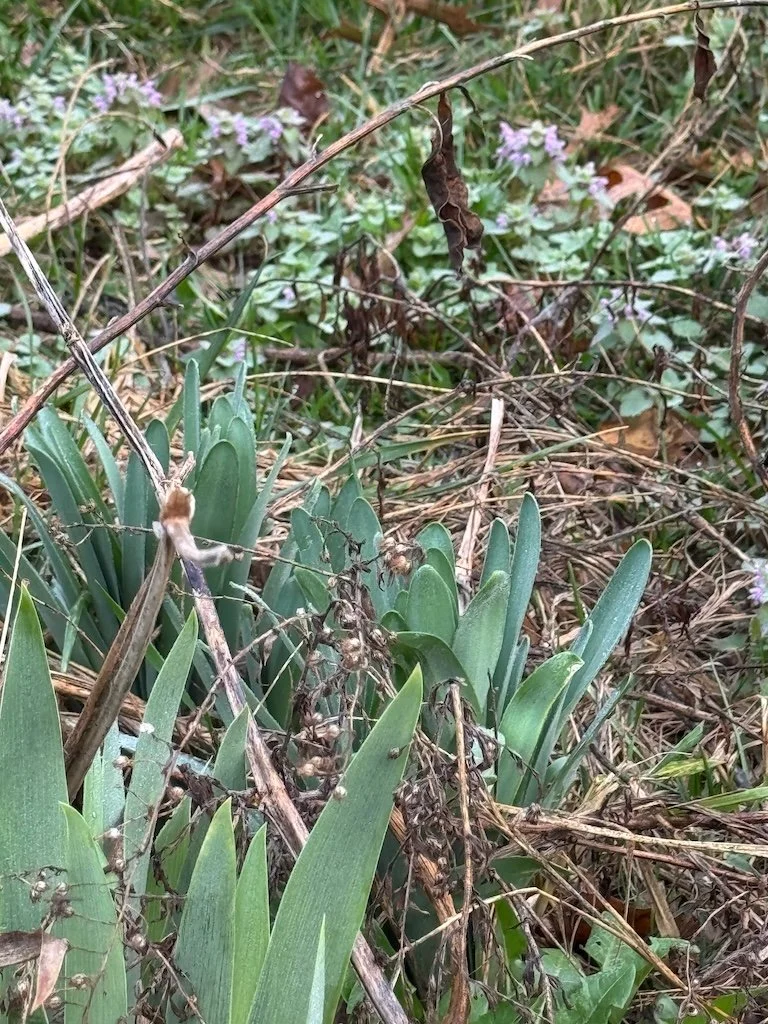
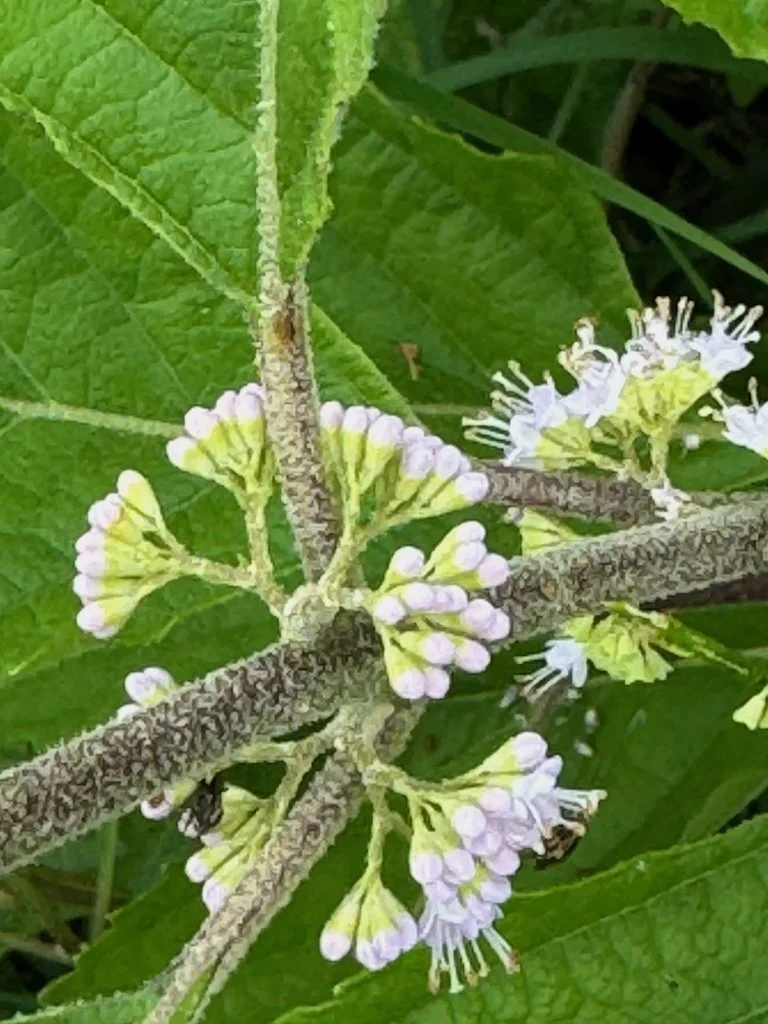
In the back yard – the iris bed where we cut down a pine several years ago was full of stalks from goldenrods. I cleared them away and realized that some of the leaves are rounded instead of pointy like the irises; those are naked lady lilies and there are more of them than last year. The bed is not formal, and I am letting it develop with the idea that the America beautyberry will eventually be the tall plant.

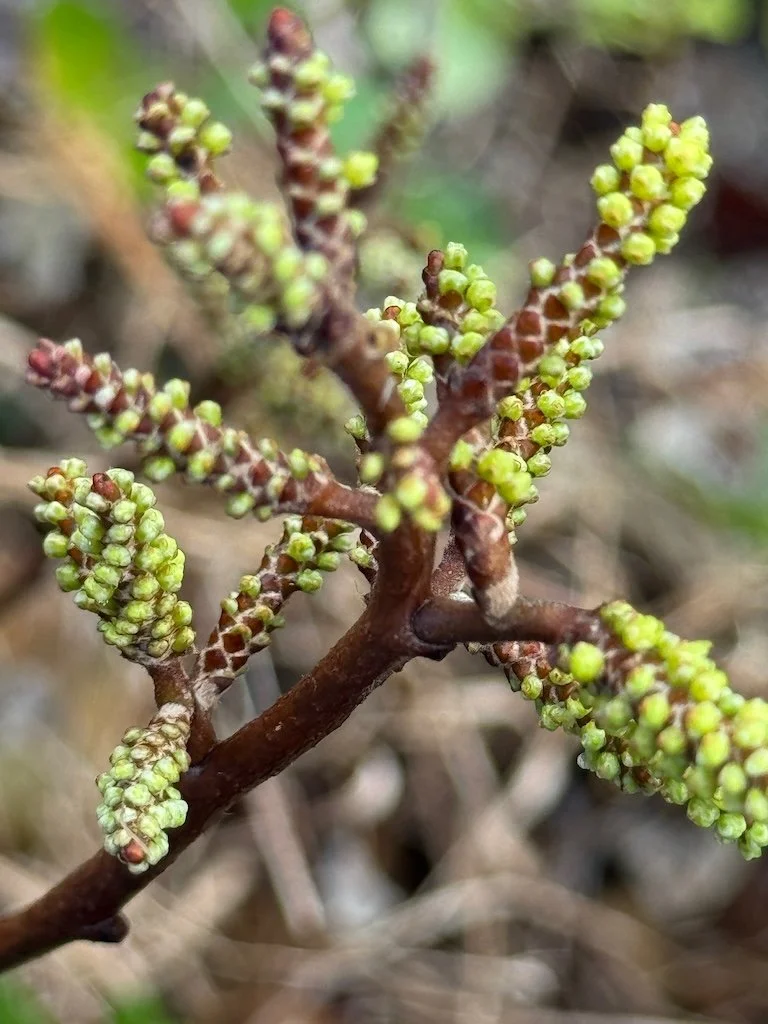
The fragrant sumac that I planted the first fall that we owned the house is blooming! I noticed that there is Japanese honeysuckle (an invasive) in the bed. I have spent several mornings working on it and am at the stage of digging out some of the hubs of the vines. I’ll work to keep the plant in check (or eliminated) this summer.

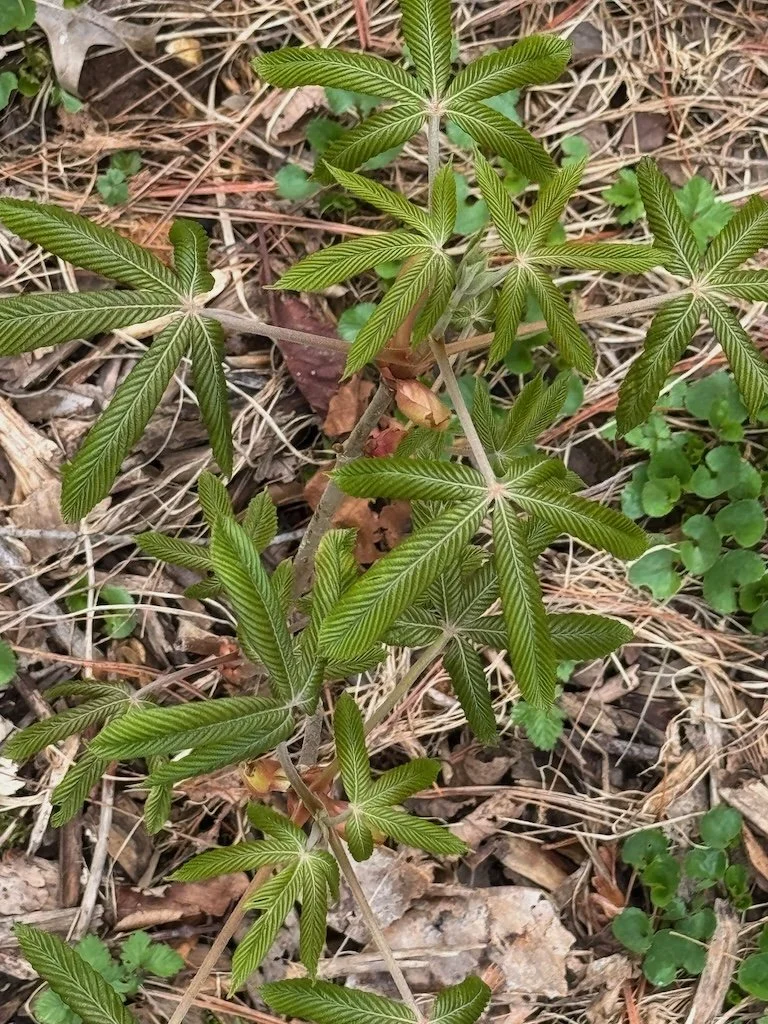
In the area where the small red buckeye is unfolding its leaves, the debris from last season’s violets and leaves provides good mulch that does not overwhelm the small plant. As it gets larger, I’ll decide if I’ll just leave it with that groundcover or put wood chips around it. There will never be a lawn mower near it….but no bare soil either! way you tell your story online can make all the difference.

Ozark Spring in 1948

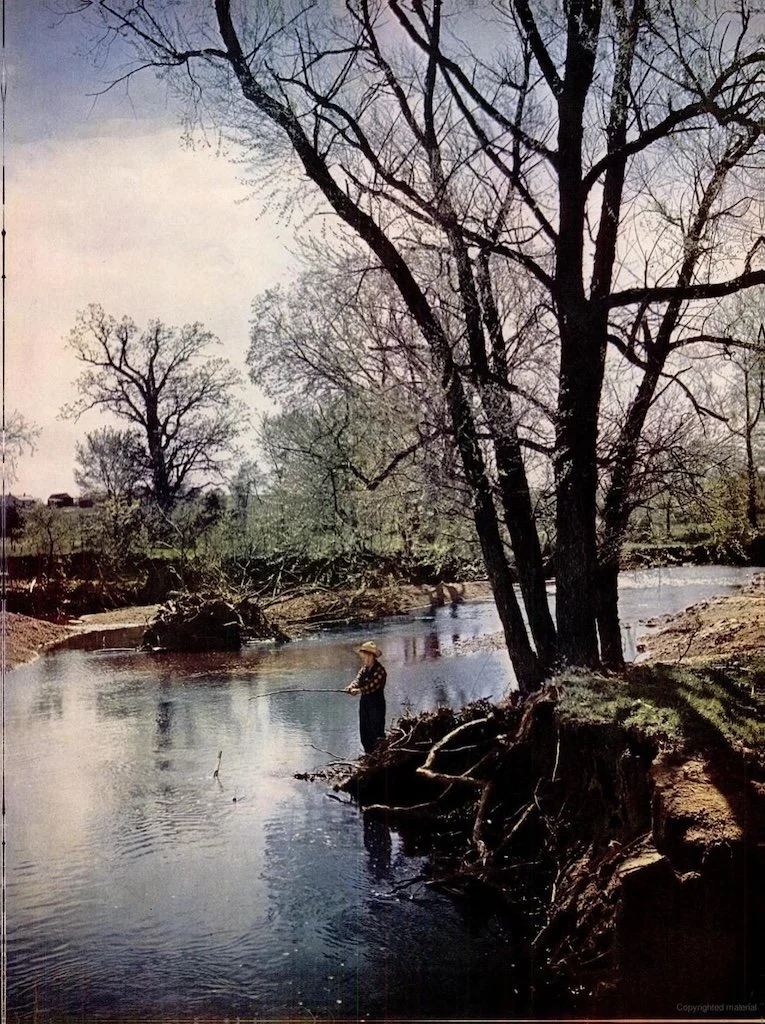
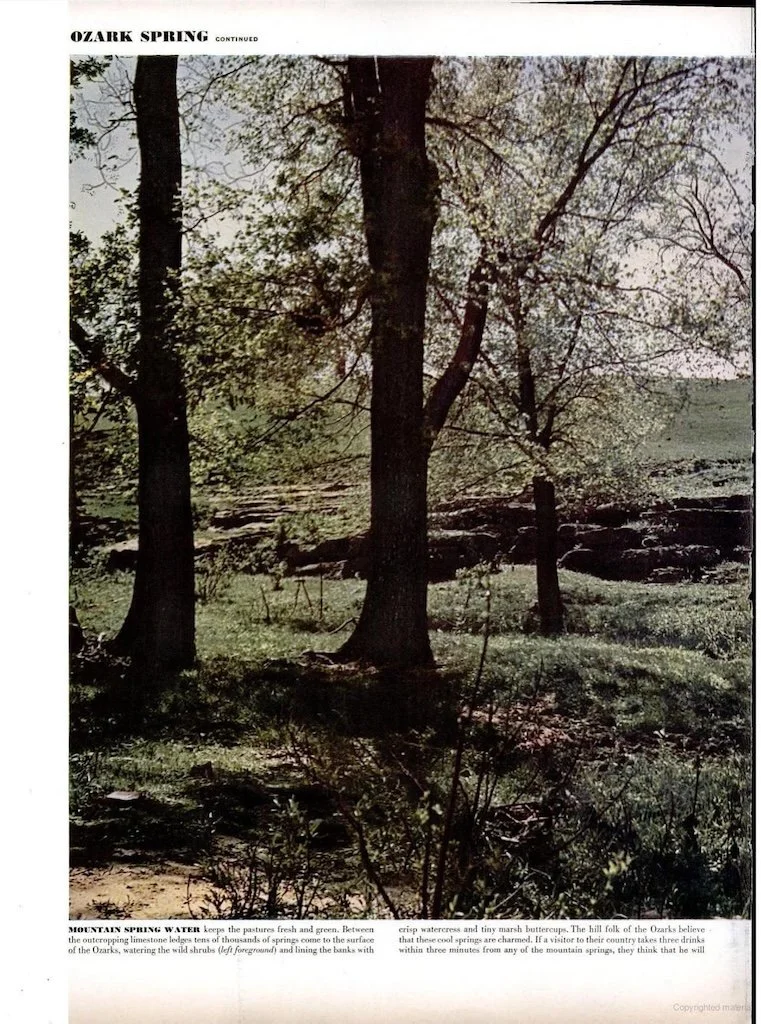
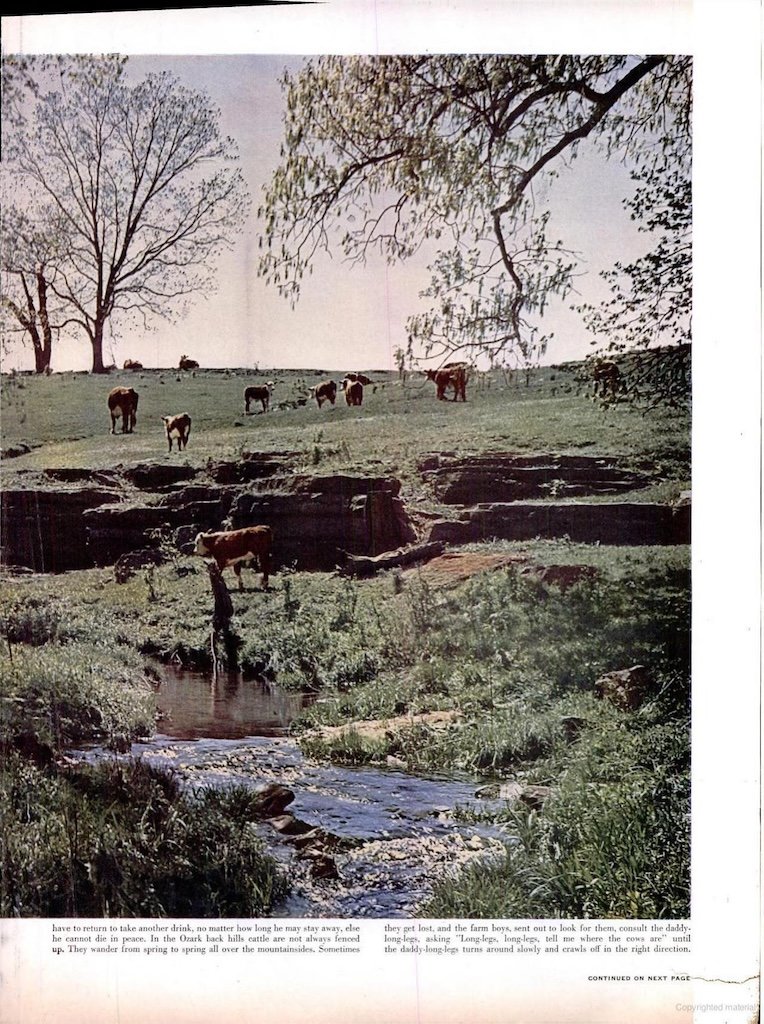
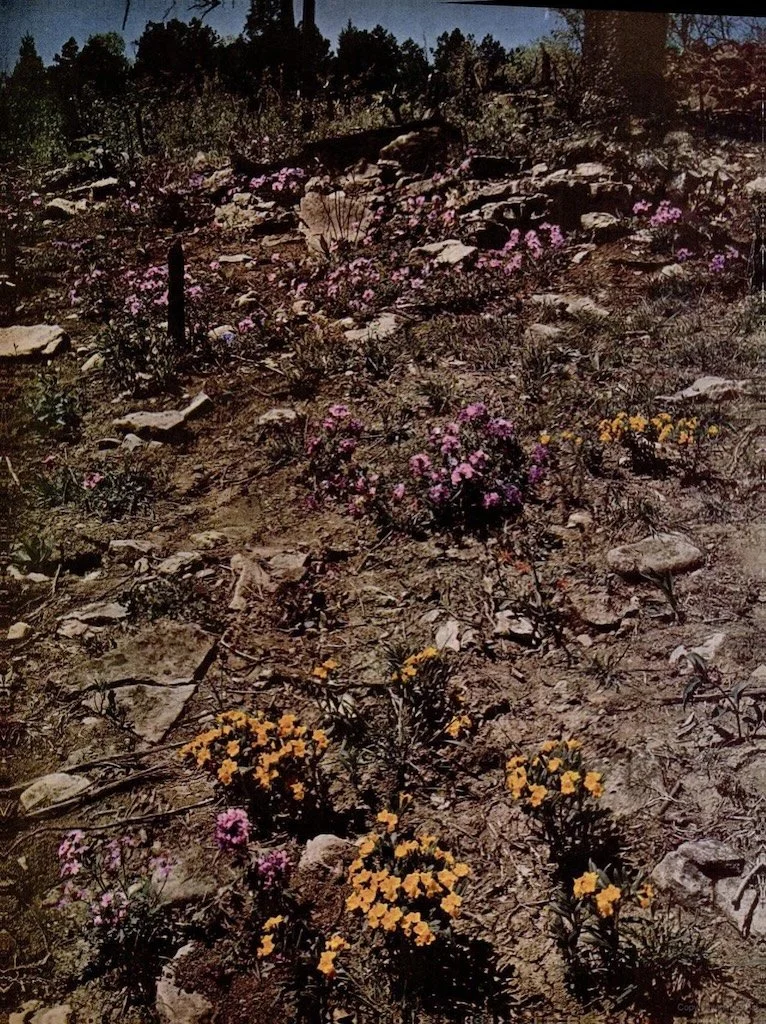
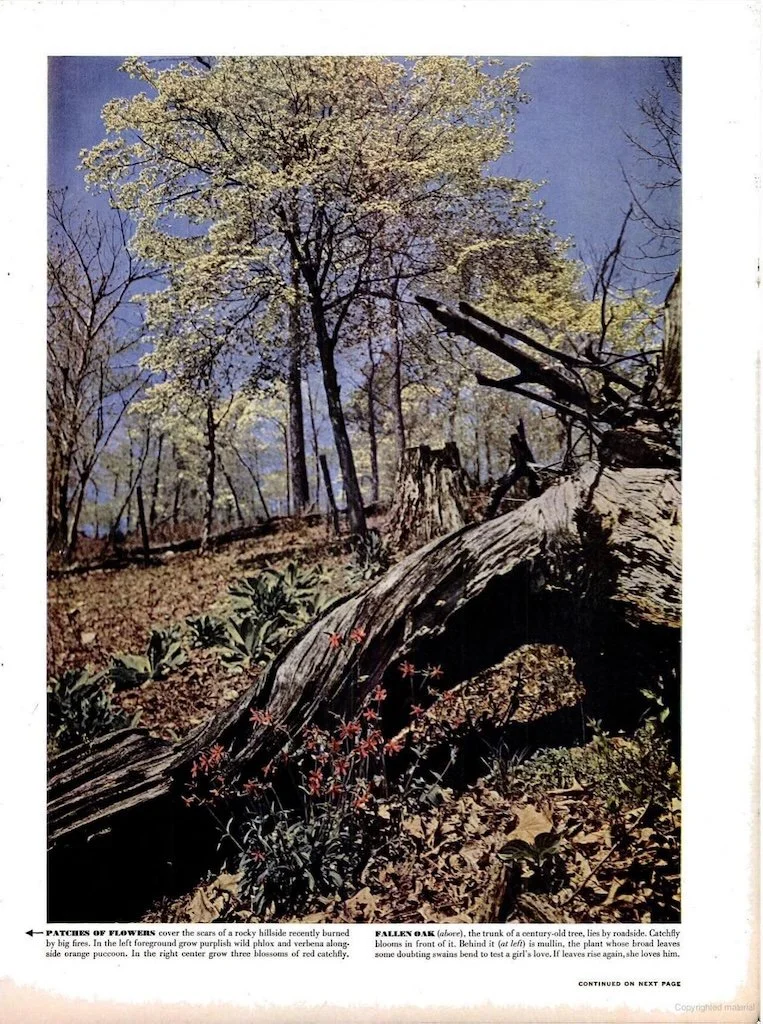
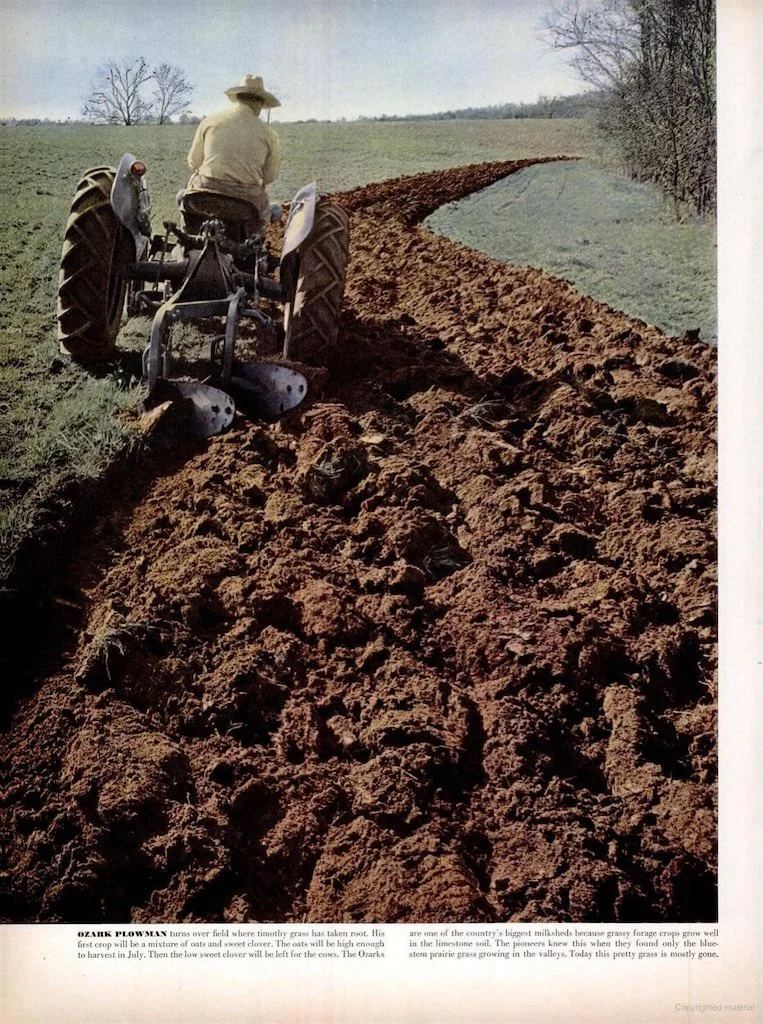
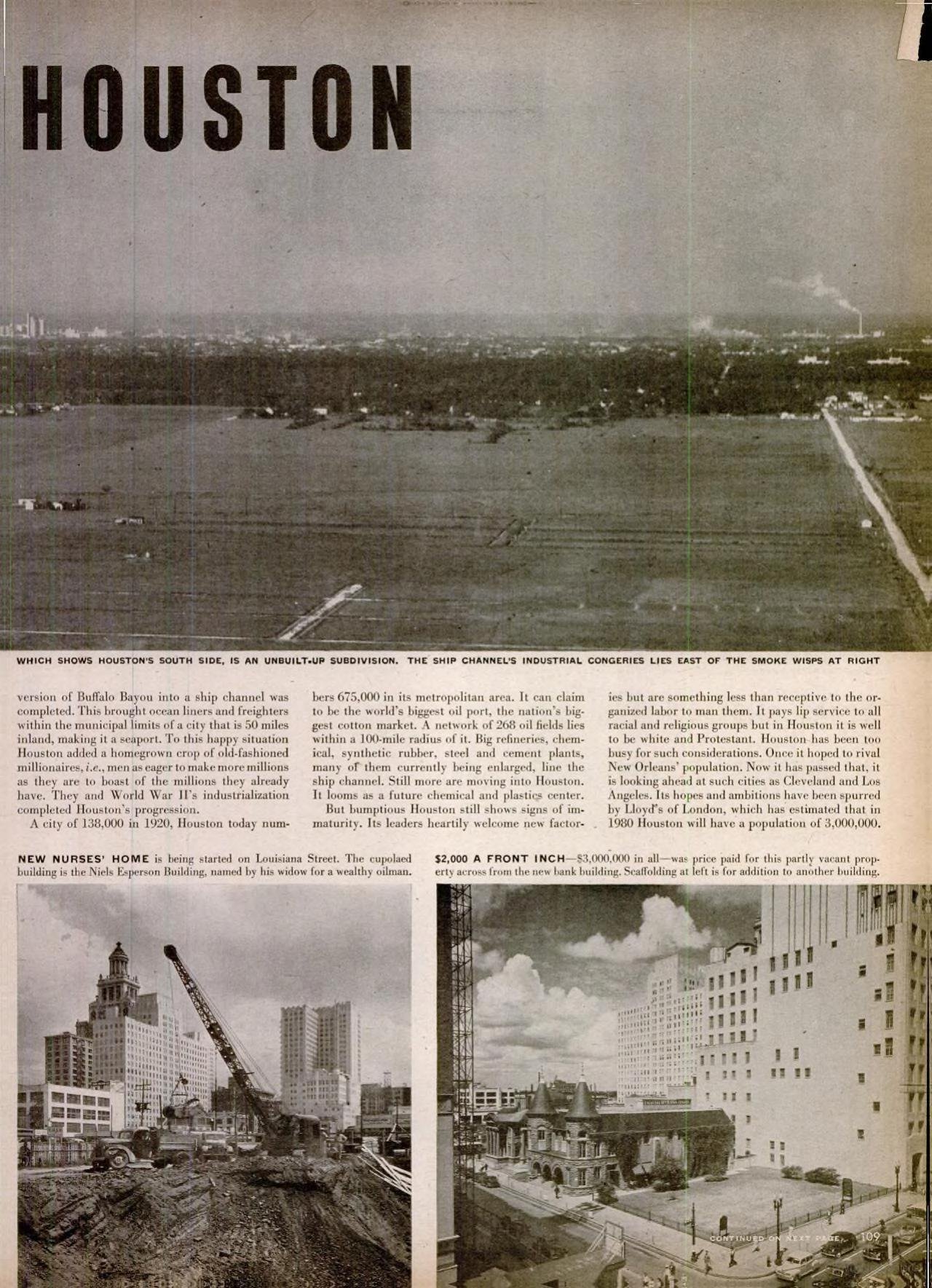
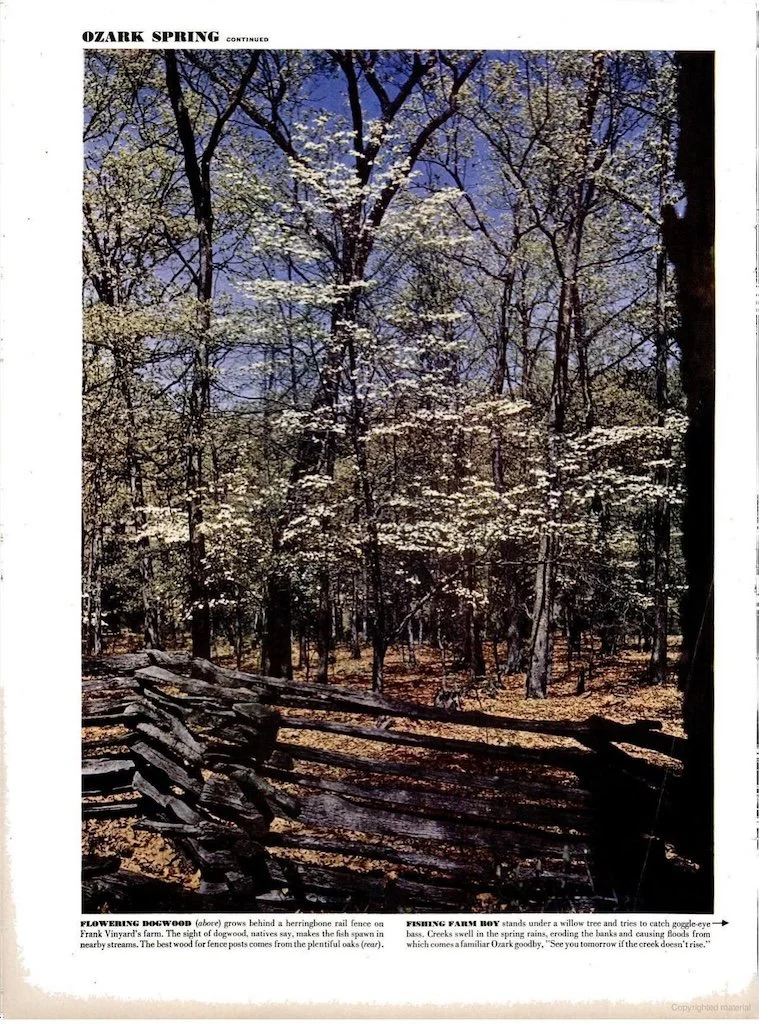
A story in Life Magazine for April 5, 1948 was an pictorial record of what it was like in spring during that time. The trees were leafing out or blooming and wildflowers were blooming in an area that had burned. There were already signs of loss – a farmer plowing before planting oats and sweet clover in an area that has once been bluestem prairie and cows making ruts down to the spring. The dogwoods are not as numerous today as in these pictures. Still – spring comes and we all appreciate the beauty that has survived in the Ozarks.

(Use the arrows on the left and right of the image to move through the slideshow.)

Springfield Botanical Gardens (2) – March 2026

Continuing the images from my walk around the Springfield Botanical Gardens recently….

This post is about the trees.

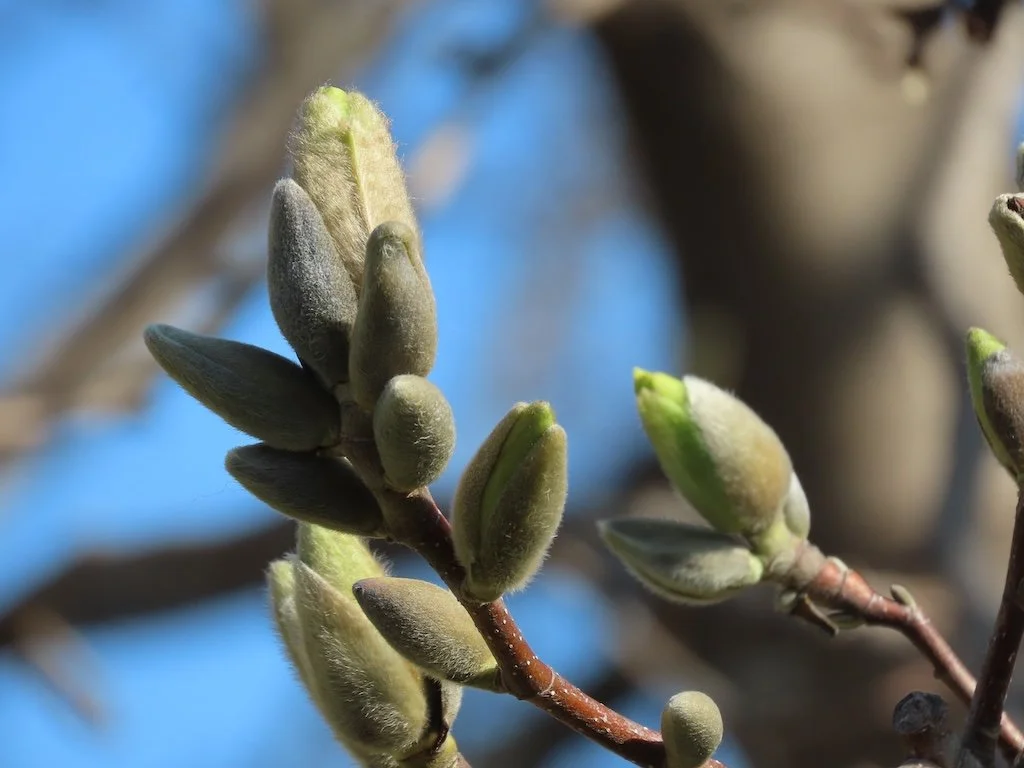
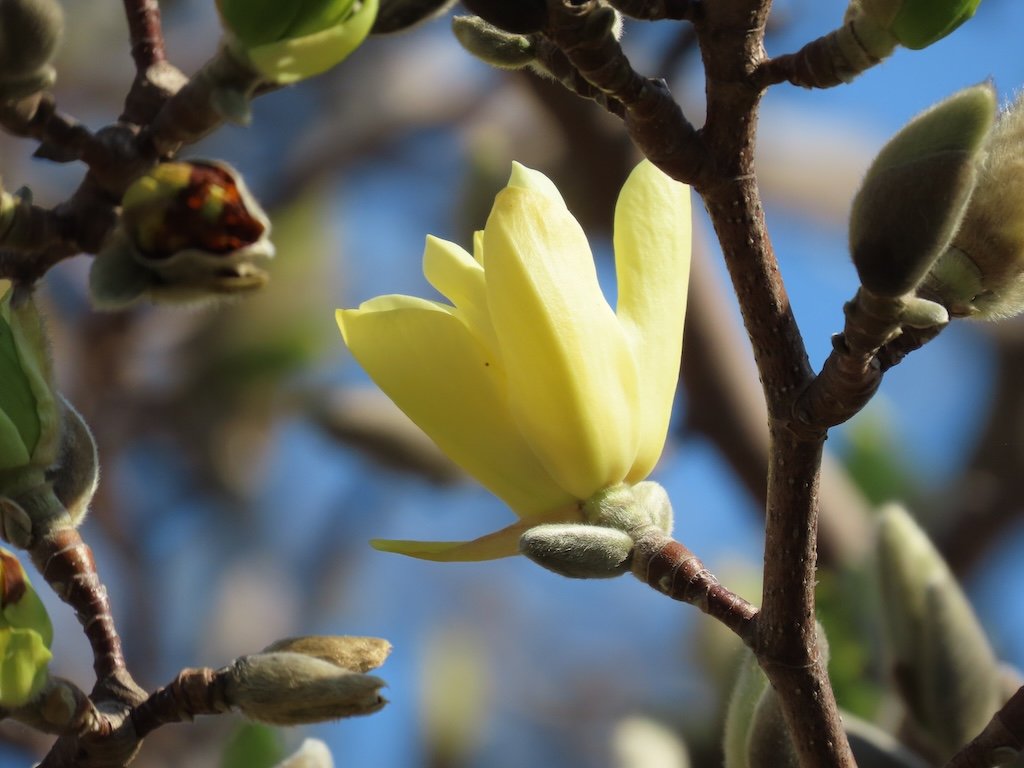
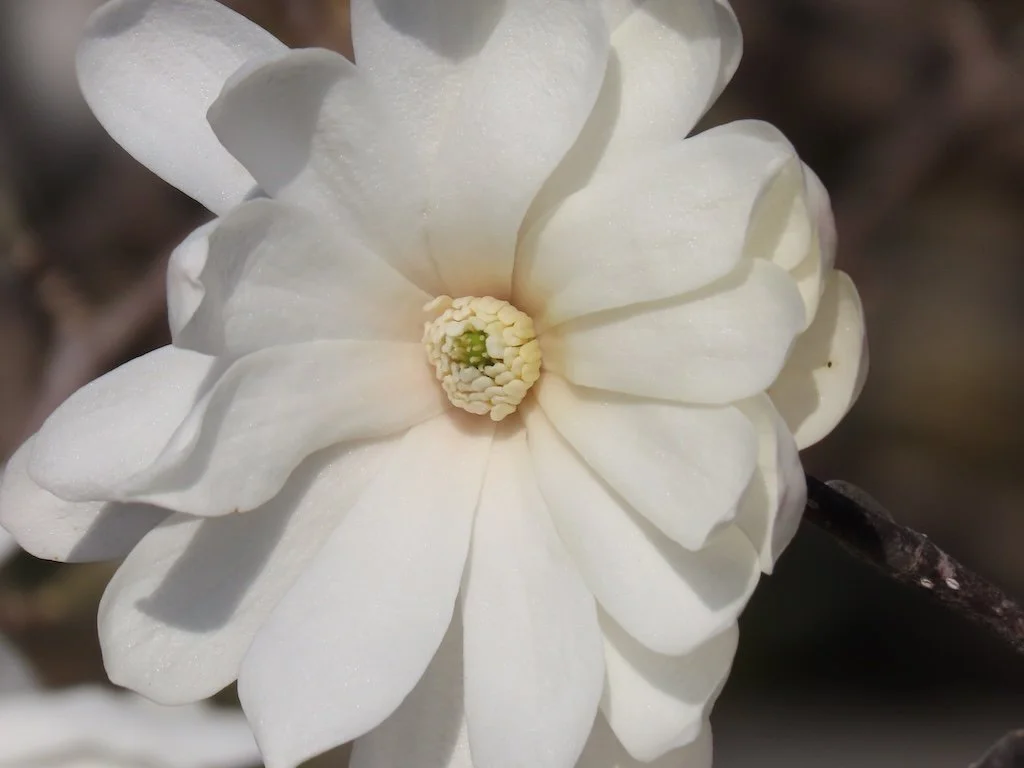
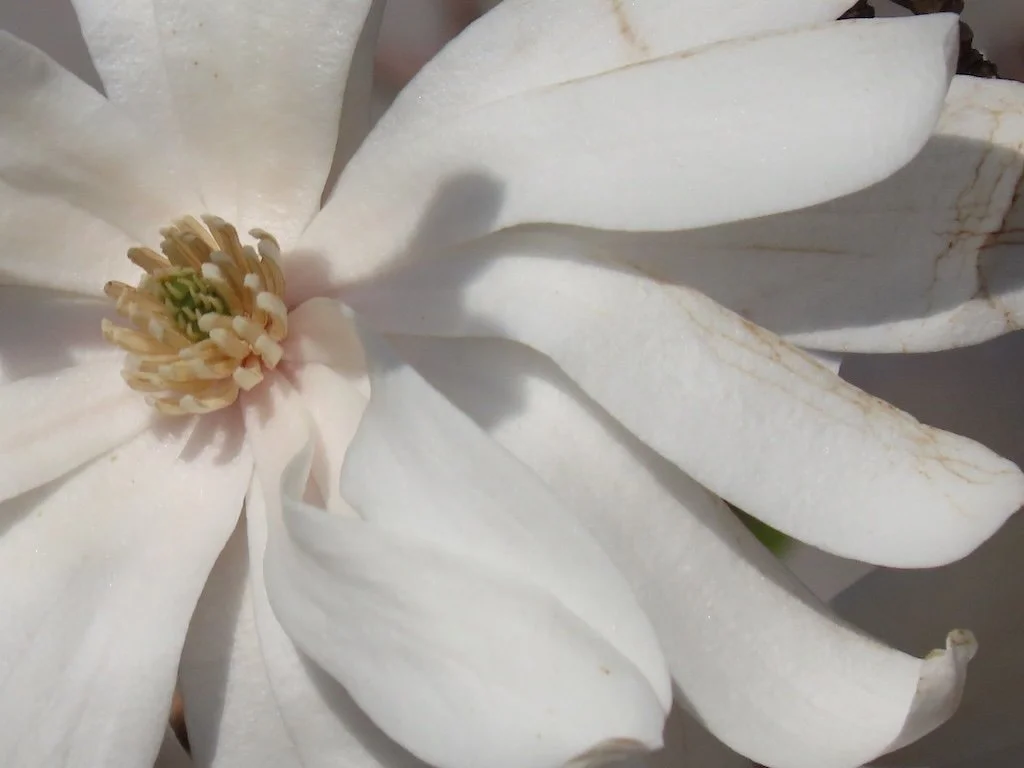
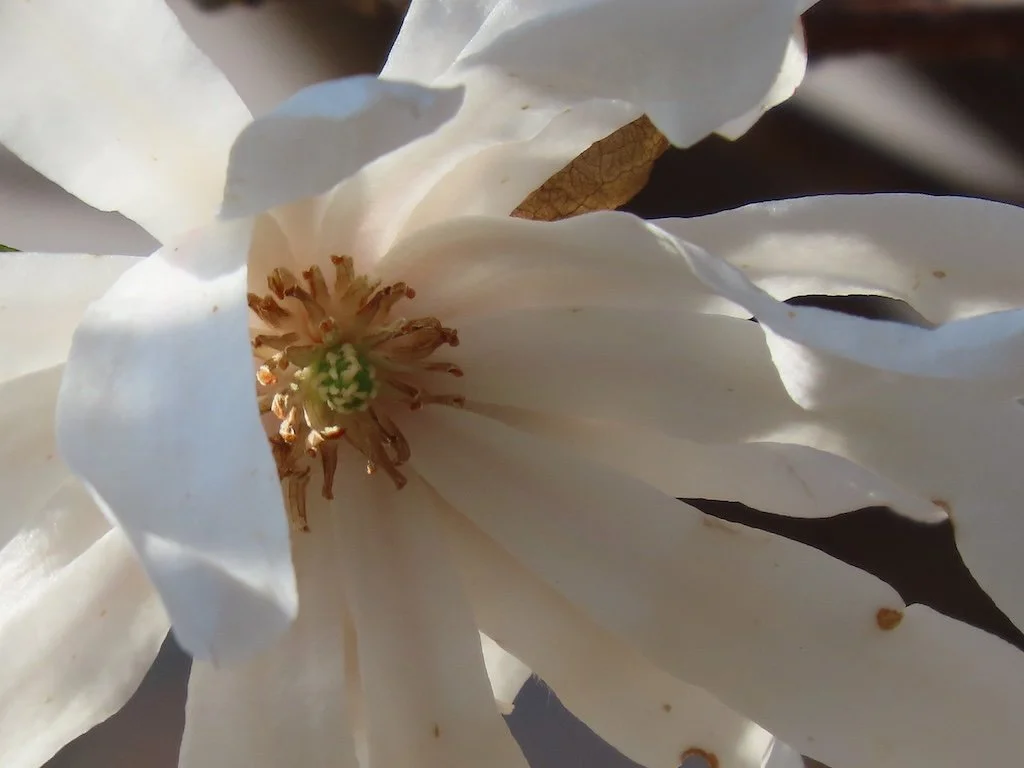
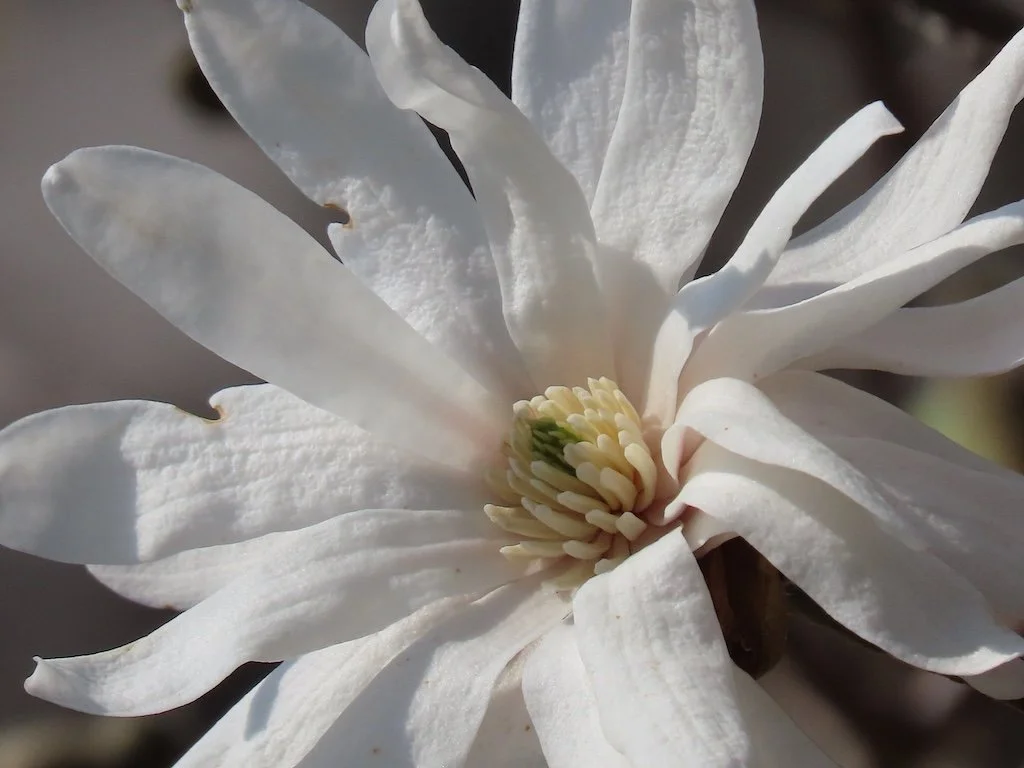
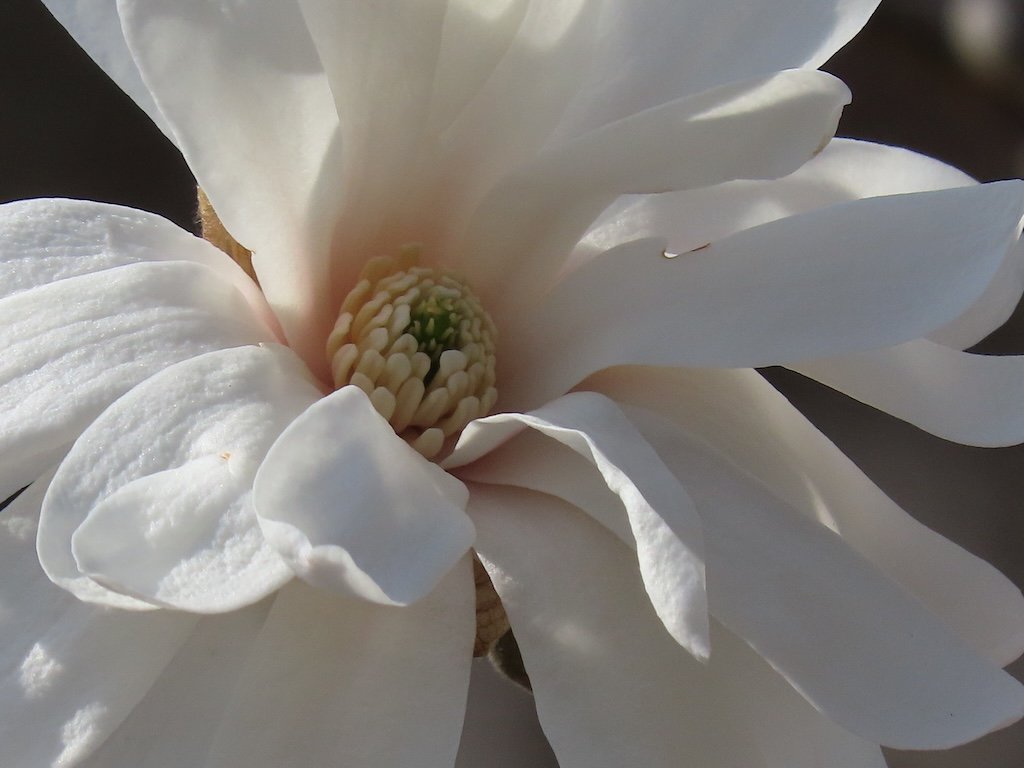
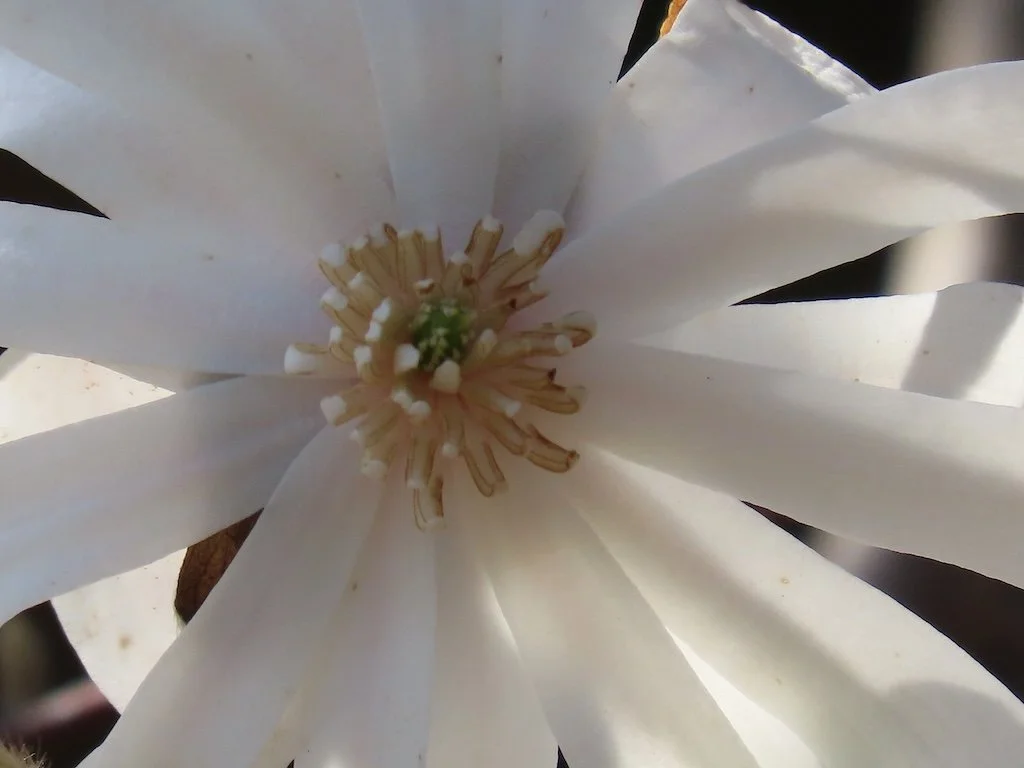
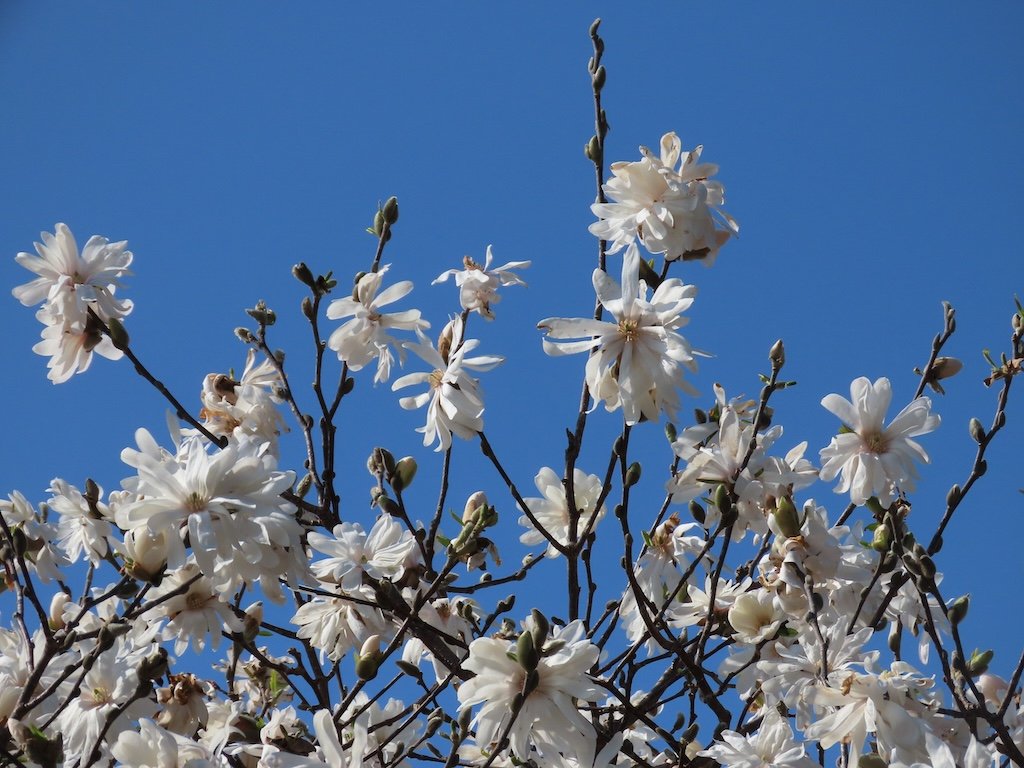
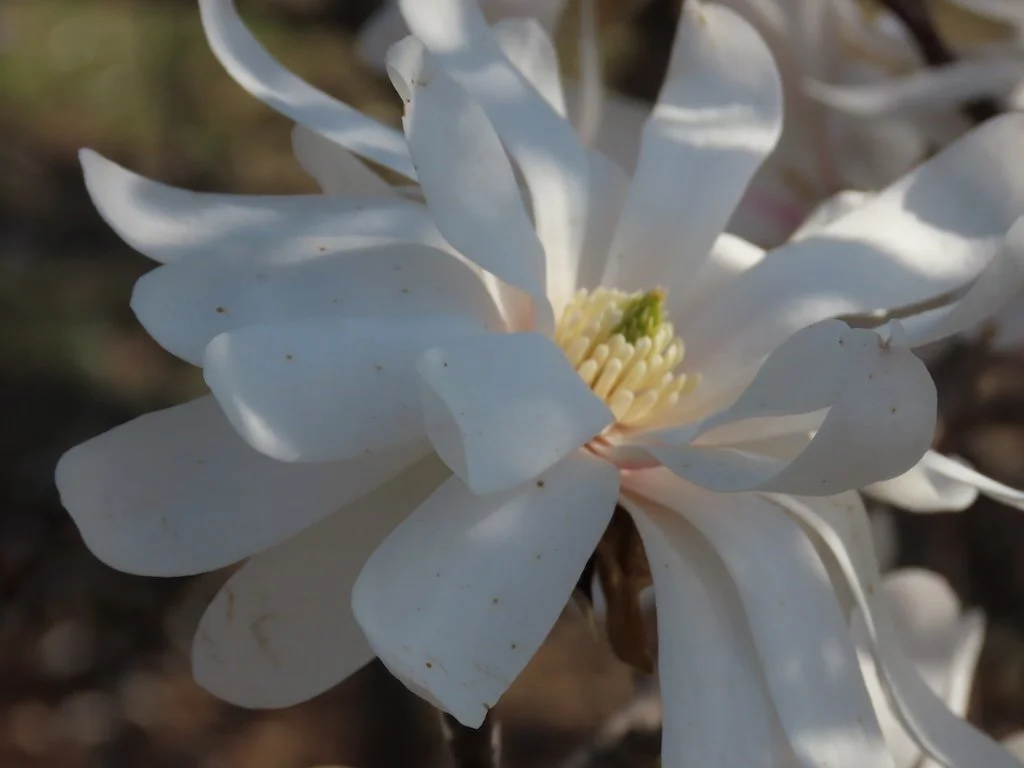
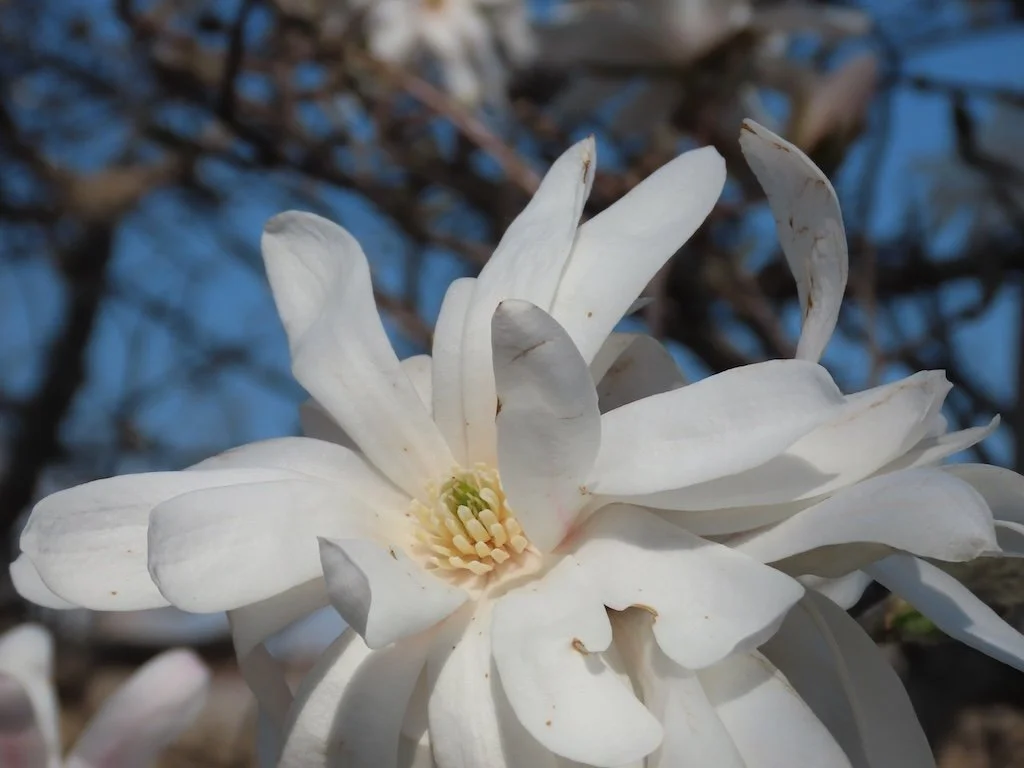
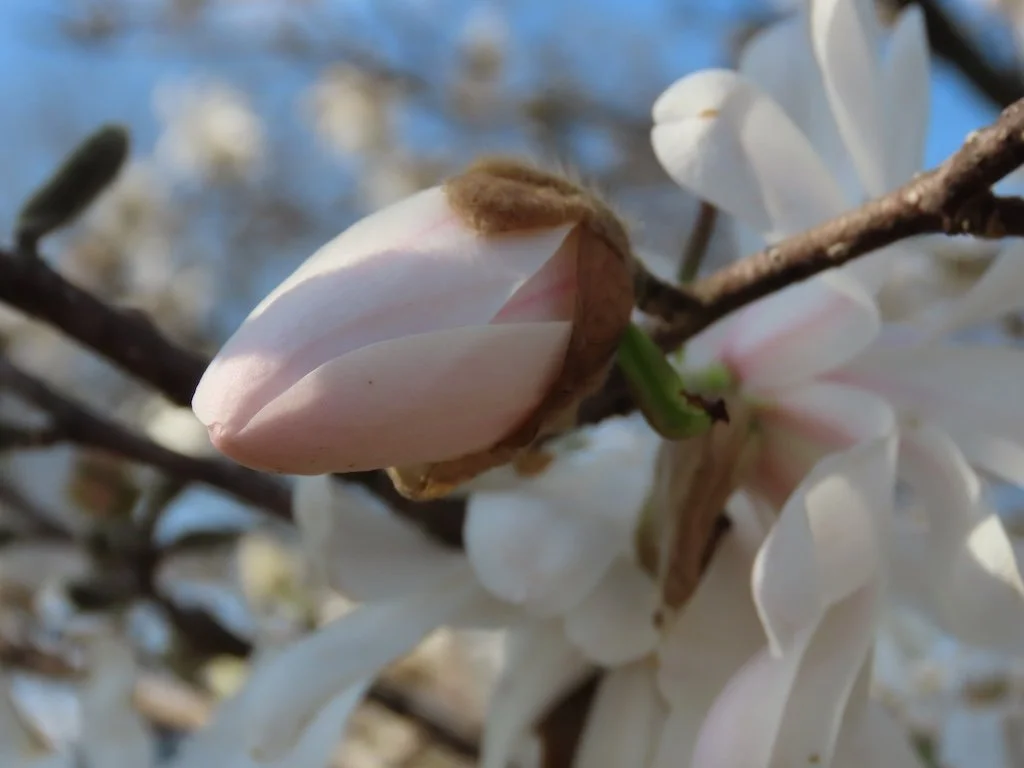
The deciduous magnolias were blooming. I enjoyed zooming in on the buds and flowers.  There was a little breeze, so the petals were in motion…and the shadows were changing too. Fortunately, it was sunny and the camera was fast enough to stop the motion.

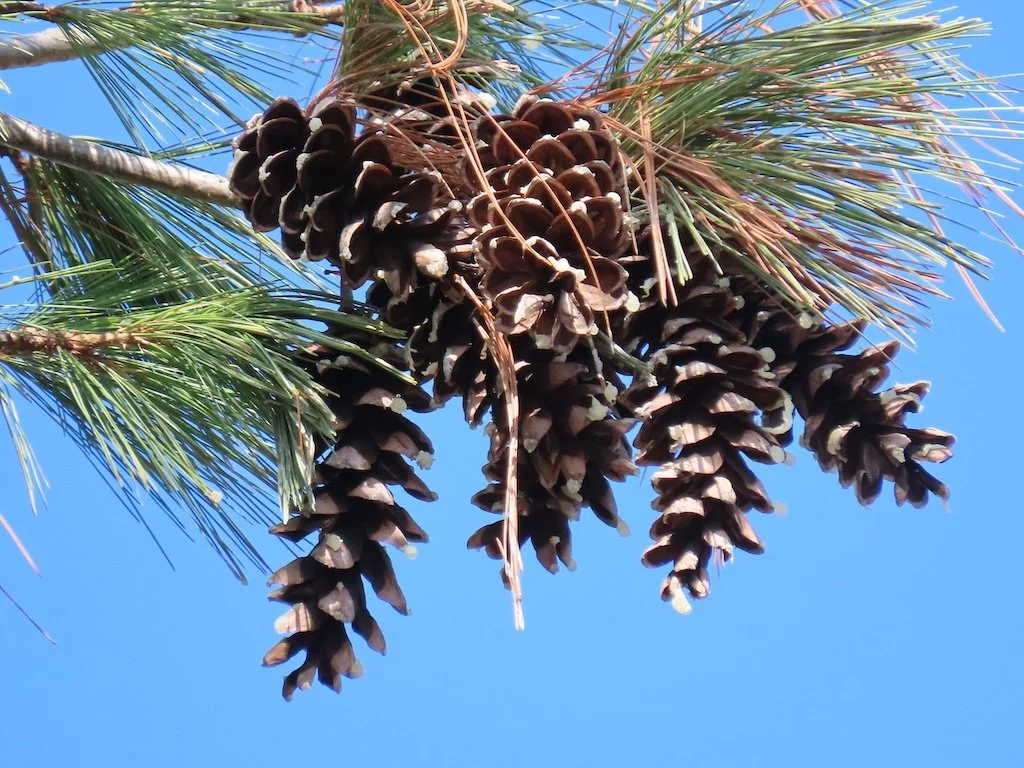
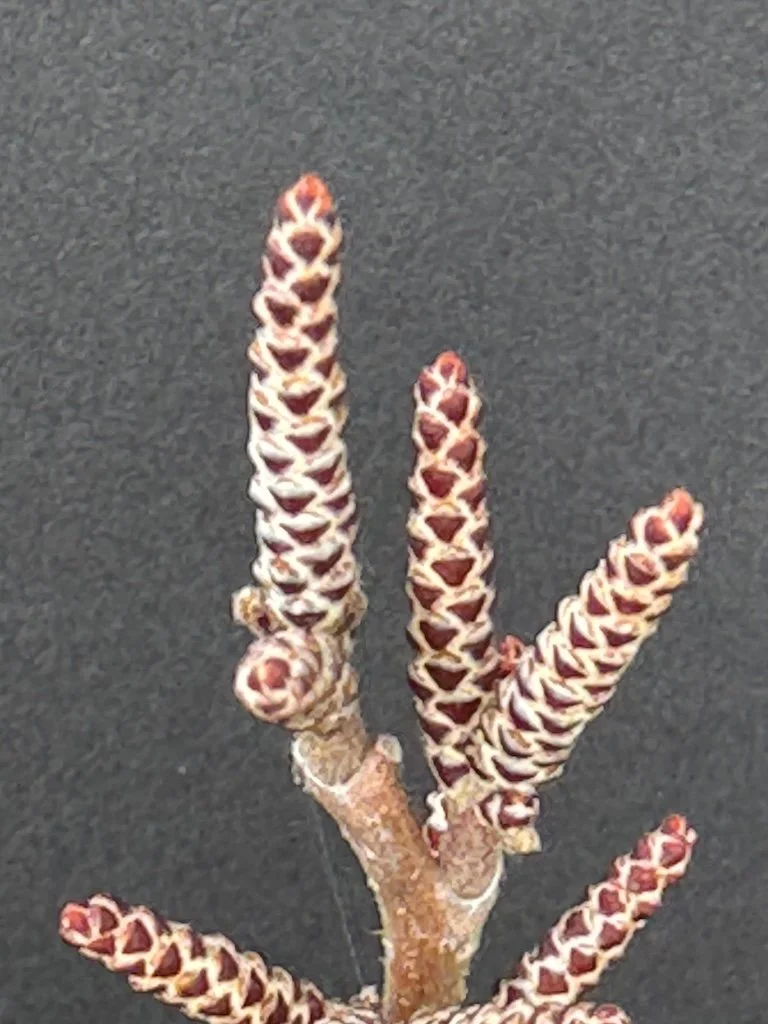
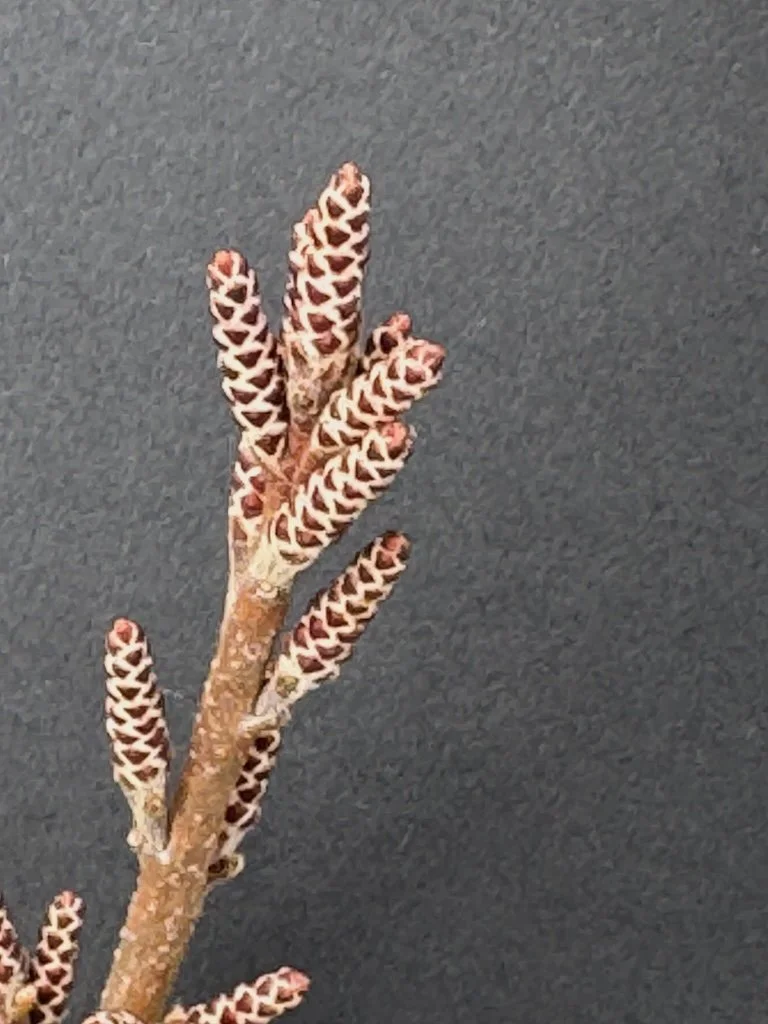
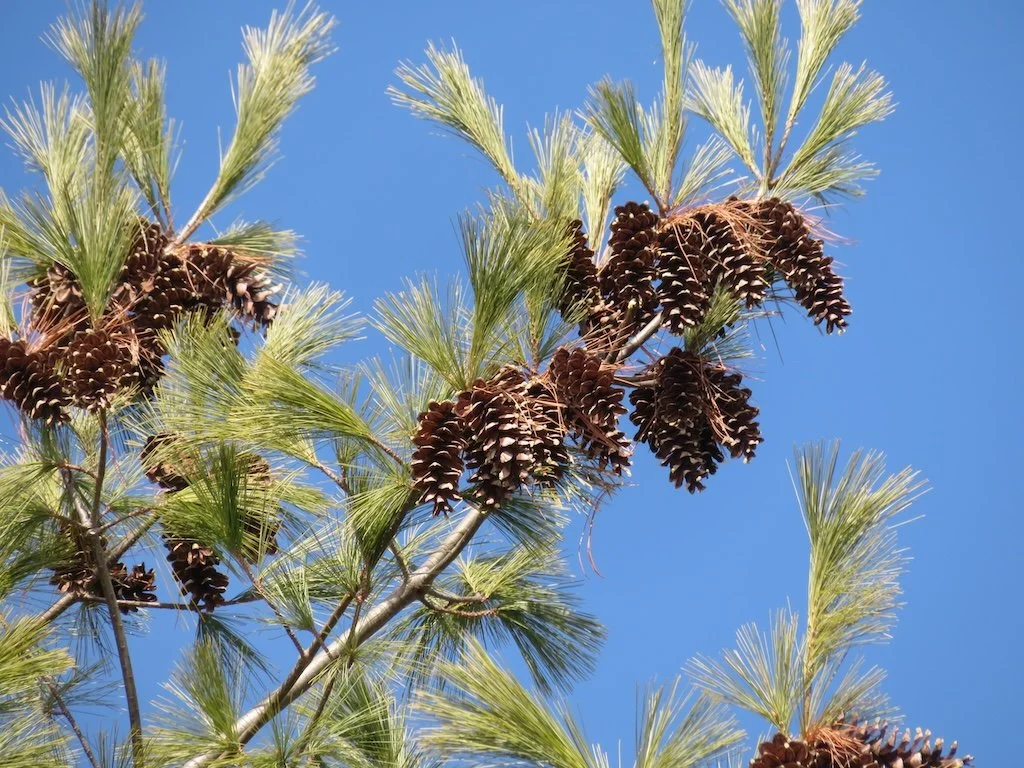
One pine had many cones. Perhaps I should have picked some up that were on the ground to add to my collection of materials to use for tree talks/tabling.

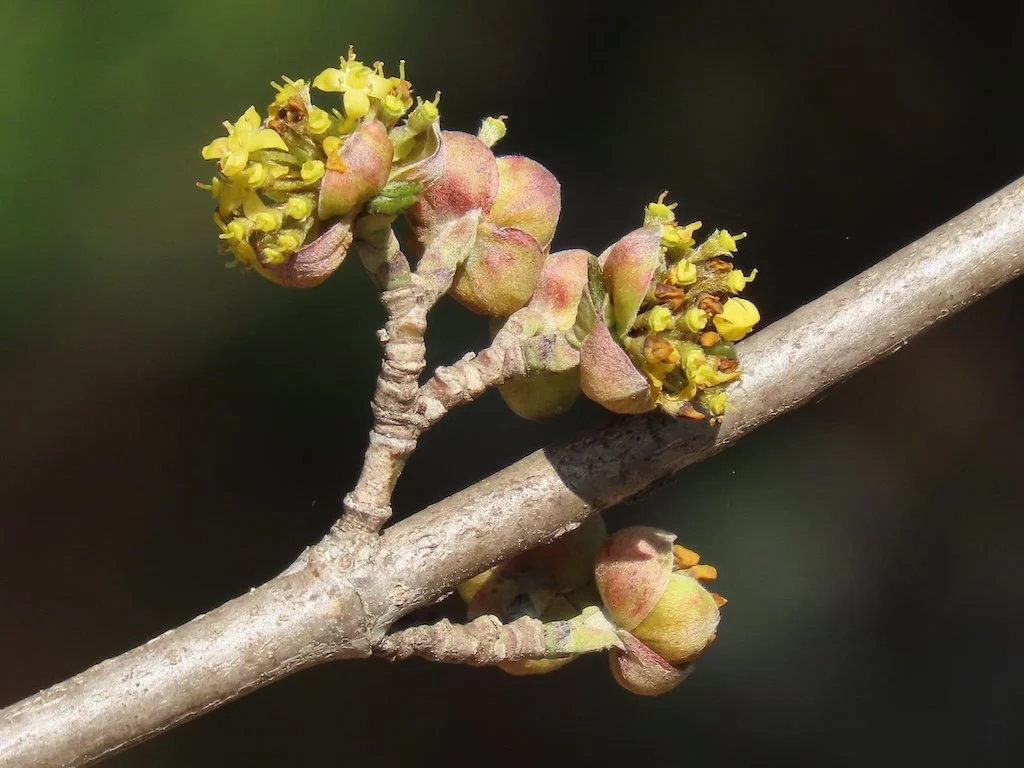
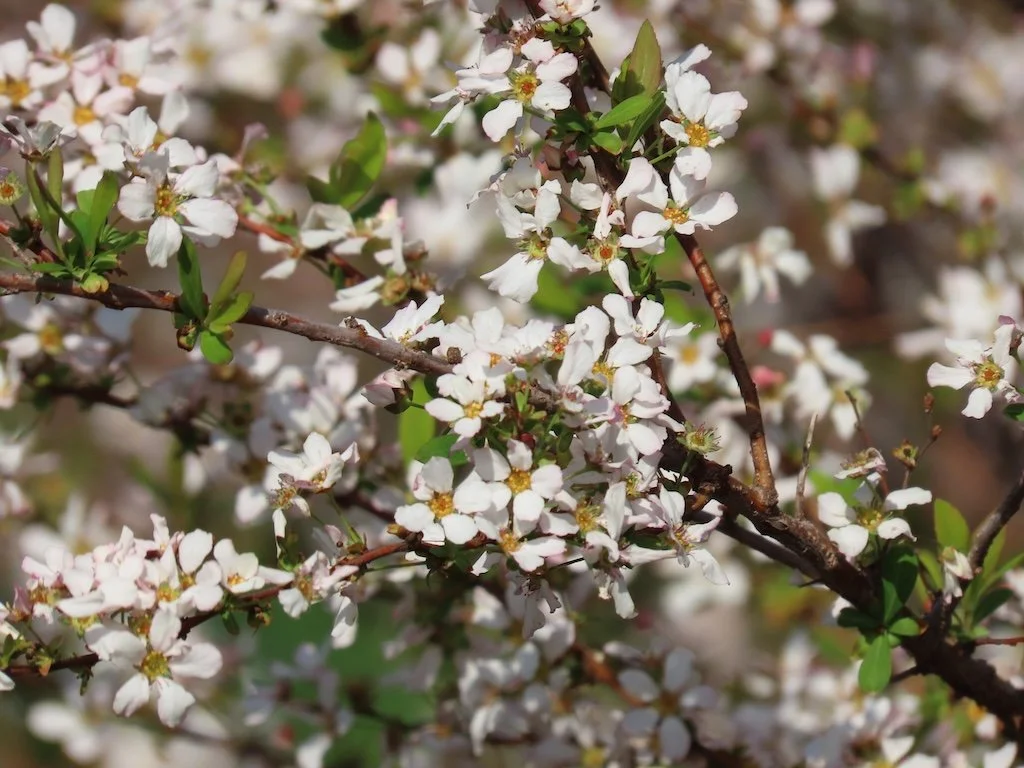
There were other trees too that I photographed – showing how different trees were at different stages of development.

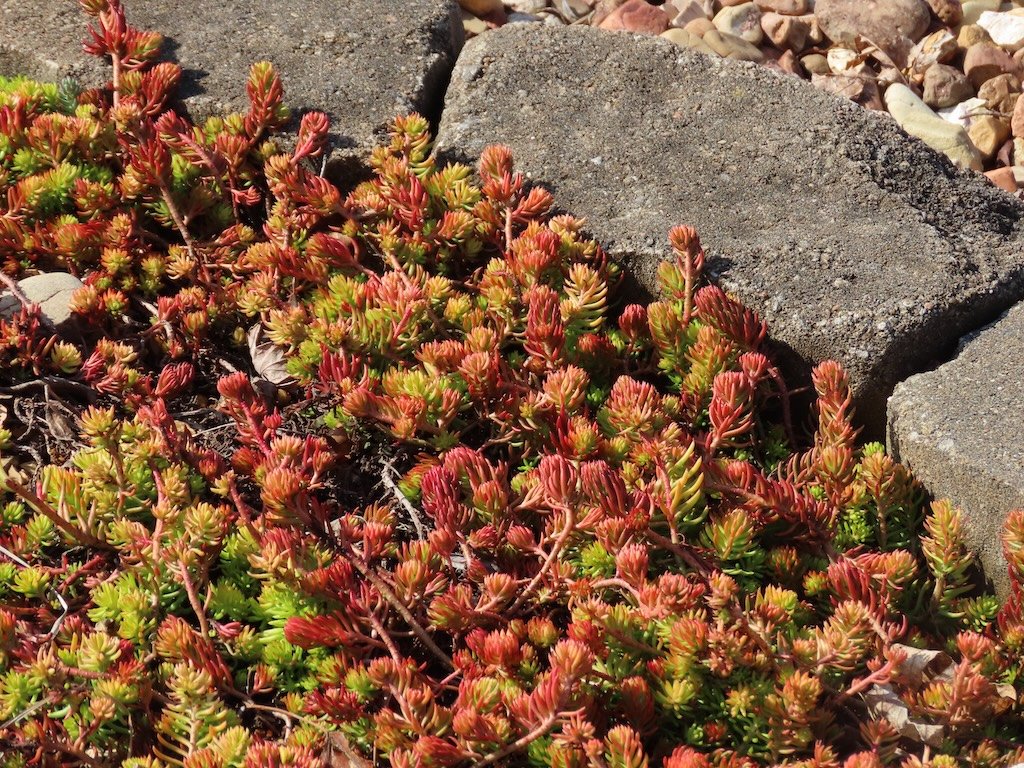
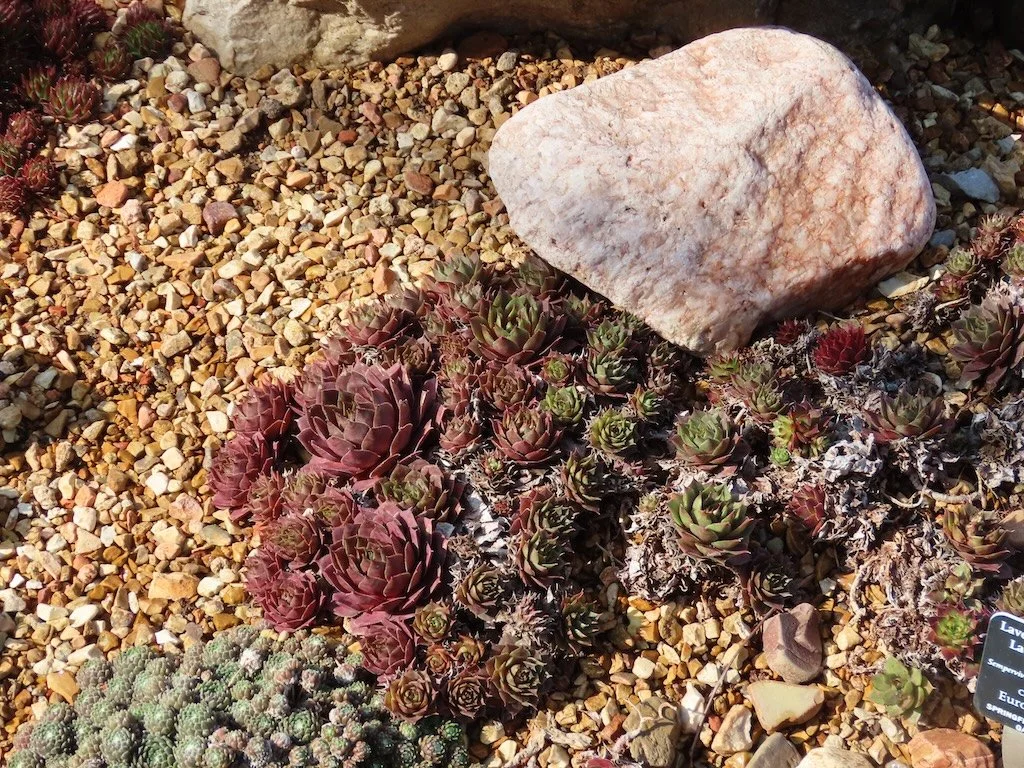
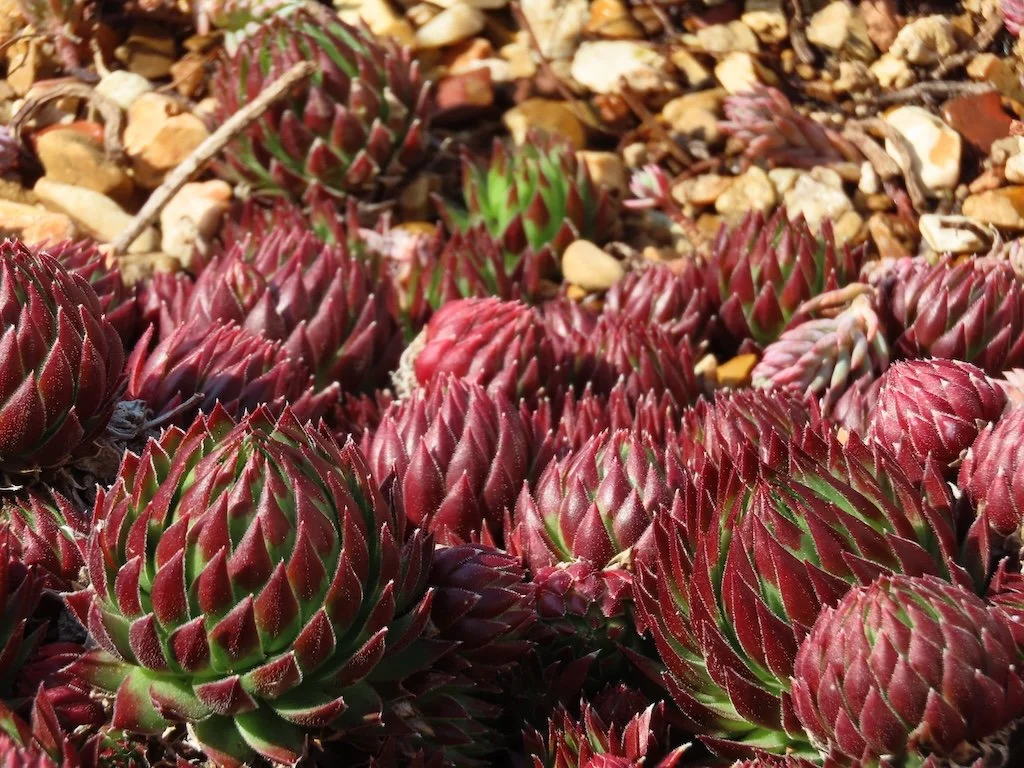
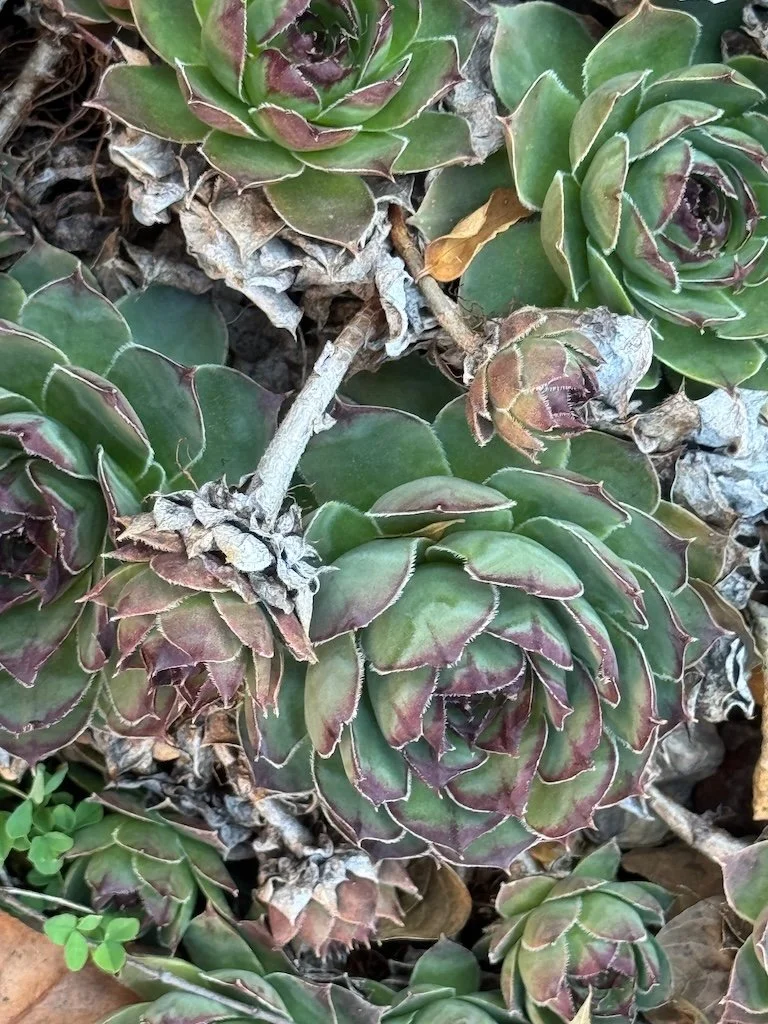
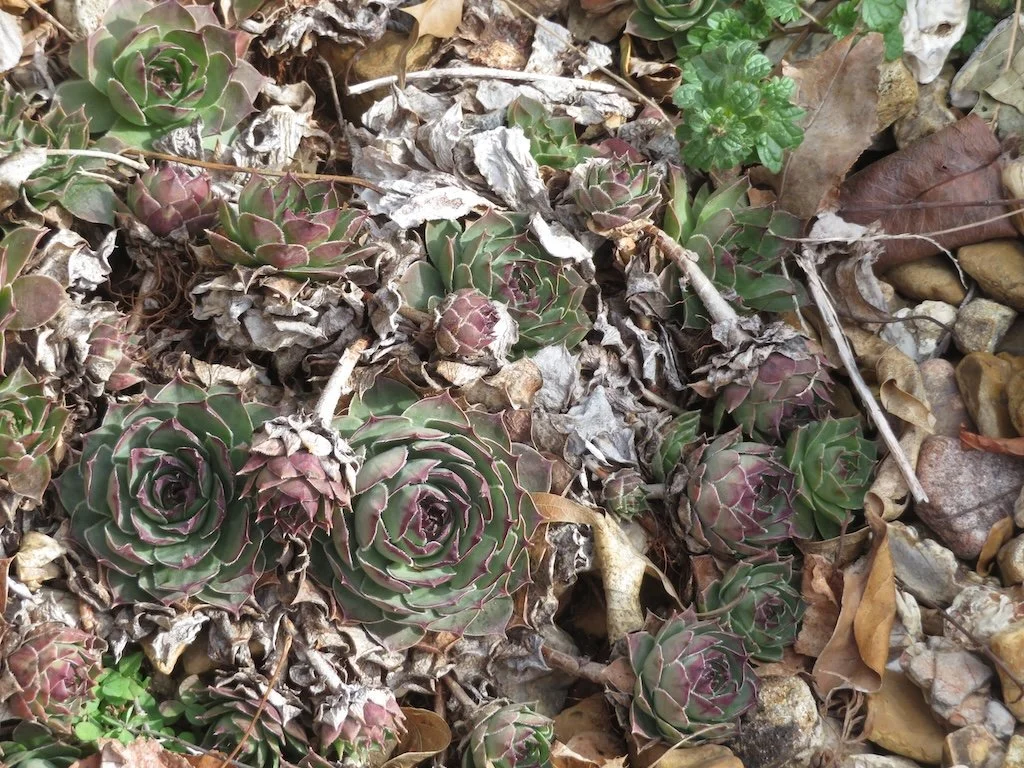
My final stop was near the Botanical Center Building – the deck area still under renovation evidently. I wanted to look at the succulents in the beds near the building. They do well through winter and, if anything, look more colorful having survived the cold!

It occurred to me that this is the time of year to visit the garden frequently to keep up with spring development.

Springfield Botanical Gardens (1) – March 2026

The Springfield Botanical Gardens are full of new beginnings in March. I took a walk around them on a sunny day – using by bridge camera (Canon Powershot SX70 HS) on a monopod. The monopod worked great as a hiking pole, so my back didn’t hurt; I did have to clean mud off the tip though!

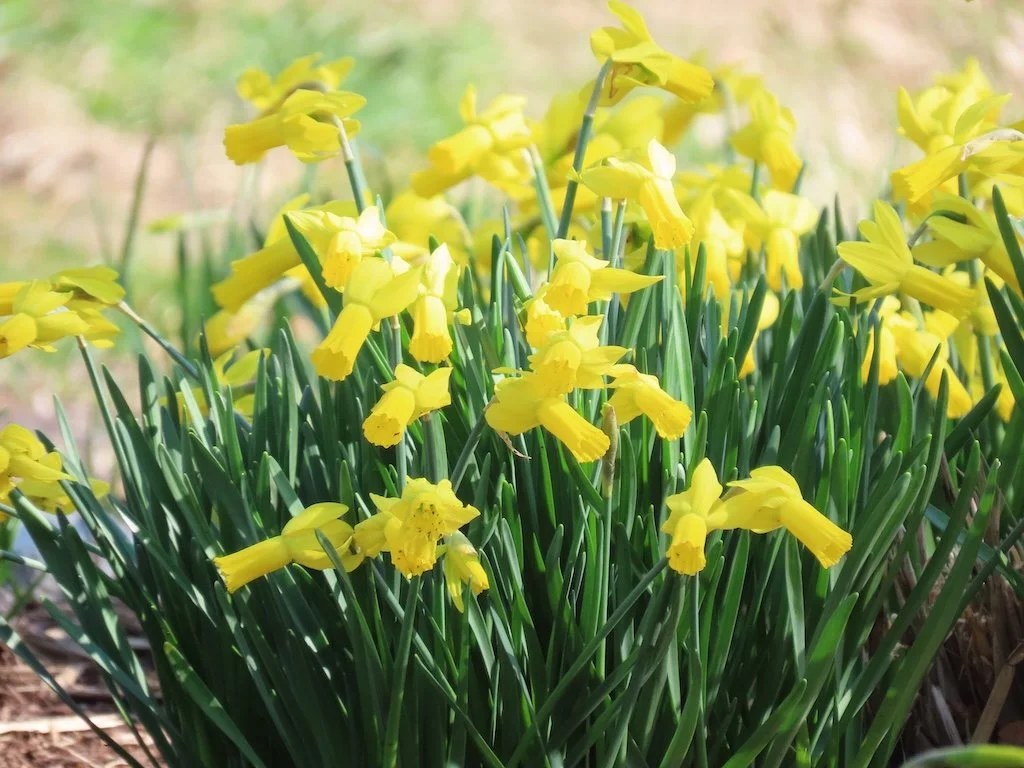
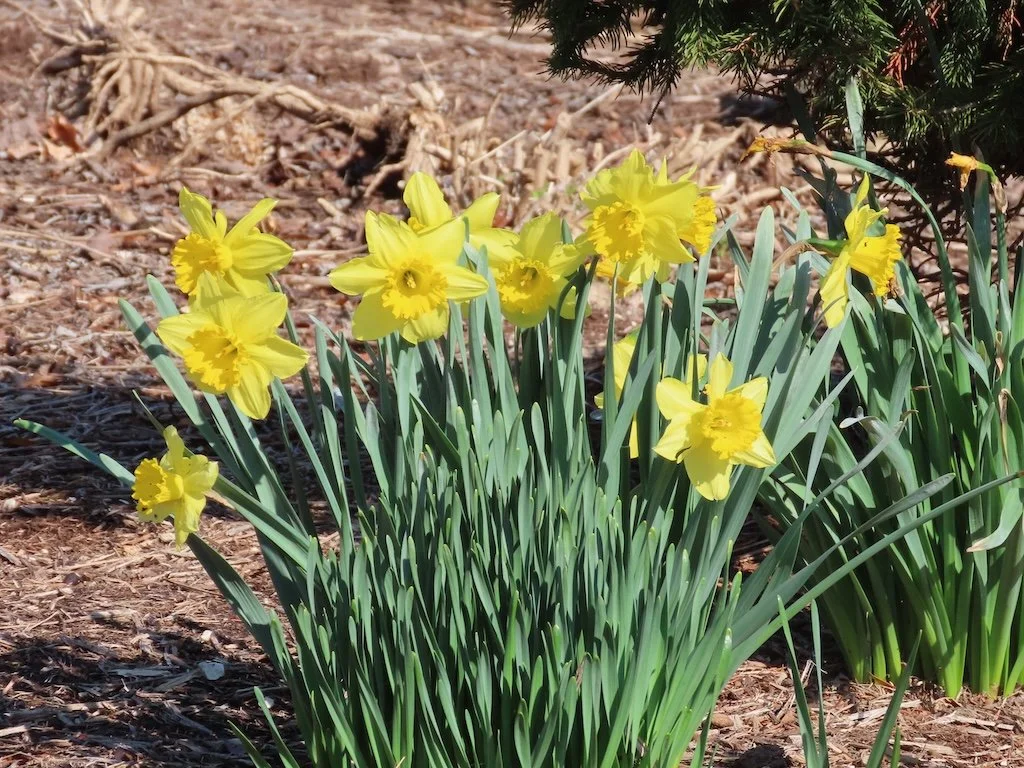
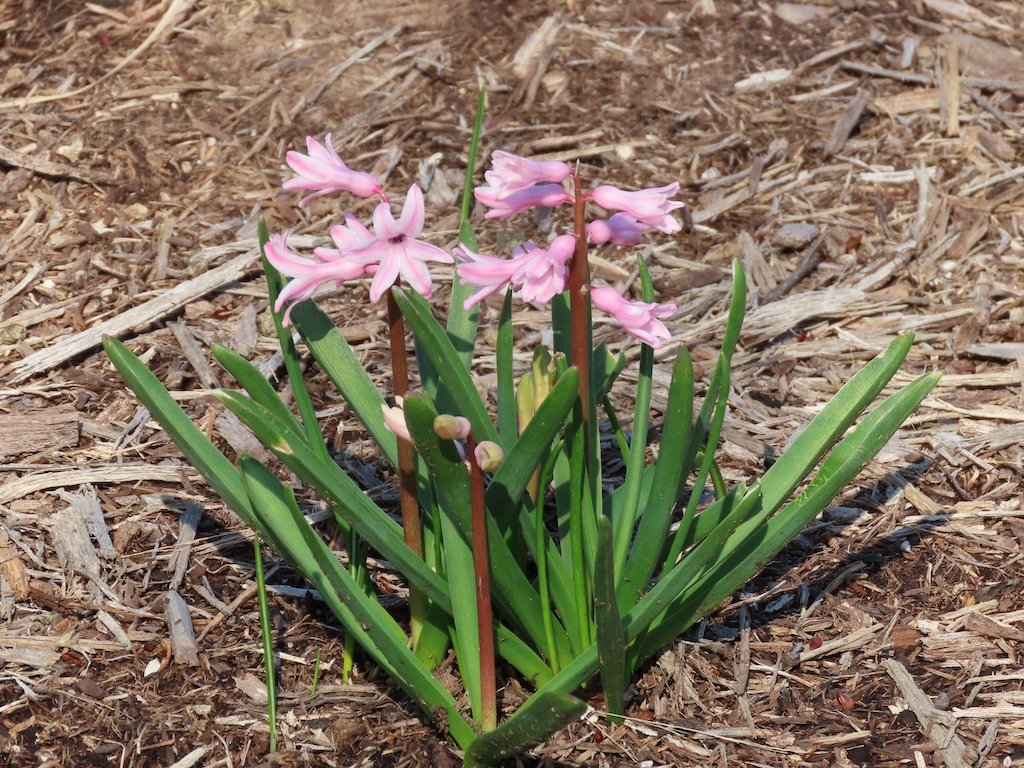
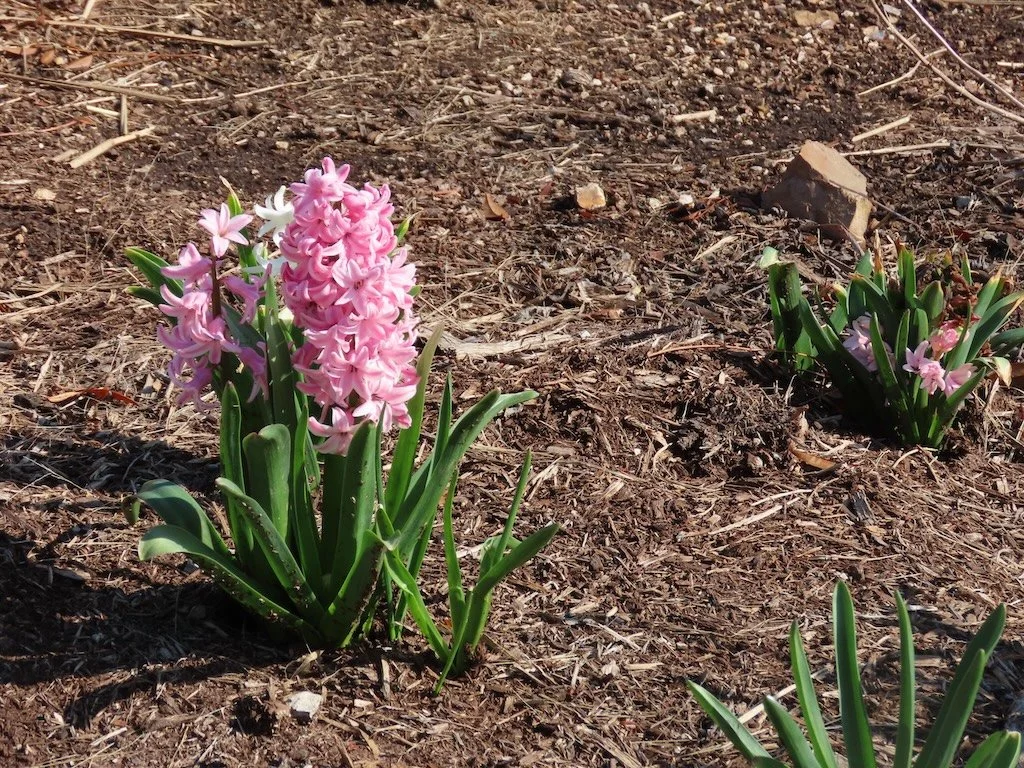
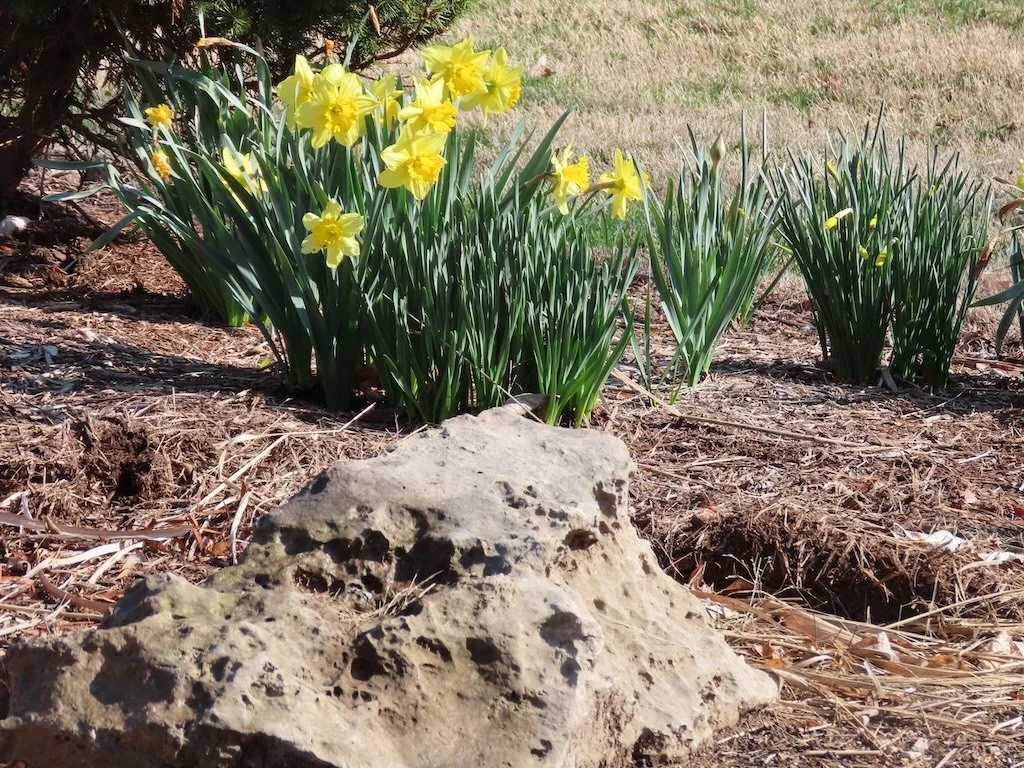
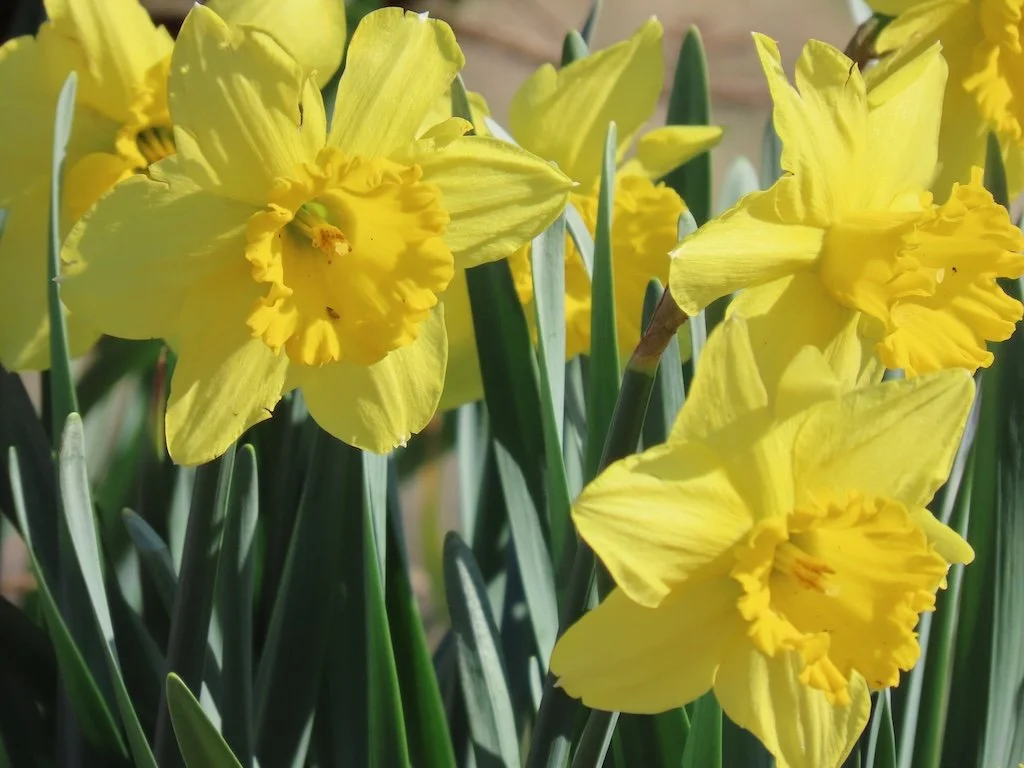
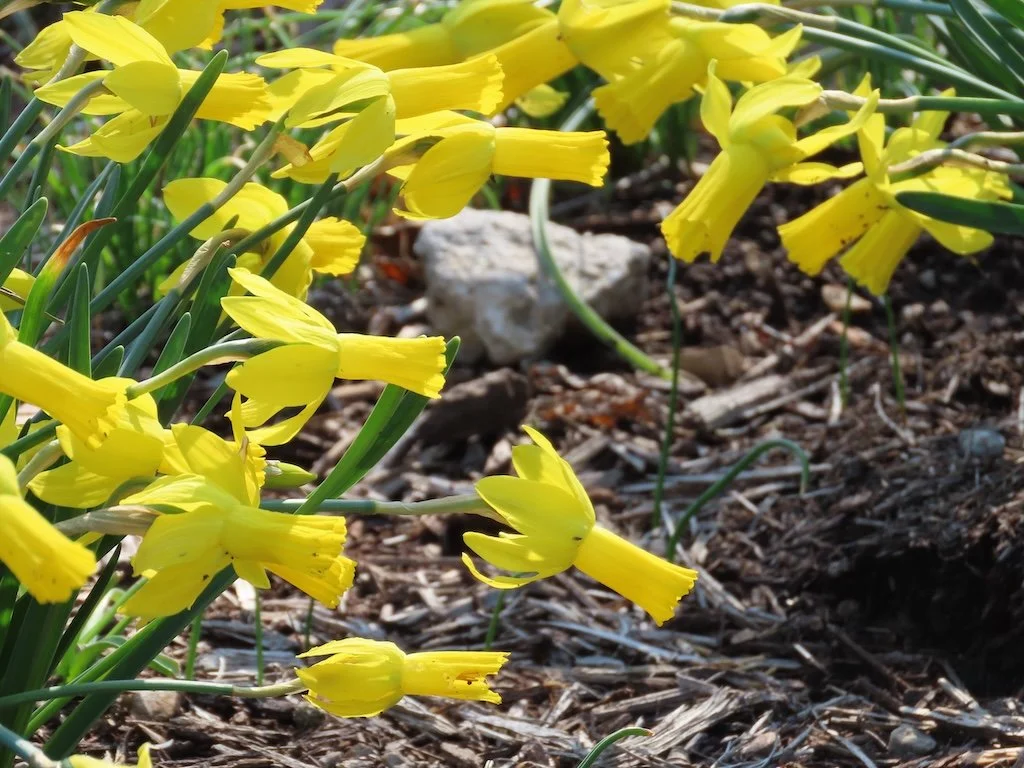
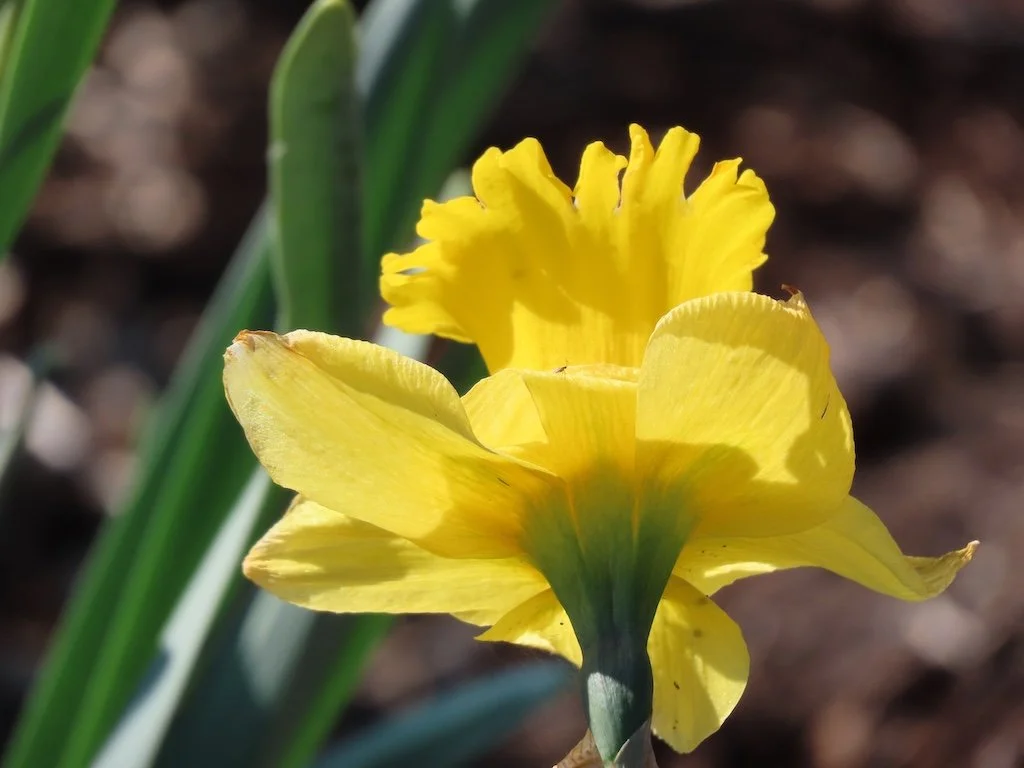
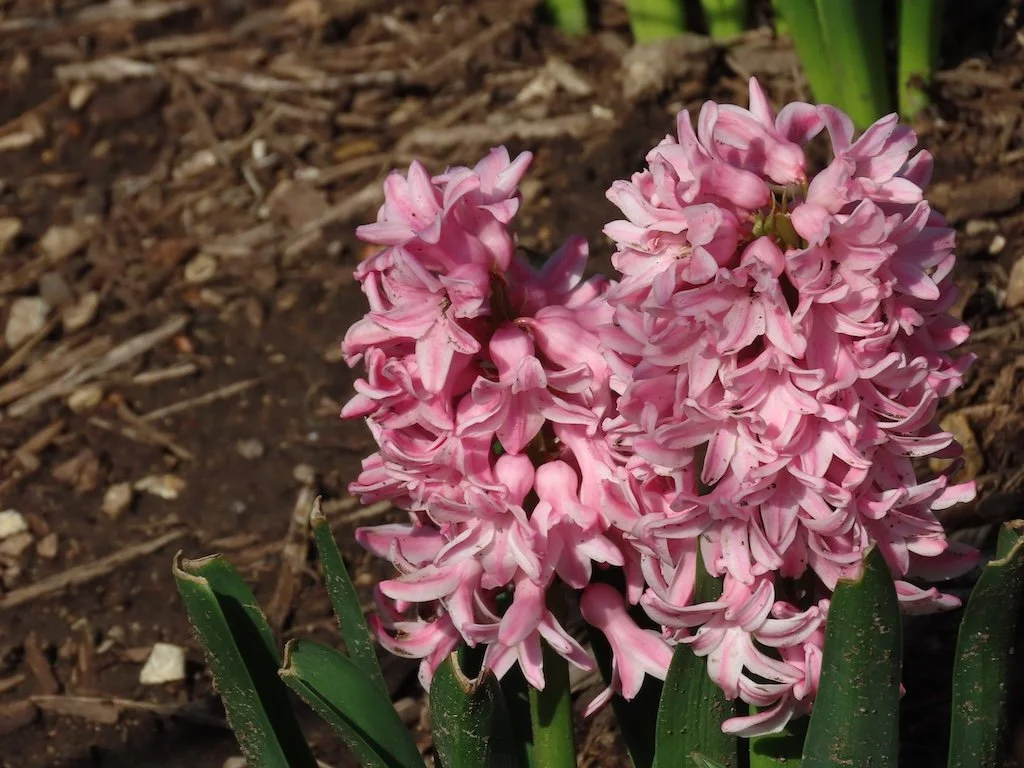
The daffodils and other bulbs are the biggest splashes of color. They are in clumps of mulched beds…sometimes with a rock to provide a backdrop (texture and color that is always there no matter the season). My favorites were the large pink hyacinths. They don’t grow as well now as I remember them from years ago evidently since there were some that looked scraggly; there weren’t enough to make give the garden their smell either.

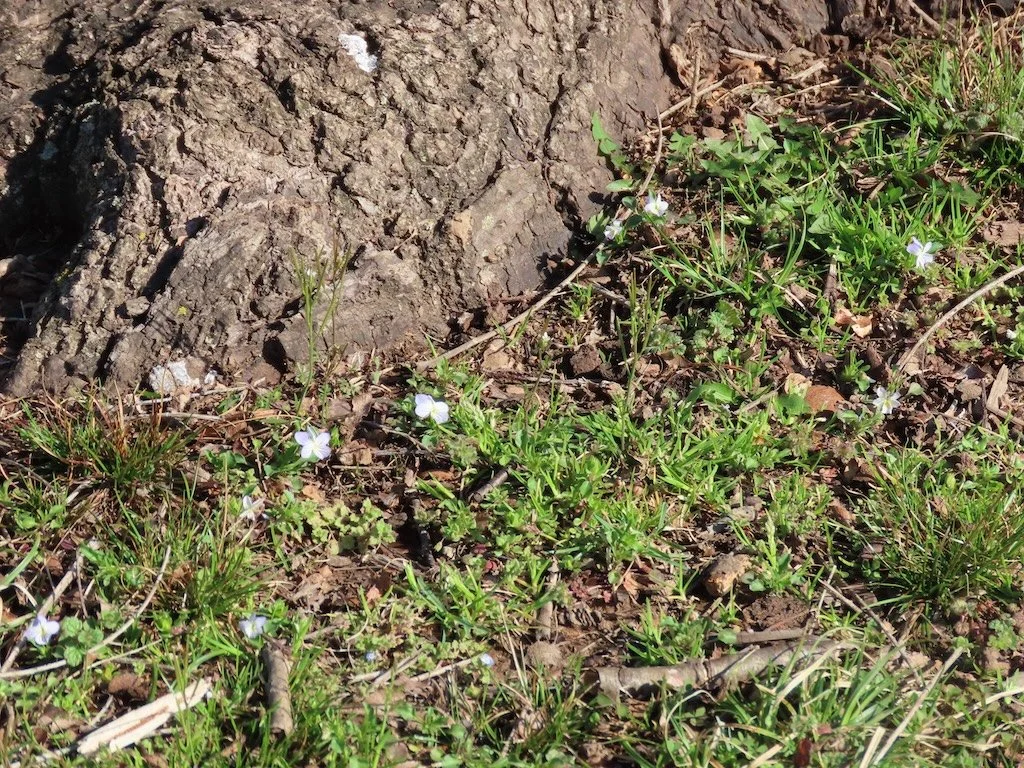
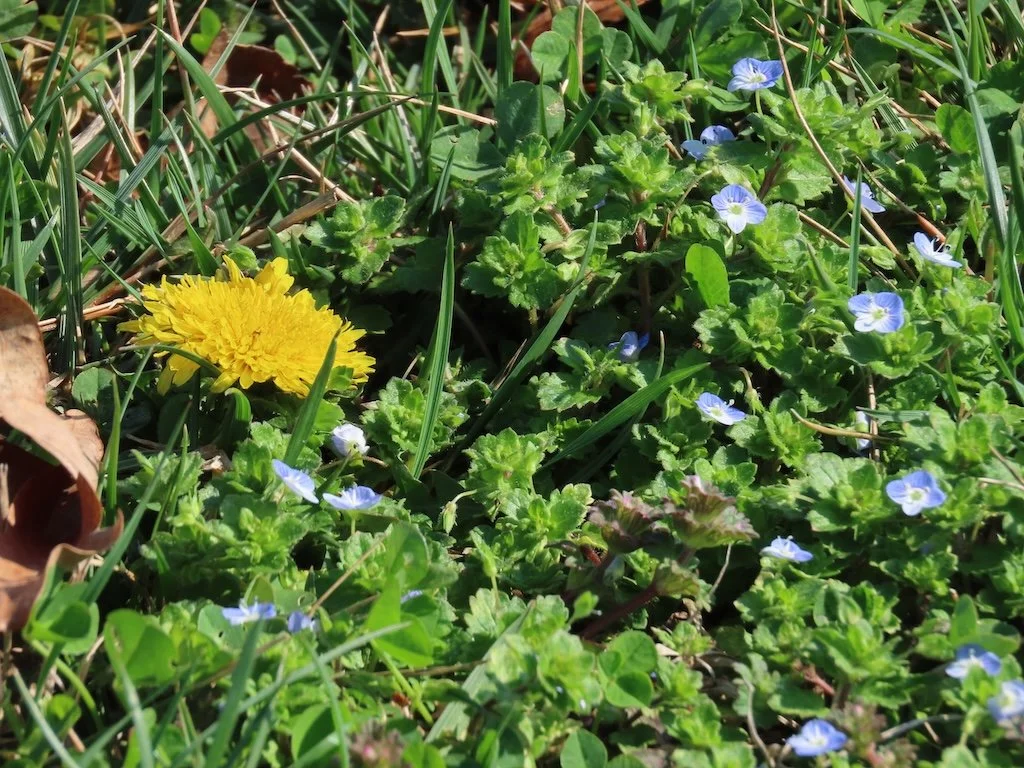
There were other flowers of the season in the grassy areas – small but worth noticing…and dandelions are blooming as well. I have declared a truce with dandelions – won’t cultivate them but I won’t poison them or dig them out either; I might even eat some leaves of the ones that grow in my yard where I know they haven’t been sprayed with anything.

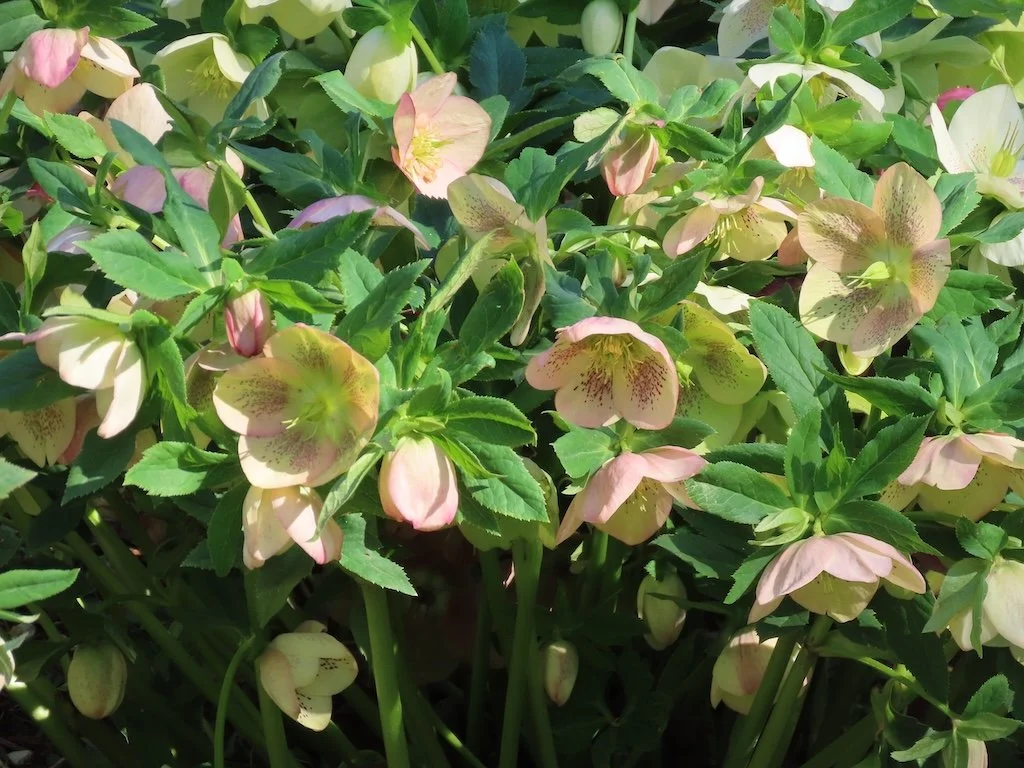
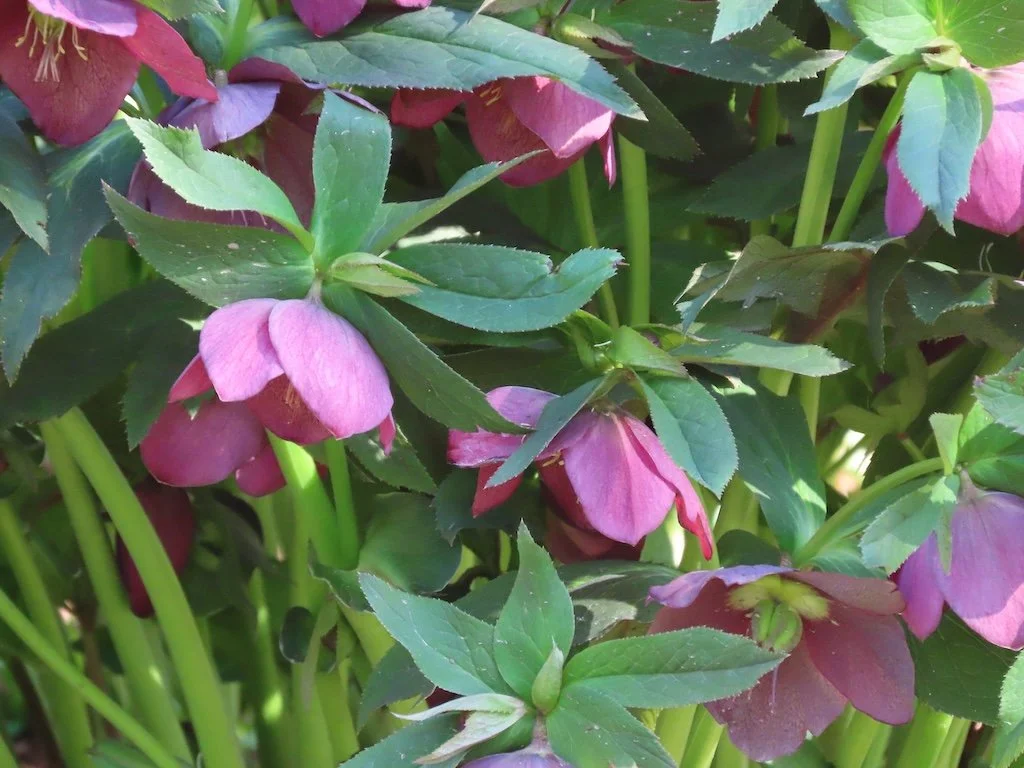
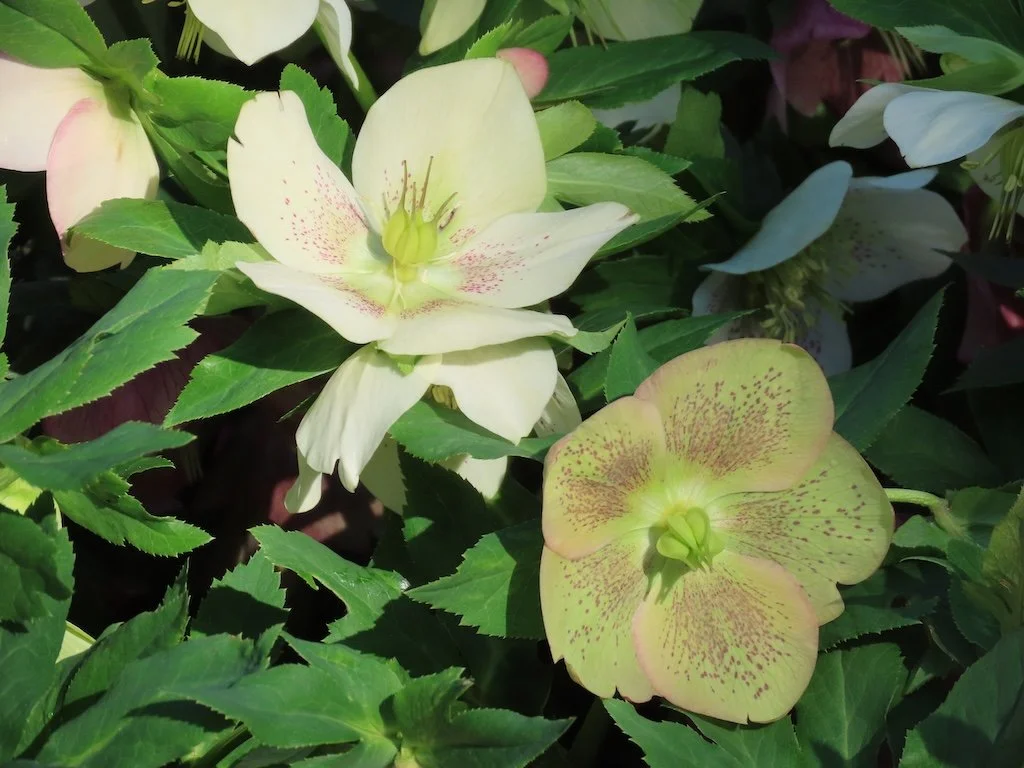
The Lenten roses/hellebores were blooming. They are always some the first blooms of the year.

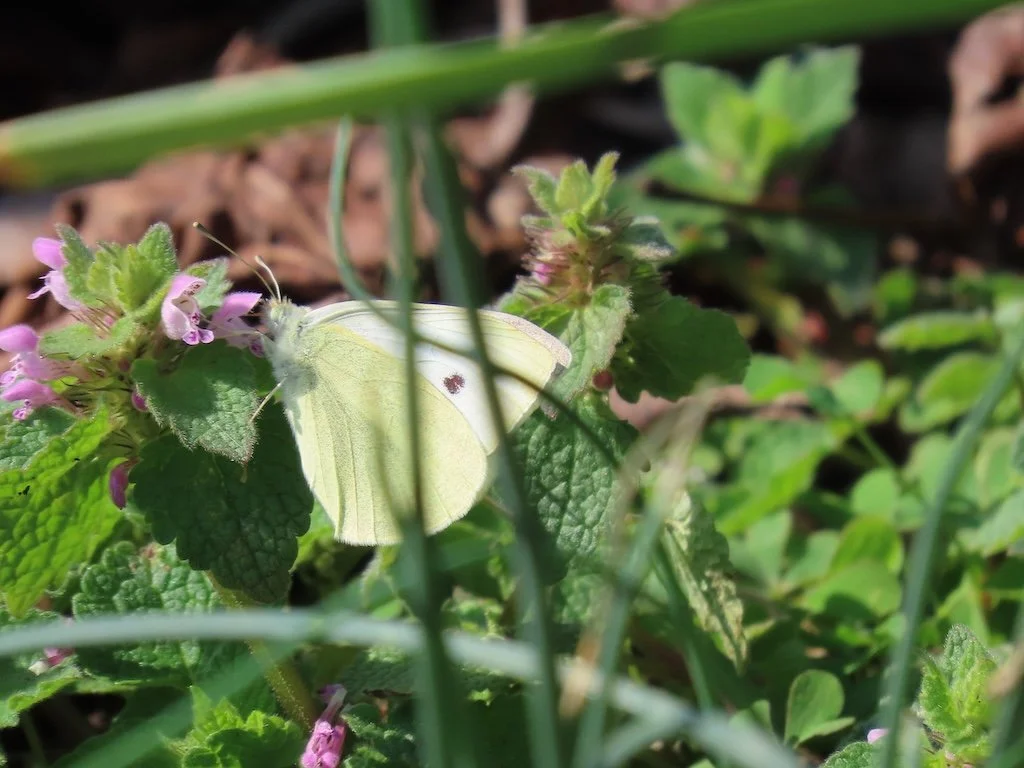
There weren’t many insects active….but I did see a cabbage white butterfly!

Stay tuned for the trees I noticed while I was walking around the gardens in tomorrow’s post.

After the rain…earthworms

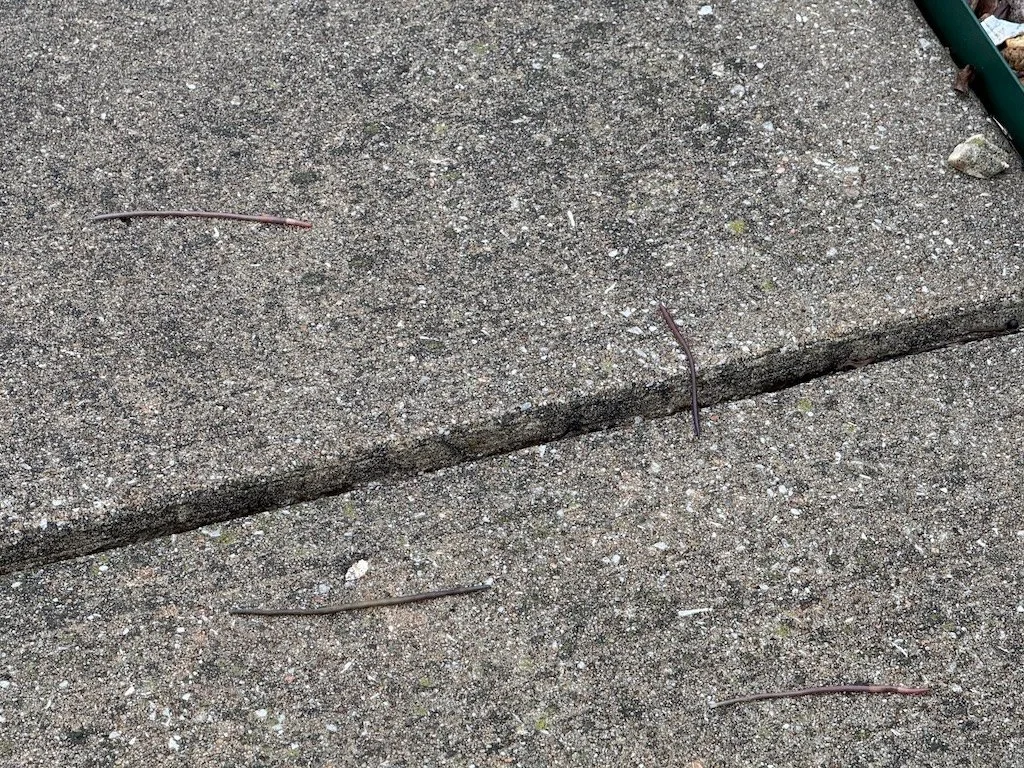
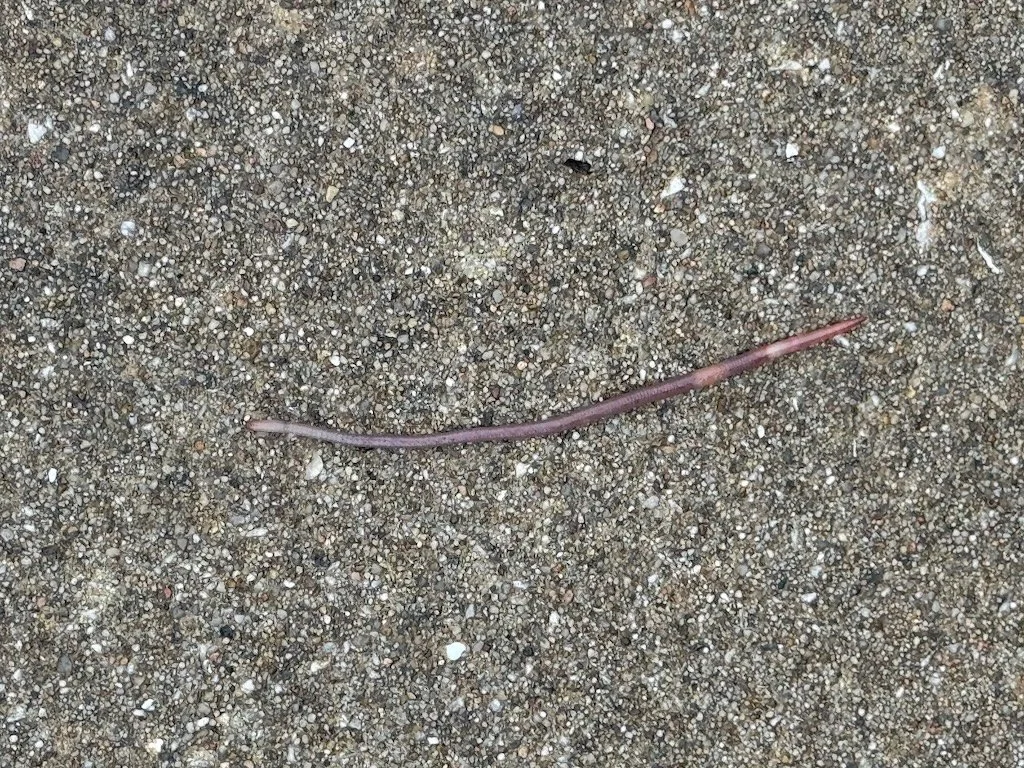
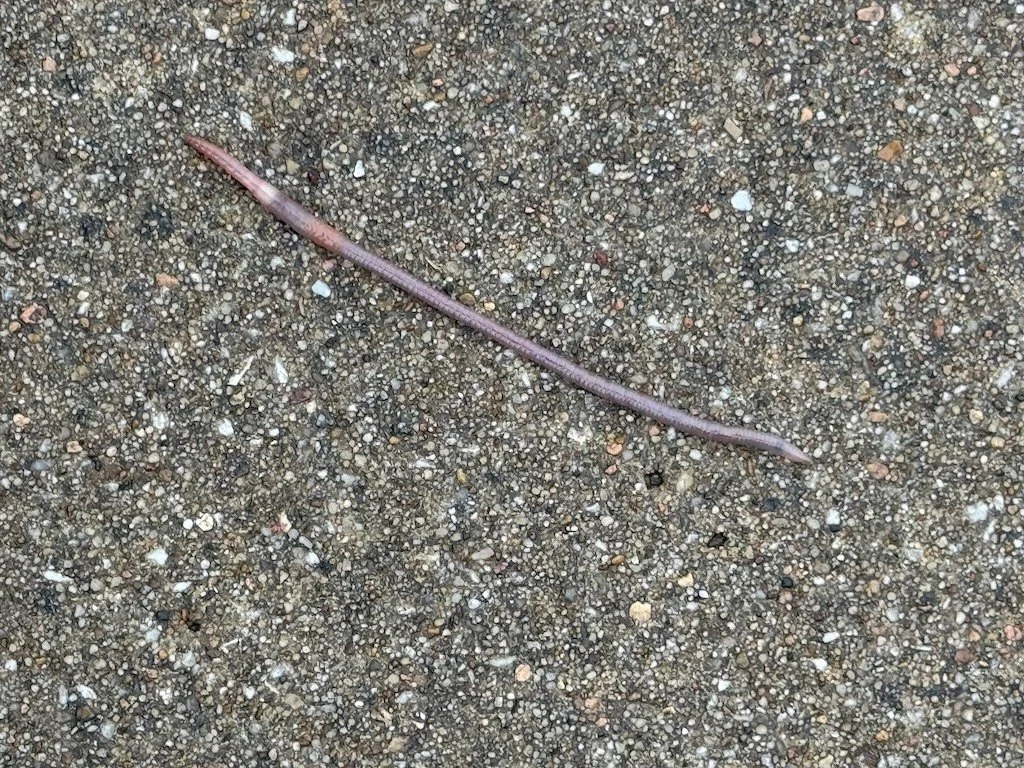
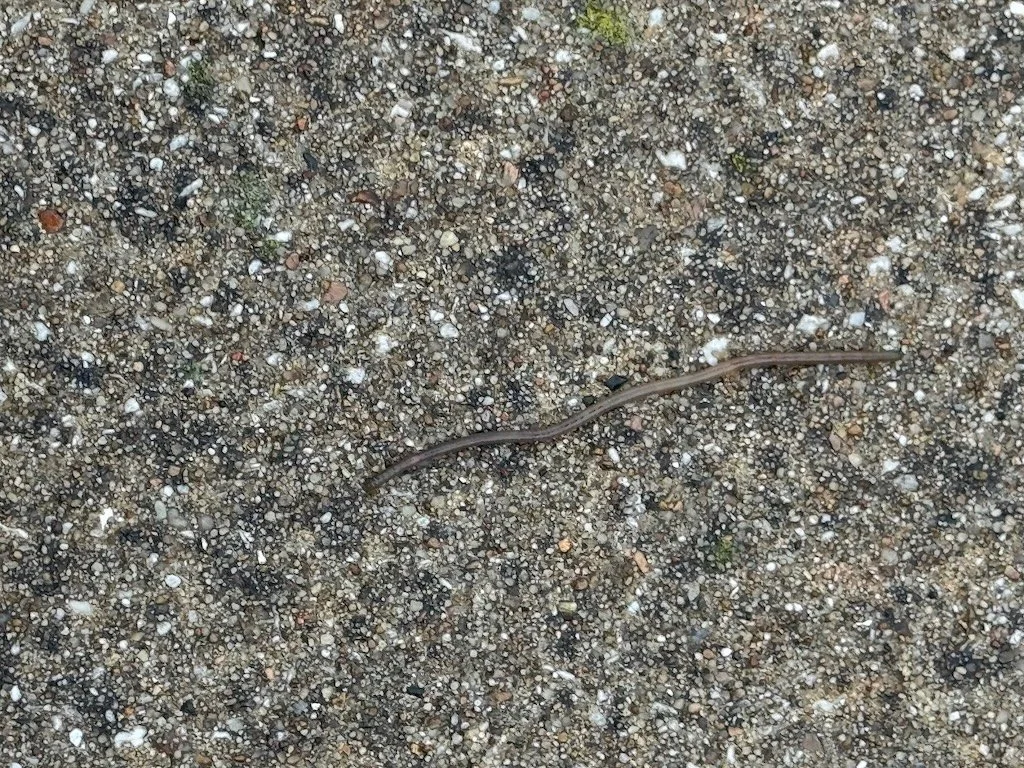
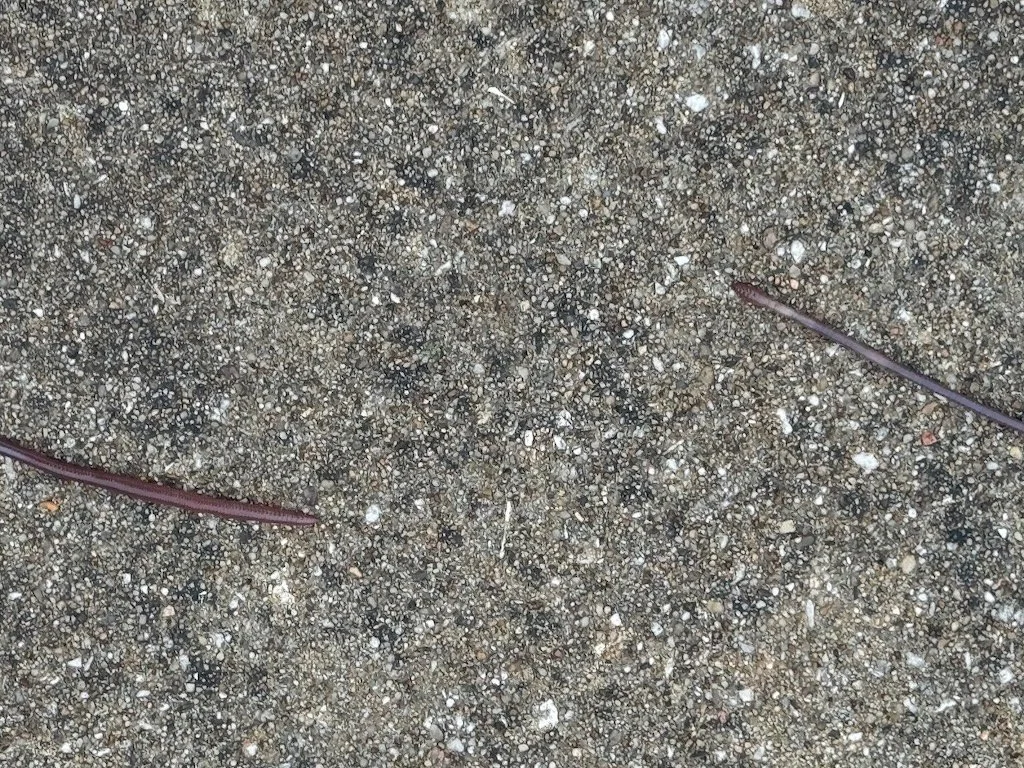
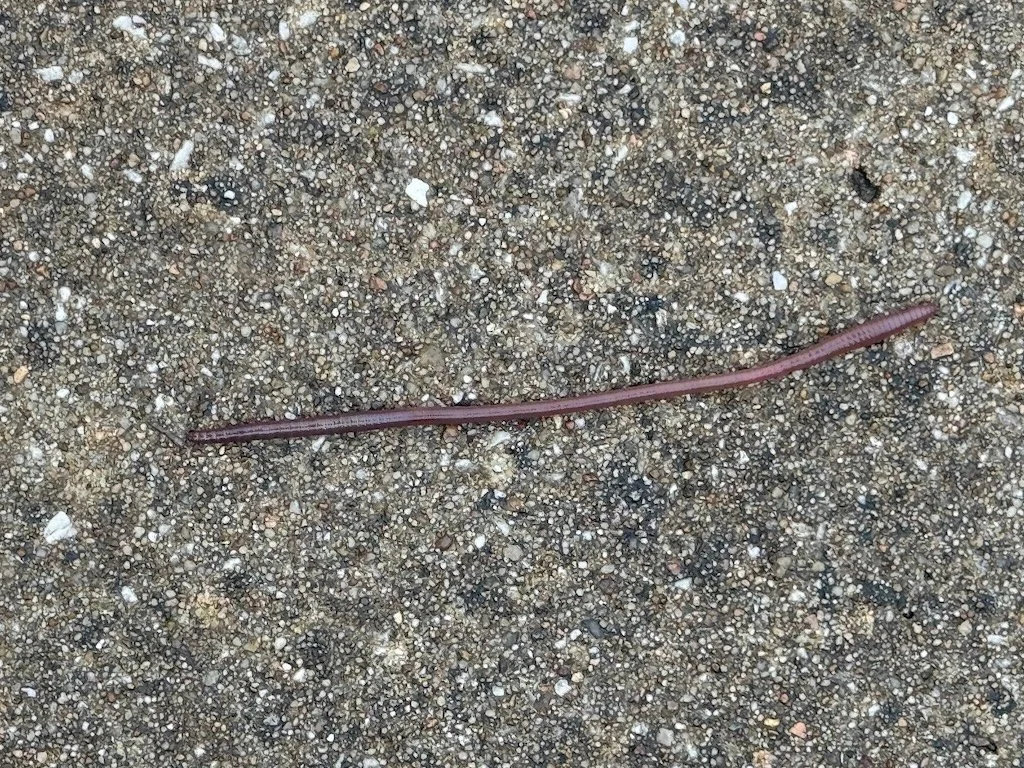
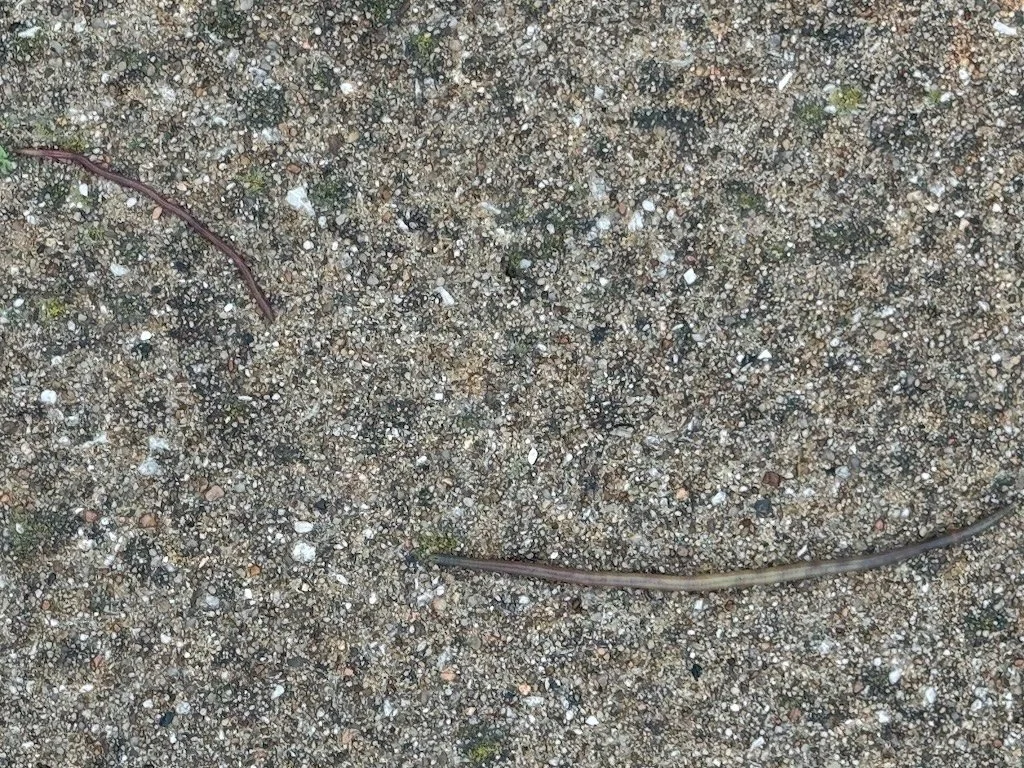
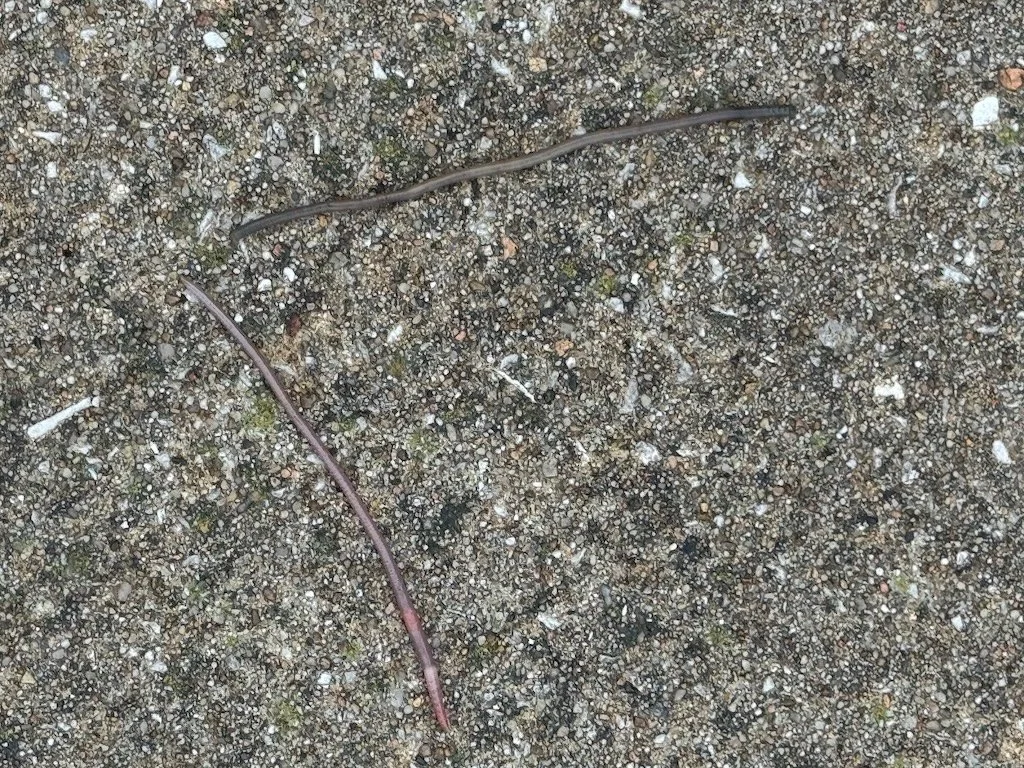
I went outside while the pavement was still wet after a rain last week – looking for earthworms. I didn’t find many on the driveway or the sidewalk near the street – but there was a parade crossing the sidewalk between our driveway and front door!

The majority seemed to be headed from the yard to the corner flowerbed that is rocks on top of landscaping cloth around the plantings. It does not seem like a welcoming place for them to be going. Most were large but there was one that was clearly smaller than the rest.

Check out The real reason you see earthworms after rain from Cool Green Science to understand why the earthworms were on the move after a rain.

Phenology in my Neighborhood

Spring is a great time to start participating in citizen science phenology (study of periodic events in biological life cycles and how these are influenced by seasonal and interannual variations in climate, as well as habitat factors) via the Nature’s Notebook app. I selected an area that included my backyard and part of the common neighborhood area that included 5 plants I would begin monitoring: 2 Eastern Redbuds, a Red Buckeye, an American Beautyberry, and a Common Hackberry. The monitoring consists of looking at each plant every 3 days and marking the phenophases as yes or no. The list of phenophases for plants is:

  • Breaking leaf buds

  • Leaves

  • Increasing leaf size

  • Colored leaves

  • Falling leaves

  • Flowers or flower buds

  • Open flowers

  • Fruits

  • Ripe fruits

  • Recent fruit or seed drop

So far, the plants are in winter mode – so all the phenophases are marked ‘no.’ I am observing some changes in some of the plants and I’ve done a little photography to document their late winter look.

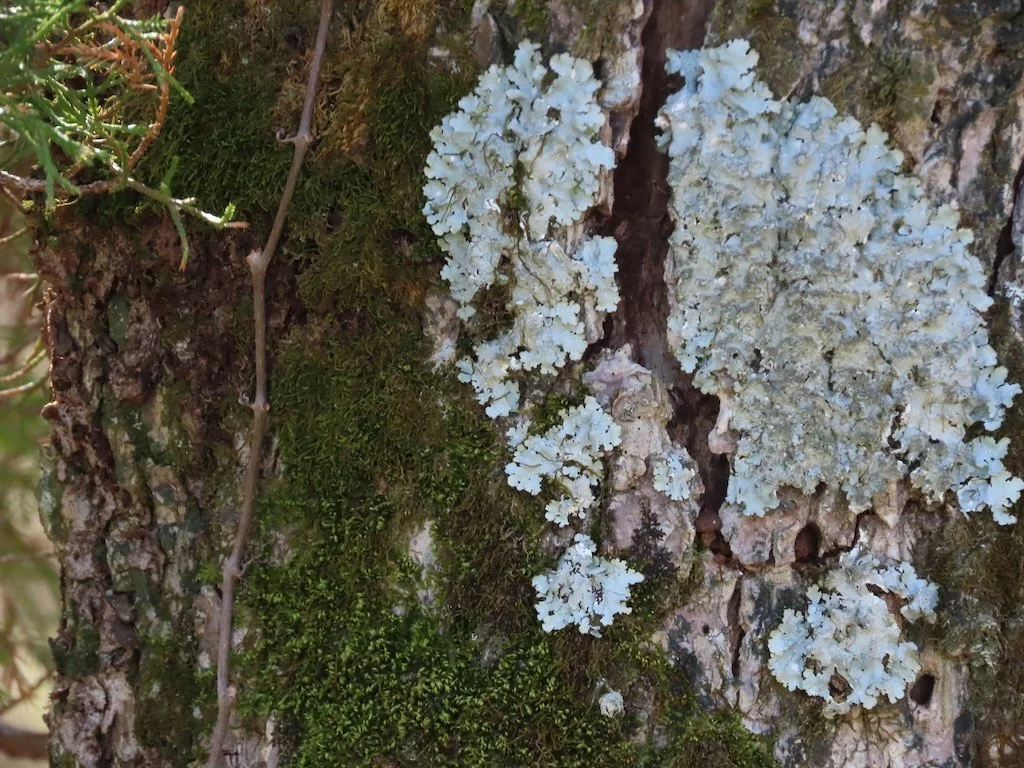
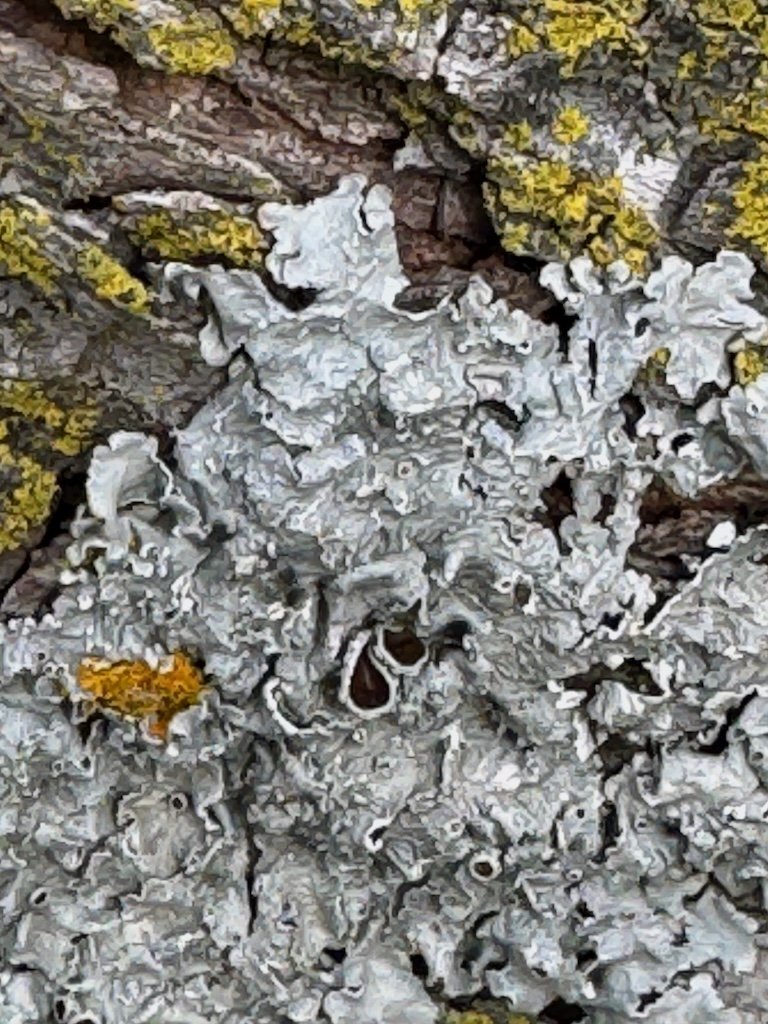
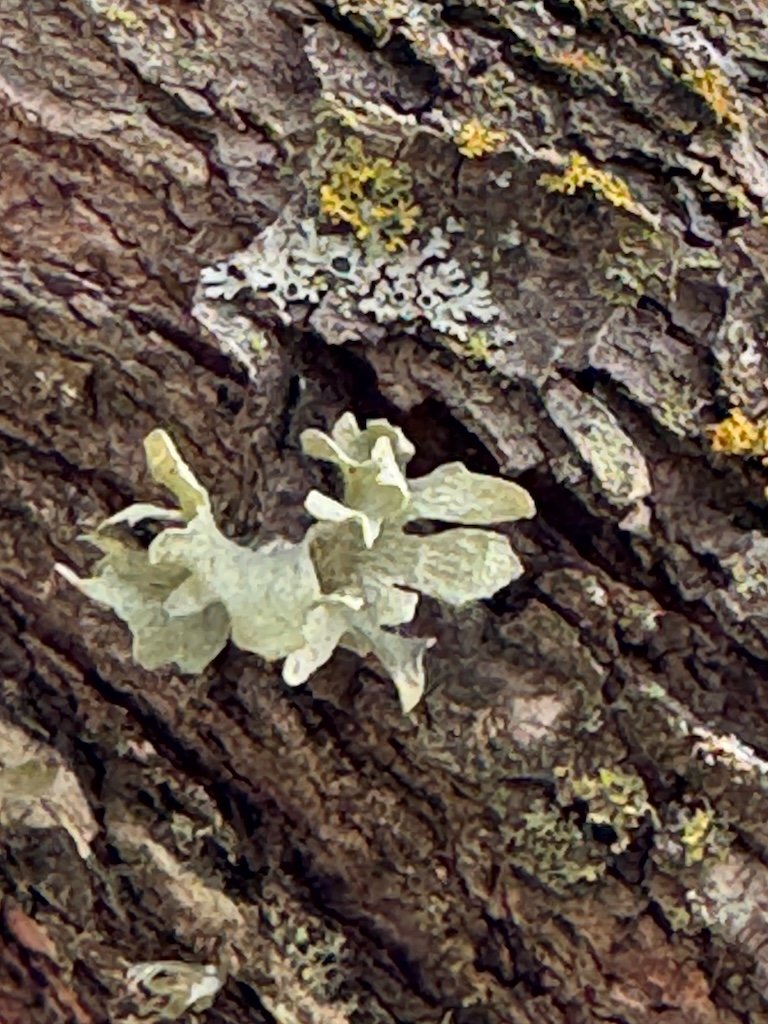
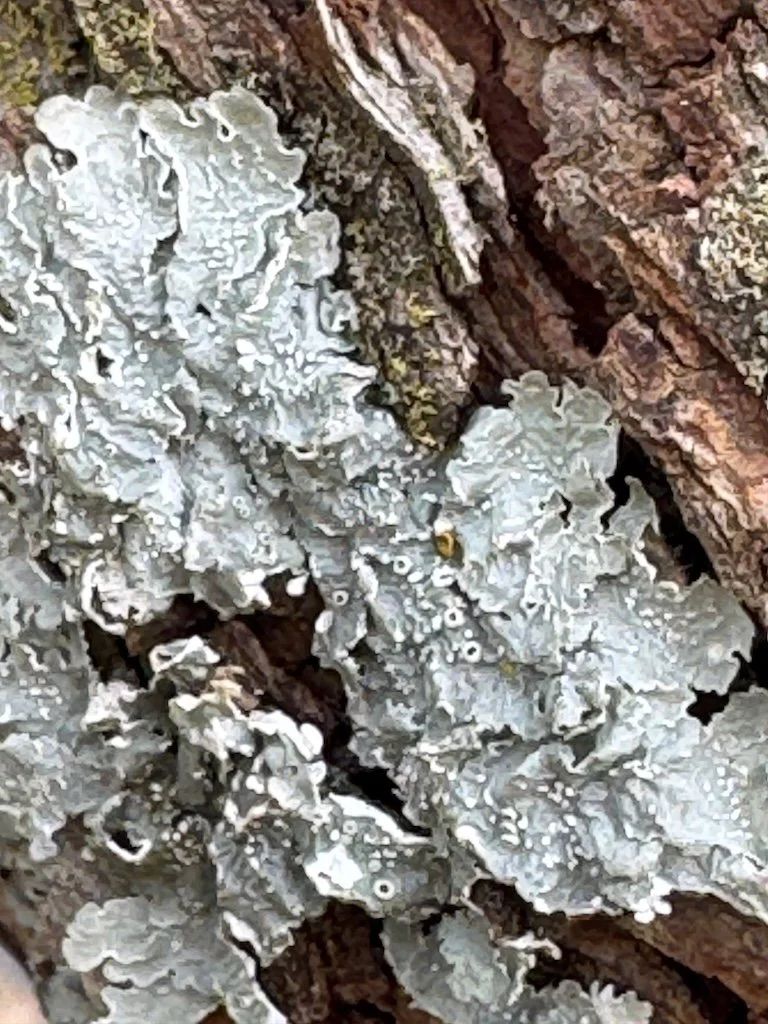
The 2 Eastern Redbuds are very different: one is very young and the other is old and lost some larger branches last year. All the buds are still very small on both trees. I took some pictures of lichen growing on the older tree…nothing to do with phenology of the redbud…but something to photograph while I was looking closely at the tree.

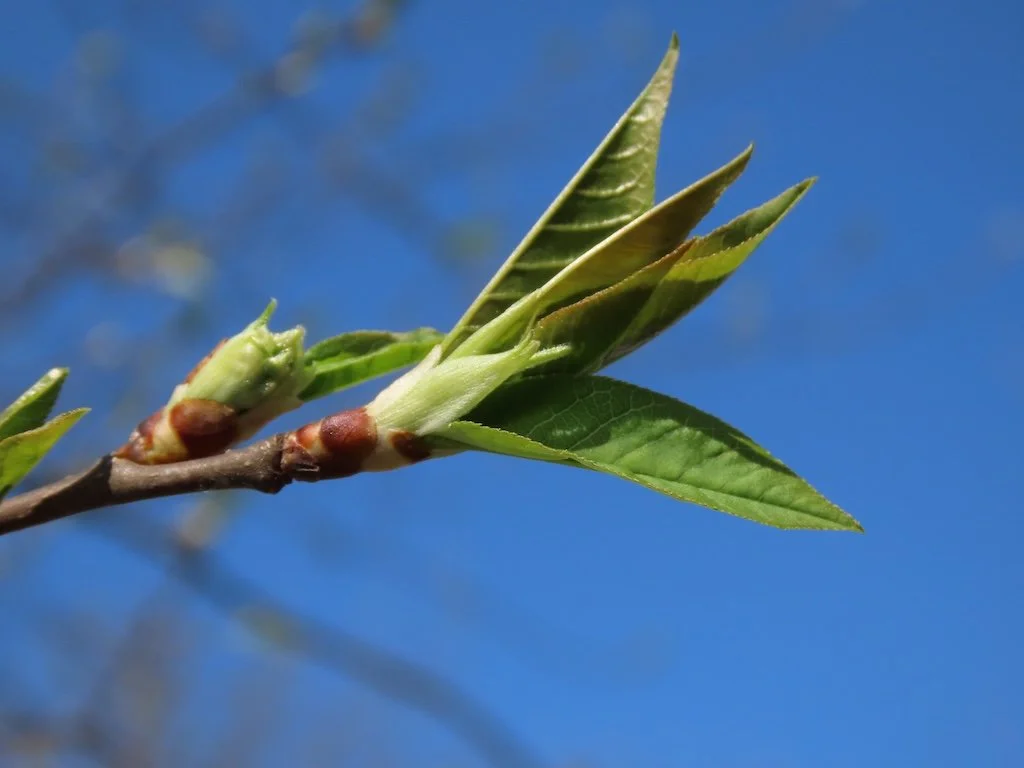
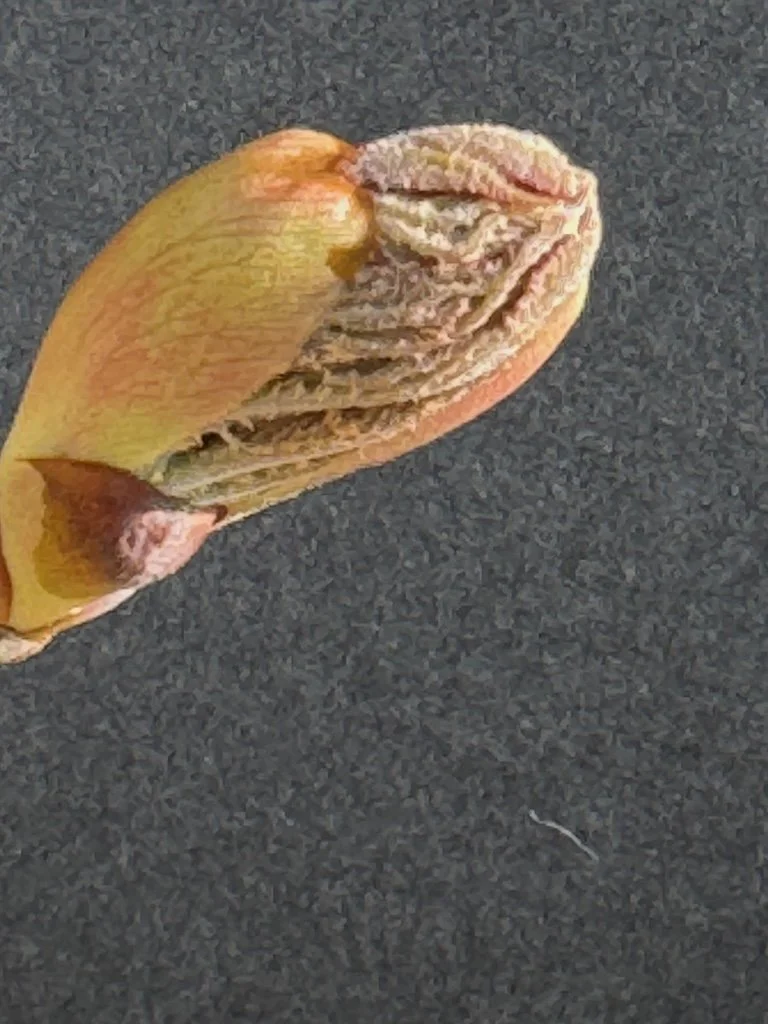
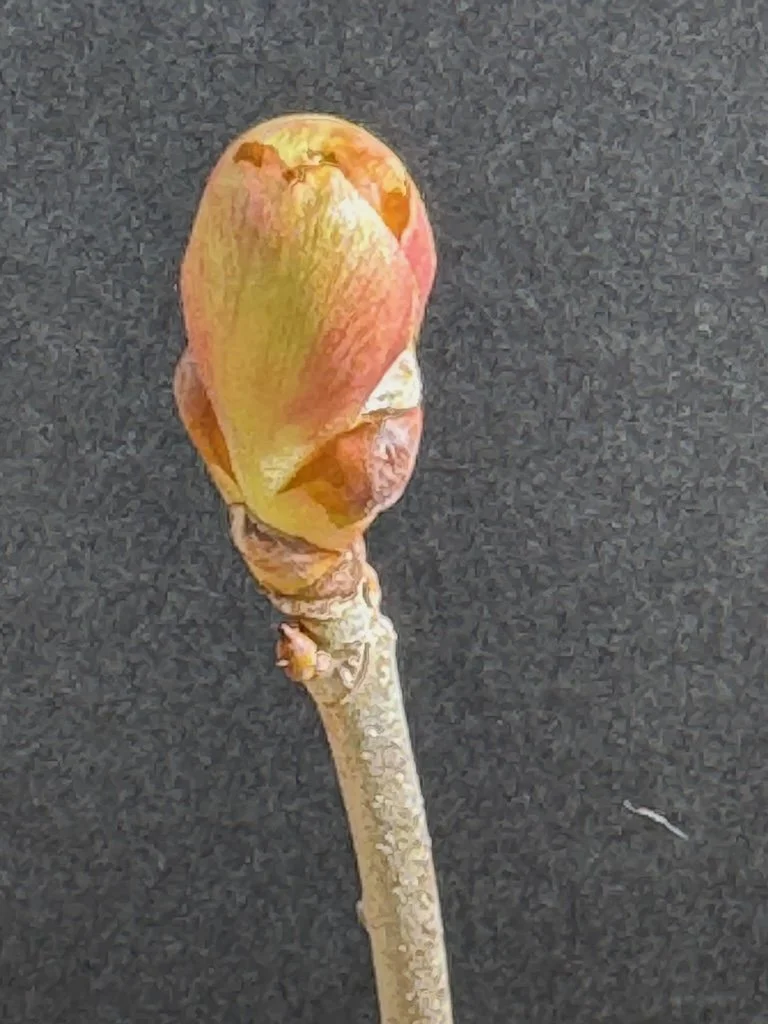
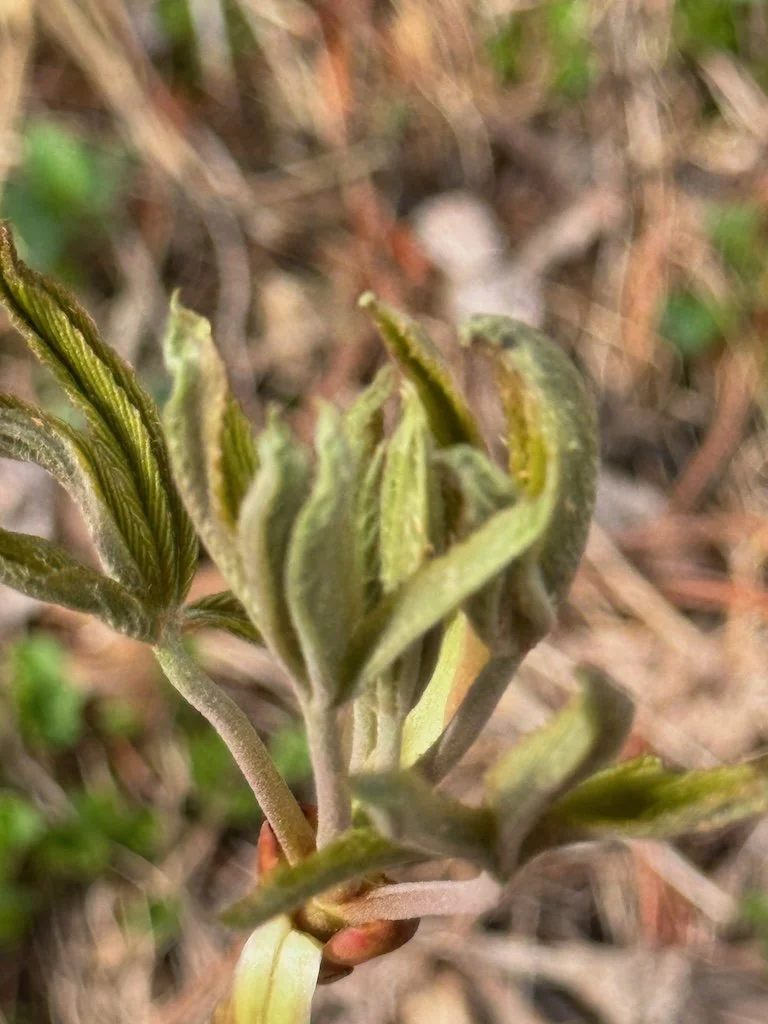
The Red Buckeye is a very young tree and probably won’t bloom this year, but the leaf buds are very large. It will be interesting to see how they develop. The ‘breaking leaf buds’ phase is when a green leaf tip becomes visible at the end of the bud. There is one that appears to be closer to that point than the others!

Update: The leaf buds had broken when I went to look on March 6th – just 2 days after I wrote this blog!!! All the other plants were still in winter mode. It was exciting to see the Red Buckeye leaves begin to emerge.

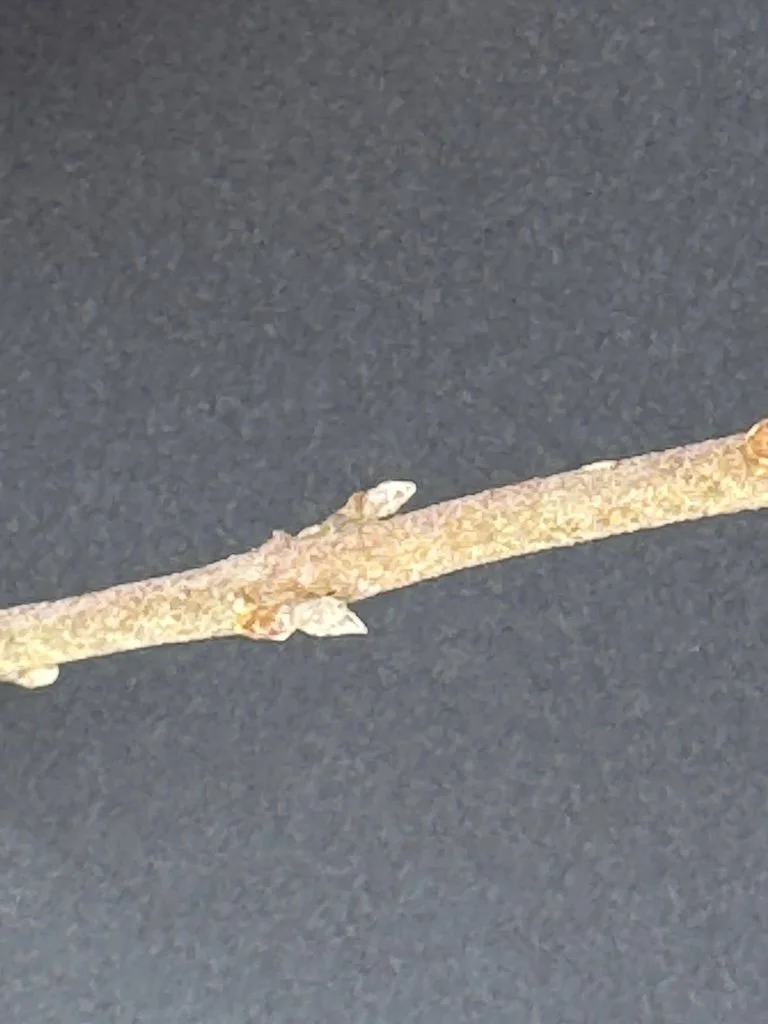
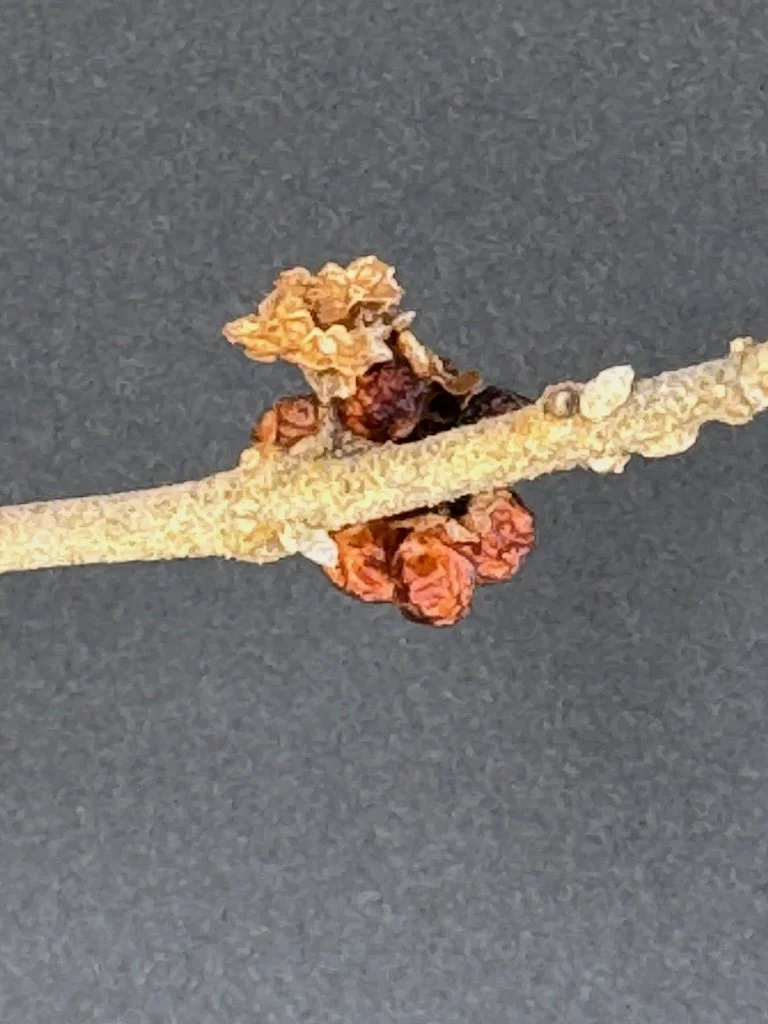
The American Beautyberry has tight buds that I keep thinking might be getting a little larger. The plant also has some dried berries from last season which don’t count for this year.

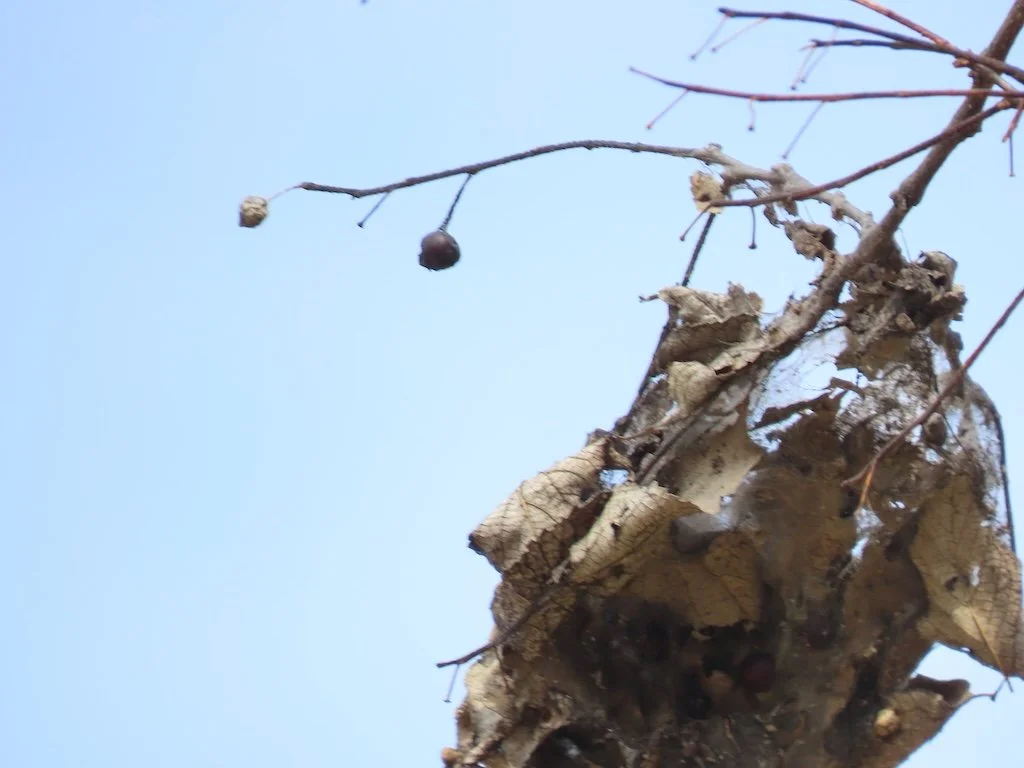
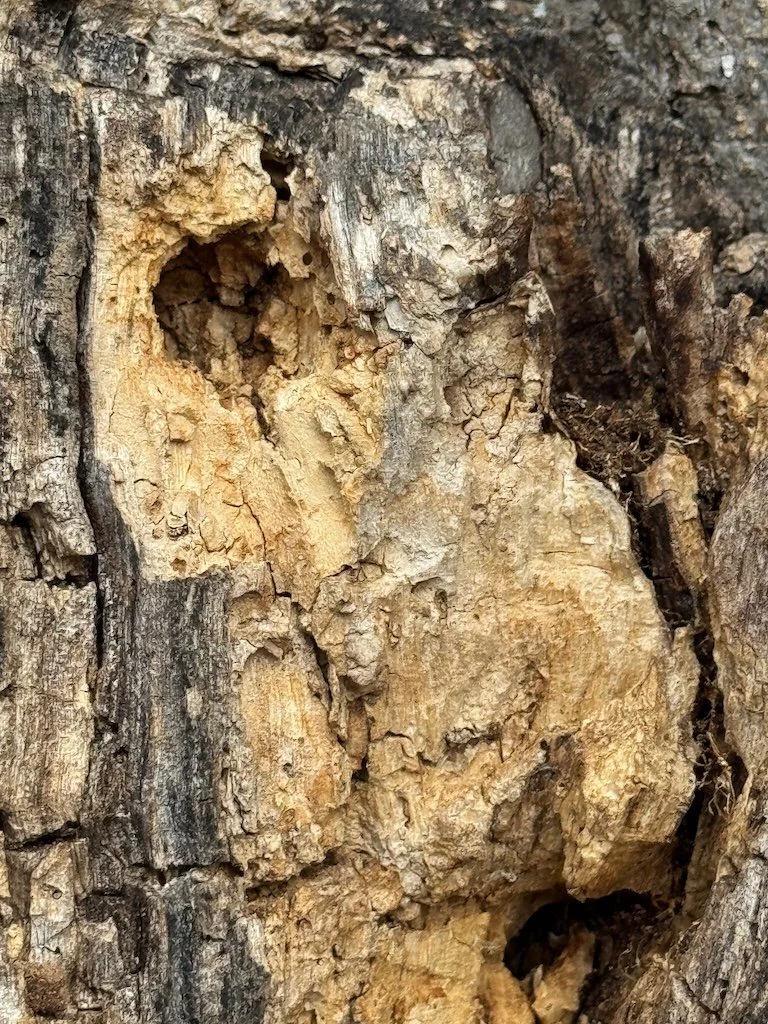
The Common Hackberry is also an older tree and might noy been entirely health; it lost a large limb last year and the woodpeckers seem to be working on the scar (maybe finding insects there). The tree has some dried leaves and fruit from last year. The buds are still very tight.

This is my first experience with a project like this. I will get to know these 5 plants very well!

Our Missouri Yard – March 2026

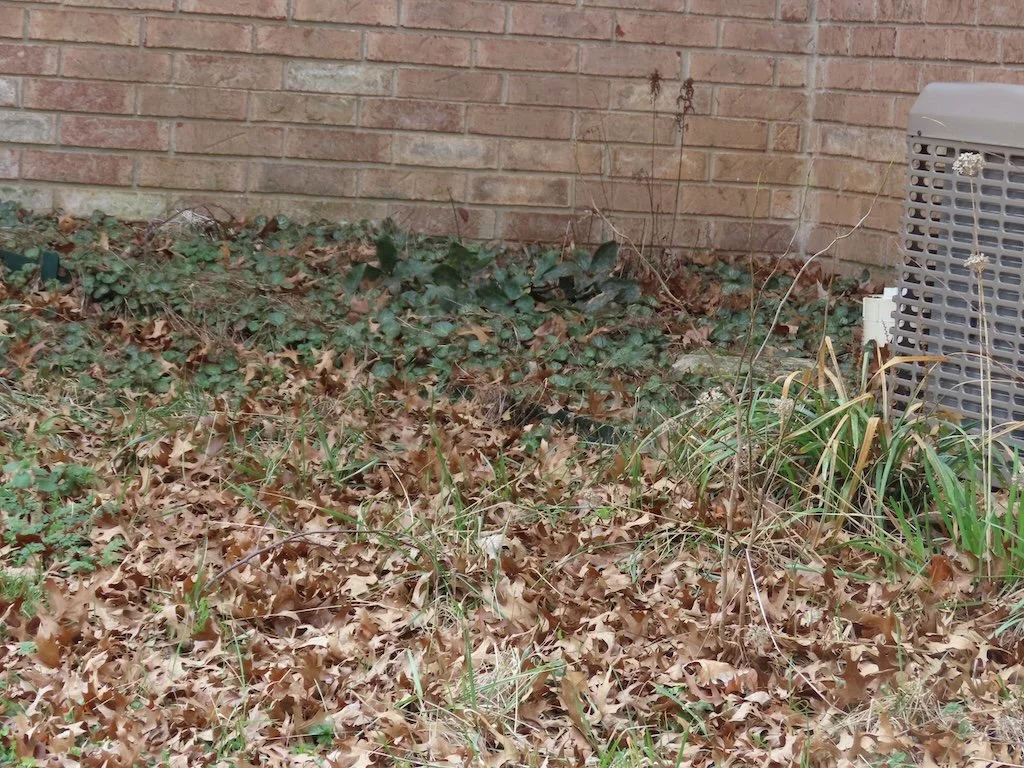
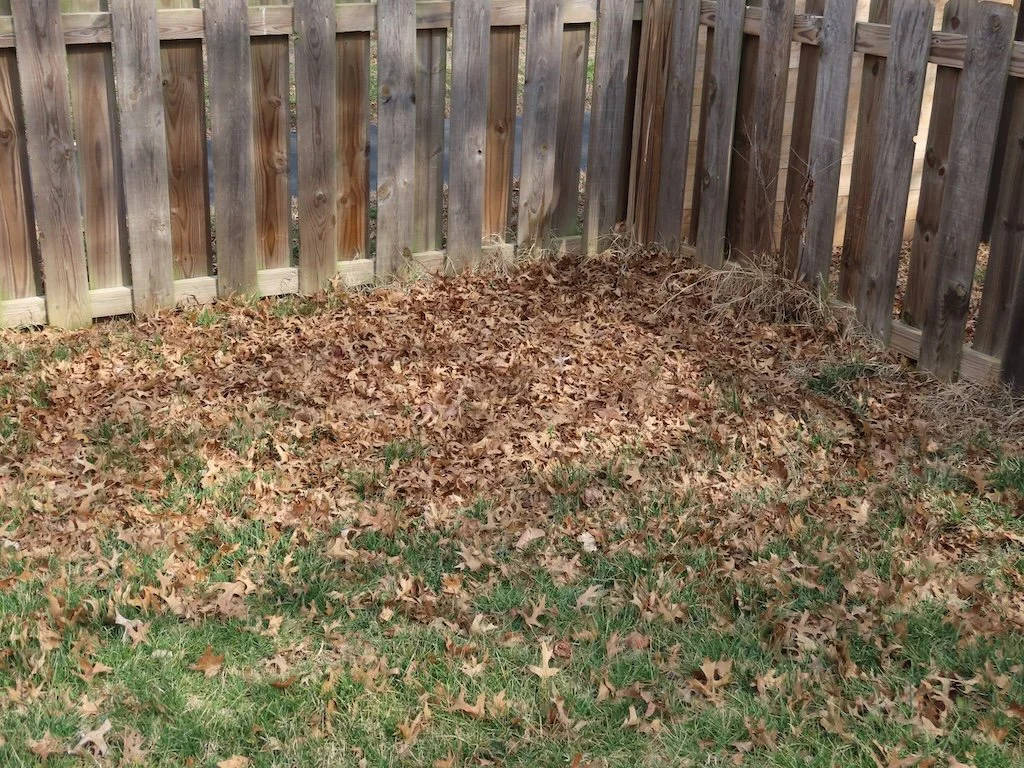
The dry days of March are great for working off my ‘to do’ list for the back yard. It does not include doing anything with leaves. I’m pleased that the wind has blown the leaves into two corners of the backyard where they can stay! I will leave them alone and allow whatever insect cocoons are there to empty. Most of the leaves are oak. My goal is start mowing parts of the backyard in May…but I will be mowing less this year than last because of the way the yard is developing.

The Fragrant Sumac I planted a few years ago now has shoots in the yard and is taking more space in the flowerbed as well. The ‘to do’ in that bed is to pull/cut Japanese honeysuckle frequently.

Getting the forsythia and Japanese barberry cut down are high on the ‘to do’ list. The pruning chainsaw will make it a bit easier.

I’ll buy 1 or 2 more paw paws to plant near the one I bought last year since I don’t think the seeds I have in pots are going to sprout.

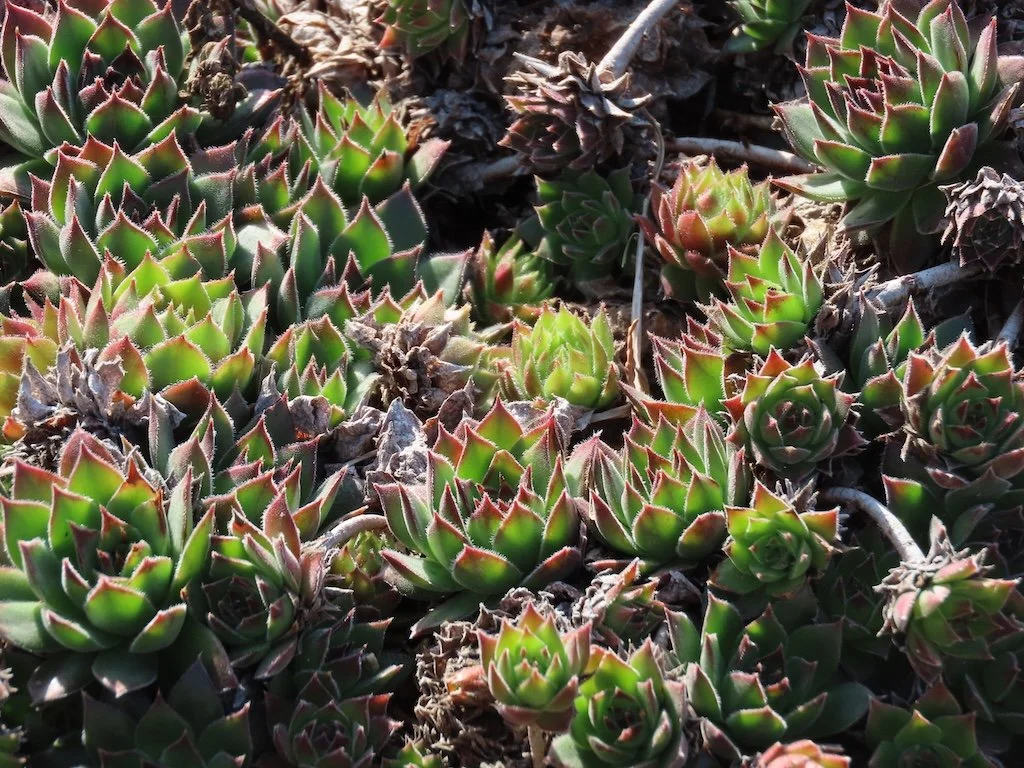
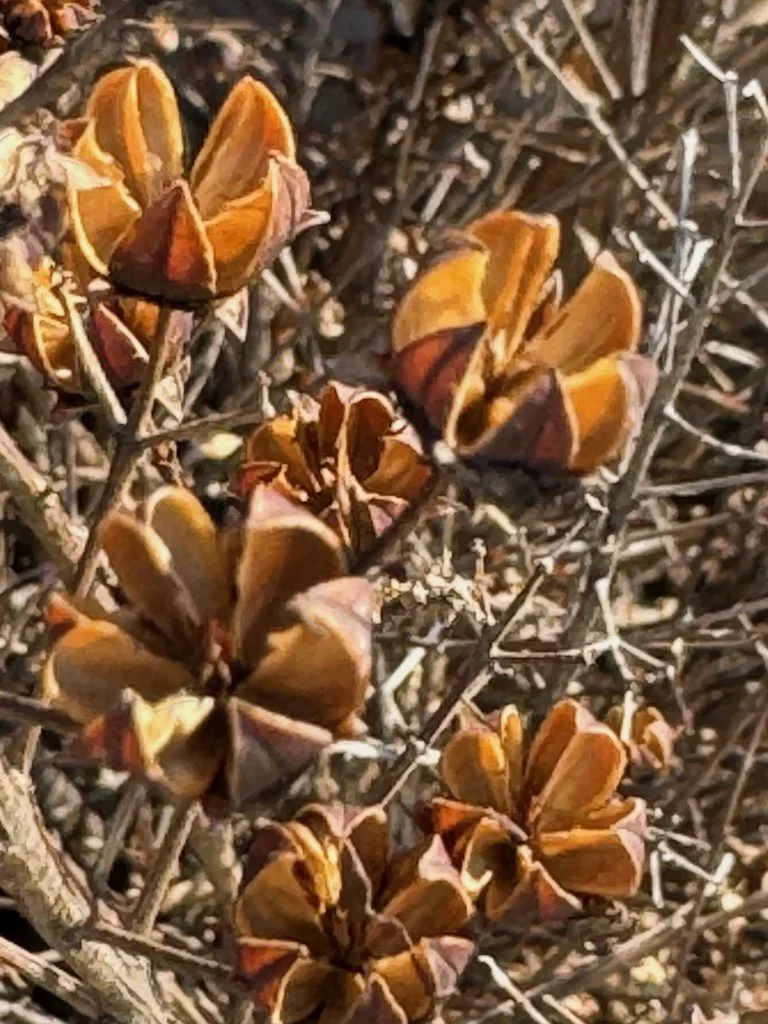
The more significant list is for the front yard where I will be planting into the large mulch bed I created last fall. I have done one round cutting back the existing crape myrtles that had gotten too tall (I enjoy photographing their empty seed pods). There is some clean up there but the big ‘to do’ before the planting in April is to take dead cedars out of the corner flower bed and clear more rock from around the hens/chicks so that the plant can continue to expand. Trimming the boxwood is not high on the list but I might do the top to keep it from getting too high to reach comfortably.

There is plenty to keep me busy in March….on the dry days!

Spring Bulbs

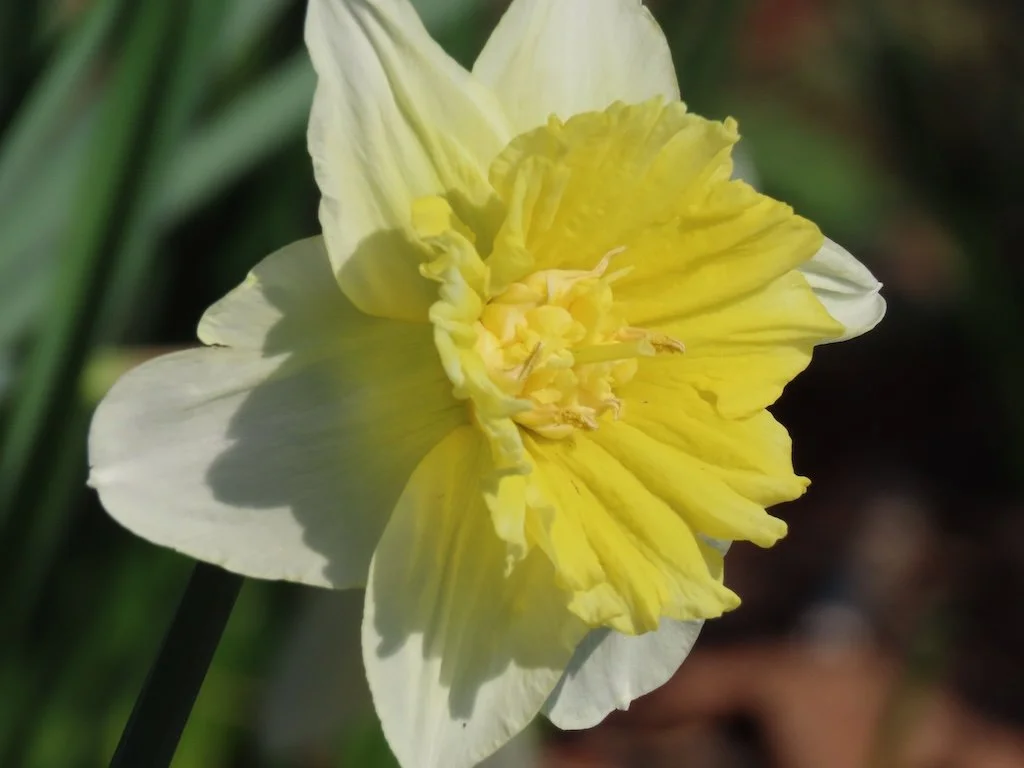
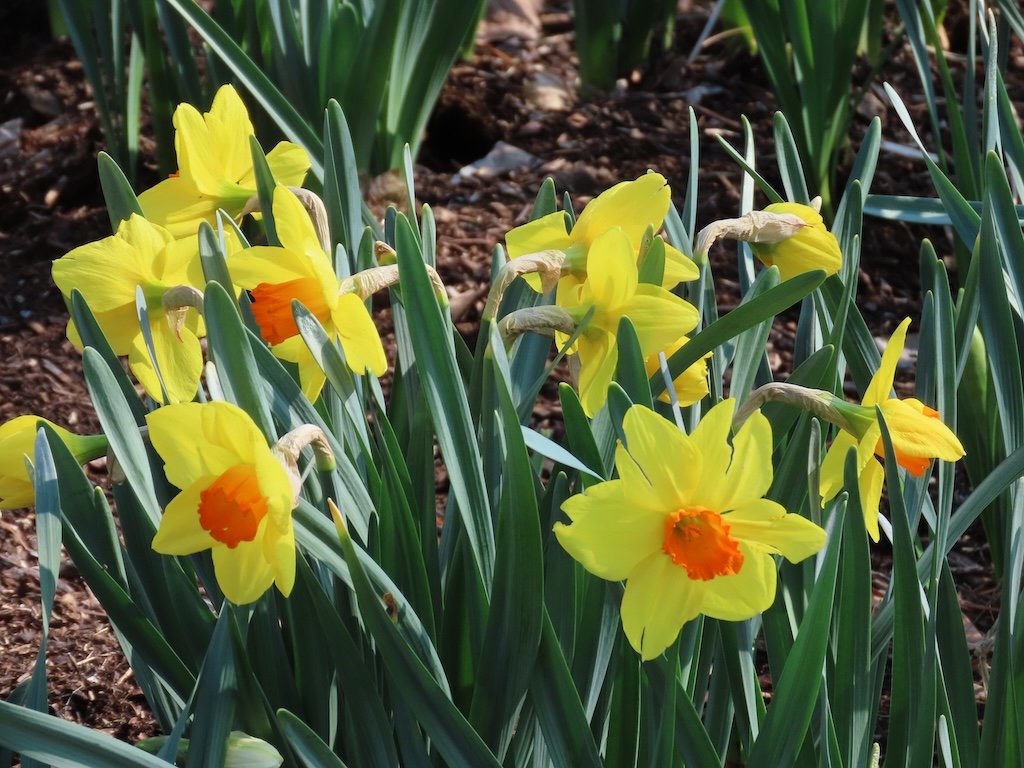
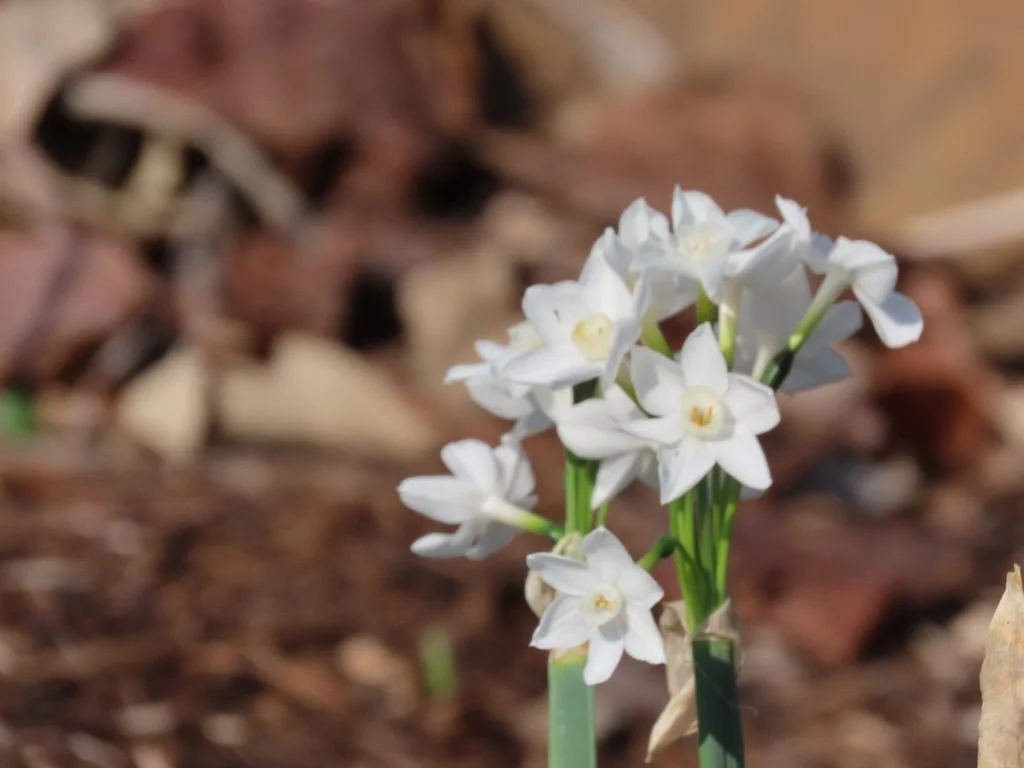
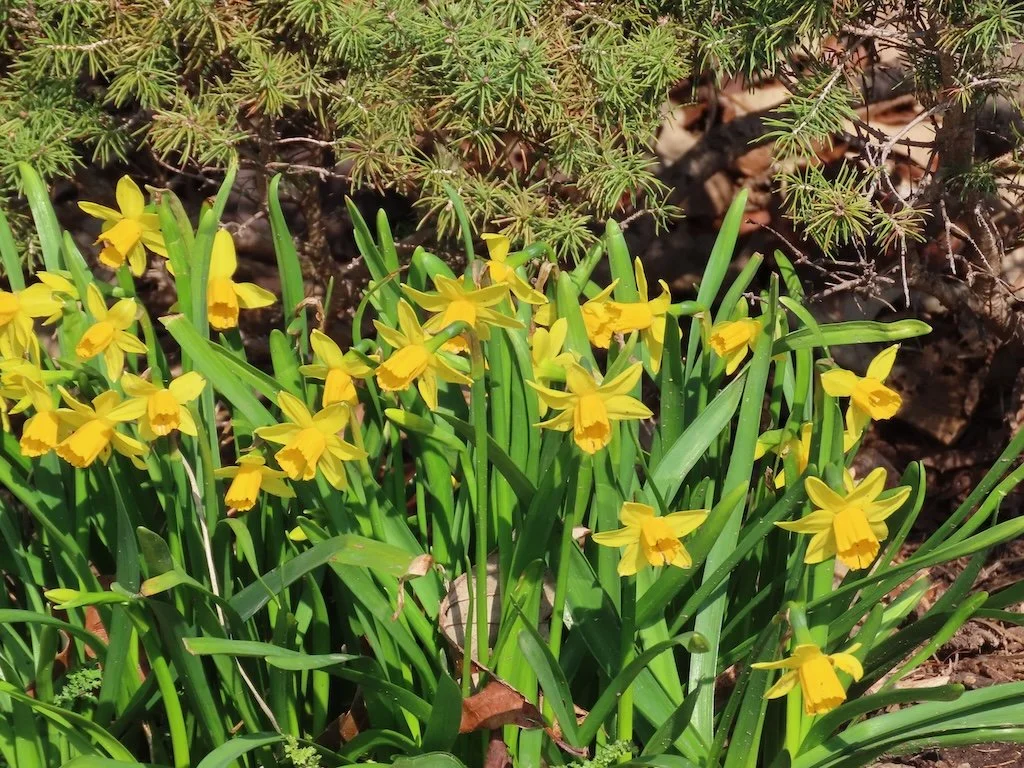
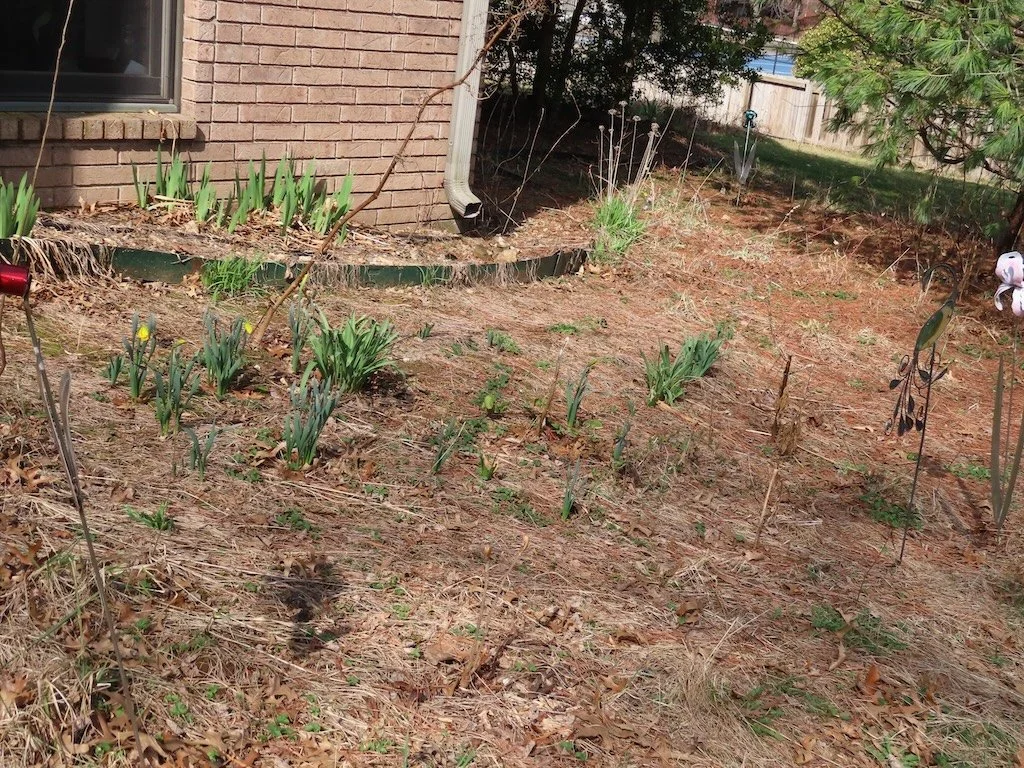
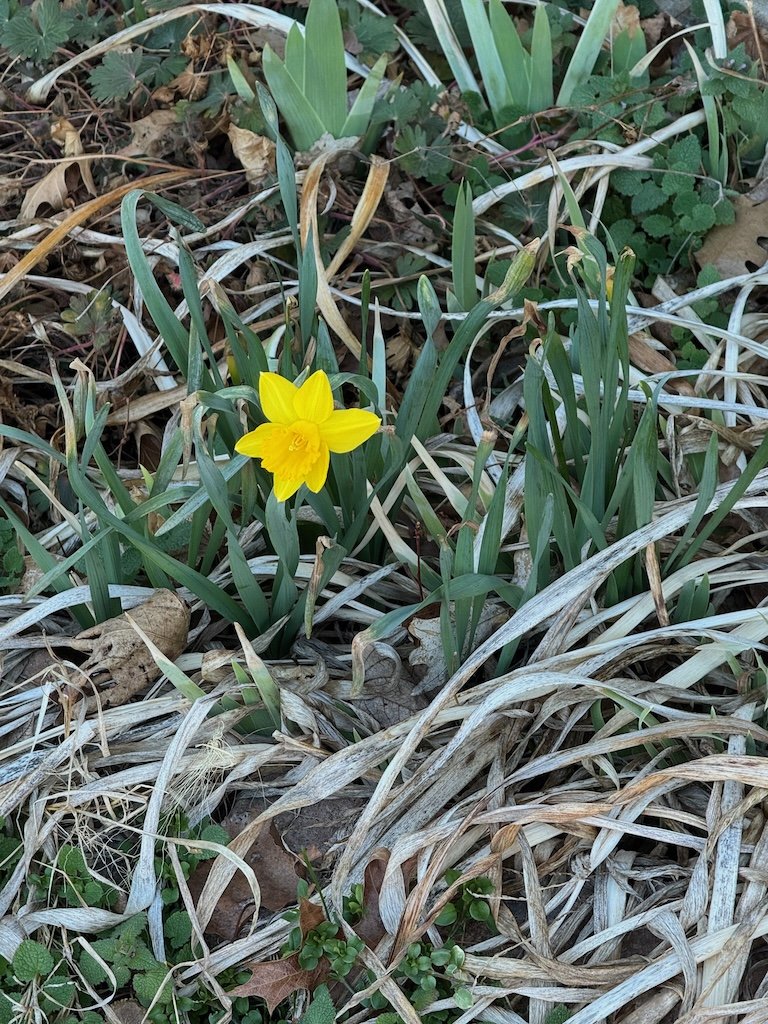
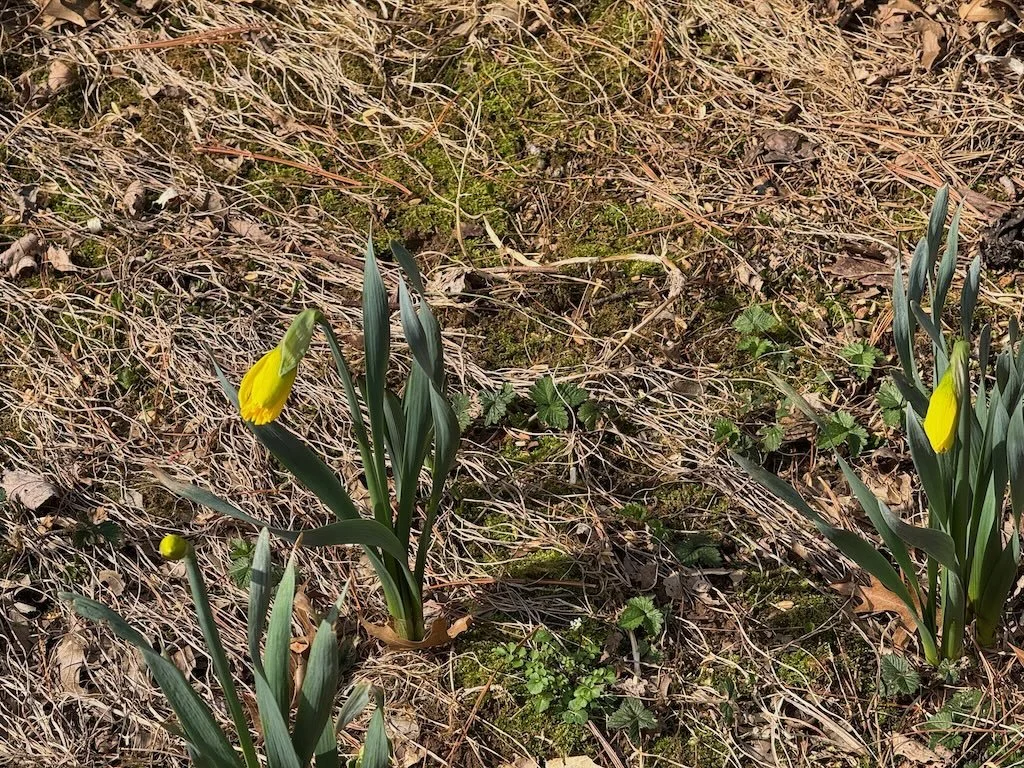
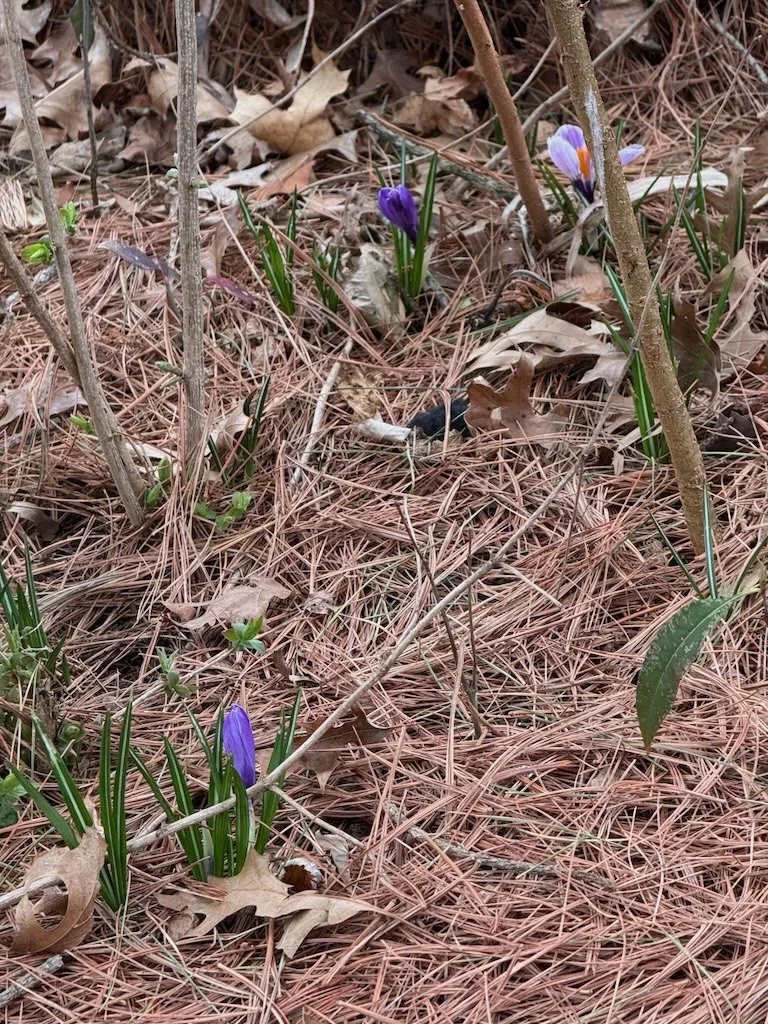
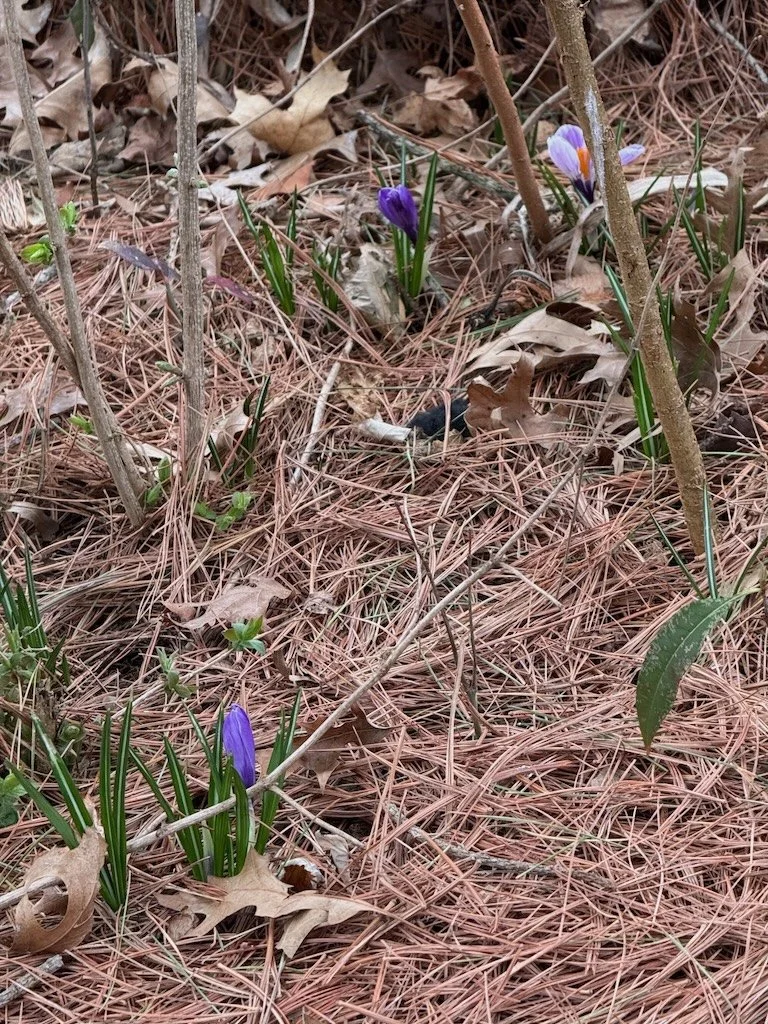
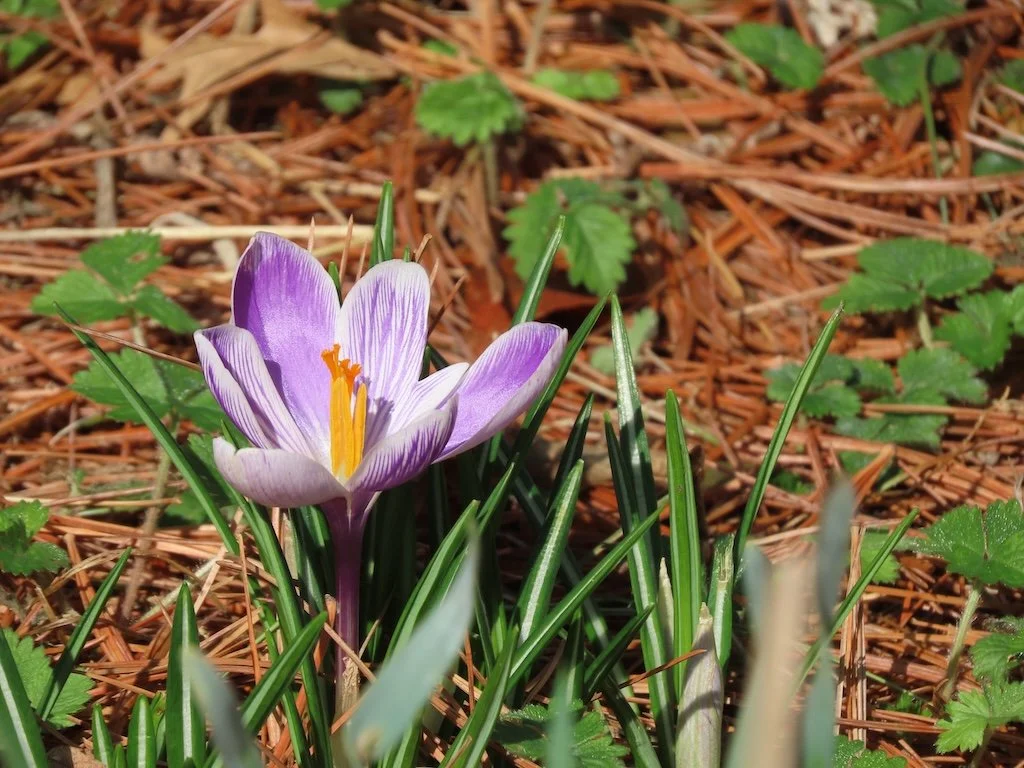
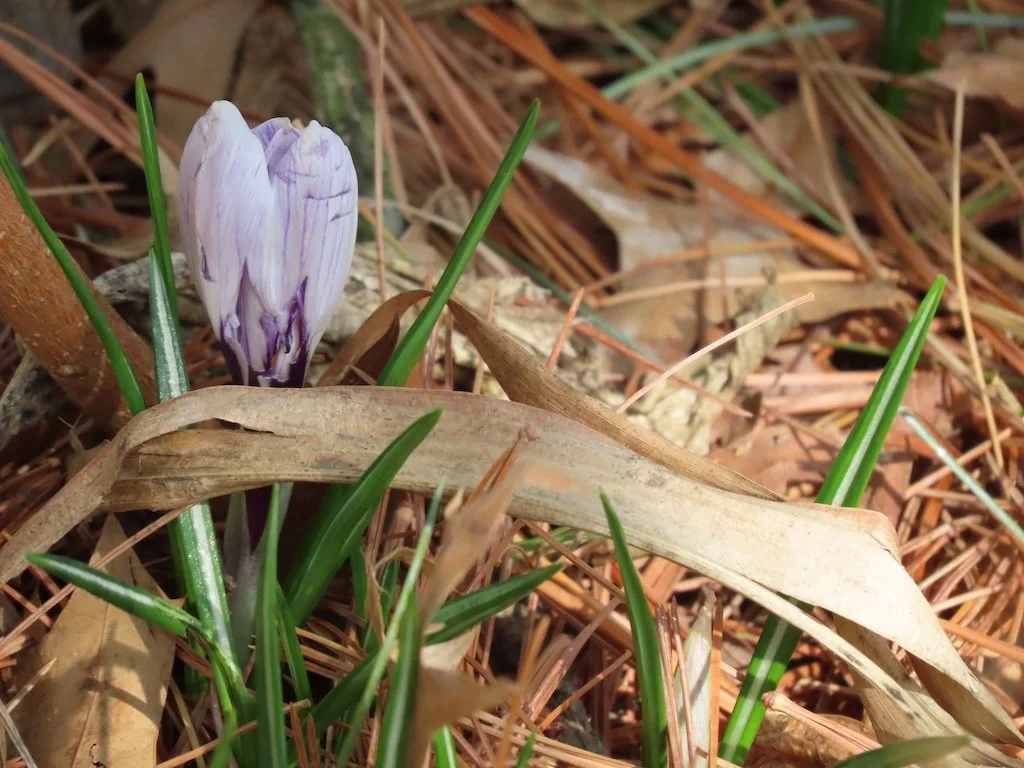
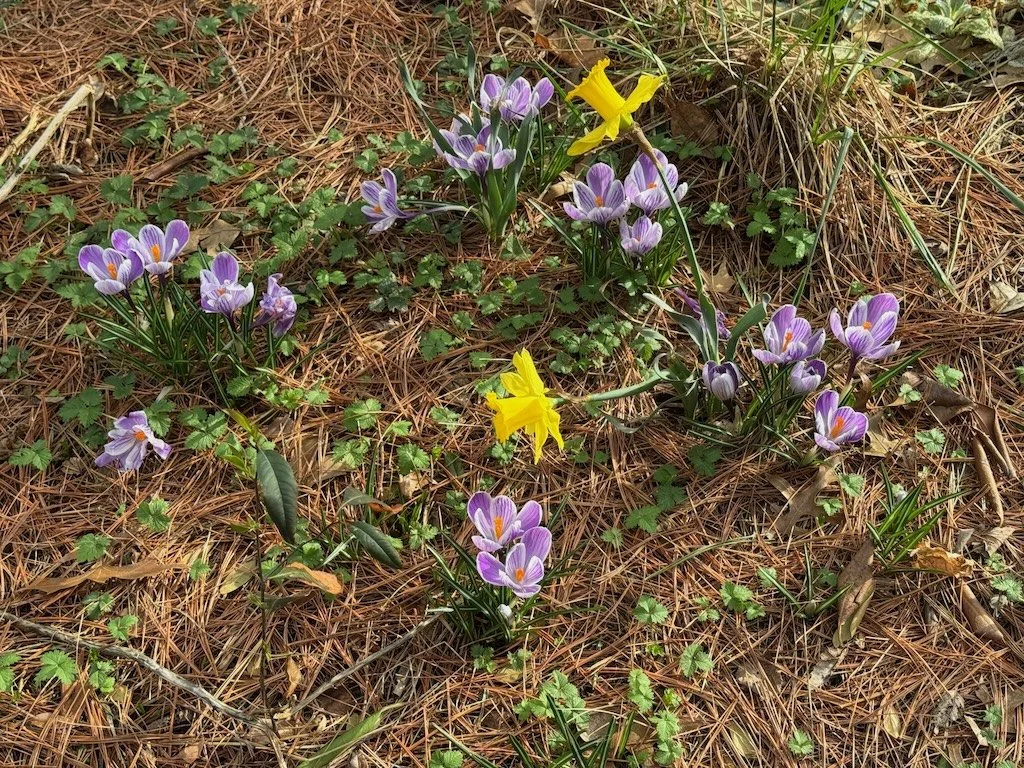
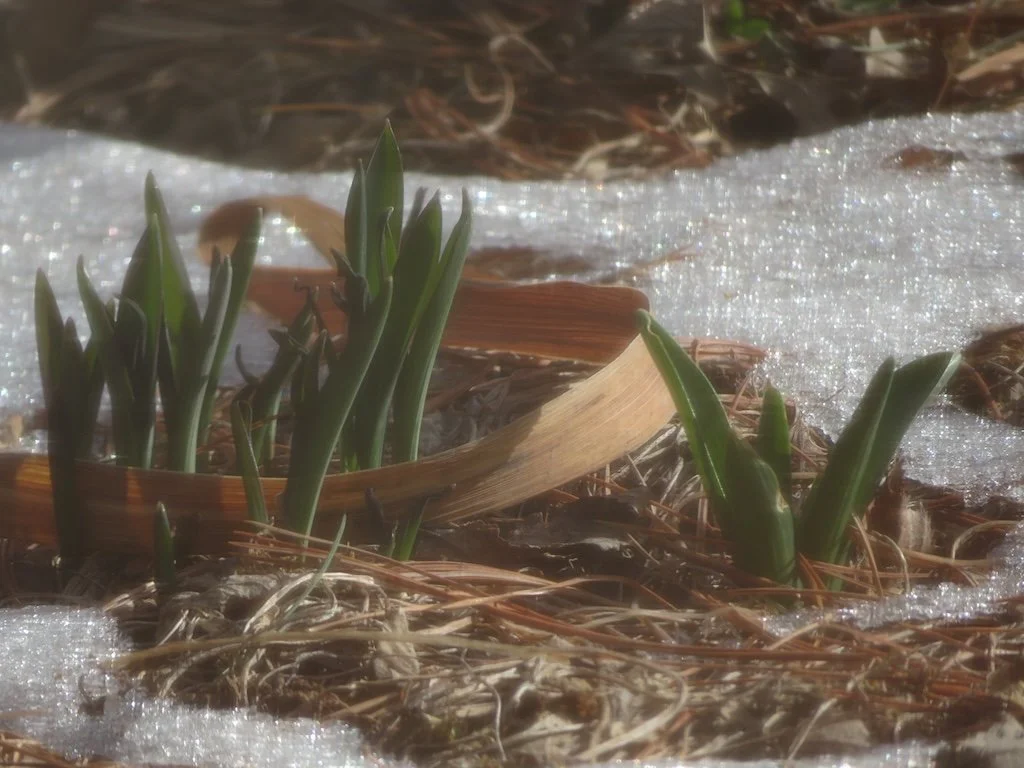
The early spots of color from spring bulbs are always welcome after the drabness of the winter palette. The area outside my office windows includes crocus and daffodils as the early bloomers with the green spears of iris leaves as a backdrop (the irises bloom later).

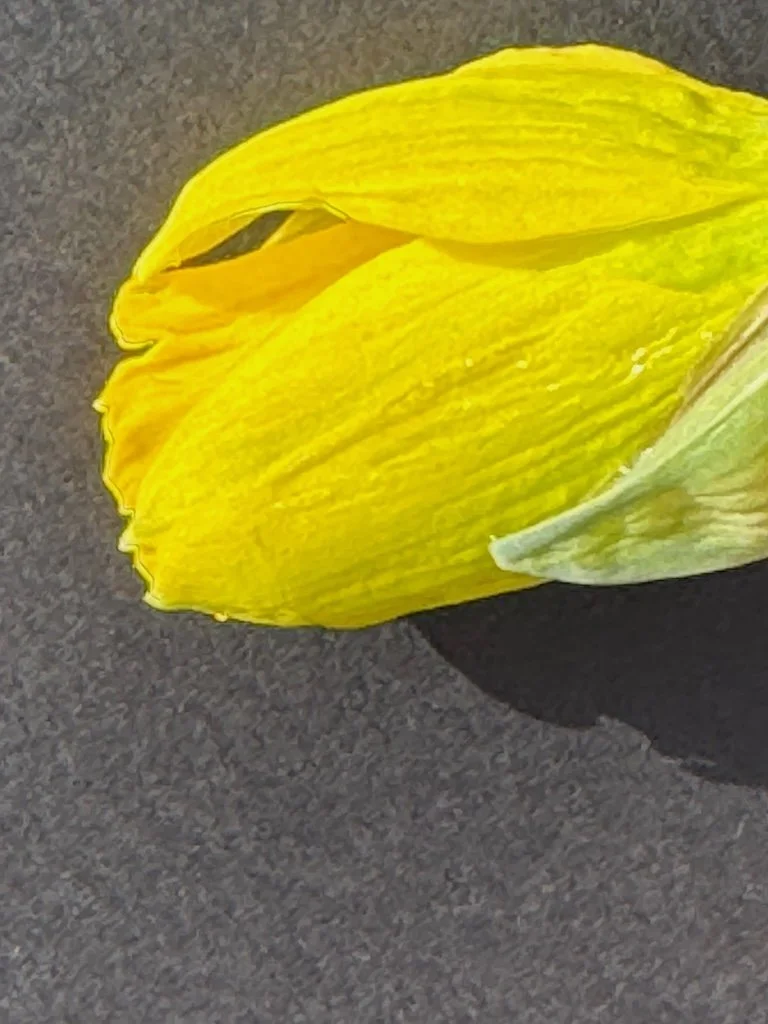
The daffodils are in the debris of last year’s violets and pine needles. I planted the bulbs a few years ago and they are increasing a little every year. I used a piece of black cardstock as background for one of the pictures.

The pine needle area has a mix of crocus and daffodils…more crocus at this point. The leaves of the crocus are thin enough that I often miss their presence until the flower appears!

This year the daffodils and crocus seemed to start their bloom together…with a lot of flowers opening on March 3rd!

Table Rock Lake

One of the Master Naturalist hikes that I planned was at the end of February – hosted by a person that lived near Table Rock Lake. It was a great day for a hike – not a wintery day at all!

There were winter trees to observe in the forest when we started our hike – sassafras, redbud, dogwood, eastern redcedar, honey locust….and a lot of dead ash trees. Anything that had bark sluffing off (or already missing) was probably an ash. Emerald Ash Borer is taking out Missouri’s ashes just as happened on the east coast before we moved from Maryland.

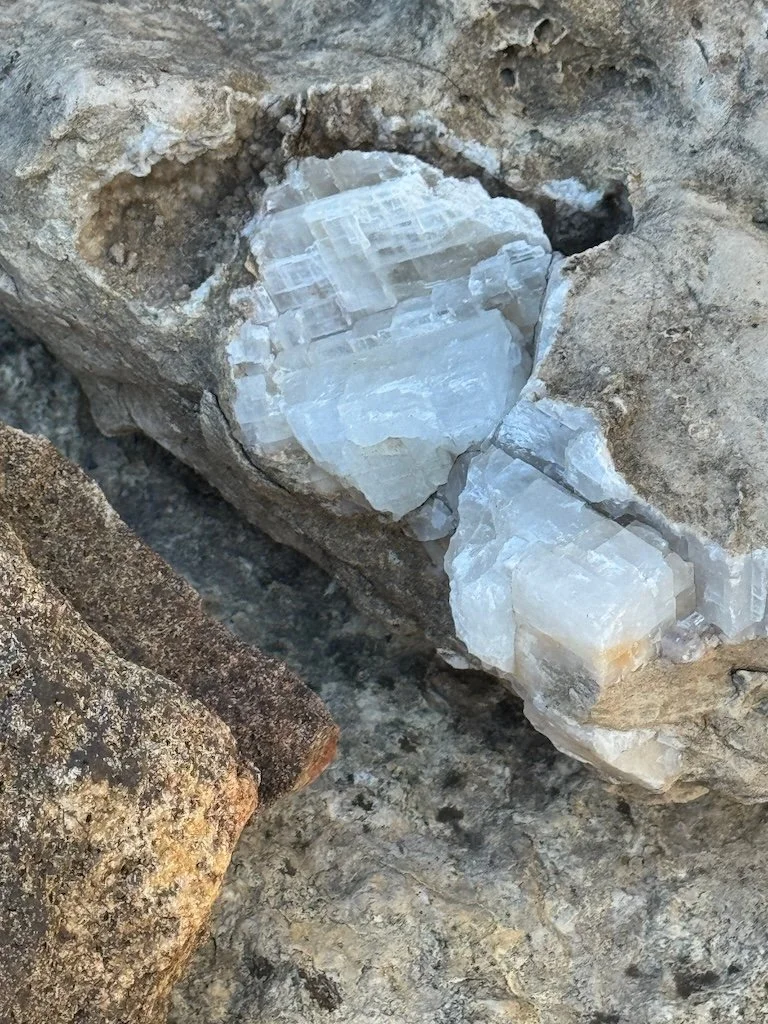
We also looked for minerals in the rocks during our downhill hike.

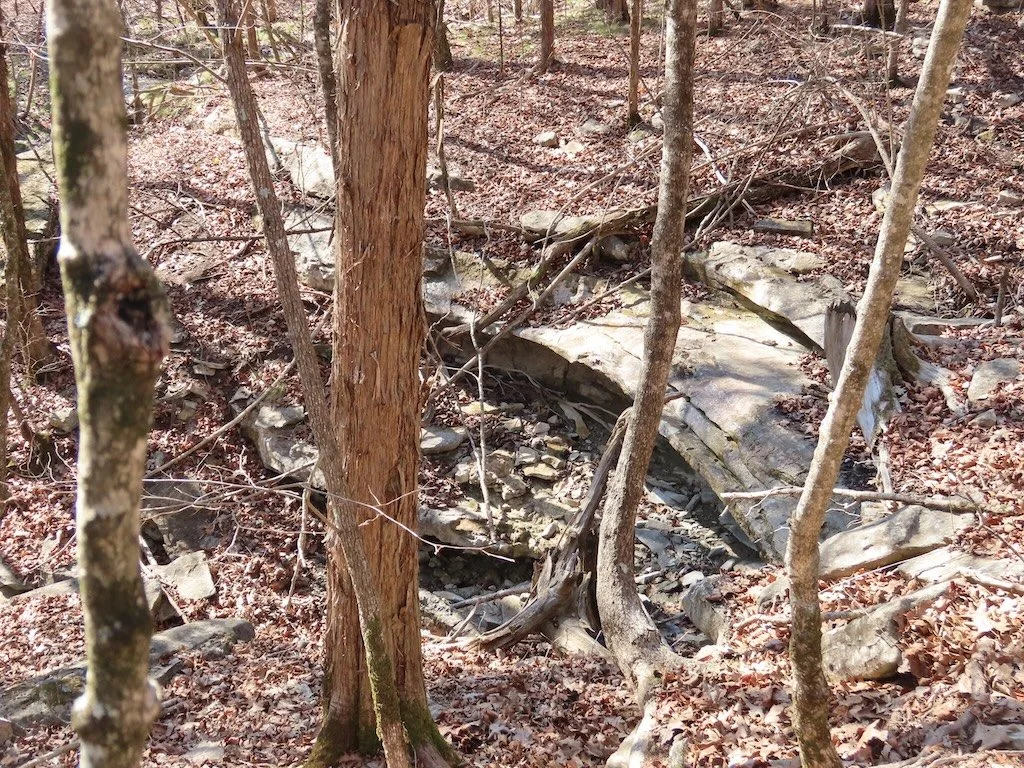
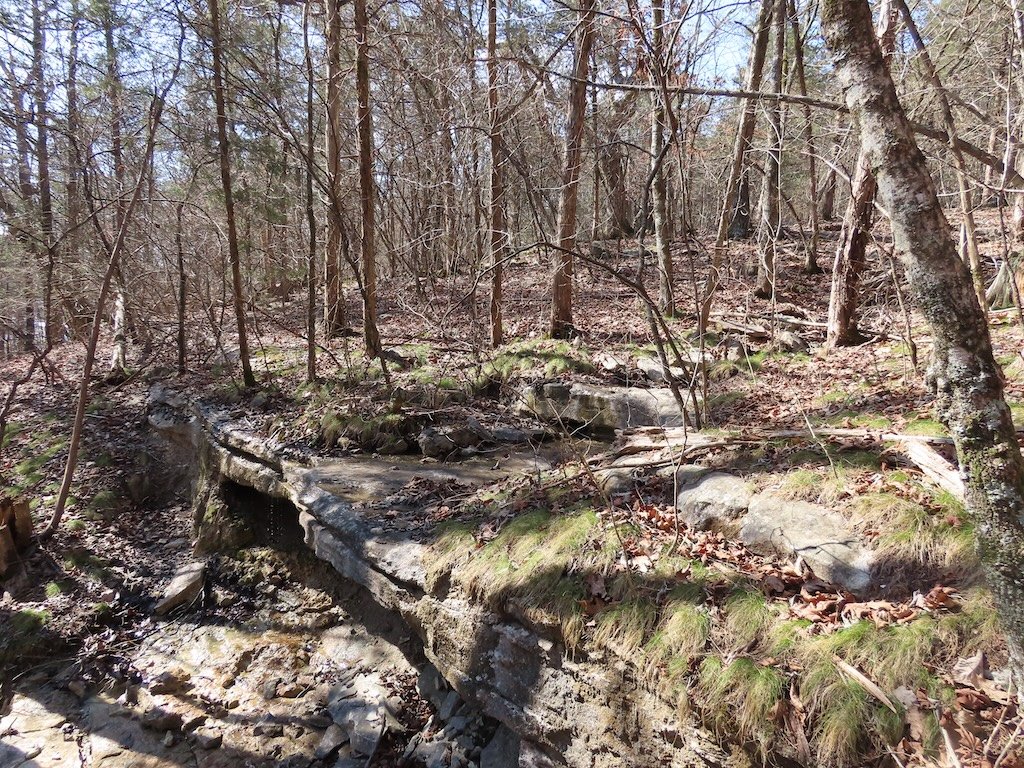
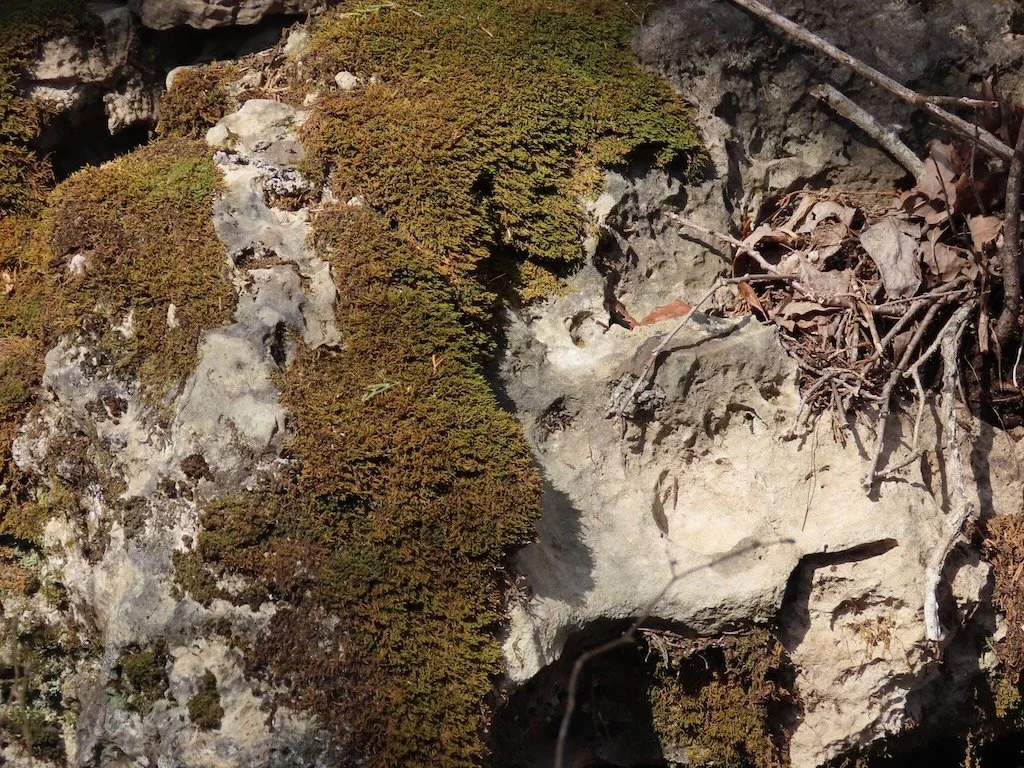
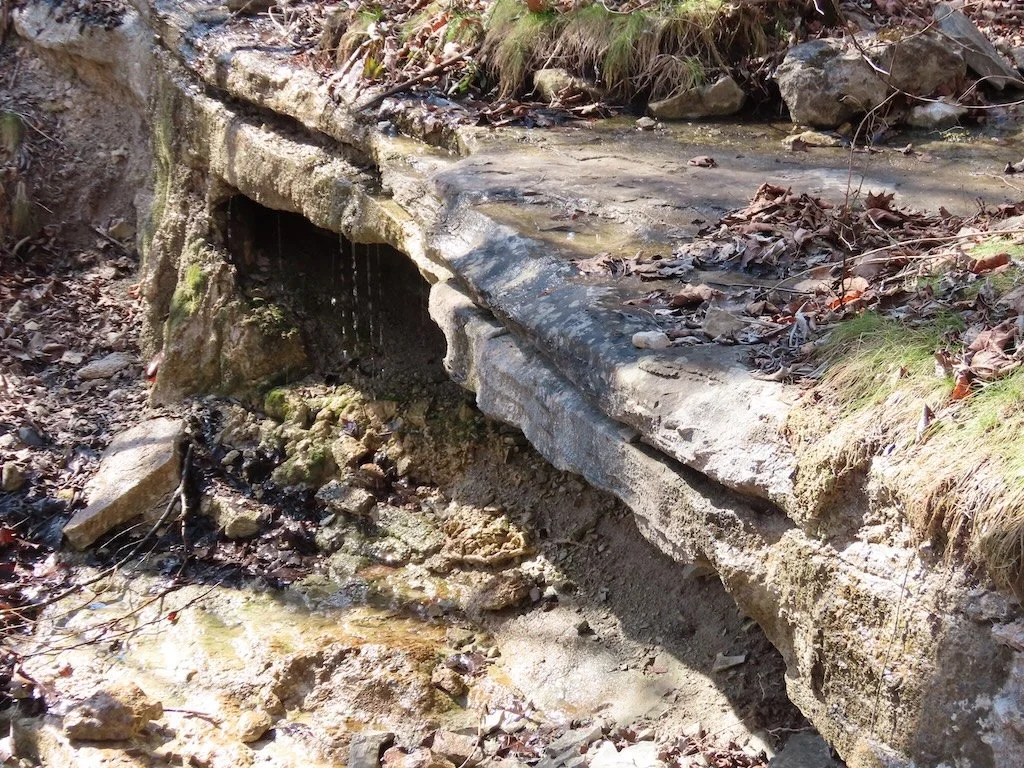
There were ledges of rock with water dripping in some areas. Moss is the greenest part of the forest this time of year.

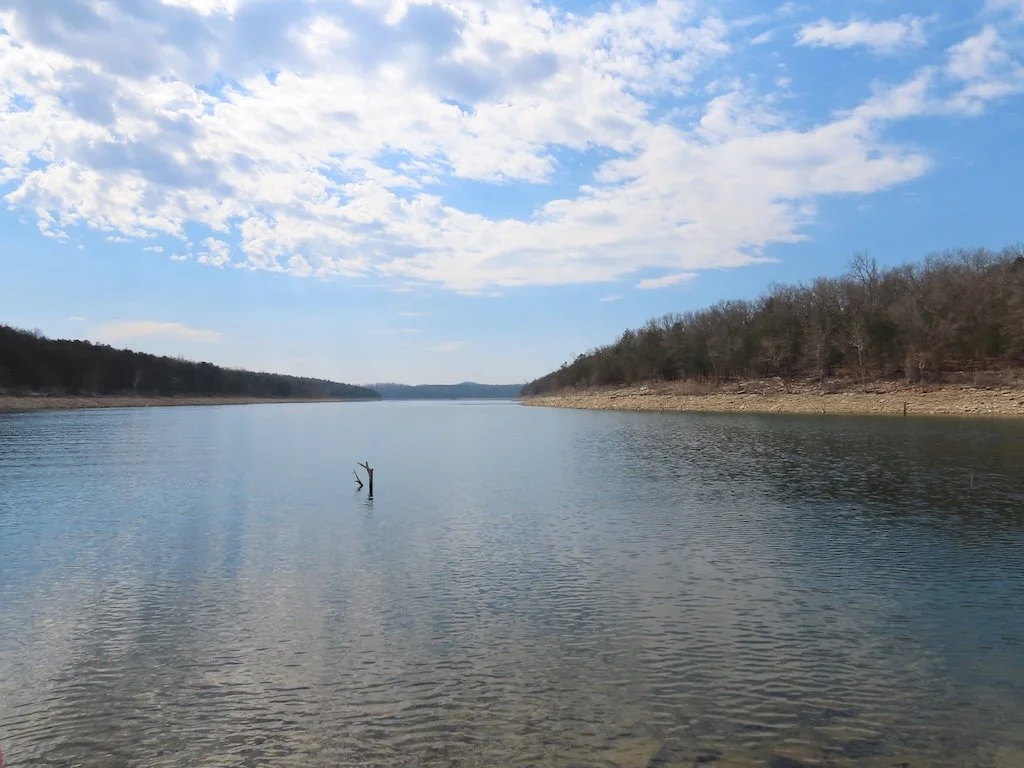
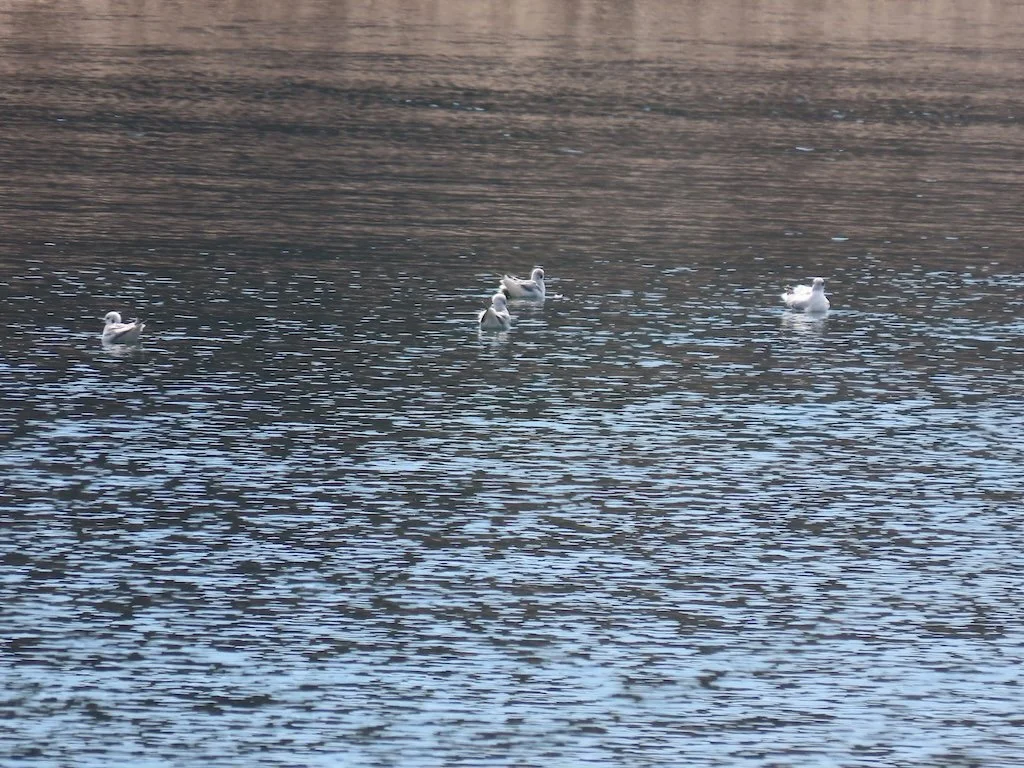
When we got down to the lake, it was obvious that the water was low; hopefully the spring rains will begin to fill it again. There were gulls….and double crested cormorants that dramatically flew out of a nearby cove.

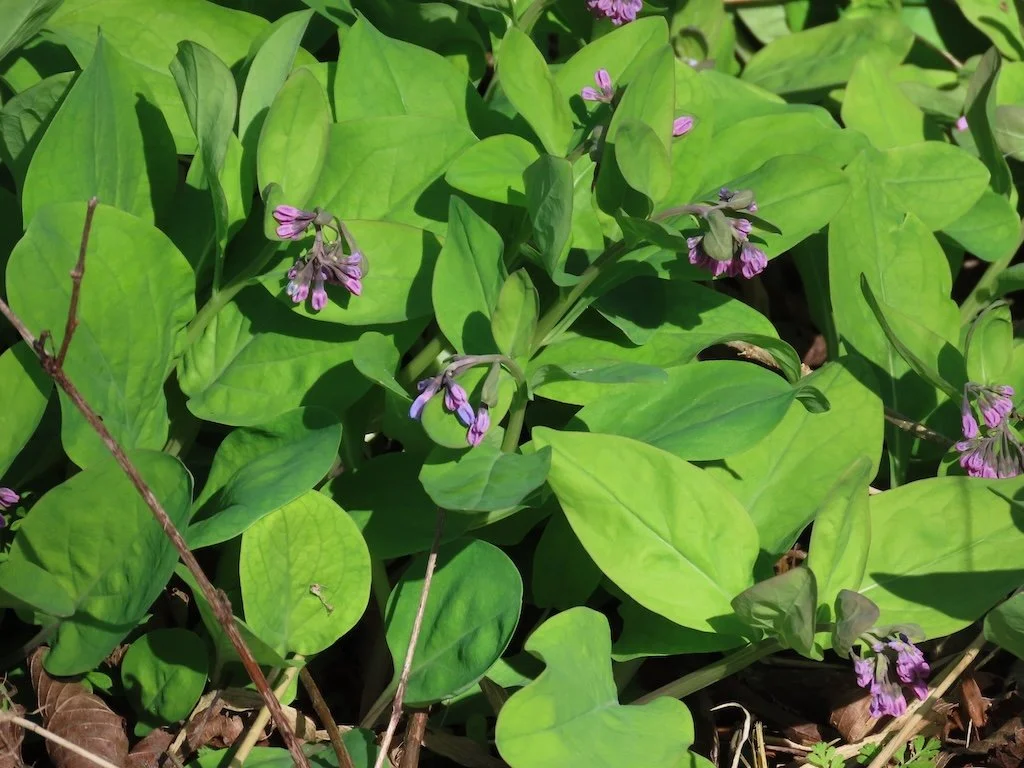
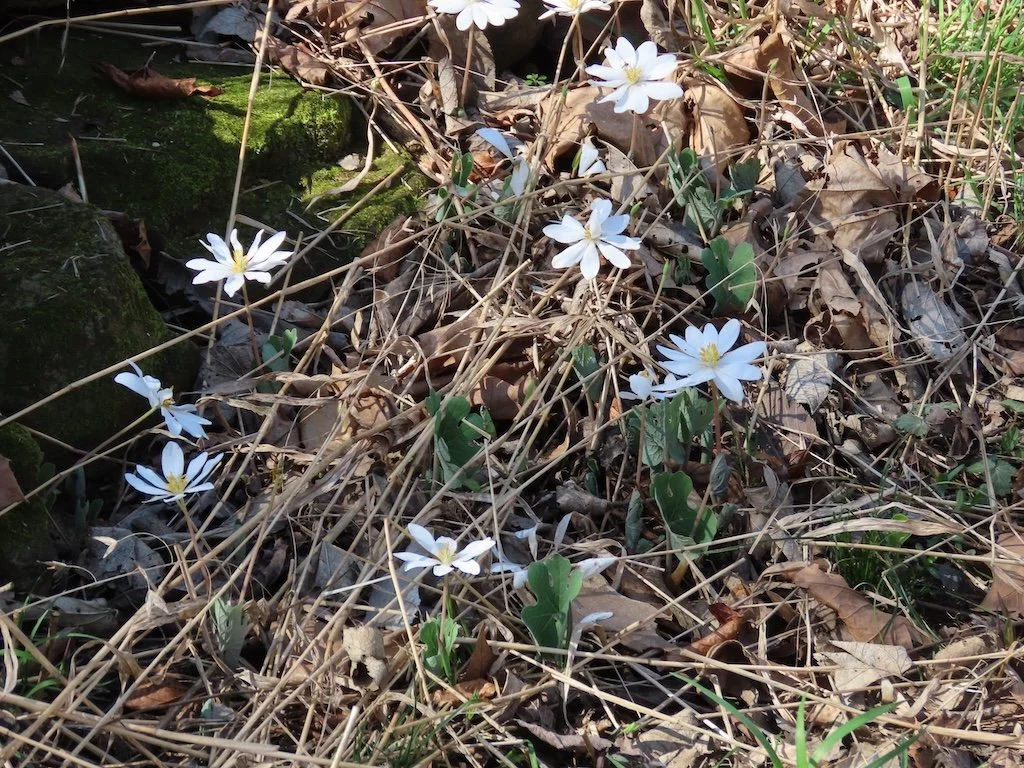
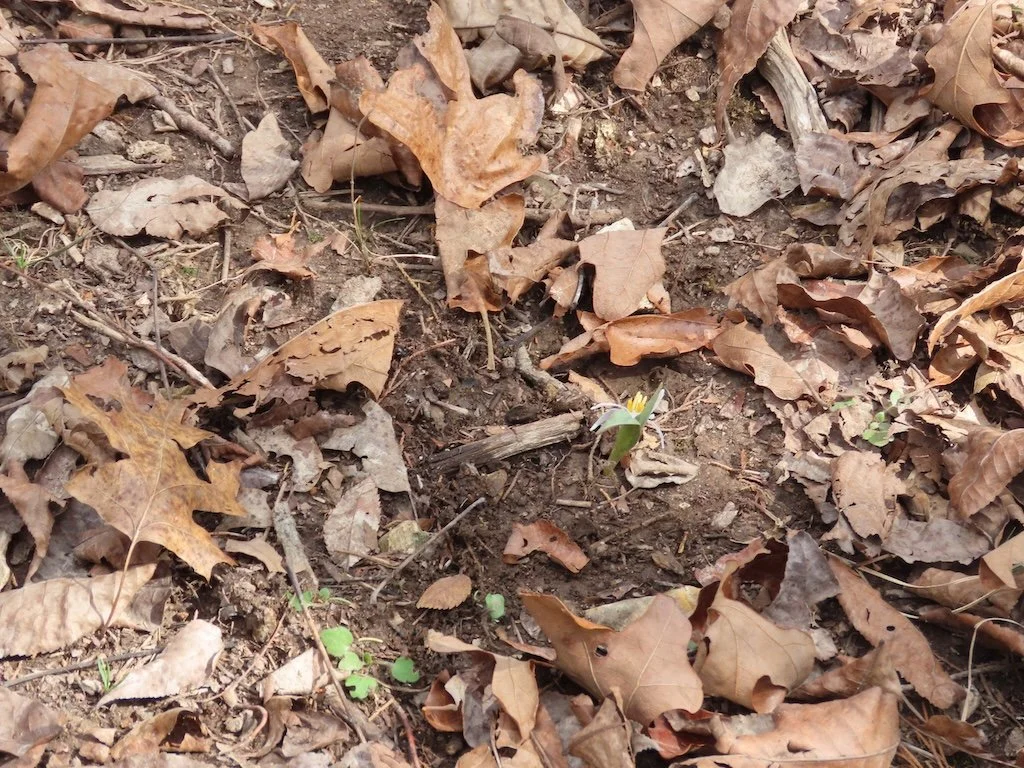
On the way back up the hill, we discovered a spring wildflower….coming up through the leaves on the path!

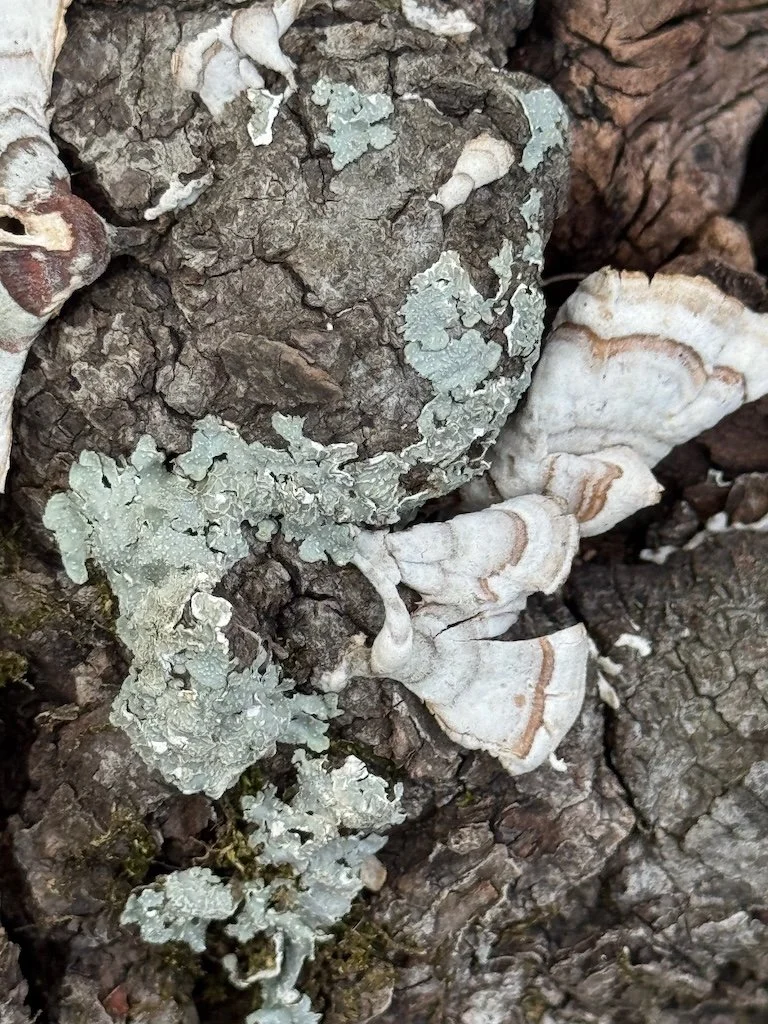
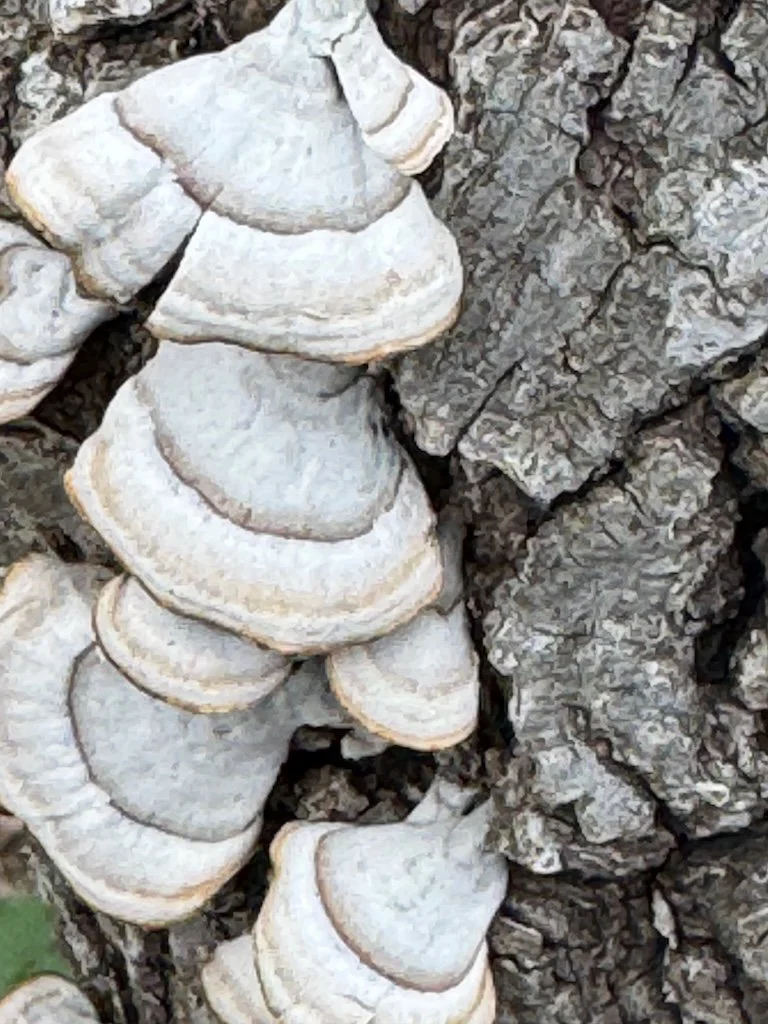
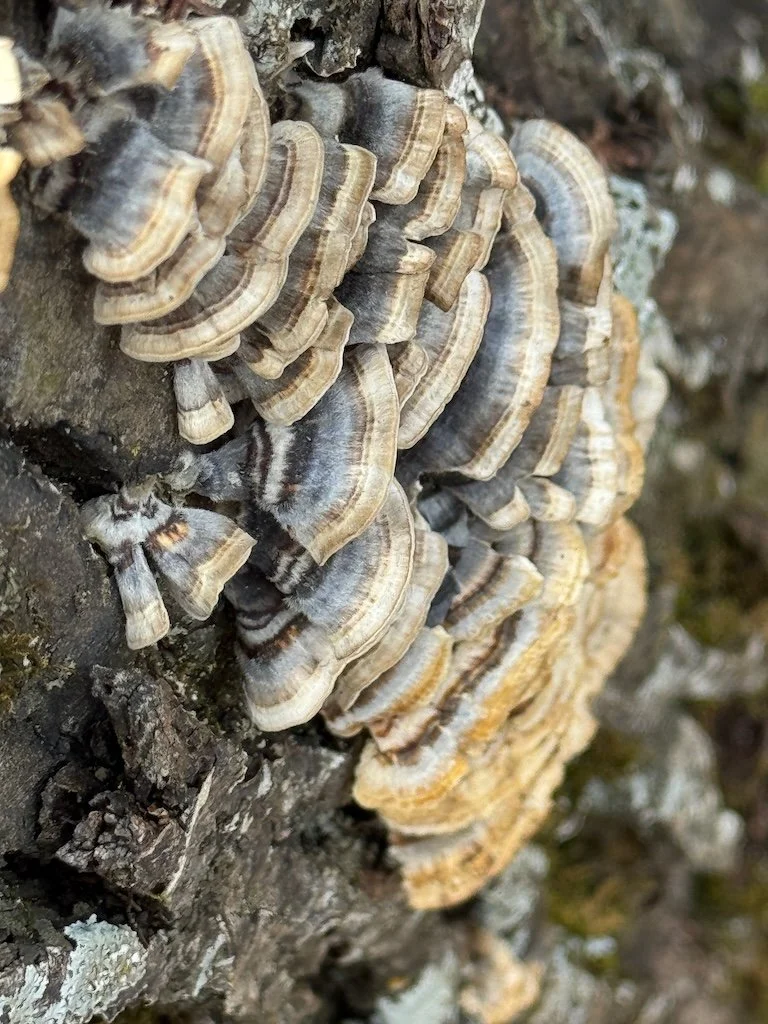
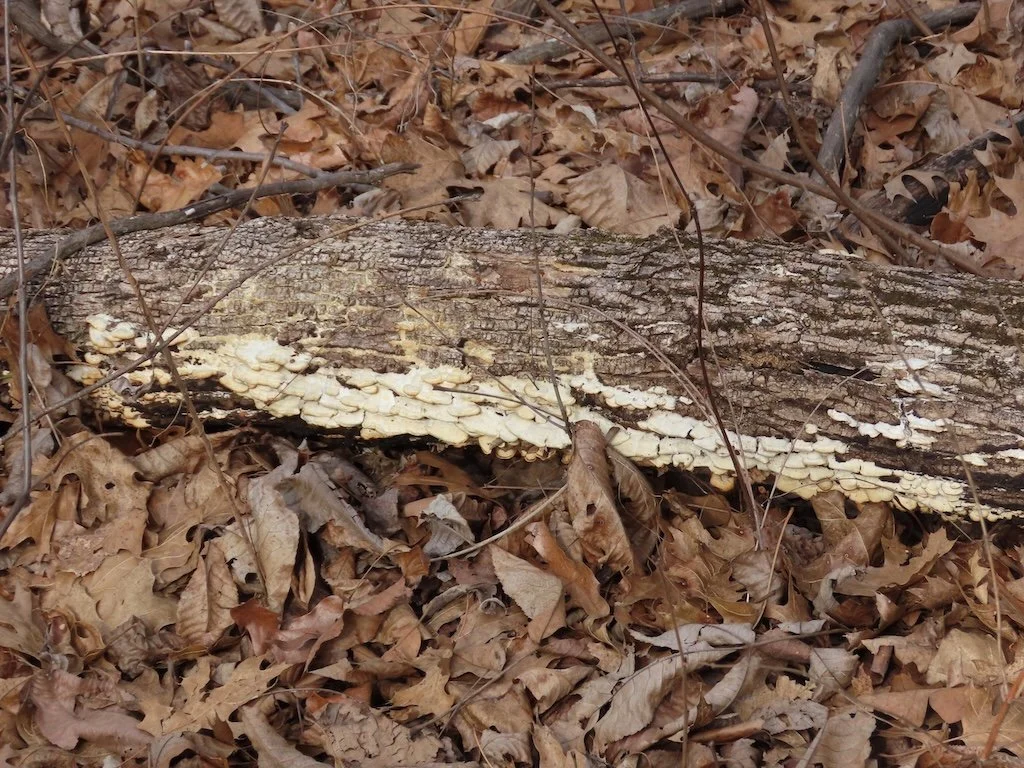
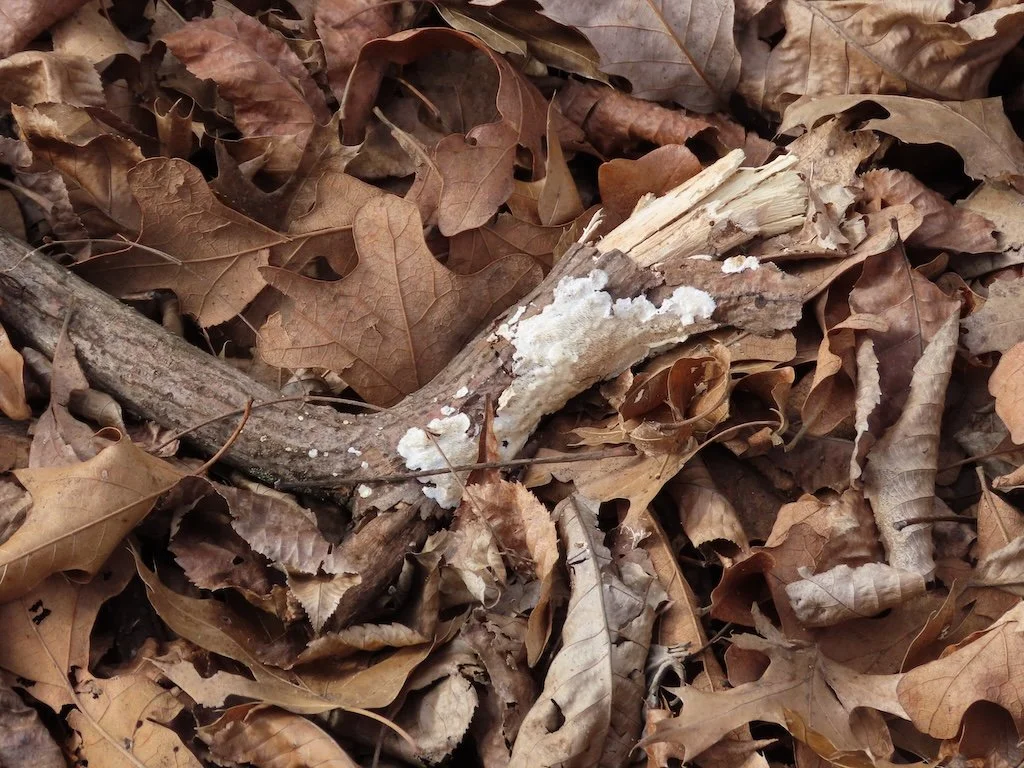
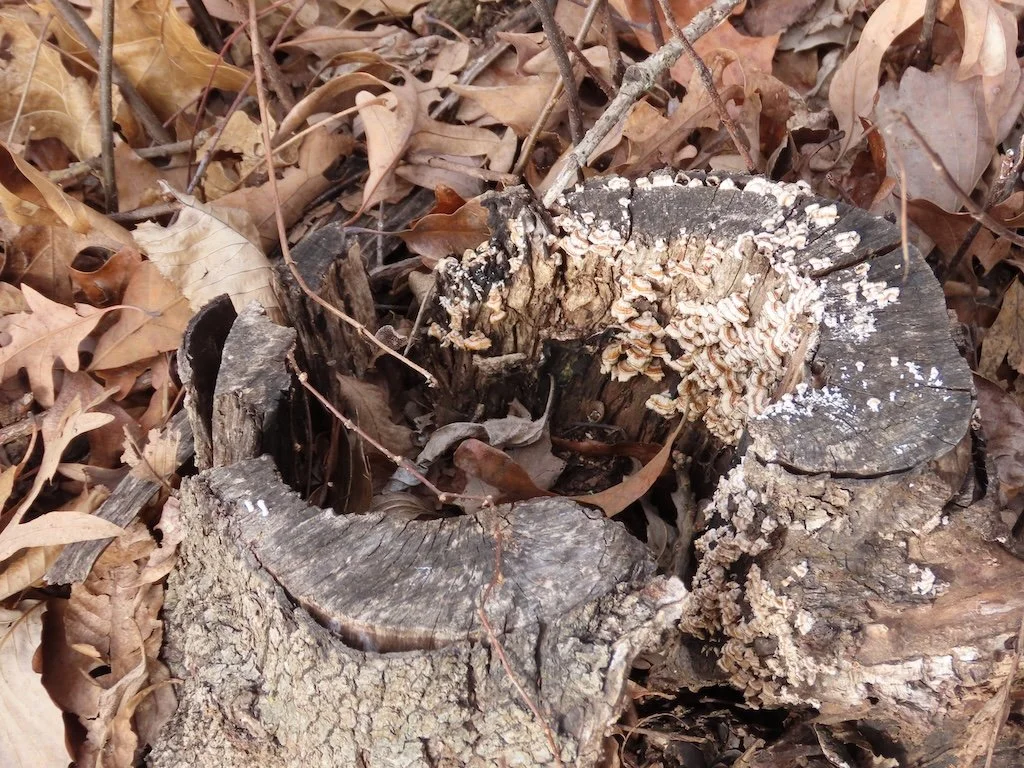
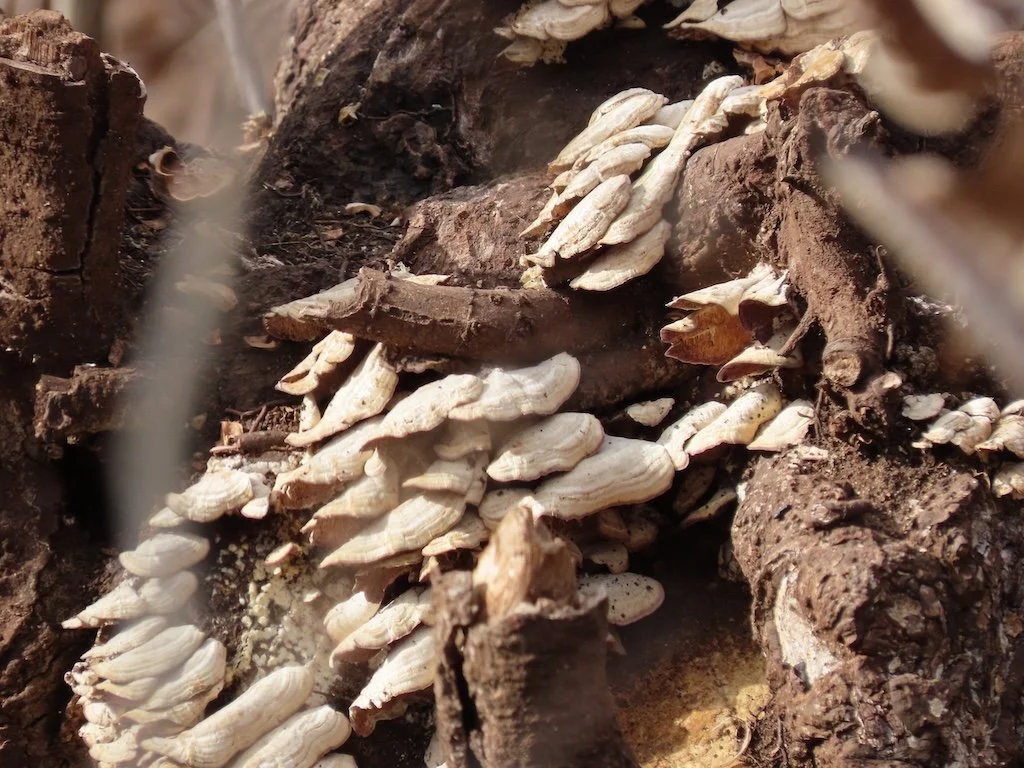
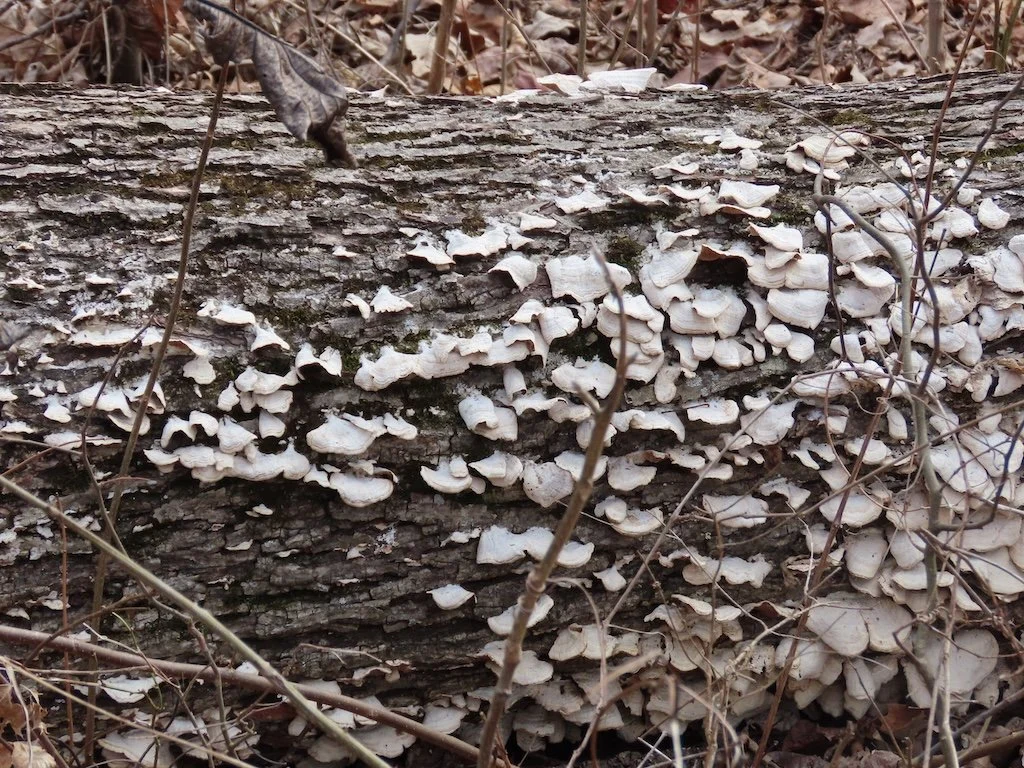
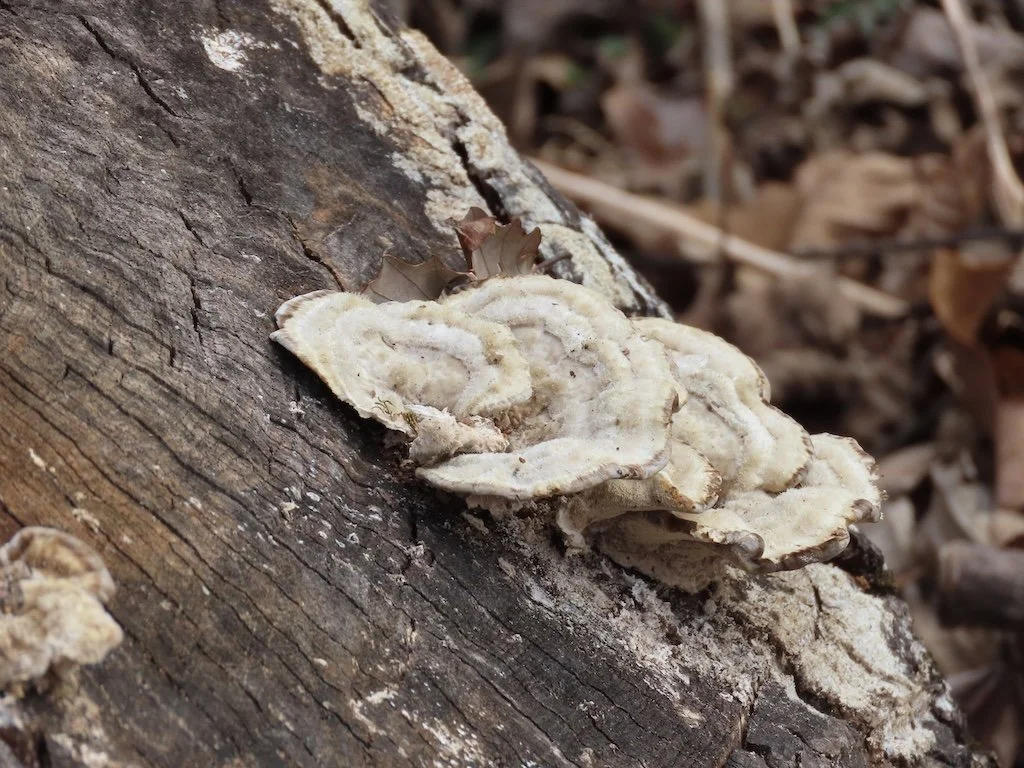
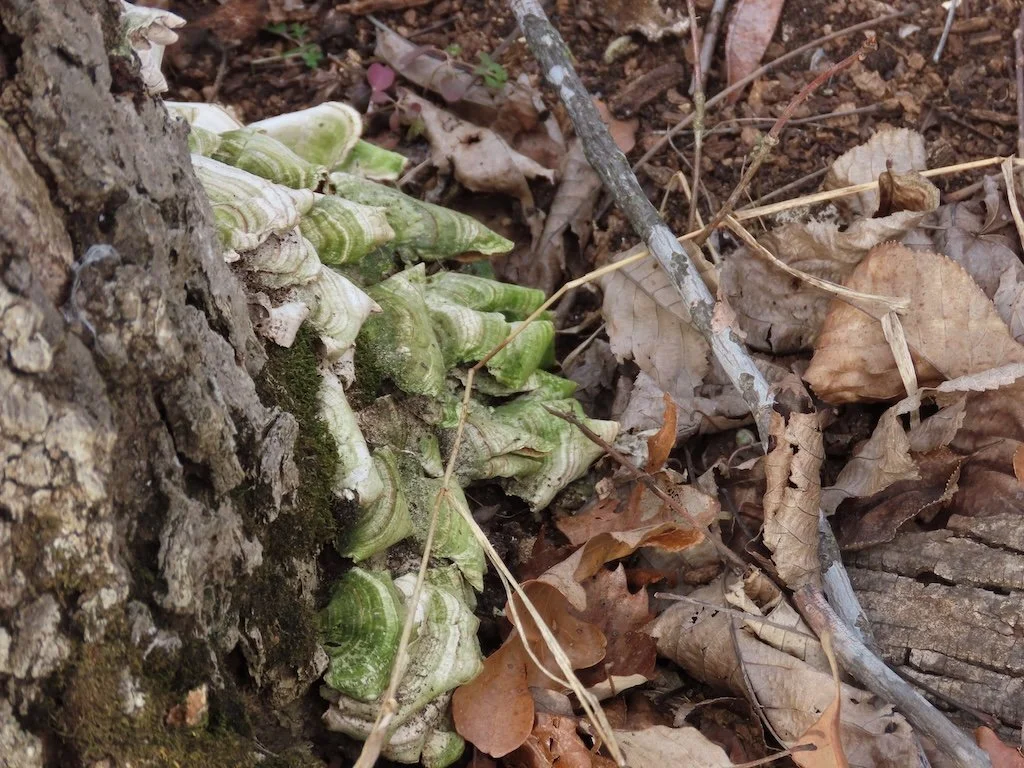
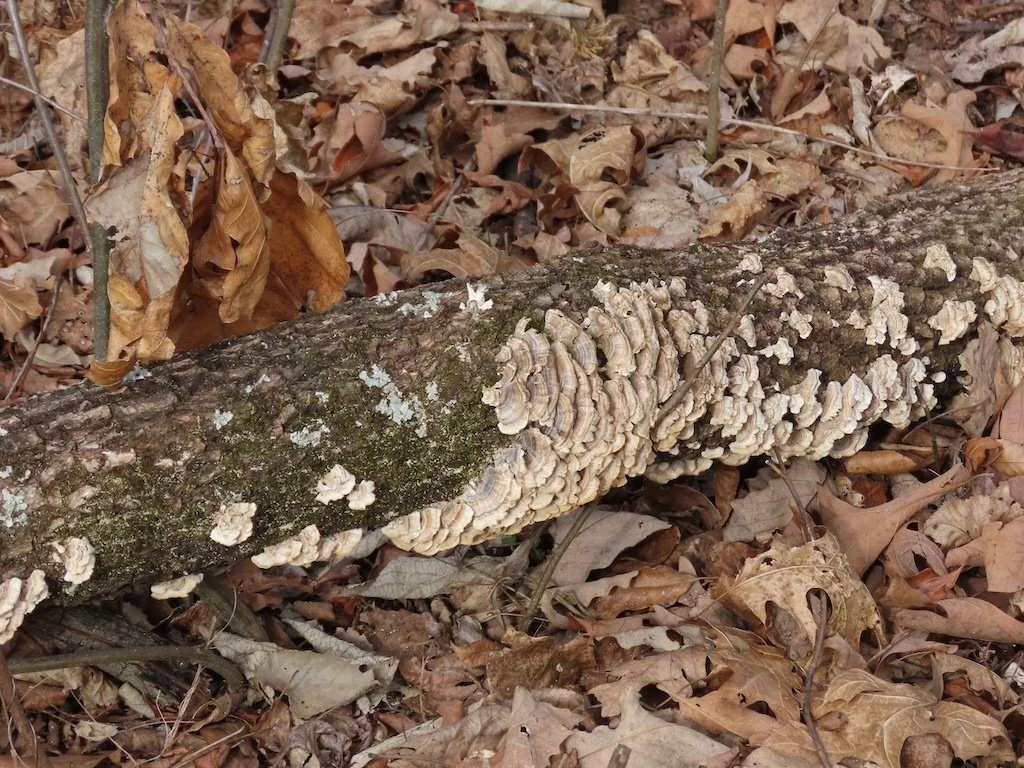
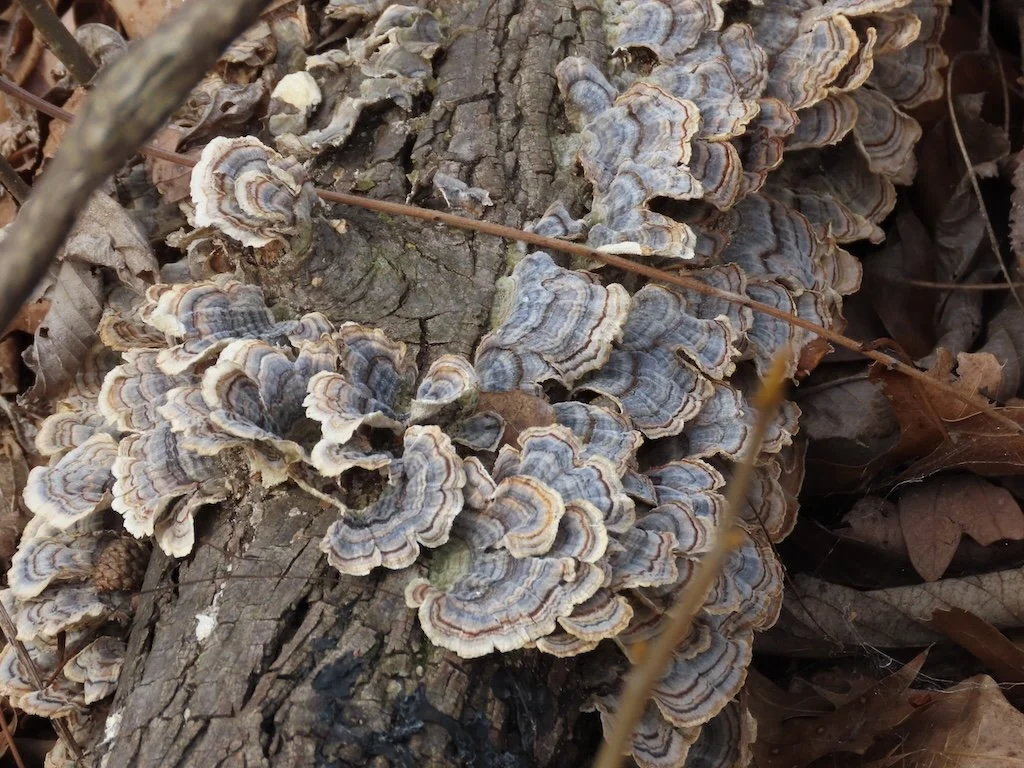
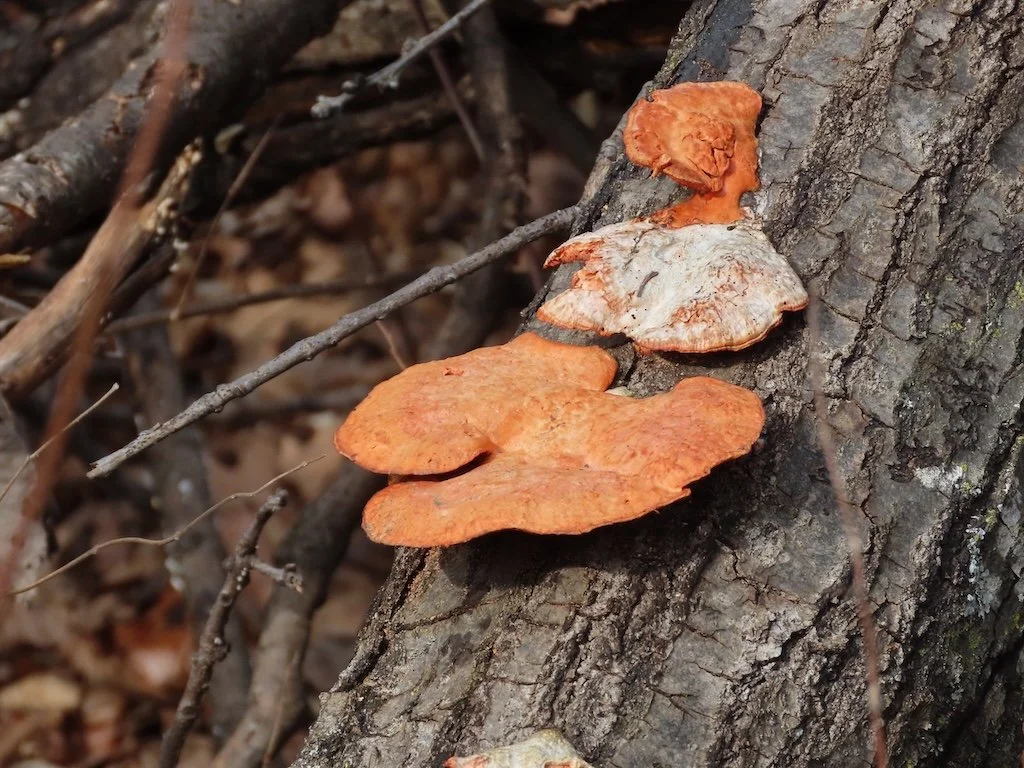
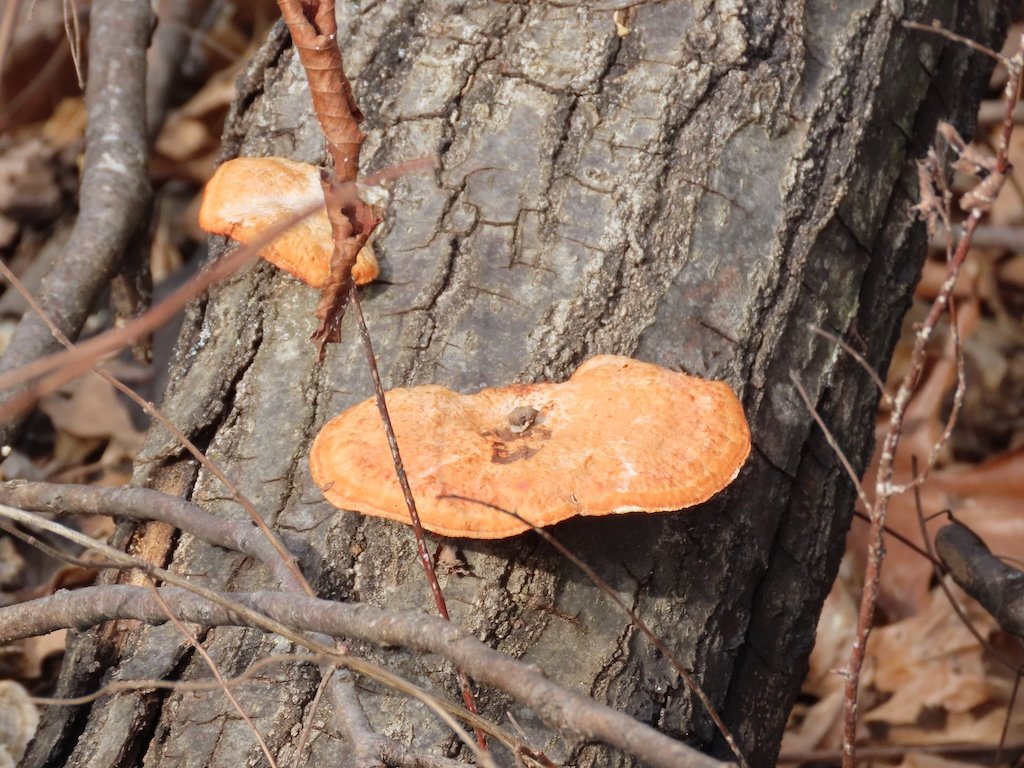
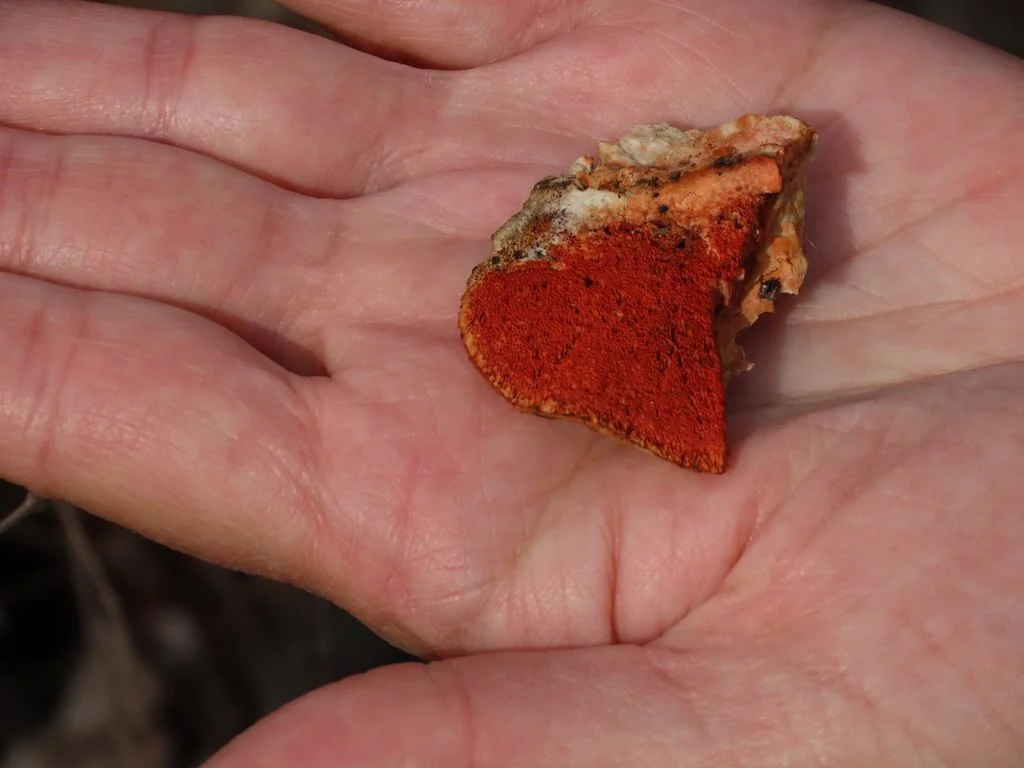
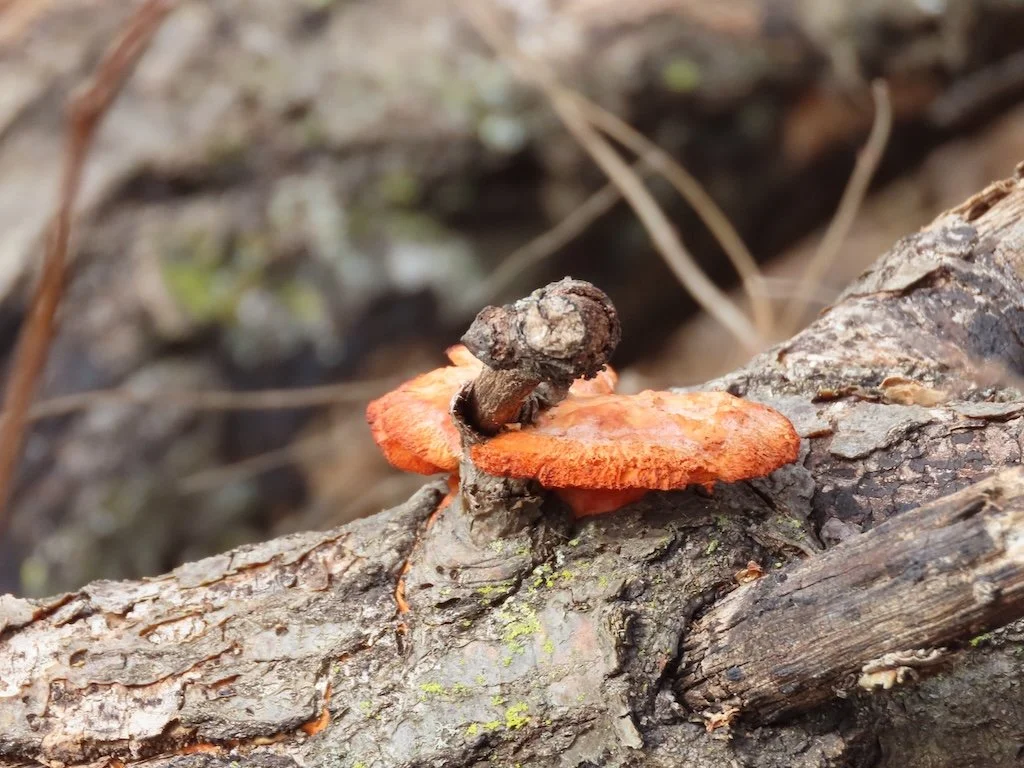
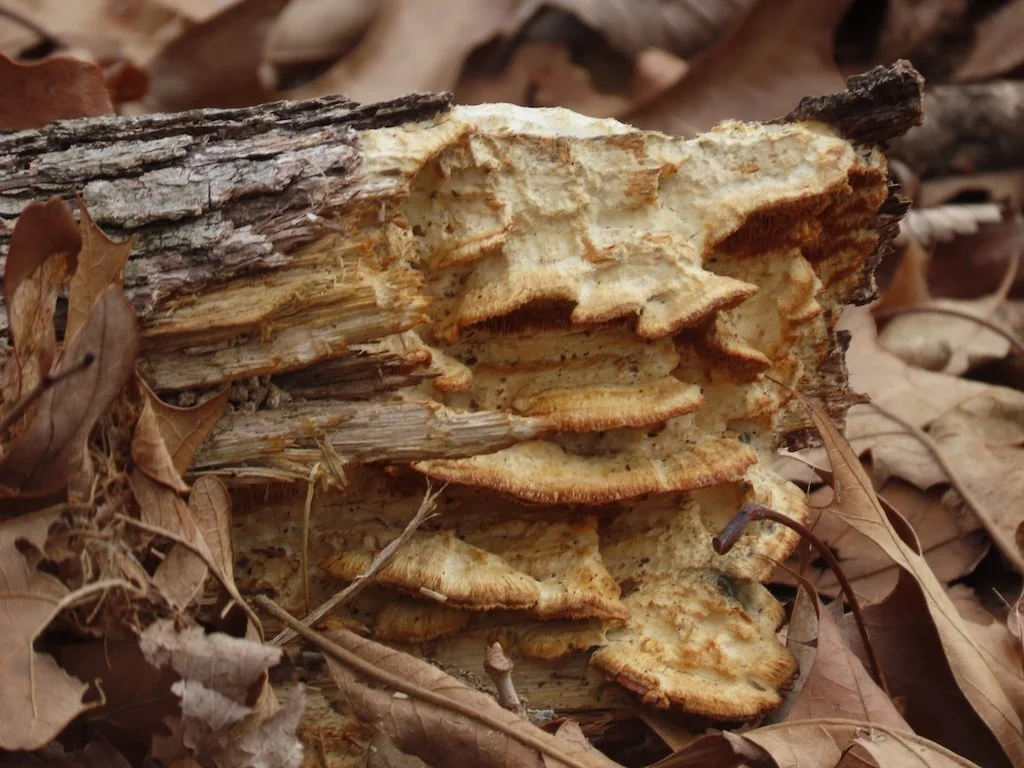
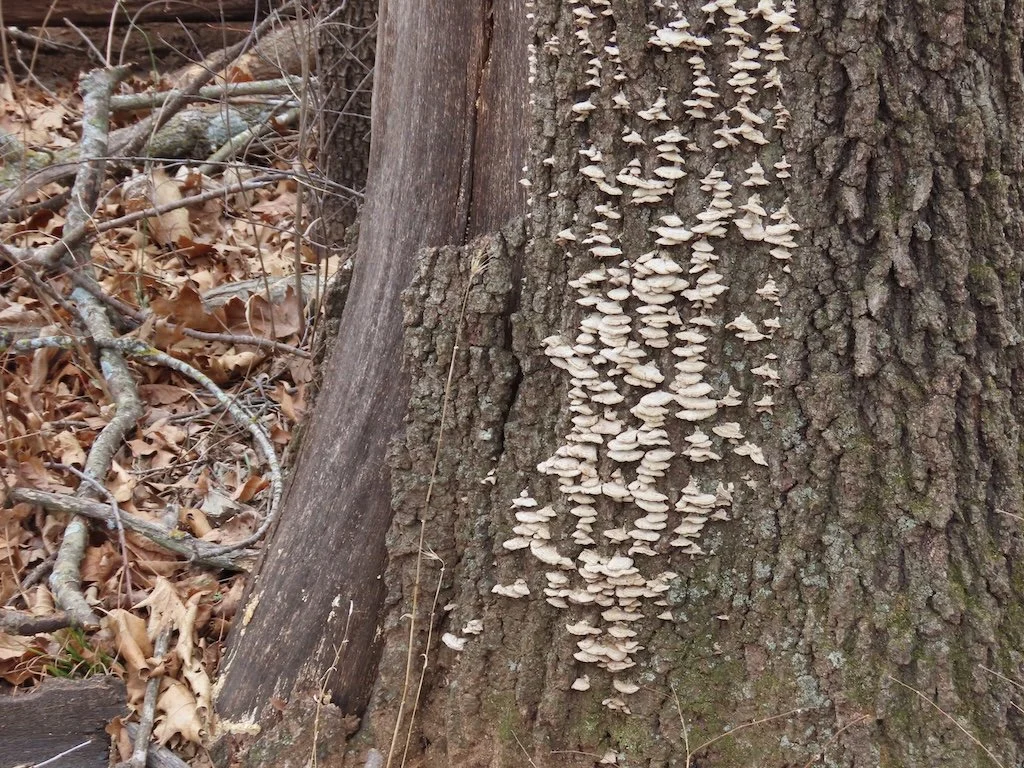
And there were some interesting shelf-fungus and lichens as well!

Life Magazine in 1946

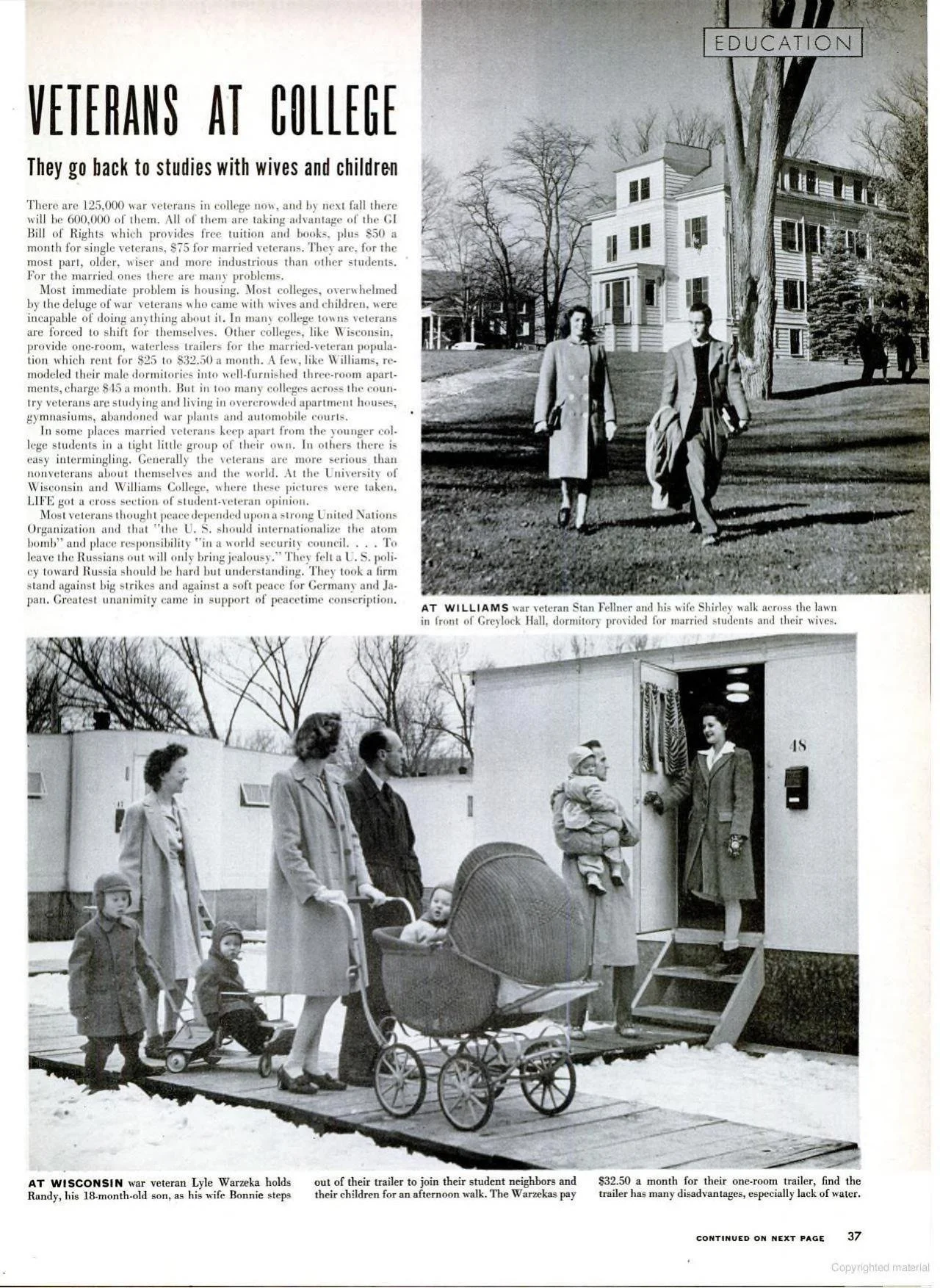
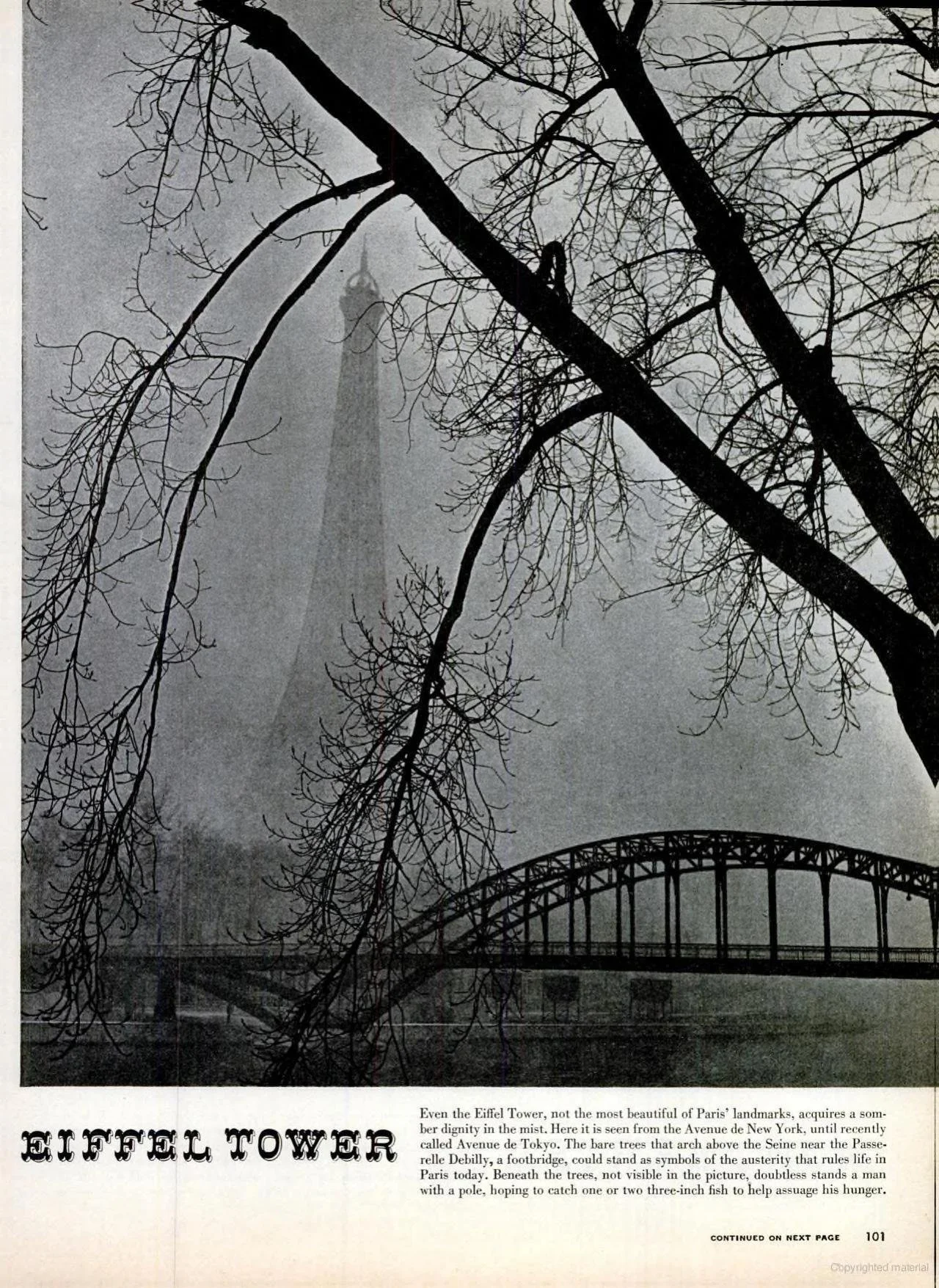
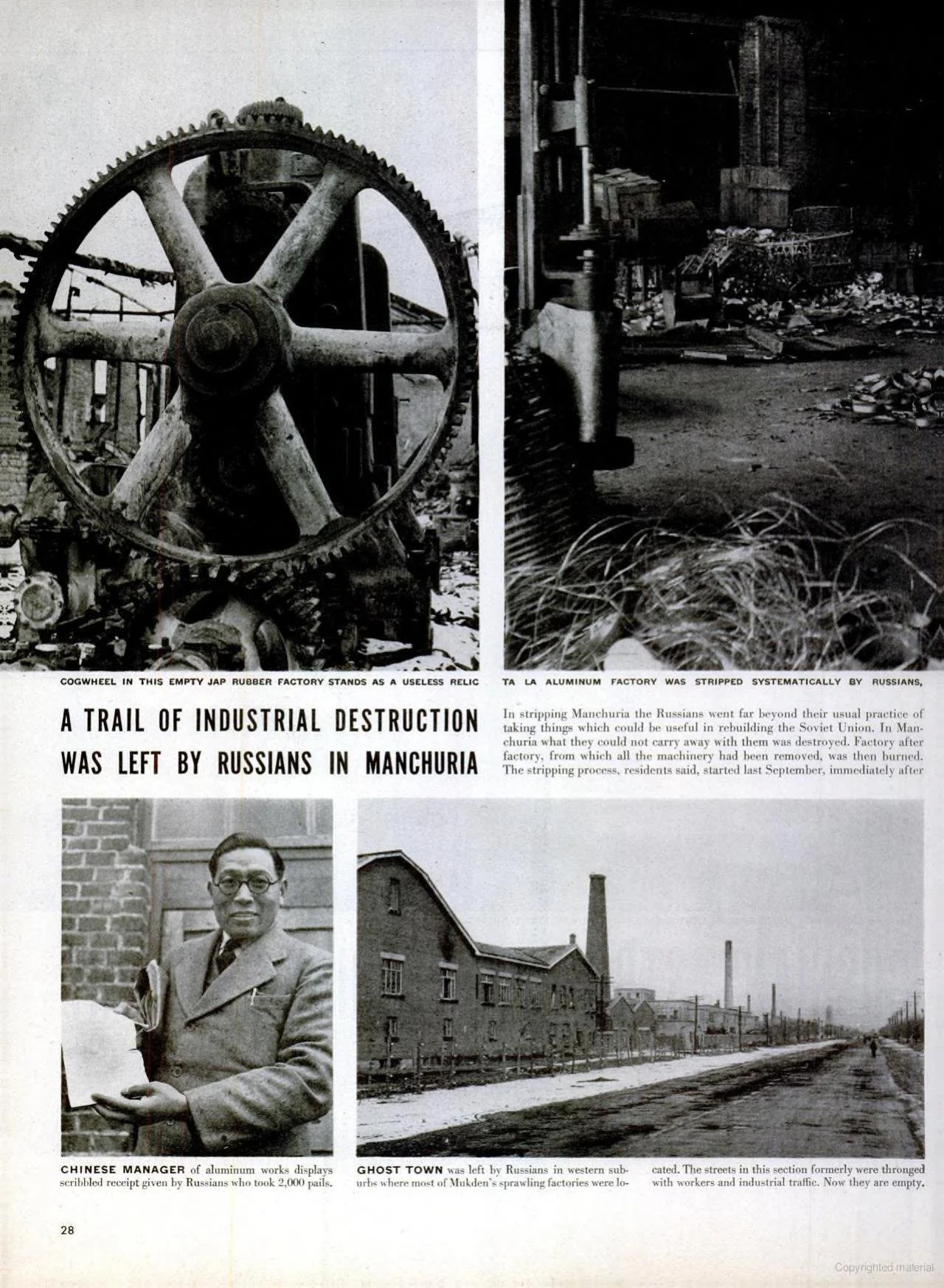
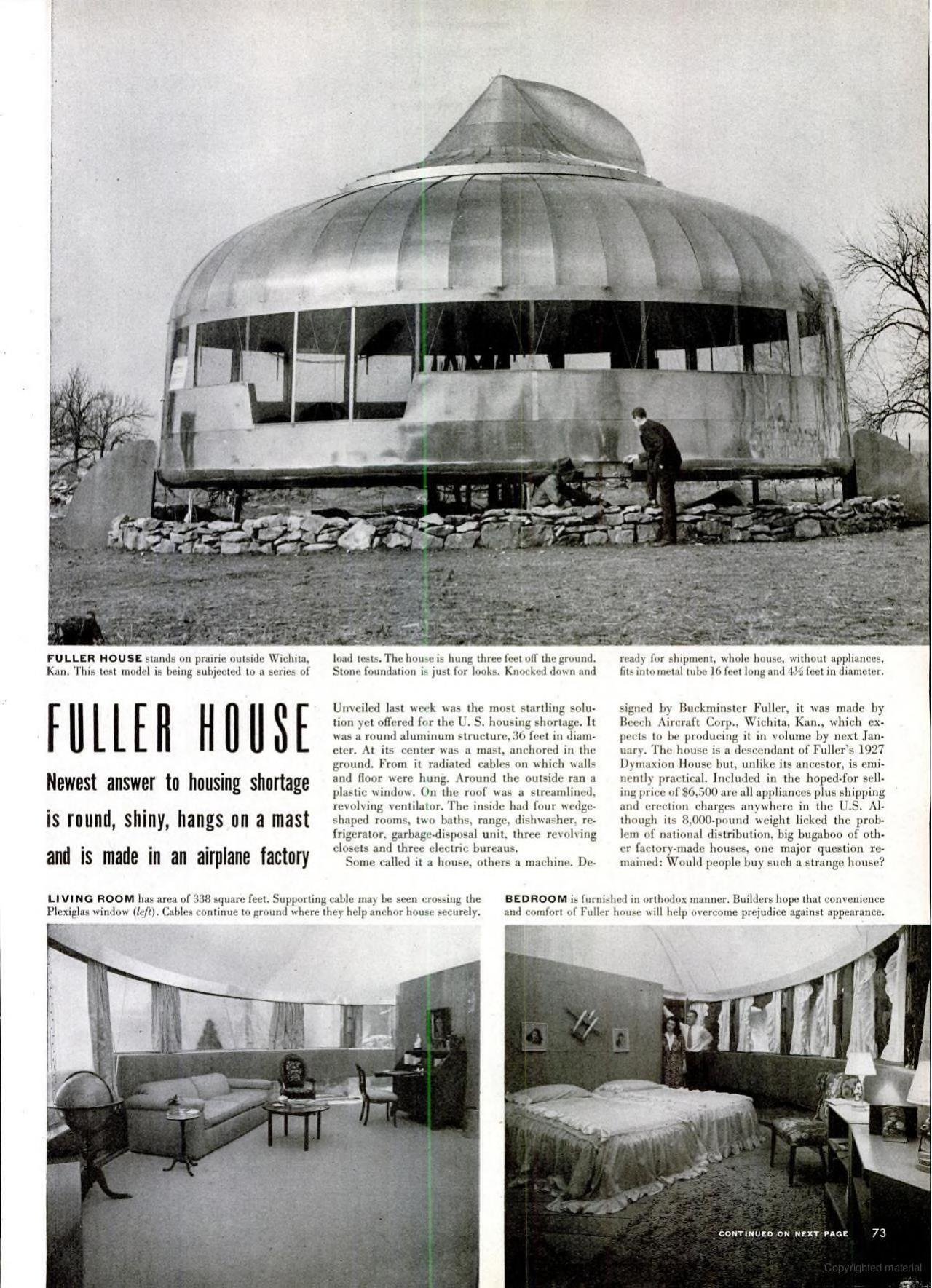
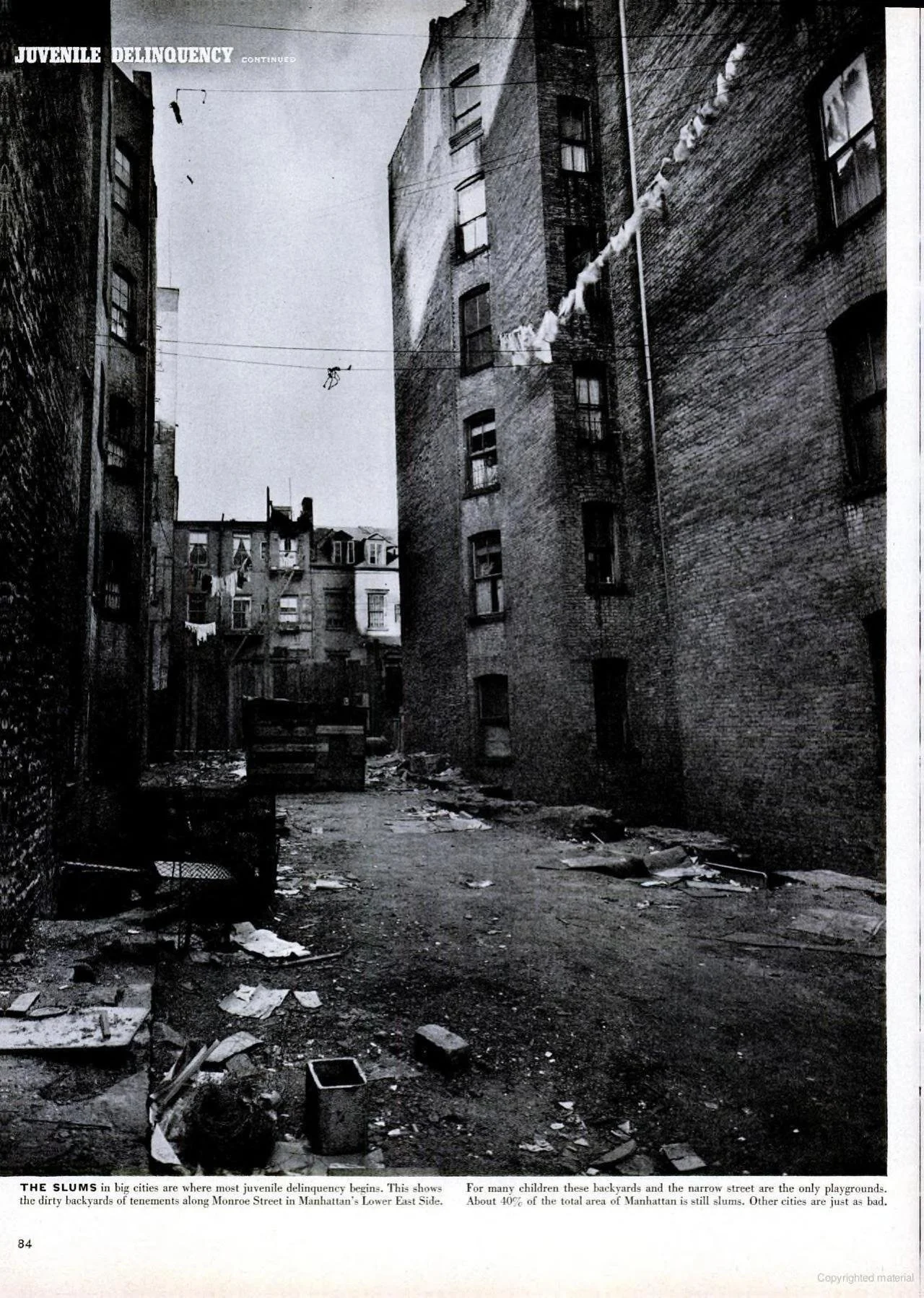
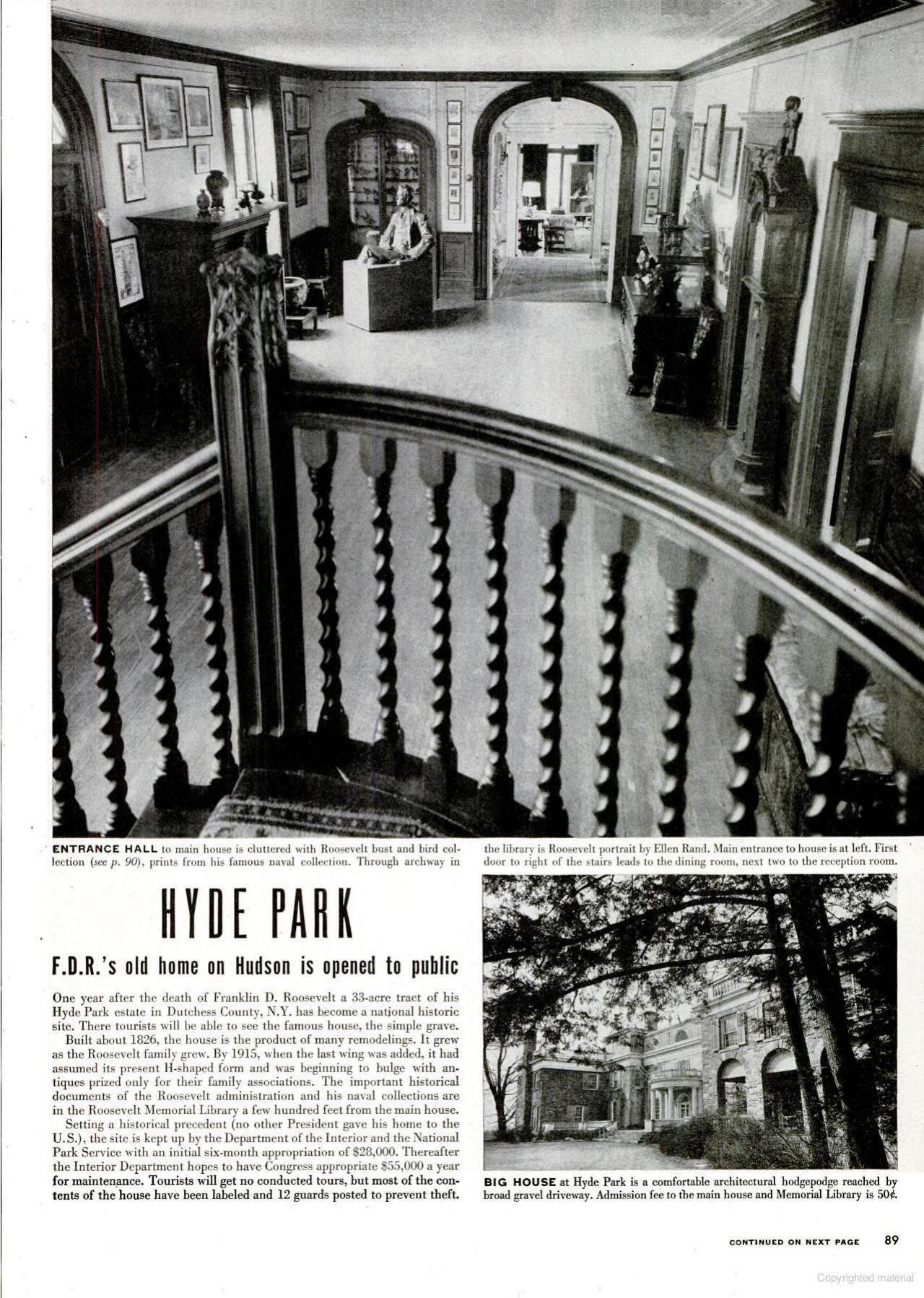
Internet Archive has digitized versions of many Life Magazines. I have been browsing through them – slowly since there was an issue for each week. As I looked at the issues from 1946, I noticed a lot about veterans returning, application of technology from the war applied to civilian purposes, and tragedies of famine in places that World War II ravaged. There were hotel fires and flash floods…slums in cities – photography depicting the peace time news.

 (Click on any of the sample images below to see a larger version and the links to see the whole magazine online.)

 Life Magazine 1946-01-07 - Veterans at College

Life Magazine 1946-01-14 - La Guardia waves farewell to New York’s City Hall

Life Magazine 1946-01-21 - Polio

Life Magazine 1946-01-28 - First family portrait (the Trumans)

Life Magazine 1946-02-04 - Marion Anderson records

Life Magazine 1946-02-11 - Coca Cola and returning veterans

Life Magazine 1946-02-18 - Candy is Dandy – Keep it Handy (Valentines)

Life Magazine 1946-02-25 - Pearl Harbor Committee Report

 Life Magazine 1946-03-04 - Modern kitchen

Life Magazine 1946-03-11 - Ritz crackers

Life Magazine 1946-03-18 - Eiffel tower

Life Magazine 1946-03-25 - Industrial destruction left my Russians in Manchuria

Life Magazine 1946-04-01 - Fuller House

Life Magazine 1946-04-08 - Slums of New York

Life Magazine 1946-04-15 - Hyde Park opened to public

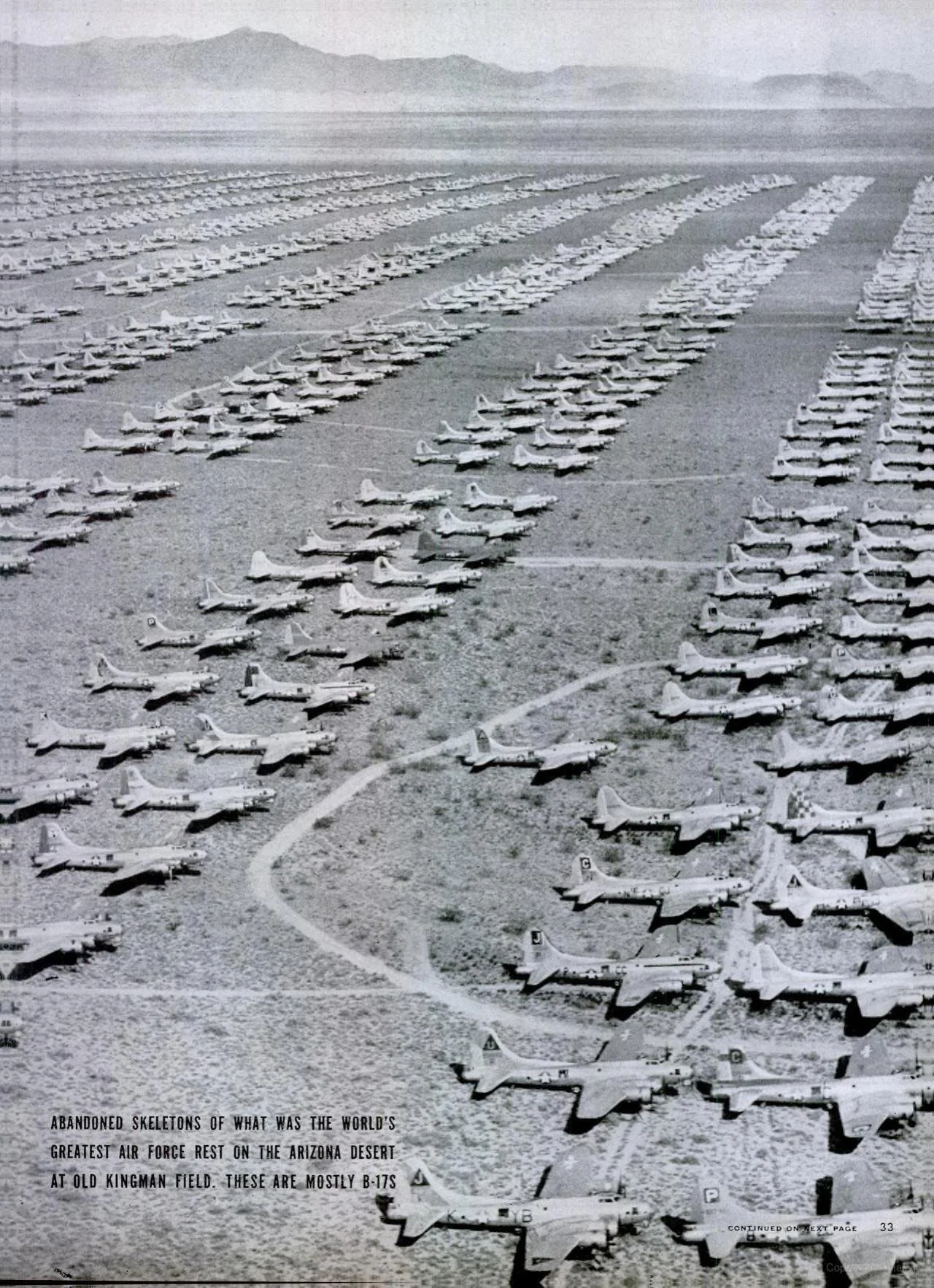
Life Magazine 1946-04-22 - Planes in Arizona dessert

Life Magazine 1946-04-29 - Packed with good taste (ad for gum)

 Life Magazine 1946-05-06 - Ice cream dixie (cups of ice cream)

Life Magazine 1946-05-13 - China famine

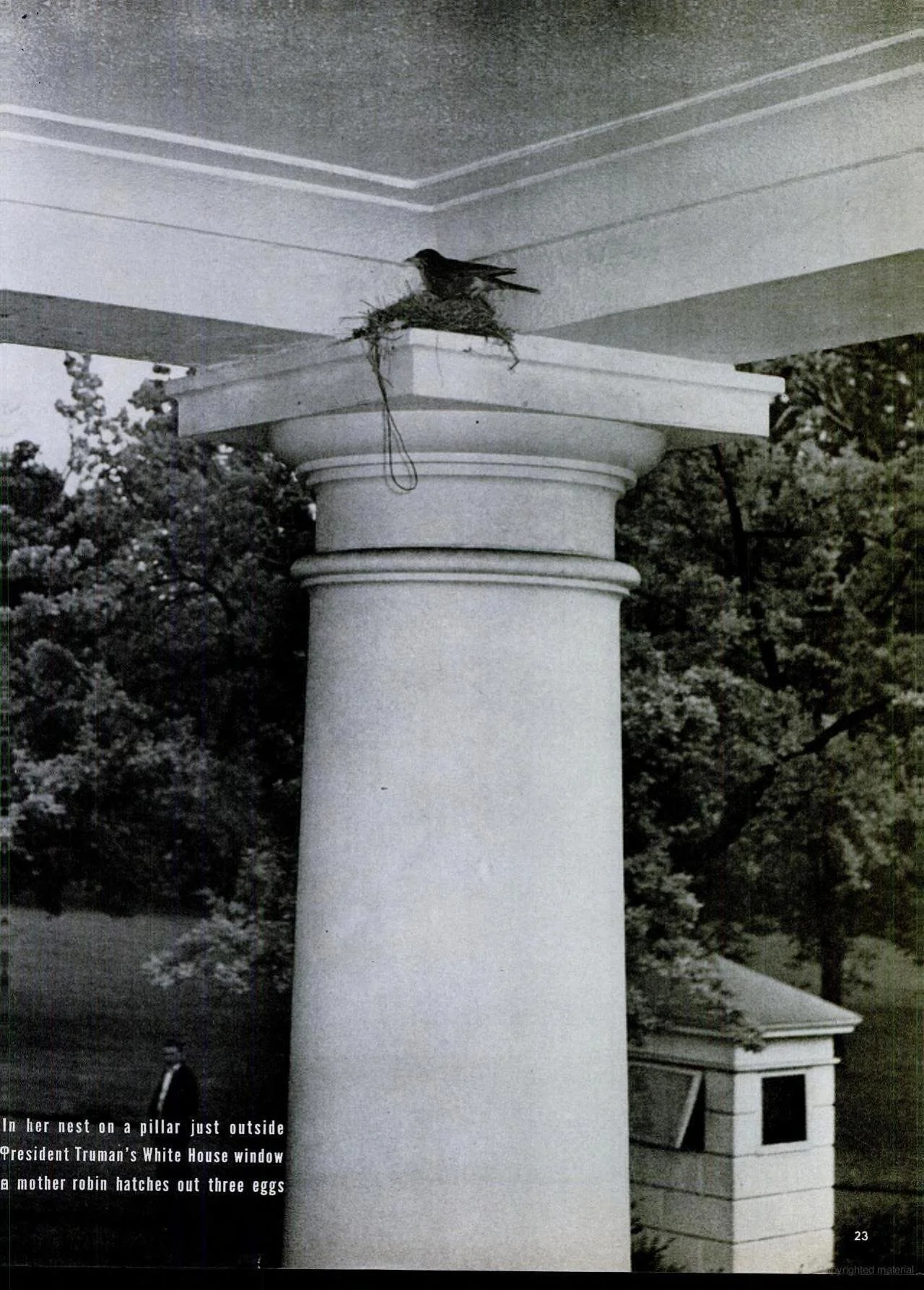
Life Magazine 1946-05-20 - Robin nest at the White House

Life Magazine 1946-05-27 - Test rockets in New Mexico

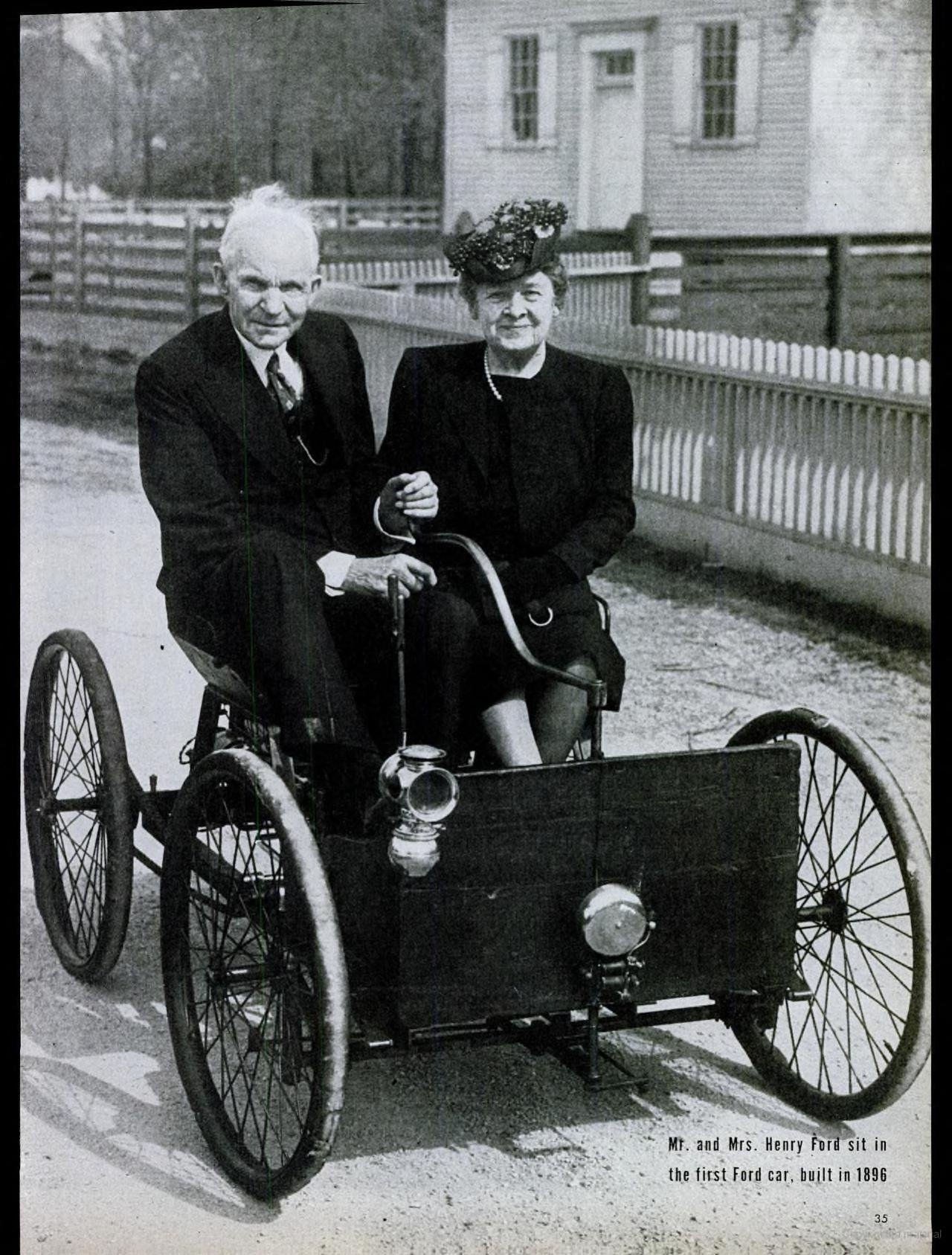
Life Magazine 1946-06-03 - Mr. and Mrs. Ford in 1898 Ford….the first Ford

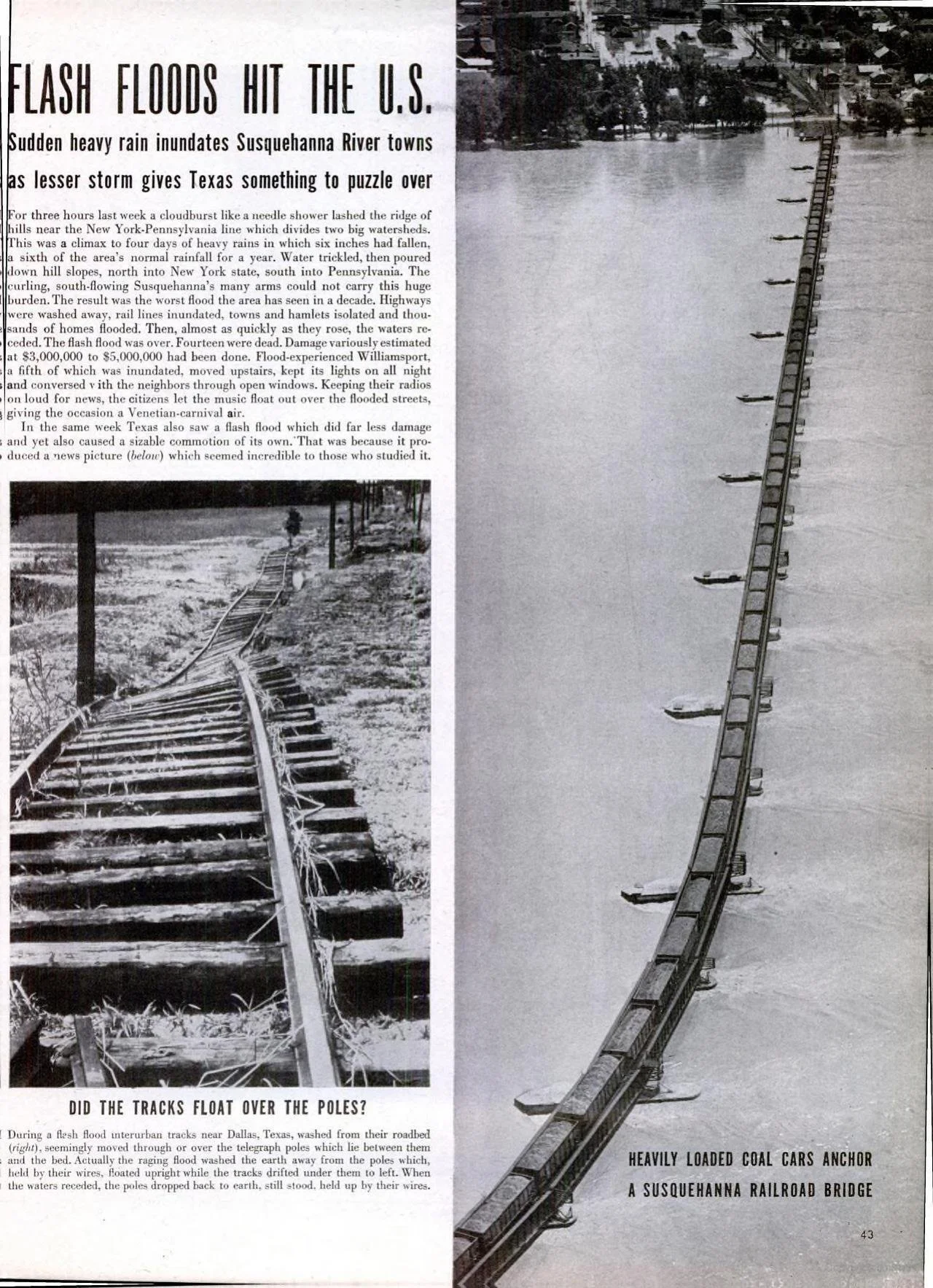
Life Magazine 1946-06-10 - Flash floods on Susquehanna and Texas

Life Magazine 1946-06-17 - Chicago hotel fire kills 60 people

Life Magazine 1946-06-24 - Electricity (in kitchen) works for peanuts!

 Life Magazine 1946-07-01 - Atomic bomb test in the Marshalls

Life Magazine 1946-07-08 - US shows off flying wing

Life Magazine 1946-07-15 - Farm machines

Life Magazine 1946-07-22 - Empire State Building suicide

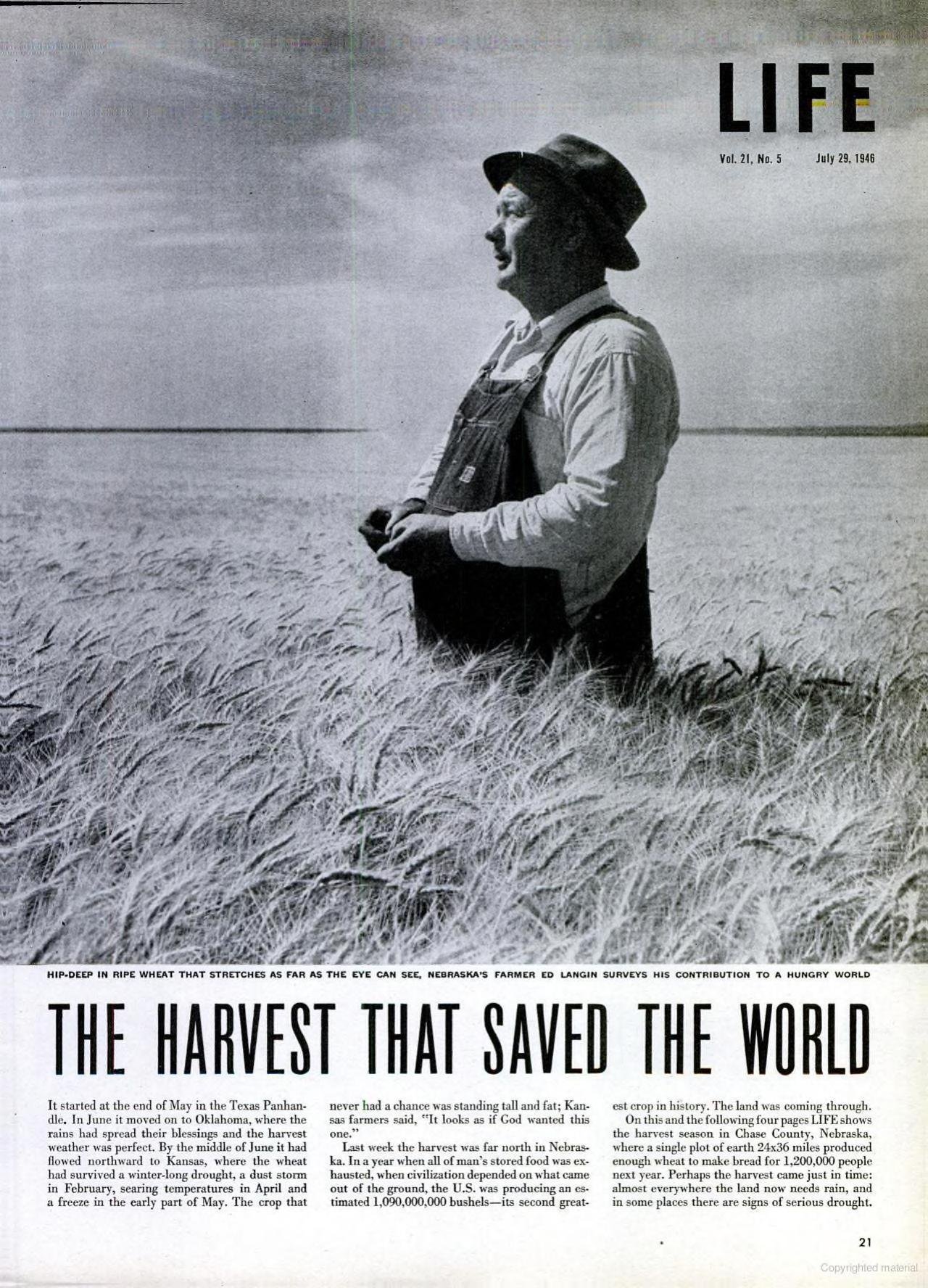
Life Magazine 1946-07-29 - US produces second biggest wheat crop in history

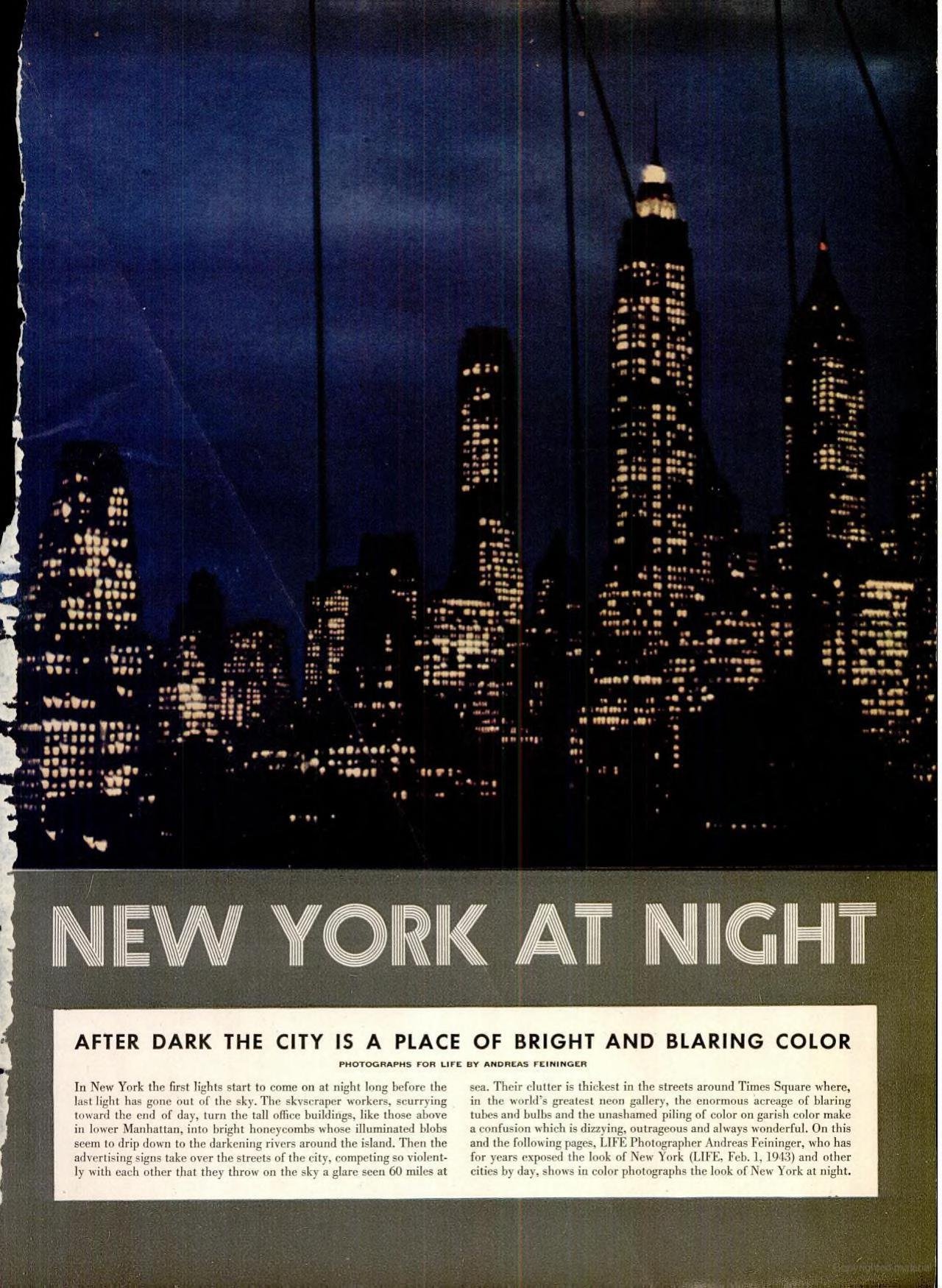
Life Magazine 1946-08-05 - New York at night

Life Magazine 1946-08-12 - British uncover hidden weapon in Jewish farm community

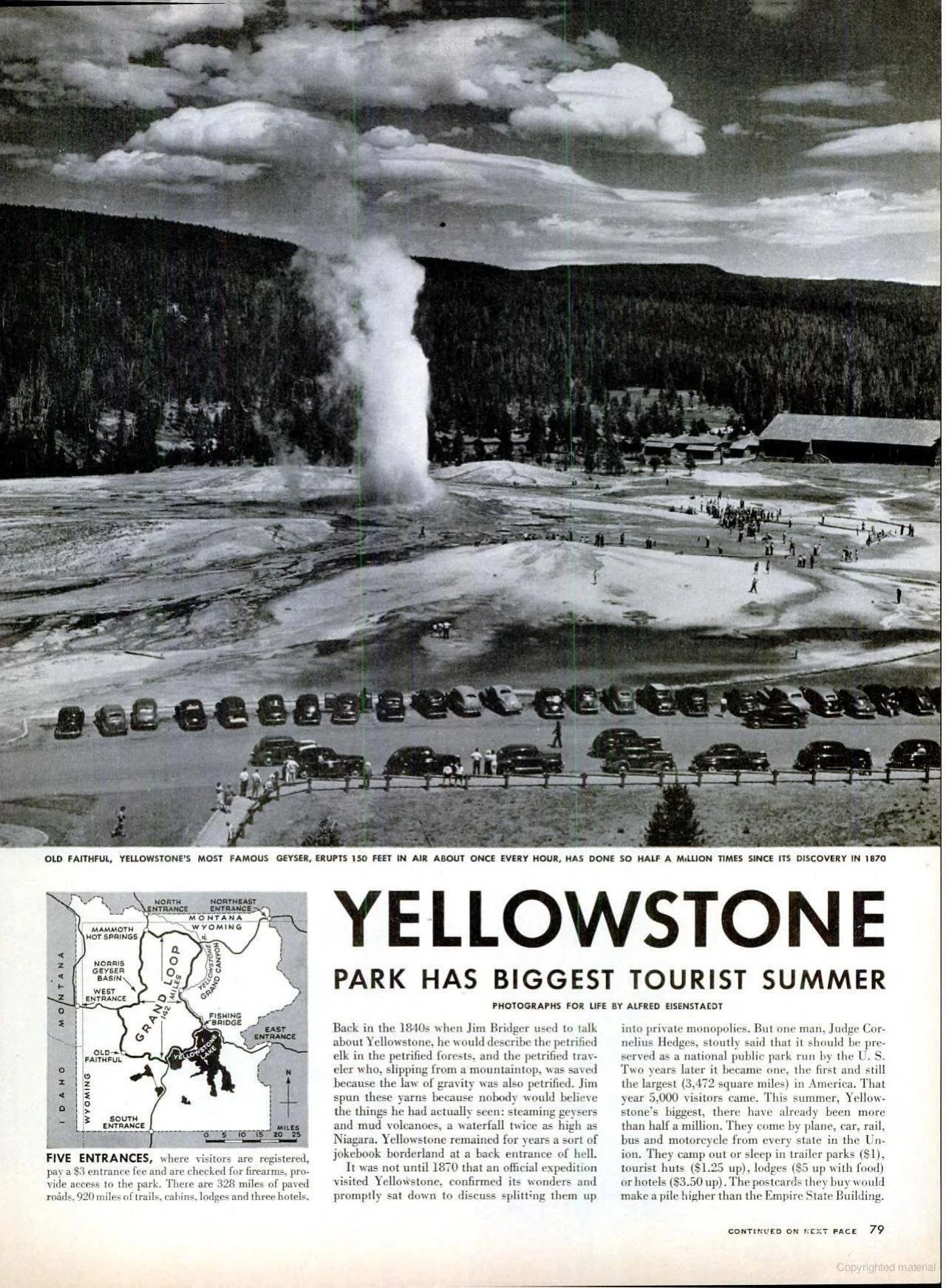
Life Magazine 1946-08-19 - Yellowstone

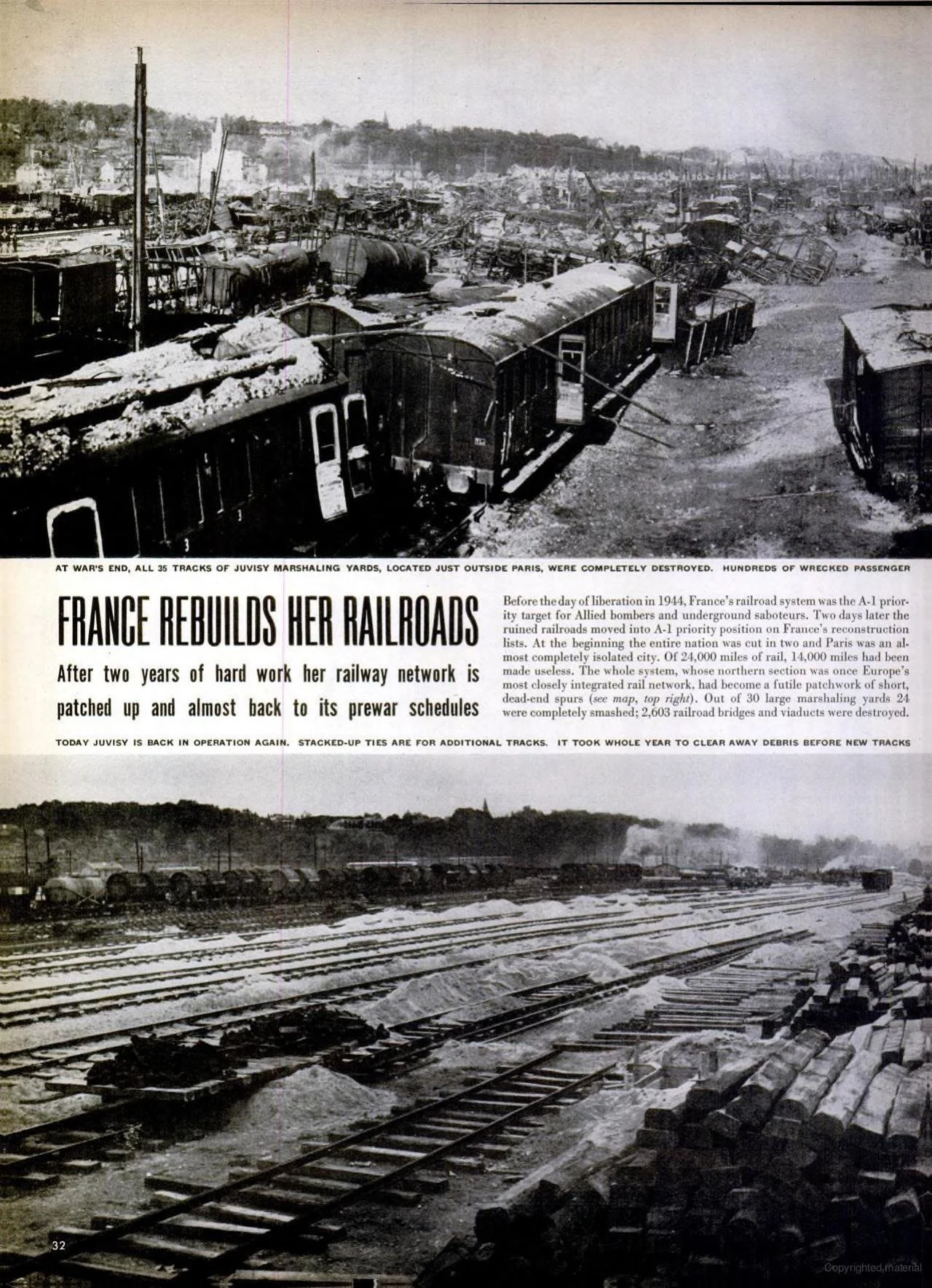
Life Magazine 1946-08-26 - France rebuilds her railroads

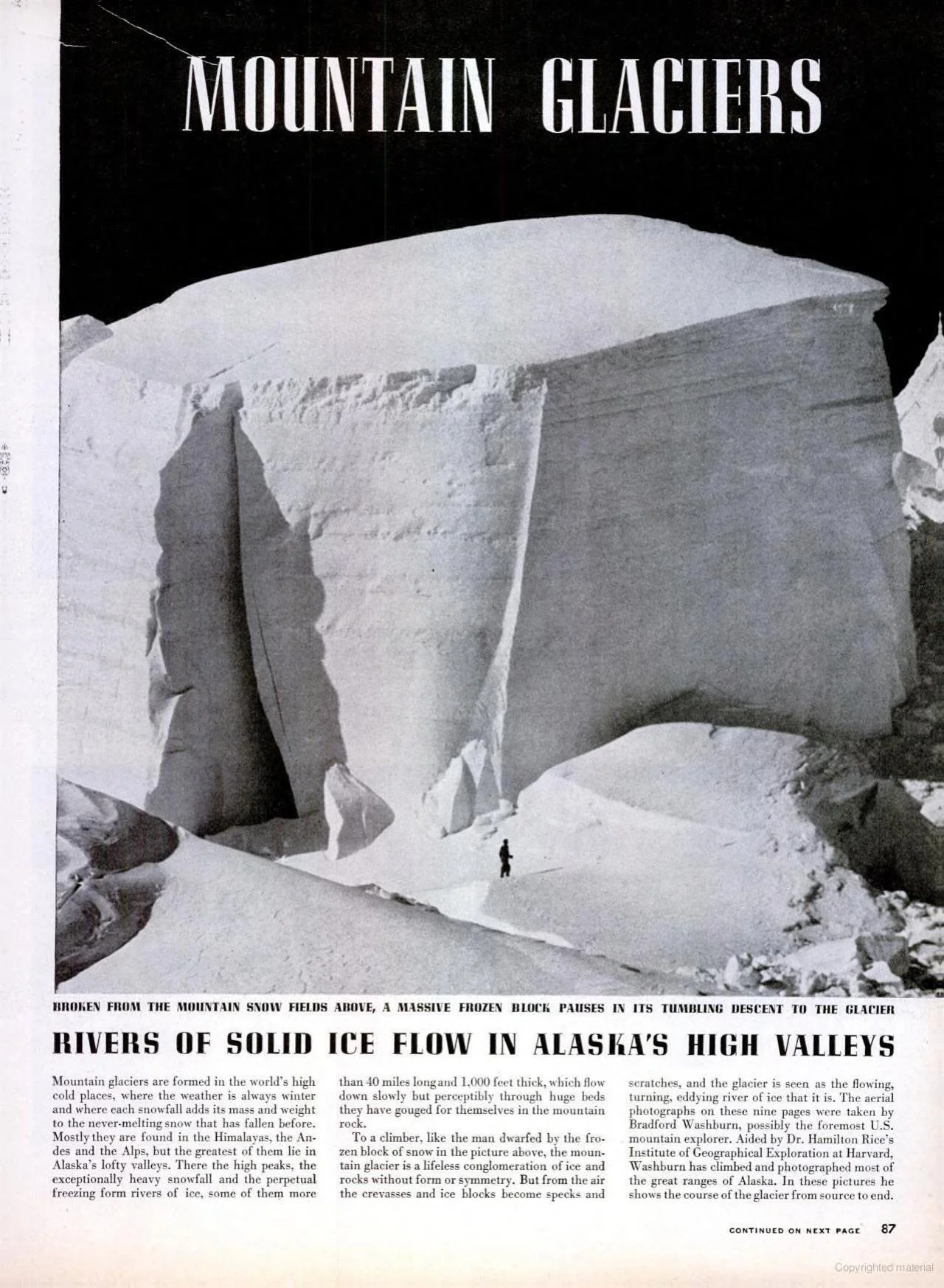
 Life Magazine 1946-09-02 - Glaciers in Alaska

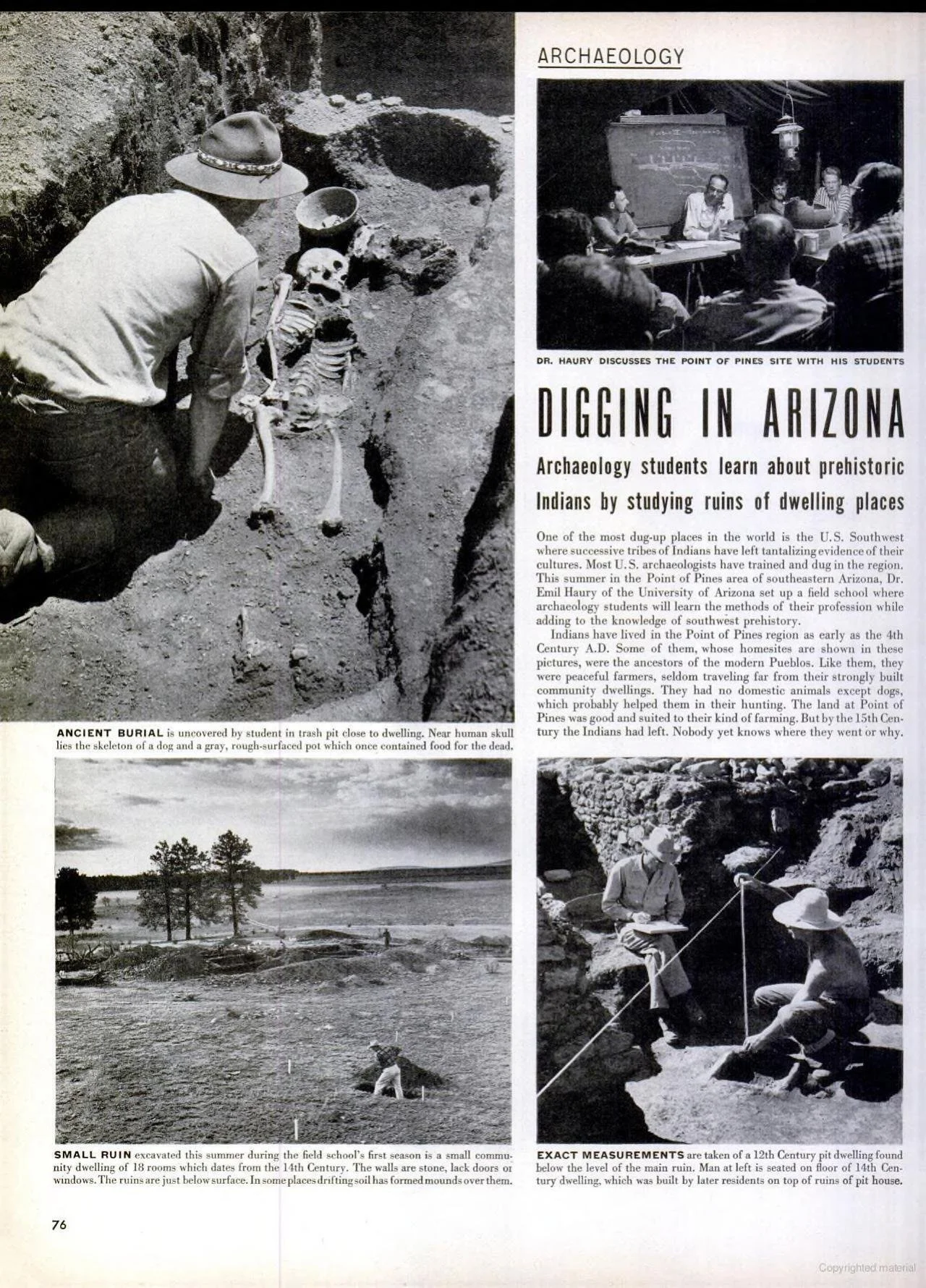
Life Magazine 1946-09-09 - Archaeology in Arizona 

Life Magazine 1946-09-16 - Model airplanes

Life Magazine 1946-09-23 - Coca Cola after school

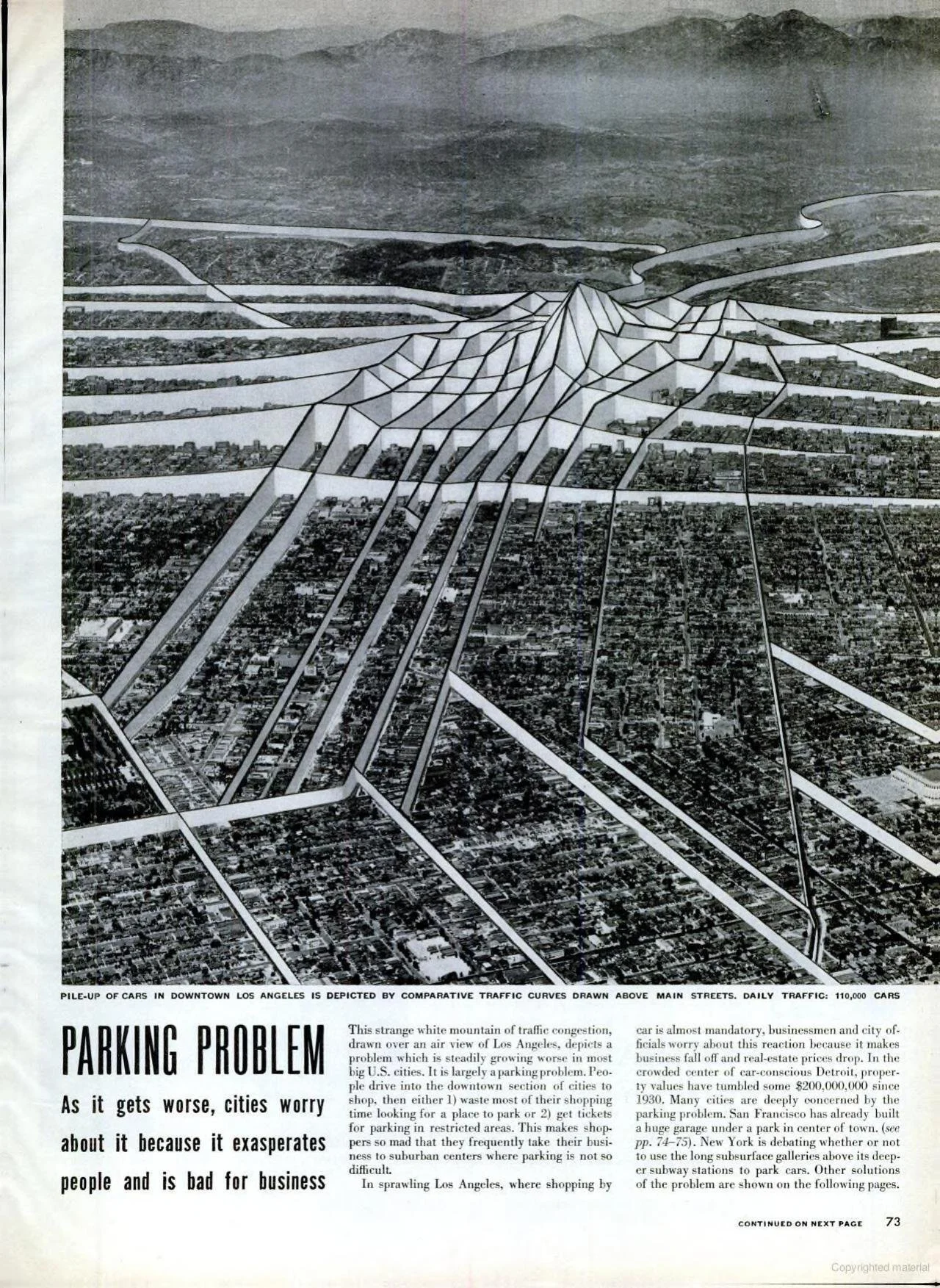
Life Magazine 1946-09-30 - Graphic depiction of LA traffic

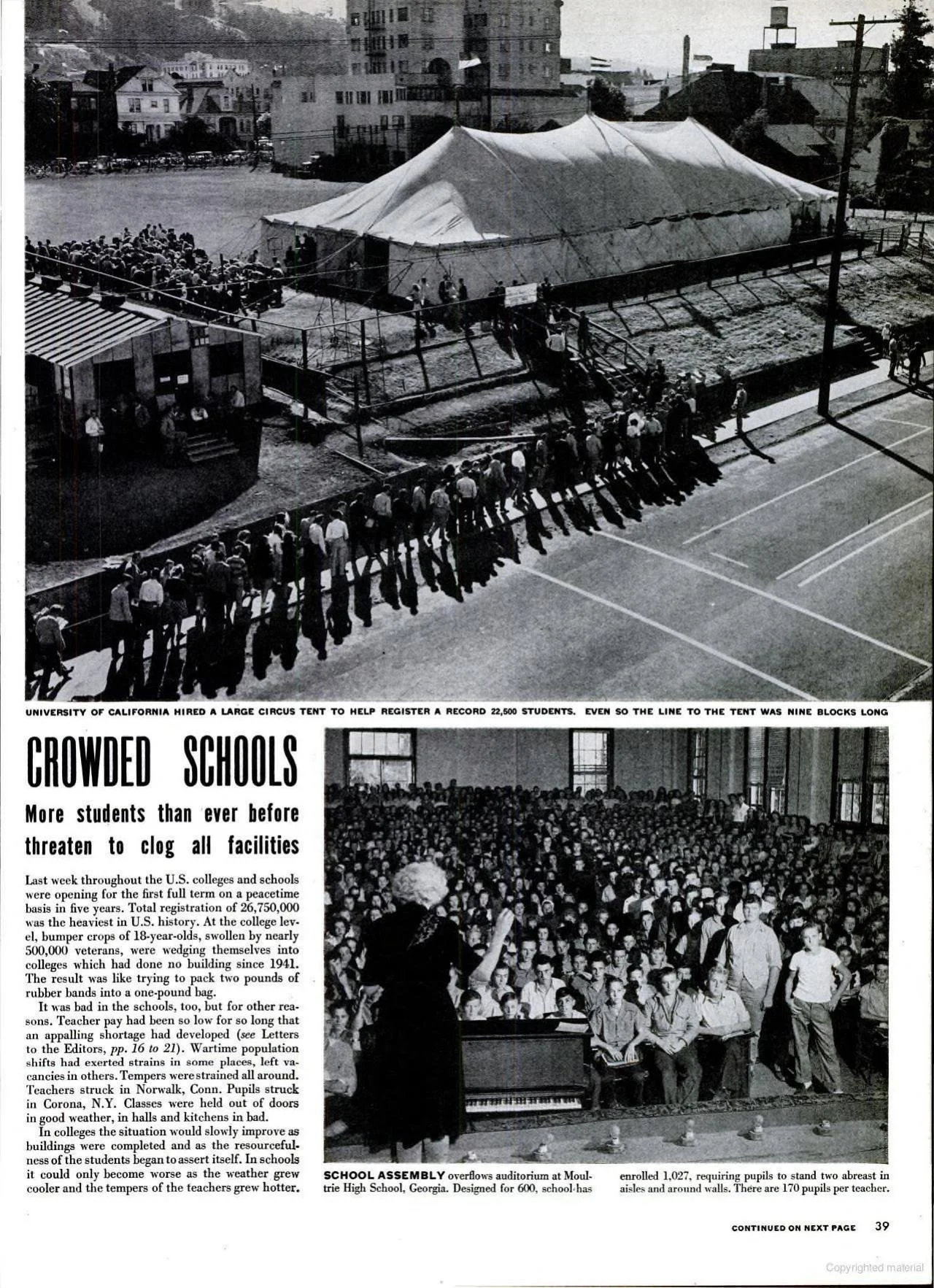
Life Magazine 1946-10-07 - Crowded schools

Life Magazine 1946-10-14 - Nurnberg trial ends

Life Magazine 1946-10-21 - Houston

Life Magazine 1946-10-28 - Shell Agricultural Laboratory

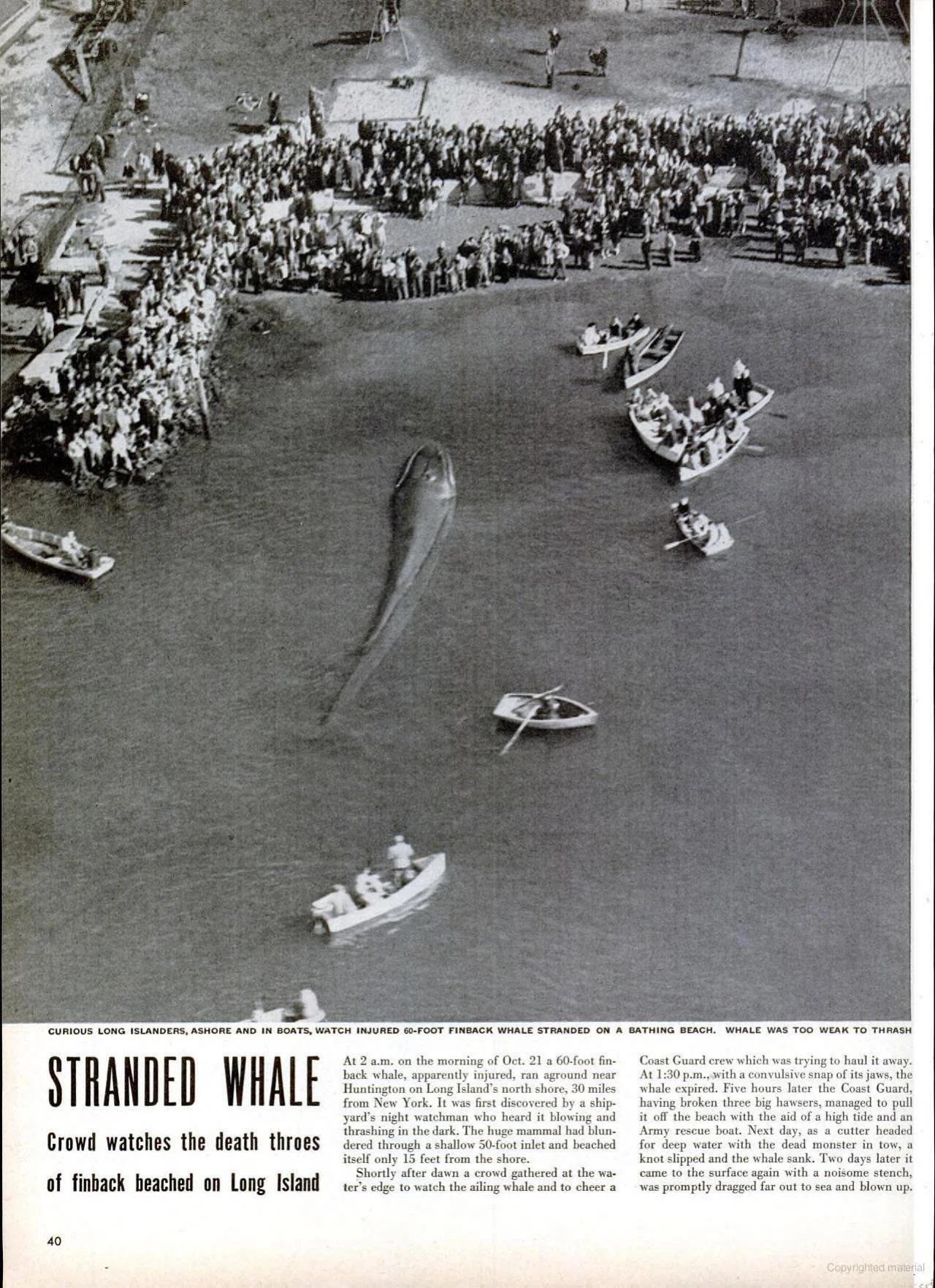
 Life Magazine 1946-11-04 - Stranded whale (Long Island)

Life Magazine 1946-11-11 - The road back to Berlin

Life Magazine 1946-11-18 - Land of Yemen

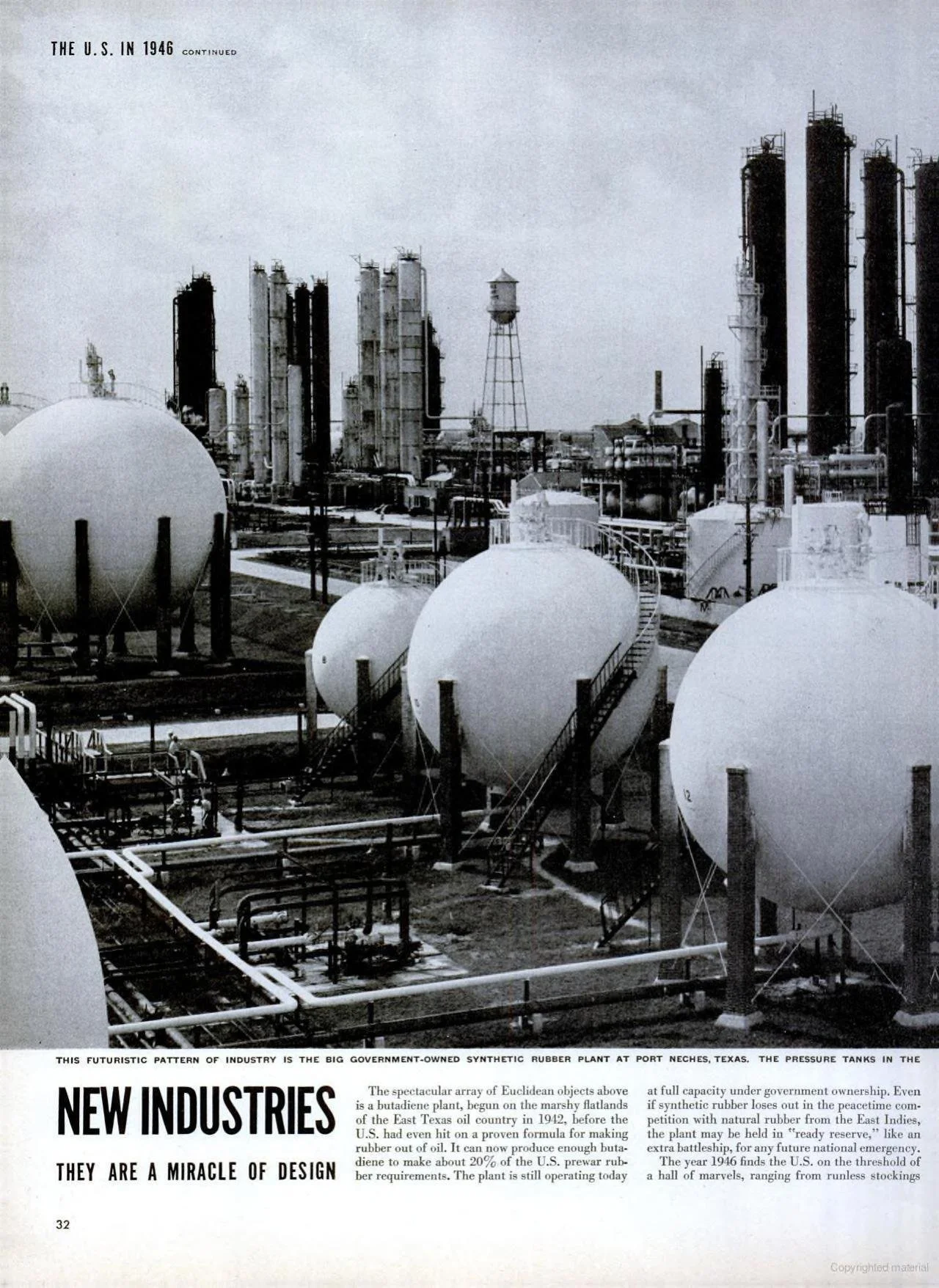
Life Magazine 1946-11-25 - Synthetic rubber plant

Life Magazine 1946-12-02 - Margaret Wise Brown

Life Magazine 1946-12-09 - Nazi brains help US

Life Magazine 1946-12-16 - Worst hotel fire in US (Atlanta GA)

Life Magazine 1946-12-23 - Christmas Rush

Life Magazine 1946-12-30 - Europe’s children

Ten Little Celebrations – February 2026

I celebrated getting outdoors in February and a flurry of education related activities!

Melting snow. We had snow on the ground for the last week of January and into February. We all celebrated when it finally melted although it was pretty as long as one didn’t have to get out and about.

Cranberry orange relish. I used my last frozen cranberries to make cranberry orange relish – savored the flavor….and will miss it until the cranberries are in the stores again in the fall.

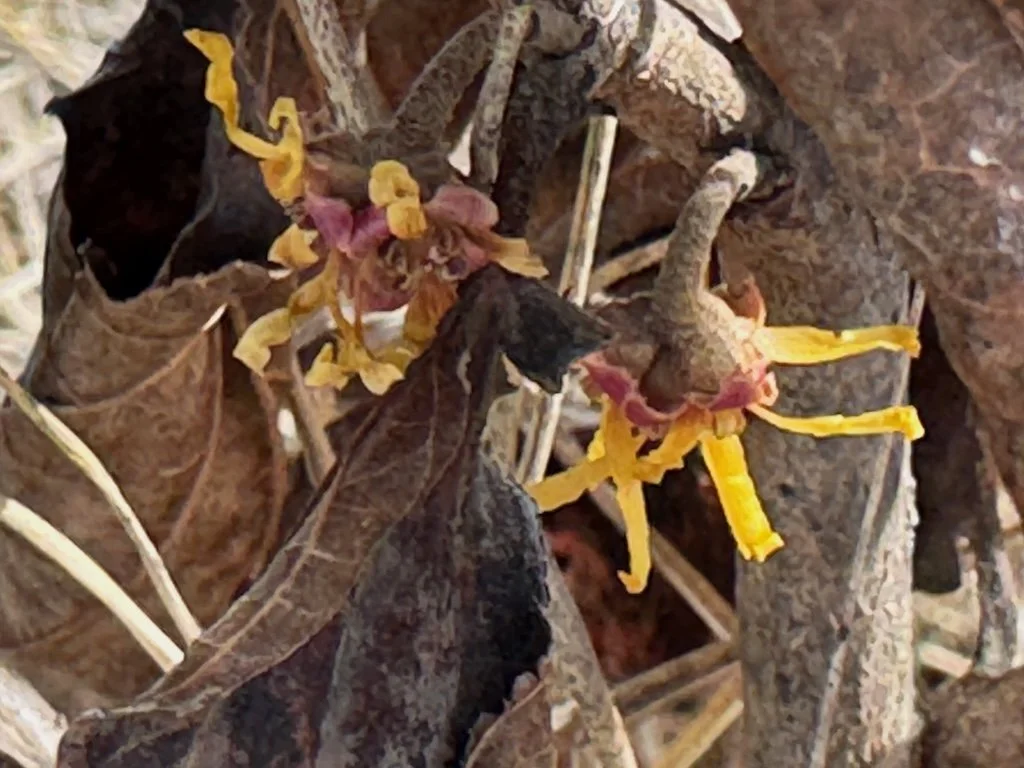
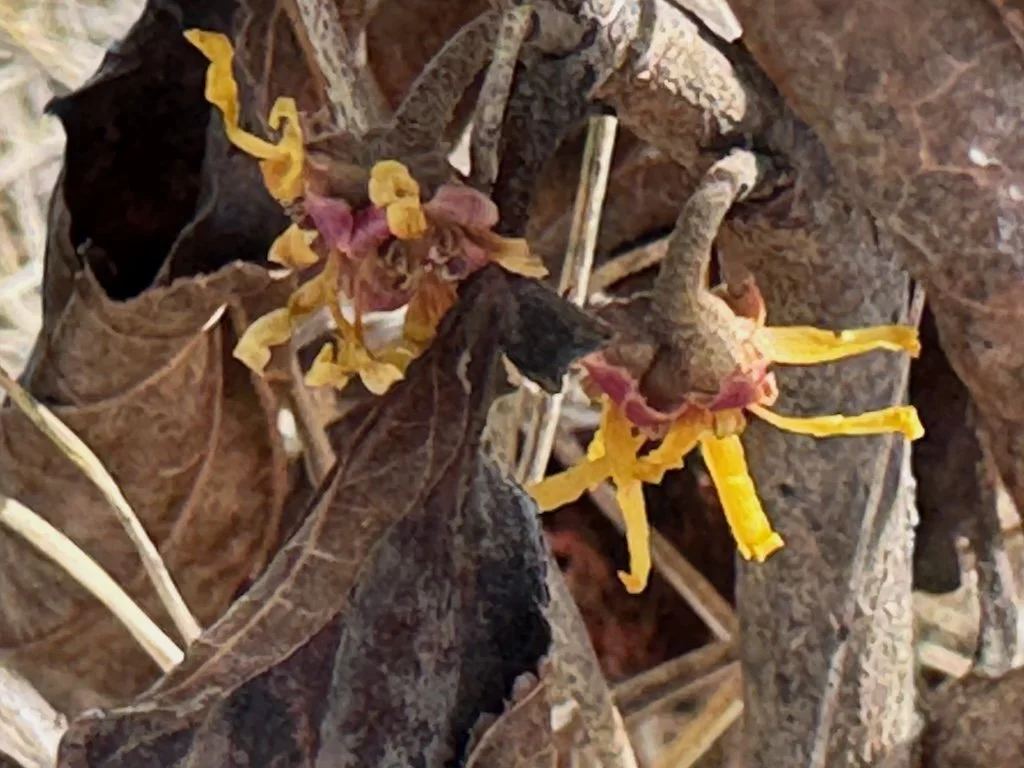
Ozark Witch Hazel blooming. My small Ozark Witch Hazel I planted last spring is blooming. It retained its leaves so the blooms were a little difficult to see.

Missouri fish and amphibian webinars. There were two webinars that were a pleasant surprise in February – they were very well done.

Salmon salad. I celebrated the flavors of salmon, pear, and cabbage with a lemon honey olive oil dressing – with a feisty lime blend of seasonings.

Training for master naturalists. I celebrated that the training plan for the new cohort of Missouri Master Naturalists in our area seems to be coming together. It looked daunting at first.

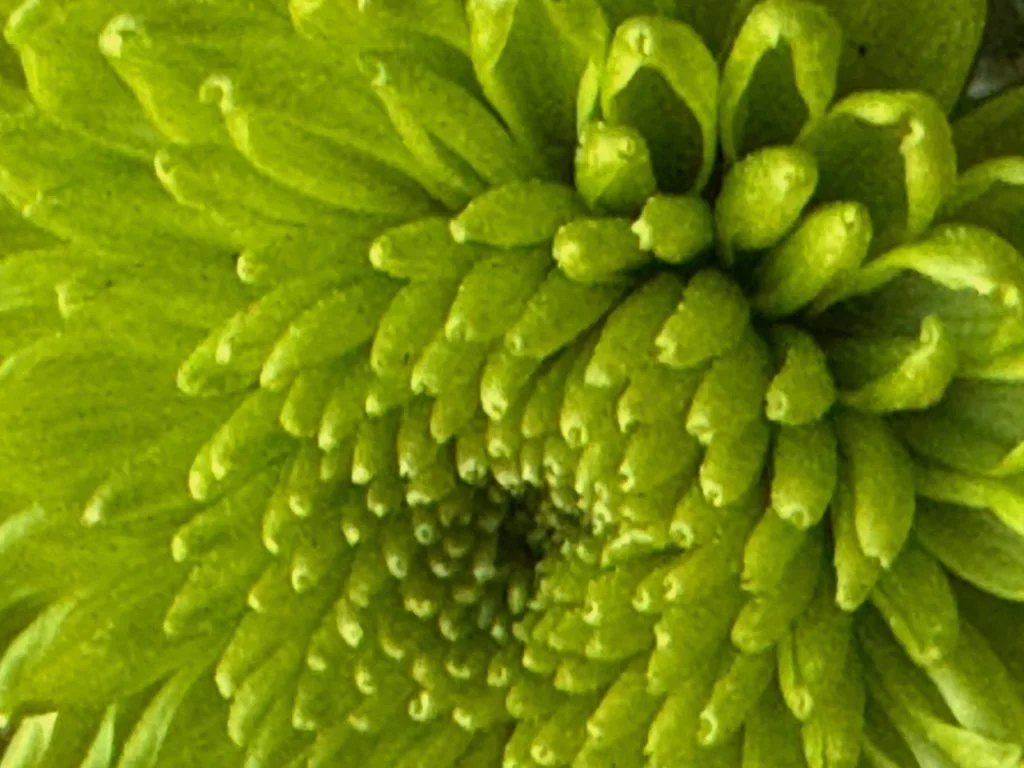
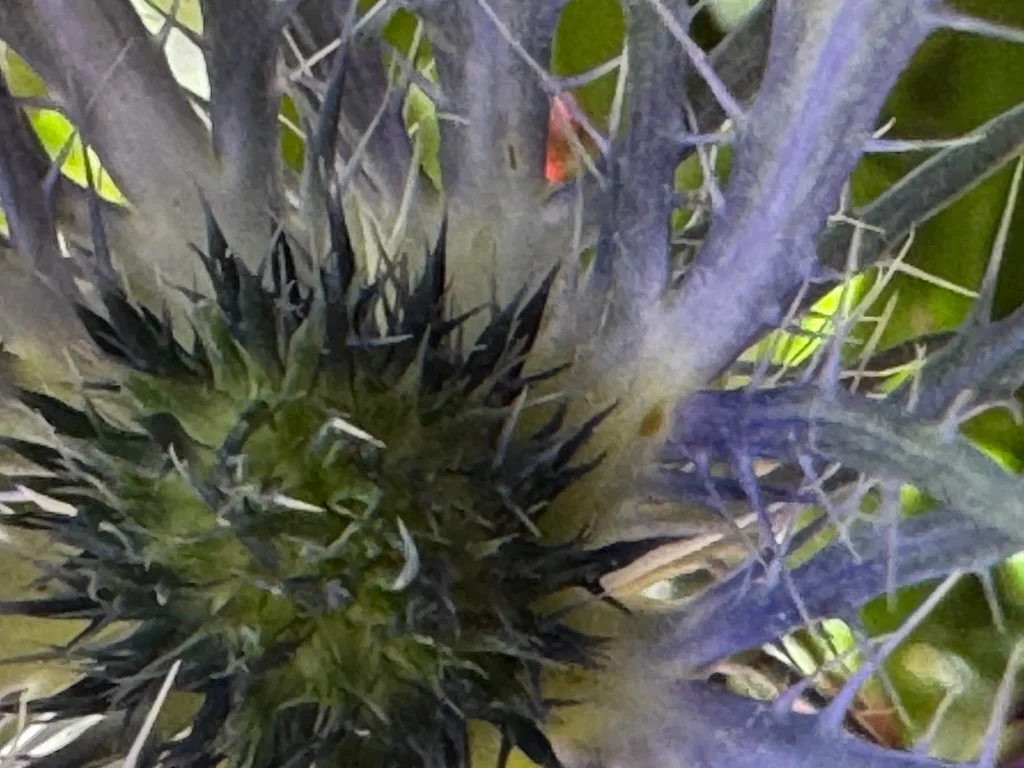
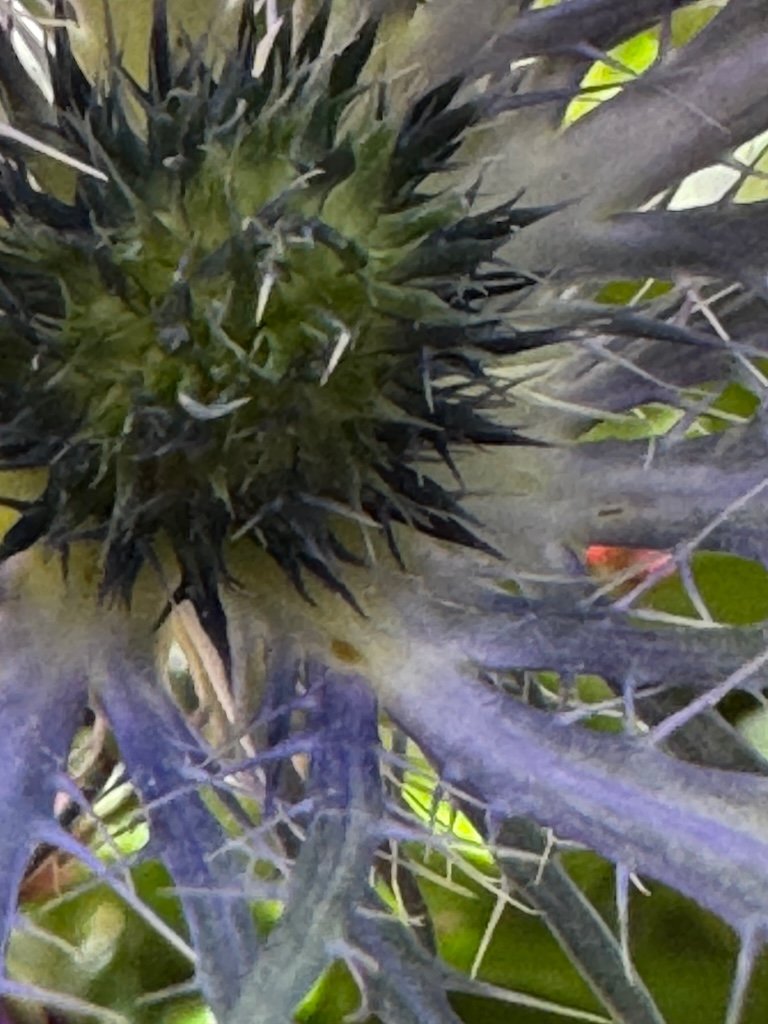
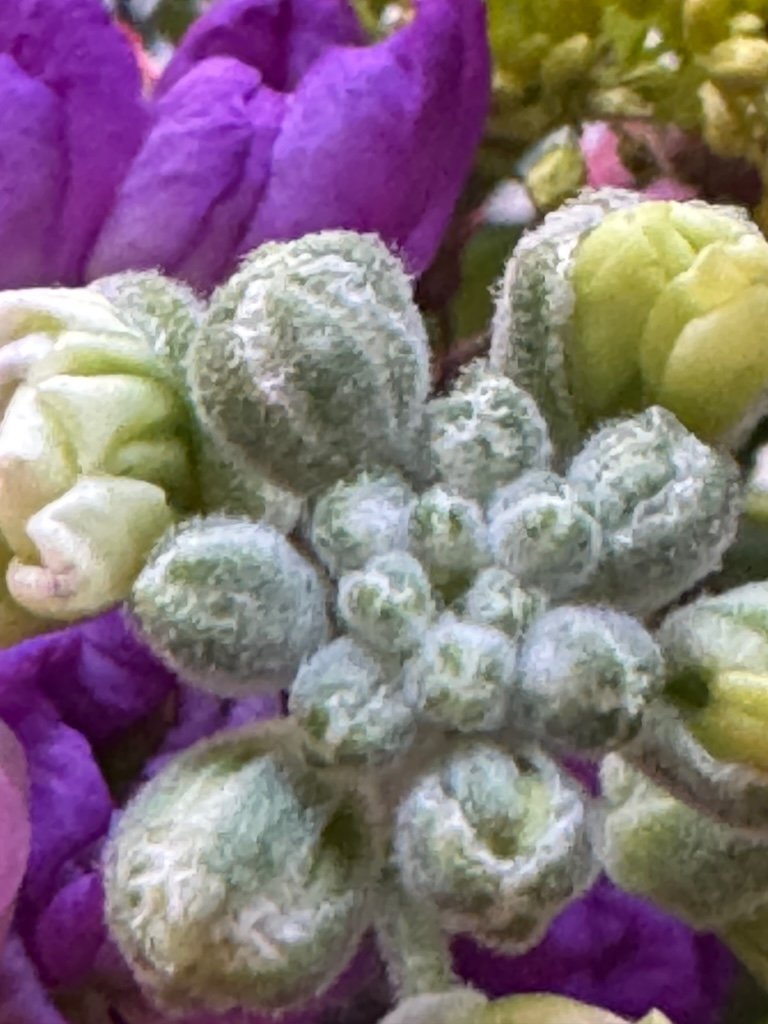
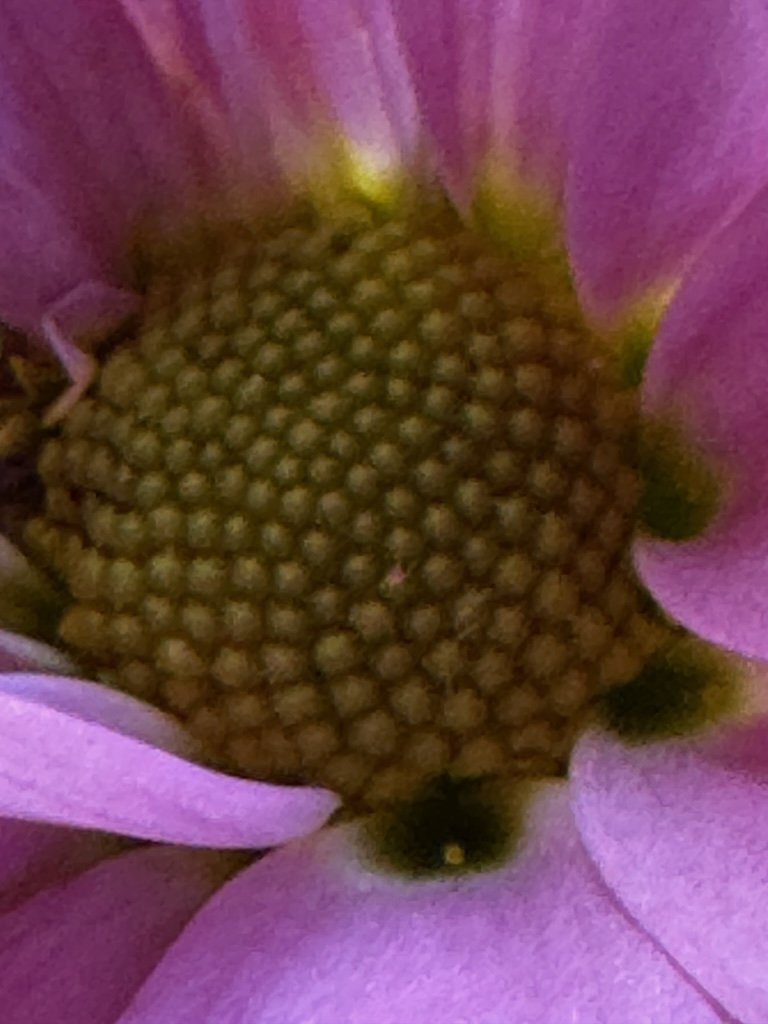
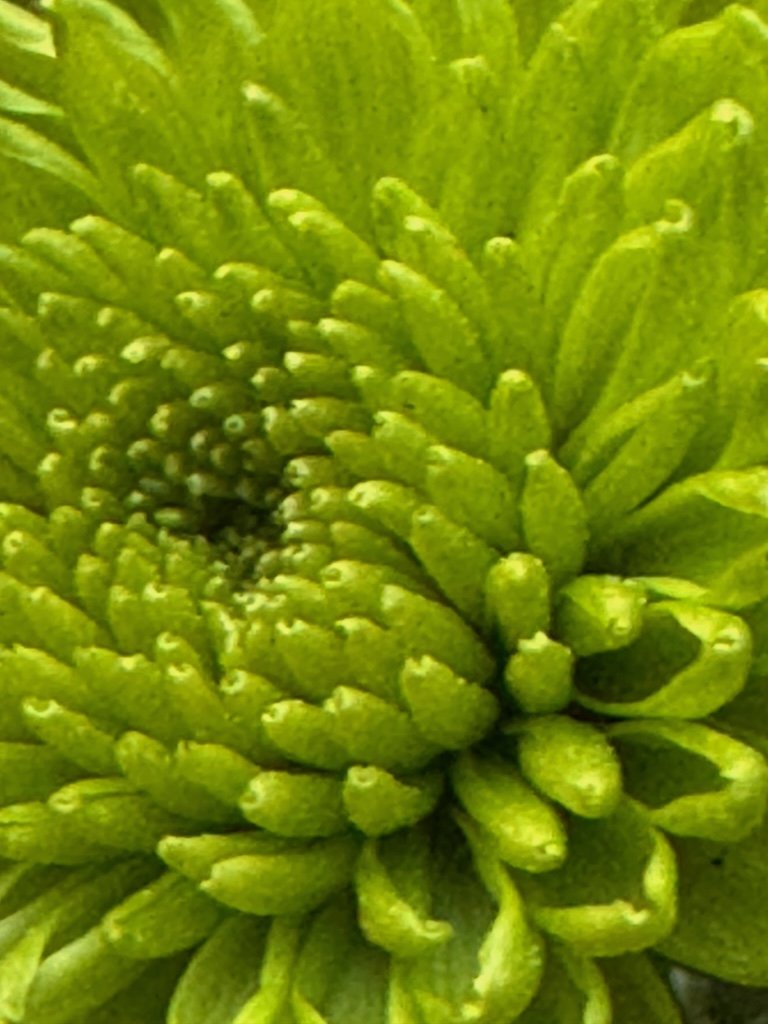
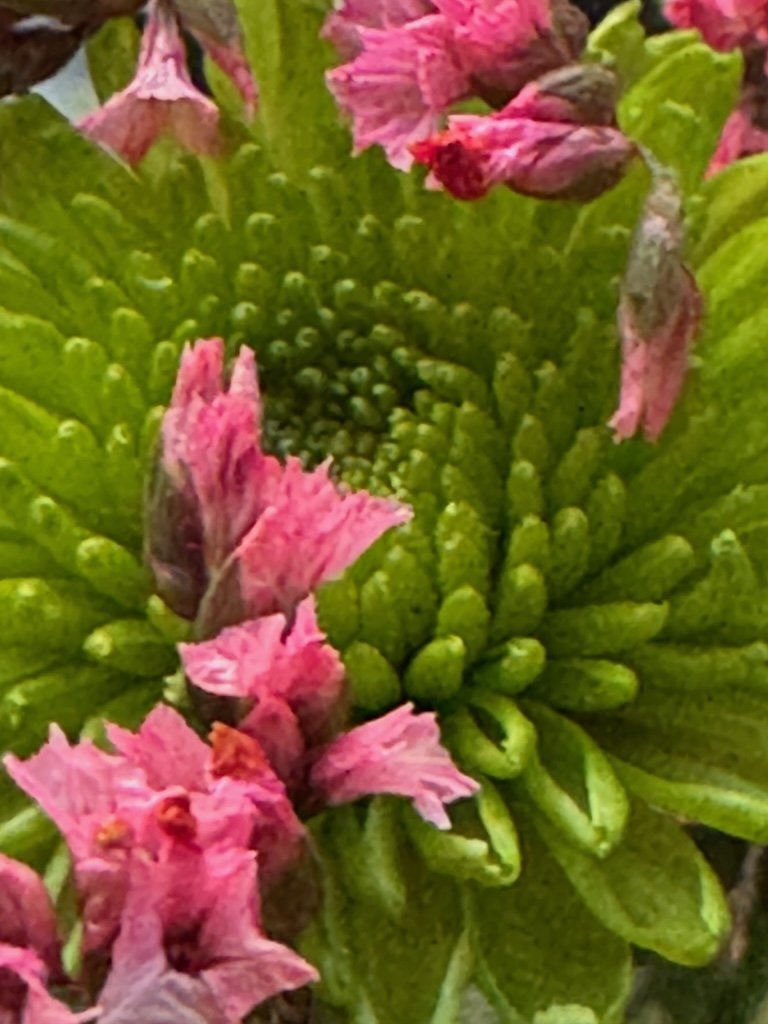
Macro and high key flower photography. I celebrated a winter photography project – a purchased bouquet on the windowsill in my office.

Ecoregion maps of Missouri. Looking at maps from an out-of-print Atlas was interesting and I celebrated how great they will fit into a presentation for the master naturalist training next fall – the module I will be presenting.

Wilson’s Creek National Battlefield. I celebrated the longest hike of the month – interesting place for birds and habitats…and also thinking about history and the way it looked during the Civil War.

Plastics and human health webinar.  I heard a webinar on the same topic with the same speaker from a year ago – and realized that this topic is progressing rapidly. I celebrated that she’ll likely continue to present webinars and include new information.

Zooming – February 2026

The images from this month were all close to home: my yard, my neighborhood, Wilson’s Creek National Battlefield, and Lake Springfield Greater Ozarks Audubon Trail. There was a mix of snow and winter images….the beginnings of spring. There would have been more places if the big snow had not cancelled two hikes that had originally been planned for February! Enjoy the zoomed images of my times outdoors during this month!

Stockton State Park

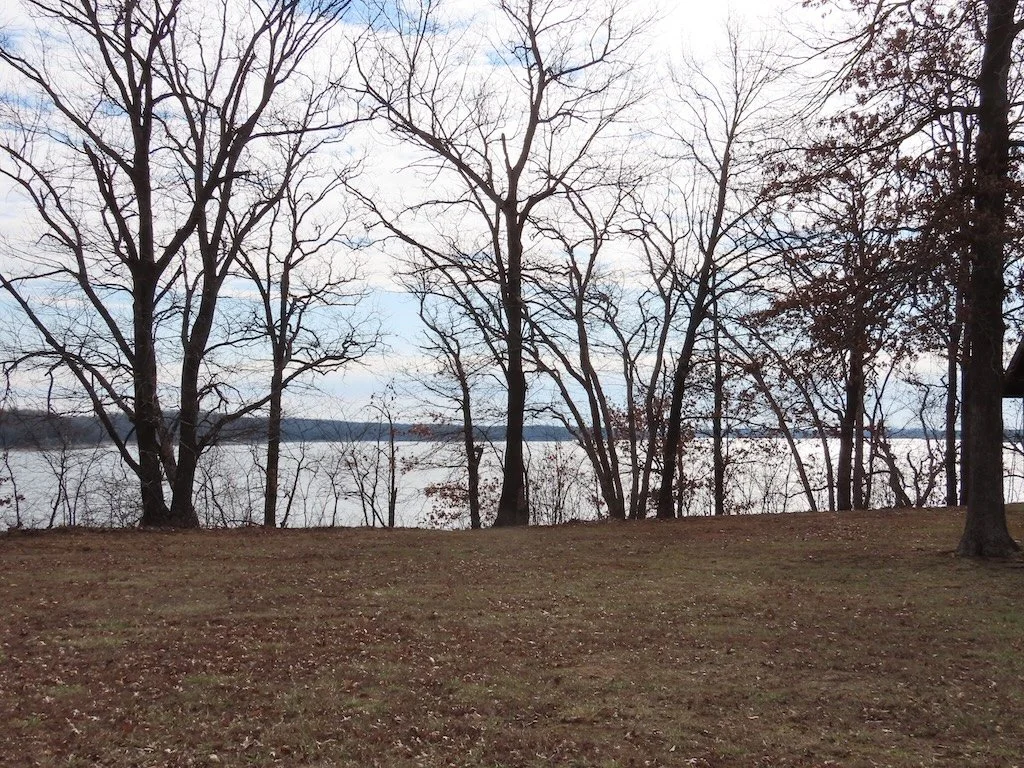
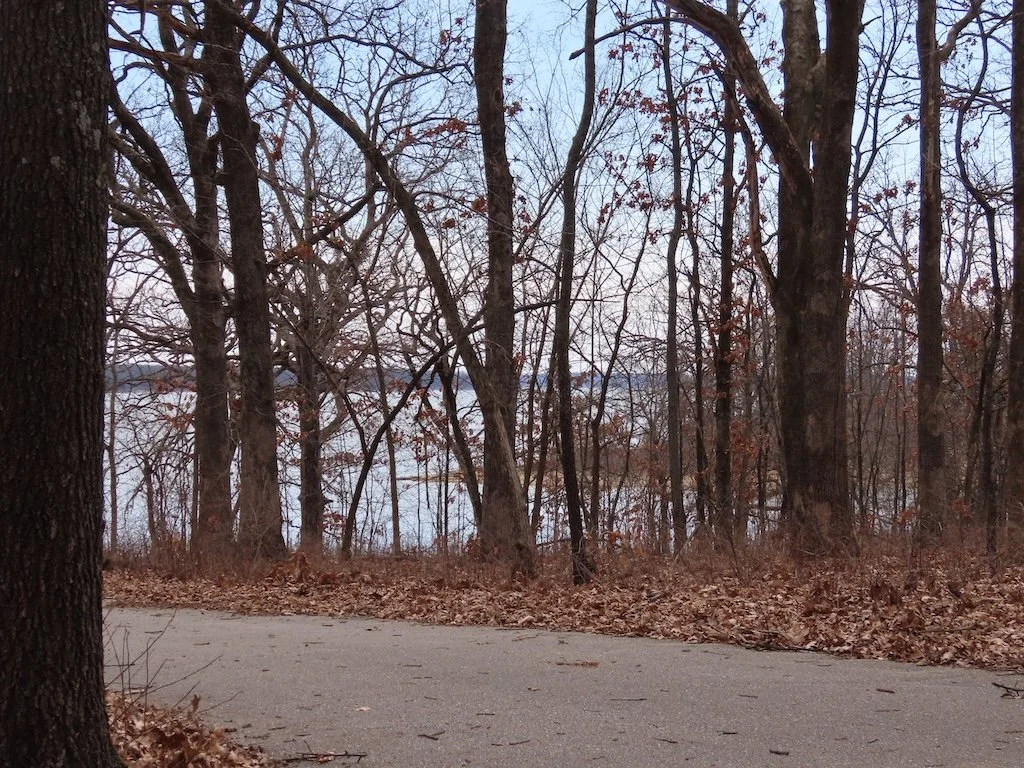
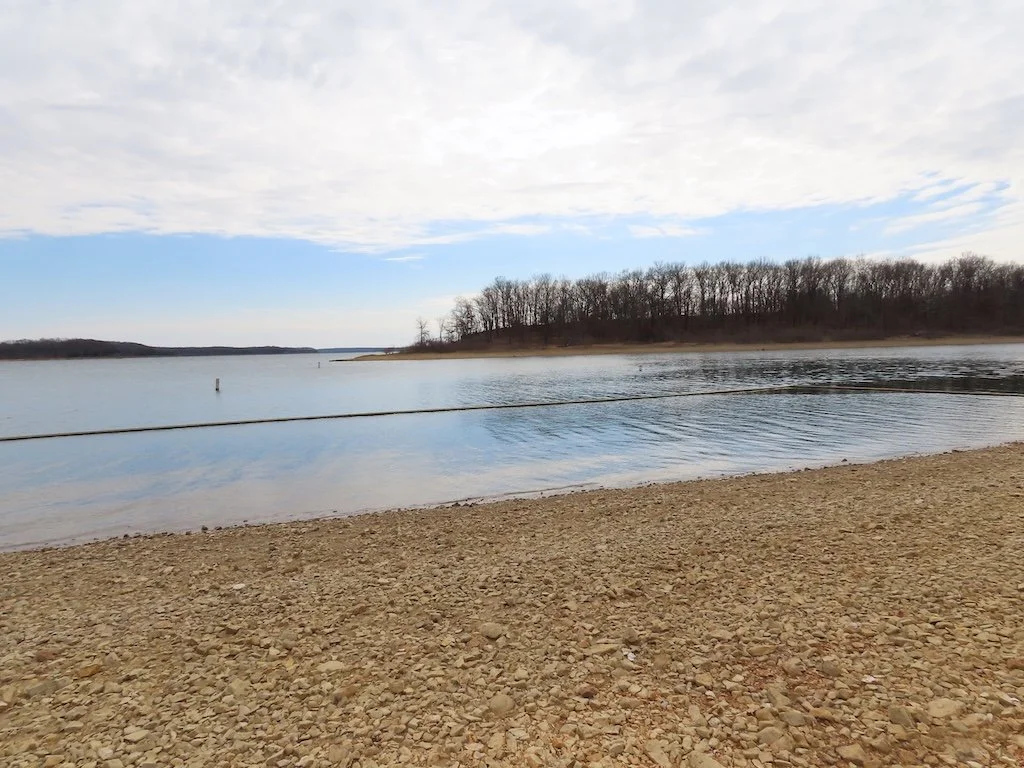
I enjoyed a hike at Stockton State Park with another Master Naturalist on a cold Saturday! We made a 1.7 mile loop on the Umber Ridge Trail. It was a good choice for winter with lake views through the winter trees.

Whatever it is, the way you tell your story online can make all the difference.

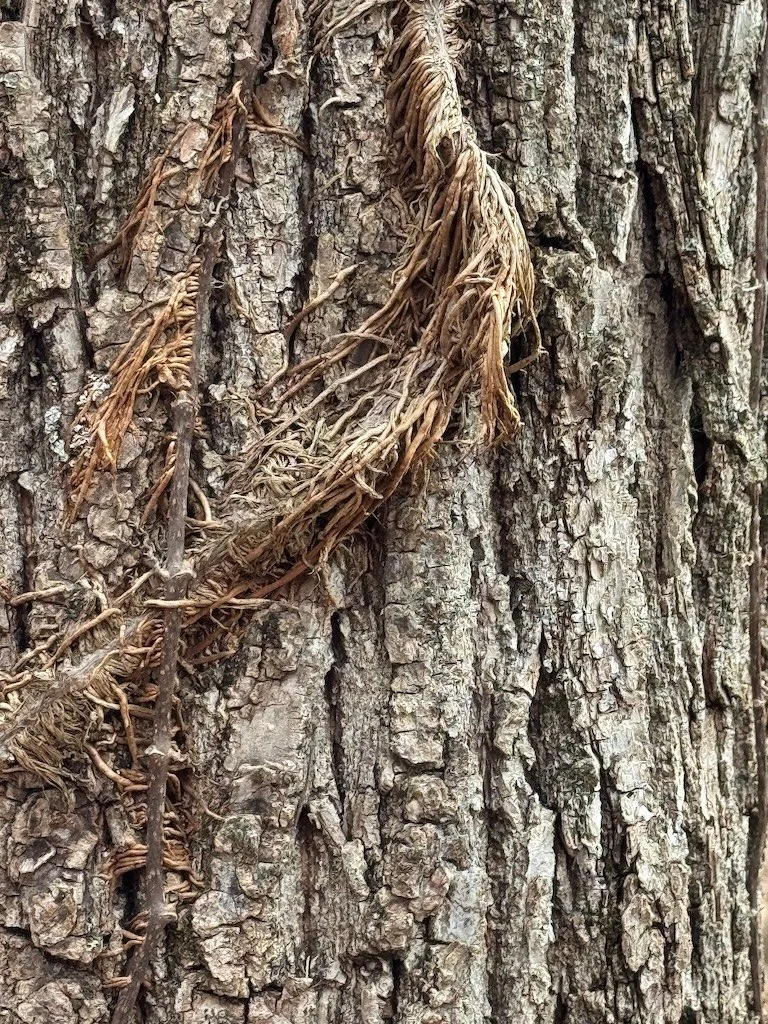
There was a vine on a trunk (maybe poison ivy?)…and I noticed quite a few trees in the immediate vicinity with the same type vine.

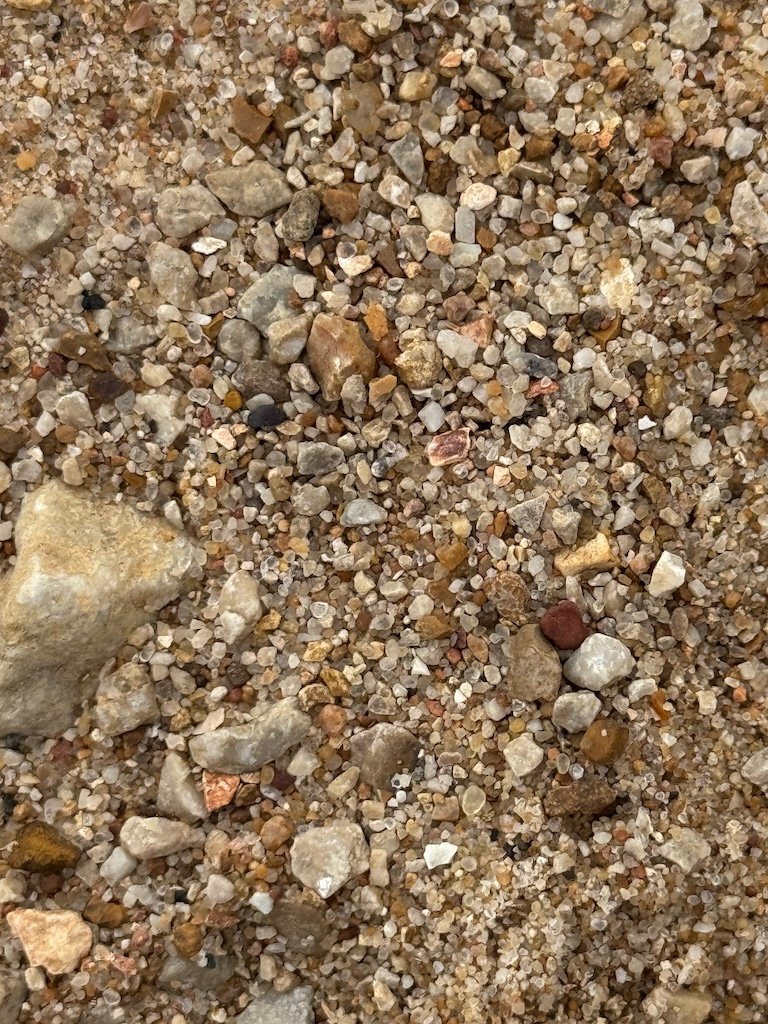
We took the downhill ramp to the beach area and I experimented photographing the pebbles and sand. I was relieved that were no colorful plastic bits there (although they could have been too small for my camera to capture). The beach could be used for a geology tutorial (although some of the rocks higher on the beach were clearly brought into the area).

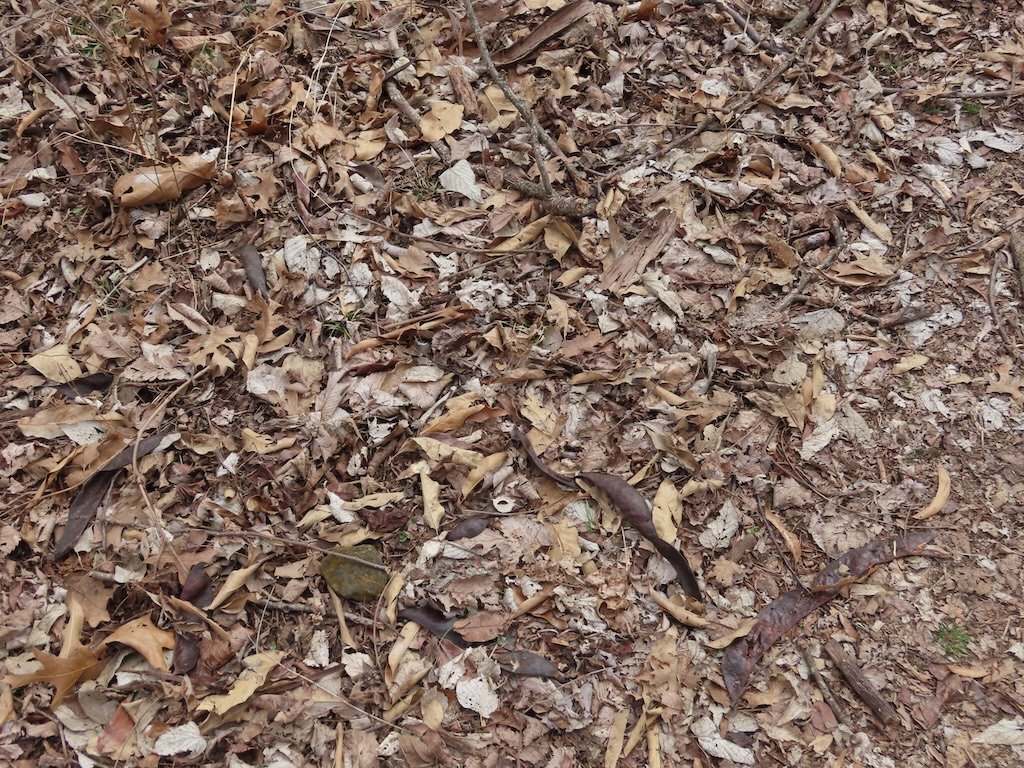
At several points along the trail, we noticed long curly pods of honey locust on the ground and looked around to find the trees with big thorns nearby). There didn’t appear be too many thorns on the ground – even though our hiking boots would have probably protected our feet. Later we saw some black locust pods…so both species are found in the park.

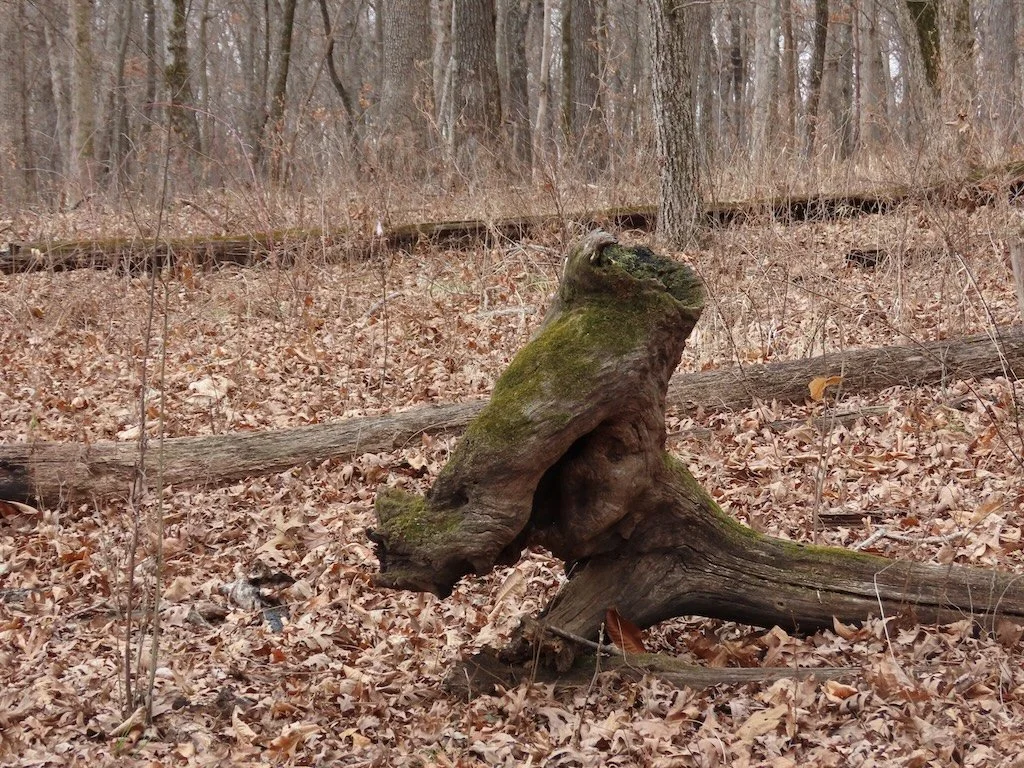
There were many logs that looked burnt – mostly from controlled burns probably. In some areas the fire had been long enough ago that moss was already green on the log again.

We could have changed the hike to be partly on the road but opted to stick to the trail with rocks and roots! I used my hiking poles and my back didn’t hurt….maybe I can get the same effect with only one pole. It would make it easier to take pictures. I’ve learned to use the loops on the poles but having two to keep attached to me while I am trying to use my camera is awkward.

The trek to get to the park from my house is about 1.5 hours each way…and takes about ¼ a tank of gas. I still might do it again in the spring when the trees will be leafing out….maybe take my daughter and have lunch afterward. The park is evidently very popular in the summer with lots of activity on the lake; I think I will stick with non-summer visits to this park!

Lake Springfield Greater Ozarks Audubon Trail

I had a form to drop off at the Lake Springfield Boathouse on a sunny day when the temperature was in the upper 50s. I opted to take the Greater Ozarks Audubon Trail to the overlook  (the trail head is just past the boathouse).

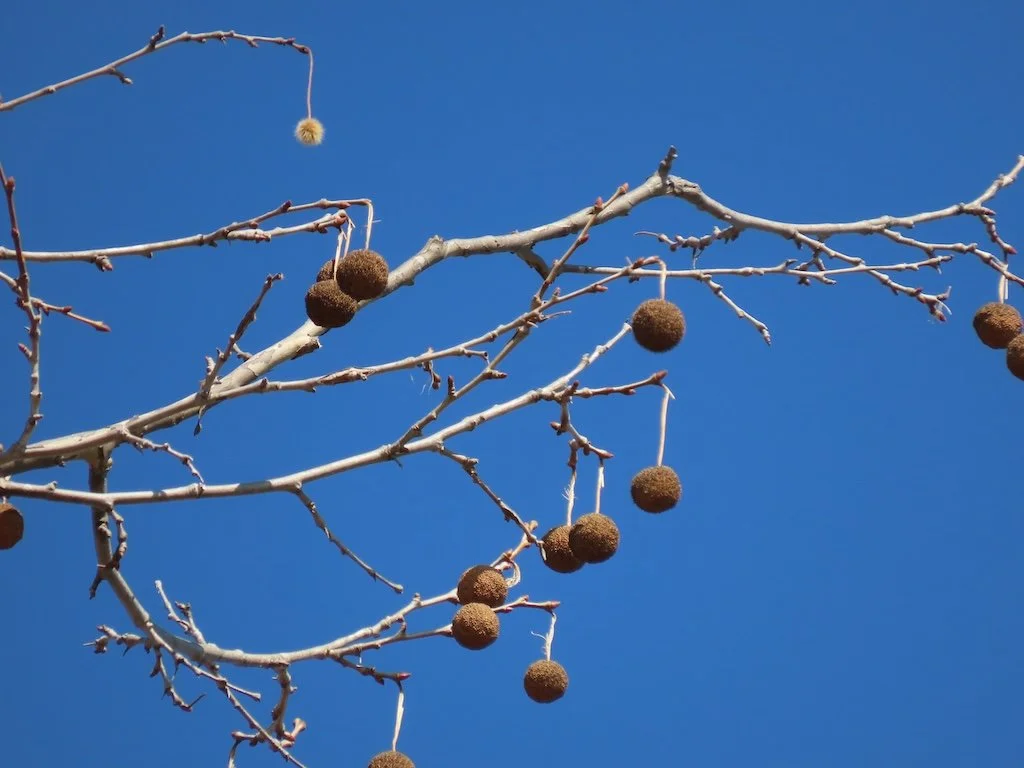
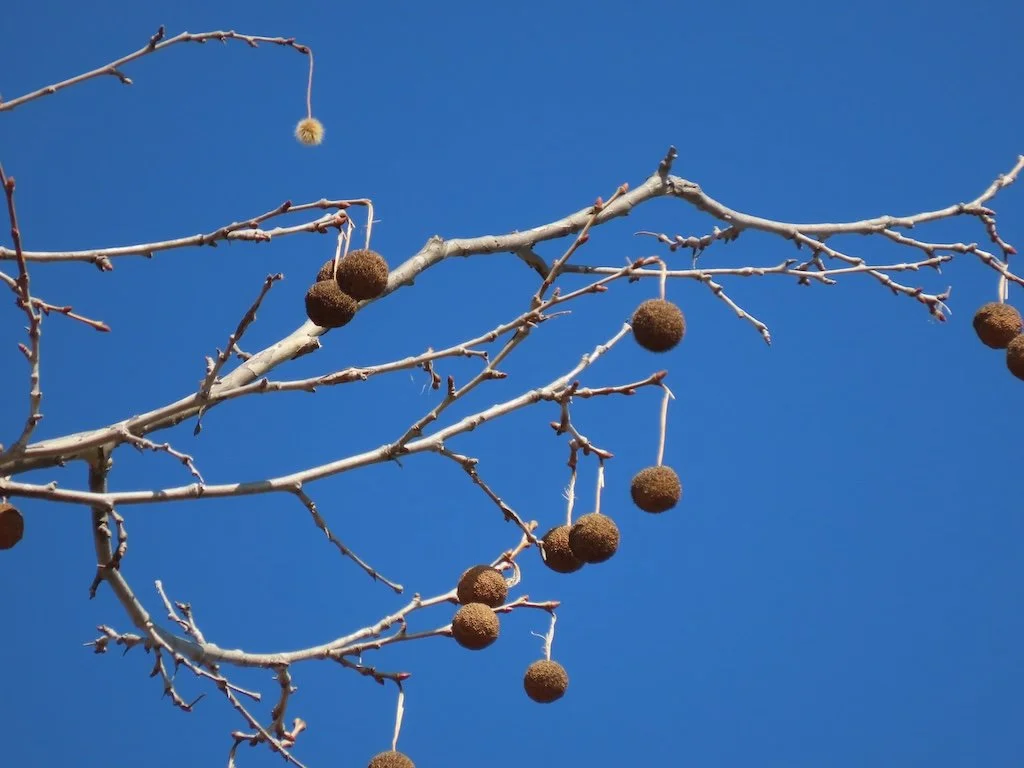
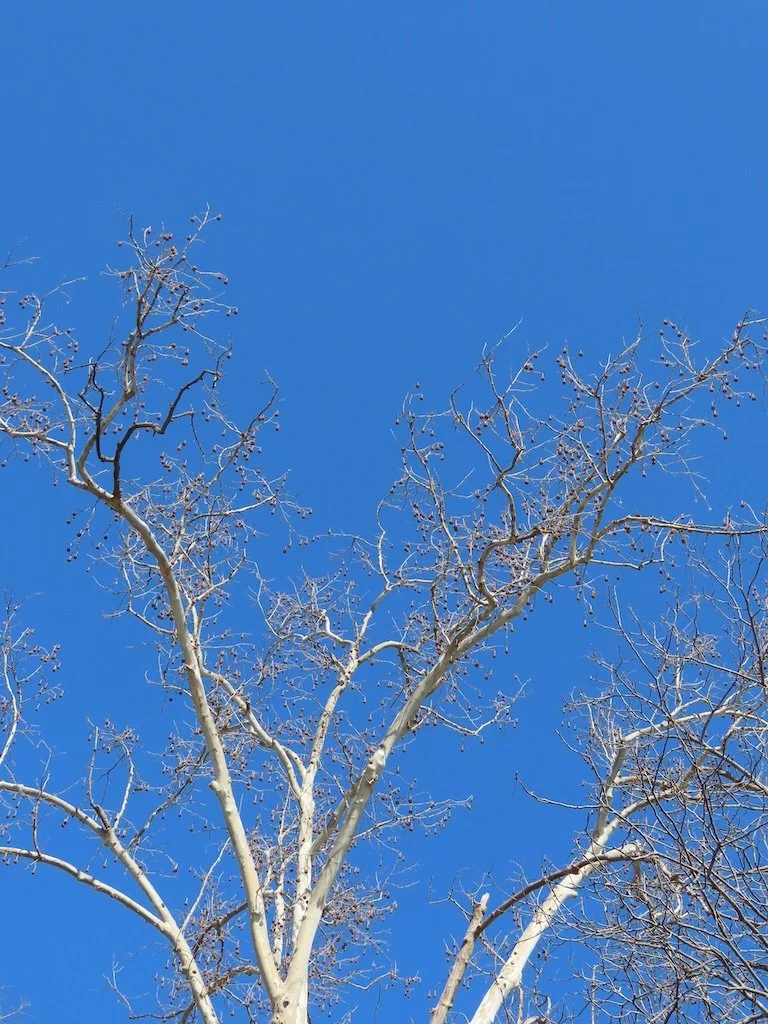
I took a picture of sycamore near the edge of the water. It still had a lot of seeds from last season.

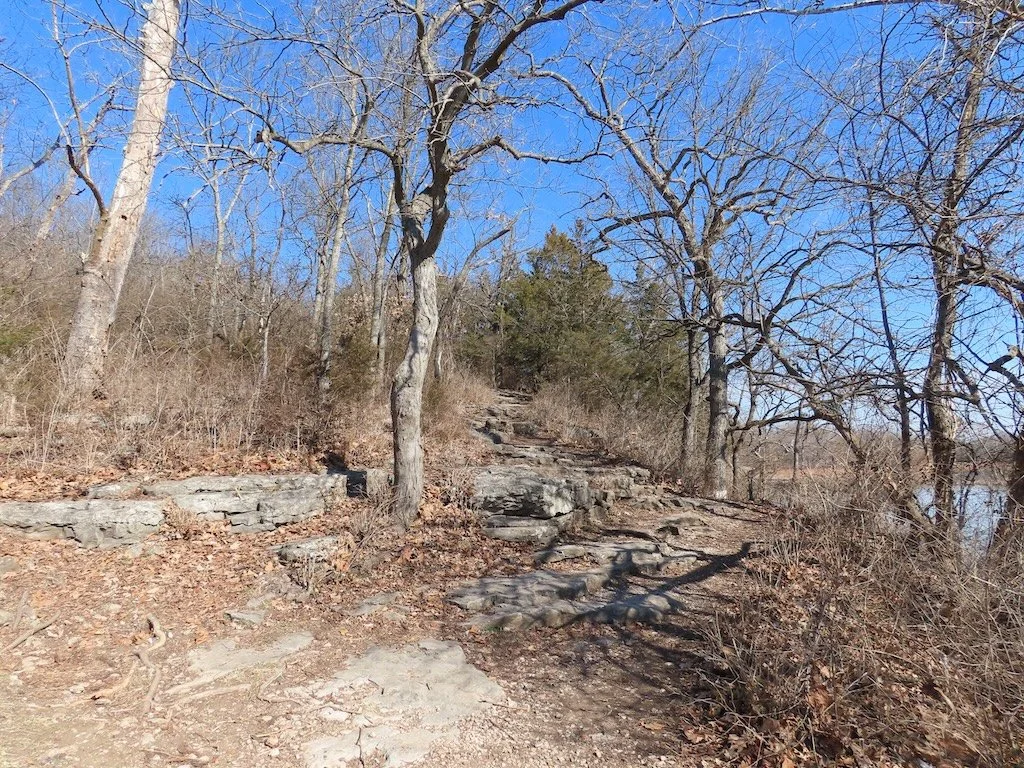
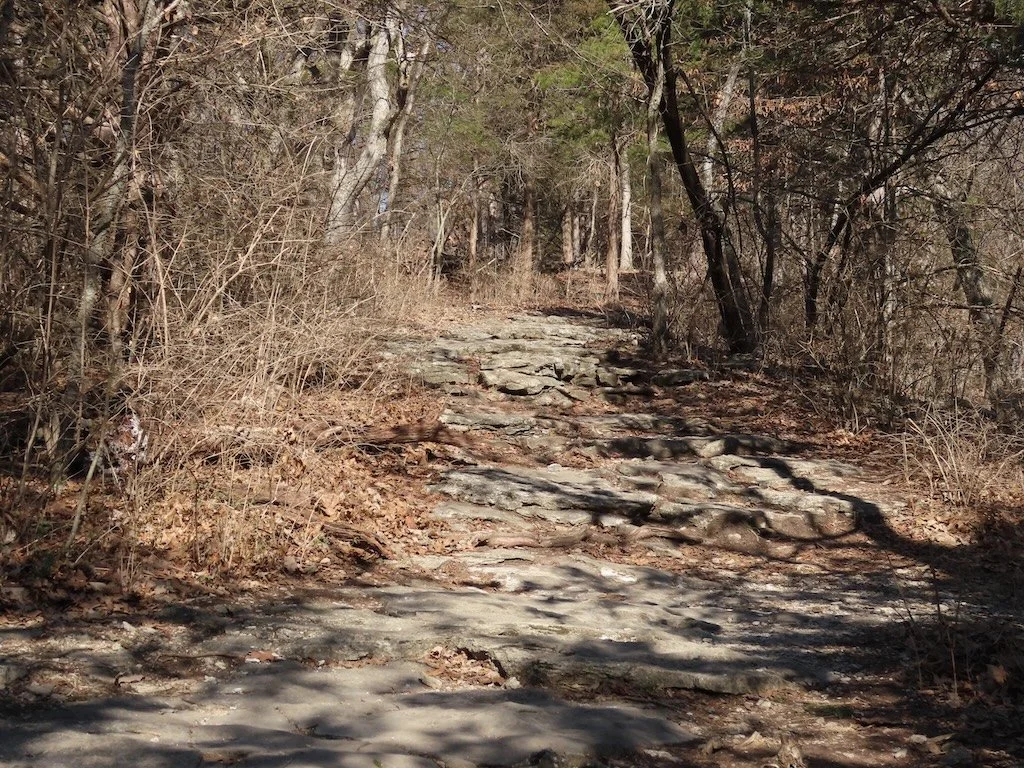
The trail is up ledges of rock….gentle steps most of the time.

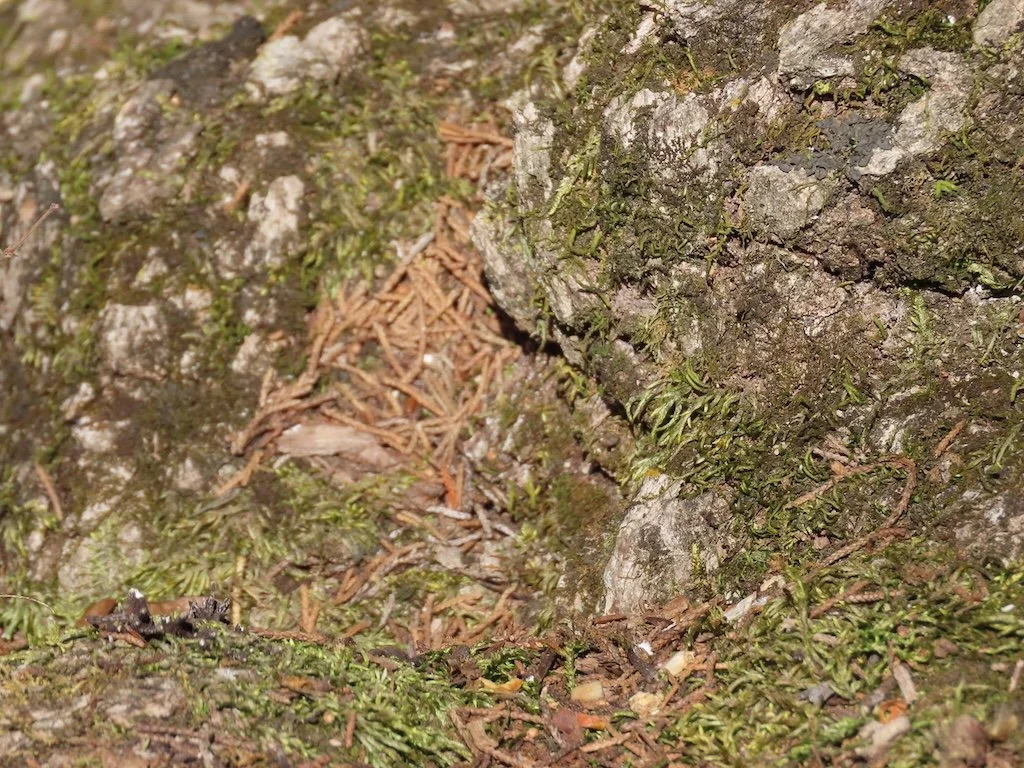
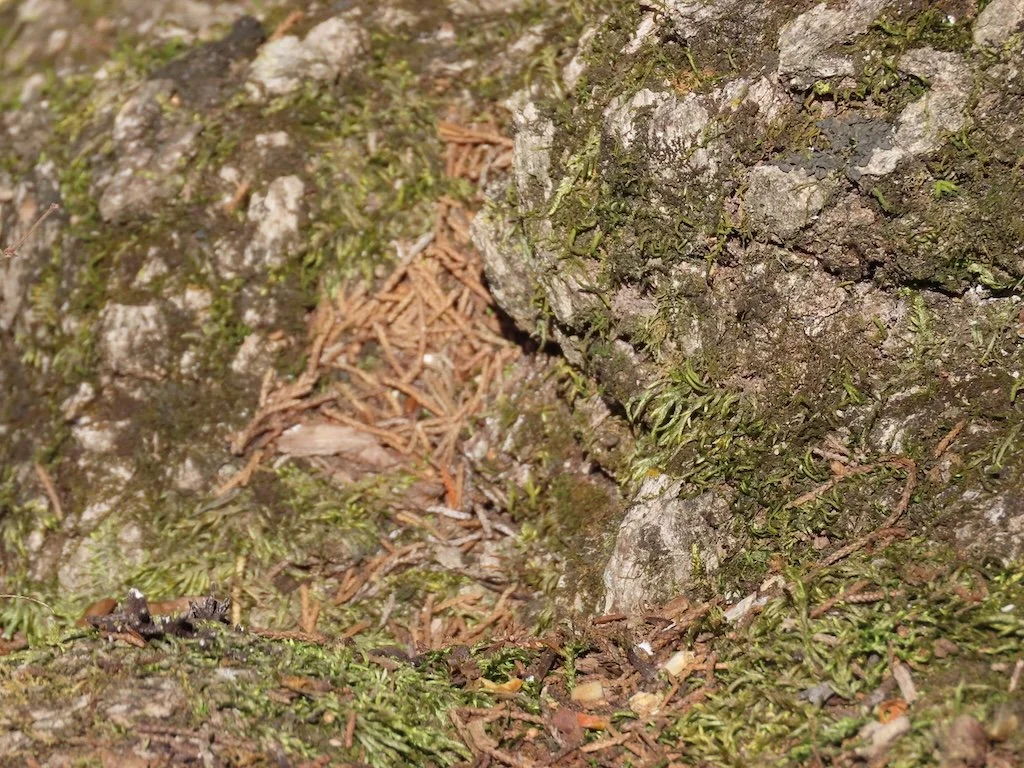
Most of the trees are deciduous but there are quite a few eastern redcedars there too. I zoomed in to take a collection moss and redcedar on fallen log – an intimate landscape.

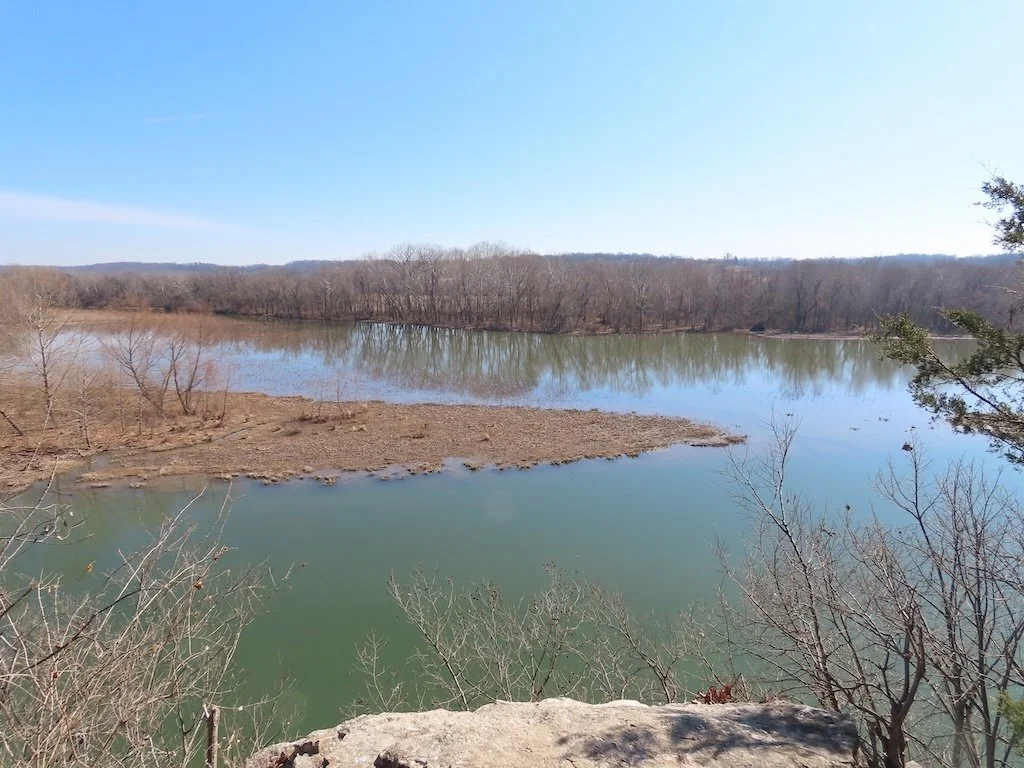
At the top there is an overlook of Lake Springfield. I didn’t stay long because there were other people waiting to enjoy the scene too.

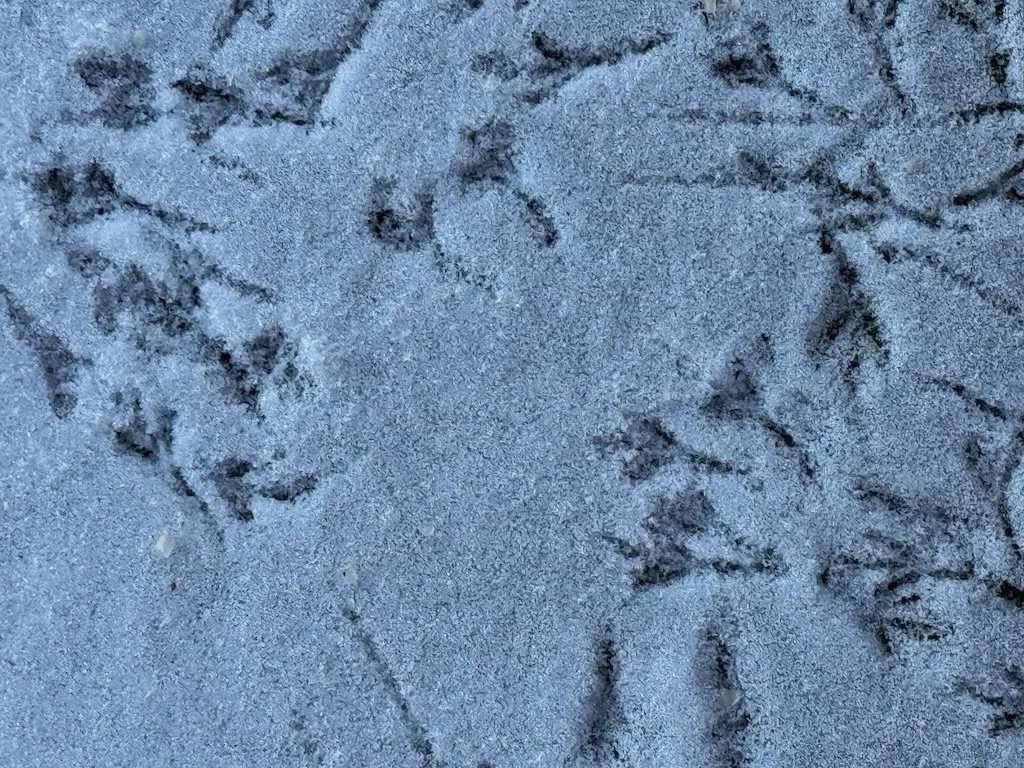
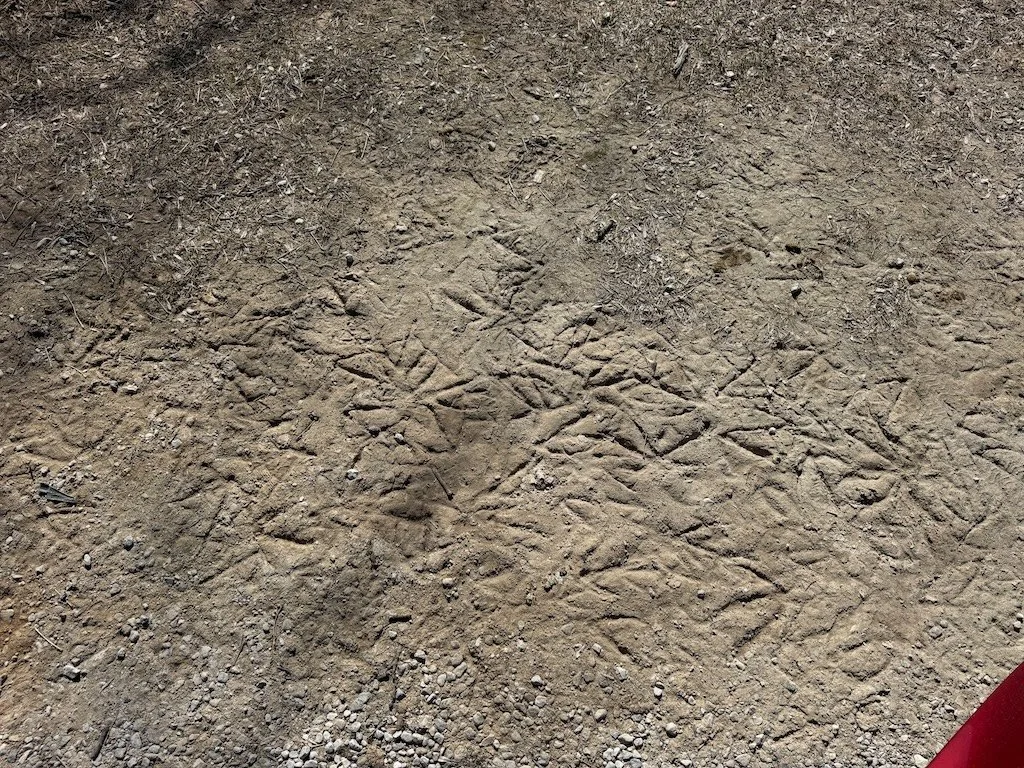
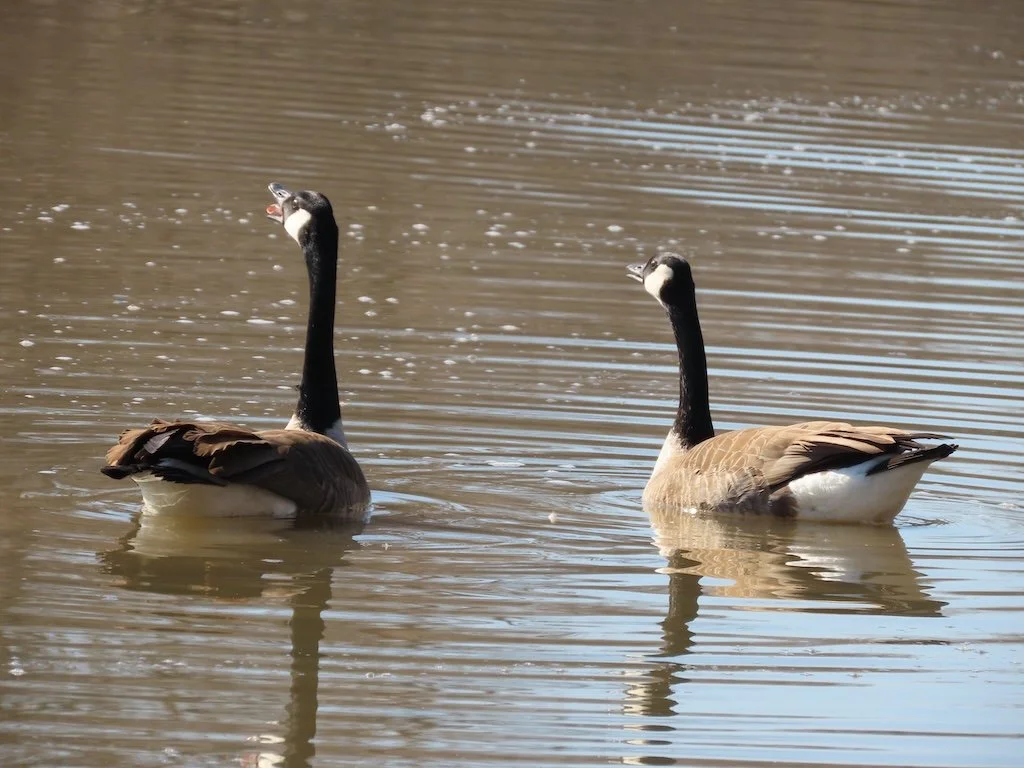
I walked down the hill and saw some honey locust pods on the ground…looked up to see the thorns in the tree! Nearer my car, I noted goose (?) prints in the area at the edge of the parking lot. There were a lot of Canada geese around!

I remembered that there were mallows down near the water’s edge…their seed pods were open and empty.

The last time I was on this trail was in Fall 2024 when I took the Identifying Woody Plants class; it was hot that day and my back was hurting for the entire hike. This time I did it with my hiking poles and didn’t have any problem at all!

Gleanings of the Week Ending February 21, 2026

The items below were ‘the cream’ of the articles and websites I found this past week. Click on the light green text to look at the article.

2/2/2026 York Daily Record Mountains of plastic turf in limbo after Pa. recycling project falters - A Danish company's plan to build an artificial turf recycling plant in Pennsylvania has failed due to bankruptcy. The state is now responsible for cleaning up thousands of tons of abandoned turf stockpiled across three counties. The abandoned turf, which may contain "forever chemicals," will now be sent to a landfill instead of being recycled.

2/8/2026 Clean Technica Why China’s Aluminum Industry May Have Reached Peak CO2 - Relocation to hydro regions is largely complete. Secondary aluminum is rising into double digit millions of tons. Coal heavy output has already peaked and begun to edge down. Renewable penetration in coal regions continues to rise. Reversing this trend would require renewed growth in coal-based smelting or a collapse in recycling, neither of which fits China’s industrial or energy trajectory.

2/9/2026 BBC Fungi mining and giant waste piles: How to get rare earths without mining rock -Gigantic heaps of coal ash, mine tailings and red mud are traditionally expensive and difficult to deal with. But if new processes allow rare earth harvesters to engage in remediation while hoovering up rare earths, then industry and environmentalists might no longer be at odds over what to do about all that waste.

2/8/2026 Science Daily Scientists finally solve a 100-year-old mystery in the air we breathe - The new model offers a stronger foundation for understanding how airborne irregularly shaped nanoparticles (like soot, microplastics, viruses) move across a wide range of scientific fields. These include air quality monitoring, climate modeling, nanotechnology, and medicine. The approach could improve predictions of how pollution spreads through cities, how wildfire smoke or volcanic ash travels through the atmosphere, and how engineered nanoparticles behave in industrial and medical applications.

2/6/2026 Archaeology Magazine Aqueduct at Early Italian Villa Explored - Based on the construction method of this hydraulic system, it might have been originally created to serve a rural village predating the construction of the villa, during a period before the Romans had fully solidified their control over this region of Italy.

2/4/2026 Yale Environment 360 Seas to Rise Around the World — but Not in Greenland - The reasons are twofold. 1)  the massive Greenland ice sheet, which at its center is roughly a mile thick, compresses the land underneath. As the ice melts, the land rebounds, rising above the sea. 2) the Greenland ice sheet is so large that it exerts a gravitational pull on surrounding waters, drawing them higher. But in a warming Arctic, Greenland is shedding some 200 billion tons of ice a year. As its gravitational pull wanes, waters recede.

2/5/2026 Smithsonian Magazine Air Pollution Can Cause Some Ants to Turn on One Another—and Neglect Their Young - As insect populations decline around the world, the findings further point to air pollutants as a possible cause, in addition to pesticides, light pollution and other factors. The work is especially important given the crucial role ants play in maintaining healthy habitats, such as dispersing seeds, controlling pests and aerating soil.

2/4/2025 Cool Green Science Reading the Tree Rings – Great photographs by Greg Kahn for this article. One of the labs visited for the article was the Laboratory of Tree-Ring Research at the University of Arizona that I visited when my daughter was a graduate student in Tucson in 2015 (my blog post about it here).

2/4/2026 Compound Interest World Cancer Day: How antibody–drug conjugates for cancer work - Our ability to use medicines to target more effectively is improving, and antibody–drug conjugates are an increasingly effective tool in combating cancers. This graphic explains what they are, how they work, and how they might improve in the future.

2/4/2026 National Parks Traveler Florida’s Ailing Reef - The reef is fighting for its very survival, beset by the trauma of climate change and warming water, commercial and recreational fishing, and drainage pollution coming from Florida’s canal system.

High Key Flowers

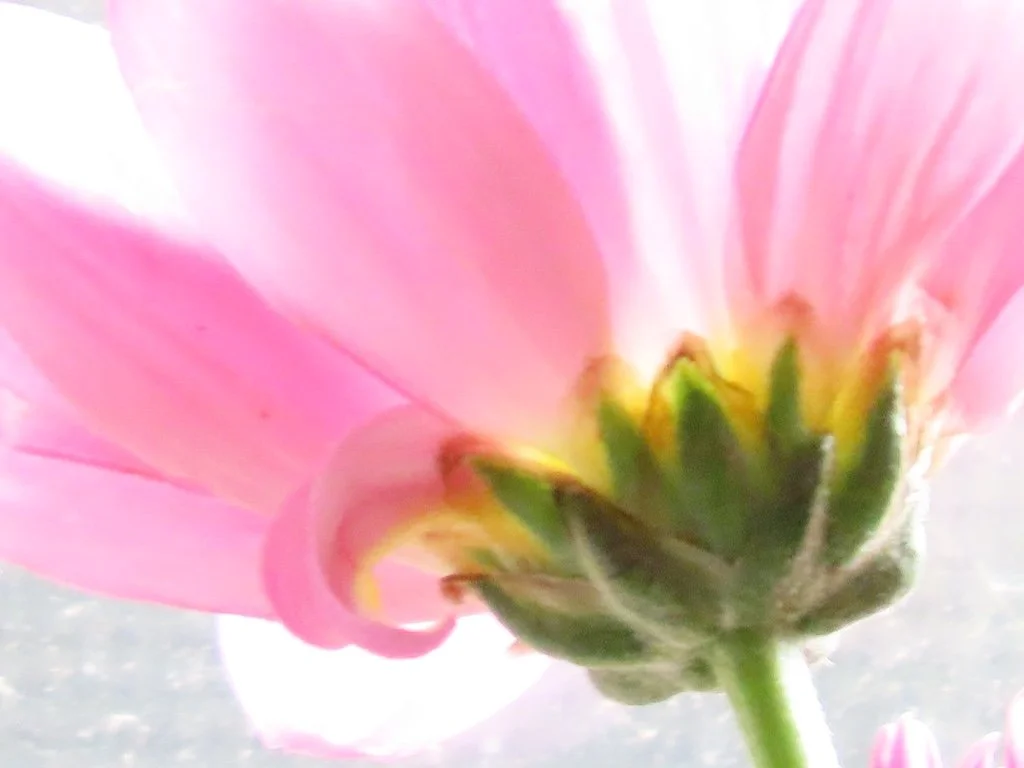
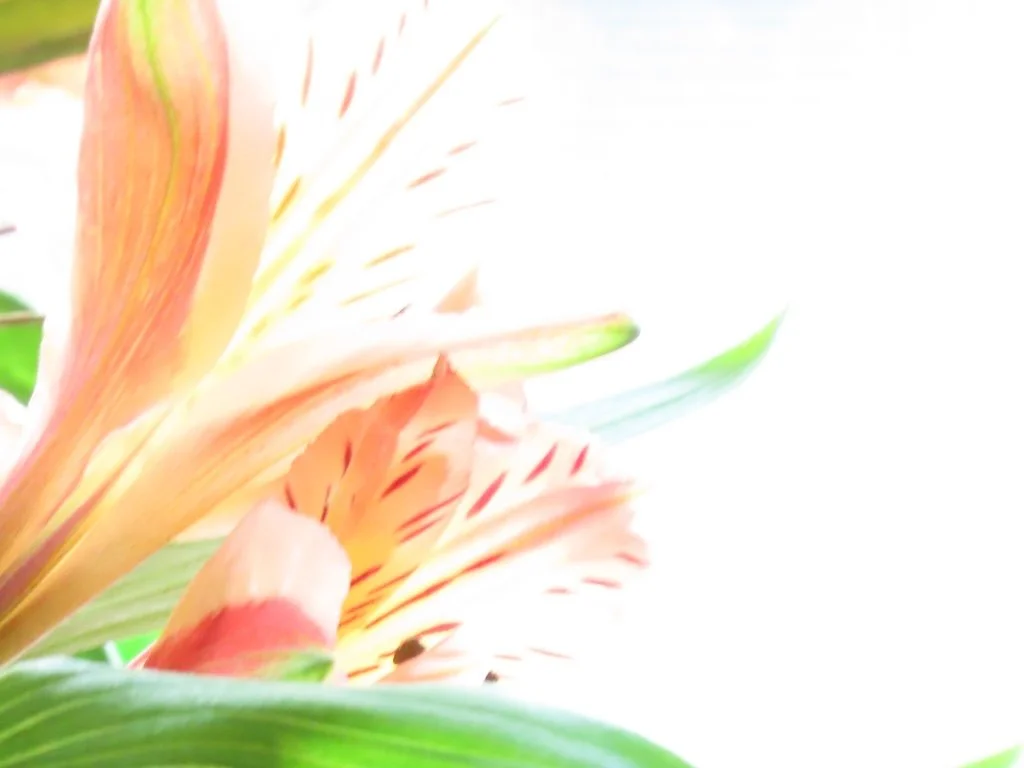
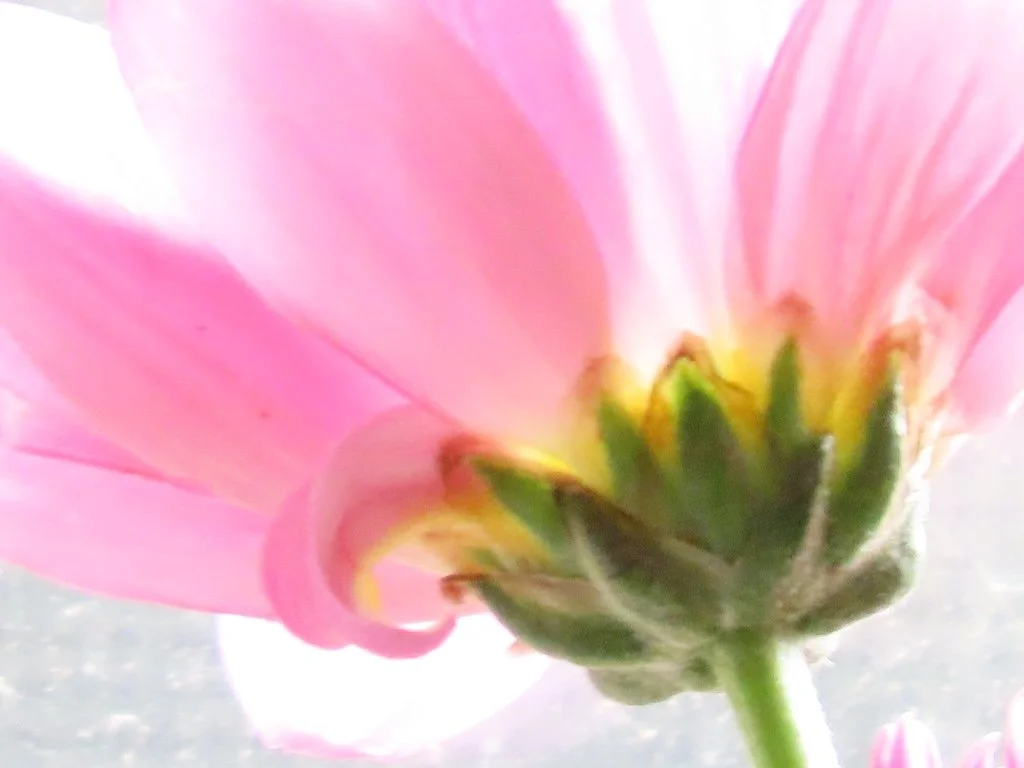
The day after the rainy-day macro flowers….the sun was out and I enjoyed creating another round of photos of my store-bought flowers – this time High Key images. These are made with bright light behind the flowers and using the zoom on my bridge camera (Canon Powershot SX70 HS) to compose the image. It’s a very different perspective on the flowers.
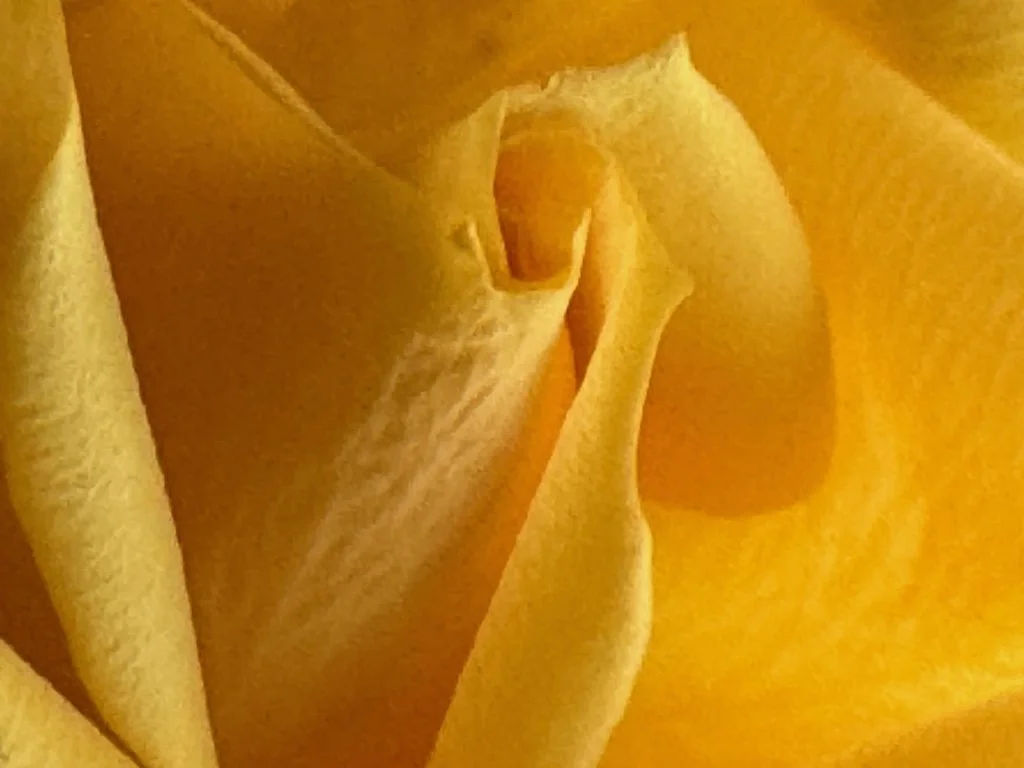
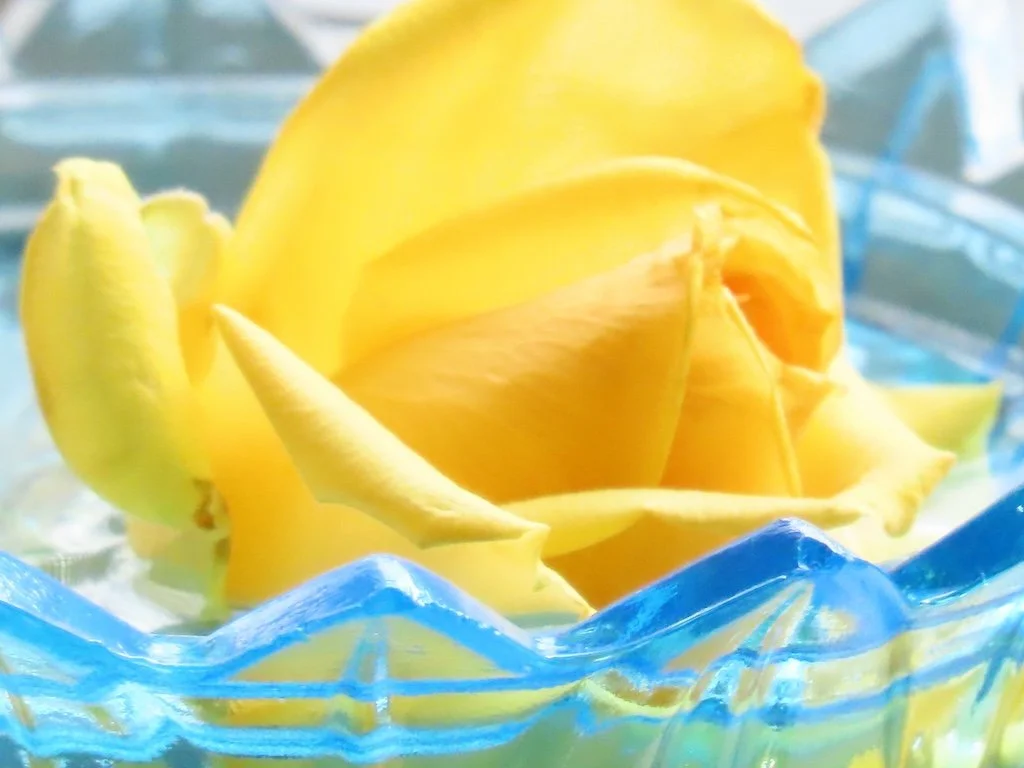
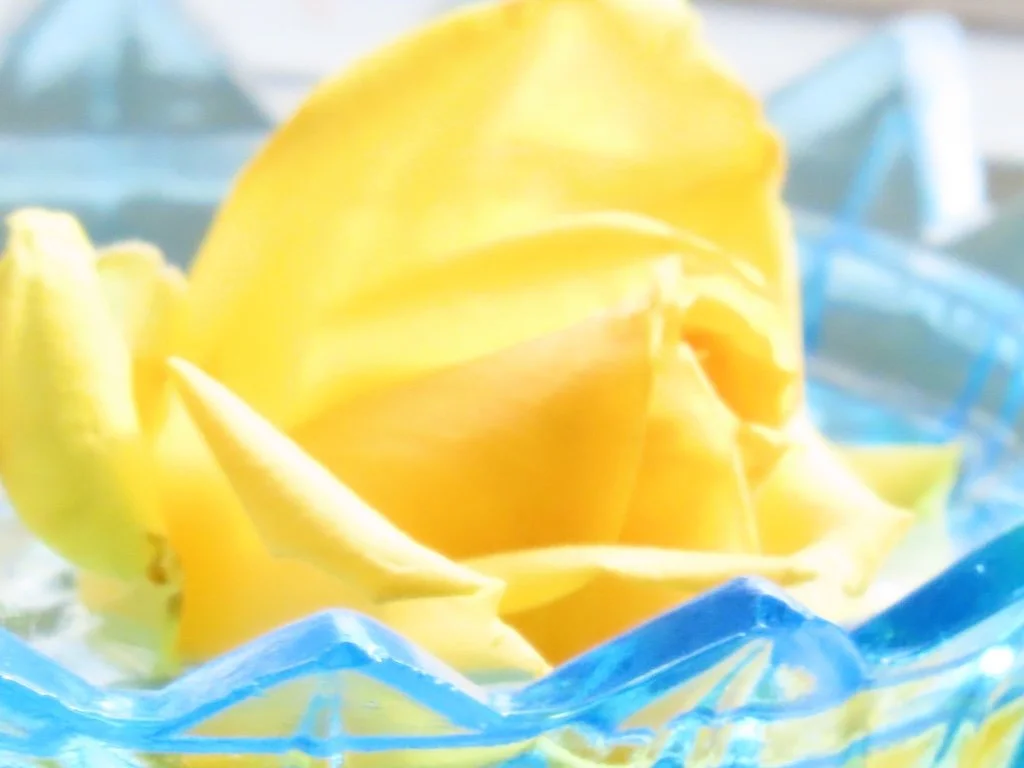
The yellow rose bud floating in water in a blue tulip glass cup was my first subject. Sometimes I like the softer focus images! I was sad when I got the bouquet home and discovered the stem on one of the rose buds was broken – but it still looks lovely floating in water and has unfurled a bit.

I took 6 other images of the flowers in the bouquet. I simply left them all in the vase on the windowsill and isolated flowers by zooming in close. I was sitting halfway across the room with the camera stabilized on my knee! Sometimes a bit of the window screen behind the flowers is visible but I decided it was not distracting enough to bother me.  

Macro Flowers

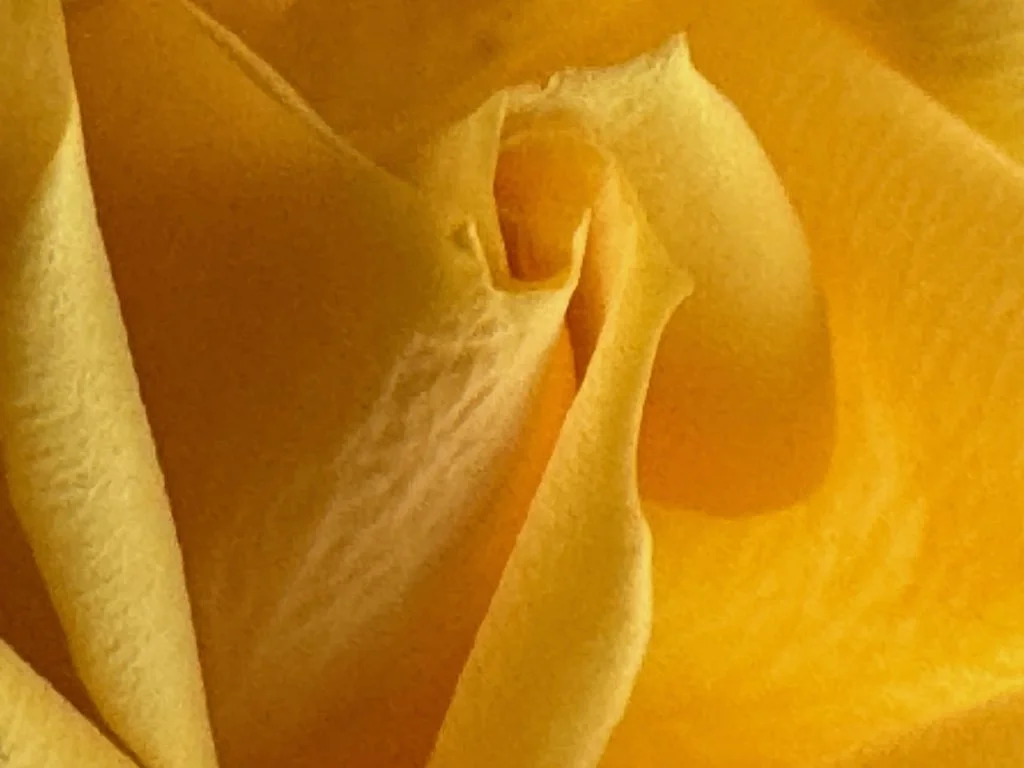
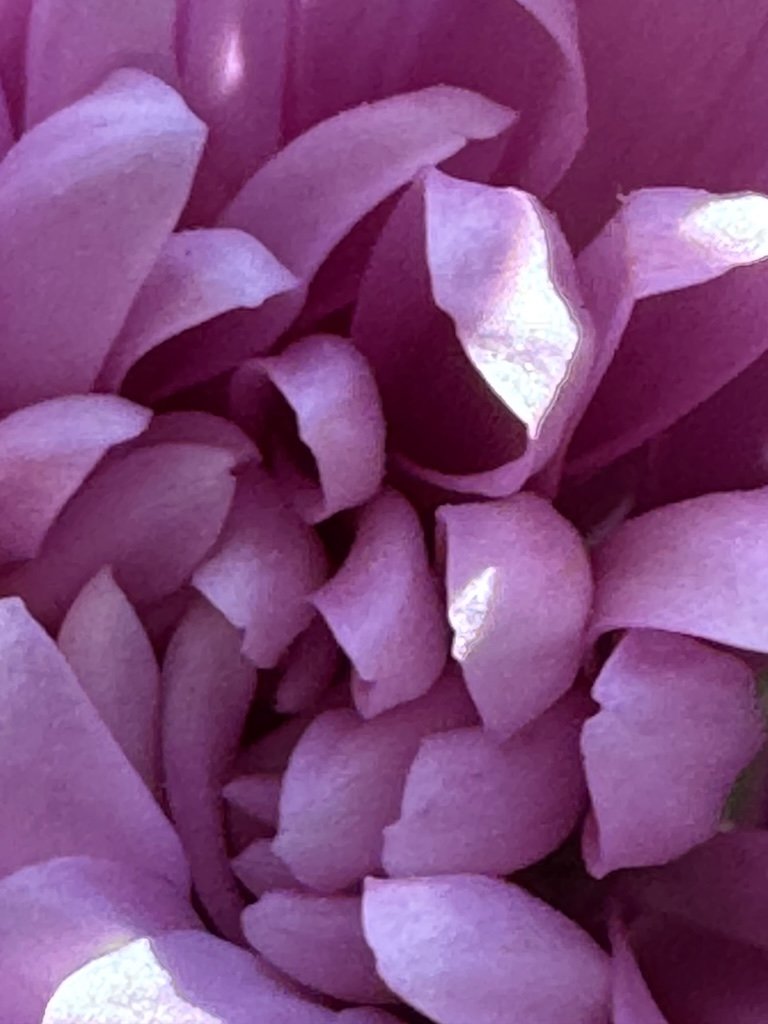
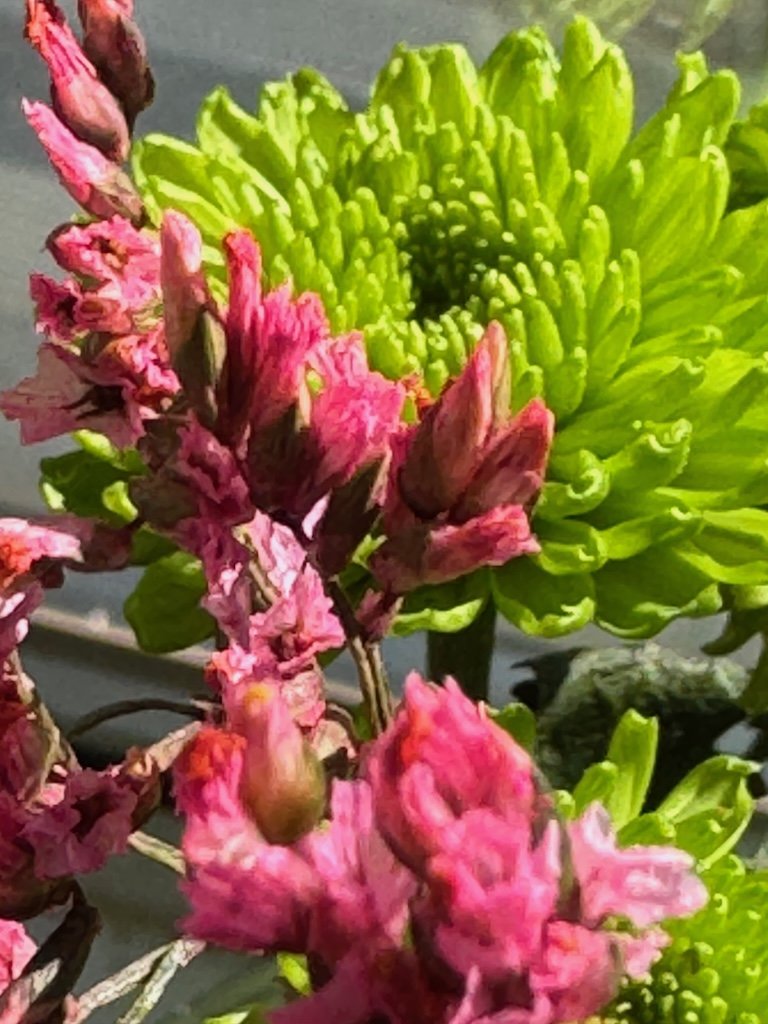
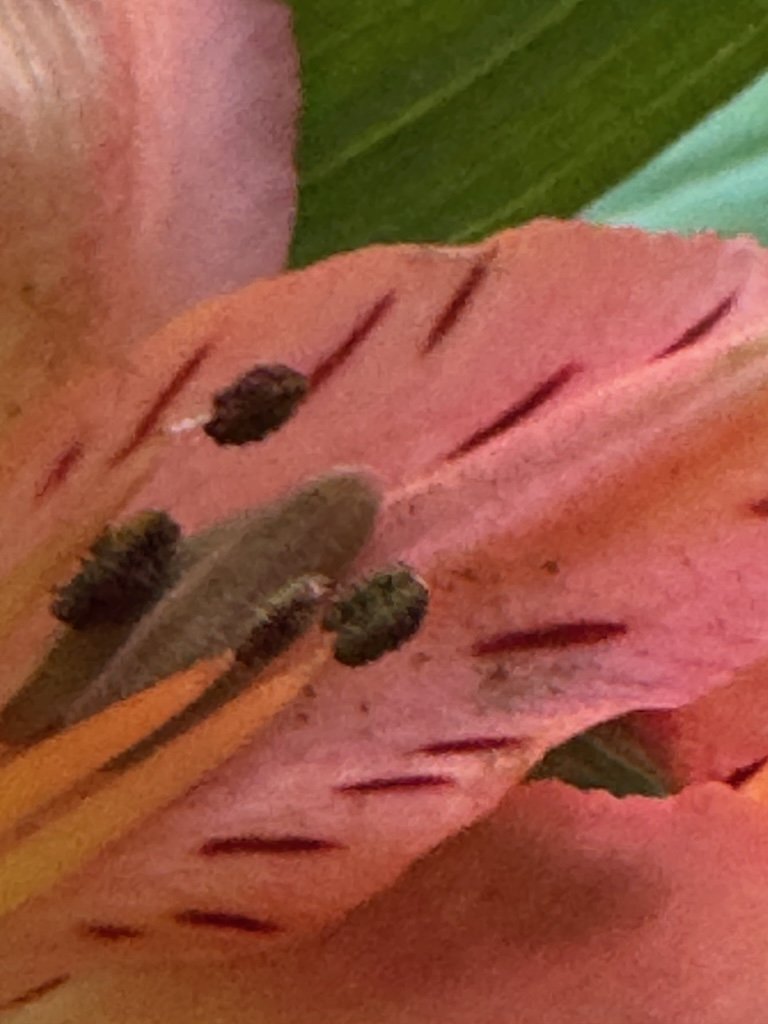
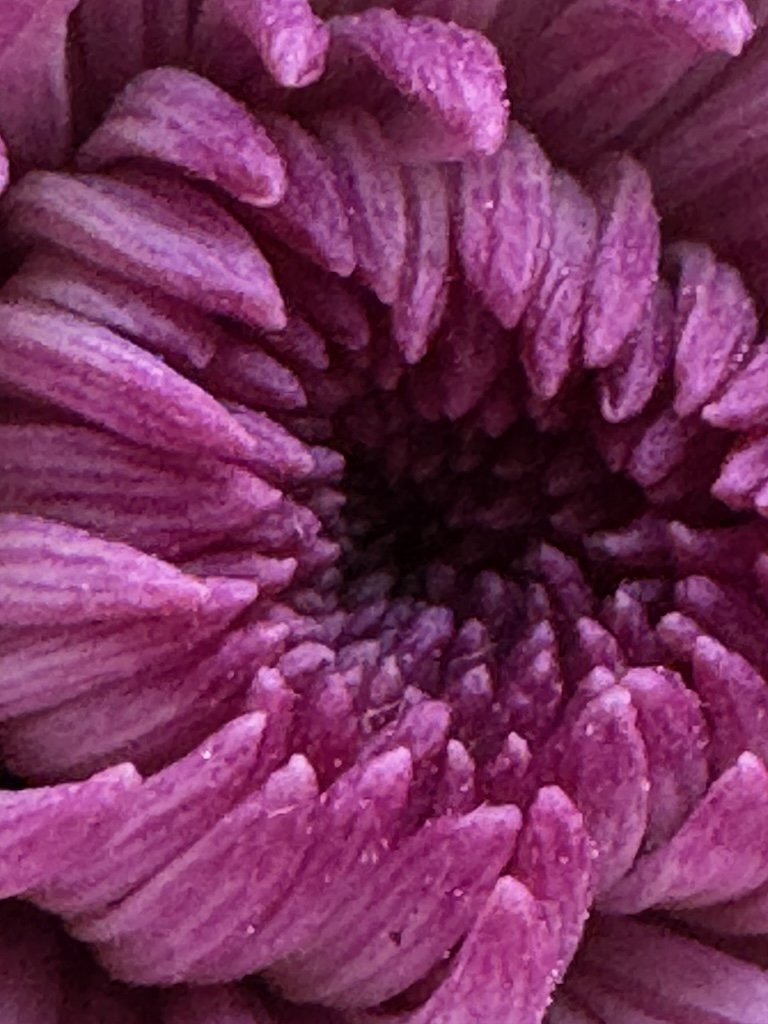
I bought a bouquet of mixed flowers at the grocery store the day before Valentines. There was more selection than I expected and the mixed flowers looked better that the roses – which somehow looked wilted. Still – my favorite macro image turned out to be a yellow rose that was in the mix of flowers I bought.

I used my phone (iPhone 15 Pro Max which is about 2 years old) for the macro photos. It does a reasonable job. I had the bouquet in a vase sitting on my windowsill so used natural light.

I thought about making a second round of photographs – some high key images – but I left that for another day!

Our Neighborhood – February 2026

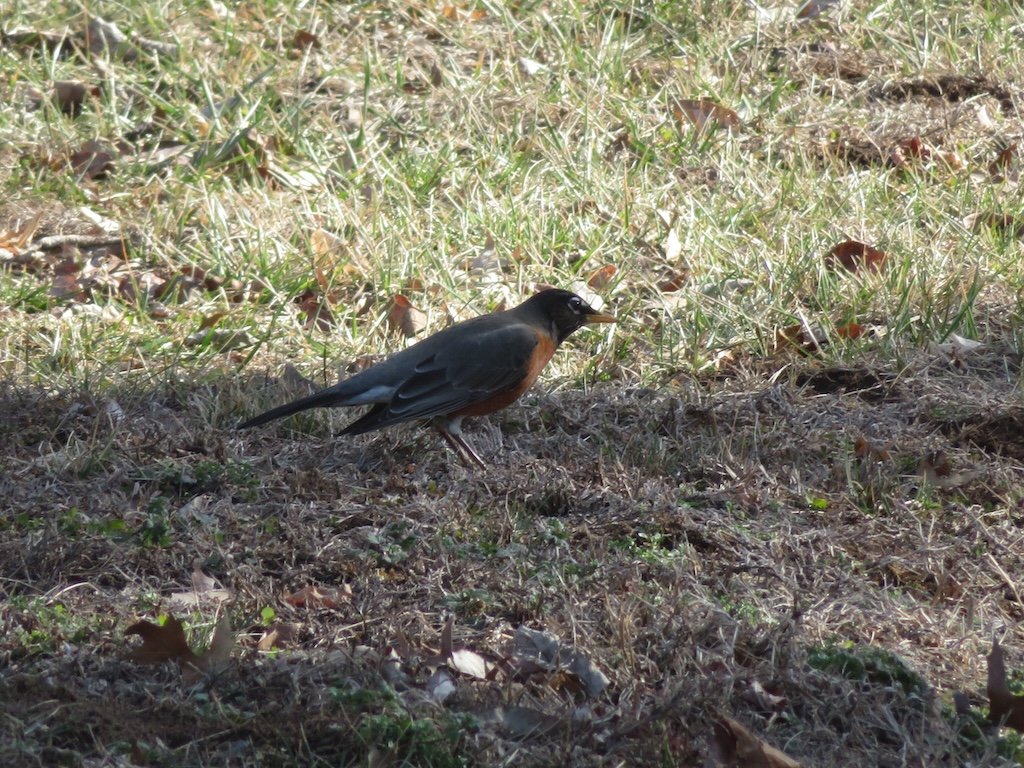
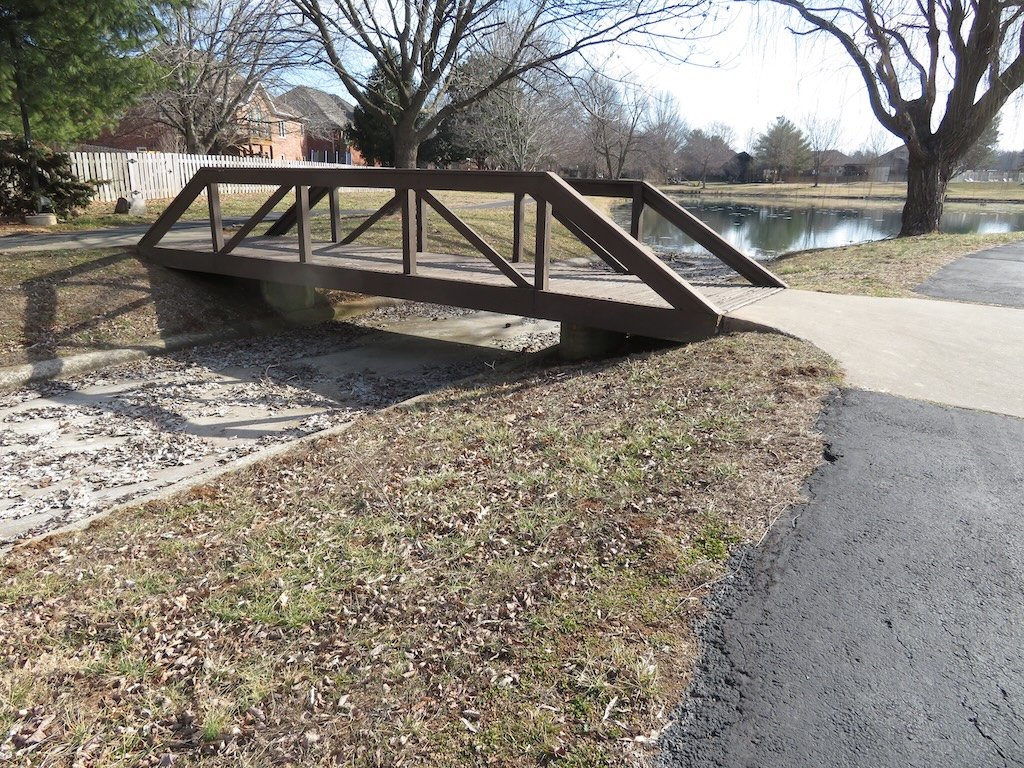
It was a sunny day in the mid-60s in our neighborhood. As I started my walk around our storm water ponds, I saw two robins – the first ones I’ve seen since last fall!

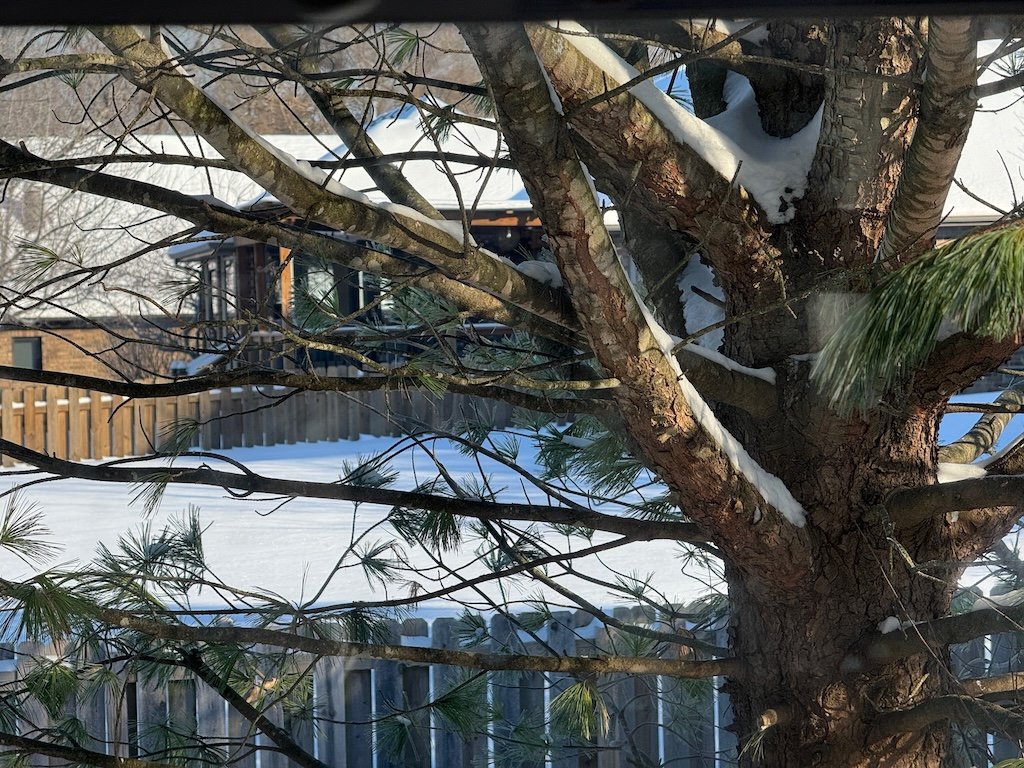
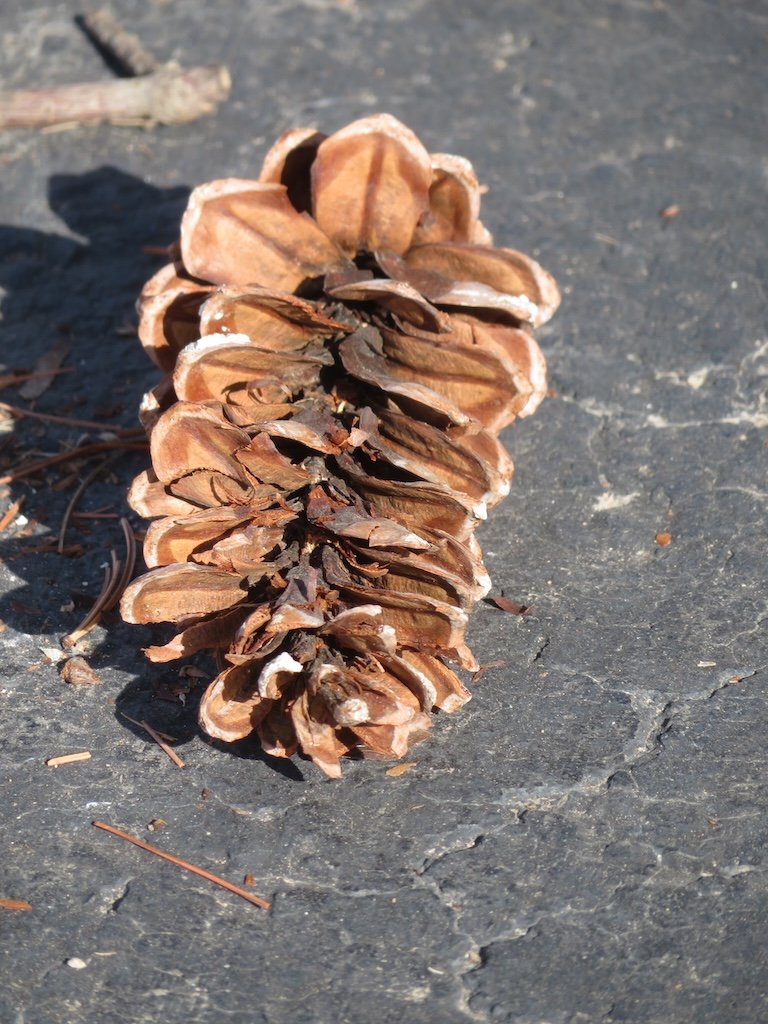
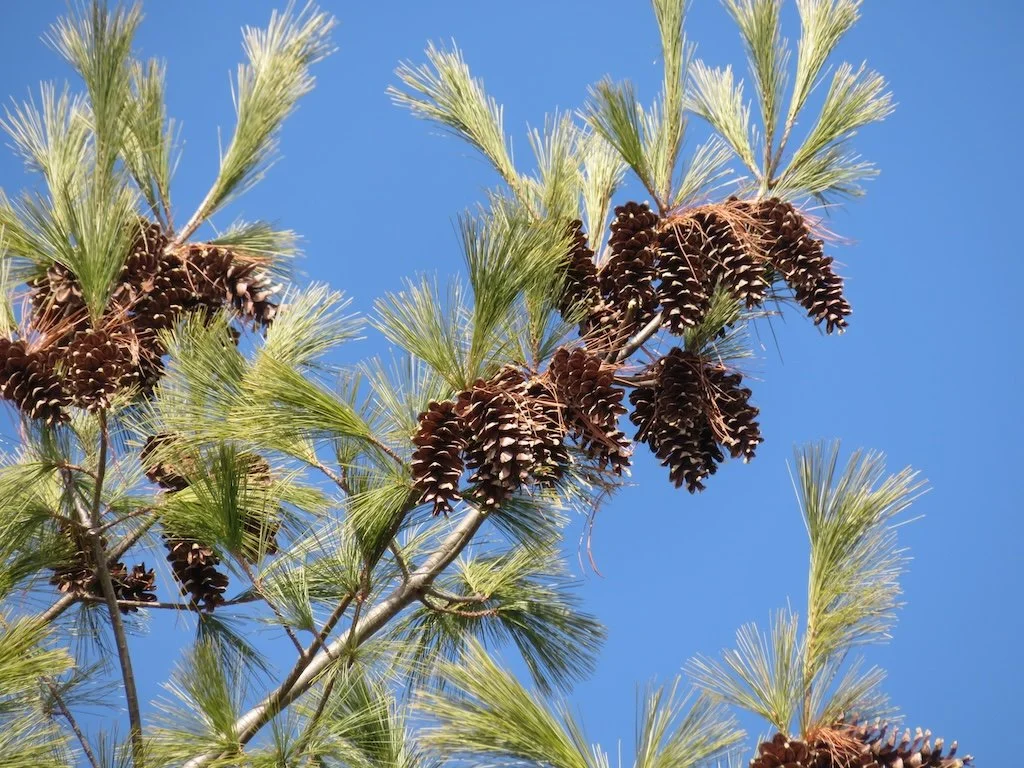
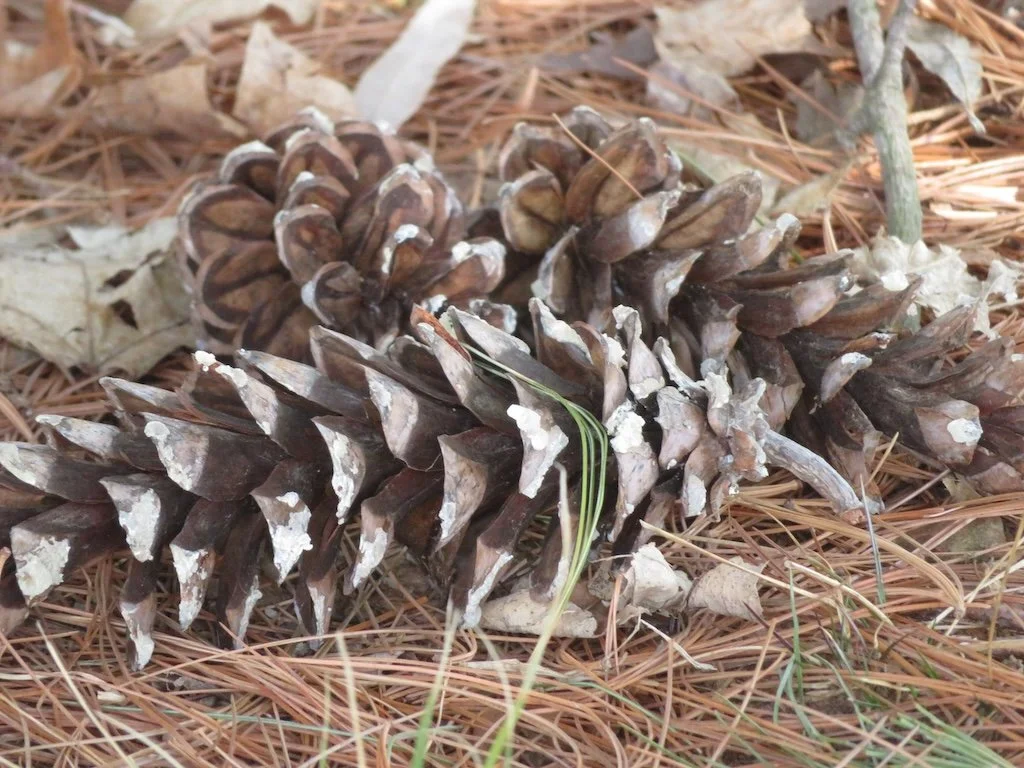
There seemed to be quite a few eastern white pine cones on the ground and in the trees. The tree in my yard is not old enough to produce cones yet.

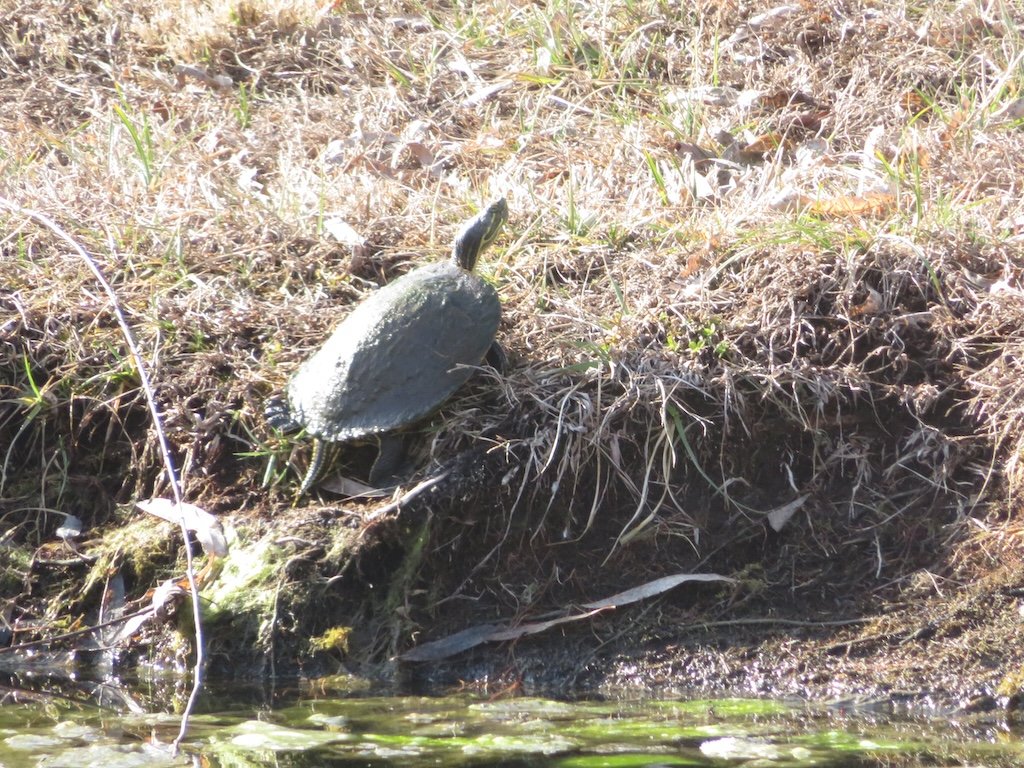
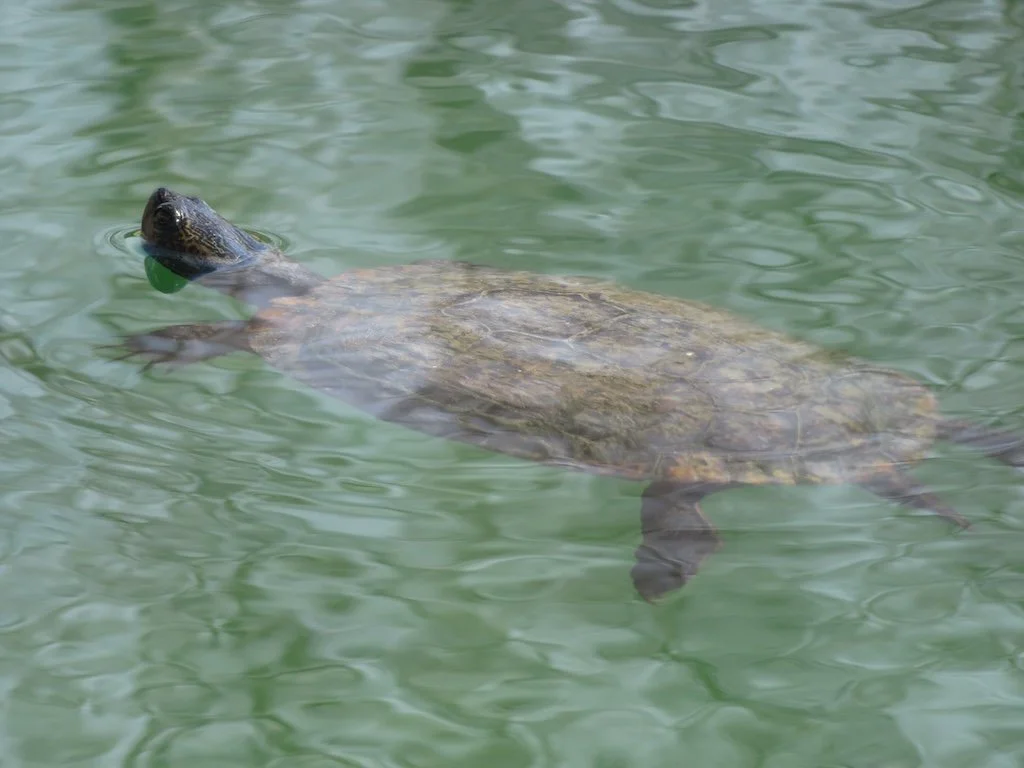
There were turtles on the bank and in the water at the place I seem them most frequently.

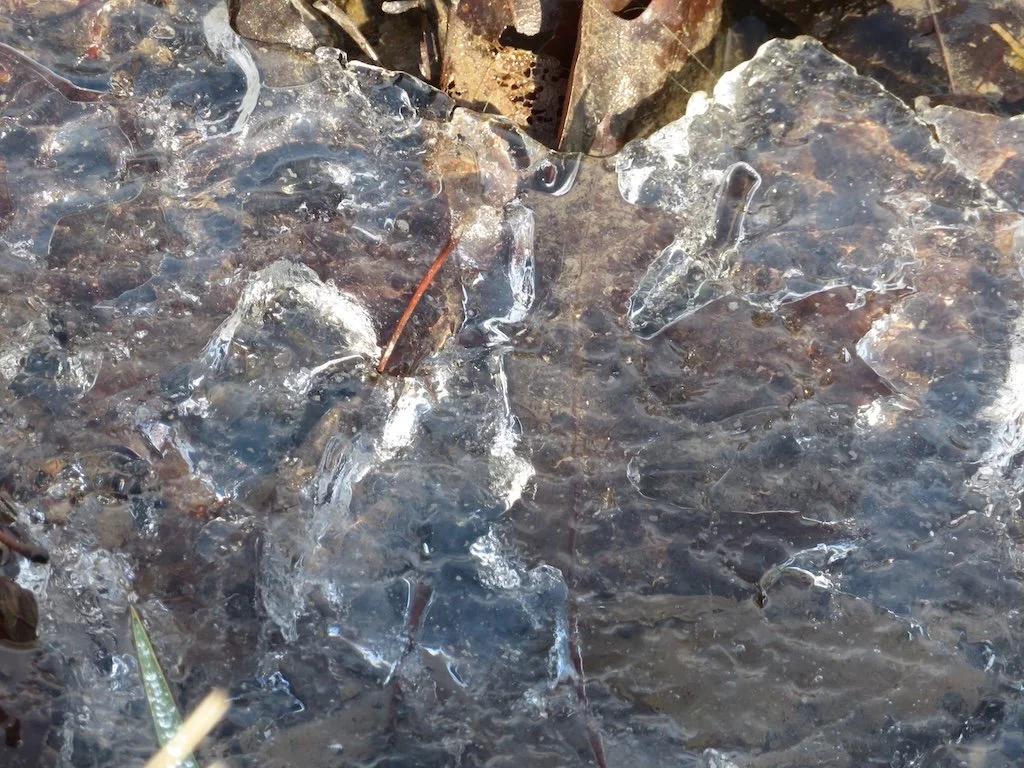
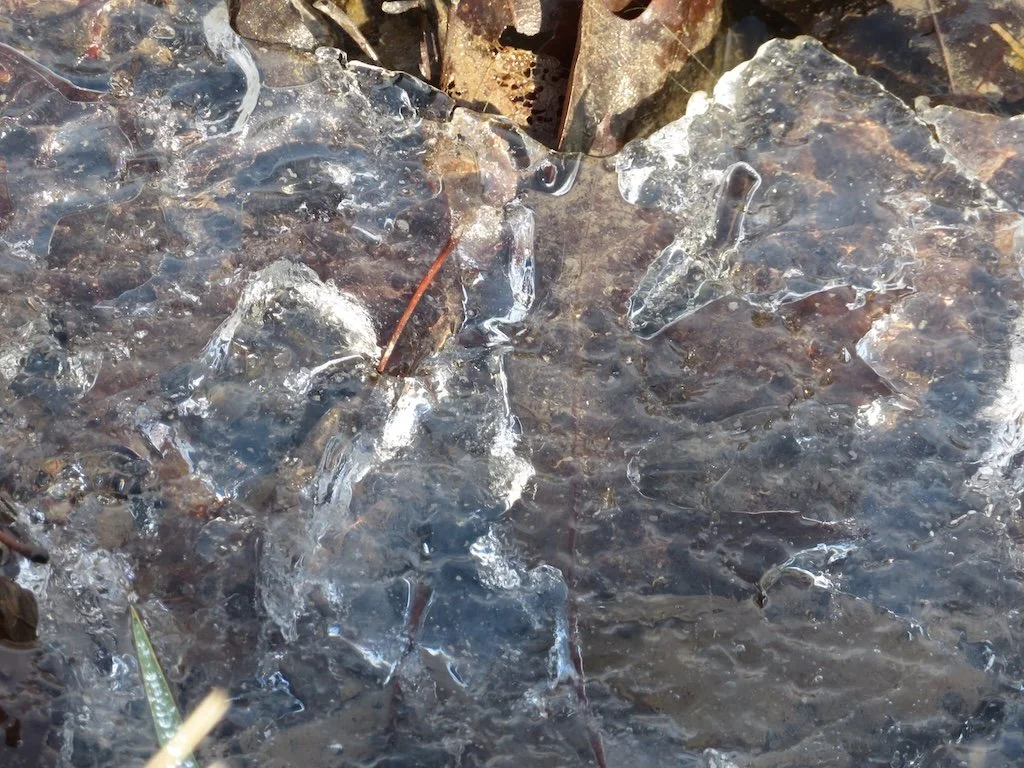
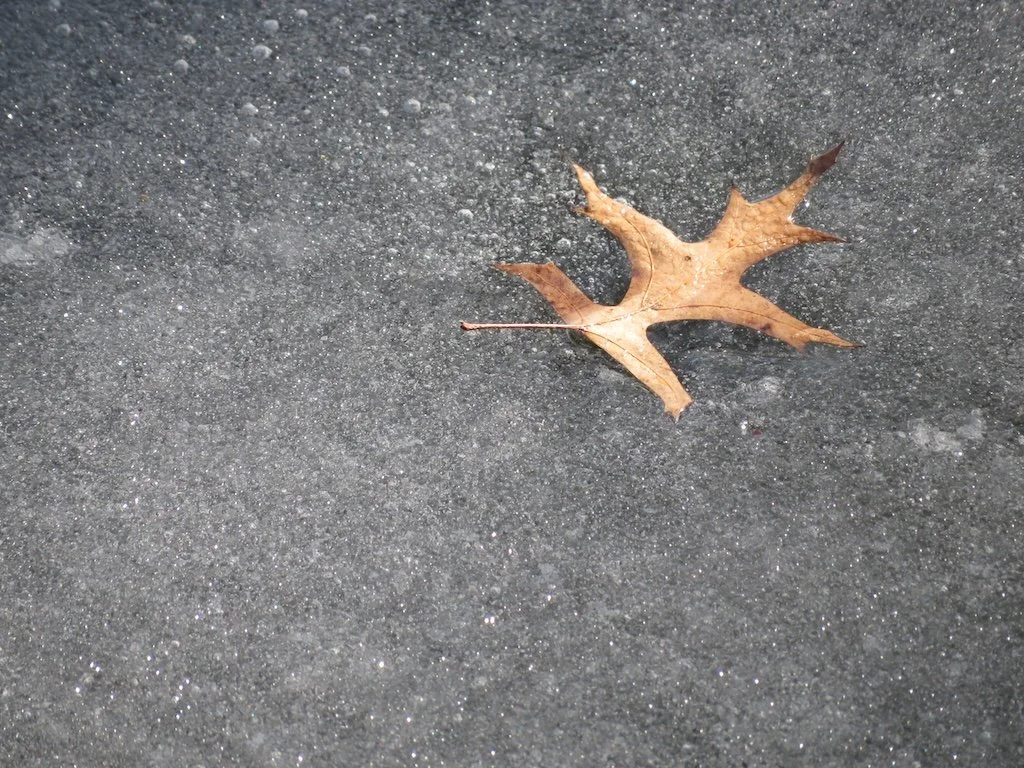
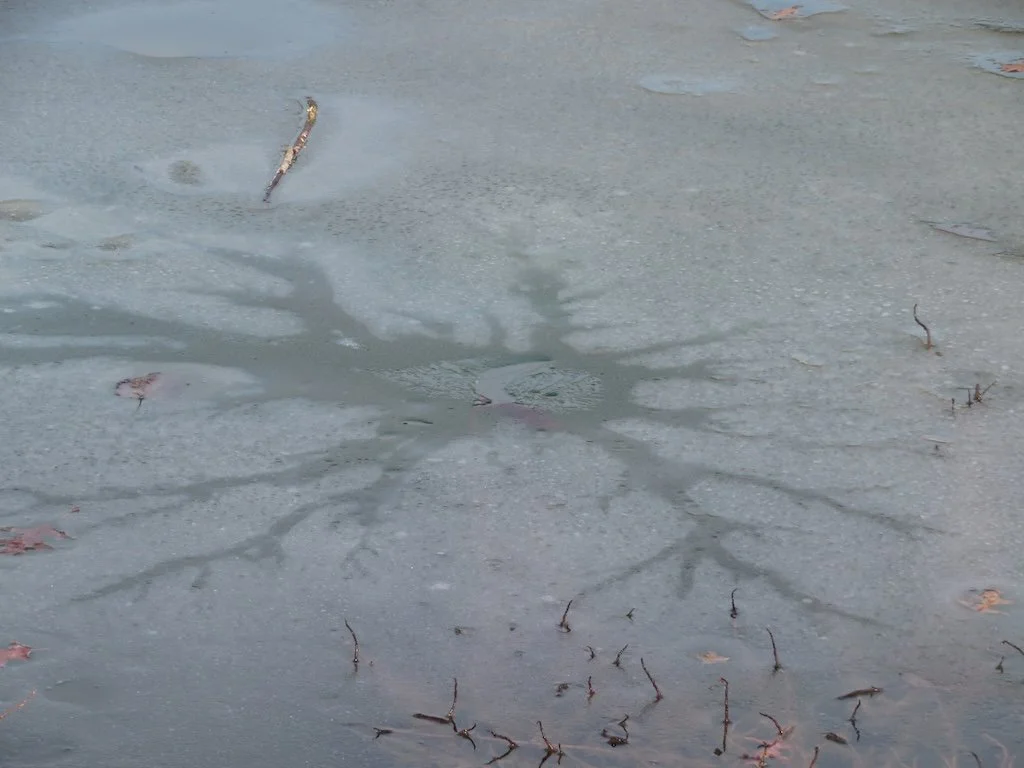
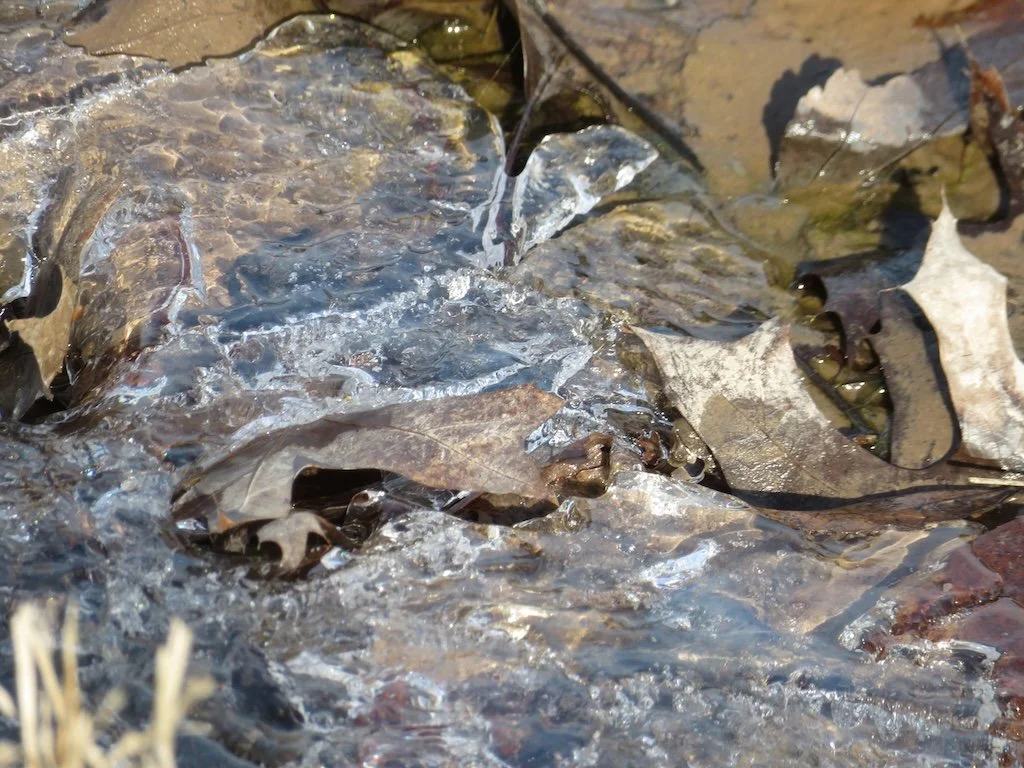
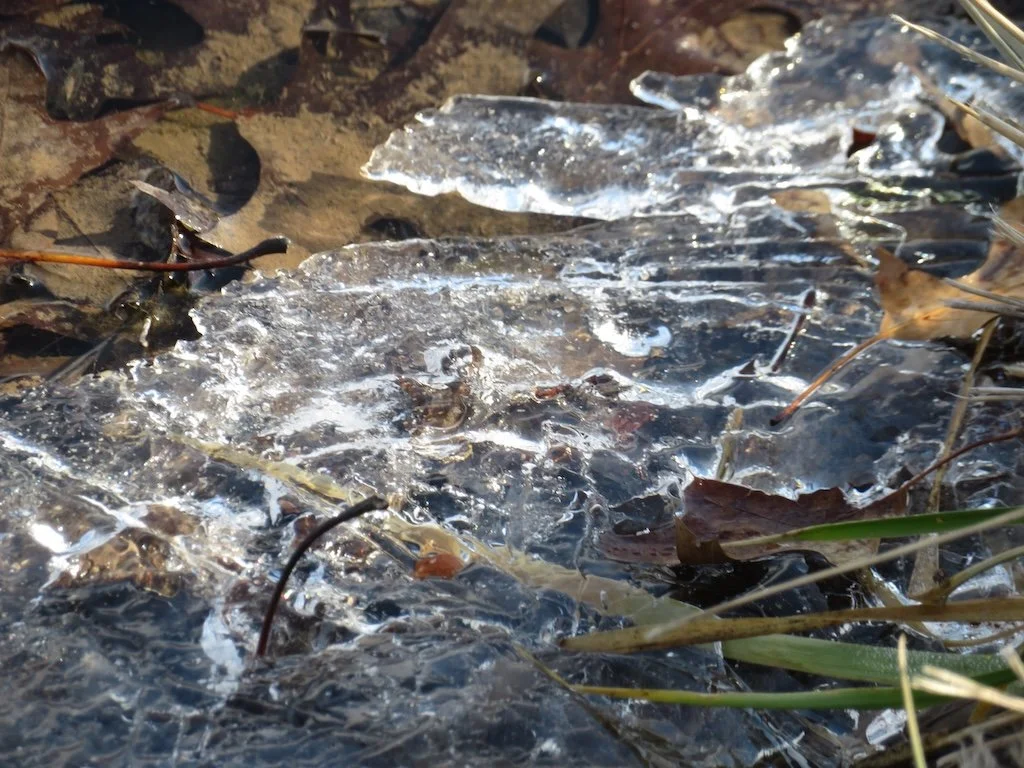
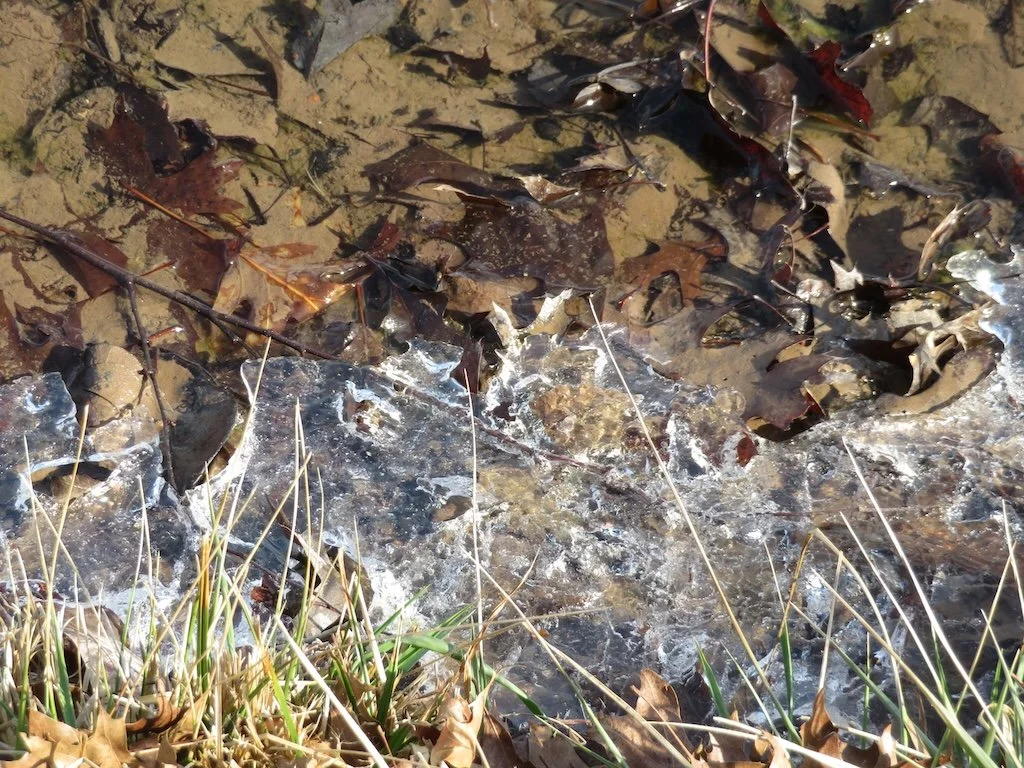
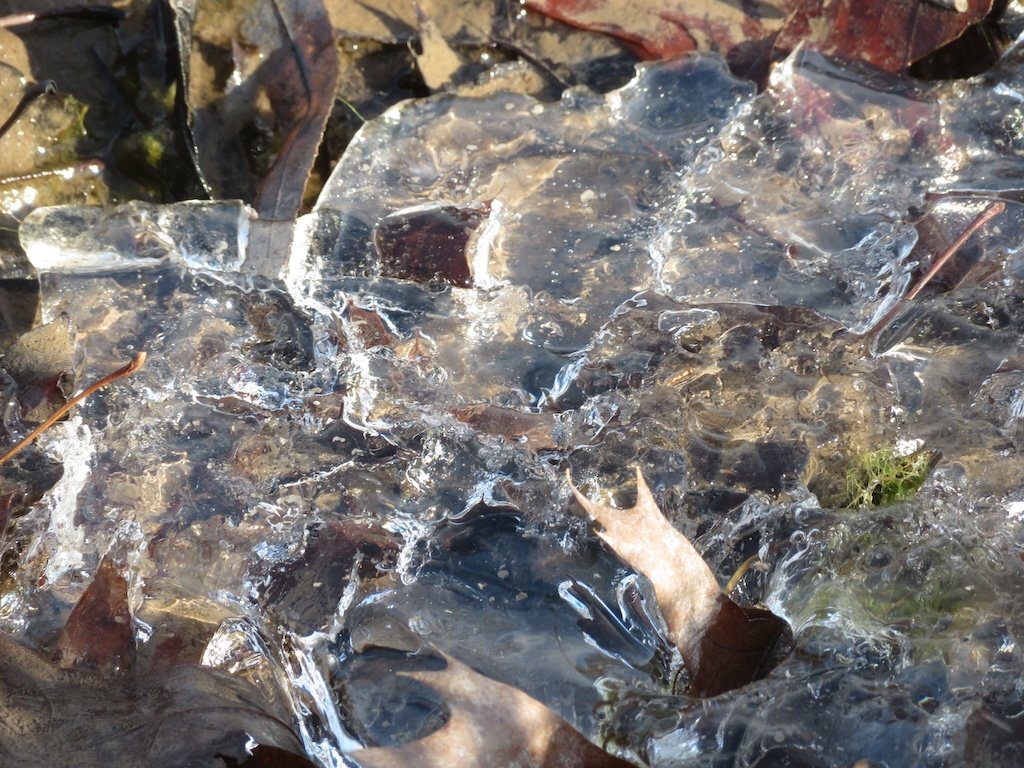
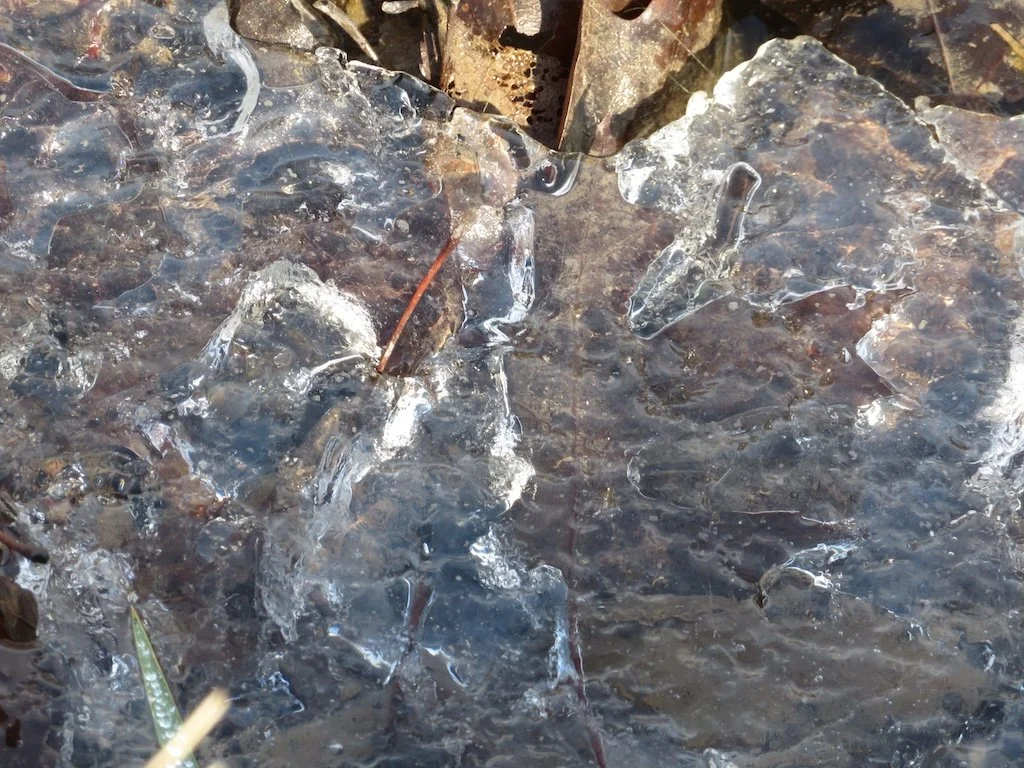
There was ice on the second (smaller) pond. There were leaves stuck in the ice. One area has a circular center and then branches off that center. The ice would likely be gone by the end of the day.

Further around I noticed ice along the edge of the larger pond. The patterns there were changing…visible melting.

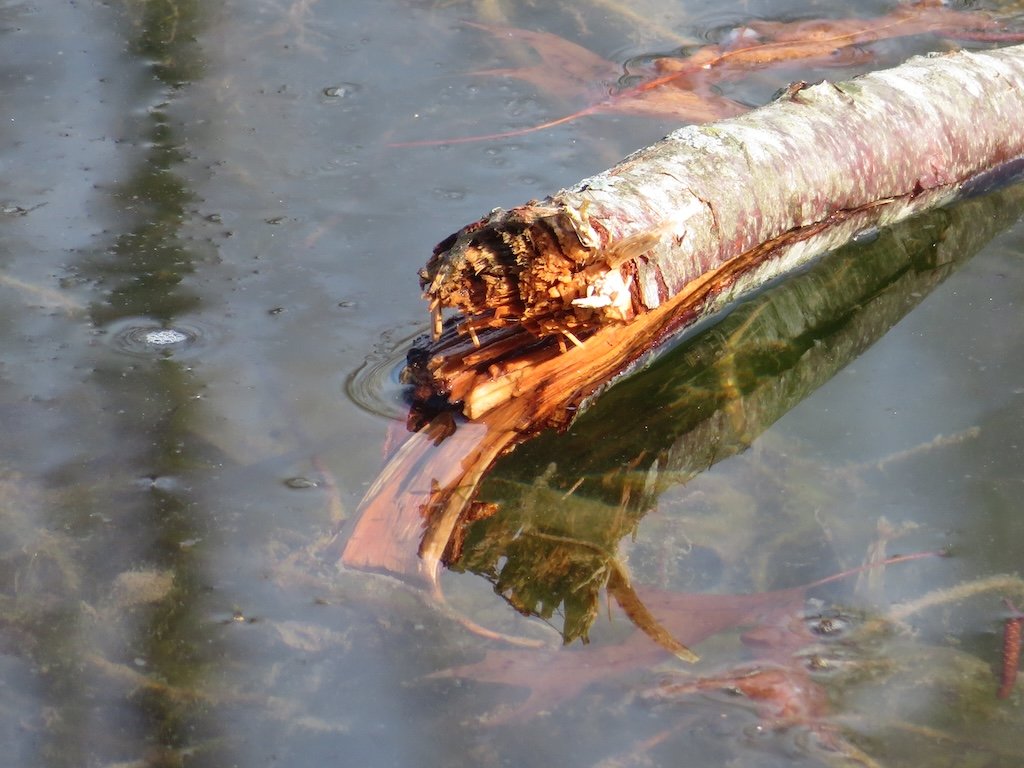
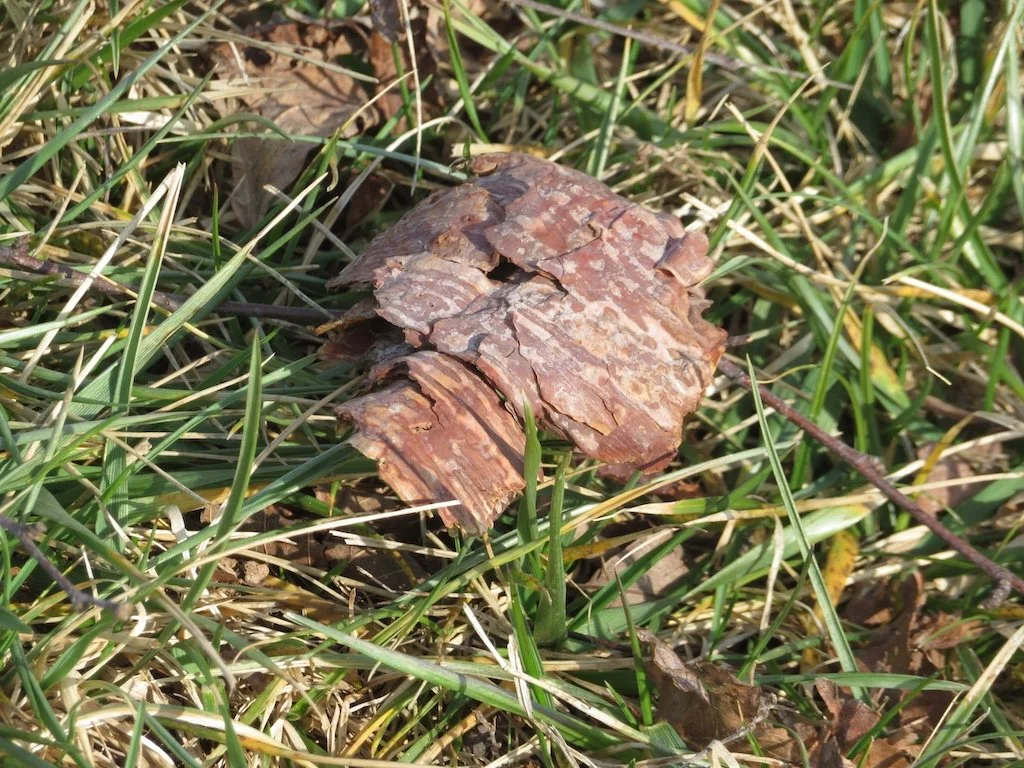
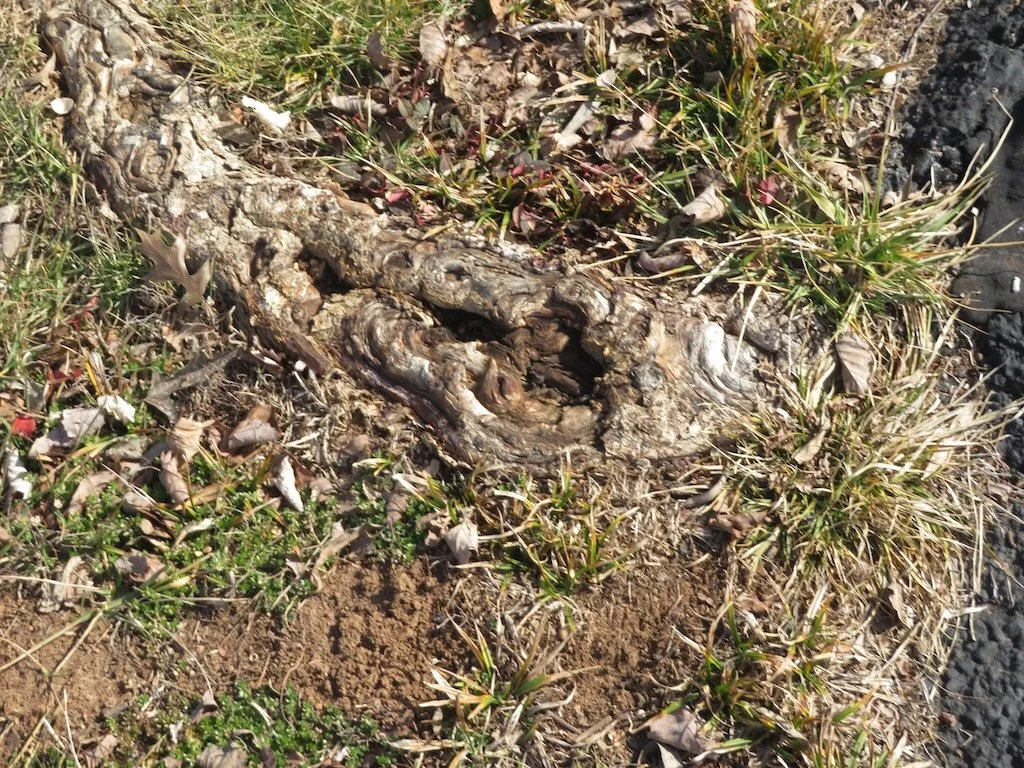
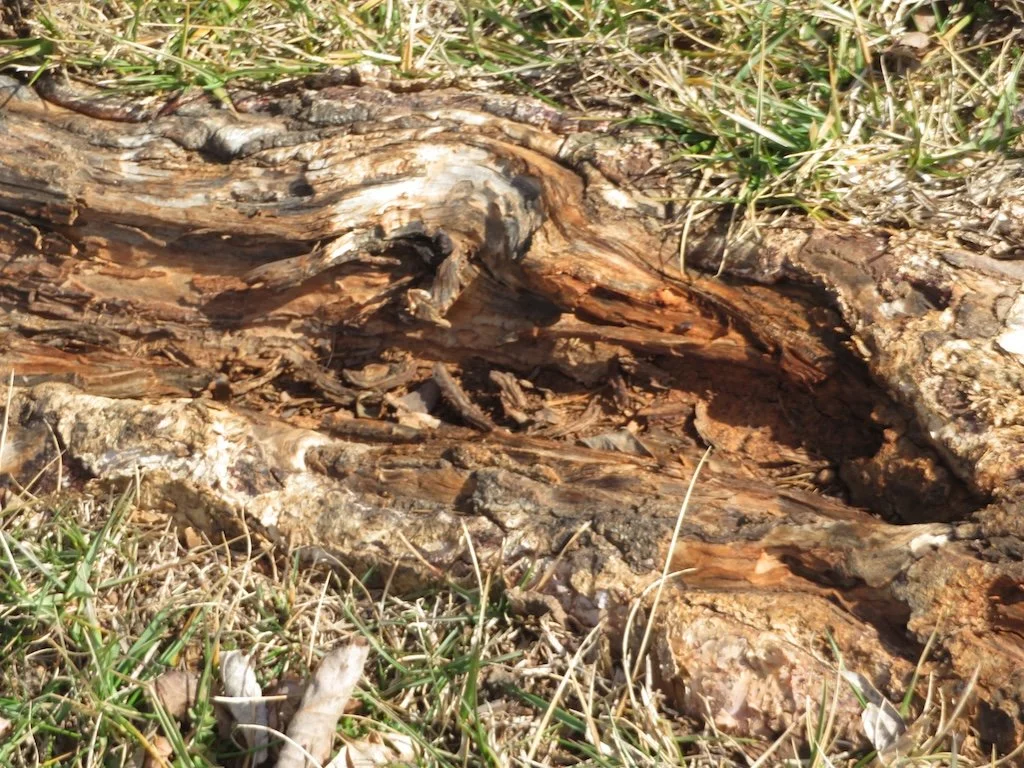
A recently ripped branch of a river birch was in the water, and some curly bark from the same kind of tree was on the shore nearby….both detached from the tree during the recent storm probably. One of the trees has exposed roots damaged by mowers.

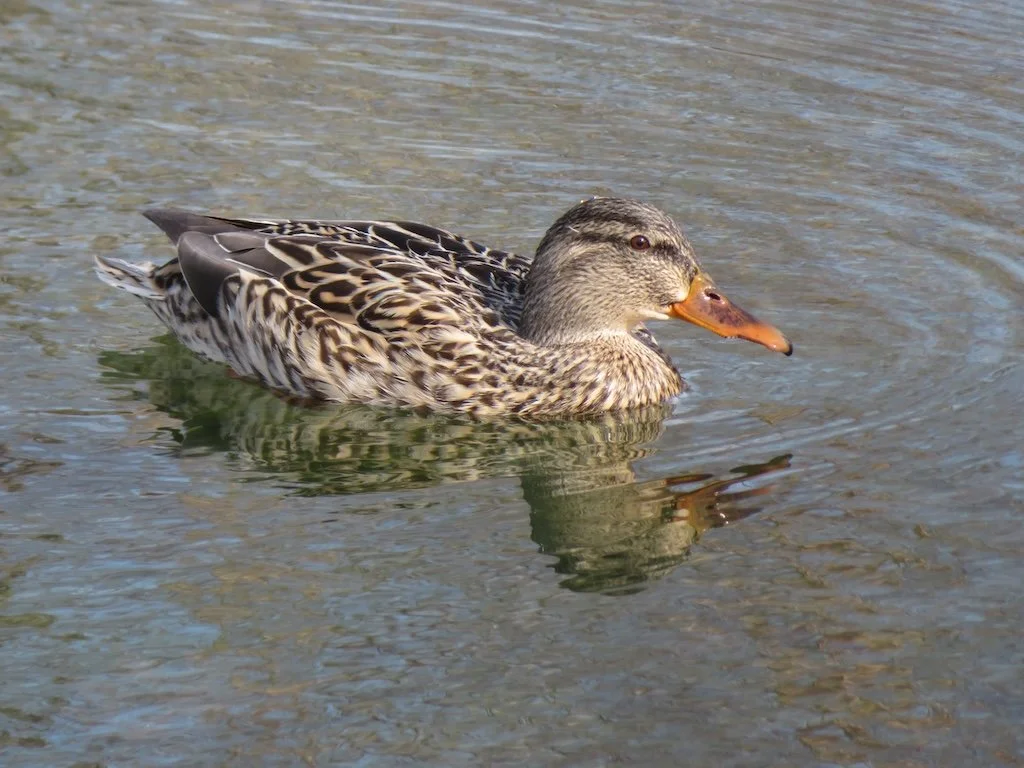
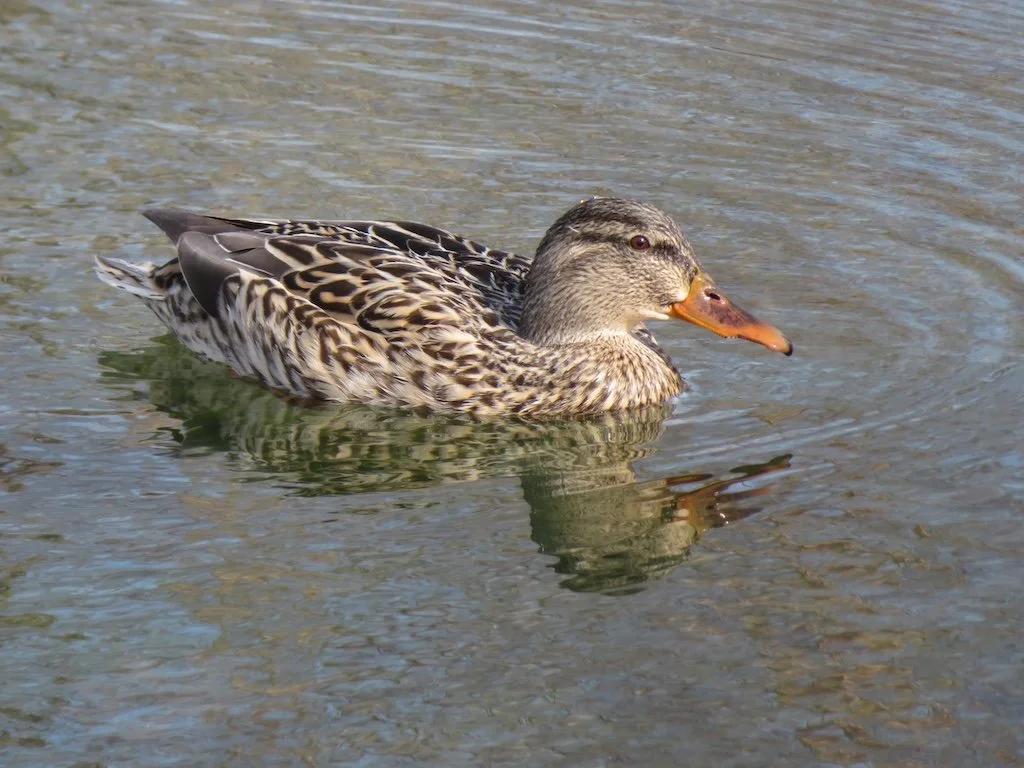
A male and female mallard swam out into the pond. The female was eating and posed for a better picture that the male. I wondered if they were the same pair that has been at our pond for the last couple of years…hatching ducklings…and then losing them to the turtles.

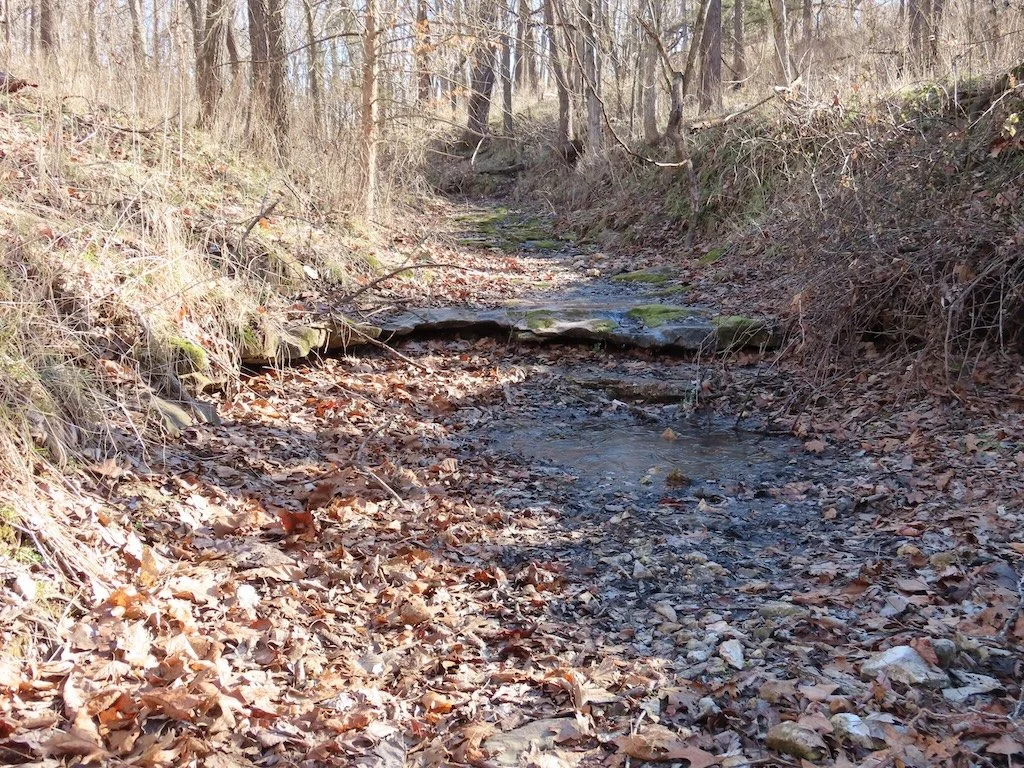
Our area has been very dry since a very wet spring in 2025…and the snow earlier last month must have soaked in very close to where it melted. My yard is a little wet (would be muddy if there was vegetation everywhere). The intake channels for our stormwater ponds were dry and the water level in both ponds was low as well. Maybe we’ll have spring rains again soon.