Gleanings of the Week Ending July 11, 2026

The items below were ‘the cream’ of the articles and websites I found this past week. Click on the light green text to look at the article.

07/01/2026 Clean Technica Southeast Missouri Smelter Announces Intent to Restart This Year - Not mentioned in the release today is how the smelter will be powered, and whether the smelter will be in compliance with the Missouri Department of Natural Resources plan to reduce sulfur dioxide pollution to levels that are safe to breathe. New Madrid County recorded the worst air quality in the United States before idling.

07/01/2026 Yale Environment 360 A Home Battery Revolution Is Reshaping the Power Grid - As residential batteries have become more energy dense, cheaper, and smaller, more households are storing their excess solar power. Now, utilities and energy companies in dozens of countries are buying up those electrons, bundling them together, and using them to balance the grid.

07/01/2026 Planetizen Replacing lead pipes in Chicago costs more than 6 times the national average - Chicago has the nation's largest inventory of lead water pipes. Officials say replacing each one costs about $31,000 on average — more than six times the Environmental Protection Agency’s national estimate of $4,700 a line. The most significant factors driving up costs include inefficient early contracts, cumbersome permitting requirements, and the city’s reliance on one-off replacements rather than undertaking whole blocks at once.

07/01/2026 NPR Lone star ticks are covering much of the U.S. Here's what you need to know - The lone star is spreading across vast regions of the U.S., and the illness it carries, the alpha-gal syndrome, is spreading in more than 30 countries on six continents, often spread by various other ticks. The alpha-gal syndrome is more difficult to diagnose and treat than lime disease, and the symptoms are more severe. In many cases, the victim develops an allergy to all red meat, including nearly microscopic particles of it. The allergy can become so extreme it can kill you.

06/28/2026 BBC What watching the sunset really does for your health - There's growing evidence that sunsets – and sunrises, for that matter – can have a meaningful impact on our brain and mental health: diminishing anxiety and depression while boosting memory, creativity, sleep and even altruism. 

6/25/2026 The Conversation Most bees are solitary and don’t live in hives. Climate change risks them starving - Currently, most of what we know about bee nutrition comes from highly social species such as honeybees or bumblebees. Yet most bees are solitary or communal (group living but with no queens and workers). They might experience the nutritional landscape and nutritional stress in very different ways.

06/22/2026 NASA A Turquoise Tint for the Black Sea - The Black Sea sits at the boundary between Europe and Asia and connects to the Mediterranean Sea via a chain of waterways. Its surface often appears dark, but each spring and summer it transforms into a striking expanse of swirling turquoise. The turquoise color is likely caused by coccolithophores, a type of phytoplankton covered with calcium carbonate plates that can give surface waters a milky-blue appearance. These types of phytoplankton tend to dominate in late spring and early summer. Other times of the year, diatoms—a type of microscopic algae with silica shells—can become more prevalent, and they tend to darken the water rather than brighten it.   

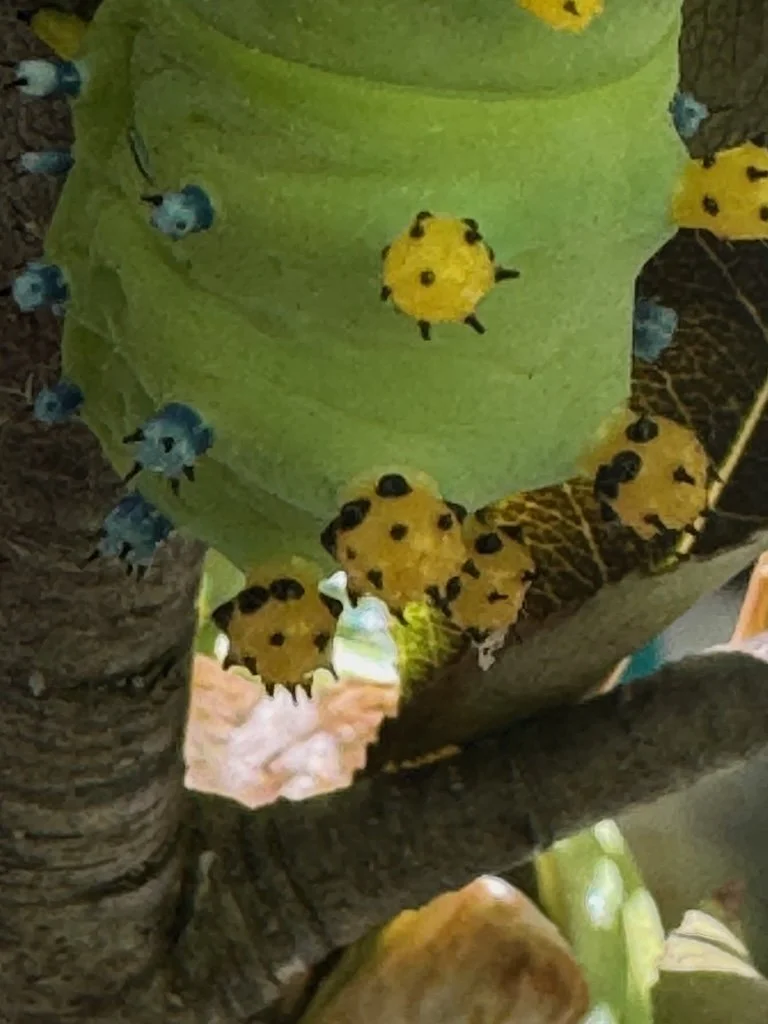
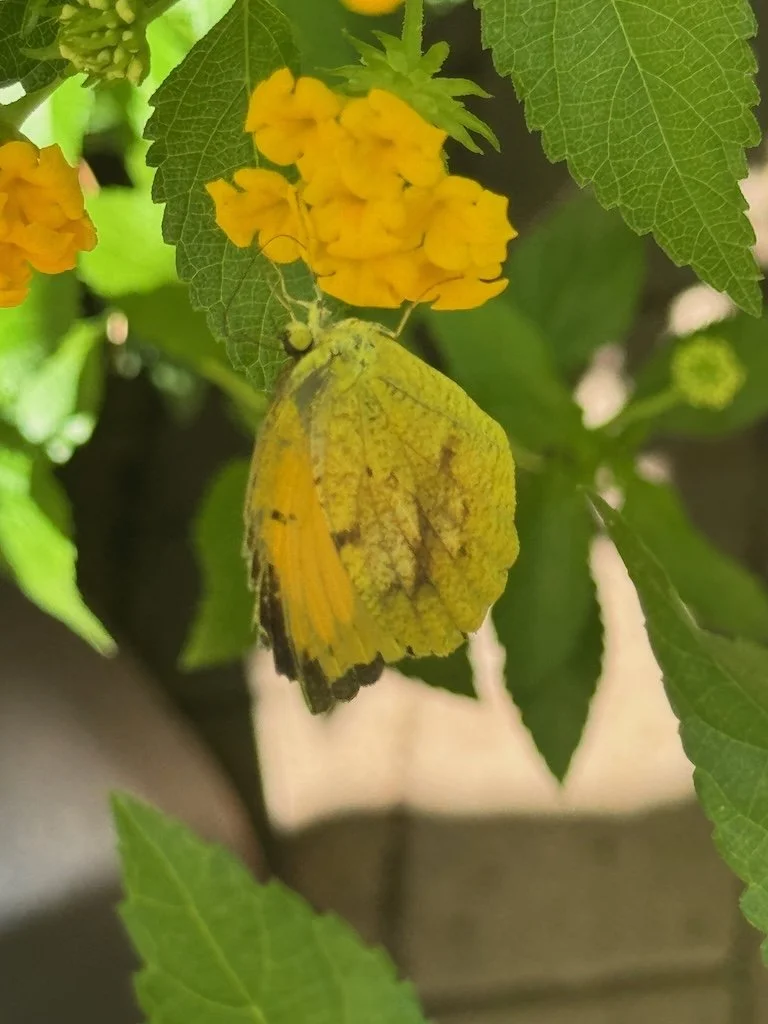
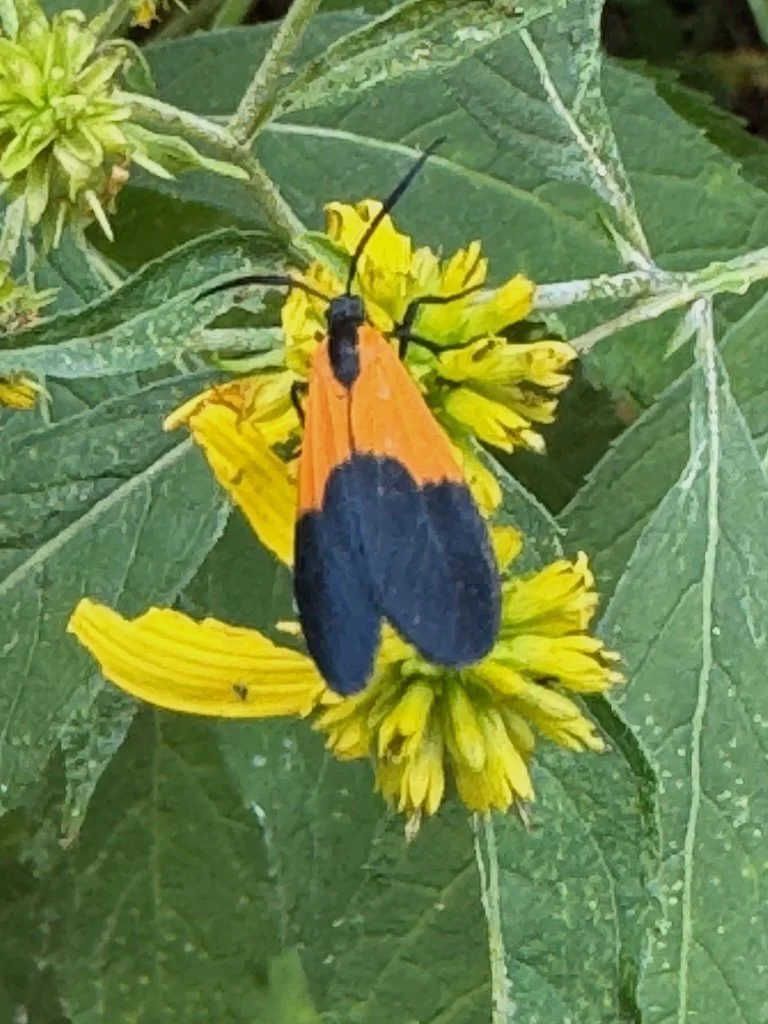
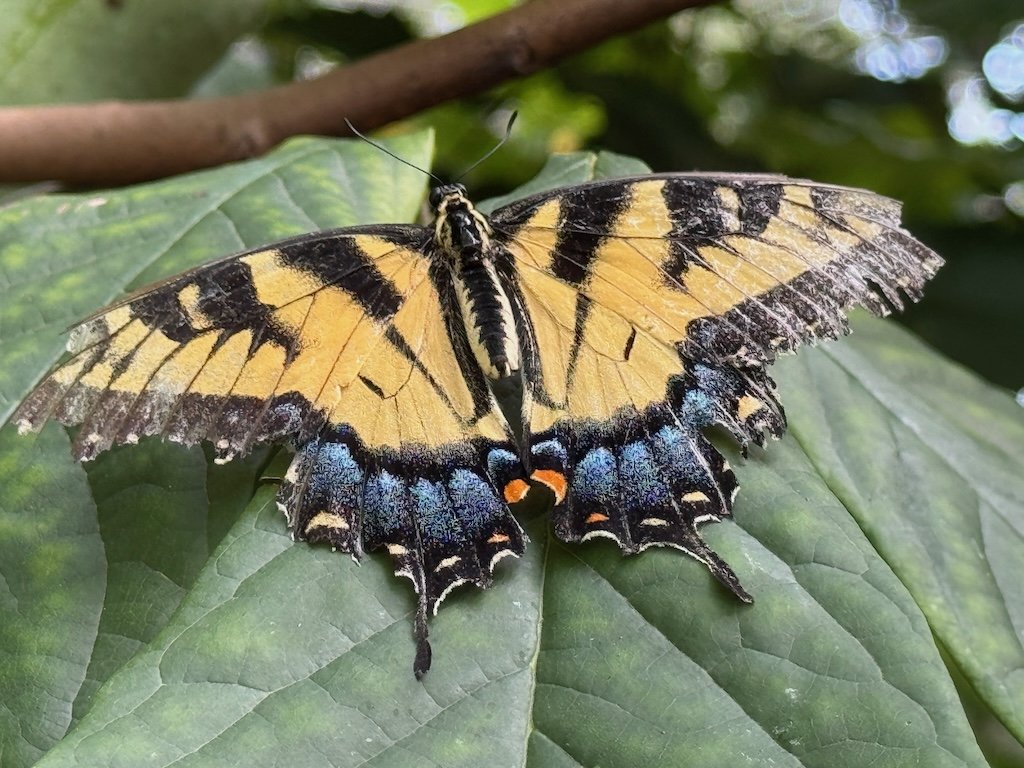
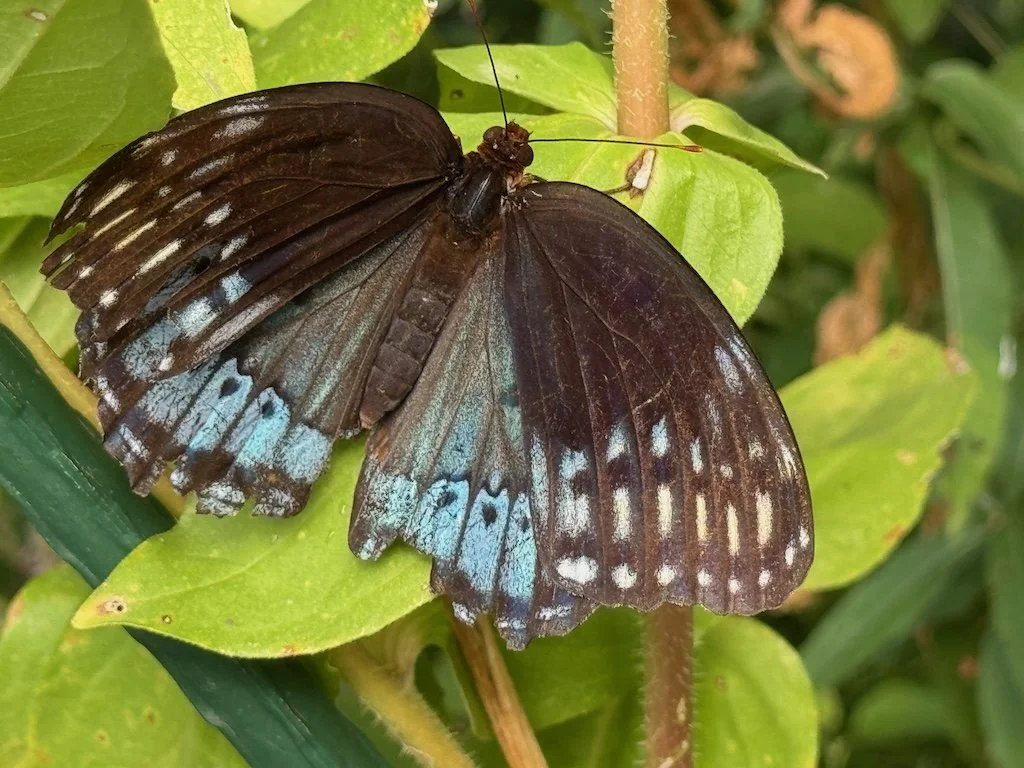
6/24/2026 NWF Blog 7 Moths that Make Butterflies Look Boring – The only one I haven’t seen is the Texas Wasp Moth!

06/30/2026 Artnet These 10 U.S. Landmarks Are At-Risk - As America gears up to mark the 250th year of its independence, the World Monuments Fund (WMF) is throwing a spotlight on 10 historic places that it says are most urgently in need of preservation.

6/27/2026 Science Daily Yellowstone’s supervolcano may be fueled by something unexpected - Instead of a deep plume rising from near Earth’s core, a broad “mantle wind” may push hot rock beneath Yellowstone, generating magma closer to the surface. This process helps create a massive underground magma network and may explain how supervolcanoes remain active for long periods.
Gleanings of the Week Ending February 21, 2026

The items below were ‘the cream’ of the articles and websites I found this past week. Click on the light green text to look at the article.

2/2/2026 York Daily Record Mountains of plastic turf in limbo after Pa. recycling project falters - A Danish company's plan to build an artificial turf recycling plant in Pennsylvania has failed due to bankruptcy. The state is now responsible for cleaning up thousands of tons of abandoned turf stockpiled across three counties. The abandoned turf, which may contain "forever chemicals," will now be sent to a landfill instead of being recycled.

2/8/2026 Clean Technica Why China’s Aluminum Industry May Have Reached Peak CO2 - Relocation to hydro regions is largely complete. Secondary aluminum is rising into double digit millions of tons. Coal heavy output has already peaked and begun to edge down. Renewable penetration in coal regions continues to rise. Reversing this trend would require renewed growth in coal-based smelting or a collapse in recycling, neither of which fits China’s industrial or energy trajectory.

2/9/2026 BBC Fungi mining and giant waste piles: How to get rare earths without mining rock -Gigantic heaps of coal ash, mine tailings and red mud are traditionally expensive and difficult to deal with. But if new processes allow rare earth harvesters to engage in remediation while hoovering up rare earths, then industry and environmentalists might no longer be at odds over what to do about all that waste.

2/8/2026 Science Daily Scientists finally solve a 100-year-old mystery in the air we breathe - The new model offers a stronger foundation for understanding how airborne irregularly shaped nanoparticles (like soot, microplastics, viruses) move across a wide range of scientific fields. These include air quality monitoring, climate modeling, nanotechnology, and medicine. The approach could improve predictions of how pollution spreads through cities, how wildfire smoke or volcanic ash travels through the atmosphere, and how engineered nanoparticles behave in industrial and medical applications.

2/6/2026 Archaeology Magazine Aqueduct at Early Italian Villa Explored - Based on the construction method of this hydraulic system, it might have been originally created to serve a rural village predating the construction of the villa, during a period before the Romans had fully solidified their control over this region of Italy.

2/4/2026 Yale Environment 360 Seas to Rise Around the World — but Not in Greenland - The reasons are twofold. 1)  the massive Greenland ice sheet, which at its center is roughly a mile thick, compresses the land underneath. As the ice melts, the land rebounds, rising above the sea. 2) the Greenland ice sheet is so large that it exerts a gravitational pull on surrounding waters, drawing them higher. But in a warming Arctic, Greenland is shedding some 200 billion tons of ice a year. As its gravitational pull wanes, waters recede.

2/5/2026 Smithsonian Magazine Air Pollution Can Cause Some Ants to Turn on One Another—and Neglect Their Young - As insect populations decline around the world, the findings further point to air pollutants as a possible cause, in addition to pesticides, light pollution and other factors. The work is especially important given the crucial role ants play in maintaining healthy habitats, such as dispersing seeds, controlling pests and aerating soil.

2/4/2025 Cool Green Science Reading the Tree Rings – Great photographs by Greg Kahn for this article. One of the labs visited for the article was the Laboratory of Tree-Ring Research at the University of Arizona that I visited when my daughter was a graduate student in Tucson in 2015 (my blog post about it here).

2/4/2026 Compound Interest World Cancer Day: How antibody–drug conjugates for cancer work - Our ability to use medicines to target more effectively is improving, and antibody–drug conjugates are an increasingly effective tool in combating cancers. This graphic explains what they are, how they work, and how they might improve in the future.

2/4/2026 National Parks Traveler Florida’s Ailing Reef - The reef is fighting for its very survival, beset by the trauma of climate change and warming water, commercial and recreational fishing, and drainage pollution coming from Florida’s canal system.