Phenology in my Neighborhood
/Spring is a great time to start participating in citizen science phenology (study of periodic events in biological life cycles and how these are influenced by seasonal and interannual variations in climate, as well as habitat factors) via the Nature’s Notebook app. I selected an area that included my backyard and part of the common neighborhood area that included 5 plants I would begin monitoring: 2 Eastern Redbuds, a Red Buckeye, an American Beautyberry, and a Common Hackberry. The monitoring consists of looking at each plant every 3 days and marking the phenophases as yes or no. The list of phenophases for plants is:
Breaking leaf buds
Leaves
Increasing leaf size
Colored leaves
Falling leaves
Flowers or flower buds
Open flowers
Fruits
Ripe fruits
Recent fruit or seed drop
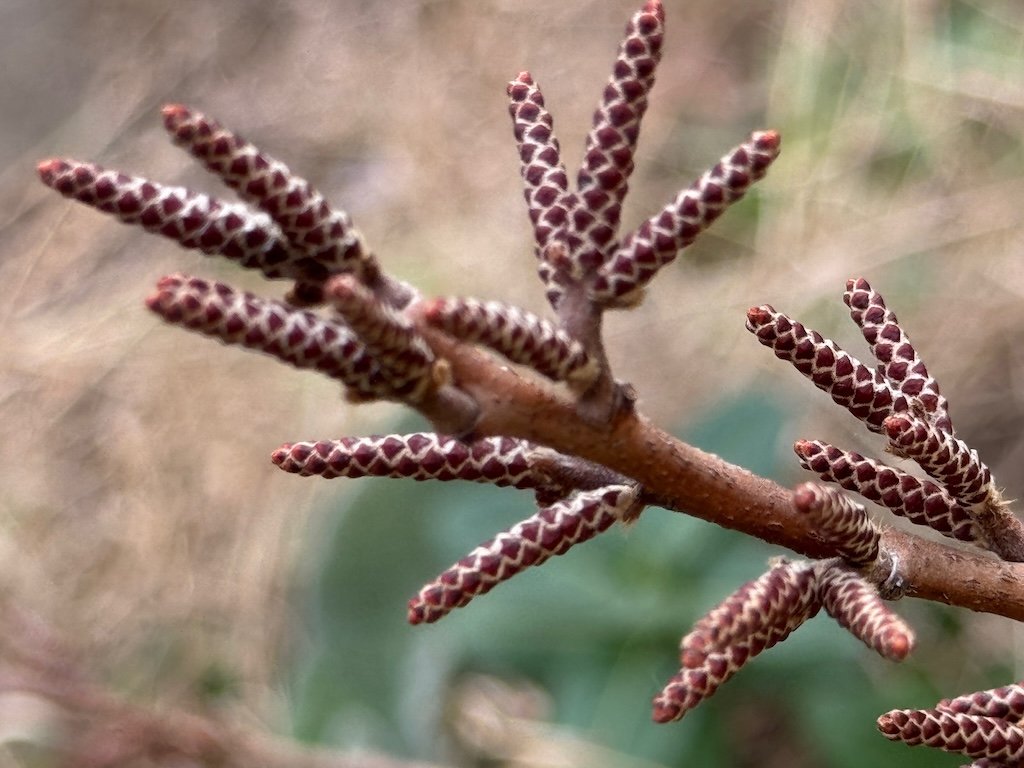
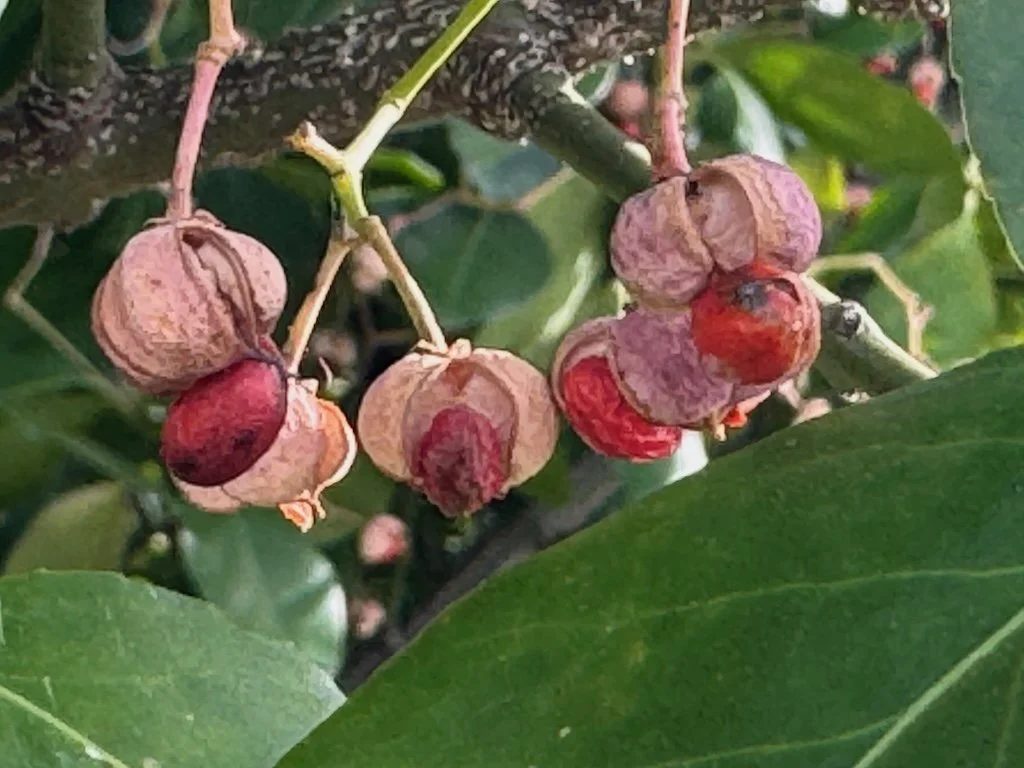
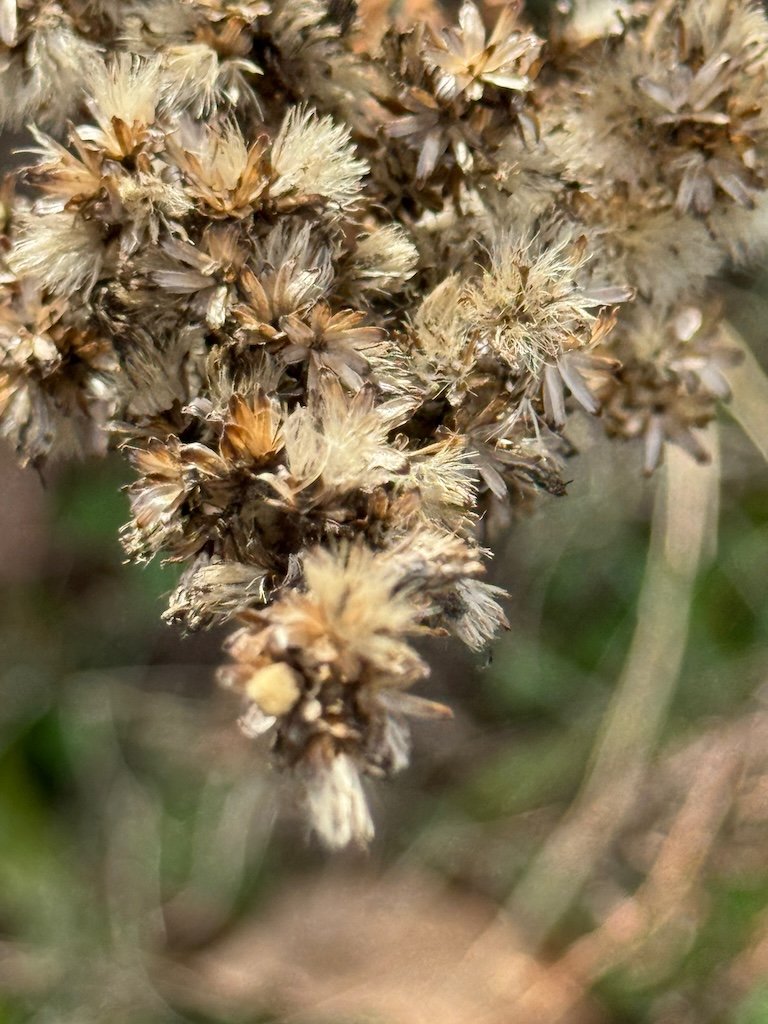
So far, the plants are in winter mode – so all the phenophases are marked ‘no.’ I am observing some changes in some of the plants and I’ve done a little photography to document their late winter look.
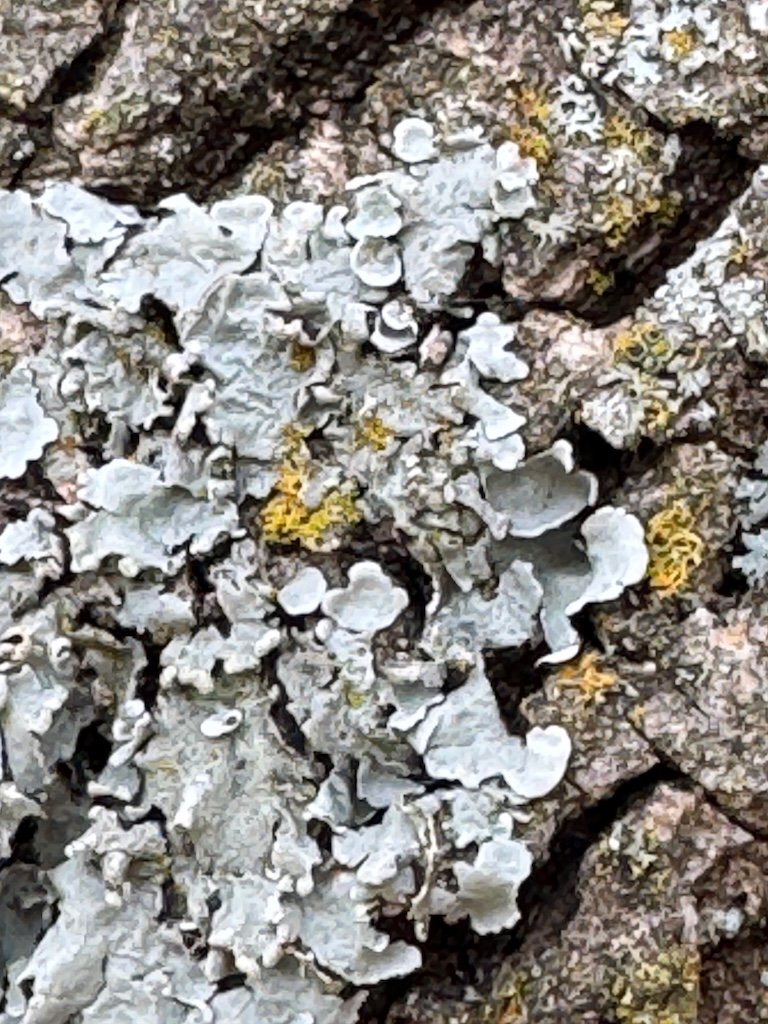
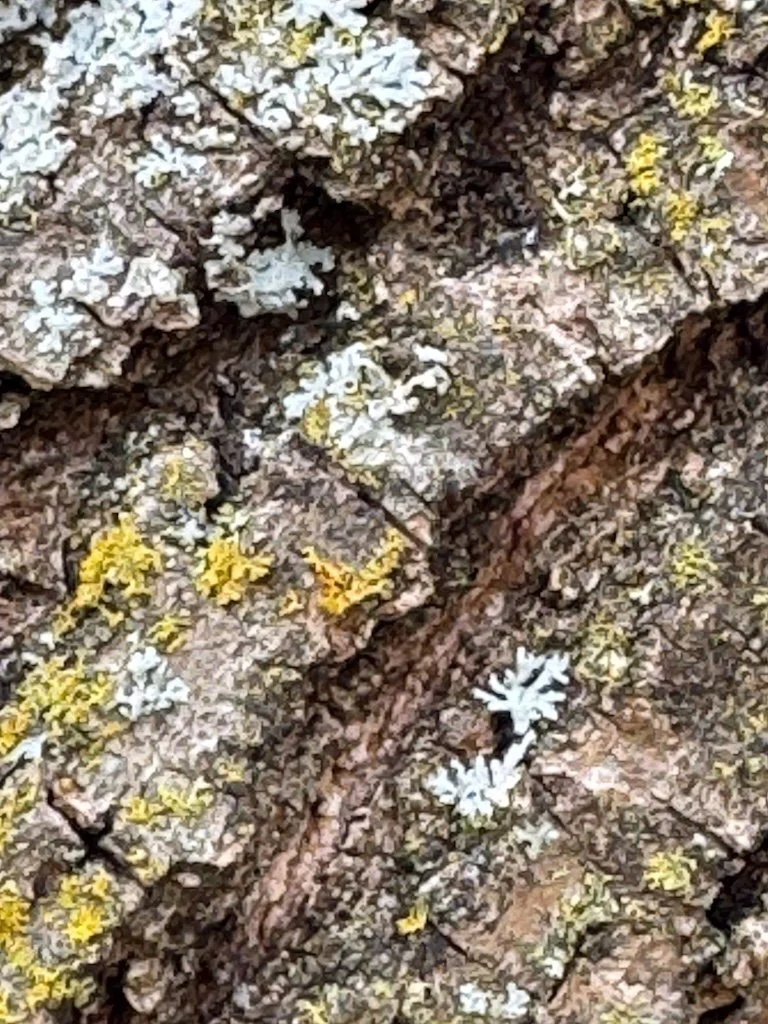
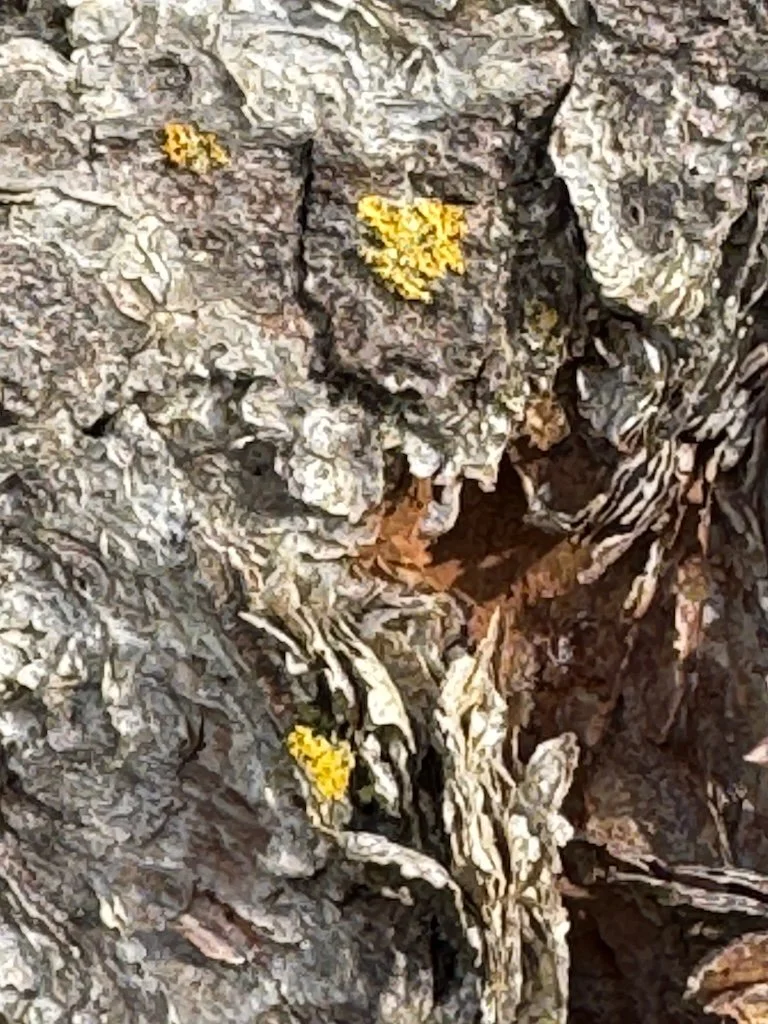
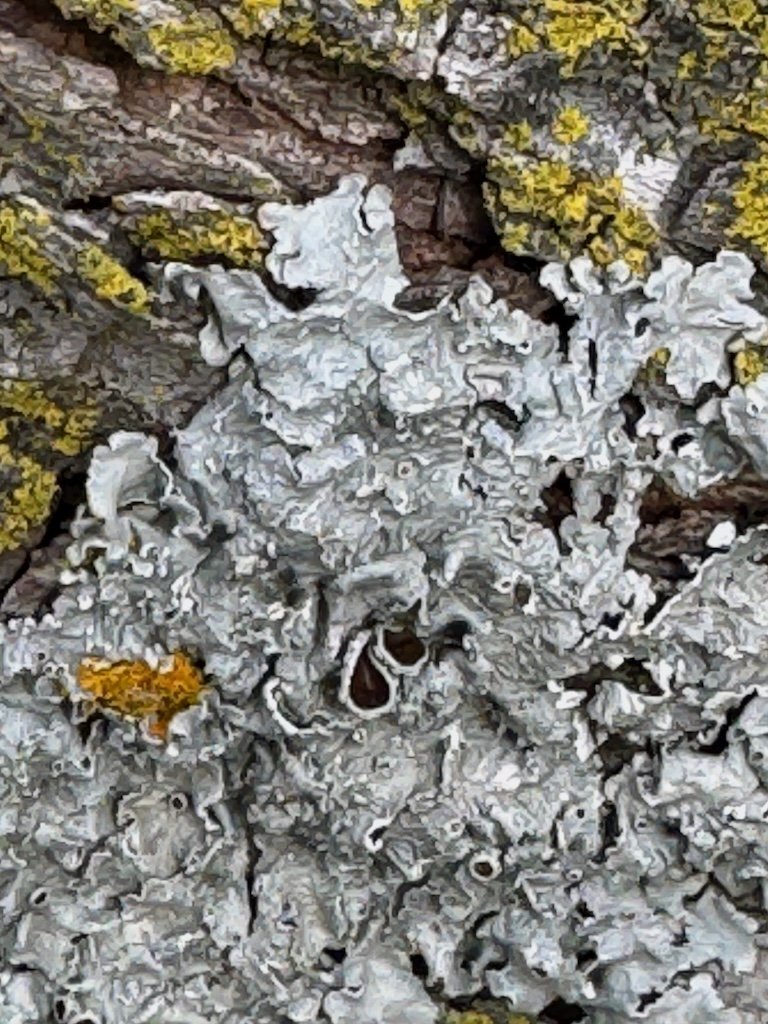
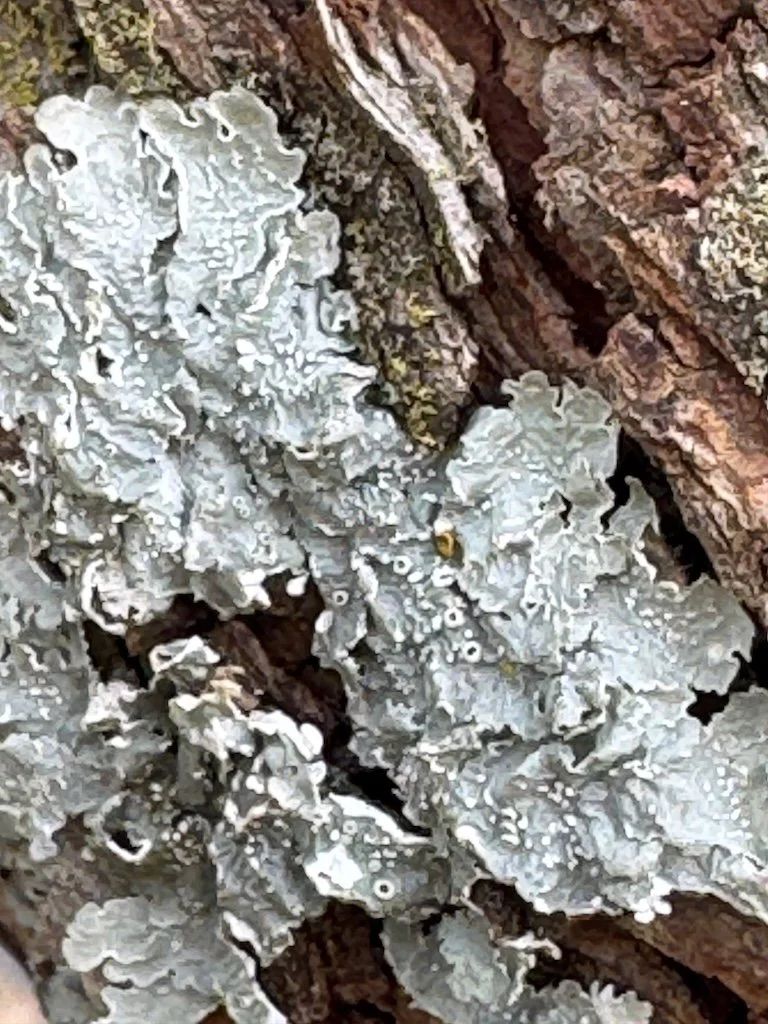
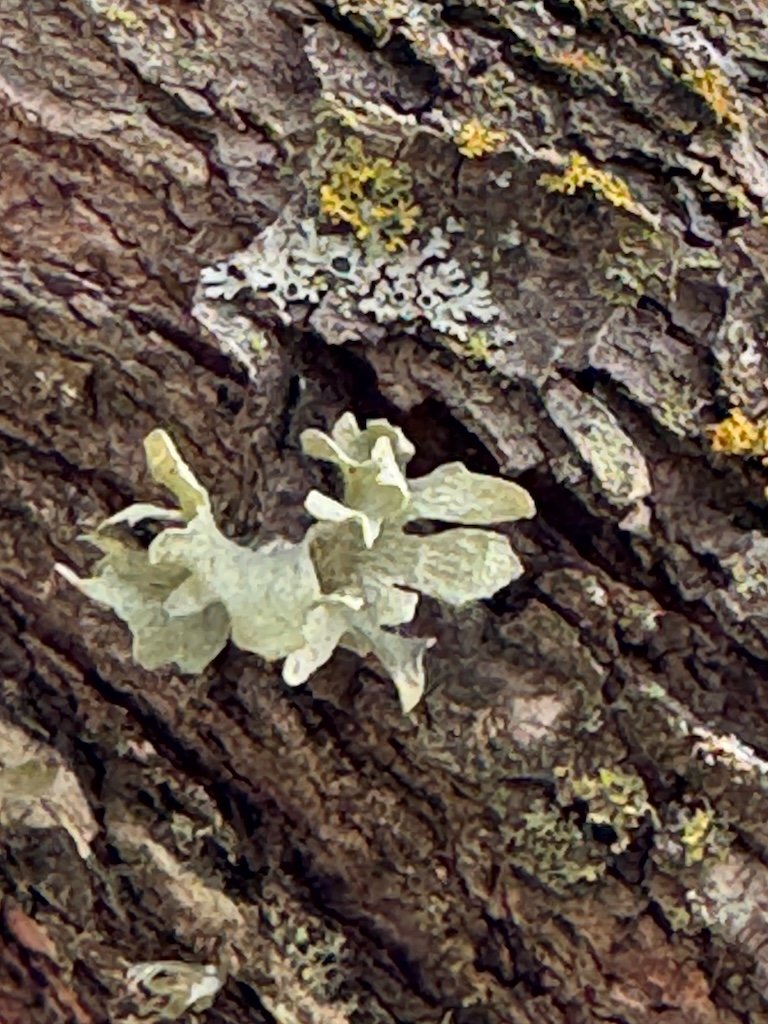
The 2 Eastern Redbuds are very different: one is very young and the other is old and lost some larger branches last year. All the buds are still very small on both trees. I took some pictures of lichen growing on the older tree…nothing to do with phenology of the redbud…but something to photograph while I was looking closely at the tree.

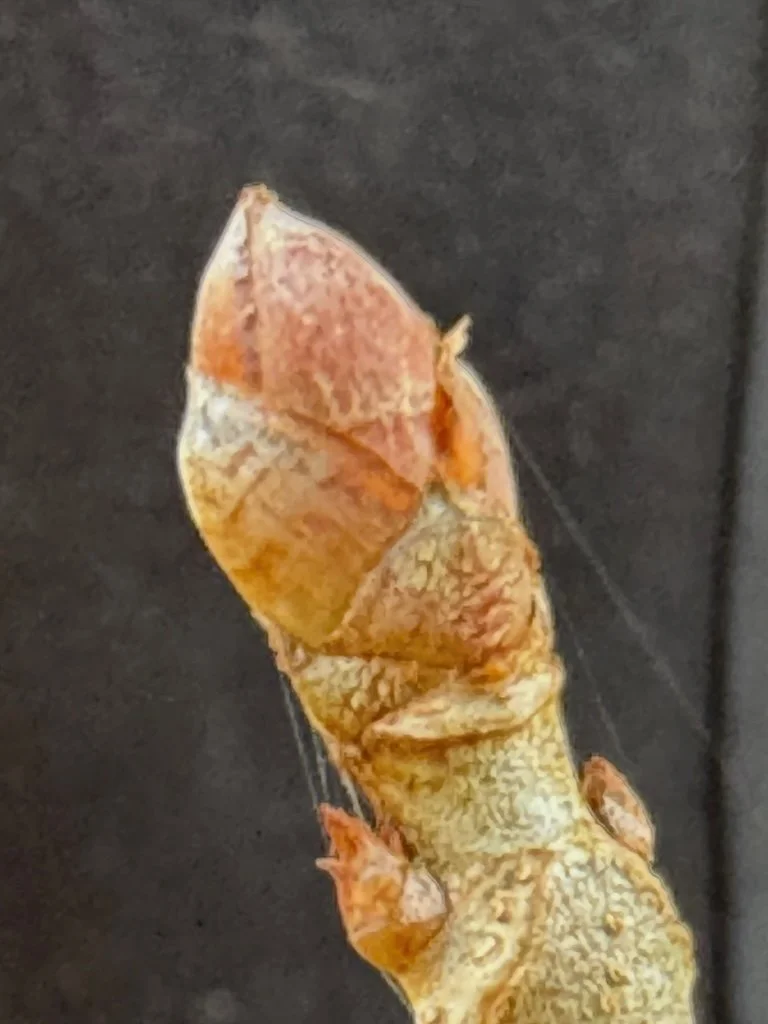
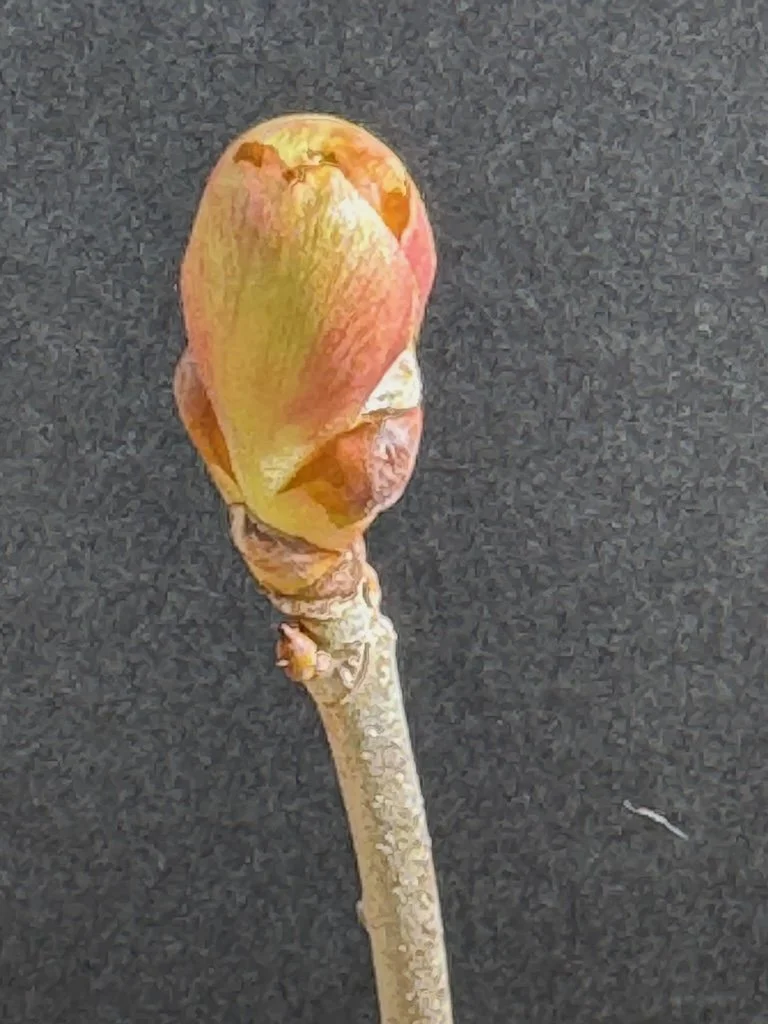
The Red Buckeye is a very young tree and probably won’t bloom this year, but the leaf buds are very large. It will be interesting to see how they develop. The ‘breaking leaf buds’ phase is when a green leaf tip becomes visible at the end of the bud. There is one that appears to be closer to that point than the others!
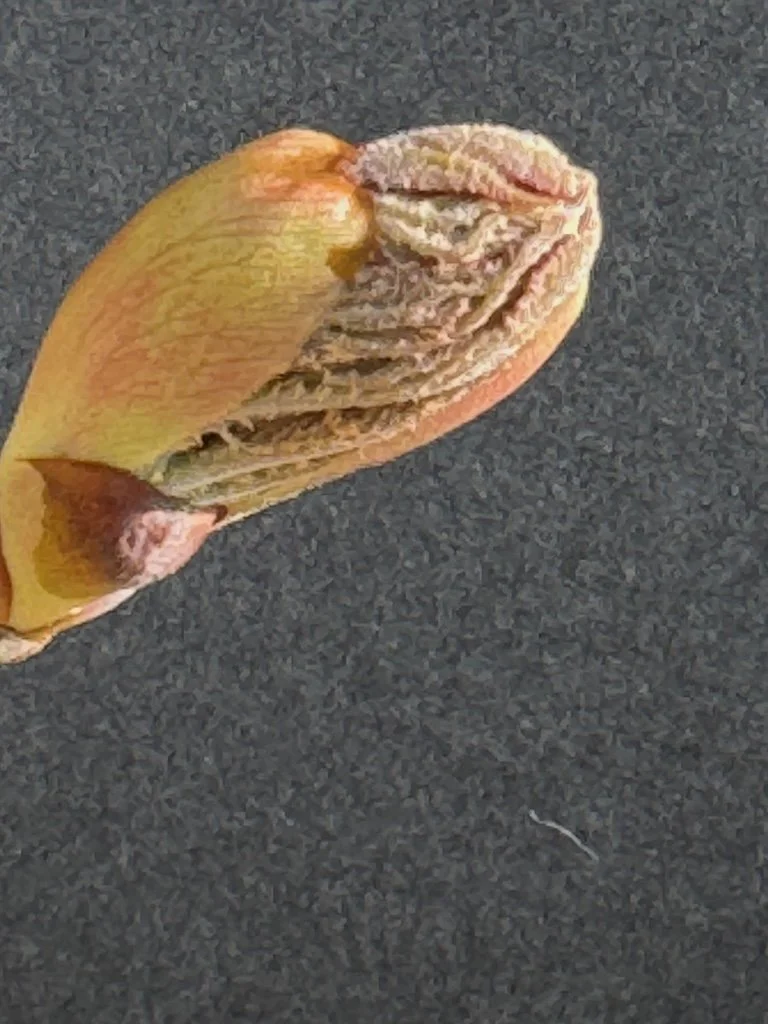

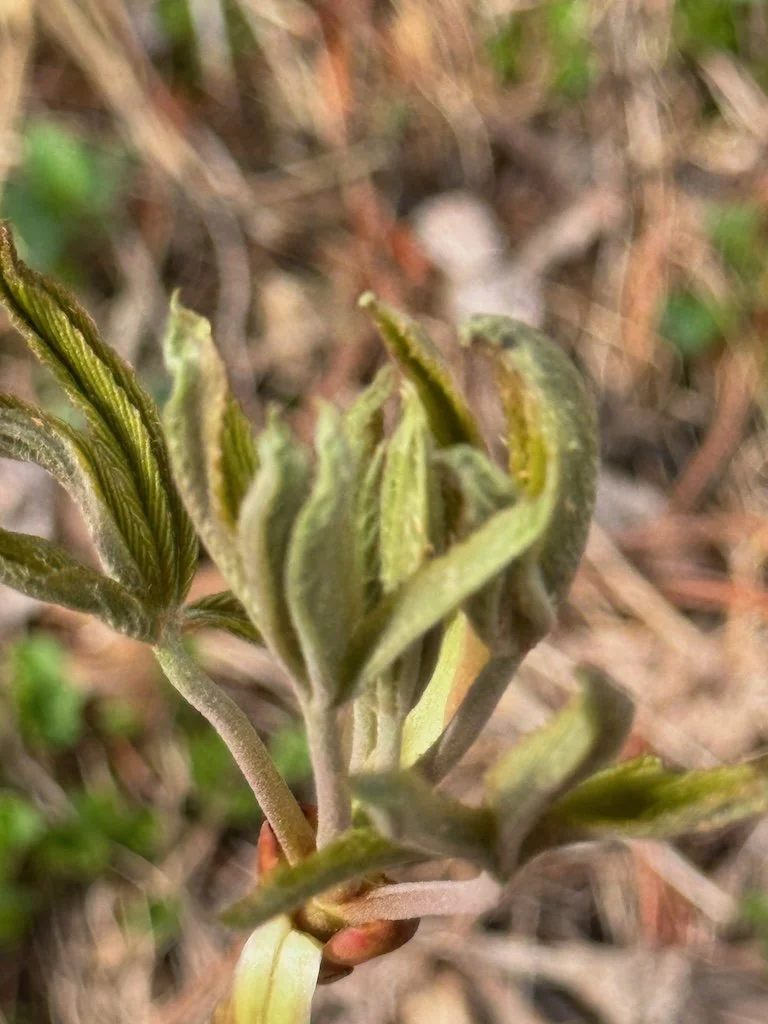
Update: The leaf buds had broken when I went to look on March 6th – just 2 days after I wrote this blog!!! All the other plants were still in winter mode. It was exciting to see the Red Buckeye leaves begin to emerge.

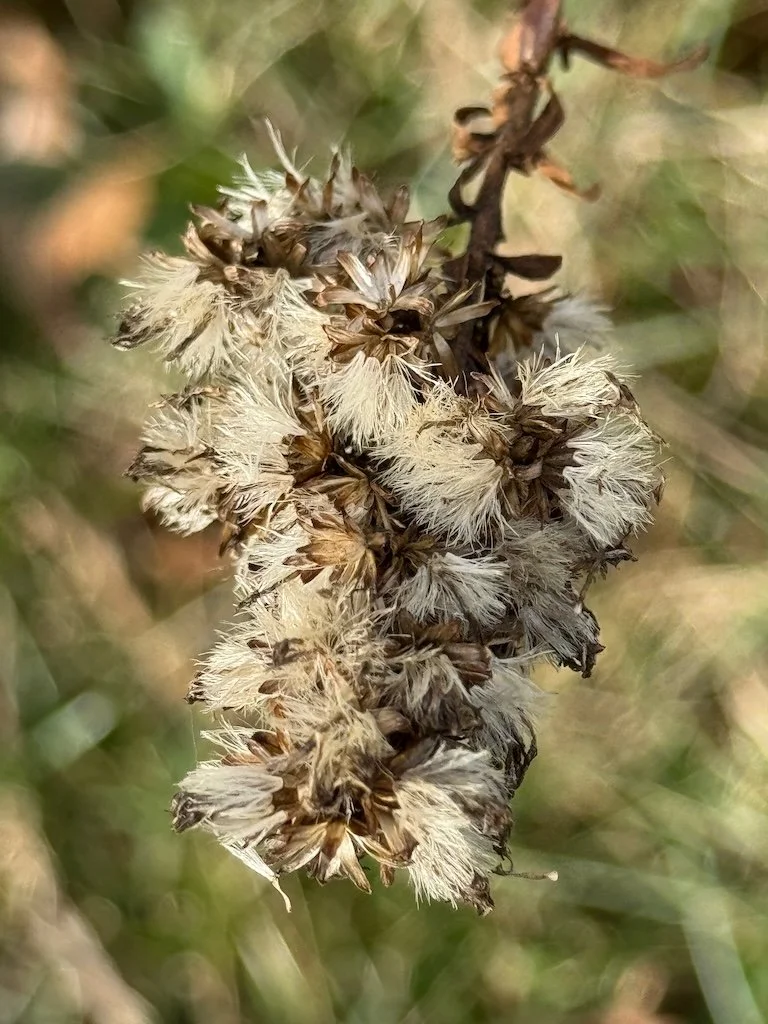
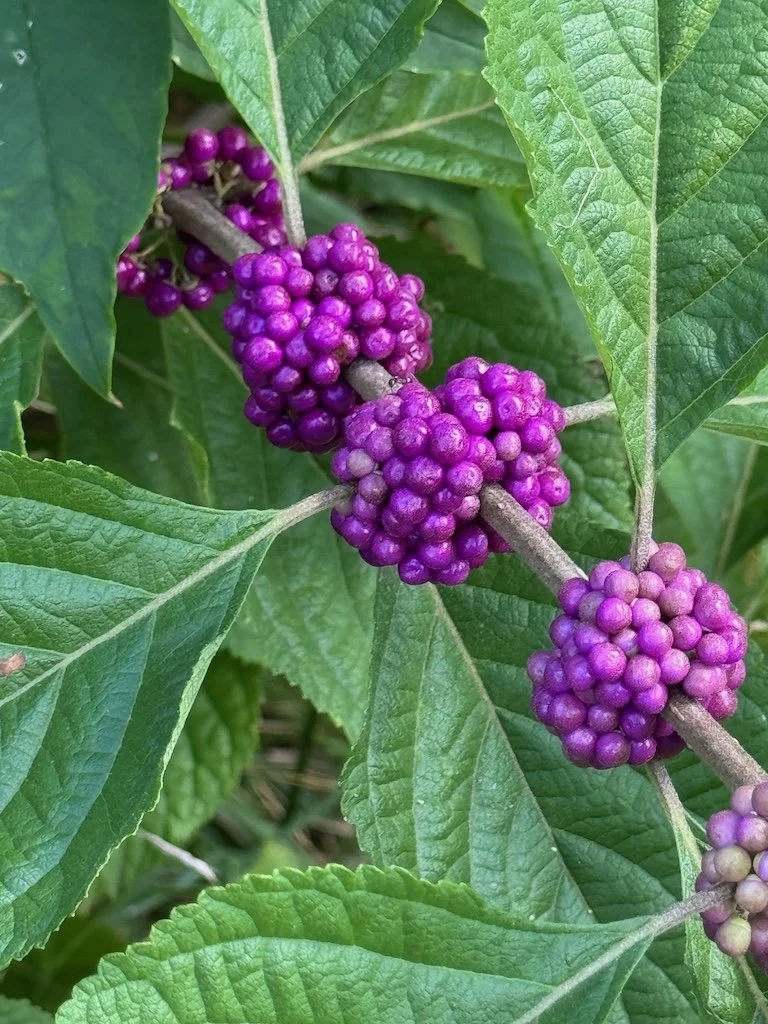
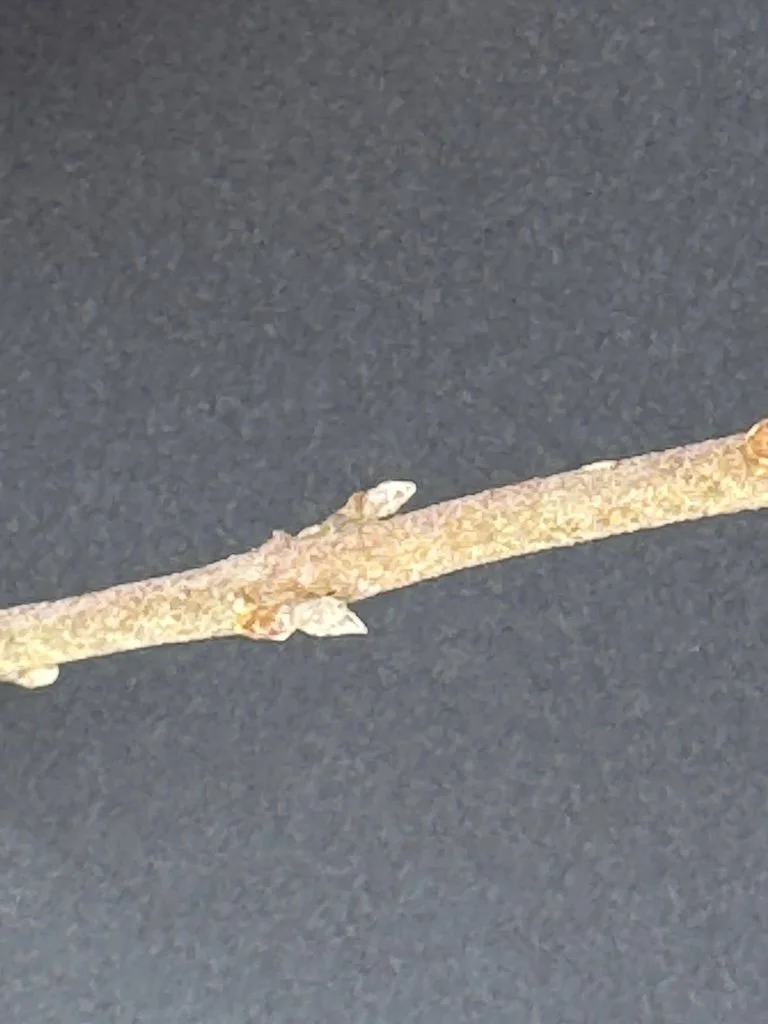
The American Beautyberry has tight buds that I keep thinking might be getting a little larger. The plant also has some dried berries from last season which don’t count for this year.
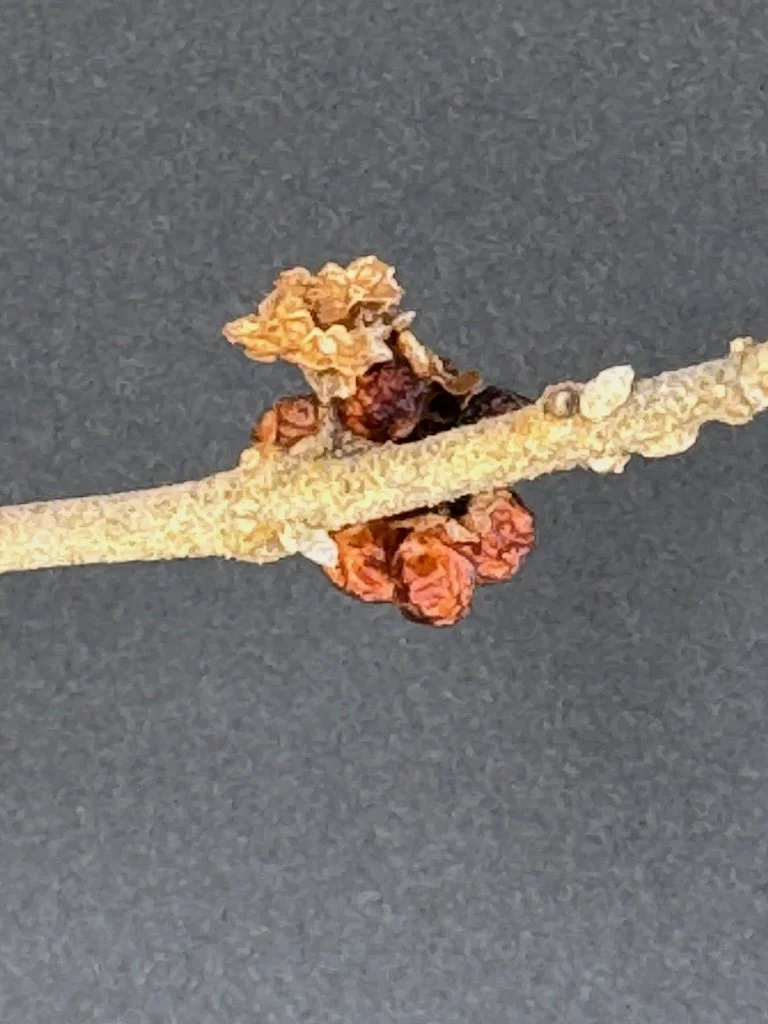
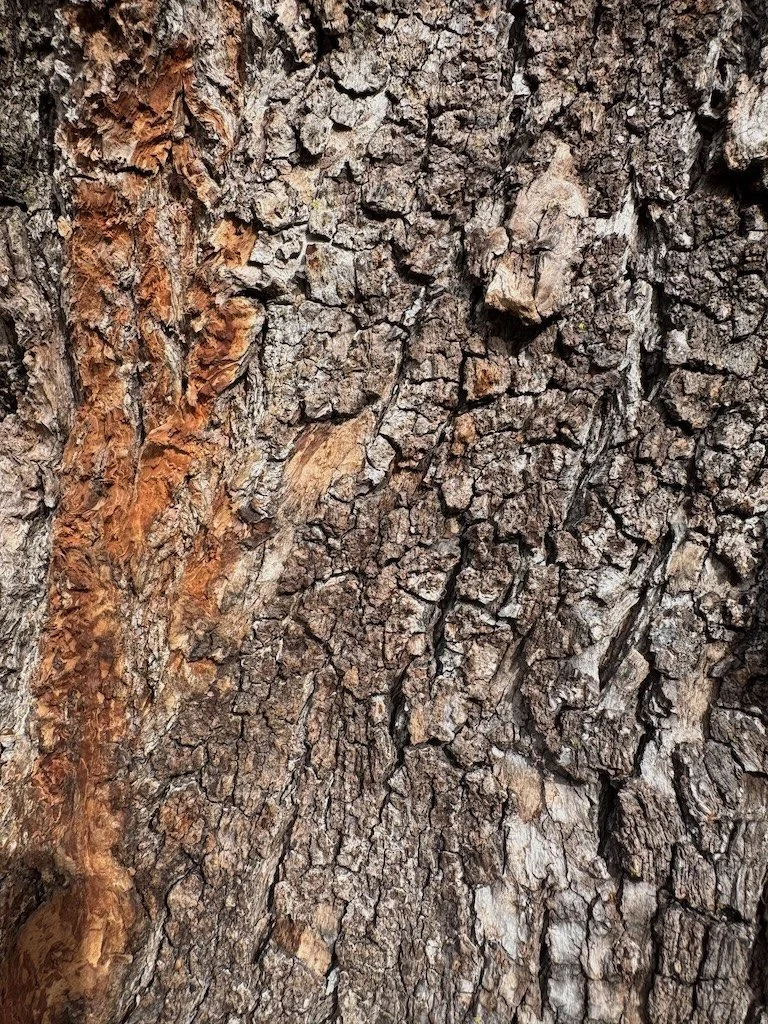
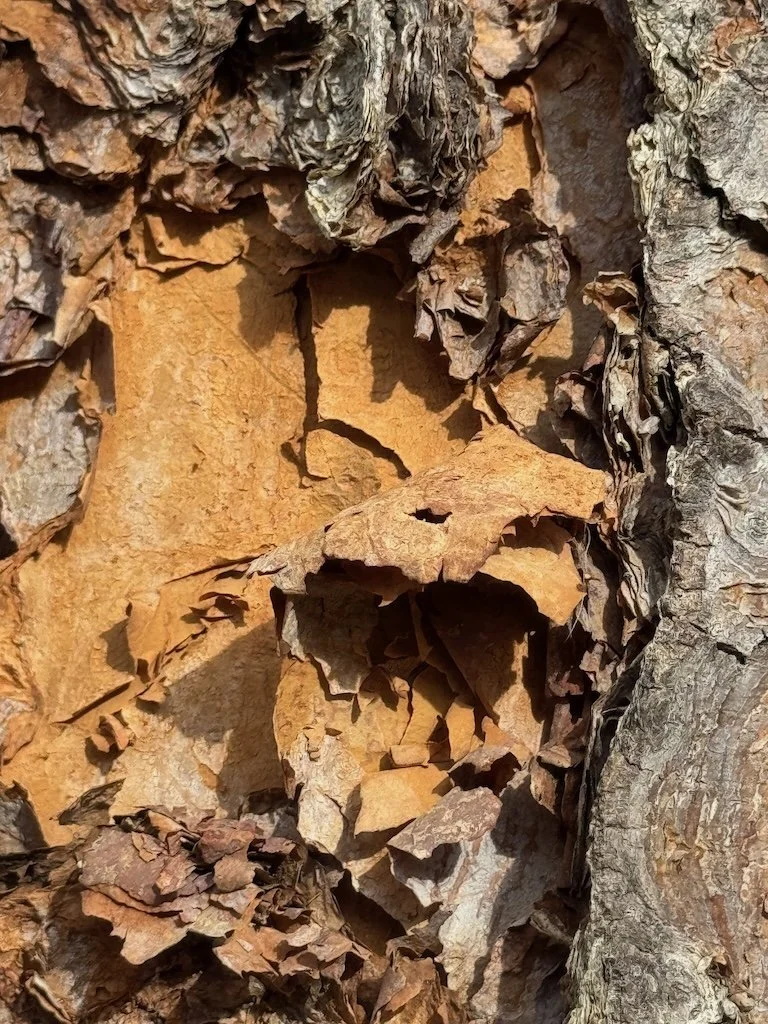
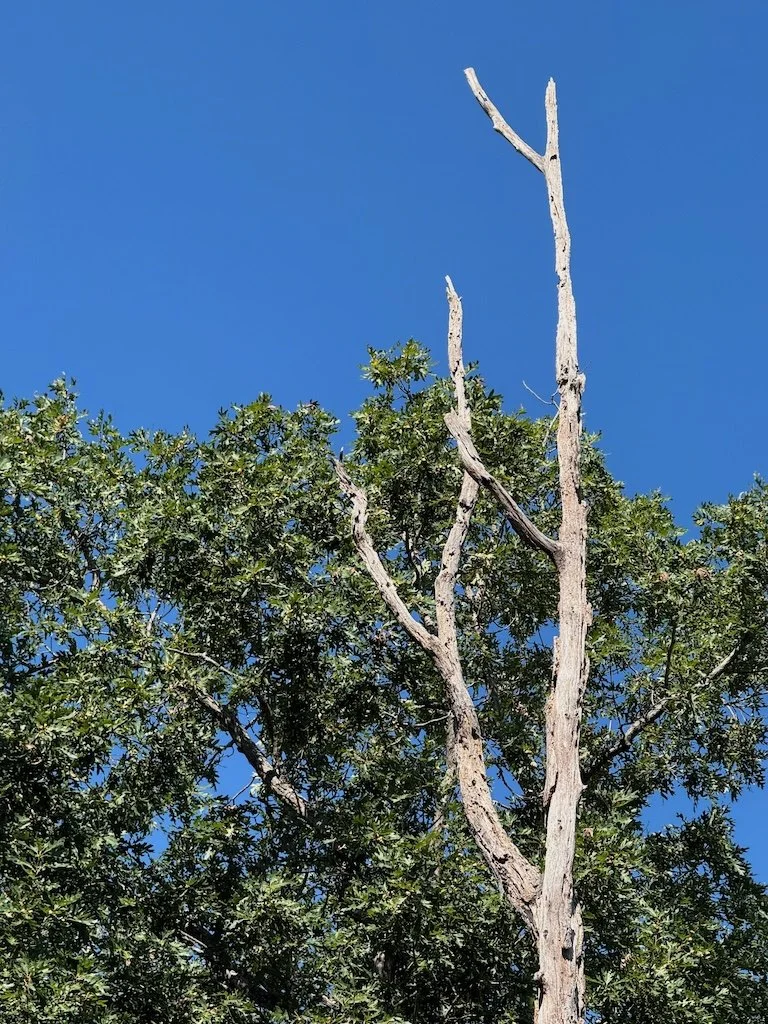
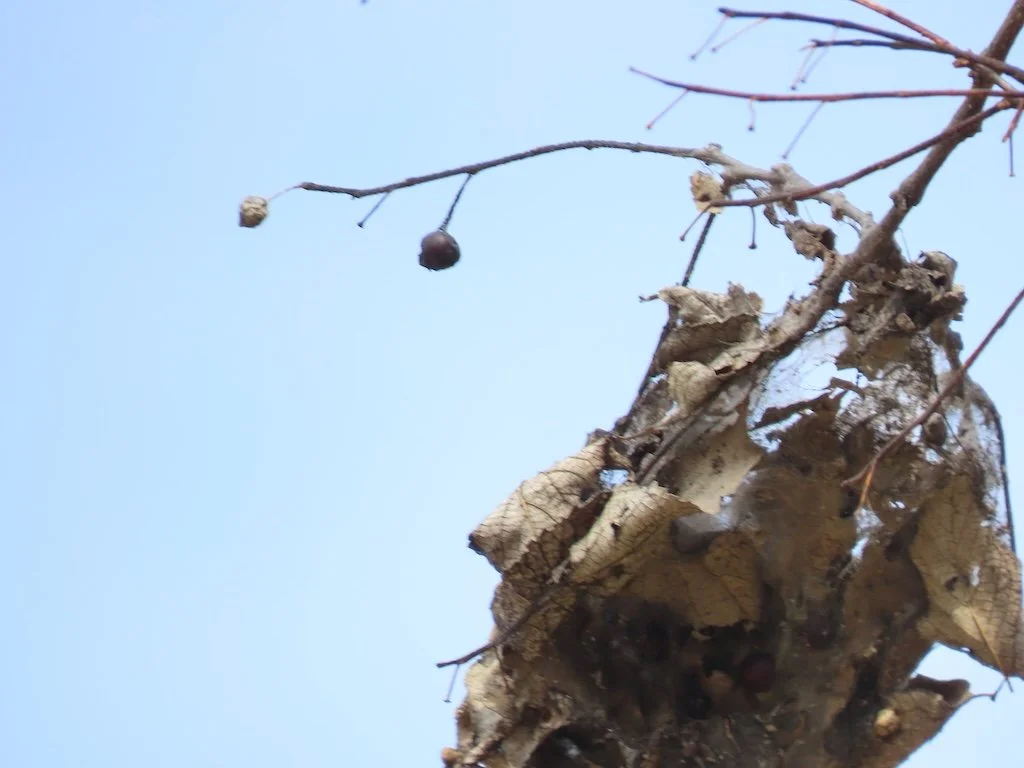
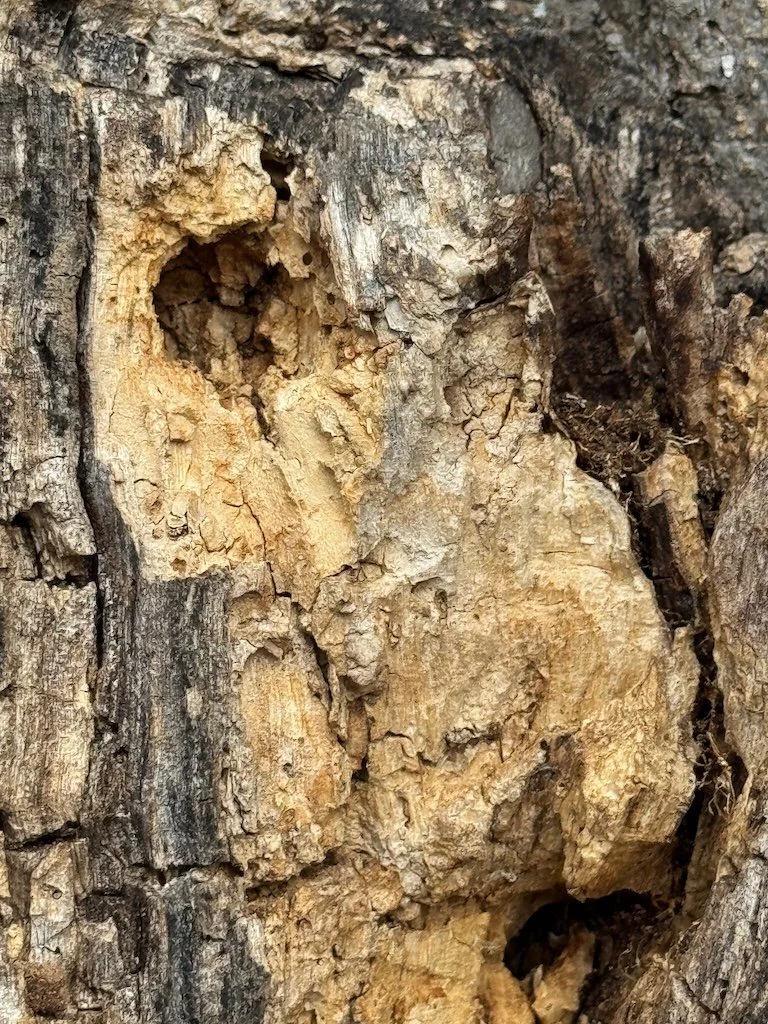
The Common Hackberry is also an older tree and might noy been entirely health; it lost a large limb last year and the woodpeckers seem to be working on the scar (maybe finding insects there). The tree has some dried leaves and fruit from last year. The buds are still very tight.
This is my first experience with a project like this. I will get to know these 5 plants very well!