Suburban Savanna – 7

This month I am thinking about the changes in wildlife I am already seeing in my yard.

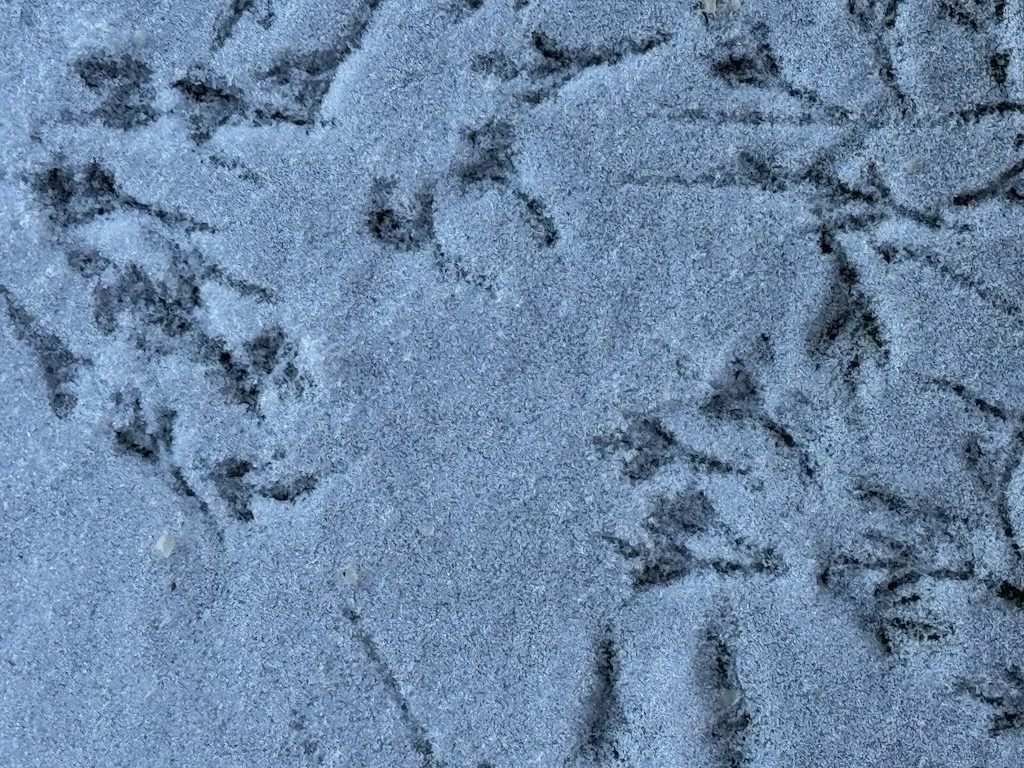
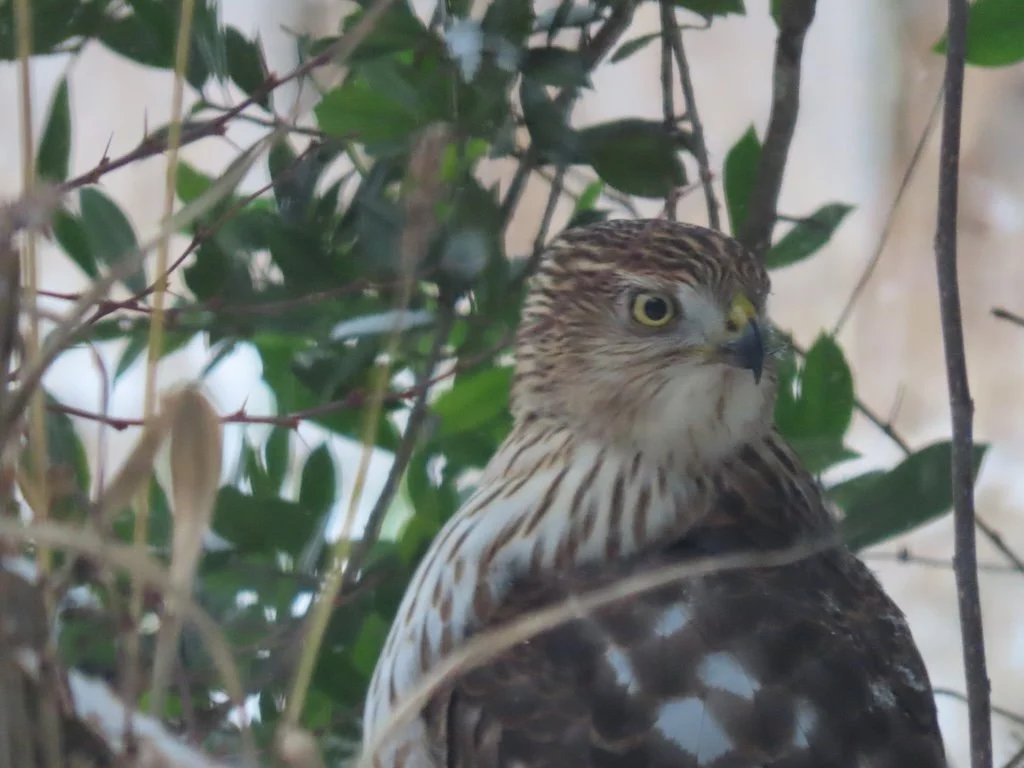
Birds: We have bird feeders, but I am noticing more birds finding food in our yard as well. This time of year, there are seeds (coneflowers and pokeweed are the most obvious). The enlarged bed of violets attracted a lot of bird attention last winter when it was just debris!

Moles (and maybe an armadillo): I see the evidence but not the animals themselves. Sometimes they destroy areas with their digging but, so far, it has only been turf areas rather than the plants I have added. I tend to think of them as breaking up the clay and mixing in plant debris – improving the soil.

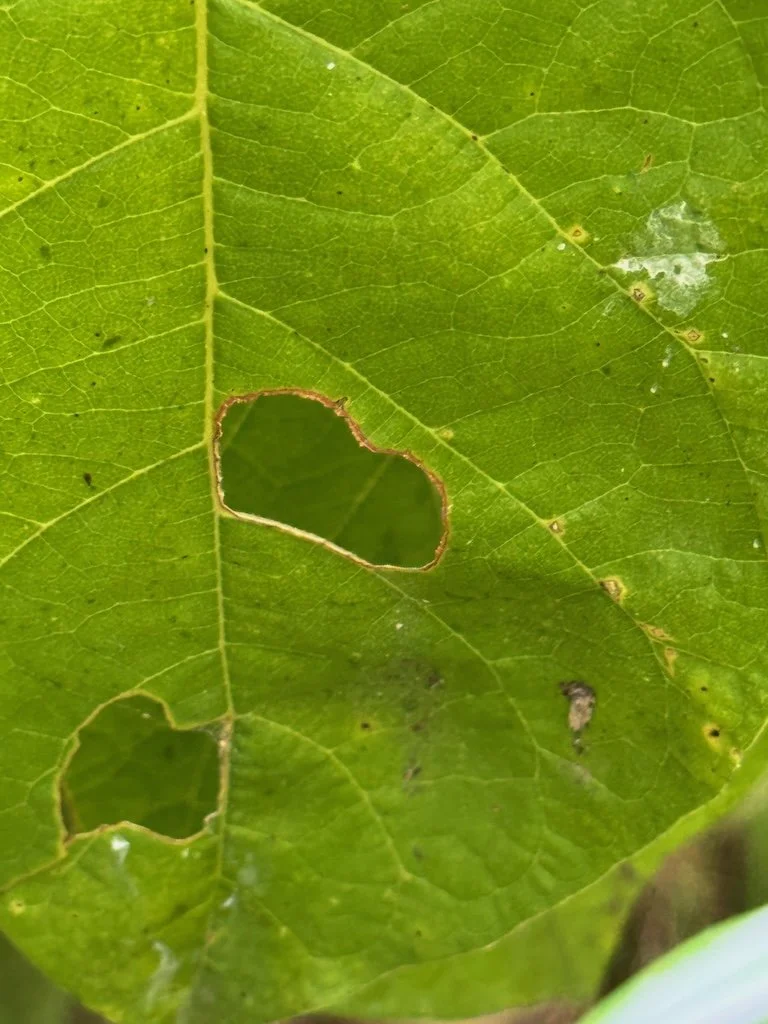
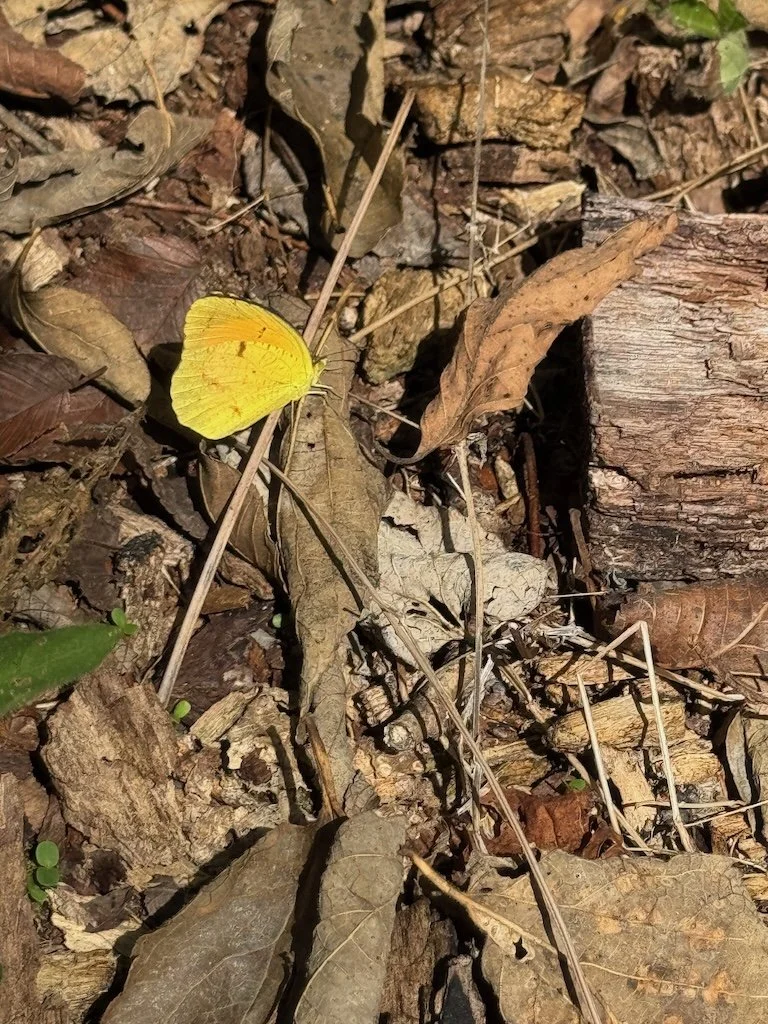
Insects and other invertebrates: Something is eating pokeweed and I assume it is an insect. The first year I noticed pokeweed growing in my yard they looked pristine but now something is eating them…the balancing in nature! There are more fireflies in my yard every year too. When I mow, I see small insects raise up before the mower – another sign of increasing life in the yard (and I haven’t been getting bites, which is a relief).

Squirrels and chipmunks: My neighbor’s oak is probably the home of the squirrels, but they are frequently in my yard; their numbers haven’t changed since I added more native plants. I’ve seen one chipmunk and it might have been passing through. The occasional cats that also come through might keep them at bay. It would be great to see more chipmunks!

Skunk: I’ve seen one in the neighborhood on an early morning walkabout as I was leaving for my monthly trek to Texas. It might have just been passing through.

I haven’t seen any deer and there is no evidence of them in my yard (no new plants eaten almost entirely, no scat). This is different from a lot of suburban areas where an overpopulation of deer is problematic. Hopefully my situation without deer continues. It does mean that I need to play the role of big herbivore and prune/trample!

Opossum and racoon are probably around but I haven’t observed them or their scat.  

The main animal I would prefer not to have in yard that is there occasionally: a domestic cat. It has a negative impact on wildlife like birds and chipmunks!

Previous Suburban Savanna Posts:

September 2026 – Fall riches

August 2026 – Controlling too much growth

July 2026 - Water

June 2026 – Shade Garden

May 2026 – Planting Natives

April 2026 – Overview
Gem and Mineral Show

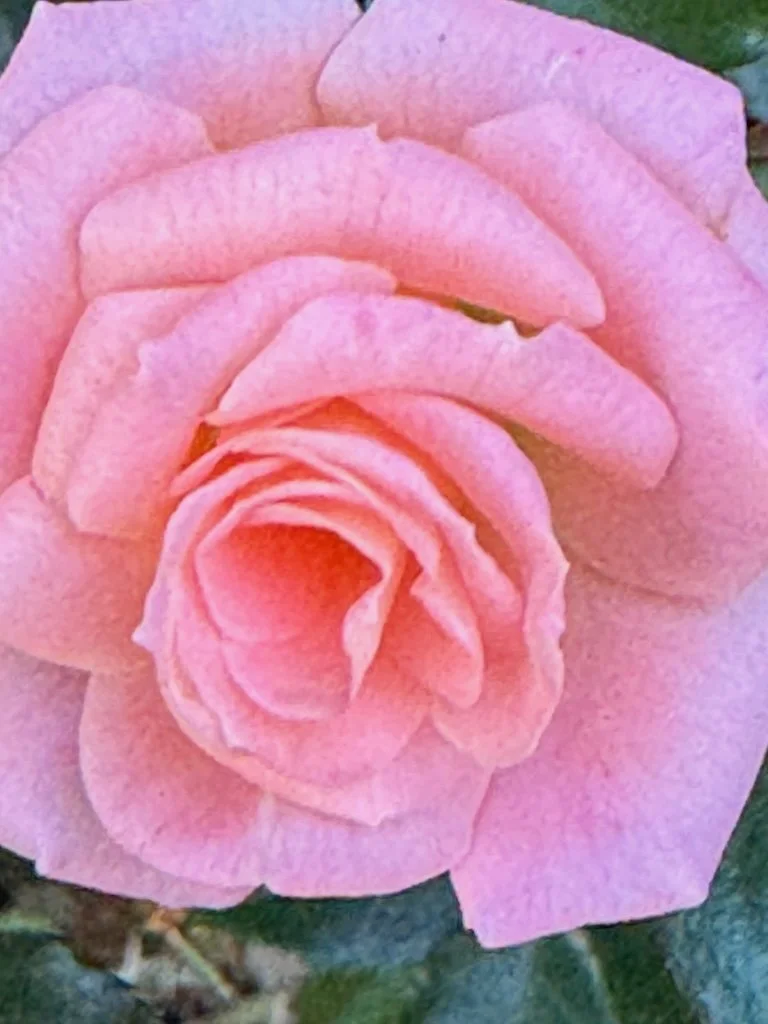
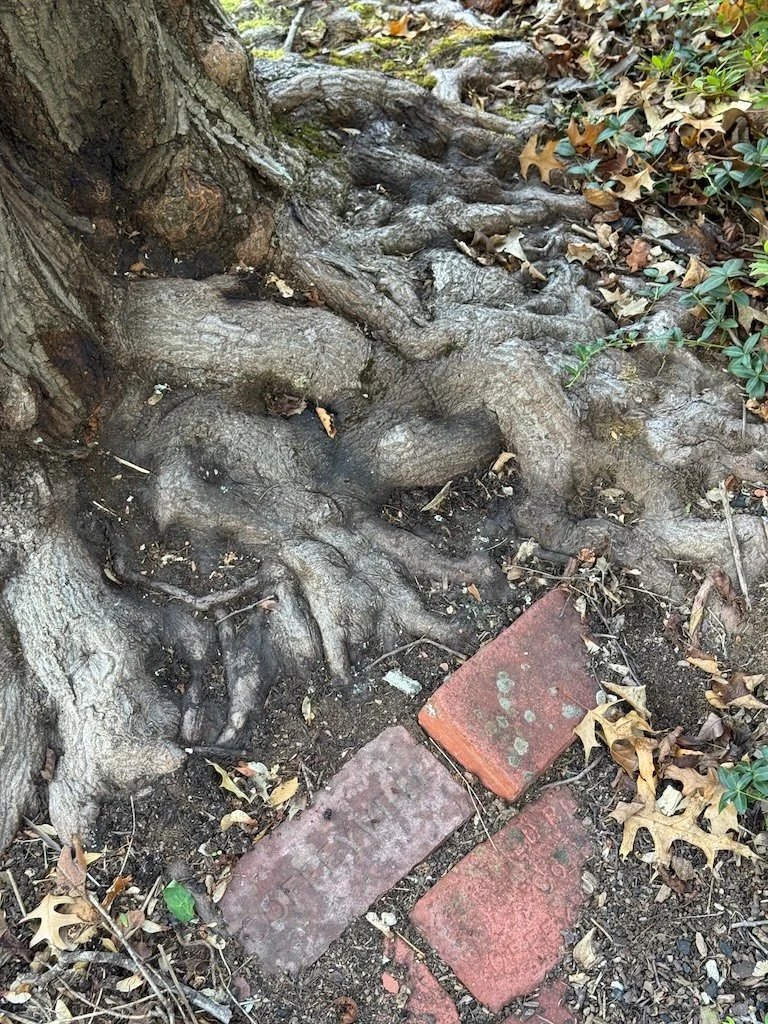
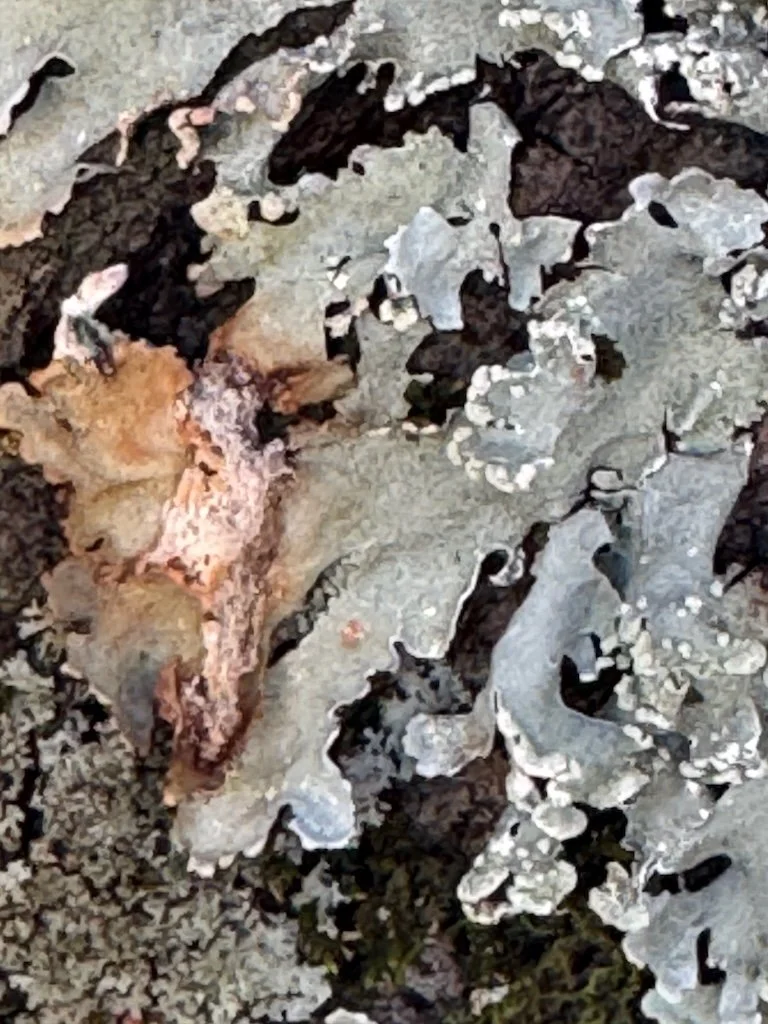
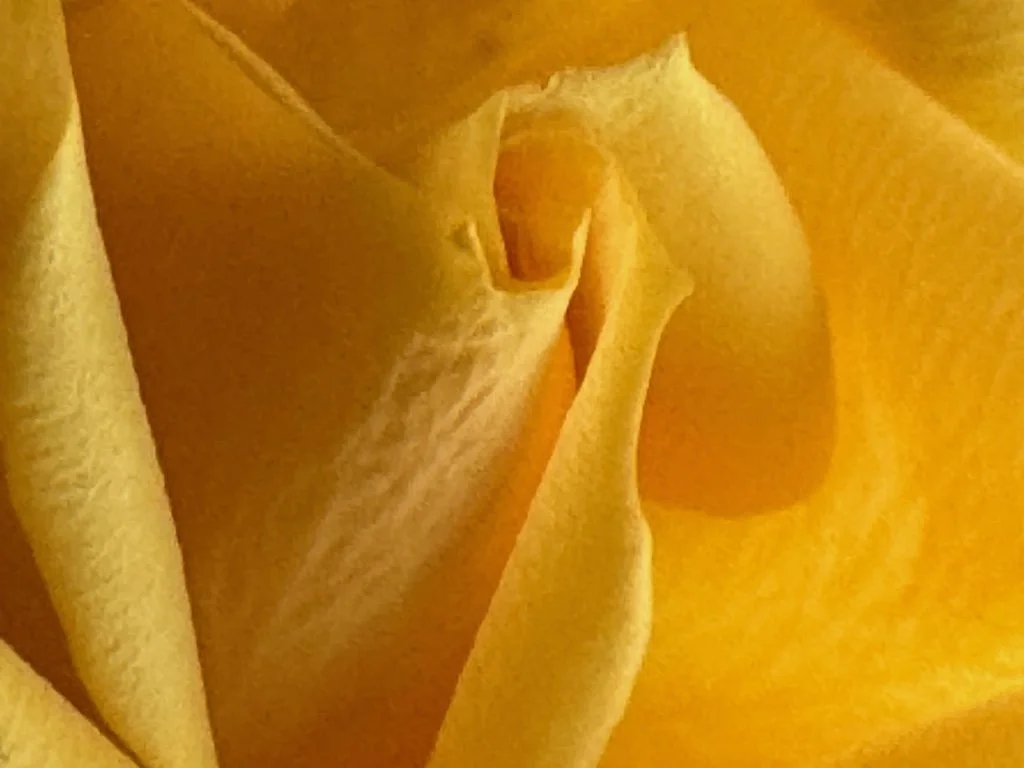
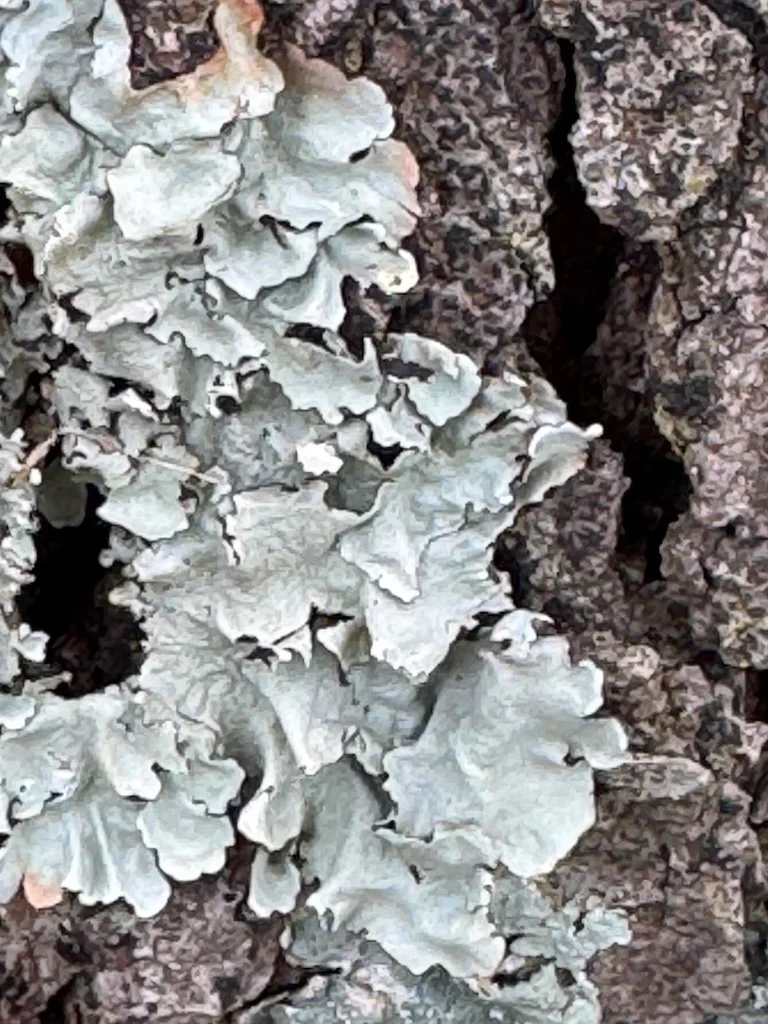
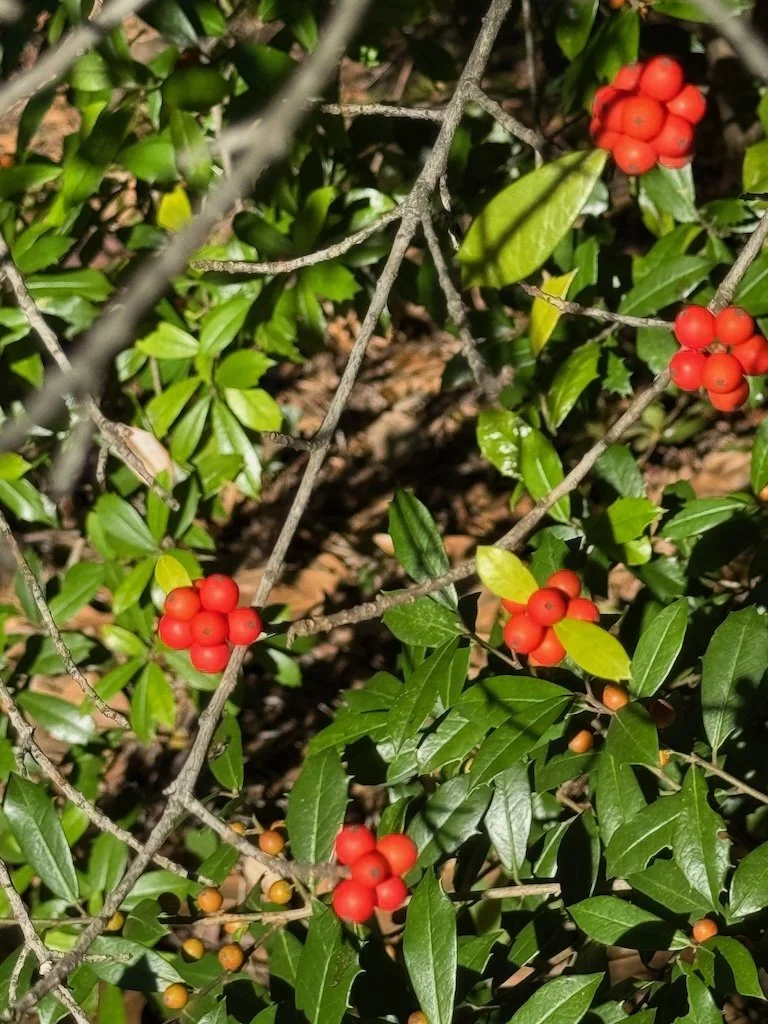
My daughter and son-in-law had already made their purchases at the Gem and Mineral Show in Springfield the day before…but she offered to make another visit with us. I took a few pictures around her yard (holly berries, rose blooming, surface roots of a dying maple, lichen on the trunk of the dying maple) before she emerged from her house.
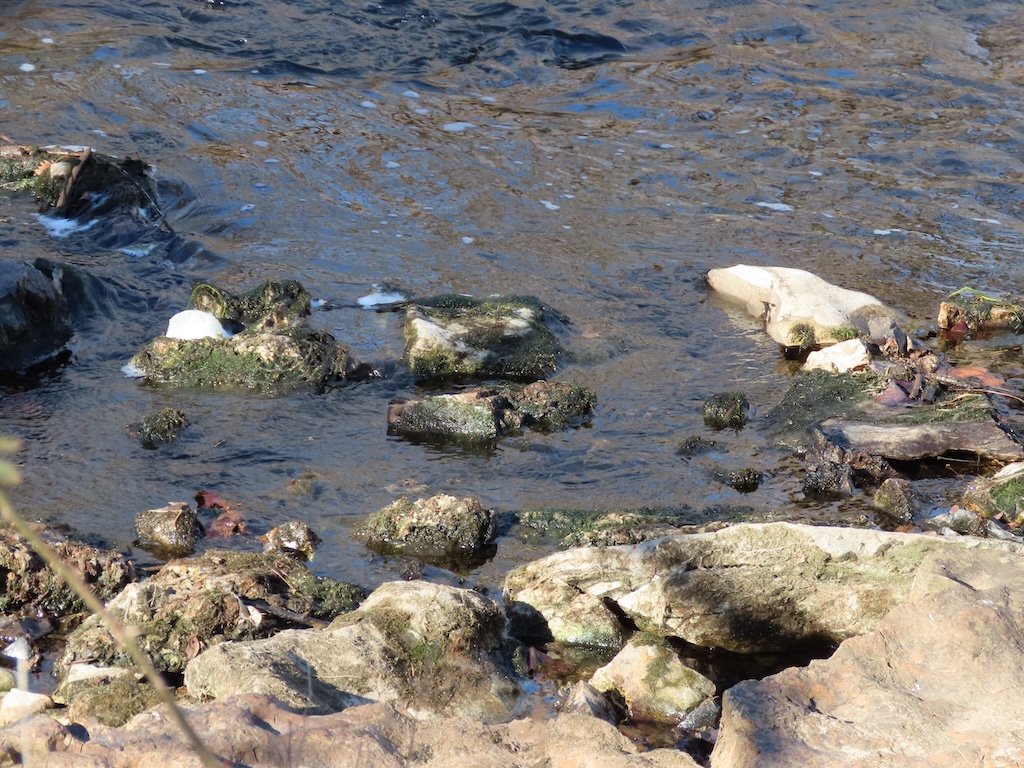
Walking around the show did not take long since I was not buying a lot; we got there shortly after opening and before the crowds too. It was interesting to see the myriad of items from vendors.  
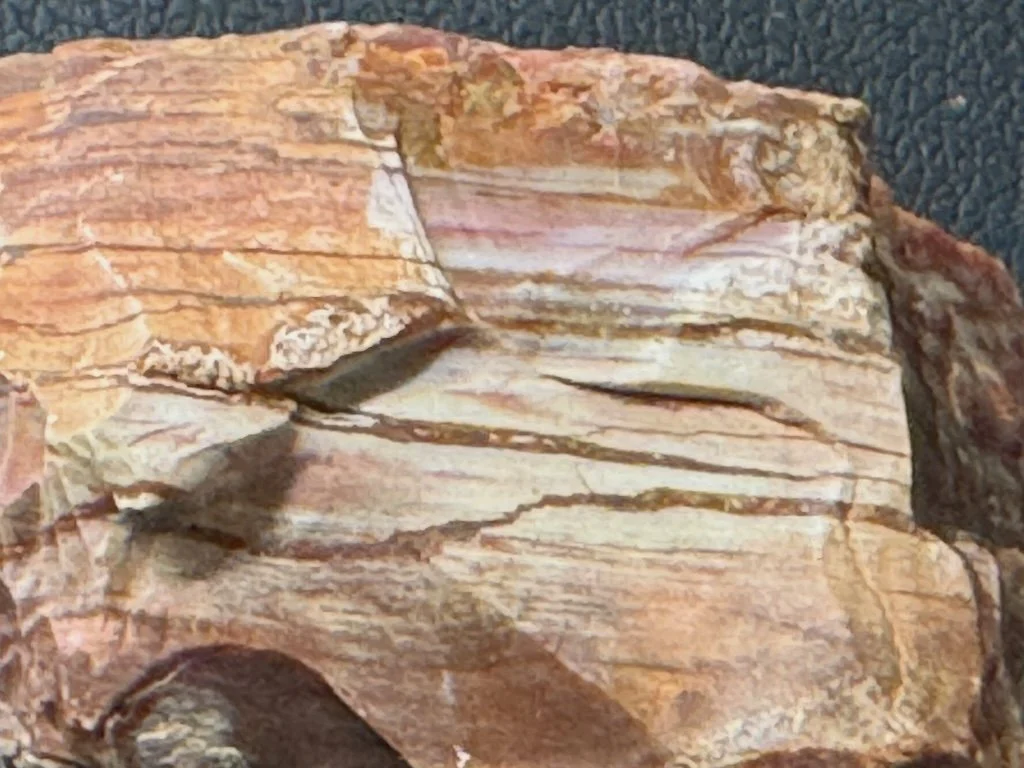
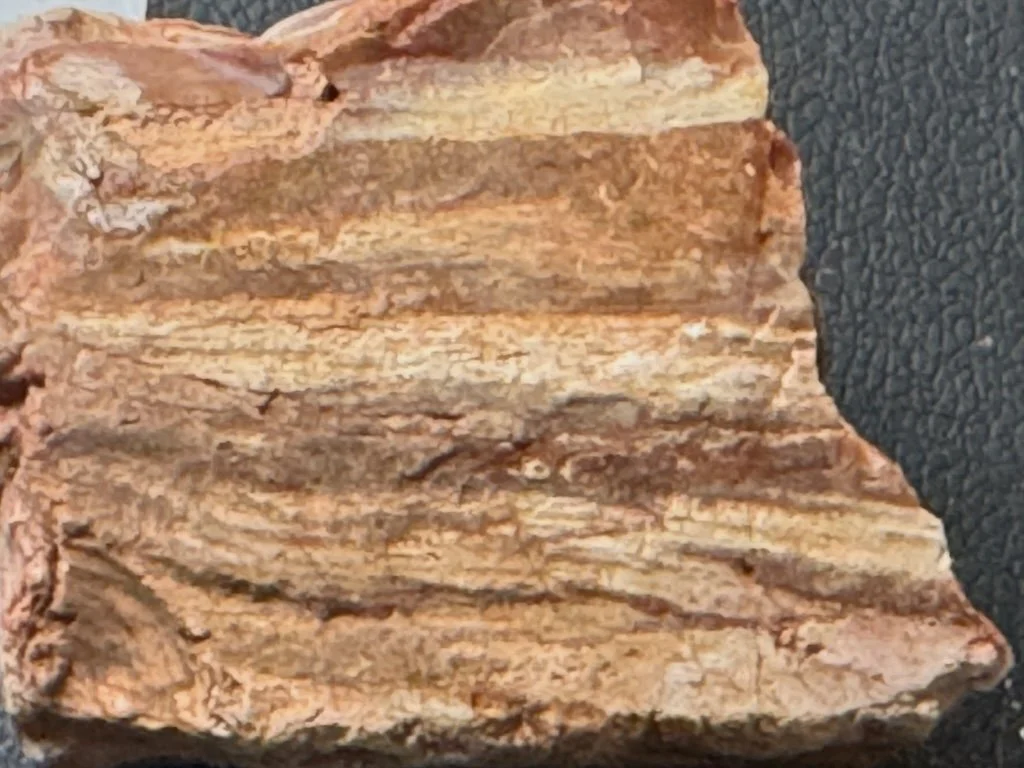
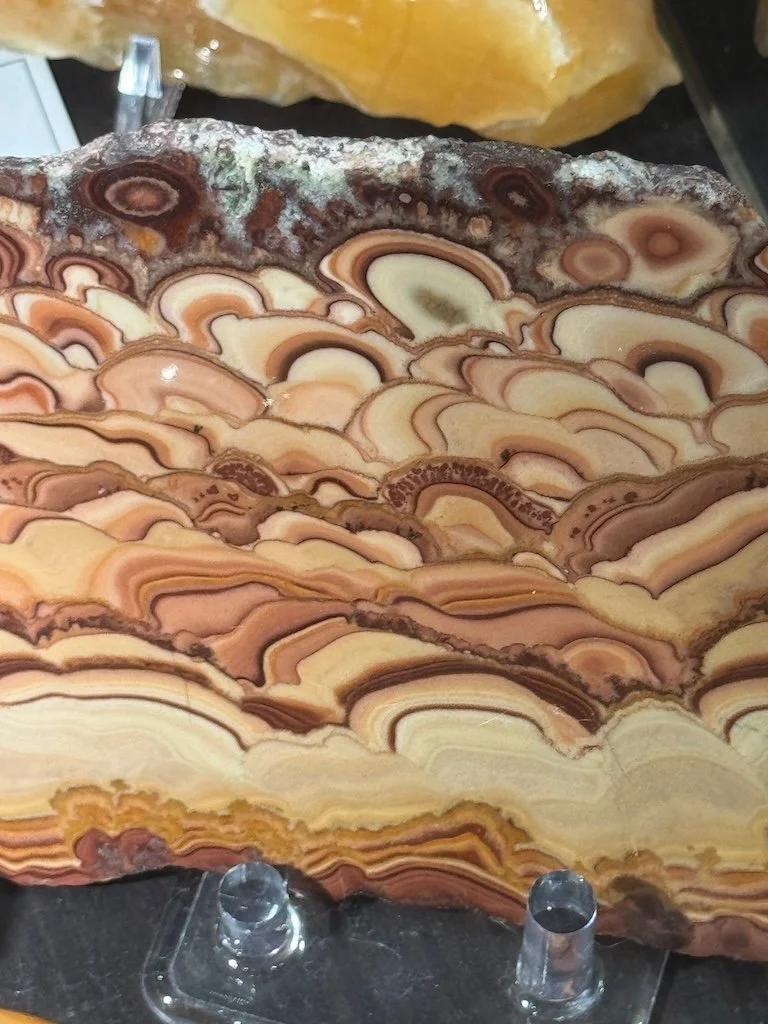
My daughter and my husband didn’t buy anything at the show. I found a vender with petrified wood (from private land near Petrified Forest National Park in Arizona); one of the pieces had lines that looked like tree rings…and the color was more similar to wood too. I bought it to add to my tree materials.

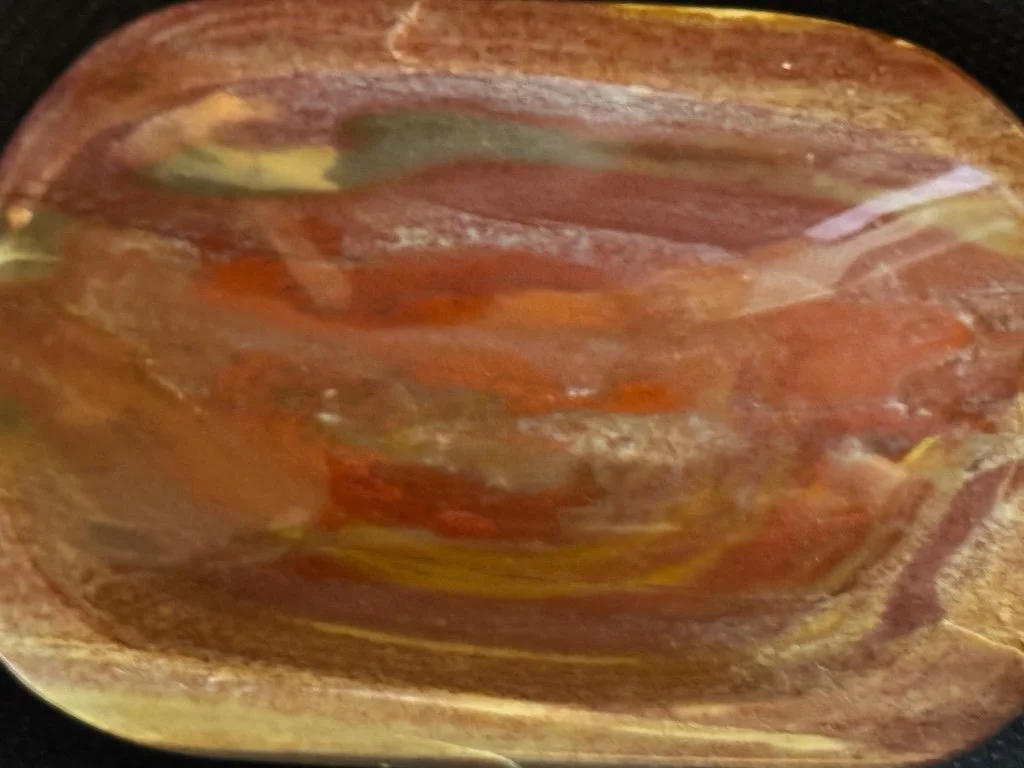
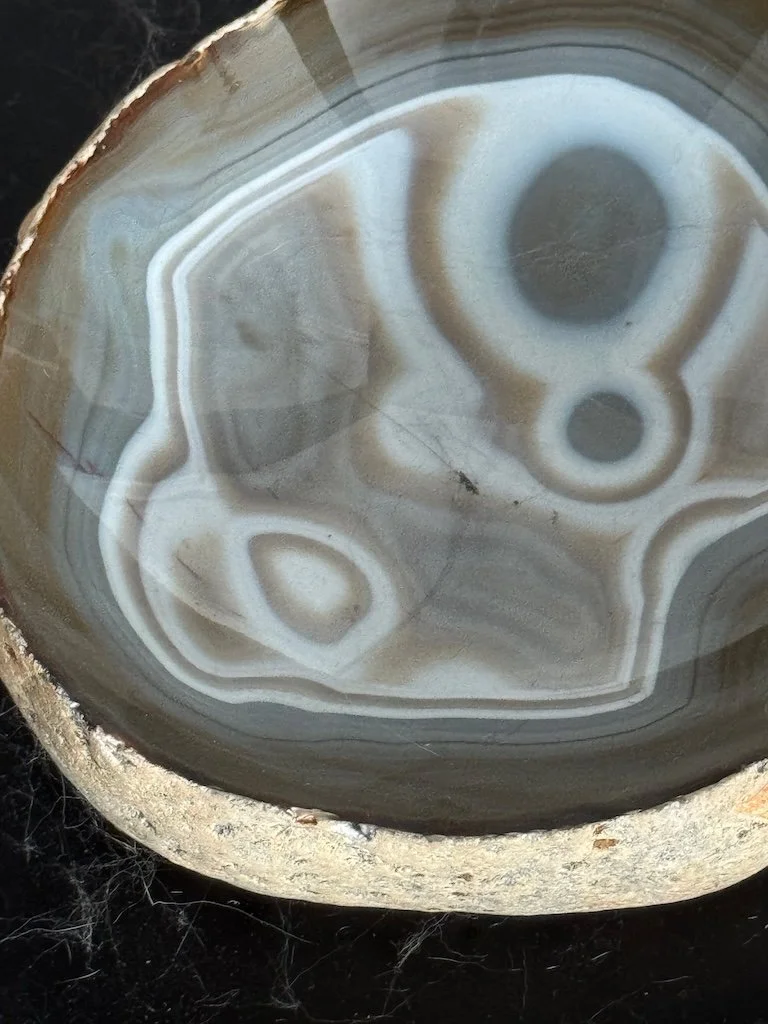
I also bought a small bowl that was petrified wood…which I will use for bar soap!

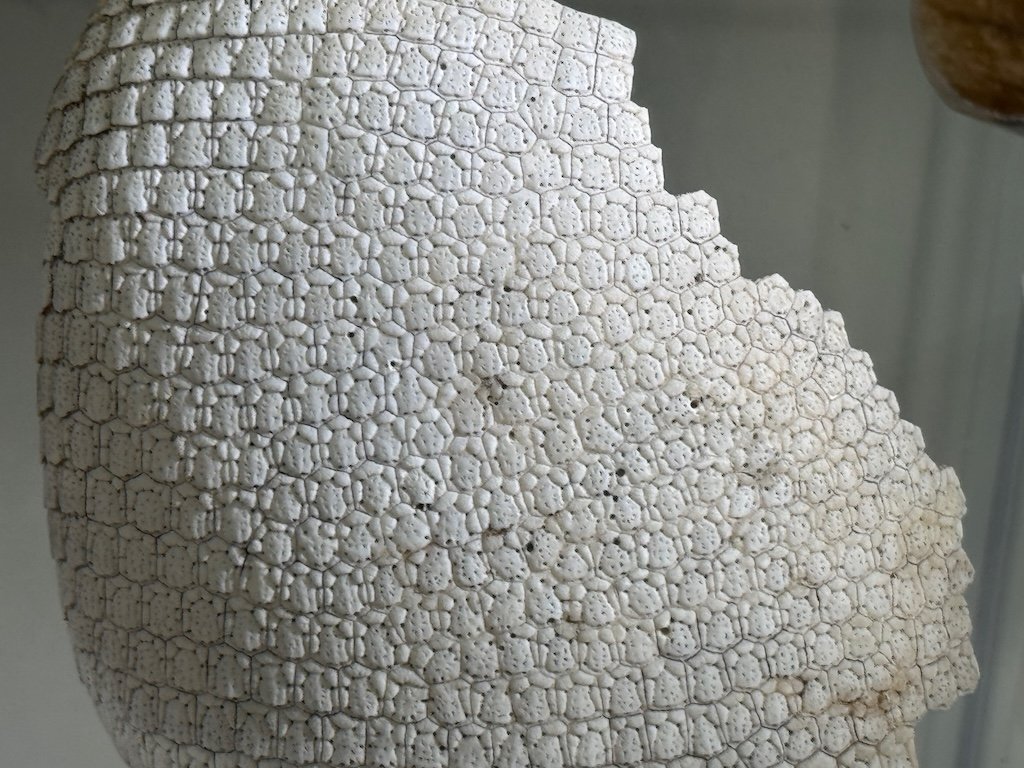
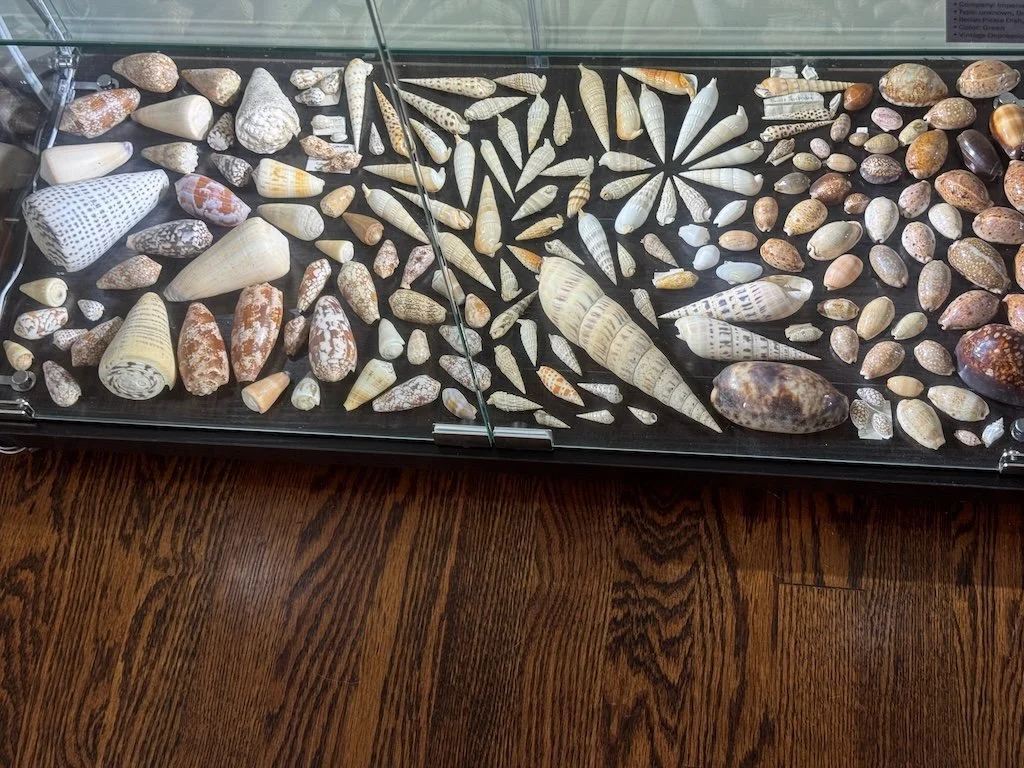
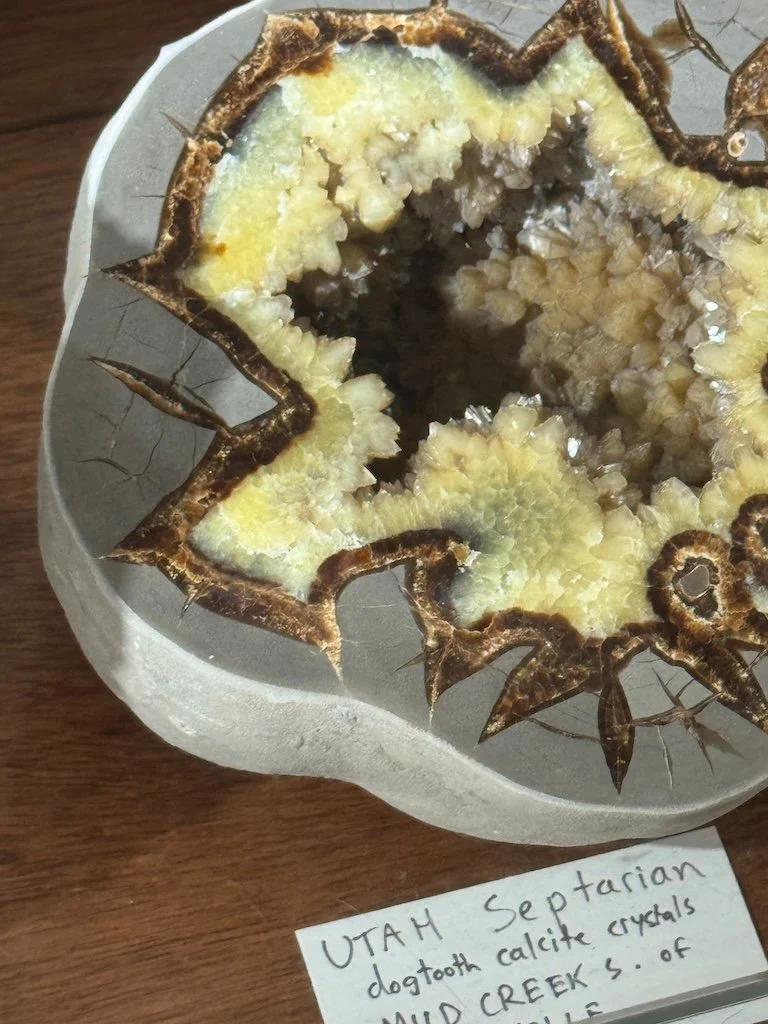
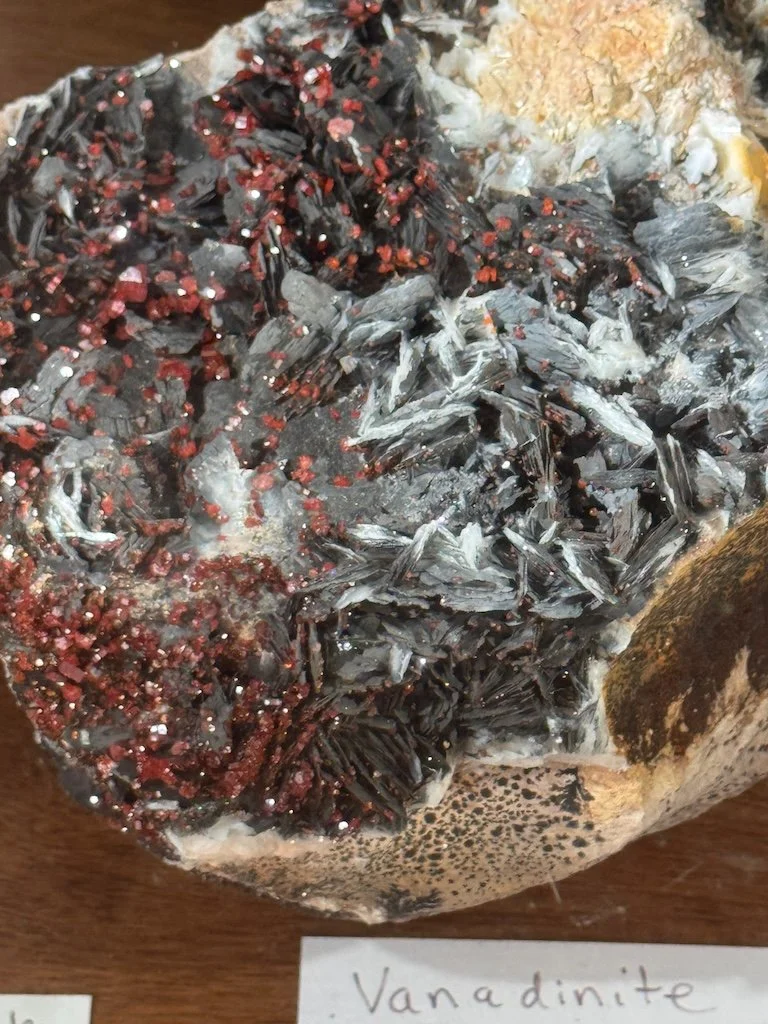
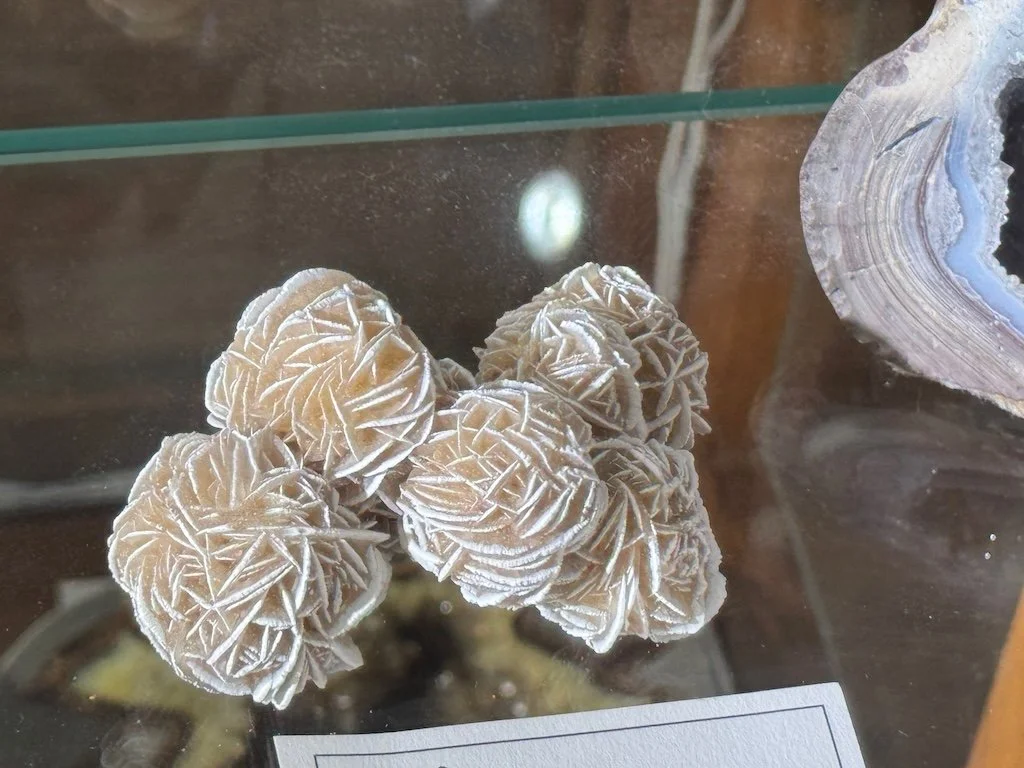
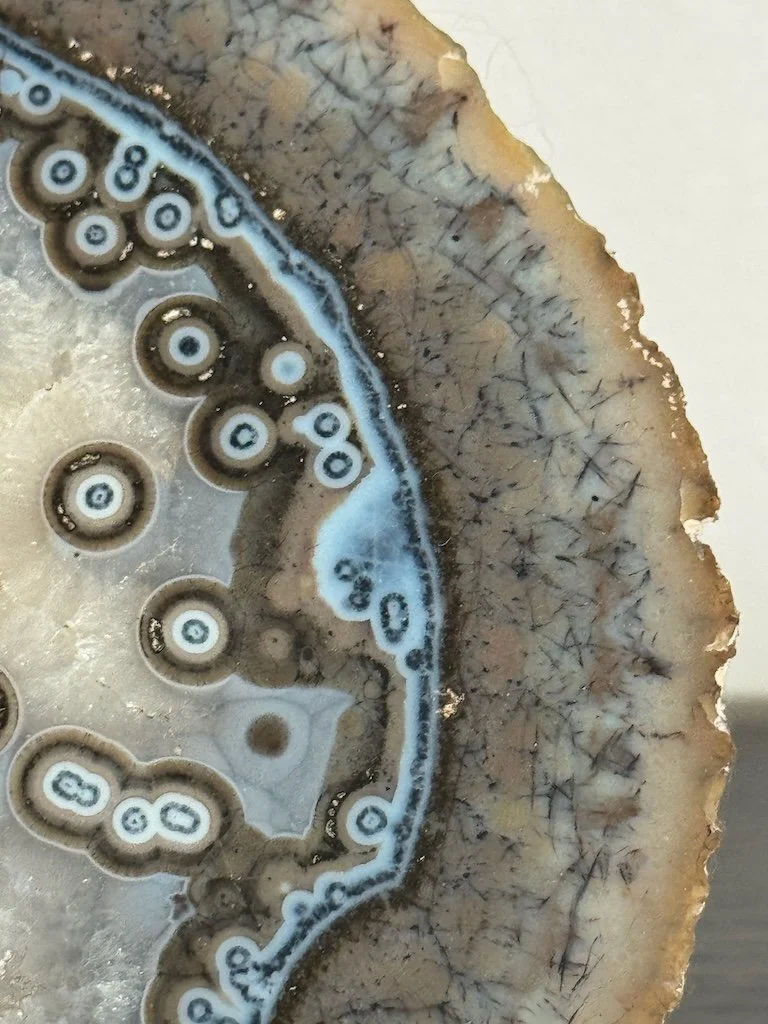
When we got back to my daughter’s house, we went in to see their new lighting in their mineral cabinets. My two favorite items (armadillo dermal bone and shells) were biological. But the lighting was good on them too!

I did a few photographs of the specimens though the glass cases and there was a lot less glare from the lighting!

Gleanings of the Week Ending September 26, 2026

The items below were ‘the cream’ of the articles and websites I found this past week. Click on the light green text to look at the article.

09/22/2026 The Conversation Bangladesh has lost 900 children to measles – a warning to other countries where vaccine rates have slipped - Almost 900 people in Bangladesh are suspected to have died in a measles outbreak that began in March. Most of those affected are children. Vaccines only work if people actually receive them. The science has already done its job: measles vaccines are safe, effective, and have protected children for decades. What’s missing is trust, access, and the urgency needed to close the gap – until that changes, outbreaks like this one won’t be the last.

09/18/2026 Yale Environment 360 Microplastics in Soil a ‘Trojan Horse’ for Toxins - To protect long-term food production and soil health, policy must catch up. We urgently need standardized plastic monitoring, full manufacturer transparency, and risk assessments that evaluate through different species how microplastics interact with co-pollutants.

09/17/2026 Science Daily This popular fermented food may help flush nanoplastics from the body - A kimchi-derived bacterium can bind to nanoplastics under gut-like conditions and may help carry them out of the body. In mice, the probiotic more than doubled the amount of nanoplastics detected in feces, pointing to a surprising potential use for microbes from fermented foods.

09/16/2026 BBC Future To save scarlet macaws, scientists are rescuing chicks from their lethal parents - Scarlet macaws are an iconic but declining tropical bird…and they intentionally starve their youngest chicks. Wild fostering techniques for those rejected chicks might contribute to the faster recovery of some populations.  

09/19/2026 The Prairie Ecologist A Simple Guide to Identifying Red-Tailed Hawks – A one page identification guide.

09/22/2026 NPR Abortion is on the ballot again as post-Roe policies continue to evolve – Again in Missouri - the state's Republican-dominated legislature is asking Missouri voters to overturn the abortion protections they recently supported. The conflicting measures even have the same title: Amendment 3. But while a "yes" vote in 2024 supported adding protections to the state constitution, a "no" vote in 2026 would keep them. (A citizen with a 2024 sign) covered the "YES" on her yard sign with a "NO" made from black duct tape before placing the sign back in her yard.

09/21/2026 Smithsonian Magazine An Armadillo Found in Ohio Is the Latest Surprise in the Armored Animals’ Expansion North. Where Are They Now, and What’s Driving Their Movement? - Over the past decades, scientists have tracked the armadillo’s steady northward crawl, from Texas to wider expanses of the South, Southeast and Midwest. Now, the recent discovery indicates that the mammals might soon gain a foothold in the Buckeye State. The animals moved across the Rio Grande in the mid-1800s, passing from Mexico into Texas. From there, they generally expanded north and east, reaching Louisiana by the 1920s and Kansas by the 1940s. With their strong leg muscles and long front claws, the mammals will root through soil in search of insects and create extensive burrows that can reach several feet underground. This behavior can damage gardens, agriculture, building infrastructure or golf courses. The burrows have positive effects, too. In a 2022 study in Arkansas, researchers used motion-triggered cameras to find 64 other species interacting with armadillo burrows—19 mammals, 4 reptiles, 1 amphibian and 40 birds.

09/15/2026 My Modern Met Amazing Winners of the 2026 BMC Ecology and Evolution and BMC Zoology Image Competition - The photo contest is an opportunity for people in biology to showcase their research to a broad audience. Ecologists, evolutionary biologists, and zoologists worldwide submitted work for the 2026 competition.

09/17/2026 Yale Environment 360 Why Germany Is Building an Ark for U.S. Climate Data - As researchers around the world begin work on the next U.N. climate assessment, fears are growing that the Trump administration could meddle with critical U.S. climate data. In response, scientists are preparing to transfer vast troves of that data to repositories in Germany. In a world where political upheaval is growing, storing data in one place is increasingly thought to be precarious. Assumptions that U.S. government agencies will store data long-term “are proving tenuous at best.”

09/15/2026 Archaeology Magazine Landslide Exposes Pre-Roman Burial in Eastern Italy - A landslide in central Italy has exposed a Picene burial estimated to date to the sixth century B.C. The Picenes are known to have lived near the Adriatic Sea and imported pottery, bronzes, and other goods from Greece.

Zooming – February 2026

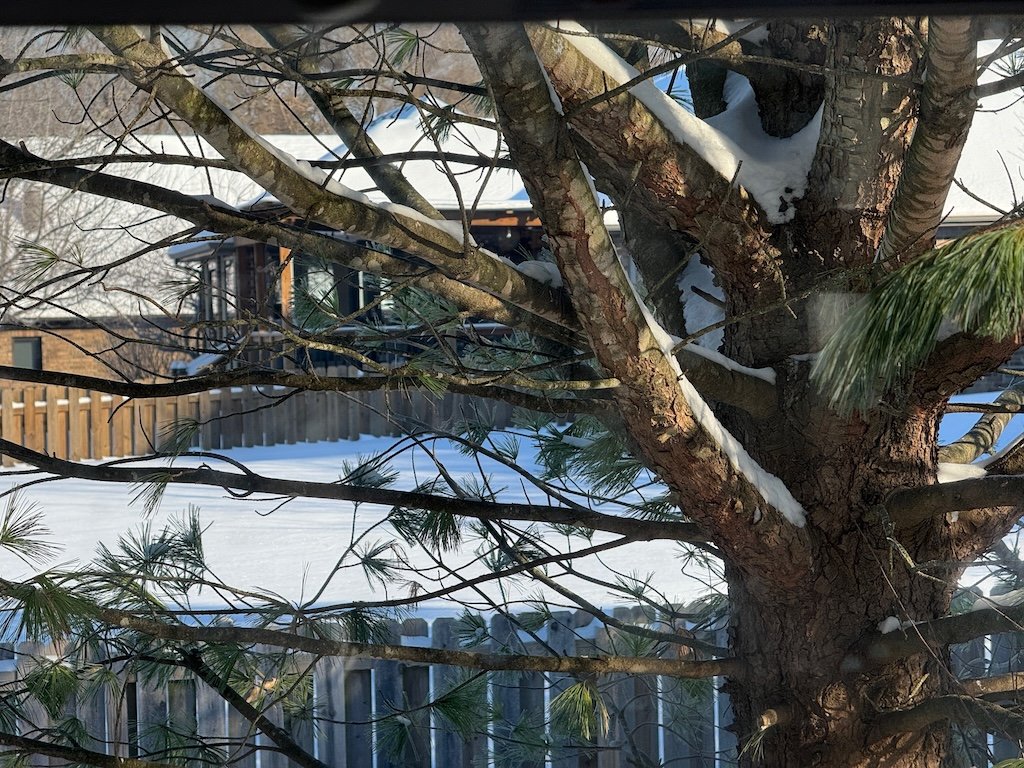
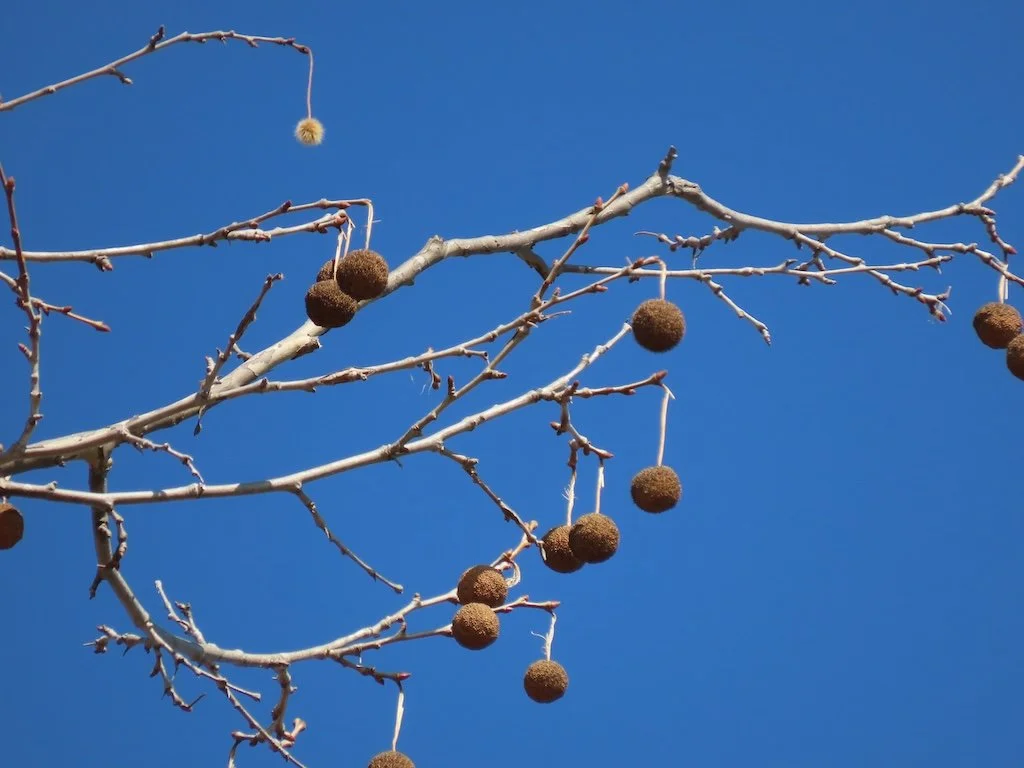
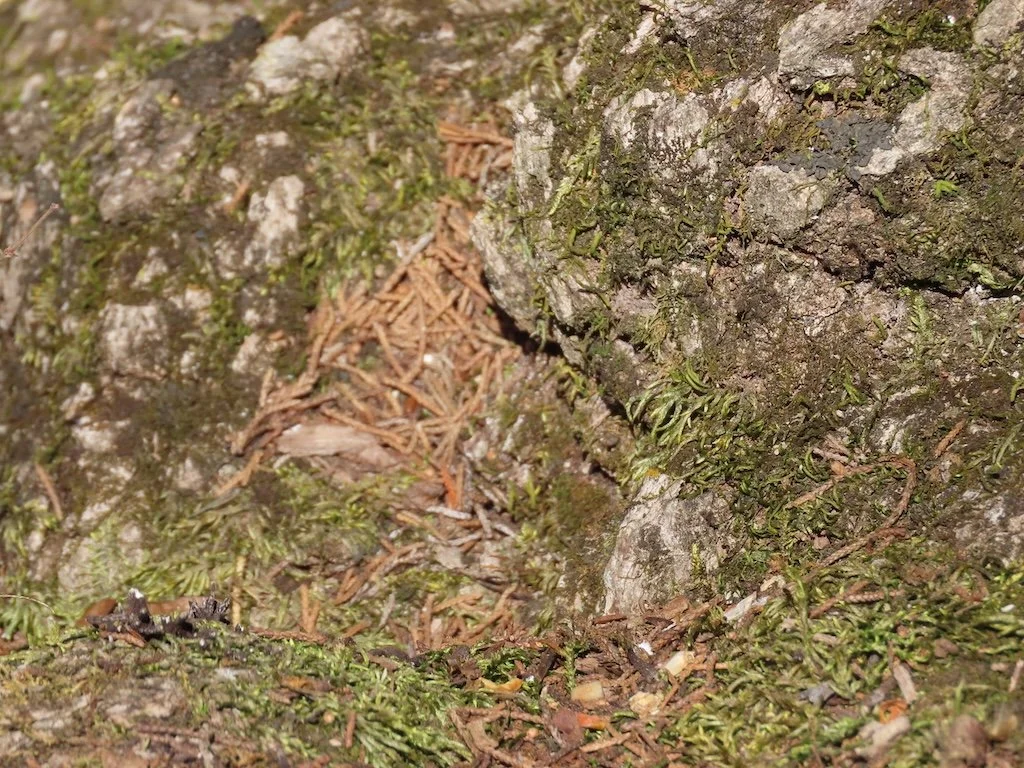
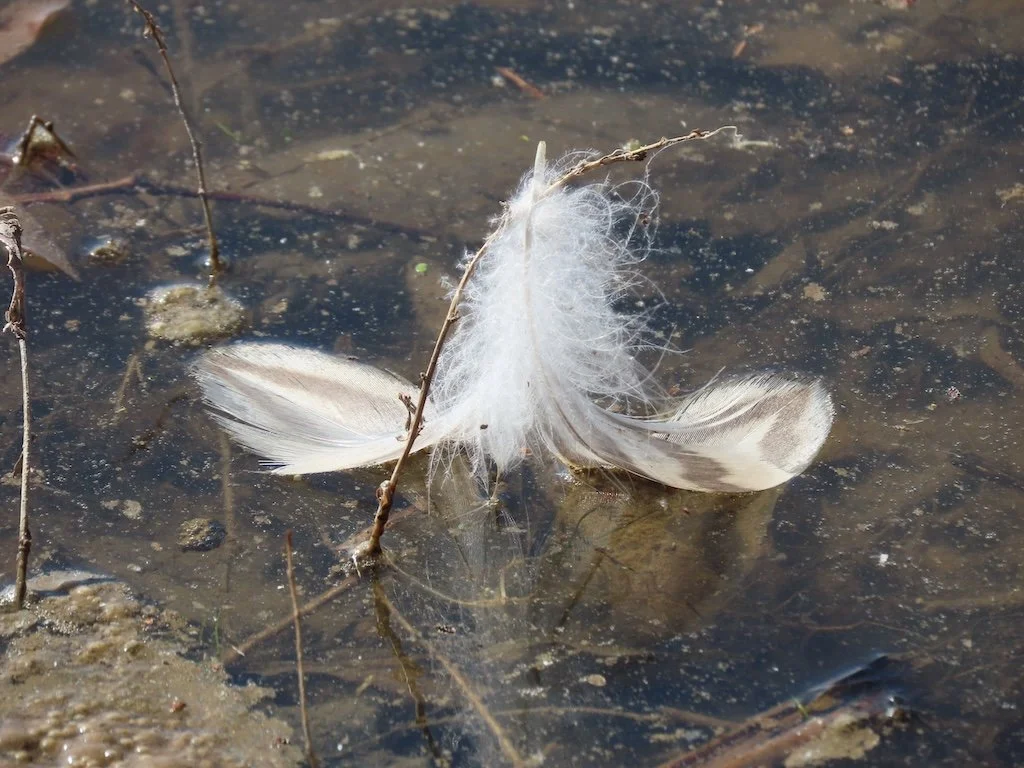
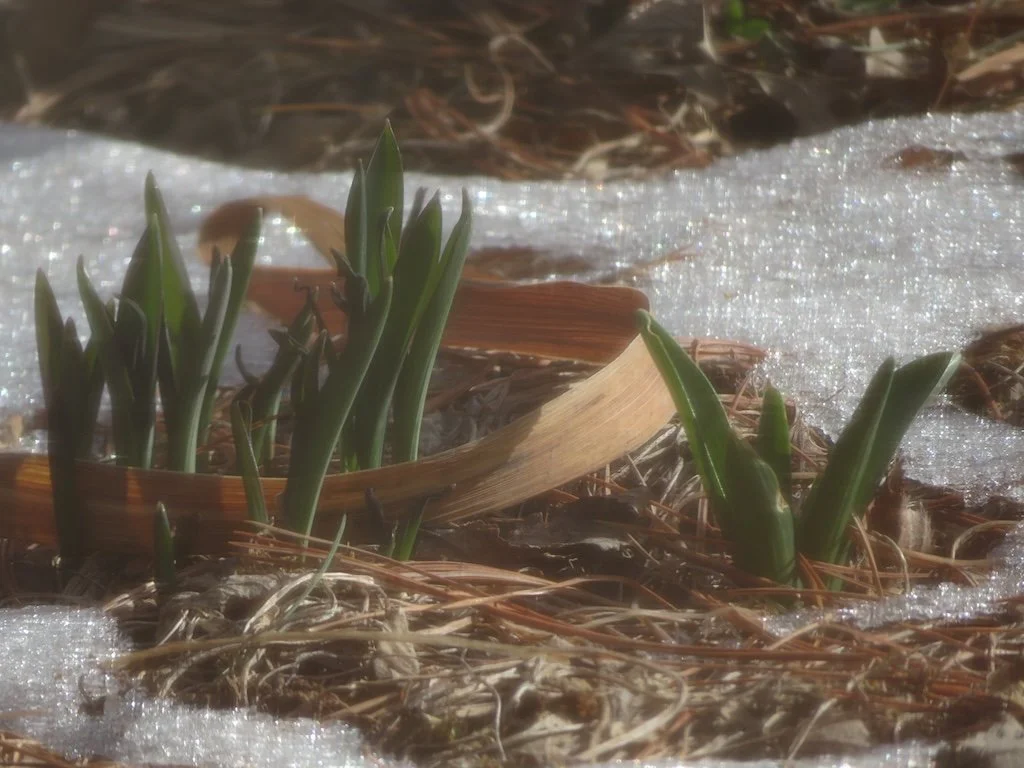
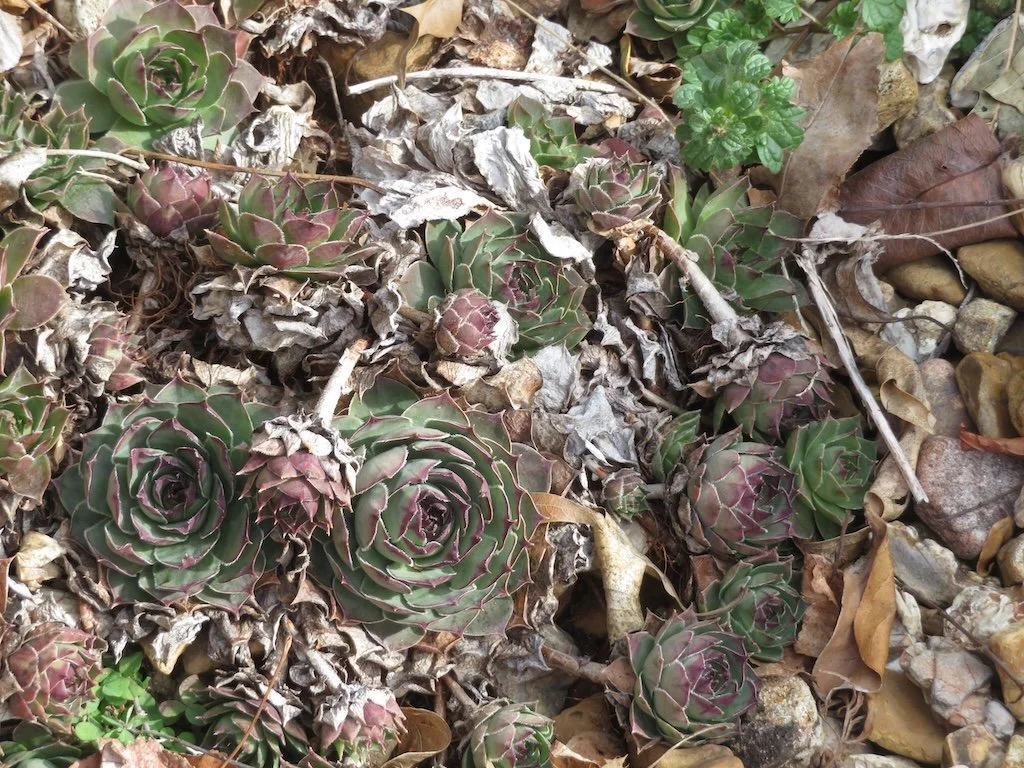
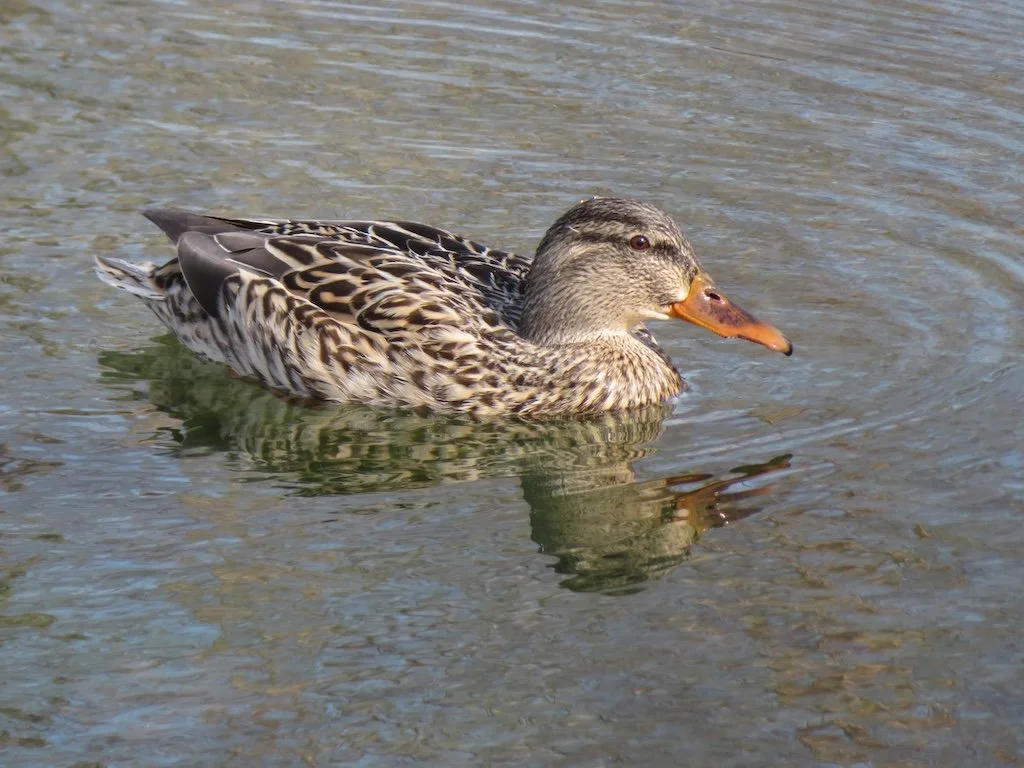
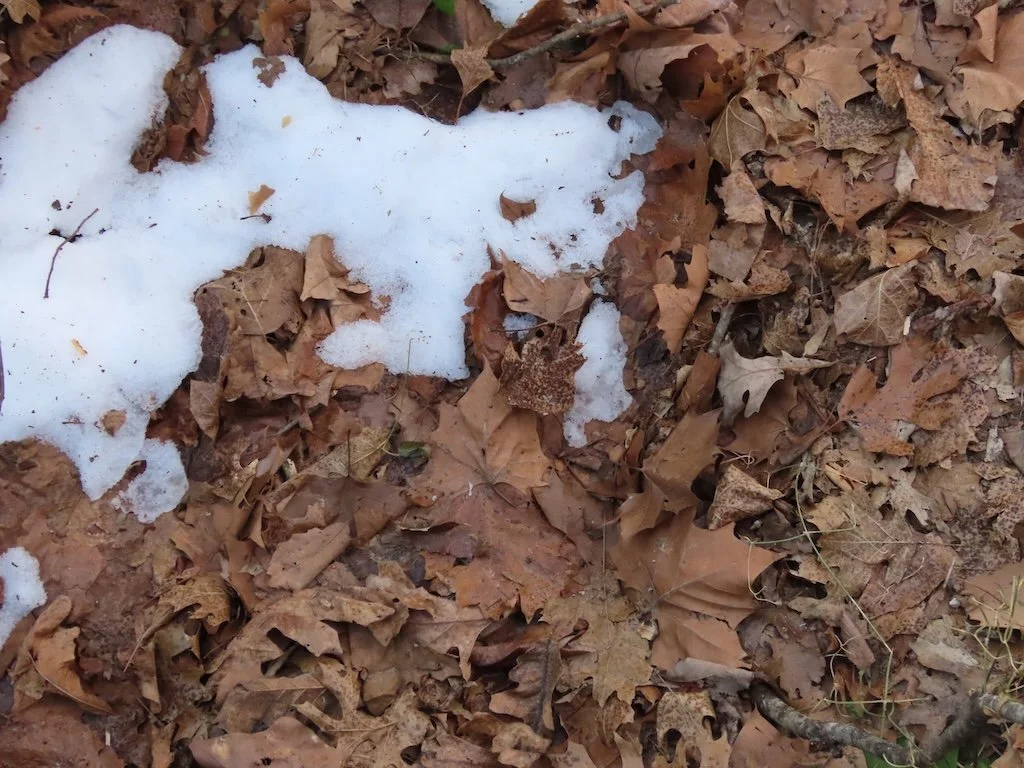
The images from this month were all close to home: my yard, my neighborhood, Wilson’s Creek National Battlefield, and Lake Springfield Greater Ozarks Audubon Trail. There was a mix of snow and winter images….the beginnings of spring. There would have been more places if the big snow had not cancelled two hikes that had originally been planned for February! Enjoy the zoomed images of my times outdoors during this month!

Wilson’s Creek National Battlefield

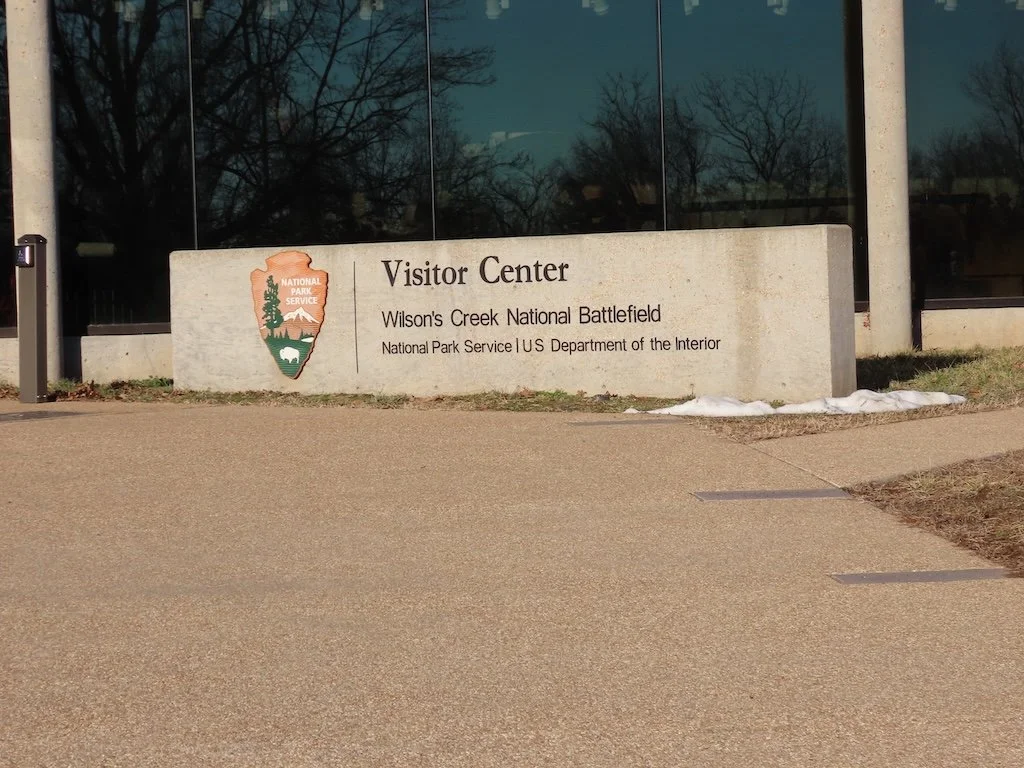
I left the house a little before 8 AM. One of my fellow Missouri Master Naturalist’s was leading a birding hike at Wilson’s Creek National Battlefield to begin at 8:30. This was my first visit to Wilson’s Creek. It was a sunny winter morning – much warmer than the previous 2 Saturdays and without snow on the ground. It was cold enough that the mud was frozen. We met at the parking lot of the Visitor Center and then drove into the park.

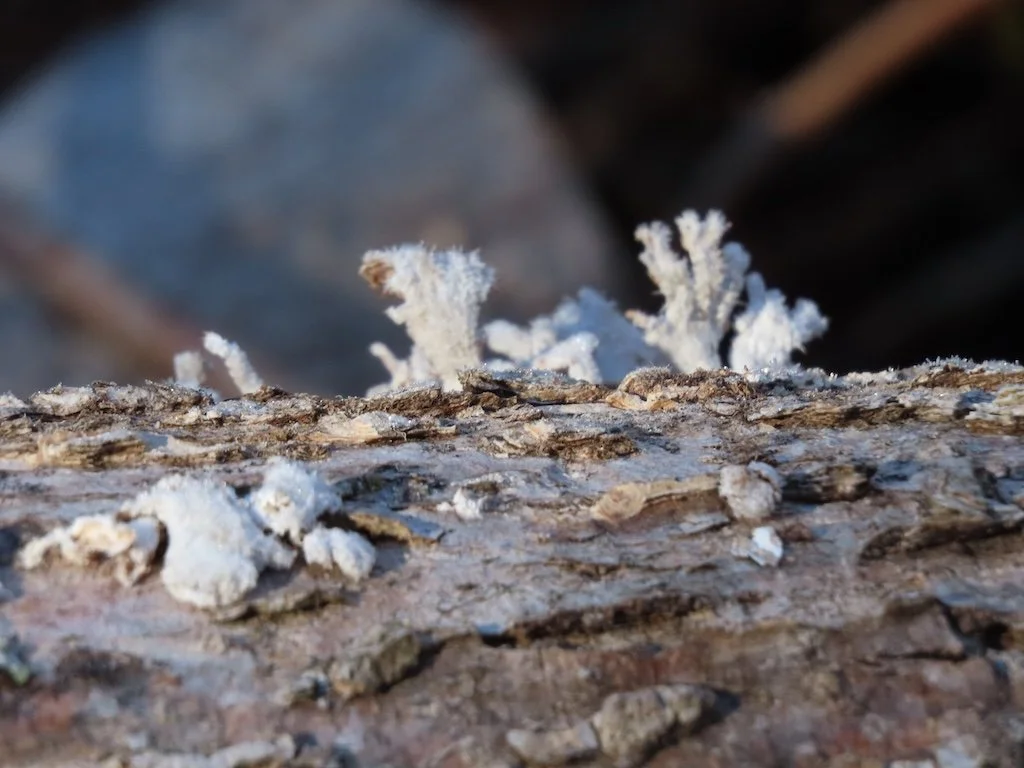
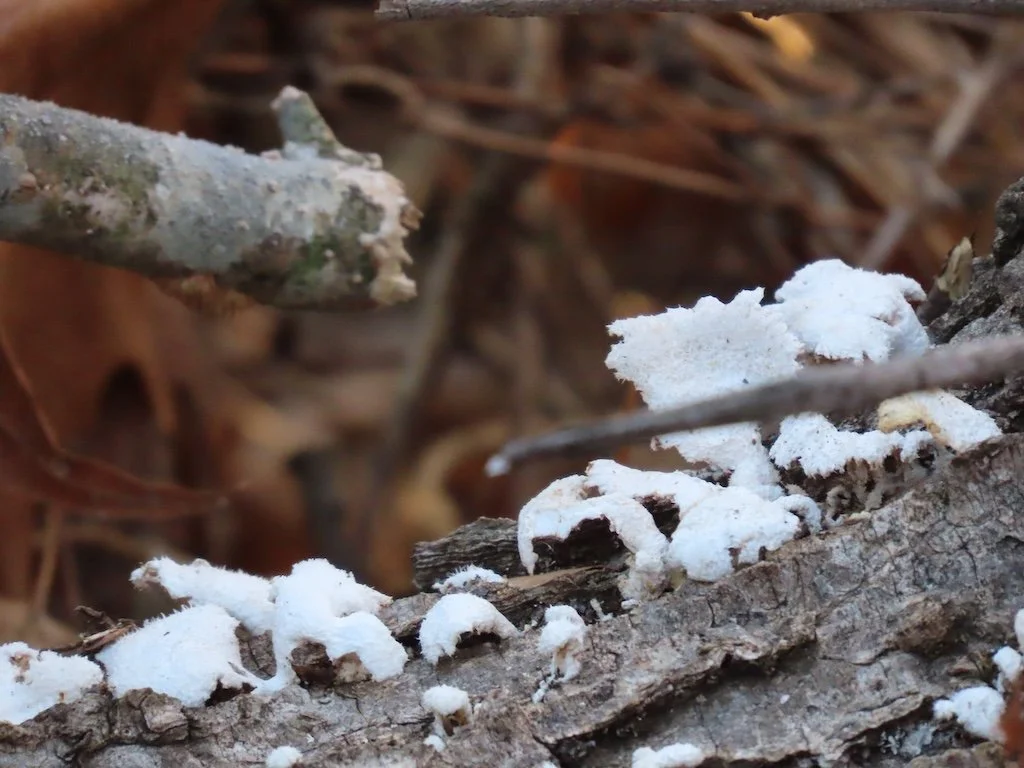
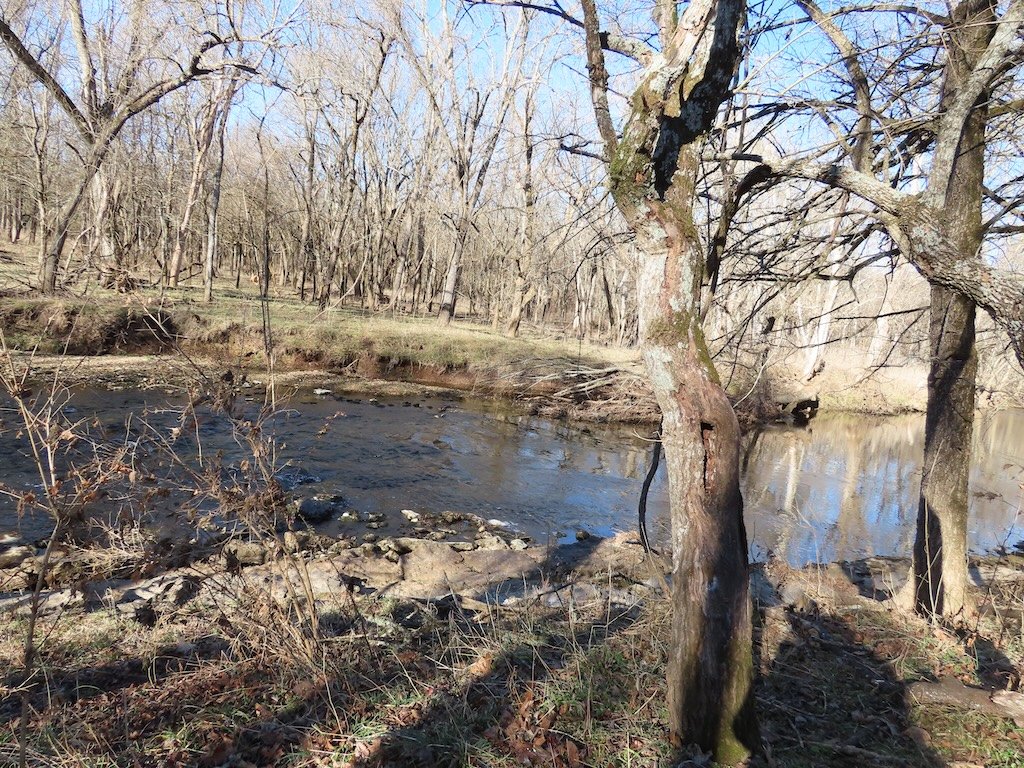
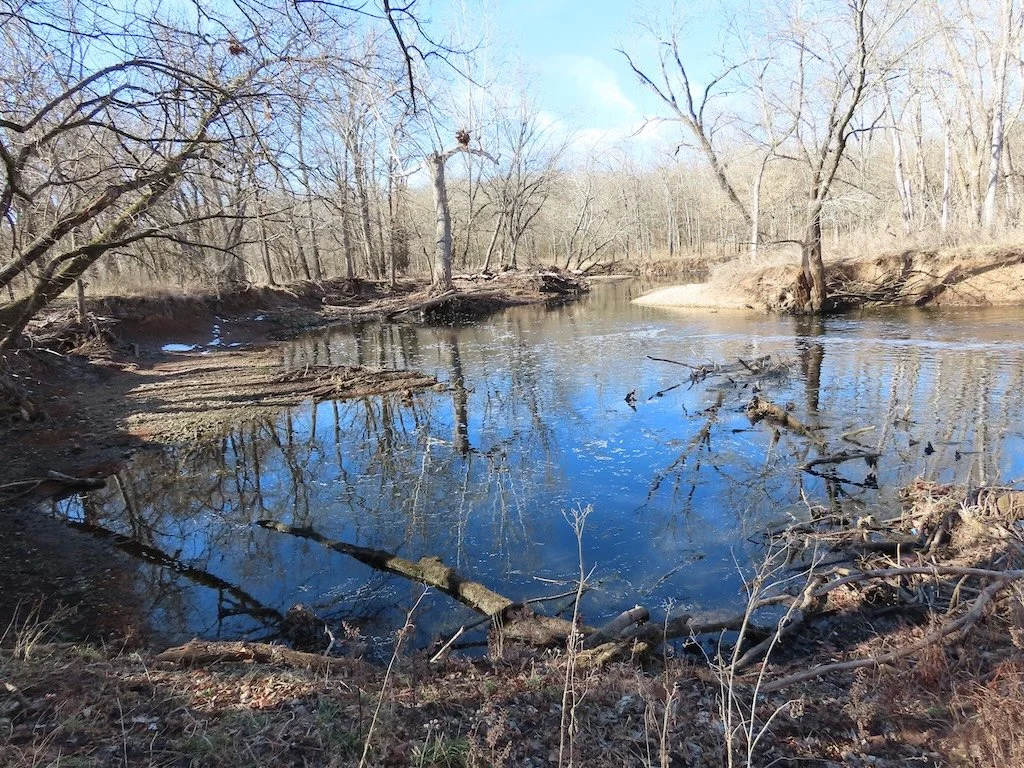
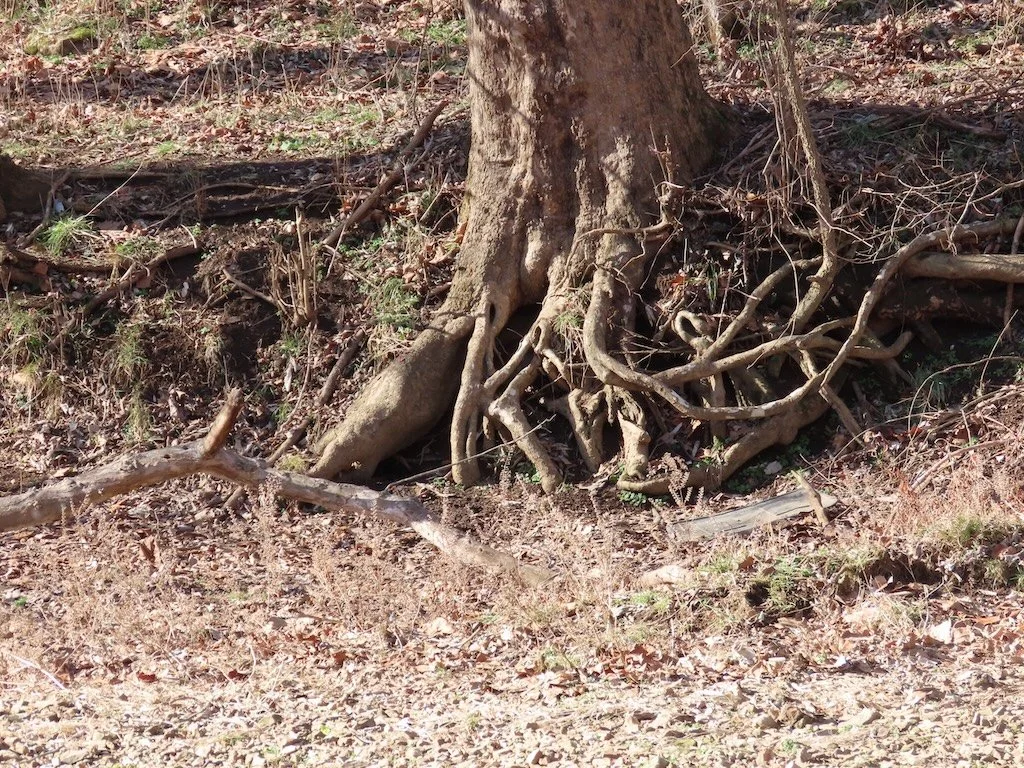
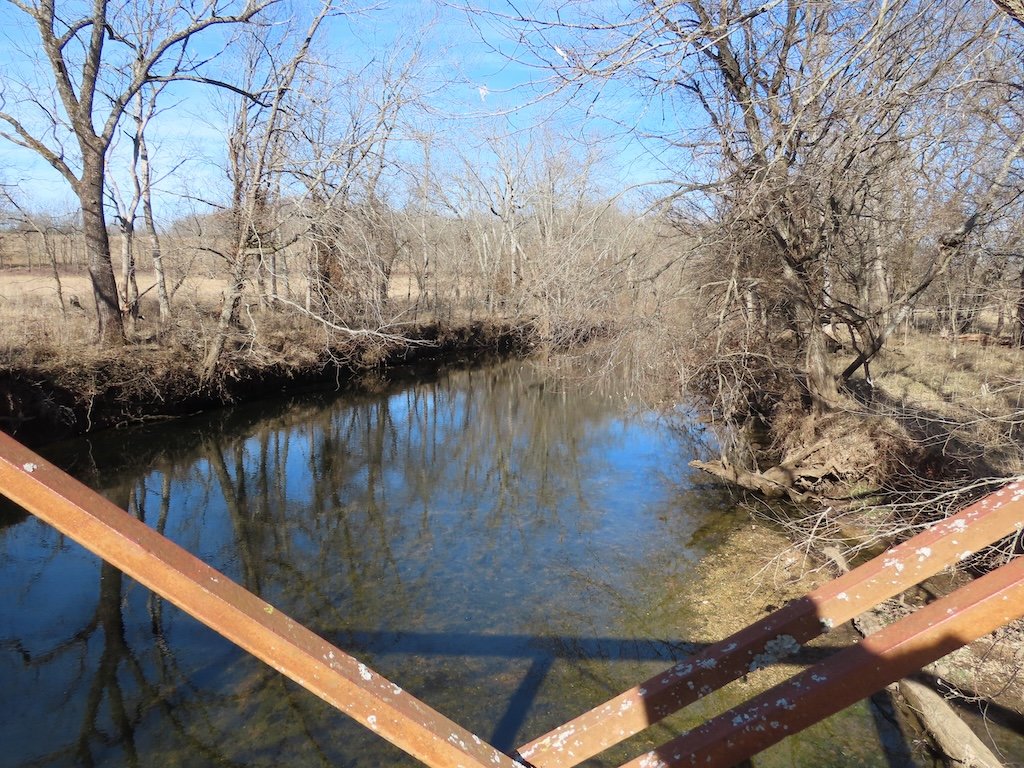
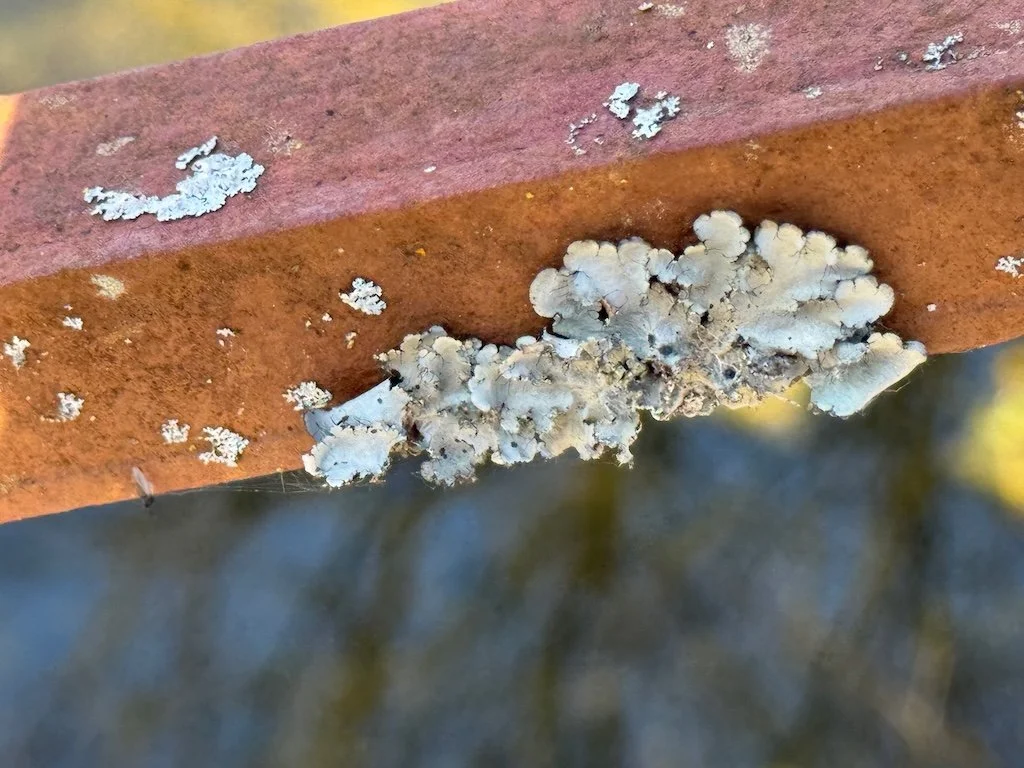
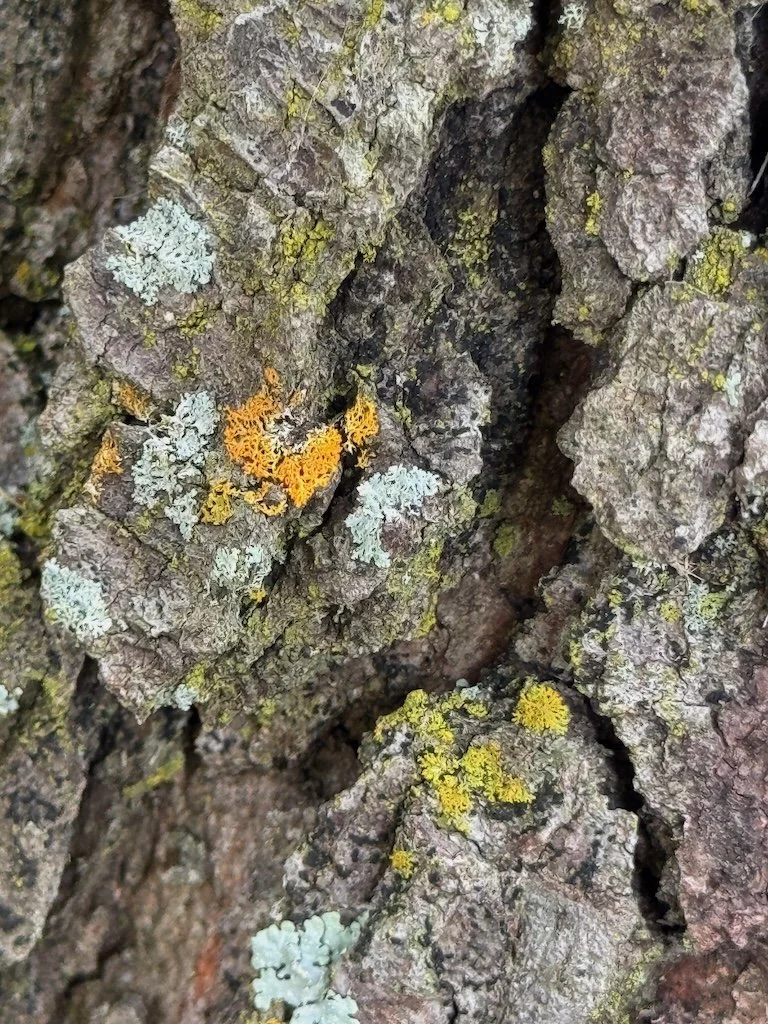
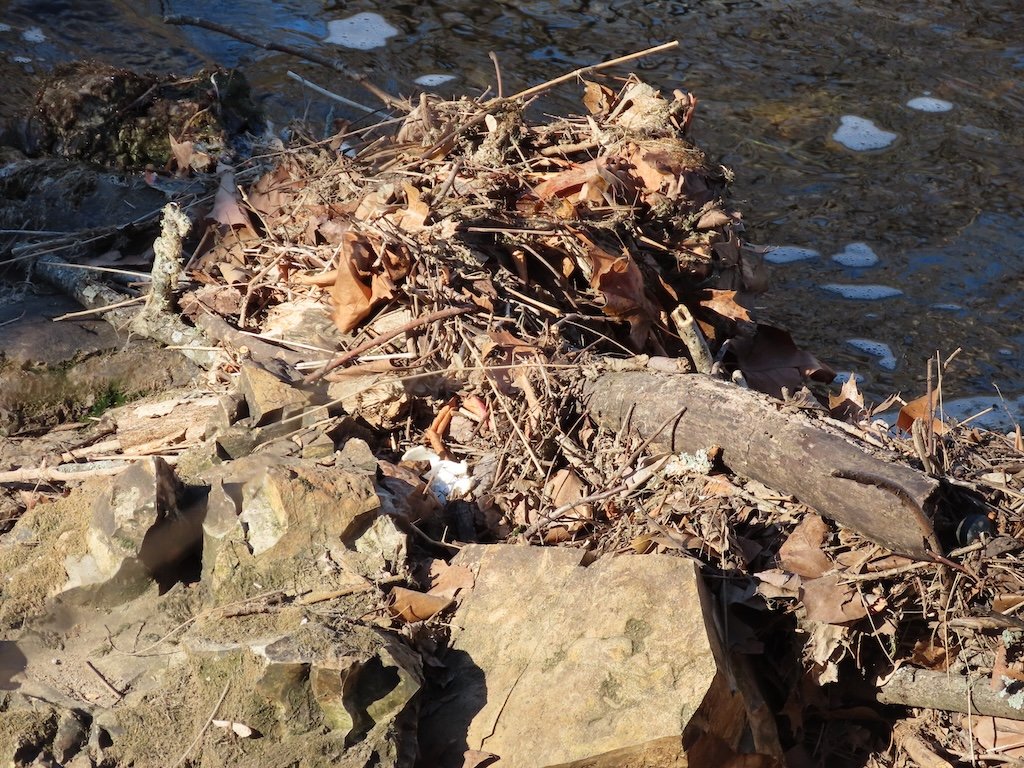
We hiked for about 3 hours! I took some landscape pictures…some very white fungus on a log…a sycamore almost undermined along the edge of the creek (perhaps it will fall during the next big storm)…leave wads at the edge of the creek…the riparian zone…lichen on the bridge.

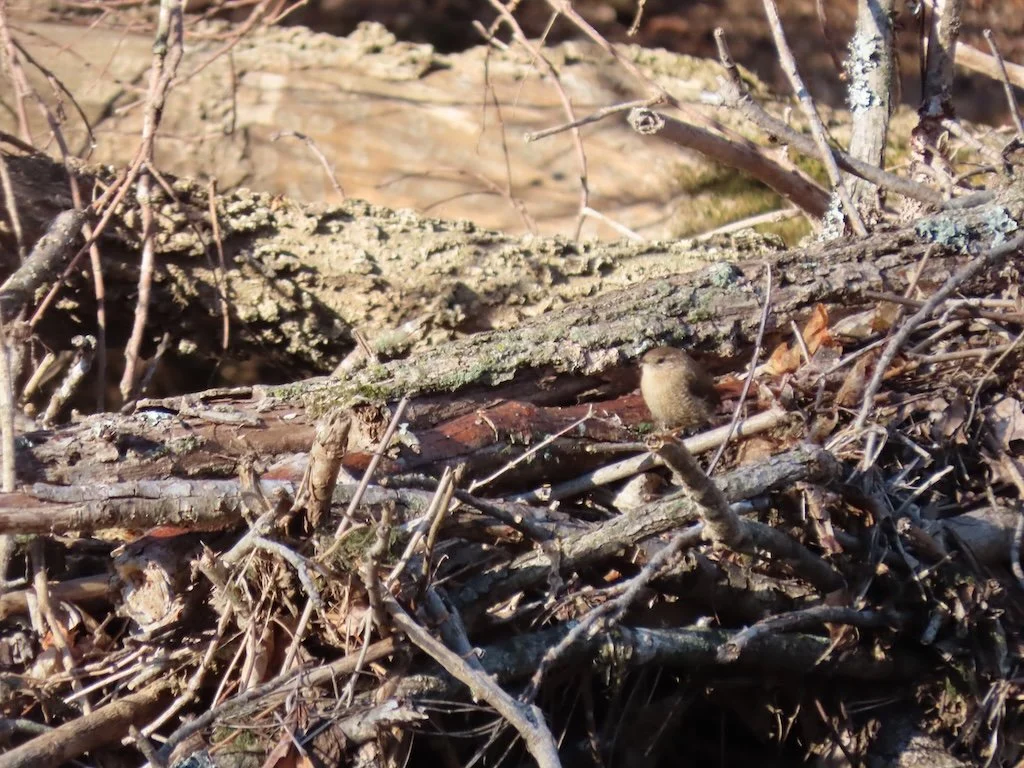
The bird highlight of the early part of the hike was a winter wren on the opposite side of Wilson’s Creek in the debris around a fallen tree. They are small and blend in very well…it took be a bit to see it move – find it. There was more bird activity as it got warmer toward the end of the hike.

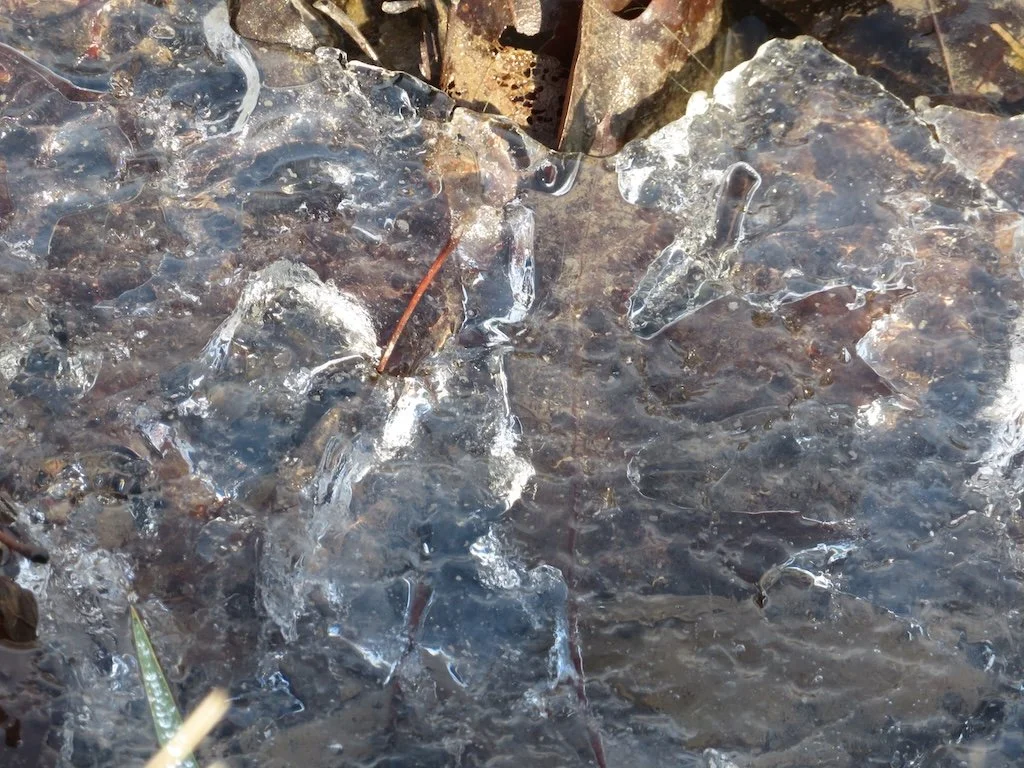
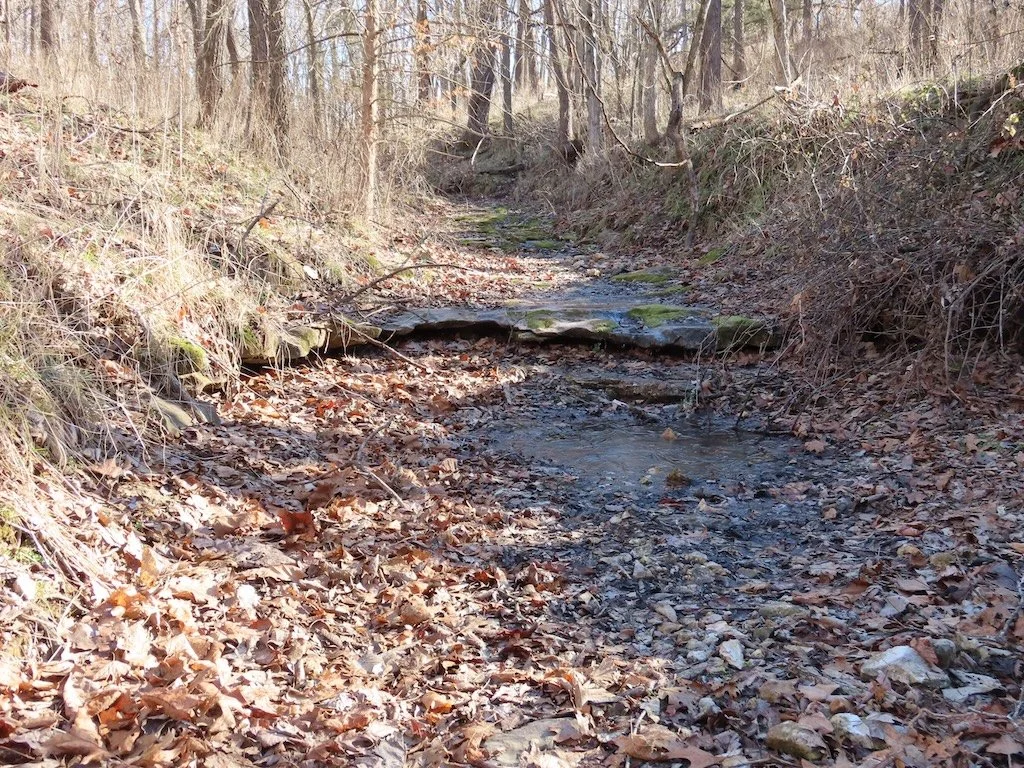
We hiked up a rocky stream bed of a losing stream. There was a frozen pool where it usually goes dry.

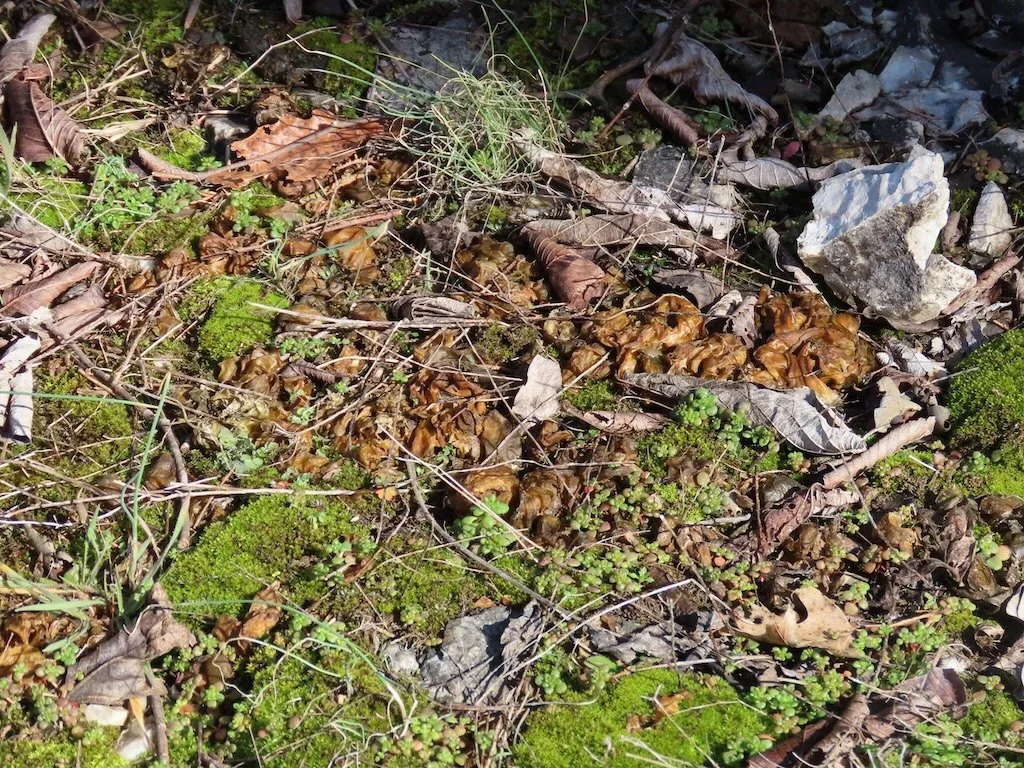
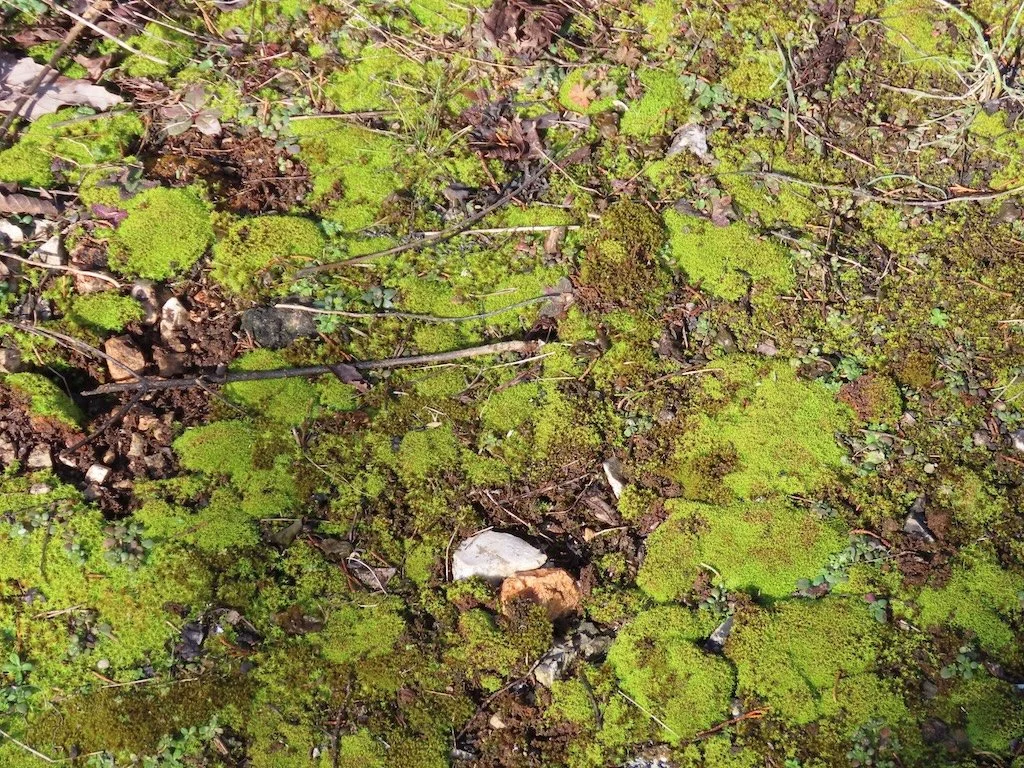
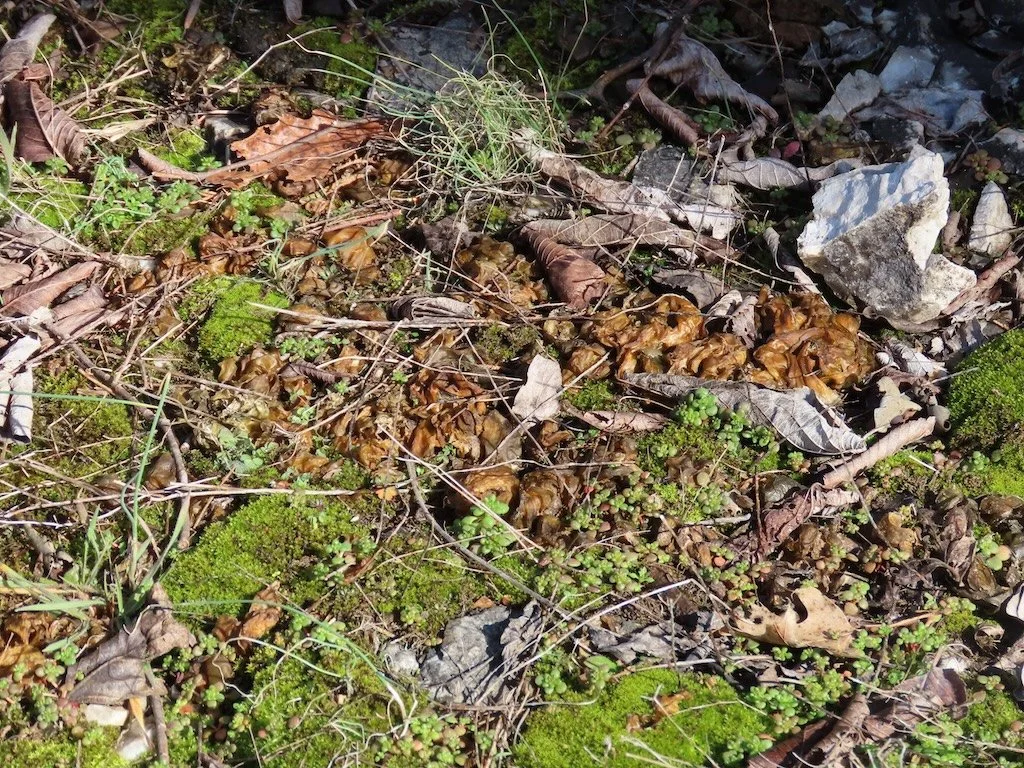
We stopped by two small glades – lots of green moss and some brownish fungus. There was also some prickly pear.

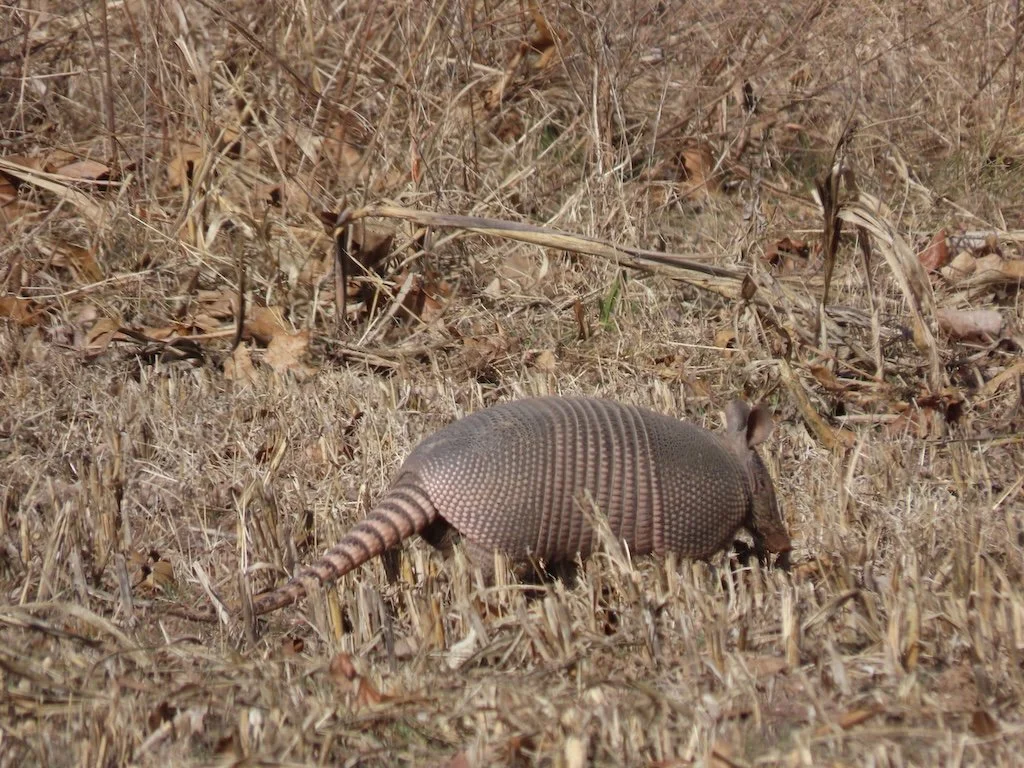
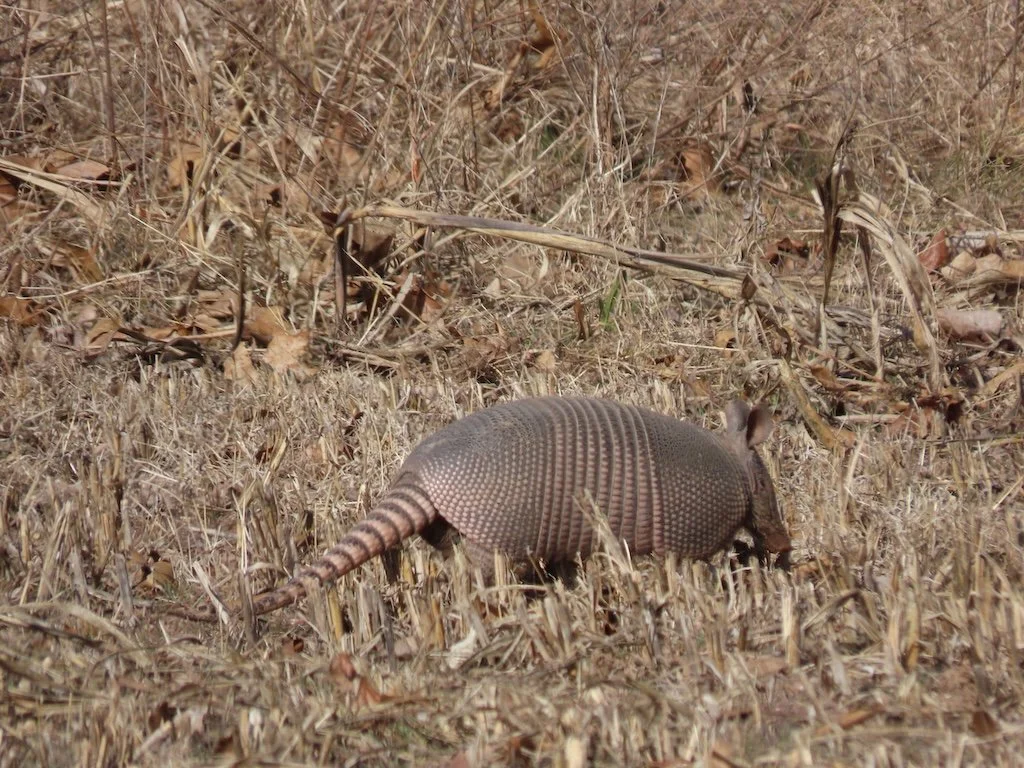
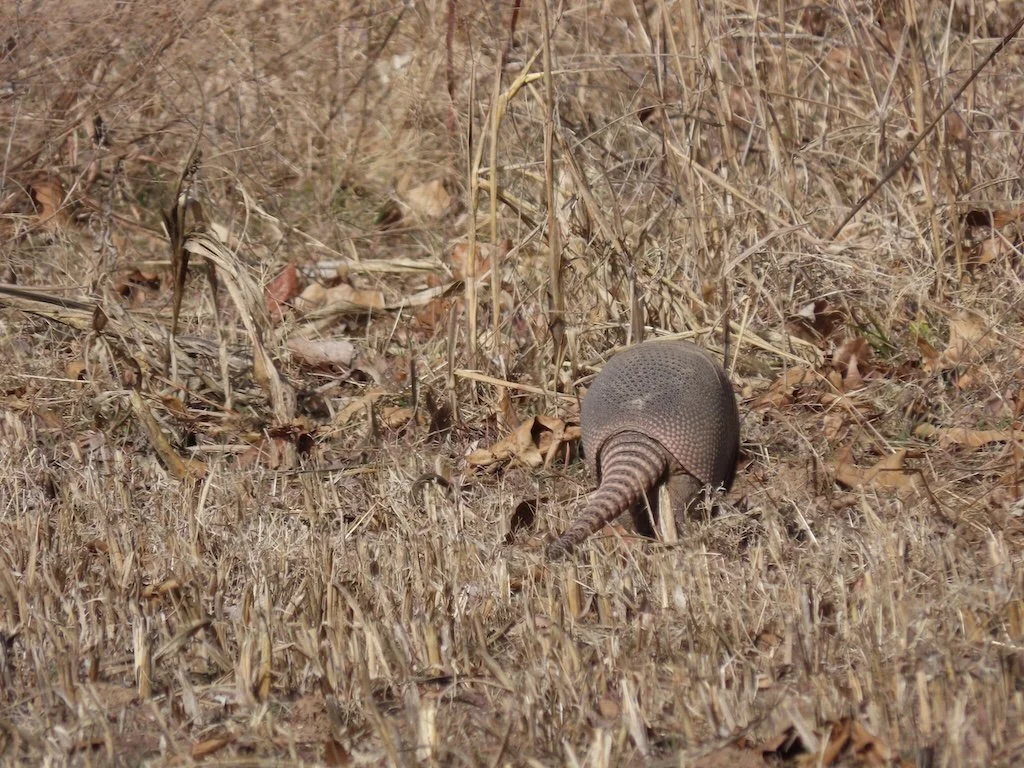
The highlight at the end of the hike was seeing an armadillo in a field of corn stubble! This species has been moving northward in recent decades!

It was too early for wildflowers…so I am already thinking about going back…

Unique Aspects of Days – June 2022

June was probably the most unique month of 2022; moving from Maryland to Missouri made for a lot of firsts…made more unique by the time that had passed since our last move (more than 25 years ago). It was hard to choose just 10.

Move out day in Maryland. Packing up was hard enough…seeing it all be loaded on the truck in one day (rainy toward the end) was overwhelmingly intense – certainly not a ‘normal’ situation. And I knew I would be getting up early in the next morning to head to Missouri.

A lot of armadillo road kill. In Maryland the most common road killed animals were deer. In Missouri, there were armadillos; perhaps it was the time of year they go walkabout.

Closing on a Missouri house. I hadn’t closed on a house in over 25 years and this is the only time in my life (so far) that there was no mortgage.

First sunrise at Bentwater house. Firsts are unique simply because they are the first!

Blowout of my driver’s side front tire. It was not a totally unique experience but the last one was years ago (2017) and only the third one in my 50 years of driving!

The neighborhood pool for the first time. I wasn’t sure I would use the pool but I discovered that there are times it is not very busy…a very pleasant respite from the heat.

Mend Piece. I’ll do a post about the experience in a few days….it was a unique hands-on experience at the Springfield Art Museum.

Making popcorn in the downstairs kitchen – first time. It felt a little odd to make popcorn in a place other than the main kitchen…but the mini-kitchen near my office in the basement has a microwave. I used my Nordic Ware bowl…melted butter in an old stoneware cup. It’s great to have a hefty snack without having to go up or down stairs!

Our Maryland house went on the market…under contract 4 days later. We hadn’t sold a house in a long time…and the previous experiences had not been quick. This one was lightning fast – just as the realtor had predicted. We were pleased and overwhelmed all at the same time.

New washer and dryer. I don’t remember the last time we had a new washer/dryer….so I am counting it as unique….and still enjoying the big improvement over the older models: quieter, more effiecent use of water/energy, quicker. Also – the laundry chute in our new house is a very nice feature.

Gleanings of the Week Ending November 27, 2021

The items below were ‘the cream’ of the articles and websites I found this past week. Click on the light green text to look at the article.

Lots of wonderful photography posts to enjoy this week: Winners of the Weather Photographer of the Year Contest Celebrate the Beauty of Nature, West Coast Landscape Photographer Perfectly Captures the Region’s Magical Vistas, Awe-Inspiring Winners of the 2021 Natural Landscape Photography Awards, and Photographer Zooms in on the “Hidden Beauty” of Small Seeds and Fruits – Not sure why there seemed to be so many of these in my feeds this week….

What is Play-Doh made of? – Thinking of toys this time of year….play-doh is something that has been around a long time. We don’t have any young children in our immediate family and I’m missing the joy of watching a child at play.

How your house will go carbon free – Efficiency and renewable energy. At least some of the technologies already exist and many can be retrofitted into existing houses.

Armadillos advance northward as temperature rises – I remember seeing armadillos years ago in Texas when we were camping….maybe we’ll be seeing them closer to Missouri and Maryland in the near future – although hopefully not digging up my yard.

Catching up on Top 25 birds of the week: Breeding and November 2021 – I am ready to do some birding…my husband registered us for a birding hike in a Baltimore hike in December and I hope the pandemic will wane enough that the birding festivals will be back in 2022.

Red, White and Green: Winter Colors in Arches are Awaiting You – My husband and I visited some of the Utah parks in October several years ago…and there was already a dusting of snow on some of the mornings and in the mountains. Maybe we’ll go in November next time.

California Condors Surprise Scientists With Two ‘Virgin Births’ – Maybe this happens in other species too. There was no way to verify the phenomenon before genetic testing became available.  

Seeing Red: What the Color of House Finches Can Tell Us – House Finches are frequent visitors to our bird feeders. It was good to learn more about them from this blog post.

For women, greater exposure to estrogen in life may protect brain regions that are vulnerable to Alzheimer’s – This post left me wondering if estrogen mimics in our environment (i.e. pollution) might be protective as well…and, if so, will younger women be less likely to experience brain shrinkage after menopause than the older generations of women are experiencing.  

Why mandatory vaccination is nothing new – A little history of vaccine mandates. I didn’t know that George Washington required all troops to be inoculated against smallpox in 1777!