Jessie Wilcox Smith – A Child’s World

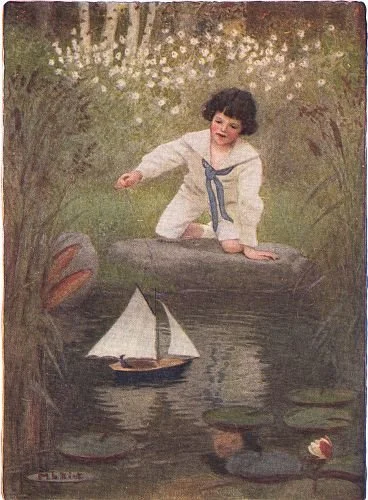
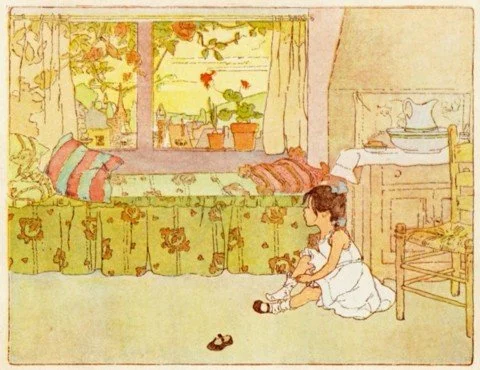
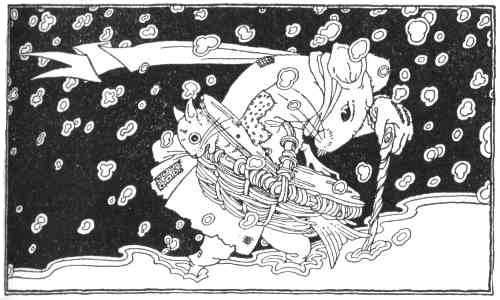
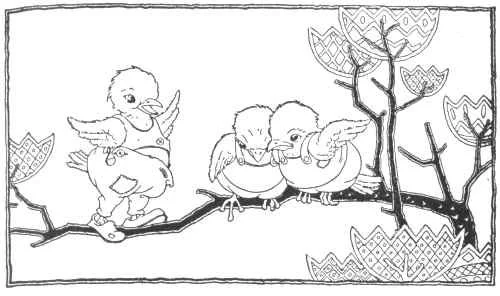
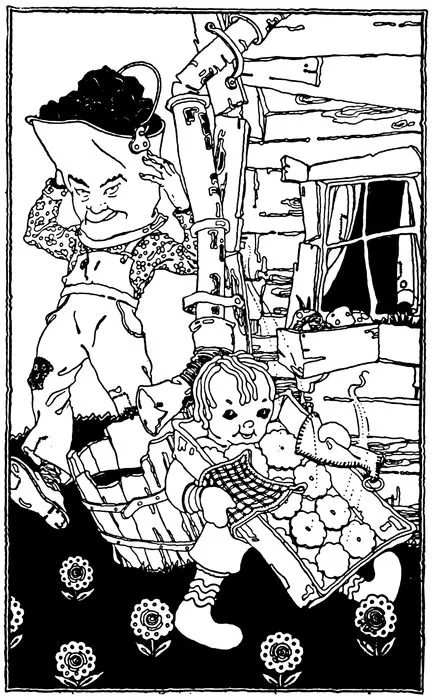
I was browsing through the December 1909 issue of McClure’s Magazine when I found A Child’s World – A Series of Pictures by Jessie Wilcox Smith. I always enjoy her illustrations and it was a pleasant surprise. There are only 5 illustrations – one shown in this post to entice you to follow the link to the others for the quick ‘book of the week.

A Child’s World (in 1909)

Ten Little Celebrations – July 2026

July was hot…making is more challenging to enjoy time outdoors – but I still found plenty to celebrate!

Car chargers on my way to Texas. I noticed that there were car chargers at a place I normally stop along my route between my home and seeing my dad in Texas. That bodes well for me buying an EV next year!

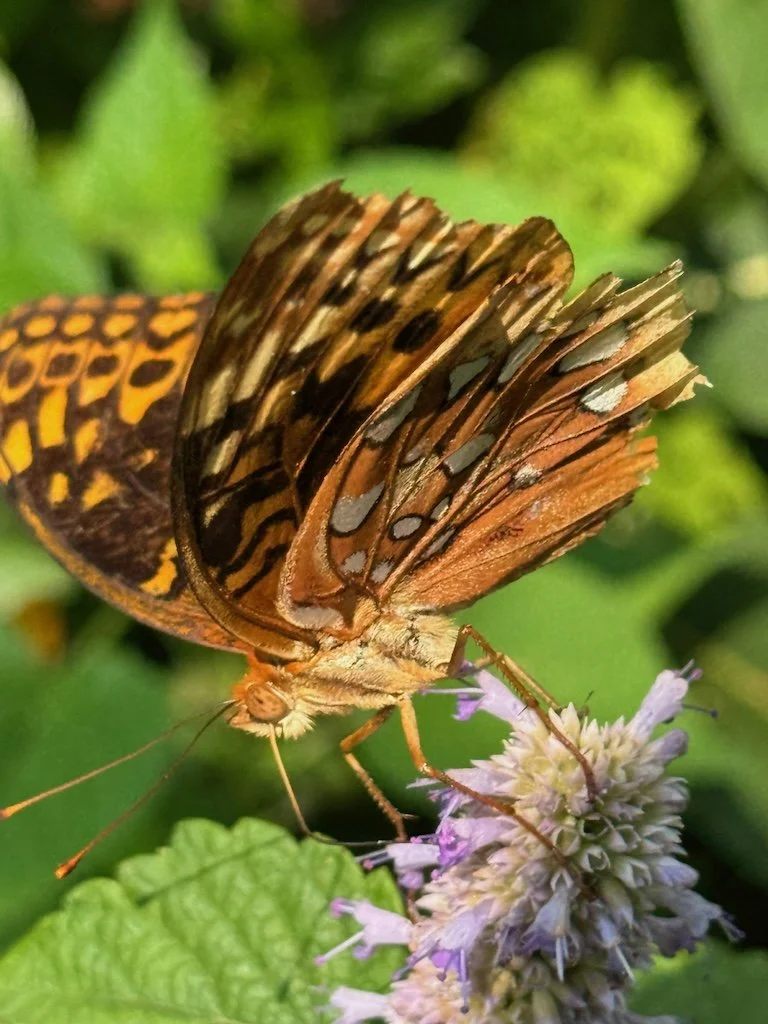
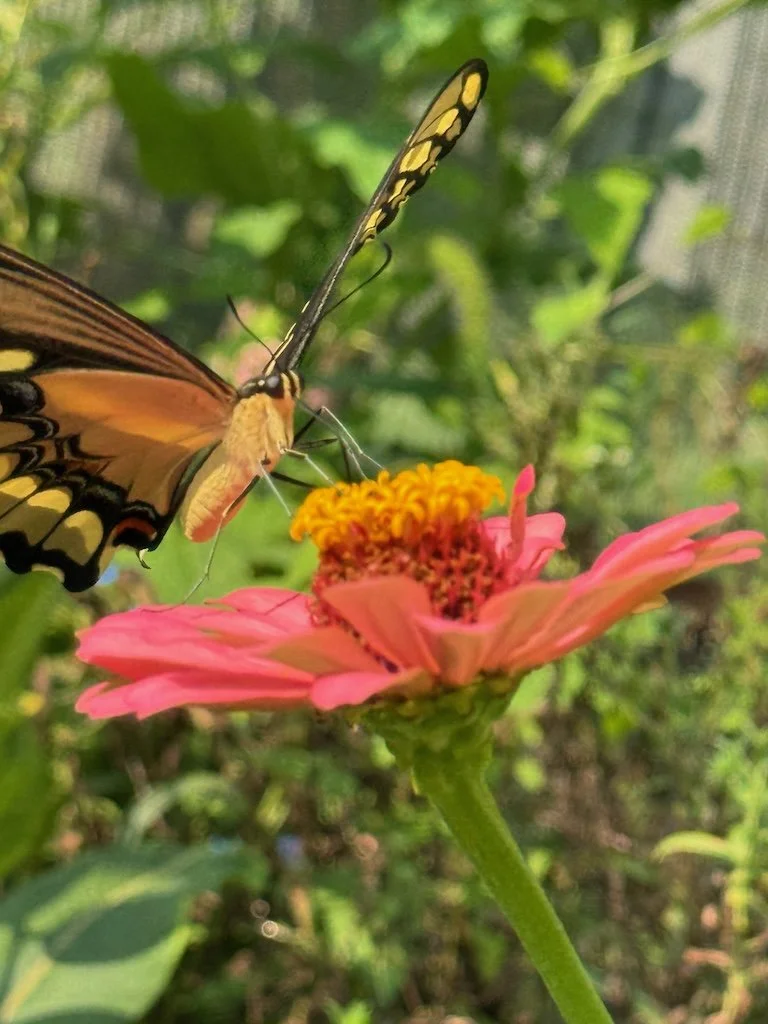
Children in the butterfly house. I enjoy my shifts in the Roston Native Butterfly House – particularly if there are children that enjoy their visit too. Their awe as they follow the flights of butterflies or watch the butterfly get nectar from a flower seems to transfer to everyone in the house!

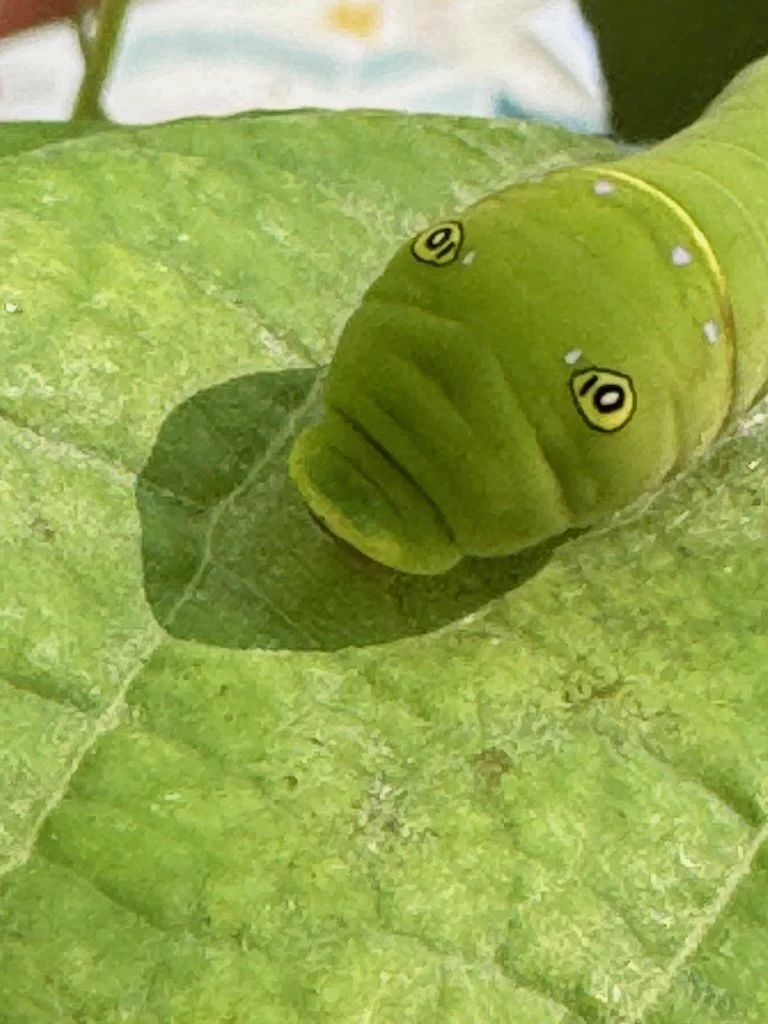
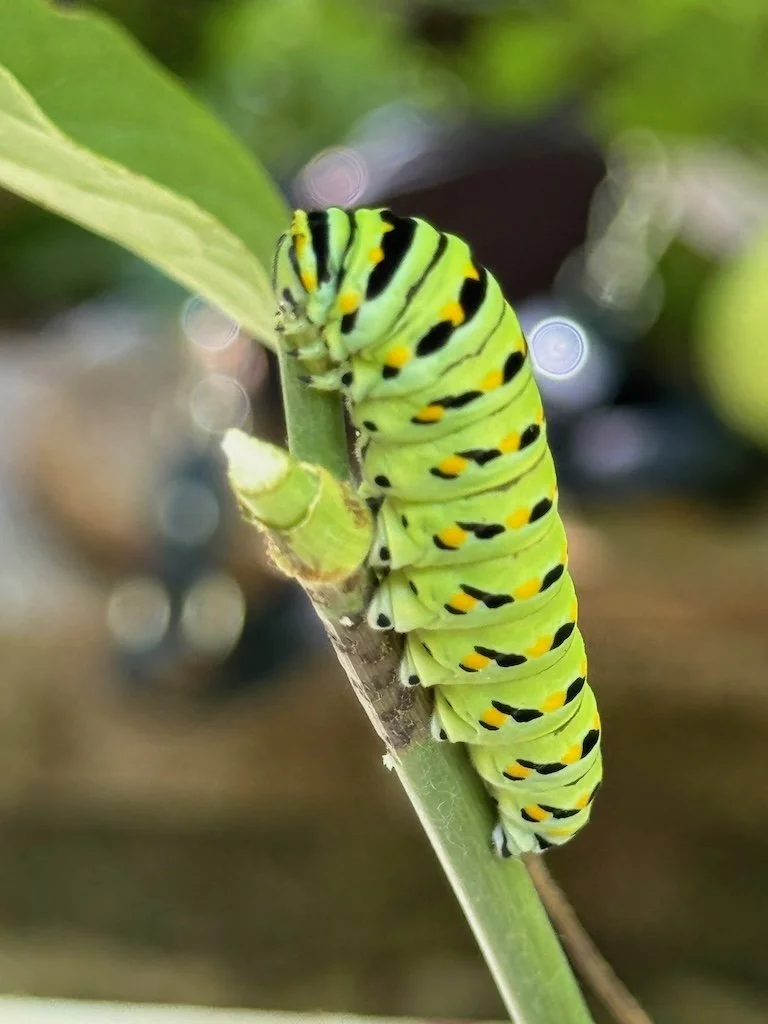
Spicebush Caterpillar. There was a spicebush caterpillar that disappeared from the plant on the table just as I was leaving….and we weren’t seeing it anywhere. Then as I walked by – I noticed that it was on the other end of the table…crawling along the edge. We all celebrated that it was found and could be put in the pupation cage instead of risking getting squished on the floor.

Gall Webinar. Celebrating an interesting webinar that introduced me to new organisms that I will look for when I am out and about.

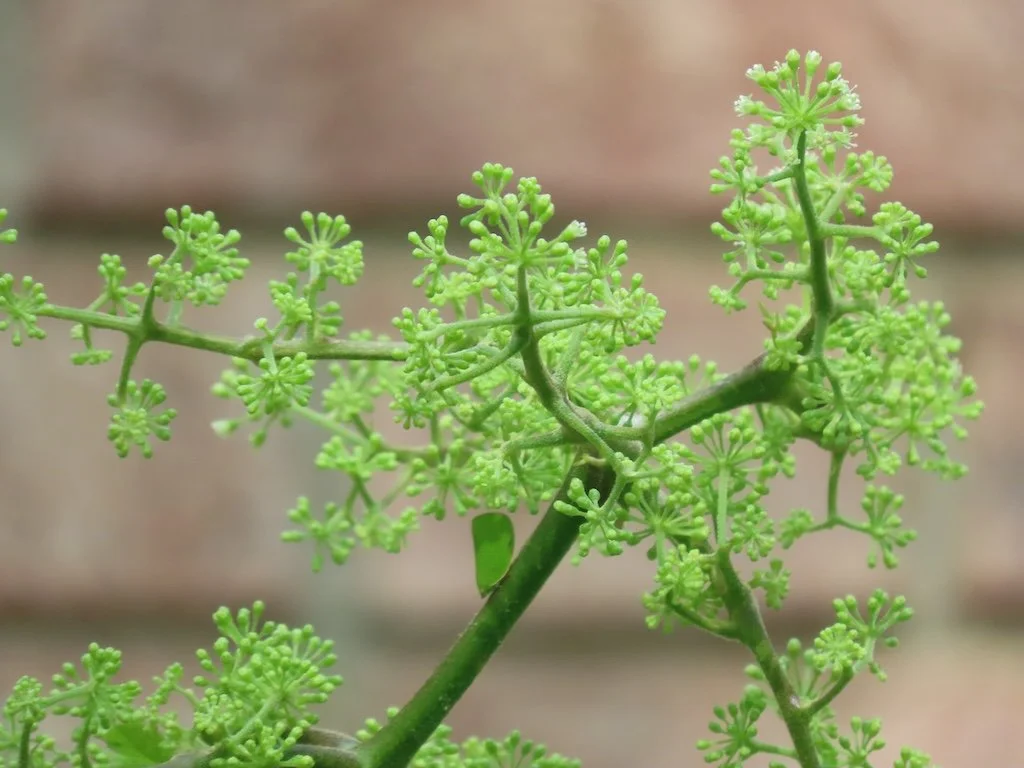
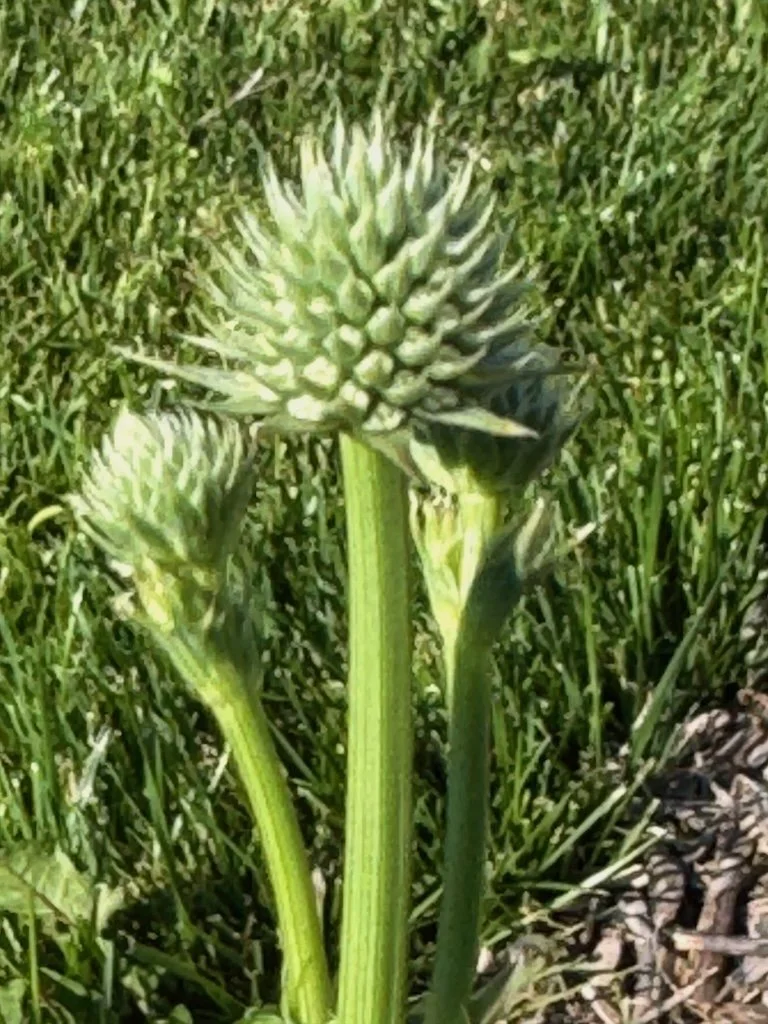
Blooming American Spikenard. Celebrating that the plant is bigger and has more blooms than last year. It’s one of the first native plants I added to the yard and probably my favorite.

250th.  It wasn’t as fabulous as I remember the 200th – but still worth celebrating.  

Home alone. My husband was away for almost a week and I enjoyed the time without the television blaring! Then again – I am glad it doesn’t happen very often.

Salmon. I celebrated making a dinner that I wouldn’t make if my husband was home!

Watermelon. It’s the summer food for celebration. I wish we could still buy the big watermelons with seeds that seemed to be even more flavorful.

Missouri Master Naturalist. I celebrated my chapter showing resilience to change….forging ahead.

Plastics Crisis – School Supplies

It’s still full summer…but the beginning of school is not that far away. Although I don’t have any K-12 aged children – there is a Missouri Master Naturalist core training I am in the final stages of planning that will be happening in September and October. School/office supplies are something to think about.

I have a lot of office supplies that have accumulated over the years so most of the time I simply draw on what I have rather than buying anything. Printer paper is my most frequent purchase – and that doesn’t happen all that often; I did notice that the last ream I bought had a ‘sustainable forest initiative’ label but was wrapped in plastic!

Most of the pens I have are from organizations or hotels…lots of plastic there. My plan is to stop picking up pens at events until I have drawn down my supply! There are a few that might take common refills – a way to reduce the amount of new plastic but not eliminate it.

I am already packing waste free lunches and carrying a reusable water bottle…but I need to make sure the students in the core training think about doing it if they are not as far along in their plastic reduction journey.

Check out 8 Plastic-Free School Supplies & Zero-Waste Tips

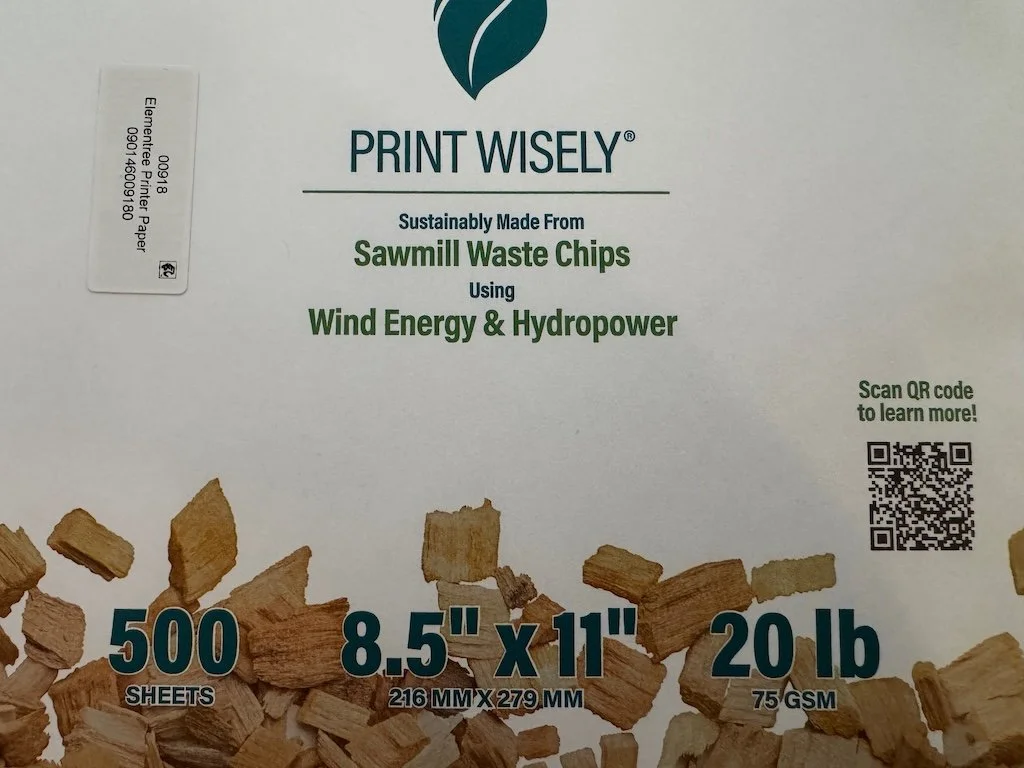
Added note: I recently purchased printer paper. It was the only kind that was wrapped in paper rather than plastic…and it was the least expensive per sheet…and its packaging said it was sustainably made from sawmill waste chips using wind energy and hydropower!

American Spikenard Buds/Flowers

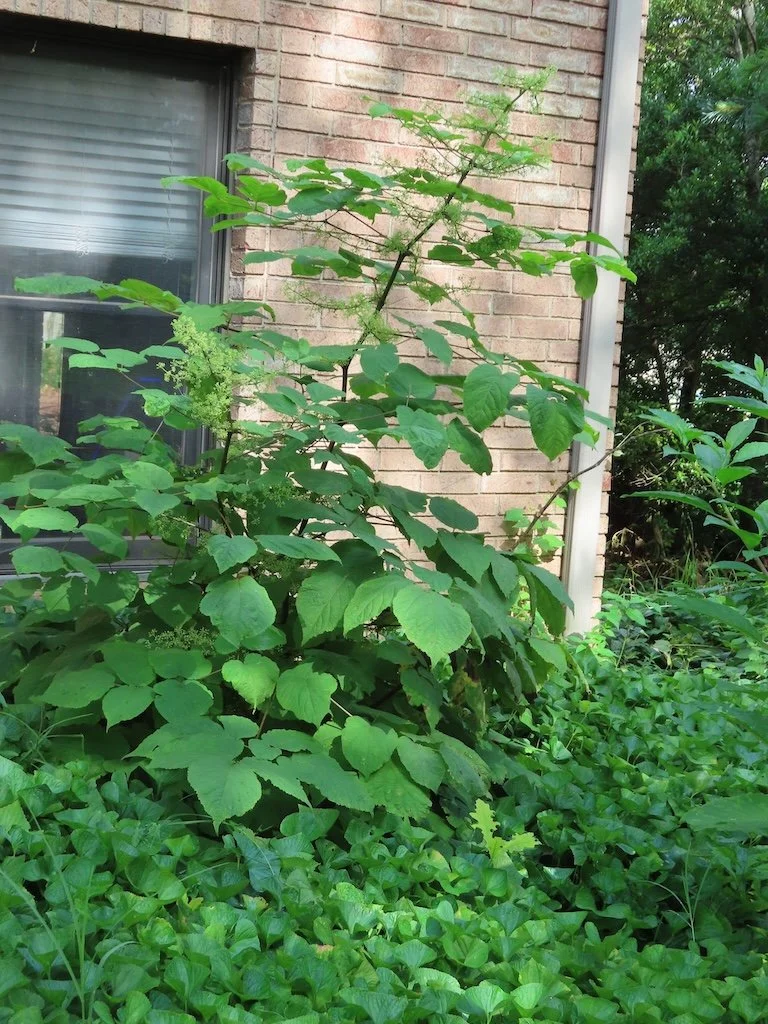
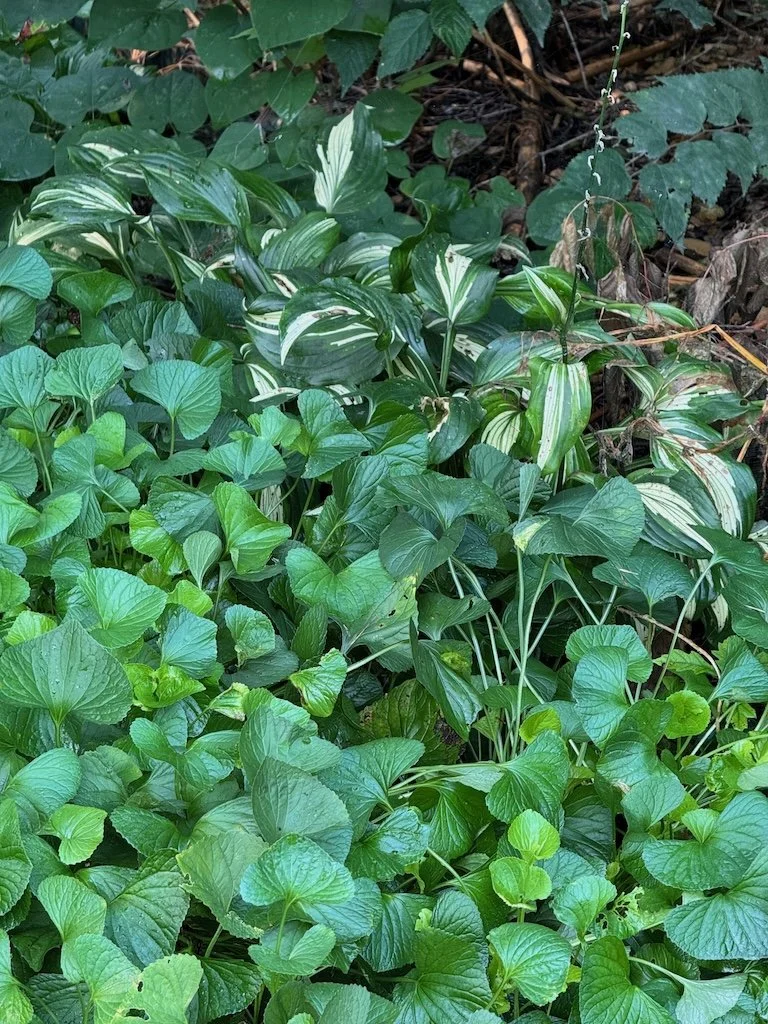
The American Spikenard I planted my first summer in Missouri (2023) might be my favorite plant in the whole yard. I see it from my office window. It is thriving with violets as its understory. When I planted it, the violets were mostly between the new plant and the house; once I stopped mowing they have filled half the side yard. I thought that the spikenard had been killed that first winter, but it came back the next spring and has been bigger every yearsince. References say that the plants get 3-5 feet tall but this one is taller!

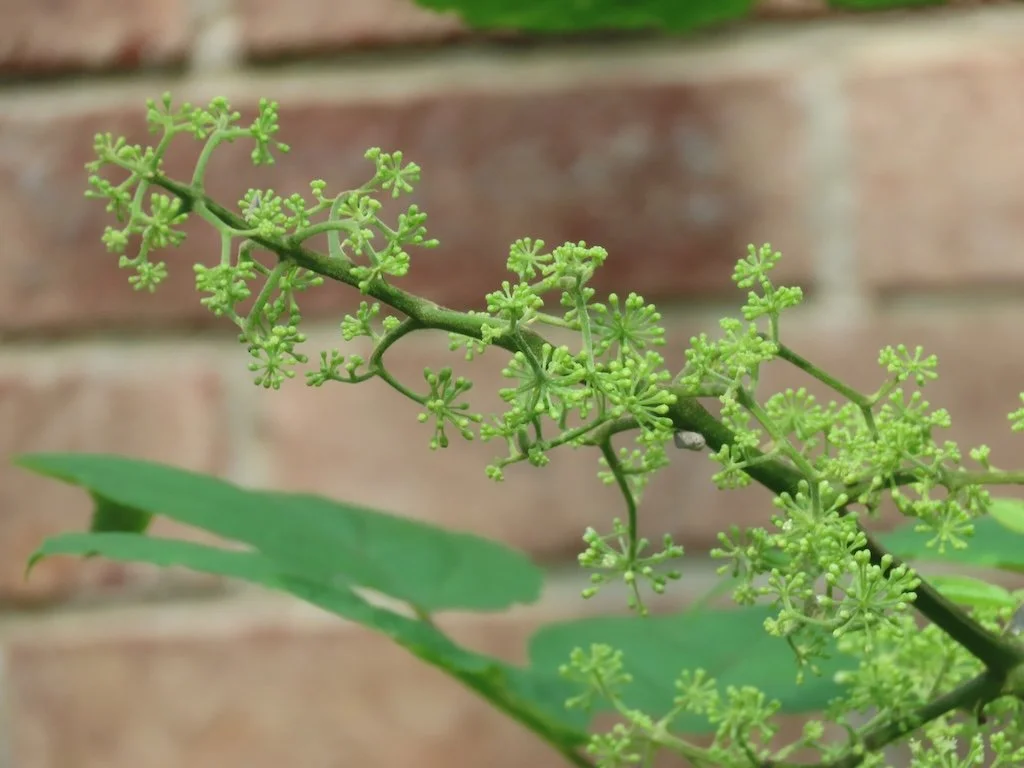
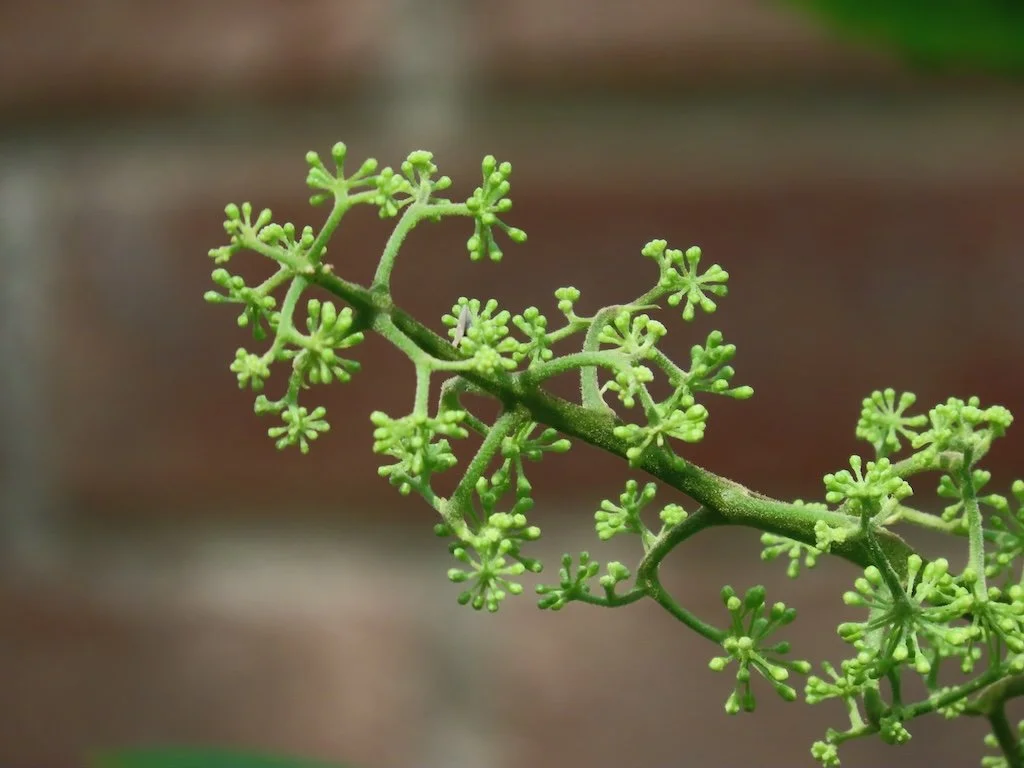
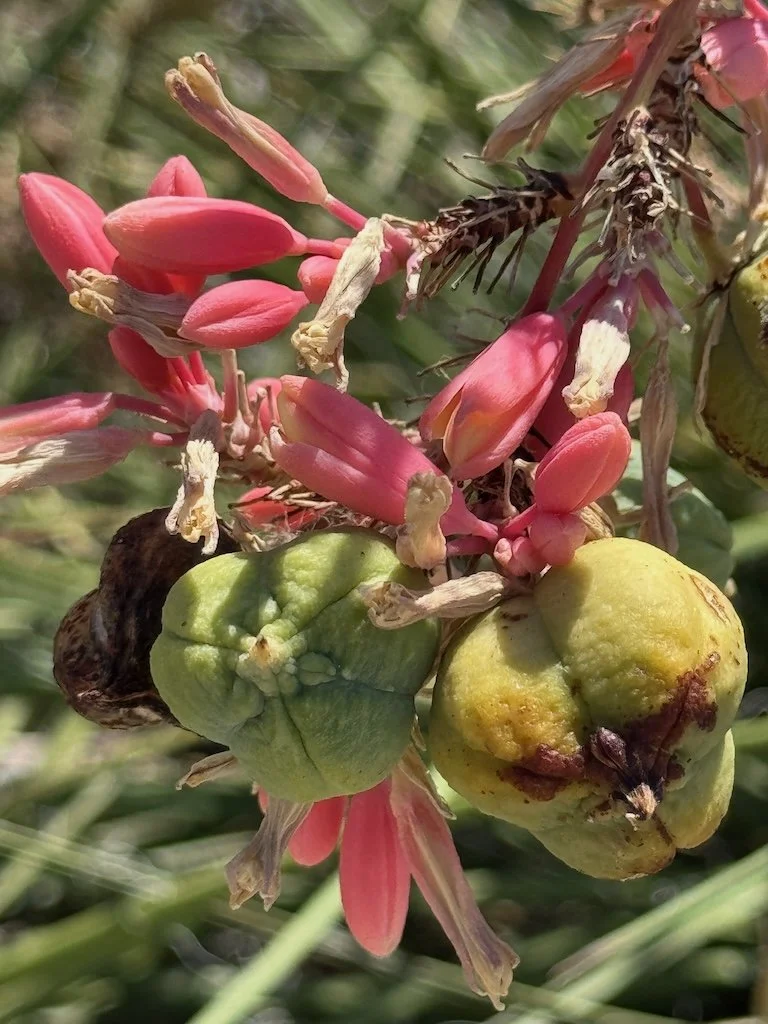
And it is full of buds/flowers right now. They are not showy as individual flowers, but the cluster is noticeable because of the change in texture from the large compound leaves. The fruits will be even more noticeable this fall because they will be reddish purple.

The American spikenard is not as common as many of the other native plants, but it certainly has worked well in my garden. It should contribute to the lushness of my shade garden as it spreads via it roots or seeds. I planted a second plant this year at the northern end of the shade garden and wonder if the two plants will eventually expand to meet in the middle!

Gleanings of the Week Ending July 25, 2026

The items below were ‘the cream’ of the articles and websites I found this past week. Click on the light green text to look at the article.

07/13/2026 Science Daily Why are healthy young non-smokers developing lung cancer? - Younger Americans under age 50 who have never smoked and consume more of fruits and vegetable than average may face a higher risk of developing lung cancer. Commercially grown (non-organic) fruits, vegetables, and whole grains generally contain higher levels of pesticide residues than dairy products, meat, and many processed foods. There is also previous research showing that agricultural workers with long term pesticide exposure experience higher rates of lung cancer. The next phase of the research will involve measuring pesticide levels directly in patients' blood or urine samples. That work could help determine whether certain pesticides are more strongly associated with lung cancer risk than others.

07/09/2026 NWF Blog Spark Joy in Your Outdoor Events by Blending Forest Bathing, Nature Appreciation, and Wildlife Education - Learn more about the practice of forest bathing and to access tips and resources on how to level up your outdoor events this summer through forest bathing, nature appreciation, and wildlife education.

07/08/26 Archaeology Magazine Scythian DNA Study Examines Elite Family Ties - The remains of 38 of the Scythians were recovered from kurgans that also contained elite weapons and gold artifacts, while the other 47 were recovered from smaller kurgans that lacked gold grave goods. The elite Scythians were 11 times more likely to be related to each other than to the other Scythians. Nearly half of the elite individuals in our dataset were female, indicating that women held high social status within Iron Age Scythian society.

07/08/2026 Smithsonian Magazine Sperm Whales Living in the Eastern Mediterranean Sea Seem to Have Developed a Distinct Dialect from Those in the West - From Southern drawls to Irish brogues, humans can sound very different while speaking the same language. It turns out that some whales might have similar regional variations in their vocalizations, too. Sperm whales living in different parts of the Mediterranean Sea appear to have their own distinct dialects. Scientists think that about 20,000 years ago, a group of intrepid sperm whales swam into the Strait of Gibraltar and entered the Mediterranean Sea, where they’ve remained ever since. The individuals living in the Mediterranean rarely leave the sea—and other sperm whales don’t often enter the area—so they’re considered a genetically distinct subpopulation.

07/07/2026 Clean Technica New York Now at 8 Gigawatts of Distributed Solar Power - New York has just reached 8 gigawatts (GW) of installed solar power capacity in the “distributed” solar market — rooftops and small-scale installations. The state has a target of reaching 10 GW by 2030, and this new milestone puts them ahead of schedule. Just from lowering electricity demand on the power grid during times of peak demand, solar power is estimated to have saved New York $90 million last summer. Greater savings will come this summer.

07/08/2026 Yale Environment 360 What Do We Actually Know About the Microplastics Inside Us? - I know it is easy to say we don’t have enough information yet, but we do know about [the health risks from] these chemicals that are in all the plastics that your food is wrapped in. From that perspective, it is still a good idea to reduce plastics or eliminate them where possible. – Cassandra Rauert

07/07/2026 The Conversation Island life changed how Brazil’s Noronha skink reproduces, but the lizard’s strategy might be failing in a rapidly evolving world - Reproduction occurs during a relatively narrow period of the year, in the dry season. Not all females reproduce annually: our data suggest that many reproduce only every two or even three years. When they do, they produce only two eggs at a time — a very low number for lizards in this group. These eggs, however, are large relative to the mother’s body size, indicating a high investment in each offspring.

05/20/2026 PLOS One Skeletons in the permafrost: Exploring climate-driven heritage loss and occupational health at the early modern whaling burial site of Likneset, Svalbard - Rapid Arctic warming is accelerating the degradation of permafrost-preserved archaeological sites, threatening both cultural heritage and the scientific information it contains. Early modern whaling burial sites on Svalbard are particularly vulnerable due to their organic-rich burial contexts and exposed coastal settings.

Homegrown National Park How to build a mosquito bucket – A non-toxic way to control mosquitos in your yard.

Leaf & Limb 7 Ways to Help Your Trees and Shrubs During (and After) a Drought – My area of Missouri is not in drought right now….but it has been in previous summers. The suggestions in this post can be done any time….and keep trees healthier ahead of the next drought!  

Life Magazine in 1948

Continuing my look at Life Magazines on Internet Archive….

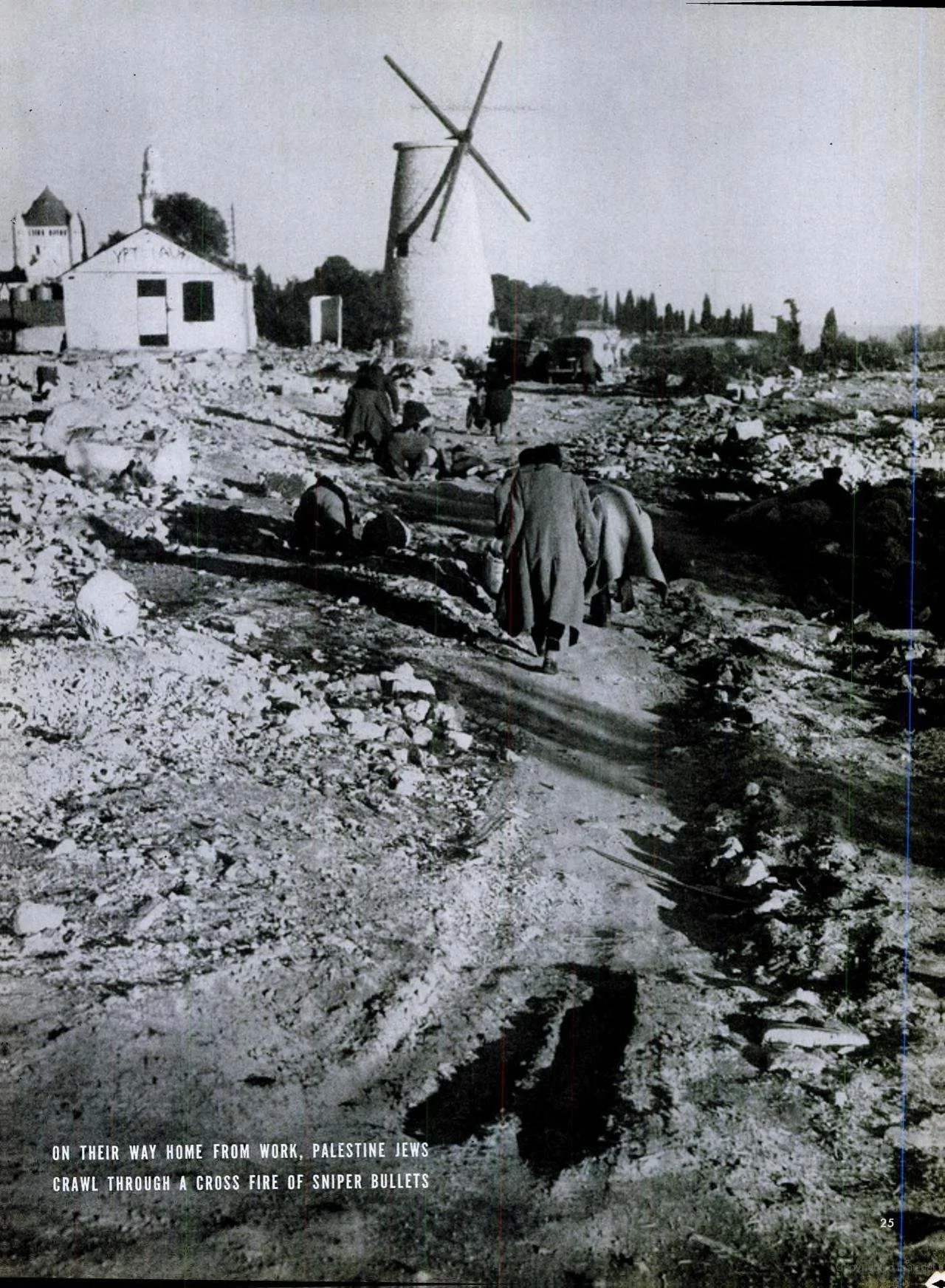
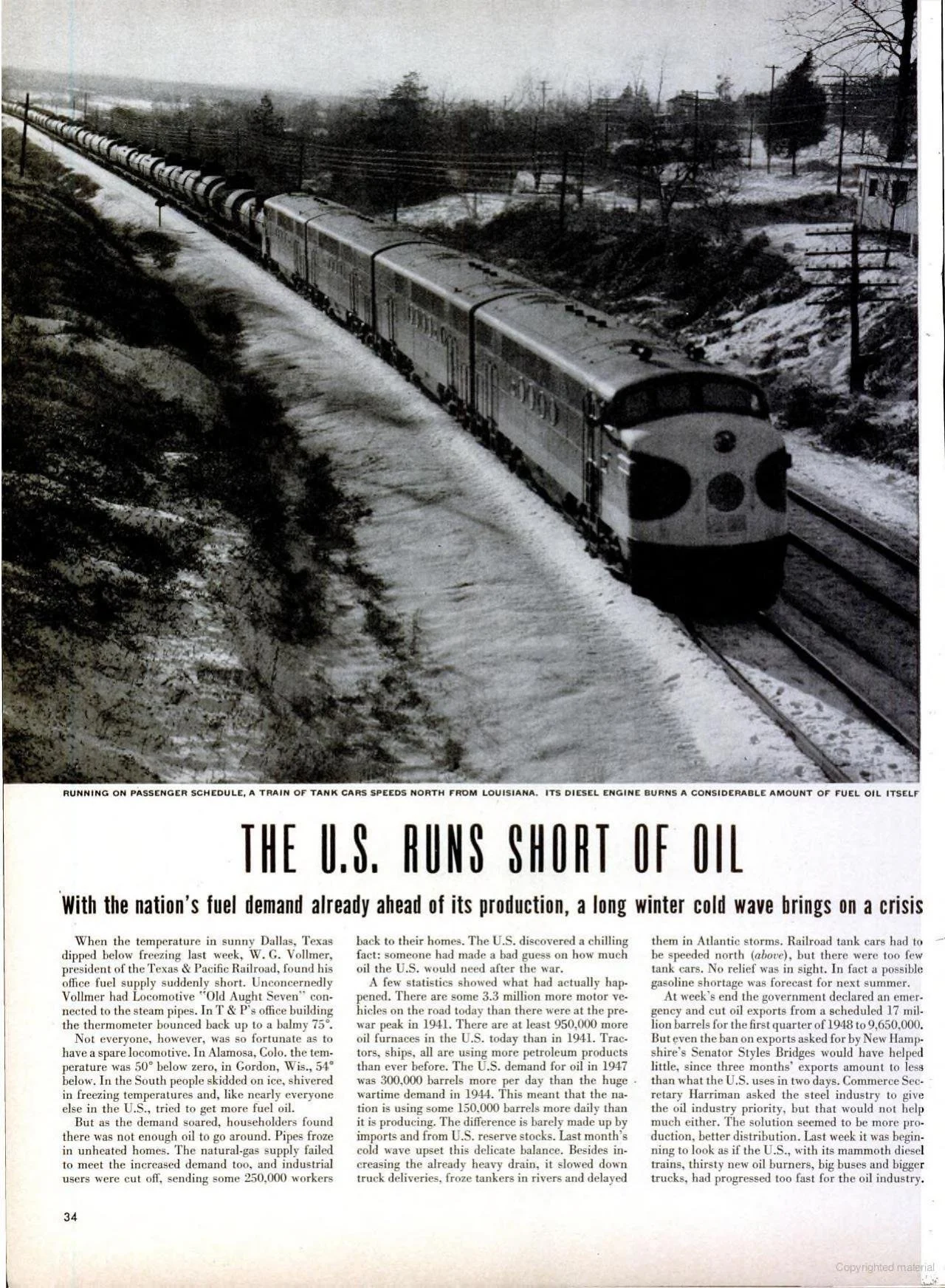
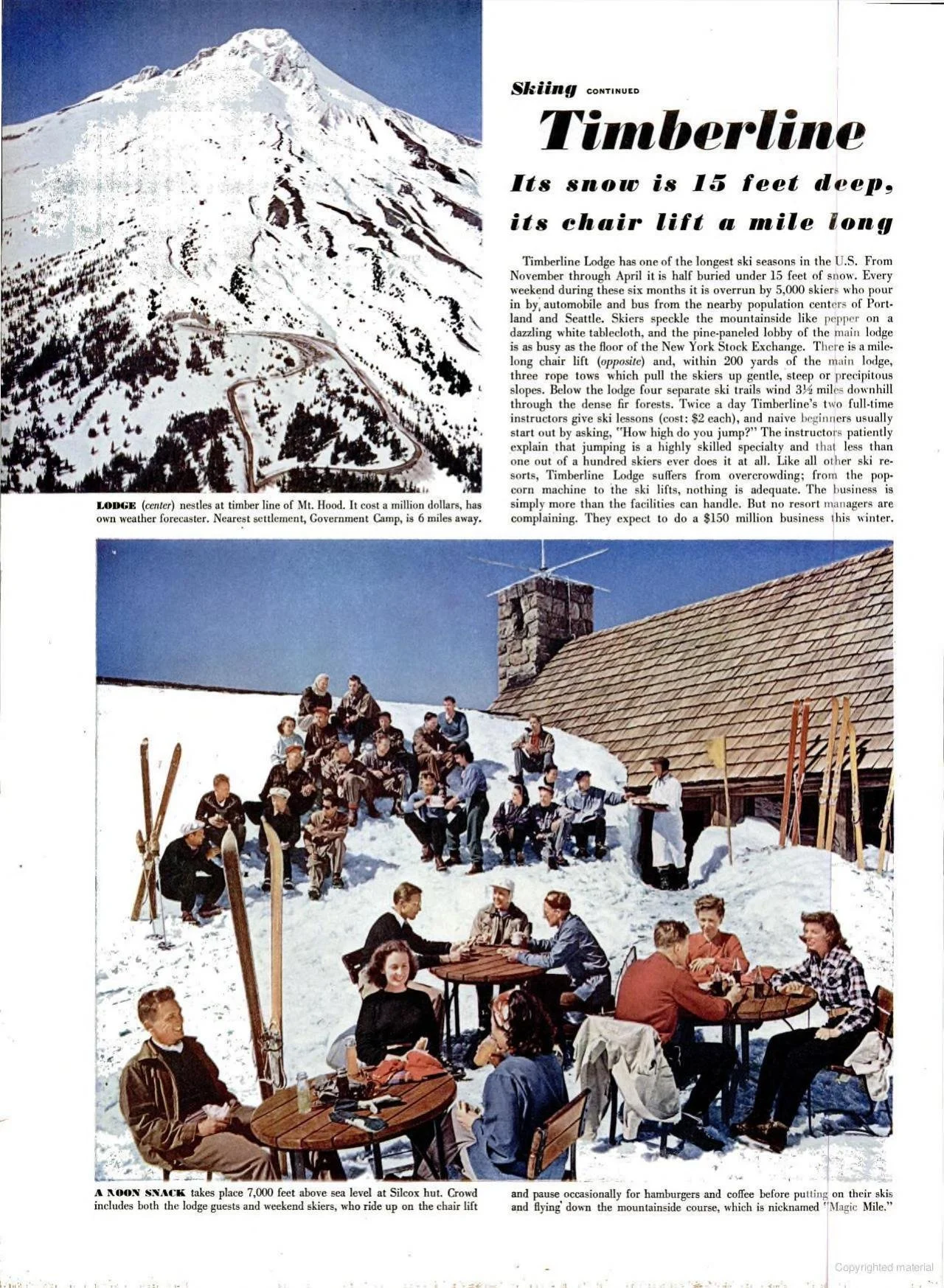
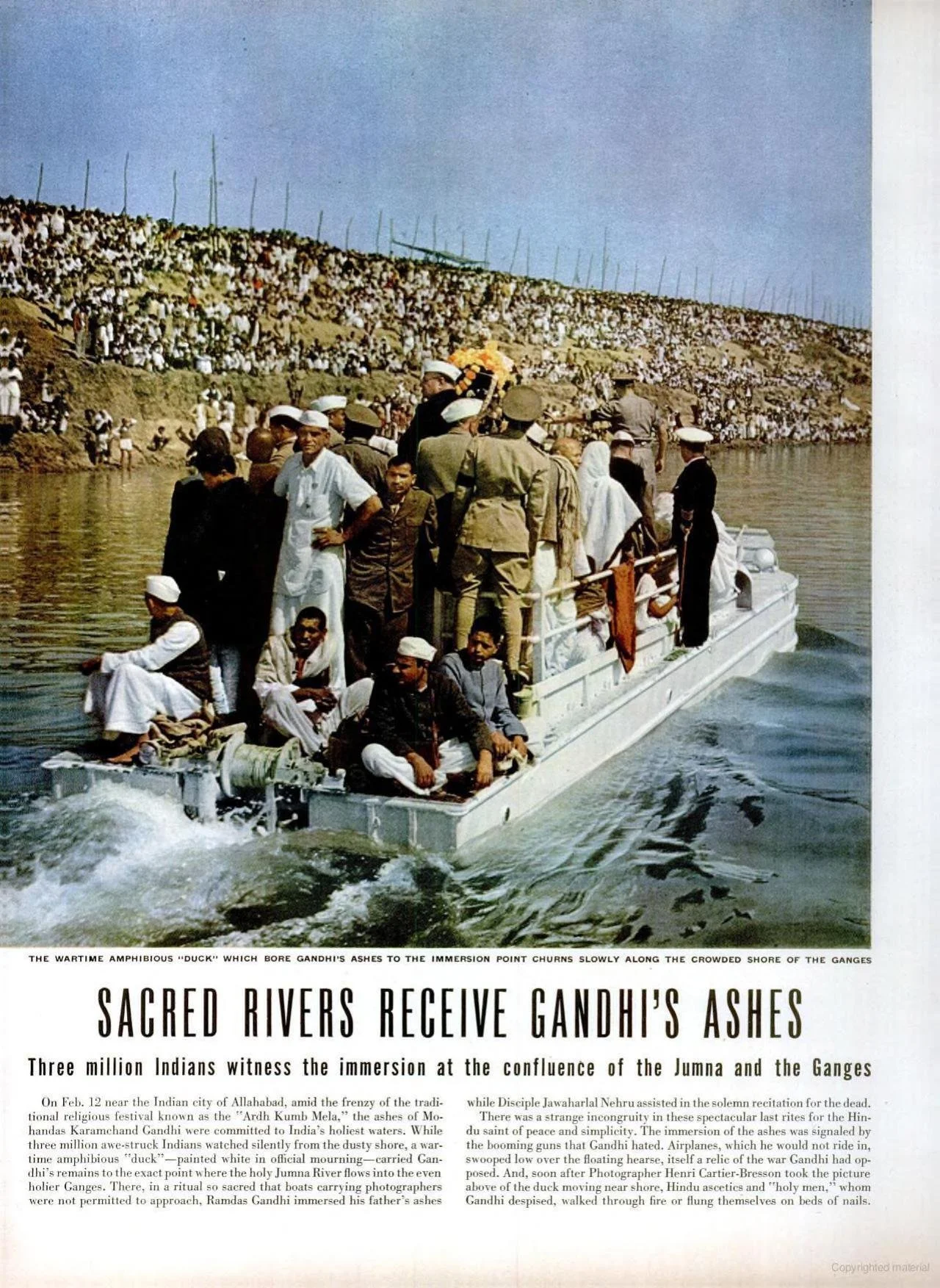
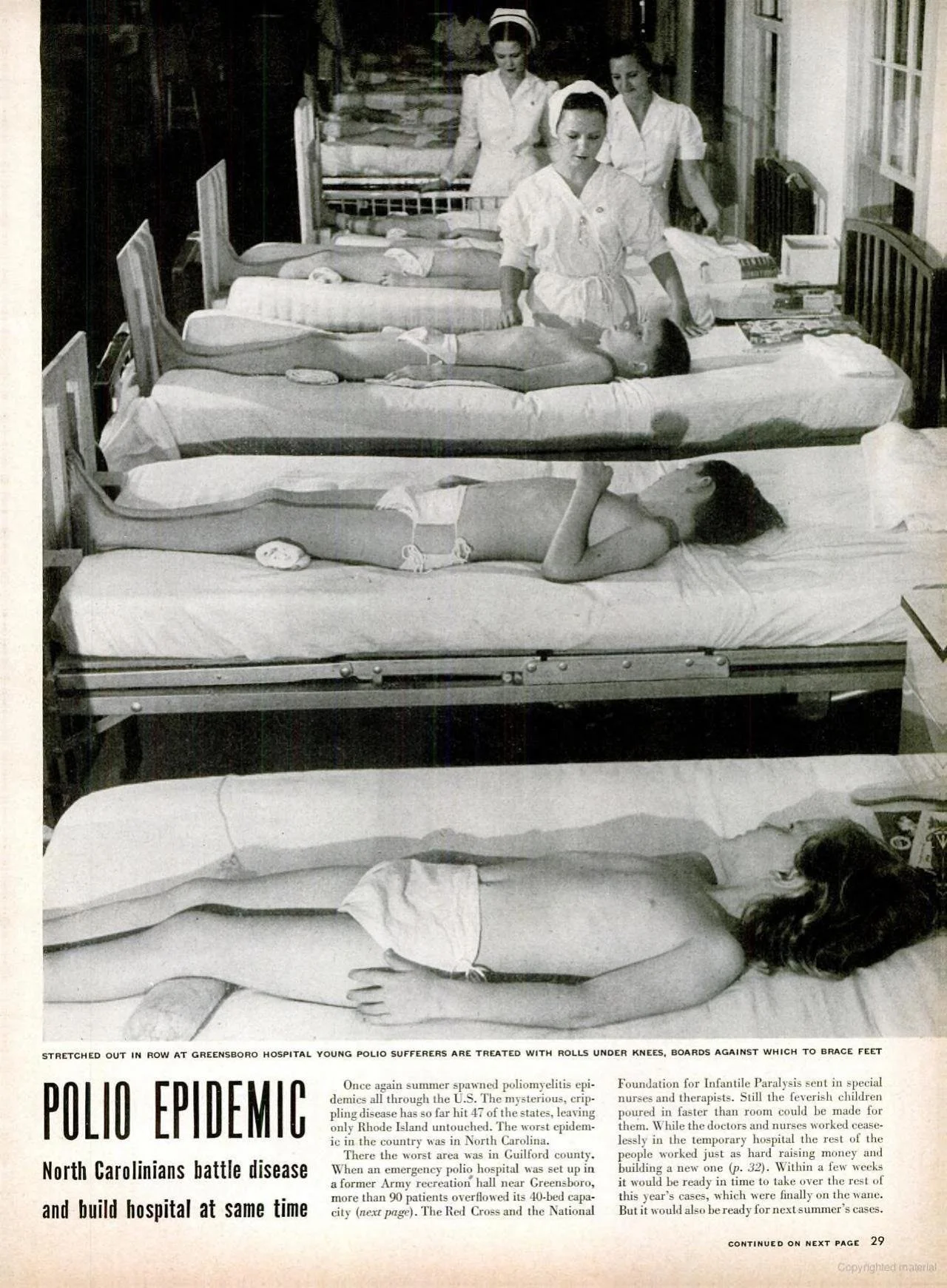
As I looked at the issues from 1948, I noticed more stories about booming business and industry that about the aftermath of World War II. Isreal was in the news…and Truman surprised the prognosticators by winning the election in November. Children were in the news struggling in a polio epidemic or left behind across the world by GI fathers or hungry/homeless in Europe. The Life pictures are windows into what the publishers (and a lot of other people) thought was newsworthy in 1948.

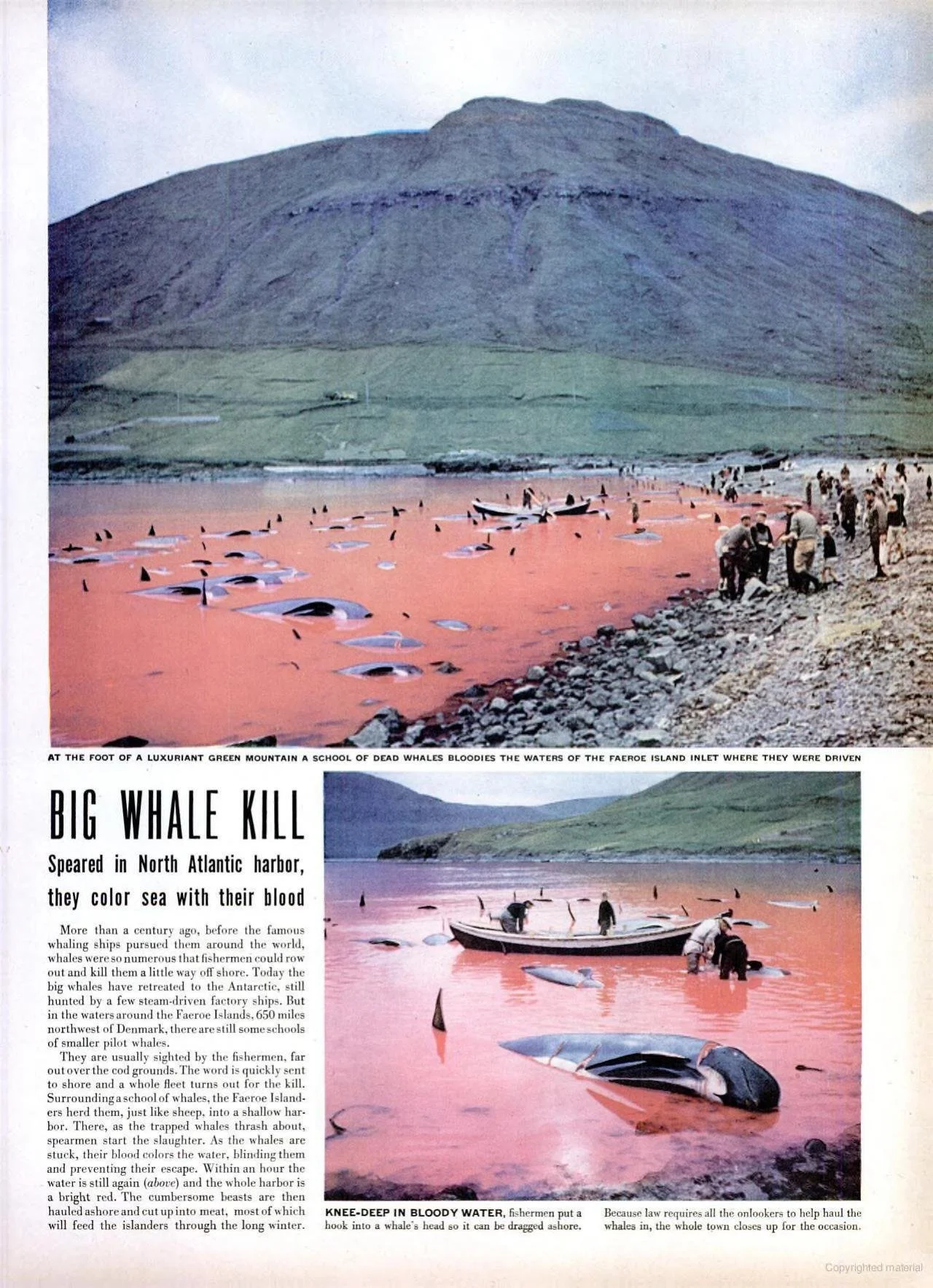
 Life Magazine 1948-01-05 - Big whale kill in Faeroe Islands

Life Magazine 1948-01-12 - Coca-Cola advertisement (vending machine)

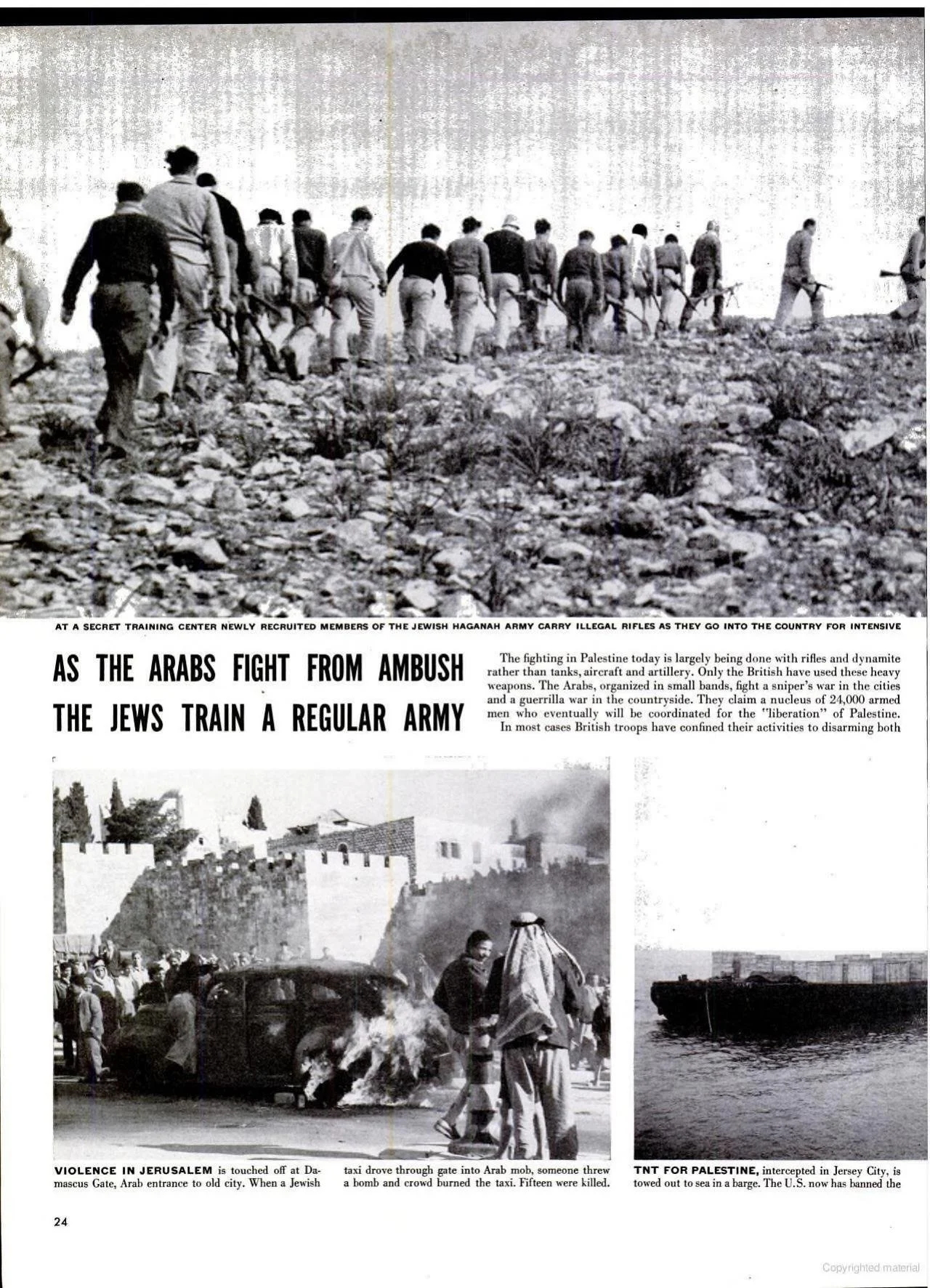
Life Magazine 1948-01-19 - As the Arabs fight from ambush, the Jews train regular army

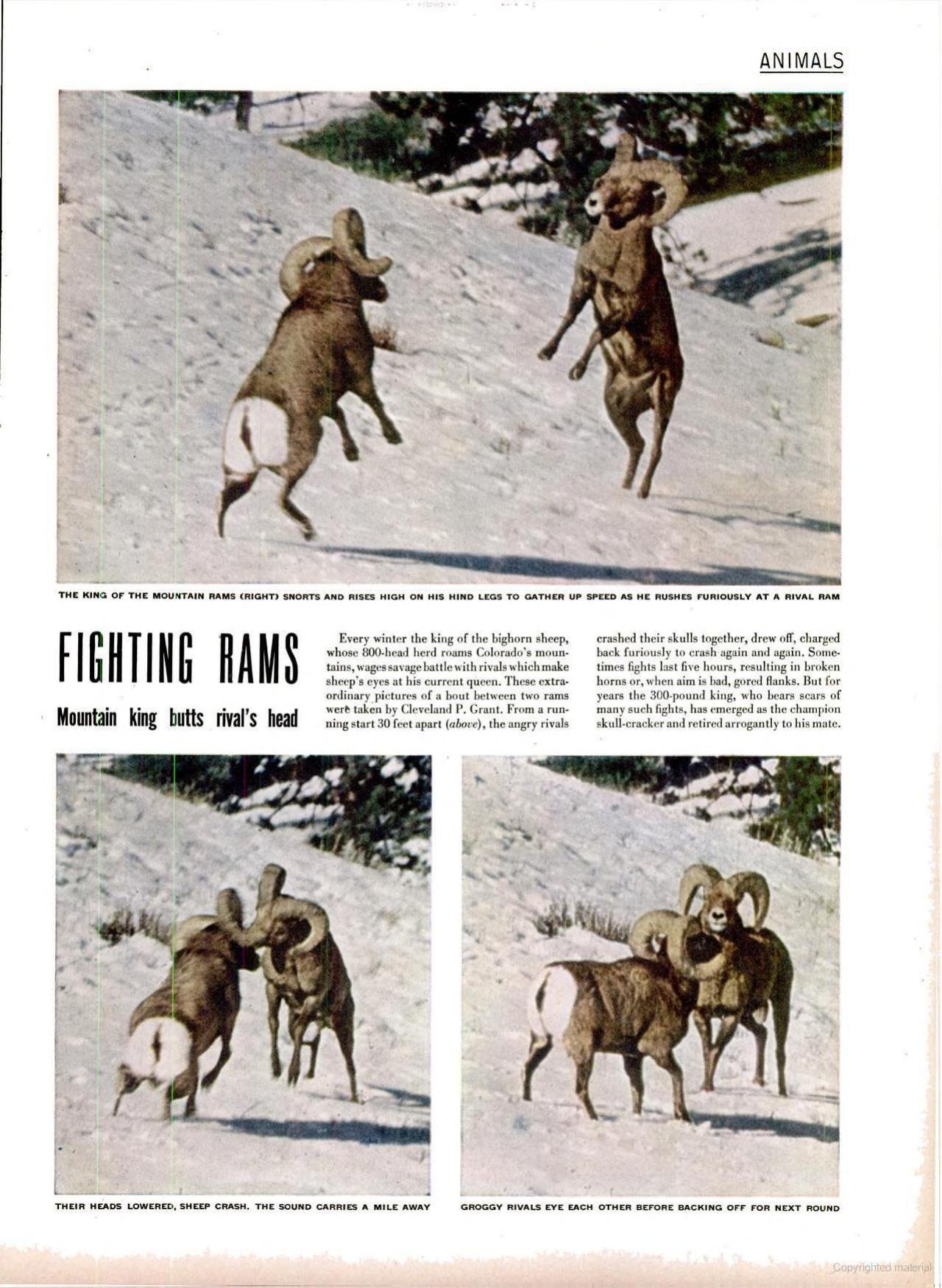
Life Magazine 1948-01-26 - Fighting bighorn rams

Life Magazine 1948-02-02 - Palestine Jews crawl through cross fire

Life Magazine 1948-02-09 - The US runs short of oil

Life Magazine 1948-02-16 - Gandhi joins the Hindu immortals

Life Magazine 1948-02-23 - Timberline skiing

Life Magazine 1948-03-01 - Scio, Ohio rebuilding pottery plant

Life Magazine 1948-03-08 - Explosions kill Jews as Arabs defy the UN

Life Magazine 1948-03-08 - Sacred rivers receive Gandhi’s ashes

Life Magazine 1948-03-08 - The Brando’s – the brother and sister from Omaha

Life Magazine 1948-03-29 - Czechs flee their new red regime

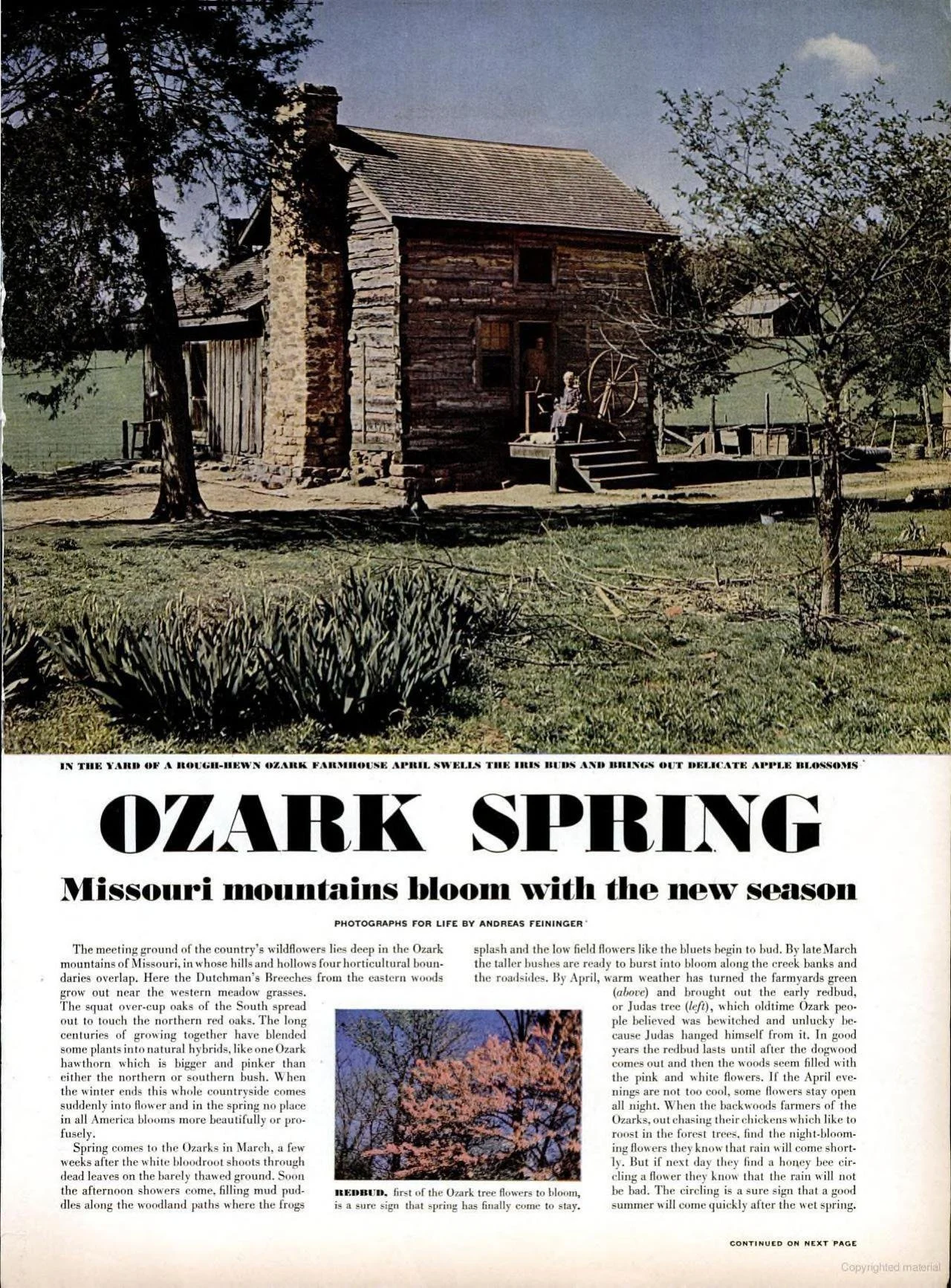
Life Magazine 1948-04-05 - Ozark spring

Life Magazine 1948-04-12 - Cannon percale sheets

Life Magazine 1948-04-19 - Dishwasher advertisement

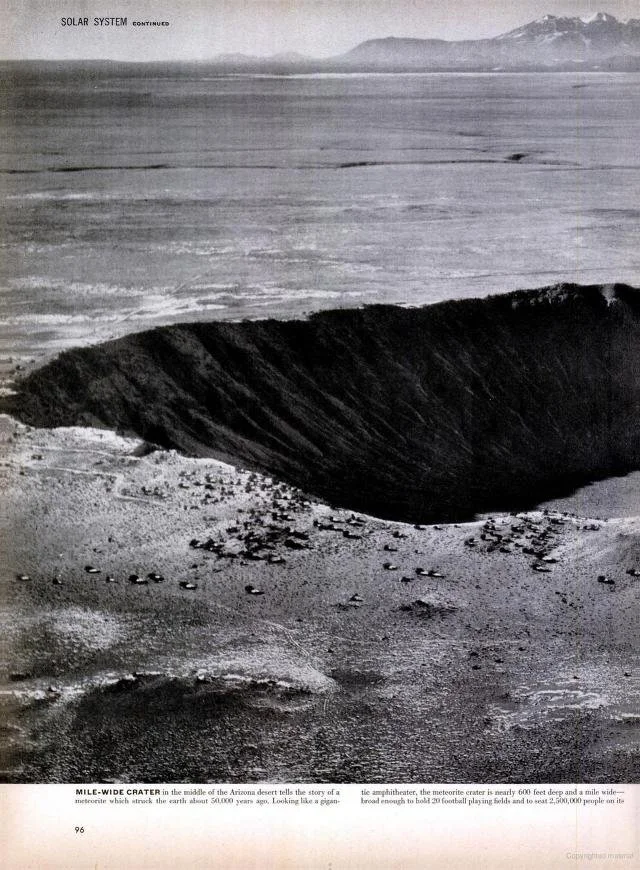
Life Magazine 1948-04-26 - Meteor Crater in Arizona

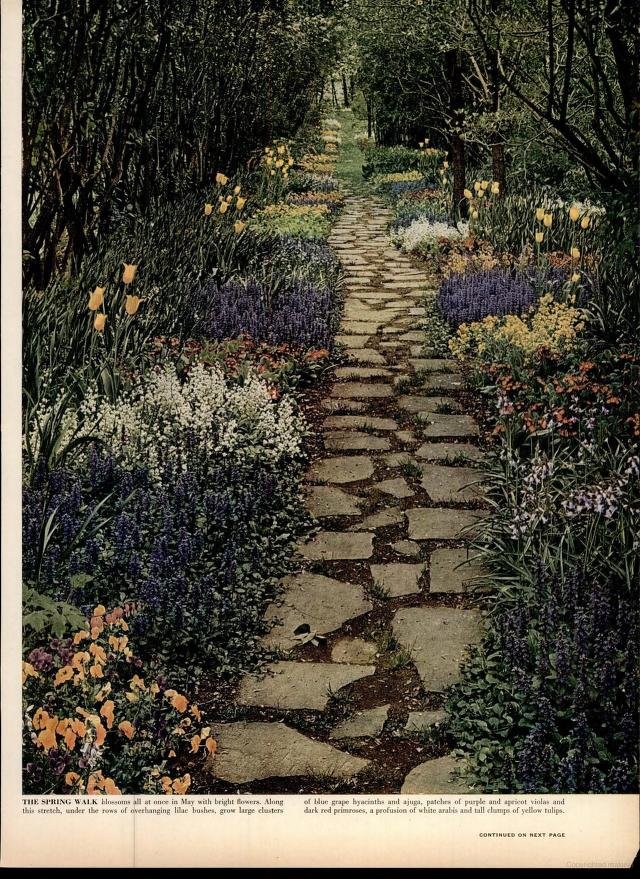
Life Magazine 1948-05-03 - Spring walk (garden)

Life Magazine 1948-05-10 - Jews score a preliminary victory

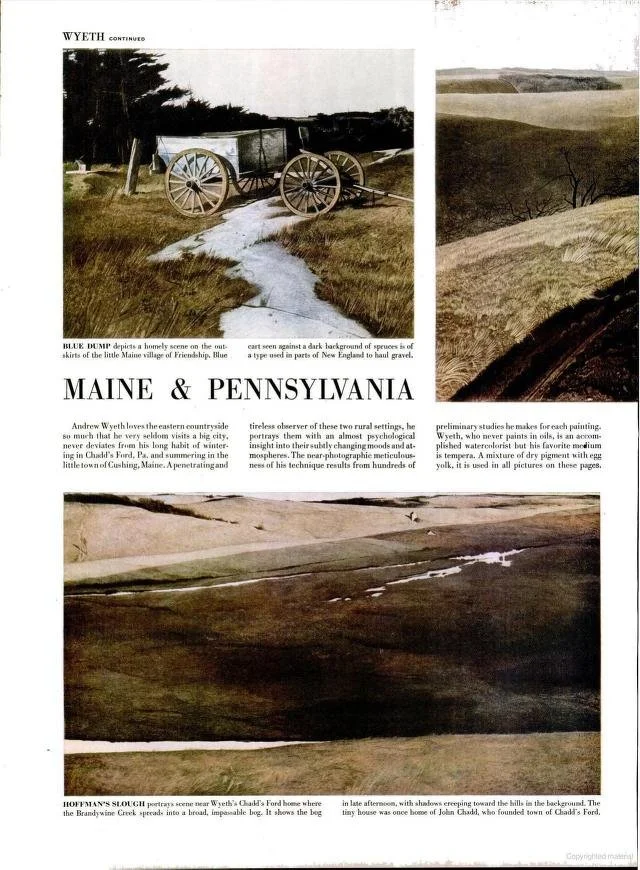
Life Magazine 1948-05-17 - Maine & Pennsylvania

Life Magazine 1948-05-24 - American Airlines advertisement

Life Magazine 1948-05-31 - Isreal is born in travail and hope

Life Magazine 1948-06-07 - Pennsylvania railroad advertisement

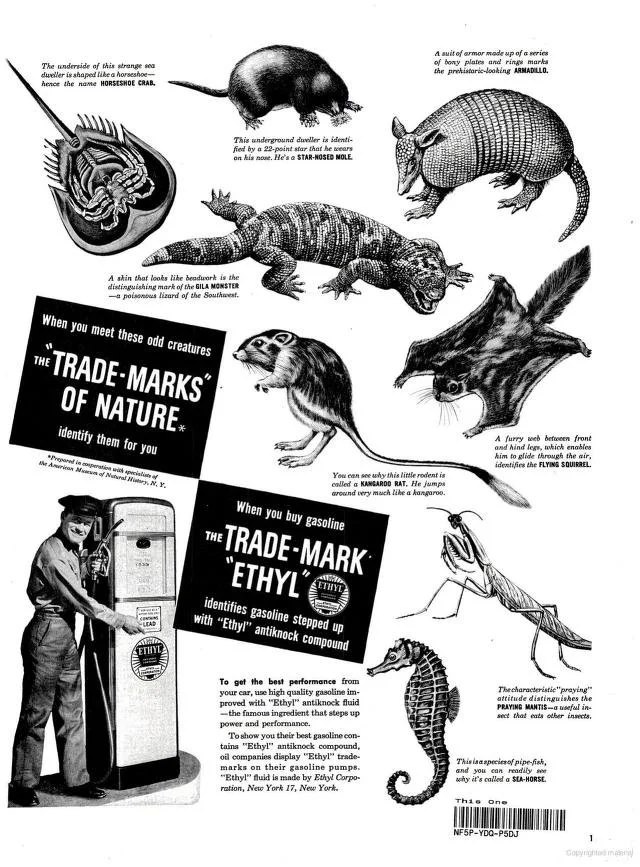
Life Magazine 1948-06-14 - Trademarks in nature and gasoline

Life Magazine 1948-06-21 - Hong Kong’s eastern tip – cemetery for World War II dead

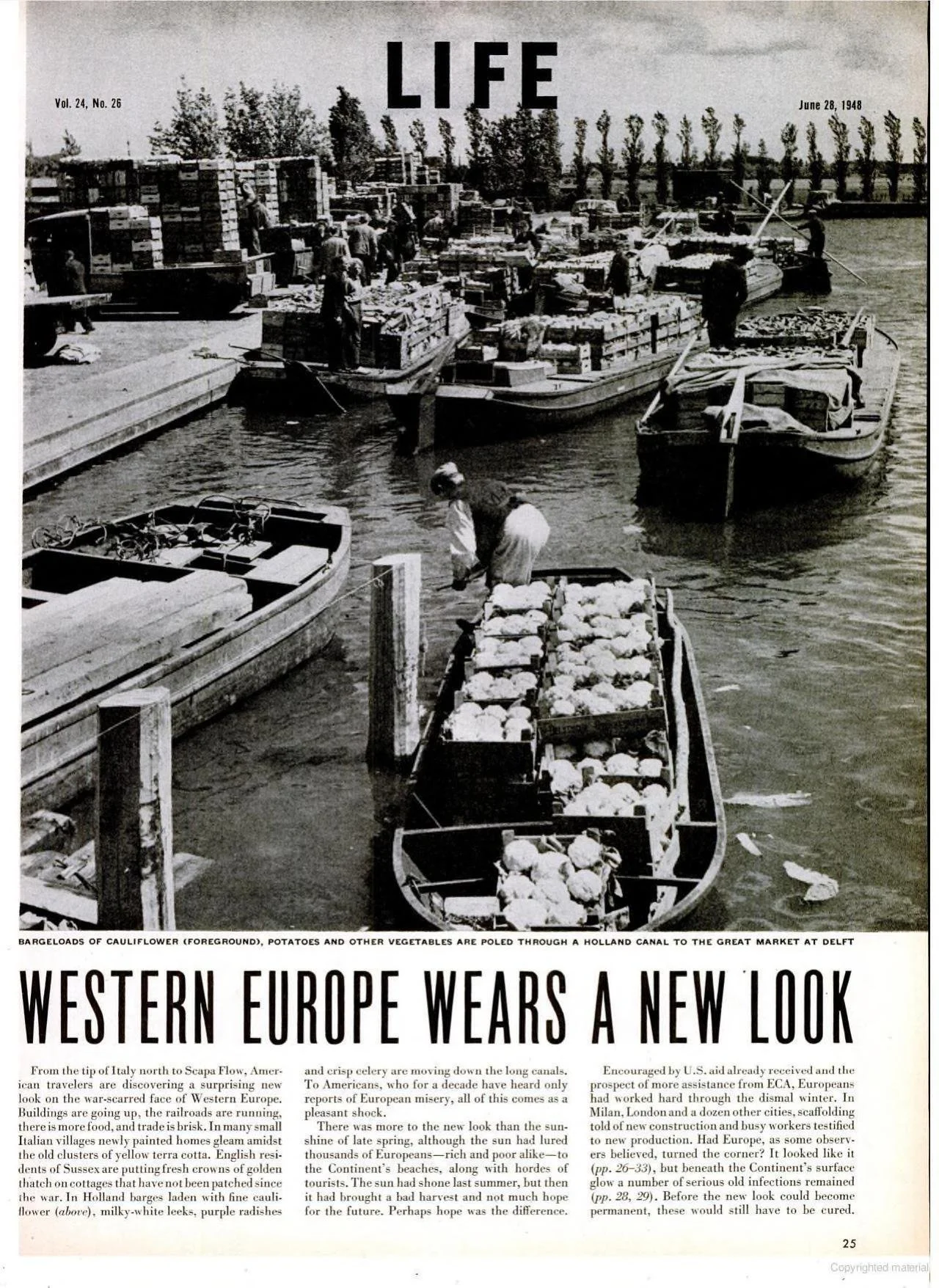
Life Magazine 1948-06-28 - Western Europe wears a new look

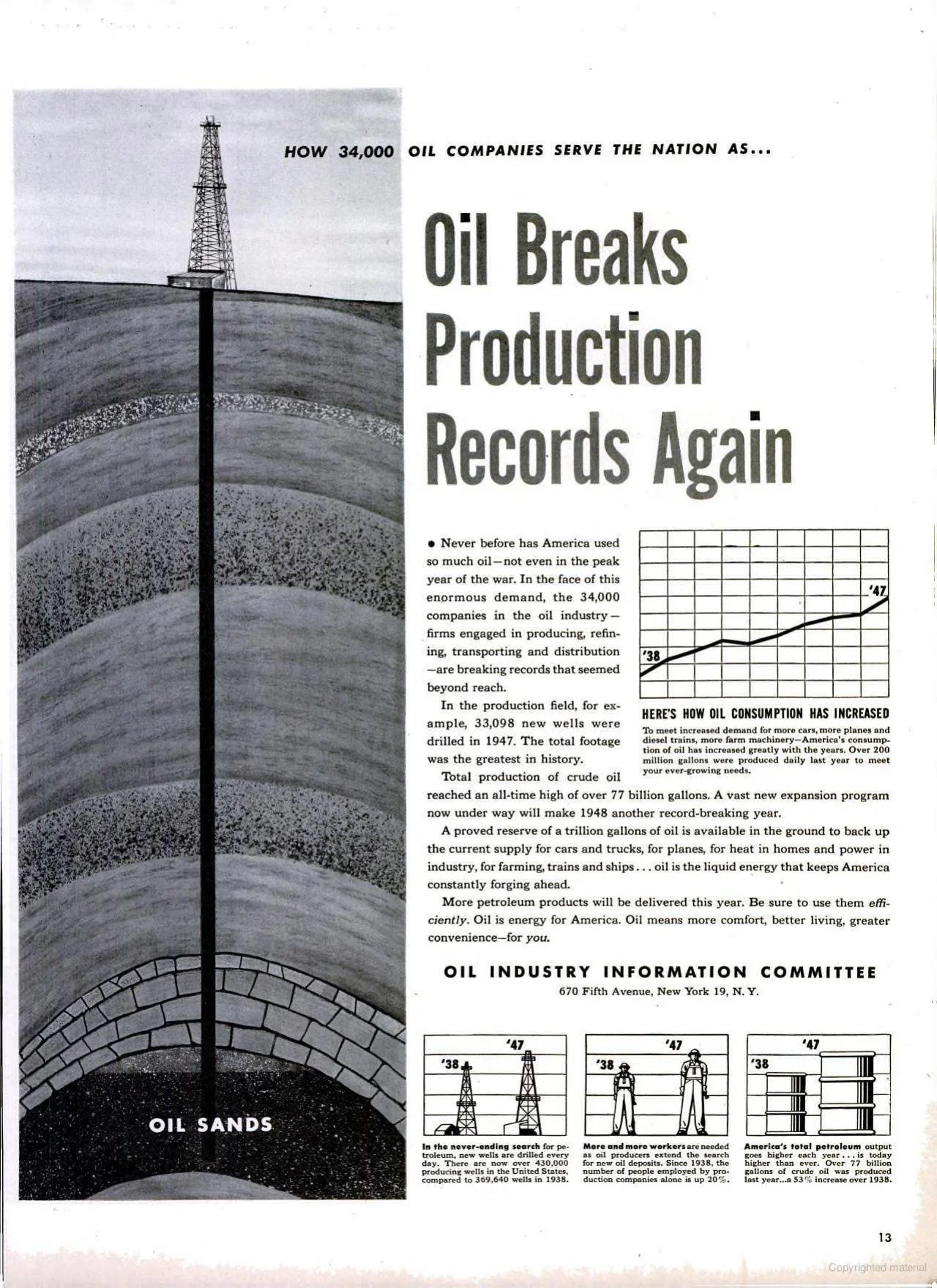
 Life Magazine 1948-07-05 - Oil breaks production records again

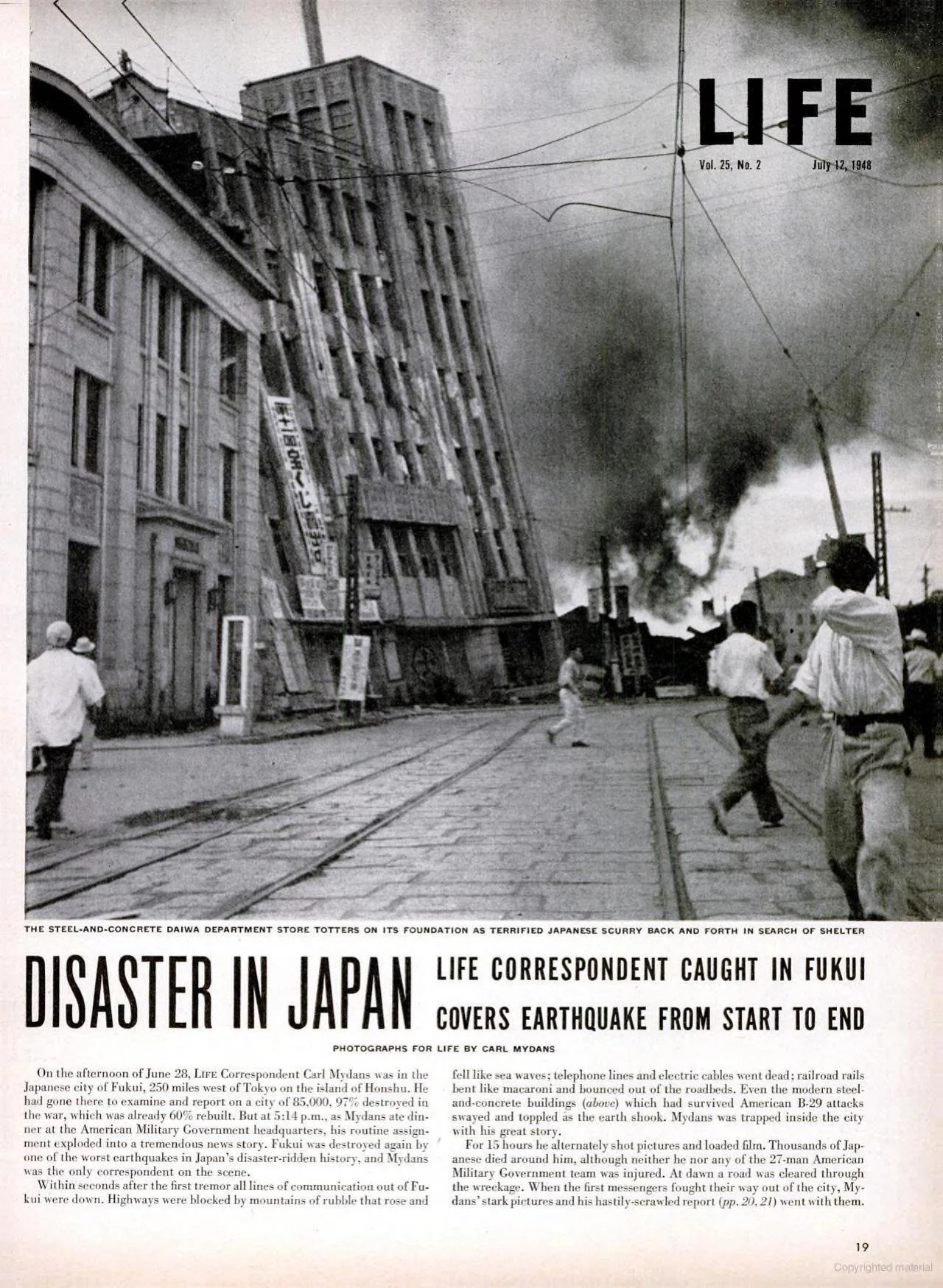
Life Magazine 1948-07-12 - Earthquake in Japan

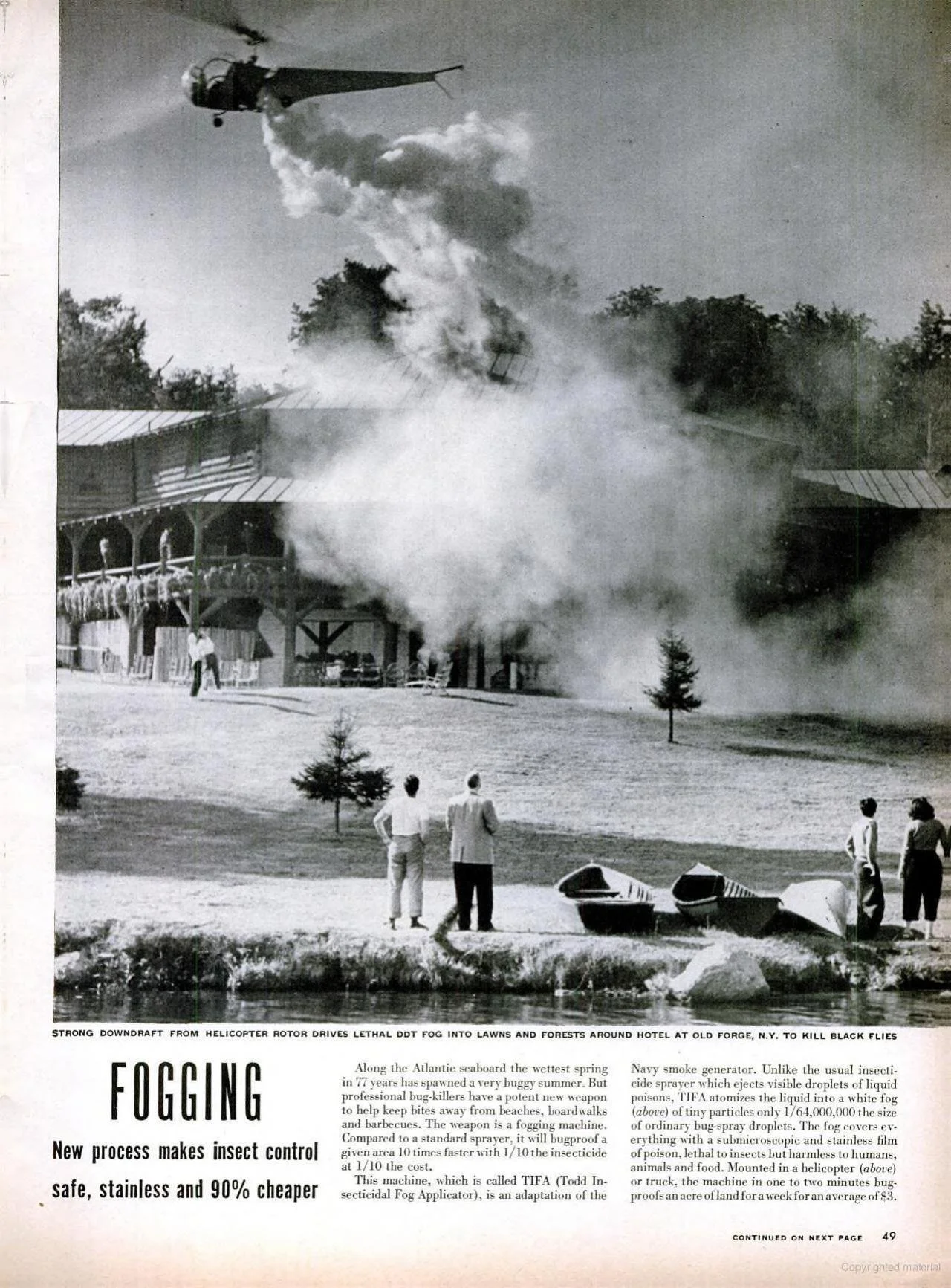
Life Magazine 1948-07-19 - Fogging to kill insects (using helicopters)

Life Magazine 1948-07-26 - Chicago beach

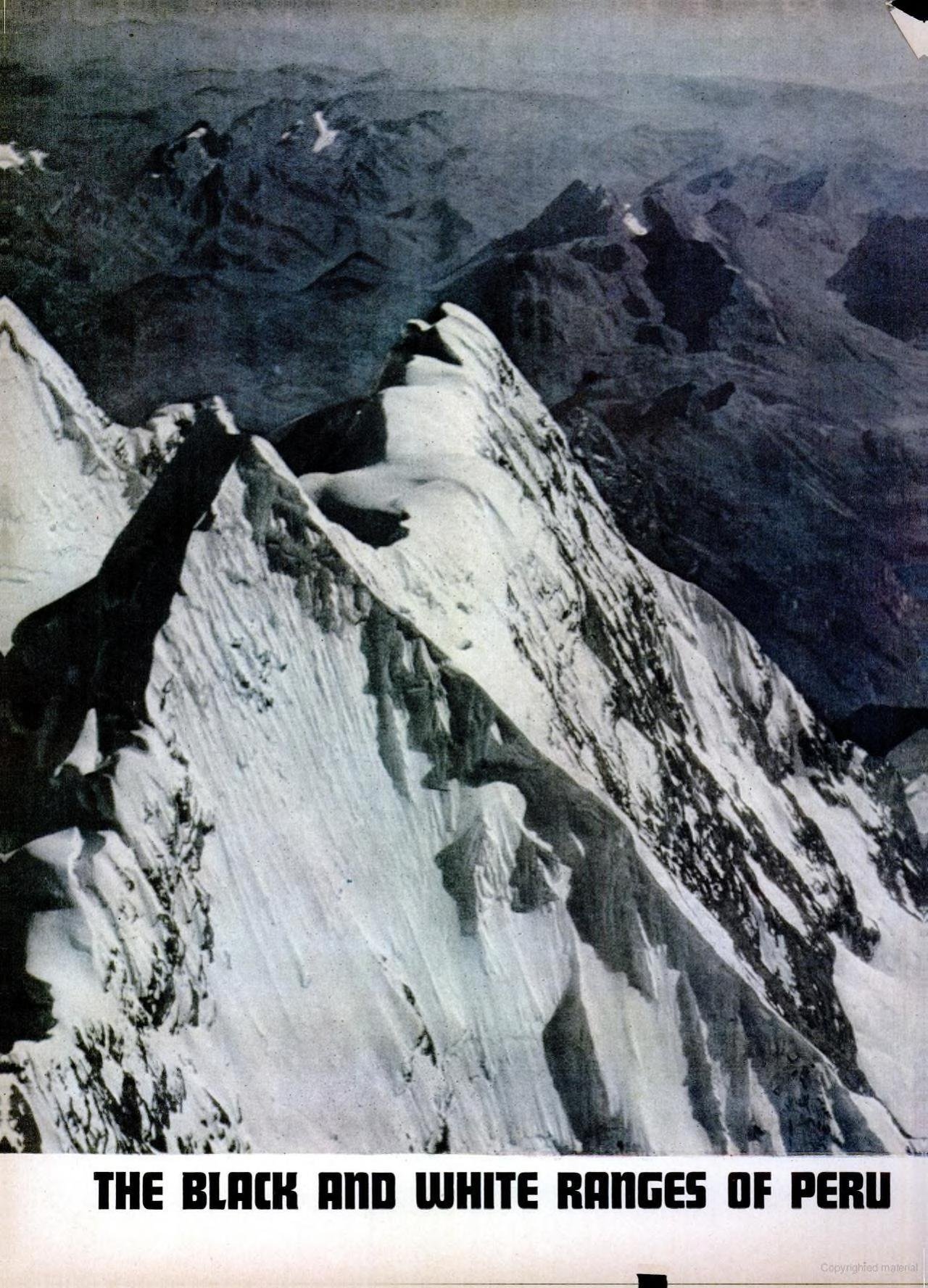
Life Magazine 1948-08-02 - Black and white ranges of Peru

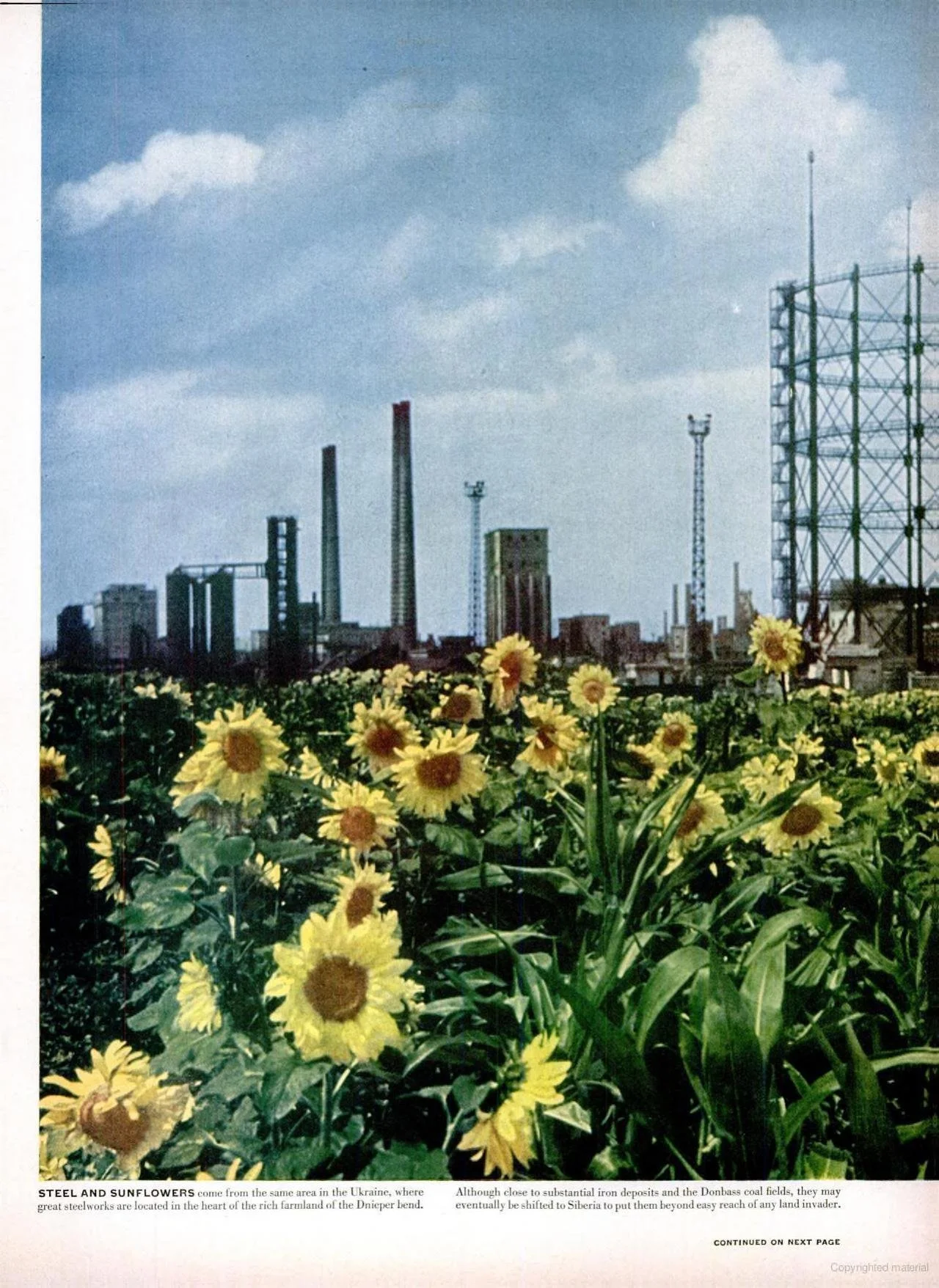
Life Magazine 1948-08-09 - Steel and sunflowers in Ukraine

Life Magazine 1948-08-16 - American abroad

Life Magazine 1948-08-23 - GI children left behind by their fathers from London to Tokyo

Life Magazine 1948-08-30 - Polio epidemic

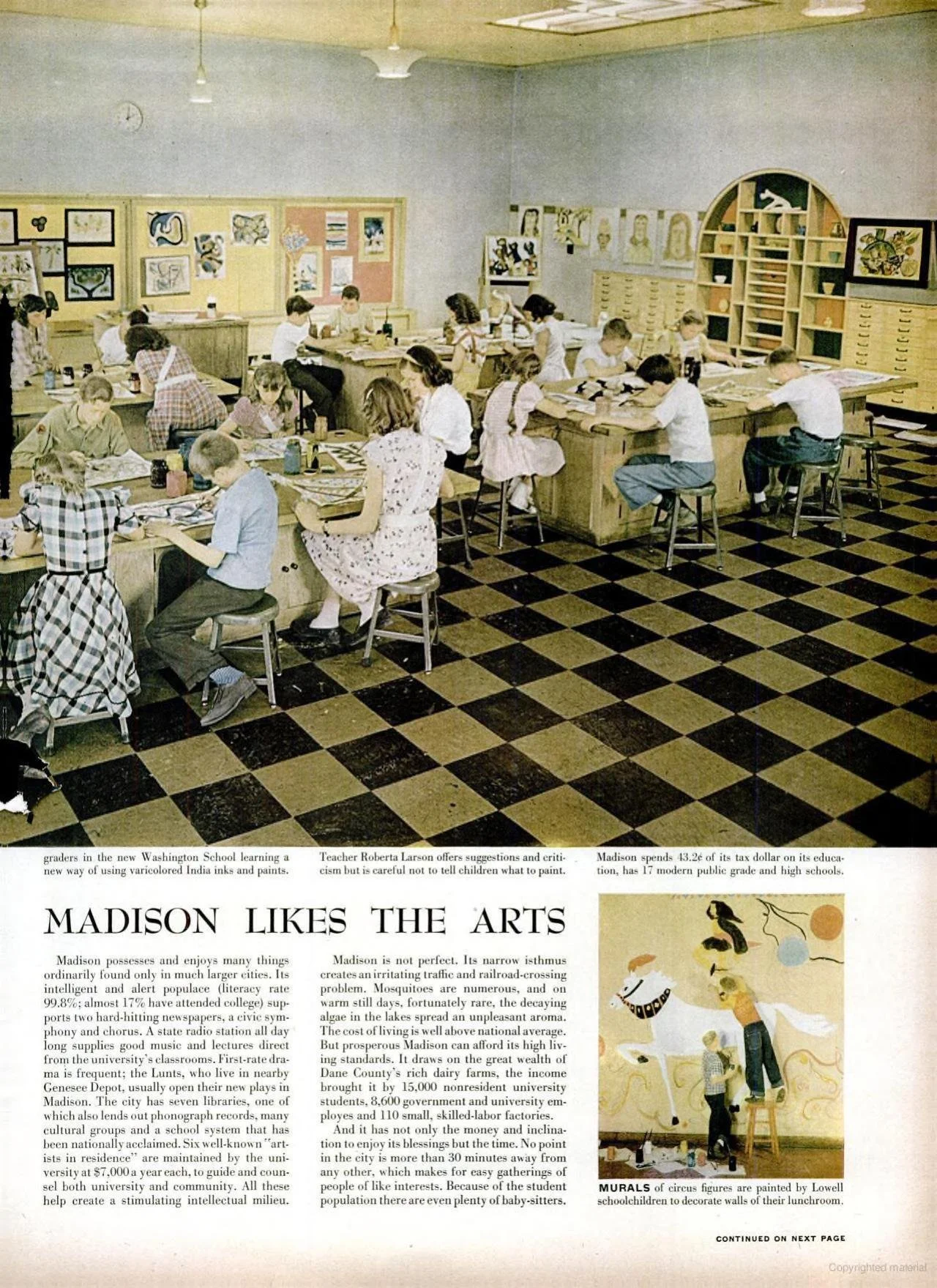
Life Magazine 1948-09-06 - Madison, Wisconsin

Life Magazine 1948-09-13 - Airborne hospital

Life Magazine 1948-09-20 - Western Electric (telephone) advertisement

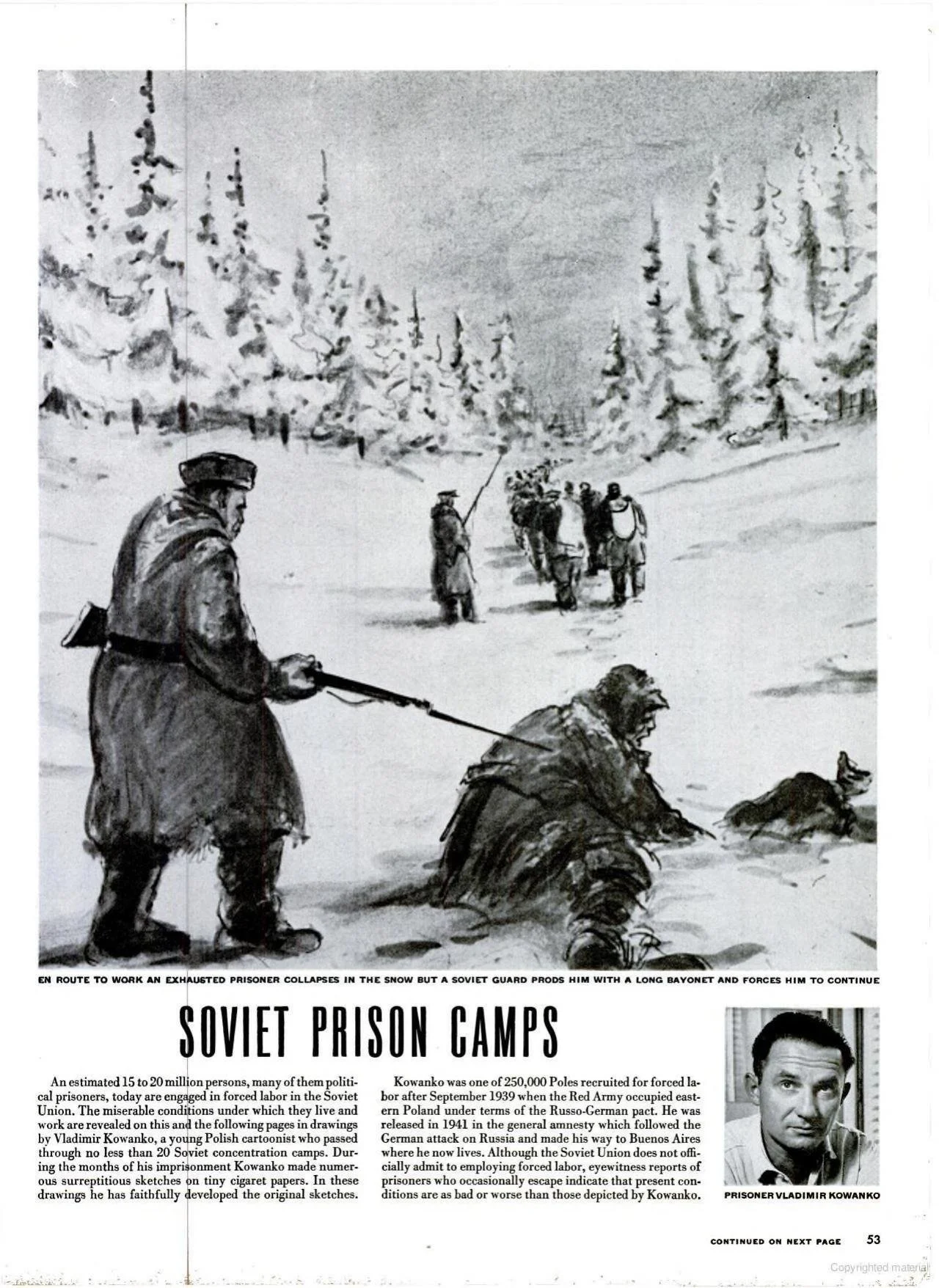
Life Magazine 1948-09-27 - Soviet prison camps

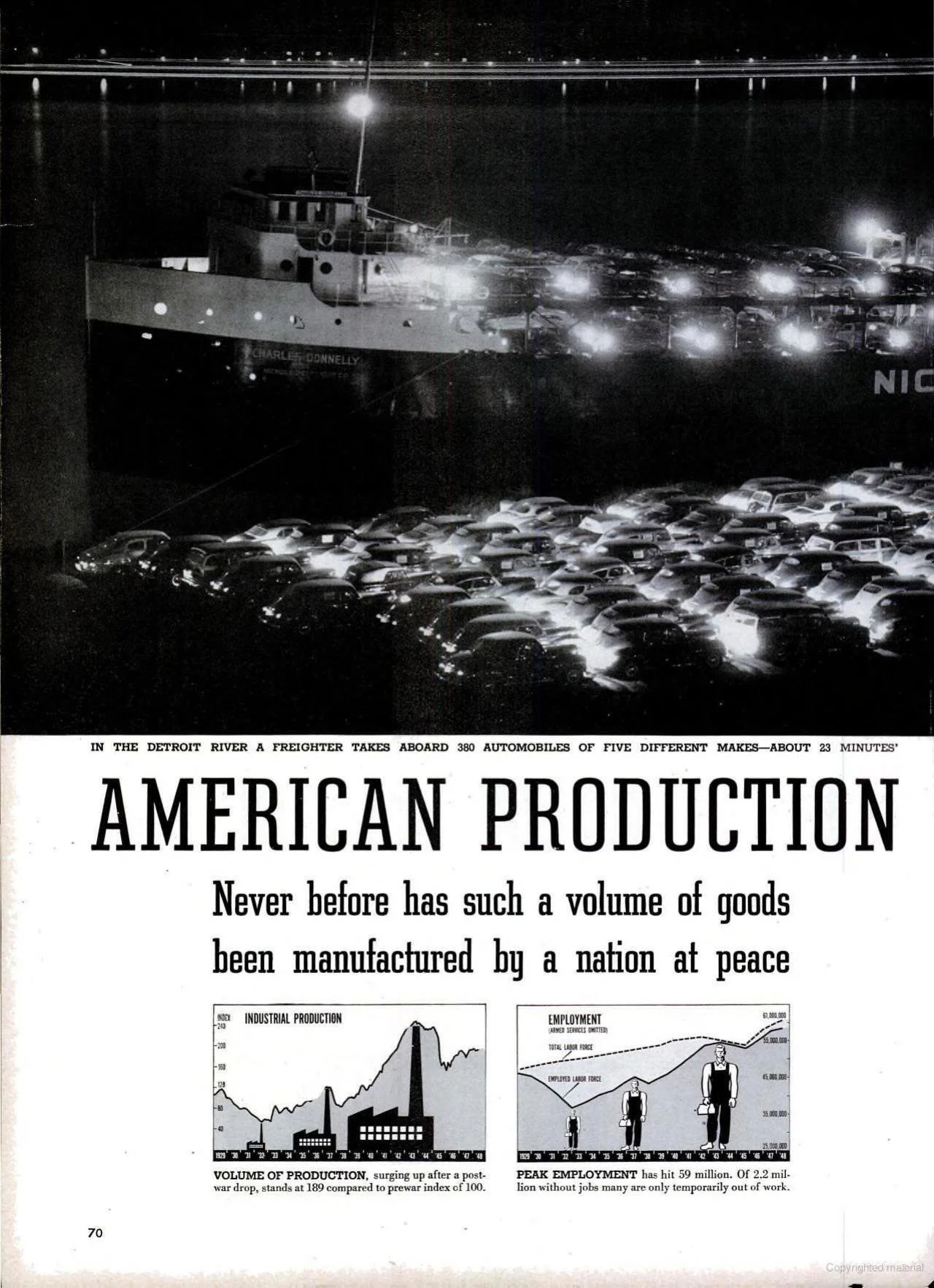
Life Magazine 1948-10-04 - Never has such a volume of goods been manufactured by a nation at peace

Life Magazine 1948-10-11 - Ritze crackers with cheese

Life Magazine 1948-10-18 - Yardley advertisement

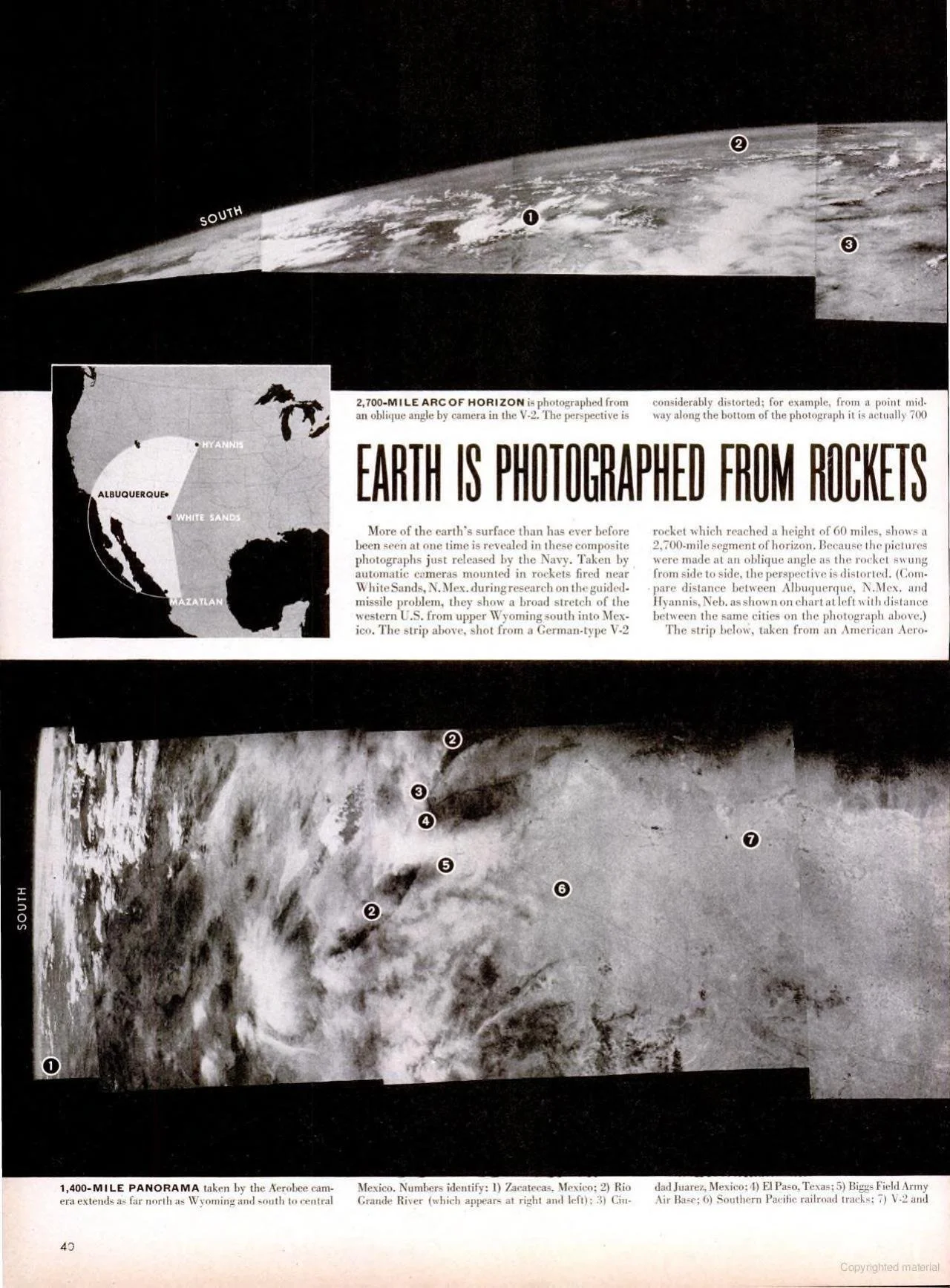
Life Magazine 1948-10-25 - Earth photographed from rockets

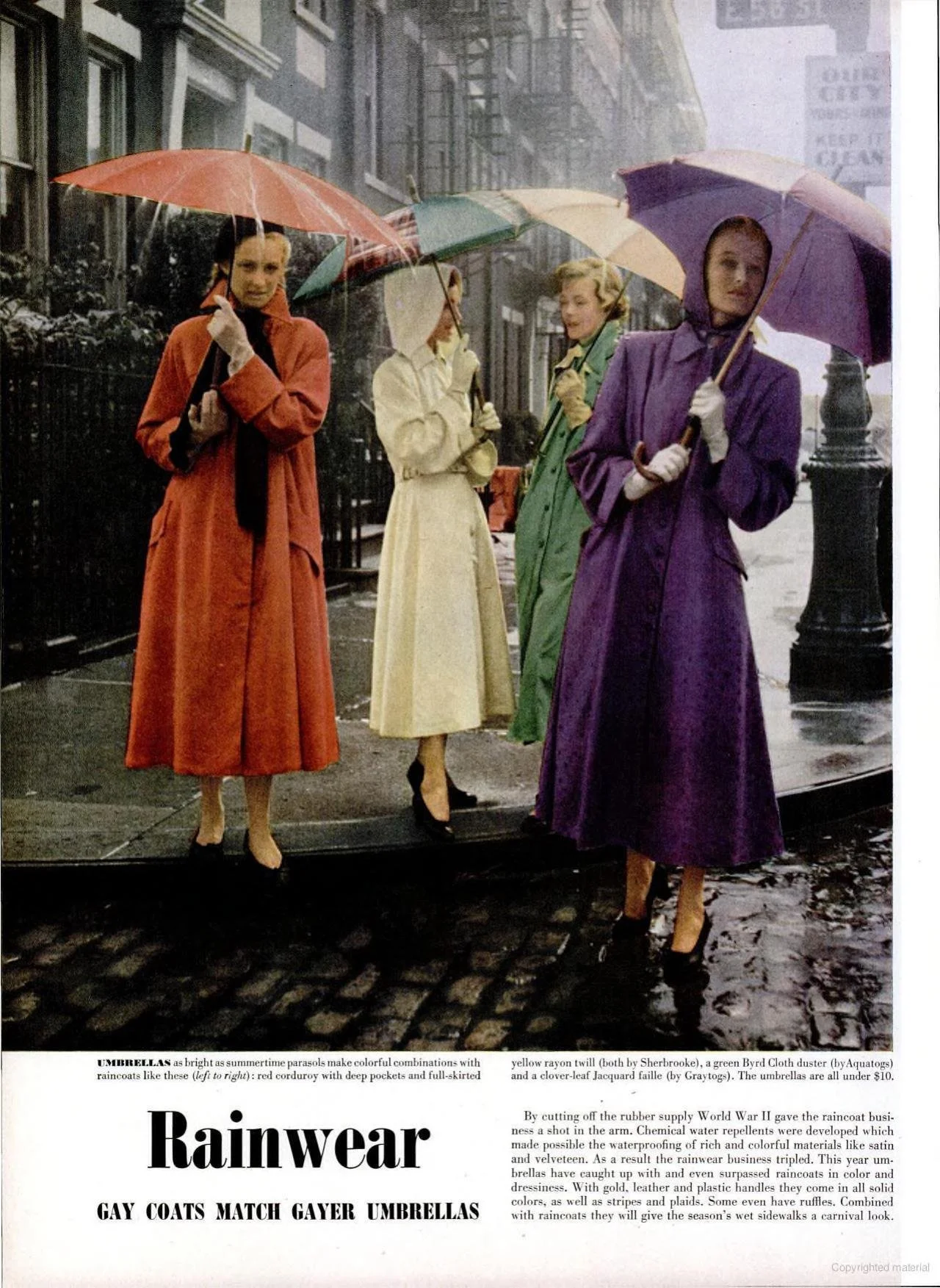
Life Magazine 1948-11-01 - Rainwear

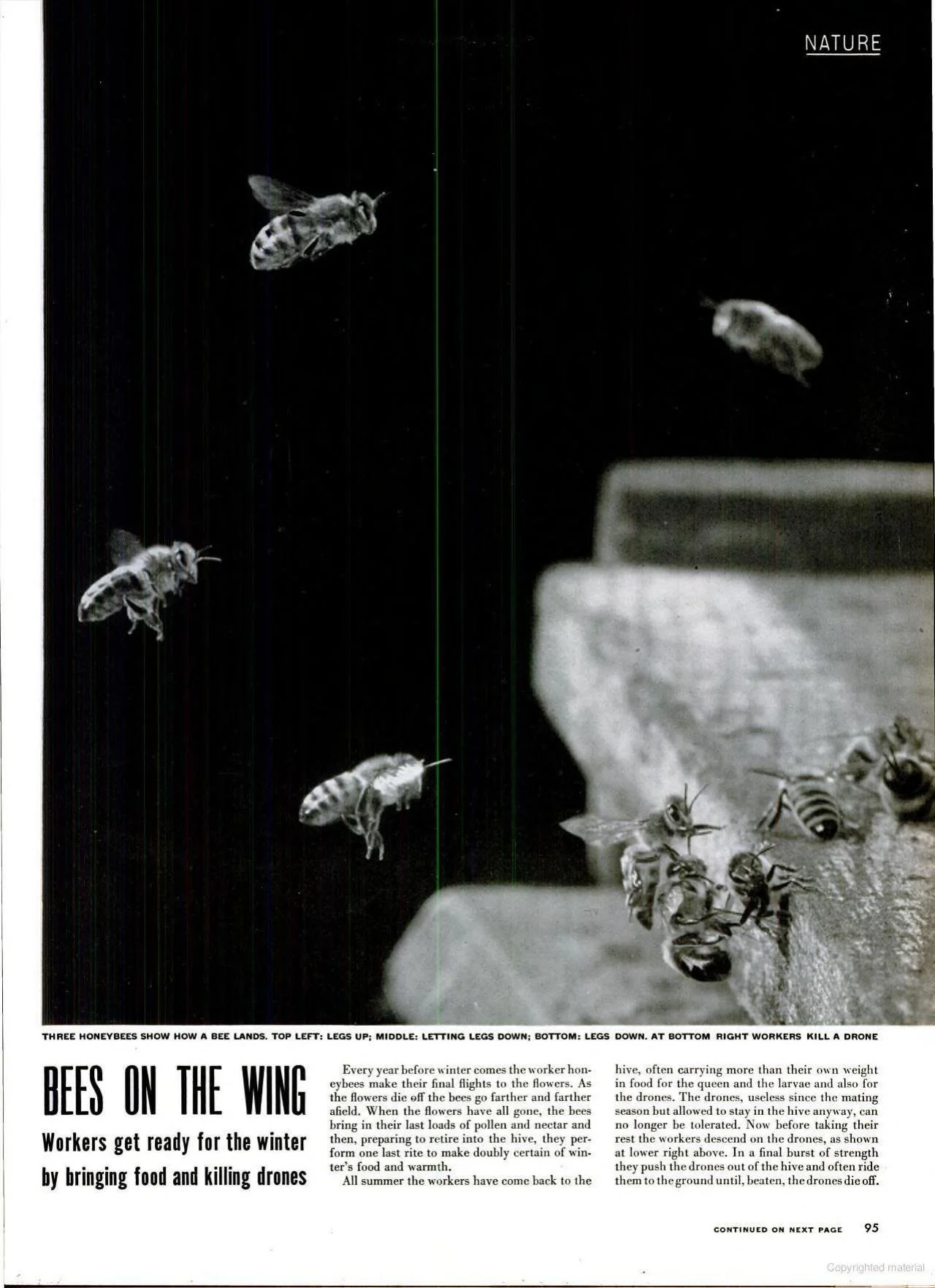
Life Magazine 1948-11-08 - Bees on the wing

Life Magazine 1948-11-15 - Truman wins!

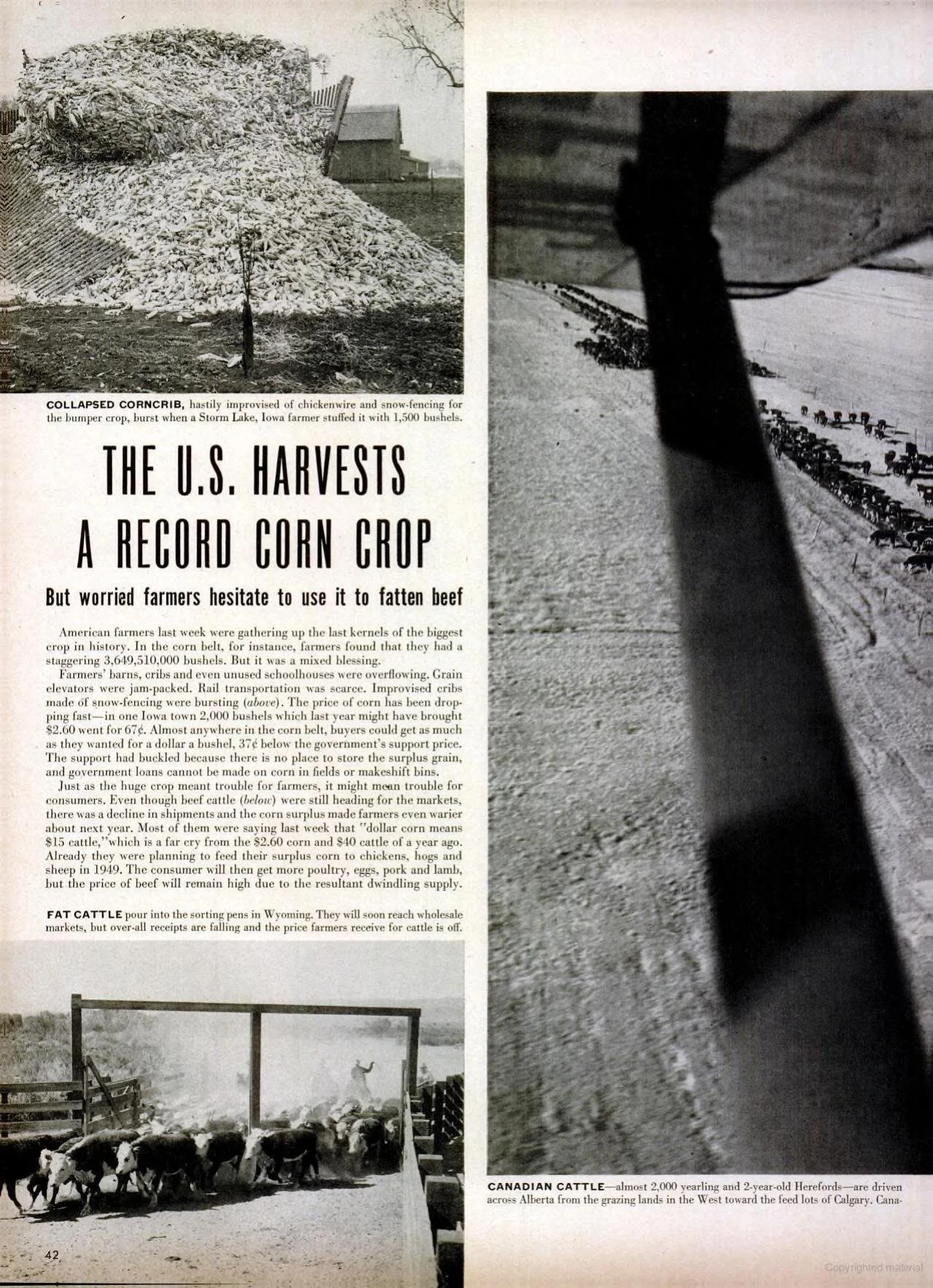
Life Magazine 1948-11-22 - The US harvests a record corn crop

Life Magazine 1948-11-29 - Watchmakers of Switzerland advertisement

Life Magazine 1948-12-06 - Johnson and Johnson first aid advertisement

Life Magazine 1948-12-13 - Pennsylvania railroad holiday homecoming

Life Magazine 1948-12-20 - American Airlines “I’m closer to my grandchildren” ad

Life Magazine 1948-12-27 - Christmas finds many children of Europe in great need of help

Illustrations of A Child’s Garden of Verses

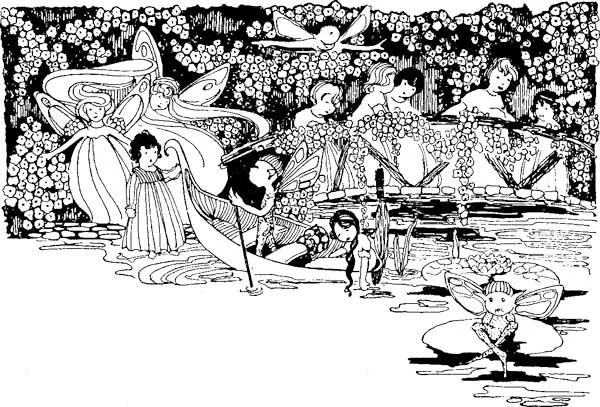
Robert Louis Stephenson’s classic – A Child’s Garden of Verses – has been illustration many times. I recently browsed 6 that were published between 1895 and 1919 that are easily available on Project Gutenberg. Enjoy art associated with familiar poems! The links below show the artist and date and publication.

 Maria L. Kirk - 1919

 Charles Robinson - 1895

 Bessie Pease Gutmann - 1905

Sustaining Elder Care – July 2026

I made the trip down to Texas and back without taking any pictures. The garden around the Texas welcome center was mulch beds and woody plants (nothing blooming)…even the cone flowers that had been there last month had been removed. The pond near my hotel had no egrets or great blue herons as it had occasionally in the past; trash (plastic) had blown into the pond, and the wind dad swept it into two floating mats.  Both places were a disappointment.

Fortunately, there were some good moments with my dad.

He was asleep when I got there and I didn’t wake him immediately. I could tell he was not soundly asleep because he would move his legs to cause his chair to rock. I talked to him during one of the times he moved and he did wake up. He almost immediately commented that it was very bright outside when he looked toward me (based on where he heard me); there was a window beside me looking out to a bright sunny day. It is a small thing…but magnified since my sisters and I have been thinking that he might be blind. We now think he can see light which helps keep his circadian rhythm going even if it isn’t helpful for him to move around with his walker without running into things he can’t see.

The next morning, I got to the memory care facility when he had almost finished breakfast and was drinking his coffee. I noticed there was some orange juice and realized that he didn’t know it was there! I asked if he wanted it and handed it to him….and he drank the whole thing without stopping! My sisters and I always are concerned that he might be slightly dehydrated because he doesn’t feel thirsty. This time he looked like he did feel thirsty….or he simply really liked the taste of orange juice.

Next – he acquiesced to going for a walk. I opted to do it inside since the day was already heating up. I guided the walker and reassured him that I wouldn’t let him run into anything. He started out very slow but seemed to move easier as he got warmed up….nothing like his rapid walk that I remember from when I was growing up or when he walked in his neighborhood up until about 5 years ago. But – he is still moving with the help of his walker.

We relaxed a bit back in his room – him dozing off almost immediately….and I left for the drive back to Missouri.

Suburban Savana – 4

Continuing my series on my progress toward transitioning my yard to a suburban savanna…..

This month I am focusing on water. My yard has a sprinkler system that was installed in the late 90s. We get it checked at the beginning of each season and replaced the controller last year so that it doesn’t come on if there was rain recently (prior that that we often manually turned if off earlier in the growing season when our area gets enough rain for plants to thrive).

This year I am watering as I have in years past since so many of the plants are new. Next year I will likely reduce either the duration or the frequency since the plants are native and should thrive without extra water. In subsequent years when most plants are well established, I might simply turn on the sprinklers manually…only when there are very long periods with no rainfall (i.e. in drought conditions).

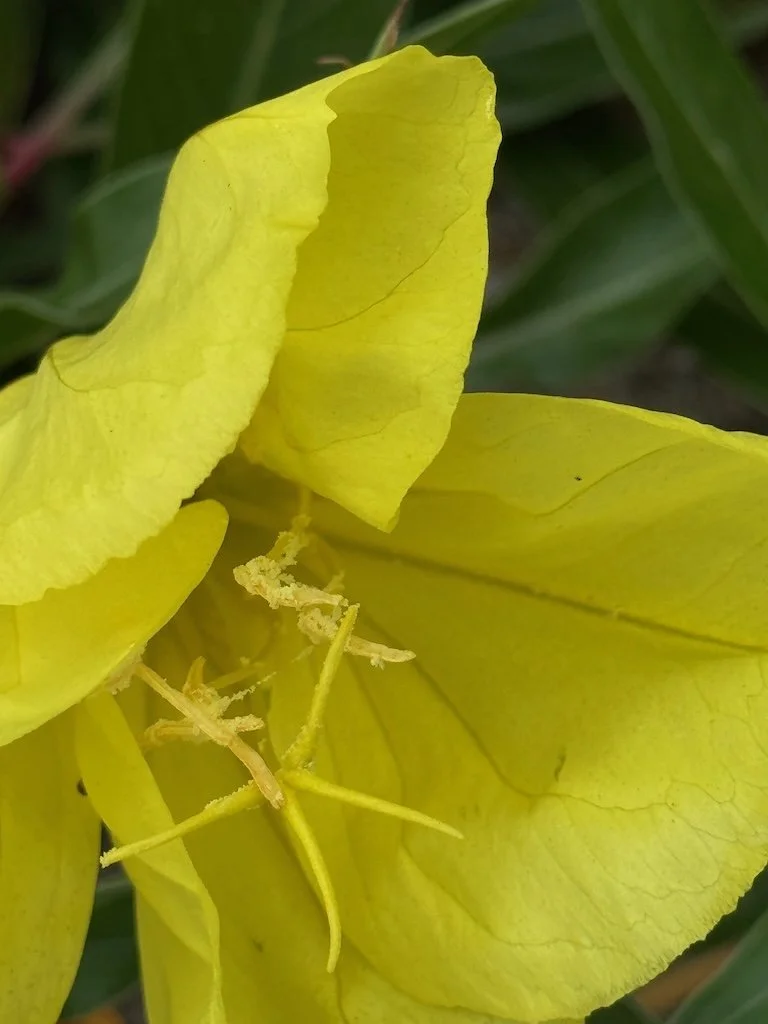
The only plant that will likely need extra attention is an Kousa dogwood (planted by a previous owner) that is growing in full sun. Even with the watering I do now, it tends to get some dry/brown leaves in summers with high heat and little rain. It’s not a native so obviously is not honed to our Missouri climate! I might put a soaker hose in to specifically provide water to the roots of the tree….or plant some green native ground cover (something like golden ragwort on the north and south, Missouri evening primrose on the western side, violets on the eastern side) under the tree that will keep the soil cooler than the mulch that is currently there.  

In a few years, if something on the sprinkler system breaks enough that it would required replacement – maybe I will decide I don’t need a sprinkler system often enough to warrant the expense!

More about my suburban savanna and blooms for pollinators next month.

Previous Suburban Savanna Posts:

April 2026 – Overview

May 2026 – Planting Natives

June 2026 – Shade Garden

Gleanings of the Week Ending July 11, 2026

The items below were ‘the cream’ of the articles and websites I found this past week. Click on the light green text to look at the article.

07/01/2026 Clean Technica Southeast Missouri Smelter Announces Intent to Restart This Year - Not mentioned in the release today is how the smelter will be powered, and whether the smelter will be in compliance with the Missouri Department of Natural Resources plan to reduce sulfur dioxide pollution to levels that are safe to breathe. New Madrid County recorded the worst air quality in the United States before idling.

07/01/2026 Yale Environment 360 A Home Battery Revolution Is Reshaping the Power Grid - As residential batteries have become more energy dense, cheaper, and smaller, more households are storing their excess solar power. Now, utilities and energy companies in dozens of countries are buying up those electrons, bundling them together, and using them to balance the grid.

07/01/2026 Planetizen Replacing lead pipes in Chicago costs more than 6 times the national average - Chicago has the nation's largest inventory of lead water pipes. Officials say replacing each one costs about $31,000 on average — more than six times the Environmental Protection Agency’s national estimate of $4,700 a line. The most significant factors driving up costs include inefficient early contracts, cumbersome permitting requirements, and the city’s reliance on one-off replacements rather than undertaking whole blocks at once.

07/01/2026 NPR Lone star ticks are covering much of the U.S. Here's what you need to know - The lone star is spreading across vast regions of the U.S., and the illness it carries, the alpha-gal syndrome, is spreading in more than 30 countries on six continents, often spread by various other ticks. The alpha-gal syndrome is more difficult to diagnose and treat than lime disease, and the symptoms are more severe. In many cases, the victim develops an allergy to all red meat, including nearly microscopic particles of it. The allergy can become so extreme it can kill you.

06/28/2026 BBC What watching the sunset really does for your health - There's growing evidence that sunsets – and sunrises, for that matter – can have a meaningful impact on our brain and mental health: diminishing anxiety and depression while boosting memory, creativity, sleep and even altruism. 

6/25/2026 The Conversation Most bees are solitary and don’t live in hives. Climate change risks them starving - Currently, most of what we know about bee nutrition comes from highly social species such as honeybees or bumblebees. Yet most bees are solitary or communal (group living but with no queens and workers). They might experience the nutritional landscape and nutritional stress in very different ways.

06/22/2026 NASA A Turquoise Tint for the Black Sea - The Black Sea sits at the boundary between Europe and Asia and connects to the Mediterranean Sea via a chain of waterways. Its surface often appears dark, but each spring and summer it transforms into a striking expanse of swirling turquoise. The turquoise color is likely caused by coccolithophores, a type of phytoplankton covered with calcium carbonate plates that can give surface waters a milky-blue appearance. These types of phytoplankton tend to dominate in late spring and early summer. Other times of the year, diatoms—a type of microscopic algae with silica shells—can become more prevalent, and they tend to darken the water rather than brighten it.   

6/24/2026 NWF Blog 7 Moths that Make Butterflies Look Boring – The only one I haven’t seen is the Texas Wasp Moth!

06/30/2026 Artnet These 10 U.S. Landmarks Are At-Risk - As America gears up to mark the 250th year of its independence, the World Monuments Fund (WMF) is throwing a spotlight on 10 historic places that it says are most urgently in need of preservation.

6/27/2026 Science Daily Yellowstone’s supervolcano may be fueled by something unexpected - Instead of a deep plume rising from near Earth’s core, a broad “mantle wind” may push hot rock beneath Yellowstone, generating magma closer to the surface. This process helps create a massive underground magma network and may explain how supervolcanoes remain active for long periods.

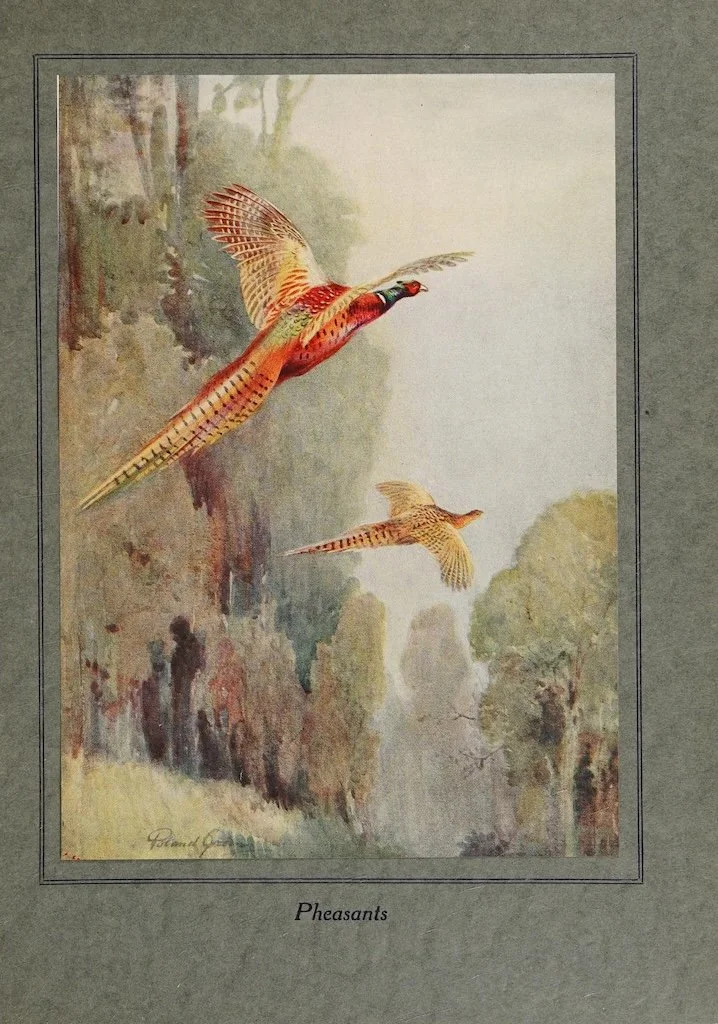
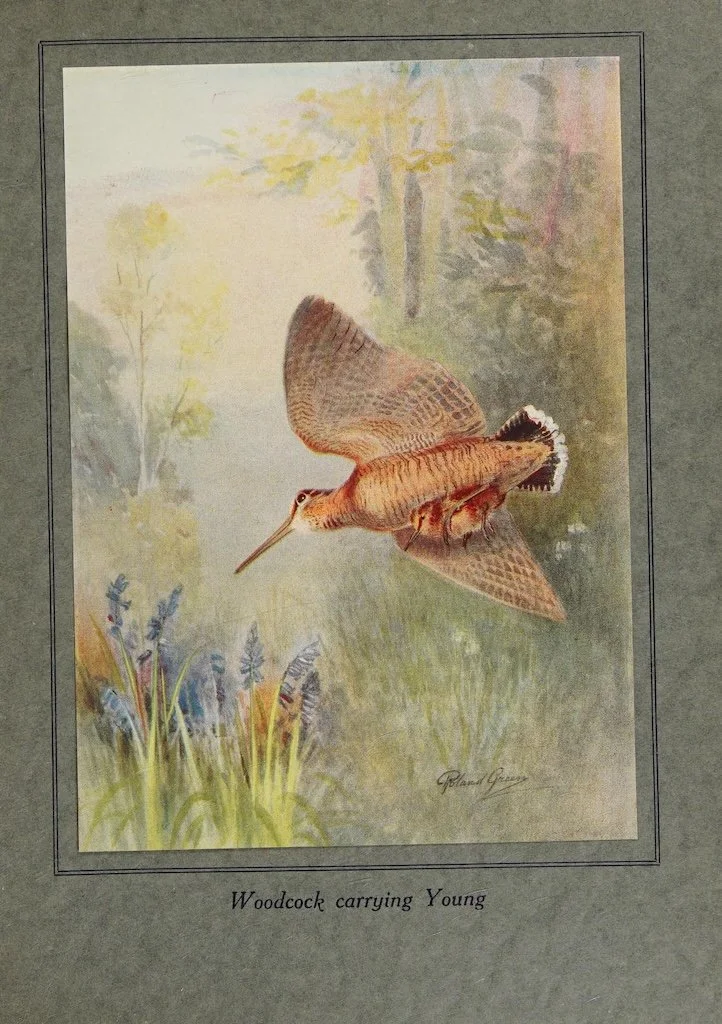
Birds in Flight

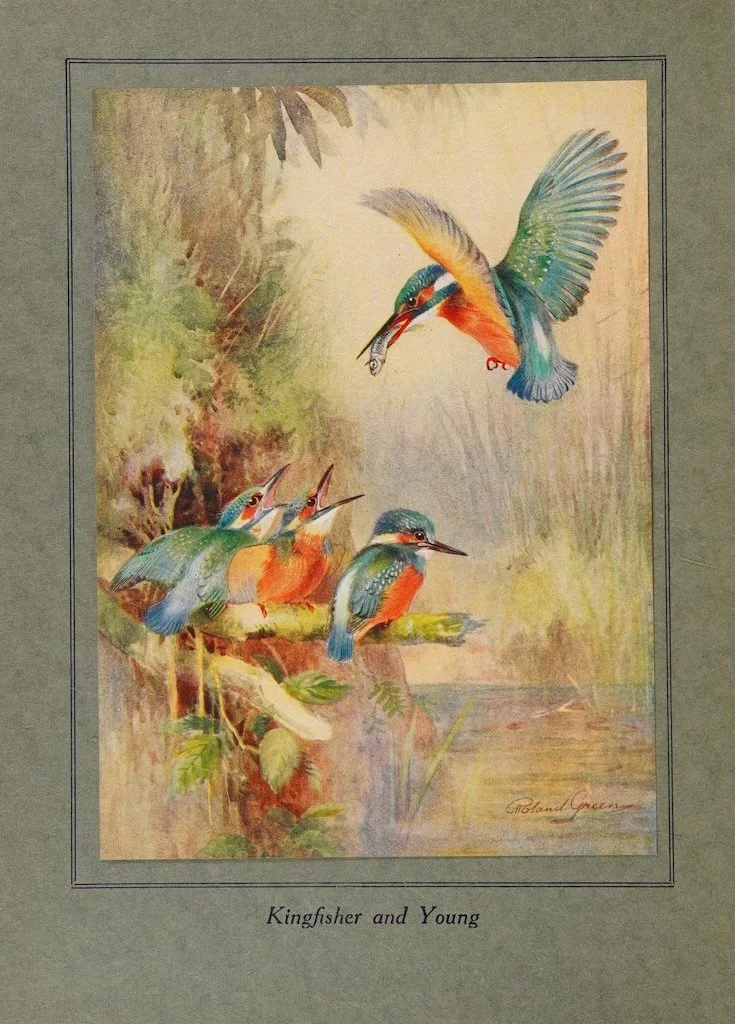
The week’s eBook was published in 1922…and has great illustrations of birds in flight created by Roland Green. The books is available on Internet Archive.   Enjoy browsing!

 Birds in flight by William Payne Pycraft and illustrated by Roland Green

Five Years from Now

During my career – there were development plans that addressed ‘what do I want to be doing 5 years from now…and what can I do to prepare myself?” I am trying to apply the idea to my post-career life – which does not have salary as a motivating factor. My overarching goal is to become wiser every year…to care for my family…to contribute to the well-being of my community….to blend the things I do rather than trying to separate them.

In 5 years, I want to be much as I am now…but better prepared for whatever health/infirmity develops as I get older and take more action to leave the world a better place.

Here is my high level “what I can do to prepare myself:”

  • Continue doing what I am doing now with some changes

  • Consciously increase activities that sustain or improve my physical resilience (i.e. targeted exercise primarily)

  • Decrease my carbon footprint. Here are some things I have in mind:

    • Replace my plug-in hybrid car with an electric. This will probably happen in 2027.

    • Put solar panels with battery on my home. This will probably happen in the next 2 years.

    • Eat more from my own yard (I already eat seasonal greens from the yard….and am looking forward to elderberries and pawpaws in the coming years).

    • Gradually replace my wardrobe with clothes made from natural fibers.

    • Reduce the turf in my yard to 30% or less.

    • Allow an oak to grow in both the back and front yard (they as seedlings now).

  • (Maybe) Begin to skew from outreach/education type volunteering toward advocacy. This could mean that I would decide not to continue as a Missouri Master Naturalist.

Now that I have written this down, I realize that my trend is good….that the plan is simply tweaks that will take some disciple/energy to implement.

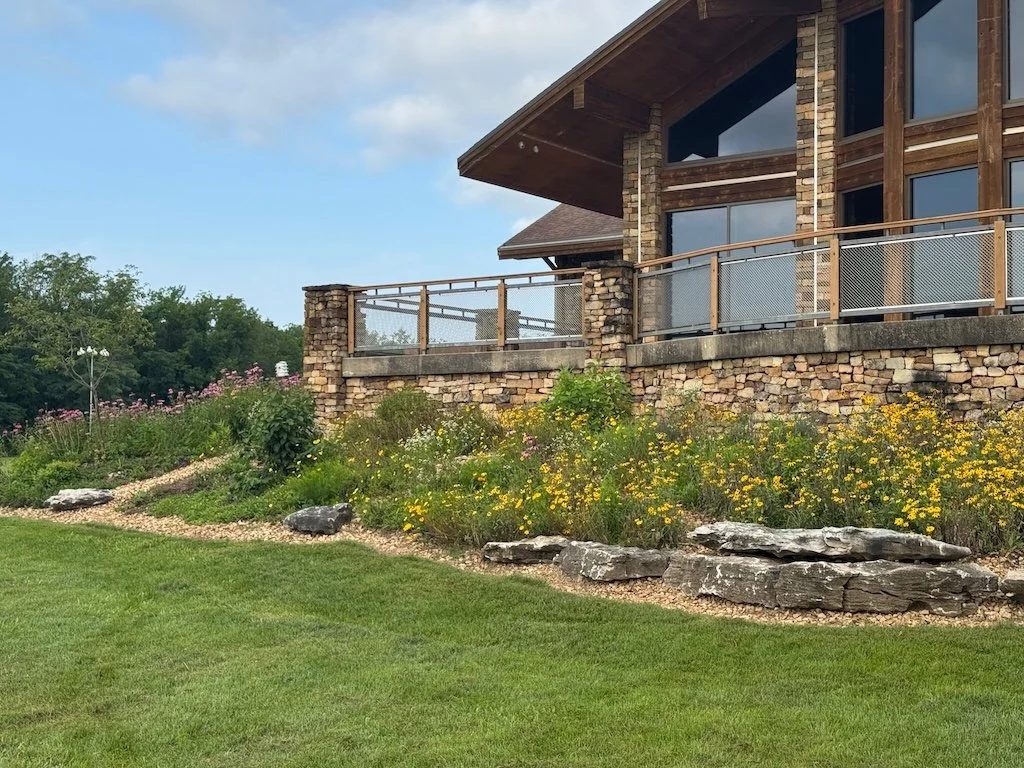
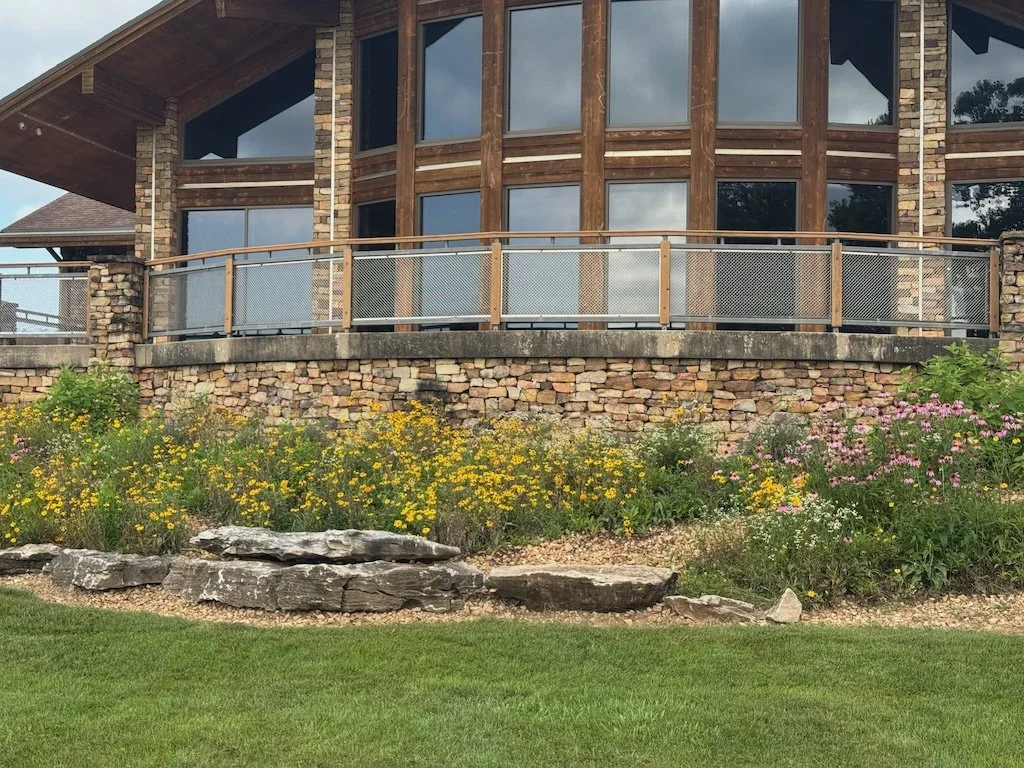
Lake Springfield Boathouse Garden

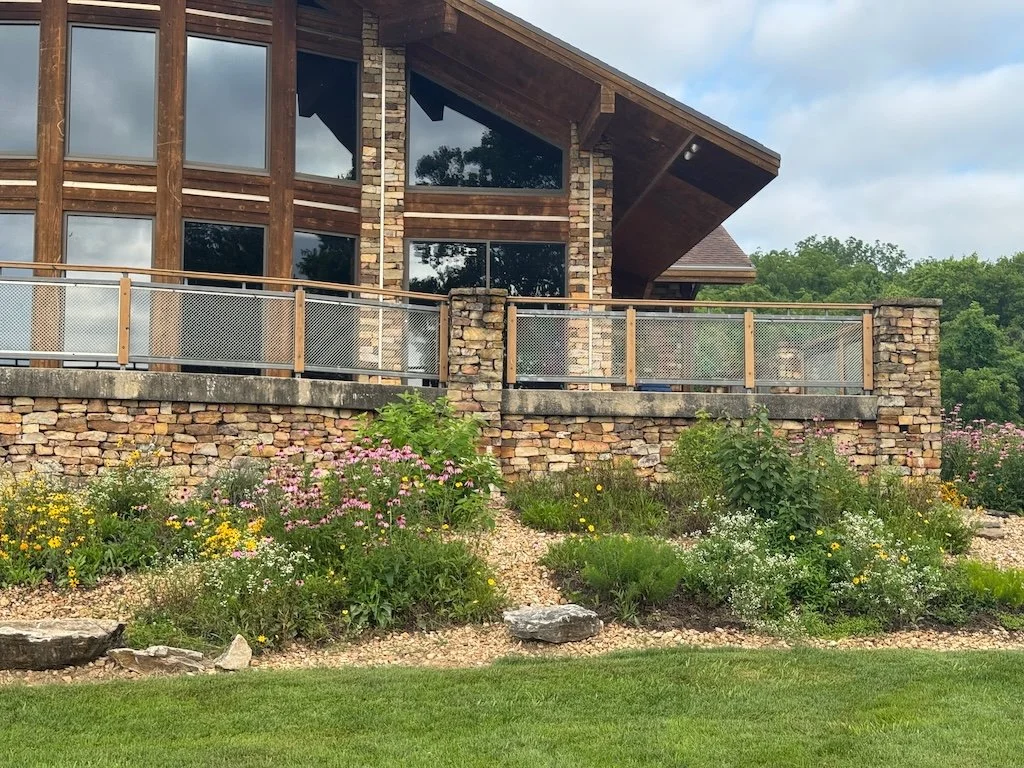
I’ve been volunteering for the weekly maintenance sessions at the Lake Springfield Boathouse Garden this year. It’s been a learning experience. Recently the ‘taskmaster’ sent some pictures from 3 years ago – around the time I first visited the place.

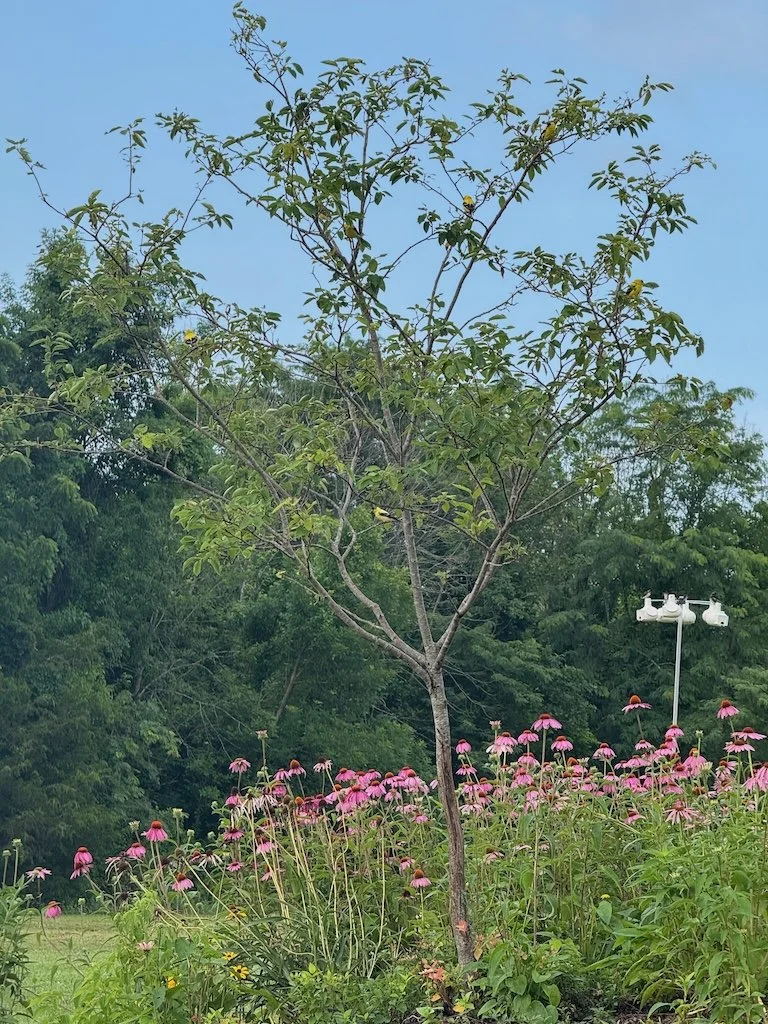
The next time I volunteered, I took some similar pictures to document the way it looks in 2026. The plants are much more established now.

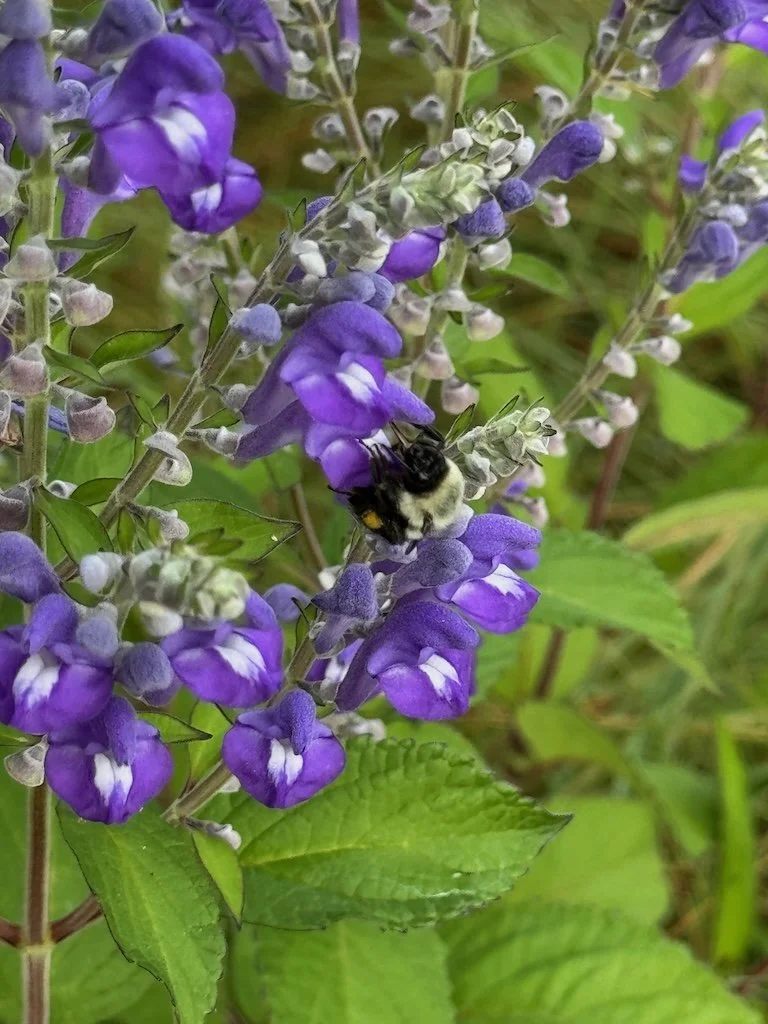
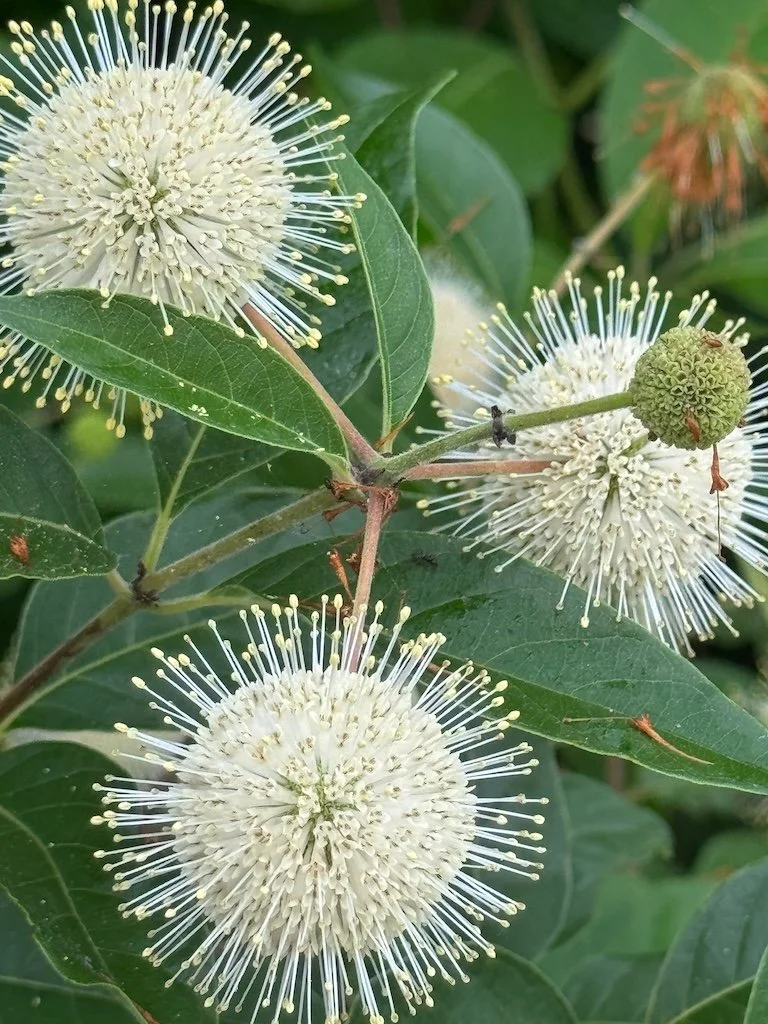
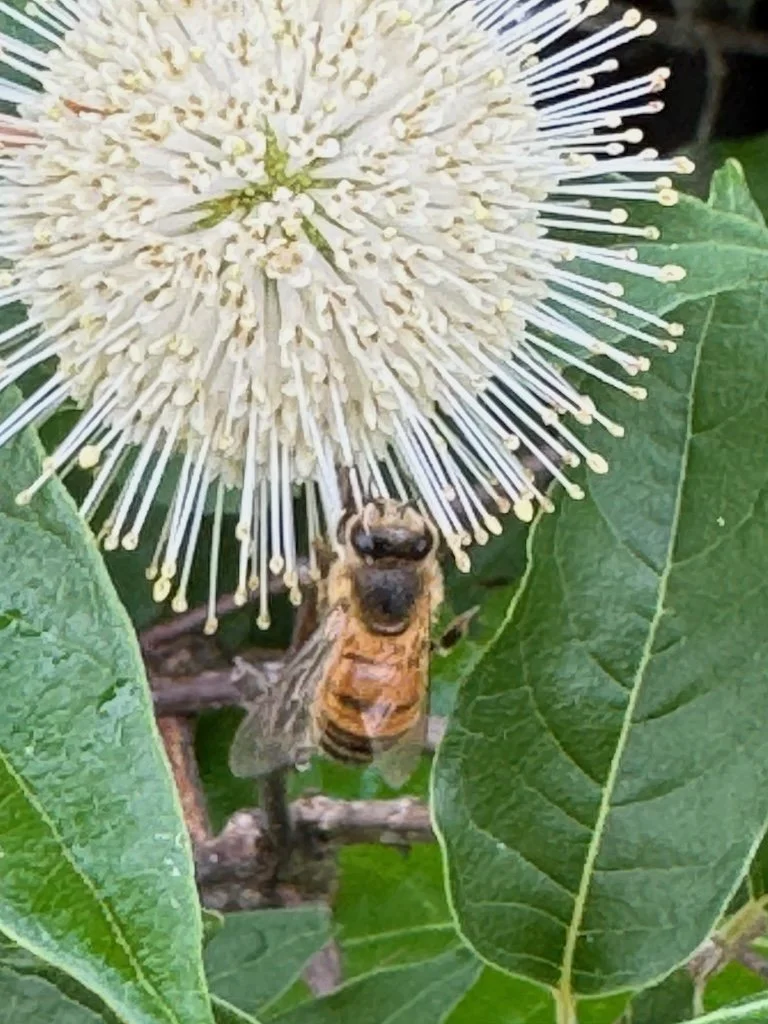
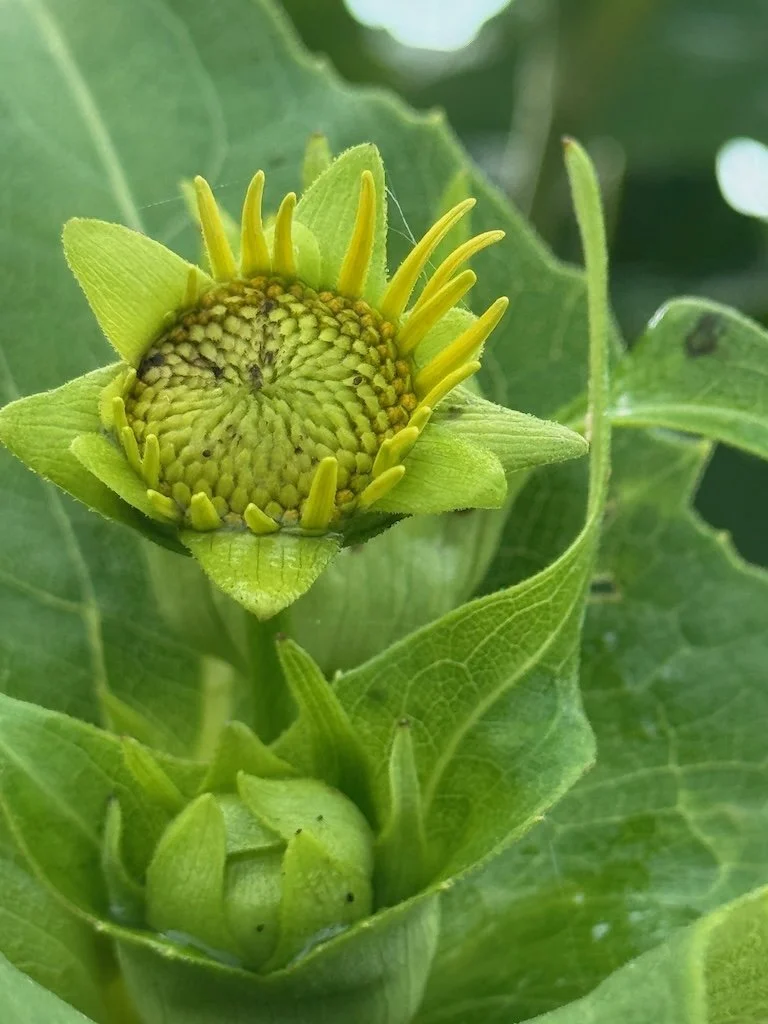
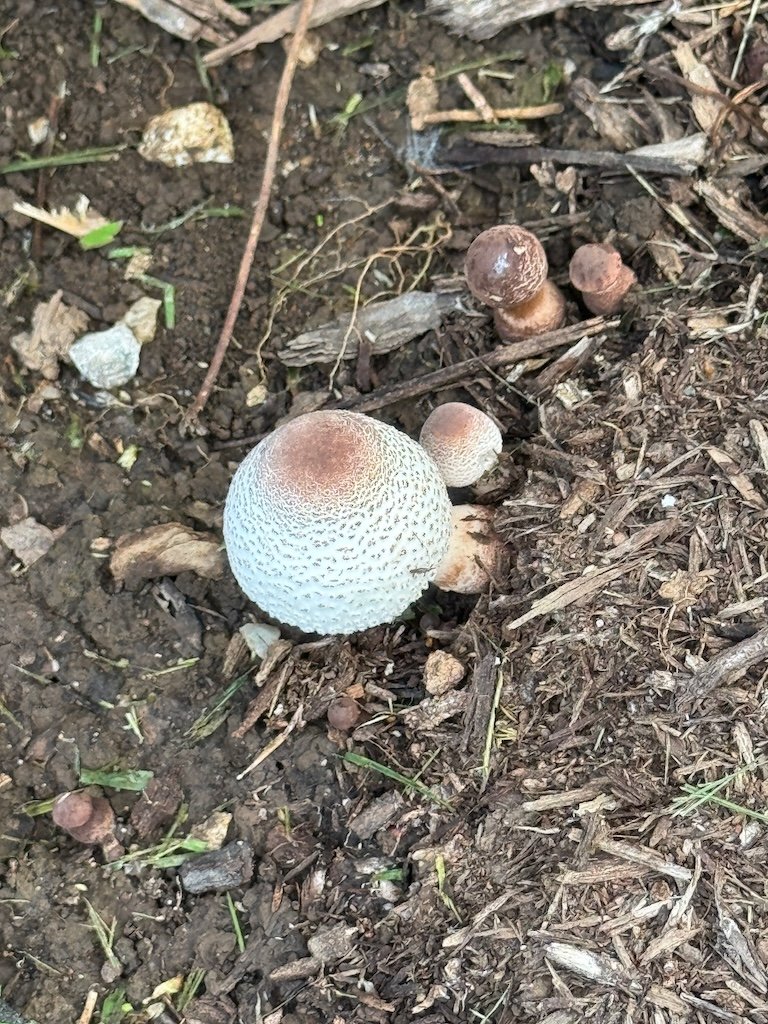
Of course I couldn’t resist taking some closer photos – cone flowers, button bush, cup plant, and some mushrooms that reminded me of roasted marshmallows.

Gleanings of the Week Ending July 04, 2026

The items below were ‘the cream’ of the articles and websites I found this past week. Click on the light green text to look at the article.

06/24/2026 I’m Plastic Free How to Tell if a Company is Actually Reducing its Plastic Footprint? - In the 2020s, it is no longer enough for companies to say they care about the planet while their products, packaging, and supply chains continue to leak plastic into the environment. Plastic pollution is not only a litter problem. It is a materials, design, energy, waste, and accountability problem.

6/24/2026 NWF Blog Go Plastic Free This July - Reducing our plastic waste helps the environment by not only ensuring it’s pristine, but it also prevents plastic from being ingested by wildlife, where injury and death are common outcomes when they interact with plastic. Plastic is also a known hormone disruptor, which can and does affect wildlife and humans.

06/23/2026 The Conversation We found microplastics in hedgehogs – then we traced them back to pet food - The story began in 2021, when we collected 189 hedgehog faeces samples from residential gardens and rehabilitation centres across the UK. We found plastic in 19% of them. Research suggests that food left out by people is the single biggest reason European hedgehogs visit residential gardens. Many hedgehogs have even become reliant on it, especially during the autumn and winter. We found microplastics in 29 of the 38 pet food products we tested. In 18 products, contamination appeared in more than one retail unit. Although plastic was found across the products tested, those in the “value” price category had more positive samples.

06/23/2026 The New York Times Former NOAA Employees Revive Climate Site Shut by Trump Administration - The new site, climate.us, is an effort by former staff members at the National Oceanic and Atmospheric Administration to present climate science previously housed at climate.gov, including data, reports, articles, and congressionally mandated national climate assessments. The new site is effectively the “first full clone” of climate.gov.

6/23/2026 Clean Technica How you fight climate disinformation – Several strategies….including Pope Leo XIV has called “the drug of fake news” a threat to a health society and has called on journalists to “safeguard voices and faces, cultivate seriousness in every report and every analysis, preserve the beauty of cultures and territories.”

6/25/2026 BBC Droughts are transforming the Turkish landscape with massive sinkholes - The "breadbasket" of Turkey, Konya's valleys are filled with the farms needed to feed a growing nation. But the available groundwater is drying up and causing fields to collapse. Turkey has been seized by ongoing drought, with a United Nations report predicting that Turkey would become a water-poor country by 2030. Konya's sinkhole problem is a perfect storm of geology, drought and intensive agriculture draining the groundwater.

6/25/2026 Science Daily Osteopenia is silently weakening bones in millions of people - Exercise, adequate calcium and vitamin D, and other healthy habits can slow or even partially reverse the decline.

6/23/2026 The Conversation Earth’s oldest crater really is over 3 billion years old - Zircon is tiny, tough and unusually good at keeping time. It contains uranium, which slowly decays into lead. By measuring uranium and lead in a zircon crystal, we can estimate when that crystal formed, or when something strongly altered it. Apatite can grow when hot fluids move through broken rock – exactly the kind of system an impact creates, as heat and fractures drive water through a crater. The apatite gave the same age as the modified zircons. Two clocks, in different minerals and different rocks, pointed to the same event about 3.02 billion years ago.

6/22/2026 Smithsonian Magazine Authorities Investigated Reports of an Illegal Excavation in Rome. Then, They Stumbled Upon an Ancient Villa Adorned with Mosaics - In mid-February, residents of Castel di Guido, a village on the outskirts of Rome, notified police of unusual activity taking place nearby. Locals had spotted people digging at night, seemingly without authorization. When authorities investigated the site, they realized that looters had used a backhoe to access an underground cavern protected by fencing. Archaeologists jumped into action to prevent further damage—and soon discovered a well-preserved set of ruins that may have been visited by Roman emperors. Emergency excavations revealed the ancient structure’s entrance hall, which featured a central impluvium, or marble basin at the center of the room, and a mosaic floor adorned with botanical and geometric designs.

6/17/2026 Yale Environment 360 A Missing Piece in Climate Models: Nature’s Own Emissions - For decades, climate scientists have issued warnings about positive global warming feedbacks, vicious cycles in the Earth system in which rising temperatures from burning fossil fuels beget more warming. Feedbacks in which ecosystems emit more greenhouse gases to the atmosphere are so complex that they are often left out entirely. For example, how much more carbon dioxide will be emitted as wildfires increase? How much more methane will bubble up from fermenting wetlands or seep from thawing permafrost? Remarkably, these so-called warming-induced emissions are poorly represented or absent from the most influential climate models. Climate modelers are scrambling to catch up.

eBotanical Prints – June 2026

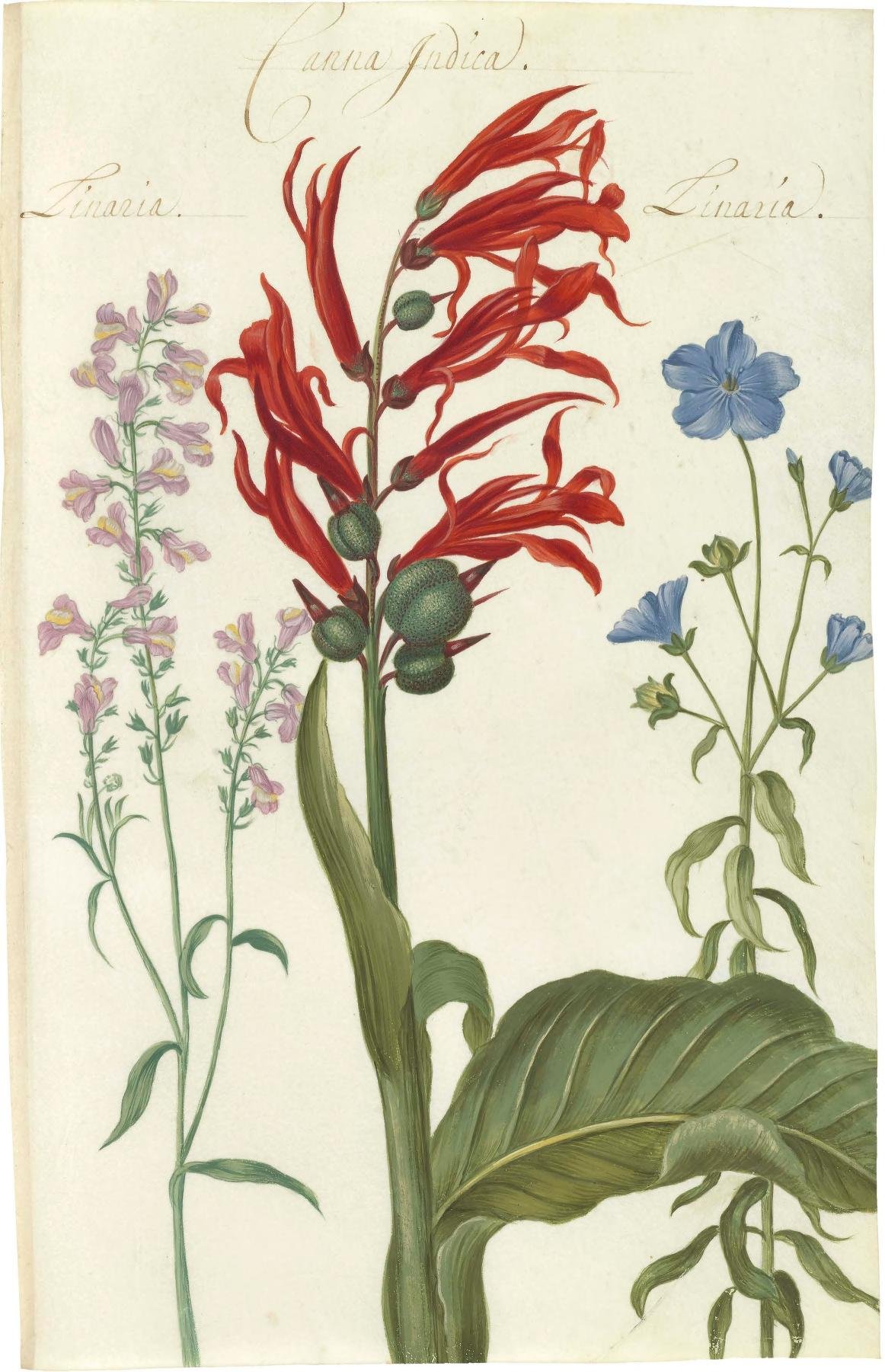
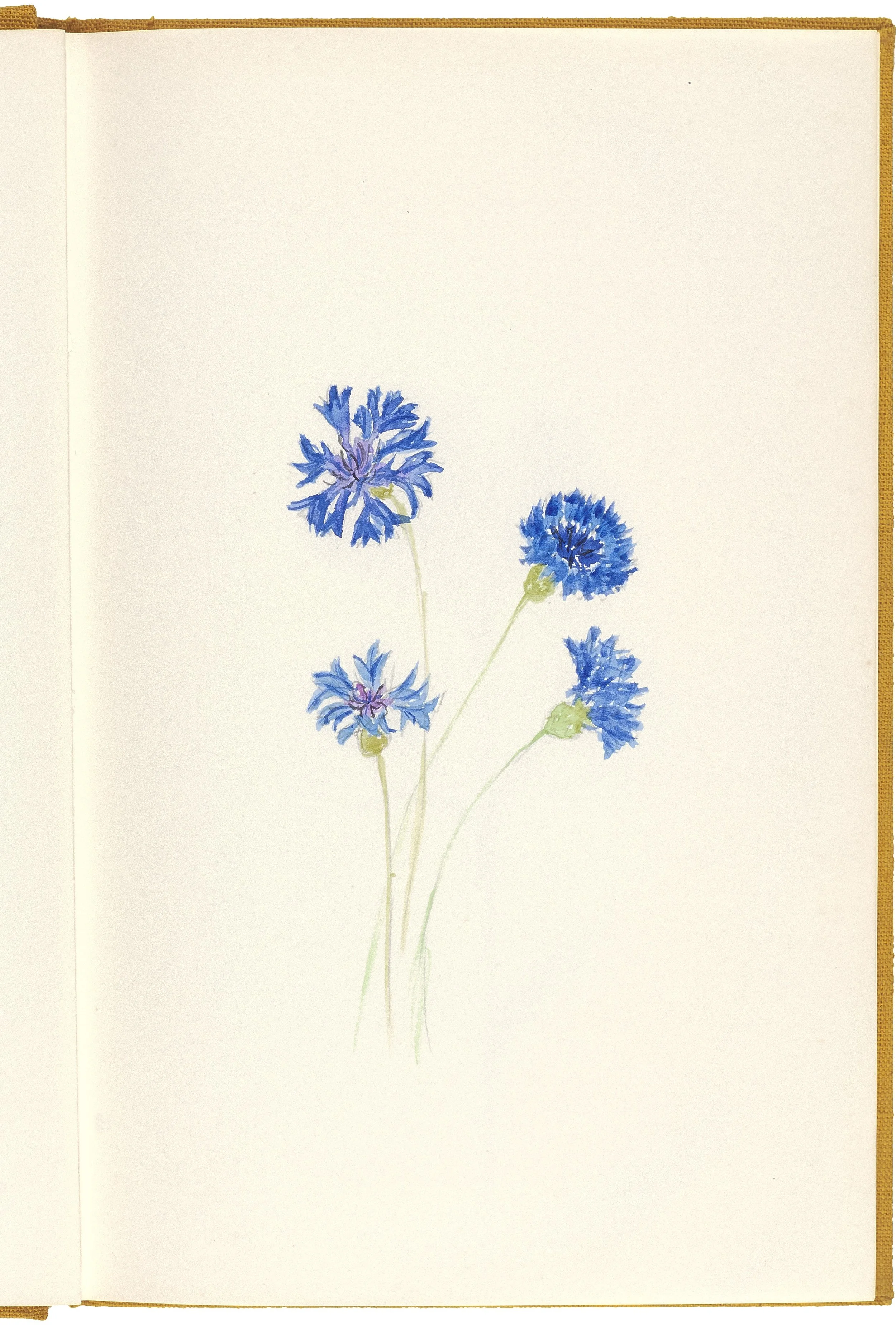
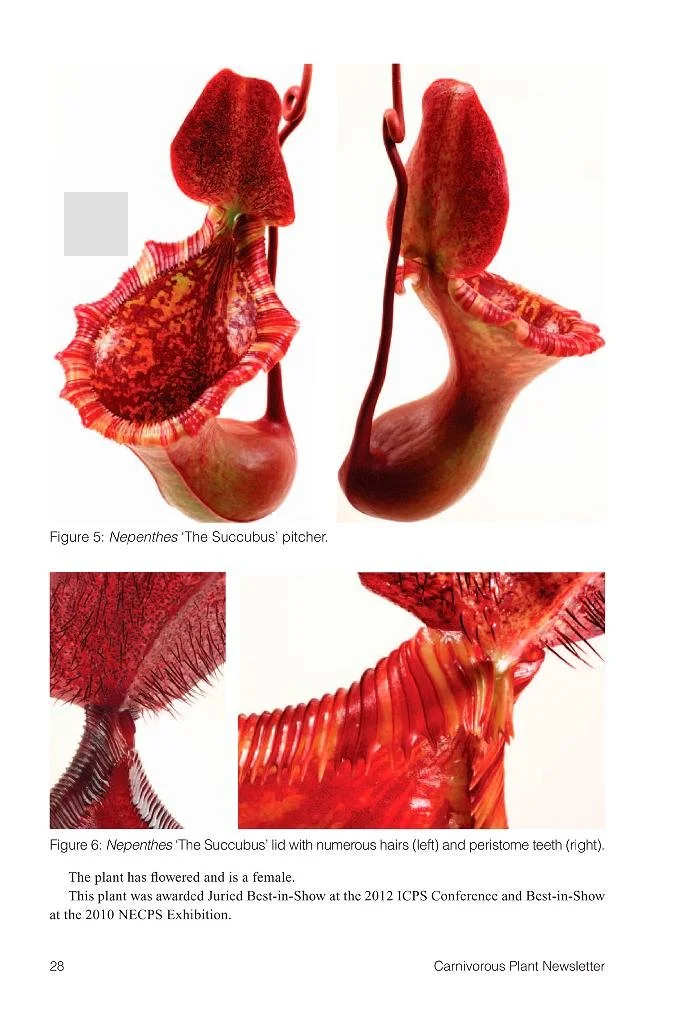
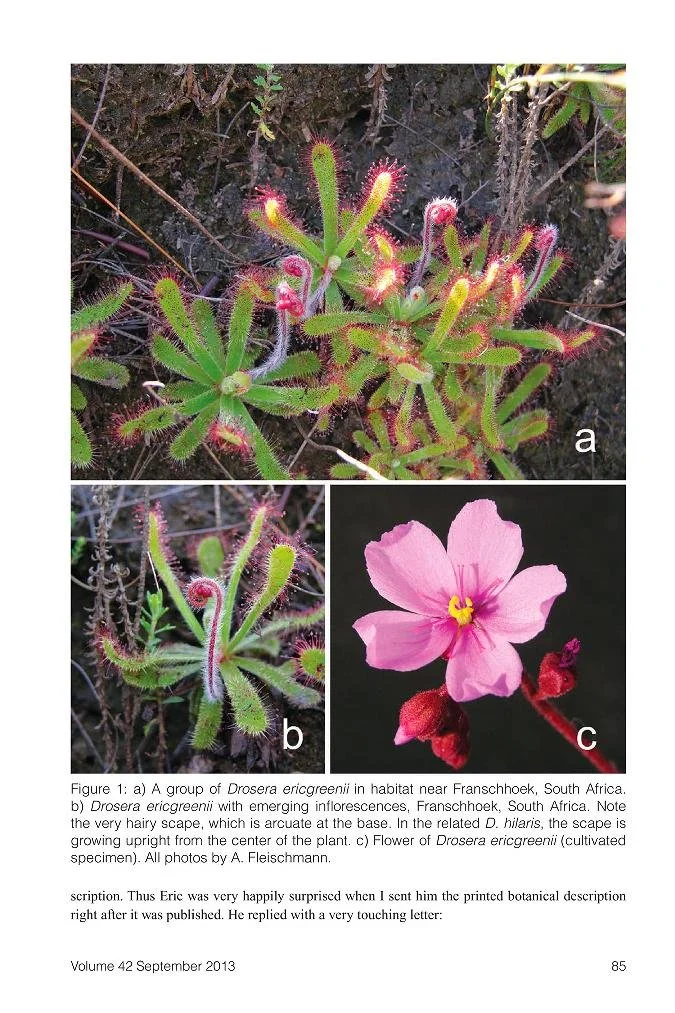
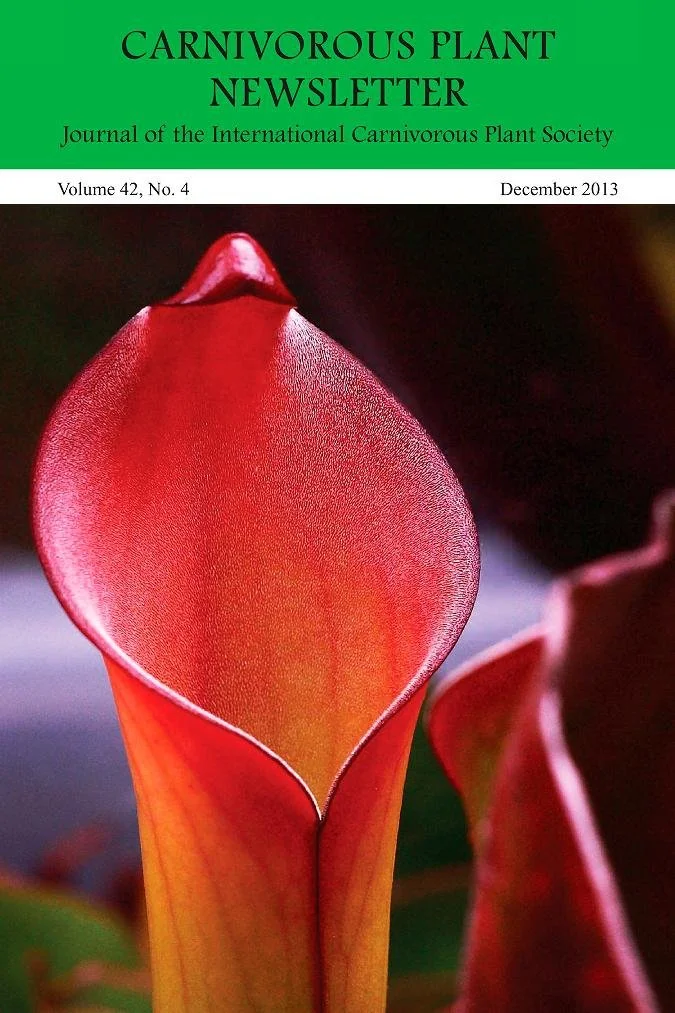
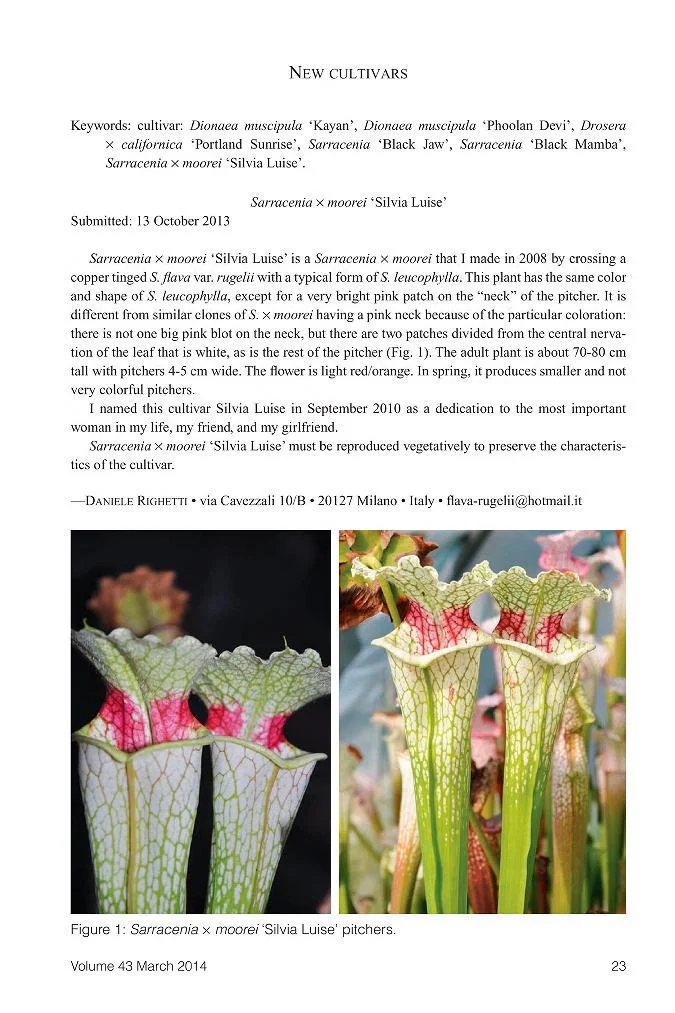
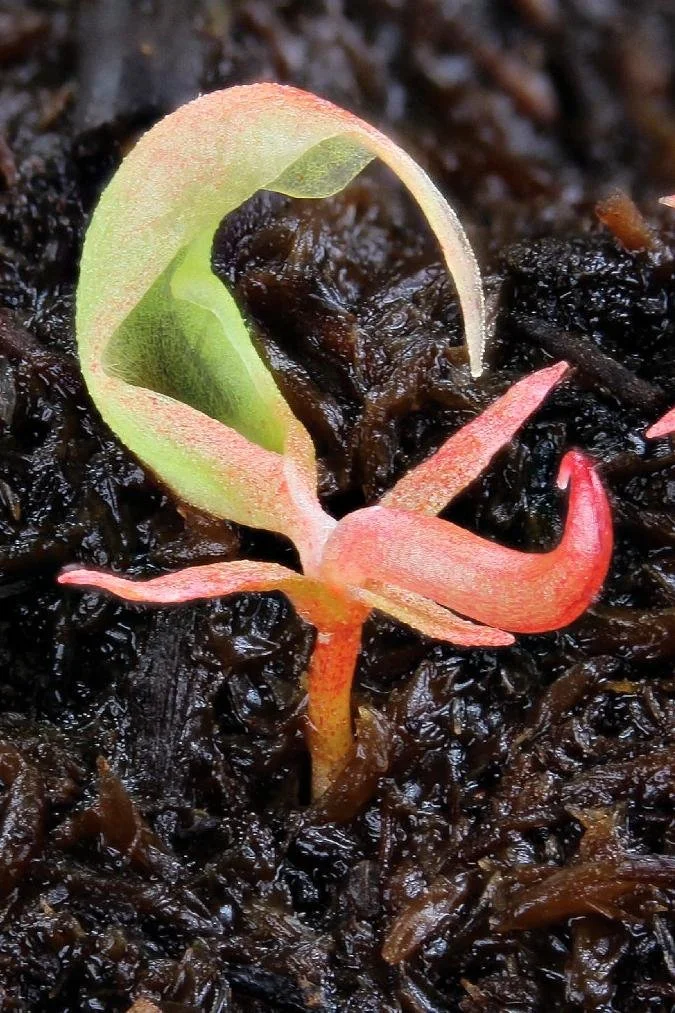
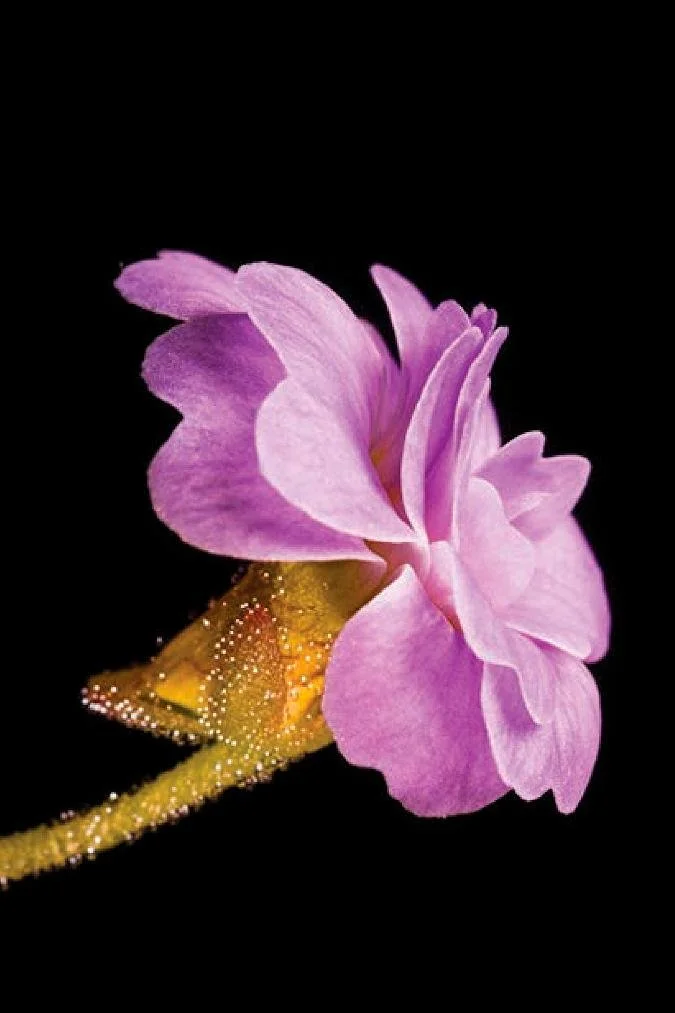
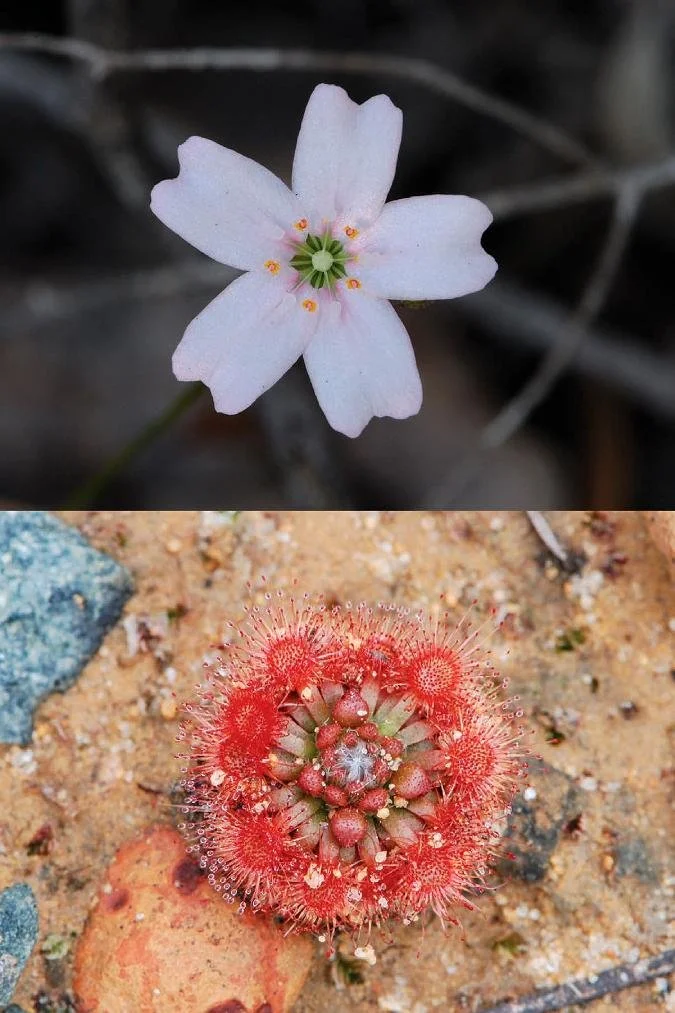
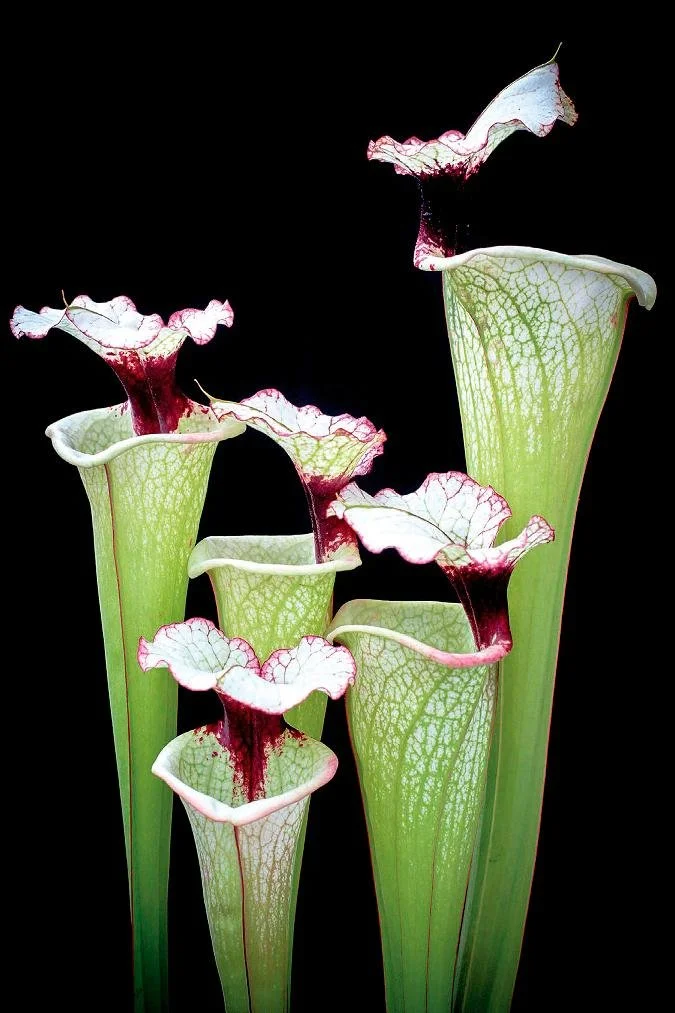
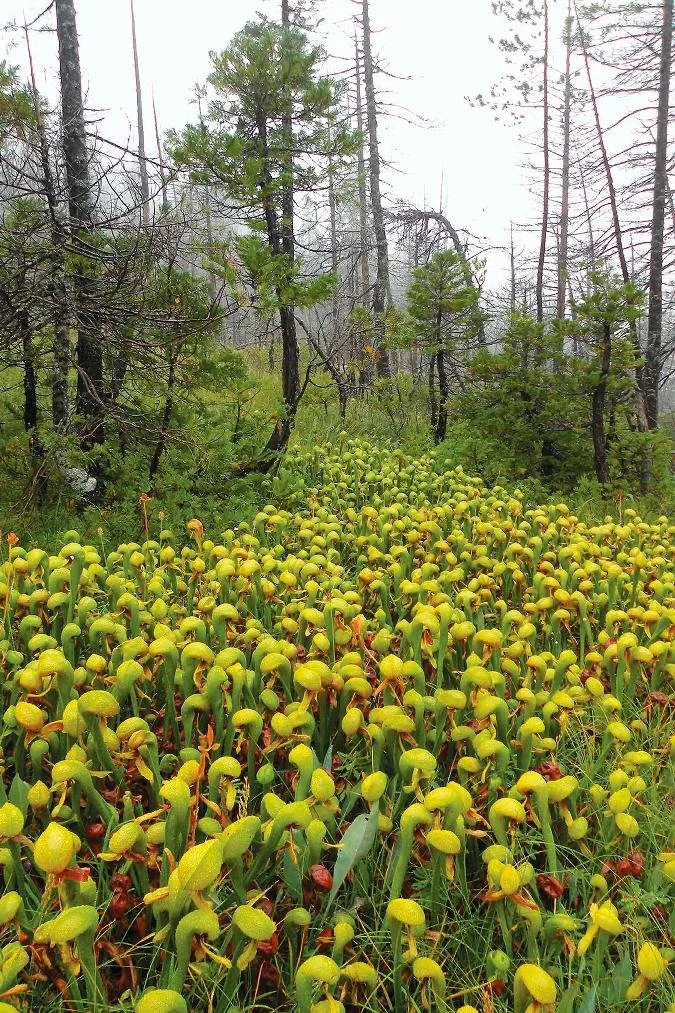
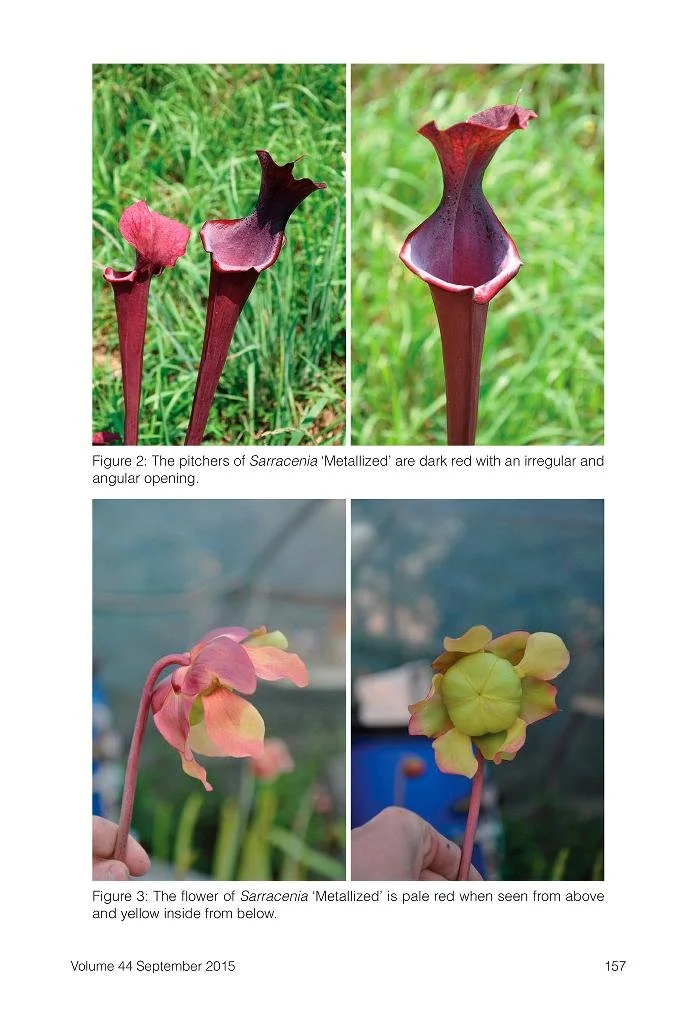
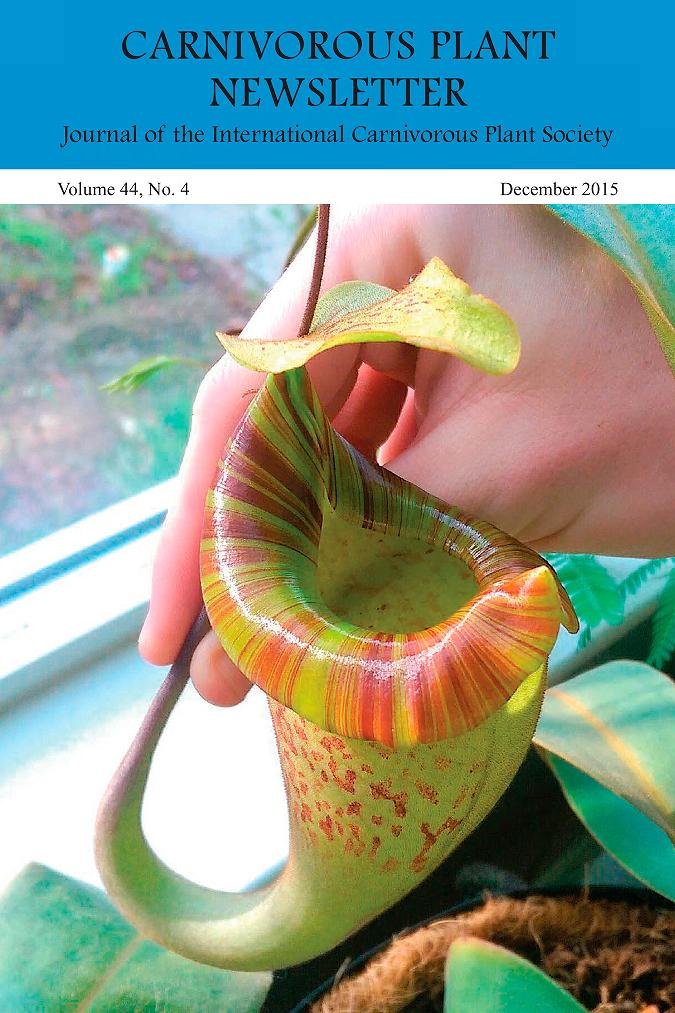
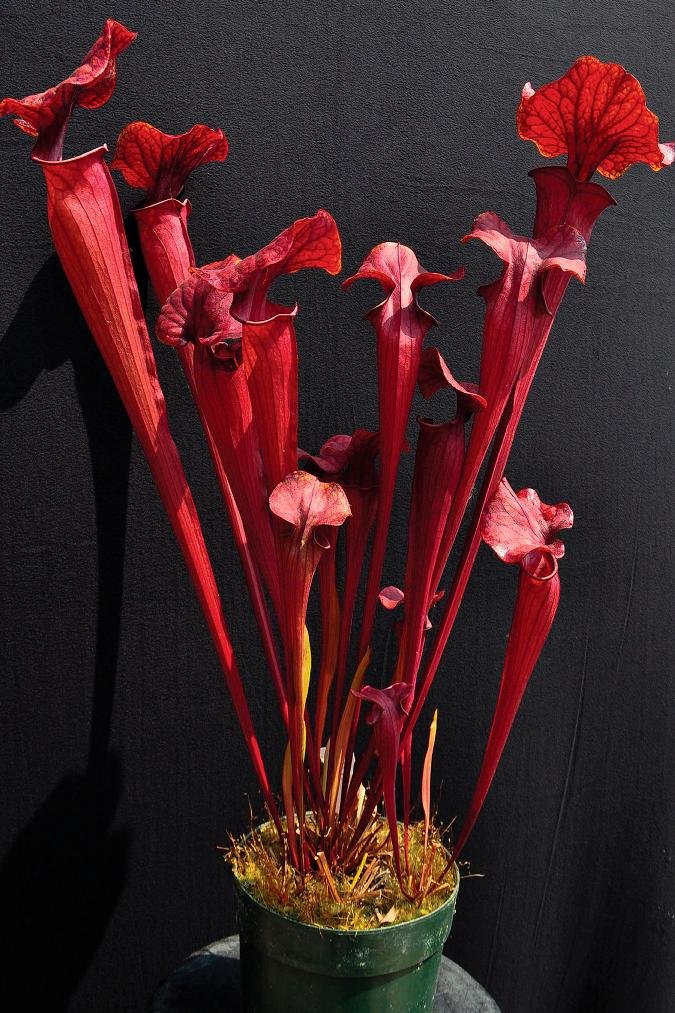
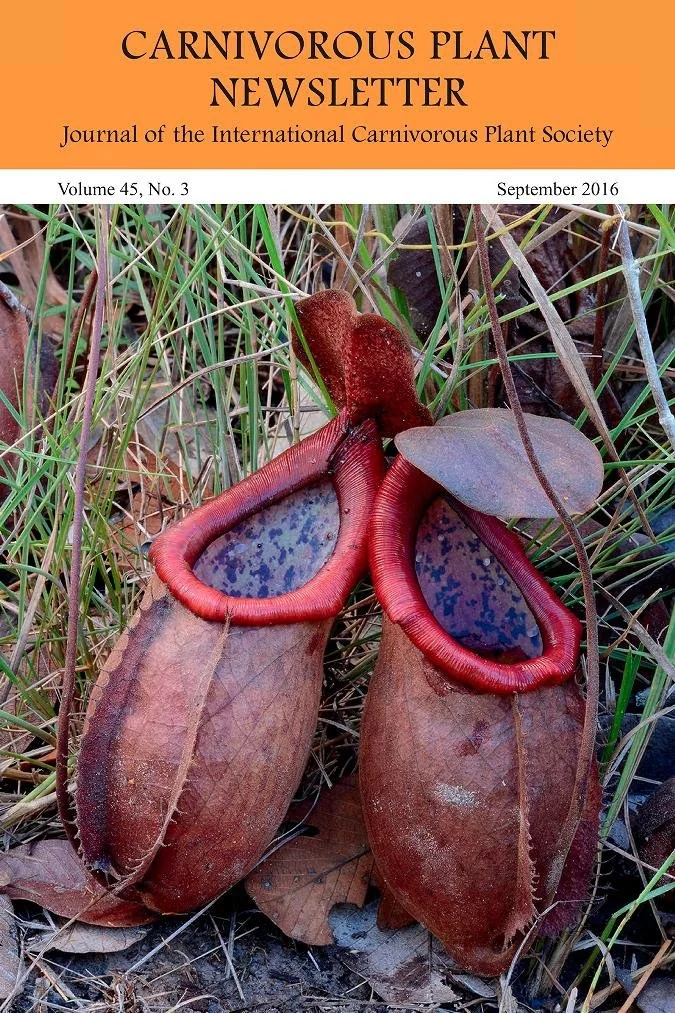
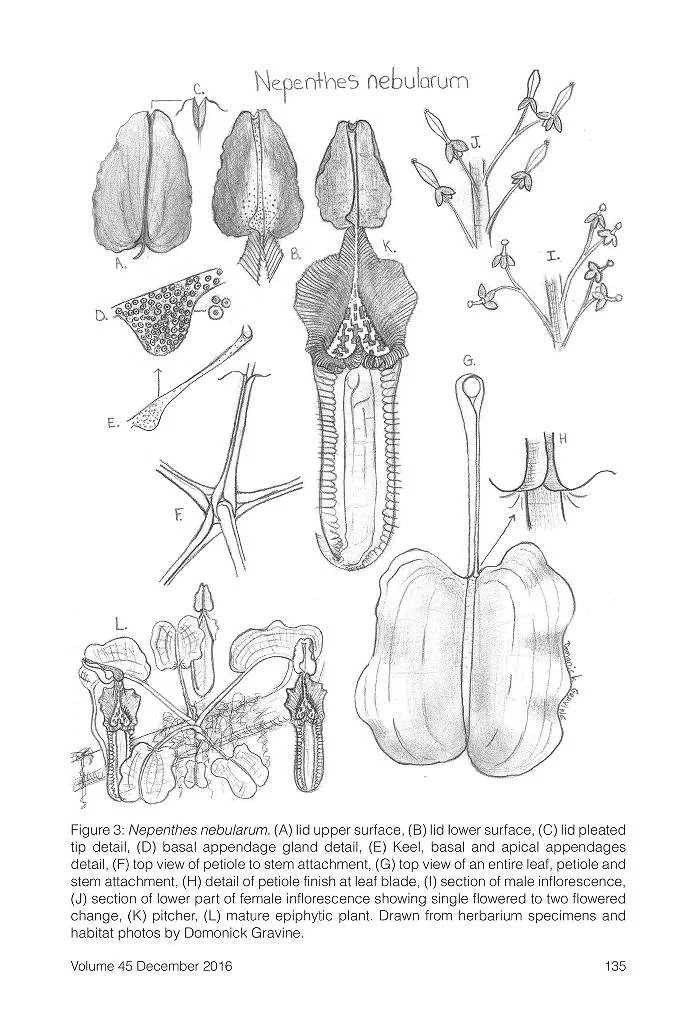
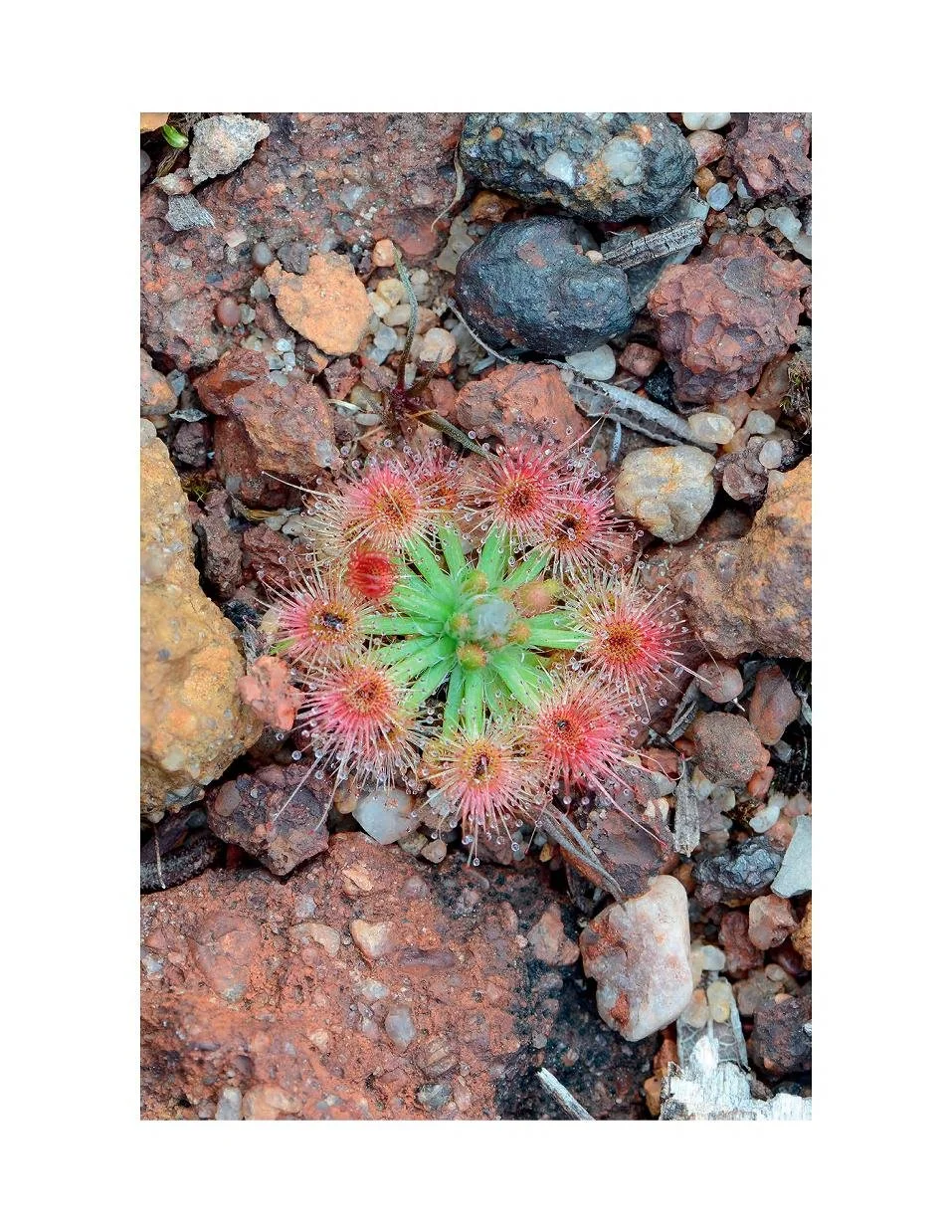
Twenty more books were added to my botanical print eBook collection in June – all are available for browsing on Internet Archive.   16 of the books are a continuation of the Carnivorous Plant Newsletters; there are 4 volumes per year so this month includes 2013 to 2017; I’ll continue browsing this periodical in July. There were a few miscellaneous volumes at the beginning of the list – with a wide range of publication dates (1660 – 2001).
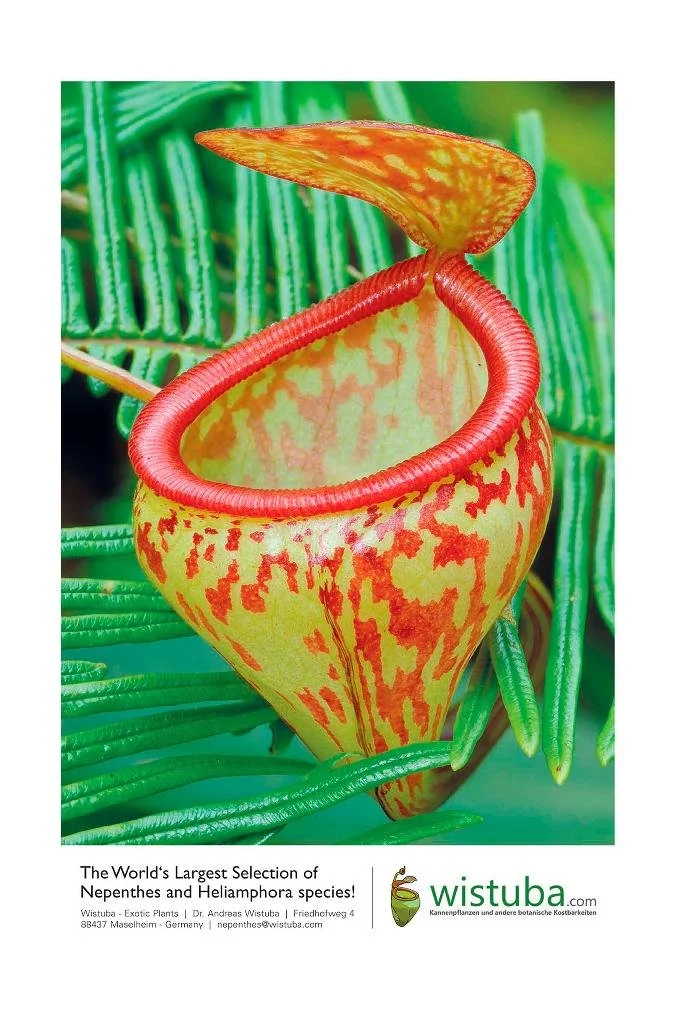
My list of eBotanical Prints books now totals 3,383 eBooks I’ve browsed over the years. The whole list can be accessed here.

Click on any sample image from June’s 20 books to get an enlarged version…and the title hyperlink in the list below the image mosaic to view the entire volume where there are a lot more botanical illustrations to browse.

Enjoy the June 2026 eBotanical Prints!

6 Maine Trees * Goodale, Rebecca * sample image * 2001

JARDIN DE RARES ET CURIEUX FLEURS FAICTES * Geest, Julius Francois de * sample image * 1660

Sketch book of flowers in watercolor * Dabney, Beatrice Penati Adams * sample image * 1960

Practical directions for learning flower-drawing. Illustrated by coloured drawings * Syme, Paterick * sample image * 1810

Carnivorous plant newsletter v.42:no.1 (2013)  * California State University, Fullerton. Arboretum * sample image * 2013

Carnivorous plant newsletter v.42:no.2 (2013)  * California State University, Fullerton. Arboretum * sample image * 2013

Carnivorous plant newsletter v.42:no.3 (2013)  * California State University, Fullerton. Arboretum * sample image * 2013

Carnivorous plant newsletter v.43:no.1 (2014)  * California State University, Fullerton. Arboretum * sample image * 2014

Carnivorous plant newsletter v.43:no.2 (2014)  * California State University, Fullerton. Arboretum * sample image * 2014

Carnivorous plant newsletter v.43:no.3 (2014)  * California State University, Fullerton. Arboretum * sample image * 2014

Carnivorous plant newsletter v.43:no.4 (2014)  * California State University, Fullerton. Arboretum * sample image * 2014

Carnivorous plant newsletter v.44:no.1 (2015)  * California State University, Fullerton. Arboretum * sample image * 2015

Carnivorous plant newsletter v.44:no.2 (2015)  * California State University, Fullerton. Arboretum * sample image * 2014

Carnivorous plant newsletter v.44:no.3 (2015)  * California State University, Fullerton. Arboretum * sample image * 2015

Carnivorous plant newsletter v.44:no.4 (2015)  * California State University, Fullerton. Arboretum * sample image * 2015

Carnivorous plant newsletter v.45:no.1 (2016)  * California State University, Fullerton. Arboretum * sample image * 2016

Carnivorous plant newsletter v.45:no.2 (2016)  * California State University, Fullerton. Arboretum * sample image * 2016

Carnivorous plant newsletter v.45:no.3 (2016)  * California State University, Fullerton. Arboretum * sample image * 2016

Carnivorous plant newsletter v.45:no.4 (2016)  * California State University, Fullerton. Arboretum * sample image * 2016

Carnivorous plant newsletter v.46:no.1 (2017)  * California State University, Fullerton. Arboretum * sample image * 2017

Ten Little Celebrations – June 2026

The beginning of the month was very hectic….but I recovered in the later weeks. There was a lot to celebrate.

Violet leaves with spaghetti sauce. It’s such a joy to simply walk outside in the back yard and cut a few leaves to eat almost immediately!

Microplastics talk to Missouri Master Gardeners. The audience was not large, but they made up for it in enthusiasm. I celebrated that I’d gotten it done!

Clumps of mushrooms around native plant garden. The edges of the oak mulch are evidently perfect for mushrooms. I celebrated that they looked like a natural ‘edge’ to the bed.

Hummingbird and squirrels and chipmunk seen from my office window. Hurray! We finally have a chipmunk visiting our yard…the first time I’ve seen one here. The hummingbird is coming to our feeder regularly and the squirrels run along the fence tops and through the pine to get to the holly just out of my view.

New glasses. I celebrated new single vision glasses for distance….and really like them for driving.

Hellbender tour. The hellbender conservation lab at the St. Louis Zoo was a great opportunity to see an animal I’d heard about but never seen….and the two flamingos on nests were another sight to celebrate.

Audubon Center at Riverlands. It was too hot to truly enjoy Riverlands and confluence of the Missouri and Mississippi Rivers…but I celebrated that it will make a great birding trip for next winter.

Telecon about data centers in Missouri. I celebrated an interesting telephone conference on data centers in Missouri; I now feel more knowledgeable about the issue.

Yellow and white wildflowers between Missouri and Texas. The yellow and whites along the roadside are the colors of summer along my route…celebrating the season.

Glorious summer yard. There are so many good things happening in my yard – so many reasons to celebrate native plants!

Gleanings of the Week Ending June 27, 2026

The items below were ‘the cream’ of the articles and websites I found this past week. Click on the light green text to look at the article.

06/17/2026 Science Daily Scientists say most of what’s in your food is still a mystery - Most chemicals in food are invisible to us in terms of research. We consume them every day, but we have little idea what they do. Projects such as the Foodome Project are now attempting to catalogue this hidden chemical universe. More than 130,000 molecules have already been listed, linking food compounds to human proteins, gut microbes and disease processes. The aim is to build an atlas of how diet interacts with the body, and to pinpoint which molecules really matter for health.

06/17/2026 The Conversation Levels of ‘forever chemicals’ in dolphins and whales are rising globally - Whales and dolphins inhabit some of the largest and seemingly most pristine environments on Earth, from tropical coastlines to Antarctic waters. Yet even they cannot escape PFAS – persistent “forever chemicals” that leak from our homes, factories and waterways into the sea. Whales and dolphins inhabit some of the largest and seemingly most pristine environments on Earth, from tropical coastlines to Antarctic waters. Yet even they cannot escape PFAS – persistent “forever chemicals” that leak from our homes, factories and waterways into the sea. Some dolphin studies have reported changes in immune-related markers associated with PFAS exposure. The highest concentrations tended to be found in coastal dolphins and porpoises, suggesting animals living near urban and industrial areas face greater exposure.

06/15/2026 Smithsonian Magazine Venus Flytraps Snap Their Traps Shut in Less Than a Second - A team reports that the chomping motion happens when rigid walls of cells on the leaves’ outer surface suddenly soften. The findings provide new insights into plant biology and could inspire new robotic designs.

6/16/2026 The Conversation Microplastics are everywhere in Pennsylvania’s water – but the tide may be turning - Microplastics are nearly everywhere, their concentration in sediment has been doubling every 20 years, and some of the most common types are among the most toxic. More than 80% of mismanaged plastic waste - plastic that’s littered, dumped or otherwise not properly contained - is estimated to be transported by rivers to coastal environments. What can you do to decrease your exposure to microplastics and help decrease their spread? You can stay informed about which plastics carry the greatest health risks and check the recycling number on the bottom of containers before you buy. You can also swap out single-use plastic cups, straws and food containers for alternatives, such as glass, stainless steel or unbleached paper.

06/11/2026 NASA Air Pollution’s Daily Pulse Over the Northeast - More than 35 million people live along the New York–Washington corridor and breathe the region’s air. While air quality has improved significantly in recent decades, outbreaks of ground-level ozone remain common, particularly in the warm summer months, when the chemical reactions that produce the pollutant accelerate and stagnant air allows ozone to accumulate. A reminder of this seasonal phenomenon came earlier than usual in 2026, when a mid-May heat wave prompted the New York State Department of Health and the New York Department of Environmental Conservation to issue a health advisory on May 17 over concerns about ozone.

06/13/2026 Clean Technica Solar & Storage Provide Over 90% of All New Power Added to the U.S. Grid in Q1 - The United States added 7.8 gigawatts (GW) of new solar capacity in the first quarter of 2026, surpassing 6 million cumulative installations as solar remained the leading source of new power added to the grid. Despite changing tax policy and regulatory actions targeting clean energy, solar and energy storage represented 91% of new capacity installed in Q1 as utilities, homeowners and businesses seek energy security amid global gas and gas turbine supply disruptions.

03/17/2026 National Geographic To study microplastics, Cassandra Rauert first had to build a plastic-free lab. It wasn't easy - An air-locked, 250-square-foot facility built almost entirely from stainless steel and nicknamed “the submarine”—though it feels less like a sub and more like a starship from a galaxy where plastic never took over modern life. Known as the Minderoo Plastics and Human Health Laboratory

06/09/2026 Science Daily An invisible forever chemical rain is falling across the planet - Researchers found that refrigerants and certain anesthetic gases have generated more than 335,000 tons of trifluoroacetic acid (TFA), a highly persistent "forever chemical," that has been deposited across Earth's surface since 2000. The pollutant is now showing up everywhere from rainwater to remote Arctic ice, and scientists expect levels to keep rising. Scientists are still working to fully understand the long-term effects of TFA. The European Chemicals Agency classifies the chemical as harmful to aquatic life. Researchers have also detected TFA in human blood and urine. In addition, the German Federal Office for Chemicals recently proposed classifying TFA as potentially toxic to human reproduction.

06/09/2026 National Wildlife Federation Data Centers are Driving Up Your Energy Bill - Clean energy has become the cheapest form of energy, but wind and solar still only account for 17 percent of the country’s energy generation. The biggest barrier to deploying clean energy is usually transmission. Without enough transmission to deliver cheaper clean energy to where it’s needed, over 900 GW of solar and wind projects sit waiting in queue, and utilities often default to more expensive fossil fuel generation instead. We can double down on outdated systems that pollute our air and water and drive up prices, or we can invest in the resilient energy solutions that have proven to be the cheapest, build the grid needed to deliver them, and ensure the largest electricity users pay their fair share of the costs they trigger.

06/08/2026 National Parks Traveler Young Mountains, Old Rocks: A Geological Overview of the Teton Range - The Tetons continue to grow. The tectonic forces that built the range are still active, and stress continues to build even if the Teton Fault has not experienced major movement in recorded history. Evidence of ongoing stress appears east of the Teton Range, where the Snake River does not flow down the center of its riverbed. Instead, the river flows preferentially along the western side of its banks as the extensional stress builds and the eastern block of the fault (the block underlying Jackson Hole) tilts more westward.

Carl Sandburg’s Rootabaga Stories/Pigeons

Project Gutenberg has the two Rootabaga books published by Carl Sandburg in the 1920s. Both books were illustrated by Maud and Miska Petersham. I remember hearing about these books when I visited Carl Sandburg’s last home in North Carolina with my daughter in 2003…but didn’t encounter them again until this year. Enjoy the text and the illustrations!

 Rootabaga Stories

Ecological Practices with Native Plants

My first lecture associated with the Missouri Master Naturalist state conference was Jean Ponzi’s Ecological Practices with Native Plants. It followed my morning at the Zoo and Center for Hellbender Conservation tour. It was good to spend the afternoon indoors!

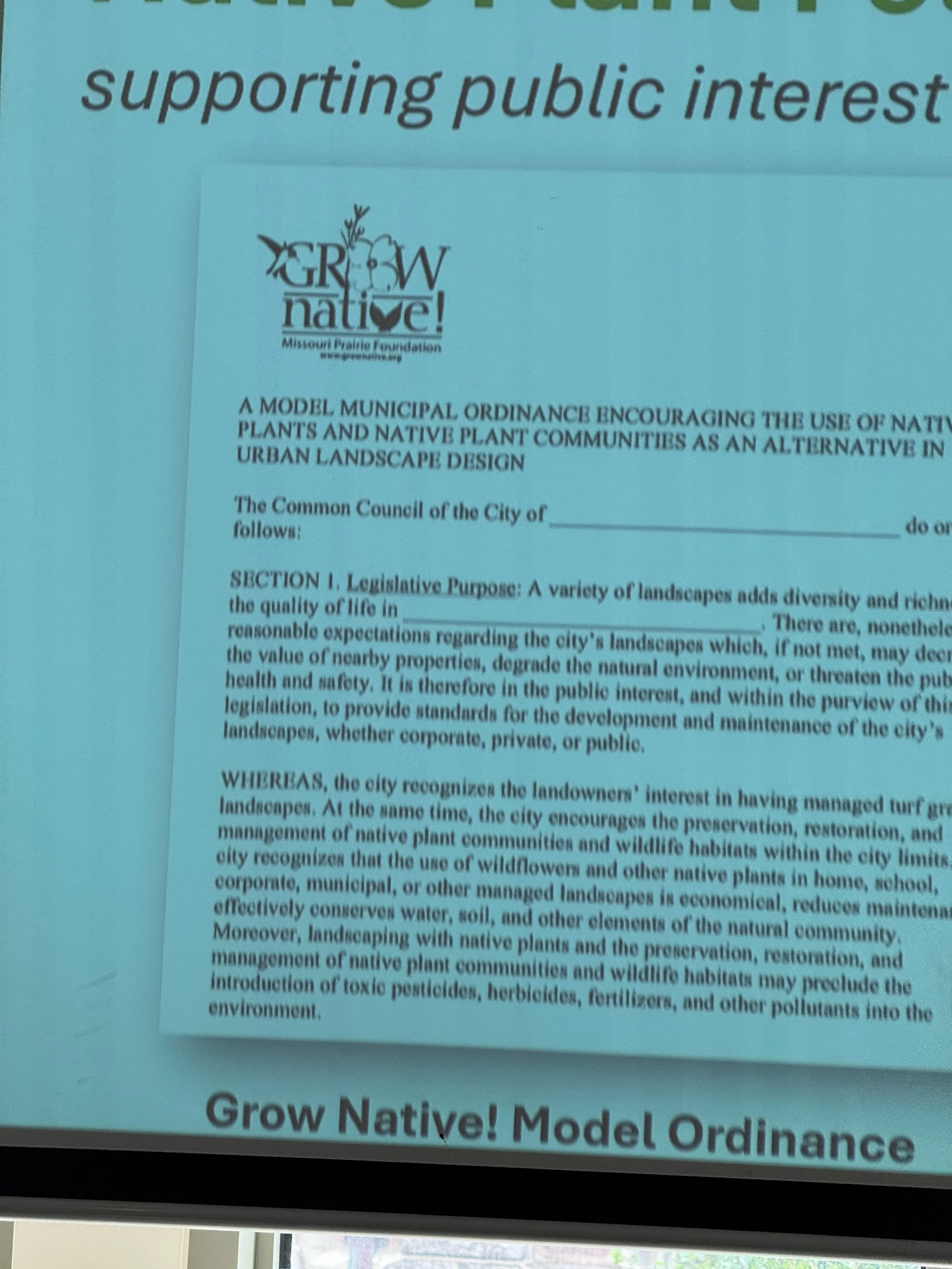
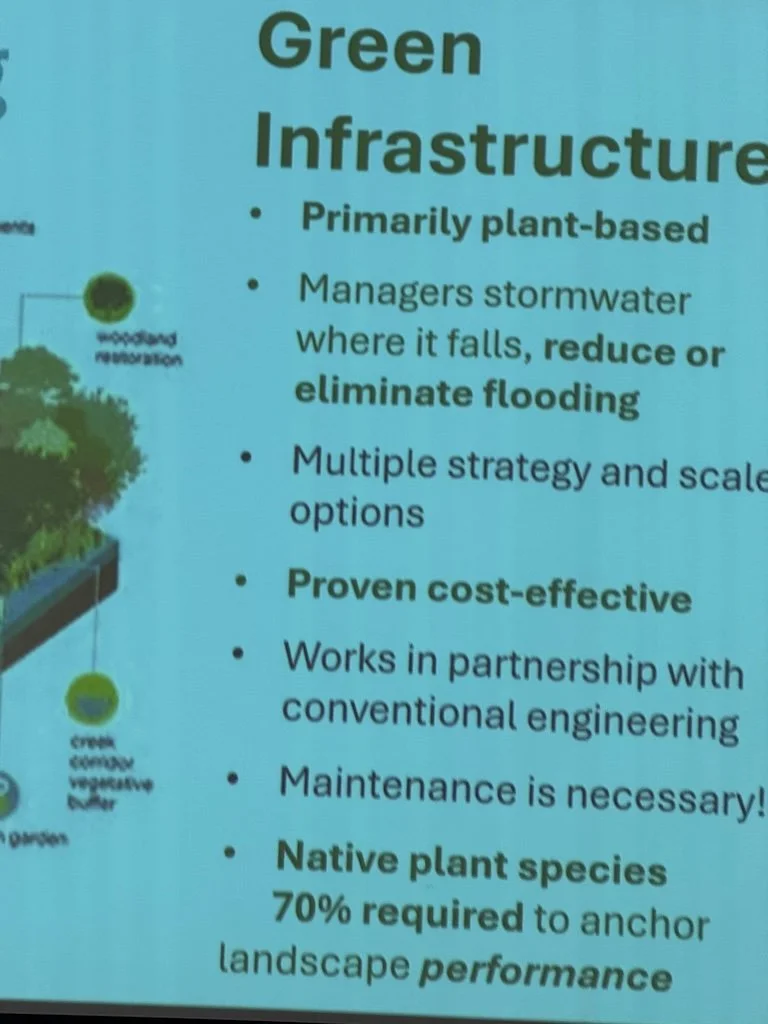
I remembered that I could use my phone to photograph some of the key charts. The first was to remind me that Grow Native! has a model ordinance about native plants and urban landscape design. It is unfortunate that is necessary – but modern urban/suburban yard ‘rules’ tend to skew toward shallow rooted turf and result in relatively sterile outdoor spaces….not what we want to sustain the planet. The second photograph was the definition of ‘green infrastructure.’

Doug Tallamy’s work was cited….and the https://homegrownnationalpark.org/ was talked about. I had heard of it before and, now that I am reducing the turf in my yard – maybe I should look into it more.

One of the quotes I liked from this speaker: “Turf is living concrete!”

Gleanings of the Week Ending June 20, 2026

The items below were ‘the cream’ of the articles and websites I found this past week. Click on the light green text to look at the article.

06/06/2026 New York Times Looking for Love in the Big City? It’s Tough for Bowerbirds, Too. - The birds will choose artificial (plastic) accouterments over natural ones when given the choice.

06/05/2026 CNN Health Ultraprocessed food scientists say Americans are ‘fed up’ with industry and government inaction - Up to 70% of Americans want companies banned from advertising ultraprocessed foods on children’s television, while up to 87% want government safety testing for all laboratory-made chemicals long before they can be used in any food product, according to the survey published in the American Journal of Public Health. According to the US Centers for Disease and Prevention, 53% of American adults get most of their calories from ultraprocessed foods. For children ages 1 to 18, the percentage rises to 62%.

06/04/2026 The Conversation Poison or poverty: the impossible economic choices facing Ghana’s e‑waste workers - Agbogbloshie, in Ghana’s capital city, Accra, is a sprawling, open-air scrapyard located next to a lagoon and a growing informal settlement. Roughly 6,000 people dismantle, recycle and burn old and broken electronics there. Informal recycling provides an income for workers which is often relatively better than other available work. But the side effects of burning plastic and metal or using acid to extract minerals from the e-waste are devastating to human health and the natural environment.

06/05/2026 The Conversation A lot of ‘recycled’ plastic is being burned overseas – and causing widespread pollution linked to health problems - A large amount of plastic waste gets shipped overseas.  A new study analyzed what happens when plastic waste is shipped to lower- and middle-income countries, where open burning is a common way of dealing with excess waste. The study found pronounced increases in toxic air pollution. When plastic burns, it releases particularly toxic air pollutants. Fine particles can penetrate deep into people’s bodies, along with gases that include carbon monoxide, styrene gas and hydrogen cyanide. It also releases persistent organic pollutants such as polycyclic aromatic hydrocarbons and dioxins. These particles and gases have been linked to health risks ranging from respiratory and cardiovascular disease to cancer and reproductive and neurological disorders. Since 2021, seven states have enacted extended producer responsibility laws focused on packaging: Maine, Oregon, California, Colorado, Minnesota, Washington and Maryland. However, it will take time to see the effects.

06/02/2026 YaleEnvironment360 Tire Pollution May Threaten Human Health, Study Finds - Tiny particles of rubber cast off by car tires, which have long been known to harm wildlife, may also pose a risk to humans.

05/06/2026 Toxic-Free Future Endocrine-Disrupting Plastic Chemicals in Breast Milk - Testing found bisphenols, melamine and related chemicals, and triclosan in breast milk samples, pointing to widespread exposure from everyday products and materials, including plastics, food-contact materials, receipts, antimicrobial treatments, and many other products. To understand the potential health risks from tire pollution, researchers exposed human immune cells to a mixture of tire-derived pollutants as well as 6PPD-quinone (one of the known pollutants from tire rubber) on its own. The mixture caused rapid cell death, among other harms.

05/18/2026 NPR Thousands of U.S. countertop workers could have damaged lungs - Occupational health experts who have petitioned California to ban quartz say this material "is too toxic to fabricate and install safely, and education and enforcement alone will not be sufficient to curtail the escalating occupational health emergency caused by this product. A few weeks ago, in the first quartz and silicosis lawsuit to come to trial outside of California, a jury in Colorado awarded damages to an injured worker - finding that actions by several companies led to his illnesses. 

05/19/2026 Planetizen Public works officials indicate alarming decline in condition of water and sewer systems - According to a survey in the National League of Cities’ 2026 Municipal Infrastructure Conditions Report, the confidence of public works and city officials in their water systems has dropped significantly, with just 39% of officials surveyed saying their own water and sewer infrastructure is 'satisfactory,' down from 82% in 2022.

06/03/2026 Artnet Crystal Bridges’s New Expansion Makes Room for More of Its Story - Crystal Bridges is now set to unveil its new 114,000-square-foot expansion on June 6–7, complemented by five acres of specially landscaped trails, gardens, a stream, and a 15,000-square-foot pond, all situated within the greater 134-acre forested park that the museum calls home. (Maybe time to make another visit the museum/Bentonville, AR).

05/28/2026 NASA A Shift in What’s Shaping U.S. Landscapes - For most of the past four decades, observations from the Landsat satellite record show that humans have dominated changes to the U.S. landscape. Recent research revealed a shift in that trend, suggesting that disasters might be catching up.