Gleanings of the Week Ending July 11, 2026

The items below were ‘the cream’ of the articles and websites I found this past week. Click on the light green text to look at the article.

07/01/2026 Clean Technica Southeast Missouri Smelter Announces Intent to Restart This Year - Not mentioned in the release today is how the smelter will be powered, and whether the smelter will be in compliance with the Missouri Department of Natural Resources plan to reduce sulfur dioxide pollution to levels that are safe to breathe. New Madrid County recorded the worst air quality in the United States before idling.

07/01/2026 Yale Environment 360 A Home Battery Revolution Is Reshaping the Power Grid - As residential batteries have become more energy dense, cheaper, and smaller, more households are storing their excess solar power. Now, utilities and energy companies in dozens of countries are buying up those electrons, bundling them together, and using them to balance the grid.

07/01/2026 Planetizen Replacing lead pipes in Chicago costs more than 6 times the national average - Chicago has the nation's largest inventory of lead water pipes. Officials say replacing each one costs about $31,000 on average — more than six times the Environmental Protection Agency’s national estimate of $4,700 a line. The most significant factors driving up costs include inefficient early contracts, cumbersome permitting requirements, and the city’s reliance on one-off replacements rather than undertaking whole blocks at once.

07/01/2026 NPR Lone star ticks are covering much of the U.S. Here's what you need to know - The lone star is spreading across vast regions of the U.S., and the illness it carries, the alpha-gal syndrome, is spreading in more than 30 countries on six continents, often spread by various other ticks. The alpha-gal syndrome is more difficult to diagnose and treat than lime disease, and the symptoms are more severe. In many cases, the victim develops an allergy to all red meat, including nearly microscopic particles of it. The allergy can become so extreme it can kill you.

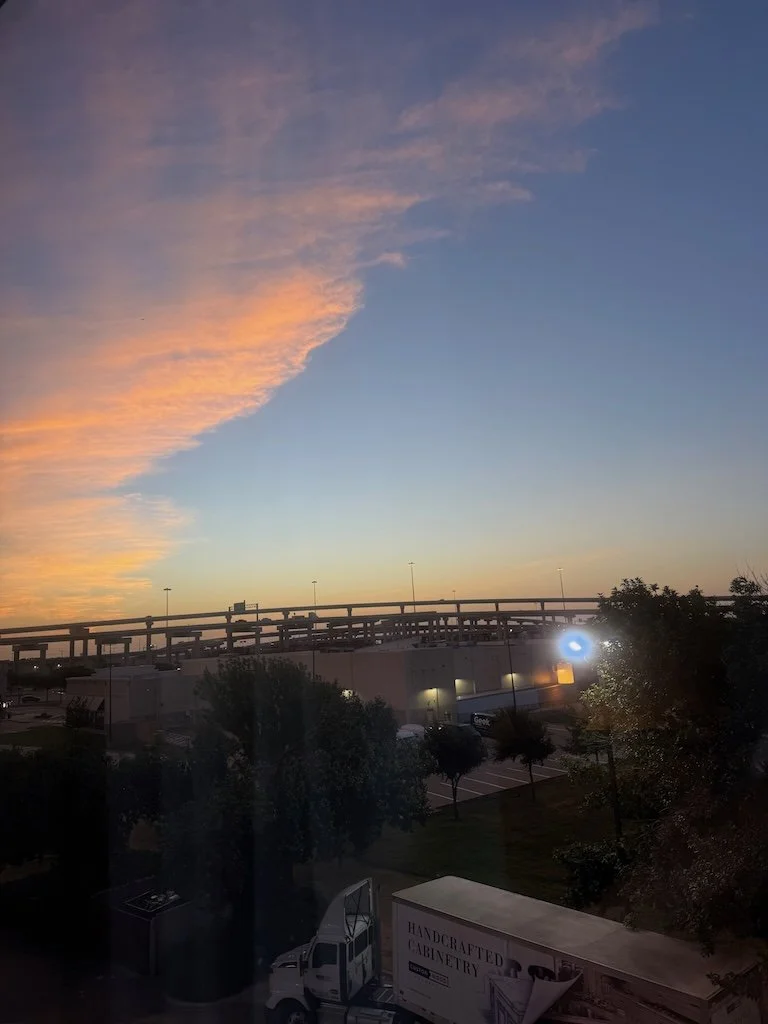
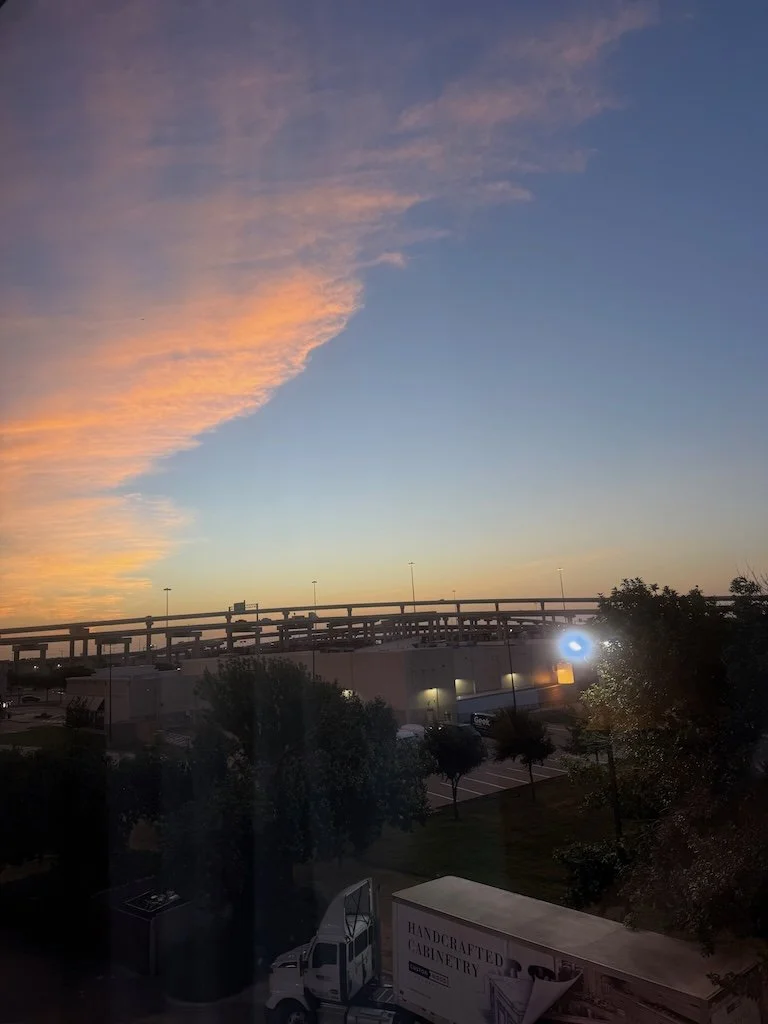
06/28/2026 BBC What watching the sunset really does for your health - There's growing evidence that sunsets – and sunrises, for that matter – can have a meaningful impact on our brain and mental health: diminishing anxiety and depression while boosting memory, creativity, sleep and even altruism. 

6/25/2026 The Conversation Most bees are solitary and don’t live in hives. Climate change risks them starving - Currently, most of what we know about bee nutrition comes from highly social species such as honeybees or bumblebees. Yet most bees are solitary or communal (group living but with no queens and workers). They might experience the nutritional landscape and nutritional stress in very different ways.

06/22/2026 NASA A Turquoise Tint for the Black Sea - The Black Sea sits at the boundary between Europe and Asia and connects to the Mediterranean Sea via a chain of waterways. Its surface often appears dark, but each spring and summer it transforms into a striking expanse of swirling turquoise. The turquoise color is likely caused by coccolithophores, a type of phytoplankton covered with calcium carbonate plates that can give surface waters a milky-blue appearance. These types of phytoplankton tend to dominate in late spring and early summer. Other times of the year, diatoms—a type of microscopic algae with silica shells—can become more prevalent, and they tend to darken the water rather than brighten it.   

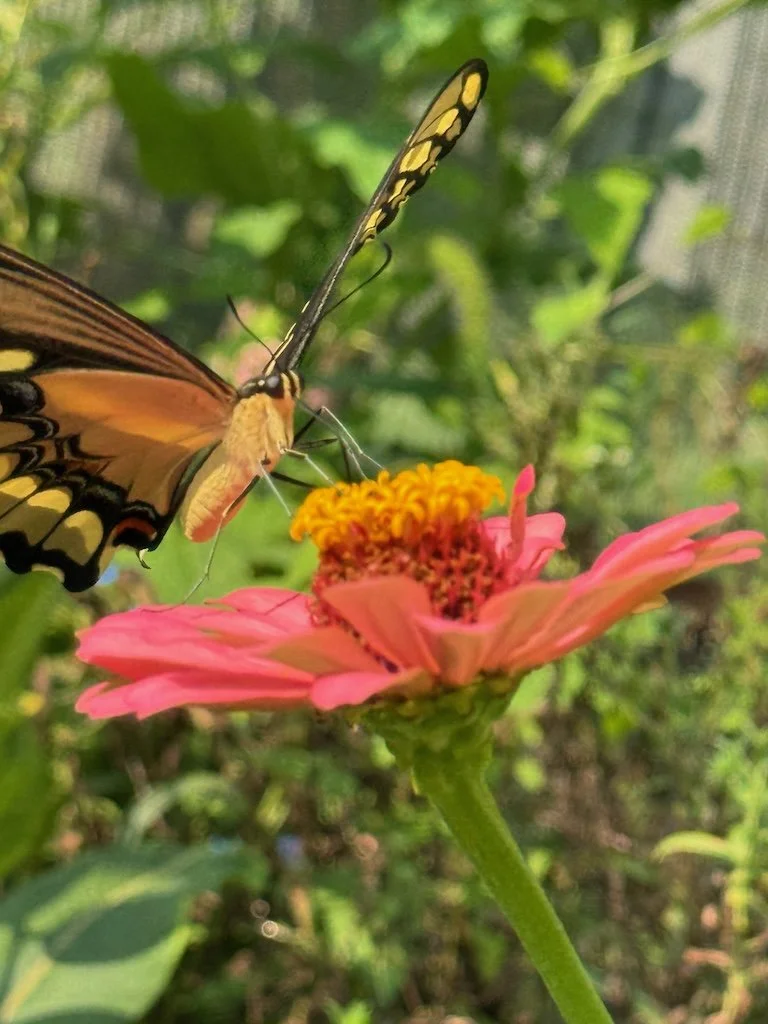
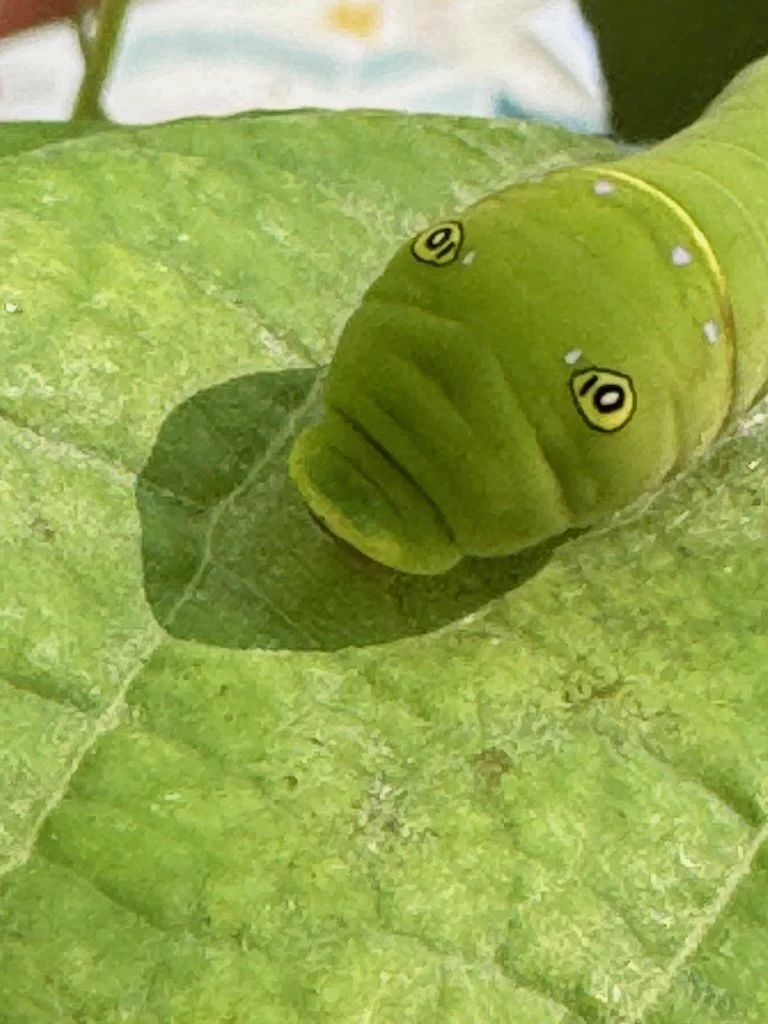
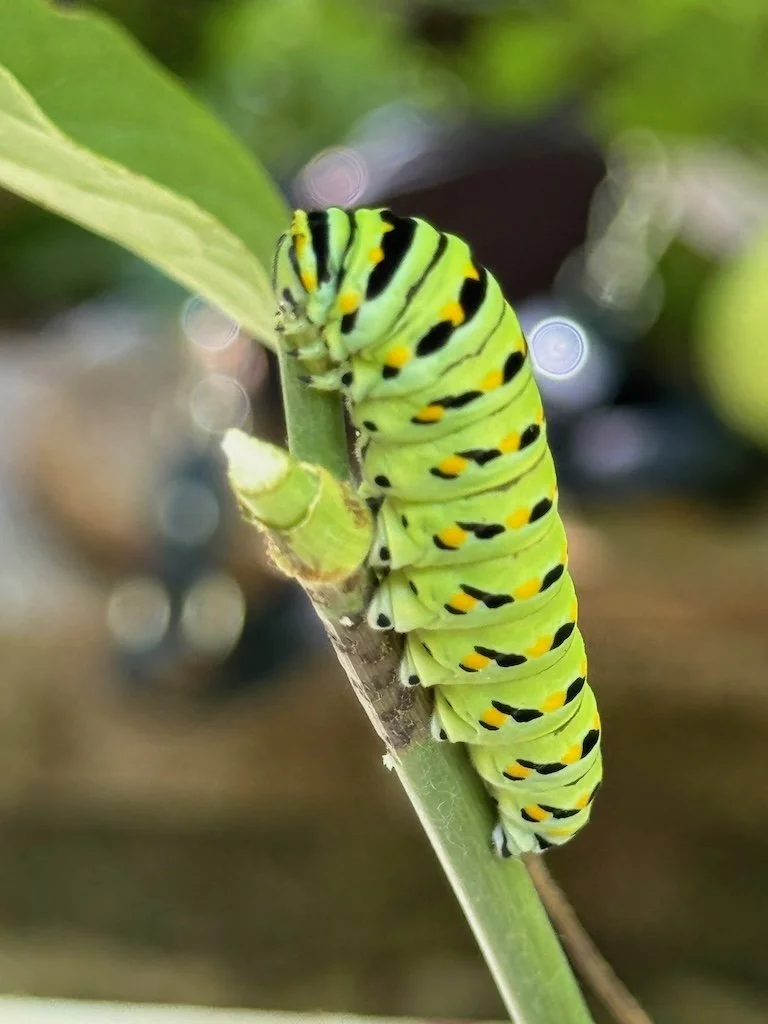
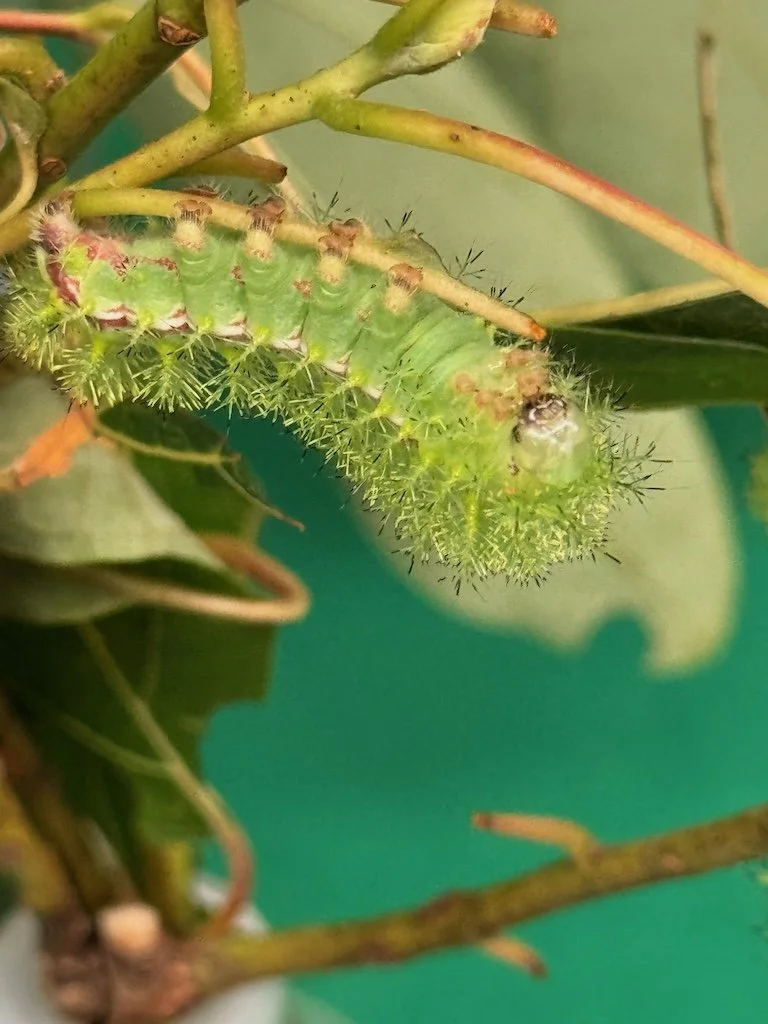
6/24/2026 NWF Blog 7 Moths that Make Butterflies Look Boring – The only one I haven’t seen is the Texas Wasp Moth!

06/30/2026 Artnet These 10 U.S. Landmarks Are At-Risk - As America gears up to mark the 250th year of its independence, the World Monuments Fund (WMF) is throwing a spotlight on 10 historic places that it says are most urgently in need of preservation.

6/27/2026 Science Daily Yellowstone’s supervolcano may be fueled by something unexpected - Instead of a deep plume rising from near Earth’s core, a broad “mantle wind” may push hot rock beneath Yellowstone, generating magma closer to the surface. This process helps create a massive underground magma network and may explain how supervolcanoes remain active for long periods.
Gleanings of the Week Ending October 26, 2024

The items below were ‘the cream’ of the articles and websites I found this past week. Click on the light green text to look at the article.

A new era of treating neurological diseases at the blood-brain-immune interface – Investigating the connection of neurological diseases and a toxic immune reaction caused by blood that leaks into the brain….in particular, how fibrid (a blood protein) is responsible for setting of this detrimental cascade.

Antifungal resistance is not getting nearly as much attention as antibiotic resistance – yet the risks to global health are just as serious – Just as with antibiotics for farm animals, tons of fungicides are used annually to protect crops, of which some work the same way as antifungals used in humans. And just as bacterial resistance develops…fungi develop resistance too. Combating drug-resistant fungal infections is a complex problem. An important factor is that diagnoses of infections are often delayed – if they are even diagnosed at all. Simple tests for fungal infections are rarely available.

Nikon Small World Contest Celebrates 50 Years of Photographic Excellence Under the Microscope – Great images….the natural world that we can see only with assistance…an art form too.

So Last Season: The Environmental Impact of Fast Fashion and Textile Waste Exports - The last ten years have seen a dramatic increase in the production of single-wear garments—which has contributed to an excess of textile waste and consequent health impacts for the individuals who work in the textile manufacturing industry. Every aspect of the creation of fast fashion garments is unsustainable, from the creation of plastic-derived textiles to the construction of pieces by underpaid and overworked exploited laborers. Up to half of American textile waste is shipped to nations overseas. Adopting more sustainable wardrobe practices not only helps us move away from fast fashion, but also significantly lowers our individual carbon footprints and waste production.

Plastic pollution harms - Nano- and microplastic particles (NMP) are increasingly polluting urban and rural landscapes, where bees and other beneficial insects encounter them… it can damage their organs and cause changes in their behavior, preventing them from properly performing ecosystem services such as pollination and pest control.

British Ecological Society Photo Contest Celebrates the Breadth and Beauty of the World’s Biodiversity – I liked the variety of selections in this photo contest.

Introducing Six Steps to Calm: Our science-backed, stress-busting email course – From BBC…I subscribed…plan to take the course!

Your diet can change your immune system — here’s how - There is still much more work to do to unpick the effects of specific diets on the immune systems of those with different health conditions. However, a growing group of immunologists are optimistic that the mechanistic insights they are uncovering are the first steps towards personalized diets for a range of medical conditions.

US air pollution monitoring network has gaps in coverage - Most of the harmful effects from outdoor air pollution in the U.S. are linked to inhalation of fine particulate matter (PM). These suspended particles, like soot or liquid aerosol droplets, are smaller than 2.5 micrometers in diameter, garnering the designation PM2.5. In February 2024, to better protect Americans from health burdens caused by inhaling particles, the EPA adopted a more stringent standard for PM2.5. The EPA tracks compliance with air pollution standards through a network of about 1,000 costly and highly accurate monitoring stations placed in cities and towns nationwide. People of color and people with low socioeconomic status living in the U.S have fewer monitoring stations than other areas to measure air pollutants, meaning they may not be fully protected by the tighter air pollution standards.

Researchers Parse the Future of Plankton in an Ever-Warmer World - Climate change is hitting our oceans hard, making them warmer and more acidic, while radically altering currents. The outlook for plankton is mixed. As the planet warms, the diversity of the menagerie in many spots is increasing. But certain species are losing out, including big juicy plankton thought to be important for food webs and carbon sequestration. And, in the long term, plankton numbers may plummet as climate change starves them of nutrients. Meanwhile research continues: which plankton species are where but also exactly when, since shifts in bloom timing can also have big knock-on effects for fisheries. And the viruses that attack plankton seem to be on the rise as waters warm — another factor with as-yet unknown consequences.

Gleanings of the Week Ending September 14, 2024

The items below were ‘the cream’ of the articles and websites I found this past week. Click on the light green text to look at the article.

The Mysterious Turkish Megaliths That Predate the Pyramids - Göbekli Tepe or “Potbelly Hill” in Turkish…it may be the world’s oldest calendar.

Planes, trains and monster diggers: The vehicles pushing the limits of electric power - BBC Future Planet recently went on a hunt for some of the biggest electric vehicles in the world – by size and weight. There is no shortage of impressive examples, from giant mining machines to trains and cargo ships. Often the largest excavators are connected to an electric power source by a cable, rather than using an on-board battery. But in terms of weight, heavy goods vehicles are among the largest EVs you might find yourself sharing the road with. Volvo's FH Electric truck, if you include its double trailer and load, is among contenders for the heaviest battery-powered electric road vehicle. Though research suggests we might one day see electric passenger aircraft capable of carrying as many as 90 people. The biggest electric planes today can accommodate a maximum of around nine passengers. The most powerful electric train in the world is perhaps the Shen24 in China. It is capable of carrying more than 10,000 tons – of coal – at up to 120km/h (75 mph).

Maine! Ghost Flower, the inside view – I’ve seen Ghost flowers a few times…but never the inside of the flower.

Crested Rats & Hairy Porcupines: Meet 7 of the World’s Coolest Rodents – The only one of the 7 I’ve seen is the Capybara (at the Dickerson Park Zoo in Springfield, MO).

A photographer captures life in America’s last remaining old-growth forests – What a great project photographer David Herasimtschuk had undertaken!

Plankton mark seasons in the sea, just like leaves and flowers on land – The seasonal flux of phytoplankton and zooplankton. The photo of diatoms (algae) in this post was what caught my attention; I’ve always enjoyed finding them in water samples.

14 Extraordinary Highly Commended Photos From the 2024 Wildlife Photographer of the Year Contest – My favorite was “Leaving the Nest” …two tawny owlets.

The Ancient Temple Carved Out of a Single Rock - Kailasa Cave, one of 34 in the Ellora Caves complex that has been cut and dug from the basalt rock of the Deccan plateau. 100 feet high and 300 feet long would make it the world’s largest—with all four sides liberated and sculpted into pavilions, halls, vestibules, towers, and courtyards by 800 hardy monks over 150 years beginning in the 7th century BCE. It was once painted white to mimic the Himalayan peak.

Thracian horseman’s grave unearthed in Bulgaria - The man was buried wearing clothing decorated with gold appliqués. A gold necklace, a gold diadem, a gold ring, and a knife decorated with gold and semiprecious stones were recovered from the burial, in addition to the remains of a horse and full battle gear, including a breastplate, sword, scabbard, and other knives and spears

Microplastics Found in Human Brains - The brains of people who suffered from dementia contained significantly more plastic than the brains of healthy people. Troublingly, the new study found more plastic in brain samples gathered in 2024 than in samples gathered in 2016.

Gleanings of the Week Ending June 5, 2021

The items below were ‘the cream’ of the articles and websites I found this past week. Click on the light green text to look at the article.

Infographic: Animals of Different Species Hybridize | The Scientist Magazine® - Hybrids that fill a new environmental niche.

Britain’s Medieval Population Suffered From Cancer - Archaeology Magazine and Cancer rates in medieval Britain were around ten times higher than previously thought, study suggests | University of Cambridge – The same story from two sources. Cancer rates prior to the modern tumor-inducing chemicals from industry and tobacco were higher than previously thought.

Cities Have Distinct Microbial Signatures: Study | The Scientist Magazine® - Samples collected between 2015 and 2017 in transit stations in major cities. More than 4,000 known species…and 14,000 species that had DNA sequences not found in any database!

Top 25 birds of the week: Resident Birds! - Wild Bird Revolution and Top 25 birds of the week: Bird Biodiversity! - Wild Bird Revolution – So many bird pictures! I’m doing a little catching up this week.

The Blooming Mid-Atlantic – Near where I live…places I have been for vacation/birding.

Photography In The National Parks: Seeing The Forest For The Trees – A little lesson in photographing forests and trees and leaves from Rebecca Lawson

Greenland glacial meltwaters rich in mercury -- ScienceDaily – The study looked at nutrients in glacier melt…not expecting to find the high level of mercury. Now there are lots of questions about the potential impact on fishing – Greenland’s primary industry.

The nature reserve with a 500-year plan - BBC Future – Zealandia, an ecosanctuary in Wellington, New Zealand enclosed by a 5.3-mile predatory exclusion fence.

Arizona’s Meteor Crater – Another place I’ve visited… as seen by an instrument on Landsat 8.

Cicadas Fall Prey to a Psychedelic-Producing Fungus That Makes Their Butts Fall Off | Smart News | Smithsonian Magazine – I think I saw one with a white butt on my first walk around my yard!

Gleanings of the Week Ending February 20, 2021

The items below were ‘the cream’ of the articles and websites I found this past week. Click on the light green text to look at the article.

Top 10 things we learned about climate change in 2020 – I’m thinking about this more this week with the extreme cold in Texas…and lack of preparedness of utility companies and state governments. It drives home the overarching message now: doing nothing will cost more than doing something.

Top 25 birds of the week: Seabids! – Birds and water…from around the world.

Size, Shape, and diversity in phytoplankton – The tiny organisms that could be changing in warming, more acidic oceans….do we have enough of a baseline to know if these communities are changing in ways that will impact the food networks of our oceans?

Fairy Shrimp – A video from a vernal pool in Pony Pasture Rapids Park in Richmond, Virginia.

Wintering bird communities track climate change faster than breeding communities in Europe and North America – Weather impacts birds in the short term (my family has commented that they have seen flocks of robins in their neighborhood recently….having not seen them in the past 30 years they’ve lived in the area) but the longer term impacts of climate changes are only observable with large data bases built since the 1980s. This study looked at over 1,200 species of birds!

How to see the red fox in winter – We occasional see red fox in our neighborhood but I haven’t seen any (so far) this winter. Maybe after the snow/sleet is over I’ll take a walk and look for tracks.

Age provides a buffer to pandemic's mental health impact, researchers say -- ScienceDaily – It may not be ‘age’ as much as older people being more able to stay at home and avoid other people (stress reduction through conscientious steps to avoid COVID-19 exposure)….whereas young people are more likely to have to get out and about for work or other obligations. It could be difficult for older people living along…but maybe we have quite a few older people that are not alone in their ‘bubble.’

Sunset Crater's Explosive Past – The youngest of the volcanoes in the 1,800 square mile San Francisco Volcanic Field near Flagstaff, AZ. It’s a place I visited (and posted about) back in February 2015.

Immune driver of brain aging identified -- ScienceDaily – It seems to be a change in how myeloid cells handle glucose….tending to hoard it rather than using it for energy. I wondered if that is why people with diabetes are at increased risk for cognitive decline.

Magnetic fields detected in Venus Flytraps – A small magnetic field is produced when the trap closes!