Gleanings of the Week Ending July 11, 2026

The items below were ‘the cream’ of the articles and websites I found this past week. Click on the light green text to look at the article.

07/01/2026 Clean Technica Southeast Missouri Smelter Announces Intent to Restart This Year - Not mentioned in the release today is how the smelter will be powered, and whether the smelter will be in compliance with the Missouri Department of Natural Resources plan to reduce sulfur dioxide pollution to levels that are safe to breathe. New Madrid County recorded the worst air quality in the United States before idling.

07/01/2026 Yale Environment 360 A Home Battery Revolution Is Reshaping the Power Grid - As residential batteries have become more energy dense, cheaper, and smaller, more households are storing their excess solar power. Now, utilities and energy companies in dozens of countries are buying up those electrons, bundling them together, and using them to balance the grid.

07/01/2026 Planetizen Replacing lead pipes in Chicago costs more than 6 times the national average - Chicago has the nation's largest inventory of lead water pipes. Officials say replacing each one costs about $31,000 on average — more than six times the Environmental Protection Agency’s national estimate of $4,700 a line. The most significant factors driving up costs include inefficient early contracts, cumbersome permitting requirements, and the city’s reliance on one-off replacements rather than undertaking whole blocks at once.

07/01/2026 NPR Lone star ticks are covering much of the U.S. Here's what you need to know - The lone star is spreading across vast regions of the U.S., and the illness it carries, the alpha-gal syndrome, is spreading in more than 30 countries on six continents, often spread by various other ticks. The alpha-gal syndrome is more difficult to diagnose and treat than lime disease, and the symptoms are more severe. In many cases, the victim develops an allergy to all red meat, including nearly microscopic particles of it. The allergy can become so extreme it can kill you.

06/28/2026 BBC What watching the sunset really does for your health - There's growing evidence that sunsets – and sunrises, for that matter – can have a meaningful impact on our brain and mental health: diminishing anxiety and depression while boosting memory, creativity, sleep and even altruism. 

6/25/2026 The Conversation Most bees are solitary and don’t live in hives. Climate change risks them starving - Currently, most of what we know about bee nutrition comes from highly social species such as honeybees or bumblebees. Yet most bees are solitary or communal (group living but with no queens and workers). They might experience the nutritional landscape and nutritional stress in very different ways.

06/22/2026 NASA A Turquoise Tint for the Black Sea - The Black Sea sits at the boundary between Europe and Asia and connects to the Mediterranean Sea via a chain of waterways. Its surface often appears dark, but each spring and summer it transforms into a striking expanse of swirling turquoise. The turquoise color is likely caused by coccolithophores, a type of phytoplankton covered with calcium carbonate plates that can give surface waters a milky-blue appearance. These types of phytoplankton tend to dominate in late spring and early summer. Other times of the year, diatoms—a type of microscopic algae with silica shells—can become more prevalent, and they tend to darken the water rather than brighten it.   

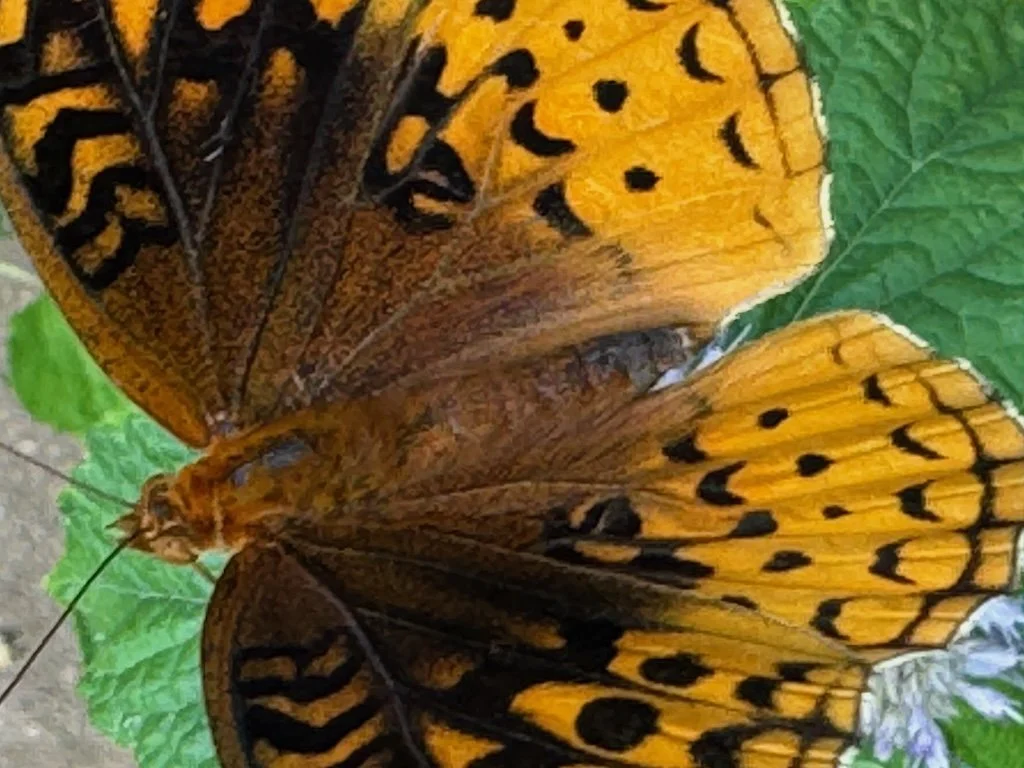
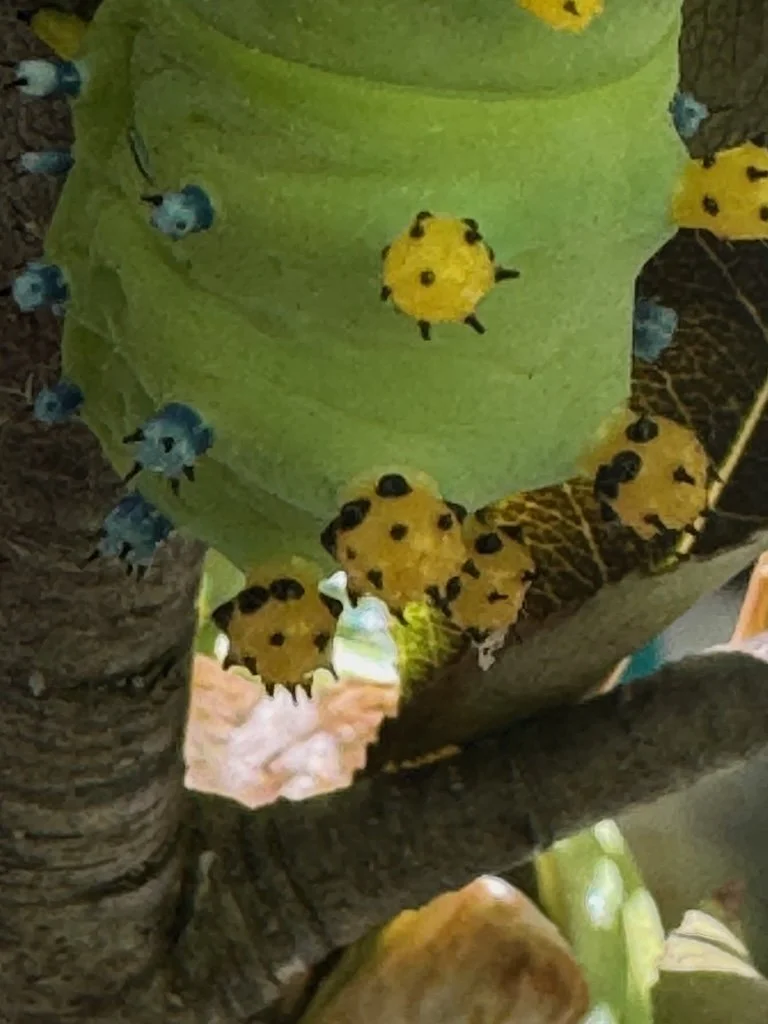
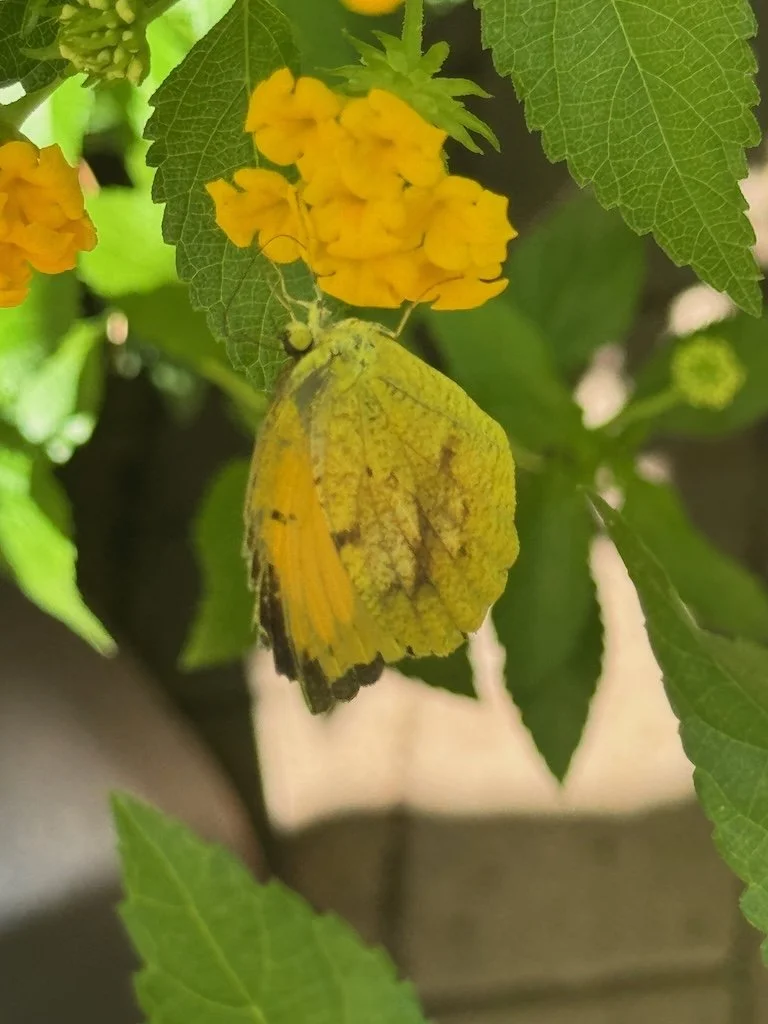
6/24/2026 NWF Blog 7 Moths that Make Butterflies Look Boring – The only one I haven’t seen is the Texas Wasp Moth!

06/30/2026 Artnet These 10 U.S. Landmarks Are At-Risk - As America gears up to mark the 250th year of its independence, the World Monuments Fund (WMF) is throwing a spotlight on 10 historic places that it says are most urgently in need of preservation.

6/27/2026 Science Daily Yellowstone’s supervolcano may be fueled by something unexpected - Instead of a deep plume rising from near Earth’s core, a broad “mantle wind” may push hot rock beneath Yellowstone, generating magma closer to the surface. This process helps create a massive underground magma network and may explain how supervolcanoes remain active for long periods.
Gleanings of the Week Ending August 17, 2024

The items below were ‘the cream’ of the articles and websites I found this past week. Click on the light green text to look at the article.

Ultrafine particles (UPFs) linked to over 1,000 deaths per year in Canada's two largest cities – Particles smaller than PM2.5 that primarily come from vehicle emissions and industrial activities. The study was done in Montreal and Toronto neighborhoods from 2001 – 2016. The findings associate long-term exposure to UFPs with a 7.3% increase in the risk of non-accidental death. Respiratory deaths saw the highest increase, at 17..4%, followed by a 9.4% rise in deaths from coronary artery disease.

Eureka: Why Was Monet Obsessed with Water Lilies? - From 1890 to 1927, Monet would create more than 250 paintings of the water lilies. He had found his subject and there would be no need for another. Besides, as the artist said in an interview, “the water flowers are only an accompaniment.” The real subject was that fickle, forever fluid thing called light, which Monet said changed every seven minutes in Giverny.

The History and Mystery of Glastonbury – A satellite image from January 2024. A little history lesson too: Before the Somerset Levels were drained and converted into agricultural land in the 18th century, the region was a flooded swamp. Glastonbury Tor towered above the water as an island, drawing attention as a site of worship for pagans and Christians.

95% of Steel-Related Emissions from Vehicles Can Be Cut Using Green Steel - Procuring primary steel without fossil fuels is the strongest possible pathway to reduce steel-related emissions from vehicles – and this could be done at scale in the U.S. by the end of the decade. Collectively, automakers are among the largest buyers in the steel market in both the U.S. and EU. In 2022, the auto industry consumed 26% of the 82 million metric tons of steel produced in the U.S., and 60% of all domestic primary steel. In the same year, 17% of the 136 million metric tons of steel produced in Europe went to the auto industry, and 24% of all domestic primary steel.

Lyme disease is becoming more common. But its symptoms aren't always easy to spot - Lyme, is a disease with arthritis-like symptoms, but symptoms can get more varied if treatment is not prompt. It's a type of bacteria that penetrates every tissue in the body. Lyme disease can also cause facial paralysis, heart problems, severe fatigue and painful pins and needles in hands and feet.

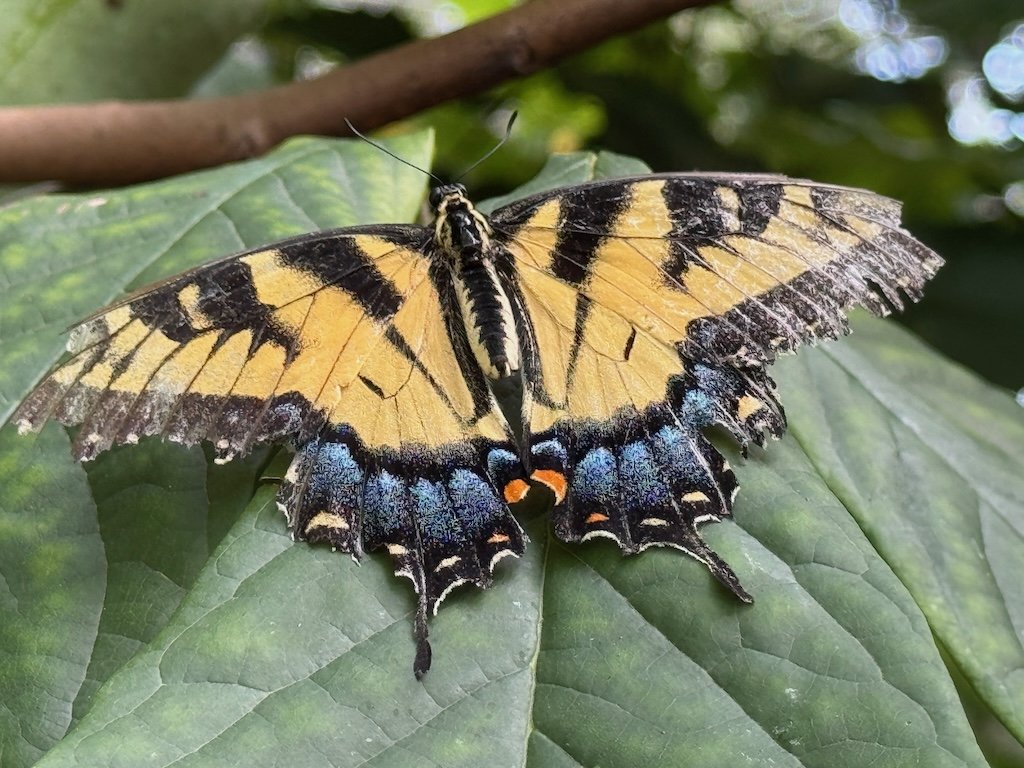
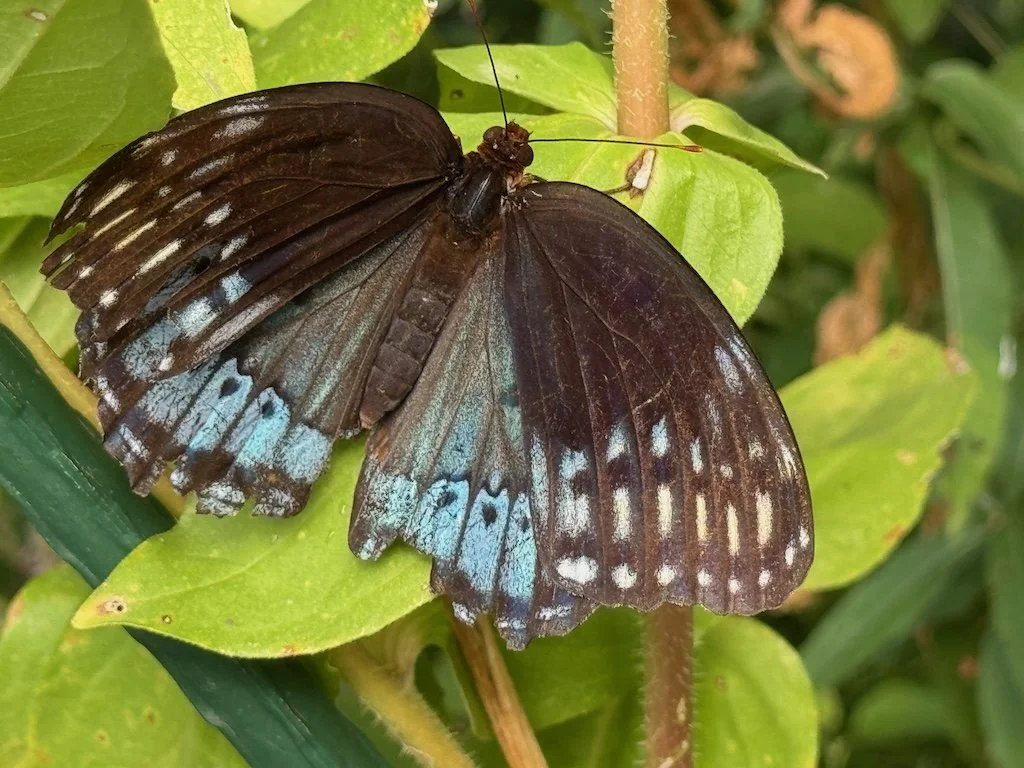
Static Electricity May Help Butterflies and Moths Pick Up Pollen - Previous studies have found that honeybees, bumblebees and hummingbirds could pull pollen from flowers through the air with their electric charges. This study looked at 11 species of butterflies/moths from 5 continents.

Multiple urinary metals play key role in cardiovascular disease and mortality, study finds - When analyzed together, the 6 metal-mixture including cadmium, tungsten, uranium, copper, cobalt, and zinc was associated with a 29 percent increased risk of cardiovascular disease and a 66% increased risk of death over the study follow up of 18 years.

Your nose has its own army of immune cells — here’s how it protects you – The nose and upper airway — which includes the mouth, sinuses and throat but not the windpipe — serve as key training grounds where immune cells ‘memorize’ intruding pathogens. These memories allow the cells to defend against future attacks by similar microorganisms.

A Record-Breaking 17 California Condor Chicks Hatched at the L.A. Zoo This Year – Condors usually only raise one chick at a time…but the LA Zoo has found that they will raise more than one chick…and these chicks survive better than human raised chicks when released into the wild after 1.5 years at the zoo.

How the rising earth in Antarctica will impact future sea level rise - In Antarctica, melting glacial ice means less weight on the bedrock below, allowing it to rise. How the rising earth interacts with the overlying ice sheet to affect sea level rise is not well-studied. Measurements show that the solid earth that forms the base of the Antarctic ice sheet is changing shape surprisingly quickly. The land uplift from reduced ice on the surface is happening in decades, rather than over thousands of years.

Gleanings of the Week Ending July 7, 2018

The items below were ‘the cream’ of the articles and websites I found this past week. Click on the light green text to look at the article.

BBC - Future - How we could survive on an asteroid – Harder than colonizing a planet…but mining asteroids from a colony on the moon or mars might be more feasible. Interesting to think about; it’s not full out science fiction at this point.

Stunning Data From The Bottom of the World: Antarctic Ice Loss Triples - Dan's Wild Wild Science Journal - AGU Blogosphere – The melting is mostly from warmer ocean waters melting submerged glaciers that have moved into the ocean.

Take a 3D Tour Through Frank Lloyd Wright's Taliesin West | Smart News | Smithsonian – I always like to see an article a place that I have visited…savor the memory. This post includes the link to the 3dlab site…lots of room to explore in a way that is the next best think to being there.

Illnesses from Mosquitoes and Ticks on the Rise | Berkeley Wellness – In our area Lyme disease (from ticks) is the one we worry about the most but there might be others that are going to become more problematic. Maryland has more mosquitos that usual right now…unpleasant and maybe unhealthy.

Red Meat Allergies Caused by Tick Bites are on the Rise – Aargh! I hadn’t heard of this one before.

Feeding the gods: Hundreds of skulls reveal massive scale of human sacrifice in Aztec capital | Science | AAAS – A short video and article about structures recently excavated that include skulls of human sacrifice victims as described by Spanish conquistadors.

China’s Plastic Ban Will Flood Us with Trash | Smart News | Smithsonian – Now that China isn’t accepting the plastic we throw in recycling – where is it going? Are our landfills going to be even more massive? Ideally recycling would get better (and done closer to where the material entered the system) rather than worse.

Petrified Forest National Park Becomes World’s Newest International Dark Sky Park – I’ve visited this park several times…and now it’s a dark sky site. It’s a long way from Maryland but maybe we’ll eventually get there for a star party!

Why Europe’s astronauts are learning Chinese – China is taking the steps to be the third big player in space….and Europe is planning to cooperate with them just as it does with the US and Russia.