Gleanings of the Week Ending July 11, 2026

The items below were ‘the cream’ of the articles and websites I found this past week. Click on the light green text to look at the article.

07/01/2026 Clean Technica Southeast Missouri Smelter Announces Intent to Restart This Year - Not mentioned in the release today is how the smelter will be powered, and whether the smelter will be in compliance with the Missouri Department of Natural Resources plan to reduce sulfur dioxide pollution to levels that are safe to breathe. New Madrid County recorded the worst air quality in the United States before idling.

07/01/2026 Yale Environment 360 A Home Battery Revolution Is Reshaping the Power Grid - As residential batteries have become more energy dense, cheaper, and smaller, more households are storing their excess solar power. Now, utilities and energy companies in dozens of countries are buying up those electrons, bundling them together, and using them to balance the grid.

07/01/2026 Planetizen Replacing lead pipes in Chicago costs more than 6 times the national average - Chicago has the nation's largest inventory of lead water pipes. Officials say replacing each one costs about $31,000 on average — more than six times the Environmental Protection Agency’s national estimate of $4,700 a line. The most significant factors driving up costs include inefficient early contracts, cumbersome permitting requirements, and the city’s reliance on one-off replacements rather than undertaking whole blocks at once.

07/01/2026 NPR Lone star ticks are covering much of the U.S. Here's what you need to know - The lone star is spreading across vast regions of the U.S., and the illness it carries, the alpha-gal syndrome, is spreading in more than 30 countries on six continents, often spread by various other ticks. The alpha-gal syndrome is more difficult to diagnose and treat than lime disease, and the symptoms are more severe. In many cases, the victim develops an allergy to all red meat, including nearly microscopic particles of it. The allergy can become so extreme it can kill you.

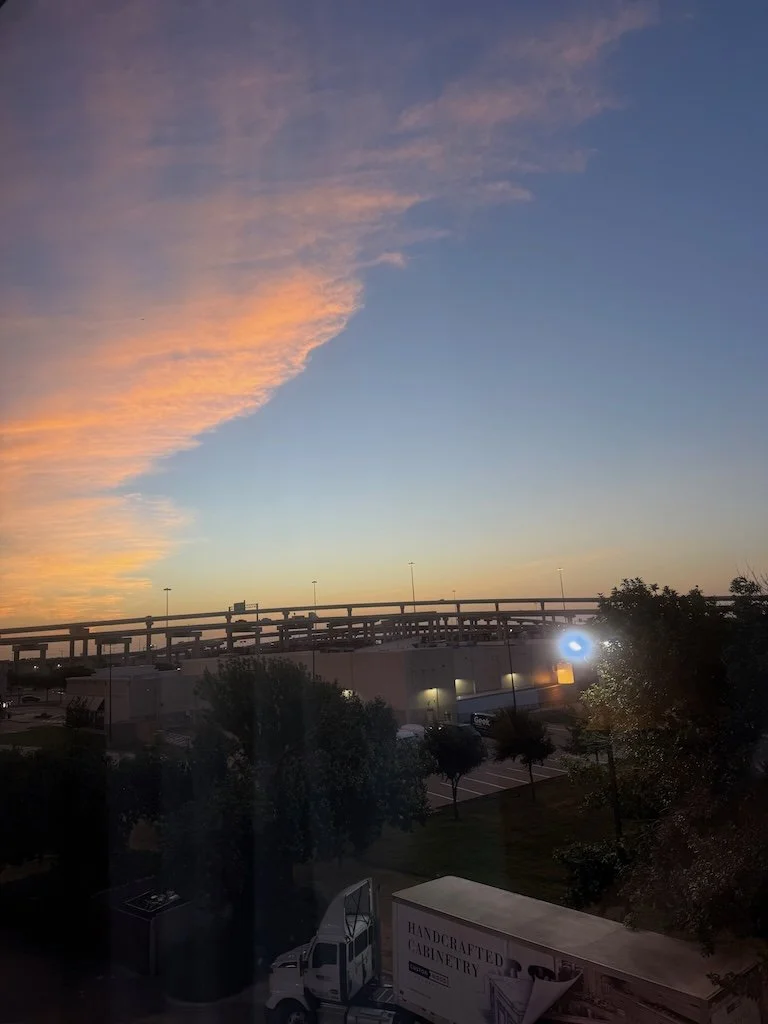
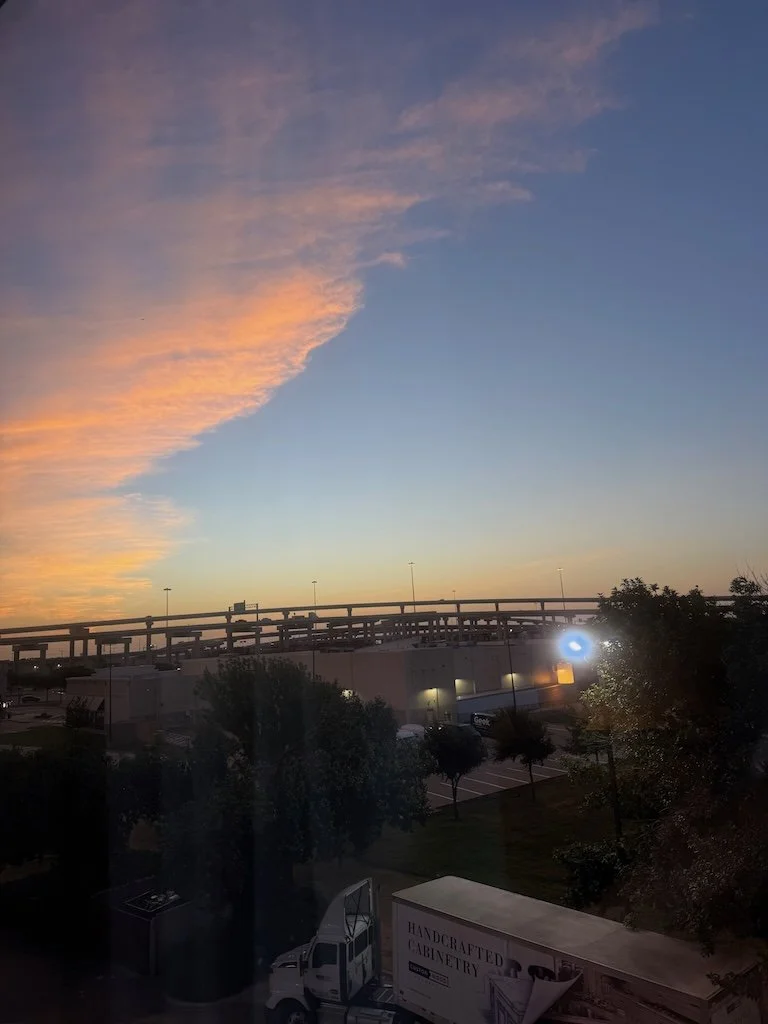
06/28/2026 BBC What watching the sunset really does for your health - There's growing evidence that sunsets – and sunrises, for that matter – can have a meaningful impact on our brain and mental health: diminishing anxiety and depression while boosting memory, creativity, sleep and even altruism. 

6/25/2026 The Conversation Most bees are solitary and don’t live in hives. Climate change risks them starving - Currently, most of what we know about bee nutrition comes from highly social species such as honeybees or bumblebees. Yet most bees are solitary or communal (group living but with no queens and workers). They might experience the nutritional landscape and nutritional stress in very different ways.

06/22/2026 NASA A Turquoise Tint for the Black Sea - The Black Sea sits at the boundary between Europe and Asia and connects to the Mediterranean Sea via a chain of waterways. Its surface often appears dark, but each spring and summer it transforms into a striking expanse of swirling turquoise. The turquoise color is likely caused by coccolithophores, a type of phytoplankton covered with calcium carbonate plates that can give surface waters a milky-blue appearance. These types of phytoplankton tend to dominate in late spring and early summer. Other times of the year, diatoms—a type of microscopic algae with silica shells—can become more prevalent, and they tend to darken the water rather than brighten it.   

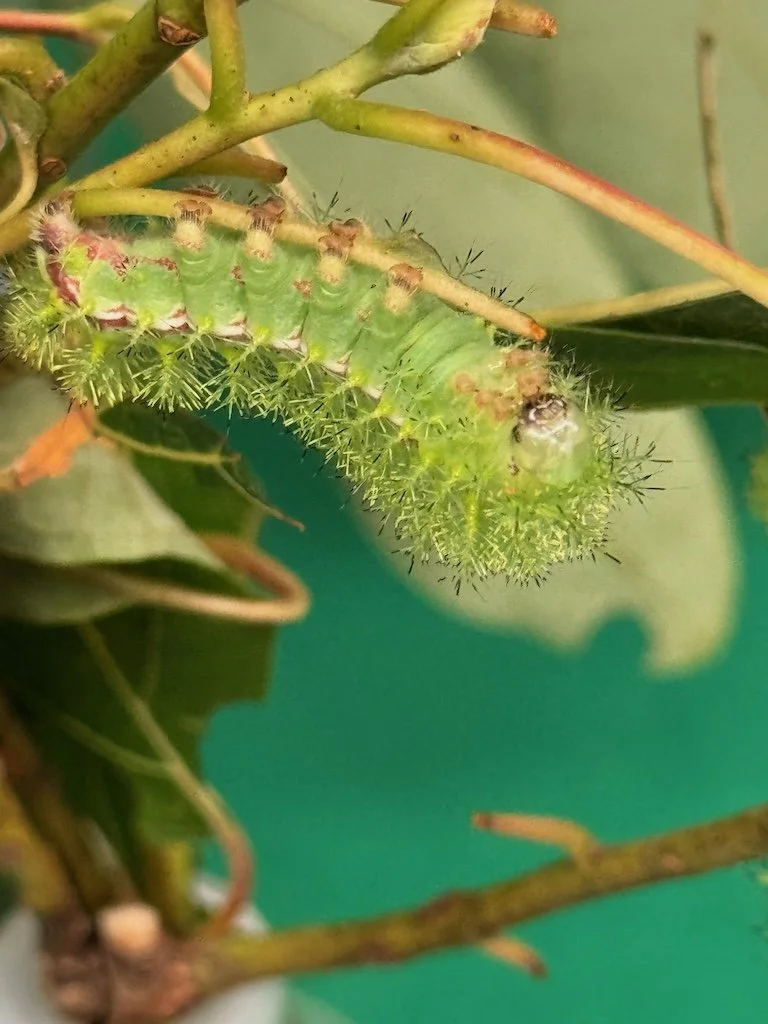
6/24/2026 NWF Blog 7 Moths that Make Butterflies Look Boring – The only one I haven’t seen is the Texas Wasp Moth!

06/30/2026 Artnet These 10 U.S. Landmarks Are At-Risk - As America gears up to mark the 250th year of its independence, the World Monuments Fund (WMF) is throwing a spotlight on 10 historic places that it says are most urgently in need of preservation.

6/27/2026 Science Daily Yellowstone’s supervolcano may be fueled by something unexpected - Instead of a deep plume rising from near Earth’s core, a broad “mantle wind” may push hot rock beneath Yellowstone, generating magma closer to the surface. This process helps create a massive underground magma network and may explain how supervolcanoes remain active for long periods.

Gleanings of the Week Ending November 12, 2022

The items below were ‘the cream’ of the articles and websites I found this past week. Click on the light green text to look at the article.

America’s largest transit bus charging station & microgrid open in Maryland – The headline caught my eye because I lived in Maryland for over 20 years – 8 of those in the county where this is happening! I hope other states have the same sorts of projects in the works.

NASA Finds More Than 50 Super-Emitters of Methane – Finding them is only the first step….how many of them will be situations we can reduce or stop the emission?

Iron induces chronic heart failure in half of heart attack survivors – This study prompted testing of iron chelation therapy to remedy or mitigate the effects associated with iron in hemorrhagic myocardial infarction patients.

Unique Bronze Age belt discovered near Opava – Half my ancestors came from the area that is now the Czech Republic…I am drawn to articles about the history of the region.  The belt is quite beautiful…but was it a practical item of apparel?  

What happens if our circadian rhythms are out of whack? – WHO has proclaimed that disrupted circadian rhythms are a probable carcinogen. The study discussed in this post was about the mechanism that circadian rhythm disruption triggers lung tumors.

View 16 Breathtaking Images from the Nature Conservancy’s Annual Photo Contest – Take a little break….look at awesome images of our world.

Mississippi River Basin adapts as climate change brings extreme rain and flooding – This year the stories about extreme weather seem to be more frequent – and wide ranging in terms of water. The Mississippi was low enough for barge traffic to be impacted because of drought…yet there were floods along part of the river just last summer.

Eye-opening discovery about adult brain's ability to recover vision – An unexpected success…opening new ways to treat a vision impairment (LCA) and maybe prompt a re-look about how the adult brain can re-wire itself relative to vision.

The World’s Whitest Paint May Soon Help Cool Airplanes and Spacecraft – A way of making paint that was previously too thick/heavy for things that move. The thicker version works for homes and buildings. We’ll need this technology to reflect heat without expending energy!

Greater cloud cover may be narrowing the gap between daily high and low temperatures – Simulating clouds explicitly. Trying to understand why nights are heating up faster than days across the globe.

Gleanings of the Week Ending October 1, 2022

The items below were ‘the cream’ of the articles and websites I found this past week. Click on the light green text to look at the article.

What is the right age to get a smartphone? – No set answer or surprises in this article. I was a little disappointed but maybe the answer will always start out with “it depends….”

Air pollution might spur irregular heart rhythms in healthy teens – Air quality is important for everyone…not new news, but this study has supporting data for a segment of the population we generally think are very healthy.

A rapid shift to clean energy would save the world $12 trillion – I wish I was more confident that the people of the world have the will to save the planet (and ourselves).

Seven healthy lifestyles may reduce dementia risk for people with diabetes – Getting all 7 might be hard….but the 5 or 6 out the 7 should be something everyone can do.

Cool and Overlooked Critters of the Sagebrush Sea – Someone commented that they had driven across Kansas once and it was such a long slog that they didn’t want to do it again. This article reminded me that learning to look at unfamiliar places is a challenge…one we should consciously accept!

Daily multivitamin may improve cognition and possibly protect against decline – Easy to do!

Why you need a 'wellbeing wardrobe' – Most of my clothes are over a decade old and some were bought from a thrift store. I wear them until they are worn out and then I turn them into other things, compost them (if they a compostable fiber) or donate them (hoping that they can be sold or recycled). My sister commented that she was saving jeans to make a quilt. There are some items that seem to last longer than they did in the 70s (I remember inexpensive underwear and panty hose that were rarely worn more than a few times). Since I don’t buy many new clothes, I wondered about the demographics of who is buying so much clothing…and then trashing it so quickly.

Older adults with regular activity routines are happier and do better on cognitive tests – Picked up a vocabulary word from this article: zeitgebers – time cues which help set the body’s internal clock and can also assist in creating a stable routine. Some examples of zeitgebers are sunlight, exercise and eating…pets that require certain kinds of attention at about the same time each day.

Why plastic doesn't dry in the dishwasher – A little physics. I’ve noticed that we are using less plastic these days…more ceramic, glass, and metal. The last change was the containers we use for leftovers; I’ve gradually been replacing plastic with glass containers. My popcorn bowl (that I use in the microwave) is still plastic…but that’s about it.

Meet the Bat Falcon, the ABA Area’s Newest Bird – About the bat falcon, the ABA checklist and its importance to birders chasing a Big Year.

Gleanings of the Week Ending September 14, 2019

The items below were ‘the cream’ of the articles and websites I found this past week. Click on the light green text to look at the article.

Radio Tracking a Rare Crayfish – Cool Green Science – There are a lot more species of crayfish than I realized…and they have a bigger role in the stream that I assumed.

Mindfulness for middle school students: Focusing awareness on the present moment can enhance academic performance and lower stress levels -- ScienceDaily – I wonder if ‘mindfulness’ is something we need to teach more overtly now than in the past because technology and daily life tends to push us in ‘unmindful’ ways.

Canadian Canola Fields – I looked at this article because the Bugs101 course that I took recently mentioned the canola fields of Canada (for some reason I had never known very much about Canola as a crop). This article provides more history. It has become a cash crop for Canada in recent decades.

There's a Troubling Rise in Colorectal Cancer Among Young Adults | The Scientist Magazine® - Incidence of colon cancer is falling in older people…but becoming more common in people under 50. It has continued to go up over the past decade. In young adults, the cancer is discovered later too…usually stage 3 or 4.

A Northwest Passage Journey Finds Little Ice and Big Changes - Yale E360 – Lots of changes. Grizzly are moving northward…fewer polar bears…salmon far north of where they used to be…lungworm killing muskox…plastic in ice cores.

Researchers Discover New Family of Viruses | The Scientist Magazine® - The new viruses are found in lung biomes of people that had had lung transplants or have periodontal disease….many times the patients are critically ill. But we don’t know yet if the new family of viruses are linked to disease.

Utah's red rock metronome: Seismic readings reveal Castleton Tower's unseen vibrations -- ScienceDaily – On the plus side – it does not appear that climbers of the tower are impacting it…but this work is a baseline and there could be some longer term effects. Wikipedia has some pictures and a short article about Castleton Tower.

Infographic: History of Ancient Hominin Interbreeding | The Scientist Magazine® - Still learning about the hominin tree and how modern humans carry the genetic heritage.

Camera Trap Chronicles: The Pennsylvania Wilds – Cool Green Science – I wonder what I would see coming through my back yard. I know we have deer…and I occasionally see a fox. Maybe racoons. My first though was to put a camera on the bird feeder or the bird bath.

BBC - Future - Is there a worst time of day to get sick? – Circadian rhythms are important to health….and our medical system doesn’t use them to advantage. I remember being concerned when my mother was in the hospital years ago and the lights were very bright day and night. No wonder she had difficulty sleeping!

Gleanings of the Week Ending December 8, 2018

The items below were ‘the cream’ of the articles and websites I found this past week. Click on the light green text to look at the article.

Parts of the Ocean Floor Are Disintegrating—And It's Our Fault | Smart News | Smithsonian – Ocean acidification has a downside – already.

Drought Persists in the Southwest – The drought had been long…like the one in the 1950s…but there are a lot more people living in the region now than there were in the 1950s. 7 states have drafted drought contingency plans.

Body clock researchers prevent liver cancer growth in mice -- ScienceDaily – Our circadian clock has a broader role that just the sleep/wake cycle.

Get a New Perspective on Prague With These Spectacular Drone Photos – A city at sunrise. Hopefully the drone didn’t awaken anyone.

Floating Solar Is Best Solution for Colorado Town’s High Electric Bills | CleanTechnica – A small town with limited available land is installing solar panels over its waste water plant.

Which country is best to live in? Our calculations say it's not Norway – Two metrics are compared. Using the UN’s Human Development Index (HDI) – Norway is ‘best.’ But there are issues with that indicator. The Human Life Indicator (HLI) has Hong Kong at the top…with Norway at 9.  The US is 10 on the UN HDI but falls to 32 on the HLI scale largely due to lower longevity and high inequality in ages of death when compared to other countries like Canada (which was 10 on the UN HDI index and 17 on the HLI scale). Maybe these indexes are not that useful for individuals but may be helpful in comparing the broader implications for government actions of all 189 countries analyzed.

Punctuated earthquakes for New Madrid area, Missouri, U.S. -- ScienceDaily – The 1811 and 1812 earthquake is well known…but what about the earlier ones? Recent analysis shows quakes around 1450 AD, 900 AD and 2300 BC.

How do pregnancy tests work? | Compound Interest – They’ve only been around since the 1970s – biotech on a stick!

BBC - Future - Why we are living in the age of the chair – Furniture that has changed lives …relatively recently in human history.

Florida monarch butterfly populations have dropped 80 percent since 2005 -- ScienceDaily – A 37-year study of Florida where the monarchs come up from Mexico to recolonize much of the east coast. No wonder we are not seeing as many in Maryland when the numbers in Florida have dropped by 80%.

Gleanings of the Week Ending October 13, 2018

The items below were ‘the cream’ of the articles and websites I found this past week. Click on the light green text to look at the article.

Free Technology for Teachers: Frostbite Theater - 87 Science Experiment Video Lessons – Short videos…fun for more than just students!

Sunflower pollen has medicinal, protective effects on bees -- ScienceDaily – Sunflowers – a nice addition to pollinator gardens.

Research forecasts US among top nations to suffer economic damage from climate change -- ScienceDaily – The study found that the top 3 countries with the most to lose from climate change are the US, India and Saudi Arabia. China is in the top 5.

Do MoCA and Other Cognitive Screening Tests Work? | Berkeley Wellness – A short article that introduces some terminology….but not very satisfying. This is not an area where medical intervention has made great strides – unfortunately for an aging population.

Top 25 Wild Bird Photographs of the Week: Birds in Flight – National Geographic Blog – Birds in motion…a photographic challenge.

BBC - Future - Do we really live longer than our ancestors? – Life expectancy has increased because more of our species are making it to old age; life span has not changed much at all through history. The emperor Augustus lived to be 75 in the 1st century (his wife live to 86 or 87 years) and Japan’s Empress Suiko lived to be 74 in the 6th century. Cicero’s wife lived to be 103.

Prehistoric art hints at lost Indian civilisation - BBC News and An Unknown Ancient Civilization in India Carved This Rock Art | Smart News | Smithsonian – The same story from two sources. The first one is more detailed.

The Seven Cs of Education | What's Next: Top Trends – 2 items: the 7 Cs and the nature of creative thinking.

Secondary forests have short lifespans: Most don't last long enough to provide habitat for many forest species -- ScienceDaily – Making large scale commitment on reforestation requires long-term vision….and that appears to be lacking. The study was done in Costa Rica.

Infographic: Light Pollution Threatens Species | The Scientist Magazine® - It not just birds and bats….light pollution impacts a lot of organisms…including us (not the last item on the list ‘desynchronization’).

Gleanings of the Week Ending September 15, 2018

The items below were ‘the cream’ of the articles and websites I found this past week. Click on the light green text to look at the article.

BBC - Future - How China’s giant solar farms are transforming world energy – Giant solar farms that, when viewed from the air form Giant Pandas. All over the world…but in China particularly…there are more and more enormous solar farms. It’s good for the immediate future but there are still issues with what happens when the solar panels need to be recycled (i.e. in 30 or so years).

New research shows how children want their food served -- ScienceDaily – I didn’t find this a challenge…my daughter always enjoyed her food. It seems more likely to be challenging in places like school cafeterias or other institutional settings.

Photos Show the Icy Glacier Landscape of Northeast Greenland – Life lurking in the ice waters. It’s a difficult place to dive.

Landscape Plants Rated by Deer Resistance (Rutgers NJAES) – Maryland is not that far from New Jersey so this list works for us – although I wish they would mark the plants native to North America. I’d rather plant natives.

How This Popular Garden Plant May Spread Parasites That Harm Monarchs | Smart News | Smithsonian – Aargh!!!! We need to be sure we are not planting tropical milkweed in areas where it is not native….the orange butterfly weed – which is also a milkweed – is native across most of North America and a good plant to have in the garden for Monarch butterfly caterpillars.

New color-generation mechanism discovered in ‘rainbow’ weevil -- ScienceDaily – The researches from Yale propose that this mechanism might be useful for screen displays to enable the same true image from any angle and to reduce signal loss in optical fibers.

What Ötzi the Iceman’s Tattoos Reveal About Copper Age Medical Practices | Smart News | Smithsonian – There have been papers coming out about additional discoveries from the remains found in the Alps in 1991 over the years --- there was a lot we could learn and new technologies have come along to enable more than anyone thought about at first.

Night-time habits of captive flamingos -- ScienceDaily – The forage and roam! Evidently, they are more active at night in the wild as well. During the day they tend to rest and preen…that’s when courtship displays happen as well.

Muscle Clocks Play a Role in Regulating Metabolism | The Scientist Magazine® - Circadian rhythms are not just from the brain! There are timekeepers throughout the body. The peripheral clock in muscles was confirmed in 2007 and it turns out that it is important to glucose metabolism. There is still a lot to learn about all the body’s timekeepers!

BBC - Future - Are hot springs the future of farming? – Maybe there is not one strategy that is the ‘future of farming’ – but this is an interesting idea that we may see in places where it can be done effectively.