Gleanings of the Week Ending July 25, 2026
/The items below were ‘the cream’ of the articles and websites I found this past week. Click on the light green text to look at the article.
07/13/2026 Science Daily Why are healthy young non-smokers developing lung cancer? - Younger Americans under age 50 who have never smoked and consume more of fruits and vegetable than average may face a higher risk of developing lung cancer. Commercially grown (non-organic) fruits, vegetables, and whole grains generally contain higher levels of pesticide residues than dairy products, meat, and many processed foods. There is also previous research showing that agricultural workers with long term pesticide exposure experience higher rates of lung cancer. The next phase of the research will involve measuring pesticide levels directly in patients' blood or urine samples. That work could help determine whether certain pesticides are more strongly associated with lung cancer risk than others.
07/09/2026 NWF Blog Spark Joy in Your Outdoor Events by Blending Forest Bathing, Nature Appreciation, and Wildlife Education - Learn more about the practice of forest bathing and to access tips and resources on how to level up your outdoor events this summer through forest bathing, nature appreciation, and wildlife education.
07/08/26 Archaeology Magazine Scythian DNA Study Examines Elite Family Ties - The remains of 38 of the Scythians were recovered from kurgans that also contained elite weapons and gold artifacts, while the other 47 were recovered from smaller kurgans that lacked gold grave goods. The elite Scythians were 11 times more likely to be related to each other than to the other Scythians. Nearly half of the elite individuals in our dataset were female, indicating that women held high social status within Iron Age Scythian society.
07/08/2026 Smithsonian Magazine Sperm Whales Living in the Eastern Mediterranean Sea Seem to Have Developed a Distinct Dialect from Those in the West - From Southern drawls to Irish brogues, humans can sound very different while speaking the same language. It turns out that some whales might have similar regional variations in their vocalizations, too. Sperm whales living in different parts of the Mediterranean Sea appear to have their own distinct dialects. Scientists think that about 20,000 years ago, a group of intrepid sperm whales swam into the Strait of Gibraltar and entered the Mediterranean Sea, where they’ve remained ever since. The individuals living in the Mediterranean rarely leave the sea—and other sperm whales don’t often enter the area—so they’re considered a genetically distinct subpopulation.
07/07/2026 Clean Technica New York Now at 8 Gigawatts of Distributed Solar Power - New York has just reached 8 gigawatts (GW) of installed solar power capacity in the “distributed” solar market — rooftops and small-scale installations. The state has a target of reaching 10 GW by 2030, and this new milestone puts them ahead of schedule. Just from lowering electricity demand on the power grid during times of peak demand, solar power is estimated to have saved New York $90 million last summer. Greater savings will come this summer.
07/08/2026 Yale Environment 360 What Do We Actually Know About the Microplastics Inside Us? - I know it is easy to say we don’t have enough information yet, but we do know about [the health risks from] these chemicals that are in all the plastics that your food is wrapped in. From that perspective, it is still a good idea to reduce plastics or eliminate them where possible. – Cassandra Rauert
07/07/2026 The Conversation Island life changed how Brazil’s Noronha skink reproduces, but the lizard’s strategy might be failing in a rapidly evolving world - Reproduction occurs during a relatively narrow period of the year, in the dry season. Not all females reproduce annually: our data suggest that many reproduce only every two or even three years. When they do, they produce only two eggs at a time — a very low number for lizards in this group. These eggs, however, are large relative to the mother’s body size, indicating a high investment in each offspring.
05/20/2026 PLOS One Skeletons in the permafrost: Exploring climate-driven heritage loss and occupational health at the early modern whaling burial site of Likneset, Svalbard - Rapid Arctic warming is accelerating the degradation of permafrost-preserved archaeological sites, threatening both cultural heritage and the scientific information it contains. Early modern whaling burial sites on Svalbard are particularly vulnerable due to their organic-rich burial contexts and exposed coastal settings.
Homegrown National Park How to build a mosquito bucket – A non-toxic way to control mosquitos in your yard.
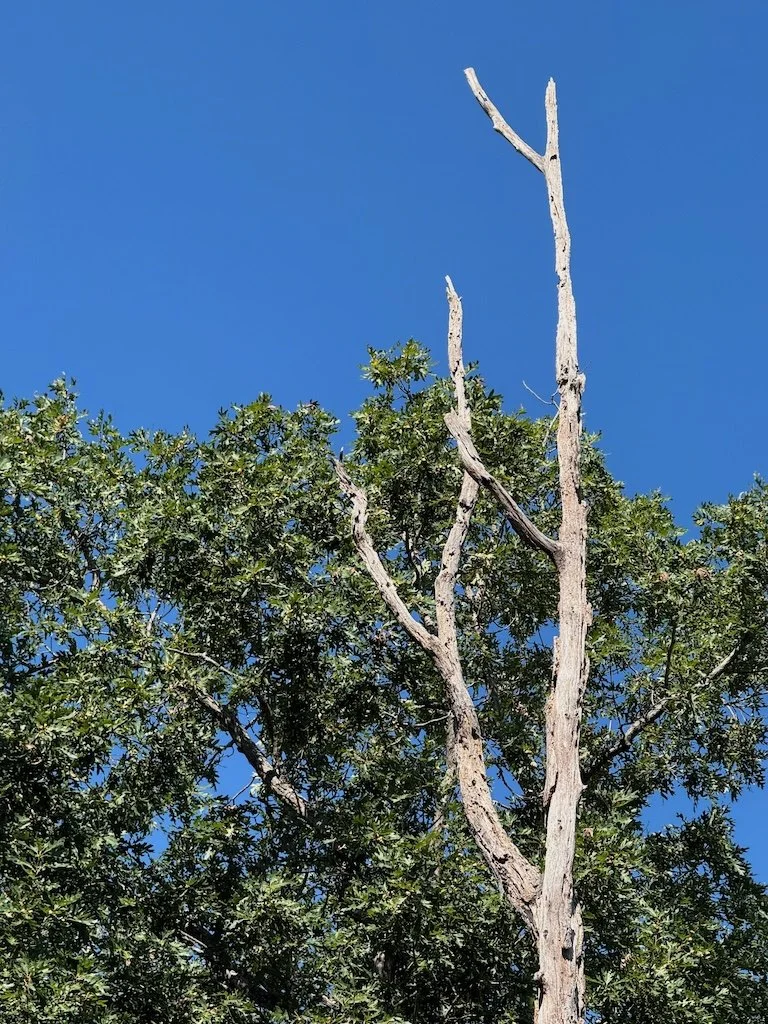
Leaf & Limb 7 Ways to Help Your Trees and Shrubs During (and After) a Drought – My area of Missouri is not in drought right now….but it has been in previous summers. The suggestions in this post can be done any time….and keep trees healthier ahead of the next drought!