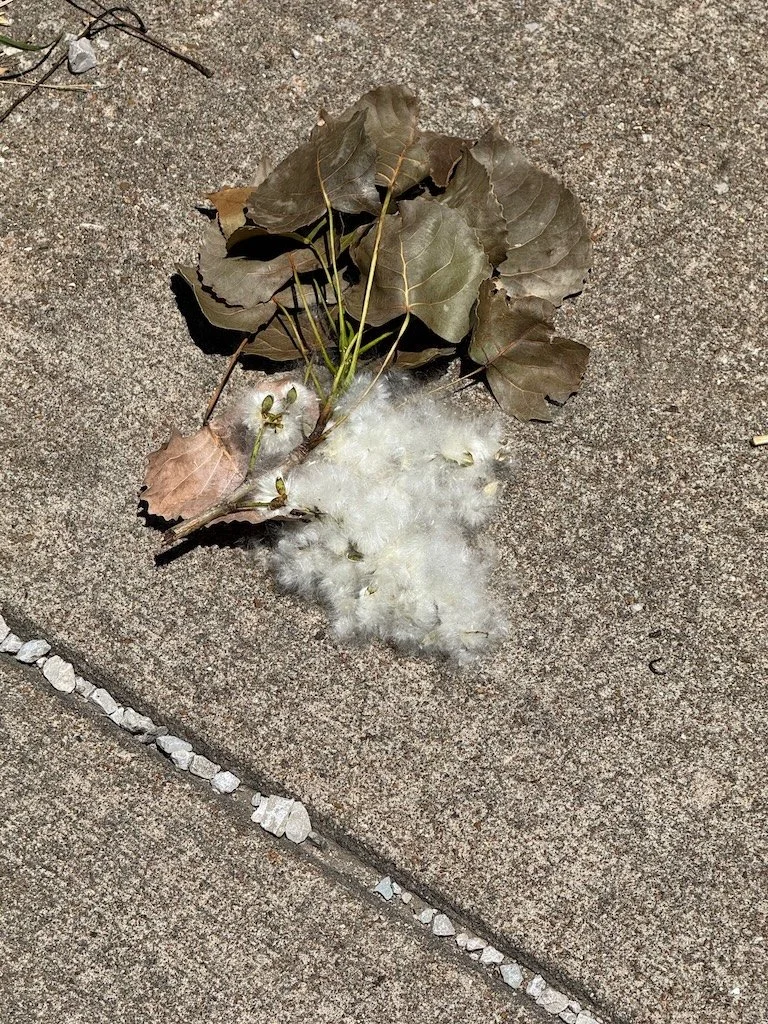
Ten Little Celebrations – April 2026

April was full of springtime happenings worth celebrating.

Native plants for my garden. I celebrated finding all the plants on my list at a native plant sale….and when I got all 28 of them planted.

Angel’s Diner. Celebrating finding a great place to stop for lunch on my way home from my monthly trips to Dallas….in McAlester OK.

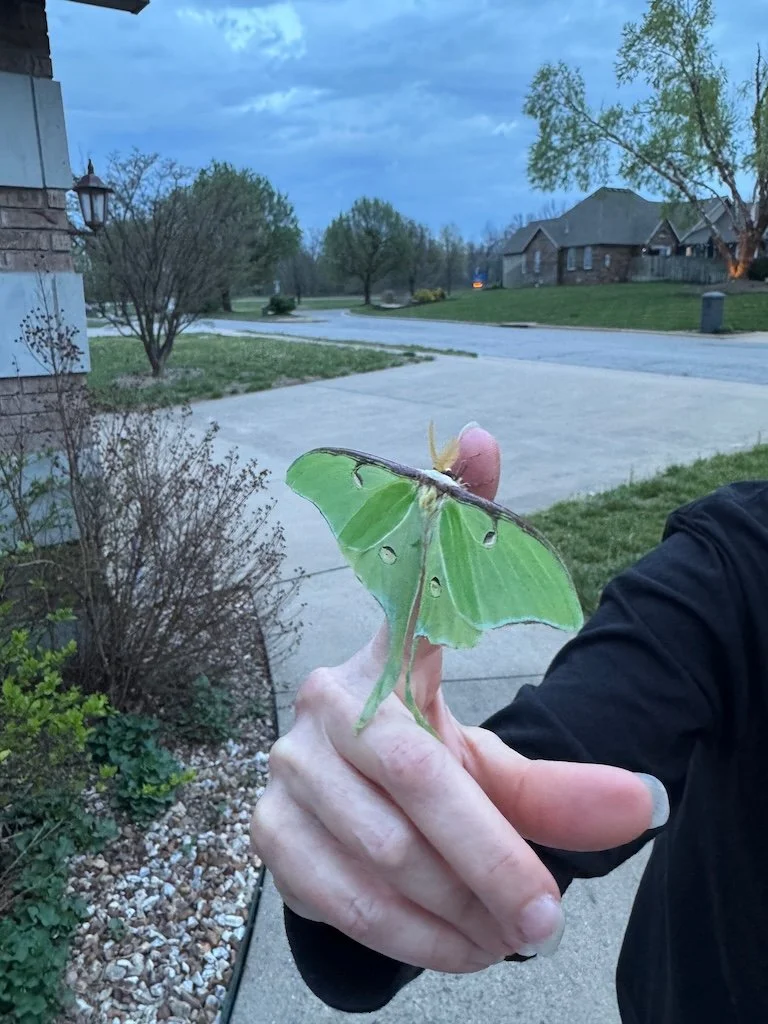
Luna moths. 10 luna moths emerged from cocoons that had overwintered in my John Deere room. I celebrated every time one took off into the wild.

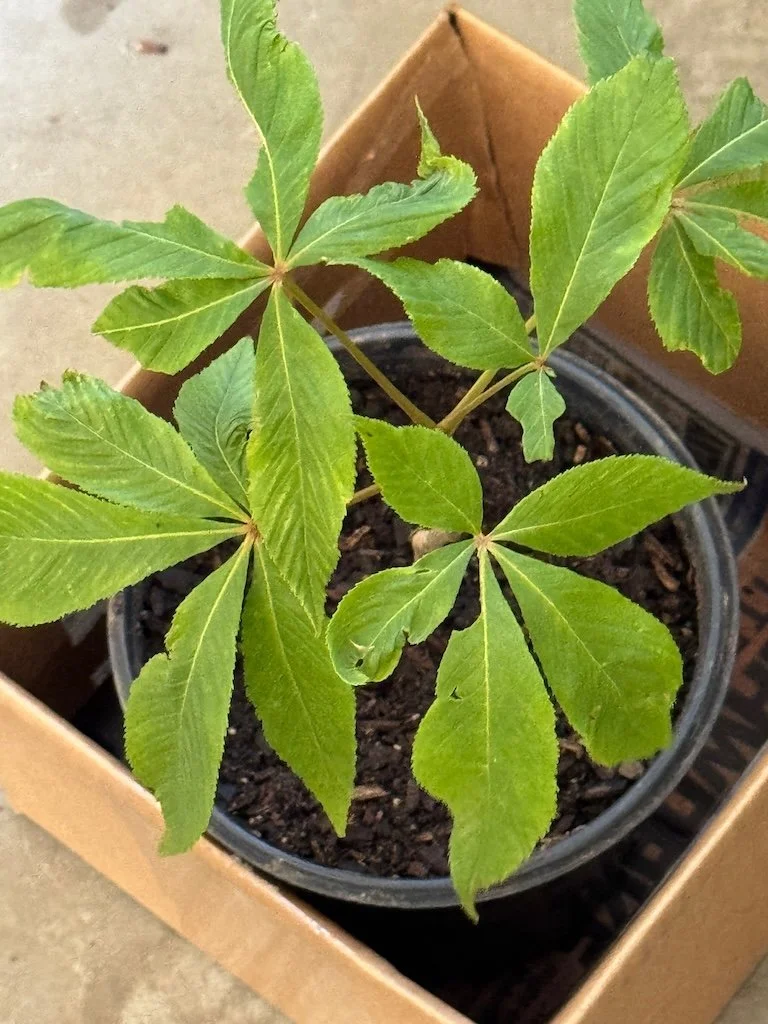
Another red buckeye. My young red buckeye that made it through the winter was killed by several frosts as its buds were popping…so it was a day to celebrate when a Master Naturalist friend dug up a seedling from her yard for me.

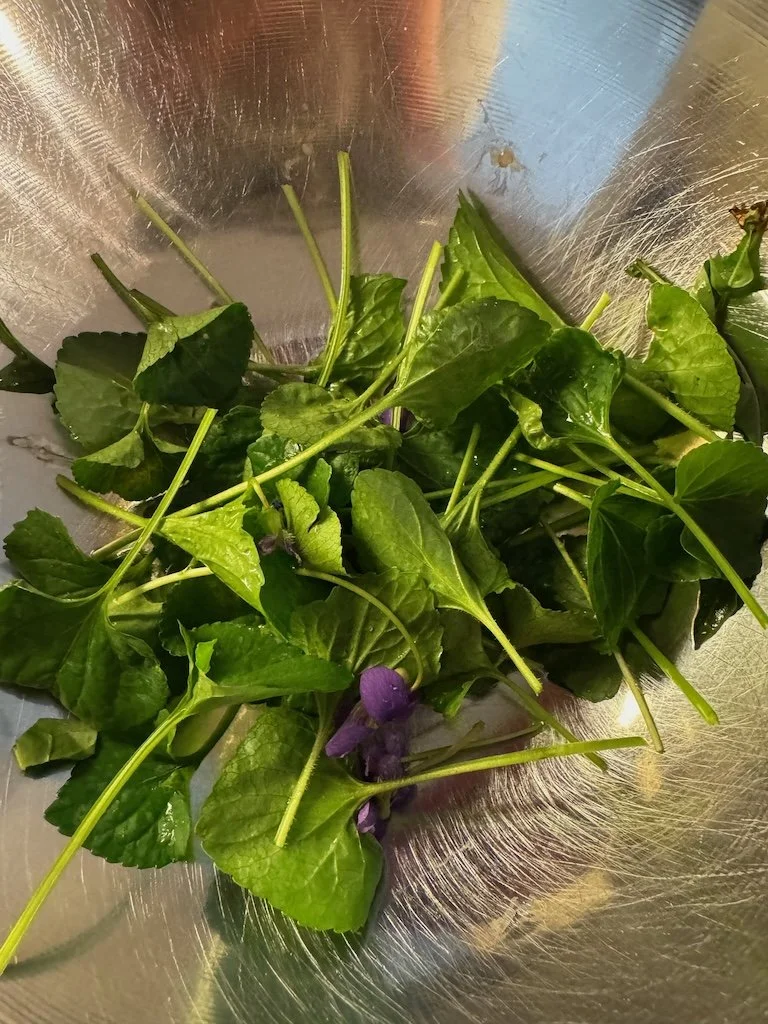
Dandelion and violet leaves in my salads. It’s that time of year when I don’t need to buy leafy greens…there are so many that are available in my yard. I’m celebrating the bounty.

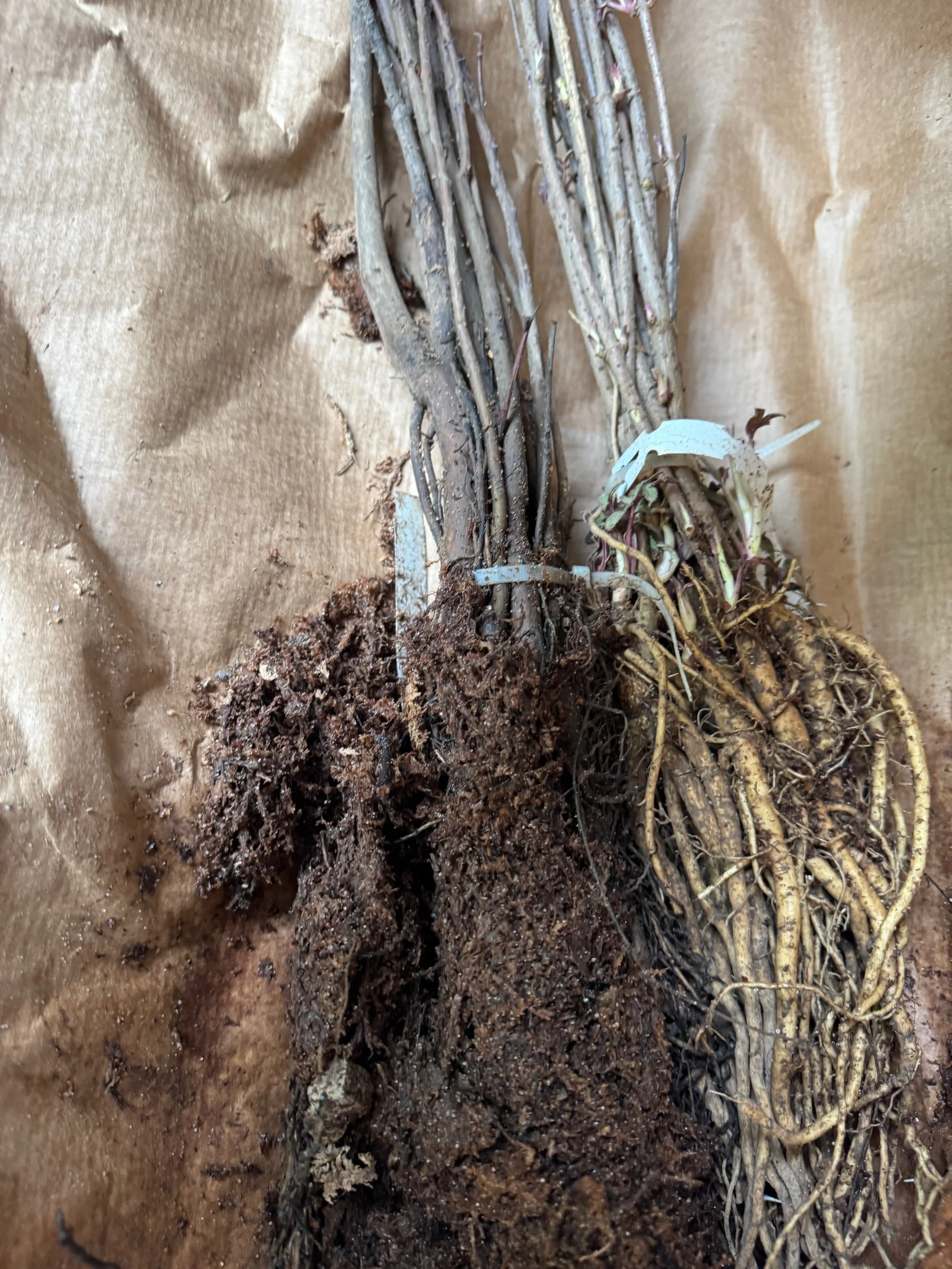
Pawpaw and elderberry seedlings. I hadn’t anticipated how hard digging 10 holes for seedlings was going to be….so the biggest celebration of the day was when it was done!

Earth Day. I celebrated having 2 (very different) tabling gigs for Earth Day this year.

Scissor-tailed Flycather. Celebrating that they are back…I saw one in Oklahoma on my trip to Lewisville/Dallas this month.

Rhododendron blooming. Celebrating the big clusters of flowers.

Show-me less plastic events. 2 successful events….good interactions and learning experiences. Celebrating baby steps toward plastic reduction.

Earth Day Tabling

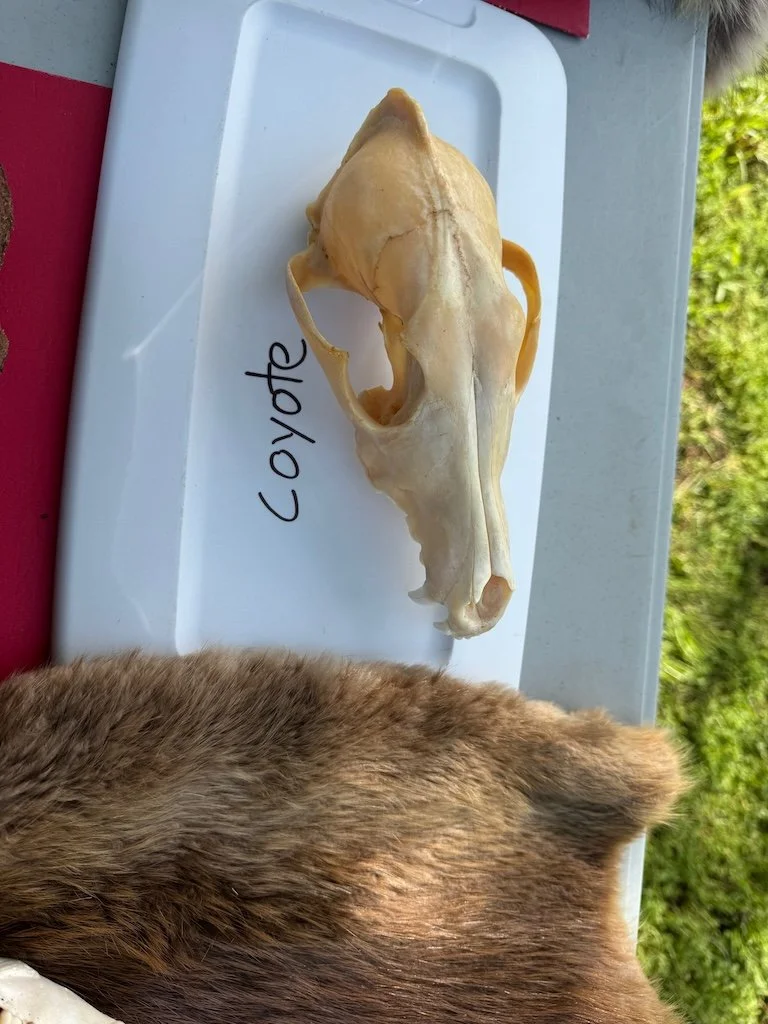
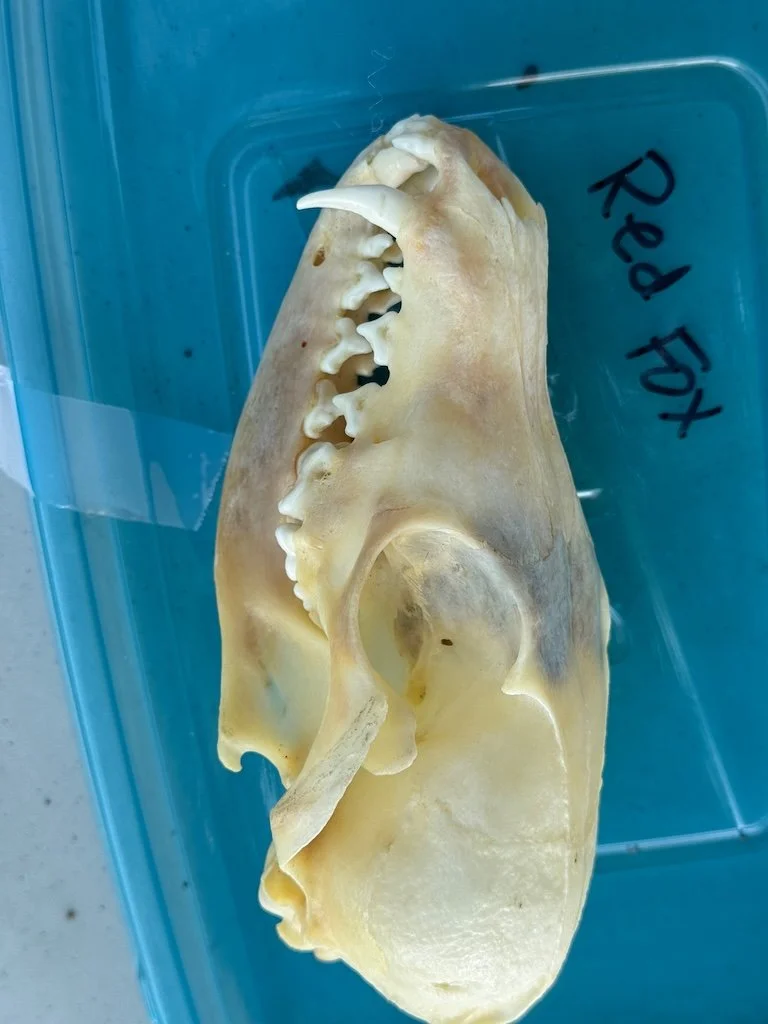
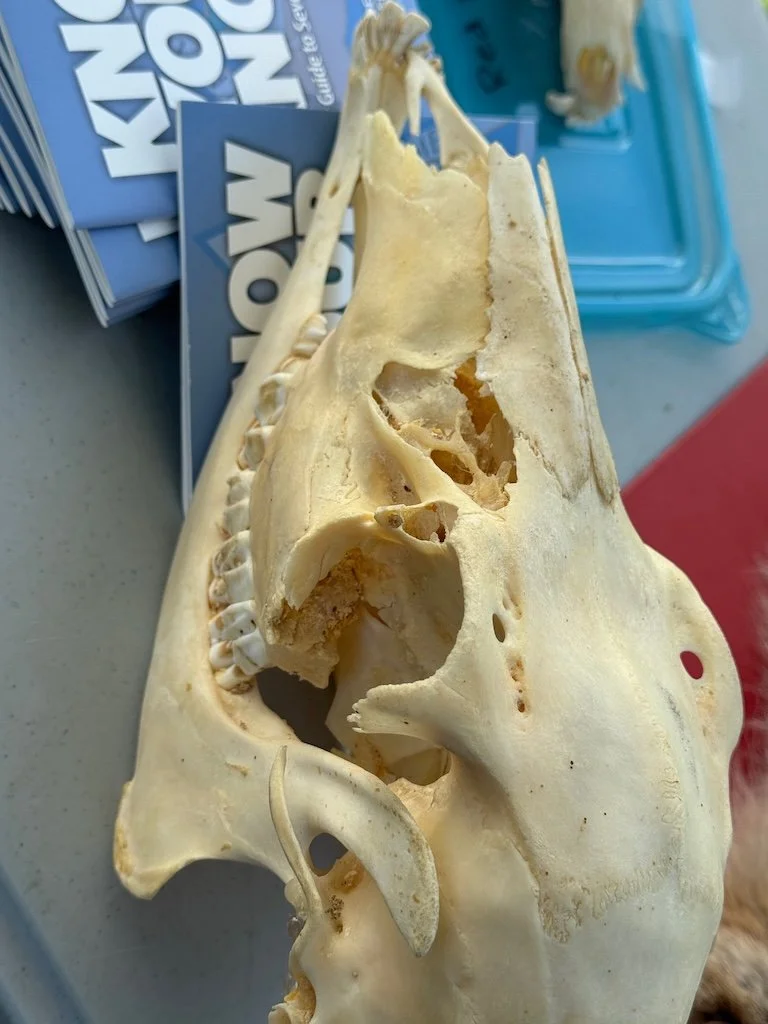
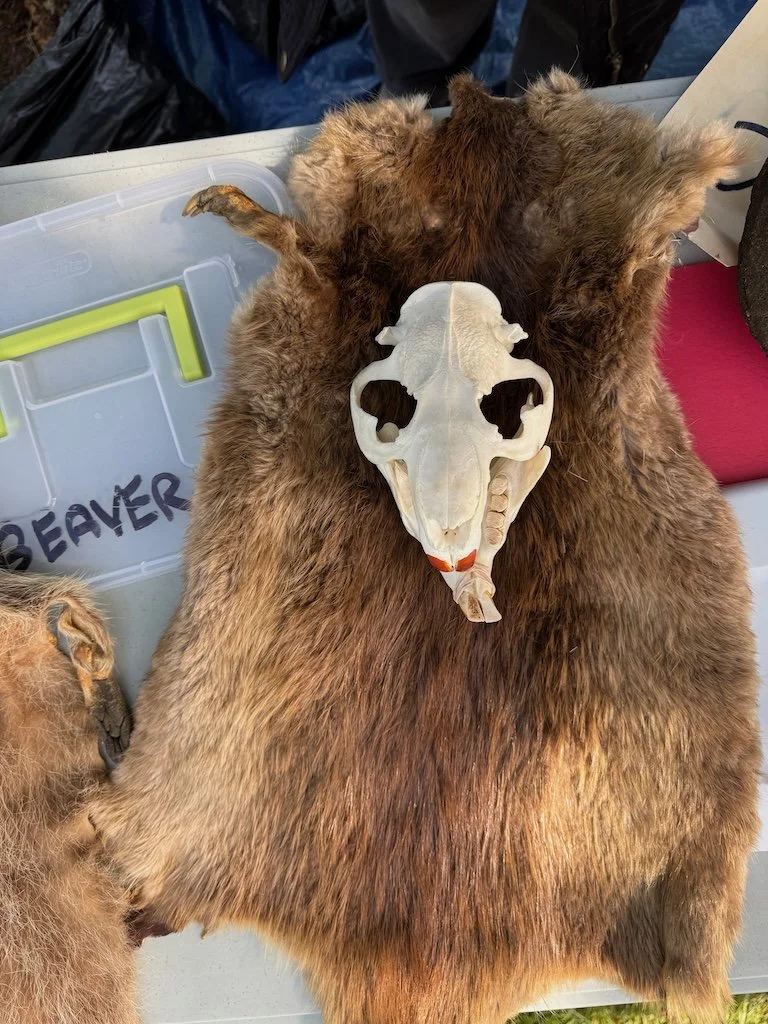
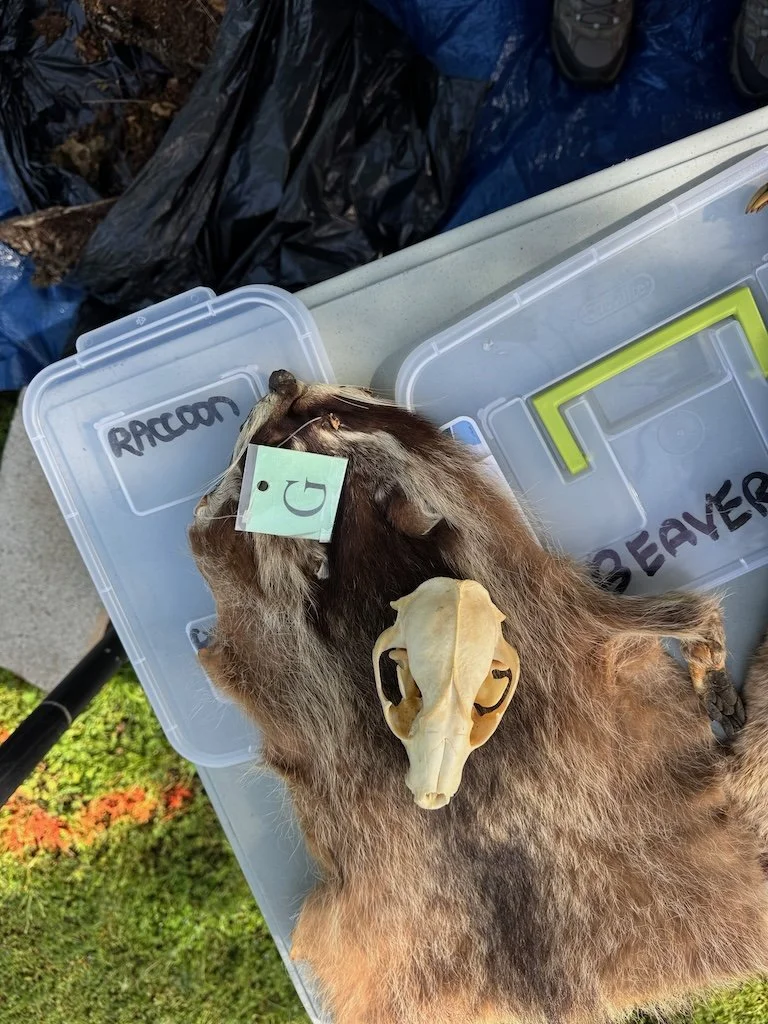
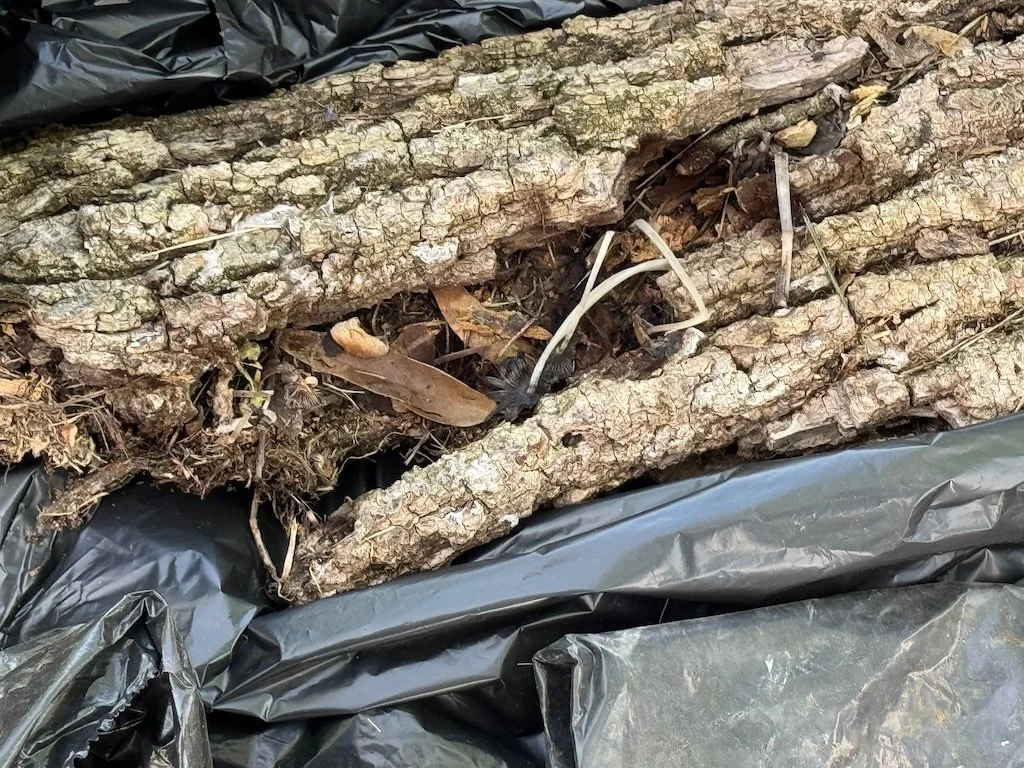
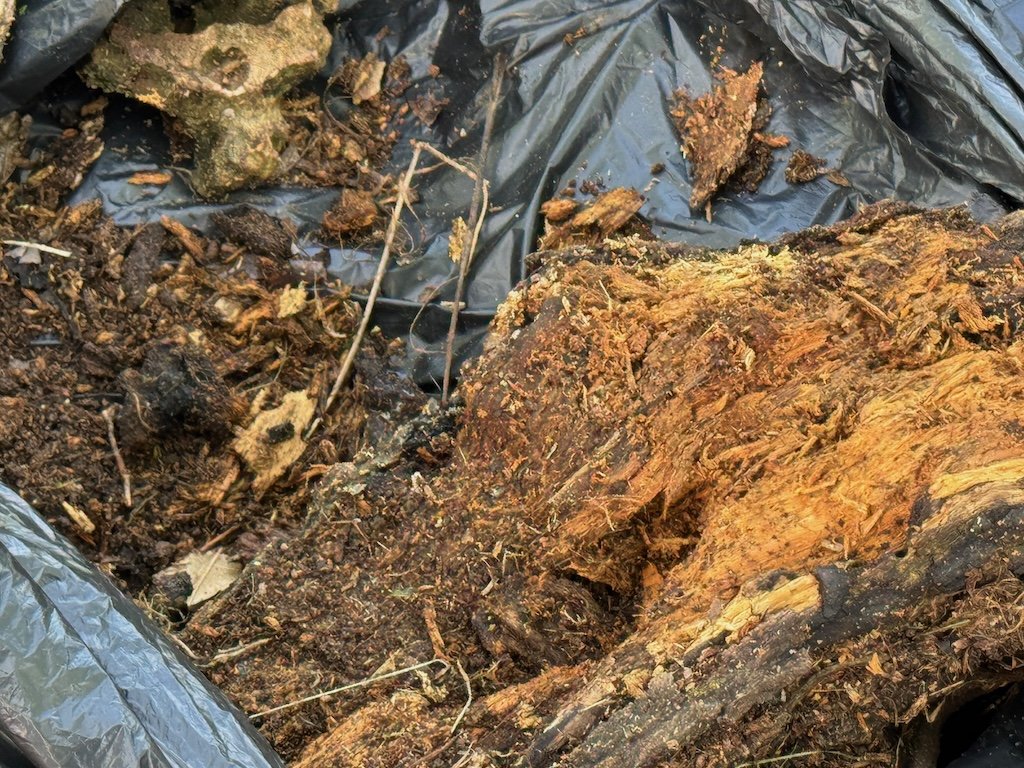
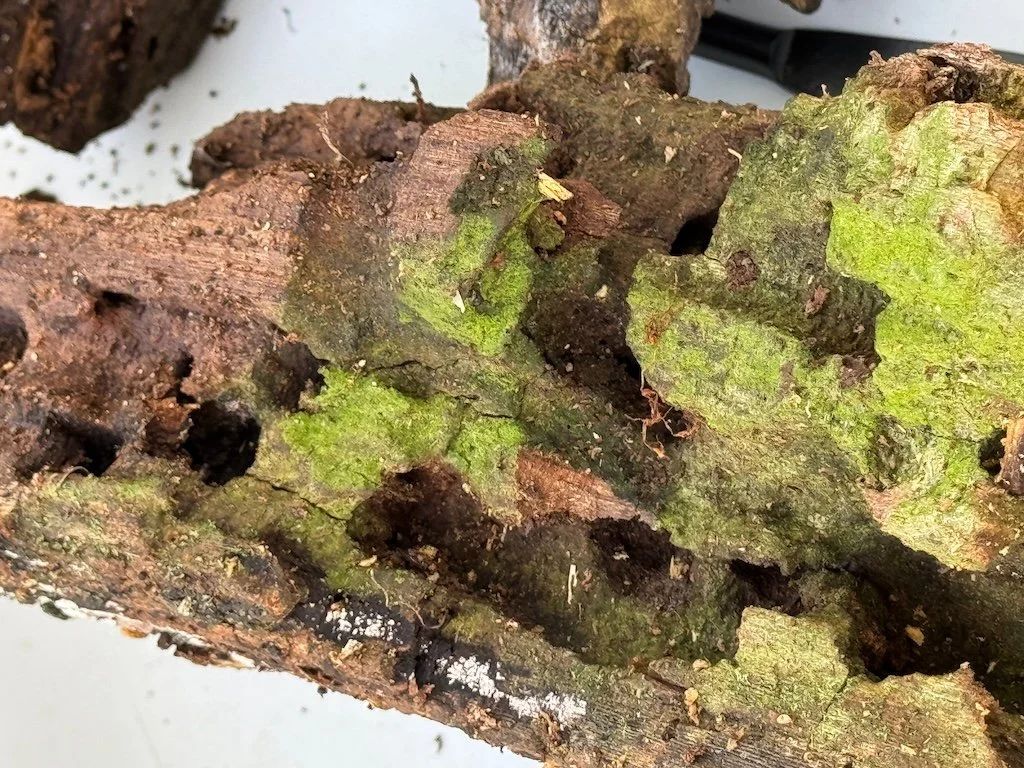
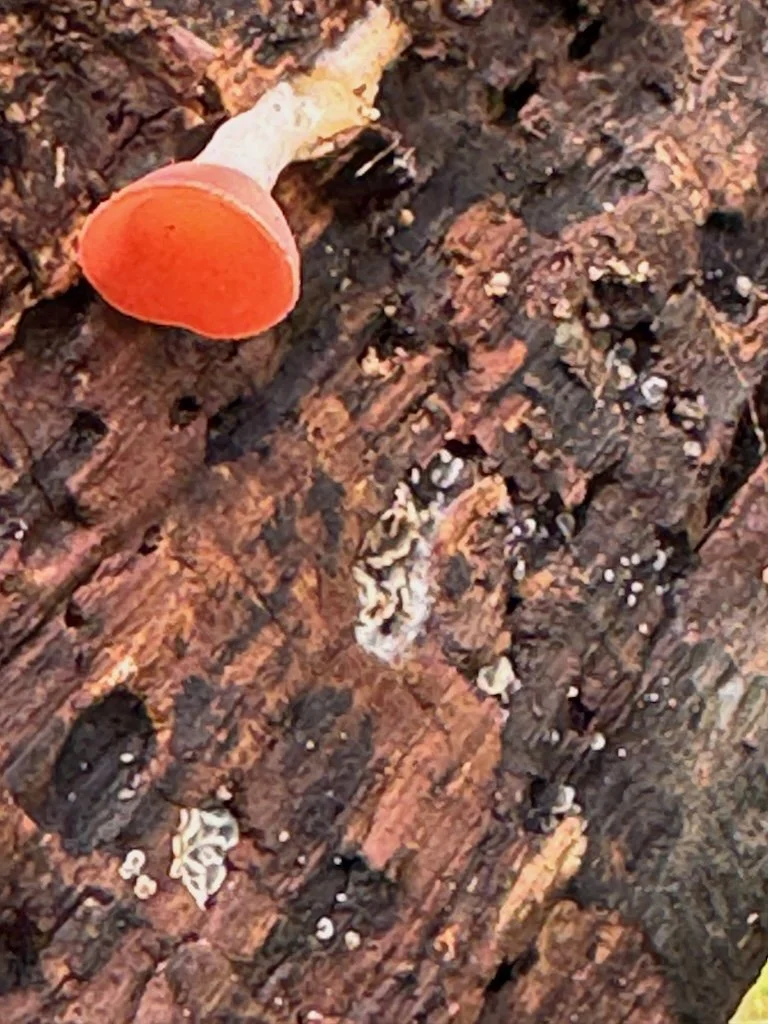
I volunteered for two Earth Day events last week. The first one was on the grounds of a church; several Master Naturalists and I volunteered at two tables contains skulls and pelts….and exploring rotten logs. That’s not my favorite tabling topics…because with skulls and pelts the question about where they came from always come up; my standard answer is that they are provided to us by Missouri Department of Conservation to use for public or school outreach events. I like to contrast skulls/teeth of carnivores and herbivores with omnivores in-between. I had a coyote and red fox representing carnivores, white-tailed deer and beaver representing herbivore….then racoon as an omnivore.

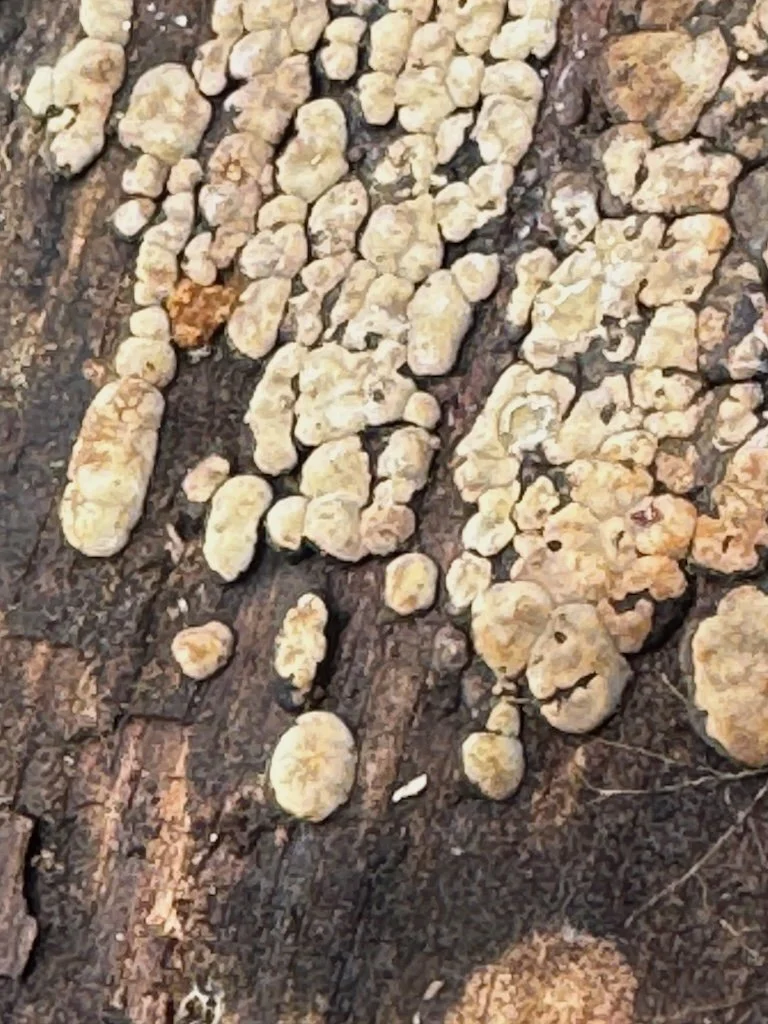
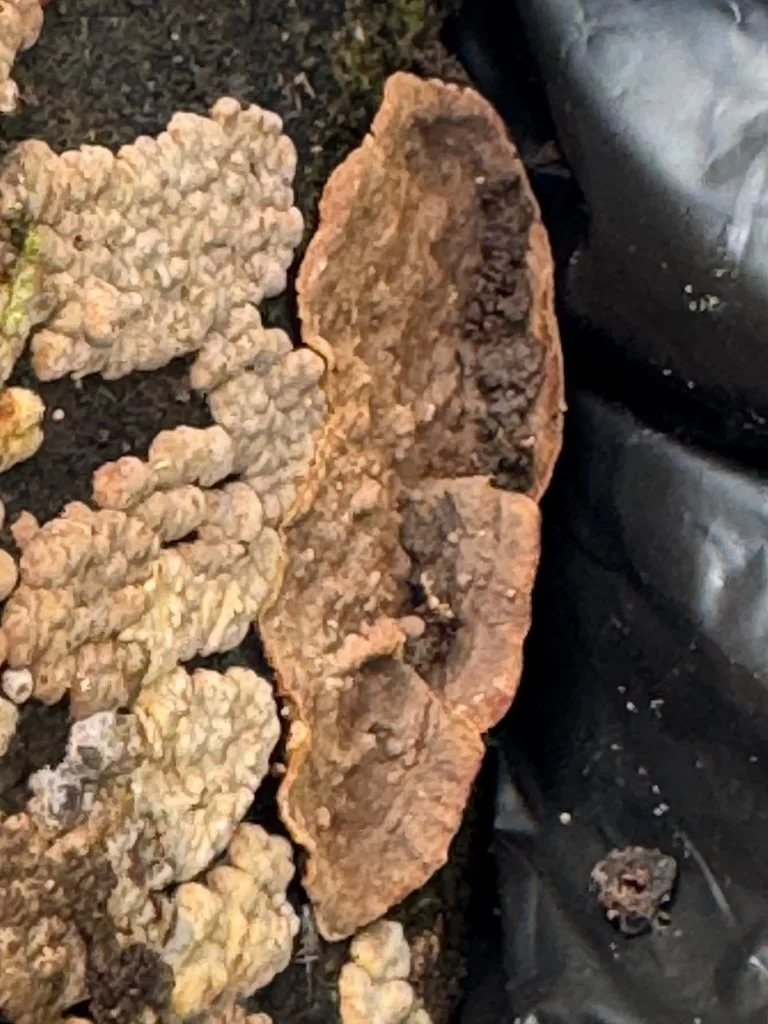
It was a cold morning so there were not many children at the celebration for the first few hours. The rotten logs did not get a lot of attention from the adults that braved the cold. Shortly afternoon, we had some children start to peel off layers of bark and rotting wood looking for critters --- finding some and having a good time looking at the textures of wood and fungi while they worked.

Our tables were under a large tree with a good view of a neighboring sweet gum tree with lots of last fall’s gumballs still on the ground. I was pleased to see that even the decoration of the bathroom inside the church was nature themed!

My shift lasted for 3 hours and it was just warming up enough to shed my coat when I left; I figure that the shift from 1-4 had a lot more traffic!

Stay tuned for a post on my second Earth Table tabling experience where the topic was plastics.

Gleanings of the Week Ending April 25, 2026

The items below were ‘the cream’ of the articles and websites I found this past week. Click on the light green text to look at the article.

4/9/2026 Yale 360 A More Troubling Picture of Sea Level Rise Is Coming into View - Sea levels are much higher than we thought. Real-world oceans are making a mockery of flood-risk forecasts based on crude global modeling. And to make matters worse, coastal lands almost everywhere are subsiding faster than anyone realized — often many times faster than the seas are rising. 

4/10/2026 BBC The air throughout our homes is infused with microplastics. But there are things you can do to breathe less of them - Scientists believe the majority of our exposure to microplastics happens when we're indoors. To solve the microplastic pollution crisis will take a lot more than changes within the home – there are plenty of broader sustainability concerns too. If moving to replace synthetic fibers in your home with natural fibers, for instance, there's also the greater water and land use from organic cotton use to think about. Or if choosing to ventilate your home more to usher away microplastics, that pollution is only being pushed outdoors. Short of systemic change and a global reduction from the 460 million tons of plastic made each year, there's only so much individuals can do. 

4/9/2026 National Parks Traveler Deer Test Positive for Chronic Wasting Disease at Catoctin Mountain Park – We enjoyed Catoctin when we lived in Maryland….I’m sad that the deer there and in nearby parks have tested positive for CWD.

4/08/2026 Smithsonian Magazine See the 2,000-Year-Old Ancient Roman Cargo from an Accidental Shipwreck Discovered at the Bottom of a Lake in Switzerland - Roughly 2,000 years ago, an ancient Roman ship sailed across a large lake in what is now Switzerland, transporting supplies ranging from olive oil to chariot wheels. For some unknown reason, the vessel scattered its cargo across the lakebed. The cargo is in good condition, but researchers are concerned it may become damaged or destroyed by erosion, boat anchors, vandals and looters. As a precautionary measure, they decided to bring the most vulnerable pieces up from the depths.

4/10 2026 Artnet How a Hopi Potter Named Nampeyo Became a 19th-Century Art Star - Born in 1859 in the village of Hano, a Tewa village on First Mesa, in modern-day Arizona, Nampeyo (1859–1942) is believed to have learned the art of pottery making from her paternal grandmother. By the 1870s, Nampeyo was selling her works at trading posts throughout the region. Nampeyo’s legacy is a complex one, shaped by ancestry, archaeology, and the shifting trade systems of the still-expanding United States as it entered the 20th century.

4/11/2026 Science Daily Unusual airborne toxin detected in the U.S. for the first time - Scientists searching for air pollution clues stumbled onto something unexpected: toxic MCCPs drifting through the air for the first time in the Western Hemisphere. Although these pollutants have previously been detected in places like Antarctica and Asia, scientists had struggled to measure them in the air over the Western Hemisphere until this study. These chemicals are commonly used in industrial processes, including metalworking fluids and the production of PVC and textiles. They frequently appear in wastewater and can end up in biosolid fertilizer, also called sewage sludge, which is produced during wastewater treatment. The researchers believe the MCCPs they detected in Oklahoma likely originated from nearby fields where this type of fertilizer had been applied.

4/8/2026 My Modert Met Winners of the Scottish Nature Photography Awards 2025 Celebrate Scotland’s Wild Beauty - The winning photos span 10 primary categories, including Environmental, Natural Abstract, Scottish Botanical, and Scottish Wildlife Portrait, among others. I appreciated the beauty among so many other blog posts that were somber….depressing.

4/3/2026 NWF Blog How to Grow More - Conservation outreach professionals are tasked with the challenge of not only clearly explaining conservation programs but also personally connecting with farmers. This combination of technical skills and personal communication skills is rare, since the skills are seldom taught in school and professional development opportunities are uncommon or unsupported.

4/3/2026 The Conversation Toxic dust from California’s shrinking Salton Sea is harming children’s lung growth - As the lake shrinks, wind blowing across the exposed lake bed kicks up toxic dust left by years of agriculture chemicals and metals washing into the lake. That dust makes its way into the lungs of the children of the Imperial Valley. The study began to show that higher levels of dust exposure, especially among those children living closer to the sea, are linked to poorer lung function, as well as reductions in children’s lung growth over time. Reduced lung function increases the risk for chronic respiratory disease, such as COPD, or more frequent respiratory infections, such as pneumonia, as adults.

3/19/2026 Mongabay Should potentially harmful chemicals be appraised by class, not one at a time? - Some scientists and health advocates are pushing for a “Six Classes” framework that evaluates entire groups of chemicals, or chemically related subgroups, together, flagging them for scrutiny before harm is documented rather than after. The framework targets six broad categories of chemicals that share many common traits: PFAS (per- and polyfluoroalkyl substances), flame retardants, phthalates and bisphenols, antimicrobials, certain solvents, and certain metals.

Suburban Savanna - 1

Shortly after I started the 9-month Missouri Woodland Mentor series back in January, I started pondering whether the sterile suburban yards (highly fertilized, sprayed with pesticides, rigidly trimmed, full of non-native plants, toxic to most wildlife) could be transformed into something with a positive impact on the natural environment. It seemed to me that the definition of a savanna fit closest to what suburbs looked like on the surface: grass interspersed with trees providing less than 30% canopy cover.

There are some qualities of a suburb that would work against it becoming a full-fledged savanna:

There is too much impervious surface: streets, houses, sidewalks, driveways…which means that water will run off more quickly. There are often water retention ponds in newer developments to collect run off – somewhat slow the flow.

The building of the houses and infrastructure often is a severe disruption to the land: scraping off topsoil and hauling it away, removing almost all vegetation, and planting of turf. Sometimes there are a few trees planted by the builder – but they are not necessarily natives.  It takes a long time to recover from that disruption. It is the starting point for neighborhoods to progress toward a suburban savanna.

Even with those challenges, there are things I am already doing to nudge my yard toward the savanna goal:

  • I don’t spray pesticides or herbicides….and I don’t fertilize.

  • I don’t mow the fall leaves in my back yard until late spring (let the moths and insects emerge.

  • The non-native trees to Missouri (a Kousa dogwood and an eastern white pine and a variety of holly) are not going to be cut down…but I am planting more native woody plants: pawpaw, fragrant sumac, spice bush (hosted spice bush swallowtail caterpillars last summer), red buckeye, elderberry, and Ozark witch hazel. A red maple and shortleaf pine are the two native trees that were already growing in my yard. The forsythia and Japanese barberry will eventually be dug up.

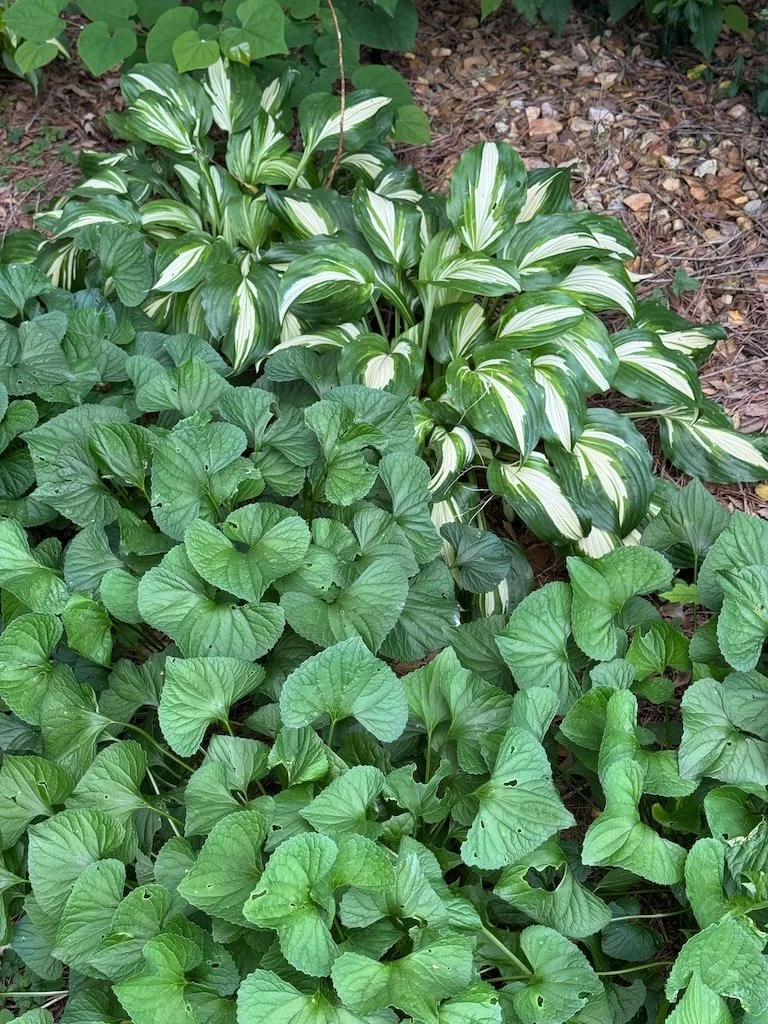
  • The violets that were contained in a bed on the east side of the house when I moved here have been allowed to spill out taking over half the grass/moss area of that side yard. I have noticed more birds finding food in the debris from the violets over this past winter – even that small change has made a difference to birds.

  • I have planted a native plant garden in the middle of my front yard. As it matures – I will extend it so that there will be less ‘turf’ remaining.

  • Last summer I avoided mowing patches of clover I found growing in the year as a step toward improving the quality of the soil.

  • I am learning to recognize goldenrod, asters, and Rudbekia coming up in my yard that I can simply mow around!

I will post next month about my progress transforming my yard into a suburban savanna. My focus currently is on my yard …but I will take every opportunity to encourage others in my neighborhood to begin the process as well.

Gleanings of the Week Ending April 18, 2026

The items below were ‘the cream’ of the articles and websites I found this past week. Click on the light green text to look at the article.

4/2/2026 NPR EPA flags microplastics, pharmaceuticals as contaminants in drinking water – A good move….but not enough, by itself, to do what needs to be done to improve water quality. It seems out of step with what the EPA has been doing recently so I am skeptical.

4/2/2026 Science Daily Study finds dangerous lead levels in children’s clothing - Researchers testing children’s shirts from multiple retailers found every sample exceeded U.S. safety limits, raising concerns about toxic exposure—especially since young kids often chew on clothing. Brightly colored fabrics like red and yellow showed particularly high levels, likely due to chemicals used to fix dyes. Simulations suggest that even brief mouthing could expose children to unsafe amounts of lead, a substance known to harm brain development and behavior. None of the items tested met U.S. safety standards.

4/2/2026 National Parks Traveler Seventy-Three Percent of Marine Protected Areas Are Polluted by Sewage - A study by the Wildlife Conservation Society and the University of Queensland (attached) found that nearly three out of four of the world's marine protected areas (MPAs) are polluted by sewage. In the ocean regions most critical for coral reefs and tropical sea life, the problem is even worse: between 87 percent and 92 percent of protected areas are affected, and typical pollution levels inside these zones are ten times higher than in surrounding unprotected waters. Over 16,000 MPAs globally were evaluated in the study.

4/1/2026 Clean Technica U.S. Coal Exports Decreased in 2025 after 4 Years of Growth - The decrease in U.S. coal exports largely reflects a 92% decrease in exports to China in 2025 compared with 2024, after China imposed a 15% additional tariff on imports of U.S. coal in February of last year and a 34% reciprocal tariff on imports from the United States in April. It also reflects a global market characterized by ample supply and soft demand, which caused prices to decline, making it increasingly difficult for U.S. coal exporters to earn profits. Finally, coal generation in the U.S. domestic coal market rose 13% in 2025, leading to a 12% increase in electric power coal consumption after three straight years of decreases.

3/9/2026 The Scientist Nearly Ten Percent of Cancer Papers Flagged as Potentially Fake - Over the last two decades, the scientific literature has been flooded by low-quality research papers produced by for-profit organizations known as paper mills. It is estimated that suspected paper mill products account for two to 46 percent of manuscripts submitted to scientific journals, with the estimated rate of problematic articles in biomedical research reaching nearly six percent in 2023.

4/1/2026 Smithsonian Magazine Humans Might Struggle to Make Babies in Space. Sperm Gets Disoriented in Microgravity - Many of the proteins found on sperm act as mechanosensors, tiny molecular devices that detect physical forces. Remove the force of gravity, and it stands to reason that these sensors would be thrown off, disrupting the sperm’s ability to orient and navigate. As we progress toward becoming a spacefaring or multi-planetary species, understanding how microgravity affects the earliest stages of reproduction is critical.

4/1/2026 National Parks Traveler Study Finds Microplastics on 45 Percent of Beaches - A 2025 study collected samples from 209 beaches across 39 countries and 6 ocean basins, discovering that 45 percent of the beaches contained “suspected microplastics” (those visually identified but not yet confirmed through further analysis). Some of the samples came from Padre Island National Seashore in Texas, where microplastics may indirectly reduce the turtle nesting success of species like the endangered Kemp’s ridley sea turtle.

4/1/2026 NPR The oil industry is betting big on plastics. Here's what that means for the future - Beth Gardiner, a journalist and author of the new book "Plastic Inc.: The Secret History And Shocking Future Of Big Oil's Biggest Bet." In it, she argues that while millions of us have been trying to use less plastic, the fossil fuel industry has been making more. Plasticis Big Oil's plan B. The less we use, the more they make.

4/20/2026 Smithsonian Magazine This High School Student Invented a Filter That Eliminates 96 Percent of Microplastics from Drinking Water - Her current prototype, which is about the size of a standard bag of flour, consists of three modules. The first unit, about a liter in volume, holds the contaminated water inside it, while the second stores the magnetic oil-based ferrofluid. The core process takes place in the third module, which is much smaller. A magnetic field pulls the microplastics out of the water, and the ferrofluid is recovered and reused in a closed loop. --- I hope there is follow-up to this story!

3/30/2026 CNN Millions of preterm births and thousands of infant deaths linked to plastic chemical - Two chemicals used to make plastic more flexible are linked to nearly 2 million premature births and the deaths of 74,000 newborns worldwide in 2018, according to a new study. Babies who survive may have breathing problems, feeding difficulties, cerebral palsy, developmental delay, vision problems, and hearing problems. he two chemicals in the study — Di-2-ethylhexylphthalate, or DEHP, and its cousin diisononyl phthalate, or DiNP — are part of a family of synthetic chemicals called phthalates. Meaningful protection cannot rely solely on individual behavior. The most effective solutions are upstream, including stronger regulations, safer product formulations, better labeling, and improved environmental management and regulatory oversight.

Gleanings of the Week Ending April 11, 2026

2/23/2026 I’m Plastic Free Watched The Plastic Detox? Your Guide to Reducing Microplastics Exposure - The Plastic Detox is a powerful documentary exposing the hidden health risks of plastics in our homes. As six couples commit to removing plastic from their homes, the experience transforms their families in lasting ways. The documentary uncovers what microplastics are, how their associated chemicals affect our bodies, and what practical steps individuals can take to regain control over their health.

3/30/2026 BBC Salmon sperm to bird droppings: The science behind bizarre skincare trends - While even the most bizarre of skincare routine fads may have some scientific backing, scientists think that options for the next generation of skincare therapies will involve, among other things, finding new ways to optimize collagen supplementation. Other new therapies are exploring novel ways of manipulating the skin microbiome, the populations of invisible microbes that live on our faces and contribute heavily to the inflammation present in our skin.

3/30/2026 Smithsonian Magazine Sharks in the Bahamas Test Positive for Drugs, Including Cocaine and Painkillers - Sharks in the Bahamas are ingesting drugs—including cocaine, caffeine and painkillers. Scientists identified blood contamination in about one-third of tested animals, findings that further highlight how humans are harming marine environments. While the detection of cocaine—an illicit substance—tends to draw immediate attention, the widespread presence of caffeine and pharmaceuticals in the blood of many analyzed sharks is equally alarming.

3/30/2026 ScienceDaily Simple therapies beat drugs for knee arthritis pain relief - Non-drug treatments like knee braces, hydrotherapy, and exercise can significantly ease knee osteoarthritis symptoms. These approaches not only reduce pain and improve mobility, but also avoid the risks tied to common medications.

3/27/2026 NWF Blog Building hope, organizing communities, and strategic planning on Florida’s Coast - To learn more about the Tampa Bay Coastal Master Plan and efforts to use nature-based solutions to adapt to sea level rise and climate change, with resilient strategies like living shorelines, habitat enhancements, and habitat preservation, please visit this site.

3/26/2026 The Conversation Mosquitoes carrying malaria are evolving more quickly than insecticides can kill them – researchers pinpoint how - The mosquito-borne disease malaria kills over 600,000 people annually. Mosquitoes are quickly evolving counterstrategies that make these insecticides ineffective, putting millions of people at greater risk of deadly infection. Mosquitoes today from Ghana to Malawi are often able to survive insecticide concentrations 10 times the previously lethal dose. Genome-scale sequencing remains important to detect new or unexpected evolutionary responses. The risk of adaptation is highest under a continuous, strong selection pressure, so minimizing, switching and staggering pesticides can help thwart resistance.

3/25/2026 CleanTechnica Why Nature-Based Investments Produce Results - Nature-based solutions have the potential to lift a billion people out of poverty, create 80 million jobs, add an additional $2.3 trillion of growth to the global economy, and prevent $3.7 trillion of climate change damages. Investing in biodiversity conservation and restoring ecosystems have a lot going for them.

3/23/2025 NASA A Fault Line in Bloom – Flowers had turned areas around Soda Lake a bright shade of yellow, and by mid-month, they had spread even farther. Yellow wildflower blooms are visible amid the dendritic network of streams flanking the alkaline lake, which dries out completely during drought years. Colors were particularly vibrant across the Carrizo Plain National Monument, even decorating meadows along the zipper-shaped San Andreas Fault with splashes of purple due to blooms of Phacelia ciliata.

3/30/2026 National Parks Traveler Three Florida Reef Corals "Functionally Extinct" Due To Marine Heat Waves - Extinction has claimed staghorn and elkhorn corals, whose distinctive antler-like arms once peppered the sea floor off Florida but now are all but impossible to find thanks to warming waters and disease throughout their coastal habitat. They are “functionally extinct,” meaning they lack numbers and health to survive threats facing them in the wild. It doesn’t mean they are entirely gone. Scientists are keeping the two species alive in coral nurseries, both onshore and offshore. Many facilities are working to preserve them and raise their offspring as just one aspect of efforts to save the Florida Reef, a 350-mile-long collection of reefs besieged by disease and marine heat waves since the 1970s that have robbed the reef of an estimated 98 percent of its live coral cover. Pillar coral was designated functionally extinct in 2020. On a positive note - elkhorn and staghorn corals typically are ready to move from onshore nurseries into the ocean in about 18 months.

3/30/2026 Yale Environment 360 Even a Few Scattered Trees on Farmland Can Be a Boon for Wildlife - ll told, 58 scientists took part in the effort, using on-the-ground surveys, sound monitoring, and satellite imagery to track close to 2,000 species of birds across more than 1,000 forest remnants. They found that a fragment of forest surrounded by farmland might host more than twice as many bird species as a reservoir island of the same size. 

Plastic Crisis – So Many Reusable Bags

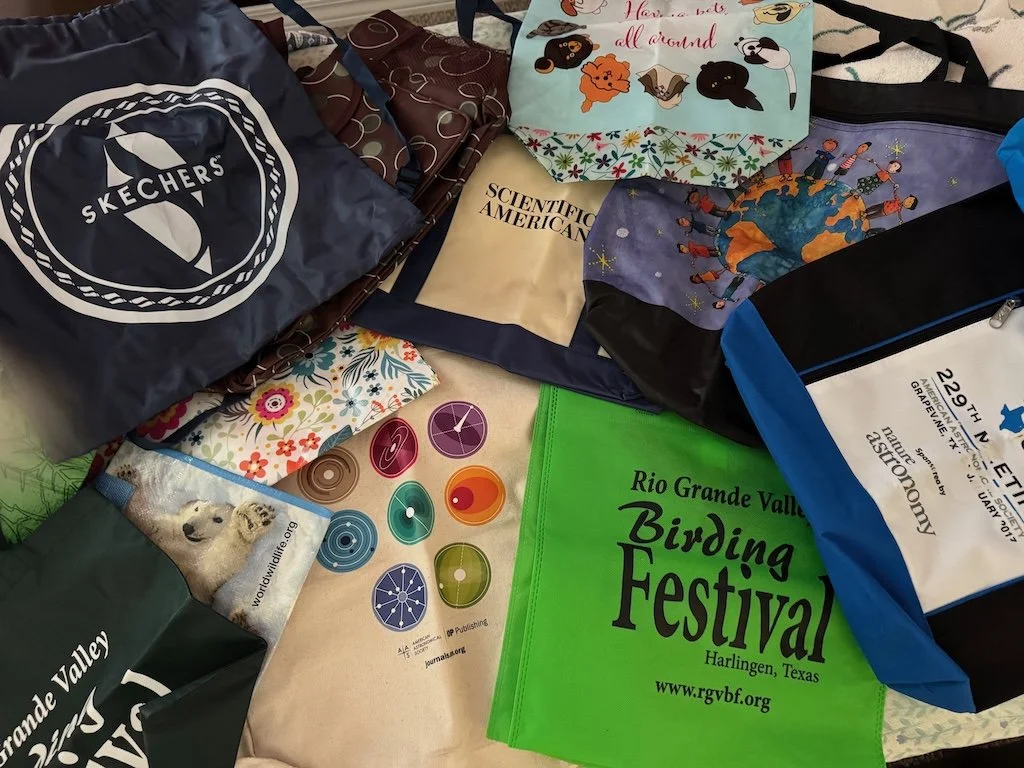
I have started sorting through the reusable bags I’ve gotten from conferences and as gifts after a donation…realizing that there are quite a few of them. One of my sisters did the same thing and I brought them back last time I went to Dallas. There are some that were brought to the last Master Naturalist meeting that I still need to retrieve from the person that collected them; they said there were quite a few. It is good to have a collection for our “BYOB (Bring your own bag)” campaign to reduce single-use plastic bags. Our plan is to hand them out to anyone wanting one when we are tabling at events and farmers markets.

While I was going through the bags, I realized how many were from birding events….they usually have the name of the event on the bag but not always the year. Sometimes the charities broadcast their name on the bags they send as gifts, other times it is just a pretty bag.

It will be interesting to see how people respond to the idea. I’ve been using my own bags for more than a decade but it’s obvious when I go to the store that most people have yet to make the transition.  To me -  it was one of the easiest ways to reduce single-use plastic entering my home! And it has long become habitual rather than something I think much about.

Gleanings of the Week Ending April 4, 2026

The items below were ‘the cream’ of the articles and websites I found this past week. Click on the light green text to look at the article.

3/23/2026 Smithsonian Magazine These Mesmerizing Waterfalls Flow Only Every Few Years. See the Rare Marvel Now in Southwest Utah - A rare red rock waterfall is flowing once again in southwest Utah, leaving visitors in awe of its cinematic beauty.

3/23/2026 Science Daily Scientists discover hormone that may stop chronic back pain at its source - A hormone-based treatment could help ease chronic back pain by reducing abnormal nerve growth within damaged spinal tissue. During spinal degeneration, pain-sensing nerves grow into regions where they normally do not exist. Our findings show that parathyroid hormone can reverse this process by activating natural signals that push these nerves away.

3/14/2026 NPR Reframing Georgia O'Keeffe's legacy and protecting the land she loved - A historic new conservation plan will protect that landscape, with its colorful cliffs and buttes, forevermore.

3/12/2026 Clean Technica Extreme Heat Limits Outdoor Activities for One Third of Human Population -Scientists from the Nature Conservancy have published a study in the journal Environmental Research — Health that finds nearly a third of people alive today are unable to work outdoors safely in the higher temperatures prevalent in much of the world. On average, people over 65 now experience about 900 hours each year when heat severely restricts safe outdoor activity, compared with 600 hours in 1950. The most severe challenges are found in southwest Asia — Bahrain, Qatar, Kuwait, the United Arab Emirates, Iraq, and Oman,; south Asia — Pakistan, Bangladesh, and India; and parts of west Africa — Mauritania, Mali, Burkina Faso, Senegal, Djibouti, and Niger.

3/16/2026 National Wildlife Federation Toxins of the Past and Present: Why We Need the EPA - Environmental protections are critical for the health of our ecosystems and communities, and the science and regulatory capacity of the EPA exists to prevent the dire adverse health outcomes caused by environmental pollution–for people and wildlife. Without efforts to protect us, we risk exposure to toxins of the past and present–a fight that has been going on in the United States for decades.

3/26/2026 Yale Environment 360 As It Boosts Renewables, China Still Can’t Break Its Coal Addiction - China is the biggest installer of renewable energy, the biggest emitter of greenhouse gases, and the biggest user of coal.

3/26/2026 BBC An unstoppable mushroom is tearing through North American forests. Fungi enthusiasts are doing damage control - A rogue mushroom native to Asia is ripping through North American forests, after escaping from cultivation. As it runs riot, mushroom enthusiasts are rescuing the native fungi in its path. Native to Asia, the fungus was brought over to the US to be cultivated for food sometime around the early 2000s. Because it fruits so heavily, it proved to be popular with both professional and home growers. It has a high yield, meaning more profit for growers. t's now been found in 25 US states and one Canadian province.

3/24/2026 ArtNet More Than 300 Yayoi Kusama Works Take Over a German Museum – The artist is now 97 years old….lots of polka dots and pumpkins!

3/24/2026 New York Times Wicked Stepmother No Longer, a Female Pharaoh Gets a Reputational Makeover - In the 1920s, while excavating for tombs at Deir el-Bahri in Luxor, archaeologists were confronted with a baffling crime scene: thousands of smashed statues and desecrated reliefs of Hatshepsut, one of ancient Egypt’s few, and most successful, female pharaohs. New scholarship shows that a good portion of the harm was incidental, caused by the physical removal of her statuary from her temples.

3/27/2026 The Conversation A flesh‑eating fly is advancing towards the US border – can it be stopped? - The New World screwworm (Cochliomyia hominivorax) lays its eggs in open wounds and in the orifices of live, warm-blooded animals – including, occasionally, humans. The maggots then devour the animal’s flesh, causing devastating lesions that can quickly kill the infested host. Before the 1950s, it was found in the southern states of the US, where cattle infestations caused heavy financial losses for beef producers. But, during the second half of the 20th century, eradication efforts pushed it out of North and Central America. In the past few years, however, screwworm control has unraveled, with cases spiking across Central America. The fly has now spread north through Mexico, reaching two Mexican states – Tamaulipas and Nuevo Leon – that share a border with Texas. International cooperation is required for management at a geographically relevant scale.

Gleanings of the Week Ending March 28, 2026

The items below were ‘the cream’ of the articles and websites I found this past week. Click on the light green text to look at the article.

3/23/2026 Washington Post What an oncologist wants you to know about environmental cancer risks - Given what we know about how microplastics can cause damage in the body, the increase in early onset colorectal cancer in the U.S. and the similarities in timing between the increase in cancer rates and the rapid increase in microplastics in the environment, many experts suspect that microplastics are a risk.

3/14/2026 BBC The strange deep-sea creatures that eat whales - Whales usually die far out to sea, scattered along their often vast migration paths. t first, the carcass may float as the gases inside make it swell up like a balloon. Then the whale sinks – through the sunlight, twilight and midnight zones – eventually reaching the darkness of the abyss, its final resting place. In death, the whale gives life, becoming an immense island of food.

3/16/2026 MSN Couples with infertility 'detox' from plastic to get pregnant in new Netflix doc. Does it work? - A new Netflix documentary called "The Plastic Detox" is a sobering look at all the ways that plastic harms our bodies and the planet — especially our reproductive health. Shanna Swan, Ph.D., a professor at Mount Sinai in New York City, is one of the prominent figures sounding the alarm on the effects of environmental pollutants on fertility. For the documentary, she worked with five couples who'd been struggling to get pregnant for years without a medical explanation. The goal? To reduce their exposure to plastics to see if they could conceive. In the end of the documentary, it's revealed three of the couples had gotten pregnant, and one was expecting again. The results were also published in a study in the journal Toxins on March 16.

3/20/2026 Yale Environment 360 In Mexican Forests, Monarch Butterflies Halt Their Decline - For the past quarter century, the future of monarch butterflies has looked dire, with these iconic American insects flitting toward extinction. Now, however, there is at least a small reason for hope: New data from WWF Mexico, a large conservation group, offers further evidence that the decline of eastern monarchs — the world’s largest population — has stopped, even as the insects face worsening threats across their range.

3/16/2026 Our World in Data Why cheap waste management is key to stopping plastic pollution – I was disappointed in this article. They completely miss the issue of food packaged and heated in plastic. Yes – that plastic packaging does not get loose in the environment but the microplastics (and chemicals) that leach into food gets into our bodies. And the leachate coming off lined landfills in countries with good waste management systems includes microplastics that the sewage treatment plants don’t take out before the liquid is released back into streams….and that will continue to happen for many years to come. And what happens when the liners of the landfills begin to break down and the leachate goes more directly into the environment. The answer in probably not cheap waste management…we need to be look at less waste – particularly less plastic waste.

2/17/2026 NASA Winds Whip Up Fires and Dust on the Southern Plains – This satellite image is from mid-February but I noticed smoke in the air as I drove on I-44 east of Tulsa last weekend! I don’t know if it was wildfires or controlled burns…but I was glad I had a portable air purifier in my car!

3/21/2026 I’m Plastic Free 9 Essential Ways to Reduce Plastic Waste on Your 2026 Travels – I would add a reusable bowl/plate for hotel breakfasts (along with cutlery…I take stainless steel cutlery since I have an extra set…and simply clean then to reuse…I have a tin that keeps them together).

3/18/2026 Smithsonian Magazine Cannibalistic Blue Crabs Are Eating Their Younger Peers in Part of the Chesapeake Bay - Young blue crabs find refuge from many predators in the mid-salinity waters of some spots along the Chesapeake Bay. But there, they face another threat: Getting eaten by their older peers.

3/16/2026 National Parks Traveler What It Takes to Clean a Yellowstone Hot Spring - Cleaning hot springs is hard work! Some remediations, like the Grand Prismatic Overlook trail spring, require shovels, strainers, and grabber tools. The cleaning of Solitary Geyser, however, required a hook with a 16-foot extendable handle to remove large objects within the interior parts of the pool and hand rakes to collect the hundreds of wood splinters that had been thrown into the splash basins around the pool margin.

3/13/2026 Science Daily Microplastics may be quietly damaging your brain and fueling Alzheimer’s and Parkinson’s - Researchers identified five key biological pathways that may allow microplastics to harm the brain. These include activating immune cells, increasing oxidative stress, disrupting the blood-brain barrier, interfering with mitochondria, and damaging neurons. The review also describes how microplastics might contribute to specific neurodegenerative diseases. In Alzheimer's disease, they may promote the buildup of beta-amyloid and tau proteins. In Parkinson's disease, they could encourage aggregation of α-Synuclein and harm dopaminergic neurons. Additional studies are needed to confirm a direct causal link. Even so, the researchers recommend practical steps to reduce everyday exposure. We need to change our habits and use less plastic. Steer clear of plastic containers and plastic cutting boards, don't use the dryer, choose natural fibers instead of synthetic ones and eat less processed and packaged foods.

Plastic Crisis – The Plastic Detox

The Plastic Detox (trailer) is a documentary that was released by Netflix on March 16th. This documentary follows the research of Dr. Swan and other experts in the field, covering the impact on human development and showing how we can take matters into our own hands. It’s so easy for the microplastics conversation to be doom and gloom ---- this movie hints at a path forward…a hopeful component even while we acknowledge that there is a lot that needs to be done.

As a Missouri Master Naturalist, I am concerned of the degradation of the environment for wildlife (plants and animals) by plastics. The documentation of plastic impact on human health has a huge audience…and I am hopeful that some of the actions we take to detox for ourselves helps the larger environment as well.

The movie is well-timed for the outreach work the Beyond Plastics Ozarks (the local group of Beyond Plastics that I am part of) will be doing in the next few months! Many people will watch it on their own…and we might plan showing/discussion group sessions several times this year.

Gleanings of the Week Ending March 21, 2026

The items below were ‘the cream’ of the articles and websites I found this past week. Click on the light green text to look at the article.

3/8/2026 Our World in Data What are the world’s deadliest animals, and can we protect ourselves against them? – Mosquitoes and snakes top the list! In many regions, deaths from mosquitoes have decreased dramatically. Malaria was once prevalent in countries that are now free of it. If we could achieve this in all parts of the world, the number of deaths caused by other animals would be almost six times smaller. If we were to also eliminate deaths from snakes with antivenoms and better diagnostics, the death toll would be again reduced by almost two-thirds.

3/8/2026 Science Daily Scientists stunned to find signs of ancient life in a place no one expected - Chemosynthetic microbes—organisms powered by chemical reactions—creating the mats in the dark depths of an ancient ocean.

2/24/2026 BBC 'It seemed to defy the laws of physics': The everlasting 'memory crystals' that could slash data center emissions -Silica and DNA are "very attractive from a sustainability perspective", acknowledges Tania Malik, assistant professor at the School of Informatics and Cybersecurity at Technological University Dublin in Ireland. "However, these technologies are unlikely to replace conventional storage for everyday computing or AI workloads anytime soon."

2/11/2026 The Scientist Oak Trees’ Drought Resilience is Rooted in Microbes - Oak trees maintained relatively stable microbial communities with subtle shifts in response to drought stress. They observed an increased abundance of Actinobacteriota, which are linked to drought tolerance, and other bacterial and fungal genera, suggesting that the oak trees can recruit beneficial organisms under stressful conditions. These changes could help researchers identify additional bacterial biomarkers as trees adapt to climate change.

3/9/2026 Compound Interest International Women’s Day: Twelve women from chemistry history – 12 women chemists from around the world.

3/8/2026 National Parks Traveler North Kaibab Trail at Grand Canyon National Park Seriously Damaged by Debris Flows - Debris flows in the wake of the Dragon Bravo fire at Grand Canyon National Park last year heavily damaged sections of the North Kaibab Trail, which will require some significant rebuilding in places this spring.

3/6/2026 Clean Technica It’s Time for an Authentic Golden Age of Agriculture - Contemporary industrial agriculture is less about producing food and more about generating animal feed, biofuels, and industrial ingredients for processed food products. Frank Carini of ecoRINews argues that producing more local food requires a series of changes. He offers a series of steps:

  • Stop taking farmland out of production;

  • Provide better financial support to local and regional farmers;

  • Increase funding for federal extension services;

  • Approve more bond money for farmland protection;

  • Attract young farmers to the profession;

  • Make farmland affordable; and,

  • Use the land we do have with our future in mind.

3/6/2026 Planetizen Hundreds of Vacant NYC Public Housing Units ‘Taken Over’ by Squatters –Vacancies often result from the need to make extensive renovations before units can be leased out when a prior tenant leaves. That frequently includes costly lead paint and asbestos abatement—required by local law and under NYCHA’s federal monitorship—work which takes an average of four to six months to complete, officials have said. In general, it takes the housing authority an average of 326 days to “turnaround” a vacant apartment for new occupancy, according to the most recent public data.

3/5/2026 Smithsonian Magazine See the New U.S. Postage Stamp Honoring the Bison, America’s National Mammal – A stamp within a stamp design.

3/4/2026 The Conversation Pollution, noise and climate stress all pose a serious threat to heart health - In an unprecedented collaboration, the European Society of Cardiology, the American College of Cardiology, the American Heart Association and the World Heart Federation have issued a joint statement calling for immediate action against environmental stressors – pollution, noise, climate stress – to reduce cardiovascular mortality. The question is no longer whether pollution causes cardiovascular disease, but how much additional harm we are willing to accept knowing that it is, to a large extent, preventable.

Friends of the Library

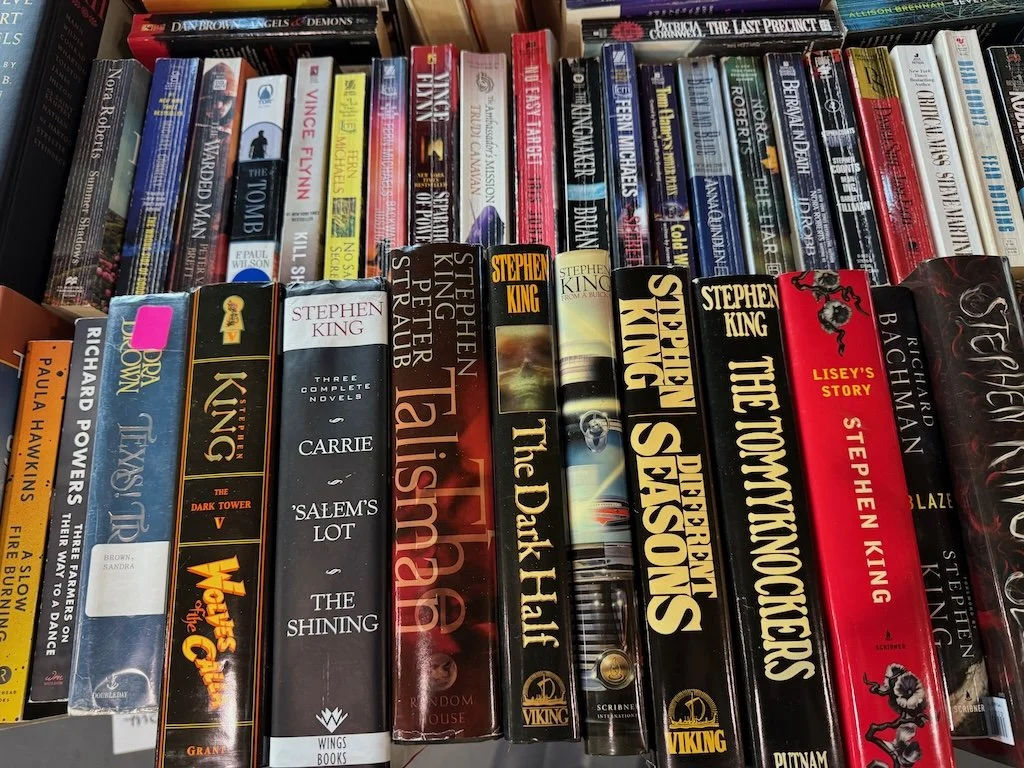
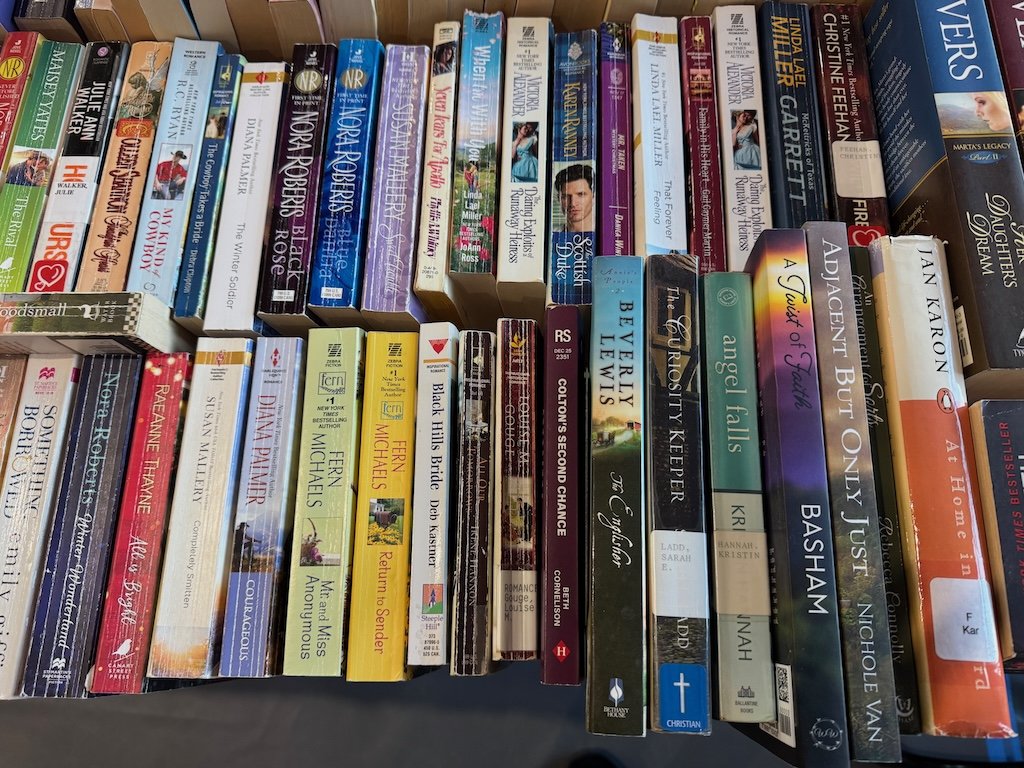
I volunteered with my local Friends of the Library (FOL) to set up 5 tables of used books/puzzles for an Indoor Garage Sale event at the local community center; the gymnasium floor was covered and taped for the event and there seemed to be plenty of other participants – no other used books though.

This year the Friends of the Library are adding more places the used books are getting sold although the annual sales associated with each library are also continuing. The prices are the same at all the events. Hopefully the net will be increased sales by getting the used books seen by a different audience….and more $$ for library programs!

I focused on the history and biography table. There were enough other volunteers to get the 5 tables fully loaded in less than an hour. It was so quick that my back didn’t bother me at all!

The tables and boxes of books were brought over on a truck…and we were hopeful that the load returning will be just the tables! Any books left after events are boxed to go to a book reseller…not saved for a future FOL event.

Gleanings of the Week Ending March 14, 2026

The items below were ‘the cream’ of the articles and websites I found this past week. Click on the light green text to look at the article.

2/25/2026 The Scientist Forever Chemicals May Accelerate Aging in Middle-Aged Men - The team detected the PFAS perfluorononanoic acid (PFNA) and perfluorooctanesulfonamide (PFOSA) in 95 percent of the participants. PFNA and PFOSA, both invented in the middle of the 20th century, are still used widely today in consumer products designed to be stain-, grease-, and water-repellent. To reduce risk, individuals can try to limit their consumption of packaged foods and avoid microwaving fast-food containers. Looking ahead, we are actively modeling how PFAS interacts with other common pollutants, as we need to understand the cumulative health risks of these chemical mixtures

3/1/2026 BBC Can ‘friction-maxxing’ fix your focus? - While modern technology can streamline day-to-day life, making everything from dating to food delivery more efficient, it may come at a cost: early data suggests that our attention span may be shortening, critical thinking capabilities weakening, emotional intelligence fading, and spatial memory getting worse as we offload human tasks to our devices. Analogue hobbies such as crafting, gardening or reading – which involve friction as opposed to scrolling or streaming – can act as "active meditation", calming the mind and reducing stress. One 2024 study of more than 7,000 adults living in England found that those who engaged in crafting or the creative arts were more likely to report significantly higher life satisfaction, a greater sense that life is worthwhile and increased happiness. 

2/24/2025 The New York Times Plastic, Plastic Everywhere - Peak oil may be on the horizon. But peak plastic is nowhere in sight. In a new book, “Plastic Inc.,” the journalist Beth Gardiner digs into an industry that mostly flies below the radar but has huge impacts on human health, environmental pollution and global warming.

3/5/2026 Yale 360 Species Slowdown: Is Nature’s Ability to Self-Repair Stalling? - When scientists recently analyzed hundreds of studies of ecosystems, they were surprised to see a marked slowing in the rate of species turnover. If new species don’t replace old ones, they say, ecosystems may have less flexibility to respond to habitat loss and climate change.

2/28/2026 KCTV A ban on mini liquor bottle sales in five Kansas City neighborhoods officially introduced - Mayor Quinton Lucas and Councilwoman Melissa Robinson officially introduced an ordinance Thursday that would ban the sale of certain single-serve alcohol products in five Kansas City neighborhoods - — areas the city said have documented public safety concerns and recurring quality-of-life complaints from residents.

3/5/2026 The Conversation Choosing to buy organic food depends more on trust than taste - Organic labels work only when the system behind them is trusted. This has important implications at a time when food prices are rising and trust in public institutions is under pressure in many countries.

2/2/2026 Washington Post Baggies, retainers and more: 5 microplastics questions, answered - If you only have the bandwidth for a few battles, heating food in plastic is the bigger front. Most experts agree that ultra-processed foods are likely the biggest source overall in our diets. Food that comes packaged in plastic is obvious, but there are exposures during industrial processing that we don’t see. That’s one more reason to lean toward whole foods when you can.

3/4/2026 National Parks Traveler Study Finds Bird Populations Are In Decline As Panel Considers Weakening Key Act - Bird populations are in decline, with billions fewer birds are flying through North America compared to a decade ago, according to a study published in February 2026. The researchers found that about half of the 261 species analyzed showed significant declines from 1987 to 2021, and a quarter showed accelerating declines. The study points out that the declines are primarily because of high-intensity agriculture and warming temperatures. The findings come as a congressional panel is holding a hearing to consider weakening the Migratory Bird Treaty Act. Extinction starts with declines like these, and birds are often the indicators that our environment is too toxic to support other life.

3/4/2026 Science Daily Millions with joint pain and osteoarthritis are missing the most powerful treatment - Despite affecting nearly 600 million people worldwide — and potentially a billion by 2050 — the most powerful treatment isn’t surgery or medication. It’s exercise.

2/26/2026 Canary Media Balcony solar is taking state legislatures by storm - Plug-in solar is already booming in Europe. As many as 4 million households in Germany have installed the systems, which people can order through Ikea. 28 states and D.C. are considering plug-in solar bills.

Gleanings of the Week Ending March 07, 2026

The items below were ‘the cream’ of the articles and websites I found this past week. Click on the light green text to look at the article.

2/20/2026 BBC How ultra-processed foods affect our gut microbiome - The additives added to processed food to keep it fresher for longer might be having an unexpected effect on the health of the microbes in our guts. Research carried out on both animals and humans appears to pinpoint a direct link between emulsifiers and ill health. One French study of more than 100,000 adults in 2024 found those who were more exposed to emulsifiers had a greater risk of type 2 diabetes. Another study of more than 90,000 adults found a potential link between emulsifiers and breast and prostate cancers.

2/20/2026 Smithsonian Magazine Researchers Retrieve the Deepest-Ever Rock Core from Beneath Antarctica’s Ice. It Holds Clues About the Earth’s Past—and Future - The 748-foot-long sediment core contains a record of roughly the past 23 million years, including periods when the planet’s surface temperature was hotter than it is today.

2/20/2026 National Parks Traveler Tidal Basin Gets Hundreds of New Cherry Trees - Paid for by a generous donation from the nation of Japan, the trees represent the most recent chapter in this remarkable cultural exchange dating back to Japan's original gift of cherry trees in 1912.

2/19/2026 Science Daily New sodium ion battery stores twice the energy and desalinates seawater - Being able to use sodium vanadate hydrate in salt water is a really exciting discovery, as it shows sodium-ion batteries could do more than just store energy -- they could also help remove salt from water. In the long term, that means we might be able to design systems that use seawater as a completely safe, free and abundant electrolyte, while also producing fresh water as part of the process.

2/18/2026 The Guardian Hazardous substances found in all headphones tested by ToxFREE project - Bisphenol A (BPA) appeared in 98% of samples, and its substitute, bisphenol S (BPS), was found in more than three-quarters. Synthetic chemicals used to stiffen plastic, BPA and BPS mimic the action of estrogen inside organisms, causing a range of adverse effects including the feminization of males, early onset puberty in girls, and cancer. Previous studies have shown that bisphenols can migrate from synthetic materials into sweat, and that they can be absorbed through the skin. Given the prolonged skin contact associated with headphone use, dermal exposure represents a relevant pathway, and it is reasonable to assume that similar migration of BPA and its substitutes may occur from headphone components directly to the user’s skin.

2/17/2026 The Conversation Air pollution may directly contribute to Alzheimer’s disease – U.S. researchers tracked nearly 28 million older adults over six years nationwide. They found that those exposed to higher levels of fine particulate air pollution were more likely to develop Alzheimer’s. The US study used Medicare insurance claims to confirm Alzheimer’s diagnoses and area data by postcode for fine particle pollution levels. It also looked at other factors that could explain the link, such as the proportion of smokers or overweight people living in more or less polluted areas.

1/15/2026 Science Daily Scientists question the safety of BPA-free packaging - BPA-free is an incredibly misleading label. It usually means one bisphenol has been swapped for another, and there are more than 200 of them. Some may be just as harmful, or even worse. We need to test these compounds before they're widely adopted, not after.

2/11/2026 Archaeology Magazine What Caused Ancient People to Abandon a Fruitful Bison Hunting Site? - For around 700 years, Native people of the American Great Plains hunted bison at a site in central Montana that archaeologists call Bergstrom. Then, around 1,100 years ago, humans abandoned the site even though bison remained abundant in the area. Researchers discovered that drought caused the water supply to process the animals at the site dried up…forcing the hunters to move away.

2/23/2026 Planetizen California Seals 21 Urban Oil Wells in South LA After Decades of Activism – There are too many stories like this – why do we ever trust the oil companies to not walk way and leave a toxic mess? I’m glad the state is stepping in…but the companies that made money from the site over the years need to be held financially accountable.

2/23/2026 Science Daily Babies exposed to far more “forever chemicals” before birth than scientists knew - By using advanced chemical screening on umbilical cord blood, scientists detected 42 different PFAS compounds, including many that standard tests do not routinely check for. These long lasting chemicals are found in common products like nonstick cookware, food packaging, and stain resistant fabrics, and they can build up in the body over time. The study helps show that prenatal PFAS exposure is more complex and widespread than earlier studies suggested

Plastics Crisis: Milk

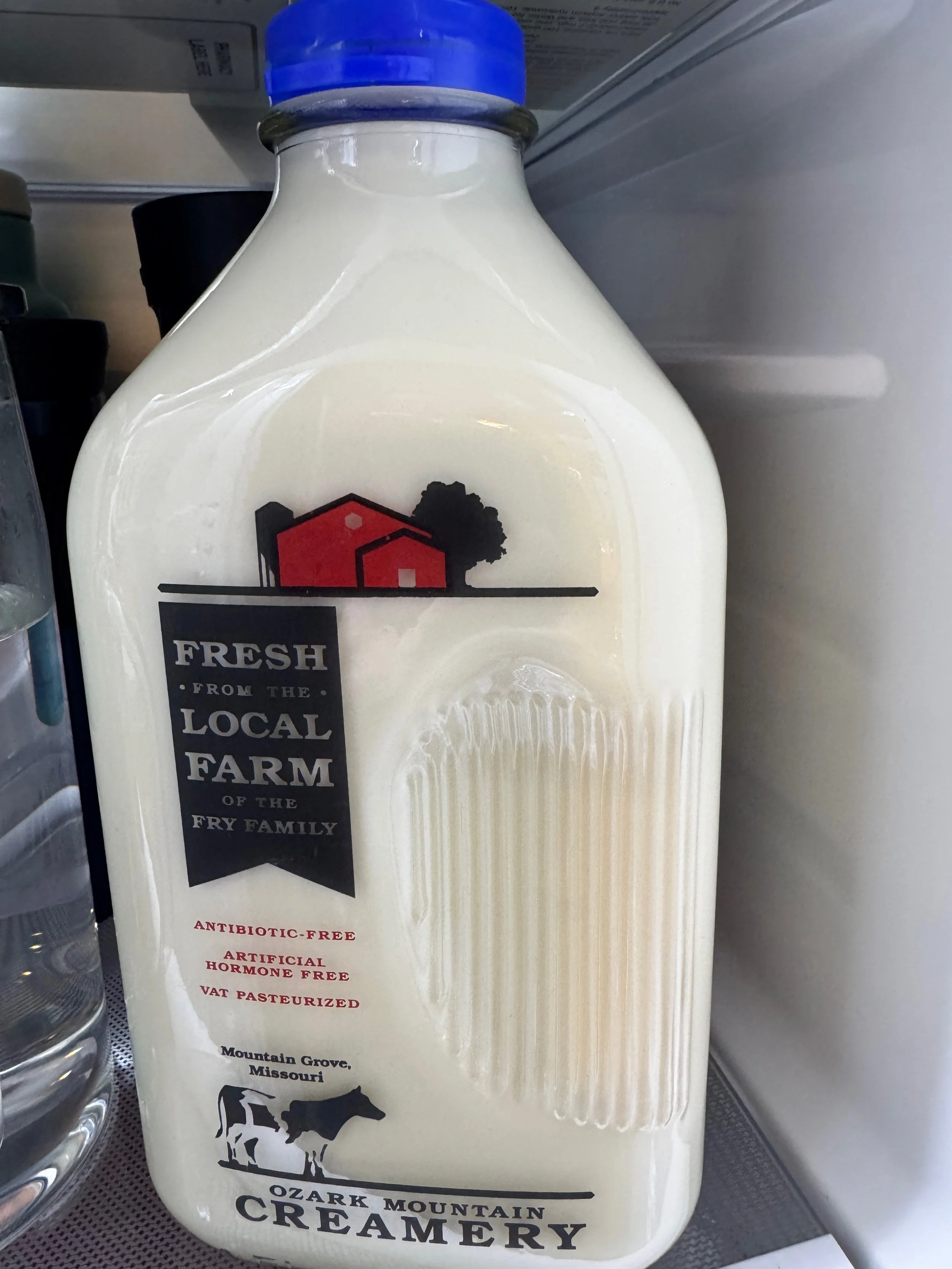
My regular grocery store only had milk in plastic jugs and plastic lined cartons. That is not good since milk has enough fat to make the chemicals in the plastic more likely to leach into the milk. Recently by daughter noticed that there was an option of milk in glass bottles at her grocery store and I am trying it! There is a deposit on the glass bottle to encourage people to return them…and buy the milk again!

The milk is from a dairy located about an hour from Springfield MO. They use low temperature vat pasteurization; I read that many people with lactose intolerance can drink the milk without problems…and I am pleasantly surprised that it is true for me.  

While I don’t know the plastics that might be in the dairy processing, at least the packaging of the milk is in a reused glass bottle and the ability to drink it without taking a Lactaid is just another benefit. The only downside is that it is a bit more expensive; for me the benefits outweigh that expense.

Gleanings of the Week Ending February 28, 2026

The items below were ‘the cream’ of the articles and websites I found this past week. Click on the light green text to look at the article.

2/16/2026 Journal of Advanced Research Association between exposure to microplastics and lipid disorders: A case-control study – Study with 239 patients aged ≥18 years who underwent fiberoptic bronchoscopy with bronchoalveolar lavage fluid (BALF) collected. Microplastics in BALF were identified and quantified using laser direct infrared spectroscopy. Fourteen main types of microplastics were detected in BALF with PE being dominant. Exposure to microplastics was associated with elevated levels of total cholesterol.

2/16/2026 National Parks Traveler A Day in the Park: Canyon de Chelly National Monument – This article reminded me of a visit to the park in 1983! We hiked the White House Trail, and I remember wading across a stream with the 4 of us holding hands just in case there was a pocket of quicksand. We managed to get through with neither of the two cameras getting dipped in the water.

2/13/2026 Science Daily Scientists make microplastics glow to see what they do inside your body - A new study proposes an innovative fluorescence-based strategy that could allow researchers to track microplastics in real time as they move, transform, and degrade inside biological systems.

2/15/2026 Our World in Data Four minutes of air conditioning - In at least 45 countries, the average residential electricity use per person for an entire day is less than the electricity that is required to power an air conditioner for one hour. In India, the daily electricity budget is sufficient for only 44 minutes of AC. In Nigeria, just 13 minutes; and in South Sudan, just 4. Most people in some of the world’s hottest countries do not use AC. The most recent data from the International Energy Agency suggests that just 5% of households in India, 6% in South Africa, and 16% in Brazil had air conditioning. In the very poorest countries, almost no one has it. In colder countries, we wouldn’t accept people freezing in their homes. The opposite is also true: we shouldn’t accept people working and living in oppressive heat without ways to cool themselves down.

2/15/2026 Planetization South Carolina Mapping Tool Tracks Marsh Migration From Sea Level Rise - A new mapping tool funded by the National Fish and Wildlife Foundation maps South Carolina’s shifting salt marshes, which are pushing inland as seawater levels rise. The mapping tool translates theoretical projections into actionable data. For a more detailed explanation and videos see the article on Governing.

1/23/2026 The Scientist Antibiotic Resistance Is Rising: 4 Trends Could Change That Course - Antibiotic resistance is sometimes framed as an inevitable catastrophe. But I believe the reality is more hopeful: Society is entering an era of smarter diagnostics, innovative therapies, ecosystem-level strategies and policy reforms aimed at rebuilding the antibiotic pipeline in addition to addressing stewardship. For the public, this means better tools and stronger systems of protection. For researchers and policymakers, it means collaborating in new ways. The question now isn’t whether there are solutions to antibiotic resistance – it’s whether society will act fast enough to use them.

2/11/2026 Smithsonian Magazine Ice Fishermen Catch Record-Breaking 244-Pound Atlantic Halibut After Hours-Long Struggle - The fish measured more than six and a half feet long and easily broke the previous record—194 pounds—for the largest halibut caught on the Saguenay, which had been set last winter. The record-breaking Saguenay fish was the 27th halibut hooked this winter as part of the research project. After organs are removed for study, the fishermen will get to keep and split roughly 170 pounds of meat.

2/16/2026 Science Daily Microplastics have reached Antarctica’s only native insect - Scientists have discovered that Belgica antarctica — a tiny, rice-sized midge and the southernmost insect on Earth — is already ingesting microplastics in the wild. While lab tests showed the hardy larvae can survive short-term exposure without obvious harm, those exposed to higher plastic levels had reduced fat reserves, hinting at hidden energy costs.

2/16/2023 Cool Green Science 8 of the World’s Little-Known Wildlife Migrations – Lots of different kinds of animals of this list!

2/16/2026 Yale Environment 360 Despite Rollbacks, U.S. Fossil Fuels Face Tough Road Ahead - The weakening of environmental regulations belies the downward trajectory for fossil fuels under President Trump. Today, the U.S. coal fleet is the smallest it has been in decades, having shrunk roughly in half since 2010. There are no new coal plants under construction. Oil is expected to stagnate as global production outpaces demand. Oil executives say the shale boom may be coming to an end. Natural gas remains a bright spot for U.S. fossil fuels as a recent boom in gas exports continues to drive demand for U.S. gas

Gleanings of the Week Ending February 21, 2026

The items below were ‘the cream’ of the articles and websites I found this past week. Click on the light green text to look at the article.

2/2/2026 York Daily Record Mountains of plastic turf in limbo after Pa. recycling project falters - A Danish company's plan to build an artificial turf recycling plant in Pennsylvania has failed due to bankruptcy. The state is now responsible for cleaning up thousands of tons of abandoned turf stockpiled across three counties. The abandoned turf, which may contain "forever chemicals," will now be sent to a landfill instead of being recycled.

2/8/2026 Clean Technica Why China’s Aluminum Industry May Have Reached Peak CO2 - Relocation to hydro regions is largely complete. Secondary aluminum is rising into double digit millions of tons. Coal heavy output has already peaked and begun to edge down. Renewable penetration in coal regions continues to rise. Reversing this trend would require renewed growth in coal-based smelting or a collapse in recycling, neither of which fits China’s industrial or energy trajectory.

2/9/2026 BBC Fungi mining and giant waste piles: How to get rare earths without mining rock -Gigantic heaps of coal ash, mine tailings and red mud are traditionally expensive and difficult to deal with. But if new processes allow rare earth harvesters to engage in remediation while hoovering up rare earths, then industry and environmentalists might no longer be at odds over what to do about all that waste.

2/8/2026 Science Daily Scientists finally solve a 100-year-old mystery in the air we breathe - The new model offers a stronger foundation for understanding how airborne irregularly shaped nanoparticles (like soot, microplastics, viruses) move across a wide range of scientific fields. These include air quality monitoring, climate modeling, nanotechnology, and medicine. The approach could improve predictions of how pollution spreads through cities, how wildfire smoke or volcanic ash travels through the atmosphere, and how engineered nanoparticles behave in industrial and medical applications.

2/6/2026 Archaeology Magazine Aqueduct at Early Italian Villa Explored - Based on the construction method of this hydraulic system, it might have been originally created to serve a rural village predating the construction of the villa, during a period before the Romans had fully solidified their control over this region of Italy.

2/4/2026 Yale Environment 360 Seas to Rise Around the World — but Not in Greenland - The reasons are twofold. 1)  the massive Greenland ice sheet, which at its center is roughly a mile thick, compresses the land underneath. As the ice melts, the land rebounds, rising above the sea. 2) the Greenland ice sheet is so large that it exerts a gravitational pull on surrounding waters, drawing them higher. But in a warming Arctic, Greenland is shedding some 200 billion tons of ice a year. As its gravitational pull wanes, waters recede.

2/5/2026 Smithsonian Magazine Air Pollution Can Cause Some Ants to Turn on One Another—and Neglect Their Young - As insect populations decline around the world, the findings further point to air pollutants as a possible cause, in addition to pesticides, light pollution and other factors. The work is especially important given the crucial role ants play in maintaining healthy habitats, such as dispersing seeds, controlling pests and aerating soil.

2/4/2025 Cool Green Science Reading the Tree Rings – Great photographs by Greg Kahn for this article. One of the labs visited for the article was the Laboratory of Tree-Ring Research at the University of Arizona that I visited when my daughter was a graduate student in Tucson in 2015 (my blog post about it here).

2/4/2026 Compound Interest World Cancer Day: How antibody–drug conjugates for cancer work - Our ability to use medicines to target more effectively is improving, and antibody–drug conjugates are an increasingly effective tool in combating cancers. This graphic explains what they are, how they work, and how they might improve in the future.

2/4/2026 National Parks Traveler Florida’s Ailing Reef - The reef is fighting for its very survival, beset by the trauma of climate change and warming water, commercial and recreational fishing, and drainage pollution coming from Florida’s canal system.

Gleanings of the Week Ending February 14, 2026

The items below were ‘the cream’ of the articles and websites I found this past week. Click on the light green text to look at the article.

12/18/2025 Ozark Public Television Wild Ozarks: A Legacy of Conservation – Very well done. I am recommending it to be part of the core training for the next group of Springfield Plateau Missouri Master Naturalists!

2026 Million Marker Test Kit – I’m going to do as much as I can to reduce microplastics…then do this test….probably next summer. It is advertised as the only mail-in test for BPA, BPS, BPF, phthalates, parabens, and oxybenzone.

2/3/2026 Yale 360 China to See Solar Capacity Outstrip Coal Capacity This Year - By the end of 2026, wind and solar will account for nearly half of China’s power capacity. Including hydro and nuclear power, clean energy will amount to nearly two-thirds of total power capacity, while coal will amount to a third. Competing with cheap solar and wind, a large share of coal plants are now operating at a loss.

2/1/2026 Cool Green Science Catching Sharks for Science - On Long Beach Island, volunteer anglers help researchers uncover the hidden journeys of sharks in threatened salt marsh ecosystems.

2/3/2026 Science Daily Even remote Pacific fish are full of microplastics - Even in some of the most isolated corners of the Pacific, plastic pollution has quietly worked its way into the food web. A large analysis of fish caught around Fiji, Tonga, Tuvalu, and Vanuatu found that roughly one in three contained microplastics, with Fiji standing out for especially high contamination. Reef and bottom-dwelling fish were most affected, linking exposure to where fish live and how they feed.

2/1/2026 National Parks Traveler New York Art Teacher Earns 30 National Park Resident Artist Spots In 10 Years – Artist-in-residence at National Park Service sites. Many of the programs are funded by nonprofits, grants, or donations made directly to the Park Service. Categories are broad and include writers, painters, photographers, musicians, dancers, sculptors, and animators. 

1/30/2026 My Modern Met Society of Photographers 2025 Contest Announces Its Astounding Winners – Chosen from over 6,000 photographs submitted!

1/29/2026 BBC From bad omen to national treasure: The rare bone-swallower stork saved by a female army - Known locally as the hargila (or "bone-swallower") for its scavenging ways, greater adjutant storks are unique birds. Roughly 5ft (1.5m) tall, they aren't only imposing but also play a vital role in maintaining the health of a wetland ecosystem. As scavengers that consume and clean up carcasses, they prevent the spread of disease and break down decaying organic matter, recycling essential nutrients back into the soil. They were feared, reviled and in some communities, hunted for their meat which was once widely used in folk medicine as a cure for leprosy or antidote to poison.

1/28/2026 Archaeology Magazine Study tracks wild potato across the Southwest - People carried a small, wild potato known as the Four Corners potato (Solanum jamesii), across the southwestern United States some 10,000 years ago.

1/27/2026 Super Age Wellness Is Finally Admitting It Got the Last Decade Wrong – The article lists 10 trends from the 2026 Global Wellness Report. One of the 10 is “Microplastics are at threat to healthspan.”

Air quality

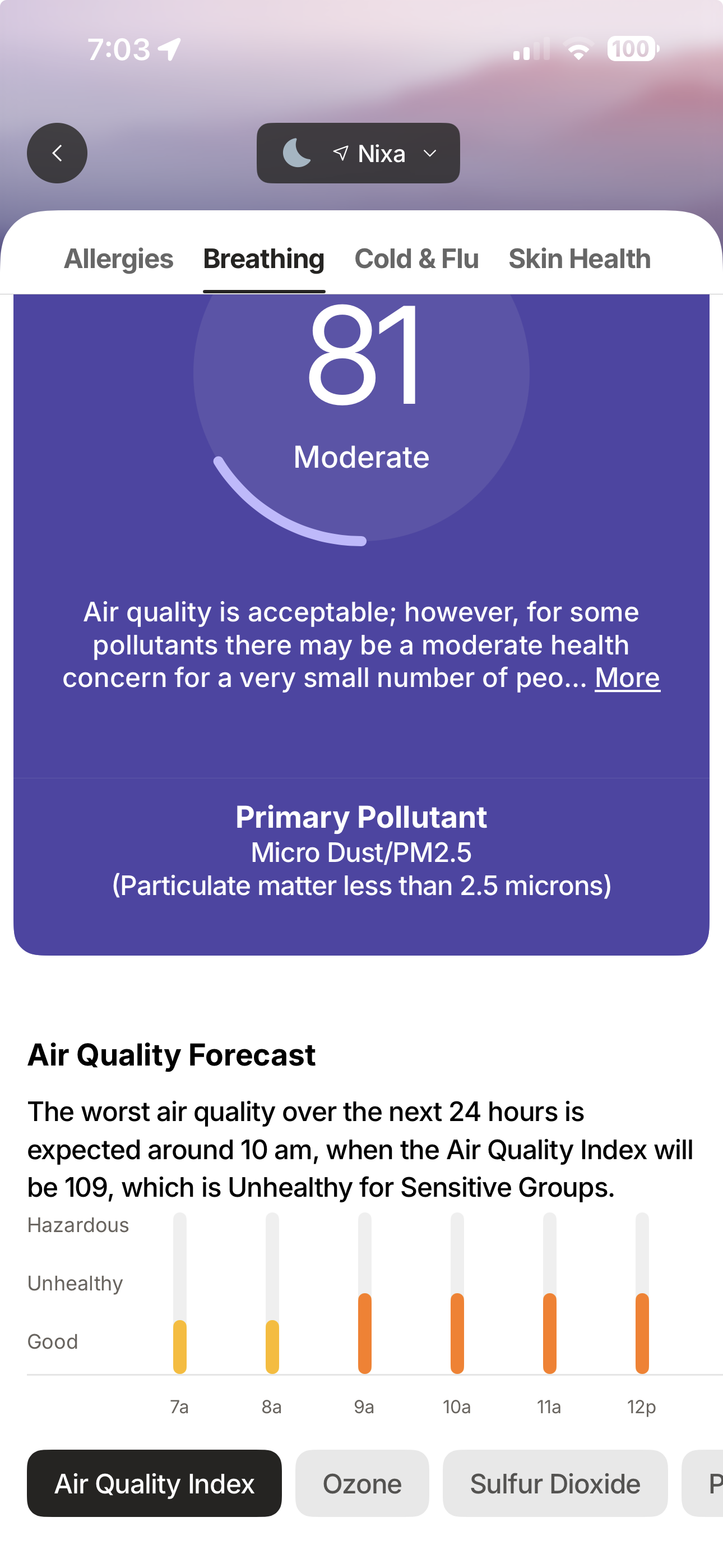
I’ve been noticing that the air quality where I live (as reported in The Weather Channel app) has not been good during the recent cold weather. The primary pollutant is always Micro Dust/PM2.5. Since transportation sources of pollution (cars, trucks) are, if anything, a little lower during cold and snowy weather – I am assuming that the uptick is from the electricity generating coal plant or wood burning stoves/fireplaces.

I notice that my eyes are the first to register air quality issues. They start to itch or feel gritty – not as bad as a floating eyelash but not comfortable. Saline drops help but time consuming to do frequently. I find myself just forging ahead with my eyes itching and trying not to rub them. Recently I have been wondering if some of my ‘allergies’ (runny nose and sneezing that comes and goes over the course of the day) are PM2.5 related rather than pollen since there isn’t pollen in the air in winter.

If the day is orange – like shown in the screen shot – I try to stay indoors with the filters of my HVAC and some room air purifiers between me and the ‘bad air.’ That is possible for me most of the time since I am a post-career person. I do sometimes have things I do away from home, but they are mostly indoors this time of year and presumably well filtered/ventilated. I am a little anxious about some ‘winter wellness’ hikes I have planned…hoping that the air quality will be ‘green’ when those occur.

I enjoy being outdoors and realize that air quality will impact when I will be comfortable as time goes on (i.e. air quality will deteriorate since there is less being done right not to reverse the trend). Working in my yard won’t be impacted too much since I can simply check the air quality and only go out when it is ‘green.’ I hope I can get through a few more years of volunteering in the Butterfly House at the Springfield Botanical Garden during the summer months; signing up for shifts is done well in advance and the air quality could be problematic when the day arrives…I want to be a dependable volunteer but do I go even if the air quality is poor?

The air quality in Lewisville TX (where I go monthly to visit my dad) is considerably worse than in Springfield MO. This winter it has been orange or red most of the times I’ve been in the area. It’s been too cold to take Dad for a walk outside – and I will always check the air quality before taking him for an outdoor walk even when the weather is pleasant again. There are times that Oklahoma smells smokey (grass fires or power plants?) as I drive through. I am adding a small air purifier to the inside of the car and not doing a lot outdoors when I am there unless I check and the air quality happens to be ‘green.’

I find myself wondering what contributes to the air quality being ‘not green,’ but it is hard to tease out that information. The measurement just reports how much PM2.5 there is. I hope that some organization begins to make the contributors more visible to the public (and it would be great if The Weather Channel added that info in their app). Would it spur more people to push for changes to utilities….to retire coal burning plants a quickly as possible?

Note: To find the hourly air quality forecast on The Weather Channel App, scroll down on the Home screen to find the Allergies – Breathing – Cold & Flu block and select ‘Breathing.’ Scroll down to see the Air Quality Forecast.

Plastics Crisis – Donating Plastic and Valentine’s Plans

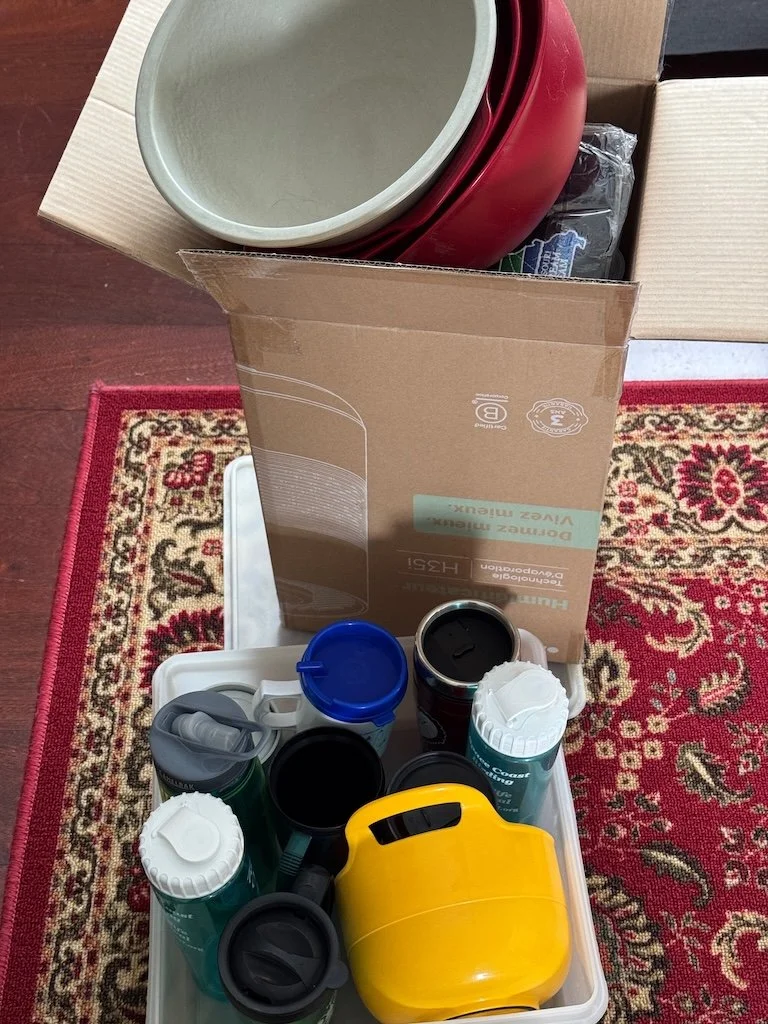
I’ve gathered plastic from my kitchen and am donating it to Goodwill. The large plastic bin full of old water bottles/travel mugs and the yellow bowl is a Tupperware cake container that I’ve had for almost my whole married life (i.e. over 50 years)!

I’ve gathered plastic from my kitchen and am donating it to Goodwill. The large plastic bin full of old water bottles/travel mugs and the yellow bowl is a Tupperware cake container that I’ve had for almost my whole married life (i.e. over 50 years)!

It’s better to donate the supposedly reusable plastic rather than sending it to the landfill although it will likely be used in someone else’s kitchen; I feel guilty about enabling that. I also added a coffee maker (minus the carafe) since I replaced it with a glass and stainless electric tea kettle. I will never have this kind of plastic to donate again.

Switching from donating plastic to Valentine’s Day plans…

Our Valentine’s Day celebration does not involve as much plastic as some other holidays since we don’t decorate (no balloons or glitter). There are a few gift ceramic mugs that were added in past years; we are past the need to buy a valentine’s gift; the only chocolate I like is my usual ethically sourced dark chocolate packaged in foil and heavy paper – and I don’t wait for a holiday to enjoy it. If the weather is good, we might do a winter walk around the Botanical Garden. I might check the thrift store for a dressy item for the day…and the rest of winter…when I make the donation to Goodwill. We might go out to eat – not to fast food and we probably won’t have leftovers (no plastic utensils or take out boxes); or maybe we’ll just go out for a special dessert. Looking back at the 2/14 celebrations in the past few years – the biggest single use plastic of the day might be clamshell packaging for a piece of red velvet cake – and I’ll do without that this year.