Plastic Crisis - Clamshells

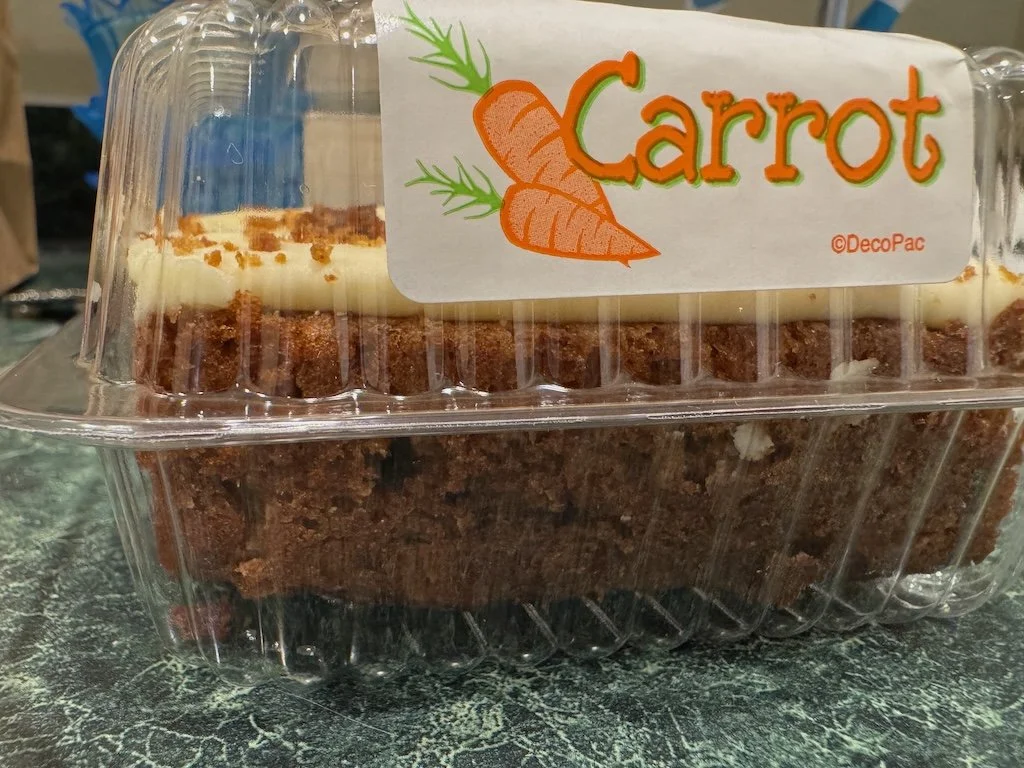
My husband said he wanted one serving of carrot cake for his birthday….and he didn’t want to go to a restaurant to get it. So - I opted to buy 2 pieces at the grocery store rather than making a cake at home and having a lot to freeze; it would take months for us to finish. I suspected that the only offering the grocery store would have would be packaged in a plastic clamshell – single use and not recyclable.

The cake was not going to be heated in the plastic, and it was unlikely that the container and cake had been heated together prior to me buying it…. better than a case of bottled water which you never know what happened to it along the way.

The clamshells are popular with stores because they are cheap and don’t weigh much; the open clamshells stack so they take less space. Customers probably appreciate being able to see the condition of the cake through the container.

Before plastic, pieces of cake were put in white boxes that were flat then formed into a box immediately before they were used. It was usually in a bakery setting rather than a large grocery store and the customer watched the cake being placed in the box. It required a clerk to be at the counter all the time…so more labor intensive…but also more social interaction. Bakeries often developed a familiarity with their customers that is entirely missing in the modern grocery store.

What is the Beyond plastic option? Right now, the only one might be making the cake yourself from ingredients that can often be purchased not in plastic (flour, eggs, vanilla, etc.) even though many grocery stores only have carrots in plastic these days. Alternatively – the grocery stores need to be searching for a non-plastic solution to reduce the burden on landfills and avoid causing more health impacts to ourselves and wildlife from plastic accumulation in our environment.

Plastic Crisis – So Many Reusable Bags

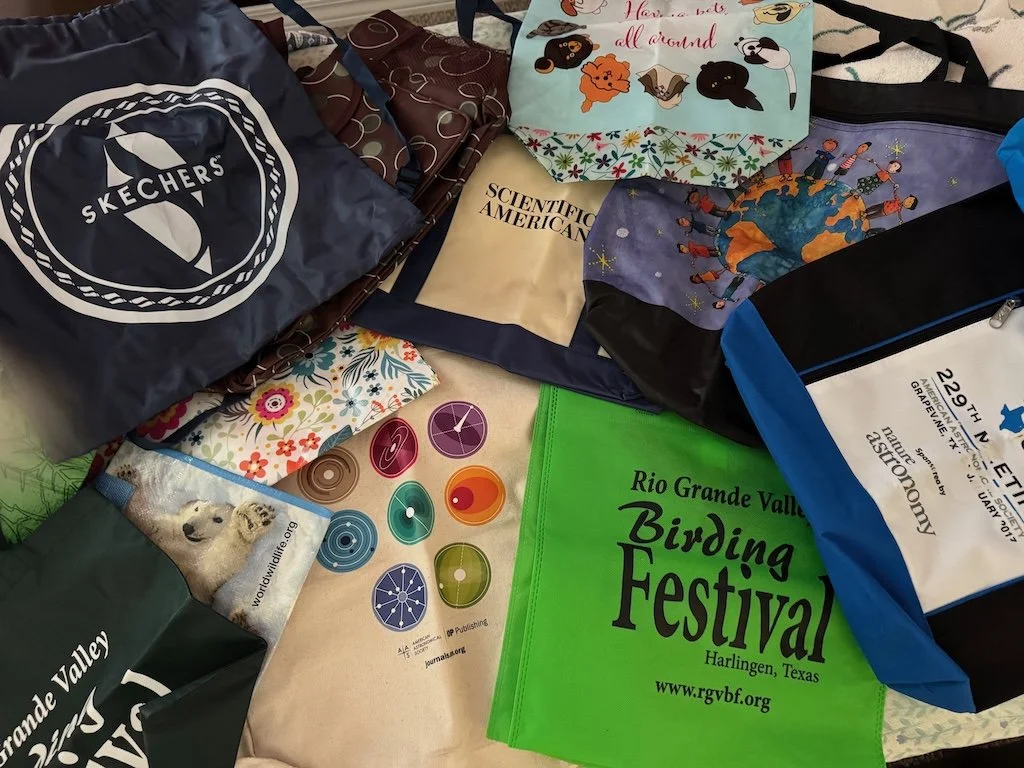
I have started sorting through the reusable bags I’ve gotten from conferences and as gifts after a donation…realizing that there are quite a few of them. One of my sisters did the same thing and I brought them back last time I went to Dallas. There are some that were brought to the last Master Naturalist meeting that I still need to retrieve from the person that collected them; they said there were quite a few. It is good to have a collection for our “BYOB (Bring your own bag)” campaign to reduce single-use plastic bags. Our plan is to hand them out to anyone wanting one when we are tabling at events and farmers markets.

While I was going through the bags, I realized how many were from birding events….they usually have the name of the event on the bag but not always the year. Sometimes the charities broadcast their name on the bags they send as gifts, other times it is just a pretty bag.

It will be interesting to see how people respond to the idea. I’ve been using my own bags for more than a decade but it’s obvious when I go to the store that most people have yet to make the transition.  To me -  it was one of the easiest ways to reduce single-use plastic entering my home! And it has long become habitual rather than something I think much about.

Plastics Crisis – Travel and Plastics

I thought about plastics as I made my monthly drive from Missouri down to Lewisville TX and back. It might have been the noticeable plastic trash along the road – perhaps there was more of it because of recent winds.

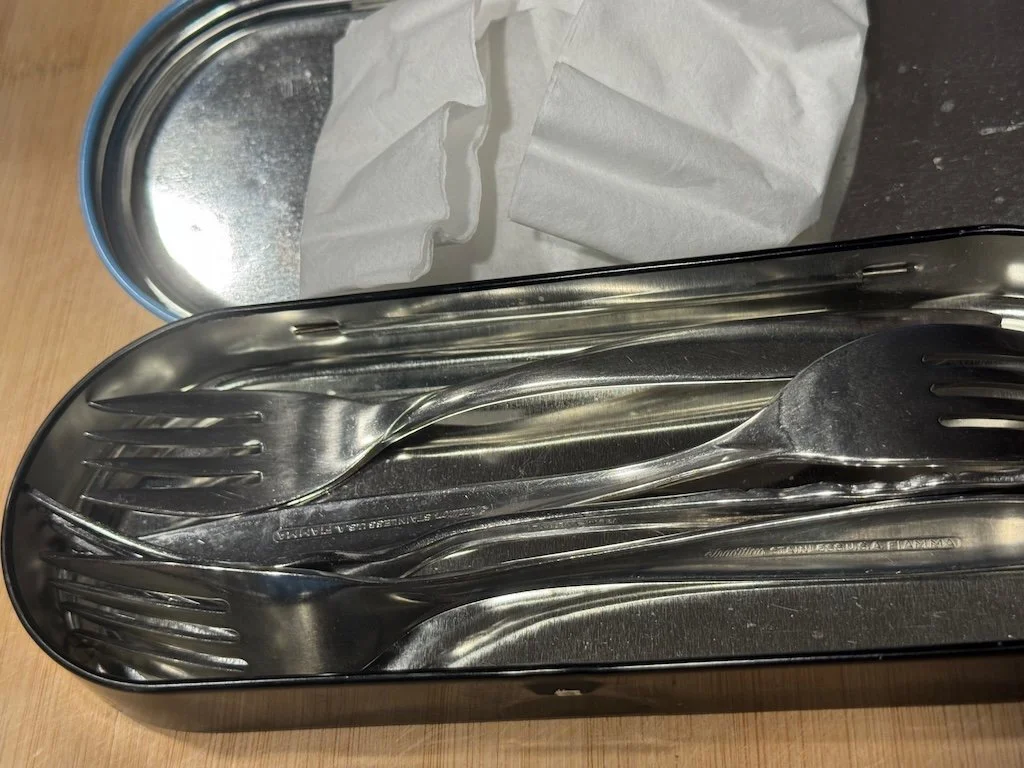
The other reason I was thinking about it more was the breakfast set up. The same hotel chain we had stayed in when we went to St. Joseph MO late last month had used ceramic plates and stainless utensils – so it felt like a step backwards to have foam plates and plasticware. Both places had Keurig coffee makers in the room and plastic single used glasses. When I got the request for feedback to the hotel – I filled in several responses about the plastic in their hotel and pointed out that the bottle of water ‘gift’ is not as appreciated any more.

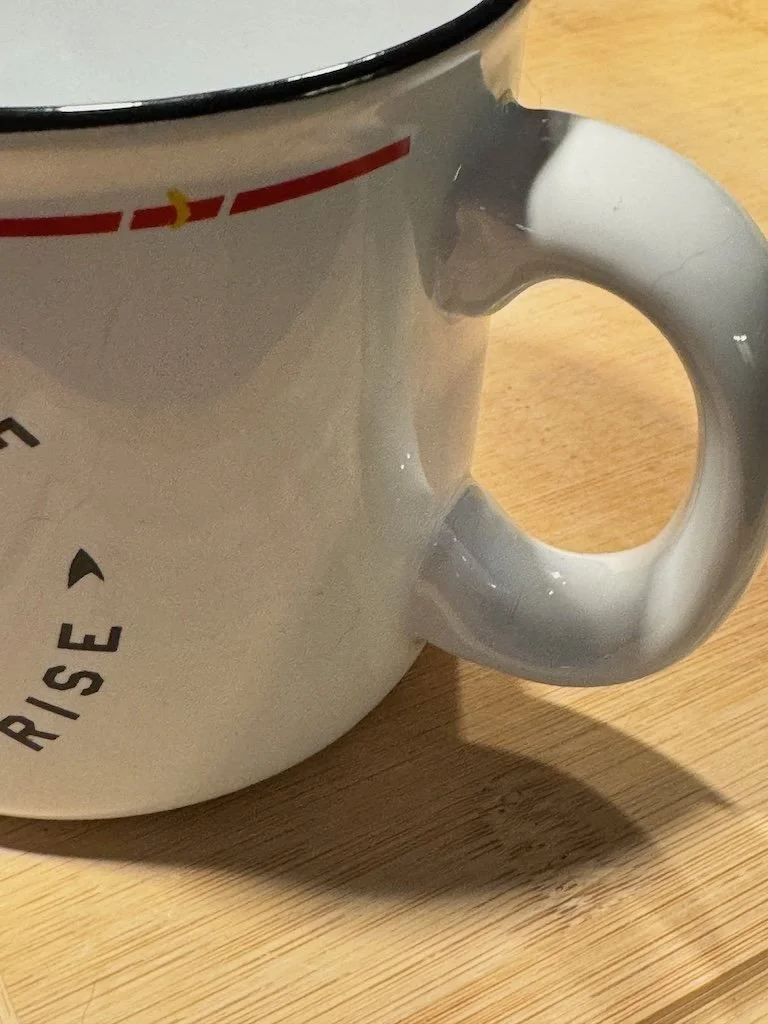
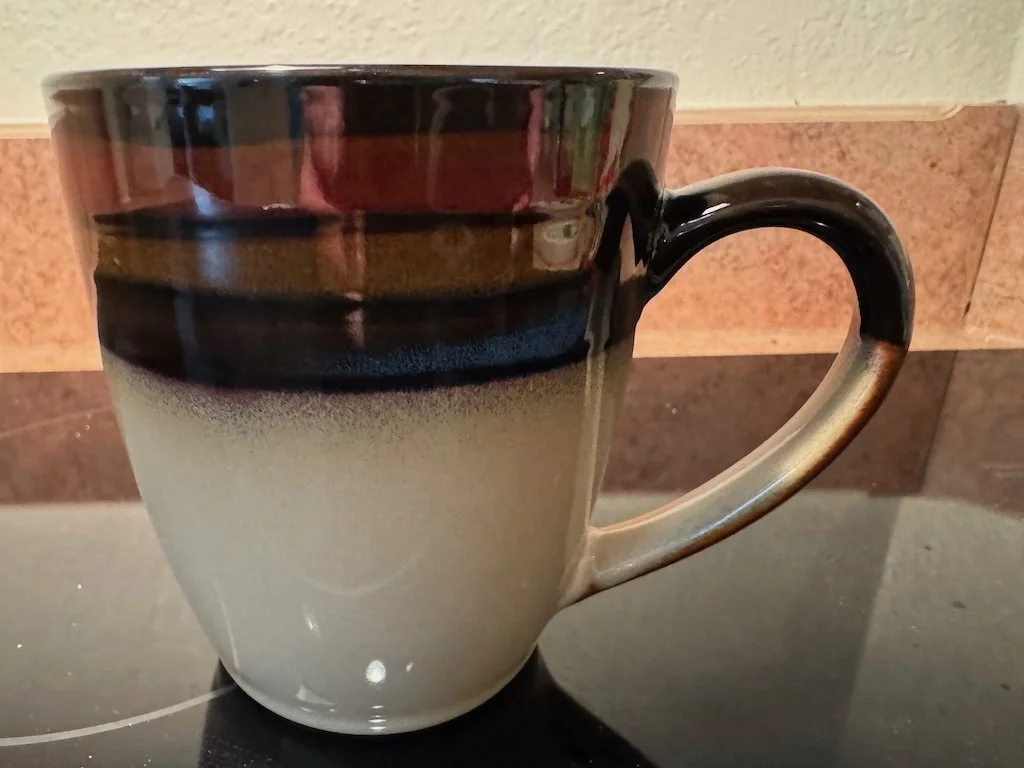
I have started carrying a ceramic mug in my suitcase…to make tea – avoid the Keurig completely and the cups they provide. I also carry a small water filtration pitcher to replenish my reusable water bottle and to make tea.

My eyes were itchy the whole time I was in Lewisville; when I checked, the air quality was yellow…and the hotel HVAC filter did not seem to help. The dominate pollutant type causing the ‘yellow’ level was PM2.5 which includes microplastics and products of fossil fuel combustion. I am considering whether I should travel with an air purifier like I did on road trips after COVID – when vaccines were still quite new.

The drive home was very windy with a front coming through (bringing ice and snow for the weekend) and there were several places where plastics were blowing in the wind. Not long after I got to I44 and was less than 2 hours from home, there was grass fire along the shoulder that seemed to go for at least ¼ mile…and the smoke was blowing across the road.  Another hit to air quality!

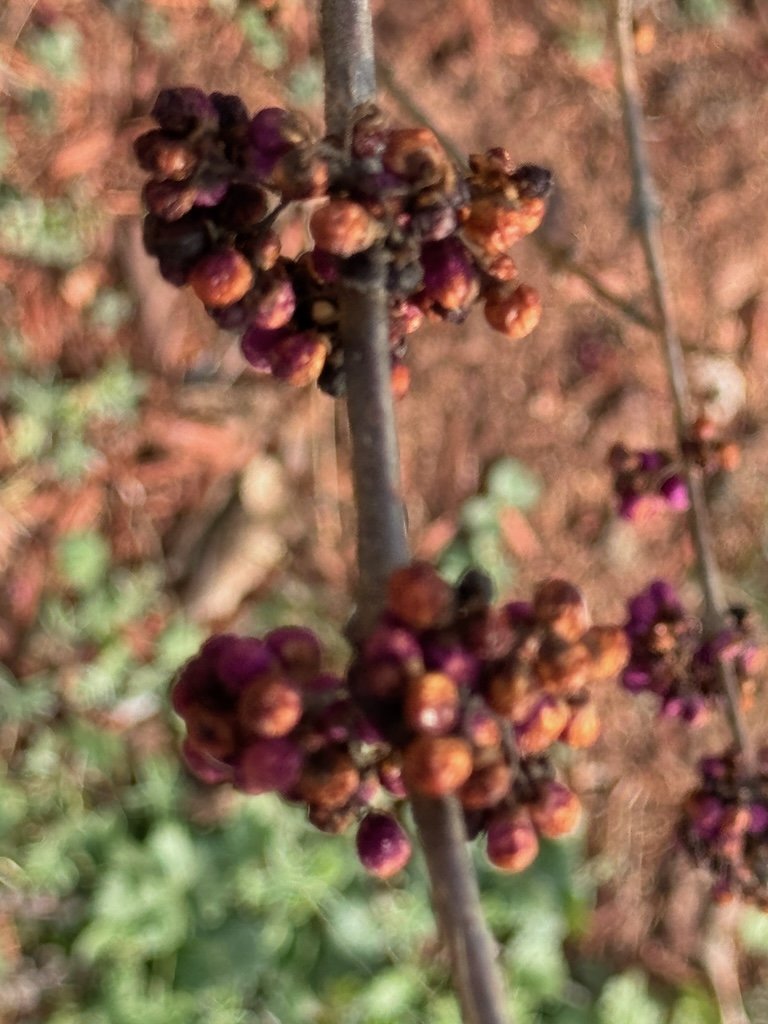
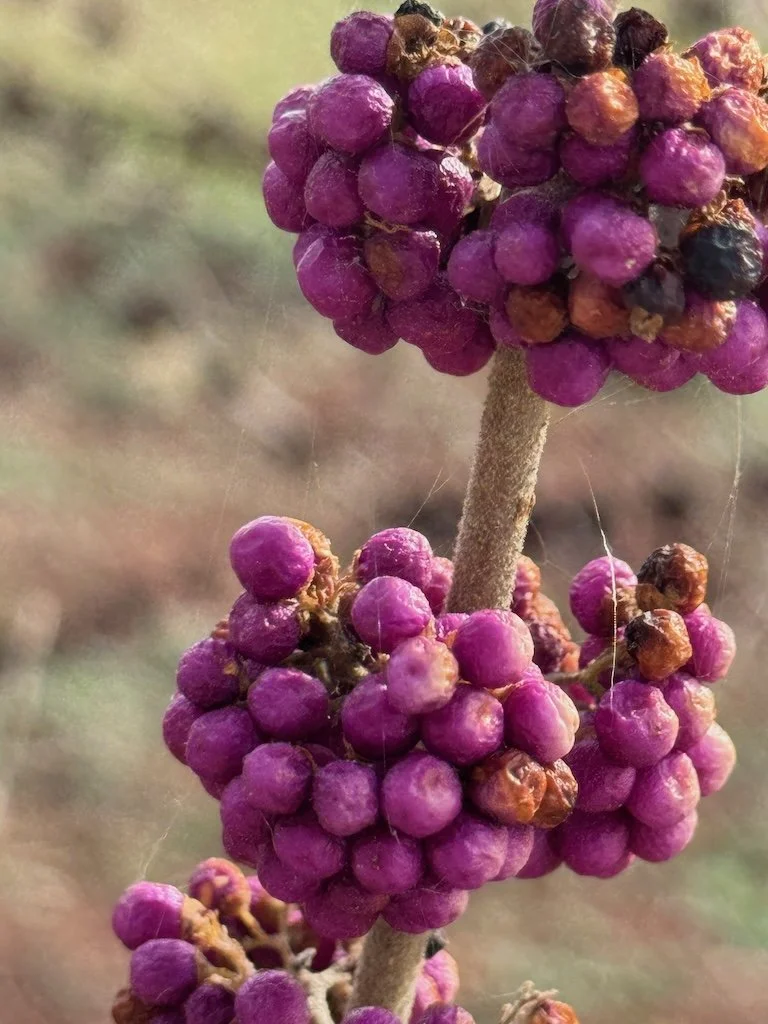
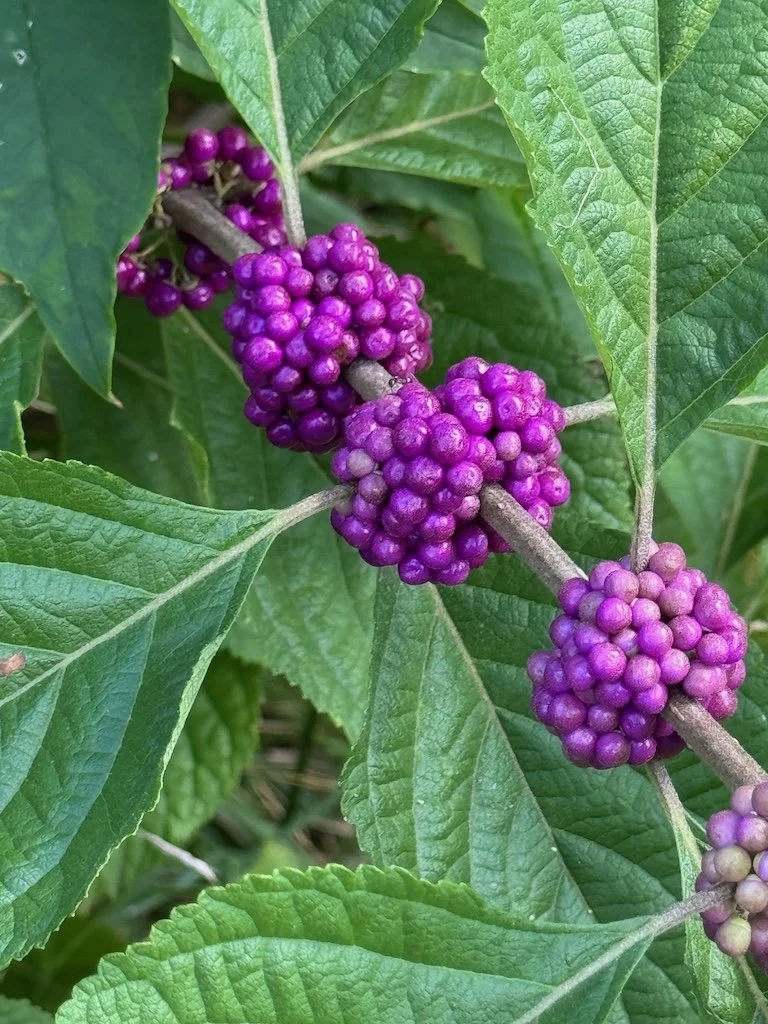
There was a bit of nature at the Texas Welcome Center where I stopped on the way down that I’ll use as a positive ending for this post even though it has nothing to do with plastics or air quality: the bluebonnet plants are above ground and the beautyberry still has a bit of color!

Plastics Crisis: Show-Me Less Plastic Workshop

The Show-me Less Plastic workshop that I attended was provided by a partnership of Missouri River Bird Observatory and Stream Teams United. It is specific to Missouri but part of a nationwide effort from Beyond Plastics. The parts of the workshop that were local to the Springfield, Missouri area were provided by James River Basin Partnership.
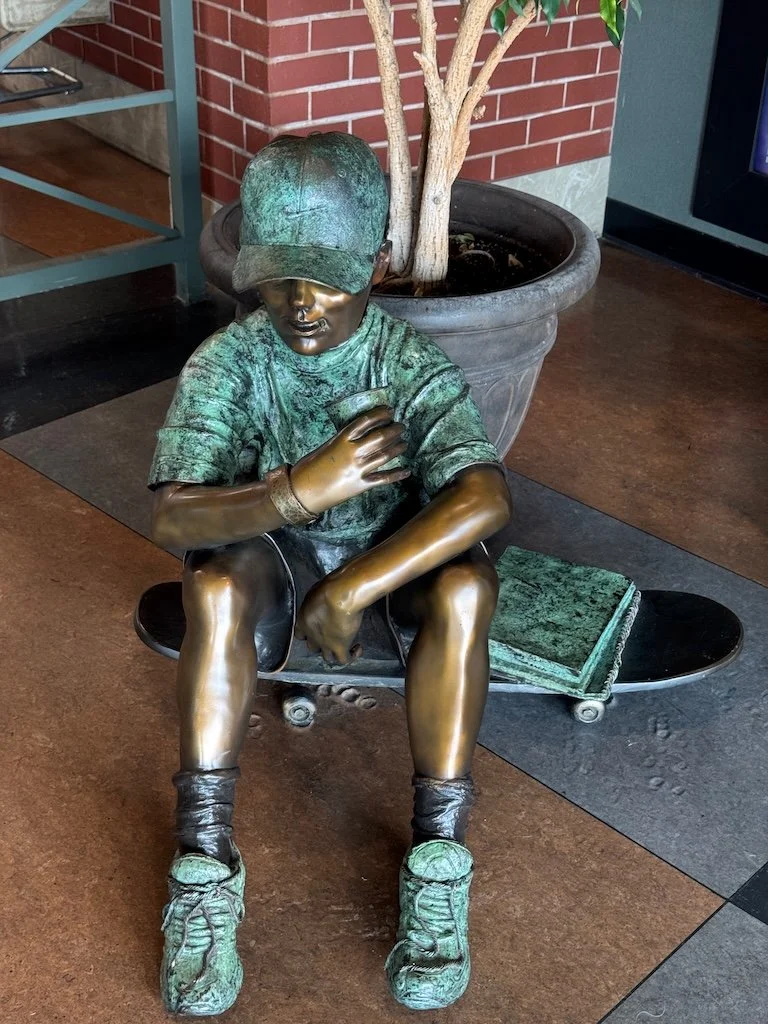
It was held in a Springfield library (the photo is of a sculpture in the library) with a Panera Bread that catered the plastic-free lunch.

There was an overview of why plastic pollution is a crisis (health of everything on the planet including us is at increasing risk)…but the audience was already onboard with that. We were also aware of the long-term message from the plastics industry that the convenience of single-use plastic is so fabulous that we simply need to be more successful at recycling to resolve any problems…but recycling hasn’t worked and it is unlikely to ever be sufficient. The industry is assuming that recycling will not work since they are projecting a huge demand for new single use plastic production to take the place of their revenue stream from fossil fuels trending down as more renewable energy becomes available. The problem is huge and may very well be a more imminent threat to lives that climate change.

The bulk of the workshop was focused on going beyond what an individual can do: community education and outreach, influencing business and policy makers….first steps.

I am writing this the day after the workshop. There will be a follow-up email from the workshop coordinators.  There are still some things I am working on as an individual to reduce my family’s risk (but it is not possible to eliminate exposure micro and nano plastics…and it will get harder as there are more plastics in the environment). I have a tentative list of actions, but I want to work with a local Beyond Plastics Affiliate to be with others that are taking similar actions.

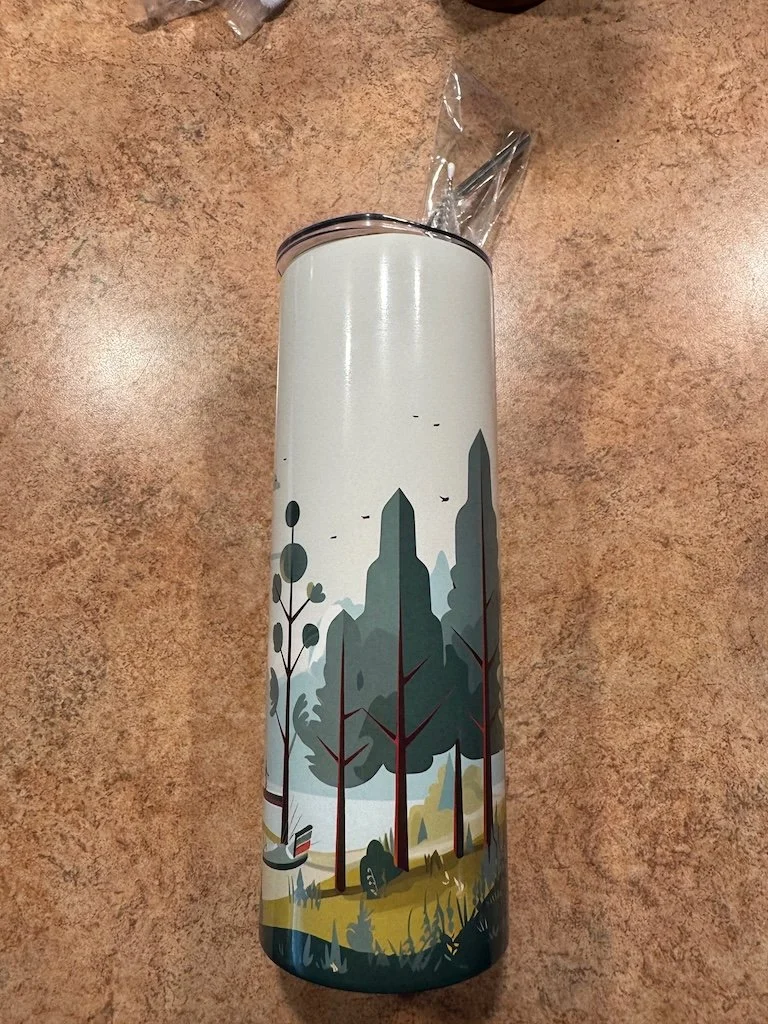
I came away from the workshop with one of the ‘door prizes’ – a stainless-steel container (with a straw!)…different than my other water bottles. This one will work well in  the car!