Gleanings of the Week Ending September 19, 2026

The items below were ‘the cream’ of the articles and websites I found this past week. Click on the light green text to look at the article.

09/09/2026 Leaf & Limb Right Tree, Right Place: What to Plant and Where to Plant it – The top 4 questions to ask when selecting a tree: what is the goal of the tree; what are the planting area’s soil and light conditions; how big will the tree be at maturity; what are the secondary benefits of a tree.

08/06/2026 Plastic Pollution Coalition Recent Recalls on Plastic Toys—and How to Choose Safer Toys - About 90% of toys on the global market are made primarily from plastic. Plastic toys are also especially dangerous for kids because they are made with hazardous chemical additives and become more brittle over time—breaking into small pieces that pose choking hazards and shedding microplastics. Interactive plastic toys are also often made to hold tiny button batteries, which, if not properly secured, can be swallowed to cause extreme and permanent harm. 

09/09/2026 The New York Times Toxic ‘Forever Chemical’ Cleanups at Military Sites Face Years of Delay -PFAS cleanups at nearly 243 military sites had been pushed back by an average of 5 years, and some as long as 19 years. At many sites, PFAS has contaminated local drinking water sources, prompting the Pentagon to provide bottled water to service members as well as nearby residents. The inspector general also found that the Defense Department’s list of contaminated sites might be incomplete, and that the Pentagon could provide no documentation proving that officials had ever analyzed whether PFAS chemicals were used or released at more than 80 installations.

09/09/2026 Clean Technica Denmark Can Produce 140% Of Its Electricity Demand from Wind Power - The Danish Energy Agency is spearheading an ambitious plan to produce even more wind power for both export and domestic use. The plan is to construct two new “energy islands” in the North and Baltic seas that will serve as wind power hubs, transmitting some electricity directly to coastal grids while reserving the rest for offshore activities including green hydrogen production.

09/09/2026 Yale Environment 360 Chinese Industry Is Starting to Wean Off Fossil Fuels - New clean power more than met the growth in demand across China last year, leading to a small decline in coal output. Analysts identified eight provinces where coal generation is now seeing declines, including industrial centers such as Hunan and Shandong, and it named another nine provinces where the growth of coal generation has slowed substantially….you can see fossil fuel use flattening out, sector by sector and province by province.

09/08/2026 Science Daily Caffeine may flip an ancient cellular switch linked to slower aging - Scientists found that caffeine activates an ancient cellular energy system involved in stress resistance, DNA repair, and growth. The discovery could help explain caffeine’s links to healthier aging and may point toward new ways to target the same pathway.

09/09/2026 Planetizen 15 million people rely on the Rio Grande — in 2 years, it may run dry - The Rio Grande is one of the most threatened rivers in the country — even more so than the Colorado River. The river fuels billions of dollars in agricultural production, and roughly 15 million people depend on it for drinking water. In Mexico, taps could run dry within a year. In two years, the river may be completely depleted, resulting in millions of Texans losing their source of fresh water. The only thing that can help now is reducing agricultural water use.

09/07/2026 The Conversation Farmers can now produce more of their own energy than ever – but will they? - We’re unlikely to see the farm diesel tank disappear any time soon. But we are likely to see many more shed rooftops covered in panels – and new ways to make use of clean, cheap power from the sun.

09/06/26 Cool Green Science A Nature Conservancy Volunteer’s Hunt for Champion Trees – Gary Williamson, age 82, has devoted his career and free time to conservation and natural history. He has been a Nature Conservancy volunteer for more than 40 years, contributing to the organization in many ways. He’s a herpetologist, park ranger, author and canoeist. And he’s always on the lookout for big trees.

09/08/26 The New York Times California’s Ambitious Plan for Textile Waste - California is trying to become the first state to make fashion brands, manufacturers and retailers pick up the tab for textile waste, and the details of the plan are taking shape now. California residents discarded nearly 1.2 million tons of textiles in 2021 alone. The vast majority of textile waste is landfilled. In the new system - fees will be lower for clothes designed to be easily repaired and for clothes made from recycled materials. Fees will be higher for clothes that are difficult to recycle, like those made of blended fibers or that contain toxic chemicals.
Gleanings of the Week Ending March 28, 2026

The items below were ‘the cream’ of the articles and websites I found this past week. Click on the light green text to look at the article.

3/23/2026 Washington Post What an oncologist wants you to know about environmental cancer risks - Given what we know about how microplastics can cause damage in the body, the increase in early onset colorectal cancer in the U.S. and the similarities in timing between the increase in cancer rates and the rapid increase in microplastics in the environment, many experts suspect that microplastics are a risk.

3/14/2026 BBC The strange deep-sea creatures that eat whales - Whales usually die far out to sea, scattered along their often vast migration paths. t first, the carcass may float as the gases inside make it swell up like a balloon. Then the whale sinks – through the sunlight, twilight and midnight zones – eventually reaching the darkness of the abyss, its final resting place. In death, the whale gives life, becoming an immense island of food.

3/16/2026 MSN Couples with infertility 'detox' from plastic to get pregnant in new Netflix doc. Does it work? - A new Netflix documentary called "The Plastic Detox" is a sobering look at all the ways that plastic harms our bodies and the planet — especially our reproductive health. Shanna Swan, Ph.D., a professor at Mount Sinai in New York City, is one of the prominent figures sounding the alarm on the effects of environmental pollutants on fertility. For the documentary, she worked with five couples who'd been struggling to get pregnant for years without a medical explanation. The goal? To reduce their exposure to plastics to see if they could conceive. In the end of the documentary, it's revealed three of the couples had gotten pregnant, and one was expecting again. The results were also published in a study in the journal Toxins on March 16.

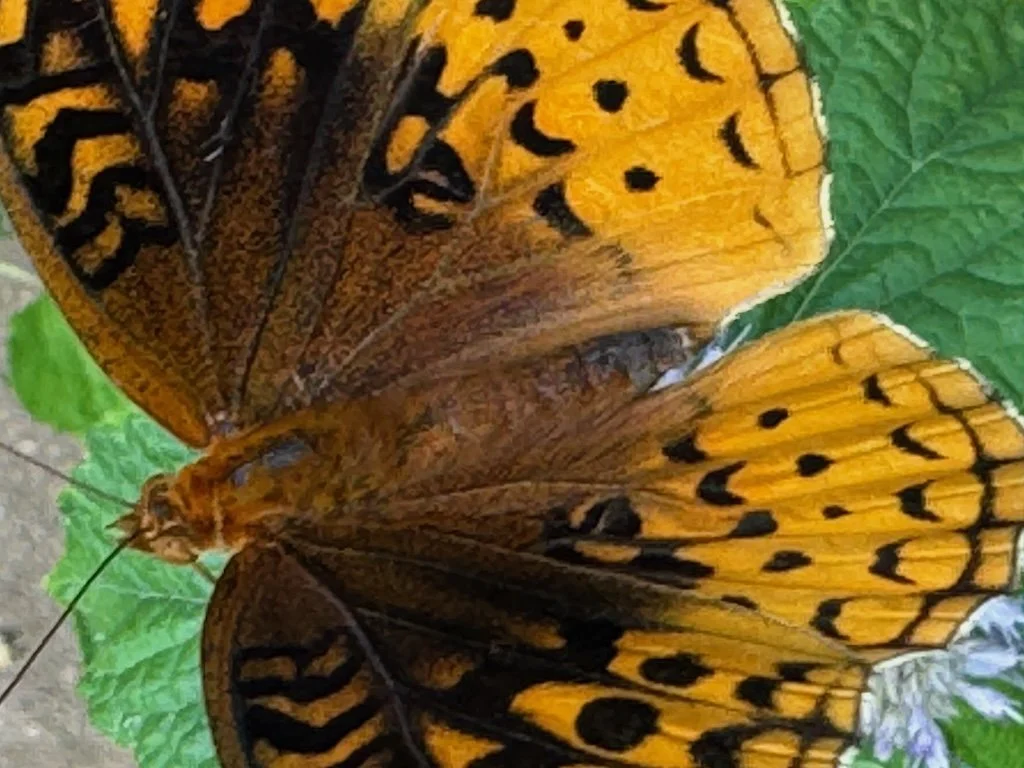
3/20/2026 Yale Environment 360 In Mexican Forests, Monarch Butterflies Halt Their Decline - For the past quarter century, the future of monarch butterflies has looked dire, with these iconic American insects flitting toward extinction. Now, however, there is at least a small reason for hope: New data from WWF Mexico, a large conservation group, offers further evidence that the decline of eastern monarchs — the world’s largest population — has stopped, even as the insects face worsening threats across their range.

3/16/2026 Our World in Data Why cheap waste management is key to stopping plastic pollution – I was disappointed in this article. They completely miss the issue of food packaged and heated in plastic. Yes – that plastic packaging does not get loose in the environment but the microplastics (and chemicals) that leach into food gets into our bodies. And the leachate coming off lined landfills in countries with good waste management systems includes microplastics that the sewage treatment plants don’t take out before the liquid is released back into streams….and that will continue to happen for many years to come. And what happens when the liners of the landfills begin to break down and the leachate goes more directly into the environment. The answer in probably not cheap waste management…we need to be look at less waste – particularly less plastic waste.

2/17/2026 NASA Winds Whip Up Fires and Dust on the Southern Plains – This satellite image is from mid-February but I noticed smoke in the air as I drove on I-44 east of Tulsa last weekend! I don’t know if it was wildfires or controlled burns…but I was glad I had a portable air purifier in my car!

3/21/2026 I’m Plastic Free 9 Essential Ways to Reduce Plastic Waste on Your 2026 Travels – I would add a reusable bowl/plate for hotel breakfasts (along with cutlery…I take stainless steel cutlery since I have an extra set…and simply clean then to reuse…I have a tin that keeps them together).

3/18/2026 Smithsonian Magazine Cannibalistic Blue Crabs Are Eating Their Younger Peers in Part of the Chesapeake Bay - Young blue crabs find refuge from many predators in the mid-salinity waters of some spots along the Chesapeake Bay. But there, they face another threat: Getting eaten by their older peers.

3/16/2026 National Parks Traveler What It Takes to Clean a Yellowstone Hot Spring - Cleaning hot springs is hard work! Some remediations, like the Grand Prismatic Overlook trail spring, require shovels, strainers, and grabber tools. The cleaning of Solitary Geyser, however, required a hook with a 16-foot extendable handle to remove large objects within the interior parts of the pool and hand rakes to collect the hundreds of wood splinters that had been thrown into the splash basins around the pool margin.

3/13/2026 Science Daily Microplastics may be quietly damaging your brain and fueling Alzheimer’s and Parkinson’s - Researchers identified five key biological pathways that may allow microplastics to harm the brain. These include activating immune cells, increasing oxidative stress, disrupting the blood-brain barrier, interfering with mitochondria, and damaging neurons. The review also describes how microplastics might contribute to specific neurodegenerative diseases. In Alzheimer's disease, they may promote the buildup of beta-amyloid and tau proteins. In Parkinson's disease, they could encourage aggregation of α-Synuclein and harm dopaminergic neurons. Additional studies are needed to confirm a direct causal link. Even so, the researchers recommend practical steps to reduce everyday exposure. We need to change our habits and use less plastic. Steer clear of plastic containers and plastic cutting boards, don't use the dryer, choose natural fibers instead of synthetic ones and eat less processed and packaged foods.

Gleanings of the Week Ending October 26, 2024

The items below were ‘the cream’ of the articles and websites I found this past week. Click on the light green text to look at the article.

A new era of treating neurological diseases at the blood-brain-immune interface – Investigating the connection of neurological diseases and a toxic immune reaction caused by blood that leaks into the brain….in particular, how fibrid (a blood protein) is responsible for setting of this detrimental cascade.

Antifungal resistance is not getting nearly as much attention as antibiotic resistance – yet the risks to global health are just as serious – Just as with antibiotics for farm animals, tons of fungicides are used annually to protect crops, of which some work the same way as antifungals used in humans. And just as bacterial resistance develops…fungi develop resistance too. Combating drug-resistant fungal infections is a complex problem. An important factor is that diagnoses of infections are often delayed – if they are even diagnosed at all. Simple tests for fungal infections are rarely available.

Nikon Small World Contest Celebrates 50 Years of Photographic Excellence Under the Microscope – Great images….the natural world that we can see only with assistance…an art form too.

So Last Season: The Environmental Impact of Fast Fashion and Textile Waste Exports - The last ten years have seen a dramatic increase in the production of single-wear garments—which has contributed to an excess of textile waste and consequent health impacts for the individuals who work in the textile manufacturing industry. Every aspect of the creation of fast fashion garments is unsustainable, from the creation of plastic-derived textiles to the construction of pieces by underpaid and overworked exploited laborers. Up to half of American textile waste is shipped to nations overseas. Adopting more sustainable wardrobe practices not only helps us move away from fast fashion, but also significantly lowers our individual carbon footprints and waste production.

Plastic pollution harms - Nano- and microplastic particles (NMP) are increasingly polluting urban and rural landscapes, where bees and other beneficial insects encounter them… it can damage their organs and cause changes in their behavior, preventing them from properly performing ecosystem services such as pollination and pest control.

British Ecological Society Photo Contest Celebrates the Breadth and Beauty of the World’s Biodiversity – I liked the variety of selections in this photo contest.

Introducing Six Steps to Calm: Our science-backed, stress-busting email course – From BBC…I subscribed…plan to take the course!

Your diet can change your immune system — here’s how - There is still much more work to do to unpick the effects of specific diets on the immune systems of those with different health conditions. However, a growing group of immunologists are optimistic that the mechanistic insights they are uncovering are the first steps towards personalized diets for a range of medical conditions.

US air pollution monitoring network has gaps in coverage - Most of the harmful effects from outdoor air pollution in the U.S. are linked to inhalation of fine particulate matter (PM). These suspended particles, like soot or liquid aerosol droplets, are smaller than 2.5 micrometers in diameter, garnering the designation PM2.5. In February 2024, to better protect Americans from health burdens caused by inhaling particles, the EPA adopted a more stringent standard for PM2.5. The EPA tracks compliance with air pollution standards through a network of about 1,000 costly and highly accurate monitoring stations placed in cities and towns nationwide. People of color and people with low socioeconomic status living in the U.S have fewer monitoring stations than other areas to measure air pollutants, meaning they may not be fully protected by the tighter air pollution standards.

Researchers Parse the Future of Plankton in an Ever-Warmer World - Climate change is hitting our oceans hard, making them warmer and more acidic, while radically altering currents. The outlook for plankton is mixed. As the planet warms, the diversity of the menagerie in many spots is increasing. But certain species are losing out, including big juicy plankton thought to be important for food webs and carbon sequestration. And, in the long term, plankton numbers may plummet as climate change starves them of nutrients. Meanwhile research continues: which plankton species are where but also exactly when, since shifts in bloom timing can also have big knock-on effects for fisheries. And the viruses that attack plankton seem to be on the rise as waters warm — another factor with as-yet unknown consequences.