Gleanings of the Week Ending April 4, 2026

The items below were ‘the cream’ of the articles and websites I found this past week. Click on the light green text to look at the article.

3/23/2026 Smithsonian Magazine These Mesmerizing Waterfalls Flow Only Every Few Years. See the Rare Marvel Now in Southwest Utah - A rare red rock waterfall is flowing once again in southwest Utah, leaving visitors in awe of its cinematic beauty.

3/23/2026 Science Daily Scientists discover hormone that may stop chronic back pain at its source - A hormone-based treatment could help ease chronic back pain by reducing abnormal nerve growth within damaged spinal tissue. During spinal degeneration, pain-sensing nerves grow into regions where they normally do not exist. Our findings show that parathyroid hormone can reverse this process by activating natural signals that push these nerves away.

3/14/2026 NPR Reframing Georgia O'Keeffe's legacy and protecting the land she loved - A historic new conservation plan will protect that landscape, with its colorful cliffs and buttes, forevermore.

3/12/2026 Clean Technica Extreme Heat Limits Outdoor Activities for One Third of Human Population -Scientists from the Nature Conservancy have published a study in the journal Environmental Research — Health that finds nearly a third of people alive today are unable to work outdoors safely in the higher temperatures prevalent in much of the world. On average, people over 65 now experience about 900 hours each year when heat severely restricts safe outdoor activity, compared with 600 hours in 1950. The most severe challenges are found in southwest Asia — Bahrain, Qatar, Kuwait, the United Arab Emirates, Iraq, and Oman,; south Asia — Pakistan, Bangladesh, and India; and parts of west Africa — Mauritania, Mali, Burkina Faso, Senegal, Djibouti, and Niger.

3/16/2026 National Wildlife Federation Toxins of the Past and Present: Why We Need the EPA - Environmental protections are critical for the health of our ecosystems and communities, and the science and regulatory capacity of the EPA exists to prevent the dire adverse health outcomes caused by environmental pollution–for people and wildlife. Without efforts to protect us, we risk exposure to toxins of the past and present–a fight that has been going on in the United States for decades.

3/26/2026 Yale Environment 360 As It Boosts Renewables, China Still Can’t Break Its Coal Addiction - China is the biggest installer of renewable energy, the biggest emitter of greenhouse gases, and the biggest user of coal.

3/26/2026 BBC An unstoppable mushroom is tearing through North American forests. Fungi enthusiasts are doing damage control - A rogue mushroom native to Asia is ripping through North American forests, after escaping from cultivation. As it runs riot, mushroom enthusiasts are rescuing the native fungi in its path. Native to Asia, the fungus was brought over to the US to be cultivated for food sometime around the early 2000s. Because it fruits so heavily, it proved to be popular with both professional and home growers. It has a high yield, meaning more profit for growers. t's now been found in 25 US states and one Canadian province.

3/24/2026 ArtNet More Than 300 Yayoi Kusama Works Take Over a German Museum – The artist is now 97 years old….lots of polka dots and pumpkins!

3/24/2026 New York Times Wicked Stepmother No Longer, a Female Pharaoh Gets a Reputational Makeover - In the 1920s, while excavating for tombs at Deir el-Bahri in Luxor, archaeologists were confronted with a baffling crime scene: thousands of smashed statues and desecrated reliefs of Hatshepsut, one of ancient Egypt’s few, and most successful, female pharaohs. New scholarship shows that a good portion of the harm was incidental, caused by the physical removal of her statuary from her temples.

3/27/2026 The Conversation A flesh‑eating fly is advancing towards the US border – can it be stopped? - The New World screwworm (Cochliomyia hominivorax) lays its eggs in open wounds and in the orifices of live, warm-blooded animals – including, occasionally, humans. The maggots then devour the animal’s flesh, causing devastating lesions that can quickly kill the infested host. Before the 1950s, it was found in the southern states of the US, where cattle infestations caused heavy financial losses for beef producers. But, during the second half of the 20th century, eradication efforts pushed it out of North and Central America. In the past few years, however, screwworm control has unraveled, with cases spiking across Central America. The fly has now spread north through Mexico, reaching two Mexican states – Tamaulipas and Nuevo Leon – that share a border with Texas. International cooperation is required for management at a geographically relevant scale.
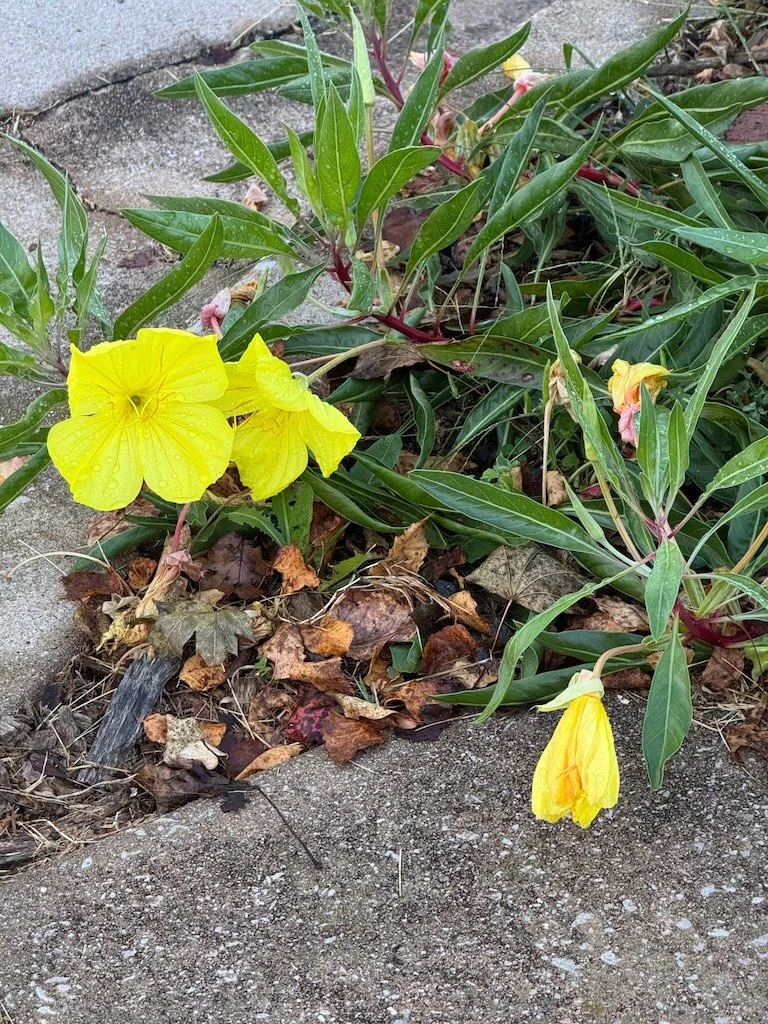
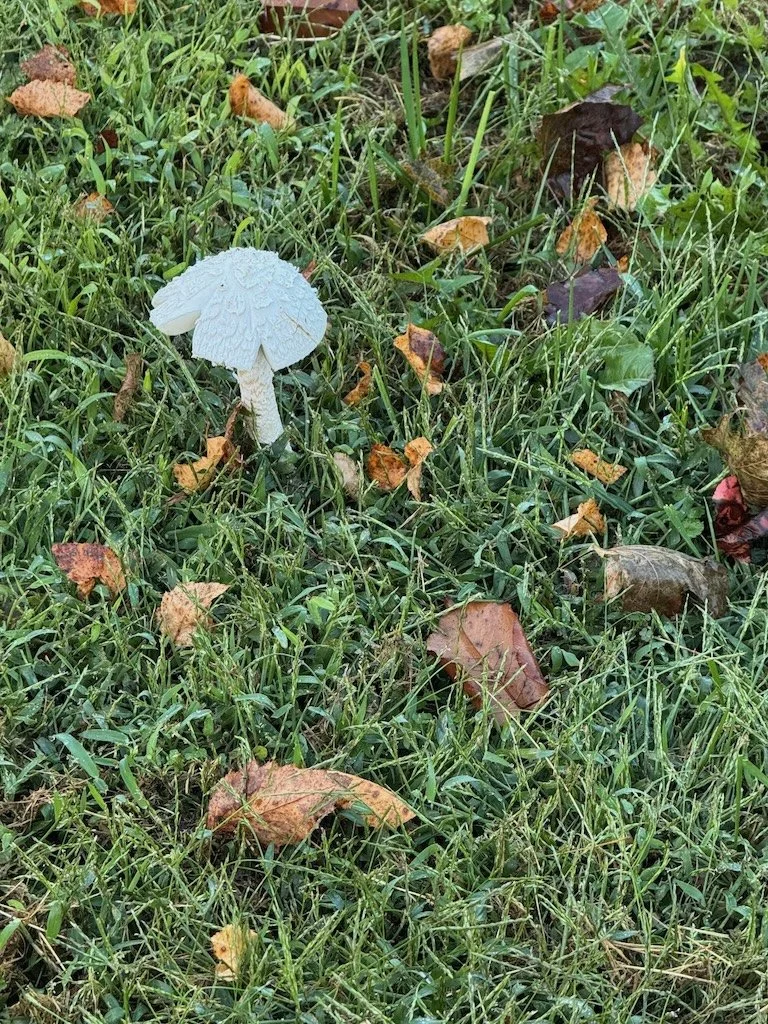
Our Missouri Yard in Early Fall 2025

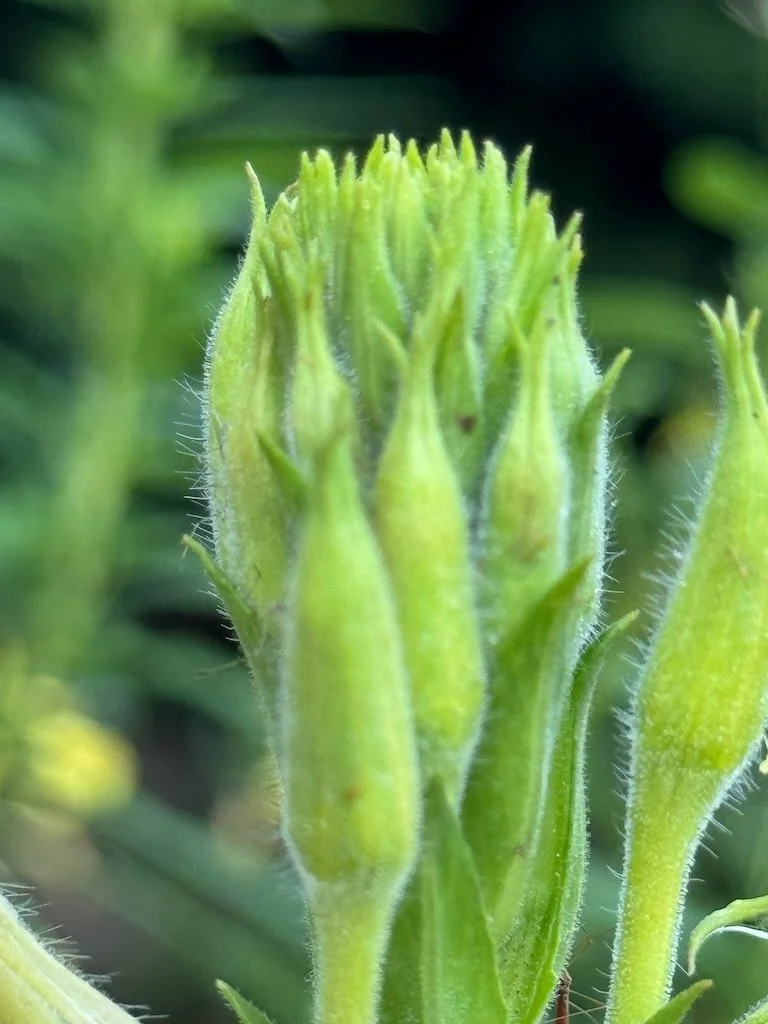
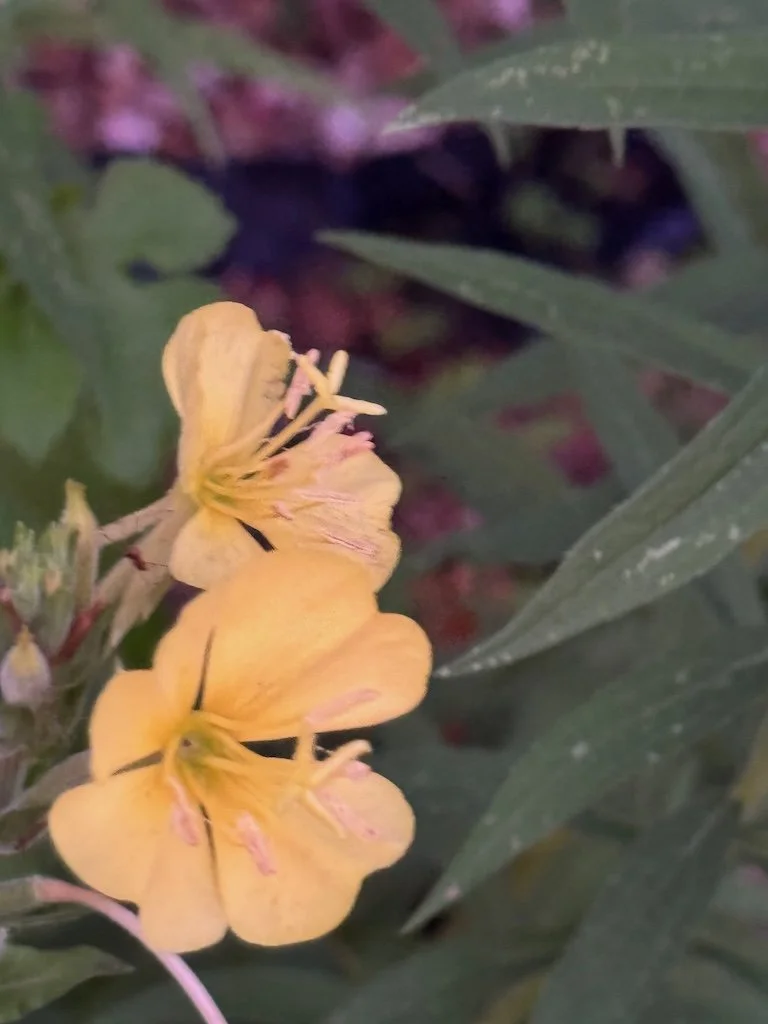
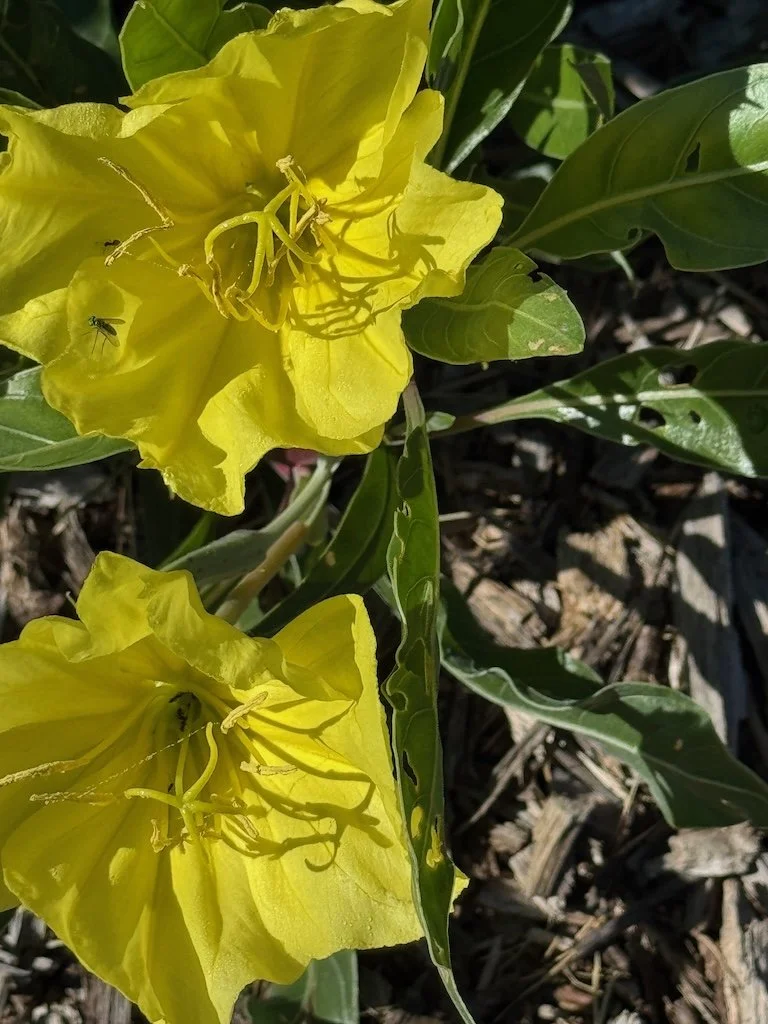
Lots of changes in our Missouri yard. The Missouri Evening Primrose is blooming – seemingly liking the cooler temperatures (and the rain). It has not produced any seed; maybe there aren’t any pollinators finding it.

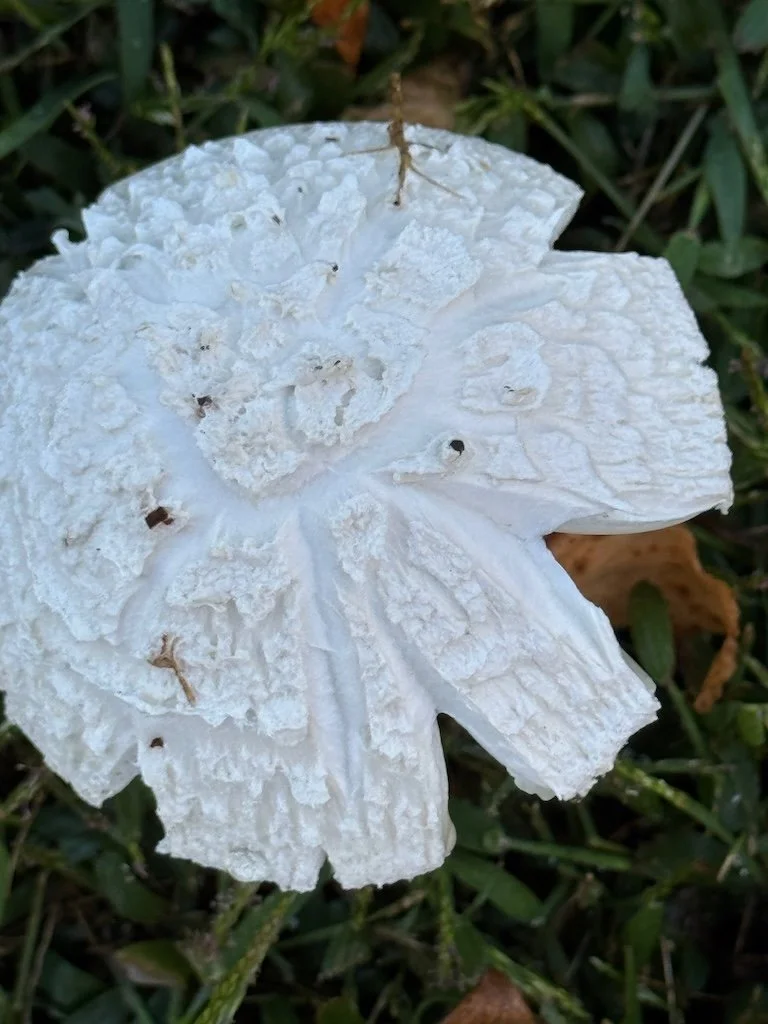
A very white mushroom came up in a part of the yard that hadn’t had mushrooms previously. Its surface looked a little like a roasted marshmallow.

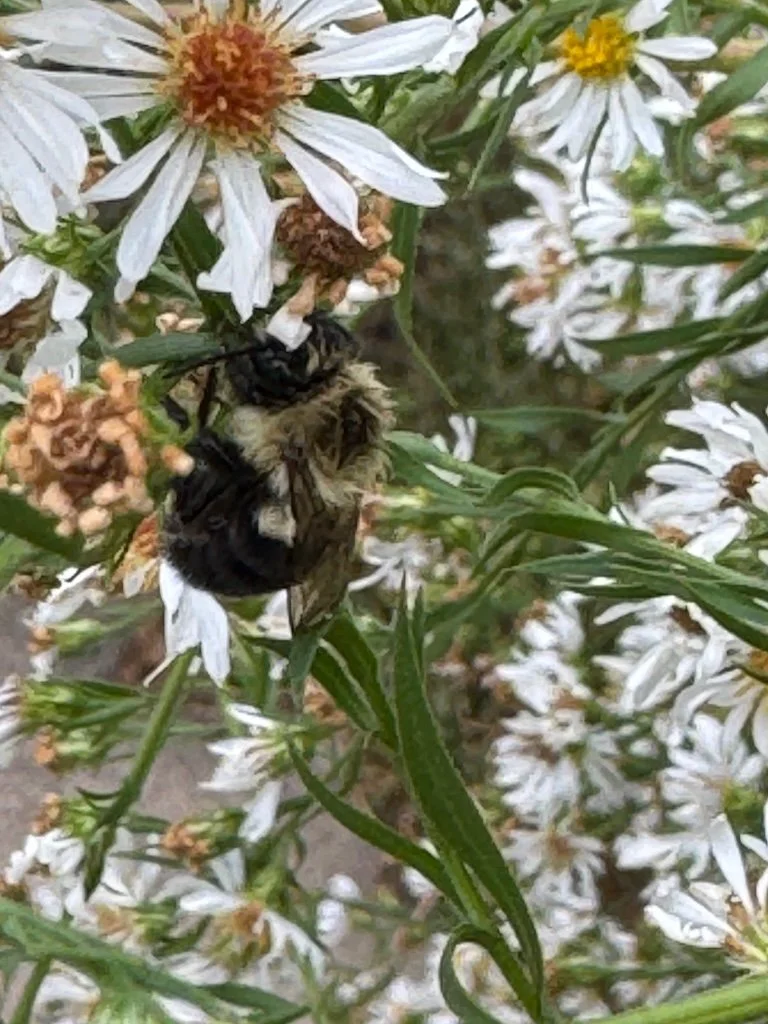
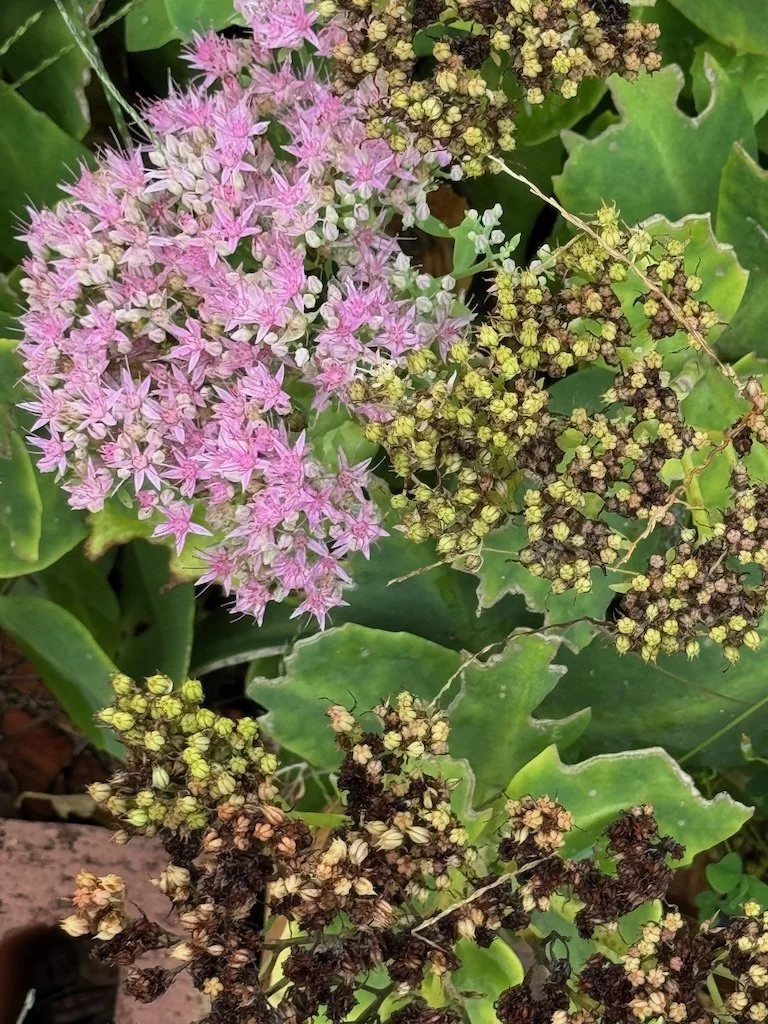
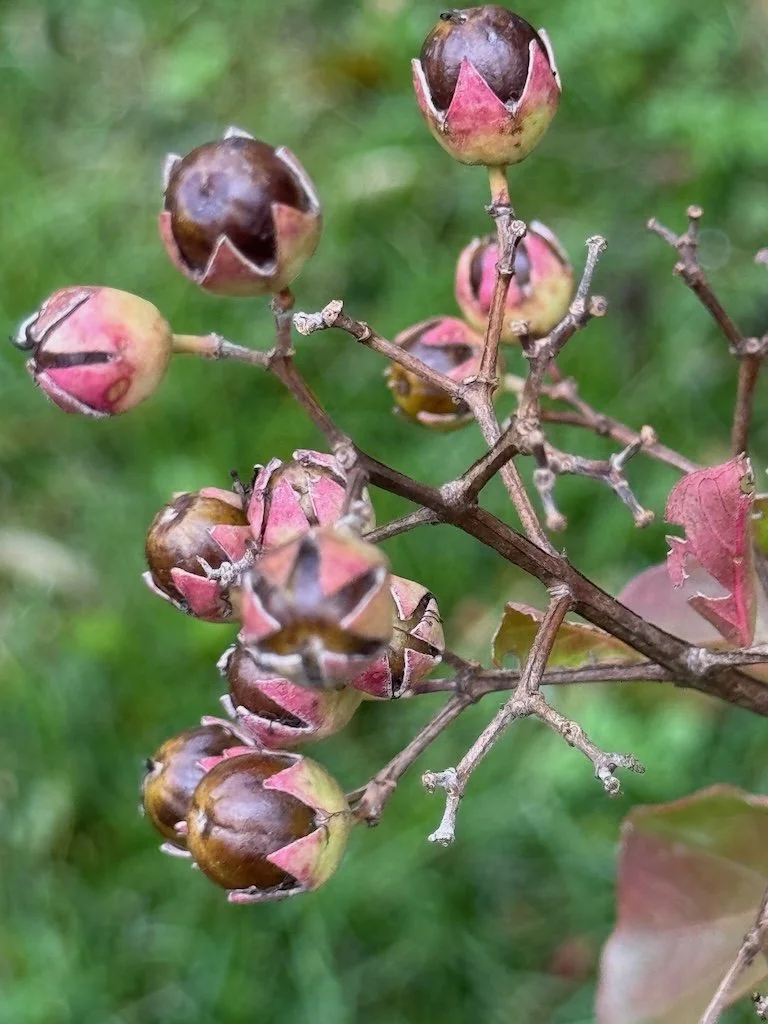
The pollinators are waning with the flowers…and seeds are dominant as the growing season draws to a close.

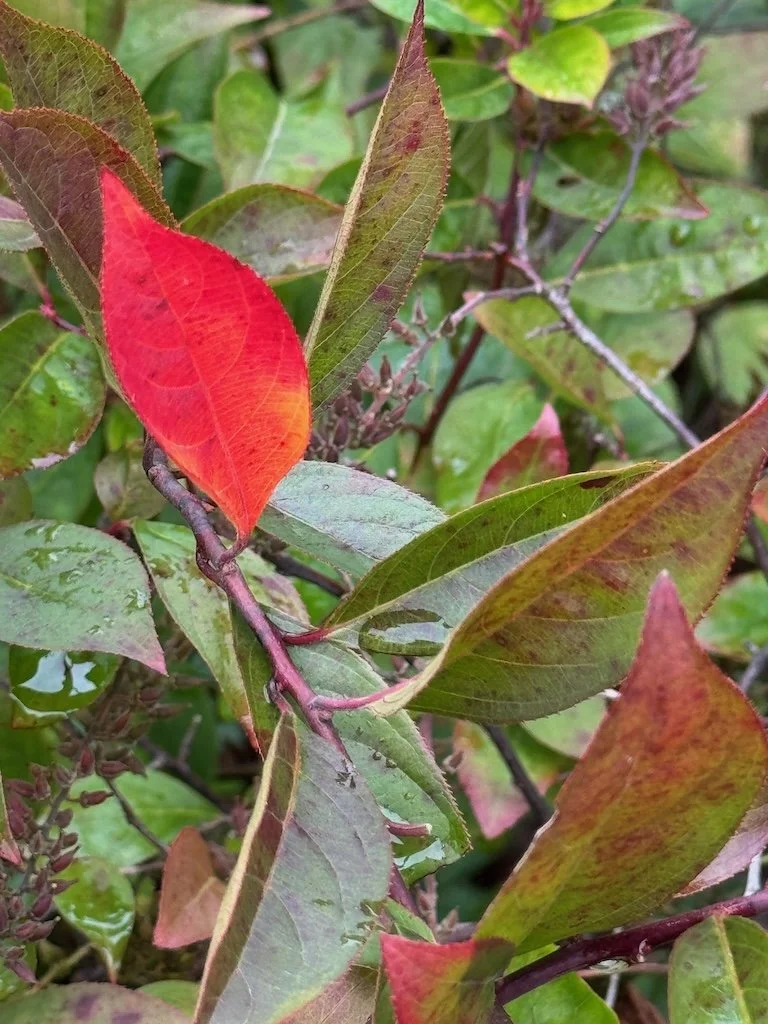
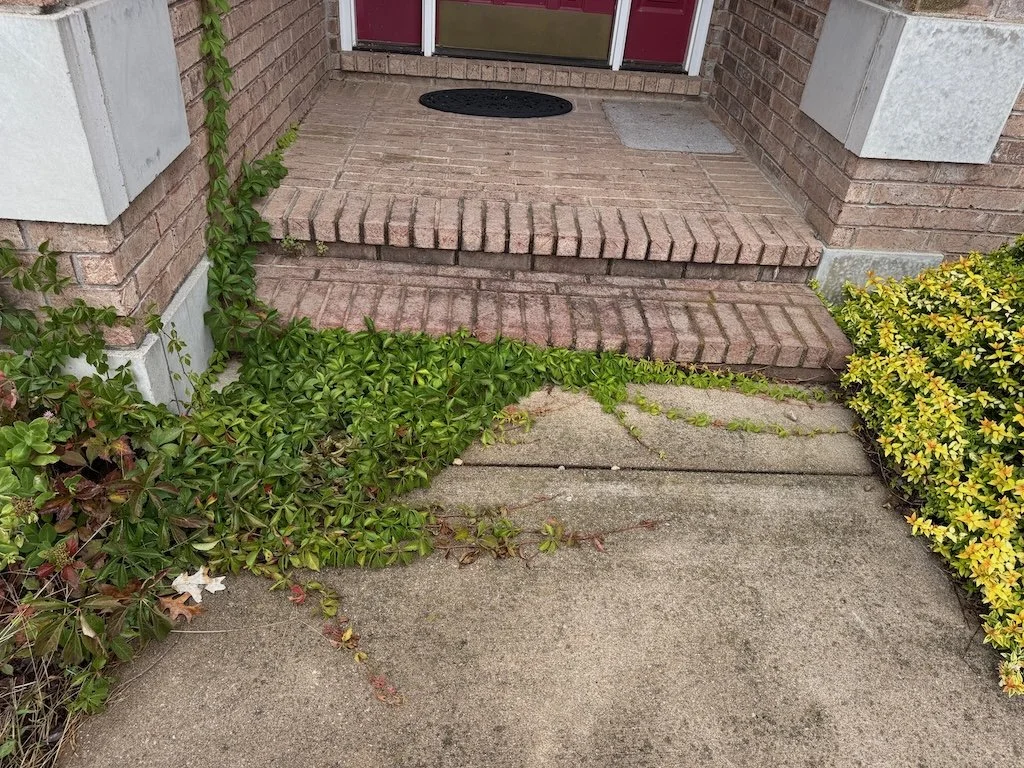
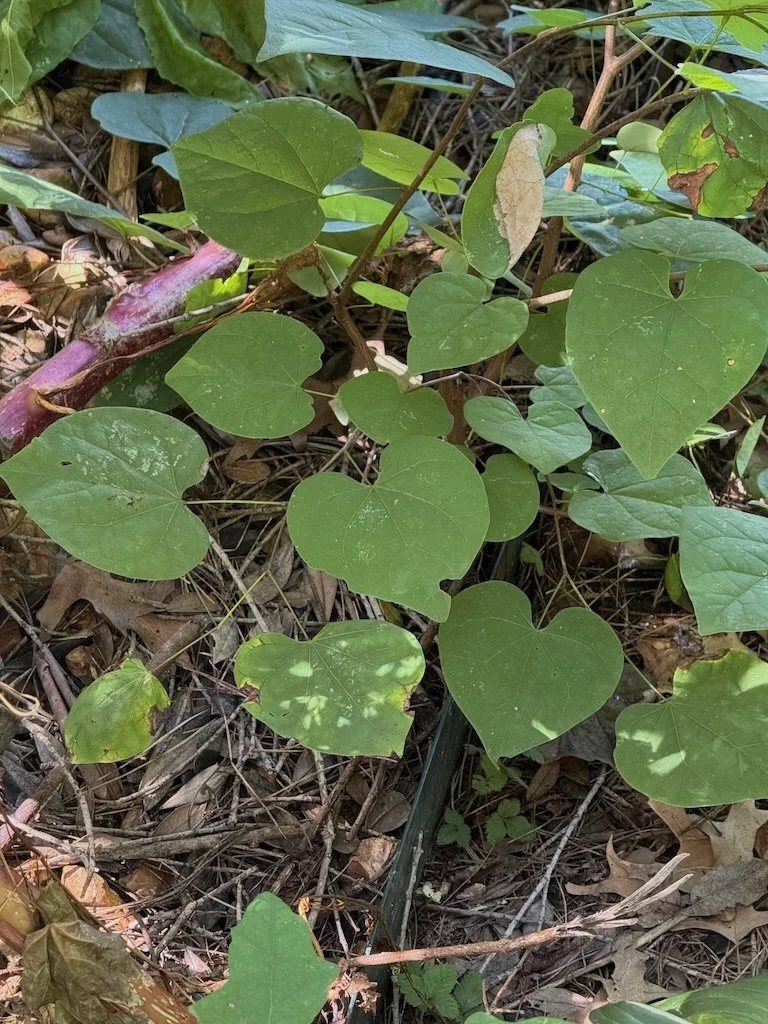
Some leaves are still green…some turning very red. The Virginia creeper near our front steps is still green.

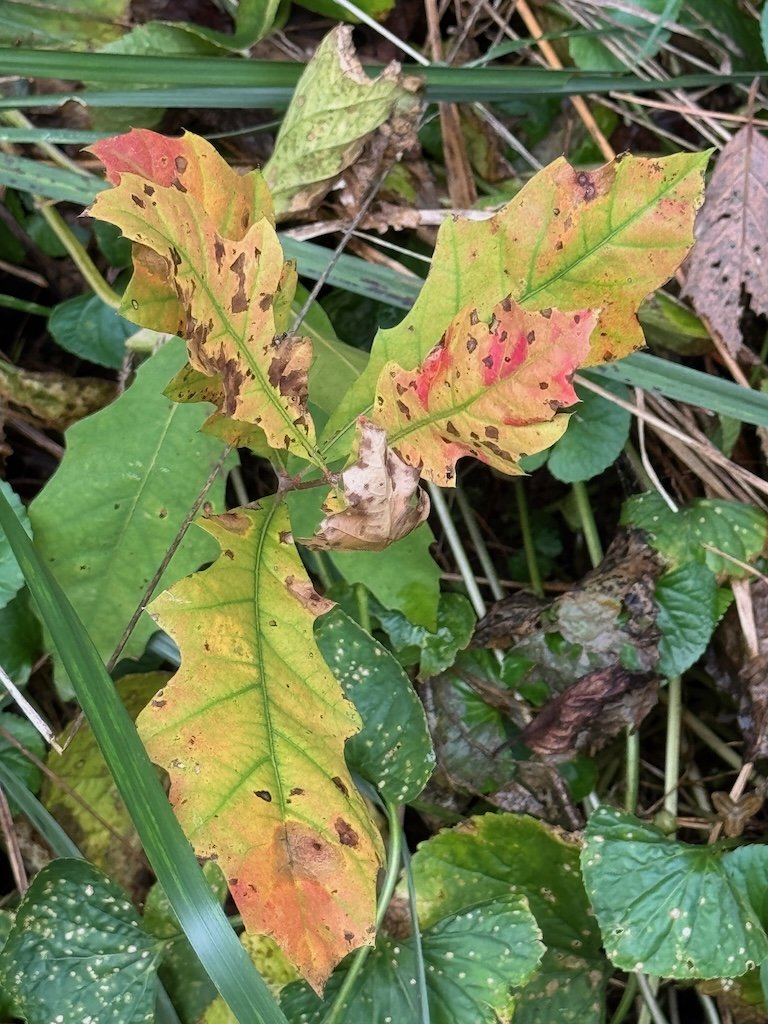
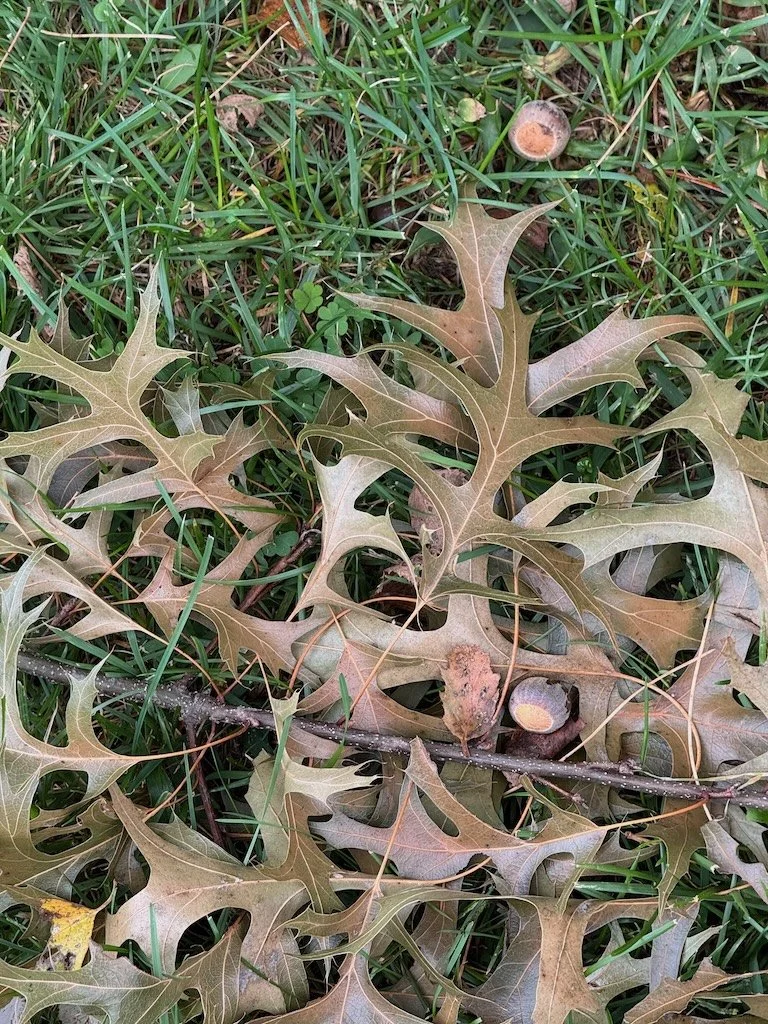
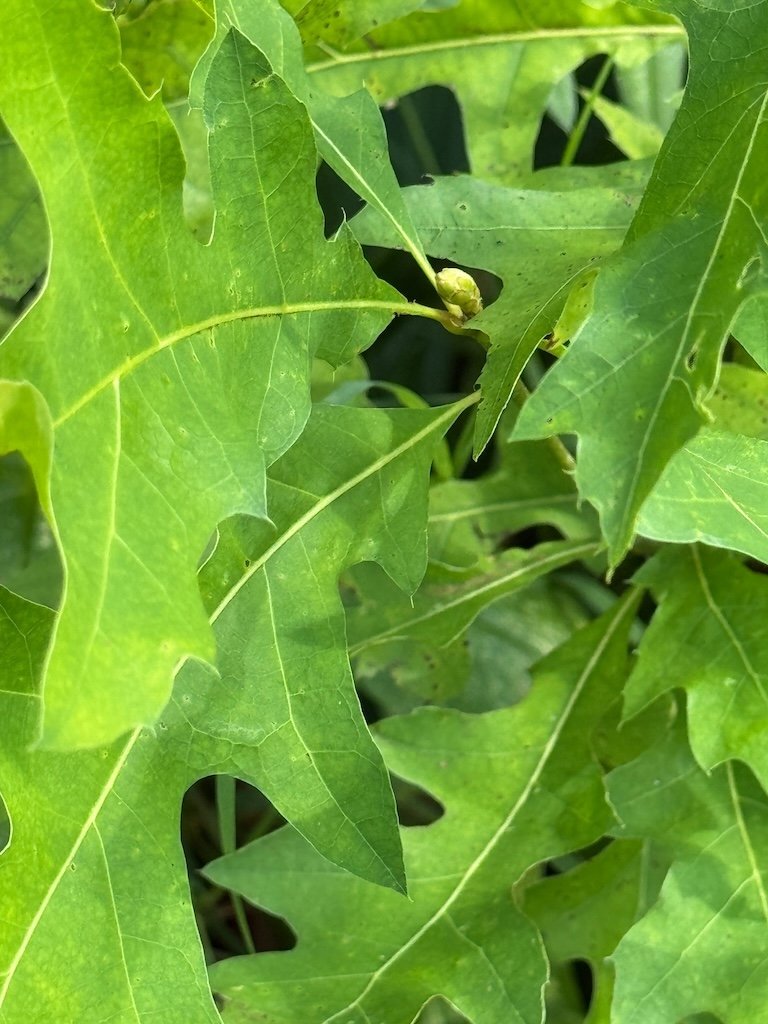
There are small branches from the oak on the ground (squirrels?) and what might be an oak seedling has colorful leaves.

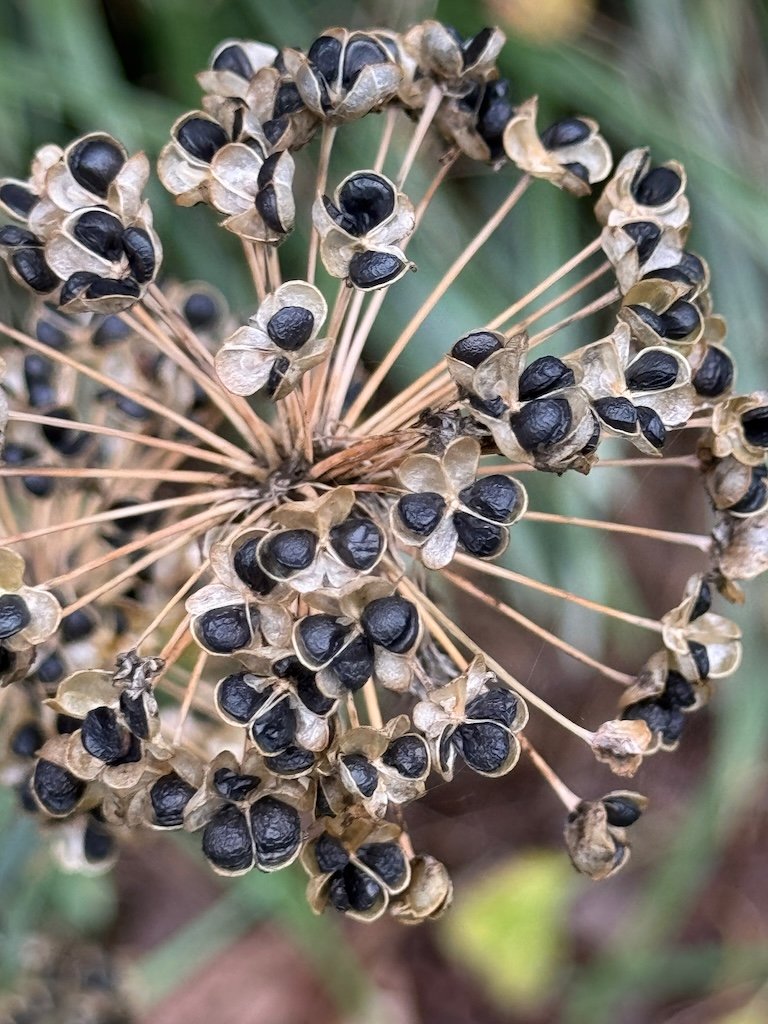
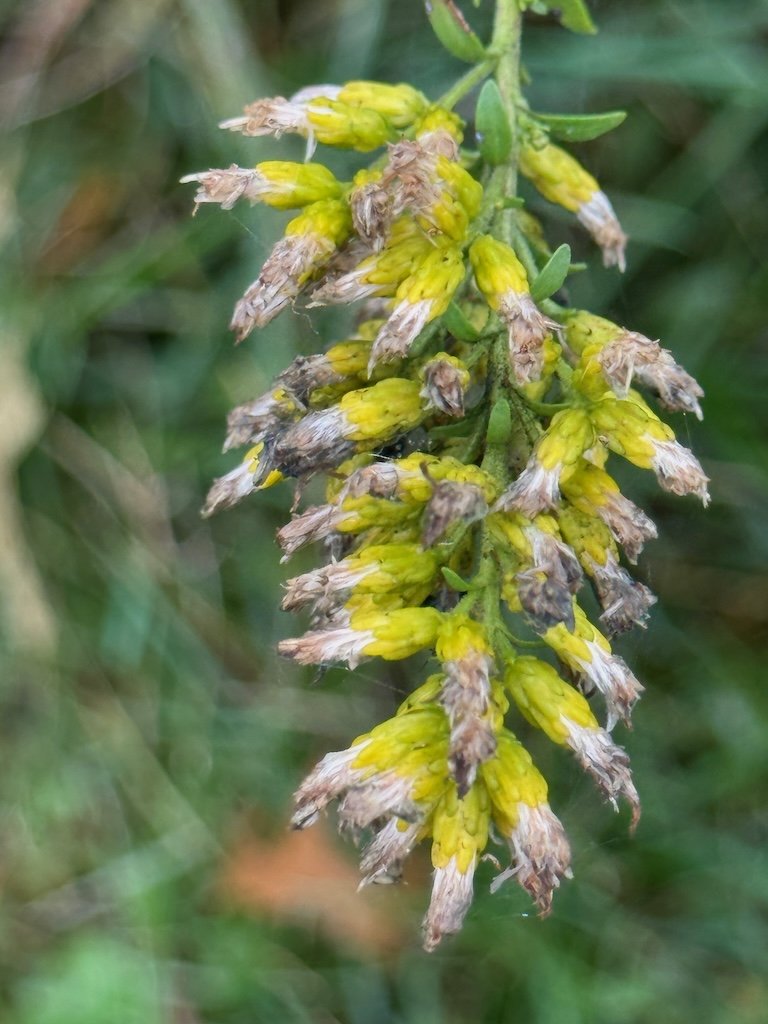
The chives seeds are black and ready to topple from the husks; the goldenrod seeds are not yet mature.

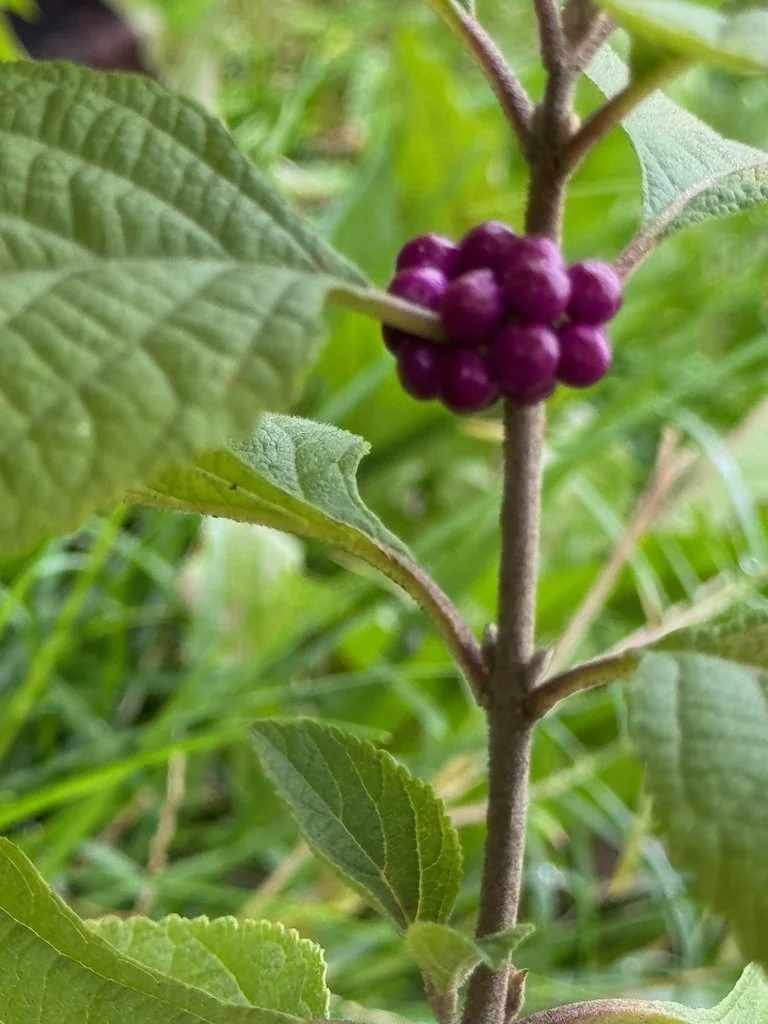
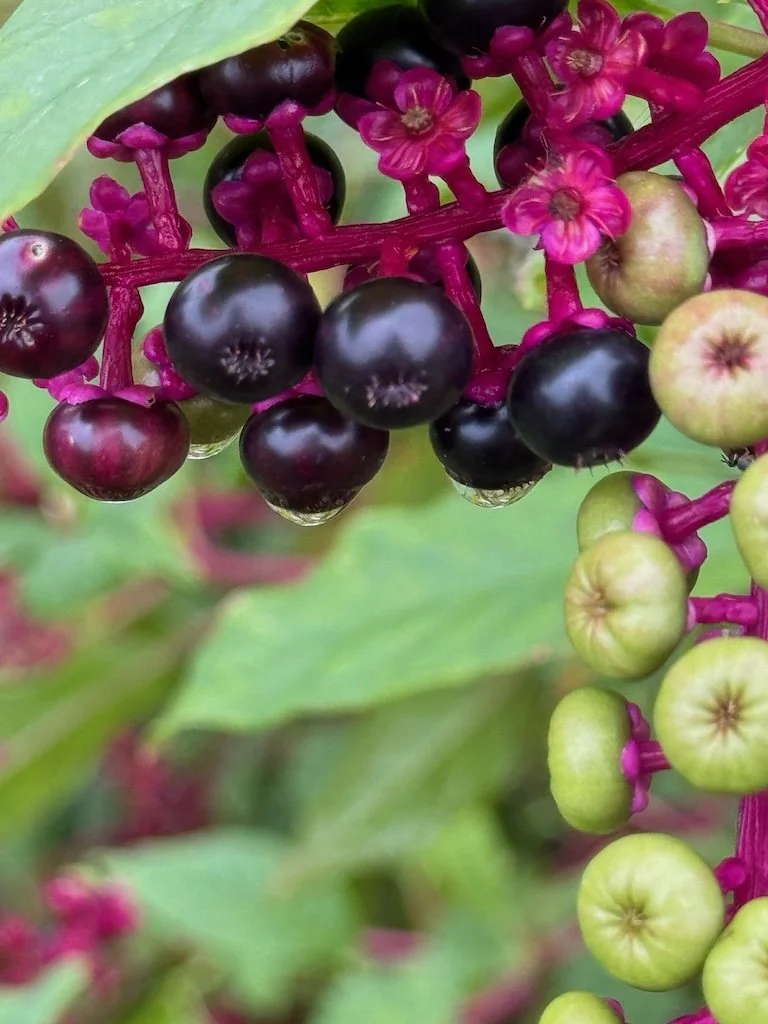
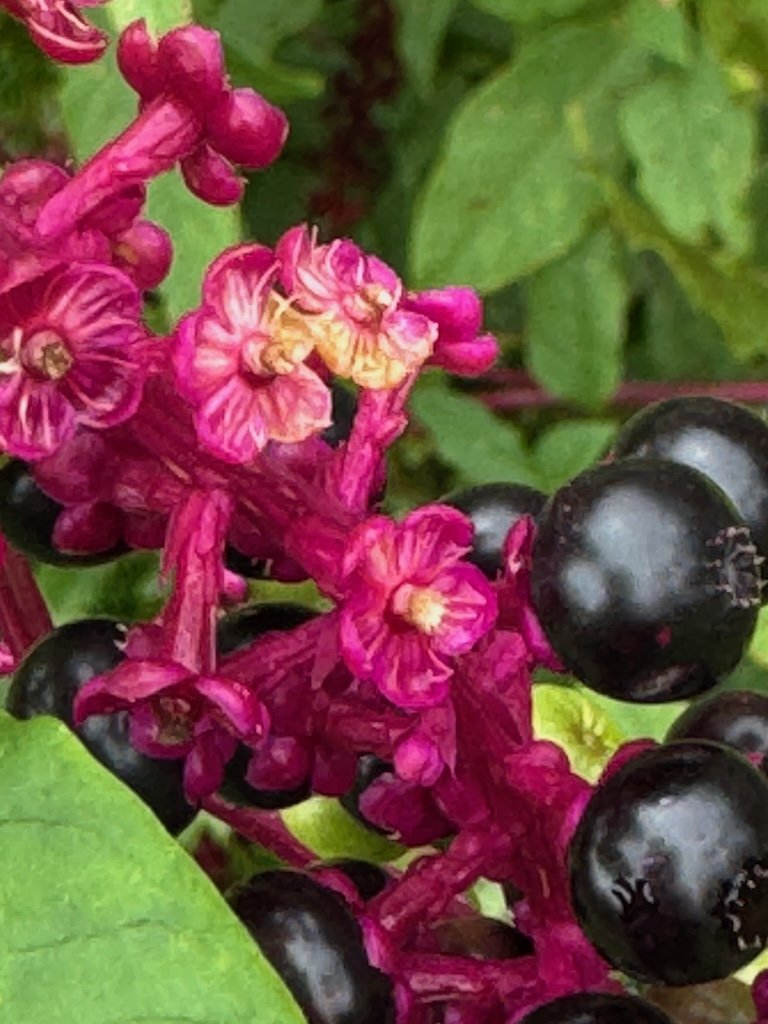
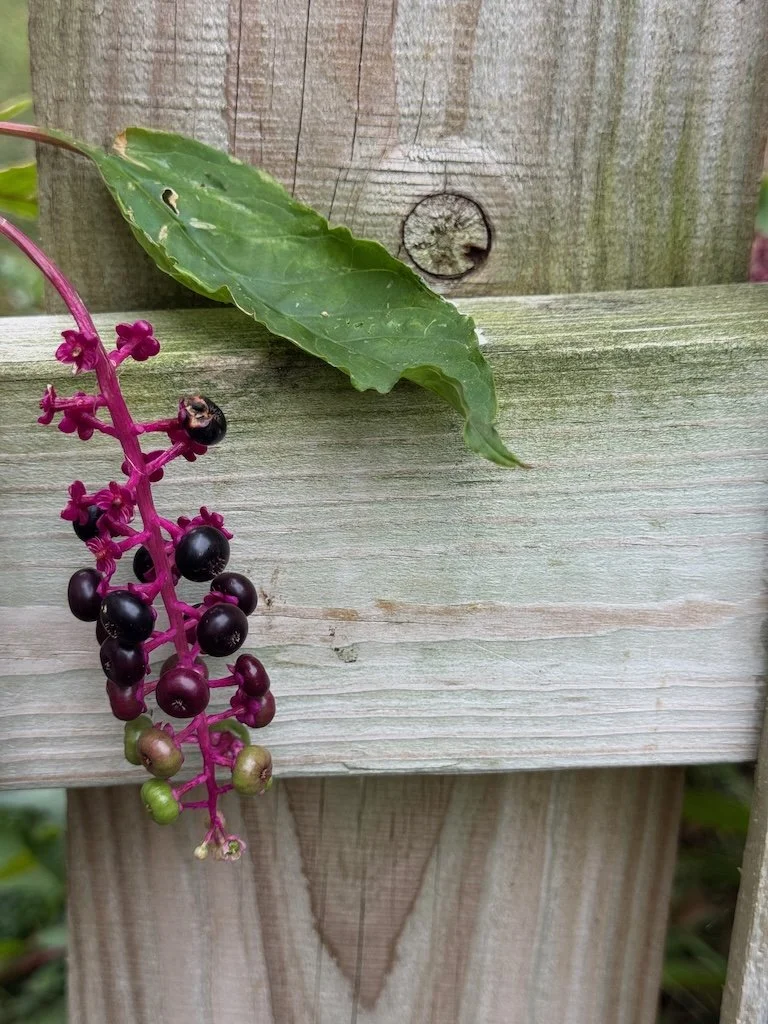
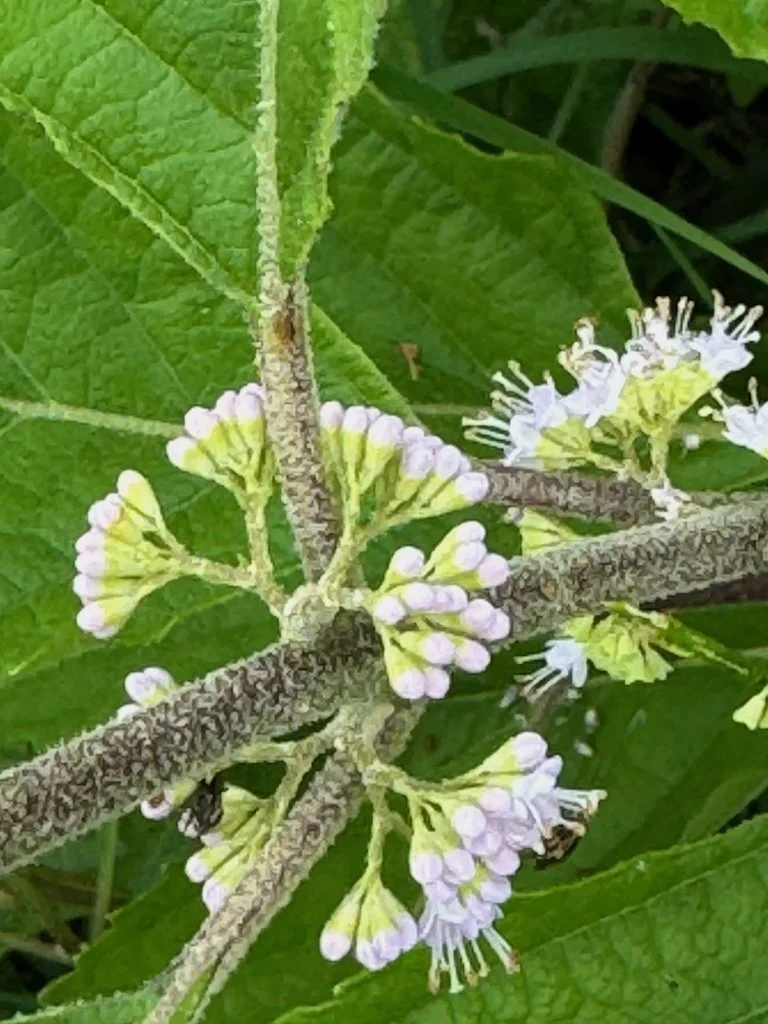
The beautyberry has one small cluster of berries, and the poke weed berries are maturing (some have already been eaten by birds). The poke weed stems are magenta until the first hard freeze.

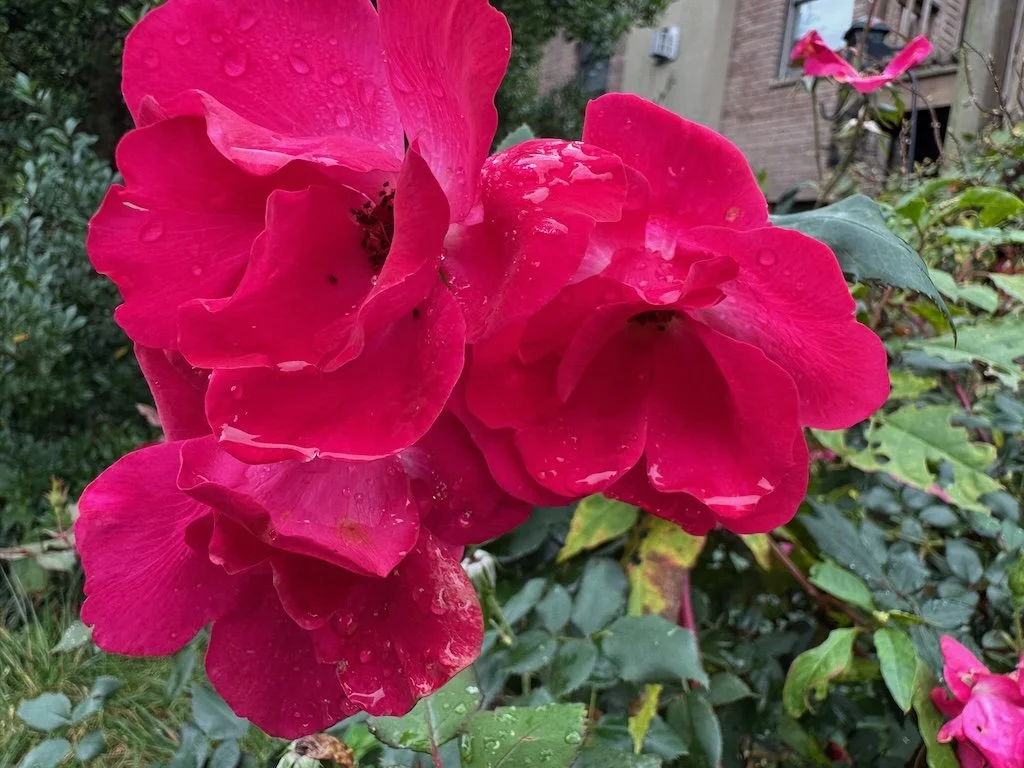
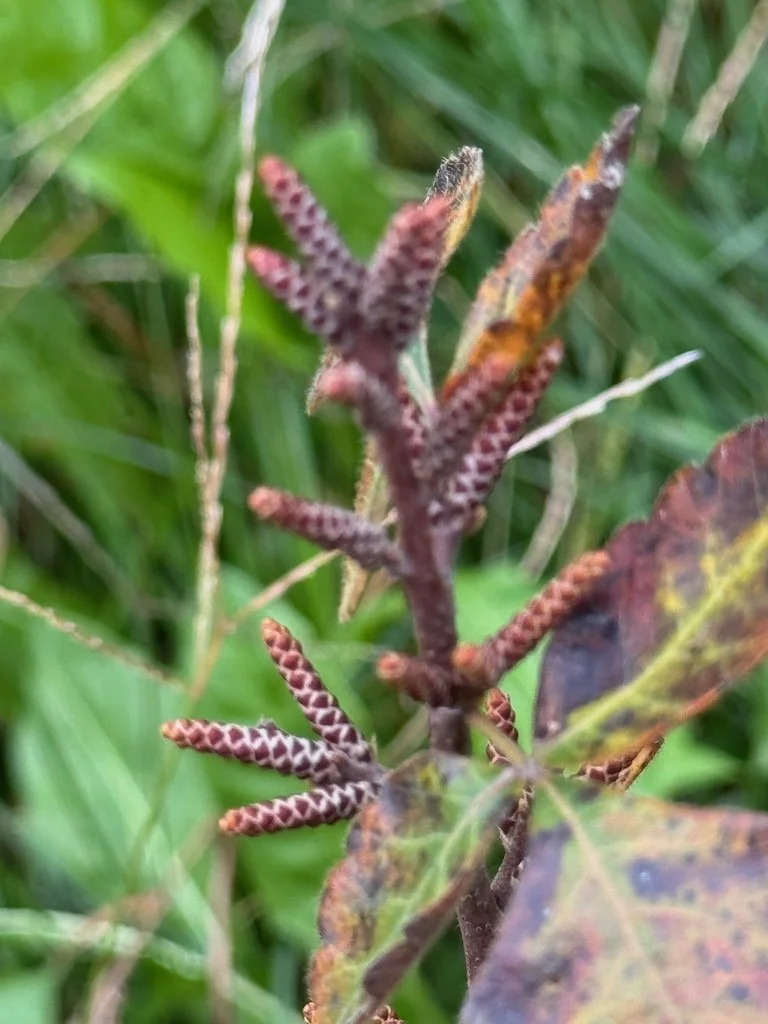
I am thrilled that my fragrant sumac has at least one part that has rooted outside the flowerbed…taking over a part of the yard. The rose bushes are blooming – a last hurrah before winter.

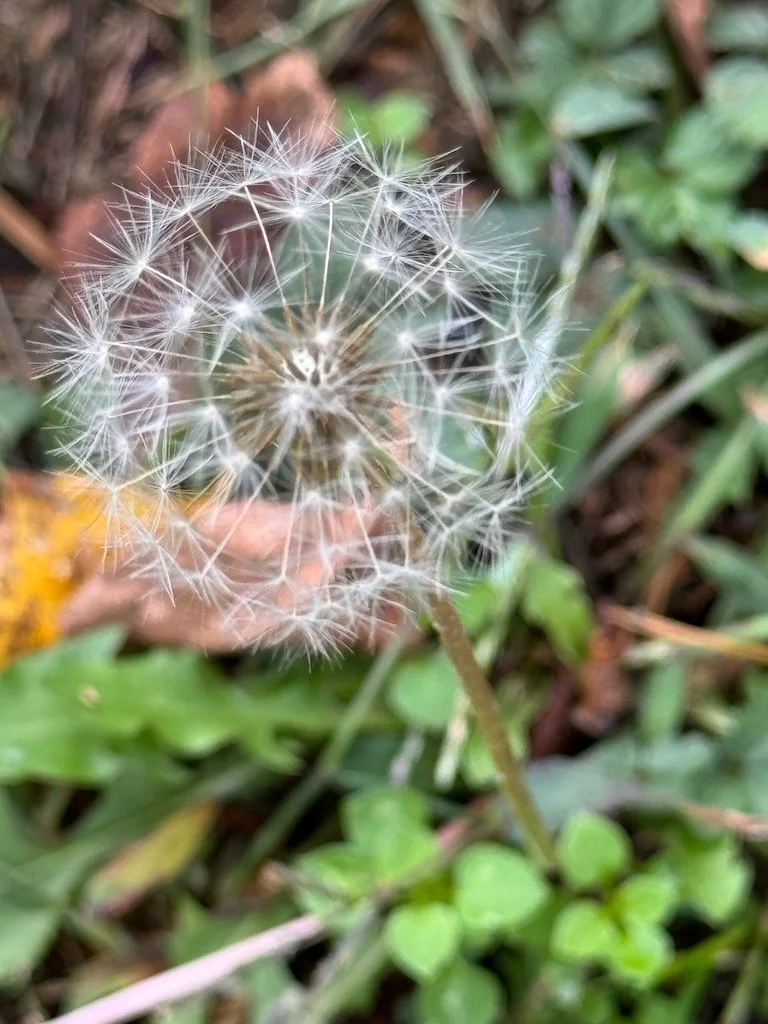
As I finished my walk around the yard, I noticed a lone dandelion puff….more plants with deeper roots to hold the soil next year!

My Missouri Neighborhood – October 2025

The mornings are cool…a sign of fall. I headed out for a short walk around the neighborhood pond. There is always something to photograph.

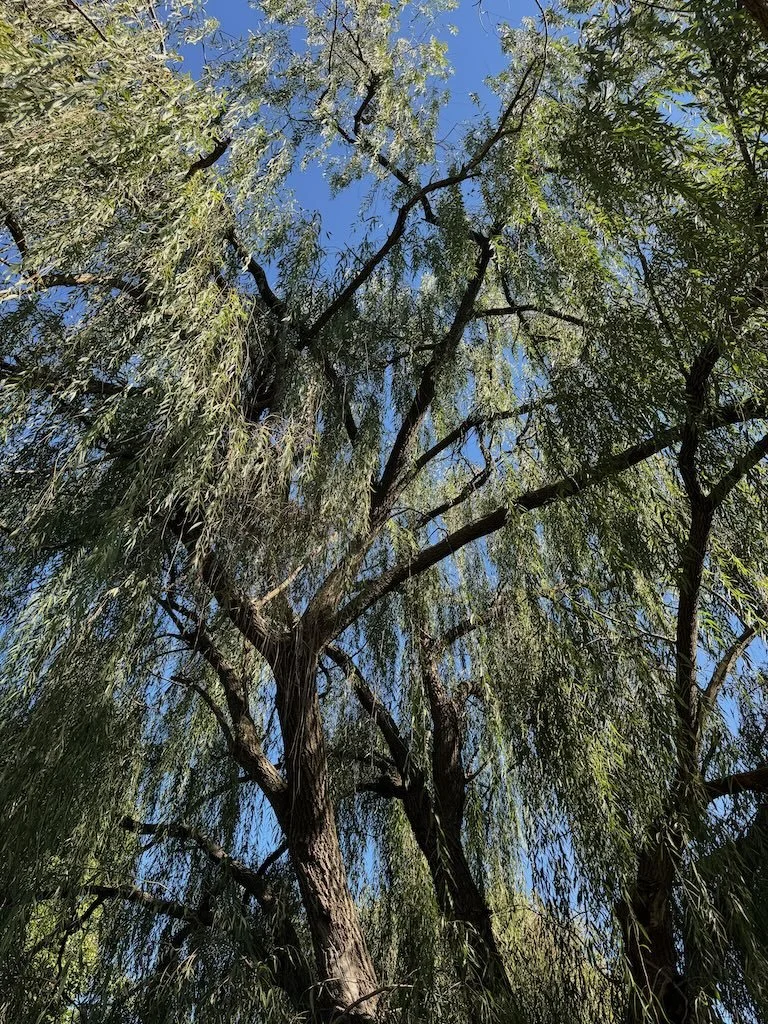
There are two good sized willows at opposite ends of the pond. I photographed the one that seem healthier…no dead branches; its branches move gracefully in dapples of sunlight.

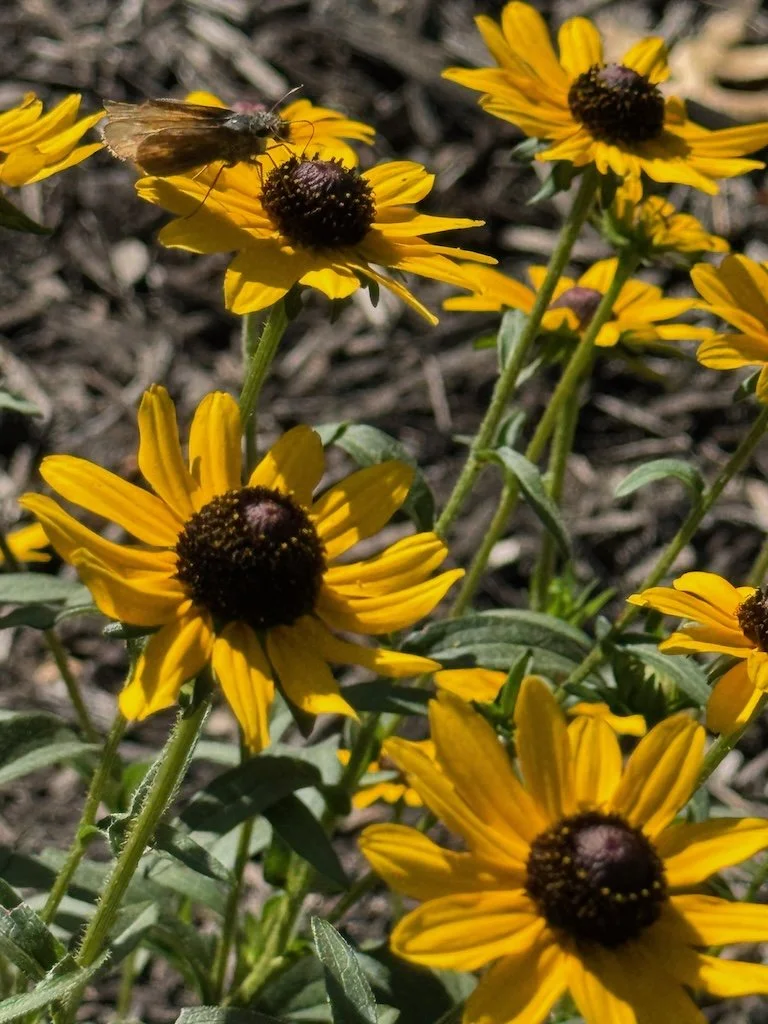
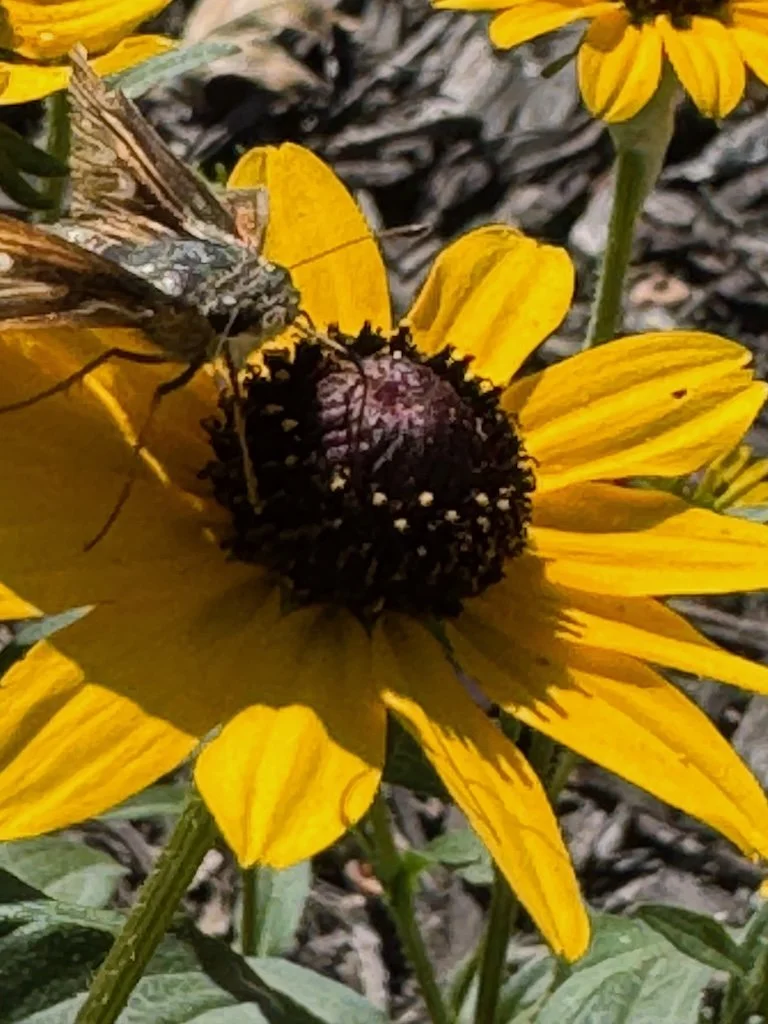
Some of the native plants added last spring near one of the bridges have survived. They will probably do even better next year. There was a skipper sitting on one that seemed to be holding still just for me!

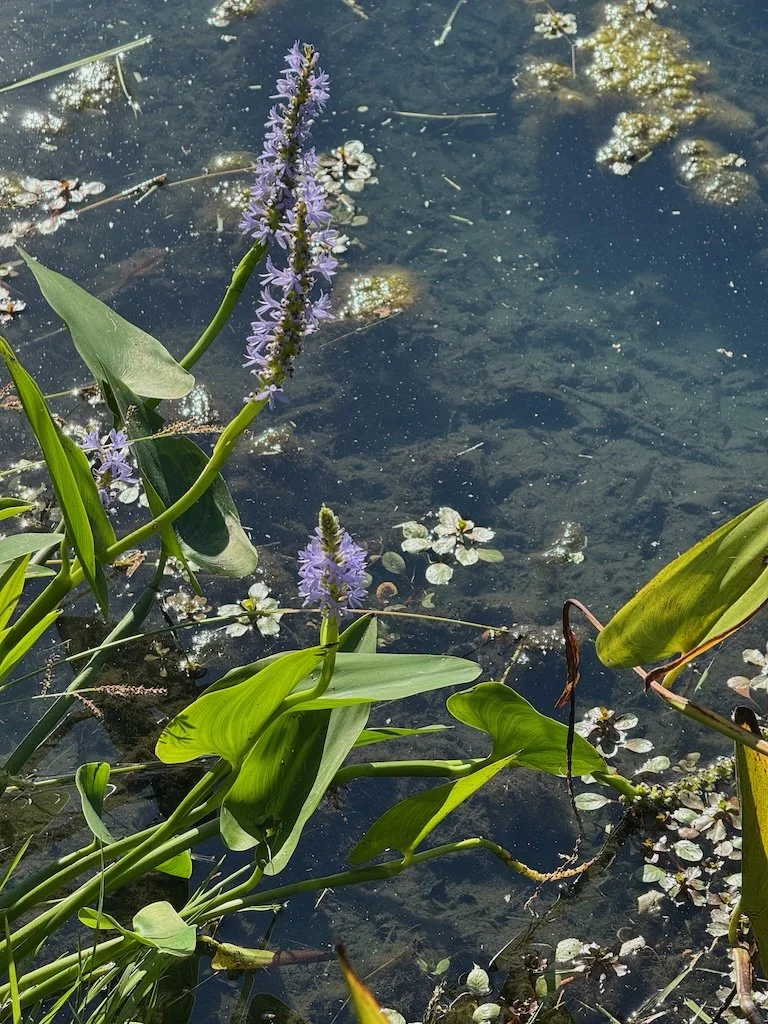
In the water, a few of the pickerel weeds are thriving. There were quite a few that didn’t. Hopefully the plants growing now will propagate…begin to take some of the extra nutrients out of the water. There is a lot of algae in the water this fall.

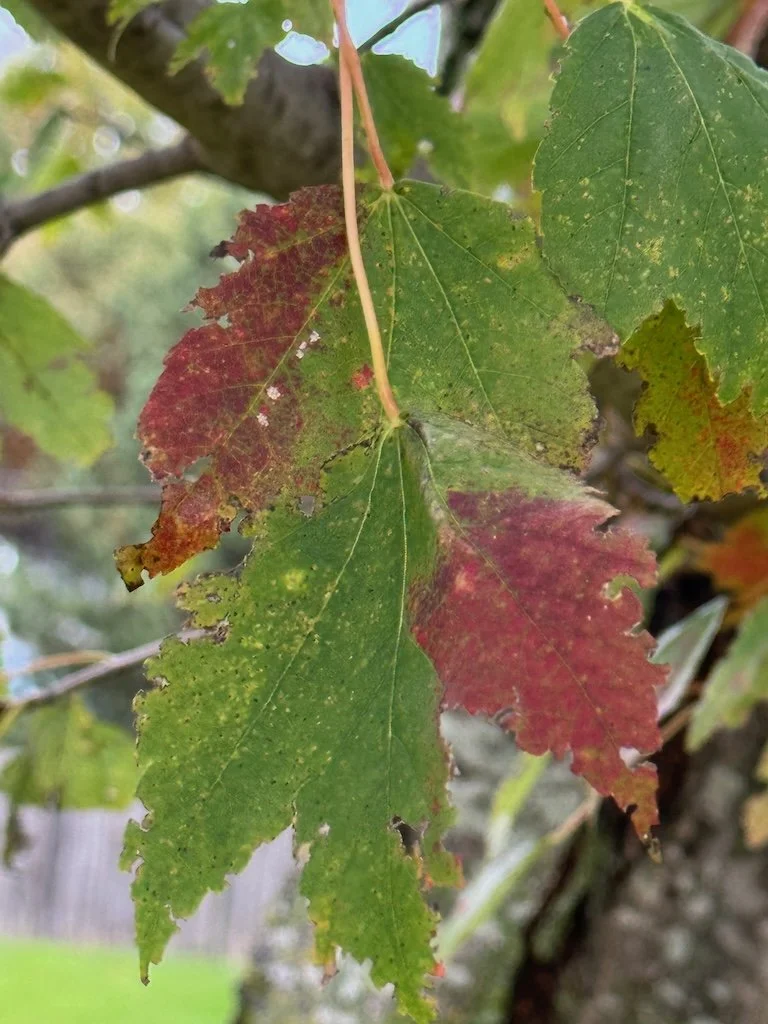
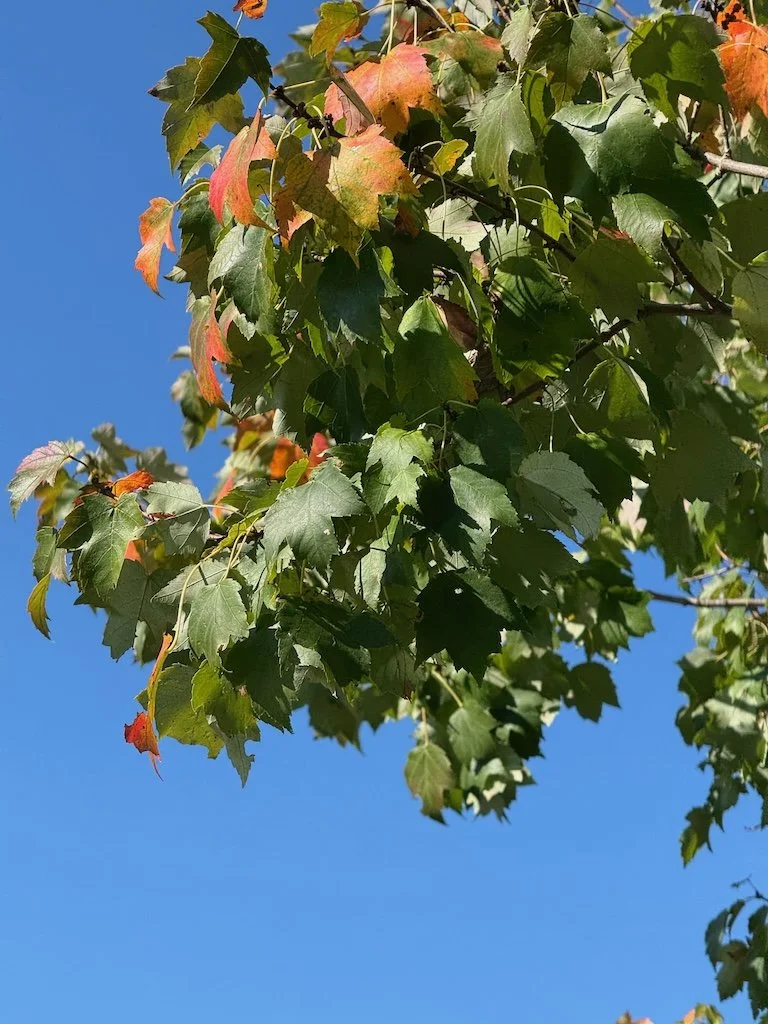
The maples are beginning to show fall color. We’ve not had much rain the past few months so it might not be as brilliant this year although these maples are near the pond so perhaps they got enough water.

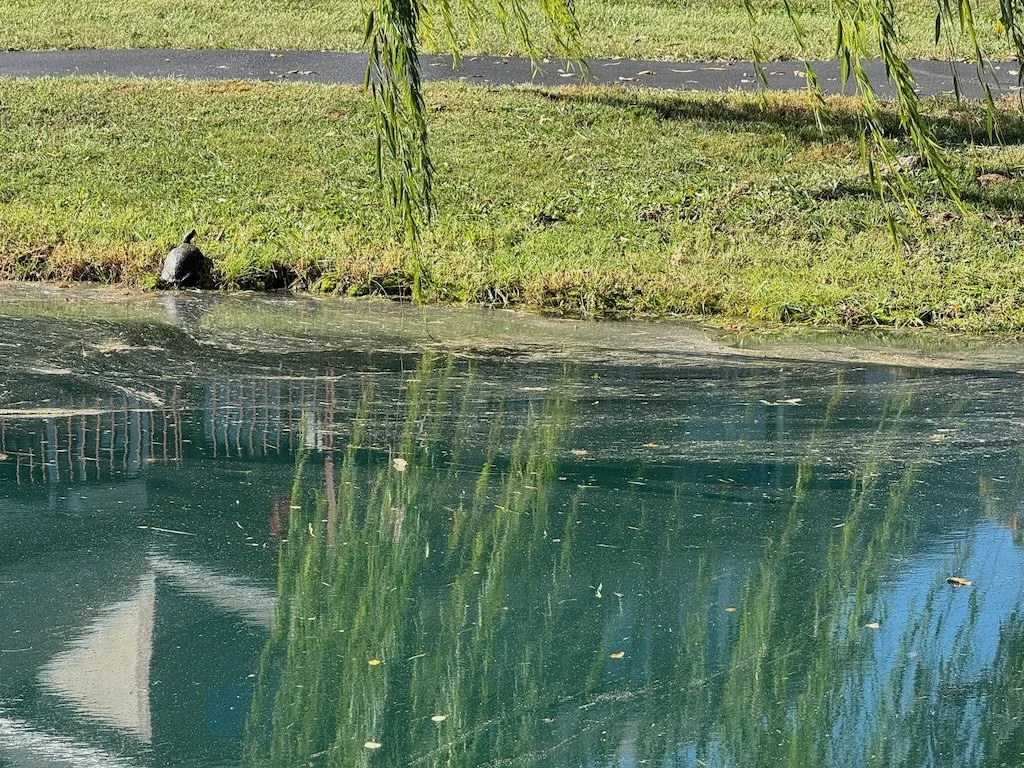
I only saw one turtle, and it was gone before I could get closer. There was a lot of mud on that side of the pond and I wondered if it was from the weed eating too close to the edge.

A river birch has leaves dipping into the water.

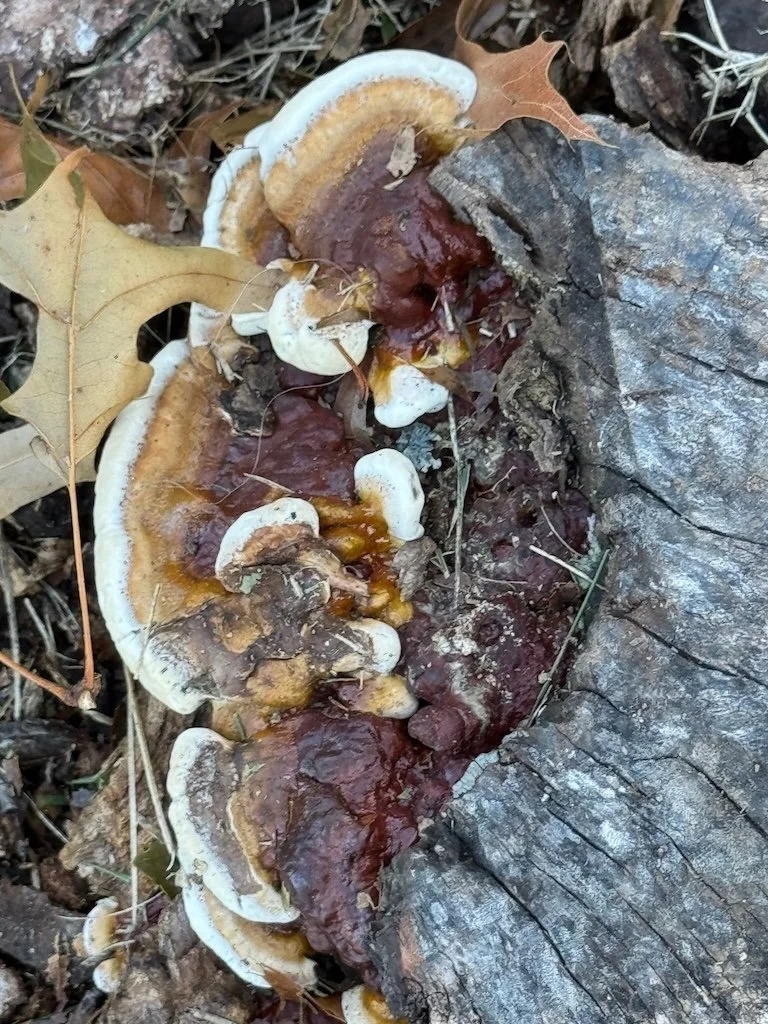
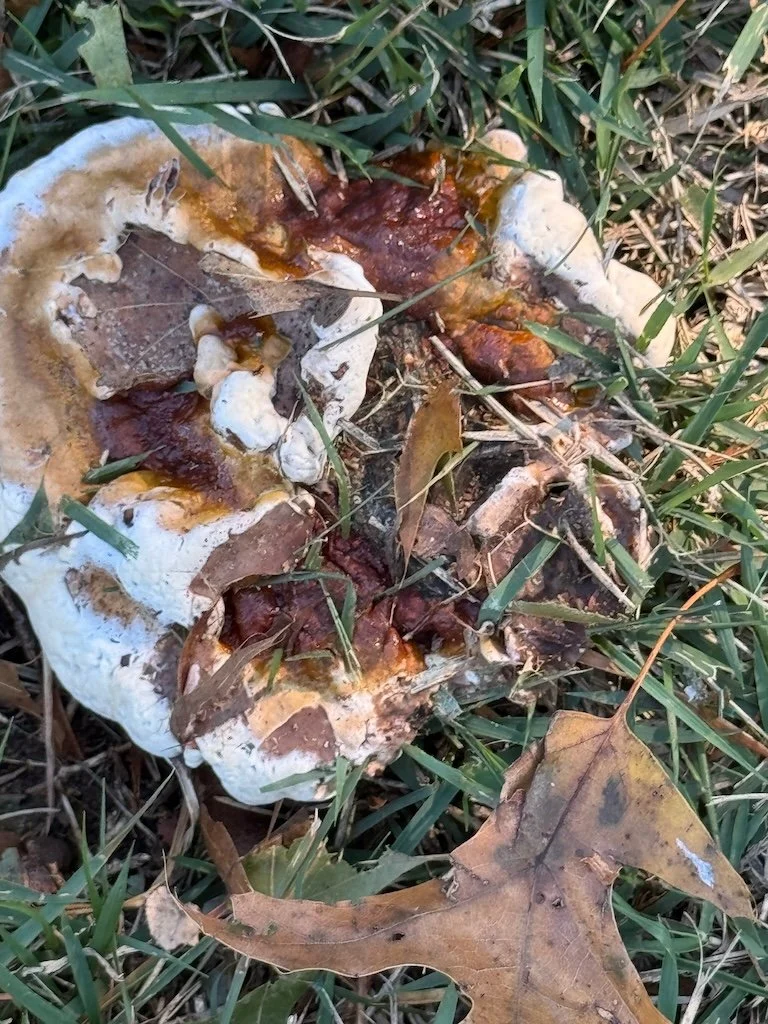
The stump from a tree one of neighbors cut down before we moved to area has almost completely decayed. There is some fungus still working on the last of it…and another of the same kind in the nearby grass that might have been working on a root from the old tree.

When I got back to my driveway I noticed a mushroom near the streetlight in a corner of my front yard. It may be that mulching of grass as I mow has increased the plant debris in the soil enough to support more kinds of mushroom – I hope that is what’s happening!

Hot Springs National Park – Bathhouse Row

My daughter and I headed to Hot Springs, Arkansas after visiting my dad in Dallas. It was a 2-day vacation in celebration of Mother’s Day. There are lots of things to do in the area; we chose to focus on two: the national park and Garvan Woodland Gardens. This is the first blog post about our trip.

There are eight bathhouses that are the historic core of Hot Springs National Park. Only one (the Buckstaff) still functions as a traditional bathhouse. The Fordyce functions as the park’s visitor center. It has many restored features – stained glass skylights, tile floors, a gym, elaborate baths. The changing cubicles seemed very small; there must have been fewer obese people when they were designed!

The Quapaw has been renovated as a modern spa.

We had lunch at the Superior – which is now a brewery. I enjoyed their root beer that is made with water from the springs and sweetened with honey.

My daughter and I spent the most time at the Buckstaff – enjoyed the Traditional Bathing Package: whirlpool tub, sitz bath, vapor cabinet, hot packs, and full body massage. The bathtubs and equipment are original to when the bathhouse opened in 1912! It’s a great way to experience history. One of the learning experiences: how to wear a sheet to be securely and completely covered.

Across the street there is a row of shops – appealing to tourists. I noticed the top of one of them looked like it might be painted tin (I learned to look for it in old buildings when I was in London, Ontario in 2022). There are also murals painted on the sides of buildings.

There are magnolias that line the street in front of the bathhouses. They were beginning to bloom.

There were mushrooms coming up near one of them and I couldn’t resist some macro pictures of the magnolia bark and the view into the top of one of the trees.

Tomorrow’s post will be about our hike from bathhouse row to the Hot Springs Mountain Tower.

Milkweed Bugs

I am waiting for the milkweed bugs to mature and fly away from one of the last milkweed plants standing in the flowerbed. They have been transitioning to adult form over the past few days. I’ve been taking pictures when I first start my hour of working in the flowerbeds. On the 8th I noticed a few adults – but still a lot of nymphs.

On the 9th there were fewer nymphs and it appeared that some had just made the last molt to become adults.

On the 10th…more were making the transition – shedding for the last time. The blobs of clear ‘skin’ with black squiggles are the sheds.

By the 11th it appeared that they had all become adults. They’ll fly away to look for fresh milkweed and I hope they find it at the pond where the milkweed looks great – unlike the stalks that I am now cutting down when I don’t see any caterpillars or milkweed bugs on them!

After photographing the milkweed bugs, I get busy cleaning out flower beds (and trimming bushes. I takes me about an hour to fill the wheelbarrow, take the load back to the edge of the forest, and plan the work I want to do the next morning.

On the 11th I took a few pictures after I was done with the gardening of small things in our yard…a bit a nature before I went inside to stay cool the rest of the day.

Yard Work

20200801_090426(0).jpg

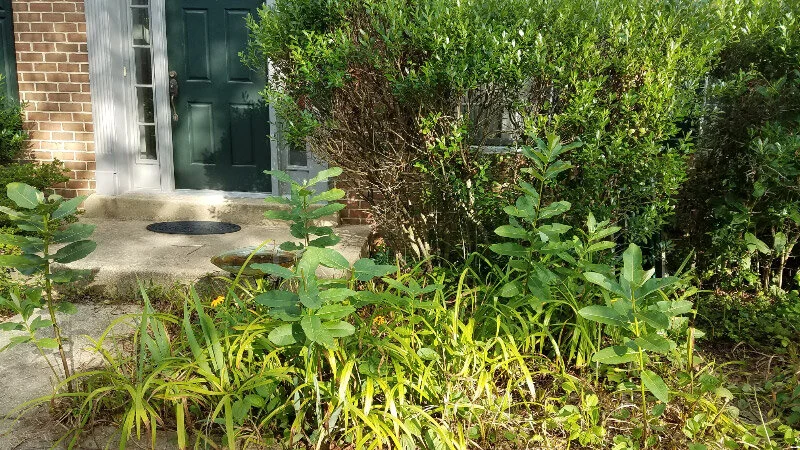
The yard work seems to never be finished. My goal is to spend a morning hour every other day catching up. The front flowed beds are the first phase. The milkweed is looking awful and the day lily leaves need to be cut since they are turning yellow. I learned last year that trimming the day lily leaves back causes the plant to grow fresh leaves that last until frost. It probably reduces the bulb growth underground, but the deer take so many of the flowers that producing more bulbs is not my priority.

20200801_090439.jpg

On the first morning, I cut or trimmed the most aphid infested milkweed and about 1/3 of the day lily leaves. I discovered it was slower going since I wanted to leave the black eyed susans (the deer eat them but maybe not quite as much as the day lily flowers).

The second morning, I continued working on the rest of the bed. There were still a lot of day lily leaves to go.

20200803_074715.jpg

I use a wheelbarrow as my measure for each day – my goal it to fill it up. It wasn’t that difficult although it was only another 1/3 of the flower bed! I took the load back to the compost pile; it covered the kitchen scraps I had taken out before I started.

20200803_082345.jpg

On the way back up the hill, I stopped to photograph some tiny orange fungus in the grass (I’ll check on them in the next few days…see if they become mushrooms) and a moth which I though was a leaf at first.

20200803_083013.jpg

And then there were the milkweed bugs on one of the plants that I chose to leave up in the flower bed.

20200803_083032.jpg
20200803_083120.jpg

Now to find a third morning to finish off the work in the flower bed…and move on to the next flowerbed/bush trimming on my list. It won’t be tomorrow since the forecast is for all day rain from Tropical Storm Isaias.

I’m getting more accomplished on the flower beds now that I’ve settled on the wheelbarrow metric and planning to be out for only an hour. I am not an enthusiastic gardener, but I do want the flower beds to look a lot better than they do right now and am psyched to get there an hour at a time. I am hopeful that I’ll get to a point that I can take off an occasional day (or not get too far behind if the weather does not cooperate) in the next few weeks. The other change I’ve made is to wear my river (field trip) boots; they take away my excuse that the foliage it too wet!

We are at home so much right now that there is no excuse to not have the yard it great shape.

Unique Activities for Yesterday:

Watermelon. We ate our first watermelon from the CSA this season. It was small enough to eat in one sitting for my husband and I. It was yellow (rather than red) and had seeds….but we both enjoyed it tremendously. I’d love to get one of the big red melon with seeds that I remember from my childhood but it seems like they aren’t grown very much anymore.

Walk at Mt Pleasant – Part 1

I got up at my regular time and was out of the house a few minutes before 6; the sun was up but it was still very much the ‘magic hour’ for photography when I got to Howard County Conservancy’s Mt Pleasant Farm. There were only two other cars and I didn’t see any other people around before I headed out on my walk. I hadn’t been there to walk around since back in January….completely missed the spring which I usually get to observe many times as I volunteer for school field trips that come there…but not this spring. I noted a sign about social distancing and no large groups. The picnic tables looked so pristine and lonely. There would be plenty of space of a group of 10ish to eat lunch far enough apart; it would look odd to me since I am used to the school groups that often ate there after a field trip and were almost always more than 100 people.

2020 07 IMG_0875 (1).jpg
2020 07 IMG_0875 (2).jpg

On a positive note – the orchard has fruit this year. In 2019 a late frost caused all the blossoms/newly forming fruit to fail. I thought it might have happened this year too but there are fruits on both the pear and apple trees. The pear might not have edible fruit (I think they are usually bigger by this time)

But the apples have a lot of green fruit that will be begin turning red soon.

The door to Montjoy bar seemed to not fit as well as they did at one time…they sag a little. I wondered how long ago they were painted.

2020 07 IMG_0875 (5).jpg

The trumpet vine was growing profusely over the arbor near the children’s garden. Insects were enjoying the flowers. I made the mistake of walking under it and a bee flew around my head for some distance beyond. Not sure why I was attractive to the bee.

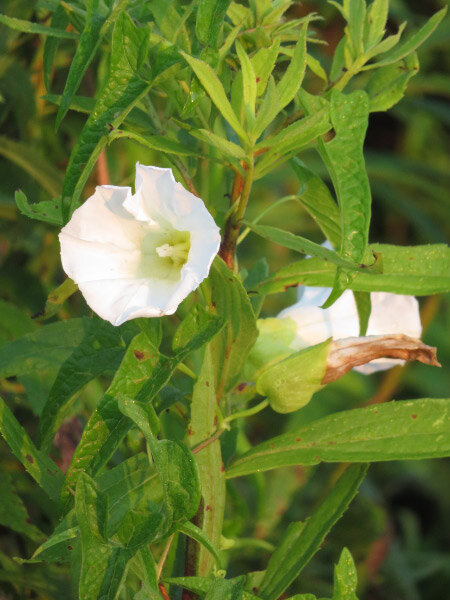
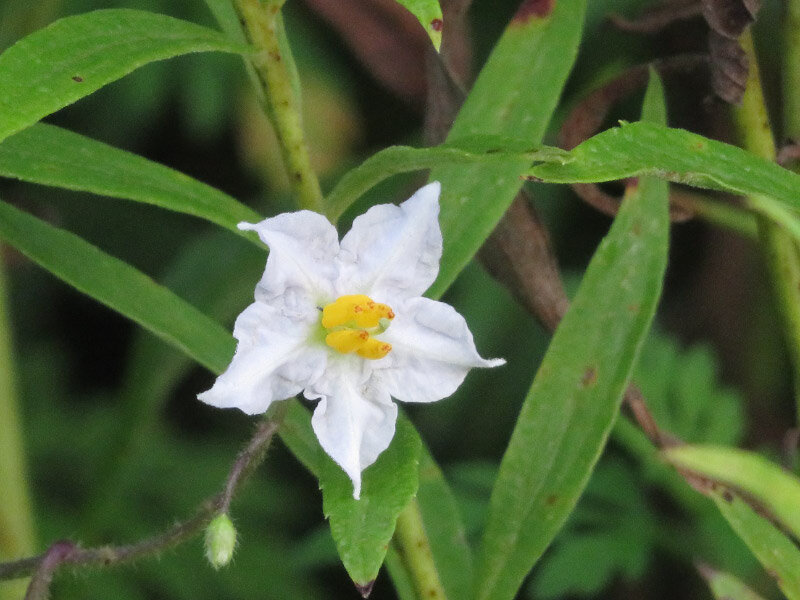
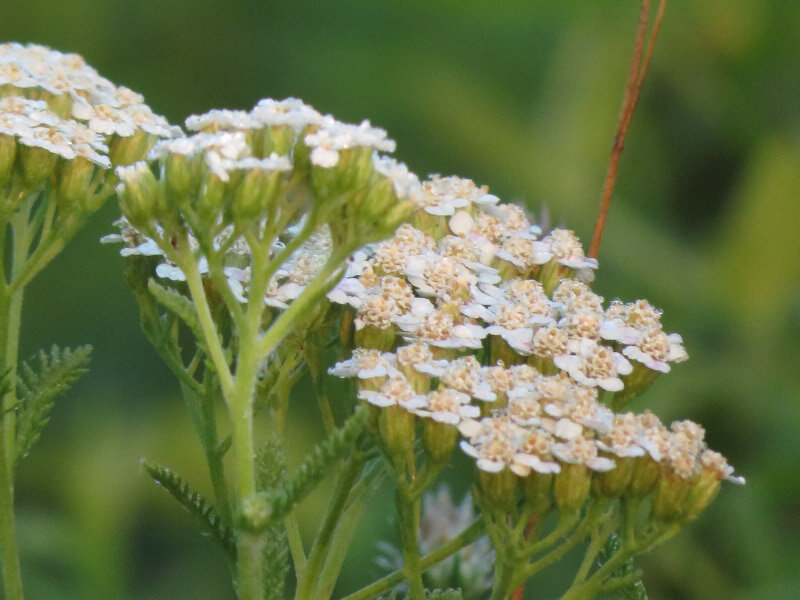
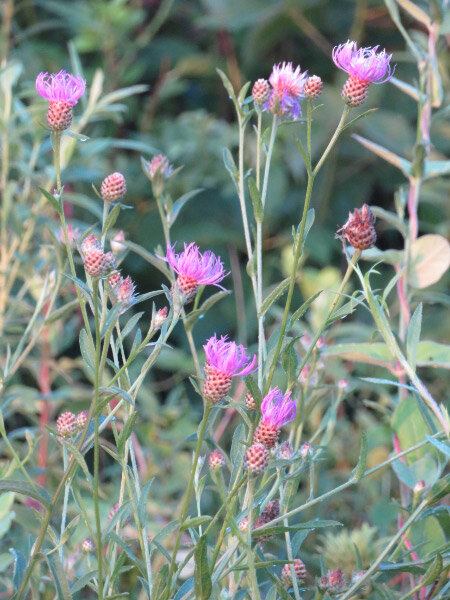
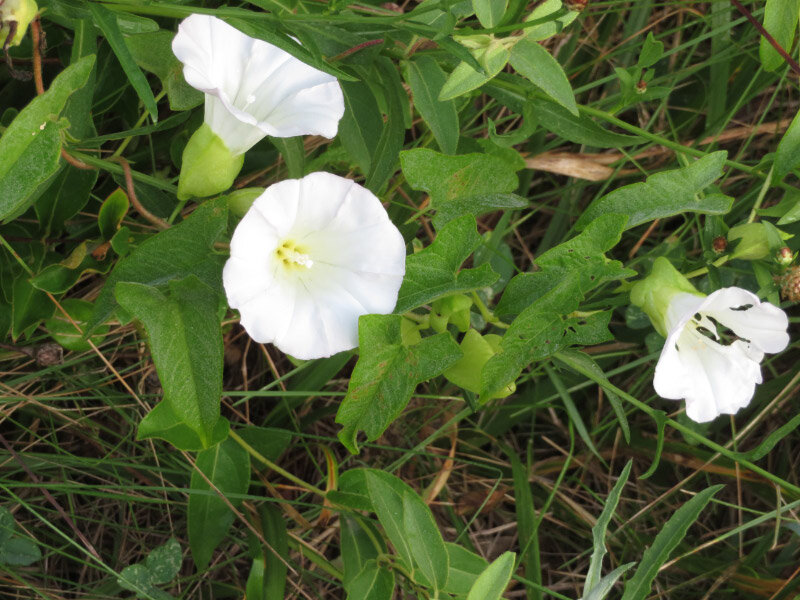
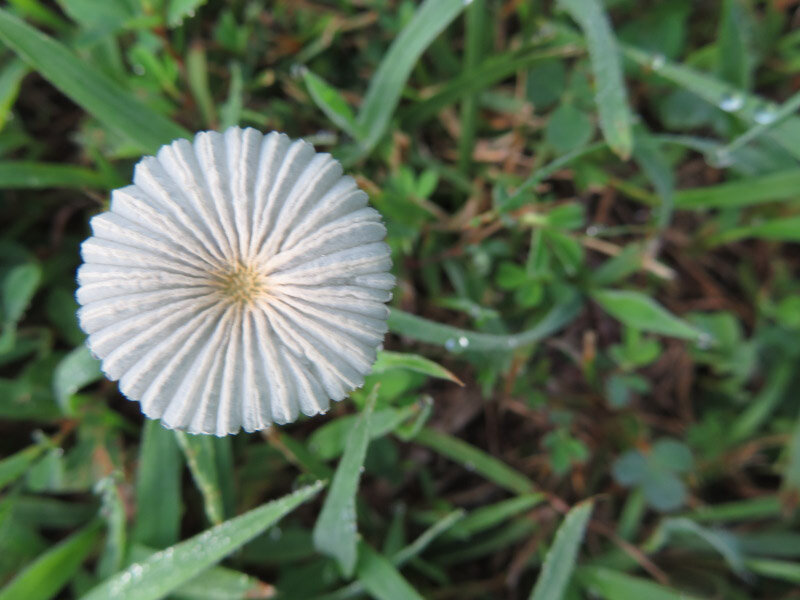
There were lots of meadow plants in bloom – horse nettle, thistles, Queen Anne’s lace, bindweed, a pleated mushroom. Something to photograph at every turn.

I’m not usually keen on landscape pictures but there was mist coming off the ground and it added dimension to the contours of the land. The sun had been up for about 45 minutes. I could already tell that the mist was burning off as I walked…could feel the high humidity.

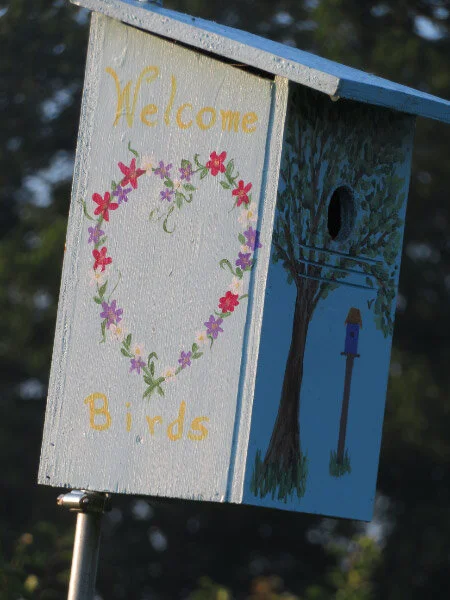
The bird houses have been refreshed and painted. The background paint is a light blue and then natural things are painted over the blue. It’s a nice change in the meadow even though I also appreciated the old natural wood houses with occasional patches of lichen and moss. There is a sign on the pole cautioning to stay away because they are tree swallow homes. I wonder if they put the signs on after they knew it was a tree swallow using the house rather than a bluebird.

The meadows looked very lush and growing wild. The place looks more overgrown than most summers…and I think it is more than not mowing as much. There are not as many people around. There are even ripe blackberries in the meadow than haven’t been picked. During previous summers, the campers ate blackberries as soon as they were ripe!

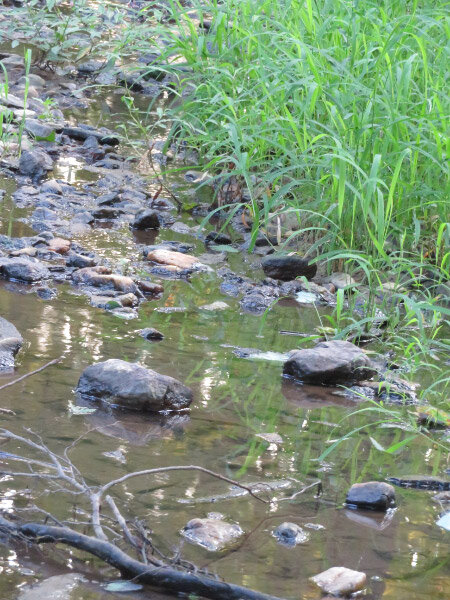
The stream seemed to be running more in the channel closest to the beach area rather than the one we used to think was the deeper one. It was running slowly…the last rainstorm already mostly drained off.  It felt a cooler down at the stream in the deep shade.

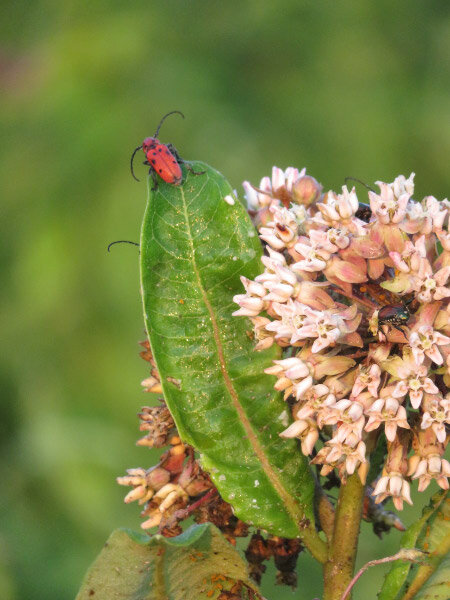
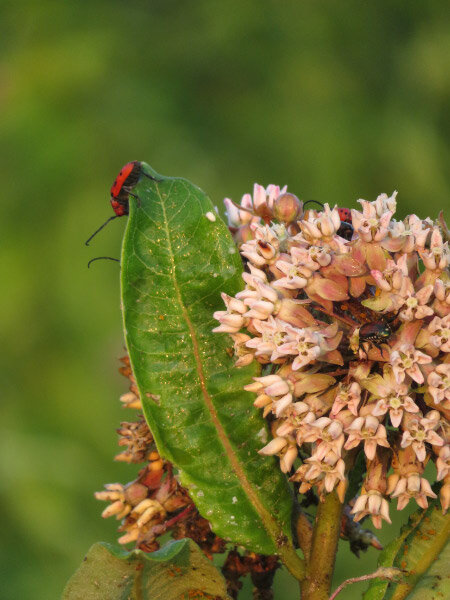
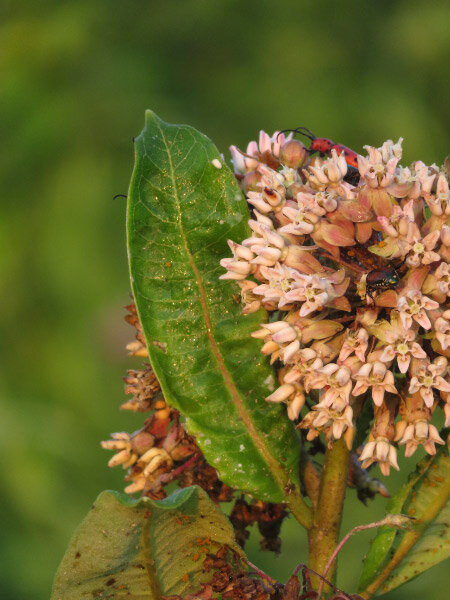
Most of the milkweed was past blooming with tiny seed pods forming although I did find two flowers– one in the meadow and one in the garden area near the flowerpot people. Both had interesting insects:
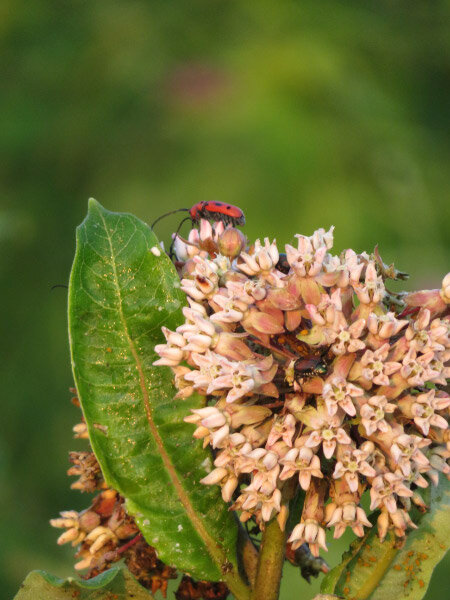
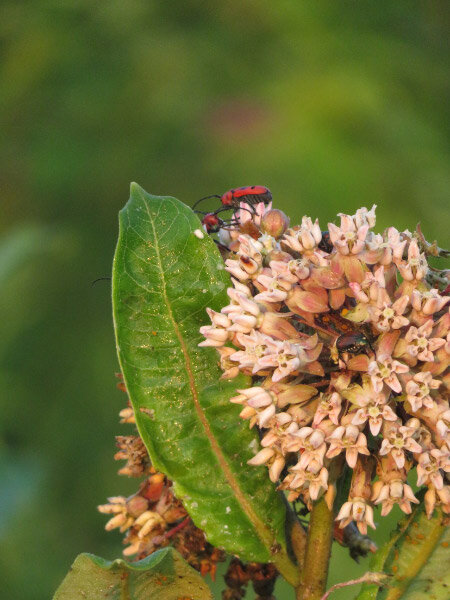
Milkweed beetles meeting each other – moving around quite a lot….another insect further down that didn’t move during my picture taking.

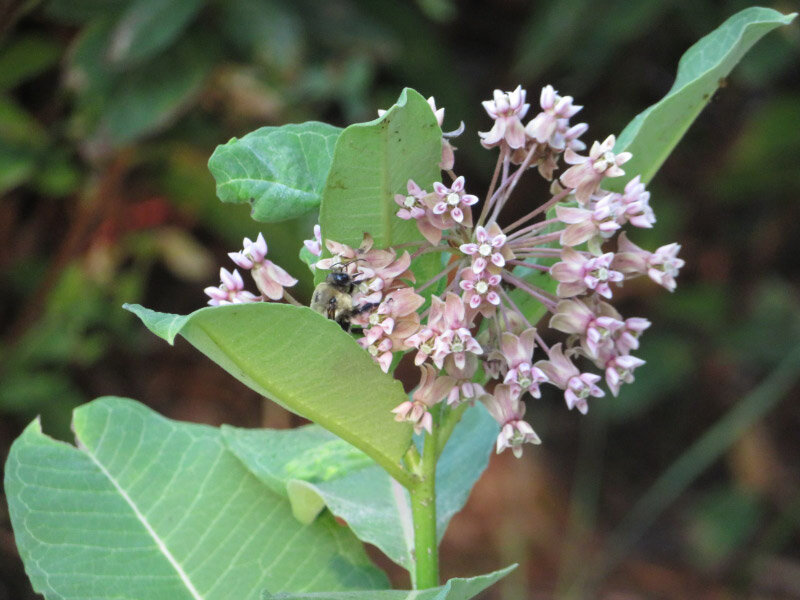
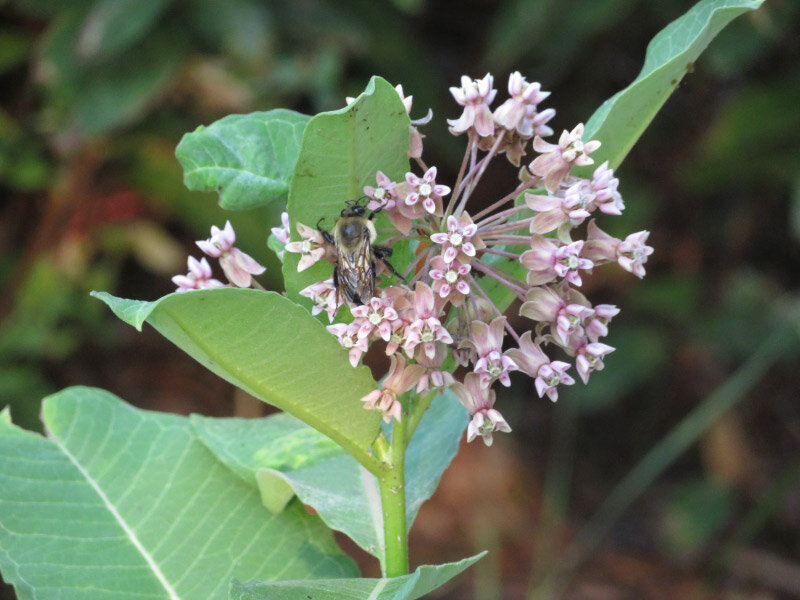
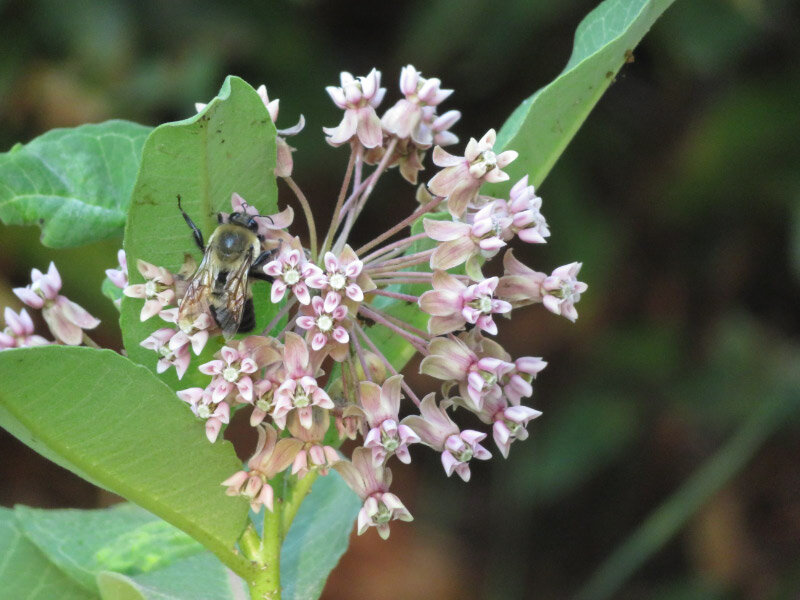
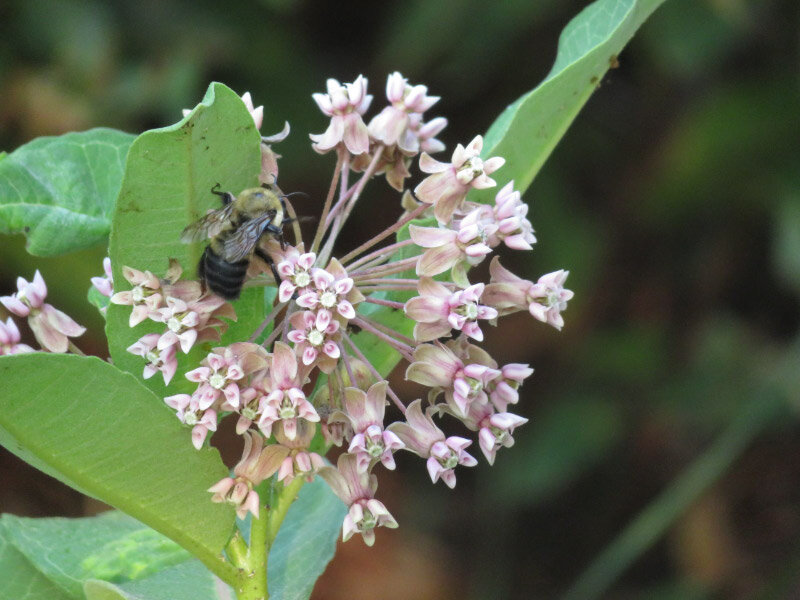
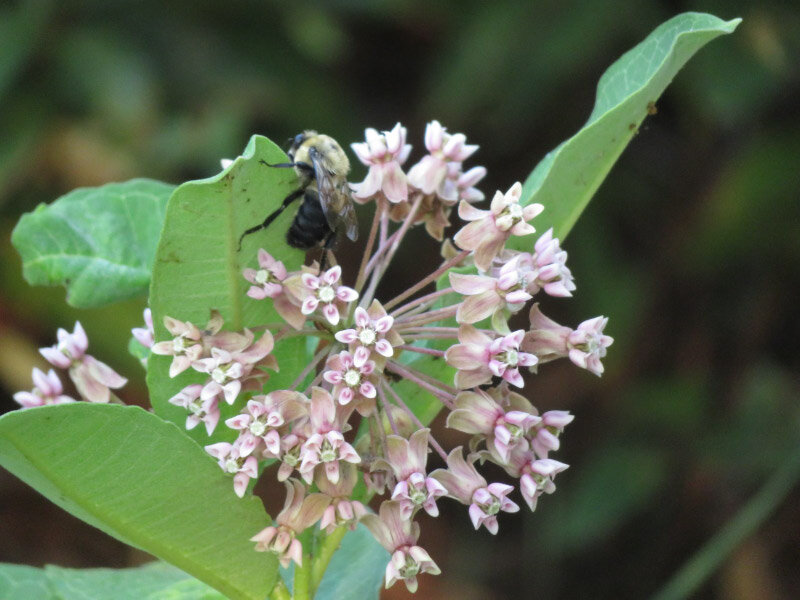
There was a bee on the flower in the other garden. I watched it as it went to several small flowers – trying to avoid bee butt pictures!

The rest of my hike report in tomorrow’s post…