Gleanings of the Week Ending April 4, 2026

The items below were ‘the cream’ of the articles and websites I found this past week. Click on the light green text to look at the article.

3/23/2026 Smithsonian Magazine These Mesmerizing Waterfalls Flow Only Every Few Years. See the Rare Marvel Now in Southwest Utah - A rare red rock waterfall is flowing once again in southwest Utah, leaving visitors in awe of its cinematic beauty.

3/23/2026 Science Daily Scientists discover hormone that may stop chronic back pain at its source - A hormone-based treatment could help ease chronic back pain by reducing abnormal nerve growth within damaged spinal tissue. During spinal degeneration, pain-sensing nerves grow into regions where they normally do not exist. Our findings show that parathyroid hormone can reverse this process by activating natural signals that push these nerves away.

3/14/2026 NPR Reframing Georgia O'Keeffe's legacy and protecting the land she loved - A historic new conservation plan will protect that landscape, with its colorful cliffs and buttes, forevermore.

3/12/2026 Clean Technica Extreme Heat Limits Outdoor Activities for One Third of Human Population -Scientists from the Nature Conservancy have published a study in the journal Environmental Research — Health that finds nearly a third of people alive today are unable to work outdoors safely in the higher temperatures prevalent in much of the world. On average, people over 65 now experience about 900 hours each year when heat severely restricts safe outdoor activity, compared with 600 hours in 1950. The most severe challenges are found in southwest Asia — Bahrain, Qatar, Kuwait, the United Arab Emirates, Iraq, and Oman,; south Asia — Pakistan, Bangladesh, and India; and parts of west Africa — Mauritania, Mali, Burkina Faso, Senegal, Djibouti, and Niger.

3/16/2026 National Wildlife Federation Toxins of the Past and Present: Why We Need the EPA - Environmental protections are critical for the health of our ecosystems and communities, and the science and regulatory capacity of the EPA exists to prevent the dire adverse health outcomes caused by environmental pollution–for people and wildlife. Without efforts to protect us, we risk exposure to toxins of the past and present–a fight that has been going on in the United States for decades.

3/26/2026 Yale Environment 360 As It Boosts Renewables, China Still Can’t Break Its Coal Addiction - China is the biggest installer of renewable energy, the biggest emitter of greenhouse gases, and the biggest user of coal.

3/26/2026 BBC An unstoppable mushroom is tearing through North American forests. Fungi enthusiasts are doing damage control - A rogue mushroom native to Asia is ripping through North American forests, after escaping from cultivation. As it runs riot, mushroom enthusiasts are rescuing the native fungi in its path. Native to Asia, the fungus was brought over to the US to be cultivated for food sometime around the early 2000s. Because it fruits so heavily, it proved to be popular with both professional and home growers. It has a high yield, meaning more profit for growers. t's now been found in 25 US states and one Canadian province.

3/24/2026 ArtNet More Than 300 Yayoi Kusama Works Take Over a German Museum – The artist is now 97 years old….lots of polka dots and pumpkins!

3/24/2026 New York Times Wicked Stepmother No Longer, a Female Pharaoh Gets a Reputational Makeover - In the 1920s, while excavating for tombs at Deir el-Bahri in Luxor, archaeologists were confronted with a baffling crime scene: thousands of smashed statues and desecrated reliefs of Hatshepsut, one of ancient Egypt’s few, and most successful, female pharaohs. New scholarship shows that a good portion of the harm was incidental, caused by the physical removal of her statuary from her temples.

3/27/2026 The Conversation A flesh‑eating fly is advancing towards the US border – can it be stopped? - The New World screwworm (Cochliomyia hominivorax) lays its eggs in open wounds and in the orifices of live, warm-blooded animals – including, occasionally, humans. The maggots then devour the animal’s flesh, causing devastating lesions that can quickly kill the infested host. Before the 1950s, it was found in the southern states of the US, where cattle infestations caused heavy financial losses for beef producers. But, during the second half of the 20th century, eradication efforts pushed it out of North and Central America. In the past few years, however, screwworm control has unraveled, with cases spiking across Central America. The fly has now spread north through Mexico, reaching two Mexican states – Tamaulipas and Nuevo Leon – that share a border with Texas. International cooperation is required for management at a geographically relevant scale.

Cedar Gap Conservation Area

My daughter and I took an early spring hike at Cedar Gap Conservation Area near Seymour MO this week. It is about 45 minutes from where we live along good highway…to a 2-lane road that heads into the country side for less than a mile before it turns to a gravel road, and crosses some railroad tracks just before the small parking lot. The Cedar Gap Plateau is the second highest point in the State of Missouri! Three watersheds begin from the plateau: Gasconade River, Finley River, and Bryant Creek.

The trail is downhill to a stream – the headwaters of Bryant Creek. The trail is gravel that is sometimes large enough and loose enough that going downhill is considerably harder than going uphill!

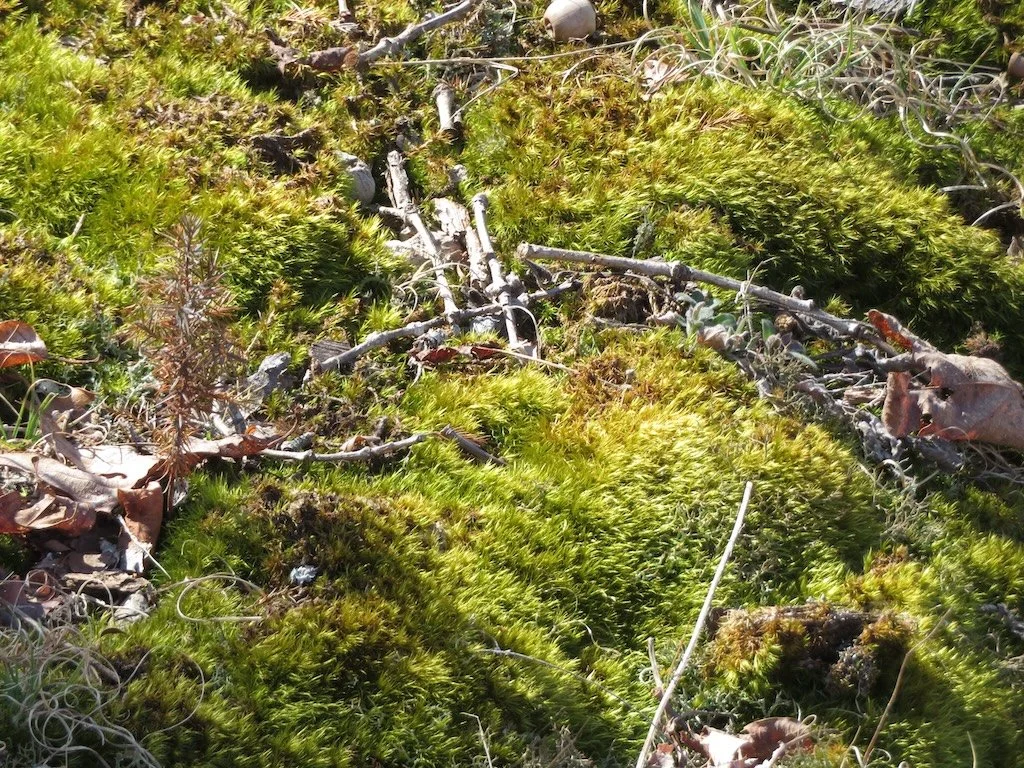
We noticed some redbuds with buds developing but not open year. I stopped to photograph a small nest left from last season and some very green moss.   

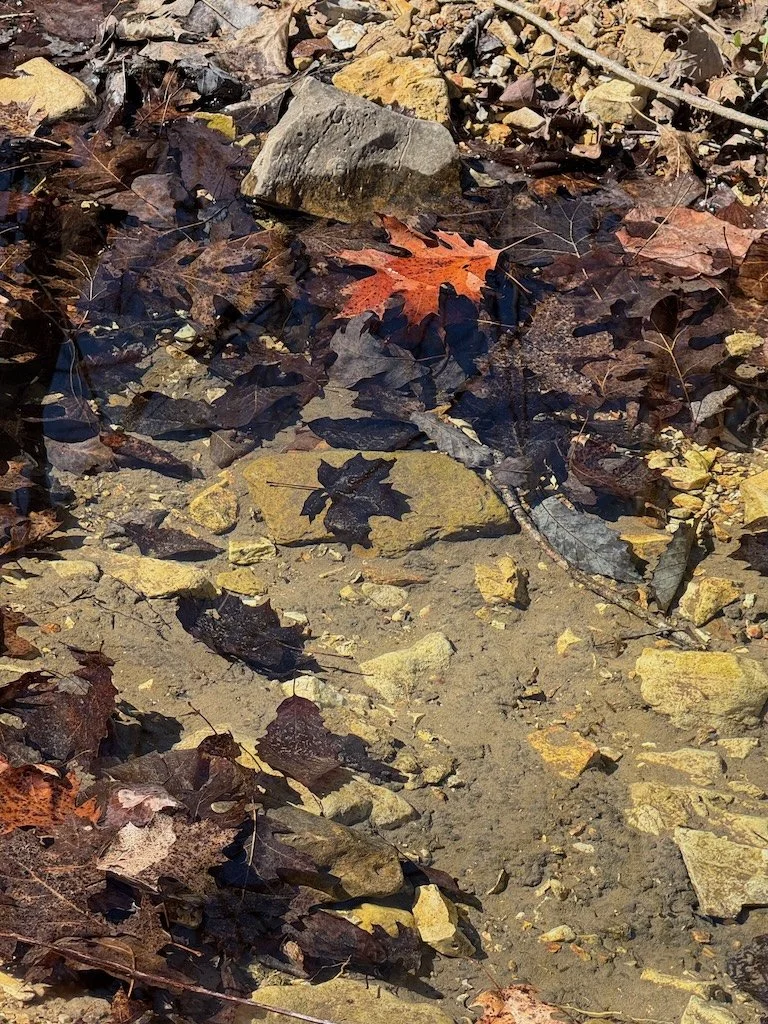
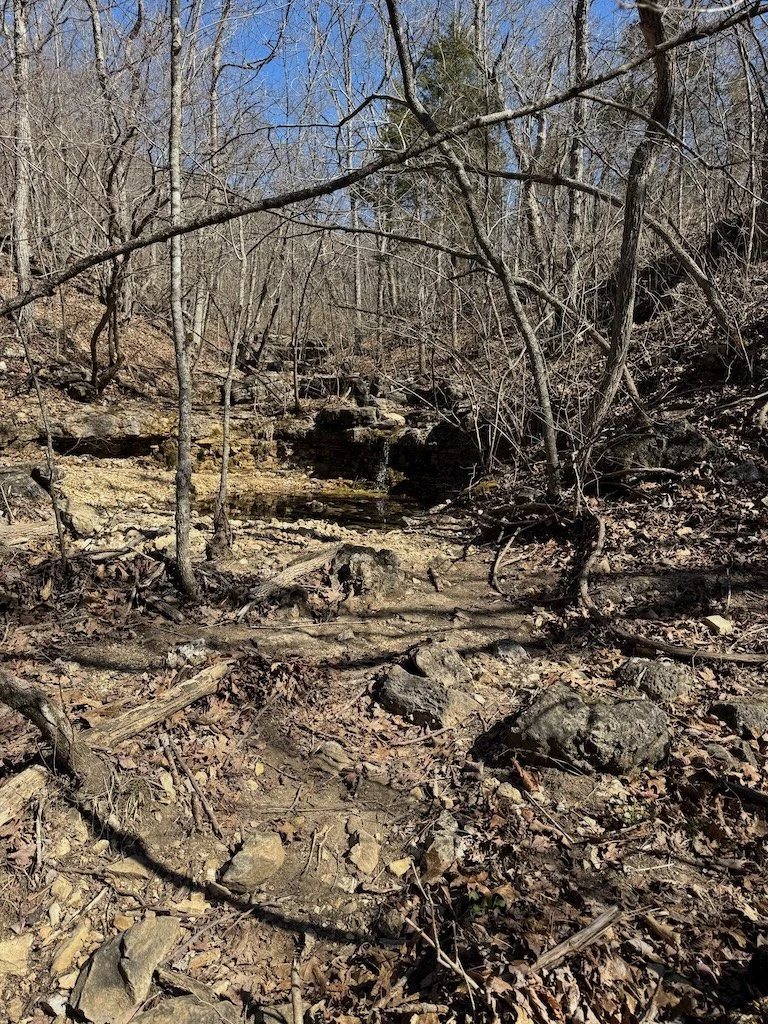
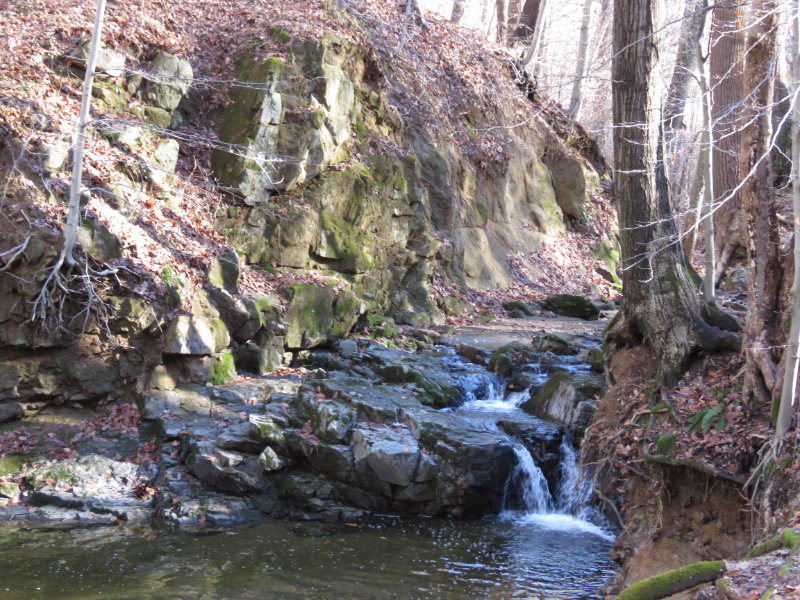
It was not long. Before we heard trickling water! The water stairsteps down over rock ledges into pools…some clogged with leaves and others clear to the rock at the bottom of the stream. It has not been a wet winter or early spring so there was not a lot of water.

We saw a few wildflowers coming up through the leaves left from last fall.

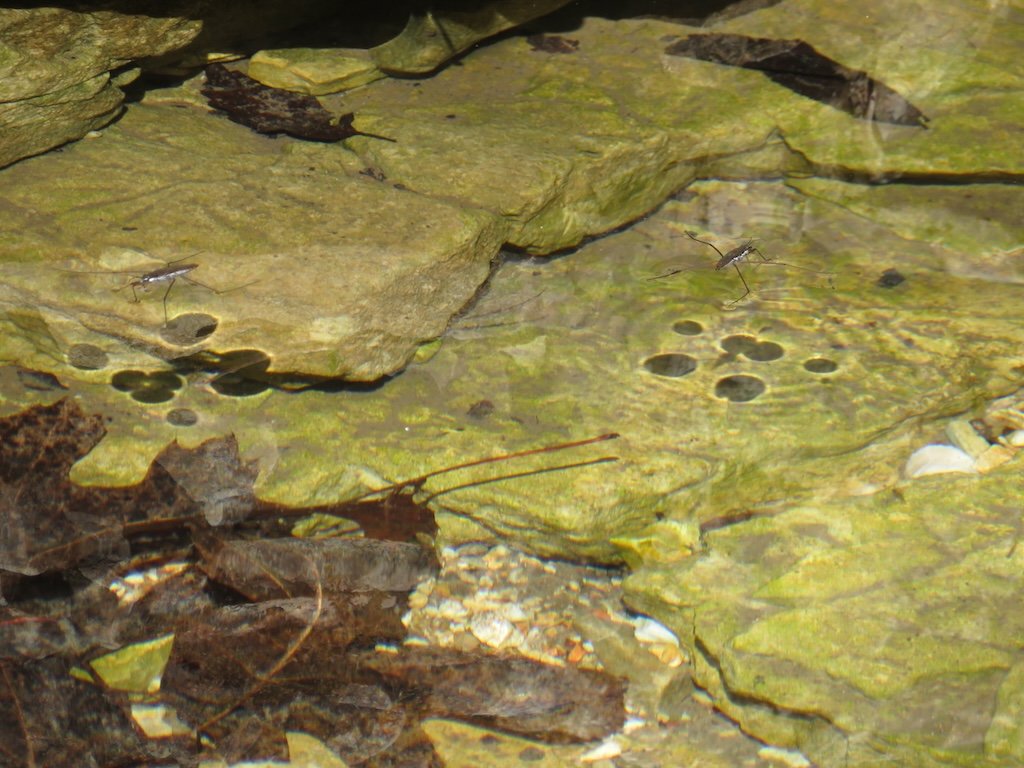
I attempted to photograph some water striders. Their shadows show up more than the insects.

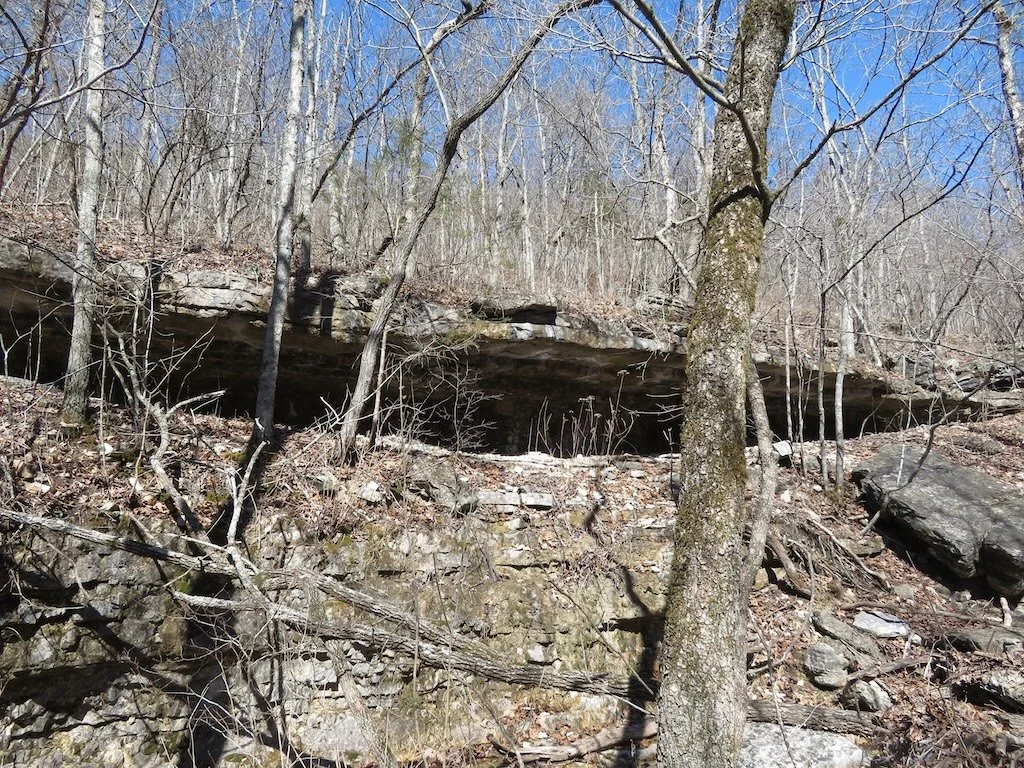
I walked a little further up to take a picture of overhang and realized that water was dribbling off the top…maybe evaporating before it reached the stream.

We hiked back up the trail the way we had come. The hike is a loop, but I wasn’t sure that we were half way around….and didn’t want a longer hike. I made stops on the way up (a steep trail) but felt surer footed than when we walked down. My last picture was of trees on top of the highest area…still like winter…but we know they will leaf out soon.

My daughter and I enjoyed a Mexican food lunch in Seymour before we drove home.

My daughter and I enjoyed a Mexican food lunch in Seymour before we drove home. The grand finale of the trip: as we drove toward my daughter’s house in Springfield, we saw two bald eagles soaring overhead. Fortunately, we were stopped at a red light so we both were able to safely see them!

Gleanings of the Week Ending July 24, 2021

The items below were ‘the cream’ of the articles and websites I found this past week. Click on the light green text to look at the article.
Night Sky Celebrations Across the National Park System – We’re not doing this kind of traveling this summer….but maybe we’ll do several of these ‘star parties’ in summer 2022.

Tooth loss associated with increased cognitive impairment – Another reason to not neglect going to the dentist! It’s not just about preserving cognitive impairment either….quality of life is a big motivation as well.

Top 25 birds of the week: Seabirds – From around the world…a few I’ve seen in North America.

Mucus and mucins may become the medicine of the future – There is still a lot to learn about how this might work….but it appears that this is an opportunity to treat disease by enhancing the mechanisms already used by the body. Maybe one of the first uses will be for eye drops to treat eye infections rather than the antibiotics used today.

Protect Pollinators – reform pesticide regulations – Hopefully the action requested by these scientist from around the world will happen…our ecosystems are having enough challenge dealing with climate change. Many pollinator species won’t survive the continued threat of status quo pesticide use.
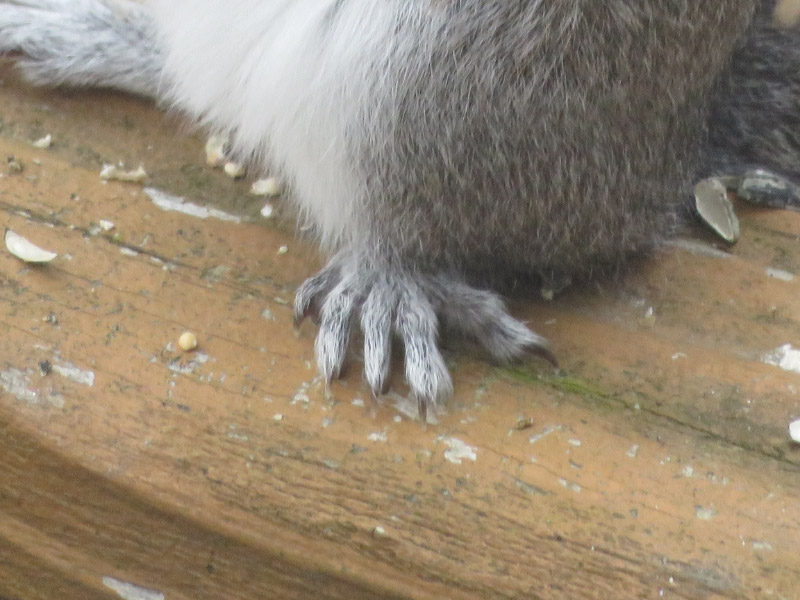
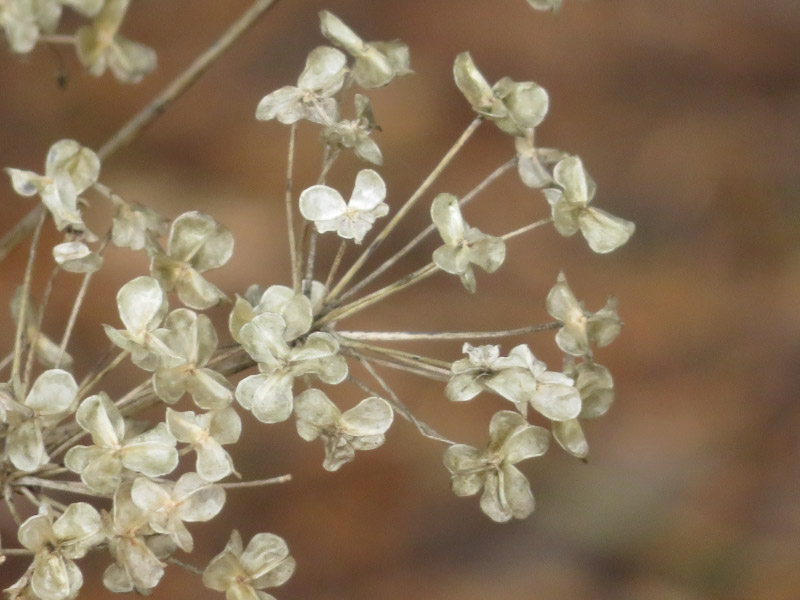
Keeping your composure: Creative Ways to Compose Your Photographs (part 1, part 2, part 3) – Always good to browse through these kinds of tutorials…pick up some new ideas, celebrate the things you are already doing.

What to do with food waste? – It doesn’t appear than there is any one strategy that will work broadly. I’m glad I have already dramatically reduced food waste and then have a large enough yard to have a compost bin.

Waterfalls of North Carolina – A few years ago, my husband and I made a waterfall themed trip to New York. It seems that North Carolina would be another state that has a lot of opportunities for waterfall photography. Maybe next spring?

Creativity Myths – A recent ‘letter’ on The Painter’s Keys website.  I enjoy the twice-weekly blurbs that appear in my inbox (free subscription) and often follow the ‘click here to read more’ link.

Exposure to light with less blue before sleep is better for energy metabolism – I already change the color balance on my PC screens to ‘nightlight’ between sundown and sunrise. Maybe we will do more eventually based on this and subsequent research. It is probably true that no one should be watching a television screen just before going to bed!

Zooming – December 2018

It’s been somewhat cold this month – but no snow yet. I’ve enjoyed photographing our transition to winter using the zoom on my camera to set the frame of the scene and/or to enable me to stay out of the mud (we’ve had lots of rain) or indoors and warm. There is still a little green left…and the sky sometimes seems brighter when its clear and cold. Enjoy the December 2018 Zoom slideshow!