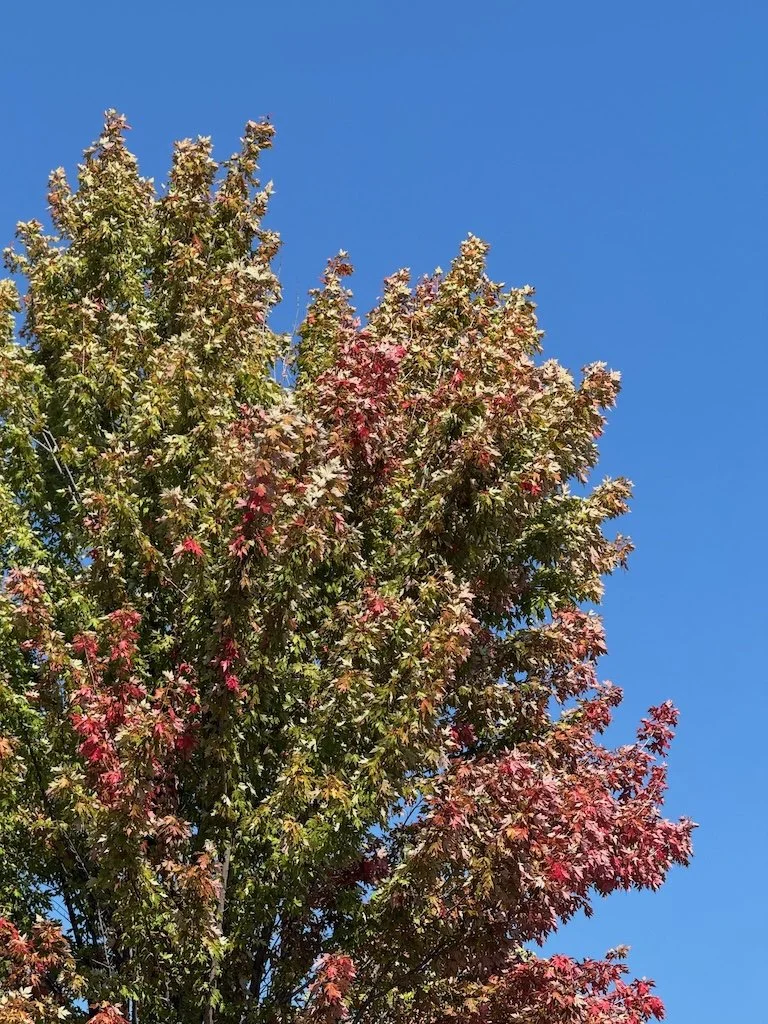
Gleanings of the Week Ending October 24, 2026

The items below were ‘the cream’ of the articles and websites I found this past week. Click on the light green text to look at the article.

10/02/2026 Inside Climate News Maryland Demands Answers as Fuel Leak Persists from Joint Base Andrews - Maryland environmental regulators say jet fuel continues to seep into Piscataway Creek from Joint Base Andrews more than six months after the spill was reported, despite the base’s assurances that it has isolated the damaged fuel system and stopped the leak.

10/10/2026 Science Daily A plastic once thought harmless may be fueling fatty liver disease - Texas A&M researchers discovered that polyethylene microplastics can contribute to fatty liver disease, with potentially worse effects when combined with an unhealthy diet. Even more surprising, this widely used plastic was previously considered relatively harmless. (Polyethylene is the most commonly produced plastic. It is primarily used for plastic bags, plastic films, geomembranes and containers including bottles, cups, jars, folders, etc.)

09/29/2026 CNN Over 90% of common household items contain hazardous plastic chemicals - Potential health harms include cancer, genetic changes, and endocrine, reproductive and organ toxicity. Five categories of plastic people use almost every day include: 1) Almost 92% of the chemicals found in food-contact plastics were of high risk to human health;  2) Nearly 89% of children’s toys contained high-risk plastics; 3) Some 93% of textiles and clothing were made with dangerous chemicals; 4) Over 92% of common household products — such as bottled water, kitchenware, tableware, gardening tools, toilet articles and office supplies — contained high risk chemicals; 5) Nearly 93% of hygiene and medical plastics also contained dangerous chemicals. Those products include dental floss, tampons and other menstrual products, pill casings, patches, and syringes, to name a few.

10/8/2026 Our World in Data A 73% average decline in wildlife populations: an overview of the 2026 Living Planet Index report – 73% decline since 1970. This covers mammals, birds, reptiles, amphibians, and fish; it doesn’t yet include invertebrates or plants. Digging deeper - it’s more effective to target restorative and protective efforts to populations in serious trouble than to assume that all populations are struggling.

10/8/2026 NASA Fighting Drought in Texas Cotton Country - Satellite images highlight the scale of the problem in Lubbock and adjacent counties. Brown, parched crops and vacant plots dominated the landscape in September 2026. In contrast, much greener landscapes prevailed in September 2025 which was a more typical year for the area with a relatively healthy harvest.

10/10/2026 BBC Future The US produces millions of tons of rice waste each year. Now people are building homes with it - Previously viewed as a waste product and even pollutant, rice husks are now attracting attention for their potential as a versatile, sustainable construction material. With hundreds of new homes in the US now using rice husk paneling and other rice husk products from porches to playgrounds available. While rice husk paneling costs slightly more to install compared to cedar, the long-term maintenance costs are lower due to its resistance to moisture, sun and fire.

10/08/2026 Yale Environment 360 The U.S. Public Is Losing Its Say on Environmental Policy - Public participation is a hallmark of environmental regulation, embedded in every major environmental statute enacted over the past half-century. There are good reasons to speed up the process of writing regulations and issuing permits, but truncating public input has serious costs. It can result in flawed policy that is harder to implement, full of avoidable error, and more vulnerable to being struck down by courts. Research shows that when people participate in decisions that affect them, they are more likely to view those decisions as legitimate. There are good reasons to reform our regulatory and permitting system, but not by dispensing with public participation.

10/09/2026 Smithsonian Magazine September’s Ozone Hole Was the Biggest It Has Been in 25 Years - In September, the Antarctic ozone hole peaked at 10.6 million square miles—the second largest ever observed for this time of year. Researchers are still trying to understand how climate change impacts the strength of the polar vortex, and why bigger ozone holes are persisting longer than they used to. It could be that changes in global atmospheric dynamics are making longer-lived ozone holes more likely, which in turn could mean our timelines for ozone recovery need to be adapted.

10/09/2026 Inside Climate News Looking for Oil in Alaska, No Environmental Strings Attached - Oil companies will no longer be required to conduct environmental reviews before exploring for fossil fuel reservoirs in the Western Arctic, the largest tract of federally managed public land in the United States. The Western Arctic is the traditional land of the Iñupiat people and serves as a critical wildlife habitat for hundreds of thousands of caribou across three major herds.

10/08/2026 Science Daily Scientists tested 5 natural compounds on cancer cells. One stood out - All five disrupted cancer cell energy production and pushed many of the cells into a non-dividing state, with curcumin producing the strongest overall effect. Curcumin also showed a relatively favorable safety profile, while some other compounds caused more toxicity.
5th week of Master Naturalist Core Training

The classroom session during the 5th week included 2 lectures (challenges…connectivity for wildlife, species of concern) and an activity with skulls. I forgot (again) to get a picture of the armadillo skull!

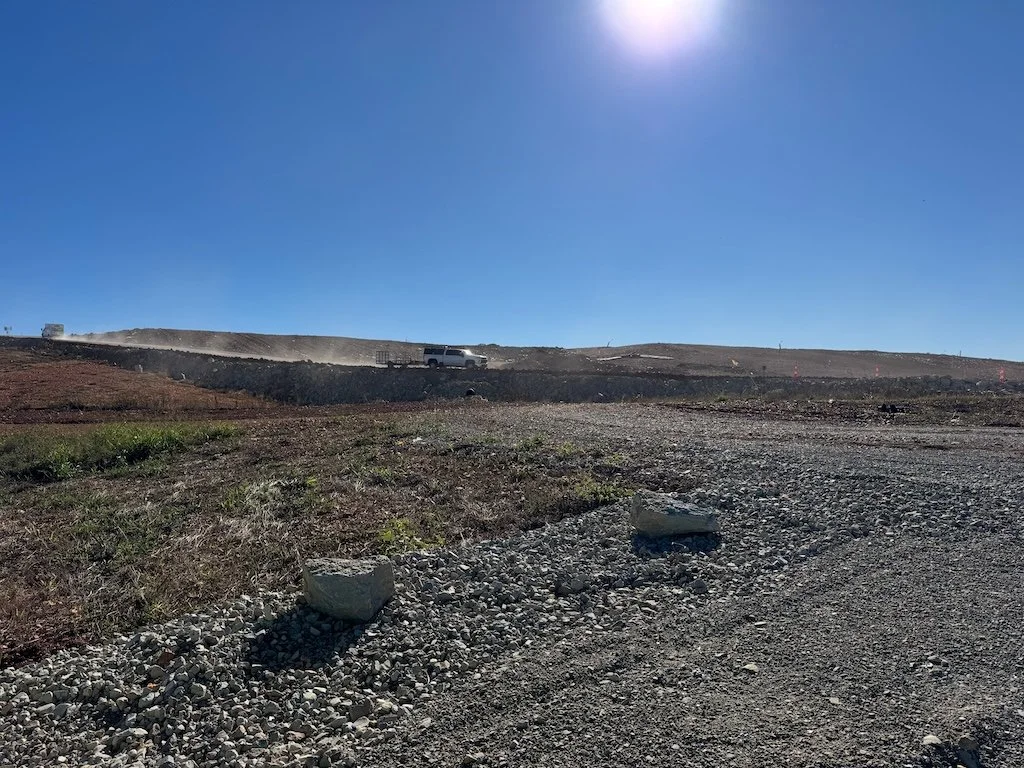
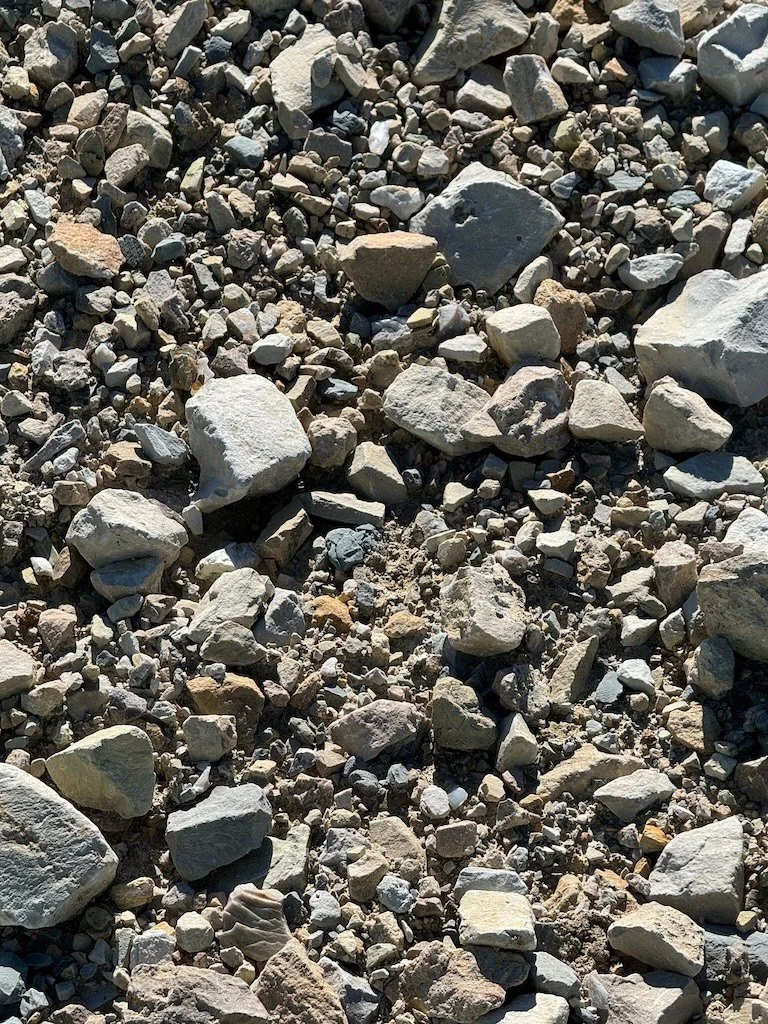
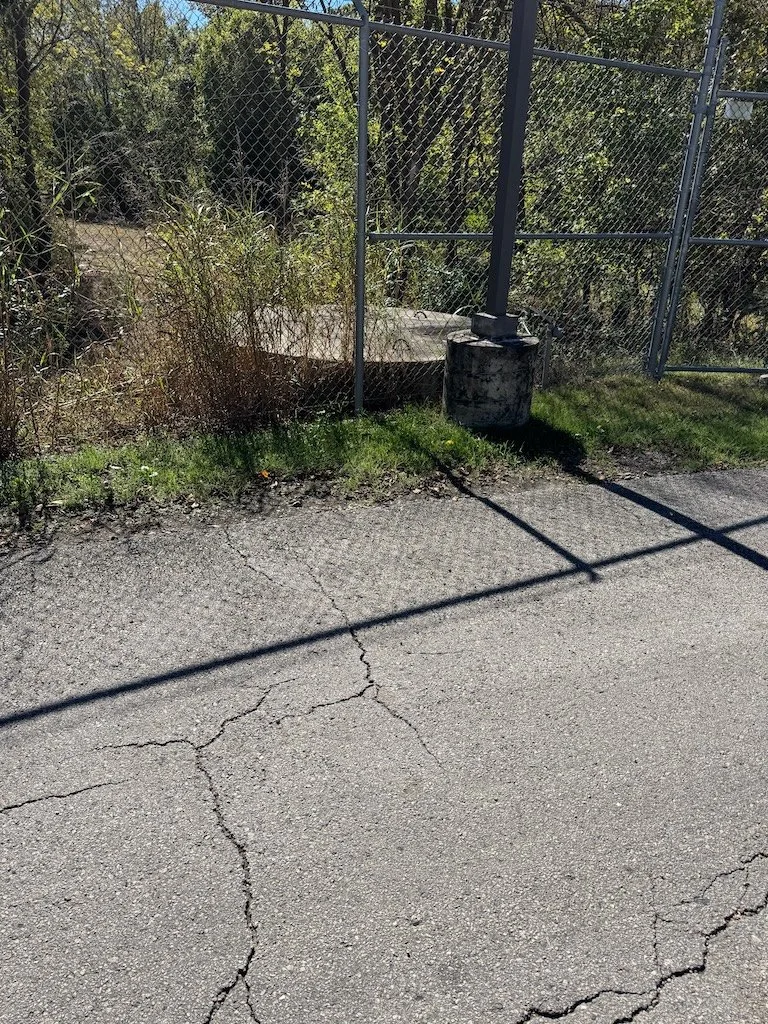
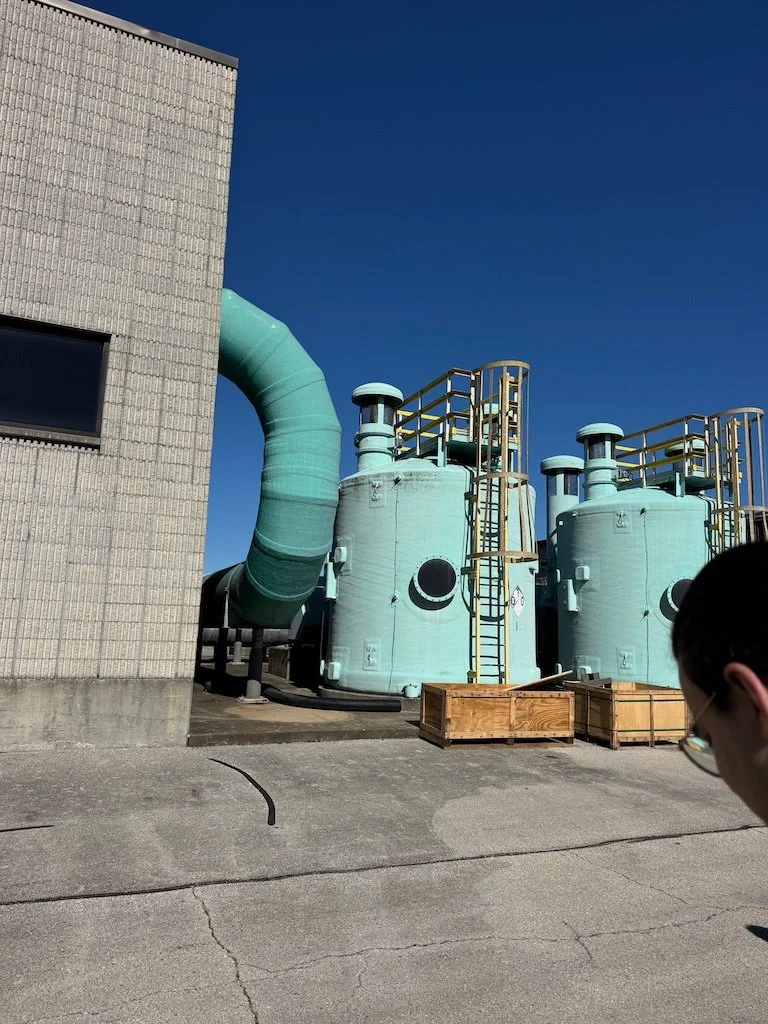
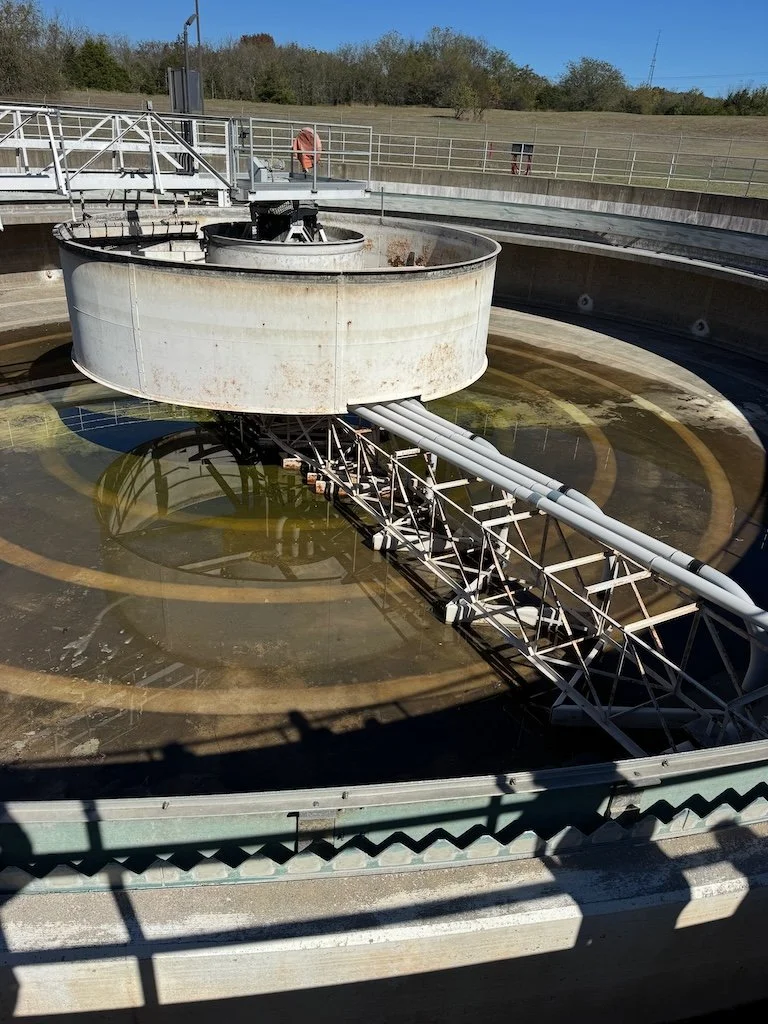
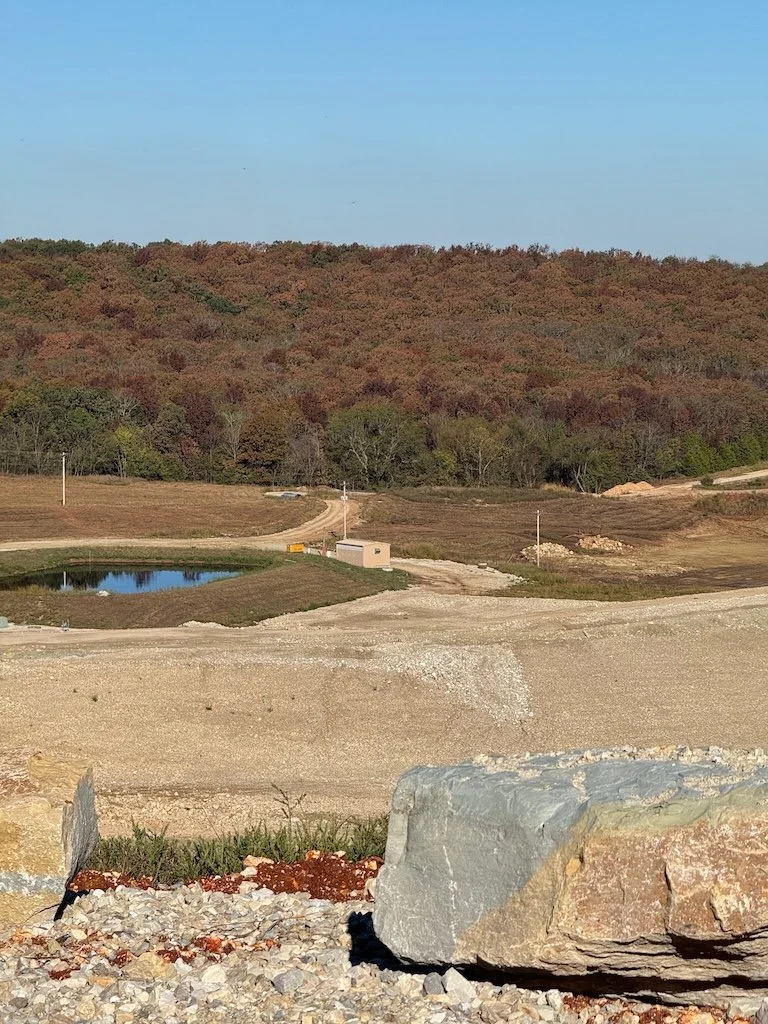
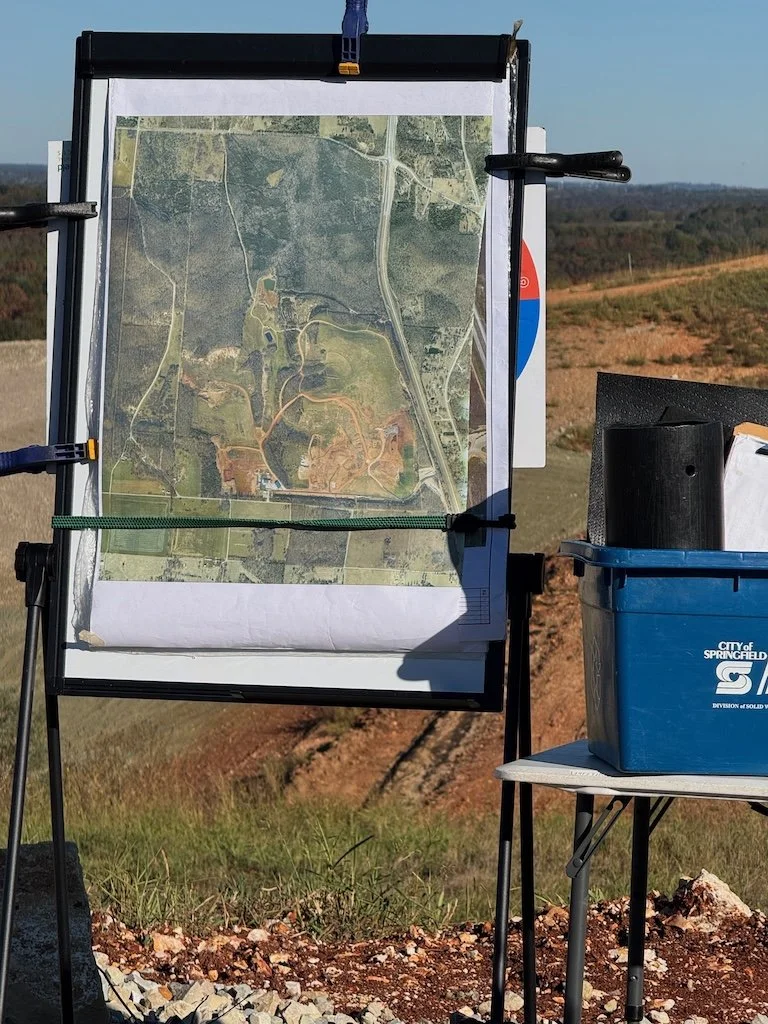
The field trip was to the Springfield landfill and one of the city’s wastewater treatment plants. The same field trip was done for my class in 2024. The time at the landfill was spent outside on a rock covered area – observing the road to the active part of the landfill (not where they were dumping this time…it was just over the hill from the road), the soil borrow areas, and a new cell in development. I took more notes this time – that the landfill has been operational since 1974 and it is almost the tallest place in the county…that dolomite and shale (not limestone) is underneath the landfill…that more sophisticated layered liners are under the cells since 1990 (before that there was a layer of clay)….plastics are 19.4% by weight; number 1 by volume….Yard waste, white appliances and lead acid batteries are banned from the landfill…the landfill should last for another 50 years before it is filled.

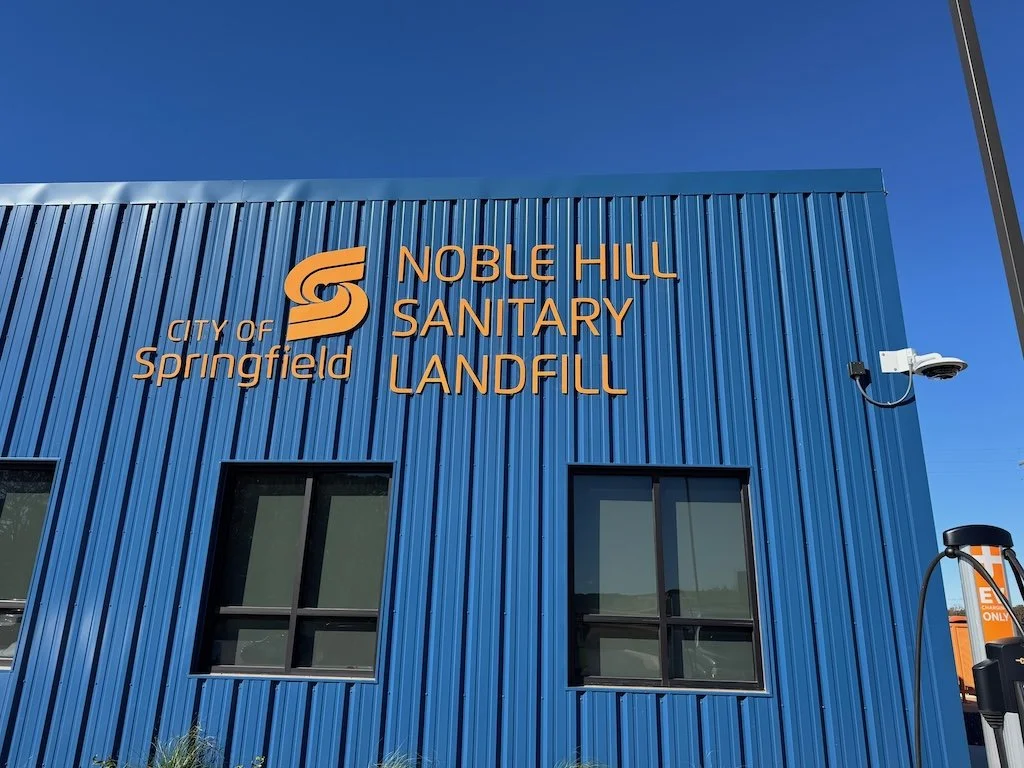
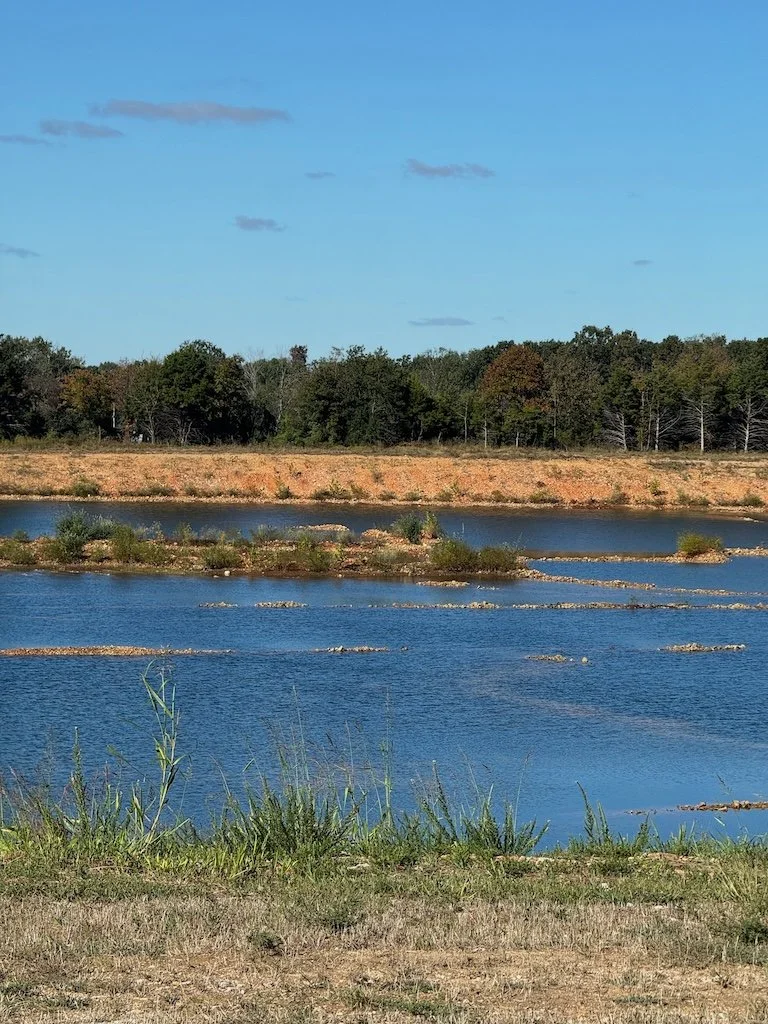
They have a new building that just opened this year with a ‘wetland’ (where the soil used to cover the landfill cells active (every night) and when a cell is filled. There is a classroom/meeting area in the building; I wondered if they would start using that area for presentations associated with tours in the future rather than having the entire hour with people standing outside for the lecture!

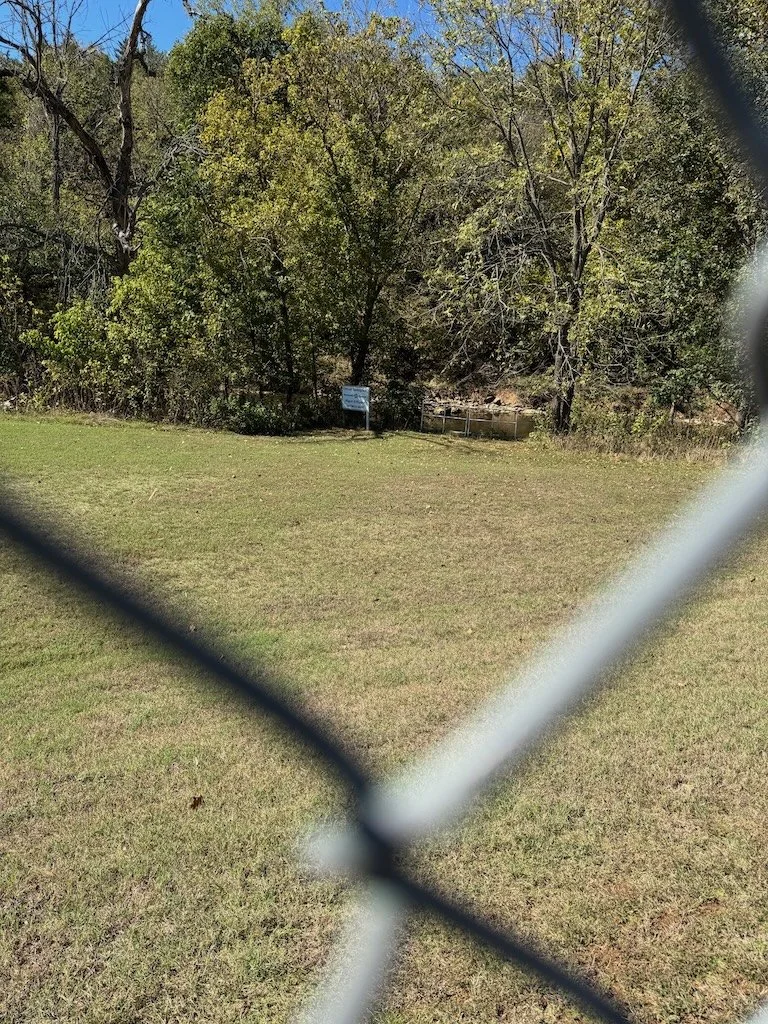
We caravaned down to the wastewater treatment plant. Adjacent to the plant is the Sac River Landfill (old, closed for years, capped); there is a plan to put a bike trail through it!

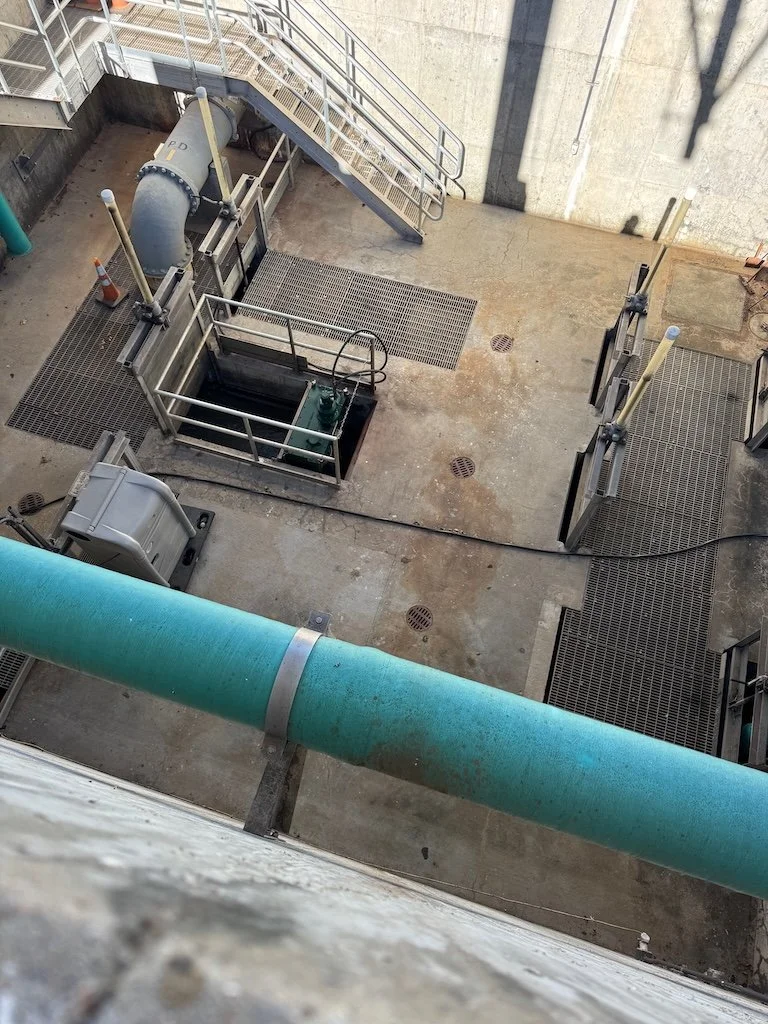
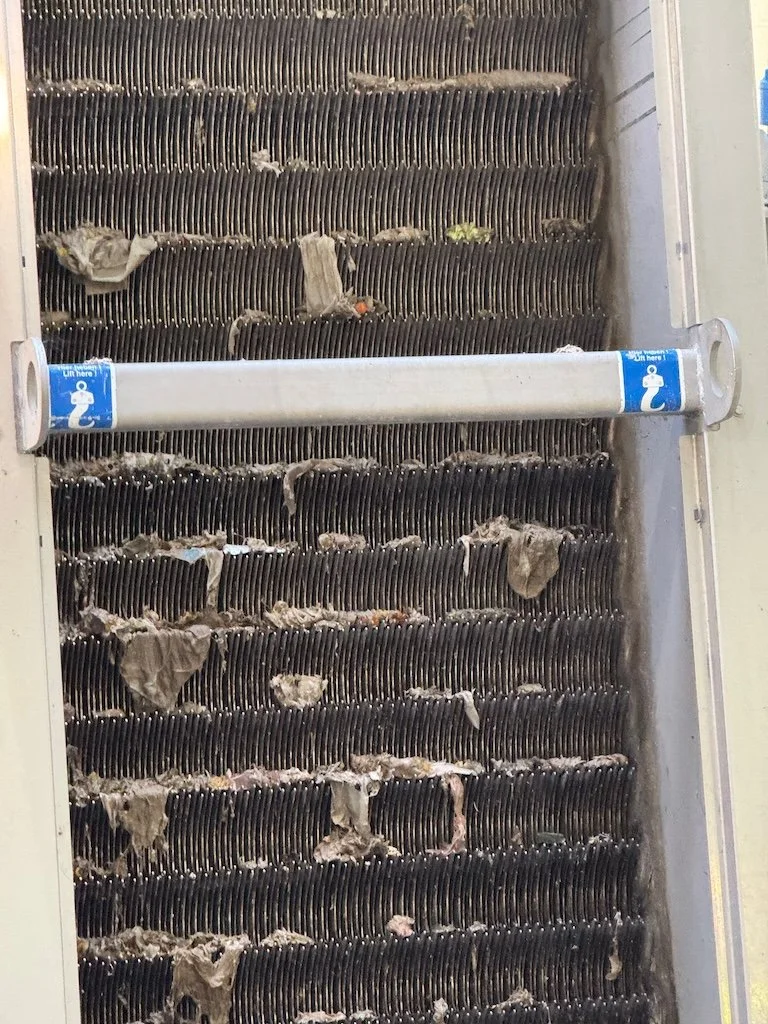
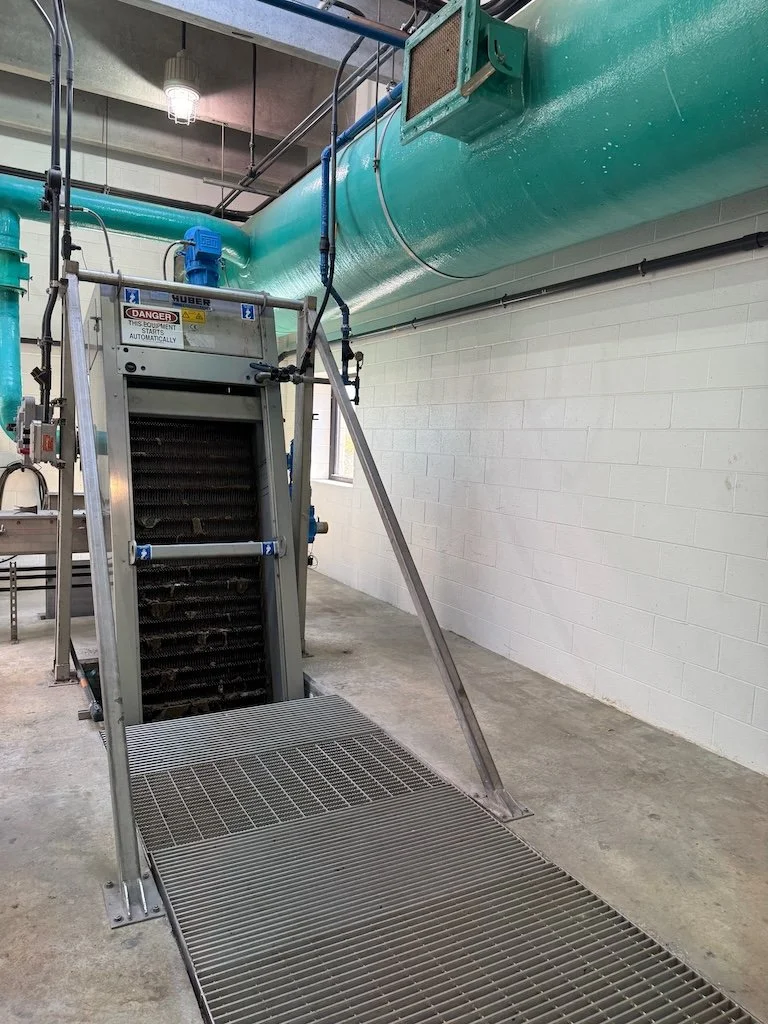
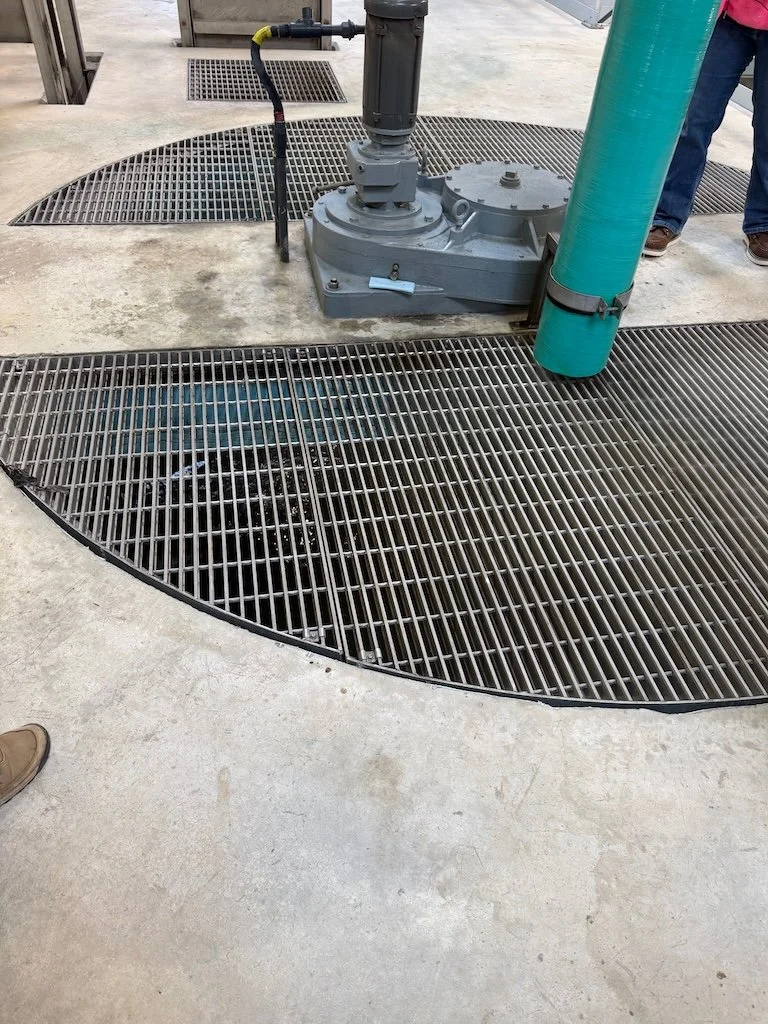
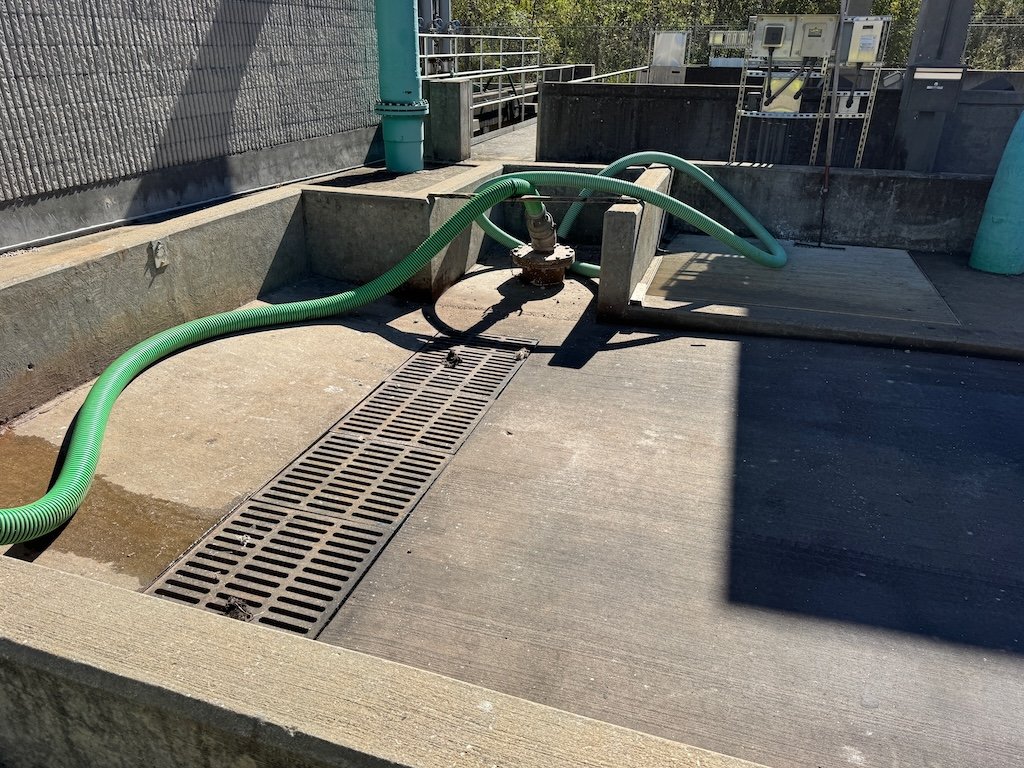
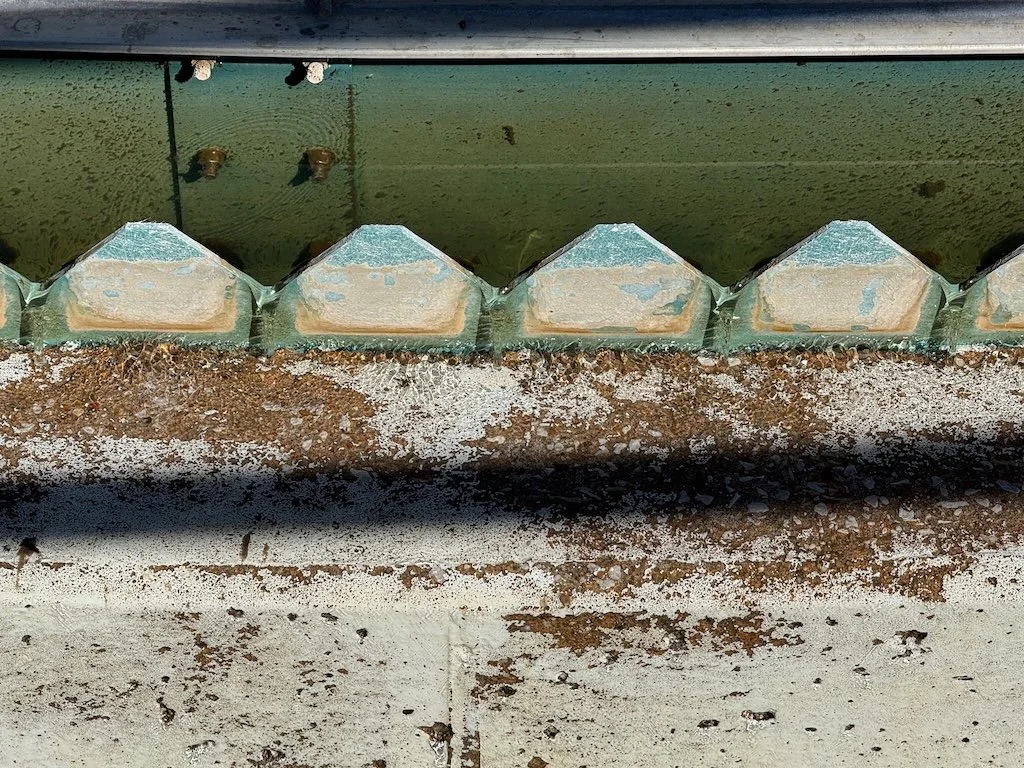
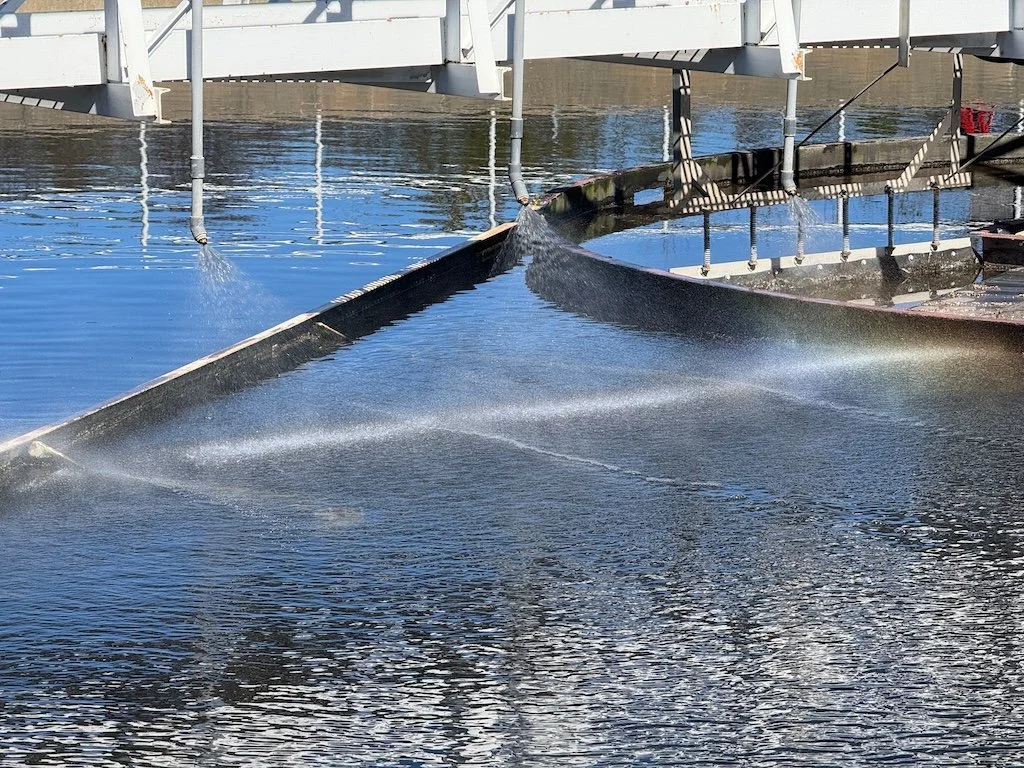
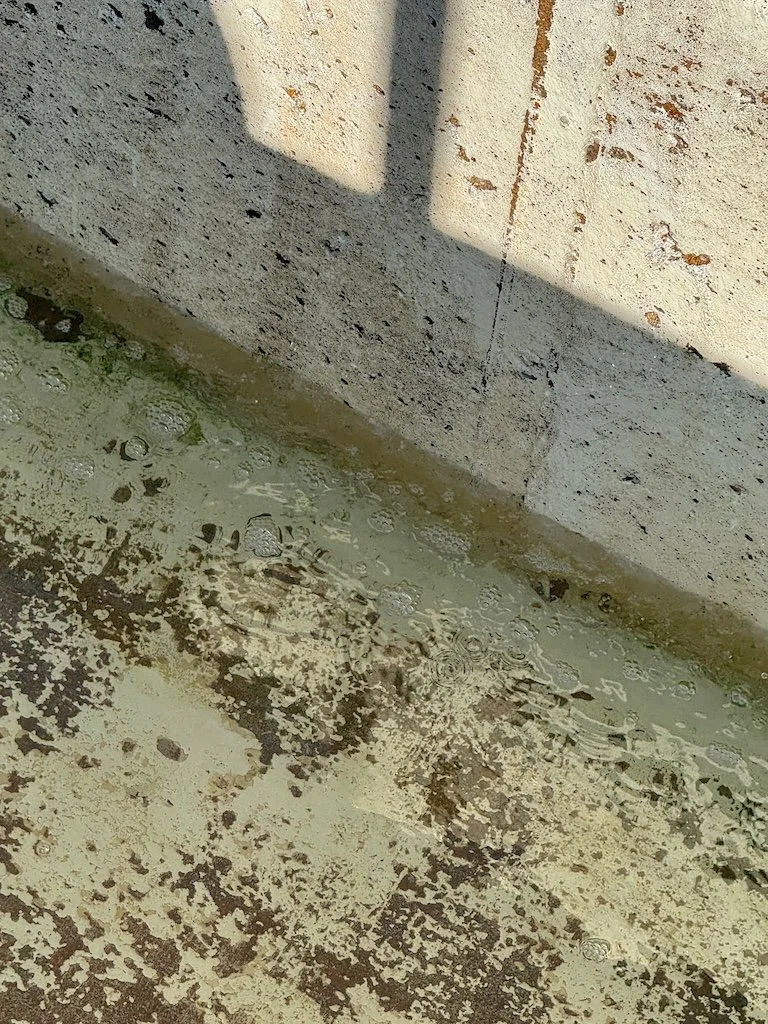
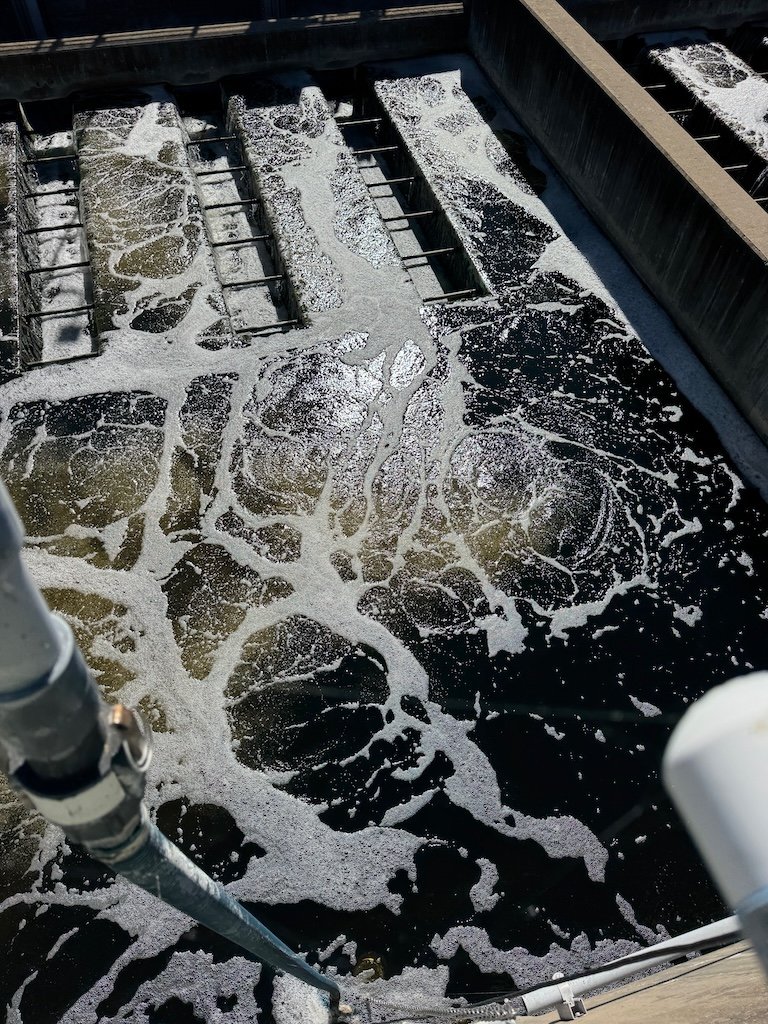
The tour was done in the same order as the water through the plant – the intake pipe (which also include the leachate from the landfill), the channel monster, whirlpool to collect solids, anaerobic tank (to support the process to take out nitrogen, potassium, and phosphorous), aeration, flocculation, clarifiers (water is clear…but still loaded with bacteria), UV light (to kill bacteria…also cyclospora). And the water goes to the Sac River…clearer than the river water which has some sediment!

The solid part left from the process is collected at the plant and taken by truck to the other (larger) Springfield wastewater treatment plant which has a digester…and produces a Class B biosolid that can be used on fields that do not produce food eaten directly by humans.

There is a plan to add a foam fractionation unit to reduce forever chemicals – that is something new since I toured in 2024.

The day was cool and sunny….we generally agreed that, had it been hot, the smells would have been worse and attendance would have been poor!

Gleanings of the Week Ending September 5, 2026

The items below were ‘the cream’ of the articles and websites I found this past week. Click on the light green text to look at the article.

08/24/2026 The Washington Post Leaked memo shows how U.S. aims to weaken global limits on plastic pollution – Depressing and sad for so many reasons.

08/25/2026 Inside Climate News The Biggest Carbon Polluters Are to Blame for Half of U.S. Western Water Lost to Climate Change - Dozens of states and cities across the U.S. have sued large oil and gas companies for environmental damages associated with emissions from their products. This study supports plaintiffs’ position in those cases as they seek to put a price tag on climate change for fossil fuel companies.

08/26/2028 Yale Environment 360 Access to Urban Woodlands Linked with Lower Use of Antidepressants - A study from Scotland found that living near an accessible urban woodland significantly lowered the likelihood of being prescribed antidepressants. A host of prior studies have found that living near green spaces can reduce stress, improve moods, and lower the risk of developing anxiety or depression. Some research has even found that exposure to nature can help reduce violent crime. Considering the well-documented benefits of living near green spaces, the World Health Organization recommends urban planners establish at least 1 acre of green space within 1,000 feet of every home.

08/26/2026 Smithsonian Magazine See 16 Stunning Animal Images from the Wildlife Photographer of the Year Awards - The 62nd Wildlife Photographer of the Year competition, developed and produced by the Natural History Museum in London.

08/26/2026 NWF Blog U.S. Workers Deserve Protection from Extreme Heat - Comprehensive heat rules that protect all workers require shade, paid rest, and cold water along with a written heat stress prevention plan that includes science-based temperature triggers, annual training, acclimatization, retaliation protection and emergency response procedures. America’s workforce keeps our country moving—delivering mail, teaching our children, constructing new buildings, maintaining infrastructure, and more.

08/26/2026 The Conversation Tiny house villages are increasingly responding to the homeless crisis in America’s fast‑growing cities - The proliferation of tiny house villages across the U.S. is occurring at a time when many cities are attracting new residents and investment, while struggling to provide housing that remains accessible to all.

08/23/2026 Science Daily Scientists left this farm field alone. Thousands of orchids appeared - An abandoned farm field became a flourishing wildflower meadow within little more than a decade, with plant diversity doubling and thousands of orchids appearing naturally. Aside from a traditional annual hay cut, the field was largely allowed to recover without intervention. The discovery suggests that simply giving nature time to recover could be a powerful and inexpensive tool for restoring biodiversity.
08/24/2026 Smithsonian Magazine ‘Only One of Its Kind’ Jellyfish Museum Astounds Visitors with Awe-Inspiring Displays of Sea Nettles Safely Behind Glass - The Florida-based museum opened in the spring and was founded by two aquarium experts who fled the Russia-Ukraine war.
08/26/2026 Clean Technica Photovoltaic Windows Have Been Heating Water in a Bucharest Apartment for Two Years - Solar electricity produced over several hours during the day is converted directly into heat and stored as hot water for use later. There is no photovoltaic battery and no solar inverter between the photovoltaic glazing and the heating element. The PV side operates off-grid and does not inject electricity into the public grid. When solar energy is insufficient, the controller switches the same water heater to the normal AC grid after sunset so that it can reach the thermostat setpoint.

8/27/2026 Yale Environment 360 A Hard-Won Rule to Cut Chemical Plant Pollution Is Being Unraveled - For decades, regulations on emissions of hazardous chemicals such as benzene, ethylene oxide, and vinyl chloride have been weaker than restrictions on more common pollutants, such as those emitted by vehicles. Toughening requirements on six different pollutants at more than 200 petrochemical plants, it was one of a slate of regulations enacted beginning in 2024 on air toxics, each covering a specific industry, from steelmaking to tire manufacturing. Recently, the EPA has invited companies to request exemptions from hazardous pollutant regulations. Also - an online data tool created to give communities located near petrochemical plants information about their operations, including their accident history, emergency response plans, and the chemicals they handle has been removed.

Gleanings of the Week Ending March 14, 2026

The items below were ‘the cream’ of the articles and websites I found this past week. Click on the light green text to look at the article.

2/25/2026 The Scientist Forever Chemicals May Accelerate Aging in Middle-Aged Men - The team detected the PFAS perfluorononanoic acid (PFNA) and perfluorooctanesulfonamide (PFOSA) in 95 percent of the participants. PFNA and PFOSA, both invented in the middle of the 20th century, are still used widely today in consumer products designed to be stain-, grease-, and water-repellent. To reduce risk, individuals can try to limit their consumption of packaged foods and avoid microwaving fast-food containers. Looking ahead, we are actively modeling how PFAS interacts with other common pollutants, as we need to understand the cumulative health risks of these chemical mixtures

3/1/2026 BBC Can ‘friction-maxxing’ fix your focus? - While modern technology can streamline day-to-day life, making everything from dating to food delivery more efficient, it may come at a cost: early data suggests that our attention span may be shortening, critical thinking capabilities weakening, emotional intelligence fading, and spatial memory getting worse as we offload human tasks to our devices. Analogue hobbies such as crafting, gardening or reading – which involve friction as opposed to scrolling or streaming – can act as "active meditation", calming the mind and reducing stress. One 2024 study of more than 7,000 adults living in England found that those who engaged in crafting or the creative arts were more likely to report significantly higher life satisfaction, a greater sense that life is worthwhile and increased happiness. 

2/24/2025 The New York Times Plastic, Plastic Everywhere - Peak oil may be on the horizon. But peak plastic is nowhere in sight. In a new book, “Plastic Inc.,” the journalist Beth Gardiner digs into an industry that mostly flies below the radar but has huge impacts on human health, environmental pollution and global warming.

3/5/2026 Yale 360 Species Slowdown: Is Nature’s Ability to Self-Repair Stalling? - When scientists recently analyzed hundreds of studies of ecosystems, they were surprised to see a marked slowing in the rate of species turnover. If new species don’t replace old ones, they say, ecosystems may have less flexibility to respond to habitat loss and climate change.

2/28/2026 KCTV A ban on mini liquor bottle sales in five Kansas City neighborhoods officially introduced - Mayor Quinton Lucas and Councilwoman Melissa Robinson officially introduced an ordinance Thursday that would ban the sale of certain single-serve alcohol products in five Kansas City neighborhoods - — areas the city said have documented public safety concerns and recurring quality-of-life complaints from residents.

3/5/2026 The Conversation Choosing to buy organic food depends more on trust than taste - Organic labels work only when the system behind them is trusted. This has important implications at a time when food prices are rising and trust in public institutions is under pressure in many countries.

2/2/2026 Washington Post Baggies, retainers and more: 5 microplastics questions, answered - If you only have the bandwidth for a few battles, heating food in plastic is the bigger front. Most experts agree that ultra-processed foods are likely the biggest source overall in our diets. Food that comes packaged in plastic is obvious, but there are exposures during industrial processing that we don’t see. That’s one more reason to lean toward whole foods when you can.

3/4/2026 National Parks Traveler Study Finds Bird Populations Are In Decline As Panel Considers Weakening Key Act - Bird populations are in decline, with billions fewer birds are flying through North America compared to a decade ago, according to a study published in February 2026. The researchers found that about half of the 261 species analyzed showed significant declines from 1987 to 2021, and a quarter showed accelerating declines. The study points out that the declines are primarily because of high-intensity agriculture and warming temperatures. The findings come as a congressional panel is holding a hearing to consider weakening the Migratory Bird Treaty Act. Extinction starts with declines like these, and birds are often the indicators that our environment is too toxic to support other life.

3/4/2026 Science Daily Millions with joint pain and osteoarthritis are missing the most powerful treatment - Despite affecting nearly 600 million people worldwide — and potentially a billion by 2050 — the most powerful treatment isn’t surgery or medication. It’s exercise.

2/26/2026 Canary Media Balcony solar is taking state legislatures by storm - Plug-in solar is already booming in Europe. As many as 4 million households in Germany have installed the systems, which people can order through Ikea. 28 states and D.C. are considering plug-in solar bills.