Gleanings of the Week Ending July 18, 2026

The items below were ‘the cream’ of the articles and websites I found this past week. Click on the light green text to look at the article.

07/06/2026 Clean Technica Fixing Climate Communications Part 1 - Make consequences such as your insurance bill, your home, and your children’s health urgent and tangible; make the cause concrete by anchoring every message to pollution rather than climate change; and make the cure feel expansive rather than restrictive. Reaching enough people to sustain the transition will require a delivery infrastructure built around genuine community engagement, economically grounded wins, and a willingness to hold accountable the interests that have made this conversation harder than it needs to be.

07072026 Clean Technica Climate Communications — From Losing the Argument to Winning It Part 2 - Telling the climate story with the value proposition of cost, risk management, improved operational performance, supply chain resiliency, and long-term enterprise value is a winning one. It’s a strategy that appeals to the C-suite, is durable, and can be couched in shareholder returns.

07/06/2026 Smithsonian Magazine These 11 Wildlife Images from the Ocean Conservancy’s Photography Contest Showcase the Wonder of Earth’s Waters - The annual contest received more than 1,000 photographs of marine wildlife and habitats this year. The ones that rose to the top were portraits of ocean wildlife, and I think that’s because we crave to see and connect with animals on an interpersonal level.

07/07/2026 The Conversation 3.1 billion‑year‑old rocks in Australia reveal a forgotten chapter of Earth’s water cycle - We learn the water cycle in school as a story of evaporation and precipitation. But Earth runs a second, far slower one deep beneath our feet. On the ocean floor, seawater seeps into the oceanic crust and reacts with the rock, becoming chemically bound inside its minerals, locked into their crystal structures rather than sitting as free water. Over millions of years, sinking tectonic plates carry these water-bearing minerals down into the mantle, the hot rock layer beneath the crust. This sinking of one plate beneath another is called subduction, and volcanoes eventually breathe the water back out. The deep water cycle moderates Earth’s water budget. At the surface, it keeps the oceans from drying up or drowning the continents, while in the interior, it changes how the mantle melts and builds continents.

07/06/2026 NWF Blog Marine Animal Quiz: It’s Plastic Free July! - Take the time to learn more about how plastic pollution in the oceans of the world harms marine life and consider action steps you can take to reduce your plastic waste footprint.

07/04/2026 ScienceDaily The secret to healthy aging may be hidden in your blood - A new study found that centenarians have a unique chemical "fingerprint" in their blood that sets them apart from normal aging, including unusual patterns of bile acids and steroids linked to longer survival.

07/03/2026 Planetizen Lake Powell reaches lowest water level on record - Currently, Lake Powell is around 24 percent full. The last time it was completely full was in 1983. Since then, water levels have fluctuated, but in 2026, they have fallen to a critical point. And there are multiple concerns if the water levels continue to drop. One includes reaching "dead pool," the point at which water levels are so low that water can no longer move across the dam and into the Grand Canyon, which would cause significant ecological impacts and reduce the capacity for hydroelectricity. 

07/03/2026 Yale Environment 360 In Overfished Adriatic Sea, Dolphins Look to Trawlers for Food - Off the eastern coast of Italy, large numbers of bottlenose dolphins are looking to fishing trawlers as a source of food, a sign that dolphins may be struggling to feed themselves in waters depleted by overfishing. Dolphins may also suffer hearing damage that results from chronic exposure to the noise of trawlers. It is risky behavior. However, finding sufficient prey away from trawlers in an overfished sea may be too difficult. It appears that for these animals, taking the risks is better than going hungry.

7/2/2026 Smithsonian Magazine Earth Might Be Home to 20 Million Insect Species—More Than Three Times as Many as Previously Thought – Only about one million species have been named and described, meaning up to 95 percent of the planet’s insect diversity might remain a mystery…. With more than 40 percent of known insect species threatened with extinction. “The library is being burned before the books can be read.”

6/21/2025 YouTube Slicing and Dicing Onions – Learn some practical kitchen knife skills via a video from the American College of Culinary Medicine!
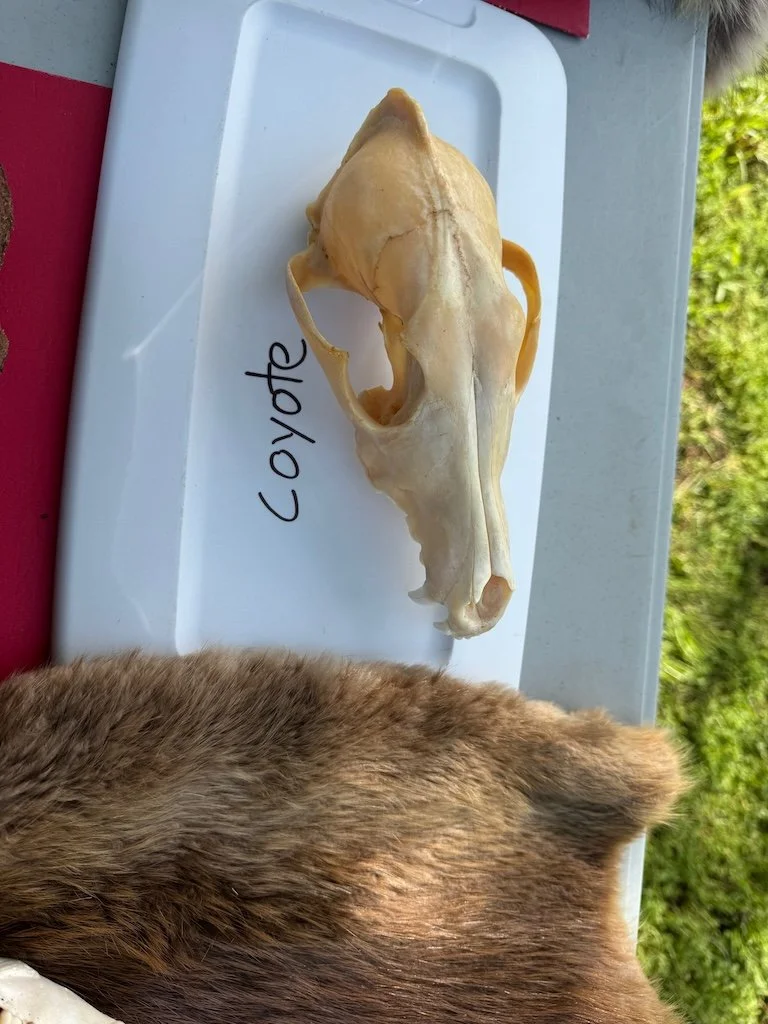
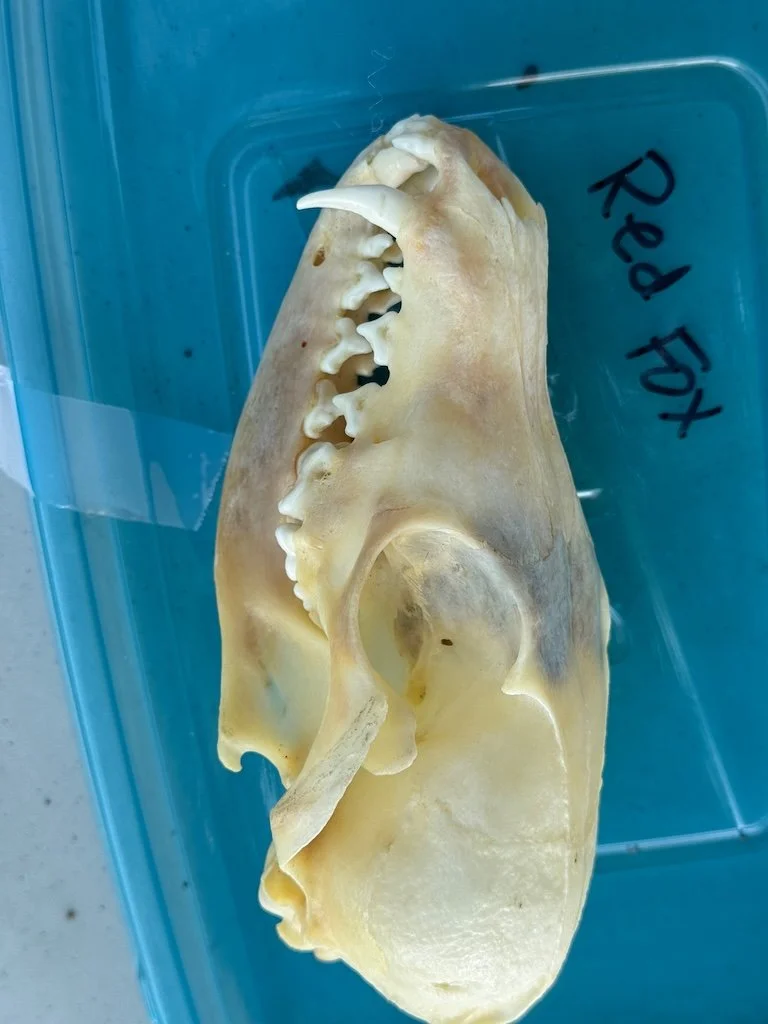
Earth Day Tabling

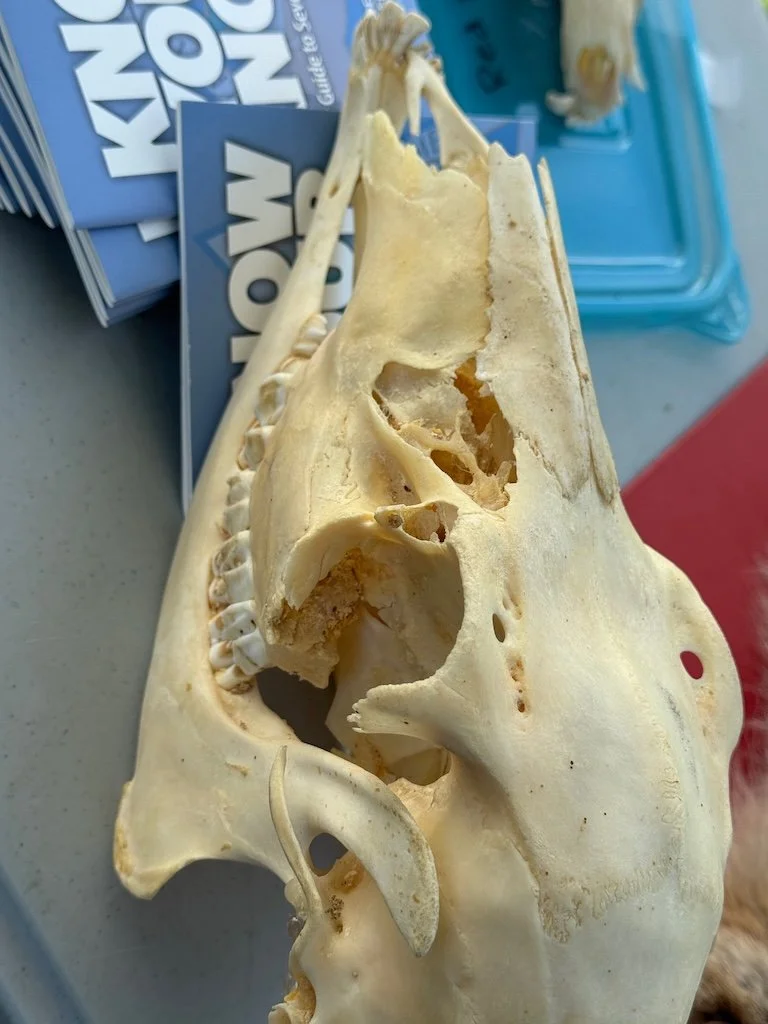
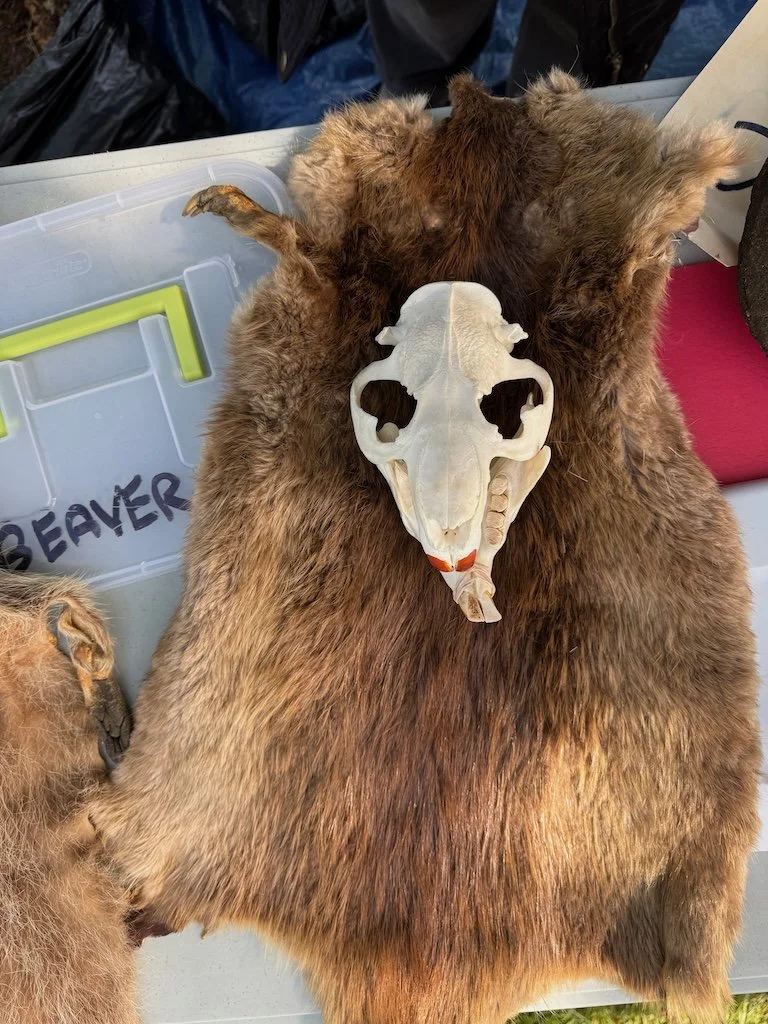
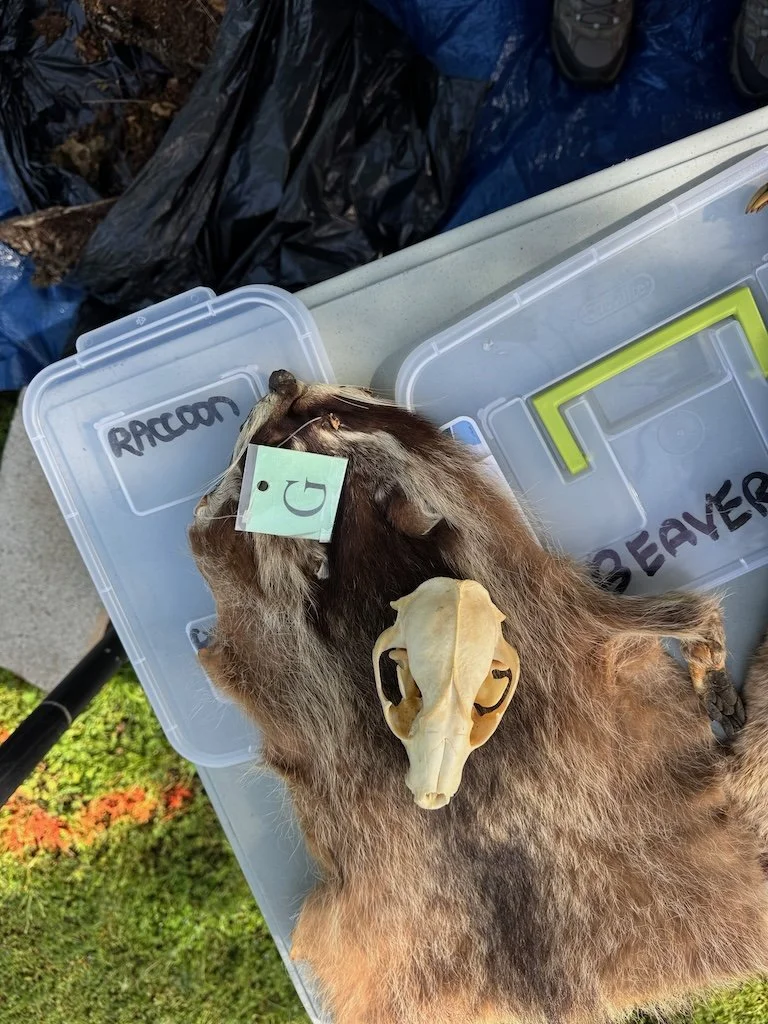
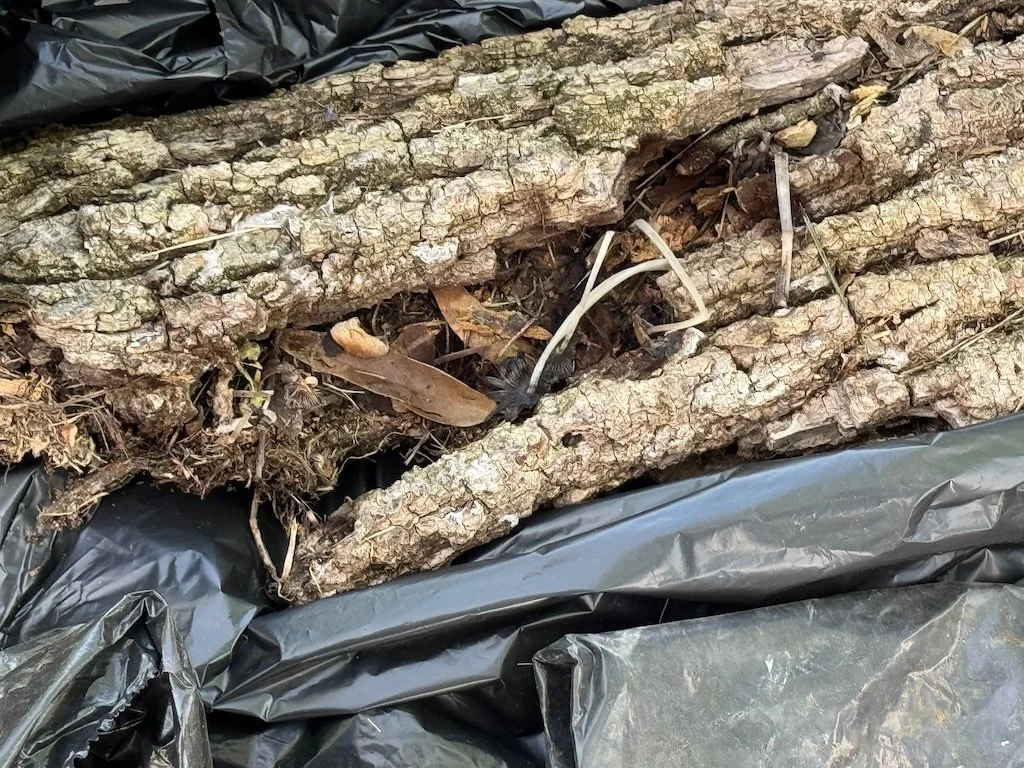
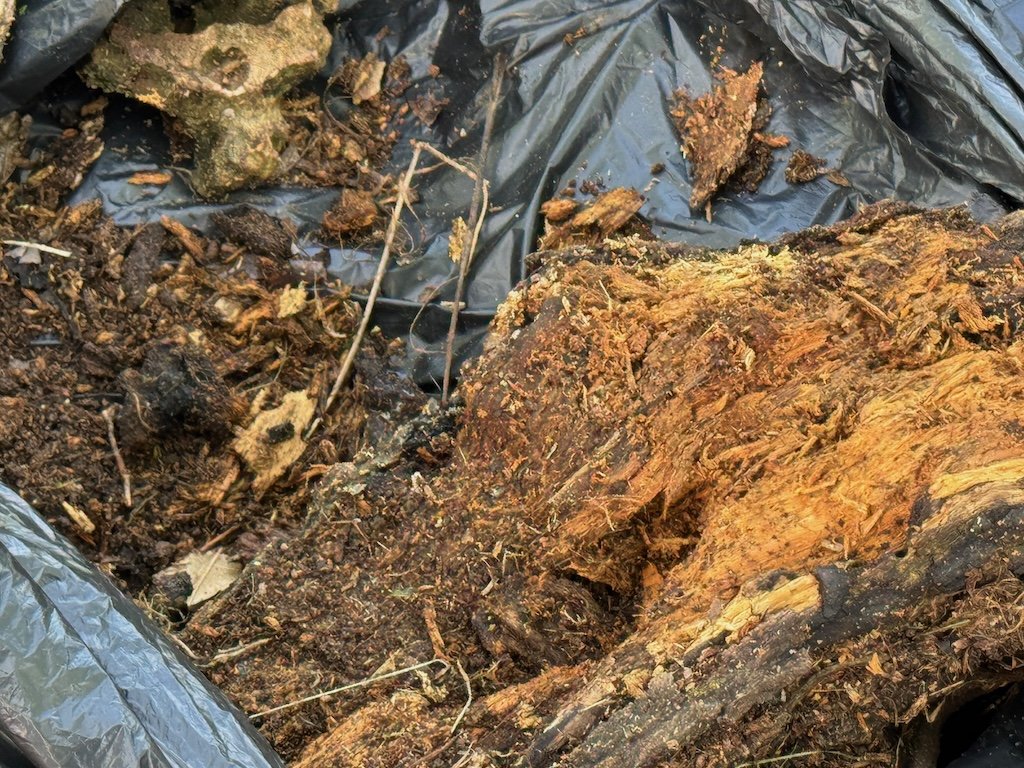
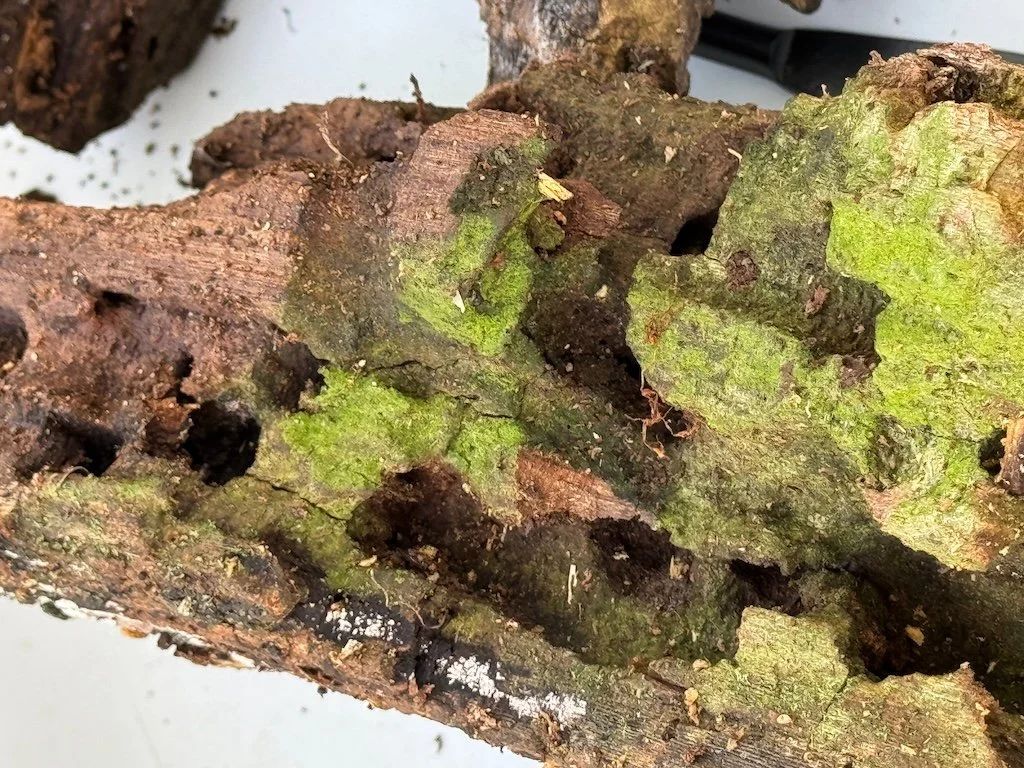
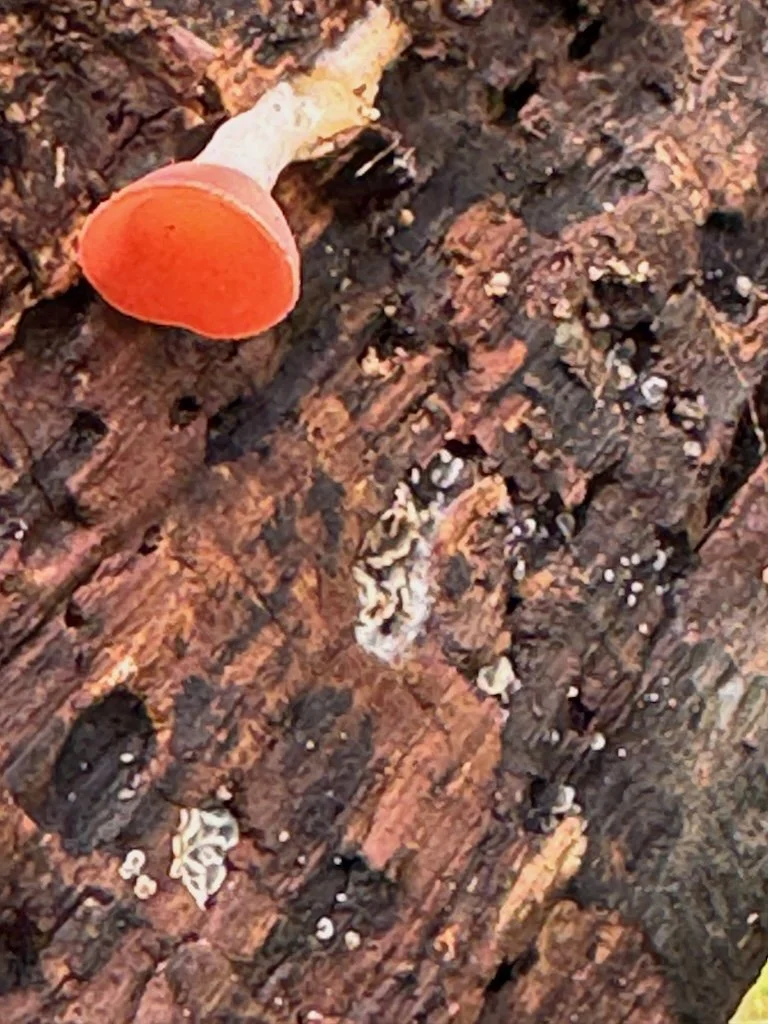
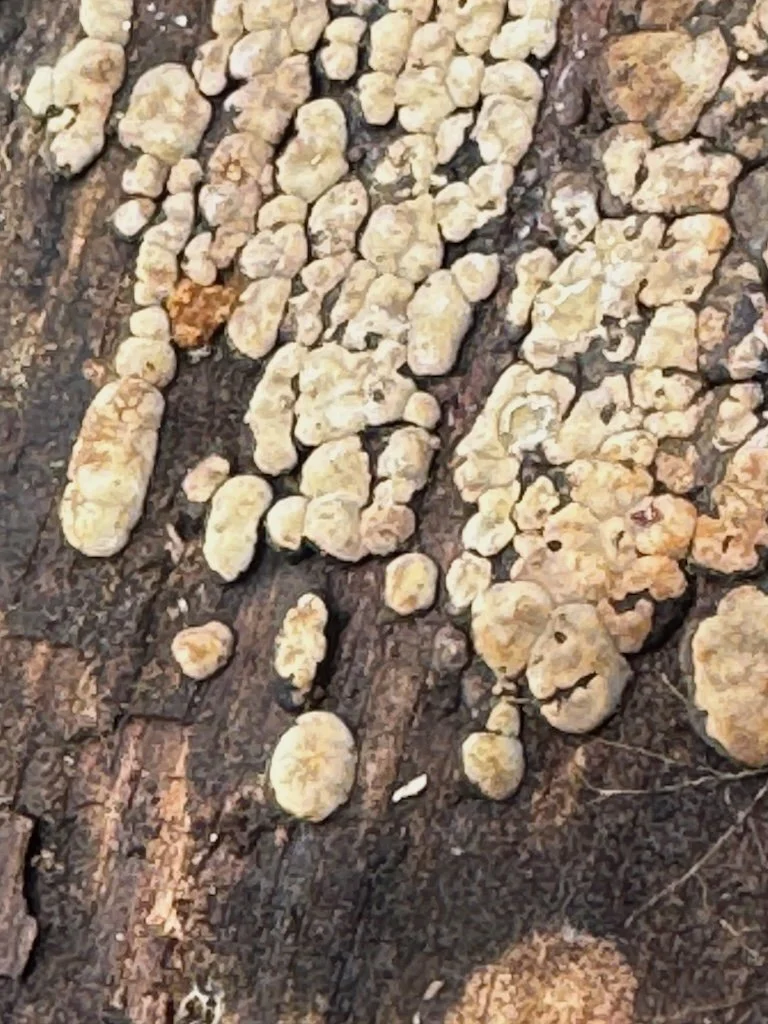
I volunteered for two Earth Day events last week. The first one was on the grounds of a church; several Master Naturalists and I volunteered at two tables contains skulls and pelts….and exploring rotten logs. That’s not my favorite tabling topics…because with skulls and pelts the question about where they came from always come up; my standard answer is that they are provided to us by Missouri Department of Conservation to use for public or school outreach events. I like to contrast skulls/teeth of carnivores and herbivores with omnivores in-between. I had a coyote and red fox representing carnivores, white-tailed deer and beaver representing herbivore….then racoon as an omnivore.

It was a cold morning so there were not many children at the celebration for the first few hours. The rotten logs did not get a lot of attention from the adults that braved the cold. Shortly afternoon, we had some children start to peel off layers of bark and rotting wood looking for critters --- finding some and having a good time looking at the textures of wood and fungi while they worked.

Our tables were under a large tree with a good view of a neighboring sweet gum tree with lots of last fall’s gumballs still on the ground. I was pleased to see that even the decoration of the bathroom inside the church was nature themed!

My shift lasted for 3 hours and it was just warming up enough to shed my coat when I left; I figure that the shift from 1-4 had a lot more traffic!

Stay tuned for a post on my second Earth Table tabling experience where the topic was plastics.

Gleanings of the Week Ending May 17, 2025

The items below were ‘the cream’ of the articles and websites I found this past week. Click on the light green text to look at the article.

Frank Lloyd Wright’s Iconic Hollyhock House Faces Closure Amid City Cuts – Budgets tightening across the board. It seems that cultural things previously funded by governments are among the first to go.

The surprising power of breathing through your nose – The nose can be the first line of defense for your immune system. Mouth breathing has been shown to increase acidity and dryness in the mouth, linking it to cavities, demineralization of the teeth and gum disease. You can think of the nose like a wind chime for the mind; when air moves through your nose, it seems to have a significant influence on your cognitive processes. Nasal breathing has positive effects on the limbic system – the parts of the brain that regulate emotion and behavior – in ways that mouth breathing doesn't.

Spring (Baby) Fever – A baby animals quiz….with cute pictures.

Dust in the system -- How Saharan storms threaten Europe's solar power future - New research reveals how Saharan dust impacts solar energy generation in Europe. Dust from North Africa reduces photovoltaic (PV) power output by scattering sunlight, absorbing irradiance, and promoting cloud formation. Based on field data from 46 dust events between 2019 and 2023, the study highlights the difficulty of predicting PV performance during these events.

In Galápagos, Iconic Giant Tortoises Get a Helping Hand - Fifteen species of giant tortoises — the largest in the world — once roamed the Galapagos Islands but today only 11 survive. Dome-shelled tortoises reach sexual maturity at 20 to 25 and lay 16 to 20 eggs at a time. When the park was established in 1959, some of the tortoise species were heading towards extinction while others were deemed vulnerable or threatened. But a captive breeding program launched in 1965 has shown great success and has released more than 10,000 giant tortoises back into the wild.

Walmart Announces Nationwide EV Charging Network - According to a press release from the company, “With a store or club located within 10 miles of approximately 90% of Americans, we are uniquely positioned to deliver a convenient charging option that will help make EV ownership possible whether people live in rural, suburban or urban areas.”

Shingles vaccine lowers the risk of heart disease for up to eight years - There are several reasons why the shingles vaccine may help reduce heart disease. A shingles infection can cause blood vessel damage, inflammation and clot formation that can lead to heart disease. By preventing shingles, vaccination may lower these risks. Our study found stronger benefits in younger people, probably due to a better immune response, and in men, possibly due to differences in vaccine effectiveness. The study was done in South Korea.

Hikers Make Stunning Discovery of $340,000 Gold Hoard in Czech Mountains - Most of the coins are French with the overall hoard broadly dated from 1808 to 1915. There is, however, a notable exception: the Austro-Hungarian coins. Small markings on the coins, known as countermarkings, indicate that they were reissued in 1921 in an area of Yugoslavia most likely encompassing modern-day Serbia and Bosnia and Herzegovina. The hoard remains under investigation and archaeologists hope that with the aid of archival records they will be able to work out the full story behind the treasure.

All of the biggest U.S. cities are sinking - The fastest-sinking city is Houston, with more than 40% of its area subsiding more than 5 millimeters (about 1/5 inch) per year, and 12% sinking at twice that rate. Some localized spots are going down as much as 5 centimeters (2 inches) per year. Two other Texas cities, Fort Worth and Dallas, are not far behind. Some localized fast-sinking zones in other places include areas around New York's LaGuardia Airport, and parts of Las Vegas, Washington, D.C. and San Francisco. Massive ongoing groundwater extraction is the most common cause of these land movements. In Texas, the problem is exacerbated by pumping of oil and gas. Droughts will also likely worsen subsidence in the future. Some buildings in the Miami area are sinking in part due to disruptions in the subsurface caused by construction of newer buildings nearby.

How Herbicide Drift from Farms Is Harming Trees in Midwest - There’s growing evidence that agricultural herbicides — which are also used on golf courses, lawns, and rights of way — are inflicting widespread damage on trees and other vegetation across the Midwest and upper South and perhaps doing broader ecological harm as well. The problem is causing increasing concern and even alarm among landowners, state forestry officials, and scientists. In 48 percent of the cases, researchers found damage more than 1,000 feet from the nearest farm field; six samples showed herbicide damage at more than a mile. 

American Agriculture in the early 1990s (ebooks)

Liberty Hyde Bailey edited 4 volumes of the Cyclopedia of American Agriculture between 1900 and 1910. It was a time when horticulture and agriculture were becoming more organized at universities and Bailey was a proponent of America as a ‘great agricultural civilization.’

The books are easily browsed on Internet Archive and the photographs clearly reflect the ‘state of the art for agriculture’ in the early 1900s when they were written. I selected two sample images from each of the 4 volumes. (click on the image to see a larger version)

 Cyclopedia of American agriculture : a popular survey of agricultural conditions, practices and ideals in the United States and Canada V1 Farms

Johan Nieuhof’s drawings of Brazil, China, and India in the mid 1600s

Johannes Nieuhof  travelled for the Dutch West India Company and the Dutch East Company…and documented his travels with drawings and annotations. According to the Wikipedia entry, he traveled from 1640 (when he was 22) to his death in 1672 (went missing in Madagascar) only returning home for short visits in 1658 and 1671. He entrusted his notes and papers to his brother Hendrik who produced the books attributed to Johannes. These ‘books of the week’ by Nieuhof are two available from Internet Archive.

Voyages and travels into Brazil and the East-Indies, 1640-1649

At the time these books were published, Nieuhof’s drawings of China were the first to show the country true to nature. He drew realistic images of structures, people, and plants/animals he saw as he travelled.  

3 Free eBooks – August 2017

I’ve been enjoying colorful magazines on various topics that are from 2016 and available on Internet Archive. It’s like browsing through a stack of periodicals in the dentist’s office!

House Beautiful (from US and UK) from 2015 and 2016. Available from Internet Archive here. Lots of food for thought if you are redecorating, renovating, or moving to another house and wanting to add something to make it ‘home.’

World of Animals from 2014 and 2017 available from Internet Archive here. Great pictures of animals – many in action – from all over the world.

Canadian Architecture and Design 2009 available from Internet Archive here. Again – great photography…beautiful places. I hope pocket doors become popular again!