eBotanical Prints – April 2026

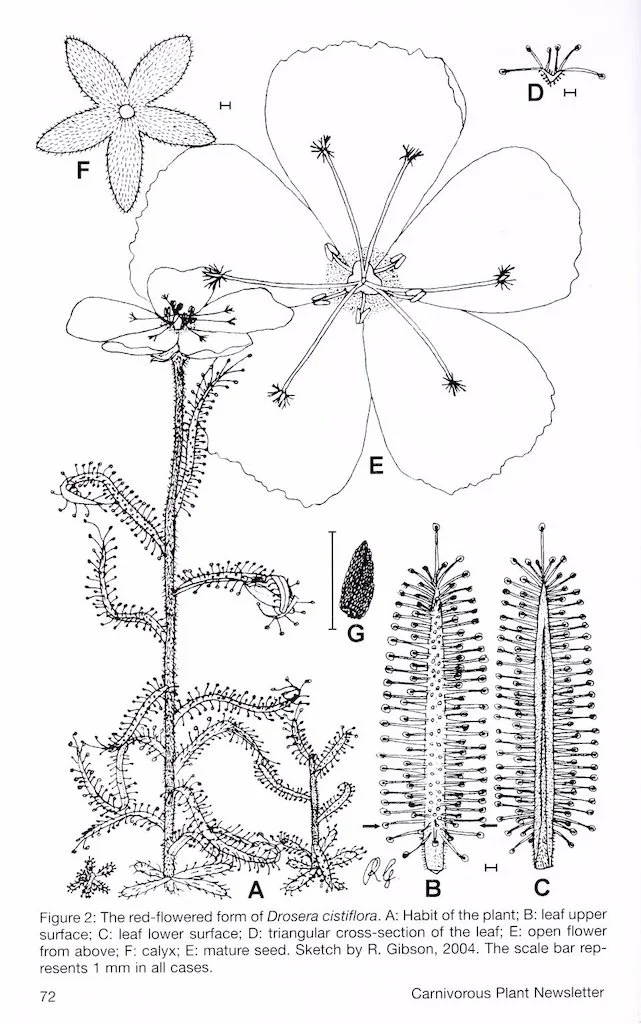
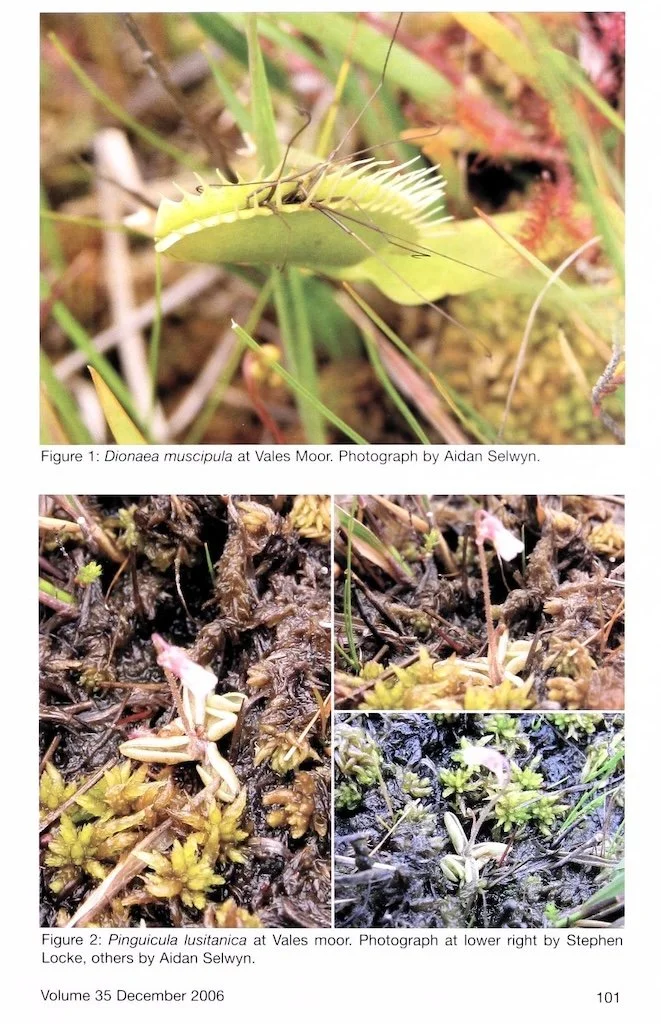
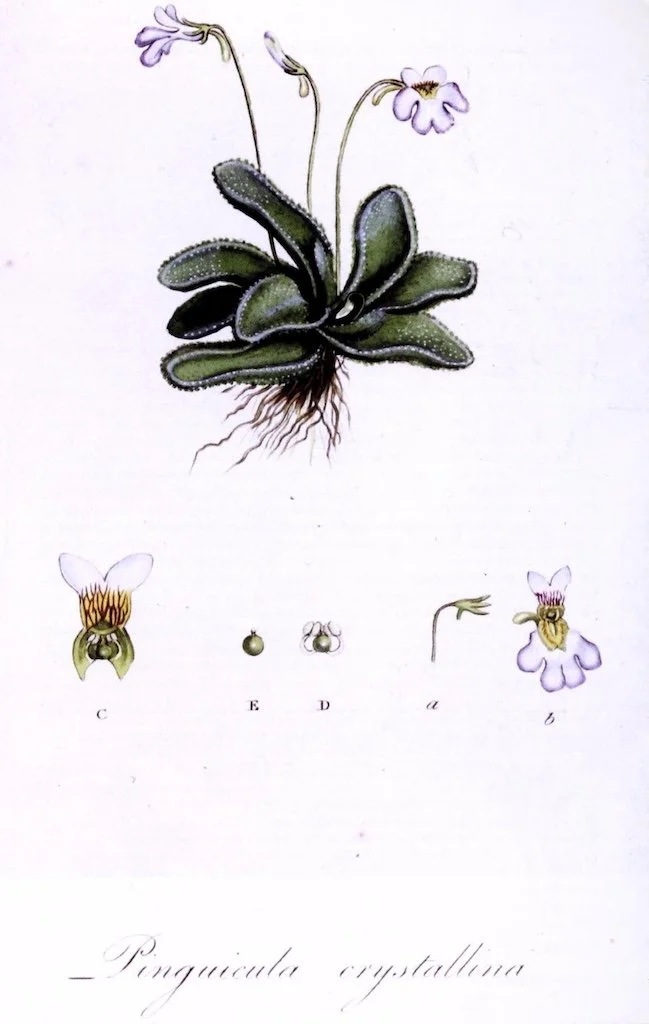
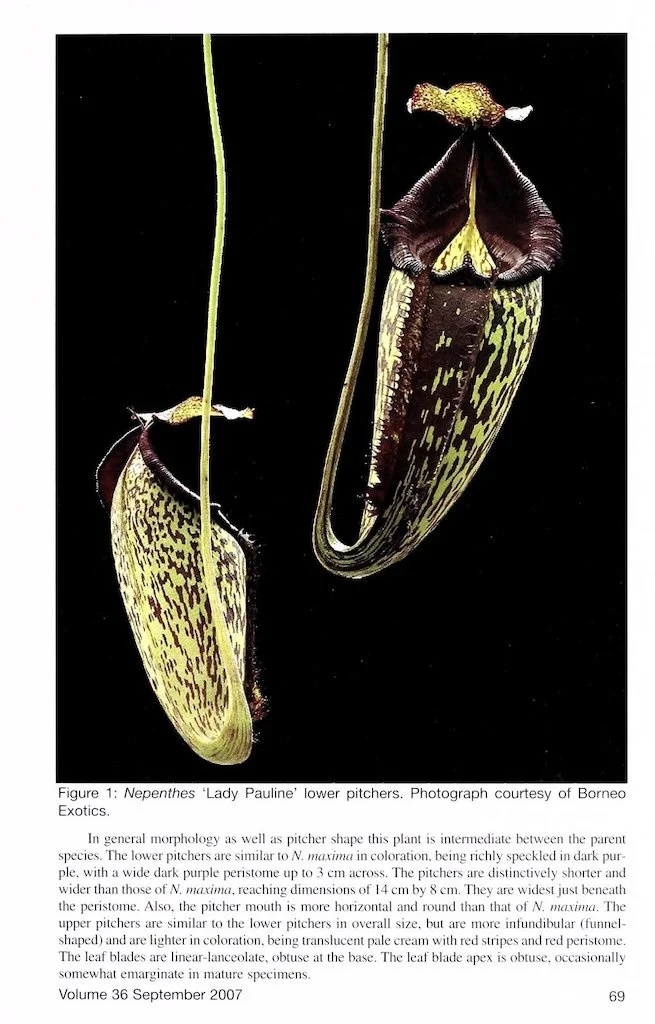
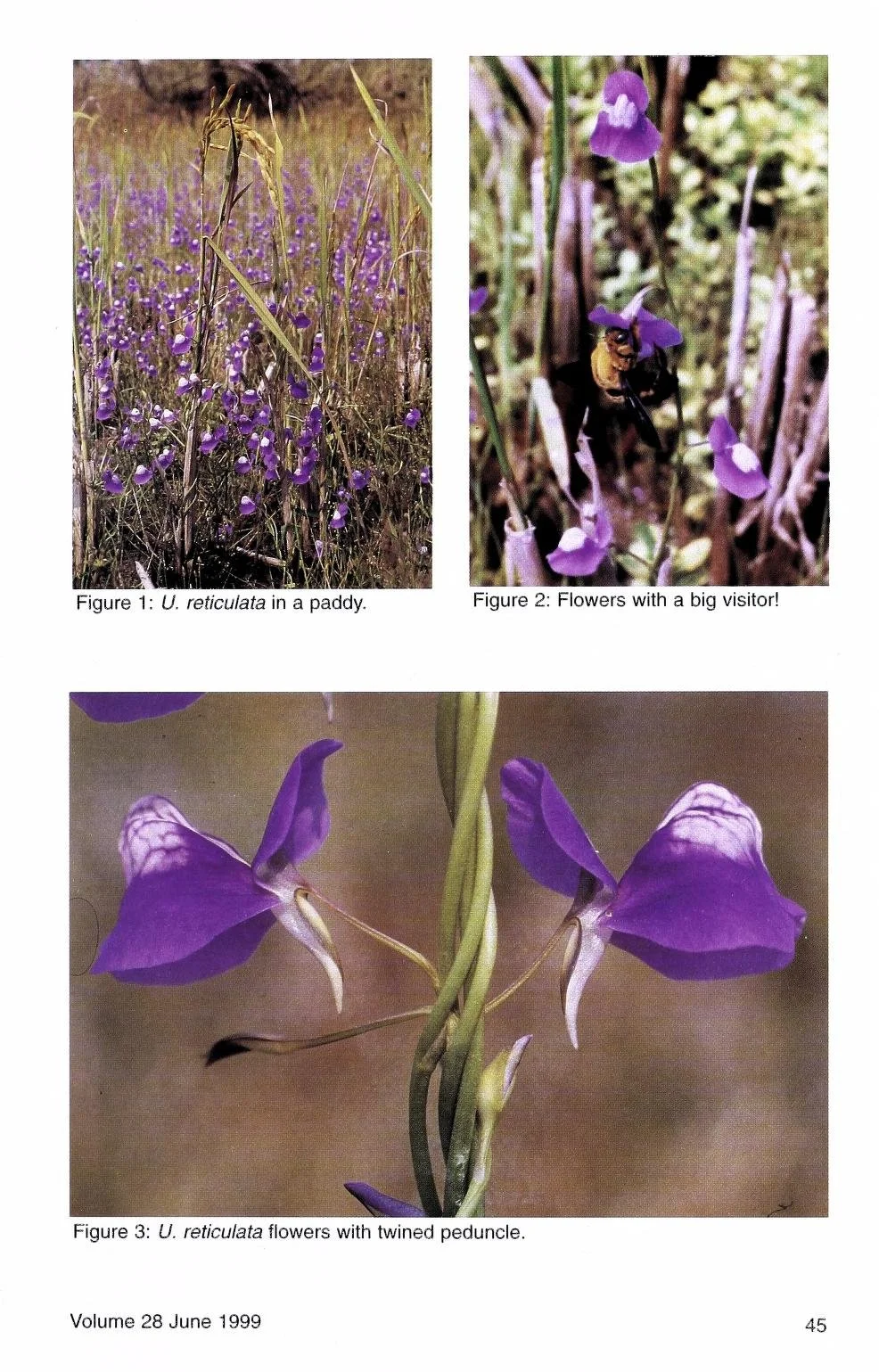
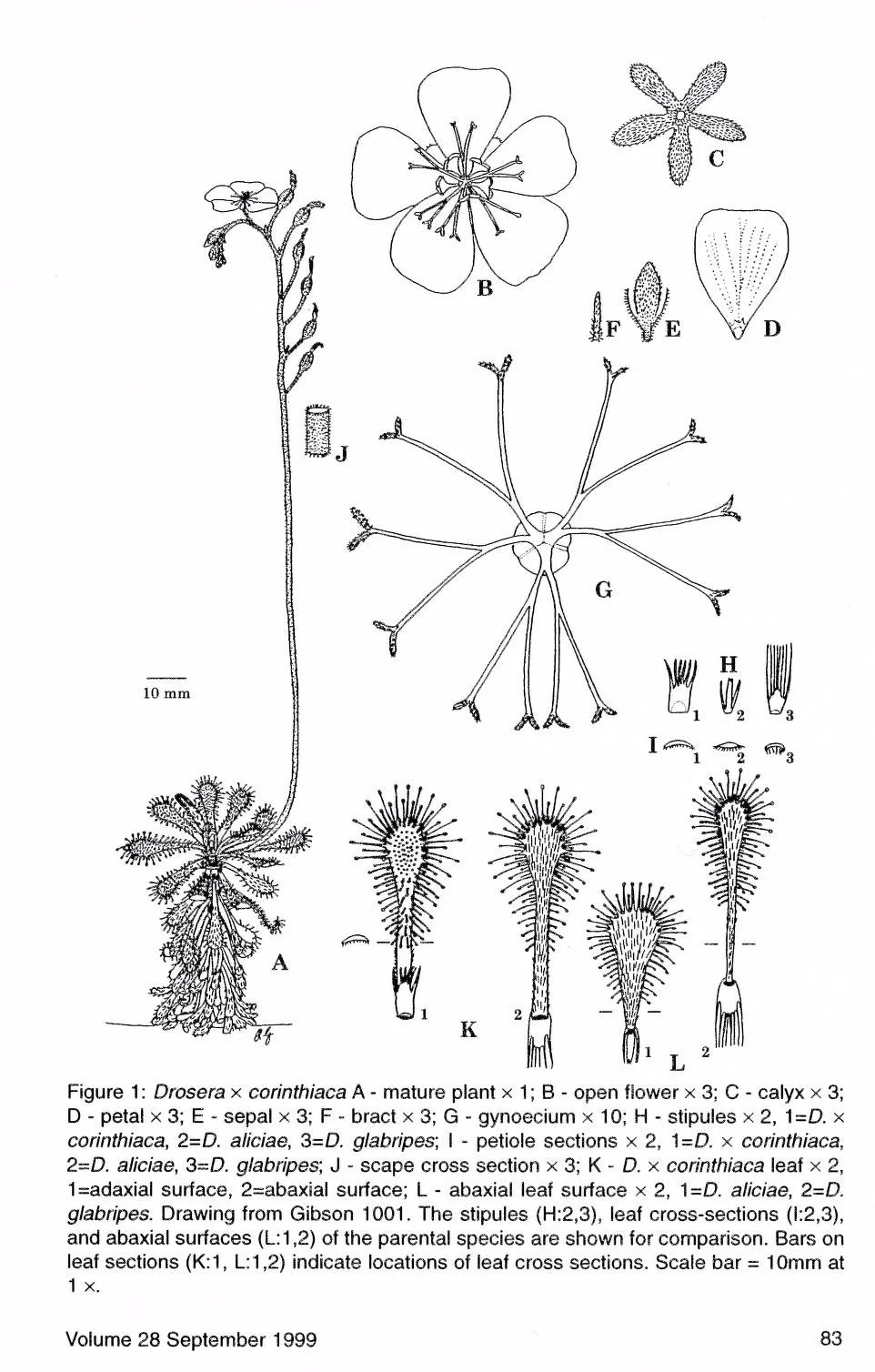
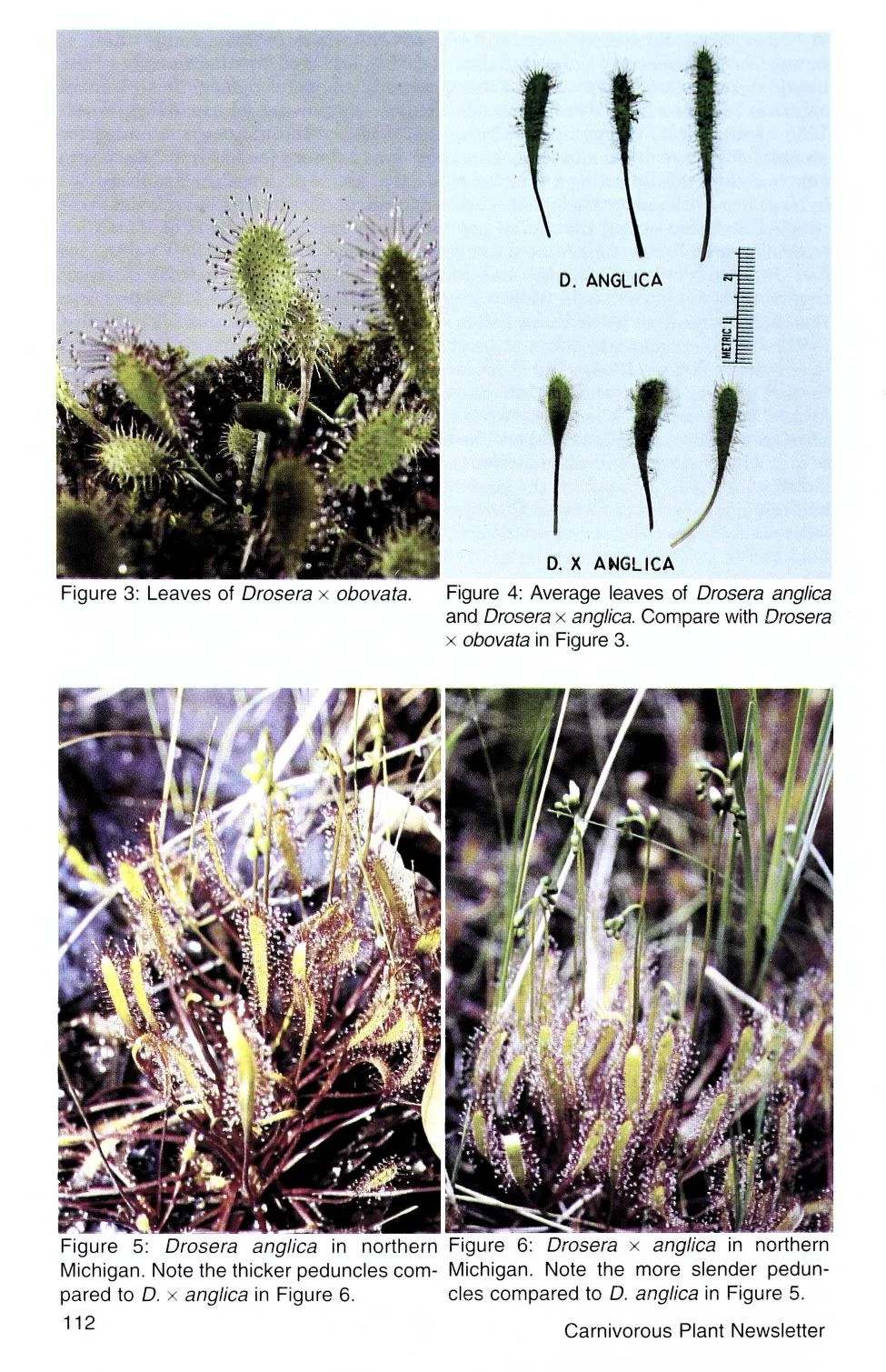
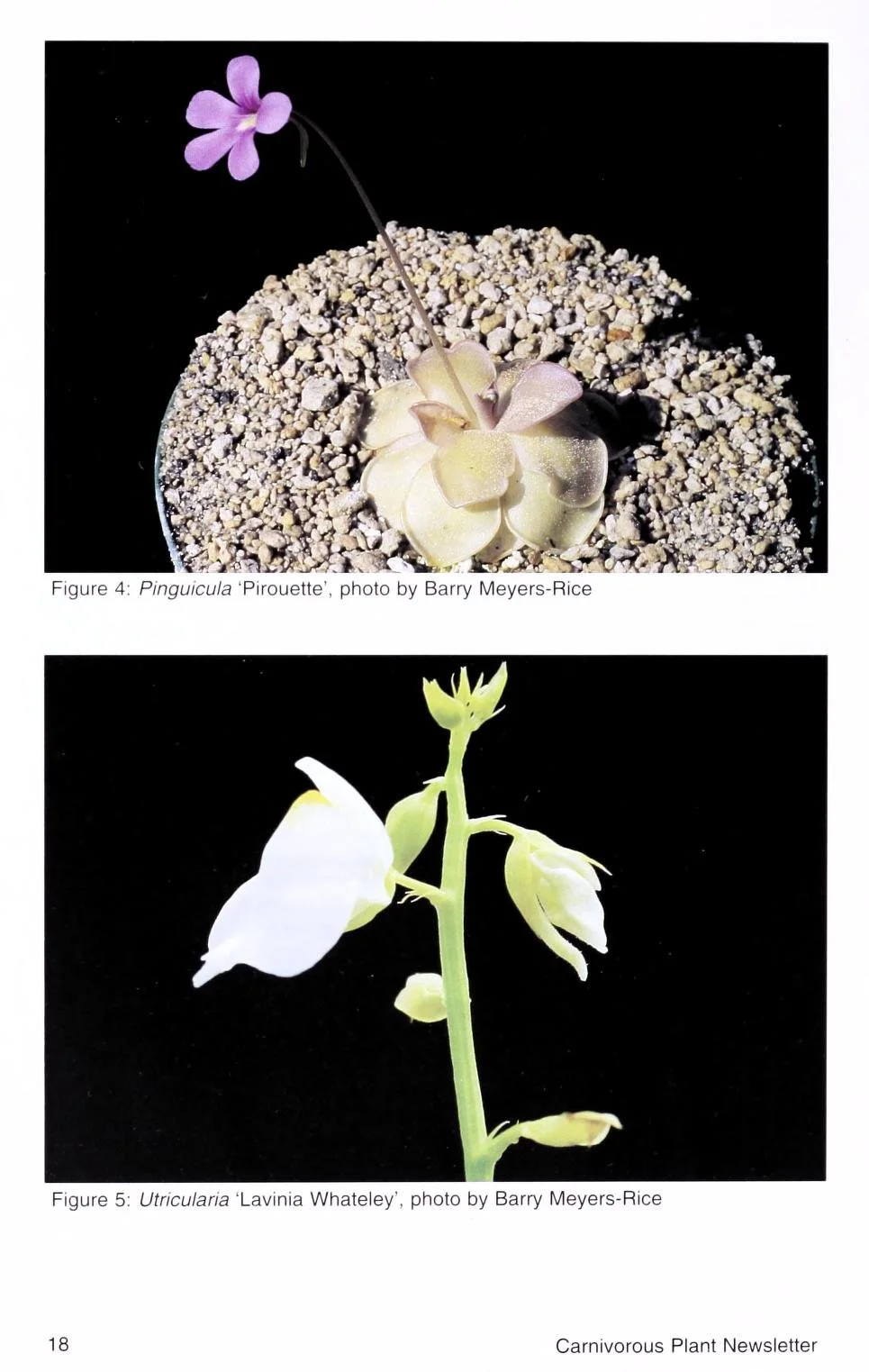
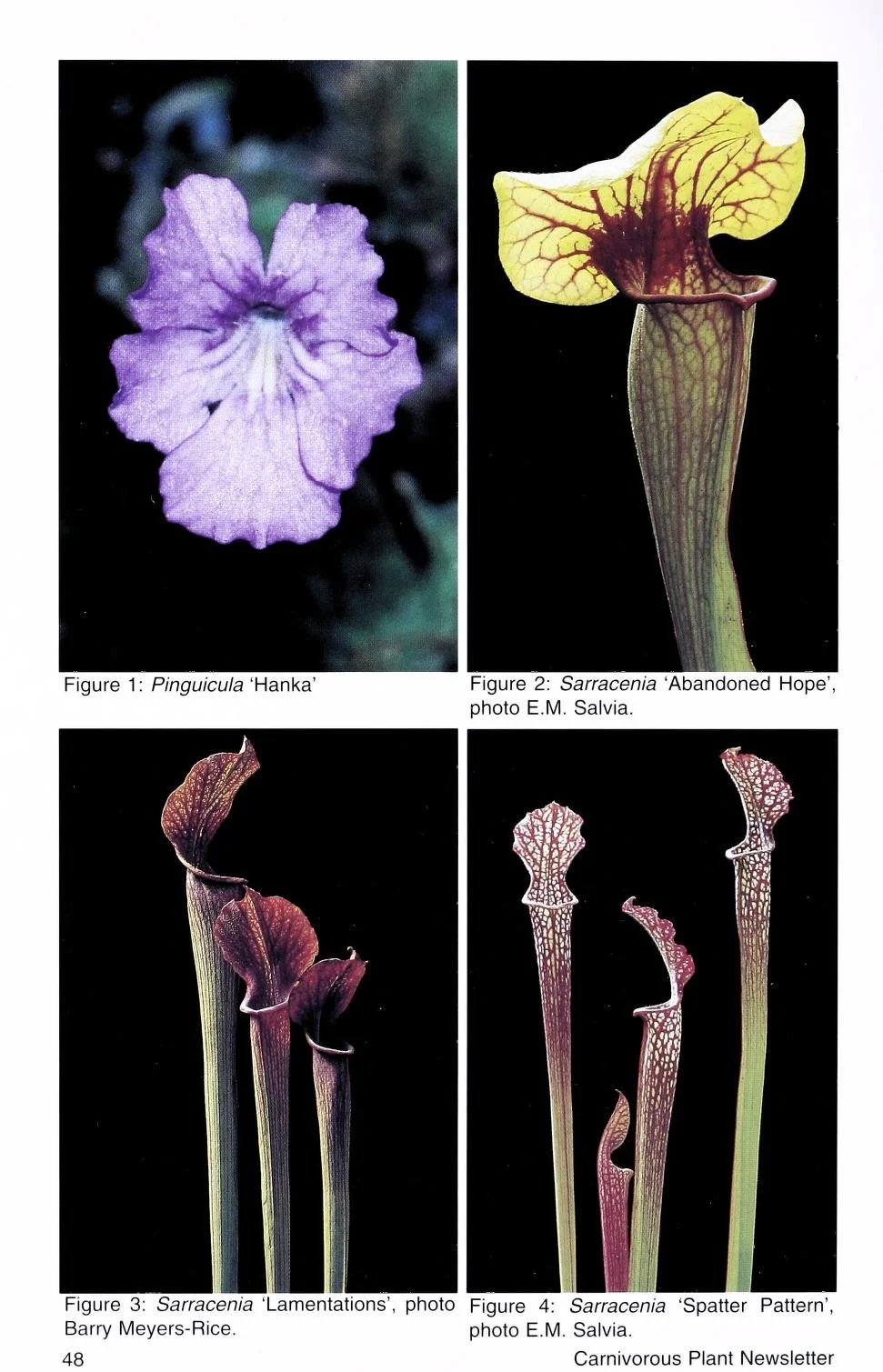
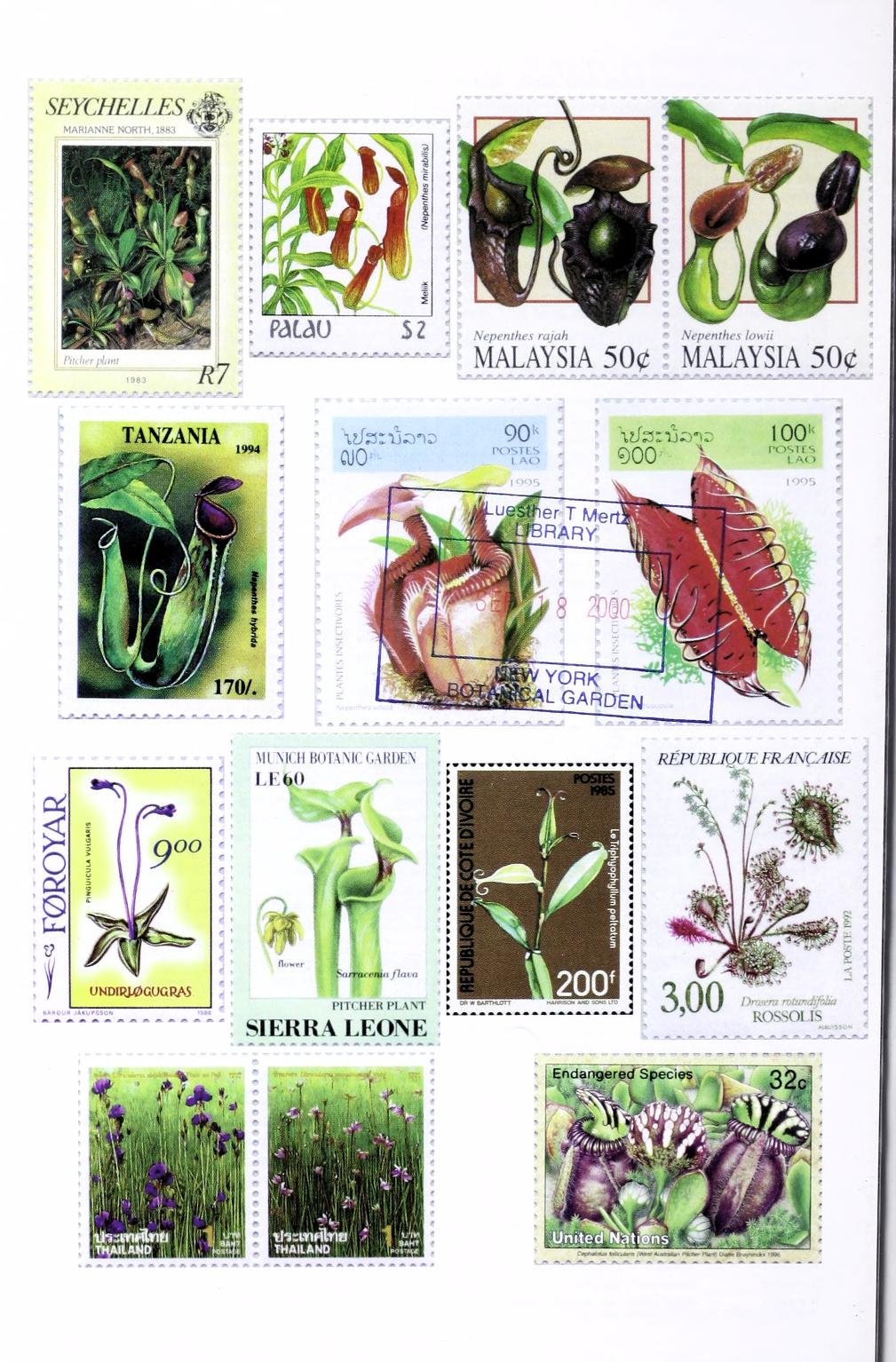
Twenty more books were added to my botanical print eBook collection in April – all are available for browsing on Internet Archive.   16 of the books are a continuation of the Carnivorous Plant Newsletters; there are 4 volumes per year so this month includes 2004 to 2008; I’ll continue browsing this periodical in May.

My list of eBotanical Prints books now totals 3,343 eBooks I’ve browsed over the years. The whole list can be accessed here.

Click on any sample image from April’s 20 books below to get an enlarged version…and the title hyperlink in the list below the image mosaic to view the entire volume where there are a lot more botanical illustrations to browse.

Enjoy the April 2026 eBotanical Prints!
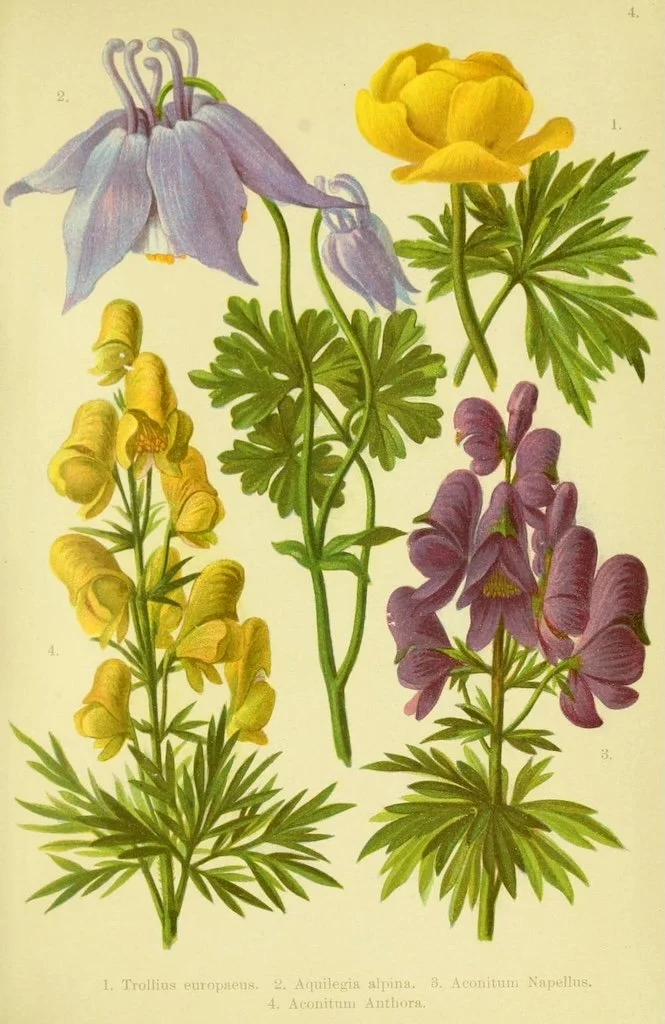
Alpen-Flora für Touristen und Pflanzenfreunde * Hoffman, Julius; Friese, Hermann * sample image * 1904

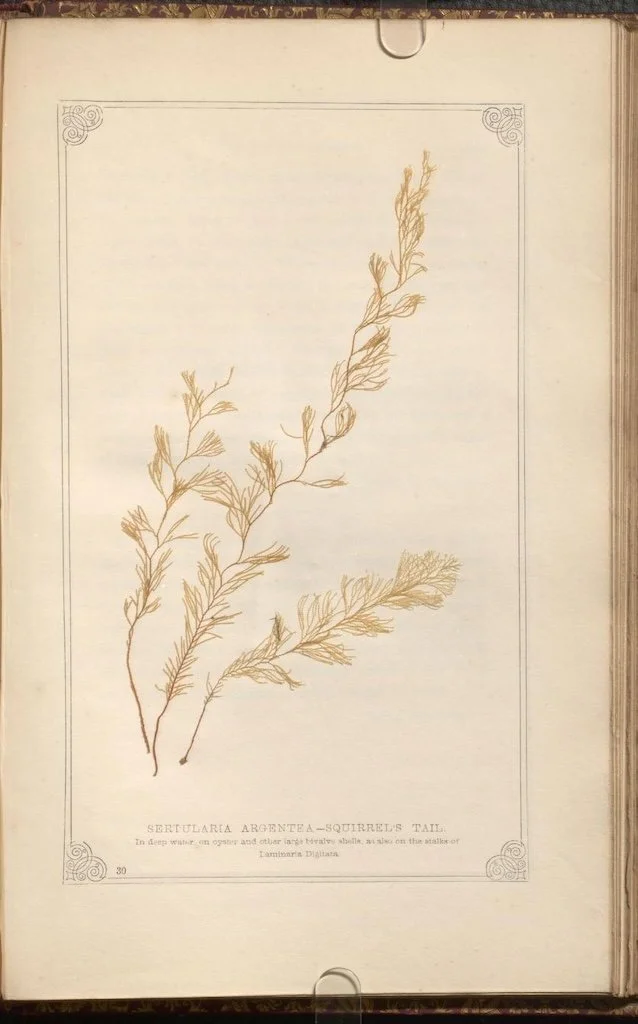
Ocean flowers and their teachings * Howard, Mary Matilda * sample image * 1846

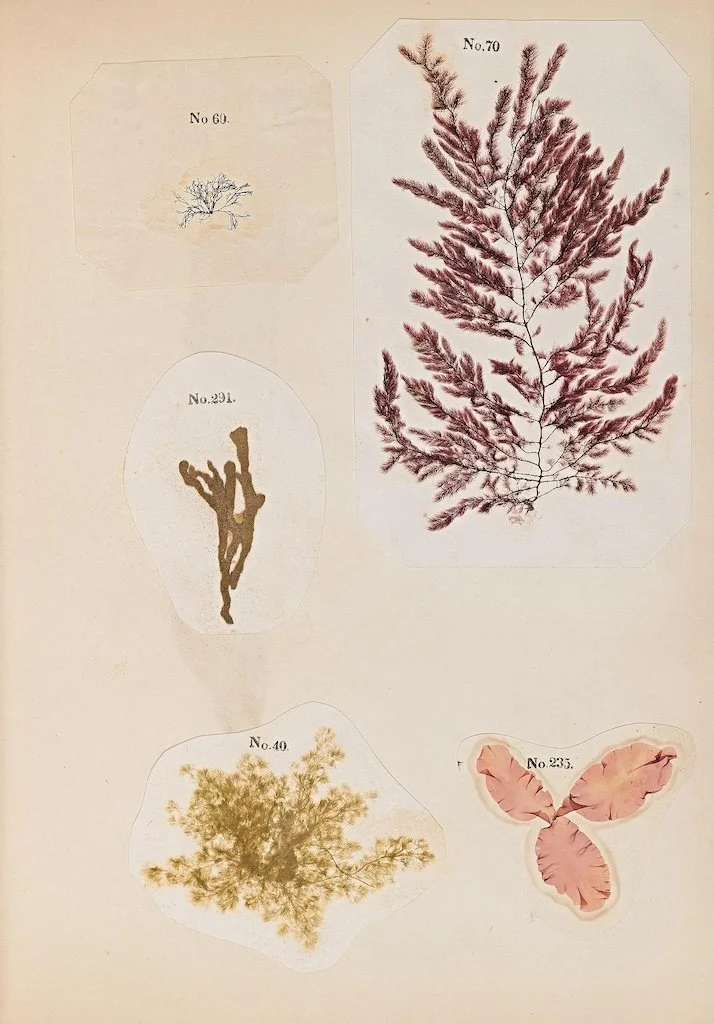
Algae and corallines of the bay & harbor of New York * Durant Charles Ferson * sample image * 1850

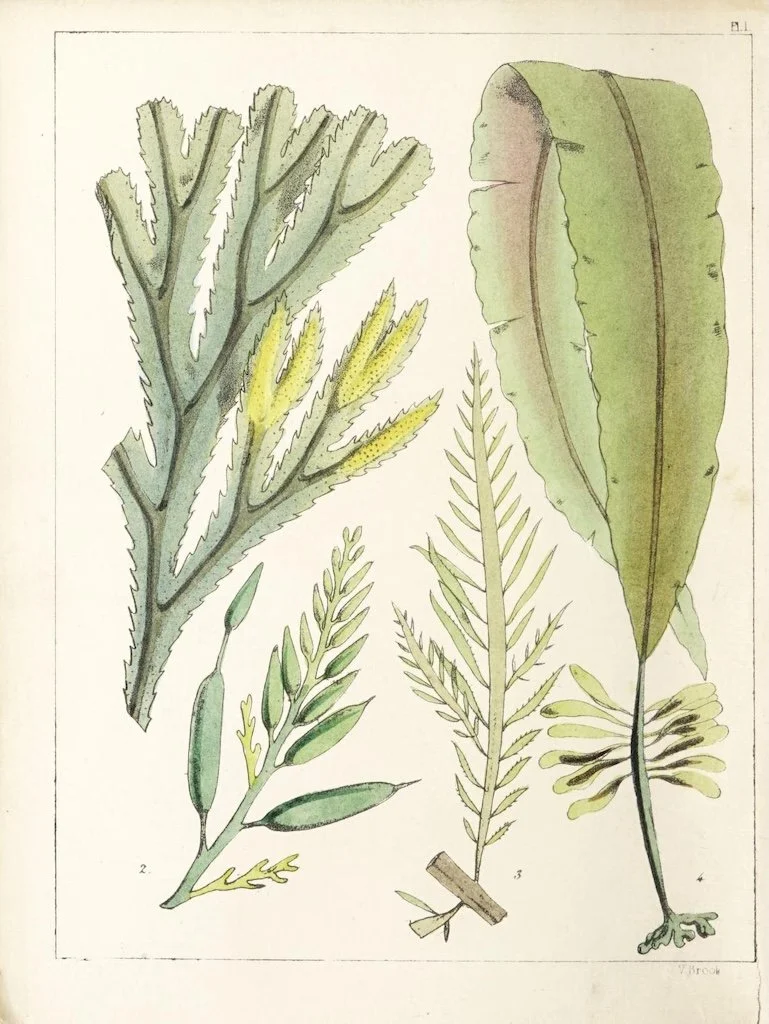
A popular history of British seaweeds : comprising their structure, fructification, specific characters, arrangement, and general distribution, with notices of some of the fresh-water algæ * Landsborough, David * sample image * 1857

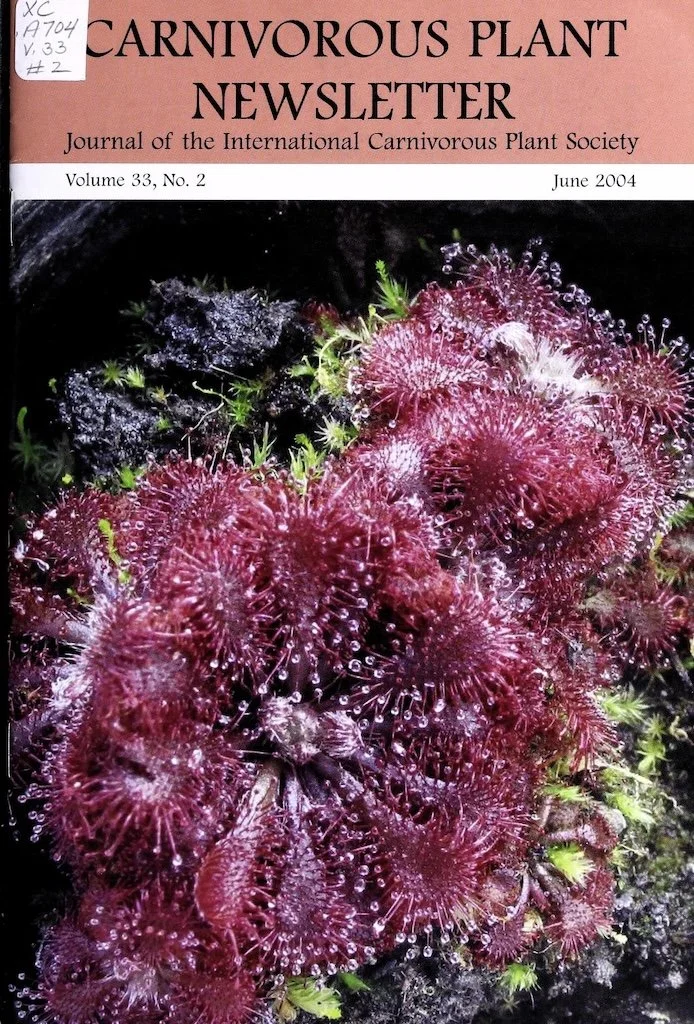
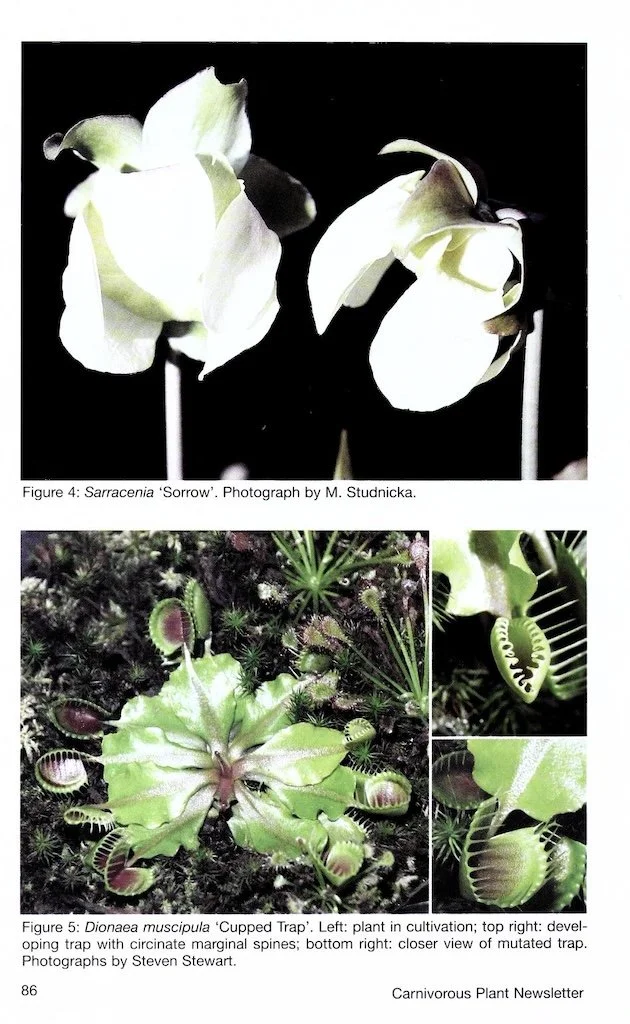
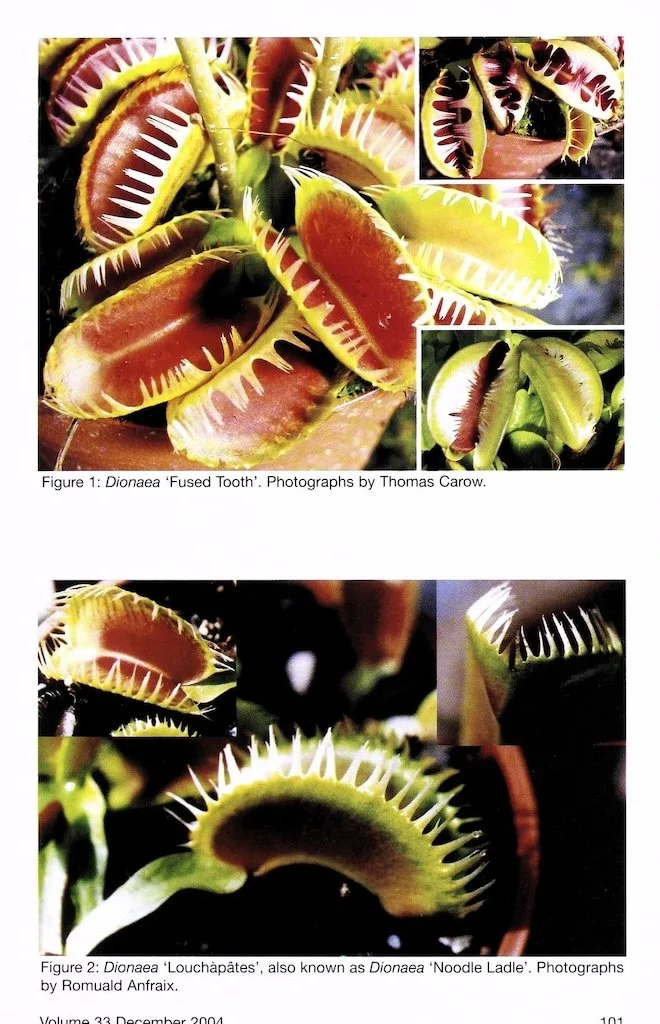
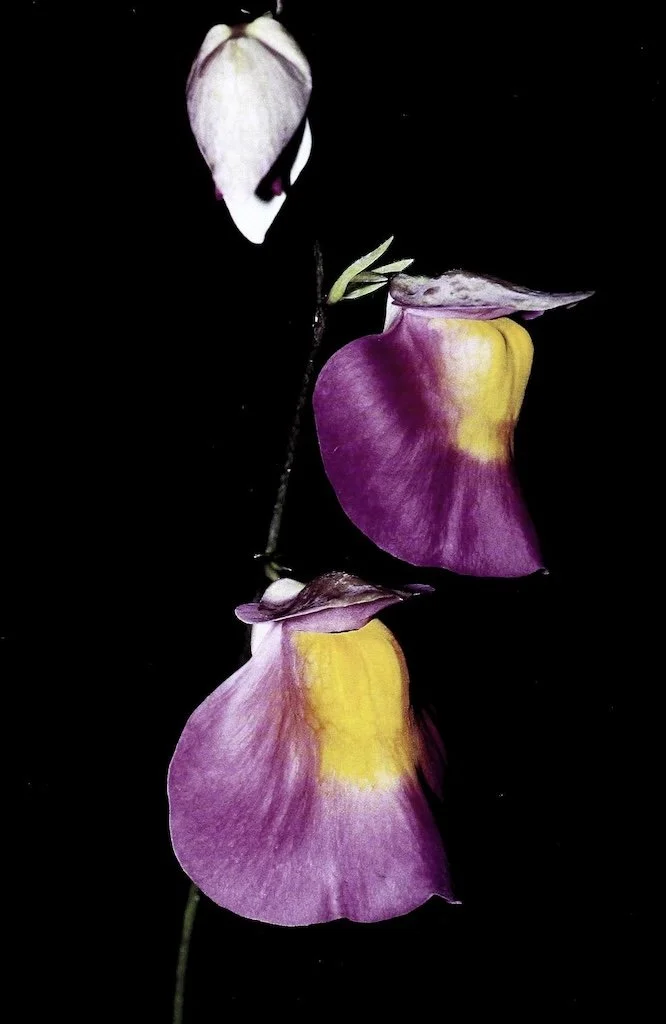
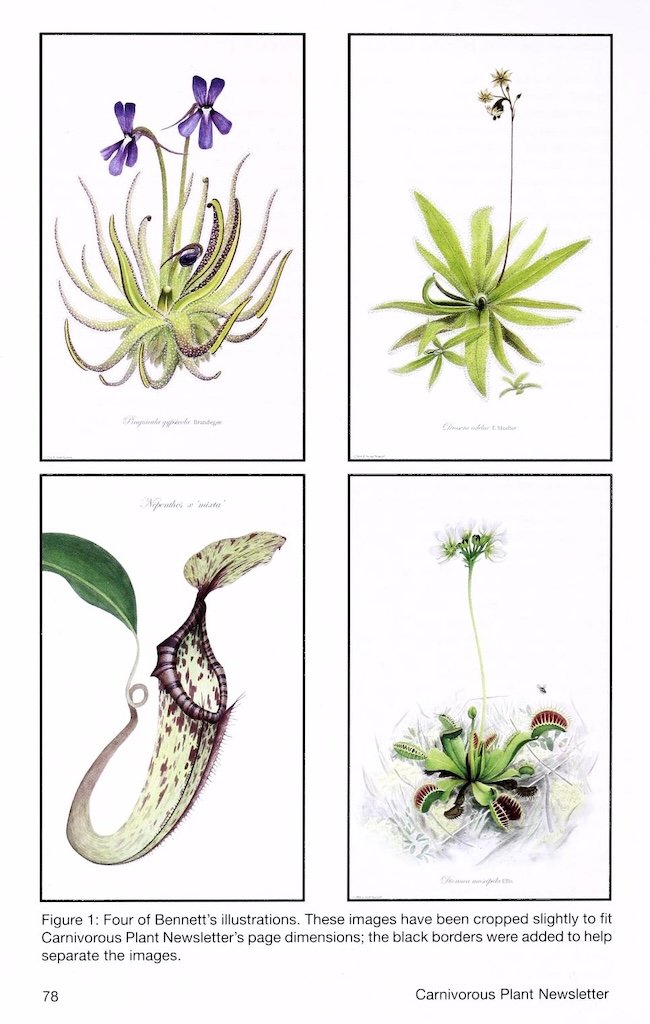
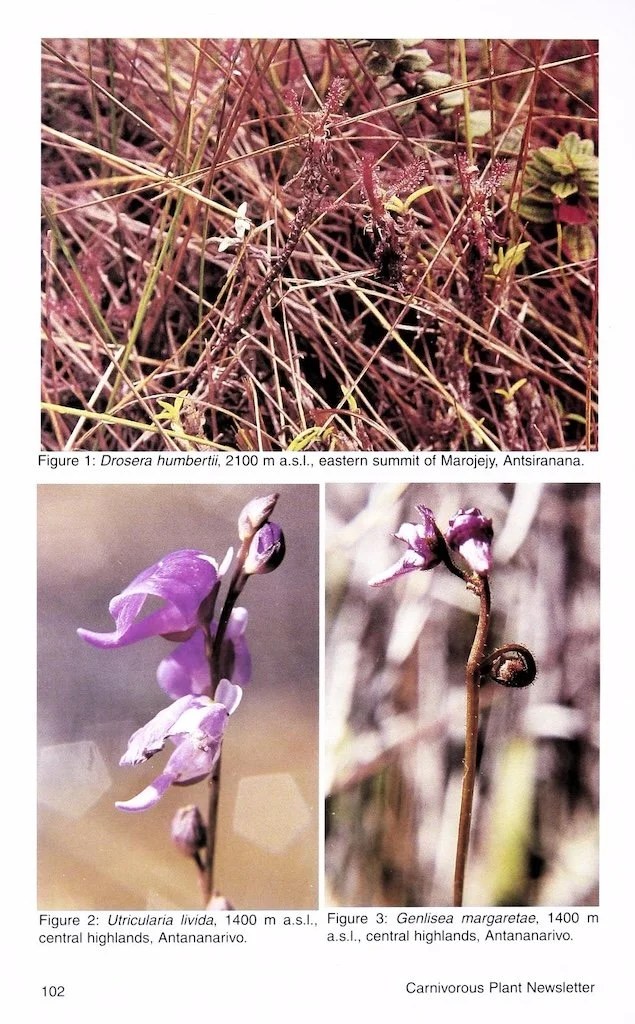
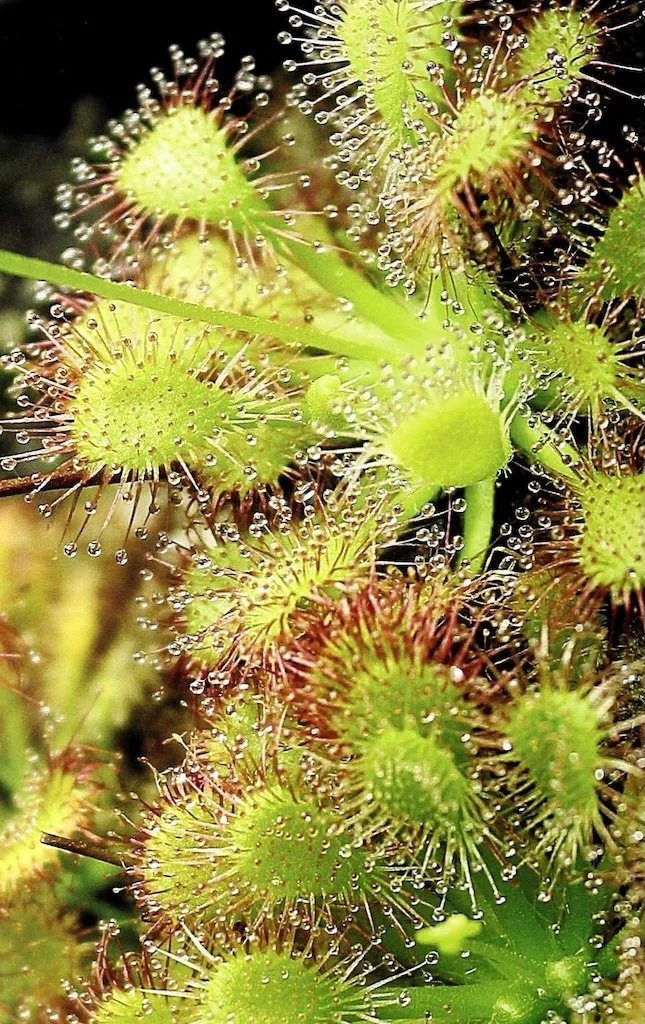
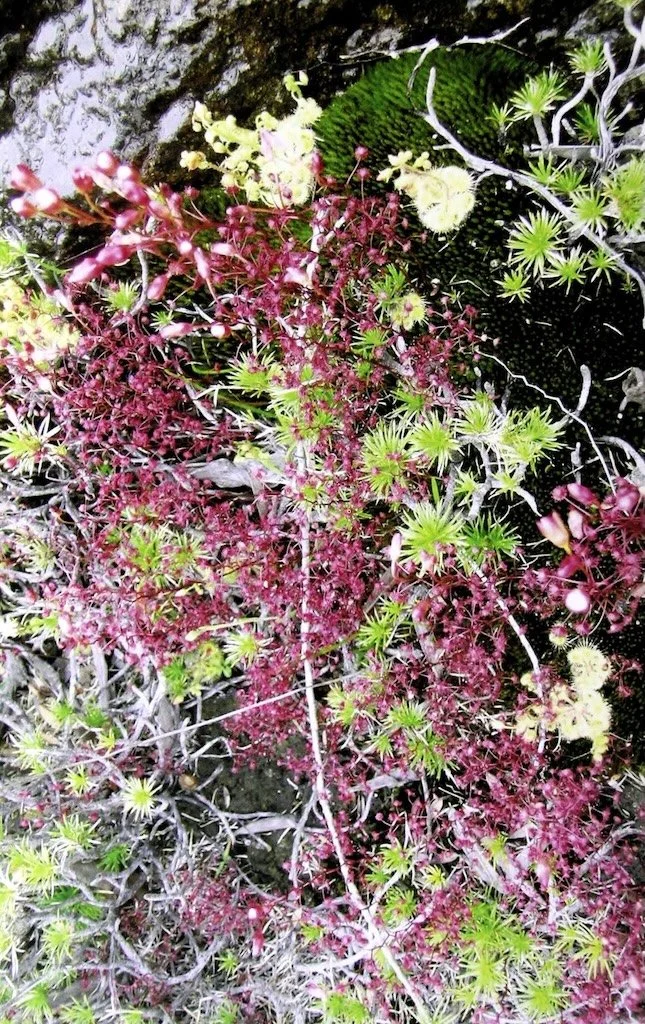
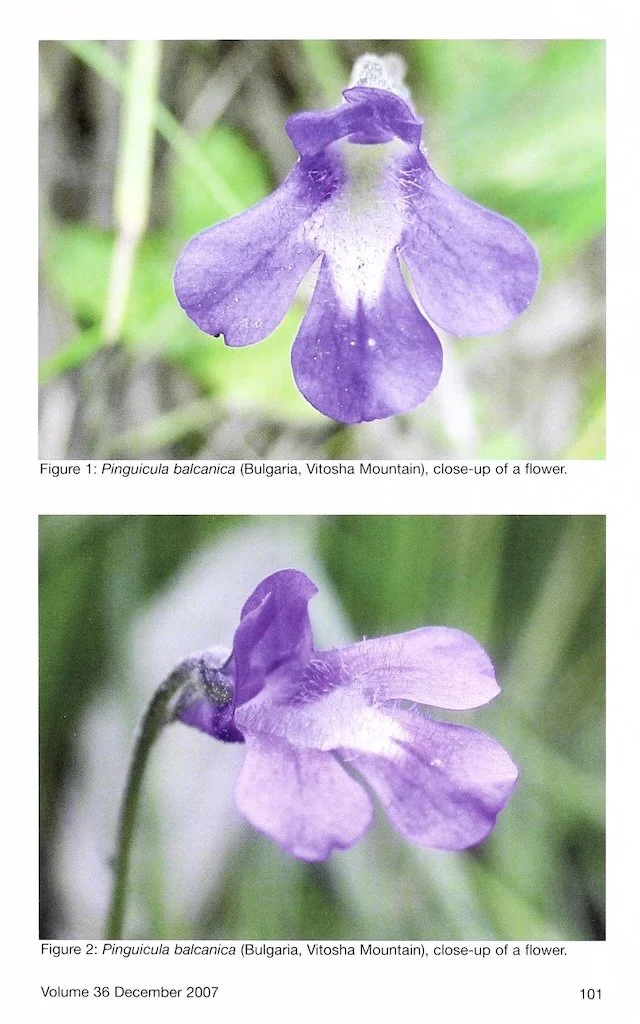
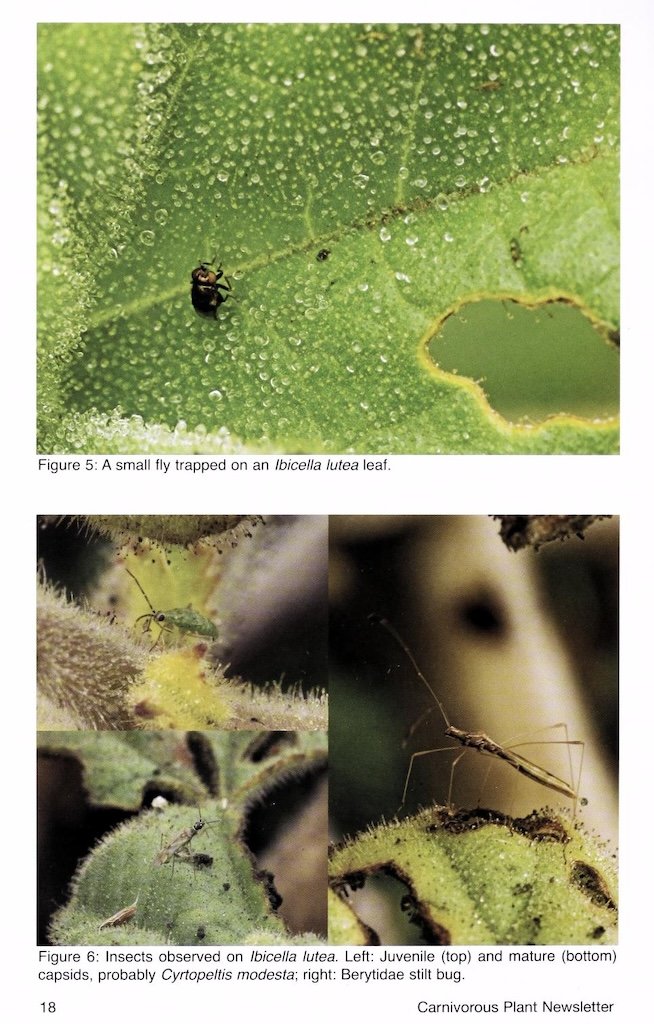
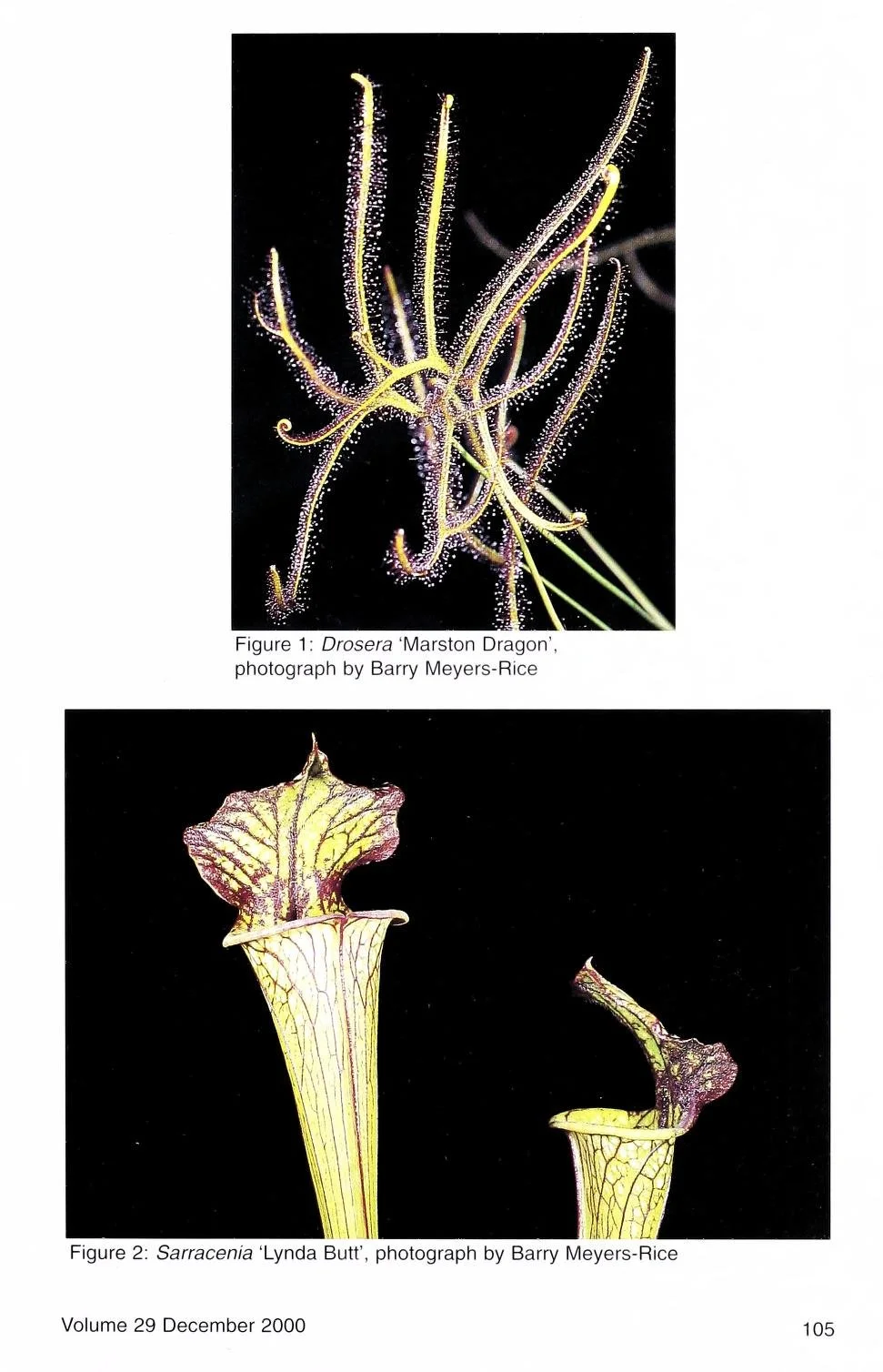
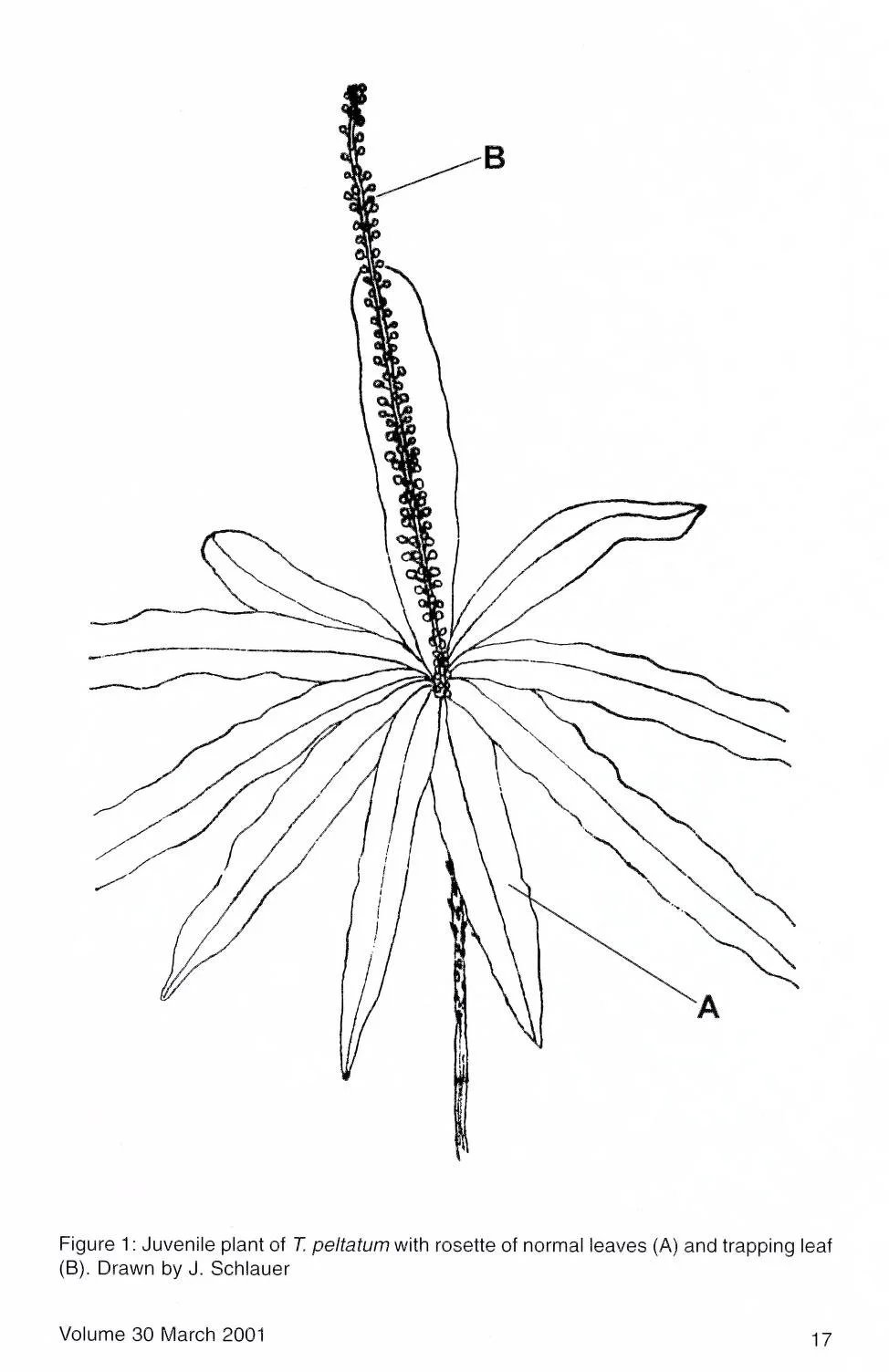
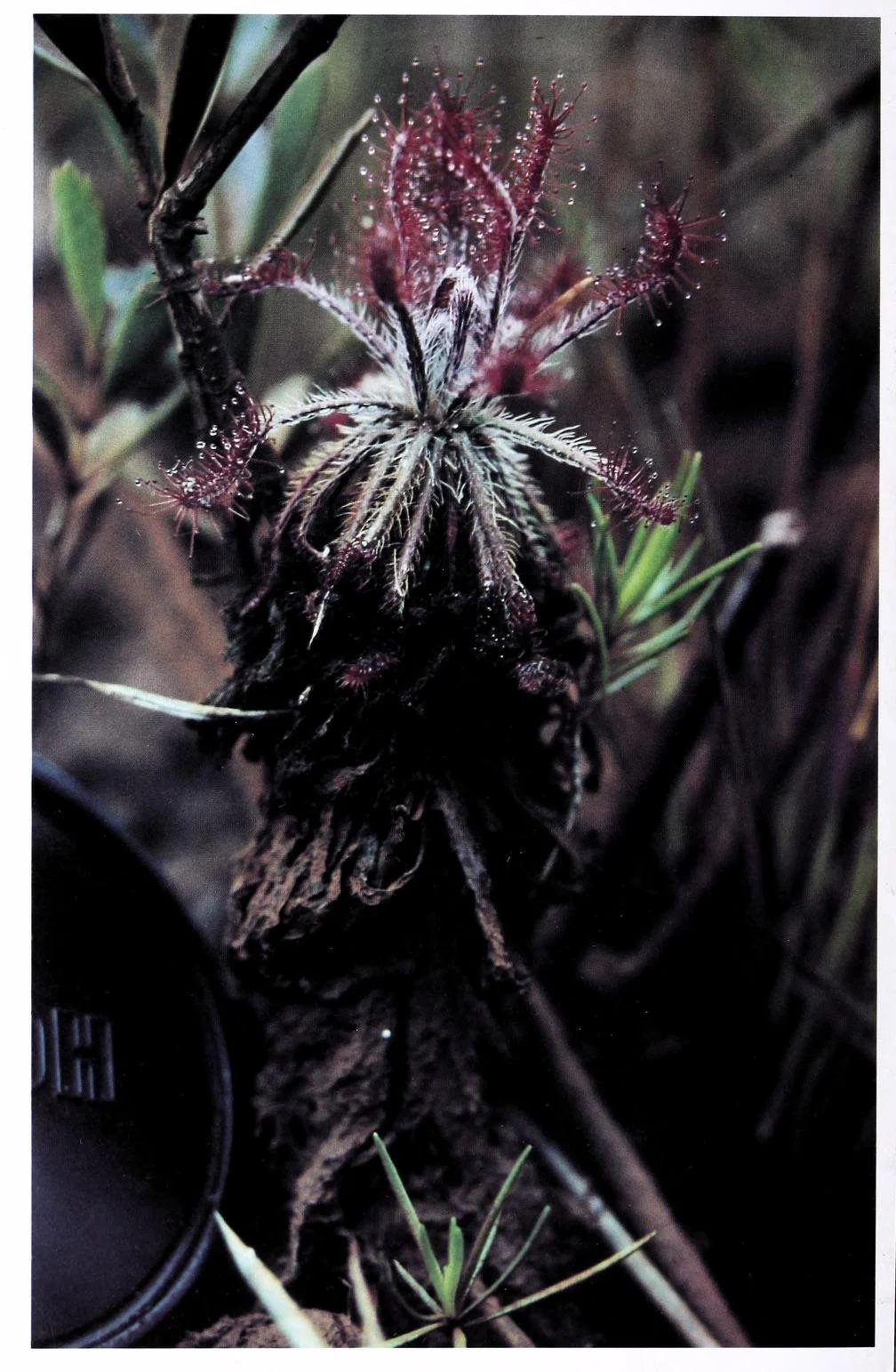
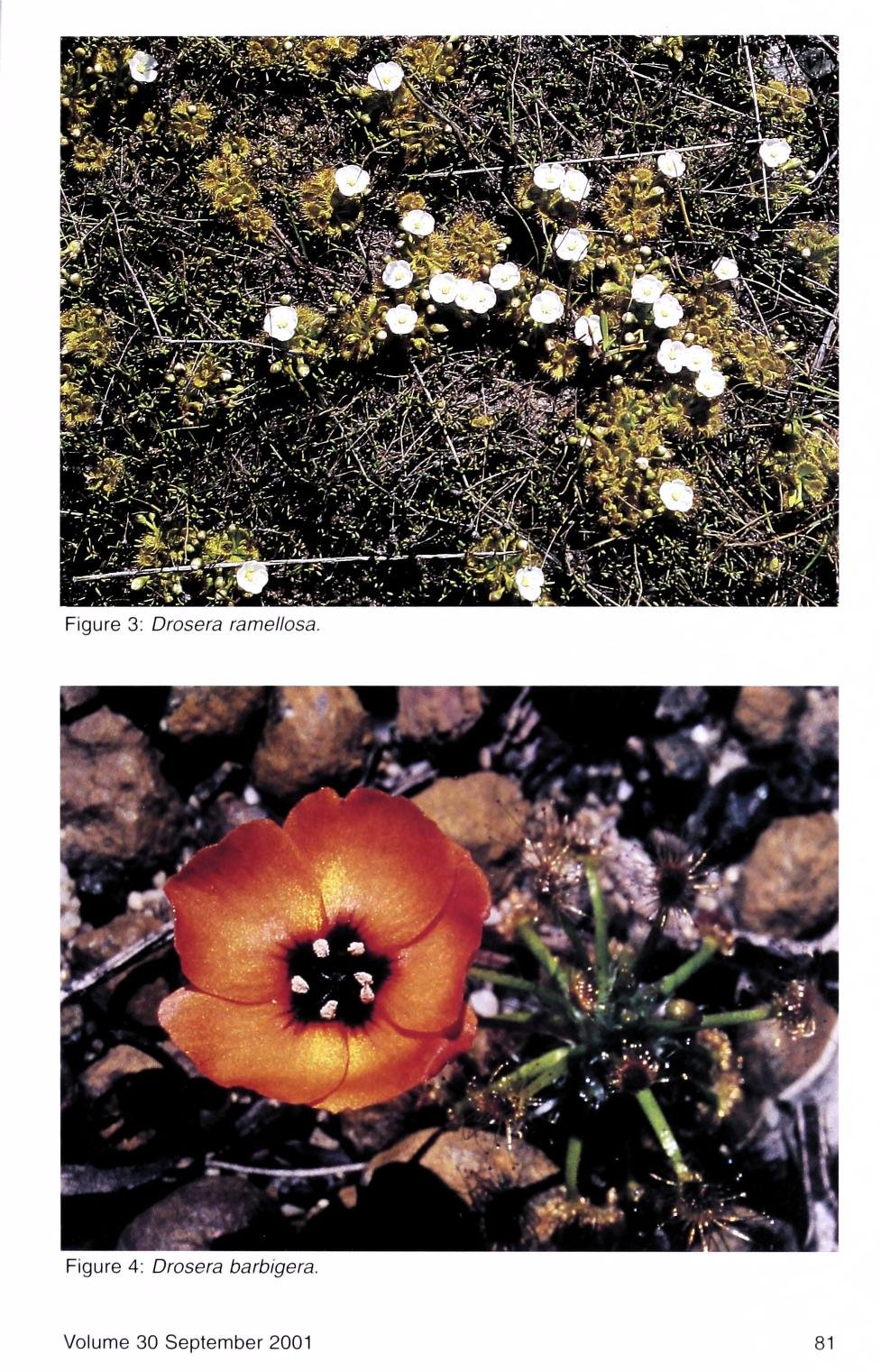
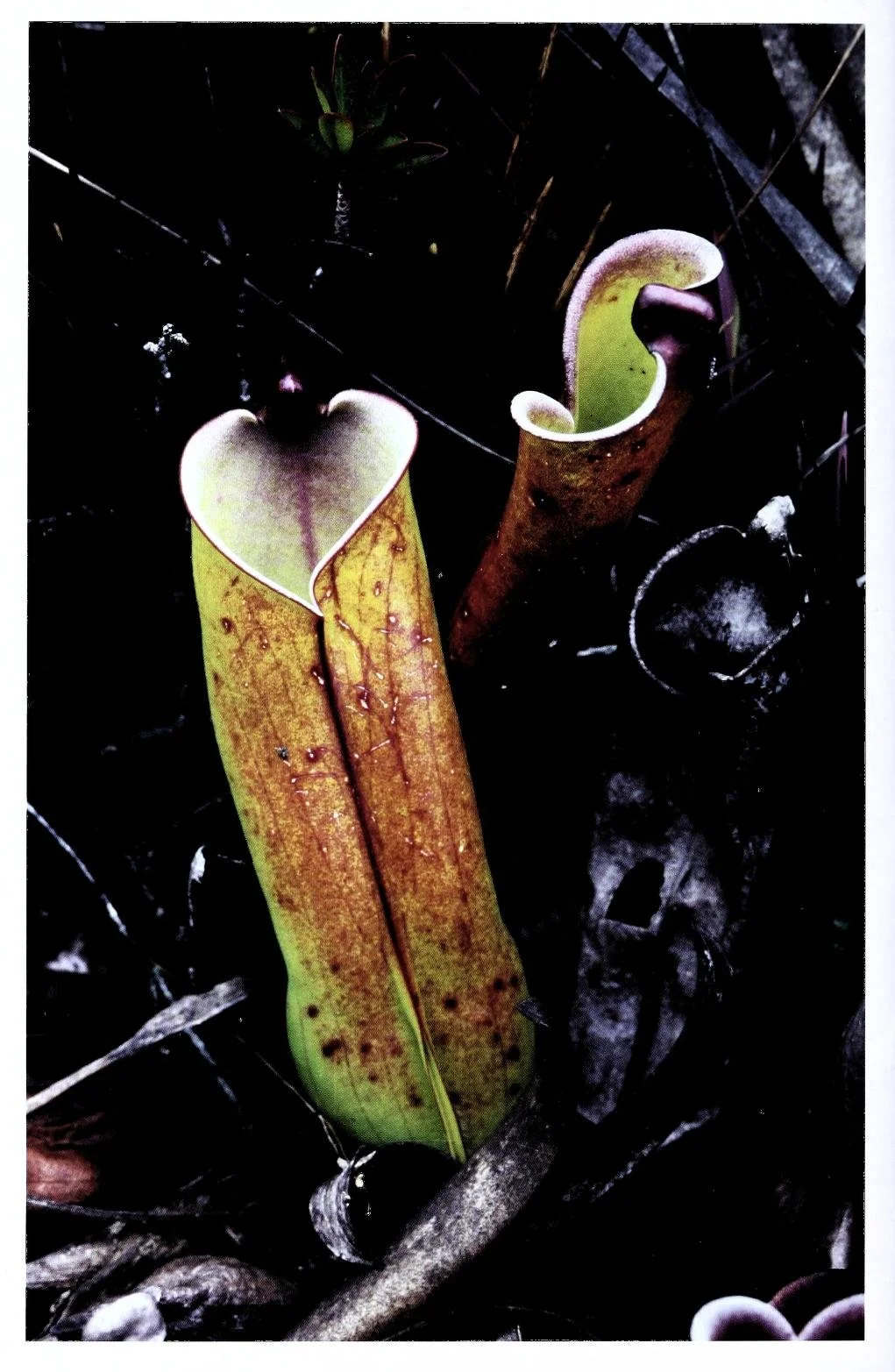
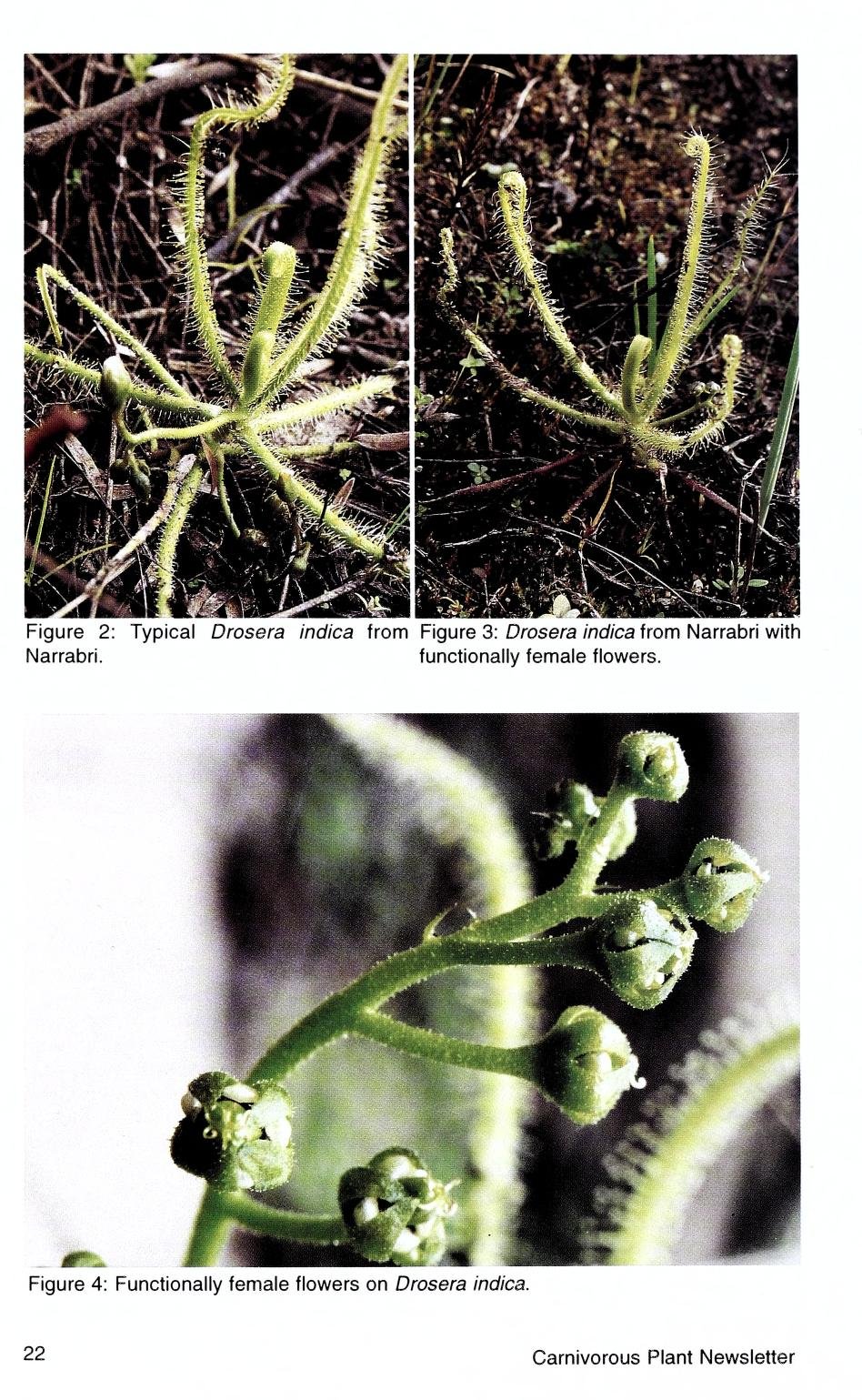
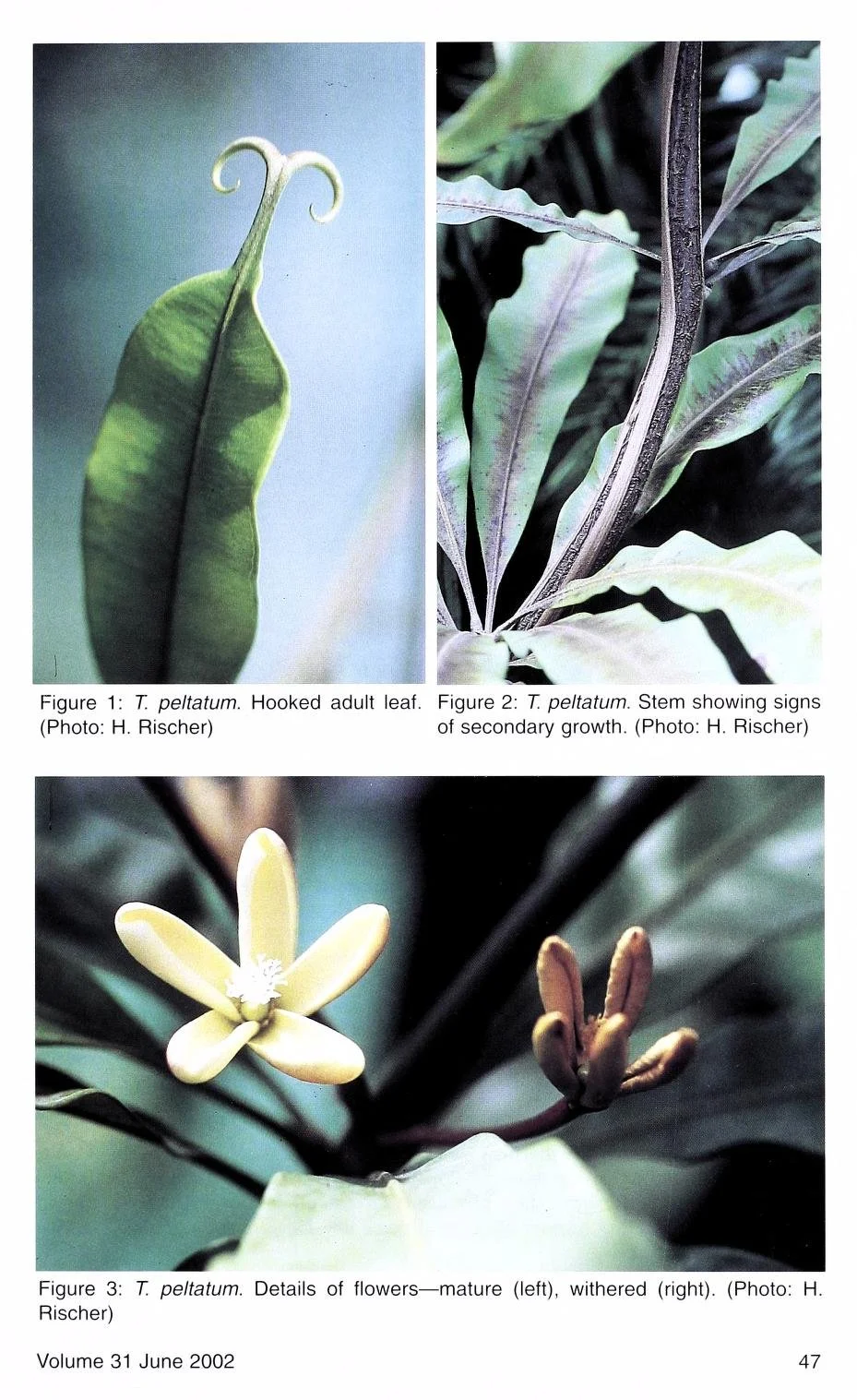
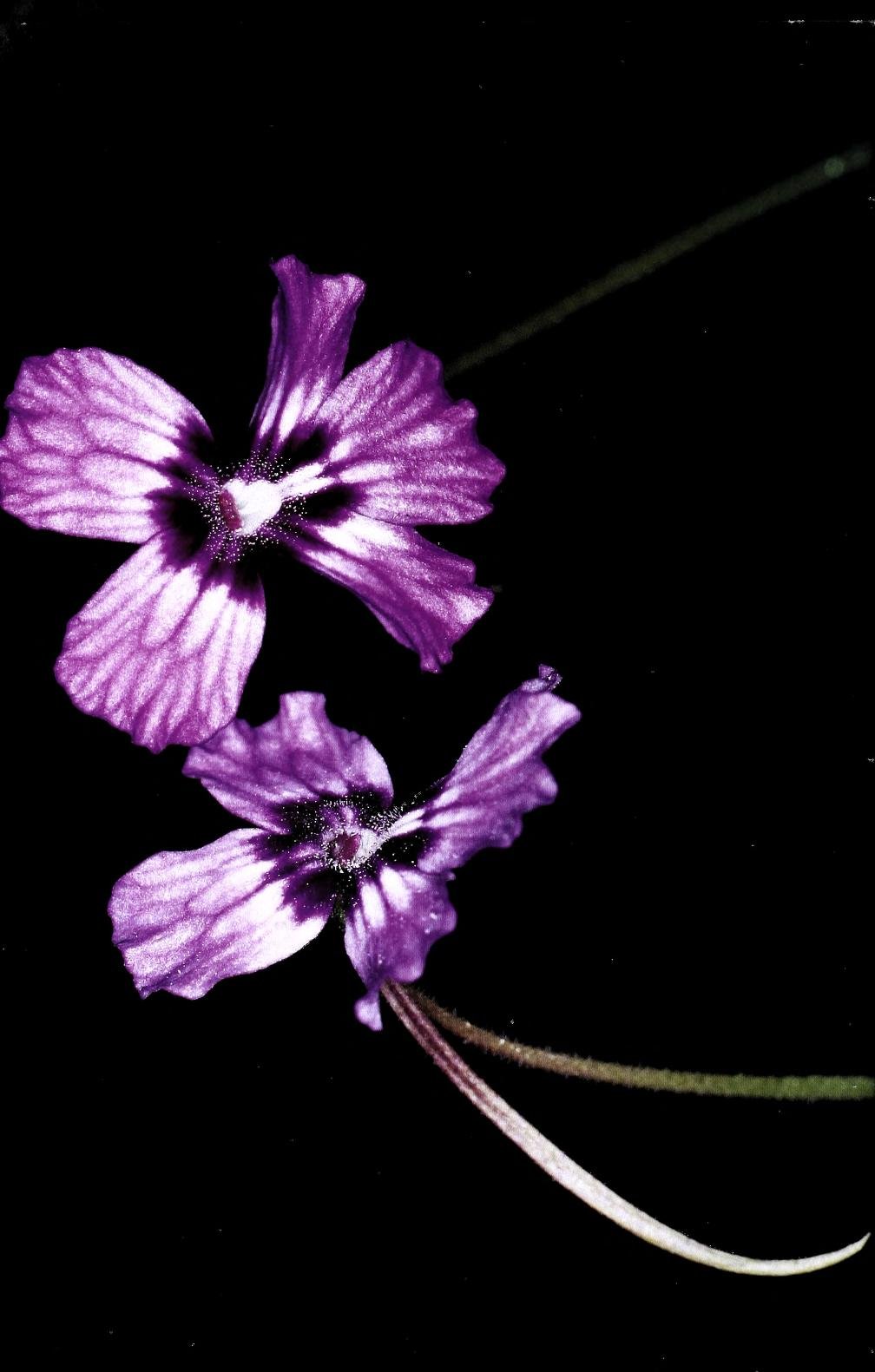
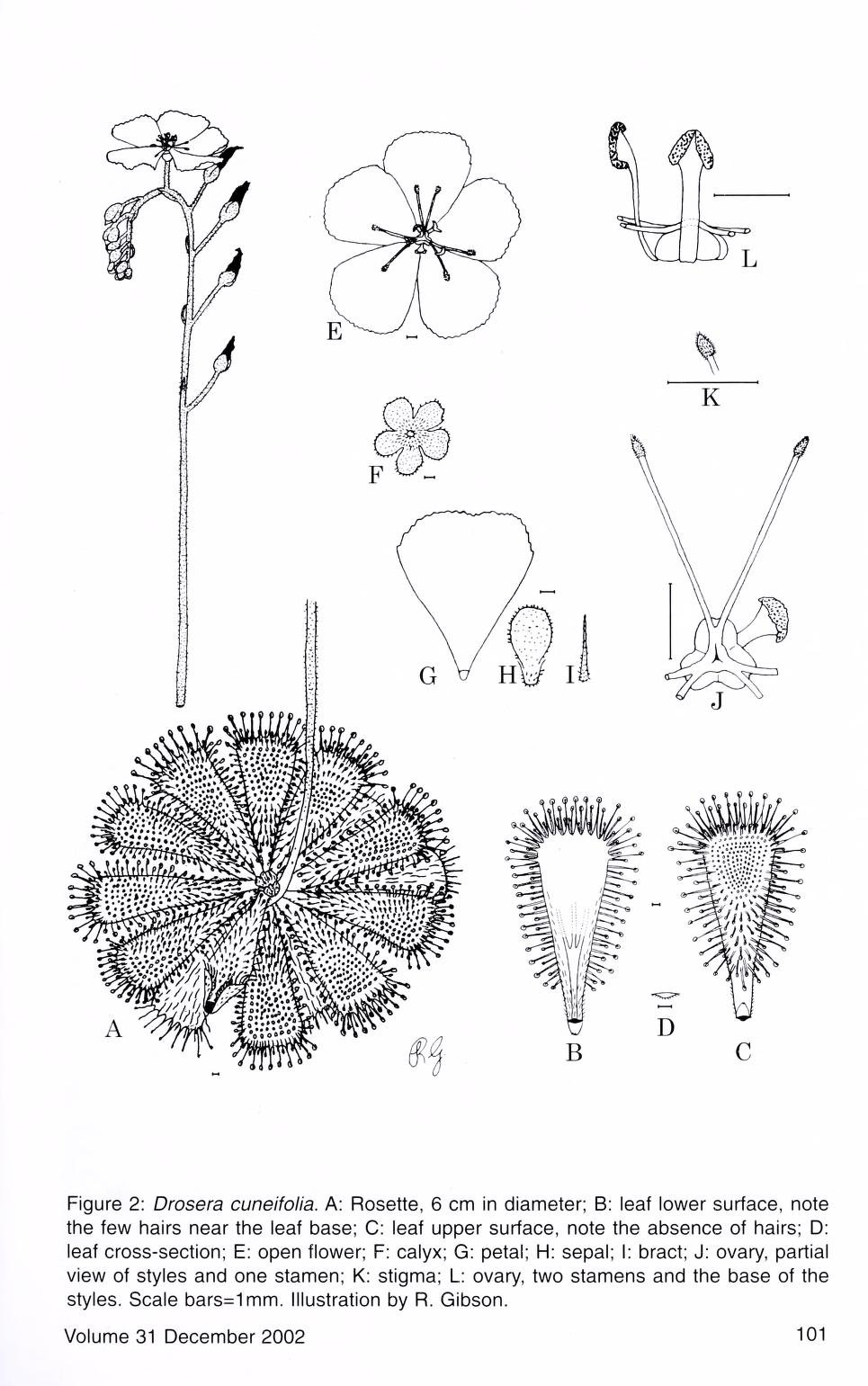
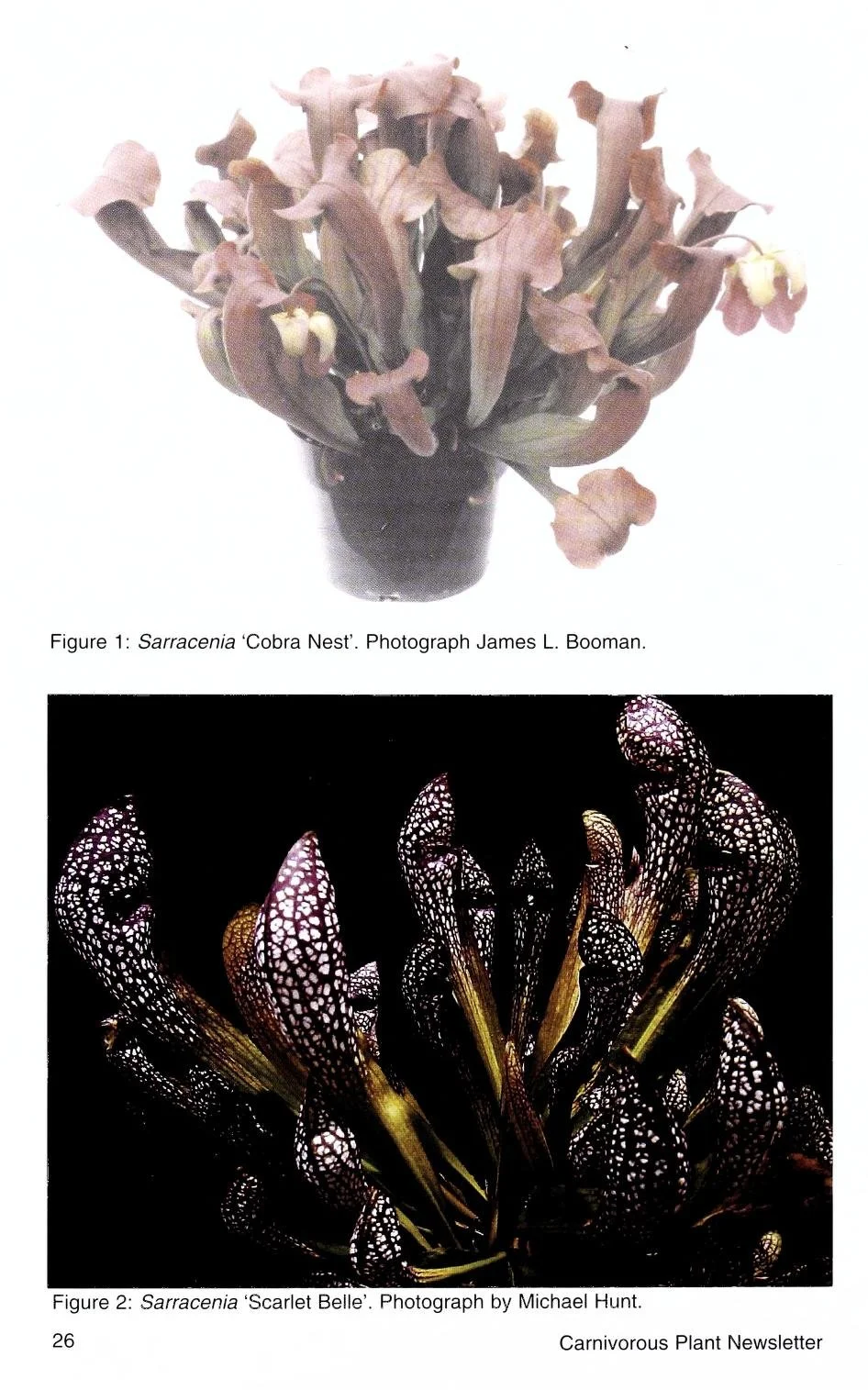
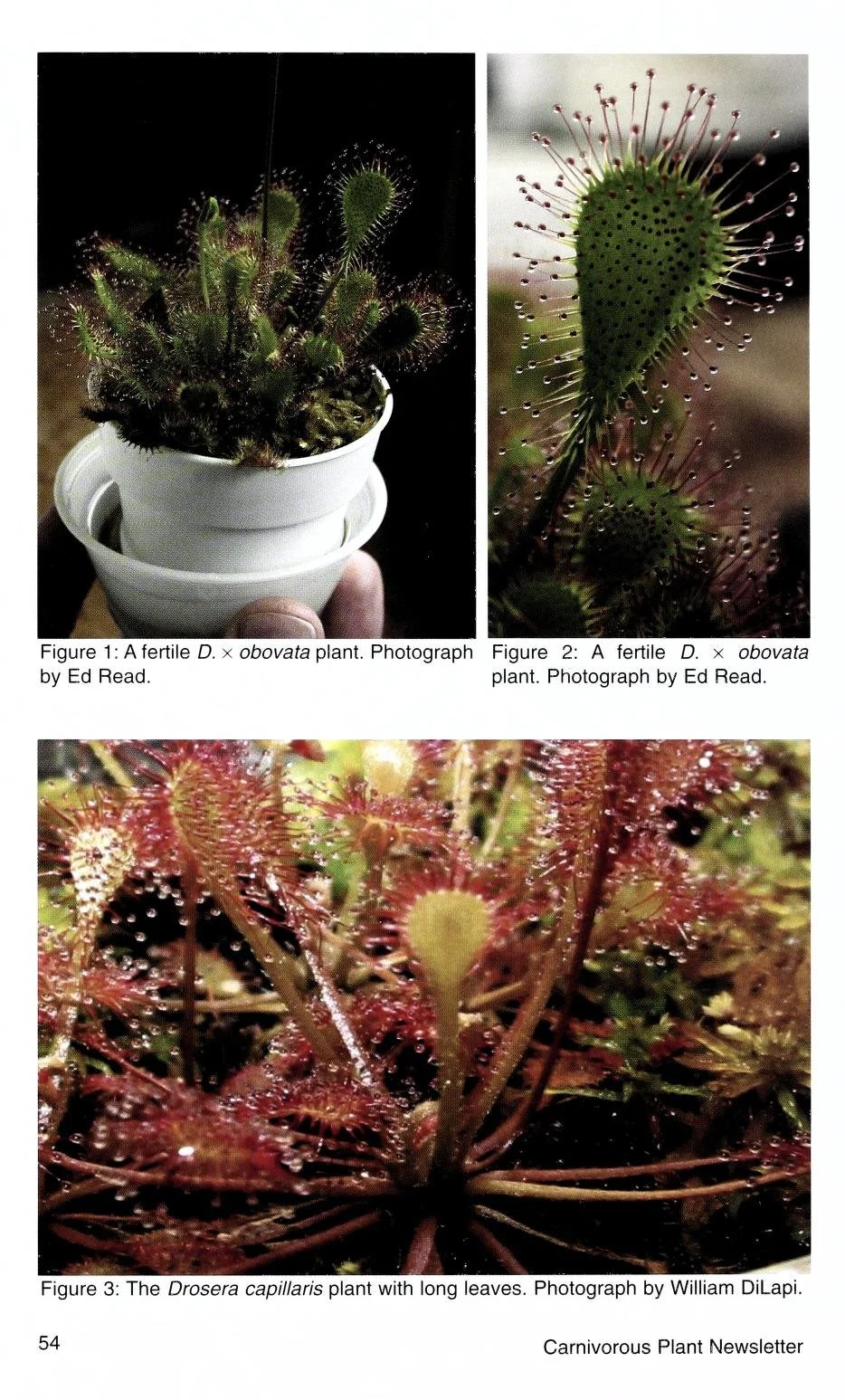
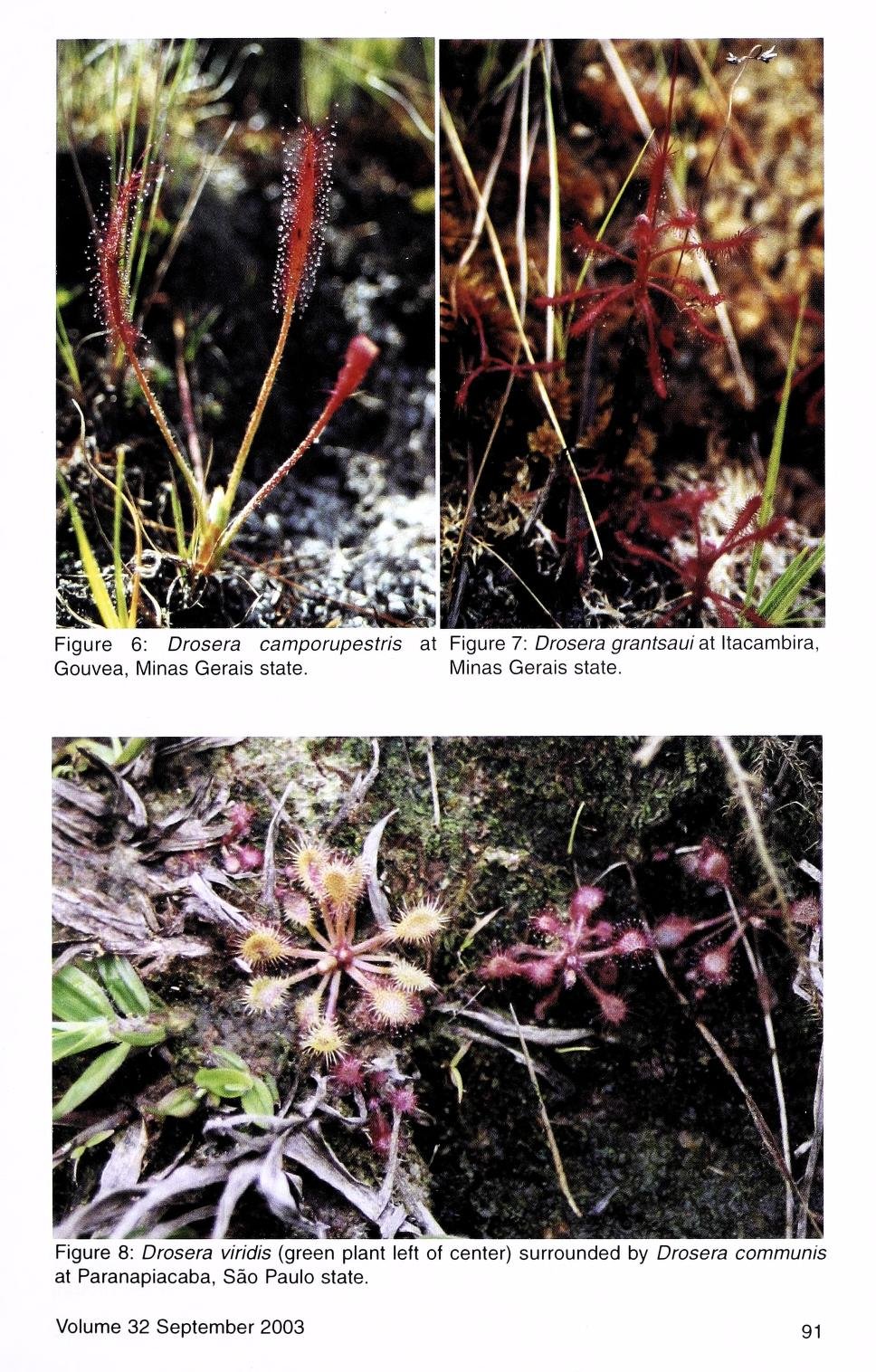
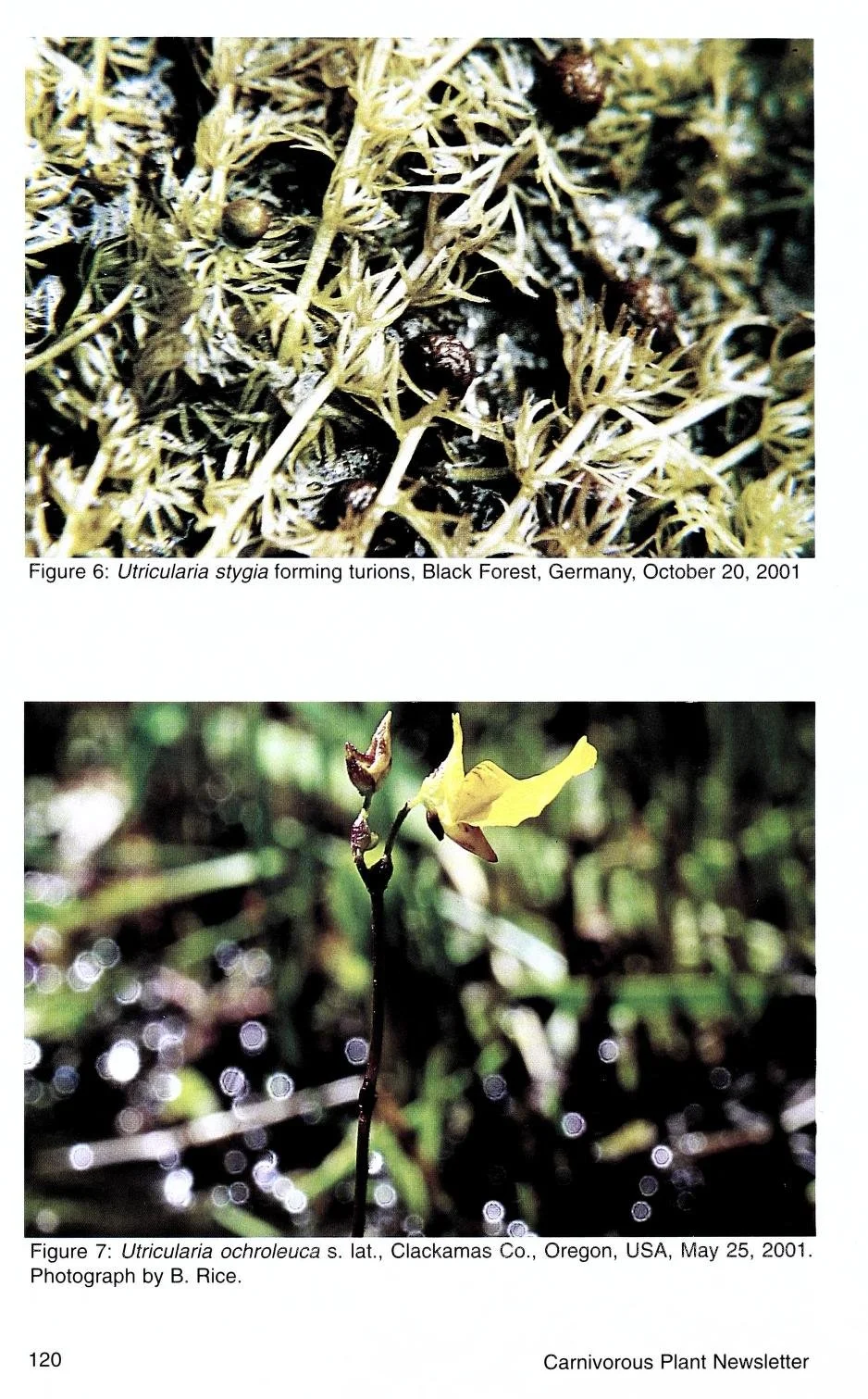
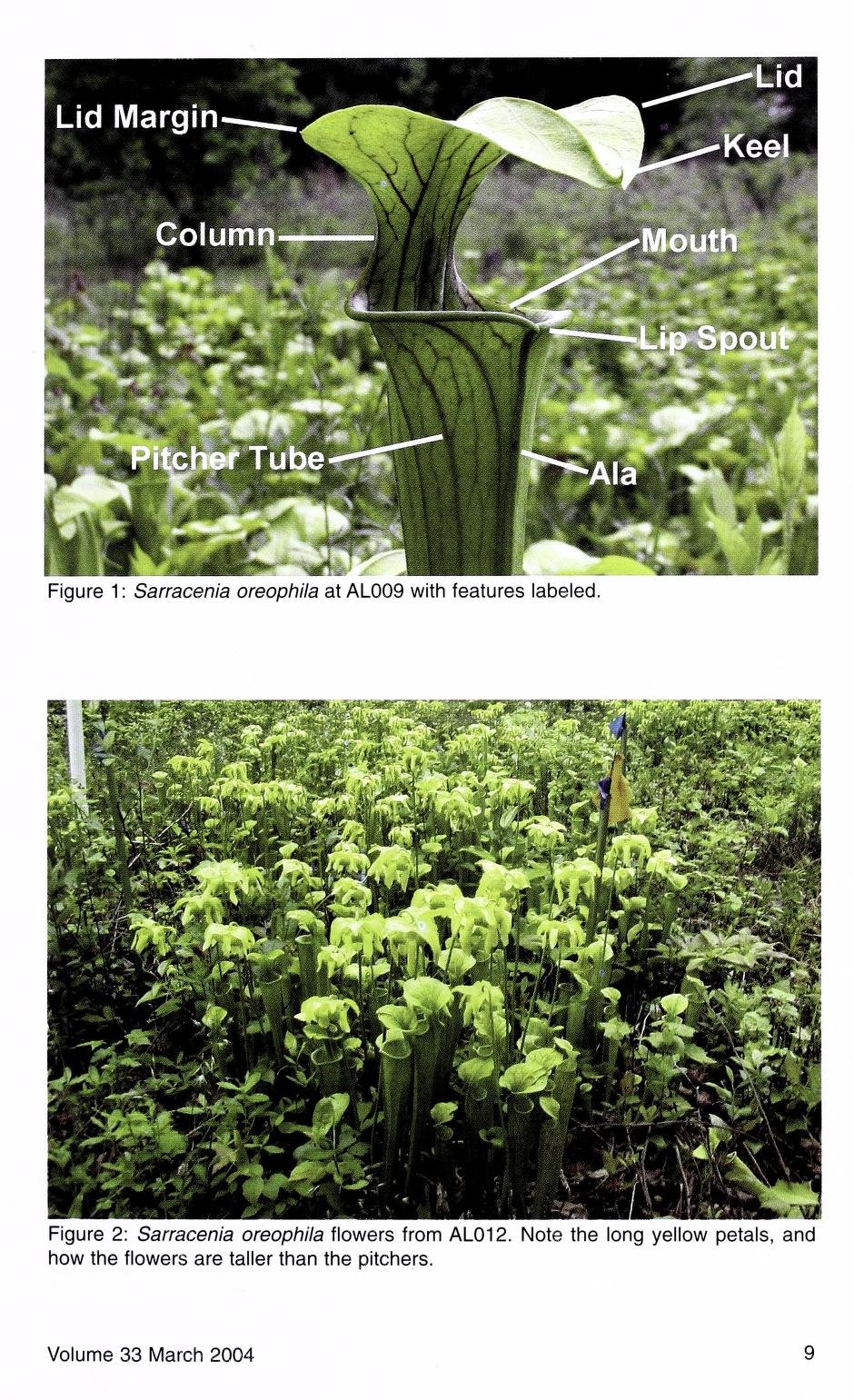
Carnivorous plant newsletter v.33:no.2 (2004)  * California State University, Fullerton. Arboretum * sample image * 2004

Carnivorous plant newsletter v.33:no.3 (2004)  * California State University, Fullerton. Arboretum * sample image * 2004

Carnivorous plant newsletter v.33:no.4 (2004)  * California State University, Fullerton. Arboretum * sample image * 2004

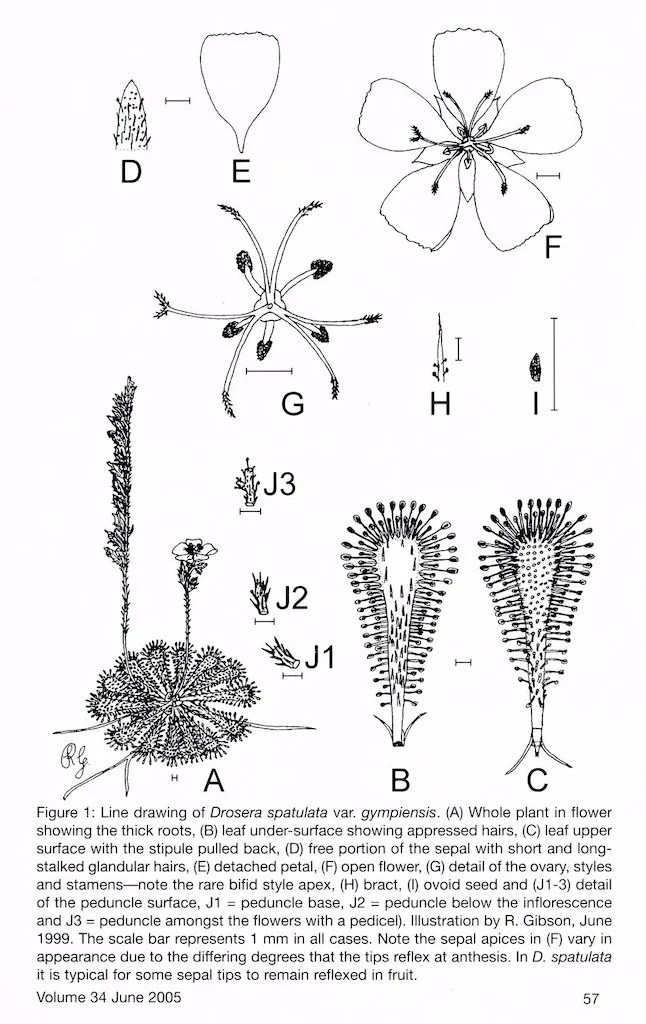
Carnivorous plant newsletter v.34:no.1 (2005)  * California State University, Fullerton. Arboretum * sample image * 2005

Carnivorous plant newsletter v.34:no.2 (2005)  * California State University, Fullerton. Arboretum * sample image * 2005

Carnivorous plant newsletter v.34:no.3 (2005)  * California State University, Fullerton. Arboretum * sample image * 2005

Carnivorous plant newsletter v.34:no.4 (2005)  * California State University, Fullerton. Arboretum * sample image * 2005

Carnivorous plant newsletter v.35:no.1 (2006)  * California State University, Fullerton. Arboretum * sample image * 2006

Carnivorous plant newsletter v.35:no.2 (2006)  * California State University, Fullerton. Arboretum * sample image * 2006

Carnivorous plant newsletter v.35:no.3 (2006)  * California State University, Fullerton. Arboretum * sample image * 2006

Carnivorous plant newsletter v.35:no.4 (2006)  * California State University, Fullerton. Arboretum * sample image * 2006

Carnivorous plant newsletter v.36:no.1 (2007)  * California State University, Fullerton. Arboretum * sample image * 2007

Carnivorous plant newsletter v.36:no.2 (2007)  * California State University, Fullerton. Arboretum * sample image * 2007

Carnivorous plant newsletter v.36:no.3 (2007)  * California State University, Fullerton. Arboretum * sample image * 2007

Carnivorous plant newsletter v.36:no.4 (2007)  * California State University, Fullerton. Arboretum * sample image * 2007

Carnivorous plant newsletter v.37:no.1 (2008)  * California State University, Fullerton. Arboretum * sample image * 2008

Plastics Crisis – Acrylic hats/sweaters

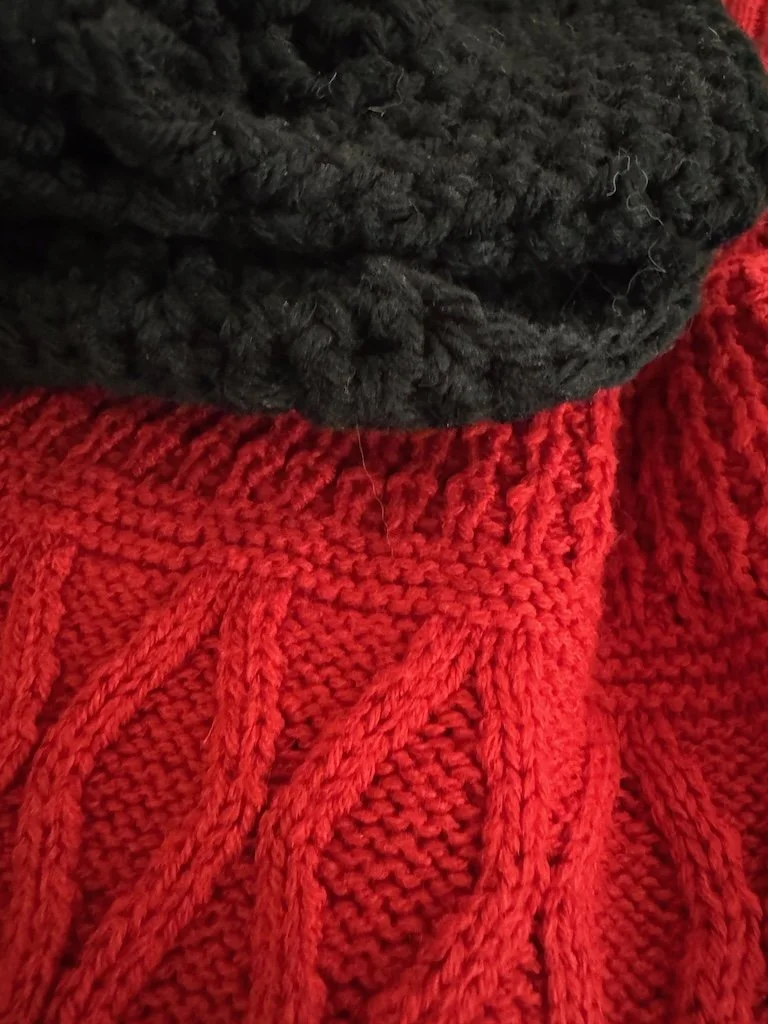
When I was rearranging my closet for the season (putting away winter clothes and getting out summer clothes), I decided to donate my fuzzy acrylics rather than saving them for next winter. They are the items in my wardrobe that shed the most plastic fibers even though I wash them in cold water in a laundry bag and air dry them flat. The items were in two categories – sweaters and a slouch hat that I crocheted recently from a skein of acrylic yard I bought years ago.

Both items can be replaced with similar items made with natural fibers next winter. They might be a bit more expensive, but my clothes tend to last a long time - so it is worth it  to buy wool, silk, or cotton sweaters…and it is easy to find cotton crochet thread/yarns for making slouch hats!

Gleanings of the Week Ending April 25, 2026

The items below were ‘the cream’ of the articles and websites I found this past week. Click on the light green text to look at the article.

4/9/2026 Yale 360 A More Troubling Picture of Sea Level Rise Is Coming into View - Sea levels are much higher than we thought. Real-world oceans are making a mockery of flood-risk forecasts based on crude global modeling. And to make matters worse, coastal lands almost everywhere are subsiding faster than anyone realized — often many times faster than the seas are rising. 

4/10/2026 BBC The air throughout our homes is infused with microplastics. But there are things you can do to breathe less of them - Scientists believe the majority of our exposure to microplastics happens when we're indoors. To solve the microplastic pollution crisis will take a lot more than changes within the home – there are plenty of broader sustainability concerns too. If moving to replace synthetic fibers in your home with natural fibers, for instance, there's also the greater water and land use from organic cotton use to think about. Or if choosing to ventilate your home more to usher away microplastics, that pollution is only being pushed outdoors. Short of systemic change and a global reduction from the 460 million tons of plastic made each year, there's only so much individuals can do. 

4/9/2026 National Parks Traveler Deer Test Positive for Chronic Wasting Disease at Catoctin Mountain Park – We enjoyed Catoctin when we lived in Maryland….I’m sad that the deer there and in nearby parks have tested positive for CWD.

4/08/2026 Smithsonian Magazine See the 2,000-Year-Old Ancient Roman Cargo from an Accidental Shipwreck Discovered at the Bottom of a Lake in Switzerland - Roughly 2,000 years ago, an ancient Roman ship sailed across a large lake in what is now Switzerland, transporting supplies ranging from olive oil to chariot wheels. For some unknown reason, the vessel scattered its cargo across the lakebed. The cargo is in good condition, but researchers are concerned it may become damaged or destroyed by erosion, boat anchors, vandals and looters. As a precautionary measure, they decided to bring the most vulnerable pieces up from the depths.

4/10 2026 Artnet How a Hopi Potter Named Nampeyo Became a 19th-Century Art Star - Born in 1859 in the village of Hano, a Tewa village on First Mesa, in modern-day Arizona, Nampeyo (1859–1942) is believed to have learned the art of pottery making from her paternal grandmother. By the 1870s, Nampeyo was selling her works at trading posts throughout the region. Nampeyo’s legacy is a complex one, shaped by ancestry, archaeology, and the shifting trade systems of the still-expanding United States as it entered the 20th century.

4/11/2026 Science Daily Unusual airborne toxin detected in the U.S. for the first time - Scientists searching for air pollution clues stumbled onto something unexpected: toxic MCCPs drifting through the air for the first time in the Western Hemisphere. Although these pollutants have previously been detected in places like Antarctica and Asia, scientists had struggled to measure them in the air over the Western Hemisphere until this study. These chemicals are commonly used in industrial processes, including metalworking fluids and the production of PVC and textiles. They frequently appear in wastewater and can end up in biosolid fertilizer, also called sewage sludge, which is produced during wastewater treatment. The researchers believe the MCCPs they detected in Oklahoma likely originated from nearby fields where this type of fertilizer had been applied.

4/8/2026 My Modert Met Winners of the Scottish Nature Photography Awards 2025 Celebrate Scotland’s Wild Beauty - The winning photos span 10 primary categories, including Environmental, Natural Abstract, Scottish Botanical, and Scottish Wildlife Portrait, among others. I appreciated the beauty among so many other blog posts that were somber….depressing.

4/3/2026 NWF Blog How to Grow More - Conservation outreach professionals are tasked with the challenge of not only clearly explaining conservation programs but also personally connecting with farmers. This combination of technical skills and personal communication skills is rare, since the skills are seldom taught in school and professional development opportunities are uncommon or unsupported.

4/3/2026 The Conversation Toxic dust from California’s shrinking Salton Sea is harming children’s lung growth - As the lake shrinks, wind blowing across the exposed lake bed kicks up toxic dust left by years of agriculture chemicals and metals washing into the lake. That dust makes its way into the lungs of the children of the Imperial Valley. The study began to show that higher levels of dust exposure, especially among those children living closer to the sea, are linked to poorer lung function, as well as reductions in children’s lung growth over time. Reduced lung function increases the risk for chronic respiratory disease, such as COPD, or more frequent respiratory infections, such as pneumonia, as adults.

3/19/2026 Mongabay Should potentially harmful chemicals be appraised by class, not one at a time? - Some scientists and health advocates are pushing for a “Six Classes” framework that evaluates entire groups of chemicals, or chemically related subgroups, together, flagging them for scrutiny before harm is documented rather than after. The framework targets six broad categories of chemicals that share many common traits: PFAS (per- and polyfluoroalkyl substances), flame retardants, phthalates and bisphenols, antimicrobials, certain solvents, and certain metals.

Life Magazine in 1947

Internet Archive has digitized versions of many Life Magazines. I have been browsing through them – slowly since there was an issue for each week. As I looked at the issues from 1947, I noticed the aftereffects of World War II – helping veterans, technology transitioning to civilian use (DDT, lipstick, atomic energy), hunger/wreckage/suffering in Europe and Japan, Farmers and factory worker were better off than they were before the war.

 (Click on any of the sample images below to see a larger version and the links to see the whole magazine online.)

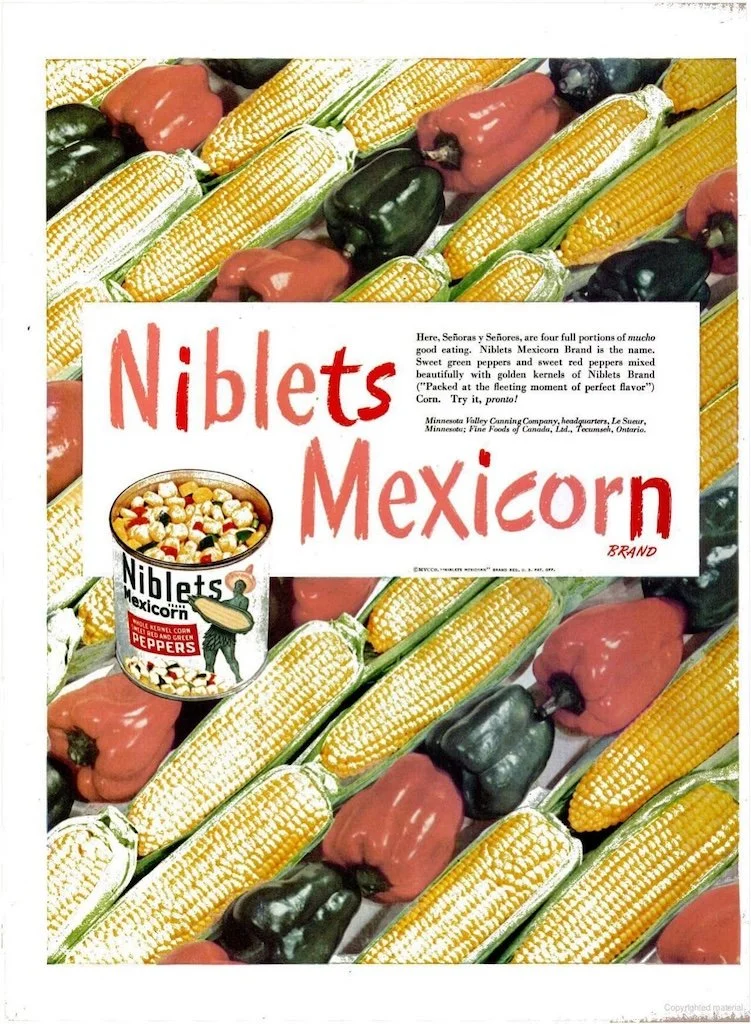
Life Magazine 1947-01-06, Niblets Mexicorn advertisement

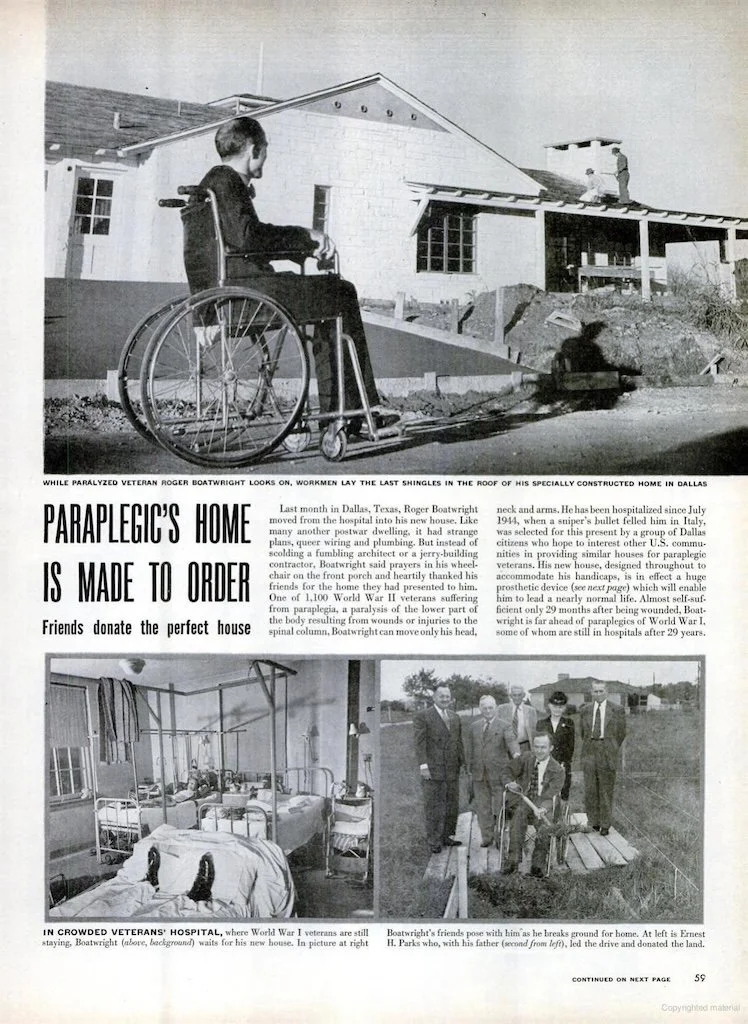
Life Magazine 1947-01-13, Paraplegic’s home made to order

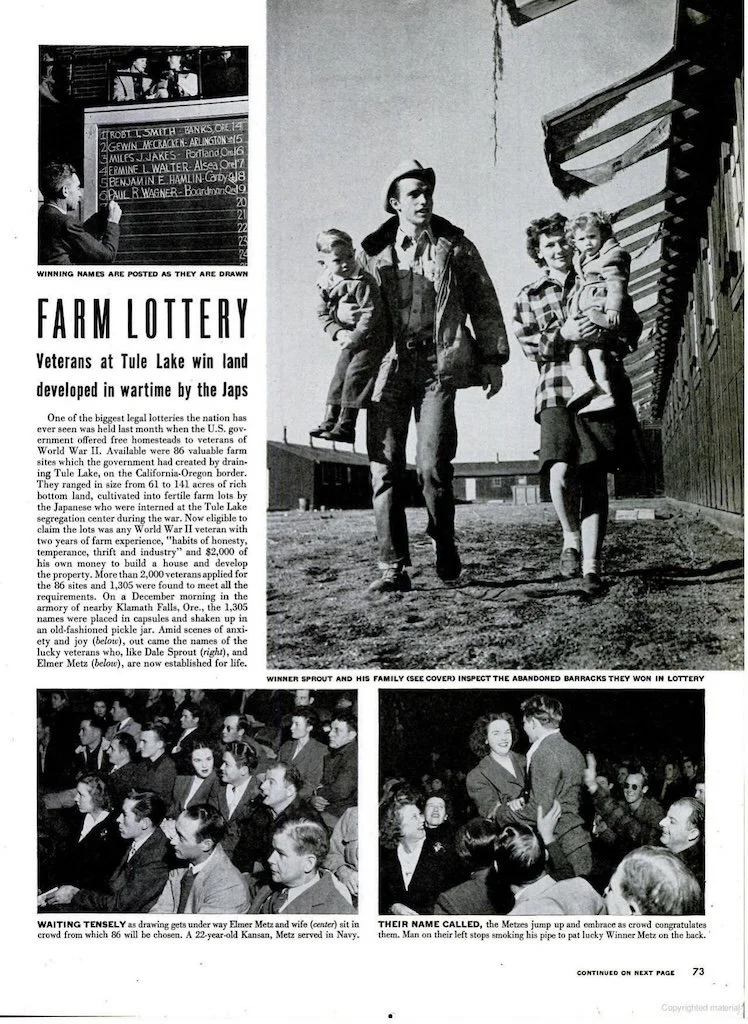
Life Magazine 1947-01-20, Farm lottery for veterans

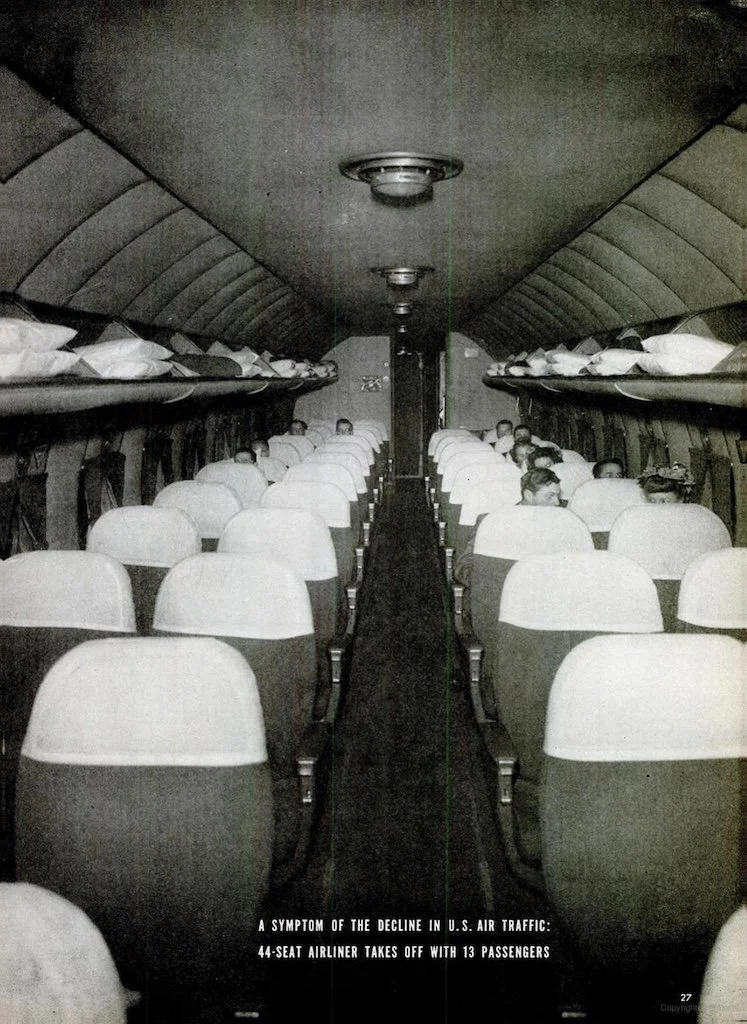
Life Magazine 1947-01-27, 44 seat airliner takes off with 13 passengers

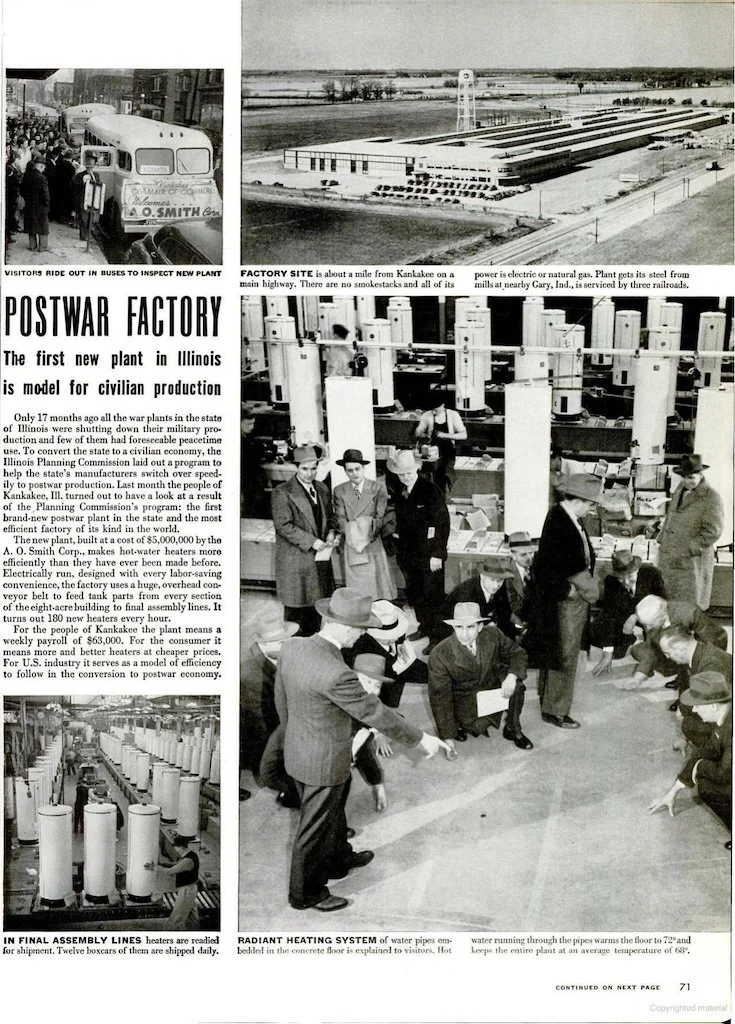
Life Magazine 1947-02-03, New factory a model for civilian production

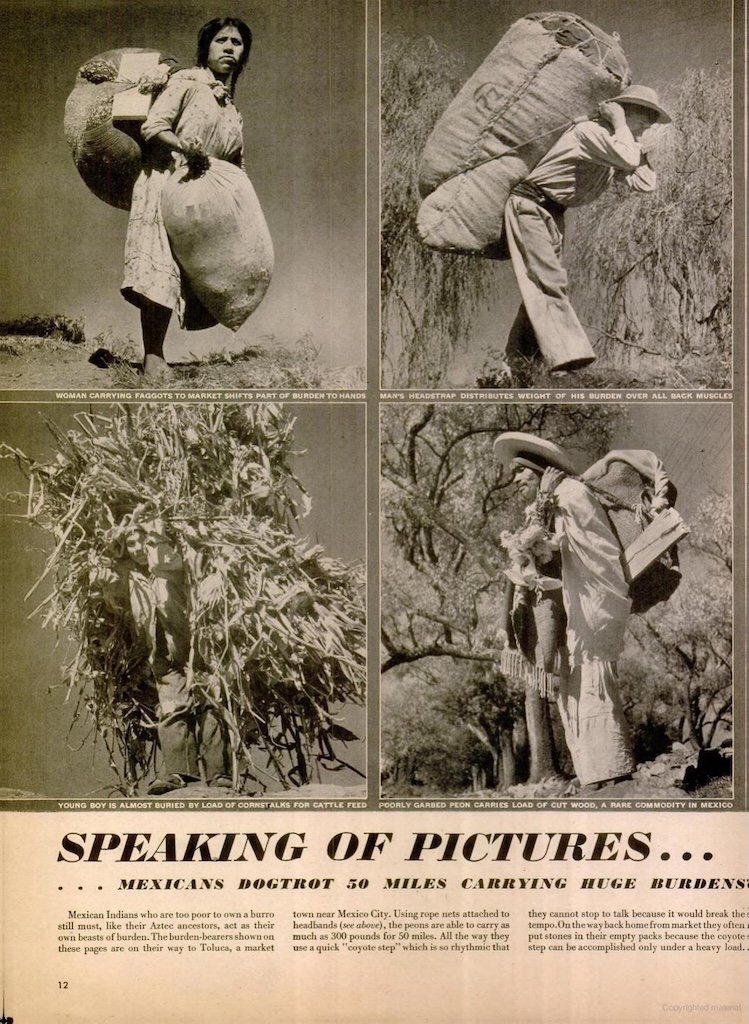
Life Magazine 1947-02-10, Mexican’s carrying loads to market

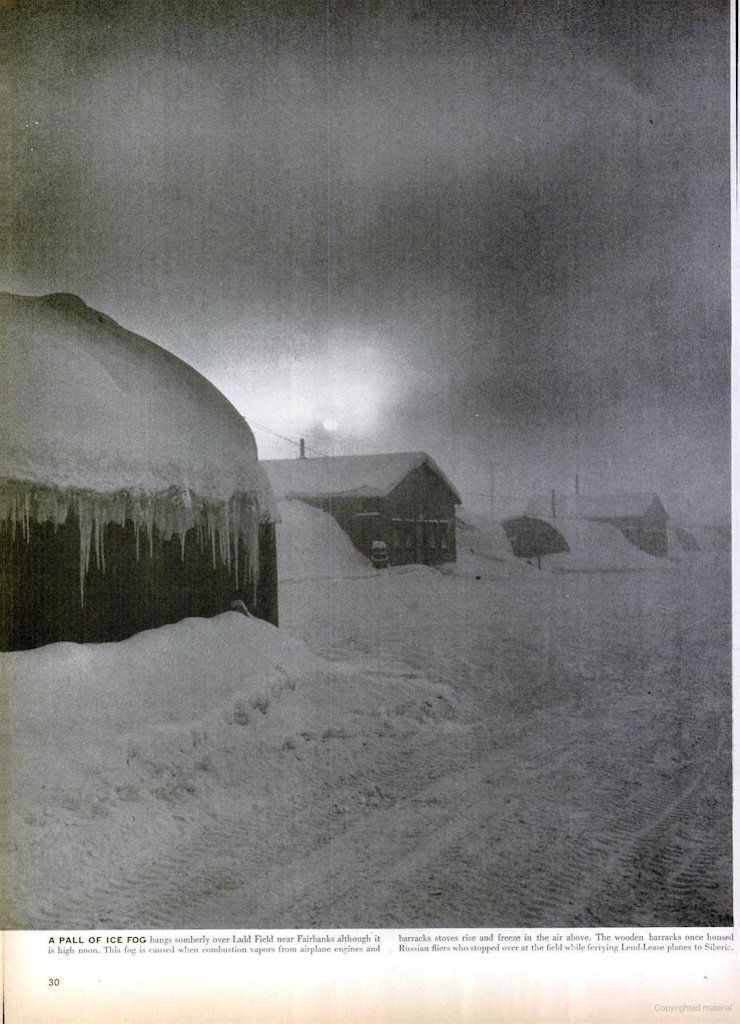
Life Magazine 1947-02-17, Ice fog at Ladd Field near Fairbanks

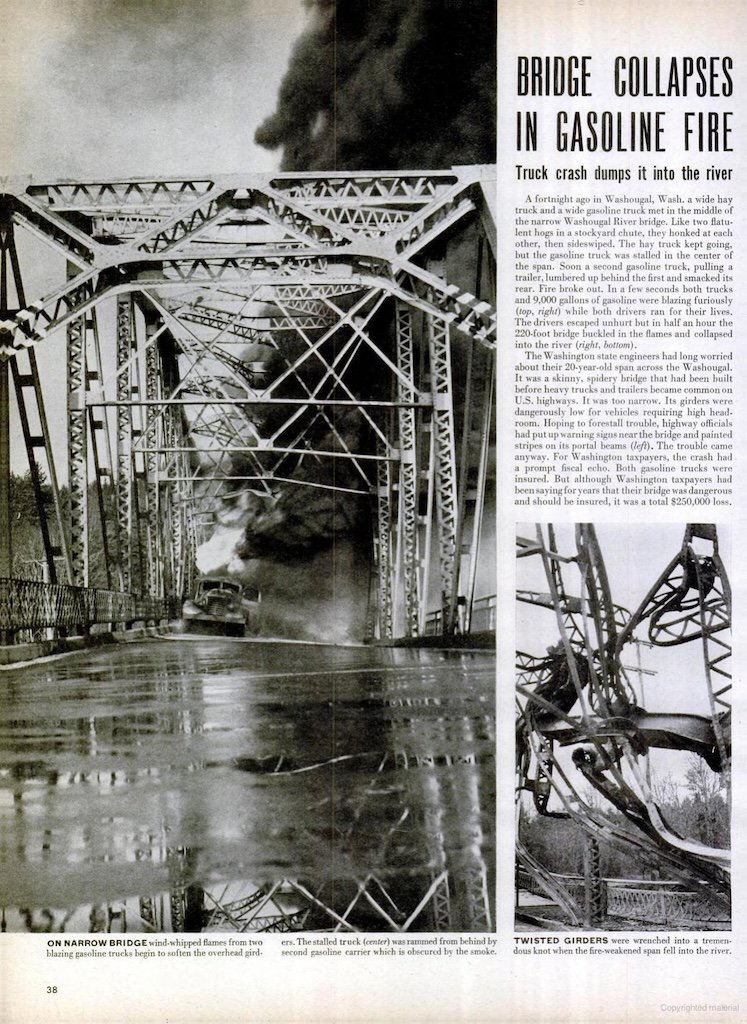
Life Magazine 1947-02-24, Bridge in Washington collapses in gasoline fire

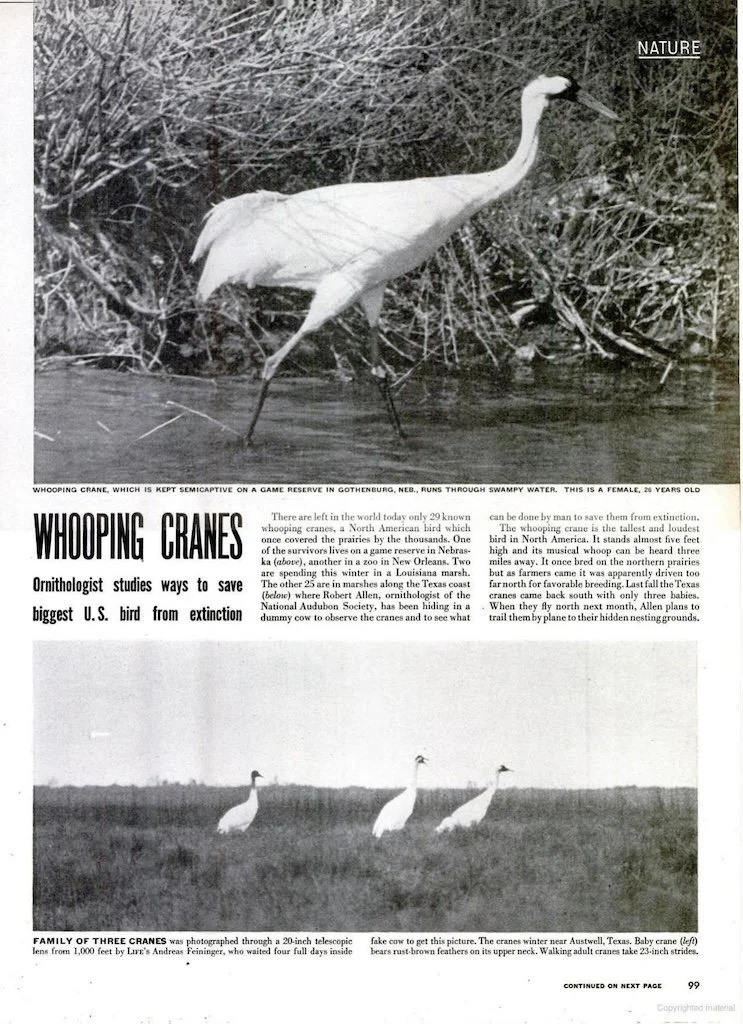
Life Magazine 1947-03-03, Trying to save Whooping cranes

Life Magazine 1947-03-10, Cathedral of Caen and surrounding rubble

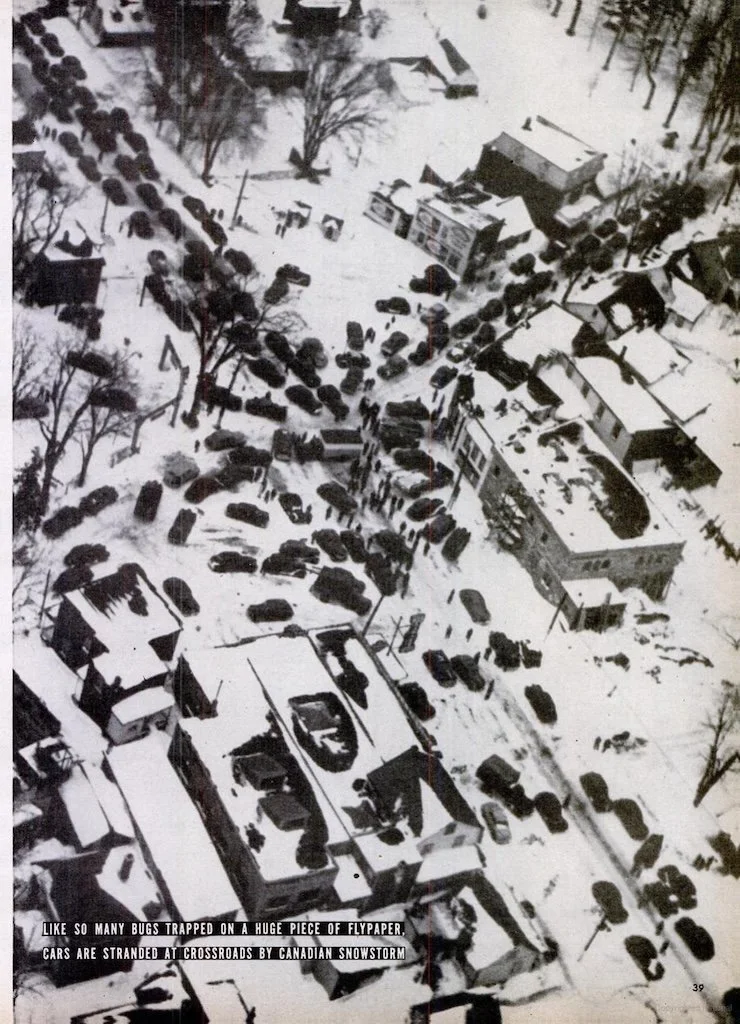
Life Magazine 1947-03-17, Cars stranded at crossroads by Canadian snowstorm

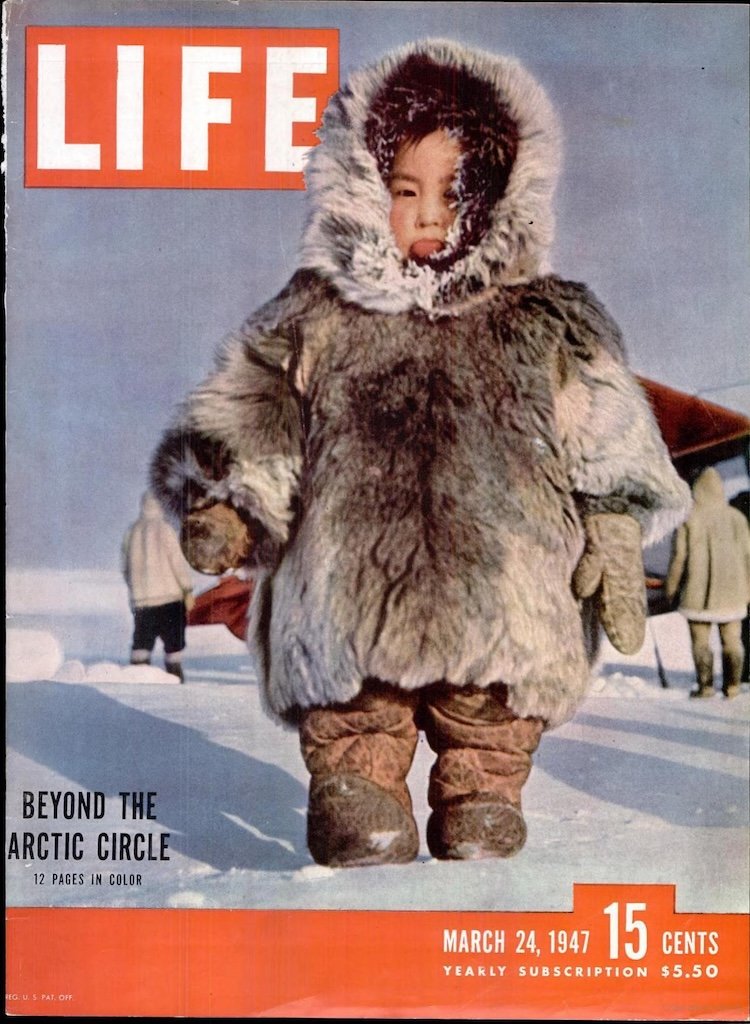
Life Magazine 1947-03-24, Beyond the arctic circle

Life Magazine 1947-03-31, Moon over Manhattan

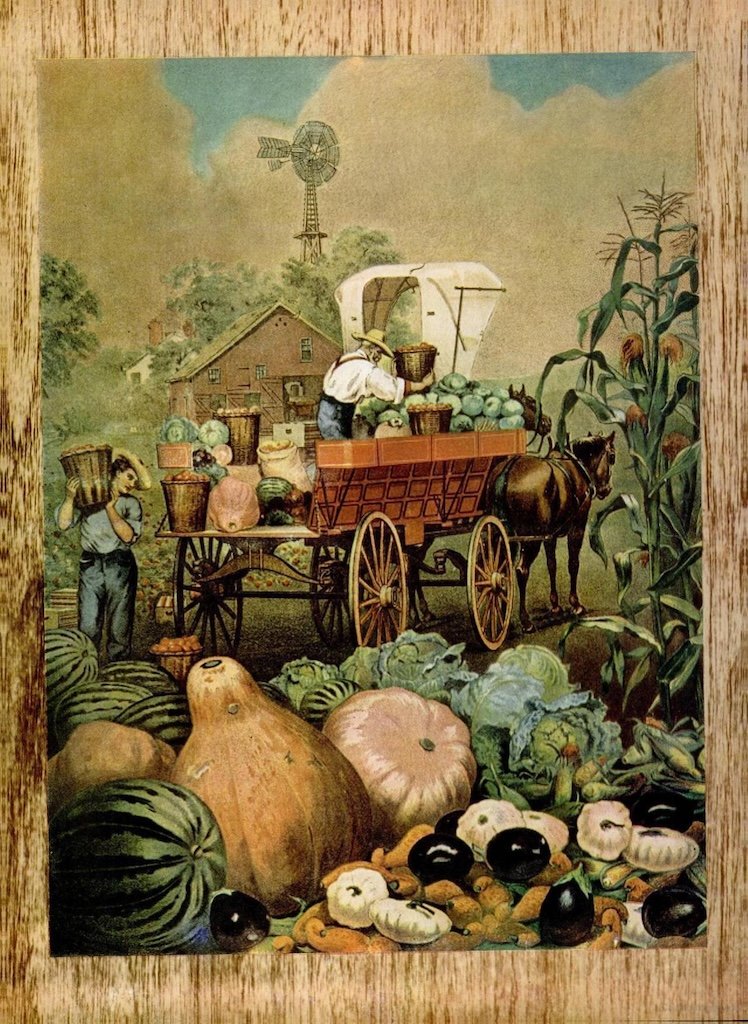
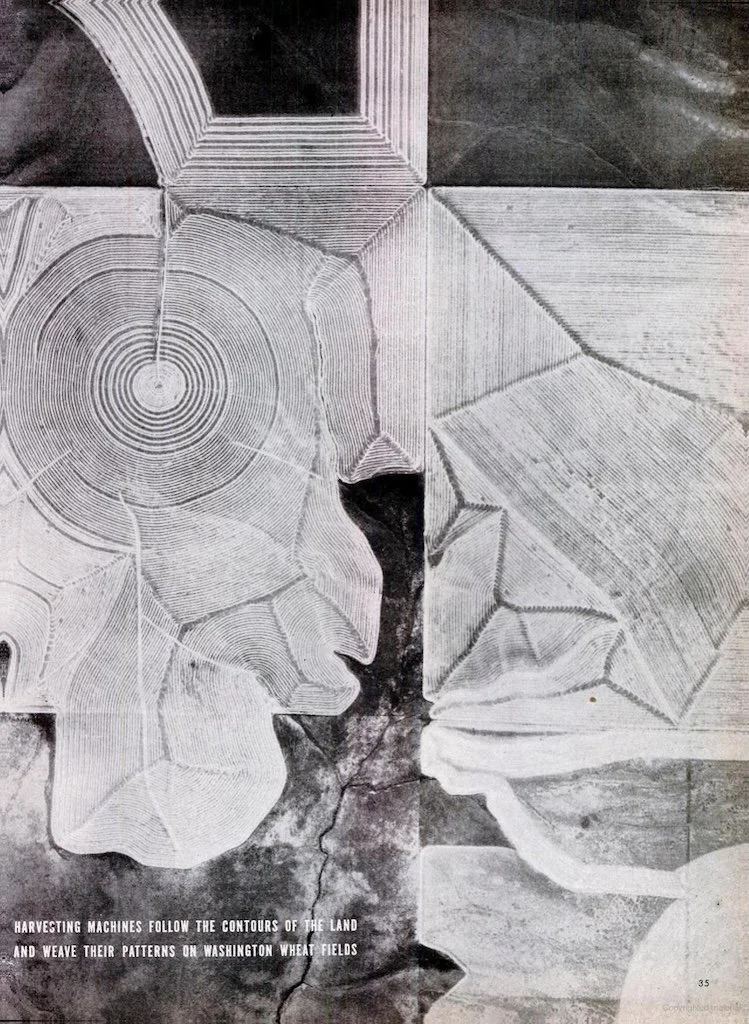
Life Magazine 1947-04-07, Harvest art

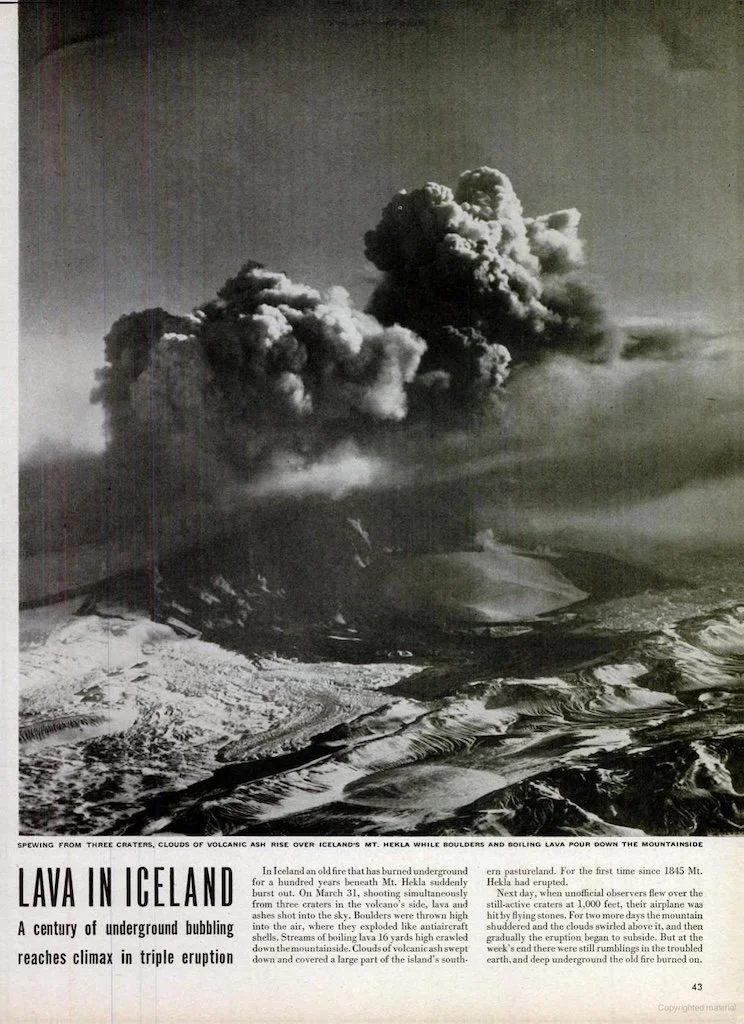
Life Magazine 1947-04-14, Triple eruption in Iceland

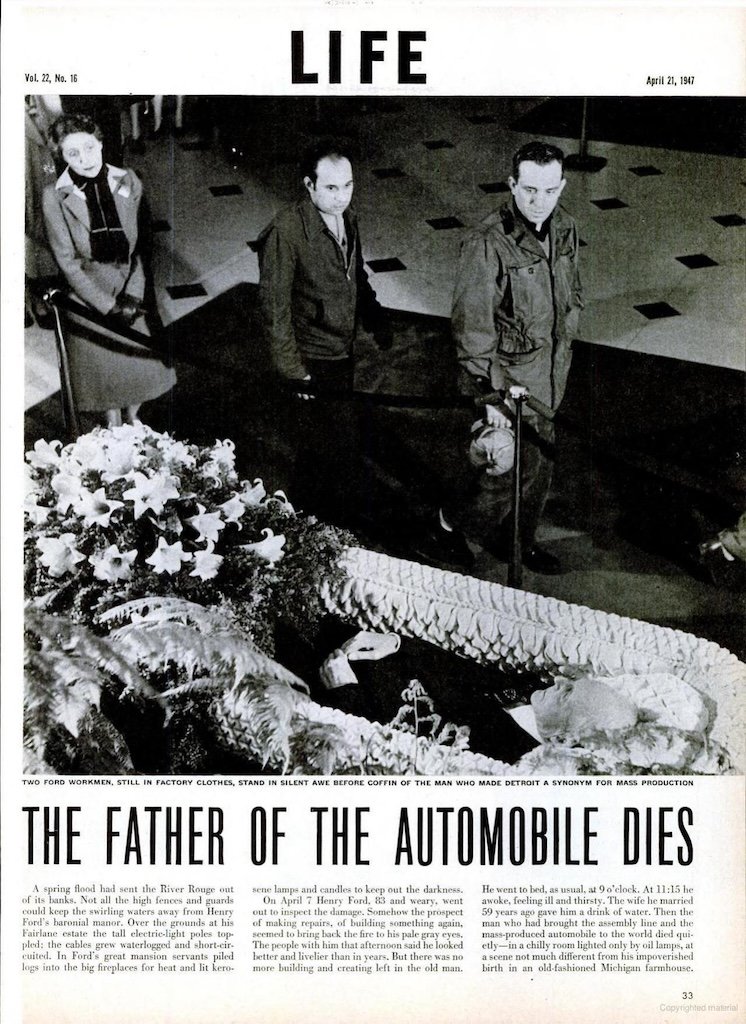
Life Magazine 1947-04-21, Henry Ford dies

Life Magazine 1947-04-28, Texas City blows up and burns (town on Galveston Bay)

Life Magazine 1947-05-05, Normandie scrapped

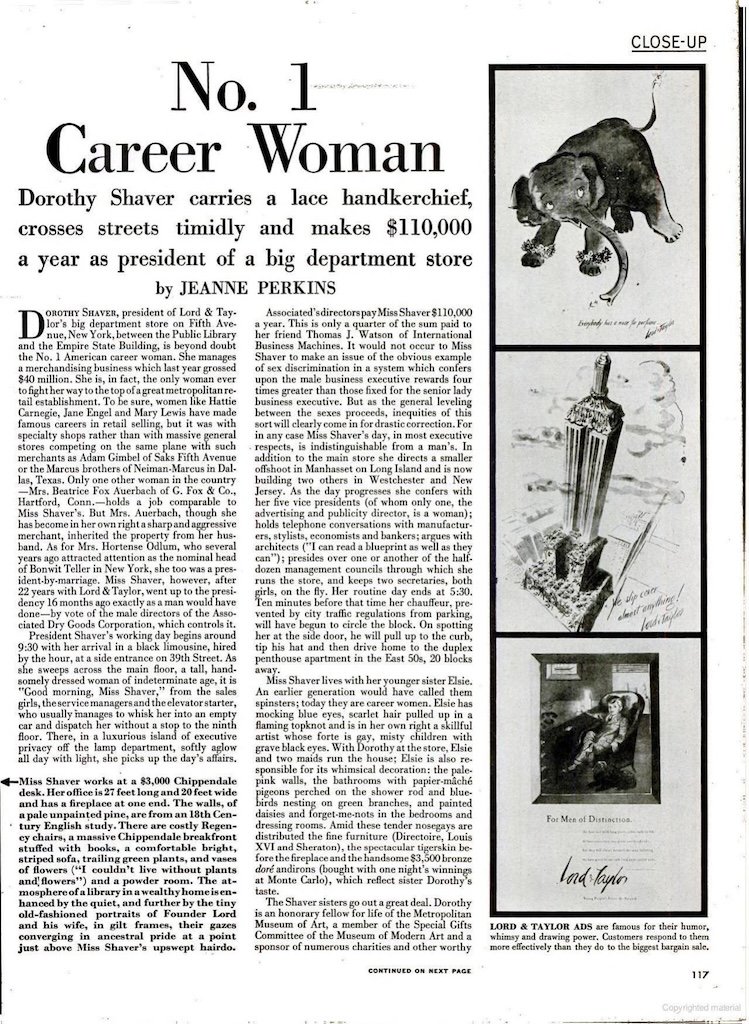
Life Magazine 1947-05-12, Dorothy Shaver, President of Lord & Tayler

Life Magazine 1947-05-19, Diesel locomotives

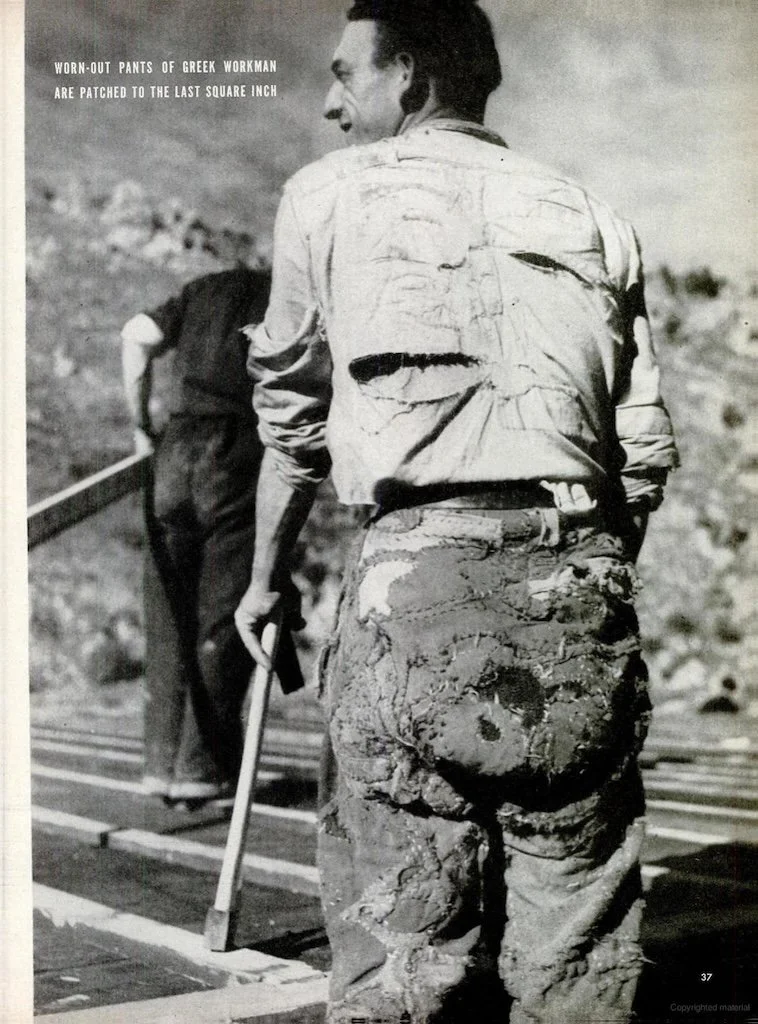
Life Magazine 1947-05-26, Patched pants

Life Magazine 1947-06-02, Truman Capote at 22

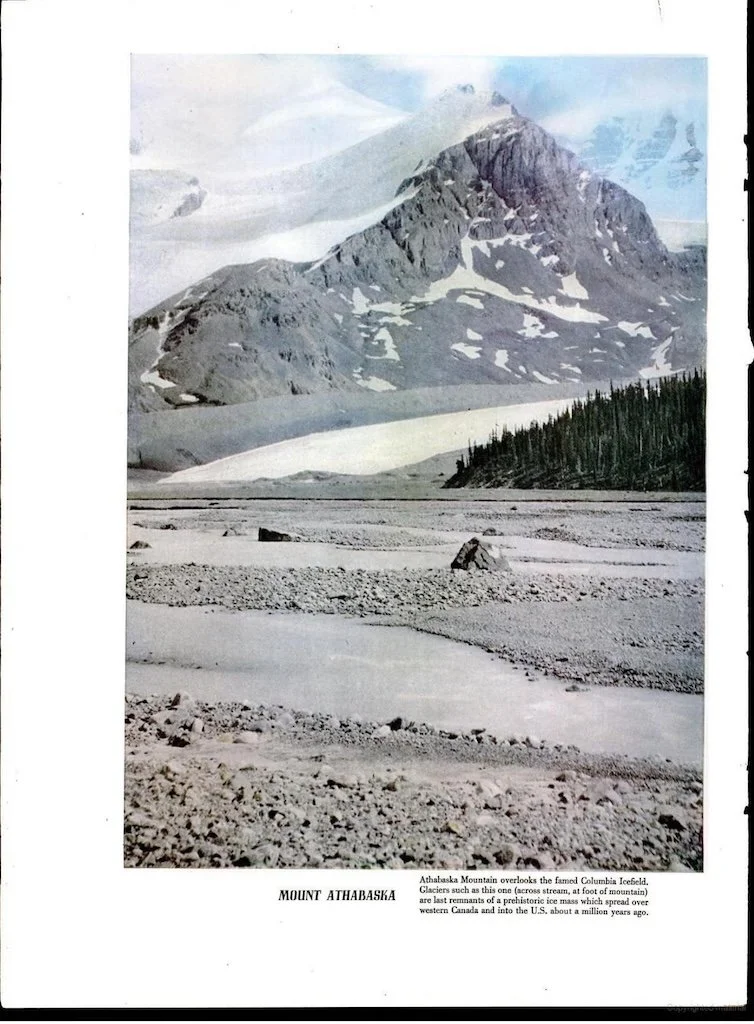
Life Magazine 1947-06-09, Mount Athabasca

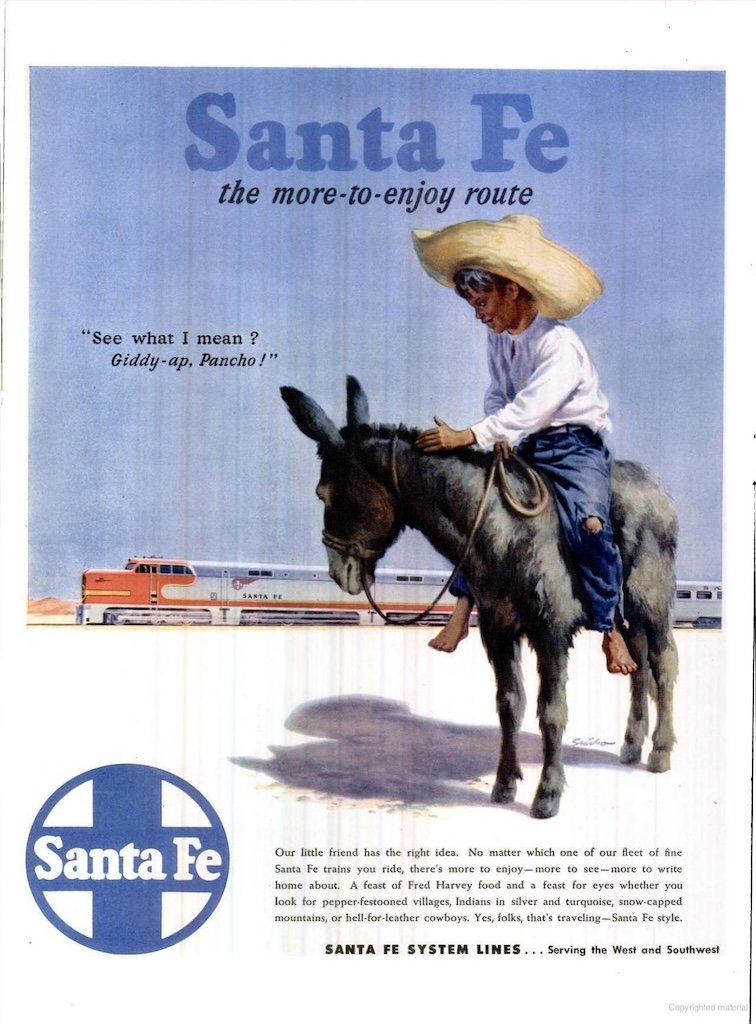
Life Magazine 1947-06-16, Santa Fe System Lines in the west

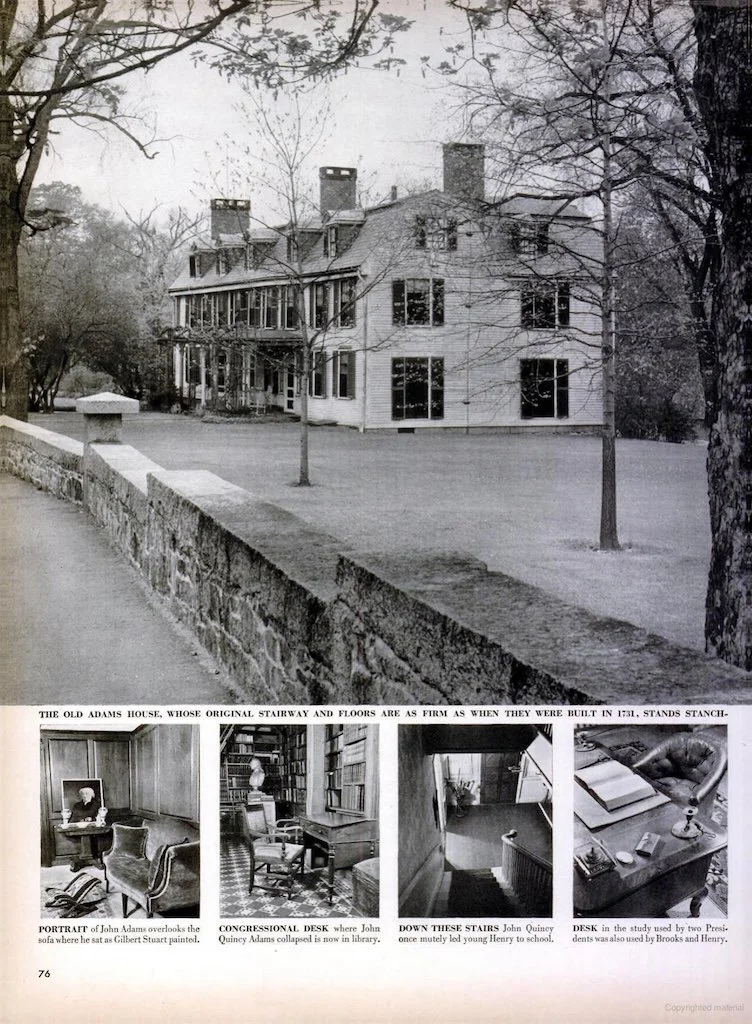
Life Magazine 1947-06-23, Adams House

Life Magazine 1947-06-30, The Maya

Life Magazine 1947-07-07, Nebraska’s soil and sons

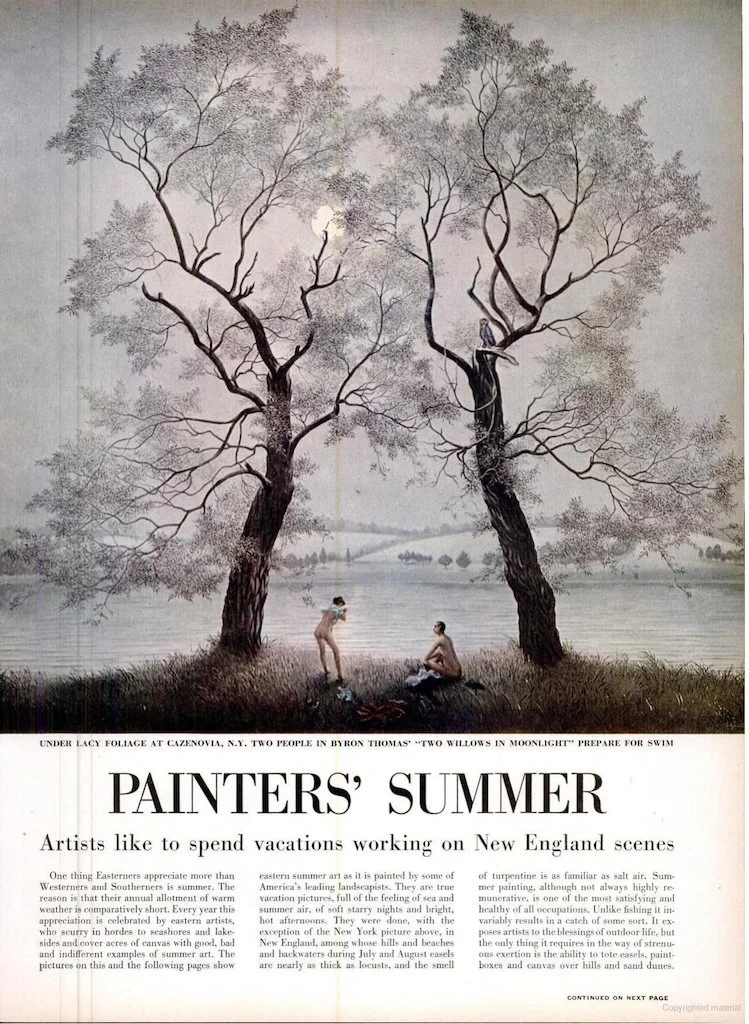
Life Magazine 1947-07-14, Painter’s summer in New England

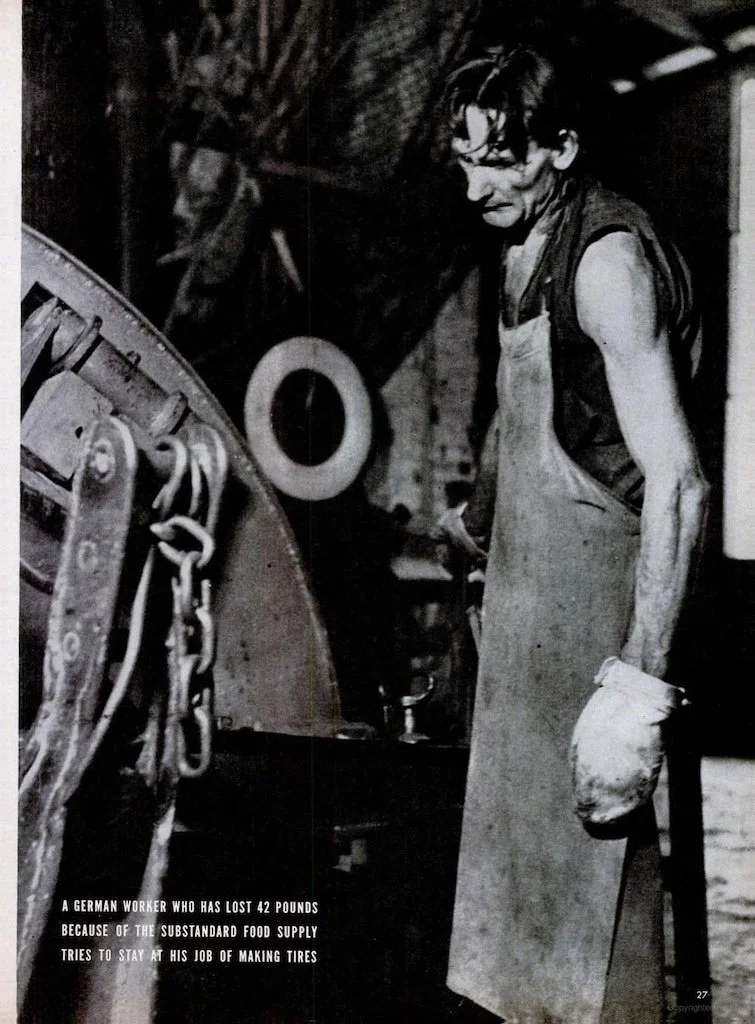
Life Magazine 1947-07-21, German worker making tires….gaunt from lack of food

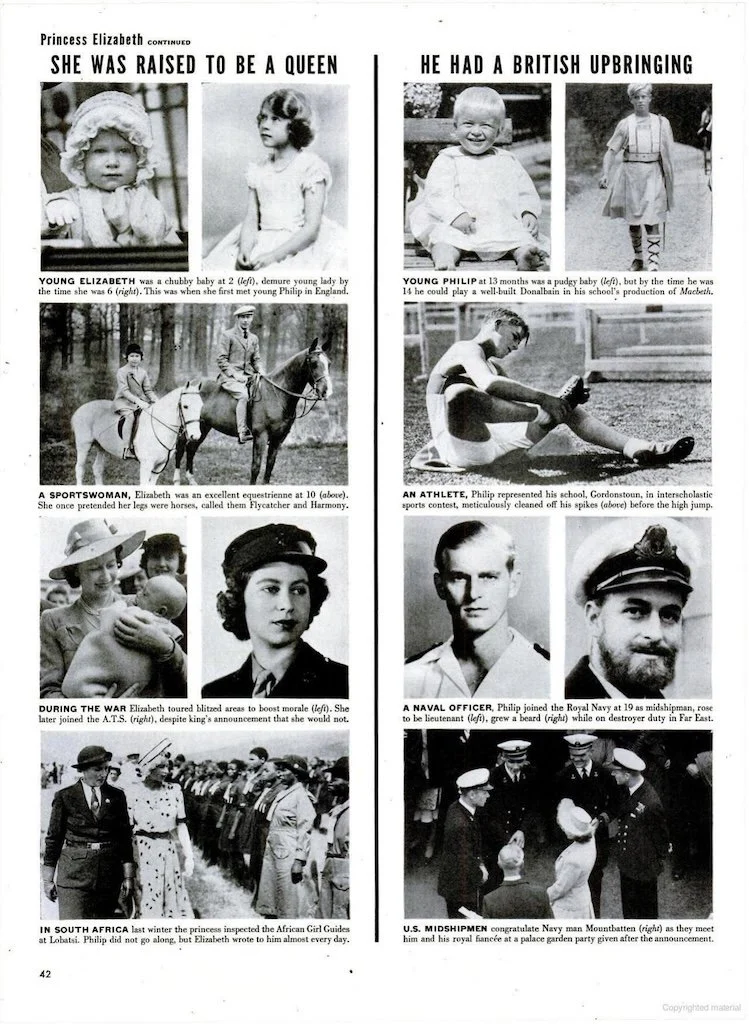
Life Magazine 1947-07-28, Elizabet and Philip growing up

Life Magazine 1947-08-04, Penicillin (Rexall drugs advertisement)

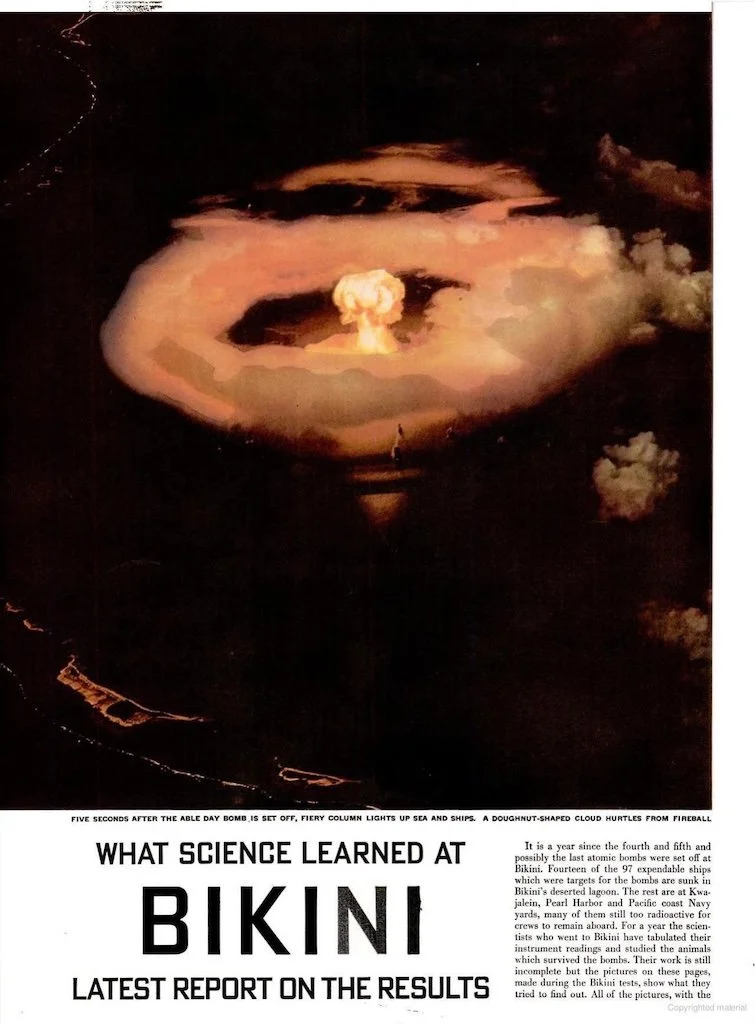
Life Magazine 1947-08-11, Bikini atomic bomb test

Life Magazine 1947-08-18, Harvesting machine patterns in Washington wheat fields

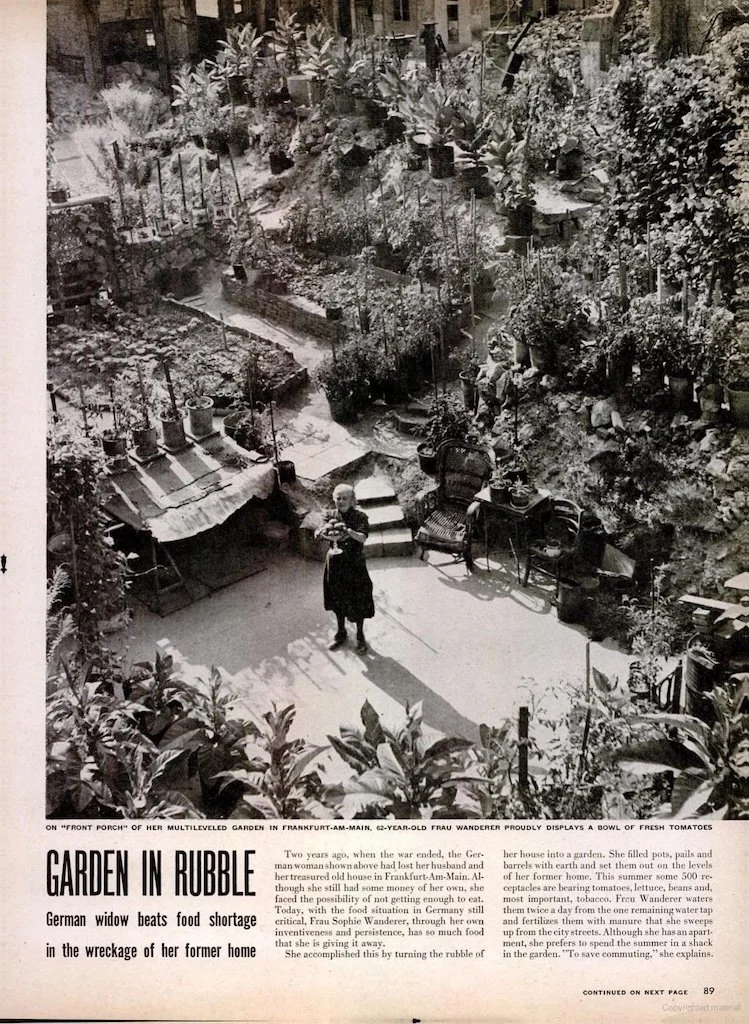
Life Magazine 1947-08-25, German widow grows food in rubble of her house

Life Magazine 1947-09-01, Keloids of a Hiroshima survivor

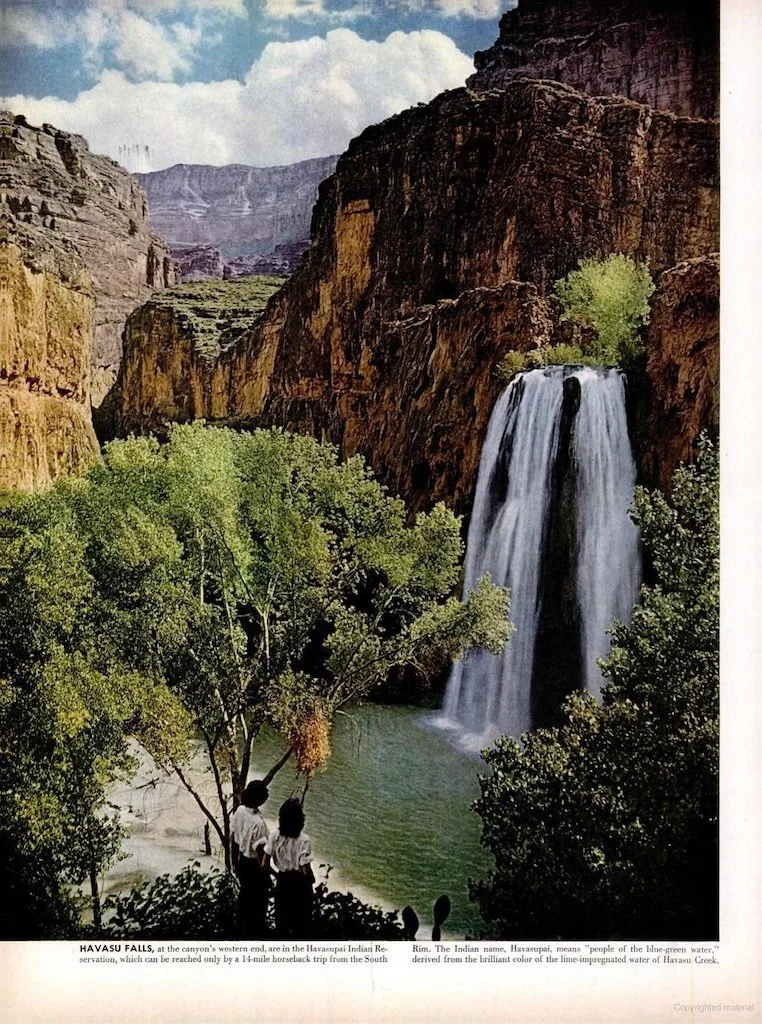
Life Magazine 1947-09-08, Havasu Falls of the Grand Canyon

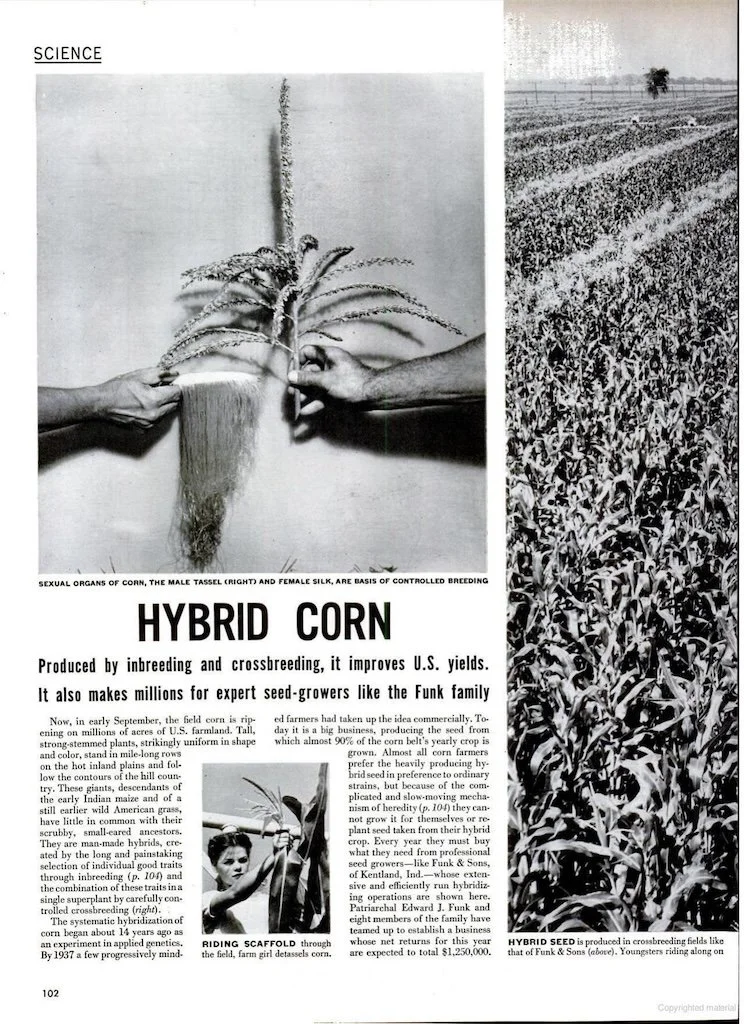
Life Magazine 1947-09-15, Hybrid corn

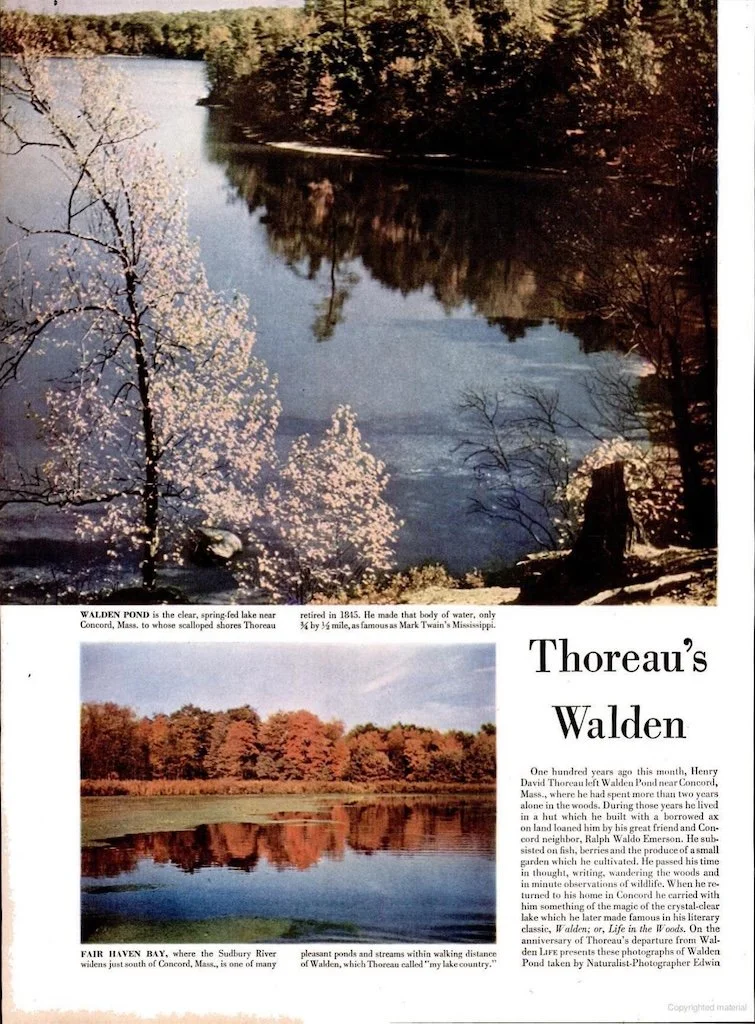
Life Magazine 1947-09-22, Thoreau’s Walden

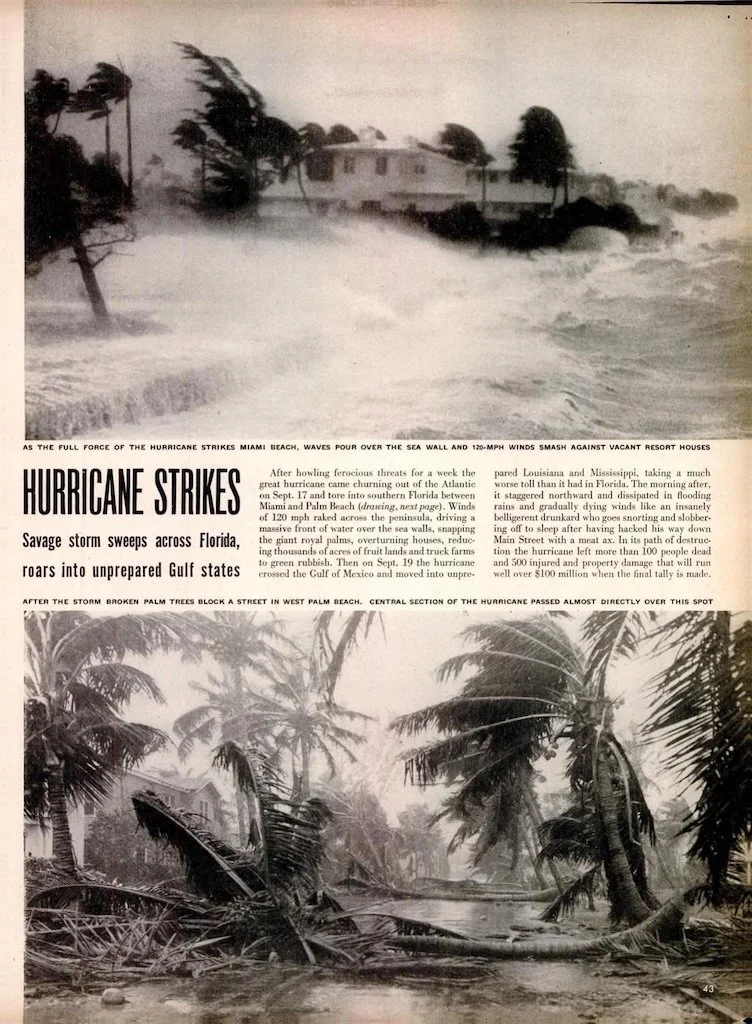
Life Magazine 1947-09-29, Hurricane that impact Florida, Mississippi and Louisiana

Life Magazine 1947-10-06, Moscow celebrates 800th birthday

Life Magazine 1947-10-13, Bongo the Bear from Disney

Life Magazine 1947-10-20, Lipstick – a big US industry

Life Magazine 1947-10-27, DDT used to fight cholera outbreak in Cairo

Life Magazine 1947-11-03, Bar Harbor burns

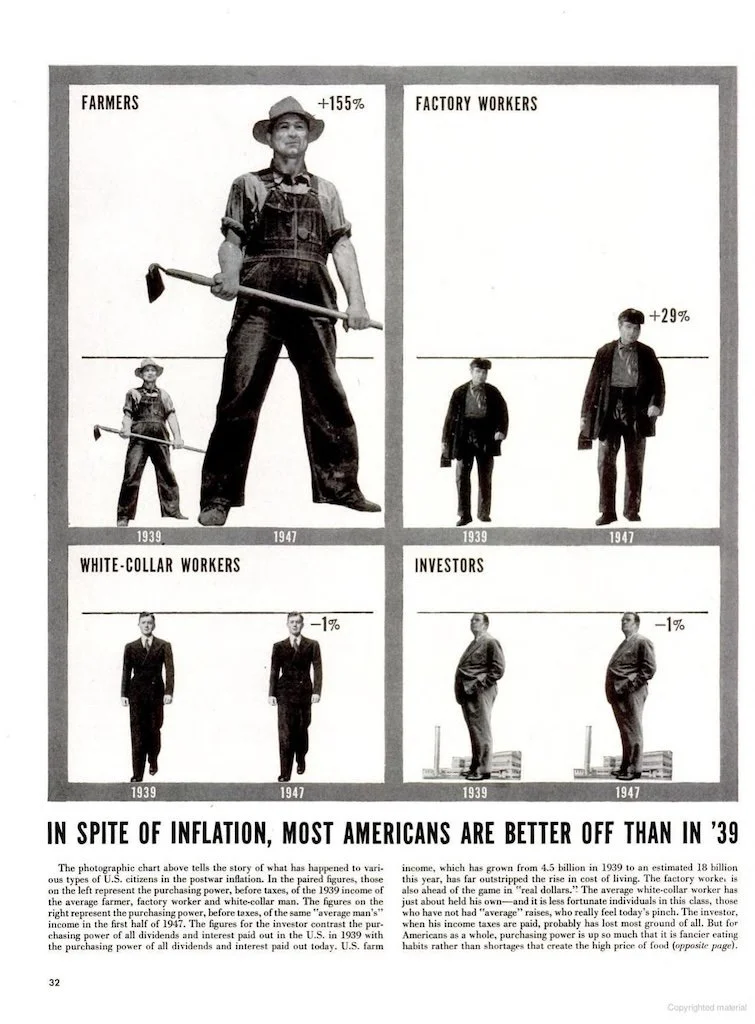
Life Magazine 1947-11-10, In spite of inflation, more Americans are better off than in ’39 (particularly farmers and factory workers)

Life Magazine 1947-11-17, Hughes’ flying boat (Spruce Goose)

Life Magazine 1947-11-24, Chinese flood land to stop Communist advance

Life Magazine 1947-12-01, Princess Elizabeth and Philip wedding

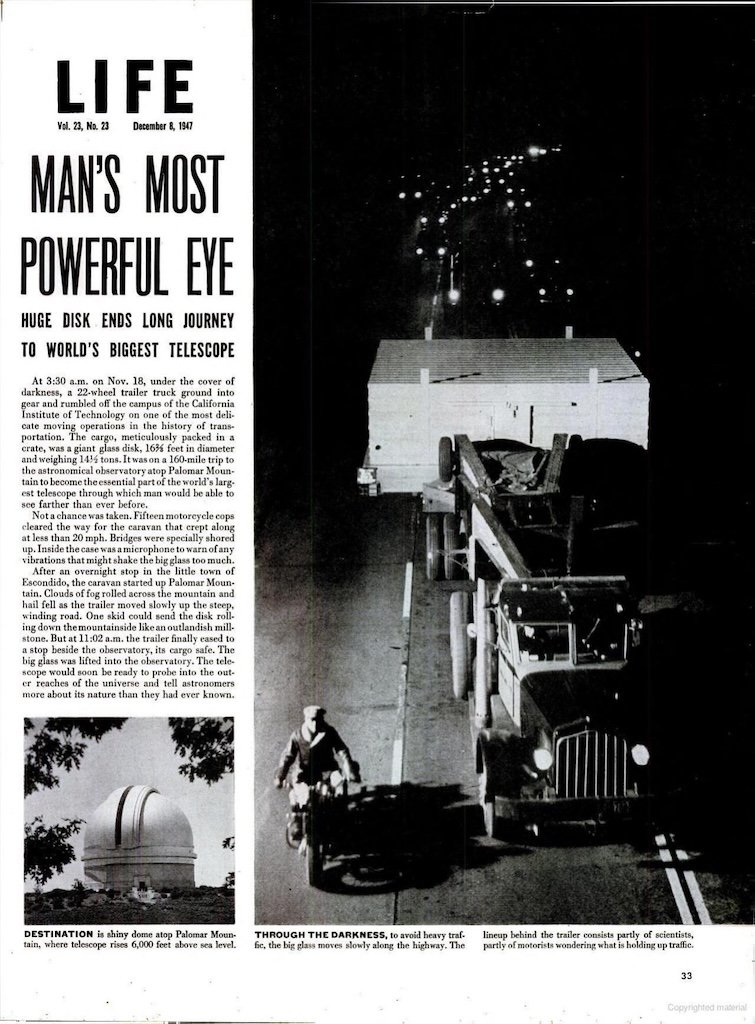
Life Magazine 1947-12-08, Biggest telescope (at the time) atop Palomar Mountain

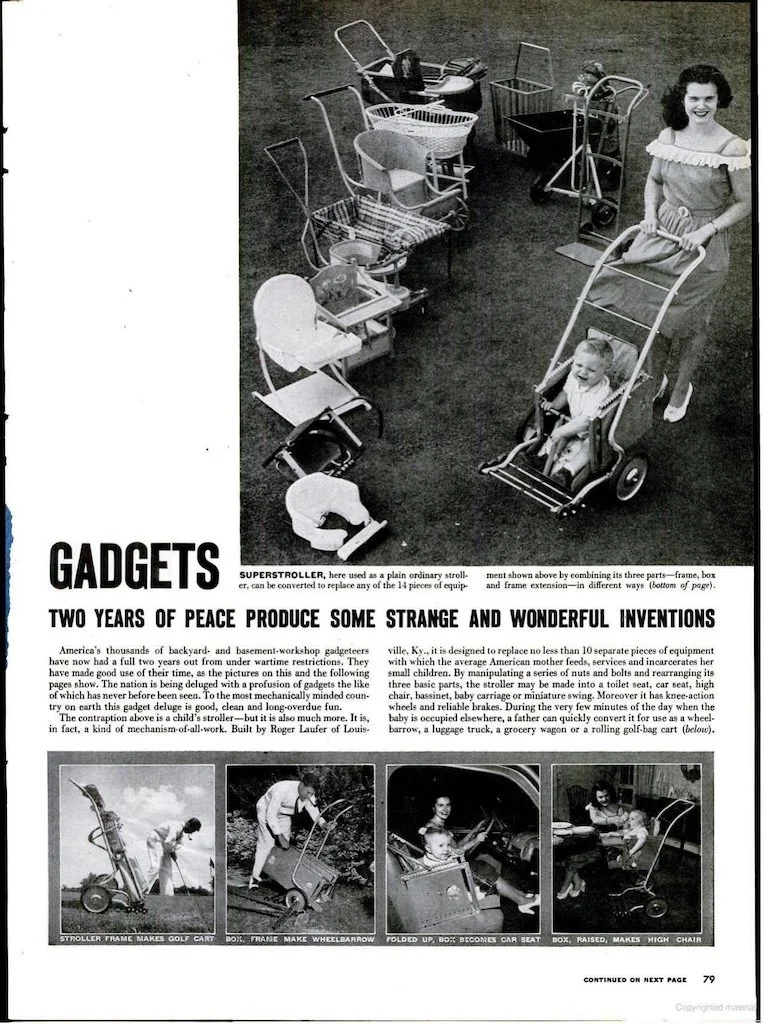
Life Magazine 1947-12-15, Gadgets – post war inventions

Life Magazine 1947-12-22, Christmas Art

Life Magazine 1947-12-29, Eistein and Oppenheimer

Gleanings of the Week Ending April 18, 2026

The items below were ‘the cream’ of the articles and websites I found this past week. Click on the light green text to look at the article.

4/2/2026 NPR EPA flags microplastics, pharmaceuticals as contaminants in drinking water – A good move….but not enough, by itself, to do what needs to be done to improve water quality. It seems out of step with what the EPA has been doing recently so I am skeptical.

4/2/2026 Science Daily Study finds dangerous lead levels in children’s clothing - Researchers testing children’s shirts from multiple retailers found every sample exceeded U.S. safety limits, raising concerns about toxic exposure—especially since young kids often chew on clothing. Brightly colored fabrics like red and yellow showed particularly high levels, likely due to chemicals used to fix dyes. Simulations suggest that even brief mouthing could expose children to unsafe amounts of lead, a substance known to harm brain development and behavior. None of the items tested met U.S. safety standards.

4/2/2026 National Parks Traveler Seventy-Three Percent of Marine Protected Areas Are Polluted by Sewage - A study by the Wildlife Conservation Society and the University of Queensland (attached) found that nearly three out of four of the world's marine protected areas (MPAs) are polluted by sewage. In the ocean regions most critical for coral reefs and tropical sea life, the problem is even worse: between 87 percent and 92 percent of protected areas are affected, and typical pollution levels inside these zones are ten times higher than in surrounding unprotected waters. Over 16,000 MPAs globally were evaluated in the study.

4/1/2026 Clean Technica U.S. Coal Exports Decreased in 2025 after 4 Years of Growth - The decrease in U.S. coal exports largely reflects a 92% decrease in exports to China in 2025 compared with 2024, after China imposed a 15% additional tariff on imports of U.S. coal in February of last year and a 34% reciprocal tariff on imports from the United States in April. It also reflects a global market characterized by ample supply and soft demand, which caused prices to decline, making it increasingly difficult for U.S. coal exporters to earn profits. Finally, coal generation in the U.S. domestic coal market rose 13% in 2025, leading to a 12% increase in electric power coal consumption after three straight years of decreases.

3/9/2026 The Scientist Nearly Ten Percent of Cancer Papers Flagged as Potentially Fake - Over the last two decades, the scientific literature has been flooded by low-quality research papers produced by for-profit organizations known as paper mills. It is estimated that suspected paper mill products account for two to 46 percent of manuscripts submitted to scientific journals, with the estimated rate of problematic articles in biomedical research reaching nearly six percent in 2023.

4/1/2026 Smithsonian Magazine Humans Might Struggle to Make Babies in Space. Sperm Gets Disoriented in Microgravity - Many of the proteins found on sperm act as mechanosensors, tiny molecular devices that detect physical forces. Remove the force of gravity, and it stands to reason that these sensors would be thrown off, disrupting the sperm’s ability to orient and navigate. As we progress toward becoming a spacefaring or multi-planetary species, understanding how microgravity affects the earliest stages of reproduction is critical.

4/1/2026 National Parks Traveler Study Finds Microplastics on 45 Percent of Beaches - A 2025 study collected samples from 209 beaches across 39 countries and 6 ocean basins, discovering that 45 percent of the beaches contained “suspected microplastics” (those visually identified but not yet confirmed through further analysis). Some of the samples came from Padre Island National Seashore in Texas, where microplastics may indirectly reduce the turtle nesting success of species like the endangered Kemp’s ridley sea turtle.

4/1/2026 NPR The oil industry is betting big on plastics. Here's what that means for the future - Beth Gardiner, a journalist and author of the new book "Plastic Inc.: The Secret History And Shocking Future Of Big Oil's Biggest Bet." In it, she argues that while millions of us have been trying to use less plastic, the fossil fuel industry has been making more. Plasticis Big Oil's plan B. The less we use, the more they make.

4/20/2026 Smithsonian Magazine This High School Student Invented a Filter That Eliminates 96 Percent of Microplastics from Drinking Water - Her current prototype, which is about the size of a standard bag of flour, consists of three modules. The first unit, about a liter in volume, holds the contaminated water inside it, while the second stores the magnetic oil-based ferrofluid. The core process takes place in the third module, which is much smaller. A magnetic field pulls the microplastics out of the water, and the ferrofluid is recovered and reused in a closed loop. --- I hope there is follow-up to this story!

3/30/2026 CNN Millions of preterm births and thousands of infant deaths linked to plastic chemical - Two chemicals used to make plastic more flexible are linked to nearly 2 million premature births and the deaths of 74,000 newborns worldwide in 2018, according to a new study. Babies who survive may have breathing problems, feeding difficulties, cerebral palsy, developmental delay, vision problems, and hearing problems. he two chemicals in the study — Di-2-ethylhexylphthalate, or DEHP, and its cousin diisononyl phthalate, or DiNP — are part of a family of synthetic chemicals called phthalates. Meaningful protection cannot rely solely on individual behavior. The most effective solutions are upstream, including stronger regulations, safer product formulations, better labeling, and improved environmental management and regulatory oversight.

Swedish Art Exhibit from 1830s

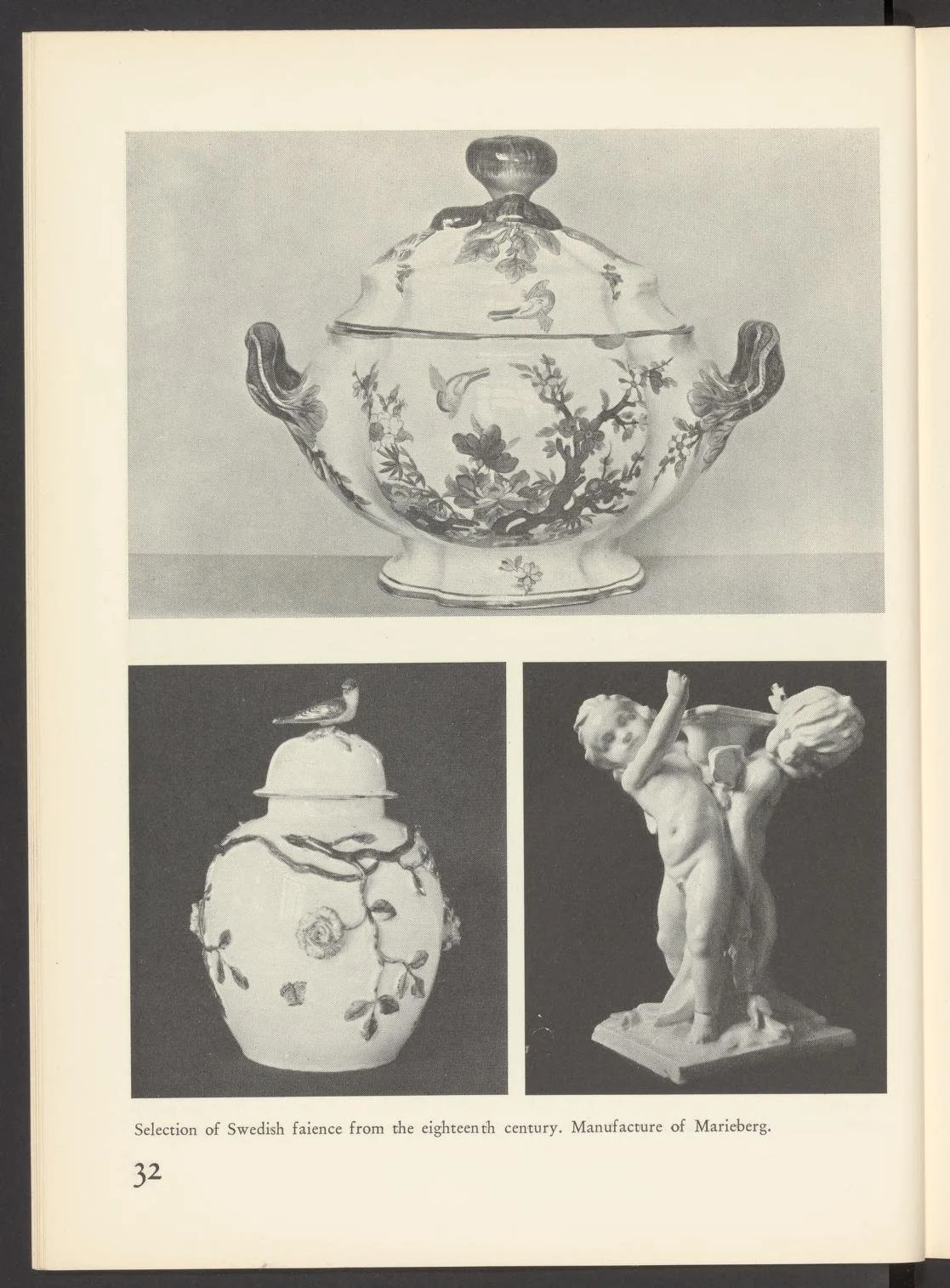
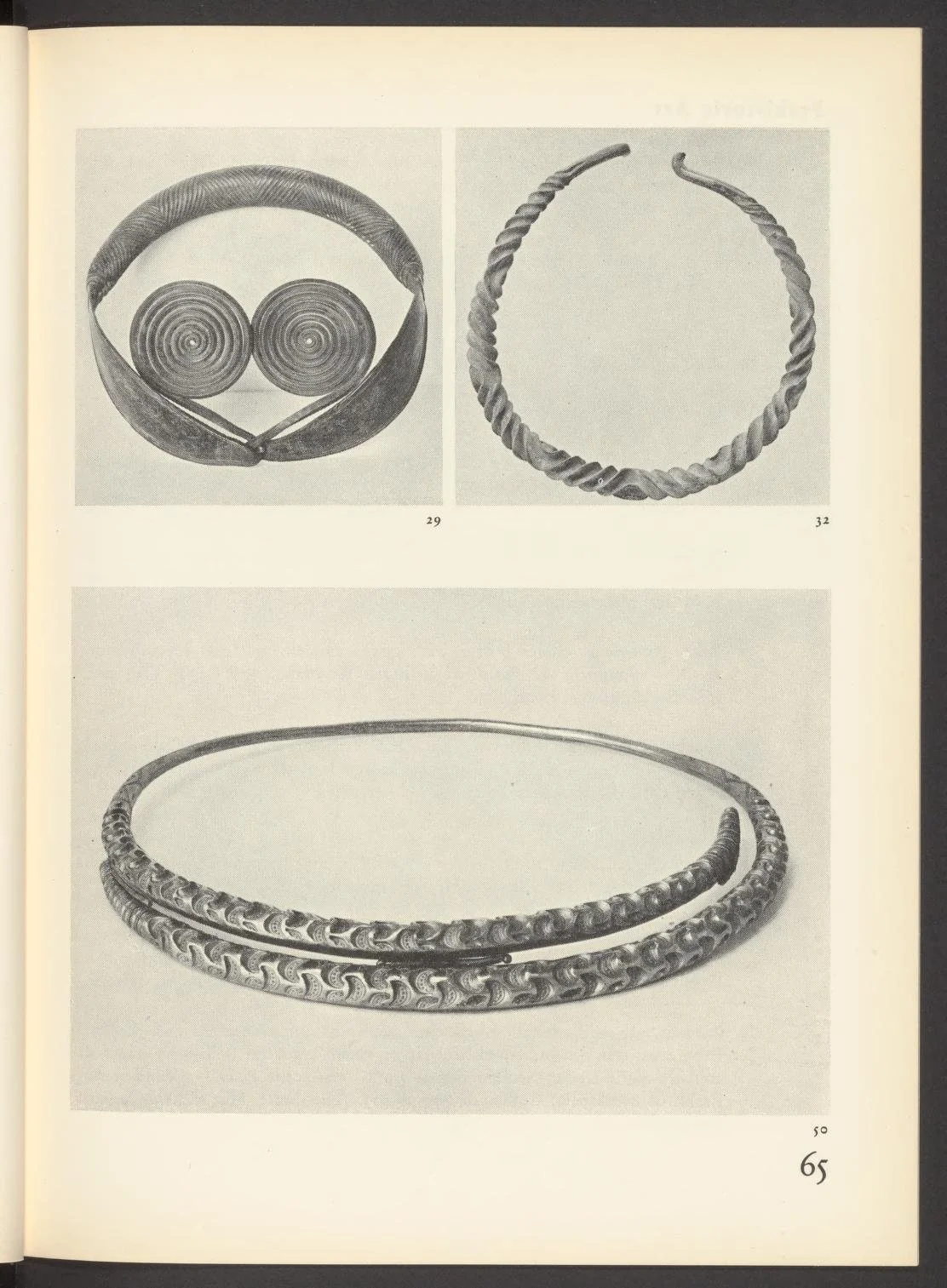
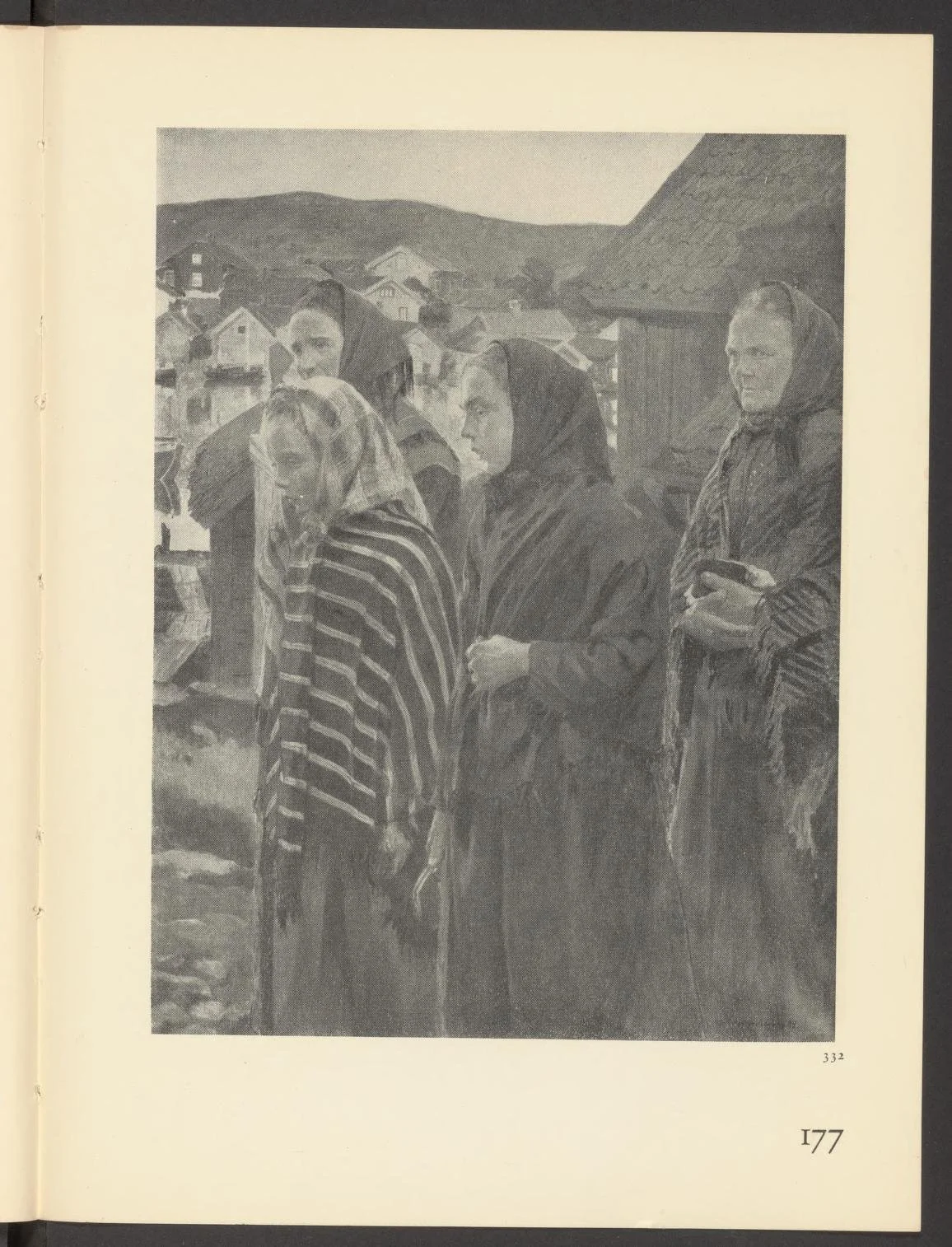
The ‘book of the week’ is a catalog from a 1937-1938 art exhibit of Swedish art. It is available on Internet Archive.

The preface of the volume provides some context: The exhibit was “of Swedish decorative art for the United States of America in connection with the 300 years’ celebration of the first settlement of Delaware.” It “spans an extensive period of at least 8,000 years, from the Bone Age through the course of the ages to our present century.” “What we would wish to show is firstly and lastly the artistic evidence of a very long national history, to serve as a salutation on the occasion of the 300 years’ jubilee of our forefathers’ settlement in Delaware. We hope that the great American public will apprehend this exhibition as it is intended, namely, in the light of an invitation to step over the bridge of art into a closer contact with the Swedish nation, its history and spiritual atmosphere.”

Swedish Tercentenary Art Exhibit: Official Catalogue

Buying Native Plants for the Front Yard

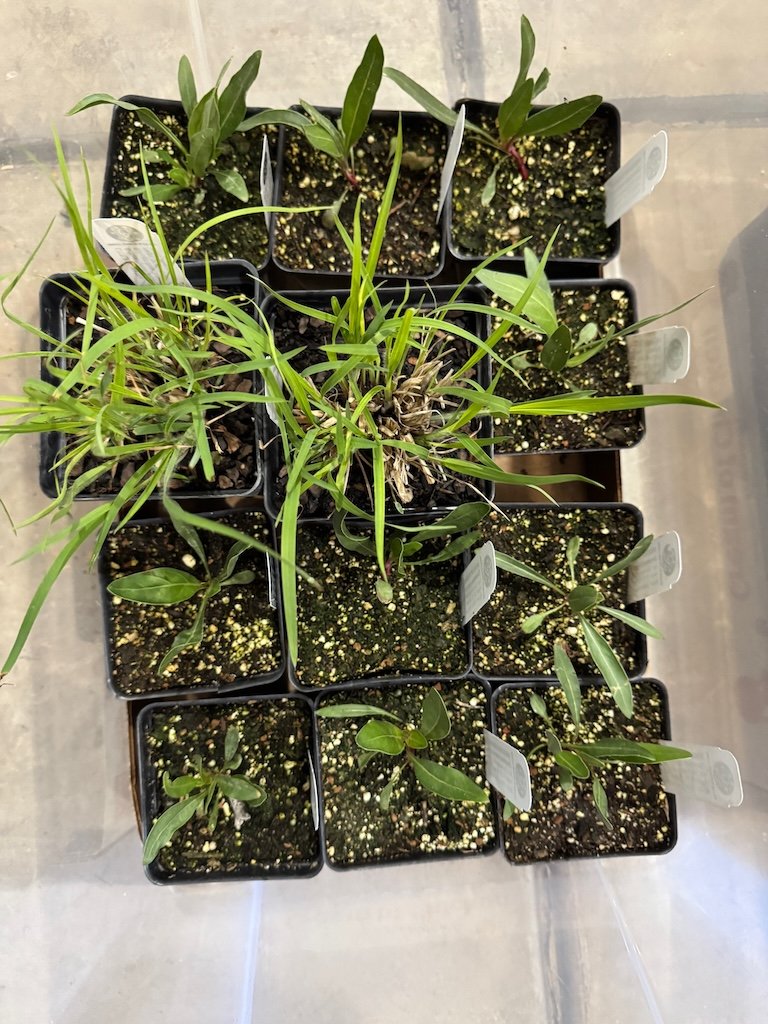
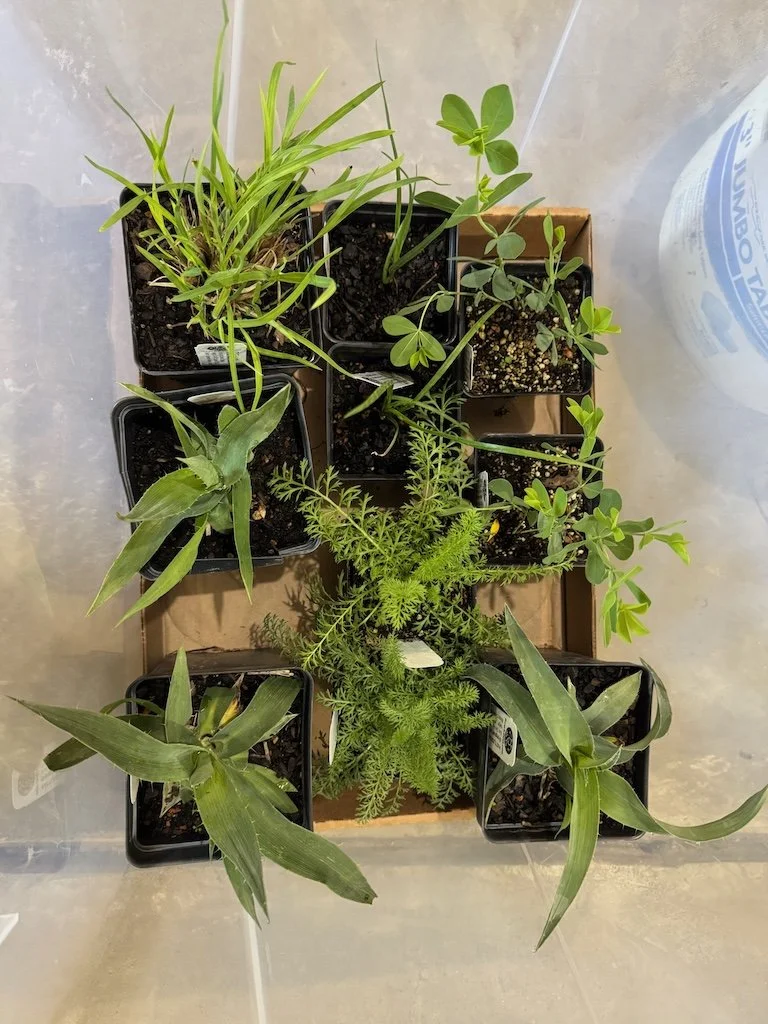
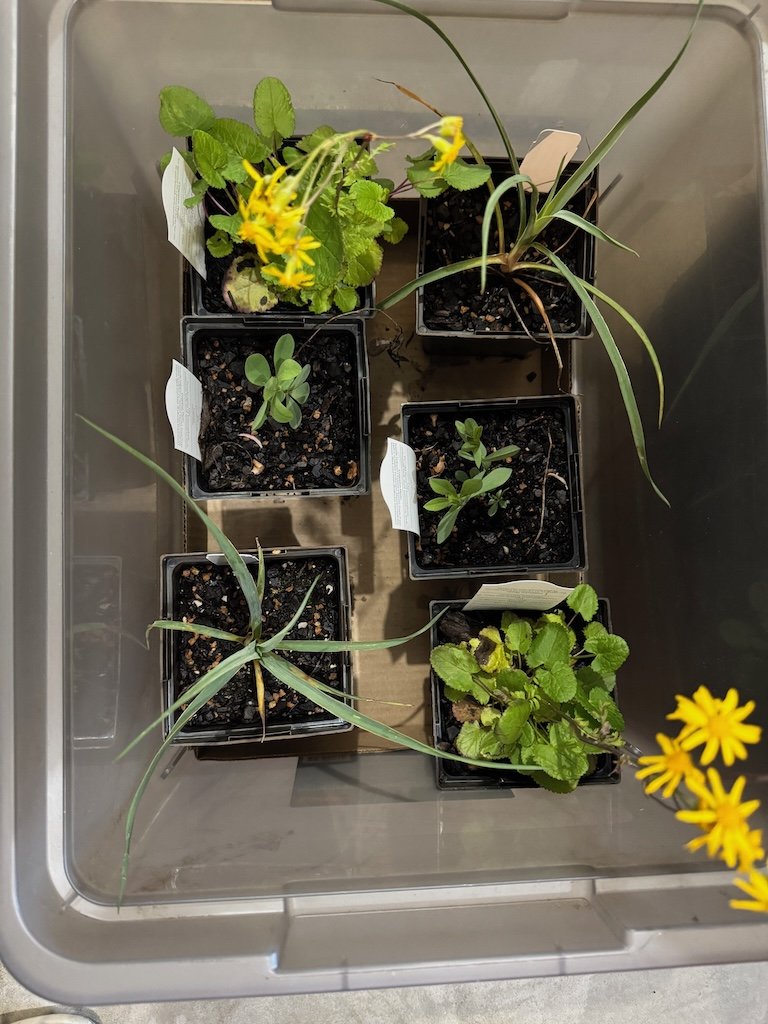
The local nature center hosted two native plant vendors (Ozark Soul and Missouri Wildflowers Nursery) on a recent Saturday, and I bought the initial plants for my new front yard native plant garden. The oak chips have been in place since last fall, and the temperatures are warm enough to begin plantings. It was a damp morning, but my daughter helped by volunteering her time and her car; we loaded up three bins of plants.

I took pictures of the bins when I got home and documented what I bought. I’m keeping a record of what I buy, plant…what survives.

In bin1 there are:

  • 10 Missouri Evening Primrose Oenothera macrocarpa The one near my mailbox is doing very well and these plants will become the ground cover level of my native plant garden.

  • 2 Little Bluestem Schizachyrium scoparium It will be the background for the lower part of the garden….and show up more after other vegetation has died back for the winter.

  • In bin 2 the rows from top to bottom are:

  • Little Bluestem Schizachyrium scoparium, Nodding Onion Allium cernuum, Wild Blue Indigo Baptisia australis

  • Rattlesnake master Eryngium yuccifolium, Nodding Onion Allium cernuum, Wild Blue Indigo Baptisia australis

  • Rattlesnake master Eryngium yuccifolium, Yarrow Achillea millefolium, Rattlesnake master Eryngium yuccifolium

In bin 3 the rows top to bottom are:

  • Golden ragwort Packera aurea, Soapweed yucca Yucca glauca

  • 2 Cream wild indigo Baptista bracteate

  • Soapweed yucca Yucca glauca, Golden ragwort Pakera aurea

My next post will be about planting these into the garden. There are 28 plants in all.

There is another native plant sale at the botanical garden in early May. Hopefully these plants will be thriving, and I can focus on filling in with the plants that will bloom into the fall…provide food for pollinators at the end of the season.

Plastic Crisis - Clamshells

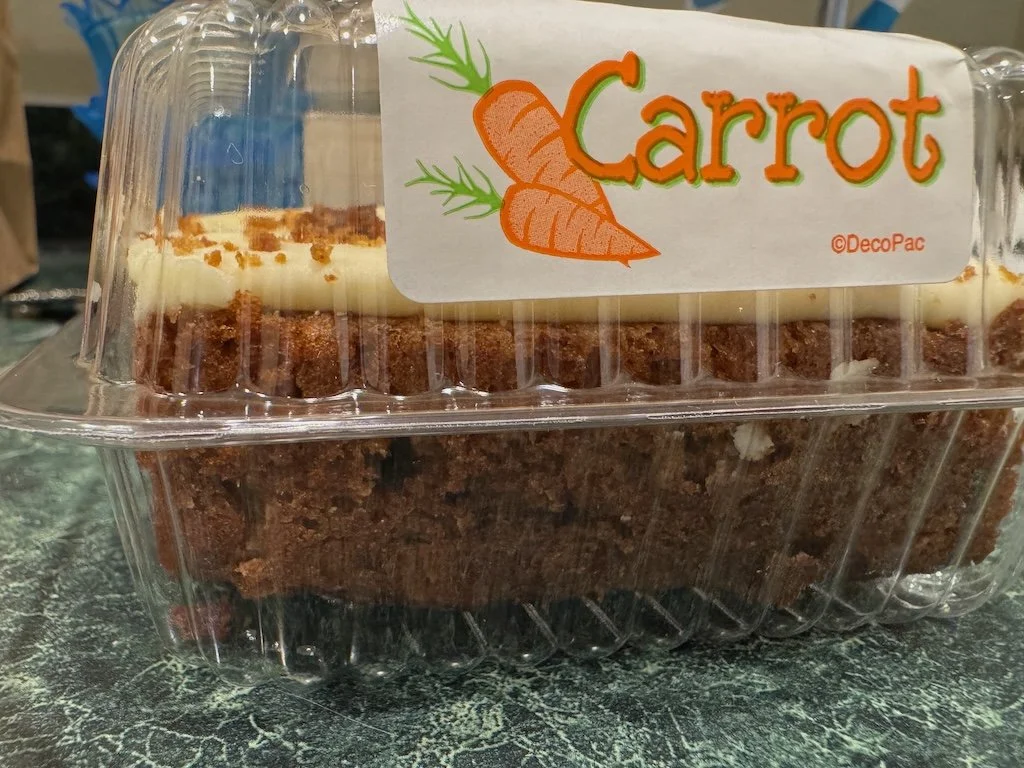
My husband said he wanted one serving of carrot cake for his birthday….and he didn’t want to go to a restaurant to get it. So - I opted to buy 2 pieces at the grocery store rather than making a cake at home and having a lot to freeze; it would take months for us to finish. I suspected that the only offering the grocery store would have would be packaged in a plastic clamshell – single use and not recyclable.

The cake was not going to be heated in the plastic, and it was unlikely that the container and cake had been heated together prior to me buying it…. better than a case of bottled water which you never know what happened to it along the way.

The clamshells are popular with stores because they are cheap and don’t weigh much; the open clamshells stack so they take less space. Customers probably appreciate being able to see the condition of the cake through the container.

Before plastic, pieces of cake were put in white boxes that were flat then formed into a box immediately before they were used. It was usually in a bakery setting rather than a large grocery store and the customer watched the cake being placed in the box. It required a clerk to be at the counter all the time…so more labor intensive…but also more social interaction. Bakeries often developed a familiarity with their customers that is entirely missing in the modern grocery store.

What is the Beyond plastic option? Right now, the only one might be making the cake yourself from ingredients that can often be purchased not in plastic (flour, eggs, vanilla, etc.) even though many grocery stores only have carrots in plastic these days. Alternatively – the grocery stores need to be searching for a non-plastic solution to reduce the burden on landfills and avoid causing more health impacts to ourselves and wildlife from plastic accumulation in our environment.

Gleanings of the Week Ending April 11, 2026

2/23/2026 I’m Plastic Free Watched The Plastic Detox? Your Guide to Reducing Microplastics Exposure - The Plastic Detox is a powerful documentary exposing the hidden health risks of plastics in our homes. As six couples commit to removing plastic from their homes, the experience transforms their families in lasting ways. The documentary uncovers what microplastics are, how their associated chemicals affect our bodies, and what practical steps individuals can take to regain control over their health.

3/30/2026 BBC Salmon sperm to bird droppings: The science behind bizarre skincare trends - While even the most bizarre of skincare routine fads may have some scientific backing, scientists think that options for the next generation of skincare therapies will involve, among other things, finding new ways to optimize collagen supplementation. Other new therapies are exploring novel ways of manipulating the skin microbiome, the populations of invisible microbes that live on our faces and contribute heavily to the inflammation present in our skin.

3/30/2026 Smithsonian Magazine Sharks in the Bahamas Test Positive for Drugs, Including Cocaine and Painkillers - Sharks in the Bahamas are ingesting drugs—including cocaine, caffeine and painkillers. Scientists identified blood contamination in about one-third of tested animals, findings that further highlight how humans are harming marine environments. While the detection of cocaine—an illicit substance—tends to draw immediate attention, the widespread presence of caffeine and pharmaceuticals in the blood of many analyzed sharks is equally alarming.

3/30/2026 ScienceDaily Simple therapies beat drugs for knee arthritis pain relief - Non-drug treatments like knee braces, hydrotherapy, and exercise can significantly ease knee osteoarthritis symptoms. These approaches not only reduce pain and improve mobility, but also avoid the risks tied to common medications.

3/27/2026 NWF Blog Building hope, organizing communities, and strategic planning on Florida’s Coast - To learn more about the Tampa Bay Coastal Master Plan and efforts to use nature-based solutions to adapt to sea level rise and climate change, with resilient strategies like living shorelines, habitat enhancements, and habitat preservation, please visit this site.

3/26/2026 The Conversation Mosquitoes carrying malaria are evolving more quickly than insecticides can kill them – researchers pinpoint how - The mosquito-borne disease malaria kills over 600,000 people annually. Mosquitoes are quickly evolving counterstrategies that make these insecticides ineffective, putting millions of people at greater risk of deadly infection. Mosquitoes today from Ghana to Malawi are often able to survive insecticide concentrations 10 times the previously lethal dose. Genome-scale sequencing remains important to detect new or unexpected evolutionary responses. The risk of adaptation is highest under a continuous, strong selection pressure, so minimizing, switching and staggering pesticides can help thwart resistance.

3/25/2026 CleanTechnica Why Nature-Based Investments Produce Results - Nature-based solutions have the potential to lift a billion people out of poverty, create 80 million jobs, add an additional $2.3 trillion of growth to the global economy, and prevent $3.7 trillion of climate change damages. Investing in biodiversity conservation and restoring ecosystems have a lot going for them.

3/23/2025 NASA A Fault Line in Bloom – Flowers had turned areas around Soda Lake a bright shade of yellow, and by mid-month, they had spread even farther. Yellow wildflower blooms are visible amid the dendritic network of streams flanking the alkaline lake, which dries out completely during drought years. Colors were particularly vibrant across the Carrizo Plain National Monument, even decorating meadows along the zipper-shaped San Andreas Fault with splashes of purple due to blooms of Phacelia ciliata.

3/30/2026 National Parks Traveler Three Florida Reef Corals "Functionally Extinct" Due To Marine Heat Waves - Extinction has claimed staghorn and elkhorn corals, whose distinctive antler-like arms once peppered the sea floor off Florida but now are all but impossible to find thanks to warming waters and disease throughout their coastal habitat. They are “functionally extinct,” meaning they lack numbers and health to survive threats facing them in the wild. It doesn’t mean they are entirely gone. Scientists are keeping the two species alive in coral nurseries, both onshore and offshore. Many facilities are working to preserve them and raise their offspring as just one aspect of efforts to save the Florida Reef, a 350-mile-long collection of reefs besieged by disease and marine heat waves since the 1970s that have robbed the reef of an estimated 98 percent of its live coral cover. Pillar coral was designated functionally extinct in 2020. On a positive note - elkhorn and staghorn corals typically are ready to move from onshore nurseries into the ocean in about 18 months.

3/30/2026 Yale Environment 360 Even a Few Scattered Trees on Farmland Can Be a Boon for Wildlife - ll told, 58 scientists took part in the effort, using on-the-ground surveys, sound monitoring, and satellite imagery to track close to 2,000 species of birds across more than 1,000 forest remnants. They found that a fragment of forest surrounded by farmland might host more than twice as many bird species as a reservoir island of the same size. 

Family of Man eBook

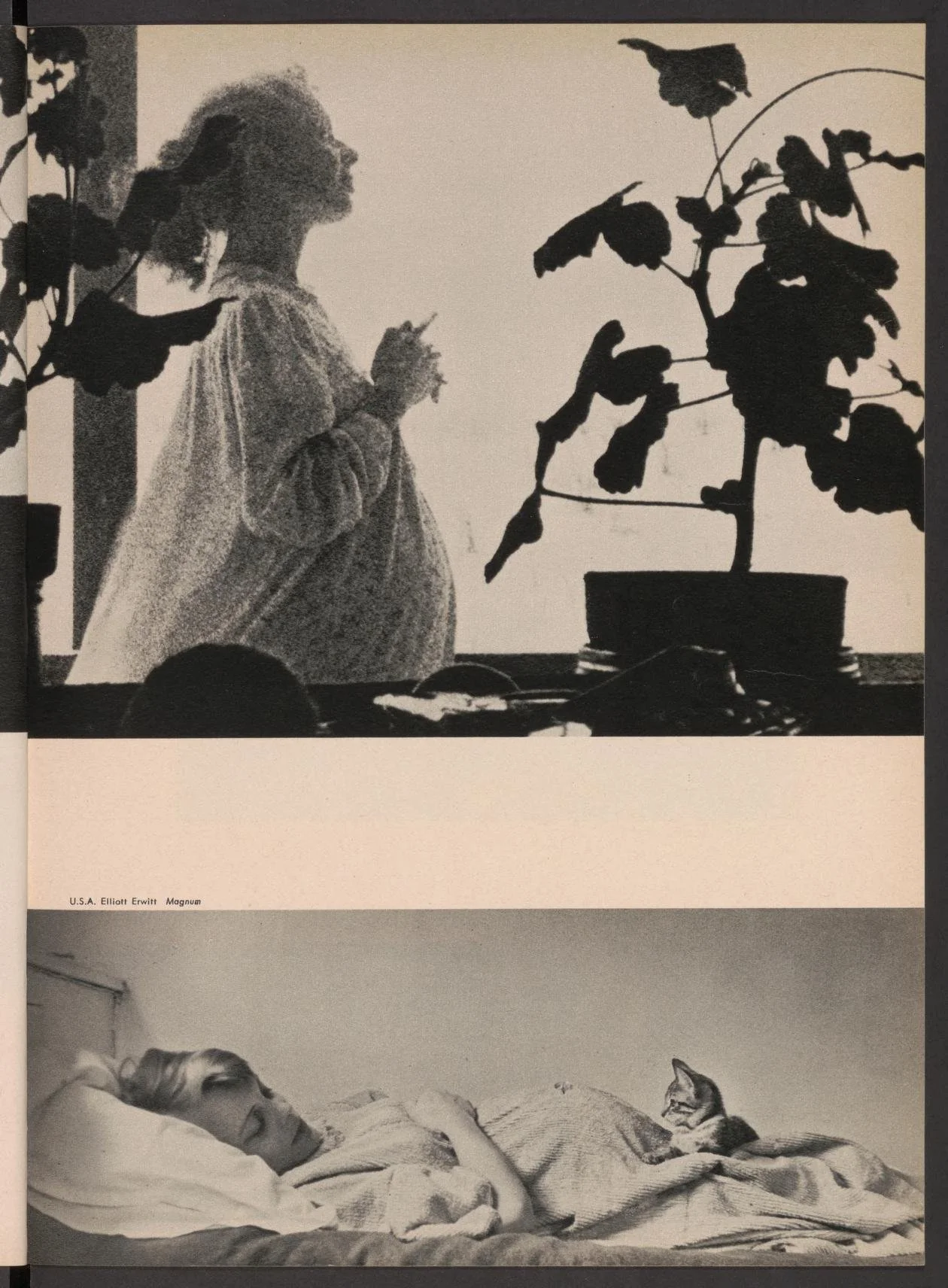
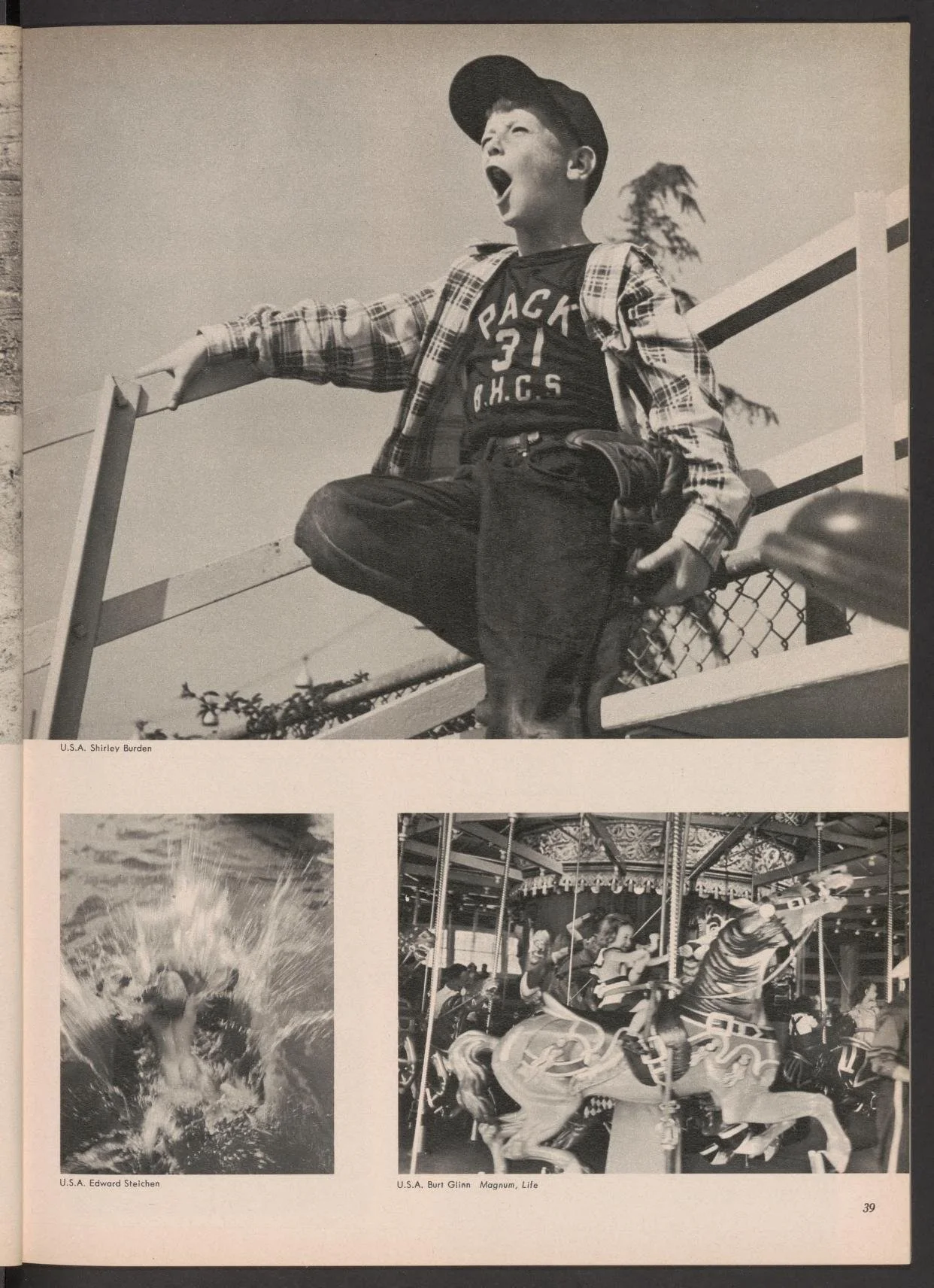
Family of Man: the Greatest Photographic Exhibition of All Time - 503 Pictures from 68 Countries - Created by Edward Steichen for the Museum of Modern Art was published in 1955. The prologue is by Carl Sandburg. In the introduction Eward Steichen says they worked on the exhibit for almost 3 years and reviewed over 2 million photographs. The collection is interesting to look at now for the original reason the exhibit was created and from a historical perspective. What would be different if such an exhibit were produced today? The most obvious is that the photographs would be in color…but so much has changed in the world in the past 70 year. For example, I wonder if we have become less ‘ethnic’ less ‘religious’ – are we more likely to be obese – are some human faces so modified by treatment that they look artificial). The book is available on Internet Archive.

Family of Man

Powell Gardens – Part II

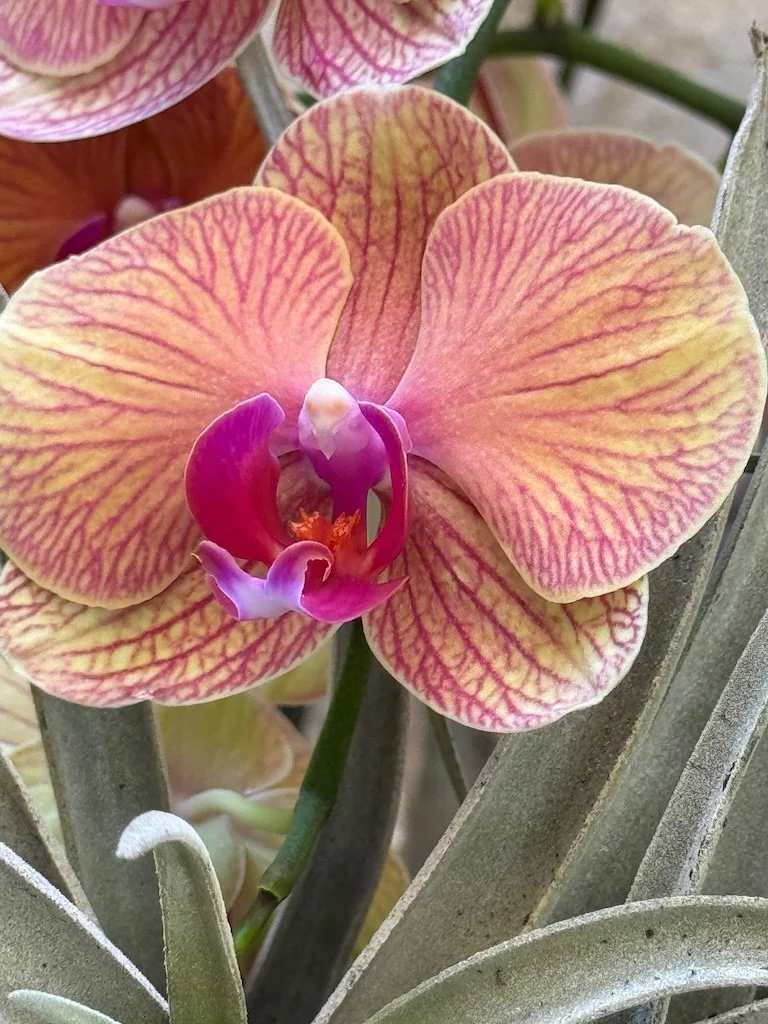
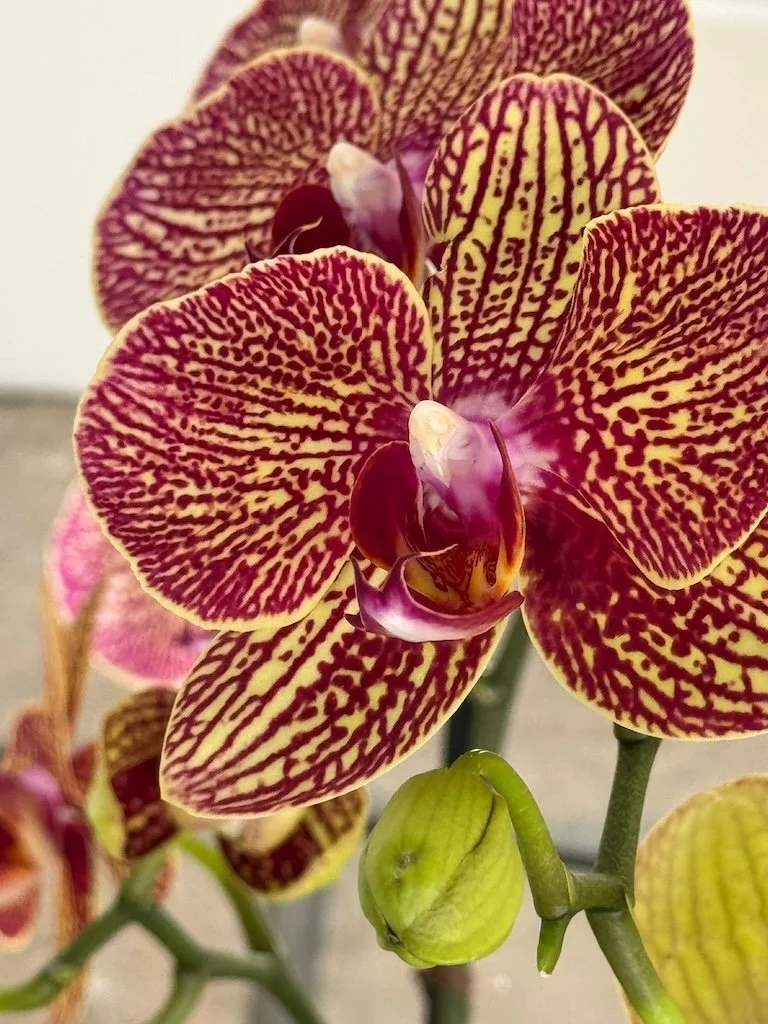
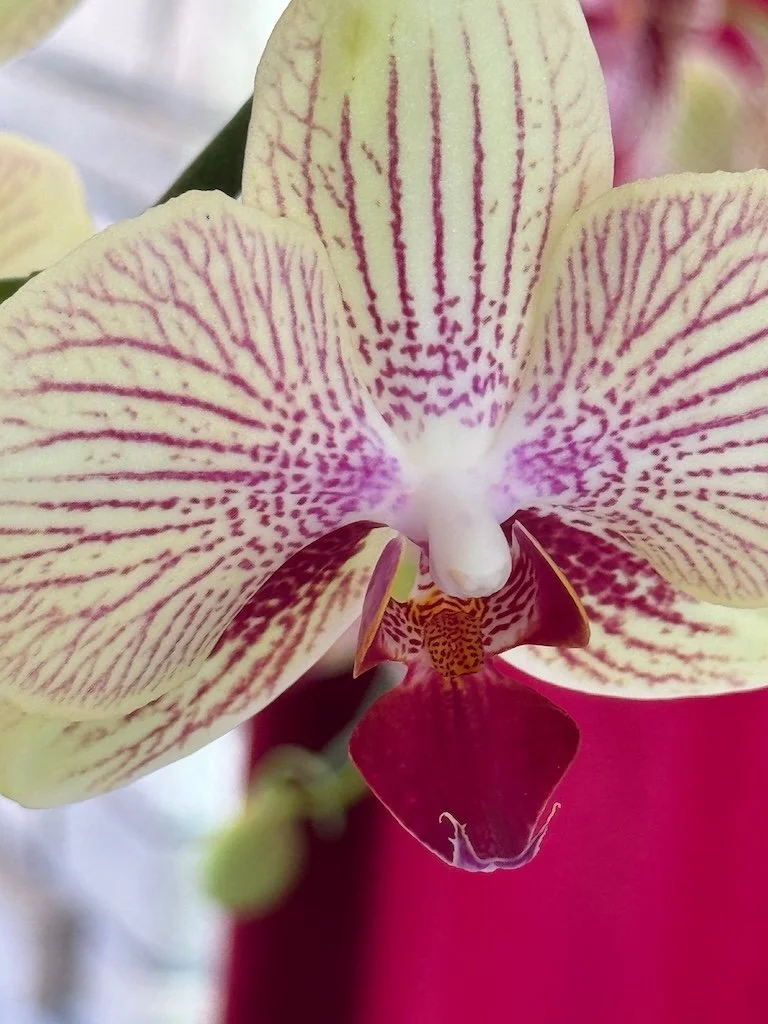
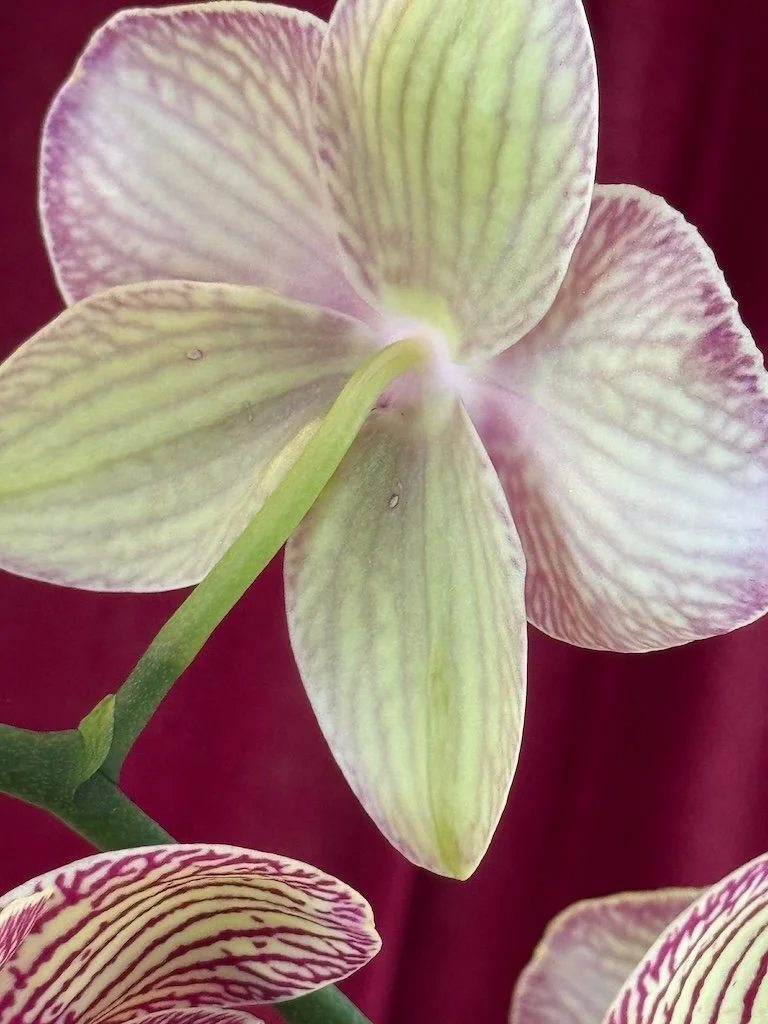
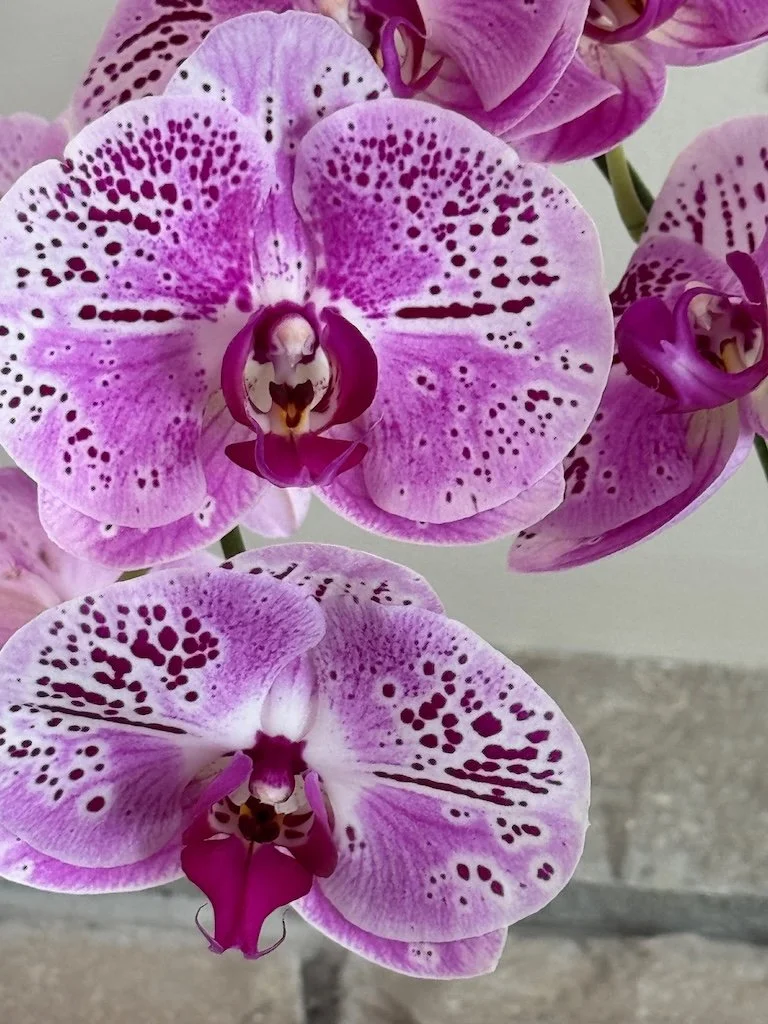
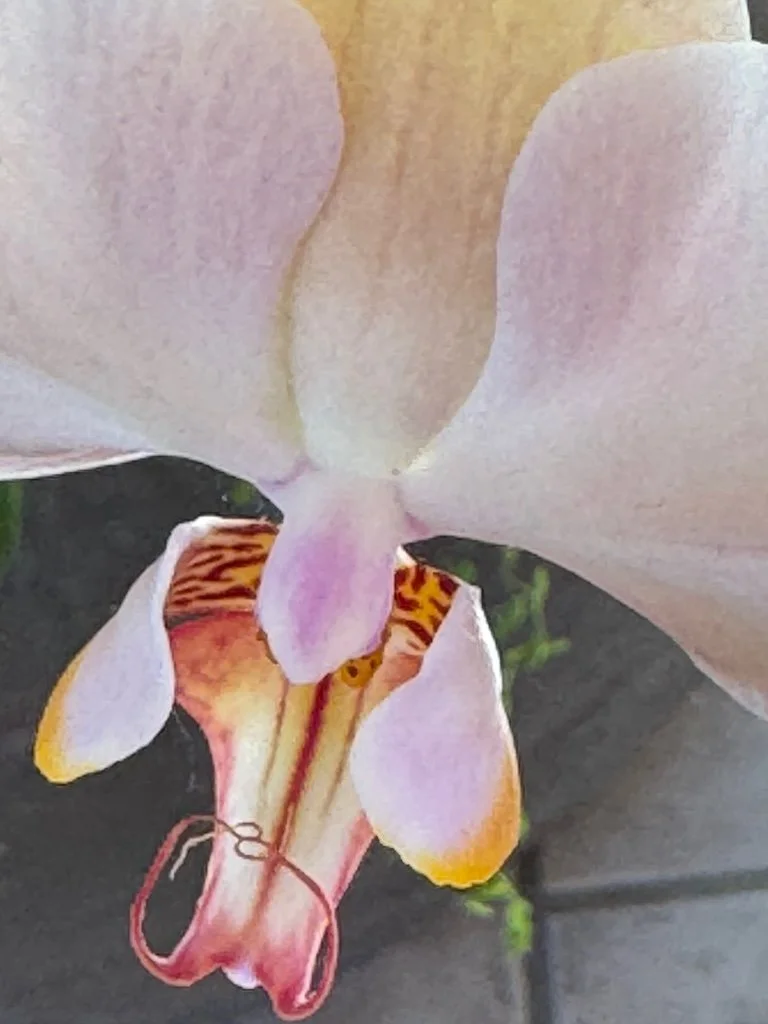
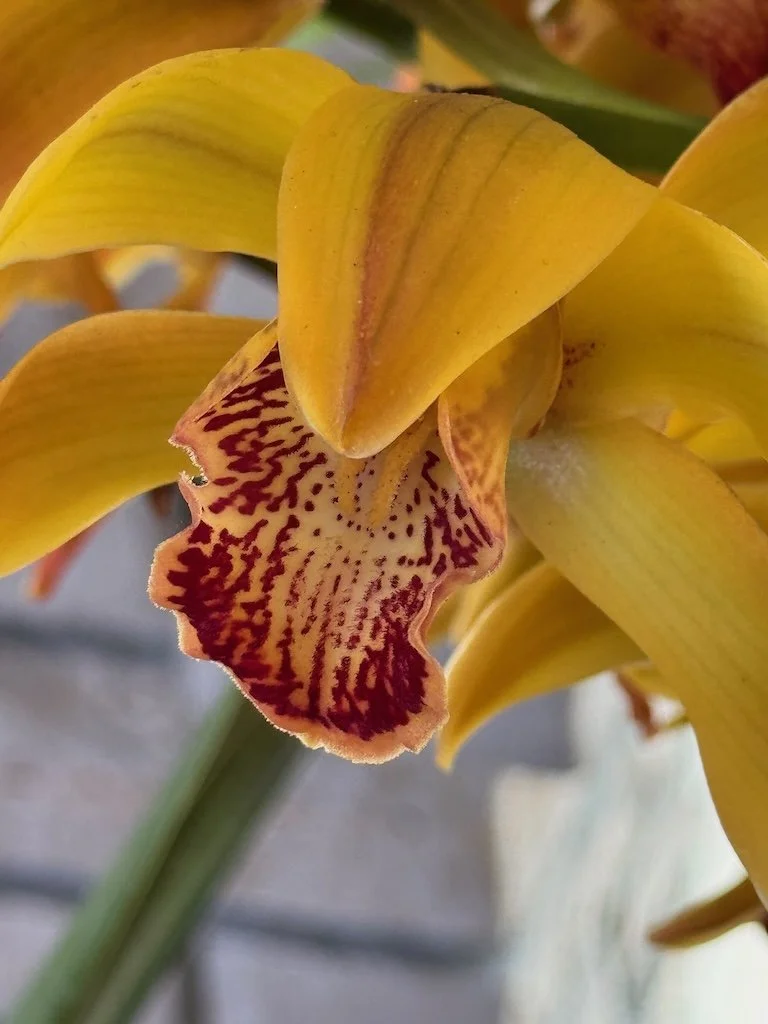
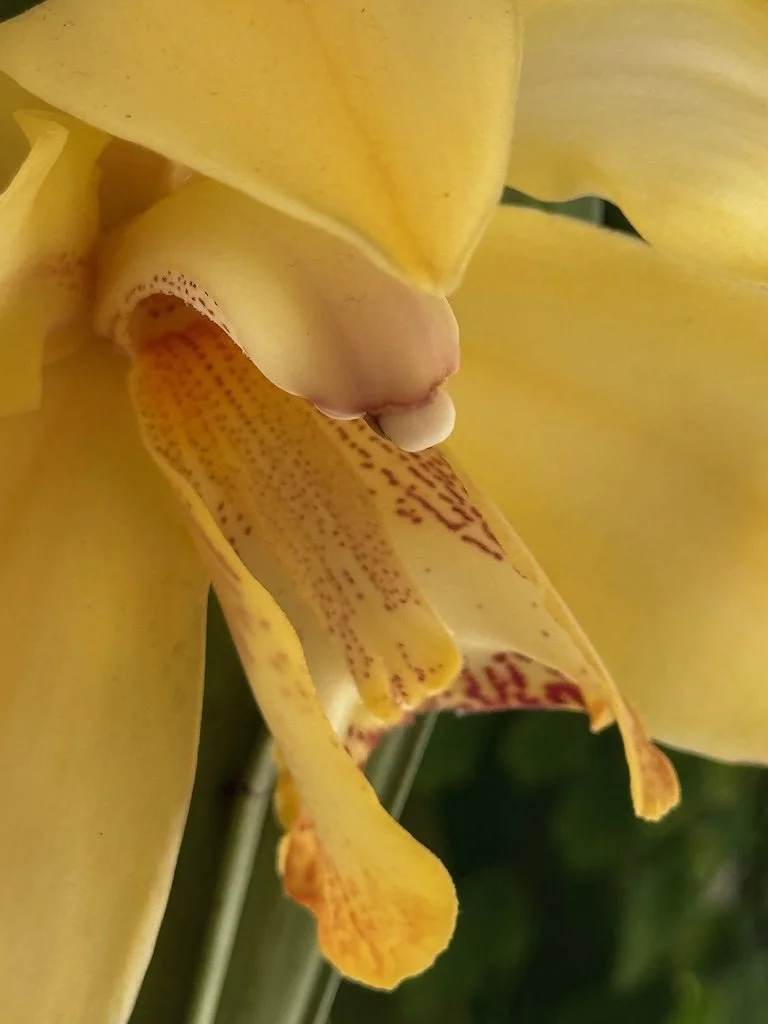
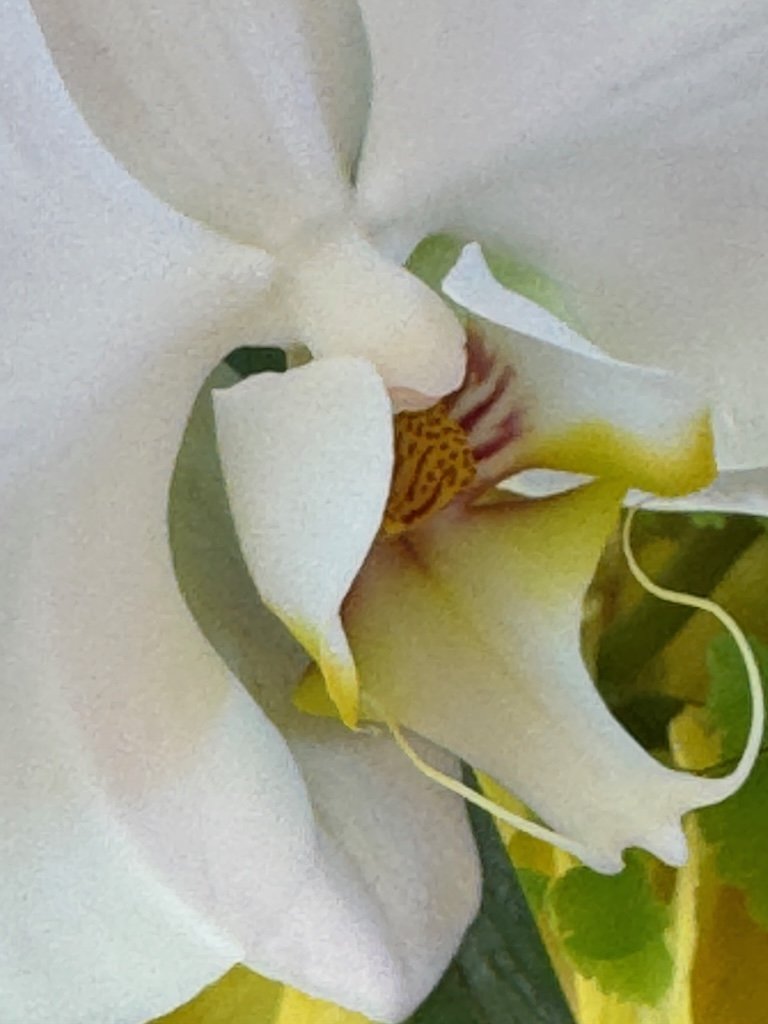
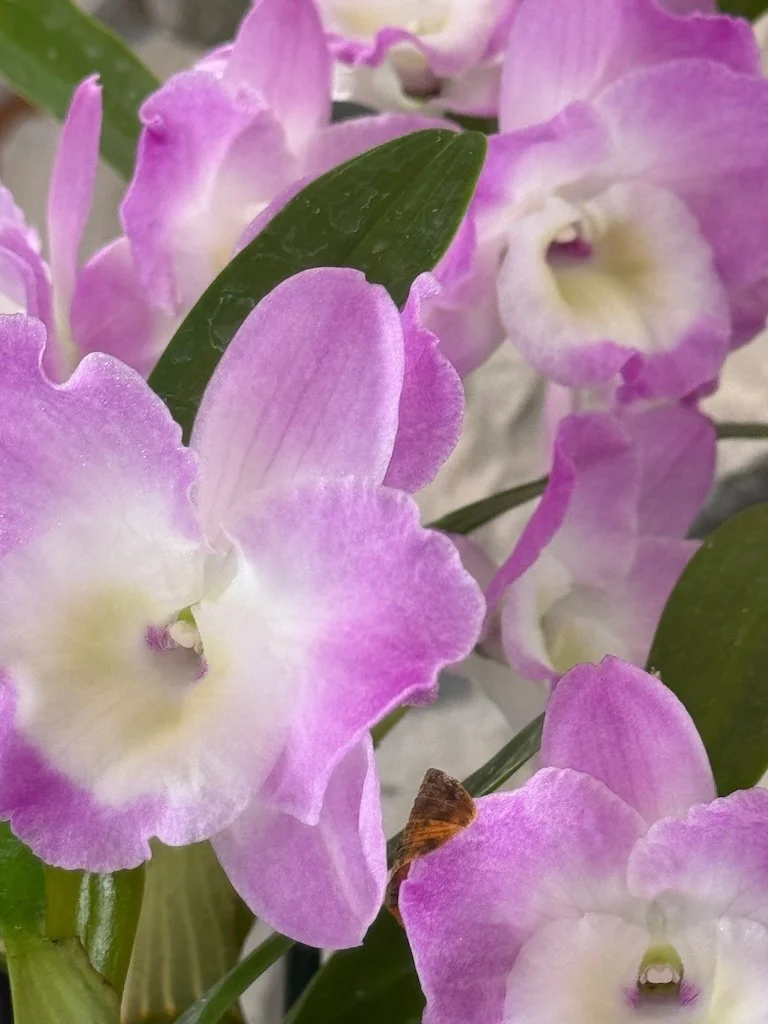
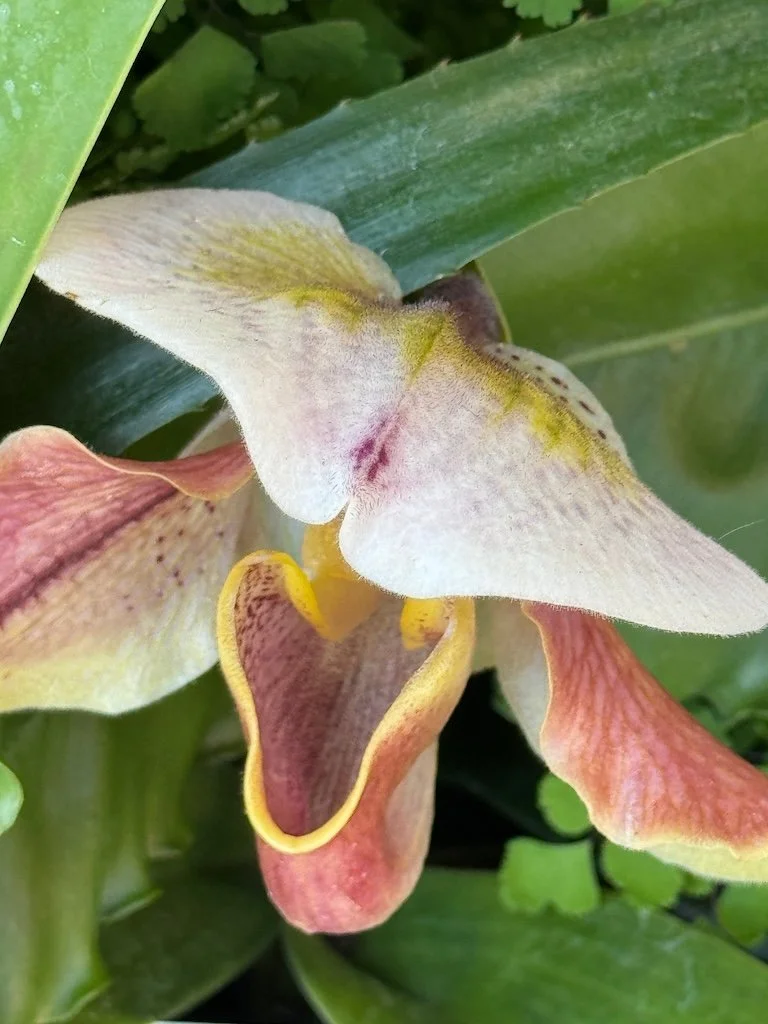
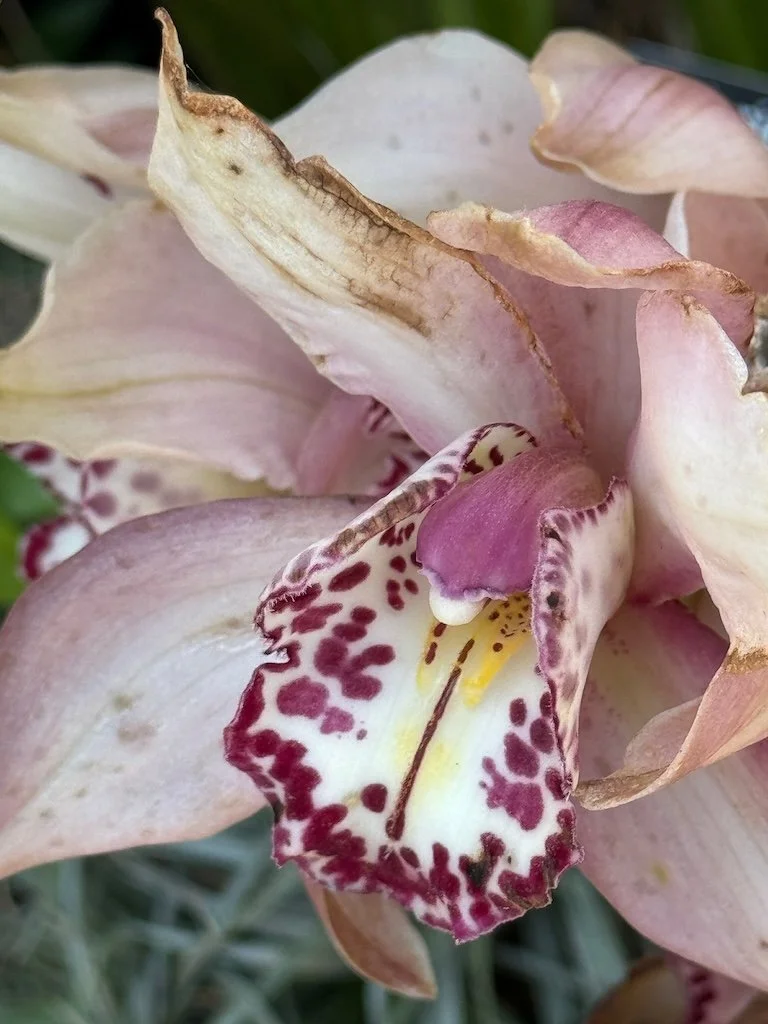
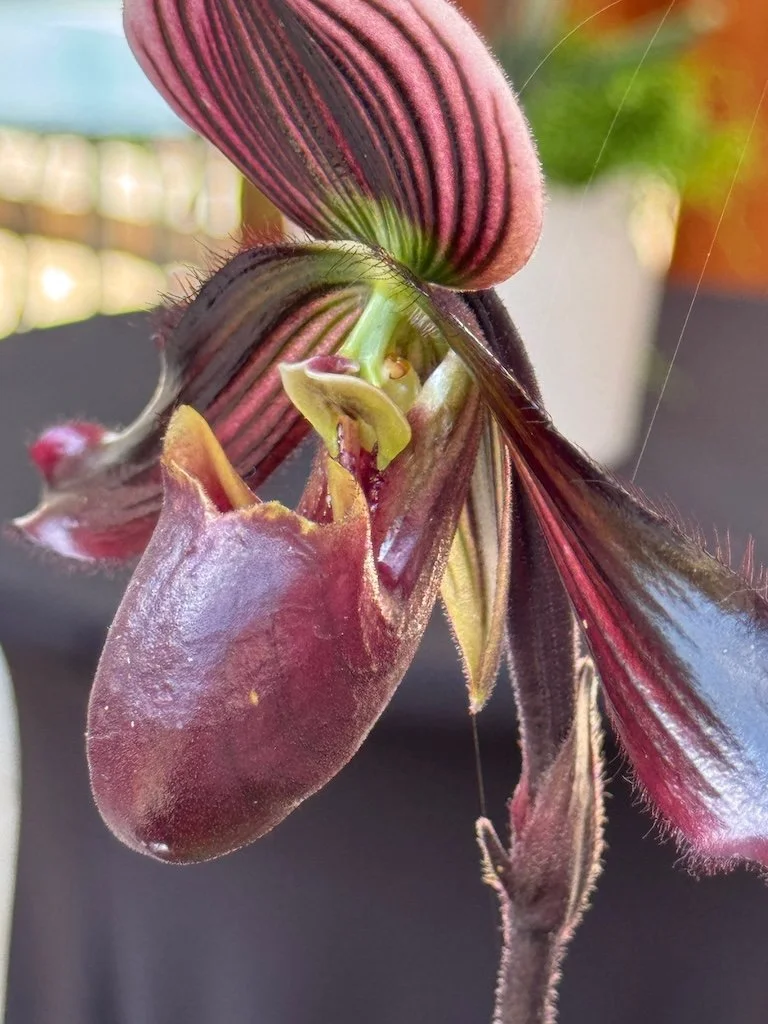
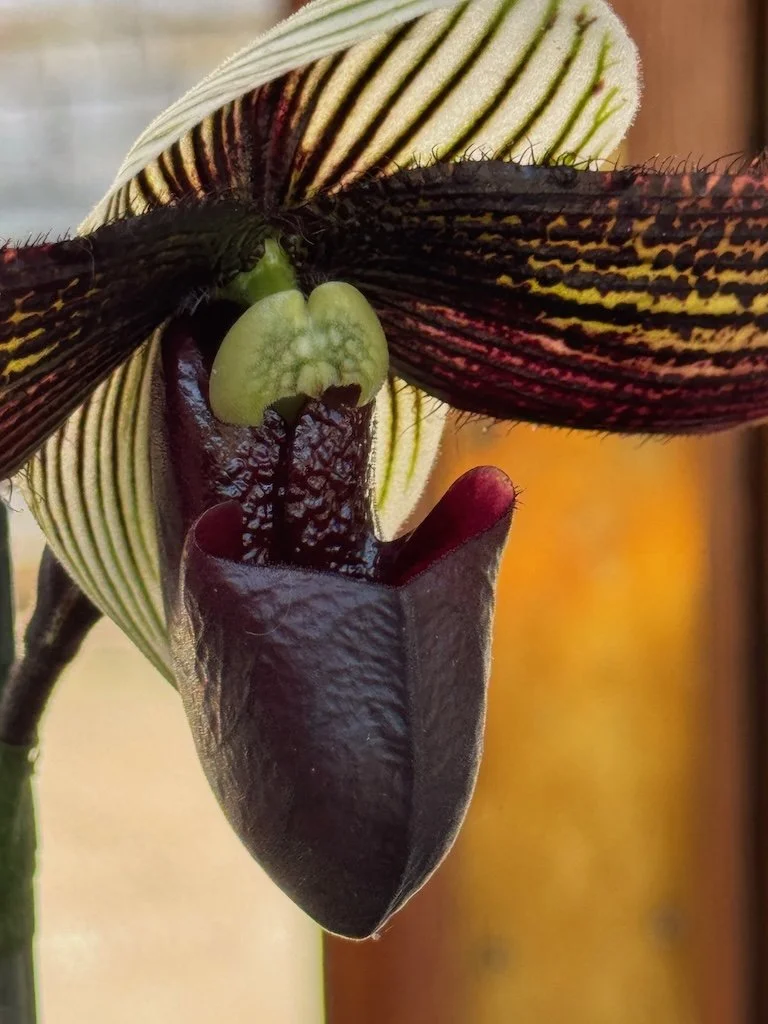
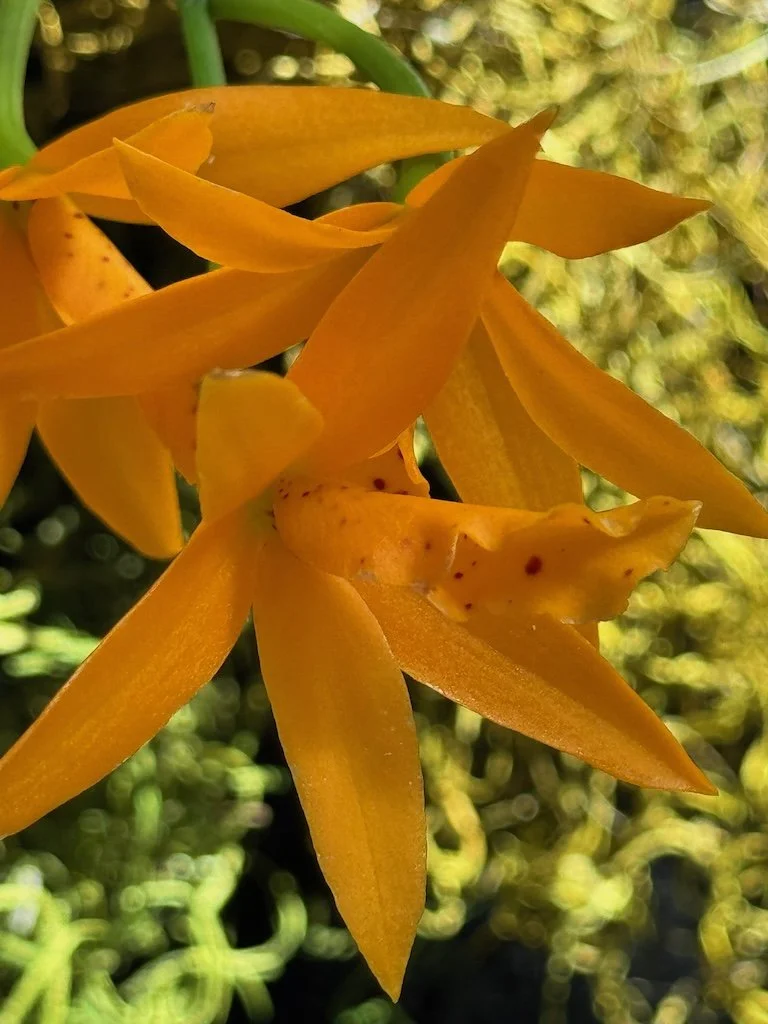
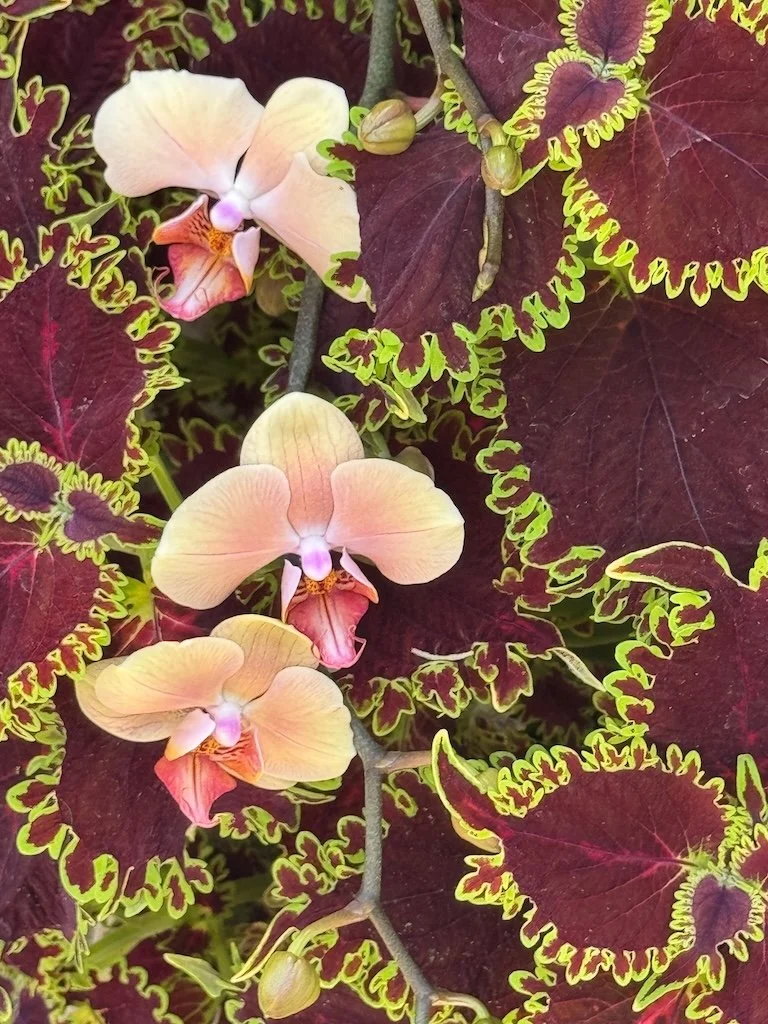
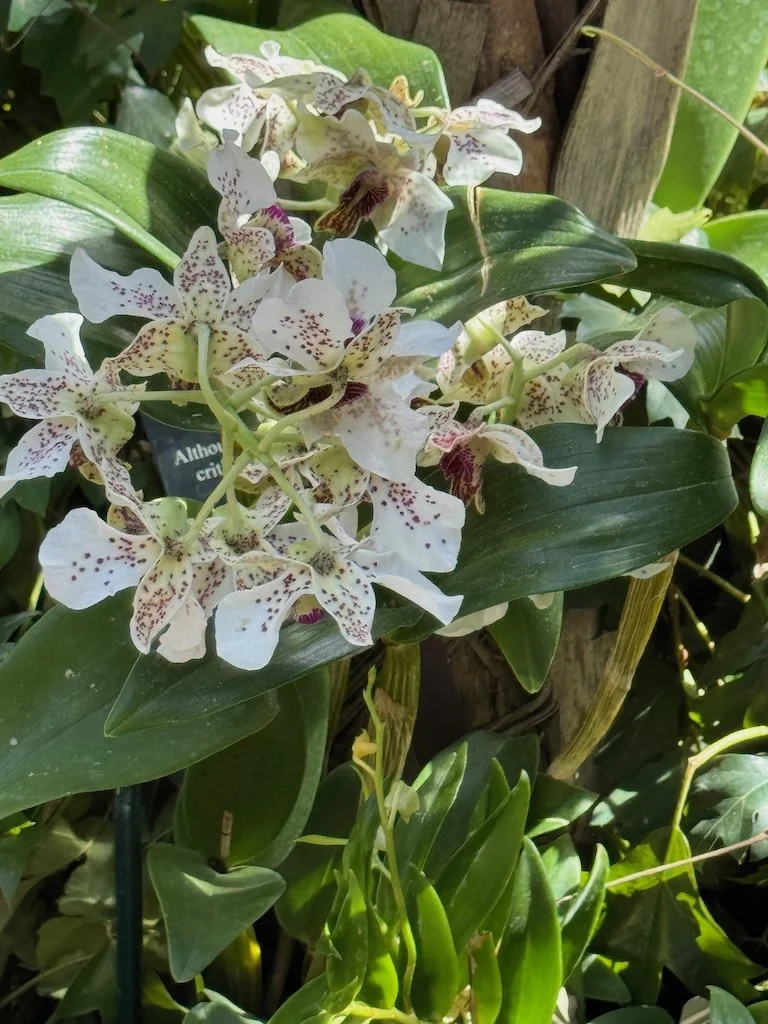
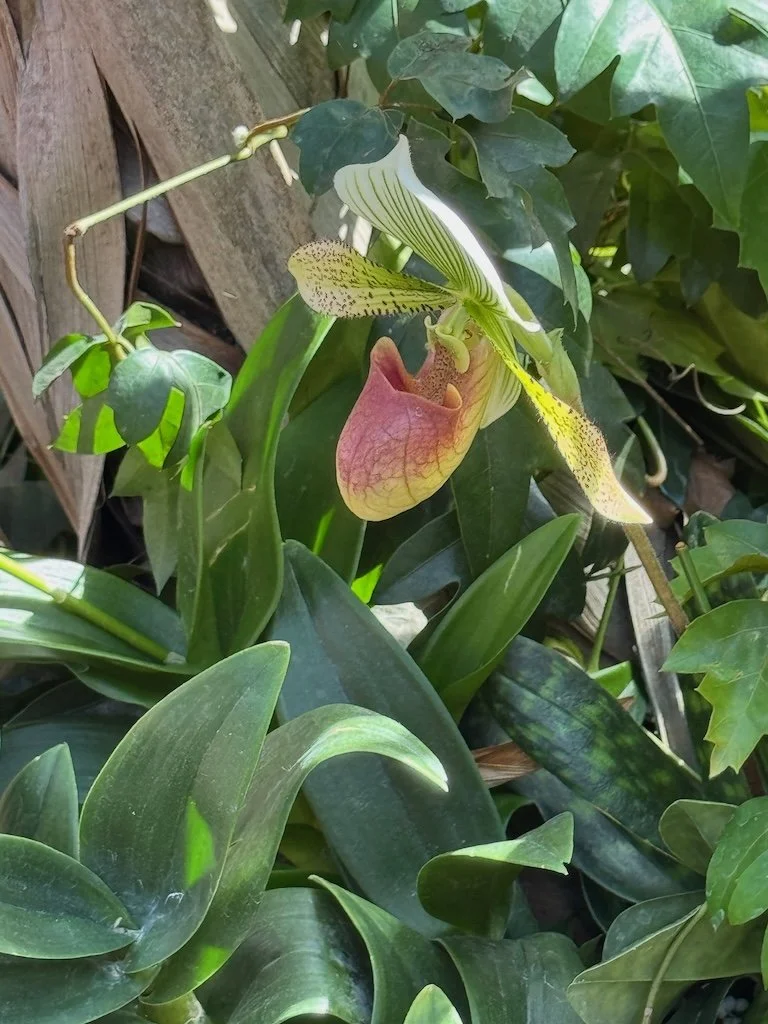
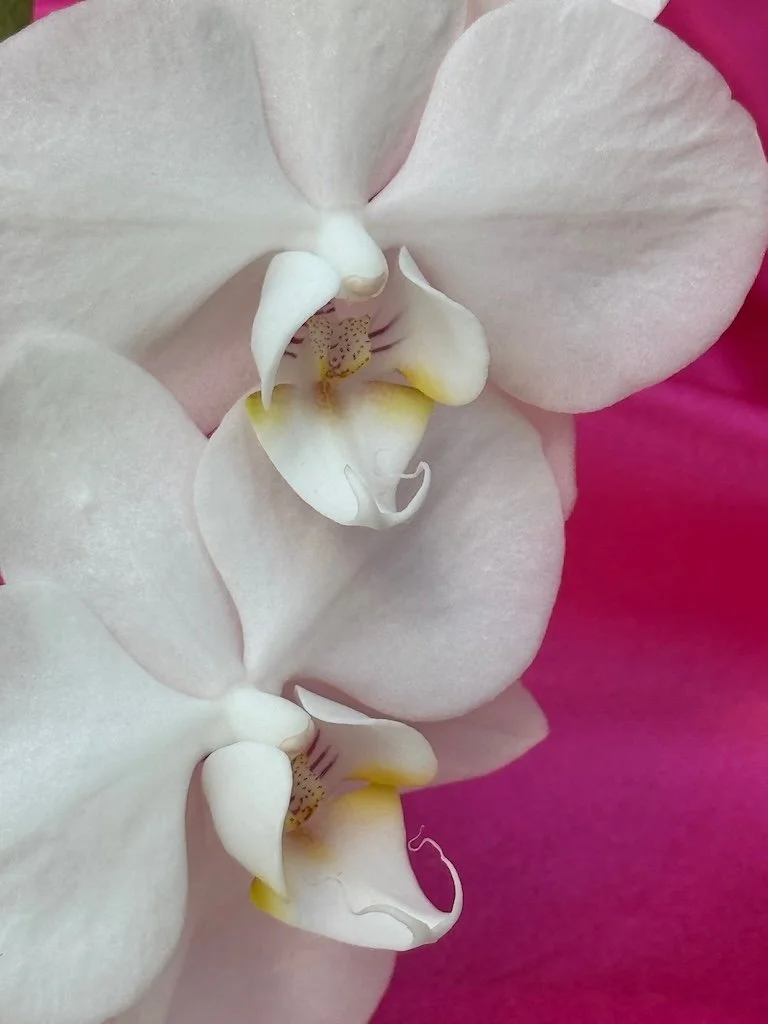
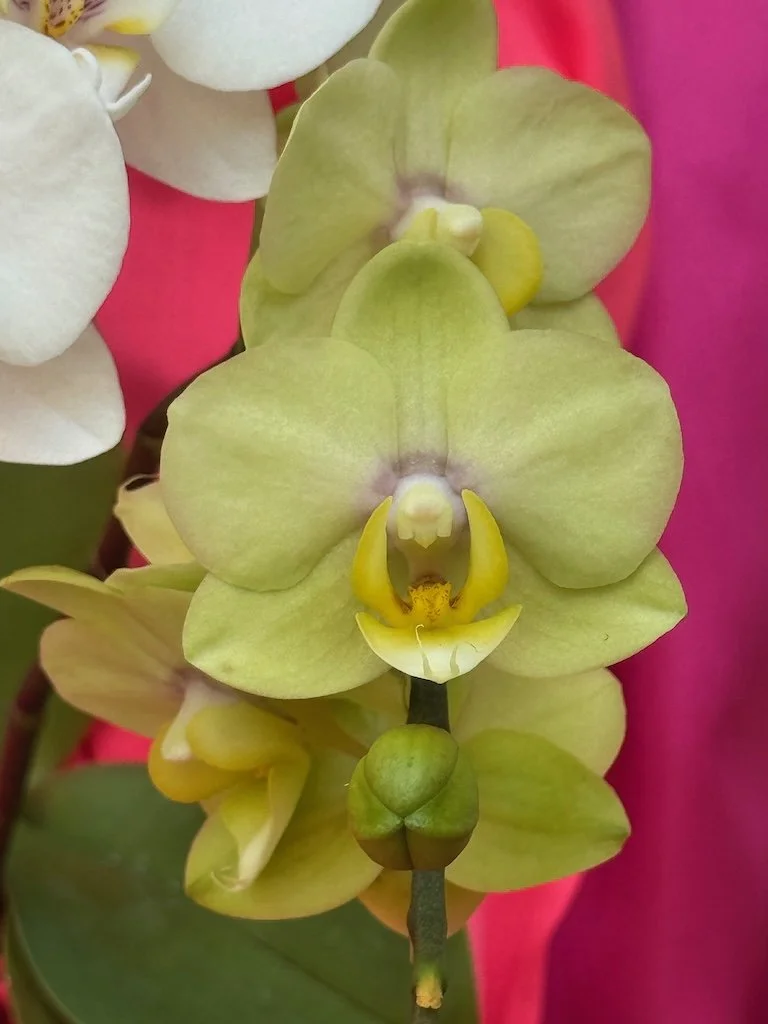
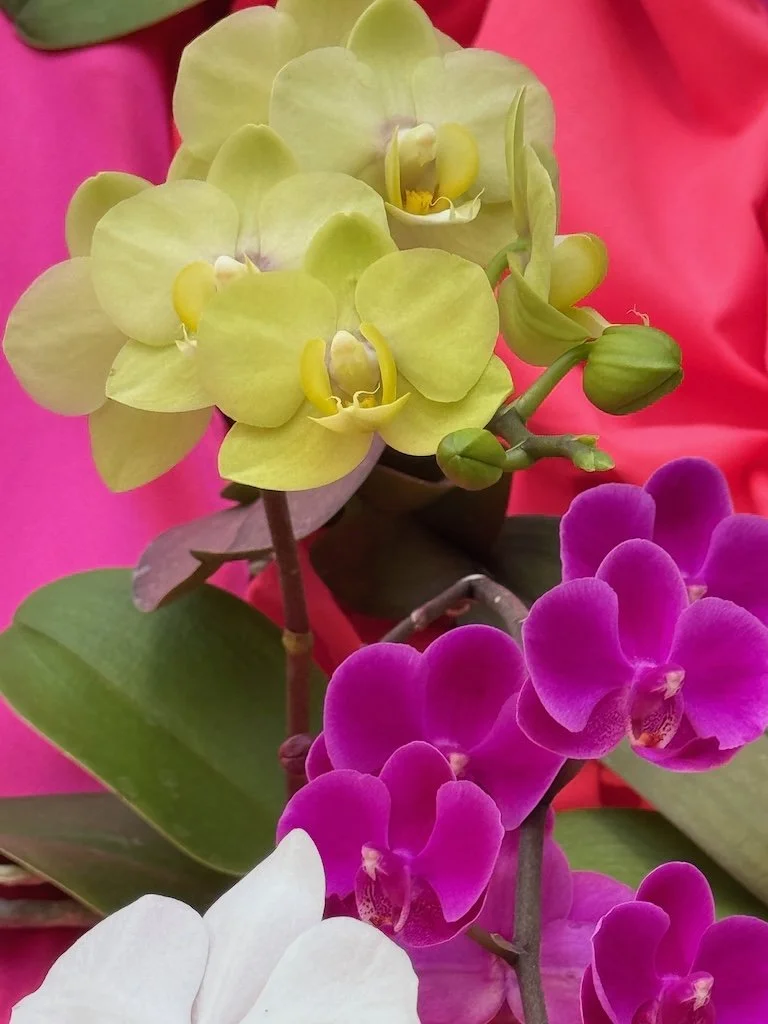
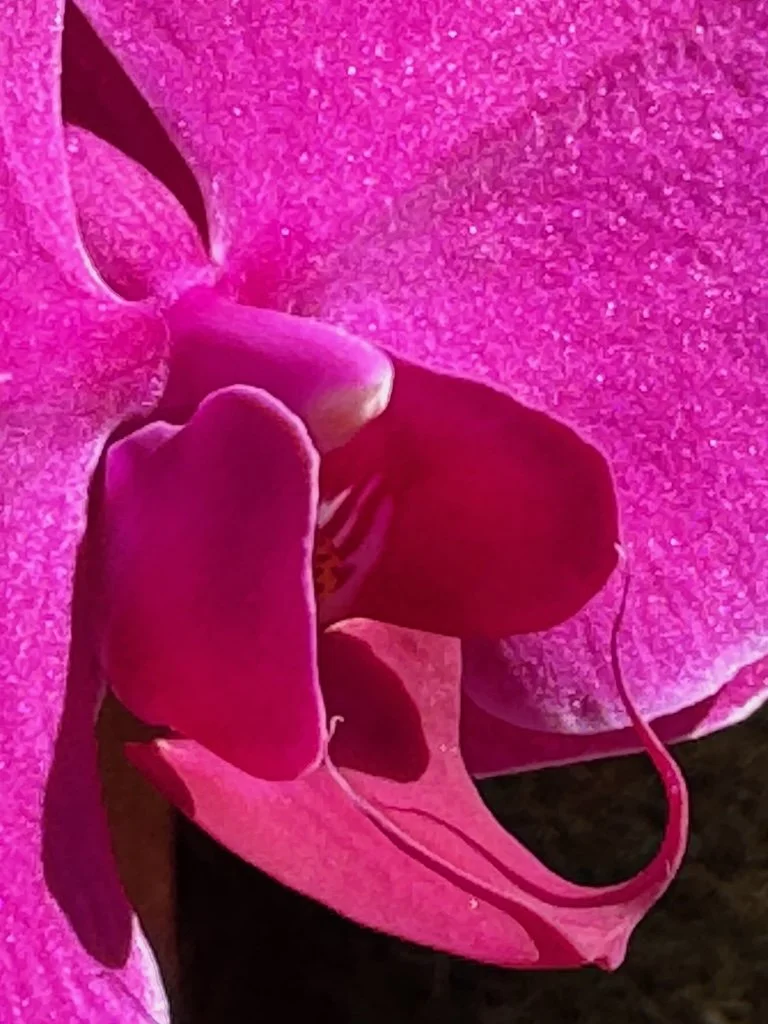
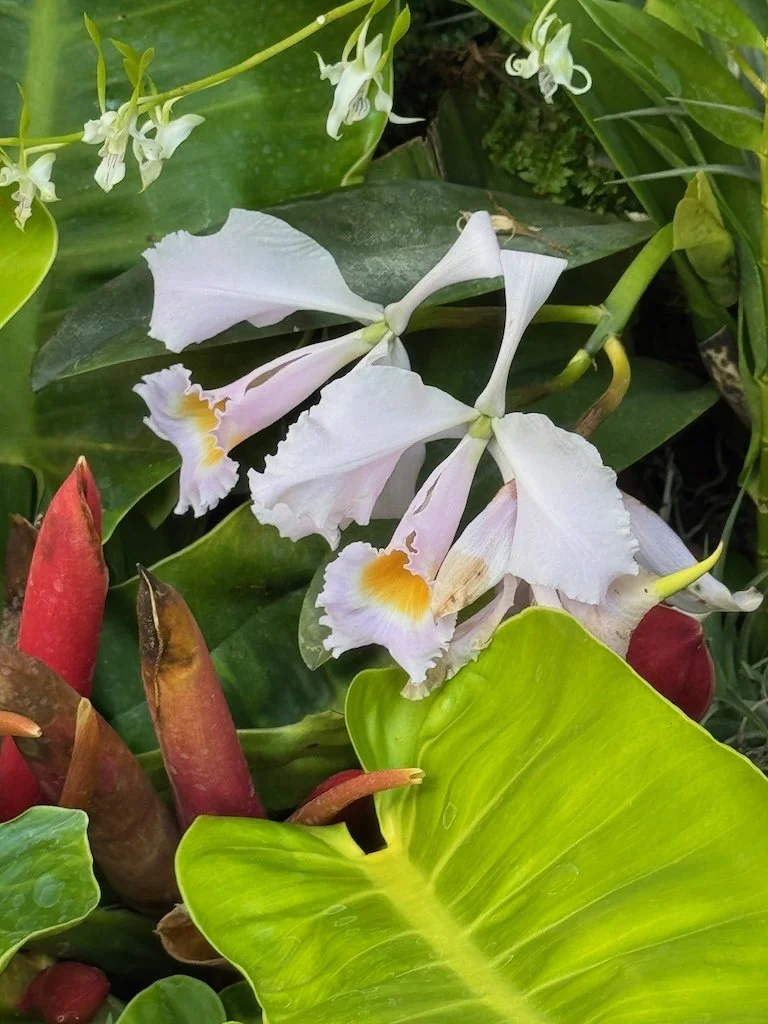
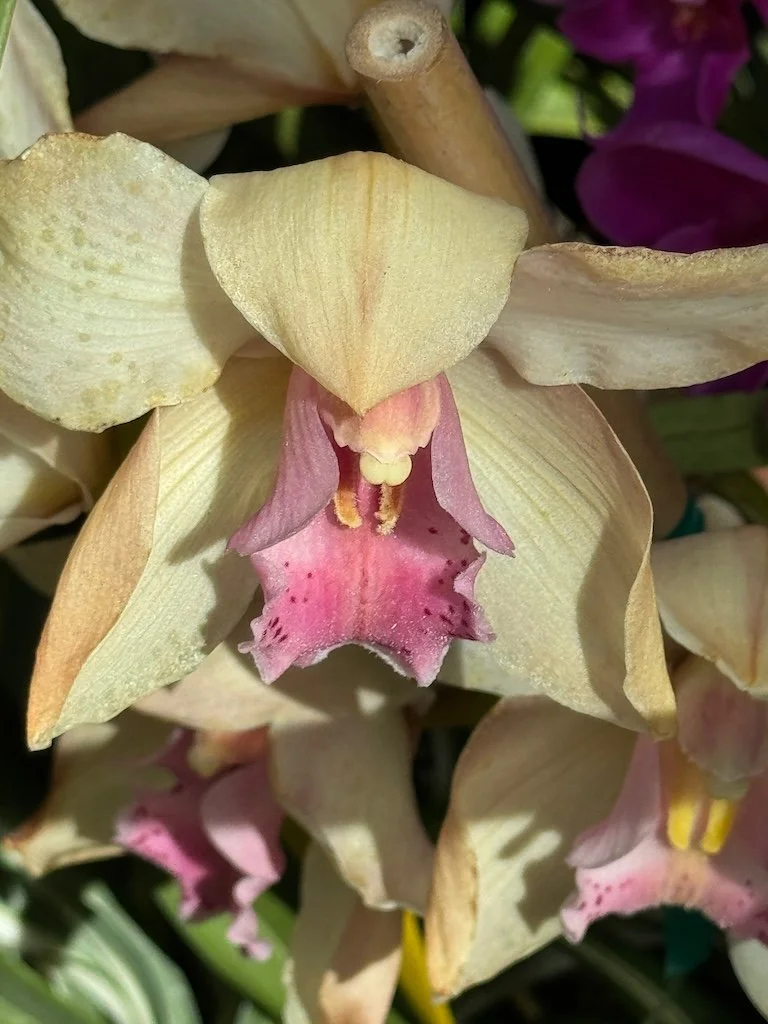
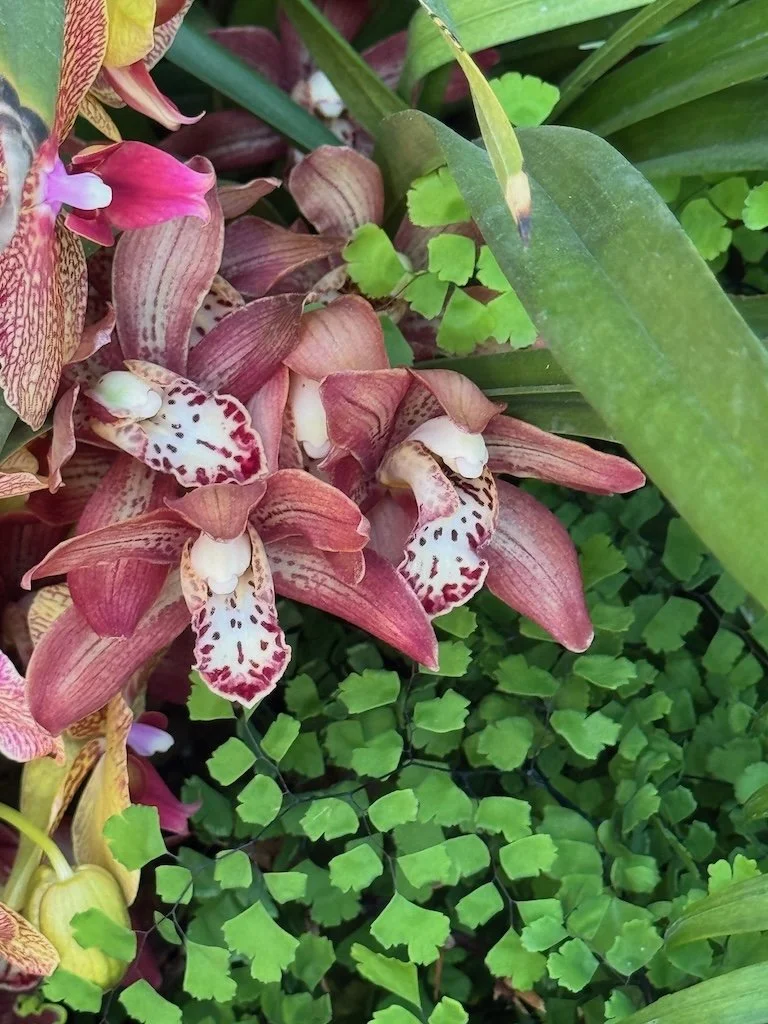
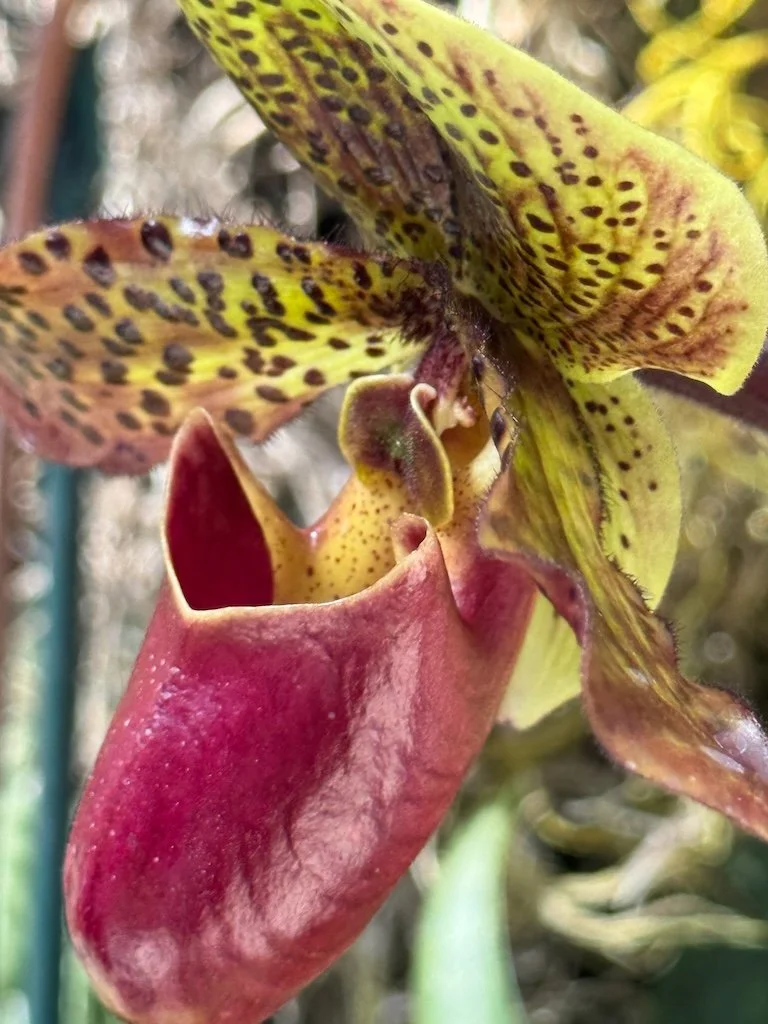
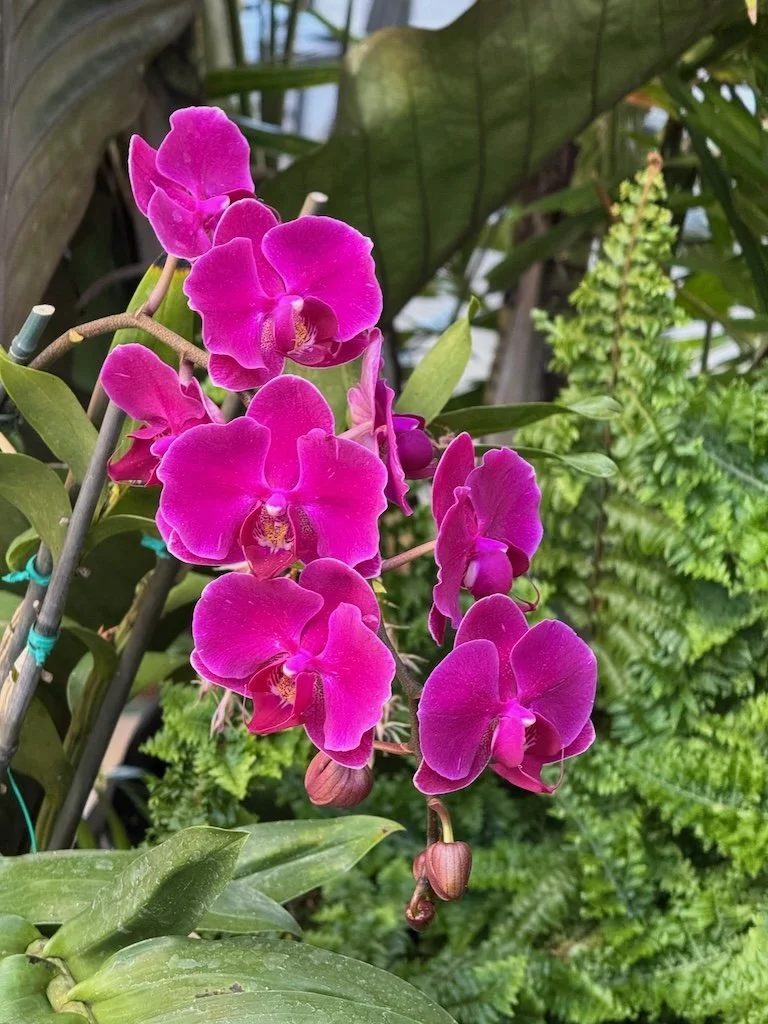
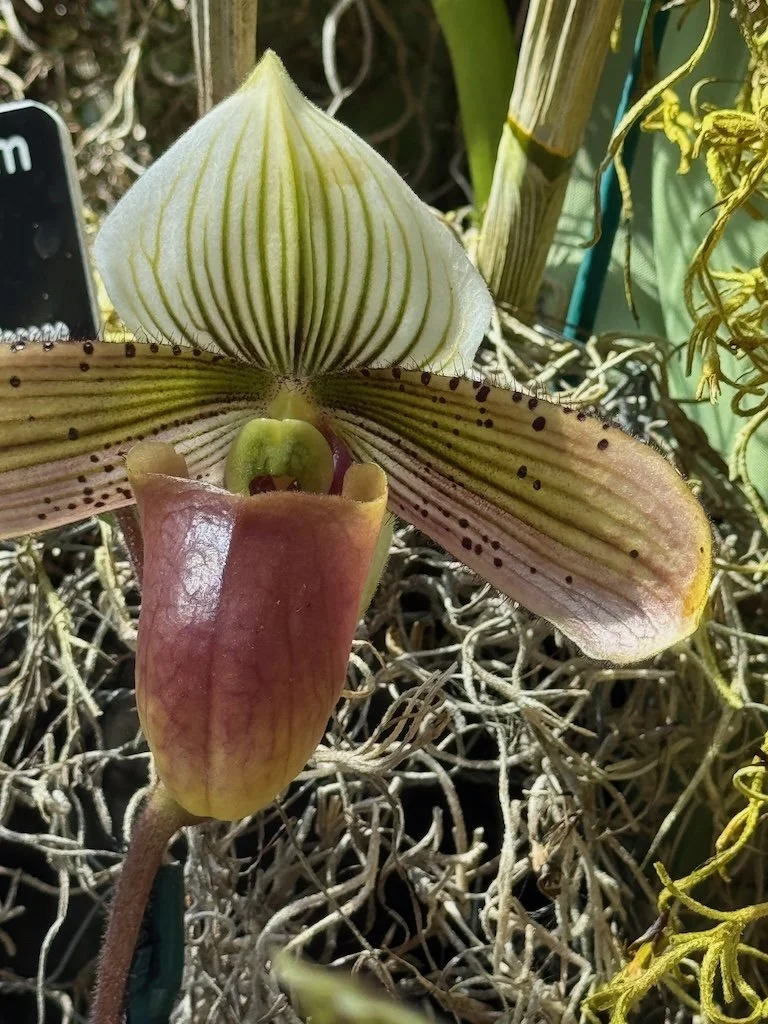
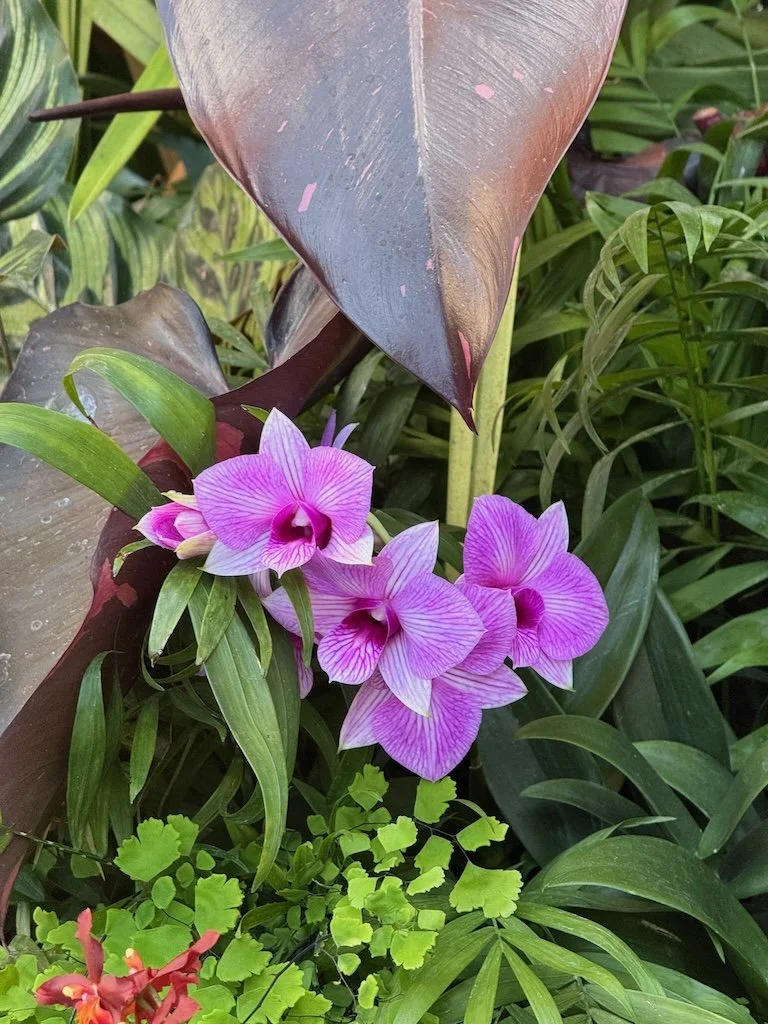
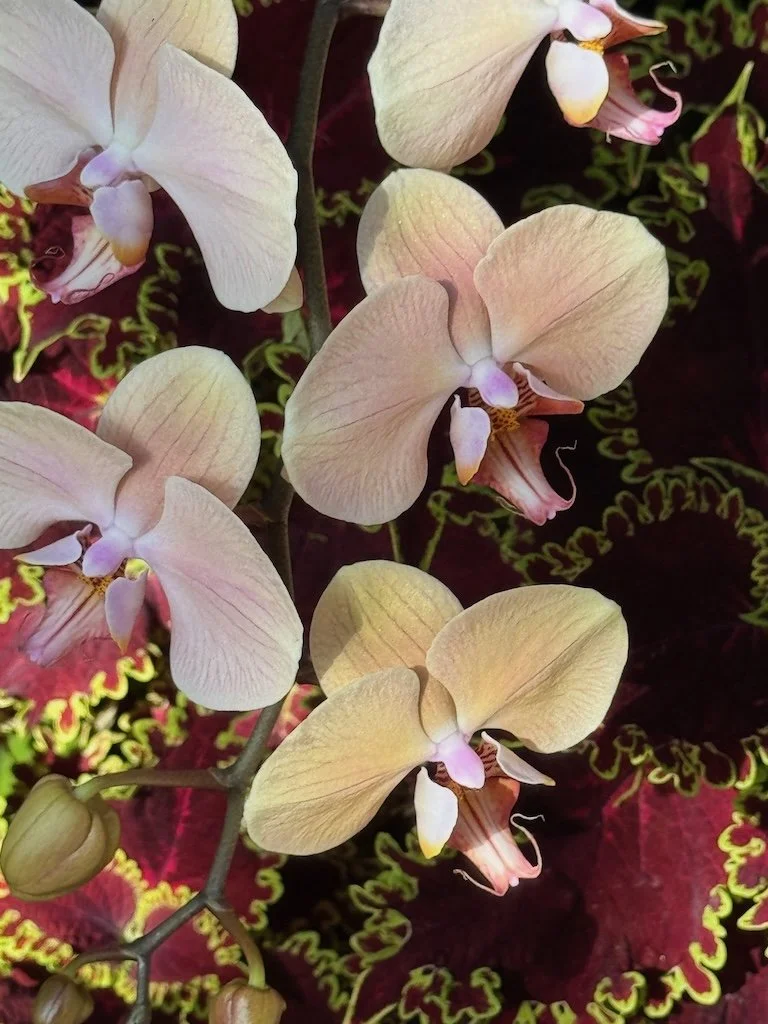
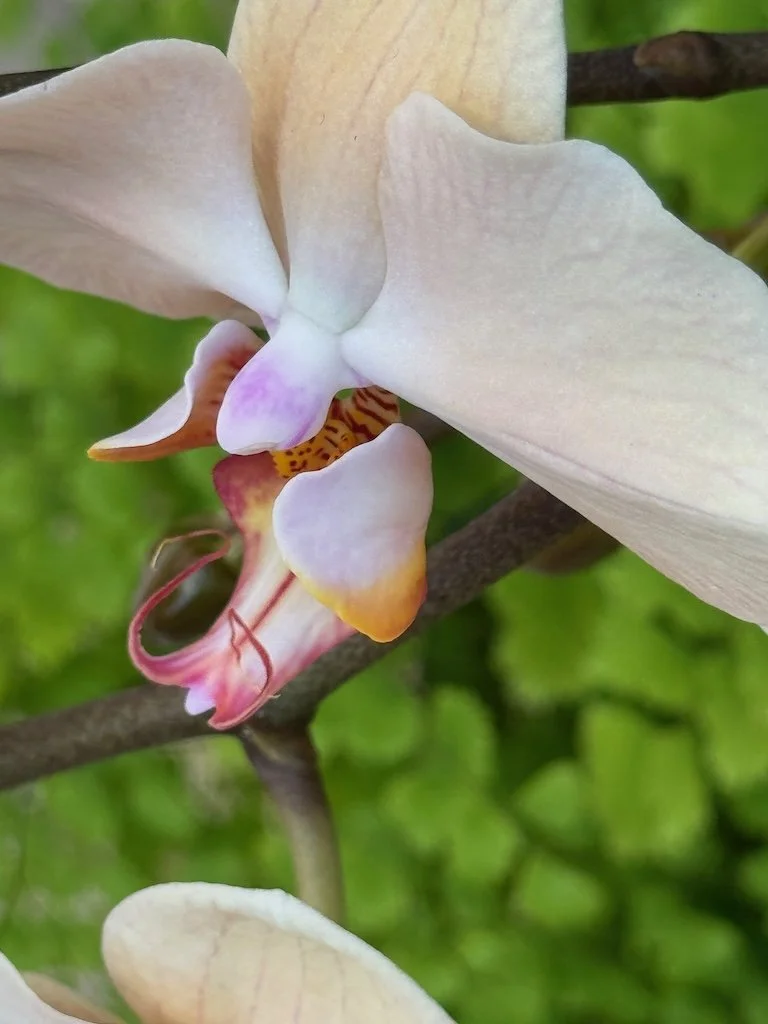
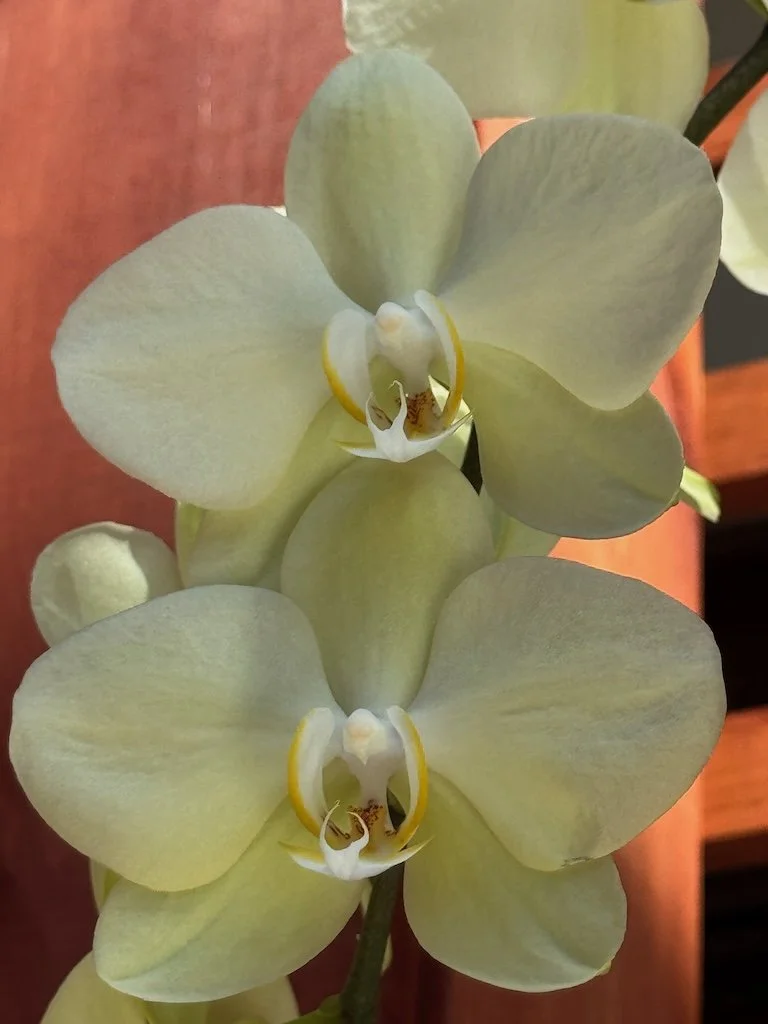
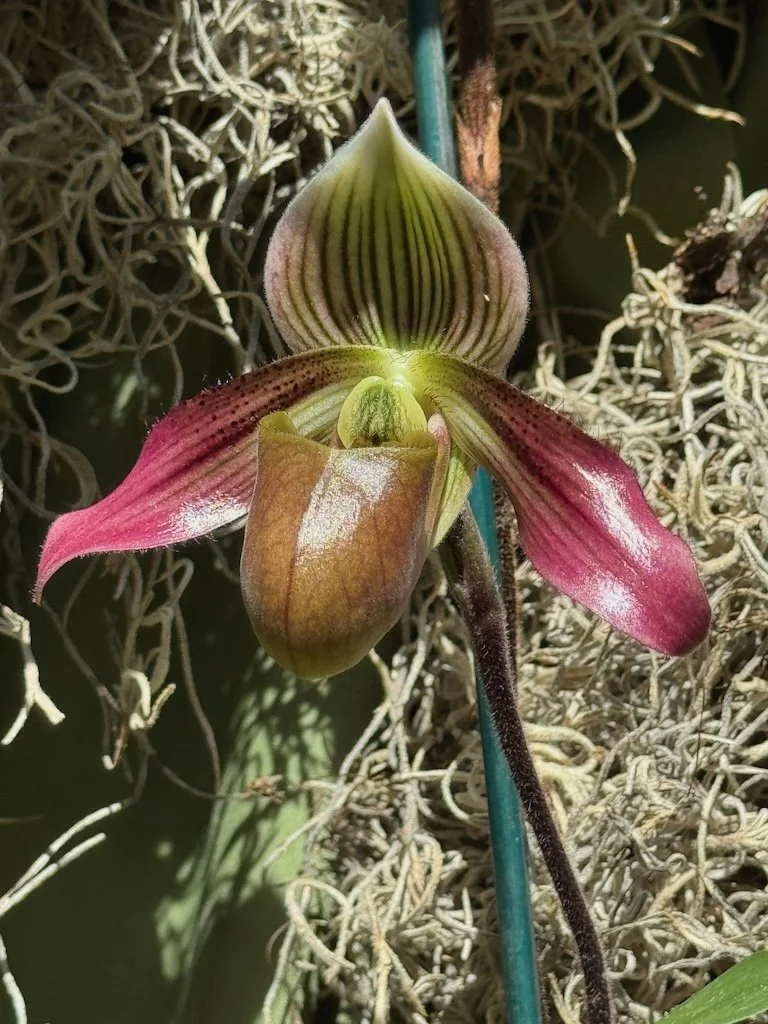
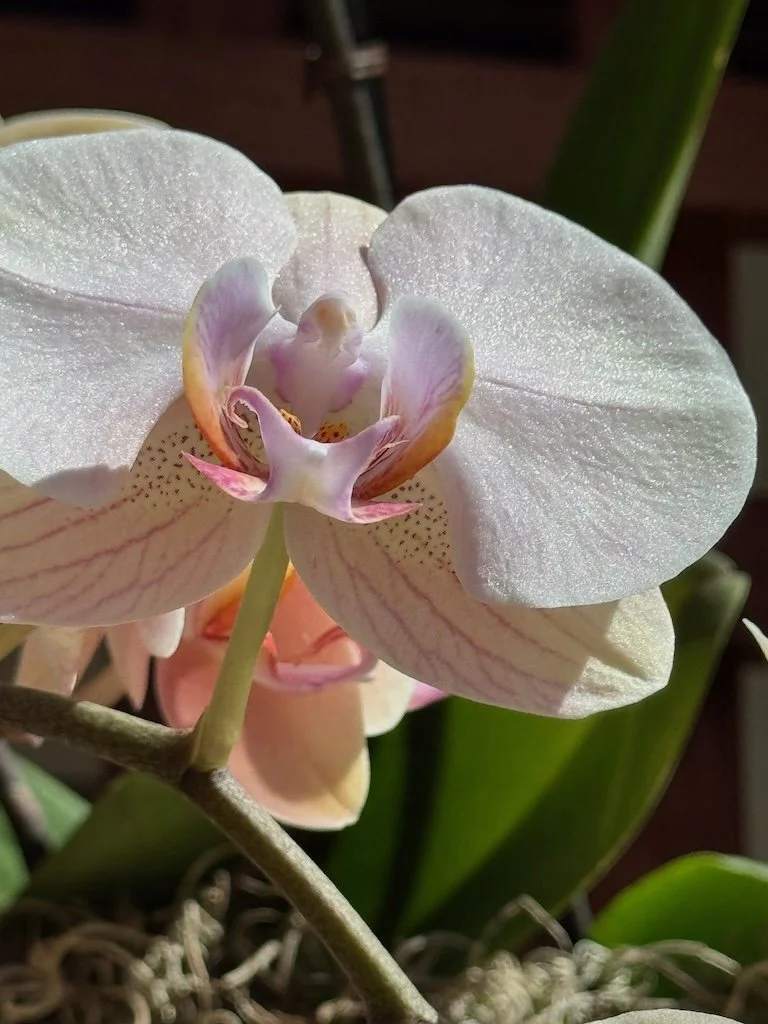
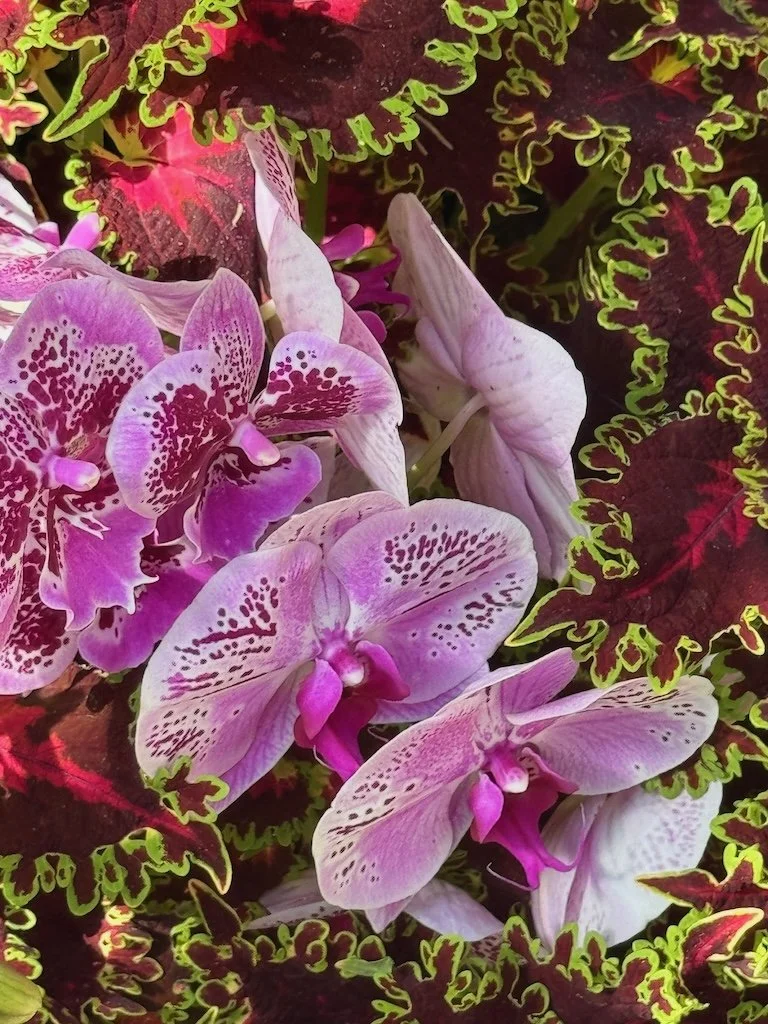
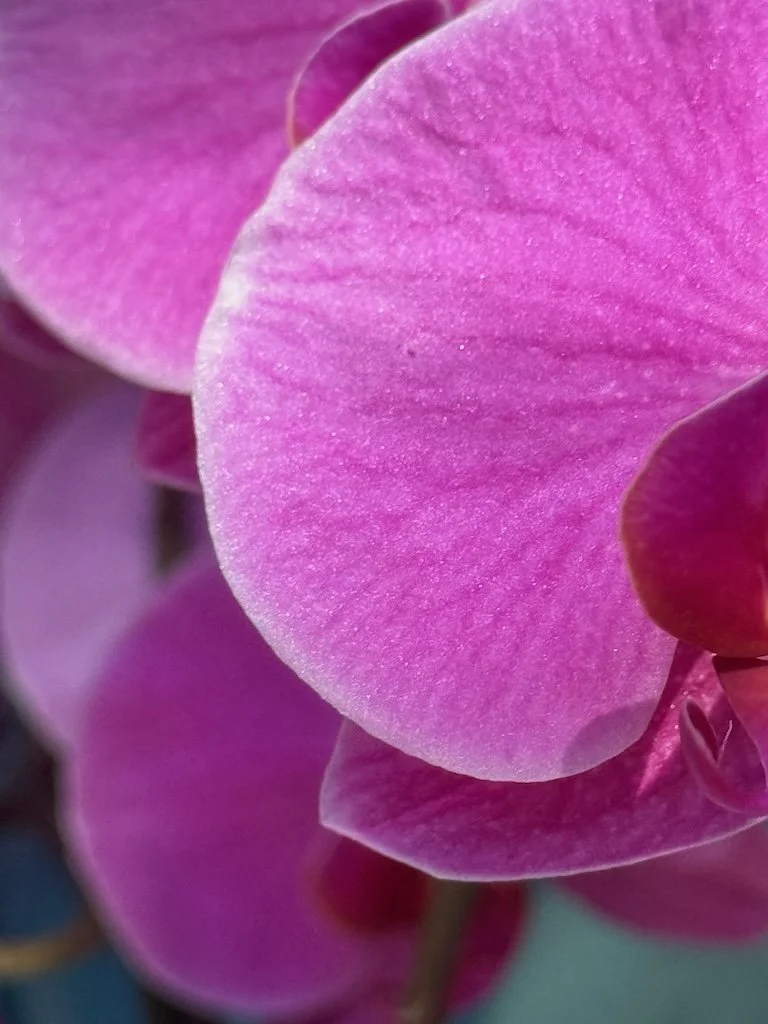
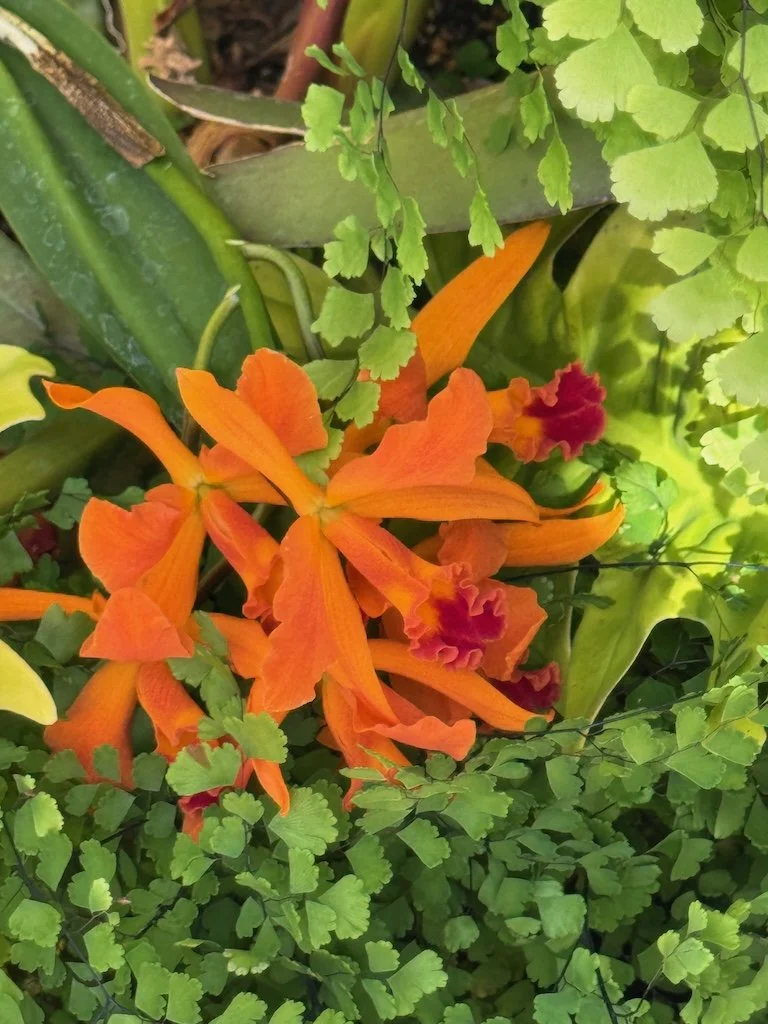
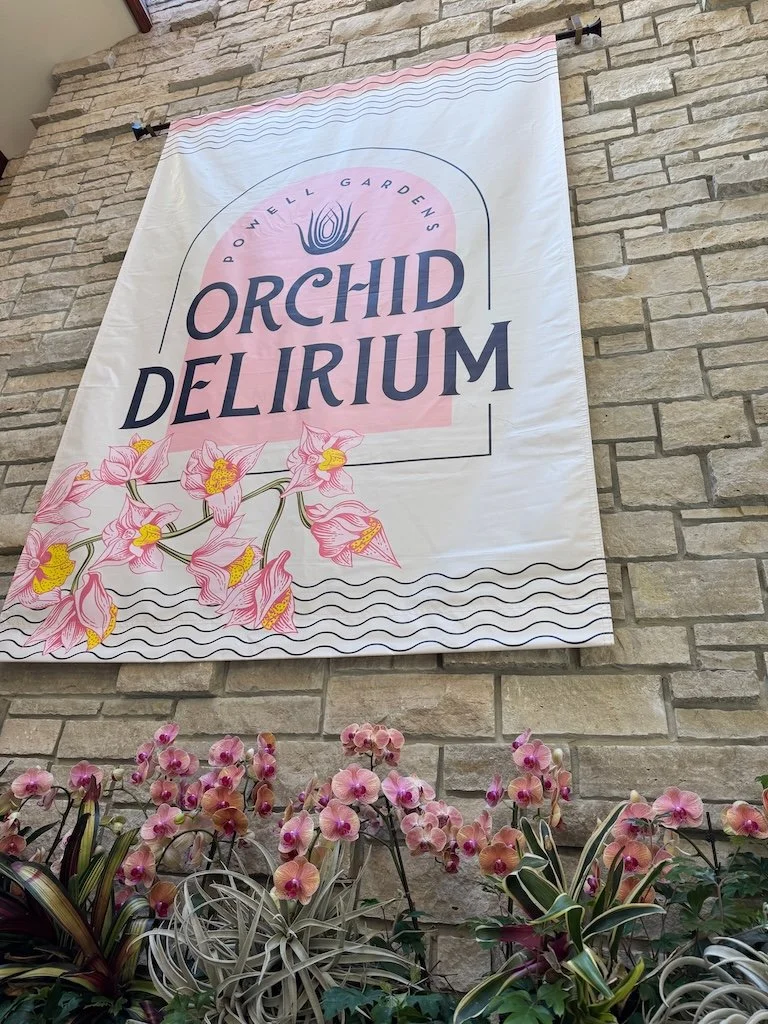
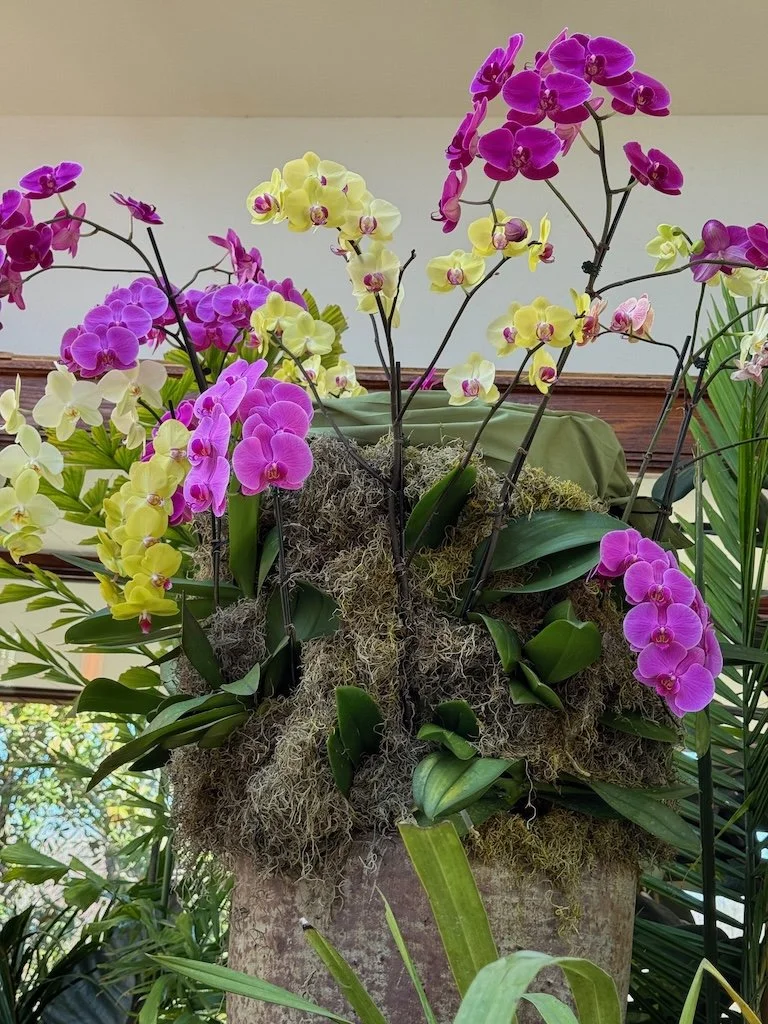
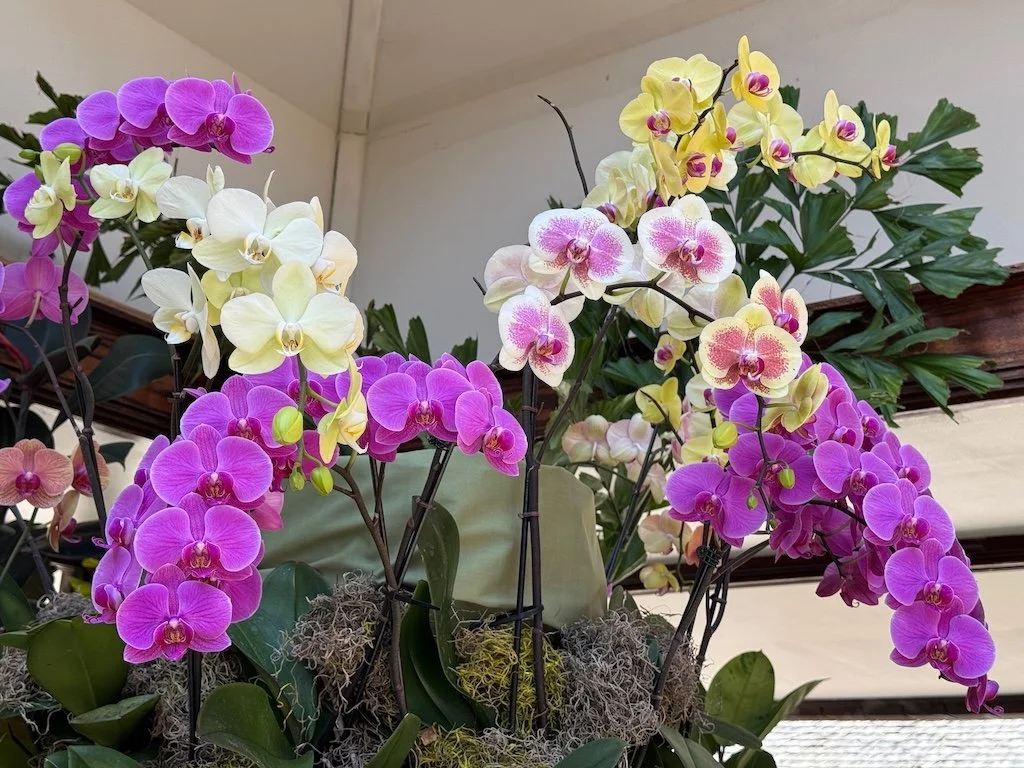
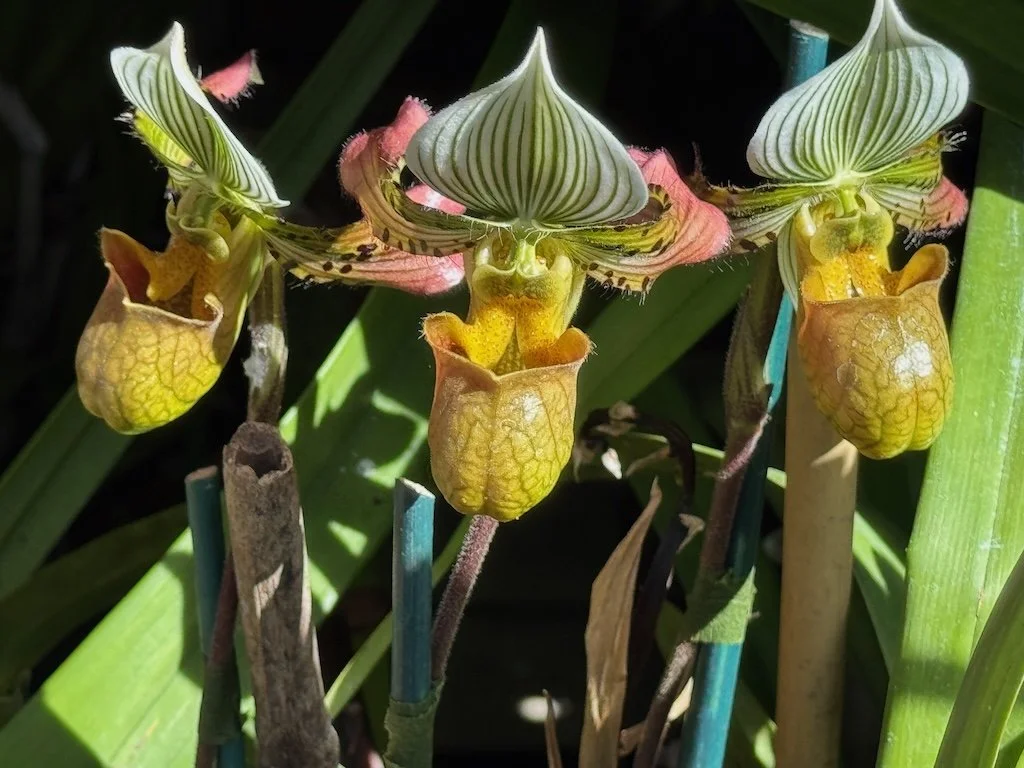
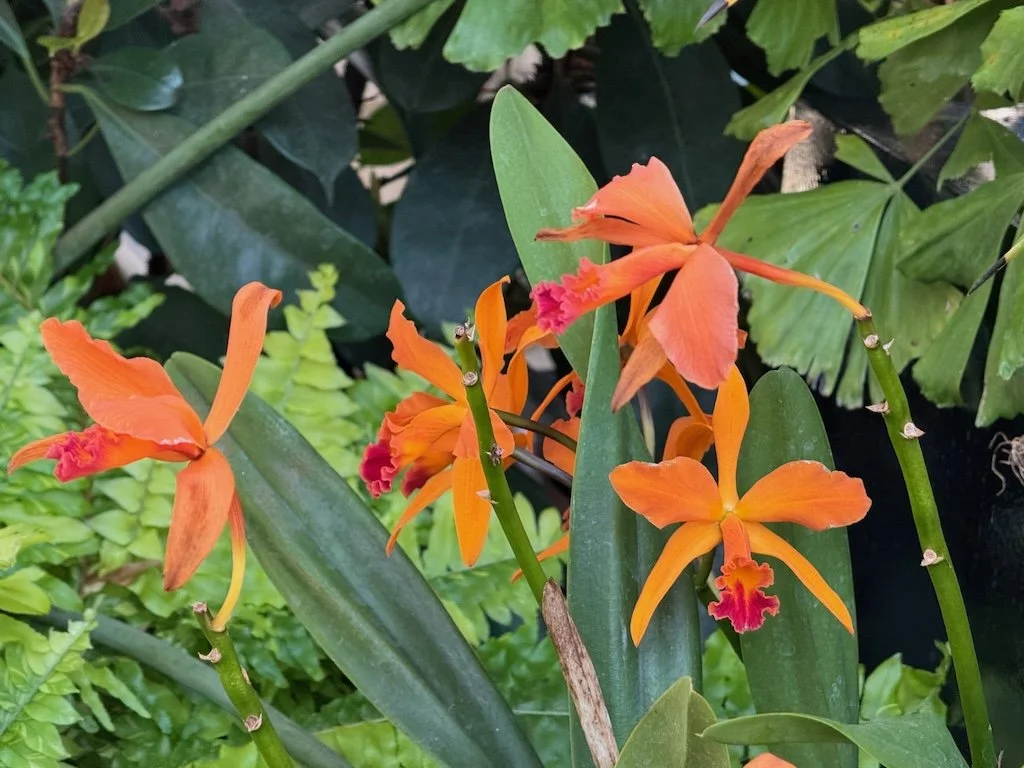
The Orchid Delirium exhibit was the motivation for our visit to Powell Gardens last week. I always enjoy taking macro pictures of orchids with my phone (iPhone 15 Pro Max); it is easier with a Bluetooth shutter remote which I had remembered to clip onto my purse handle. The pathways through the exhibit were wide and it was not crowded…everyone was taking their own time looking at the orchids. Usually, the slipper orchids are my favorites but I found myself drawn to the orange ones (orange was my mother’s favorite color and the color reminds me of her). I noticed the different textures and patterns of the flowers – lightly creased, curls, lines, dots, fizzy hairs, shiny/matte, veins. I realized that orchids sometimes remind me of carnivorous plants.

Enjoy the carousel of images!

Plastic Crisis – So Many Reusable Bags

I have started sorting through the reusable bags I’ve gotten from conferences and as gifts after a donation…realizing that there are quite a few of them. One of my sisters did the same thing and I brought them back last time I went to Dallas. There are some that were brought to the last Master Naturalist meeting that I still need to retrieve from the person that collected them; they said there were quite a few. It is good to have a collection for our “BYOB (Bring your own bag)” campaign to reduce single-use plastic bags. Our plan is to hand them out to anyone wanting one when we are tabling at events and farmers markets.

While I was going through the bags, I realized how many were from birding events….they usually have the name of the event on the bag but not always the year. Sometimes the charities broadcast their name on the bags they send as gifts, other times it is just a pretty bag.

It will be interesting to see how people respond to the idea. I’ve been using my own bags for more than a decade but it’s obvious when I go to the store that most people have yet to make the transition.  To me -  it was one of the easiest ways to reduce single-use plastic entering my home! And it has long become habitual rather than something I think much about.

Powell Gardens – Part I

Last week, I made my first trip to Powell Gardens to see their orchid display. It is a day trip from my home in Nixa MO so I will probably go again later this spring….and/or next fall. It was a cold day, and we weren’t planning on walking around outdoors, so we weren’t disappointed that the trees were mostly still bare. Our membership at Springfield Botanical Garden got us into Powell Gardens too!

The horse sculptures on the way into the visitor center were a plus. I was surprised that they were not listed in the Wander Walk Art in the Gardens brochure.

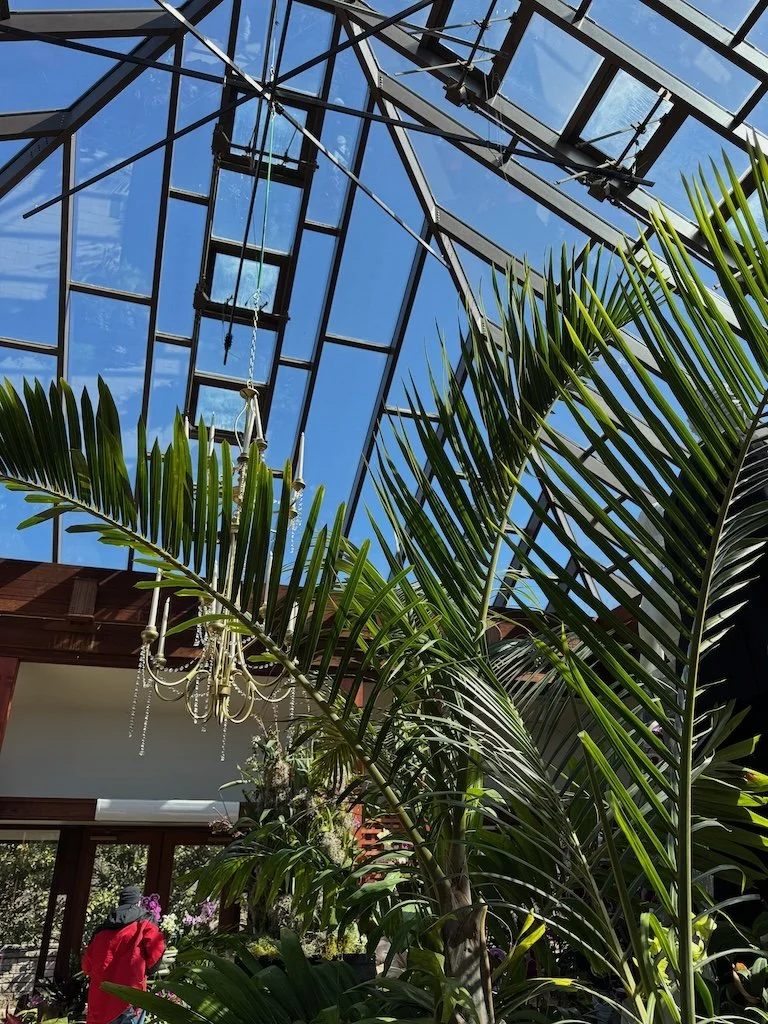
We knew in advance that the main reason for our trip was the Orchid Delirium event. It was in the visitor center….beginning as soon as we walked in. There is a large area of the building that has a glass roof – and lots of windows in the walls.

It was a great place to wander around and get close looks at orchids; more of my orchid pictures in the blog post for day after tomorrow.

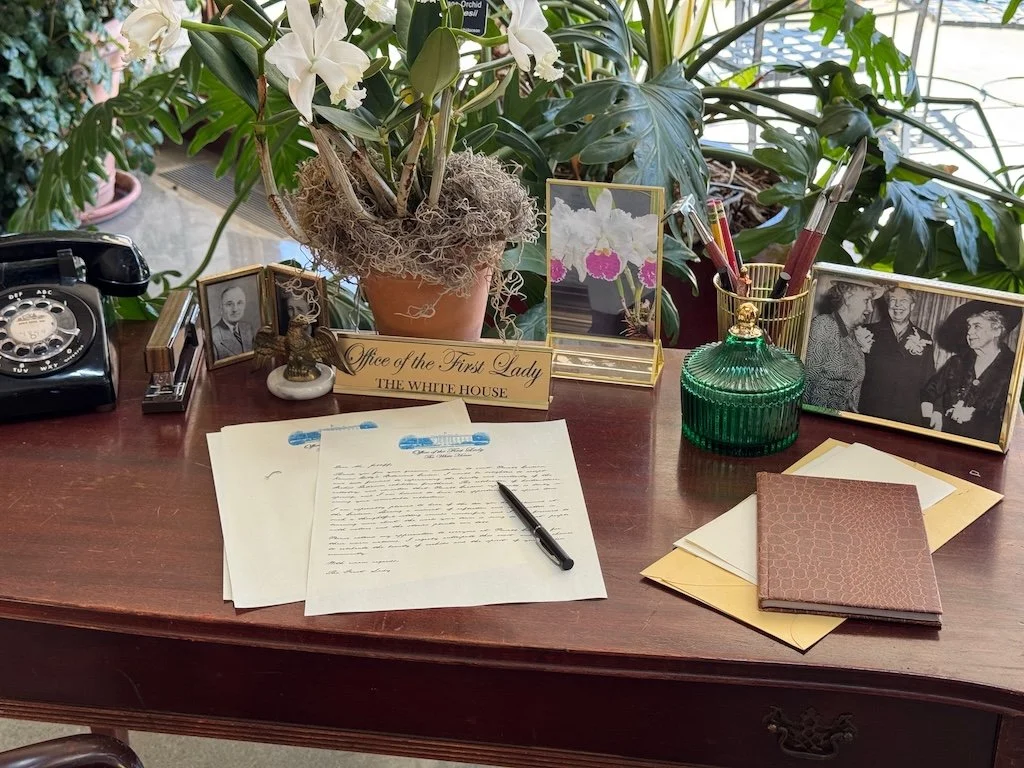
There was a side exhibit about First Ladies and Orchids that I enjoyed.

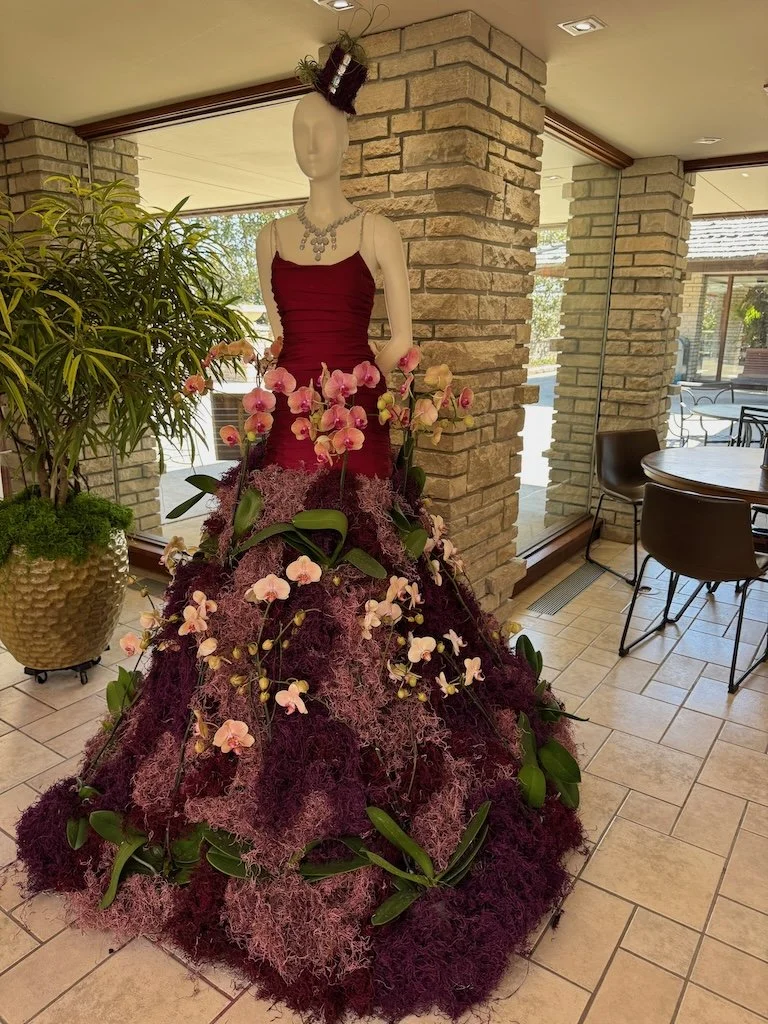
One aspect of the exhibit that was unique was manikins in formal wear among the orchids. My favorite was one where the skirt of the gown was plants!

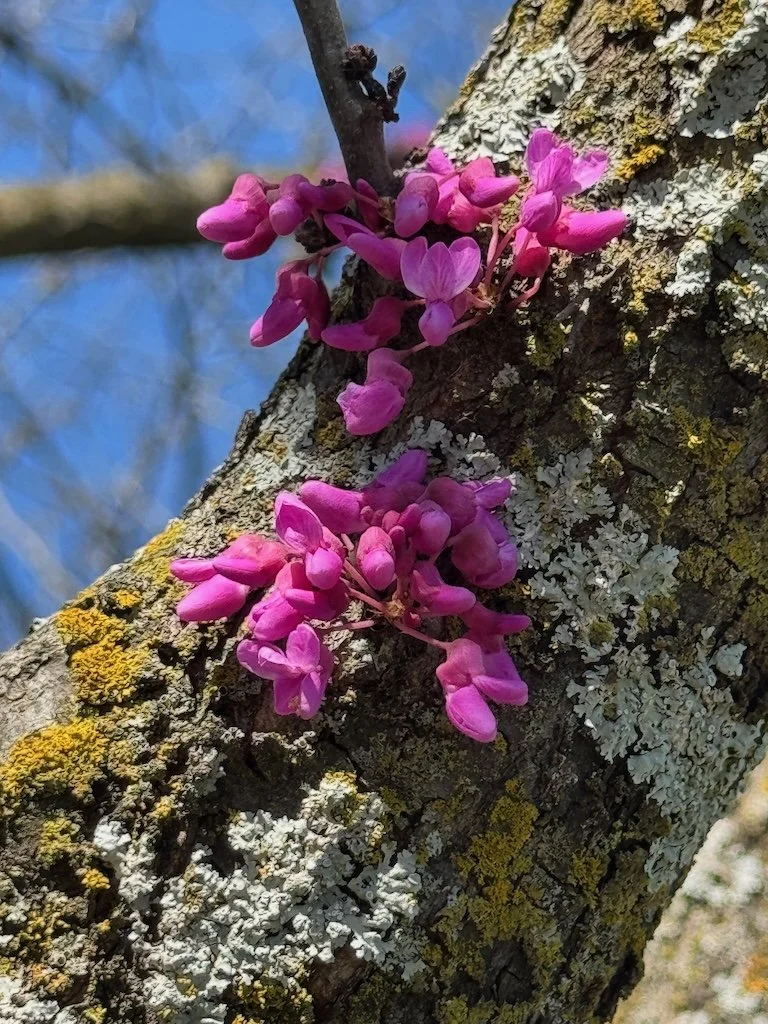
On the way back to the car, I saw a redbud in bloom. The flowers along the larger branches were OK but the ones on the small branches appeared to be damaged (killed?) by recent frosts.

More orchid photos day after tomorrow….

Gleanings of the Week Ending April 4, 2026

The items below were ‘the cream’ of the articles and websites I found this past week. Click on the light green text to look at the article.

3/23/2026 Smithsonian Magazine These Mesmerizing Waterfalls Flow Only Every Few Years. See the Rare Marvel Now in Southwest Utah - A rare red rock waterfall is flowing once again in southwest Utah, leaving visitors in awe of its cinematic beauty.

3/23/2026 Science Daily Scientists discover hormone that may stop chronic back pain at its source - A hormone-based treatment could help ease chronic back pain by reducing abnormal nerve growth within damaged spinal tissue. During spinal degeneration, pain-sensing nerves grow into regions where they normally do not exist. Our findings show that parathyroid hormone can reverse this process by activating natural signals that push these nerves away.

3/14/2026 NPR Reframing Georgia O'Keeffe's legacy and protecting the land she loved - A historic new conservation plan will protect that landscape, with its colorful cliffs and buttes, forevermore.

3/12/2026 Clean Technica Extreme Heat Limits Outdoor Activities for One Third of Human Population -Scientists from the Nature Conservancy have published a study in the journal Environmental Research — Health that finds nearly a third of people alive today are unable to work outdoors safely in the higher temperatures prevalent in much of the world. On average, people over 65 now experience about 900 hours each year when heat severely restricts safe outdoor activity, compared with 600 hours in 1950. The most severe challenges are found in southwest Asia — Bahrain, Qatar, Kuwait, the United Arab Emirates, Iraq, and Oman,; south Asia — Pakistan, Bangladesh, and India; and parts of west Africa — Mauritania, Mali, Burkina Faso, Senegal, Djibouti, and Niger.

3/16/2026 National Wildlife Federation Toxins of the Past and Present: Why We Need the EPA - Environmental protections are critical for the health of our ecosystems and communities, and the science and regulatory capacity of the EPA exists to prevent the dire adverse health outcomes caused by environmental pollution–for people and wildlife. Without efforts to protect us, we risk exposure to toxins of the past and present–a fight that has been going on in the United States for decades.

3/26/2026 Yale Environment 360 As It Boosts Renewables, China Still Can’t Break Its Coal Addiction - China is the biggest installer of renewable energy, the biggest emitter of greenhouse gases, and the biggest user of coal.

3/26/2026 BBC An unstoppable mushroom is tearing through North American forests. Fungi enthusiasts are doing damage control - A rogue mushroom native to Asia is ripping through North American forests, after escaping from cultivation. As it runs riot, mushroom enthusiasts are rescuing the native fungi in its path. Native to Asia, the fungus was brought over to the US to be cultivated for food sometime around the early 2000s. Because it fruits so heavily, it proved to be popular with both professional and home growers. It has a high yield, meaning more profit for growers. t's now been found in 25 US states and one Canadian province.

3/24/2026 ArtNet More Than 300 Yayoi Kusama Works Take Over a German Museum – The artist is now 97 years old….lots of polka dots and pumpkins!

3/24/2026 New York Times Wicked Stepmother No Longer, a Female Pharaoh Gets a Reputational Makeover - In the 1920s, while excavating for tombs at Deir el-Bahri in Luxor, archaeologists were confronted with a baffling crime scene: thousands of smashed statues and desecrated reliefs of Hatshepsut, one of ancient Egypt’s few, and most successful, female pharaohs. New scholarship shows that a good portion of the harm was incidental, caused by the physical removal of her statuary from her temples.

3/27/2026 The Conversation A flesh‑eating fly is advancing towards the US border – can it be stopped? - The New World screwworm (Cochliomyia hominivorax) lays its eggs in open wounds and in the orifices of live, warm-blooded animals – including, occasionally, humans. The maggots then devour the animal’s flesh, causing devastating lesions that can quickly kill the infested host. Before the 1950s, it was found in the southern states of the US, where cattle infestations caused heavy financial losses for beef producers. But, during the second half of the 20th century, eradication efforts pushed it out of North and Central America. In the past few years, however, screwworm control has unraveled, with cases spiking across Central America. The fly has now spread north through Mexico, reaching two Mexican states – Tamaulipas and Nuevo Leon – that share a border with Texas. International cooperation is required for management at a geographically relevant scale.

eBotanical Prints – March 2026

Twenty more books were added to my botanical print eBook collection in March – all are available for browsing on Internet Archive.   I continued working my way through the Carnivorous Plant Newsletters; there are 4 volumes per year so I only browsed late 1999 to 2004 in March; I’ll continue browsing this periodical in April.

My list of eBotanical Prints books now totals 3,323 eBooks I’ve browsed over the years. The whole list can be accessed here.

Click on any sample image from March’s 20 books below to get an enlarged version…and the title hyperlink in the list below the image mosaic to view the entire volume where there are a lot more botanical illustrations to browse.

Enjoy the March 2026 eBotanical Prints!
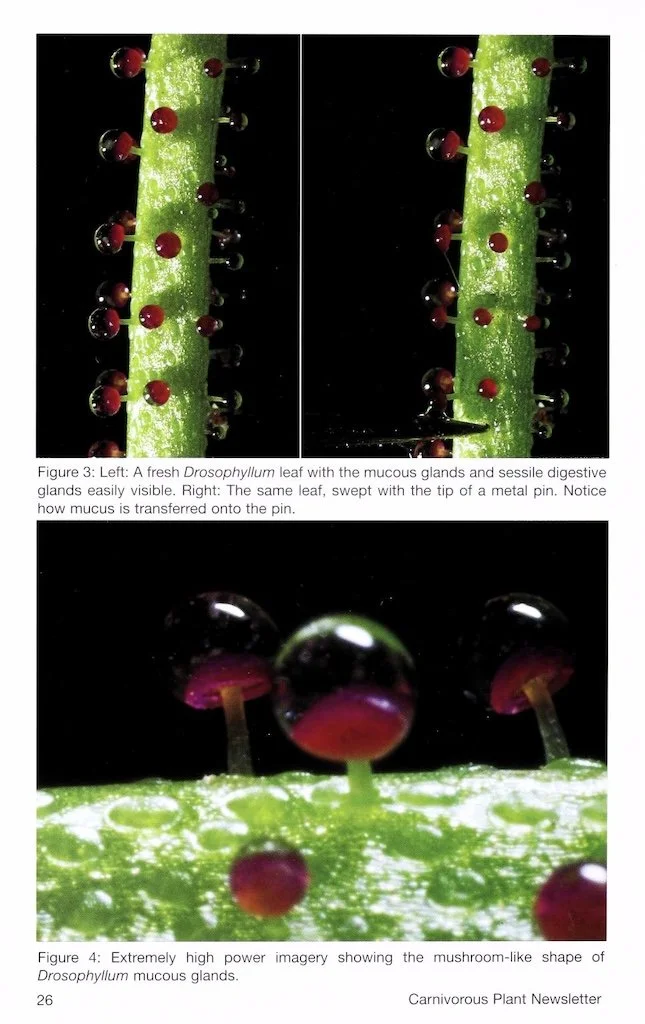
Carnivorous plant newsletter v.28:no.2 (1999)  * California State University, Fullerton. Arboretum * sample image * 1999

Carnivorous plant newsletter v.28:no.3 (1999)  * California State University, Fullerton. Arboretum * sample image * 1999

Carnivorous plant newsletter v.28:no.4 (1999)  * California State University, Fullerton. Arboretum * sample image * 1999

Carnivorous plant newsletter v.29:no.1 (2000)  * California State University, Fullerton. Arboretum * sample image * 2000

Carnivorous plant newsletter v.29:no.2 (2000)  * California State University, Fullerton. Arboretum * sample image * 2000

Carnivorous plant newsletter v.29:no.3 (2000)  * California State University, Fullerton. Arboretum * sample image * 2000

Carnivorous plant newsletter v.29:no.4 (2000)  * California State University, Fullerton. Arboretum * sample image * 2000

Carnivorous plant newsletter v.30:no.1 (2001)  * California State University, Fullerton. Arboretum * sample image * 2001

Carnivorous plant newsletter v.30:no.2 (2001)  * California State University, Fullerton. Arboretum * sample image * 2001

Carnivorous plant newsletter v.30:no.3 (2001)  * California State University, Fullerton. Arboretum * sample image * 2001

Carnivorous plant newsletter v.30:no.4 (2001)  * California State University, Fullerton. Arboretum * sample image * 2001

Carnivorous plant newsletter v.31:no.1 (2002)  * California State University, Fullerton. Arboretum * sample image * 2002

Carnivorous plant newsletter v.31:no.2 (2002)  * California State University, Fullerton. Arboretum * sample image * 2002

Carnivorous plant newsletter v.31:no.3 (2002)  * California State University, Fullerton. Arboretum * sample image * 2002

Carnivorous plant newsletter v.31:no.4 (2002)  * California State University, Fullerton. Arboretum * sample image * 2002

Carnivorous plant newsletter v.32:no.1 (2003)  * California State University, Fullerton. Arboretum * sample image * 2003

Carnivorous plant newsletter v.32:no.2 (2003)  * California State University, Fullerton. Arboretum * sample image * 2003

Carnivorous plant newsletter v.32:no.3 (2003)  * California State University, Fullerton. Arboretum * sample image * 2003

Carnivorous plant newsletter v.32:no.4 (2003)  * California State University, Fullerton. Arboretum * sample image * 2003

Carnivorous plant newsletter v.33:no.1 (2004)  * California State University, Fullerton. Arboretum * sample image * 2004

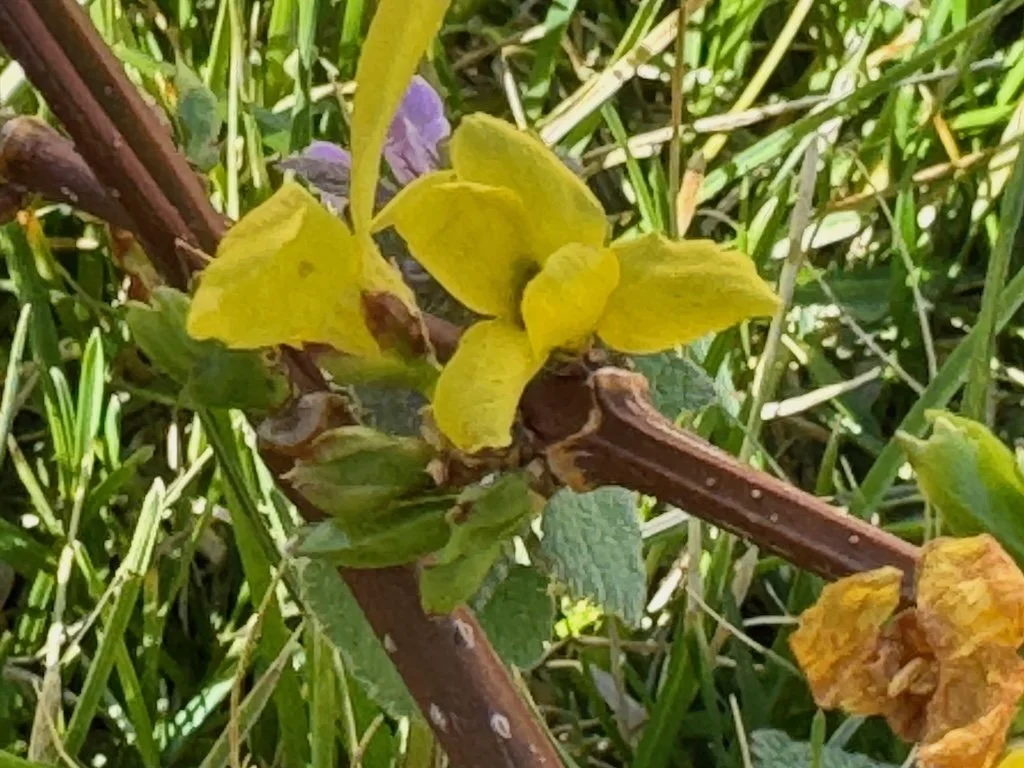
Battle with a Forsythia

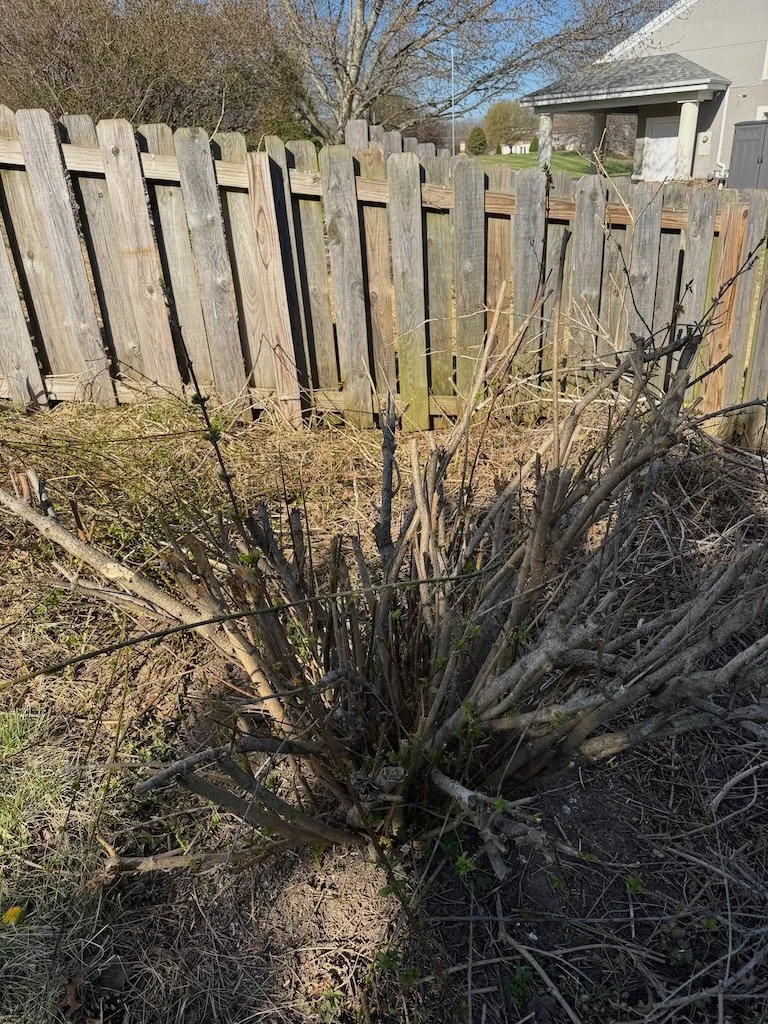
The forsythia was in the northwest corner of my backyard when we bought the house. It is non-native and does not do anything for my yard’s ecosystem – no pollinators visit its blooms; nothing eats its leaves. I have been trying to keep it controlled for the past few seasons, but it always seems to grow faster than I can prune it. I should have cut it and painted the stumps with poison last fall.

I did manage to cut it back more than ever before one morning last week and will go back to cut more soon. It was a lot of work, and I managed to clog my pruning chainsaw; that will take some effort to get it working again. I did most of work with my manual long handled pruners.  My gardening seat worked well….I slowly moved it around the plant cutting everything I could reach. My back only started hurting when I started carrying the trimmed branches up to the patio to dry (and then burn in a few weeks in the chiminea).

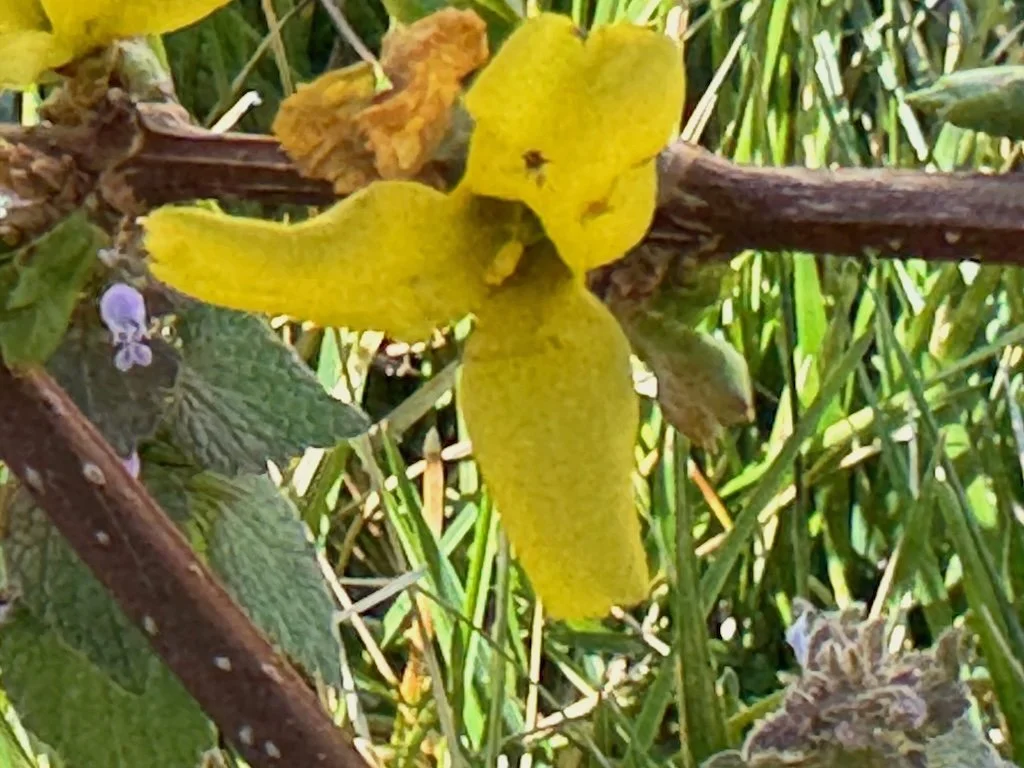
Last year I waited until after the plant had bloomed and it was a big mistake. This year there were a few flowers open….but I cut it all away from the plant! I am going to plant some native plant seeds in the soil left bare – it will be a bonus if any come up. I’ll keep cutting the forsythia back as severely as I can over this next season to give the other plants a chance to take over.

Ten Little Celebrations – March 2026

Some different types of celebrations in March…


Dad surviving a hospital admission. My sisters and I celebrated that my dad survived an awful hospital experience (bad reaction to drugs he received there, lack of attention to his response to medications and delaying administration of his regular medications). He is back in his memory care residence now and much happier. We have transitioned him to palliative care based on his experience.

Springfield Botanical Gardens. Many of the plants were still in winter form…but there were enough early spring flowers to celebrate the season.

Red-bellied woodpecker. We celebrated when one of the birds came to our feeders. It doesn’t happen often!

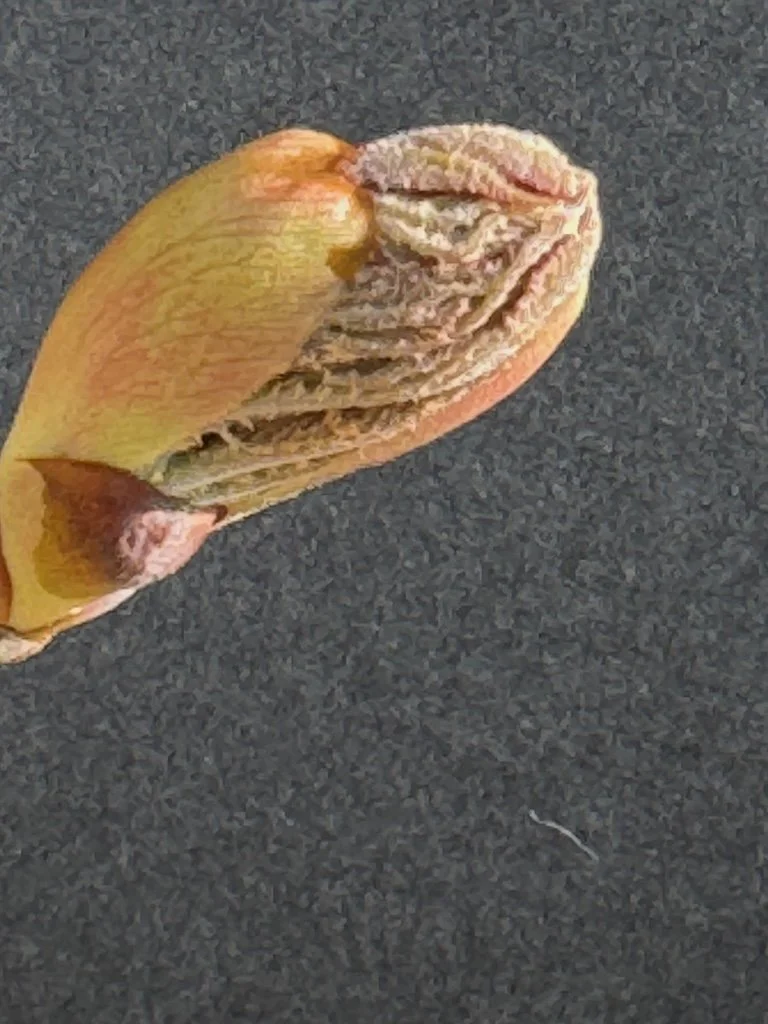
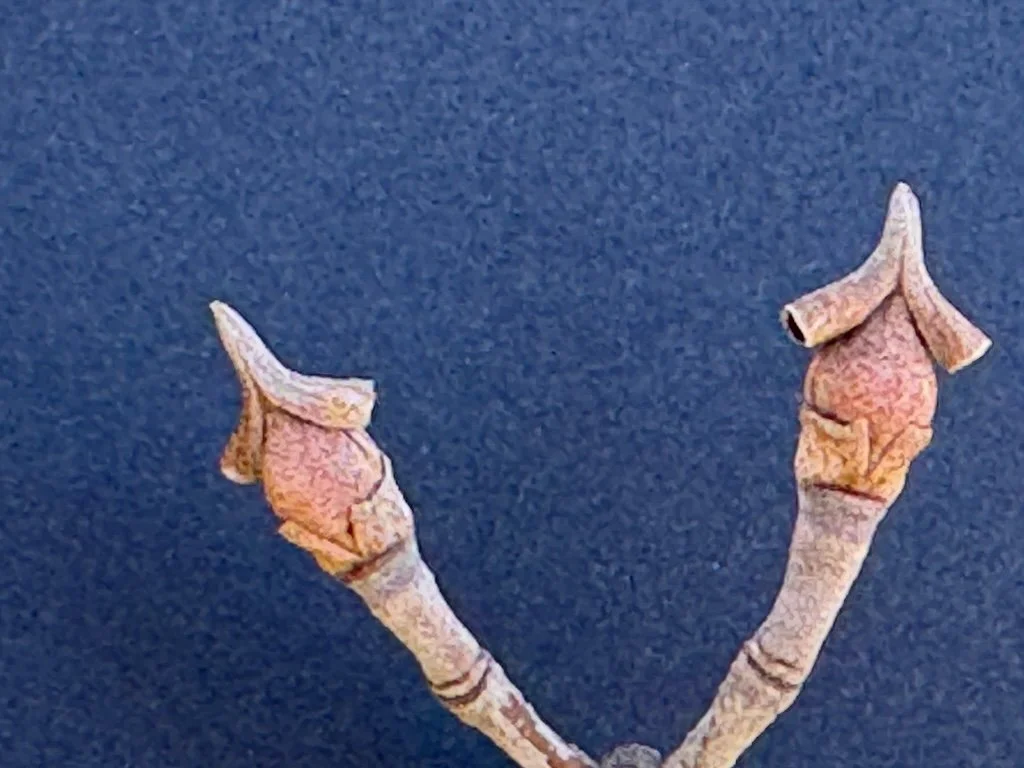
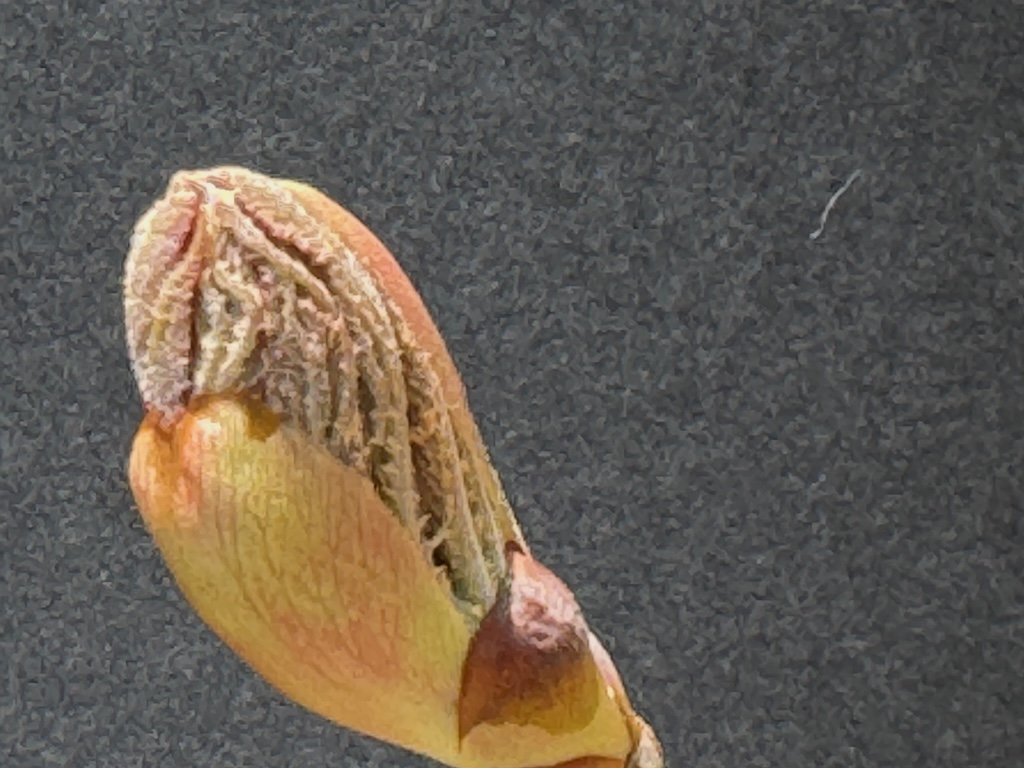
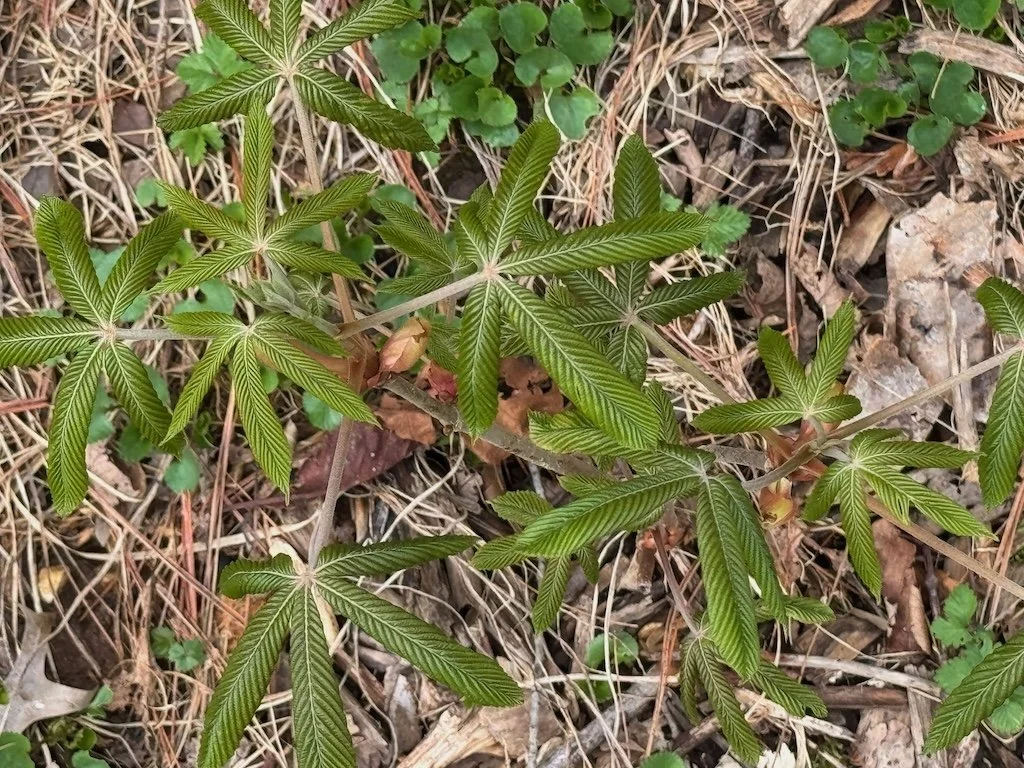
Big buds on the red buckeye. The buds on the red buckeye were an early celebration of spring. They were large and they were open with the leaves beginning to expand when there was a hard frost and the celebration turned to sorrow; I am monitoring the plant to see how it recovers.

Earthworm parade. I celebrated that it rained…and the earthworms made a parade across a sidewalk to find new homes.

George Washington Carver National Monument. My husband and I celebrated an early spring day with a day trip to the monument.

Garage door fix. The spring on my garage door opener broke and I was worried that I’d be parking in the driveway for a few days...but a company was able to make the repair the same day we called. I celebrated the quick response!

The Plastic Detox. I viewed the documentary available on Netflix…celebrated that there were indeed babies at the end!

Sunrises. I was in Texas for 5 days….and 4 of those days had wonderful sunrises. I celebrated with my dad in the hospital on 3 days and the last one I was in a hotel! Noticing the beauty at the beginning of the day always lifts my mood.

Baked chicken salad. Days are getting warmer and I find myself wanting salads more than I do in the wintertime. I celebrated combining veggies from the crisper…an apple…diced slices of lemon (including the skin) and green salsa --- with chicken baked in balsamic vinaigrette. Yummy!

Zooming – March 2026

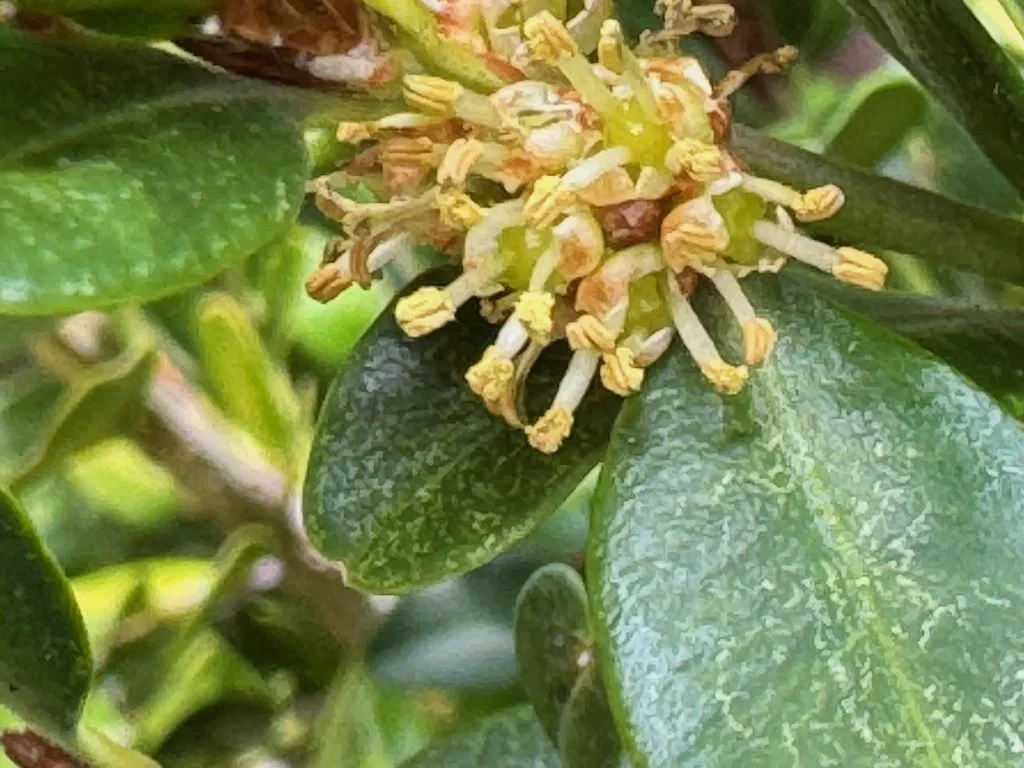
We had some warm days….and then some cold days. At the end of the month, I am hoping that my red buckeye is not permanently damaged; its leaves were beginning to enlarge when a hard frost came. It was an interesting month for travel (to Texas and a day trip to the George Washington Carver National Monument…and the yard was beginning to show signs of spring (bulbs and the boxwood bloomed). I enjoyed all my forays outdoors.

Gleanings of the Week Ending March 28, 2026

The items below were ‘the cream’ of the articles and websites I found this past week. Click on the light green text to look at the article.

3/23/2026 Washington Post What an oncologist wants you to know about environmental cancer risks - Given what we know about how microplastics can cause damage in the body, the increase in early onset colorectal cancer in the U.S. and the similarities in timing between the increase in cancer rates and the rapid increase in microplastics in the environment, many experts suspect that microplastics are a risk.

3/14/2026 BBC The strange deep-sea creatures that eat whales - Whales usually die far out to sea, scattered along their often vast migration paths. t first, the carcass may float as the gases inside make it swell up like a balloon. Then the whale sinks – through the sunlight, twilight and midnight zones – eventually reaching the darkness of the abyss, its final resting place. In death, the whale gives life, becoming an immense island of food.

3/16/2026 MSN Couples with infertility 'detox' from plastic to get pregnant in new Netflix doc. Does it work? - A new Netflix documentary called "The Plastic Detox" is a sobering look at all the ways that plastic harms our bodies and the planet — especially our reproductive health. Shanna Swan, Ph.D., a professor at Mount Sinai in New York City, is one of the prominent figures sounding the alarm on the effects of environmental pollutants on fertility. For the documentary, she worked with five couples who'd been struggling to get pregnant for years without a medical explanation. The goal? To reduce their exposure to plastics to see if they could conceive. In the end of the documentary, it's revealed three of the couples had gotten pregnant, and one was expecting again. The results were also published in a study in the journal Toxins on March 16.

3/20/2026 Yale Environment 360 In Mexican Forests, Monarch Butterflies Halt Their Decline - For the past quarter century, the future of monarch butterflies has looked dire, with these iconic American insects flitting toward extinction. Now, however, there is at least a small reason for hope: New data from WWF Mexico, a large conservation group, offers further evidence that the decline of eastern monarchs — the world’s largest population — has stopped, even as the insects face worsening threats across their range.

3/16/2026 Our World in Data Why cheap waste management is key to stopping plastic pollution – I was disappointed in this article. They completely miss the issue of food packaged and heated in plastic. Yes – that plastic packaging does not get loose in the environment but the microplastics (and chemicals) that leach into food gets into our bodies. And the leachate coming off lined landfills in countries with good waste management systems includes microplastics that the sewage treatment plants don’t take out before the liquid is released back into streams….and that will continue to happen for many years to come. And what happens when the liners of the landfills begin to break down and the leachate goes more directly into the environment. The answer in probably not cheap waste management…we need to be look at less waste – particularly less plastic waste.

2/17/2026 NASA Winds Whip Up Fires and Dust on the Southern Plains – This satellite image is from mid-February but I noticed smoke in the air as I drove on I-44 east of Tulsa last weekend! I don’t know if it was wildfires or controlled burns…but I was glad I had a portable air purifier in my car!

3/21/2026 I’m Plastic Free 9 Essential Ways to Reduce Plastic Waste on Your 2026 Travels – I would add a reusable bowl/plate for hotel breakfasts (along with cutlery…I take stainless steel cutlery since I have an extra set…and simply clean then to reuse…I have a tin that keeps them together).

3/18/2026 Smithsonian Magazine Cannibalistic Blue Crabs Are Eating Their Younger Peers in Part of the Chesapeake Bay - Young blue crabs find refuge from many predators in the mid-salinity waters of some spots along the Chesapeake Bay. But there, they face another threat: Getting eaten by their older peers.

3/16/2026 National Parks Traveler What It Takes to Clean a Yellowstone Hot Spring - Cleaning hot springs is hard work! Some remediations, like the Grand Prismatic Overlook trail spring, require shovels, strainers, and grabber tools. The cleaning of Solitary Geyser, however, required a hook with a 16-foot extendable handle to remove large objects within the interior parts of the pool and hand rakes to collect the hundreds of wood splinters that had been thrown into the splash basins around the pool margin.

3/13/2026 Science Daily Microplastics may be quietly damaging your brain and fueling Alzheimer’s and Parkinson’s - Researchers identified five key biological pathways that may allow microplastics to harm the brain. These include activating immune cells, increasing oxidative stress, disrupting the blood-brain barrier, interfering with mitochondria, and damaging neurons. The review also describes how microplastics might contribute to specific neurodegenerative diseases. In Alzheimer's disease, they may promote the buildup of beta-amyloid and tau proteins. In Parkinson's disease, they could encourage aggregation of α-Synuclein and harm dopaminergic neurons. Additional studies are needed to confirm a direct causal link. Even so, the researchers recommend practical steps to reduce everyday exposure. We need to change our habits and use less plastic. Steer clear of plastic containers and plastic cutting boards, don't use the dryer, choose natural fibers instead of synthetic ones and eat less processed and packaged foods.

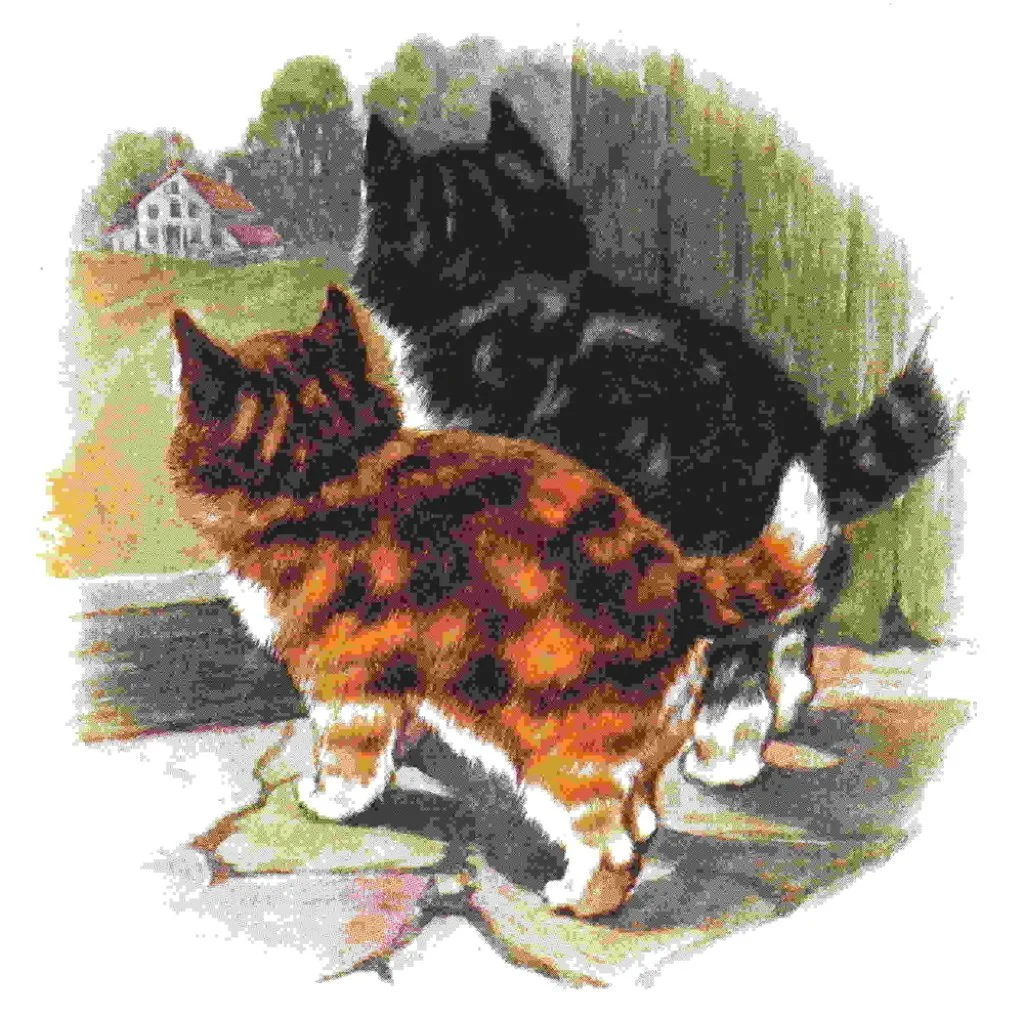
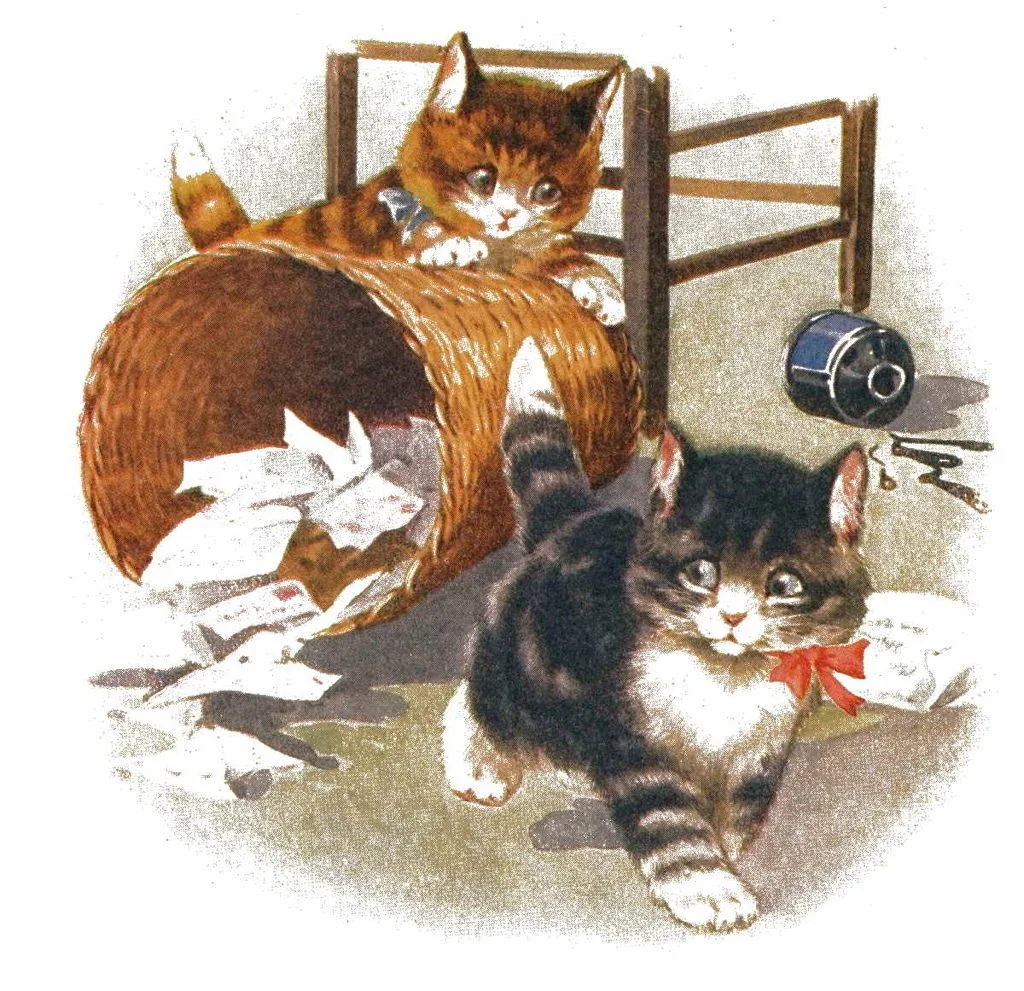
Edna Groff Deihl Kitties and Puppies

The eBooks for this week are by Edna Groff Deihl published in 1924 and available on Project Gutenberg. She wrote books for children in the early decades of the 20th Century. She evidently produced the books based on stories she told her children. There is a picture of her with her 4 children in 1916 when she spoke to the Story Telling Club in Harrisburg, Pennsylvania. Enjoy!

My Twin Kitties