Planting Native Plants in the Front Yard

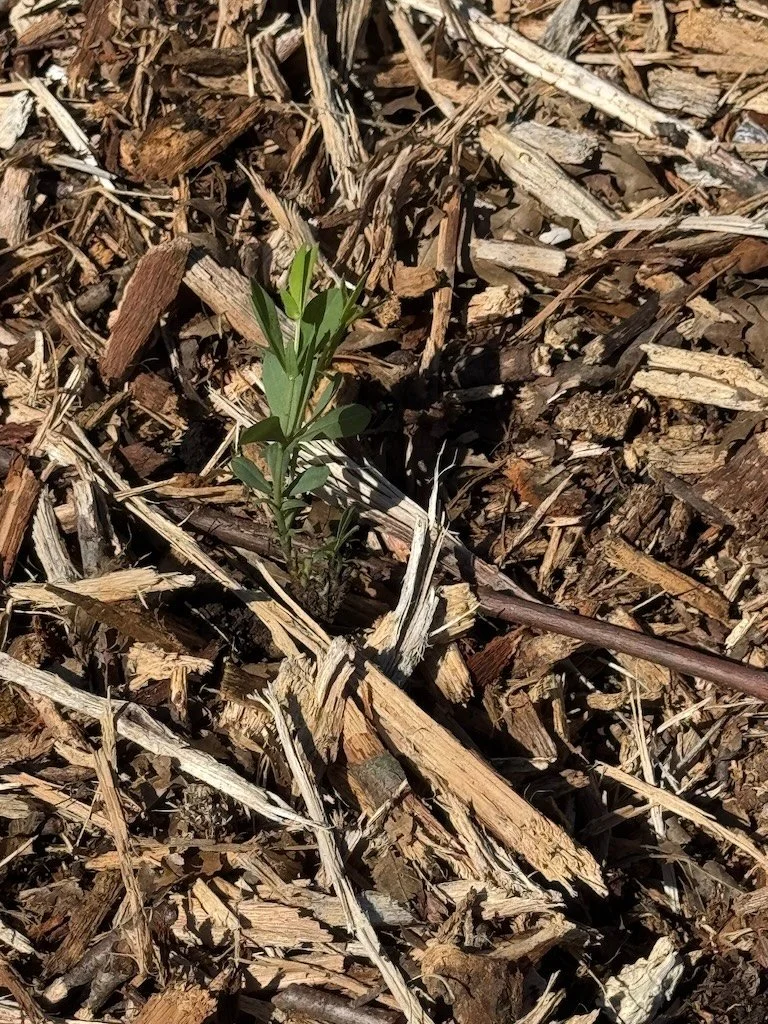
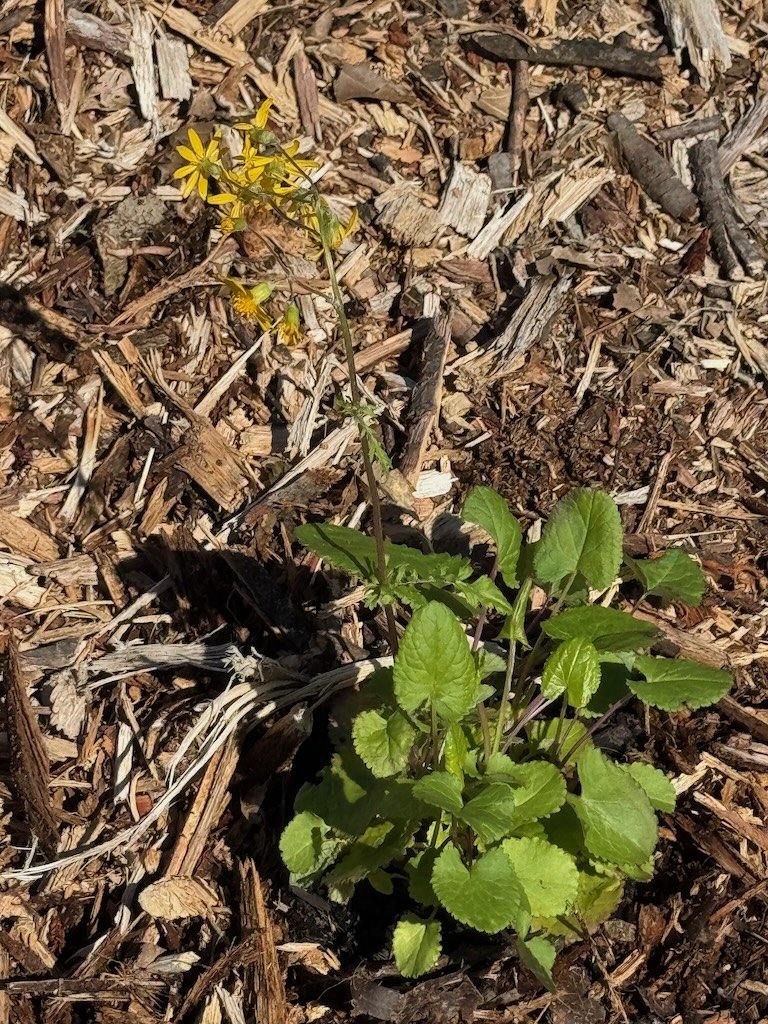
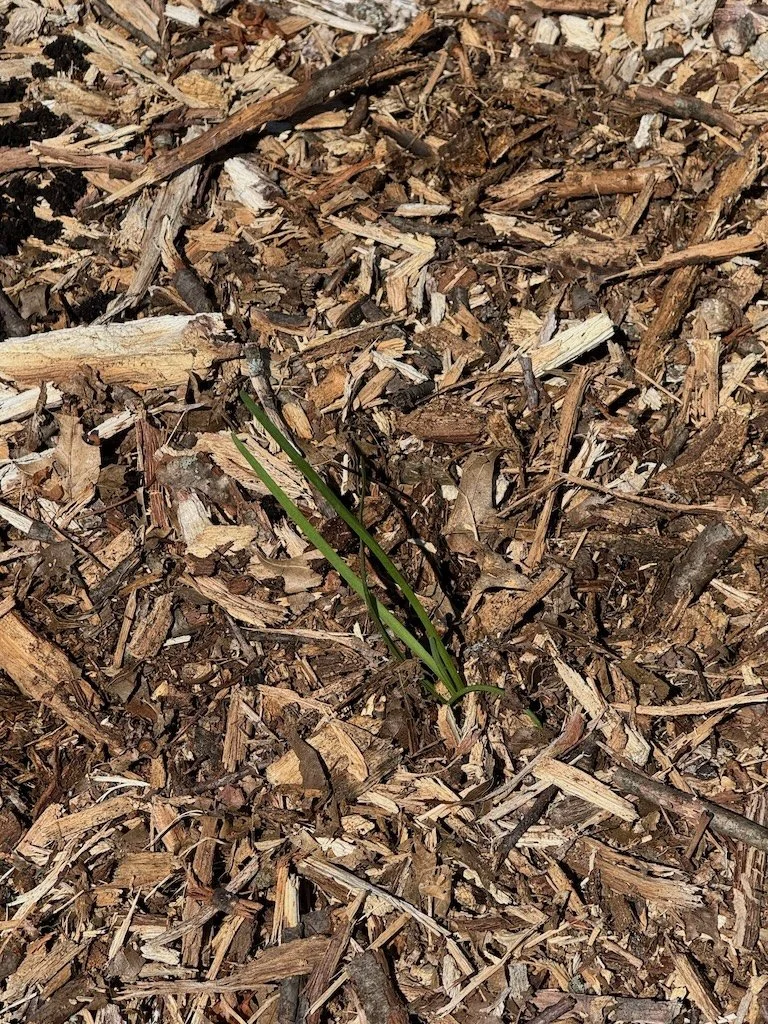
I waited a day or so to plant the young plants – when the nighttime temperatures would not be dipping into the 30s again. I planted into the oak mulch that I had put down last fall. As I made the hole for the first plant, I noticed that the surface was dry but underneath for very moist. There were worms and small grubs and white fungus hyphae. The new plants are going to love it. Of course, this also means that plants I don’t want there were going to love it too….I will need to recognize and pull as they appear!

I planted 8 plants on the first day:

Wild Blue Indigo Baptisia australis and Cream wild indigo Baptista bracteate
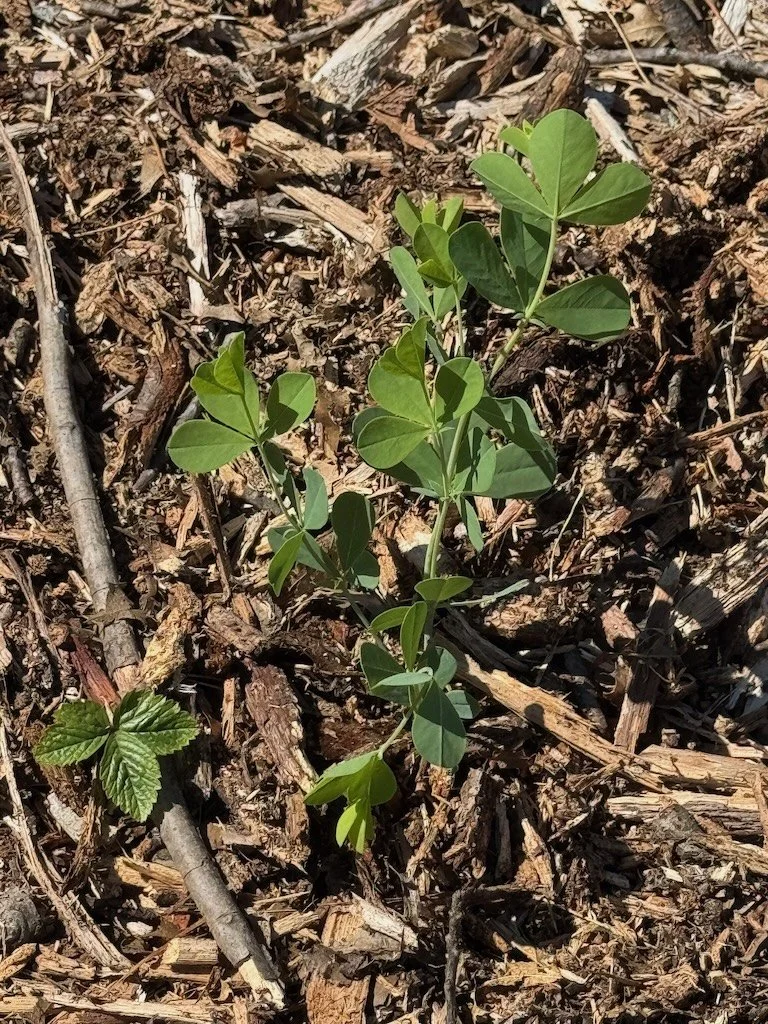
Rattlesnake master Eryngium yuccifolium and Golden ragwort Packera aurea
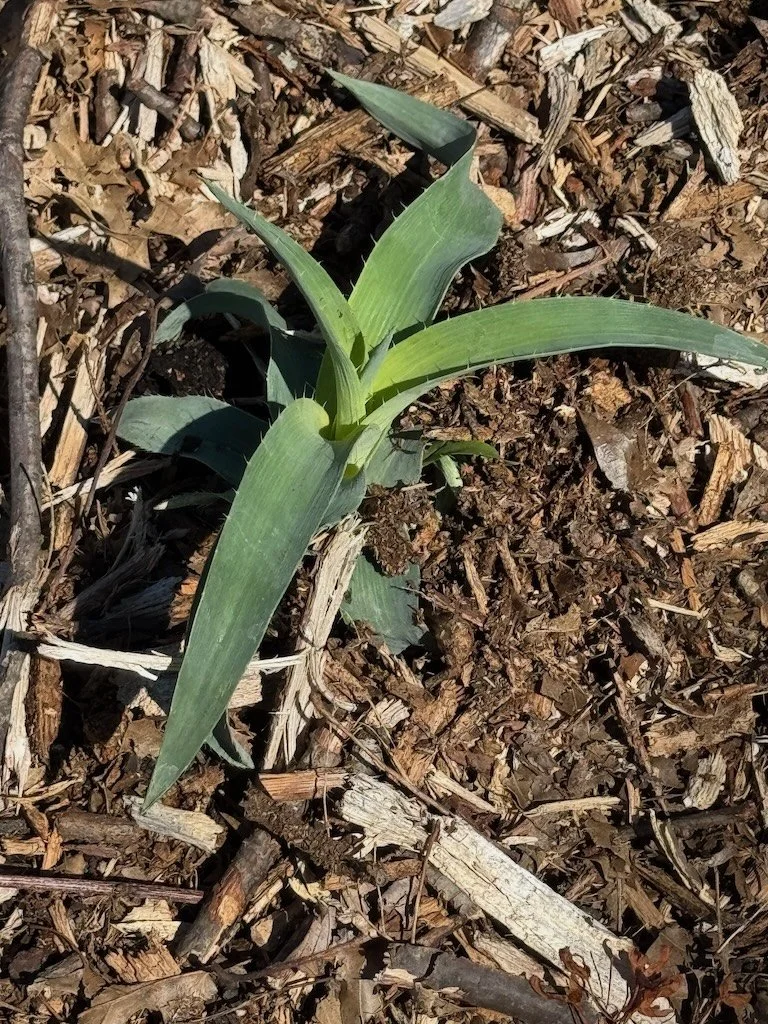
Missouri Evening Primrose Oenothera macrocarpa and Nodding Onion Allium cernuum
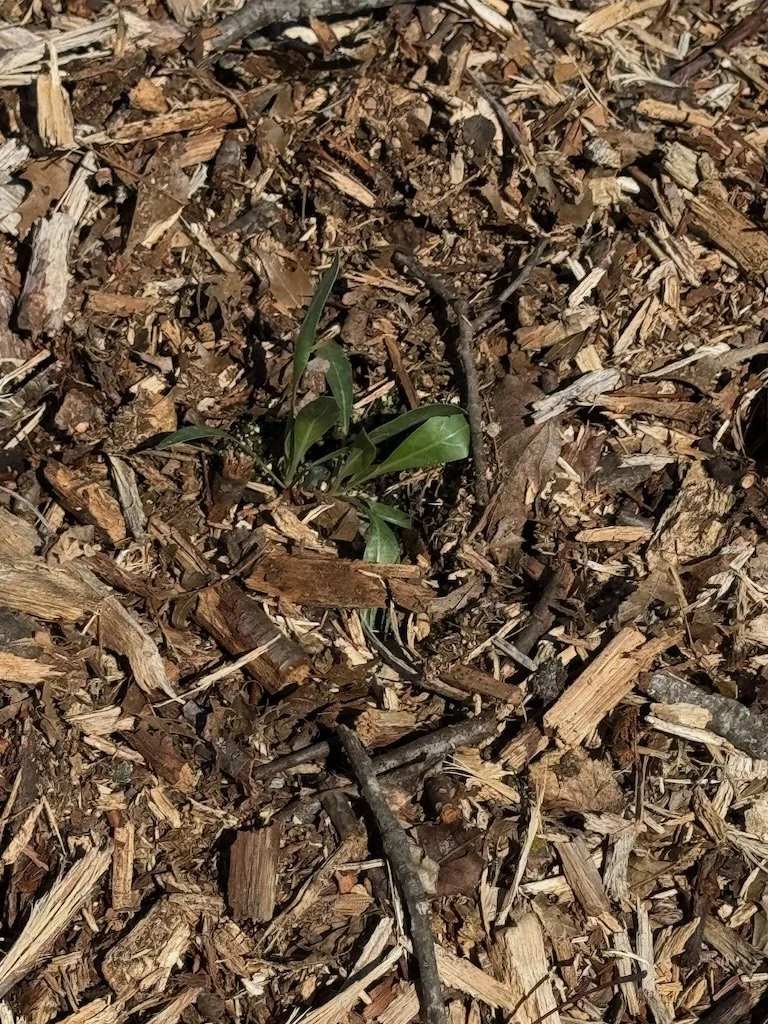
Yarrow Achillea millefolium and Little Bluestem Schizachyrium scoparium
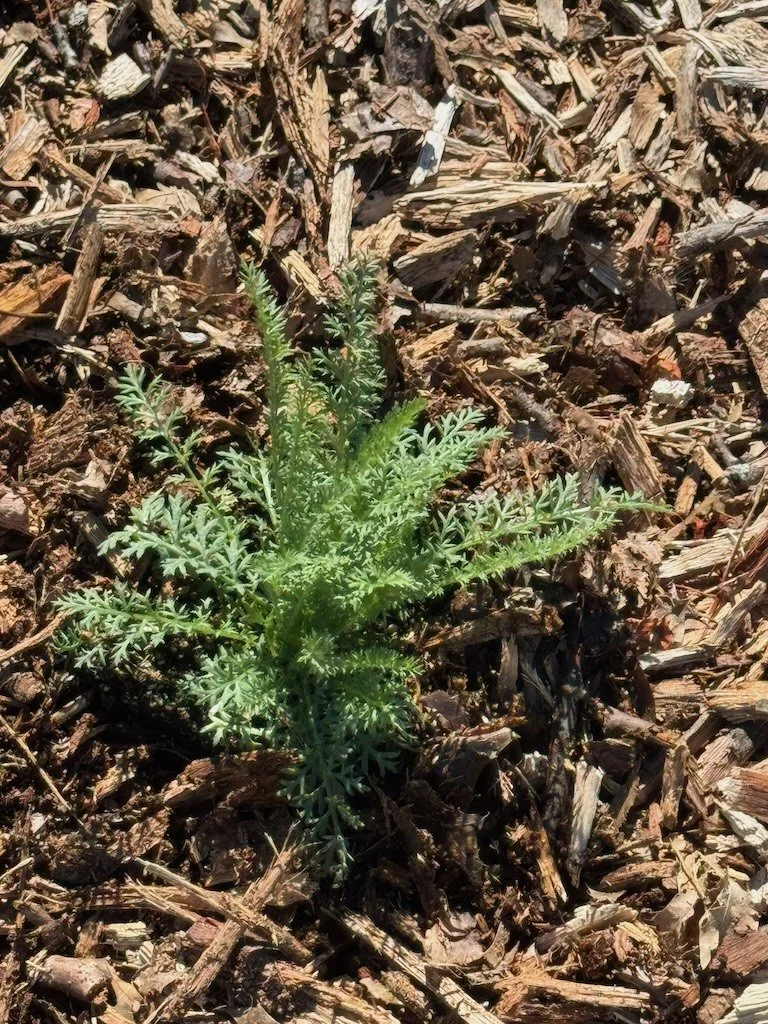
The Soapweed yucca Yucca glauca was planted the following day in a bed where I had to remove rocks and landscaping cloth. The bed is not covered by our sprinkler system and some of the plants previously there had not done well with the dry conditions.

Now that this first round of plants is in the ground, I am in monitoring mode….to water if it doesn’t rain enough and to pull weeds. I am expecting some elderberry seedlings that I will add to the front garden….and some pawpaw seedlings that will join one I planted last year in my back yard (completing the pawpaw patch).

Buying Native Plants for the Front Yard

The local nature center hosted two native plant vendors (Ozark Soul and Missouri Wildflowers Nursery) on a recent Saturday, and I bought the initial plants for my new front yard native plant garden. The oak chips have been in place since last fall, and the temperatures are warm enough to begin plantings. It was a damp morning, but my daughter helped by volunteering her time and her car; we loaded up three bins of plants.

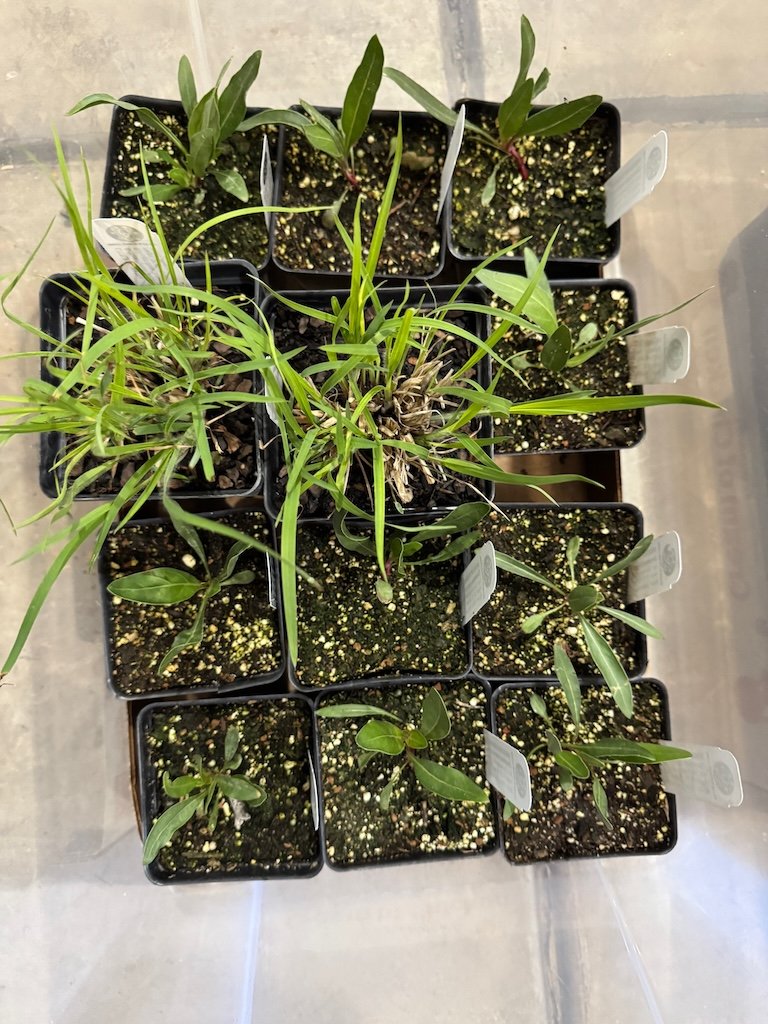
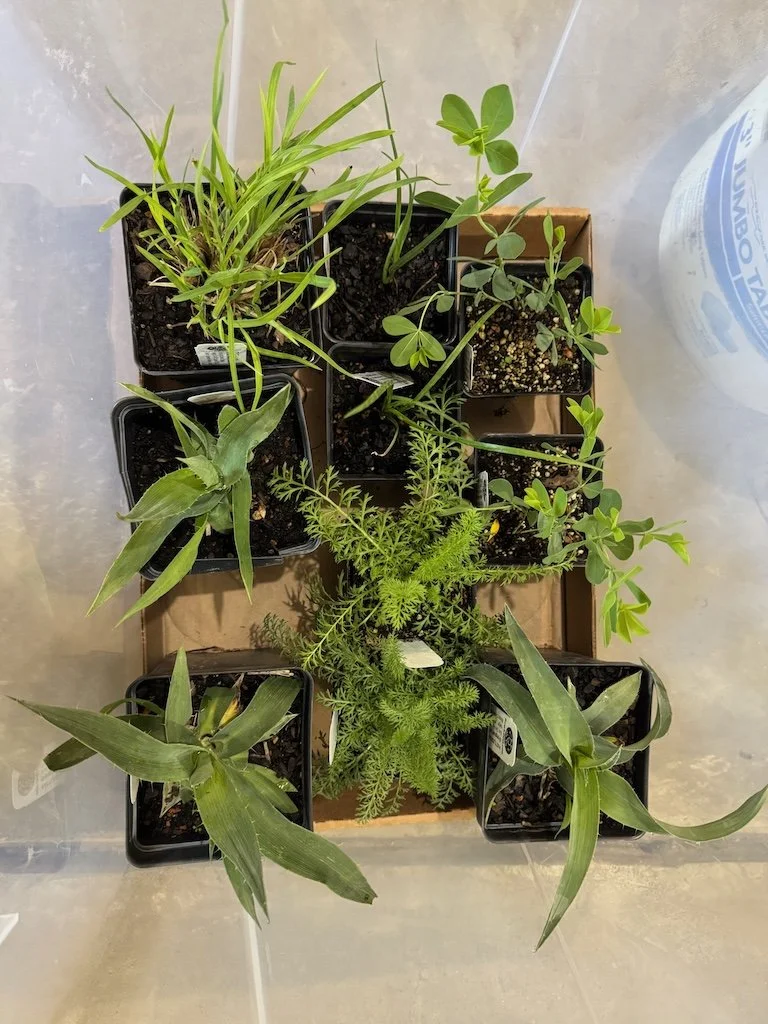
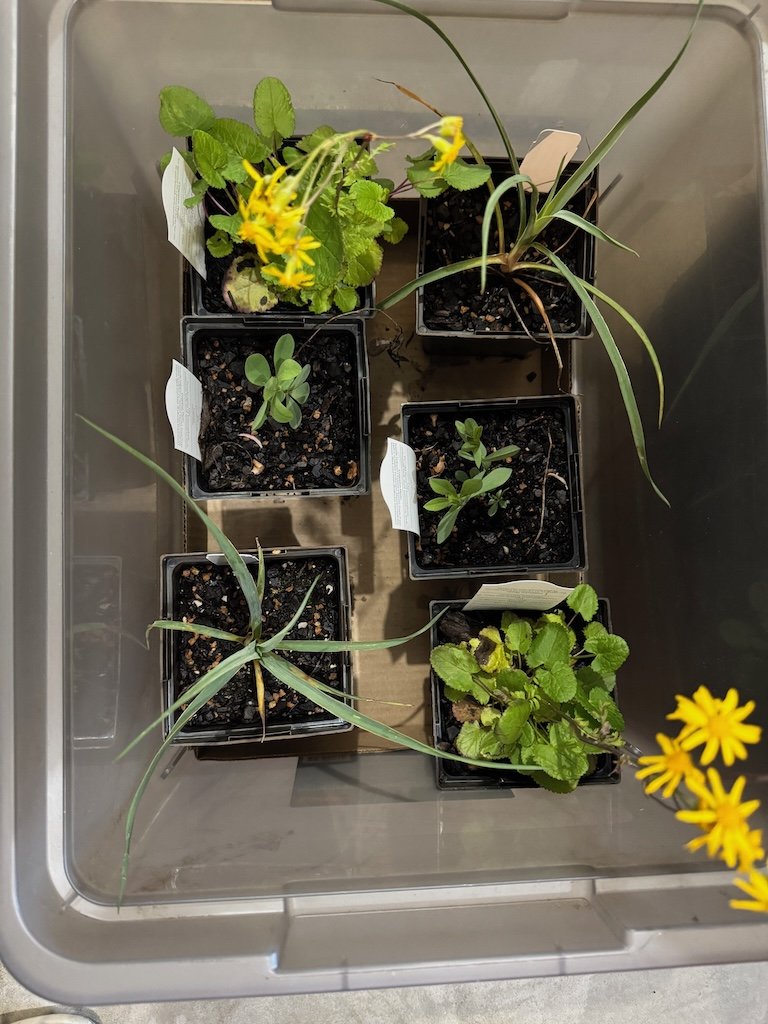
I took pictures of the bins when I got home and documented what I bought. I’m keeping a record of what I buy, plant…what survives.

In bin1 there are:

  • 10 Missouri Evening Primrose Oenothera macrocarpa The one near my mailbox is doing very well and these plants will become the ground cover level of my native plant garden.

  • 2 Little Bluestem Schizachyrium scoparium It will be the background for the lower part of the garden….and show up more after other vegetation has died back for the winter.
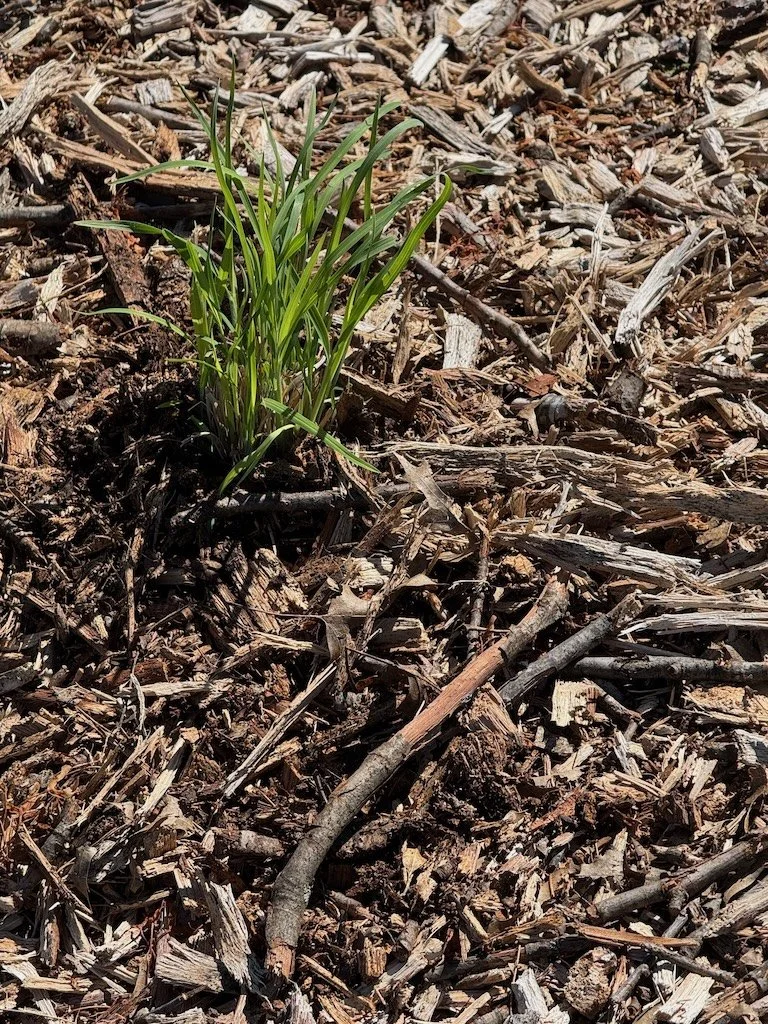
  • In bin 2 the rows from top to bottom are:

  • Little Bluestem Schizachyrium scoparium, Nodding Onion Allium cernuum, Wild Blue Indigo Baptisia australis

  • Rattlesnake master Eryngium yuccifolium, Nodding Onion Allium cernuum, Wild Blue Indigo Baptisia australis

  • Rattlesnake master Eryngium yuccifolium, Yarrow Achillea millefolium, Rattlesnake master Eryngium yuccifolium

In bin 3 the rows top to bottom are:

  • Golden ragwort Packera aurea, Soapweed yucca Yucca glauca

  • 2 Cream wild indigo Baptista bracteate

  • Soapweed yucca Yucca glauca, Golden ragwort Pakera aurea

My next post will be about planting these into the garden. There are 28 plants in all.

There is another native plant sale at the botanical garden in early May. Hopefully these plants will be thriving, and I can focus on filling in with the plants that will bloom into the fall…provide food for pollinators at the end of the season.

Big Landscaping Change – Getting Help?

I contacted a nearby nursery as I started to realize how big a task creating the new bed in my front yard was going to be. A landscape designer came out to look at my yard and then I went to the nursery to look at what they have…and get a better idea on their approach. I’ll get their estimate next week.

On the plus side –

  • The new landscaped bed will look good sooner than if I do it myself. It would have layers of topsoil/compost covered by finer oak mulch and it would have a flat rock edge that would make it easier to mow around. Part of it would be 18 inches above the rest.

  • The plants will be bigger than the native plant supplier would provide. They have some of the plants I want in stock: golden ragwort, wild indigo (gold and blue), American Beautyberry, and serviceberry.

  • They would handle all the labor and logistics for creating the new area.

  • They had rattlesnake master in stock and I remembered seeing in on my prairie walks…it would add some drama to the front yard planting.

The negatives could be -

  • Cost – although I don’t have the estimate yet…but it will obviously cost more that if I did it myself.

  • They don’t have spicebush and I really wanted that instead of serviceberry in the front yard.

  • Some of the plants might be varieties of natives rather than the native form of the plants.

  • They would use roundup as part of the initial bed creation.

I’ll wait to get the estimate before making a decision, but I would very much want the initial bed creation and some of the plantings to be done by professionals. I can fill in with more plants next spring if I want.

I’ve already ask my arborist for another load of wood chips…so, if I accept the proposal from the nursery, I’ll use the load of woodchips in other parts of the yard rather than in the front….and I might need to move some of the mulch I put in the front yard to other places before the new bed is created.

Previous posts about Big Landscaping Change

Big Landscaping Change – Tweaking the Plan

The Missouri Master Naturalist chapter meeting this month was about the Lake Springfield Boathouse Garden. As we walked around the boathouse and learned the history (and challenge) of some of the plantings, I realized that I was mentally tweaking the plan for my front yard.

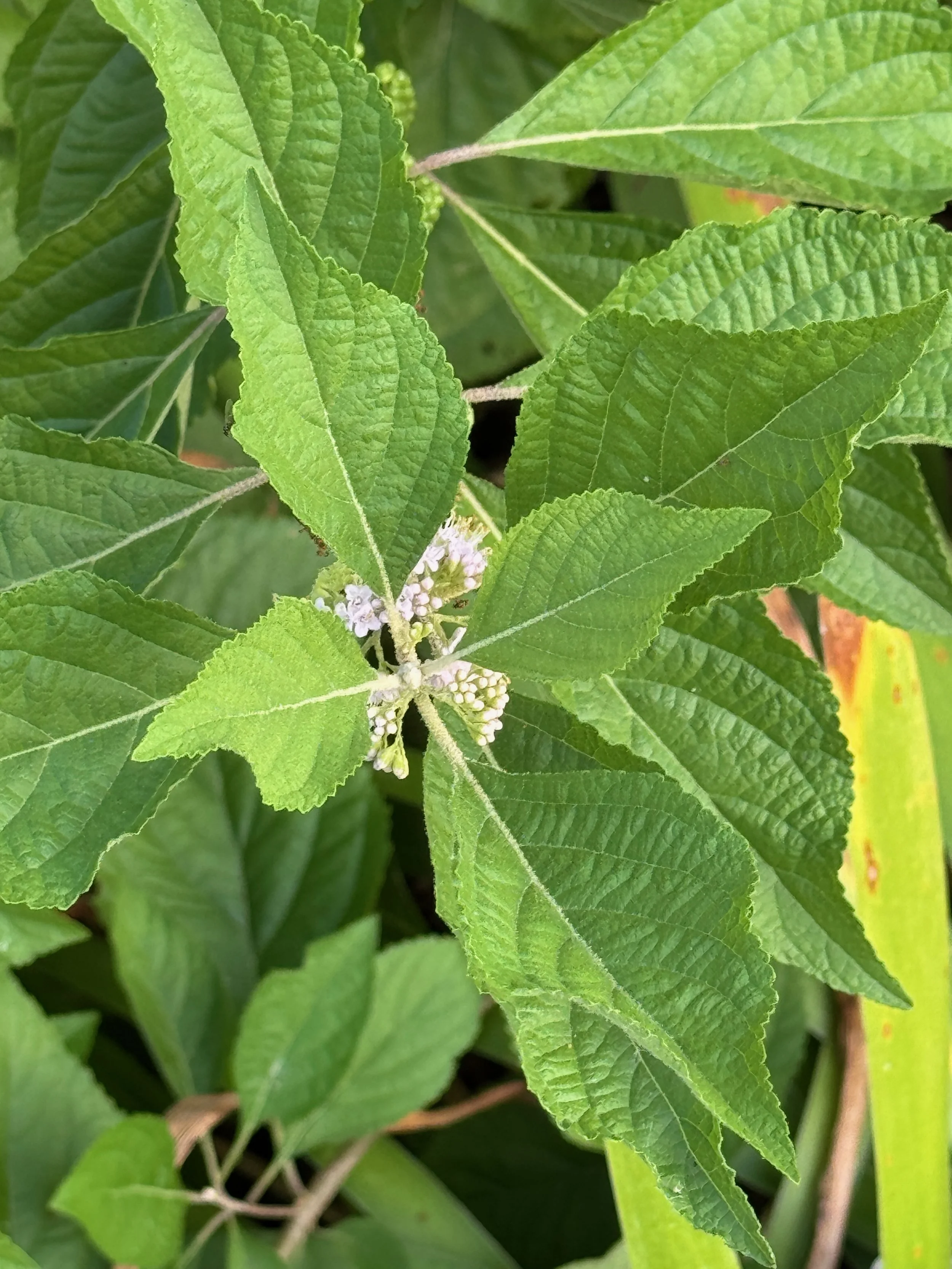
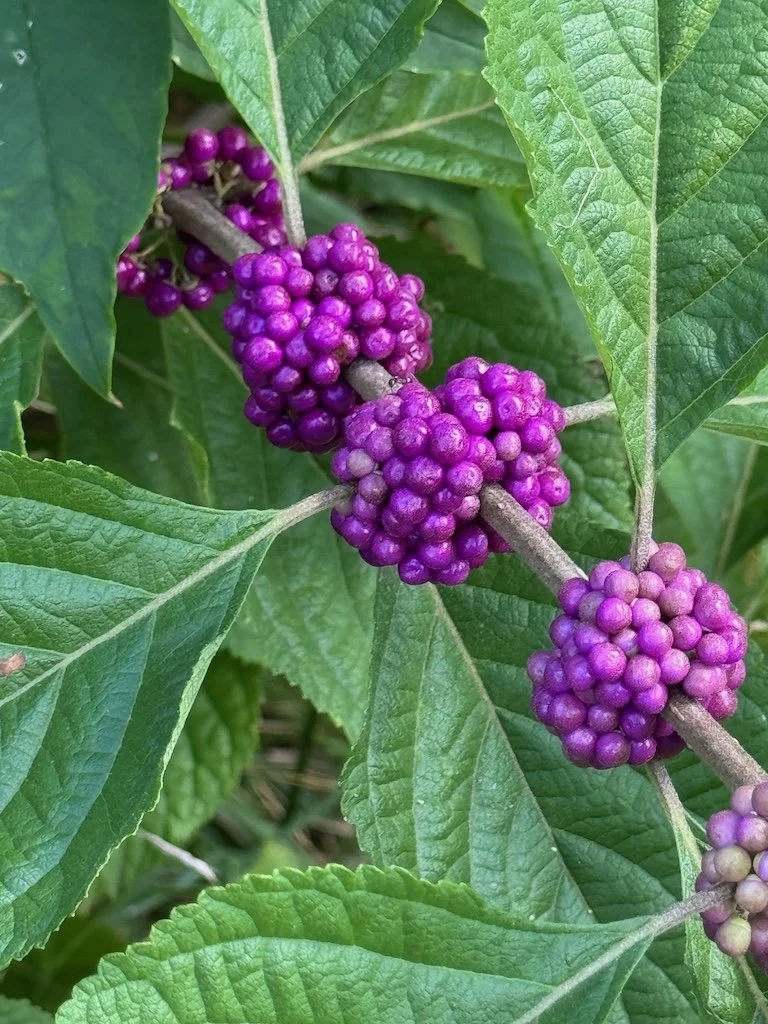
The beautyberry at the Boathouse is thriving and it provides winter food for birds. I have one in my backyard and am going to plant another one in the front yard rather than a wild hydrangea which was not doing well at the Boathouse.

The serviceberry at the Boathouse was about 4 years old and had already lost most of its leaves (i.e. young trees might not have pretty fall color). I am still going to plant one, but I am adding a spicebush to my list to enhance the near-term look of the garden.

The big bluestem clumps looked great in the back of the garden at the Boathouse. They would be great to provide a different color and shape among the other plants in my front yard. The garden is on the south side of the house so the plants will always get some sun for part of the day…so the grass should thrive long term.

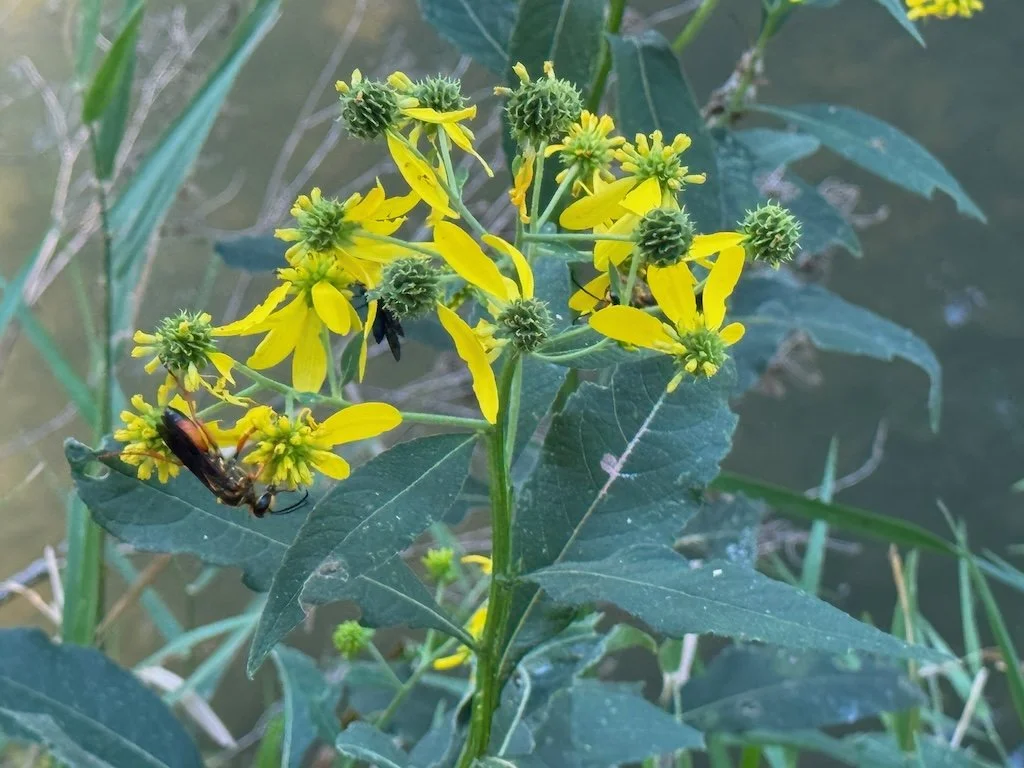
The cup plants are insect magnets, but they are too tall for the front garden. I decided to buy some to plant along my back fence (I can put some twine looped to the fence to hold them up).

It could be 4 years before the new plantings are big enough to look like I want – but there should be improvement each year. I might add some nectar plants like coreopsis next spring. To fill in around the young plants

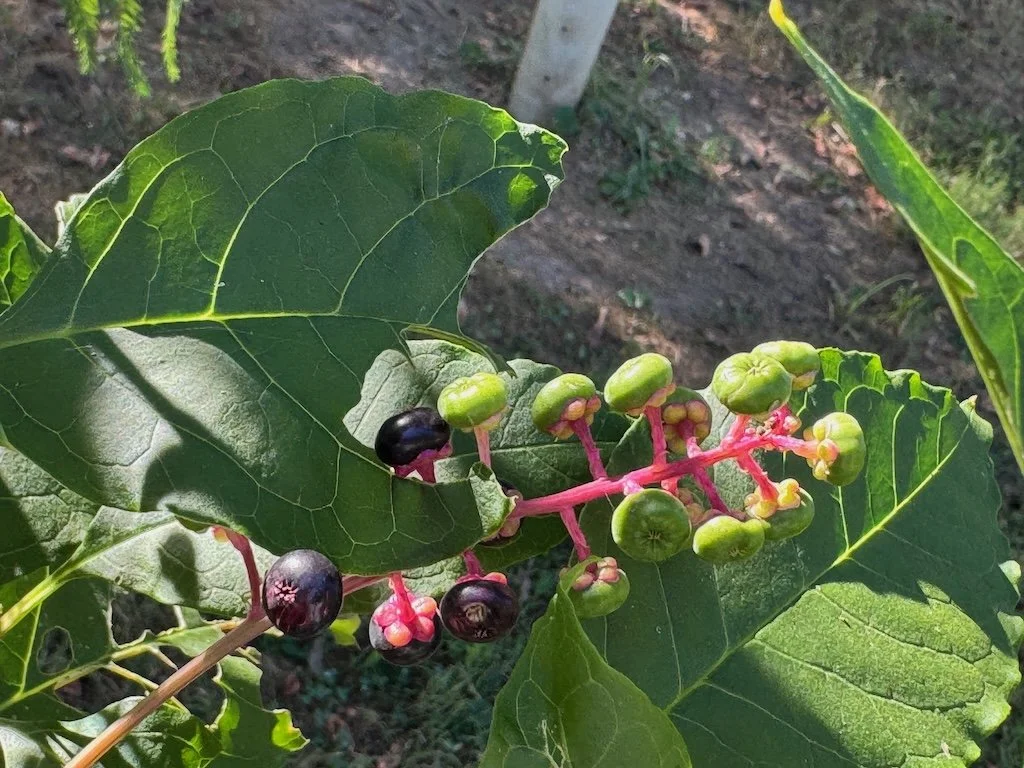
I’m going to trim some of my larger plants before they get buds/are too tall (like gray headed coneflower and pokeweed) to see if I can keep them short enough to use as front yard plants too. I’ll do that experiment in my backyard next spring with the plants already established there.

After this first round of tweaking – the plantings I will buy in early October are:

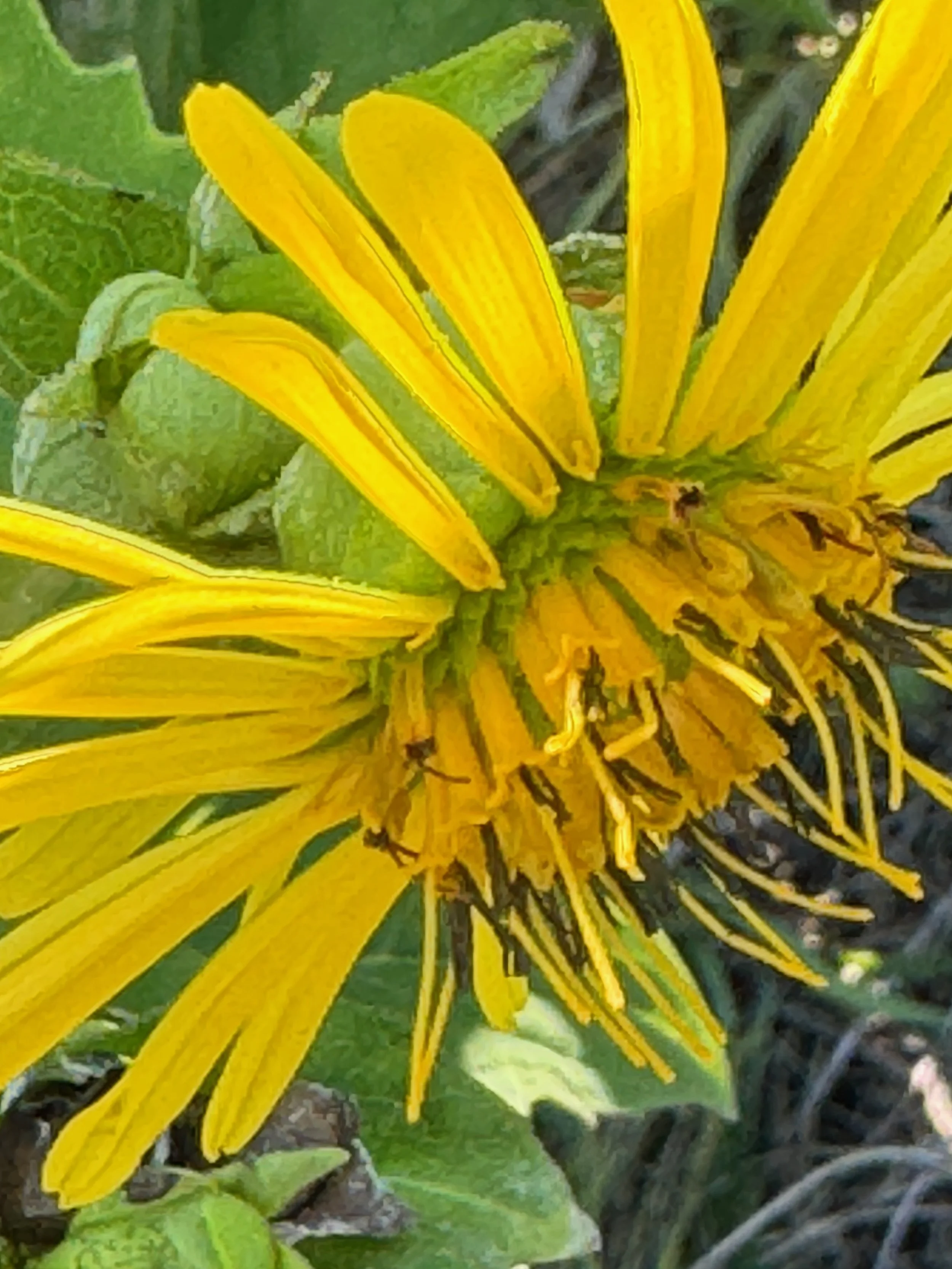
  • Roundleaf groundsel or Golden ragwort Packera aurea (3) (change made because of what the native plant vendor offers)

  • Blue Wild Indigo Baptisia australis (3)

  • American Beautyberry Callicarpa americana

  • Big bluestem Andropogon gerardii (2)

  • Spicebush Lindera benzoin

  • Serviceberry Amelanchier arboria

  • Pawpaw Asimina triloba (2- one for the front and one for backyard)

  • Cup plant Silphium perfoliatum (2 for backyard)

The plan for before winter comes is:

  • Order more wood chips/mulch and complete making the new bed (lots of work)

  • Place order for plants to be picked up the first week in October

  • Make 811 request (need to do before digging)

  • Plant (lots of work…but maybe not as much as making the new bed)

  • And, of course, continued pulling of weeds as they come up in my new landscaping area!

  • I am making a diagram to guide my planting…and will in include it in my next progress report.

Previous posts about Big Landscaping Change