Our Missouri Yard

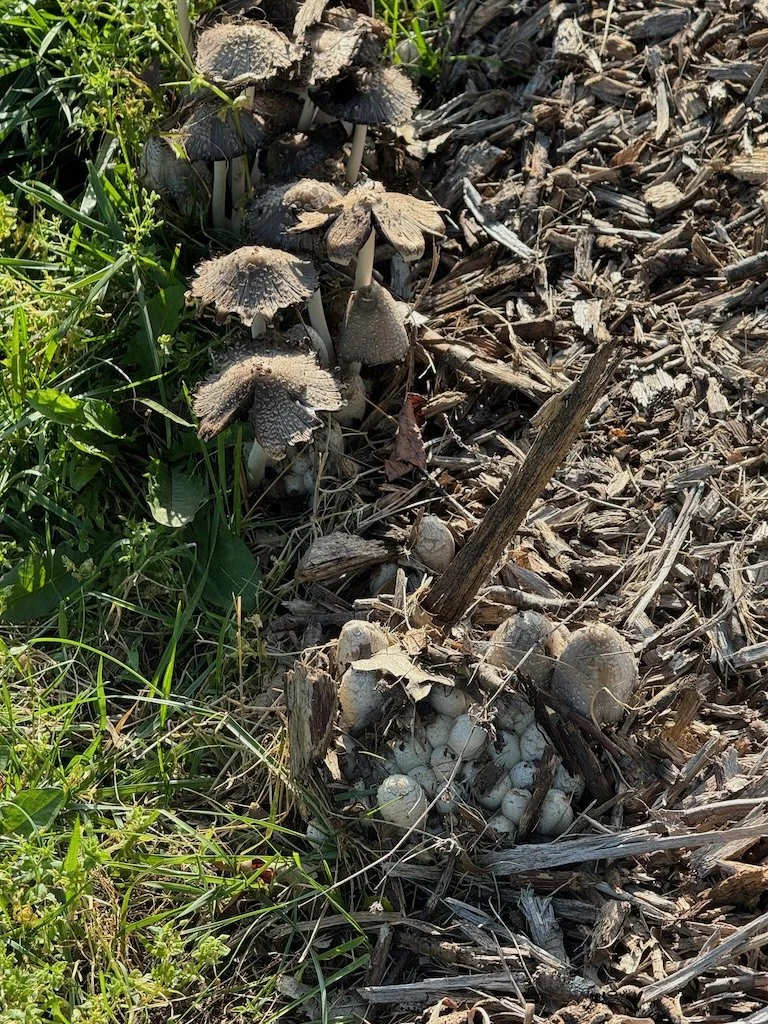
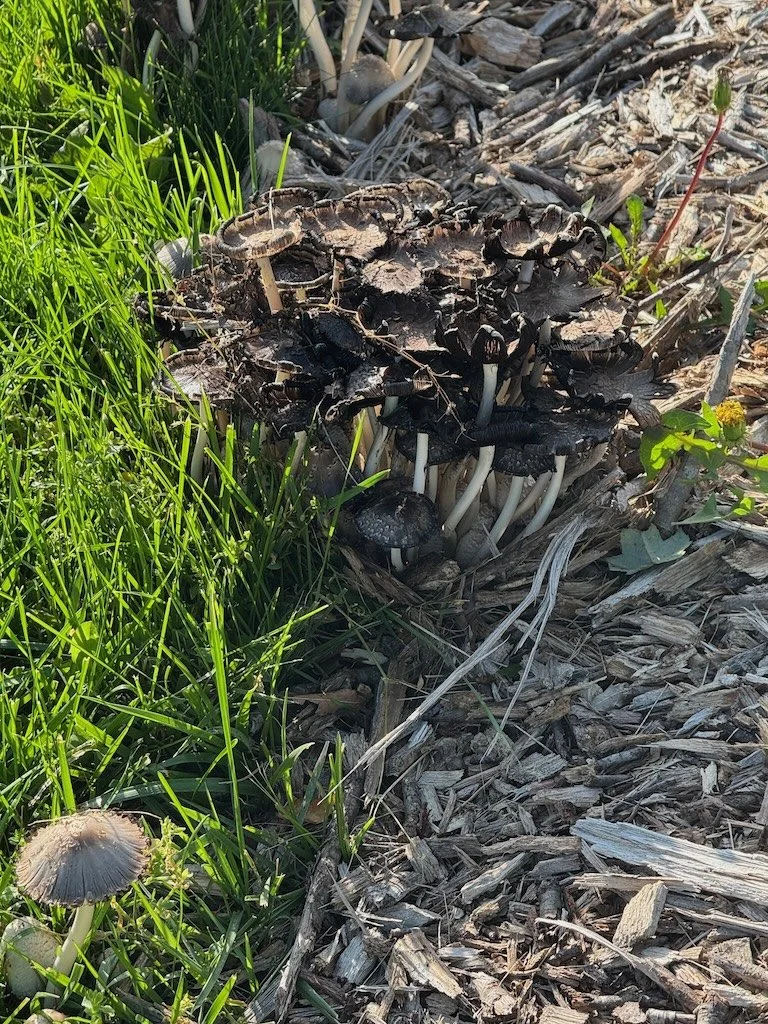
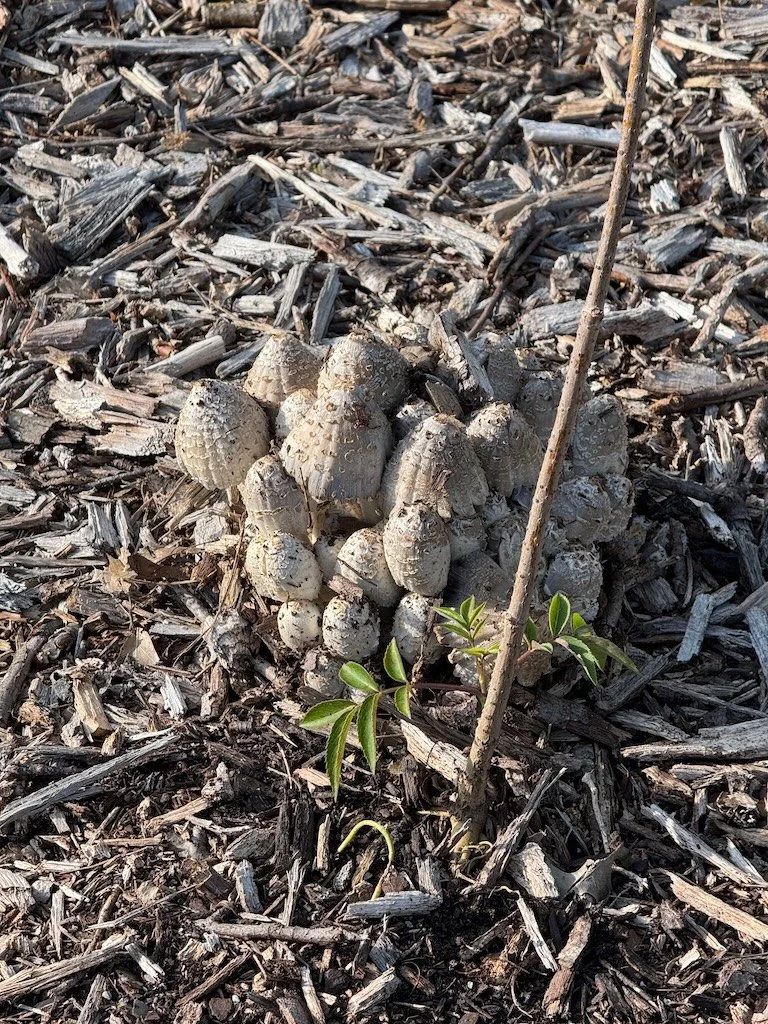
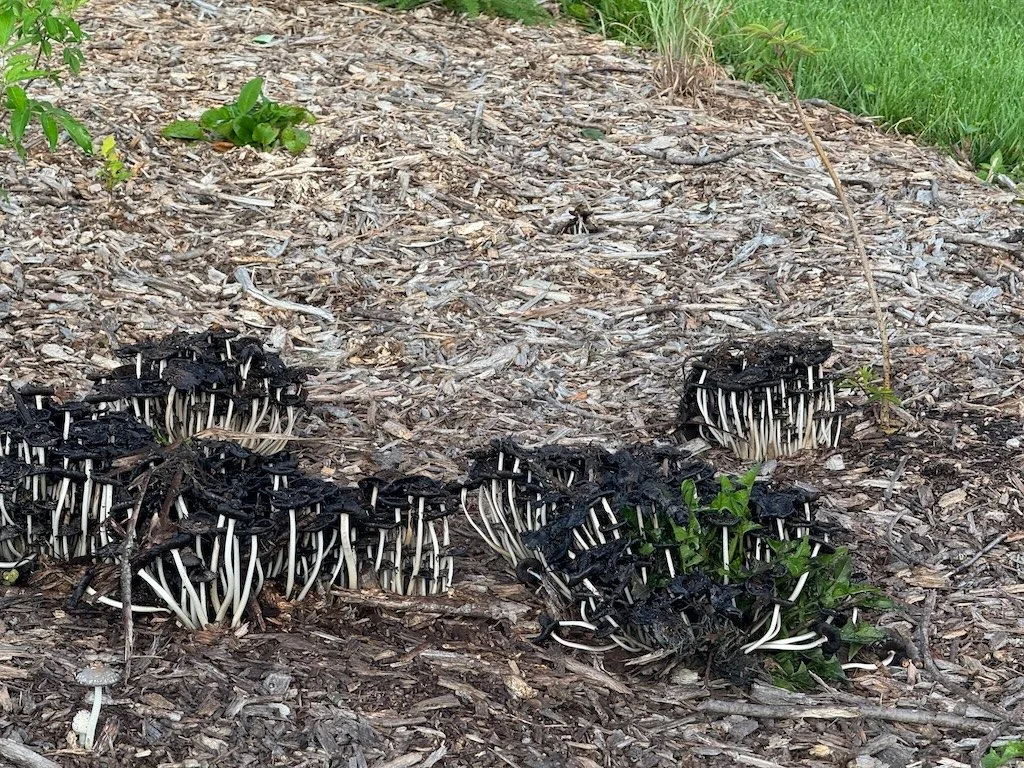
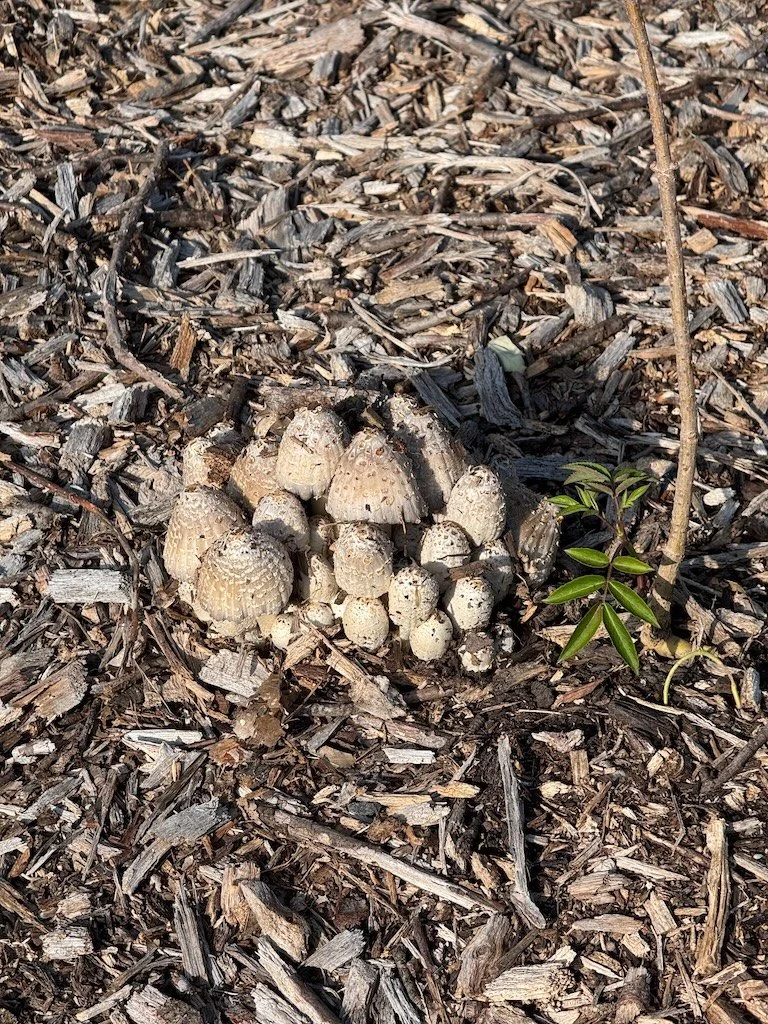
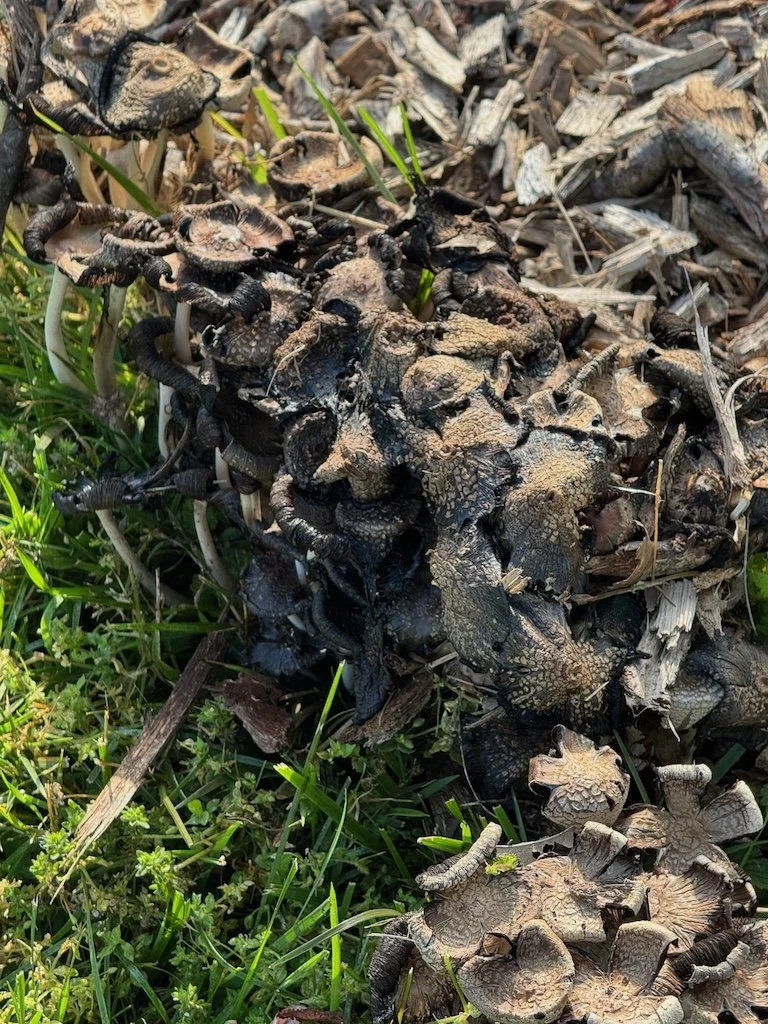
There is so much going on in our yard this year that I might do more than one post about it each month. Every time it rained in June – there were mushrooms in and around the native plant garden in the front yard. They were often almost like a living edge…along the margin of the mulch – almost into the grass. A few times there was a clump in the middle of the bed. I love to see them because it means the natural decomposition of the mulch is well underway.
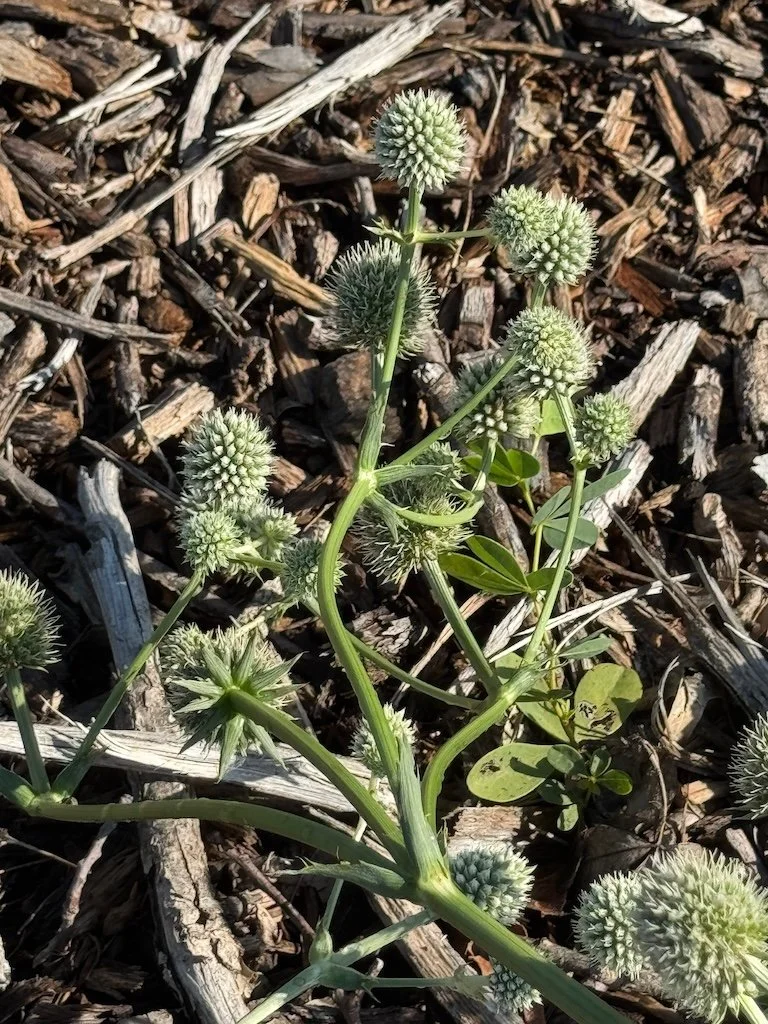
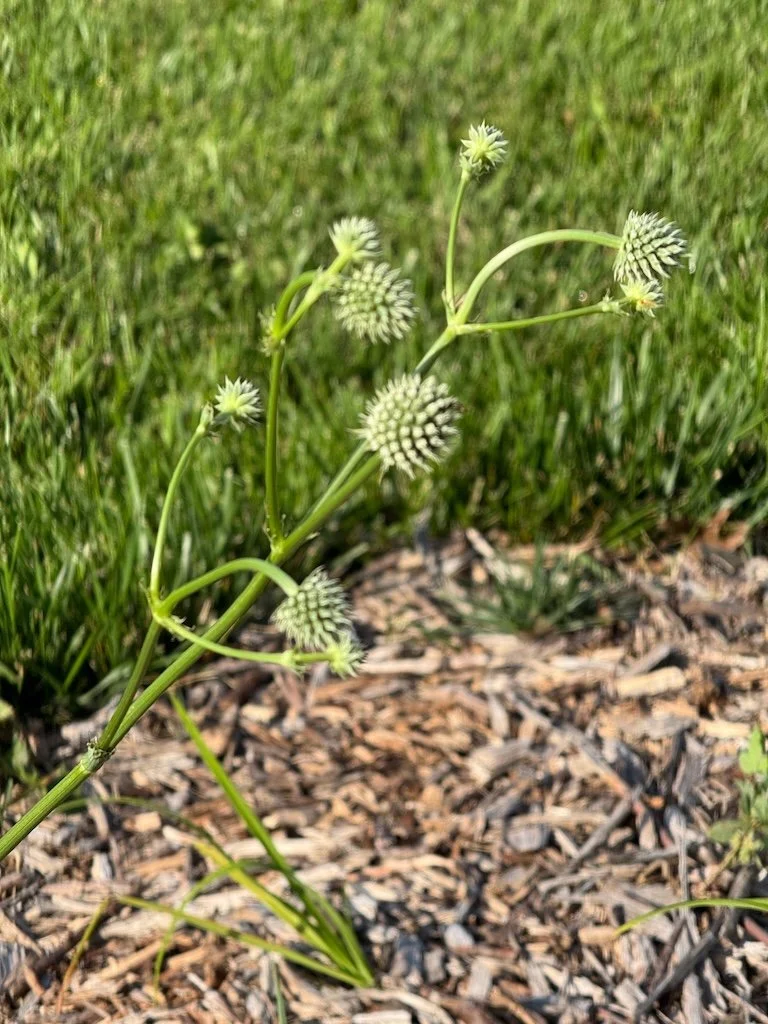
All three of the rattlesnake master plants have stalks. Unfortunately, most of them fall over but they still seem to be developing. I might have seeds and then more plants next year!
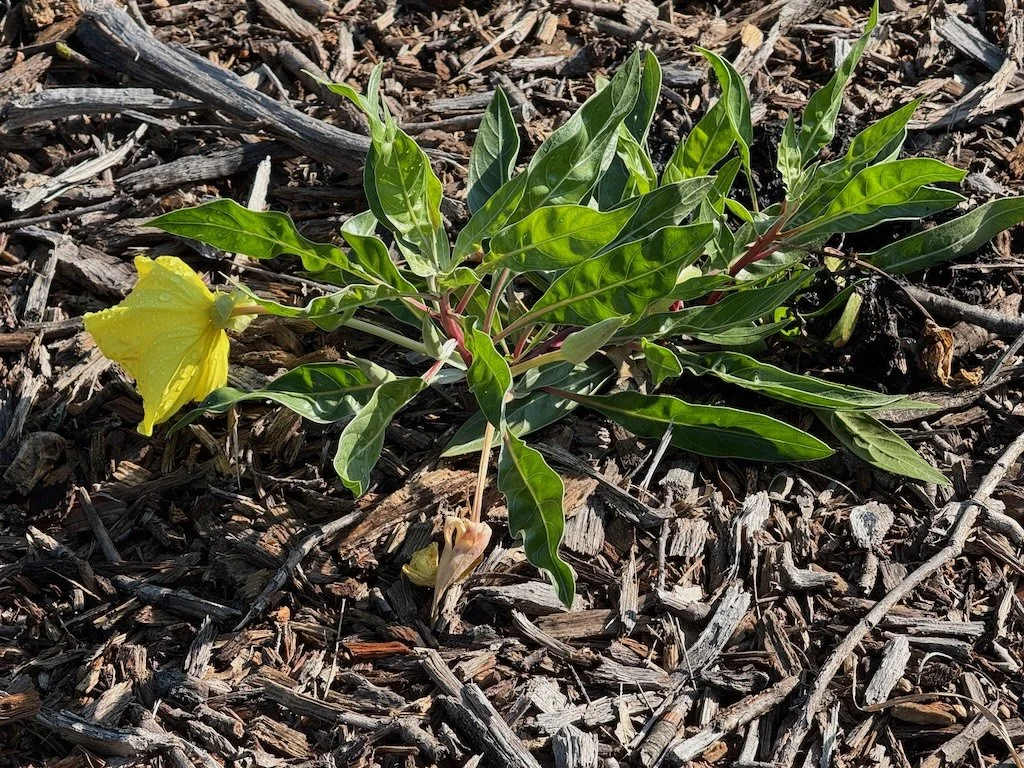
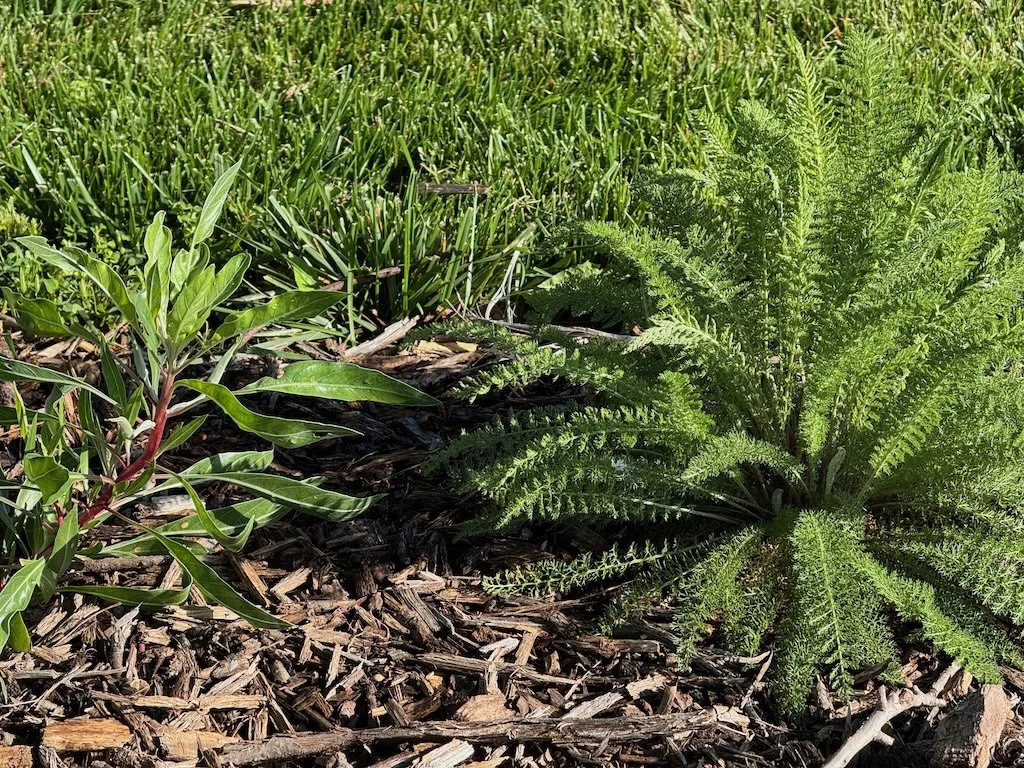
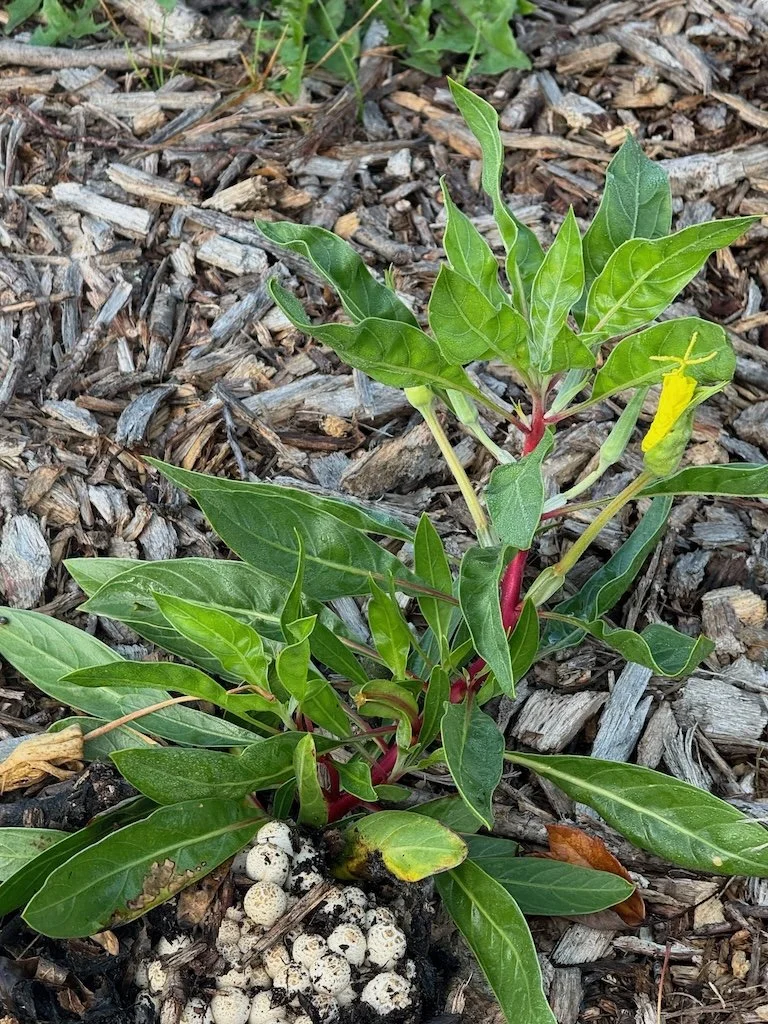
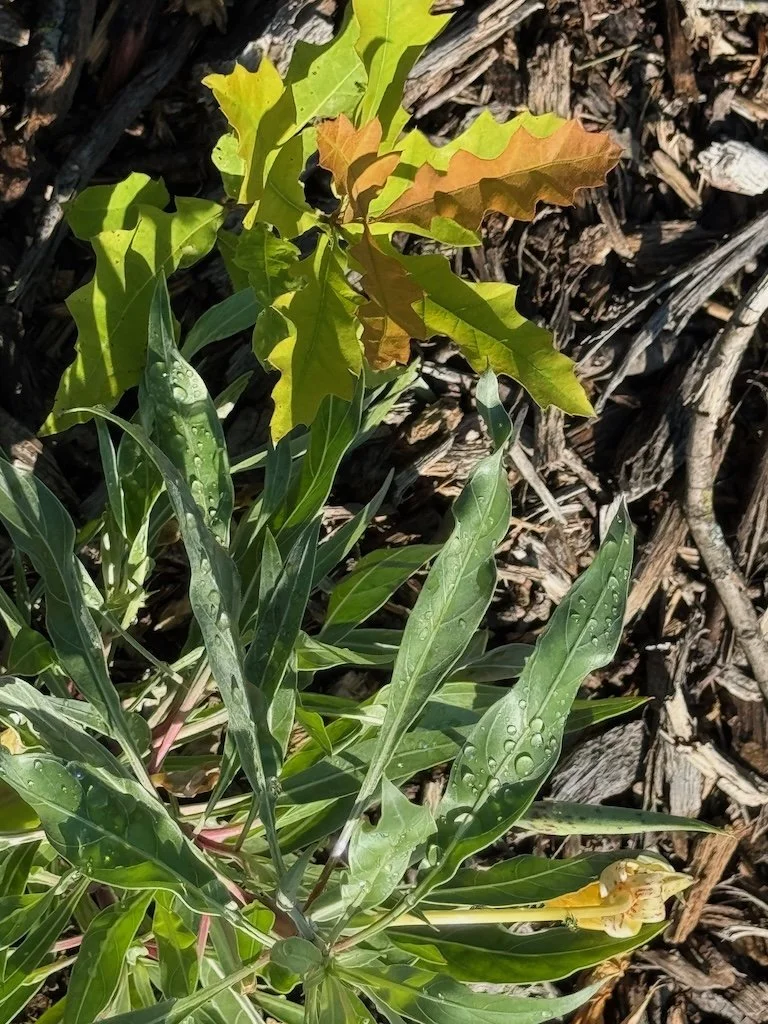
The new Missouri Evening Primrose plants are thriving and most have bloomed. The red oak seedling (squirrel planted) that I am leaving is next to one of them. In a few years it might be the tallest of the new plantings although it might be more years before it is taller than the maple. The yarrow (I bought 2 but only one survived) is next to another of the primrose plants; I like the very different texture the yarrow adds to the garden and hope that it will reproduce itself over time…or I will have to buy more!
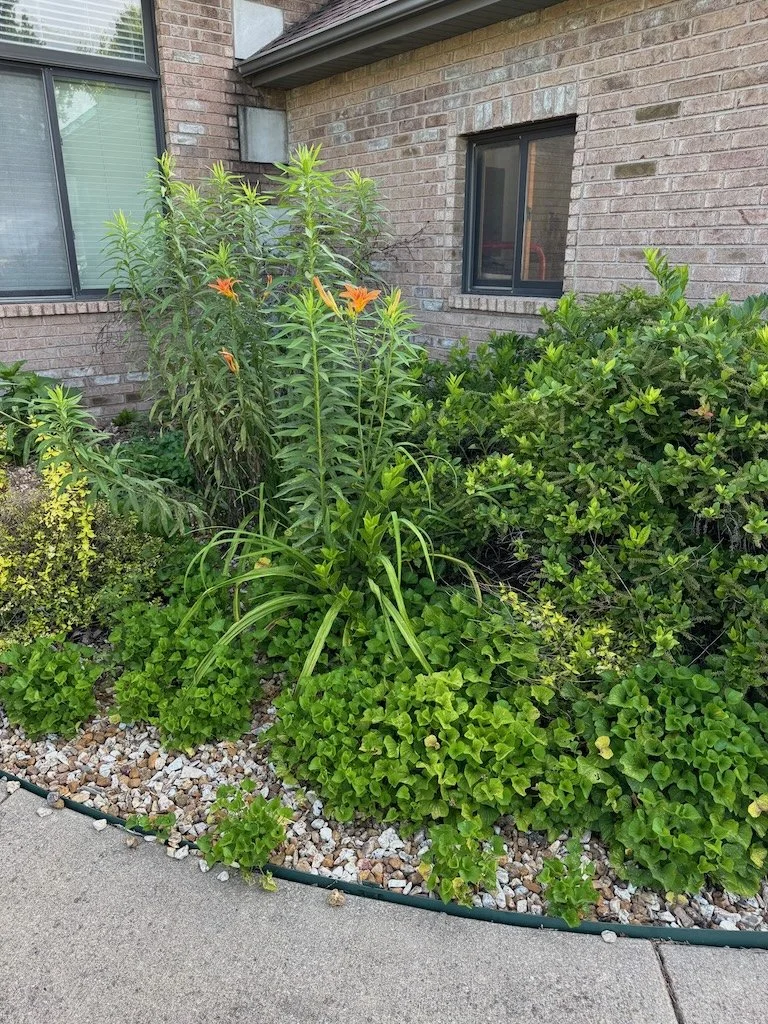
In sunny, drier garden next to our front door, the day lilies and Virginia sweetspire have finished blooming now…the crape myrtle (out of the picture) is blooming and there are several fall blooming natives there. The violet (ground cover) is lush but will begin to dry out soon unless I remember to water it; the leaves are already not as good to eat as the violets that are growing in my shade garden.

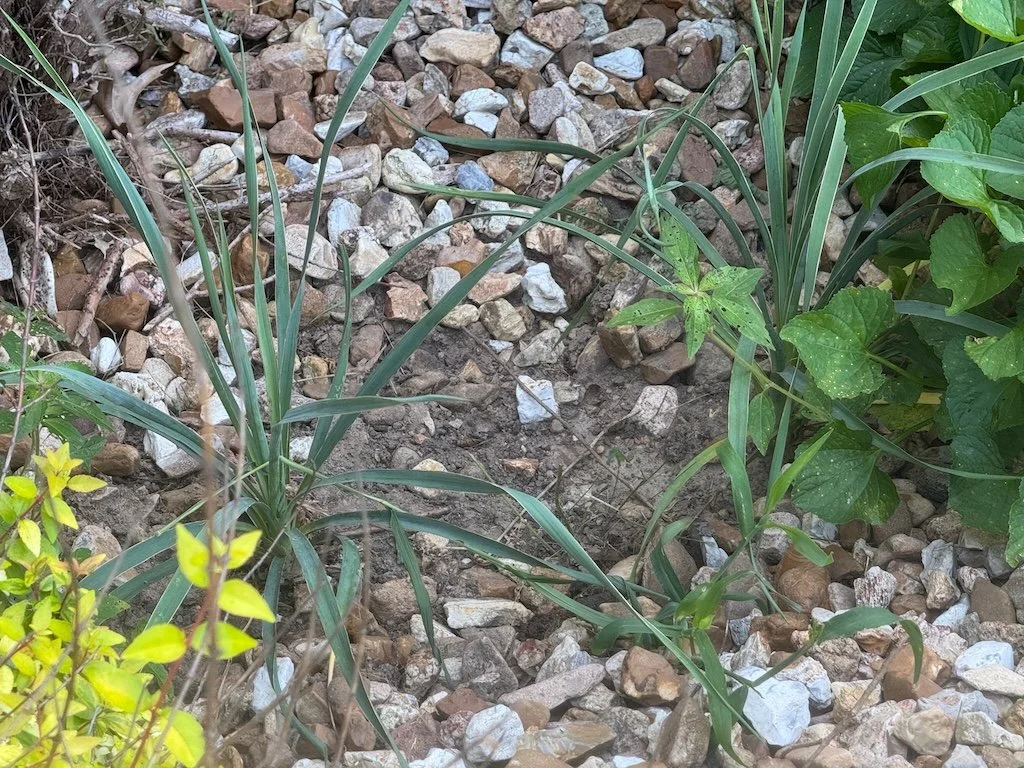
The soapweed yucca appears to be thriving although I need to keep other plant away from it. There is a grapevine growing on the dead Japanese maple in the corner….and I am going to let it continue to grow there…and drive out other plants that are not as hardy.
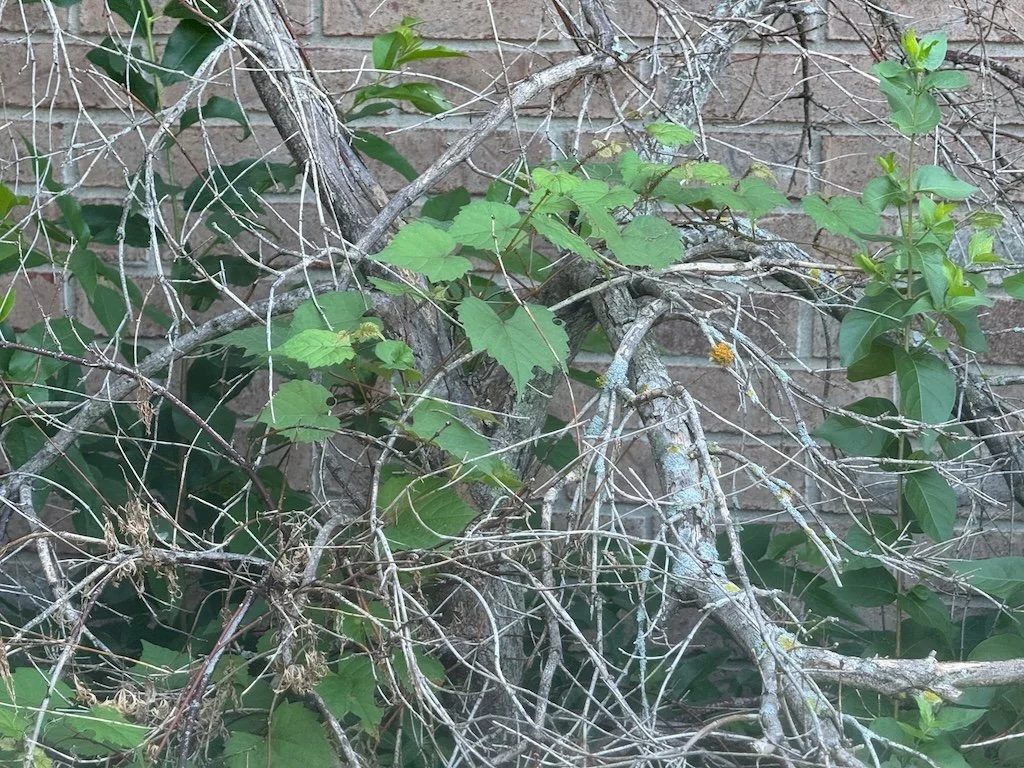
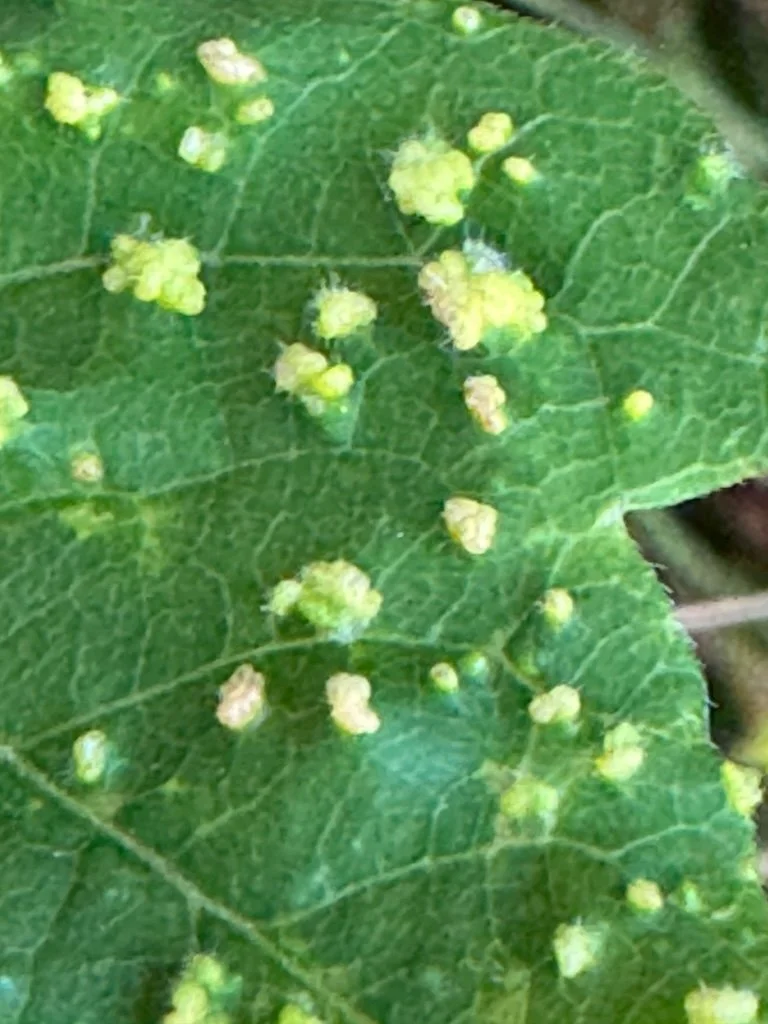
I noticed a stand of poison ivy in a small flower bed on the west side of the house…and it had something growing on the leaves. After watching a recent webinar on galls, I realized that the growths were caused by the poison ivy gall mite! It also can infect fragrant sumac; I checked the plant I have in my back yard and, so far, it doesn’t have any galls! I need to develop some better techniques to take gall pictures….since now I will be looking for them everywhere I go (particularly on oaks!).
Daughter’s April Yard

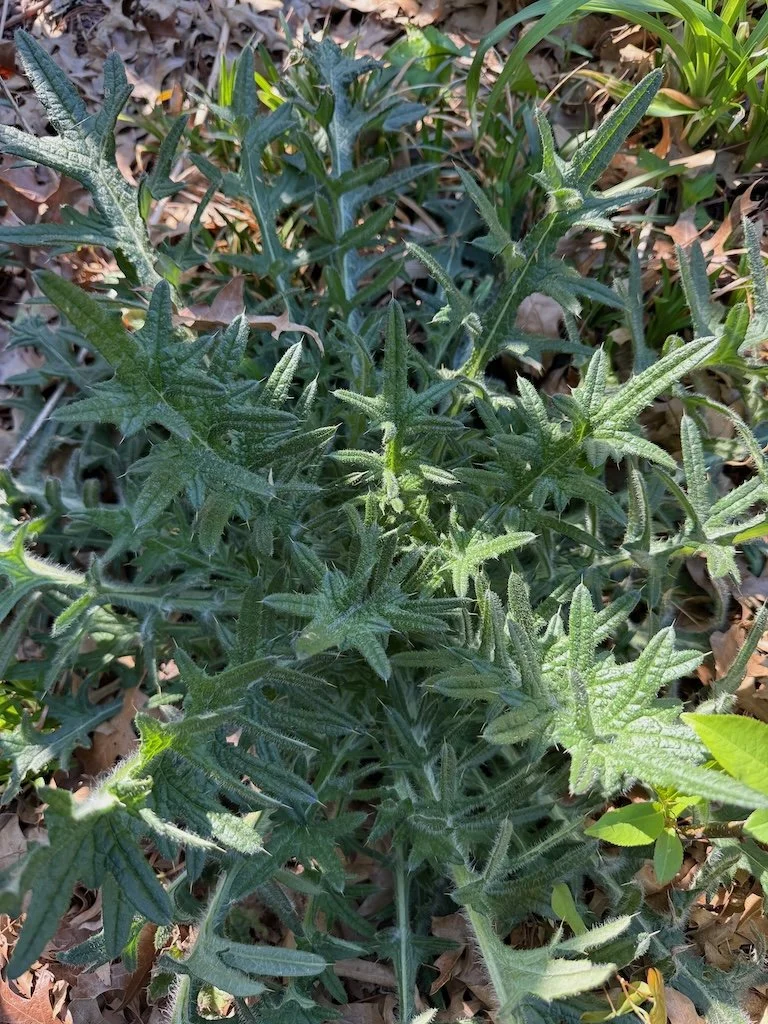
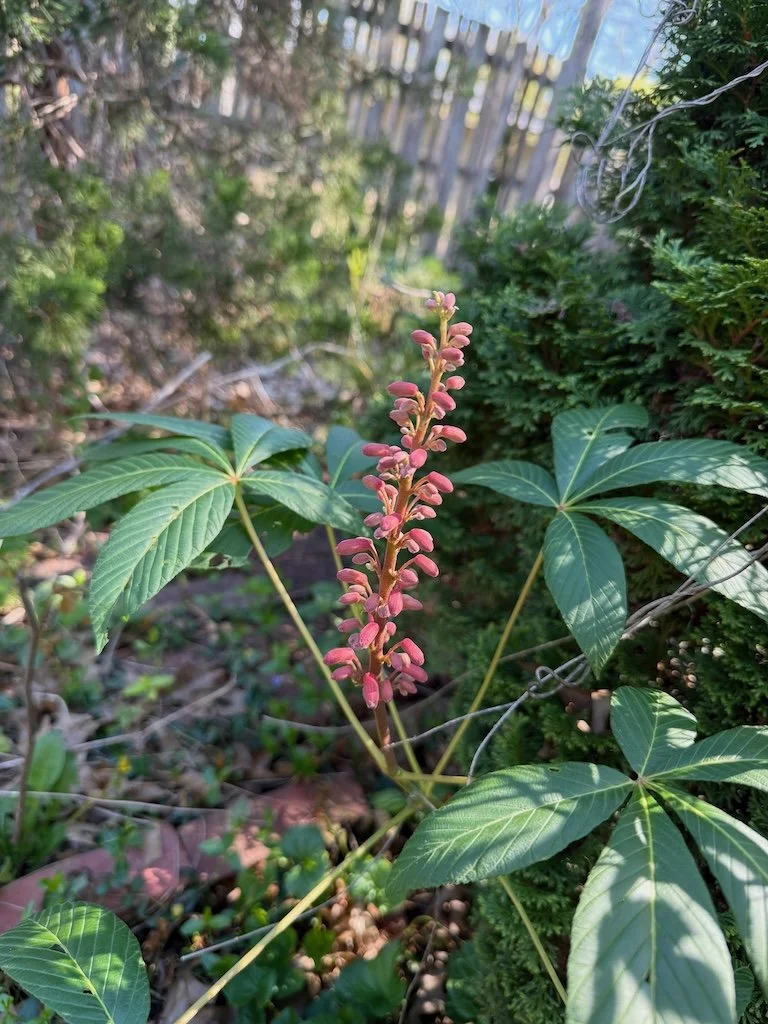
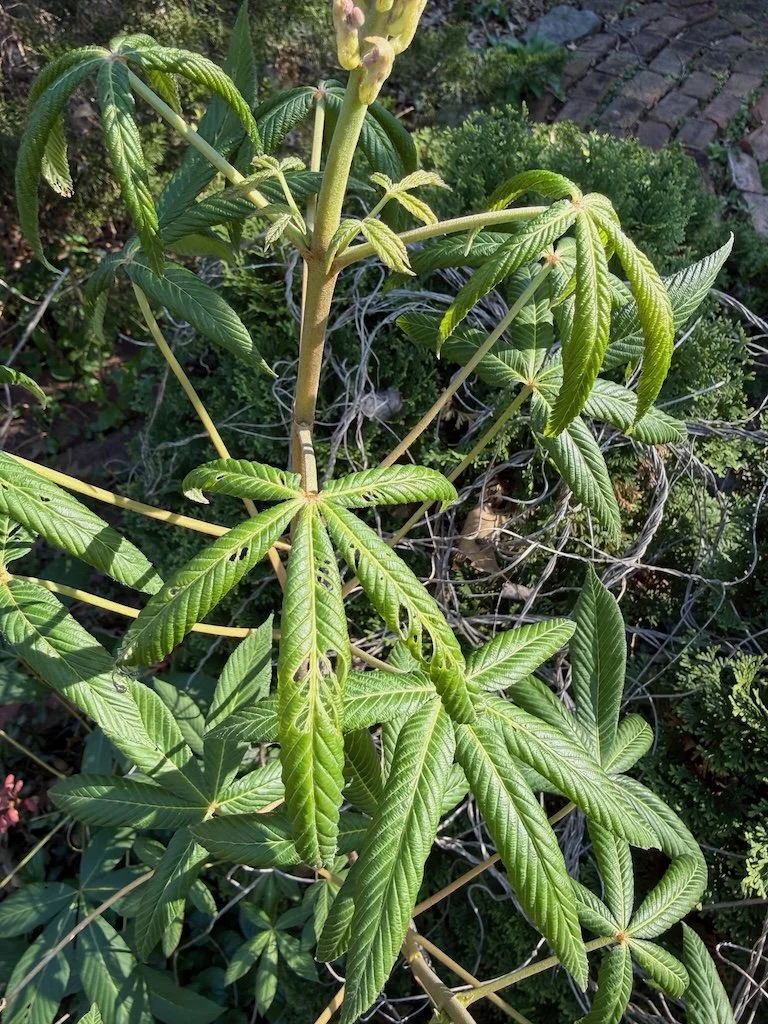
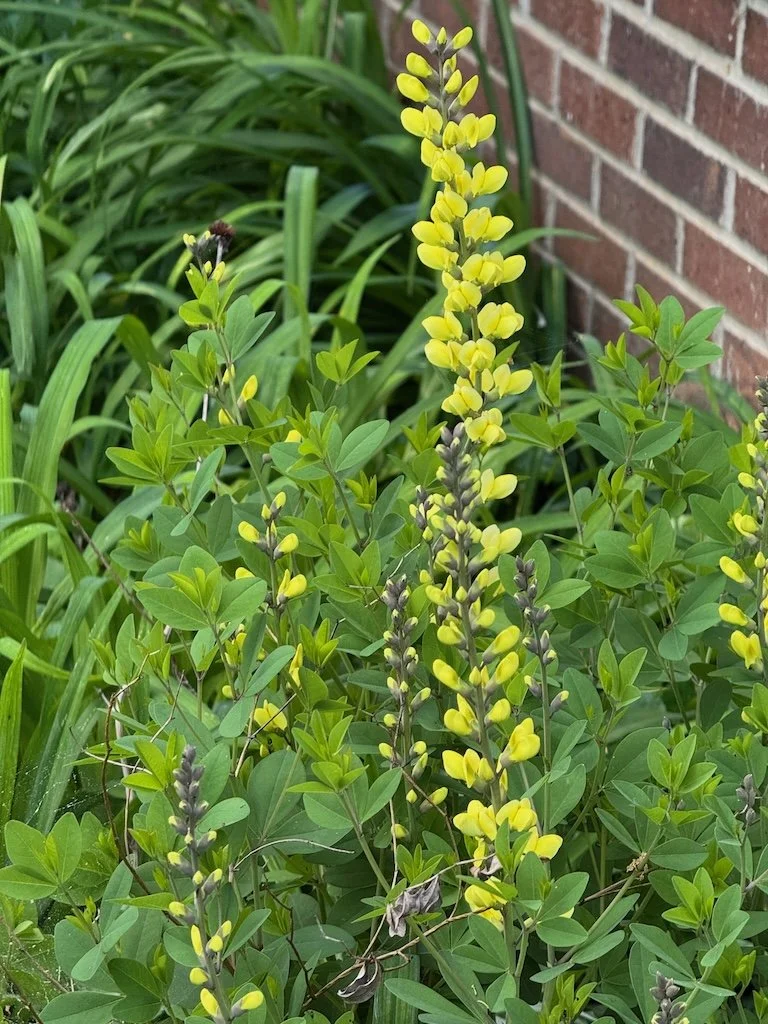
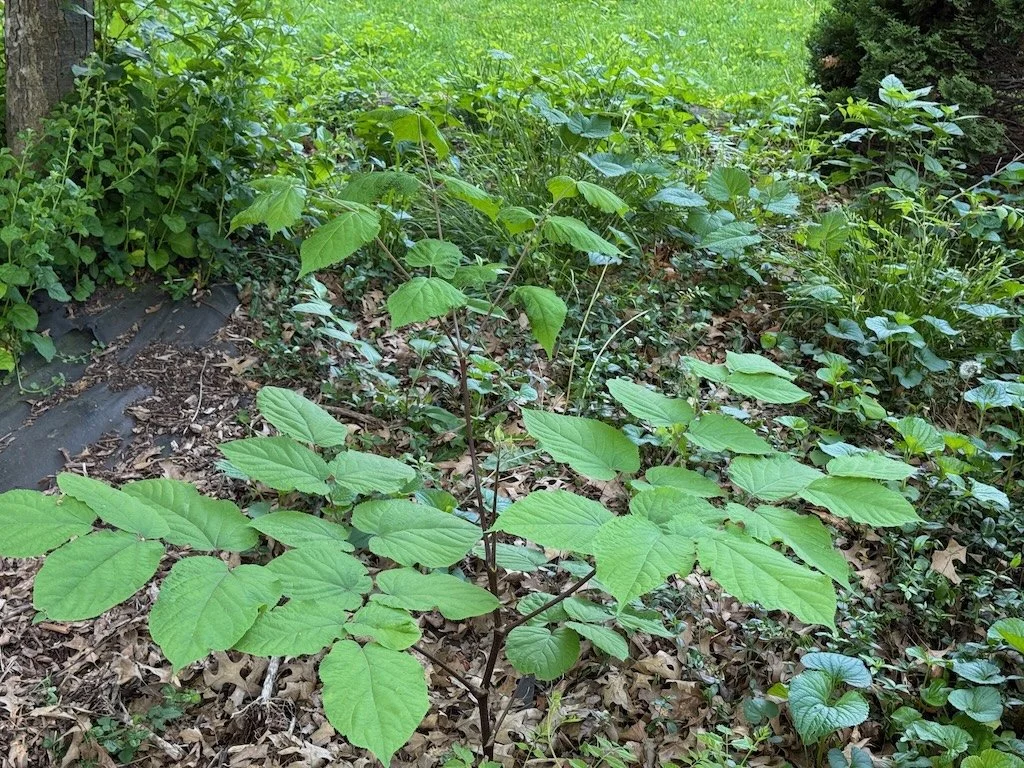
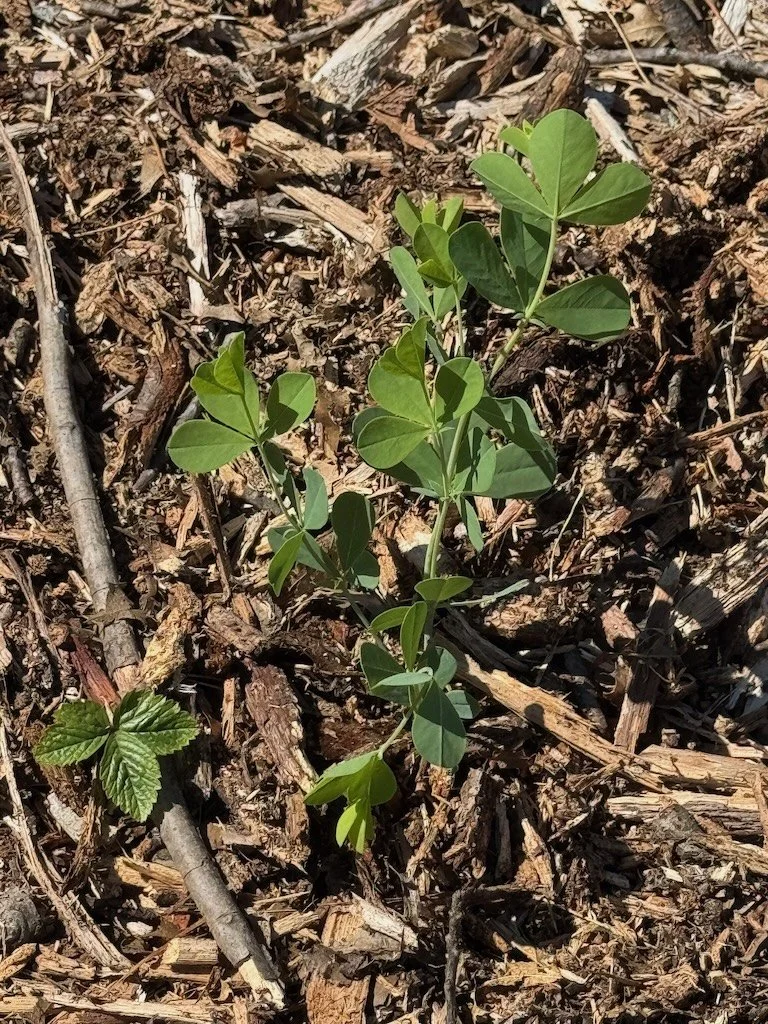
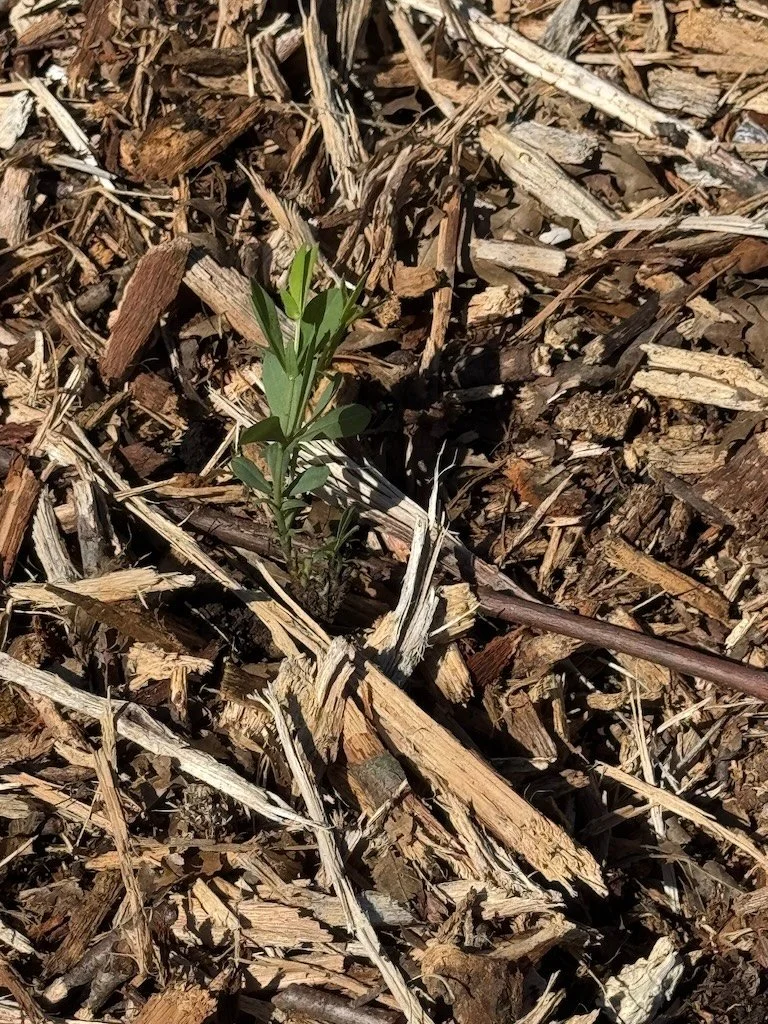
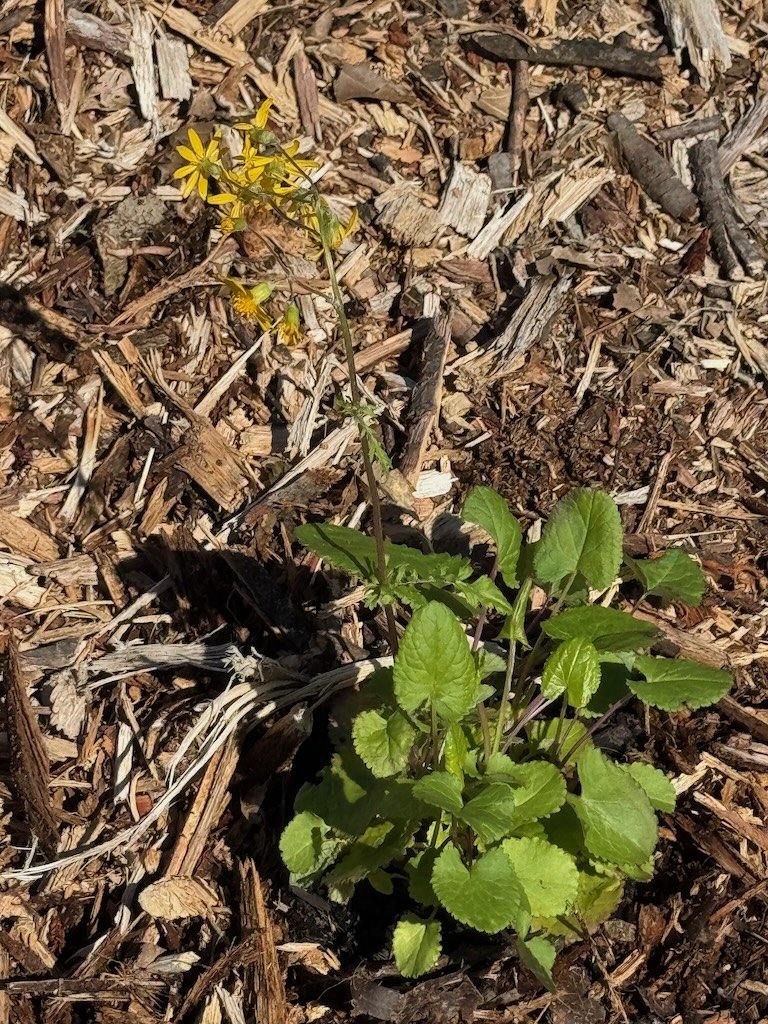
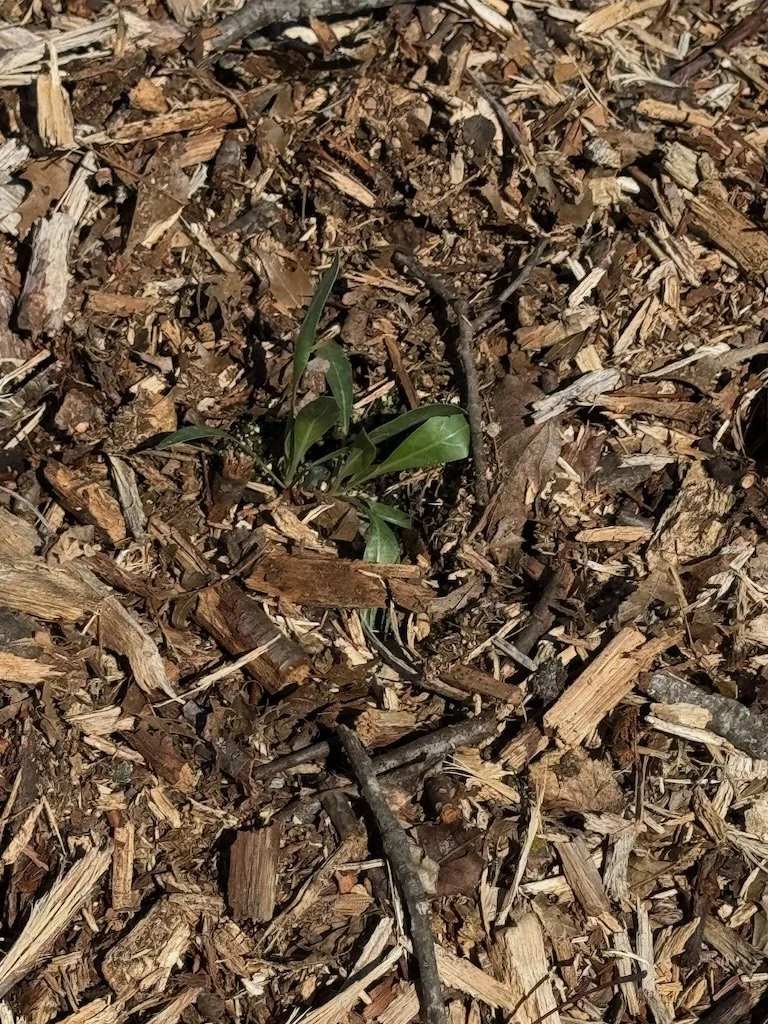
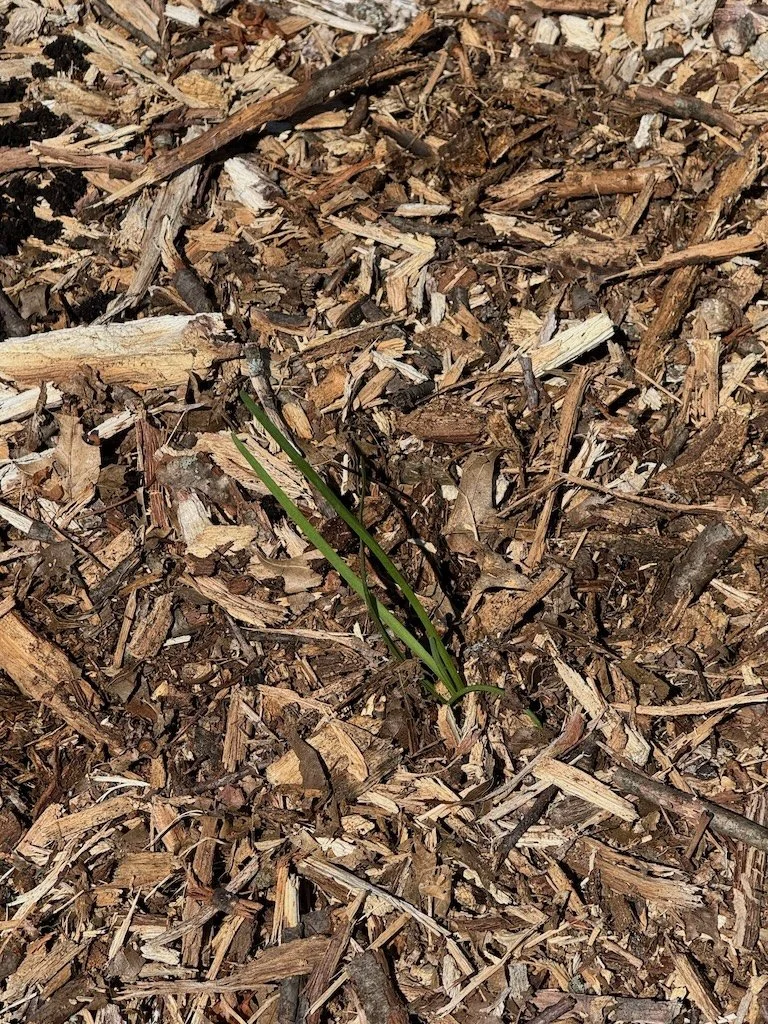
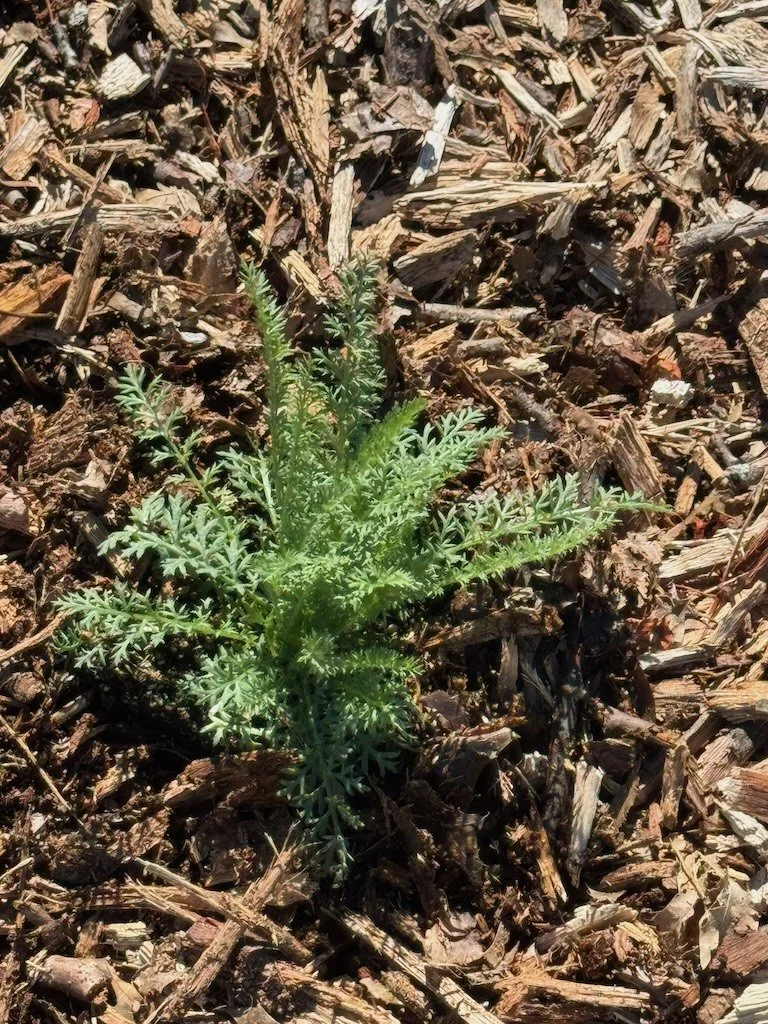
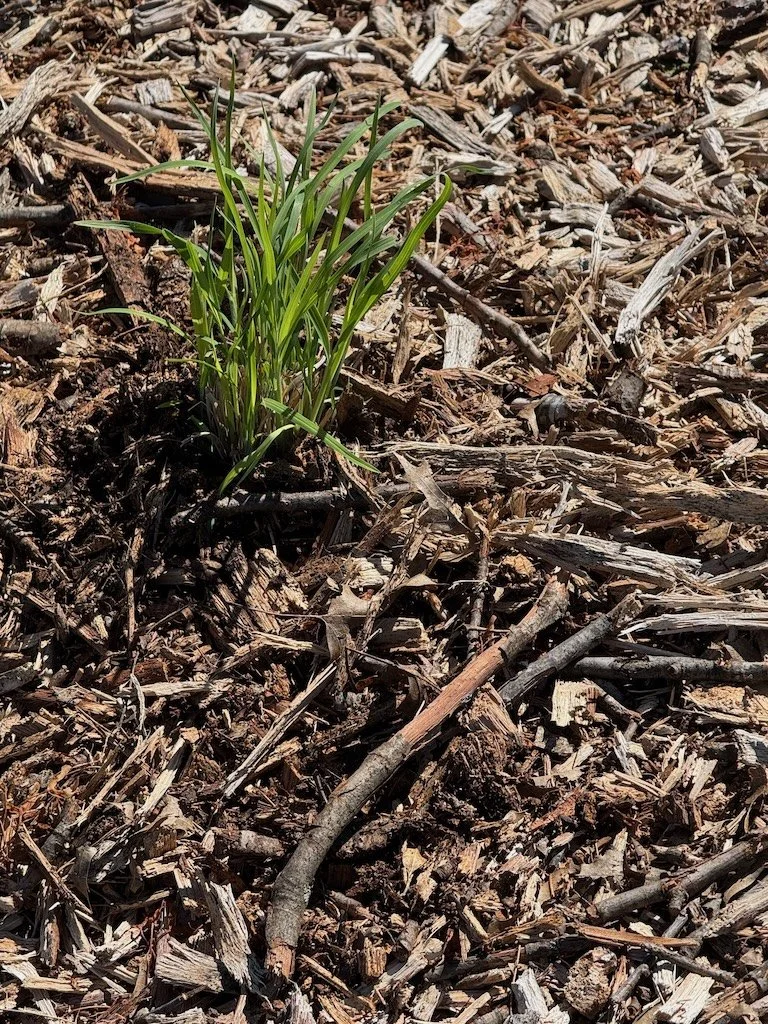
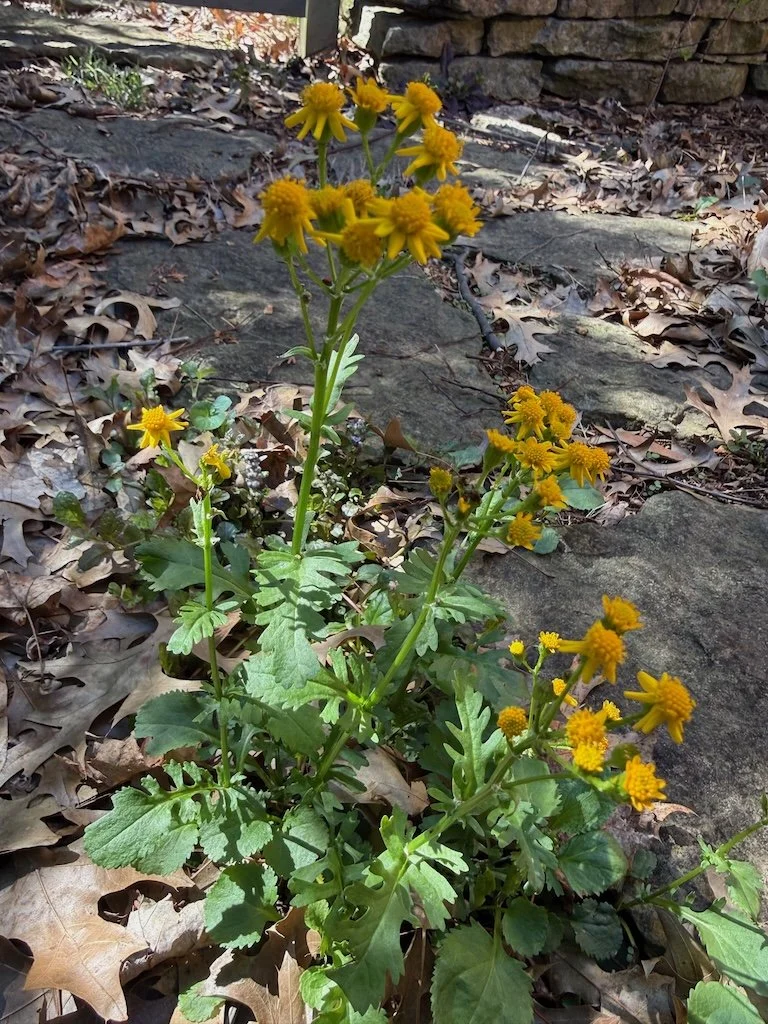
I am enjoying my daughter’s yard through her occasional pictures and when I am at her house. Early in April, she sent me pictures of the plants in her garden by the driveway. She was uncertain if the second one (not blooming) was a weed or something they had planted.

The small red buckeye we had seen in her yard last summer was up and had one cluster of blooms.

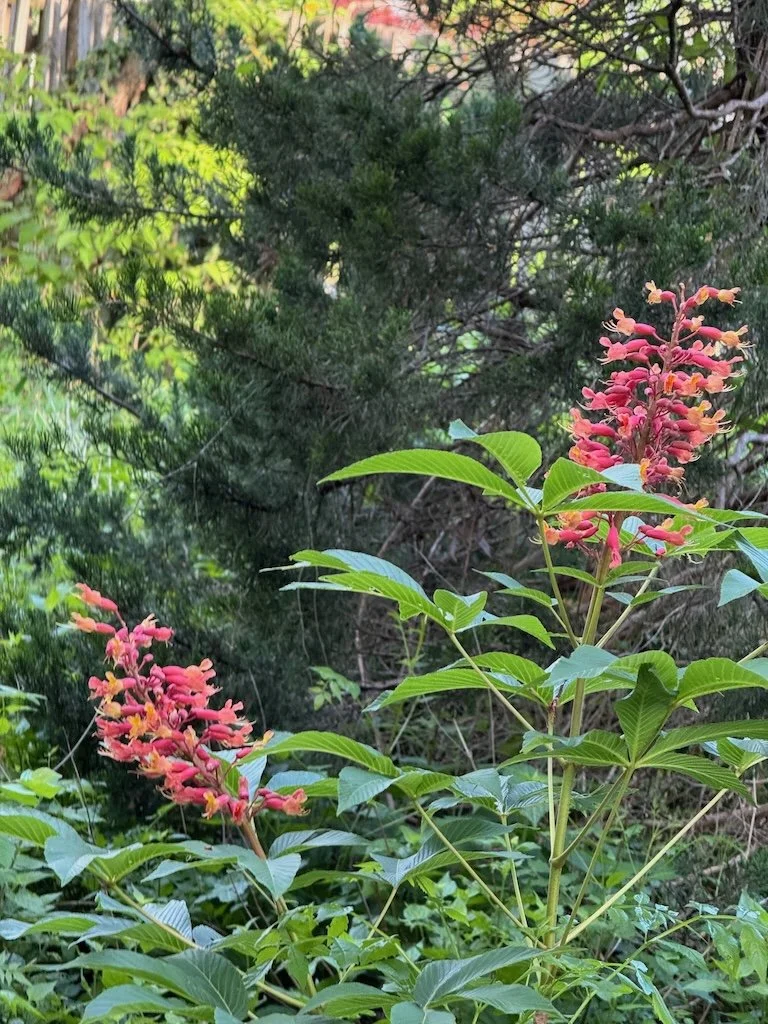
Later in the month the young tree had grown more than a foot and had two bloom clusters. Hopefully the hummingbirds are finding the flowers.

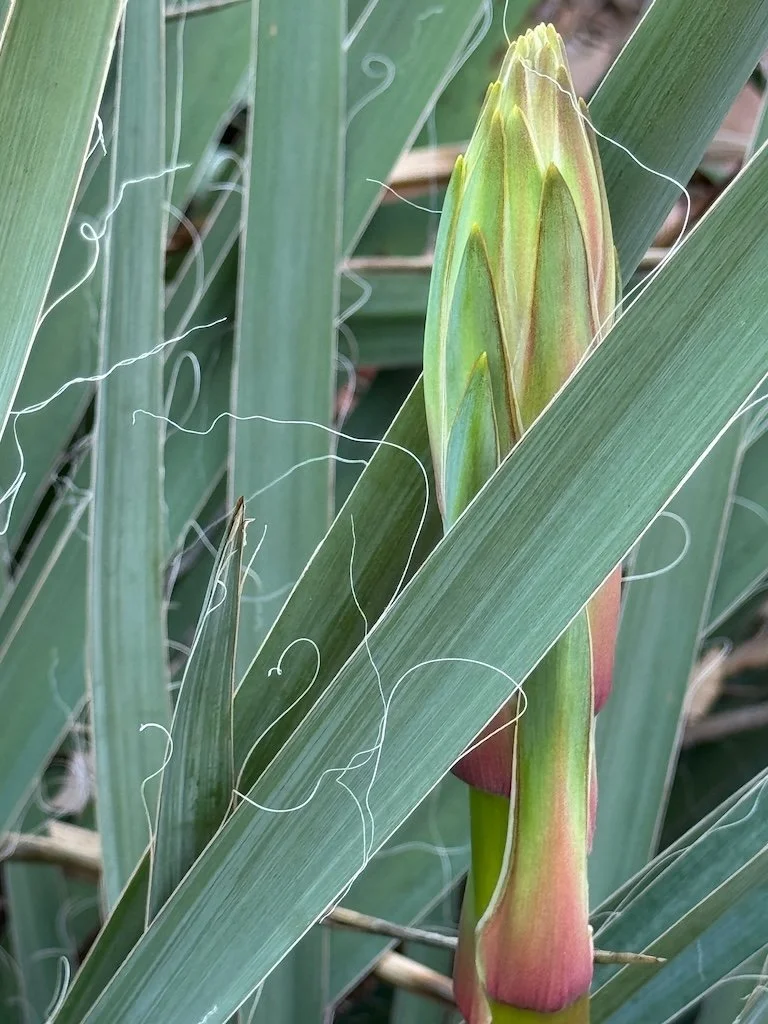
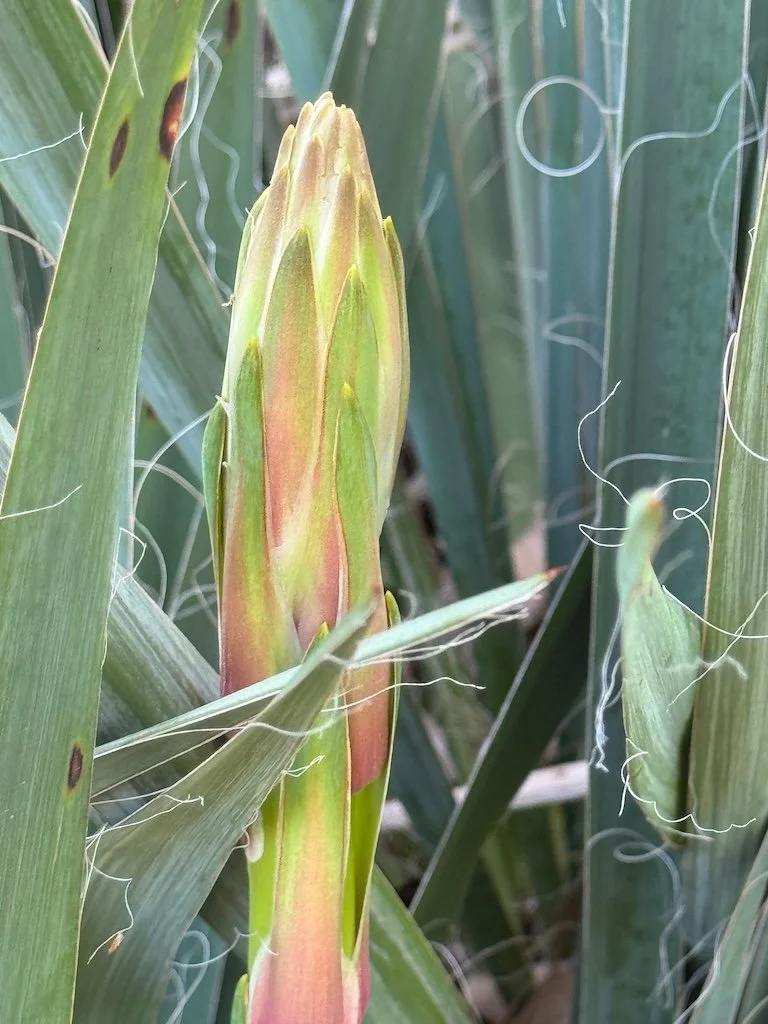
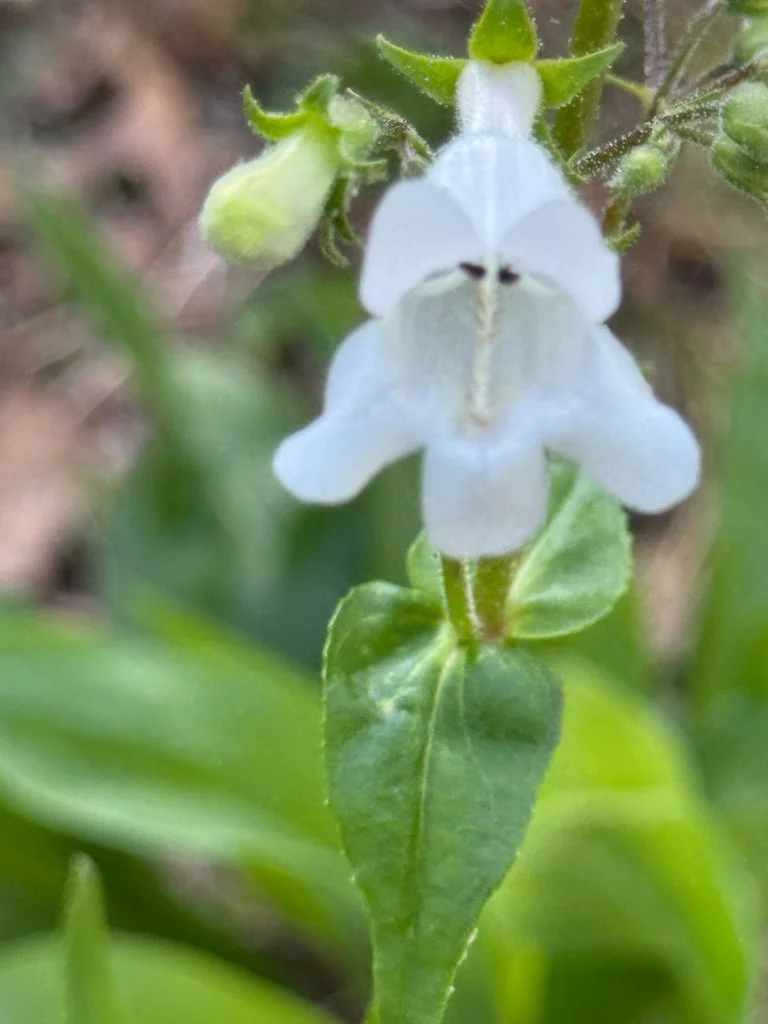
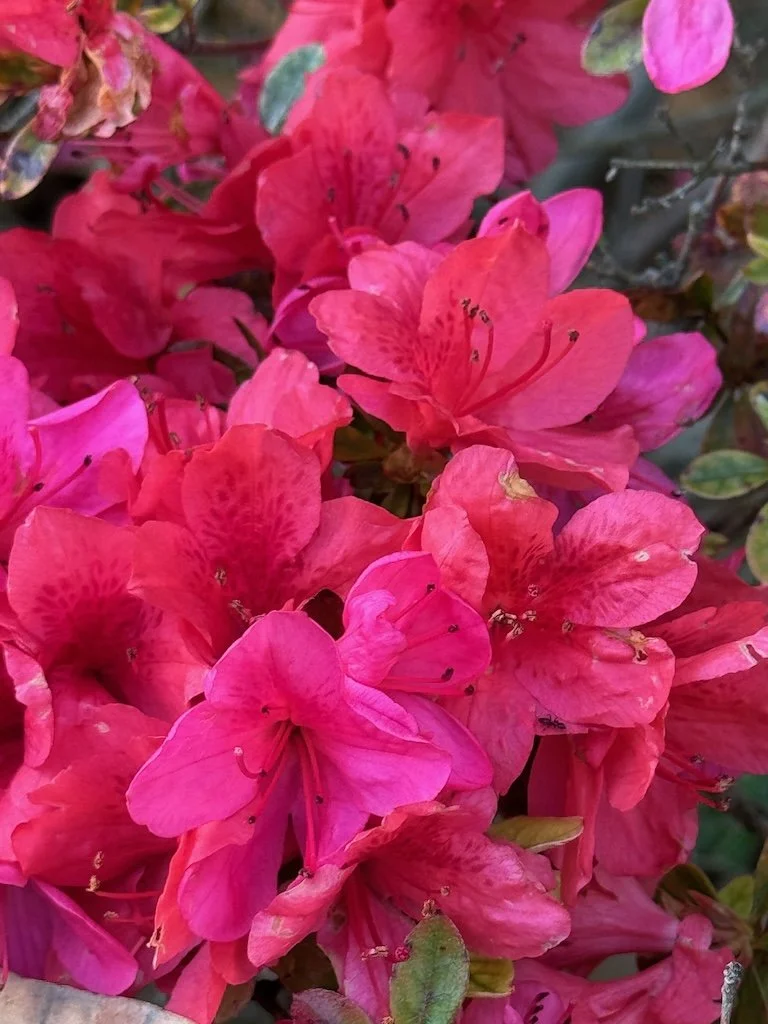
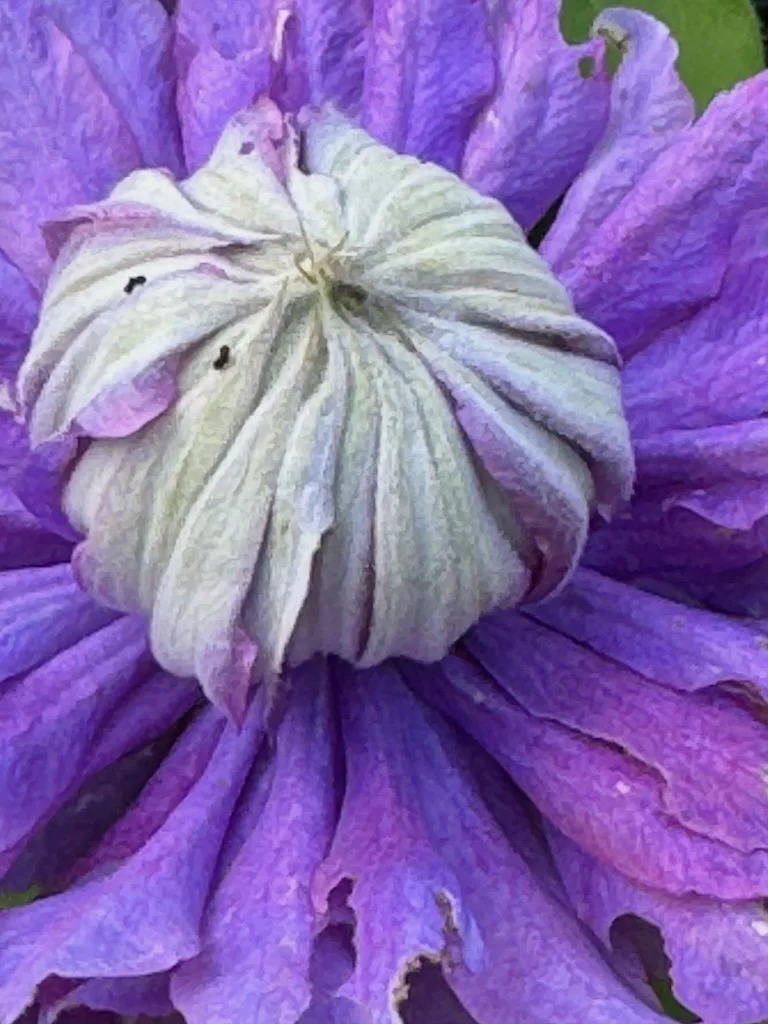
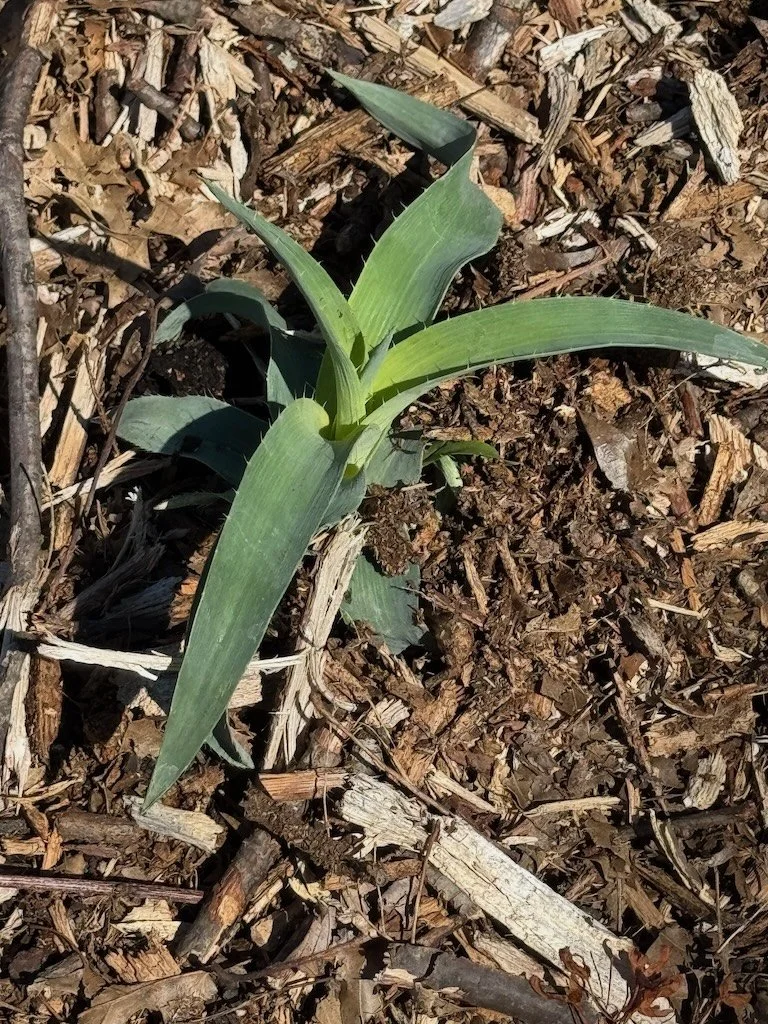
The bloom stalks were visible in two yuccas. Penstemons, azaleas, clematis, and yellow wild indigo were already blooming.

Several plants in the shady part of the yard (including oak leaf hydrangea and American spikenard were looking good too.

Her house was built in the 50s so many of her trees are quite large – particularly an oak, a river birch, and an Eastern Hemlock. Her yard has more shade than mine…and she is slowly adding more natives to the mix of perennials in the few sunny places.  

Planting Native Plants in the Front Yard

I waited a day or so to plant the young plants – when the nighttime temperatures would not be dipping into the 30s again. I planted into the oak mulch that I had put down last fall. As I made the hole for the first plant, I noticed that the surface was dry but underneath for very moist. There were worms and small grubs and white fungus hyphae. The new plants are going to love it. Of course, this also means that plants I don’t want there were going to love it too….I will need to recognize and pull as they appear!

I planted 8 plants on the first day:

Wild Blue Indigo Baptisia australis and Cream wild indigo Baptista bracteate

Rattlesnake master Eryngium yuccifolium and Golden ragwort Packera aurea

Missouri Evening Primrose Oenothera macrocarpa and Nodding Onion Allium cernuum

Yarrow Achillea millefolium and Little Bluestem Schizachyrium scoparium

The Soapweed yucca Yucca glauca was planted the following day in a bed where I had to remove rocks and landscaping cloth. The bed is not covered by our sprinkler system and some of the plants previously there had not done well with the dry conditions.

Now that this first round of plants is in the ground, I am in monitoring mode….to water if it doesn’t rain enough and to pull weeds. I am expecting some elderberry seedlings that I will add to the front garden….and some pawpaw seedlings that will join one I planted last year in my back yard (completing the pawpaw patch).
Buying Native Plants for the Front Yard

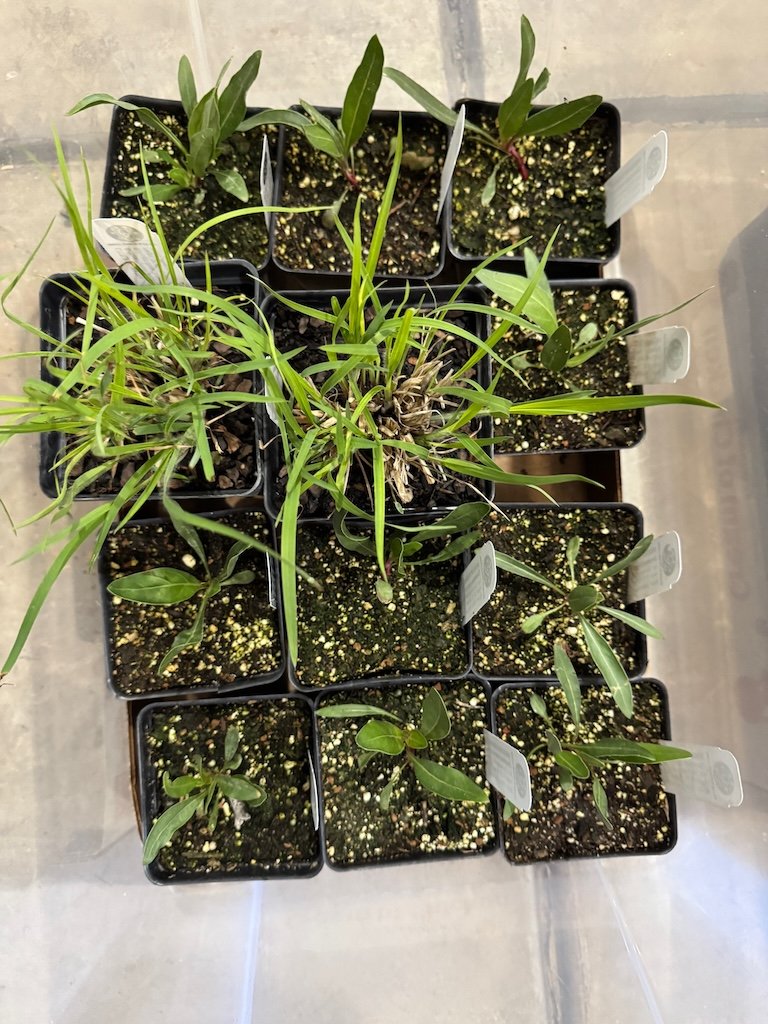
The local nature center hosted two native plant vendors (Ozark Soul and Missouri Wildflowers Nursery) on a recent Saturday, and I bought the initial plants for my new front yard native plant garden. The oak chips have been in place since last fall, and the temperatures are warm enough to begin plantings. It was a damp morning, but my daughter helped by volunteering her time and her car; we loaded up three bins of plants.
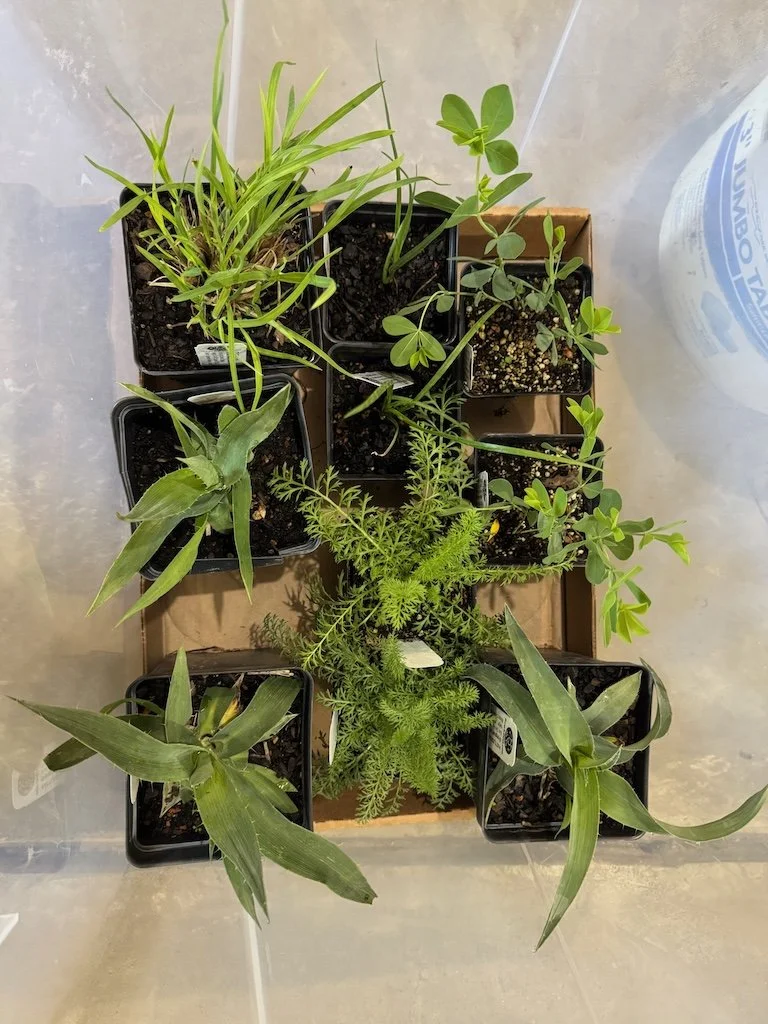
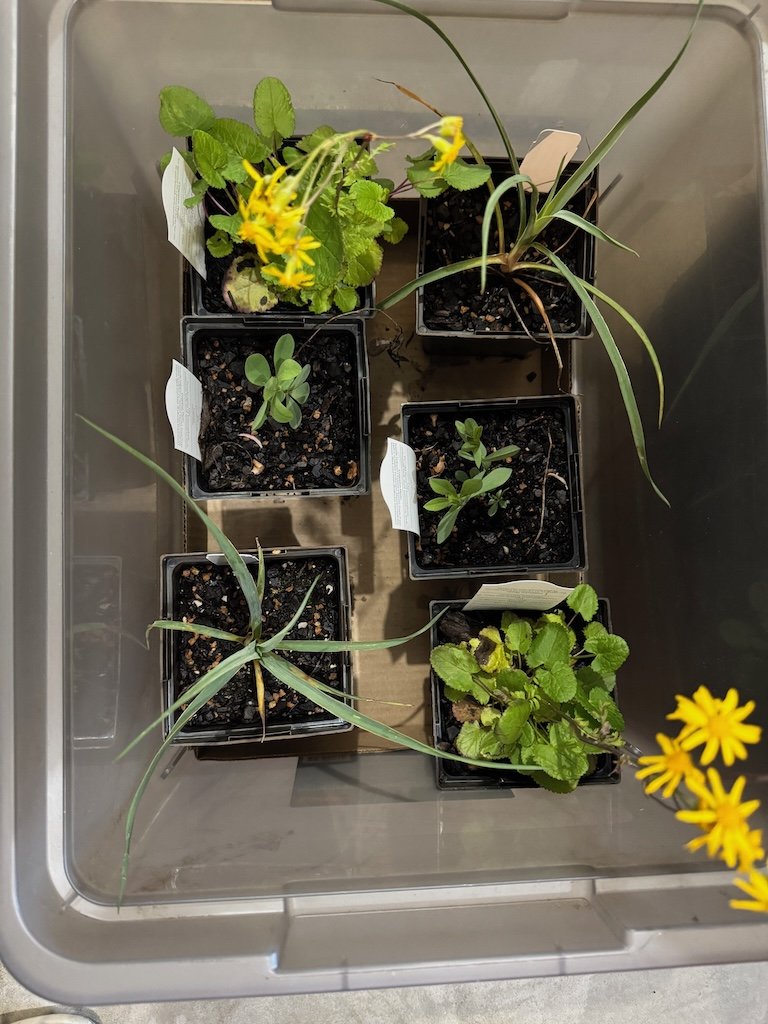
I took pictures of the bins when I got home and documented what I bought. I’m keeping a record of what I buy, plant…what survives.

In bin1 there are:

  • 10 Missouri Evening Primrose Oenothera macrocarpa The one near my mailbox is doing very well and these plants will become the ground cover level of my native plant garden.

  • 2 Little Bluestem Schizachyrium scoparium It will be the background for the lower part of the garden….and show up more after other vegetation has died back for the winter.

  • In bin 2 the rows from top to bottom are:

  • Little Bluestem Schizachyrium scoparium, Nodding Onion Allium cernuum, Wild Blue Indigo Baptisia australis

  • Rattlesnake master Eryngium yuccifolium, Nodding Onion Allium cernuum, Wild Blue Indigo Baptisia australis

  • Rattlesnake master Eryngium yuccifolium, Yarrow Achillea millefolium, Rattlesnake master Eryngium yuccifolium

In bin 3 the rows top to bottom are:

  • Golden ragwort Packera aurea, Soapweed yucca Yucca glauca

  • 2 Cream wild indigo Baptista bracteate

  • Soapweed yucca Yucca glauca, Golden ragwort Pakera aurea

My next post will be about planting these into the garden. There are 28 plants in all.

There is another native plant sale at the botanical garden in early May. Hopefully these plants will be thriving, and I can focus on filling in with the plants that will bloom into the fall…provide food for pollinators at the end of the season.