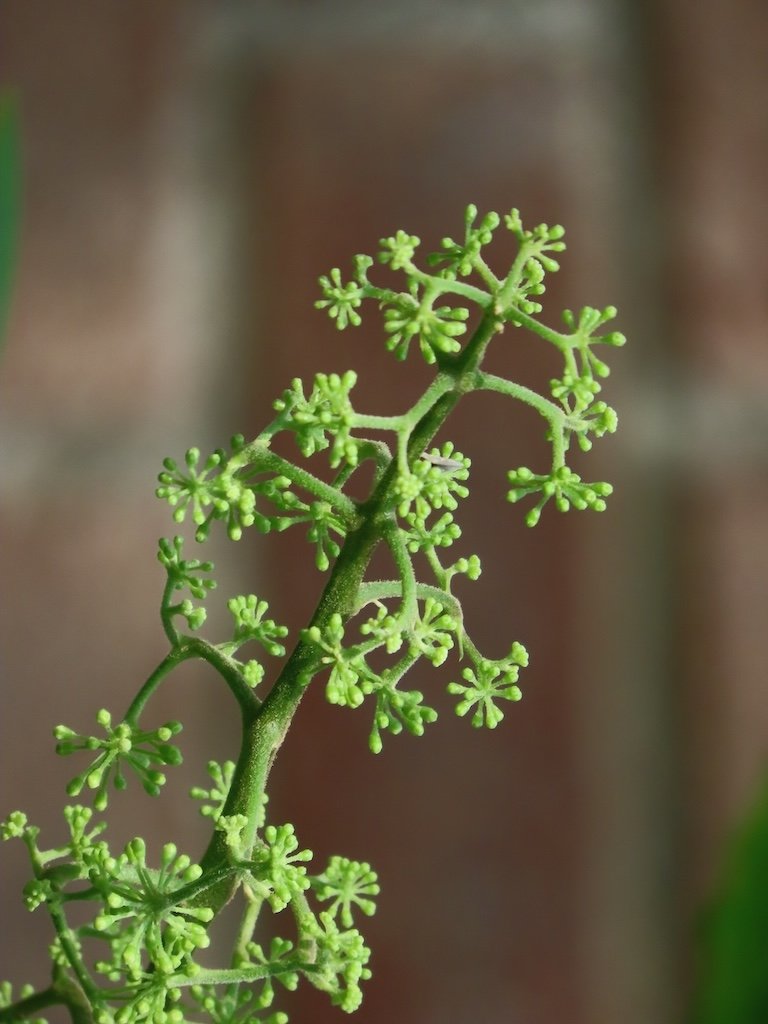
Ten Little Celebrations – March 2026

Some different types of celebrations in March…


Dad surviving a hospital admission. My sisters and I celebrated that my dad survived an awful hospital experience (bad reaction to drugs he received there, lack of attention to his response to medications and delaying administration of his regular medications). He is back in his memory care residence now and much happier. We have transitioned him to palliative care based on his experience.

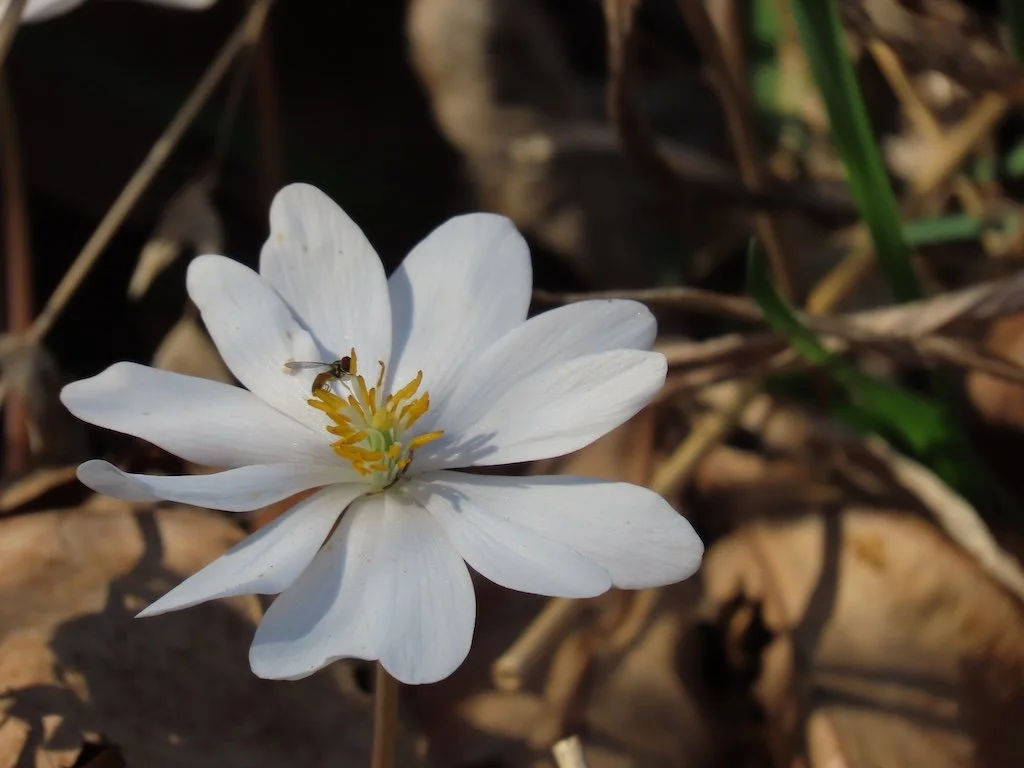
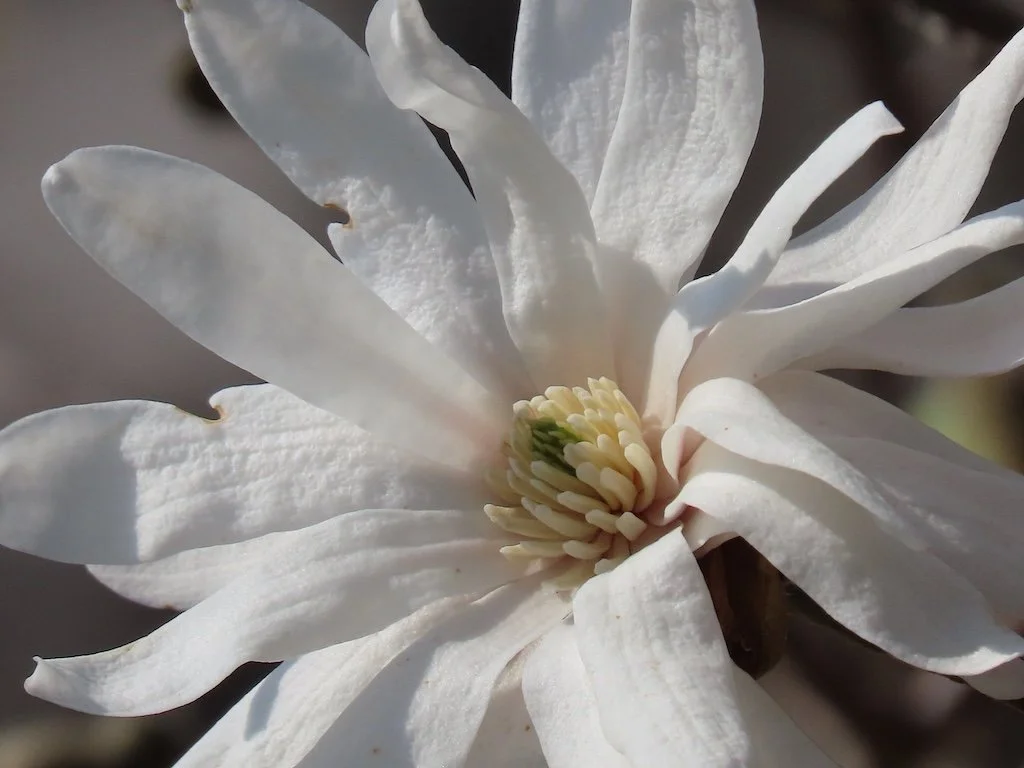
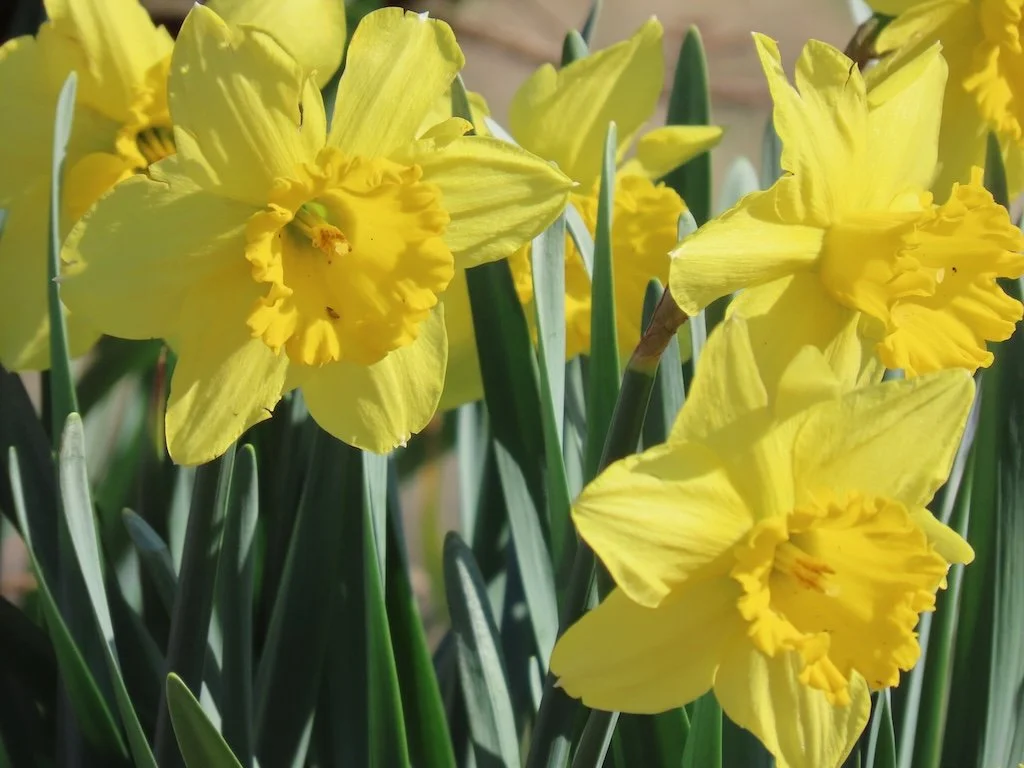
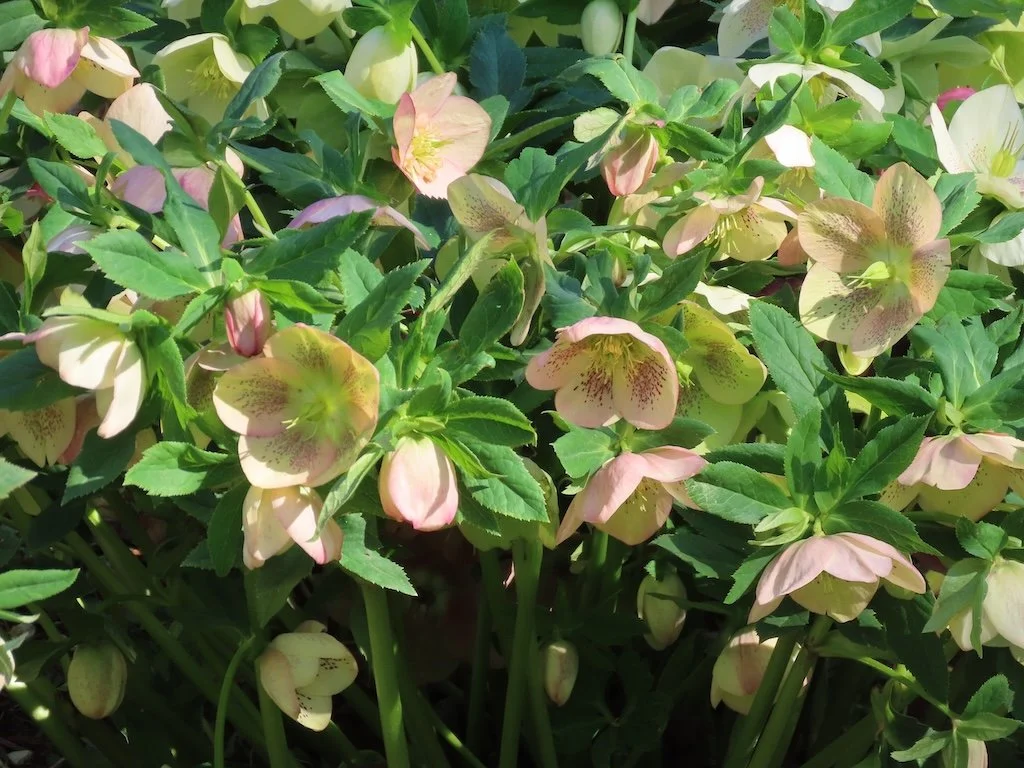
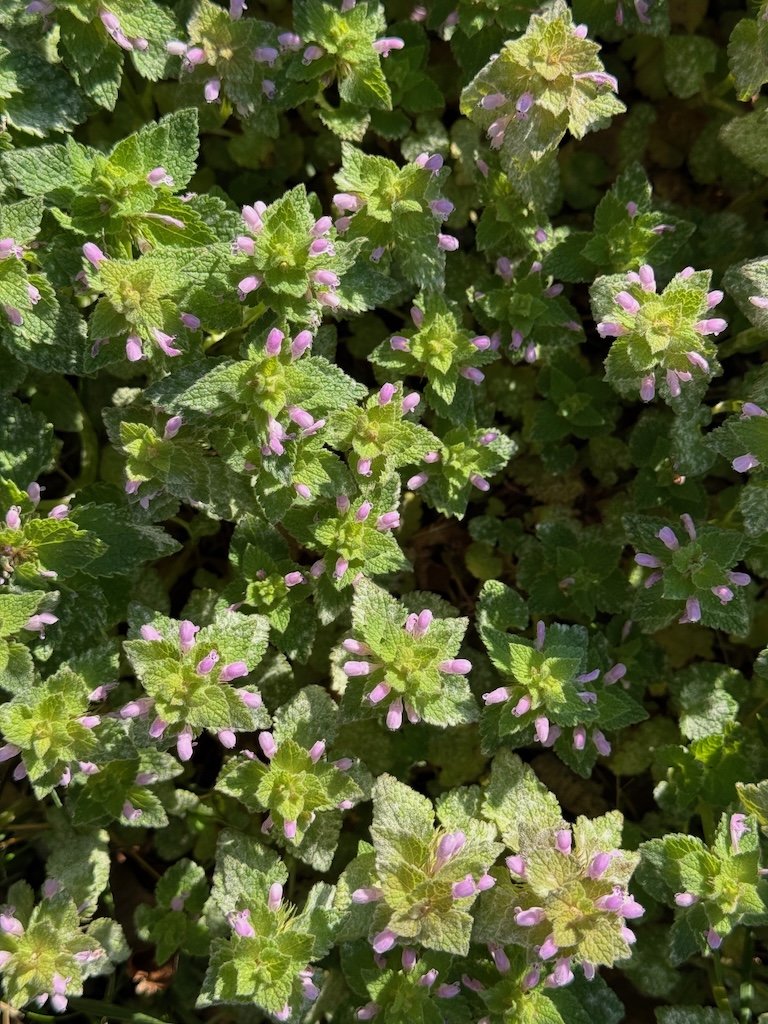
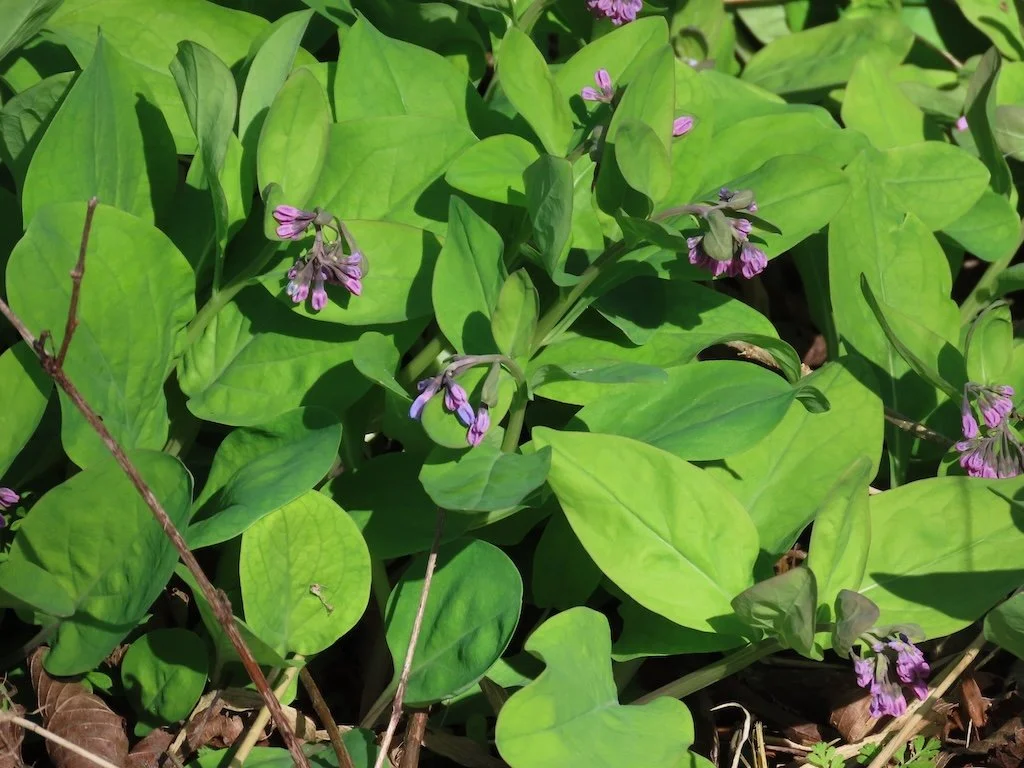
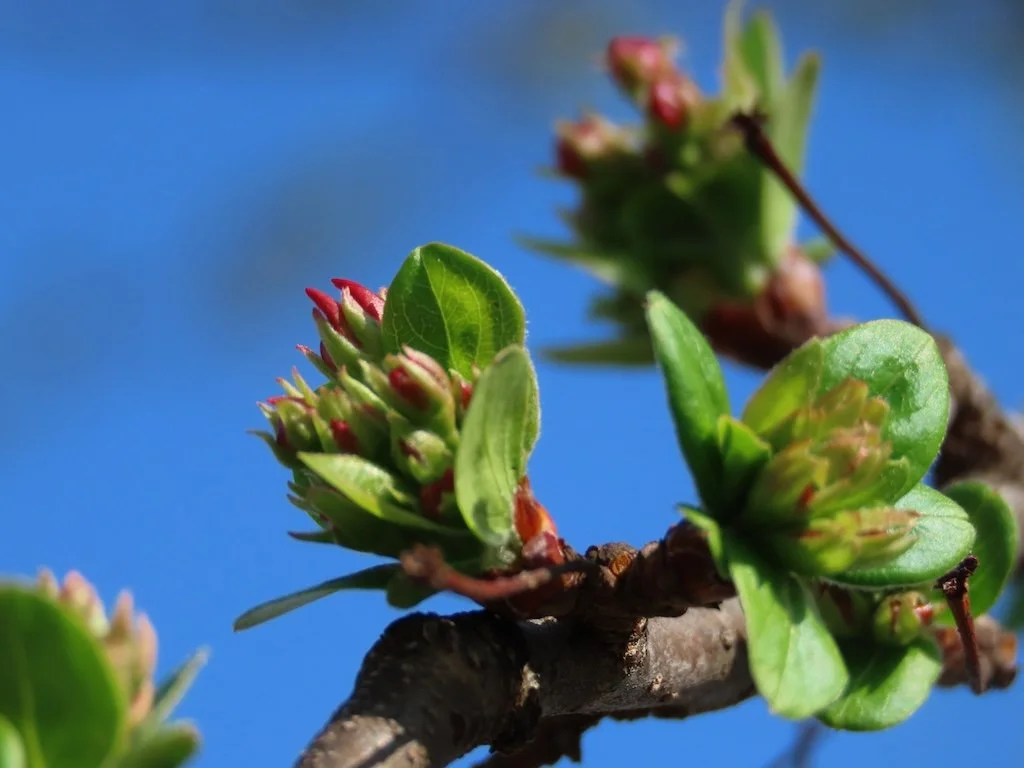
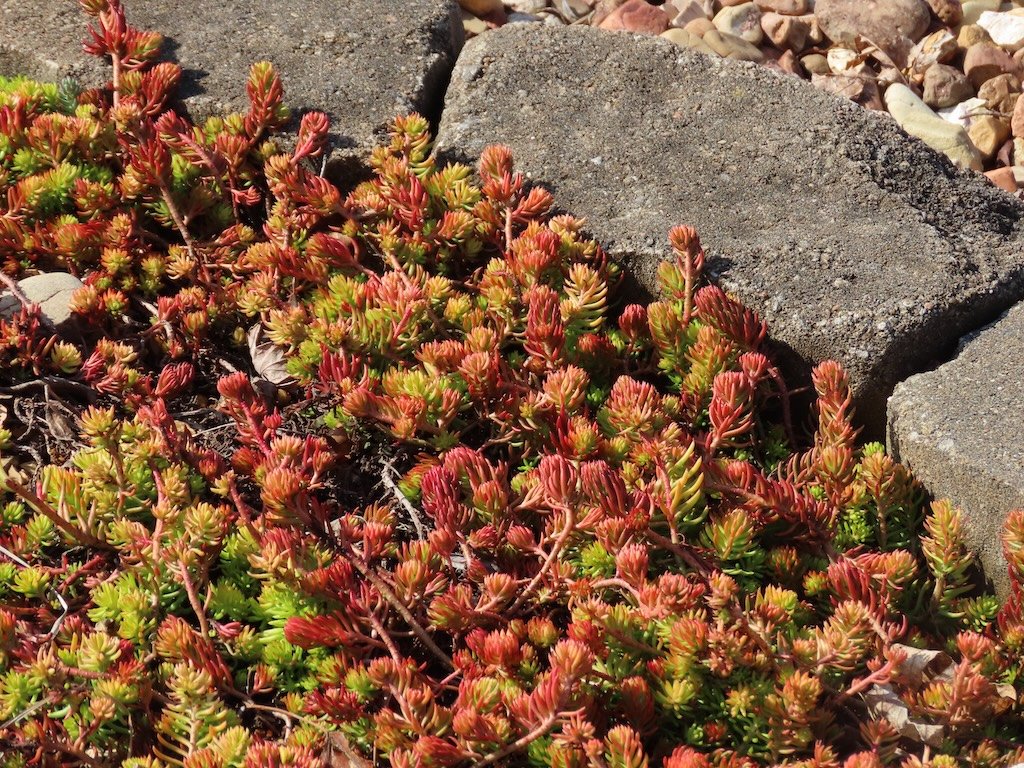
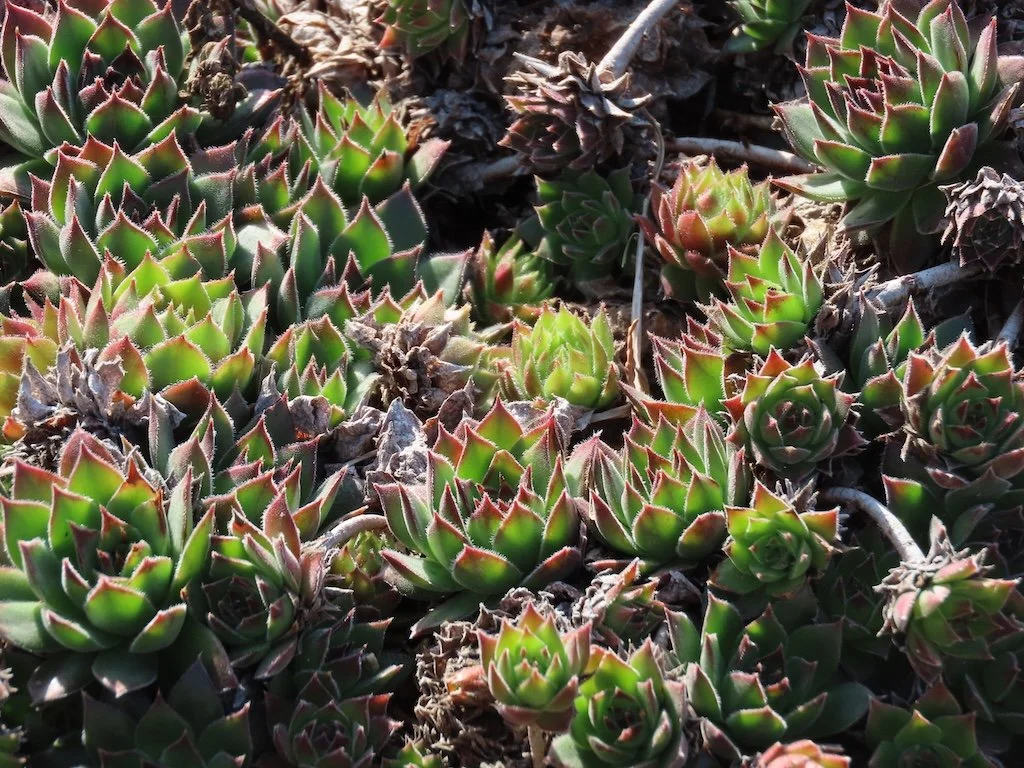
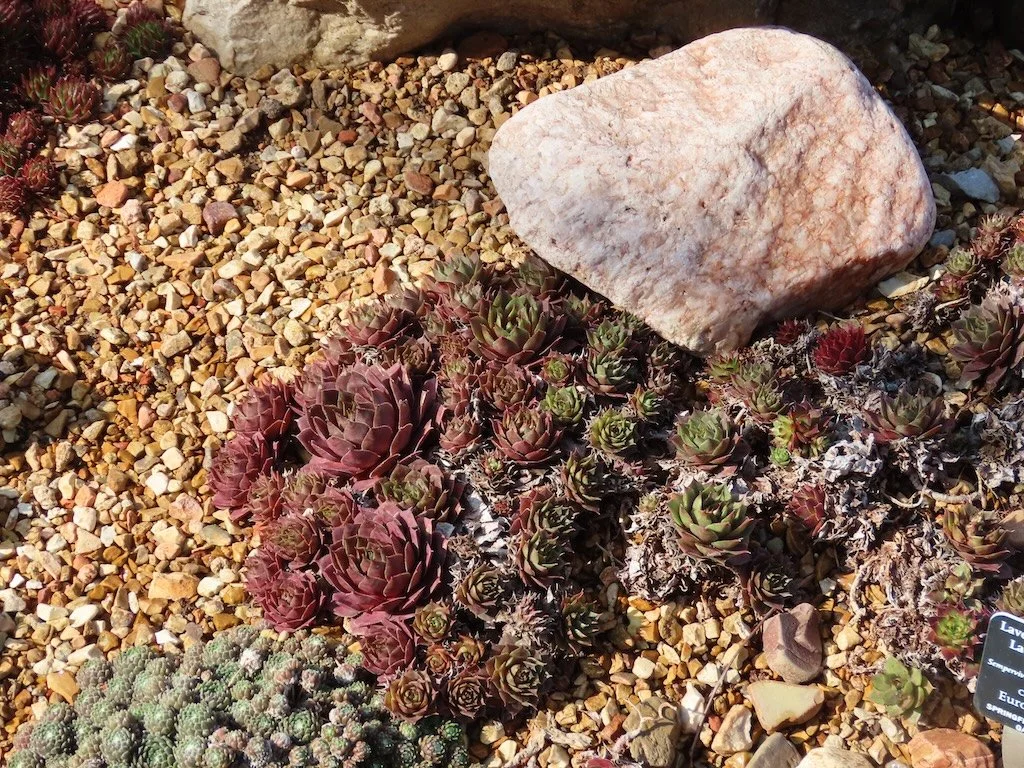
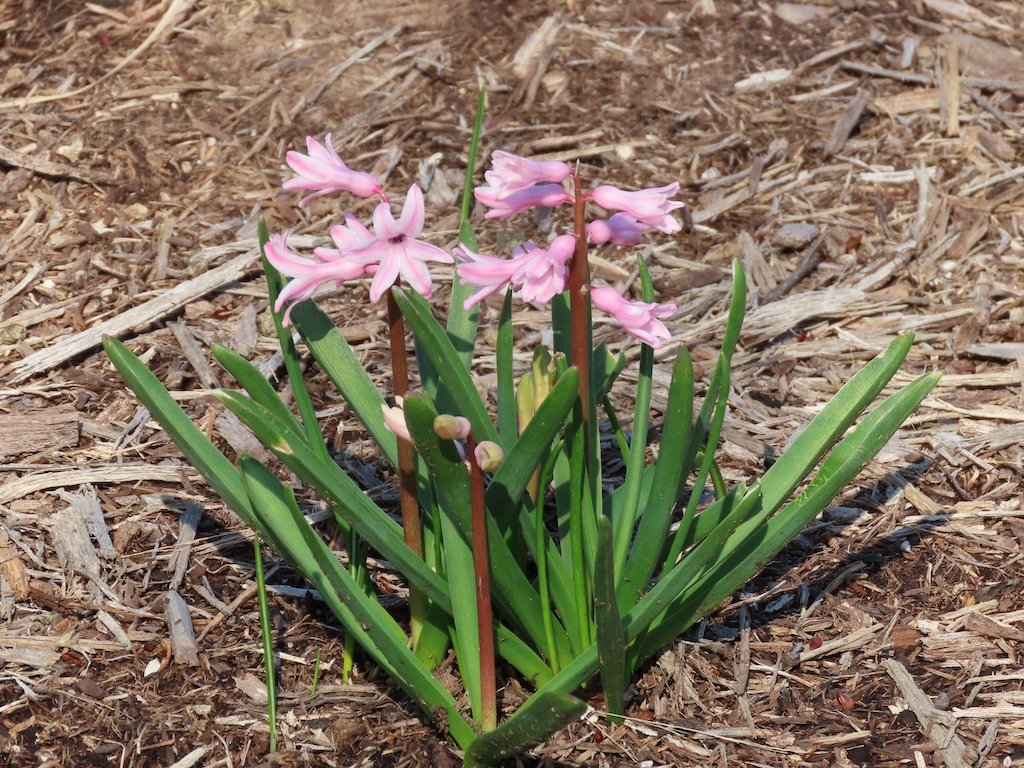
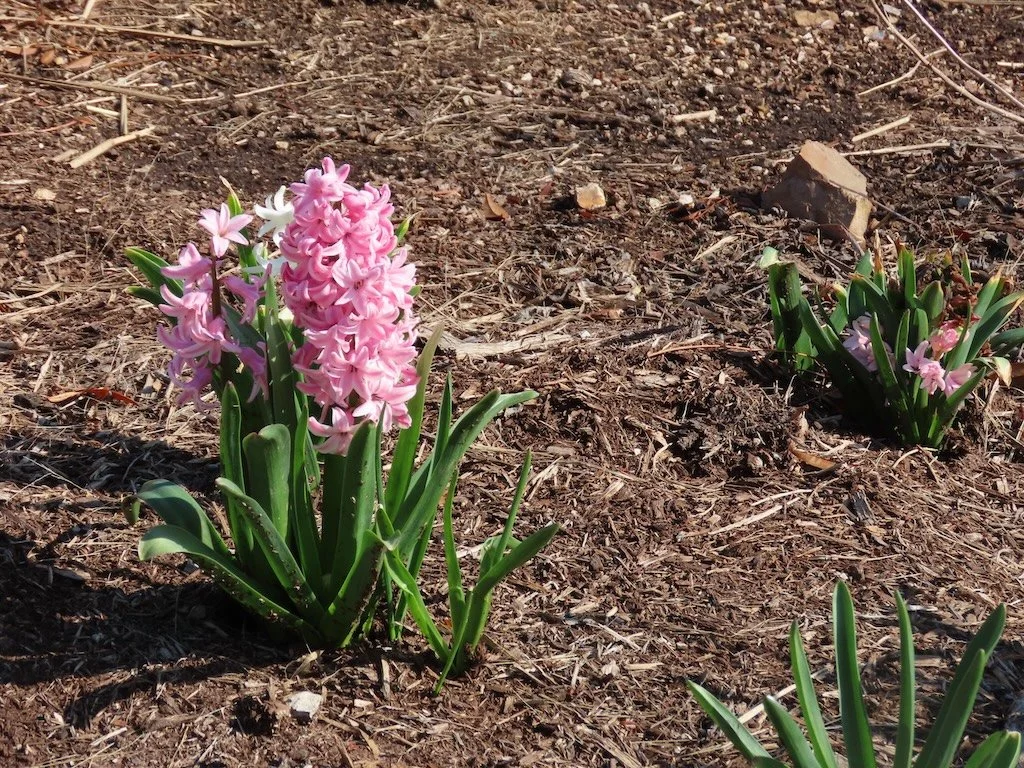
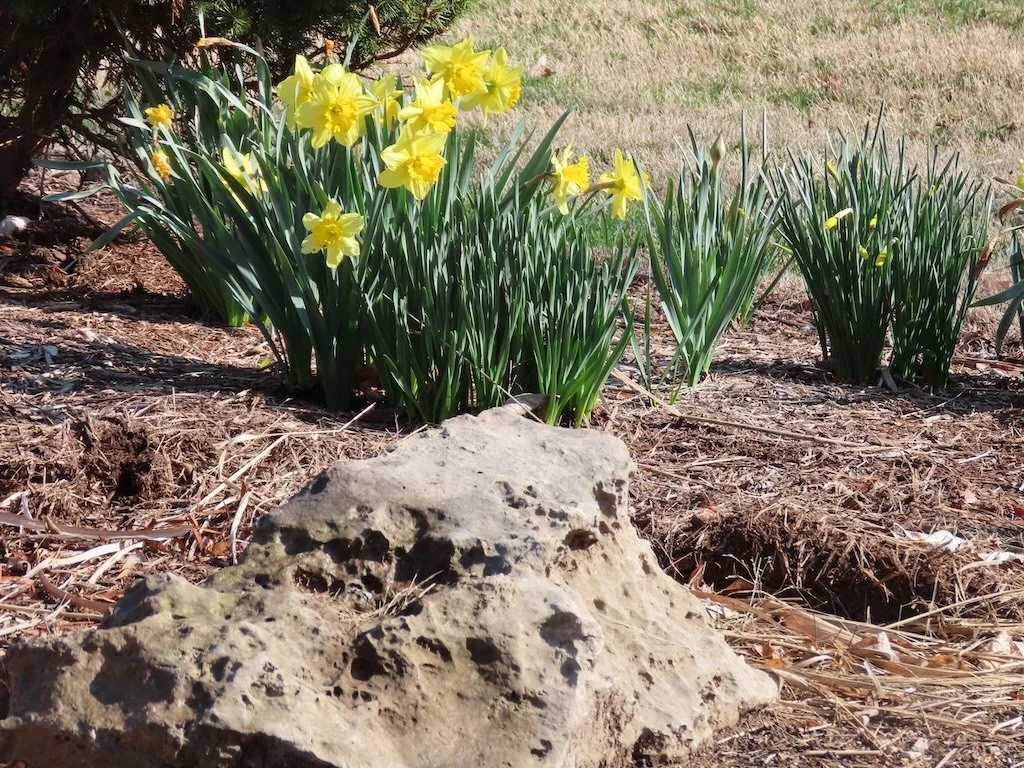
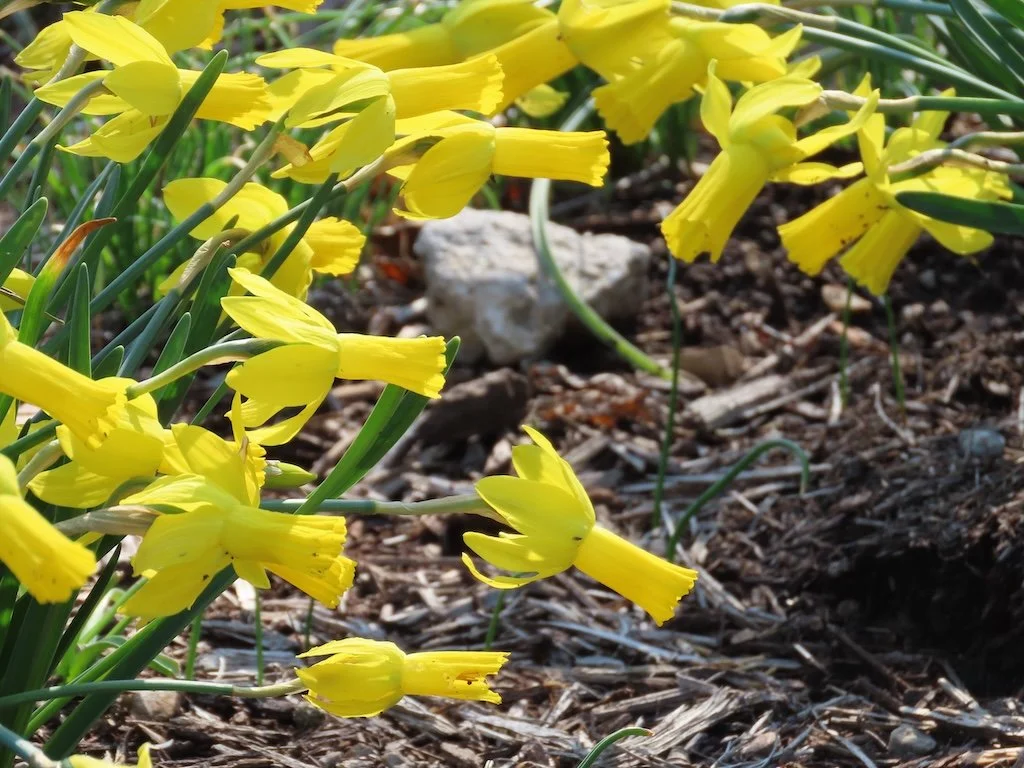
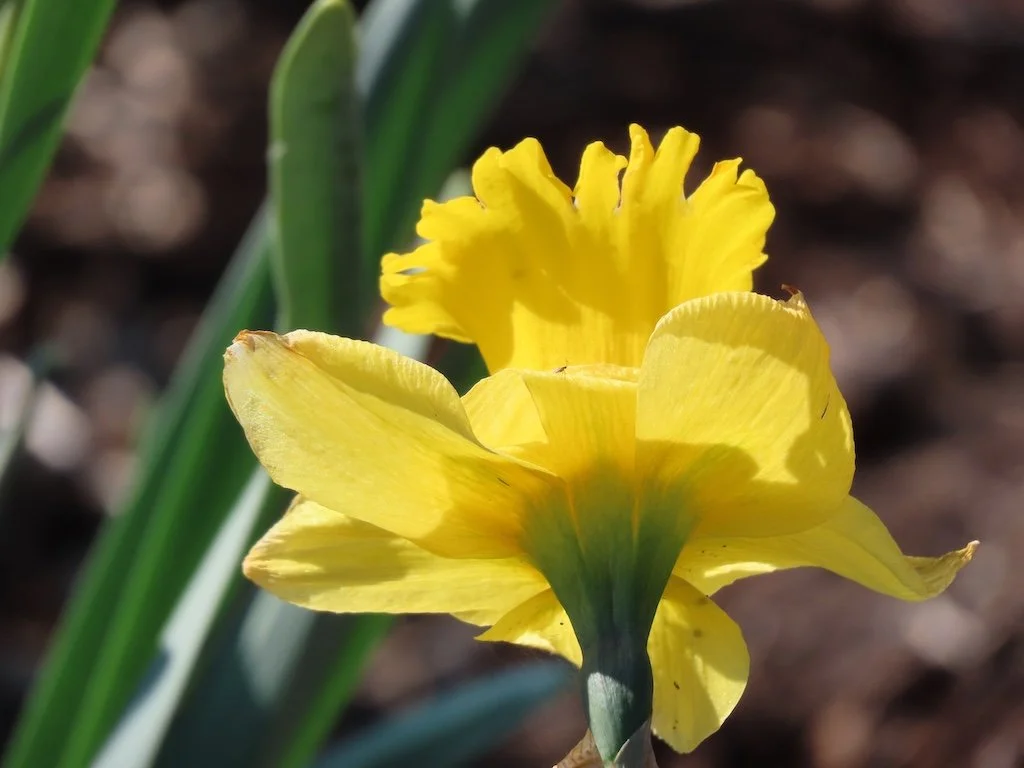
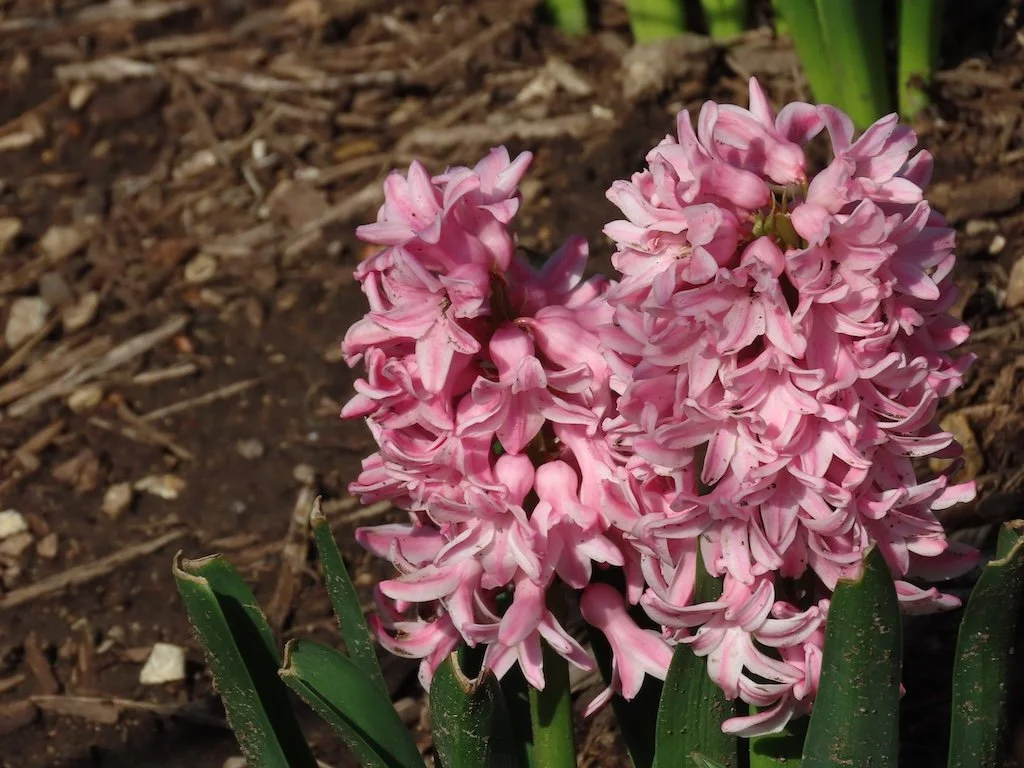
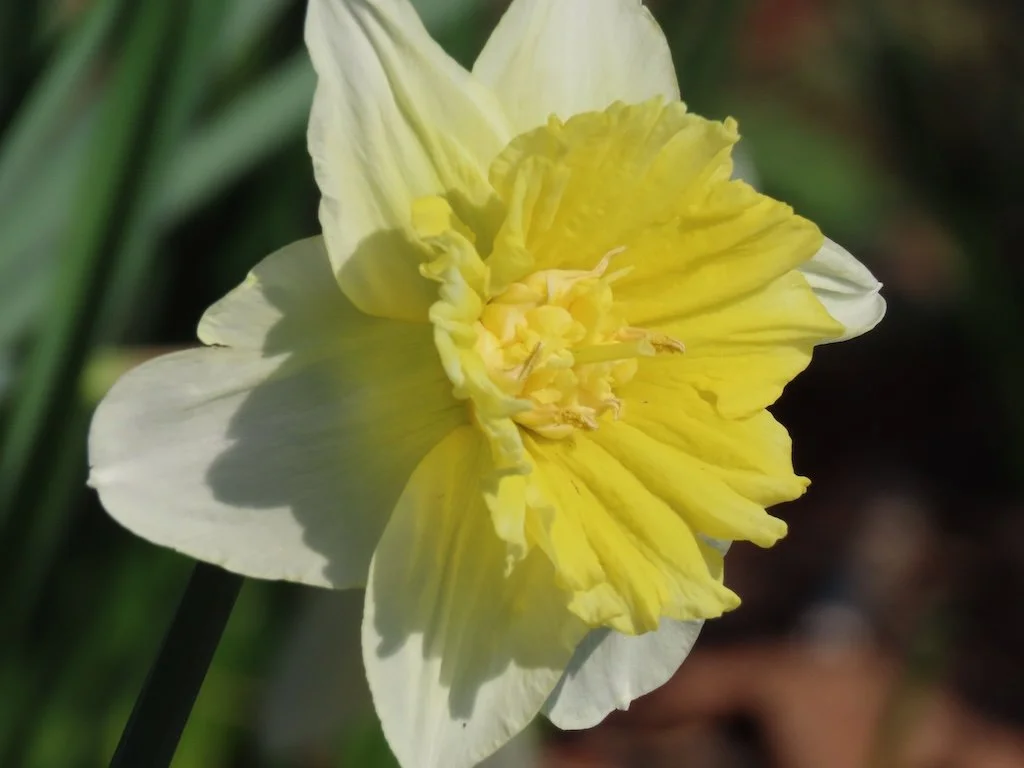
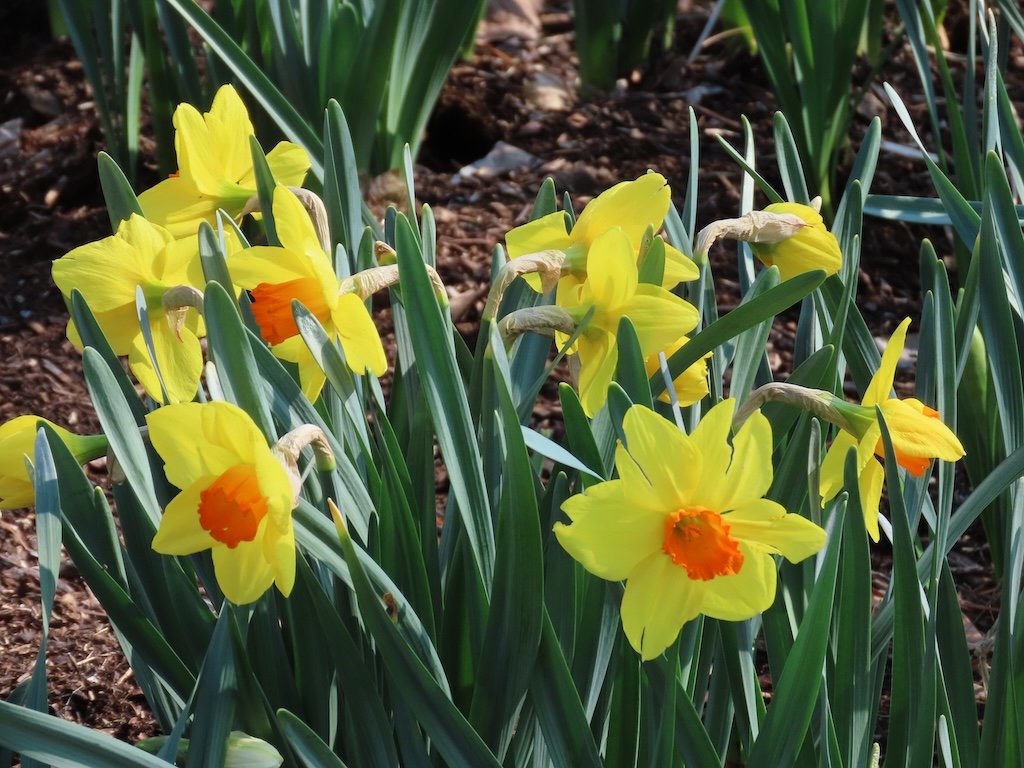
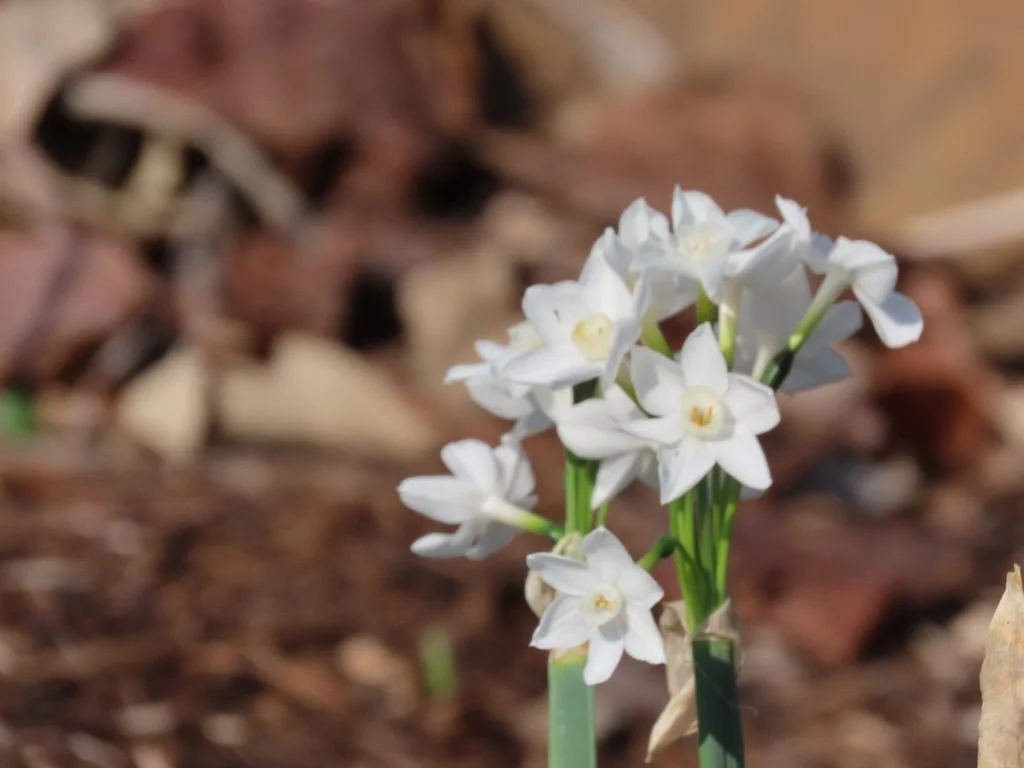
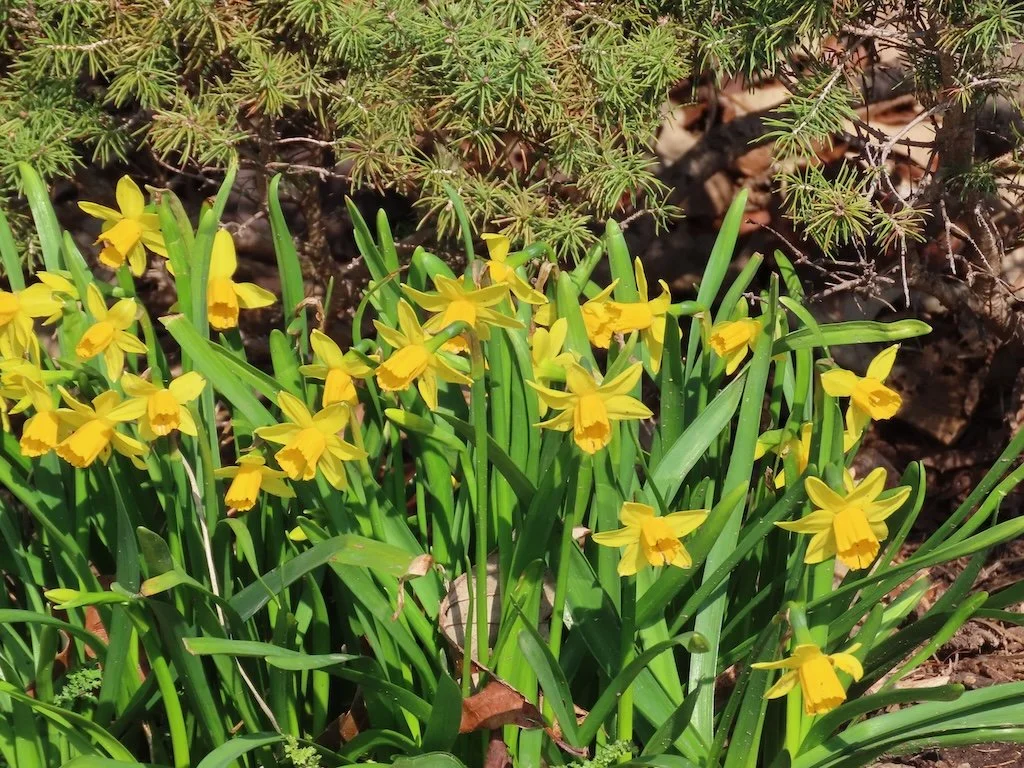
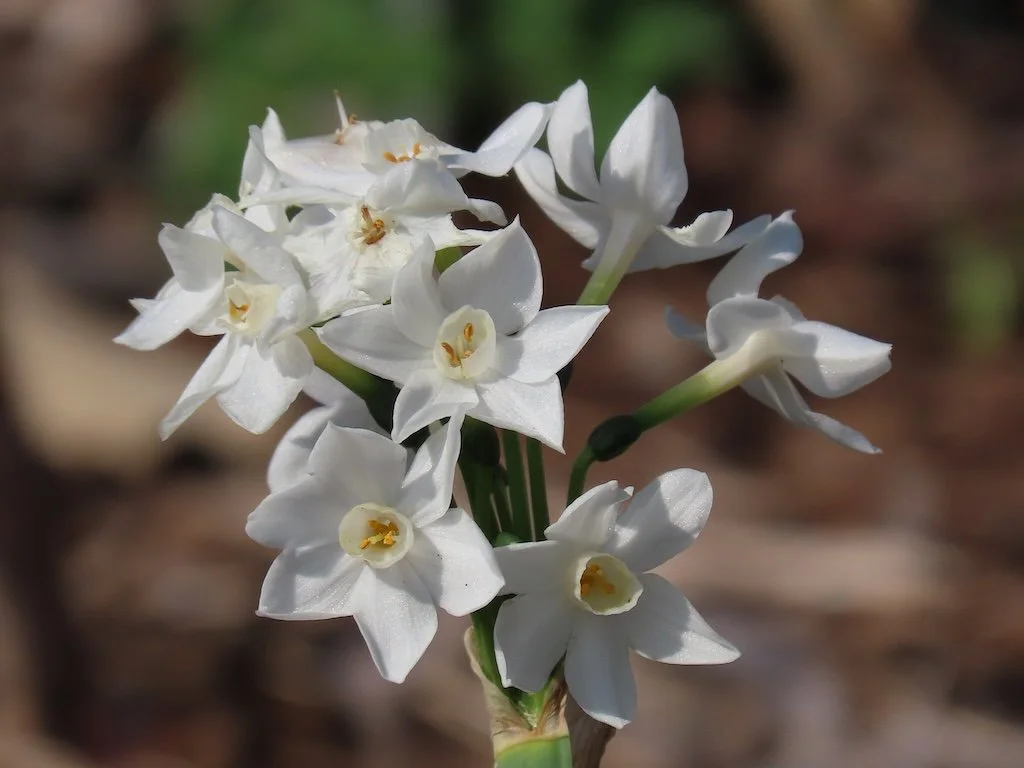
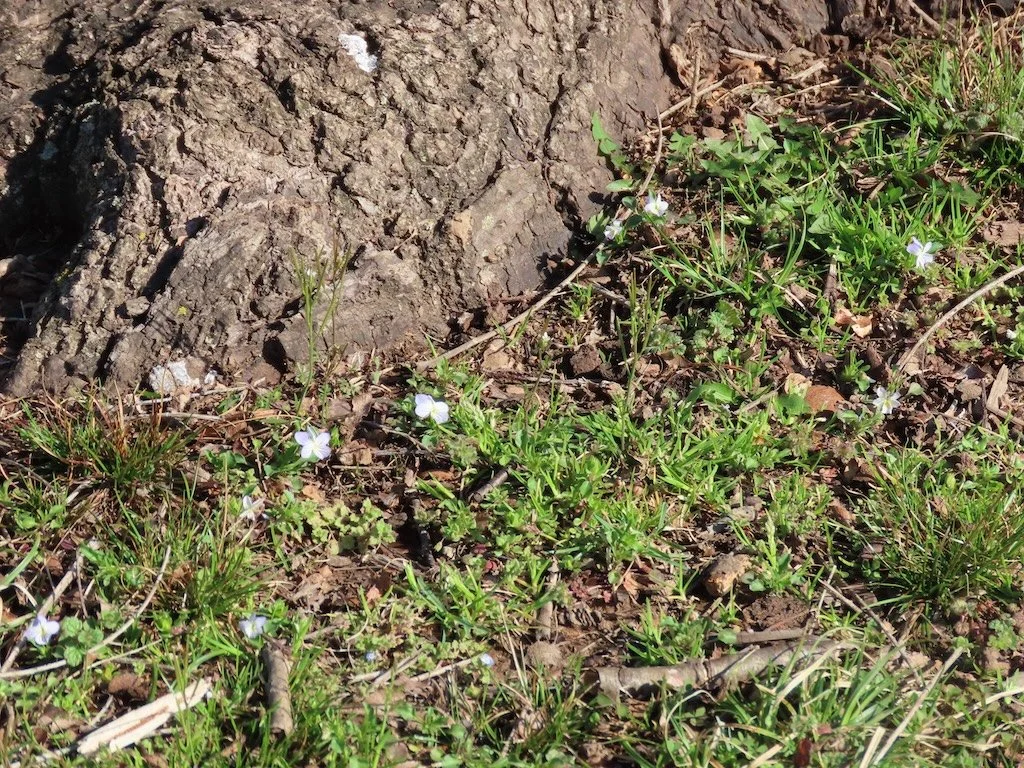
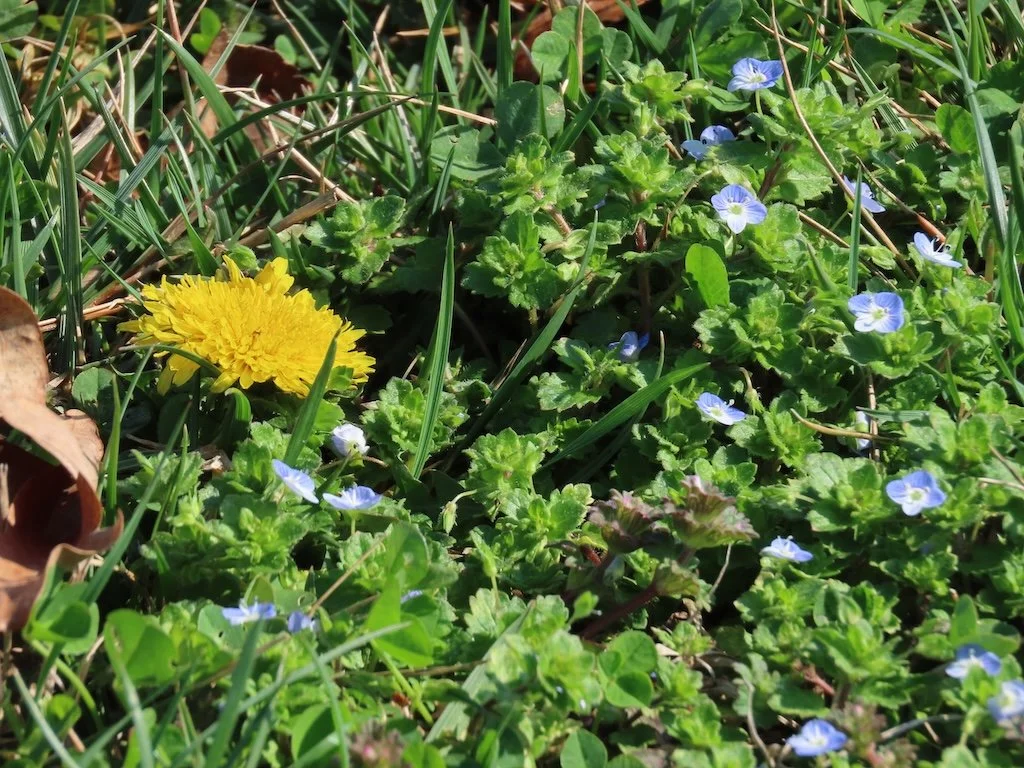
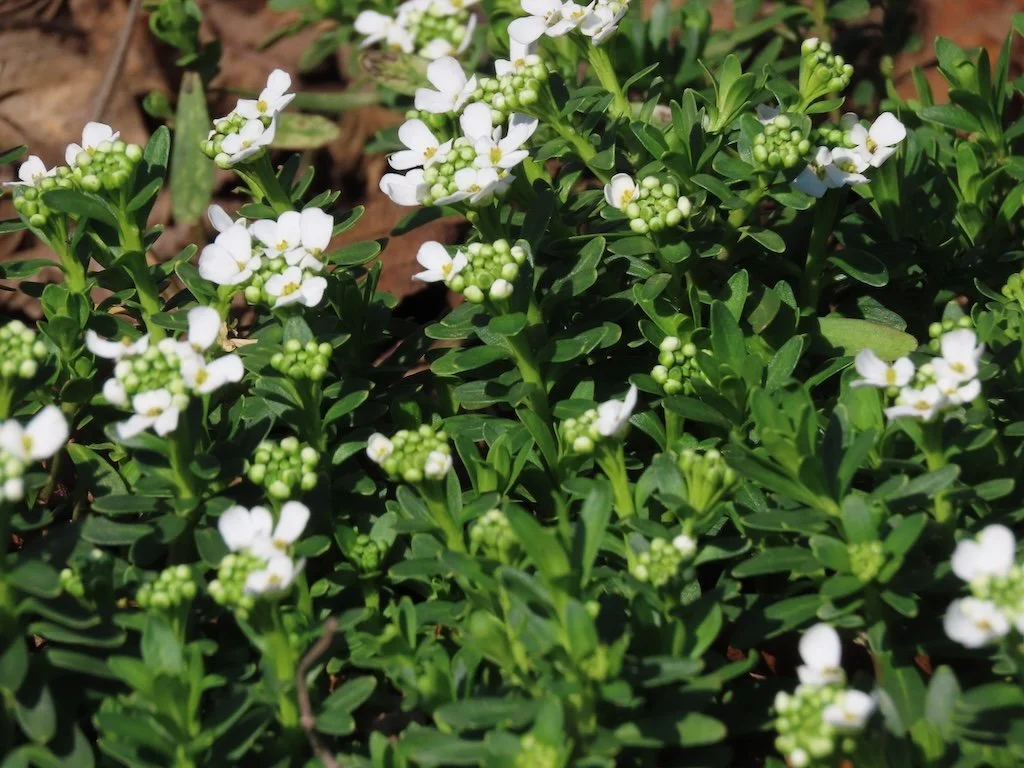
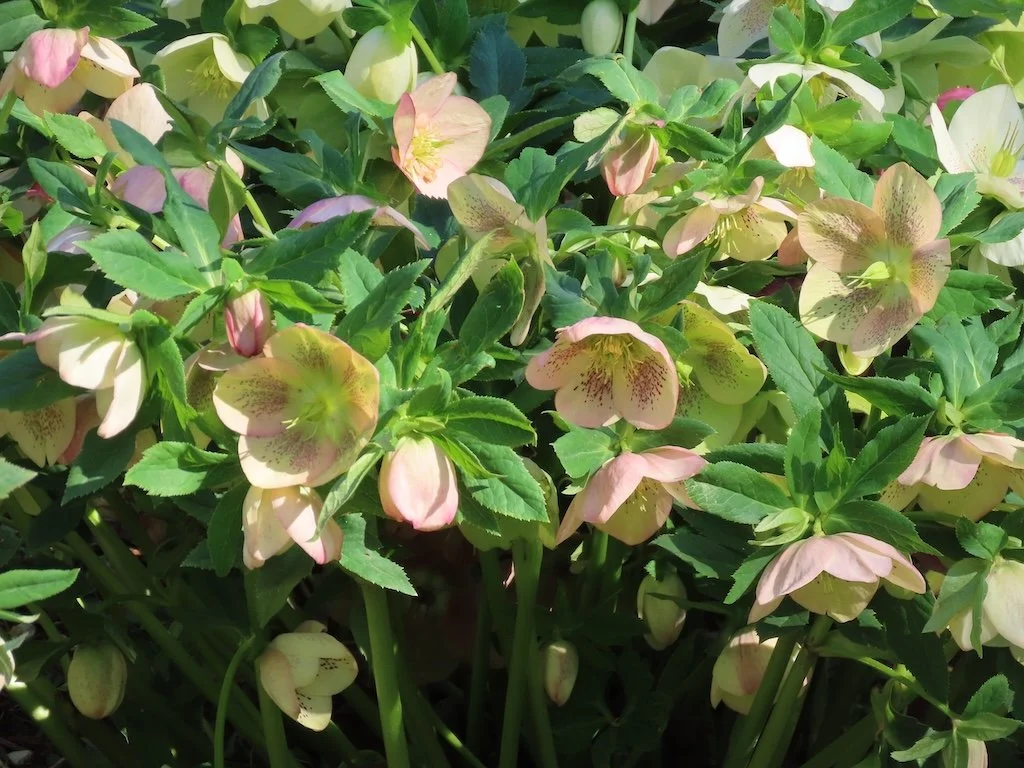
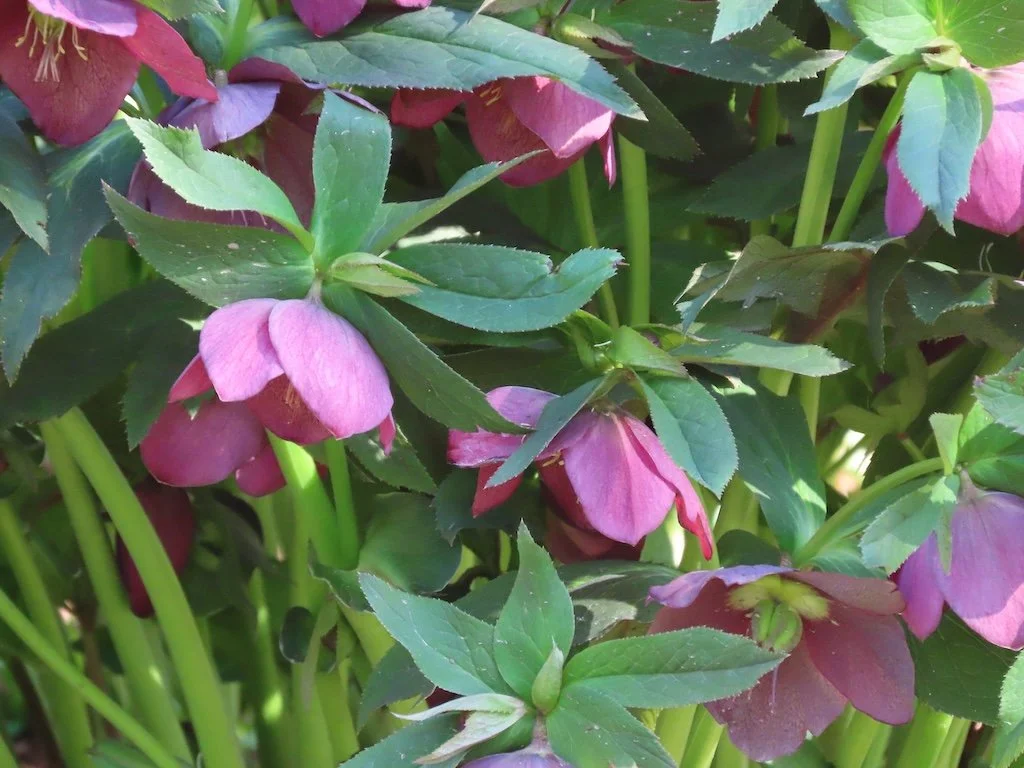
Springfield Botanical Gardens. Many of the plants were still in winter form…but there were enough early spring flowers to celebrate the season.

Red-bellied woodpecker. We celebrated when one of the birds came to our feeders. It doesn’t happen often!

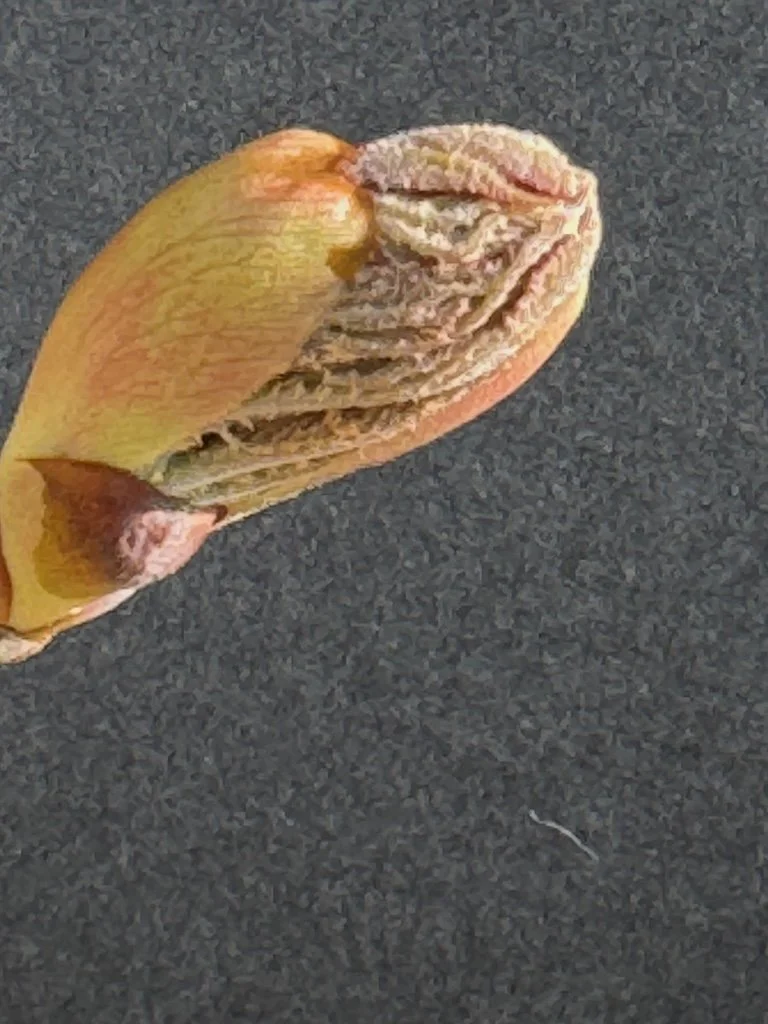
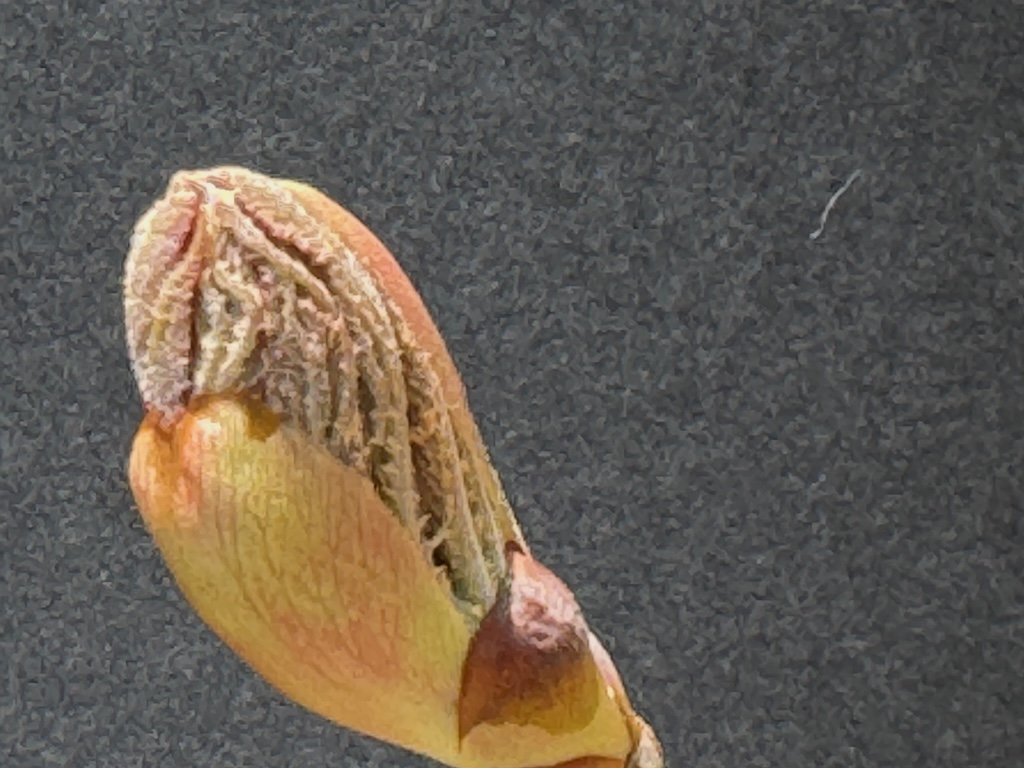
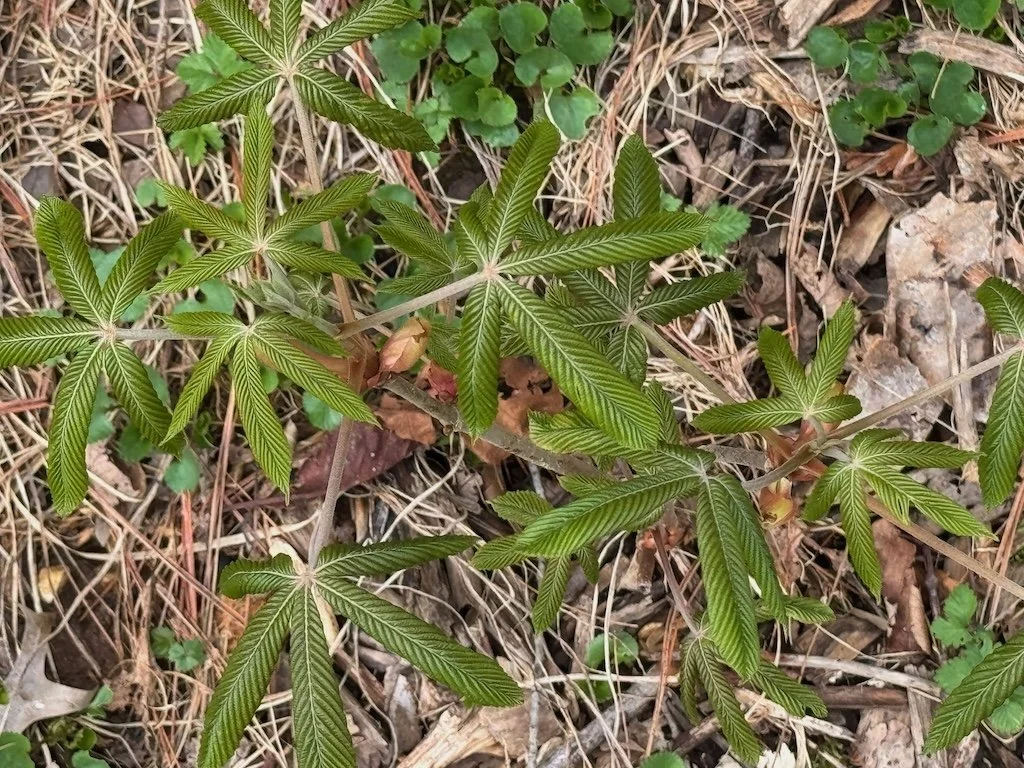
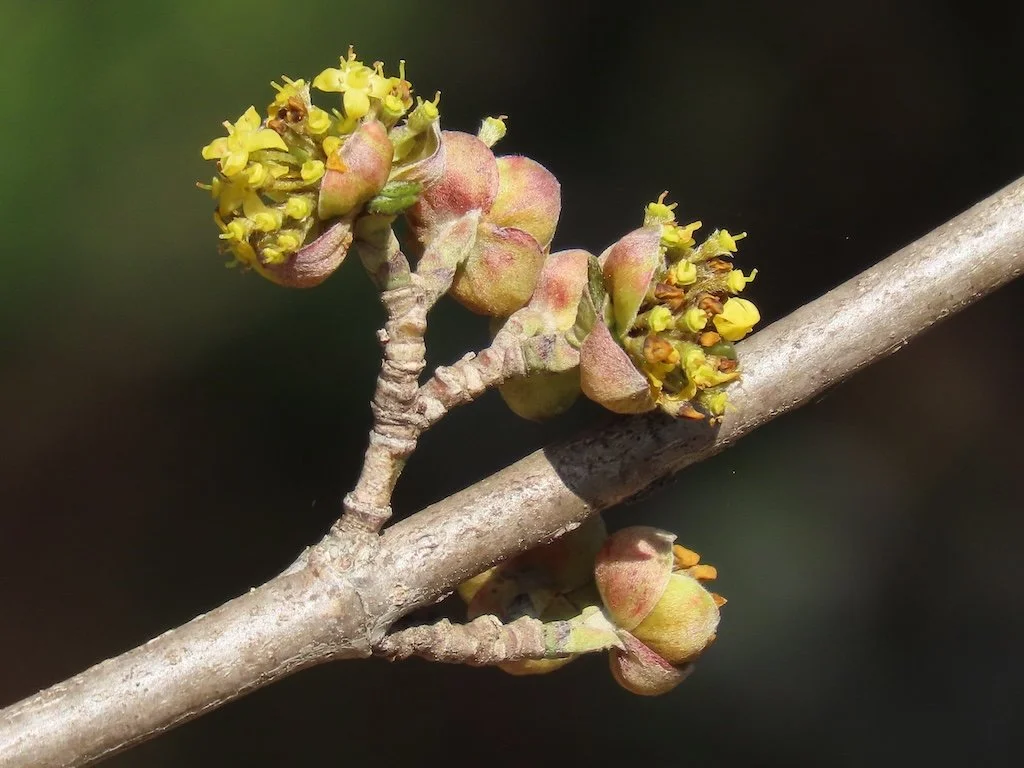
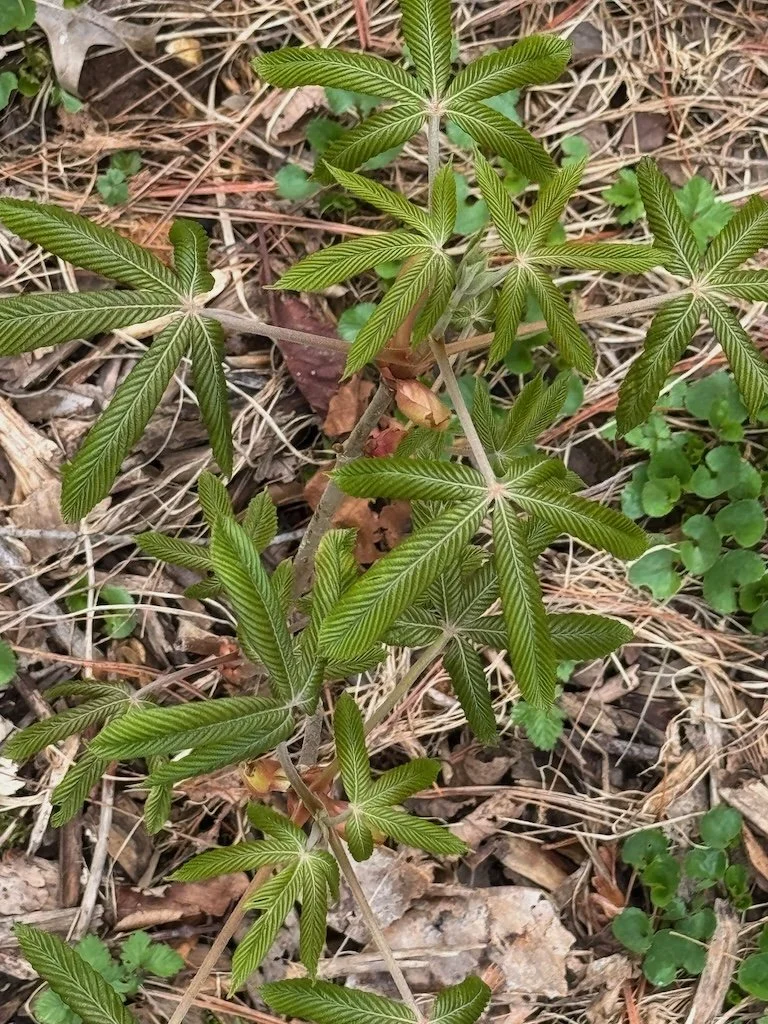
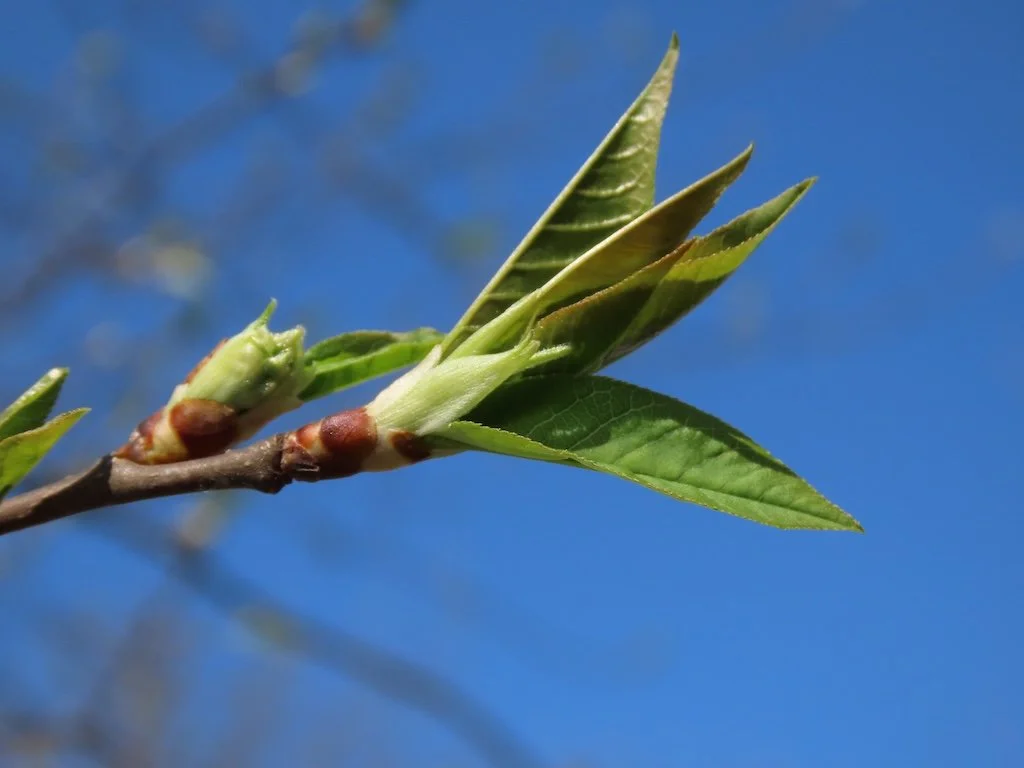
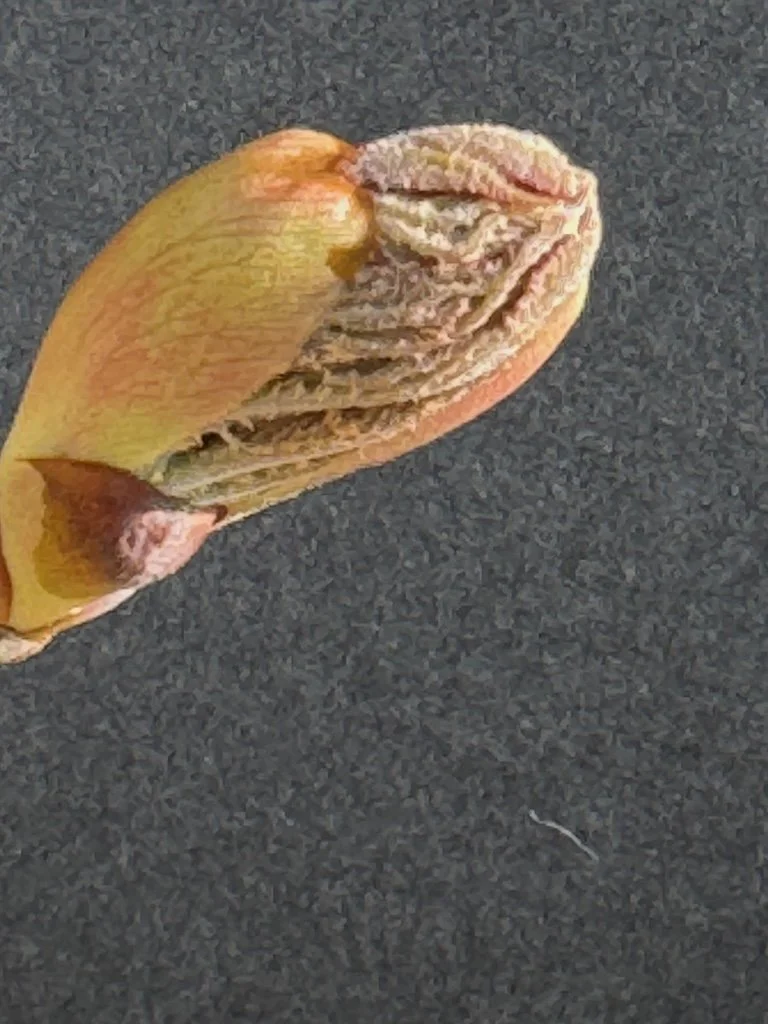
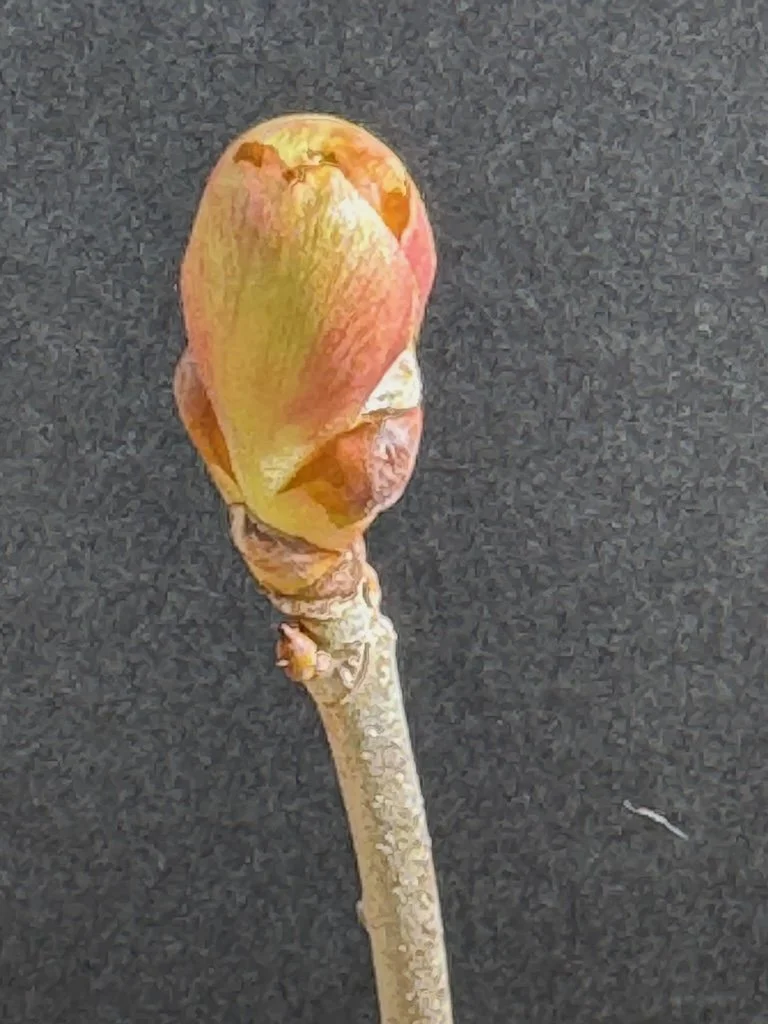
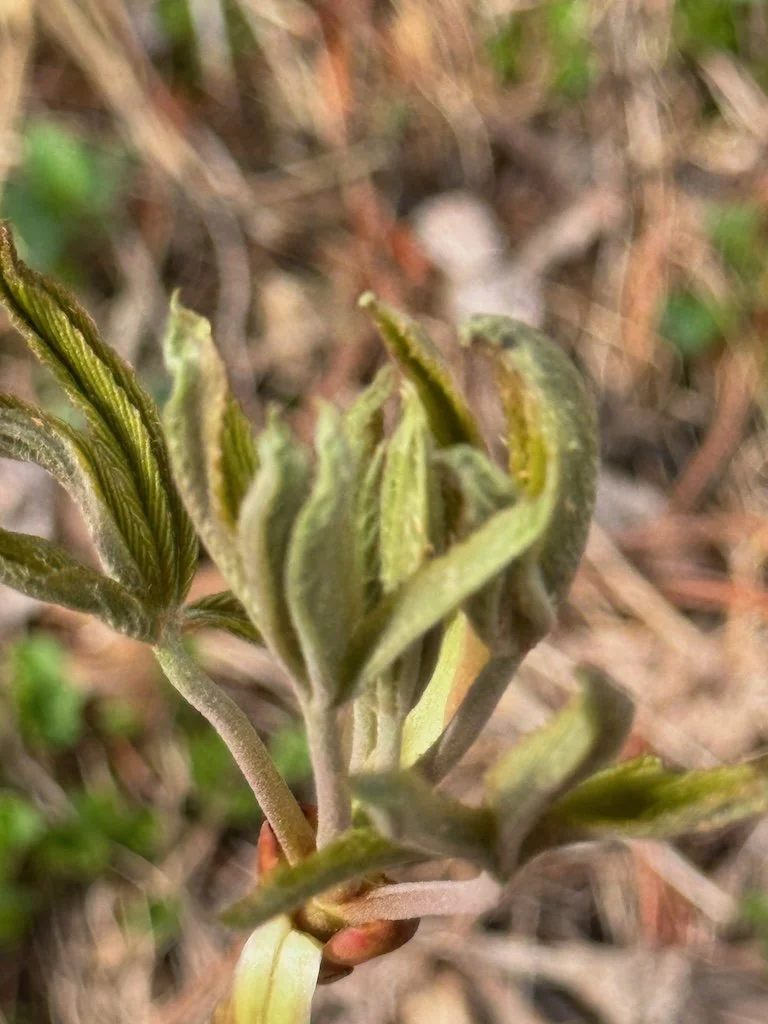
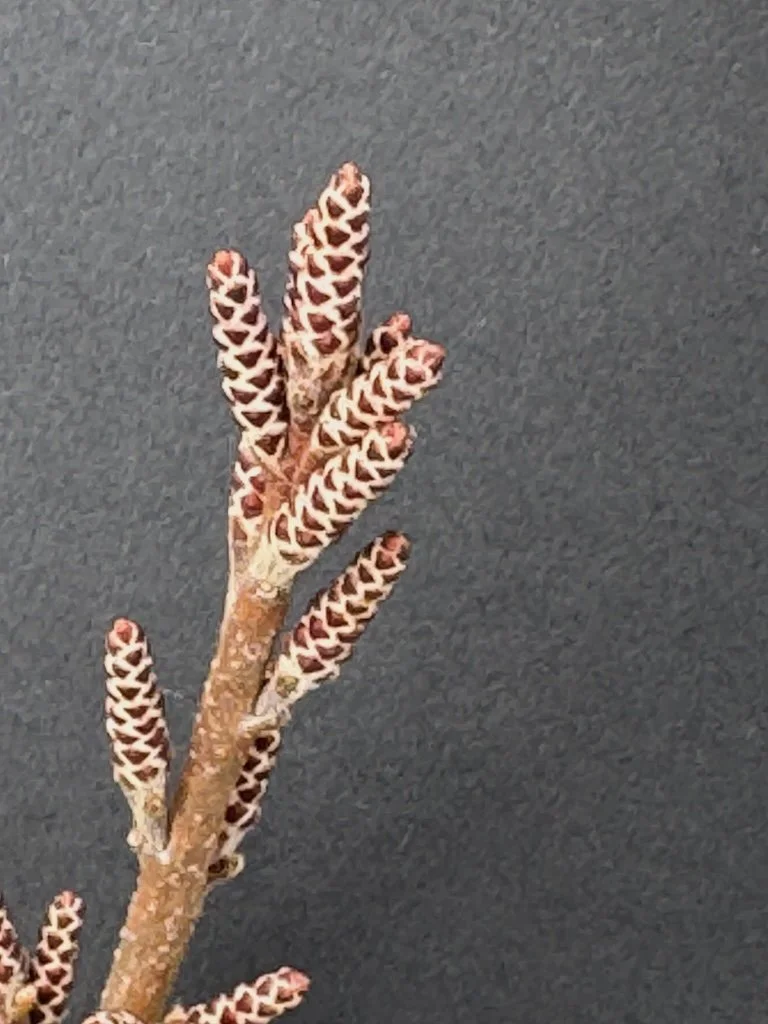
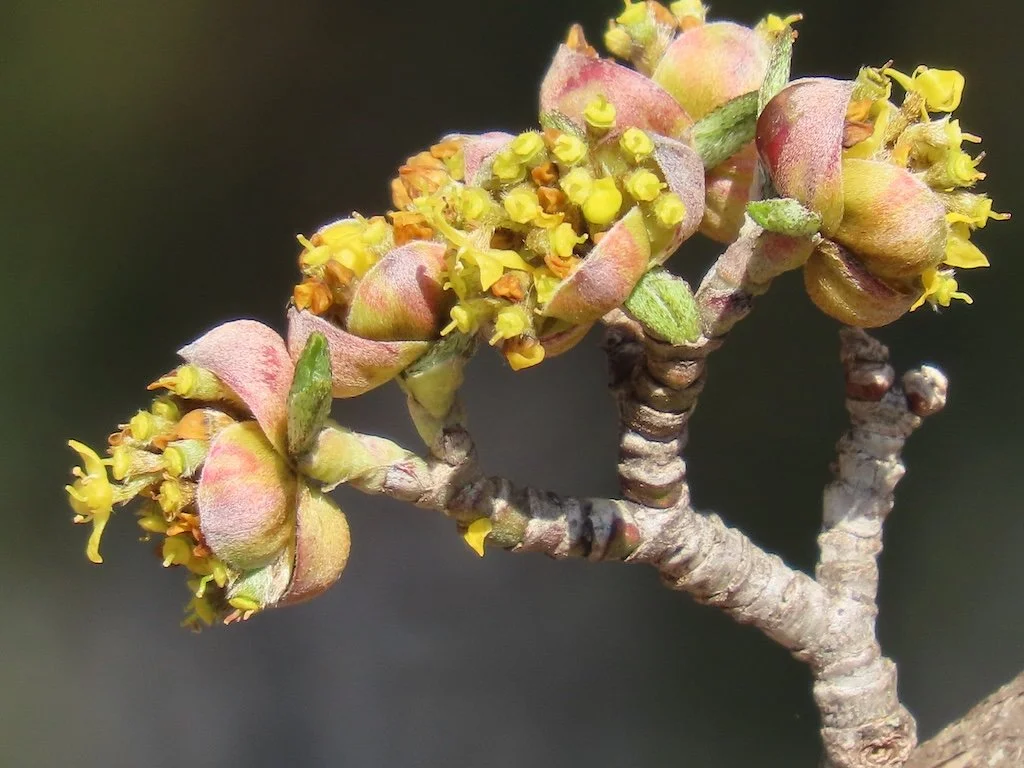
Big buds on the red buckeye. The buds on the red buckeye were an early celebration of spring. They were large and they were open with the leaves beginning to expand when there was a hard frost and the celebration turned to sorrow; I am monitoring the plant to see how it recovers.

Earthworm parade. I celebrated that it rained…and the earthworms made a parade across a sidewalk to find new homes.

George Washington Carver National Monument. My husband and I celebrated an early spring day with a day trip to the monument.

Garage door fix. The spring on my garage door opener broke and I was worried that I’d be parking in the driveway for a few days...but a company was able to make the repair the same day we called. I celebrated the quick response!

The Plastic Detox. I viewed the documentary available on Netflix…celebrated that there were indeed babies at the end!

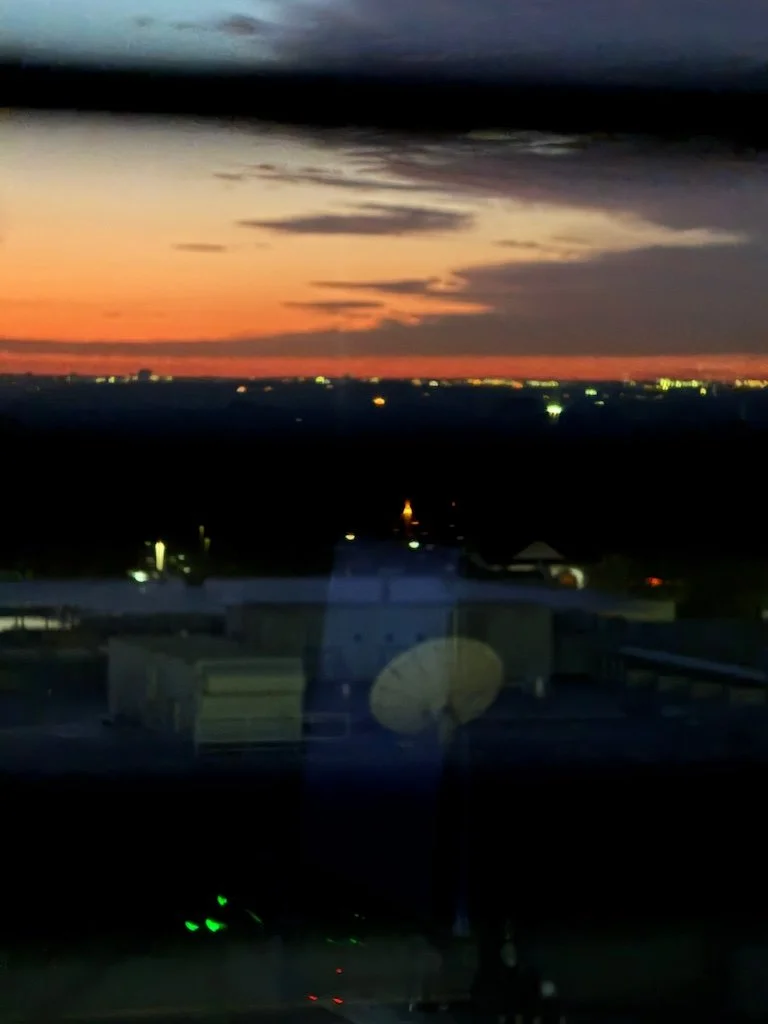
Sunrises. I was in Texas for 5 days….and 4 of those days had wonderful sunrises. I celebrated with my dad in the hospital on 3 days and the last one I was in a hotel! Noticing the beauty at the beginning of the day always lifts my mood.

Baked chicken salad. Days are getting warmer and I find myself wanting salads more than I do in the wintertime. I celebrated combining veggies from the crisper…an apple…diced slices of lemon (including the skin) and green salsa --- with chicken baked in balsamic vinaigrette. Yummy!

Zooming – March 2026

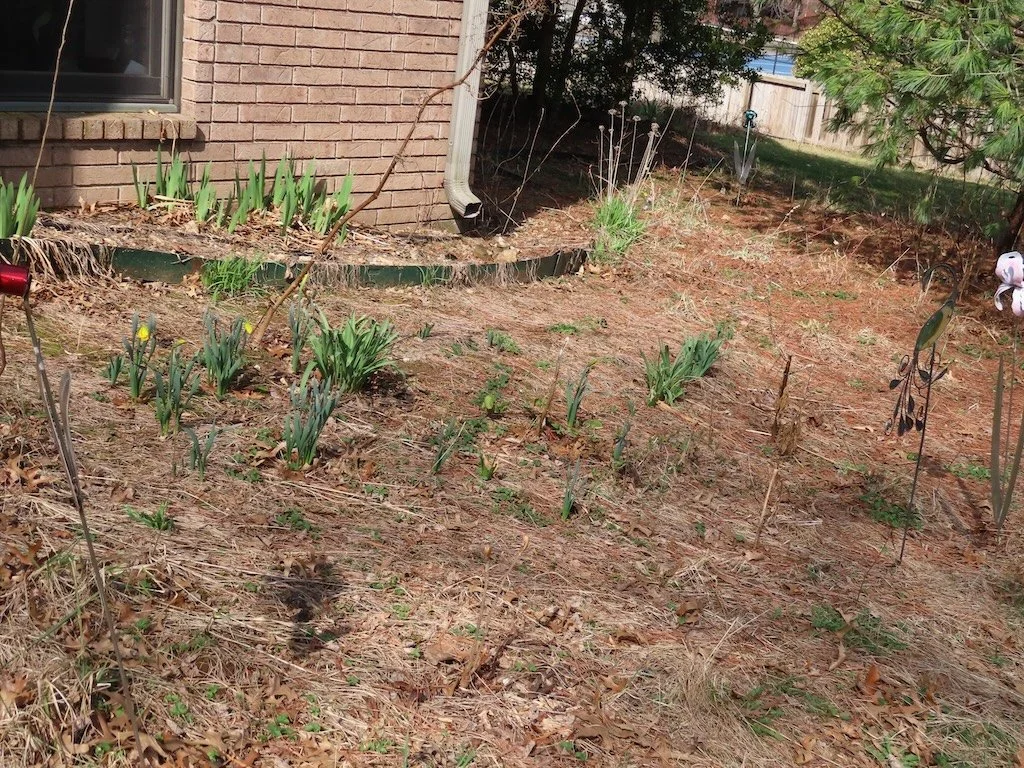
We had some warm days….and then some cold days. At the end of the month, I am hoping that my red buckeye is not permanently damaged; its leaves were beginning to enlarge when a hard frost came. It was an interesting month for travel (to Texas and a day trip to the George Washington Carver National Monument…and the yard was beginning to show signs of spring (bulbs and the boxwood bloomed). I enjoyed all my forays outdoors.

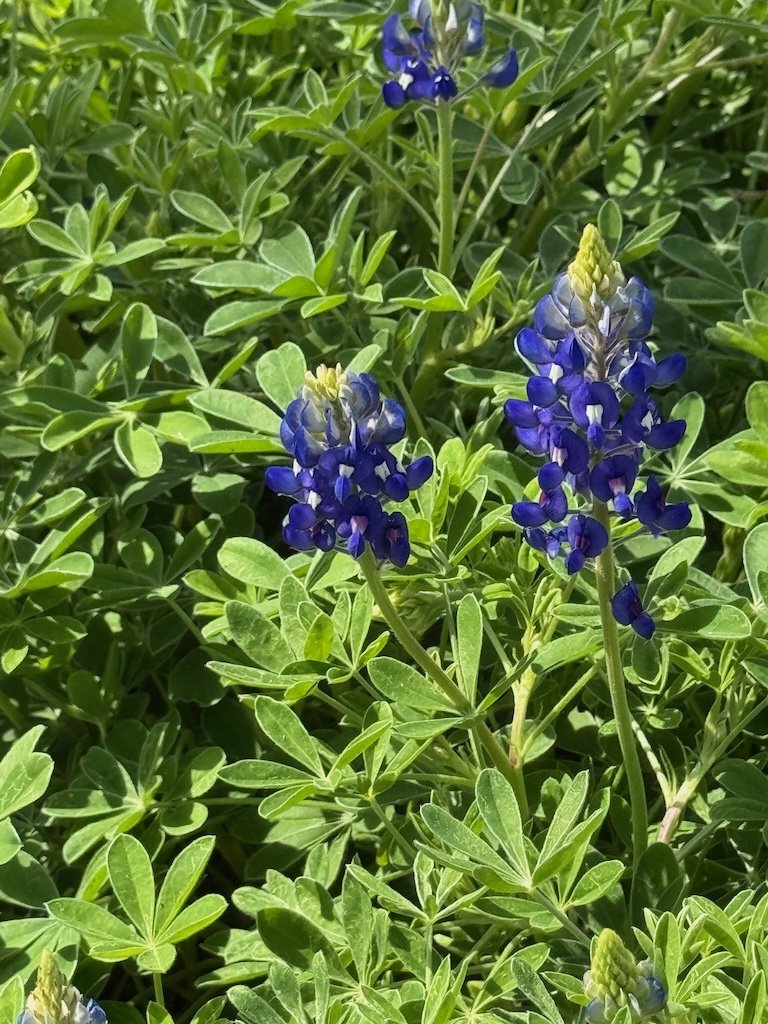
Bluebonnets

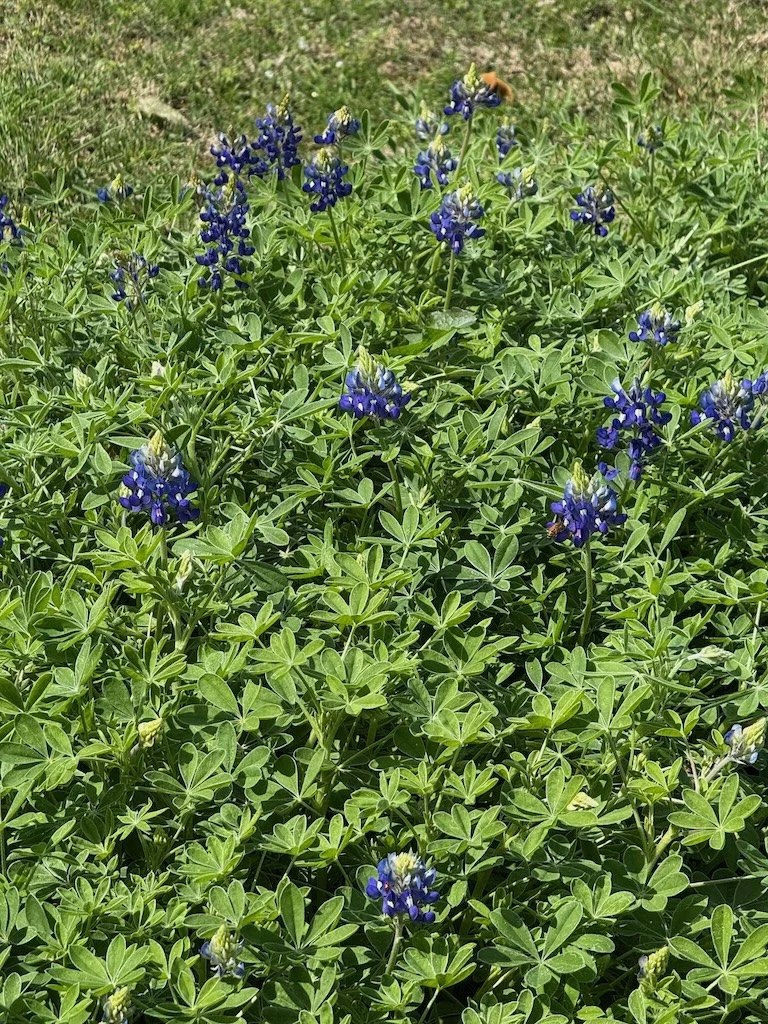
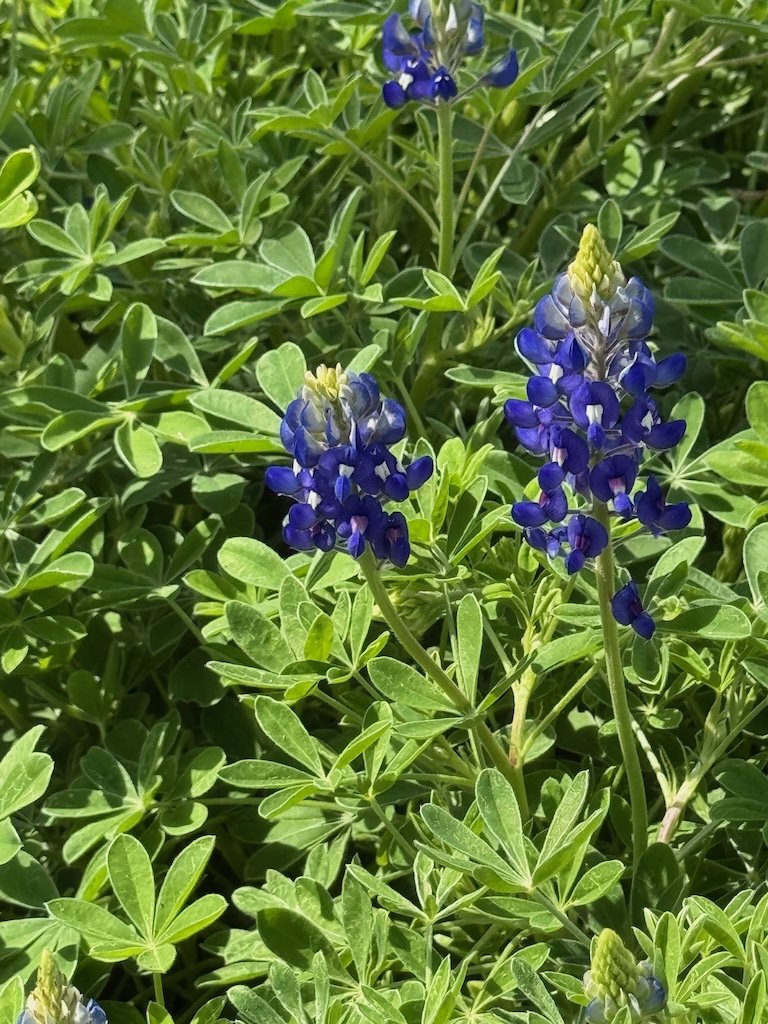
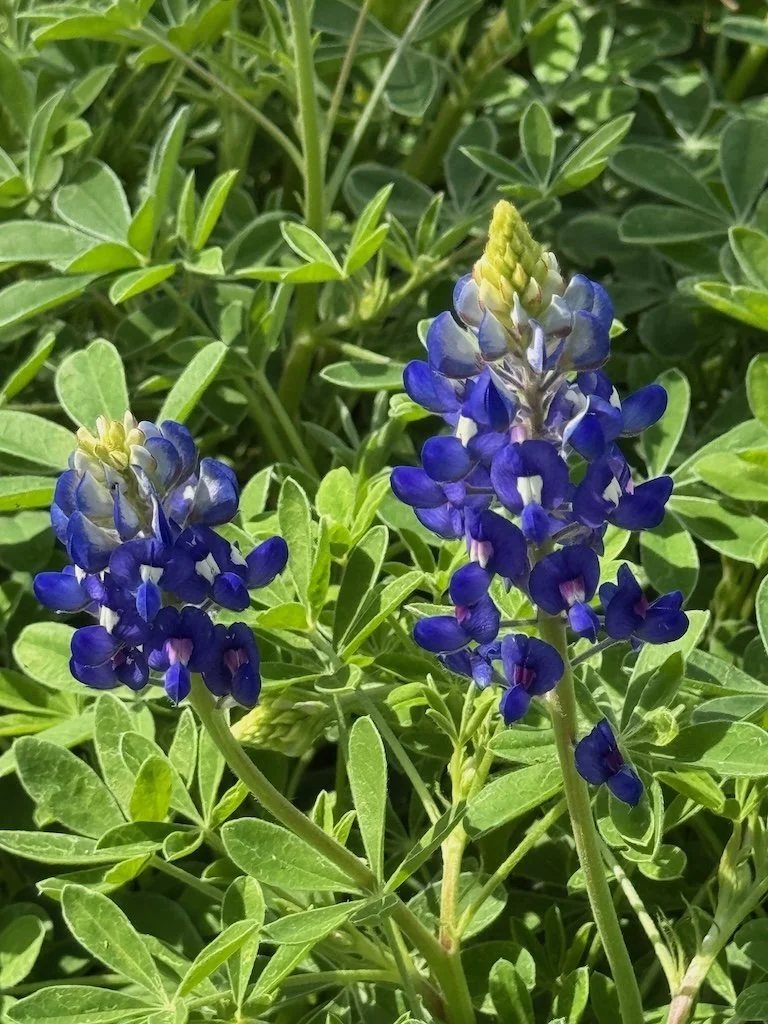
The bluebonnets were blooming when I was in Texas last week. I stopped in the Texas Welcome Center on US 75 to see them. They are not at their peak bloom…but enough are blooming to be noticeable.

As I left the welcome center headed south, I saw more along the sides of the highway, but construction (current and recent) had taken out a lot of the areas where bluebonnets and other wildflowers bloomed in previous years. The wind was fierce and it often sounded like sand was hitting my car; I turned my attention from noticing the flowers to keeping my car firmly in the lane!

Later in the day, I noticed that the city of Flower Mound has bluebonnets along some of their major streets. My sister told me that there used to be more before construction projects, but there are more every year since the projects have completed. Once bluebonnets are established, they do very well – natives thriving where they have been forever.

George Washington Carver National Monument

Last week my husband and I made our first visit to George Washington Carver National Monument. It is south of Carthage, MO and a bit over an hour from our house near Springfield….a good choice for a day trip.

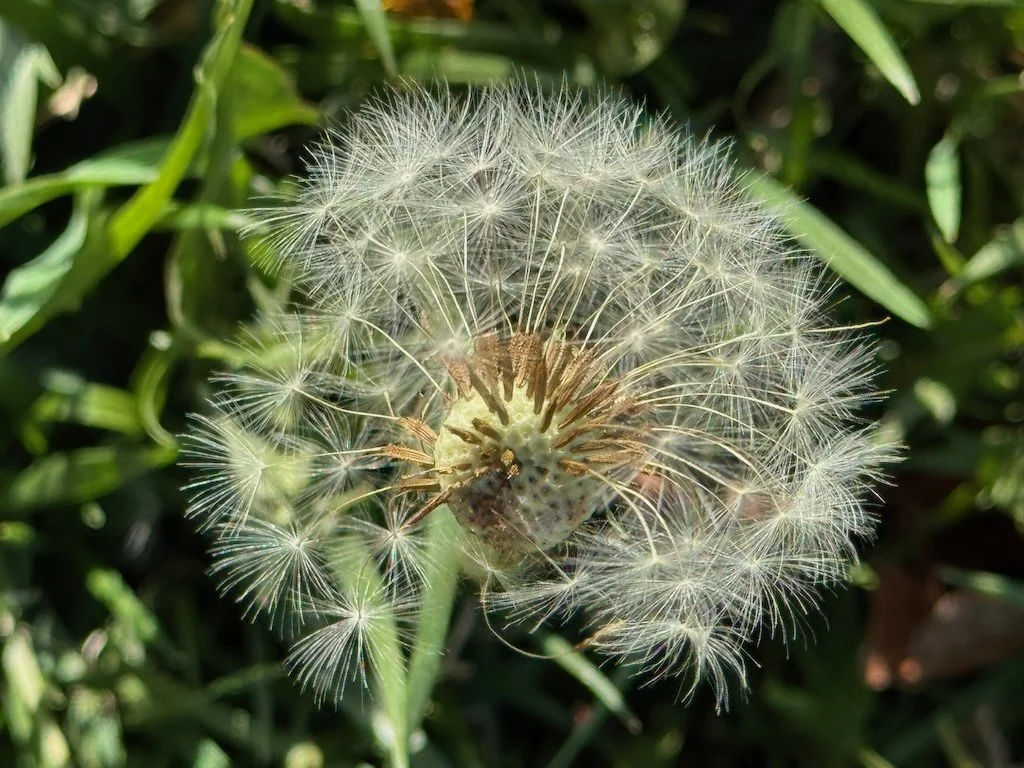
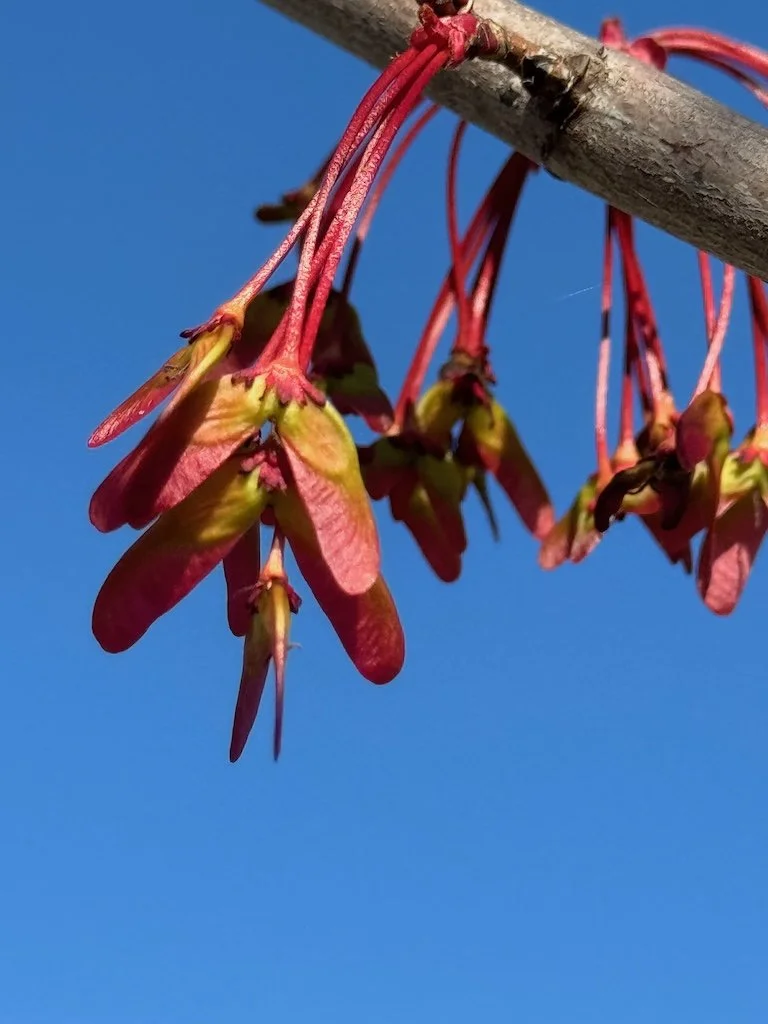
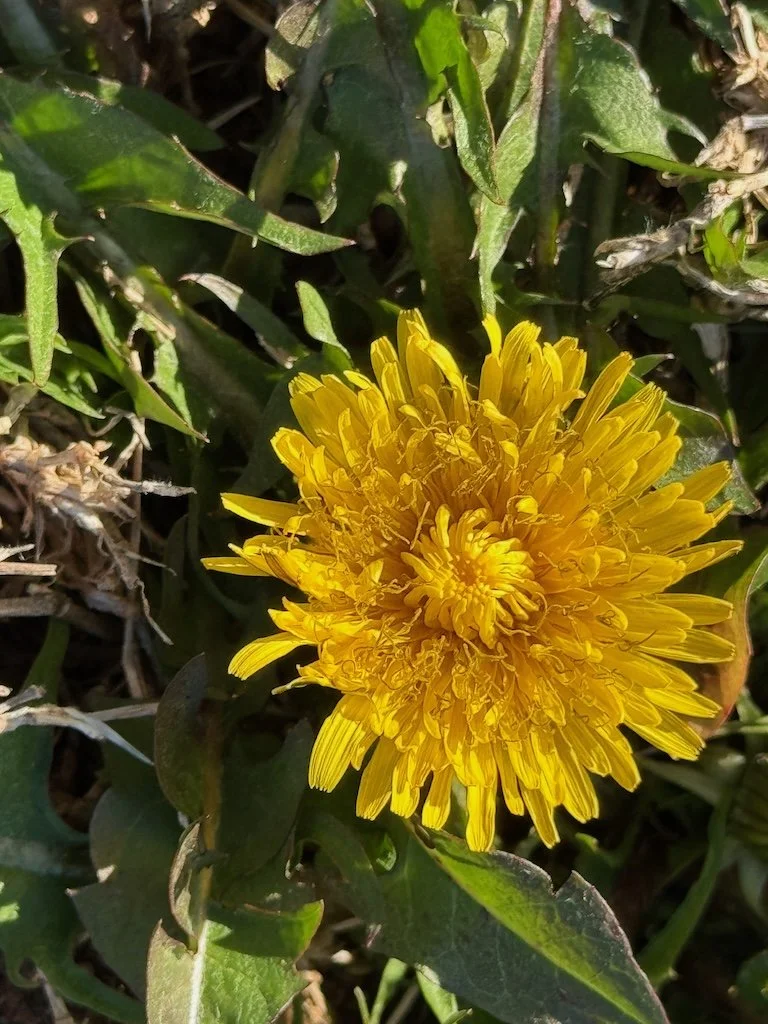
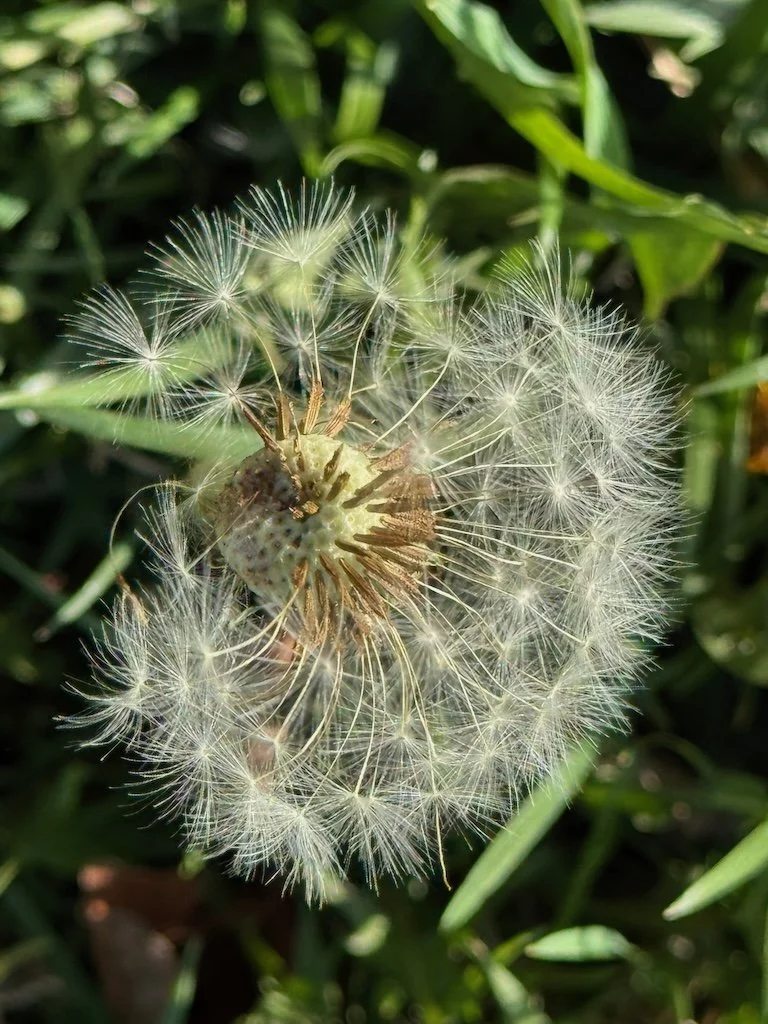
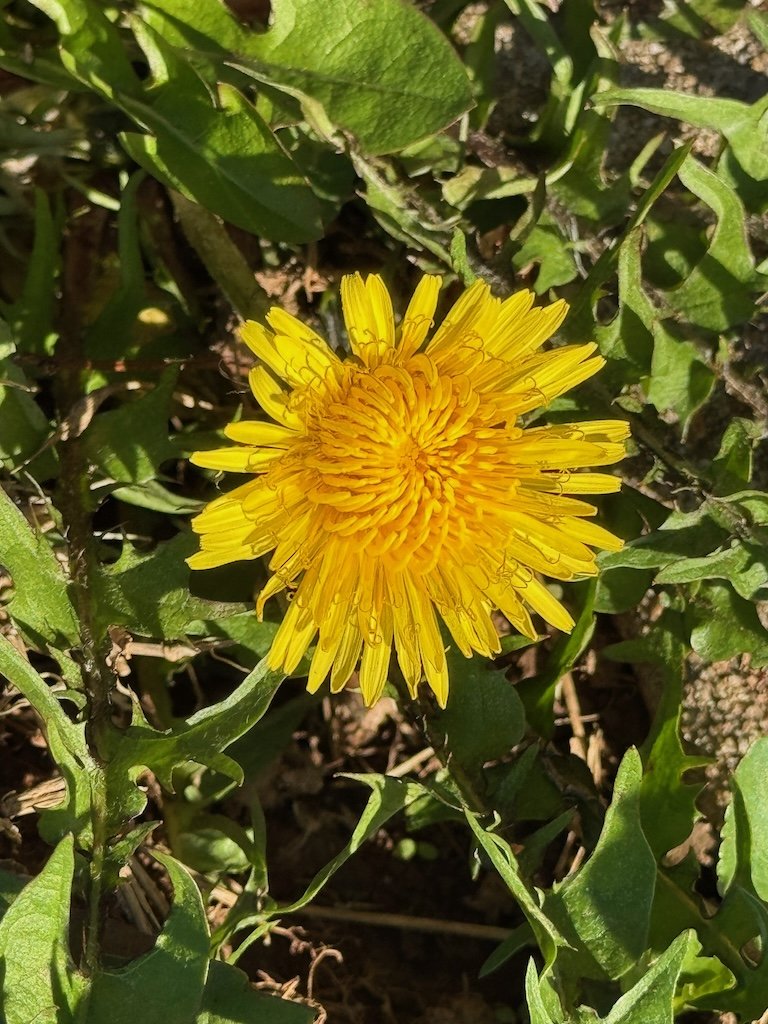
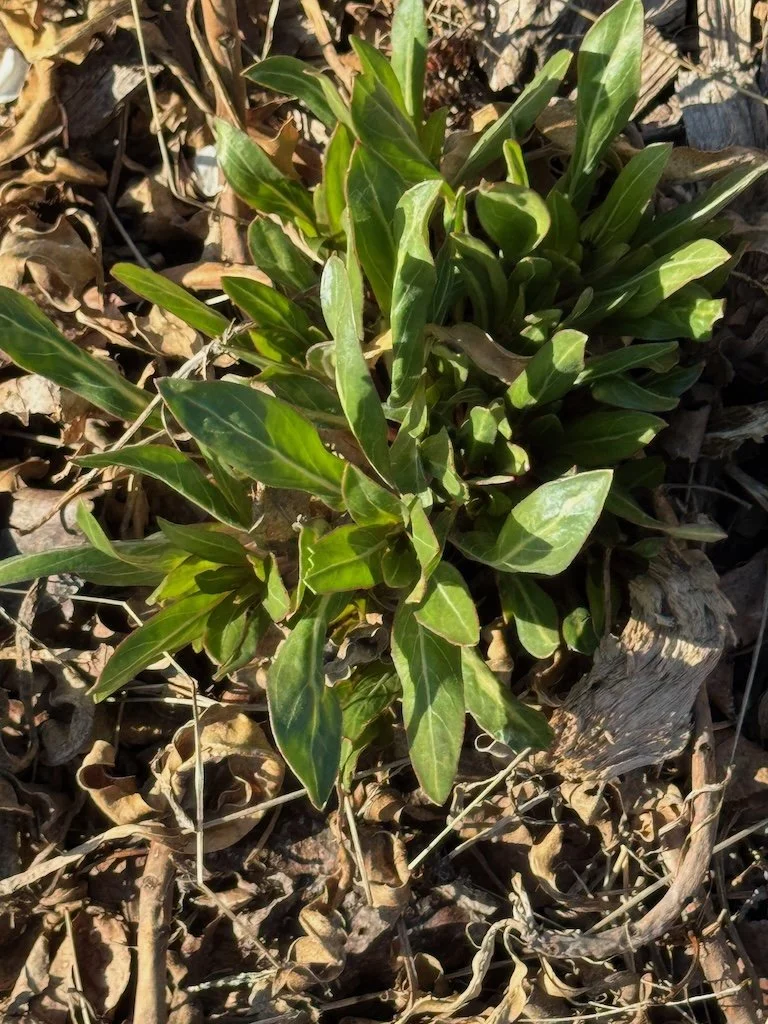
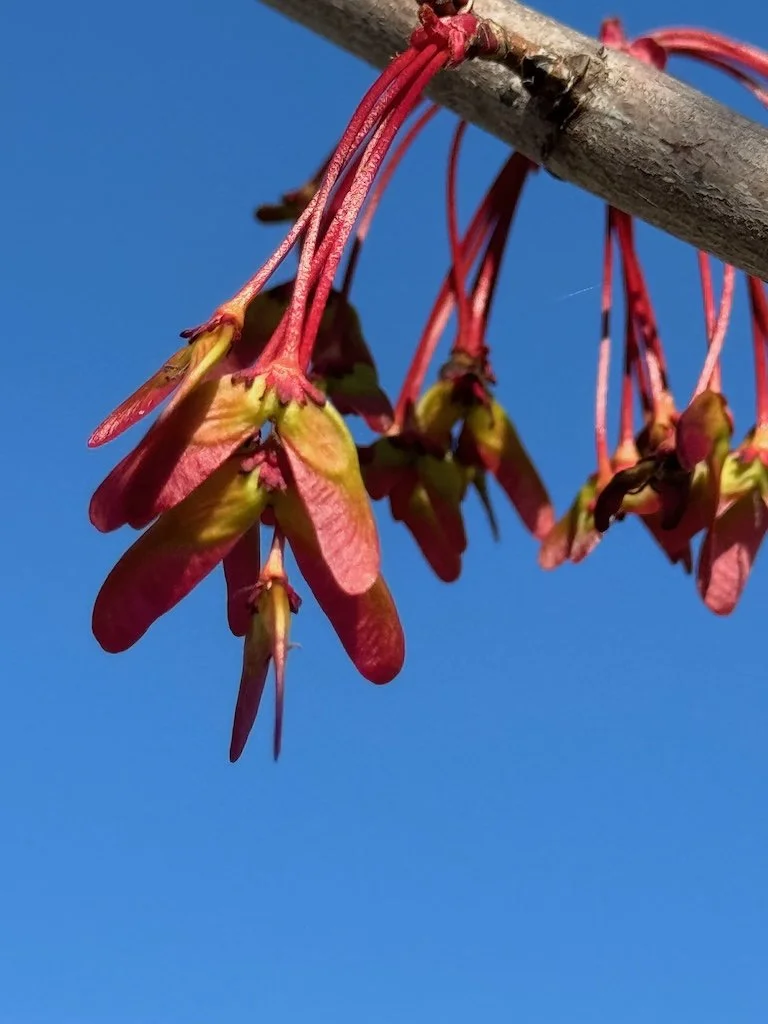
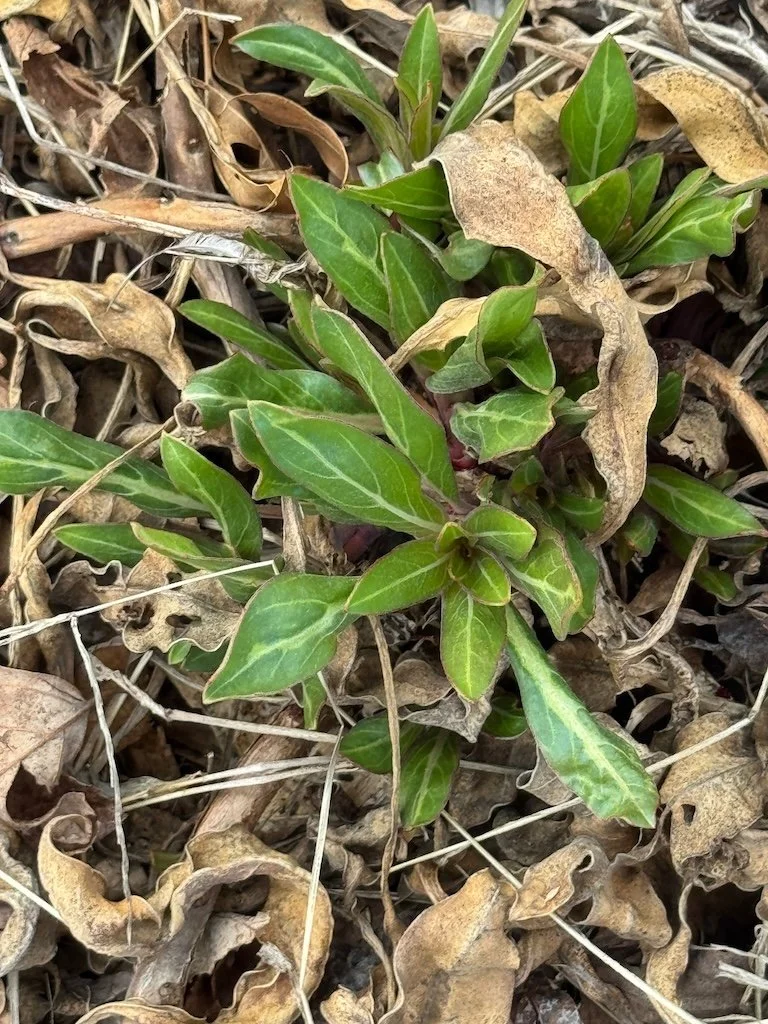
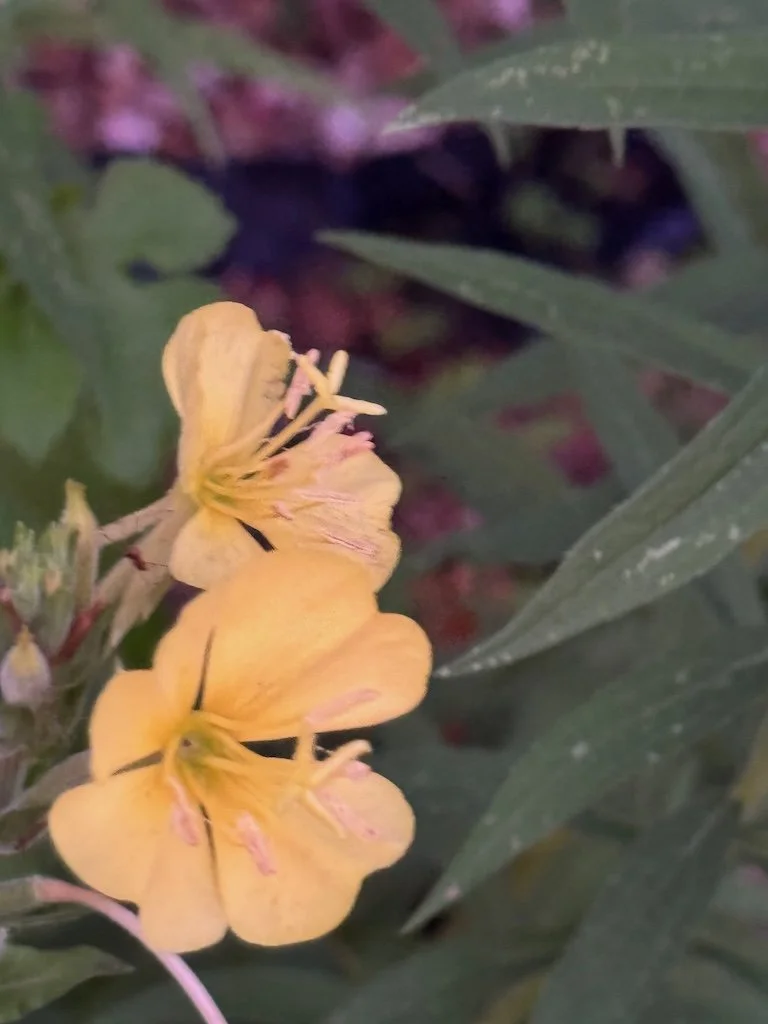
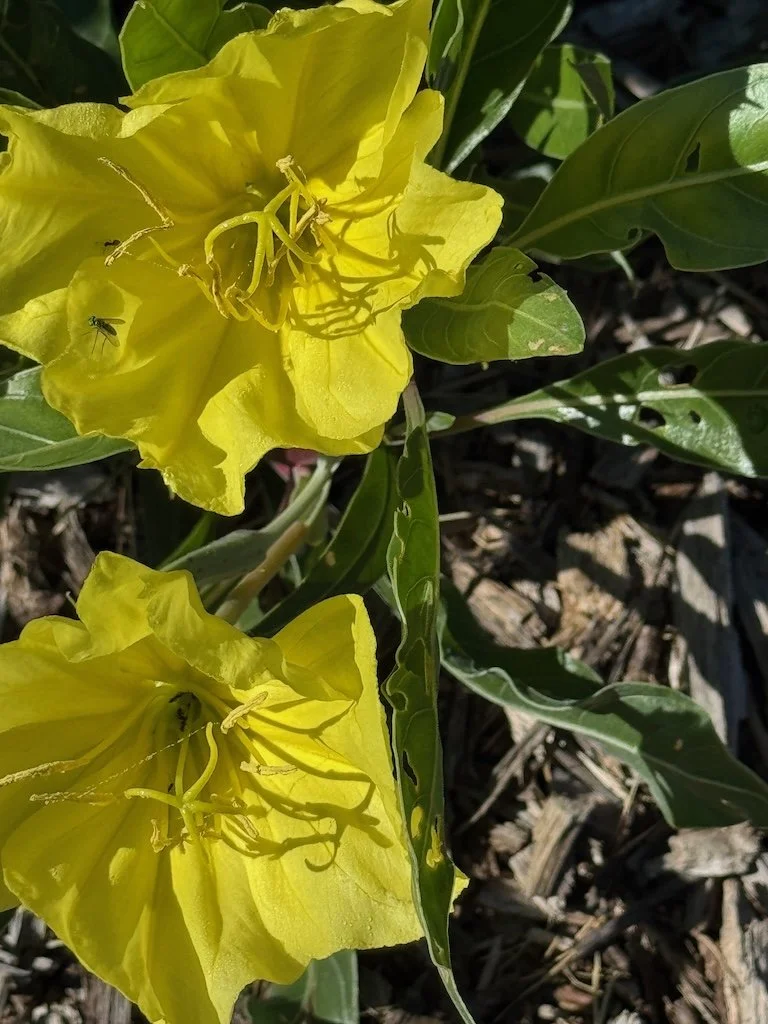
It was a sunny and cool spring day. I took a few pictures of plants in my yard while I was waiting for my husband to be ready to go. The dandelions are blooming and there was one seed puff already! My Missouri Evening Primrose is coming up from last year’s roots and the maple is already forming seeds.

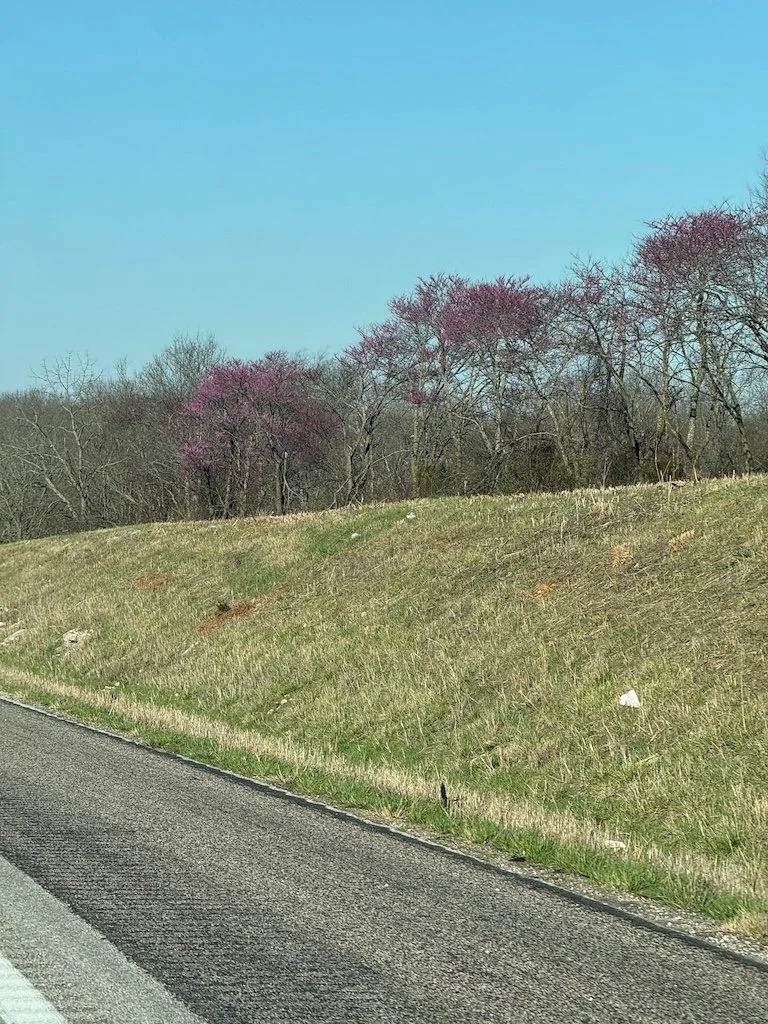
On the way, I noticed that the redbuds along I-44 were beginning to bloom. The flowers were probably not fully open, but there was enough color to identify the trees as we drove. The redbuds at our house were not quite so far along.

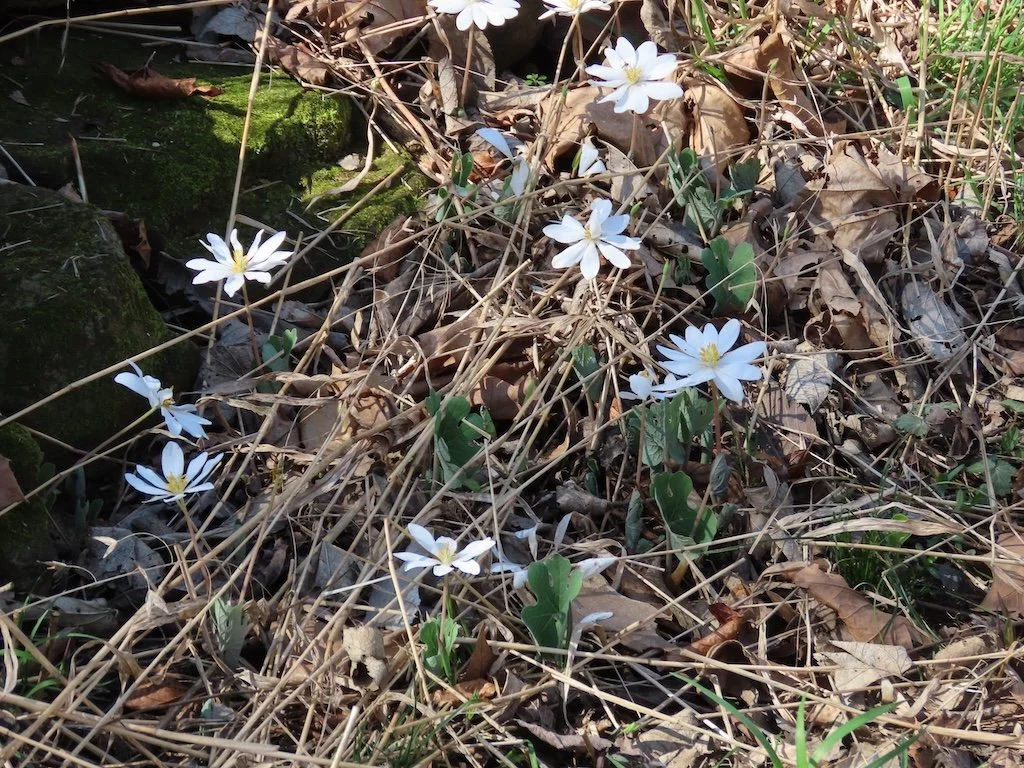
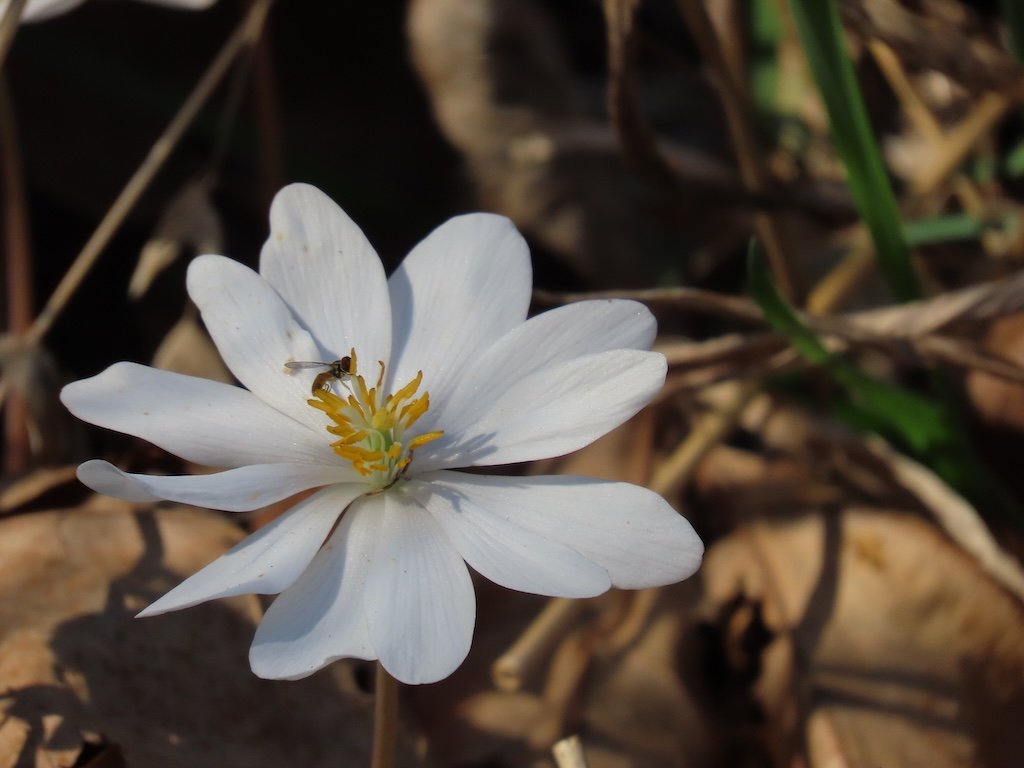
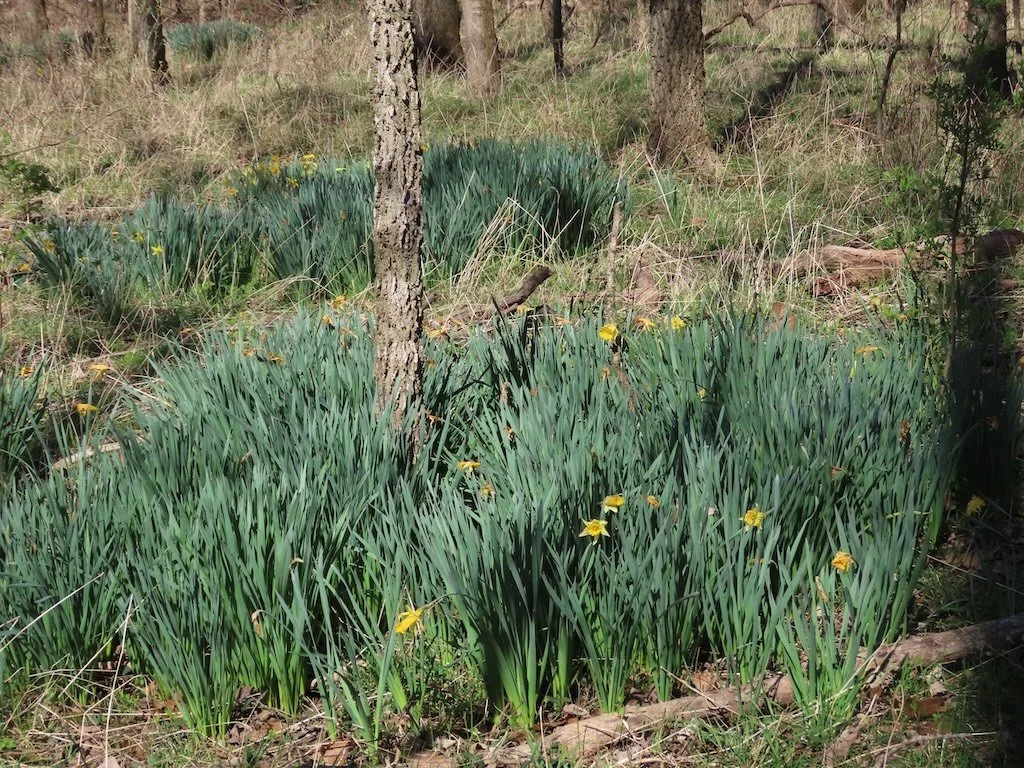
I enjoyed the walk through the woods at the monument. There were some wildflowers – and clumps of daffodils (not wild, obviously) in the woods.  A few insects were out as well so the flowers will be pollinated!

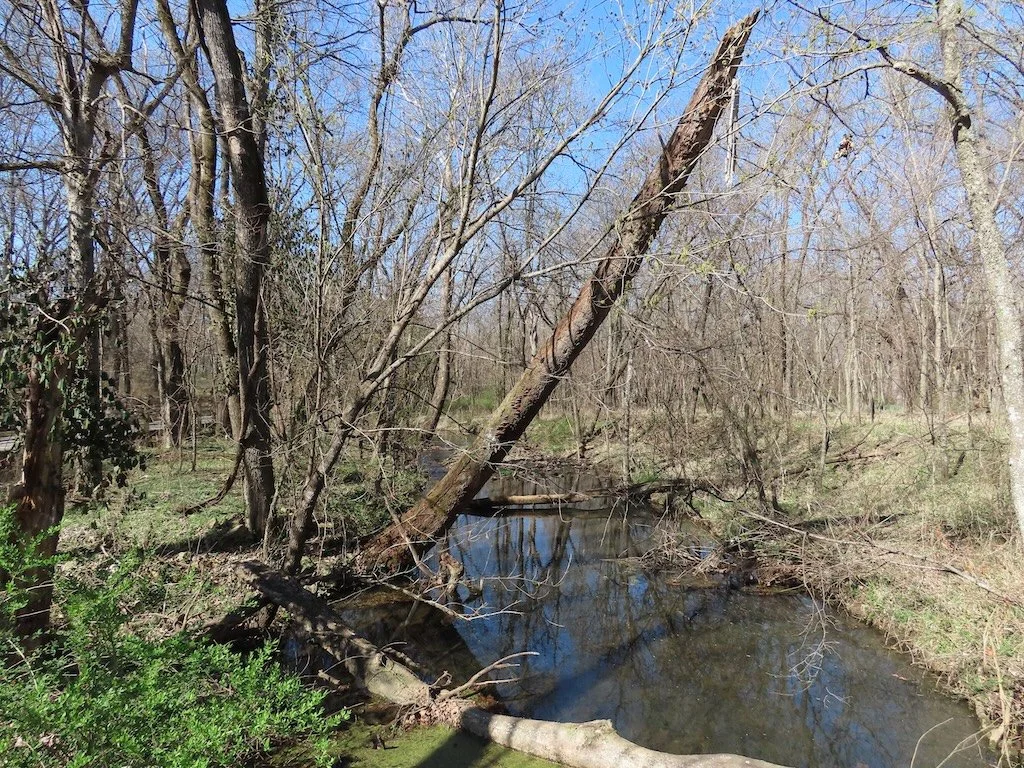
There is a statue of a young George Carver in an area of stream/forest. He was born to a slave family on the farm…almost died when he was young (illness and kidnapping)…managed to survive and was able to become educated…he became head of the Tuskegee Agriculture Department in 1896; he taught there until his death in 1943. He is buried at Tuskegee University.

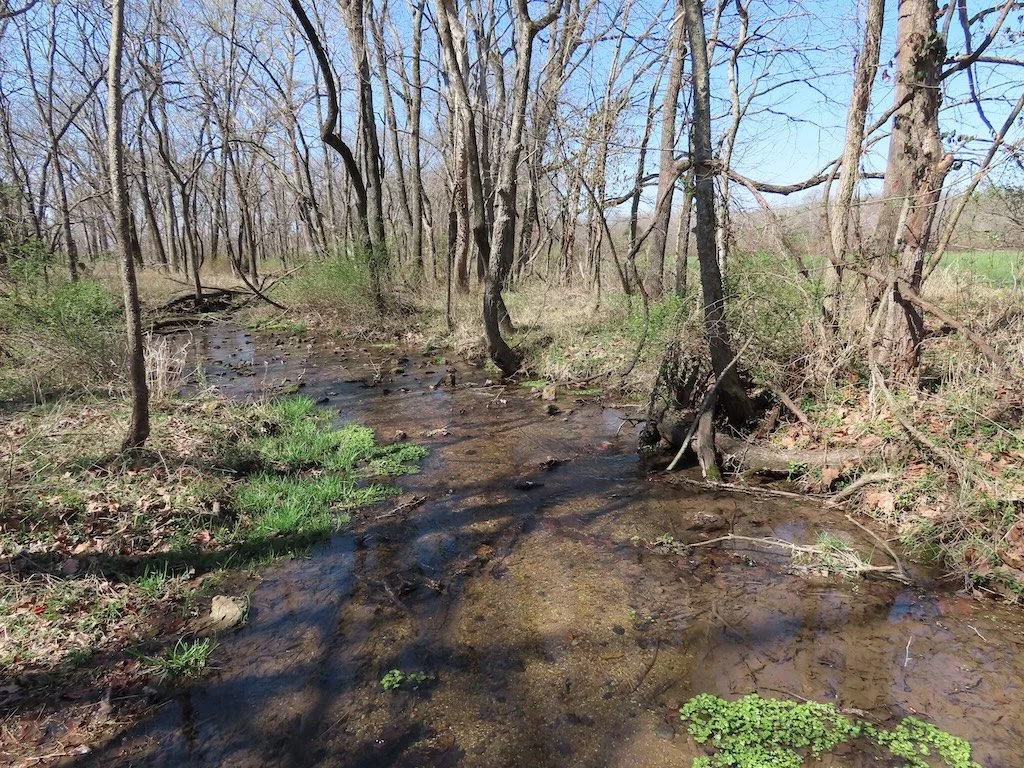
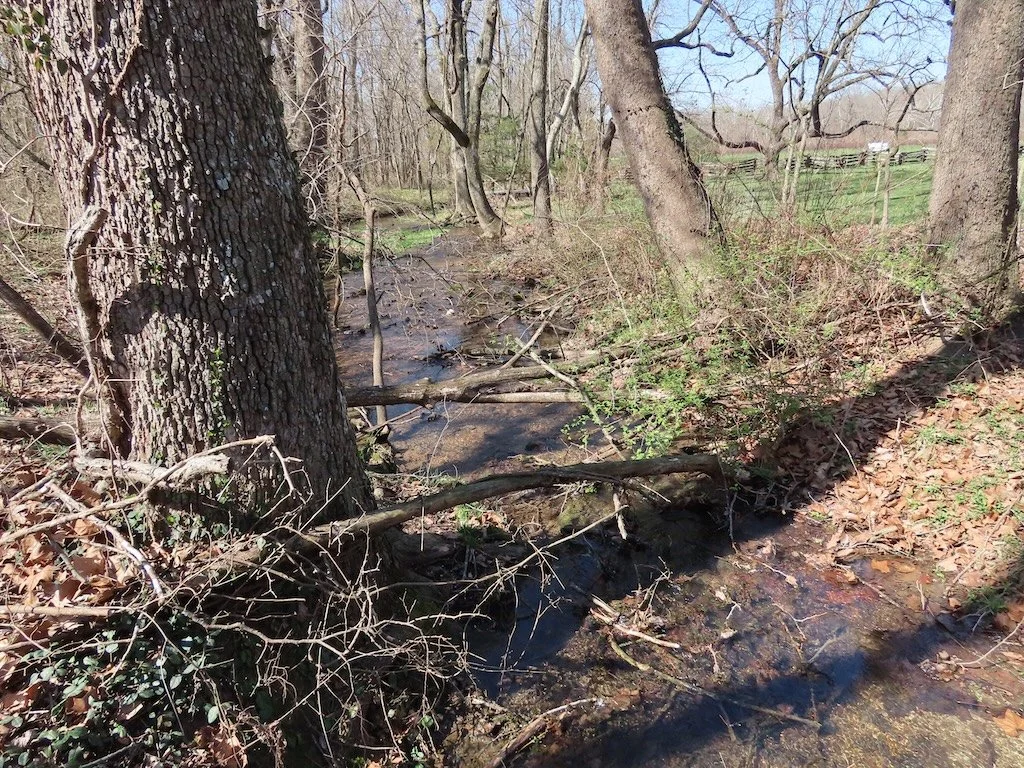
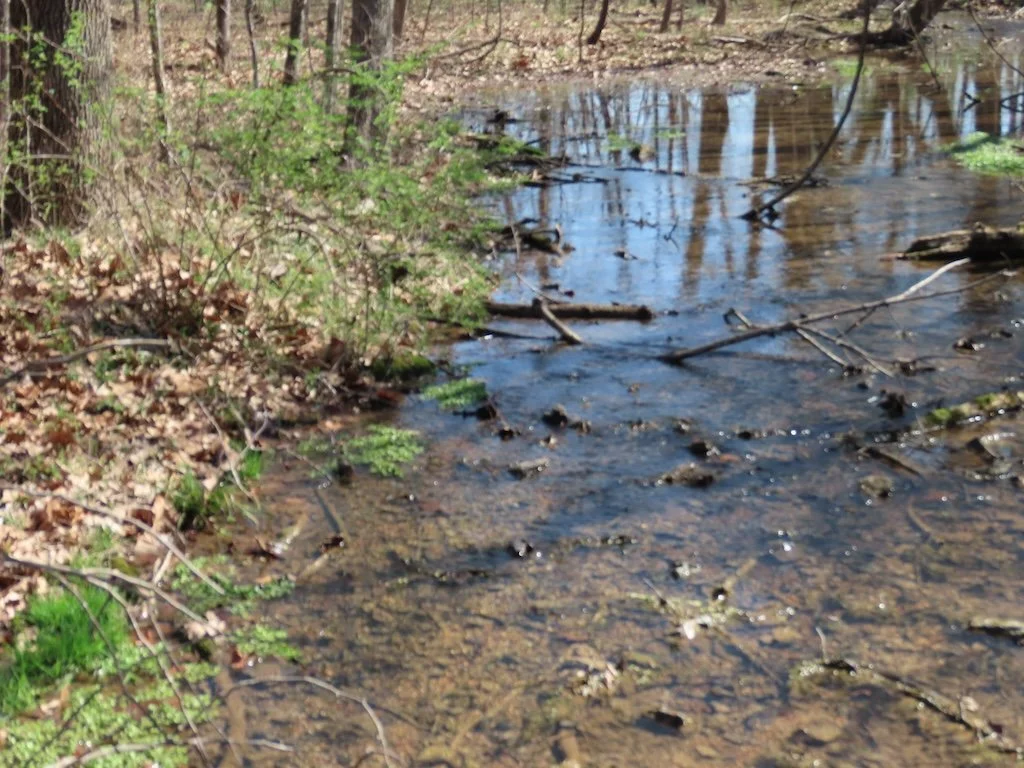
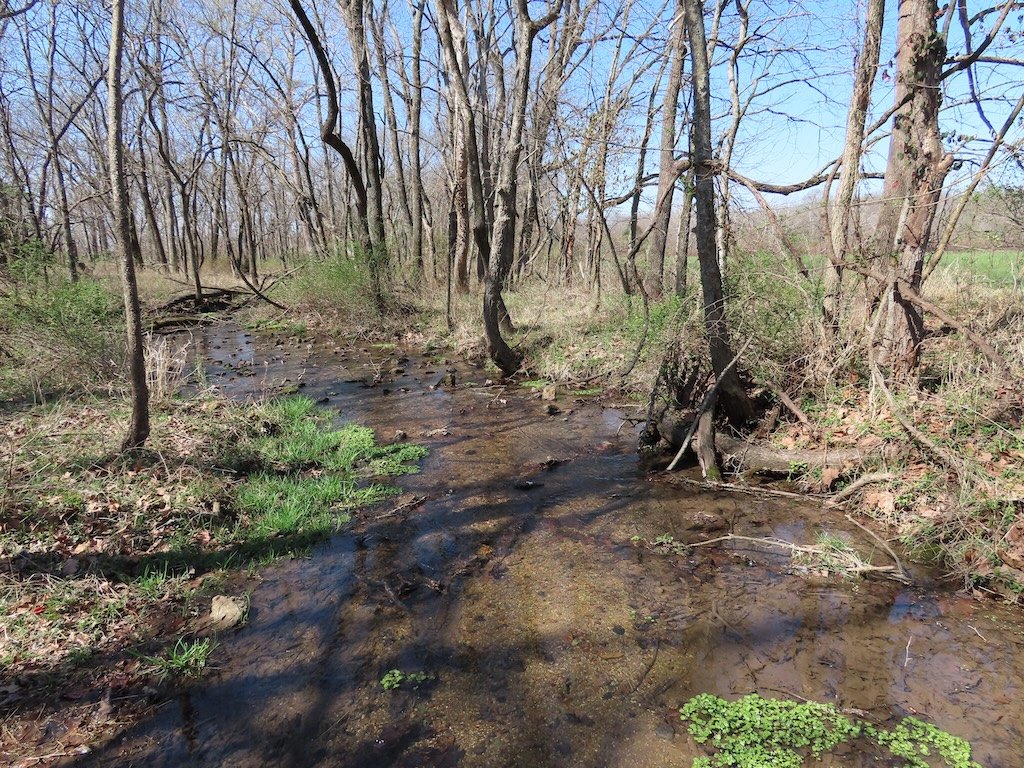
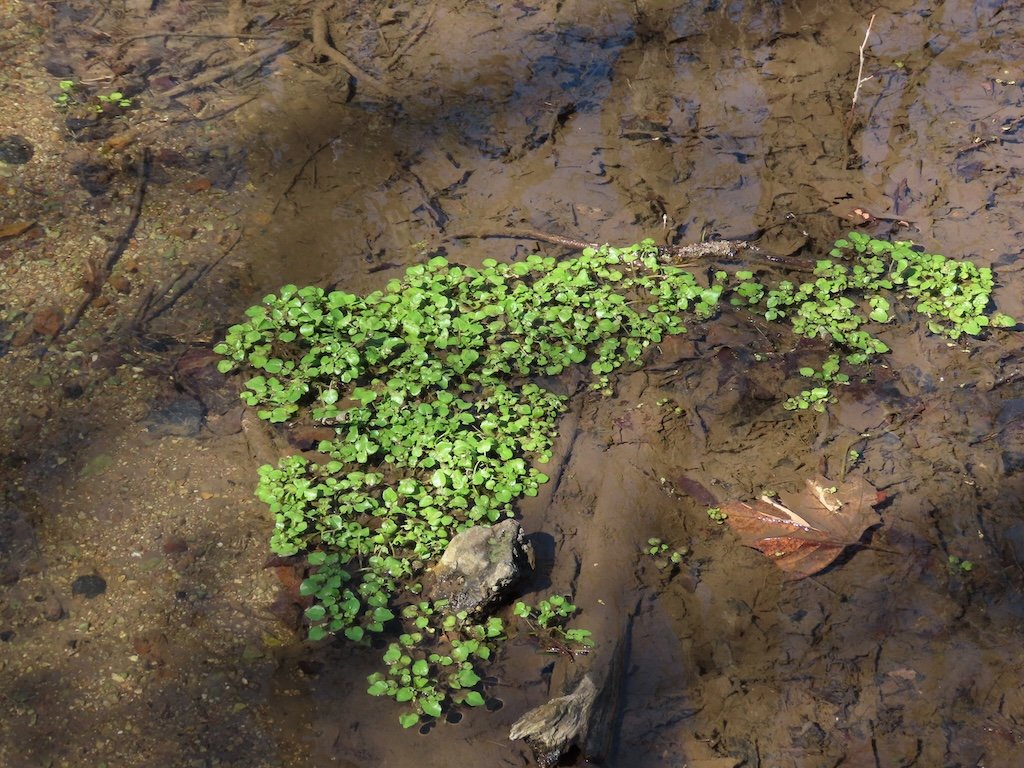
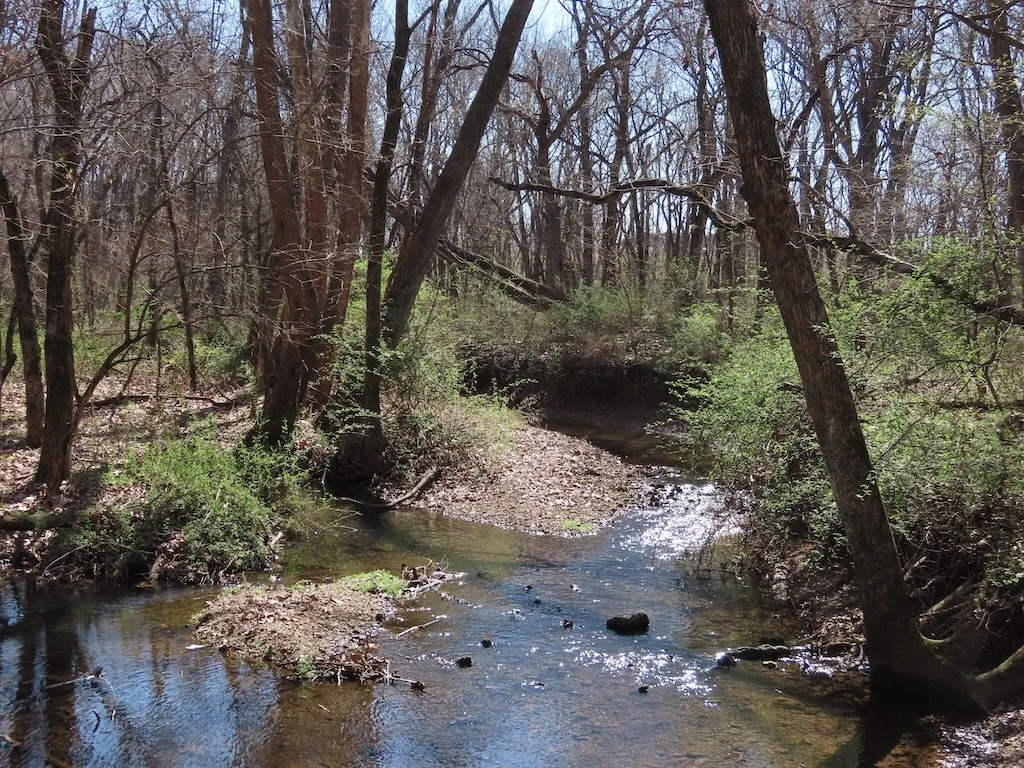
The woods were greening with the wildflowers, but the trees were mostly dormant. Some of them were probably ashes and would not be leafing out again. It is a common occurrence in Missouri right now; the emerald ash borer that killed the ashes in Maryland before we moved to Missouri is now killing the ash trees in Missouri. There is water in many places along the Carver Trail (loop) – Williams Pond/Branch and Carver Branch.

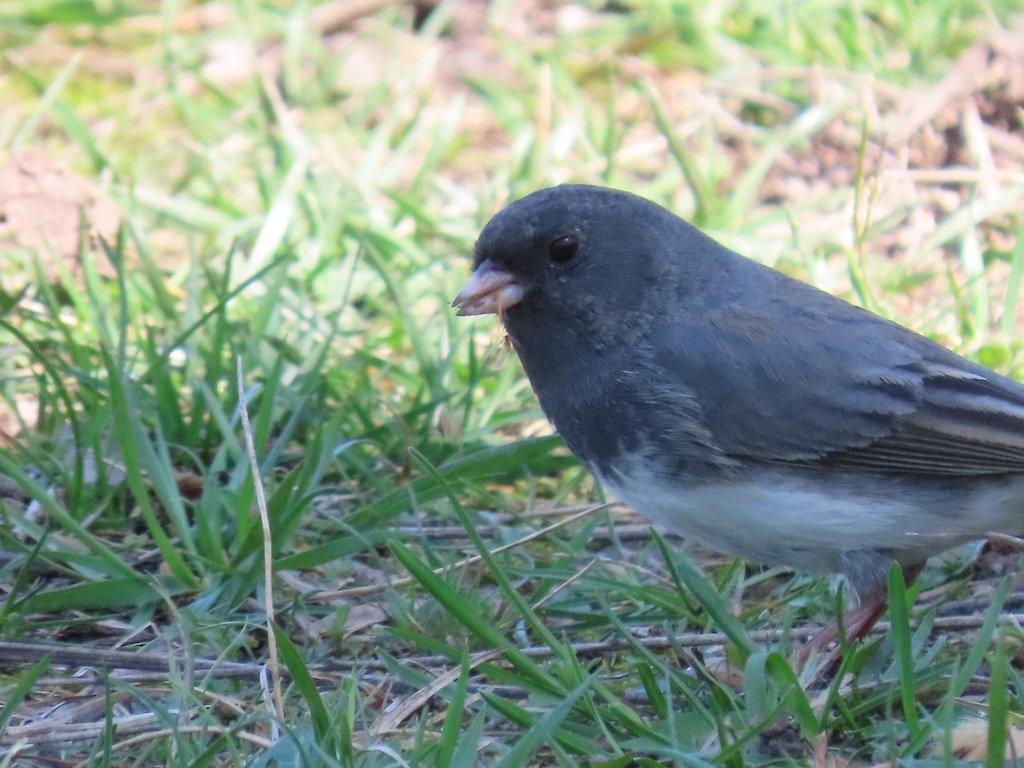
There were lots of birds, but I only managed to photograph a Dark-eyed Junco. We heard several woodpeckers.

We were at the monument on a Saturday, and I was pleased that there were other people that were there – many with children. The place is closer to Joplin so I assume the ‘regulars’ are mostly from Carthage or Joplin. It is a good place to visit in the spring….and maybe even better in the fall. In the summer, it would be very humid.

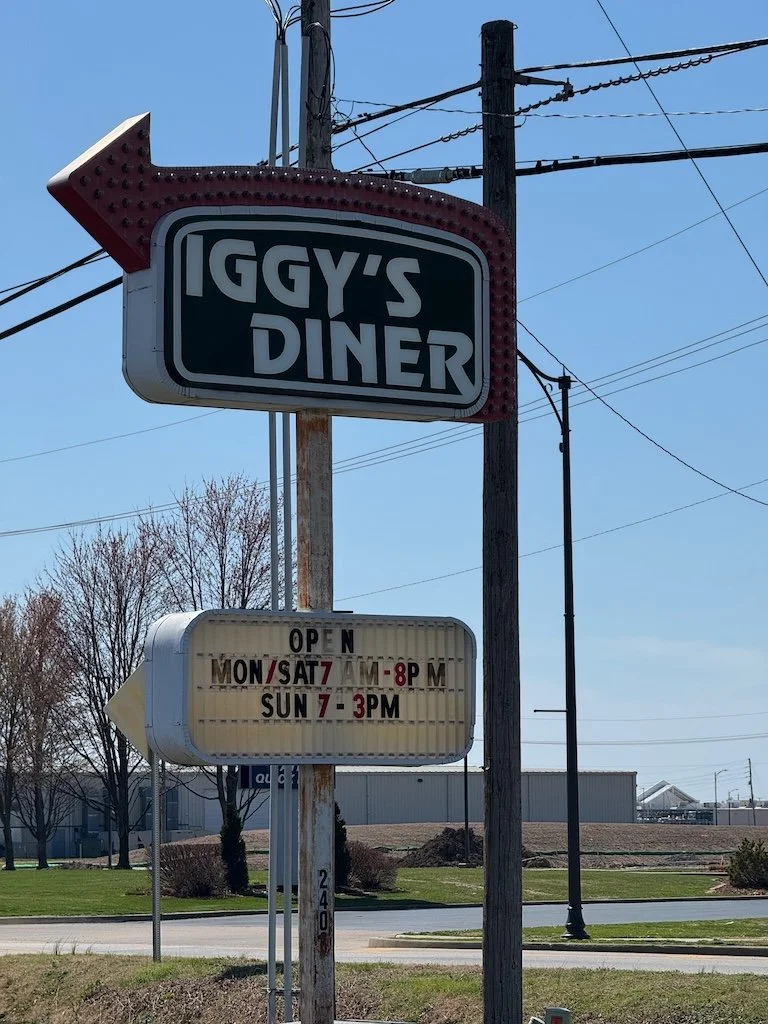
We opted to drive to Carthage for lunch at Iggy’s Diner. I am trying to find places other than fast food that my husband likes…and the diner seemed to be a hit with him. The quality of food is better than a fast food chain!

Yard Work – March 2023

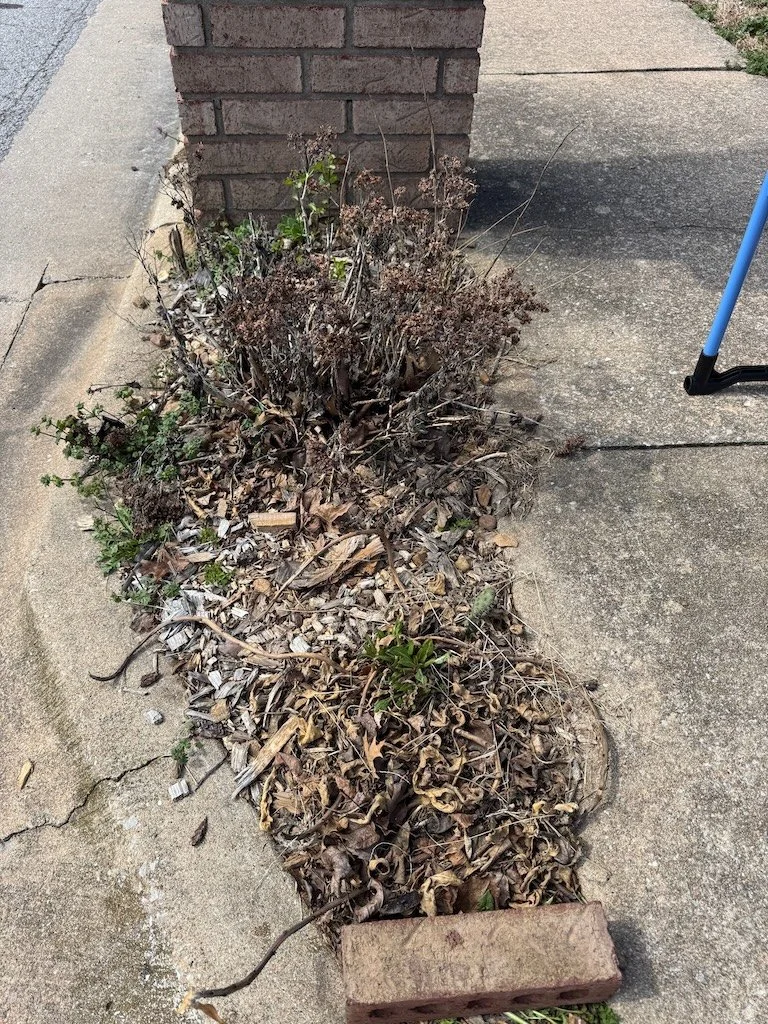
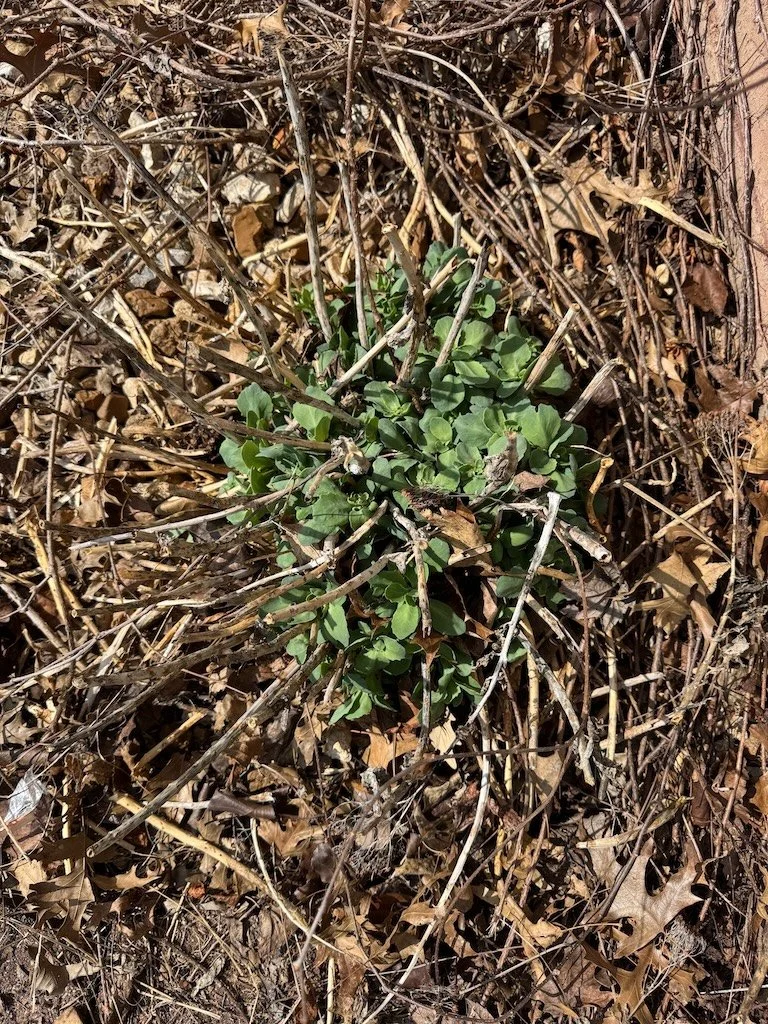
So much to do before it’s warm enough to plant into the new native plant garden in my front yard – that’s the April project. Now I am working on existing plantings. The Missouri evening primrose has come up in the small bed near the mailbox. There is a stone crop there too. I trimmed off the seed heads from last season so that the green at the base will show sooner. I try to leave the small twigs and leaves in the bed…reducing any bare  soil that might wash away during the spring rains.

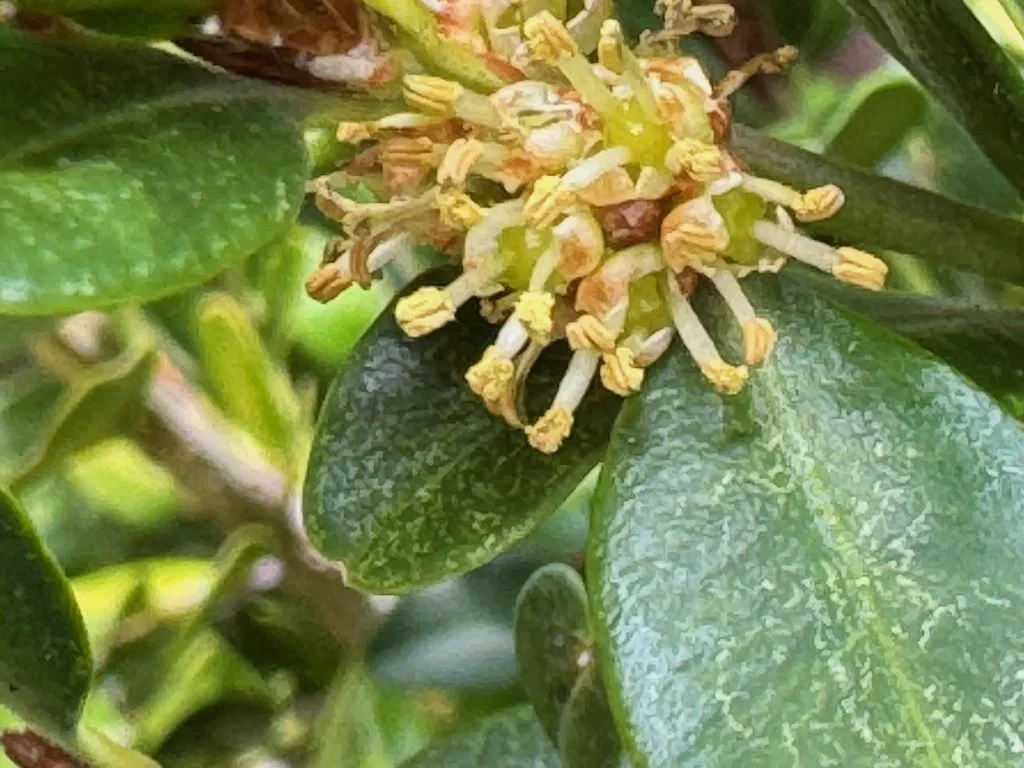
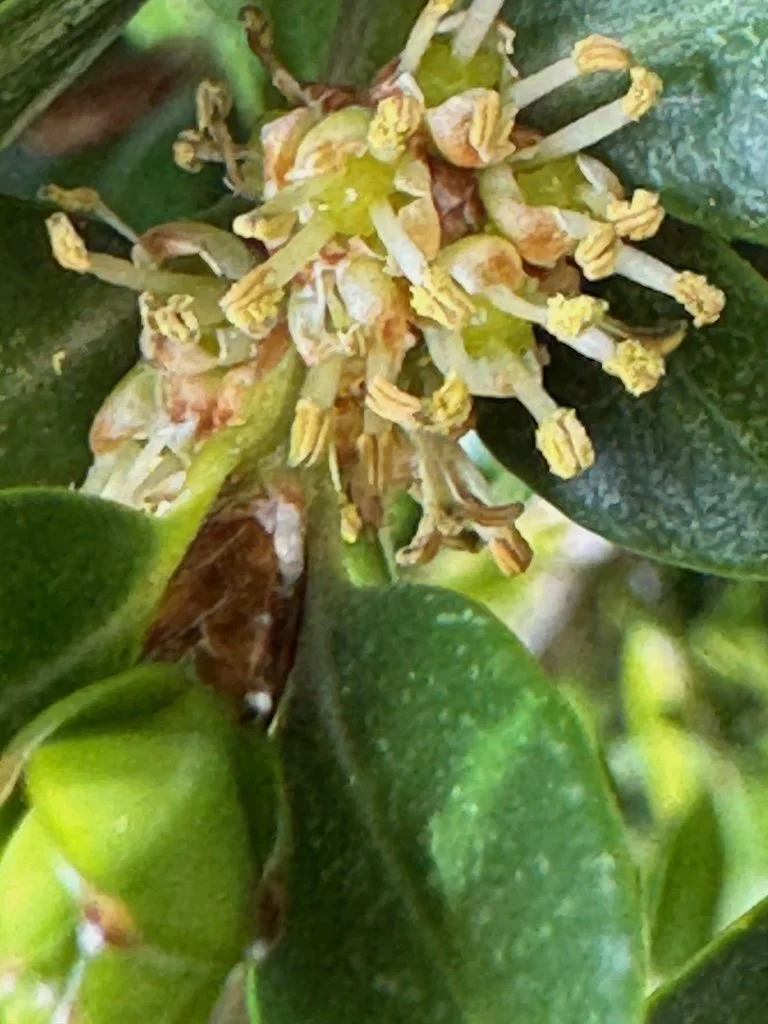
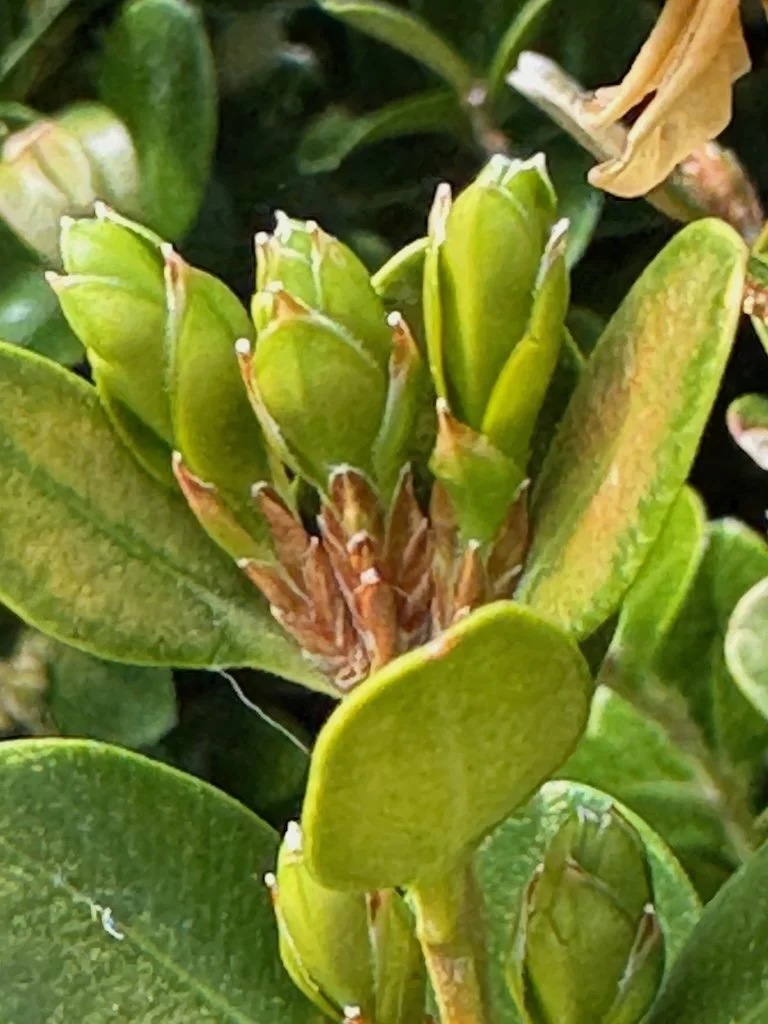
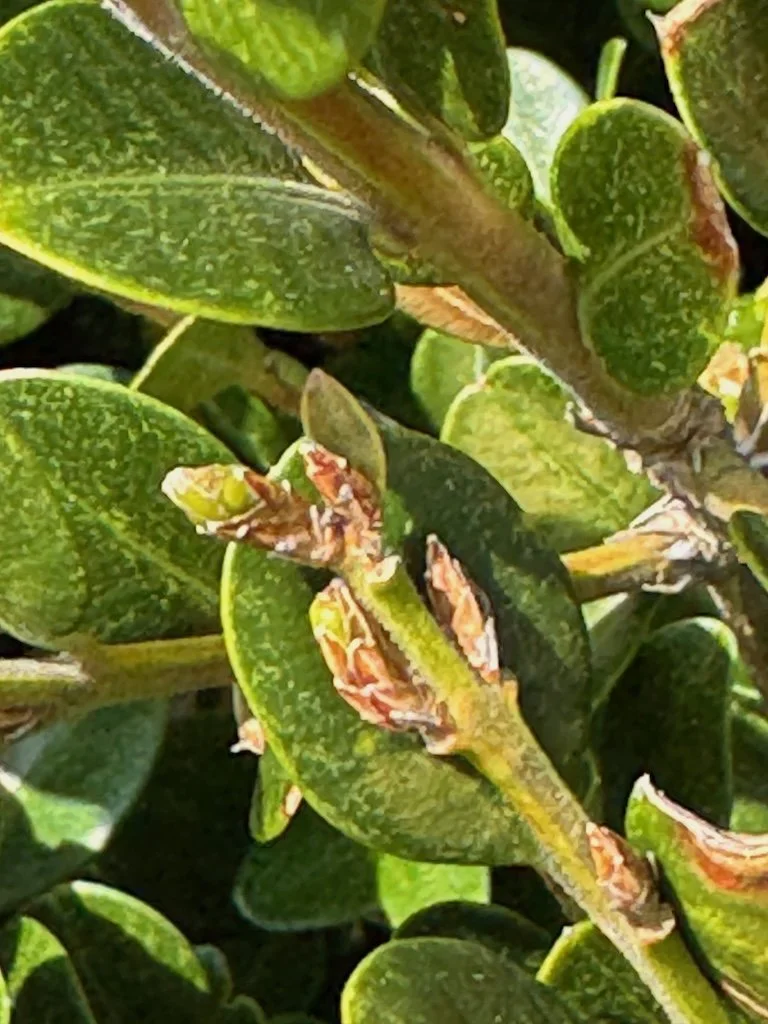
I need to trim the boxwood, but I’ll wait a bit on that. The electric hedge trimmer will make fast work of that job. I got a little sidetracked while I was looking at it when I realized it was blooming…and had a lot of new leaves; it was a good opportunity for some macro photography.

In the back yard – the iris bed where we cut down a pine several years ago was full of stalks from goldenrods. I cleared them away and realized that some of the leaves are rounded instead of pointy like the irises; those are naked lady lilies and there are more of them than last year. The bed is not formal, and I am letting it develop with the idea that the America beautyberry will eventually be the tall plant.

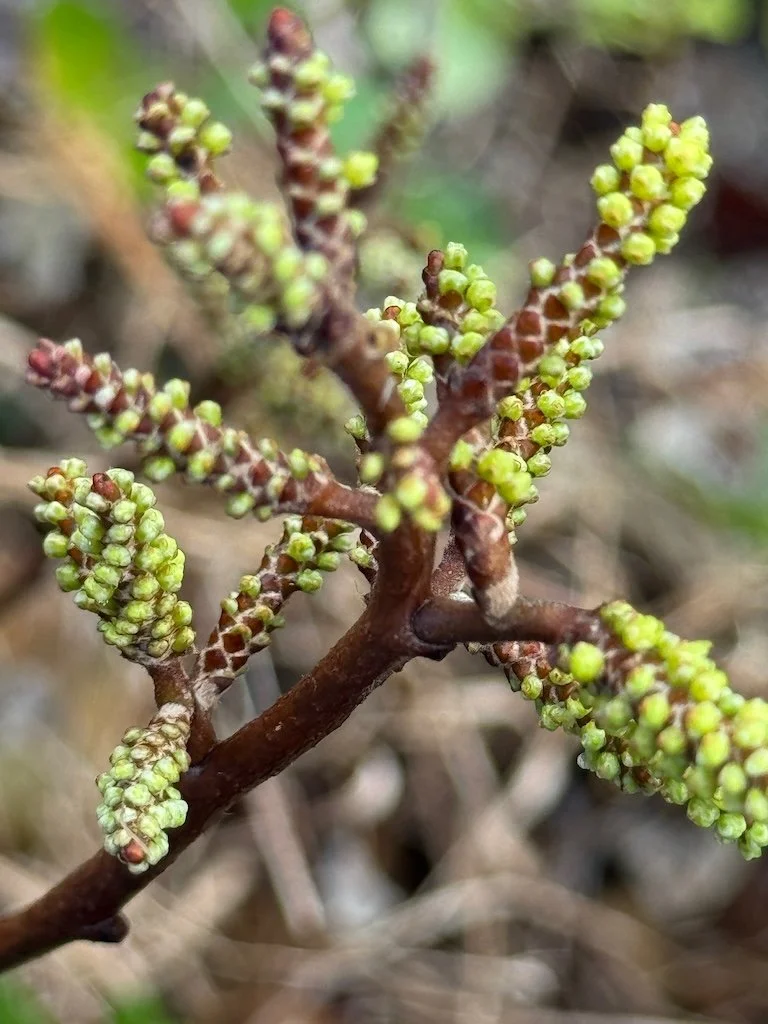
The fragrant sumac that I planted the first fall that we owned the house is blooming! I noticed that there is Japanese honeysuckle (an invasive) in the bed. I have spent several mornings working on it and am at the stage of digging out some of the hubs of the vines. I’ll work to keep the plant in check (or eliminated) this summer.

In the area where the small red buckeye is unfolding its leaves, the debris from last season’s violets and leaves provides good mulch that does not overwhelm the small plant. As it gets larger, I’ll decide if I’ll just leave it with that groundcover or put wood chips around it. There will never be a lawn mower near it….but no bare soil either! way you tell your story online can make all the difference.

Gleanings of the Week Ending March 21, 2026

The items below were ‘the cream’ of the articles and websites I found this past week. Click on the light green text to look at the article.

3/8/2026 Our World in Data What are the world’s deadliest animals, and can we protect ourselves against them? – Mosquitoes and snakes top the list! In many regions, deaths from mosquitoes have decreased dramatically. Malaria was once prevalent in countries that are now free of it. If we could achieve this in all parts of the world, the number of deaths caused by other animals would be almost six times smaller. If we were to also eliminate deaths from snakes with antivenoms and better diagnostics, the death toll would be again reduced by almost two-thirds.

3/8/2026 Science Daily Scientists stunned to find signs of ancient life in a place no one expected - Chemosynthetic microbes—organisms powered by chemical reactions—creating the mats in the dark depths of an ancient ocean.

2/24/2026 BBC 'It seemed to defy the laws of physics': The everlasting 'memory crystals' that could slash data center emissions -Silica and DNA are "very attractive from a sustainability perspective", acknowledges Tania Malik, assistant professor at the School of Informatics and Cybersecurity at Technological University Dublin in Ireland. "However, these technologies are unlikely to replace conventional storage for everyday computing or AI workloads anytime soon."

2/11/2026 The Scientist Oak Trees’ Drought Resilience is Rooted in Microbes - Oak trees maintained relatively stable microbial communities with subtle shifts in response to drought stress. They observed an increased abundance of Actinobacteriota, which are linked to drought tolerance, and other bacterial and fungal genera, suggesting that the oak trees can recruit beneficial organisms under stressful conditions. These changes could help researchers identify additional bacterial biomarkers as trees adapt to climate change.

3/9/2026 Compound Interest International Women’s Day: Twelve women from chemistry history – 12 women chemists from around the world.

3/8/2026 National Parks Traveler North Kaibab Trail at Grand Canyon National Park Seriously Damaged by Debris Flows - Debris flows in the wake of the Dragon Bravo fire at Grand Canyon National Park last year heavily damaged sections of the North Kaibab Trail, which will require some significant rebuilding in places this spring.

3/6/2026 Clean Technica It’s Time for an Authentic Golden Age of Agriculture - Contemporary industrial agriculture is less about producing food and more about generating animal feed, biofuels, and industrial ingredients for processed food products. Frank Carini of ecoRINews argues that producing more local food requires a series of changes. He offers a series of steps:

  • Stop taking farmland out of production;

  • Provide better financial support to local and regional farmers;

  • Increase funding for federal extension services;

  • Approve more bond money for farmland protection;

  • Attract young farmers to the profession;

  • Make farmland affordable; and,

  • Use the land we do have with our future in mind.

3/6/2026 Planetizen Hundreds of Vacant NYC Public Housing Units ‘Taken Over’ by Squatters –Vacancies often result from the need to make extensive renovations before units can be leased out when a prior tenant leaves. That frequently includes costly lead paint and asbestos abatement—required by local law and under NYCHA’s federal monitorship—work which takes an average of four to six months to complete, officials have said. In general, it takes the housing authority an average of 326 days to “turnaround” a vacant apartment for new occupancy, according to the most recent public data.

3/5/2026 Smithsonian Magazine See the New U.S. Postage Stamp Honoring the Bison, America’s National Mammal – A stamp within a stamp design.

3/4/2026 The Conversation Pollution, noise and climate stress all pose a serious threat to heart health - In an unprecedented collaboration, the European Society of Cardiology, the American College of Cardiology, the American Heart Association and the World Heart Federation have issued a joint statement calling for immediate action against environmental stressors – pollution, noise, climate stress – to reduce cardiovascular mortality. The question is no longer whether pollution causes cardiovascular disease, but how much additional harm we are willing to accept knowing that it is, to a large extent, preventable.

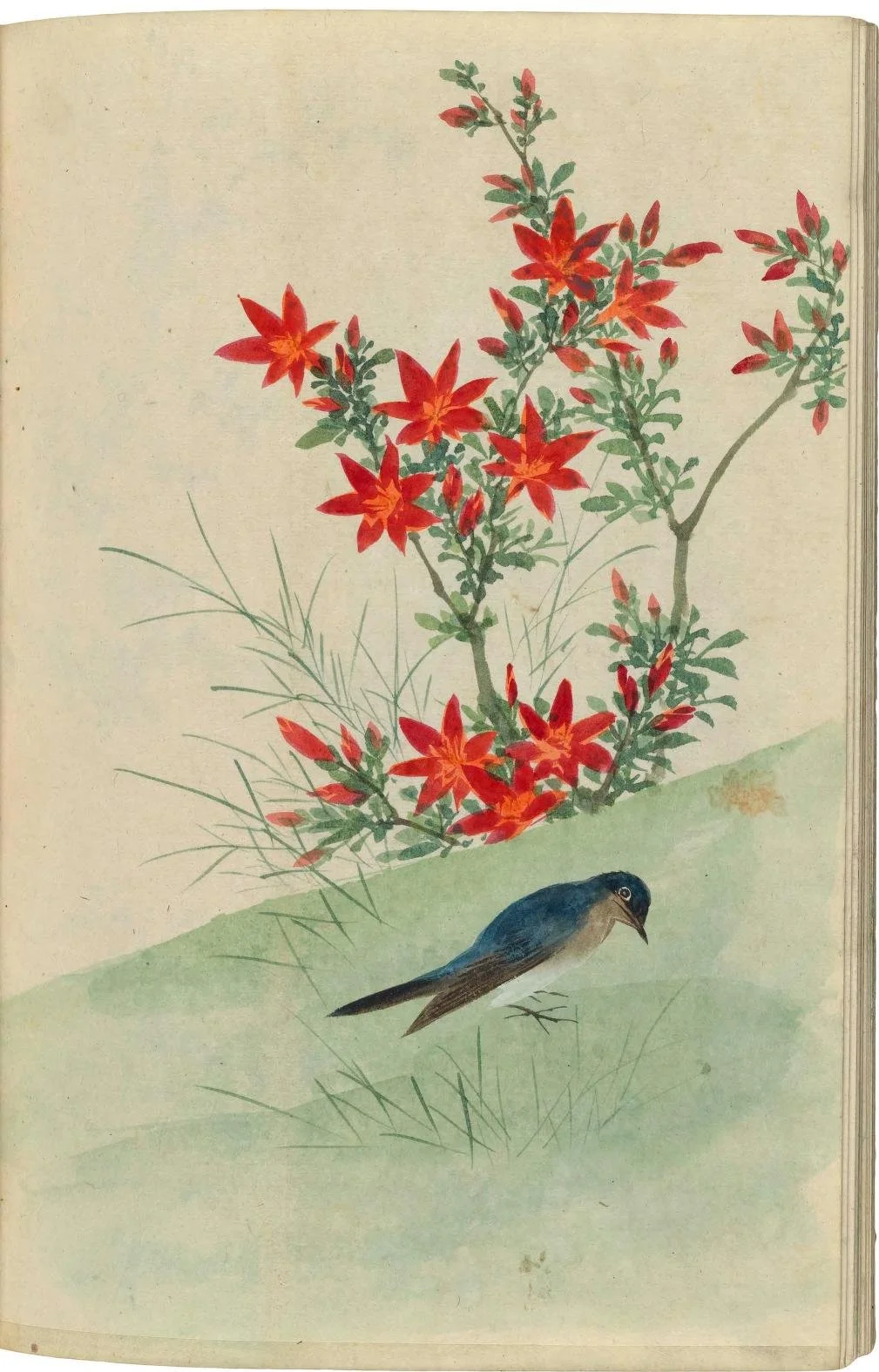
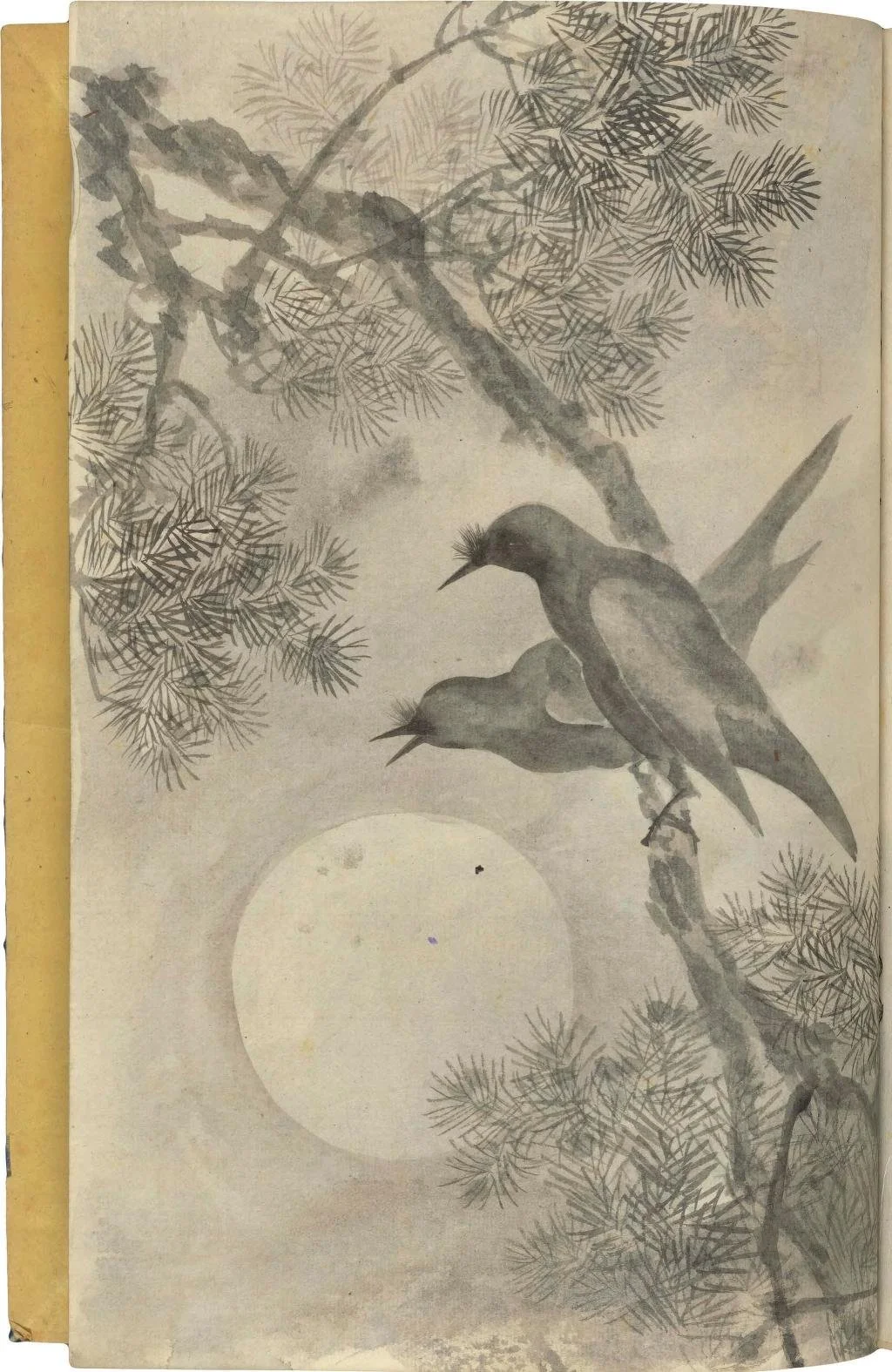
Album of flowers and birds

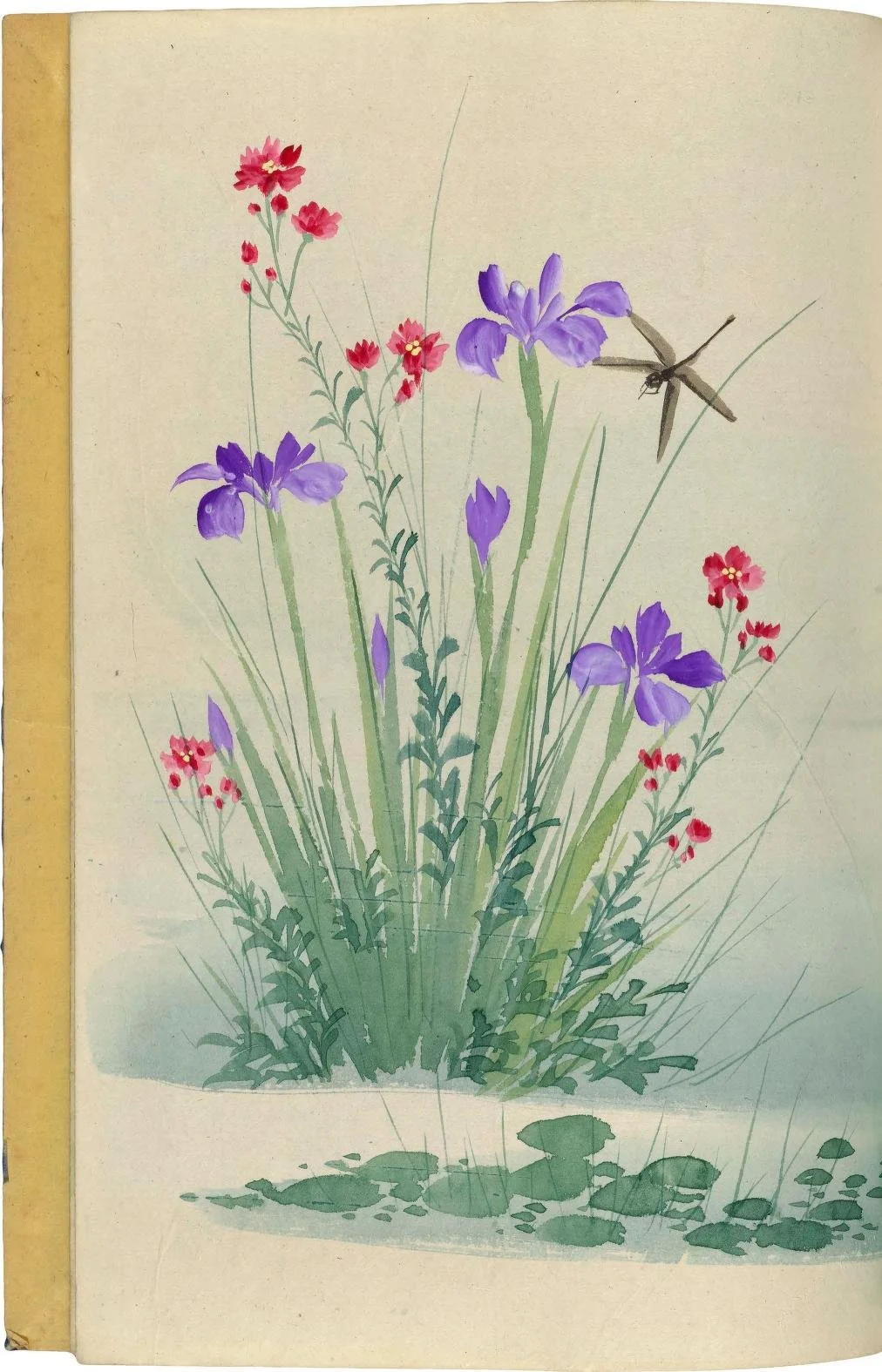
My ‘book of the week’ selection is a manuscript of 50 tempera, water- and bodycolor drawings. The original is held by the Oak Spring Garden Foundation, Upperville, Virginia and is available online at Internet Archive; the foundation is evidently working to digitize the collection accumulated by Rachel (“Bunny”) Lambert Mellon in the Oak Spring Garden Library.  This manuscript is not dated and the authors are unknown but it has Chinese circular red stamps on the first drawing and the back endpaper so is attributed generically to ‘Chinese School.’

 Images of plants and wildlife (insects, birds) always appeals to me. I like the artistic techniques of the collection as well. Enjoy browsing the book online!

 Album of flowers and birds

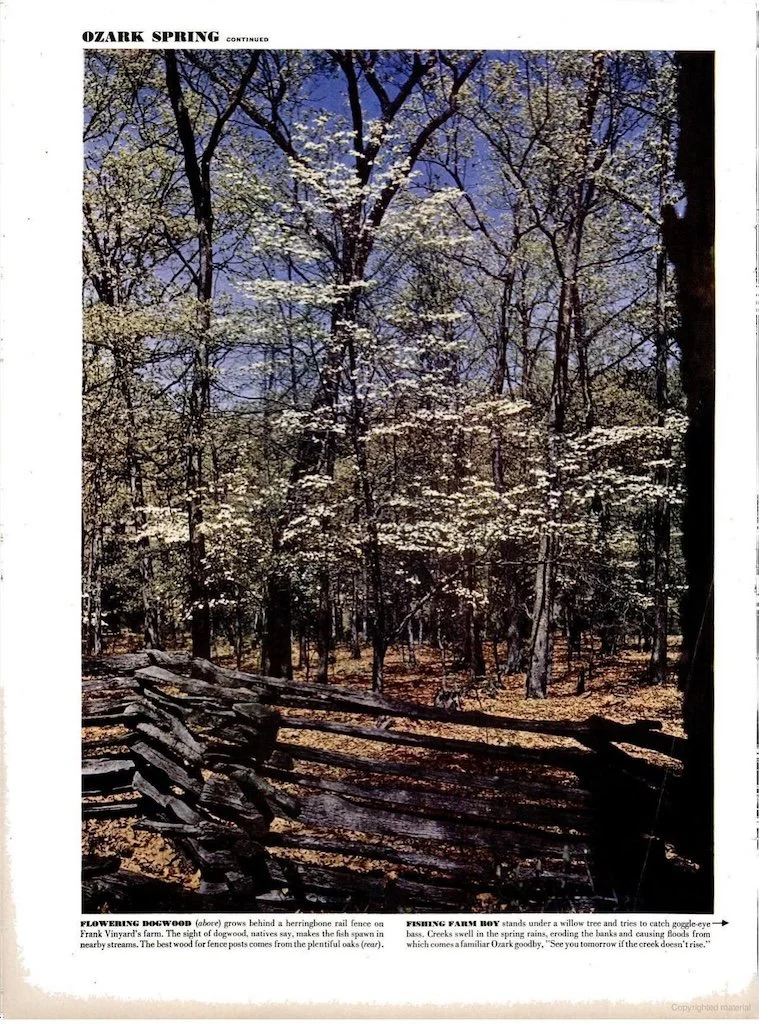
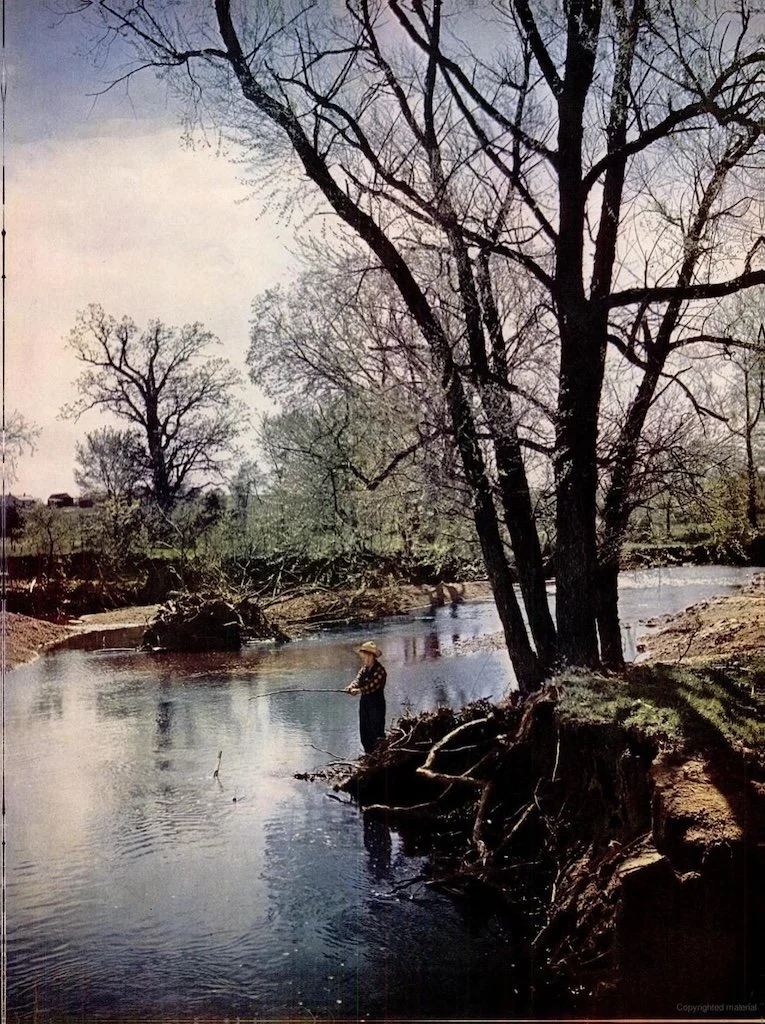
Ozark Spring in 1948

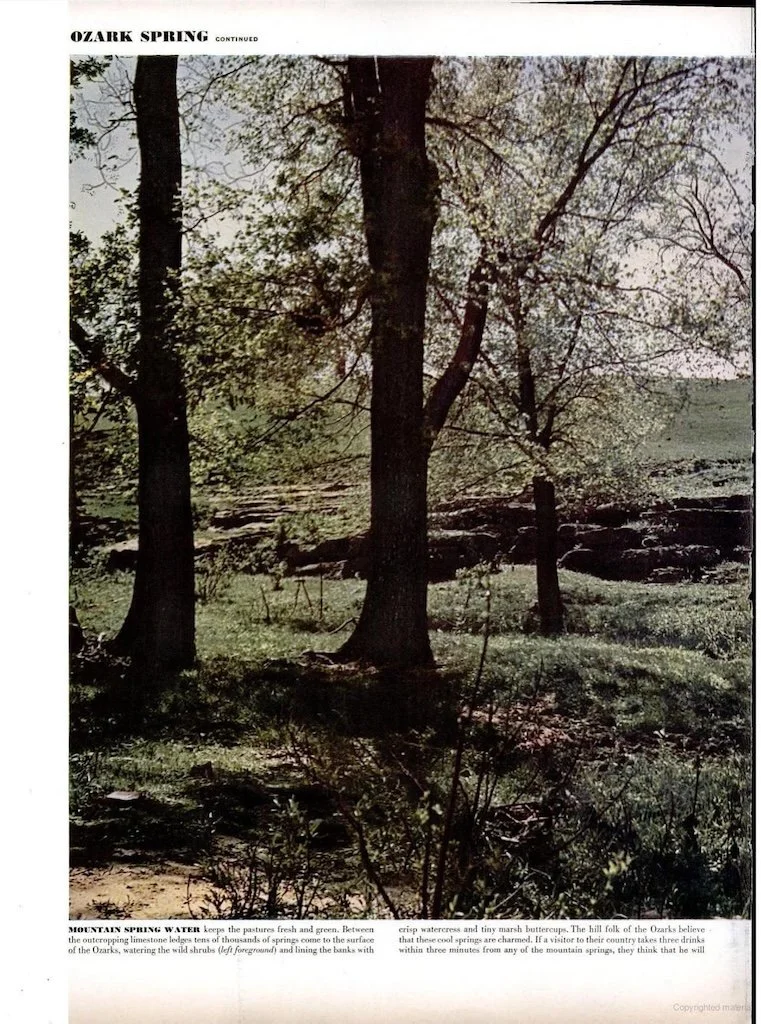
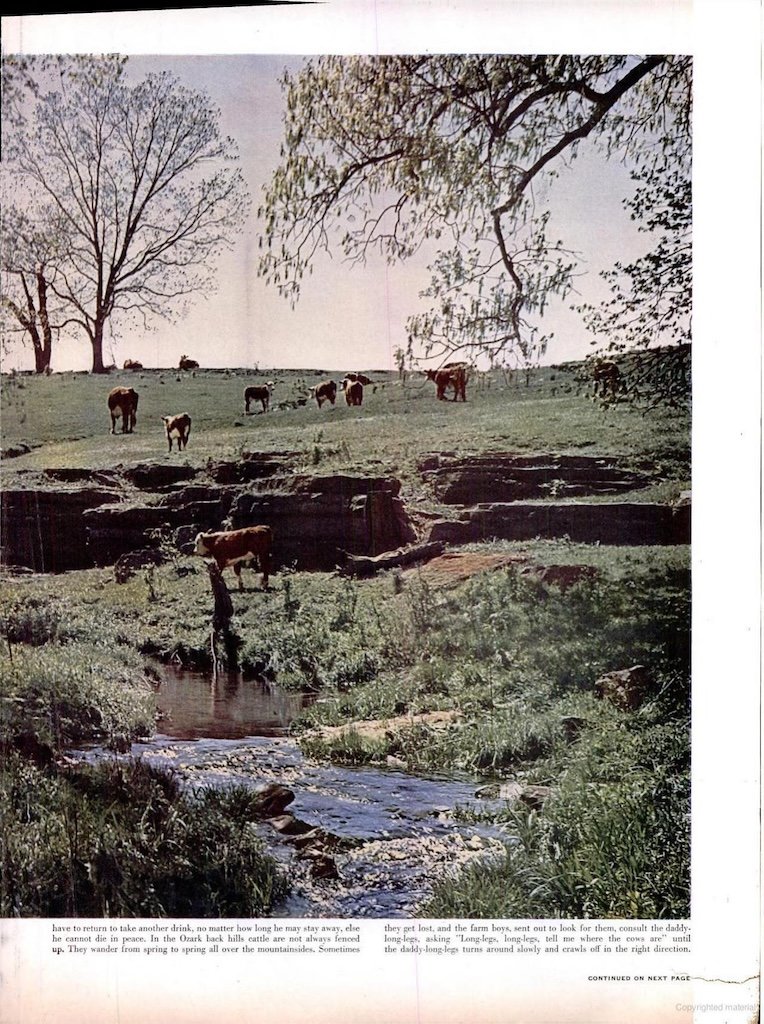
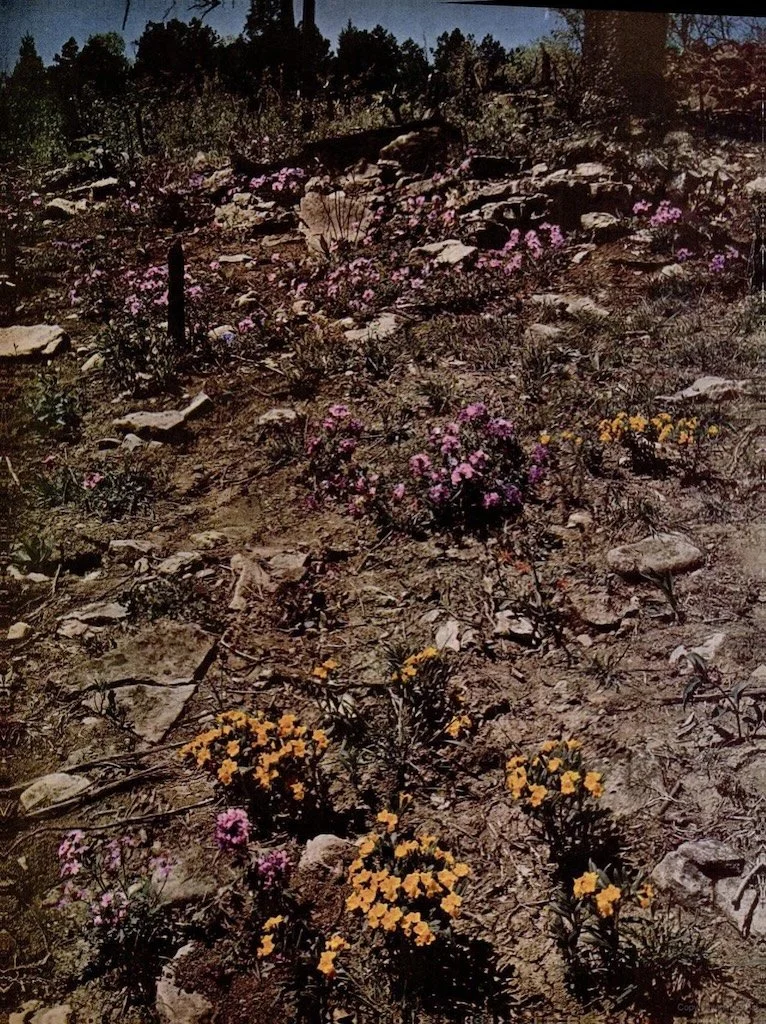
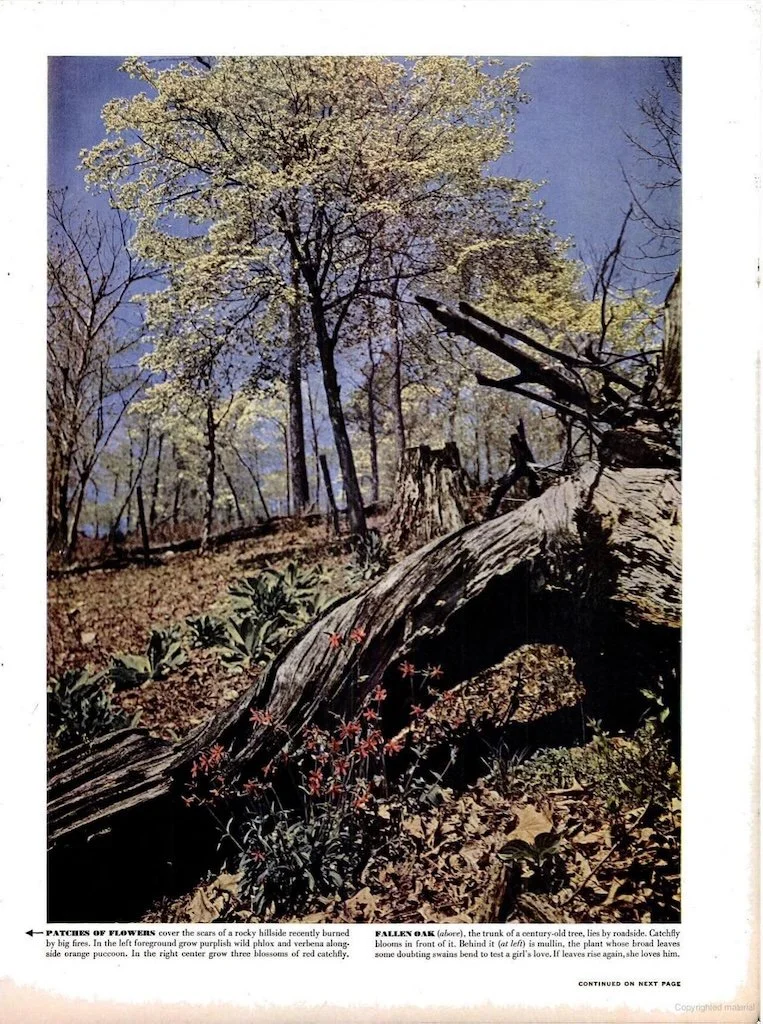
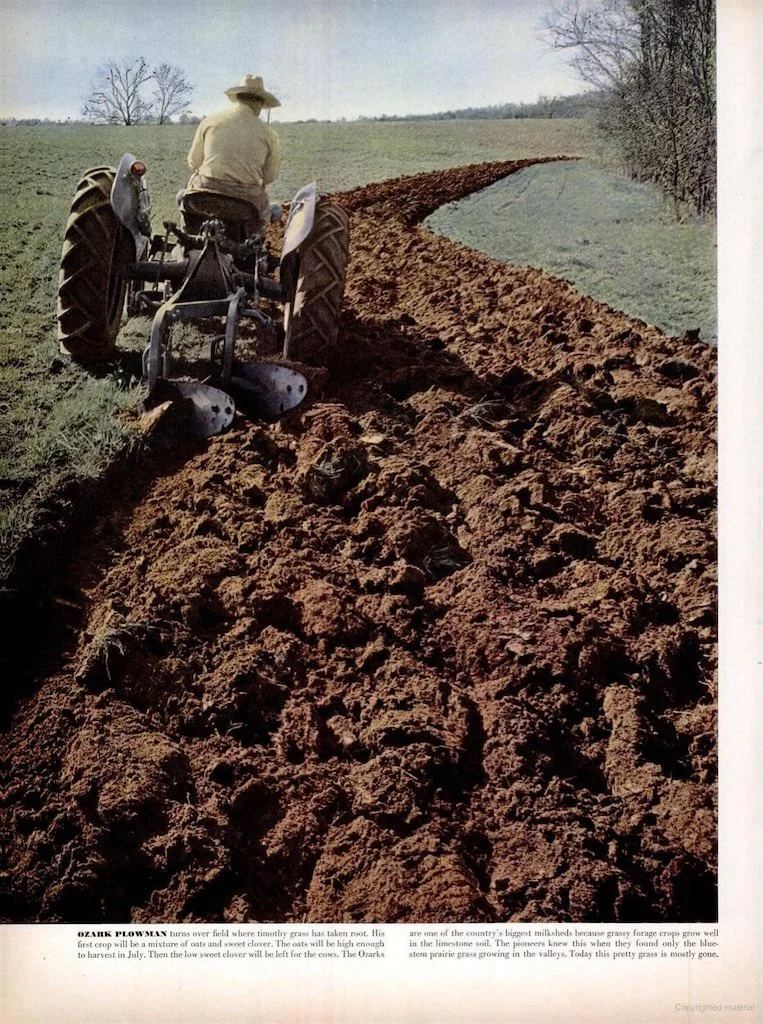
A story in Life Magazine for April 5, 1948 was an pictorial record of what it was like in spring during that time. The trees were leafing out or blooming and wildflowers were blooming in an area that had burned. There were already signs of loss – a farmer plowing before planting oats and sweet clover in an area that has once been bluestem prairie and cows making ruts down to the spring. The dogwoods are not as numerous today as in these pictures. Still – spring comes and we all appreciate the beauty that has survived in the Ozarks.

(Use the arrows on the left and right of the image to move through the slideshow.)

Springfield Botanical Gardens (2) – March 2026

Continuing the images from my walk around the Springfield Botanical Gardens recently….

This post is about the trees.

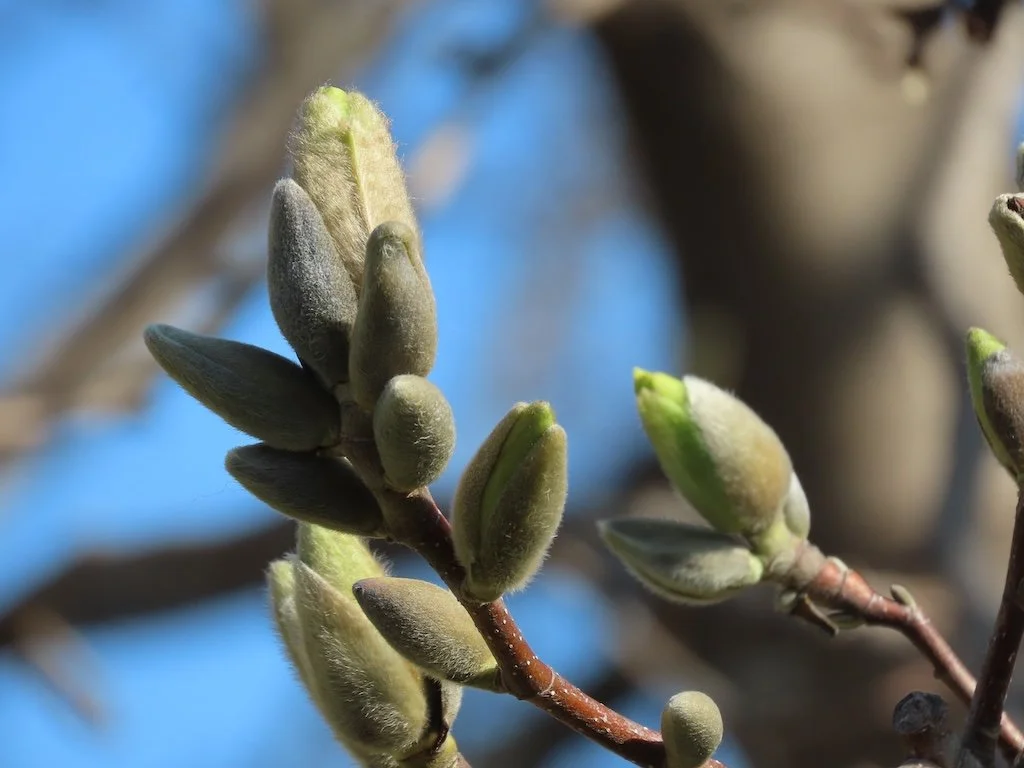
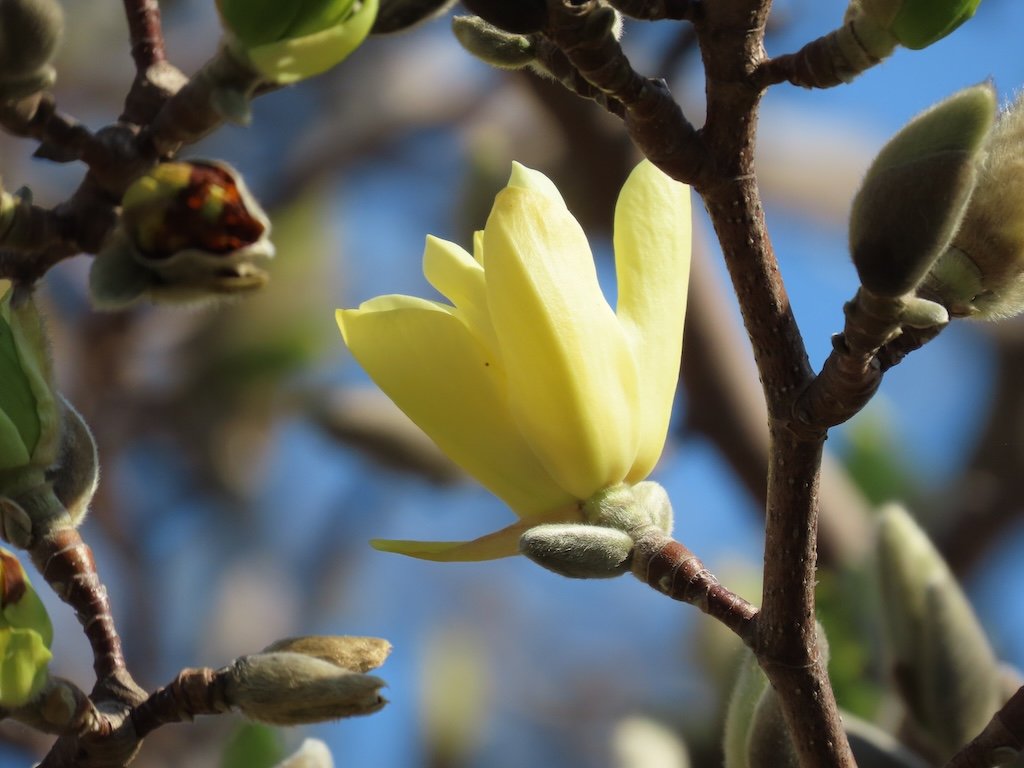
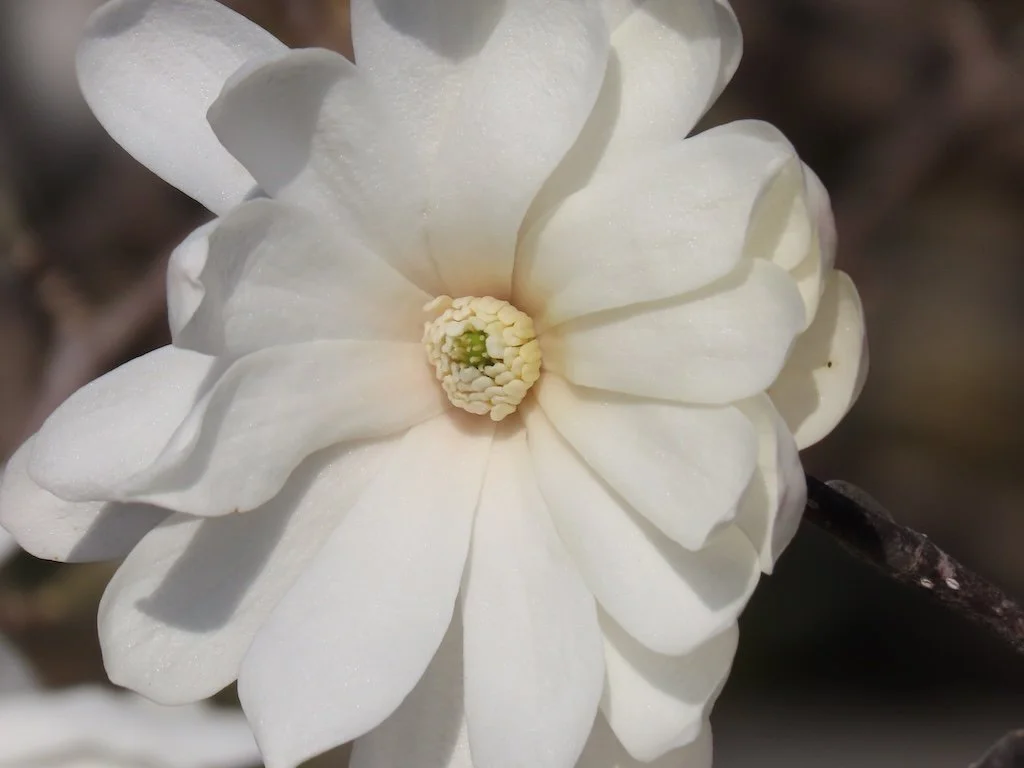
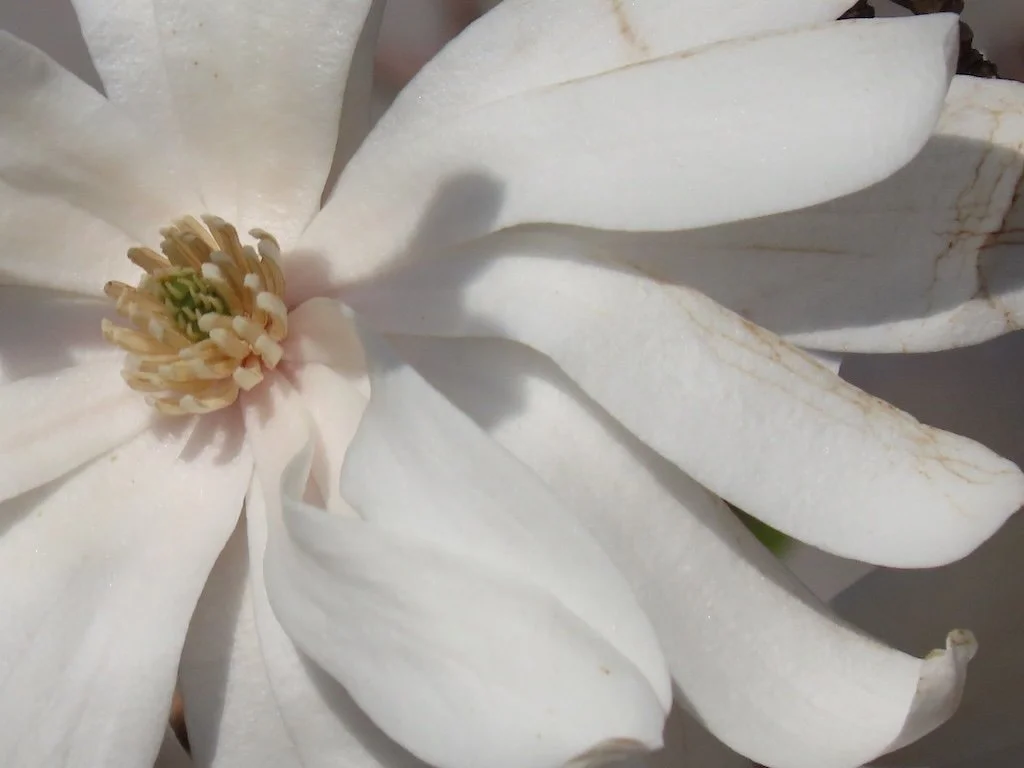
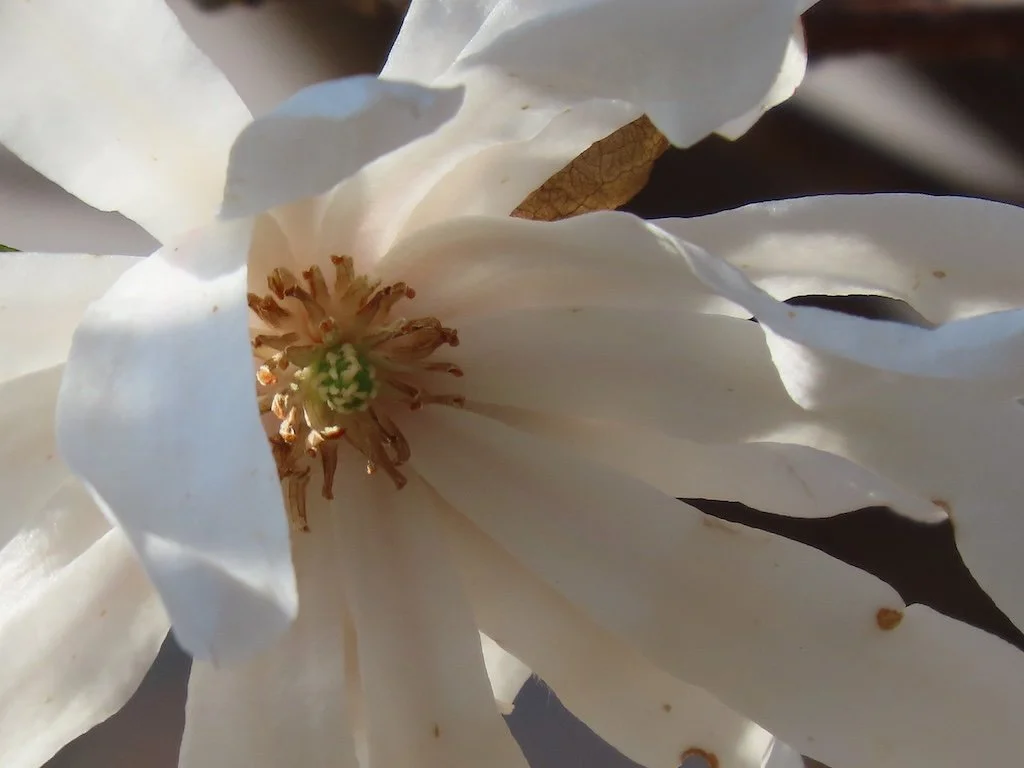
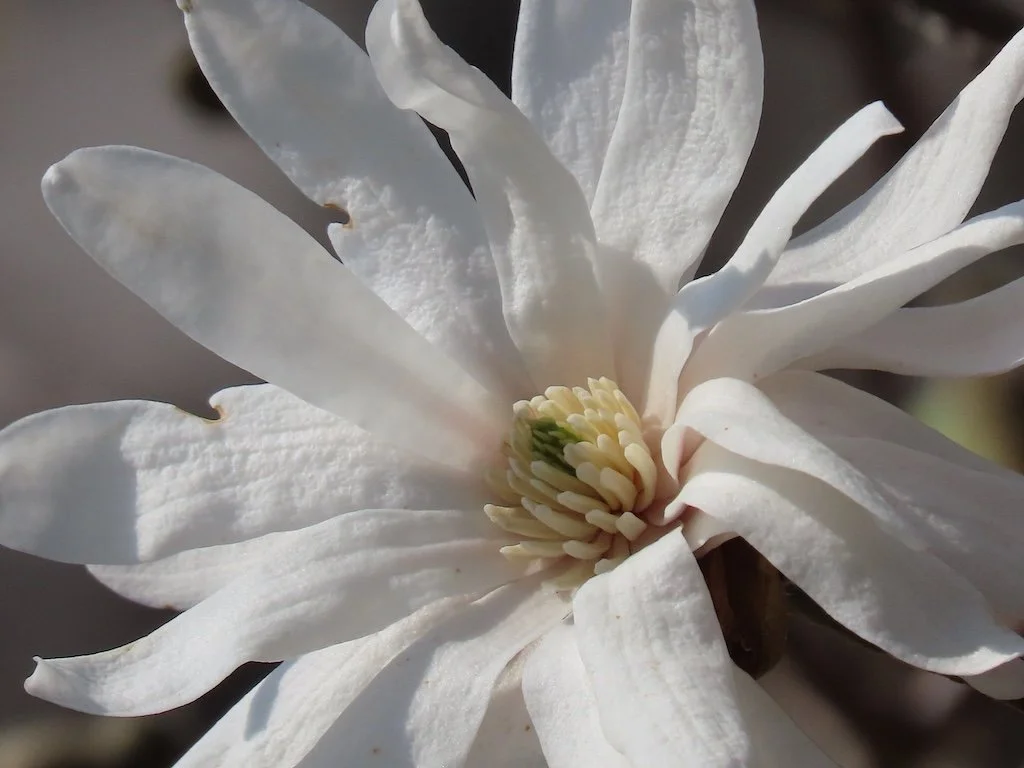
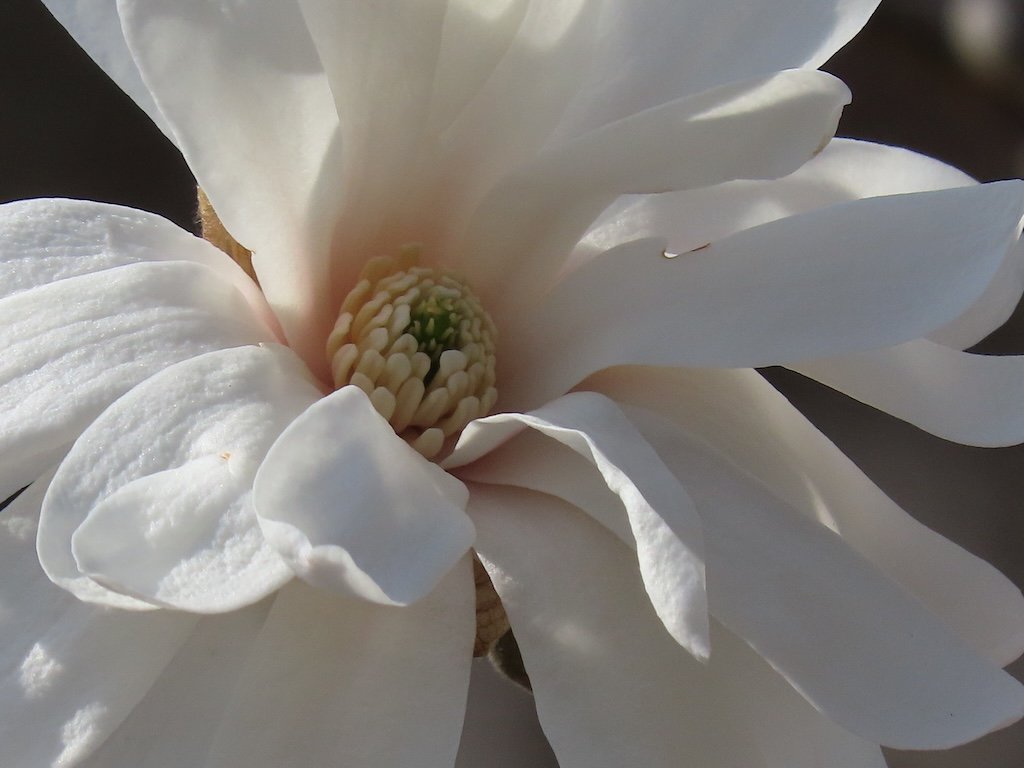
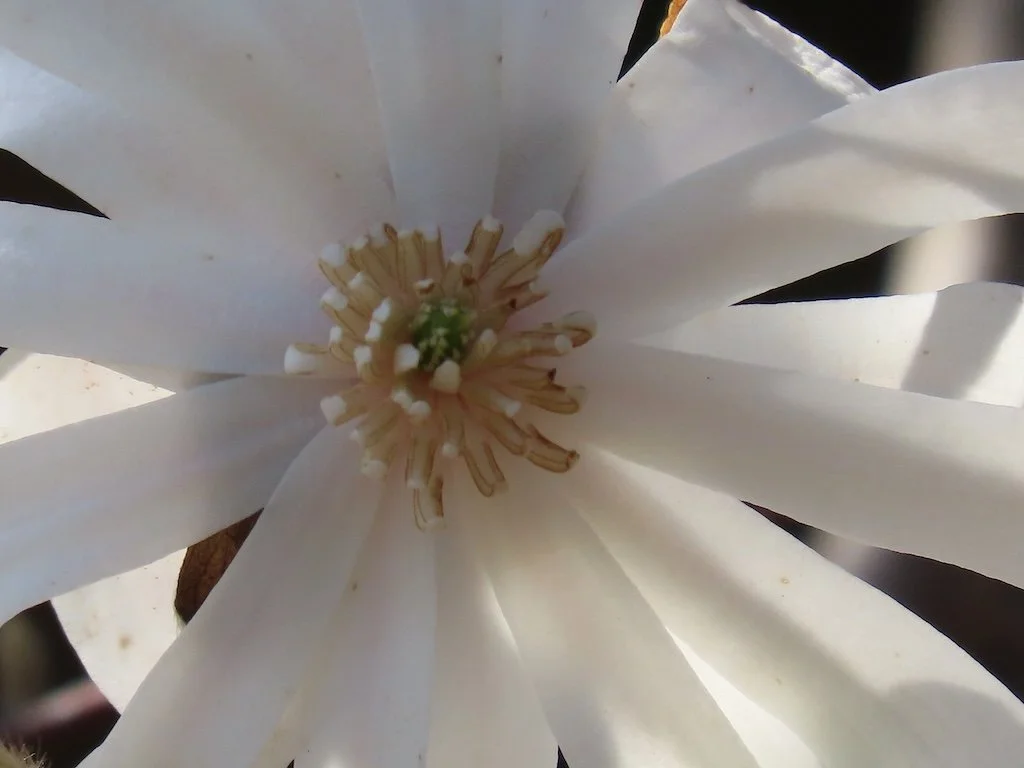
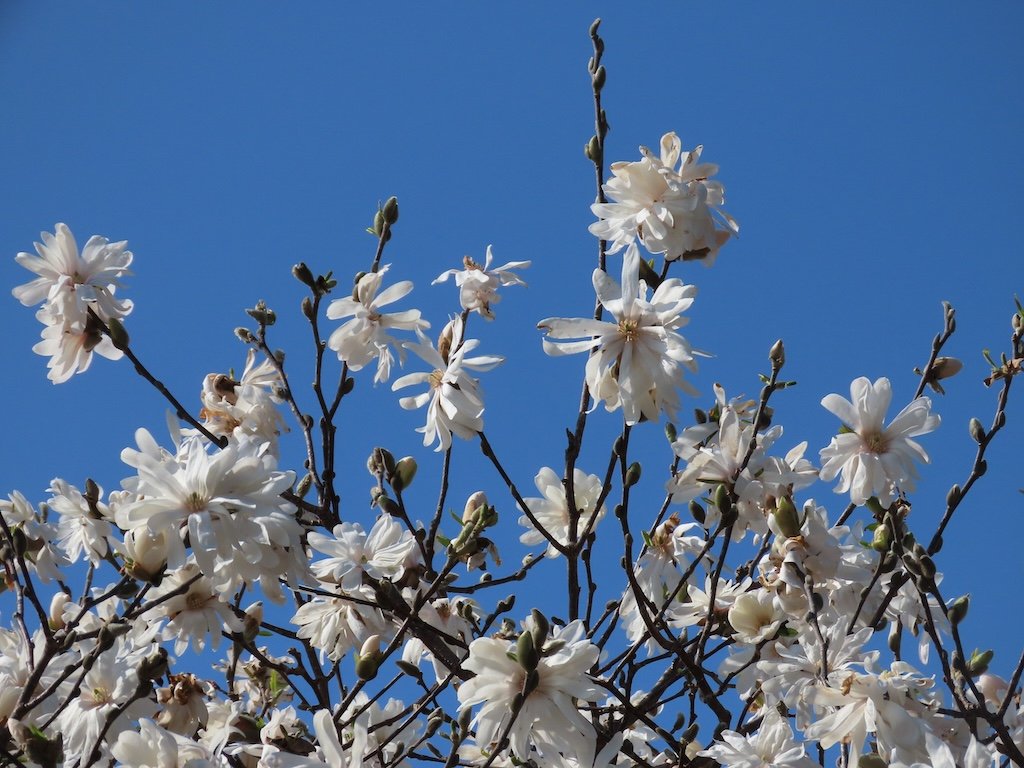
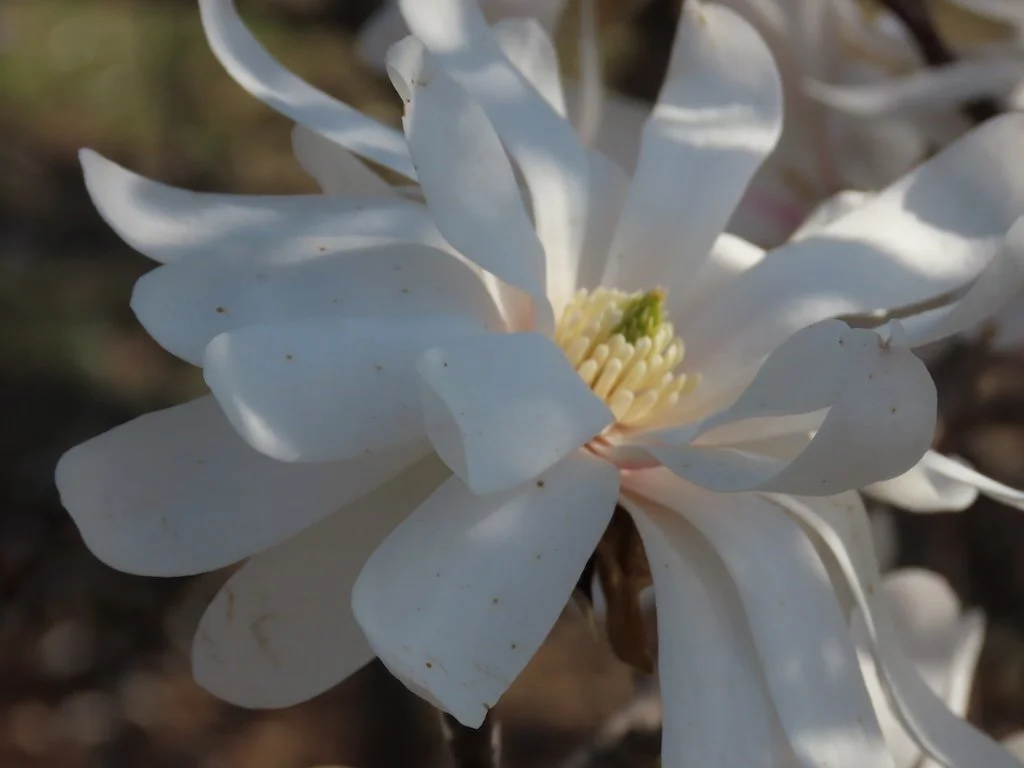
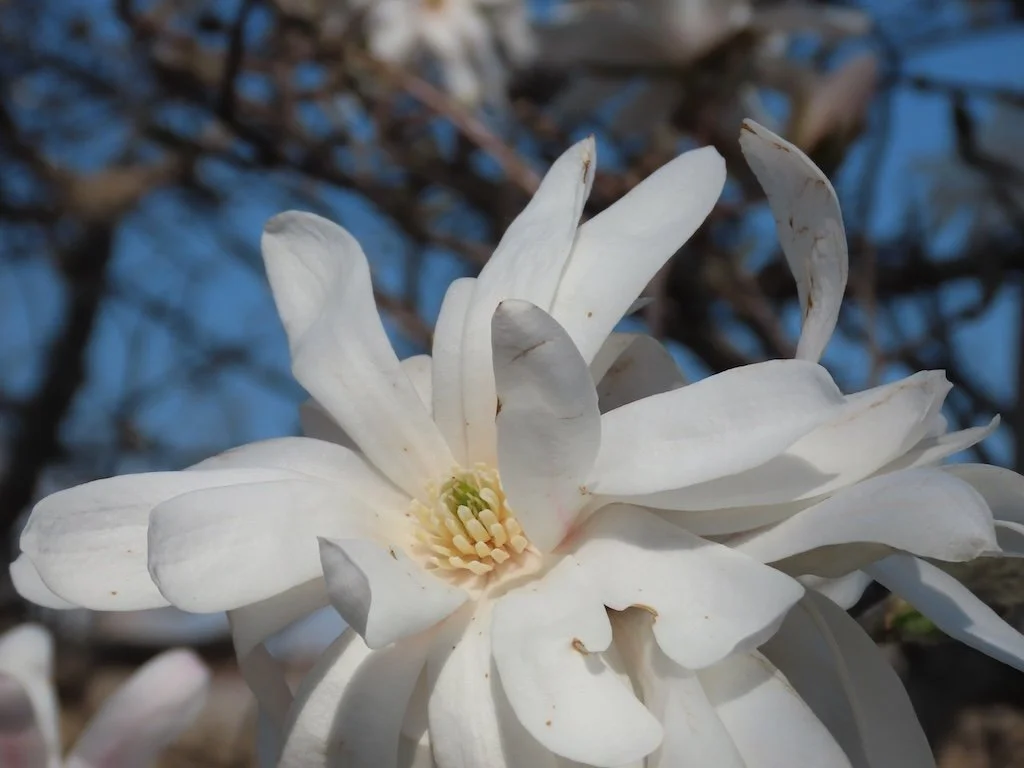
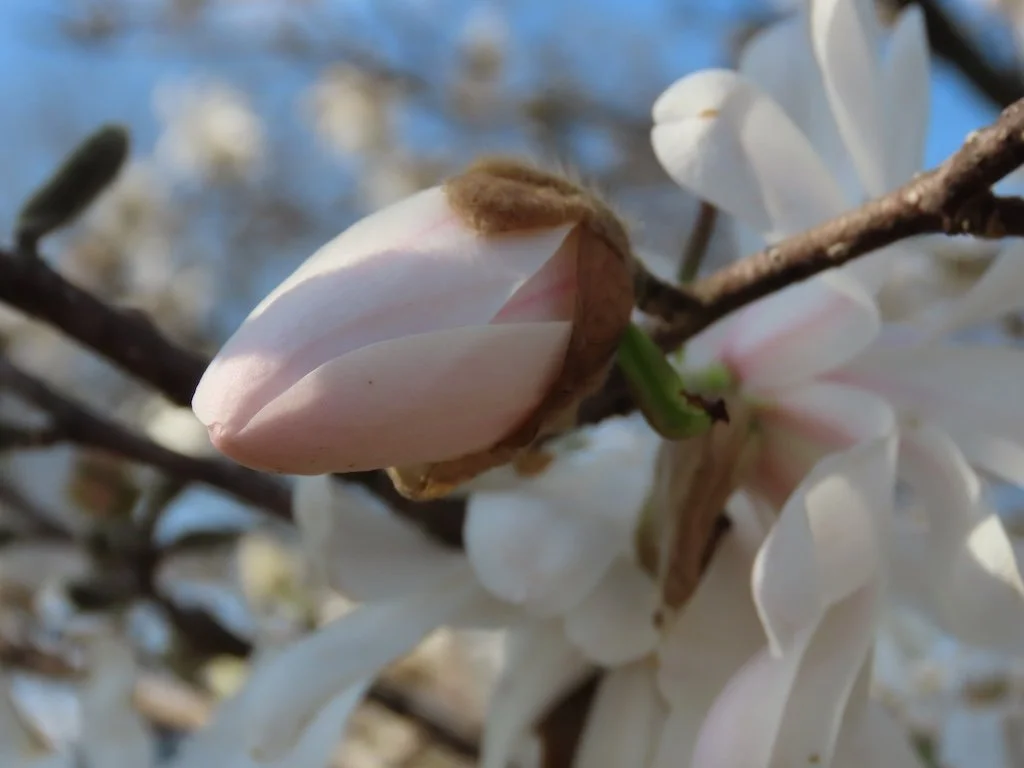
The deciduous magnolias were blooming. I enjoyed zooming in on the buds and flowers.  There was a little breeze, so the petals were in motion…and the shadows were changing too. Fortunately, it was sunny and the camera was fast enough to stop the motion.

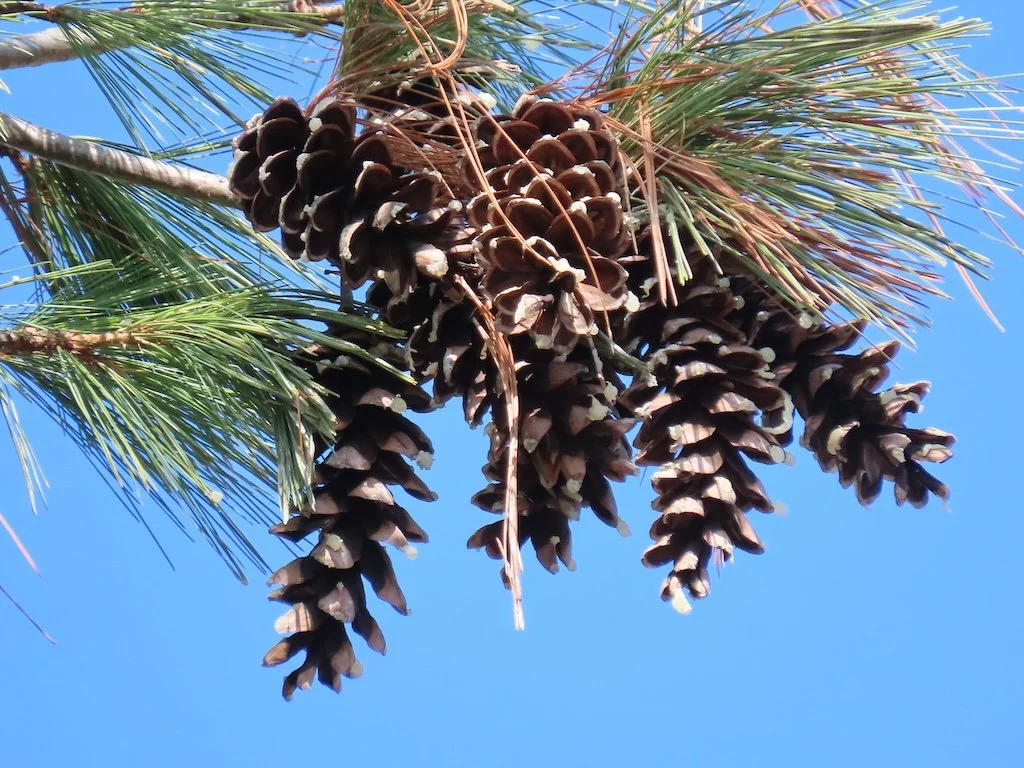
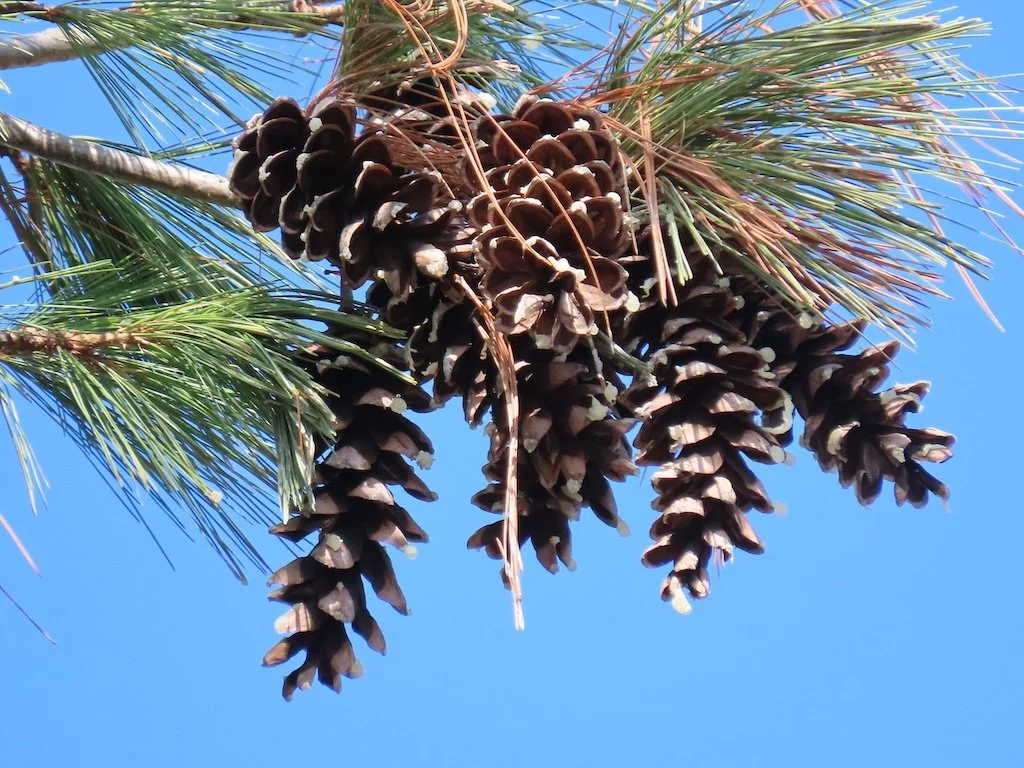
One pine had many cones. Perhaps I should have picked some up that were on the ground to add to my collection of materials to use for tree talks/tabling.

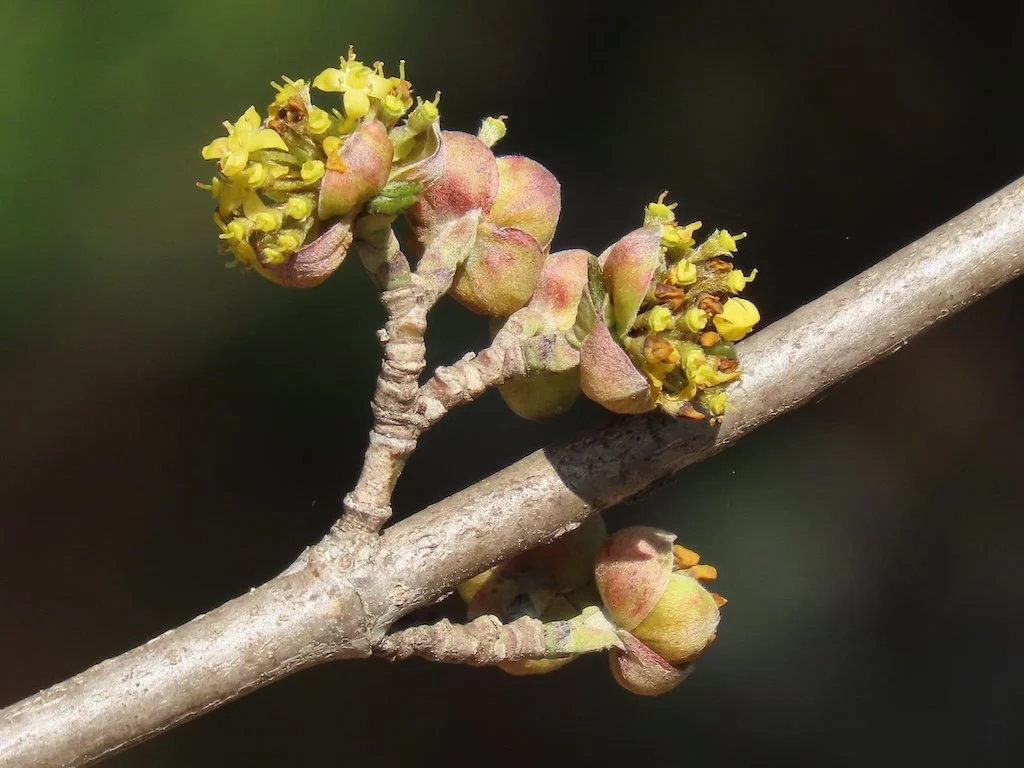
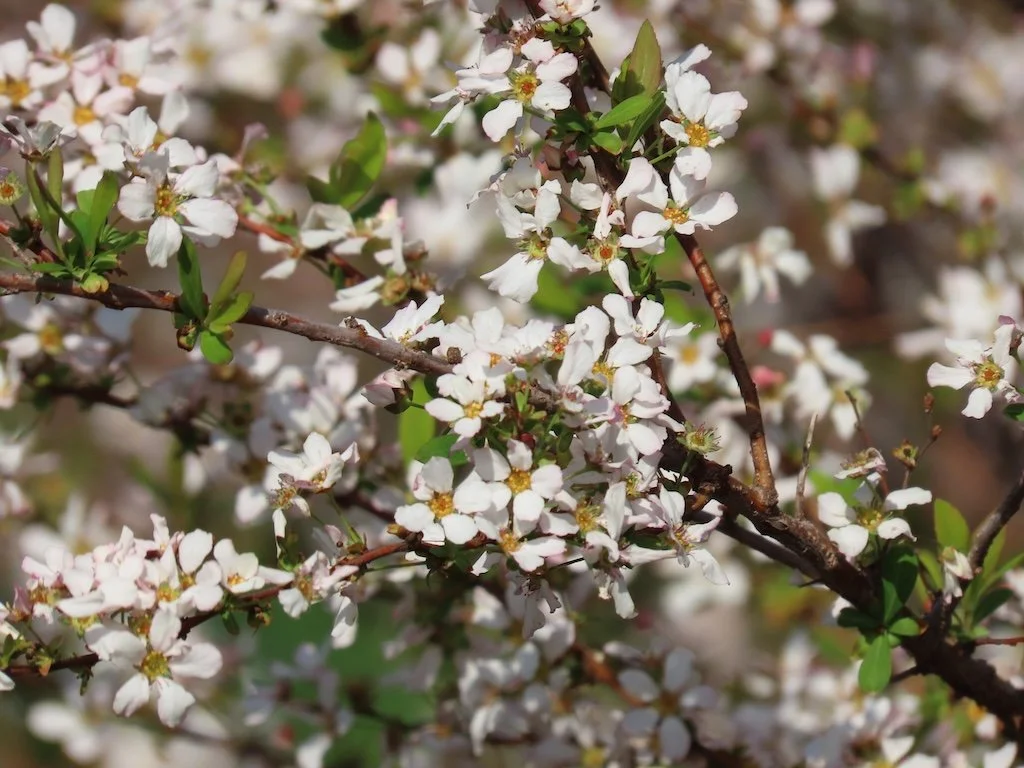
There were other trees too that I photographed – showing how different trees were at different stages of development.

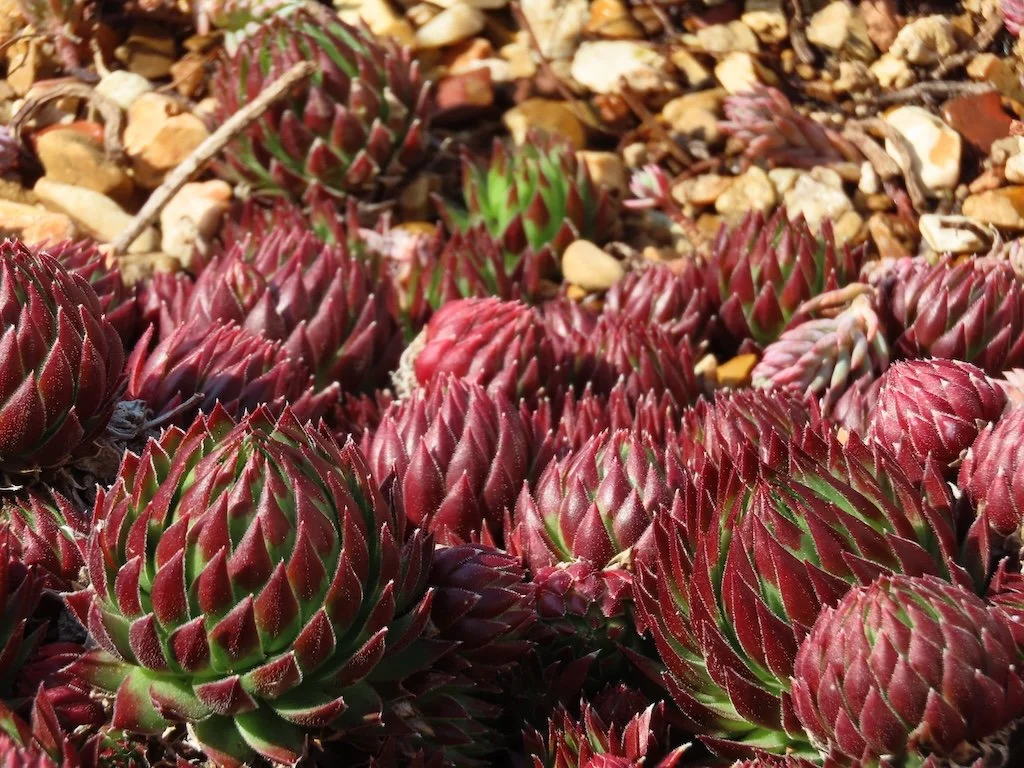
My final stop was near the Botanical Center Building – the deck area still under renovation evidently. I wanted to look at the succulents in the beds near the building. They do well through winter and, if anything, look more colorful having survived the cold!

It occurred to me that this is the time of year to visit the garden frequently to keep up with spring development.

Springfield Botanical Gardens (1) – March 2026

The Springfield Botanical Gardens are full of new beginnings in March. I took a walk around them on a sunny day – using by bridge camera (Canon Powershot SX70 HS) on a monopod. The monopod worked great as a hiking pole, so my back didn’t hurt; I did have to clean mud off the tip though!

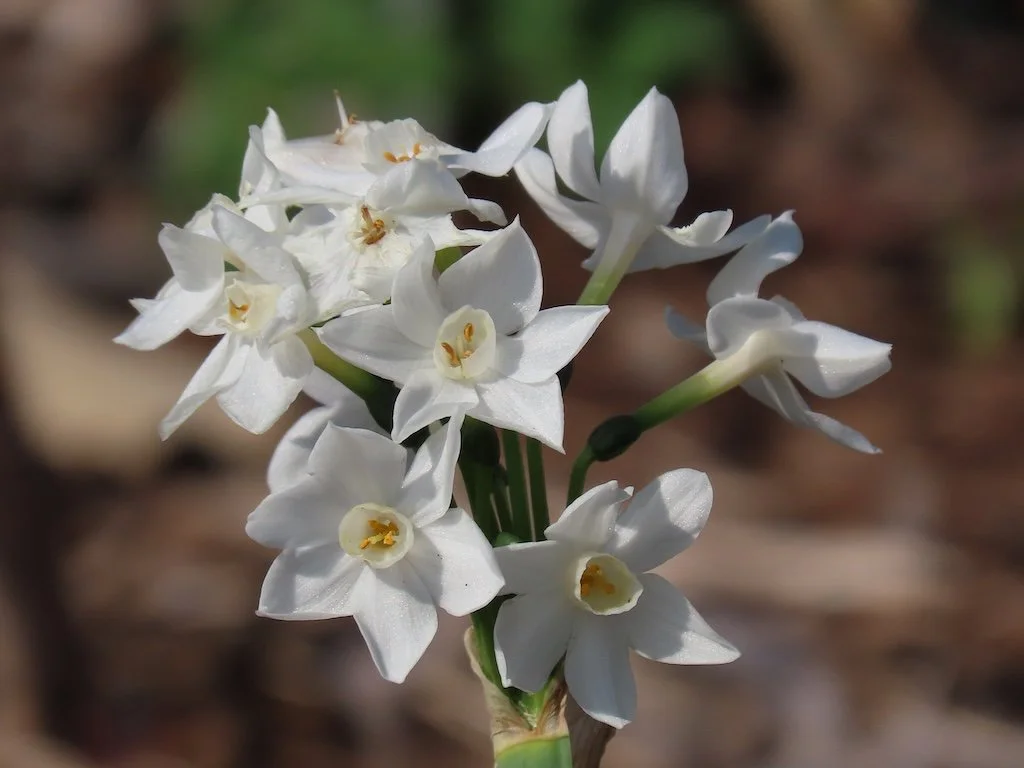
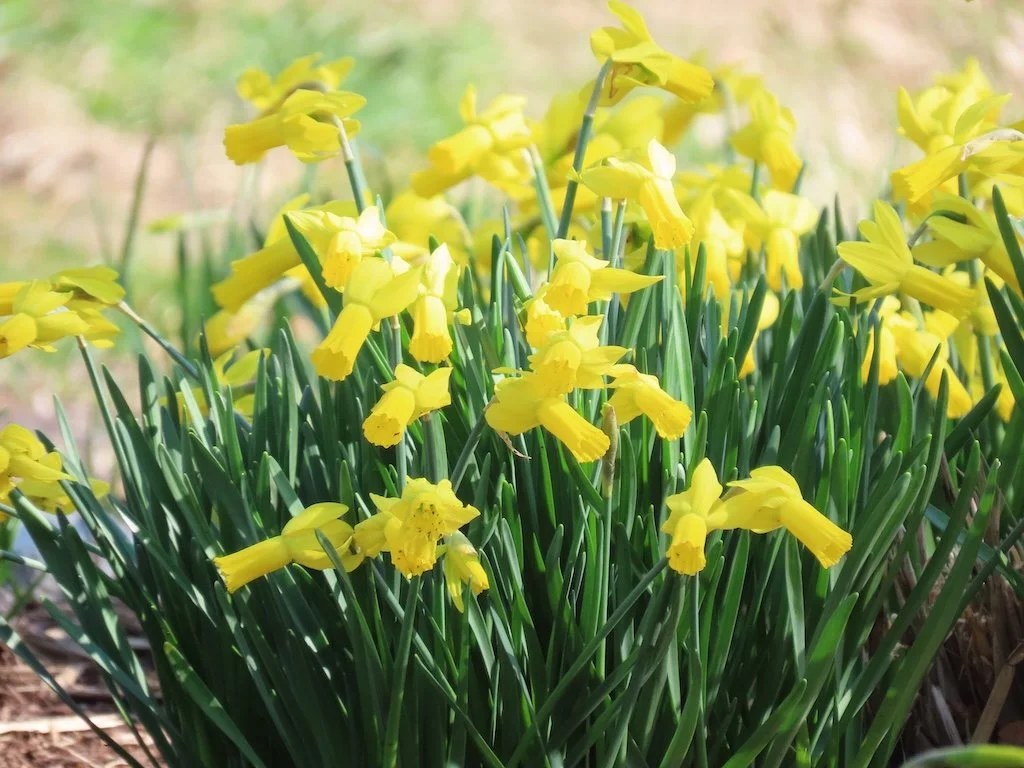
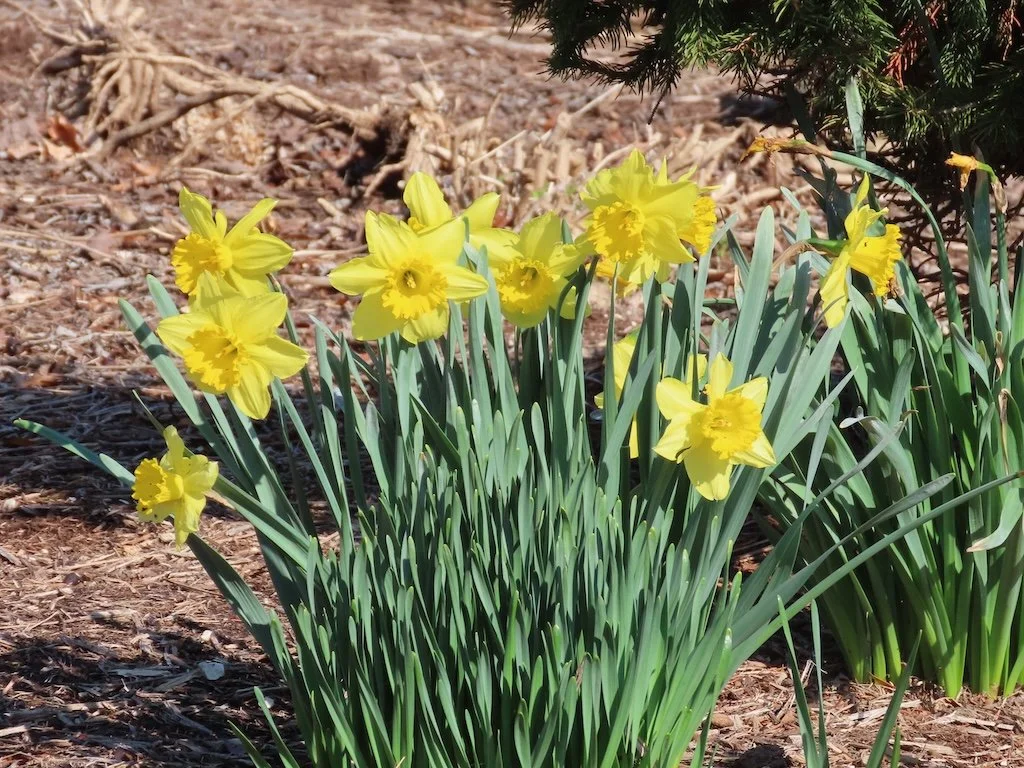
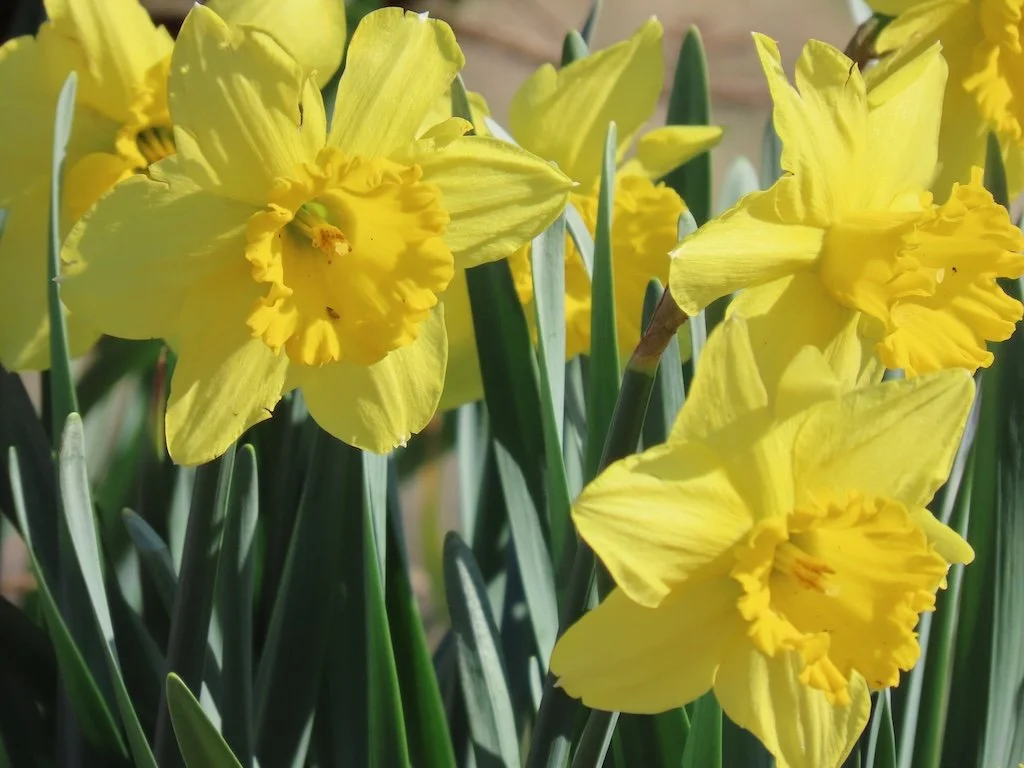
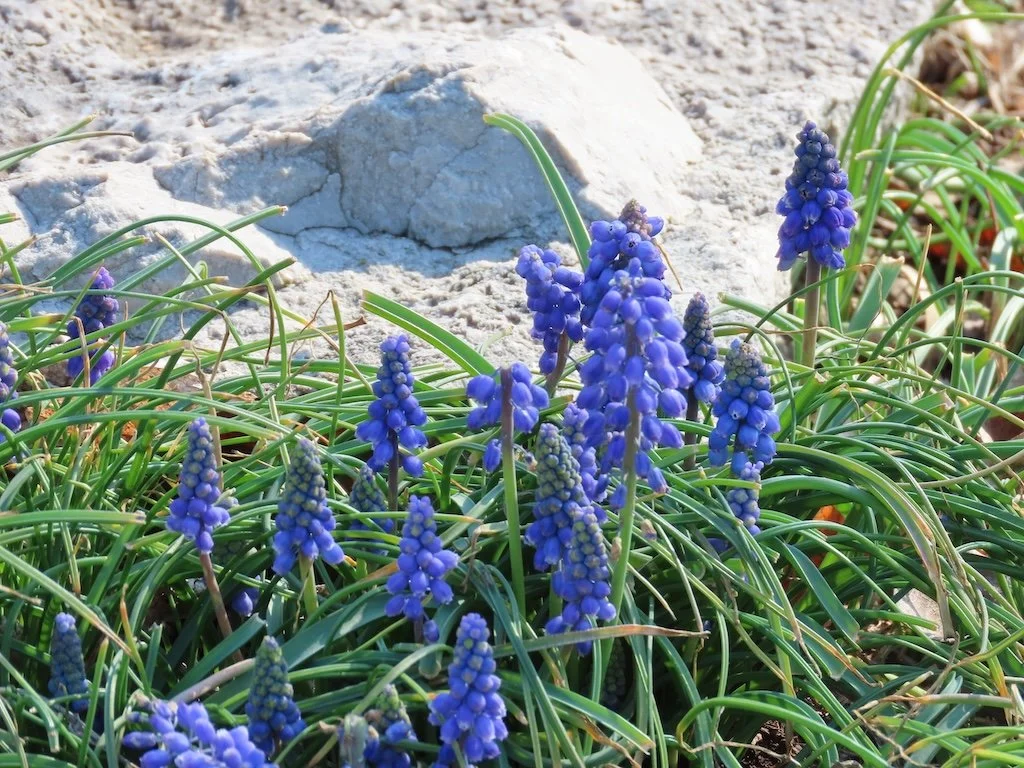
The daffodils and other bulbs are the biggest splashes of color. They are in clumps of mulched beds…sometimes with a rock to provide a backdrop (texture and color that is always there no matter the season). My favorites were the large pink hyacinths. They don’t grow as well now as I remember them from years ago evidently since there were some that looked scraggly; there weren’t enough to make give the garden their smell either.

There were other flowers of the season in the grassy areas – small but worth noticing…and dandelions are blooming as well. I have declared a truce with dandelions – won’t cultivate them but I won’t poison them or dig them out either; I might even eat some leaves of the ones that grow in my yard where I know they haven’t been sprayed with anything.

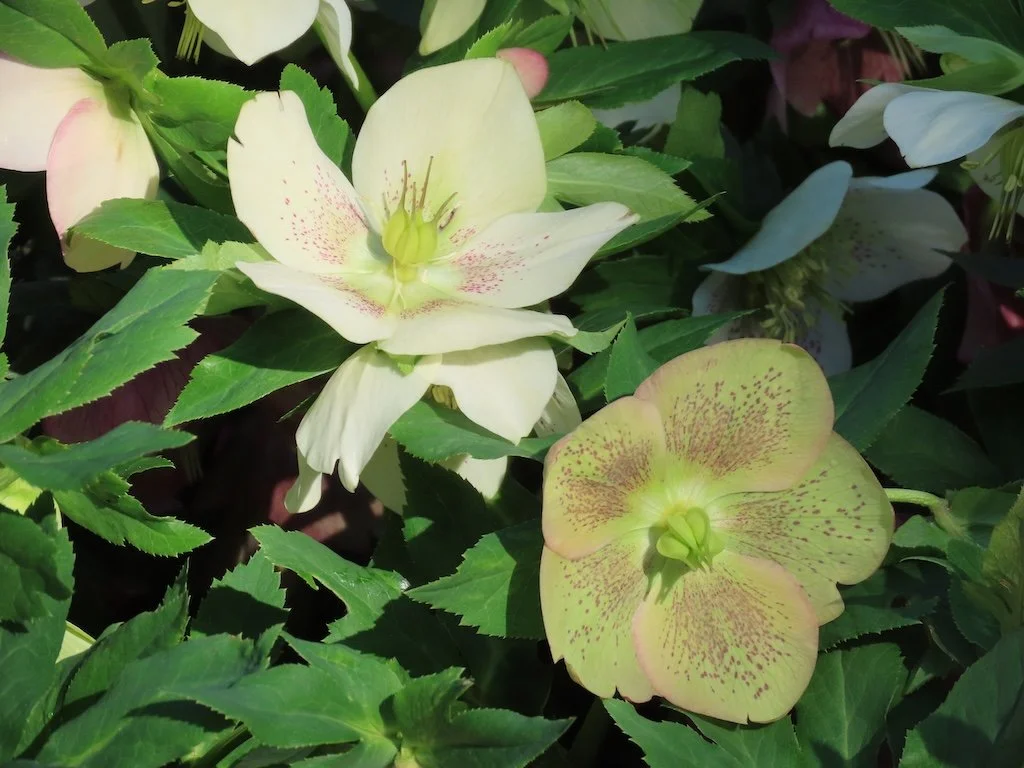
The Lenten roses/hellebores were blooming. They are always some the first blooms of the year.

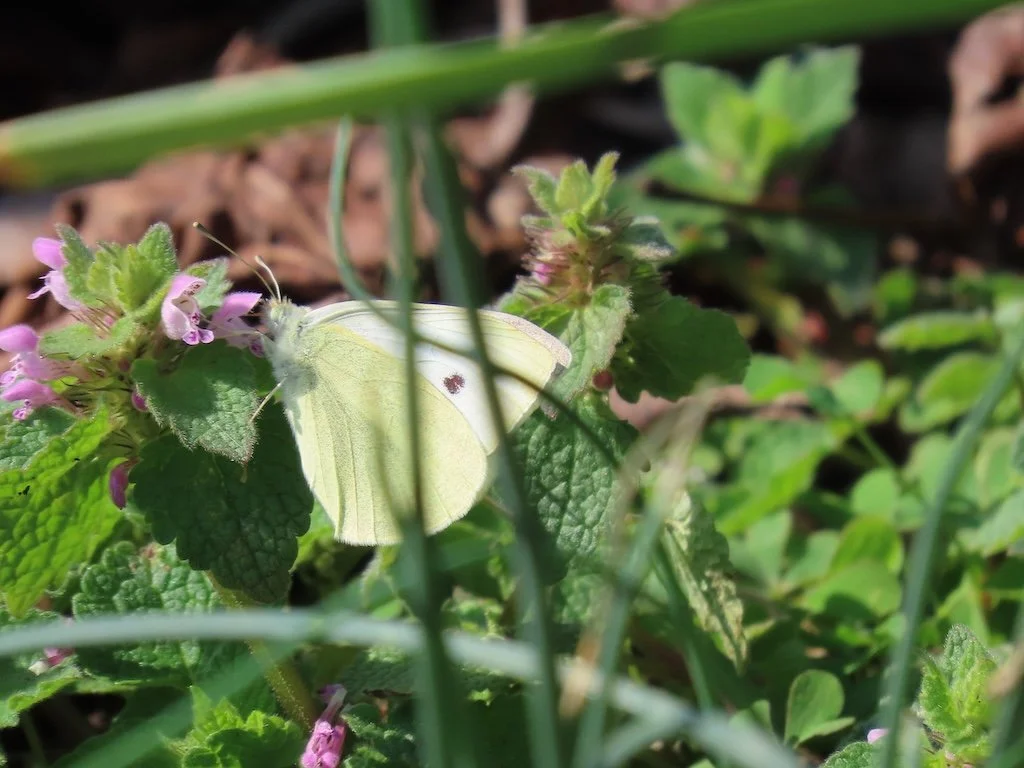
There weren’t many insects active….but I did see a cabbage white butterfly!

Stay tuned for the trees I noticed while I was walking around the gardens in tomorrow’s post.

Gleanings of the Week Ending March 14, 2026

The items below were ‘the cream’ of the articles and websites I found this past week. Click on the light green text to look at the article.

2/25/2026 The Scientist Forever Chemicals May Accelerate Aging in Middle-Aged Men - The team detected the PFAS perfluorononanoic acid (PFNA) and perfluorooctanesulfonamide (PFOSA) in 95 percent of the participants. PFNA and PFOSA, both invented in the middle of the 20th century, are still used widely today in consumer products designed to be stain-, grease-, and water-repellent. To reduce risk, individuals can try to limit their consumption of packaged foods and avoid microwaving fast-food containers. Looking ahead, we are actively modeling how PFAS interacts with other common pollutants, as we need to understand the cumulative health risks of these chemical mixtures

3/1/2026 BBC Can ‘friction-maxxing’ fix your focus? - While modern technology can streamline day-to-day life, making everything from dating to food delivery more efficient, it may come at a cost: early data suggests that our attention span may be shortening, critical thinking capabilities weakening, emotional intelligence fading, and spatial memory getting worse as we offload human tasks to our devices. Analogue hobbies such as crafting, gardening or reading – which involve friction as opposed to scrolling or streaming – can act as "active meditation", calming the mind and reducing stress. One 2024 study of more than 7,000 adults living in England found that those who engaged in crafting or the creative arts were more likely to report significantly higher life satisfaction, a greater sense that life is worthwhile and increased happiness. 

2/24/2025 The New York Times Plastic, Plastic Everywhere - Peak oil may be on the horizon. But peak plastic is nowhere in sight. In a new book, “Plastic Inc.,” the journalist Beth Gardiner digs into an industry that mostly flies below the radar but has huge impacts on human health, environmental pollution and global warming.

3/5/2026 Yale 360 Species Slowdown: Is Nature’s Ability to Self-Repair Stalling? - When scientists recently analyzed hundreds of studies of ecosystems, they were surprised to see a marked slowing in the rate of species turnover. If new species don’t replace old ones, they say, ecosystems may have less flexibility to respond to habitat loss and climate change.

2/28/2026 KCTV A ban on mini liquor bottle sales in five Kansas City neighborhoods officially introduced - Mayor Quinton Lucas and Councilwoman Melissa Robinson officially introduced an ordinance Thursday that would ban the sale of certain single-serve alcohol products in five Kansas City neighborhoods - — areas the city said have documented public safety concerns and recurring quality-of-life complaints from residents.

3/5/2026 The Conversation Choosing to buy organic food depends more on trust than taste - Organic labels work only when the system behind them is trusted. This has important implications at a time when food prices are rising and trust in public institutions is under pressure in many countries.

2/2/2026 Washington Post Baggies, retainers and more: 5 microplastics questions, answered - If you only have the bandwidth for a few battles, heating food in plastic is the bigger front. Most experts agree that ultra-processed foods are likely the biggest source overall in our diets. Food that comes packaged in plastic is obvious, but there are exposures during industrial processing that we don’t see. That’s one more reason to lean toward whole foods when you can.

3/4/2026 National Parks Traveler Study Finds Bird Populations Are In Decline As Panel Considers Weakening Key Act - Bird populations are in decline, with billions fewer birds are flying through North America compared to a decade ago, according to a study published in February 2026. The researchers found that about half of the 261 species analyzed showed significant declines from 1987 to 2021, and a quarter showed accelerating declines. The study points out that the declines are primarily because of high-intensity agriculture and warming temperatures. The findings come as a congressional panel is holding a hearing to consider weakening the Migratory Bird Treaty Act. Extinction starts with declines like these, and birds are often the indicators that our environment is too toxic to support other life.

3/4/2026 Science Daily Millions with joint pain and osteoarthritis are missing the most powerful treatment - Despite affecting nearly 600 million people worldwide — and potentially a billion by 2050 — the most powerful treatment isn’t surgery or medication. It’s exercise.

2/26/2026 Canary Media Balcony solar is taking state legislatures by storm - Plug-in solar is already booming in Europe. As many as 4 million households in Germany have installed the systems, which people can order through Ikea. 28 states and D.C. are considering plug-in solar bills.

Phenology in my Neighborhood

Spring is a great time to start participating in citizen science phenology (study of periodic events in biological life cycles and how these are influenced by seasonal and interannual variations in climate, as well as habitat factors) via the Nature’s Notebook app. I selected an area that included my backyard and part of the common neighborhood area that included 5 plants I would begin monitoring: 2 Eastern Redbuds, a Red Buckeye, an American Beautyberry, and a Common Hackberry. The monitoring consists of looking at each plant every 3 days and marking the phenophases as yes or no. The list of phenophases for plants is:

  • Breaking leaf buds

  • Leaves

  • Increasing leaf size

  • Colored leaves

  • Falling leaves

  • Flowers or flower buds

  • Open flowers

  • Fruits

  • Ripe fruits

  • Recent fruit or seed drop

So far, the plants are in winter mode – so all the phenophases are marked ‘no.’ I am observing some changes in some of the plants and I’ve done a little photography to document their late winter look.

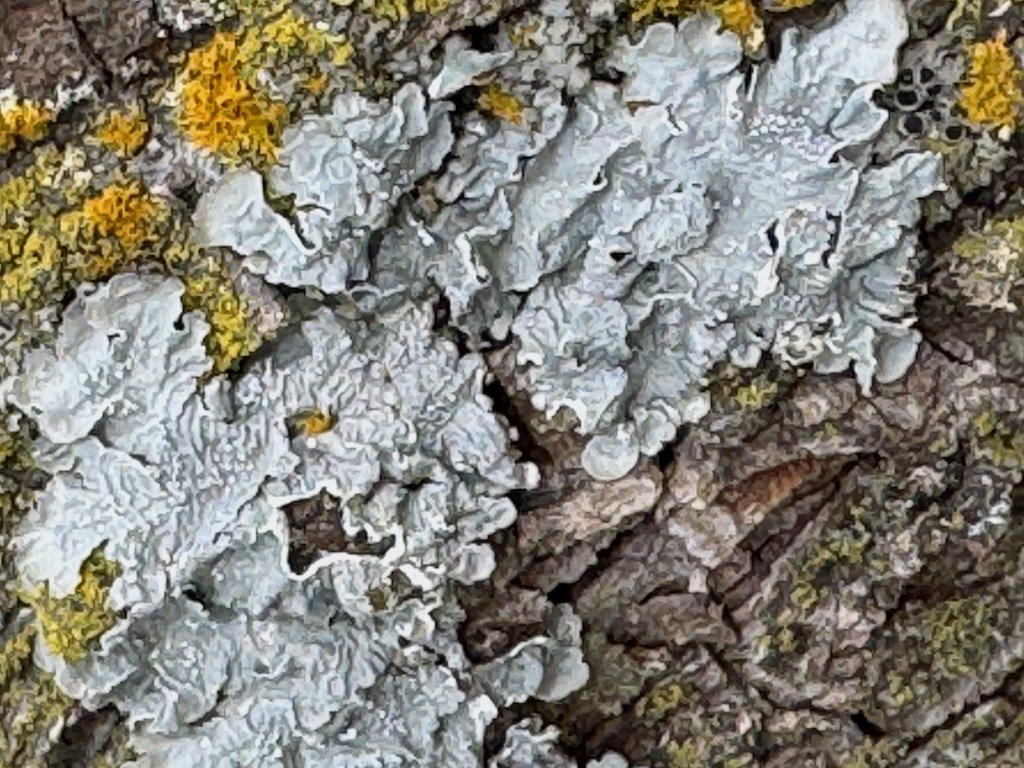
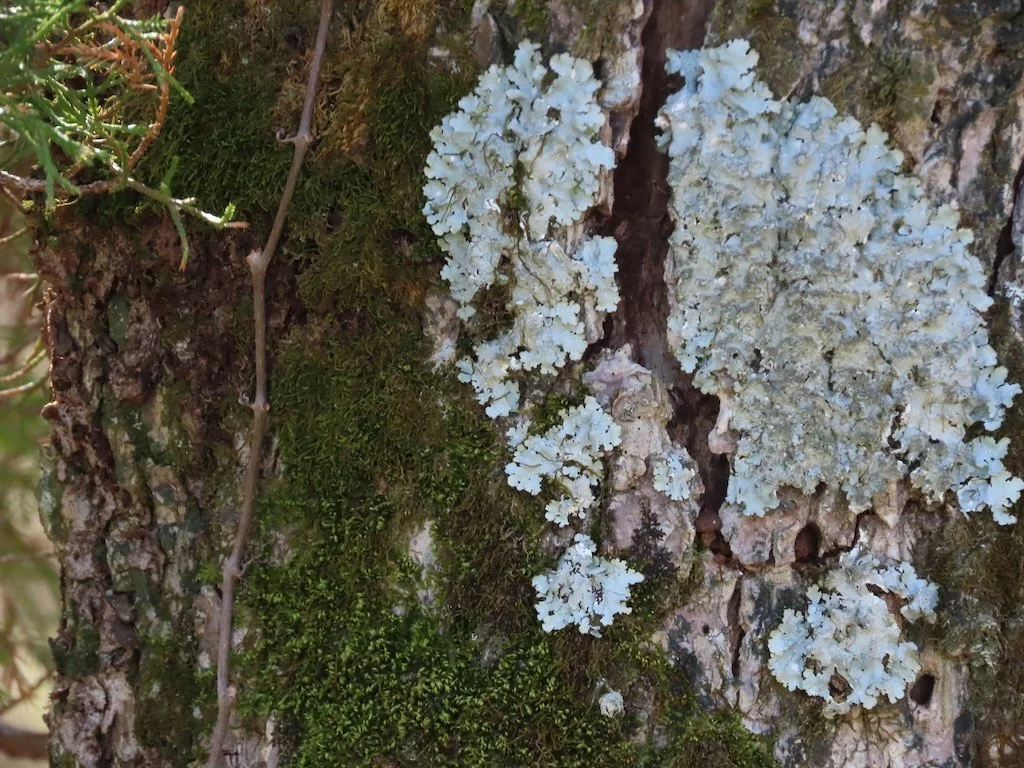
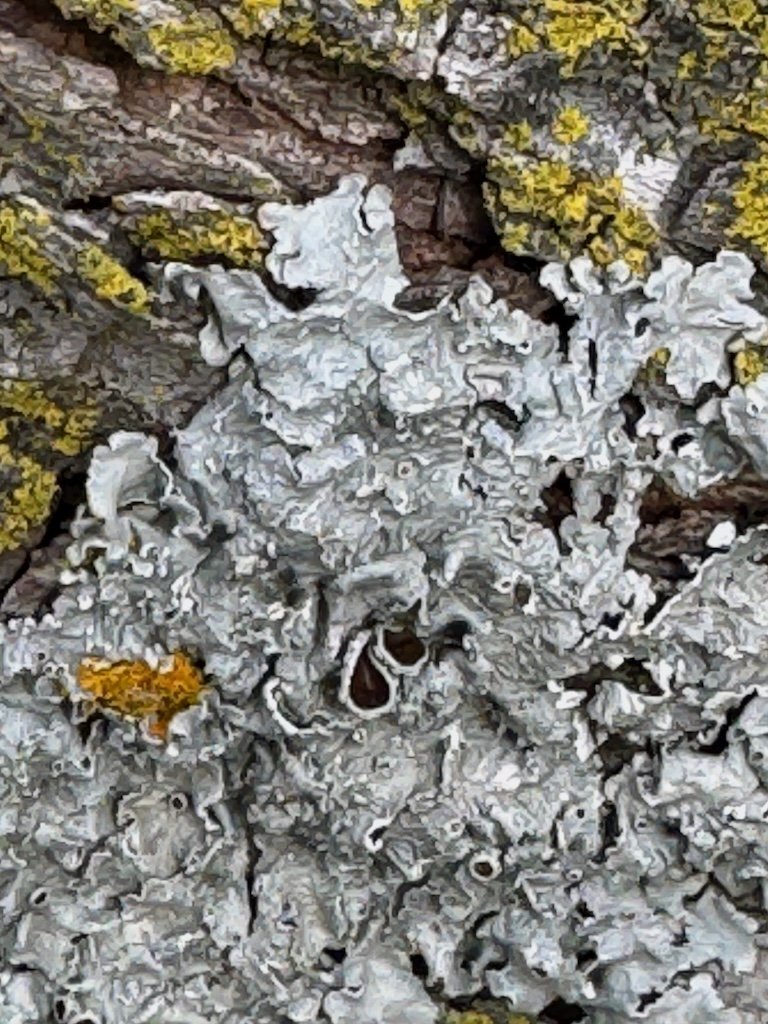
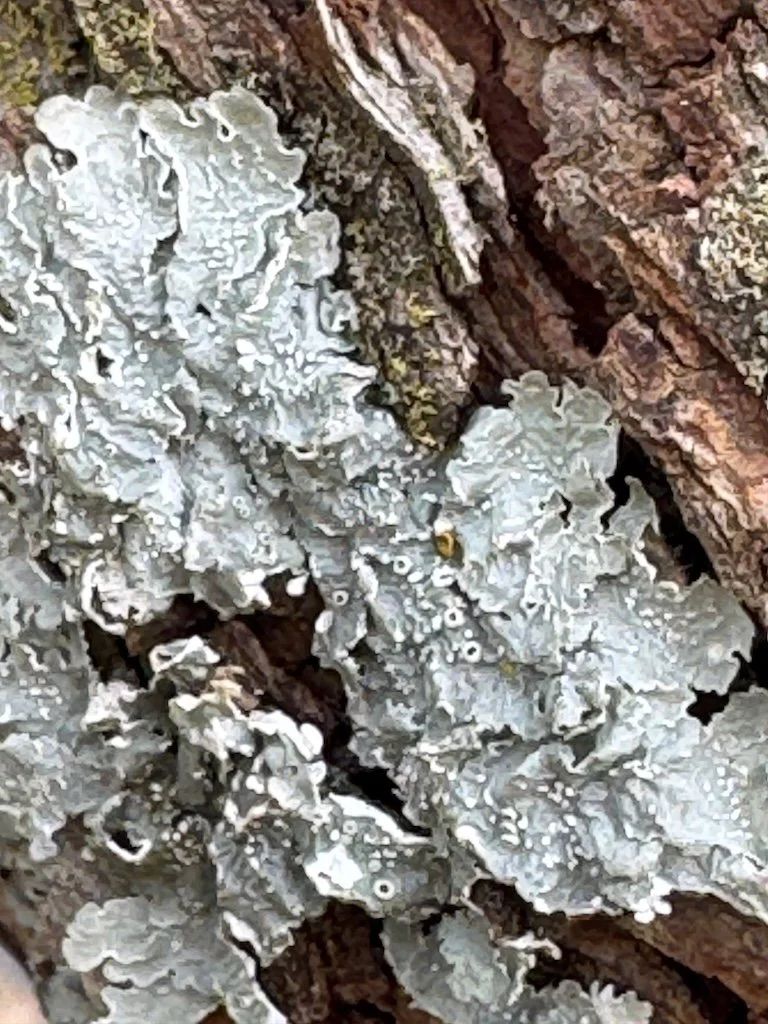
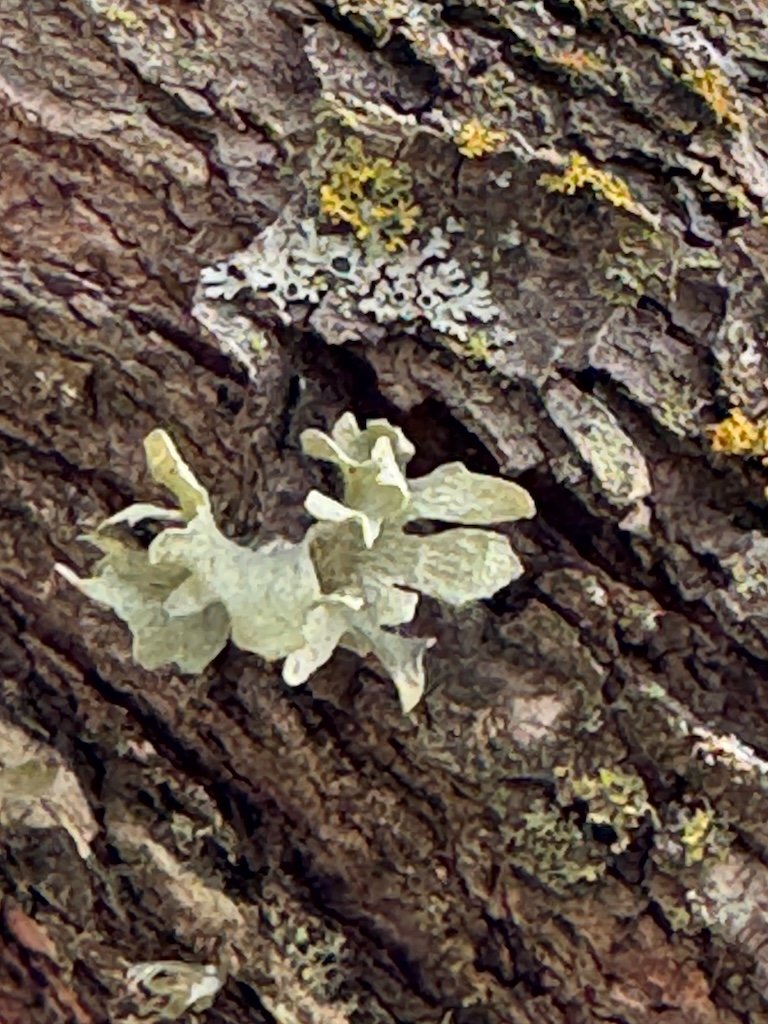
The 2 Eastern Redbuds are very different: one is very young and the other is old and lost some larger branches last year. All the buds are still very small on both trees. I took some pictures of lichen growing on the older tree…nothing to do with phenology of the redbud…but something to photograph while I was looking closely at the tree.

The Red Buckeye is a very young tree and probably won’t bloom this year, but the leaf buds are very large. It will be interesting to see how they develop. The ‘breaking leaf buds’ phase is when a green leaf tip becomes visible at the end of the bud. There is one that appears to be closer to that point than the others!

Update: The leaf buds had broken when I went to look on March 6th – just 2 days after I wrote this blog!!! All the other plants were still in winter mode. It was exciting to see the Red Buckeye leaves begin to emerge.

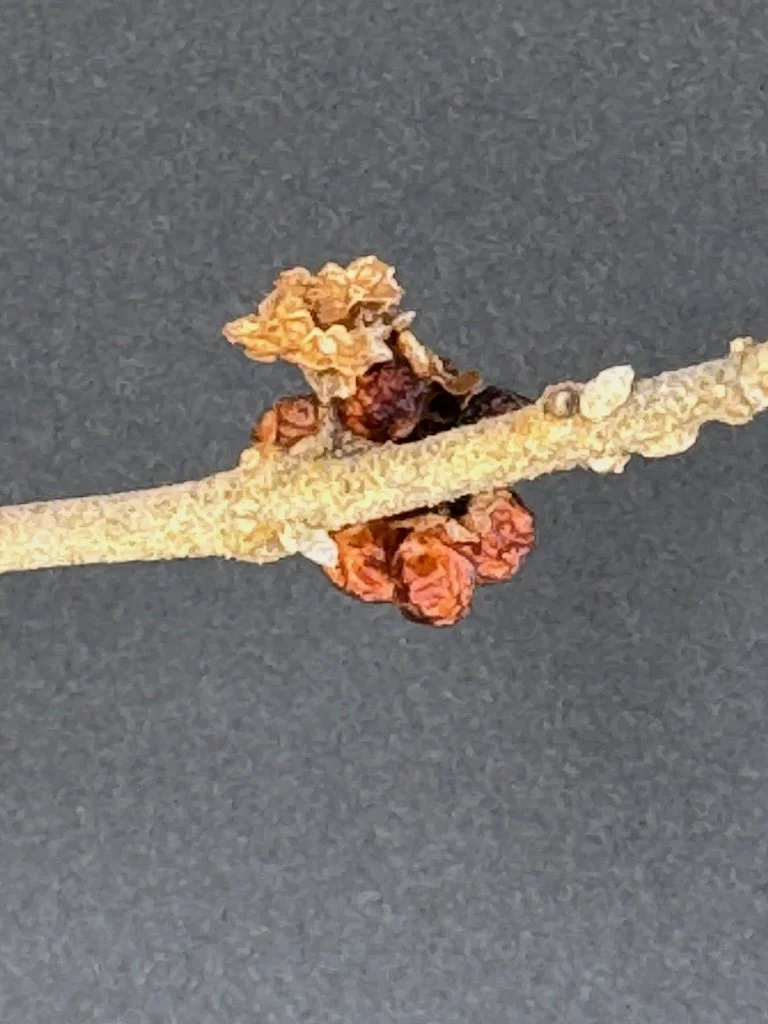
The American Beautyberry has tight buds that I keep thinking might be getting a little larger. The plant also has some dried berries from last season which don’t count for this year.

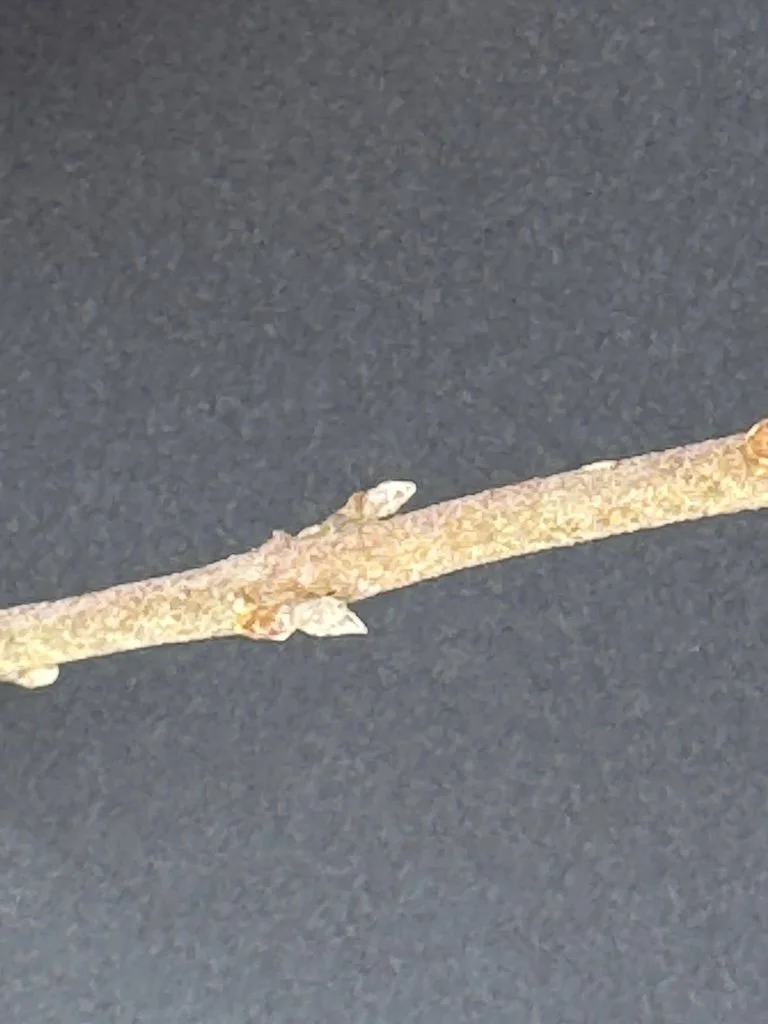
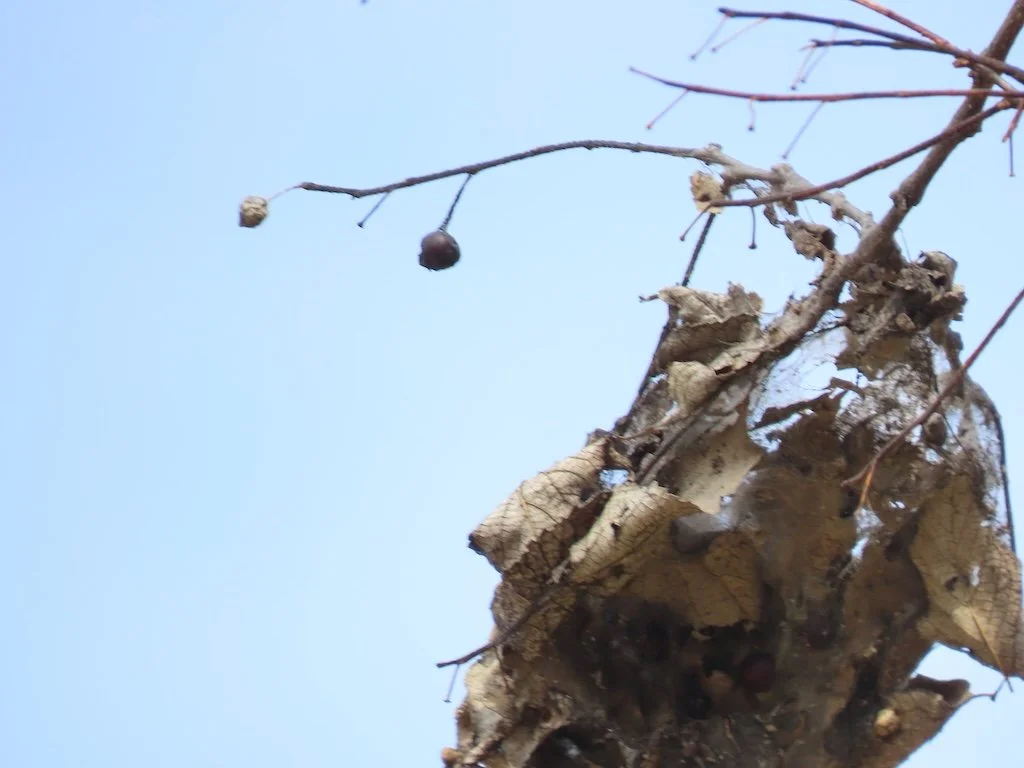
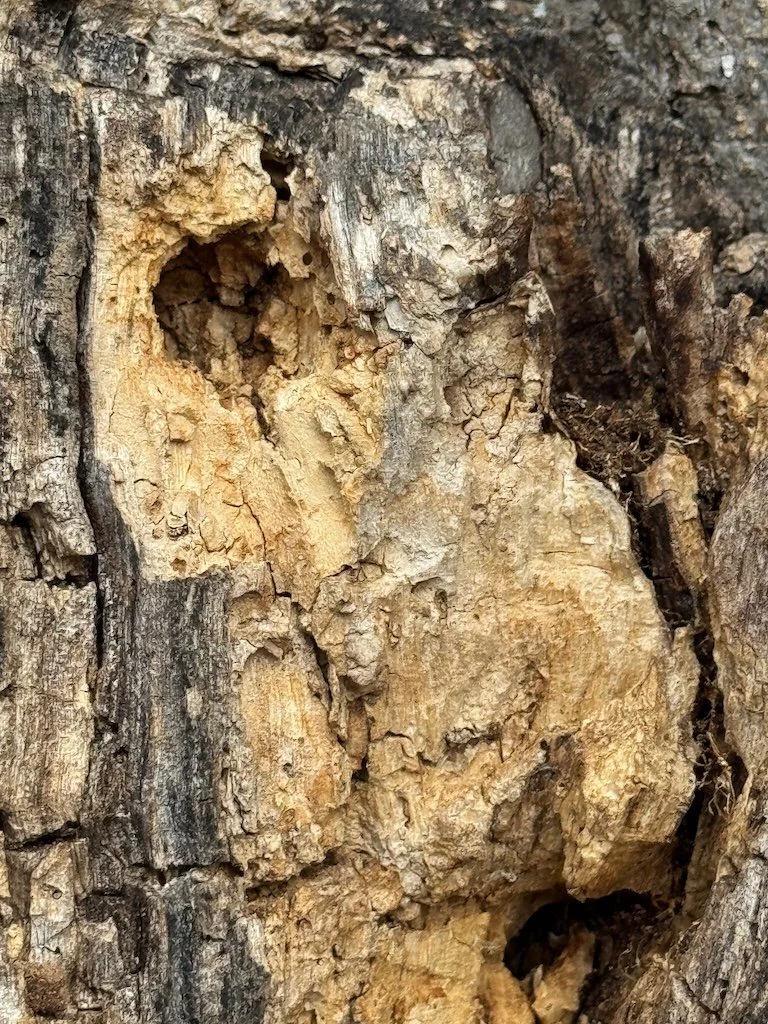
The Common Hackberry is also an older tree and might noy been entirely health; it lost a large limb last year and the woodpeckers seem to be working on the scar (maybe finding insects there). The tree has some dried leaves and fruit from last year. The buds are still very tight.

This is my first experience with a project like this. I will get to know these 5 plants very well!

Our Missouri Yard – March 2026

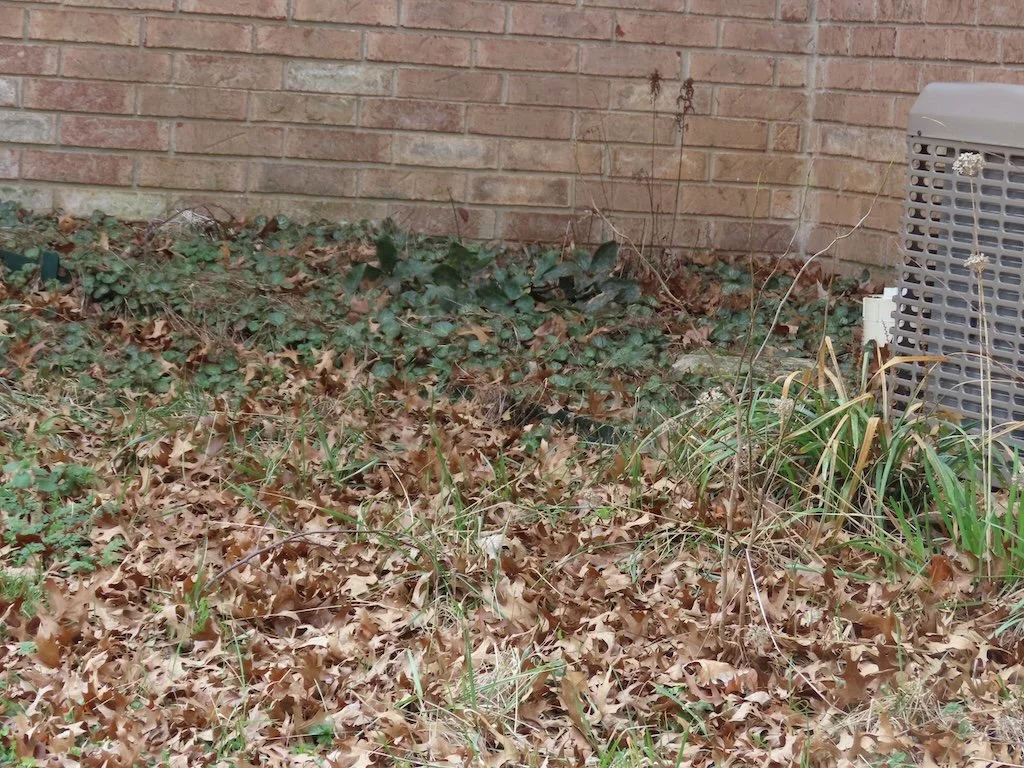
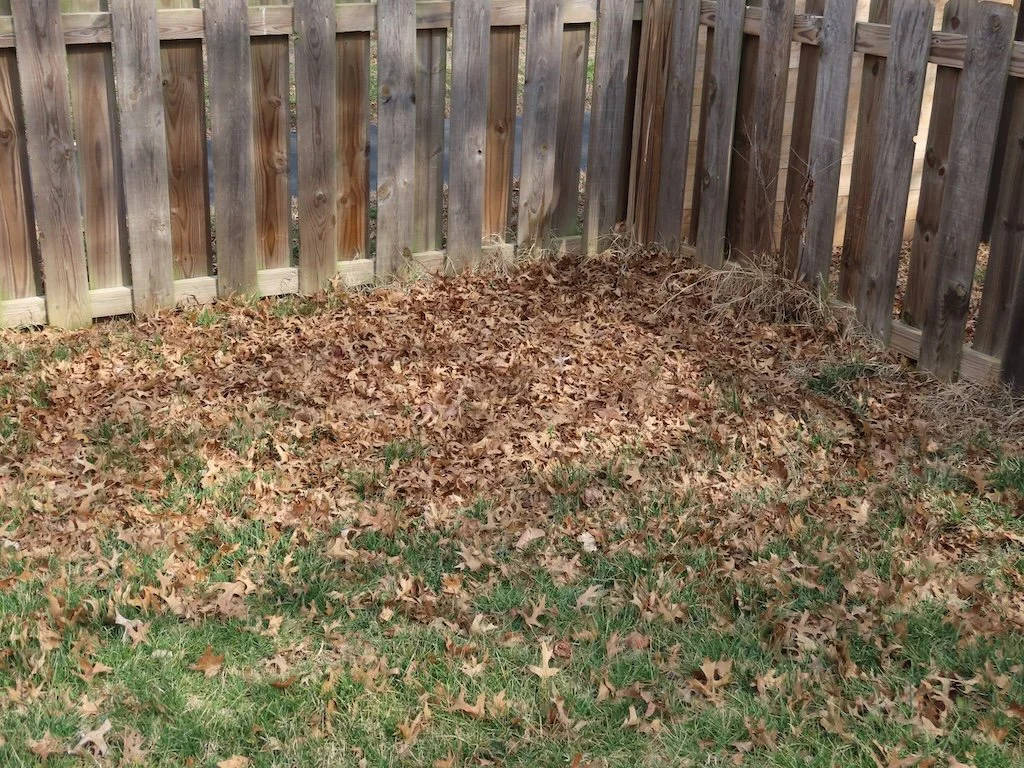
The dry days of March are great for working off my ‘to do’ list for the back yard. It does not include doing anything with leaves. I’m pleased that the wind has blown the leaves into two corners of the backyard where they can stay! I will leave them alone and allow whatever insect cocoons are there to empty. Most of the leaves are oak. My goal is start mowing parts of the backyard in May…but I will be mowing less this year than last because of the way the yard is developing.

The Fragrant Sumac I planted a few years ago now has shoots in the yard and is taking more space in the flowerbed as well. The ‘to do’ in that bed is to pull/cut Japanese honeysuckle frequently.

Getting the forsythia and Japanese barberry cut down are high on the ‘to do’ list. The pruning chainsaw will make it a bit easier.

I’ll buy 1 or 2 more paw paws to plant near the one I bought last year since I don’t think the seeds I have in pots are going to sprout.

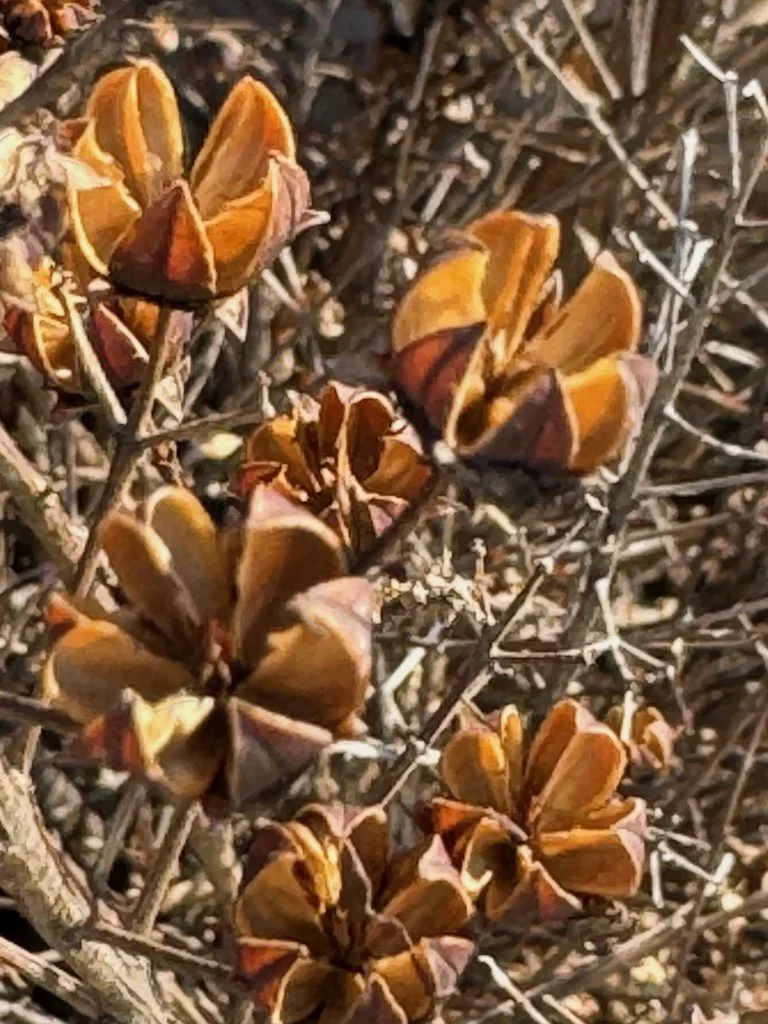
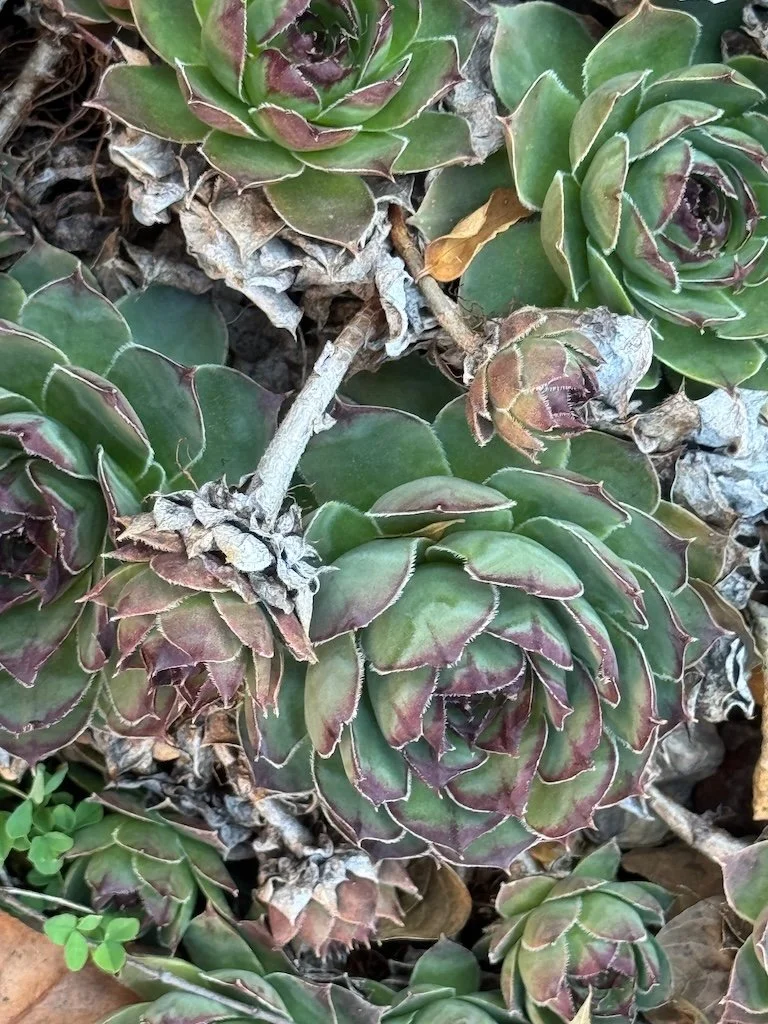
The more significant list is for the front yard where I will be planting into the large mulch bed I created last fall. I have done one round cutting back the existing crape myrtles that had gotten too tall (I enjoy photographing their empty seed pods). There is some clean up there but the big ‘to do’ before the planting in April is to take dead cedars out of the corner flower bed and clear more rock from around the hens/chicks so that the plant can continue to expand. Trimming the boxwood is not high on the list but I might do the top to keep it from getting too high to reach comfortably.

There is plenty to keep me busy in March….on the dry days!

Spring Bulbs

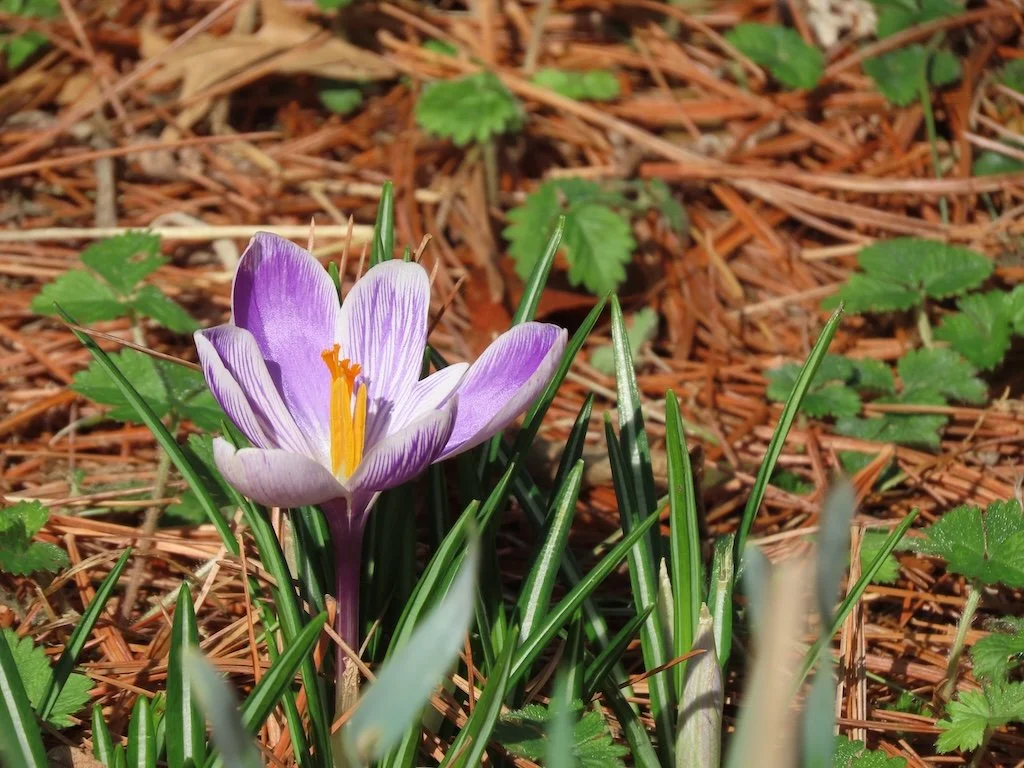
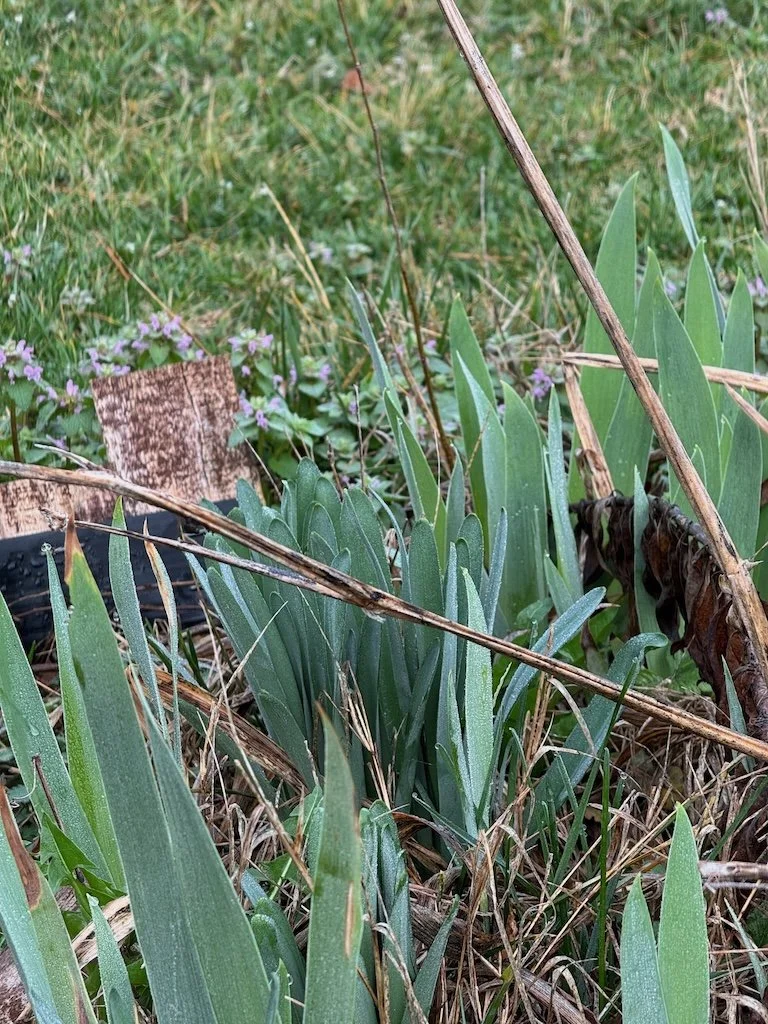
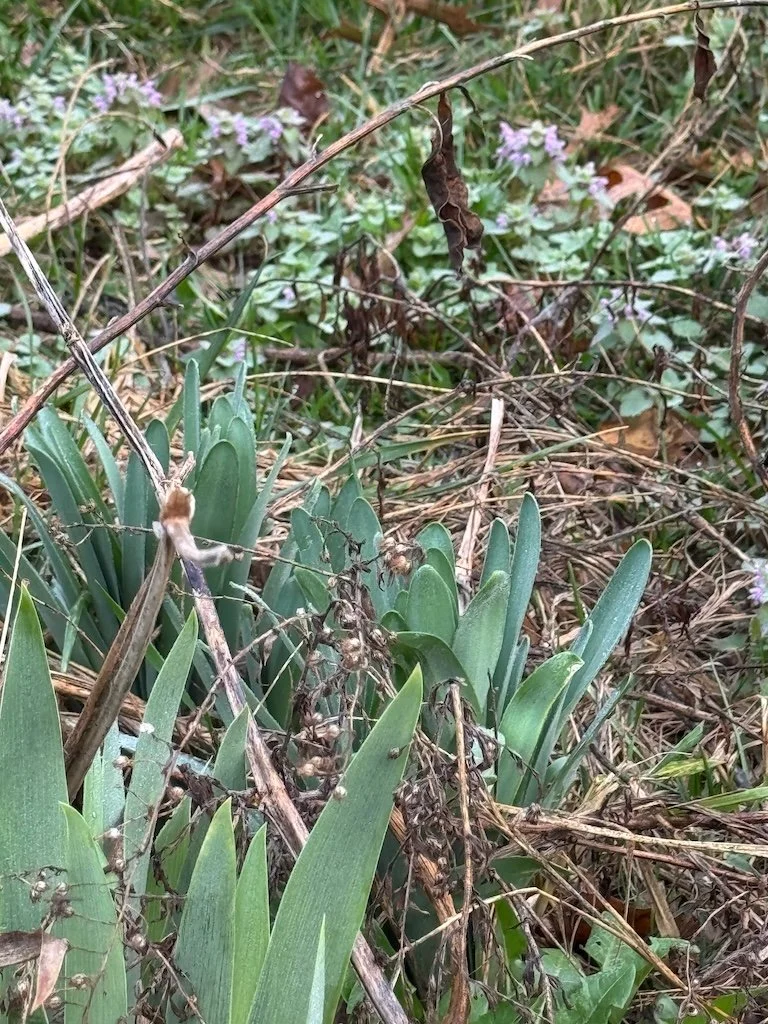
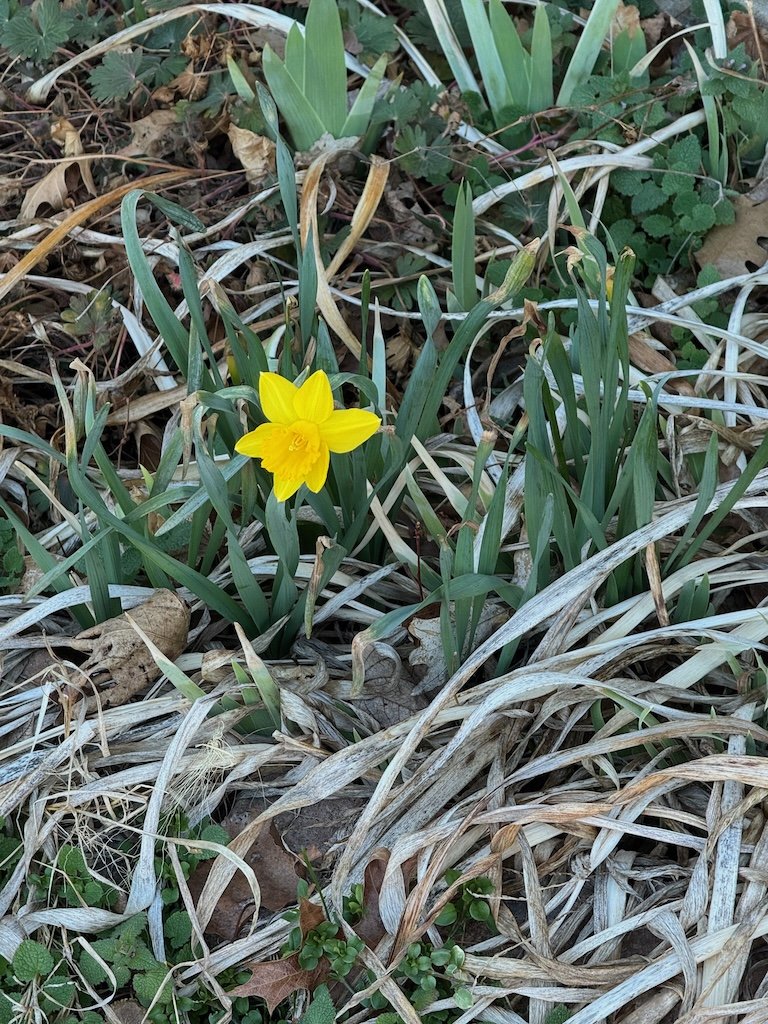
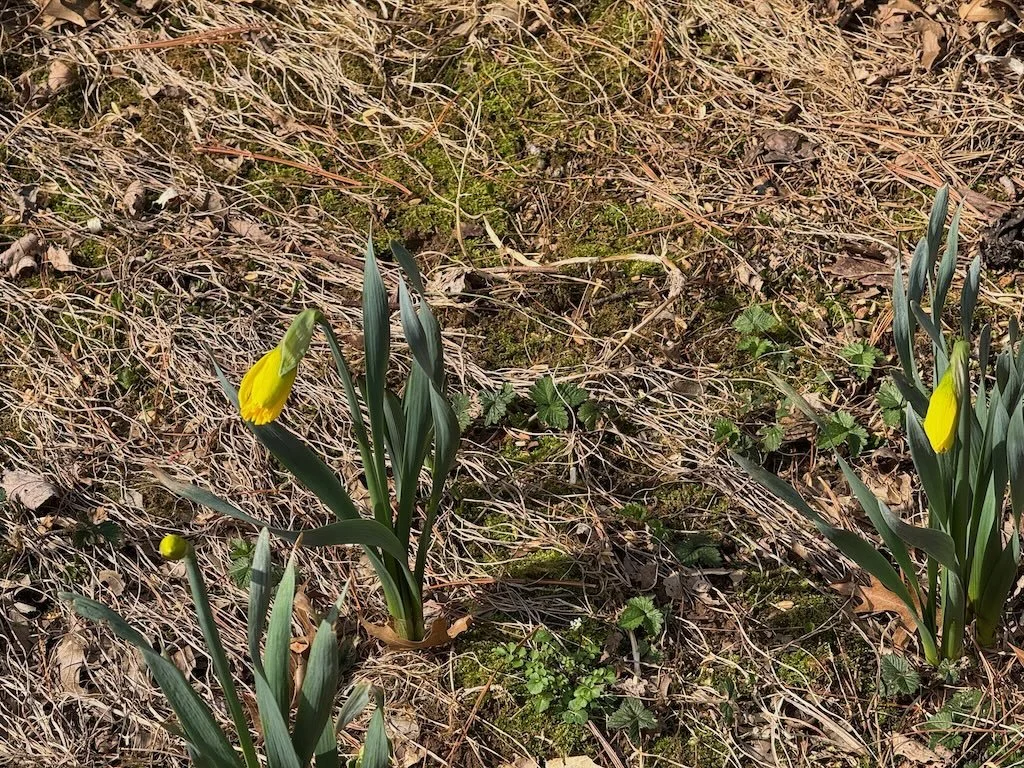
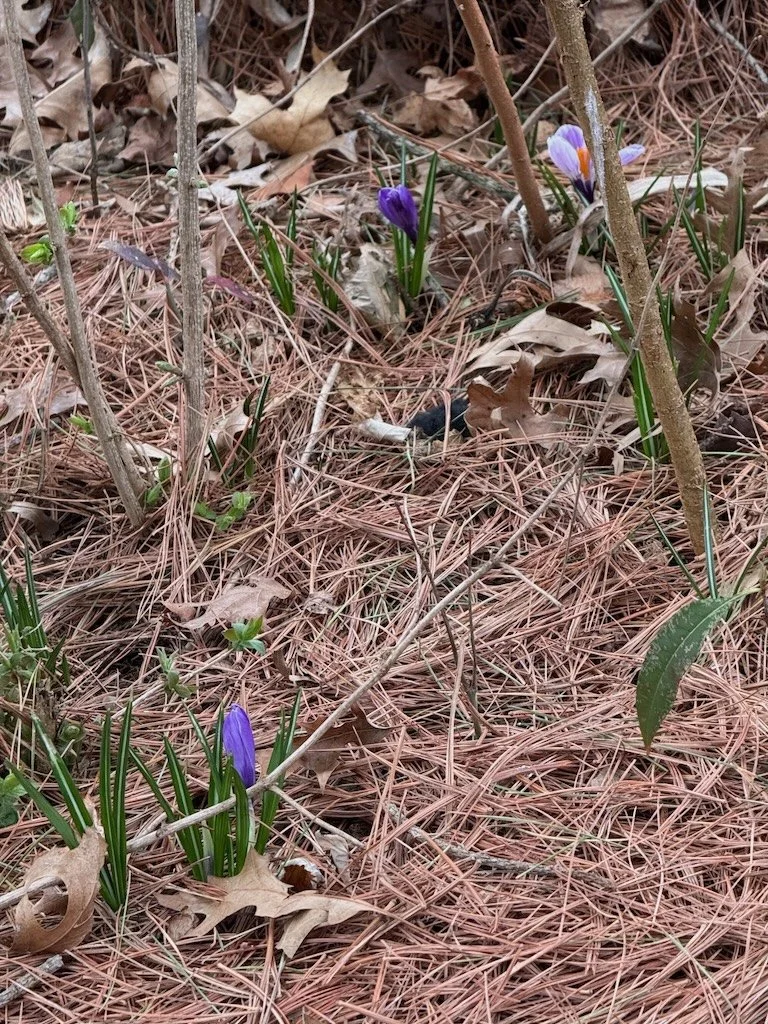
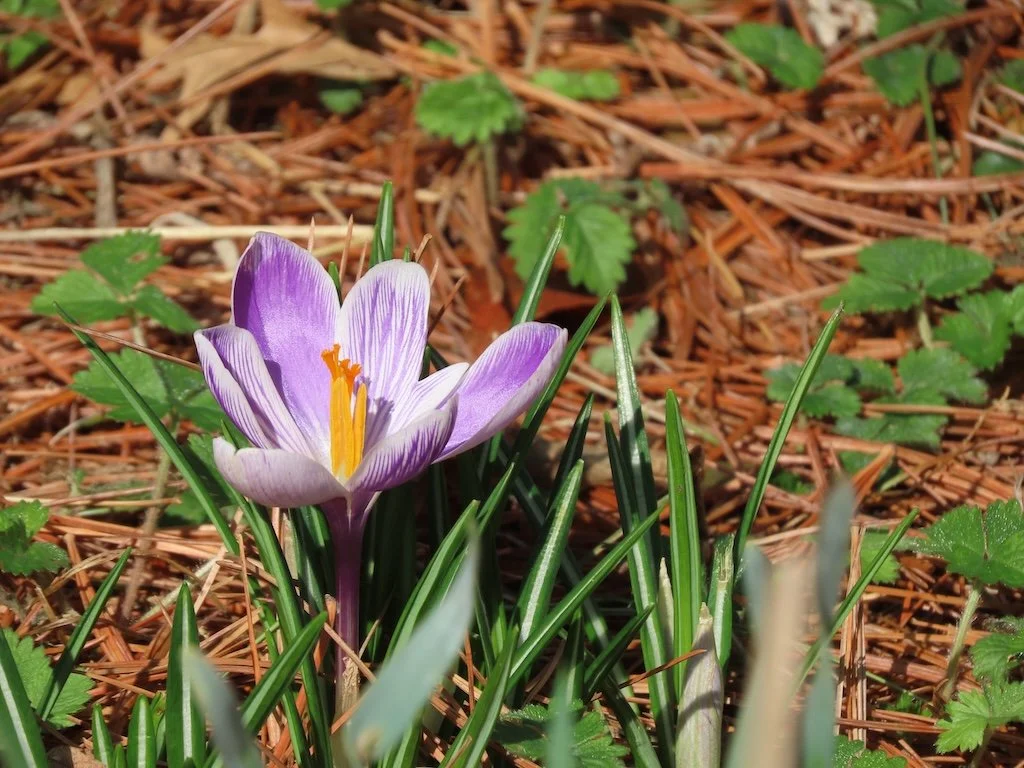
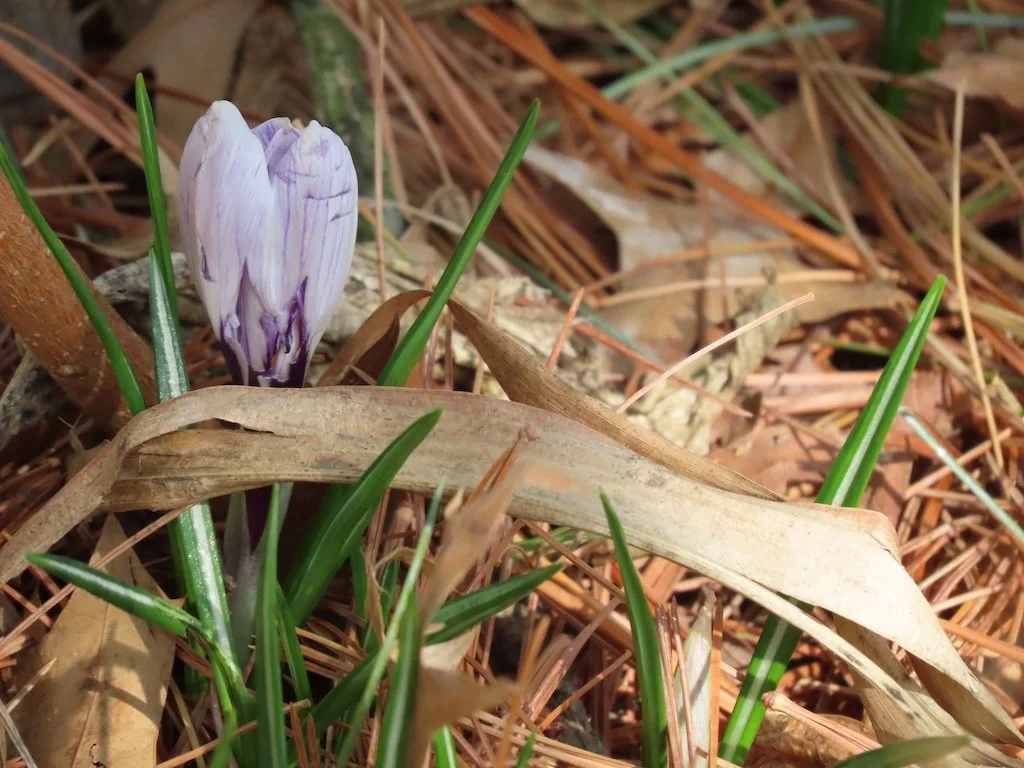
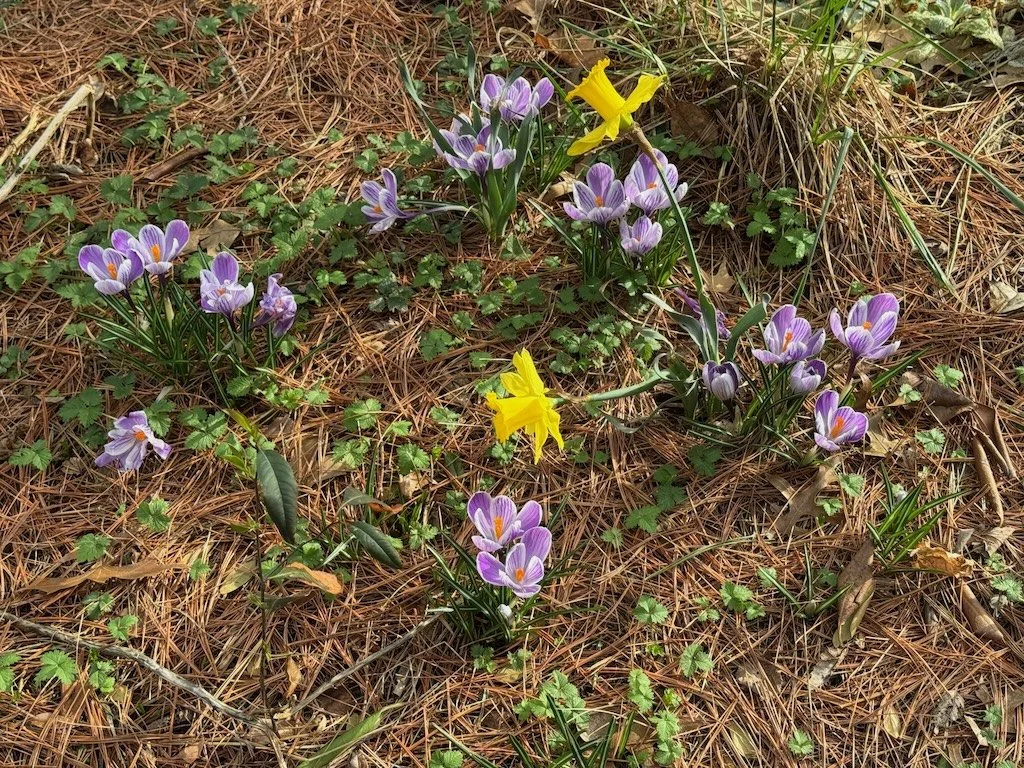
The early spots of color from spring bulbs are always welcome after the drabness of the winter palette. The area outside my office windows includes crocus and daffodils as the early bloomers with the green spears of iris leaves as a backdrop (the irises bloom later).

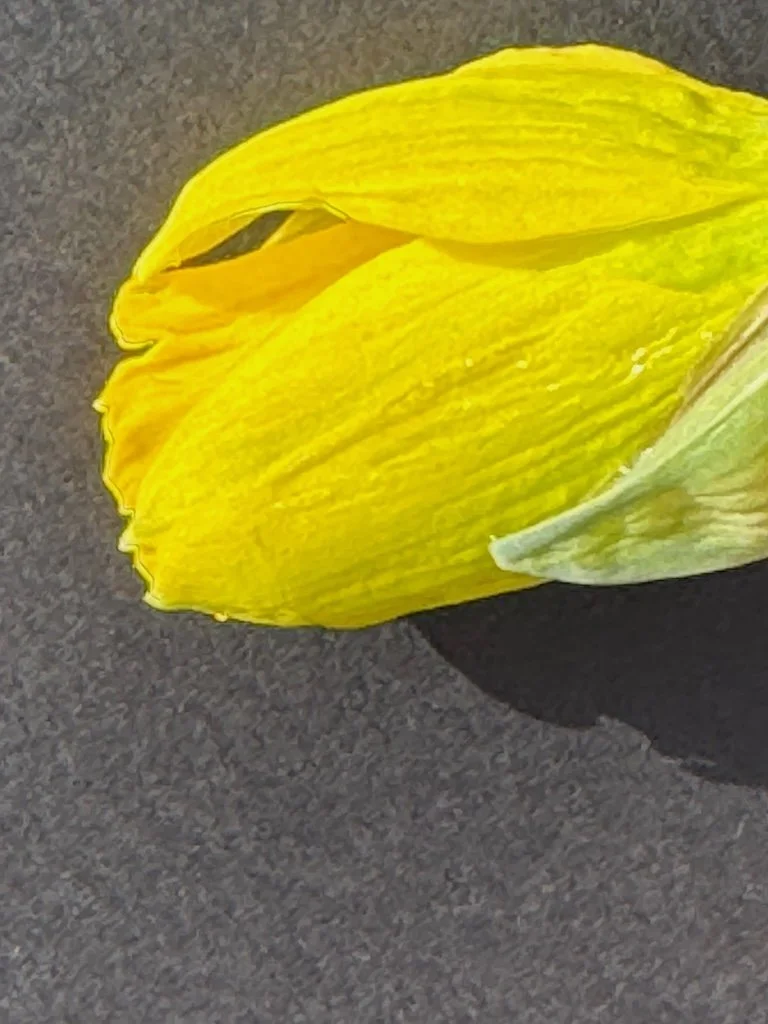
The daffodils are in the debris of last year’s violets and pine needles. I planted the bulbs a few years ago and they are increasing a little every year. I used a piece of black cardstock as background for one of the pictures.

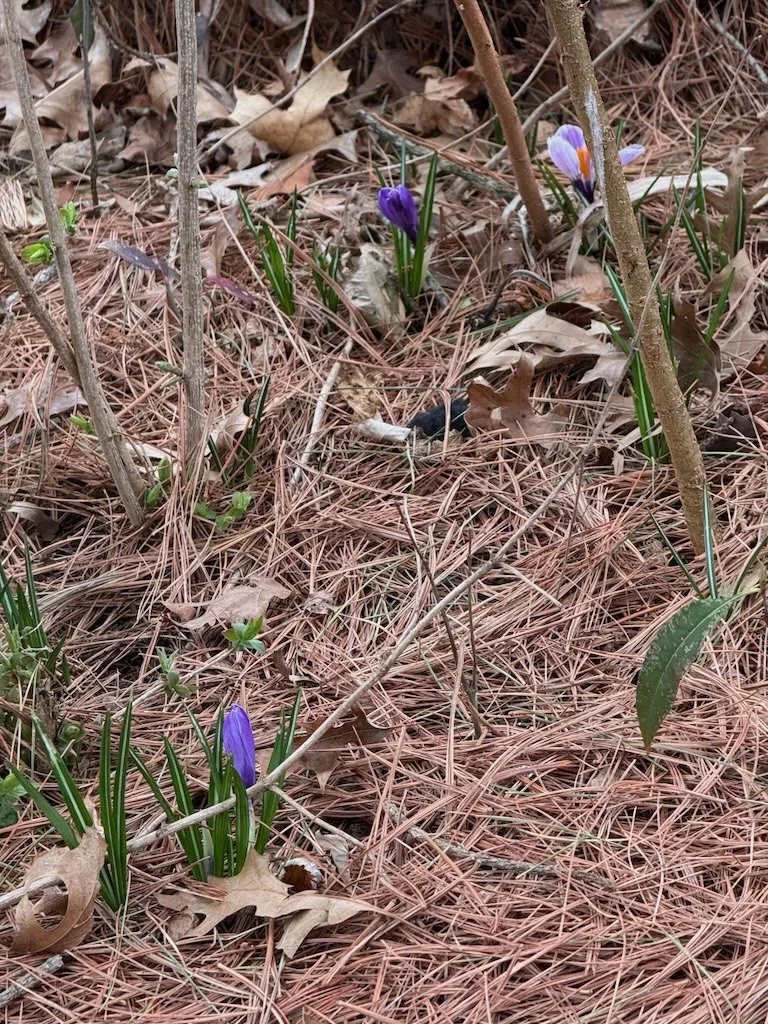
The pine needle area has a mix of crocus and daffodils…more crocus at this point. The leaves of the crocus are thin enough that I often miss their presence until the flower appears!

This year the daffodils and crocus seemed to start their bloom together…with a lot of flowers opening on March 3rd!

Gleanings of the Week Ending March 07, 2026

The items below were ‘the cream’ of the articles and websites I found this past week. Click on the light green text to look at the article.

2/20/2026 BBC How ultra-processed foods affect our gut microbiome - The additives added to processed food to keep it fresher for longer might be having an unexpected effect on the health of the microbes in our guts. Research carried out on both animals and humans appears to pinpoint a direct link between emulsifiers and ill health. One French study of more than 100,000 adults in 2024 found those who were more exposed to emulsifiers had a greater risk of type 2 diabetes. Another study of more than 90,000 adults found a potential link between emulsifiers and breast and prostate cancers.

2/20/2026 Smithsonian Magazine Researchers Retrieve the Deepest-Ever Rock Core from Beneath Antarctica’s Ice. It Holds Clues About the Earth’s Past—and Future - The 748-foot-long sediment core contains a record of roughly the past 23 million years, including periods when the planet’s surface temperature was hotter than it is today.

2/20/2026 National Parks Traveler Tidal Basin Gets Hundreds of New Cherry Trees - Paid for by a generous donation from the nation of Japan, the trees represent the most recent chapter in this remarkable cultural exchange dating back to Japan's original gift of cherry trees in 1912.

2/19/2026 Science Daily New sodium ion battery stores twice the energy and desalinates seawater - Being able to use sodium vanadate hydrate in salt water is a really exciting discovery, as it shows sodium-ion batteries could do more than just store energy -- they could also help remove salt from water. In the long term, that means we might be able to design systems that use seawater as a completely safe, free and abundant electrolyte, while also producing fresh water as part of the process.

2/18/2026 The Guardian Hazardous substances found in all headphones tested by ToxFREE project - Bisphenol A (BPA) appeared in 98% of samples, and its substitute, bisphenol S (BPS), was found in more than three-quarters. Synthetic chemicals used to stiffen plastic, BPA and BPS mimic the action of estrogen inside organisms, causing a range of adverse effects including the feminization of males, early onset puberty in girls, and cancer. Previous studies have shown that bisphenols can migrate from synthetic materials into sweat, and that they can be absorbed through the skin. Given the prolonged skin contact associated with headphone use, dermal exposure represents a relevant pathway, and it is reasonable to assume that similar migration of BPA and its substitutes may occur from headphone components directly to the user’s skin.

2/17/2026 The Conversation Air pollution may directly contribute to Alzheimer’s disease – U.S. researchers tracked nearly 28 million older adults over six years nationwide. They found that those exposed to higher levels of fine particulate air pollution were more likely to develop Alzheimer’s. The US study used Medicare insurance claims to confirm Alzheimer’s diagnoses and area data by postcode for fine particle pollution levels. It also looked at other factors that could explain the link, such as the proportion of smokers or overweight people living in more or less polluted areas.

1/15/2026 Science Daily Scientists question the safety of BPA-free packaging - BPA-free is an incredibly misleading label. It usually means one bisphenol has been swapped for another, and there are more than 200 of them. Some may be just as harmful, or even worse. We need to test these compounds before they're widely adopted, not after.
2/11/2026 Archaeology Magazine What Caused Ancient People to Abandon a Fruitful Bison Hunting Site? - For around 700 years, Native people of the American Great Plains hunted bison at a site in central Montana that archaeologists call Bergstrom. Then, around 1,100 years ago, humans abandoned the site even though bison remained abundant in the area. Researchers discovered that drought caused the water supply to process the animals at the site dried up…forcing the hunters to move away.

2/23/2026 Planetizen California Seals 21 Urban Oil Wells in South LA After Decades of Activism – There are too many stories like this – why do we ever trust the oil companies to not walk way and leave a toxic mess? I’m glad the state is stepping in…but the companies that made money from the site over the years need to be held financially accountable.

2/23/2026 Science Daily Babies exposed to far more “forever chemicals” before birth than scientists knew - By using advanced chemical screening on umbilical cord blood, scientists detected 42 different PFAS compounds, including many that standard tests do not routinely check for. These long lasting chemicals are found in common products like nonstick cookware, food packaging, and stain resistant fabrics, and they can build up in the body over time. The study helps show that prenatal PFAS exposure is more complex and widespread than earlier studies suggested

eBotanical Prints – February 2026

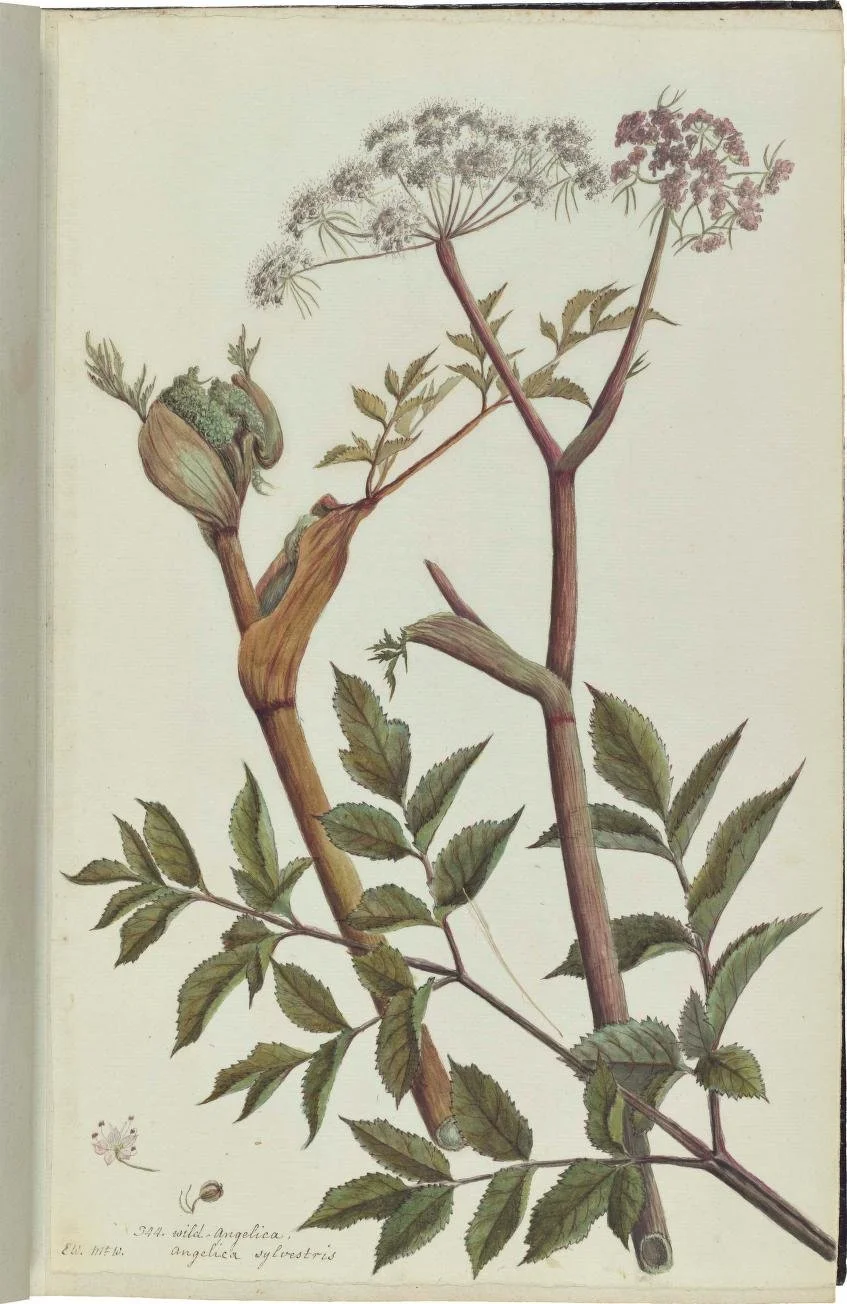
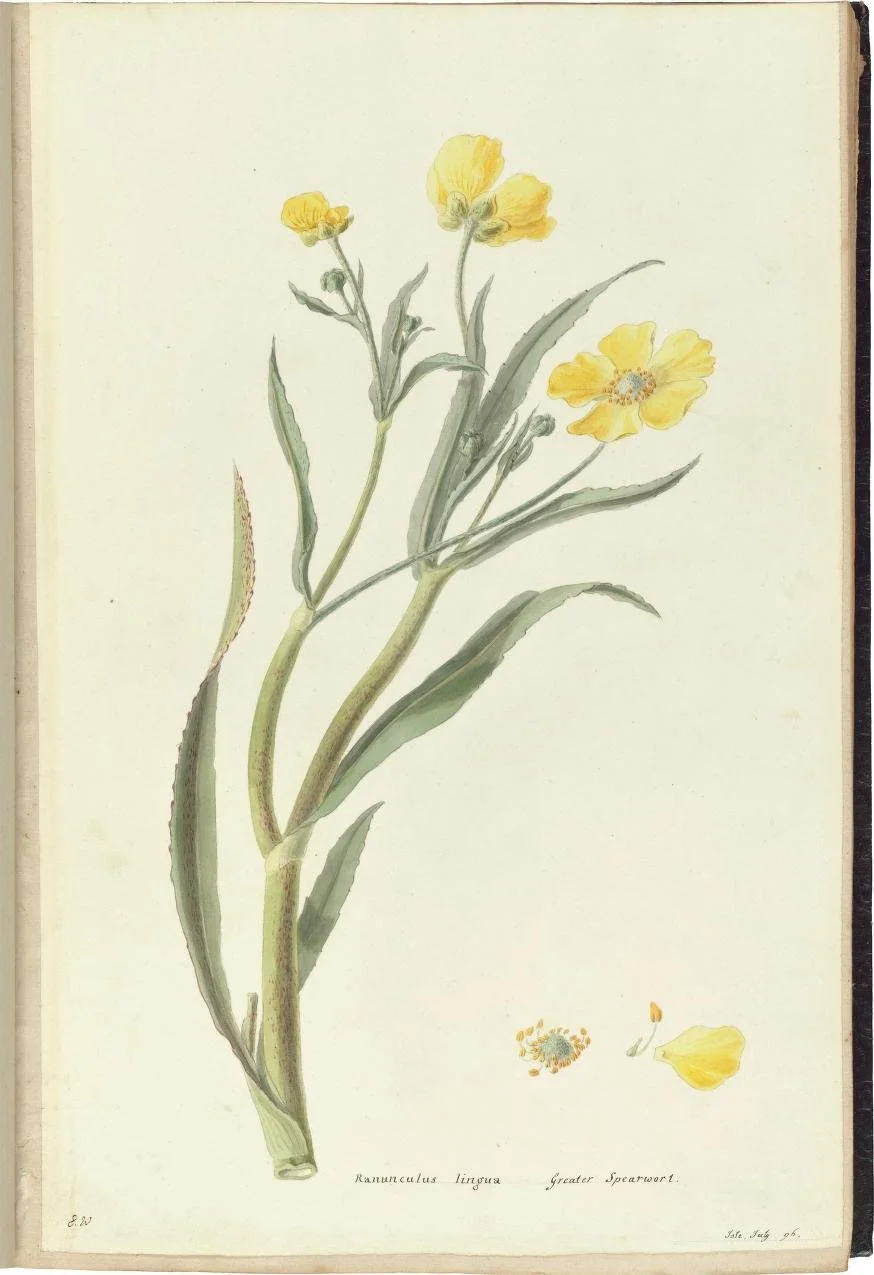
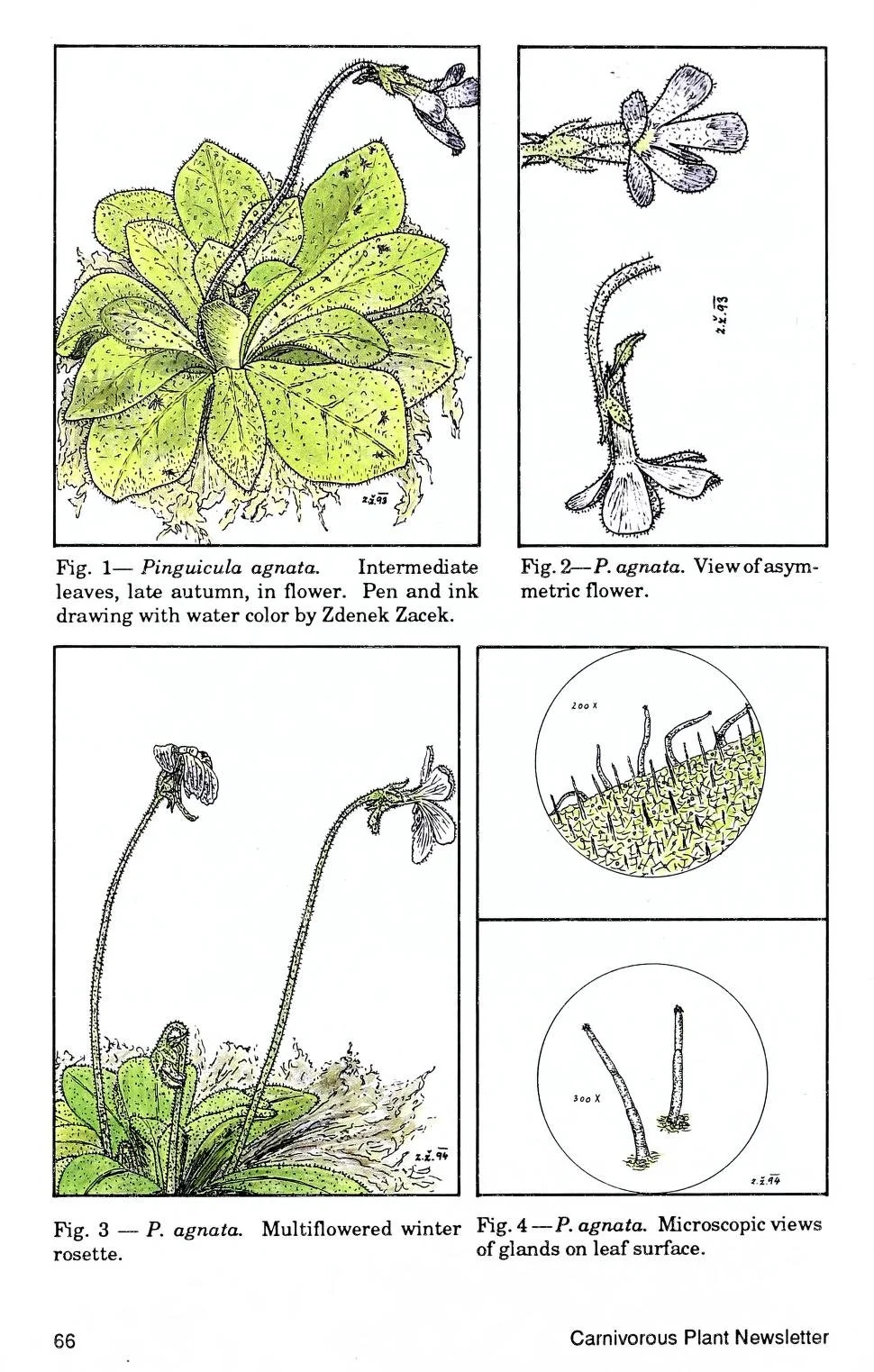
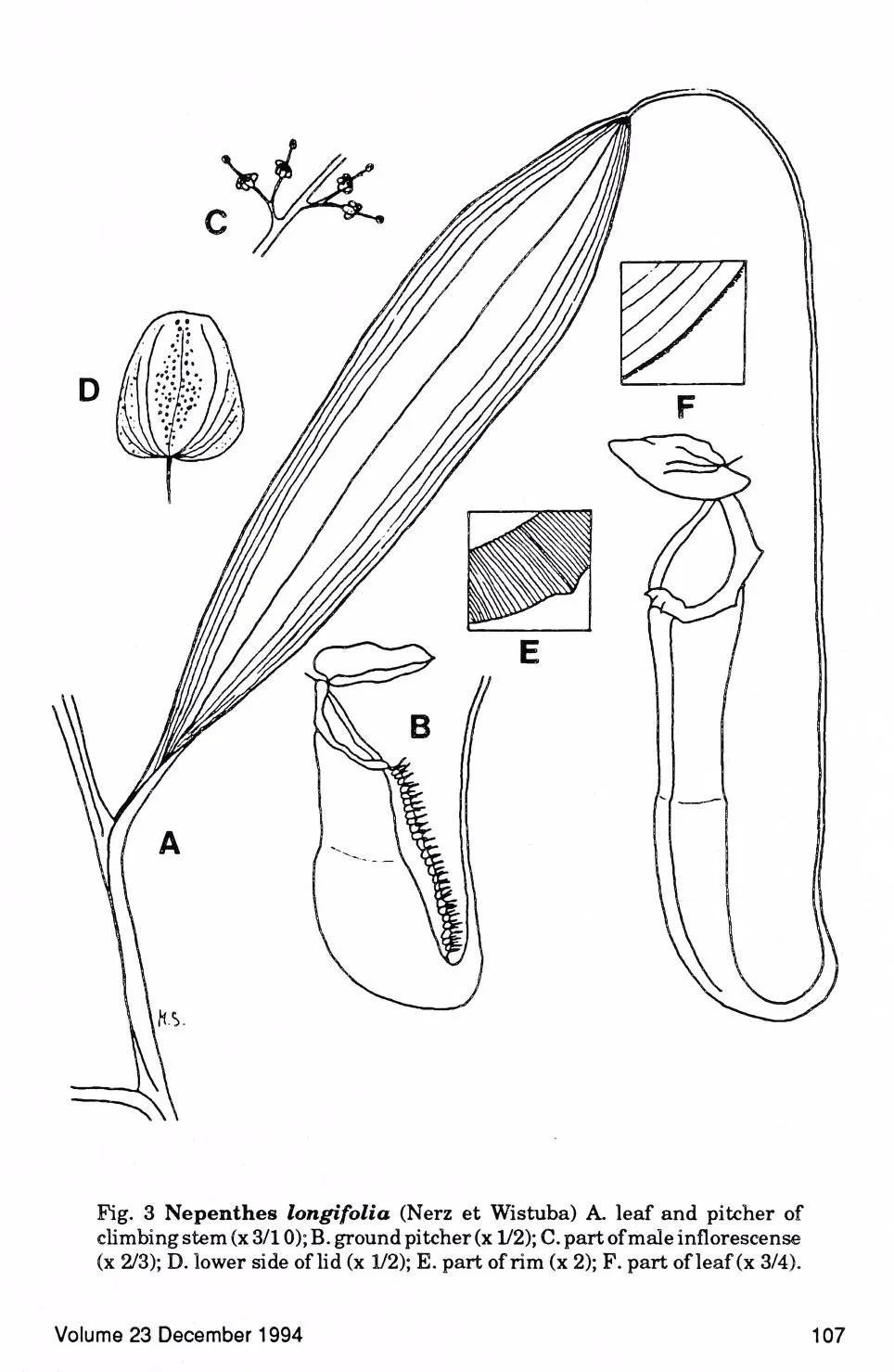
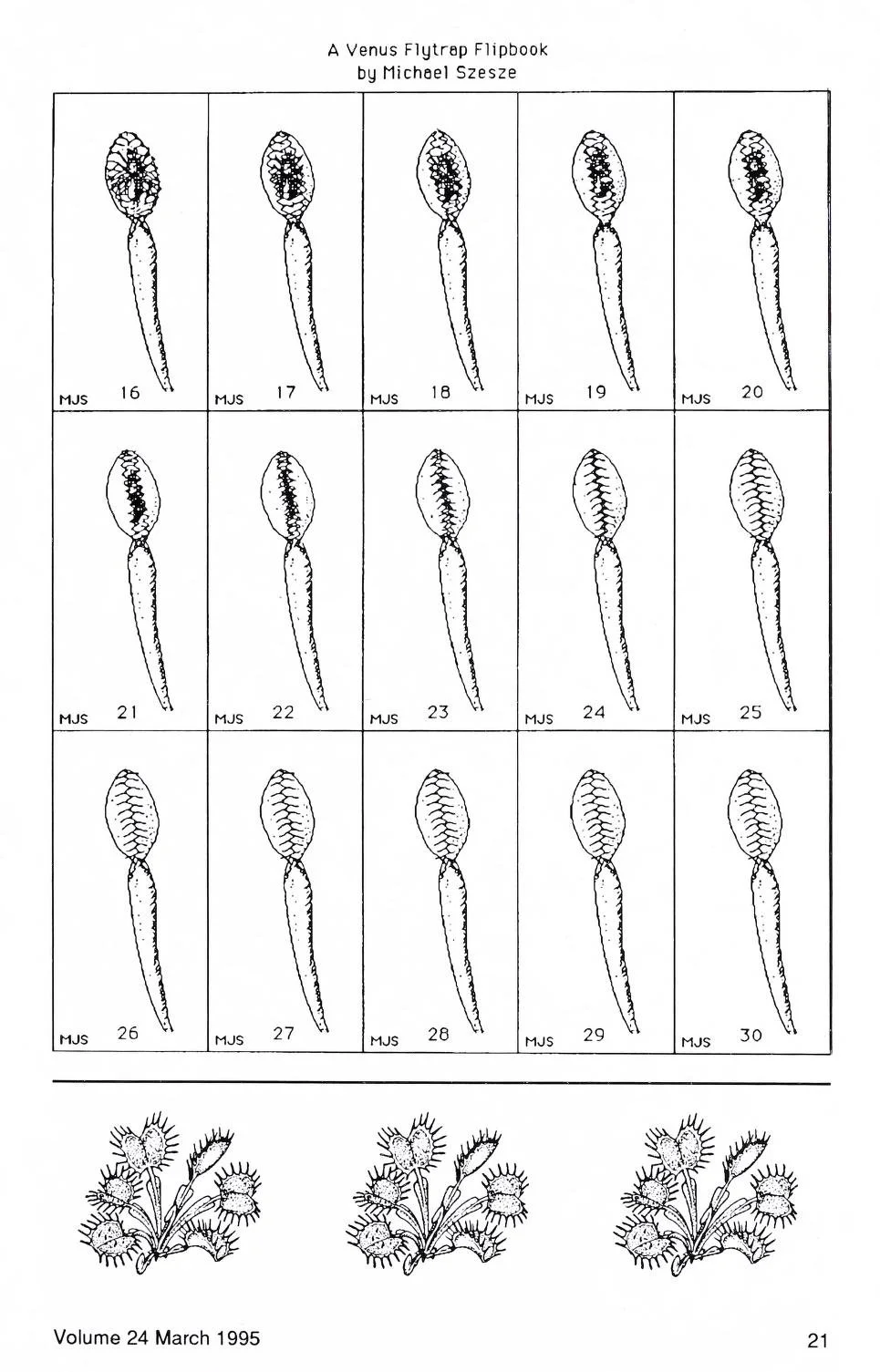
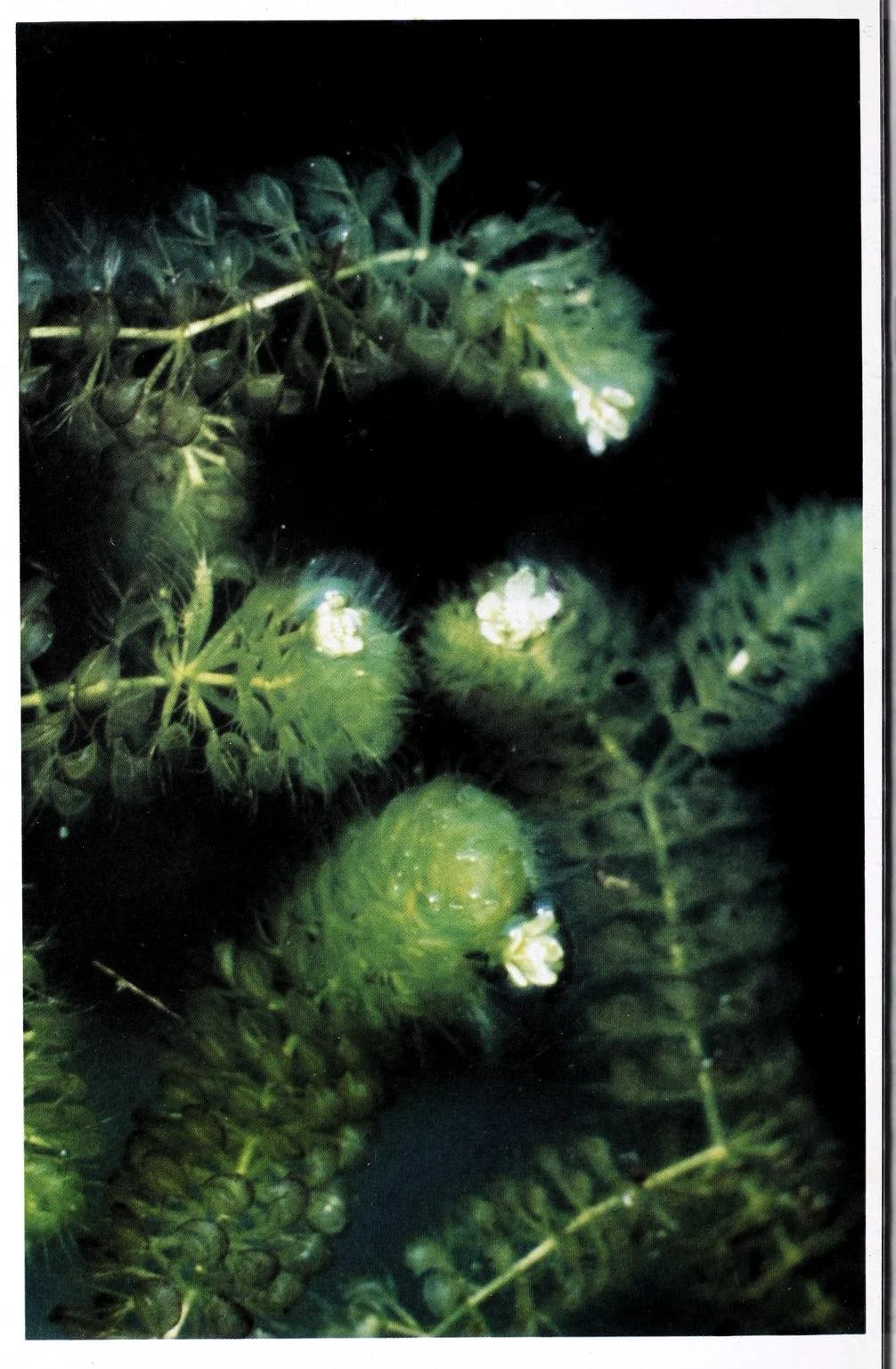
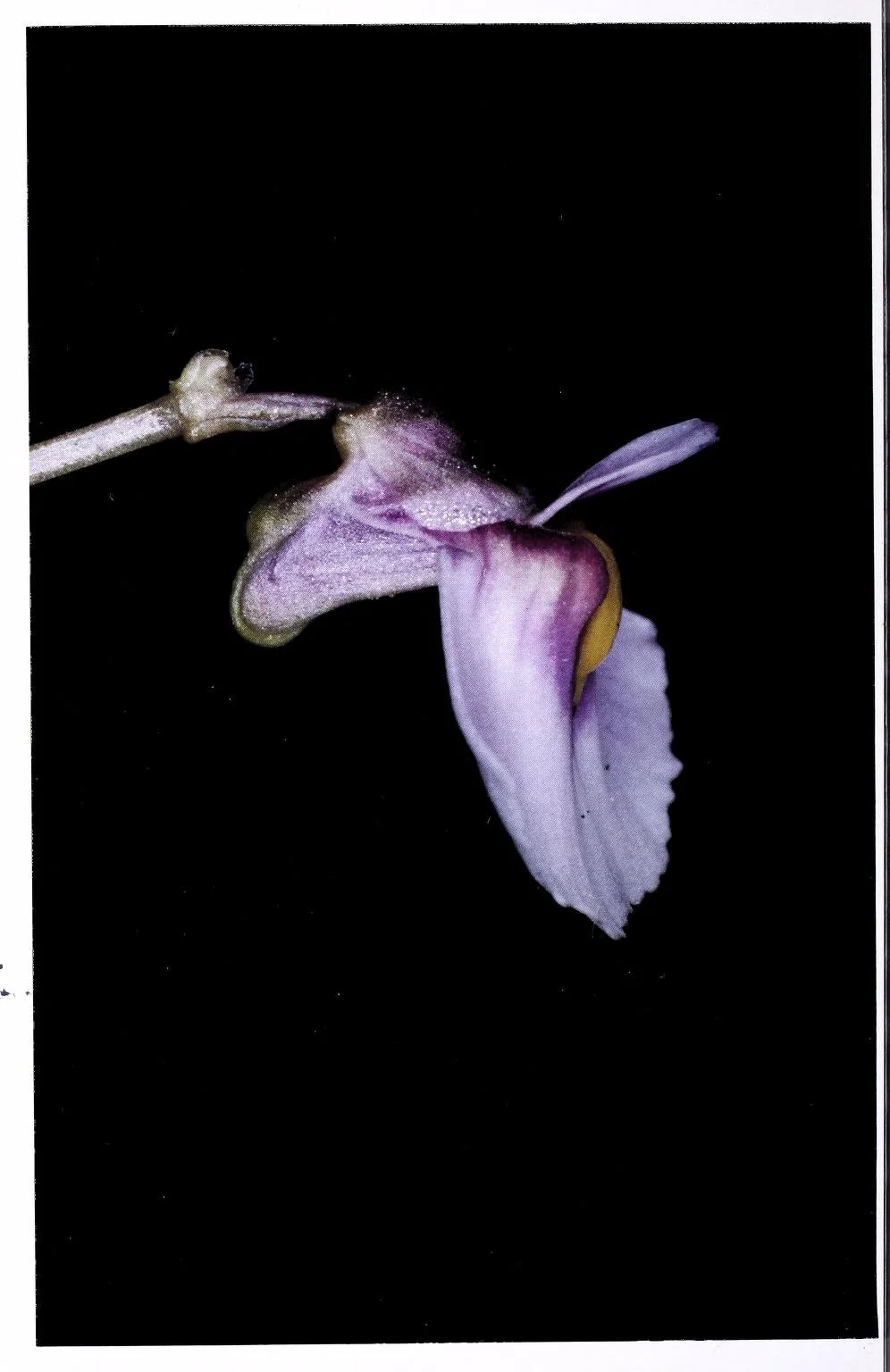
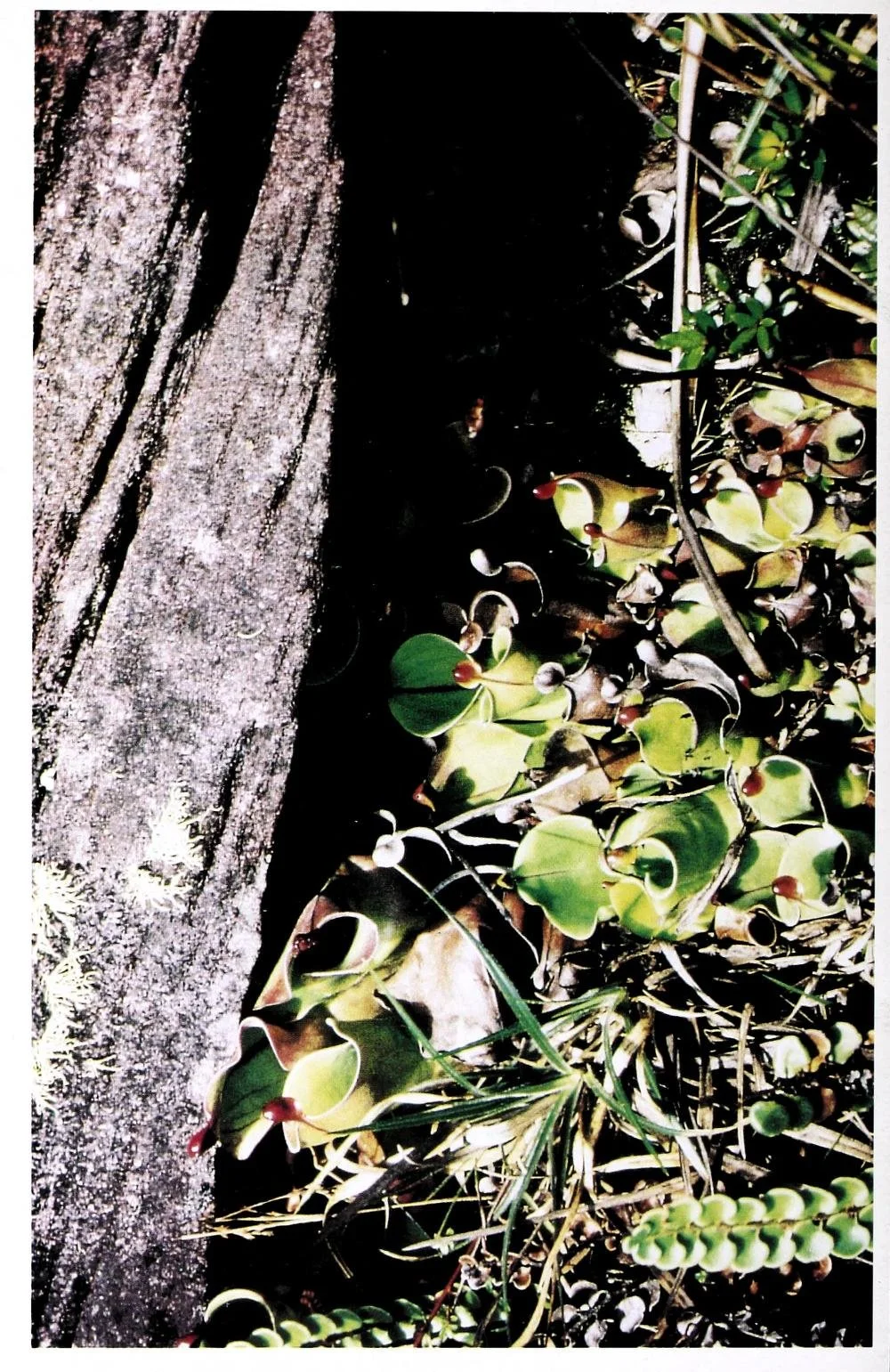
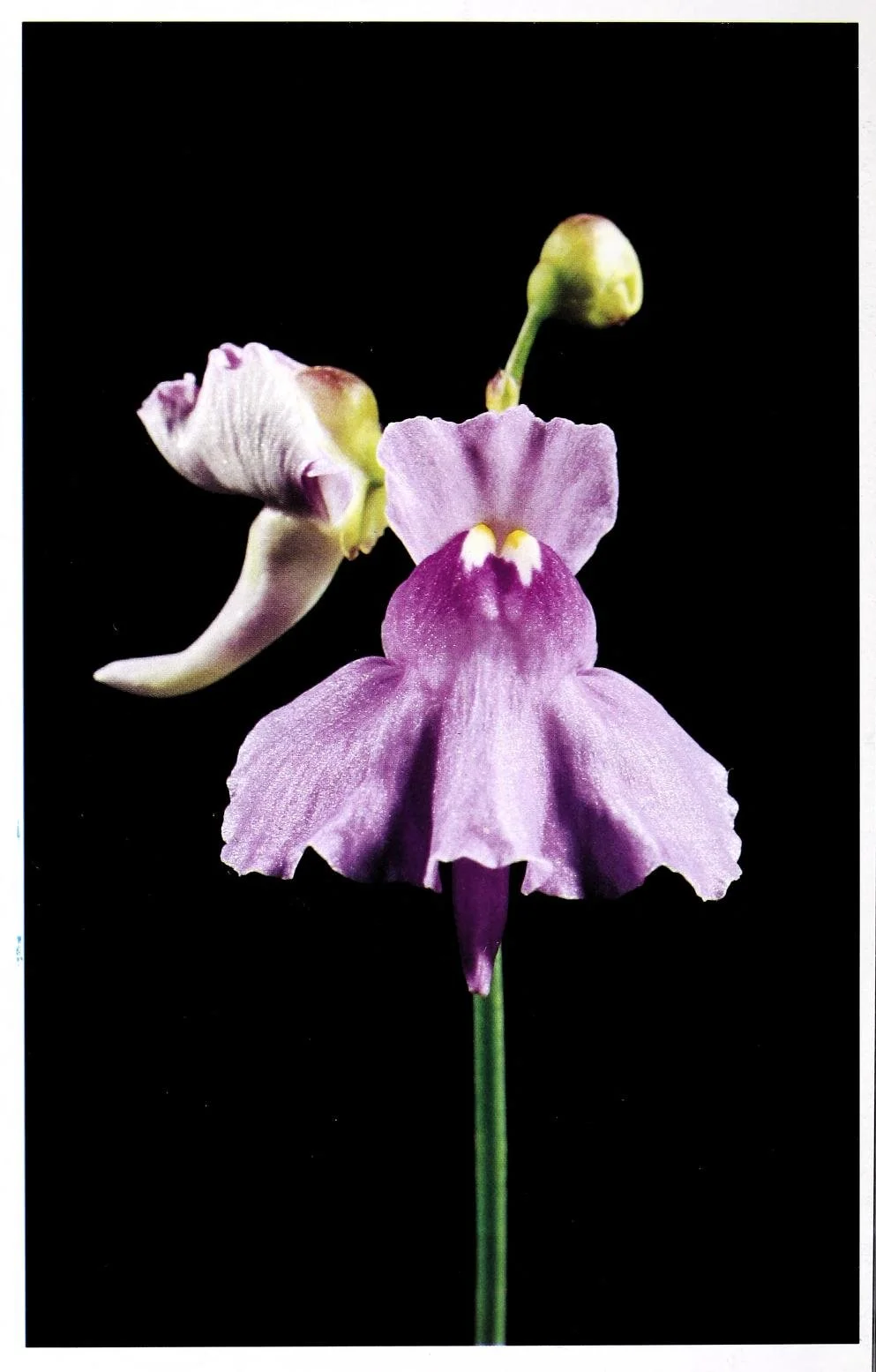
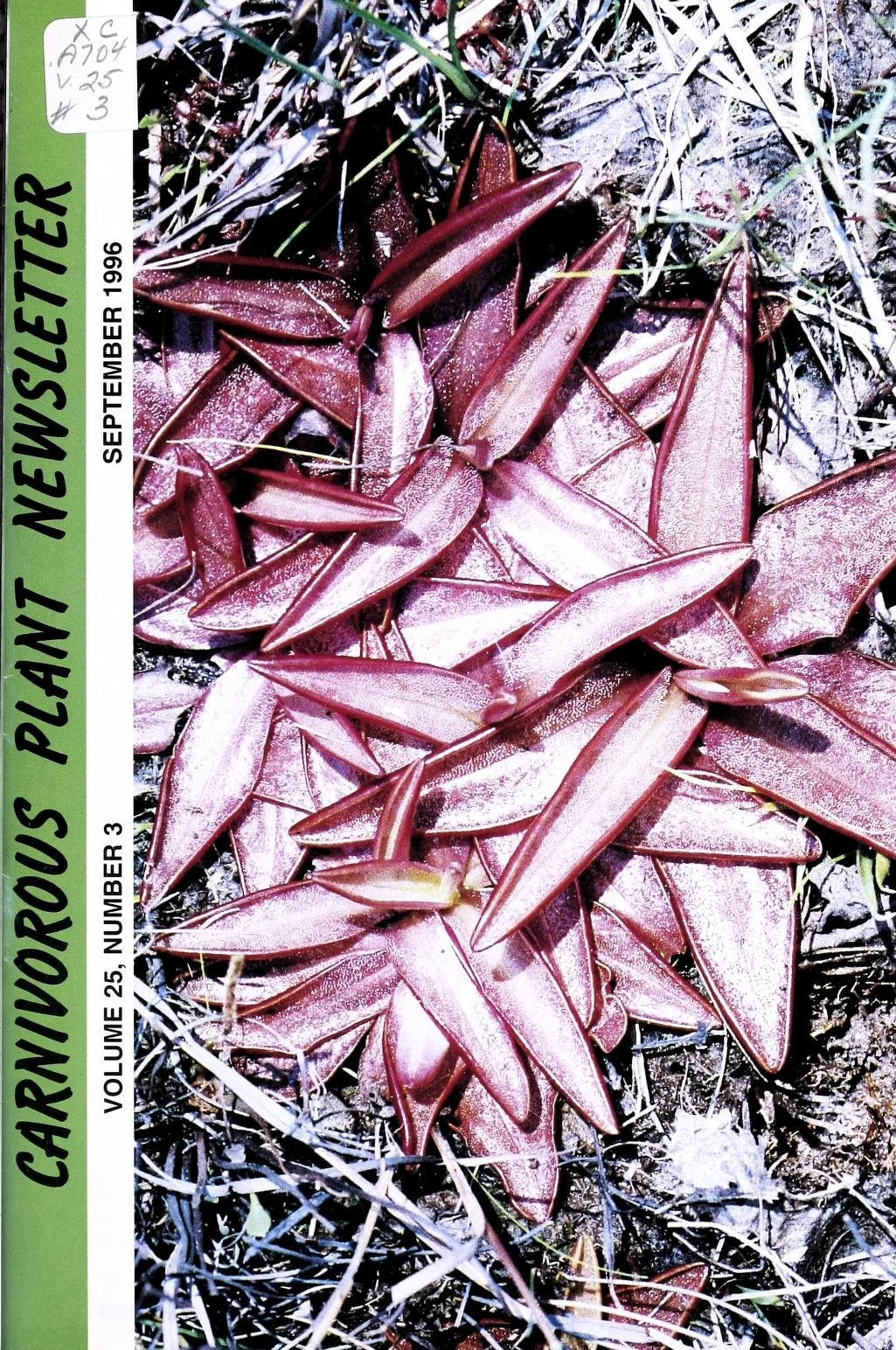
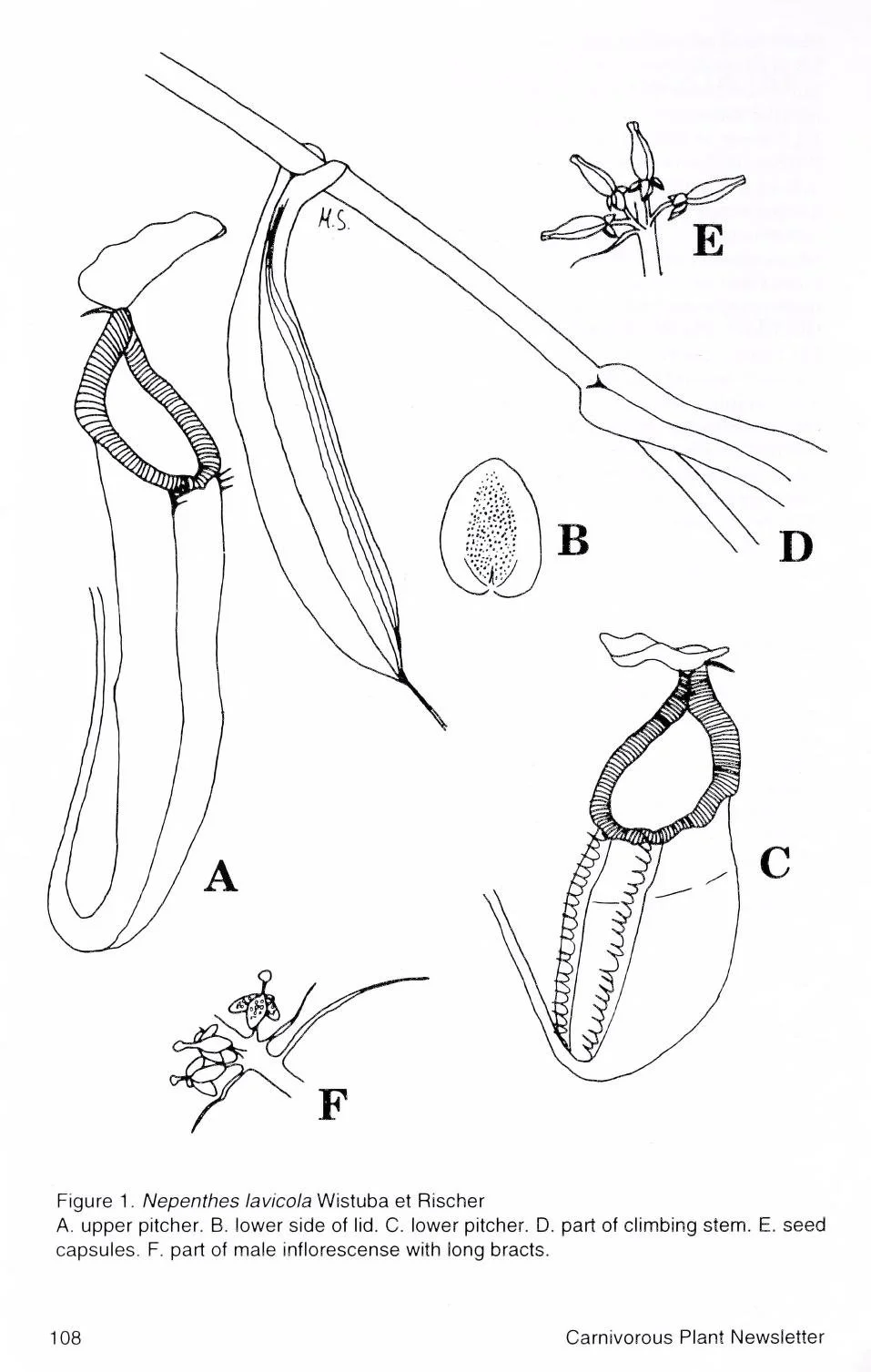
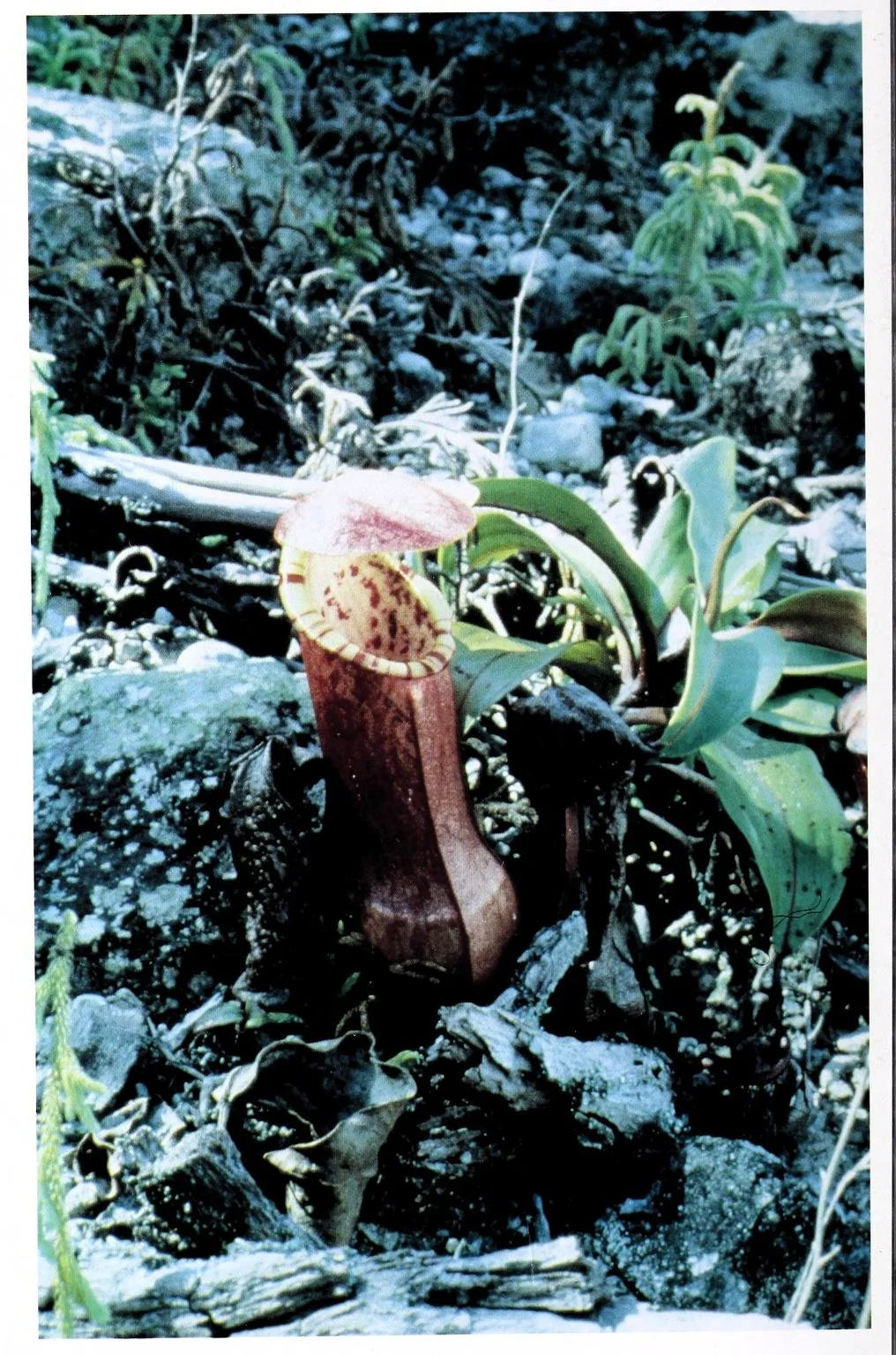
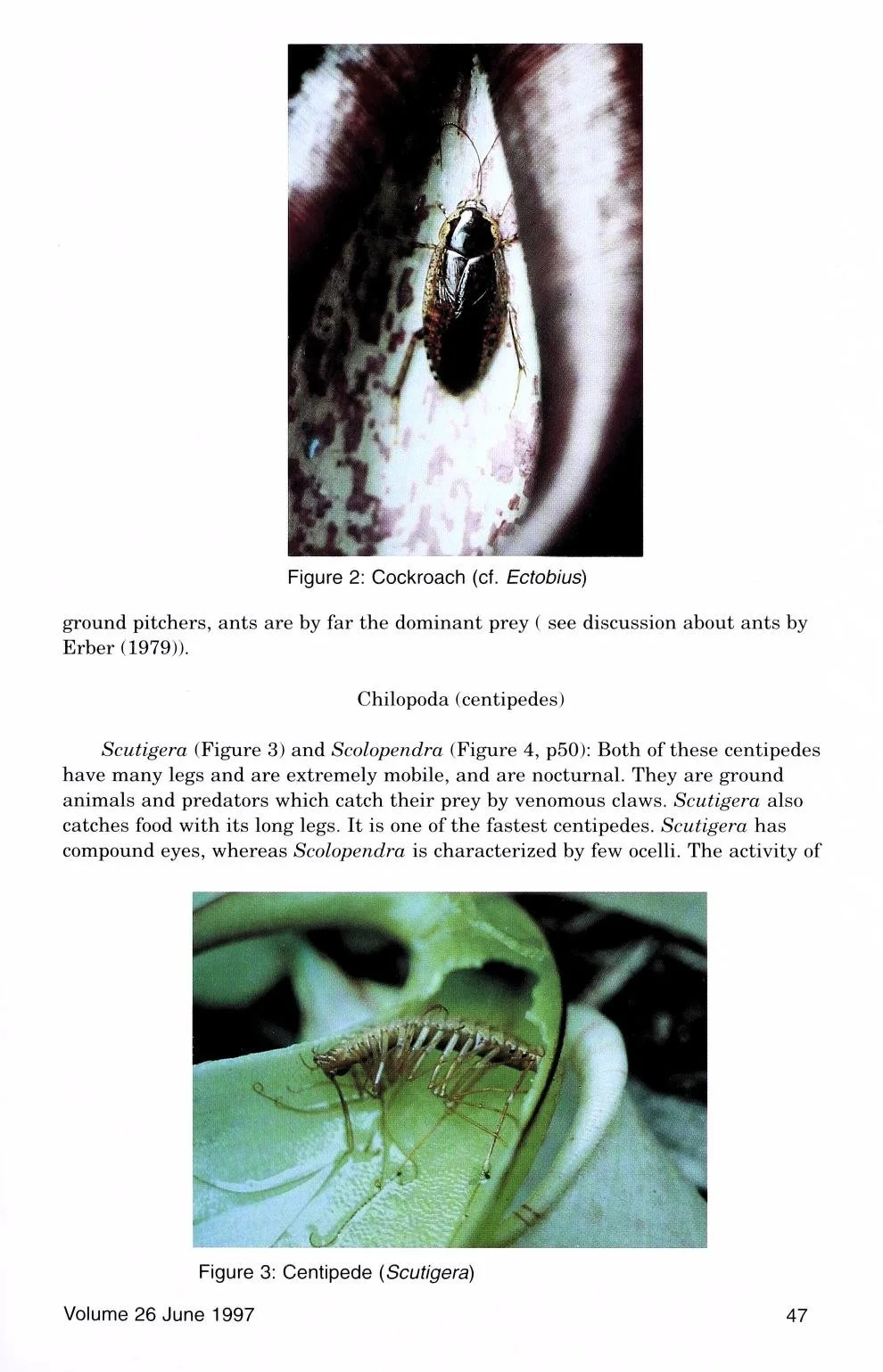
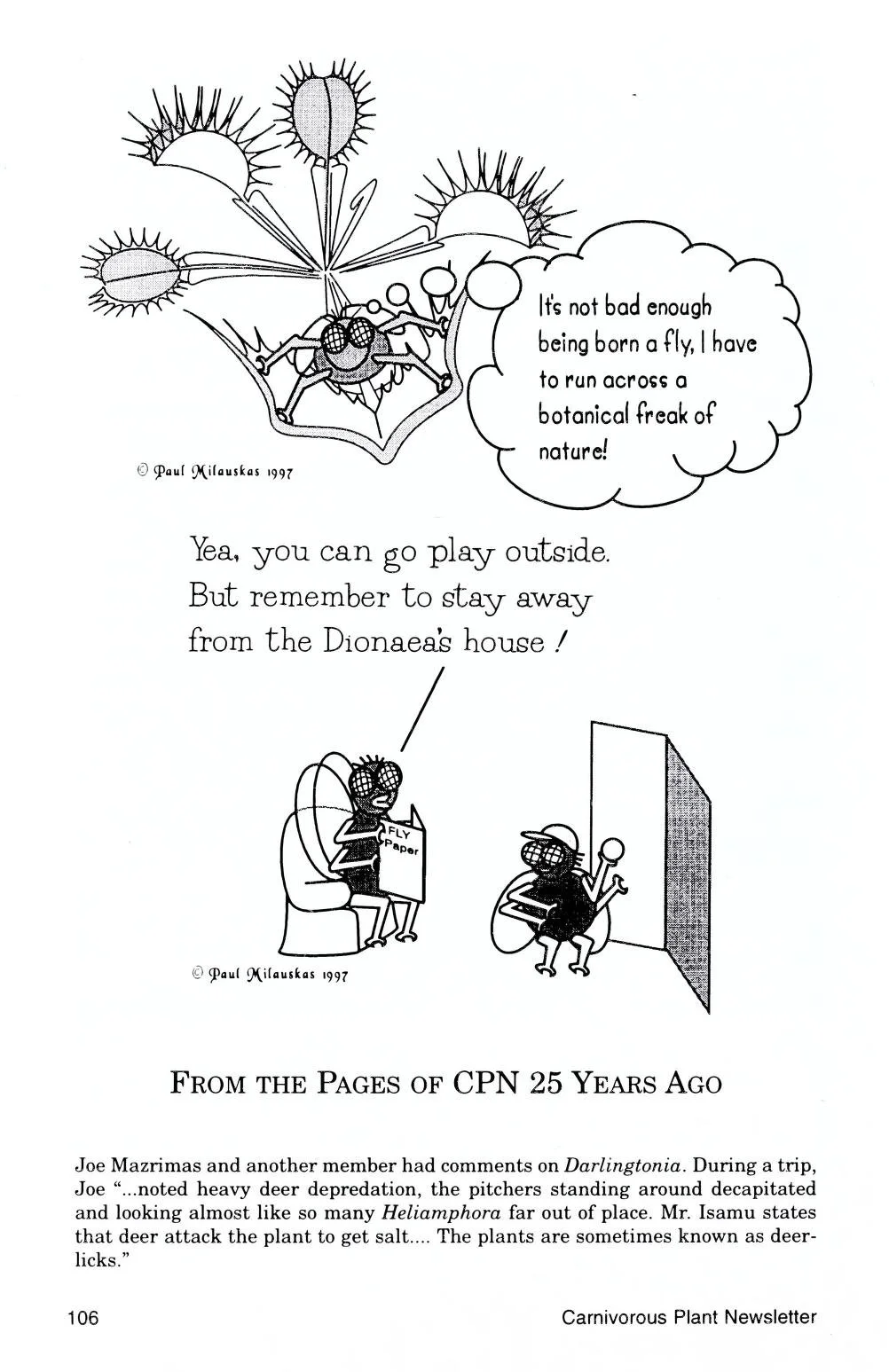
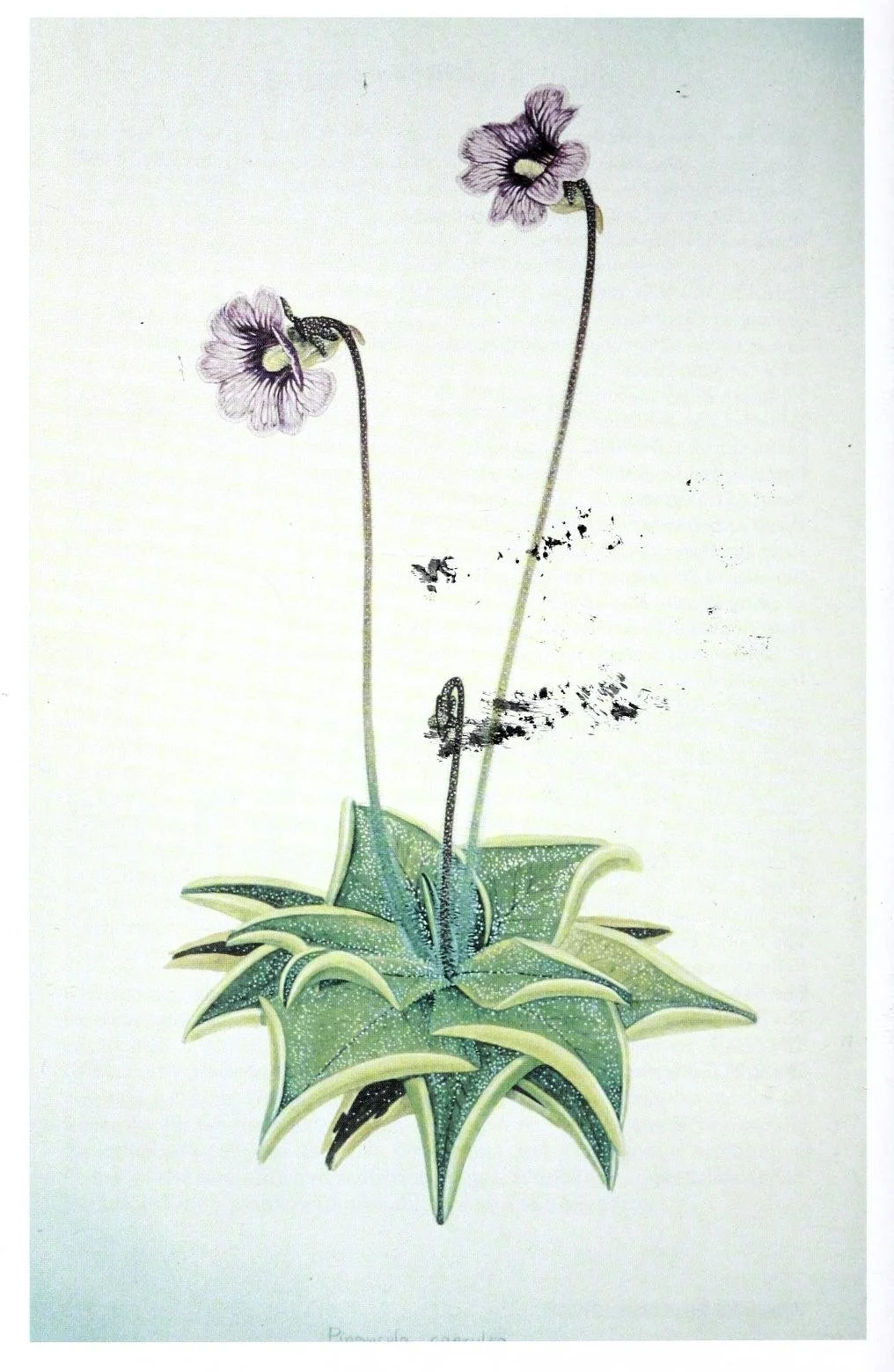
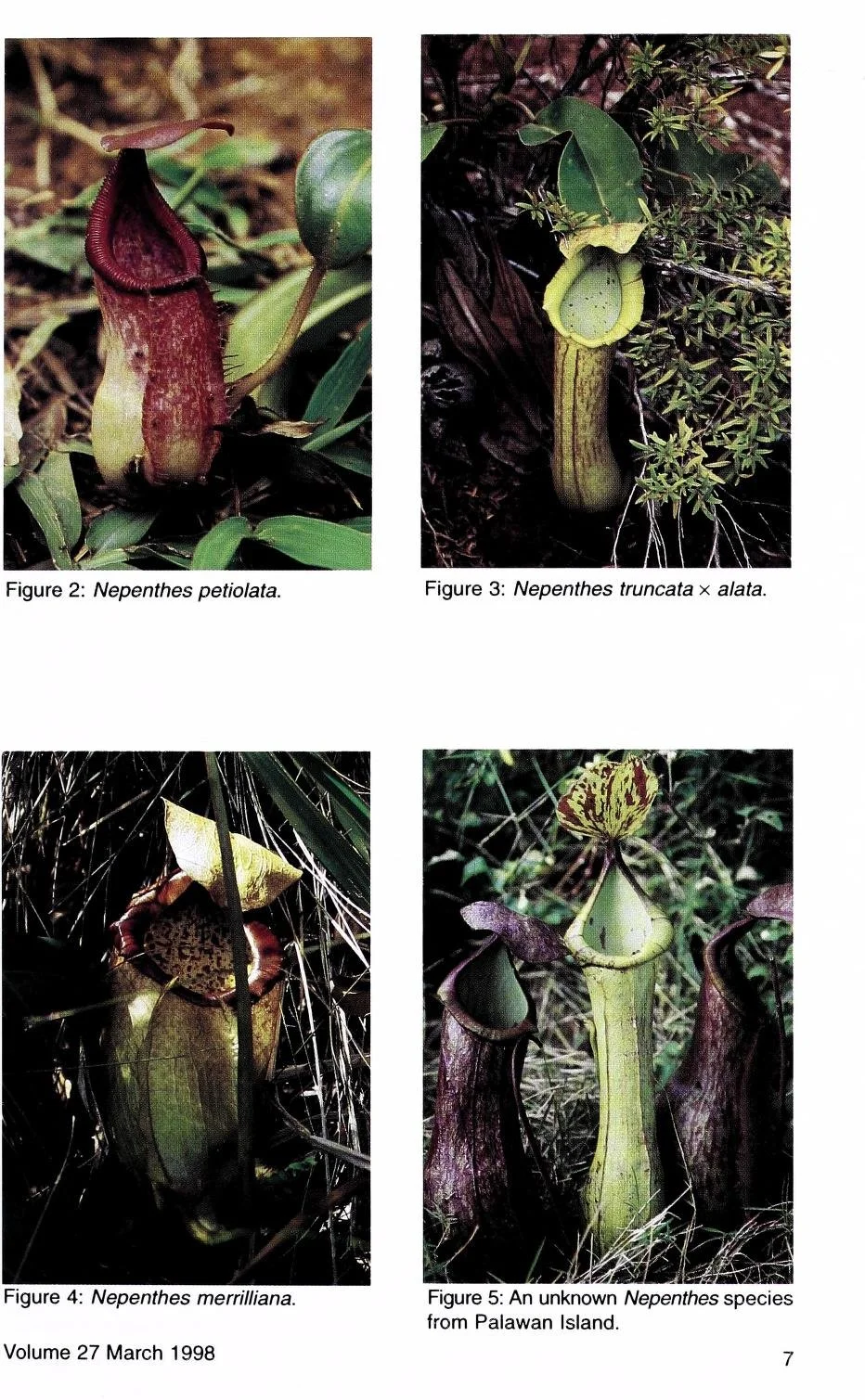
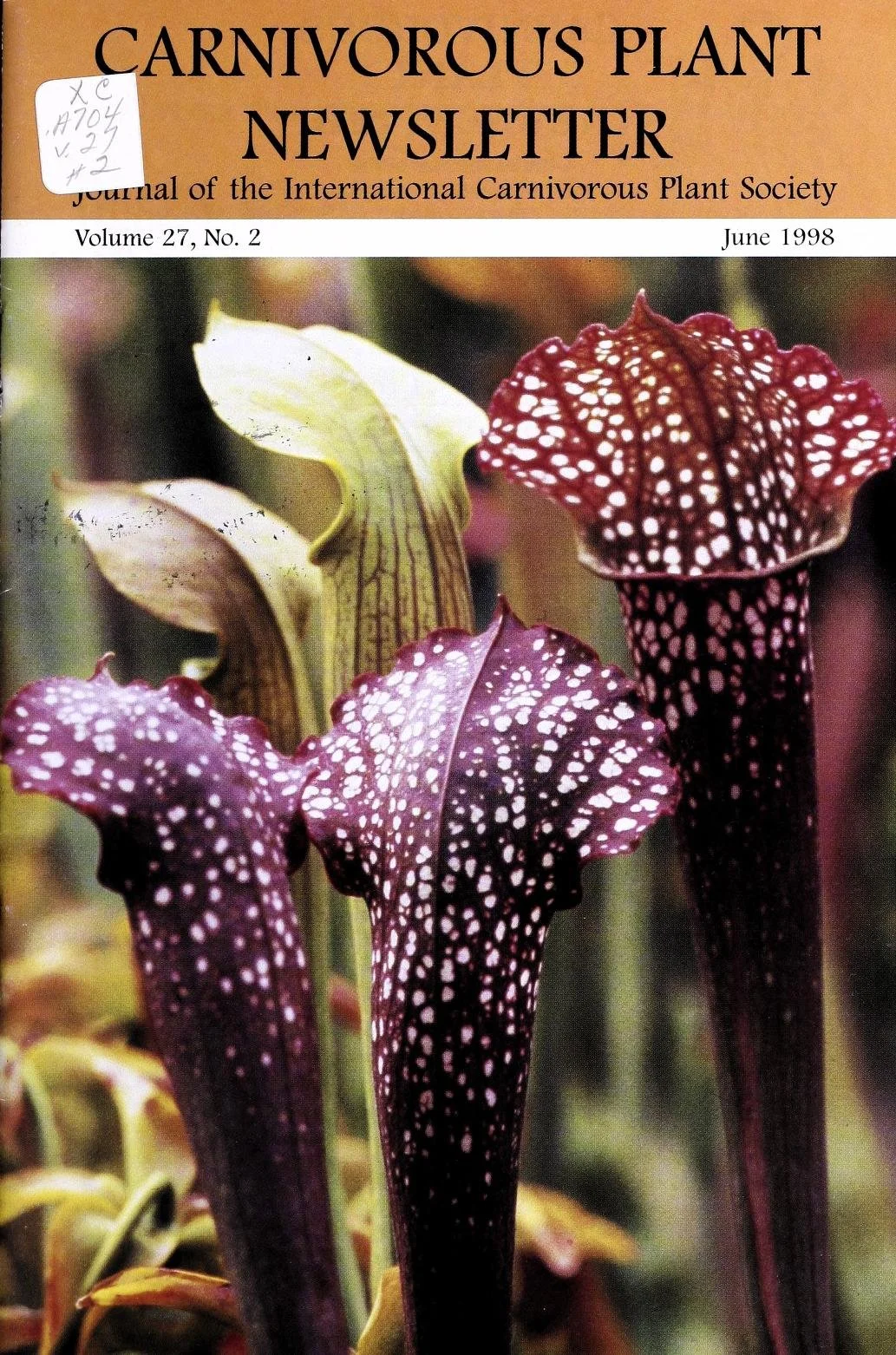
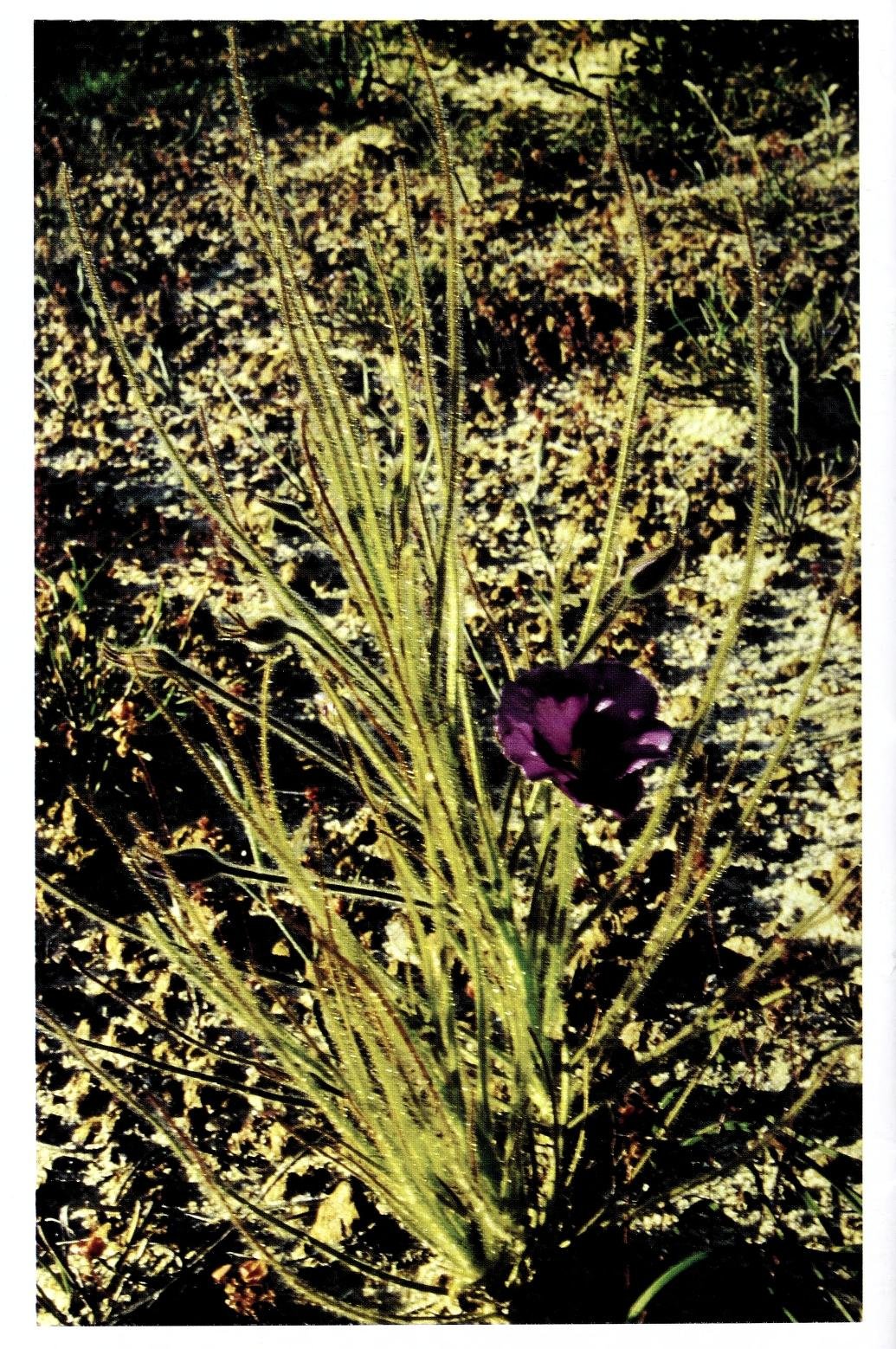
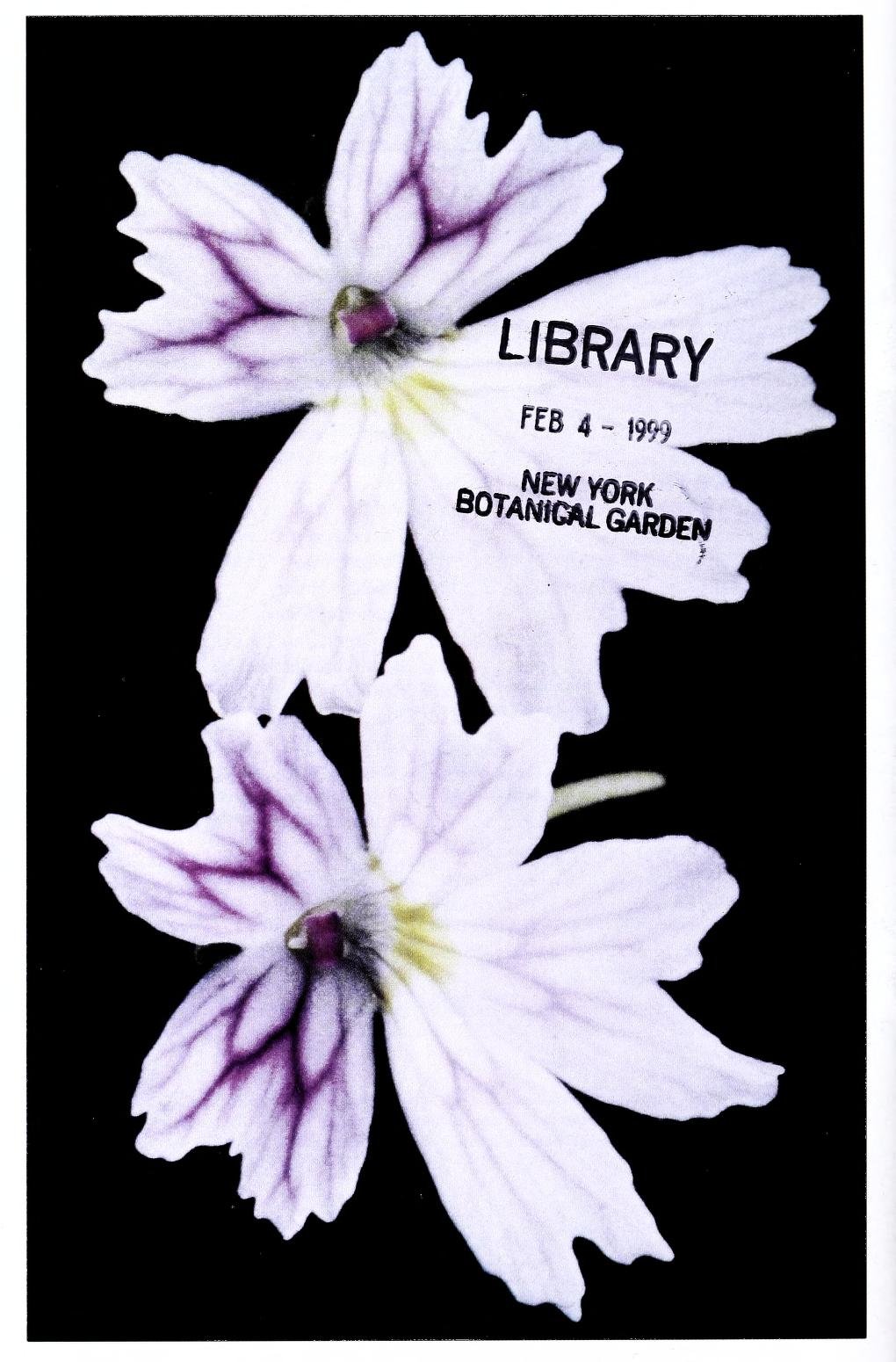
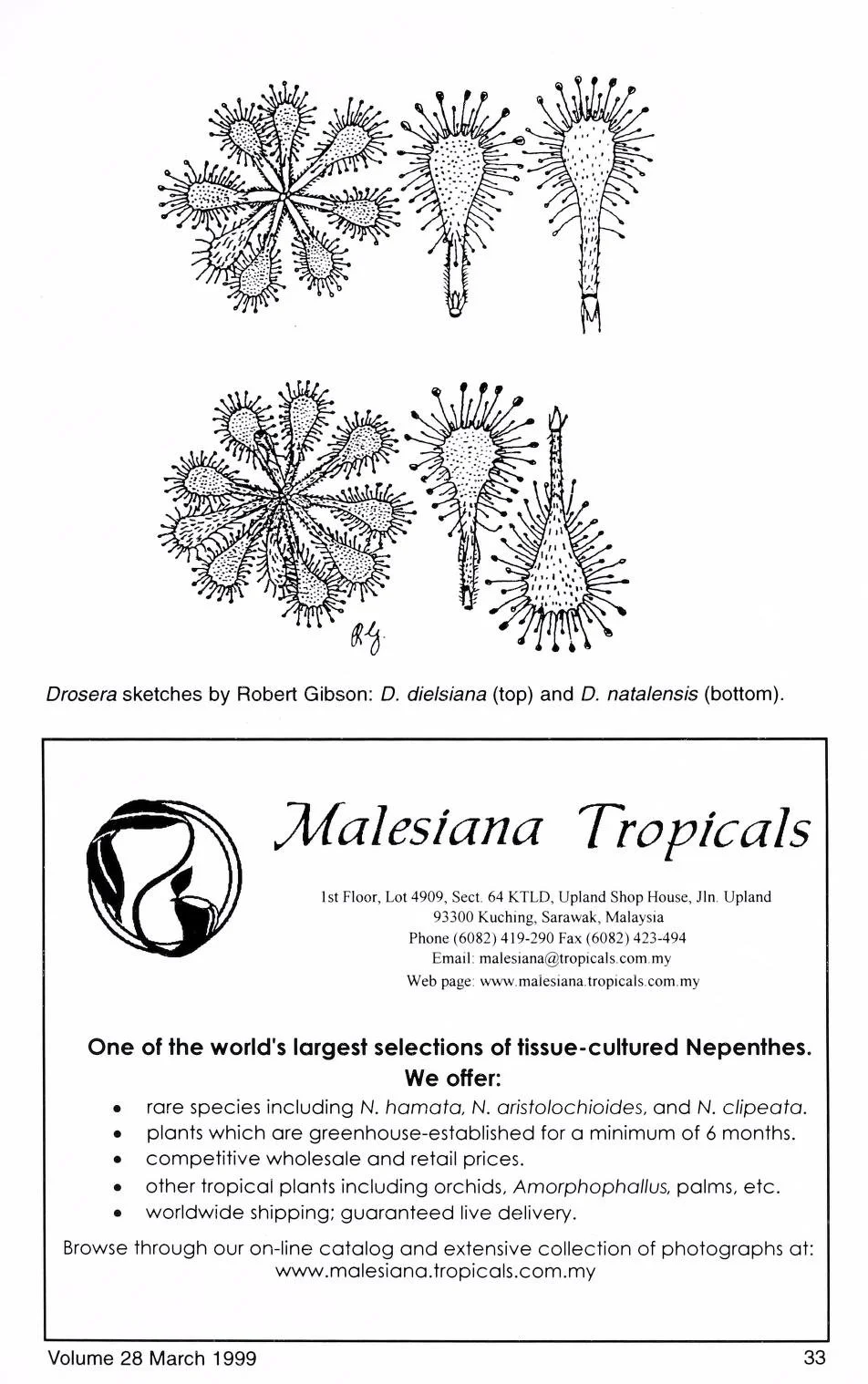
Twenty more books were added to my botanical print eBook collection in February – all are available for browsing on Internet Archive.   I continued working my way through the Carnivorous Plant Newsletters; there are 4 volumes per year so I only browsed late 1994 to 1999 in February; I’ll continue browsing this periodical in March.

I couldn’t resist 2 books I happened upon from the early 1800s by Elizabeth Warton….no photographs in those vintage books!

My list of eBotanical Prints books now totals 3,303 eBooks I’ve browsed over the years. The whole list can be accessed here.
Click on any sample image from February’s 20 books below to get an enlarged version…and the title hyperlink in the list below the image mosaic to view the entire volume where there are a lot more botanical illustrations to browse.

Enjoy the February 2026 eBotanical Prints!

British Seaweeds * Warton, Elizabeth and Margaret * sample image * 1827

British Flowers * Warton, Elizabeth and Margaret * sample image * 1811

Carnivorous plant newsletter v.23:no.3 (1994)  * California State University, Fullerton. Arboretum * sample image * 1994

Carnivorous plant newsletter v.23:no.4 (1994)  * California State University, Fullerton. Arboretum * sample image * 1994

Carnivorous plant newsletter v.24:no.1 (1995)  * California State University, Fullerton. Arboretum * sample image * 1995

Carnivorous plant newsletter v.24:no.2 (1995)  * California State University, Fullerton. Arboretum * sample image * 1995

Carnivorous plant newsletter v.24:no.4 (1995)  * California State University, Fullerton. Arboretum * sample image * 1995

Carnivorous plant newsletter v.25:no.1 (1996)  * California State University, Fullerton. Arboretum * sample image * 1996

Carnivorous plant newsletter v.25:no.2 (1996)  * California State University, Fullerton. Arboretum * sample image * 1996

Carnivorous plant newsletter v.25:no.3 (1996)  * California State University, Fullerton. Arboretum * sample image * 1996

Carnivorous plant newsletter v.25:no.4 (1996)  * California State University, Fullerton. Arboretum * sample image * 1996

Carnivorous plant newsletter v.26:no.1 (1997)  * California State University, Fullerton. Arboretum * sample image * 1997

Carnivorous plant newsletter v.26:no.2 (1997)  * California State University, Fullerton. Arboretum * sample image * 1997

Carnivorous plant newsletter v.26:no.3 (1997)  * California State University, Fullerton. Arboretum * sample image * 1997

Carnivorous plant newsletter v.26:no.4 (1997)  * California State University, Fullerton. Arboretum * sample image * 1997

Carnivorous plant newsletter v.27:no.1 (1998)  * California State University, Fullerton. Arboretum * sample image * 1998

Carnivorous plant newsletter v.27:no.2 (1998)  * California State University, Fullerton. Arboretum * sample image * 1998

Carnivorous plant newsletter v.27:no.3 (1998)  * California State University, Fullerton. Arboretum * sample image * 1998

Carnivorous plant newsletter v.27:no.4 (1998)  * California State University, Fullerton. Arboretum * sample image * 1998

Carnivorous plant newsletter v.28:no.1 (1999)  * California State University, Fullerton. Arboretum * sample image * 1999

Kousa Dogwood

Our Missouri house came with a kousa dogwood – an Asian dogwood. It does not fit my ‘plant natives’ goal but I’m leaving it. During the winter, when its leaves are gone, I always notice that it has a nest or two in it, so it does provide shelter for breeding birds. I also like that it flowers and produces interesting seeds.

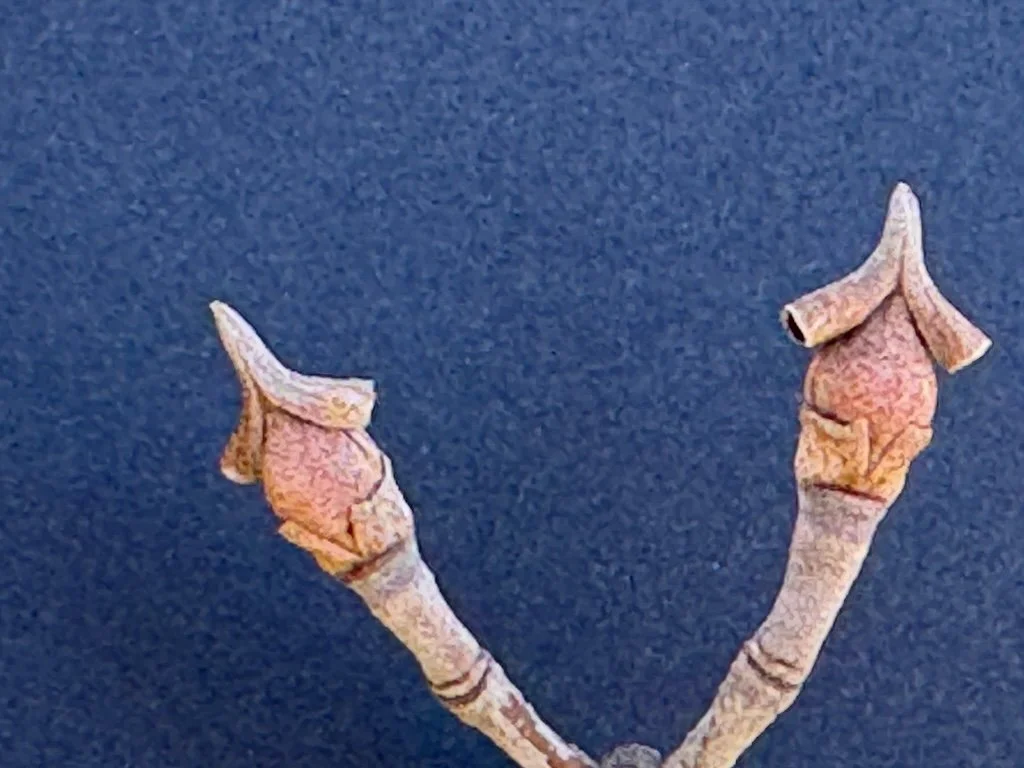
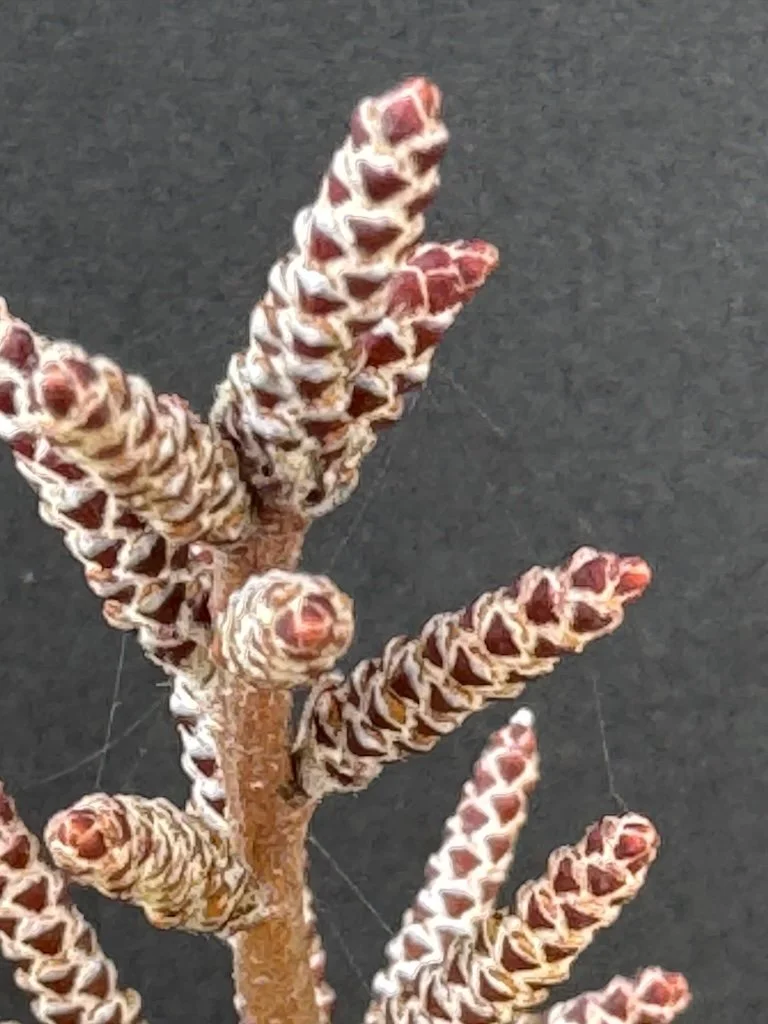
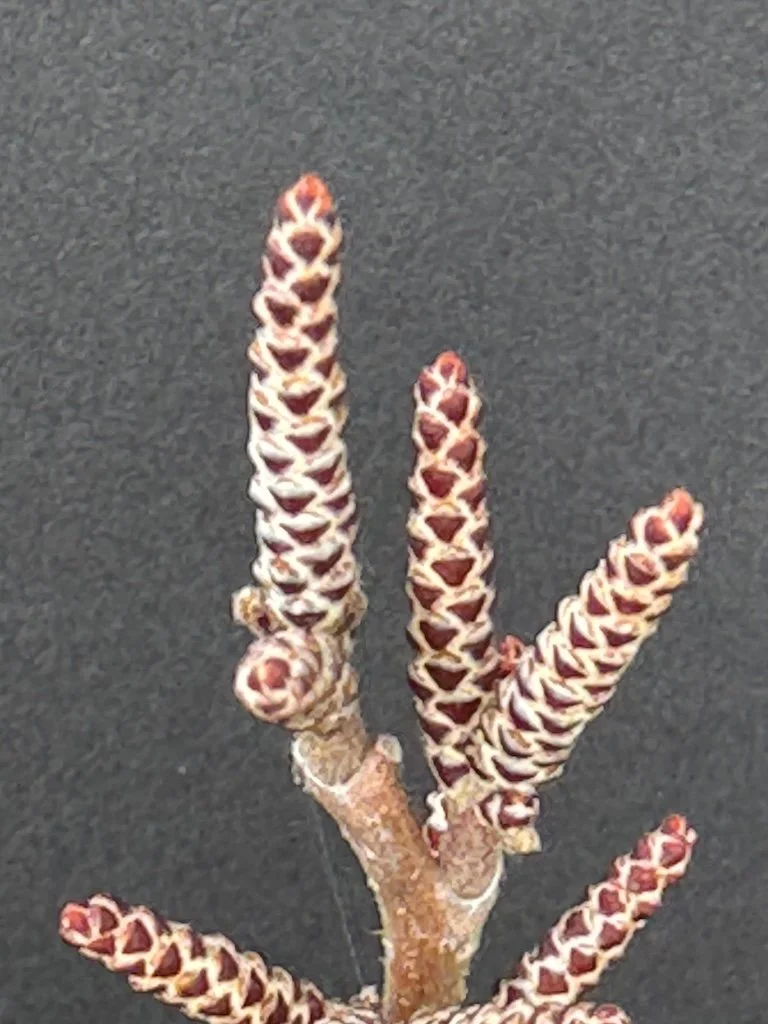
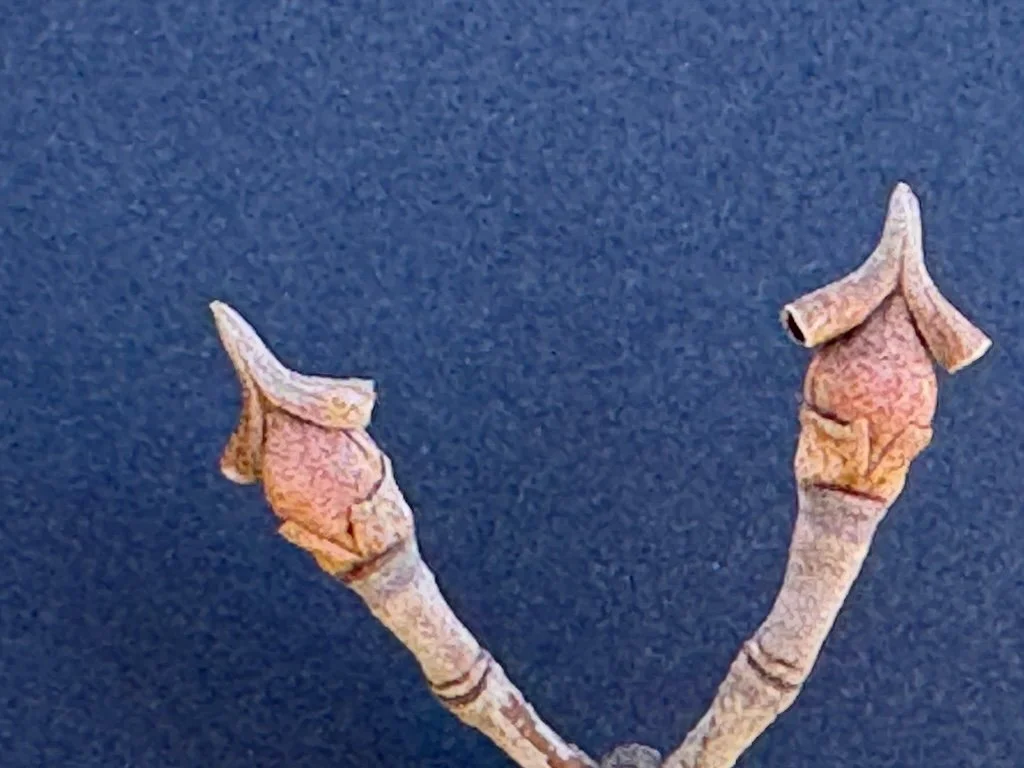
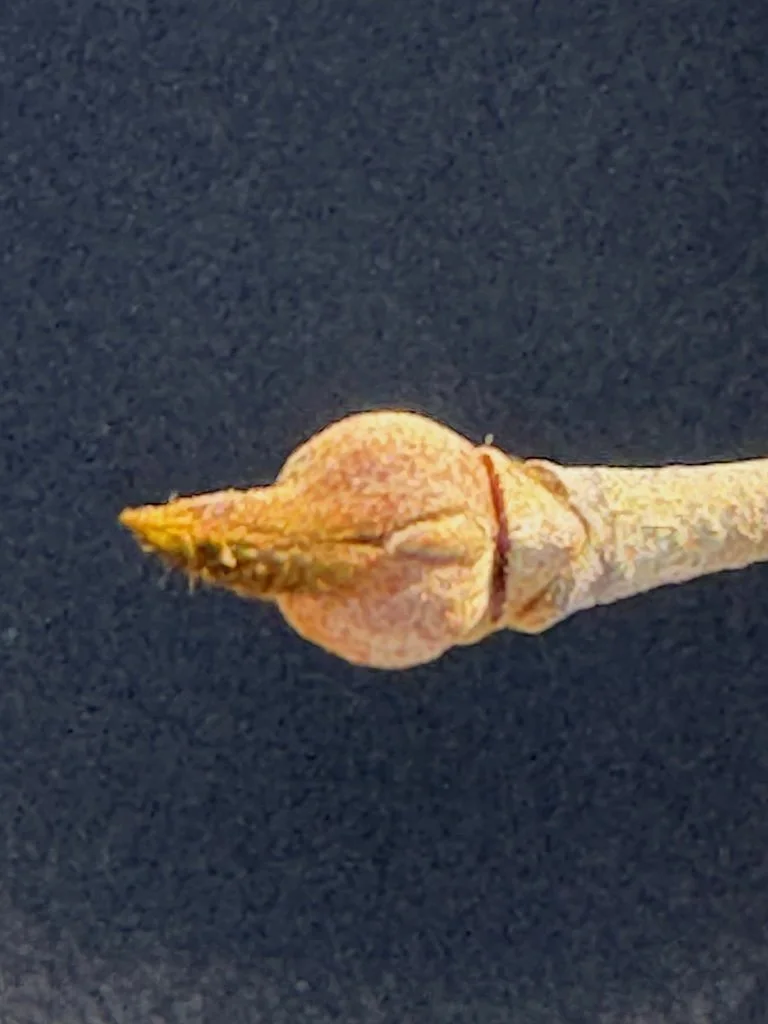
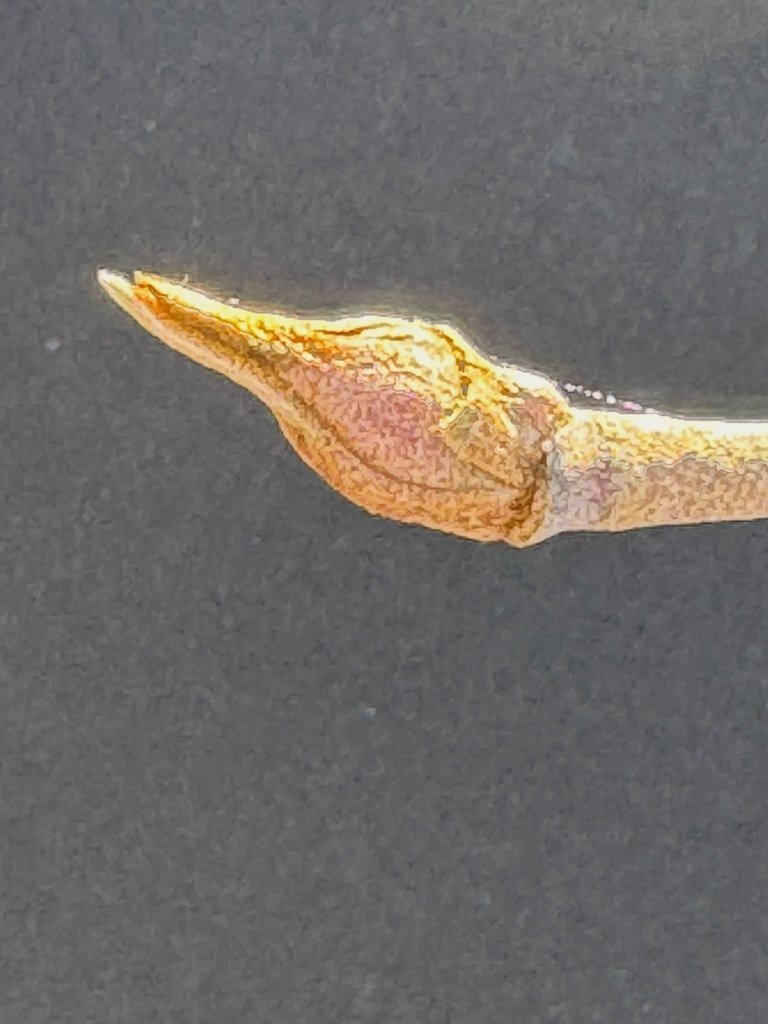
This spring I happened to take some closer looks at the terminal buds – noticed that they have a covering that splits in the spring – forming a little hat on the buds!

The hat eventually falls off, and the buds begin the process of enlarging and eventually opening. I’ll try to catch a series over the next few weeks to show what happens to the buds.

I am not doing formal phenology logging on the tree, but my monitoring for eastern redbuds, common hackberry, American beautyberry, and red buckeye has increased my awareness of the phenological phases of other plants. For example – my hybrid maple is blooming right now!

Table Rock Lake

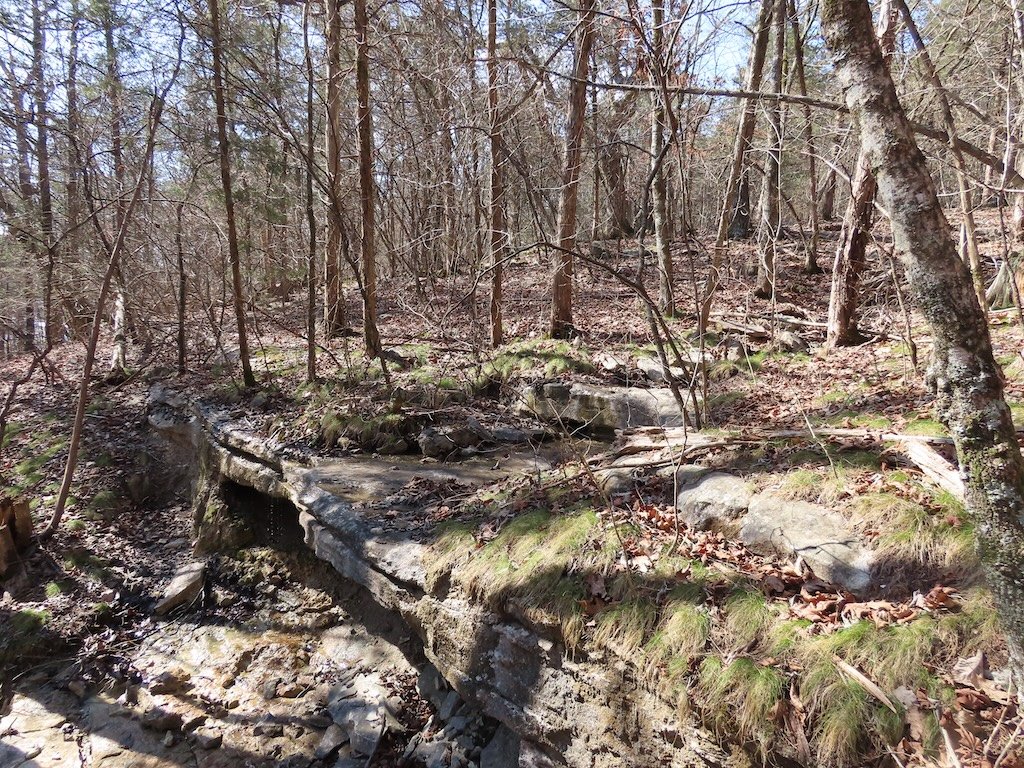
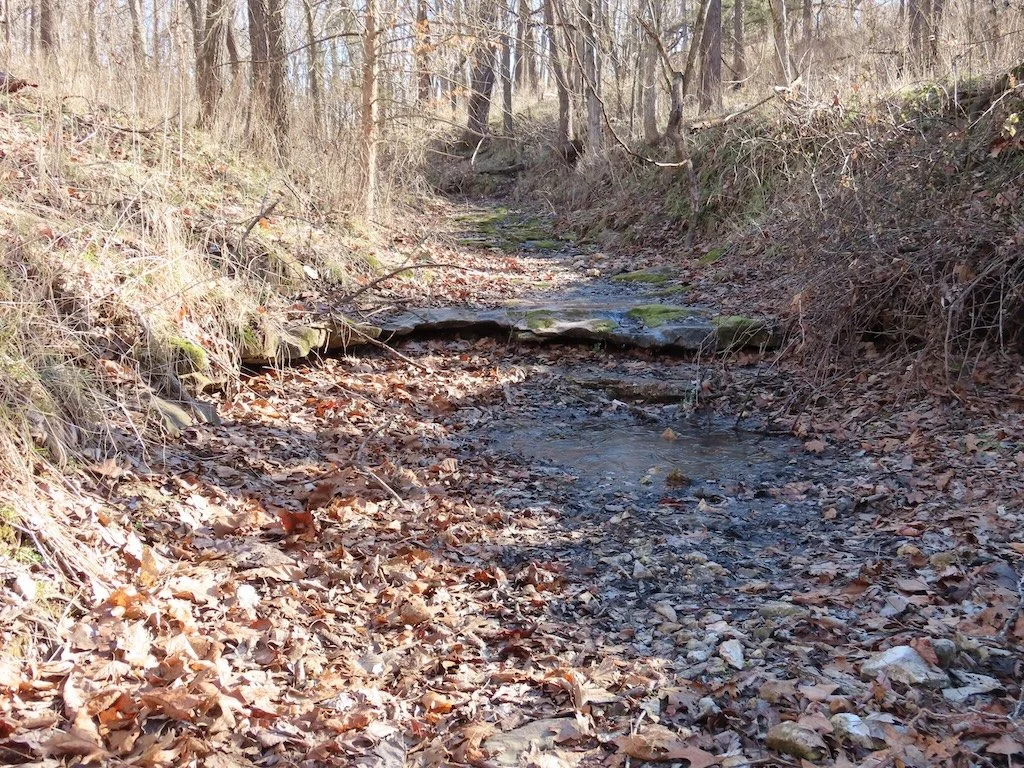
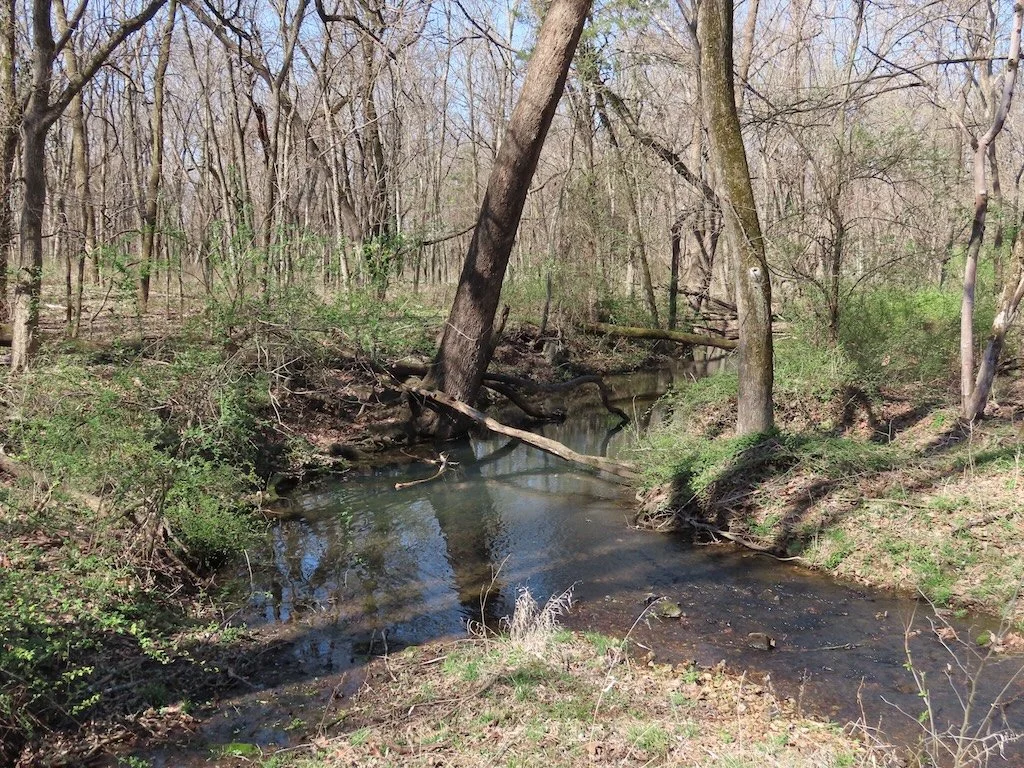
One of the Master Naturalist hikes that I planned was at the end of February – hosted by a person that lived near Table Rock Lake. It was a great day for a hike – not a wintery day at all!

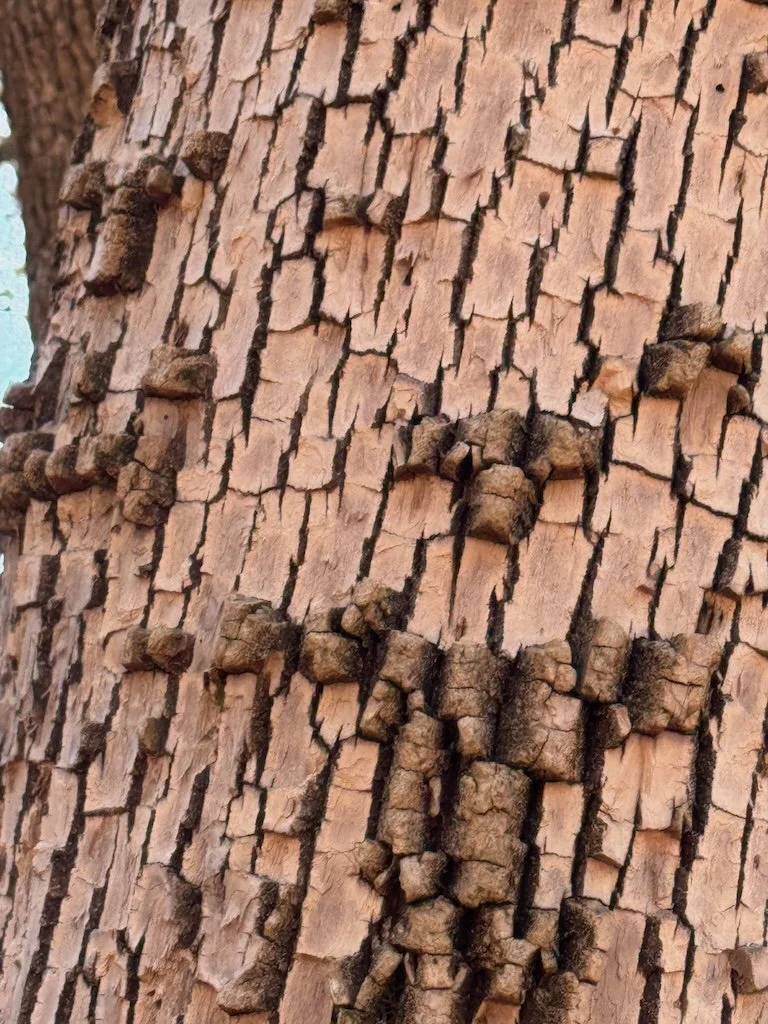
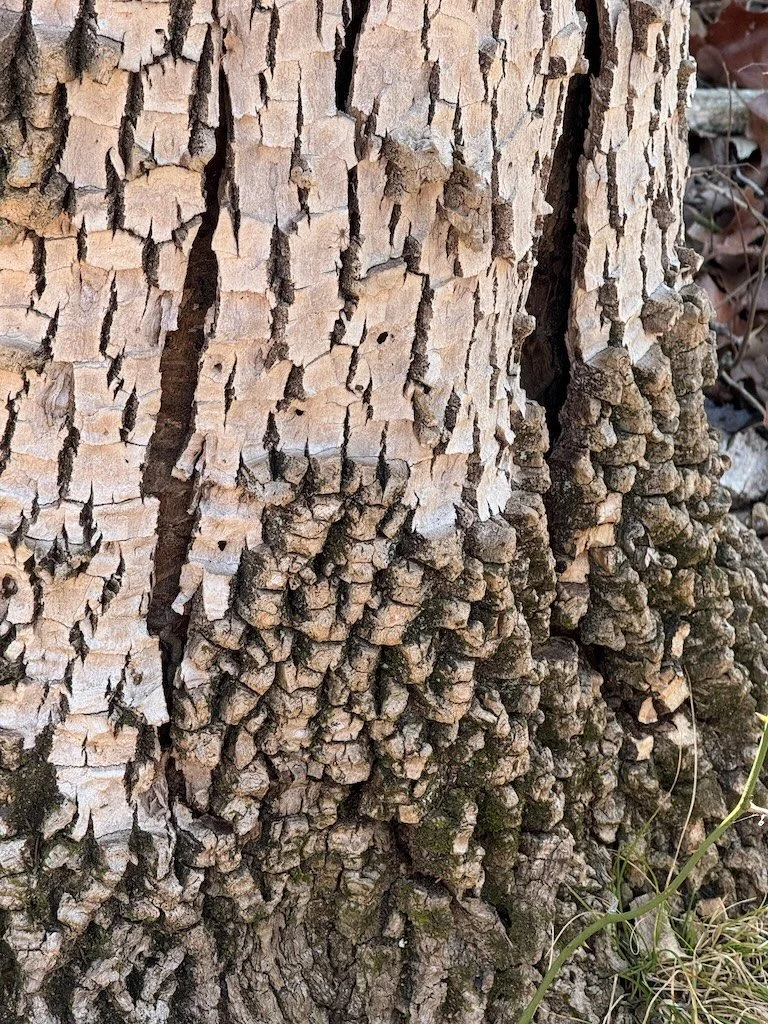
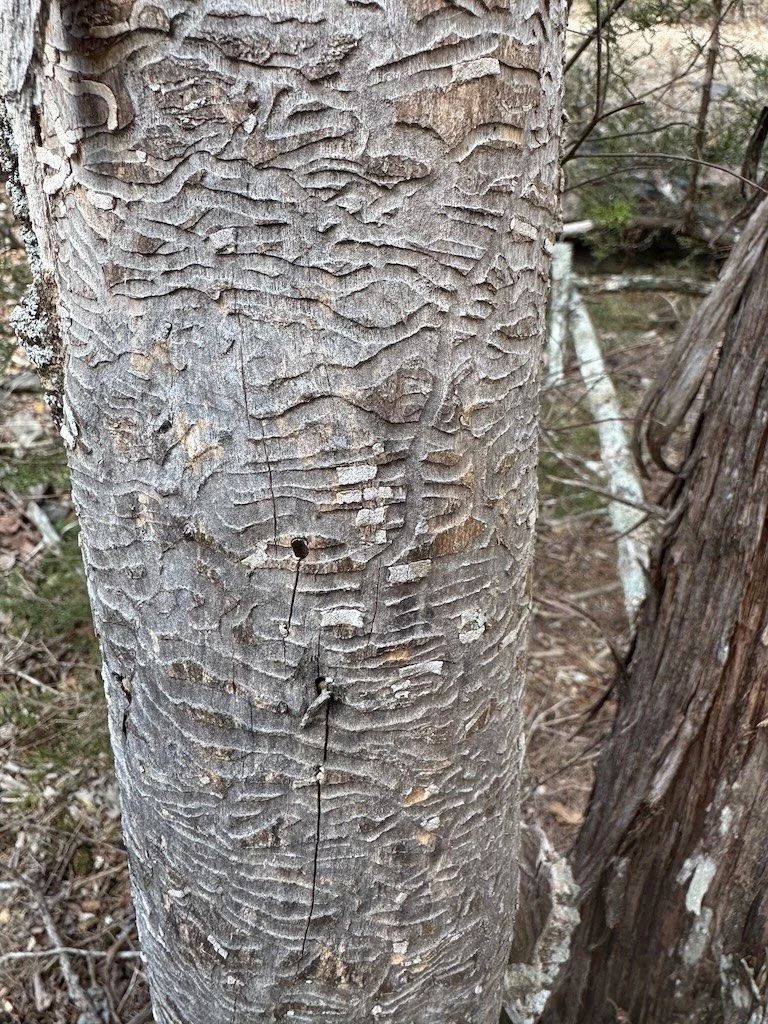
There were winter trees to observe in the forest when we started our hike – sassafras, redbud, dogwood, eastern redcedar, honey locust….and a lot of dead ash trees. Anything that had bark sluffing off (or already missing) was probably an ash. Emerald Ash Borer is taking out Missouri’s ashes just as happened on the east coast before we moved from Maryland.

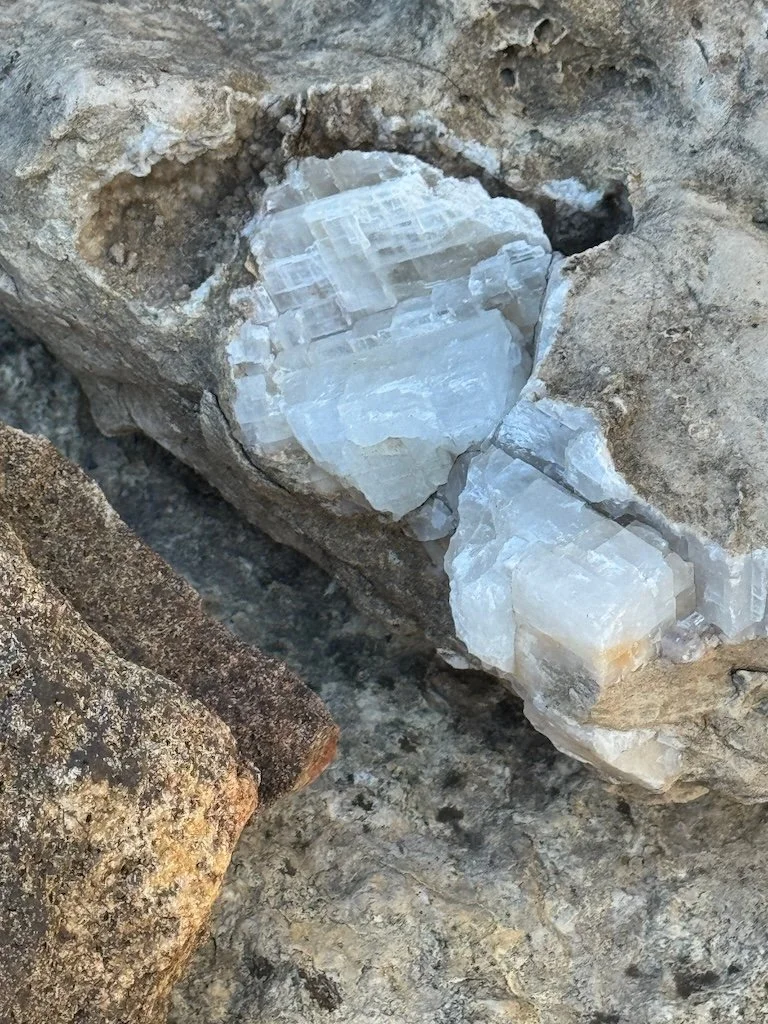
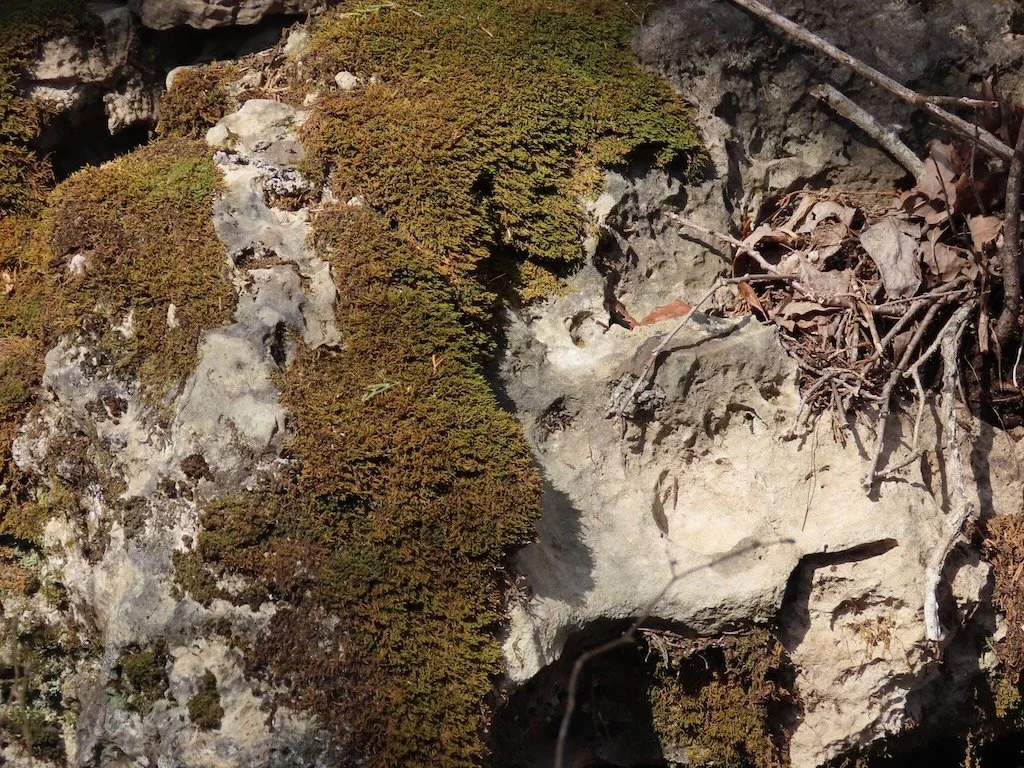
We also looked for minerals in the rocks during our downhill hike.

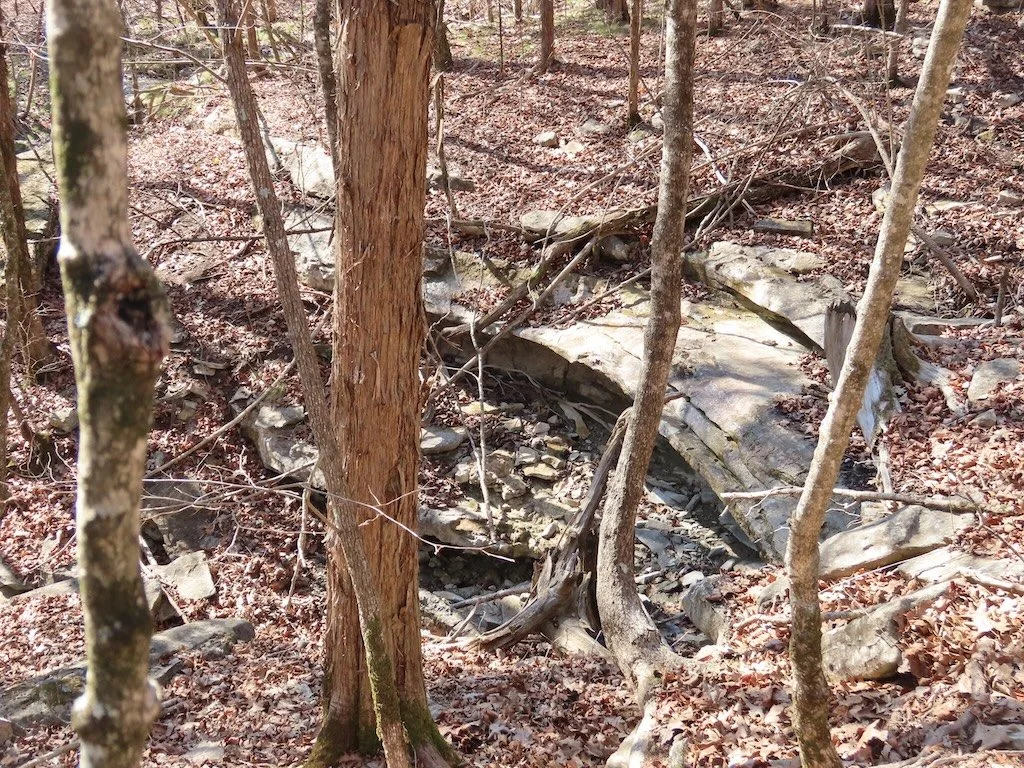
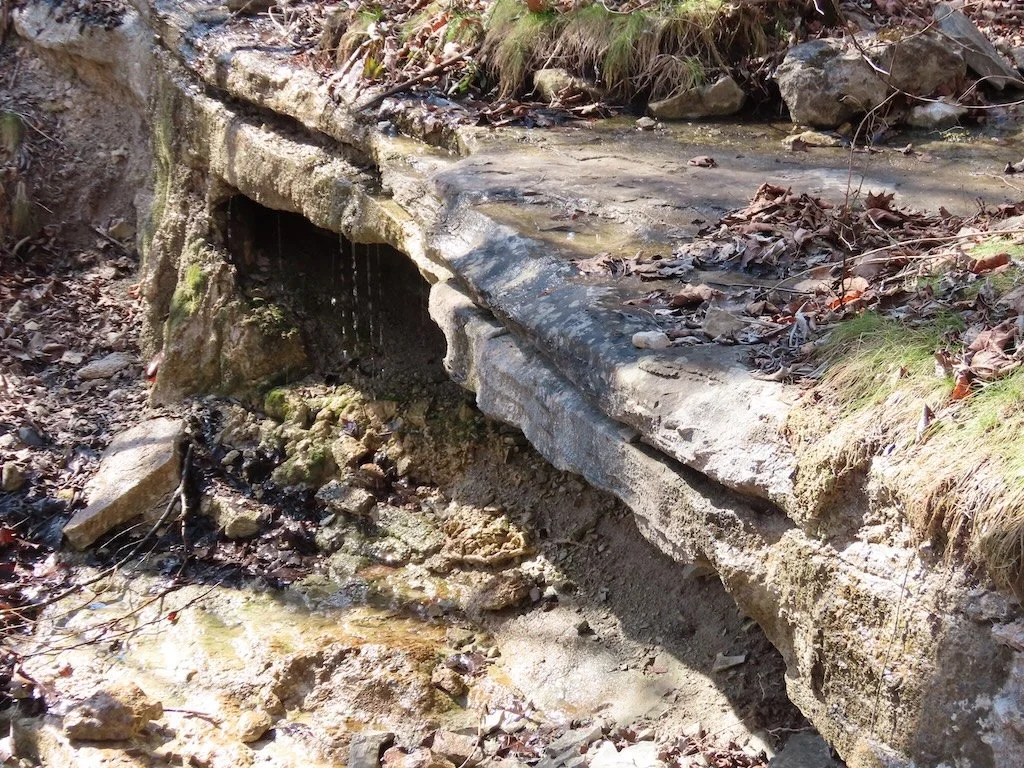
There were ledges of rock with water dripping in some areas. Moss is the greenest part of the forest this time of year.

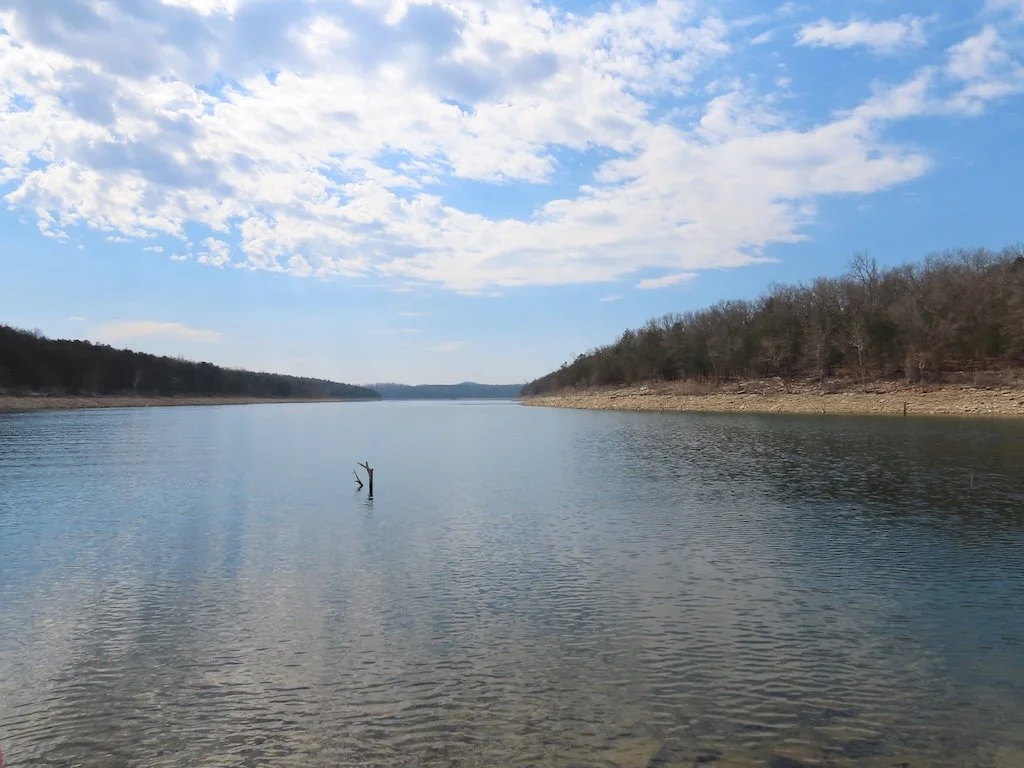
When we got down to the lake, it was obvious that the water was low; hopefully the spring rains will begin to fill it again. There were gulls….and double crested cormorants that dramatically flew out of a nearby cove.

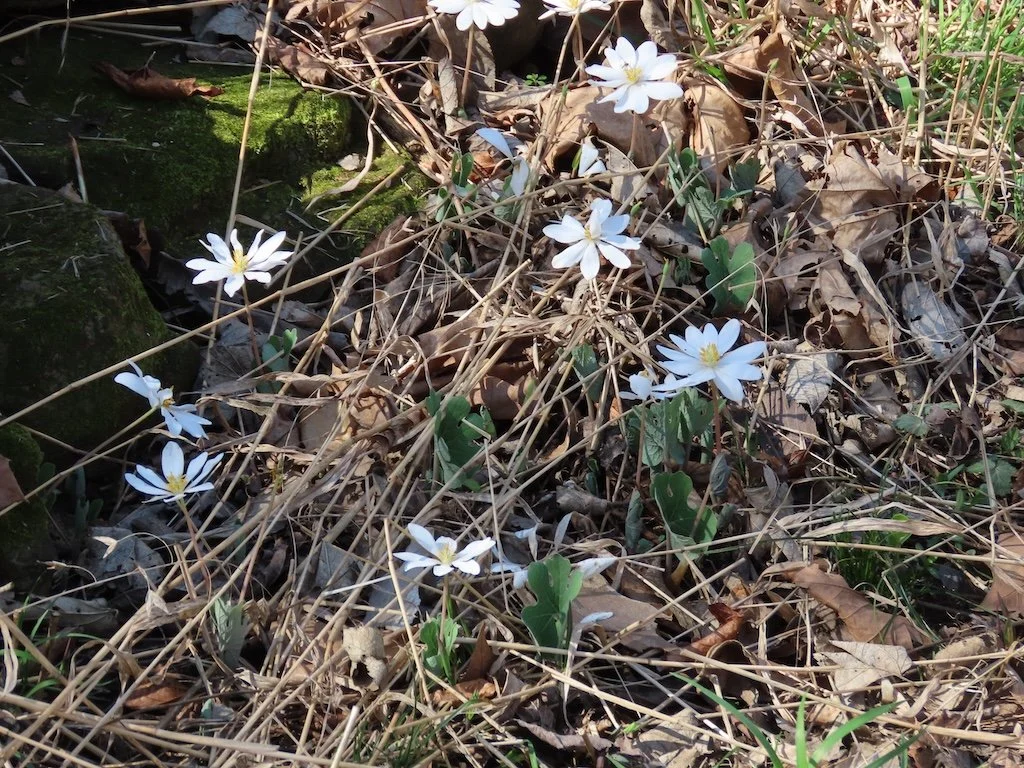
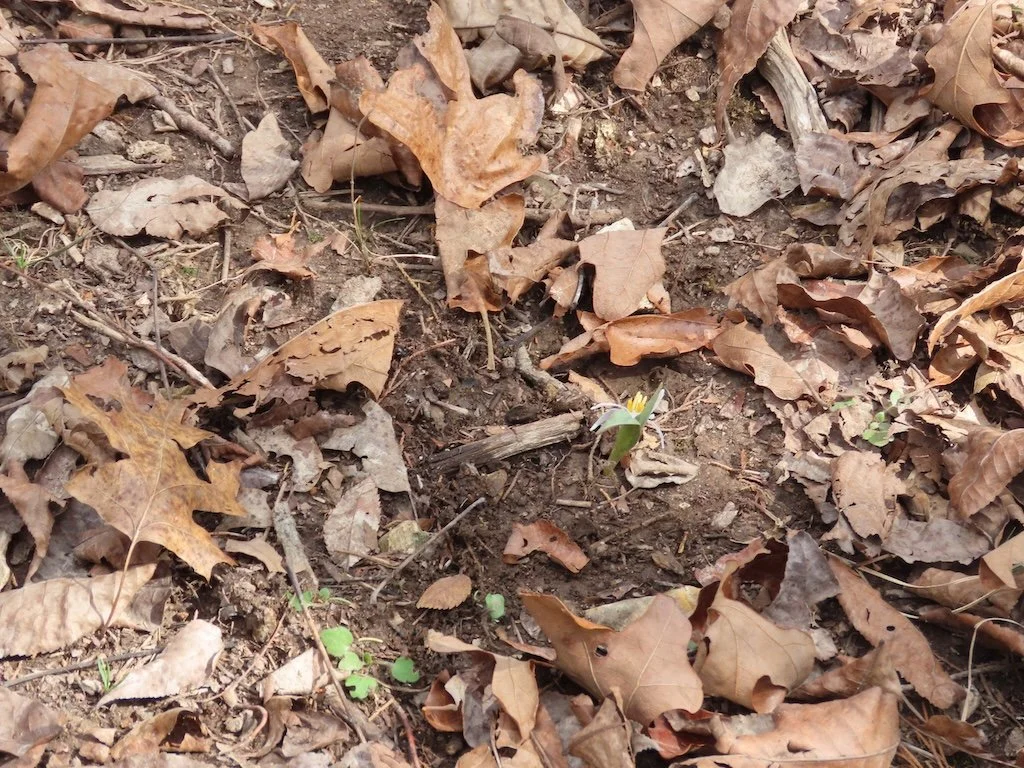
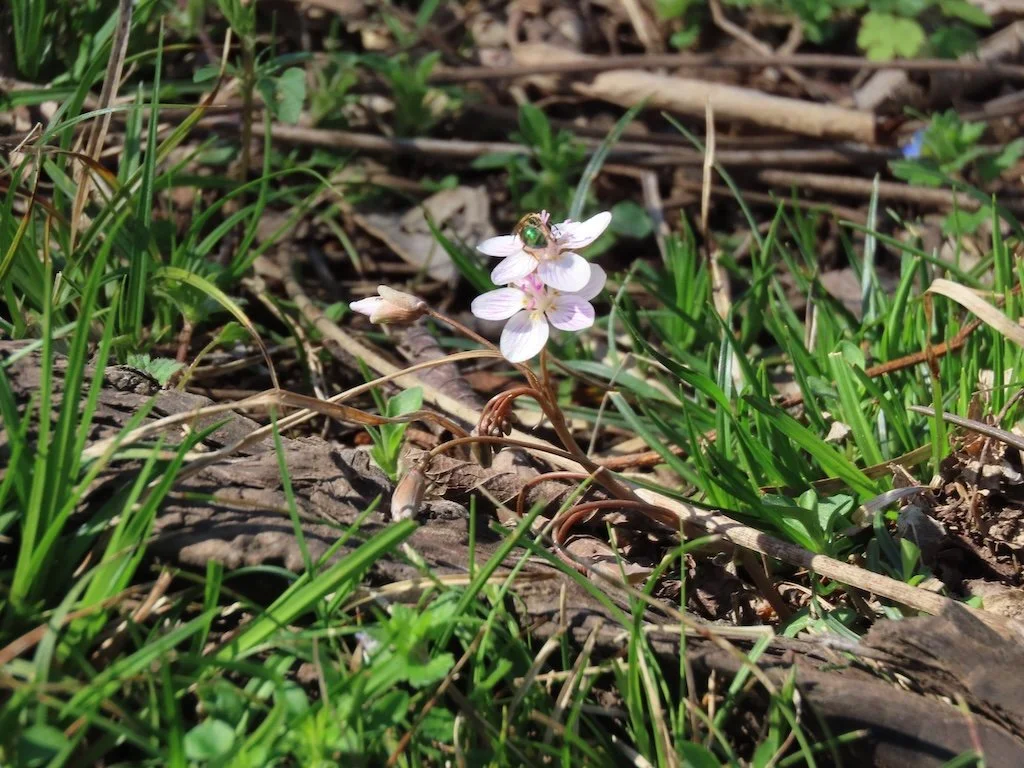
On the way back up the hill, we discovered a spring wildflower….coming up through the leaves on the path!

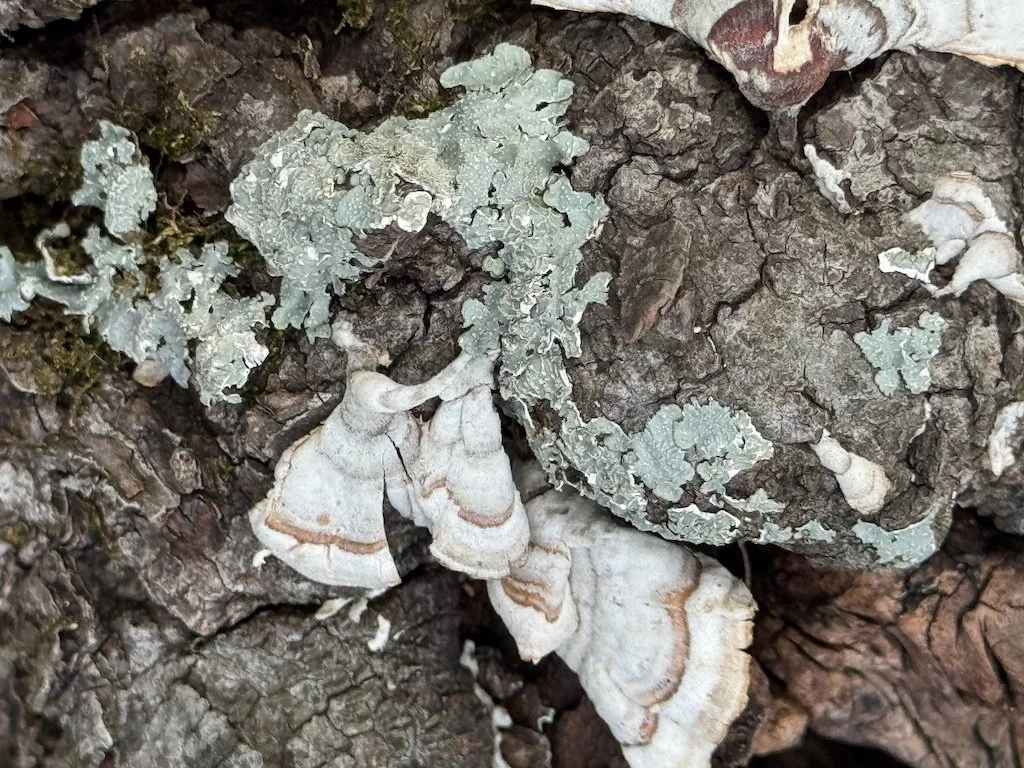
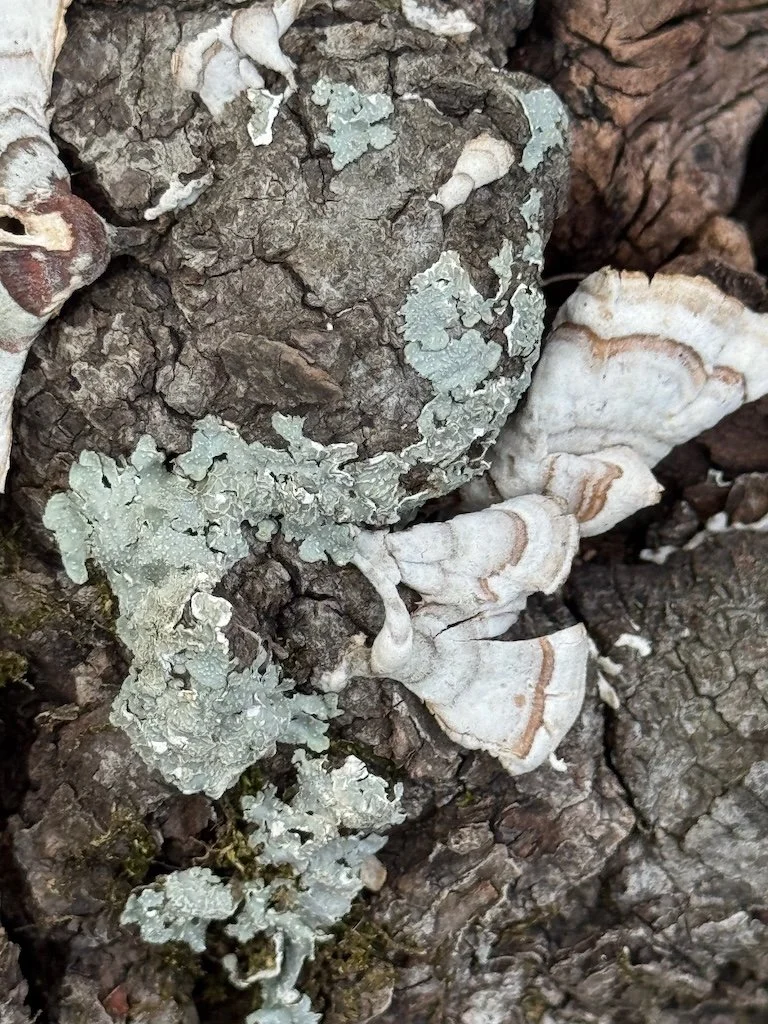
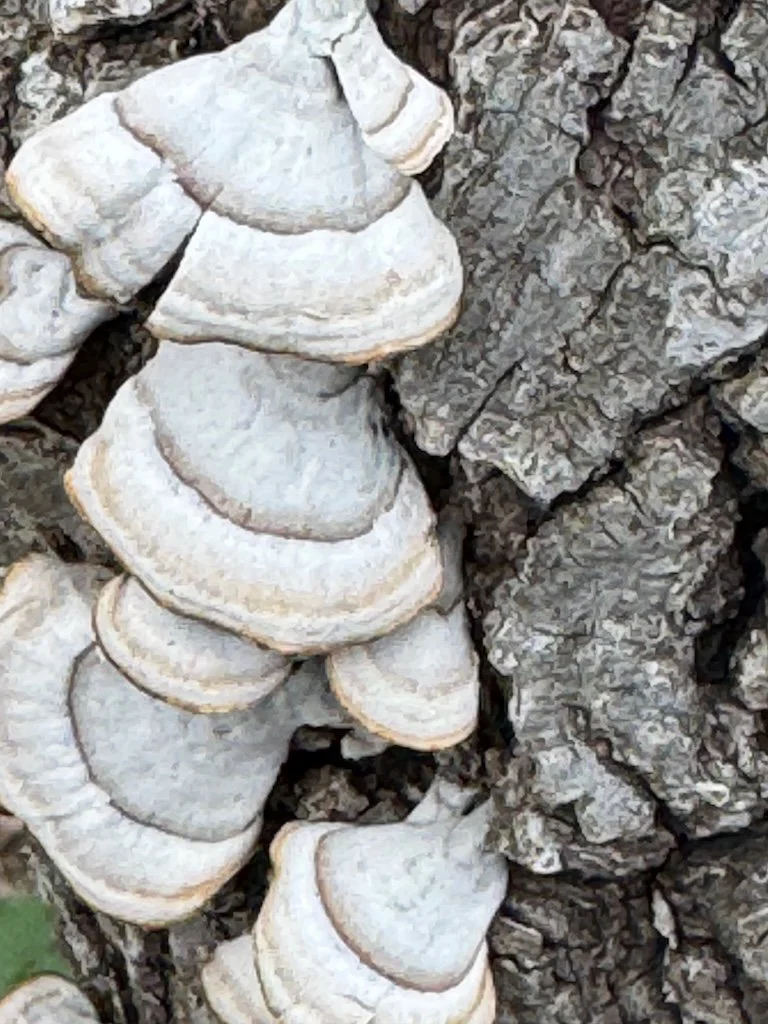
And there were some interesting shelf-fungus and lichens as well!

Gleanings of the Week Ending February 28, 2026

The items below were ‘the cream’ of the articles and websites I found this past week. Click on the light green text to look at the article.

2/16/2026 Journal of Advanced Research Association between exposure to microplastics and lipid disorders: A case-control study – Study with 239 patients aged ≥18 years who underwent fiberoptic bronchoscopy with bronchoalveolar lavage fluid (BALF) collected. Microplastics in BALF were identified and quantified using laser direct infrared spectroscopy. Fourteen main types of microplastics were detected in BALF with PE being dominant. Exposure to microplastics was associated with elevated levels of total cholesterol.

2/16/2026 National Parks Traveler A Day in the Park: Canyon de Chelly National Monument – This article reminded me of a visit to the park in 1983! We hiked the White House Trail, and I remember wading across a stream with the 4 of us holding hands just in case there was a pocket of quicksand. We managed to get through with neither of the two cameras getting dipped in the water.

2/13/2026 Science Daily Scientists make microplastics glow to see what they do inside your body - A new study proposes an innovative fluorescence-based strategy that could allow researchers to track microplastics in real time as they move, transform, and degrade inside biological systems.

2/15/2026 Our World in Data Four minutes of air conditioning - In at least 45 countries, the average residential electricity use per person for an entire day is less than the electricity that is required to power an air conditioner for one hour. In India, the daily electricity budget is sufficient for only 44 minutes of AC. In Nigeria, just 13 minutes; and in South Sudan, just 4. Most people in some of the world’s hottest countries do not use AC. The most recent data from the International Energy Agency suggests that just 5% of households in India, 6% in South Africa, and 16% in Brazil had air conditioning. In the very poorest countries, almost no one has it. In colder countries, we wouldn’t accept people freezing in their homes. The opposite is also true: we shouldn’t accept people working and living in oppressive heat without ways to cool themselves down.

2/15/2026 Planetization South Carolina Mapping Tool Tracks Marsh Migration From Sea Level Rise - A new mapping tool funded by the National Fish and Wildlife Foundation maps South Carolina’s shifting salt marshes, which are pushing inland as seawater levels rise. The mapping tool translates theoretical projections into actionable data. For a more detailed explanation and videos see the article on Governing.

1/23/2026 The Scientist Antibiotic Resistance Is Rising: 4 Trends Could Change That Course - Antibiotic resistance is sometimes framed as an inevitable catastrophe. But I believe the reality is more hopeful: Society is entering an era of smarter diagnostics, innovative therapies, ecosystem-level strategies and policy reforms aimed at rebuilding the antibiotic pipeline in addition to addressing stewardship. For the public, this means better tools and stronger systems of protection. For researchers and policymakers, it means collaborating in new ways. The question now isn’t whether there are solutions to antibiotic resistance – it’s whether society will act fast enough to use them.

2/11/2026 Smithsonian Magazine Ice Fishermen Catch Record-Breaking 244-Pound Atlantic Halibut After Hours-Long Struggle - The fish measured more than six and a half feet long and easily broke the previous record—194 pounds—for the largest halibut caught on the Saguenay, which had been set last winter. The record-breaking Saguenay fish was the 27th halibut hooked this winter as part of the research project. After organs are removed for study, the fishermen will get to keep and split roughly 170 pounds of meat.

2/16/2026 Science Daily Microplastics have reached Antarctica’s only native insect - Scientists have discovered that Belgica antarctica — a tiny, rice-sized midge and the southernmost insect on Earth — is already ingesting microplastics in the wild. While lab tests showed the hardy larvae can survive short-term exposure without obvious harm, those exposed to higher plastic levels had reduced fat reserves, hinting at hidden energy costs.

2/16/2023 Cool Green Science 8 of the World’s Little-Known Wildlife Migrations – Lots of different kinds of animals of this list!

2/16/2026 Yale Environment 360 Despite Rollbacks, U.S. Fossil Fuels Face Tough Road Ahead - The weakening of environmental regulations belies the downward trajectory for fossil fuels under President Trump. Today, the U.S. coal fleet is the smallest it has been in decades, having shrunk roughly in half since 2010. There are no new coal plants under construction. Oil is expected to stagnate as global production outpaces demand. Oil executives say the shale boom may be coming to an end. Natural gas remains a bright spot for U.S. fossil fuels as a recent boom in gas exports continues to drive demand for U.S. gas

Ten Little Celebrations – February 2026

I celebrated getting outdoors in February and a flurry of education related activities!

Melting snow. We had snow on the ground for the last week of January and into February. We all celebrated when it finally melted although it was pretty as long as one didn’t have to get out and about.

Cranberry orange relish. I used my last frozen cranberries to make cranberry orange relish – savored the flavor….and will miss it until the cranberries are in the stores again in the fall.

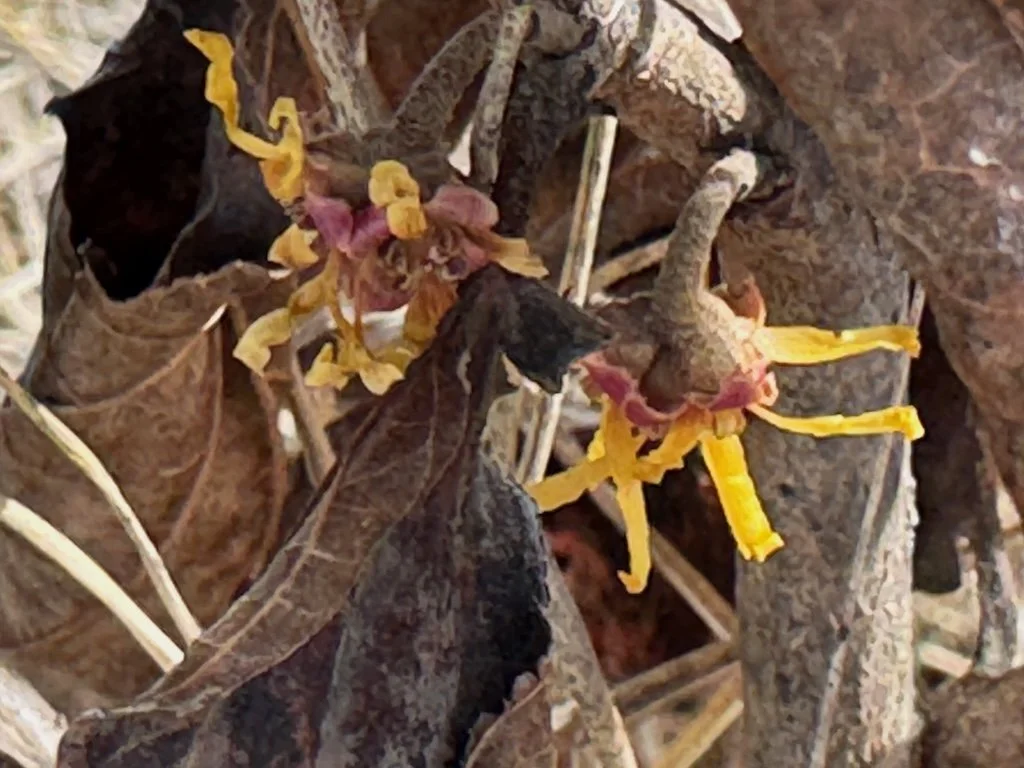
Ozark Witch Hazel blooming. My small Ozark Witch Hazel I planted last spring is blooming. It retained its leaves so the blooms were a little difficult to see.

Missouri fish and amphibian webinars. There were two webinars that were a pleasant surprise in February – they were very well done.

Salmon salad. I celebrated the flavors of salmon, pear, and cabbage with a lemon honey olive oil dressing – with a feisty lime blend of seasonings.

Training for master naturalists. I celebrated that the training plan for the new cohort of Missouri Master Naturalists in our area seems to be coming together. It looked daunting at first.

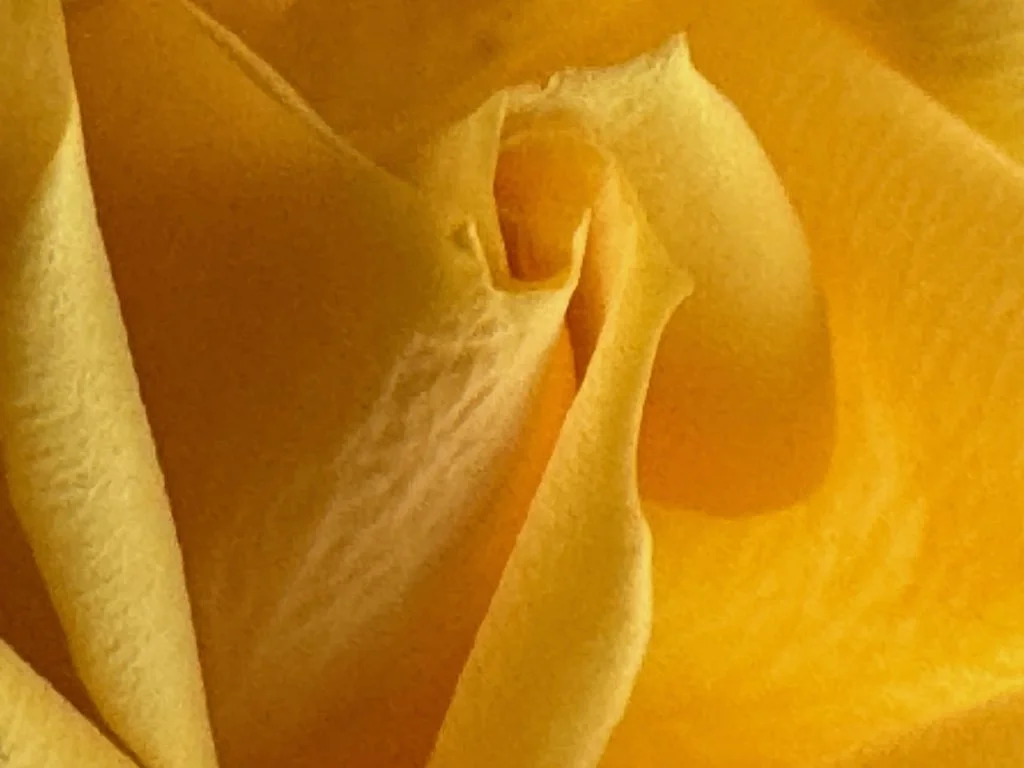
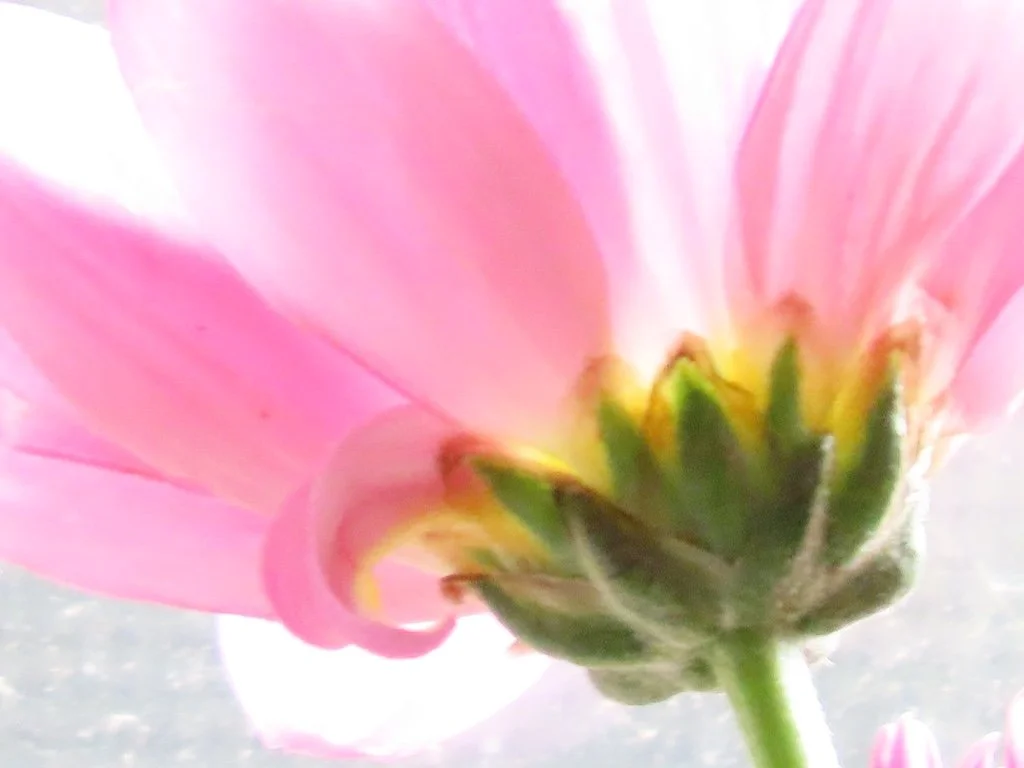
Macro and high key flower photography. I celebrated a winter photography project – a purchased bouquet on the windowsill in my office.

Ecoregion maps of Missouri. Looking at maps from an out-of-print Atlas was interesting and I celebrated how great they will fit into a presentation for the master naturalist training next fall – the module I will be presenting.

Wilson’s Creek National Battlefield. I celebrated the longest hike of the month – interesting place for birds and habitats…and also thinking about history and the way it looked during the Civil War.

Plastics and human health webinar.  I heard a webinar on the same topic with the same speaker from a year ago – and realized that this topic is progressing rapidly. I celebrated that she’ll likely continue to present webinars and include new information.